School fundraisers that make the most money share one quality that separates them from bake sales and candy drives: they transform donors into invested community members rather than casual customers. Whether your school is filling a budget gap, funding a new athletic facility, or building a scholarship endowment, the campaigns that consistently generate the highest returns combine compelling storytelling, visible progress tracking, and meaningful recognition that keeps supporters coming back year after year.
This guide covers the top-earning fundraising formats used by K-12 schools and universities, the strategies that separate high-performing campaigns from mediocre ones, and how the physical spaces inside your school—particularly the lobby—can become one of your most powerful fundraising tools.
Few decisions carry higher stakes for a school administrator or booster club president than choosing which fundraiser to run. A poorly matched campaign wastes volunteer hours, strains parent relationships, and yields disappointing returns. The right campaign, executed with clear goals and strong community engagement, can generate tens or even hundreds of thousands of dollars while strengthening the bonds that make a school community thrive.

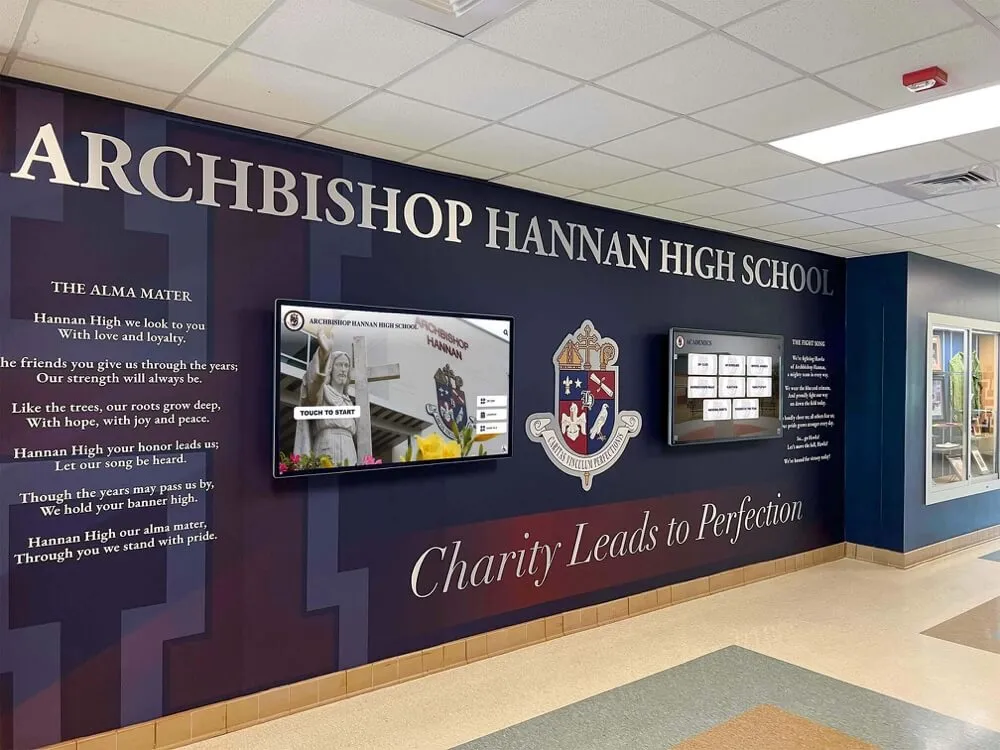
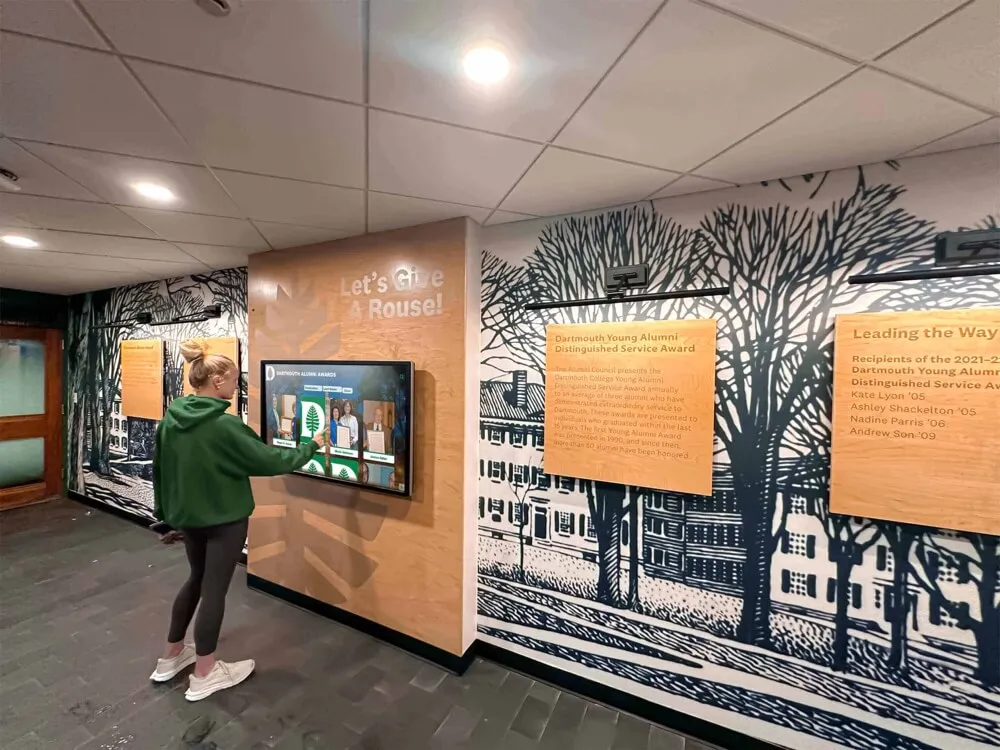
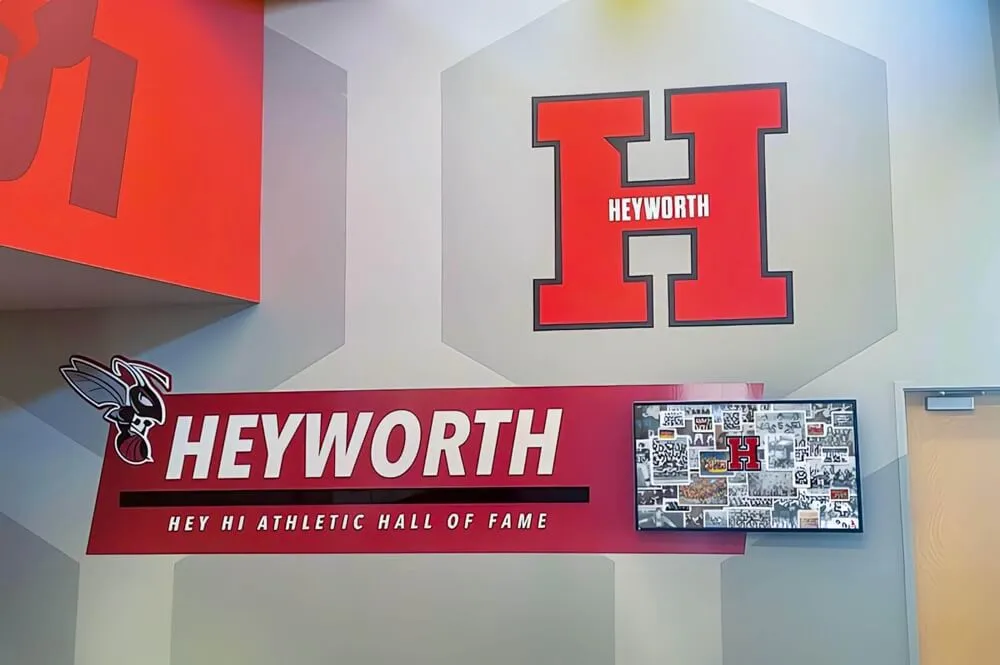
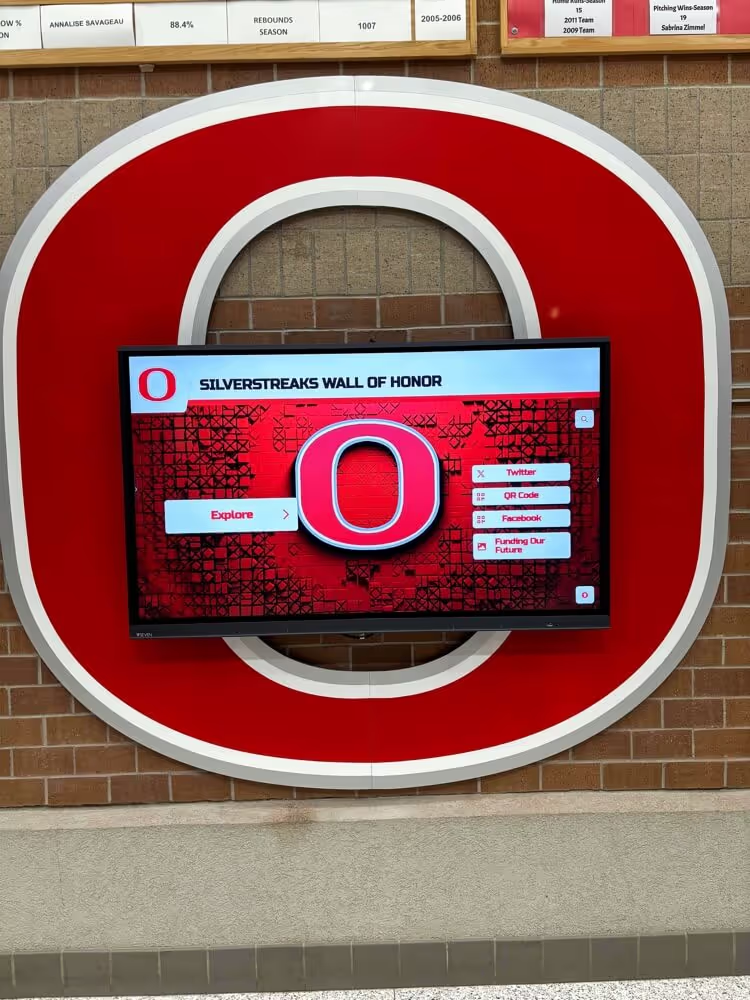
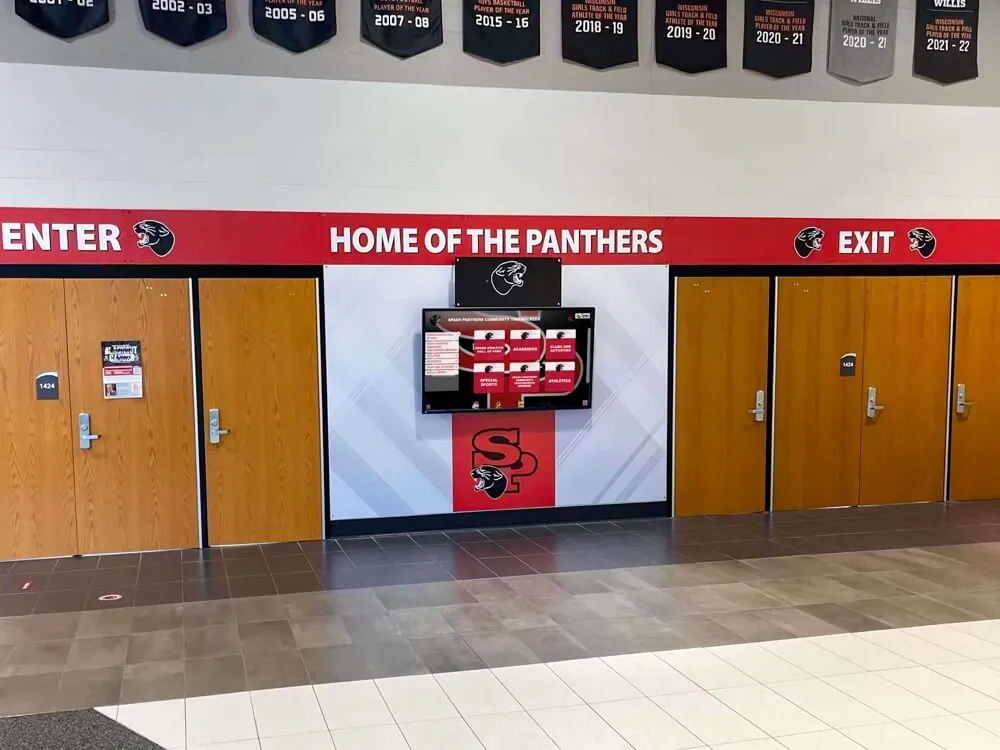
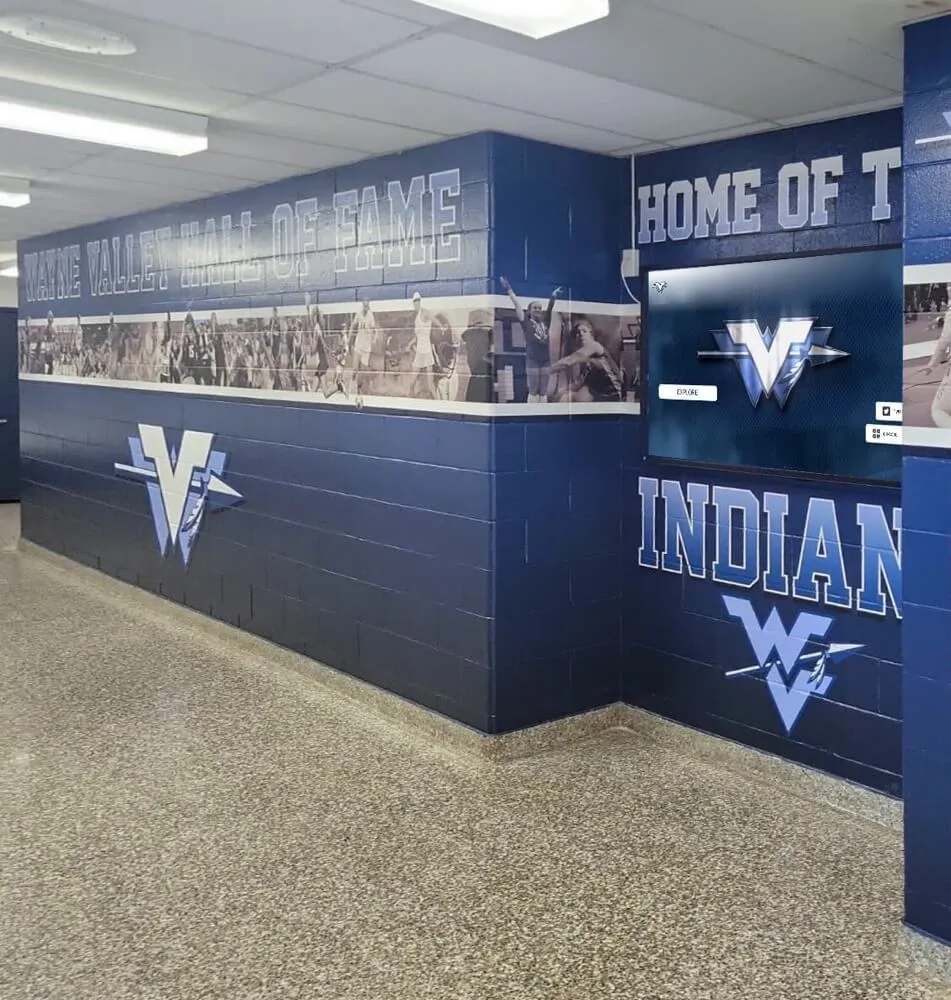
School lobbies are prime real estate for fundraising thermometers, donor walls, and recognition displays that inspire generosity in every visitor who walks through the door
Why the Right Fundraiser Type Determines Everything
Before diving into specific campaigns, it helps to understand how professional development officers and school foundations categorize fundraising efforts. Most school fundraising revenue comes from three pools: broad community participation (many smaller gifts), major donor cultivation (fewer, larger gifts), and institutional or corporate partnerships. School fundraisers that make the most money typically draw from at least two of these pools simultaneously.
The highest-grossing campaigns also share structural advantages:
- Low overhead relative to gross revenue — Product sales that require ordering, storing, and distributing inventory eat into margins. Events and pledge-based campaigns often return 60–80 cents on every dollar raised.
- Recurring donor pipelines — A one-time car wash raises a few hundred dollars and ends. A naming opportunity campaign turns contributors into permanent stakeholders.
- Community visibility — Campaigns tied to visible recognition—lobby thermometers, digital donor walls, naming rights—create social proof that accelerates giving.
- Alumni and family network activation — Schools that effectively engage their alumni base access a donor pool that most peer institutions leave untapped.
The Top School Fundraisers That Make the Most Money
1. Capital Campaigns
Capital campaigns are the single highest-earning fundraising vehicles available to schools. A well-run capital campaign for a new gymnasium, performing arts center, or technology wing commonly raises hundreds of thousands to several million dollars over a 3–5 year period. Success depends on a clearly articulated case for support, a leadership gift phase that secures 50–70% of the goal before public launch, and a capital campaign timeline that systematically moves prospects from awareness to commitment.
Capital campaigns work at every school level—elementary through university—because they offer named giving opportunities that create lasting recognition. A family that endows a scholarship or names a room experiences something fundamentally different from a family that buys a candy bar: they become part of the school’s permanent story.
Revenue range: $50,000–$10M+ depending on school size and project scope Timeline: 3–5 years (including silent and public phases) Best for: Facility upgrades, endowments, technology initiatives
2. Pledge-Drive Events (Walk-a-Thons, Read-a-Thons, Run-a-Thons)
Pledge drives are among the highest-margin school fundraisers that make the most money in the elementary and middle school space. Students collect pledges from family members, neighbors, and community contacts, then complete a physical or academic activity to unlock those commitments. Because there is no product to purchase or inventory to manage, almost every dollar raised goes directly to the school.
Modern pledge platforms (FundRun, 99Pledges, Snap! Raise) have dramatically increased average per-student fundraising by providing online pledge collection, automated email reminders, and real-time leaderboards that create healthy competition between classrooms.
Revenue range: $10,000–$150,000 for a single event Overhead: 10–20% with professional platforms Best for: Elementary and middle schools with strong parent networks
3. Auction Galas and Benefit Dinners
A well-executed auction gala combines the social energy of a community event with the revenue potential of major donor cultivation. Live auction items—vacation packages, sports experiences, artwork, naming opportunities—can generate five-figure bids from a single lot. Silent auction tables running throughout the evening add volume from broader attendance.
The gala format also provides ideal conditions for capital campaign major gift conversations. Prospects who experience the school’s community warmth firsthand, surrounded by peers equally invested in the institution, are far more likely to make transformational commitments.
Revenue range: $25,000–$500,000+ Overhead: 25–40% (venue, catering, entertainment) Best for: High schools, universities, foundations with affluent donor bases
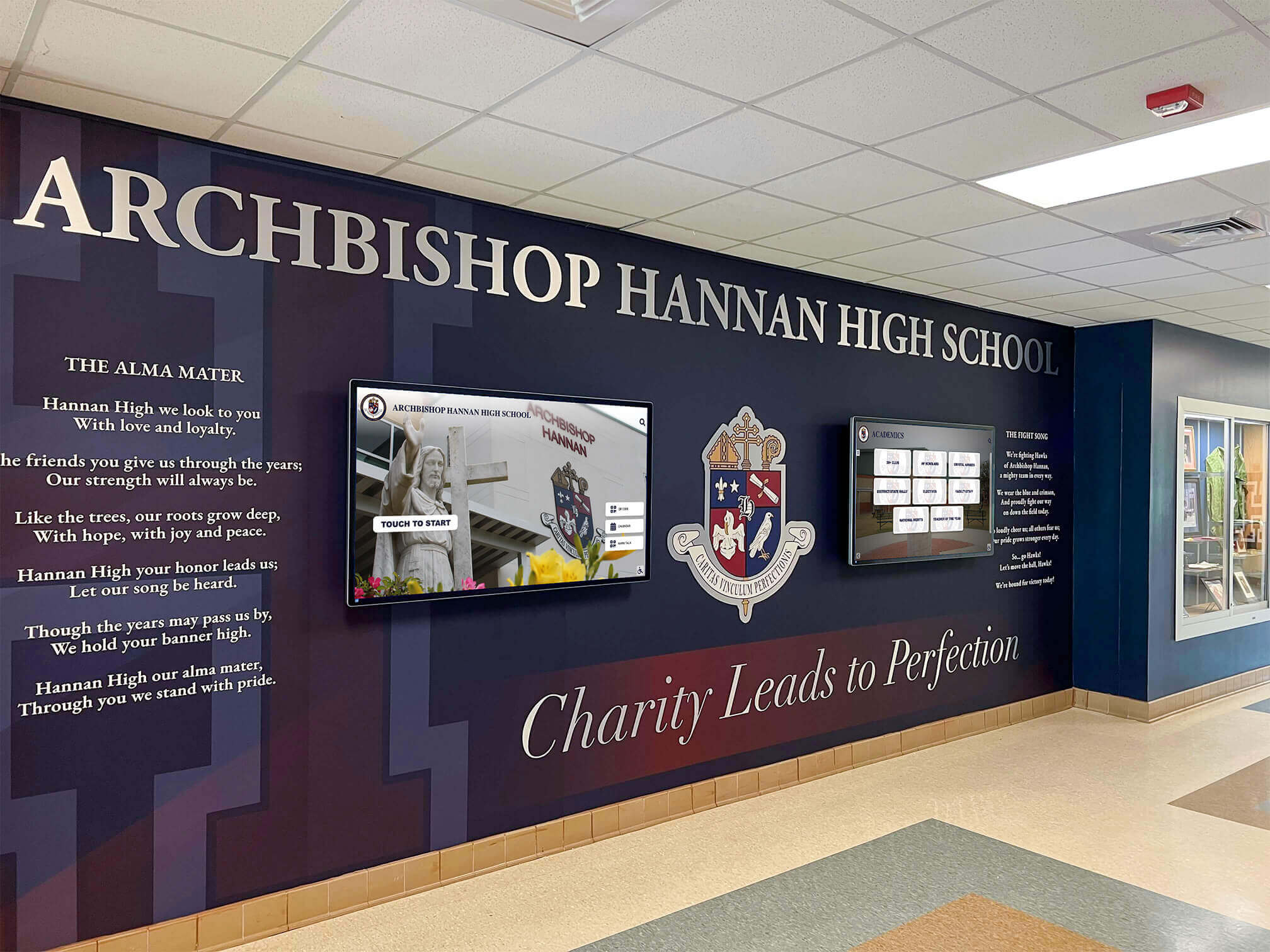
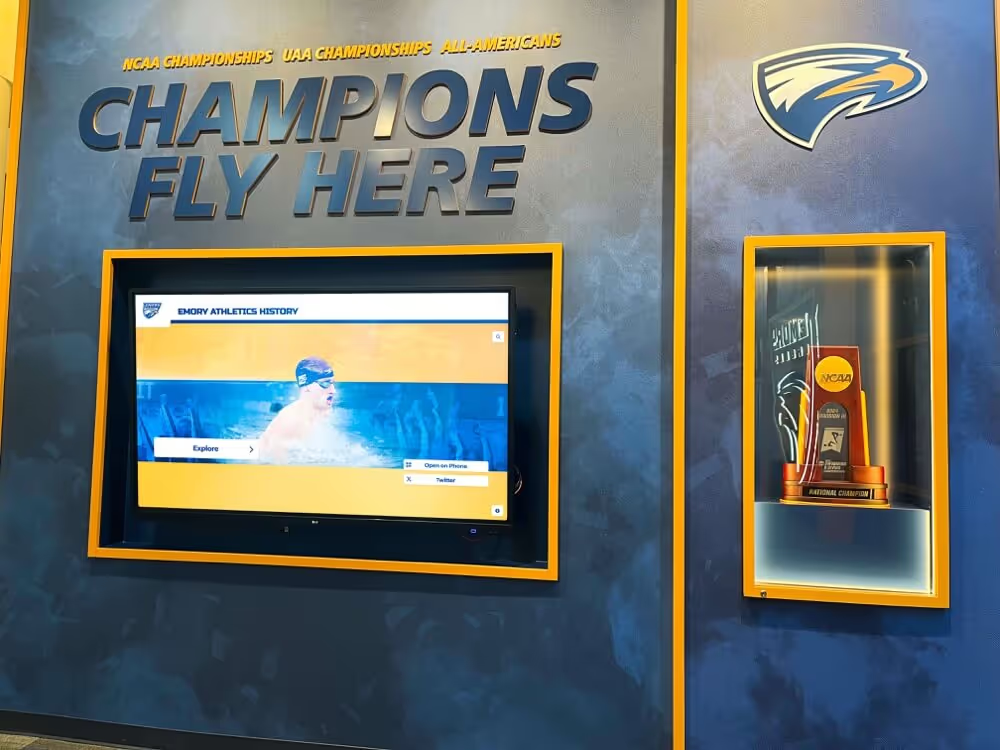
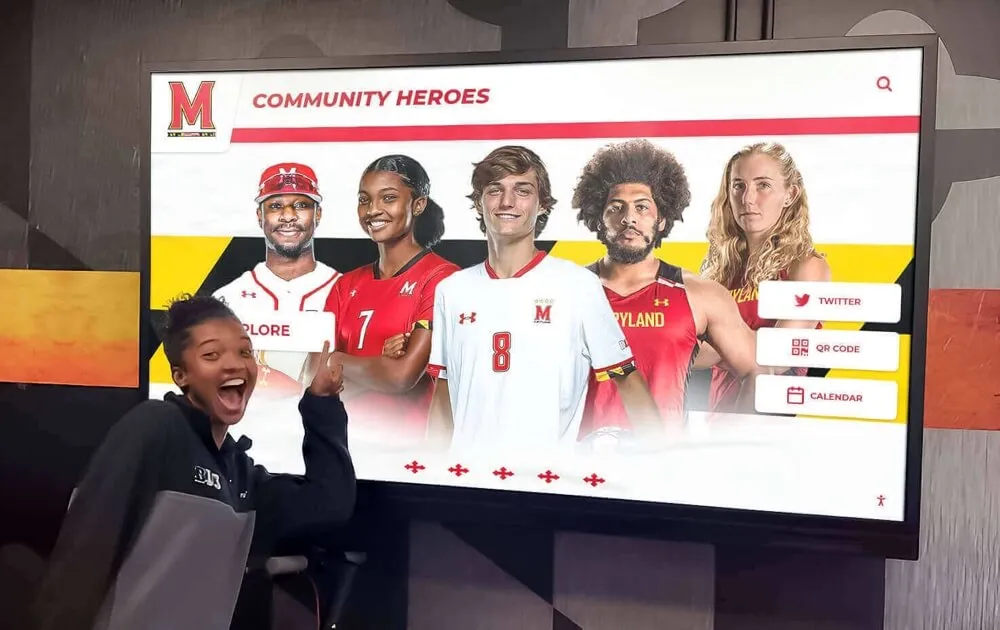
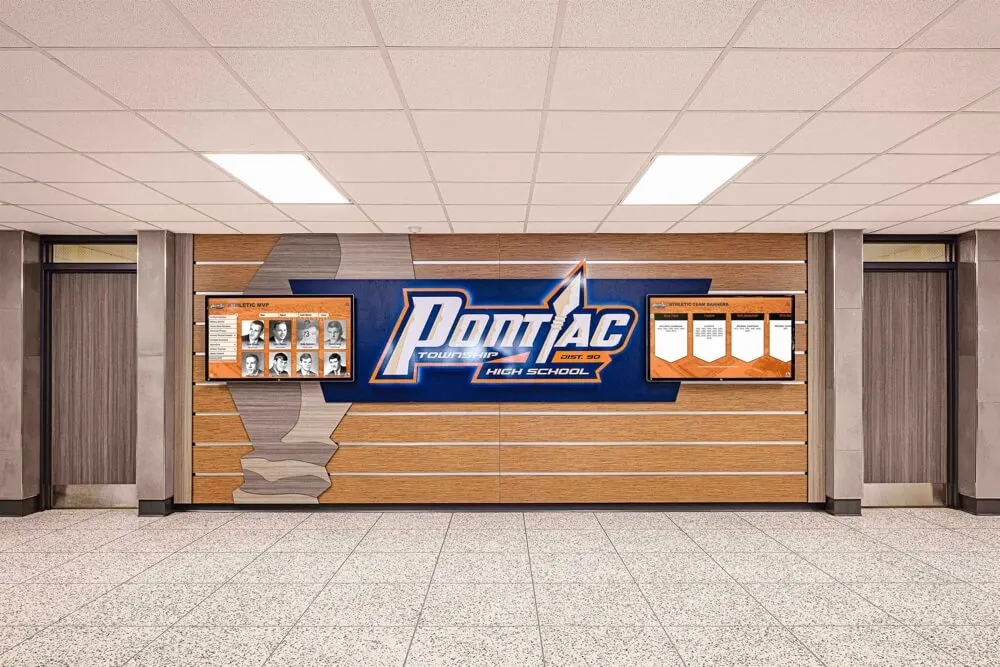
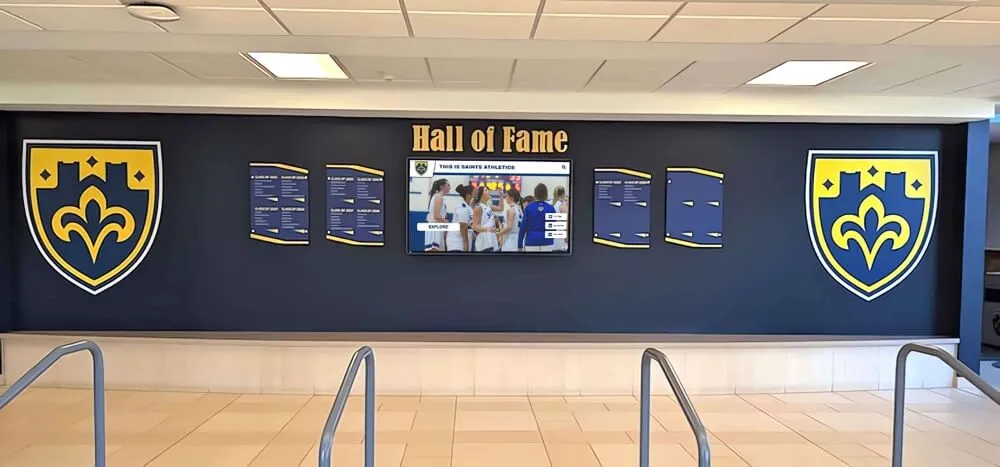
Creating an impressive donor-facing environment in your school lobby—complete with digital recognition displays—signals to prospective supporters that their gifts will be honored with care
4. Online Crowdfunding Campaigns
Crowdfunding platforms purpose-built for education (DonorsChoose, Booster, GoFundMe Education) have made it possible for individual teachers and school clubs to raise thousands of dollars in days. When an entire school coordinates a crowdfunding campaign around a compelling narrative—a new library, an inclusive playground, a championship-level athletic program—the results scale dramatically.
The most successful school crowdfunding campaigns combine a specific, emotionally resonant ask with a clear deadline and social media amplification. Matching gift challenges, where a lead donor agrees to match contributions dollar-for-dollar up to a specified amount, consistently double or triple campaign totals by creating urgency and amplifying the impact of every individual gift.
Revenue range: $1,000–$100,000 per campaign Overhead: 5–8% platform fees Best for: Specific project funding, teacher-led initiatives, emergency needs
5. Alumni Annual Fund Programs
Universities and high schools with organized alumni associations have access to a donor pool that most schools dramatically underutilize. Annual fund programs—systematic, recurring appeals to graduates—build predictable revenue that funds operating priorities without the volatility of event-based fundraising.
The keys to a productive alumni annual fund are consistent communication, meaningful recognition at every giving level, and visible proof that past gifts made a difference. Schools that plan alumni events that bring graduates back to campus consistently outperform peer institutions because reconnected alumni give at higher rates and larger amounts.
Revenue range: $10,000–$1M+ annually (depending on alumni base size) Overhead: 15–25% (staff, communications, events) Best for: High schools with active booster clubs, colleges, universities
6. Corporate Matching and Sponsorship Programs
Many corporations match employee charitable contributions dollar-for-dollar, and a surprising number of school families work for companies with matching programs that go unclaimed. A proactive matching gift outreach campaign—simply asking families to check their employer’s matching policy—can add 10–30% to any existing fundraiser’s total at no additional cost.
Corporate sponsorships for athletic programs, fine arts performances, and school publications represent a related high-return strategy. Businesses gain community visibility and goodwill; schools gain unrestricted or program-specific funding. The most successful sponsorship programs offer tiered recognition packages: signage, program ads, and permanent donor recognition in school lobbies and on digital displays.
Revenue range: Varies; matching can add 10–30% to existing campaigns Overhead: Low (primarily staff time for outreach) Best for: All school types with corporate-connected parent communities
7. Golf Tournaments
Golf tournaments occupy a unique space among school fundraisers that make the most money because they function simultaneously as a fundraiser, a stewardship event, and a major donor cultivation opportunity. A 4-person scramble with 144 players, hole sponsorships, and a lunch or dinner component regularly nets $30,000–$100,000 for athletic booster clubs and school foundations.
The format also appeals to alumni and community members who have aged out of product sales enthusiasm but remain deeply invested in the institution. Naming a hole for a major sponsor, printing a program that recognizes all contributors, and presenting a school award ceremony-style recognition at the dinner portion transforms a golf outing into a community institution.
Revenue range: $30,000–$150,000 Overhead: 30–45% (venue, food and beverage, prizes) Best for: High schools and universities with alumni donor networks
8. School Spirit Merchandise
Spirit wear programs—customized apparel, accessories, and gear carrying school colors and logos—perform best when tied to a specific campaign narrative rather than as standalone merchandise tables. Limited-edition items tied to a championship season, a school anniversary, or a building dedication create scarcity and emotional connection that drives higher average purchase values.
Modern spirit wear vendors handle fulfillment online, eliminating the inventory and distribution headaches that plagued traditional t-shirt fundraisers. Schools earn 30–50% margins on every item with no upfront investment.
Revenue range: $5,000–$50,000 Overhead: 50–70% (product cost) Best for: Booster clubs, class fundraisers, spirit weeks
9. Restaurant and Business Partnership Nights
Dine-to-donate events—where a local restaurant donates 15–20% of sales on a designated night to the school—require minimal planning and generate community goodwill alongside modest revenue. Their real value lies in habit-formation: families who participate in monthly restaurant nights become reliable small donors who upgrade to major gifts when asked over time.
Expanding the concept to retail partnerships (a percentage of purchases at a local business on a specific day), grocery store receipts programs, and service business referral arrangements creates a diversified stream of community-based revenue.
Revenue range: $500–$5,000 per event Best for: PTAs, elementary schools, ongoing community relationship building
What Separates High-Earning Campaigns from Average Ones
Understanding which fundraiser types perform best is only half the equation. The same format produces wildly different results depending on execution. The highest-grossing school campaigns consistently apply several principles that are absent from mediocre ones.
Clear, Compelling Goals with Visual Progress Tracking
Donors give more generously when they can see exactly where they are relative to a goal. The thermometer graphic on the gymnasium wall, the progress bar on the campaign website, the “X days left” countdown in the school newsletter—these create urgency and demonstrate momentum. Each time a donor sees the thermometer rise, they experience a small dopamine reward that reinforces their connection to the campaign.
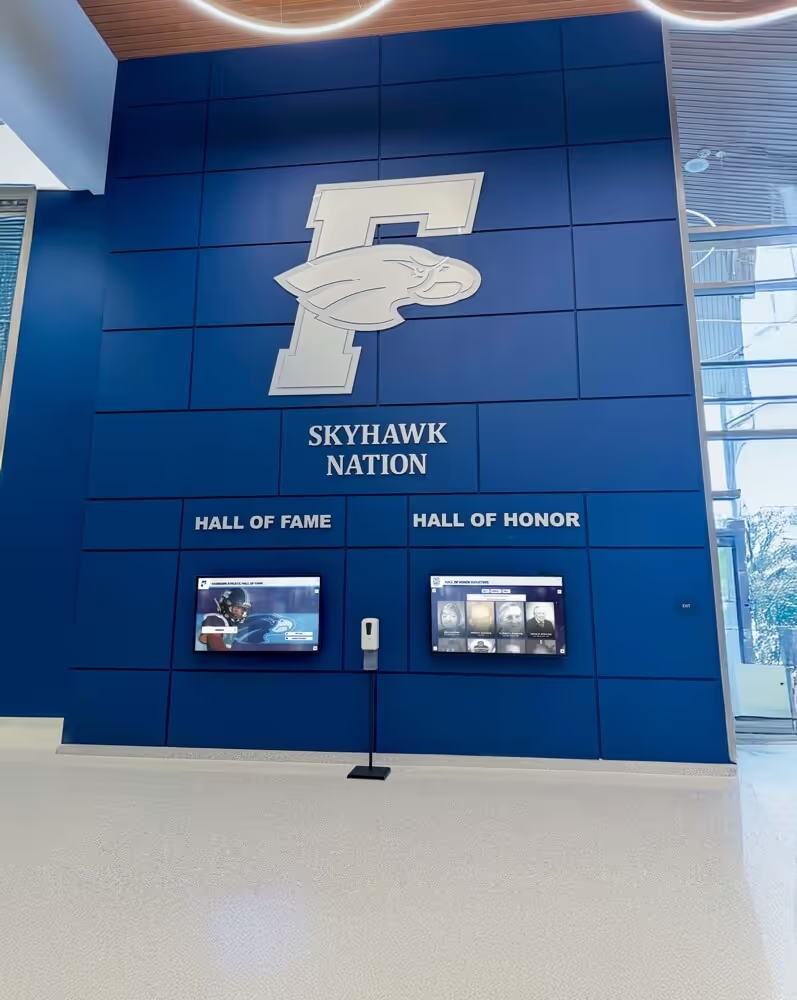
Digital displays in school lobbies take this principle further by updating in real time and presenting donor recognition alongside the progress indicator. When a prospective donor walks into the lobby and sees their neighbor’s name on a digital donor wall next to the campaign thermometer showing 78% of goal, the social proof is immediate and powerful.
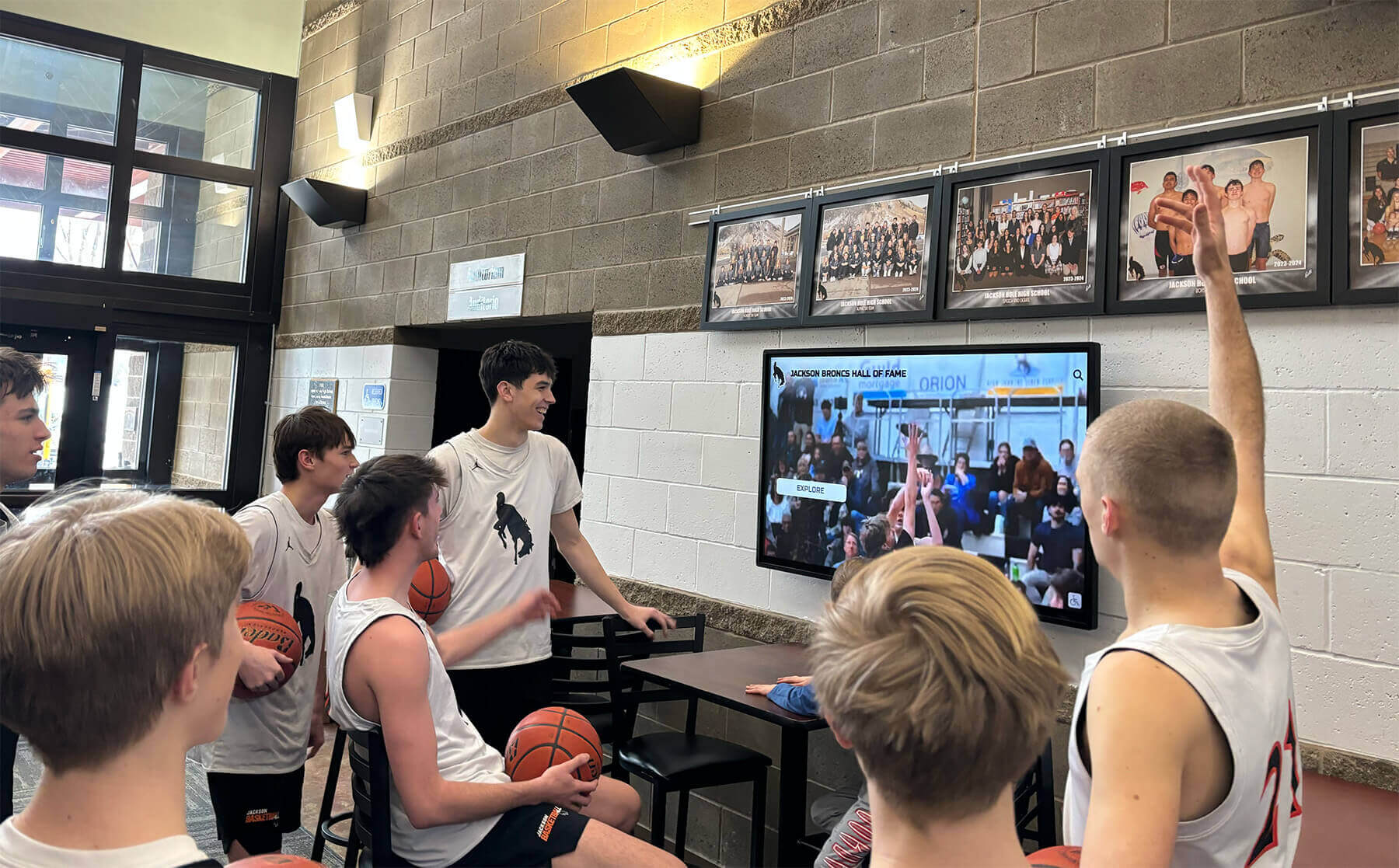
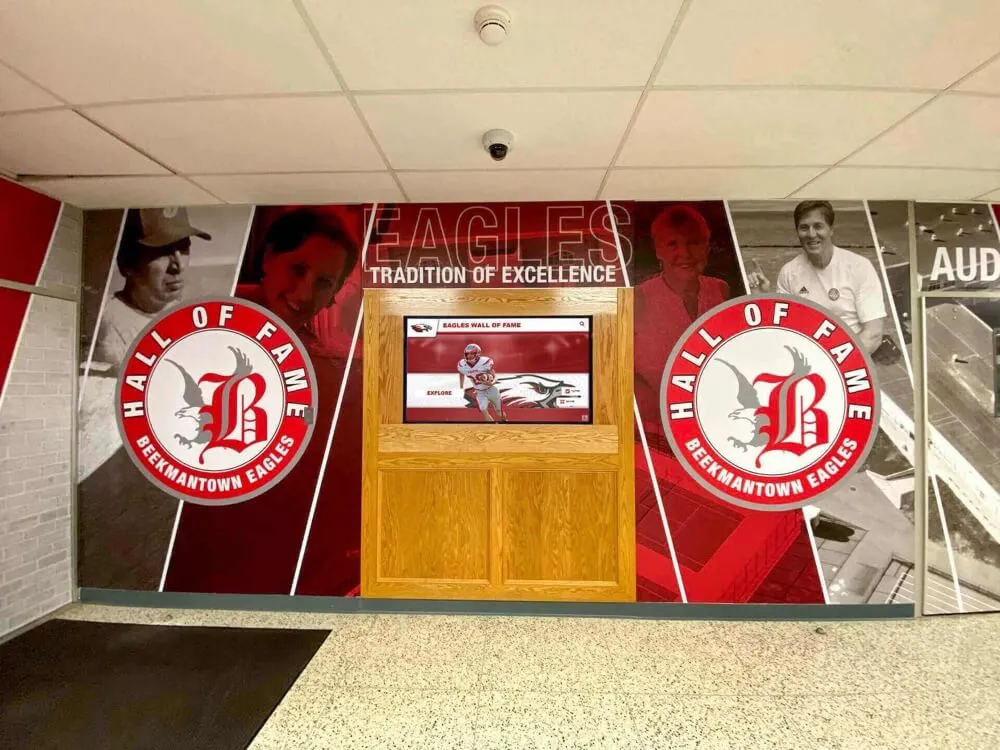
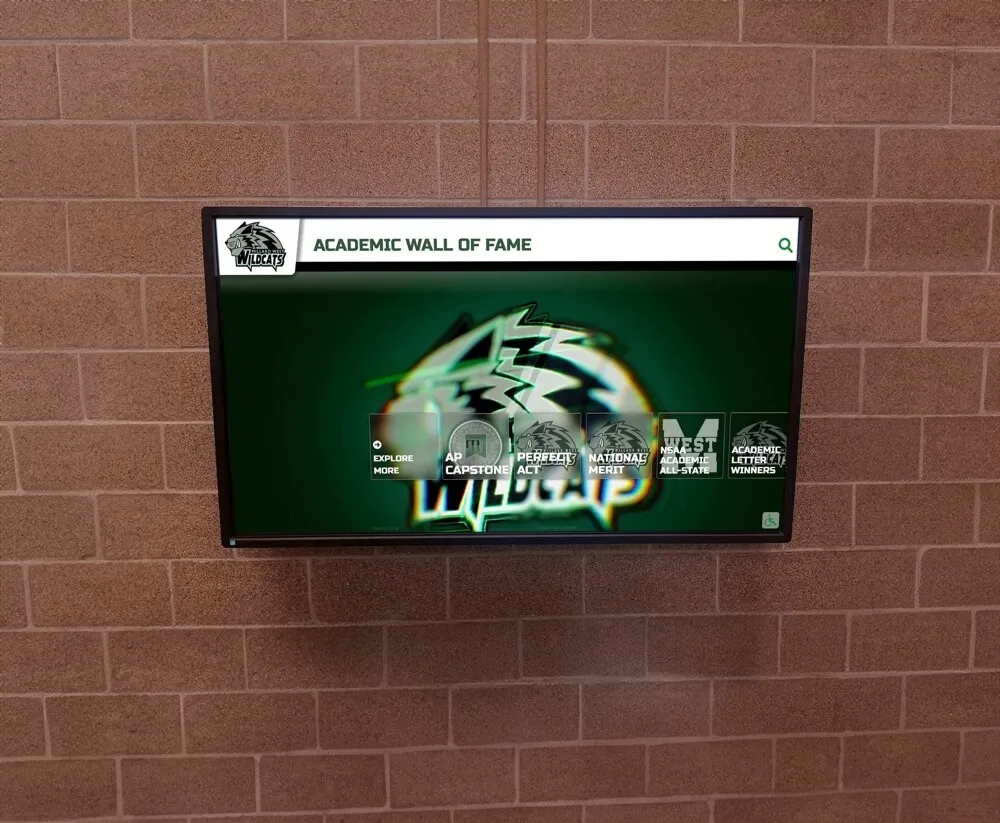
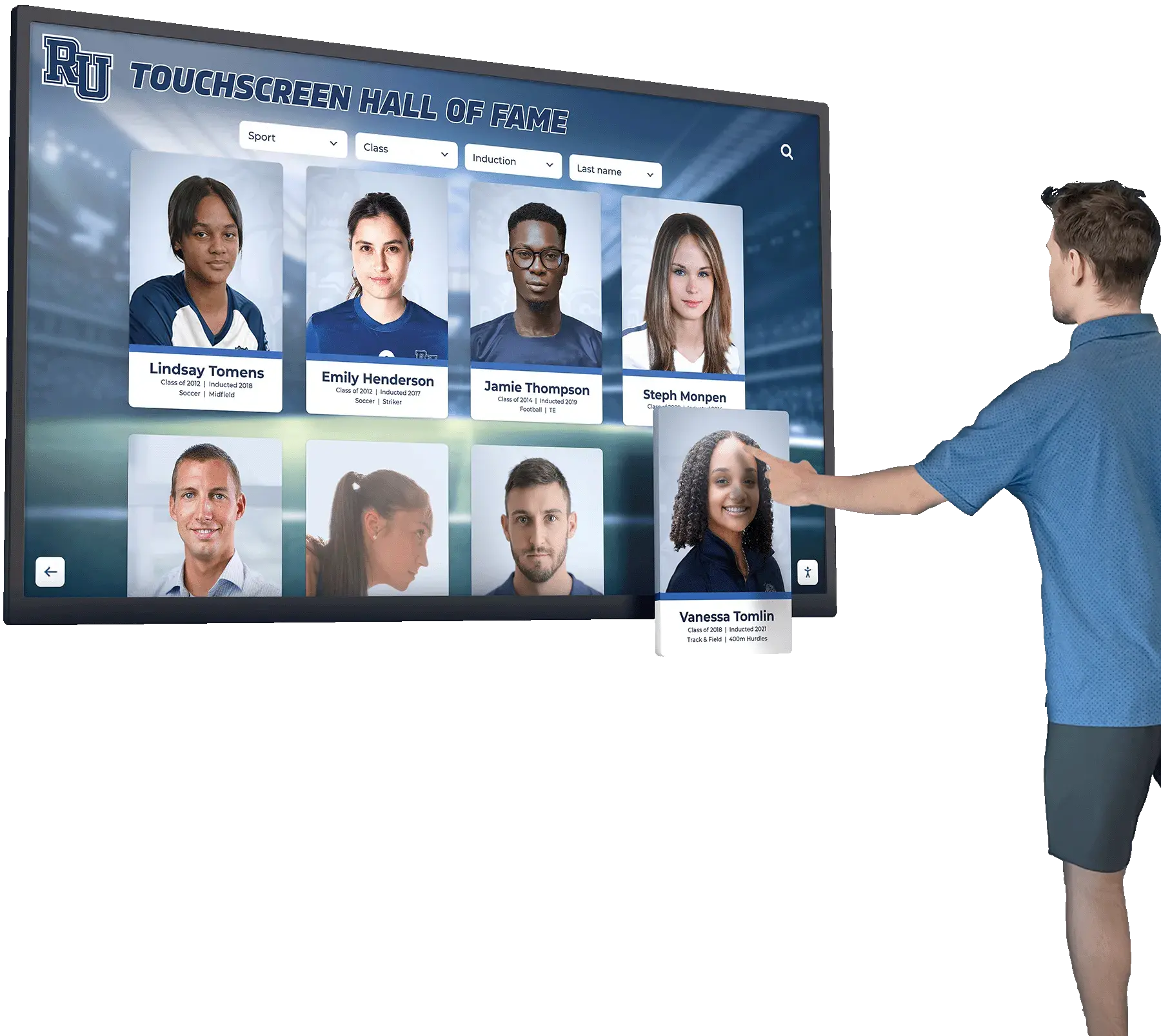
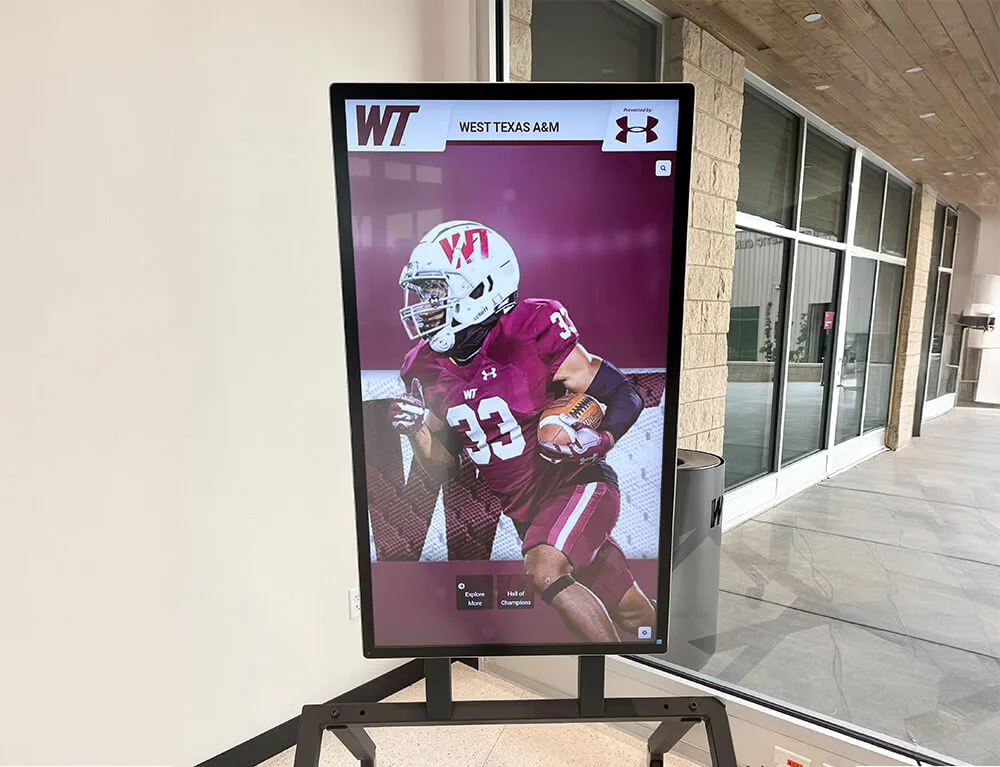
Digital displays in school lobbies create social proof by showing real-time donor recognition alongside campaign progress—a combination that consistently accelerates giving
Meaningful Donor Recognition
Research on charitable giving consistently shows that recognition is among the top motivators for repeat donations. Donors who feel genuinely seen and honored give again; donors who feel their contribution disappeared into an administrative black hole do not.
The most effective recognition programs operate at multiple levels:
- Immediate acknowledgment — A personal thank-you within 48 hours of the gift
- Public recognition — Name in program, on donor wall, or on digital display
- Permanent legacy recognition — Named spaces, enduring displays, or annual mentions in anniversary materials
Thoughtful donor appreciation gifts extend the recognition experience and create physical reminders of the donor’s investment in the school community. When paired with a well-designed donor recognition wall in a high-traffic location, these touches build the emotional infrastructure that sustains long-term fundraising relationships.
Effective Social Media Promotion
Campaigns that leverage social media for real-time updates, volunteer spotlights, and donor shoutouts consistently outperform those that rely solely on email and print. Free social media graphics tools designed for schools—like Rocket Graphics’ AI-powered social media suite—make it easy to produce professional-looking content without a graphic design budget.
The Lobby as a Fundraising Asset
Most schools treat their lobby as an afterthought. The highest-performing fundraising programs treat it as prime real estate.
A visitor’s first impression of your school is formed in your lobby. If that space communicates vibrancy, excellence, and community investment—through athletic displays, academic achievement walls, alumni recognition, and visible donor appreciation—every fundraising ask you make carries more weight. Donors are investing in an institution that clearly takes pride in its legacy and its people.
Digital donor walls and interactive displays transform the lobby into a living fundraising tool. Unlike static plaques that require costly engraving updates, digital systems allow schools to add new donors in minutes, display campaign progress in real time, and cycle through recognition content that keeps the space feeling current and alive.
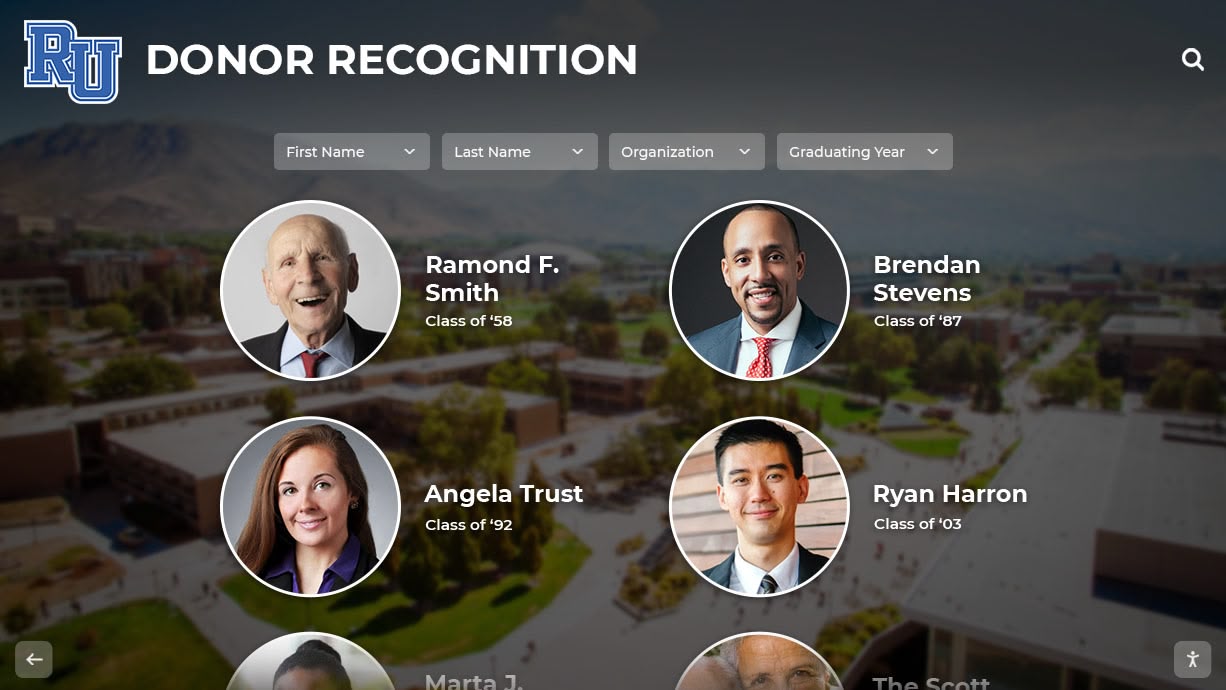
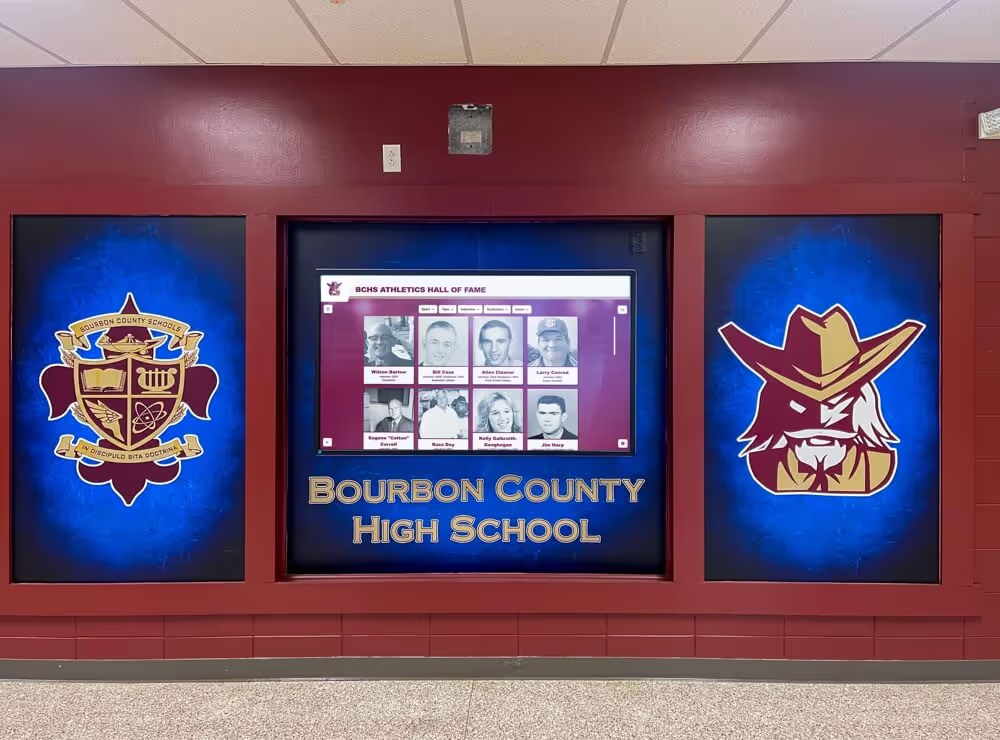
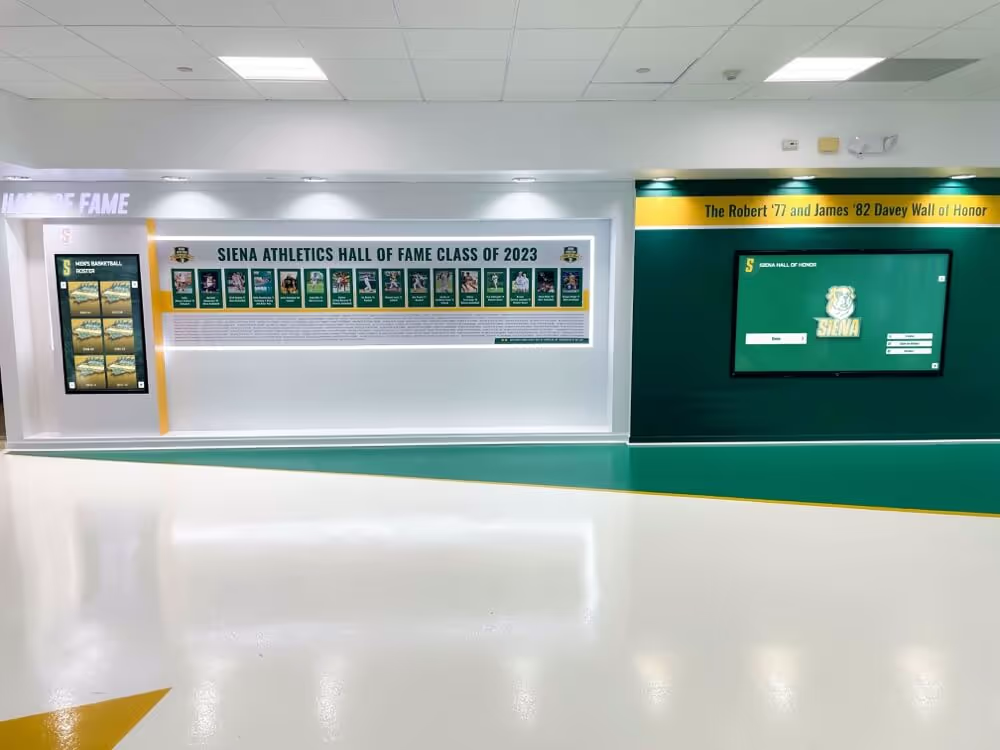
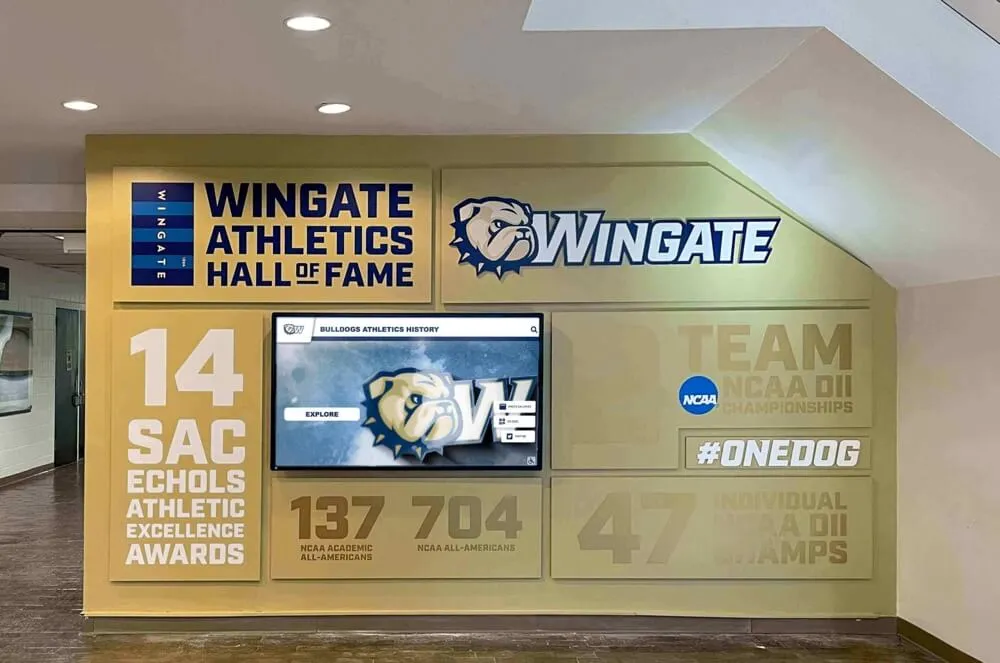
Digital recognition displays allow schools to honor donors prominently and update recognition in real time as campaigns progress—a significant advantage over static plaque systems
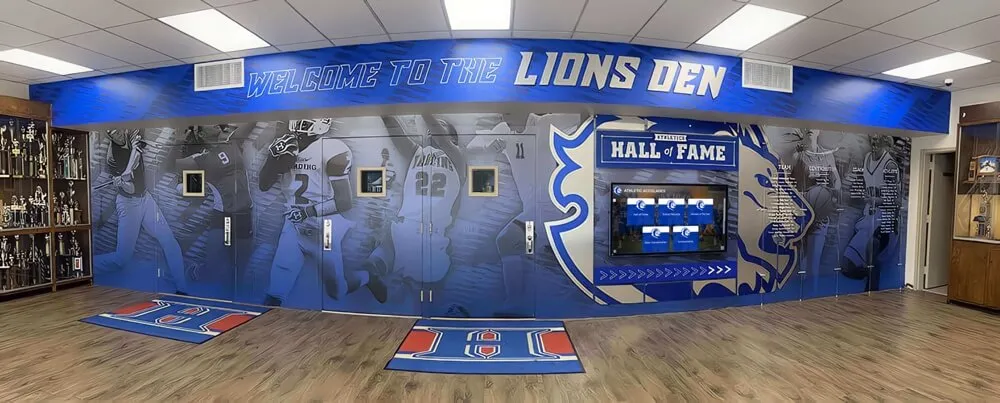
Schools that invest in touchscreen display solutions for their gym lobbies and hallways report that the displays become conversation starters during tours, open houses, and fundraising events—environments where gift conversations happen most naturally. Before planning your next facility upgrade, it is worth reviewing a comprehensive digital hall of fame buying guide to understand the range of options available at different price points.
For schools planning a major lobby renovation alongside a capital campaign, the timing of new school building touchscreen display installation matters—integrating displays during construction is significantly more cost-effective than retrofitting a finished space.
Building a Long-Term Fundraising Culture
The schools that consistently raise the most money over time are not necessarily those with the flashiest individual campaigns—they are the ones that have built a culture of giving embedded in their community identity. That culture rests on several foundational elements.
Alumni Walls That Connect Generations
When graduates return to campus and see their names, achievements, and photos honored alongside the generations that came before and after them, something shifts. They stop being former students and become stakeholders in an ongoing story. Schools that have built compelling alumni recognition walls see measurable increases in alumni giving rates because the recognition creates an emotional anchor that translates directly into philanthropic behavior.
Consistent Stewardship Between Campaigns
The biggest mistake schools make with fundraising is treating it as a series of isolated events rather than a continuous relationship. Donors who receive communication only when a new campaign launches quickly learn to feel transactional. Consistent stewardship—updates on how past gifts are being used, invitations to campus events, recognition in annual materials—keeps donors emotionally invested between asks.
Transparent Impact Reporting
Donors increasingly expect to know specifically how their gifts were used. Schools that publish clear impact reports—showing exactly which projects were funded, how many students benefited, and what outcomes resulted—build the trust that produces larger gifts over time. Pairing impact reporting with visible recognition in high-traffic areas creates a feedback loop: donors see their name, they remember why they gave, they feel good about the outcome, and they are primed to give again.
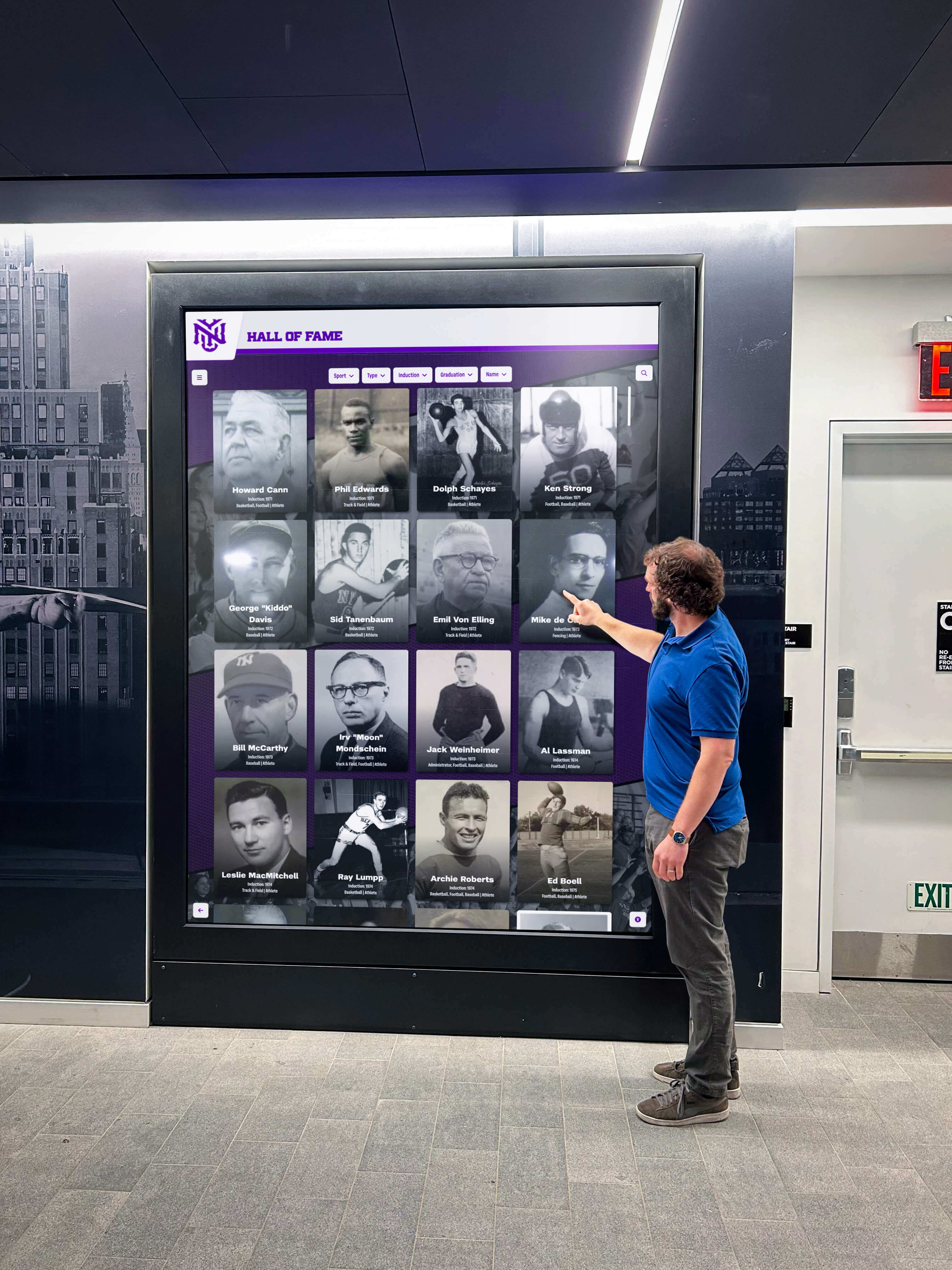
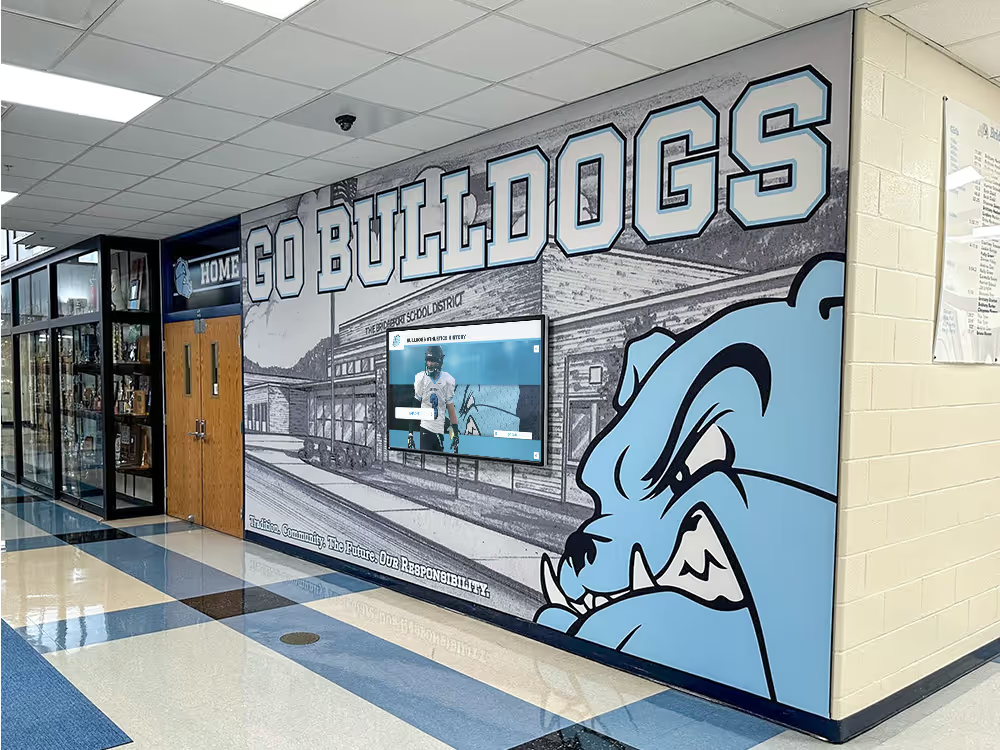
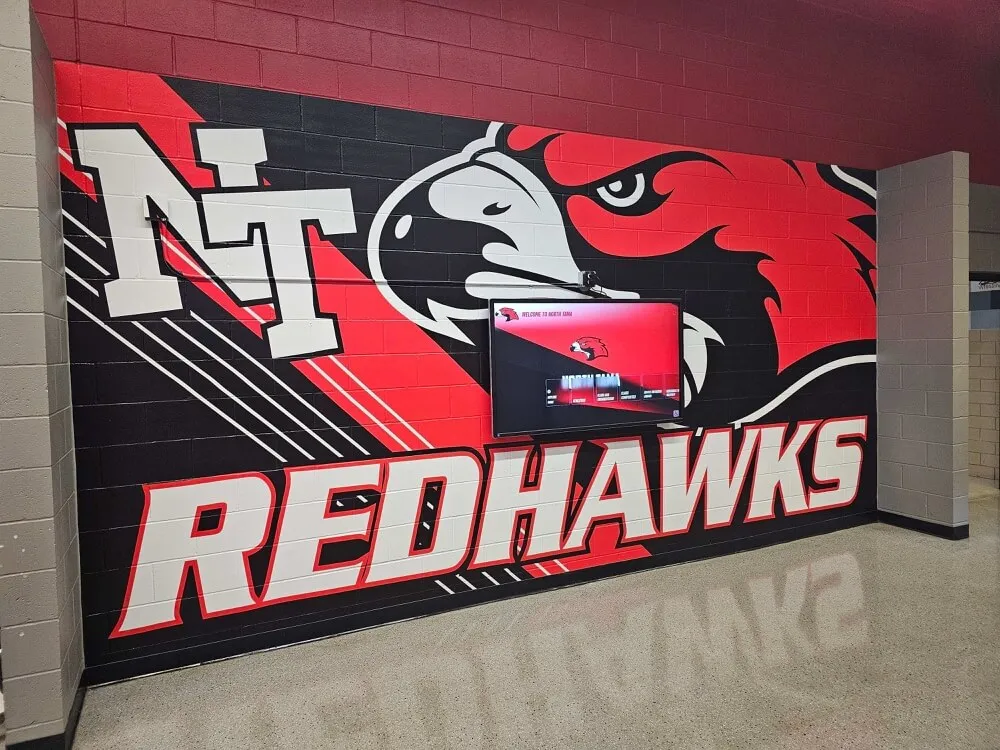
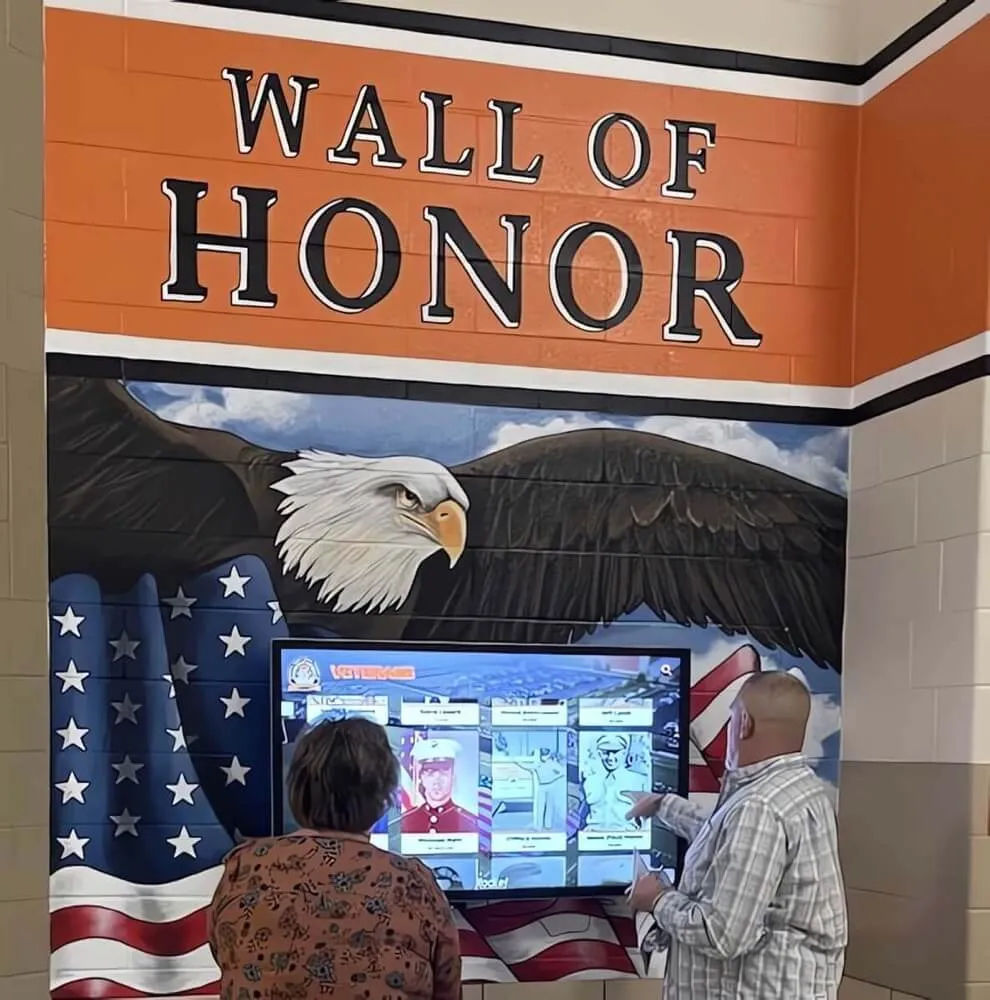
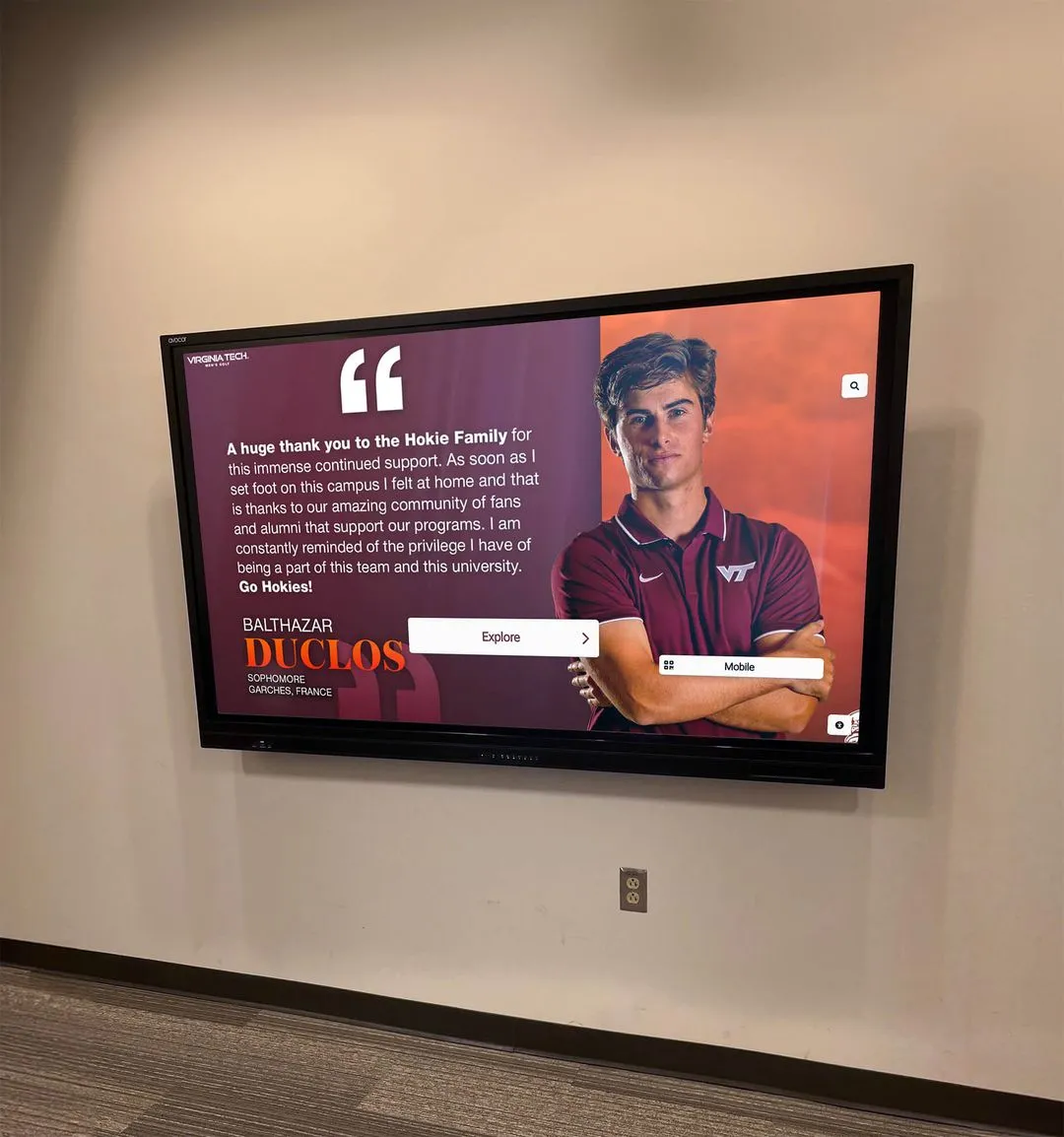
Interactive lobby displays invite visitors to explore school history and donor recognition—extending engagement well beyond what static plaques can achieve
Choosing the Right Fundraiser for Your School
No single fundraiser is right for every school. The optimal choice depends on your donor base, volunteer capacity, timeline, and fundraising goal. A quick framework:
| Goal | Best Fundraiser Type |
|---|---|
| Under $10,000, quick timeline | Pledge drive, restaurant night, crowdfunding |
| $10,000–$50,000, community-wide | Gala/auction, golf tournament, spirit wear campaign |
| $50,000–$500,000 | Capital campaign (naming opportunities), annual alumni fund |
| $500,000+, multi-year | Capital campaign with major donor cultivation |
Regardless of format, every campaign benefits from the same infrastructure: a compelling narrative, visible progress tracking, meaningful donor recognition, and a plan to steward relationships between campaigns.
The schools that consistently run school fundraisers that make the most money are not lucky—they have built the systems, the spaces, and the community relationships that make giving feel natural, meaningful, and worth repeating.
Ready to transform your school’s lobby into a fundraising asset? Rocket Alumni Solutions helps schools build digital donor walls, interactive recognition displays, and hall of fame systems that turn first-time supporters into lifelong donors. Explore how digital recognition technology can make your next fundraising campaign your most successful one yet.