Your school’s entrance represents the first impression for students, families, visitors, and prospective families. This critical space sets the tone for your entire institution, communicating values, celebrating achievements, and establishing whether visitors feel welcomed or overlooked. Yet many school entrances and lobbies remain underutilized spaces—generic hallways with bulletin boards, outdated trophy cases, and missed opportunities to showcase what makes your school community special.
The challenge extends beyond aesthetics. Effective school entrance design must balance multiple objectives: creating welcoming atmospheres for diverse visitors, celebrating student and alumni achievements authentically, reinforcing school identity and pride, accommodating high traffic flow efficiently, and maintaining spaces that remain fresh and relevant year after year rather than becoming static displays that quickly feel dated.
This comprehensive guide explores school entrance design ideas specifically crafted for educational institutions, covering welcoming design principles, recognition display strategies, digital integration approaches, layout considerations, and sustainable design choices that evolve with your community. Whether renovating an existing entrance or designing a new building, you’ll discover creative ideas for transforming lobbies into inspiring spaces that authentically represent your school’s identity and values while creating lasting impressions on everyone who walks through your doors.
School entrance design succeeds when it balances warmth with professionalism, celebrates specific achievements while remaining inclusive, creates visual interest without overwhelming visitors, and establishes flexible systems that adapt as your school community grows and changes. Understanding these principles helps administrators and design committees create entrances that serve functional needs while building emotional connections with your community.

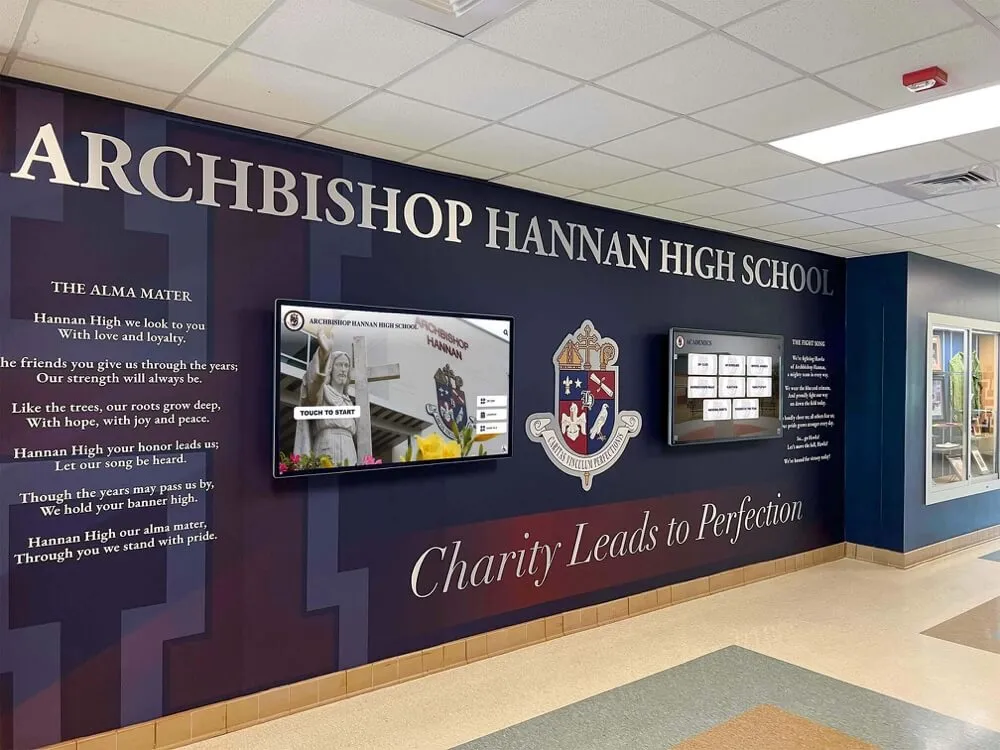
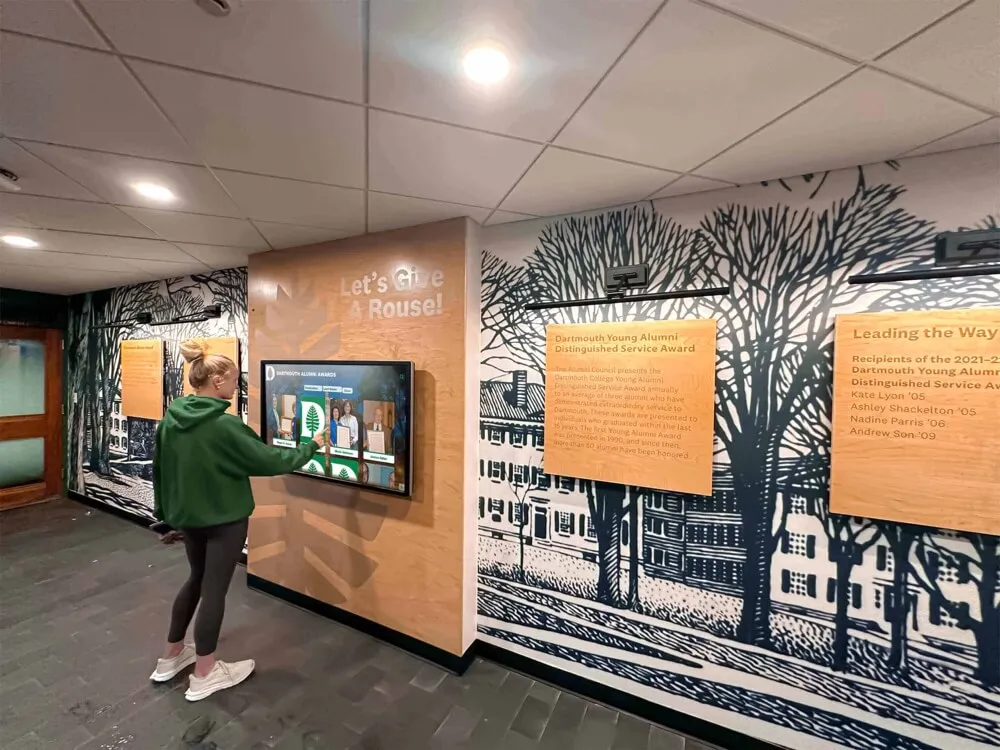
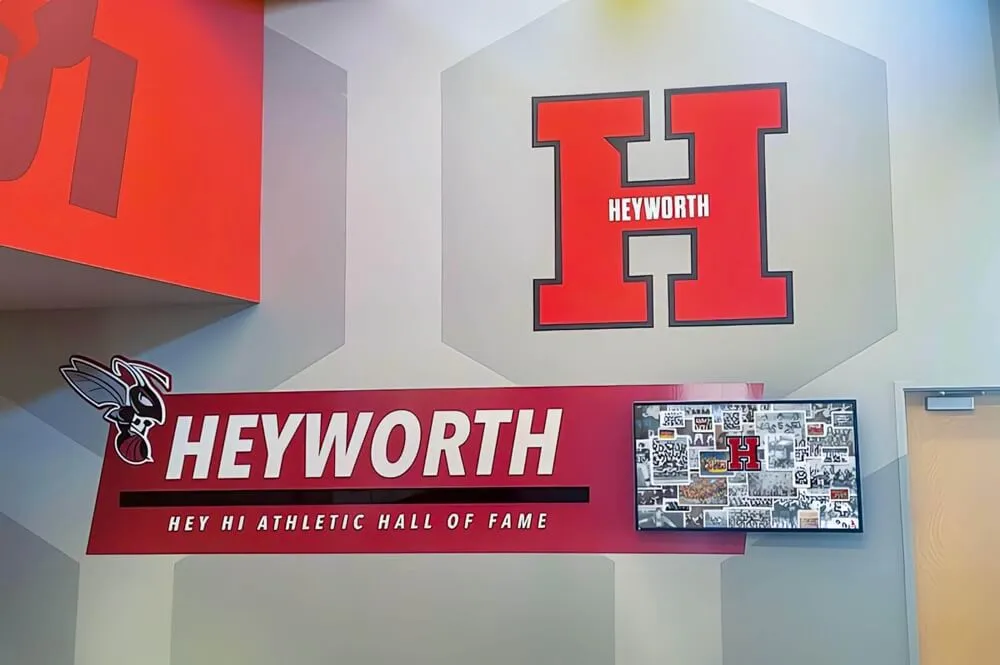
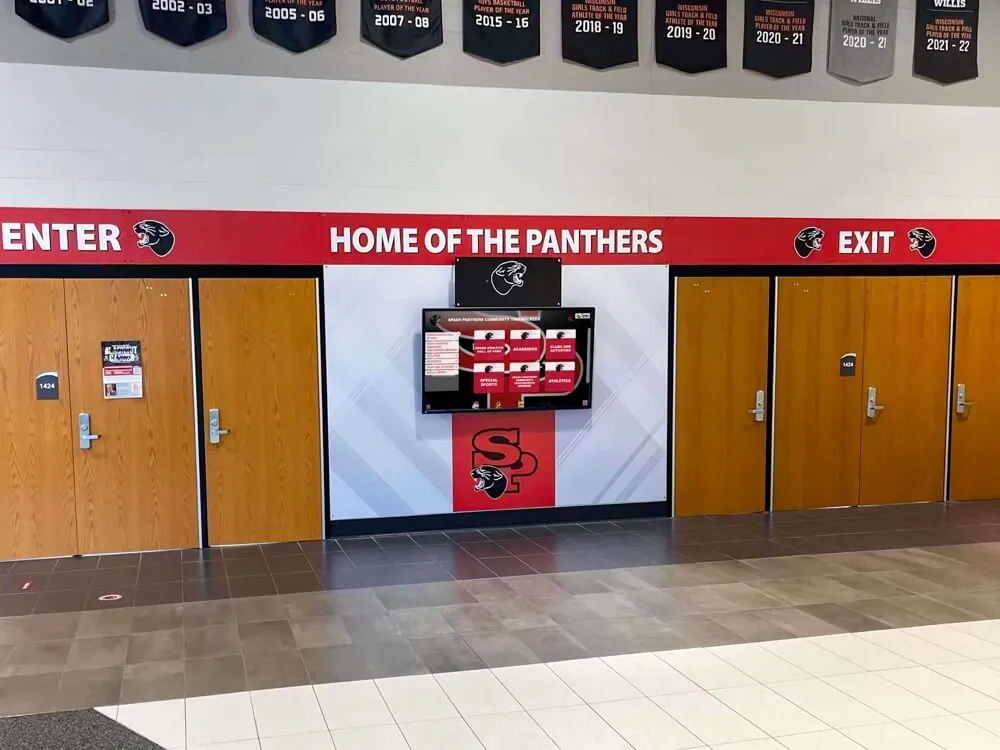
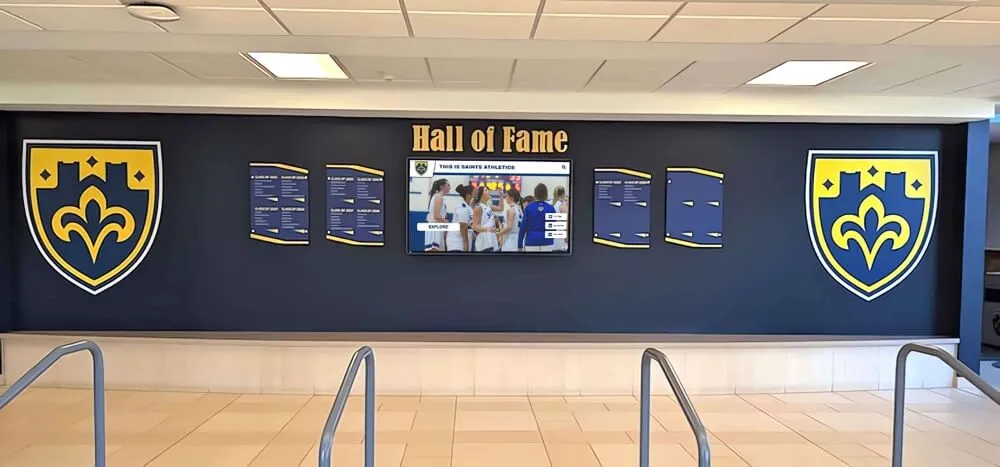
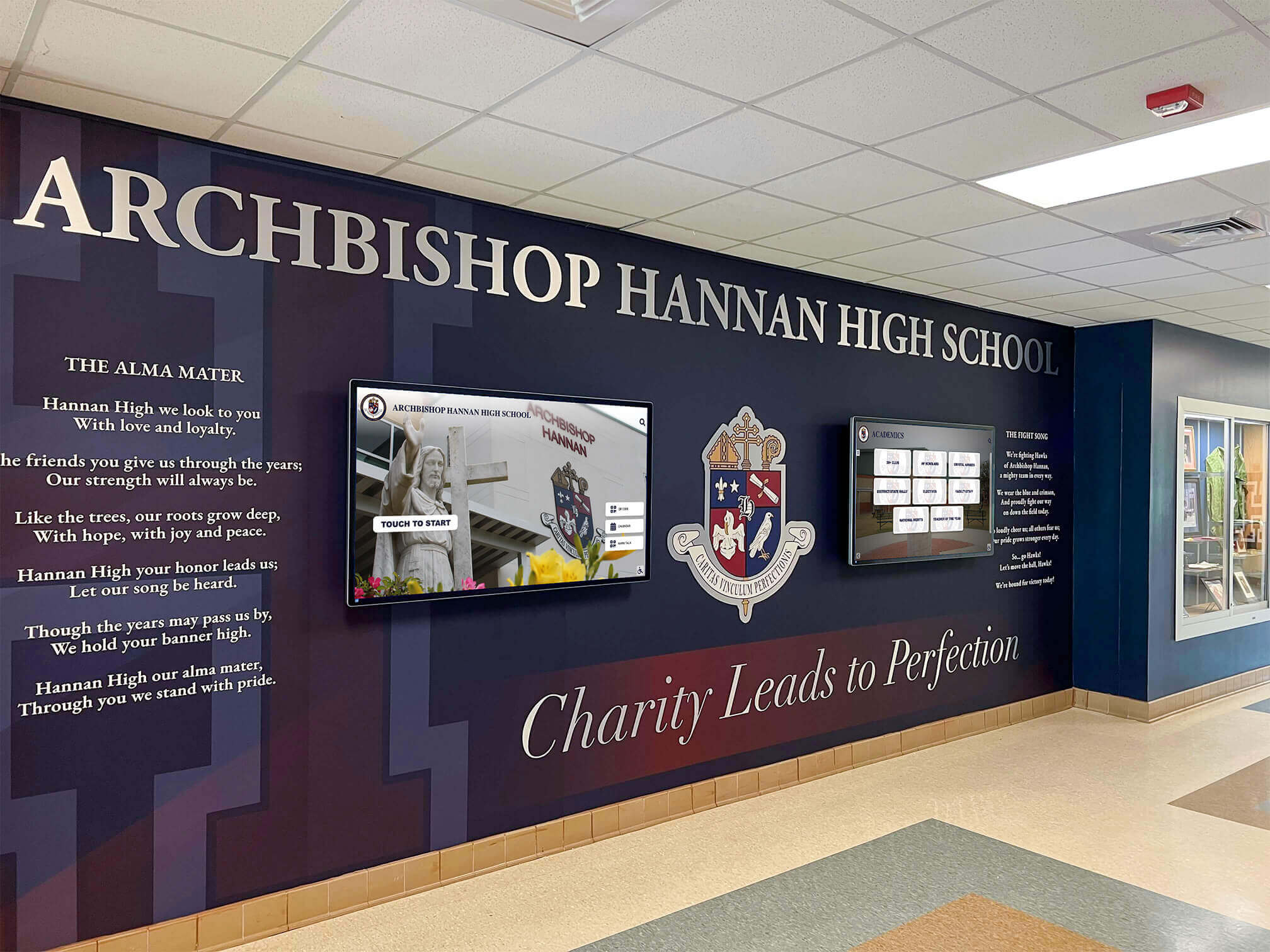
Modern school lobbies integrate traditional elements like murals and crests with contemporary digital displays for dynamic recognition
Creating Welcoming First Impressions
The psychological impact of school entrances extends far beyond simple decoration. Research in environmental psychology confirms that physical spaces significantly influence emotional responses, with entrance design directly affecting how visitors perceive institutional quality, community warmth, and organizational priorities.
Understanding Your Entrance’s Multiple Audiences
Effective entrance design considers the diverse groups experiencing your space, each with different needs, perspectives, and emotional states.
Current Students and Daily Community
Students pass through your entrance multiple times daily, making familiarity inevitable. Design choices must balance creating welcoming atmospheres with avoiding visual fatigue. Students develop emotional connections with spaces that celebrate their peers, showcase current achievements, and reflect contemporary aesthetics they find relevant rather than institutional spaces that feel disconnected from their lived experiences.
Recognition displays honoring current students create ownership and pride. When students see themselves, their friends, or their achievements celebrated prominently, they internalize that their contributions matter. This visible affirmation strengthens school identity and community bonds.
Prospective Families and Admissions Visitors
Families touring your school form critical impressions within seconds of entering. They unconsciously evaluate institutional quality, community warmth, academic rigor, and whether their child would belong based largely on environmental cues. Prospective families notice specific indicators: evidence of student achievement, diversity representation, facility condition, technology integration, and whether recognition feels authentic rather than performative.
Creating entrances that effectively communicate your school’s strengths to admissions visitors requires strategic thinking about what achievements you highlight, how you represent student diversity, and what messages your design choices convey about institutional priorities and values.
Alumni and Community Visitors
Alumni returning to campus experience powerful nostalgia when entering familiar spaces. Entrance design can either honor these emotional connections through elements acknowledging school history and tradition or alienate alumni through complete departures from familiar identity markers. The most effective approaches balance honoring heritage with demonstrating institutional progress and evolution.
Community visitors—donors, partners, guest speakers, volunteers—form impressions about institutional professionalism and organizational capacity based partly on entrance presentation. Well-designed spaces communicate that your school values excellence, invests thoughtfully in its environment, and maintains facilities with pride.
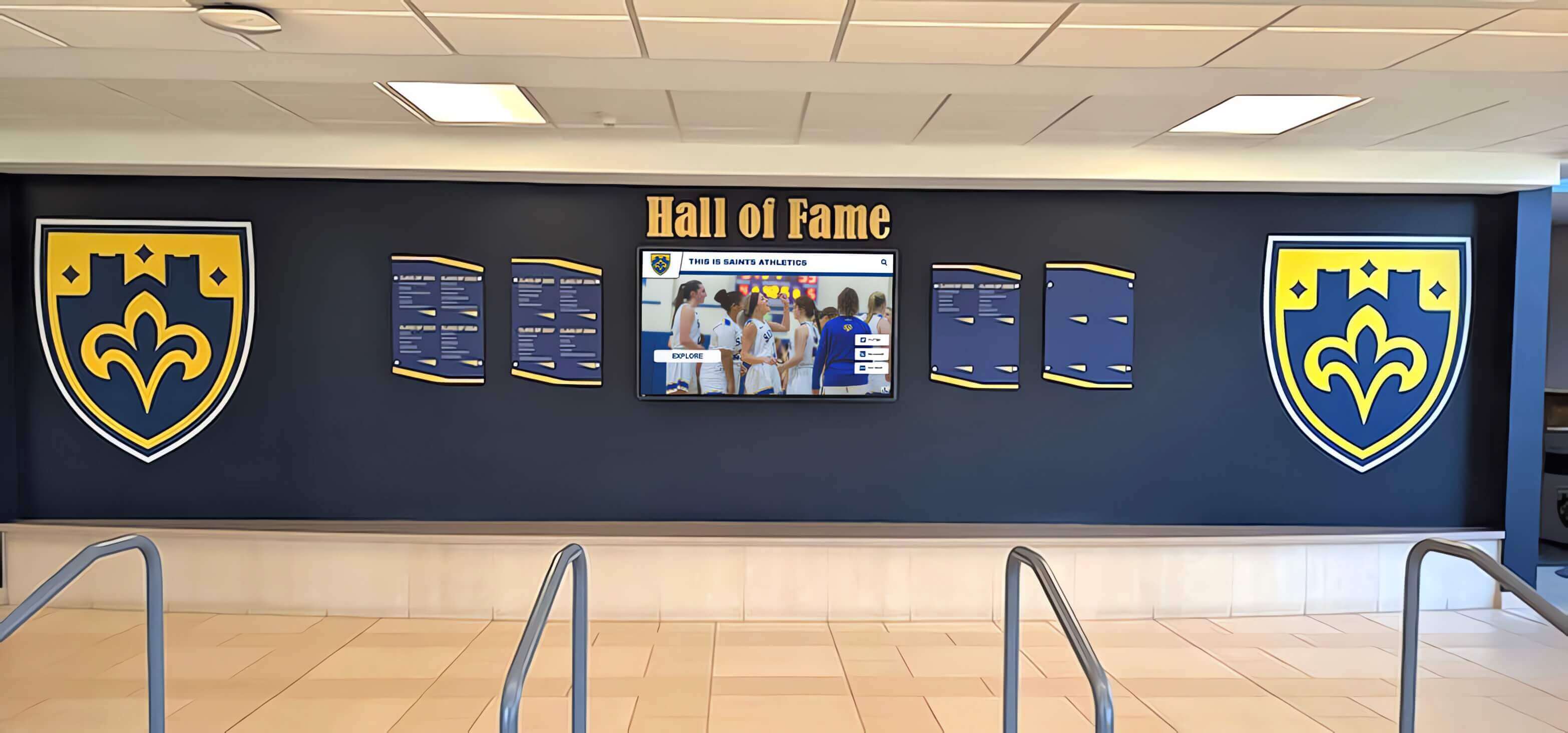
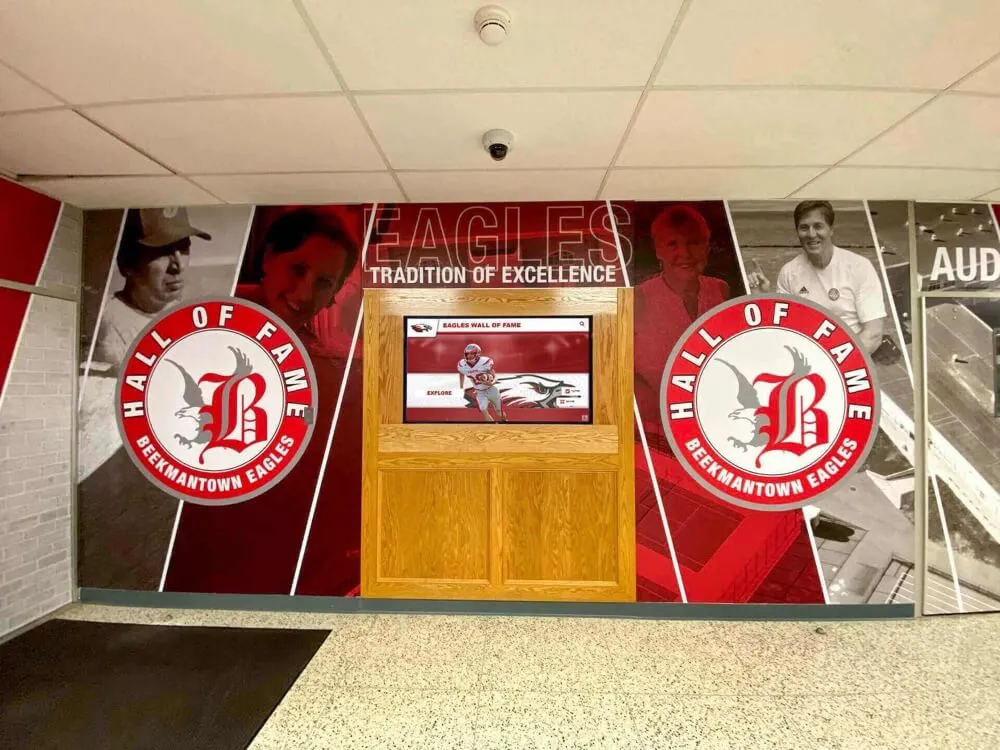
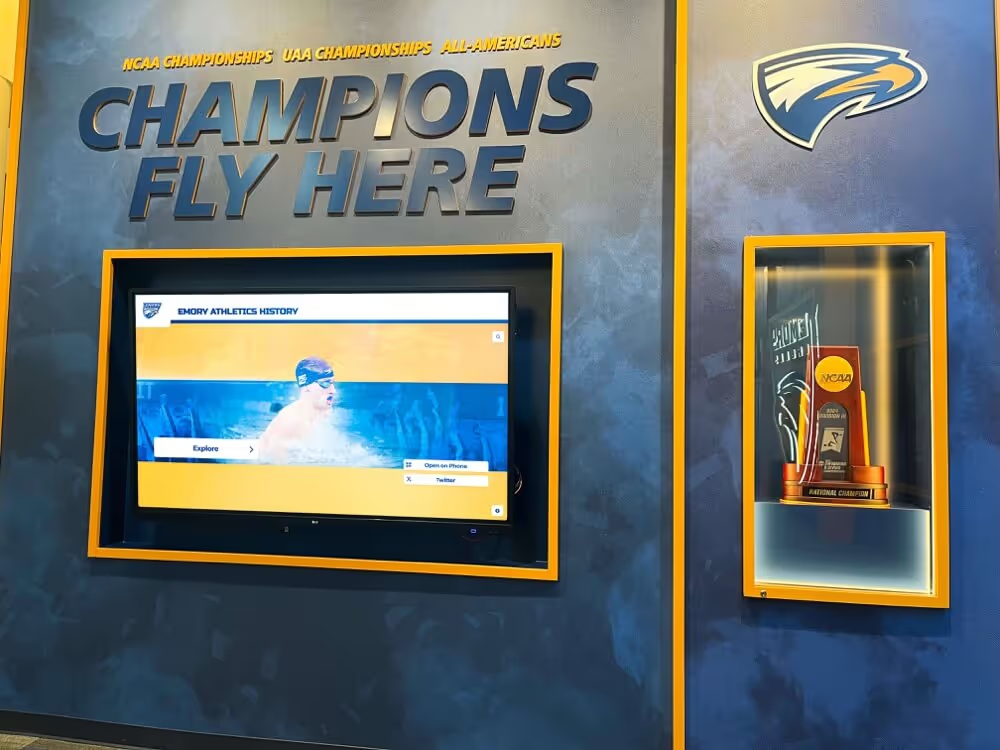
Trophy displays and recognition walls create visual interest while celebrating school traditions and achievements
Design Elements That Communicate Welcome
Specific design choices either invite visitors into your space or create psychological barriers that make people feel like outsiders.
Natural Light and Open Sightlines
Architectural features dramatically impact how welcoming spaces feel. Natural light creates warmth and openness that artificial lighting struggles to replicate. Schools with entrance design featuring windows, skylights, or glass doors benefit from these natural assets. When working with limited natural light, strategic lighting design becomes essential—layered lighting at multiple heights, warm color temperatures rather than harsh fluorescent tones, and illumination highlighting positive focal points rather than creating shadows.
Open sightlines allowing visitors to see into your building create transparency and accessibility. When entrances immediately reveal active, vibrant spaces—students collaborating, displays celebrating achievement, or welcoming reception areas—visitors feel invited into your community. Conversely, entrances with limited visibility or narrow corridors can feel closed off or unwelcoming regardless of what exists beyond initial walls.
Color, Materials, and Sensory Experience
Color psychology significantly influences emotional responses to spaces. School colors provide obvious starting points, but effective entrance design considers how color combinations affect mood. Warm tones create inviting atmospheres, cool tones communicate professionalism and calm, and bright accent colors add energy and visual interest.
Material choices communicate institutional values and priorities. High-quality, durable materials suggest investment and care, while worn or cheap-looking finishes communicate neglect regardless of actual budget constraints. Natural materials like wood introduce warmth, while metal and glass create contemporary aesthetics. The most effective entrance designs combine materials thoughtfully, creating visual interest through texture contrast while maintaining cohesive aesthetics.
Sound also shapes visitor experience. Hard surfaces in large lobbies create echo and noise that can feel chaotic during high-traffic periods. Incorporating sound-dampening materials—fabric panels, acoustic ceiling tiles, carpet in appropriate areas—creates more comfortable acoustic environments without sacrificing aesthetics.
Wayfinding and Accessibility
Visitors should immediately understand where to go upon entering your building. Clear wayfinding—visible directional signage, reception desk placement, logical traffic flow—reduces anxiety while communicating organizational competence. Accessible design benefits everyone, not just visitors with disabilities. Wide pathways accommodate wheelchairs and strollers, clear signage with adequate contrast helps visitors with visual impairments, and logical layouts benefit anyone feeling uncertain about navigating new spaces.
Modern school lobby digital signage systems can enhance wayfinding while simultaneously showcasing achievements and providing dynamic information.
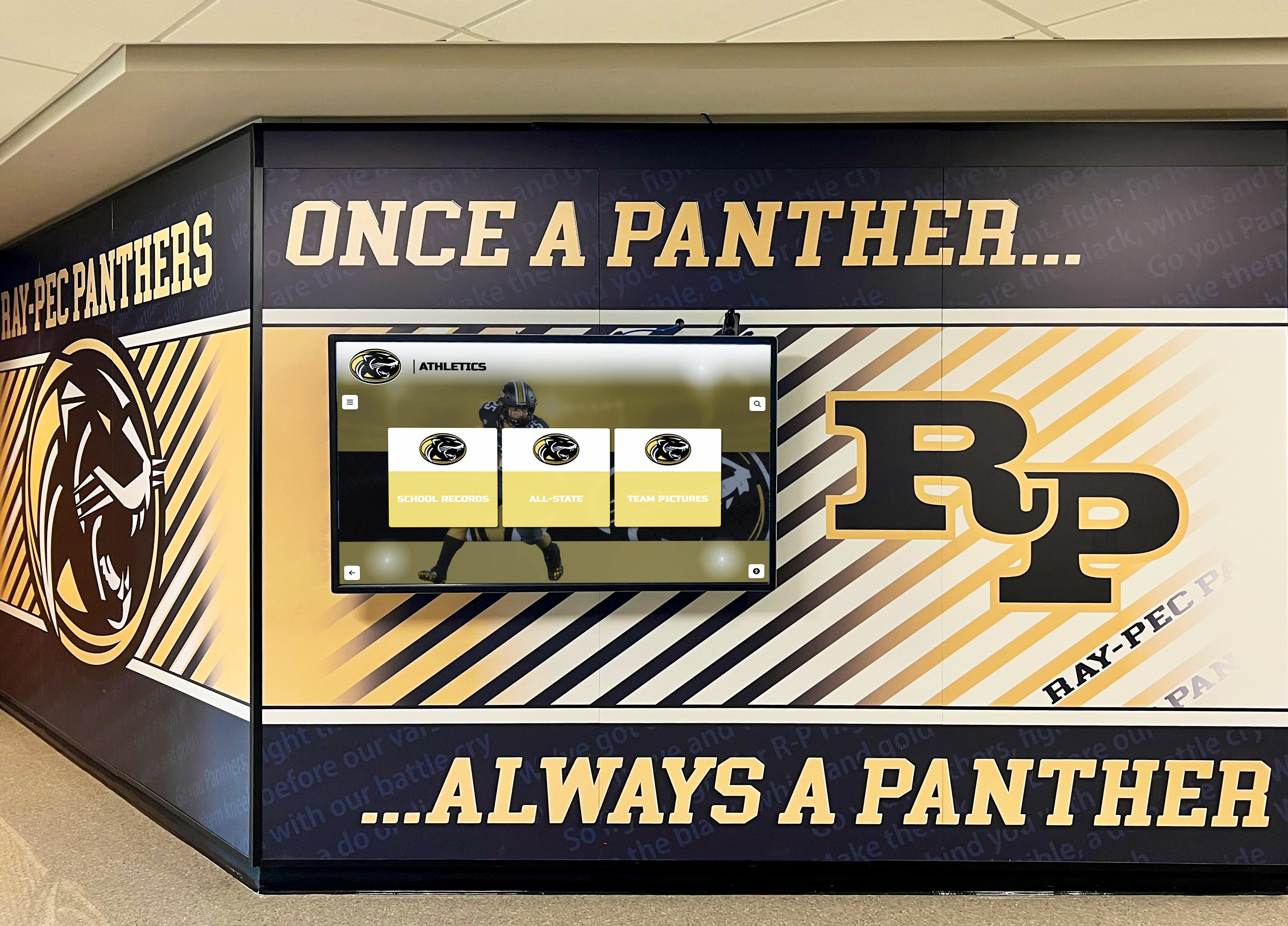
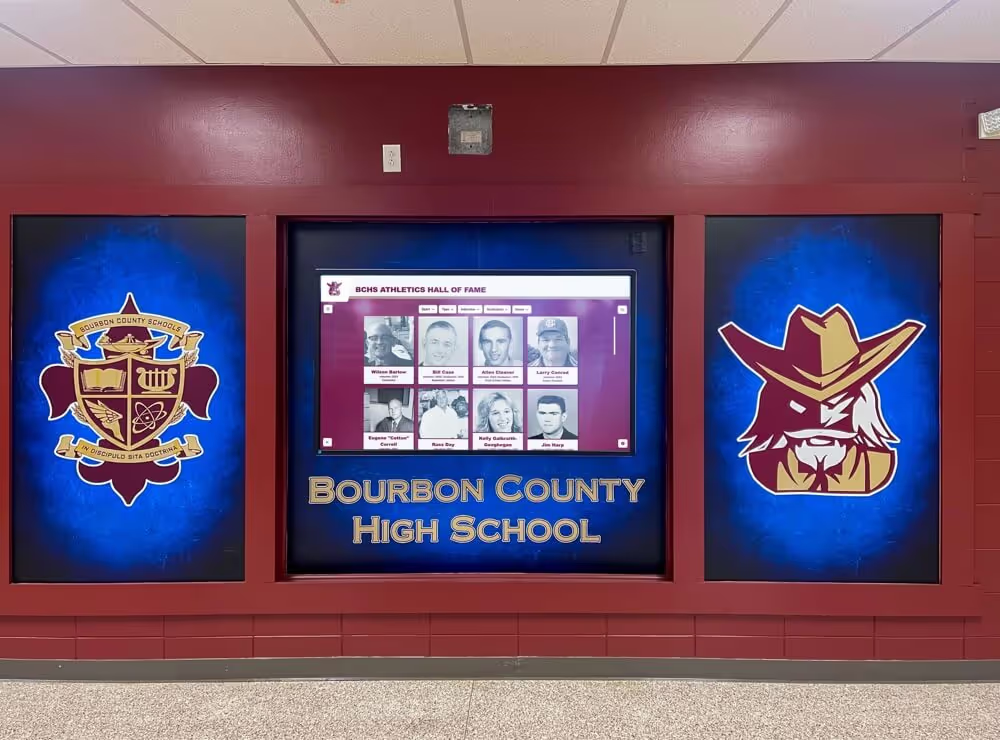
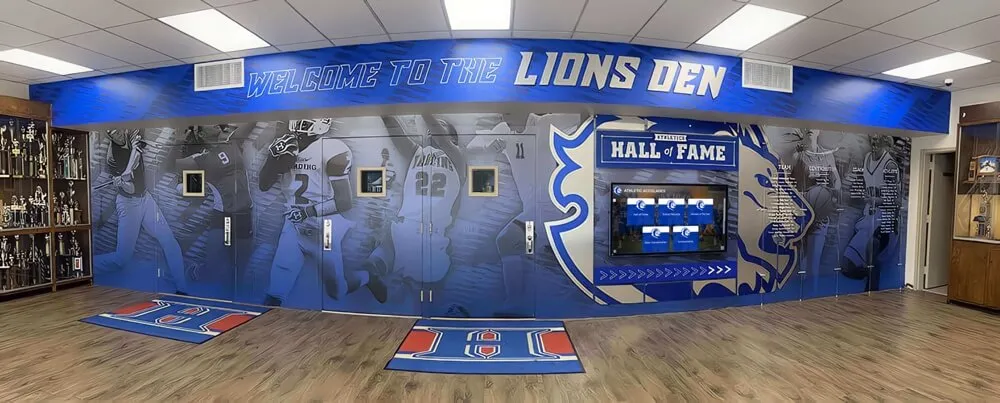
Themed murals incorporating school mascots and colors reinforce identity while creating distinctive visual experiences
Recognition and Achievement Displays
School entrance lobbies provide ideal locations for celebrating community achievements, but effective recognition requires thoughtful approaches that feel authentic rather than performative while remaining current and inclusive.
Traditional Recognition Approaches
Physical recognition displays have evolved significantly beyond simple trophy cases, though many schools still rely on outdated approaches that limit effectiveness.
Trophy Cases and Athletic Recognition
Traditional glass trophy cases remain common in school entrances, displaying decades of athletic championships, academic awards, and competition trophies. While these displays honor past achievements, they face inherent limitations. Trophy cases become cluttered over time as awards accumulate, older trophies lose visual appeal as they age, space constraints force difficult decisions about what to display, and static displays rarely communicate stories behind achievements.
Schools can enhance traditional trophy case effectiveness through strategic curation—rotating displays highlighting specific sports seasons, teams, or achievement categories rather than attempting comprehensive permanent displays. Incorporating contextual information through small placard descriptions helps visitors understand significance behind unfamiliar trophies. Digital screens integrated near trophy cases can complement physical trophies with photos, videos, and detailed achievement stories that physical displays cannot accommodate.
Athletic recognition extends beyond trophies to include record boards, retired jerseys, and hall of fame displays. Digital record boards for high schools offer advantages over traditional painted boards, allowing easy updates while creating more engaging visual presentations.
Academic and Arts Recognition
Schools sometimes struggle to recognize non-athletic achievements with equal prominence, creating imbalanced messaging about institutional values. Effective entrance design allocates space celebrating academic honors, arts achievements, service recognition, and other accomplishments beyond athletics.
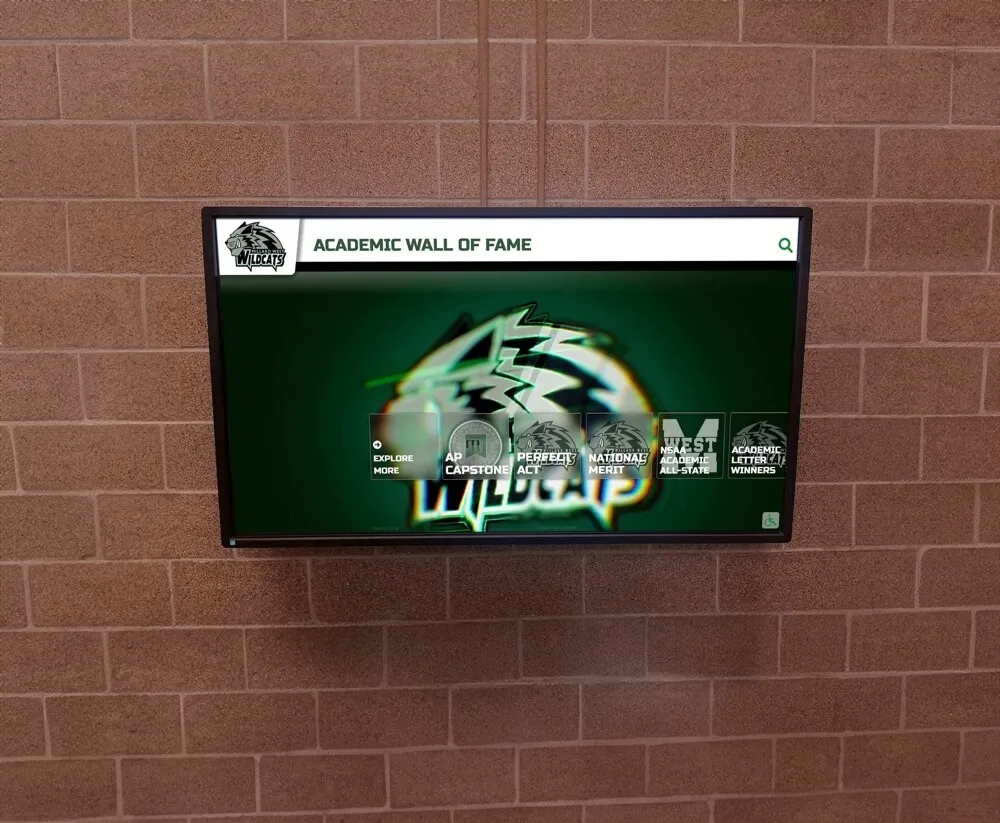
Academic recognition might include honor roll displays, academic competition results, scholarship recipients, academic all-state recognitions, or research competition achievements. Arts recognition celebrates drama productions, music competition results, art show participation, literary publication contributors, or performing arts achievements.
The challenge involves creating recognition systems that remain current—academic honor roll recipients change regularly, requiring frequent updates that traditional plaques or printed displays make cumbersome and expensive.

Comprehensive recognition spaces combine murals, trophy cases, and thematic design to celebrate multiple achievement categories
Digital Recognition Systems
Technology has transformed recognition possibilities in school entrances, creating dynamic, updateable displays that overcome traditional static recognition limitations.
Interactive Touchscreen Displays
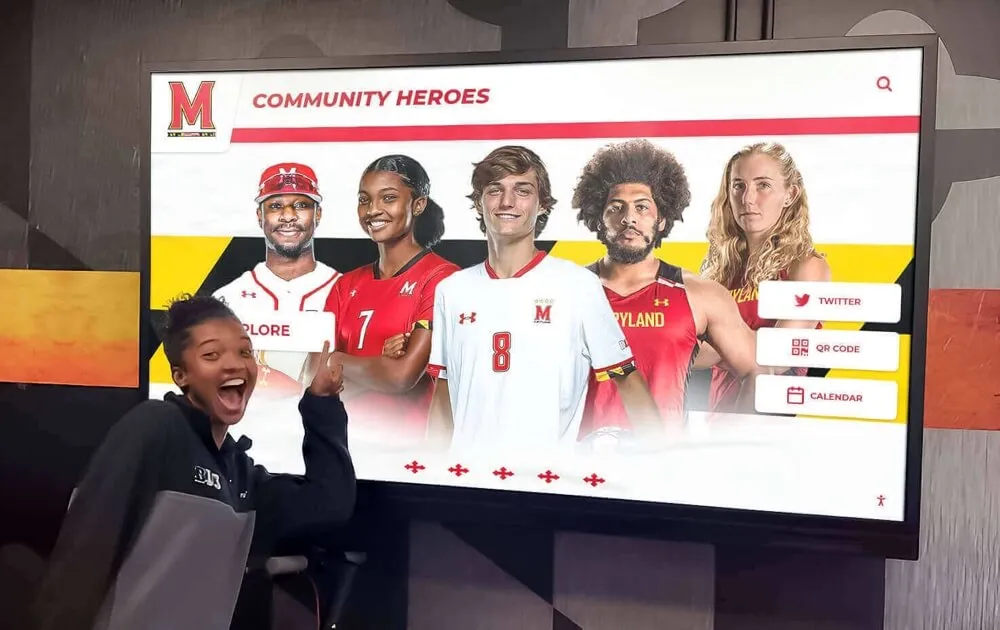
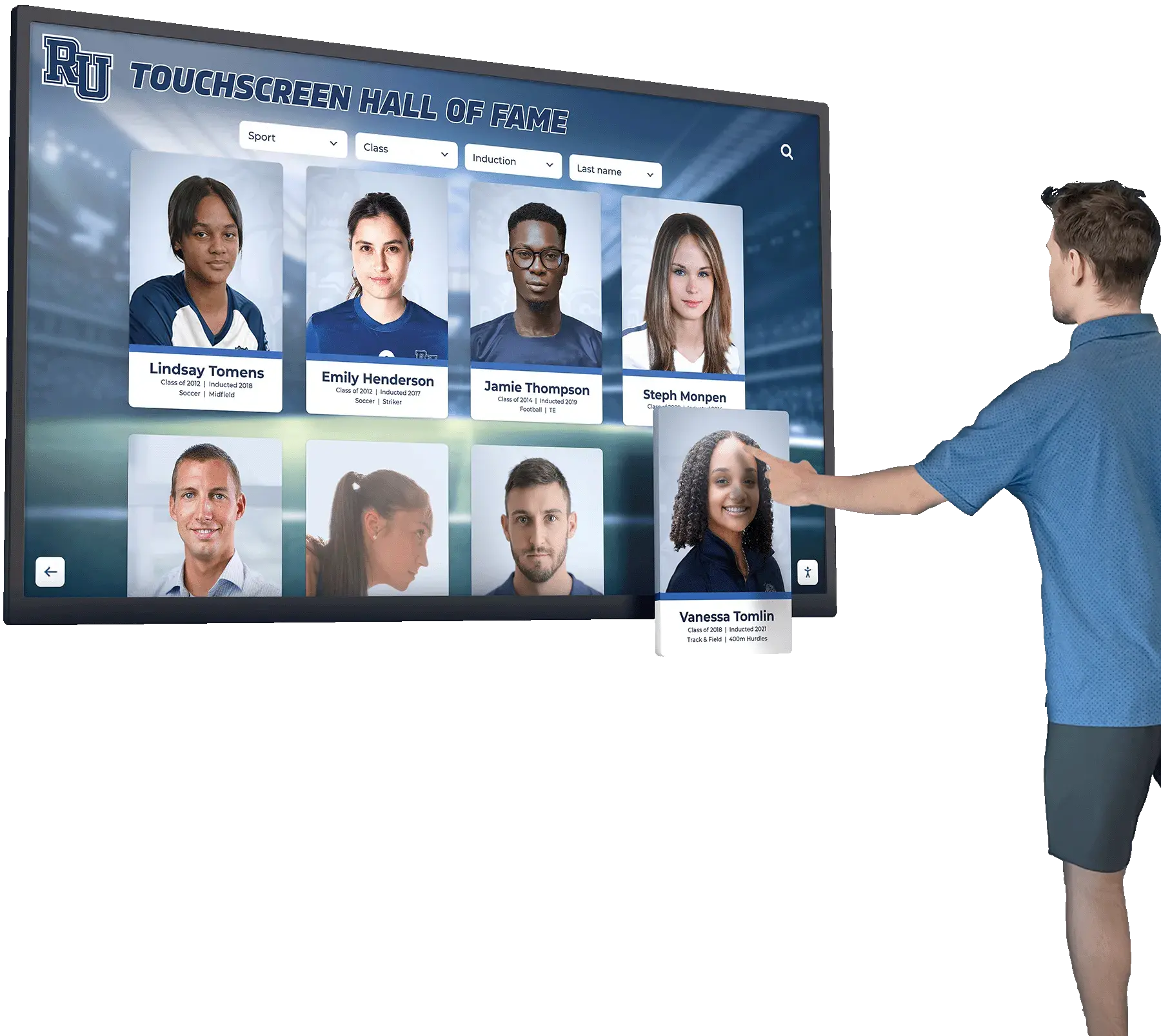
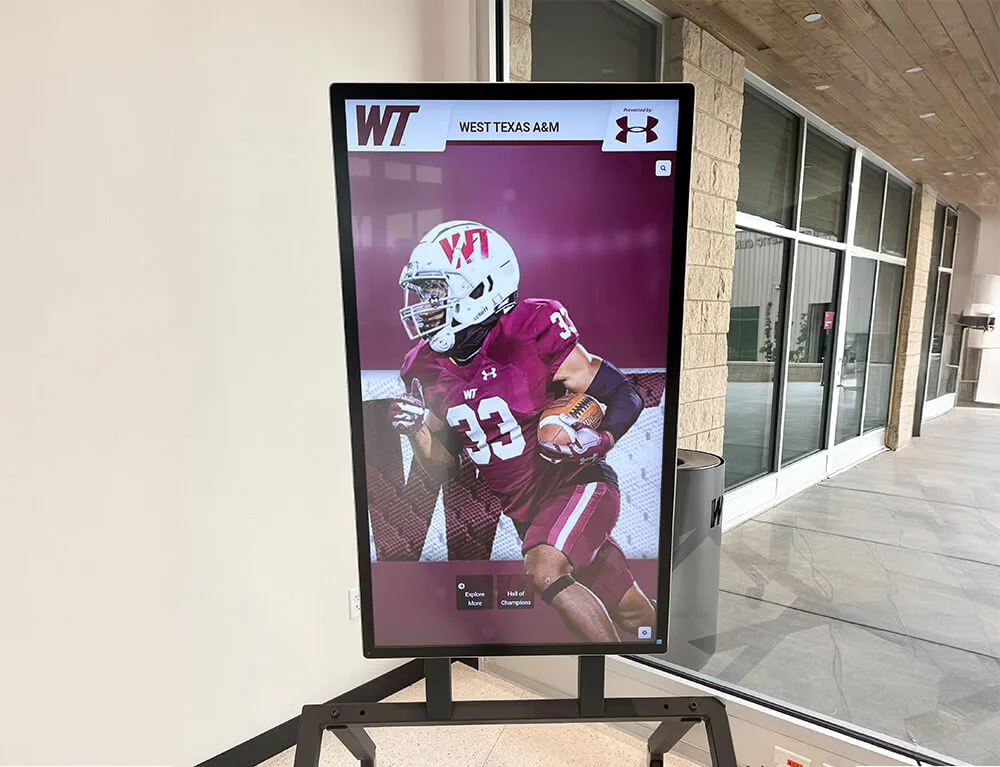
Modern touchscreen technology allows schools to create comprehensive recognition experiences in compact physical footprints. Interactive displays can showcase unlimited achievements without physical space constraints—entire athletic program histories, complete honor roll listings across multiple years, detailed alumni accomplishments, or extensive donor recognition.
The interactive nature enables visitors to explore content matching their interests. Parents might search for their child’s achievements, alumni could browse their graduation year, prospective families might explore academic program strengths, while community visitors could discover donor impact stories.
Touchscreen kiosk software designed specifically for educational institutions provides intuitive interfaces allowing easy content management by school staff without requiring technical expertise. Cloud-based systems enable remote updates, ensuring recognition displays remain current without maintenance hassles.
Digital Signage and Video Walls
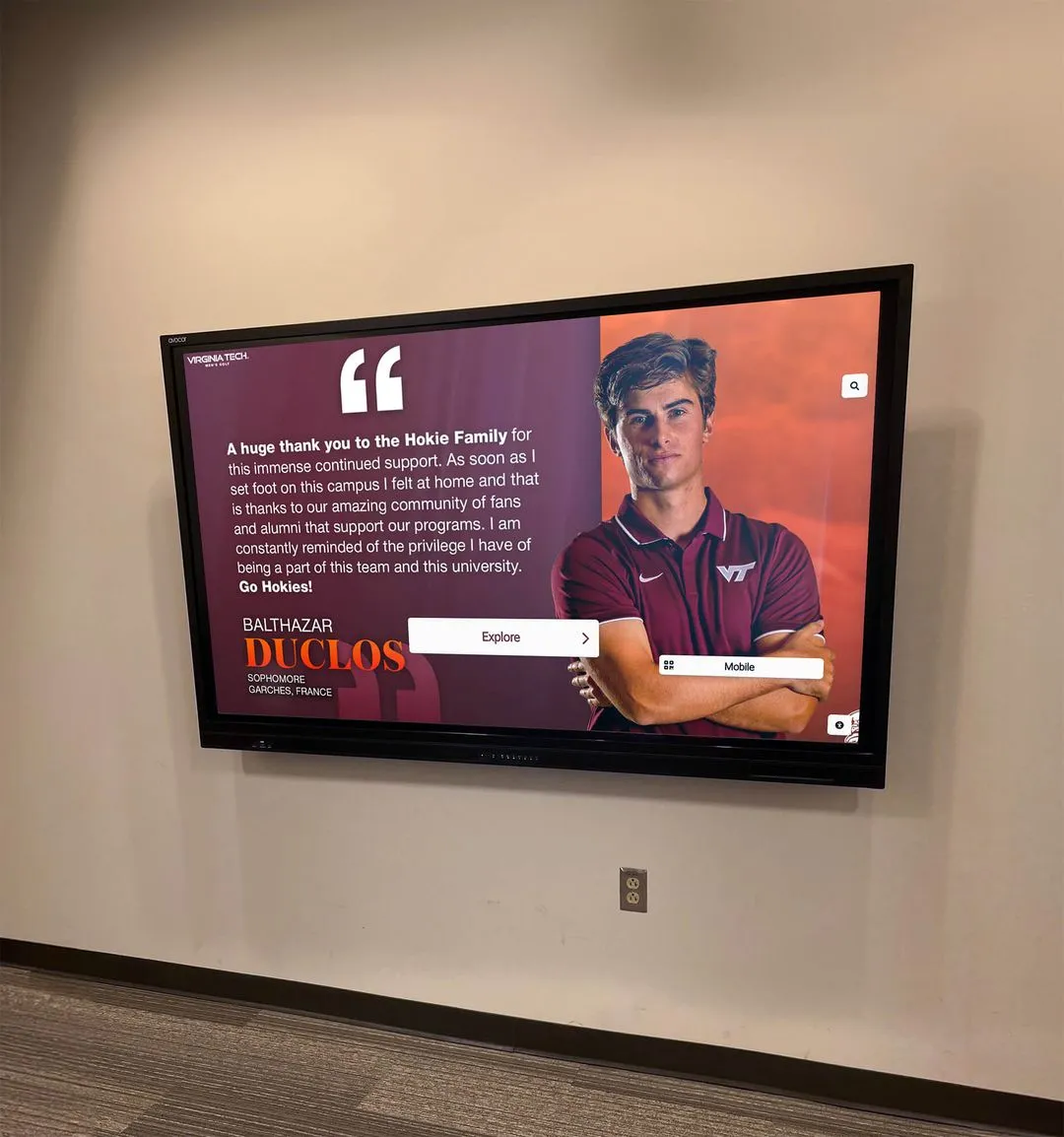
Non-interactive digital displays offer another approach, cycling through recognition content, announcements, promotional videos, or inspirational messaging. Large-format displays create impressive visual focal points in school entrances while serving multiple communication purposes beyond recognition.
Digital signage systems can showcase rotating content highlighting different student groups, achievements, or programs throughout the day or week. Morning displays might feature daily announcements and schedule information, while afternoon content could celebrate recent achievements or promote upcoming events. This flexibility allows single displays to serve multiple purposes, maximizing return on technology investments.
Video walls comprising multiple synchronized screens create particularly dramatic entrance focal points, though they require larger budgets and may not suit all architectural contexts or institutional aesthetics.
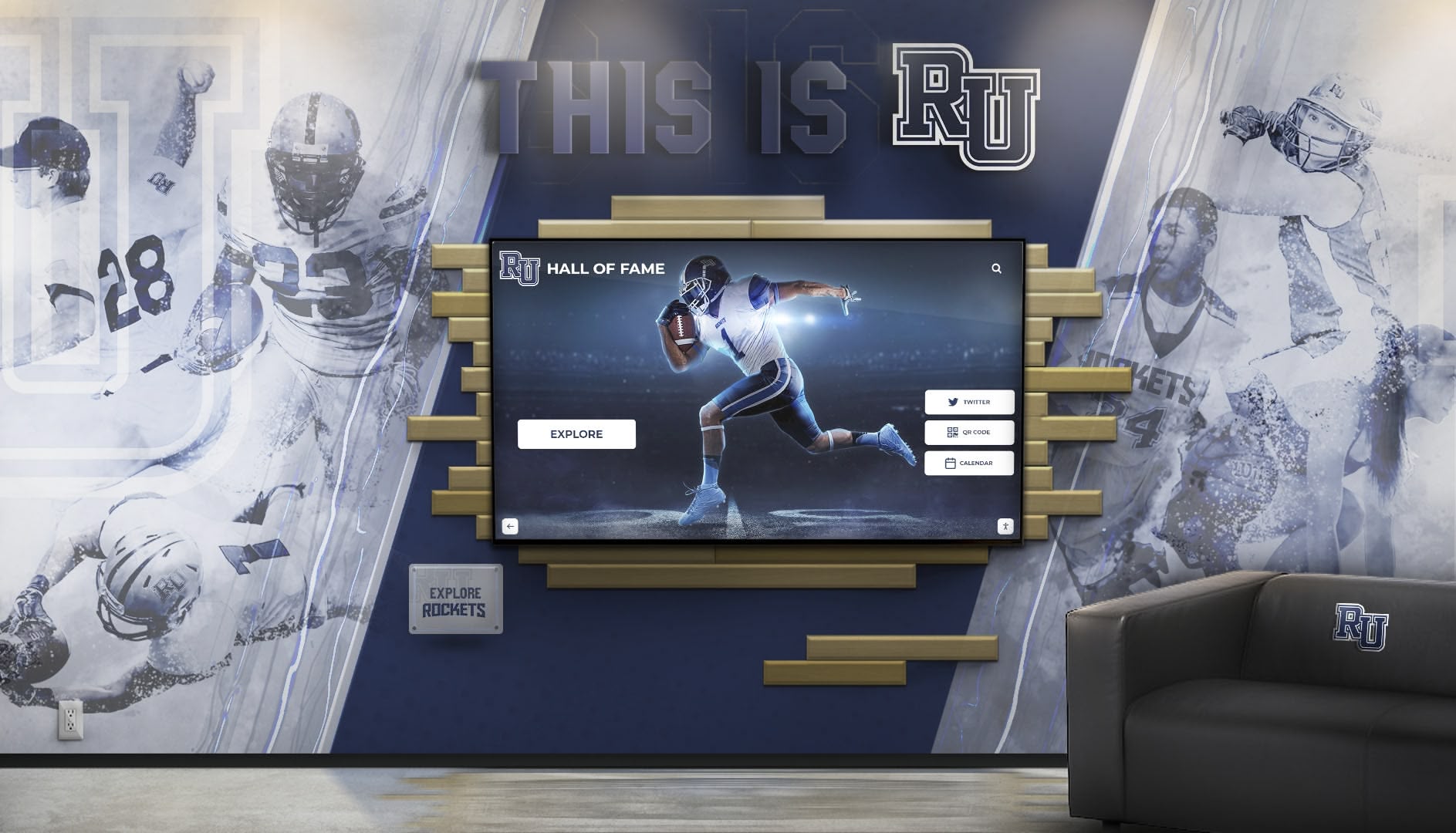
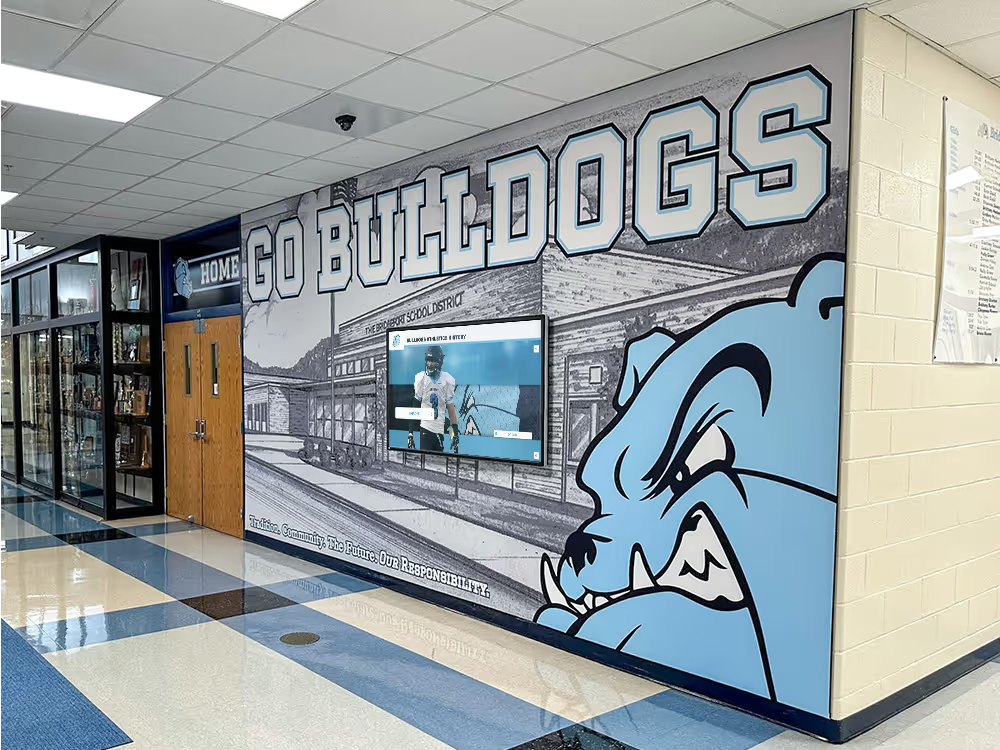
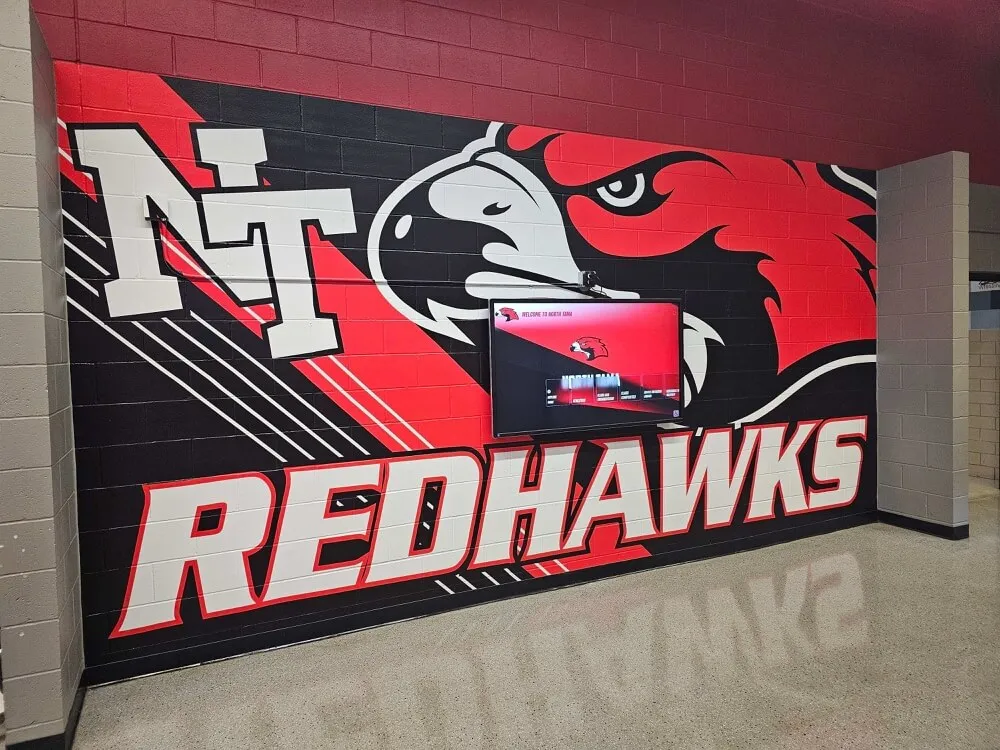
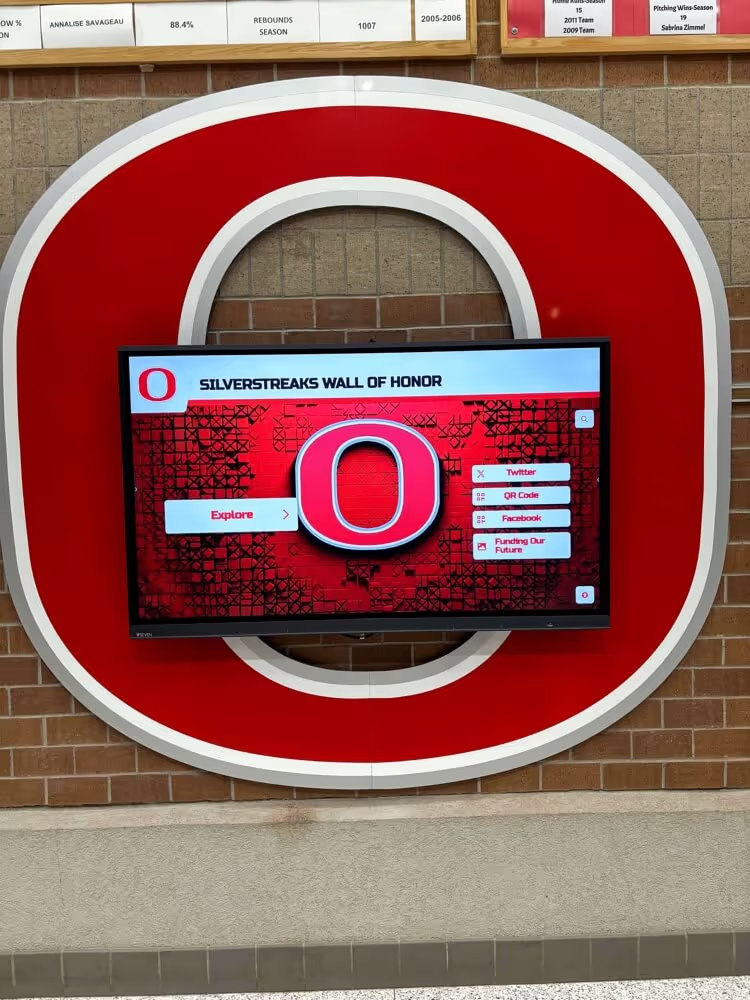
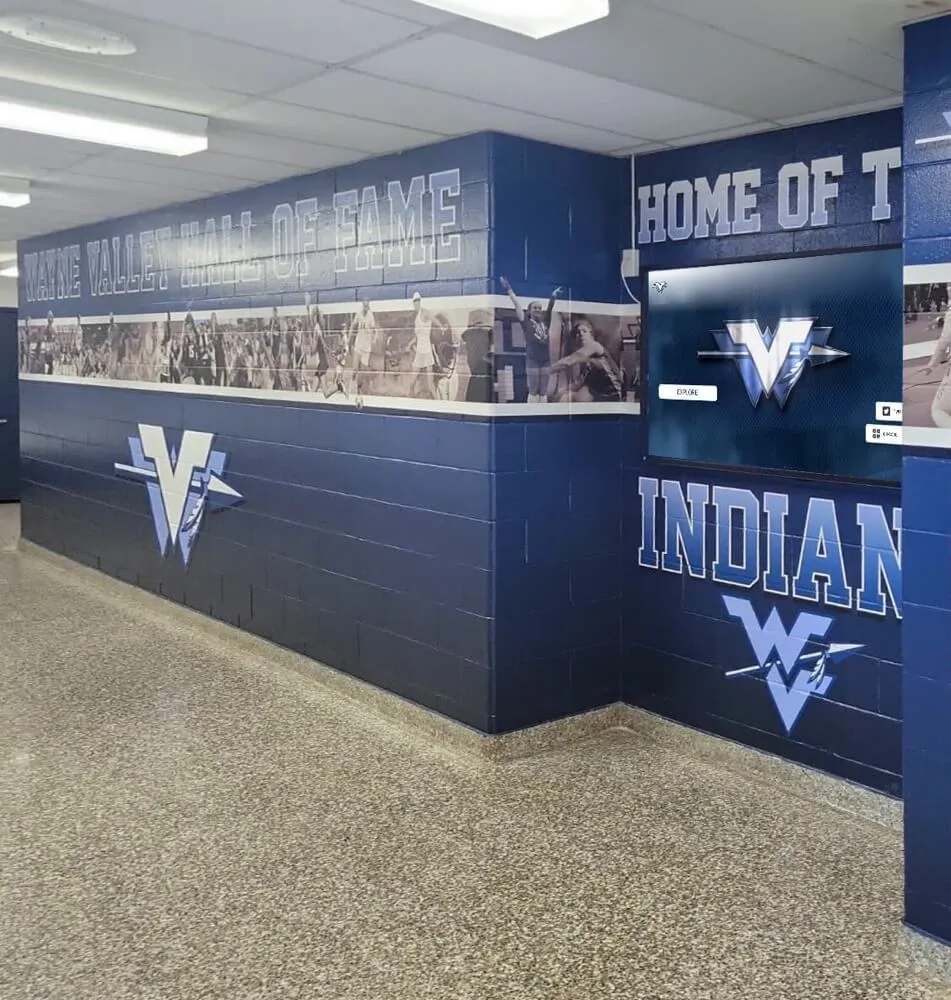
Interactive touchscreen systems integrate seamlessly with athletic murals, combining traditional pride displays with dynamic digital recognition
Hybrid Approaches Combining Physical and Digital
The most effective recognition strategies often combine traditional physical elements with digital displays, leveraging strengths of both approaches. Physical elements provide permanent presence and tangible reality, while digital systems offer flexibility, depth, and currency.
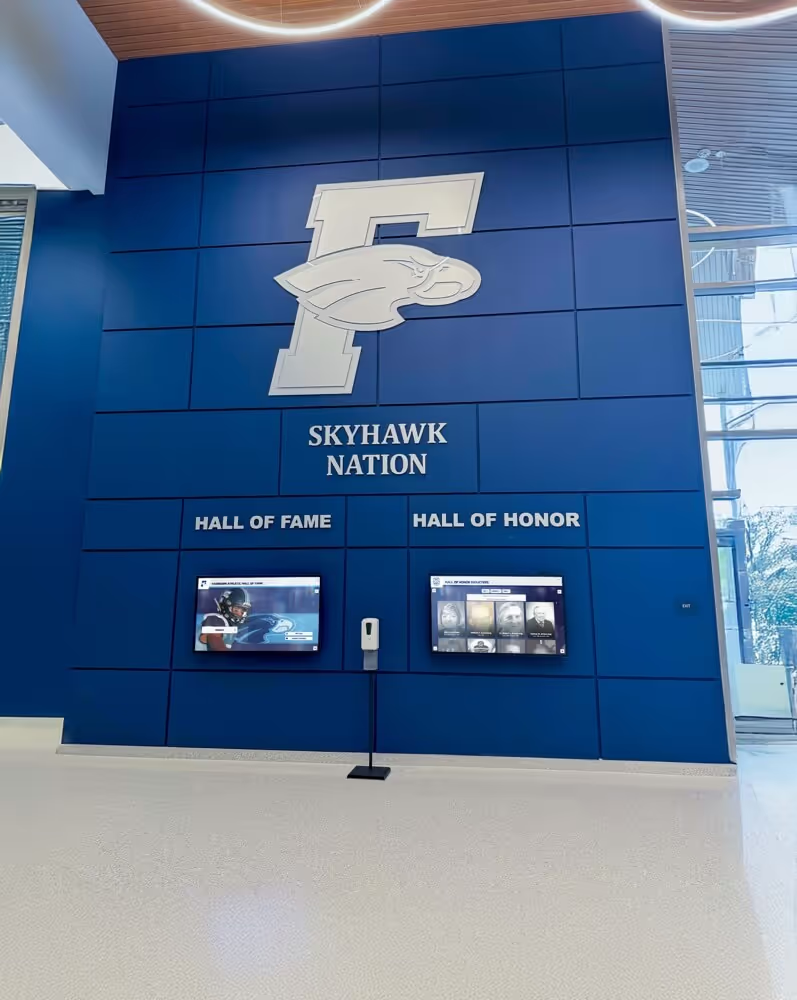
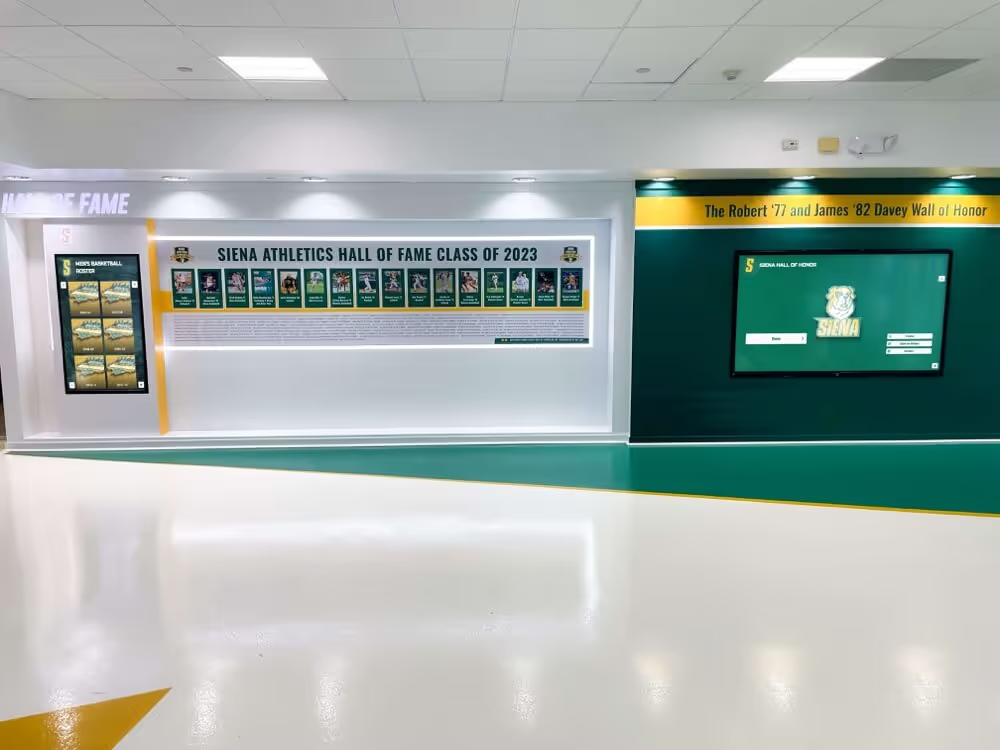
For example, a school might maintain a physical hall of fame wall featuring permanent plaques for inductees while incorporating an adjacent touchscreen displaying detailed biographical information, career highlights, photos, and video content about each honoree. This hybrid approach honors tradition while embracing innovation.
Athletic facilities might display retired jerseys physically while using digital screens to tell stories behind the athletes who wore them, showcase career statistics, or display highlight videos. This combination creates richer recognition experiences than either approach achieves independently.
School Identity and Pride Elements
Beyond recognition, effective entrance design reinforces institutional identity, communicating what your school stands for and creating emotional connections with your community.
Visual Identity Integration
Consistent visual branding throughout entrance spaces strengthens institutional identity and creates professional impressions.
School Colors and Mascots
Strategic use of school colors creates immediate visual connection with institutional identity. This extends beyond simply painting walls in school colors—though accent walls in strategic locations can create visual impact. Color appears through flooring choices, furniture selection, accent lighting, decorative elements, and integrated artwork.
Mascot imagery reinforces school identity when executed thoughtfully. Large-scale mascot murals create dramatic focal points and popular photo opportunities. Schools should ensure mascot representations feel contemporary rather than dated—outdated mascot graphics can make entire spaces feel behind the times. Professional artwork investment pays dividends through creating polished, impressive mascot representations that communities feel proud of rather than embarrassed by.
Three-dimensional mascot sculptures or statuary create particularly memorable entrance elements. These installations become beloved school landmarks, gathering spots, and signature photo locations for students and families. Quality matters significantly—professionally crafted sculptures communicate institutional investment while amateur-looking mascot attempts can undermine rather than enhance institutional image.
Motto, Mission, and Values Display
Many schools display institutional mottos, mission statements, or core values in entrance areas. These textual elements can powerfully communicate institutional priorities when designed and positioned thoughtfully.
Effective motto and mission displays feature thoughtful typography, appropriate scale for the viewing distance, visual integration with surrounding design elements rather than appearing as afterthoughts, and positioning that makes them natural focal points rather than easy to overlook. Simply printing mission statements on poster boards or generic vinyl lettering rarely achieves the impact these important messages deserve.
Consider creative approaches for displaying institutional values—dimensional lettering, artistic interpretation of concepts, or integration into larger artistic installations. When done well, these elements become defining entrance features rather than generic text displays.

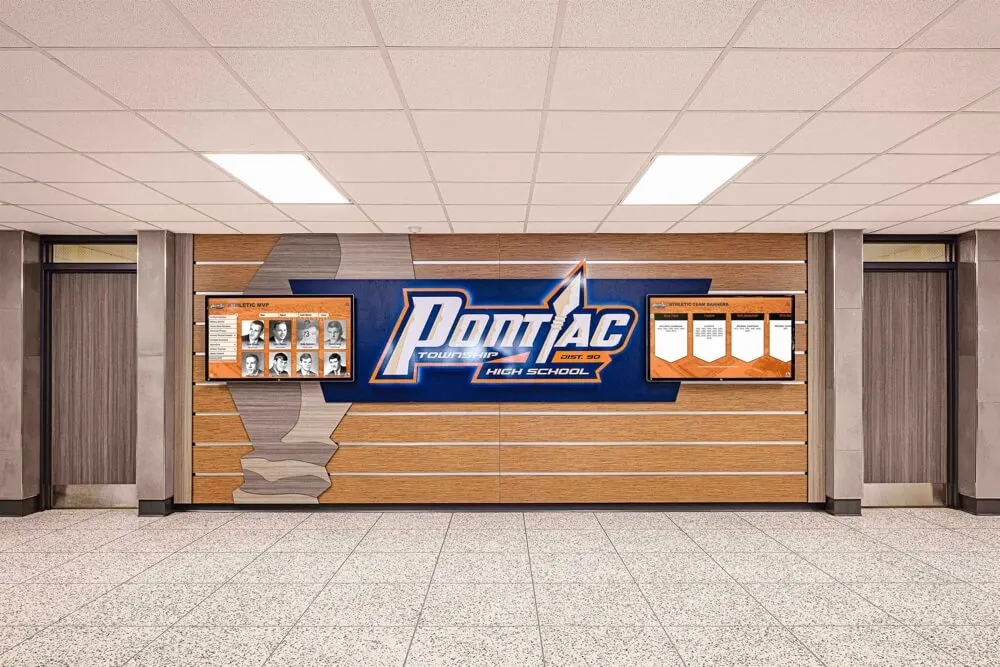
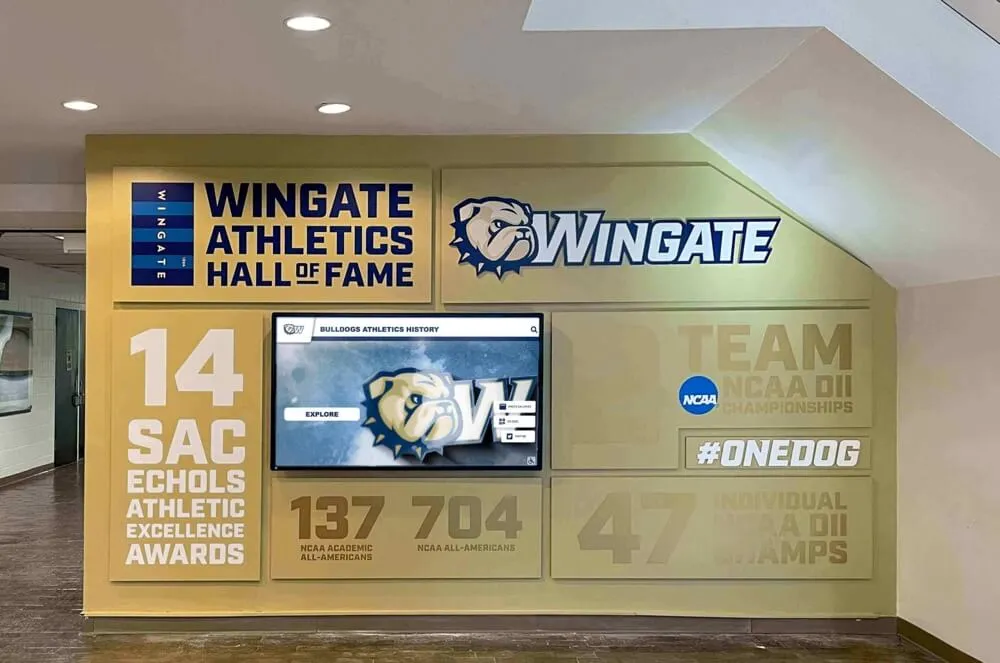
Comprehensive entrance design integrates multiple elements—murals, trophies, and digital displays—creating layered visual interest while celebrating achievements
Historical and Heritage Elements
Schools with established histories can leverage heritage as powerful identity differentiator, though newer schools can still create meaningful historical narratives.
Timeline Displays and Historical Narratives
Visual timelines chronicling institutional history create engaging entrance features while educating visitors about school heritage. Effective timeline displays balance historical information with visual interest through incorporating historical photographs, artifacts behind glass, dimensional elements creating physical depth, and integration of stories bringing dry dates to life.
Timeline displays work particularly well along entrance corridors where visitors naturally pause to read while moving through spaces. Digital timeline displays offer advantages for schools with extensive histories where physical displays would require impractical space, allowing compressed presentation of comprehensive information with ability to dive deeper into specific periods or events through interactive exploration.
Honoring Founders and Significant Contributors
Many schools honor founders, significant donors, or individuals who shaped institutional development through entrance recognition. These displays communicate institutional values—demonstrating gratitude, honoring legacy, and connecting current communities to foundational figures.
Donor recognition approaches should balance prominence appropriate to contribution levels with maintaining entrance spaces that don’t feel like fundraising displays. The most effective donor walls integrate aesthetically with surrounding environments rather than appearing as transactional listings of names and amounts.
Traffic Flow and Functional Considerations
Beautiful entrance design fails if spaces don’t function effectively for daily operational needs and traffic patterns.
Managing High-Volume Traffic
School entrances experience dramatic traffic fluctuations—quiet during class periods, chaotic during arrival and dismissal, moderate during events. Design must accommodate these varying conditions.
Arrival and Dismissal Considerations
Morning arrival and afternoon dismissal create concentrated traffic periods when hundreds of students, parents, and staff move through entrances simultaneously. Effective design prevents bottlenecks through providing adequate space for traffic volume, creating multiple pathways rather than single choke points, positioning recognition displays and visual elements away from primary traffic lanes, and ensuring that students pausing to look at displays or greet friends don’t block people trying to move through spaces.
Security considerations increasingly influence entrance design. Many schools now channel all visitors through single controlled access points featuring reception areas, sign-in stations, and security monitoring. These necessary security elements should integrate seamlessly into welcoming design rather than making entrances feel like fortresses.
Event Traffic and Special Occasions
Schools host events attracting community members unfamiliar with buildings—concerts, athletic competitions, conferences, open houses, and community gatherings. Entrance design should accommodate these special occasions through clear wayfinding for unfamiliar visitors, adequate space for event check-in or ticket collection when applicable, and positioning of school pride and recognition elements where event attendees naturally see them.
Event traffic often includes elderly visitors, young children, and individuals with mobility limitations requiring accessible design considerations. Ensure entrances remain navigable for all visitors regardless of age or ability.

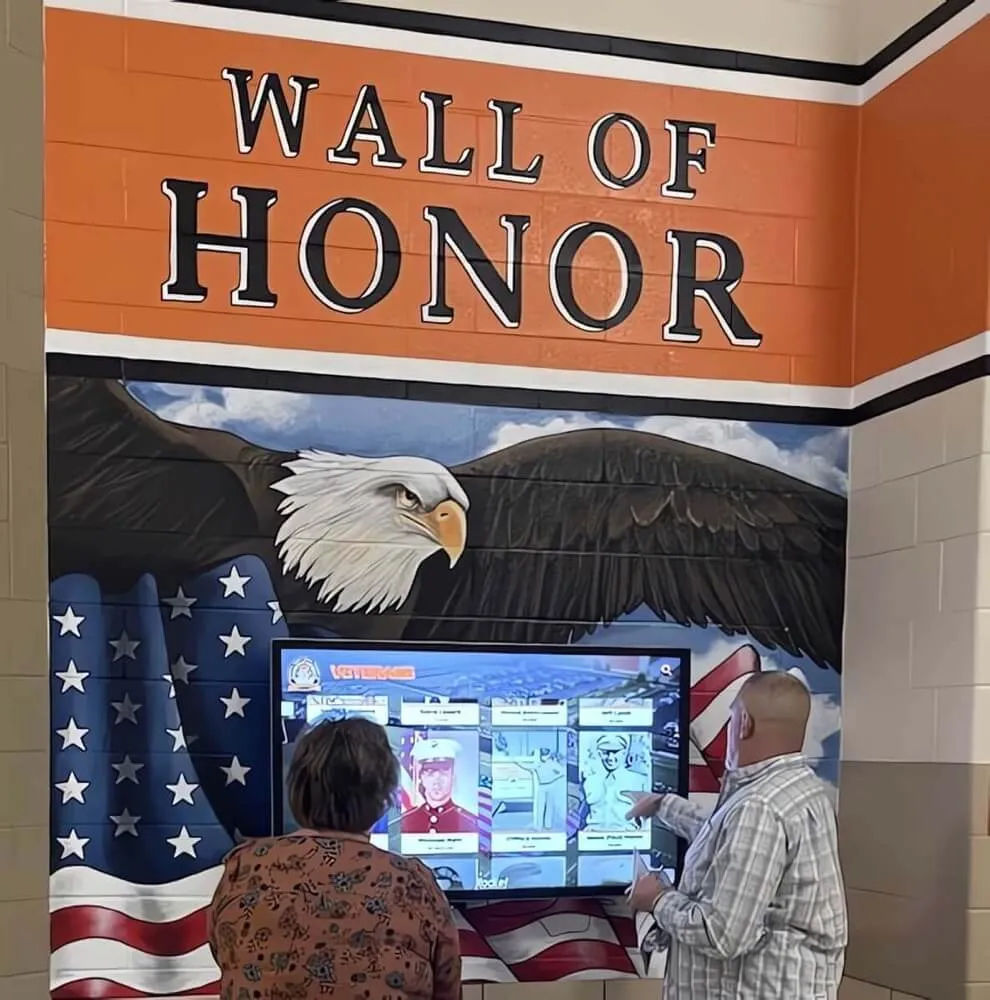
Large-scale murals create dramatic visual impact while celebrating school history and achievement traditions
Security Integration
Modern school entrance design must balance openness and welcome with security requirements protecting students and staff.
Controlled Access Without Fortress Feeling
Security vestibules, locked interior doors, and visitor management systems now represent standard school entrance features. Design challenges involve implementing necessary security without creating unwelcoming, institutional atmospheres.
Transparent materials for security barriers maintain visual openness while providing physical security. Glass walls and doors allow security monitoring while avoiding creating oppressive feelings of confinement. Strategic placement of welcoming design elements—artwork, recognition displays, plants—within secure vestibules makes these necessary spaces feel less institutional.
Reception desk design significantly impacts visitor experience. Position reception areas where staff can naturally monitor entrances while greeting visitors warmly. Reception desk aesthetics should match overall entrance design rather than appearing as afterthought furniture choices.
Creating Flexible, Sustainable Design
The most successful school entrance designs remain relevant for decades rather than feeling dated within years, requiring strategic thinking about sustainability and flexibility.
Future-Proofing Your Entrance
Technology evolution, changing aesthetics, and growing communities require entrance designs that adapt without requiring complete renovations.
Modular and Updateable Systems
Design choices emphasizing flexibility accommodate future changes. Modular display systems allow reconfiguration as needs evolve. Digital recognition platforms enable content updates without physical changes. Neutral foundational design elements like flooring, walls, and major architectural features pair with updateable accent elements like furniture, artwork, and decorative features allowing refreshed appearances without major construction.
When selecting digital display systems, prioritize platforms with remote content management, regular software updates, standard mounting systems accommodating equipment replacement, and proven longevity rather than bleeding-edge features that may quickly become obsolete.
Planning for Growth
Growing schools face particular entrance design challenges. Design approaches should anticipate expansion through establishing recognition systems that scale—digital displays accommodating unlimited content additions, physical display areas with room for expansion, and flexible layouts allowing reconfiguration as traffic patterns or functional needs change.
Consider how today’s entrance design accommodates future additions—will there be space for new donor recognition as fundraising campaigns succeed? Can athletic recognition expand as programs grow? Does your design approach gracefully accommodate additions, or will future growth require disruptive renovations?
Maintenance and Longevity
Beautiful entrance designs lose impact when poor maintenance allows deterioration. Design choices should consider long-term maintenance requirements and durability.
Material Durability and Cleaning
High-traffic school entrances require durable materials withstanding daily wear. Flooring must handle thousands of footsteps, weather exposure from doors opening constantly, and regular cleaning. Wall finishes need resistance to scuffs and marks. Display cases require scratch-resistant materials maintaining appearance despite daily contact.
Consider maintenance requirements when selecting materials. Some beautiful materials require specialized cleaning or frequent maintenance that schools struggle to maintain. The most successful designs use durable, maintainable materials that continue looking good despite heavy use and standard cleaning protocols.
Digital System Maintenance
Digital displays require ongoing maintenance including software updates, content management, occasional hardware replacement, and technical support when issues arise. When implementing digital recognition or signage systems, ensure you have sustainable maintenance plans including budget allocation for technology maintenance and replacement, staff training or vendor support for content management, and backup plans for equipment failure.
Schools exploring comprehensive digital recognition solutions often find that athletic programs benefit significantly from these systems’ flexibility and depth.
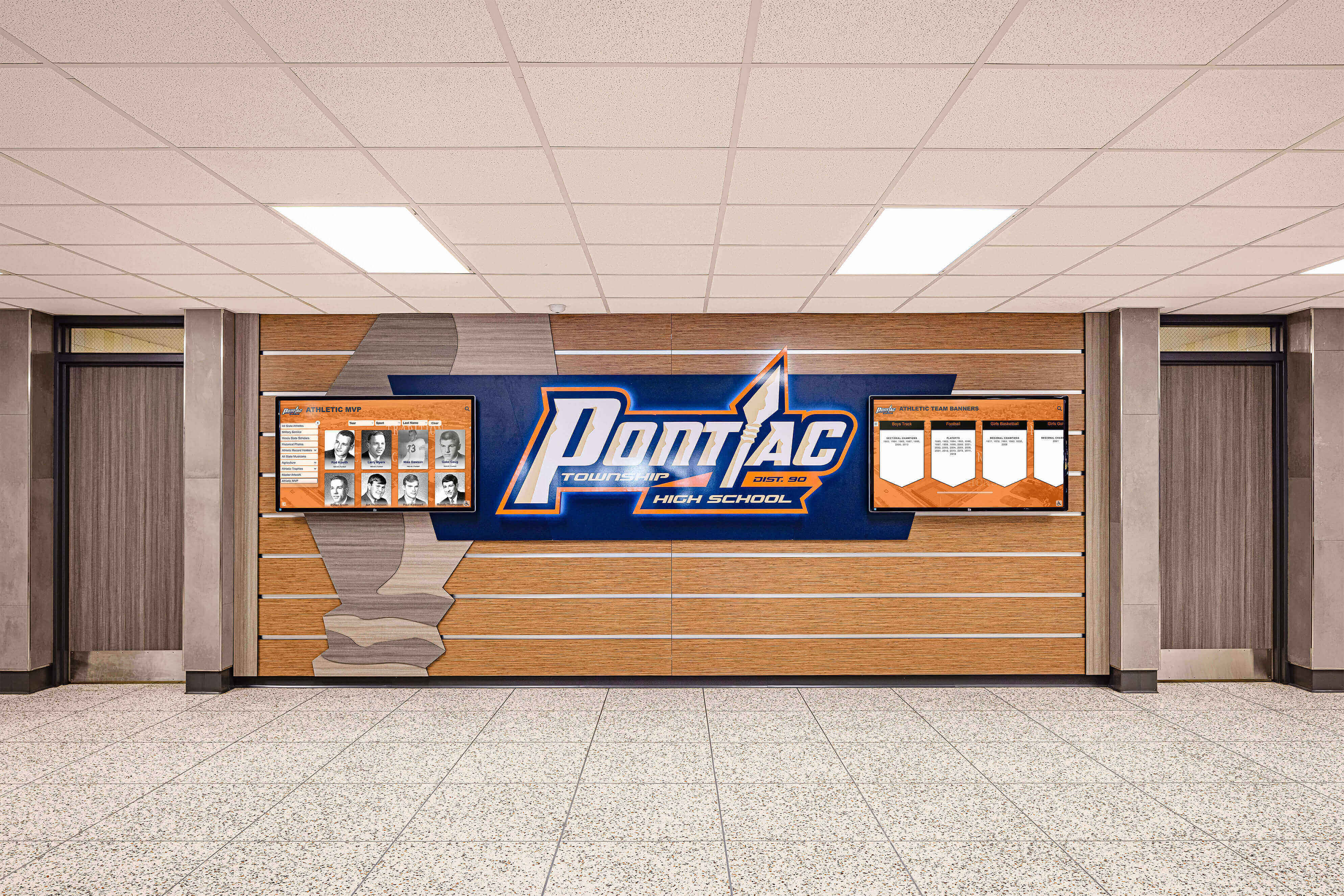
Traditional honor board displays remain effective when designed professionally and maintained consistently
Budget-Conscious Design Strategies
Effective school entrance design doesn’t necessarily require massive budgets. Strategic approaches maximize impact while managing costs realistically.
Phased Implementation
Rather than attempting comprehensive entrance renovations all at once, consider phased approaches tackling improvements incrementally.
Starting with High-Impact Changes
Begin with changes creating maximum visual impact relative to cost. Fresh paint in school colors, improved lighting, strategic furniture additions, or single high-quality recognition display creates significant transformation without extensive budgets. These initial improvements often generate momentum and enthusiasm for subsequent phases.
Identify your entrance’s biggest current weaknesses and address those specifically. If outdated recognition displays undermine overall impressions, prioritize updating those. If poor lighting creates unwelcoming atmospheres, lighting upgrades should take priority. If confusing layouts frustrate visitors, wayfinding improvements address your most significant need.
Leveraging Existing Assets
Many schools already possess assets that could enhance entrances but remain in storage or poorly displayed.
Archived Photographs and Historical Materials
Schools often maintain archives of historical photographs, yearbooks, documents, or artifacts with potential for meaningful entrance displays. Creating historical displays from existing materials requires minimal cost beyond professional mounting and display case installation.
Work with alumni associations, historical societies, or community volunteers willing to research and develop historical content. These partnerships create meaningful recognition opportunities while distributing work beyond already-stretched school staff.
Student and Community Involvement
Art students can create murals, sculptures, or decorative elements under professional guidance. Student-created artwork adds authentic character while building student ownership of spaces. Community artists, skilled tradespeople, or design professionals sometimes donate services or provide significant discounts for school projects.
Parent associations, booster clubs, or alumni groups might fundraise specifically for entrance improvements, particularly when projects include recognition opportunities for donors. Giving communities specific, visible projects to support often generates stronger fundraising results than general facility fund appeals.
Schools across the nation have created impressive recognition spaces through creative approaches including honoring student achievements and celebrating school traditions through their entrance displays.
Bringing Your School Entrance Vision to Life
Transforming your school entrance from generic hallway to inspiring, welcoming space requires thoughtful planning, community input, and strategic implementation. Begin by assessing your current entrance honestly—what impressions does it create? What messages does it communicate? What improvements would generate the greatest impact?
Involve stakeholders throughout the design process. Students, staff, parents, alumni, and community members bring valuable perspectives ensuring your entrance resonates with diverse audiences. Their input helps identify what matters most to your community while building buy-in for changes.
Consider both immediate improvements and long-term vision. What can you accomplish this year with existing resources? What aspirational goals require multi-year planning and fundraising? Breaking large projects into achievable phases maintains momentum while working toward comprehensive transformation.
Most importantly, ensure your entrance design authentically represents your school’s unique identity rather than copying generic approaches or trends. The most memorable, effective school entrances reflect the specific communities they serve—celebrating real achievements, honoring actual heritage, and creating spaces that feel distinctly yours rather than interchangeable with any other institution.
Your school entrance shapes daily experiences for your entire community while communicating institutional values to every visitor. Thoughtful entrance design represents an investment in your school’s culture, pride, and legacy that pays dividends for decades through creating spaces where students feel celebrated, alumni feel connected, and visitors immediately understand what makes your school special.
Ready to transform your school entrance with dynamic digital recognition displays? Rocket Alumni Solutions specializes in creating interactive touchscreen walls of fame and digital displays that celebrate student achievements while creating welcoming, inspiring entrance experiences. Our systems allow easy content updates, unlimited recognition capacity, and professional designs that integrate seamlessly with your school’s unique identity. Discover how leading schools are creating entrance spaces that truly honor their communities—schedule a consultation today to explore custom solutions for your school.