Walk into almost any school gym during a home game and within seconds you know exactly whose turf you’re on. The blue and gold on the scoreboard. The crimson letters across the bleachers. The forest green on every jersey. School colors carry a weight that goes far beyond aesthetics — they signal belonging, history, and shared identity stretching back generations. Yet when alumni ask where those colors came from, or why the school adopted that particular shade of burgundy, most administrators draw a blank.
Documenting your school colors history is one of the most overlooked forms of institutional storytelling. When done well and displayed prominently, that documentation transforms your walls from decoration into genuine community infrastructure — surfaces that connect current students to predecessors, inspire pride, and give alumni a reason to return.

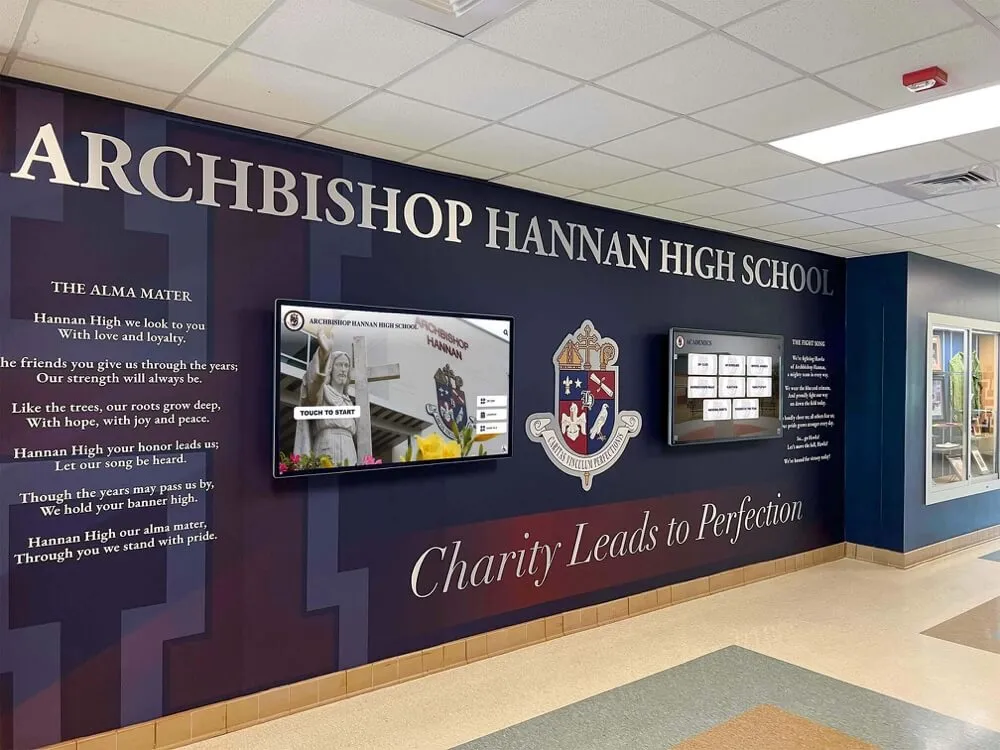
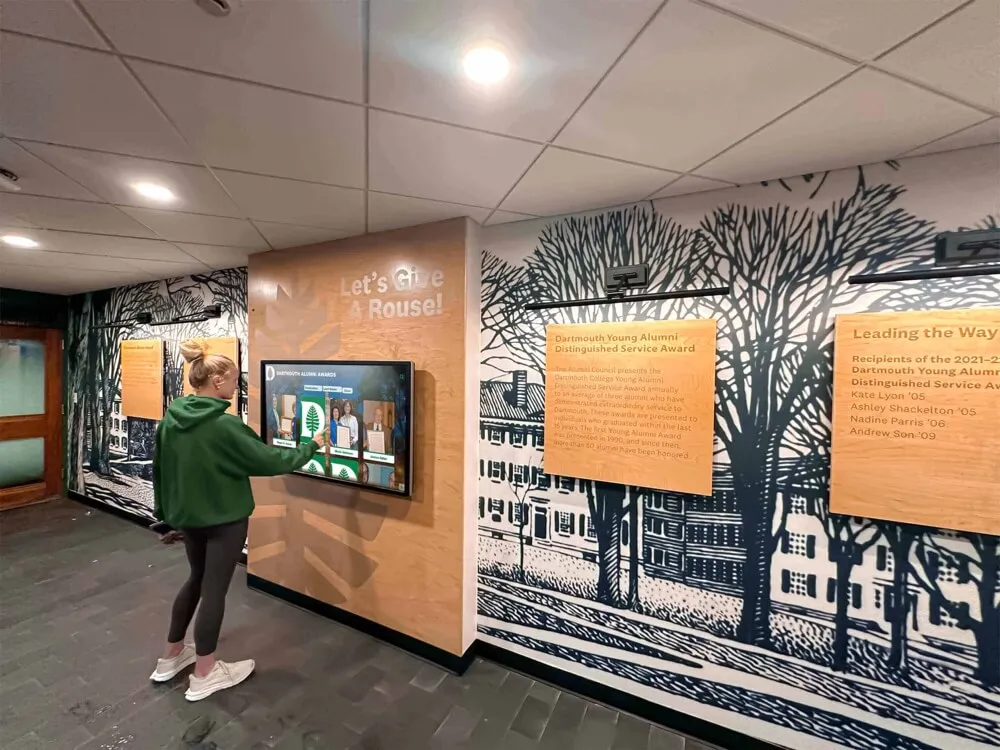
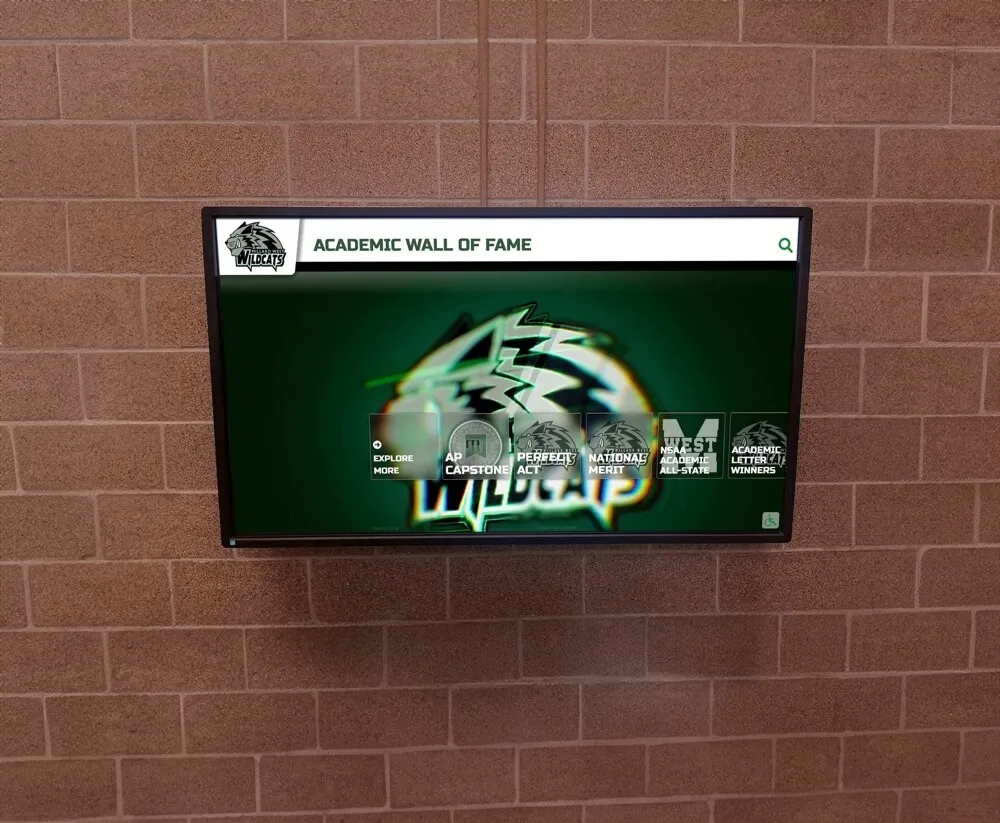
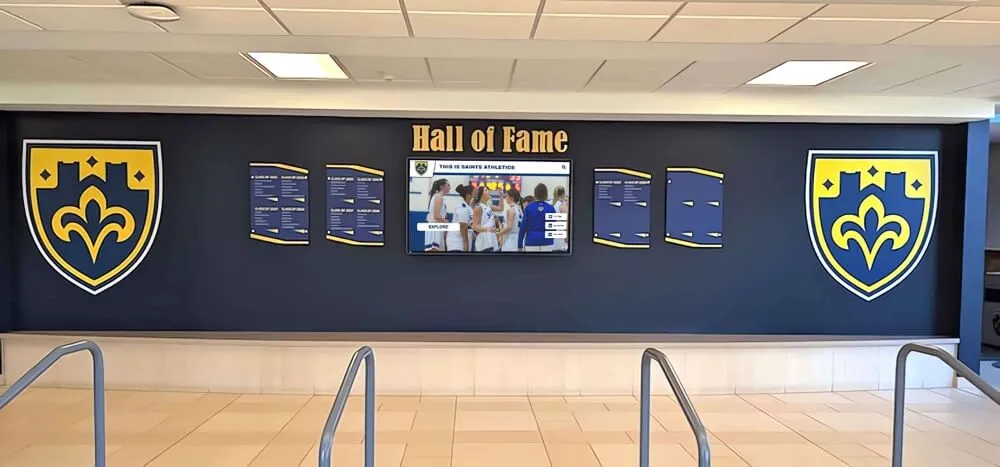
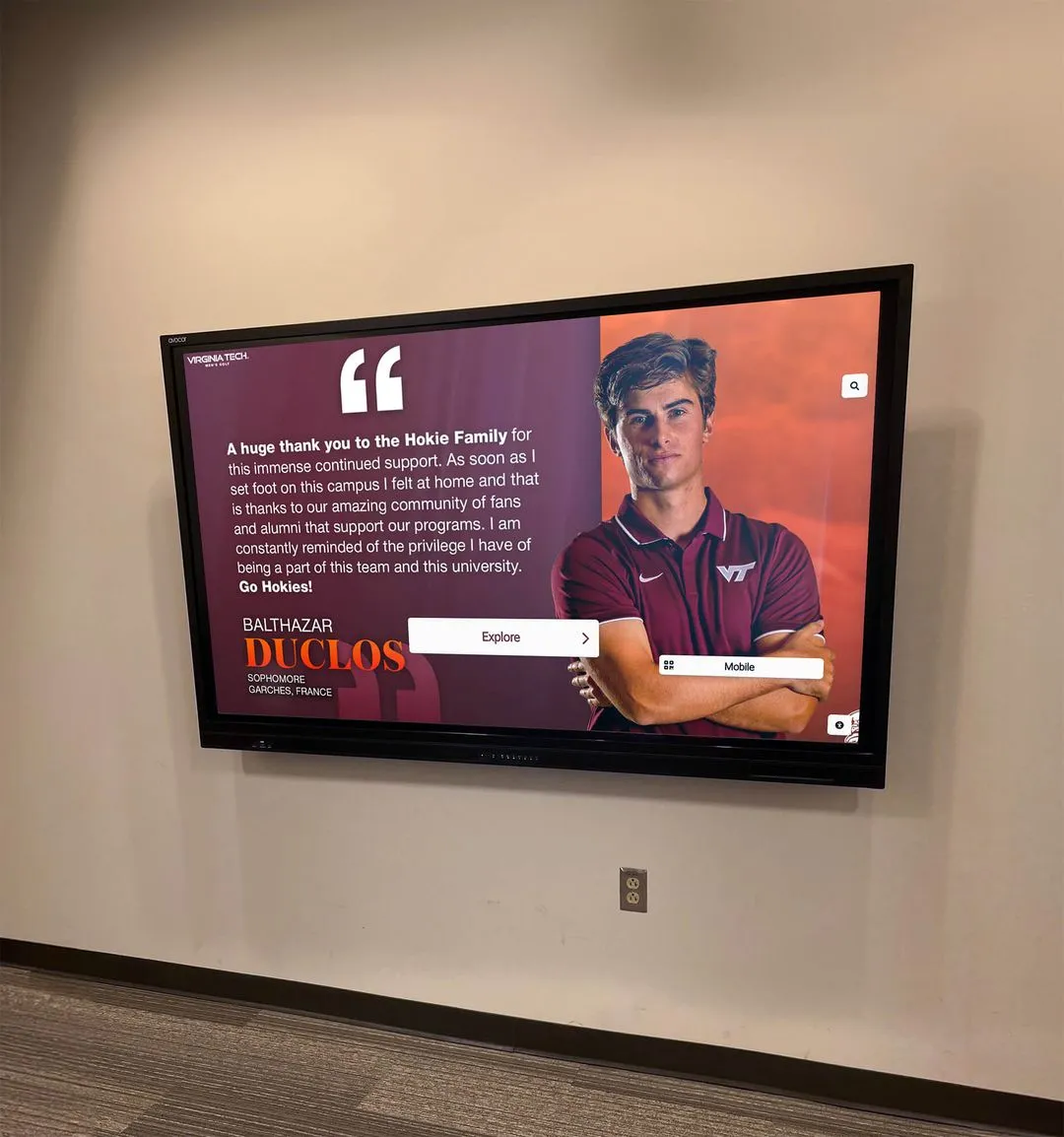
When school colors are woven deliberately into display walls alongside historical content, the visual identity becomes inseparable from the community story
Why School Colors History Deserves Documentation
Most schools can point to when their colors were chosen but can’t say why. Did a founding principal favor a particular combination? Were the colors selected to contrast with a rival district? Did a generous donor simply supply the cheapest available wool in two specific dyes? Each of those origin stories carries meaning — and that meaning becomes richer as decades pass.
Color heritage documentation matters for several practical reasons:
Identity continuity. When your school undergoes rebranding, renovation, or a new logo refresh, knowing the original color story helps design teams honor history rather than accidentally erase it. Schools that document color specifications (Pantone values, CMYK codes, fabric standards) across decades give future administrators the tools to maintain visual consistency even as materials and vendors change.
Alumni engagement. Color nostalgia is among the most powerful triggers of school loyalty. An alumnus from 1974 and a senior from this spring may have little else in common — but pull out a jersey in the school’s exact shade of navy, and both feel the same pull. Displaying that shared visual vocabulary on your walls creates connection points across generations.
Recruitment and enrollment. Prospective students and families visiting campus respond to schools that clearly know who they are. A cohesive visual identity rooted in documented history signals institutional confidence. It says: we know where we came from, and we’re proud of it.
Cultural inheritance. Your school colors have been on championship banners, graduation gowns, community service t-shirts, and homecoming floats for decades. That accumulated cultural weight deserves preservation just as much as athletic records or academic achievements.
How to Research Your School’s Color Origins
Tracking down the actual history of your school’s colors requires working multiple research channels simultaneously. Don’t expect to find a single document that explains everything — most color origin stories are reconstructed from scattered sources.
Start with Physical Artifacts
Your oldest physical artifacts often contain the most reliable color information. Seek out:
- Earliest uniforms and equipment. Athletic departments sometimes hold jerseys dating back fifty or more years. Even faded examples reveal original color relationships.
- Vintage yearbooks. Even black-and-white pages show which colors were emphasized through design choices. Color yearbooks from the 1960s and 1970s are particularly valuable. Digitizing vintage school yearbooks can make these fragile records searchable and safe from further deterioration.
- Pennants, ribbons, and banners. Pre-synthetic-era textiles sometimes used dye formulations that reveal original color intent more clearly than later reproductions.
- Trophy cases and wall plaques. Early award items often incorporate enamel or painted school colors applied when those standards were freshest in institutional memory.
Consult Human Sources
No archive substitutes for people who were there. Prioritize:
Senior alumni with long institutional memory. Alumni who graduated fifty or more years ago often remember color-related decisions with surprising specificity. They attended school when those choices were still recent enough to be discussed, and they frequently recall why certain changes were made.
Retired faculty and coaches. Long-tenured staff accumulate institutional knowledge that never makes it into written records. A retired athletic director may remember a specific equipment supplier relationship that locked in a particular color specification for twenty years.
Local historians and newspaper archives. Community newspapers covered school events for generations. Sports sections frequently described uniforms and team colors in language that reveals color naming conventions of the era.
Examine Administrative Records
Many schools retain board minutes, facility planning documents, and correspondence from founding eras. These records occasionally contain explicit color-selection discussions. Key documents to request from your district archives:
- Board of education meeting minutes from the school’s founding decade
- Original facility planning correspondence
- Early athletic program handbooks or rulebooks
- Historical accreditation documents referencing institutional identity
Documenting Mascot Evolution Alongside Color History
Mascots and colors function as an integrated visual system. Understanding one without the other leaves the story incomplete. As you document color history, track mascot evolution in parallel.
Most school mascots have gone through at least two or three significant visual iterations since adoption. A panther that looked ferocious and angular in the 1950s became rounder and friendlier in the 1980s, then was redesigned again in the 2000s for digital scalability. Each version reflects the aesthetic sensibilities and community values of its era.
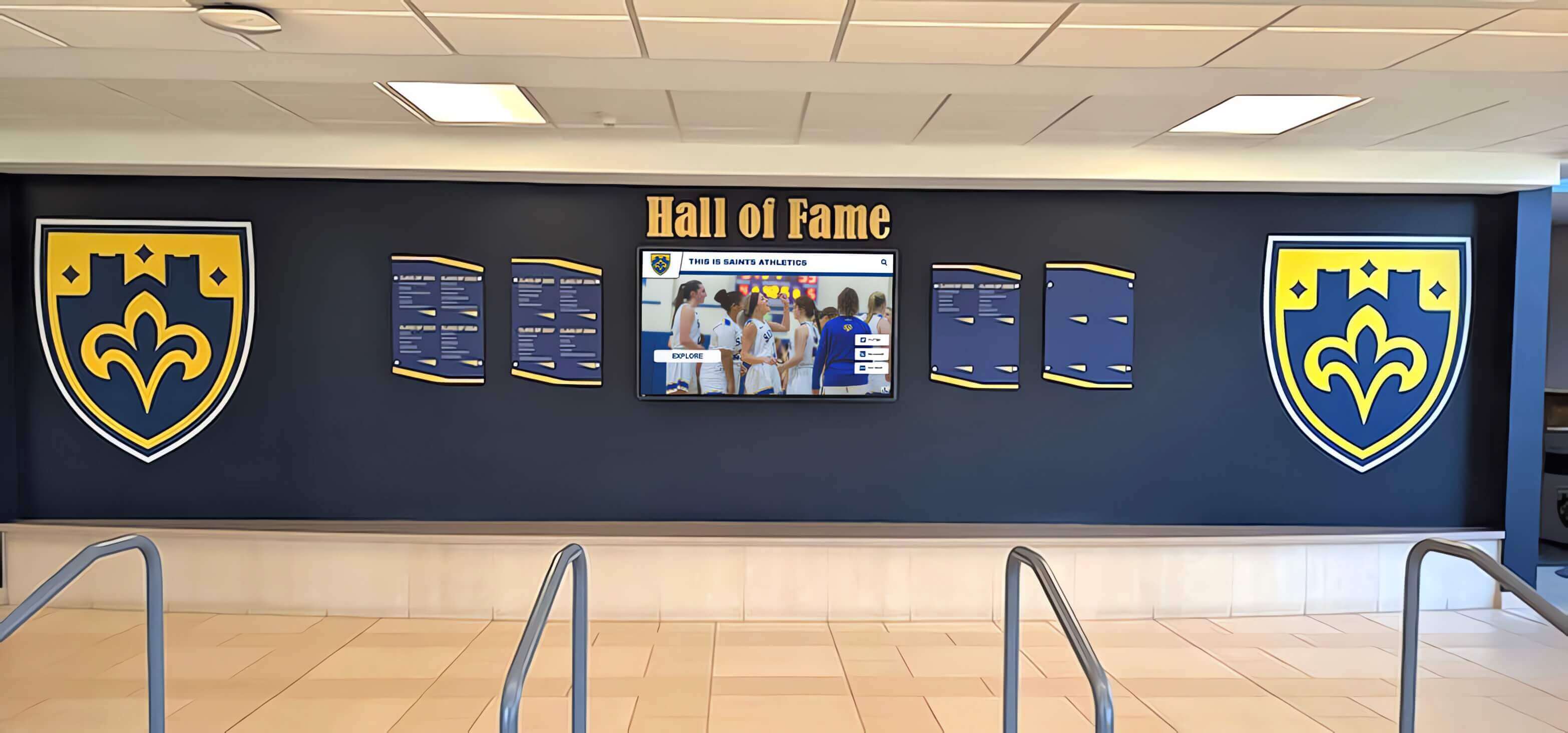
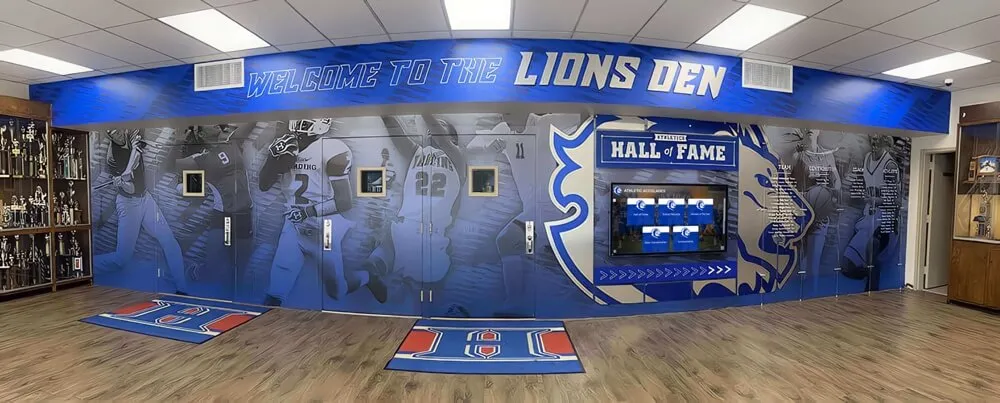
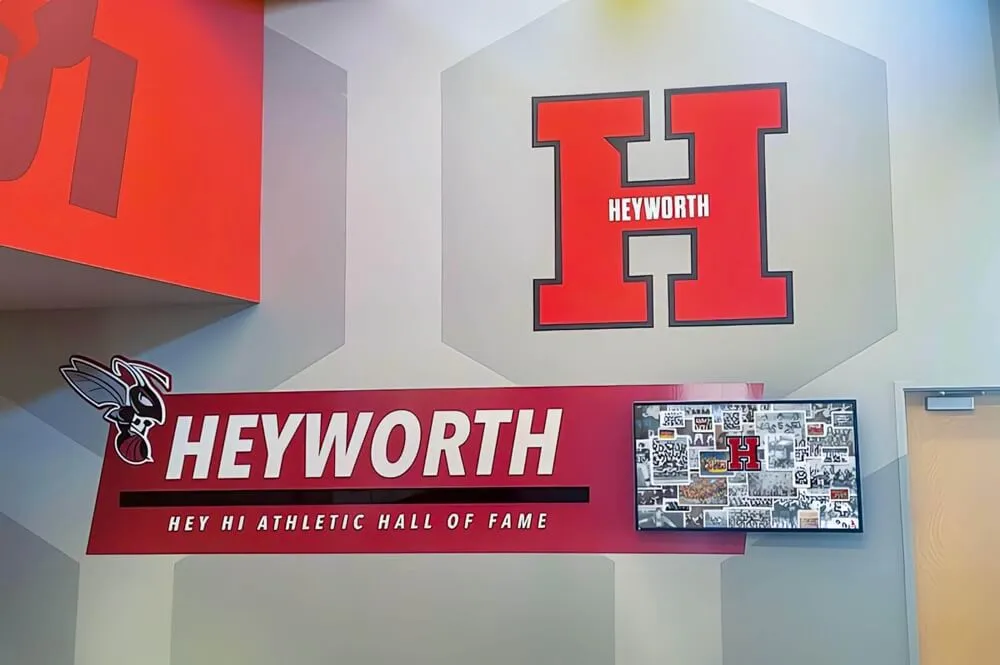
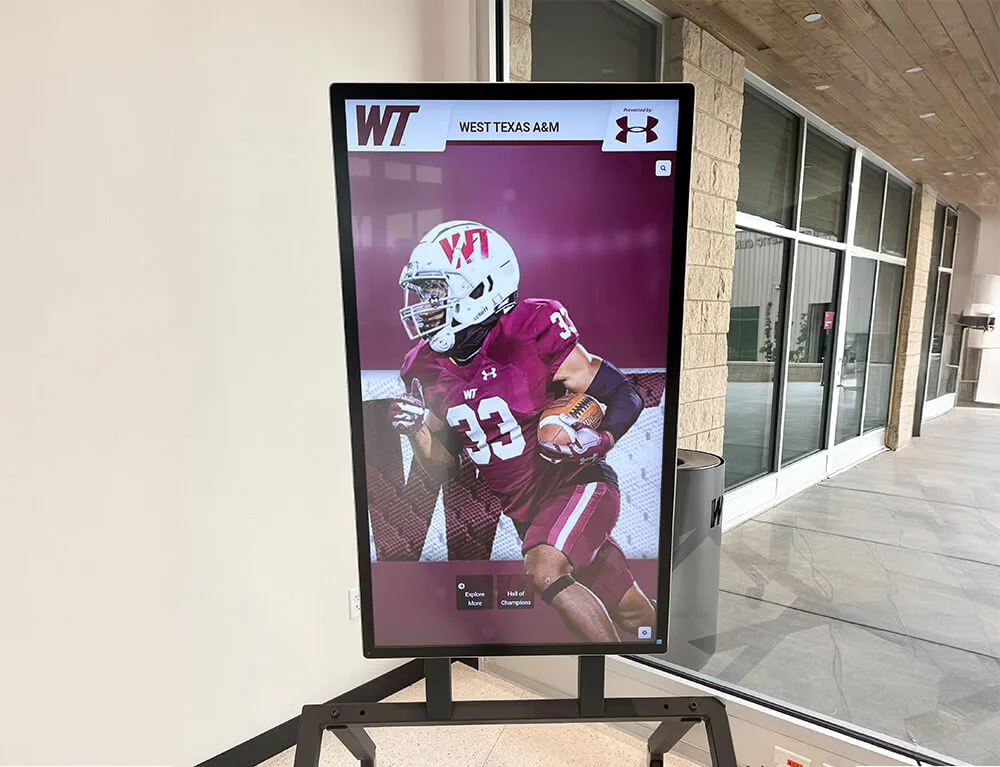
Displaying the evolution of colors and symbols side by side creates visual timelines that make heritage tangible for students and visitors
Documenting mascot evolution means collecting:
- Dated examples of every logo version used on uniforms, letterhead, and signage
- Photographs of costumed mascots at events across different decades
- Any written records explaining redesign decisions
- Community responses to changes (sometimes captured in newspaper letters-to-the-editor)
When you present mascot evolution on display walls alongside color history, you create a visual timeline that makes institutional identity feel lived-in rather than imposed. Students see that the school has always been evolving — and that the colors and symbols they claim today carry accumulated meaning from everyone who came before them.
Building Your Documentation System
Before you can display your school colors history, you need to organize it. A scattered collection of photographs and anecdotes doesn’t translate effectively to walls — visitors need narrative structure to make meaning.
A practical documentation framework includes:
A master color record. Establish the official historical color specifications your school has used, with dates of adoption and any known rationale. Include Pantone, CMYK, RGB, and HEX values for each era if reconstructable. Note fabric standards for athletic uniforms when known.
A visual timeline. Create a chronological sequence of images showing how your visual identity looked in each decade. This timeline becomes the spine of any display installation.
A source inventory. Document where each piece of evidence came from — which yearbook, which photograph, which oral history interview. Provenance matters when future administrators need to verify or expand the record.
Annotation for context. For each major era or transition, write brief explanatory text: what was happening at the school and in the community when colors were selected or revised? Historical context turns dry documentation into compelling narrative.
Using school history software designed for educational institutions makes this organization significantly more manageable than trying to maintain it in generic file storage. Purpose-built platforms allow you to attach source documentation to specific records, tag content for display purposes, and make the archive searchable across decades.
Translating Color History into Physical Display Walls
Once you have documented your school colors history, the question becomes: how do you display it so that people actually engage with it?
Traditional Display Approaches
Painted murals. School colors applied directly to walls create immediate visual impact. Murals incorporating historical imagery — championship moments, founding-era photographs, mascot evolution panels — transform corridors into heritage galleries. The challenge: once painted, murals are expensive to update as your documentation expands.
Dimensional letters and shield systems. Metal letters, plaques, and shield-style display systems in school colors create durable, dimensional presentations that read well in high-traffic areas like lobbies and athletic hallways. These systems work best for core recognition content rather than evolving historical narratives.
Trophy cases with interpretive panels. Traditional trophy cases gain new power when paired with printed interpretive panels explaining the historical context of displayed items. A championship trophy from 1962 becomes a teaching object when accompanied by text explaining what the school looked like that year, what colors the team wore, and who made key decisions during that era.
Interactive Digital Display Walls
Physical displays have a fundamental limitation: they can only show what was known at installation time. Interactive digital displays eliminate that constraint entirely.
A touchscreen display wall dedicated to school colors history can show:
- Color swatches from each era alongside photographs of uniforms in those colors
- Mascot evolution timelines users can scroll through chronologically
- Video interviews with alumni describing what the colors meant to them
- Side-by-side comparisons of current and historical imagery
- Interactive maps showing when different facilities adopted new color standards
Platforms like Rocket Alumni Solutions enable schools to build these experiences without requiring ongoing technical expertise. Staff can update content remotely as new historical materials surface — adding a photograph discovered in a retiring teacher’s collection, or incorporating an oral history recorded at a reunion.

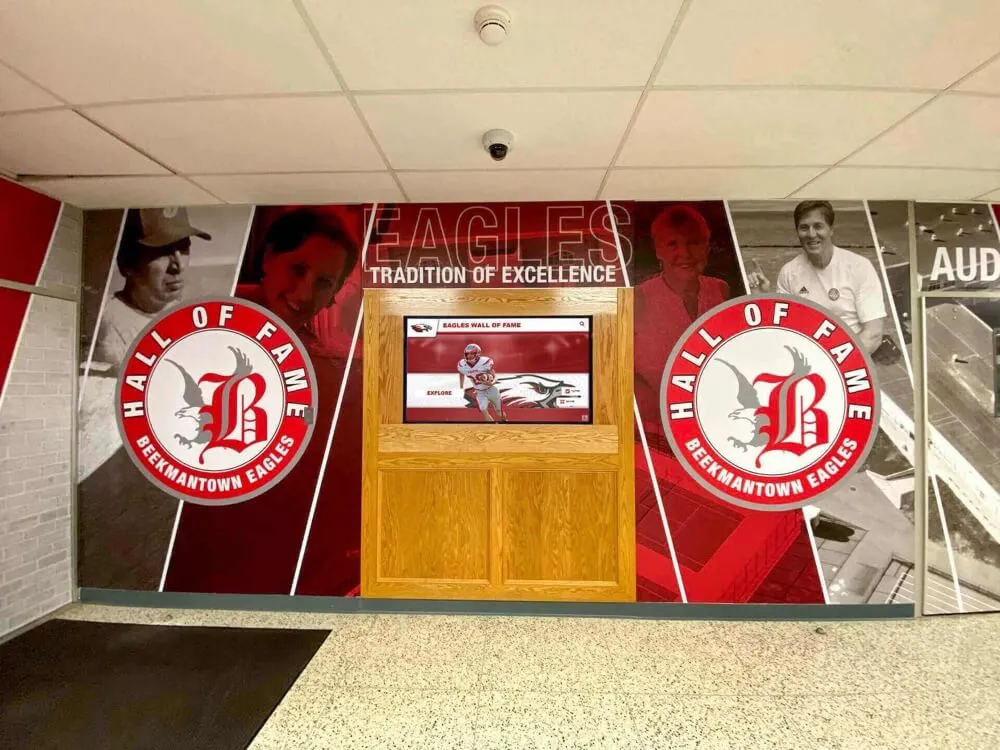
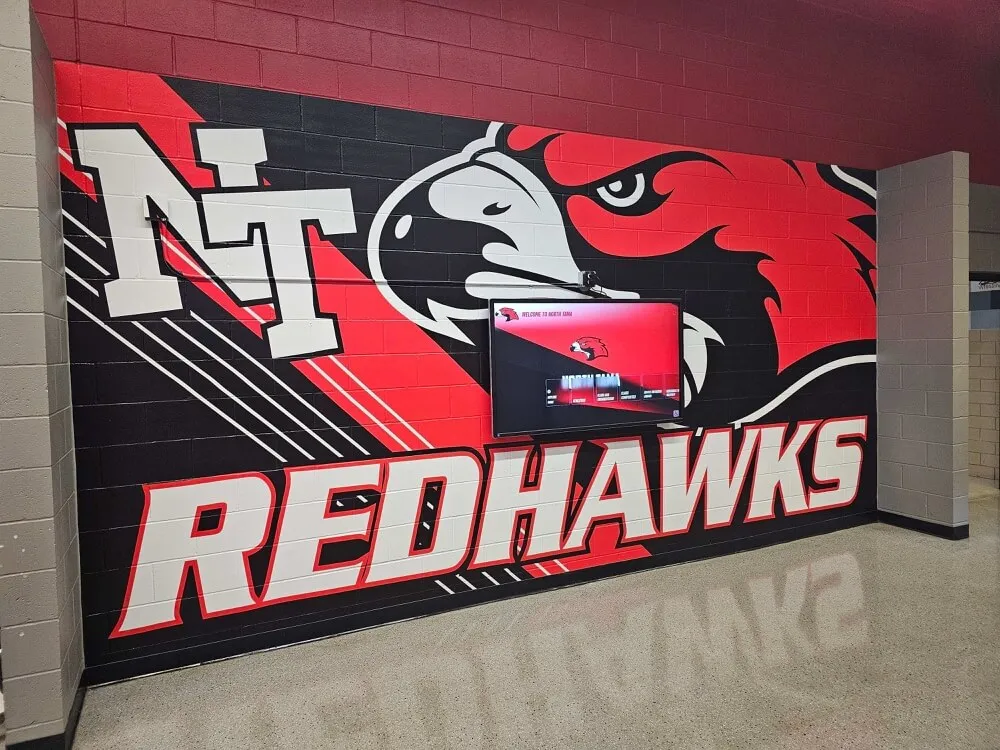
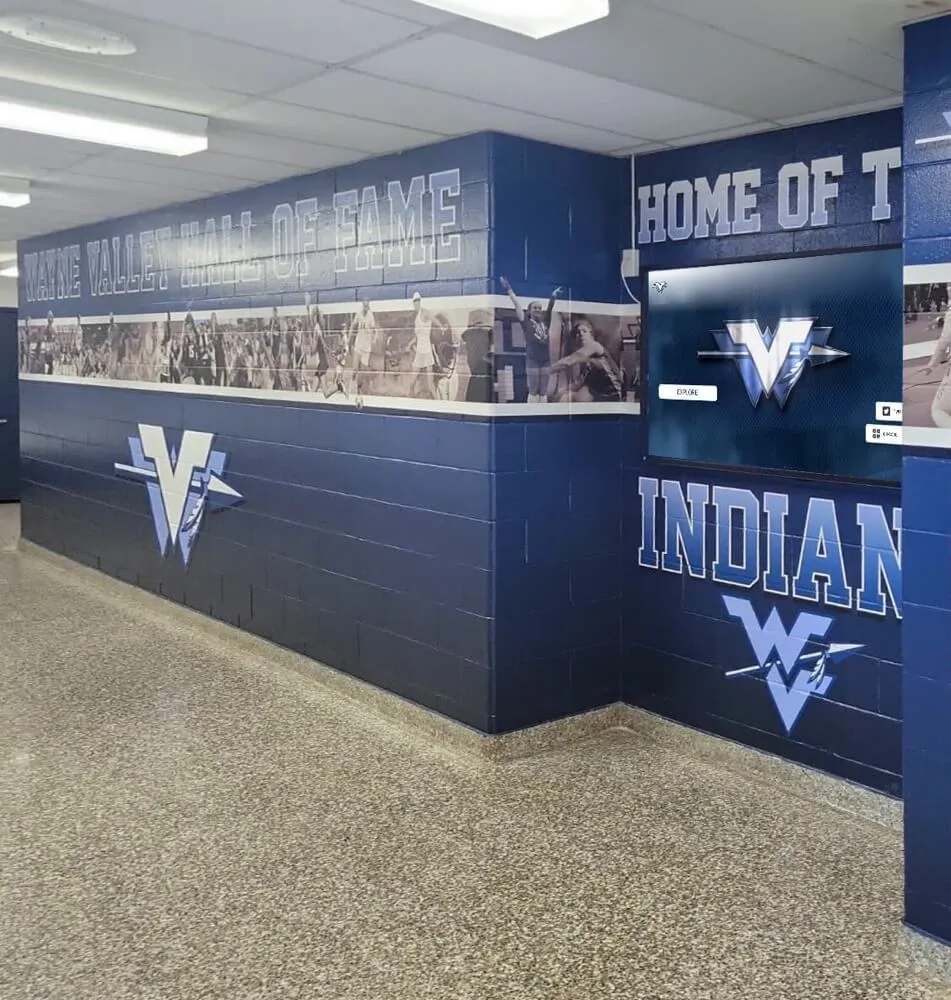
School colors can be embedded into the physical architecture of display installations, creating spaces where heritage feels structural rather than decorative
Storytelling through digital recognition works particularly well for color history content because the medium allows layered depth: casual visitors see the visual highlights, while alumni or students with deeper curiosity can explore the detailed backstory.
For schools developing comprehensive hallway installations, consulting a hallway display guide helps with spatial planning and content sequencing across multiple display locations.
The Digital Warming Effect of Color Heritage Displays
There’s a specific dynamic that happens when historical color content is displayed digitally and updated regularly: engagement compounds over time rather than fading after novelty wears off.
Traditional static displays create a one-time impression. A visitor sees the mural, understands the school’s colors, and moves on. The experience doesn’t repeat.
Digital heritage walls that surface fresh content — a throwback photograph from this week in school history, a comparison of uniforms from fifty years apart, an interview with an alumnus about what wearing those colors meant during their senior year — give visitors new reasons to engage on every visit. Alumni who pass through the lobby monthly for board meetings never see the same display twice. Students encounter unexpected connections to predecessors. Parents visiting for events discover shared experiences with their own school memories.
This is the digital warming effect applied to visual heritage: content that was previously static and fixed becomes a continuous conversation between the school’s past and present. The colors aren’t just on the wall — they’re alive, anchoring new stories to old foundations every day.
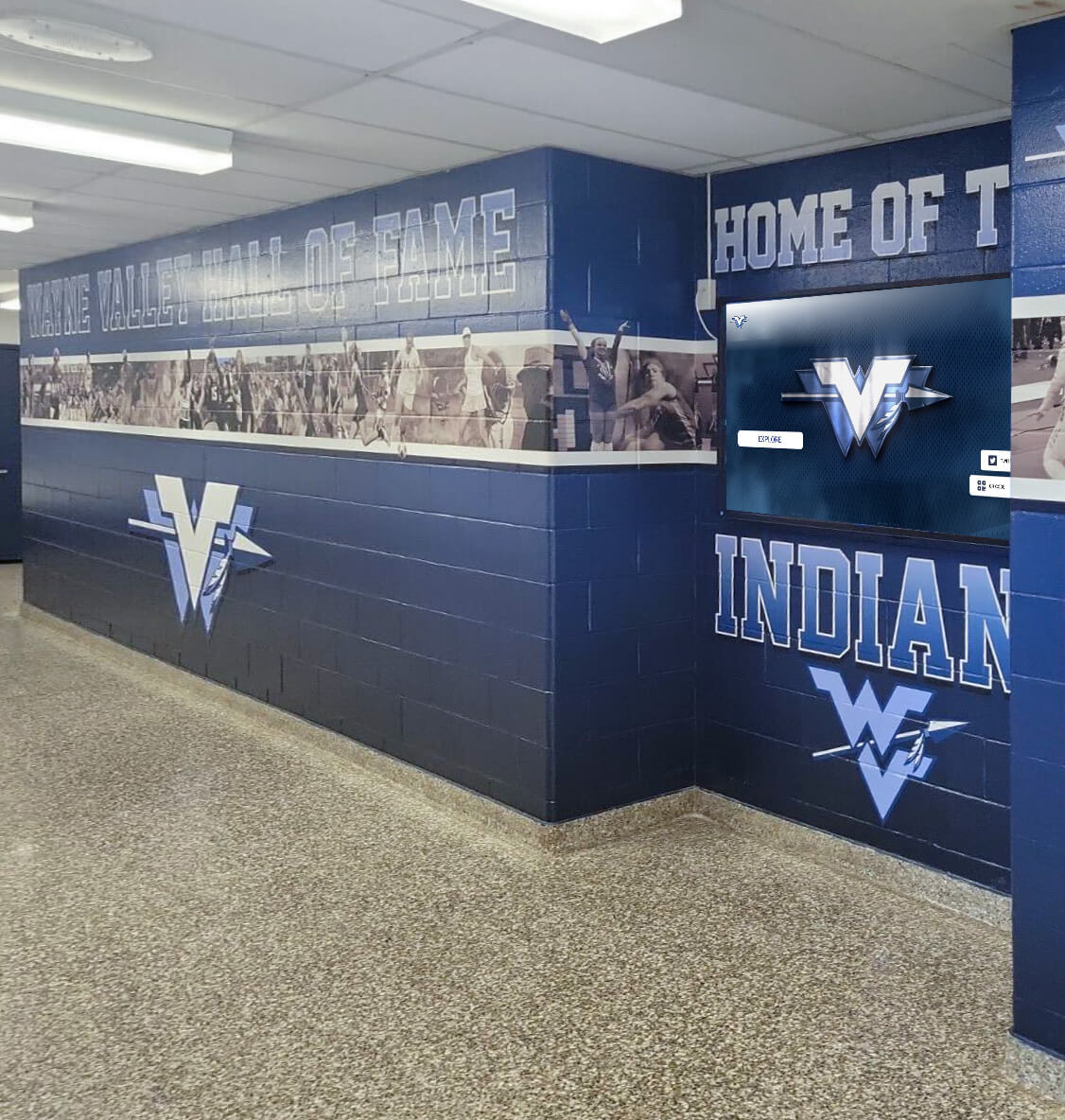
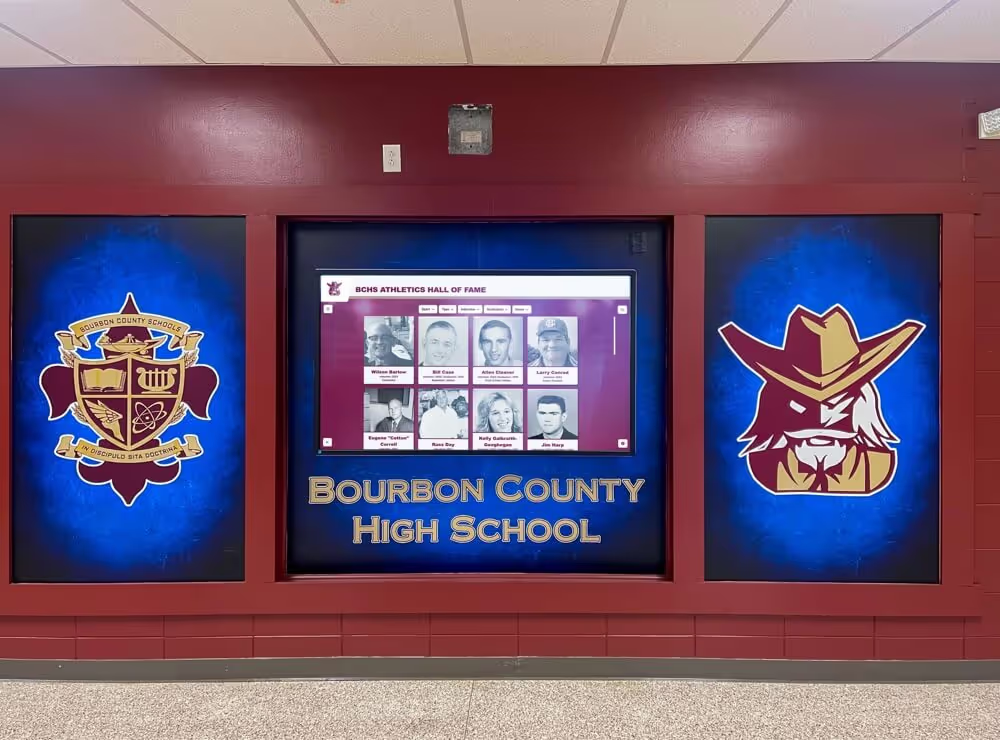
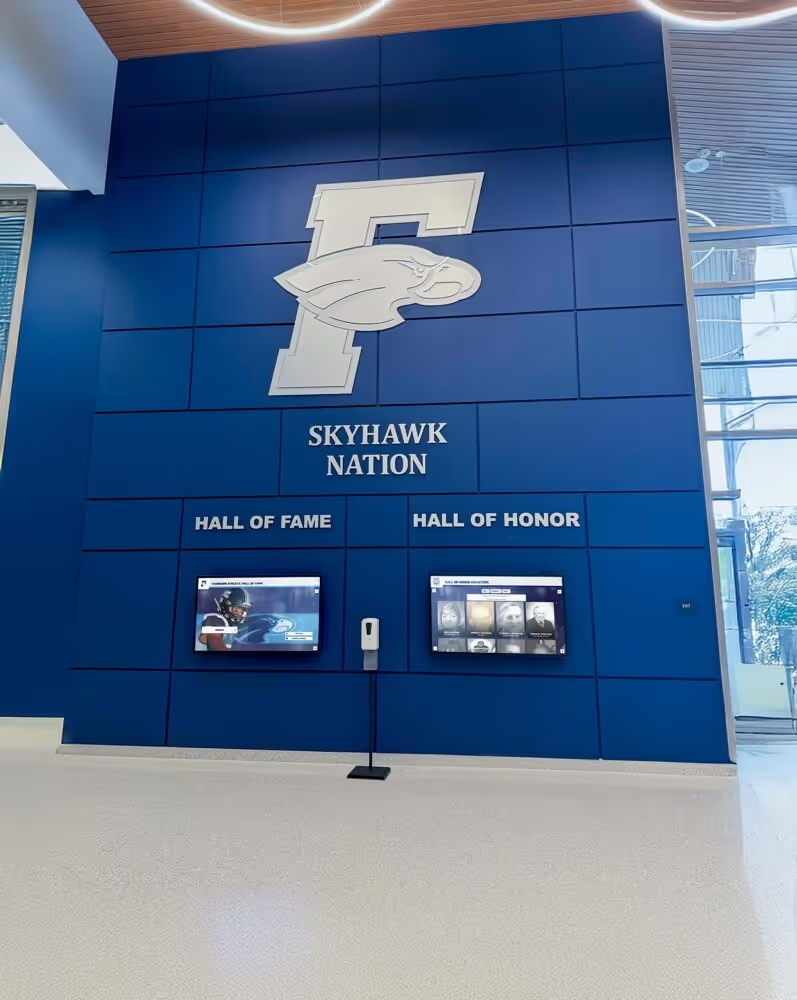
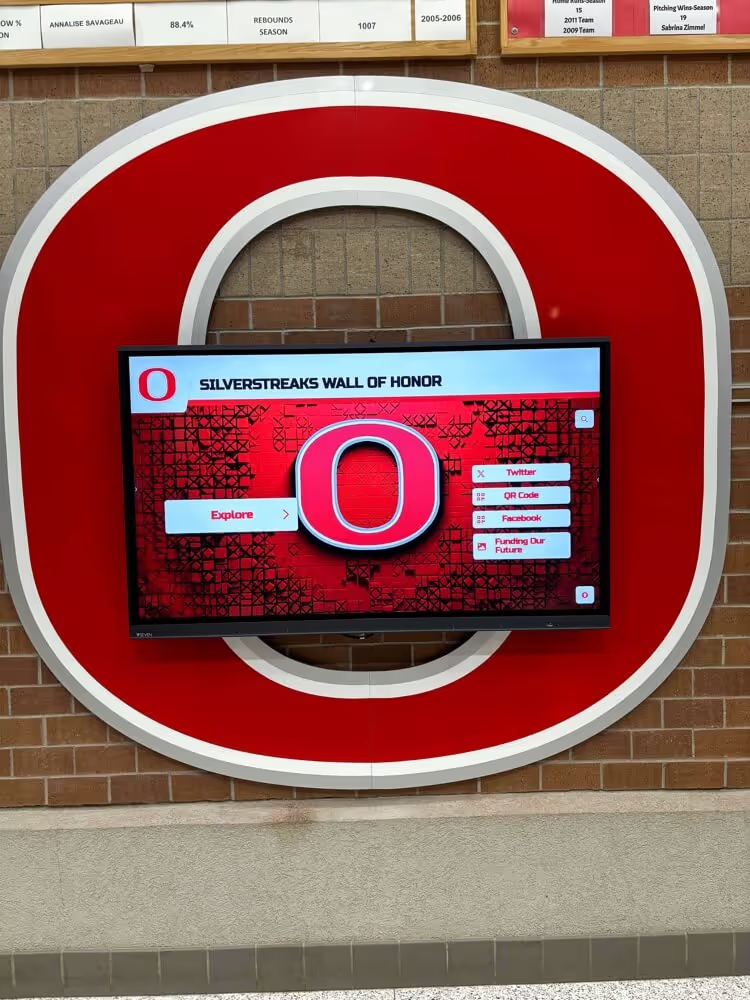
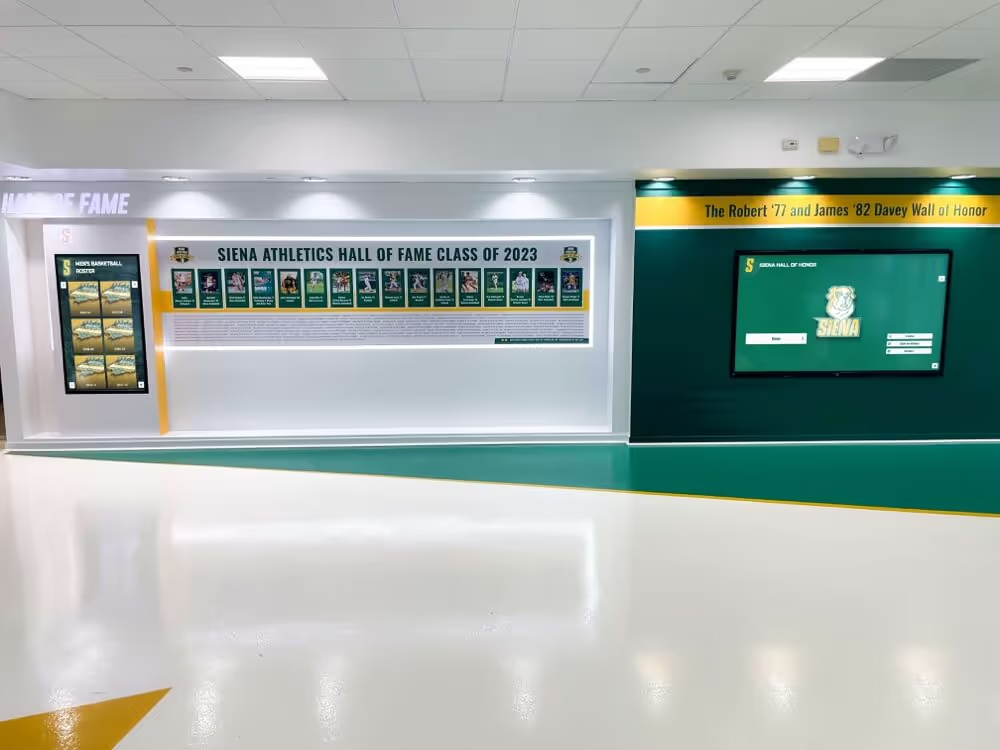
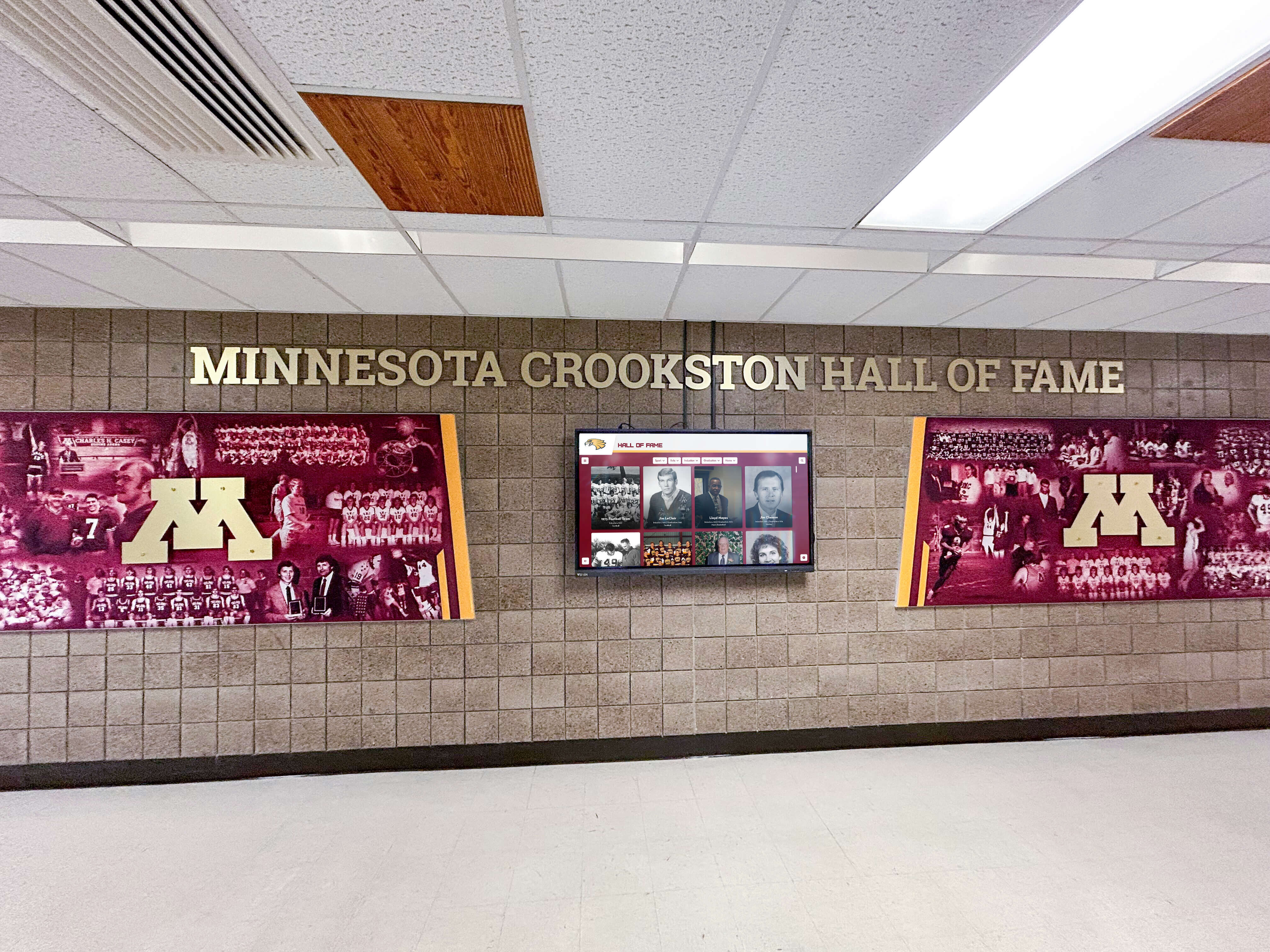
When colors are used architecturally in display walls, heritage becomes environmental — felt in the space, not just seen on screens
An effective online high school digital archives system extends this effect beyond campus, allowing alumni anywhere to explore color history and share memories through digital channels.
Placement Strategy: Where Color Heritage Displays Work Best
Not every location on campus benefits equally from color history displays. Strategic placement maximizes engagement with the right audiences.
Main lobby and entrance areas. First impressions matter enormously for visitors, prospective families, and returning alumni. School entrance display design that prominently features color heritage immediately communicates institutional pride and historical depth. A family visiting for the first time should understand the school’s visual identity before they reach the front office.
Athletic corridors and locker rooms. Colors carry particular emotional weight in athletic spaces. A visual history of what the uniform has looked like across decades — displayed near the entrance to the gym or along the locker room corridor — connects current athletes to the tradition they’re inheriting. Digital recognition systems for athletics programs often integrate color heritage content with achievement records to maximum effect.
Library and academic common areas. Color history presentations work well in spaces where students spend extended time. A display that invites curiosity and rewards deep exploration fits naturally into library environments.
Alumni and development offices. Reunion visitors and prospective donors respond strongly to heritage content. A touchscreen wall of fame or color history installation in development spaces gives major gift conversations a tangible, emotional anchor.
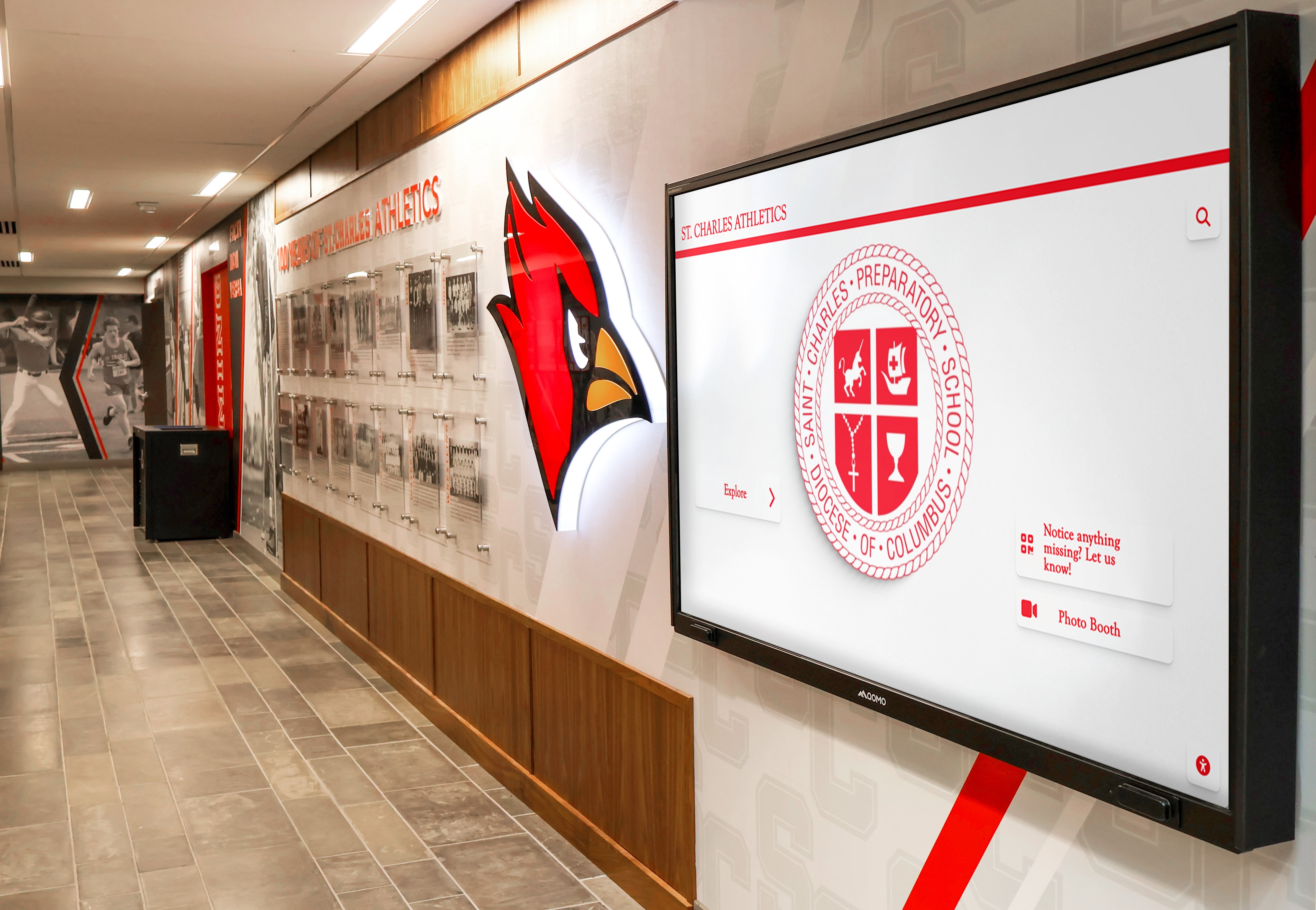
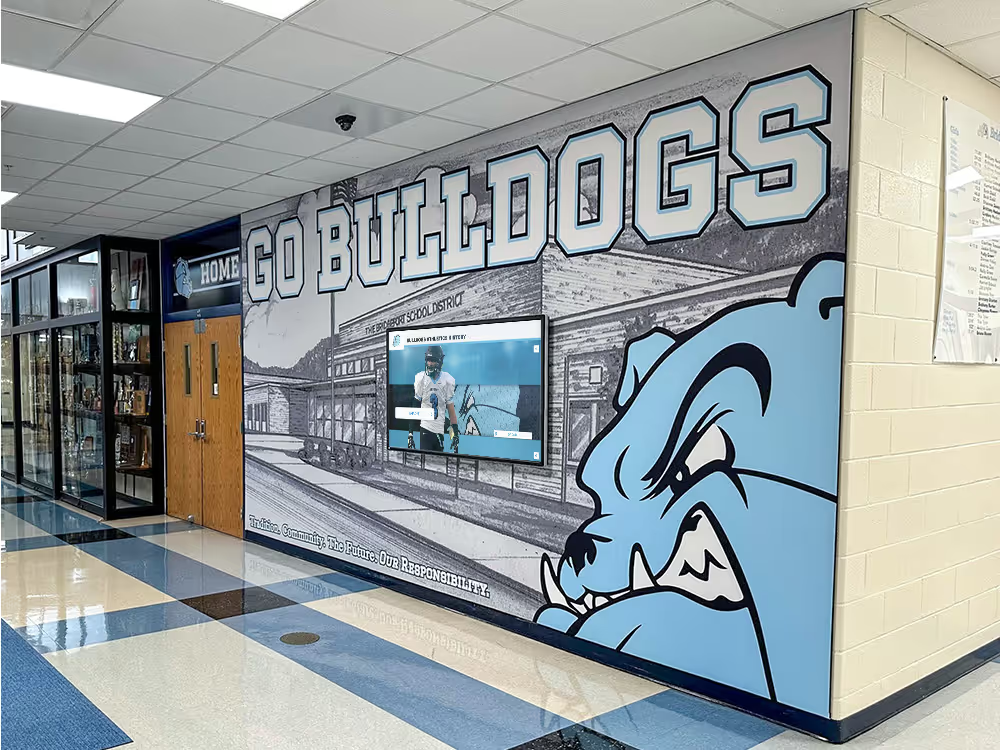
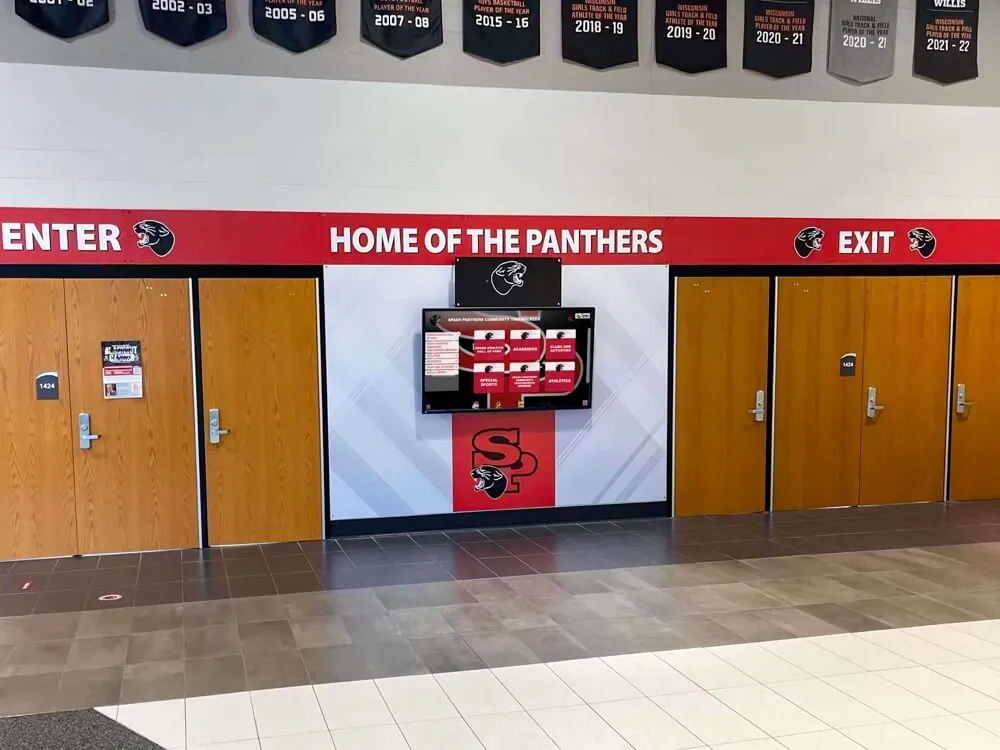
Athletic corridors that display school colors history alongside achievement recognition create environments where current athletes feel connected to generations of predecessors
Involving Students in the Documentation Process
Student involvement in color heritage documentation serves two purposes simultaneously: it multiplies your research capacity, and it creates personal connections to institutional history.
Assigning student researchers to specific historical eras means the work of tracking down sources gets distributed rather than falling entirely on administrative staff. Students who spend time in the yearbook archive from 1967, or who interview an 80-year-old alumnus about what the school looked like in her day, carry a different relationship to their school’s identity going forward.
Student engagement strategies for modern schools that connect current students to historical research projects create one of the more durable forms of school pride — grounded in genuine discovery rather than top-down messaging.
Projects that work well include:
- Oral history interview series where students interview community members about their memories of school colors across different eras
- Visual comparison projects documenting how specific elements of school identity evolved
- Digital storytelling assignments where students create short presentations connecting color history to specific moments in school or community history
These projects generate archival content while creating student engagement. The resulting materials become part of the permanent heritage documentation, giving each participating student a genuine contribution to the record.
Maintaining and Expanding Your Color Heritage Archive
Documentation is never complete. Every year brings new historical discoveries, fresh oral history opportunities before institutional memory is lost, and additional visual evidence of your school’s evolving identity.
Build ongoing maintenance into your planning from the start:
Designate a steward. Someone on staff should hold explicit responsibility for color heritage documentation — accepting new contributions, verifying provenance, updating digital displays, and coordinating with alumni associations. Without designated ownership, documentation projects stall after initial enthusiasm.
Create submission pathways. Alumni who discover historical photographs, old uniforms, or documentation in personal collections need a clear way to contribute. A simple form on the school website, combined with clear communication through alumni channels, surfaces materials that would otherwise remain invisible.
Review and expand annually. Each school year brings new historical distance from the recent past. Content that felt too recent to document five years ago may now belong in the heritage record. Annual review sessions help identify gaps and prioritize new research.
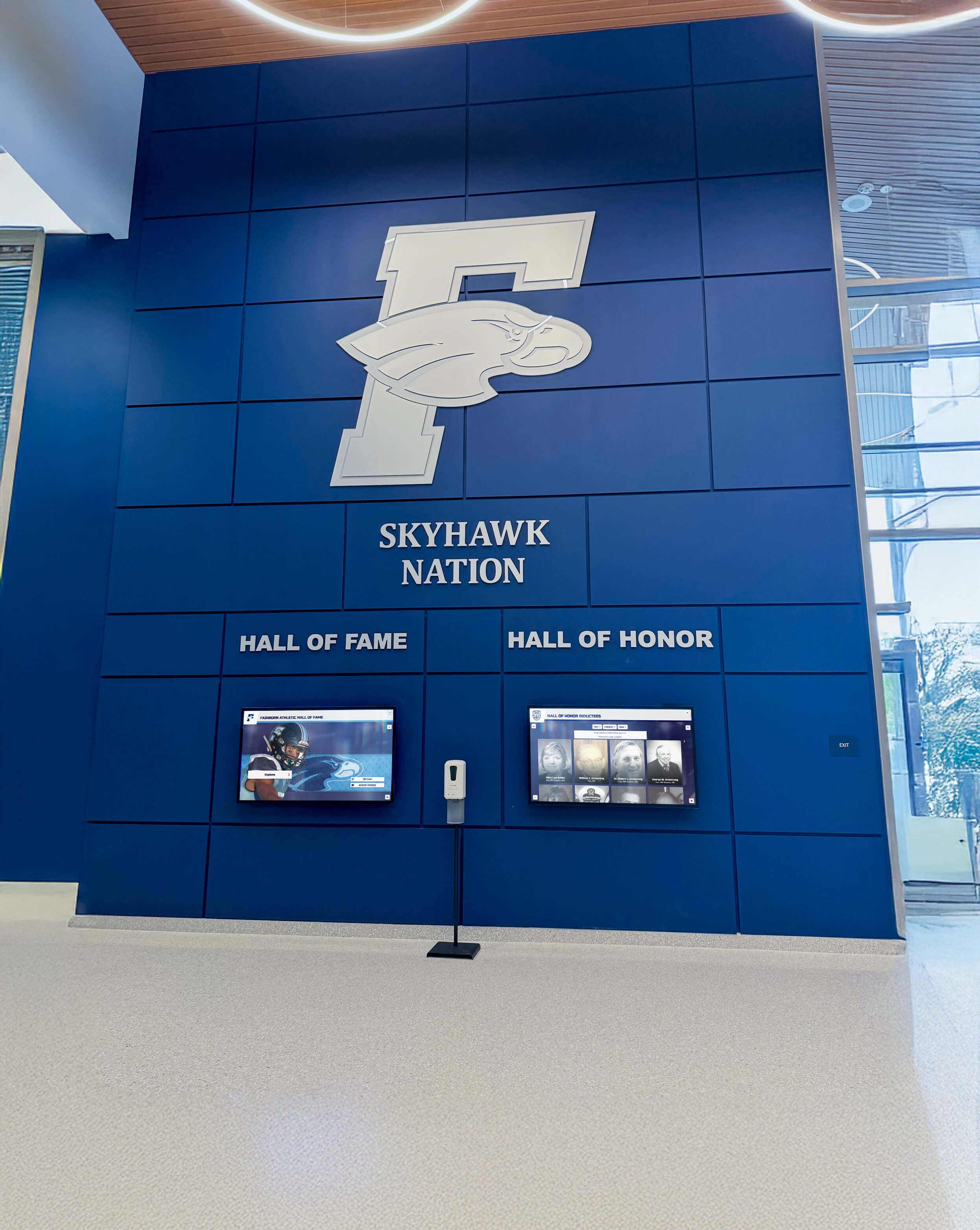
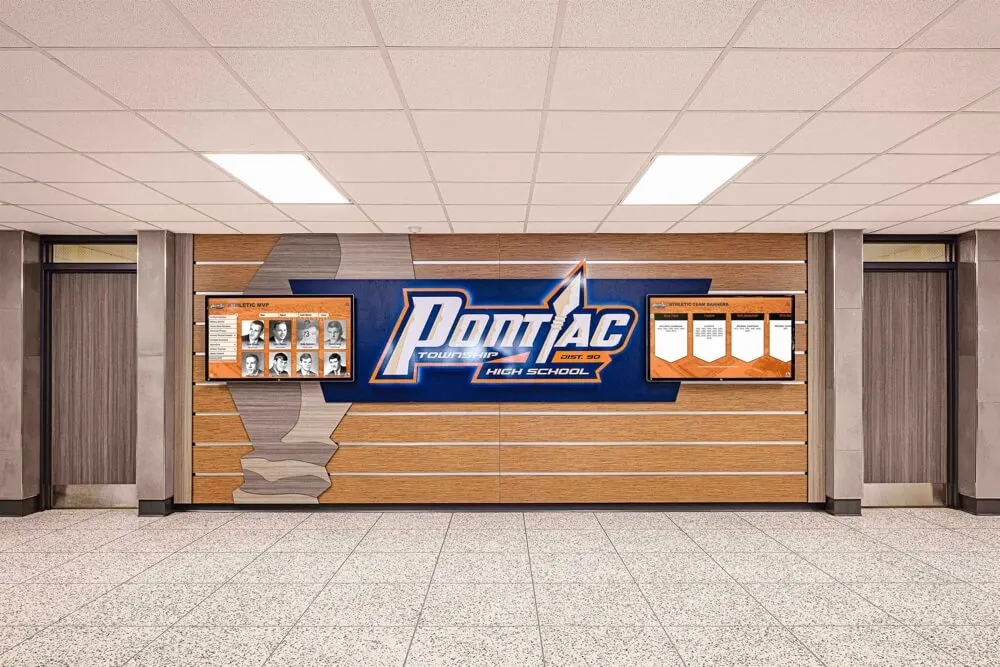
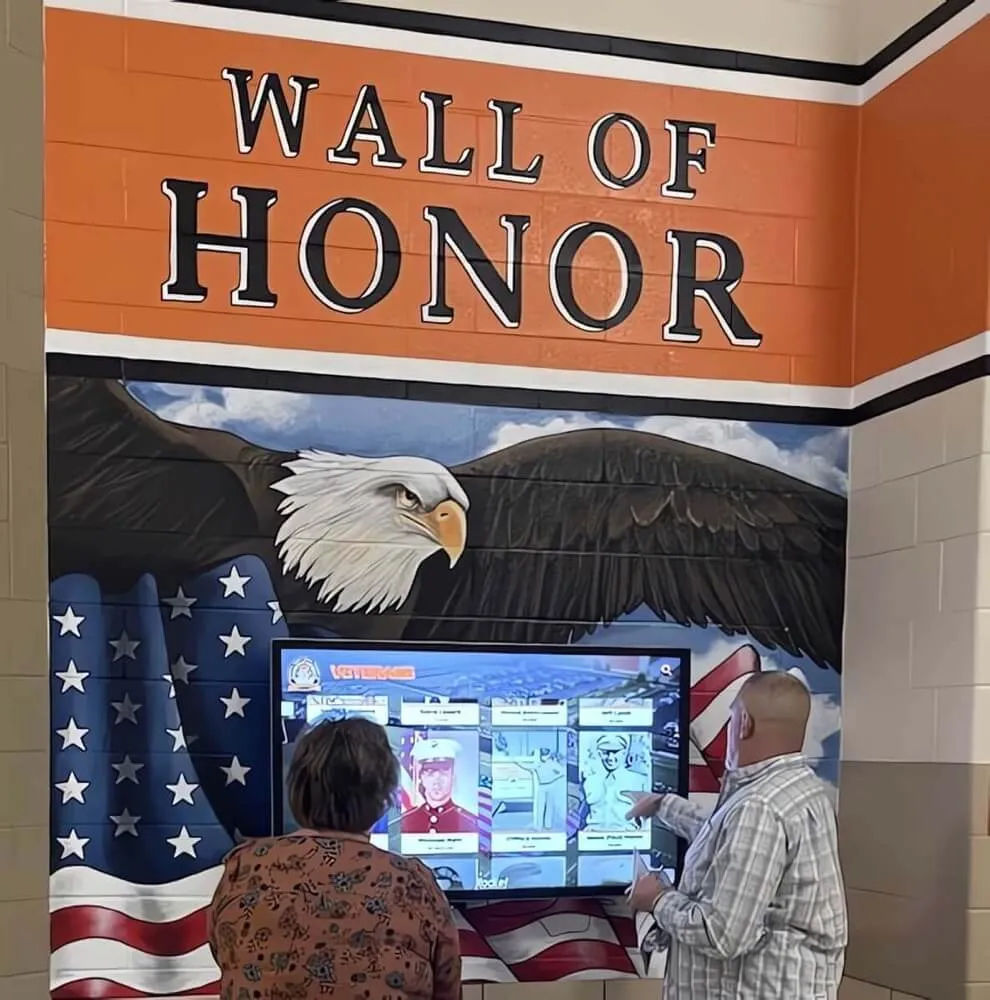
A well-designed lobby heritage wall creates an immediate sense of place and belonging for every visitor — alumni, students, families, and prospective community members alike
Connect to the broader archives ecosystem. Color heritage documentation fits naturally within a larger school archiving initiative. The same organizational systems, digitization workflows, and display infrastructure that support color history can house athletic records, academic achievements, and community milestones. A comprehensive touchscreen kiosk hall of fame platform typically supports multiple content categories from a single installation, maximizing the value of display infrastructure investment.
Conclusion
School colors history is rarely treated as a serious documentation priority — and that’s precisely why the schools that get it right stand out so clearly. When visitors encounter a display wall that shows not just what your colors are, but where they came from, how they evolved, and what they’ve meant to generations of students, the effect is immediate and lasting. It’s the difference between a wall that decorates and a wall that speaks.
The work of documenting visual heritage requires patience, diverse sources, and systematic organization. But it doesn’t require a massive budget or technical expertise. It requires deciding that your school’s visual identity is worth understanding and preserving — and then building the documentation habits and display systems that make that heritage continuously accessible and engaging for everyone who passes through.
When those colors come alive on your walls through thoughtful documentation and digital presentation, they stop being just a color scheme. They become the visible thread connecting everyone who has ever belonged to your school community.
Bring Your School's Color Heritage to Life
Discover how Rocket Alumni Solutions helps schools document and display visual heritage through interactive touchscreen walls that connect students, alumni, and community to the story behind their colors.
Explore Rocket Alumni SolutionsSources: