



Black History Month presents schools with an important opportunity to celebrate African American achievements, educate students about historical contributions, and create inclusive environments recognizing diverse excellence. Bulletin boards and recognition displays serve as powerful educational tools during February and throughout the year, transforming hallways and classrooms into spaces where students discover role models, learn untold stories, and see themselves reflected in celebrations of accomplishment and resilience.
Many schools struggle to move beyond superficial Black History Month observances featuring the same handful of historical figures year after year. Students deserve richer, more comprehensive recognition that celebrates contemporary Black excellence alongside historical achievements, highlights diverse fields of contribution beyond civil rights activism, and creates interactive learning experiences that engage rather than simply inform. Generic bulletin boards with printed facts and dated photographs fail to capture student attention or create the meaningful educational impact this important month deserves.
This comprehensive guide explores creative school black history month bulletin board ideas that educate, inspire, and engage students of all ages. Whether planning displays for elementary classrooms, middle school hallways, high school common areas, or comprehensive school-wide recognition programs, you’ll find practical approaches for creating meaningful educational experiences that honor Black history while building inclusive school cultures valuing diversity and achievement.
Effective Black History Month displays succeed when they go beyond surface-level recognition to create educational depth, feature diverse achievements across multiple fields, engage students interactively rather than passively, remain culturally responsive and age-appropriate, and inspire ongoing learning extending beyond February. Understanding these principles helps educators create recognition experiences that genuinely impact student learning and school culture rather than simply checking boxes during an annual observance.

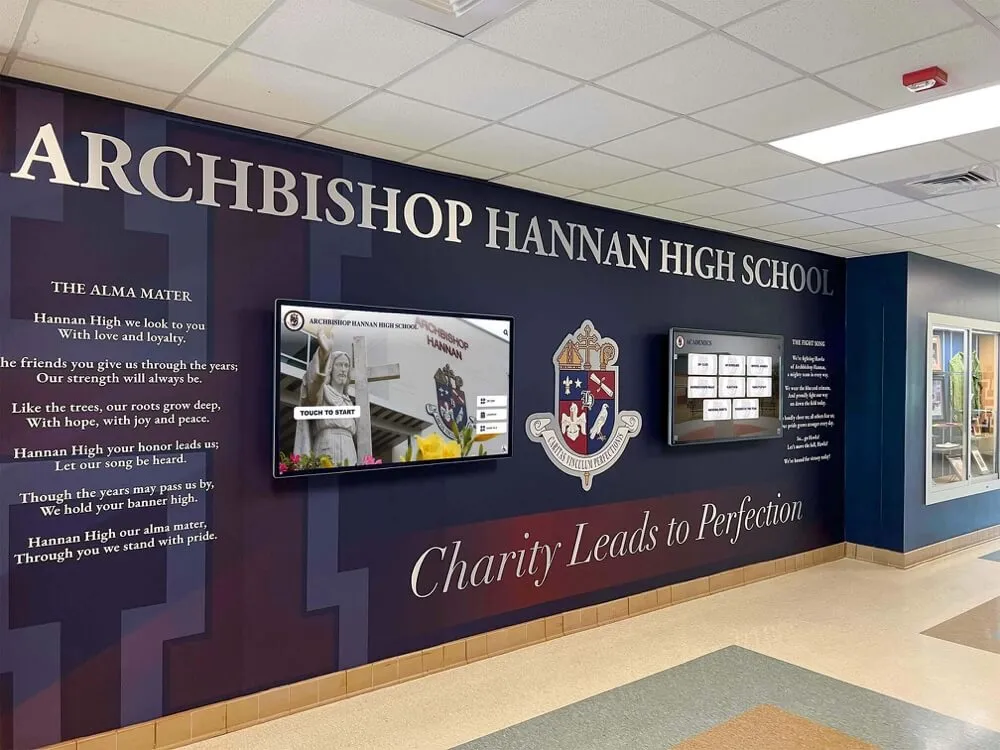
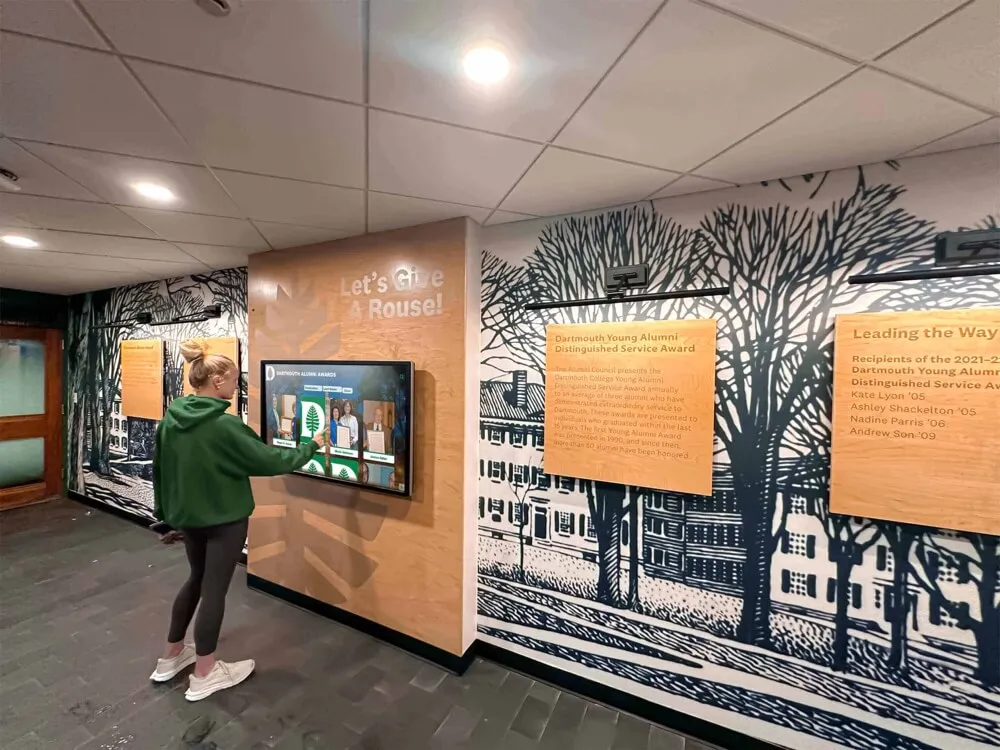
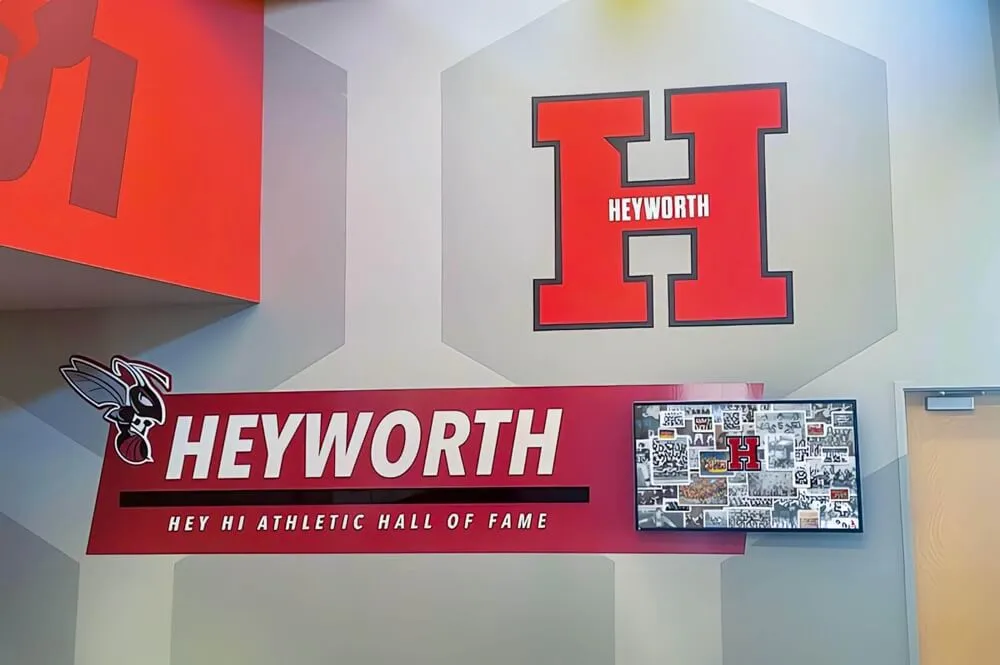
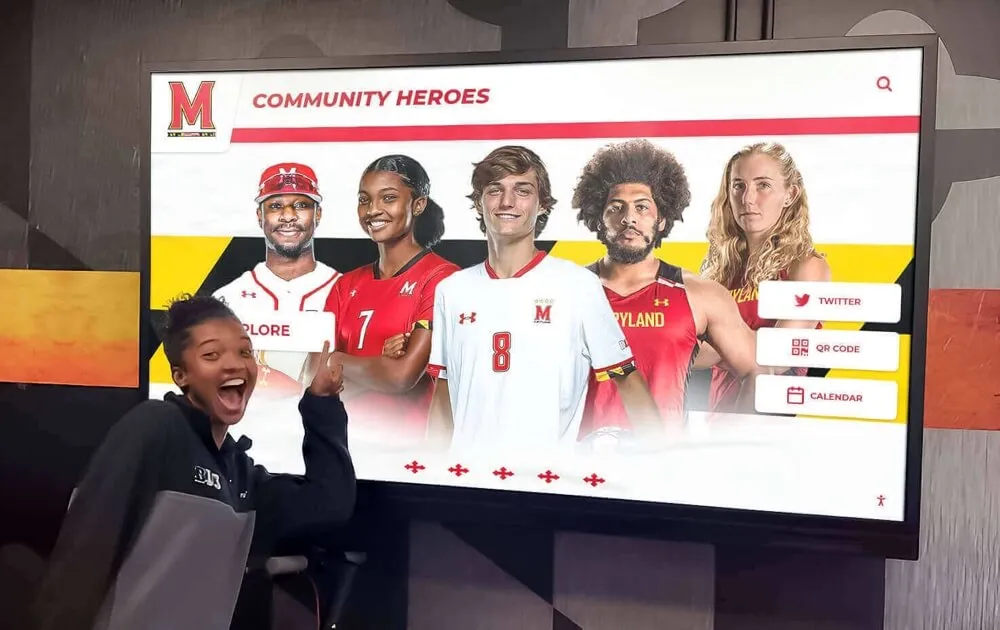
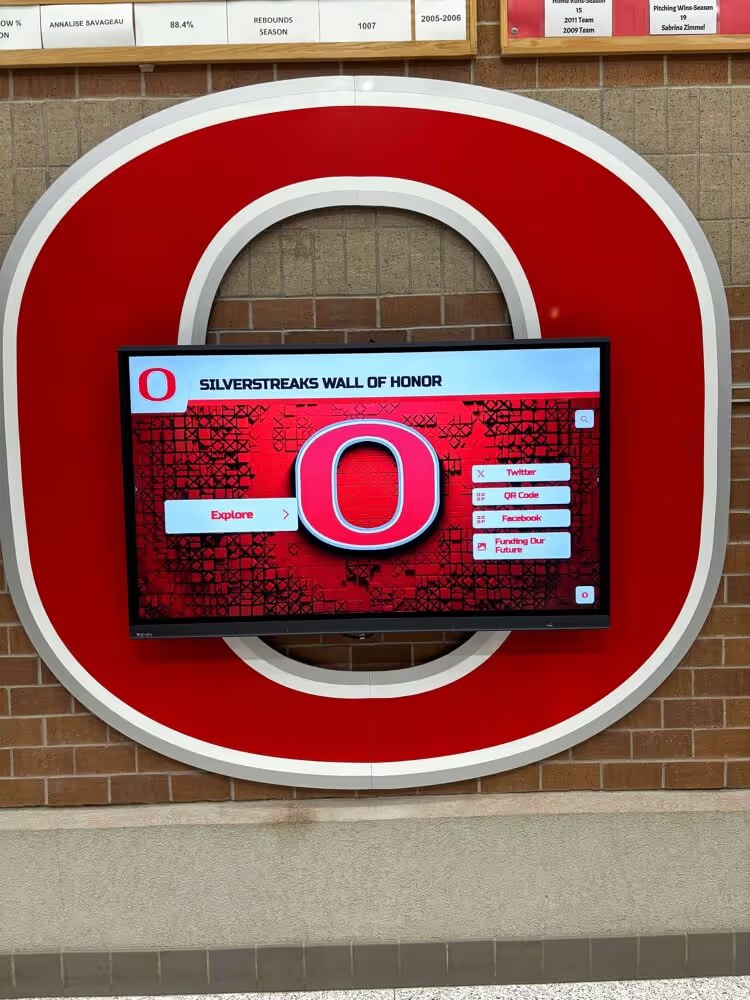
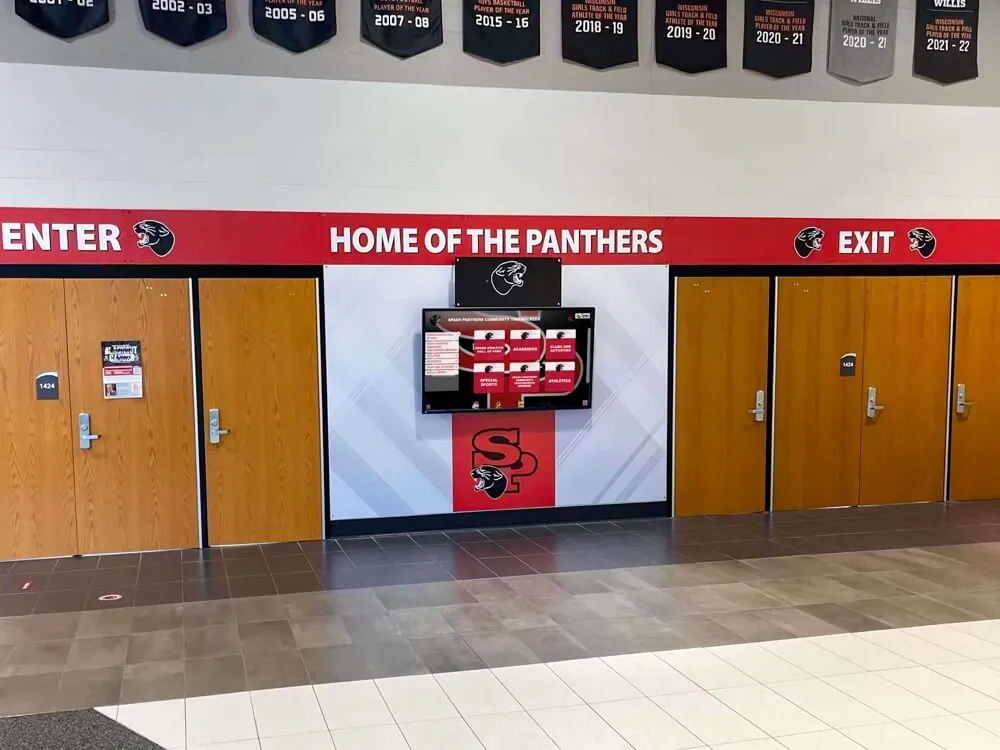
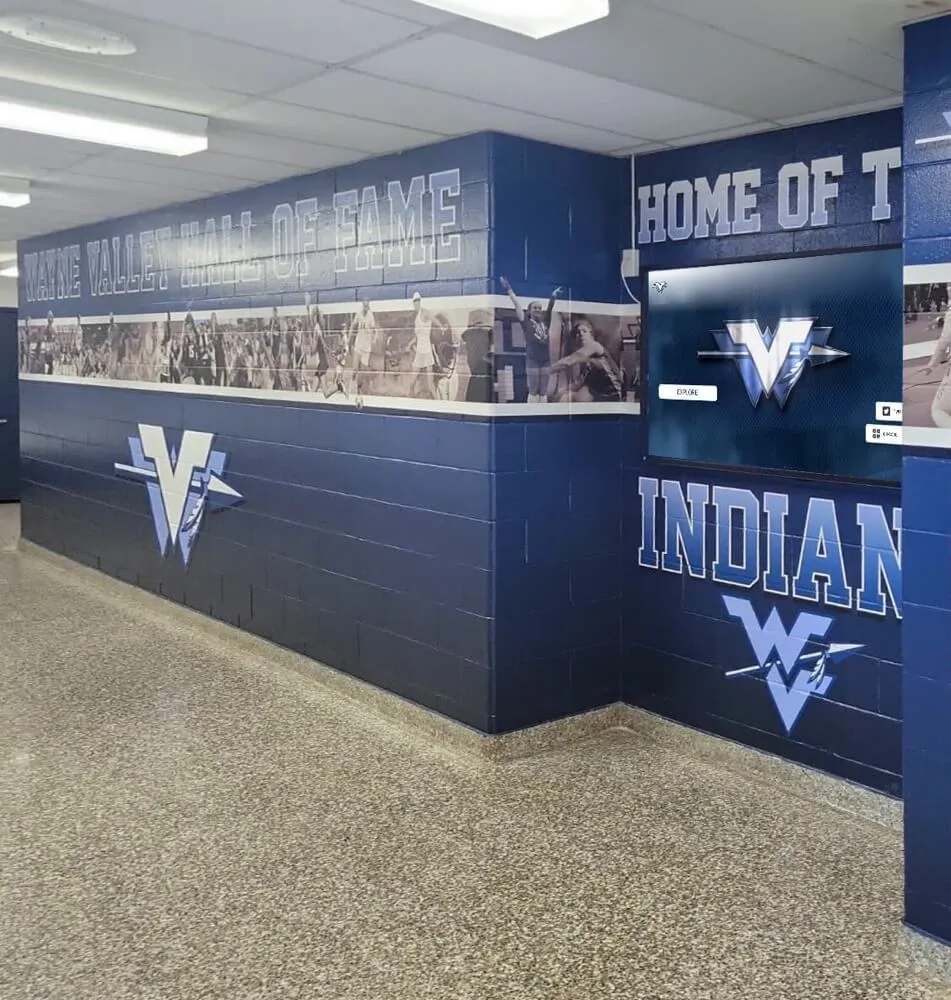
Interactive displays transform recognition into engaging exploration, helping students discover diverse achievements and role models
Understanding the Purpose of Black History Month Displays
Black History Month bulletin boards and recognition displays serve multiple educational objectives beyond simple decoration. Thoughtful implementation creates learning experiences that shape student understanding, build inclusive environments, and celebrate achievement.
Educational Goals and Learning Outcomes
Effective displays teach specific content while developing broader understanding and appreciation for diverse contributions to American society and global culture.
Historical Knowledge Building
Bulletin boards provide opportunities for students to learn about significant historical figures, events, and movements they might not encounter in standard curriculum. Displays can highlight lesser-known changemakers whose stories deserve recognition, explain the historical context of civil rights achievements, showcase regional or local Black history relevant to your community, and illustrate how historical struggles connect to contemporary social justice issues.
This historical knowledge builds foundation for understanding systemic issues, appreciating progress achieved through advocacy and activism, and recognizing ongoing work needed for true equality.
Contemporary Achievement Recognition
Black History Month should celebrate living excellence alongside historical contributions. Students need to see Black achievement as ongoing reality rather than distant history. Displays featuring contemporary scientists, entrepreneurs, artists, athletes, politicians, educators, and community leaders demonstrate that Black excellence continues across all fields of human endeavor.
This contemporary focus helps students of all backgrounds understand that opportunity exists today, that diverse role models pursue varied career paths, and that excellence knows no racial boundaries.
Cultural Appreciation and Understanding
Beyond individual achievement recognition, displays can educate students about African American culture, traditions, artistic expressions, and community values. Exploring music traditions, literary contributions, culinary heritage, religious practices, and community organizing approaches helps students appreciate cultural richness and understand diverse perspectives.
This cultural education builds empathy, reduces stereotyping, and creates school environments where diversity is celebrated rather than merely tolerated.
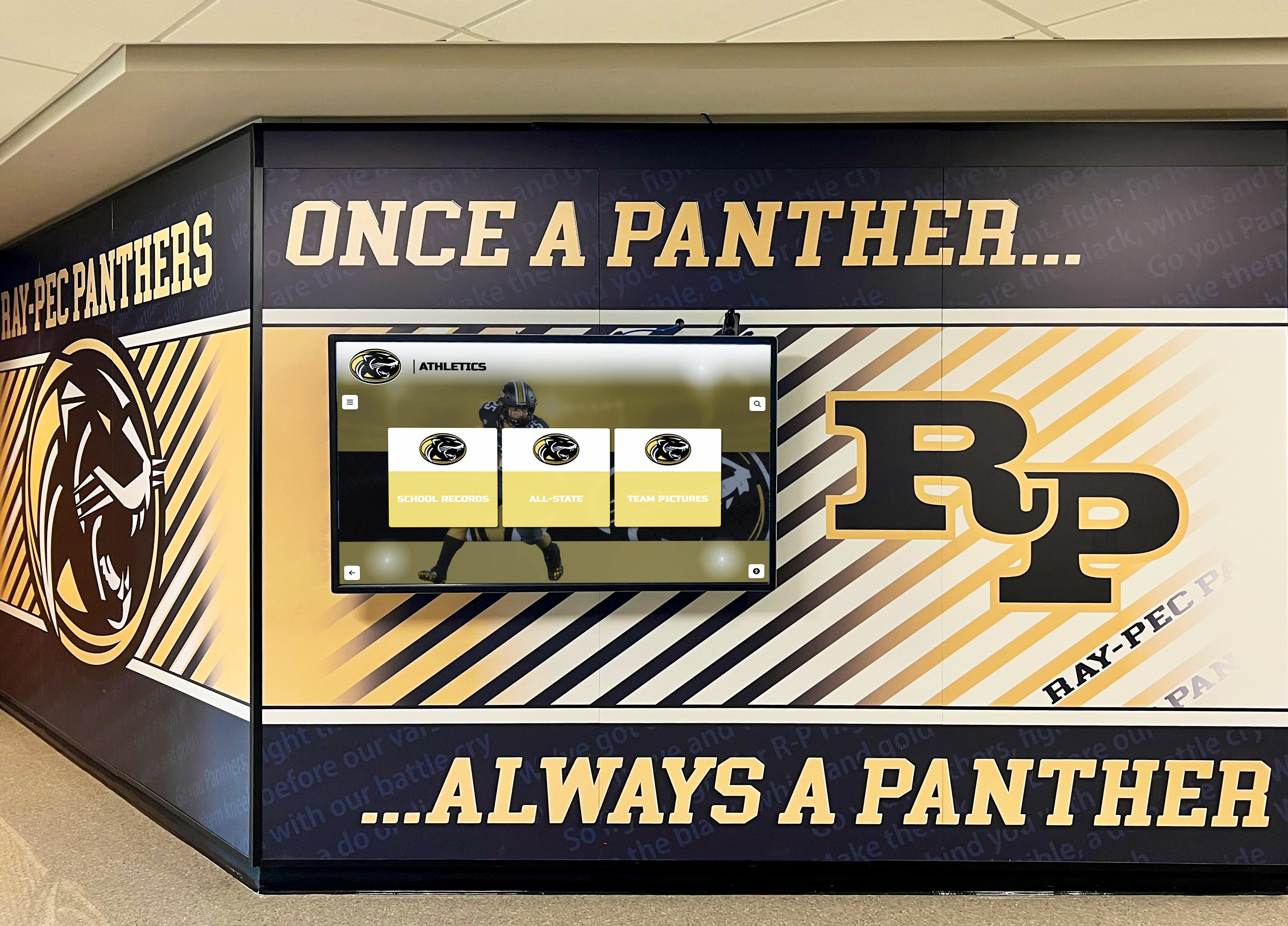
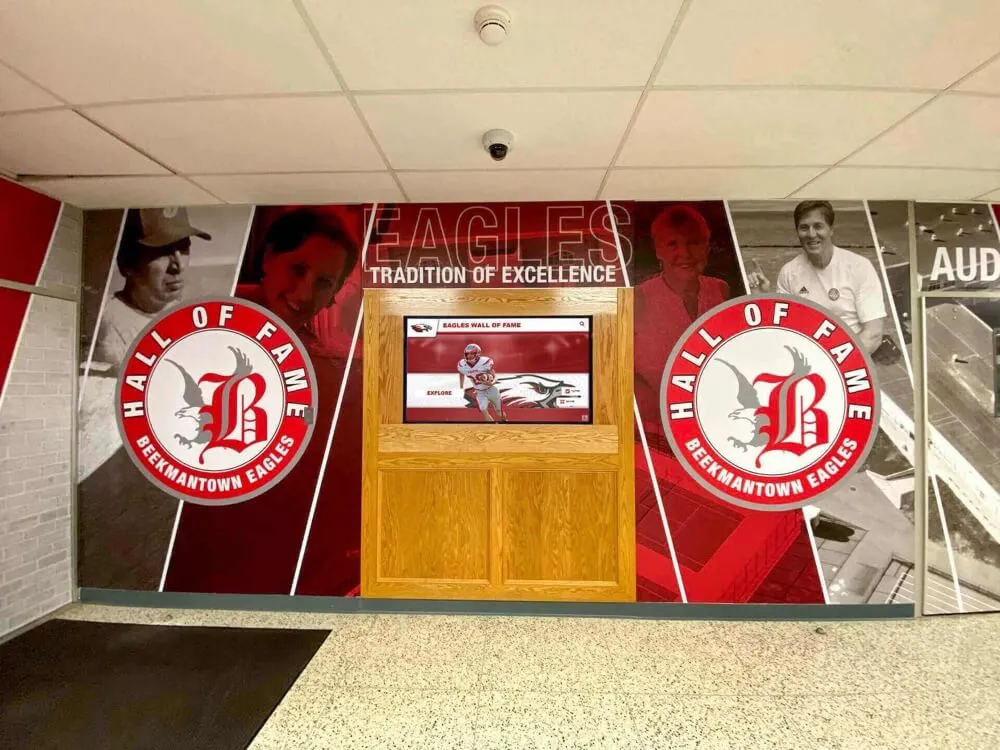
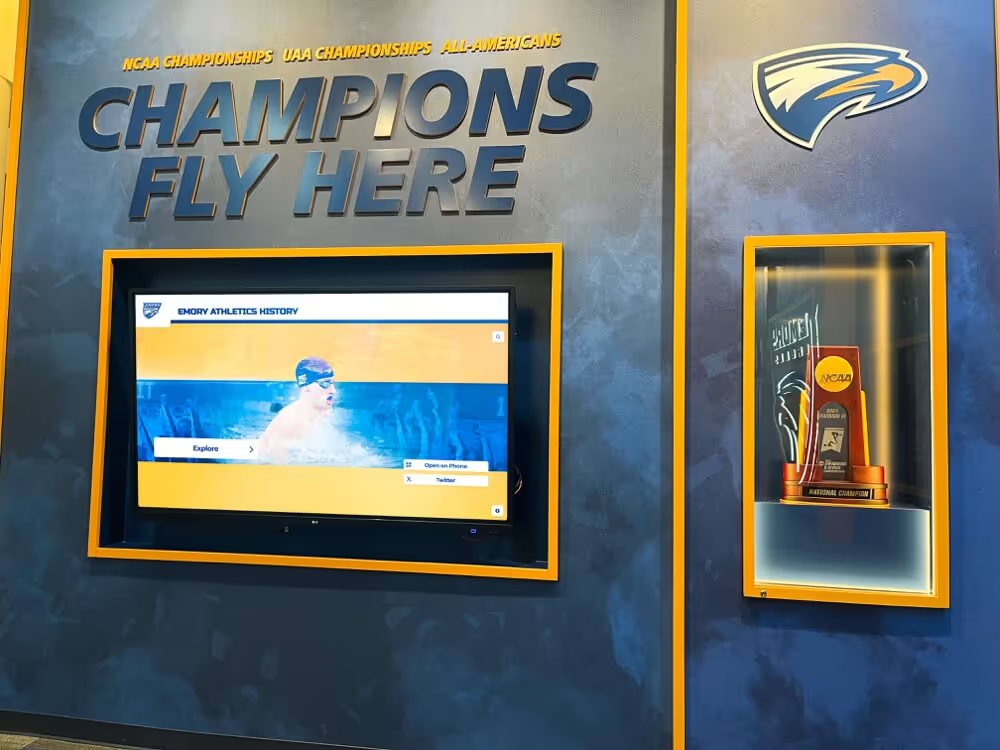
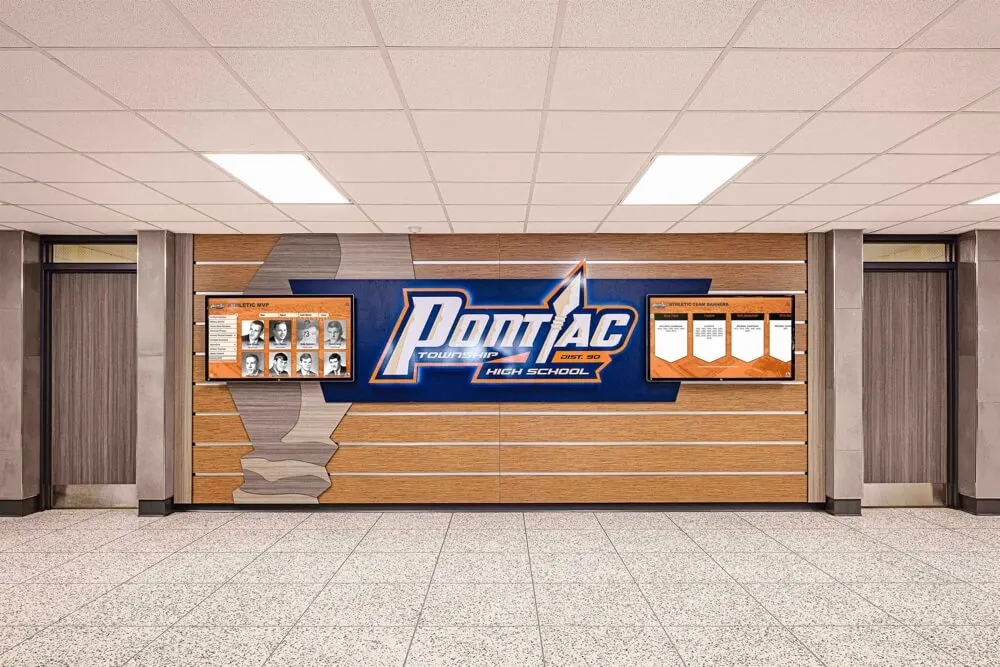
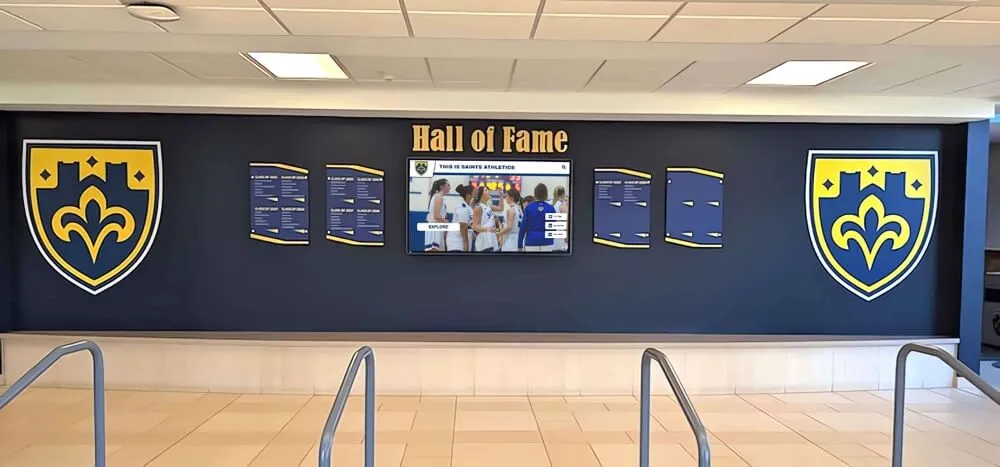
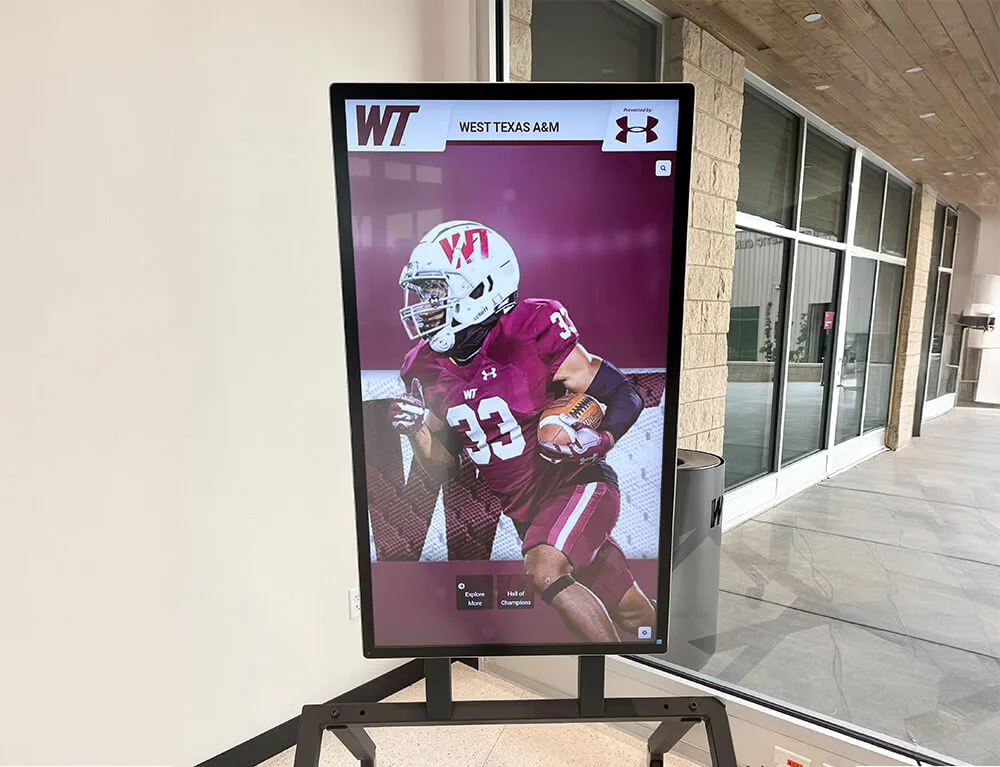
School displays integrate recognition into everyday environments, creating constant opportunities for learning and inspiration
Building Inclusive School Environments
Bulletin boards contribute to broader inclusion efforts by making diversity visible, validating students’ identities, and demonstrating institutional commitment to equity.
Representation Matters
Students who see themselves represented in school recognition displays experience validation that they belong and can succeed. Black students benefit from seeing individuals who look like them celebrated for excellence, discovering role models in fields matching their interests, and understanding that their cultural identity connects to rich heritage of achievement.
Representation also educates non-Black students, exposing them to diverse excellence, challenging unconscious biases, and normalizing diversity as expected rather than exceptional.
Creating Belonging Through Recognition
Schools implementing thoughtful Black History Month recognition demonstrate institutional values beyond policy statements. Visible celebration of Black achievement communicates to all students that your school genuinely values diversity, recognizes contributions from all communities, and commits to creating environments where every student can thrive.
This visible commitment affects school culture more powerfully than diversity statements hidden in handbooks or mentioned only during equity training sessions.
Traditional Bulletin Board Ideas for Elementary Schools
Elementary students benefit from age-appropriate displays combining visual appeal with accessible content that educates while engaging young learners.
Biography Spotlights and Role Model Displays
Elementary bulletin boards featuring individual achievers help young students discover role models and understand that people from all backgrounds accomplish remarkable things.
“Heroes in History” Biography Boards
Create displays featuring 5-10 historical and contemporary Black Americans with brief biographies written at elementary reading levels. Include diverse fields—science, sports, arts, politics, education, activism—showing that excellence takes many forms.
For each featured individual, include a portrait photograph, 3-5 key facts about their life and achievements, an inspirational quote they’re known for, and age-appropriate context explaining why their contributions matter. Use colorful borders and engaging layouts that draw student attention while maintaining readability.
Consider featuring lesser-known achievers alongside familiar names. While Martin Luther King Jr. and Rosa Parks certainly deserve recognition, students also benefit from discovering Katherine Johnson, Lonnie Johnson, Mae Jemison, Patricia Bath, Garrett Morgan, and contemporary figures like Amanda Gorman, Simone Biles, or local Black community leaders.
“When I Grow Up” Career Connections
Help elementary students see themselves in diverse career paths by creating bulletin boards connecting Black achievement to career possibilities. Organize displays by career fields—medicine, engineering, arts, education, athletics, business—featuring successful Black professionals in each area.
This career-focused approach helps students understand that their interests and talents can lead to successful futures regardless of background, while exposing them to career possibilities they might not otherwise consider.
Interactive Learning Elements
Elementary students engage more deeply with displays incorporating interactive components that transform passive viewing into active learning.
“Did You Know?” Fact Flaps
Create bulletin boards with flip-up elements revealing interesting facts about Black history and achievement. Each flap might pose a question—“Did you know that the traffic light was invented by an African American?"—with answers hidden beneath requiring students to lift flaps to discover information.
This interactive format encourages physical engagement while building curiosity about historical contributions students might not encounter in regular lessons.
Timeline Displays with Moving Elements
Create visual timelines showing progression of Black achievement across decades or centuries. Use arrows, ribbons, or paths students can follow visually, with movable elements highlighting different eras or rotating featured achievers throughout the month.
Timeline approaches help elementary students understand historical progression, see how achievements built on earlier work, and develop chronological thinking skills while learning about Black history.
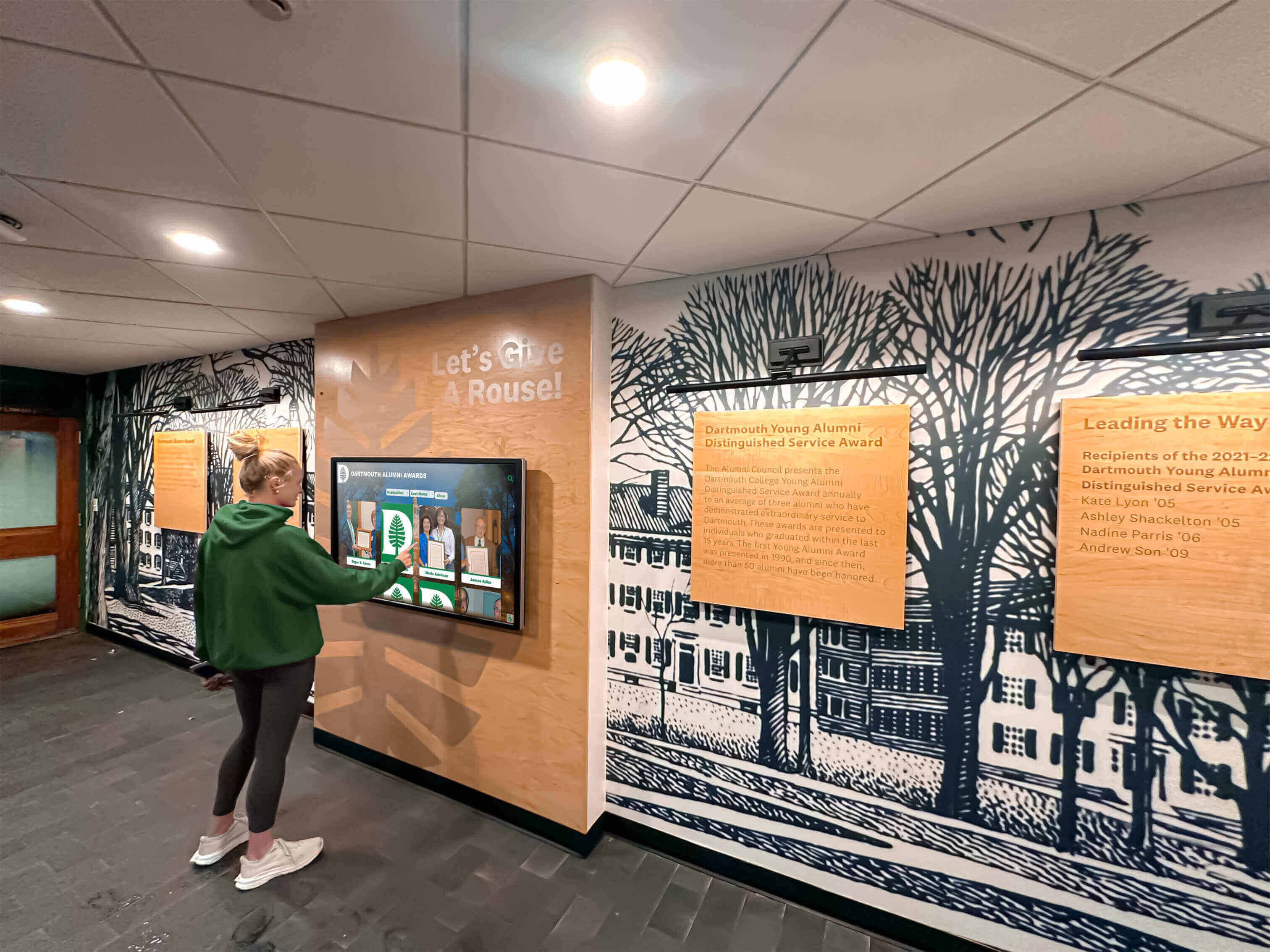
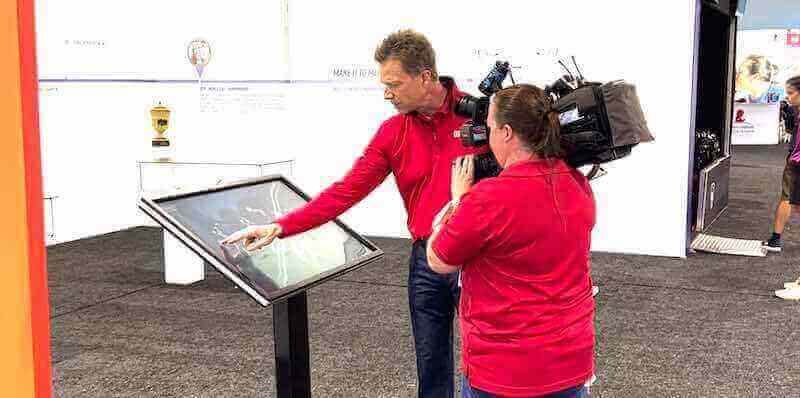
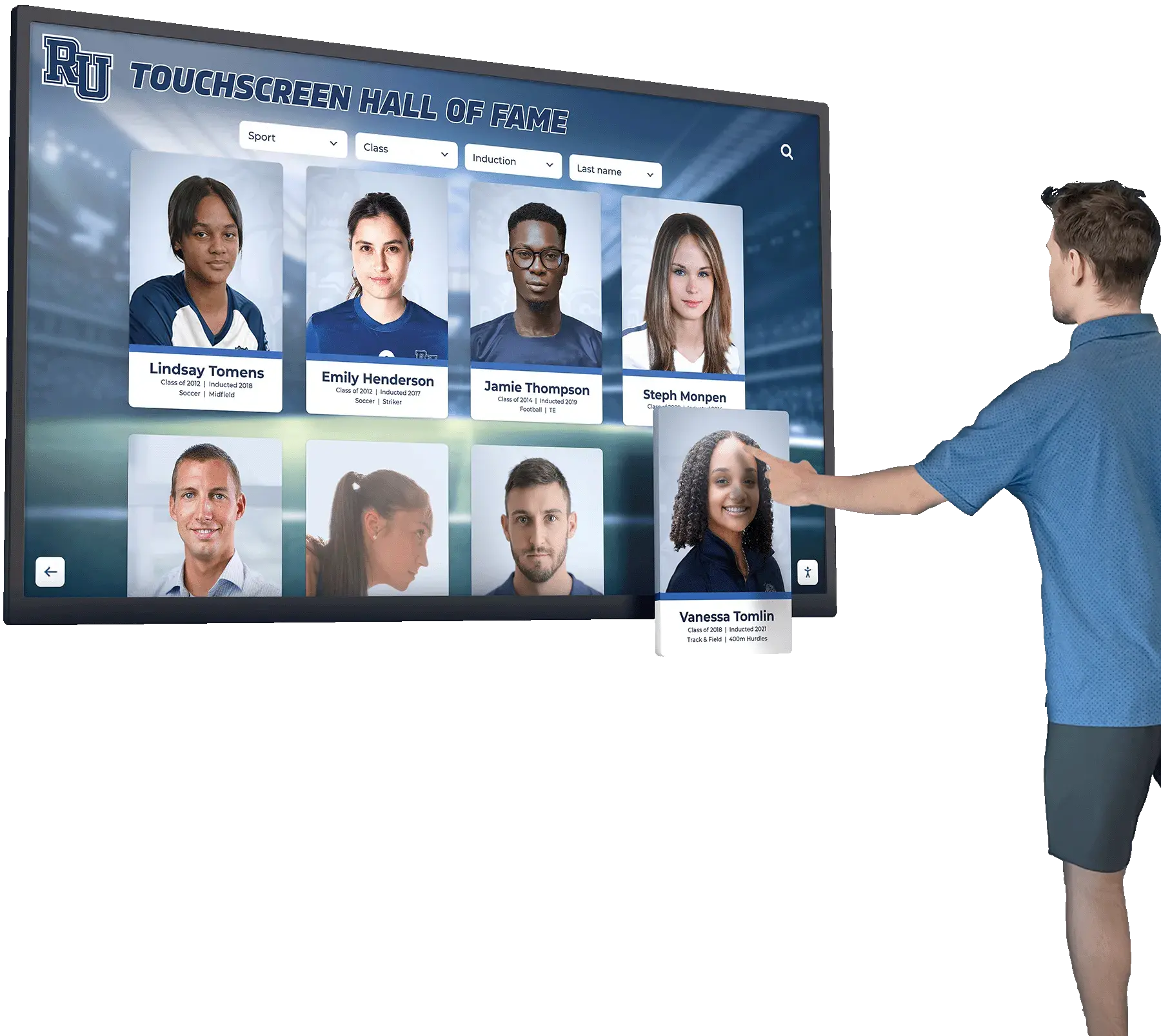
Interactive displays capture student attention and transform learning from passive viewing to active exploration
Literary and Artistic Celebrations
Elementary Black History Month displays can celebrate literary and artistic contributions through book recommendations and student artwork inspired by Black excellence.
“Read and Celebrate” Book Displays
Partner your bulletin board with book display featuring diverse children’s literature celebrating Black history, culture, and achievement. Create bulletin boards showcasing book covers, featuring author spotlights, highlighting diverse characters, and encouraging students to explore these literary resources.
Include QR codes linking to read-aloud versions of featured books, author websites, or additional resources for families wanting to extend learning at home. This multimedia approach bridges physical displays with digital resources students and families can access beyond school hours.
Student Art Gallery: “What Black History Means to Me”
Dedicate bulletin board space to student-created artwork responding to Black History Month learning. Students might create portraits of role models they’ve discovered, illustrate historical events they’ve studied, or express what Black history means to them personally through artistic interpretation.
Showcasing student work validates their learning, creates ownership in school-wide recognition, and demonstrates that Black History Month education impacts students genuinely rather than flowing past them unnoticed.
Creative Middle School Display Concepts
Middle school students benefit from displays acknowledging their developing critical thinking abilities while maintaining visual appeal and accessibility.
STEM Achievement Spotlights
Middle school represents ideal developmental stage for exposing students to STEM career possibilities and highlighting diverse achievement in science, technology, engineering, and mathematics.
“Black Excellence in STEM” Innovation Displays
Create bulletin boards spotlighting Black scientists, engineers, inventors, and mathematicians whose contributions shaped modern life. Feature historical inventors like Lewis Latimer, Granville Woods, or George Washington Carver alongside contemporary scientists and engineers working in cutting-edge fields.
For each featured individual, include details about their specific inventions or discoveries, explanation of how their work impacts daily life today, the challenges they overcame to achieve success, and inspiration for students considering STEM careers. This approach connects abstract scientific achievement to concrete real-world applications students can understand and appreciate.
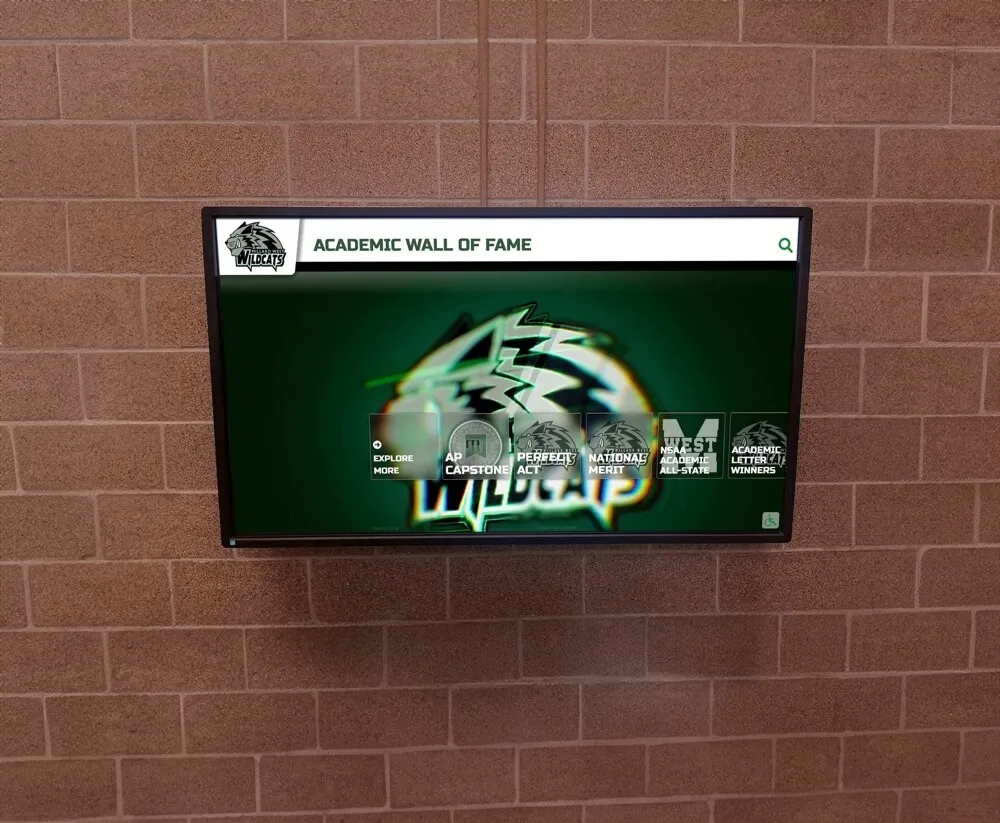
Interactive displays designed for academic recognition can showcase STEM achievements dynamically, featuring videos of inventions in action, detailed biographical information, and searchable databases allowing students to explore based on their specific interests.
“Hidden Figures: Untold Stories”
Middle school students respond well to narrative approaches revealing little-known histories and correcting incomplete historical records. Create displays featuring “hidden figures” whose contributions were overlooked, undervalued, or attributed to others.
This approach teaches critical thinking about whose stories get told and whose get forgotten, encourages students to question incomplete historical narratives, and demonstrates how contemporary scholarship continues revealing contributions that earlier historians ignored or minimized.
Arts and Culture Celebrations
Middle school displays can explore African American contributions to music, literature, visual arts, and popular culture that shape contemporary American life.
“Soundtrack of Progress: Music Through the Decades”
Create timeline-style displays showing how Black musical innovation shaped American culture across generations—from spirituals and blues through jazz, rock and roll, soul, hip-hop, and contemporary genres. Feature influential artists, explain musical innovations, and show how music connected to broader social movements.
This musical focus engages middle school students while teaching about cultural influence, artistic innovation, and connections between art and activism. Consider incorporating QR codes linking to song samples, allowing students to hear the music being celebrated.
“Words That Changed the World: Black Literary Excellence”
Spotlight African American authors, poets, and playwrights whose words influenced society and shaped literary traditions. Feature works from the Harlem Renaissance, contemporary young adult authors, award-winning poets, and diverse voices representing different perspectives and experiences.
Include excerpts from featured works, author biographies, and reading recommendations appropriate for middle school audiences. This literary focus supports English language arts curriculum while celebrating Black excellence in writing and storytelling.
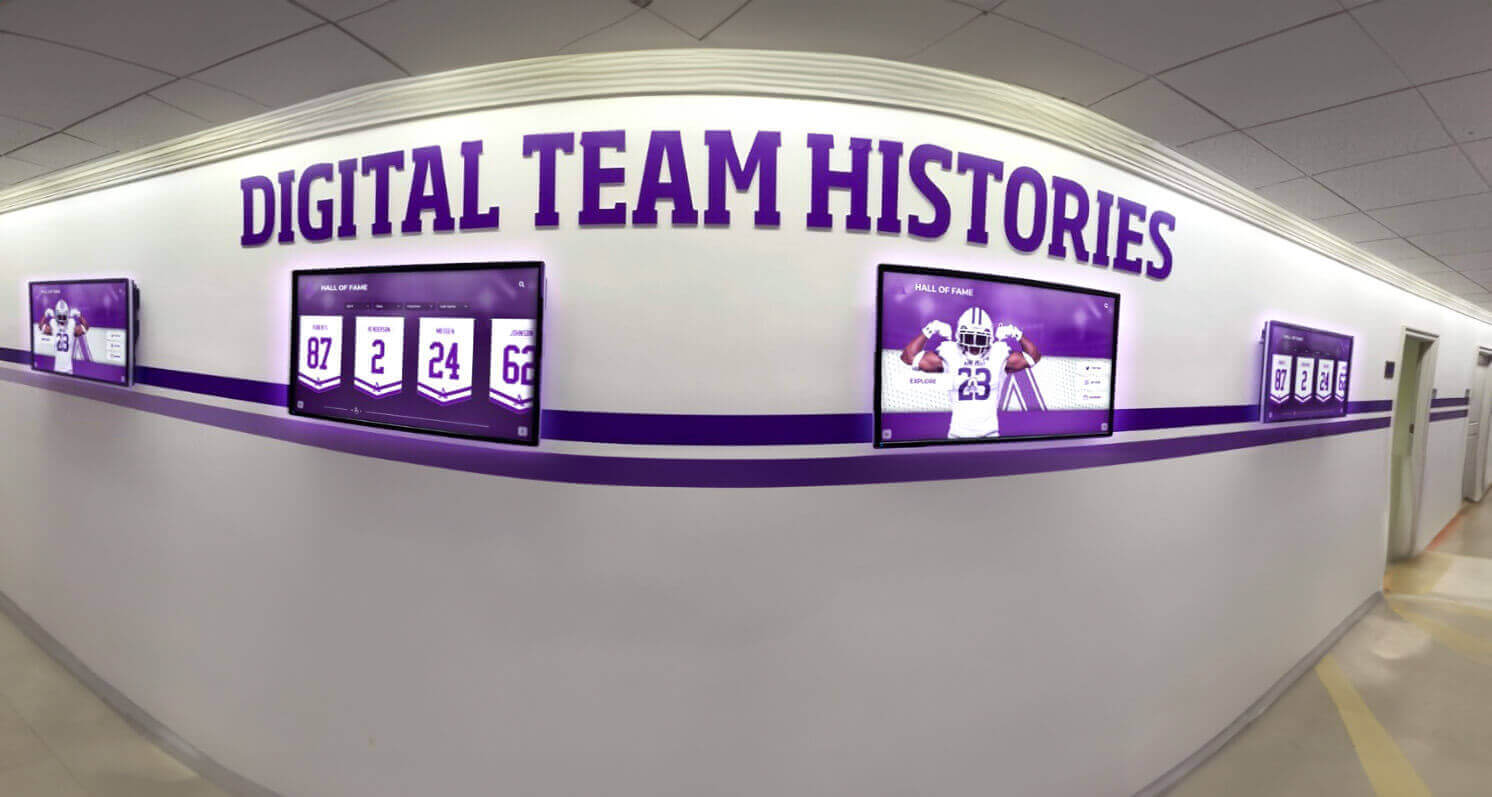
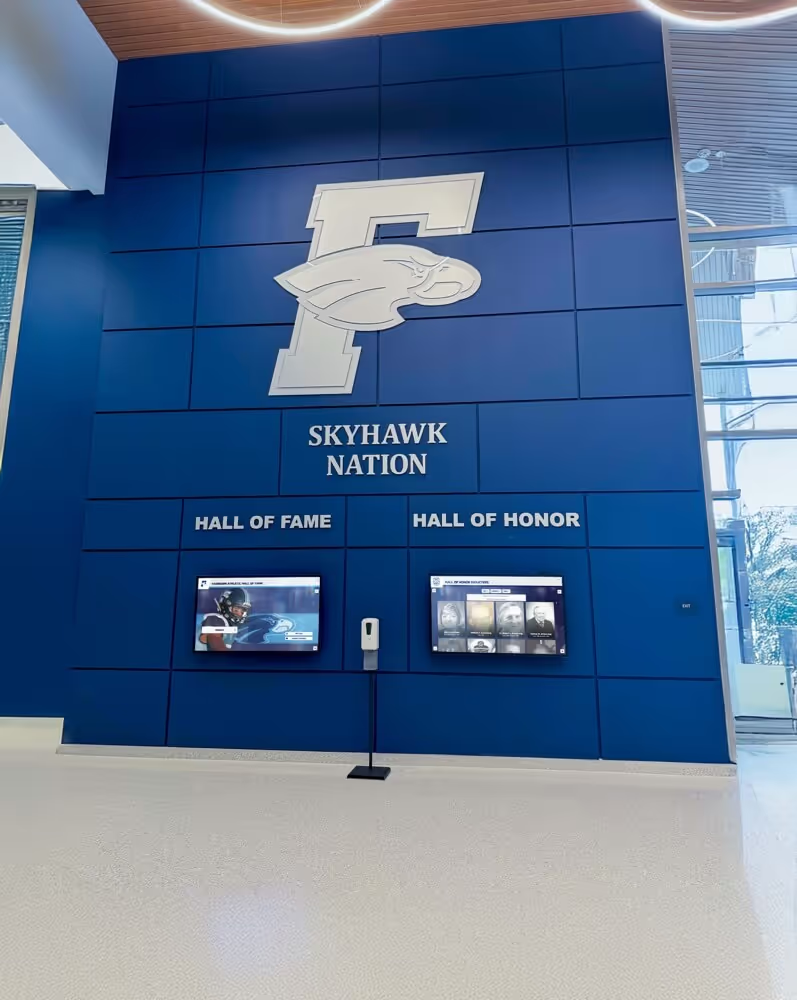
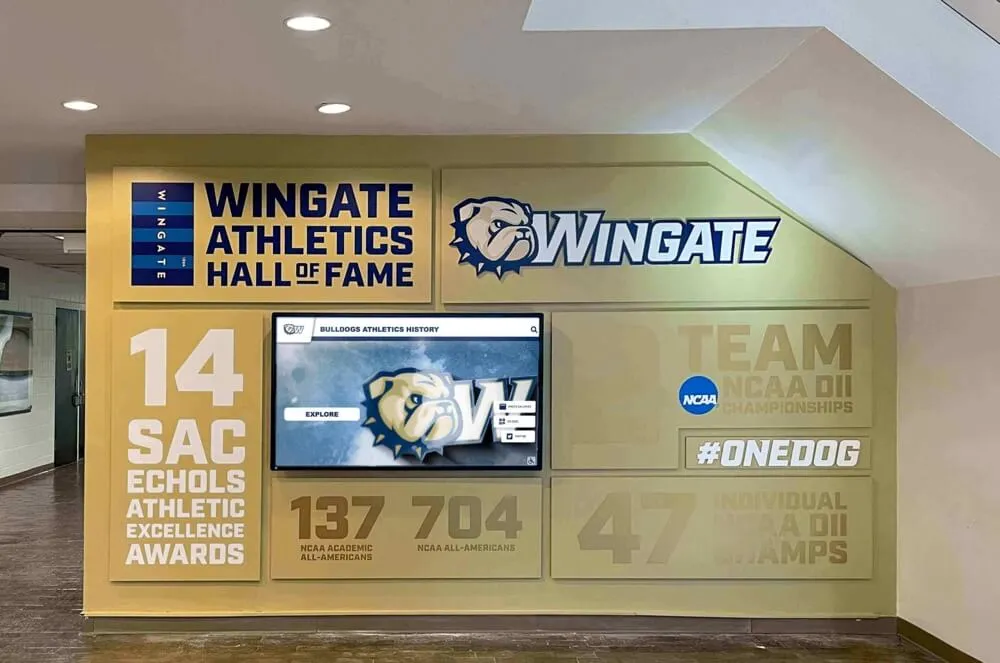
Digital displays accommodate unlimited content depth while maintaining organized, visually appealing presentations
Student Voice and Connection
Middle school students benefit from displays encouraging personal connection to Black History Month content and providing opportunities to contribute their own voices and perspectives.
“Why This Matters to Me” Student Response Wall
Create interactive bulletin boards where students can add their own responses to Black History Month learning. Provide prompts like “A Black leader who inspires me is…”, “I learned something surprising about…”, or “Black history connects to my life because…”. Students post written responses, creating collaborative displays reflecting diverse perspectives and personal connections.
This student-generated content transforms bulletin boards from teacher-directed information delivery into community learning spaces where students see their peers engaging meaningfully with content.
“Local Black History: Our Community’s Stories”
Connect national Black History Month recognition to local history by featuring Black individuals and communities who shaped your region’s development. Interview local Black elders, highlight historical Black businesses and neighborhoods, feature current Black community leaders, and explore local civil rights history.
This local focus helps students understand that Black history isn’t distant or abstract—it’s woven into their own communities’ stories. Local history often feels more accessible and relevant to middle school students than national narratives, creating stronger engagement and personal connection.
High School Recognition Approaches
High school displays should reflect students’ intellectual maturity while creating thought-provoking educational experiences addressing complex themes and contemporary issues.
Social Justice and Activism Timelines
High school students can engage with sophisticated content exploring historical and contemporary activism, social movements, and ongoing struggles for equality.
“From Then to Now: Movements for Justice”
Create comprehensive timeline displays connecting historical civil rights movements to contemporary activism. Show progression from abolition through Reconstruction, Jim Crow resistance, the Civil Rights Movement, Black Power movement, and contemporary movements like Black Lives Matter.
This longitudinal approach helps students understand that social justice work continues across generations, that progress often follows struggle and setback, and that contemporary activism builds on historical foundations. Include primary source documents, protest photography, and connections to current events that students recognize from news coverage.
“Faces of Change: Activists Across Generations”
Feature both historical and contemporary activists working for racial justice, civil rights, and equality. Move beyond the most famous names to highlight grassroots organizers, legal advocates, community leaders, and young activists demonstrating that social change comes from diverse efforts by people working at all levels.
This multi-generational approach shows high school students that activism takes many forms, that young people have always played important roles in social movements, and that they themselves can contribute to ongoing justice work.
Career and College Success Spotlights
High school students benefit from displays highlighting pathways to success, featuring Black excellence in fields matching their interests, and providing inspiration as they plan post-graduation futures.
“Excellence in Every Field: Career Pathways”
Create displays organized by career fields or industries, featuring successful Black professionals in areas matching student interests—medicine, law, business, engineering, education, arts, technology, trades, public service, and more. Include information about educational pathways, skills required, and inspirational messages for students considering these careers.
This career-focused approach demonstrates that Black excellence exists in all professional fields, provides diverse role models for students with varying interests, and offers practical inspiration as students plan their futures. Consider partnering with academic recognition programs to connect historical achievement to contemporary academic success.
“HBCU Pride: Celebrating Historically Black Colleges”
Dedicate display space to celebrating Historically Black Colleges and Universities (HBCUs), their histories, notable alumni, academic programs, and continuing importance in higher education. Feature multiple institutions, showcase their unique traditions and achievements, and provide resources for students considering HBCU attendance.
This HBCU focus educates all students about these important institutions while providing specific college exploration resources for students interested in attending HBCUs.
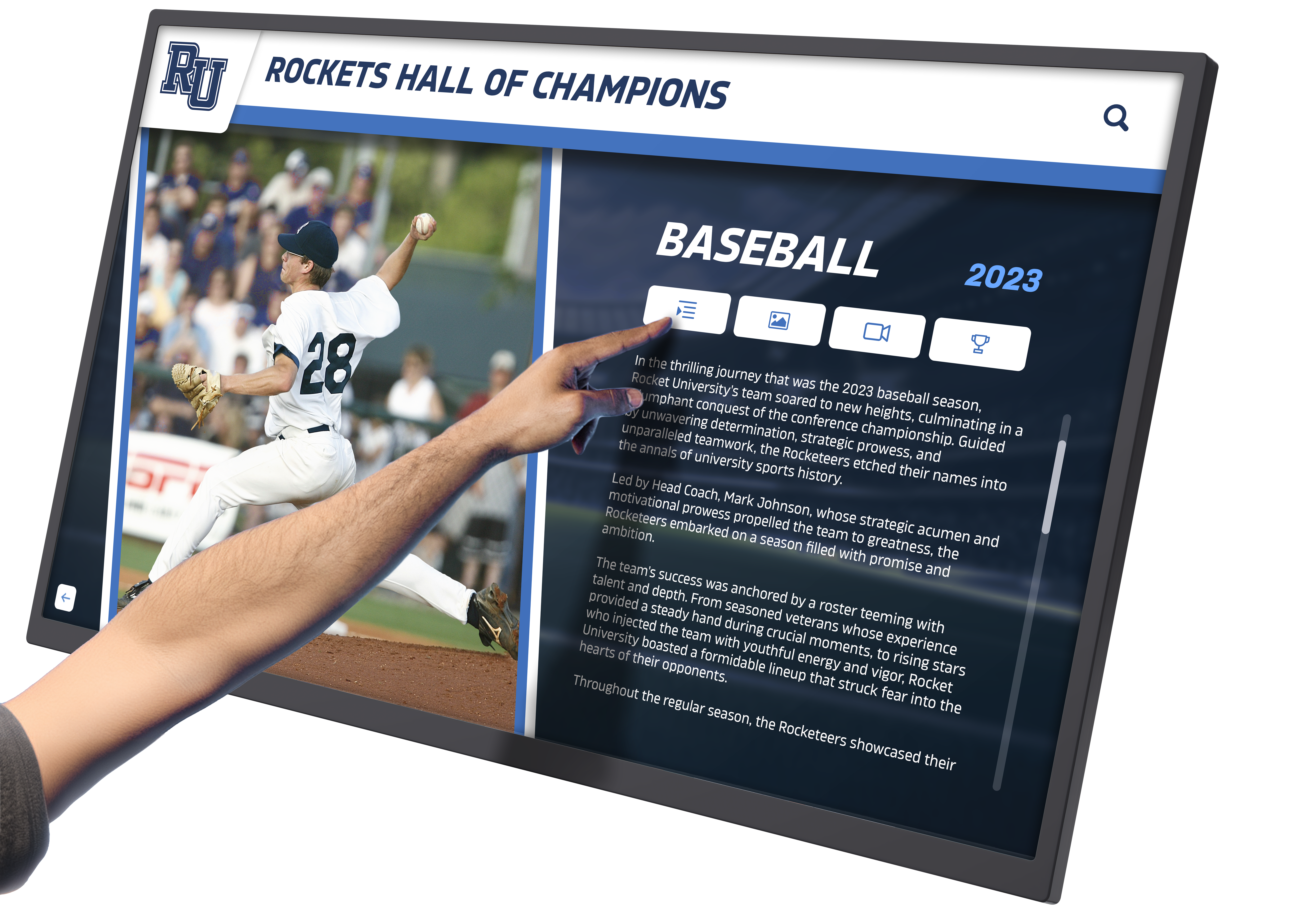
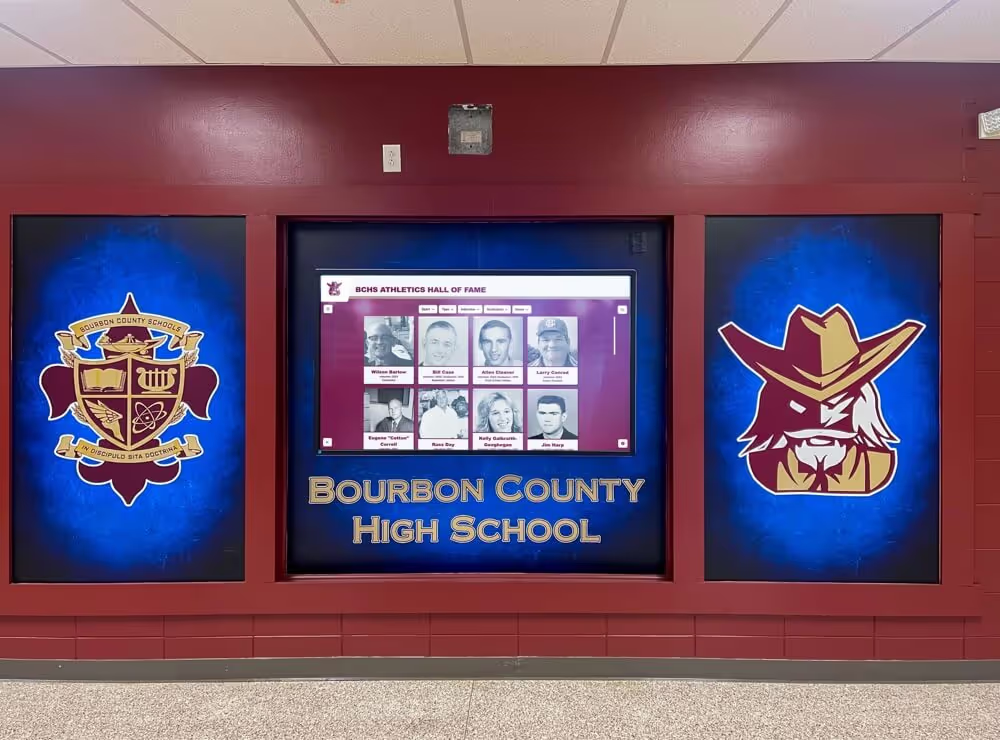
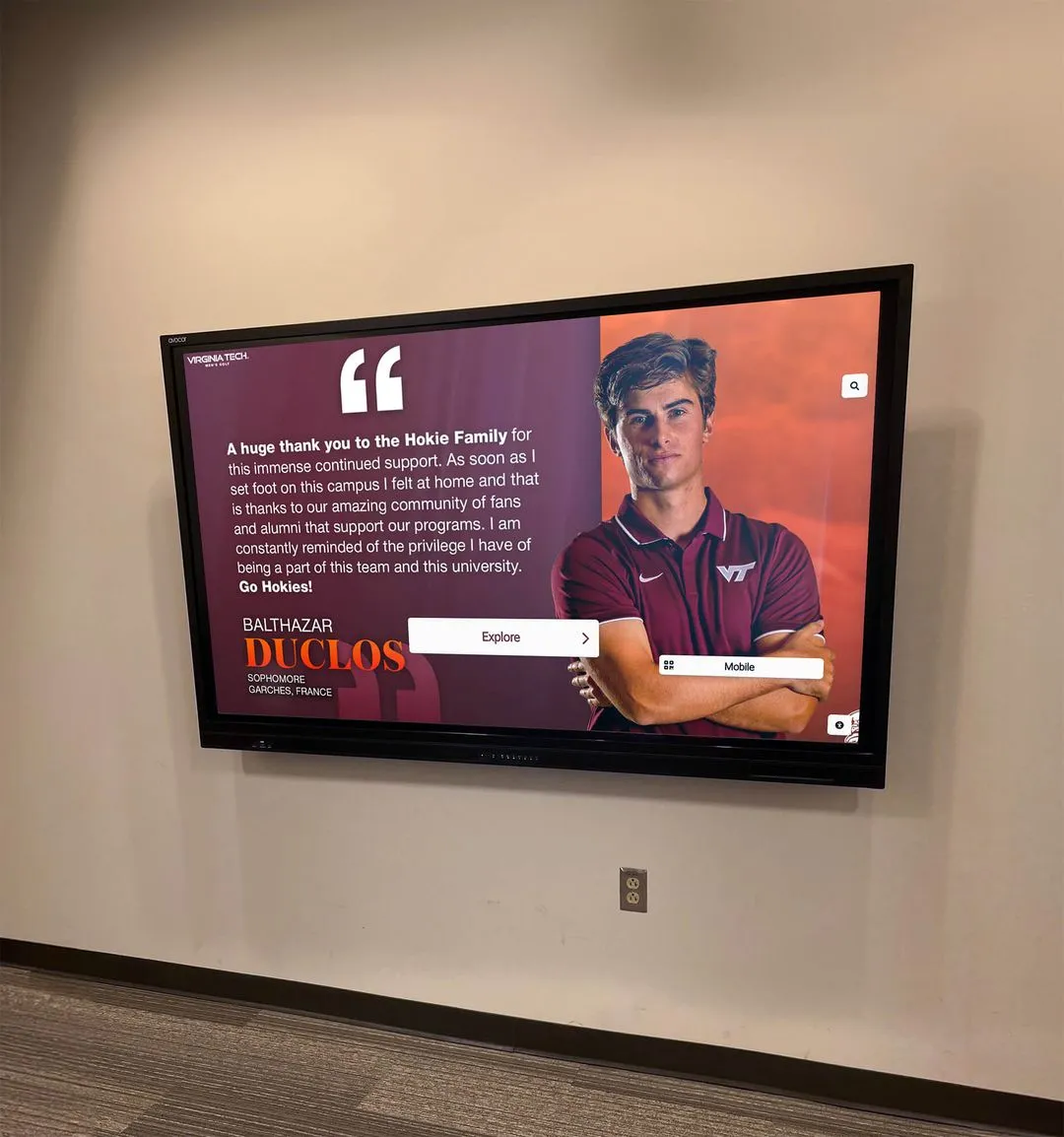
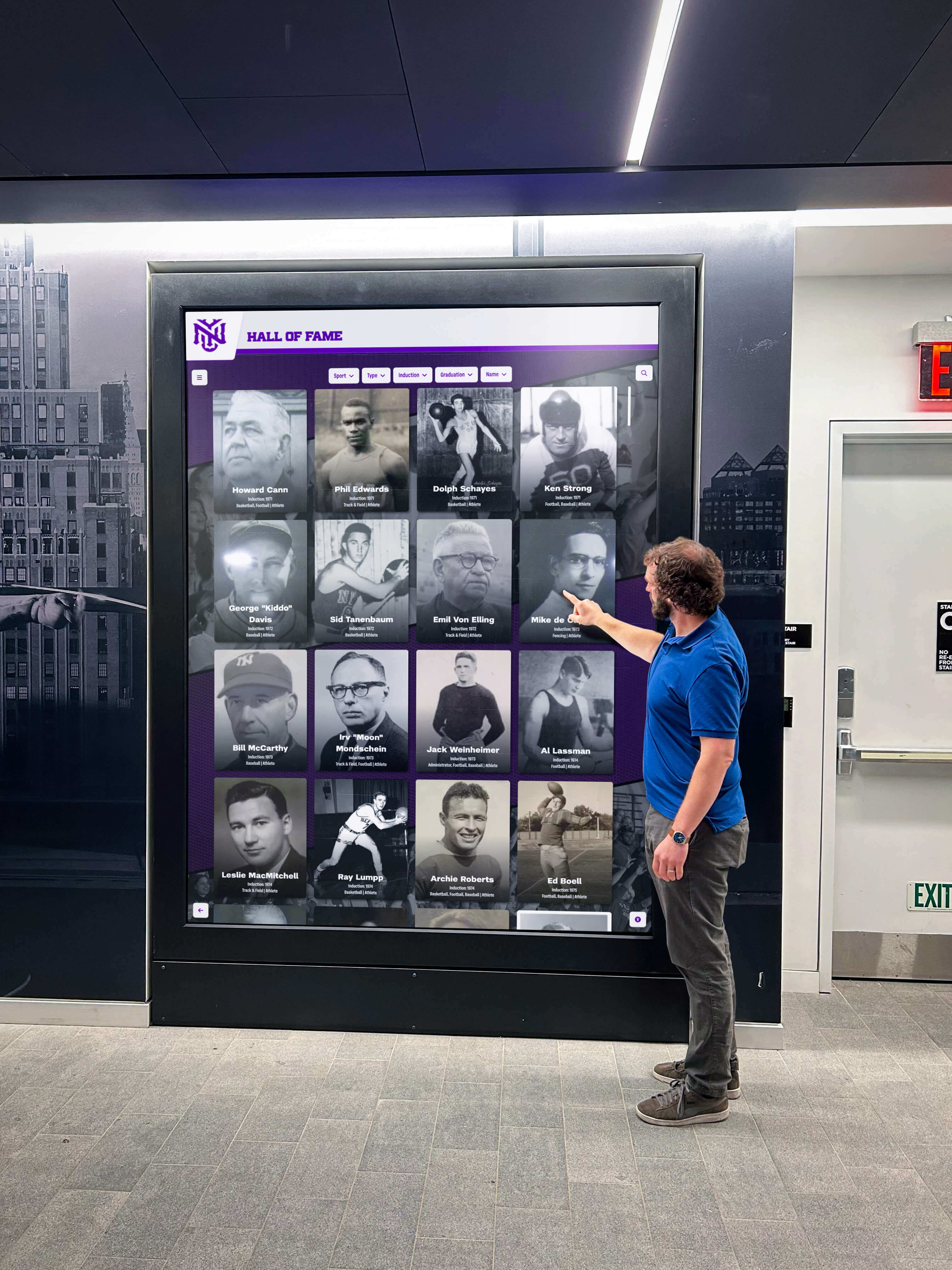
Detailed profile presentations create rich recognition experiences celebrating complete stories rather than simple facts
Critical Thinking and Media Literacy
High school displays can incorporate sophisticated content encouraging critical analysis, media literacy, and engagement with complex historical and contemporary issues.
“Challenging Narratives: Stories Not Told”
Create displays exploring how historical narratives change as new scholarship emerges, how different sources tell different stories about the same events, and how power influences whose stories get preserved and celebrated. This critical approach develops media literacy while teaching about historical interpretation and bias.
Include examples of how textbooks have portrayed Black history differently across decades, how primary sources reveal stories standard histories omitted, and how contemporary scholarship continues correcting incomplete historical records.
“Representation in Media: Evolution and Impact”
Examine how Black Americans have been represented in film, television, advertising, and news media across decades. Explore both harmful stereotyping and groundbreaking positive representation, discussing how media portrayals influence public perception and self-image.
This media-focused display connects to high school students’ heavy media consumption while developing critical viewing skills and understanding of representation’s importance in shaping societal attitudes.
Digital Recognition: The Modern Approach to Cultural Celebration
While traditional bulletin boards serve important functions, schools increasingly implement digital recognition displays that offer significant advantages for celebrating Black History Month and year-round diversity recognition.
Benefits of Interactive Digital Displays
Digital platforms transform static recognition into engaging, dynamic learning experiences with capabilities far exceeding traditional bulletin boards.
Unlimited Content Capacity
Traditional bulletin boards face severe space constraints limiting how many individuals, events, and topics can be featured. Digital displays eliminate these limitations, accommodating comprehensive recognition featuring hundreds of historical and contemporary figures, detailed biographical information, extensive photographic and video content, and deep exploration of topics that paper displays cannot contain.
This unlimited capacity means schools no longer need to choose between featuring different achievers—everyone deserving recognition can be included in searchable, browsable digital archives.
Multimedia Integration
Digital displays incorporate video clips of speeches and performances, audio recordings of historical voices, interactive timelines showing historical progression, high-resolution photography revealing details, and documentary content providing context traditional displays cannot deliver.
This multimedia richness creates more engaging learning experiences that appeal to diverse learning styles and capture student attention more effectively than text-and-photo bulletin boards.
Year-Round Accessibility and Updates
Digital recognition platforms enable easy content updates ensuring displays remain current and relevant. Schools can feature Black achievement throughout the year rather than limiting recognition to February, update content as new achievements occur or additional historical information emerges, and schedule automated content rotation keeping displays fresh without constant manual updates.
Solutions like Rocket Alumni Solutions provide interactive recognition displays specifically designed for educational environments, offering intuitive content management that enables teachers and administrators to maintain engaging recognition without technical expertise.
Implementing Digital Black History Recognition
Schools considering digital recognition displays should approach implementation thoughtfully, ensuring technology enhances rather than replaces meaningful educational objectives.
Strategic Placement in High-Traffic Areas
Install digital displays where students naturally gather and pass through—main lobbies, cafeterias, library entrances, or high-traffic hallways. This strategic placement maximizes visibility while creating recognition destinations where students pause to explore content.
Unlike traditional bulletin boards that might be overlooked, interactive touchscreens naturally draw attention and encourage exploration through engaging interfaces designed for intuitive navigation.
Student-Centered Content and Navigation
Design digital content with student users in mind, organizing information by topics matching student interests, creating search functionality allowing personal exploration, incorporating age-appropriate language and context, and providing multiple entry points for users with different knowledge levels or learning preferences.
The most effective digital recognition balances comprehensive information depth with accessibility, ensuring elementary students can engage meaningfully while also providing sophisticated content satisfying high school student intellectual curiosity.
Integration with Curriculum and Learning
Digital displays succeed when integrated with classroom instruction rather than existing as isolated hallway decoration. Teachers can assign research projects using digital recognition resources, create scavenger hunts encouraging students to explore displayed content, facilitate class discussions about individuals students discover through displays, and connect recognition content to curriculum standards across subjects.
This curricular integration ensures displays genuinely impact student learning rather than simply providing visual interest in school common areas.

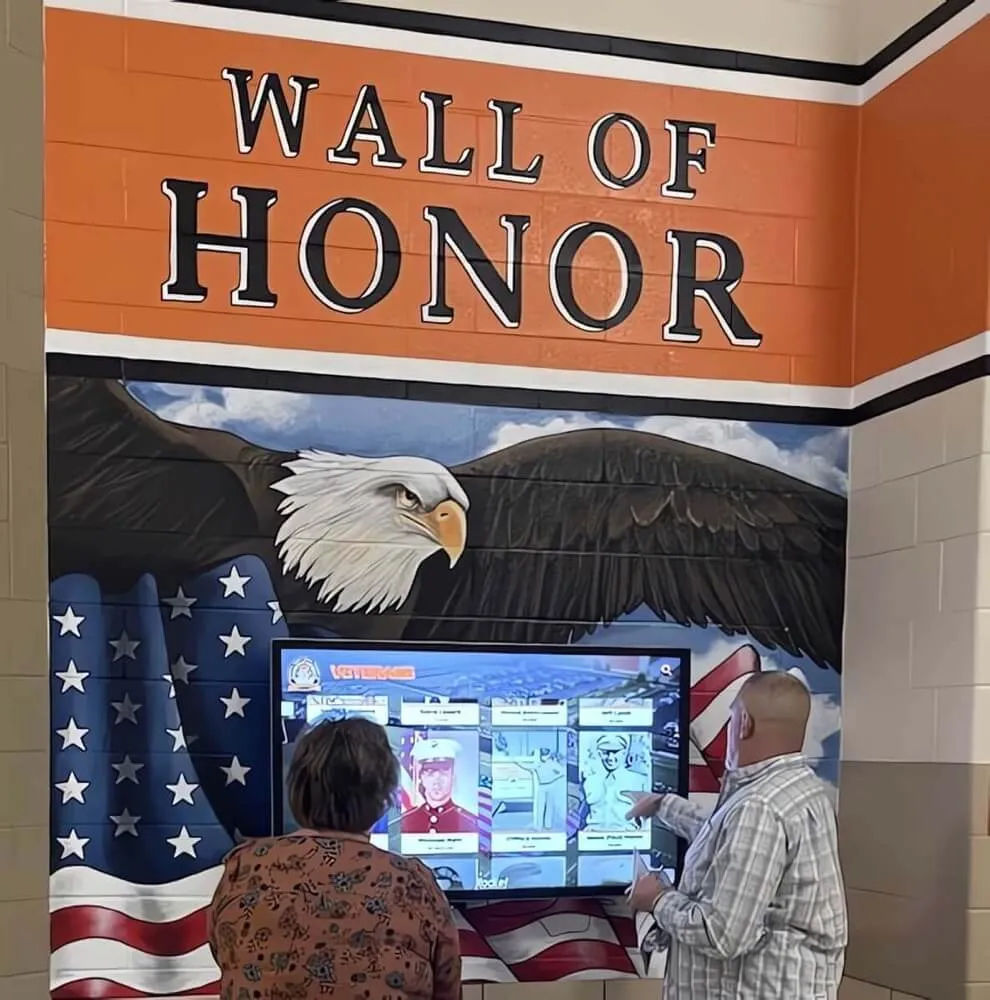
Interactive recognition creates gathering points that bring communities together in shared appreciation of diverse achievement
Creating Digital Warming Through Recognition
The concept of digital warming describes what happens when thoughtful technology implementation creates more connected, engaged communities. Digital Black History Month recognition contributes to this warming by personalizing discovery experiences, surfacing diverse content that resonates with different students, creating year-round rather than one-month recognition, and building inclusive environments where diversity is celebrated visibly and consistently.
Digital recognition platforms designed for schools enable this digital warming by making recognition interactive rather than passive, accommodating unlimited diverse content without space constraints, providing accessibility features ensuring all students can engage, and supporting year-round updates maintaining relevance beyond February.
Beyond February: Sustaining Inclusion Year-Round
The most impactful Black History Month recognition extends beyond February, creating sustained commitment to diversity celebration and inclusive school culture.
Permanent Recognition Installations
Rather than viewing Black History Month displays as temporary February decorations, consider permanent recognition installations celebrating Black achievement throughout the year.
Hall of Fame Dedicated to Diversity
Schools can create dedicated recognition spaces—physical or digital—celebrating diverse achievement including significant Black Americans, accomplishments from all underrepresented communities, local diversity leaders and role models, and contemporary students and alumni excelling in their fields.
This permanent recognition demonstrates institutional commitment to diversity beyond symbolic annual observances. School recognition systems can accommodate multiple recognition categories within unified platforms, allowing schools to celebrate Black achievement alongside athletic success, academic honors, and other institutional recognitions.
Rotating Featured Recognition
Permanent installations benefit from automated rotation ensuring all recognized individuals receive visibility over time. Digital displays can feature different achievers daily, weekly, or monthly, schedule thematic rotations highlighting particular fields or eras, and surface historically significant content on relevant dates creating ongoing learning opportunities.
This rotation prevents recognition from becoming stale or overlooked while ensuring comprehensive content remains accessible through search and browsing functionality.
Integrating Diversity Across School Culture
Meaningful inclusion extends beyond dedicated diversity displays to incorporating diverse perspectives and achievements throughout school recognition and curriculum.
Diverse Representation in All Recognition
Schools should ensure that all recognition systems—athletic halls of fame, academic honor rolls, arts program recognition, and achievement celebrations—visibly represent diverse excellence. This comprehensive approach normalizes diversity across all aspects of school life rather than segregating diversity recognition to specific displays.
Curriculum Integration and Ongoing Learning
Black History Month recognition should connect to year-round curriculum integration ensuring students learn about diverse contributions throughout their education rather than limiting this content to February. Social studies courses should incorporate diverse perspectives throughout historical units, literature classes should feature Black authors and diverse voices consistently, science curriculum should highlight diverse scientific contributions, and all subjects should recognize that knowledge comes from diverse sources.
This curricular integration creates comprehensive diversity education where February recognition builds on ongoing learning rather than representing isolated annual exposure.
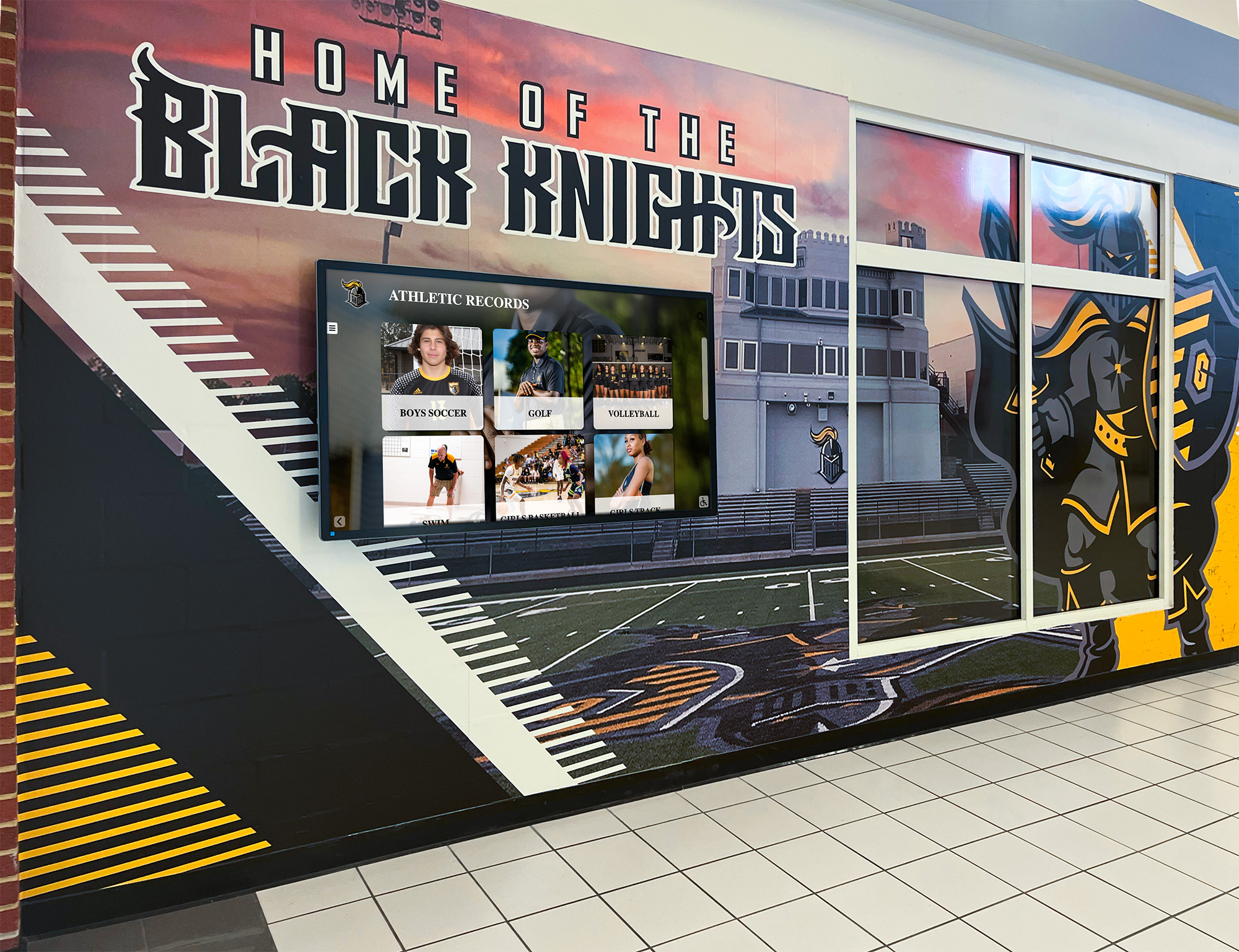
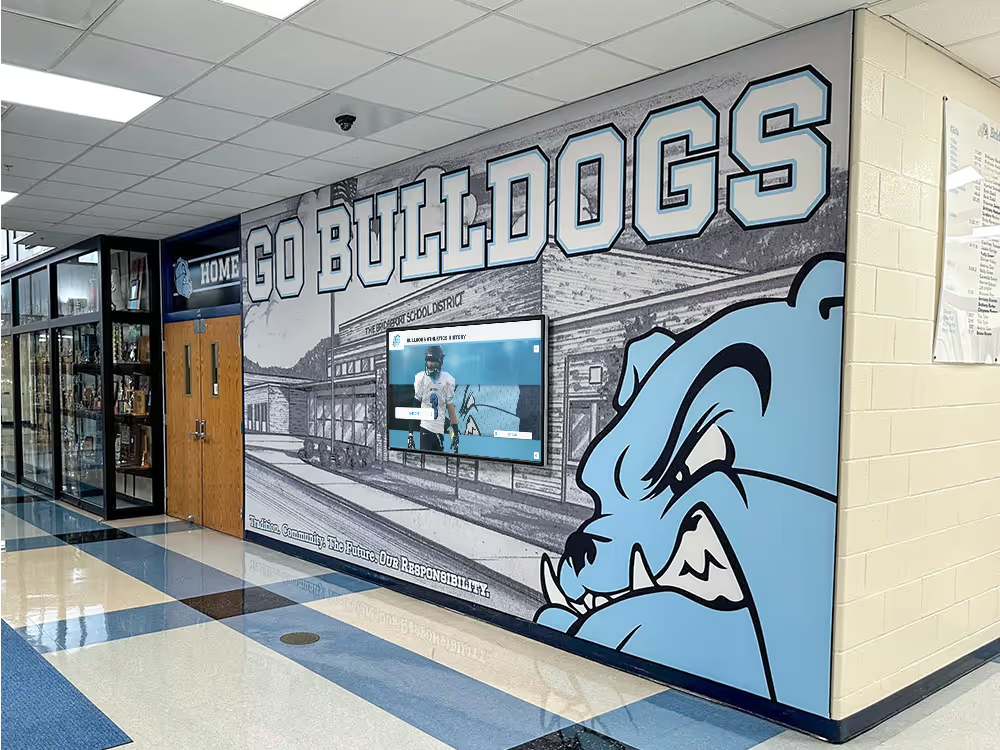
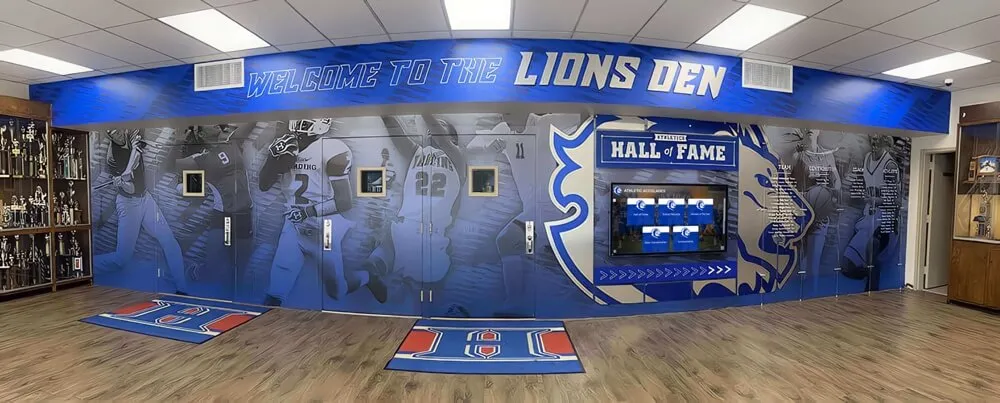
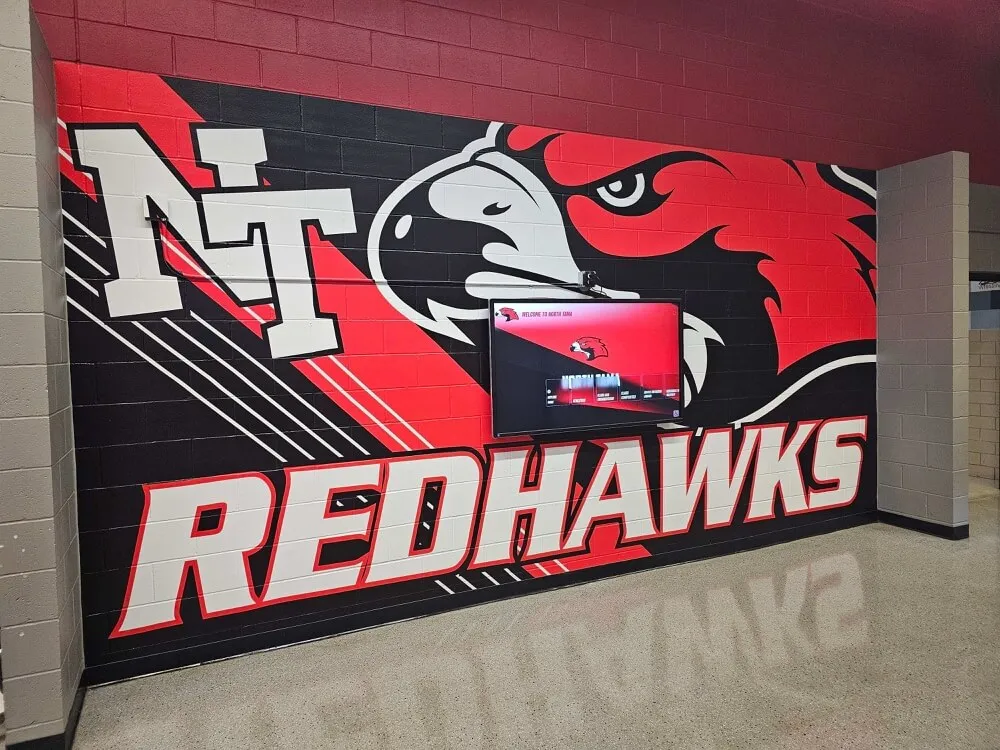
Integrated recognition combines visual impact with digital functionality, creating comprehensive celebration of achievement
Best Practices for Culturally Responsive Recognition
Creating meaningful Black History Month displays requires cultural responsiveness ensuring recognition honors rather than appropriates, educates without stereotyping, and creates inclusive environments where all students feel valued.
Avoiding Common Pitfalls
Well-intentioned Black History Month recognition sometimes perpetuates problems educators aim to address. Avoiding these common mistakes ensures displays create positive educational impact.
Moving Beyond the “Same Few Figures”
While certain historical figures certainly deserve recognition, limiting displays to the same handful of individuals year after year creates incomplete understanding of Black achievement’s breadth and depth. Students benefit from discovering lesser-known achievers, contemporary excellence in diverse fields, regional and local Black leaders, and individuals working in areas matching students’ varied interests.
Challenge yourself to feature someone new each year, highlight different historical periods and movements, explore achievements beyond civil rights activism, and research individuals whose stories students are unlikely to encounter elsewhere.
Avoiding Trauma-Centered Narratives
Black history includes painful trauma—slavery, lynching, systemic oppression—that shouldn’t be erased or minimized. However, reducing Black history exclusively to suffering and victimization fails to honor the resilience, innovation, joy, and excellence characterizing Black American experience.
Balance recognition by celebrating achievement alongside acknowledging struggle, highlighting resistance and resilience, showcasing Black joy and cultural richness, and ensuring students understand Black history as story of human excellence overcoming barriers rather than simply history of oppression.
Authentic Representation and Diverse Voices
Culturally responsive displays represent diverse perspectives authentically rather than through stereotyped or superficial treatment.
Centering Black Voices and Perspectives
Whenever possible, let Black Americans speak for themselves through their own words, photographs they chose, perspectives they articulated, and stories they told about their experiences. This approach honors agency and authentic voice rather than filtering Black experience exclusively through others’ interpretations.
Include quotes from featured individuals, excerpts from autobiographies or speeches, first-person accounts of experiences, and contemporary Black voices reflecting on historical figures’ significance.
Consulting with Students, Families, and Community
Schools serve diverse communities whose perspectives should inform Black History Month recognition. Consider surveying Black students and families about whom they’d like to see recognized, inviting community members to share local Black history, partnering with Black community organizations for content and context, and seeking feedback ensuring displays resonate with and honor the communities being celebrated.
This community engagement demonstrates respect while ensuring recognition authentically represents rather than stereotypes Black experience and achievement.
Age-Appropriate Content and Context
Black history includes content requiring age-appropriate presentation ensuring educational value while respecting developmental needs of different age groups.
Elementary School Considerations
Young students benefit from celebrating achievement and positive role models without graphic details of violence, trauma, or oppression that may frighten rather than educate. Focus on what historical figures accomplished rather than dwelling on obstacles they faced, highlight diverse fields of achievement showing excellence in areas matching young students’ interests, and use language and concepts appropriate for elementary reading and comprehension levels.
Context remains important even for young learners—students can understand that “things weren’t always fair” and that “brave people worked to make things better” without graphic details about lynching or police violence.
Middle and High School Depth
Older students can engage with more complex, complete historical narratives including both achievement and struggle. Middle and high school displays can explore systemic racism and its impacts, discuss ongoing work toward equality, examine contemporary social justice issues, and encourage critical thinking about historical narratives and representation.
This age-appropriate complexity honors students’ intellectual development while ensuring education addresses real issues rather than presenting sanitized versions of history that fail to explain persistent inequalities.
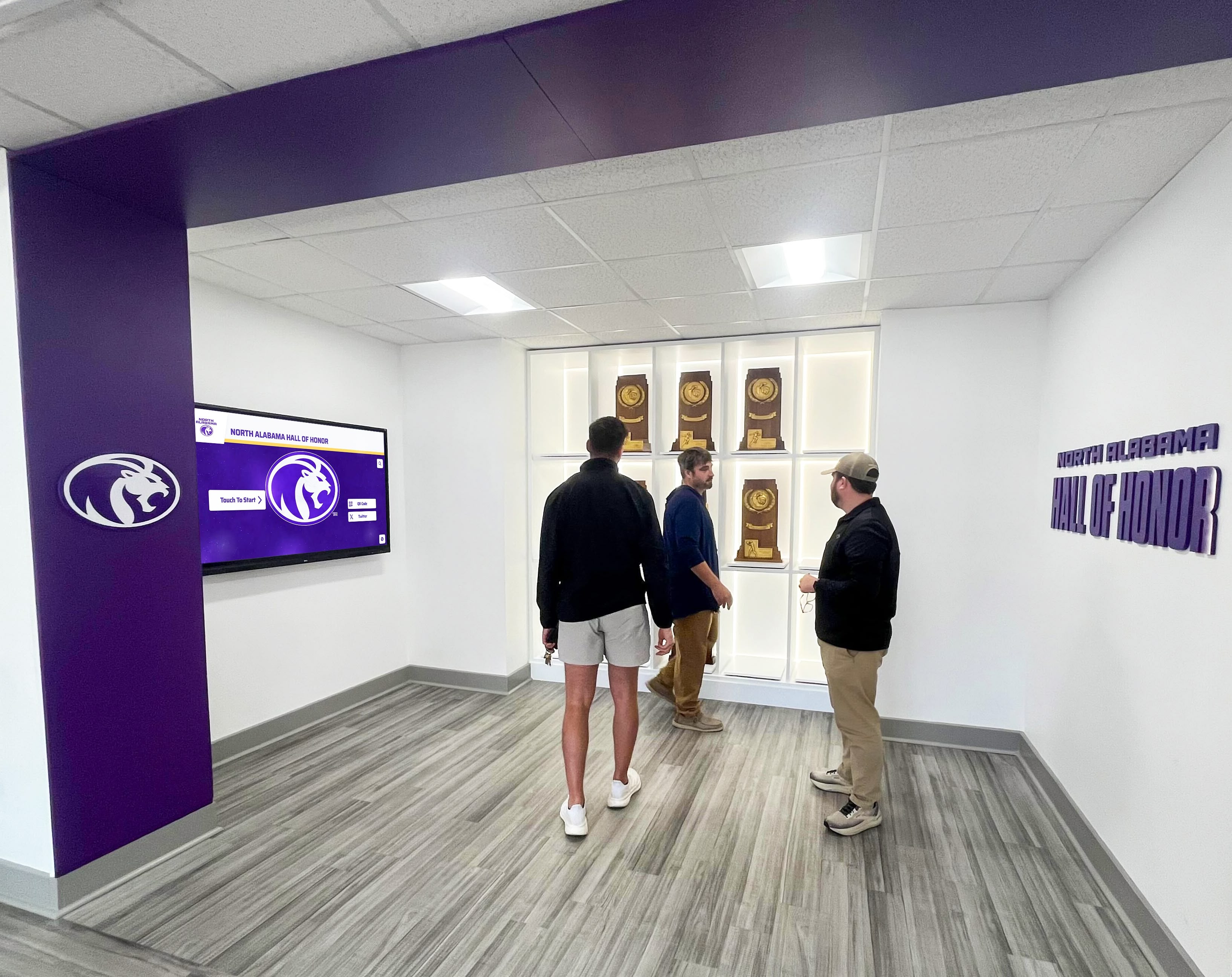
Recognition displays create community gathering spaces where students learn from shared heritage and achievement
Creating Engaging Student Involvement
Black History Month recognition creates greatest impact when students participate actively in planning, creating, and maintaining displays rather than passively consuming teacher-created content.
Student Research and Content Creation
Assign students responsibility for researching and creating Black History Month display content, developing valuable research skills while ensuring displays reflect student voice and interests.
Biography Research Projects
Students can research historical or contemporary Black Americans matching their interests, creating display content including biographical information, achievement highlights, quotes and primary sources, and personal reflections on significance. This research approach teaches information literacy skills while ensuring displays feature individuals students genuinely find inspiring.
Providing templates or rubrics ensures student-created content meets quality standards while allowing creative expression and personal connection to featured subjects.
Local History Investigation
Middle and high school students can conduct oral history interviews with local Black elders and community leaders, research historical Black neighborhoods and businesses, document contemporary Black achievement in your community, and create displays sharing discoveries with school populations.
This local focus teaches research methodology while creating unique content reflecting your community’s specific history and contributions.
Student Art and Creative Response
Creative projects allow students to engage with Black History Month content through artistic expression, creating displays that showcase both historical learning and student creativity.
Portrait Projects and Artistic Tributes
Art classes can create displays featuring student portraits of Black Americans they admire, artistic interpretations of historical events or movements, creative responses to poetry, music, or literature, and mixed-media installations expressing themes related to Black history and culture.
Showcasing student artwork validates their learning while creating visually engaging displays that draw peer attention more effectively than teacher-made posters.
Poetry, Writing, and Personal Reflection
English classes can contribute poetry and essay displays featuring student writing responding to Black History Month themes, personal reflections on what they’ve learned, creative writing imagining historical perspectives, and analysis of Black literary traditions and contemporary works.
These student-written pieces create displays reflecting genuine engagement rather than generic information presentation.
Student-Led Tours and Presentations
Empower students to share Black History Month learning with peers, families, and community members through guided tours, presentations, and peer education.
Peer Education Programs
Older students can prepare presentations teaching younger students about Black history, create age-appropriate learning activities for elementary classes, design interactive displays or stations for peers to explore, and facilitate discussions connecting historical content to contemporary issues.
This peer education approach deepens presenting students’ learning while creating more engaging educational experiences for student audiences who may relate better to peer teachers than adult instruction.
Family and Community Event Hosting
Schools can host Black History Month open houses or gallery walks where students guide families through displays, present research projects they’ve completed, perform artistic interpretations or dramatic readings, and explain significance of featured content to community audiences.
These public sharing events validate student work while building family and community engagement with Black History Month recognition and learning.
Assessment and Continuous Improvement
Schools should regularly evaluate Black History Month recognition effectiveness, gathering feedback that informs continuous improvement in approach, content, and impact.
Measuring Educational Impact
Consider multiple measures assessing whether displays achieve intended educational objectives.
Student Learning Assessment
Evaluate whether students demonstrate increased knowledge about Black history and achievement through informal questioning and observation, assignment integration and performance, student feedback and reflection activities, and behavioral indicators showing engagement with display content.
These assessments help determine whether displays genuinely educate rather than simply decorating hallways unnoticed by student populations.
Engagement Observation
Monitor how students interact with displays, noting time spent engaging with content, types of information that attract attention, questions students ask about displayed material, and conversations displays prompt among students.
For digital displays, built-in analytics provide concrete engagement data showing which content receives attention, how students navigate information, and what materials resonate most effectively.
Gathering Stakeholder Feedback
Regular feedback collection ensures recognition evolves based on community input rather than remaining static or disconnected from stakeholder needs and interests.
Student Voice and Perspective
Survey students about whose achievements they want to learn about, what topics interest them most, how displays could be more engaging or informative, and what they’ve learned through Black History Month recognition. This student input ensures displays reflect their interests and developmental needs rather than only adult perspectives on what they should learn.
Family and Community Input
Seek feedback from Black families and community members ensuring displays honor rather than stereotype, accurately represent history and culture, include perspectives and figures meaningful to local Black communities, and create inclusive environments where all families feel welcomed and valued.
This community consultation demonstrates respect while ensuring cultural authenticity in recognition content and approach.
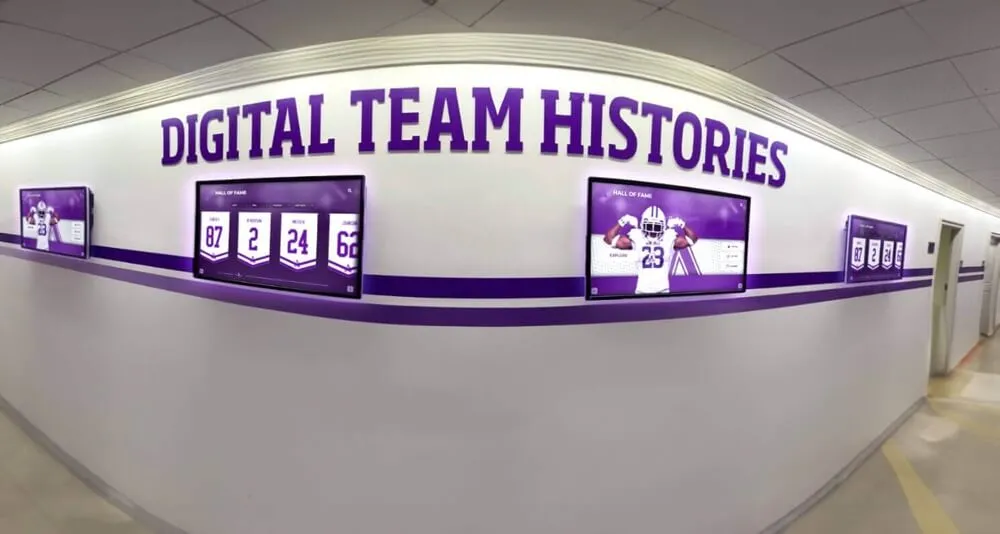
Strategic placement of digital displays throughout buildings creates multiple learning touchpoints students encounter daily
Resources and Support for Implementation
Schools planning Black History Month displays benefit from quality resources supporting accurate, engaging content development and culturally responsive implementation.
Curriculum and Content Resources
Numerous organizations provide educational resources, historical information, and teaching materials supporting quality Black History Month recognition.
Smithsonian Resources
The Smithsonian Institution’s National Museum of African American History and Culture offers extensive educational resources, historical content, and teaching materials available online. Their resources provide accurate historical information, diverse perspectives and voices, age-appropriate content for different grade levels, and multimedia materials including photographs, documents, and videos.
These institutional resources ensure historical accuracy while providing comprehensive content that goes well beyond superficial treatment of Black history.
Local and Regional History Resources
State historical societies, local museums, university archives, and community organizations often maintain collections and resources documenting regional Black history. These local resources help schools create displays featuring relevant community history, discover local Black leaders and achievers, and connect national narratives to students’ own communities and contexts.
Professional Development and Training
Educators implementing culturally responsive Black History Month recognition benefit from professional learning supporting effective, authentic implementation.
Cultural Competency Training
Professional development addressing cultural responsiveness, implicit bias recognition, inclusive teaching practices, and authentic representation helps educators approach Black History Month recognition thoughtfully and effectively.
This training ensures displays honor rather than appropriate, educate without stereotyping, and contribute to genuinely inclusive school environments.
Content Knowledge Development
Many educators received limited training in Black history during their own education. Professional learning opportunities focusing on Black history content, diverse perspectives and narratives, primary source analysis and interpretation, and connections between historical and contemporary issues help educators develop confidence and competence for meaningful Black History Month implementation.
Conclusion: Building Inclusive School Communities Through Recognition
Black History Month bulletin boards and recognition displays serve purposes far beyond February decoration—they create educational opportunities celebrating diverse achievement, build inclusive environments where all students see themselves reflected in recognition, connect historical struggles to contemporary realities, and demonstrate institutional commitment to equity and inclusion.
Effective displays move beyond superficial treatment featuring the same few historical figures to create comprehensive recognition celebrating diverse achievements across fields, eras, and types of contribution. Students benefit from discovering lesser-known changemakers, contemporary role models in areas matching their interests, local Black leaders who shaped their communities, and the breadth of Black excellence spanning all human endeavors.
The distinction between traditional bulletin boards and modern digital recognition displays proves significant for schools seeking maximum educational impact. Digital platforms accommodate unlimited content depth eliminating space constraints, integrate multimedia creating engaging learning experiences, enable year-round recognition extending beyond February, and provide accessibility features ensuring all students can engage meaningfully with content.
Solutions like Rocket Alumni Solutions demonstrate how purpose-built digital recognition platforms create vibrant learning environments where students discover role models, explore achievements matching their interests, and engage with content dynamically rather than passively. These systems support educational objectives while providing practical content management enabling teachers to maintain engaging recognition without technical barriers.
Beyond specific display approaches, the most important consideration involves authentic commitment to inclusion extending beyond annual observances. Schools truly committed to equity integrate diverse perspectives throughout curriculum and school culture, maintain year-round recognition celebrating achievements from all communities, create environments where all students feel represented and valued, and regularly assess and improve inclusion efforts based on stakeholder feedback.
Black History Month provides valuable opportunity to honor African American achievement and educate students about contributions that shaped American society. Whether implementing traditional bulletin boards or modern digital recognition, schools can create meaningful learning experiences that inspire students, build inclusive communities, and demonstrate that excellence knows no boundaries of race, background, or identity.
Your school community deserves recognition celebrating all students and honoring diverse achievement that enriches your institution. With thoughtful planning, authentic representation, and commitment to genuine inclusion, your Black History Month displays can create lasting educational impact extending far beyond February.
Ready to explore how digital recognition technology can transform your school’s approach to celebrating diverse achievement? Discover how Rocket Alumni Solutions creates engaging, accessible displays specifically designed for schools committed to building inclusive communities where every student sees themselves reflected in celebrations of excellence.