A school awards ceremony is one of the most meaningful nights on the school calendar—but for most programs, the recognition ends when the auditorium empties. Trophies go into cases that gather dust, programs get recycled, and the names of award recipients exist only in staff email threads and a PDF nobody will find again. This guide shows how to close that gap: how to capture the right content during your awards assembly, which permanent display formats match different recognition goals, and how digital platforms make it practical to preserve every honor in a form that students, families, and returning alumni can engage with for years.
The short answer: To turn a school awards ceremony into a permanent display, document each recipient with a name, award, year, and photo during or immediately after the event—then route that content into a physical display (trophy case, honor wall, record board) or a digital platform that allows searchable, updatable recognition. The ceremony creates the content; the display preserves it.

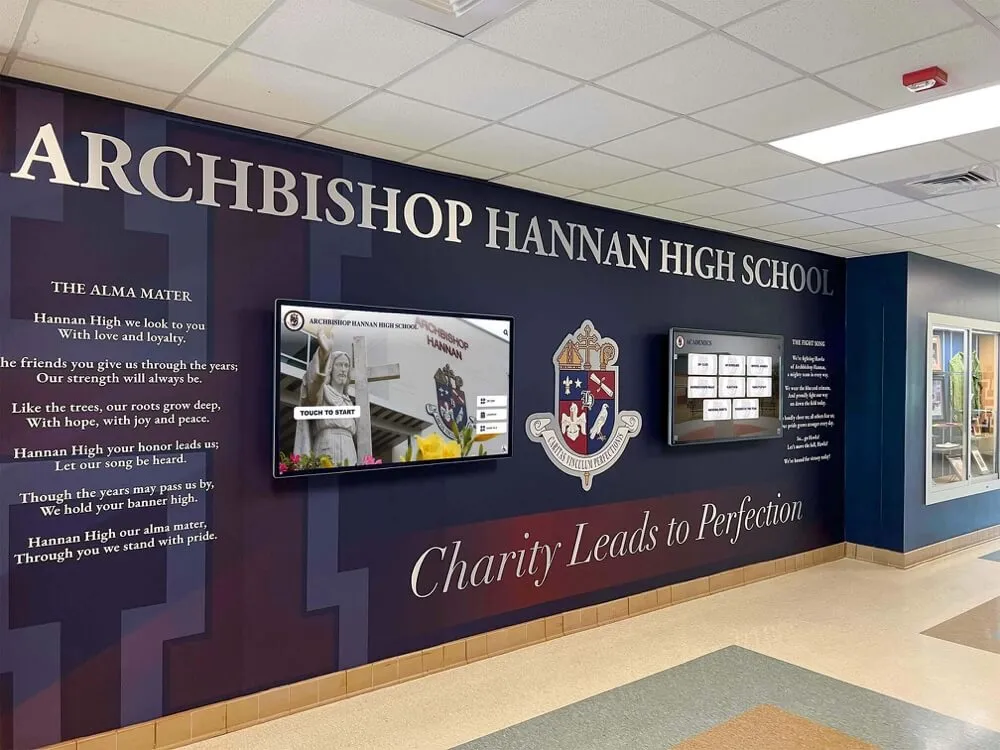
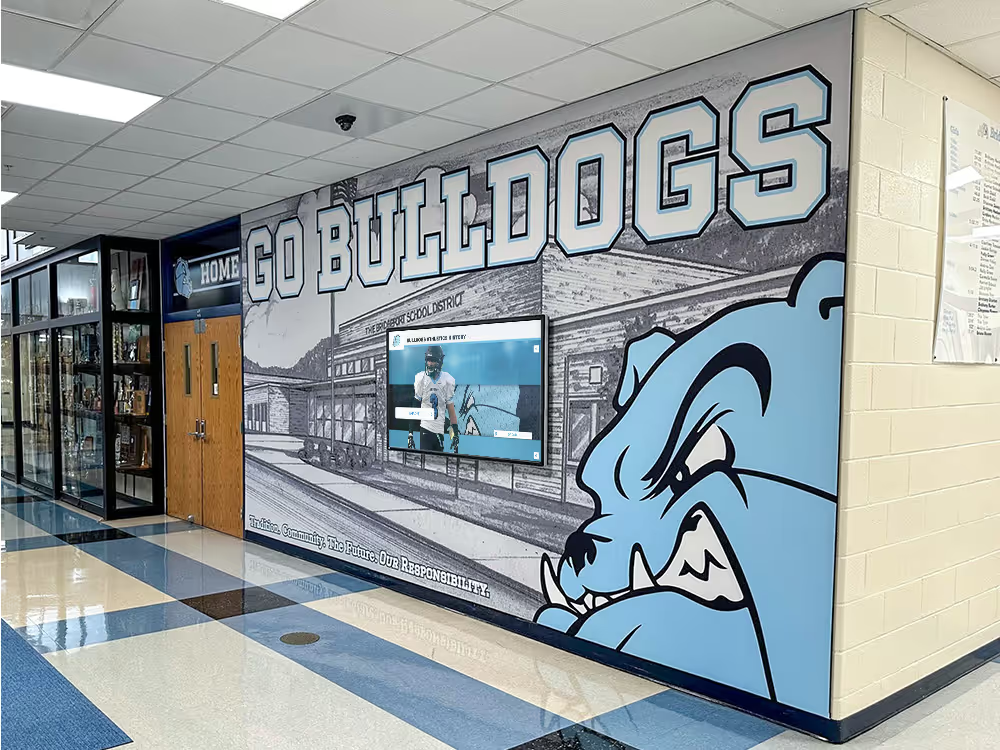
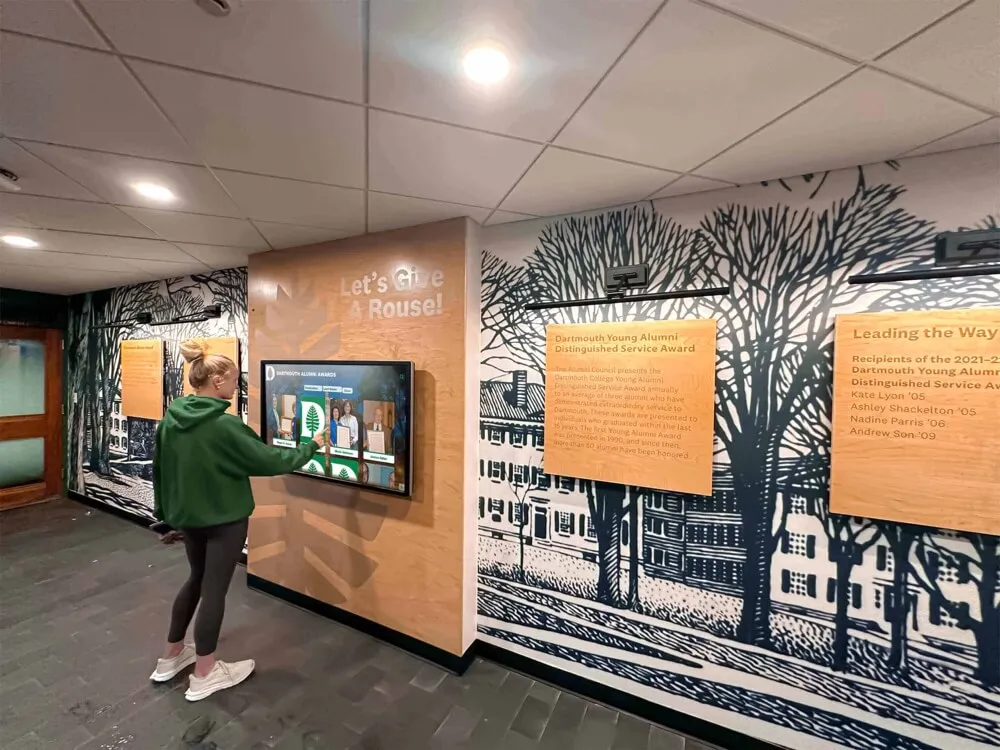
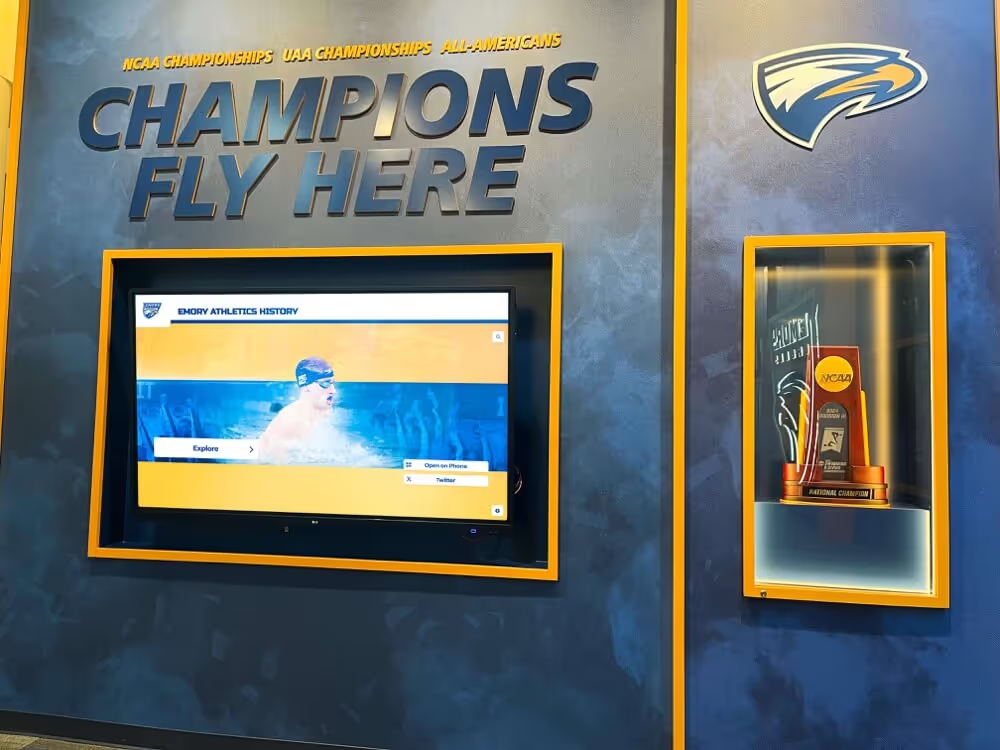
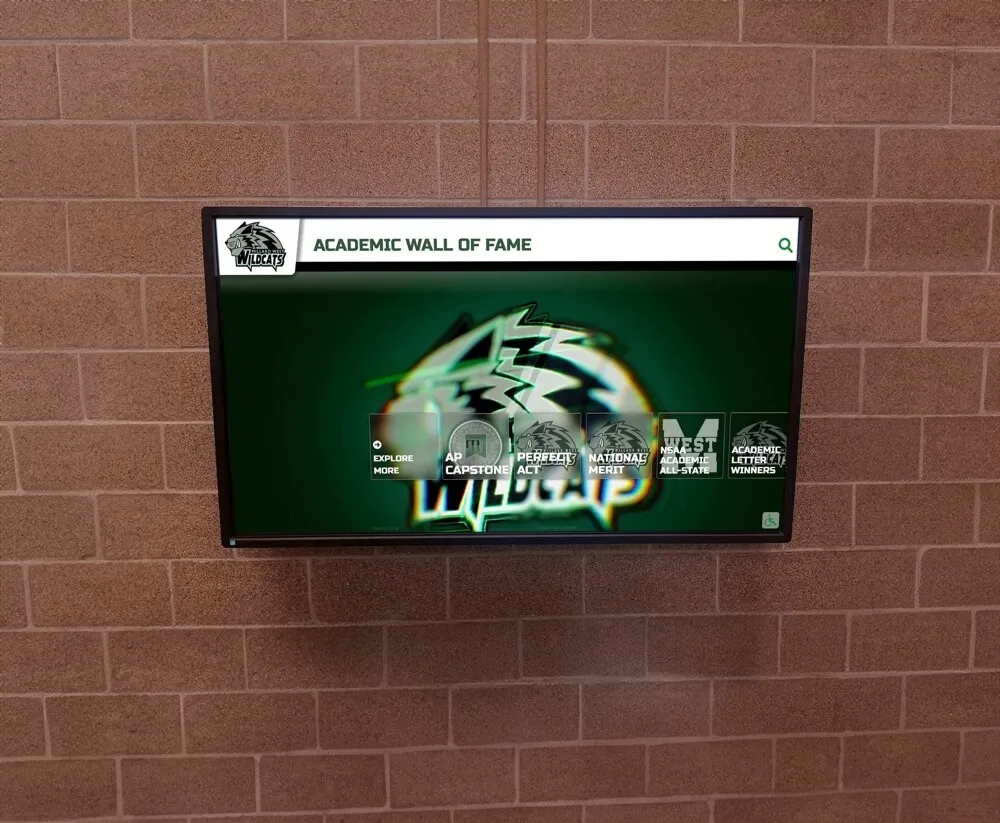
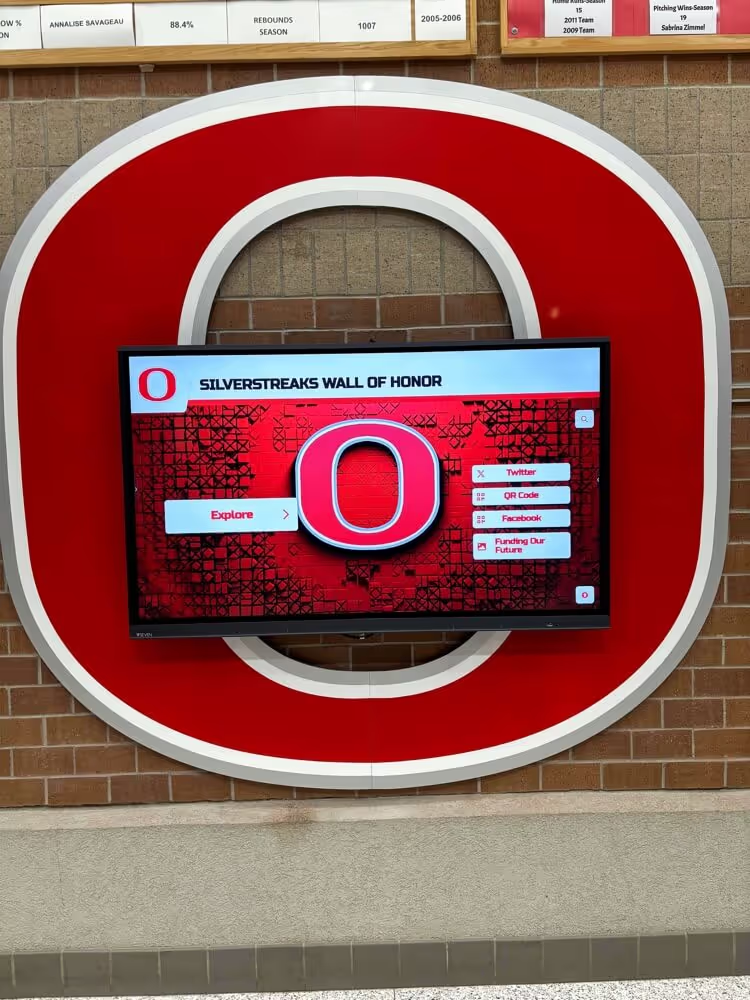
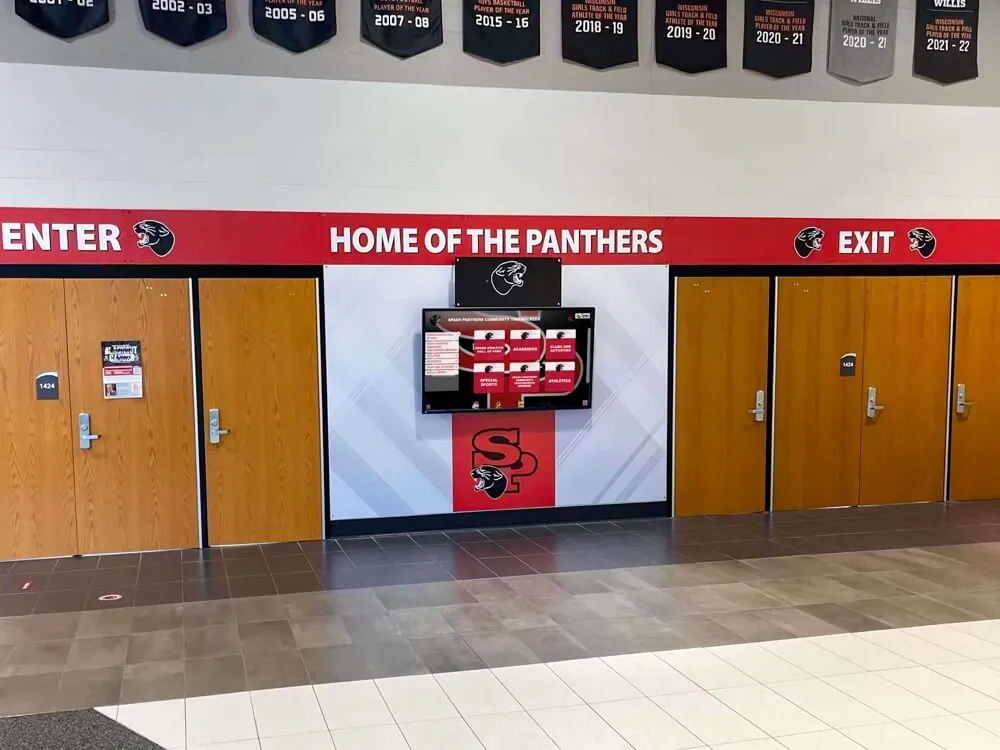
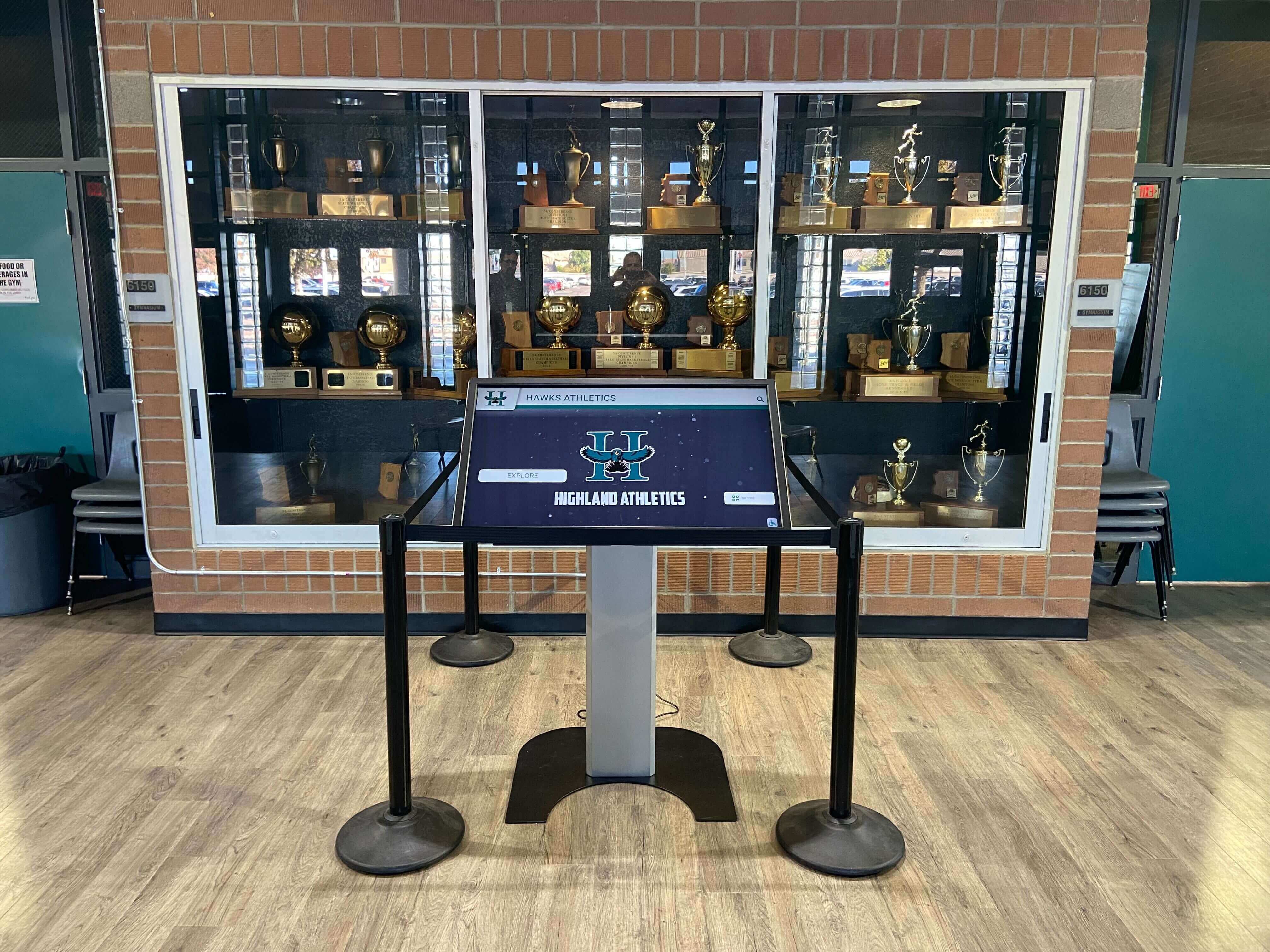
A trophy case with an integrated touchscreen lets awards ceremony recipients be recognized beyond the event—searchable by name, year, and award type
Why Most Schools Lose the Recognition After the Ceremony
Award ceremonies are logistically demanding. Coordinating nominations, preparing certificates, managing the run-of-show, and keeping a gymnasium full of families engaged takes most of the available staff bandwidth. The documentation piece—capturing who won what, in a format that feeds a permanent display—rarely makes it onto the planning checklist.
The result is predictable. The award recipient remembers the moment, but the school has no accessible record of it. When a student returns to visit campus ten years later, there is no display confirming that they were named Scholar-Athlete of the Year or received the Principal’s Award for community service. The recognition happened, but it didn’t stick.
Academic recognition programs that close this gap treat the ceremony as a content-creation event, not just a celebration. The awards assembly generates names, achievements, and photos. The job of a permanent display is to make that content visible and durable.
Capture Checklist: What to Document at Every Awards Assembly
The following checklist works whether you are planning a spring honors banquet, an athletic awards night, or an all-school recognition assembly. Run through it before the event, and the content pipeline for your permanent display is essentially complete.
| Before the ceremony | During the ceremony | After the ceremony |
|---|---|---|
| Finalize the full recipient list by category | Assign a photographer to each award presentation | Export the recipient list as a structured spreadsheet |
| Confirm correct name spelling for every recipient | Capture candid moments alongside staged photos | Match photos to names and award categories |
| Prepare program insert with all award descriptions | Note any spontaneous recognition or special remarks | Upload approved photos to your content platform |
| Confirm display update timeline with staff | Collect any physical award details for archiving | Update trophy case, honor wall, or digital system within 30 days |
The thirty-day window matters. Recognition delayed past a month risks stalling entirely—staff move on, files get buried, and the ceremony’s momentum dissipates. Setting a firm post-ceremony deadline is the single most effective process change a school can make.
6 Permanent Display Formats for School Award Recipients
Not every award belongs in the same display format. The recognition tier, the physical space available, and the long-term volume of honorees all affect which format works best.
1. Trophy Case With Organized Archive
The traditional trophy case still works when it is maintained and organized. The problem with most trophy cases isn’t the format—it’s that nobody owns the update process. Trophies accumulate in whatever order they arrive, labels fade, and cases fill up until schools stop adding anything.
An organized trophy case treats each award category as a permanent shelf presence: consistent labeling, chronological arrangement, and a documented owner responsible for updates after each ceremony. For high-volume recognition programs, this format hits capacity within a decade—which is when a digital layer becomes necessary.
2. Honor Wall With Annual Recognition Panels
An honor wall uses printed or engraved name panels to create a permanent record organized by year. Schools that install annual panels for each awards cycle create a visual timeline: a visitor can walk the wall and trace the names of Academic Excellence Award recipients back to the program’s founding.
This format works particularly well for marquee awards—valedictorians, scholar-athletes, principal’s award recipients—where the volume is low enough to manage physically and the prestige justifies the visual prominence. For awards with larger recipient pools (honor roll, department honors, most improved), a digital system handles volume better.
3. Departmental Recognition Boards
Subject-area departments that run their own end-of-year recognition can maintain dedicated boards in hallway corridors, classrooms, or department offices. A math department hallway showing every math league champion for the last fifteen years creates a recognition environment that motivates current students in a direct, tangible way.
Academic achievement awards at the high school level carry more weight when students can see a physical record of who earned them before—and departmental boards make that connection visible at the point where students experience their coursework daily.
4. Digital Record Board
For awards tied to measurable performance—GPA milestones, standardized test scores, athletic records, graduation honors—a digital record board makes the recognition dynamic rather than static. When a new student breaks the record for highest cumulative GPA, the board updates. The old record doesn’t disappear; it moves into the historical ledger that the platform maintains.
This format is especially effective in athletic corridors and lobby areas where students and visitors pass daily. A day in the life of a school with digital displays shows how record boards become part of the ambient environment—students check them without being directed to.
5. Digital Hall of Fame Wall
A digital hall of fame wall handles the awards categories that generate the most volume over time: academic distinction, leadership, community service, and multi-year achievement. Unlike a physical plaque wall that runs out of space, a digital platform scales indefinitely and allows each honoree a full profile—photo, award category, graduation year, and any biographical detail worth preserving.
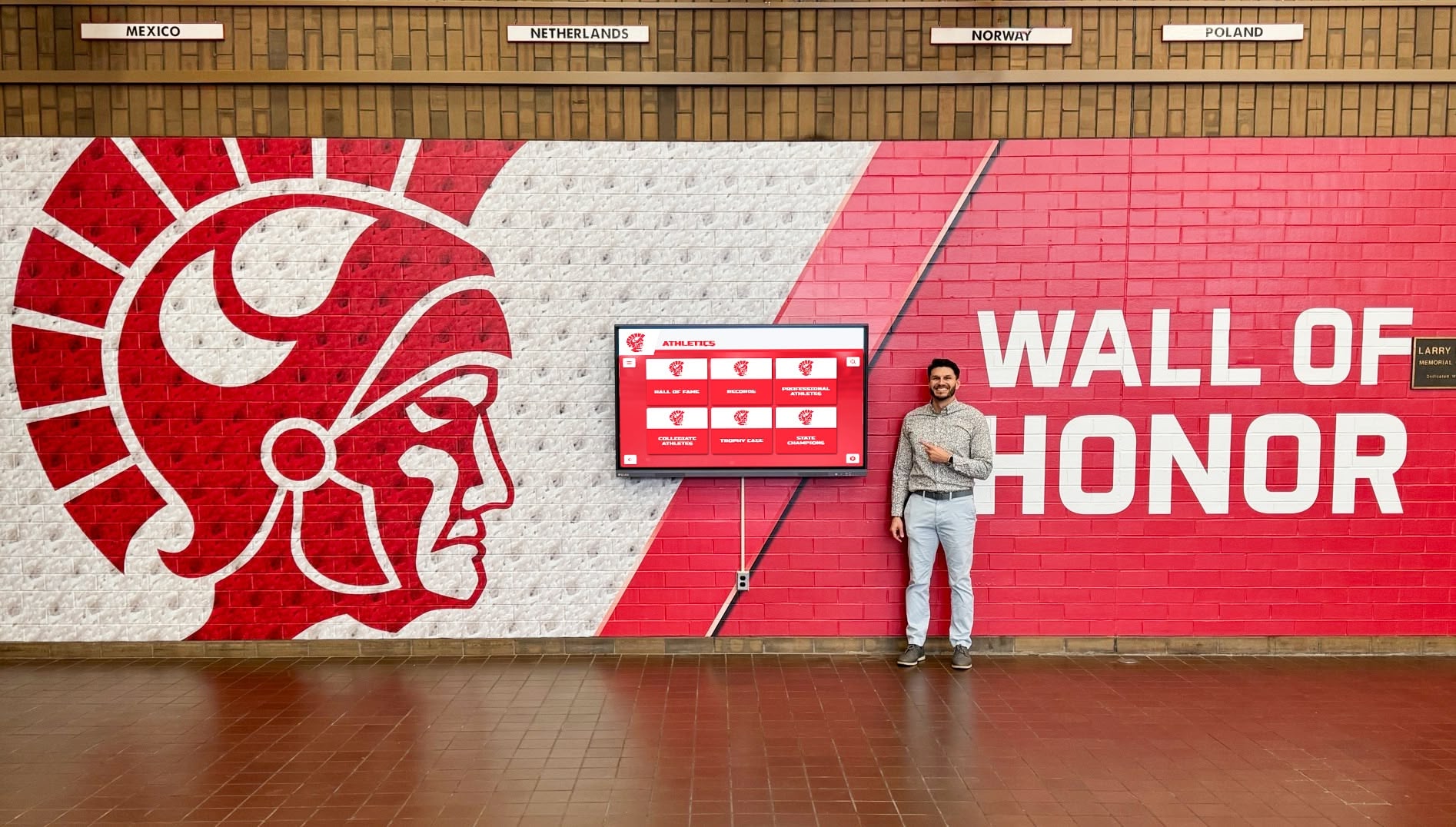
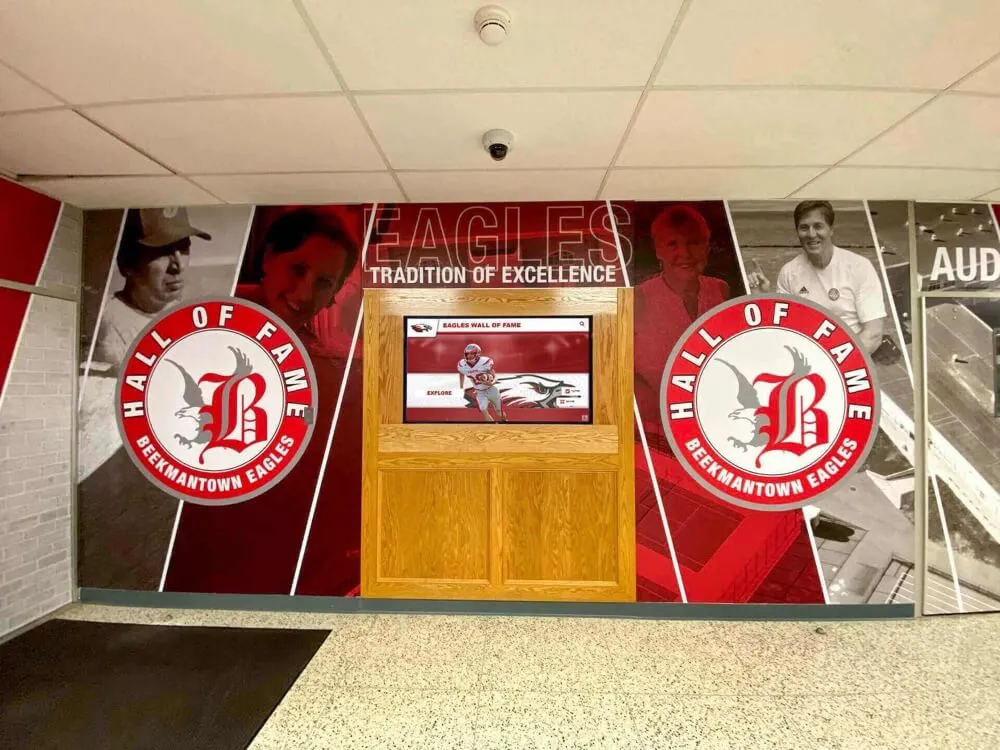
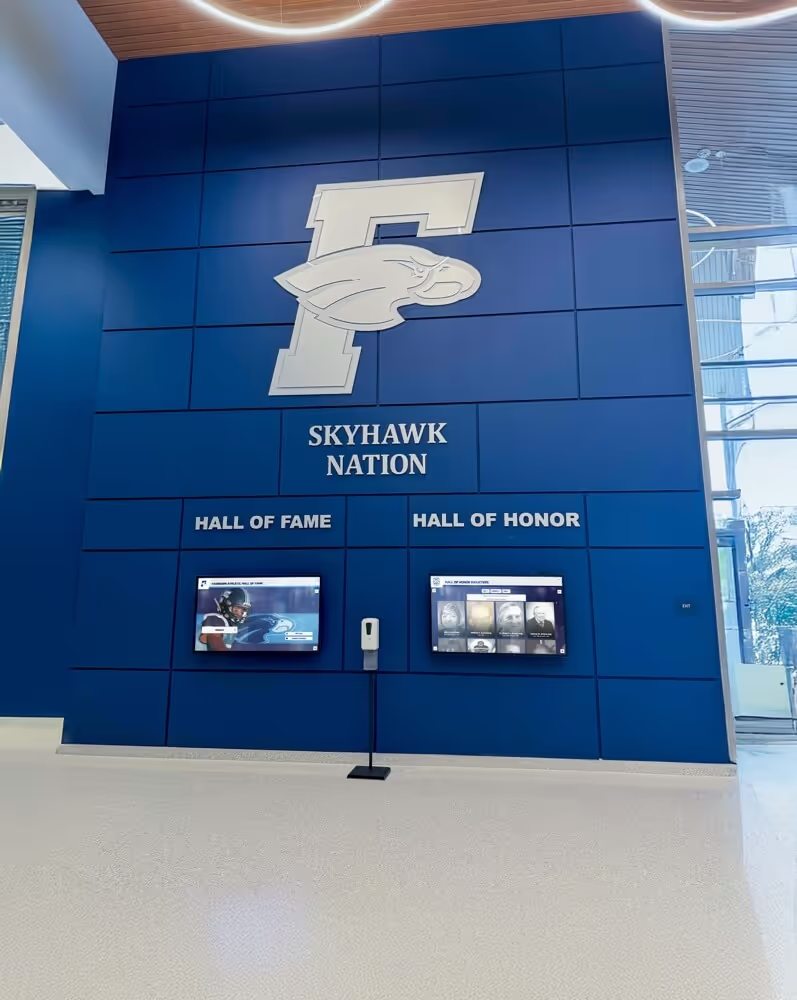
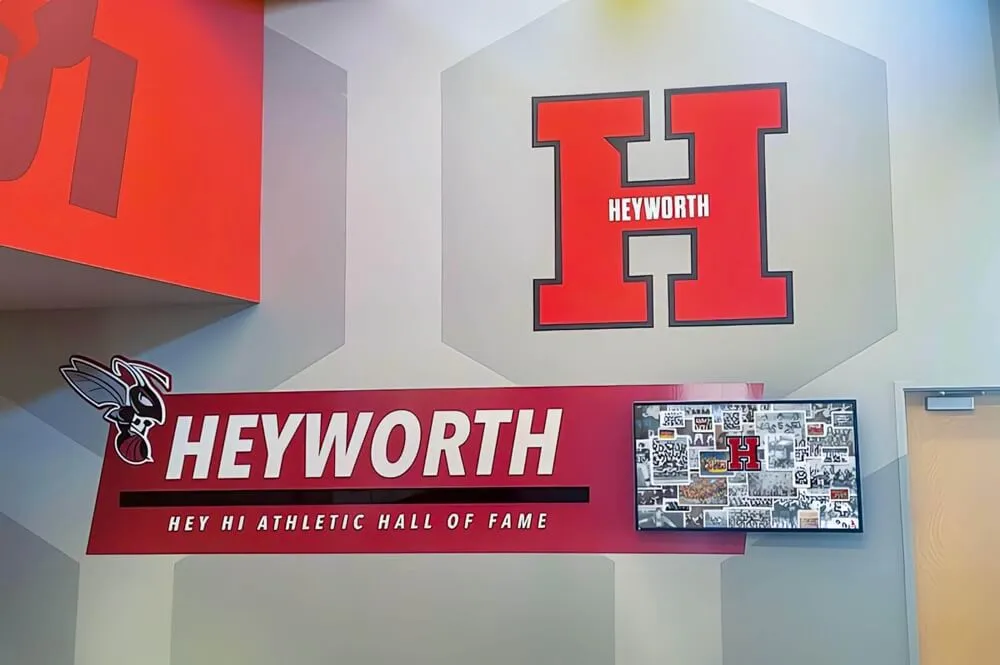
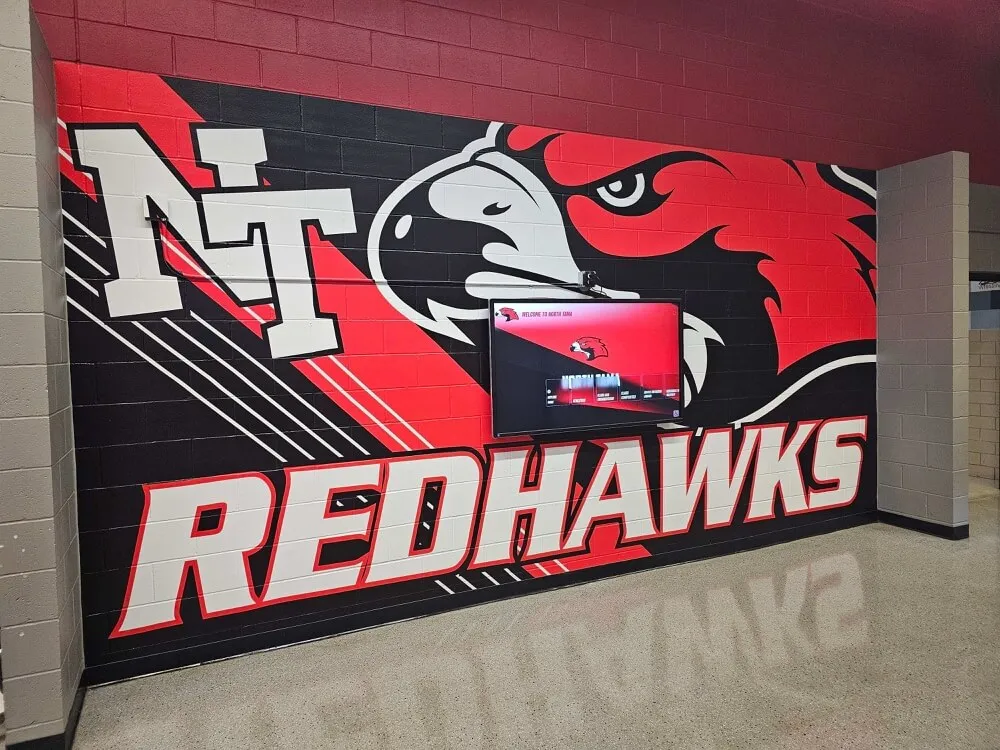
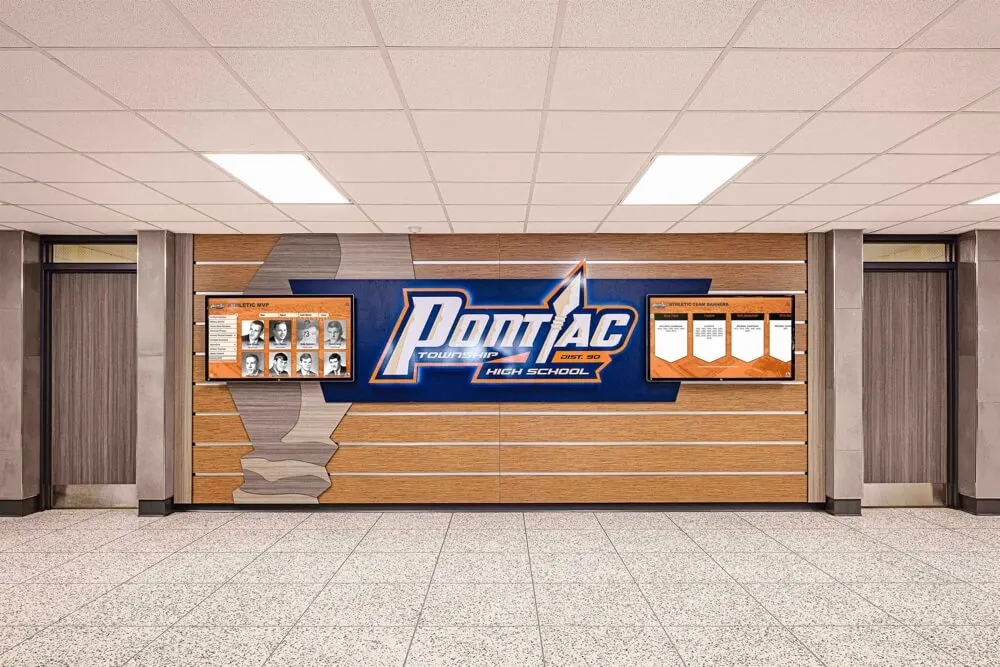
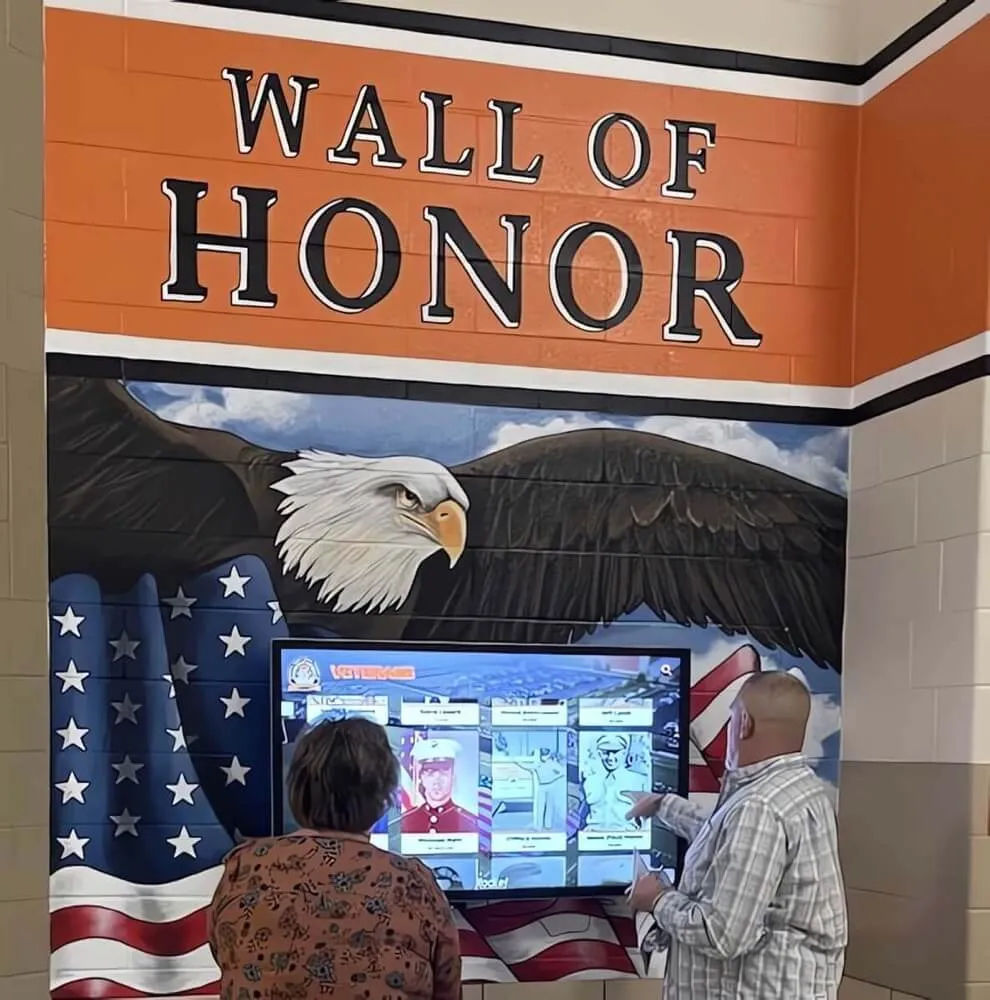
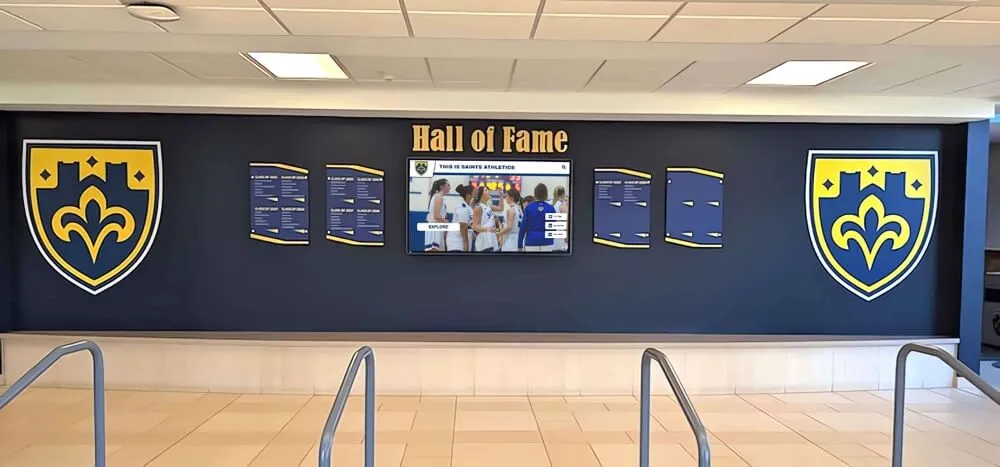
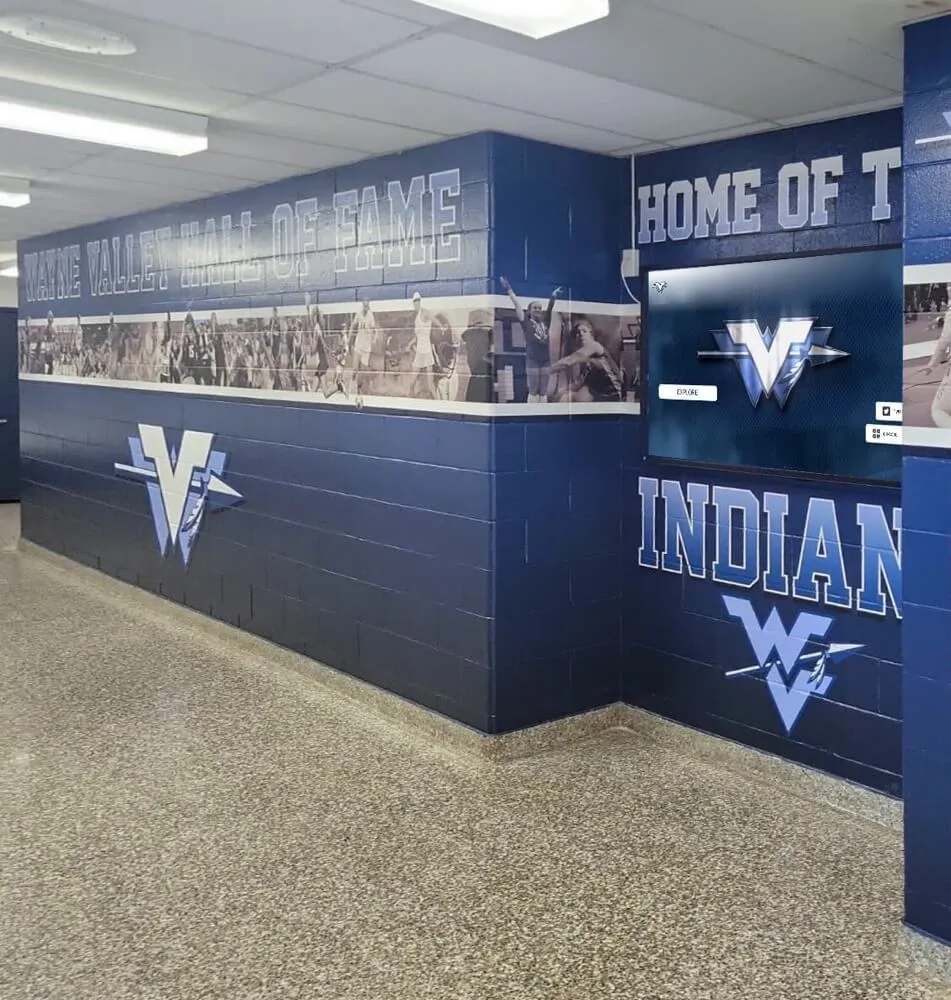
A permanent wall of honor in a high-traffic hallway keeps awards ceremony recipients visible throughout the year—not just on the night they were recognized
The searchability of a digital hall of fame also changes how the recognition functions. A family can search for a graduate’s name twenty years after the awards ceremony and find their recognition intact. Alumni who return for reunions can locate former classmates’ honors. That longevity of academic honors and how schools preserve them is what separates a display program from a one-night event.
6. Donor and Sponsor Recognition Wall
For awards funded by named donors—endowed scholarships, memorial awards, community sponsor prizes—a dedicated donor recognition wall serves dual purposes: it honors the recipients and acknowledges the contributors who made the award possible. Schools running annual fundraising campaigns often tie donor recognition directly into the awards ceremony program, with plaques or digital panels updated each year.
This format connects well to capital campaign recognition walls, where cumulative donor levels are displayed alongside named award funds. Hall of fame tools built for donor recognition handle both the recipient and contributor layers in a single platform.
How to Build the Pipeline from Ceremony to Display
A permanent display doesn’t build itself. The ceremony generates the content; someone has to move it from the program booklet into a display system. These five steps make that process repeatable.
Step 1: Assign a recognition coordinator. This is one person—ideally the same person each year—who owns the post-ceremony update workflow. The coordinator is not responsible for nominating or selecting recipients; they are responsible for making sure the content gets documented and displayed within thirty days of the event.
Step 2: Standardize the recipient data format. Every award entry in your display should have the same fields: full name, award title, year, and a photo. Standardizing this before the ceremony means the coordinator isn’t chasing down missing information afterward.
Step 3: Select display formats by award tier. Map each award category to the appropriate display format during the planning phase, not after. Marquee awards go to the honor wall or digital hall of fame. Performance records go to the record board. Departmental honors go to the departmental board. This prevents the accumulation problem that makes most trophy cases unreadable.
Step 4: Set a content update cadence. Annual awards ceremonies map cleanly to annual display updates. If your school runs multiple ceremonies (fall athletic banquet, spring academic assembly, graduation honors), schedule display updates within thirty days of each event. Academic All-American recognition programs demonstrate how programs that update consistently build archives that become reference points for future cohorts.
Step 5: Communicate the display location to recipients and families. When students and families know that the award will be permanently visible in a specific location—or searchable in a digital system—it reinforces the value of the recognition. A brief note in the ceremony program (“Award recipients will be added to the school’s digital recognition wall at [location] within 30 days”) sets the expectation and completes the recognition loop.
When Physical Displays Reach Their Limit
Physical recognition formats work well until they don’t. The signs that a school’s display infrastructure has hit its limit are consistent across programs:
The trophy case is full. When trophies start sitting in storage because there’s no display space, the recognition has effectively stopped. Schools that fill a trophy case within ten years of opening are growing programs that need a different solution.
The honor wall runs out of panels. A static wall can’t grow. When every panel is filled, the recognition is closed—which means the school has to choose between stopping new inductions and removing older honorees. Neither option is acceptable.
Records can’t be updated without significant cost. Physical record boards require engraving or replacement panels when records change. Programs that avoid updating their record boards because of cost stop using the board as a motivational tool—which defeats the purpose entirely.
Alumni can’t access their recognition remotely. A physical wall serves people who are physically present. When alumni who graduated decades ago want to share their recognition with family members or revisit it personally, physical-only displays can’t meet that need.
Multiple ceremonies feed different, disconnected displays. Athletic awards go to the trophy case, academic awards go to an honor roll binder, leadership awards go to a bulletin board in the main office. The result is fragmented recognition that no single visitor can navigate. Digital record boards and digital hall of fame platforms unify all recognition categories in a single, searchable interface.
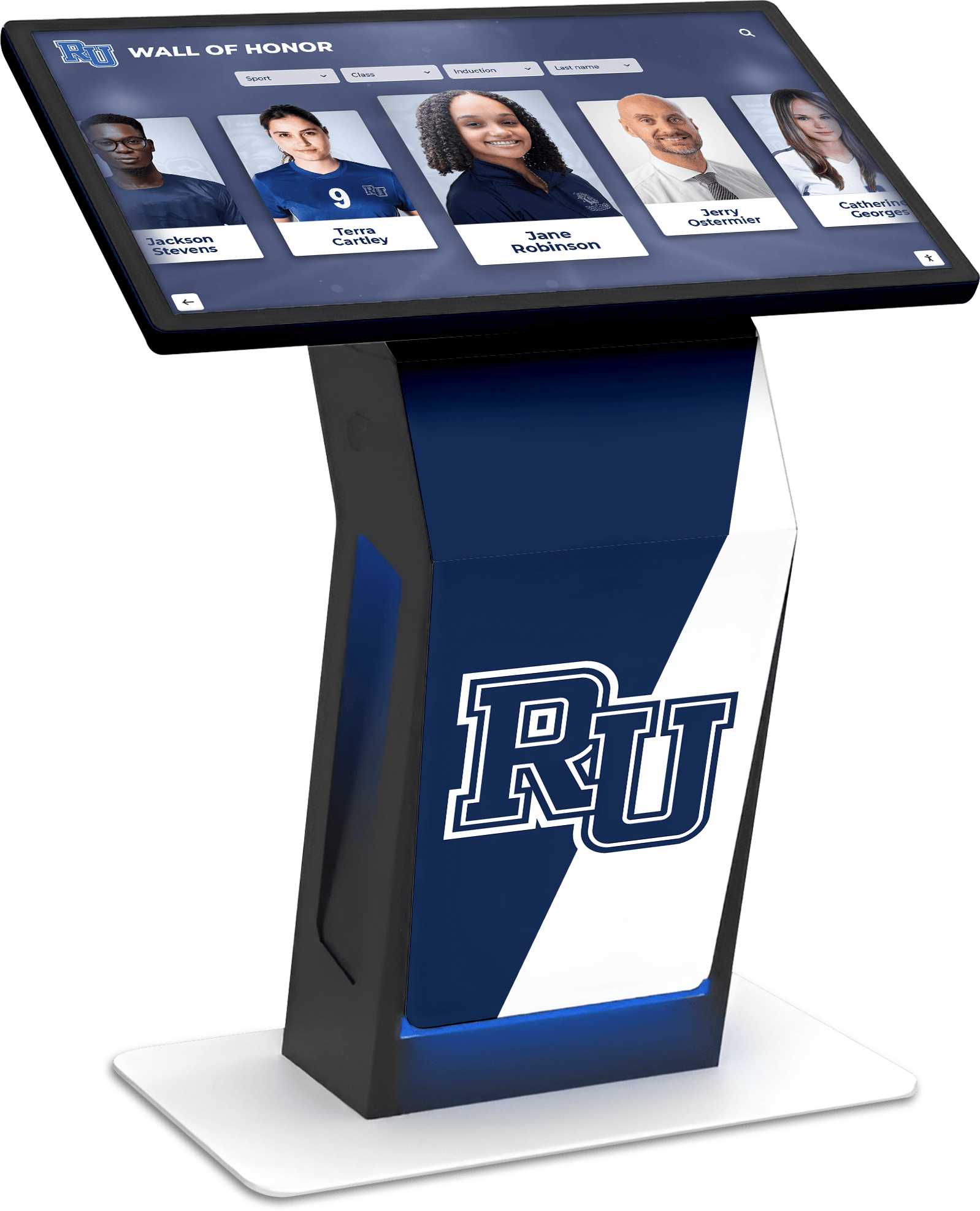
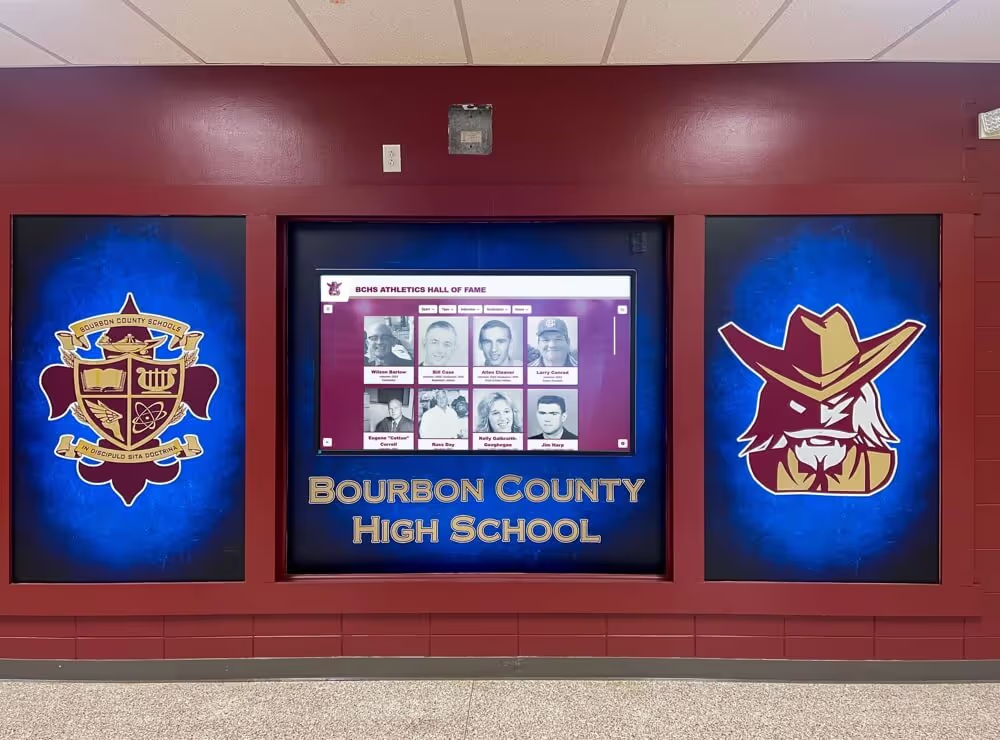
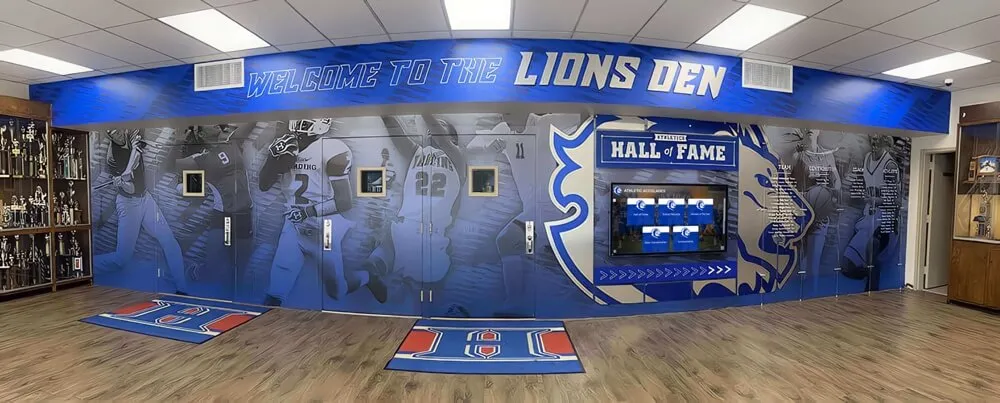
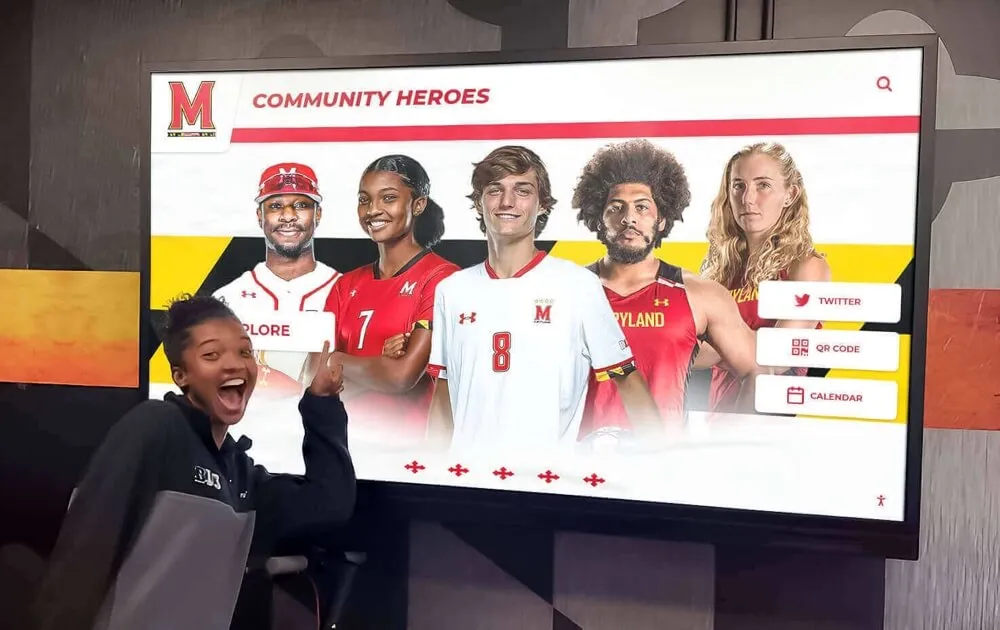
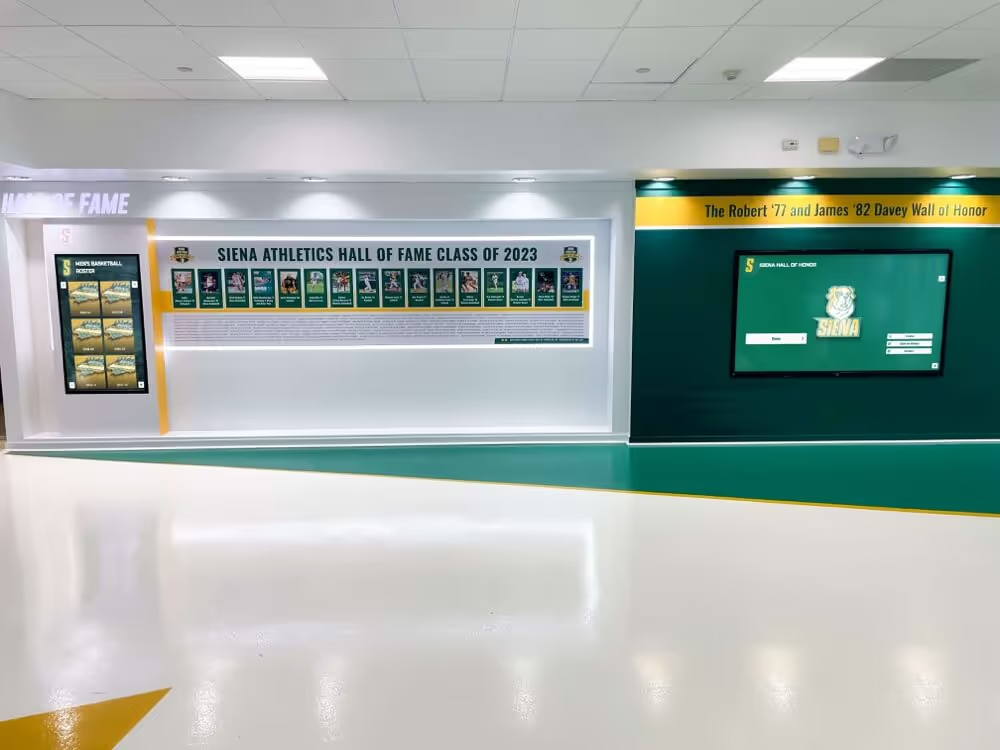
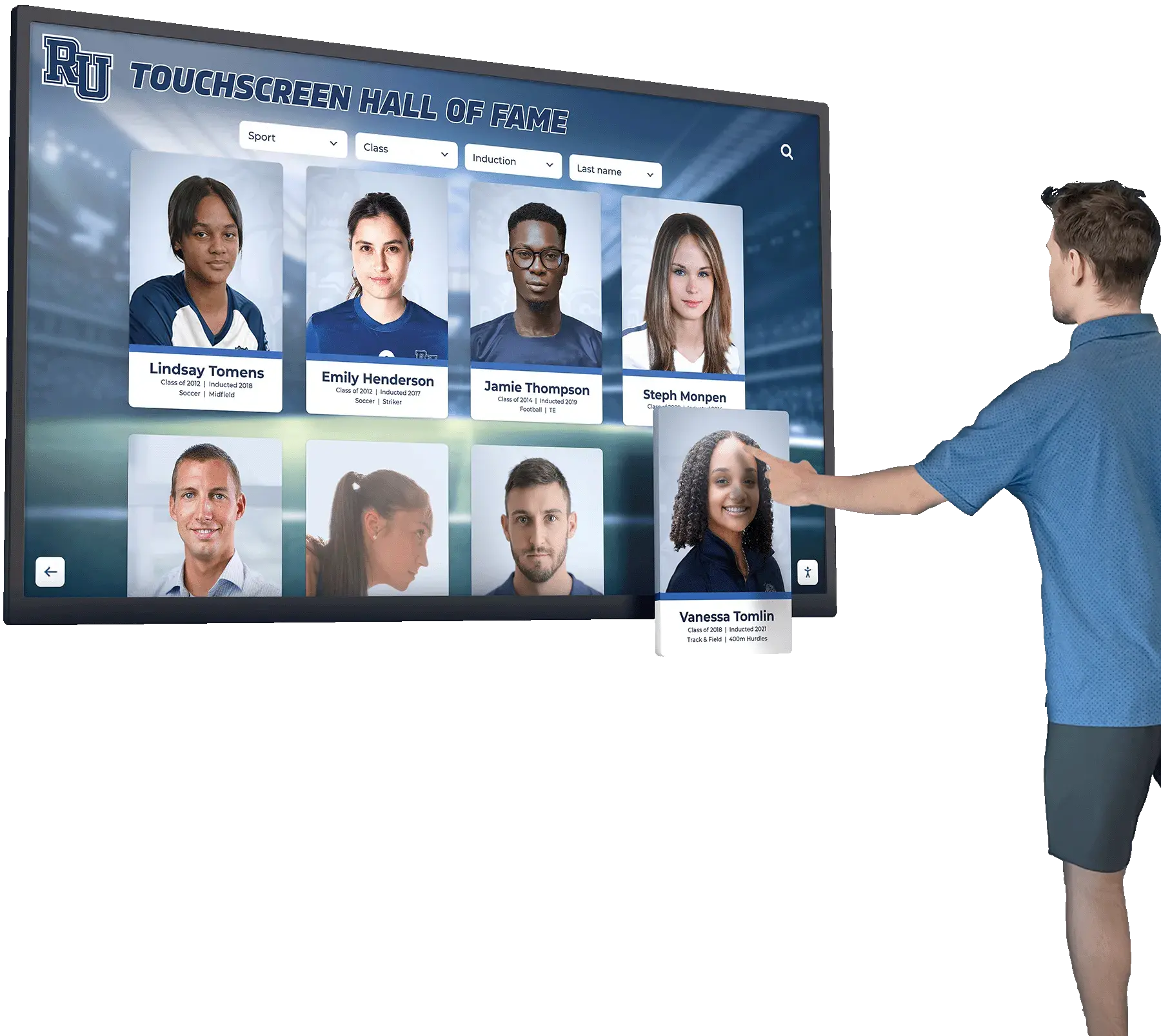
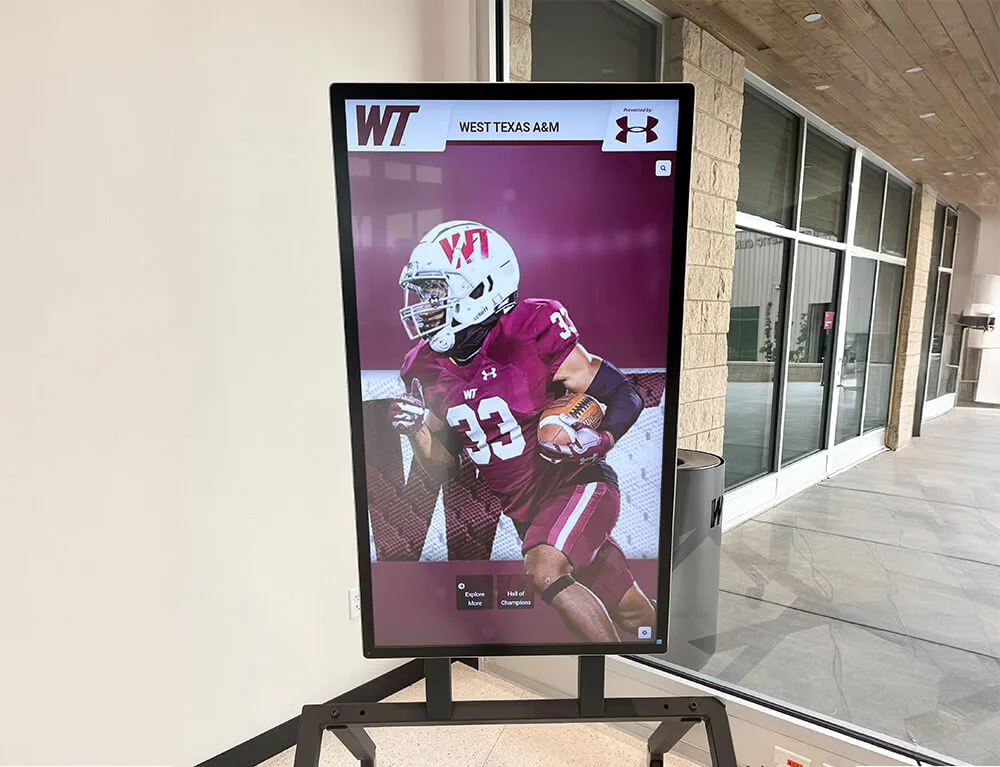
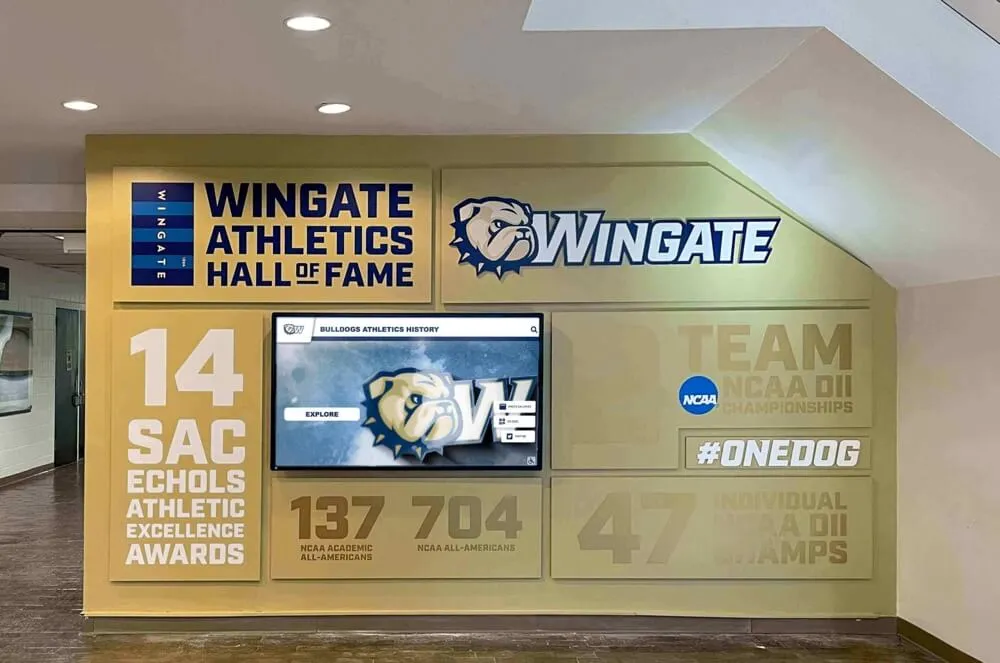
A touchscreen recognition wall handles unlimited recipients across all award categories—academic, athletic, leadership, community service—without the space constraints of physical display formats
Planning a Recognition Display That Scales With Your Program
The most effective recognition displays are designed for the program’s future, not just its current size. A school that inducts five academic award recipients per year will accumulate 150 names in thirty years—and the display system needs to handle that volume while keeping older honorees accessible and visible.
Scalable display systems share three characteristics:
Unlimited capacity. Digital platforms remove the space constraint that makes physical displays obsolete over time. Every recipient from every ceremony can be preserved and searchable, regardless of how many years the program runs.
Searchable and browsable. Recognition that can’t be found isn’t serving its purpose. A display where a student can search for their own name, or where a parent can browse the full list of award recipients from a specific year, provides genuine access rather than symbolic presence.
Updatable without design work. Adding a new cohort of award recipients should take minutes, not days. When the update process requires a graphic designer, a printer, or a contractor, it creates a bottleneck that eventually causes programs to skip updates—or stop updating entirely.
See How Schools Are Making Awards Ceremony Recognition Permanent
Rocket Alumni Solutions builds digital recognition walls, touchscreen halls of fame, and interactive display systems designed for school recognition programs. See how your award recipients can be recognized permanently—searchable by name, award, and year—in a display that scales alongside your program.
Schedule a DemoFrequently Asked Questions
How long after an awards ceremony should we update the recognition display?
Thirty days is the practical standard. Recognition documented and displayed within a month while the ceremony’s details are still fresh prevents the backlog that causes many school display programs to stall. Waiting longer increases the risk that photos go missing, name spellings are unverified, or the update gets deprioritized as the next academic cycle begins.
What information do we need to collect for each award recipient?
At minimum: full name (correctly spelled), award title, and the academic year. A photo taken at or near the ceremony strengthens the display significantly. For digital platforms, additional fields like sport or subject, graduation year, and a brief achievement note allow for richer profiles without adding much documentation burden.
Can a school awards ceremony feed both physical and digital displays?
Yes, and this is the most common approach for programs with strong legacy physical installations. Physical formats—trophy cases, honor walls, record boards—carry the permanent, visible presence in high-traffic spaces. Digital platforms carry the depth: searchable archives, remote access for alumni, full inductee profiles, and the capacity to grow indefinitely. The two formats complement rather than replace each other.
How do we handle awards from past ceremonies that were never formally documented?
Start with what you have. Yearbooks, old ceremony programs, staff memories, and alumni outreach can recover significant historical records. Archival recovery for school recognition programs often surfaces decades of previously undocumented achievement—and adding that history to a digital platform retroactively completes the institutional record in a way that honors both past and present recipients.
What display format works best for a small school with limited budget?
A single well-maintained honor wall with annual name panels is the most cost-effective starting point. The critical factor is assigning ownership and committing to a consistent update cadence—a simple display that gets updated reliably outperforms an elaborate one that goes stale. When the program outgrows the wall format, a digital platform becomes the logical next step.
Should donor-named awards be displayed differently than standard awards?
When an award carries a donor’s name—an endowed scholarship, a memorial award, a community sponsor prize—acknowledging both the recipient and the naming donor in the display is appropriate. Many digital recognition platforms support layered entries that show the award’s history, the donor or endowment behind it, and the complete list of recipients by year. This reinforces the donor relationship while honoring every student who has received the award.
Conclusion: The Ceremony Creates the Record, the Display Preserves It
A school awards ceremony is one evening. The students who receive recognition deserve to have that recognition survive the night—visible in the hallways they walk, searchable by the families and alumni who weren’t there, and accessible to future students who will be motivated by the names they find on the wall.
The path from ceremony to permanent display is a process, not a purchase. Assign ownership, standardize the documentation, match each award category to the right display format, and commit to updating within thirty days. Schools that build this process into their recognition culture stop losing the record when the auditorium lights go down—and start building the kind of institutional history that turns a single night of recognition into a permanent part of the school’s identity.
Ready to explore how a digital recognition platform can carry your awards ceremony content into a permanent, searchable display? See how schools are building recognition archives that connect every ceremony to a living record—and book a demo to see how it works for your program.
Make Your Next Awards Assembly the Start of Something Permanent
Rocket Alumni Solutions builds touchscreen halls of fame and digital recognition displays that preserve every award recipient—academic, athletic, leadership, and community—in a platform that families, students, and alumni can explore year-round.
Schedule a Demo