Intent: demonstrate — Scholarship award ceremonies represent pivotal moments in students’ educational journeys—formal celebrations recognizing academic excellence, financial support enabling educational dreams, and community investment in future generations. Yet many schools and foundations struggle to create ceremonies that move beyond perfunctory name readings and check presentations. Recipients deserve recognition experiences that honor their achievements meaningfully, donors seek engagement demonstrating scholarship impact, families want ceremonies celebrating accomplishments memorably, and institutions need events building community connections that inspire ongoing support.
Planning effective scholarship award ceremonies requires balancing multiple stakeholder needs while creating experiences that feel personal rather than transactional. The difference between forgettable ceremonies and transformative celebrations lies in thoughtful planning addressing ceremony purpose, attendee experience, recognition depth, and long-term community engagement extending beyond single-event attendance.
This comprehensive guide explores how schools and foundations plan scholarship award ceremonies that create warm, personalized experiences honoring recipients while strengthening donor relationships, building institutional pride, and establishing recognition traditions that inspire future students and sustained philanthropic support.
The digital warming effect becomes especially powerful in scholarship recognition contexts—when institutions surface personalized content celebrating individual recipient achievements, connect scholarship awards to donor stories, and preserve recognition permanently through ongoing visibility, scholarship ceremonies transform from isolated annual events into continuous community engagement touchpoints that warm up relationships between students, donors, families, and institutions.

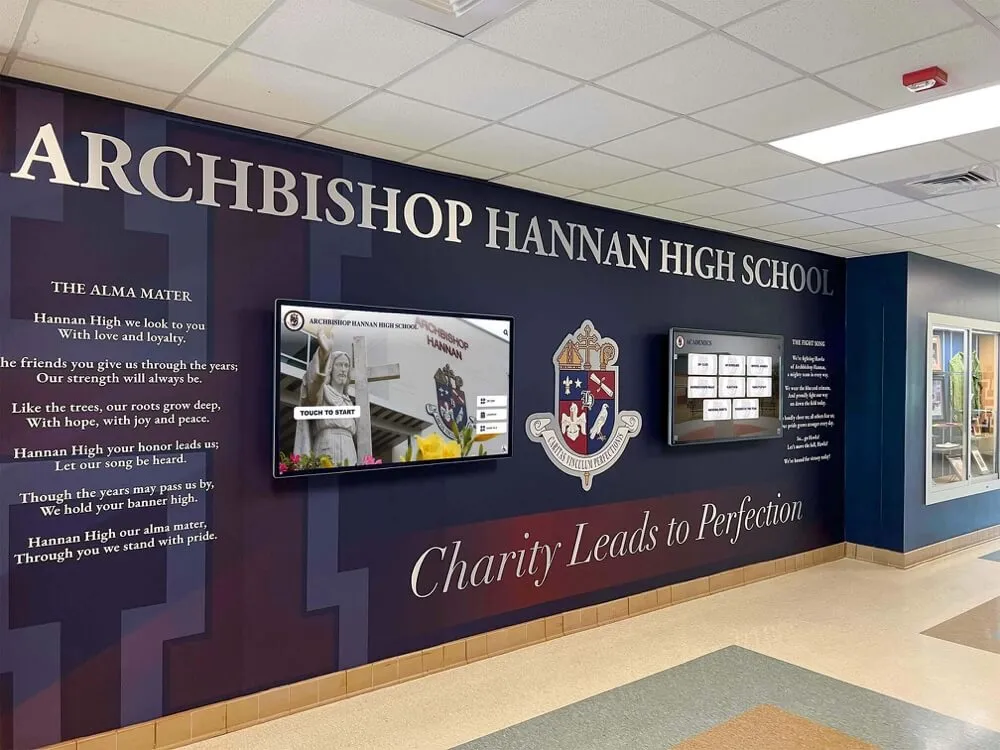
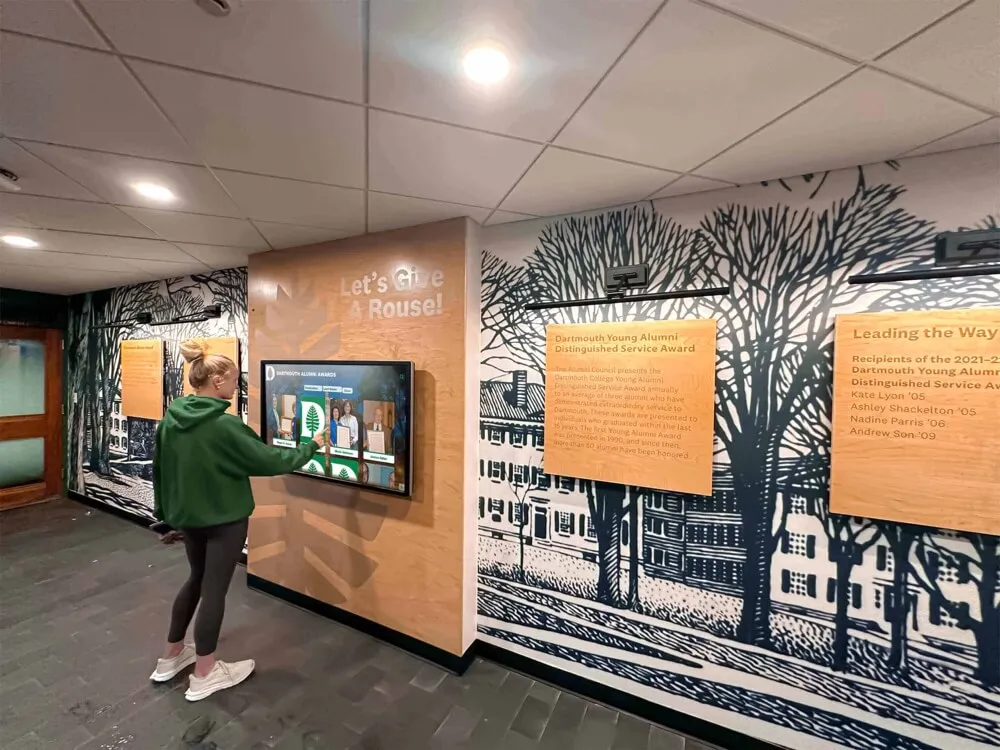
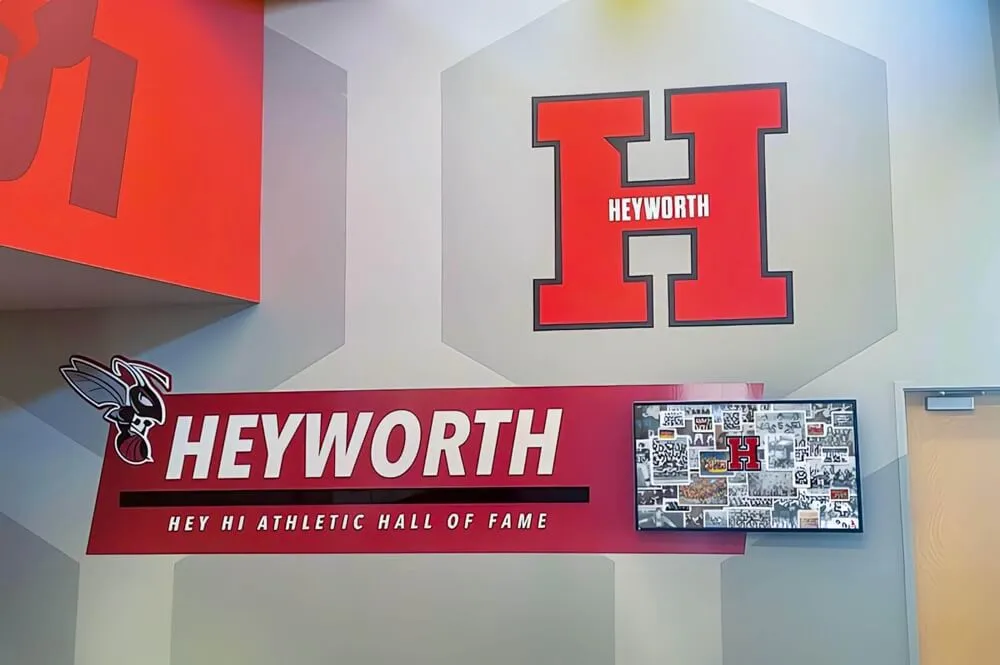
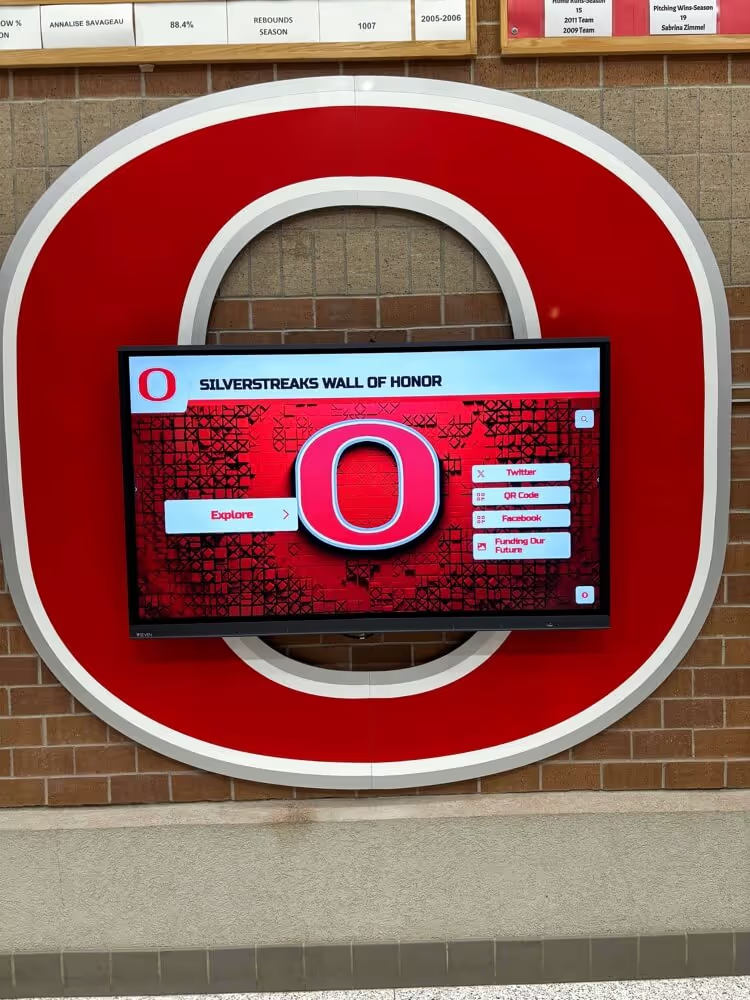
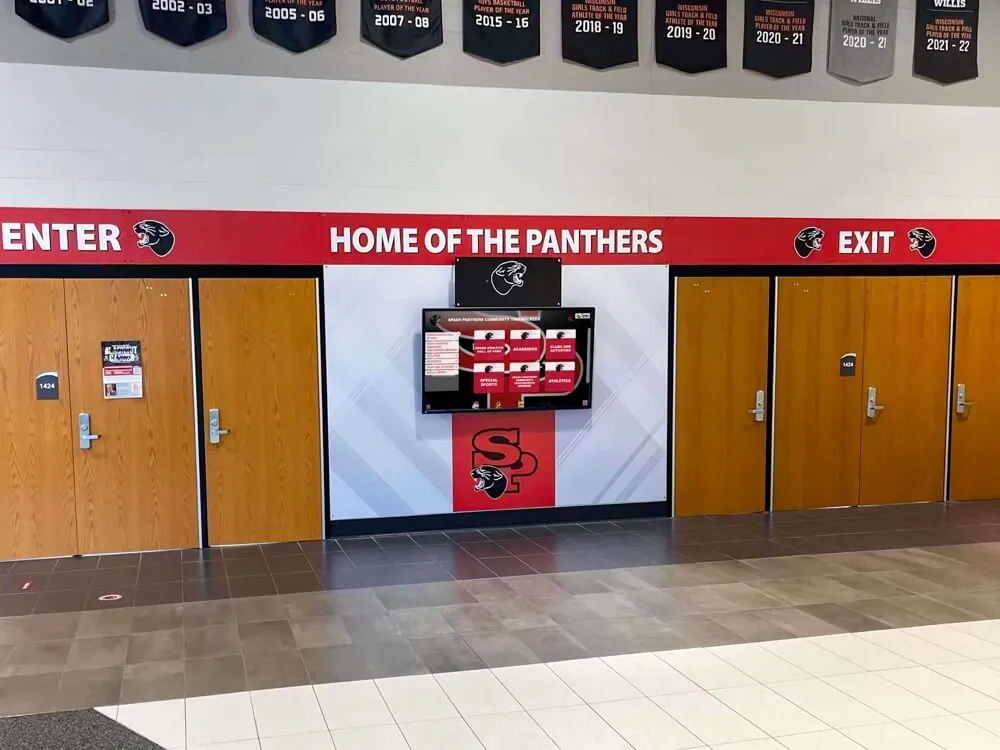
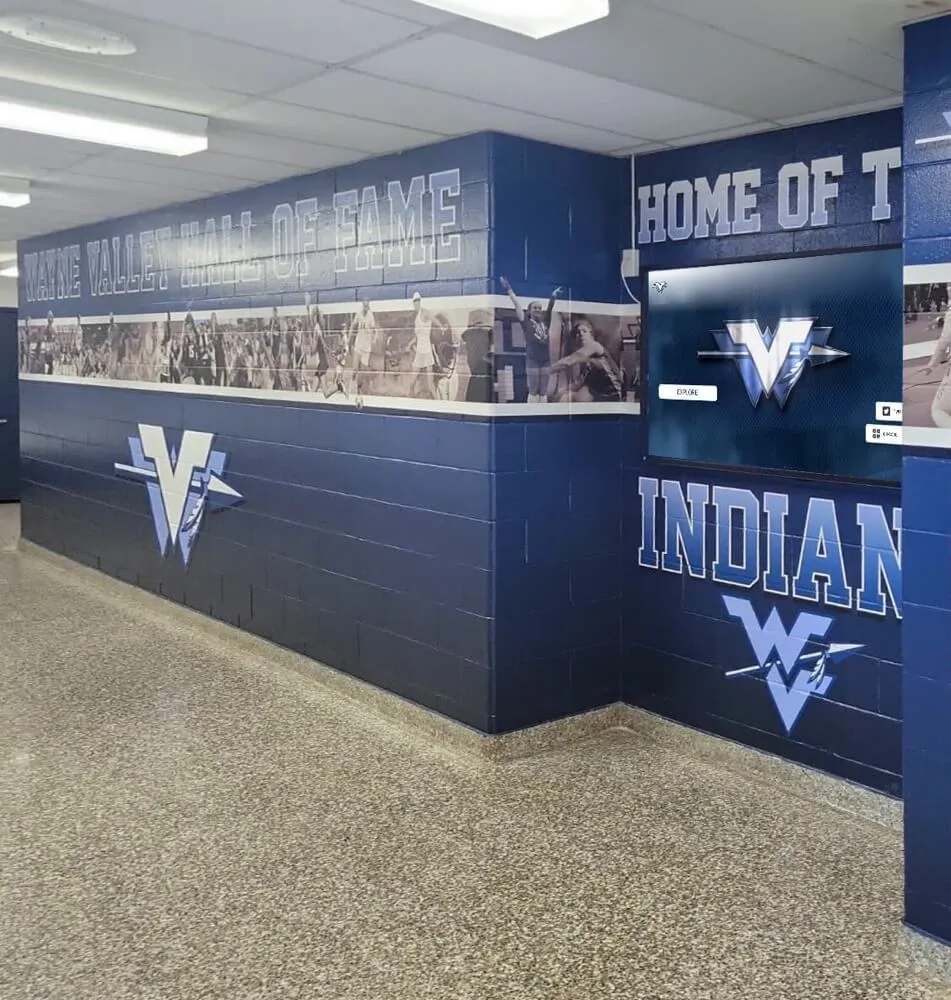
Creating welcoming recognition spaces sets the tone for meaningful scholarship ceremonies that celebrate achievement
Understanding Scholarship Award Ceremony Purpose and Stakeholders
Effective ceremony planning begins with clarity about who attends, what they expect, and how the event serves multiple institutional objectives simultaneously.
Primary Stakeholder Groups and Their Needs
Scholarship ceremonies serve diverse attendees with varying interests and emotional investments:
Scholarship Recipients Students receiving awards seek meaningful recognition validating their academic achievements, hard work, and potential. Recipients want ceremonies that feel personal rather than generic, that acknowledge their specific accomplishments beyond GPAs alone, and that create memorable moments they’ll treasure as they advance through educational journeys. Many recipients experience scholarship ceremonies as first formal recognition of academic excellence—formative experiences shaping how they view their capabilities and institutional support.
Families and Supporters Parents, grandparents, siblings, and mentors attend to celebrate students they’ve supported throughout academic careers. Families seek ceremonies that allow them to participate in students’ success stories, that provide opportunities for pride-filled photographs and lasting memories, and that demonstrate institutions value their students as individuals worthy of public celebration.
Scholarship Donors and Foundation Representatives Whether individual donors, family foundations, corporate sponsors, or organizational funders, scholarship supporters attend to witness impact of their philanthropic investments. Donors want to meet recipients personally, understand how scholarships enable educational opportunities, and experience emotional connections to students they’re supporting. Meaningful donor-recipient interactions during ceremonies often inspire increased or continued giving.
School and Foundation Leadership Administrators, development officers, and foundation staff view ceremonies as stewardship opportunities demonstrating effective scholarship program management while building relationships that sustain future funding. Leadership seeks ceremonies that inspire donors, celebrate institutional values, showcase student quality, and create positive associations encouraging ongoing philanthropic engagement.
Faculty and Staff Teachers, counselors, and staff members who guided students toward scholarship achievement attend to celebrate their mentoring impact. Educator participation demonstrates institutional unity in supporting student success while providing students with familiar, supportive faces during potentially nerve-wracking public recognition.
Future Scholarship Candidates Younger students attending ceremonies observe what accomplishments receive recognition, meet role models demonstrating achievable excellence, and develop aspirations toward scholarship qualification themselves. Ceremony attendance creates early engagement with academic achievement culture while building scholarship program awareness.
Defining Ceremony Objectives Beyond Award Distribution
Thoughtful ceremony planning identifies multiple institutional objectives ceremonies should advance:
Stewardship and Donor Relationship Cultivation Ceremonies provide face-to-face engagement with donors that written reports cannot replicate. Personal interactions with recipients transform abstract scholarship concepts into tangible relationships while demonstrating donation impact far more powerfully than financial statements alone.
Student Recognition and Motivation Public celebration of scholarship recipients validates academic excellence while inspiring other students toward similar achievement. Recognition ceremonies communicate institutional values about what accomplishments merit celebration, creating cultural emphasis on academic excellence and community contribution.
Community Building and Institutional Pride Gathering students, families, donors, and staff creates shared celebration moments that strengthen community bonds. Successful ceremonies generate pride among all attendees—not just those receiving awards—building positive institutional culture that extends beyond ceremony attendance.
Marketing and Visibility Enhancement Well-executed ceremonies generate positive publicity demonstrating institutional commitment to supporting student success. Media coverage, social media sharing, and community discussion amplify scholarship program awareness while attracting potential donors and future students.
Tradition Establishment and Annual Anticipation Consistently excellent ceremonies become anticipated annual traditions that students aspire toward, donors prioritize attending, and communities celebrate as cultural touchstones. Tradition creates continuity connecting scholarship cohorts across years while building program prestige.
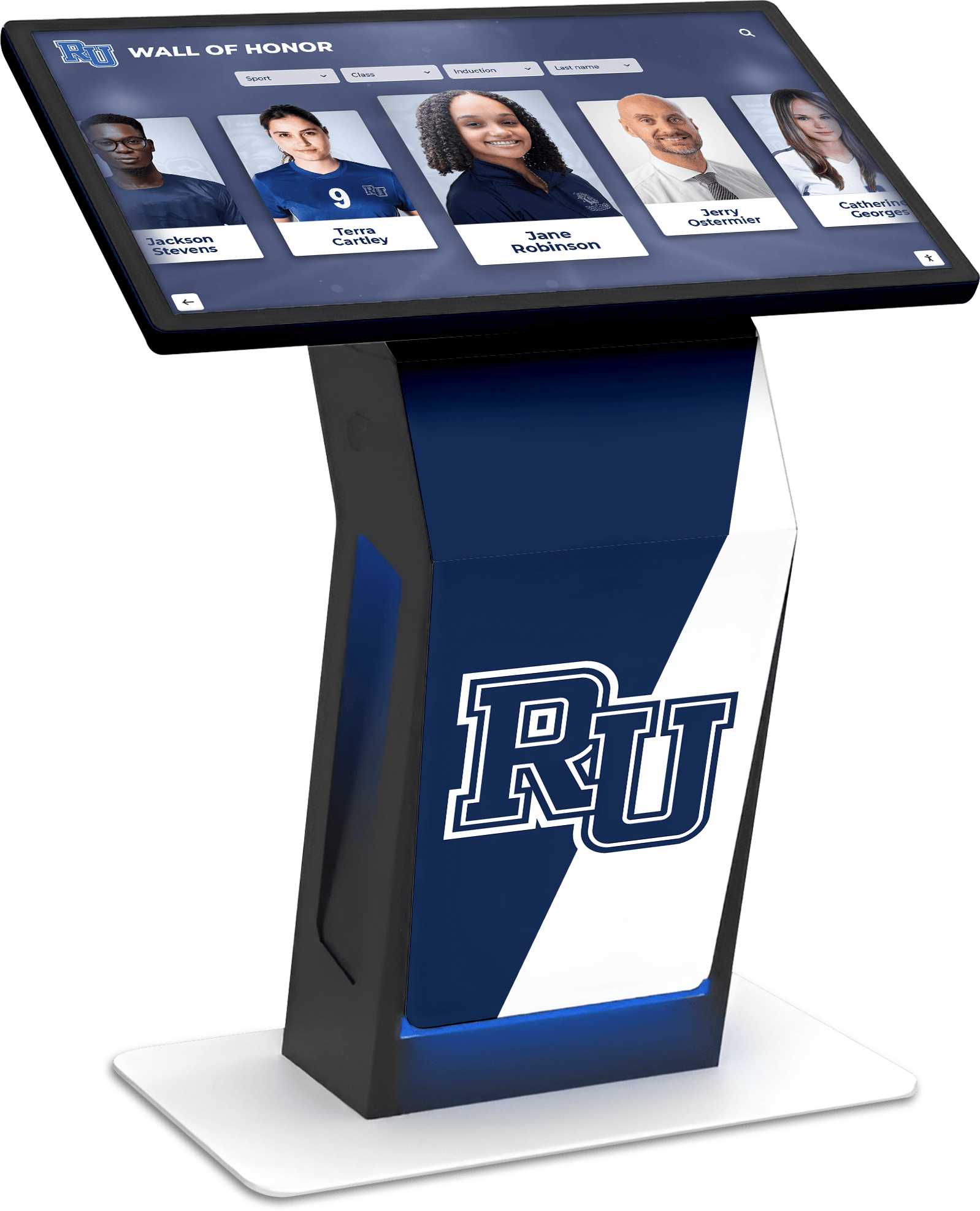
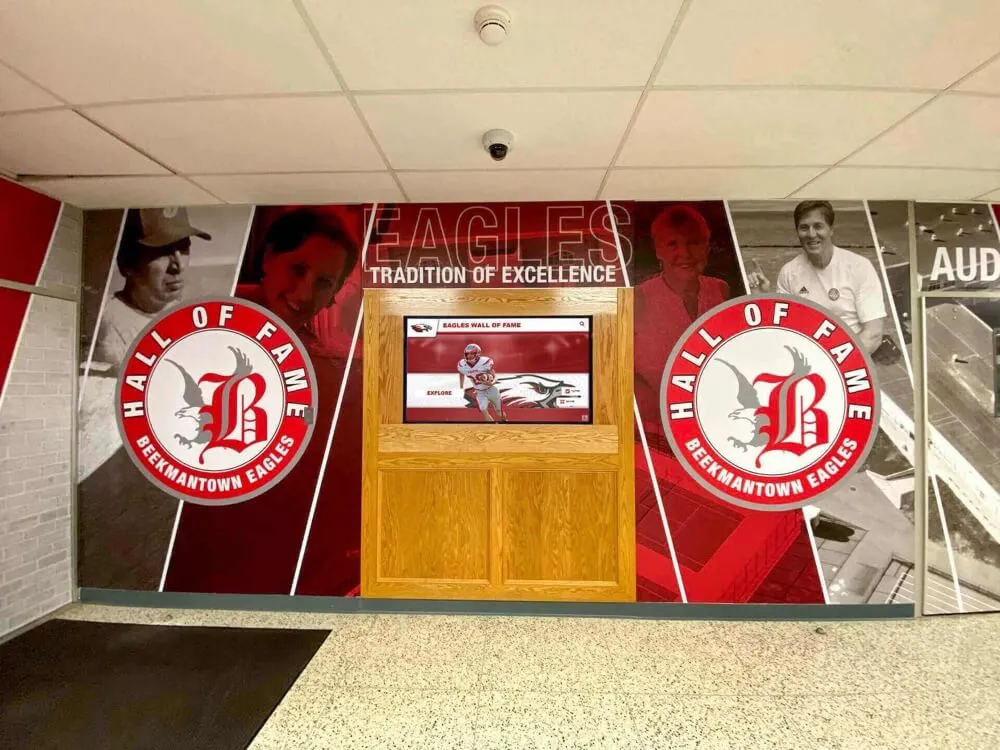
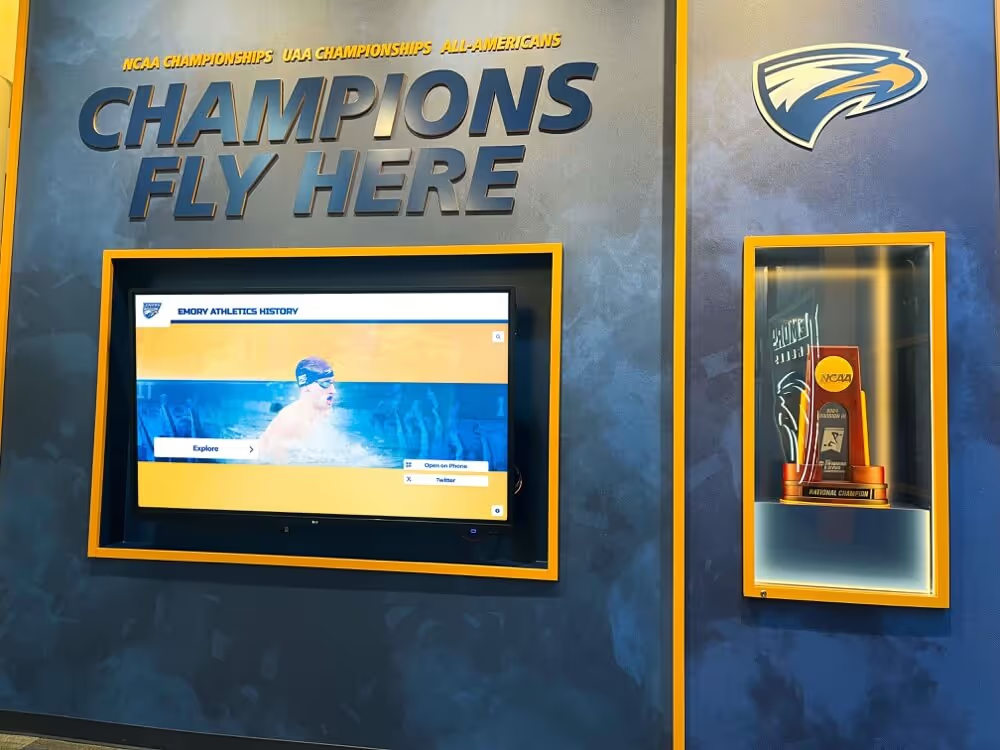
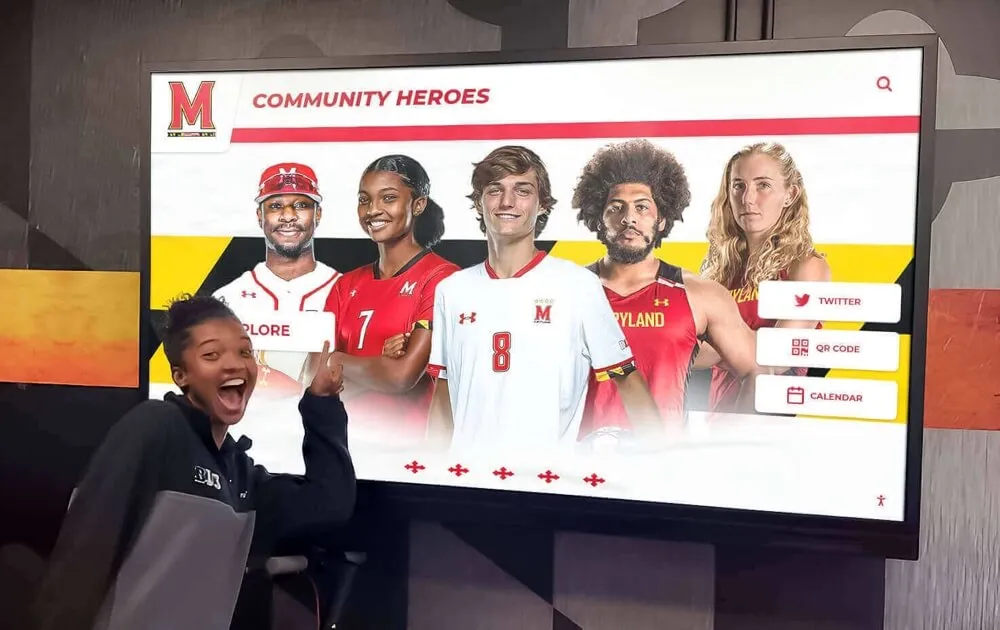
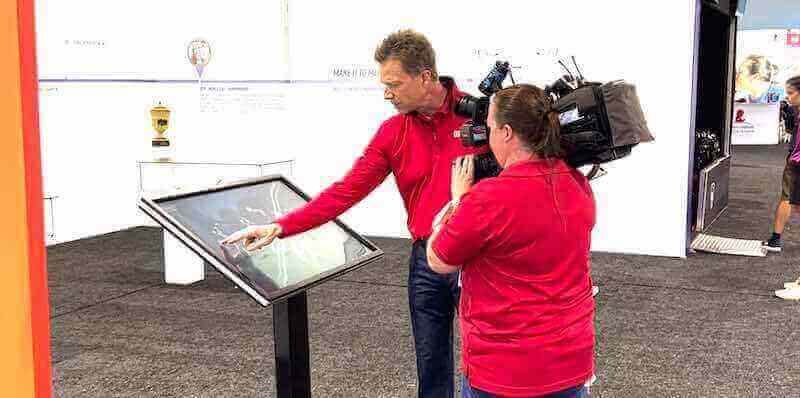
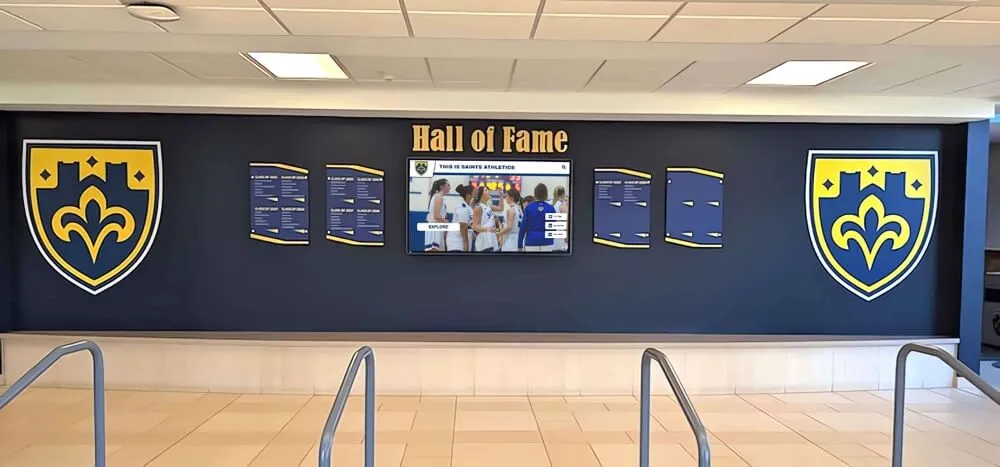
Modern recognition systems enable comprehensive scholarship recipient celebration extending beyond annual ceremonies
Pre-Ceremony Planning: Timeline and Logistics
Successful scholarship award ceremonies require months of advance planning coordinating numerous logistical details while maintaining focus on creating meaningful experiences.
Establishing Planning Timeline and Committee Structure
Early organization prevents last-minute complications that undermine ceremony quality:
Planning Committee Formation (4-6 Months Pre-Ceremony) Assemble representatives from development, student services, communications, facilities, and leadership ensuring all functional areas contribute planning perspectives. Include at least one previous scholarship recipient who can provide student perspective on meaningful recognition elements. Clearly designate a lead coordinator responsible for overall project management and stakeholder communication.
Ceremony Date Selection (4-5 Months Pre-Ceremony) Choose dates avoiding conflicts with major school events, standardized testing, religious holidays, and other community commitments that might reduce attendance. Consider whether spring ceremonies near graduation create poignant conclusion to academic years or whether fall ceremonies early in school years provide motivational momentum. Balance donor availability against recipient schedules and family convenience.
Budget Development and Approval (4 Months Pre-Ceremony) Calculate comprehensive costs including venue rental (if applicable), audio-visual equipment, programs and printing, refreshments, recognition certificates or plaques, flowers or decorations, photography services, and contingency funds for unexpected expenses. Clearly identify funding sources and secure necessary approvals early in planning processes.
Scholarship Selection Completion (3-4 Months Pre-Ceremony) Ensure all scholarship selections finalize well before ceremony planning intensifies. Late selection decisions compress planning timelines while preventing personalized recognition preparation. Communicate final recipient lists to all stakeholders simultaneously avoiding awkward information disparities.
Venue Selection and Confirmation (3 Months Pre-Ceremony) Choose ceremony locations balancing capacity against intimacy, accessibility requirements, parking availability, audio-visual capabilities, and budget constraints. School auditoriums, community theaters, hotel ballrooms, or campus chapels each create different ceremonial atmospheres—select settings matching desired tone and attendee comfort expectations.
Developing Comprehensive Invitation and Communication Strategies
Thoughtful communication ensures desired attendees participate while managing expectations appropriately:
Formal Recipient Notification Inform scholarship recipients through personalized letters or phone calls from foundation leadership or school principals rather than impersonal email blasts. Formal notification demonstrates respect for achievement while creating memorable announcement moments. Include ceremony details, attendance expectations, family guest allowances, and any recipient responsibilities like brief remarks or participation in receiving lines.
Donor Invitation and Engagement Personally invite scholarship donors emphasizing the meaningful opportunity to meet recipients they’re supporting. For named scholarships, highlight the special significance of donors meeting “their” scholars. Provide sufficient ceremony details enabling donors to plan attendance while offering preliminary recipient information creating anticipation. Consider inviting donors to optional pre-ceremony receptions enabling extended conversations before formal programs begin.
Family Communication Provide recipient families with comprehensive ceremony information including date, time, location, parking details, suggested arrival times, dress code guidance, photography policies, and reception information. Clearly communicate guest limits if space constraints require attendance management. Offer to accommodate special needs or accessibility requirements with advance notice.
Community and Media Relations Issue press releases to local media announcing ceremony details and highlighting notable scholarships or recipients with compelling stories. Invite education reporters to attend or cover ceremonies. Share information through school newsletters, websites, and social media platforms building community awareness and public celebration of scholarship achievements.
Coordinating Ceremony Program and Recognition Elements
Program development requires balancing formality with engagement while ensuring equitable recognition:
Program Flow and Timing Design ceremony programs lasting 60-90 minutes balancing substantive recognition against audience attention spans. Open with welcoming remarks establishing tone, include brief keynote speakers providing inspiration without overshadowing recipients, feature individual scholarship presentations as central program elements, and close with congratulations and reception invitations. Build in comfortable pacing avoiding rushed presentations or tedious delays.
Individual Recognition Approaches Determine how each recipient receives recognition—called individually to stage for certificate presentations and handshakes, featured in brief profile videos showing academic interests and future plans, or honored through personal introductions highlighting specific achievements. Balance recognition depth against total recipient numbers ensuring equitable attention while maintaining reasonable program length.
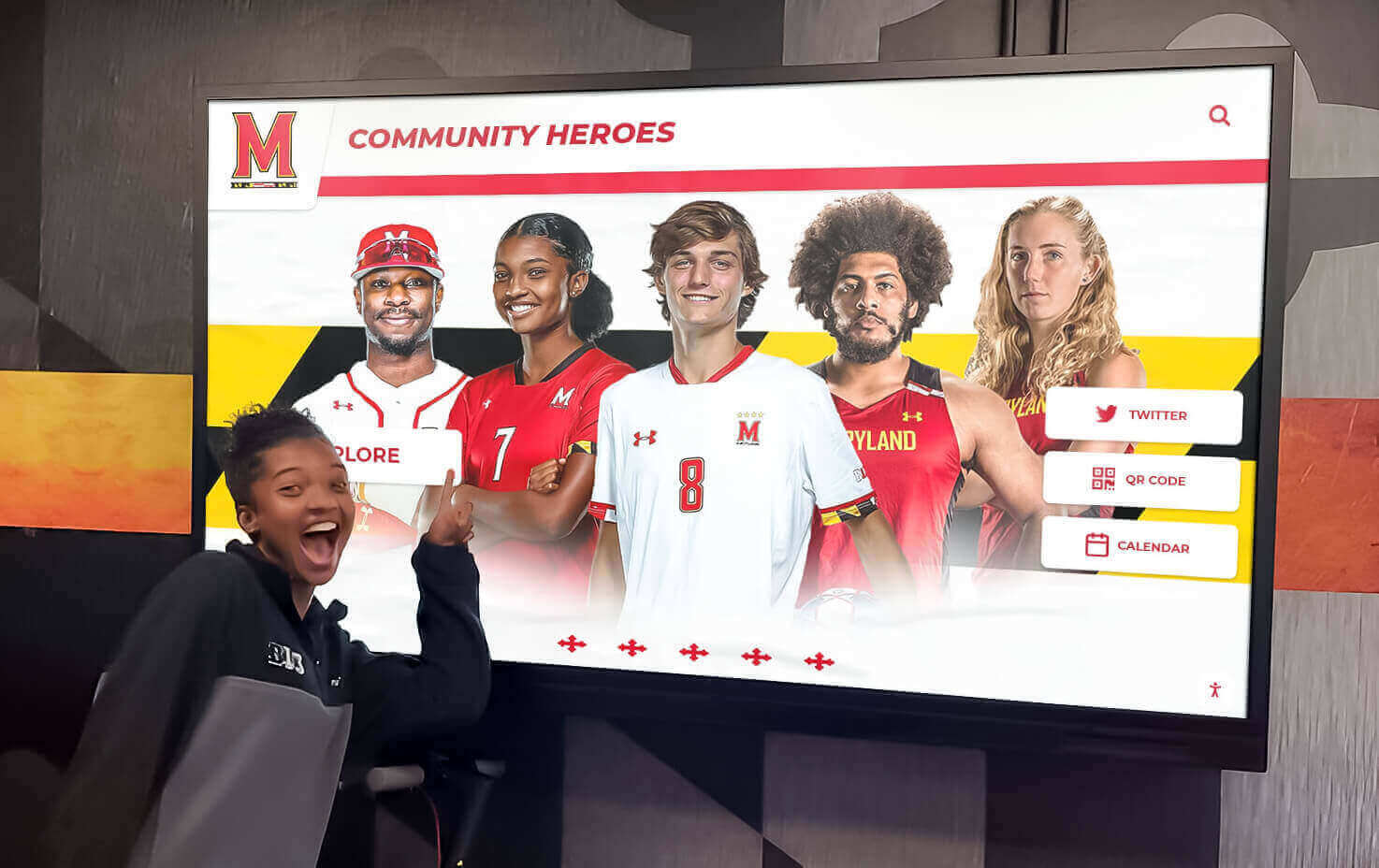
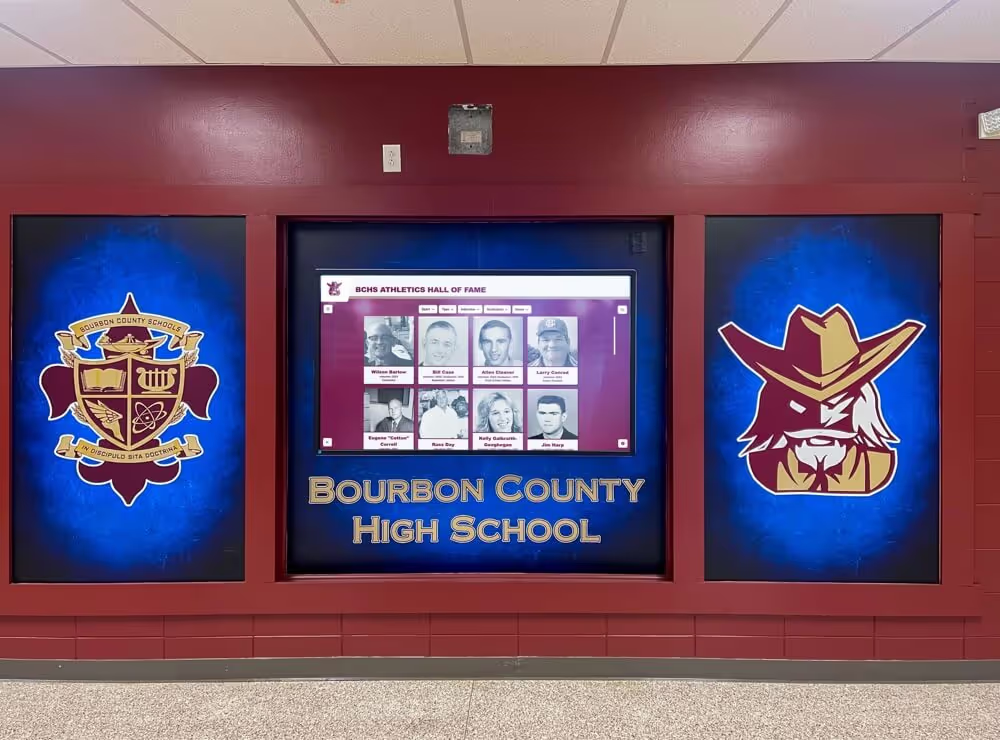
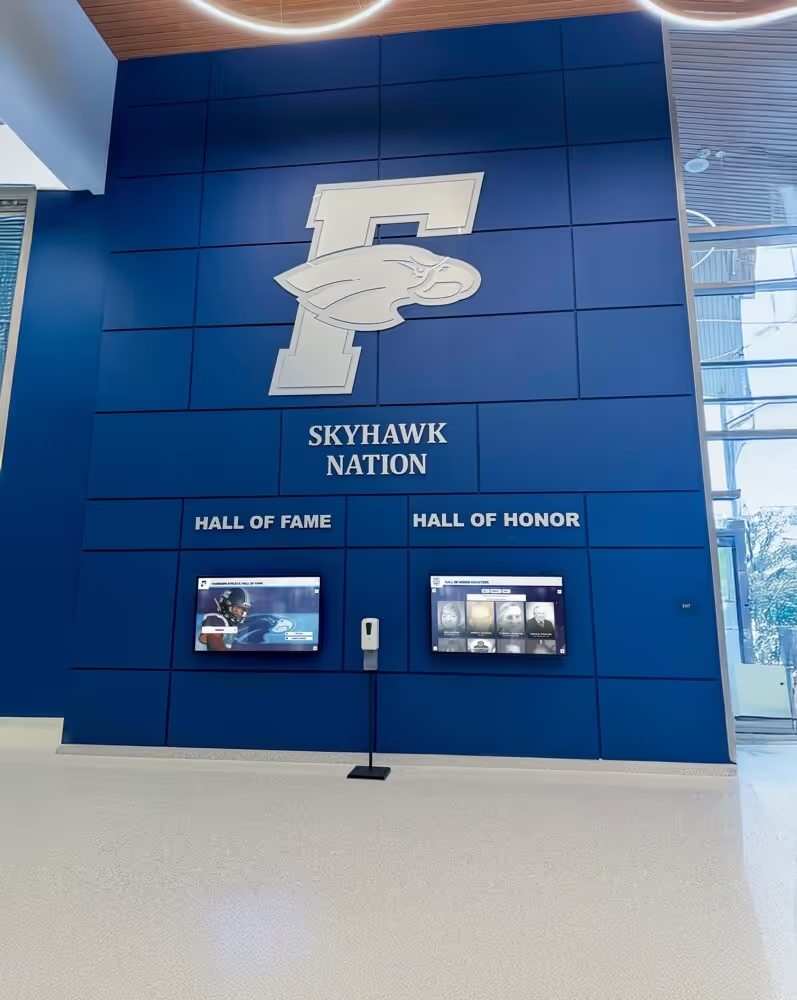
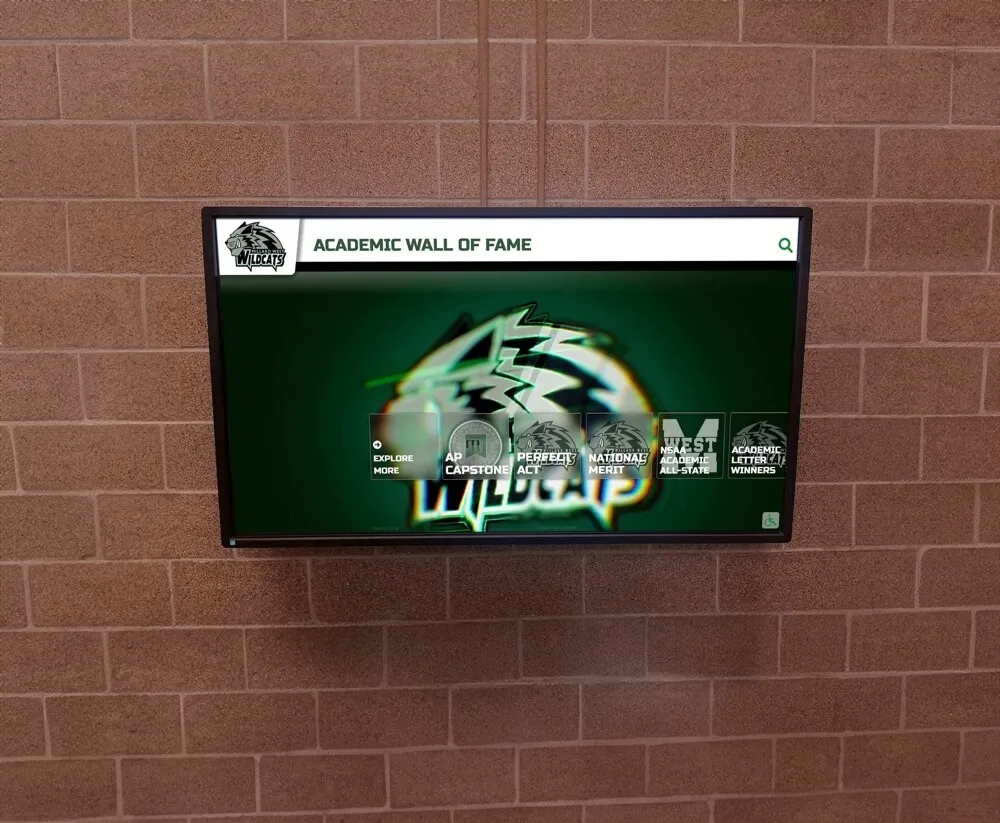
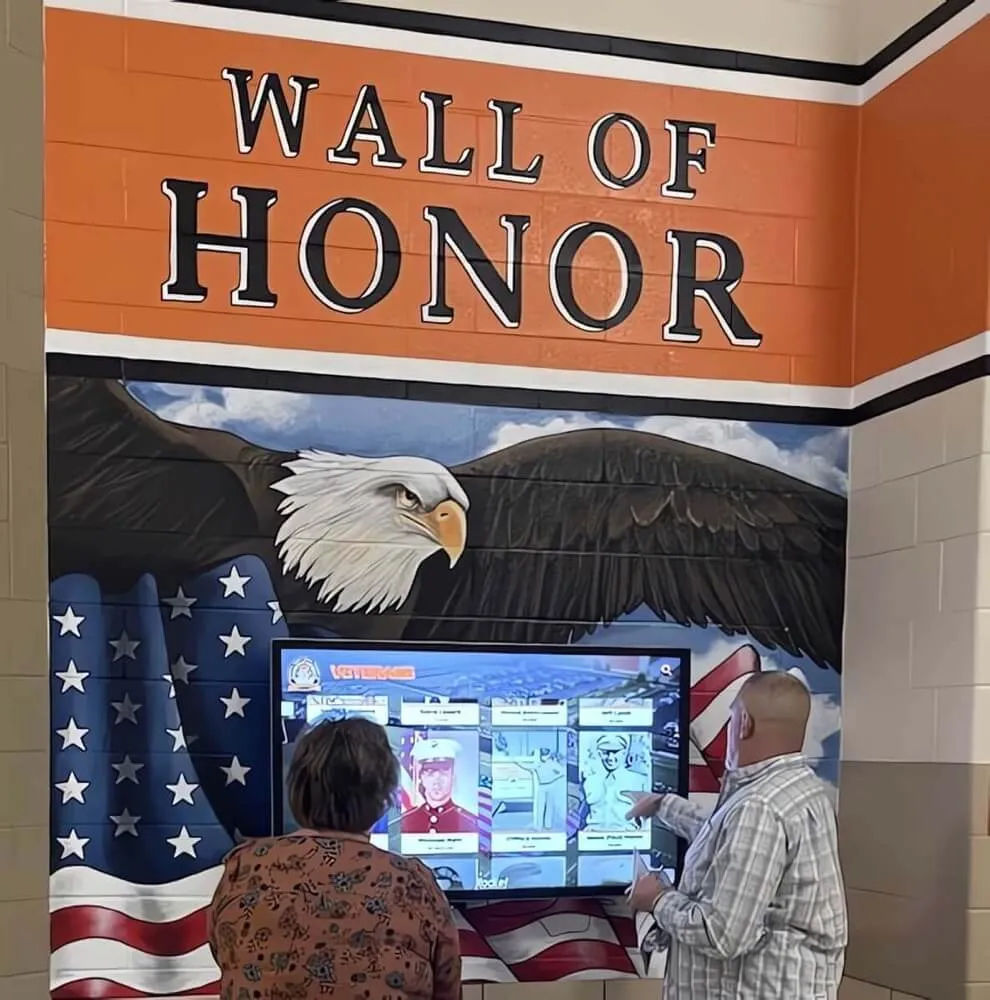
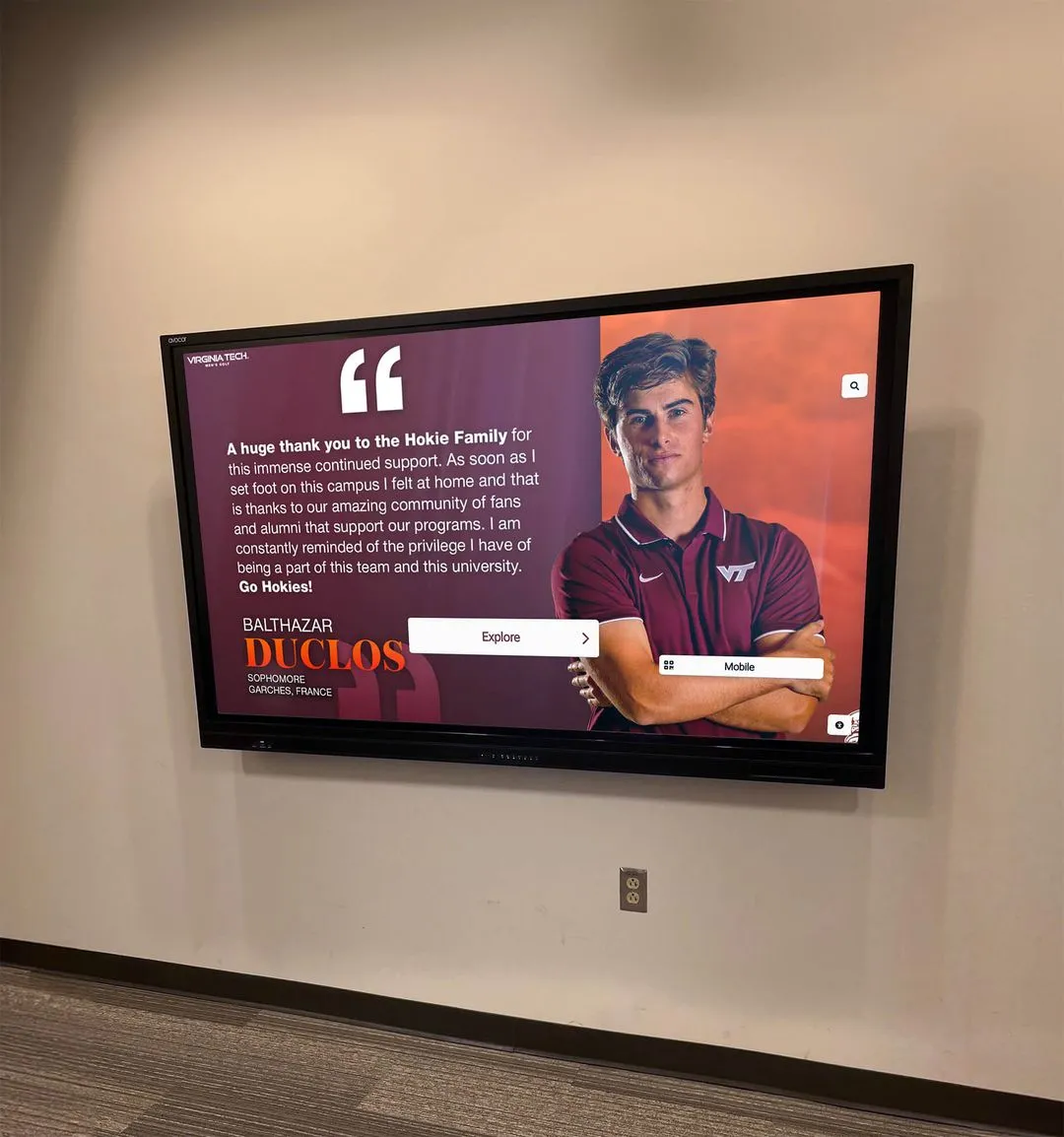
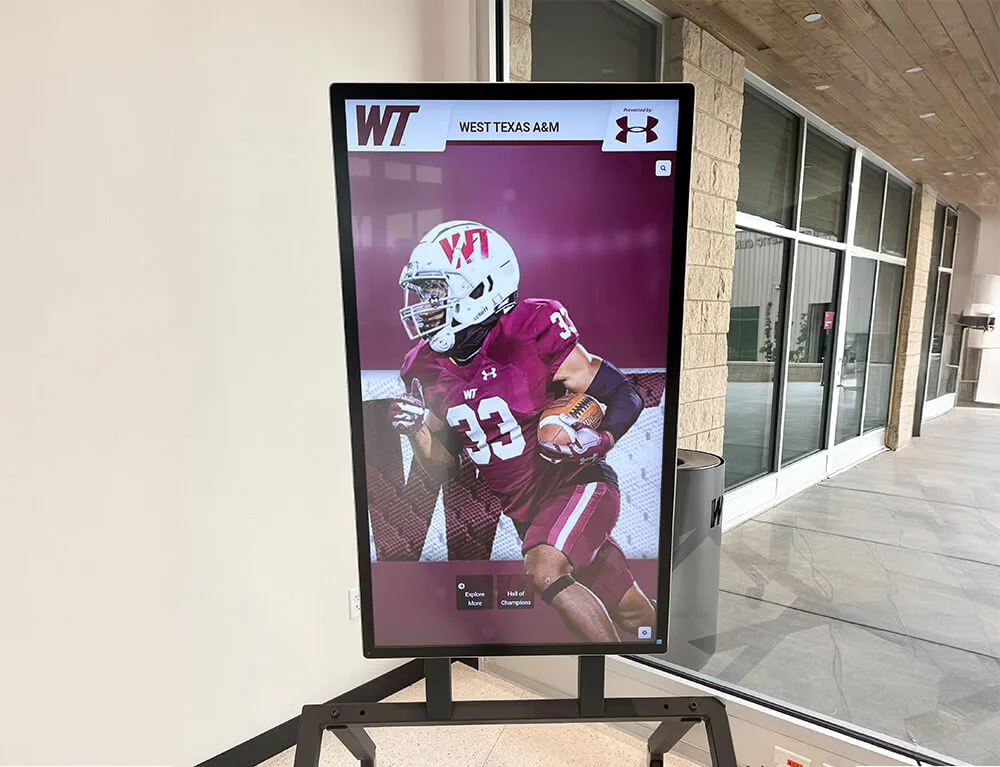
Digital displays enable ongoing scholarship recipient recognition extending celebration beyond single ceremonies
Donor Recognition Integration Incorporate donor recognition naturally within recipient presentations—announcing donor names when presenting named scholarships, including brief donor profile descriptions explaining philanthropic motivations, or featuring donors in presenting awards personally when they attend. Balance donor visibility against maintaining focus on student achievement avoiding ceremonies that feel more about donors than recipients.
Student Voice Inclusion Feature current or past scholarship recipients offering brief remarks about scholarship impact on their educational journeys. Student testimonials provide powerful donor engagement while offering recipients leadership visibility. Select speakers representing diverse scholarship types, academic interests, and backgrounds ensuring varied perspectives. Provide speaking guidelines and coaching supporting confident delivery.
Creating Meaningful Recognition Experiences During Ceremonies
The ceremony itself represents the culmination of months of planning—execution quality determines whether events become forgettable obligations or memorable celebrations.
Personalizing Recognition for Individual Recipients
Generic recognition feels transactional; personalization creates meaningful connection:
Individualized Achievement Descriptions Rather than simply reading names and scholarship titles, include brief personalized descriptions highlighting each recipient’s specific accomplishments, academic interests, extracurricular involvement, or future educational plans. These 30-60 second profiles transform name lists into individual success stories demonstrating institutional knowledge of and care for students as unique individuals.
Academic and Personal Context Share relevant context that makes achievements meaningful—noting when recipients overcame obstacles, pursued unusual academic passions, balanced demanding schedules, or demonstrated particular dedication to community service. Context transforms GPA numbers into human stories of determination, curiosity, and growth.
Connection to Scholarship Purpose or Donor Values When presenting named scholarships, explain connections between recipient qualities and scholarship criteria or donor values. “The Martinez Family Scholarship honors first-generation college students pursuing careers in education—this year’s recipient embodies those values through…” These connections demonstrate thoughtful selection while honoring donor intentions.
Visual Recognition Enhancement Display recipient photographs on screens during presentations helping attendees connect names with faces. Include brief text overlays showing scholarship names, recipient academic interests, and intended colleges or universities. Visual elements aid audience engagement particularly at larger ceremonies where distant attendees cannot see participants clearly.
Facilitating Donor-Recipient Connections
Personal interactions between donors and recipients create relationship foundations inspiring continued support:
Structured Introduction Opportunities For named scholarships where specific donors attend, facilitate personal introductions either during formal presentations or through organized post-ceremony receptions. Brief the recipient in advance about donor background enabling more meaningful conversation. Similarly inform donors about recipient interests and achievements beyond what ceremony programs include.
Receiving Line or Meet-and-Greet Sessions Organize post-ceremony receptions with designated times when recipients remain available for donor conversations, family photographs, and community congratulations. Structure spaces encouraging mingling rather than formal receiving lines that can feel rushed or awkward. Provide reception duration sufficient for meaningful interactions without exhausting participants.
Thank You Note Exchange Systems Facilitate recipient thank you notes to scholarship donors through collected contact information and gentle follow-up reminders. Personal gratitude expressions from recipients often become treasured donor keepsakes while teaching students important acknowledgment practices. Consider providing note-writing guidance or templates for students unfamiliar with formal correspondence.
Ongoing Relationship Building Beyond Ceremonies Encourage continued donor-recipient connections through periodic progress updates, achievement announcements, or occasional meetings. Some foundations establish formal mentoring relationships between scholarship donors and recipients extending support beyond financial awards into career guidance and professional networking.
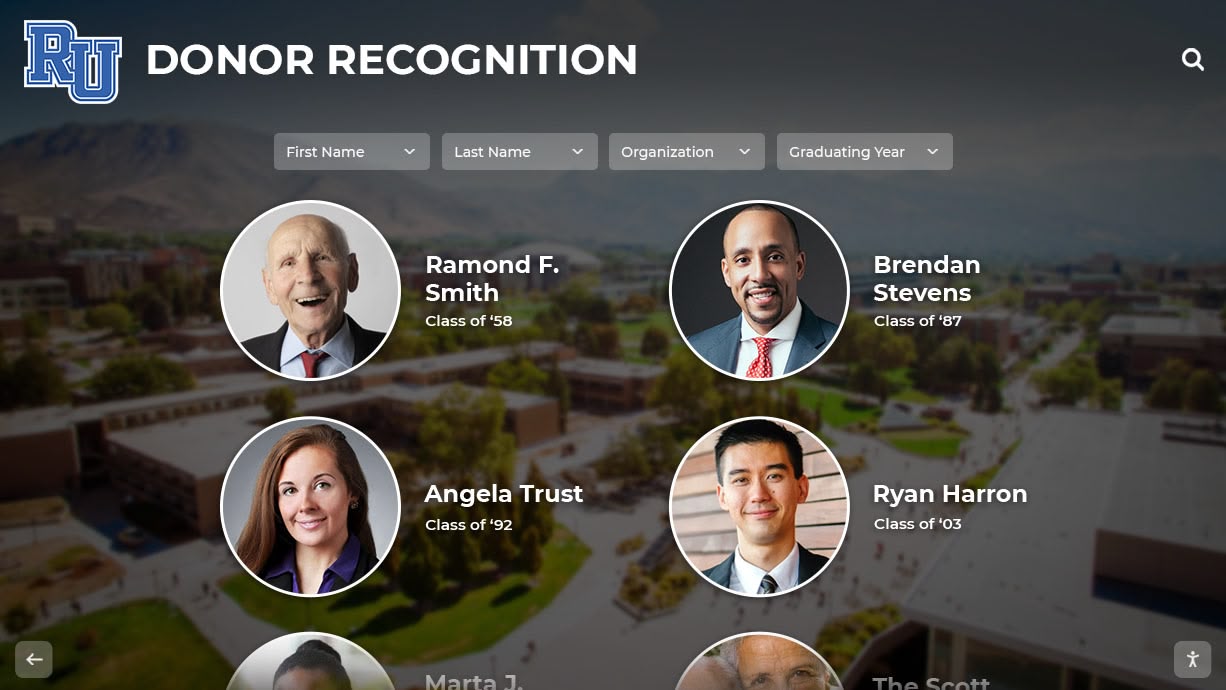
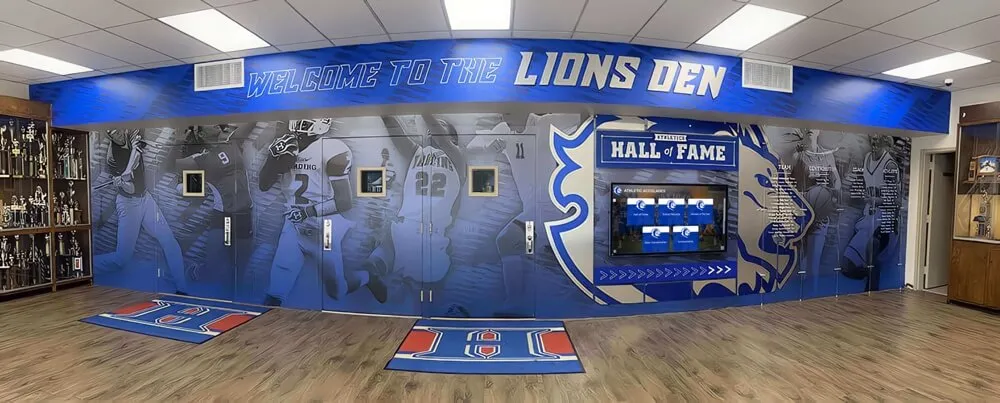
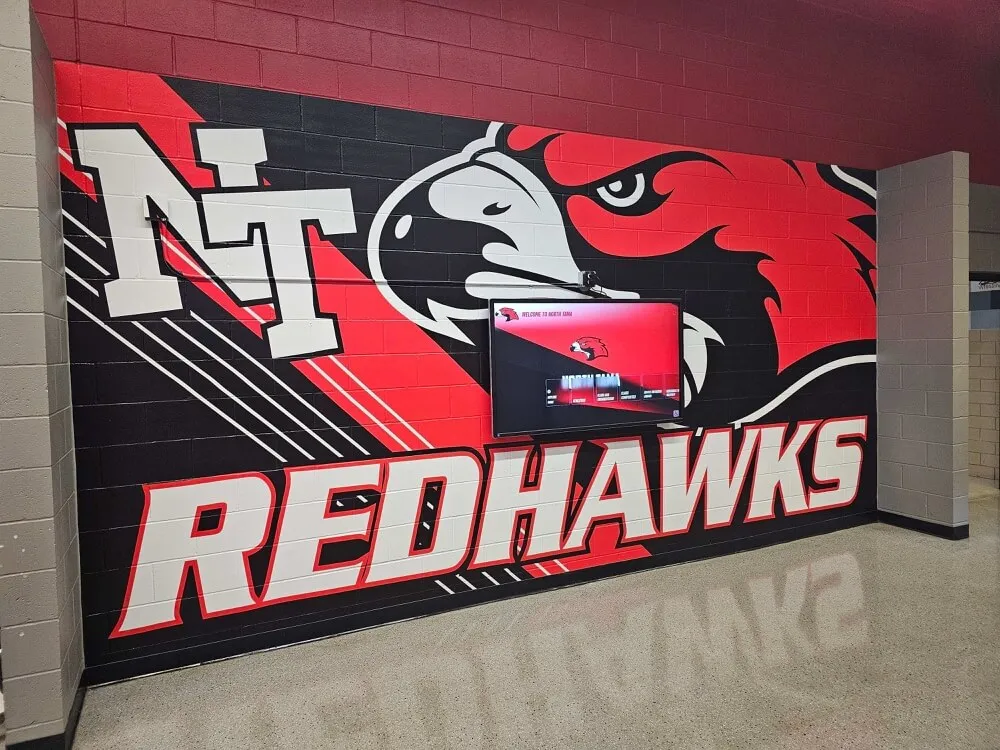
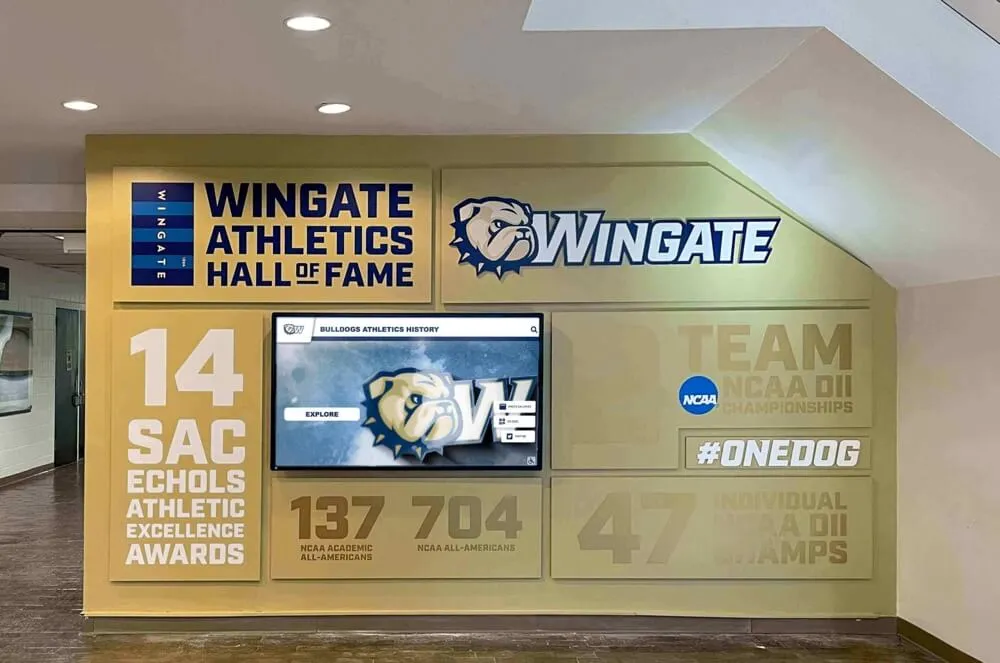
Comprehensive donor recognition systems honor philanthropic support while demonstrating scholarship impact
Extending Recognition Beyond Single Ceremony Events
The most effective scholarship programs recognize that annual ceremonies represent important moments within broader, continuous recognition systems creating year-round visibility and engagement.
Implementing Permanent Recognition Systems
Ceremony-day recognition creates memorable moments, but permanent systems provide ongoing visibility honoring recipients continuously:
Physical Recognition Displays Traditional approaches include engraved plaques in administrative buildings, donor walls in prominent locations, or dedicated scholarship halls displaying recipient names across decades. These permanent installations honor past recipients while inspiring current students and demonstrating institutional commitment to celebrating academic achievement. Similar to NHS induction ceremony recognition, scholarship programs benefit from visible, permanent celebration of achievement.
Digital Recognition Platforms Modern recognition increasingly utilizes digital systems offering significant advantages over static physical displays. Interactive touchscreen displays positioned in school lobbies, libraries, or student centers enable comprehensive scholarship recipient profiles including photographs, academic achievements, personal statements, and post-graduation updates impossible to accommodate on traditional plaques. Solutions like Rocket Alumni Solutions provide unlimited capacity for recipient recognition while enabling easy updates as new scholarship classes join honored alumni.
Searchable Online Databases Web-based scholarship recipient directories accessible to community members enable family, friends, and future students to explore scholarship history, search specific recipients, and understand program scope. Online extensions of physical recognition systems provide accessibility beyond campus visitors while creating shareable links recipients can include in resumes or social media profiles celebrating their achievements publicly.
Combined Academic Honor Recognition Integrate scholarship recipient recognition with other academic achievement systems—National Honor Society members, valedictorians and salutatorians, academic award recipients, and distinguished alumni. Comprehensive academic recognition systems celebrate excellence holistically rather than fragmenting honor into disconnected programs.
Leveraging Recognition for Multi-Year Engagement
Strategic recognition systems create touchpoints extending well beyond scholarship distribution:
Recipient Progress Tracking and Updates Follow scholarship recipients through their educational journeys collecting updates about academic achievements, internship experiences, research projects, leadership positions, and graduation milestones. Share these success stories through newsletters, social media, annual reports, and updated recognition display content demonstrating scholarship impact while maintaining recipient engagement with institutions and donors.
Alumni Success Documentation Track scholarship recipients after graduation documenting career achievements, graduate education, community contributions, and professional distinctions. Long-term impact documentation provides powerful stewardship information for donors while inspiring current students with tangible examples of scholarship program outcomes. Create “where are they now” features profiling distinguished scholarship alumni demonstrating decades-long program impact.
Annual Ceremony Attendance Invitations Invite past scholarship recipients to return for current year ceremonies as honored guests, potential speakers, or donor relationship ambassadors. Alumni attendance creates multi-generational celebration while providing current recipients with role models demonstrating scholarship impact on educational trajectories.
Donor Appreciation and Impact Reporting Use recipient achievement data and success stories in ongoing donor stewardship through annual impact reports, personalized updates, and special recognition events celebrating philanthropic contributions. Digital recognition systems enable donors to see their scholarship recipients displayed prominently while tracking ongoing student progress.
Creating Year-Round Scholarship Program Visibility
Continuous visibility keeps scholarship programs top-of-mind inspiring future applicants and sustained community support:
Prominent Campus Positioning Position scholarship recognition displays in high-traffic locations ensuring students, families, and visitors encounter recognition regularly. Lobby installations near main entrances, library common areas, or administrative building waiting rooms maximize visibility while demonstrating institutional priorities through prominent placement of academic achievement celebration.
Integration with College Decision Recognition Connect scholarship awards with senior college decision displays celebrating student post-secondary plans. Many scholarship recipients attend prestigious universities—showcasing these college destinations alongside scholarship achievements demonstrates program impact while building institutional prestige.
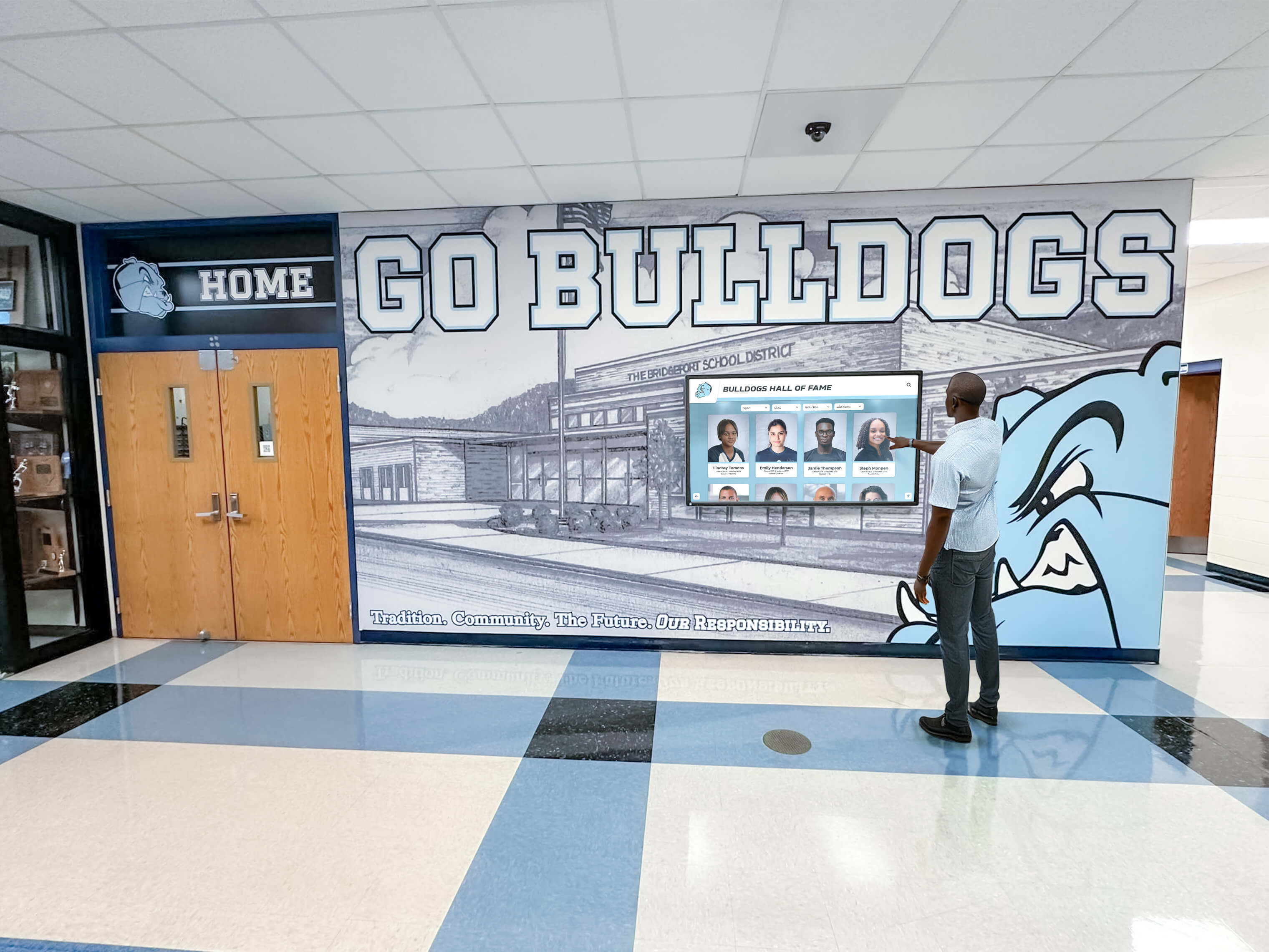
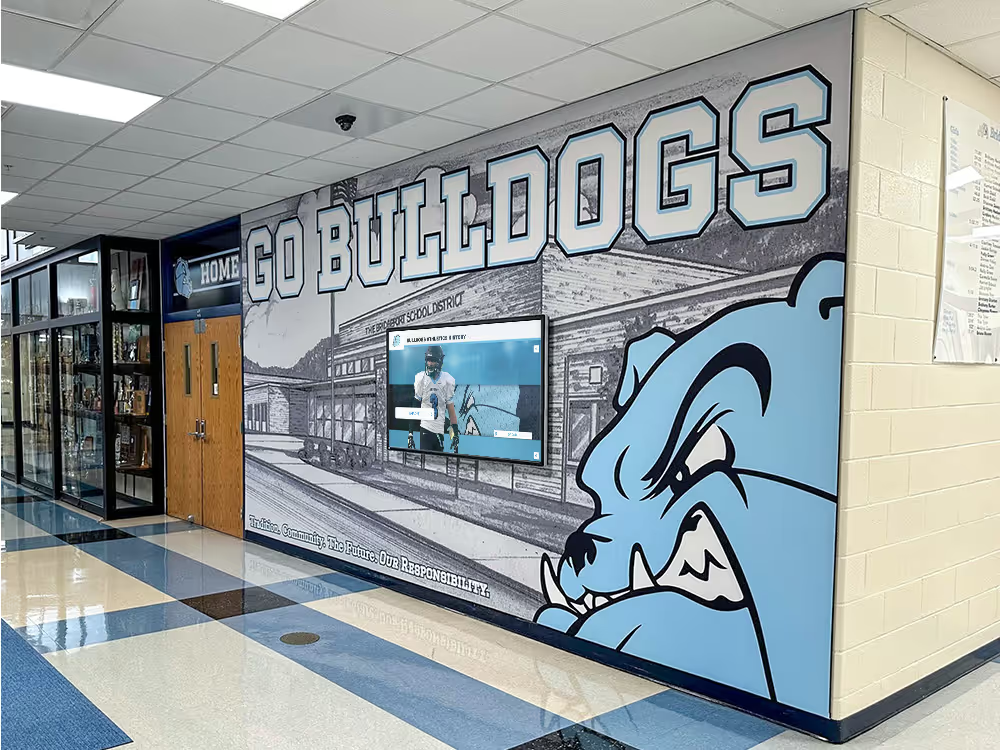
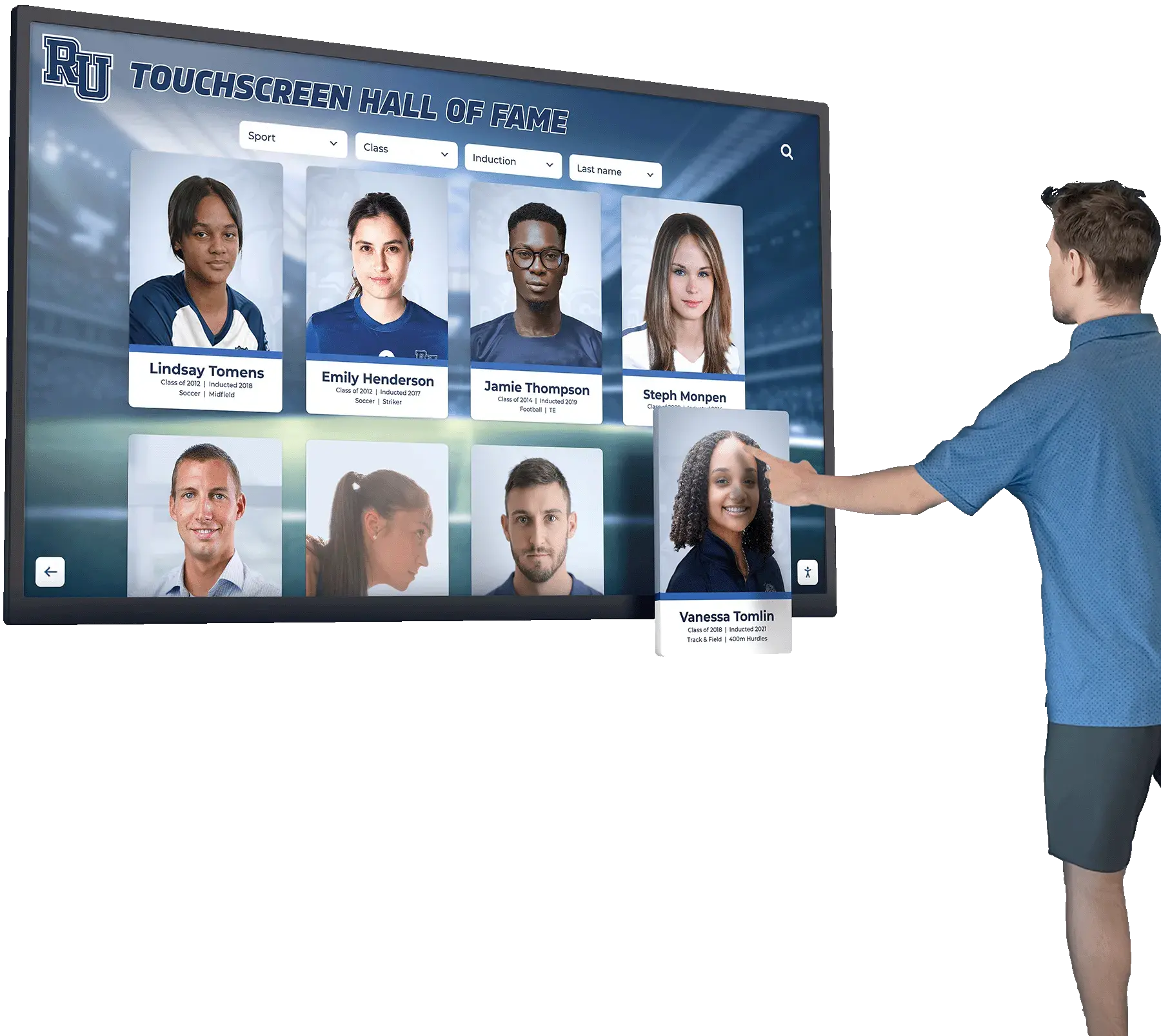
Intuitive digital systems enable easy exploration of comprehensive scholarship recipient information
Social Media and Communications Integration Feature scholarship recipients in institutional social media content, newsletters, and marketing materials. Regular scholarship recognition reinforces program visibility while celebrating individual achievements to extended networks. Encourage recipients to share their scholarship honors amplifying recognition through personal networks.
Academic Achievement Culture Building Position scholarship programs within broader academic excellence initiatives celebrating achievement across multiple dimensions—honor roll recognition, academic competition success, research accomplishments, and distinguished graduate outcomes. Comprehensive achievement celebration creates culture where academic excellence receives comparable visibility to athletic achievements.
Addressing Common Ceremony Planning Challenges
Even well-planned ceremonies encounter obstacles requiring thoughtful solutions maintaining ceremony quality and stakeholder satisfaction.
Managing Large Recipient Groups
Schools and foundations awarding numerous scholarships face challenges creating personalized recognition within reasonable time constraints:
Grouped Recognition Strategies Consider recognizing recipients in logical groupings—by scholarship type, academic discipline, or award amount—rather than pure alphabetical order. Grouped presentations enable contextual introductions about scholarship purposes while maintaining individual name recognition. Balance efficiency against ensuring each recipient receives meaningful individual acknowledgment.
Tiered Recognition Approaches Some institutions implement tiered recognition providing fuller profiles for major scholarships while briefer acknowledgment for smaller awards. While controversial, thoughtful implementation can balance program scale against attention spans. Ensure all recipients receive equitable respect regardless of award size avoiding creating perceived achievement hierarchies.
Multiple Ceremony Options Large programs might schedule separate ceremonies for different scholarship categories—academic merit scholarships one evening, need-based awards another, or departmental scholarships within specific schools. Smaller ceremonies enable deeper personalization while managing total program length. Balance benefits of intimate settings against potential perceptions of unequal treatment.
Digital Supplementation of Live Recognition Use comprehensive digital profiles accessible before, during, and after ceremonies supplementing necessarily brief live recognition. Attendees can explore detailed recipient information at their own pace while ceremonies maintain engaging pacing. Direct guests to digital displays during pre-ceremony and reception periods maximizing engagement opportunities.
Balancing Donor Recognition Against Student Focus
Donor appreciation deserves attention without overshadowing student achievement:
Donor Acknowledgment Segments Include dedicated program segments acknowledging all scholarship donors collectively through recognition slides, program listings, or brief remarks rather than interrupting individual student presentations. Concentrated donor appreciation respects their contributions while maintaining student-centered ceremony focus.
Named Scholarship Donor Participation For scholarships honoring specific individuals or families, invite donors to present awards personally creating meaningful interactions while giving donors appropriate visibility. Brief donor introductions explaining scholarship origins and purposes provide context enriching recognition for all attendees.
Separate Donor Recognition Events Consider hosting distinct donor appreciation events separate from student ceremonies—annual donor luncheons, foundation galas, or scholarship endowment celebrations. Dedicated donor events enable appropriate gratitude expression and relationship cultivation without competing with student-centered ceremony focus.
Integrated Donor Recognition Systems Physical or digital recognition installations can feature both scholarship recipients and the donors making awards possible through integrated displays. Solutions like comprehensive donor walls enable parallel recognition honoring both student achievement and philanthropic generosity creating complete program narratives.
Accommodating Virtual or Hybrid Ceremony Formats
Contemporary circumstances sometimes require remote participation options maintaining accessibility and inclusion:
High-Quality Live Streaming Invest in professional-quality streaming enabling remote attendees to experience ceremonies meaningfully. Clear audio, good camera work showing both speakers and recipients, and stable internet connections prevent technical frustrations that undermine remote viewing experiences. Archive recordings for families unable to attend live.
Interactive Virtual Elements Enable remote attendees to participate through comment features, digital applause reactions, or submitted video congratulations displayed during ceremonies. Interactive elements prevent virtual attendance from feeling like passive observation.
Hybrid Recognition Approaches For recipients unable to attend in person, feature pre-recorded acceptance videos, coordinate surprise deliveries of recognition certificates during virtual connections, or schedule separate smaller in-person celebrations accommodating individual circumstances. Flexible approaches honor all recipients equitably regardless of attendance format.
Digital-First Recognition Systems Implement recognition systems providing equivalent visibility and celebration regardless of ceremony attendance. Comprehensive digital profiles, social media features, and permanent recognition displays ensure all recipients receive ongoing honor extending well beyond single ceremony events.
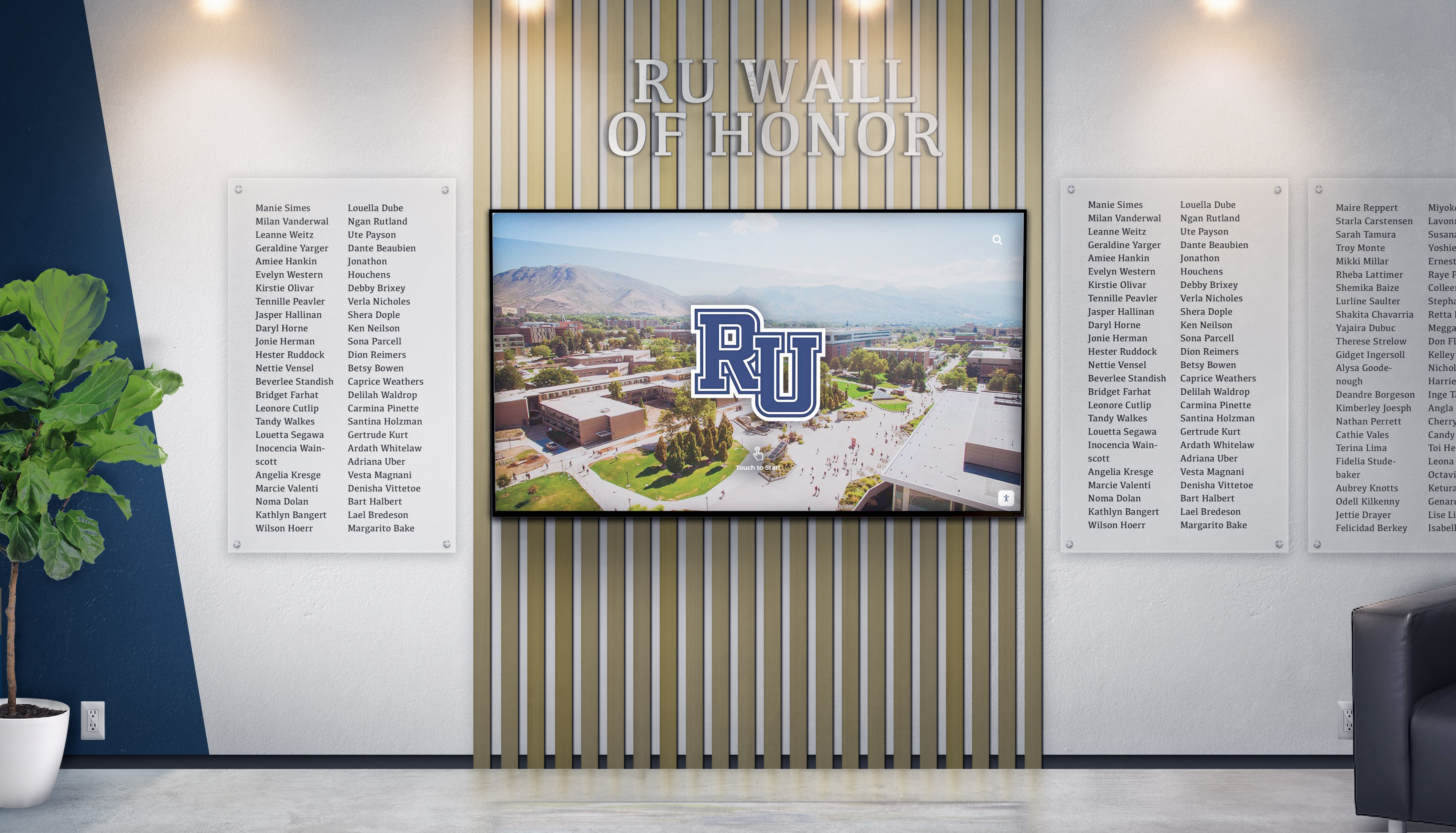
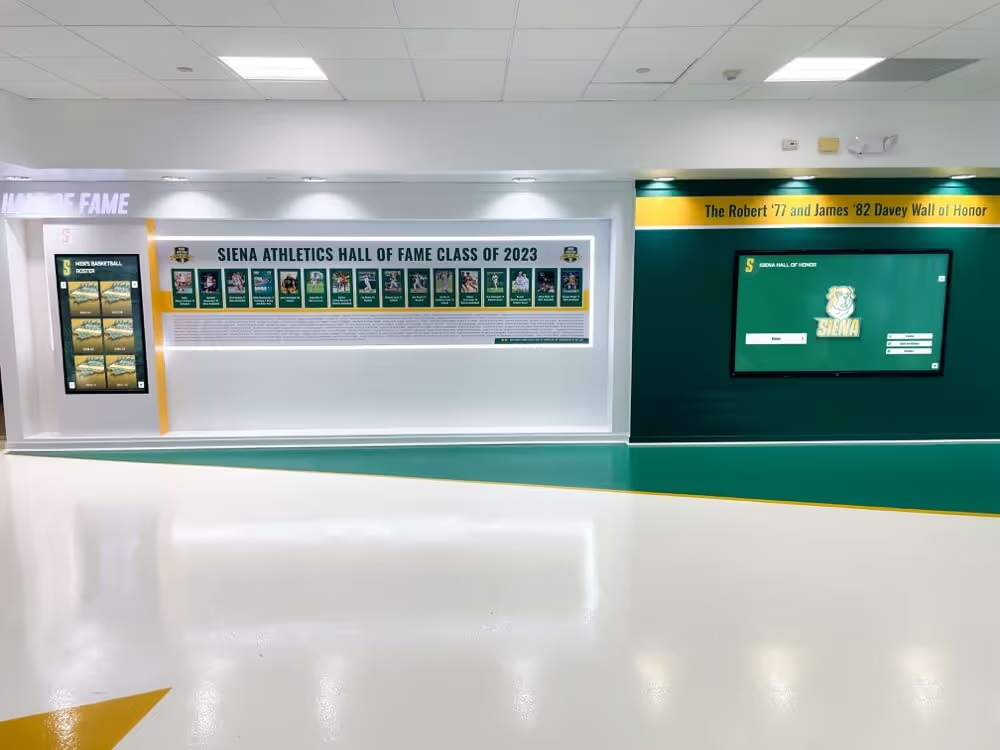
Combined digital and traditional recognition systems provide flexibility serving diverse stakeholder needs and preferences
Post-Ceremony Follow-Up and Continuous Improvement
Ceremony conclusion represents beginning of stewardship relationships requiring thoughtful follow-up while evaluation informs future planning improvements.
Essential Post-Ceremony Communications and Actions
Timely follow-up maintains momentum generated during ceremonies:
Thank You Communications Send prompt thank you notes to ceremony participants including speakers, donors who attended, volunteers who assisted with logistics, facilities staff who supported setup, and anyone who contributed to ceremony success. Specific gratitude acknowledging individual contributions builds relationships while demonstrating organizational professionalism.
Recipient Reminders and Guidance Follow up with scholarship recipients reinforcing expectations for thank you notes to donors, providing templates or guidance if needed, and sharing ceremony photographs they can use in social media posts or college applications. Continued engagement supports students while teaching important acknowledgment practices.
Donor Impact Reporting Share ceremony highlights with all scholarship donors including those unable to attend through photo galleries, ceremony recordings, or written summaries with recipient quotes demonstrating appreciation. Post-ceremony communications sustain donor relationships while demonstrating stewardship justifying continued support.
Media and Marketing Follow-Up Distribute ceremony photographs and stories to local media, post highlights on institutional social media and websites, and include ceremony features in newsletters and annual reports. Extended visibility amplifies program impact while celebrating achievements to broader audiences inspiring future support.
Gathering Feedback and Assessment Data
Systematic evaluation informs continuous ceremony improvement:
Attendee Surveys Collect feedback from recipients, families, donors, and staff about ceremony elements—program length, recognition meaningfulness, venue suitability, reception quality, and overall satisfaction. Balance quantitative ratings with qualitative comments providing actionable improvement suggestions. Keep surveys brief encouraging completion.
Donor Debriefing Conduct individual conversations with major scholarship donors about their ceremony experience, donor-recipient interaction quality, and suggestions for future enhancements. Personal outreach demonstrates relationship prioritization while gathering candid feedback donors might not share through anonymous surveys.
Committee Review Sessions Schedule post-ceremony planning committee debriefings while experiences remain fresh capturing lessons learned, implementation challenges, successful elements worth repeating, and potential improvements. Document insights in planning files informing next year’s committee.
Metrics and Attendance Analysis Track measurable outcomes including total attendance numbers, donor participation rates, media coverage generated, social media engagement, and post-ceremony giving trends. Quantitative data supplements qualitative feedback providing comprehensive program assessment.
Implementing Improvements for Future Ceremonies
Translate evaluation insights into concrete planning enhancements:
Timeline Adjustments Identify planning timeline pain points—tasks requiring more advance time, deadlines that felt rushed, or sequential dependencies causing bottlenecks. Revise planning schedules addressing identified challenges while building in buffer time for unexpected complications.
Program Format Refinement Modify ceremony programs based on feedback—shortening overly long segments, adding missing elements attendees desired, improving transition smoothness, or enhancing recognition personalization. Iterative improvements compound over years creating increasingly effective ceremonies.
Technology and System Upgrades Assess whether audio-visual quality met needs, whether check-in processes flowed smoothly, or whether recognition systems provided desired functionality. Identify technology investments that would enhance future ceremonies while ensuring reliable operation avoiding technical failures.
Relationship and Engagement Evolution Determine whether ceremony created desired donor-recipient connections, whether families felt adequately celebrated, and whether students experienced meaningful recognition. Strengthen relationship-building elements while addressing gaps in personal connection opportunities.
Integrating Scholarship Ceremonies with Comprehensive Recognition Programs
Scholarship award ceremonies achieve maximum impact when integrated within broader institutional recognition strategies celebrating achievement across multiple dimensions.
Connecting Academic and Co-Curricular Recognition
Comprehensive recognition systems celebrate well-rounded student excellence:
Multi-Dimensional Achievement Profiles Many scholarship recipients also excel in athletics, arts, leadership, or community service. Recognition systems highlighting these multi-dimensional achievements provide complete pictures of student excellence rather than fragmenting accomplishments into disconnected categories. Integration mirrors how students actually experience their educational journeys holistically.
Cross-Program Recognition Opportunities Students earning academic scholarships often also participate in National Honor Society, receive departmental awards, or achieve academic competition distinctions. Coordinate recognition across programs ensuring consistent celebration while avoiding redundancy or oversaturation.
Athletic and Academic Excellence Scholar-athletes deserve recognition celebrating both dimensions of their achievements. Integrate academic scholarship recognition with athletic honor systems demonstrating institutional commitment to supporting comprehensive student development beyond single-domain excellence.
Arts and Academic Recognition Students excelling academically while contributing significantly to music, theater, visual arts, or other creative pursuits benefit from integrated recognition systems celebrating diverse talents. Comprehensive approaches honor the full breadth of student contributions to school communities.
Building Recognition Culture Supporting Academic Excellence
Strategic recognition creates institutional culture prioritizing and celebrating academic achievement:
Prominent Physical Placement Position scholarship and academic recognition displays with comparable prominence to athletic recognition. Schools investing heavily in sports trophy cases while minimizing academic achievement visibility communicate values through physical space allocation. Balanced recognition demonstrates equal institutional commitment across achievement domains.
Consistent Quality and Investment Apply comparable resources to academic recognition systems as provided for athletics—professional-quality displays, regular content updates, celebration events, and ongoing visibility. Resource equity communicates authentic value for academic excellence rather than token acknowledgment.
Student Aspiration Building Visible, ongoing scholarship recipient recognition creates aspirational goals for younger students. When elementary and middle school students regularly encounter prominent celebration of academic achievement, they internalize academic excellence as valued, celebrated, and achievable inspiring early academic engagement.
Family and Community Engagement Academic recognition systems provide engagement touchpoints for families and community members building pride in student accomplishments. Similar to how athletic achievements build school spirit through community celebration, academic recognition generates comparable pride and institutional connection when given adequate visibility and celebration.
Technology Solutions Supporting Modern Scholarship Recognition
Contemporary recognition increasingly leverages technology enabling capabilities impossible through traditional approaches while creating engagement extending beyond annual ceremonies.
Digital Recognition Platform Benefits
Modern platforms provide numerous advantages over static physical recognition:
Unlimited Capacity Traditional engraved plaques face space constraints limiting how many recipients institutions can honor permanently. Digital systems accommodate unlimited recipients enabling comprehensive recognition across decades without physical space limitations or recurring engraving costs.
Rich Multimedia Content Digital profiles can include recipient photographs, video acceptance speeches, written personal statements, post-graduation updates, and links to recipient achievements—comprehensive storytelling impossible on traditional plaques. Rich content creates engaging exploration experiences while honoring recipients more completely.
Easy Updates and Maintenance Remote content management systems enable quick updates as recipients achieve new milestones without requiring physical hardware access or professional engraving services. Cloud-based administration supports ongoing recognition maintenance keeping content current and relevant.
Searchability and Discoverability Digital systems enable searching recipients by name, graduation year, scholarship type, or academic interest facilitating easy discovery. Searchability supports alumni reunion attendance, family legacy exploration, and community research impossible with static alphabetical lists.
Analytics and Engagement Insights Modern platforms track how communities interact with recognition content—most-viewed recipients, popular search terms, peak engagement times, and total interaction volumes. Analytics inform content strategy while demonstrating recognition system value through quantified community engagement.
Accessibility and Inclusion Digital platforms can provide text-to-speech functionality, adjustable text sizes, high-contrast modes, and other accessibility features ensuring recognition reaches diverse audiences including those with vision impairments or other disabilities. Universal design principles create inclusive recognition honoring all community members equitably.
Integration with Broader School Systems Advanced recognition platforms integrate with student information systems, donor databases, communications platforms, and websites creating unified information ecosystems eliminating duplicate data entry while ensuring consistency across institutional touchpoints.
Selecting Appropriate Technology Partners
Choosing recognition technology requires evaluating providers against specific educational context needs:
Educational Sector Expertise Platforms purpose-built for schools and educational foundations like Rocket Alumni Solutions understand specific institutional needs, compliance requirements, and stakeholder expectations compared to generic digital signage software requiring extensive customization. Education-focused providers offer features specifically designed for academic recognition contexts.
User-Friendly Content Management Prioritize systems with intuitive administration interfaces enabling development staff, administrative assistants, or volunteer foundation board members to confidently manage content without IT department dependency. Non-technical usability prevents content staleness when updating requires specialized expertise.
Implementation Support and Training Evaluate included onboarding support, training resources, content migration assistance, and design consultation. Comprehensive implementation services ensure smooth launches and confident ongoing management rather than purchasing software then struggling with deployment independently.
Proven Track Record Review case examples from comparable institutions, request references from current customers, and assess provider longevity and stability. Established providers with extensive educational sector experience understand common challenges and effective practices while demonstrating sustainable business models supporting long-term partnerships.
Flexibility and Customization Ensure platforms accommodate institutional branding, unique program structures, varied content types, and evolving recognition needs. Rigid systems requiring conformance to predetermined templates may not serve institutions with distinctive programs or established traditions effectively.
Total Cost of Ownership Evaluate comprehensive costs including initial implementation, hardware if required, ongoing licensing, support services, content hosting, and future expansion. Transparent pricing prevents unexpected expenses while enabling accurate budget planning.
Conclusion: Building Scholarship Programs Through Meaningful Recognition
Scholarship award ceremonies represent far more than administrative distribution of financial aid checks—they embody institutional values about supporting student success, honoring academic excellence, stewarding donor relationships, and building vibrant educational communities. Thoughtfully planned ceremonies create memorable experiences that recipients treasure throughout educational journeys, that inspire donors to continue generous support, that strengthen family connections to institutions, and that motivate younger students toward academic achievement.
The digital warming effect emerges most powerfully when scholarship recognition extends beyond single annual ceremonies into continuous, personalized engagement systems. When recognition platforms surface individual recipient stories, connect scholarship awards to donor philanthropic motivations, provide searchable access to decades of program history, and enable ongoing updates as recipients achieve new milestones—these comprehensive approaches transform scholarship programs from transactional financial aid into vibrant community engagement initiatives celebrating the human connections at education’s heart.
Transform Your Scholarship Recognition Program
Discover how comprehensive recognition systems create engaging experiences that honor scholarship recipients, strengthen donor relationships, and build vibrant educational communities through personalized celebration extending beyond annual ceremonies.
Explore Recognition SolutionsModern scholarship programs increasingly recognize that recognition quality matters as much as scholarship amounts. Students value meaningful acknowledgment of their achievements, donors seek emotional connections demonstrating philanthropic impact, and institutions benefit from recognition systems supporting advancement goals while building academic excellence culture. Technology enables recognition capabilities impossible through traditional approaches—unlimited recipient capacity, rich multimedia profiles, easy content updates, searchable databases, and engagement analytics demonstrating community interaction.
Yet technology serves as enabler rather than solution itself. The most effective scholarship recognition begins with clarity about institutional values, stakeholder needs, and desired outcomes. Technology then amplifies thoughtful recognition strategies providing scale, accessibility, and engagement that traditional approaches cannot match while maintaining the personal warmth and meaningful celebration that makes recognition transformative rather than perfunctory.
Whether planning your first scholarship award ceremony or refining established traditions, focus on creating experiences that honor recipients as individuals, that facilitate genuine donor-student connections, that engage families and communities in shared celebration, and that establish year-round visibility demonstrating sustained institutional commitment to academic excellence. When ceremonies and ongoing recognition systems work together creating comprehensive programs, scholarship awards achieve their full potential—not just providing financial support but building relationships, inspiring achievement, and strengthening educational communities through personalized celebration of human potential.
Your scholarship recipients deserve recognition systems that celebrate their excellence comprehensively while your donors merit stewardship demonstrating scholarship impact meaningfully. Thoughtful ceremony planning combined with modern recognition technology creates those transformative experiences, warming up your educational community through personalized content that builds pride, strengthens connections, and inspires ongoing support for student success.
Ready to enhance your scholarship recognition program? Learn about strategies for celebrating academic achievement comprehensively or explore approaches to donor recognition that demonstrates philanthropic impact while strengthening relationships supporting educational missions.