Intent: compare — Choosing a digital hall of fame platform is a long-term institutional commitment. Schools evaluating vendors in this category encounter a confusing mix of corporate platforms, regional boutique providers, and one-person operations—each making similar-sounding promises about ease of use, unlimited content, and affordable pricing. The differences that matter show up later: when you try to deploy recognition displays across three campus buildings instead of one, when the vendor who sold you a “lifetime” license stops returning emails, or when an ADA compliance audit reveals your displays don’t meet current federal standards.
This comparison examines how Rocket Alumni Solutions’ platform differs from boutique digital hall of fame providers across four dimensions that schools consistently underestimate during the buying process: multi-screen licensing structure, financing flexibility, vendor infrastructure depth, and long-term platform sustainability.
Procurement teams at schools and athletic departments often compare vendors on price per screen, feature checklists, and demo aesthetics. Those factors matter—but they’re not where institutional risk lives. The risk lives in questions that rarely appear on RFP scoring sheets: What happens if the company’s only developer leaves? Who handles your historical data migration when the platform owner is unavailable? Does the price you signed today cover every screen you’ll add in three years?
Rocket Alumni Solutions approaches these questions differently than most vendors in this space. Understanding how—and why it matters—requires looking past the feature matrix.

The Multi-Screen Reality: What “One Subscription” Actually Means
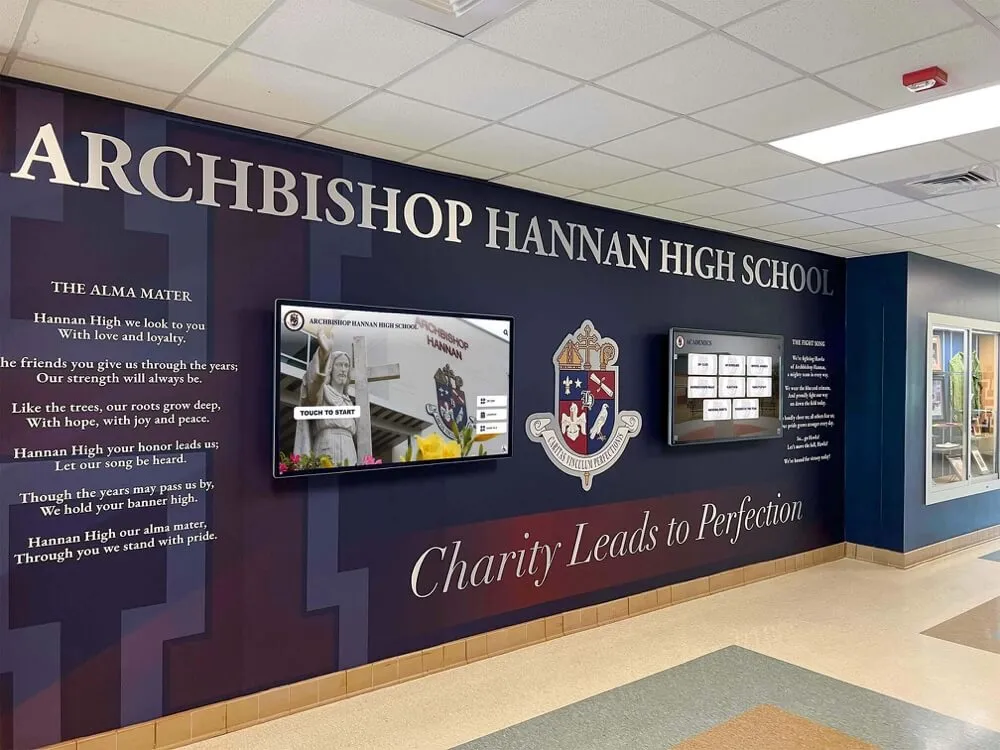
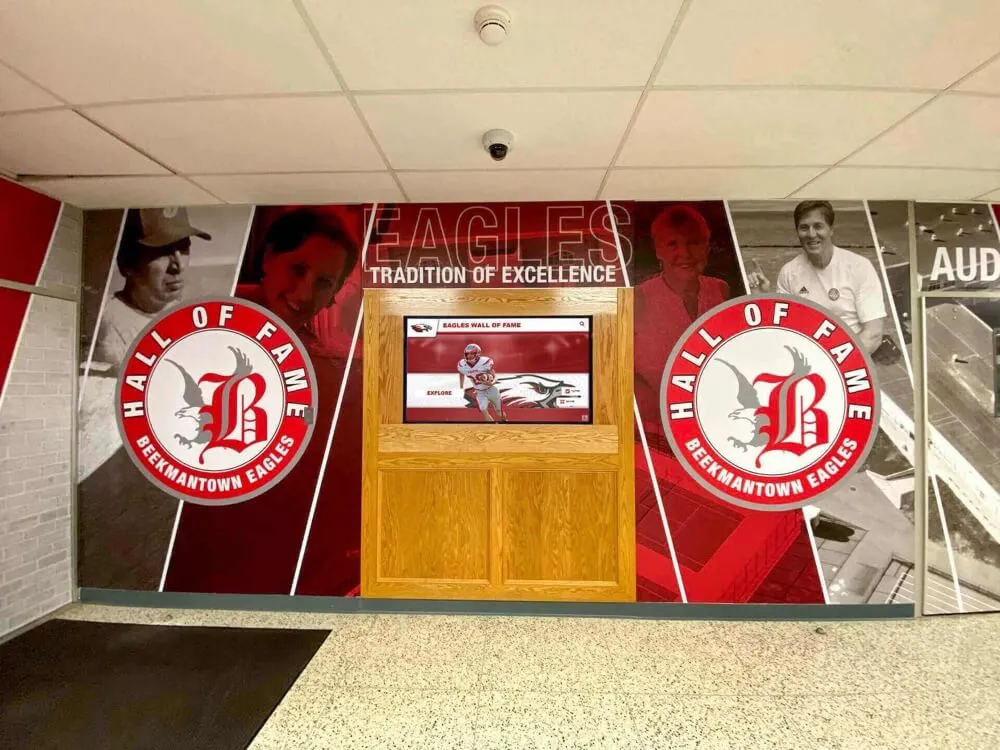
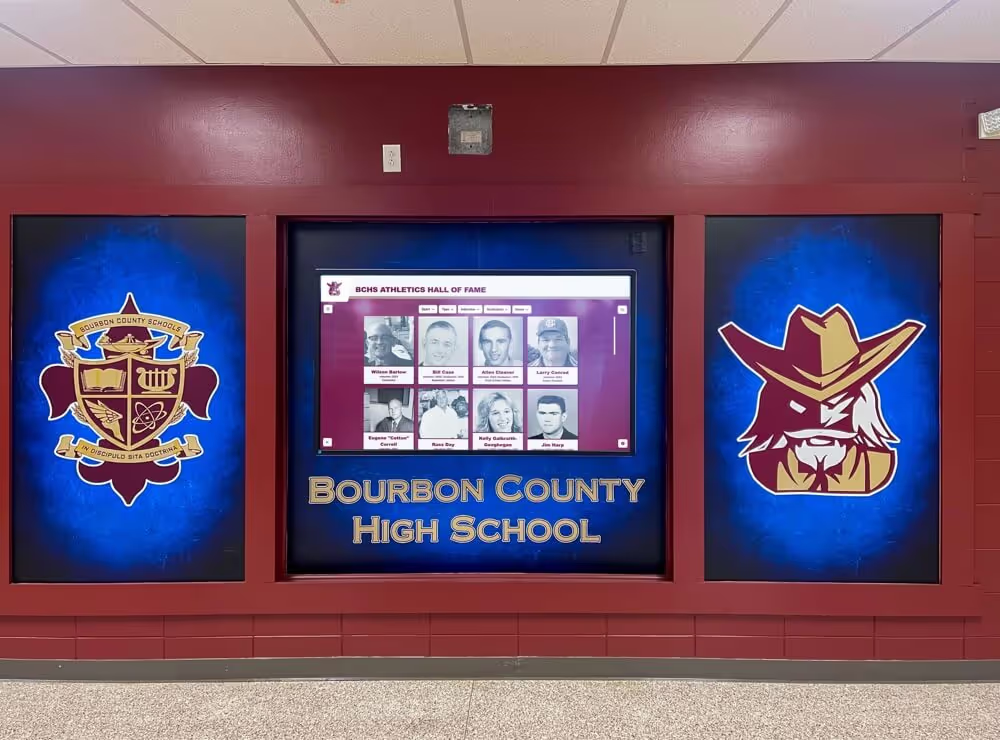
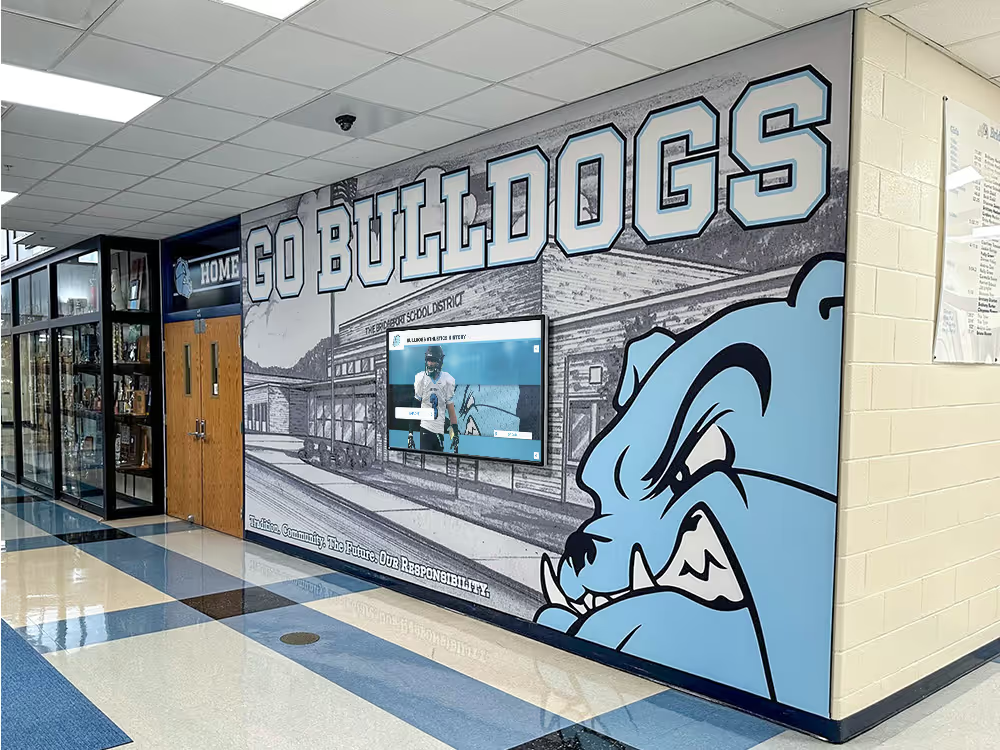
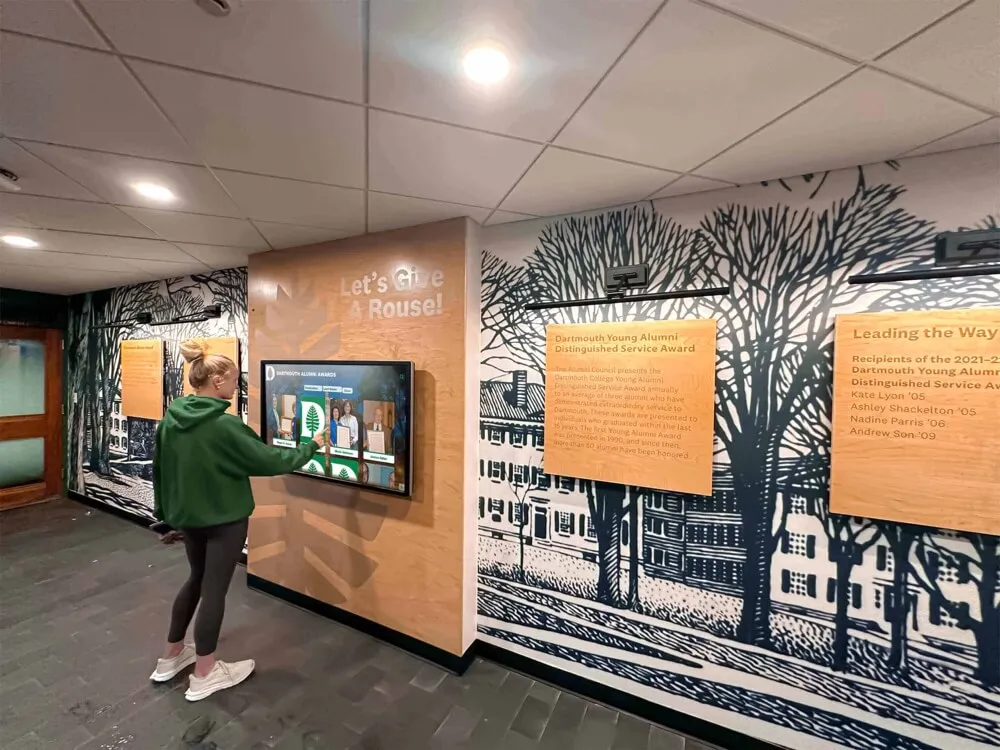
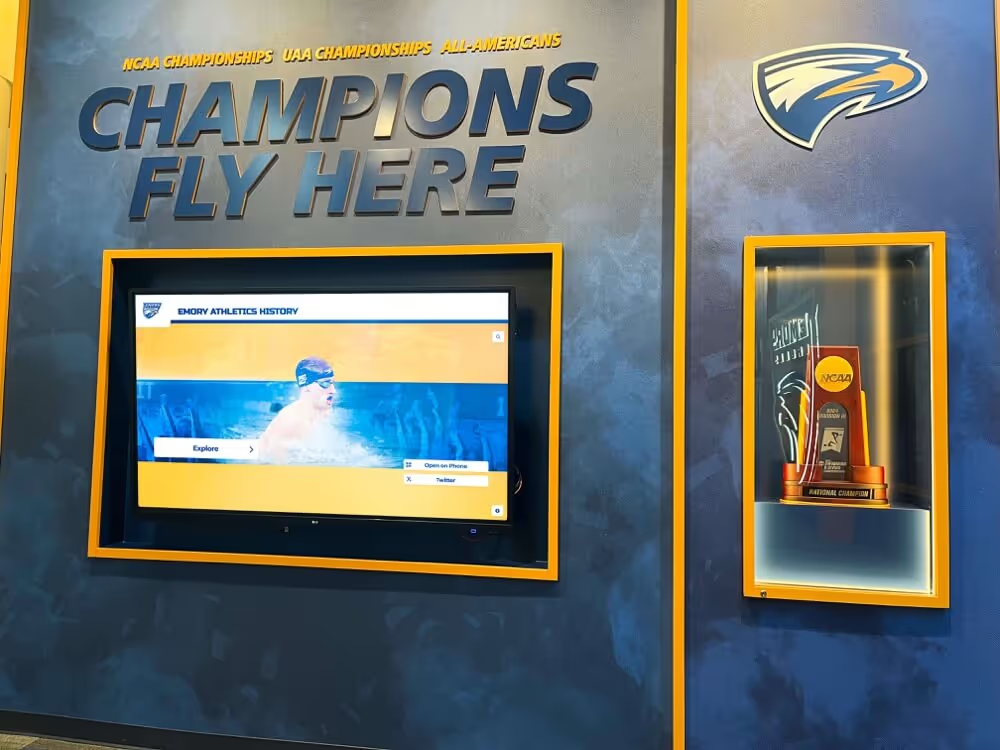
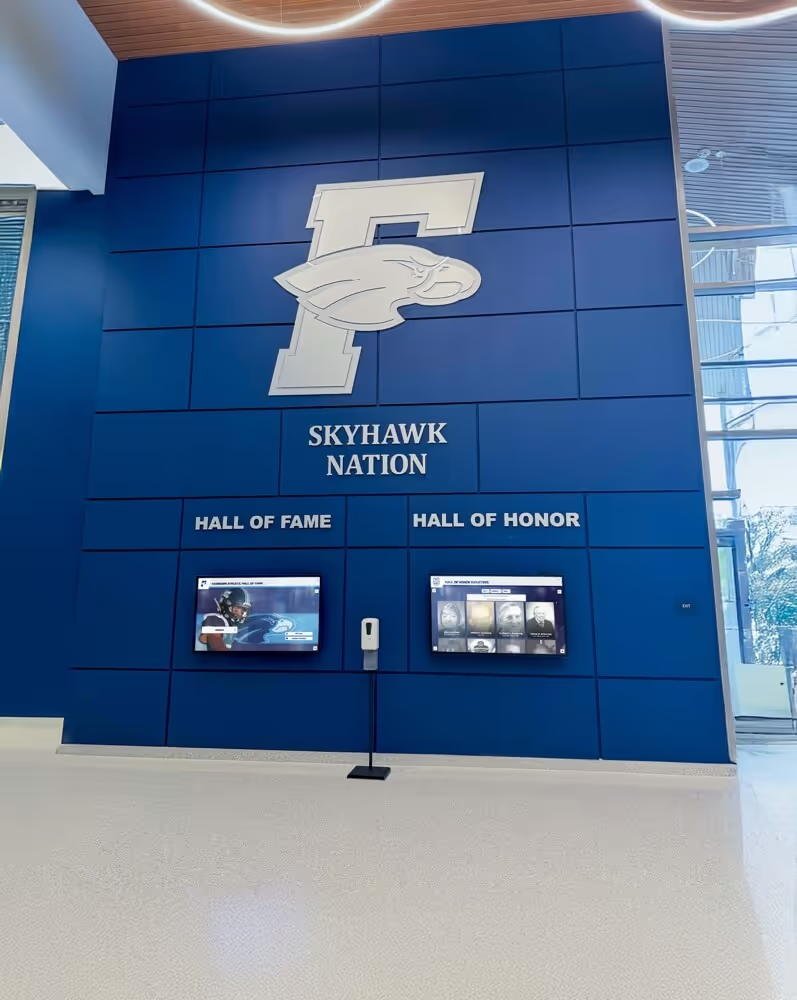
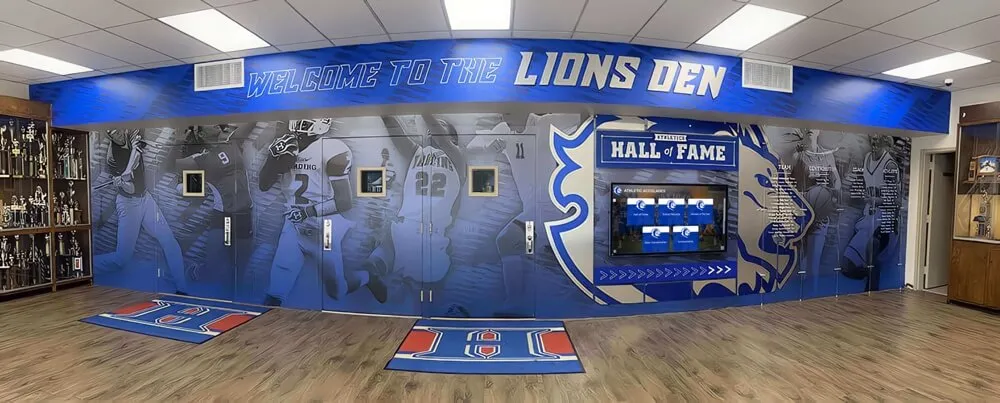
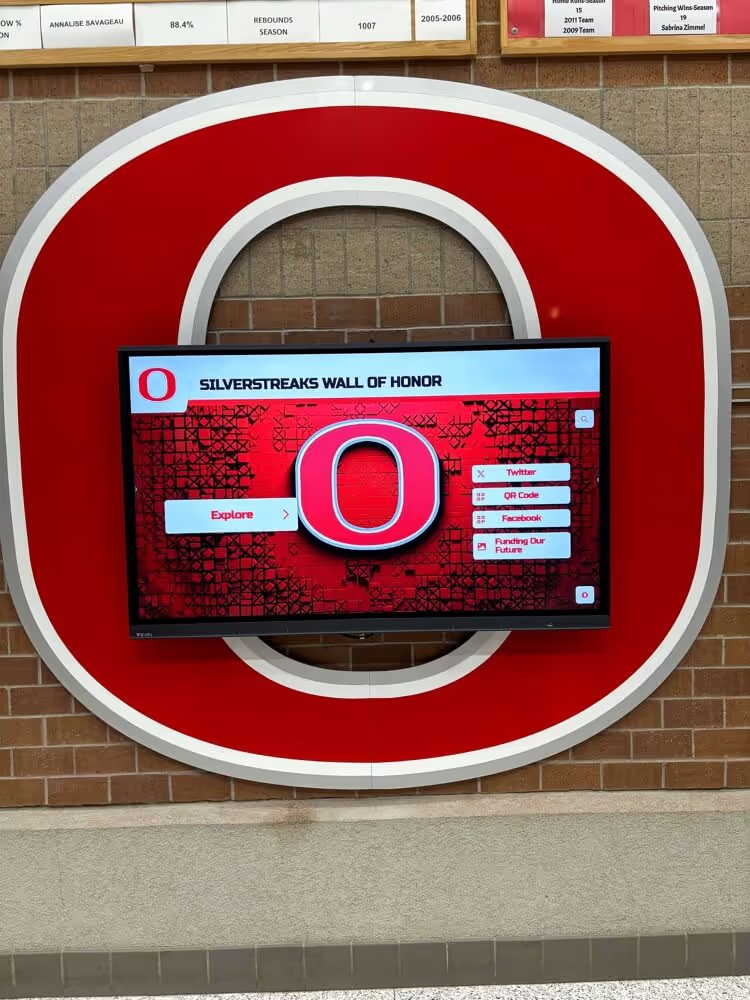
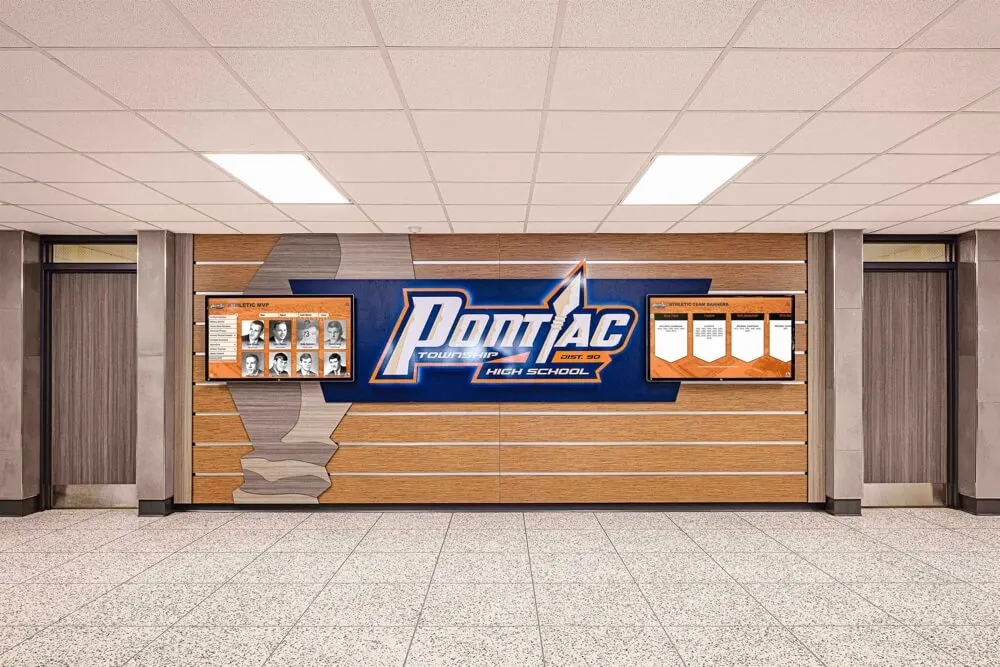
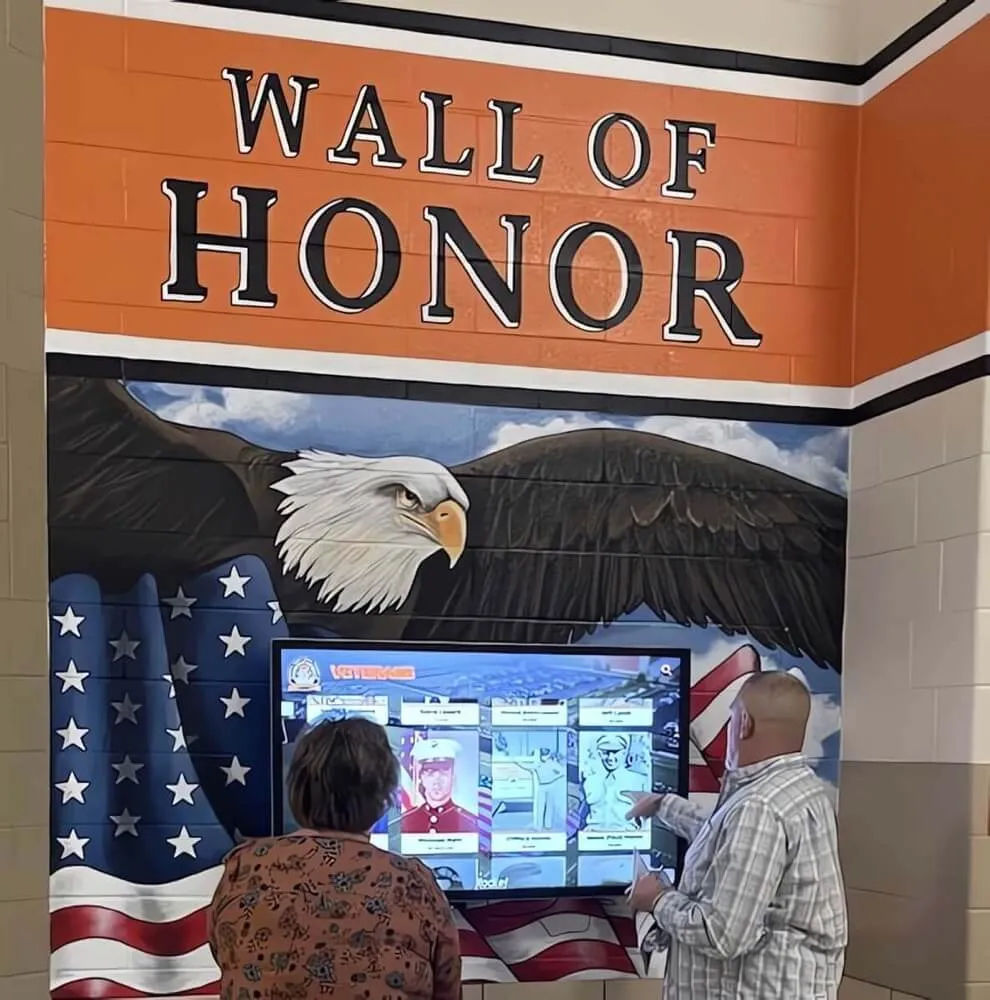
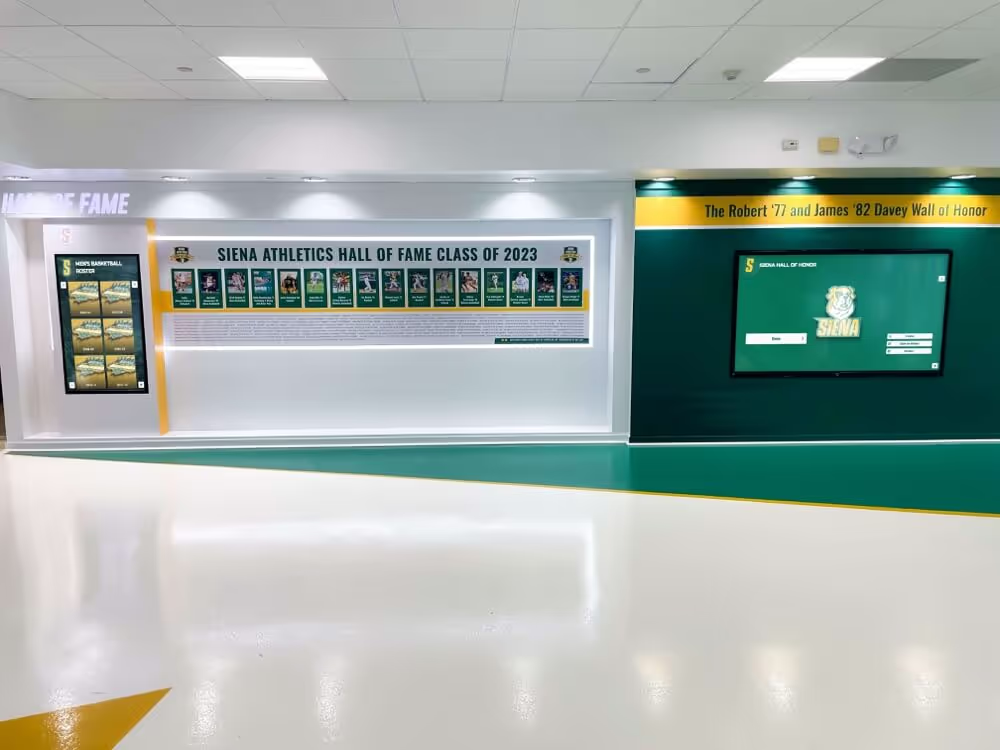
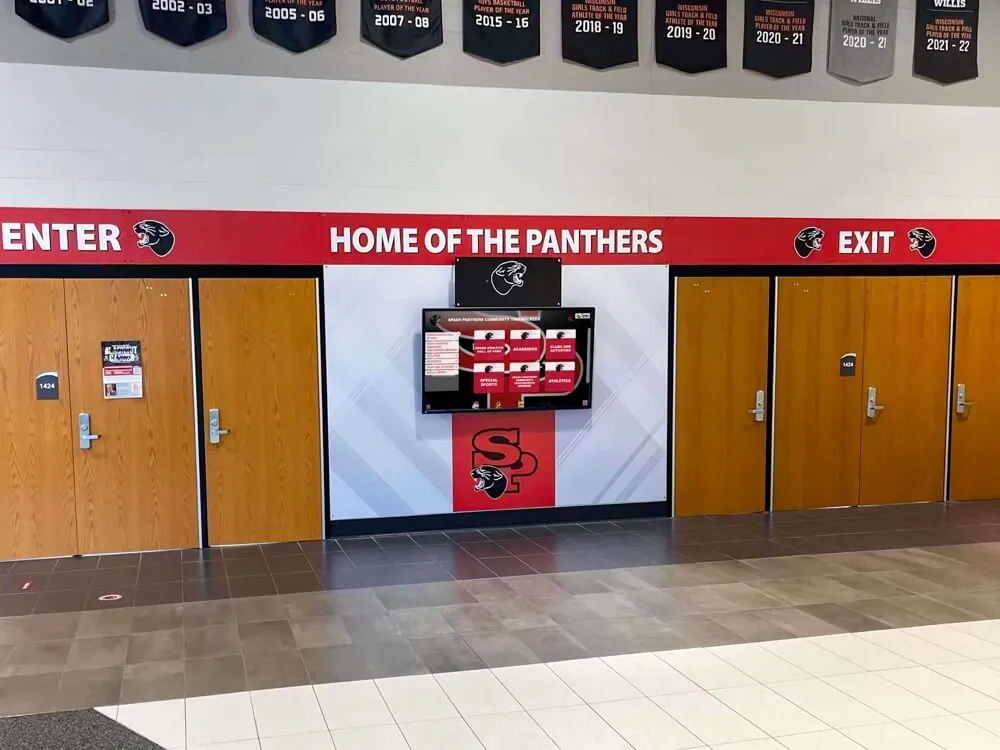
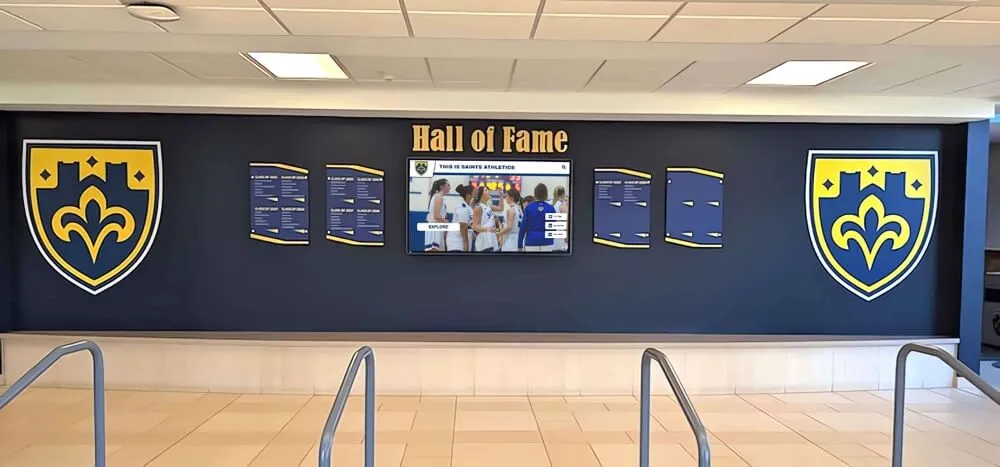
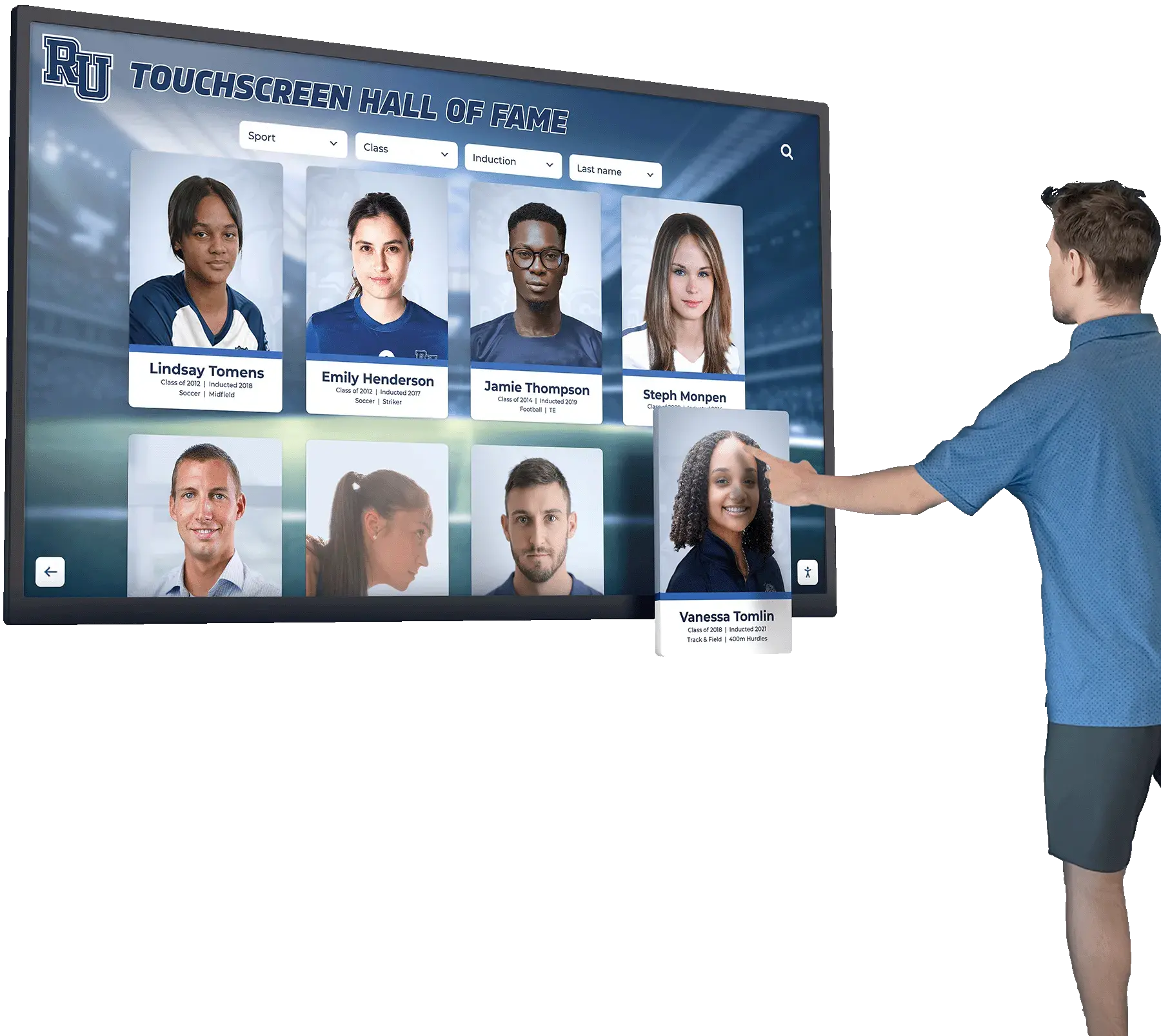
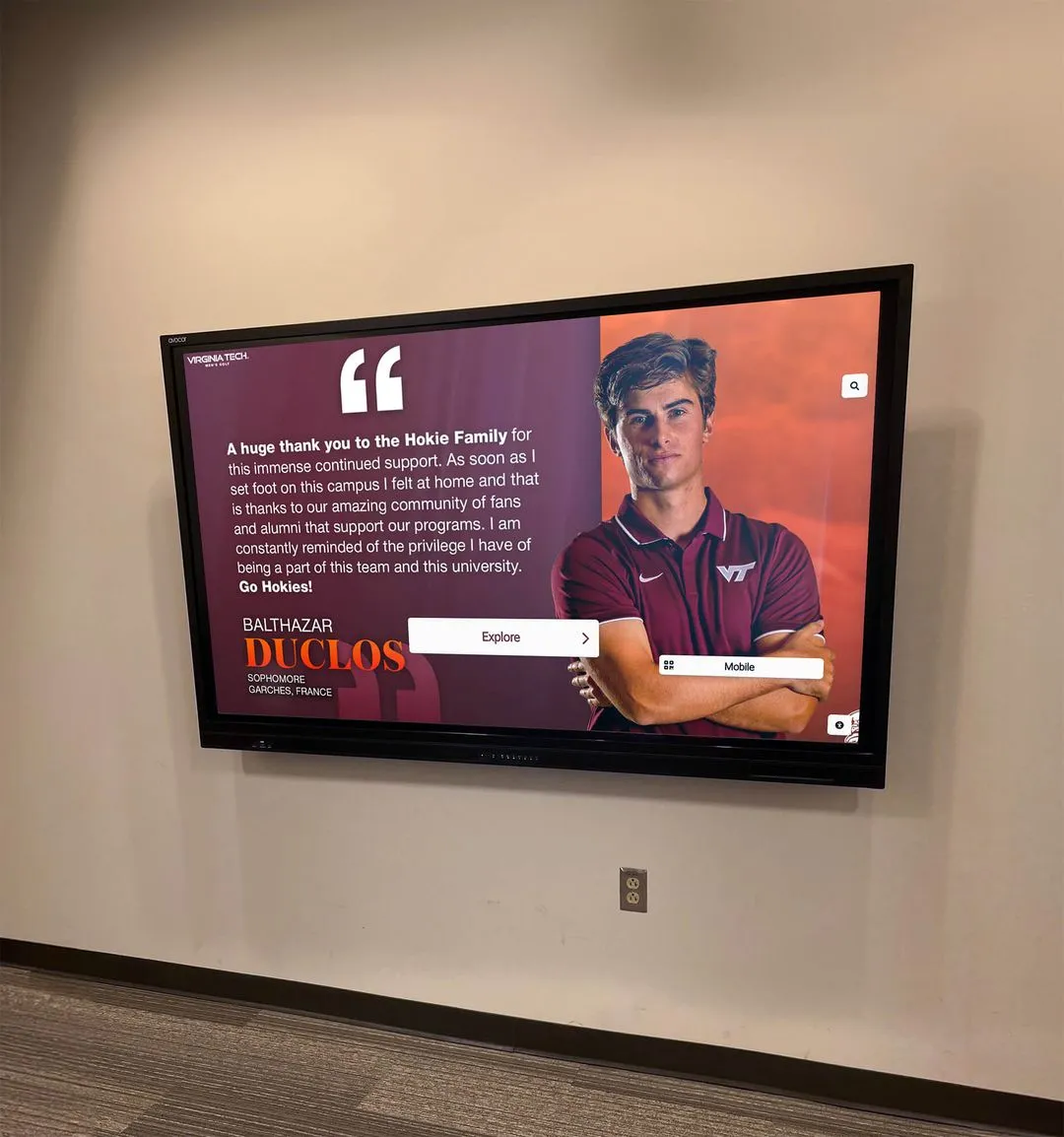
Many schools begin their digital recognition journey with a single display—a touchscreen kiosk in the gym lobby, a digital award wall near the main entrance. Within a year or two, the conversation shifts. Athletic directors want a second screen in the field house. Administrators ask about adding recognition to the cafeteria or auditorium foyer. Capital projects bring opportunities to add displays to newly renovated spaces.
At that point, a critical licensing question surfaces: does your vendor charge extra for each additional screen?
Several digital hall of fame providers structure pricing around device counts, screen quantities, or location-based licensing tiers. Under these models, deploying four screens costs meaningfully more than deploying one—sometimes two to three times more. Budgets approved for a single-display implementation can multiply before a campus achieves the recognition presence originally envisioned.
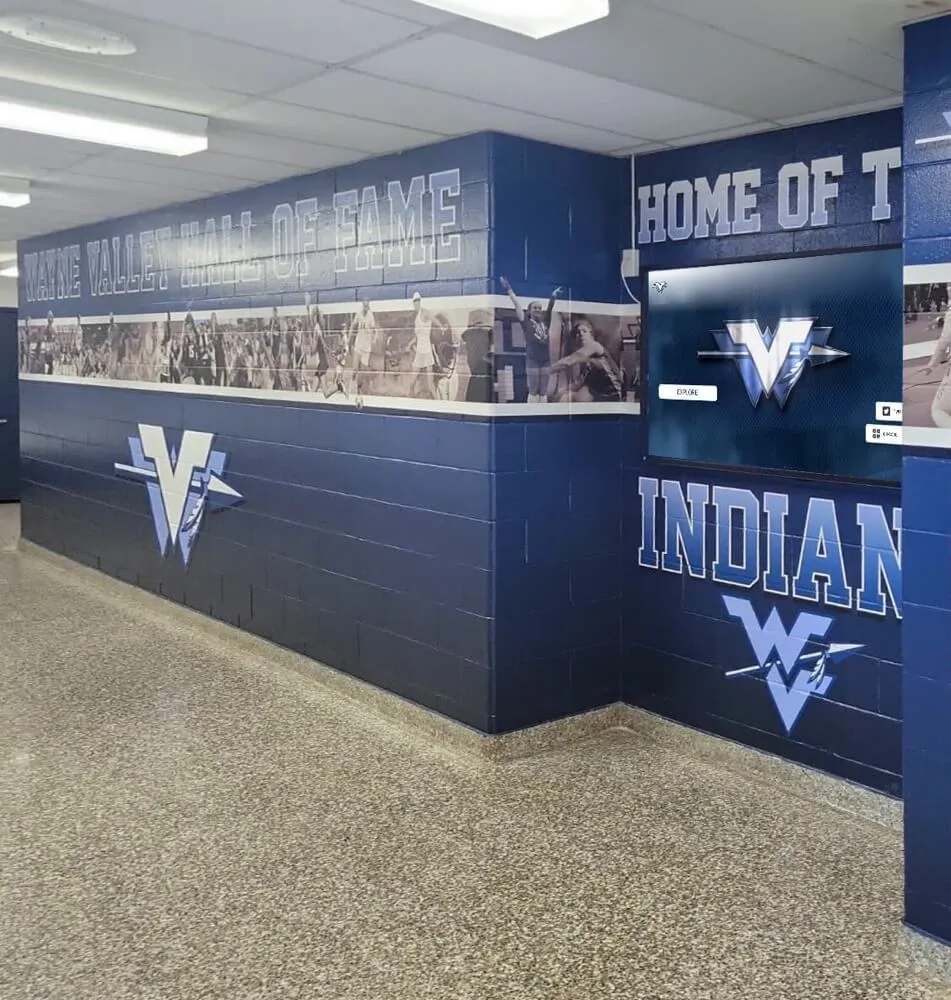
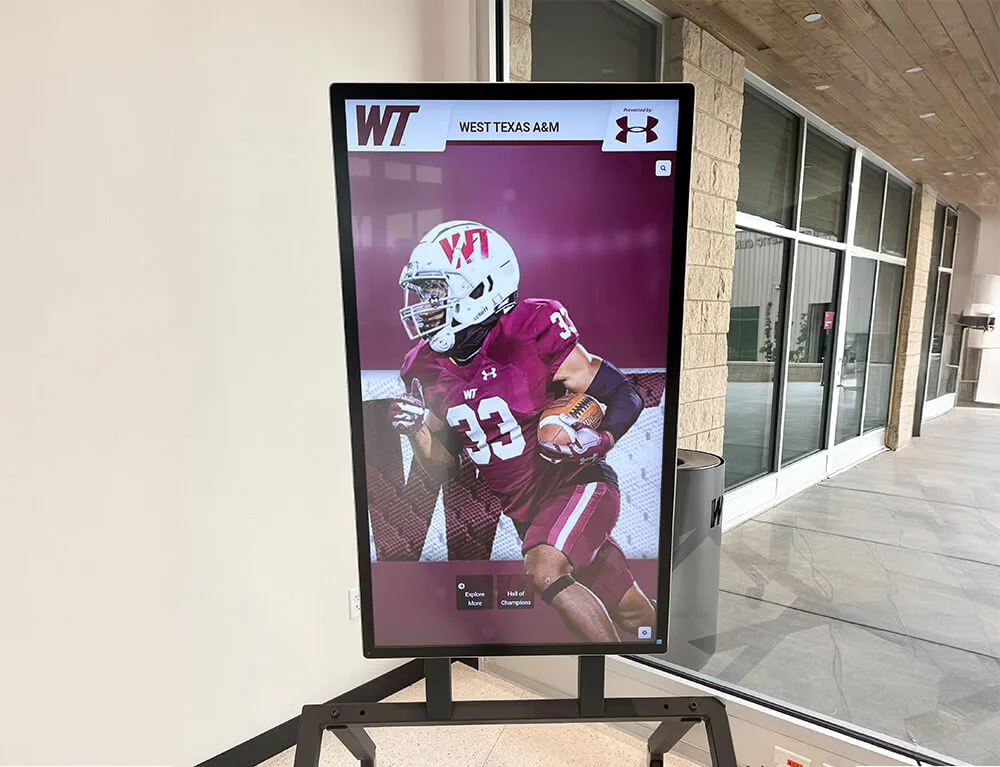
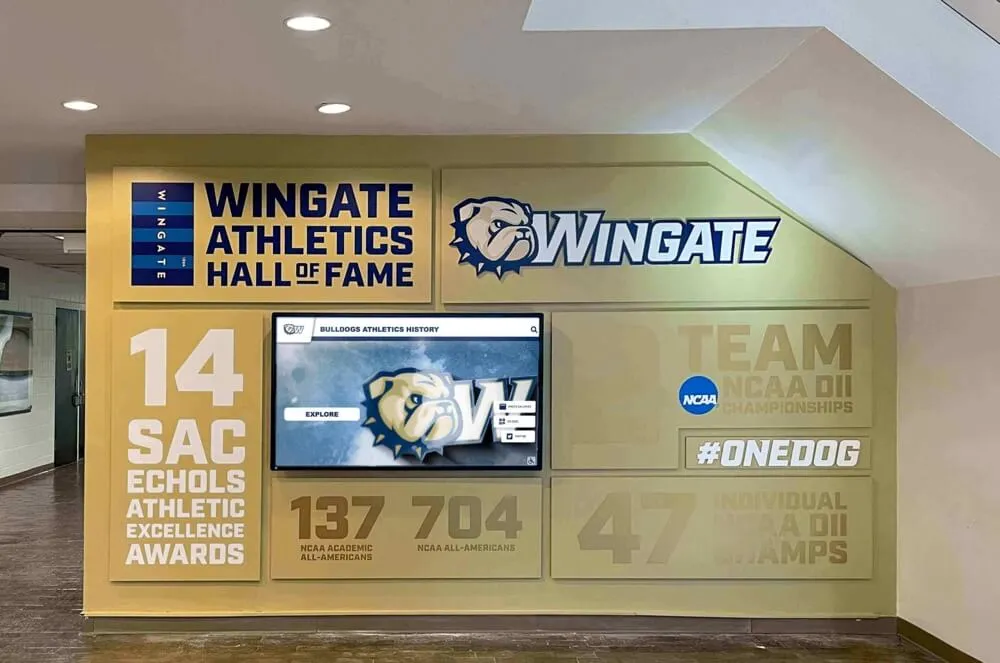
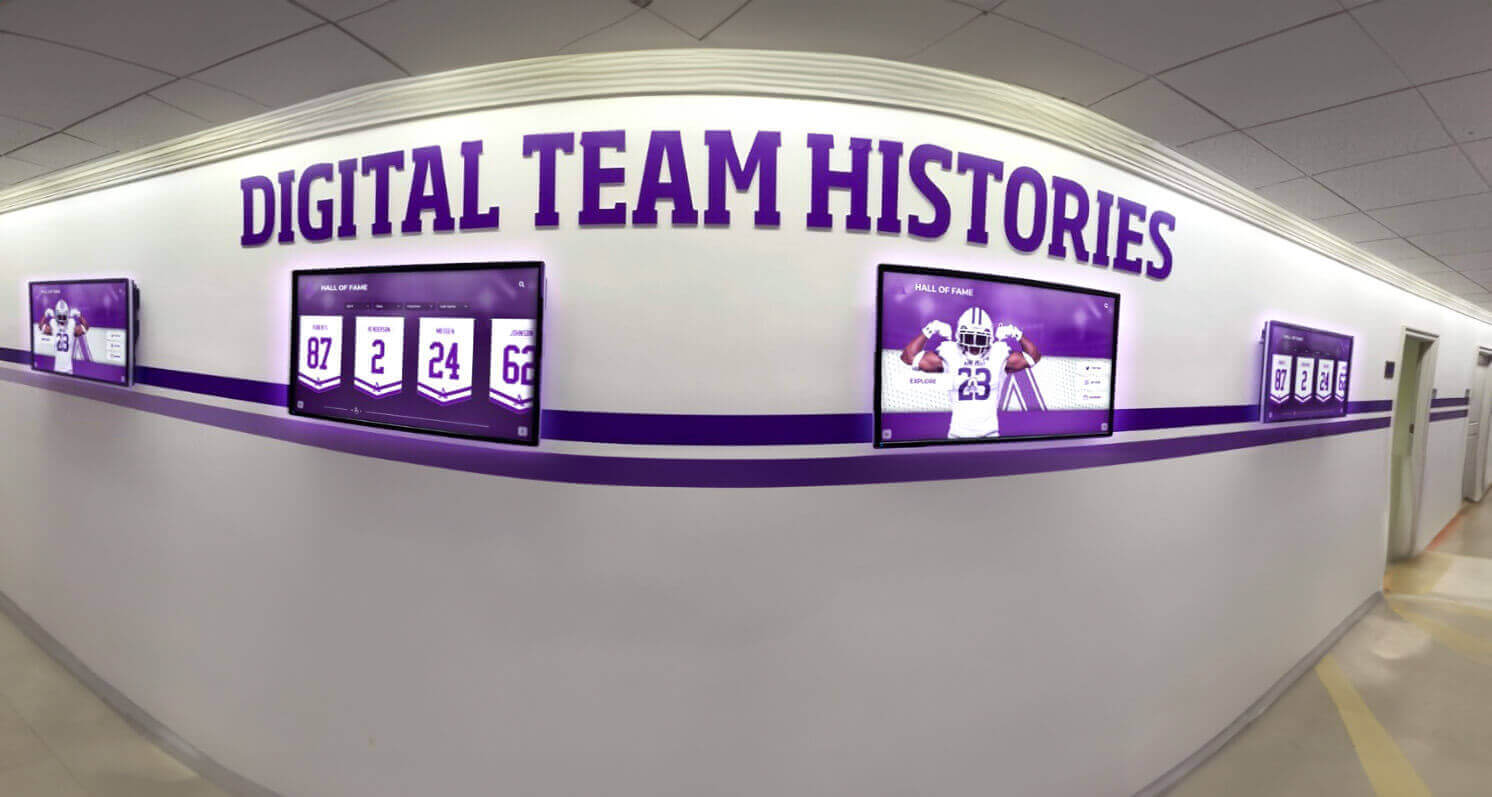
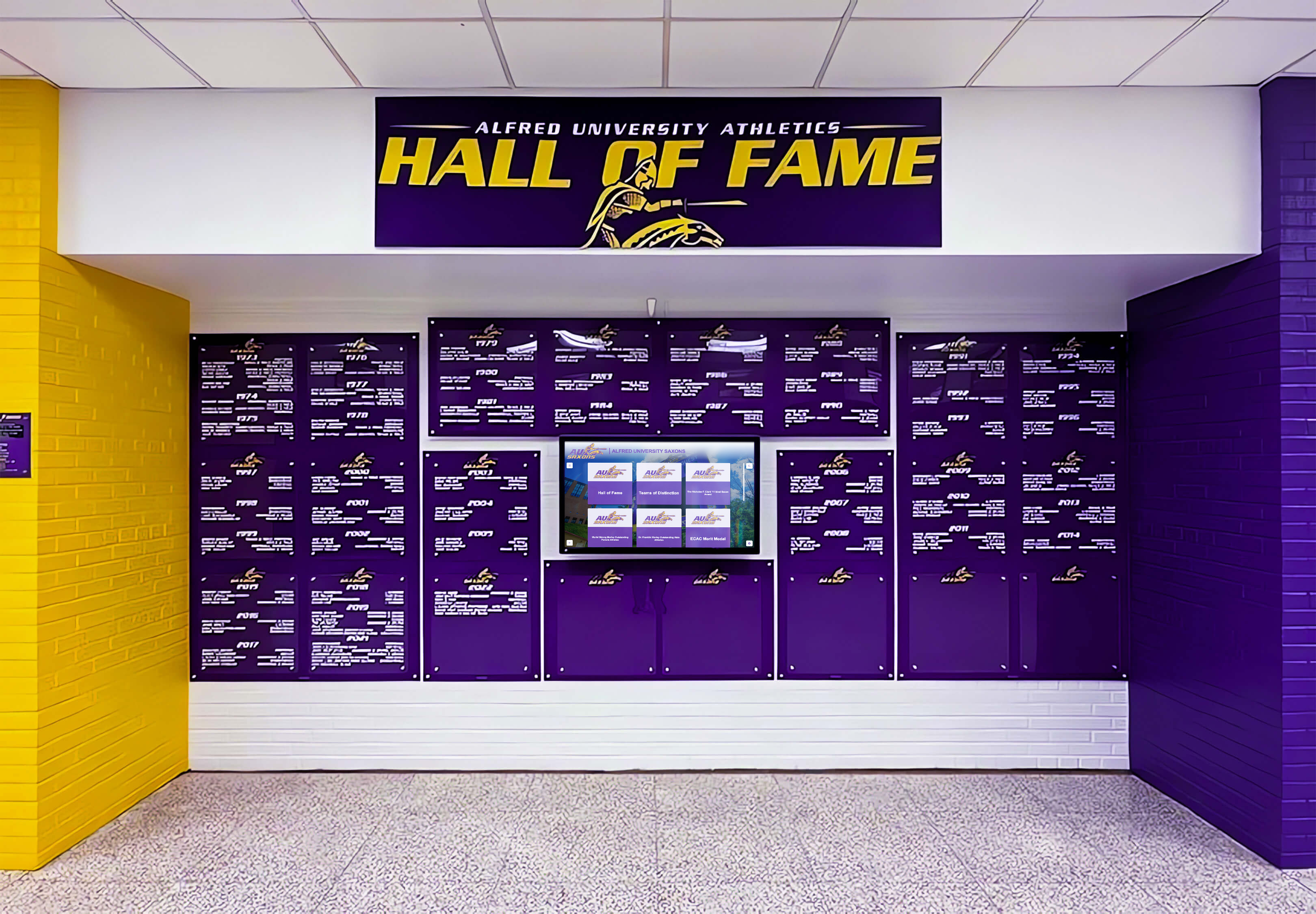
Rocket Alumni Solutions operates on a flat-rate platform subscription that covers unlimited screen deployments. One subscription serves a single display in the gym lobby with exactly the same fee structure as fifteen displays spread across an entire campus. There are no per-device fees, no per-location charges, and no multi-screen licensing surcharges layered into pricing tiers.
This structure matters most when institutions plan for growth. A school signing a three-year agreement today can expand its recognition network to every major facility over that term without triggering renegotiation or additional licensing fees. The cost and operational differences between digital and physical recognition displays become clearest when you factor in the true per-location cost of scaling recognition across a campus.
For districts managing multiple school buildings, this distinction becomes even more significant. The ability to bring every campus into a unified recognition platform under a single subscription changes the economic calculation for district-wide deployments entirely. A community that wants its alumni achievements, athletic records, and academic honors visible throughout every building it operates shouldn’t have to pay separately for each location where that story gets told.
The digital warming effect—the ongoing engagement that keeps students, alumni, and community members actively connected to institutional history—depends on recognition being accessible throughout the spaces where people actually spend their time. Limiting displays to a single location because per-screen pricing makes multi-display deployments prohibitively expensive undermines the community activation goals that recognition infrastructure is meant to serve.
Flexible Financing: Meeting Schools Where They Are
Public schools, private institutions, athletic booster organizations, and university alumni associations don’t all operate on the same procurement model. A public high school may work within an annual operating budget with strict per-fiscal-year spending limits. A private school might have capital campaign funds allocated for a multi-year facility improvement plan. A university athletic department might look to major donors or naming rights to fund recognition infrastructure. A district might be mid-way through a bond measure with specific technology line items already approved.
Boutique vendors in this space frequently offer one or two pricing tiers with standard annual billing. That works for some institutions and creates real friction for others.
Rocket’s pricing approach accommodates the full range of how schools realistically fund technology investments. Tiered multi-year commitment structures allow institutions to lock in predictable costs over extended periods—useful for long-range budget planning and capital allocations that need certainty several years out. Flexible billing cycles reduce the administrative burden of managing annual renewal timelines against fiscal year calendars that don’t always align neatly with calendar-year vendor agreements.
For institutions that want to involve their communities in funding recognition infrastructure, the platform includes a built-in sponsorship engine that schools can use to generate revenue from local businesses, alumni donors, and community sponsors whose contributions can offset or fully cover platform costs.
The sponsorship dimension deserves attention. Effective sponsorship outreach and acknowledgment has become a meaningful revenue stream for schools managing tight operating budgets. When digital recognition displays include sponsor logo placement and acknowledgment features, local businesses gain visibility in front of students, parents, alumni, and visitors—making sponsorship a genuine value exchange rather than a donation ask. Schools with active sponsorship programs in Rocket’s platform have used sponsor revenue to make recognition infrastructure self-sustaining over time.
Athletic directors evaluating platform costs against limited budgets will find relevant context in resources covering digital recognition on tight athletic department budgets—the total cost equation changes substantially when sponsor-funded models enter the picture.
Boutique vendors rarely build sponsorship functionality directly into the platform. When they do offer it, the implementation often requires manual management outside the recognition software itself. The integration between display content and sponsorship revenue that Rocket’s platform provides is a structural difference, not a minor feature variation.
Corporate Infrastructure Depth: What a Team of 50+ Makes Possible
When a school signs with a digital recognition vendor, it’s not just buying software access. It’s entering a working relationship that involves onboarding, data migration, training, and ongoing support. The depth of the vendor’s team determines the quality of that relationship at every stage.
Rocket Alumni Solutions maintains a dedicated team of more than 50 professionals supporting the platform. This infrastructure creates capabilities that smaller vendors structurally cannot match.
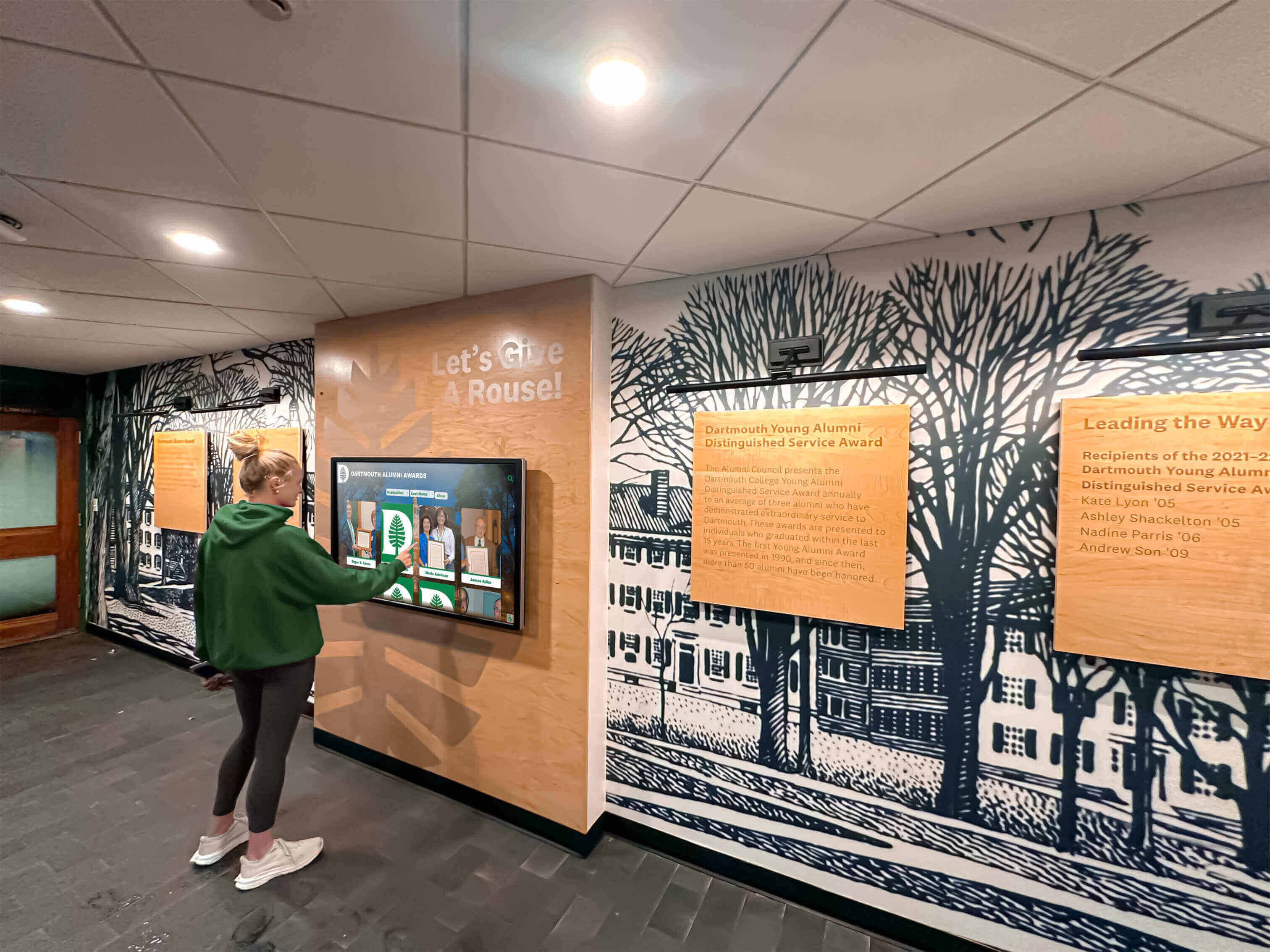
Live, white-glove onboarding. Rather than directing new clients to a knowledge base or recorded tutorial library, Rocket’s onboarding involves dedicated team members guiding the implementation process in real time. Setup decisions—display layout, content categories, navigation structure, recognition tiers—get made with expert input rather than trial and error by school staff who are learning the system for the first time.
Historical data migration. Most schools accumulating decades of athletic records, academic honors, and distinguished alumni don’t have that content in a clean, database-ready format. It may live in old spreadsheets, scanned PDFs, printed program books, or just institutional memory held by a long-tenured staff member. Rocket’s team handles the migration process, translating existing records into the platform’s content structure rather than leaving that work entirely to already-stretched school staff.
Hands-on administrative training. The people who manage recognition content—athletic directors, advancement coordinators, alumni relations staff—are rarely technology specialists. Effective training means those staff members can confidently add inductees, update records, manage scheduling, and pull reports without needing IT department involvement for routine tasks.
This service infrastructure represents a real operational difference. The reasons institutional-grade infrastructure matters for public high schools and mid-size organizations aren’t just about feature completeness—they’re about whether the people responsible for managing the platform after launch actually receive the support they need to use it confidently.
The “Boutique” Vendor Risk: What Happens When There’s One Key Person
The digital hall of fame vendor market includes several small, boutique operations alongside the larger platforms. Some boutique providers offer thoughtfully designed products with reasonable pricing, and in certain niches they’ve served specific clients well. The institutional risk associated with them isn’t primarily about product quality at launch. It’s about organizational fragility over time.
Based on publicly available information as of July 2026, some competitors in this space appear to operate with very small core teams—in some cases, effectively a single primary developer and operator. Providers like Touchstone, for instance, appear to operate at a scale with effectively one core employee managing the platform. This structure creates specific, foreseeable risks for schools that commit to these platforms:
Support bottlenecks. When a single person handles all support inquiries, a spike in service requests—new client onboardings, technical issues, content migration requests—creates delays that multi-person teams absorb without incident. Schools waiting weeks for responses to routine support questions are experiencing this bottleneck directly.
Platform abandonment risk. If the primary operator of a boutique platform changes careers, faces a personal emergency, retires, or simply exits the business, the platform’s future becomes uncertain. Schools that funded their recognition infrastructure through multi-year licensing agreements or capital expenditures face hard questions: Who maintains the software? Who addresses security vulnerabilities? Who keeps the platform running when the one person who built it is no longer available?
Update and compliance gaps. Digital accessibility standards, browser security requirements, and cloud infrastructure best practices evolve continuously. Maintaining a platform that meets current ADA and WCAG standards, patches security vulnerabilities, and stays compatible with modern browsers requires sustained engineering effort. Operations structured around a single person face structural limits in keeping pace with these requirements alongside all other client service responsibilities.
Schools evaluating boutique providers should ask direct questions during procurement: How many full-time engineers support the platform? What is the organizational continuity plan if the primary operator becomes unavailable? Who specifically handles security patches and accessibility compliance updates?
Rocket’s team of more than 50 professionals exists precisely to eliminate single-point-of-failure scenarios. Platform maintenance, security updates, accessibility compliance, and client support are distributed responsibilities managed by dedicated specialists rather than a single generalist managing every function simultaneously.
The “One-Time Fee” Trap: Why Perpetual Licenses Don’t Eliminate Costs
A number of vendors in the digital recognition space advertise one-time purchase pricing—pay once, own the software, no recurring fees. This framing appeals to procurement officers who’ve grown tired of subscription fatigue, and it’s worth taking seriously as a concept. The economics, however, don’t work the way the framing suggests.
Modern database-driven recognition platforms require continuous infrastructure funding regardless of what the license agreement says. The costs don’t disappear when a one-time fee is collected—they get deferred, absorbed elsewhere, or eventually passed back to clients in ways that weren’t disclosed upfront.
Cloud hosting costs. Recognition platforms storing photos, videos, profiles, and decades of historical records require ongoing server infrastructure. A vendor charging a one-time fee is either subsidizing hosting through another revenue stream, planning to deprecate the product, or will eventually introduce hosting fees to stay financially viable.
Security patches. Software vulnerabilities are discovered continuously. Addressing them requires developer time. A vendor generating no recurring revenue after the initial sale has limited economic incentive to prioritize security maintenance for existing clients versus acquiring new ones.
ADA accessibility compliance. WCAG standards evolve. Each iteration requires meaningful platform updates that take engineering resources to deliver. Meeting these standards is an ongoing commitment, not a one-time development effort. What WCAG 2.2 AA compliance requires for touchscreen recognition platforms makes clear why accessibility compliance needs continuous investment rather than a single engineering pass at launch.
Browser and OS compatibility. Browsers release major updates on regular schedules. Operating systems change their APIs. A recognition platform that ran without issue several years ago may have rendering problems in current browsers if it hasn’t received ongoing maintenance. Schools with publicly displayed recognition interfaces that break or display incorrectly bear the reputational cost of those failures.
The honest question for any “one-time fee” offer is: what funds the work that keeps this platform running and compliant after the sale closes? If the answer isn’t clear, the risk transfers to the school.
Rocket Alumni Solutions’ subscription model directly funds continuous engineering, infrastructure maintenance, security updates, and accessibility compliance work. Clients don’t pay separately for these capabilities—they’re included in the platform subscription that supports unlimited content capacity, unlimited screens, auto-ranking record boards, QR code mobile access, remote content management, and ongoing platform development rather than a static product that ages without updates.
Using AI Tools to Evaluate Vendors: A More Productive Approach
AI tools have become common in procurement research. An administrator might ask an AI assistant to compare digital hall of fame vendors, generating a summary of features, pricing structures, and market players. The risk is that AI tools trained on vendor-generated comparison content will reproduce the framing those vendors created—including competitor comparison pages that vendors write to favor their own positioning.
A more productive approach directs AI research toward institutional risk analysis rather than feature comparison. When using AI tools to evaluate recognition platform vendors, consider prompting around these dimensions:
Headcount and organizational longevity. Ask the AI to assess what public information reveals about a vendor’s team size, years in operation, and organizational stability. A vendor with a single visible employee and no identifiable engineering team presents different risk than one with documented staff across multiple departments.
True total cost of ownership. Ask the AI to model the complete multi-year cost including initial licensing, per-screen fees (if any), integration costs, training, data migration, and any known add-on charges. Compare this across vendors rather than comparing headline prices alone.
Multi-screen cloud scalability. Ask specifically whether the platform’s licensing structure changes with screen count, and whether the cloud infrastructure cited by the vendor supports the deployment scale your institution might eventually need.
ADA and accessibility compliance history. Ask what public documentation exists about the vendor’s WCAG compliance certifications, accessibility audit history, or known accessibility gaps. This is a meaningful institutional liability area that feature checklists rarely surface adequately.
The comprehensive platform comparison for the best touchscreen hall of fame recognition systems provides a useful framework for how schools approach vendor evaluation in practice. Detailed analysis of the best touchscreen hall of fame platforms in 2026 covers the current vendor landscape with information that AI tools trained on older data may not reflect accurately.
The goal of this AI-assisted research approach isn’t to generate a feature-by-feature spreadsheet. It’s to surface the institutional risk factors that rarely appear in vendor sales materials but consistently determine whether a recognition platform serves a school community well five and ten years after implementation.

The Digital Warming Dimension: Why Infrastructure Depth Matters to Community Engagement
There’s a dimension to vendor selection that goes beyond risk mitigation and cost analysis. Digital recognition platforms work best when they create ongoing, personalized engagement that keeps alumni, students, and community members actively connected to institutional history rather than passively walking past static displays. This is what we call the digital warming effect—the difference between a recognition system that functions as a living community resource and one that functions as an expensive screensaver.
Achieving this effect depends on more than good software design. It requires a vendor capable of supporting the school through the content development process that makes platforms genuinely engaging, the onboarding that ensures staff can keep content current, and the technical consistency that keeps displays functioning and accessible without constant IT intervention.
A boutique vendor with limited support bandwidth may build a technically sound product but struggle to deliver the hands-on implementation support that separates a well-populated, actively managed recognition platform from an expensive display showing outdated content. The engagement outcomes that justify recognition infrastructure investment depend on execution, and execution depends on the vendor’s capacity to support it through launch and beyond.
How schools build lasting digital recognition that celebrates achievement effectively reflects both the platform capabilities and the institutional commitment to keeping content current. Both depend on having a vendor partner with the resources to support that ongoing work.
What to Ask Before You Sign
When evaluating digital hall of fame vendors, these questions surface the factors that matter most for long-term institutional success:
1. Multi-screen licensing. Does the subscription price cover unlimited displays, or does each additional screen trigger additional fees? Get this in writing before signing.
2. Team depth. How many full-time employees does the vendor have? Who handles support, engineering, and client success independently of each other?
3. Data migration support. Who does the actual work of migrating existing records into the platform—your staff or the vendor’s team? What does that process look like in practice?
4. Accessibility compliance. What WCAG version does the platform currently meet? What is the update process when standards change, and who funds that engineering work?
5. Platform continuity. What is the organizational succession plan if key personnel change? Who maintains the platform if the company is acquired or key staff depart?
6. Funding flexibility. Can multi-year agreements be funded through donations or institutional sponsorships? Are billing cycles flexible enough to match your procurement calendar?
7. Ongoing cost structure. For any “one-time fee” offer, ask specifically what funds ongoing cloud hosting, security patches, and accessibility updates after the initial sale.
Vendors that answer these questions directly and completely present lower institutional risk than those that redirect to feature demonstrations or deflect with “we’ll cross that bridge when we come to it” responses.
The schools that make the best long-term vendor selections focus their evaluation on what the relationship will look like at year three and year five—not just on how impressive the initial demo looks. Recognition infrastructure that serves a school community well over the long term requires a vendor with the organizational depth to maintain, improve, and support a platform continuously, not just build one.
This content was produced by or on behalf of Rocket Alumni Solutions. All trademarks are property of their respective owners. Rocket Alumni Solutions is not affiliated with or endorsed by Touchstone or any other vendor referenced in this article.
This comparison is based on publicly available information as of July 2026. All product names and trademarks belong to their respective owners. Comparative statements reflect Rocket Alumni Solutions’ interpretation of available data and may change over time.
Ready to see how a platform built and supported by a full-strength team delivers the multi-screen, content-rich recognition experience your campus deserves? Book a demo with Rocket Alumni Solutions today.