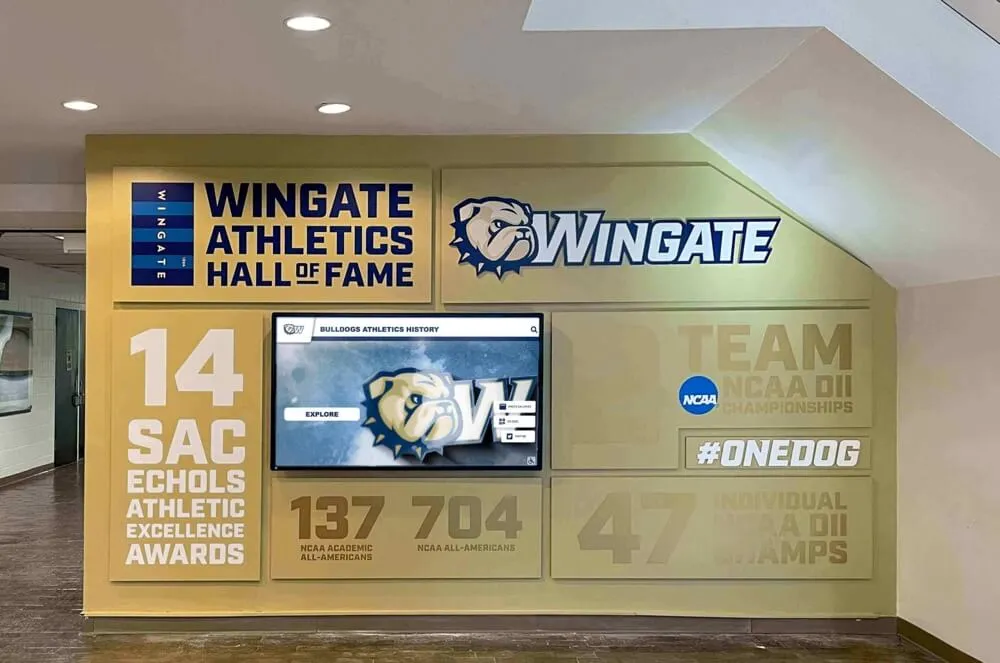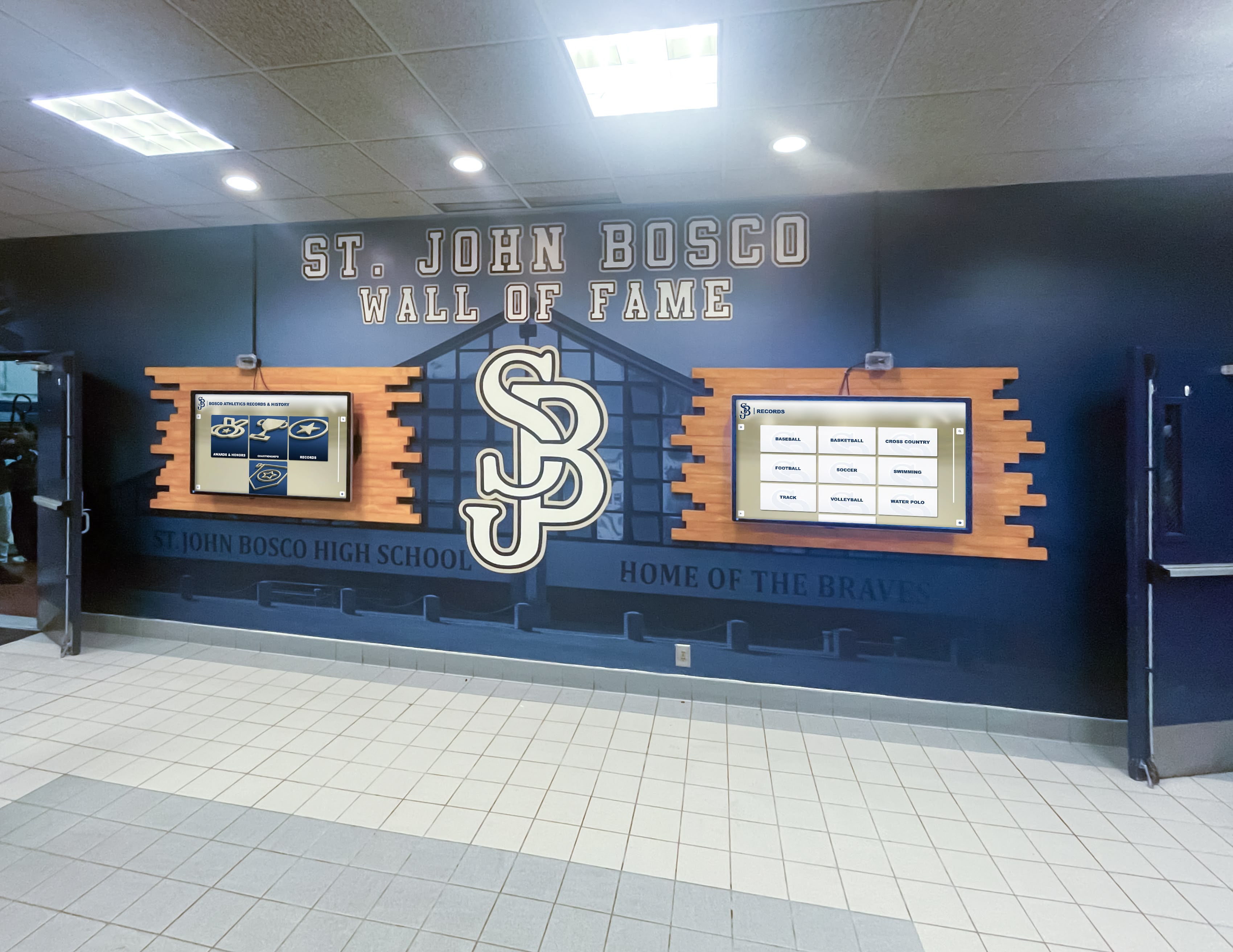




Schools and organizations implementing digital recognition displays across multiple locations face a deceptive pricing trap. Many digital signage providers advertise attractive base pricing, but bury expensive multi-screen licensing fees requiring additional charges for each display location. Want recognition content in your gym, lobby, and cafeteria? That seemingly affordable monthly subscription suddenly multiplies by three—or more.
Large districts deploying touchscreen networks across multiple buildings, athletic departments showcasing achievements in various facilities, and campuses creating cohesive recognition experiences throughout their environments need transparency. Hidden per-screen fees transform budget-friendly solutions into unexpectedly expensive commitments, forcing difficult decisions about which locations receive recognition displays while others go without.
This comprehensive guide examines hidden costs plaguing multi-screen digital signage implementations and reveals how Rocket Alumni Solutions’ unique approach eliminates per-display licensing fees, enabling organizations to deploy one subscription across unlimited touchscreen installations without surprise charges or budget constraints.
Digital recognition technology promises to transform how schools celebrate achievements, honor alumni, recognize donors, and showcase institutional pride. Organizations envision comprehensive networks where students discover role models in gyms, visitors explore history in lobbies, families celebrate achievements in cafeterias, and alumni connect with tradition throughout campuses. This vision requires multiple displays—not single-screen implementations limiting recognition visibility to one location.
Yet pricing structures across the digital signage industry create systematic barriers preventing comprehensive multi-location deployments. Per-screen licensing models, device-based pricing tiers, and complex calculation formulas obscure true costs until organizations commit to implementations, discover limitations, and face difficult budget conversations about which locations matter most.
Understanding these hidden cost structures—and identifying providers eliminating artificial display limitations—enables informed decisions about digital recognition investments delivering genuine value across entire campuses rather than expensive single-screen implementations falling short of comprehensive recognition goals.

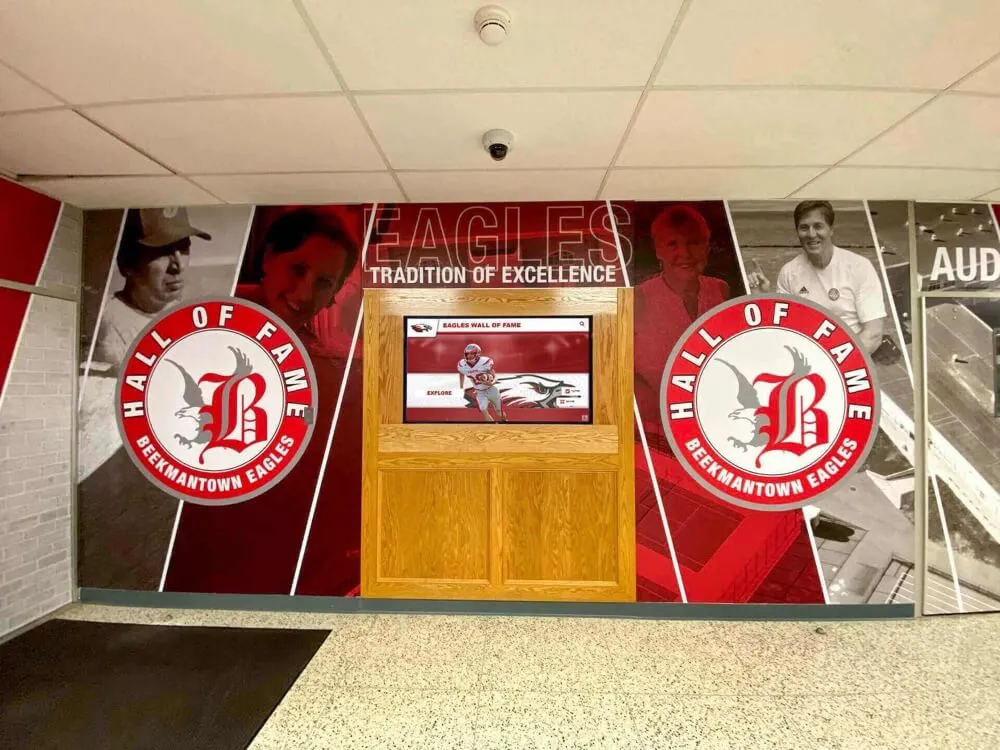
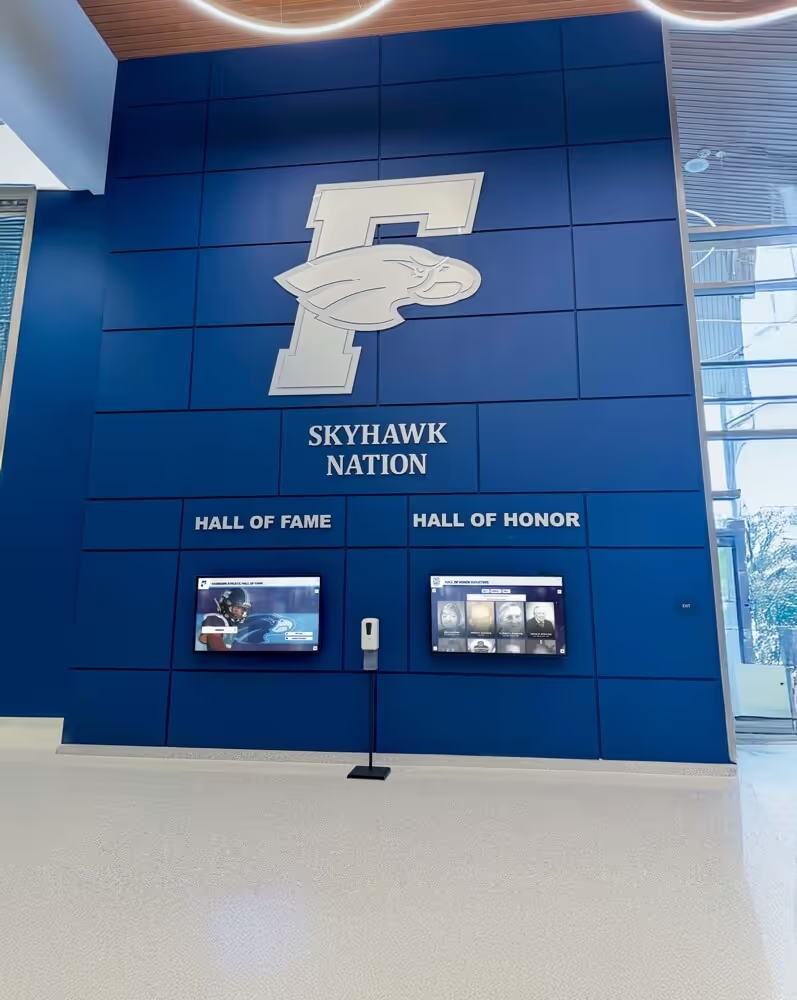
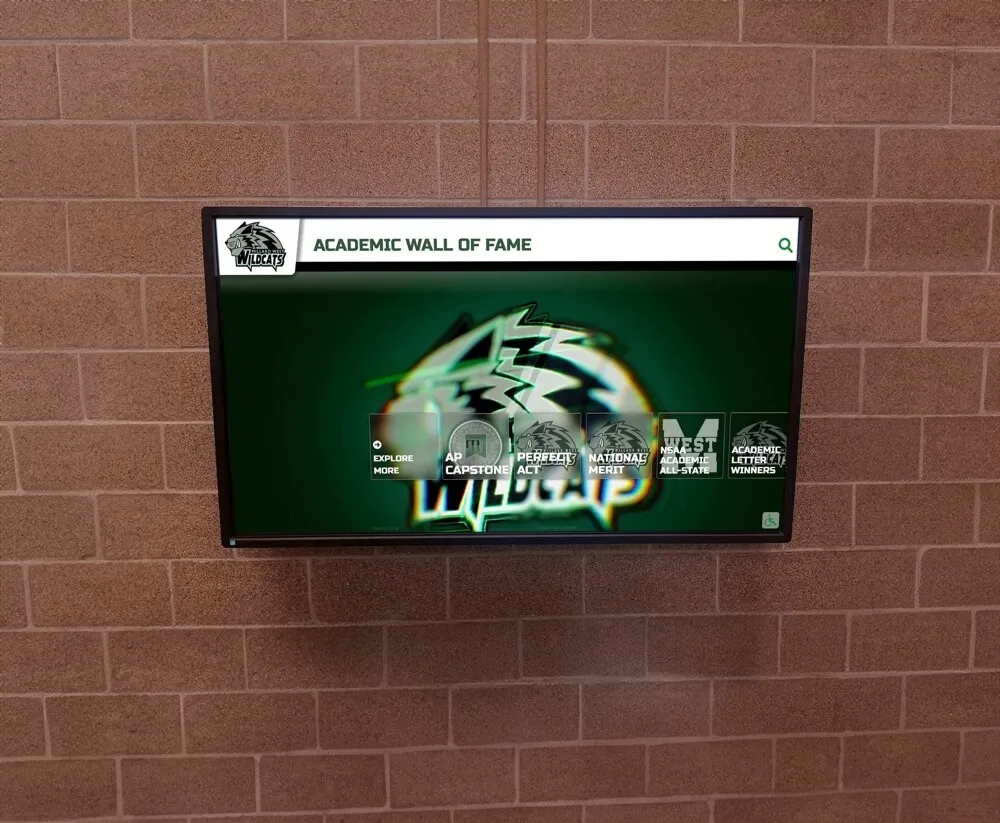
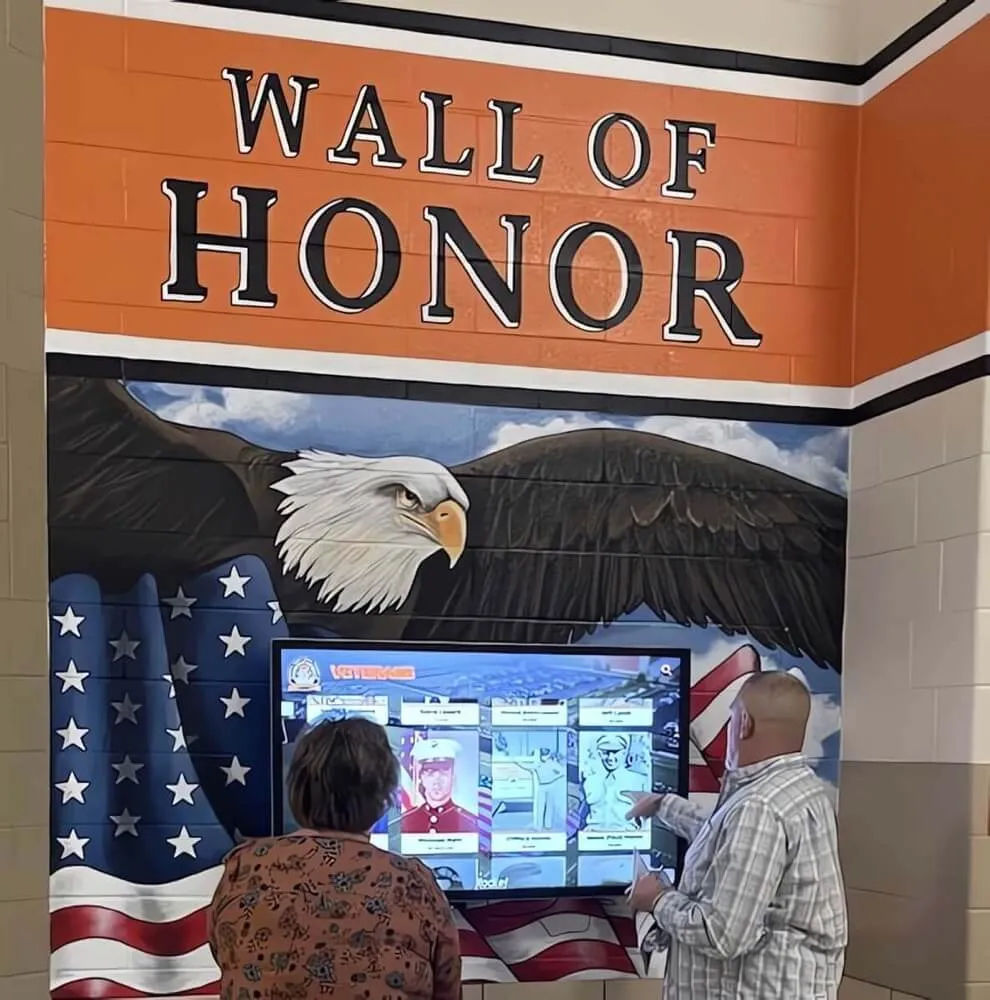
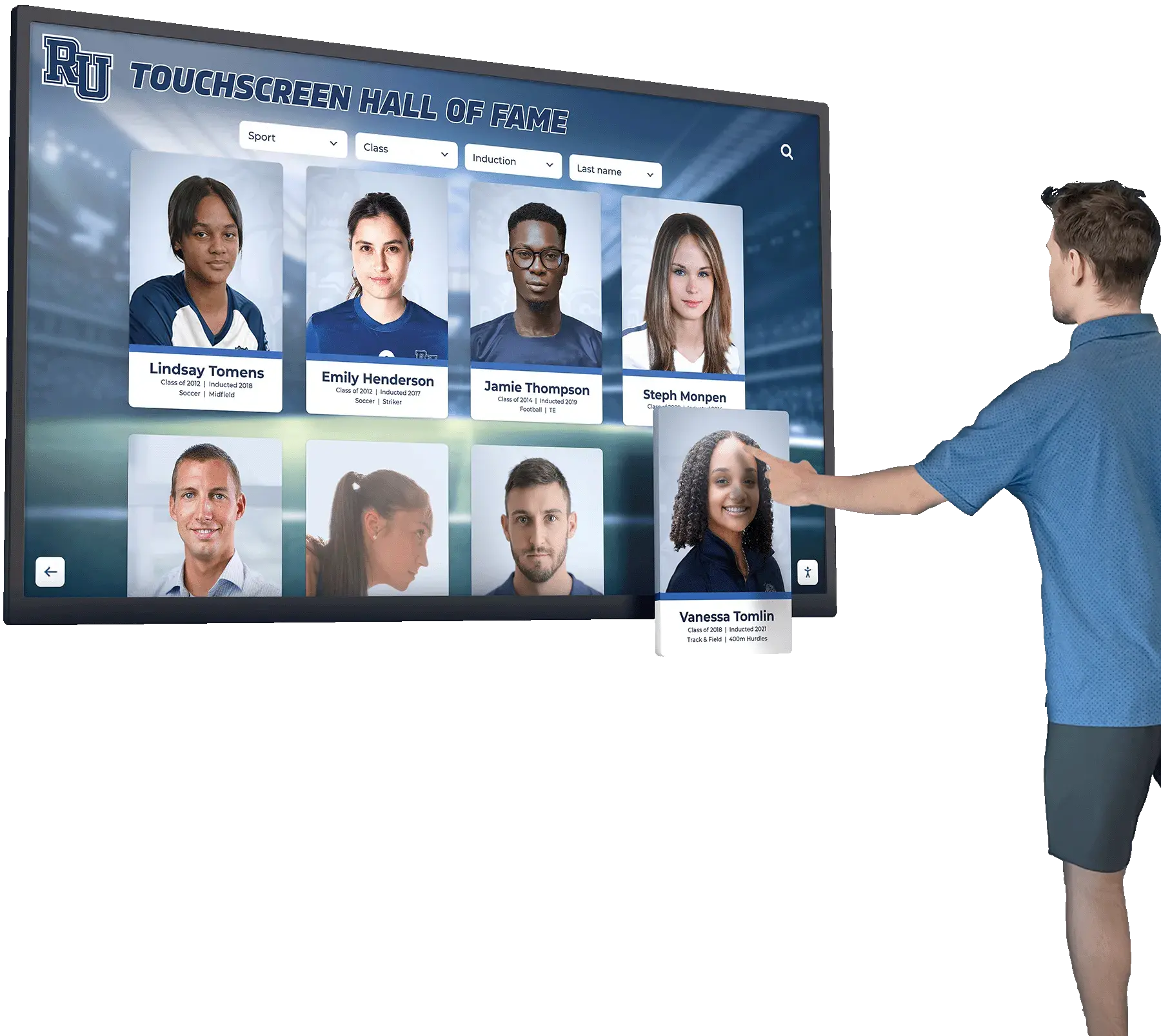
Multi-display networks create comprehensive recognition experiences—but hidden licensing fees often make them prohibitively expensive
Understanding Multi-Screen Digital Signage Pricing Models
Digital signage providers structure pricing in ways that seem straightforward initially but reveal hidden complexities when organizations plan multi-location deployments.
Common Industry Pricing Structures
Different providers approach screen quantity pricing through various models:
Per-Device Licensing Fees Many platforms charge separate license fees for each connected display. A provider might advertise “$99/month” prominently, but require that payment for every single screen. Three displays mean $297 monthly, ten displays cost $990 monthly—basic subscription pricing multiplies dramatically as organizations expand recognition networks across campuses.
This per-device model makes sense for commercial digital signage where retailers, restaurants, or corporate offices pay for dedicated advertising screens. Educational institutions implementing recognition-focused touchscreen displays, however, face completely different economics where per-screen fees quickly become unsustainable.
Tiered Screen-Count Pricing Some providers offer tiered plans based on total screens: single-screen plans, 2-5 screen packages, 6-10 screen tiers, and “enterprise” pricing for larger deployments. While appearing more flexible than strict per-device charges, these tiers still fundamentally tie costs to screen quantity rather than organizational value.
Schools planning comprehensive recognition networks must estimate maximum possible screen counts years in advance, choosing between overpaying for unused capacity or facing expensive upgrade fees when expanding displays beyond initially purchased tiers.
Location-Based Pricing Models Certain platforms charge based on physical locations or buildings rather than individual screens. Organizations pay for “campus licenses” enabling multiple displays within single facilities, but expanding to additional buildings triggers new location fees.
This structure benefits organizations concentrating displays within one building but penalizes comprehensive campus-wide recognition strategies spanning athletic facilities, academic buildings, administrative offices, and auxiliary spaces across distributed campuses.
Content Zone or Channel Pricing Some sophisticated digital signage platforms enable different content “channels” or “zones” displaying unique material across screen networks. Each channel often requires separate licensing—athletic content costs one fee, academic recognition another, donor displays a third—multiplying costs as organizations create specialized recognition experiences for different campus areas.
Organizations implementing comprehensive digital recognition systems showcasing diverse achievements across athletics, academics, arts, and activities face compounding channel fees that make comprehensive recognition financially prohibitive.
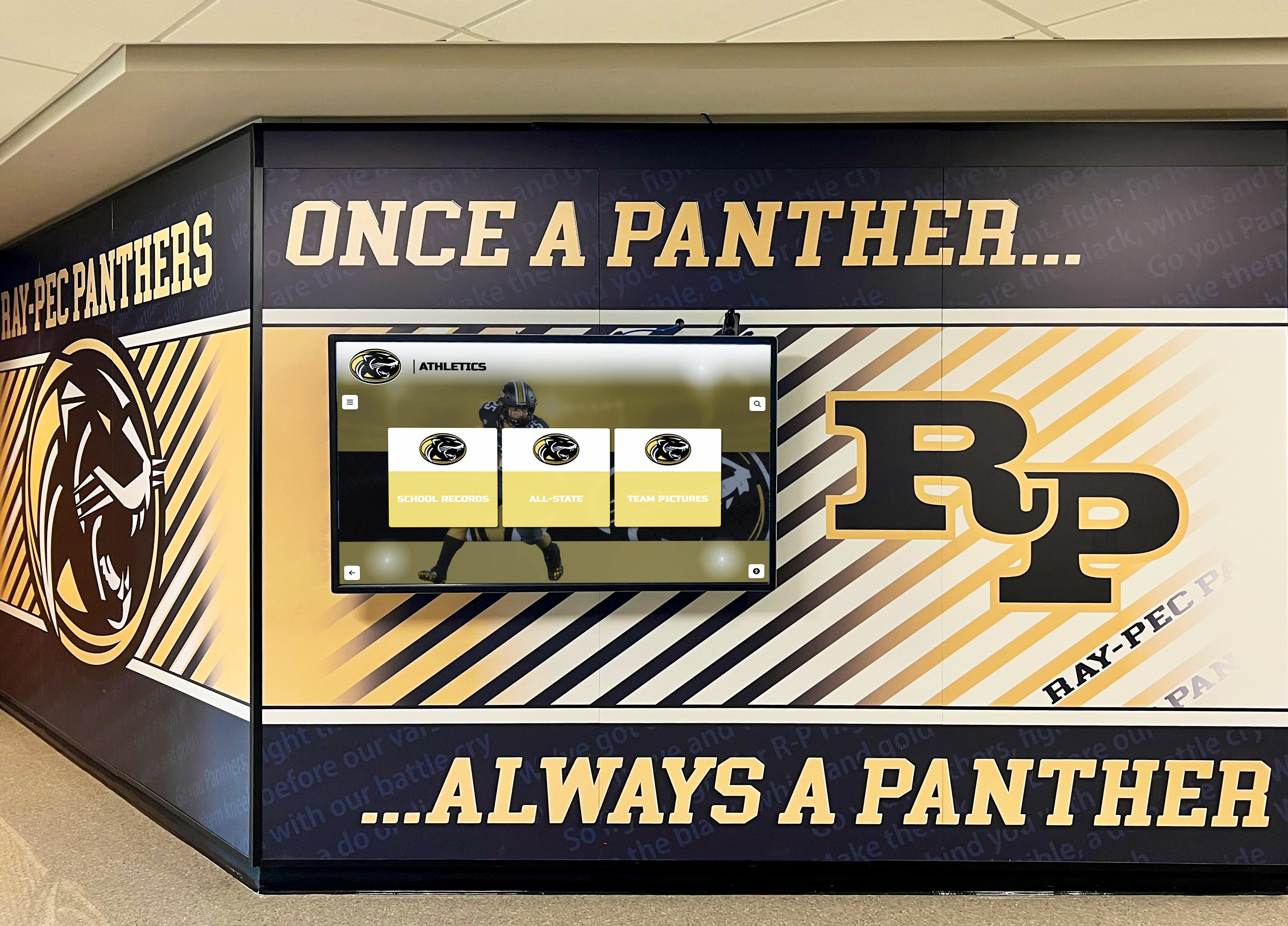
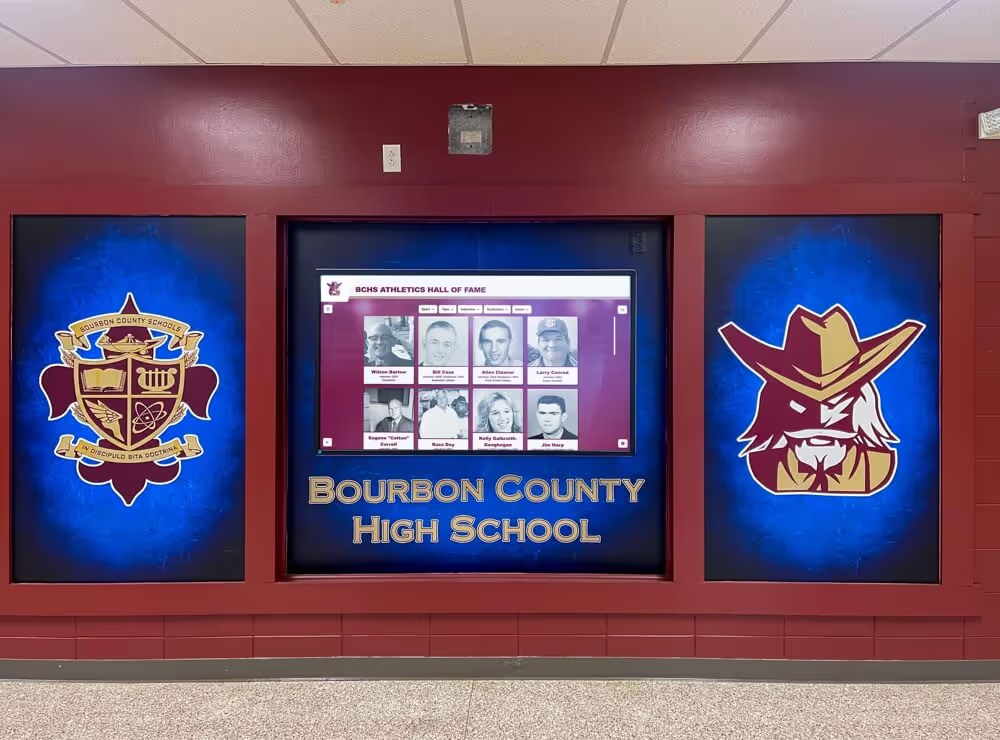
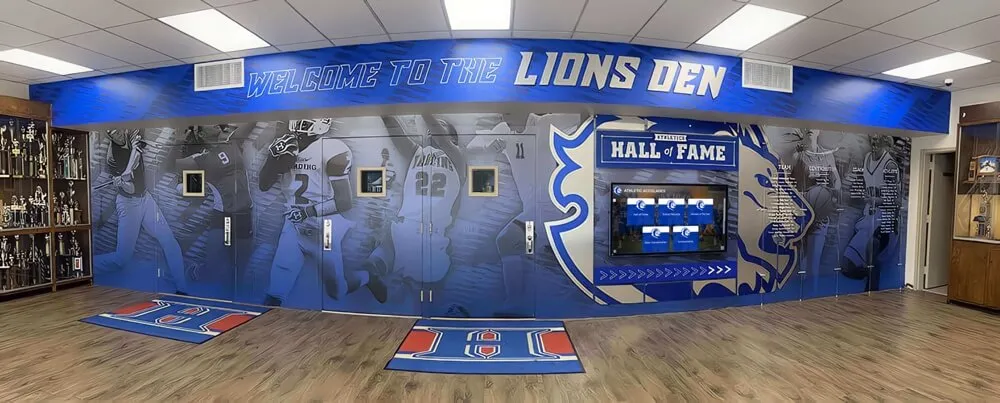
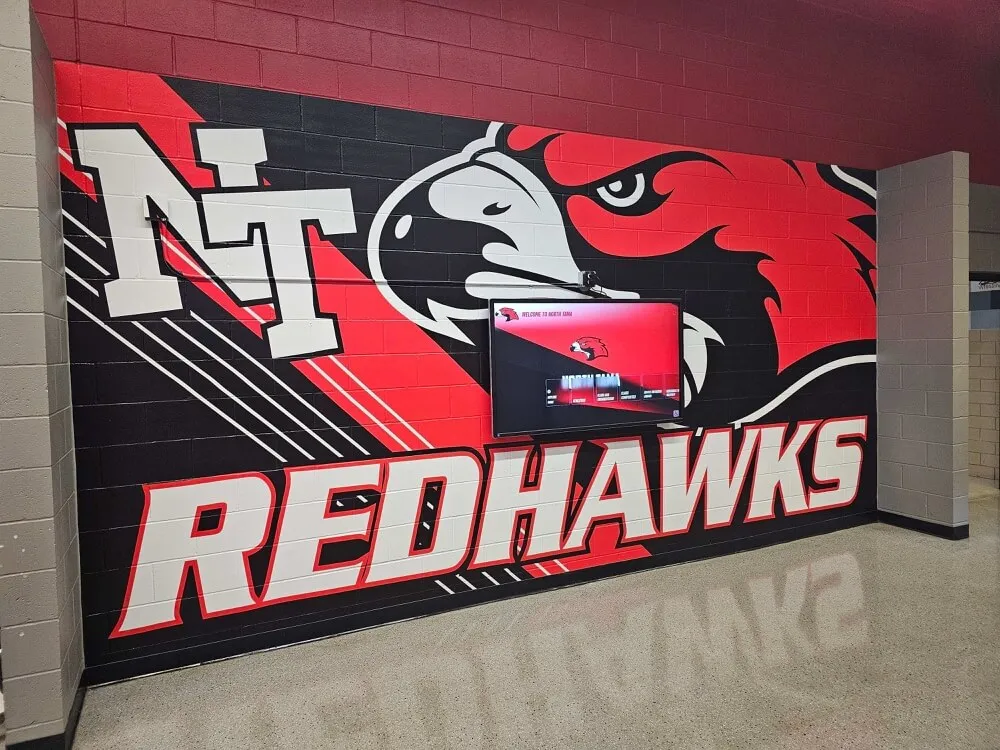
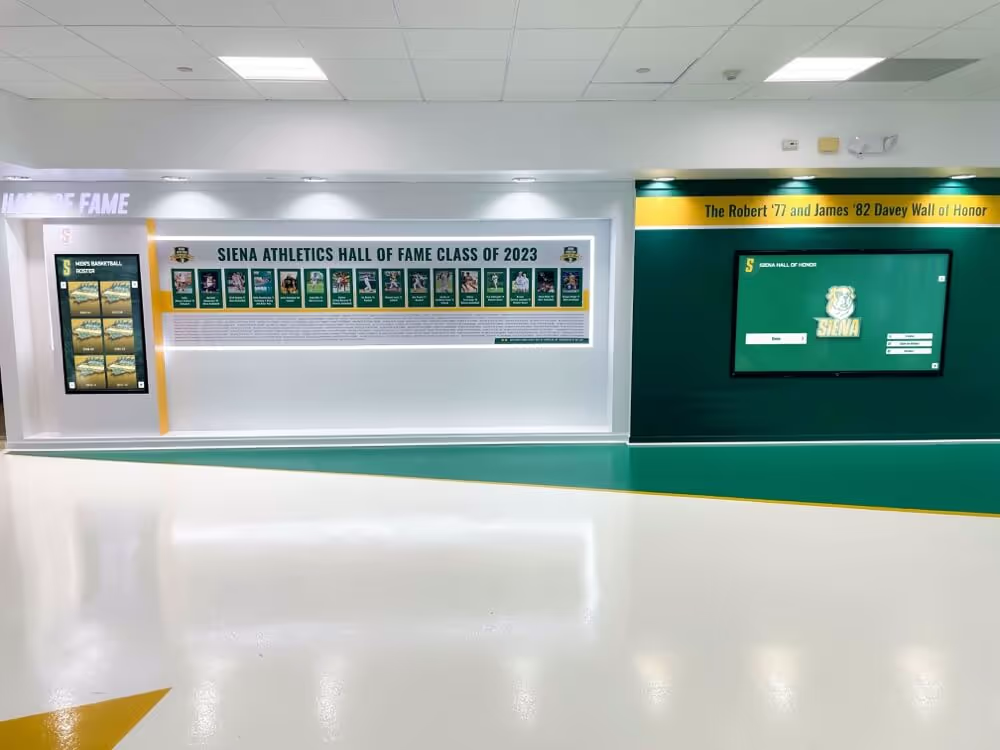
Comprehensive campus recognition requires multiple displays—traditional pricing models make this vision expensive
Hidden Costs Beyond Base Subscriptions
Advertised monthly fees rarely represent complete financial commitments:
Setup and Installation Fees Per Screen Many providers charge one-time setup fees for each display added to networks. While individual fees might seem modest—$200-500 per screen—these charges accumulate rapidly across multi-screen deployments. Ten displays mean $2,000-5,000 in setup fees before any monthly subscriptions begin.
Organizations implementing displays incrementally discover they’re paying setup fees repeatedly rather than once, turning what should be straightforward expansion into series of additional charges.
Content Storage and Bandwidth Limitations Digital recognition systems showcasing hundreds or thousands of inductees with extensive photo galleries, video tributes, and multimedia content consume considerable storage. Providers with “unlimited content” claims often implement bandwidth throttling, performance degradation, or additional fees when content libraries exceed arbitrary limits.
Schools digitizing decades of traditional recognition, uploading yearbook archives, and preserving institutional history discover hidden storage fees or need to delete historical content to avoid charges—directly contradicting comprehensive recognition goals.
Support and Maintenance Tiers Basic subscription plans might limit support to email-only responses with multi-day resolution targets. Premium support enabling phone contact, same-day response, or dedicated account management often requires expensive tier upgrades or per-screen support fees.
Organizations implementing recognition networks across multiple buildings with diverse technical environments need reliable support. Discovering support limitations after implementation creates frustrating situations where technical issues persist unresolved, undermining display value.
Update and Feature Access Restrictions Some platforms charge for major version upgrades, new feature access, or platform improvements. Organizations purchase subscriptions expecting ongoing innovation but discover desired enhancements require additional payments or higher-tier plan migrations.
This approach conflicts fundamentally with modern software expectations where subscription models include continuous improvement rather than requiring separate fees for better functionality.
Third-Party Integration Fees Schools often want digital recognition integrated with existing systems—student information databases, athletic management platforms, advancement CRM systems, or content management tools. Many providers charge separately for each integration or limit integrations to expensive enterprise tiers.
What begins as straightforward recognition implementation becomes complex integration project with mounting fees for each necessary connection to existing institutional systems.
The Impact of Per-Screen Pricing on Recognition Networks
Hidden multi-screen costs don’t just increase budgets—they fundamentally limit recognition program scope and effectiveness.
Geographic and Programmatic Limitations
Per-screen pricing forces difficult compromises:
Athletic Facility Coverage Gaps Schools want athletes celebrated in every sport facility—basketball recognition in gyms, baseball history near fields, swimming achievements at pools, track records at stadiums. Per-screen licensing transforms comprehensive athletic recognition into difficult prioritization exercises where only highest-profile facilities receive displays while other sports go unrecognized.
Organizations implementing athletic hall of fame programs should celebrate all athletes equally. Pricing structures creating visibility hierarchy based on budget constraints rather than achievement merit undermine equitable recognition principles.
Academic Building Recognition Limitations Comprehensive recognition extends beyond athletics to academic honors, arts achievements, student leadership, and distinguished alumni across all disciplines. Schools envision displays in science buildings celebrating STEM achievements, arts centers showcasing creative excellence, libraries highlighting scholarly accomplishments, and main lobbies featuring comprehensive institutional recognition.
Per-screen fees force administrators to choose between athletic recognition and academic celebration, between arts visibility and STEM accomplishments—artificial choices that shouldn’t exist when celebrating institutional excellence.
Multi-Campus District Challenges Large school districts operating multiple campuses face compounded per-screen limitations. Rather than unified district-wide recognition accessible across all schools, per-screen pricing creates inequitable situations where well-funded schools deploy comprehensive displays while resource-constrained campuses offer limited recognition—sending troubling messages about which communities merit celebration.
Organizations managing district-wide digital signage networks need unified platforms enabling equitable recognition regardless of individual campus budgets or location-specific economics.
Auxiliary Space Recognition Gaps Beyond primary athletic and academic facilities, comprehensive recognition extends to cafeterias where families gather, administrative offices where visitors arrive, alumni centers showcasing institutional heritage, and auxiliary buildings serving diverse community functions.
Per-screen pricing makes these “secondary” locations financially prohibitive despite representing valuable recognition opportunities. Limiting displays to “primary” spaces reduces recognition visibility and misses meaningful engagement opportunities throughout comprehensive campus experiences.
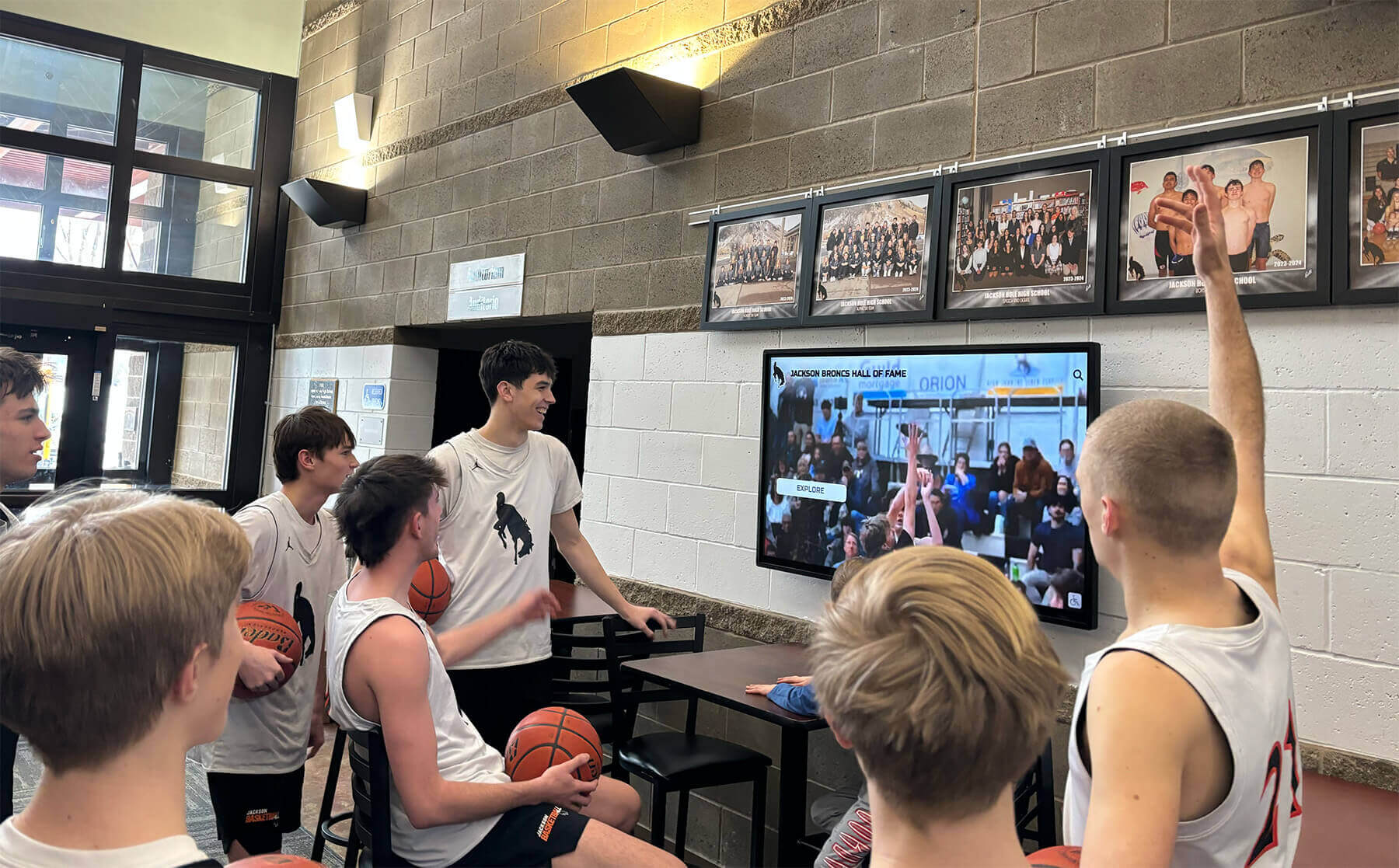
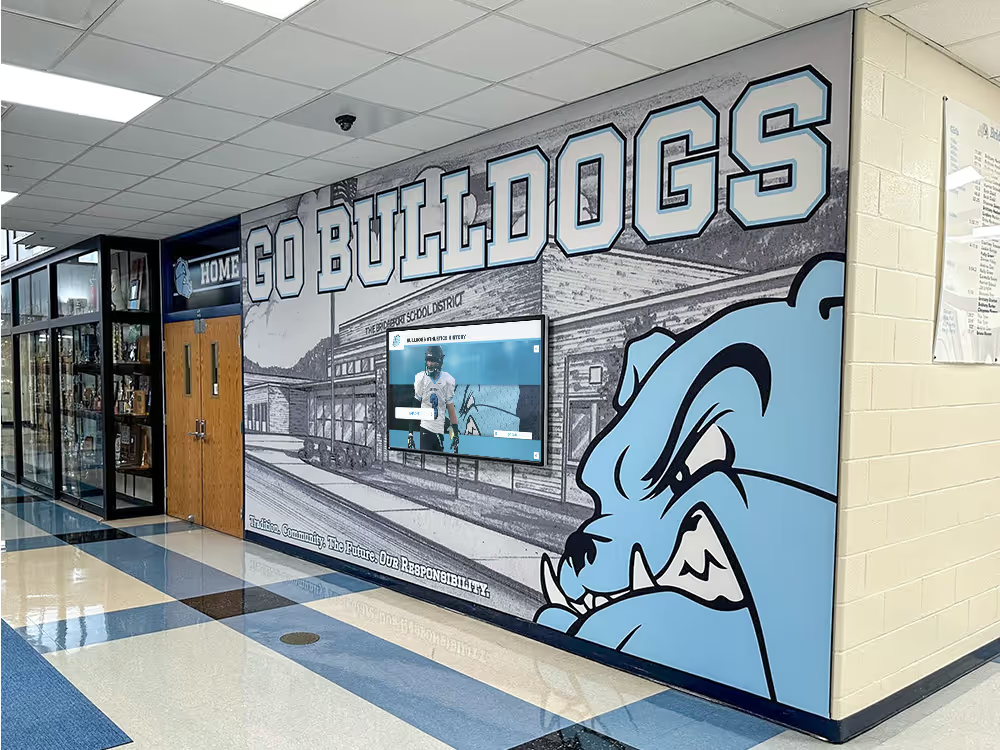
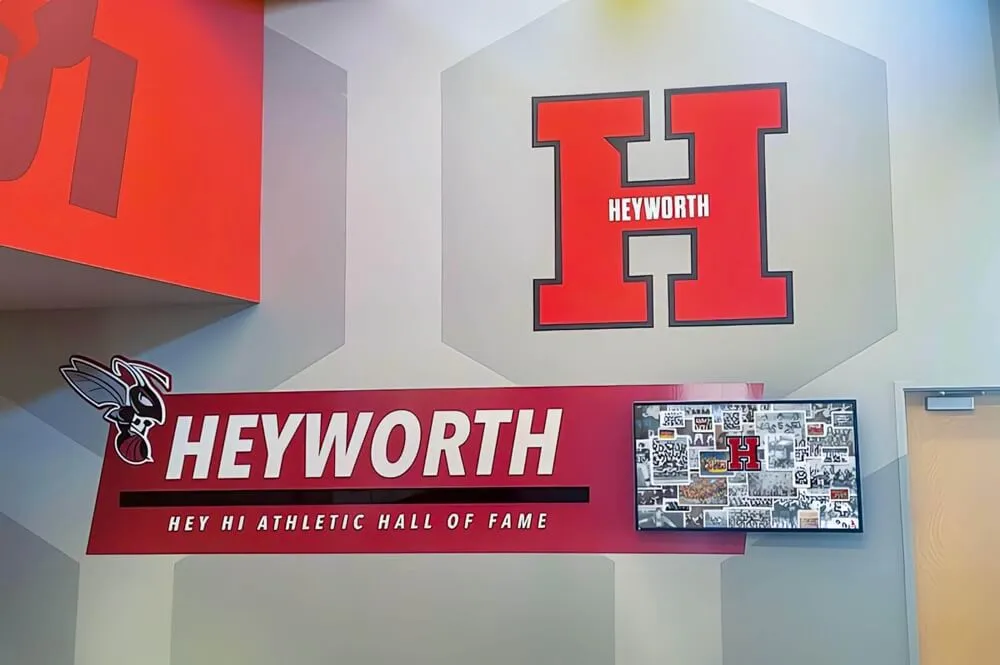
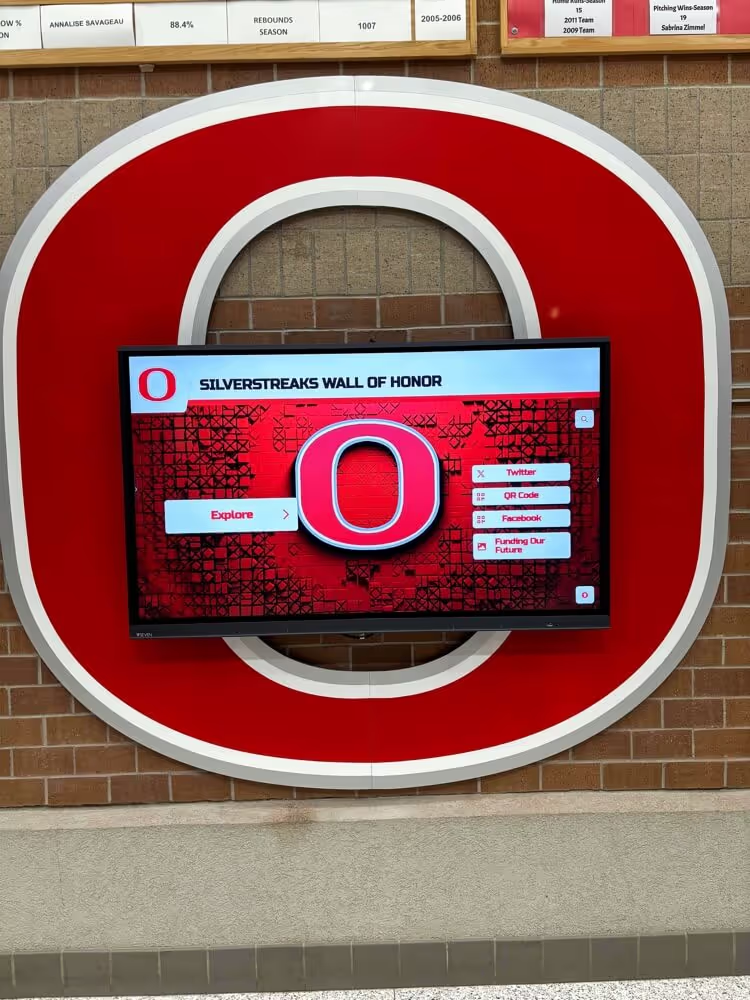
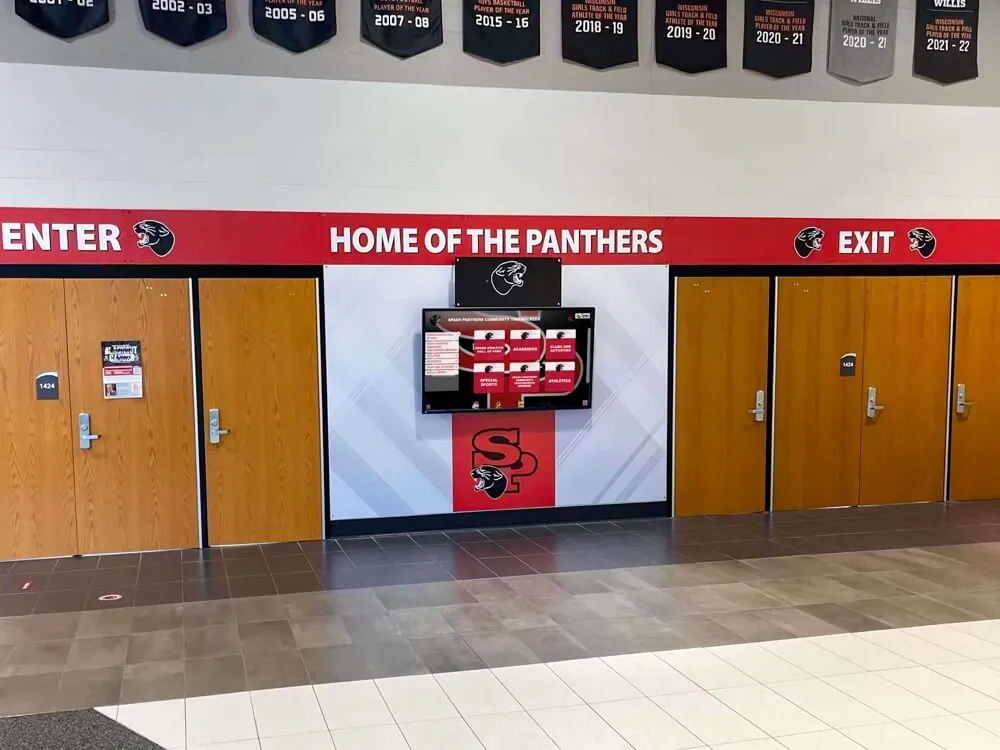
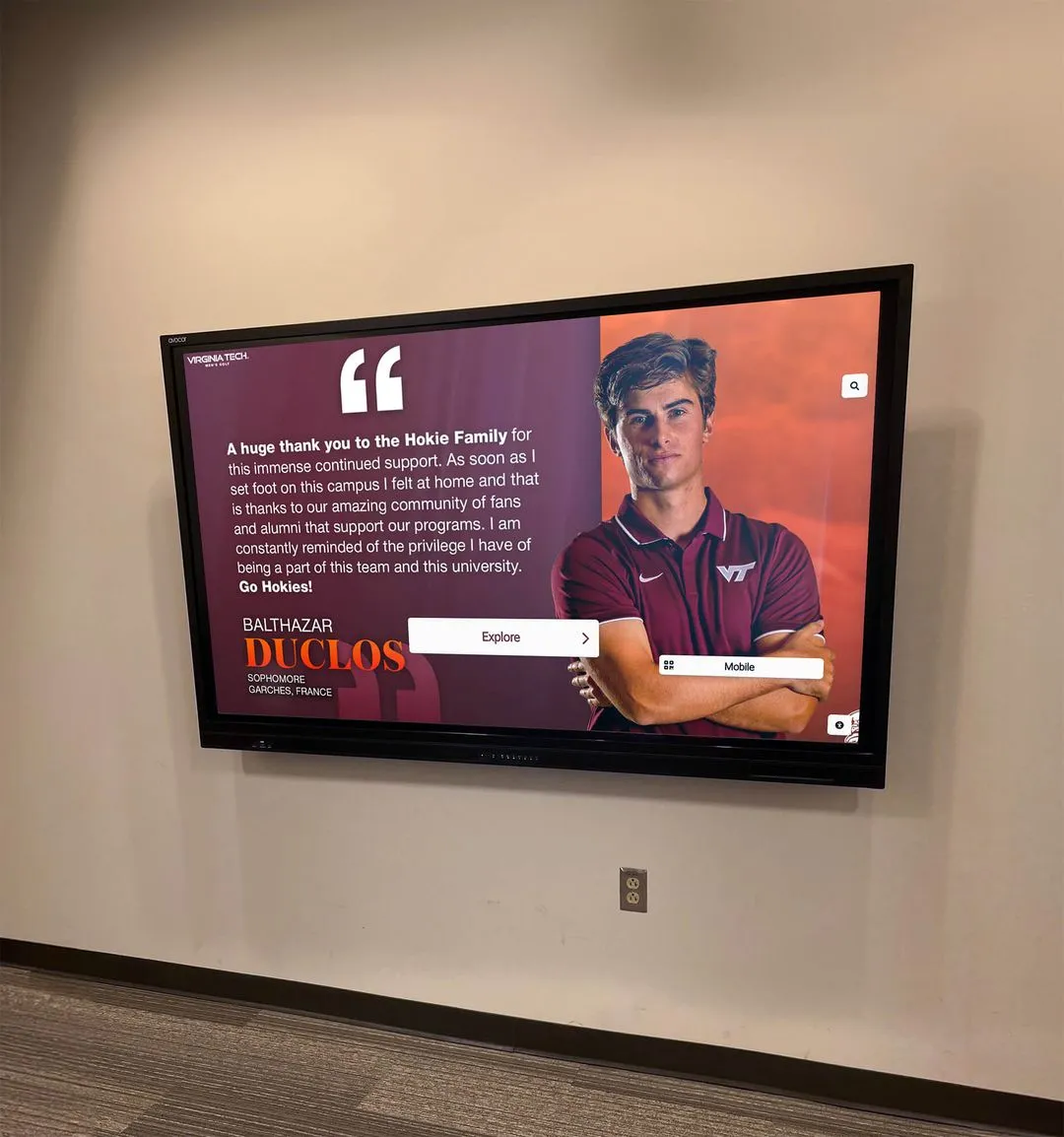
Comprehensive recognition networks ensure all students encounter institutional achievements regardless of campus location
Budget Planning and Financial Predictability Challenges
Hidden multi-screen fees complicate institutional budget management:
Unpredictable Long-Term Costs Organizations implementing single displays understand initial costs but face uncertainty about expansion expenses. Planning comprehensive recognition networks requires confidence in pricing stability—will adding displays next year cost the same as today? Do per-screen fees increase annually? What happens when vendor pricing structures change?
This uncertainty prevents long-term strategic recognition planning, forcing short-term tactical decisions about current-year budgets rather than multi-year recognition visions.
Capital vs Operating Expense Classification Educational finance structures distinguish between capital investments (one-time equipment purchases) and operating expenses (recurring subscription fees). Complex pricing with per-screen licenses, setup fees, and tiered structures blur these classifications, complicating budget approvals and accounting treatment.
Organizations need clear, straightforward pricing enabling proper financial planning and appropriate categorization within institutional budget frameworks.
Competitive Bid and Procurement Challenges Public institutions often require competitive procurement processes with detailed cost comparisons across multiple vendors. Hidden fees, complex pricing formulas, and variable per-screen charges make apple-to-apple comparisons nearly impossible—vendors quote different base prices, screen quantities, feature tiers, and support levels.
Procurement officials need transparent, comparable pricing enabling legitimate competitive evaluation rather than complex formulas requiring extensive analysis to understand true total cost of ownership.
Justification for Expansion Investments After implementing initial displays, organizations seeking to expand recognition networks face new budget approval processes. Demonstrating value requires connecting additional per-screen subscription fees to measurable community benefits—challenging when expanding from gym to cafeteria requires justifying why the exact same content in different location merits additional recurring charges.
Transparent pricing where expansion means hardware investment only—not recurring subscription multiplication—simplifies value justification and enables confident strategic recognition growth.
How Rocket Alumni Solutions Eliminates Multi-Screen Cost Barriers
Rocket Alumni Solutions implements fundamentally different pricing philosophy removing artificial screen-quantity limitations.
One Subscription, Unlimited Screens Approach
Rocket’s pricing structure eliminates hidden multi-screen costs:
Single Subscription Covers All Displays Organizations pay one subscription fee providing access to Rocket’s complete platform regardless of screen quantity. Implementing recognition in one location, three buildings, or ten facilities costs exactly the same—the single subscription price.
This straightforward approach aligns pricing with organizational value rather than arbitrary screen counts. Schools receive comprehensive platform access enabling recognition deployment wherever it creates community value without financial penalties for broader implementation.
No Per-Device or Per-Location Fees Rocket eliminates per-screen licensing, location-based pricing, and device-count tiers. Adding displays requires only hardware investment—touchscreens themselves—without additional software licensing, subscription fees, or access charges.
Organizations planning comprehensive digital recognition networks across campuses accurately budget display hardware while maintaining single predictable software subscription cost regardless of deployment scale.
Unified Content Across All Locations All screens access identical content from unified databases without channel fees, zone charges, or content-separation costs. Athletic recognition, academic achievements, donor appreciation, and alumni profiles remain accessible across every display—gyms showcase academic honors, academic buildings display athletic achievements, comprehensive recognition spans all locations.
This unified approach enables what we call “digital warming”—creating connected community experiences where recognition permeates entire campuses rather than existing in isolated location-specific silos.
Flexible Location-Specific Display Options While content unifies across all screens, organizations can optionally feature location-specific emphasis when desired. Athletic facilities might highlight sports recognition prominently while academic buildings emphasize scholarly achievements—all drawing from unified content without requiring separate subscriptions or content licenses.
This flexibility enables appropriate local customization without imposing financial penalties or complicated multi-subscription management.
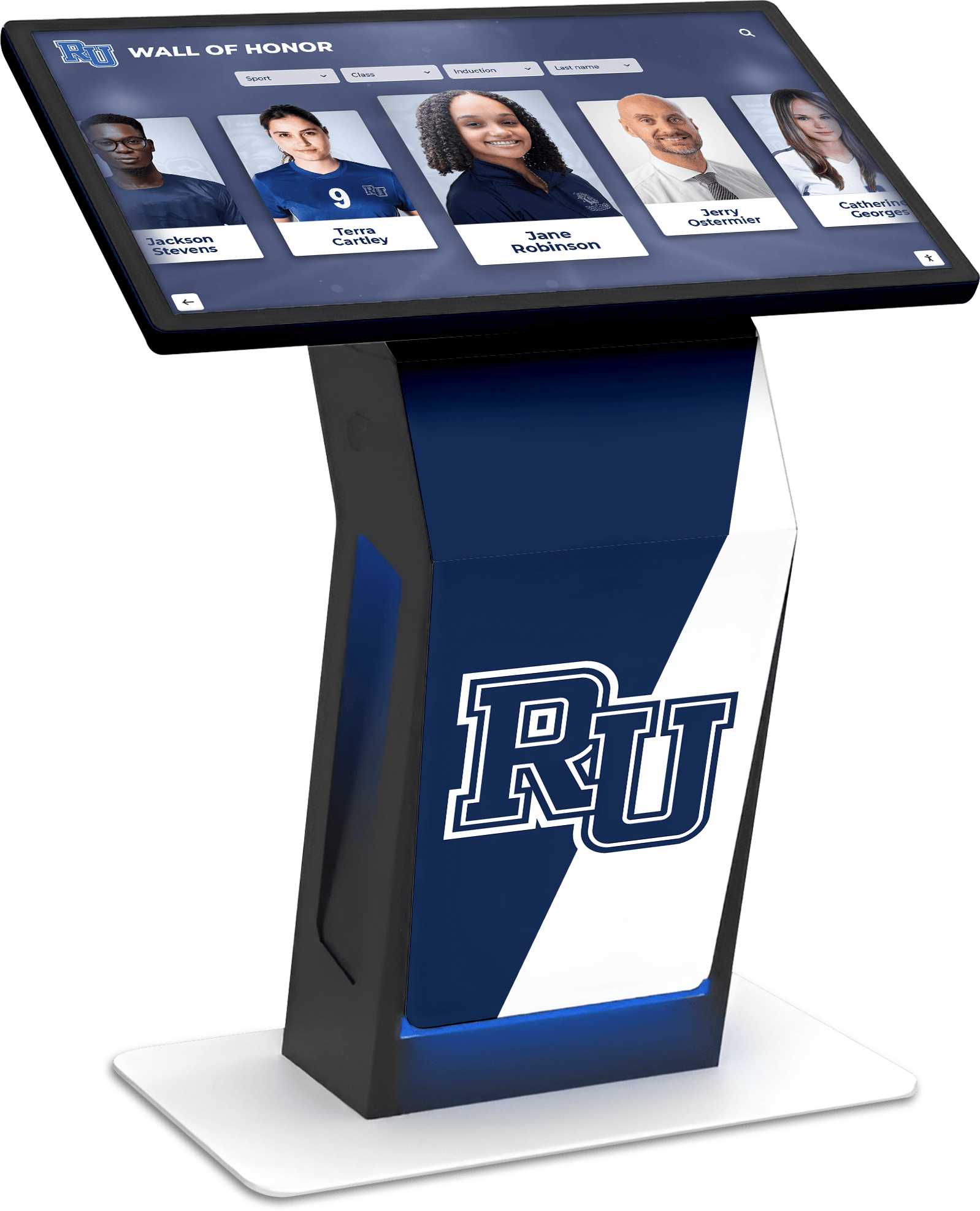
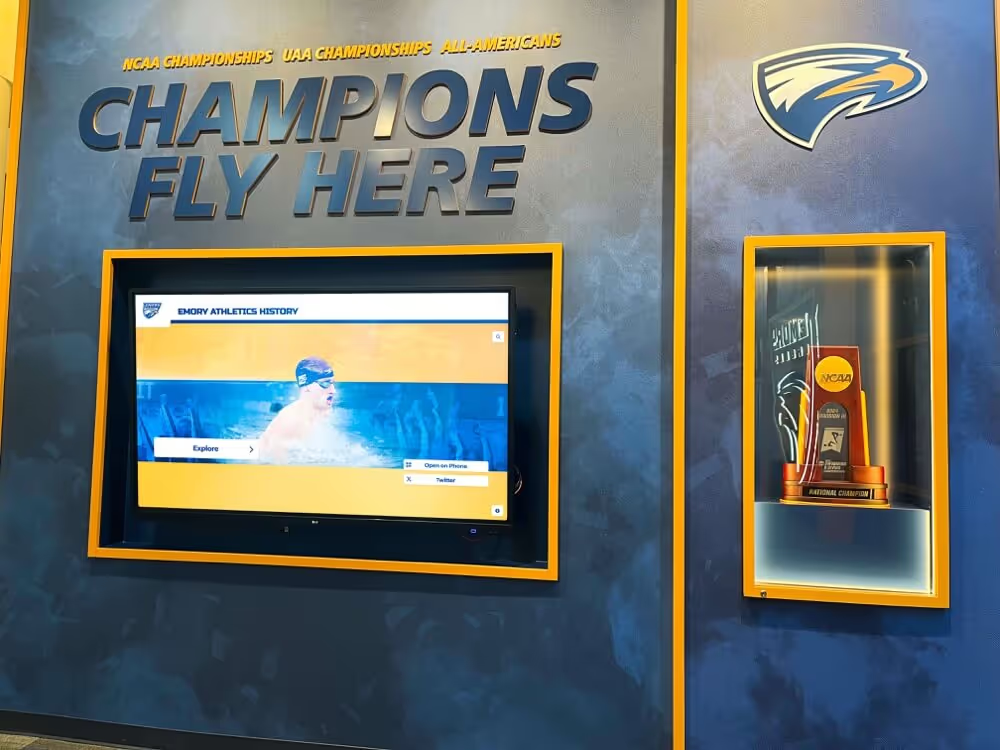
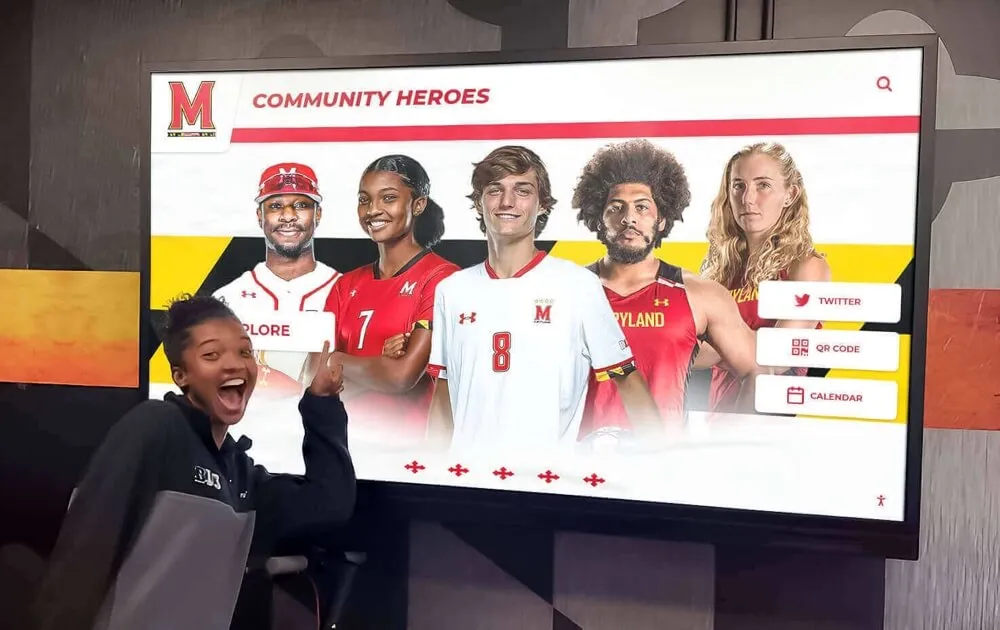
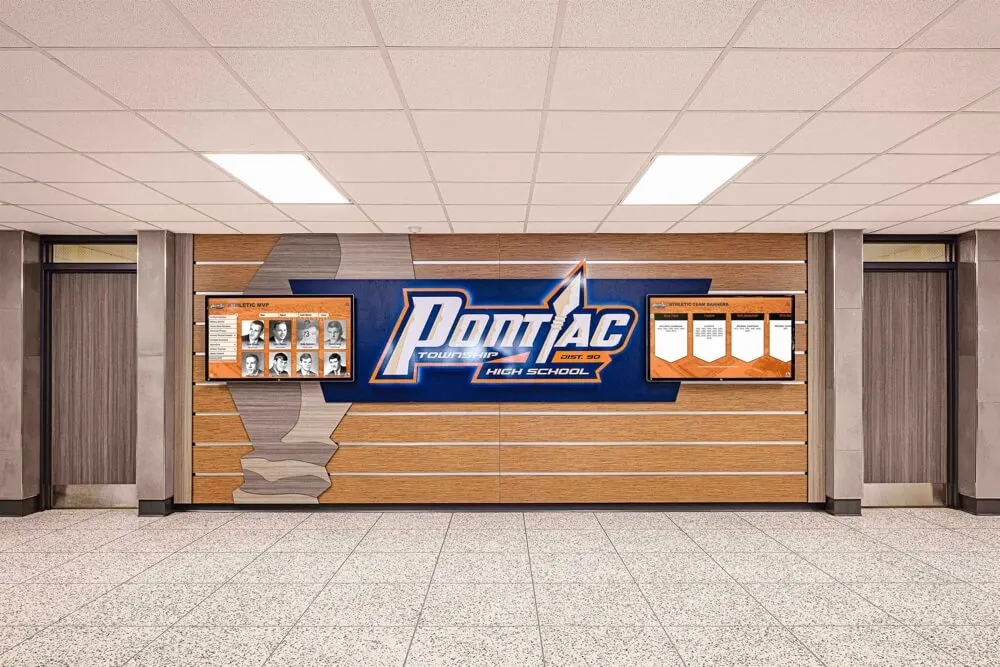
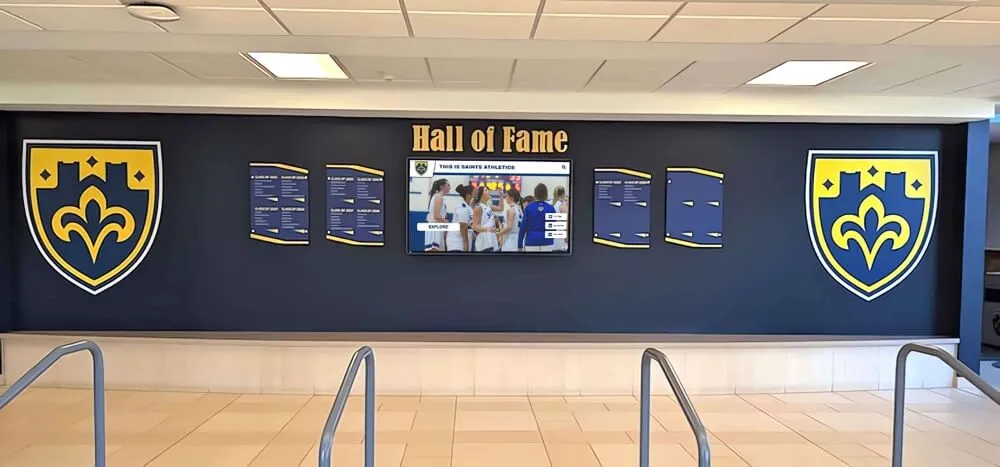
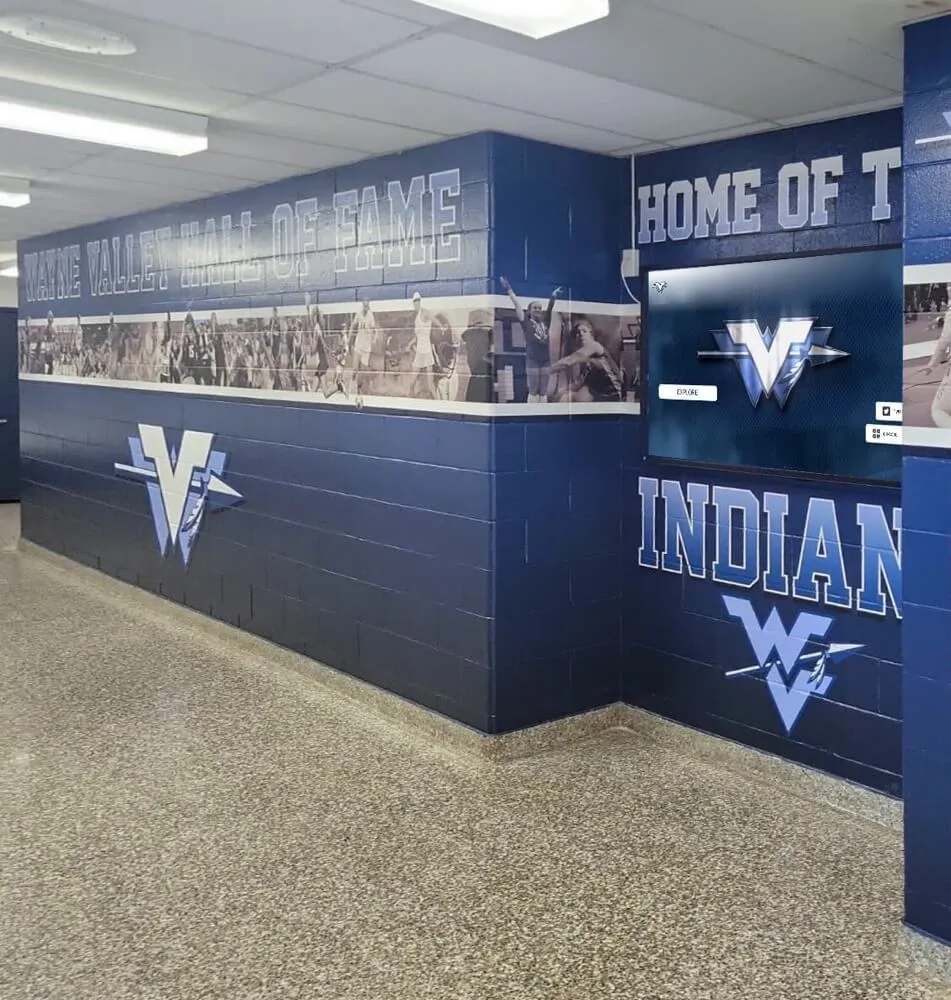
Rocket Alumni Solutions' unlimited-screen approach enables comprehensive campus recognition networks without budget constraints
Additional Included Features Without Hidden Charges
Rocket’s comprehensive approach eliminates common extra-cost features:
Unlimited Content Storage Recognition programs accumulate extensive content over years—thousands of inductee profiles, photo galleries spanning decades, video tributes, historical archives, and multimedia documentation. Rocket provides unlimited content storage without capacity limits, bandwidth throttling, or additional fees as content libraries grow.
Schools digitizing complete institutional recognition history face no constraints or future fees for comprehensive archival content preservation.
All Features Included in Base Pricing Advanced search capabilities, sophisticated filtering, social sharing integration, QR code mobile access, scheduled content publication, automatic content rotation, and administrative features all come standard. Organizations receive complete platform capabilities without tiered feature restrictions or add-on charges for premium functionality.
This all-inclusive approach ensures organizations implement fully-featured recognition systems without discovering desired capabilities require expensive upgrades.
Comprehensive Support Included Platform support, troubleshooting assistance, content management guidance, and technical resources come standard without premium support tiers or per-incident fees. Organizations implementing touchscreen networks across multiple locations receive consistent support regardless of deployment scale.
Regular Platform Updates and Improvements Ongoing platform enhancements, new features, capability improvements, and innovation happen continuously without version upgrade charges or access restrictions. Subscription includes perpetual access to latest platform developments ensuring recognition systems remain current and engaging over time.
This commitment to continuous improvement distinguishes modern SaaS platforms from traditional software requiring paid upgrades for enhanced functionality.
Remote Content Management System Cloud-based content management enables authorized staff to update recognition content, add new inductees, modify profiles, and manage displays from any internet-connected device without physical display access or location-specific administration.
Multiple administrators can collaborate on content management regardless of physical location, enabling distributed responsibilities across athletic directors, advancement officers, and communications staff without complicated multi-user licensing or access fees.
Strategic Advantages of Unlimited-Screen Implementation
Removing per-screen cost barriers enables recognition strategies impossible under traditional pricing:
Comprehensive Campus Recognition Networks
Unlimited screens facilitate institution-wide recognition:
Main Building Lobby Displays Primary lobby installations create first-impression recognition experiences for all campus visitors—prospective students and families, community members, donors, and alumni. Comprehensive recognition showcasing institutional excellence across all programs establishes quality perception and community pride immediately upon campus arrival.
Organizations implementing school digital signage systems benefit from prominent main-entry recognition without sacrificing displays in specialized program areas.
Athletic Facility Recognition in Every Sport Comprehensive athletic recognition means basketball players see achievements in gyms, baseball players discover history near fields, swimmers encounter records at pools, track athletes explore tradition at stadiums. Every sport receives visibility appropriate to program importance rather than determined by budget constraints.
This equitable recognition sends powerful messages that all athletic participation matters equally, strengthening program culture and reinforcing institutional values beyond highest-visibility sports.
Academic Building Displays Across All Disciplines STEM buildings showcase scientific achievements, arts centers celebrate creative excellence, humanities facilities highlight scholarly accomplishments, specialized academic spaces feature discipline-specific recognition. Comprehensive academic recognition balances athletic visibility with equally important intellectual achievement celebration.
Schools implementing academic recognition programs demonstrate genuine commitment to diverse excellence rather than athletic-only focus that traditional limited-screen implementations often default toward due to cost constraints.
Cafeteria and Common Area Engagement Recognition in dining facilities, common lounges, and gathering spaces reaches students during relaxed social times when they’re most receptive to exploration and discovery. Casual recognition browsing during lunch, between classes, or during after-school activities creates engagement opportunities impossible with displays limited to formal institutional spaces.
Administrative and Alumni Center Presence Front office displays engage parents and community members conducting school business, while alumni center installations connect returning graduates with institutional heritage and classmate discovery. Comprehensive recognition extends beyond student-facing spaces to all community touchpoints.
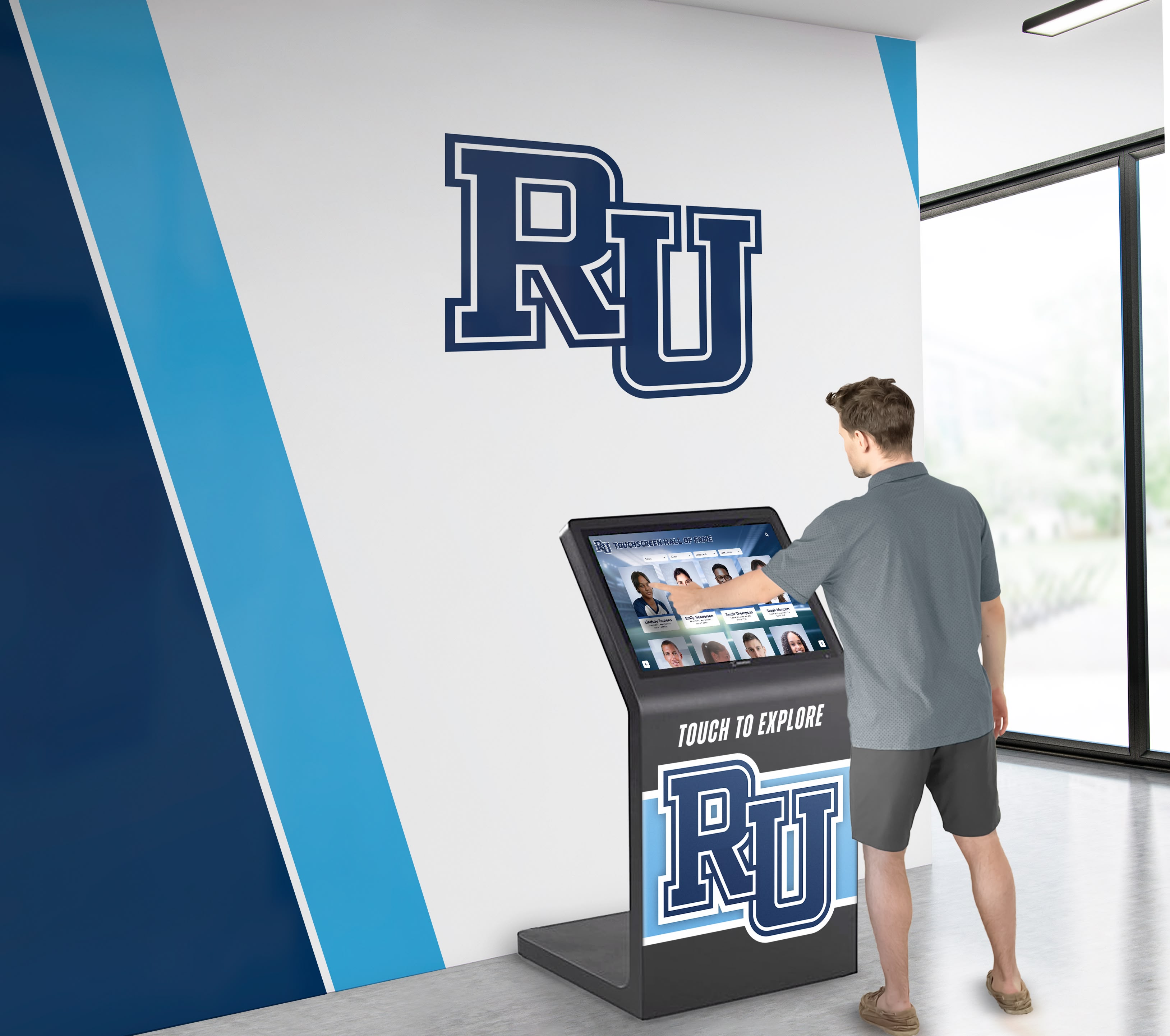
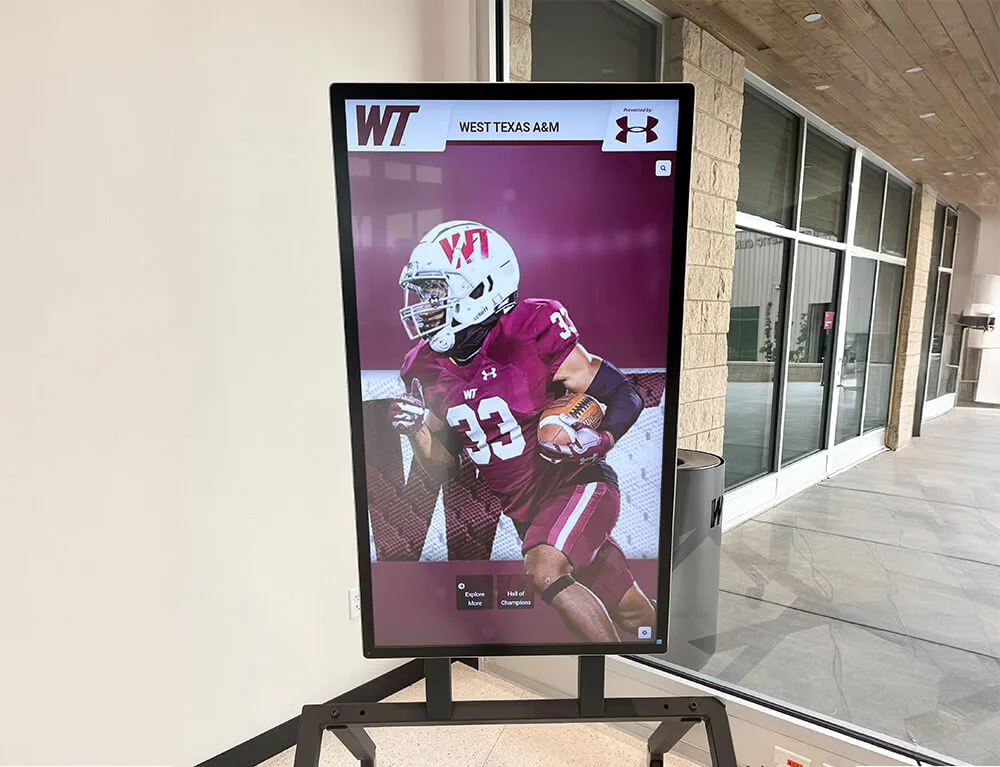
Unlimited screens enable recognition presence throughout entire campus environments
Multi-Campus District Implementations
Districts operating multiple schools benefit dramatically from unlimited-screen pricing:
Unified District Recognition Platform Rather than separate systems at each school, districts implement single unified platforms showcasing recognition across all campuses. Students discover achievements from sister schools, families explore comprehensive district heritage, and communities engage with complete institutional networks rather than isolated individual schools.
This unified approach strengthens district identity while maintaining appropriate school-specific recognition within comprehensive systems.
Equitable Recognition Regardless of Campus Size Small schools receive same recognition capabilities as large campuses without budget-driven inequity. Per-screen pricing creates situations where flagship high schools deploy comprehensive displays while smaller schools receive limited recognition—sending troubling messages about relative importance.
Unlimited screens ensure all district students encounter equivalent recognition regardless of campus enrollment or budget variations.
Administrative Efficiency Through Unified Management Districts manage single platform instances rather than coordinating multiple separate systems across different schools. Content sharing, best practice distribution, and technical support consolidate through unified administration rather than duplicating across multiple platform subscriptions.
Administrative efficiency reduces long-term operational burden while ensuring consistent recognition quality across all district campuses.
Flexible Future Expansion Without Budget Concerns
Unlimited screens enable responsive growth:
Adding Displays as Opportunities Arise Renovation projects, facility expansions, program growth, or strategic recognition enhancements can incorporate additional displays without triggering budget approval processes for new subscription fees. Organizations implement displays when appropriate without financial barriers constraining thoughtful recognition expansion.
Testing Recognition in New Locations Uncertain whether cafeteria recognition generates engagement? Curious if administrative office displays reach parent audiences effectively? Unlimited screens enable experimental implementations testing recognition strategies in new locations without committing to permanent subscription increases.
Successful experiments become permanent installations while less effective placements can discontinue without ongoing cost commitments.
Responding to Community Demand When students request recognition in specific buildings, when alumni suggest visibility improvements in particular spaces, or when donors ask about recognition placement in newly funded facilities, organizations can respond positively without budget negotiations or cost-benefit analyses.
Community-responsive recognition demonstrates institutional commitment to celebration and engagement rather than limiting recognition based on subscription economics.
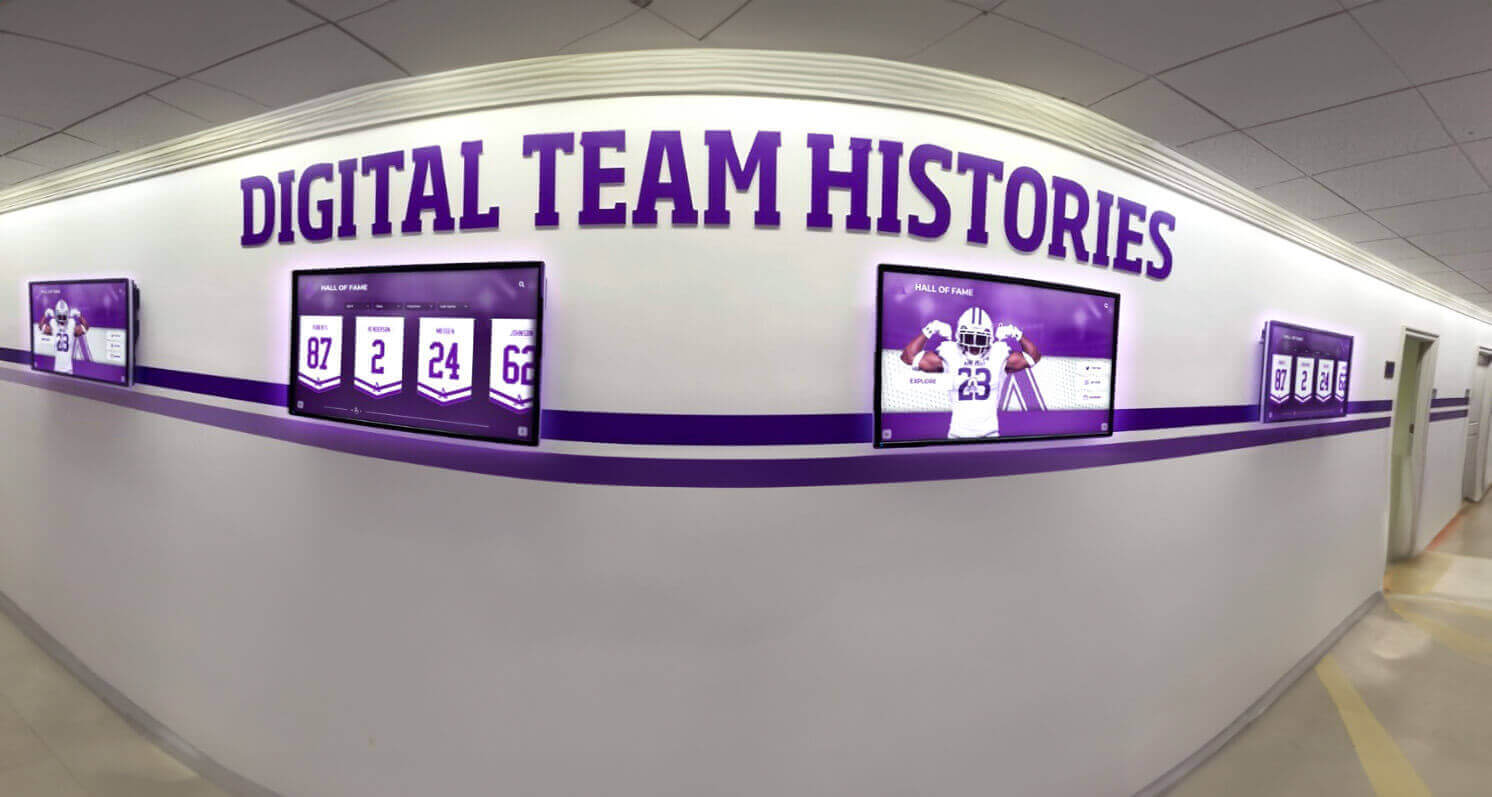
Flexible expansion enables recognition growth matching institutional needs rather than constrained by artificial pricing limitations
Implementation Considerations for Multi-Screen Deployments
Unlimited screen pricing removes financial barriers, but successful implementations still require thoughtful planning:
Hardware and Infrastructure Requirements
Physical display deployments involve actual costs beyond software subscriptions:
Touchscreen Display Hardware Investment Quality commercial touchscreen displays suitable for public installations typically cost $2,000-5,000 depending on size, resolution, touch technology, and durability specifications. Organizations implementing multiple displays must budget hardware investments regardless of per-screen subscription presence or absence.
However, hardware represents one-time capital expense rather than recurring operational cost. Districts budget display purchases through capital improvement programs while operational budgets cover single platform subscriptions—appropriate categorization clarifying actual cost structures.
Mounting and Installation Labor Professional display mounting, electrical connections, and secure installation require skilled labor typically costing $500-1,500 per display depending on location complexity, existing infrastructure, and facility access challenges.
Organizations planning comprehensive networks should estimate total installation labor across all planned locations, understanding these represent one-time implementation costs rather than ongoing expenses.
Network Infrastructure Requirements Displays require reliable internet connectivity for cloud-based content delivery. Facilities might need network infrastructure improvements—WiFi expansion, Ethernet drops, bandwidth upgrades—particularly in older buildings or areas without existing robust networking.
Assessing network readiness across planned display locations prevents implementation surprises and ensures reliable display operation supporting positive user experiences.
Power and Electrical Infrastructure Displays need dedicated power circuits, preferably with surge protection and appropriate conduit installation for clean professional appearances. Electrical work represents skilled trade labor that should be appropriately estimated in comprehensive implementation budgets.
Content Strategy and Management Planning
Technical capability means nothing without excellent content:
Initial Content Development Launching recognition displays requires substantial initial content development—digitizing existing recognition, creating inductee profiles, organizing photo archives, recording video content, and structuring comprehensive recognition databases.
Organizations should realistically estimate content development effort, potentially engaging professional services for historical content digitization or design support for polished initial implementation.
Ongoing Content Management Responsibilities Sustainable recognition requires ongoing content administration—adding new inductees, updating profiles, organizing photo uploads, moderating submissions, and maintaining content quality. Organizations must assign clear responsibilities and allocate sufficient time for ongoing content management.
Unlimited screens don’t multiply content management workload since all displays access unified content. One inductee addition appears across every display automatically without location-specific content duplication.
Content Governance and Quality Standards Multiple administrators managing content need clear governance about approval processes, quality standards, appropriate content criteria, and coordination mechanisms ensuring consistency across recognition programs.
Written content guidelines, editorial calendars, and administrative workflows prevent inconsistent quality or conflicting recognition decisions as multiple stakeholders manage institutional recognition.
Strategic Display Location Selection
Unlimited screens enable comprehensive deployment, but thoughtful location selection maximizes impact:
High-Traffic Location Prioritization Main building entrances, cafeteria entrances, athletic facility lobbies, and primary hallway intersections maximize display visibility and engagement. Initial implementations should prioritize highest-traffic locations ensuring maximum community exposure before expanding to secondary spaces.
Program-Specific Strategic Placement Athletic displays belong in athletic facilities where students, athletes, and sports families naturally gather. Academic recognition fits academic buildings and libraries where scholarly achievement receives appropriate prominence. Strategic placement connects recognition with relevant audiences and programmatic contexts.
Organizations implementing donor recognition displays might prioritize locations where donors and development prospects naturally visit rather than placing donor walls in facilities they rarely encounter.
Accessibility and User Experience Considerations Physical installation must accommodate diverse users including appropriate mounting heights for seated and standing viewers, wheelchair accessibility compliance, comfortable viewing distances, adequate lighting without glare, and intuitive navigation accessibility for all technical comfort levels.
Organizations should evaluate proposed locations through accessibility lens ensuring displays serve entire community rather than creating inadvertent barriers.
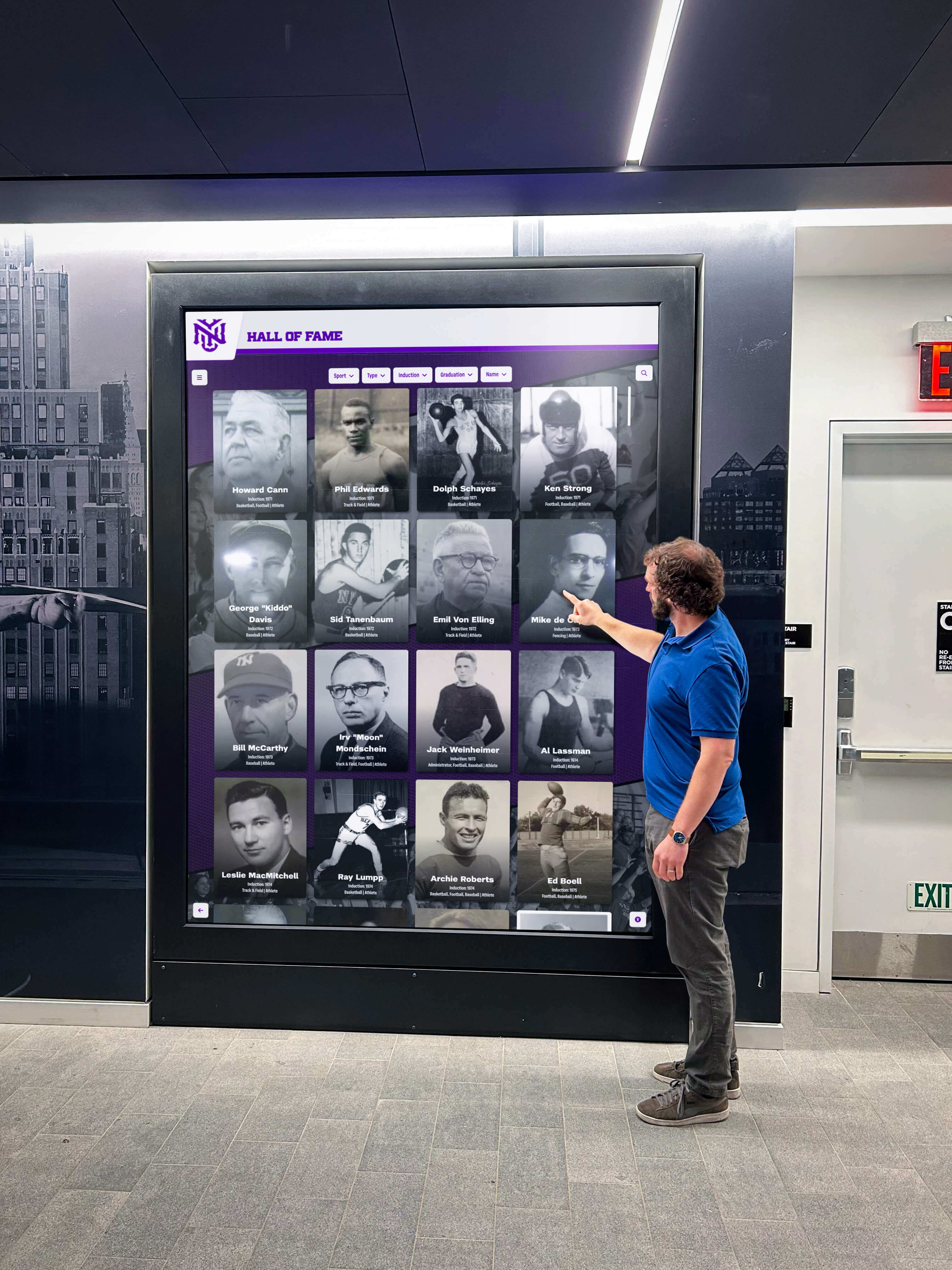
Strategic display placement and accessible installation ensure recognition serves entire community effectively
Comparing Rocket’s Approach to Competitor Pricing Models
Understanding cost differences between Rocket Alumni Solutions and traditional per-screen providers clarifies long-term value:
Real-World Cost Comparison Scenarios
Concrete examples illustrate pricing impact:
Scenario: Medium High School Three-Display Implementation A typical high school wants recognition in main lobby, athletic facility, and cafeteria—three total displays:
Traditional Per-Screen Provider:
- Base subscription: $99/month per screen × 3 = $297/month
- Annual cost: $3,564
- Setup fees: $300/screen × 3 = $900 one-time
- Year 1 total: $4,464
- 5-year total cost: $18,720
Rocket Alumni Solutions:
- Base subscription: Single platform fee (not screen-dependent)
- Annual cost: One subscription regardless of screen count
- No setup fees per screen
- Year 1 total: Subscription only + hardware
- 5-year total cost: 5 years subscription (no screen multiplication)
Savings: Schools save thousands annually through unlimited screen approach, with savings growing dramatically as display networks expand.
Scenario: Large District Ten-Campus Implementation A school district wants one display at each of ten campuses:
Traditional Per-Screen Provider:
- Base subscription: $99/month × 10 = $990/month
- Annual cost: $11,880
- Setup fees: $300 × 10 = $3,000 one-time
- Year 1 total: $14,880
- 5-year total cost: $62,400
Rocket Alumni Solutions:
- District subscription: Single unified platform
- Annual cost: One subscription across all campuses
- No per-campus or per-screen fees
- Year 1 total: District subscription + hardware only
- 5-year total cost: Fraction of per-screen competitor
Savings: District-level savings become dramatic, with tens of thousands in cost avoidance over multi-year implementations.
Scenario: Comprehensive Athletic Department Recognition Athletic department wants displays in gymnasium, baseball/softball complex, football stadium, aquatics center, and track & field facility—five specialized locations:
Traditional Per-Screen Provider:
- Monthly: $99 × 5 = $495
- Annually: $5,940
- 5-year total: $29,700
Rocket Alumni Solutions:
- Monthly: Single subscription
- Annually: One platform fee
- 5-year total: Dramatically lower comprehensive cost
Savings: Comprehensive athletic recognition becomes financially feasible rather than budget-prohibitive.
Long-Term Value Considerations
Beyond direct cost comparison, unlimited screens create additional value:
Flexibility Value Organizations can add, relocate, or remove displays based on community needs rather than subscription implications. This flexibility has real value—being able to respond to facility changes, renovation projects, or strategic recognition evolution without financial penalties.
Scalability Without Risk Starting with conservative implementations knowing expansion costs only hardware (not recurring subscriptions) reduces risk. Organizations confidently implement initial displays knowing successful reception can lead to expansion without budget approval barriers.
Administrative Simplicity Single subscription management across multiple displays reduces administrative complexity compared to tracking multiple per-screen licenses, location-based fees, or complicated tiered pricing formulas. Simplified administration has real operational value reducing ongoing management burden.
Equitable Recognition Capacity Unlimited screens enable equity-driven recognition decisions based on community value rather than budget constraints. This philosophical alignment with educational equity values has meaningful but difficult-to-quantify importance to institutions committed to celebrating all achievements equally.
Making the Business Case for Comprehensive Recognition
Budget approval processes require clear value justification:
Quantifying Recognition Network Benefits
Organizations justify comprehensive recognition through measurable outcomes:
Community Engagement Metrics Track interaction frequency, session duration, search queries, content views, and return visitation rates demonstrating active community engagement. Schools implementing interactive recognition displays report dramatic engagement increases as recognition becomes accessible throughout campuses rather than limited to single locations.
Alumni Participation and Giving Measure alumni engagement rates, event attendance, giving participation, and donor retention correlating with recognition visibility. Comprehensive alumni recognition throughout campuses strengthens institutional connections that translate into tangible advancement outcomes.
Student Pride and Institutional Connection Survey student pride, institutional affiliation strength, and sense of belonging before and after comprehensive recognition implementation. Recognition networks contribute to positive school culture with measurable climate improvements.
Recruitment and Marketing Value Prospective student families encountering comprehensive recognition throughout campus tours gain powerful impressions about institutional excellence and celebration culture. Recognition displays provide tangible differentiation during competitive recruitment processes.
Administrative Efficiency Improvements Calculate time savings from digital recognition replacing manual processes—creating traditional plaques, updating static displays, managing physical trophy cases, producing printed directories. Digital efficiency generates real administrative capacity redirected toward higher-value activities.
Return on Investment Calculations
Comprehensive business cases connect costs to quantified benefits:
Total Cost of Ownership Five-year TCO including hardware amortization, subscription fees, content management labor, technical support, and incremental expansion provides realistic financial picture. Compare comprehensive digital recognition against traditional recognition alternatives—ongoing plaque production, trophy case maintenance, printed program costs.
Cost Per Community Member Served Divide total costs by students, alumni, families, and visitors served annually. Per-person recognition costs often prove remarkably modest when comprehensive systems serve large institutional communities.
Alternative Investment Comparison Compare digital recognition costs against alternative institutional investments in community building, donor stewardship, alumni engagement, or student pride initiatives. Recognition networks often deliver superior value per dollar compared to isolated single-purpose programs.
Scalability and Future Value Demonstrate how initial investments create platforms accommodating decades of future recognition without requiring wholesale replacement. Long-term asset value distinguishes strategic digital recognition from consumable traditional recognition expenses.
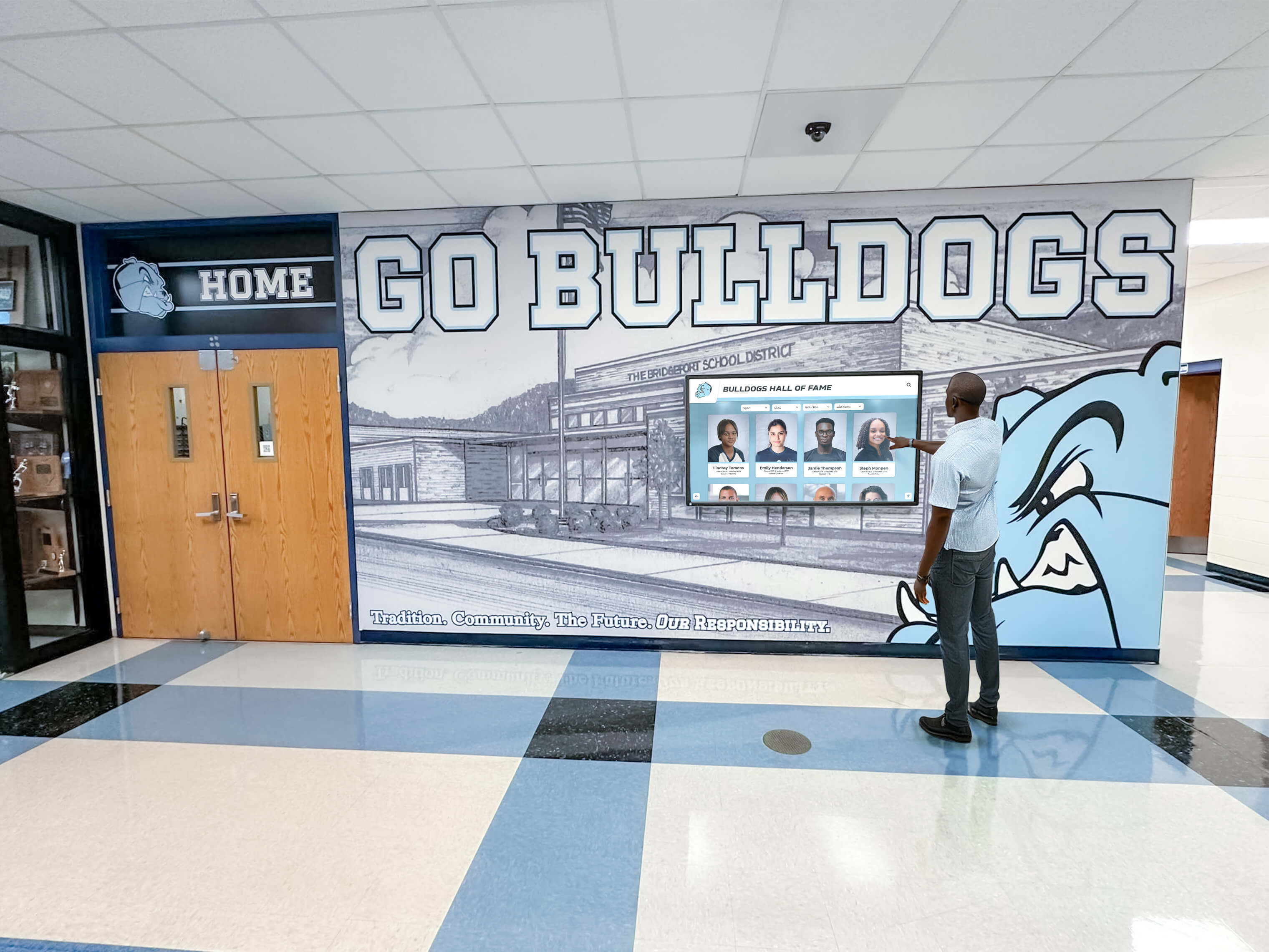
Comprehensive recognition networks demonstrate measurable community engagement justifying strategic investments
Implementation Best Practices for Multi-Screen Success
Technical capability must translate into excellent execution:
Phased Implementation Strategies
Thoughtful rollout sequences maximize success:
Phase 1: High-Impact Pilot Location Launch initial display in highest-visibility, highest-traffic location establishing proof of concept. Main lobby or athletic facility entrance enables maximum community exposure while developing content management processes and building organizational experience.
Successful pilots build internal champions and community enthusiasm supporting subsequent expansion phases.
Phase 2: Strategic Programmatic Expansion Add displays in complementary locations balancing athletic and academic recognition, reaching different community segments, and demonstrating comprehensive institutional commitment. Second and third displays should fill strategic gaps rather than simply multiplying presence in similar locations.
Phase 3: Comprehensive Network Completion Final phases achieve complete campus coverage ensuring no building or program area lacks recognition visibility. Comprehensive networks create pervasive institutional pride atmosphere where recognition becomes expected rather than exceptional.
Continuous Evolution and Optimization Ongoing assessment of engagement patterns, content performance, location effectiveness, and community feedback drives continuous improvement ensuring recognition networks remain dynamic rather than becoming stale fixed installations.
Content Management Workflow Development
Sustainable success requires operational excellence:
Clear Role Definition Assign specific content management responsibilities—who manages athletic recognition, academic honors, alumni profiles, donor displays, and historical archives. Distributed ownership prevents single-person bottlenecks while ensuring appropriate expertise manages relevant recognition areas.
Approval and Quality Processes Establish editorial review ensuring content quality, accuracy verification before publication, appropriate recognition criteria application, and consistent standards across all recognition categories.
Regular Update Schedules Create content calendars coordinating inductee announcements with ceremonies, scheduling featured content rotations, planning historical content highlights, and maintaining fresh engaging displays preventing static stale experiences.
Community Contribution Mechanisms Enable community members to submit recognition nominations, share photos and memories, suggest profile updates, and participate in institutional storytelling. Community contribution deepens engagement while distributing content development beyond small administrative teams.
Technical Support and Maintenance Planning
Reliable recognition requires ongoing technical attention:
Display Monitoring and Uptime Management Implement systematic monitoring ensuring displays remain functional, connected, and displaying current content. Rapid issue detection and resolution prevents extended downtime undermining community confidence.
Regular Content Audits Periodically review recognition content ensuring accuracy, updating profiles as information evolves, removing outdated material, and maintaining comprehensive current content quality.
Performance Optimization Monitor system performance tracking response times, search speed, content loading, and user experience quality. Performance optimization ensures excellent experiences maintaining community engagement over extended timeframes.
Hardware Maintenance and Lifecycle Planning Commercial displays require eventual replacement after years of continuous operation. Budget hardware refresh cycles—typically 5-7 years—ensuring recognition networks remain current with modern display technology and capabilities.
Conclusion: Comprehensive Recognition Without Hidden Barriers
Digital recognition transforms how schools and organizations celebrate achievements, honor excellence, and build community pride. This transformation reaches its full potential when recognition permeates entire campuses—not limited to single locations due to arbitrary per-screen licensing fees creating artificial constraints.
Traditional digital signage pricing structures imposing per-device charges, location-based fees, or tiered screen-count pricing systematically limit recognition scope, force difficult prioritization decisions, and create budget unpredictability preventing strategic long-term planning. Organizations encounter hidden costs after initial implementations, discover expansion restrictions, and compromise recognition visions when confronting multiplication of subscription fees across desired display networks.
Rocket Alumni Solutions eliminates these artificial barriers through fundamentally different pricing philosophy—one subscription enables unlimited screens across any number of locations without per-device fees, setup charges per display, or subscription multiplication. This transparent approach aligns pricing with organizational value rather than screen quantity, enables comprehensive campus recognition networks without budget constraints, and provides predictable costs supporting confident strategic planning.
The unlimited-screen model facilitates recognition strategies impossible under traditional pricing—athletic achievements visible in every sport facility, academic honors showcased across all disciplines, comprehensive campus networks ensuring all community members encounter institutional excellence, and equitable multi-campus district implementations serving all students regardless of individual school resources. These comprehensive recognition experiences create the “digital warming” effect transforming cold impersonal spaces into vibrant community environments strengthening institutional connection and pride.
Organizations planning digital recognition investments should carefully examine pricing structures beyond advertised base fees, understanding total cost of ownership across multi-screen deployments, calculating realistic expansion expenses as recognition programs grow, and identifying providers whose pricing models support comprehensive recognition visions rather than constraining them through artificial per-screen limitations.
Financial transparency, unlimited-screen capacity, comprehensive feature inclusion, and sustained platform innovation distinguish purpose-built recognition platforms like Rocket Alumni Solutions from generic digital signage providers adapted to recognition applications. These differences create meaningful long-term value enabling sustainable recognition programs operating for decades rather than limited implementations compromised by budget constraints or hidden cost discoveries.
Your digital recognition investment should celebrate community excellence comprehensively—not limited by pricing structures disconnecting costs from actual value. Comprehensive recognition networks spanning gyms, lobbies, cafeterias, academic buildings, athletic facilities, and community gathering spaces create pervasive institutional pride impossible with single-screen implementations. The technology enabling this comprehensive vision exists today—and with Rocket Alumni Solutions, pricing structures support rather than constrain it.
Strategic recognition decisions prioritize community value over artificial subscription economics, long-term comprehensive planning over constrained tactical implementations, and transparent predictable pricing over hidden fees and surprise charges. Organizations committed to genuine comprehensive recognition deserve partners eliminating financial barriers and supporting ambitious recognition visions through unlimited-screen models aligned with institutional missions rather than vendor revenue maximization.
Ready to implement comprehensive recognition without hidden multi-screen costs? Book a demo to discover how unlimited-screen pricing enables recognition networks celebrating your entire community across every campus location without per-display fees or budget surprises.