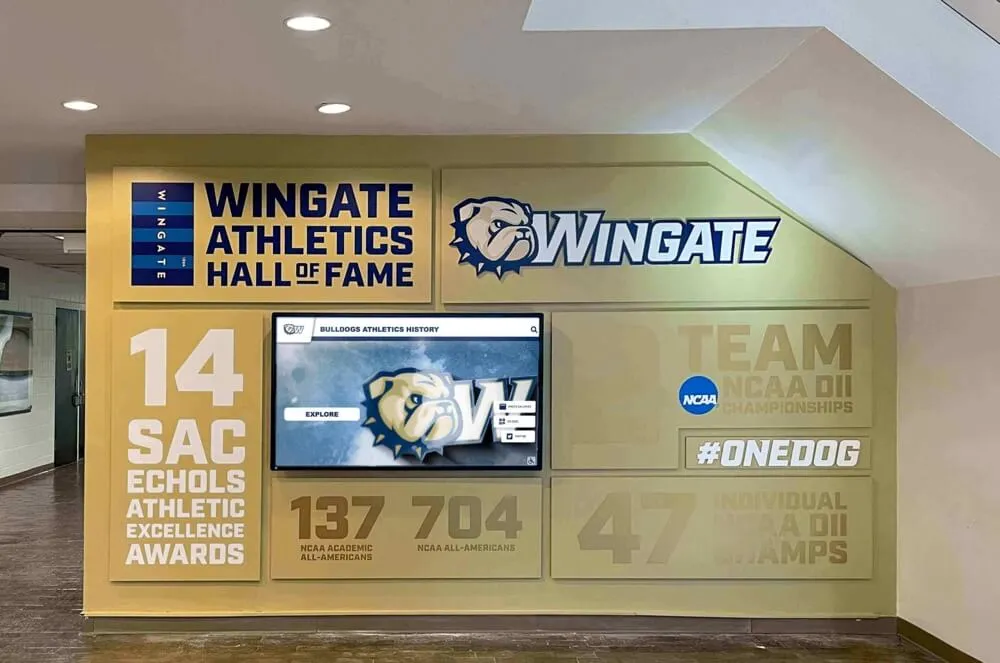
Intent: demonstrate — The lobby moment is the emotional hinge of any reunion high school event. When returning graduates walk back through their old school’s doors, everything they remember floods back — the trophy cases, the hallway echoes, the sense of belonging that school once gave them. Schools that meet that moment with interactive, personalized lobby displays turn a cold administrative check-in into the first genuine reconnection experience of the evening.
Too many schools still rely on folding tables, cardstock name badges, and poster boards with photocopied yearbook pages to welcome back alumni who may have traveled hundreds of miles for the occasion. These passive approaches ask returning graduates to do all the emotional work themselves — searching for a familiar face, hoping someone recognizes them, filling awkward silences with the same generic questions everyone asks. The entryway communicates either “we’ve been thinking about you” or “here’s your name tag.”
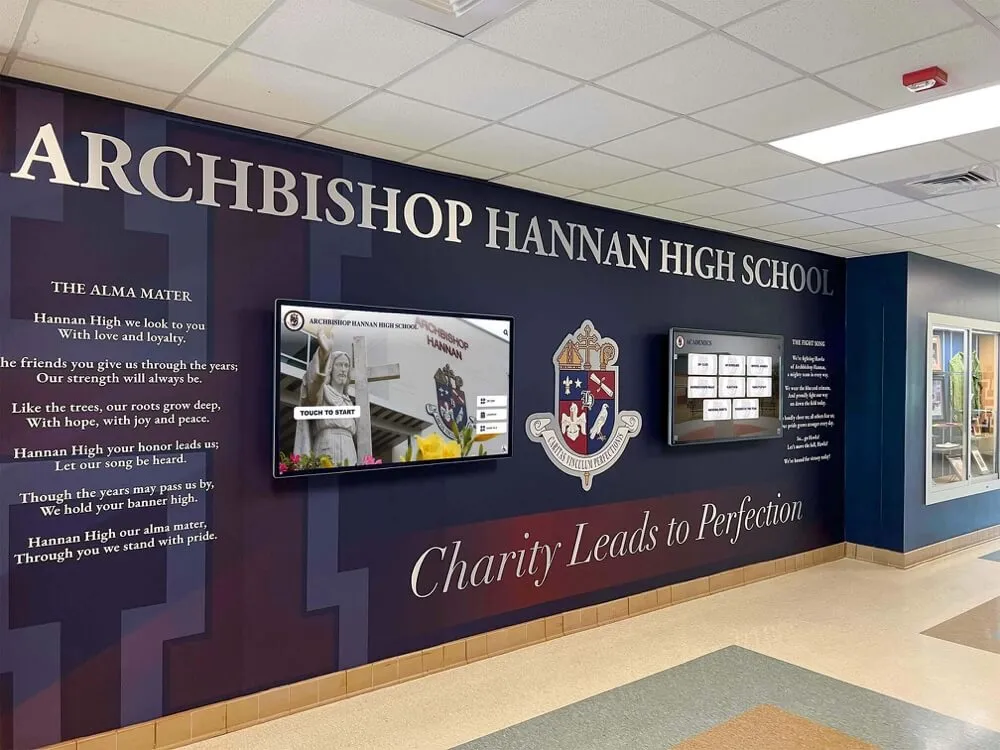
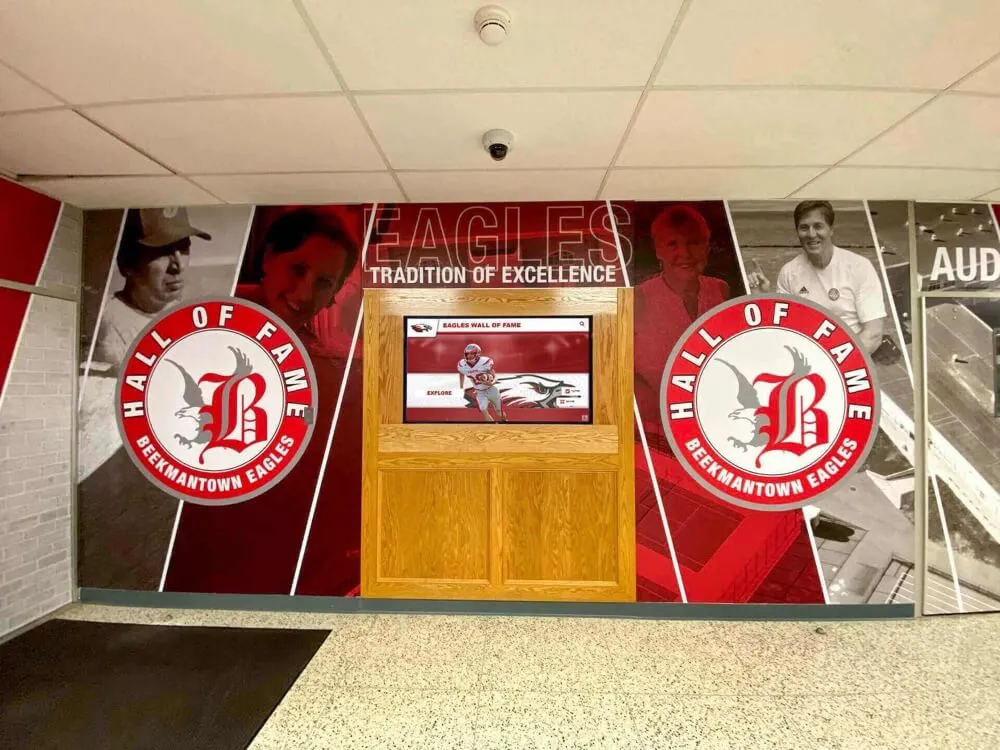
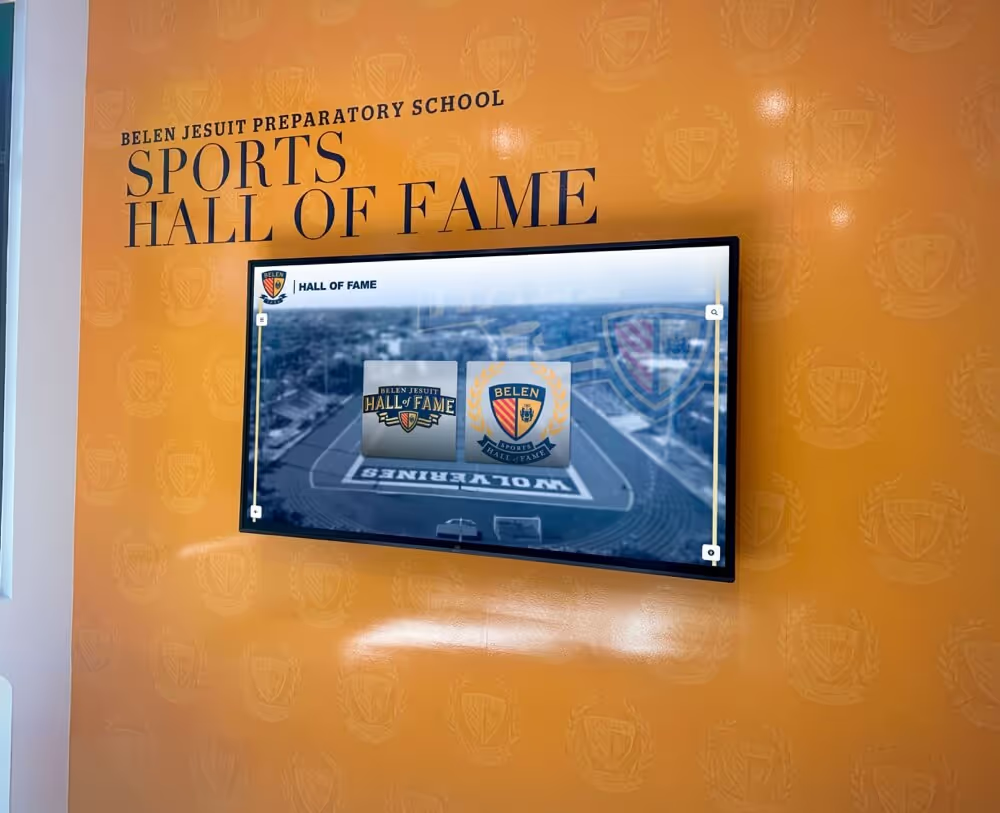
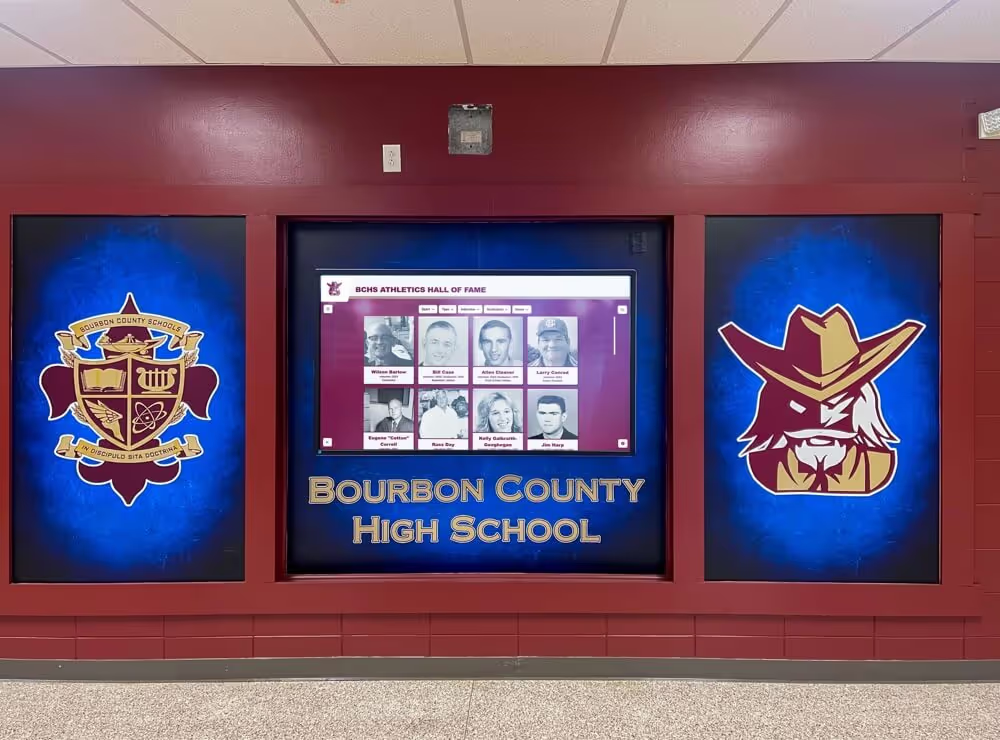
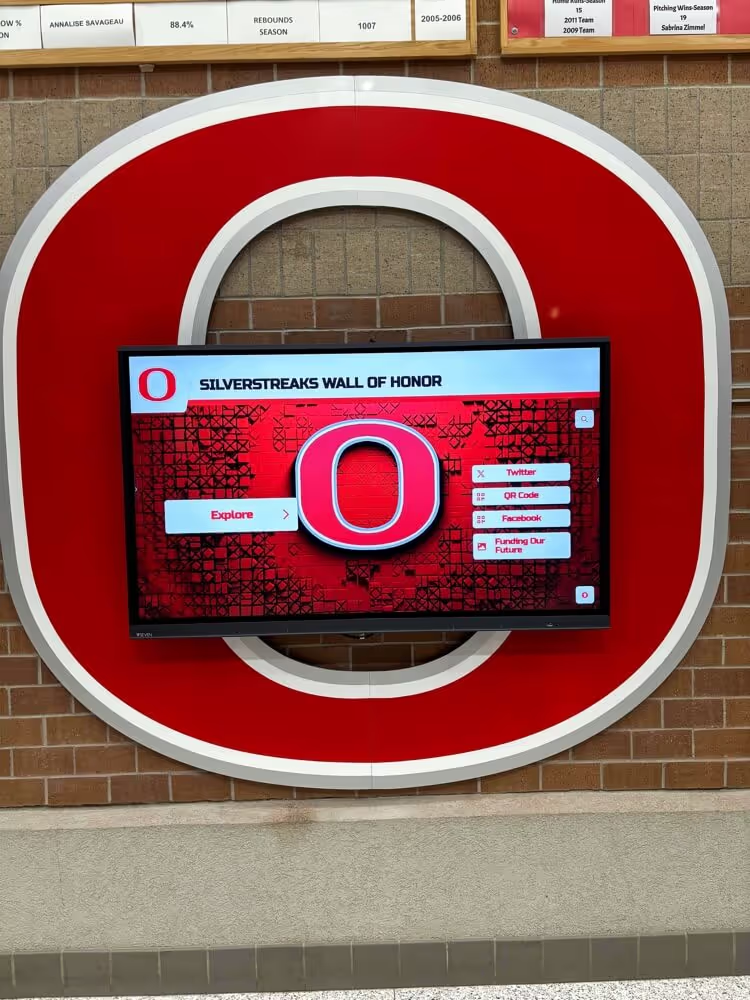
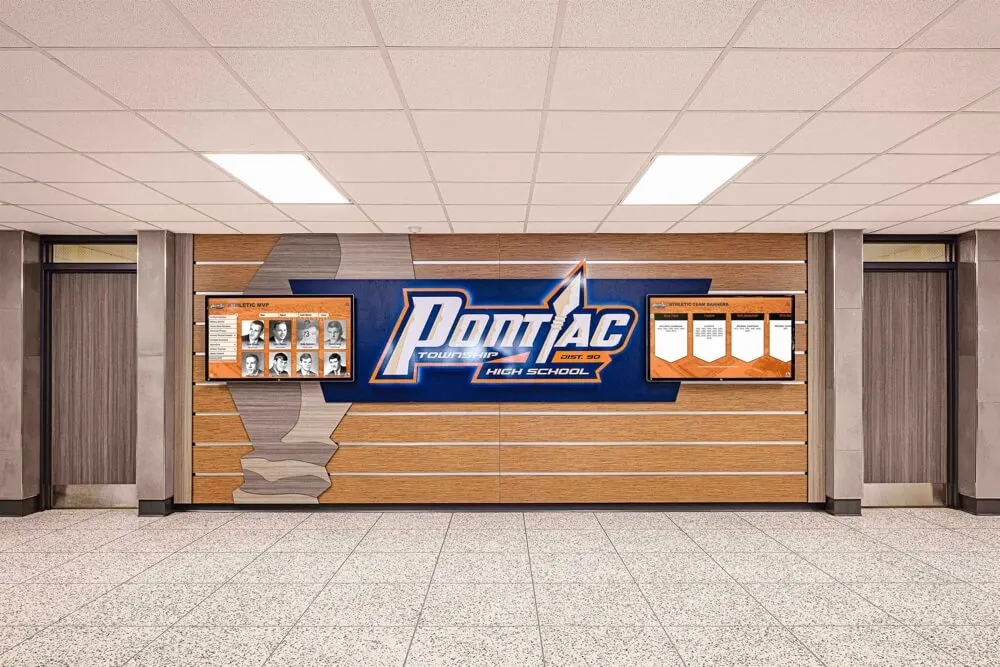
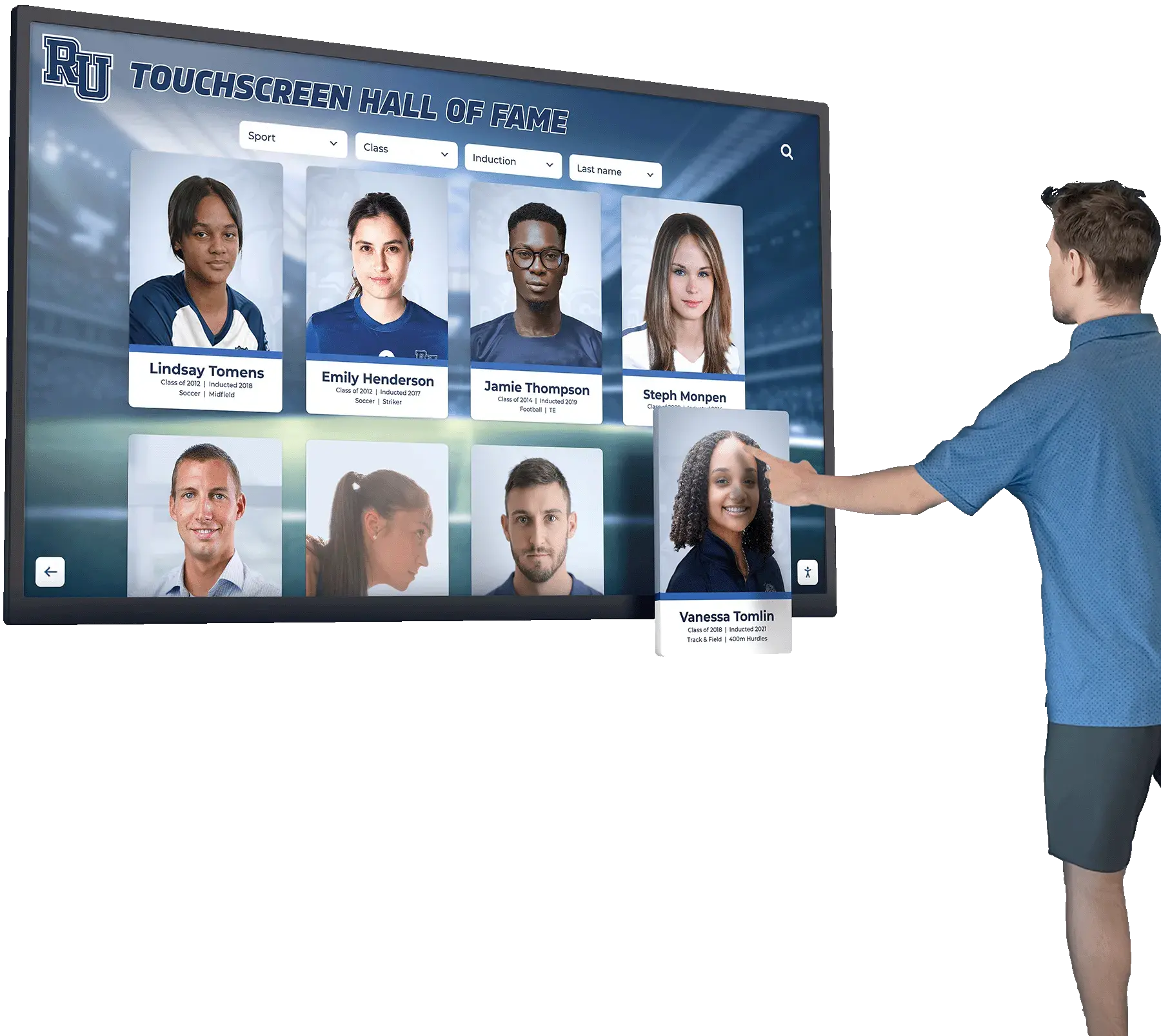
Interactive lobby displays change that equation. Purpose-built touchscreen systems surface individual alumni profiles, athletic records, class histories, and achievement archives in searchable, media-rich formats that make the arrival moment feel curated and personal. The lobby stops being a checkpoint and becomes the reunion’s opening statement.
This guide examines how schools design, populate, and deploy lobby recognition displays specifically for reunion events — and how that same investment creates year-round community engagement that compounds long after the reunion weekend ends.

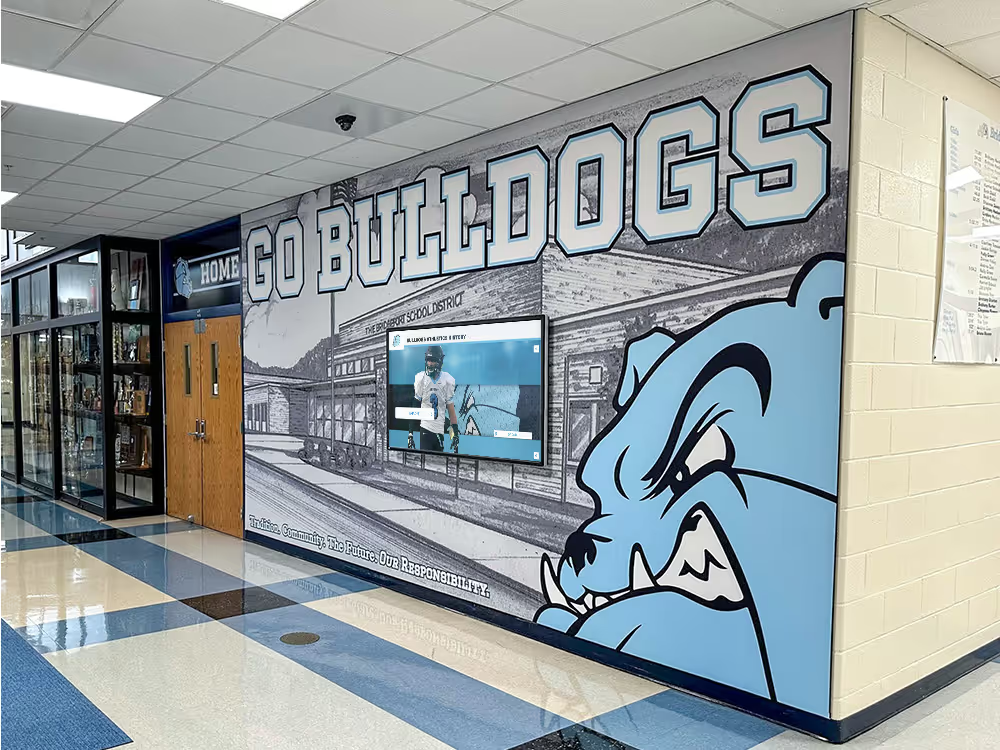
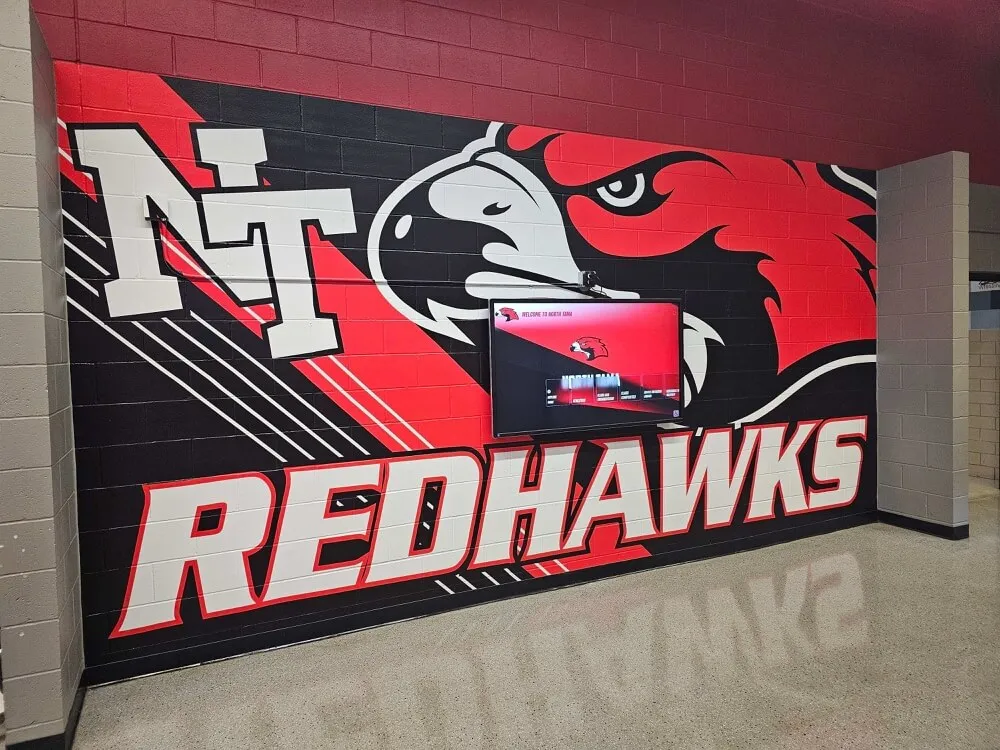
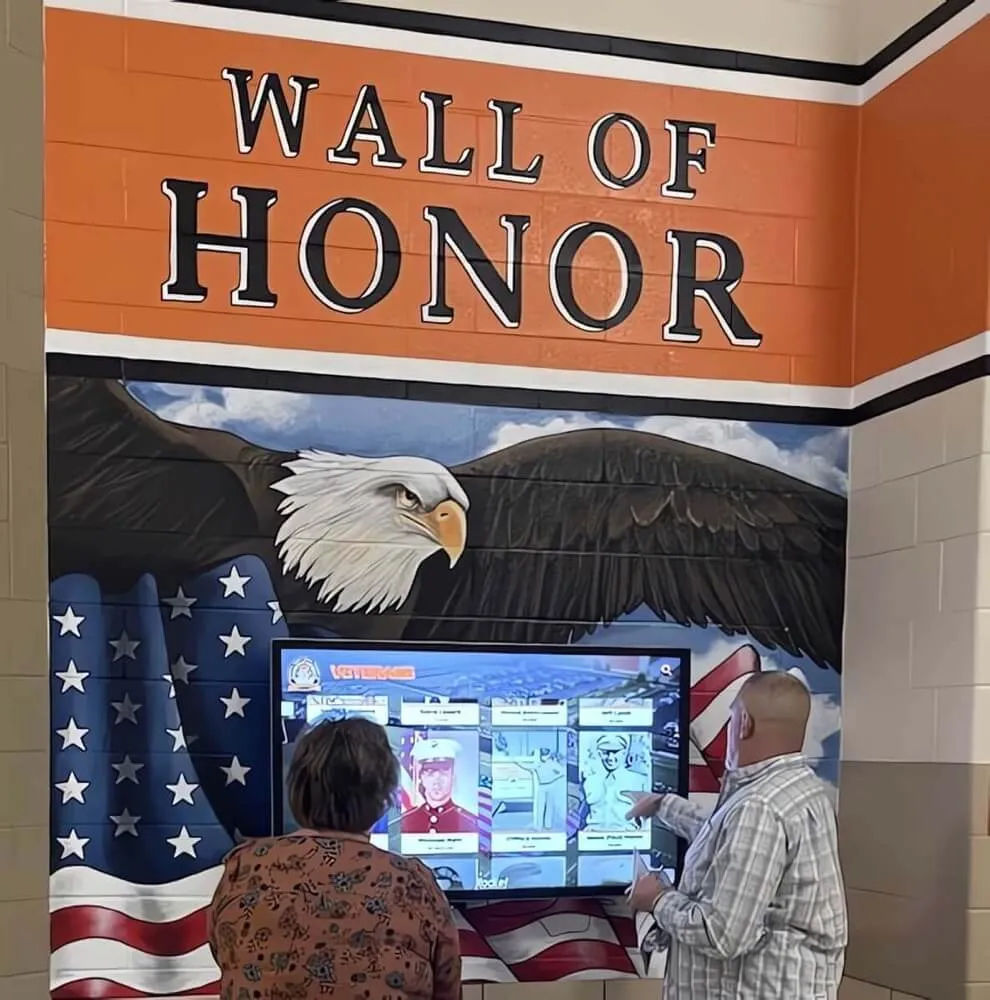
A thoughtfully designed reunion lobby display creates an immediate sense of belonging for returning graduates the moment they walk through the door
Why the Lobby Moment Defines the Reunion High School Experience
Physical first impressions shape everything that follows. Environmental psychology research consistently shows that people form lasting judgments about spaces within seconds of entering them — and for returning graduates arriving at a reunion high school event, the lobby represents a loaded space. It’s simultaneously familiar and strange, the site of hundreds of half-remembered daily experiences now filtered through years of distance.
Traditional welcome approaches — registration spreadsheets, printed directories, static poster boards with faded yearbook photocopies — communicate passive indifference to that emotional complexity. They create administrative transactions rather than experiences. Alumni glance at static content for a few seconds, locate their name, and move on without any deeper engagement or personal recognition.
Interactive lobby displays flip this dynamic. They surface personalized content proactively, create natural gathering points where alumni congregate and begin conversations, and eliminate the awkward “I don’t know where to start” paralysis that haunts reunion arrivals.
The Check-In Window as the Highest-Value Engagement Moment
Alumni directors who treat check-in as purely logistical are missing the most receptive engagement window in the entire event. The minutes between arriving and finding a familiar face are when returning graduates are most alert, most curious, and most open to discovering unexpected connections. They haven’t yet settled into comfortable conversation with people they already know — they’re actively scanning for cues about how to feel and who to approach.
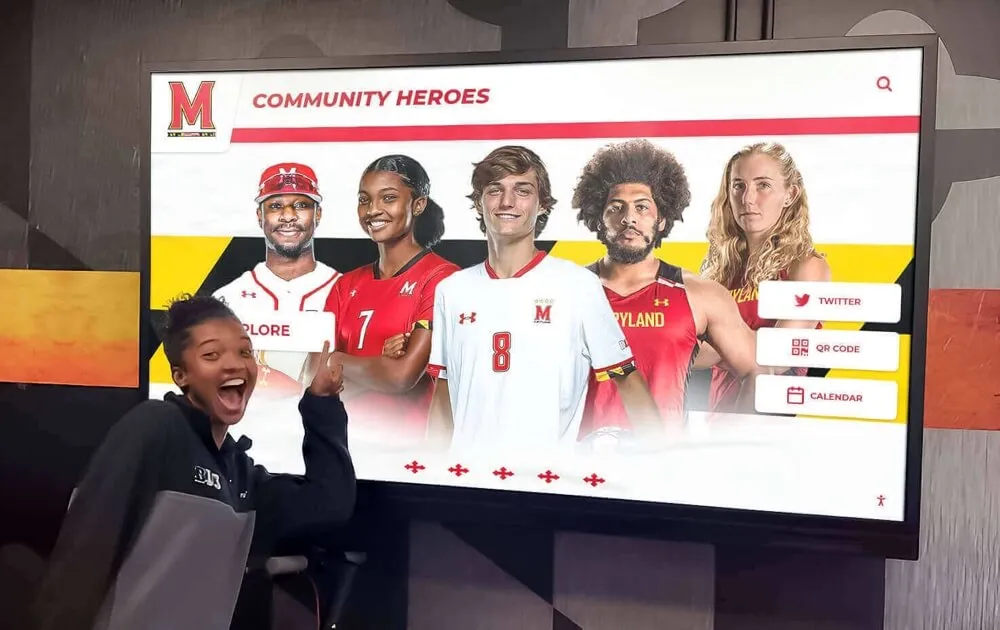
An interactive lobby display positioned at or near check-in provides exactly those cues. When a returning graduate sees their own profile — yearbook photo, current photo, activities, achievements — on a touchscreen display, the psychological effect is immediate and powerful: they feel seen as an individual, not processed as an attendee. When they can search for a former teammate by name and pull up a rich profile showing where that person has been for the past 20 years, the first conversation of the evening practically writes itself.
This is the digital warming effect in practice: converting the cold social uncertainty of arrival into warm, personalized engagement that begins the moment alumni step through the door.
What Makes Reunion Lobby Displays Different from Standard Digital Signage
Not every screen creates this effect. General digital signage — rotating announcement slideshows, school calendar feeds, scrolling text — delivers informational utility but minimal emotional resonance. Reunion lobby displays need to accomplish something more specific: making each individual alumnus feel personally recognized, not just generically welcomed.
Searchable Individual Recognition at the Core
The most effective reunion lobby displays function as searchable alumni databases rather than predetermined content loops. Returning graduates can search for themselves and their classmates, browse by graduation year, explore athletic rosters, and navigate across decades of school history based on their own curiosity rather than waiting for their photo to appear in a rotation cycle.
Alumni wall installations built for searchable, individual-level exploration transform passive lobby viewing into active personal discovery — a critical difference when you’re trying to sustain engagement for 20 or 30 minutes rather than capturing a 10-second glance.
For schools evaluating this technology category, understanding what a digital hall of fame actually is helps clarify the distinction between basic digital signage and purpose-built alumni recognition platforms designed for exactly this use case.
Historical Depth Creates Emotional Resonance
Effective reunion lobby displays don’t just show who someone is today — they connect present accomplishment to the school experiences that shaped it. Class photos from multiple graduation years, sports team rosters from championship seasons, activity and club archives, and school history timelines create layered context that makes a lobby display feel like a homecoming rather than a product demo.
Creating museum-style displays that curate institutional history alongside individual recognition represents the gold standard for reunion lobby content — treating alumni legacy with the same curatorial care a museum gives its permanent collection. When alumni feel they’re exploring something meaningful rather than browsing a directory, engagement depth follows naturally.
Athletic Heritage as a Conversation Anchor
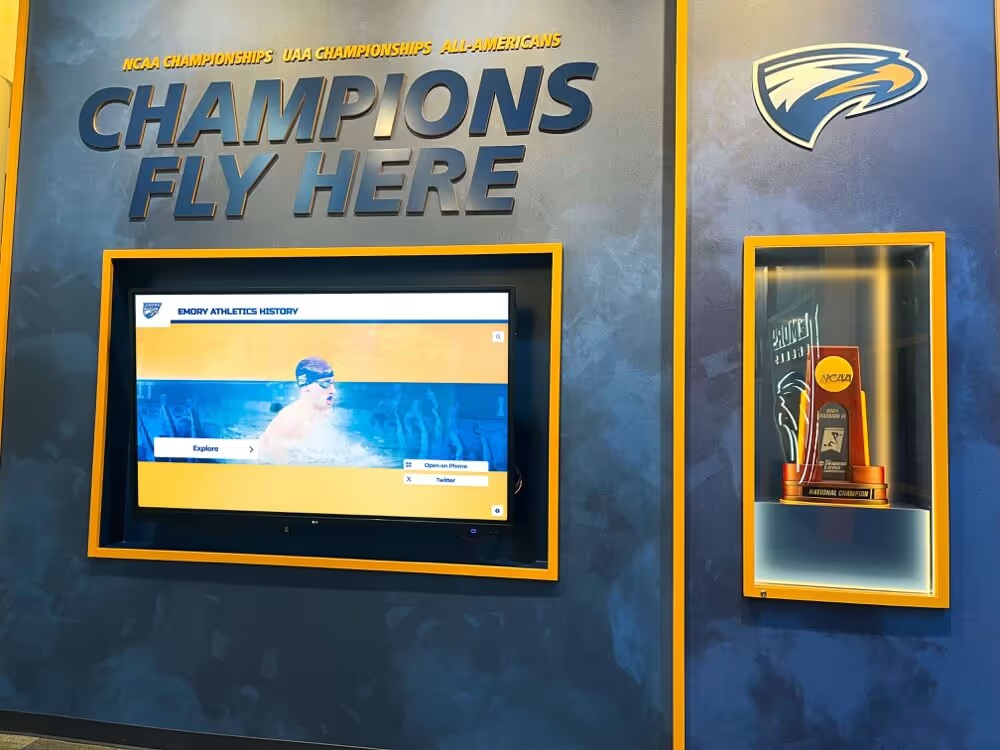
Athletic recognition carries outsized emotional weight at reunions. Former players recall specific seasons, games, teammates, and coaches with a vividness that cuts through decades of memory. Displaying athletic records, hall of fame inductees, and historic team photos gives alumni immediate shared reference points that spark conversations without requiring anyone to navigate the awkward “so what do you do now?” opener.
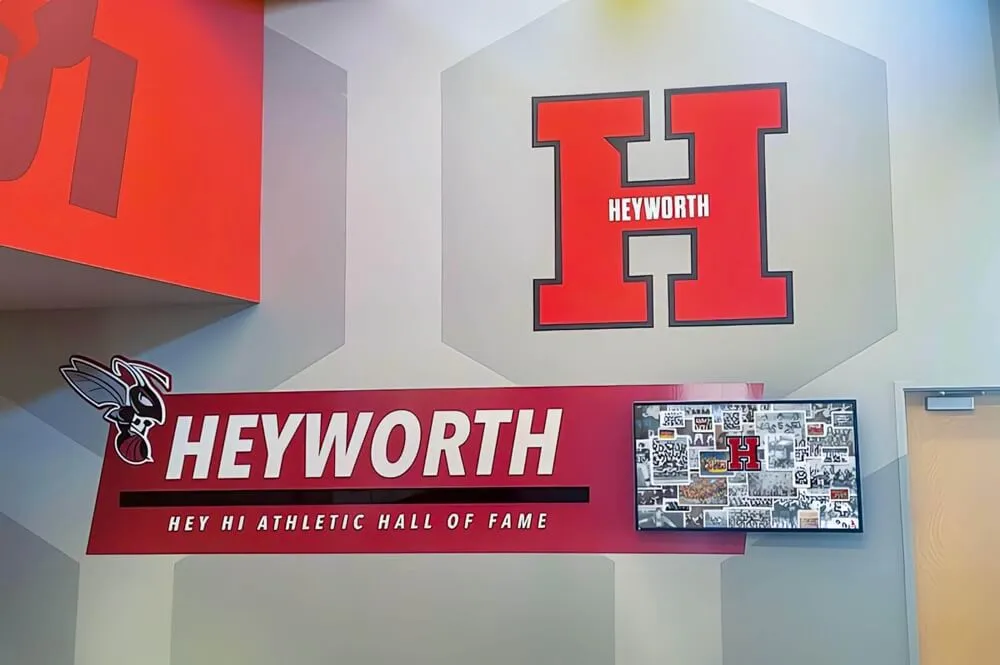
For schools building this content category comprehensively, the athletic hall of fame complete guide covers nomination processes, recognition criteria, and display strategies that make athletic heritage content both meaningful to inductees and compelling to general audiences browsing the lobby.
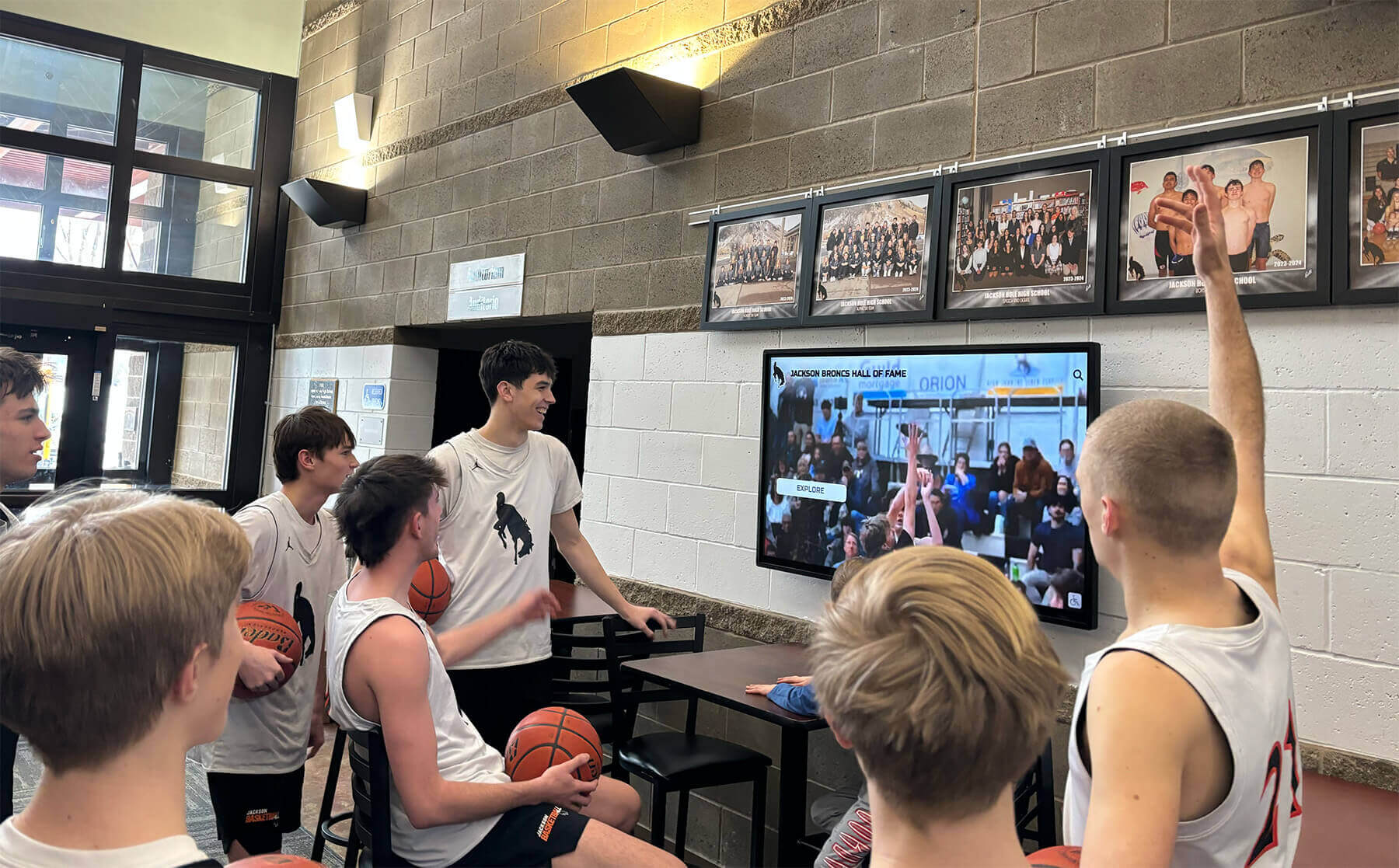
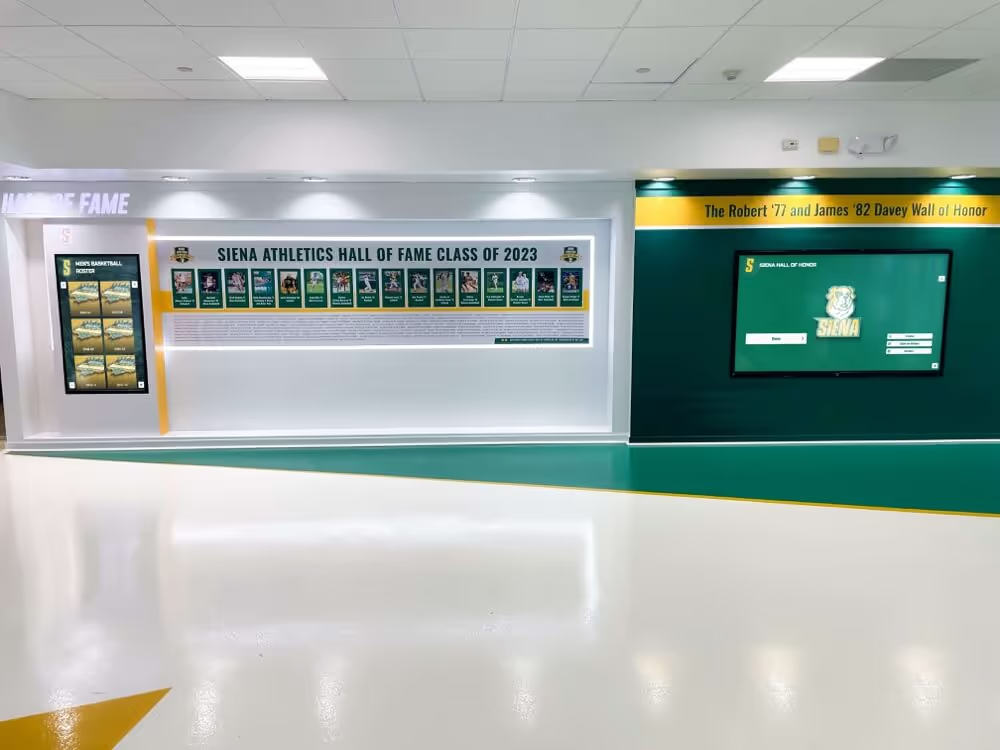
Athletic achievement content draws alumni into natural conversation clusters around shared competitive memories from their school years
Designing the Reunion Lobby Recognition Experience
Creating a lobby display that actually serves reunion purposes requires deliberate planning around content, technology, placement, and physical flow — not just installing a screen and loading a photo library.
Content Architecture: Three Pillars of Reunion Recognition
Effective reunion lobby display content organizes into three categories that work together:
Individual alumni profiles form the first pillar — searchable, media-rich pages featuring yearbook photos, current photos, biographical updates, activity participation records, achievements, and where-are-they-now information. These become the primary reason alumni engage with displays for extended periods rather than glancing briefly and moving on.
Class and era archives form the second — graduation year group content, class photos, club and activity documentation, athletic team rosters, and historical timelines that help alumni situate their personal experience within the broader story of the school. Schools still managing this archival content through static formats will find that upgrading to digital displays fundamentally changes recognition capacity — from a handful of names on a plaque to comprehensive, searchable archives spanning decades.
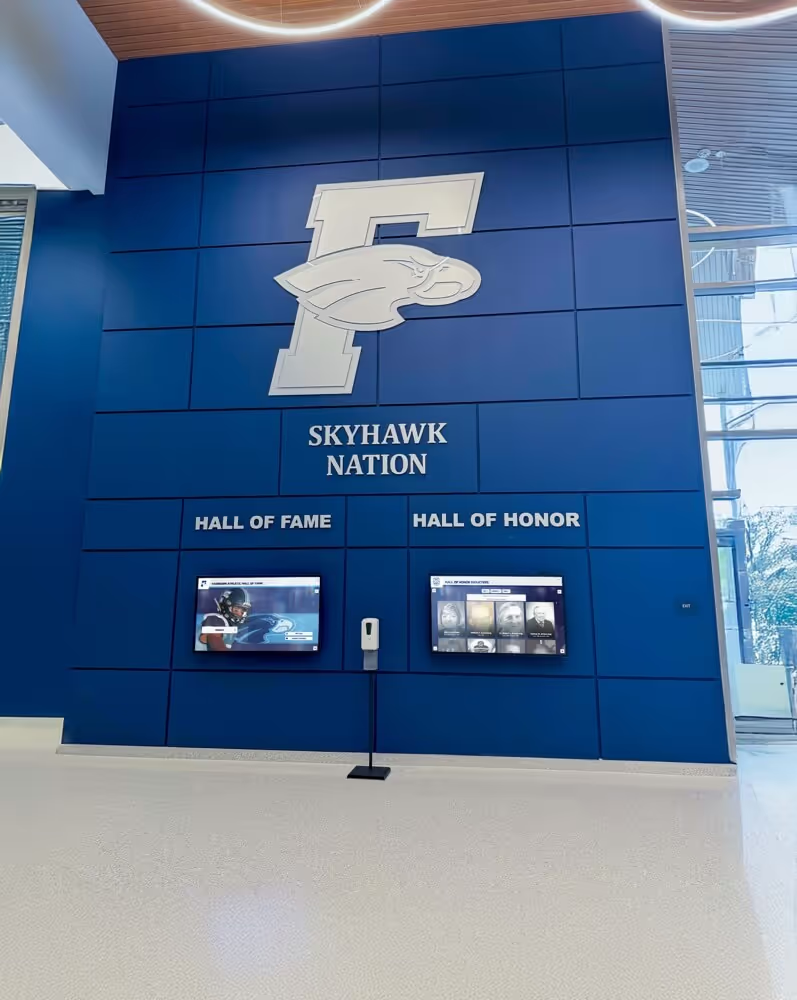
Achievement recognition forms the third — hall of fame inductees, athletic records, academic honors, and distinguished alumni features celebrating what graduates accomplished both during their school years and in the decades since. This category bridges the historical and contemporary, showing returning graduates that their accomplishments continued to matter long after graduation day.
Hardware Considerations for Reunion Events
Reunion events create specific hardware requirements that differ from permanent school installations. Displays need to handle high traffic with multiple alumni browsing simultaneously, remain fully operational across consecutive hours of a multi-part event, and be positioned for natural discovery rather than requiring deliberate seeking.
Large-format commercial touchscreens — typically 55 to 75 inches — provide the surface needed for group browsing, where several alumni gather around a display together. This group dynamic is actually desirable: it creates natural clusters where conversation happens organically around shared discoveries, turning a passive display into an active social facilitator.
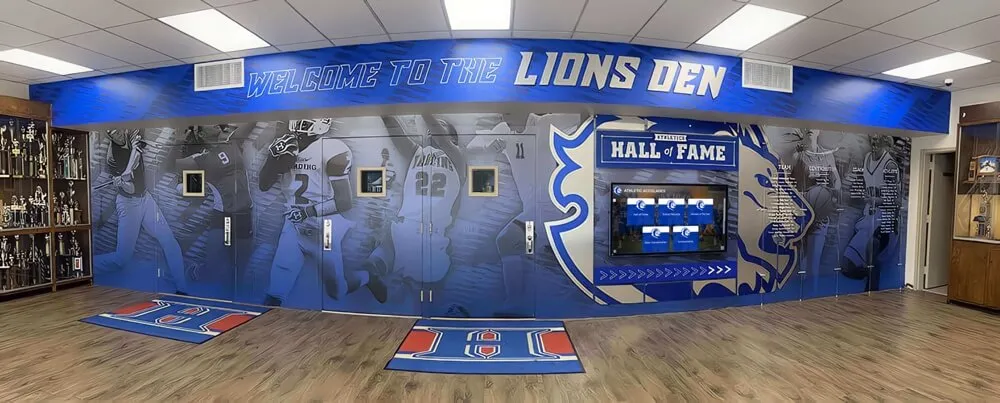
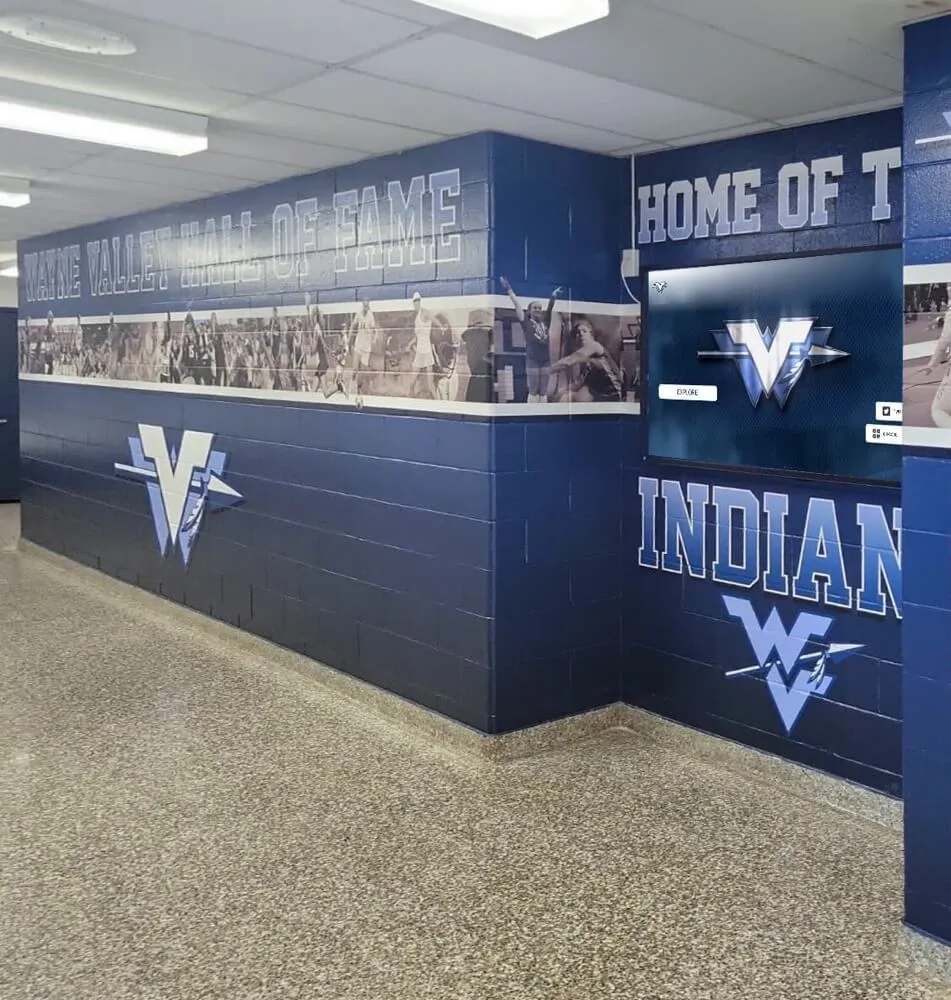
For schools hosting reunions on campus, incorporating sports wall art elements alongside digital display installations reinforces the physical environment — marrying the institutional pride of traditional trophy walls with the searchability and depth of modern recognition platforms.
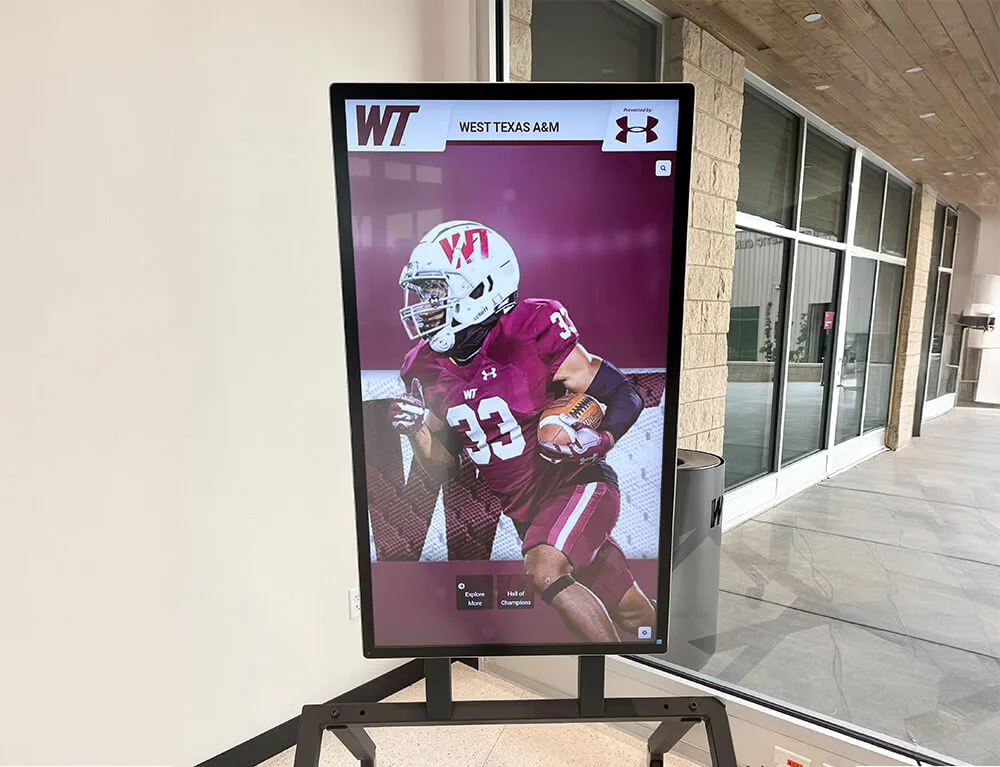
For off-campus venues, portable commercial-grade display systems with professional mobile stands enable flexible positioning while maintaining stable, secure installations that don’t require specialized mounting infrastructure.
Strategic Placement for Maximum Engagement
Where a display sits in the physical lobby determines whether it becomes a central reunion experience or a peripheral curiosity that most attendees miss entirely.
High-value placement positions include check-in or registration areas where alumni naturally pause, near bottleneck zones like coat check or entry queues where dwell time already exists organically, and adjacent to gathering spaces where alumni stand and talk so they can reference display content during conversation and pull classmates over to “look at this” moments.
Isolated corner placement — even with excellent content — generates dramatically lower engagement than strategic positioning along primary circulation paths. Displays should feel like natural stopping points, not destinations requiring intentional seeking.
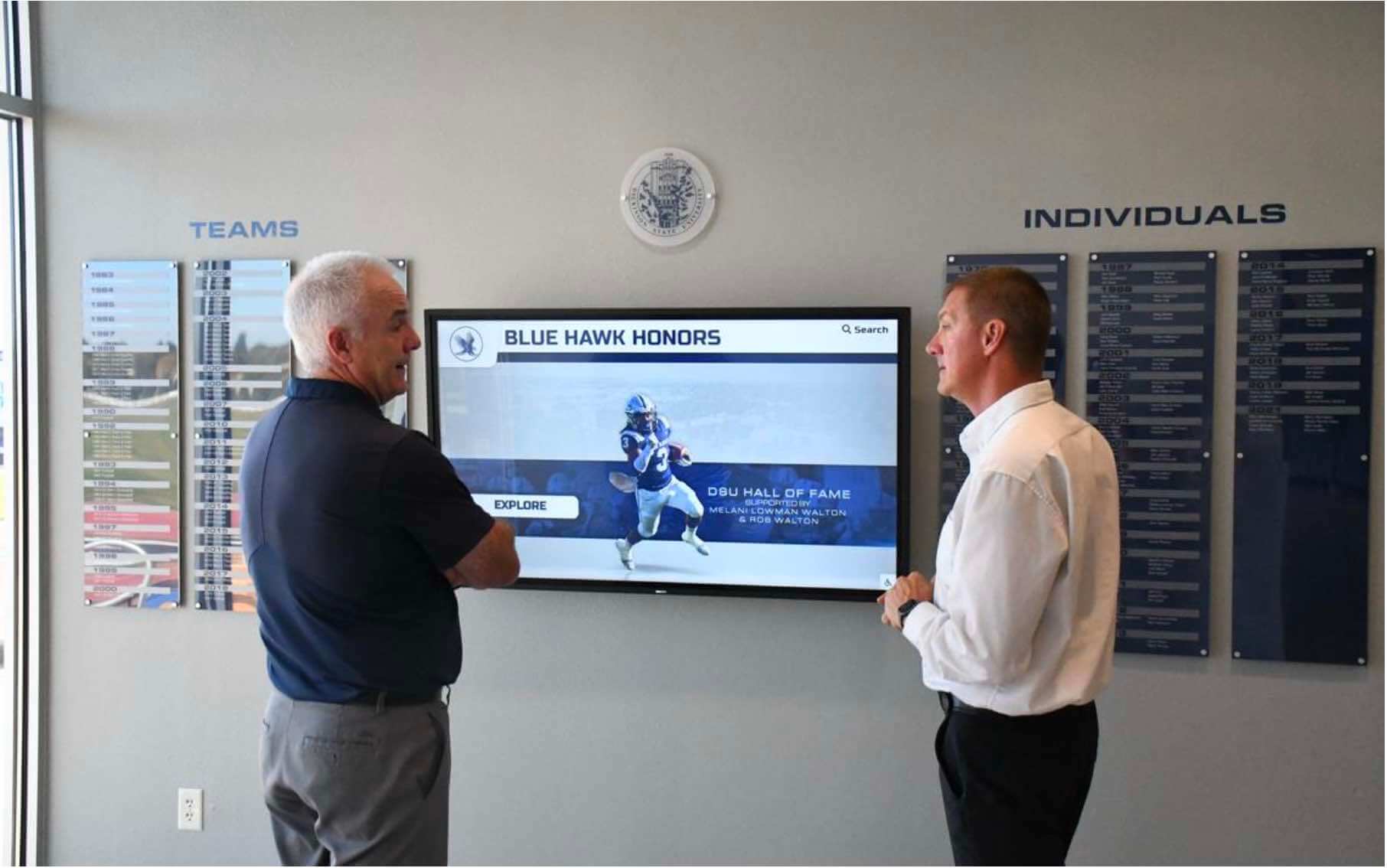
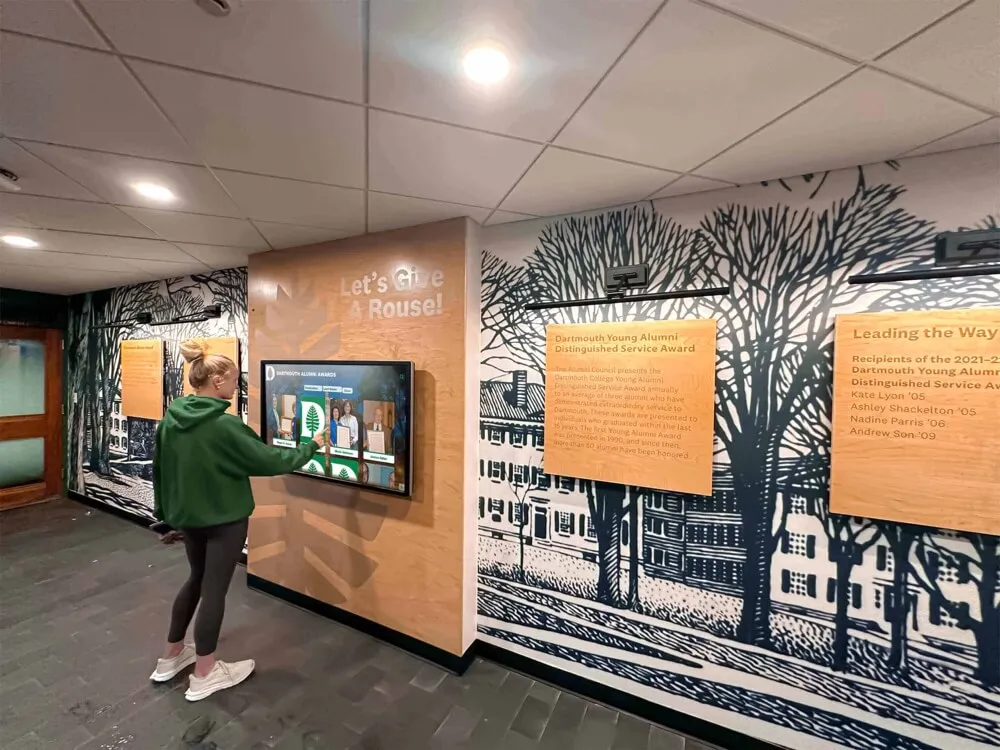
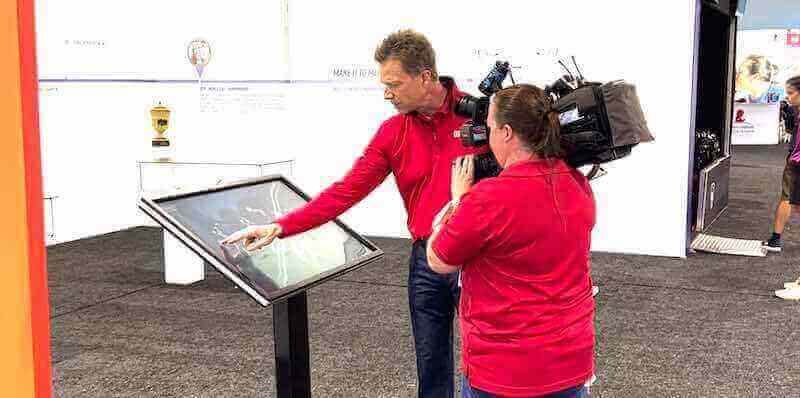
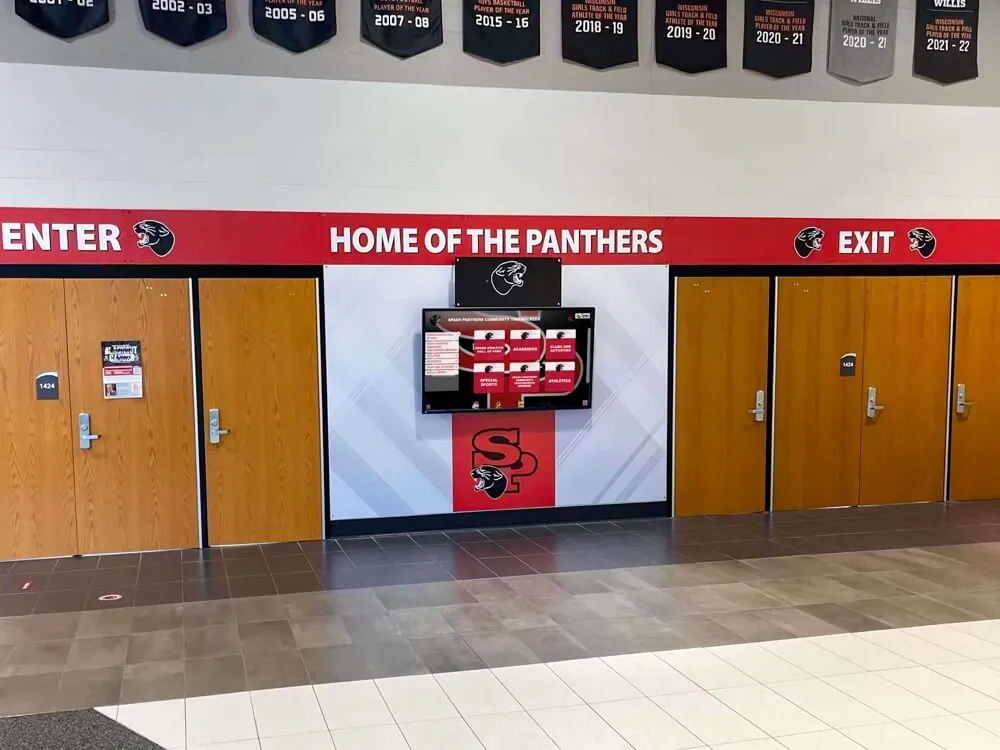
Group browsing around lobby displays creates natural social clusters where alumni reconnect through shared discoveries without the awkwardness of forced introductions
Academic and Extracurricular Recognition in Reunion Lobby Displays
Athletic history tends to dominate reunion display conversations, but comprehensive alumni recognition acknowledges the full range of what school means to different returning graduates.
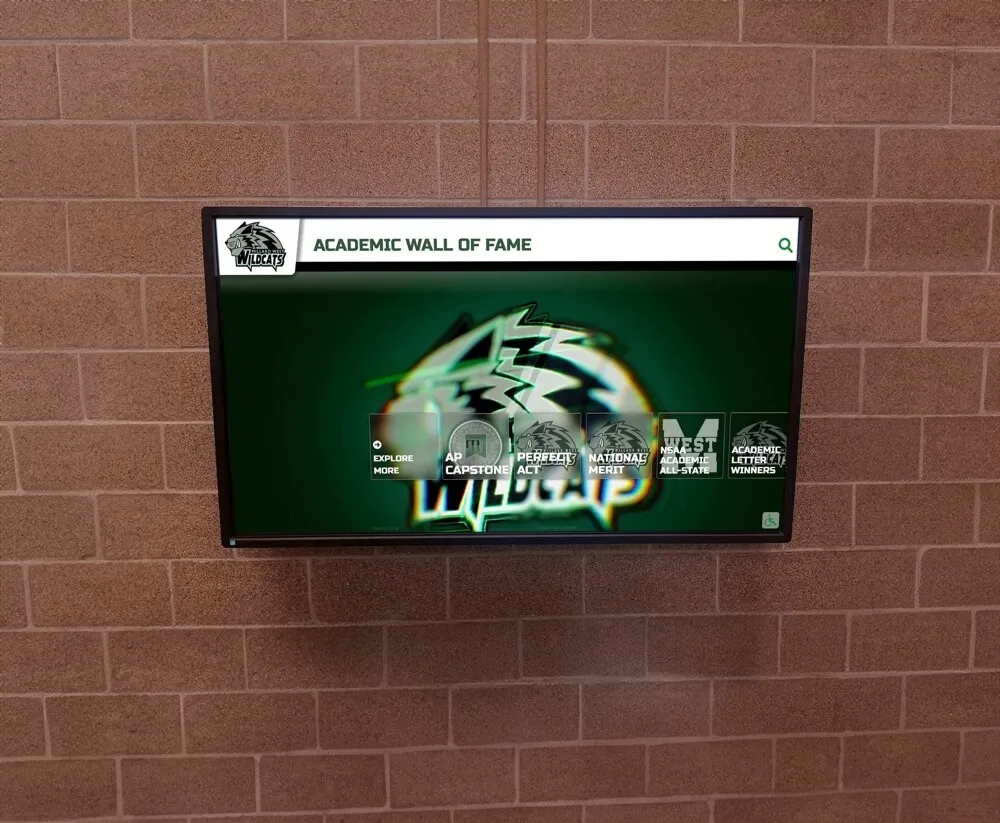
Academic achievement content — honor rolls, valedictorians, class scholars, and academic competition teams — resonates deeply with alumni whose high school identity centered on scholarship rather than athletics. Including this category in lobby displays creates recognition breadth that ensures more alumni see themselves reflected in the content rather than watching someone else’s highlight reel.
Theater productions, debate teams, student government officers, club leaders, and community service honorees all deserve visible recognition alongside athletic accomplishments. The broader the recognition scope, the more alumni feel personally claimed by the display — and the more conversations those discoveries spark.
Rocket Alumni Solutions builds platforms designed for exactly this kind of comprehensive, cross-category recognition with unlimited content capacity — meaning every alumnus, every activity, and every achievement can be included without the space constraints that force difficult choices about whose recognition receives priority.
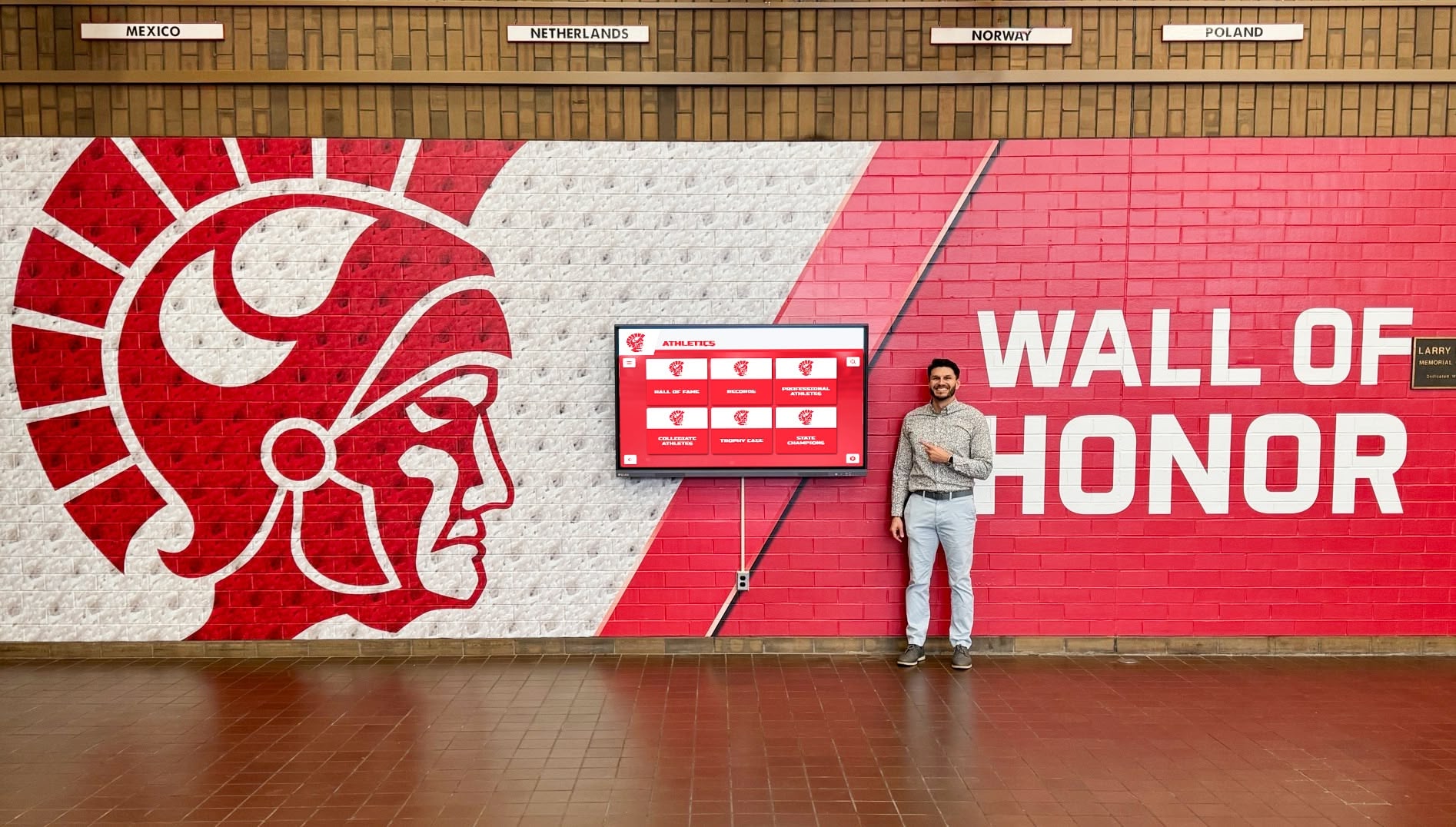
Interactive displays invite individual exploration while naturally facilitating group conversation as alumni discover classmates they haven't thought about in years
The Technology That Makes Reunion Recognition Work
Purpose-built alumni recognition platforms handle reunion lobby use cases more effectively than generic digital signage solutions, for practical reasons that directly affect the alumni experience:
Searchability is the most critical capability. When an alumnus wants to find their old friend from the swim team, they need results within seconds, not the patience to wait through a 40-slide rotation hoping that face appears. Instant name search returning individual profiles is non-negotiable for reunion applications.
Content depth separates recognition platforms from signage tools. Effective alumni profiles require multiple photos spanning yearbook through current, biographical narrative text, activity and achievement listings, and connection data linking classmates to teams, clubs, and eras. Generic signage software isn’t architected for this data model.
ADA WCAG 2.1 AA compliance ensures all returning graduates — including those with visual or motor disabilities — can fully engage with reunion lobby content. Platforms built with accessibility at their core fulfill both legal responsibilities and genuine inclusion commitments.
Remote content management matters more than most reunion committees anticipate. Errors get discovered after preview events, last-minute additions come in during the week before reunion, and updates need to happen without calling a technician or requiring physical access to the display. Cloud-based CMS tools solve this problem.
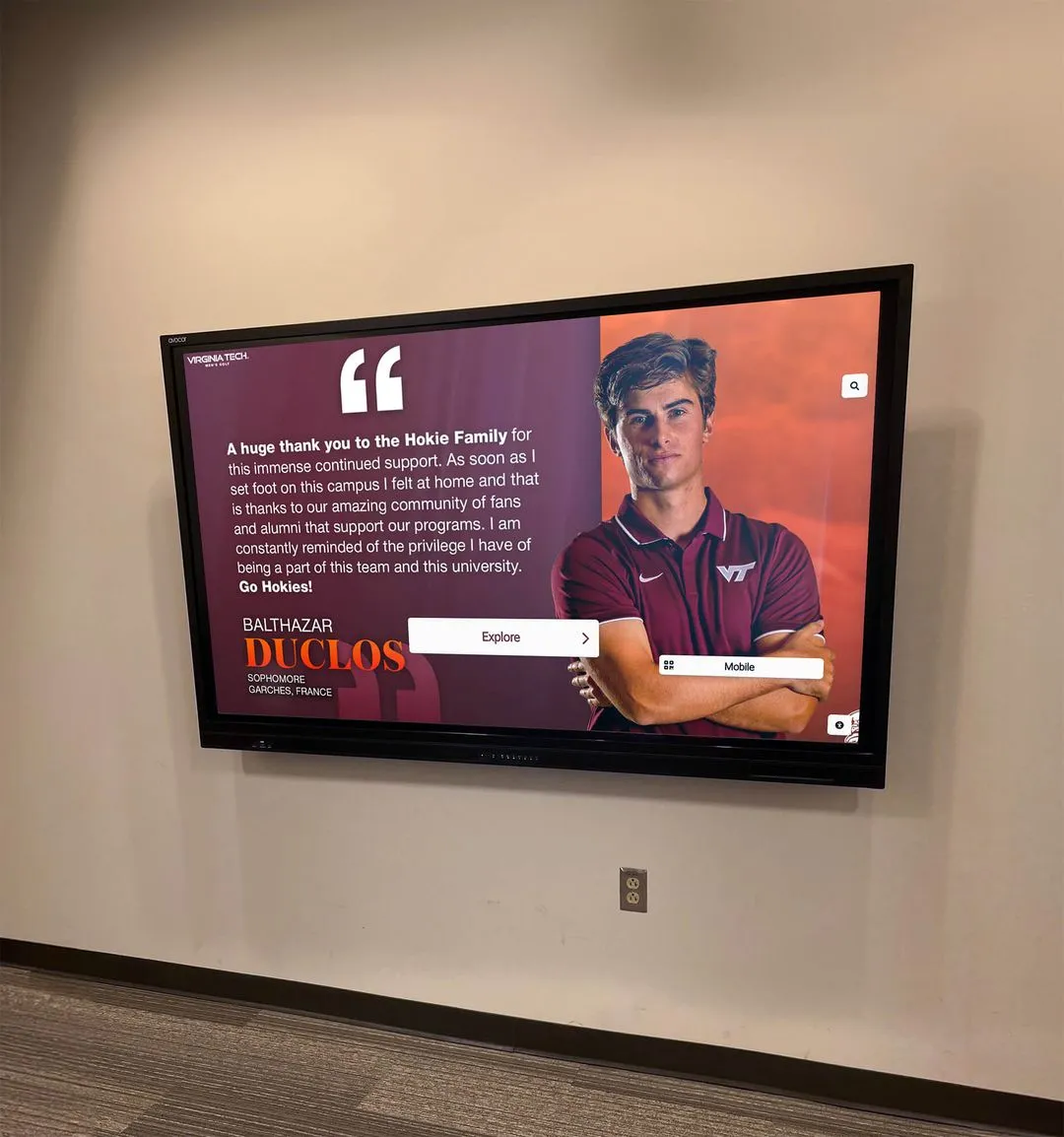
QR code mobile access extends the lobby engagement beyond the physical screen. Alumni who discover their own profile or a classmate’s profile can scan a QR code to transfer that content to their phone — sharing it with family members who couldn’t attend, comparing notes with other alumni across the room, or revisiting content days later when reunion memories are still fresh and conversation threads are still active.
Rocket’s platform work extends to high-profile installations demonstrating this capability at scale — including their touchscreen recognition deployment at TD Garden, which illustrates what purpose-built recognition technology looks like in high-traffic, high-visibility environments.
Building the Content Foundation Before Reunion Season
Schools that begin collecting alumni content six weeks before a reunion consistently struggle to build displays with enough depth to drive meaningful engagement. Effective reunion lobby recognition requires a content development timeline that starts earlier and treats content as an ongoing institutional asset rather than a reunion-specific sprint.
Yearbook digitization creates searchable archives across multiple graduation years that serve both reunion displays and ongoing institutional heritage preservation. Scanning and OCR technology enables bulk digitization, creating content foundations that persist beyond any single event.
Alumni outreach campaigns collect current photos, biographical updates, and career milestones that transform historical profiles into living recognition. Submission processes should be frictionless — simple online forms with clear guidelines, multiple format acceptance, and explicit permission granting for public display.
Athletic record documentation connects historical performance data to current profile content, enabling the athletic-heritage searching that drives so much of the reunion engagement. This work surfaces championship season rosters, individual records, and coaching legacy information that alumni specifically seek.
Content entry and quality review requires realistic time allocation proportional to class size. For large graduation years, content entry alone represents substantial volunteer hours. Adequate advance scheduling prevents rushed last-minute work that produces errors visitors notice immediately.
Starting this work 12 to 18 months before major reunion events ensures content quality commensurate with the investment being made in display technology and reunion programming.
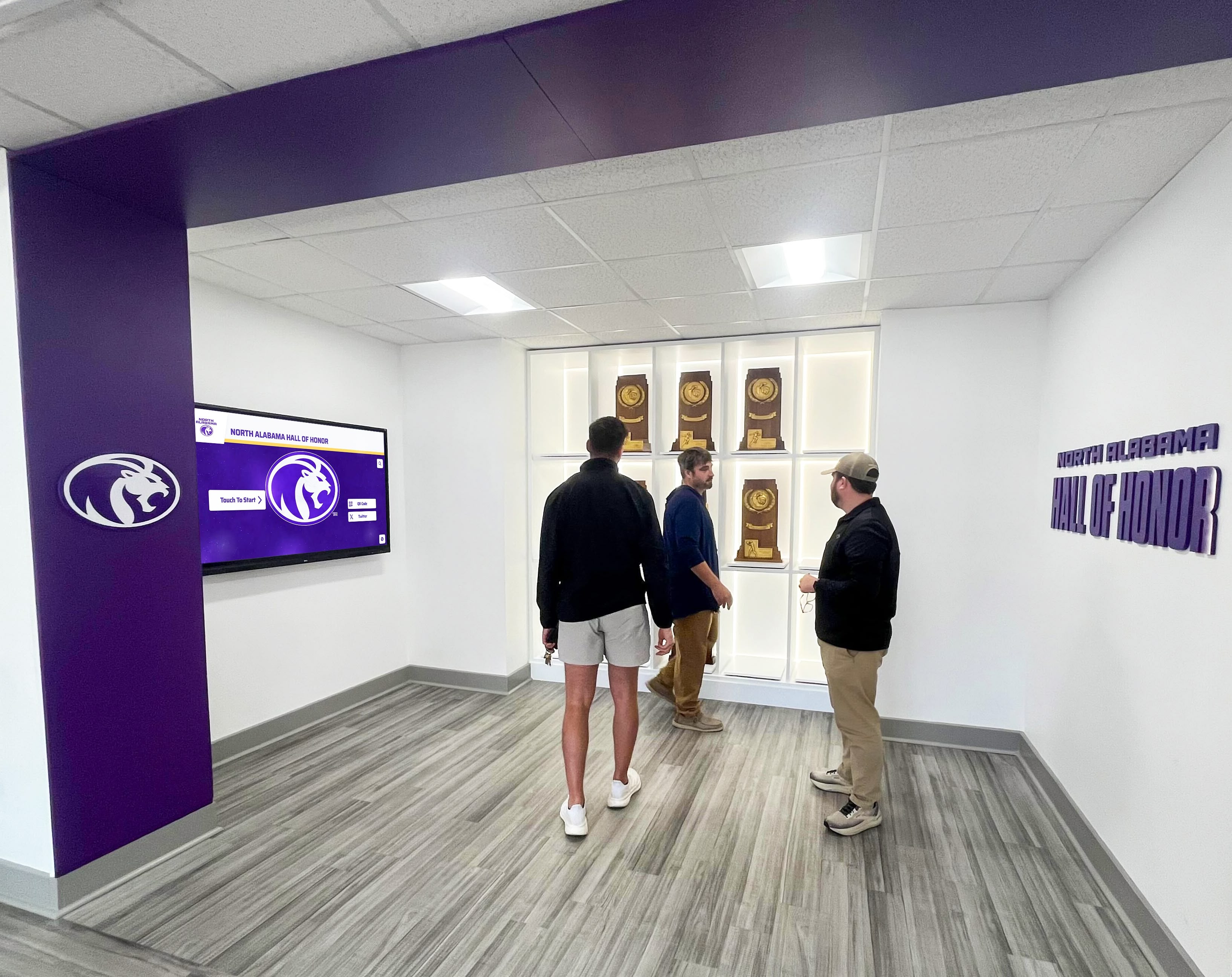
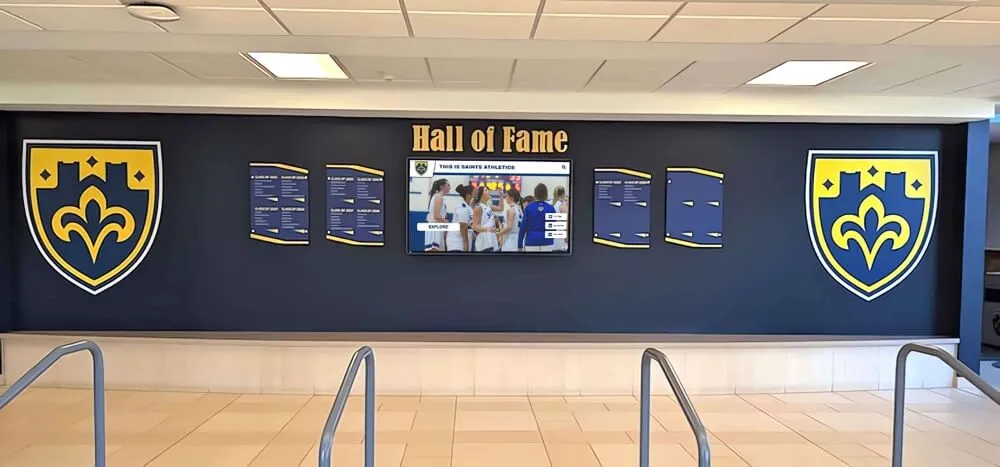
Comprehensive alumni recognition creates gathering spaces where returning graduates explore shared history and rediscover connections that reunion small talk alone cannot surface
From Reunion Night to Year-Round Community Activation
The highest-value lobby display investments don’t serve reunion events exclusively — they create permanent infrastructure that activates alumni year-round while serving multiple institutional purposes simultaneously.
A touchscreen recognition system installed in a school’s main lobby serves reunion attendees for one weekend, but also serves prospective families during admissions tours, current students building aspirations, donors evaluating institutional investment priorities, and visiting alumni dropping by throughout the year. The reunion use case provides clear ROI justification; the ongoing value compounds across every other school constituency.
This compounding value is why framing lobby displays as a “reunion expense” consistently undersells the investment. The more accurate frame is: the reunion provides the urgency and deadline to build content and deploy infrastructure that then serves the school community indefinitely.
Measuring Whether Your Reunion Lobby Display Is Delivering
Interactive displays generate measurable engagement data that static poster boards simply cannot produce, giving reunion committees and alumni directors concrete evidence of impact rather than impressionistic assessments.
Key metrics worth tracking include:
Interaction volume and session duration — total touchscreen interactions, unique sessions, and average time per session reveal whether content generates genuine sustained engagement or cursory glances. Displays achieving average sessions longer than three to four minutes are driving meaningful exploration rather than superficial browsing.
Most-searched names and most-viewed profiles — these patterns identify which content resonates most strongly with the attending audience. High search volume for a particular graduation decade may indicate strong attendance from that era, or simply that the content depth for those years is richer than others.
QR code scan volume — scans tracking content transfers to personal devices show how far lobby engagement extends beyond the physical event. Alumni who scan and carry content home with them represent the deepest engagement tier — not just viewing recognition, but actively claiming it as personally meaningful.
Post-event web access patterns — alumni who access the web-based version of reunion displays after returning home demonstrate engagement that the single-evening event format would otherwise lose entirely. This extended engagement is where digital warming compounds: the lobby experience creates a habit of returning to a platform that continues serving community needs long after the reunion ends.
Transform Your School’s Reunion Arrival Experience
Most schools underinvest in the reunion lobby experience because check-in has historically been administrative rather than relational. But the alumni who show up for reunion high school events are expressing something beyond simple nostalgia — they’re investing time, often money, and genuine emotional vulnerability in reconnecting with a community that shaped who they became. That investment deserves a welcome proportionate to what they’re bringing.
Interactive lobby displays deliver that welcome by doing what static displays cannot: recognizing individual people, surfacing personal memories, facilitating genuine discovery, and creating the digital warming effect that transforms cold, uncertain arrivals into warm, personalized homecomings.
Whether your school is deploying its first touchscreen installation or optimizing an existing lobby system for upcoming reunion season, the strategic priority remains consistent: lead with individual recognition, build content depth across categories and graduation years, position displays where alumni naturally gather, and invest in platforms built for the ongoing engagement that makes a reunion’s impact extend far beyond a single Friday evening.
Welcome Returning Graduates the Way They Deserve
See how Rocket Alumni Solutions creates interactive lobby recognition systems that transform reunion high school arrivals into personalized homecomings — with searchable alumni profiles, unlimited content capacity, QR mobile access, and the digital warming effect that turns check-in into community activation.
Explore Rocket Alumni Solutions