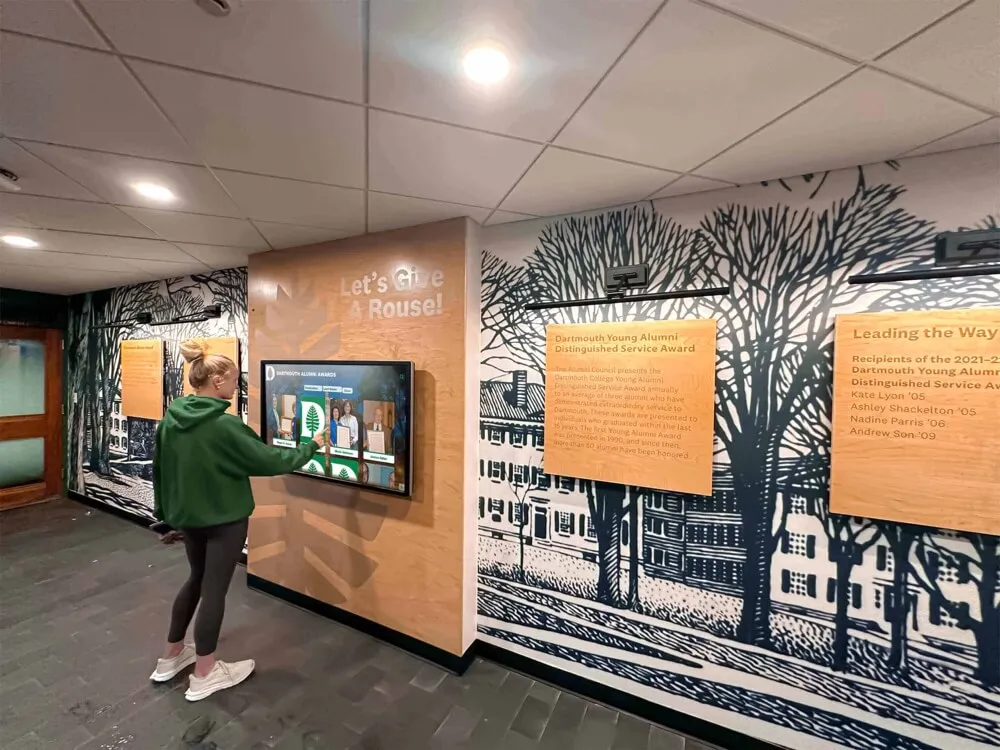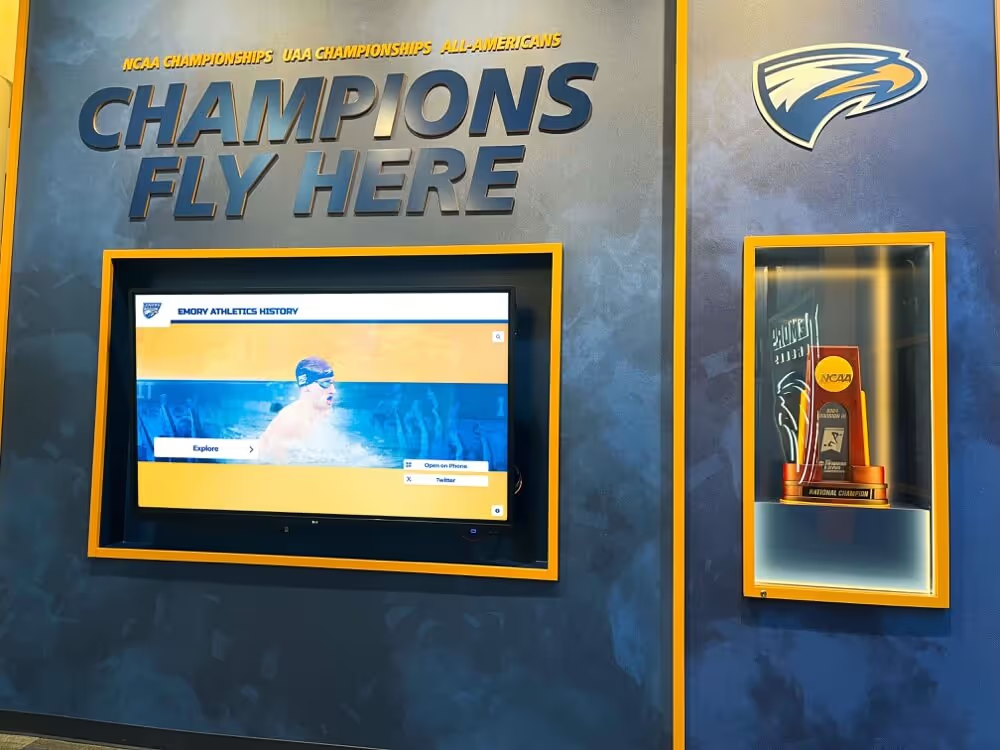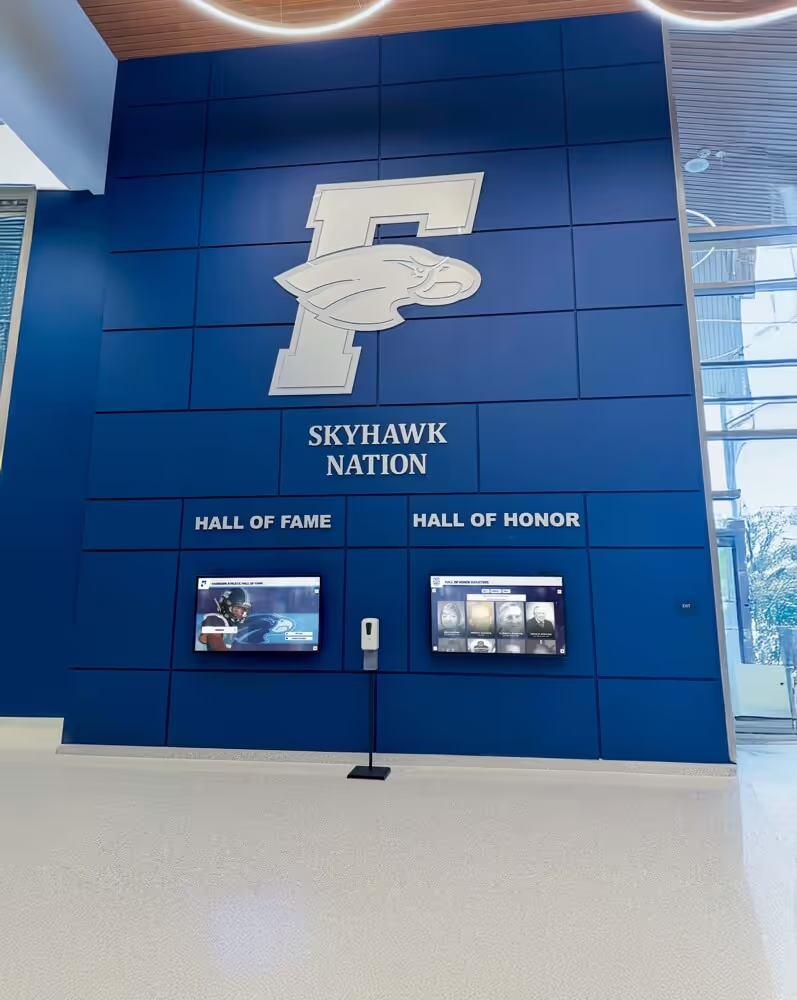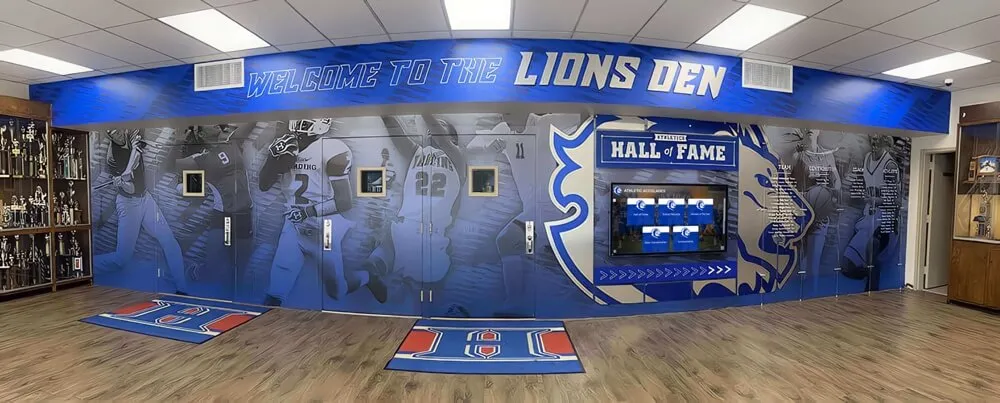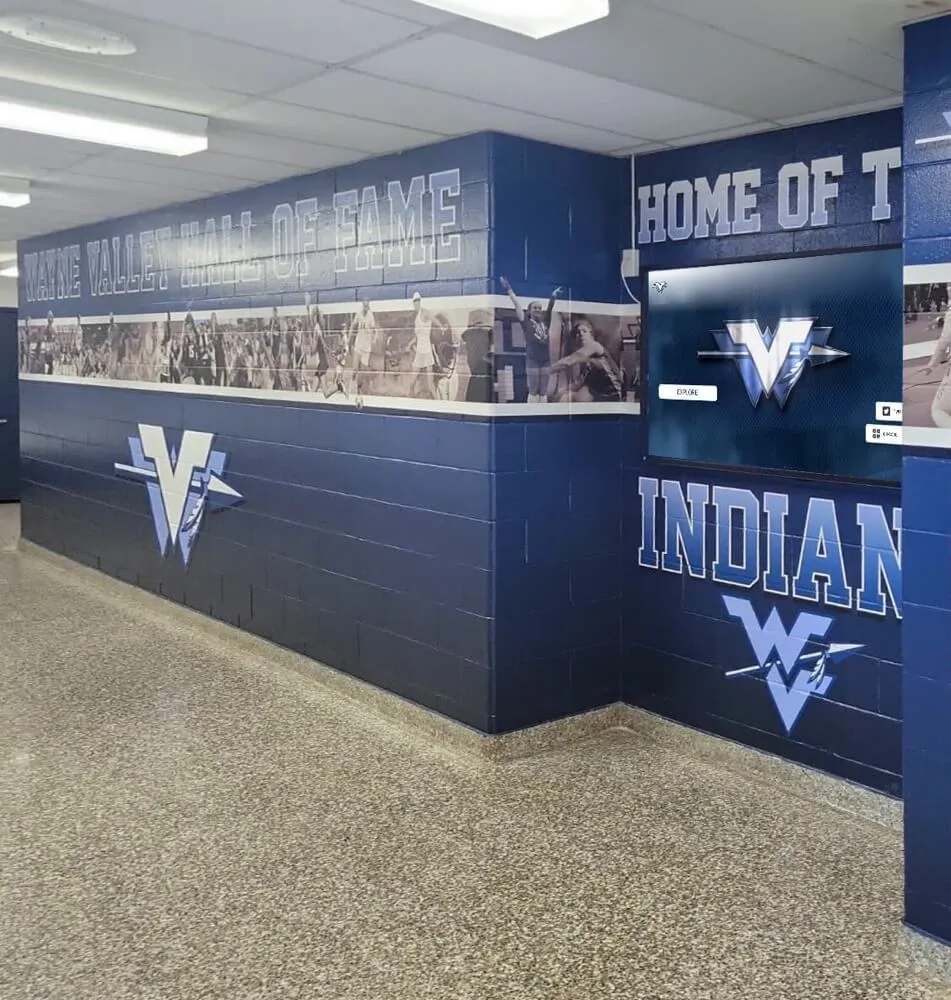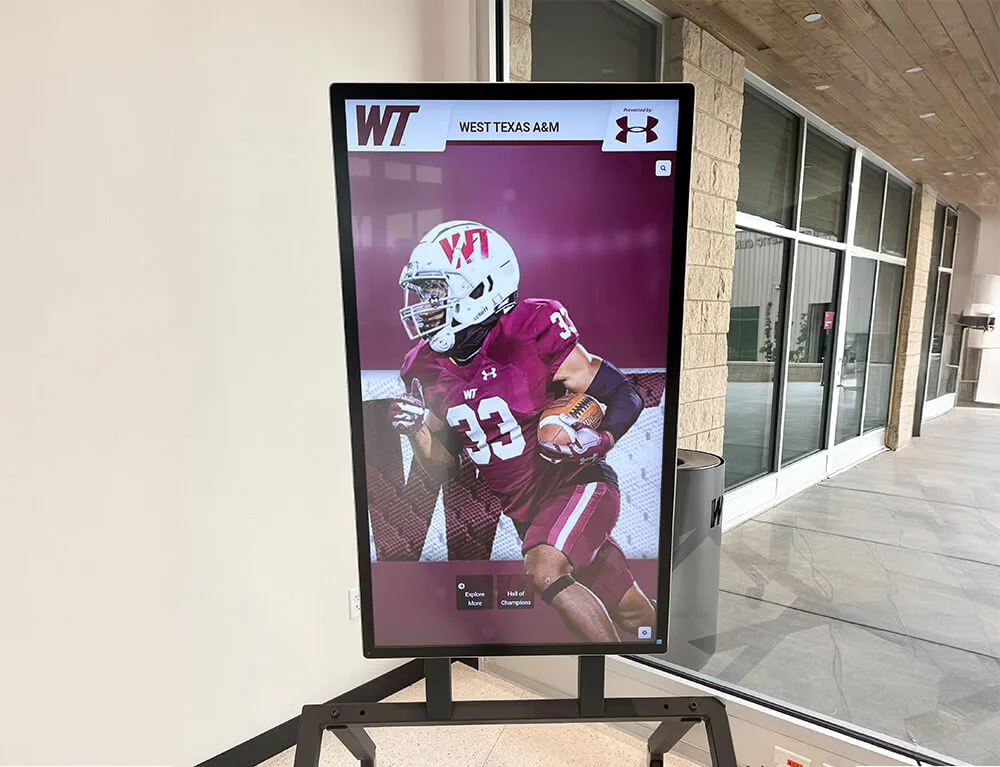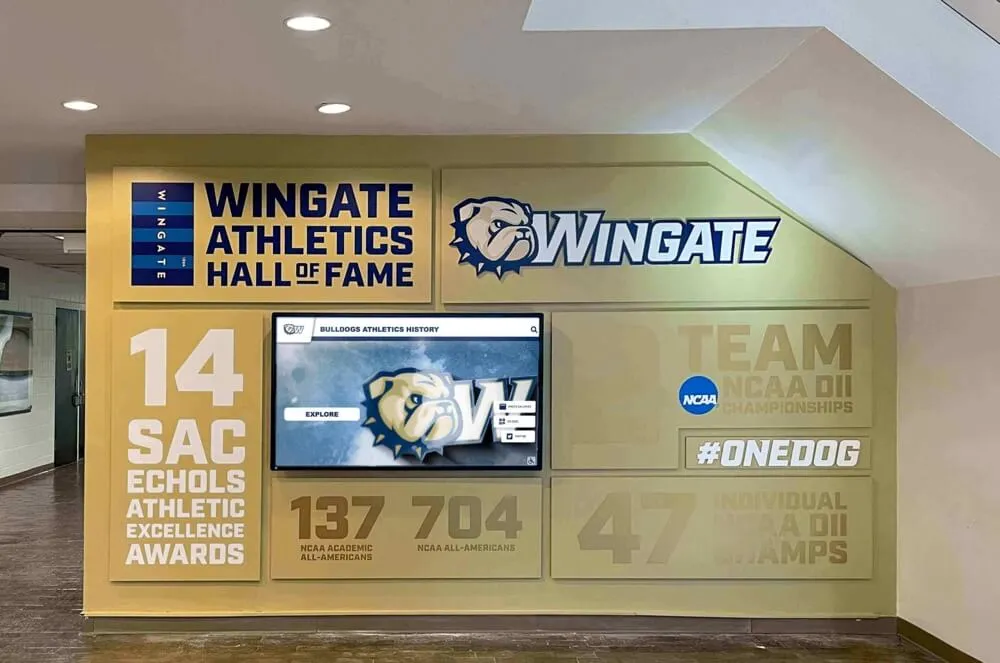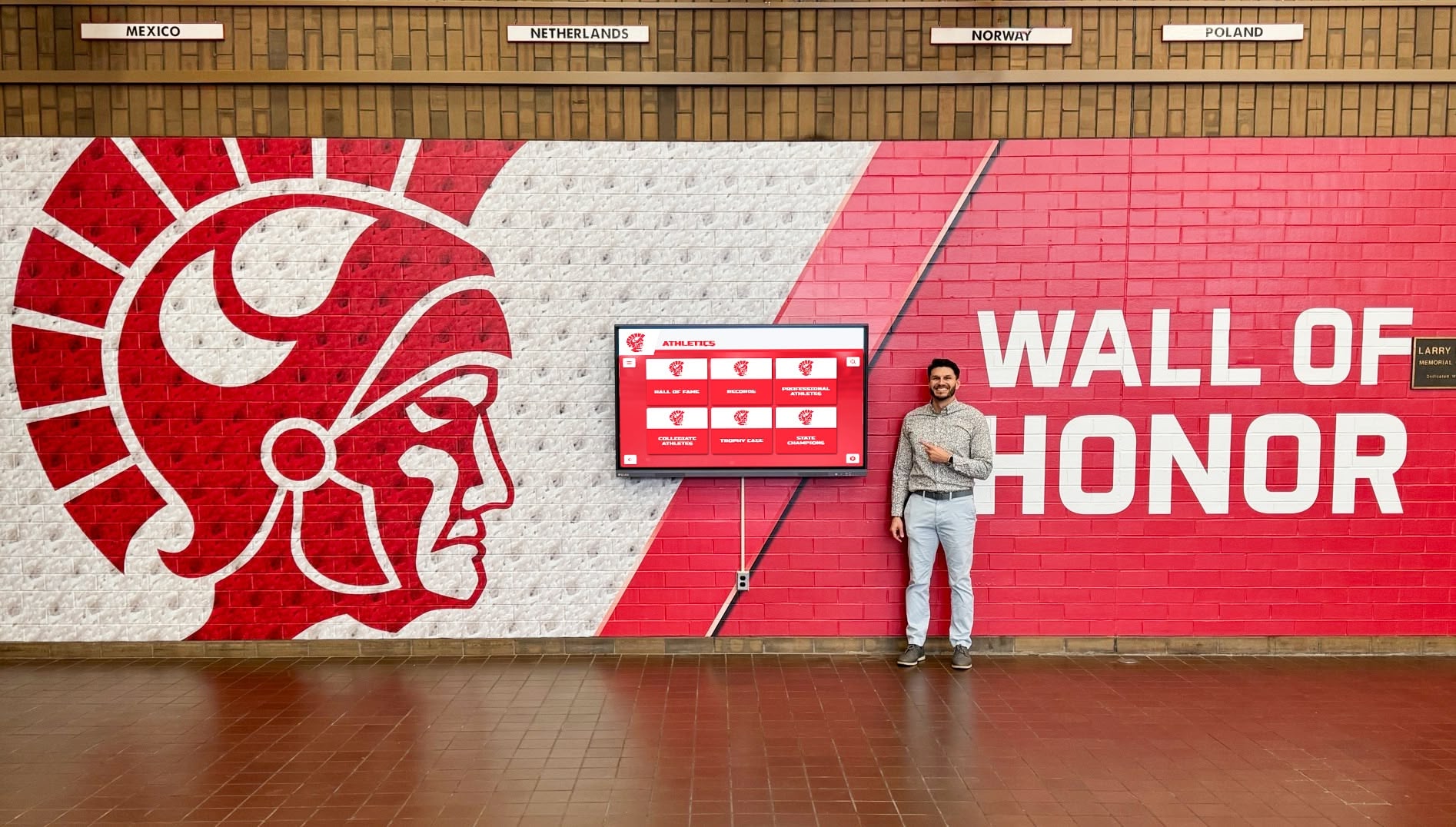




Intent: demonstrate — Recognition walls serve as powerful visual statements about what organizations value—the achievements they celebrate, the people they honor, and the standards they establish for excellence. Walk through any thriving school, successful business, or engaged community organization and you’ll likely encounter dedicated spaces showcasing individual and collective accomplishments. These recognition displays function as more than decorative elements; they inspire current members, attract prospective participants, preserve institutional memory, and reinforce cultures where achievement receives meaningful acknowledgment.
Yet many organizations struggle with recognition wall execution. Traditional plaques fill quickly, forcing difficult choices about whose achievements warrant permanent display. Update cycles lag months or years behind actual accomplishments. Physical space constraints limit recognition capacity. Static displays generate minimal engagement—brief glances rather than meaningful exploration that connects viewers to the stories behind achievements.
Modern recognition wall approaches transform these limitations into opportunities through creative design thinking, strategic space utilization, and technology integration that creates what we call “digital warming”—the transformation of cold, impersonal displays into vibrant, personalized experiences that draw community members deeper into engagement through continuously surfaced, relevant content that makes every encounter feel fresh and meaningful.
Understanding Recognition Walls as Community Engagement Tools
Recognition walls function simultaneously as historical record, motivational catalyst, and cultural reinforcement. When organizations thoughtfully design recognition spaces, they create environments where achievements receive appropriate celebration while inspiring future excellence across the community.
Effective recognition wall planning begins with clarifying purpose and audience. Schools might prioritize student achievement recognition to inspire current learners while honoring alumni accomplishments. Businesses often balance employee milestone celebrations with client appreciation and company history preservation. Community organizations typically focus on volunteer contributions, donor acknowledgment, and program impact demonstration.

The psychological impact of recognition walls extends beyond those directly honored. Current students seeing alumni achievements displayed prominently understand that their school values excellence and maintains connections with graduates. Employees encountering service milestone recognition walls recognize that their organizations appreciate longevity and contribution. Donors viewing acknowledgment displays feel confident that their generosity receives appropriate appreciation and visibility.
Recognition wall effectiveness correlates directly with accessibility and engagement. Static plaques mounted beyond comfortable viewing height or positioned in low-traffic locations generate minimal impact regardless of design quality. Recognition walls positioned in natural gathering spaces—main lobbies, cafeteria entrances, athletic facility hallways—where community members regularly pass create repeated exposure that reinforces messages about valued achievements. Modern digital recognition displays offer particular advantages for high-traffic locations by presenting dynamic content that draws attention more effectively than static installations.
Traditional Recognition Wall Approaches and Creative Variations
Traditional recognition walls employ several established formats, each offering distinct advantages and facing particular limitations. Understanding these core approaches helps organizations select formats aligning with their space, budget, and recognition objectives.
Physical Plaque Walls
The classic recognition wall features individual metal, wood, or acrylic plaques mounted on dedicated wall space. This approach offers timeless elegance, tactile substance that conveys permanence, and straightforward implementation requiring minimal technical complexity. Organizations select uniform plaque sizes and arrangements, creating visual consistency while accommodating names, achievement descriptions, dates, and occasionally photographs.
Physical plaque walls face inherent constraints. Wall space fills gradually but inexorably, eventually requiring difficult decisions about which achievements merit permanent display. Adding plaques typically involves procurement delays, engraving timelines, and installation logistics that create weeks or months between achievement and recognition. Updates require physical plaque replacement rather than simple content edits. Cost per recognition scales linearly—each additional honoree requires proportional investment in materials and installation.
Despite these limitations, plaque walls remain popular for organizations valuing traditional aesthetics, permanent physical presence, and recognition formats that families can photograph during commemorative visits. Many organizations now pair physical plaques with digital donor walls, creating hybrid approaches combining traditional gravitas with modern capacity and engagement capabilities.
Engraved Brick or Tile Installations
Outdoor recognition often employs engraved bricks or tiles creating walkways or courtyard installations where supporters literally build institution paths through contributions. This format works particularly well for capital campaign recognition, memorial dedications, and donor acknowledgment programs where physical construction metaphors align with fundraising purposes.
Brick and tile installations provide excellent scalability—organizations can expand installations gradually as recognition needs grow. The outdoor location offers high visibility without consuming valuable interior wall space. Family members enjoy visiting physical locations where their contributions exist permanently. Schools implementing comprehensive recognition programs often combine exterior brick installations with interior digital recognition displays celebrating current achievements.
Weather exposure creates maintenance considerations. Text legibility diminishes over years from foot traffic and environmental exposure. Adding new sections requires construction coordination rather than simple content updates. Searchability remains impossible—visitors cannot easily locate specific names among hundreds or thousands of bricks without extensive physical searching.
Display Case Recognition
Trophy cases and enclosed display cabinets create three-dimensional recognition opportunities showcasing physical awards, memorabilia, photographs, and artifacts alongside descriptive plaques. This format works especially well for athletic achievement recognition, academic competition trophies, historical preservation, and any context where physical objects tell recognition stories more effectively than text alone.
Display cases offer flexibility for rotating displays, seasonal recognition themes, and temporary exhibitions that complement permanent recognition elements. Schools can feature current season athlete profiles, academic competition trophies, performing arts programs, or hall of fame selections on rotating schedules that keep recognition spaces feeling fresh.
Physical space within cases limits what organizations can display simultaneously. Dust accumulation and cleaning requirements create maintenance obligations. Security concerns arise for valuable trophies or artifacts in publicly accessible locations. Updating displays requires physical access to cases, often involving keys, careful object handling, and time investments that make frequent updates impractical for busy administrative staff.
Creative Recognition Wall Concepts for Modern Organizations
Moving beyond traditional formats, innovative organizations implement recognition walls that combine creative design thinking with strategic engagement objectives. These approaches transform recognition from passive viewing into active exploration that builds community connections.
Timeline Walls
Chronological recognition walls organize achievements along visual timelines creating institutional history narratives. Timeline walls work particularly well for organizations celebrating significant anniversaries, demonstrating program evolution, or connecting current communities to founding missions and historical accomplishments.
Design variations range from simple linear progressions along hallways to elaborate infographic-style installations featuring photographs, artifacts, achievement highlights, and contextual information about historical periods. Schools might create timeline walls showing graduation class composites from founding through present, athletic championship progressions, or facility development across decades.
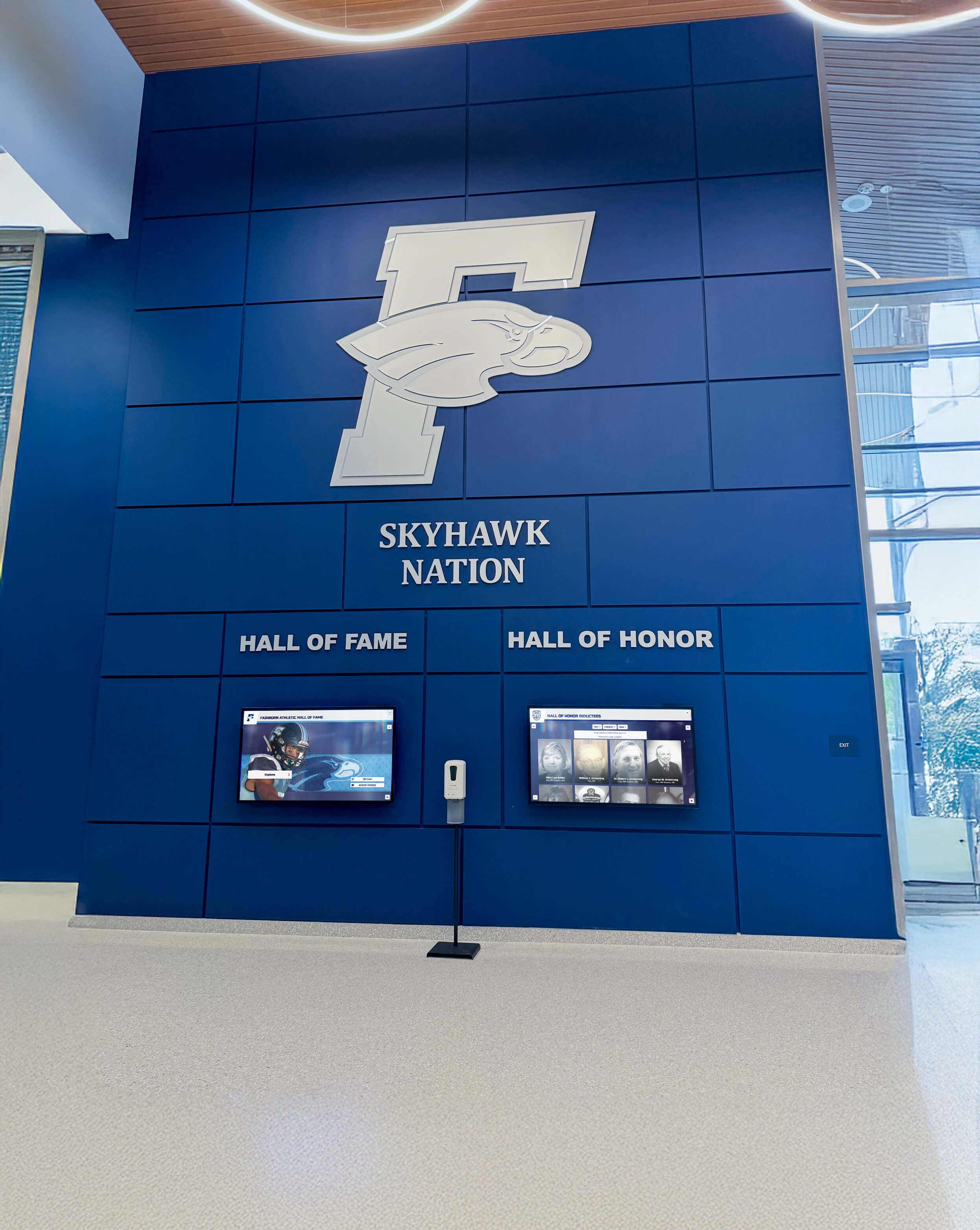
Timeline walls succeed when they create discovery experiences rather than overwhelming viewers with excessive detail. Strategic photography selection, readable text sizing, clear date markers, and visual hierarchy help visitors navigate timeline content without information overload. Many organizations now implement hybrid timeline approaches combining permanent physical installation frameworks with digital screens displaying detailed achievement information, photographs, and stories that update easily without reconstructing entire wall installations.
Category-Based Recognition Zones
Rather than organizing recognition chronologically or alphabetically, category-based walls group achievements by type—academic honors, athletic accomplishments, community service contributions, artistic achievements, leadership recognition—creating distinct zones that validate diverse excellence pathways.
This approach proves particularly effective for schools working to balance recognition across varied student contributions beyond traditional athletic emphasis. Creating equally prominent recognition zones for National Honor Society achievements, performing arts excellence, STEM competition success, and community service leadership communicates institutional values celebrating multiple definitions of achievement.
Category zones allow organizations to expand specific recognition areas independently based on participation levels and achievement density in different programs. Athletic programs generating numerous annual achievements can occupy proportionally larger space without preventing adequate recognition for less frequent but equally significant accomplishments in other categories.
Visual design consistency across category zones maintains unified aesthetics while color coding, iconography, or themed design elements help visitors quickly orient themselves to different recognition areas. Organizations implementing category-based recognition often discover that highlighting diverse achievement types inspires broader community engagement as more members see recognition pathways reflecting their talents and interests.
Interactive Digital Recognition Walls
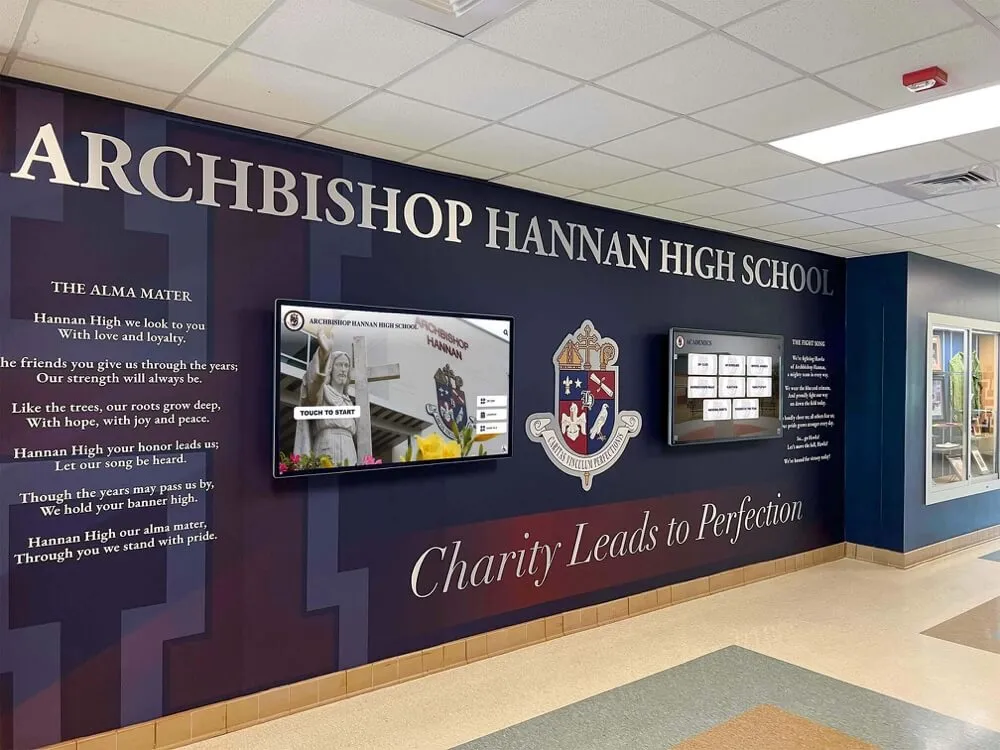
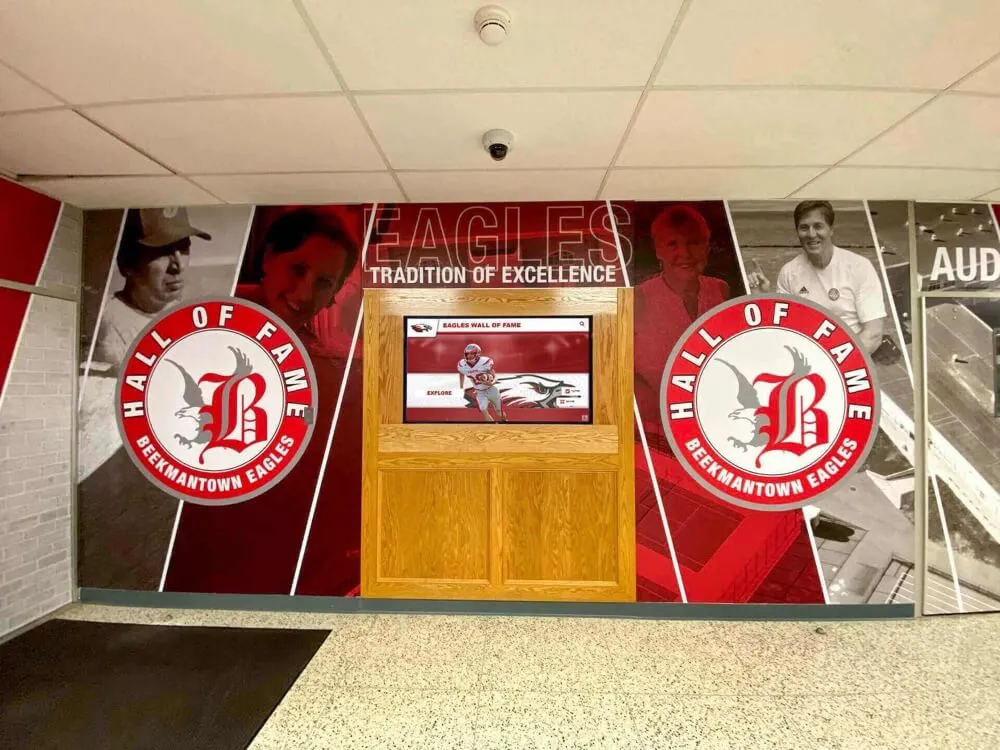
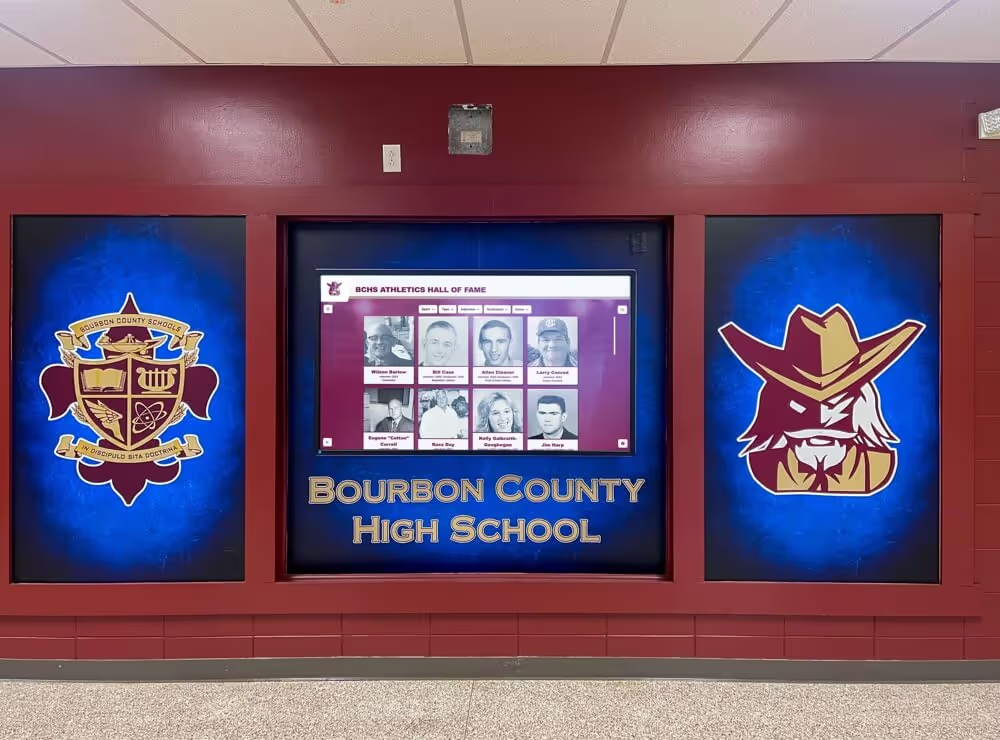
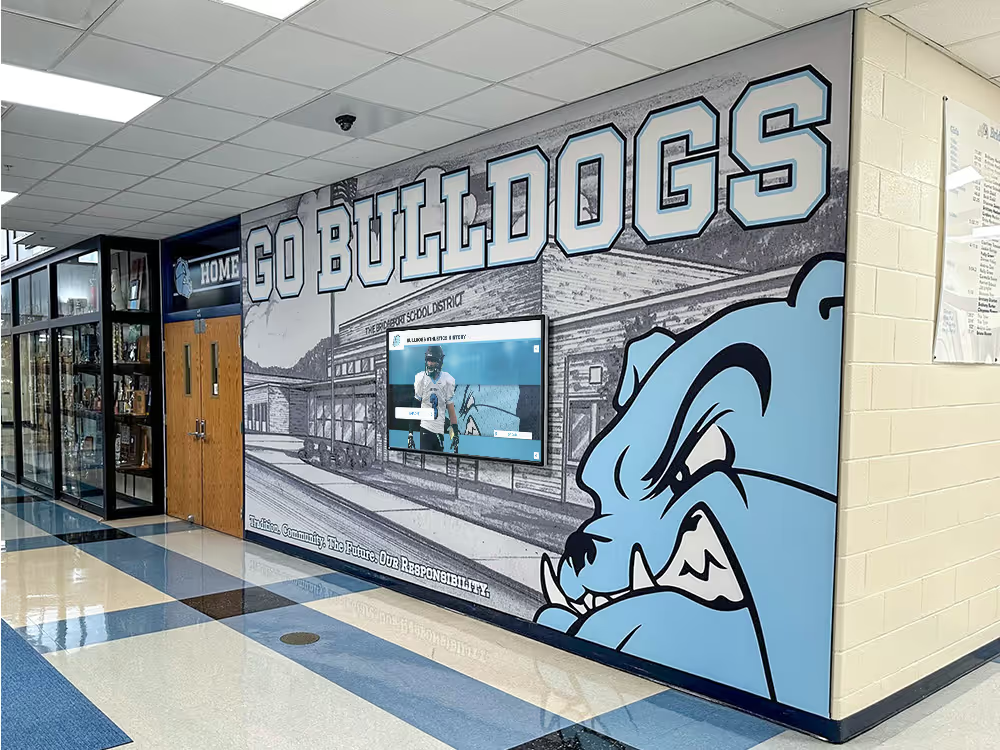
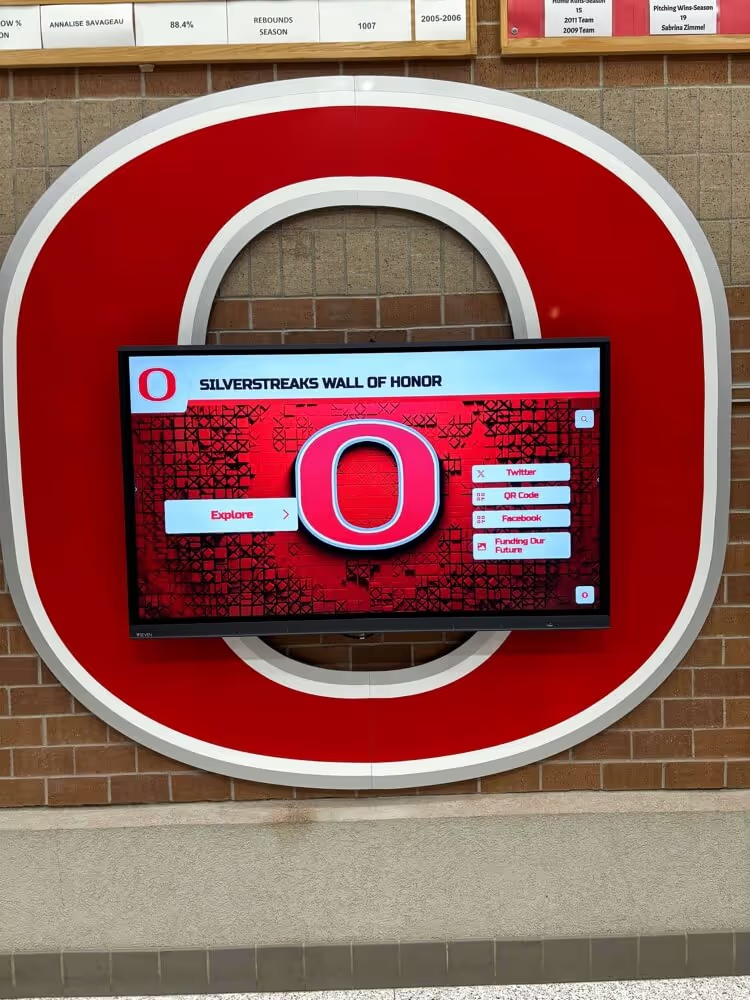
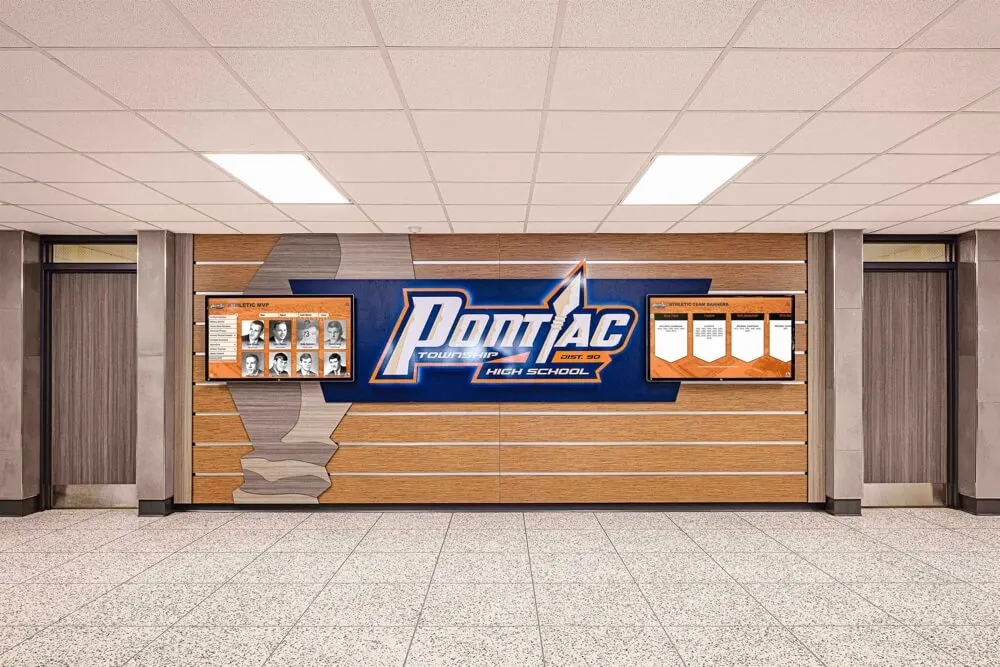
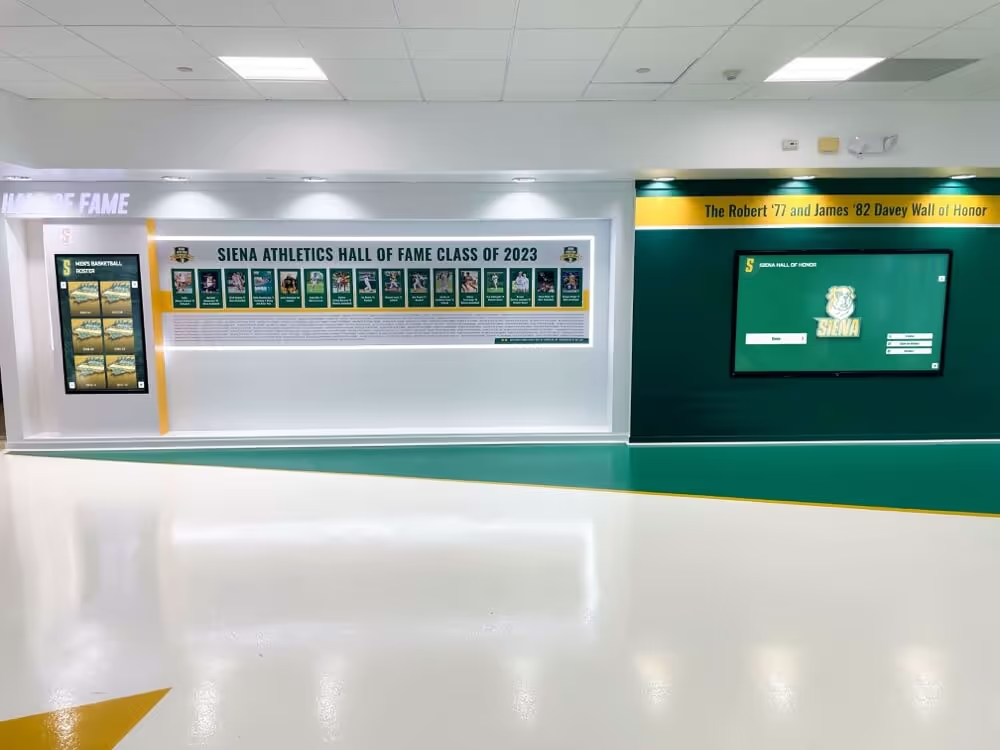
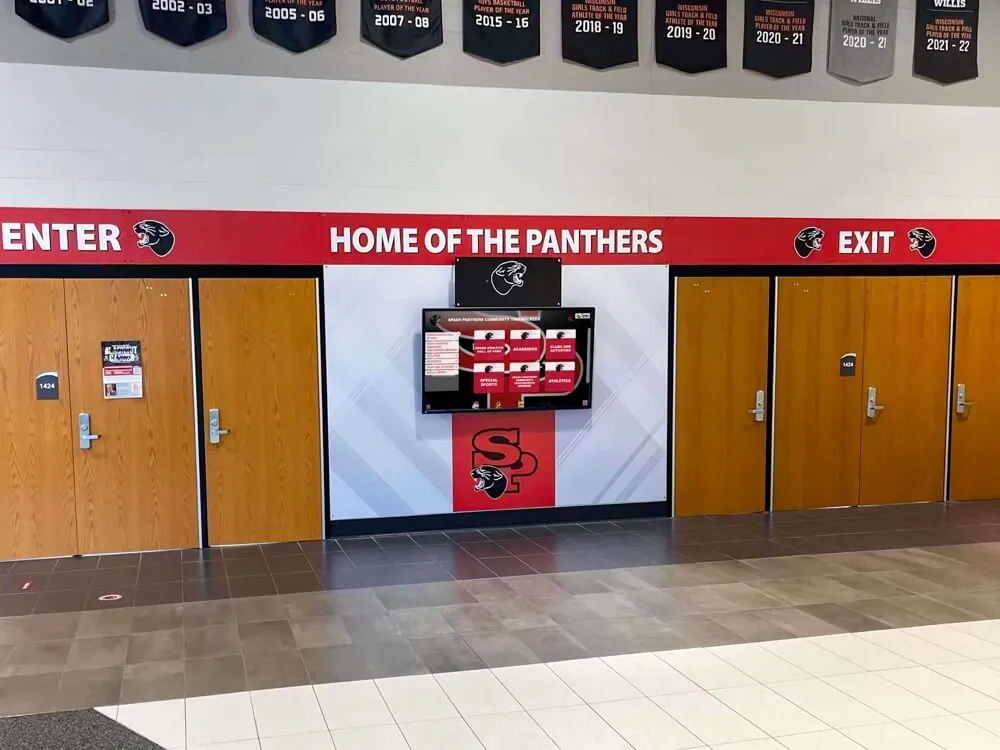
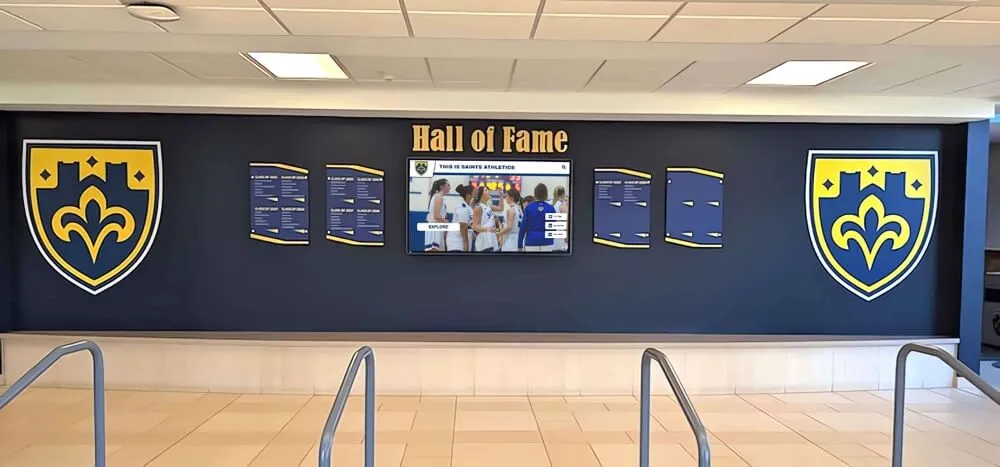
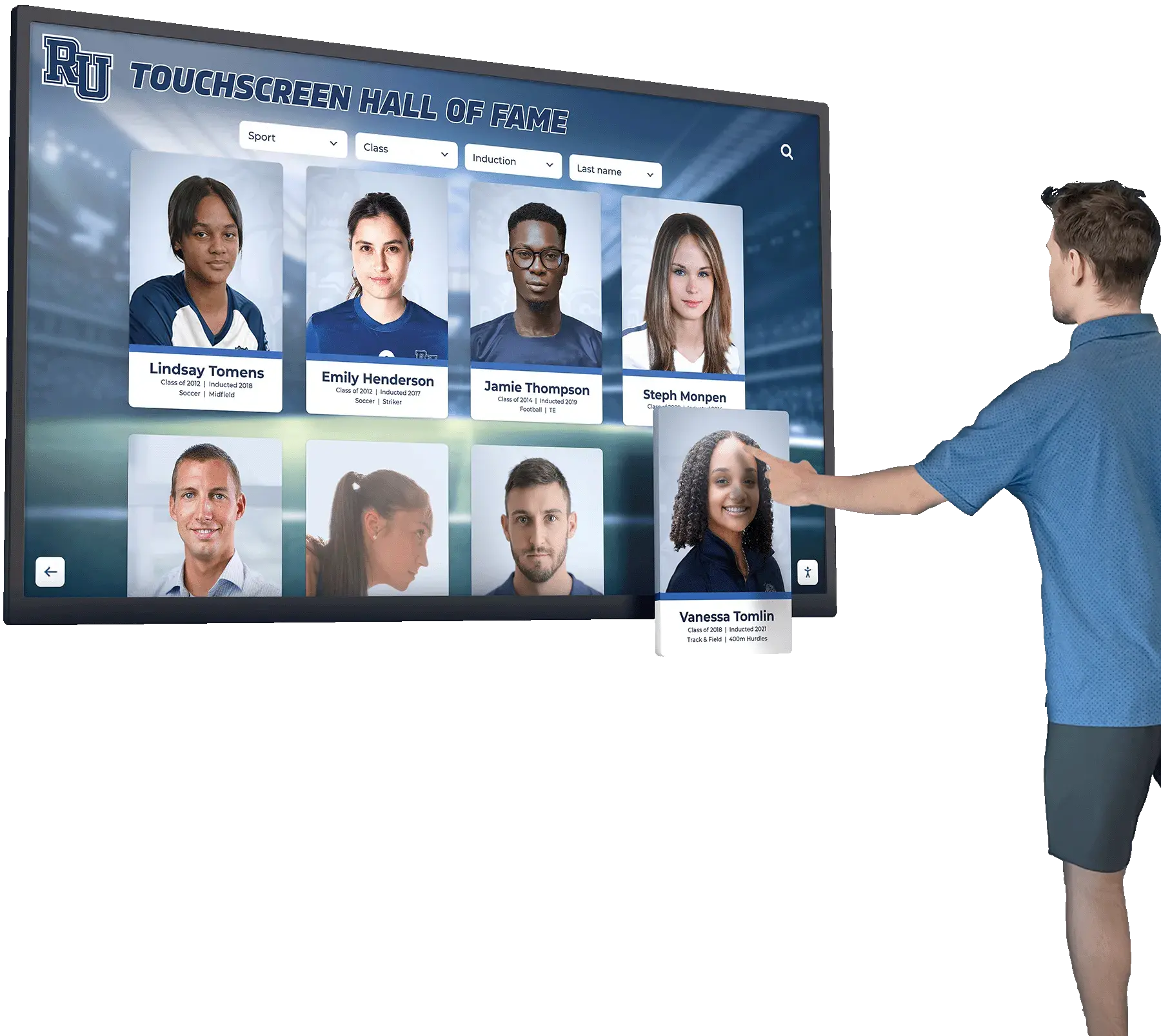
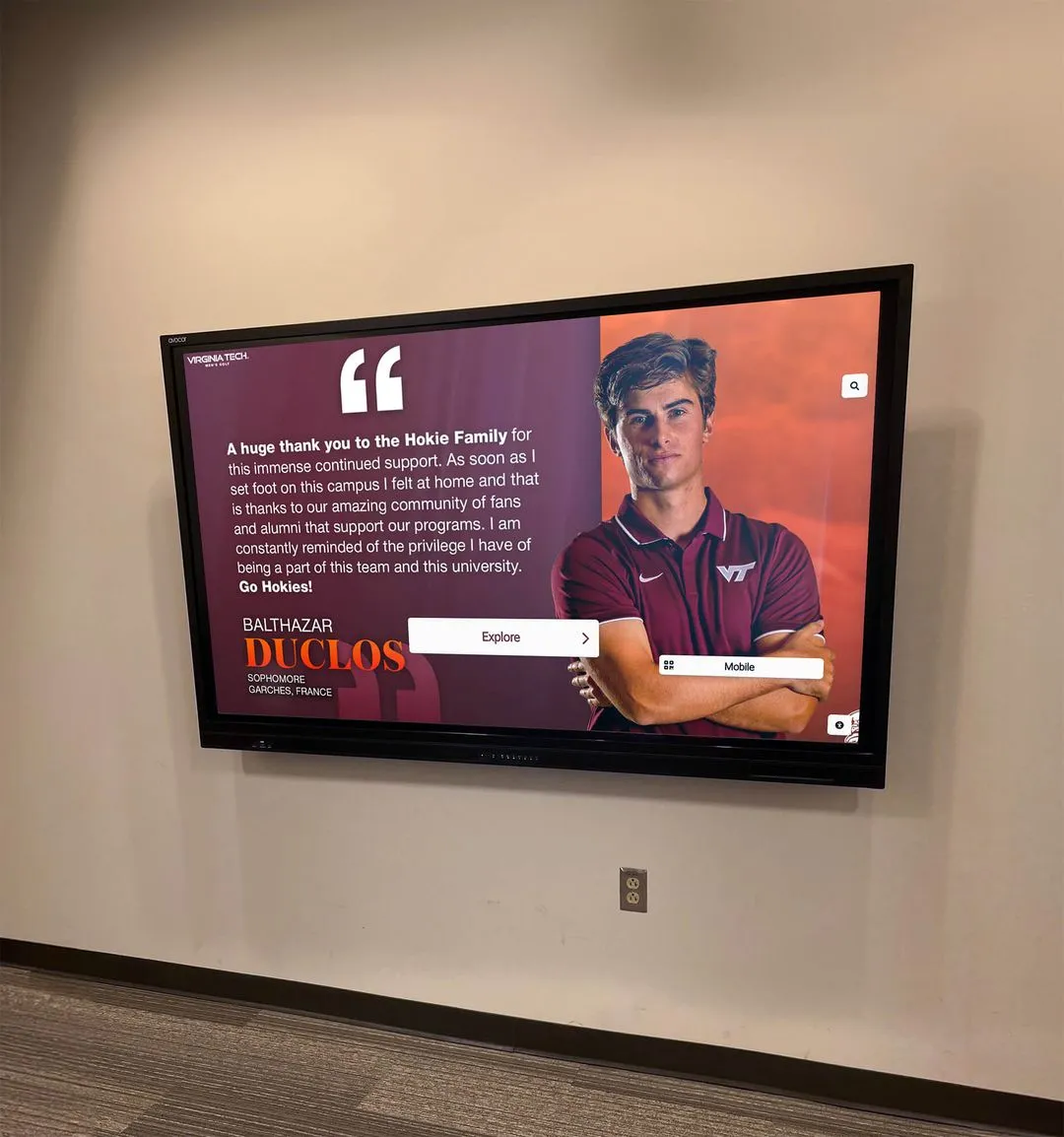
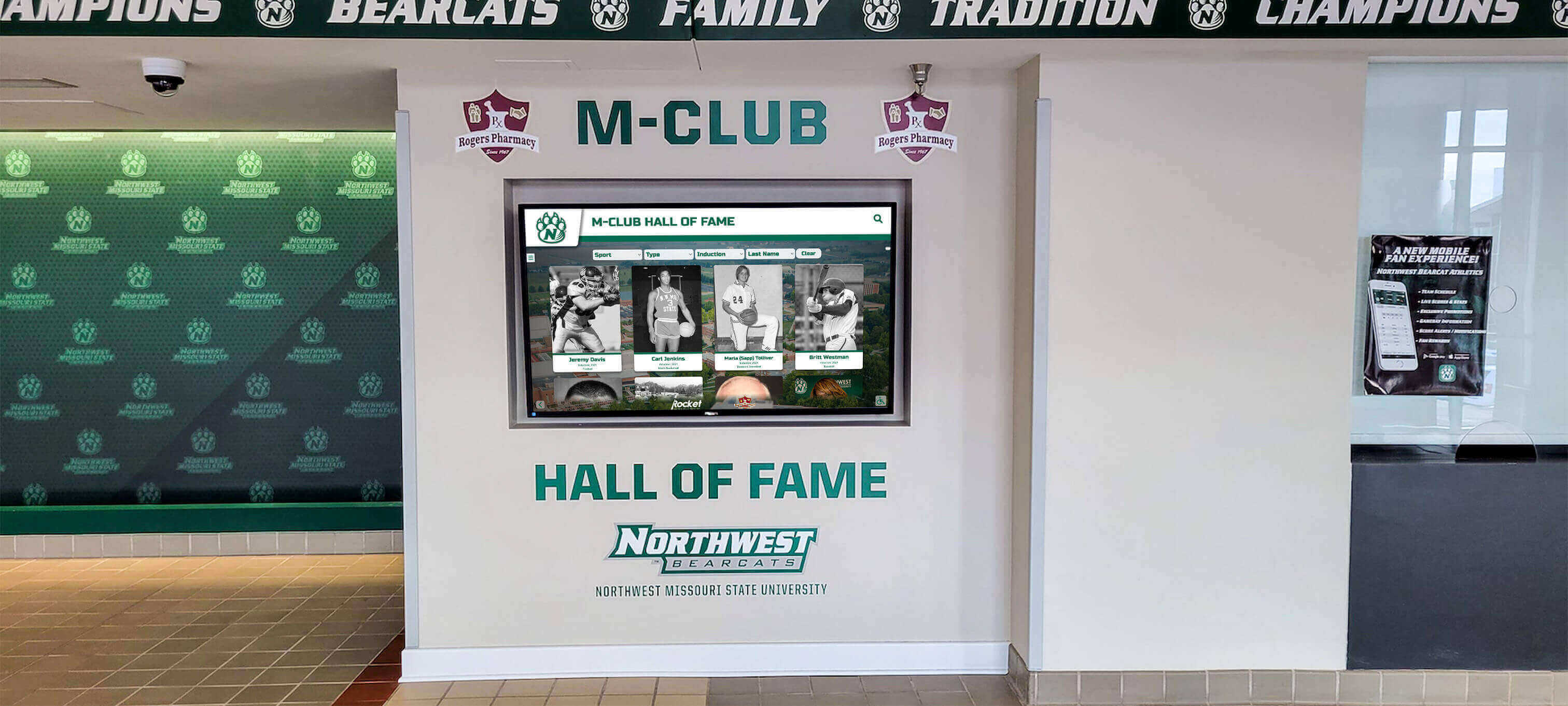
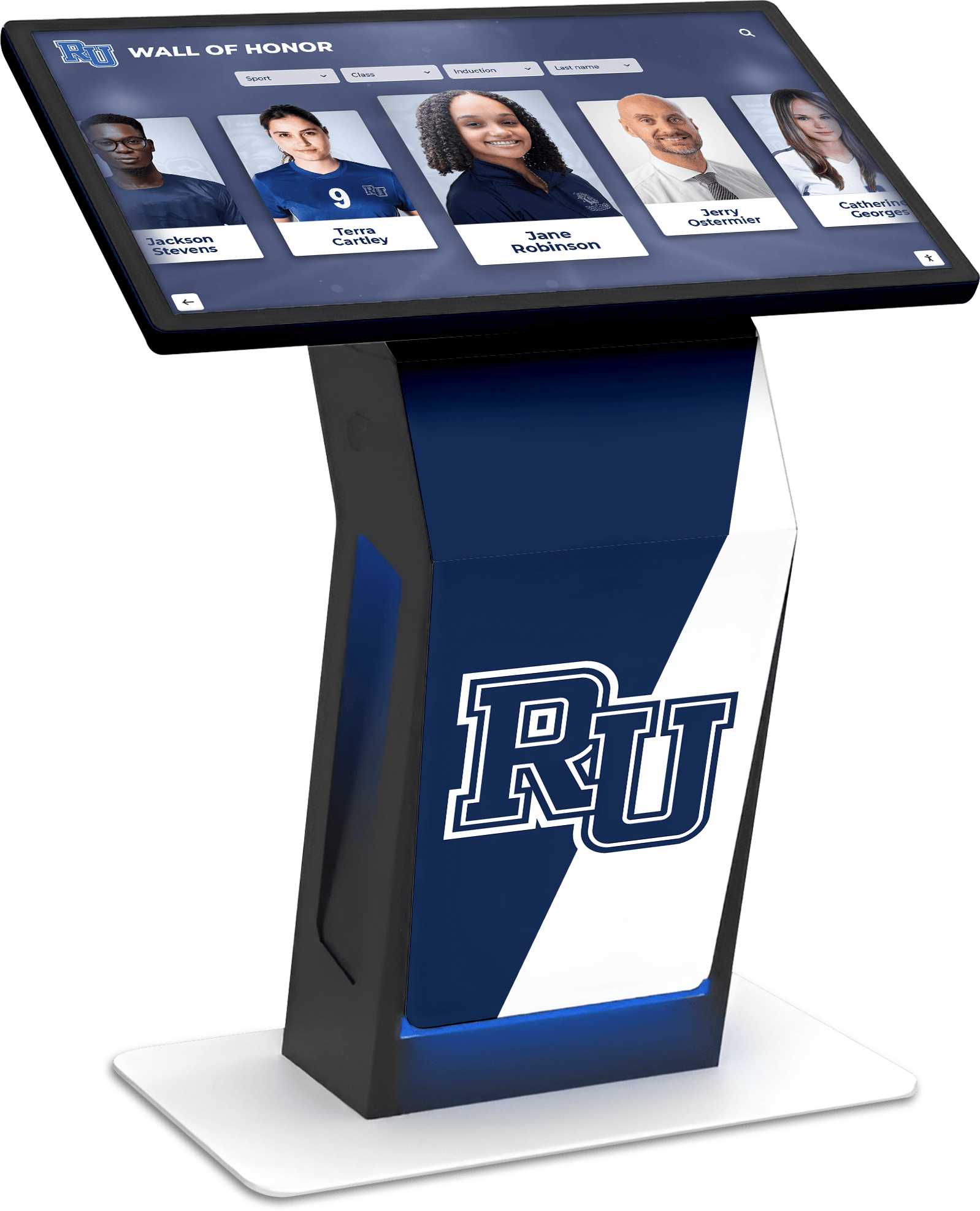
Digital recognition walls represent the most significant evolution in achievement display, transforming static viewing into active exploration through touchscreen interfaces, searchable databases, and multimedia storytelling capabilities. These systems replace physical space constraints with virtually unlimited digital capacity accommodating thousands of recognition profiles across unlimited categories.
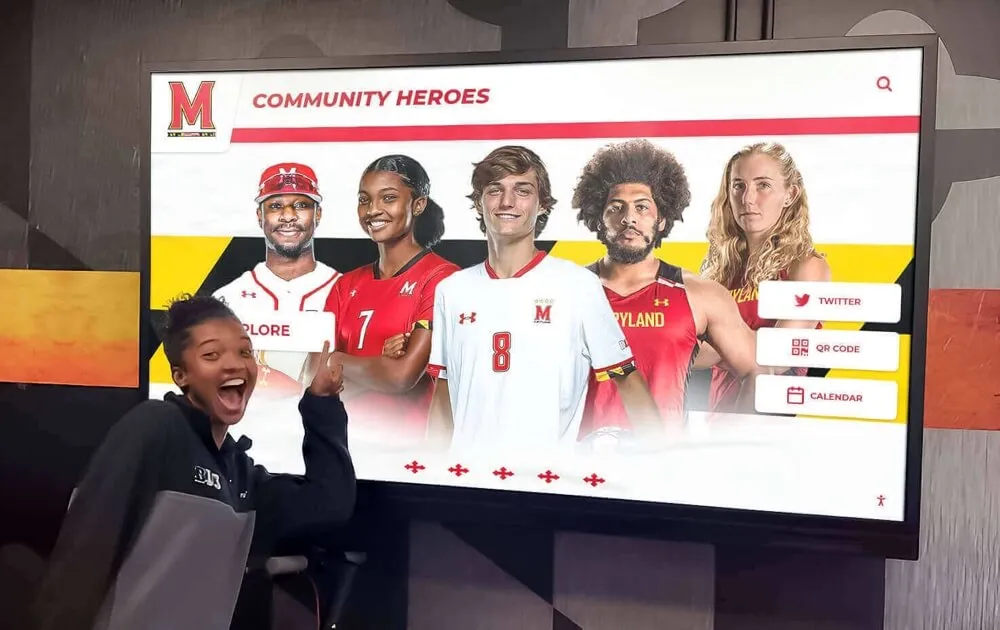
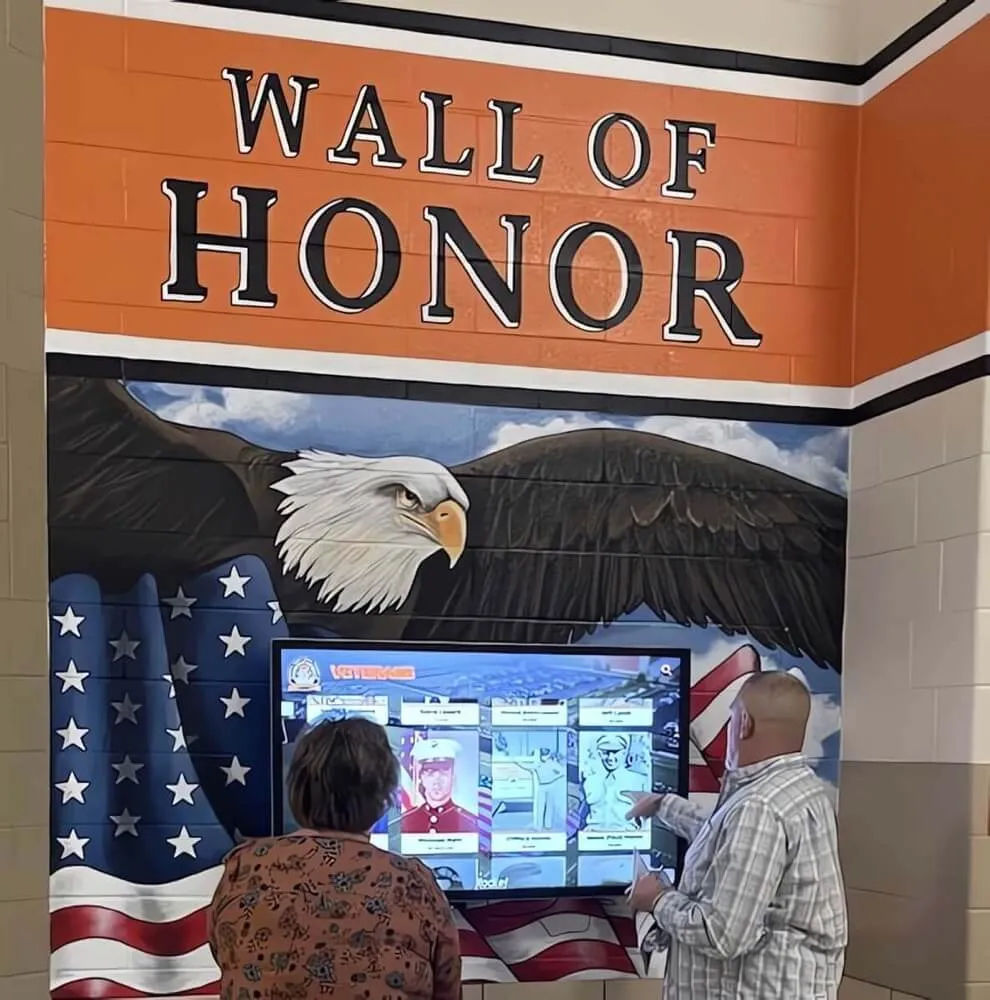
Interactive displays allow visitors to search for specific individuals, filter by achievement type or year, explore detailed profiles including photographs and videos, and discover connections between recognized members sharing common characteristics. This searchability creates engagement impossible with traditional static displays—family members visiting campus can immediately locate alumni relatives, students can explore achievements in programs matching their interests, and community members can research institutional history through achievement records spanning decades.

Modern digital recognition platforms like those provided by Rocket Alumni Solutions create “digital warming” effects through continuously updated content that keeps recognition displays feeling fresh during repeated encounters. Automated content rotation ensures all recognized members receive visibility over time rather than permanent hierarchy where recent or major achievements dominate while others remain buried in archives. Anniversary features automatically highlight recognition milestones—displaying 25-year reunion class members or showcasing achievements from exactly 50 years previous—creating timely connections between current communities and historical accomplishments.
The web accessibility component proves particularly valuable. Digital recognition walls typically synchronize with responsive websites enabling recognized individuals and their families to access profiles from anywhere in the world. Alumni living across the country share recognition profiles via social media. Prospective students research program excellence through achievement records. Donors explore legacy impact through recognition displays accessible from home computers or mobile devices. This expanded reach amplifies recognition impact far beyond physical campus visitors.
Space Planning and Design Considerations for Recognition Walls
Successful recognition wall implementation requires thoughtful space analysis, design planning, and installation execution. Even the most creative recognition concepts fail when poorly positioned or inadequately designed for their intended environments.
Location Selection
Recognition wall placement determines visibility, accessibility, and community impact. High-traffic locations—main building entrances, cafeteria corridors, athletic facility lobbies, administrative office reception areas—generate maximum exposure ensuring regular community encounters with recognition content. Less obvious but often effective locations include waiting areas where visitors have time for extended viewing, stairwell landings where vertical space accommodates substantial installations, or dedicated recognition rooms creating special destination experiences.
Space availability influences format selection. Expansive lobby walls accommodate large-scale installations, while constrained hallway areas might better suit focused recognition displays or vertical arrangements maximizing limited horizontal space. Organizations with severe space limitations often find that digital recognition solutions offer optimal approaches—single touchscreen displays providing recognition capacity equivalent to dozens of square feet of traditional plaque walls.
Accessibility considerations ensure recognition walls remain viewable for all community members regardless of height or mobility. Mounting plaques and displays at appropriate heights, ensuring adequate clearance for wheelchair users, providing seating areas for extended viewing, and incorporating adjustable digital displays accommodating varied user needs creates inclusive recognition environments. Organizations following ADA compliance guidelines for recognition installations demonstrate commitment to accessibility extending beyond legal requirements to philosophical values about inclusive community building.
Lighting and Visibility
Recognition walls require adequate lighting ensuring comfortable viewing and creating visual emphasis drawing attention to achievement displays. Natural daylight offers excellent illumination but varies by time of day and weather conditions. Dedicated recognition wall lighting through track lighting, display case illumination, or accent fixtures creates consistent visibility regardless of ambient conditions while generating visual prominence signaling importance organizations place on recognition.
Glare prevention proves essential, particularly for framed displays behind glass or reflective plaque materials. Positioning recognition walls perpendicular to windows rather than directly opposite, using anti-glare glass in display cases, selecting matte plaque finishes, and angling lighting fixtures to minimize direct reflections ensures comfortable viewing without distracting glare interfering with content readability.
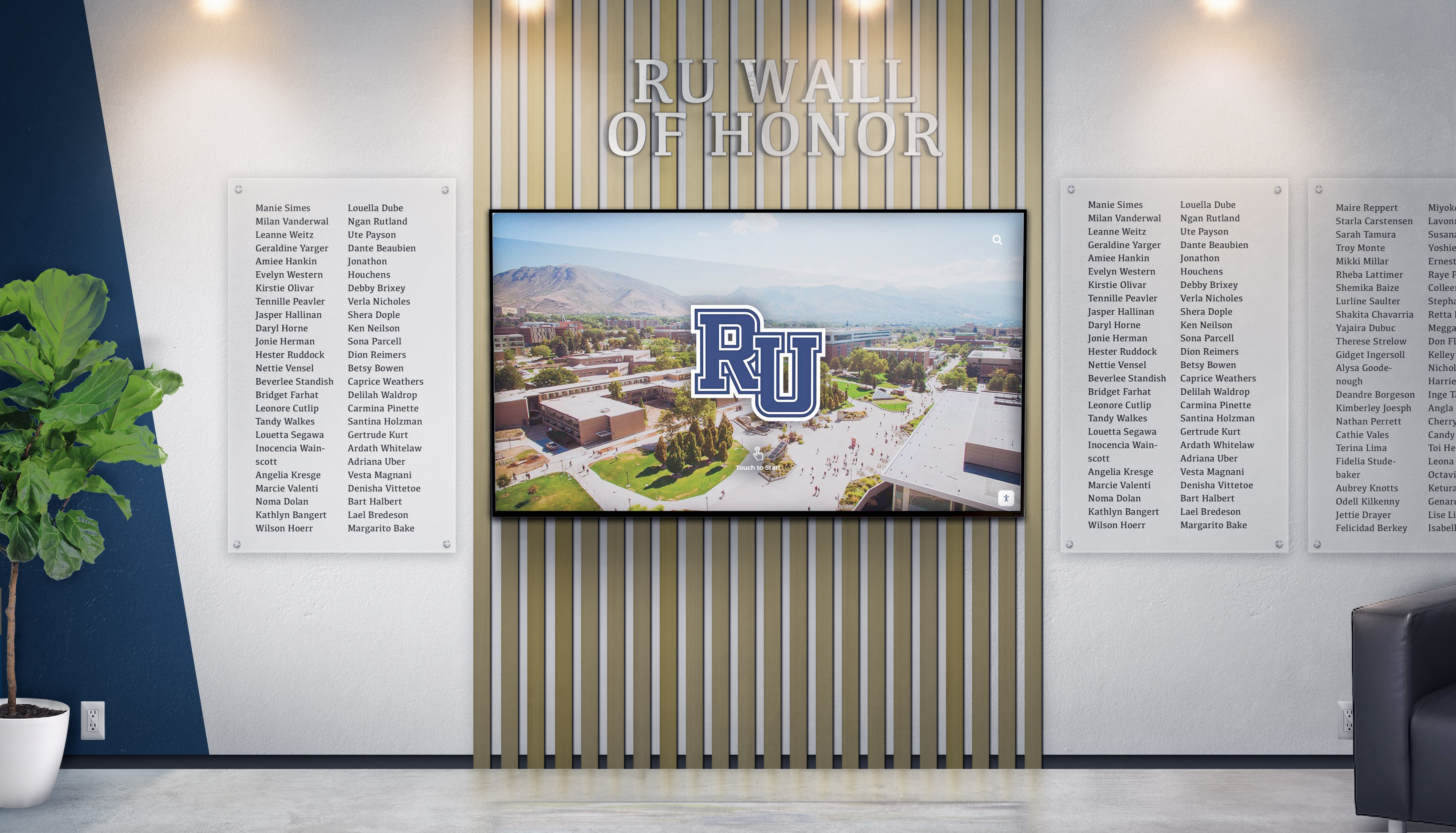
Digital displays require particular lighting attention. Screen brightness must exceed ambient light levels for comfortable viewing, necessitating commercial-grade displays rated for high ambient light environments rather than residential televisions designed for controlled lighting conditions. Screen positioning should avoid direct sunlight exposure that degrades display visibility and accelerates component aging. Organizations implementing digital signage solutions benefit from professional installation expertise ensuring optimal display positioning and lighting conditions.
Brand Integration and Aesthetic Consistency
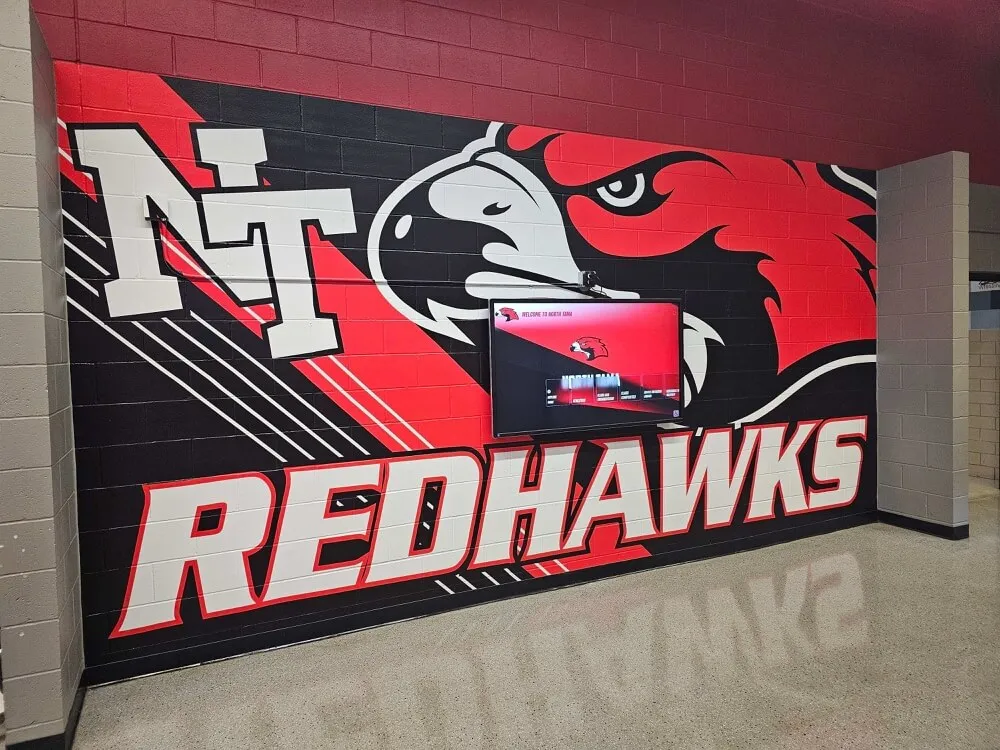
Recognition walls should reinforce rather than conflict with broader organizational branding and environmental aesthetics. Color schemes aligning with school colors, corporate brand standards, or organizational identity create visual cohesion. Typography selections matching institutional fonts maintain design consistency. Logo integration, mascot imagery, or brand elements incorporated thoughtfully within recognition wall designs strengthen connections between individual achievements and organizational identity.
Material selections influence both aesthetics and maintenance requirements. Wood provides warm, traditional elegance but requires ongoing care preventing moisture damage and maintaining finish quality. Metal offers durability and contemporary aesthetics with minimal maintenance but may feel cold or institutional depending on finish and implementation. Acrylic creates modern, clean appearances with excellent customization options through color, texture, and lighting integration. Digital displays provide ultimate flexibility, accommodating any aesthetic through background imagery, color schemes, and design templates updated instantly without physical reinstallation.
Organizations often benefit from professional design consultation when planning significant recognition wall installations. Interior designers, branding specialists, or recognition industry professionals bring expertise in space optimization, material selection, visual hierarchy, and implementation logistics that elevate recognition walls from functional displays to destination-worthy installations that enhance overall environmental quality while serving recognition purposes.
Recognition Walls for Different Organizational Contexts
Recognition wall strategies vary significantly across organizational types based on distinct recognition objectives, community characteristics, and cultural values. Tailoring recognition approaches to specific organizational contexts maximizes effectiveness and community resonance.
School and University Recognition Walls
Educational institutions balance multiple recognition audiences—current students requiring inspiration, alumni deserving acknowledgment, donors enabling institutional mission, faculty and staff contributions, and community partnerships supporting programs. Effective school recognition walls often segment these audiences through dedicated zones or category-based approaches preventing competition for limited recognition space.
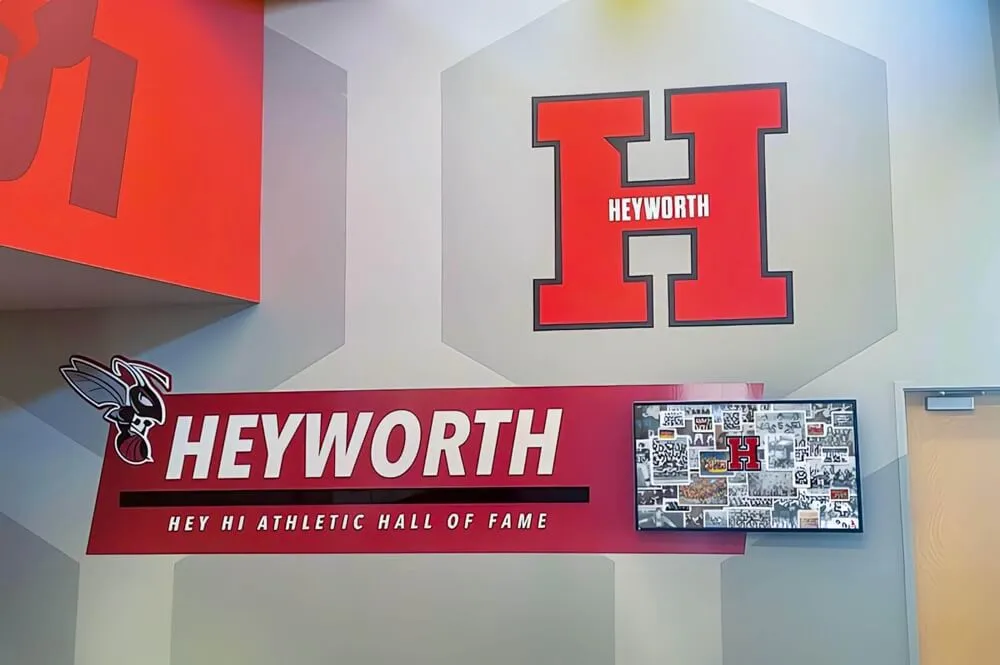
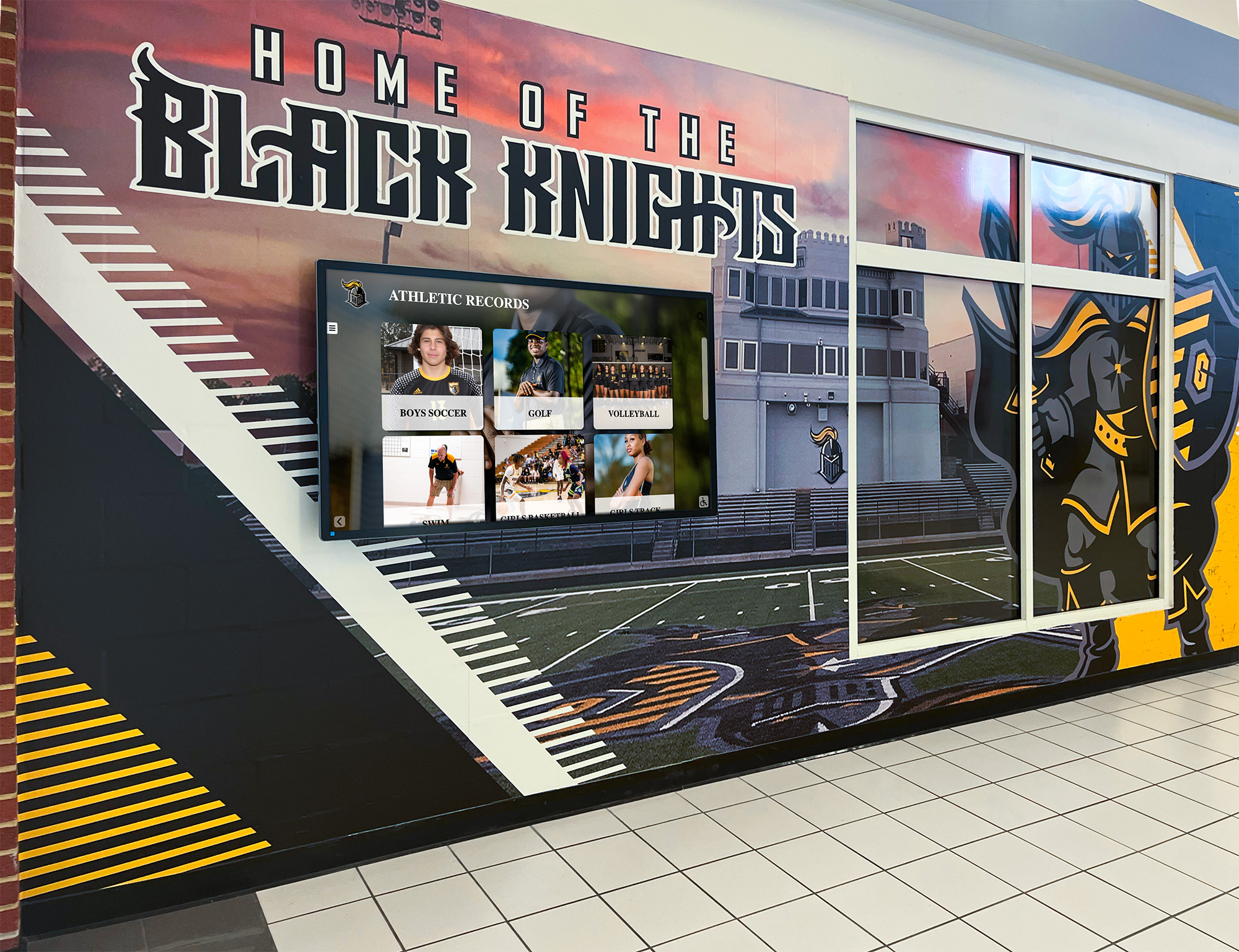
Athletic hall of fame installations celebrate championship teams, record-breaking athletes, coaching excellence, and program milestones. Many schools now complement traditional trophy case displays with interactive digital recognition systems enabling deep exploration of athlete statistics, season highlights, historical team photos, and career accomplishments that static plaques cannot accommodate.
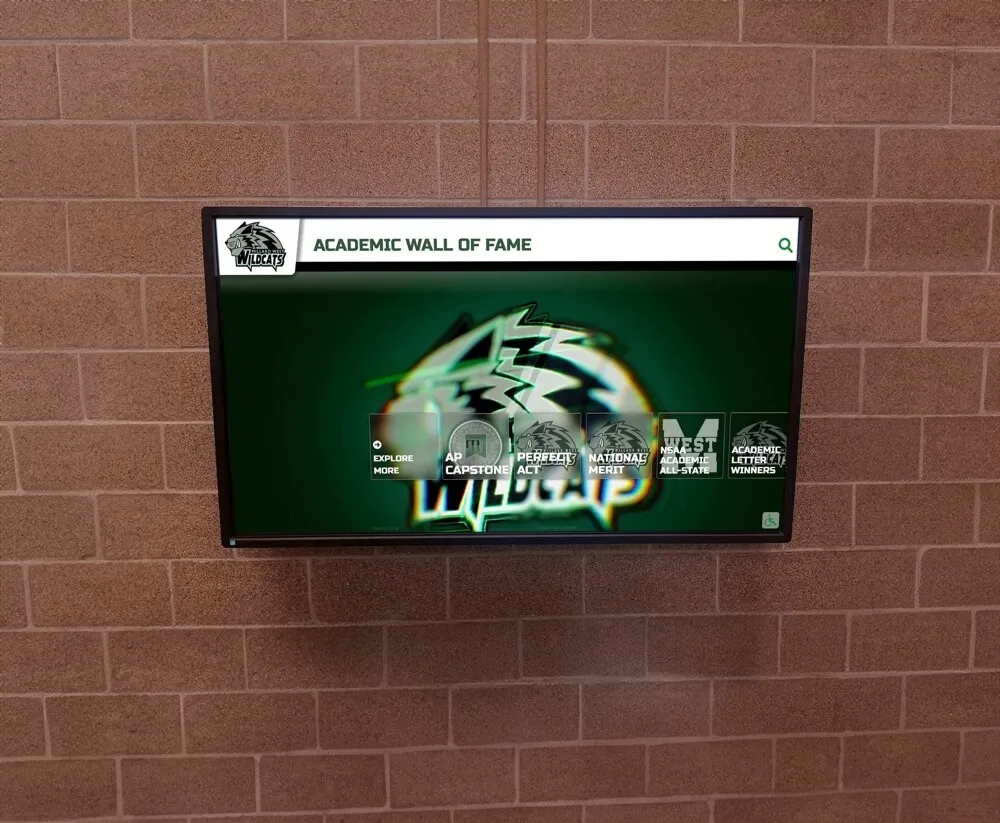
Academic recognition walls validate that excellence extends beyond athletics. Honor roll displays, valedictorian and salutatorian recognition, National Honor Society inductees, academic competition achievements, perfect attendance celebrations, and scholarship recipients deserve recognition prominence matching athletic achievement displays. Schools implementing comprehensive academic recognition communicate values celebrating diverse pathways to student success.
Alumni recognition walls strengthen institutional connections with graduates while demonstrating to current students the long-term community they’re joining. Distinguished alumni profiles, career achievement highlights, service contributions, and reunion recognition create ongoing touchpoints maintaining alumni engagement. Digital platforms enable continuous alumni recognition updates without space constraints limiting whose accomplishments receive display.
Corporate and Business Recognition Walls
Workplace recognition walls serve distinct purposes—reinforcing company culture, celebrating employee milestones, acknowledging customer partnerships, demonstrating company history, and creating environments where achievement receives visible appreciation. Corporate recognition strategies often emphasize recent accomplishments and current team members rather than extensive historical archives.
Employee service milestone recognition acknowledges tenure and loyalty. Many businesses create recognition walls celebrating five-year anniversaries, decade milestones, and career achievement markers. Photograph displays showing employees at various career stages personalize recognition while demonstrating organizational investment in long-term team member development.
Performance recognition walls highlight sales achievements, project completions, safety records, customer satisfaction ratings, or quality benchmarks depending on organizational priorities. Real-time digital displays showing current performance metrics, leaderboards, or achievement progress create dynamic recognition that responds immediately to accomplishments rather than waiting for periodic update cycles.
Customer and partner recognition proves particularly important for businesses where external relationships drive success. Client project showcases, partnership acknowledgments, or community contribution highlights demonstrate values extending beyond internal operations to stakeholder relationships that enable business success. Organizations implementing digital recognition displays can rotate featured content between employee recognition, customer appreciation, and company milestone celebrations creating comprehensive recognition ecosystems.
**Nonprofit and Community Organization Recognition
Nonprofit recognition walls balance donor acknowledgment, volunteer appreciation, program impact demonstration, and mission communication. These organizations often operate with constrained budgets requiring cost-effective recognition approaches that maximize donor stewardship impact without diverting excessive resources from mission-critical programs.
Donor recognition walls provide essential fundraising infrastructure, acknowledging contributions at various giving levels while inspiring additional philanthropy through visible appreciation of supporter generosity. Traditional donor walls employ naming level tiers—bronze, silver, gold, platinum—or custom naming conventions reflecting organizational mission. Digital donor recognition systems offer advantages for nonprofits anticipating ongoing donor additions, multiple recognition categories, or desire to showcase donor stories and contribution impact beyond simple name listings.
Volunteer recognition celebrates community members contributing time, expertise, and service supporting organizational missions. Volunteer hours milestones, service anniversary recognition, special contribution acknowledgments, and rotating volunteer spotlights validate that organizations value all forms of community support. Many nonprofits create recognition walls balancing financial donors and volunteer contributors equally, communicating that both monetary and time investments merit appreciation.
Program impact displays help community organizations demonstrate effectiveness to supporters, attract prospective participants, and communicate mission achievements to broader publics. Recognition walls showcasing individuals served, lives changed, milestones reached, or community improvements accomplished translate abstract missions into concrete recognition of real people and tangible outcomes that resonate emotionally with supporters and stakeholders.
Implementation Strategies and Practical Considerations
Transforming recognition wall concepts into operational reality requires addressing practical implementation details including budgeting, timeline planning, content management, and ongoing maintenance strategies.
Budget Planning for Recognition Walls
Recognition wall costs vary dramatically based on format, size, materials, technology integration, and installation complexity. Basic physical plaque installations might cost $50-$200 per individual plaque including engraving and mounting hardware. Custom display case installations range from $2,000 for simple wall-mounted cases to $20,000+ for extensive built-in systems with specialized lighting and climate control.
Digital recognition systems involve different cost structures. Initial investments include display hardware ($2,000-$8,000 per screen depending on size and commercial specifications), mounting systems and installation ($500-$2,000), network infrastructure if required ($500-$3,000), and software platforms enabling content management. Organizations should budget for professional content creation—photography, graphic design, copywriting—when launching digital recognition systems ensuring initial content meets quality standards that showcase recognition appropriately.
Ongoing costs differ significantly between traditional and digital approaches. Physical plaques require procurement, engraving, and installation expenses for each addition. Digital recognition platforms typically involve monthly or annual software subscriptions ($100-$500 monthly depending on features and scale) but accommodate unlimited recognition additions without incremental per-person costs. For organizations anticipating substantial ongoing recognition additions, digital solutions often achieve cost parity with traditional approaches within 2-3 years while offering superior capacity, engagement, and update capabilities.
Solutions like Rocket Alumni Solutions provide comprehensive digital recognition platforms combining touchscreen displays with web accessibility, unlimited content capacity, remote content management systems, and continuous platform updates. These integrated solutions simplify budgeting by bundling hardware, software, implementation support, and ongoing platform development into transparent subscription models eliminating hidden costs and technical complexity that organizations without dedicated IT resources struggle to manage independently.
Content Development and Quality Standards
Recognition wall effectiveness depends heavily on content quality. Professional photography, well-written biographical information, accurate achievement details, and consistent formatting separate compelling recognition displays from amateur implementations that diminish rather than elevate honorees.
Establishing content standards before launching recognition walls ensures consistency across all profiles. Standard elements typically include high-quality headshot photographs meeting resolution and composition requirements, biographical summaries following word count and style guidelines, achievement descriptions using consistent terminology and detail levels, and dates formatted uniformly across all entries.
Content gathering workflows determine implementation success. Organizations need clear processes for soliciting information from honorees, reviewing submissions for accuracy and appropriateness, editing content to match established standards, securing necessary photography, obtaining permission for content publication, and scheduling recognition additions aligned with organizational calendars and ceremonial timelines.
Digital recognition platforms simplify ongoing content management through web-based administration interfaces requiring no technical expertise. Authorized staff log into content management systems from any internet-connected device, complete intuitive forms adding new recognition profiles, upload images through drag-and-drop interfaces, preview exactly how content will appear before publication, and schedule recognition reveals coordinating with award ceremonies or special events. This accessibility ensures recognition updates happen promptly after achievements occur rather than languishing in administrative backlogs waiting for technical implementation resources.
Maintenance and Long-Term Sustainability
Recognition walls require ongoing maintenance preserving display quality and ensuring content remains current, accurate, and engaging. Maintenance requirements vary significantly based on recognition format and environmental conditions.
Physical recognition installations need periodic cleaning preventing dust accumulation, surface damage repair addressing scratches or mounting failures, lighting maintenance replacing burnt bulbs and ensuring consistent illumination, and protective measures preventing vandalism or accidental damage in high-traffic locations. Display cases require interior cleaning, glass surface maintenance, and object arrangement refreshment preventing static displays from appearing neglected.
Digital recognition systems involve different maintenance considerations. Display screens require occasional cleaning maintaining viewability, software updates ensuring security and feature currency, content audits reviewing existing profiles for accuracy and relevance, and technical monitoring verifying network connectivity and system performance. Organizations implementing professional digital recognition platforms typically receive ongoing technical support, automatic software updates, and hardware warranty coverage through service agreements eliminating need for internal IT expertise managing recognition system maintenance.
Long-term sustainability planning addresses how recognition walls accommodate growth over years and decades. Traditional plaque walls eventually exhaust physical space, requiring either selective removal of older recognition to accommodate new additions—creating emotional and political challenges—or expensive facility modifications expanding recognition areas. Digital recognition systems eliminate capacity constraints through unlimited database expansion accommodating perpetual growth without physical space competition or content removal.
Maximizing Recognition Wall Impact Through Strategic Programming
Recognition walls generate maximum community impact when integrated into broader recognition programming rather than functioning as isolated displays. Strategic initiatives connecting recognition walls to ongoing engagement activities amplify effectiveness and community resonance.
Induction Ceremonies and Recognition Events
Formal ceremonies celebrating new recognition wall additions transform administrative tasks into memorable moments honoring achievements while building community around recognition traditions. Annual hall of fame induction dinners, donor recognition receptions, employee milestone celebrations, or student achievement award ceremonies create special occasions where inductees receive public acknowledgment surrounded by family, peers, and community supporters.
These events generate natural opportunities for recognition wall unveiling—revealing new physical plaques, launching updated digital profiles, or showcasing expanded recognition categories. The ceremony timing creates narrative arc where recognition culminates in public celebration and permanent display addition that continues honoring achievements long after ceremony conclusion.
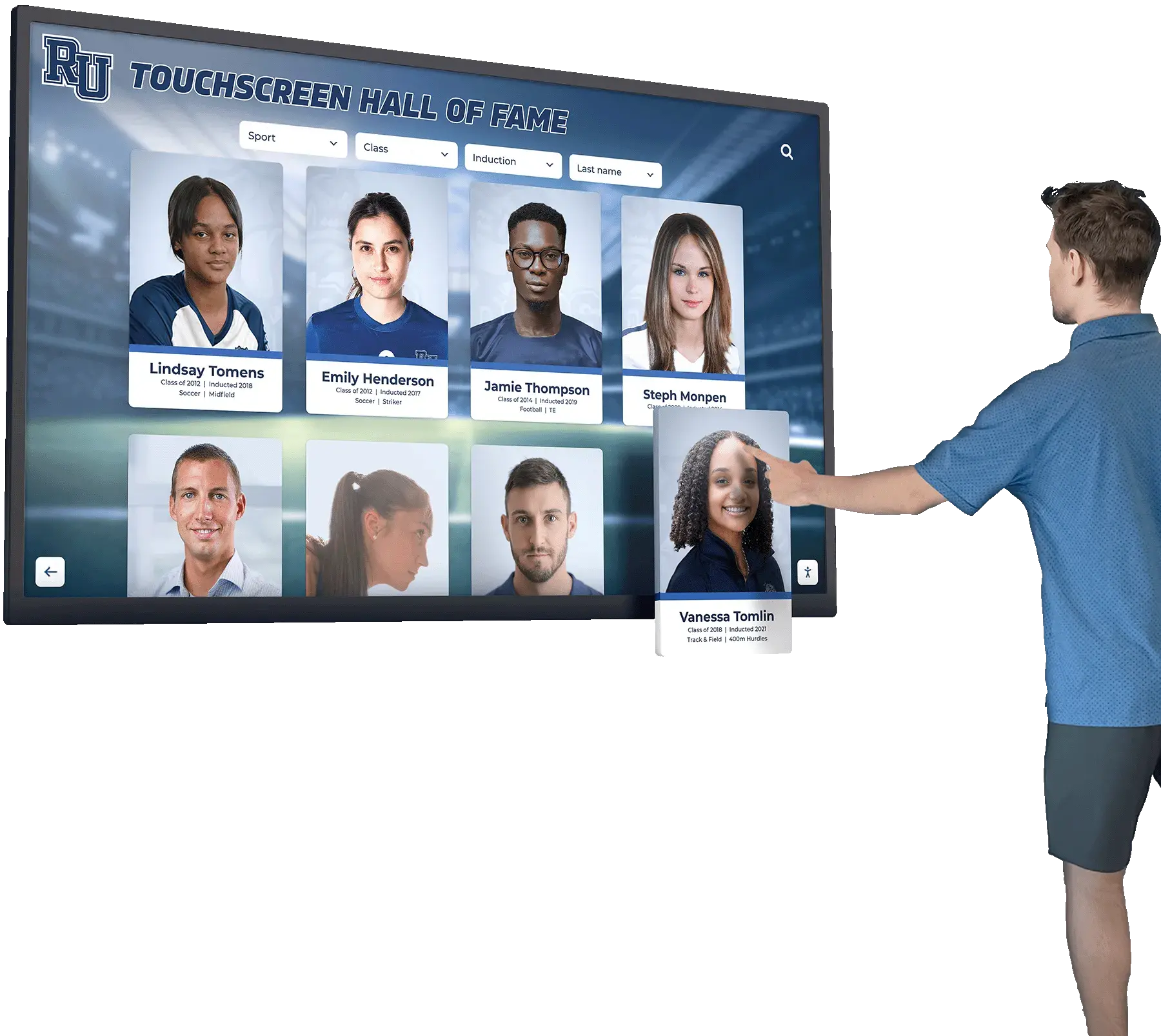
Organizations can photograph recognition events creating content that enriches recognition wall displays. Candid ceremony photographs, family celebration moments, acceptance speech videos, and peer tribute recordings become digital content assets that transform simple biographical listings into rich multimedia profiles showcasing the human dimensions of achievement recognition. Schools implementing comprehensive digital recognition often build extensive video libraries documenting recognition ceremonies that future community members explore years later discovering institutional traditions and honoree stories.
Social Media Integration and Digital Amplification
Recognition wall content provides excellent social media material that extends acknowledgment beyond physical installations to online communities where many members spend significant attention. Posting new recognition profiles, celebrating recognition anniversaries, highlighting historical achievements from decades past, or creating themed recognition collections generates consistent content streams that maintain organizational visibility while honoring community members.
Digital recognition platforms enable seamless social sharing. Honorees and families share their recognition profiles via Facebook, Instagram, LinkedIn, and other platforms reaching authentic personal networks that organizational communications cannot access directly. These shares carry implicit endorsements—recognized members celebrating their achievements simultaneously promote organizational brands and recognition programs inspiring others to pursue similar excellence.
Organizations can encourage social engagement through recognition-specific hashtags, photo contests encouraging community members to share images at recognition walls, or digital campaigns soliciting achievement nominations from broader communities. These initiatives transform passive recognition viewing into active community participation that builds engagement around recognition programs.
Educational Programming and Recognition Wall Tours
Recognition walls function as educational resources teaching current members about organizational history, illustrating achievement pathways, and connecting present communities to legacy traditions. Structured programming leverages recognition walls for explicit educational purposes beyond ambient awareness during casual encounters.
Schools can incorporate recognition wall tours into new student orientation programs, creating structured introduction to institutional excellence standards and achievement traditions. Guided tours highlighting specific recognition profiles that exemplify school values, demonstrate diverse achievement pathways, or connect to current program priorities help new students understand the communities they’re joining and aspirational excellence models they might pursue.
Alumni events often feature recognition wall tours reconnecting graduates with their achievement cohorts, discovering former classmates’ recognitions they weren’t aware of, and experiencing pride in institutional traditions that persisted beyond their personal tenures. These tours create tangible connection points during campus visits that strengthen alumni engagement and inspire ongoing institutional involvement.
Organizations implementing interactive digital displays can create self-guided tour experiences through curated content collections, suggested exploration pathways, or gamified discovery challenges encouraging systematic recognition wall engagement rather than random browsing. These structured experiences increase recognition wall utilization while ensuring diverse achievement categories receive attention rather than only the most prominent or recent recognitions dominating engagement.
Future Trends in Recognition Wall Design and Technology
Recognition wall approaches continue evolving as technology capabilities expand, community expectations shift, and organizations discover innovative applications connecting recognition to broader engagement strategies. Understanding emerging trends helps organizations make forward-looking decisions positioning recognition investments for long-term relevance.
Augmented Reality and Enhanced Experiences
Emerging augmented reality technologies enable physical recognition walls to trigger digital content overlays when viewed through smartphone cameras. Pointing a mobile device at traditional plaques could reveal expanded biographical information, achievement videos, historical photographs, or related content that physical displays cannot accommodate. This hybrid approach preserves traditional recognition aesthetics while providing digital content depth and engagement capabilities.
QR code integration offers simpler implementation paths toward similar objectives. Adding QR codes to physical plaques or mounting them adjacent to recognition displays creates instant bridges between physical and digital content. Visitors scan codes accessing detailed online profiles, multimedia content, social sharing capabilities, and related recognition that contextualizes individual achievements within broader organizational narratives.
**Personalization and Relevance-Driven Content
Advanced recognition platforms increasingly employ personalization technologies surfacing content most relevant to individual viewers rather than presenting identical experiences to all visitors. Digital recognition systems might detect returning visitors and highlight achievements connected to their interests, graduation years, geographic locations, or program affiliations discovered through prior interactions or optional profile creation.
This personalization creates “digital warming” effects transforming generic displays into experiences that feel individually meaningful. Alumni visitors might see recognition content emphasizing their graduation decade cohorts, athletes exploring sports-specific achievements matching their athletic interests, or community members discovering recognitions sharing their hometown or professional connections. These personalized experiences increase engagement depth and visit duration compared to one-size-fits-all content presentations.
Multi-Location Synchronization and Distributed Recognition
Organizations with multiple facilities increasingly desire recognition wall coordination across locations. Schools with separate elementary, middle, and high school campuses might synchronize recognition content showing K-12 continuity. Businesses with regional offices could celebrate achievements organization-wide rather than isolating recognition to specific locations. Nonprofit networks might share recognition across multiple service sites demonstrating collective impact.
Cloud-based recognition platforms enable this synchronization through centralized content management distributing to multiple display locations automatically. Organizations maintain single databases feeding various installations, ensuring consistency while allowing location-specific customization when appropriate. Updates made once propagate everywhere, eliminating administrative burden of managing separate recognition systems across multiple sites.
Analytics and Engagement Measurement
Modern digital recognition platforms incorporate analytics revealing how communities interact with recognition content. Organizations can discover which achievement categories generate most engagement, identify honoree profiles that visitors spend most time exploring, determine peak recognition wall usage times, and understand navigation patterns showing how visitors discover content.
These insights inform recognition programming decisions. Organizations might expand recognition categories generating unexpected engagement, create more content similar to highly engaging profiles, schedule recognition updates during peak traffic periods maximizing visibility, or redesign navigation based on observed user behavior patterns. Data-driven recognition optimization ensures investments serve community needs effectively rather than relying on assumptions about what constitutes meaningful recognition.
Conclusion: Building Vibrant Communities Through Thoughtful Recognition
Recognition walls represent more than decorative installations or administrative obligations to acknowledge achievements. Thoughtfully implemented recognition spaces become community touchstones that reinforce values, inspire excellence, preserve institutional memory, and create belonging through visible demonstrations that individual contributions receive meaningful appreciation.
The most effective recognition walls share common characteristics regardless of format differences. They receive prominent positioning in high-traffic locations ensuring regular community encounters. They accommodate growth without forcing eventual choices about whose achievements remain visible. They present content at quality levels that honor rather than diminish recognized individuals. They integrate with broader engagement programming rather than existing as isolated displays. They maintain currency through sustainable update processes keeping recognition timely and relevant.
Organizations facing recognition wall decisions increasingly discover that digital solutions offer advantages that traditional approaches cannot match. Unlimited capacity eliminates space constraints that plague physical installations. Instant updates ensure achievements receive prompt recognition rather than administrative delay. Web accessibility extends recognition reach to global audiences rather than limiting acknowledgment to campus visitors. Multimedia storytelling capabilities create engagement depth impossible with static plaques. Remote content management democratizes recognition administration across organizations without technical expertise.
Modern recognition platforms like Rocket Alumni Solutions transform recognition from administrative tasks into strategic community engagement tools through “digital warming”—continuously updated, personalized content that draws members deeper into community connection each time they encounter recognition displays. These systems don’t simply display names and dates; they tell stories, preserve legacies, inspire future achievement, and create vibrant digital communities where every member sees themselves as part of continuing traditions worth celebrating.
Organizations ready to explore how modern recognition walls can transform achievement acknowledgment into active community engagement should consider scheduling a consultation to discover how digital recognition solutions create lasting impact while eliminating the limitations that constrain traditional recognition approaches.