



Intent: demonstrate — Public library digital archive collections represent a transformative shift in how communities preserve, access, and engage with local heritage. Traditional library archives—photographs yellowing in storage boxes, fragile newspapers deteriorating in climate-controlled rooms, historical documents accessible only during limited hours—serve important preservation functions while remaining largely disconnected from the communities they document. These physical collections face constant vulnerability from environmental damage, accessibility limitations, and the reality that most community members never discover the treasures hidden within restricted archives.
Modern public libraries increasingly recognize that digital transformation creates unprecedented opportunities to activate dormant collections, dramatically expand access, and build what we call “digital warming”—the effect that occurs when cold, inaccessible archives transform into vibrant, personalized experiences drawing community members into deeper exploration and connection. When local residents discover their great-grandparents’ immigration records in digitized collections, when students access primary sources for research projects from their smartphones, when historians worldwide contribute knowledge about local collections—these interactions create warmth that strengthens community bonds and demonstrates library value in compelling, measurable ways.
This comprehensive guide explores how public libraries can implement digital archive collections that preserve irreplaceable cultural heritage while creating engaging experiences that serve current community needs, justify continued funding, and position libraries as essential institutions for community connection in increasingly digital environments.
The transformation from physical-only archives to comprehensive digital collections represents more than technology adoption—it reflects fundamental changes in how libraries serve communities, measure impact, and demonstrate relevance. According to research from the Library of Congress, libraries increasingly co-create digital experiences with communities, developing interactive kiosks and immersive displays that connect local heritage with broader cultural collections, creating social and dynamic engagement opportunities impossible with traditional archives.

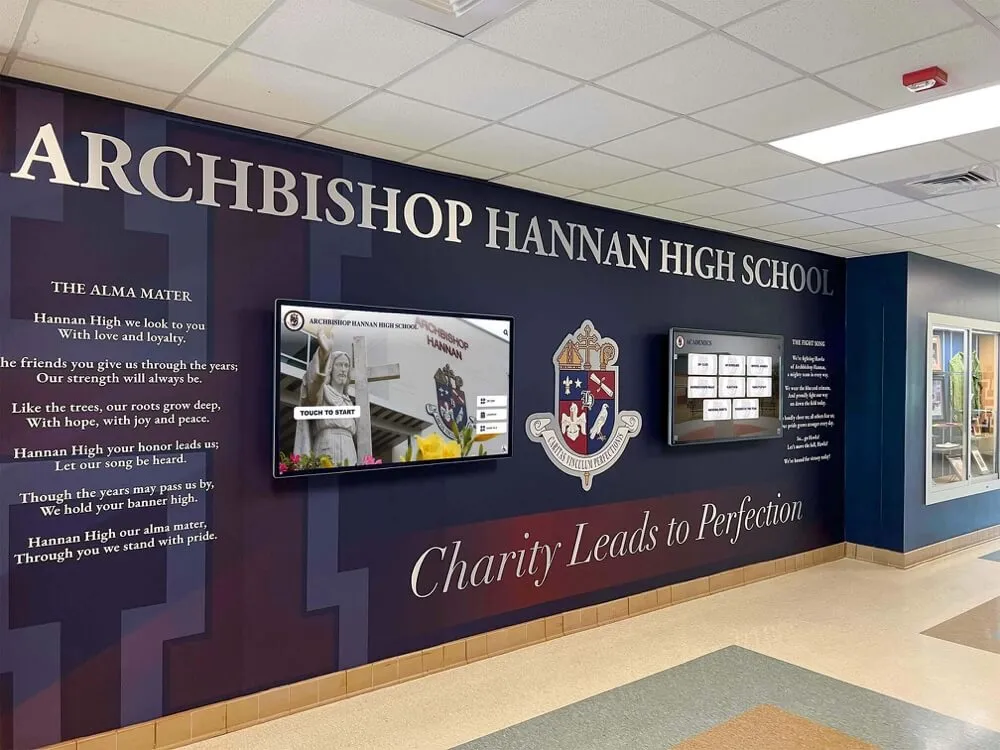
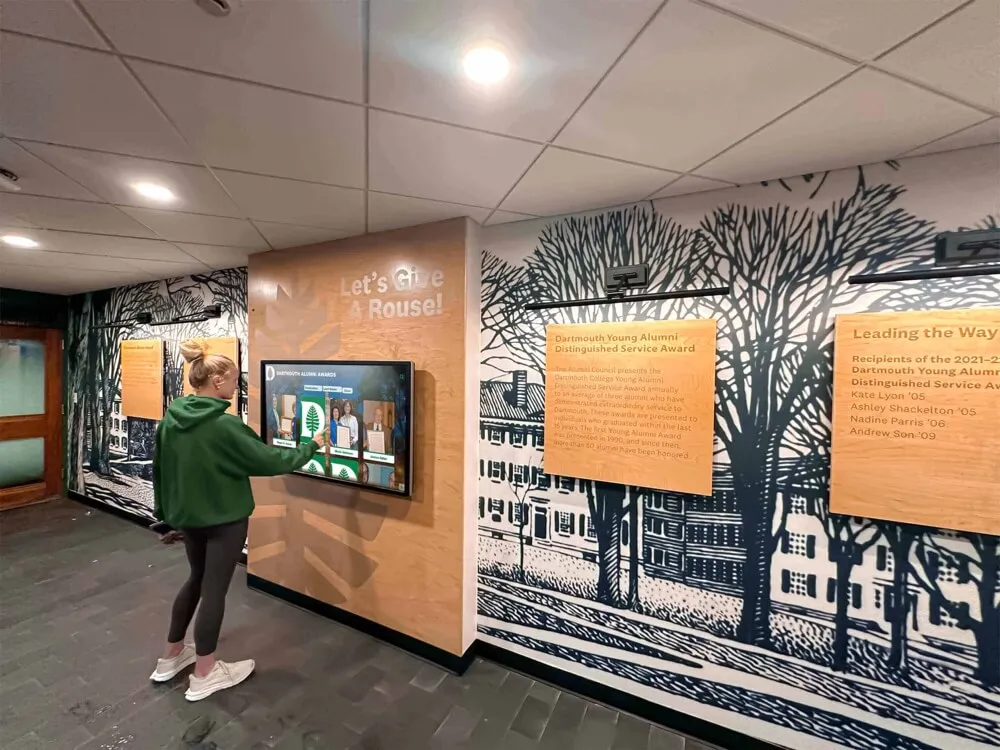
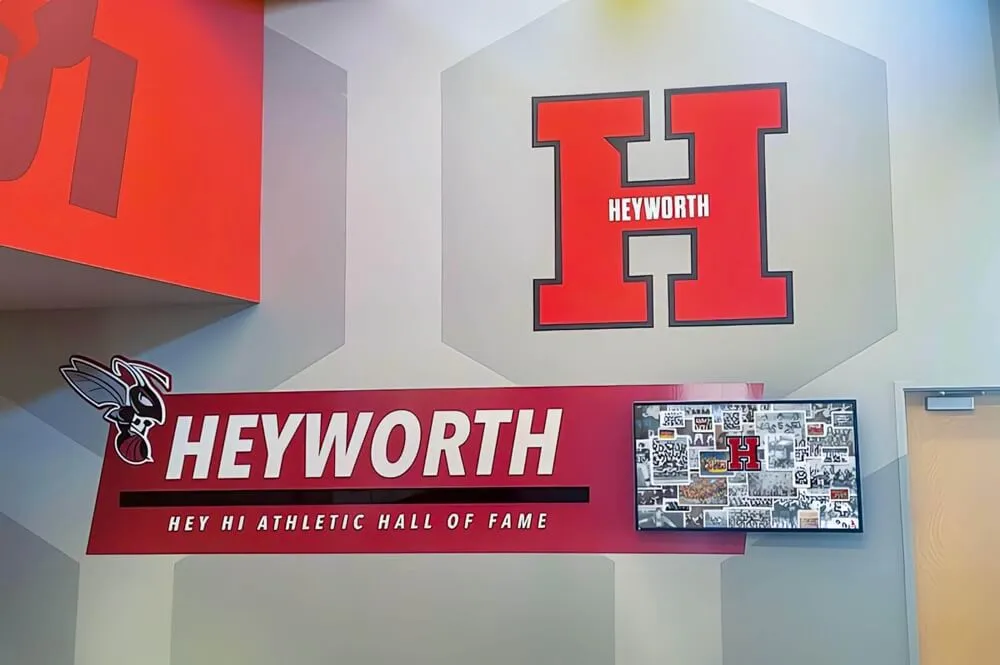
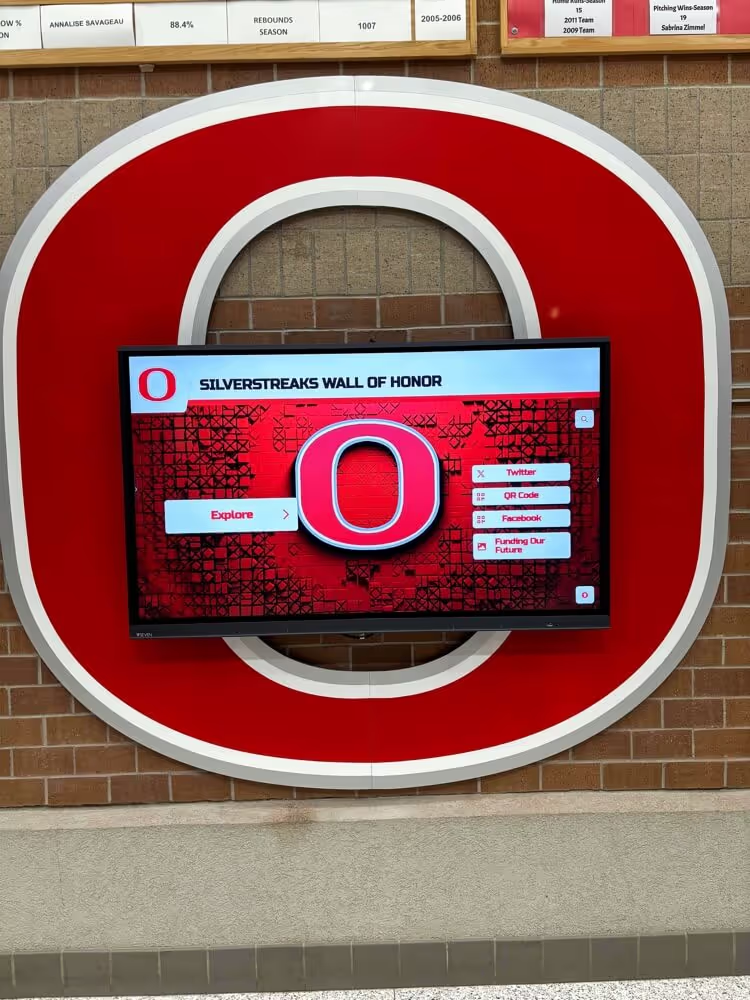
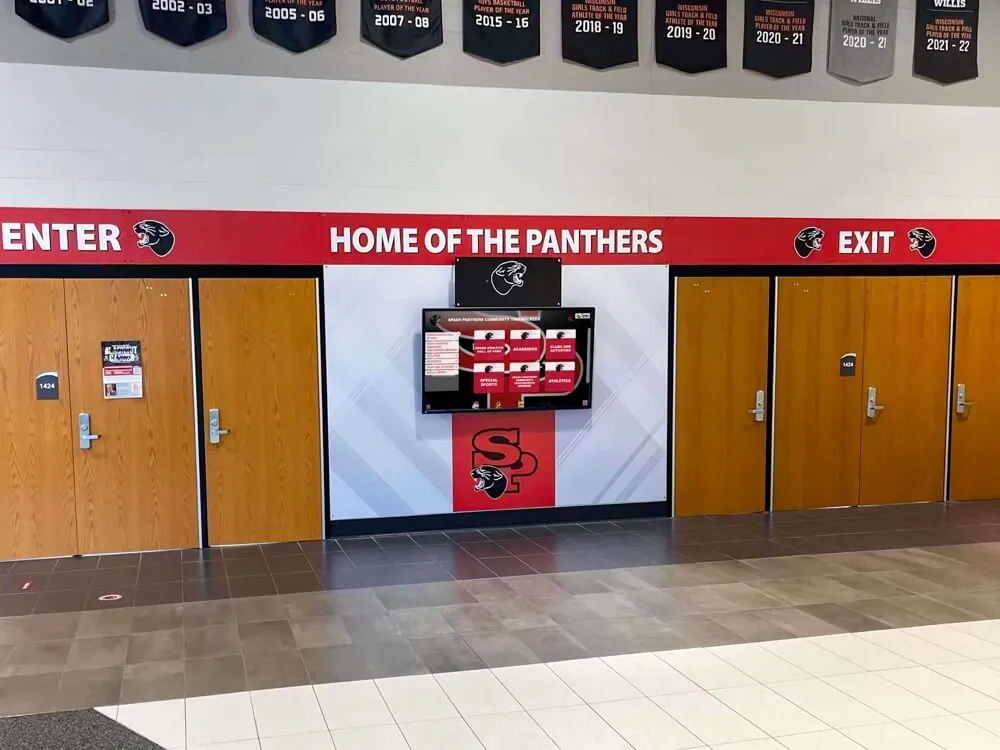
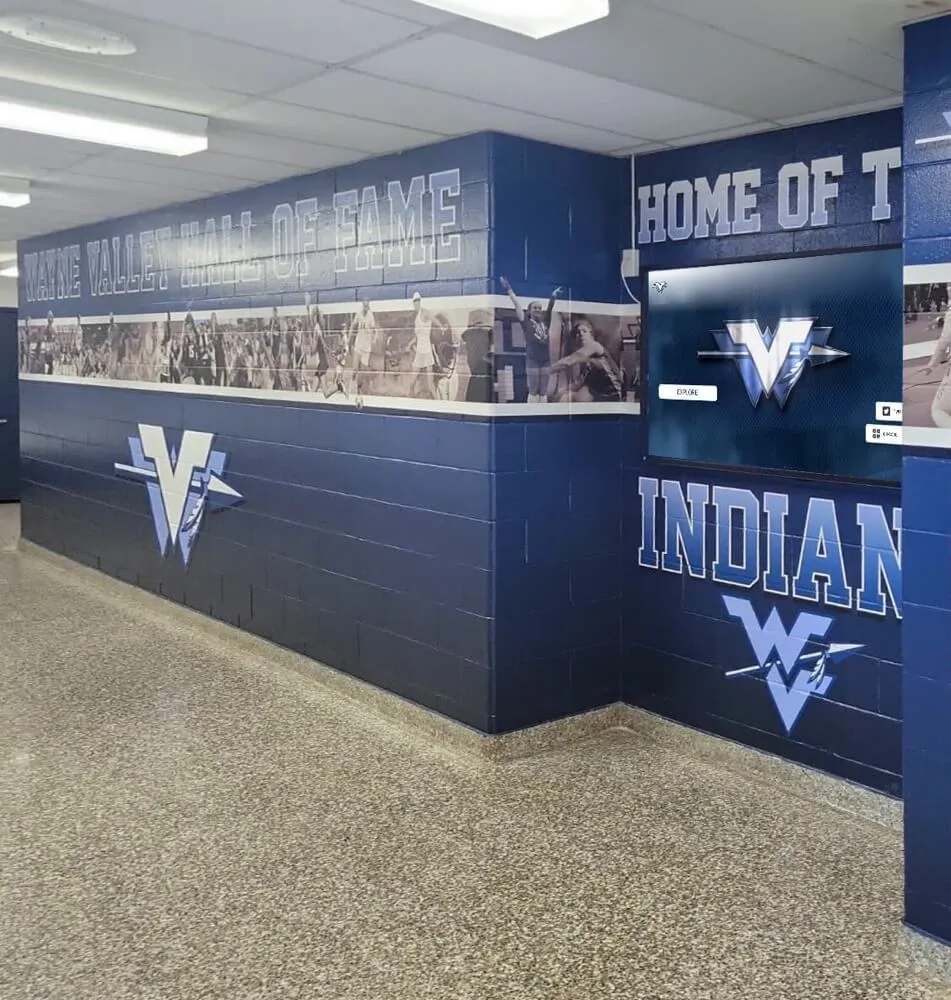
Modern digital archive installations transform library spaces into community heritage galleries where visitors actively explore local history
Understanding Public Library Digital Collections
Digital archive collections encompass the systematic conversion, preservation, organization, and provision of access to library historical materials through digital formats accessible across devices and locations.
The Scope of Library Digital Collections
Public libraries serve as community memory institutions, accumulating diverse materials documenting local history, culture, and heritage:
Local History Collections Historical photographs documenting community evolution, municipal records preserving governance history, newspaper archives capturing daily life across decades, oral histories recording first-person accounts from longtime residents, and architectural documentation showing how built environments developed. These materials provide irreplaceable documentation of community development often unavailable elsewhere.
Genealogical and Family History Resources Vital records including birth, death, and marriage records, census data documenting population changes, city directories showing business and residential patterns, cemetery records preserving burial information, and family papers donated by local families. These resources support genealogical research that draws consistent library usage while building emotional connections to community heritage.
Cultural and Ethnic Heritage Collections Materials documenting diverse community populations including immigrant experiences, ethnic community development, religious institution histories, cultural celebrations and traditions, and minority community contributions often underrepresented in mainstream historical documentation. Digitization makes these important collections accessible to descendant communities worldwide.
Photograph and Visual Archives Historical photographs from community members, professional photographers, and institutional sources document architectural changes, community events, daily life, prominent citizens, and cultural evolution. Visual materials create powerful emotional connections making history tangible and accessible.
Newspaper and Publication Archives Local newspaper collections provide day-by-day documentation of community life, cultural attitudes, significant events, and daily concerns spanning decades or centuries. Making these searchable through digitization and optical character recognition transforms research possibilities.
Special Collections and Unique Materials Manuscript collections, maps and atlases, ephemera including programs and announcements, business records, organizational archives, and donated personal papers create unique research resources unavailable elsewhere. Digitization extends access while protecting fragile originals.
The Digital Warming Effect in Libraries
When libraries digitize collections and create engaging access mechanisms, they generate digital warming—the transformation of cold, passive archives into dynamic engagement tools:
Personalized Discovery Pathways Community members search for family names, explore their neighborhoods’ histories, discover their childhood homes in historical photographs, and connect personal experiences with broader community narratives. These personal connections create emotional engagement impossible when archives remain accessible only to specialized researchers during limited hours.
Continuous Content Surfacing Featured collections highlighting anniversaries, themed exhibits exploring specific topics, seasonal content connecting to current events, and regular social media sharing ensure archives receive ongoing visibility. This continuous surfacing keeps communities aware that libraries preserve valuable heritage while encouraging repeated engagement.
Multigenerational Community Connection Digital archives appeal across age groups—longtime residents rediscovering their past, younger community members learning local history, families exploring multi-generational connections, students completing research projects, and newcomers understanding their adopted communities. This broad appeal strengthens libraries’ roles as institutions serving entire communities rather than specific demographic segments.
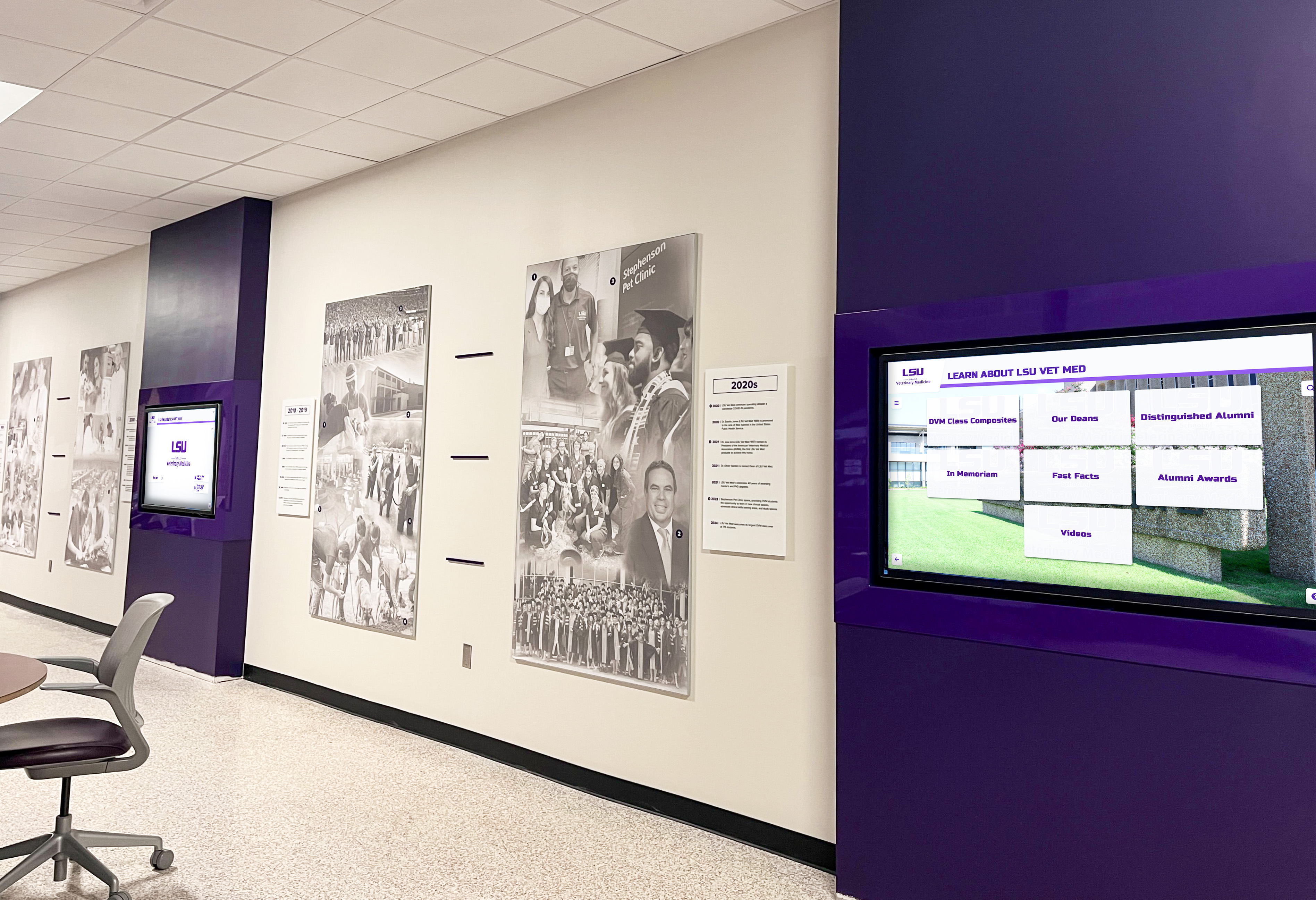
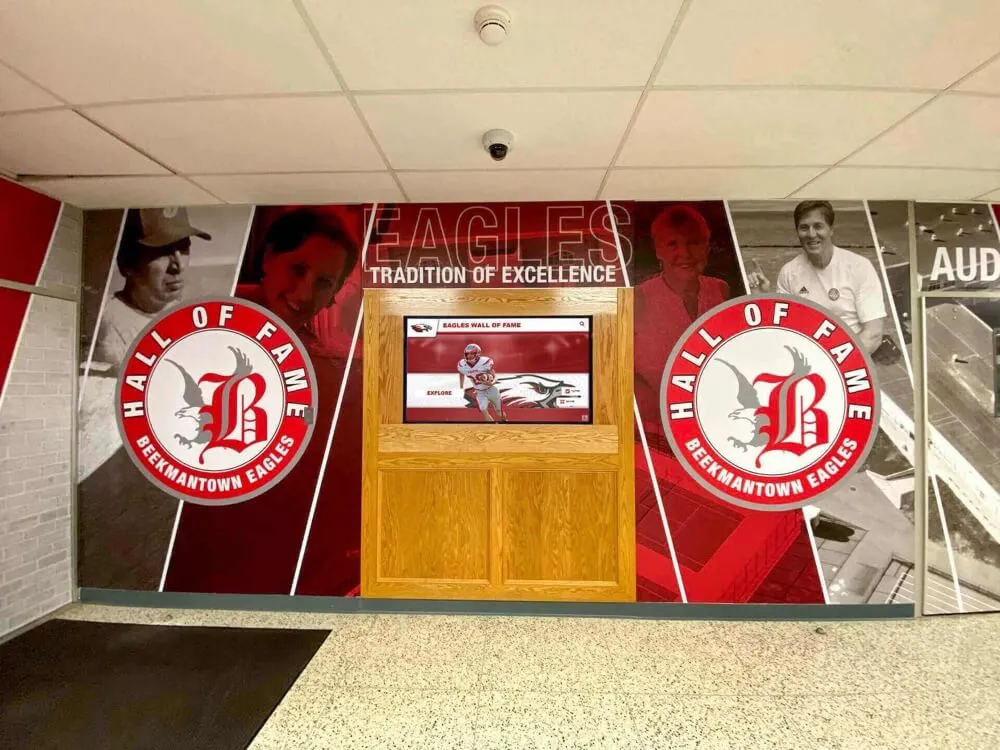
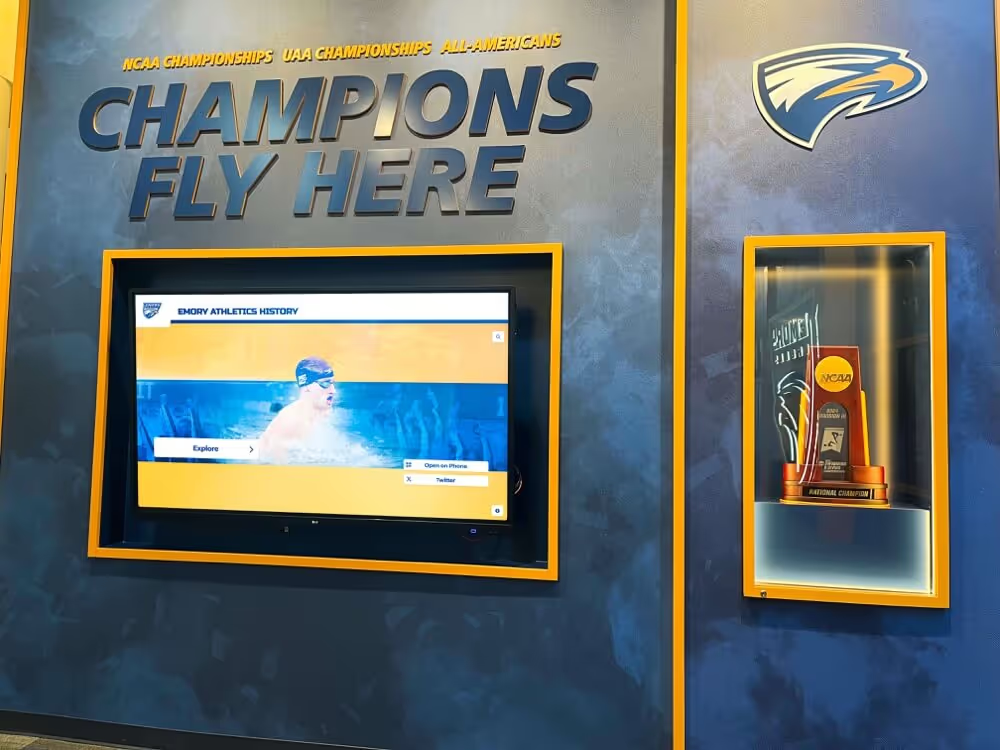
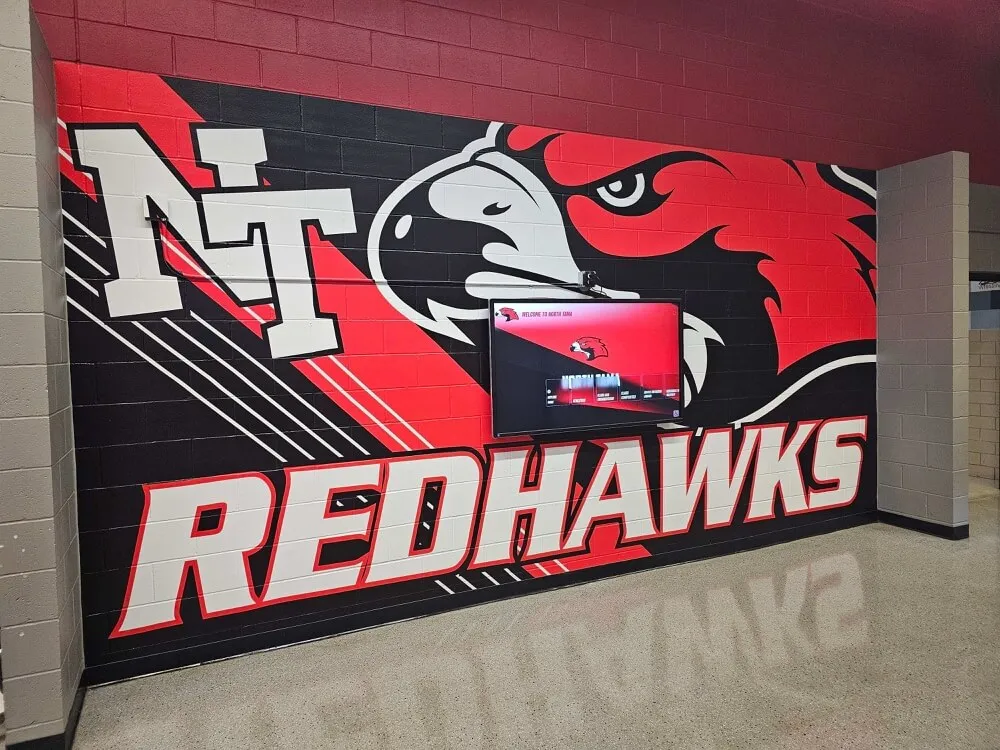
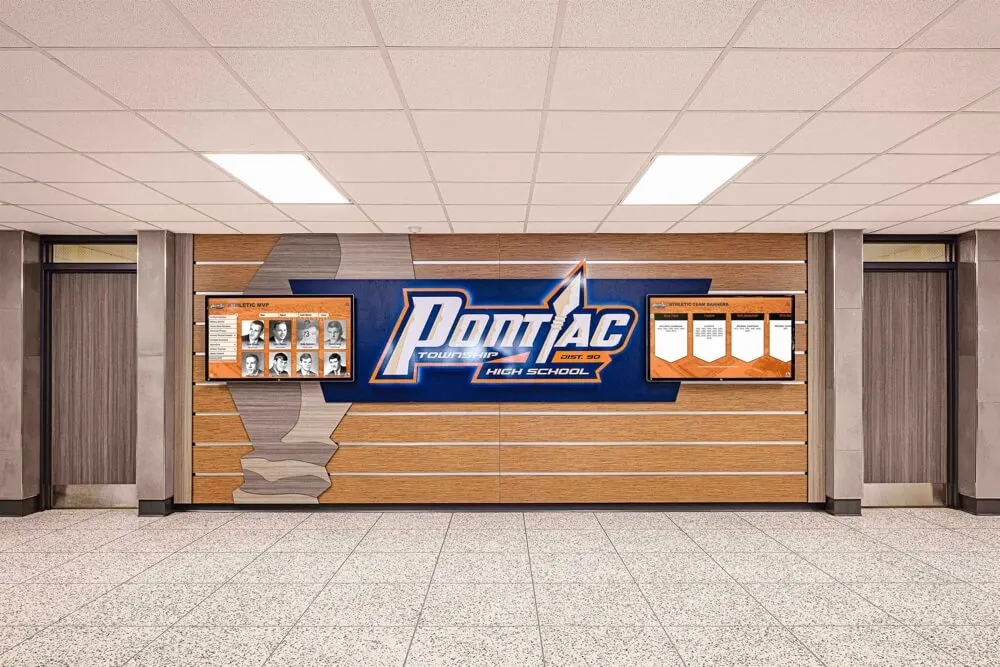
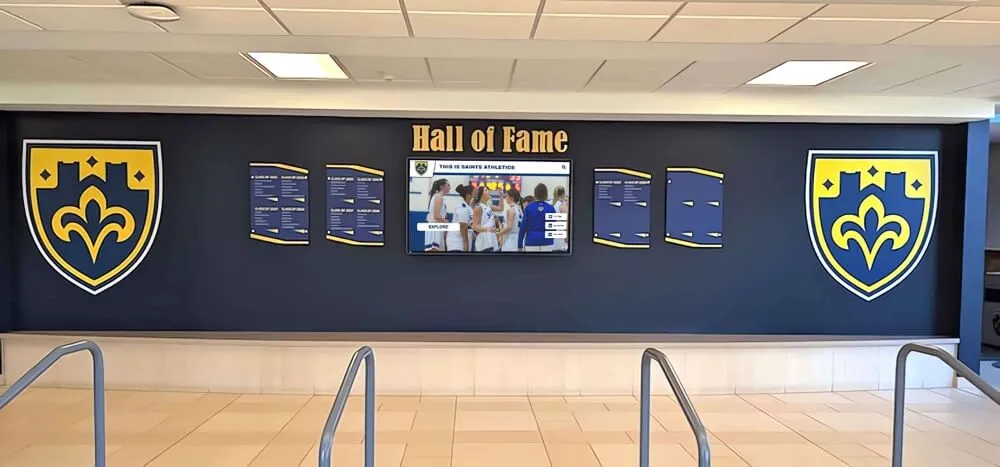
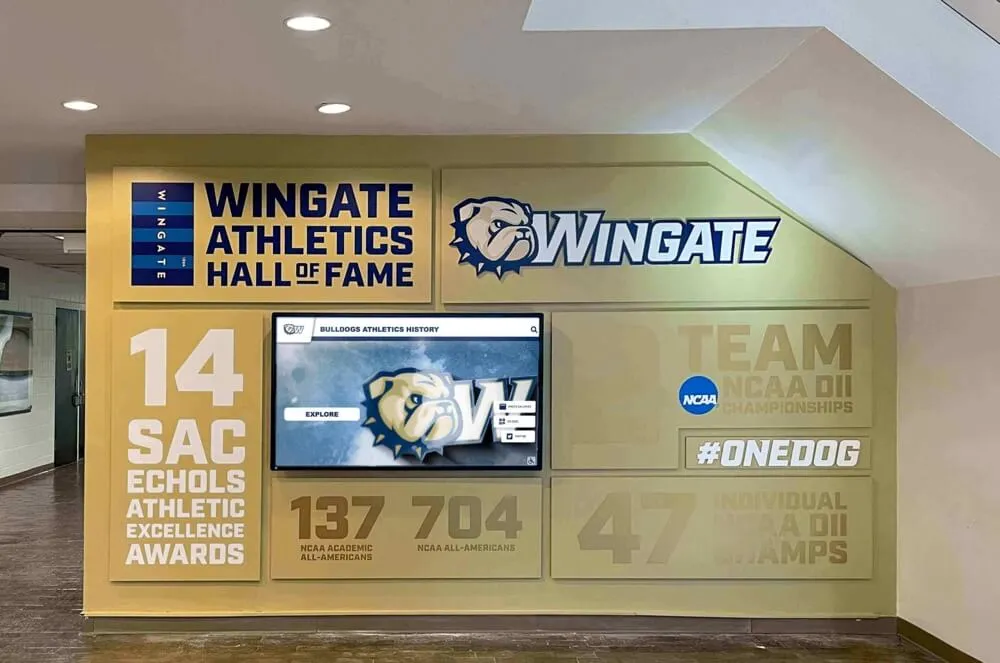
Strategic display placement creates regular community touchpoints with local heritage throughout library spaces
Major Digital Collection Initiatives
Understanding successful digital library initiatives provides models for local implementation while revealing opportunities for participation in collaborative projects.
National Digital Library Platforms
Several major initiatives aggregate and provide access to digital collections from libraries nationwide:
Digital Public Library of America (DPLA) DPLA allows researchers to find open access sources from archives across the country through a single portal, bringing together collections from libraries, archives, and museums nationwide. In 2025, DPLA initiatives include safeguarding collections using decentralized web technologies addressing long-term preservation challenges. Libraries contributing to DPLA increase their collections’ visibility dramatically while participating in national preservation infrastructure.
Library of Congress Digital Collections The Library of Congress offers online collections including maps, photographs, letters, diaries, newspapers, sound recordings, and historic films documenting American and world history. Through initiatives like LOCal, the Library partners with public libraries to co-create interactive digital experiences connecting local collections with national resources, providing models and support for local digitization efforts.
Regional and State Consortia
State-level collaborations provide infrastructure supporting local library digitization:
Digital Commonwealth (Massachusetts) Digital Commonwealth provides access to photographs, manuscripts, books, audio recordings, and other historical materials digitized by libraries, museums, archives, and historical societies across Massachusetts. This collaboration, supported by Boston Public Library, enables smaller institutions to participate in digital preservation through shared infrastructure and expertise.
Regional Library Systems State library organizations provide digitization grants, technical support, training programs, and shared infrastructure enabling local libraries to develop digital collections without building complete systems independently. These collaborations make comprehensive digitization achievable for libraries with limited individual resources.
Exemplary Local Library Digital Collections
Individual library systems demonstrate successful local approaches:
New York Public Library Digital Collections NYPL’s Digital Collections features over 1 million objects including prints, photographs, maps, manuscripts, and video with machine-readable data enabling computational research. The platform provides both public access and technical infrastructure supporting research applications, demonstrating how comprehensive digitization serves diverse community needs.
Chicago Public Library Digital Collections Chicago Public Library’s digital collections document life in Chicago through archival images, documents, and artifacts, creating accessible community memory while supporting local history research and education.
Los Angeles Public Library Special Collections LAPL’s Digitization & Special Collections Department manages rare books, archives, and digital collections viewed through TESSA, their digital platform, preserving Los Angeles history while making materials accessible globally.
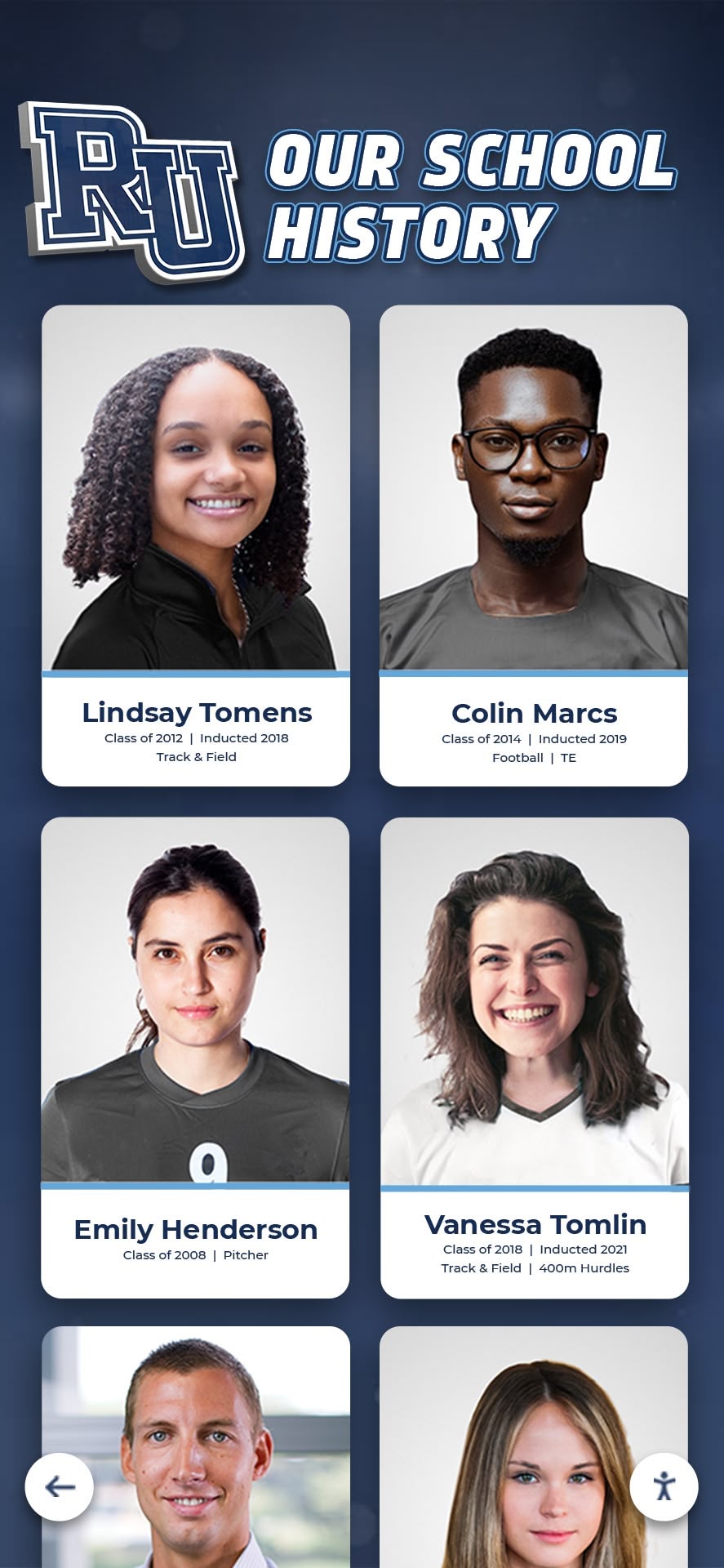
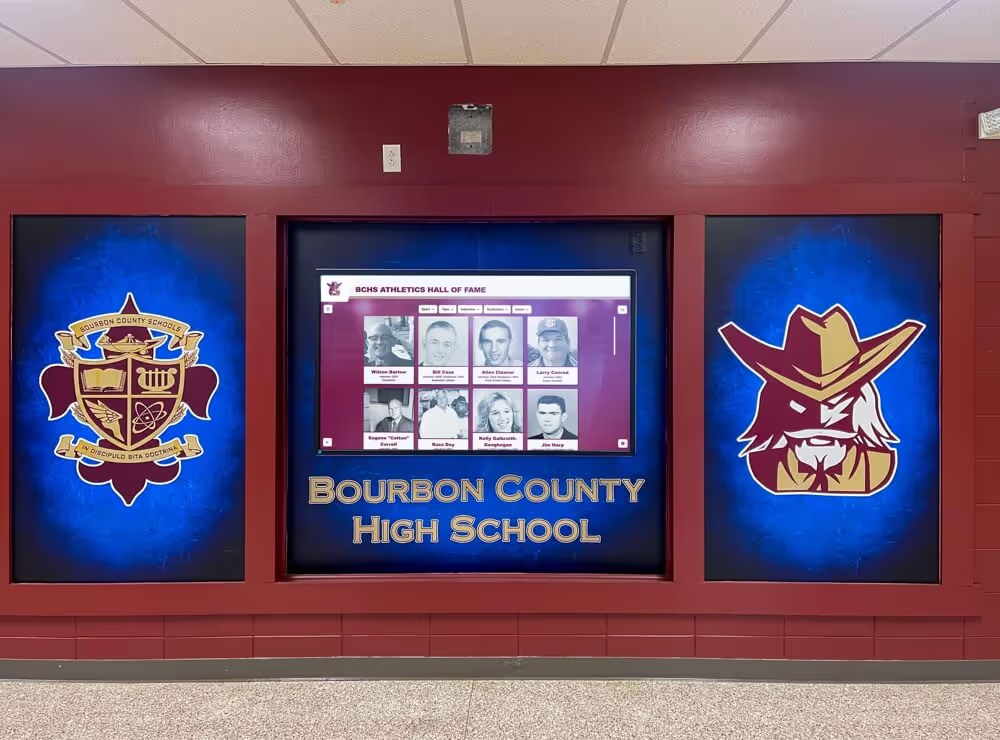
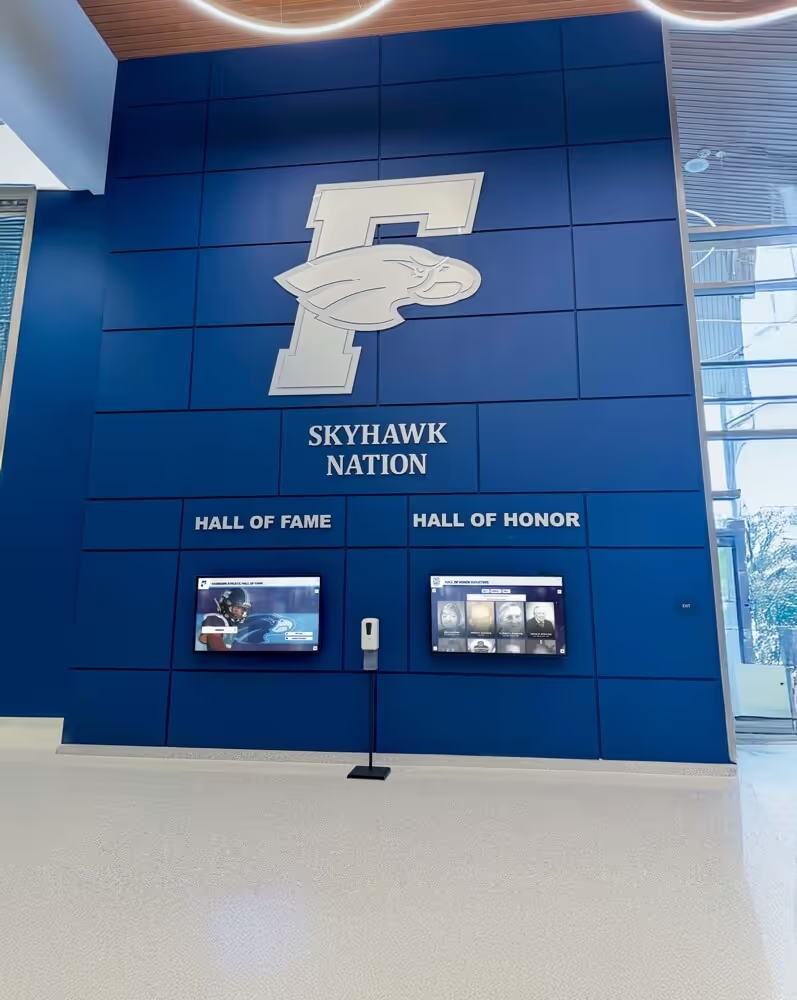
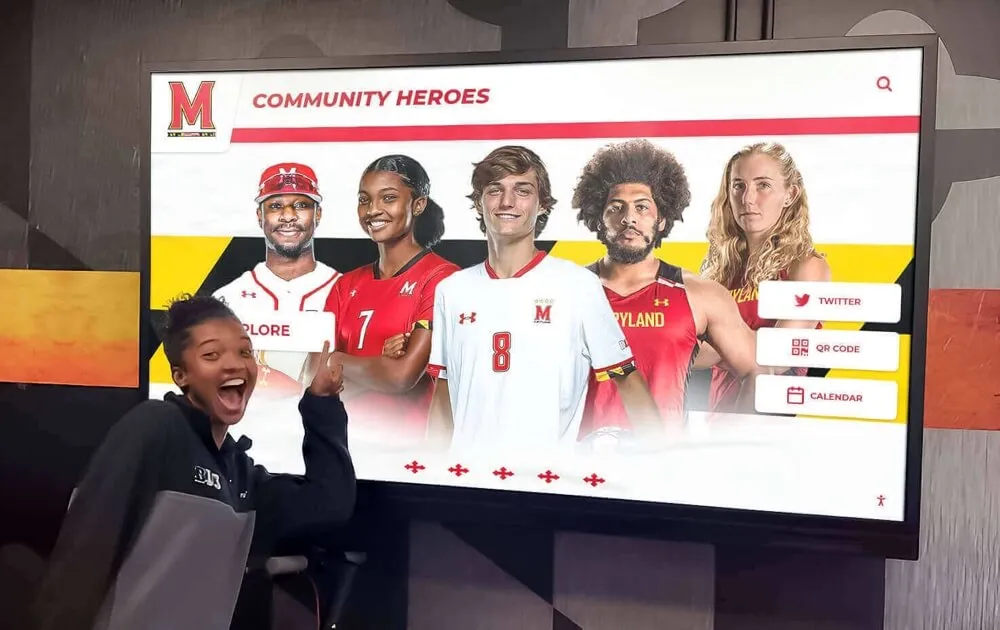
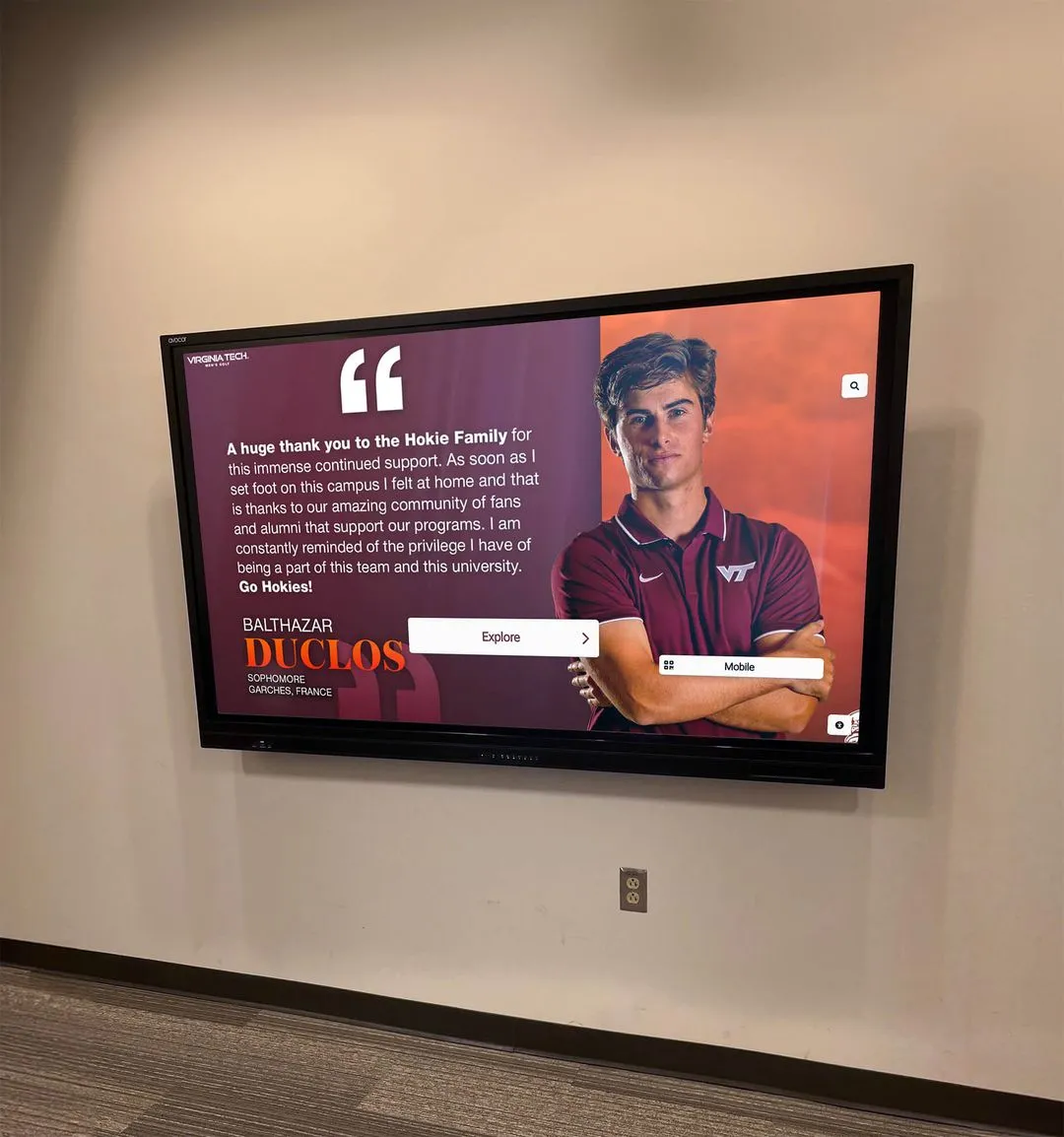
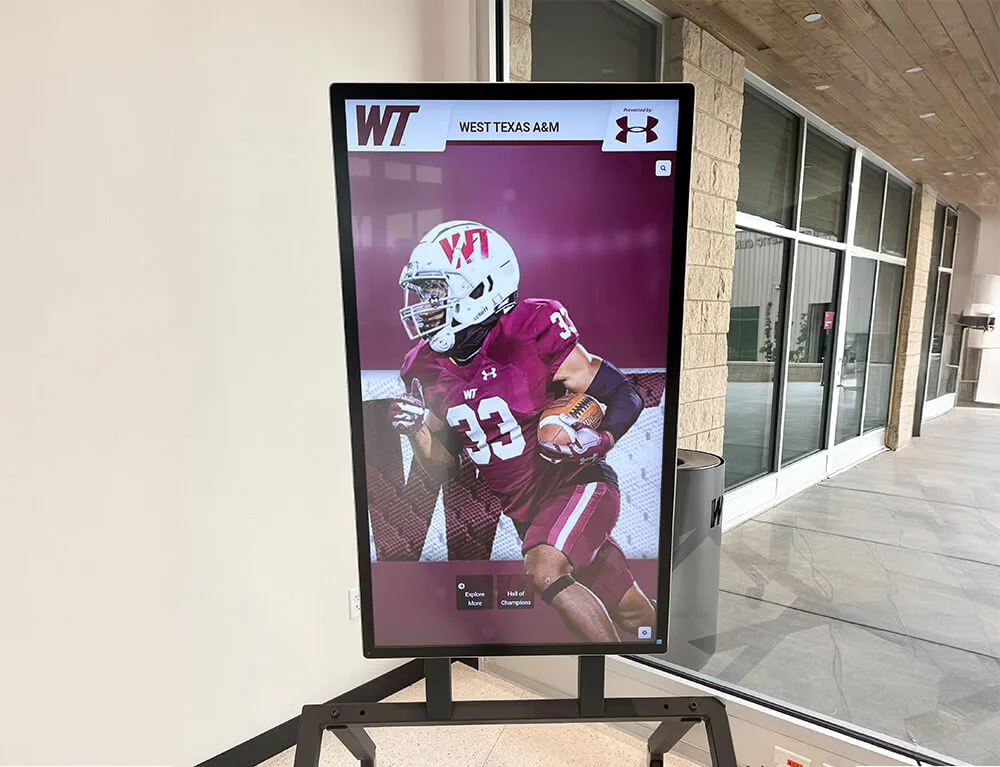
Individual profile displays enable detailed exploration of historical figures and community contributors
Benefits of Digital Archive Collections
Digital transformation creates transformative benefits extending far beyond simple digitization.
Expanded Access and Democratic Availability
Digital collections fundamentally change who can access library archives and how they engage:
Geographic Access Extension Descendants researching family history worldwide access local collections without traveling to physical library locations. Researchers examine materials remotely. Students complete projects using primary sources from home. This geographic expansion transforms local collections into global resources while demonstrating library value beyond immediate service areas.
Temporal Access Expansion Digital collections remain accessible 24/7 regardless of library hours, holiday closures, or staffing limitations. Community members explore collections at convenient times rather than conforming to limited archive room schedules. This temporal expansion dramatically increases actual usage while reducing staff supervision requirements.
Elimination of Handling Restrictions Fragile materials requiring careful handling and supervised access become freely explorable in digital formats. Multiple users simultaneously access popular materials without scheduling conflicts. Students complete class projects without competing for limited physical copies. This availability transformation increases practical utility while protecting originals.
Device and Platform Flexibility Mobile-optimized platforms ensure accessibility across smartphones, tablets, and computers accommodating diverse user preferences and device availability. According to community engagement research, libraries providing technology training and digital access help bridge the digital divide, particularly important for underserved communities.
Preservation and Risk Mitigation
Digital formats address physical archive vulnerabilities:
Protection from Physical Deterioration Newspaper collections become brittle and discolored over decades. Photographs fade and deteriorate. Documents yellow and fragment. Digital surrogates capture materials in current condition, preventing further degradation while enabling access without additional handling damage.
Disaster Recovery and Redundancy Fire, flooding, natural disasters, and accidents threaten irreplaceable physical collections. Cloud-based digital preservation with geographic redundancy ensures community memory survives even if physical buildings suffer catastrophic damage. This disaster resilience provides institutional continuity essential for community identity.
Format Migration and Technological Obsolescence Professional digital preservation platforms ensure files remain accessible as technologies evolve. Format migration, systematic monitoring, and infrastructure updates prevent digital obsolescence that threatens materials stored on aging media formats.
Environmental Control Elimination Physical archives require climate-controlled storage maintaining specific temperature and humidity ranges with specialized equipment and ongoing expenses. Digital storage eliminates these environmental requirements while accommodating unlimited growth without physical space expansion.

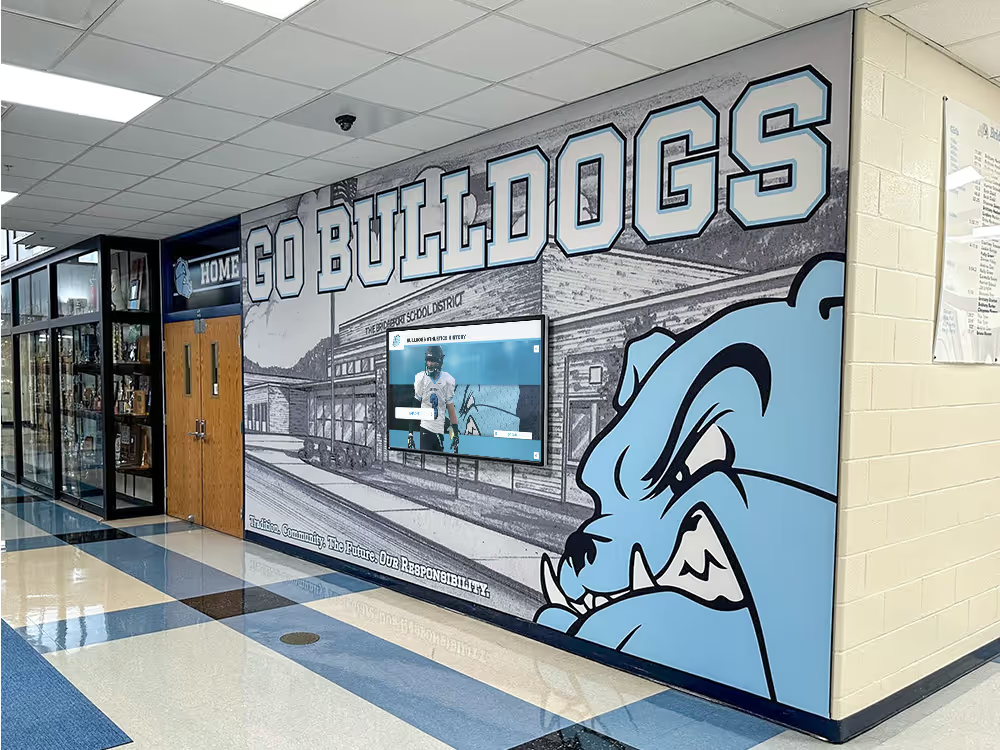
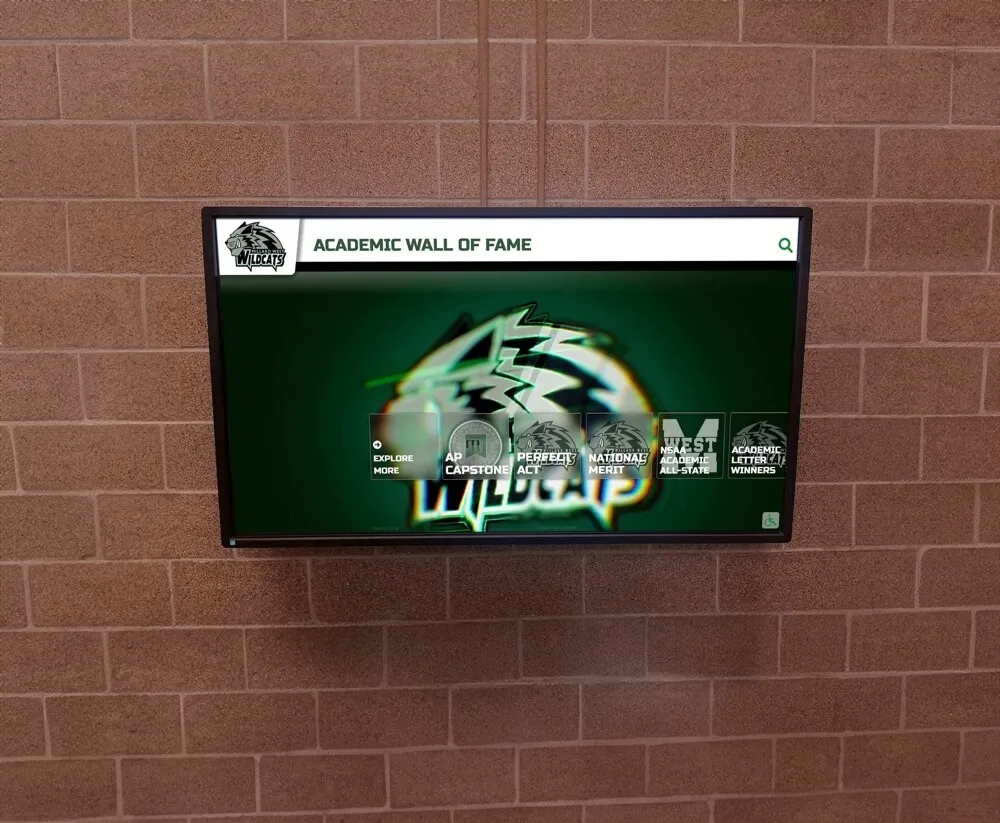
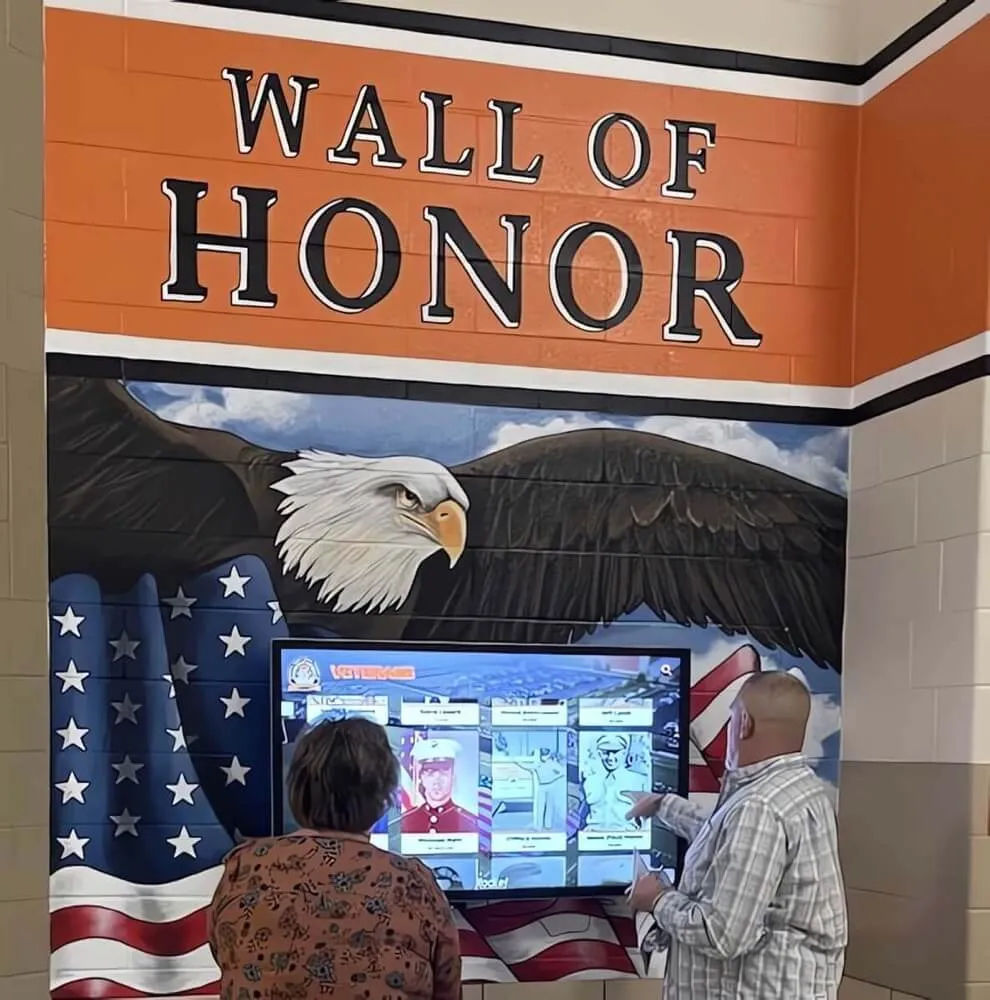
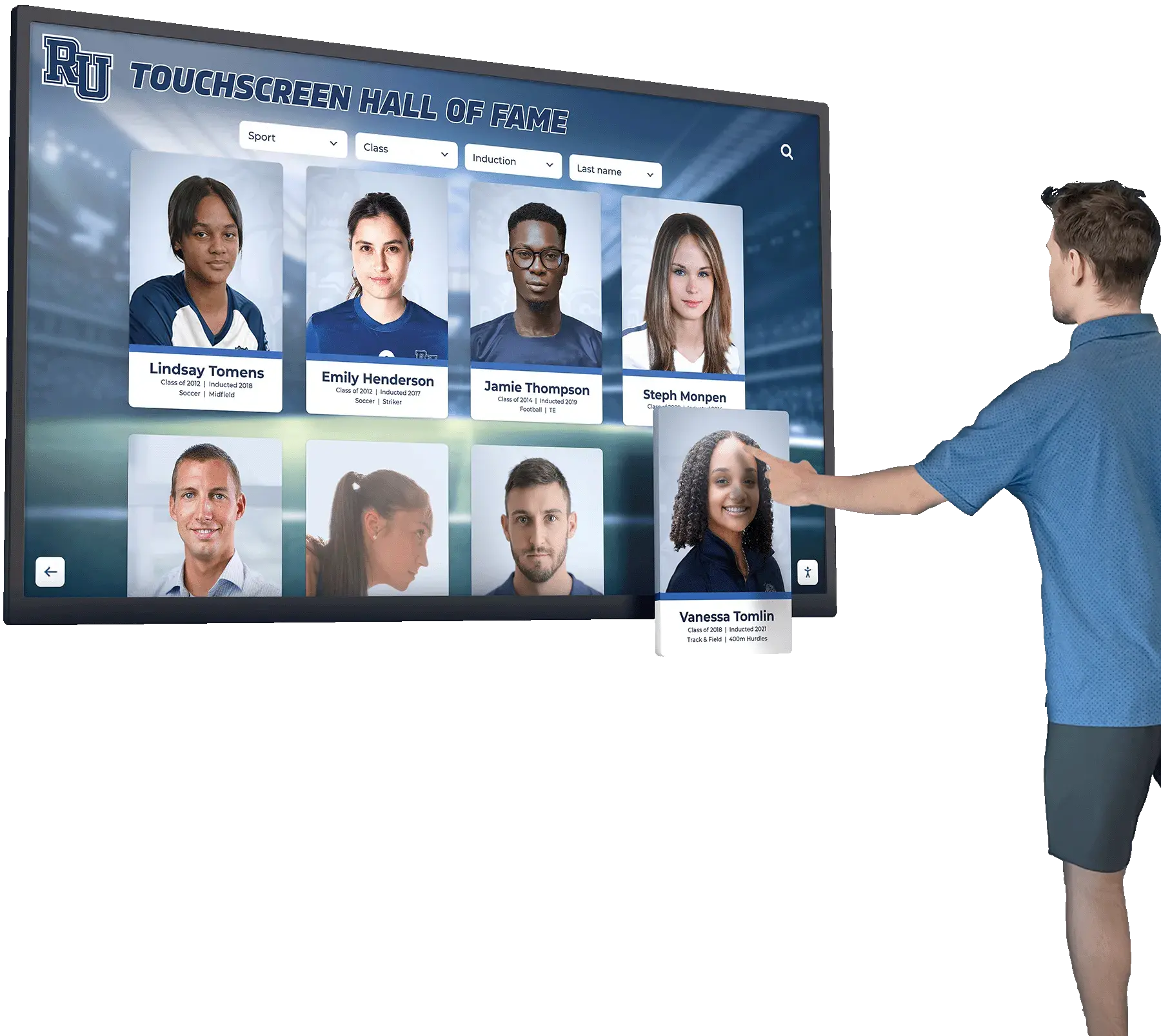
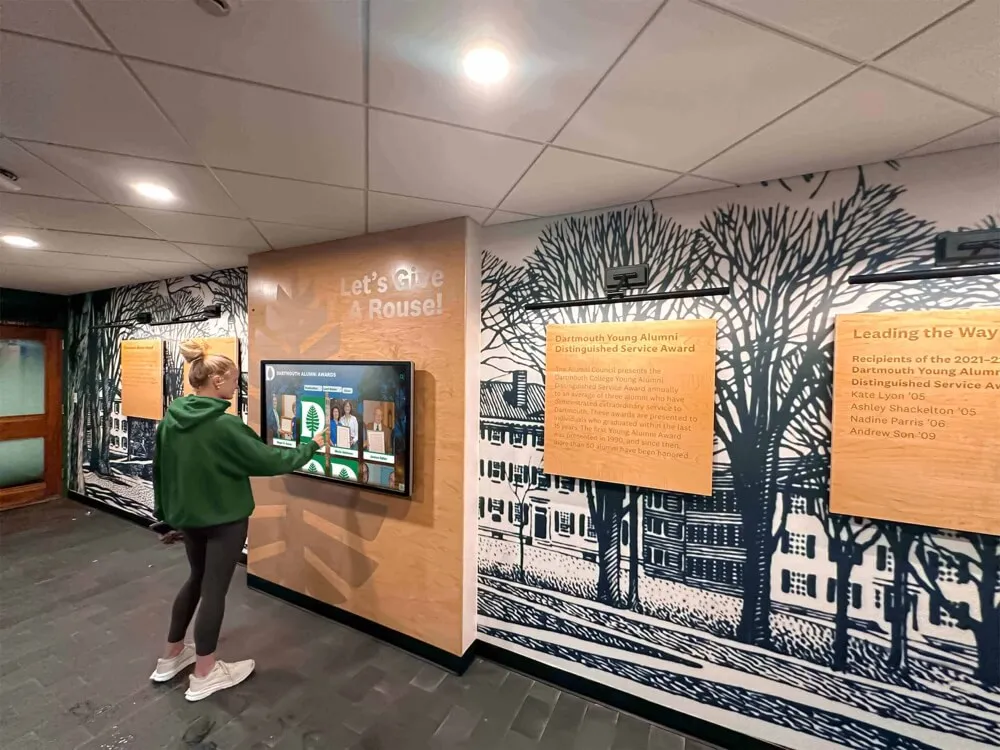
Touchscreen interfaces make historical exploration intuitive and engaging for users of all ages and technical abilities
Enhanced Discovery and Research Capabilities
Digital platforms enable research approaches impossible with physical-only collections:
Full-Text Search Across Collections Optical Character Recognition (OCR) converts scanned text into searchable databases. Researchers locate specific topics, names, or events instantly across thousands of pages rather than manually examining individual documents hoping to find relevant content. This search capability transforms research efficiency while revealing connections previously undiscoverable.
Advanced Filtering and Faceted Browsing Users filter by date ranges, geographic locations, material types, subjects, and creators, narrowing large result sets to relevant materials efficiently. Faceted browsing enables exploration through multiple organizational schemes accommodating different research approaches and discovery preferences.
Visual Similarity and Computational Analysis Advanced platforms enable visual similarity searches finding photographs with comparable characteristics, machine learning classification organizing untagged materials, and computational analysis revealing patterns across large collections. These capabilities support research methodologies impossible with manual examination.
Annotation and Community Contribution Users add contextual information, identify individuals in photographs, correct metadata errors, and contribute knowledge enriching collections beyond institutional staff capacity. This crowdsourced enhancement improves collection utility while building community engagement and ownership. Solutions like interactive touchscreen displays facilitate community contribution during in-library exploration.
Community Engagement and Library Value Demonstration
Digital collections create measurable engagement demonstrating library community value:
Usage Analytics and Impact Measurement Digital platforms provide detailed usage data including unique visitors, session duration, most-accessed materials, search patterns, and geographic distribution. These metrics quantify collection value and community engagement, supporting funding requests with concrete evidence of impact and relevance.
Social Media Amplification Shareable digital content enables community members to celebrate discoveries through social networks, extending library visibility organically. When residents share historical photographs on Facebook, historical facts on Twitter, or genealogical discoveries through family communications, they promote library resources while demonstrating community value to extended networks.
Educational Programming Integration Digital collections support educational programs including student research projects, curriculum integration, lifelong learning courses, and community lectures. Digital archives for educational institutions demonstrate systematic integration approaches applicable to public library contexts.
Economic Development and Tourism Support Historical collections support heritage tourism initiatives, downtown revitalization efforts, and community marketing. Accessible local history creates destination appeal while providing content for promotional materials and visitor resources.
Implementation Strategies for Public Libraries
Successful digital collection development requires systematic approaches addressing assessment, resource allocation, technical decisions, and community engagement.
Assessment and Planning Phase
Begin with comprehensive evaluation of institutional needs, resources, and opportunities:
Collection Assessment and Prioritization Survey existing collections identifying materials suitable for digitization based on research value, physical vulnerability, usage demand, uniqueness, and community interest. Prioritize materials facing immediate deterioration risks, frequently requested items requiring protective digitization, and collections generating anticipated high community engagement.
Community Needs Analysis Engage community stakeholders including researchers, educators, genealogists, historians, and general users identifying what collections would serve greatest needs. Understanding community priorities ensures digitization efforts focus on materials generating actual usage rather than institutional assumptions about value.
Resource and Capacity Evaluation Assess available resources including staff time, technical expertise, equipment, budget, and space. Realistic capacity evaluation informs achievable timelines and appropriate scale preventing overly ambitious plans resulting in incomplete projects and frustrated stakeholders.
Partnership and Collaboration Opportunities Identify potential partners including historical societies, cultural organizations, university digital archives programs, grant programs, and state library initiatives that could provide funding, expertise, equipment access, or collaborative infrastructure. Strategic partnerships multiply library capacity while building community relationships.
Success Metrics Definition Establish clear, measurable goals including volumes digitized, accessibility improvements, usage targets, and community engagement outcomes. Defined metrics enable progress tracking, demonstrate value to stakeholders, and guide continuous improvement efforts.
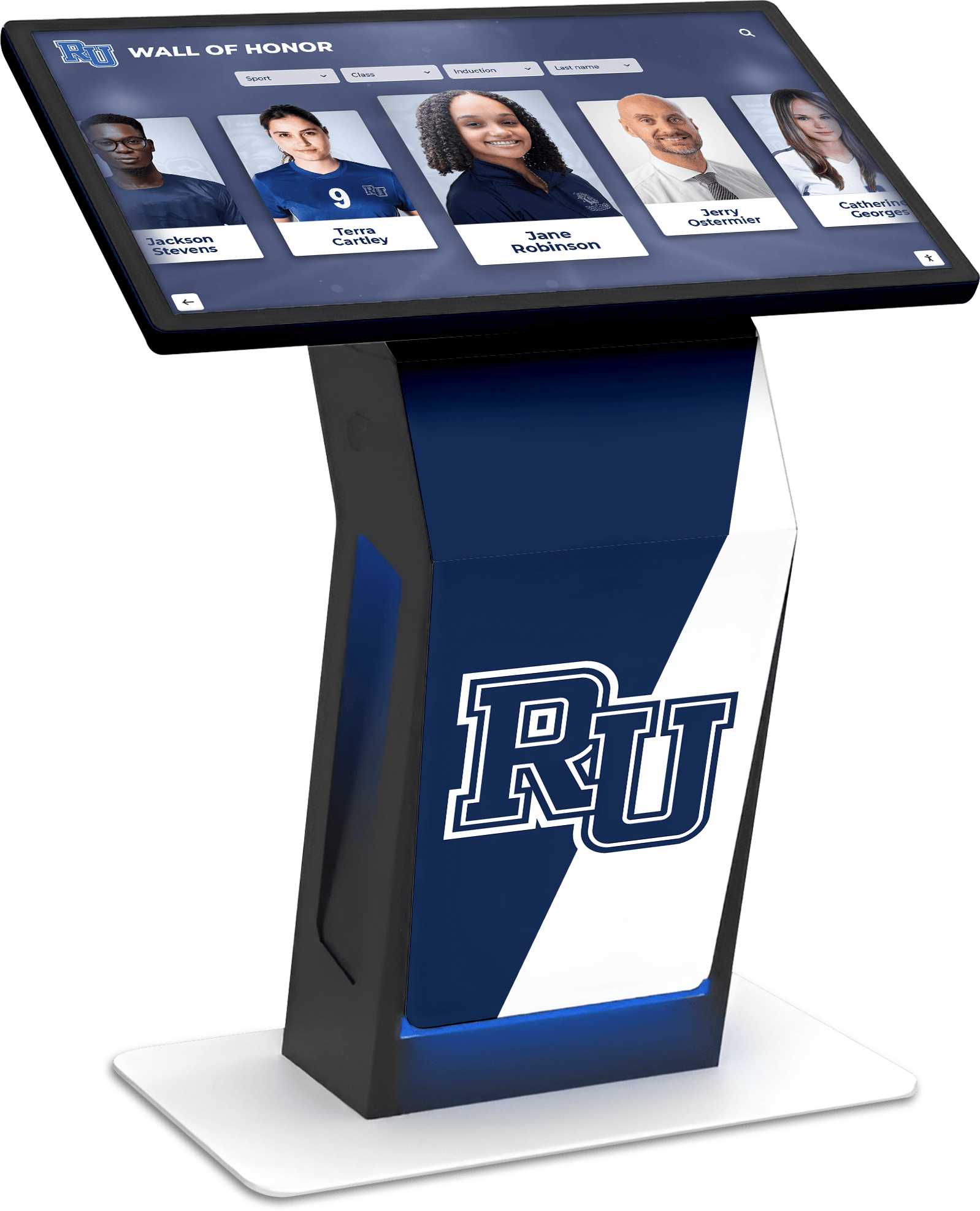
Professional archive management systems provide intuitive interfaces for both public access and administrative content management
Digitization Approaches and Workflows
Multiple pathways enable comprehensive collection digitization:
Professional Digitization Services Specialized vendors provide complete digitization including high-quality scanning, OCR processing, metadata creation, quality control, and digital delivery. Professional services bring expertise, specialized equipment, and efficient workflows completing projects faster than in-house efforts, particularly appropriate for large-scale initiatives, fragile materials requiring expert handling, or bound materials needing specialized equipment.
In-House Digitization Programs Libraries with appropriate scanners, staff expertise, and available time successfully manage digitization internally. Building internal capacity enables ongoing digitization accommodating continuous collection growth and responsive project management addressing emerging priorities. Training volunteers including community members, students, and retired professionals multiplies capacity while building engagement with collections.
Grant-Funded Projects State library grants, federal programs including Library Services and Technology Act (LSTA) funding, foundation grants, and local funding sources enable digitization projects otherwise beyond regular operating budgets. Strategic grant pursuit funds significant digitization advances while demonstrating external validation of project importance.
Collaborative Consortial Approaches Regional collaborations share digitization infrastructure, technical expertise, and preservation platforms enabling smaller libraries to participate in digital initiatives through shared resources. State library consortia often provide digitization services, training, hosting infrastructure, and technical support enabling local libraries to focus on collection curation and community engagement rather than technical infrastructure management.
Technology Platform Selection
Choosing appropriate technology significantly impacts long-term success and sustainability:
Comprehensive Digital Asset Management Systems Enterprise-grade platforms designed for library special collections provide features including unlimited storage capacity, sophisticated metadata management, version control, access controls, preservation monitoring, and public discovery interfaces. Evaluate systems based on scalability, interoperability standards, preservation capabilities, and vendor long-term viability.
Content Management and Presentation Platforms User-facing platforms should provide intuitive search and browsing, responsive design ensuring mobile accessibility, social sharing capabilities, collection exhibits and curation tools, and API access enabling integration with other systems. Platforms meeting accessibility standards (WCAG 2.1 AA) ensure universal access for users with disabilities.
Interactive Physical Display Solutions Strategic installations of touchscreen displays in library lobbies, local history rooms, and community spaces create engaging physical access points to digital collections. Solutions like Rocket Alumni Solutions provide professional interactive displays specifically designed for library applications combining durable hardware with intuitive interfaces optimized for public use.
Cloud Storage and Preservation Infrastructure Enterprise-grade cloud storage provides security, geographic redundancy, automatic backups, scalability, and professional management. Cloud platforms eliminate local infrastructure maintenance while ensuring preservation-quality storage meeting archival standards. Evaluate services based on preservation certification, long-term pricing models, data portability, and geographic redundancy.
Collaborative Platform Participation Contributing to platforms like DPLA, state consortia, or regional collaboratives increases collection visibility while leveraging shared infrastructure. These participatory approaches enable smaller libraries to provide sophisticated access through established platforms rather than building complete systems independently.
Metadata Standards and Organization
Thoughtful organization makes collections accessible and useful:
Standard Metadata Schemas Implement recognized standards including Dublin Core for basic description, MODS (Metadata Object Description Schema) for detailed cataloging, or specialized schemas appropriate to material types. Standard metadata ensures interoperability with other systems while following professional practices enabling future platform migrations.
Controlled Vocabularies and Authority Files Use Library of Congress Subject Headings (LCSH), Getty Thesaurus of Geographic Names, or other controlled vocabularies ensuring consistent terminology. Authority files for personal and corporate names prevent variant spellings fragmenting search results.
Descriptive and Technical Metadata Capture both content description (what materials depict or contain) and technical specifications (file formats, dimensions, resolution, color profiles) enabling both discovery and long-term preservation management.
Rights and Access Information Document copyright status, usage permissions, and access restrictions enabling appropriate sharing while respecting legal obligations. Clear rights statements help users understand how they may legally use digitized materials.
Community Contribution and Enhancement Enable community members to contribute identification, contextual information, corrections, and memories enriching metadata beyond staff capacity. Moderated crowdsourcing leverages community knowledge while building engagement. Developing archival timelines demonstrates collaborative approaches applicable to library contexts.

Digital archives become community gathering points fostering intergenerational conversations and shared heritage exploration
Engaging Communities Through Digital Collections
Digital collections achieve maximum impact through strategic community engagement and promotional integration.
Physical Installation and In-Library Access
Create compelling in-library experiences showcasing digital collections:
Strategic Display Placement Position interactive touchscreen displays where community members naturally gather—main lobbies ensuring all visitors encounter collections, local history rooms creating destination spaces for focused exploration, and program rooms supporting educational activities. High-visibility installations demonstrate collection value while encouraging spontaneous exploration.
Rotating Featured Content Program displays highlighting anniversaries, seasonal themes, newly digitized materials, and community-contributed content. Fresh featured content provides reasons for repeated visits while ensuring diverse collection materials receive visibility rather than allowing popular items to dominate discovery.
Self-Guided Heritage Experiences Create curated pathways exploring specific topics, geographic areas, time periods, or themes guiding casual browsers through compelling collection narratives. Thematic experiences provide structure supporting general interest exploration versus research-focused investigation.
Accessibility and Universal Design Ensure physical installations meet ADA requirements including appropriate mounting heights, wheelchair accessibility, screen reader compatibility, and alternative input methods. Universal design benefits all users while ensuring legal compliance and demonstrating institutional commitment to inclusive access.
Programming and Educational Integration
Leverage collections for educational and community programming:
Research Skills Workshops Teach community members how to effectively search collections, evaluate primary sources, verify information, and conduct genealogical research. Skills workshops increase collection usage while building research literacy benefiting educational and personal pursuits.
Student and School Partnerships Collaborate with local schools integrating digital collections into curriculum through structured research projects, primary source analysis, local history units, and educational field experiences. Student engagement builds lifelong library connections while demonstrating educational value to parents, educators, and education funders.
Lecture Series and Community Programs Host historians, authors, genealogists, and community experts presenting programs drawing on digital collections. Public programs showcase collection value while attracting diverse audiences and generating media coverage.
Intergenerational Programming Create programs where older residents share memories contextualized by historical photographs and documents while younger participants learn local history and technology skills. Intergenerational exchanges strengthen community bonds while ensuring institutional knowledge transfer to younger generations.
Marketing and Outreach Strategies
Proactive promotion ensures collections reach potential users:
Social Media Content Strategy Develop consistent social media presence sharing historical photographs, “on this day in history” features, newly digitized materials, and engaging historical stories. Regular social sharing maintains visibility while encouraging community interaction and organic sharing extending reach. According to research on digital library impact, promoting digital collections through social media significantly increases community awareness and usage.
Partnership Marketing Collaborate with community organizations including historical societies, genealogical groups, cultural organizations, schools, and tourism bureaus cross-promoting collections to aligned audiences. Partnership marketing extends reach while building institutional relationships.
Media Relations and Press Coverage Provide historical photographs and context to local media covering anniversaries, current events with historical parallels, or community interest stories. Media coverage introduces collections to broad audiences while positioning libraries as community knowledge resources.
Website Integration and SEO Ensure collections appear prominently on library websites with effective search engine optimization attracting external researchers. Clear navigation, compelling landing pages, and regular content updates improve discoverability while demonstrating collection value to library website visitors.
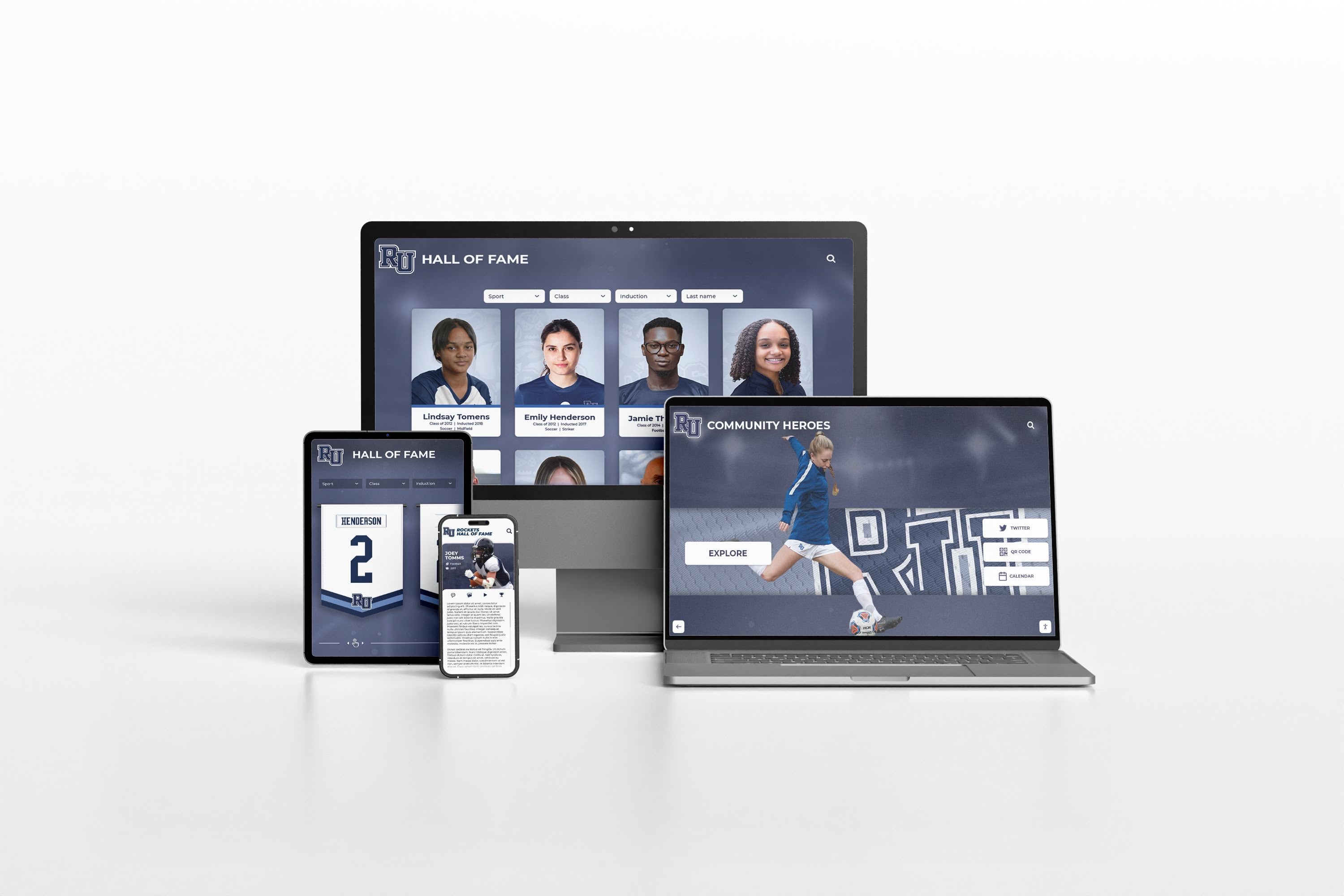
Responsive platforms ensure seamless access across all devices while providing analytics demonstrating community engagement
Measuring Success and Demonstrating Value
Systematic assessment ensures digital collections achieve goals while generating evidence justifying continued investment:
Quantitative Metrics and Analytics
Digital platforms provide detailed usage data:
Access and Usage Statistics Track unique visitors, session duration, page views, item downloads, and return visits measuring engagement depth. Compare metrics over time revealing growth trends and seasonal patterns. Analyze usage by material type and collection identifying high-value items deserving promotion or expansion.
Search and Discovery Patterns Monitor search queries revealing community interests and research topics. Identify frequently searched terms guiding metadata enhancement and collection development. Analyze null searches indicating collection gaps or metadata deficiencies requiring attention.
Geographic Distribution Examine user locations understanding local versus distant usage. Geographic data demonstrates how digitization extends library service beyond immediate community while revealing unexpected user populations suggesting promotional opportunities.
Referral Sources and Traffic Patterns Identify how users discover collections including direct library website visits, search engine traffic, social media referrals, and external links. Referral analysis guides promotional strategies while revealing effective outreach channels.
Qualitative Assessment and Community Feedback
Stakeholder perspectives provide context beyond quantitative metrics:
User Testimonials and Stories Collect community stories about meaningful discoveries, research breakthroughs enabled by collections, family history connections revealed through digitized materials, and personal significance of accessible local heritage. These narratives powerfully demonstrate value in human terms complementing statistical evidence.
Survey and Feedback Collection Gather systematic user feedback through online surveys, in-person comment collection, focus groups, and community conversations. Ask what users value most, what additional materials they desire, and how collections could better serve needs.
Stakeholder Reporting Regularly update library boards, city officials, funding agencies, and community partners on collection development progress, usage achievements, and community impact. Consistent communication maintains stakeholder investment while demonstrating accountability and value.
Educational Impact Assessment Document how collections support educational programs including student projects completed, curriculum integration examples, research products generated, and learning outcomes achieved. Educational impact demonstrates value to schools, families, and education-focused funders.
Cost-Benefit Analysis and Sustainability
Evaluate program sustainability and return on investment:
Cost Documentation Track digitization costs, platform expenses, staff time, equipment investments, and ongoing maintenance creating comprehensive cost understanding. Accurate cost documentation informs future planning while enabling comparison with alternative approaches.
Comparative Usage Analysis Compare digital collection usage with physical archive room statistics. Digital access typically exceeds physical usage by orders of magnitude, demonstrating how digitization multiplies actual community benefit while reducing staff supervision requirements.
Value Demonstration for Funding Connect collection usage and community impact to library funding requests. Demonstrate how digital collections serve community needs, justify continued investment, and position libraries as essential institutions worthy of sustained support.
Long-Term Sustainability Planning Ensure collections remain viable through leadership transitions, budget pressures, and technological evolution. Sustainability requires dedicated funding, clear administrative responsibility, vendor relationships ensuring platform longevity, and community support generated through demonstrated value.
Transform Your Library Archives with Digital Warming
Discover how comprehensive digital archive solutions create engaging experiences that preserve community heritage while strengthening connections and demonstrating library value in measurable ways.
Book Your DemoSpecial Considerations and Best Practices
Successful digital collection programs address several important operational and ethical considerations.
Copyright, Privacy, and Legal Compliance
Navigate legal considerations protecting individuals while preserving heritage:
Copyright Assessment and Risk Management Evaluate copyright status of materials considering age, authorship, and publication status. Pre-1928 materials generally fall in public domain. Unpublished materials face different rules than published works. Develop risk assessment frameworks enabling informed decisions about materials with unclear copyright status.
Privacy Protection and Sensitive Content Balance historical preservation with individual privacy. Materials documenting private individuals from recent decades may require permission or access restrictions. Develop policies addressing personally identifiable information, sensitive topics, and materials potentially embarrassing or harmful to living individuals or descendants.
Culturally Sensitive Materials Collections sometimes document marginalized communities, traumatic events, or culturally significant materials requiring careful handling. Engage descendant communities when appropriate, provide contextual information explaining historical circumstances, and respect cultural protocols around sacred or restricted knowledge.
Accessibility Compliance Ensure digital collections meet Americans with Disabilities Act (ADA) requirements and Web Content Accessibility Guidelines (WCAG 2.1 AA). Requirements include screen reader compatibility, keyboard navigation, alternative text for images, video captions, and high-contrast viewing modes. Accessibility benefits all users while ensuring legal compliance.
Sustainability and Long-Term Management
Ensure programs remain viable across organizational changes:
Clear Administrative Responsibility Assign explicit collection management responsibility to specific positions ensuring continuity through staff transitions. Avoid informal arrangements depending on individual enthusiasm disappearing with personnel changes.
Documentation and Knowledge Transfer Create comprehensive documentation covering technical systems, workflows, policies, and operational procedures. Train multiple staff members ensuring knowledge redundancy when key personnel change roles.
Vendor Relationship Management Maintain strong relationships with platform vendors ensuring responsive support, active development, and advance notice of changes. Evaluate vendor viability periodically considering long-term platform sustainability.
Technology Evolution Planning Digital technologies evolve constantly. Budget for periodic platform updates, format migrations, and infrastructure improvements maintaining collection accessibility as technologies change. Plan technology refreshes proactively rather than reactively when systems fail.
Building Community Partnerships
Extend impact through strategic collaborations:
Historical Society Collaboration Partner with local historical societies sharing digitization costs, expertise, and community connections. Complementary missions create natural partnerships while multiplying both organizations’ impact.
Cultural Organization Integration Collaborate with museums, cultural centers, ethnic heritage organizations, and arts institutions digitizing complementary collections and cross-promoting resources. Integrated approaches serve communities more comprehensively than isolated efforts.
Academic Institution Partnerships Partner with local colleges and universities accessing student labor, faculty expertise, specialized equipment, and grant opportunities. Academic partnerships create mutual benefits while supporting educational missions.
Government and Civic Collaboration Work with municipal governments, planning departments, tourism bureaus, and economic development organizations leveraging historical collections for community benefit. Government partnerships increase library visibility while demonstrating value to civic decision-makers.
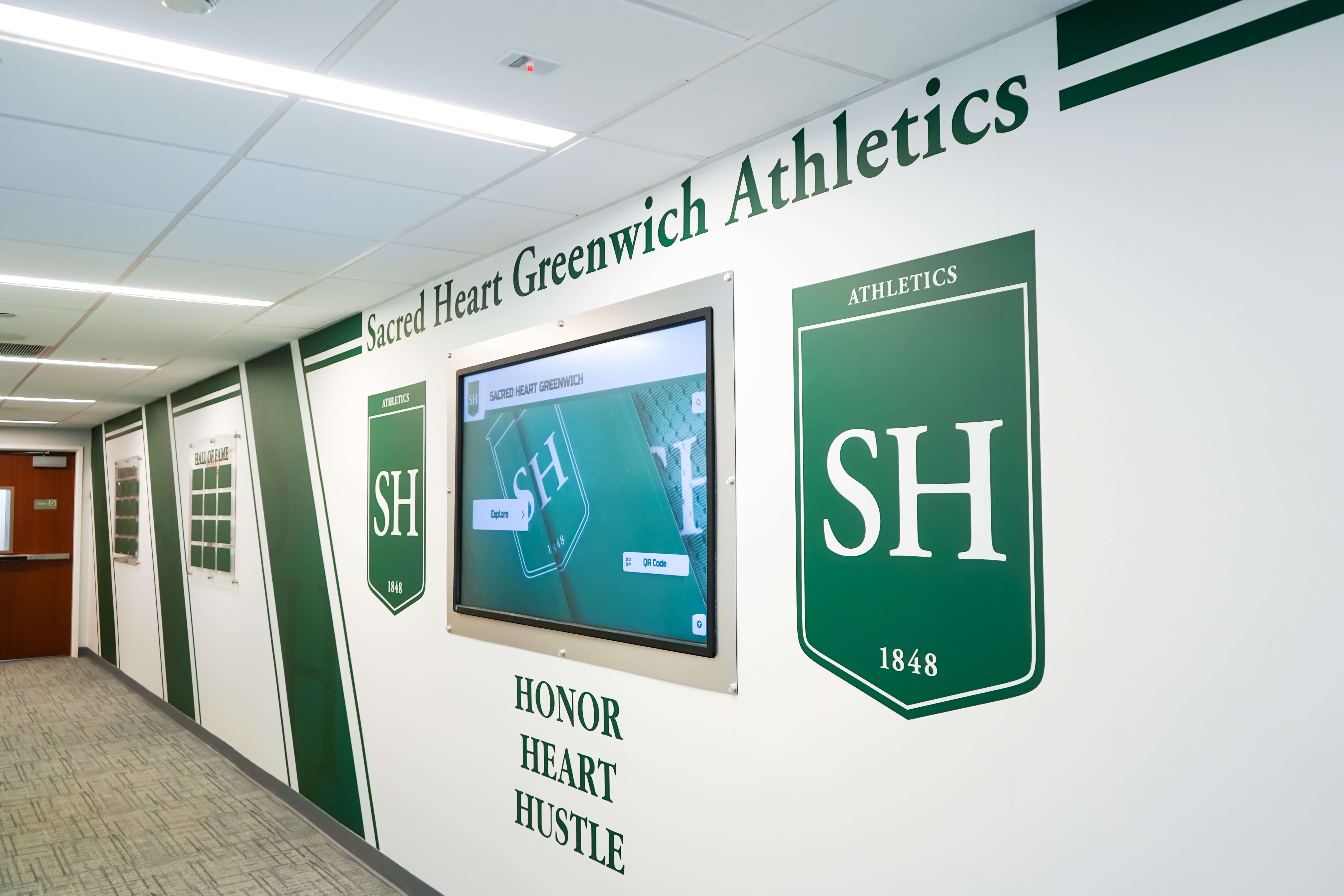
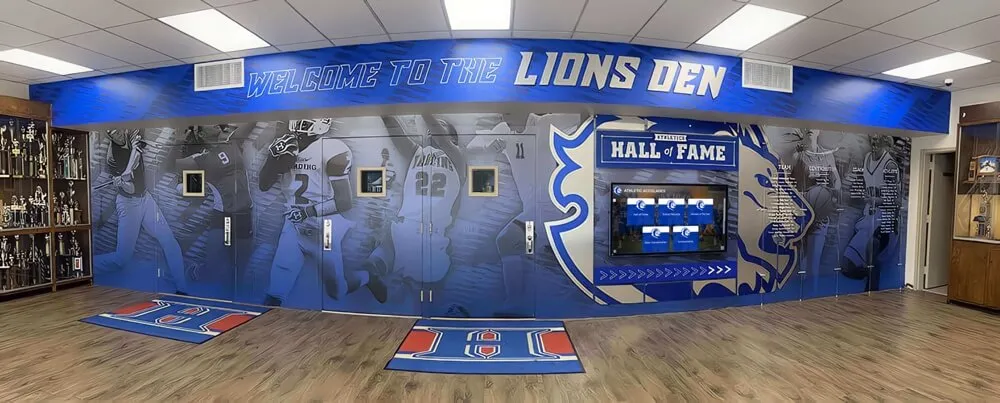
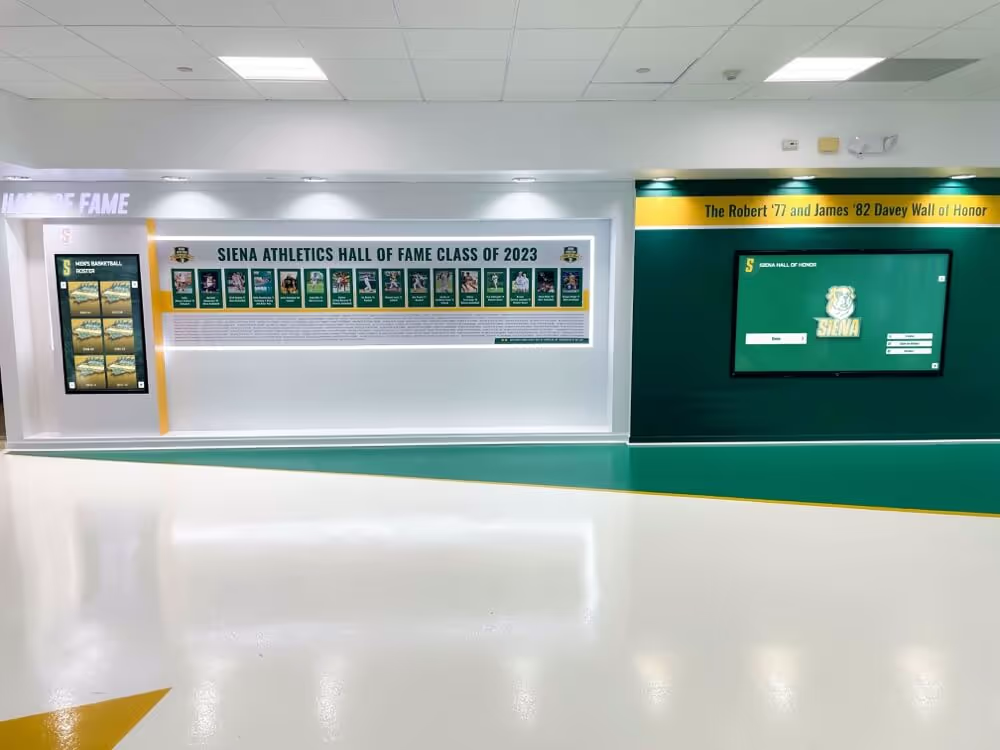
Integrated installations combining traditional displays with digital access create comprehensive heritage experiences
Future Trends and Emerging Technologies
Digital archiving continues evolving with emerging technologies creating enhancement opportunities:
Artificial Intelligence and Machine Learning
AI technologies increasingly enhance collection development and access:
Automated Metadata Generation Machine learning analyzes images identifying subjects, locations, time periods, and content automatically generating descriptive metadata. AI assistance dramatically accelerates metadata creation enabling larger-scale digitization.
Handwriting Recognition and Transcription Advanced OCR and handwriting recognition convert manuscript materials into searchable text enabling full-text search of previously unsearchable handwritten documents, letters, and records.
Visual Similarity and Clustering AI identifies visually similar photographs automatically grouping related images, discovers duplicate items across collections, and suggests organizational structures based on visual analysis.
Intelligent Search and Discovery Natural language processing enables conversational search understanding intent beyond exact keyword matches. Semantic search finds conceptually related materials even when precise terminology differs. AI-powered recommendations suggest related items based on viewing patterns.
Immersive and Interactive Technologies
New technologies create engaging discovery experiences:
Augmented Reality Integration Mobile AR applications overlay historical photographs on current locations enabling users to see “then and now” comparisons through smartphone cameras. AR creates compelling experiences connecting historical documentation with contemporary environments.
Virtual Reality Historical Reconstruction VR recreates historical environments, events, or locations enabling immersive historical experiences. While resource-intensive, VR creates powerful educational and engagement opportunities for significant collections.
Interactive Timeline Experiences Advanced timeline displays enable chronological exploration, visual comparisons across time periods, and narrative experiences guiding users through historical progressions.
Blockchain and Digital Preservation
Emerging technologies address long-term preservation challenges:
Provenance and Authenticity Verification Blockchain creates immutable records documenting digital object provenance, modifications, and authenticity. This verification proves valuable for legal evidence, historical verification, and preservation documentation.
Decentralized Storage Networks Distributed storage platforms provide redundancy through geographic distribution across independent nodes, protecting against institutional collapse or localized disasters. Organizations like DPLA explore decentralized technologies for improved preservation resilience.
Digital Certificates and Rights Management Cryptographic systems document usage rights, track reproductions, and manage permissions through secure, verifiable digital certificates.
Conclusion: Preserving Heritage While Building Vibrant Communities
Public library digital archive collections represent far more than technology projects—they embody institutional commitments to preserving irreplaceable community heritage while creating engaging experiences serving current generations. Every community accumulates historical materials documenting local evolution, cultural development, and individual stories deserving preservation and accessibility. Traditional physical-only archives, while important, remain largely inaccessible to most community members due to geographic, temporal, and practical barriers limiting who can access materials and how they engage.
Digital transformation removes these barriers while creating what we call digital warming—the effect when cold, inaccessible archives transform into vibrant, personalized experiences drawing community members into exploration and connection. When residents discover family members in digitized yearbooks, when students access primary sources for research from smartphones, when distant researchers contribute knowledge about local collections, when families explore multi-generational community connections—these interactions create warmth strengthening bonds and demonstrating library value in compelling, measurable ways.
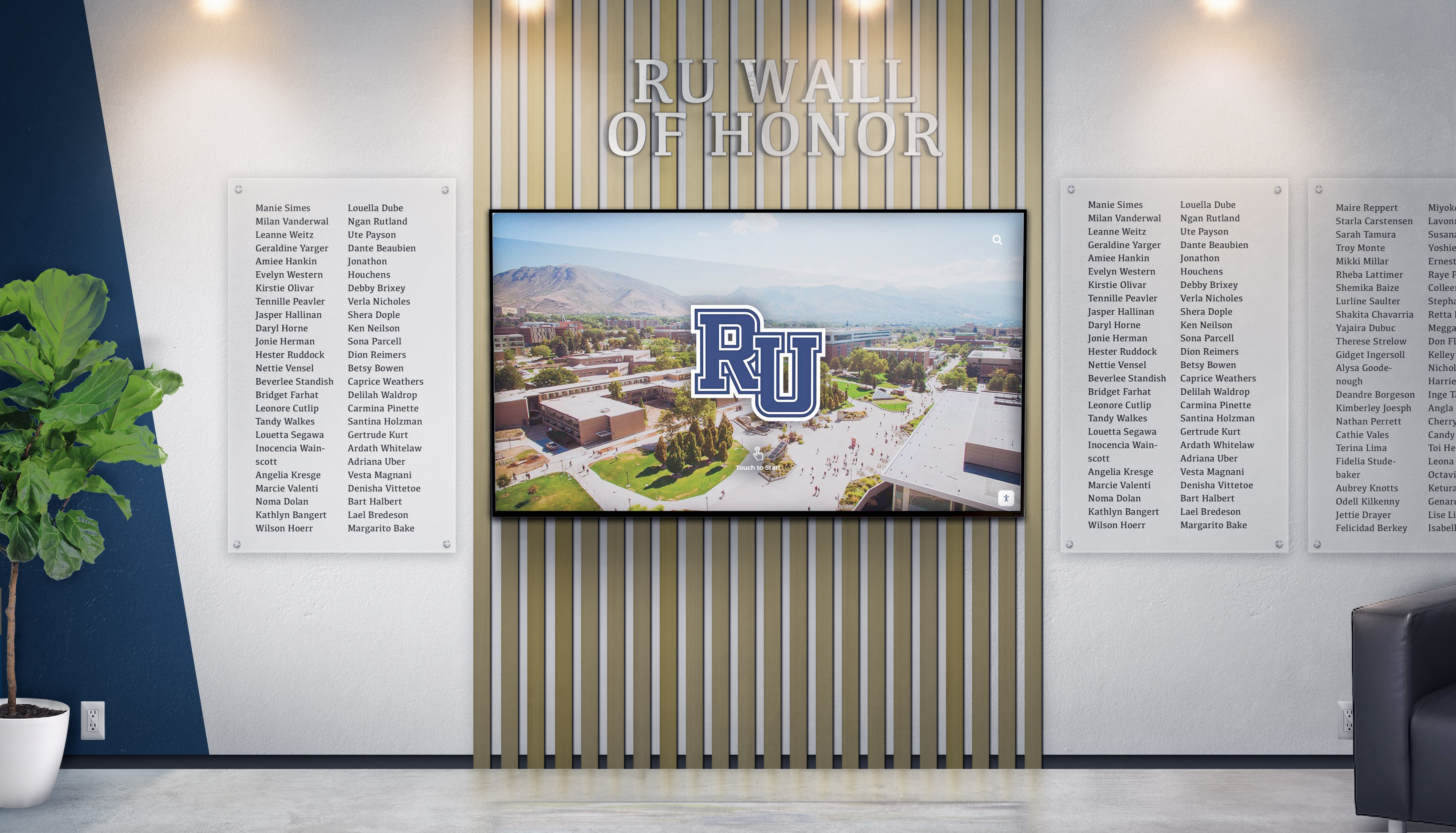
Professional installations honor heritage while creating accessible, engaging digital archive experiences
The practical benefits prove equally compelling. Digital formats protect materials from deterioration and disaster while enabling unlimited simultaneous access without physical handling. Geographic and temporal access expansion serves exponentially more users than physical-only archives. Full-text search and advanced discovery capabilities support research impossible through manual examination. Usage analytics demonstrate value and guide continuous improvement. Educational integration serves schools and lifelong learners. Social sharing amplifies library visibility organically.
According to community engagement research from OCLC, libraries building strong community connections through programs like digital collections grow relationships and increase impact. Digital archives provide engagement infrastructure supporting educational programs, genealogical research, tourism initiatives, and community identity while generating measurable usage justifying continued investment.
Successful implementation requires systematic approaches addressing collection assessment, digitization methodology, platform selection, metadata creation, community engagement, and sustainable management. While requiring upfront investment, long-term value proves substantial as collections serve multiple community needs simultaneously while ensuring irreplaceable heritage receives permanent preservation.
The future of community heritage preservation is digital. Libraries beginning systematic digitization today position themselves to continuously build comprehensive collections serving generations while remaining relevant in increasingly digital environments. Those delaying risk losing irreplaceable materials while missing opportunities to demonstrate value and strengthen community connections through accessible local history.
Your community heritage deserves preservation honoring its significance while serving current needs. With thoughtful planning, appropriate technology solutions like those from Rocket Alumni Solutions, and commitment to community engagement, you can transform vulnerable physical collections into dynamic digital archives celebrating your past while building your future community connections.
Ready to begin your digital transformation? Explore comprehensive approaches to building online digital archives or learn about digital transformation in libraries that creates engaging community experiences.
Sources
- Digital Public Library of America
- Library of Congress Digital Collections
- NYPL Digital Collections
- Digital Commonwealth - Massachusetts Collections
- Chicago Public Library Digital Collections
- Co-Creating Digital Experiences with Public Libraries - Library of Congress
- Community Engagement: Build Connections - OCLC
- Editorial: Redefining Impact - Digital Libraries and Communities
- Los Angeles Public Library Digitization & Special Collections