



Intent: demonstrate — Private schools face unique fundraising challenges that require balancing tuition revenue with philanthropic support essential for maintaining competitive academic programs, facility excellence, faculty compensation, and financial aid opportunities that define institutional quality. Unlike public schools with tax-based funding or large universities with established endowments, independent schools rely heavily on well-executed fundraising strategies that inspire sustained giving across diverse constituent groups.
The most successful private school fundraising ideas don’t merely extract donations—they build engaged communities where supporters feel genuine connection to institutional mission, understand the tangible impact their generosity creates, and receive meaningful recognition that transforms one-time gifts into lifelong philanthropic partnerships. This transition from transactional fundraising to relationship-based advancement fundamentally changes how schools approach donor engagement.
Digital warming describes this transformation—when cold, impersonal development programs become vibrant community experiences through personalized content, compelling storytelling, and visible recognition that makes every supporter feel valued. Rather than donors existing as names in databases receiving generic acknowledgment, modern approaches create individualized experiences that celebrate generosity while demonstrating how contributions translate directly to student success and institutional excellence.
This comprehensive guide explores effective private school fundraising ideas spanning capital campaigns for transformational facility projects and annual giving programs that sustain operational excellence. You’ll discover how digital recognition technology amplifies campaign effectiveness, learn strategic approaches for engaging alumni and current families, and understand how solutions like Rocket Alumni Solutions create the donor engagement infrastructure essential for fundraising success that builds lasting institutional vitality.

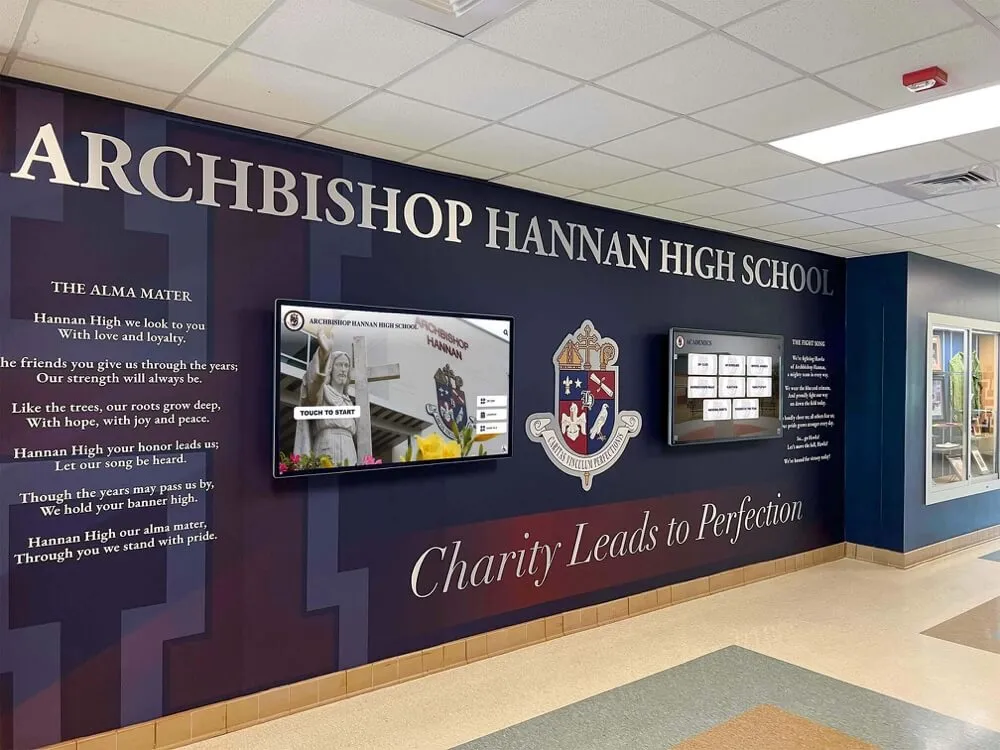
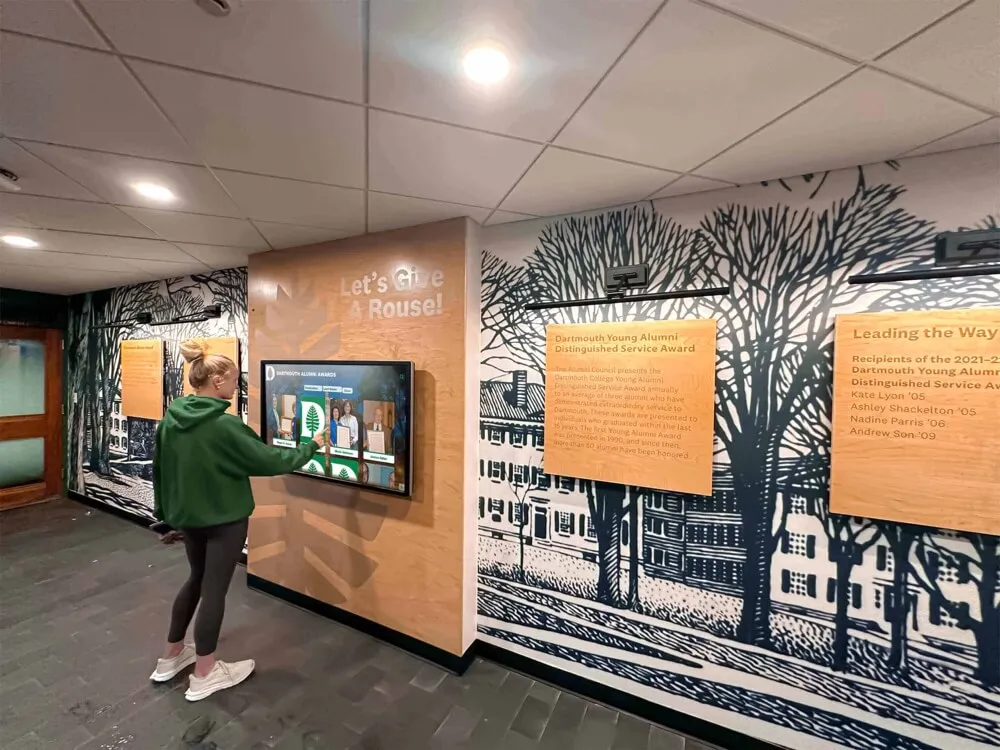
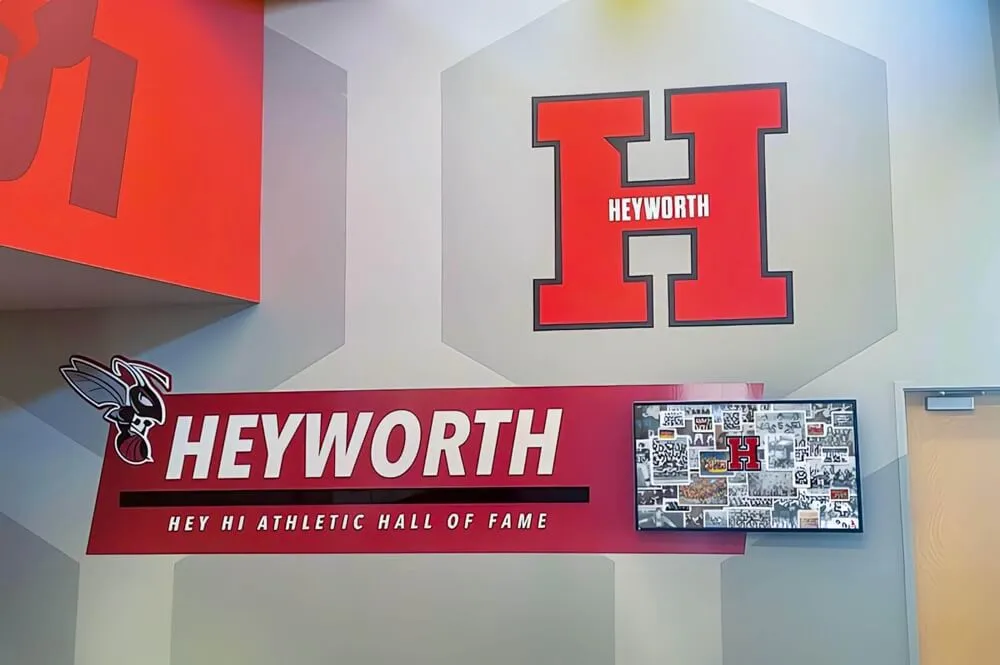
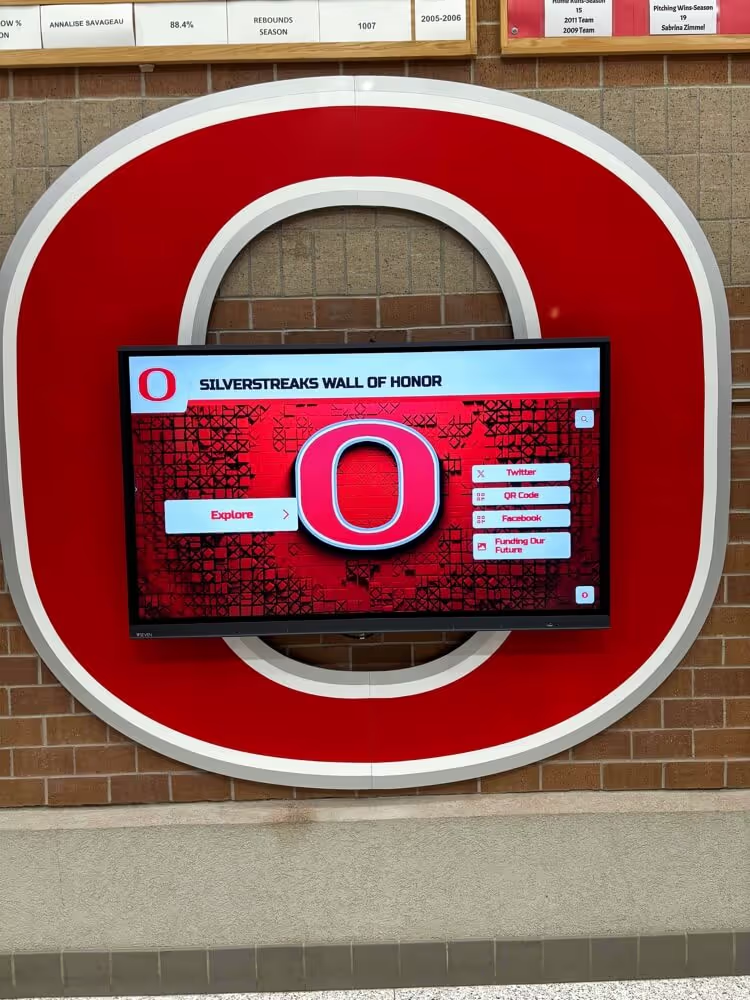
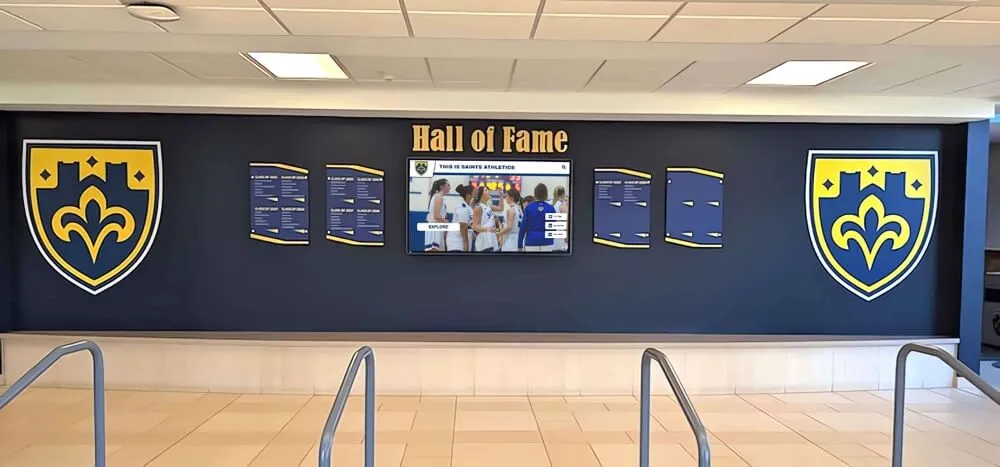
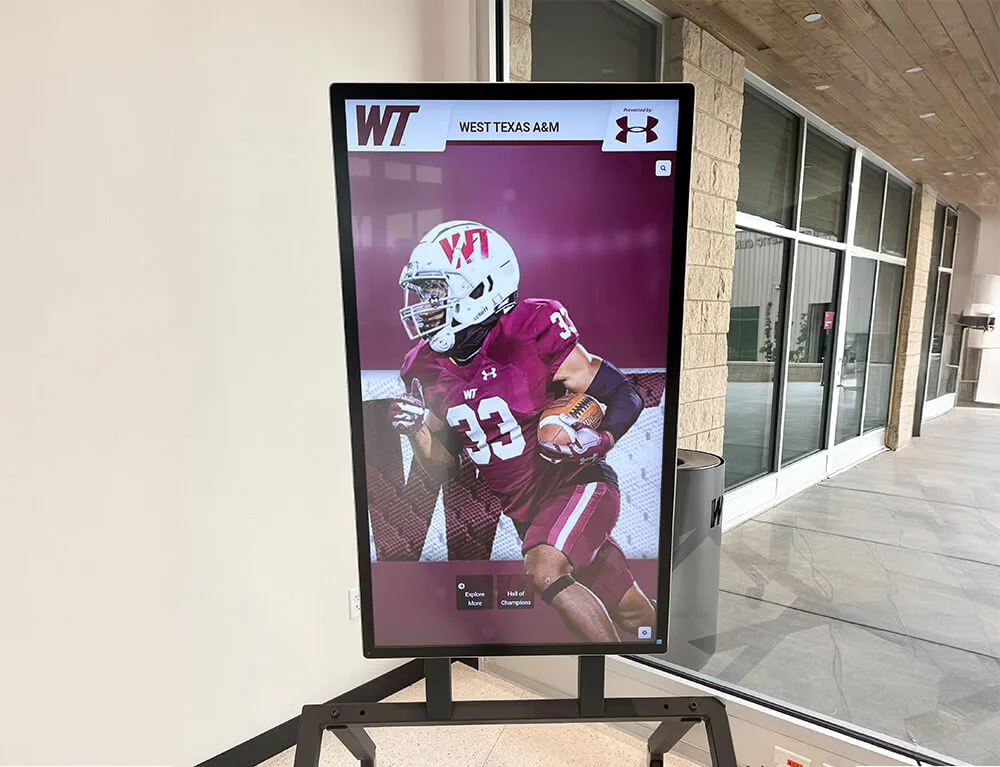
Modern donor recognition transforms passive acknowledgment into engaging experiences that inspire continued generosity
Understanding Private School Fundraising Landscape
Private schools operate in competitive environments where fundraising effectiveness directly impacts institutional quality, affordability, and long-term sustainability.
Why Private Schools Need Robust Fundraising Programs
Tuition revenue alone cannot sustain the comprehensive programs and exceptional experiences that distinguish leading private schools from alternatives.
The Gap Between Tuition and True Educational Cost
Even at premium tuition levels, the actual cost of delivering exceptional private education typically exceeds what families pay by 15-30%. This gap funds faculty professional development, small class sizes, specialized programs, facility maintenance, technology infrastructure, and financial aid opportunities that make education accessible regardless of family circumstances. Philanthropic support bridges this difference, enabling schools to maintain quality without pricing education beyond most families’ reach.
Research consistently shows that schools with strong annual giving programs maintain lower tuition increases while providing superior programs compared to institutions relying exclusively on tuition revenue.
Capital Needs Beyond Operating Budgets
Major facility improvements, campus expansions, athletic complex renovations, performing arts center construction, and technology infrastructure upgrades require capital investments far exceeding annual operating capacity. Capital campaigns enable transformational projects that would take decades to fund through gradual budget allocations while responding to competitive pressures from peer institutions investing in facility excellence.
Endowment Building for Long-Term Sustainability
Endowment funds generate perpetual income supporting scholarships, faculty positions, program excellence, and operational stability that protects schools from enrollment fluctuations or economic downturns. Building substantial endowments requires sustained fundraising focus attracting major gifts, planned giving commitments, and multi-year pledge fulfillment creating financial foundations ensuring institutional longevity.
Financial Aid and Accessibility Commitments
Private schools increasingly recognize that socioeconomic diversity strengthens educational experiences while fulfilling mission commitments to serve talented students regardless of financial capacity. Robust financial aid programs require substantial fundraising dedication as scholarship costs represent pure expense with no tuition revenue offset—making donor support essential for maintaining accessibility.

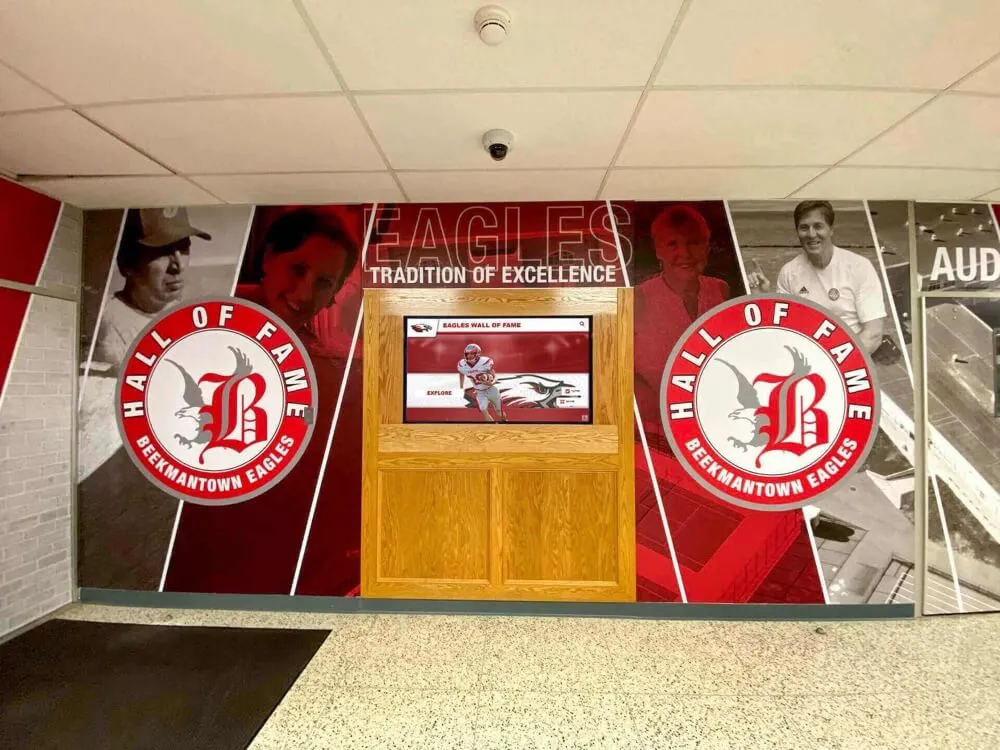
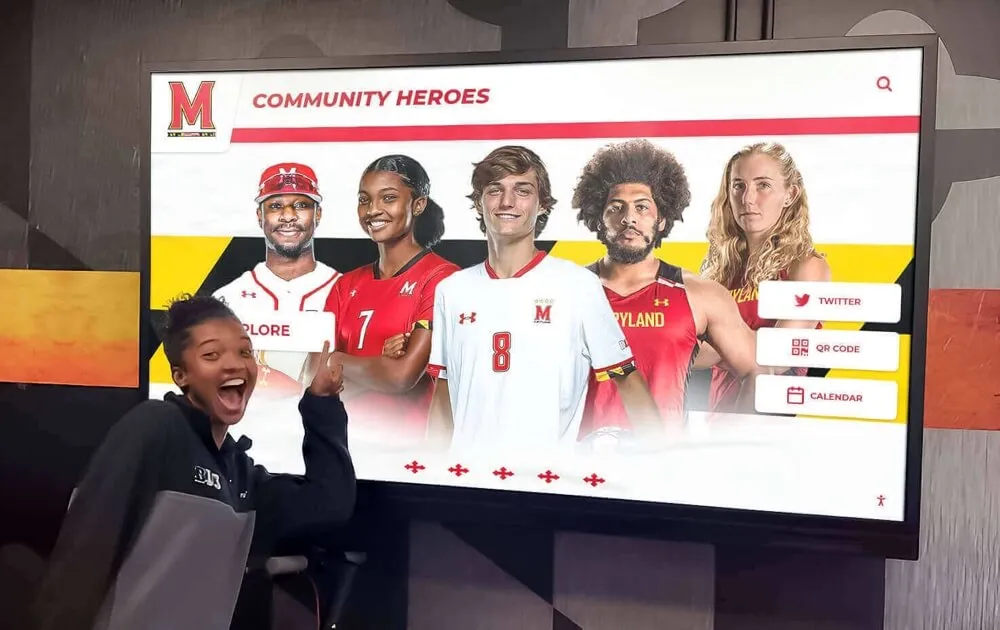
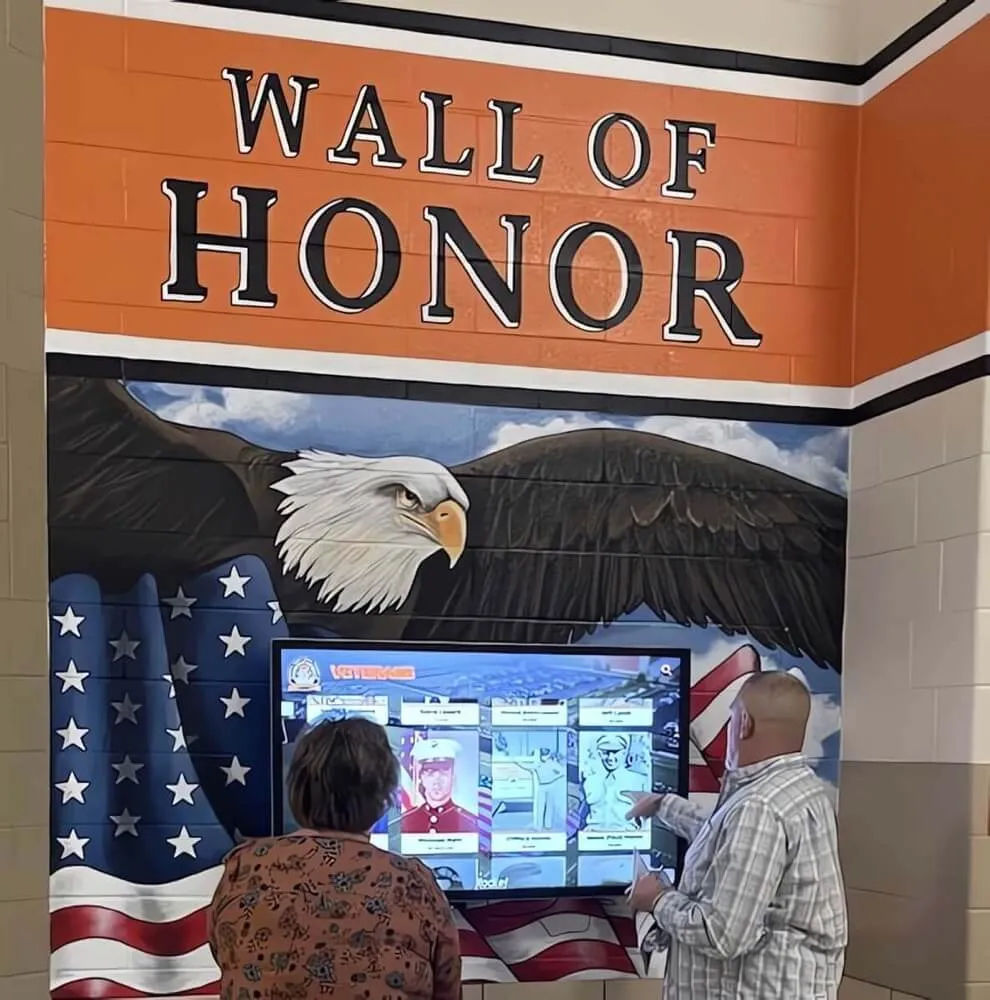
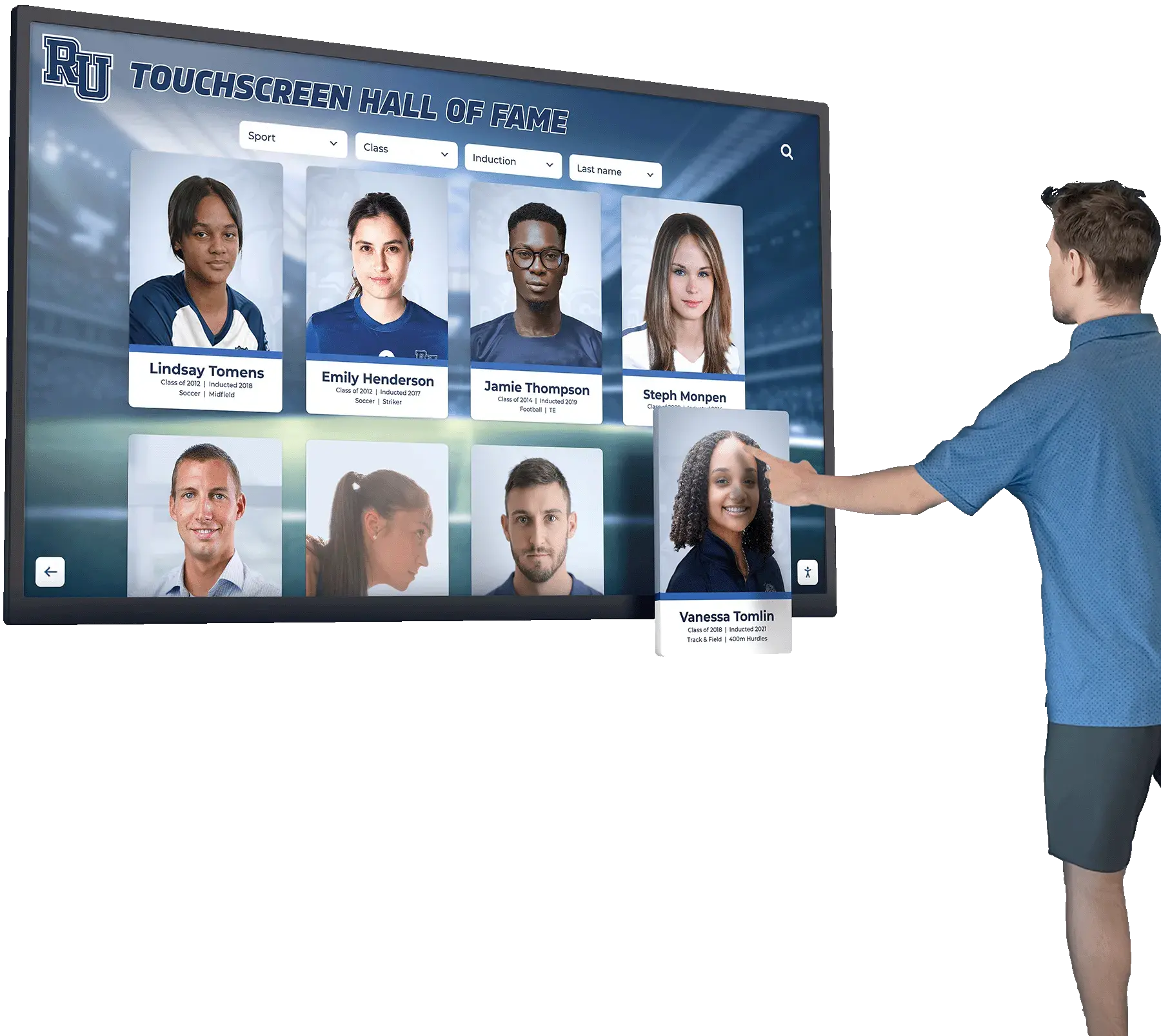
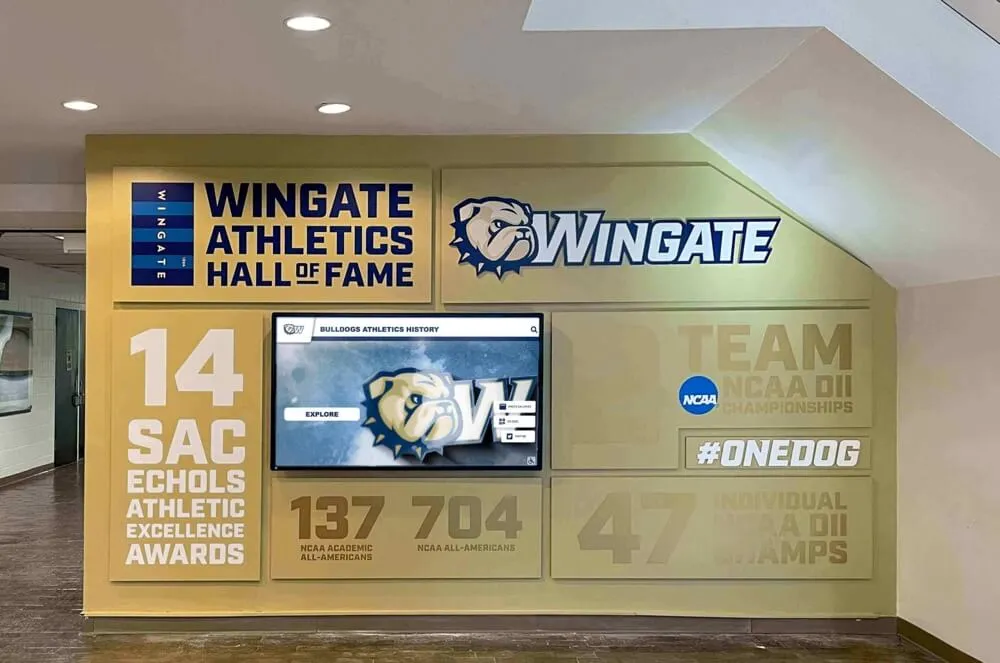
Strategic recognition installations demonstrate institutional values while celebrating supporter generosity
Key Donor Constituencies for Private Schools
Successful private school fundraising engages diverse constituencies with varying connections to institutions and giving motivations.
Current Parents Supporting Student Experience
Parents with children currently enrolled represent the most accessible donor constituency, motivated by direct benefit their families receive from school excellence. Annual giving participation from current parents typically reaches 60-90% at well-managed schools, though average gift sizes often remain modest as families balance tuition payments with philanthropic capacity. Capital campaigns offer opportunities for major gifts from families with greater wealth seeking lasting impact through named spaces or transformational facility improvements.
Alumni Reconnecting with Formative Experiences
Alumni constitute long-term donor constituencies whose giving potentially spans decades following graduation. However, engaging alumni requires systematic relationship building starting during student years and continuing through graduation transitions, early career establishment, and wealth accumulation phases. Schools that maintain robust alumni engagement programs consistently achieve higher lifetime giving compared to institutions treating alumni as occasional solicitation targets.
Grandparents and Extended Family Members
Multi-generational family connections create fundraising opportunities extending beyond immediate parents to grandparents, aunts, uncles, and extended relatives who take pride in students’ educational experiences. These supporters often possess greater philanthropic capacity than younger parents while appreciating involvement opportunities that deepen connections with grandchildren’s lives. Strategic engagement programs specifically designed for grandparents generate substantial giving while strengthening family-school bonds.
Faculty, Staff, and Trustee Leadership
Internal constituency giving demonstrates institutional confidence essential for external fundraising credibility. When board members, administrators, and faculty contribute according to capacity, external donors gain assurance that those closest to institutional operations believe in missions worth supporting. Many capital campaigns establish 100% board participation targets before public phase launches, recognizing that internal constituency commitment signals campaign viability.
Community Partners and Local Businesses
Private schools serve broader communities beyond enrolled families, creating relationship opportunities with local businesses, civic organizations, and community members who value educational excellence as regional assets. Corporate partnerships might focus on sponsoring specific programs, supporting scholarship funds, or contributing to facility projects while gaining community visibility and employee recruitment advantages from school relationships.
Strategic Capital Campaign Fundraising Ideas
Capital campaigns fund transformational projects that elevate institutional quality while creating lasting legacies for major donors seeking visible, enduring impact.
Planning Effective Capital Campaign Structures
Thoughtful campaign design establishes frameworks for success while creating clear pathways from planning through celebration.
Feasibility Studies and Goal Setting
Professional feasibility studies conducted before formal campaign launches assess community philanthropy potential, test project appeal, identify prospective major donors, and establish realistic fundraising targets. These studies typically involve confidential interviews with 30-50 key prospects exploring giving capacity and project enthusiasm. Results inform campaign structuring, timeline development, and goal establishment reflecting achievable targets while maintaining necessary ambition.
Schools skipping feasibility studies risk establishing unrealistic goals creating failure perceptions that undermine momentum, or conversely, setting overly modest targets that fail to capitalize on genuine donor capacity and enthusiasm.
Multi-Year Pledge Structures
Capital campaigns typically span 3-5 years enabling major donors to fulfill substantial commitments through annual payments rather than single lump sums. This payment flexibility dramatically increases giving capacity as $50,000 donors transform into $200,000 contributors when commitments spread across four years. Clear pledge documentation, annual reminder systems, and consistent donor stewardship ensure high pledge fulfillment rates essential for campaign success.
Leadership Gift Phase Before Public Launch
Sophisticated campaigns follow quiet phases where leadership gifts from top prospects secure 60-70% of campaign goals before public announcements. This substantial early success demonstrates momentum and feasibility to broader constituencies, creating bandwagon effects that ease subsequent fundraising. Public launch events celebrating already-achieved milestones generate excitement while removing uncertainty about campaign viability that might otherwise discourage participation.
Naming Opportunities and Recognition Levels
Structured naming opportunity menus provide donors with clear options at various investment levels—entire buildings, specific rooms, program endowments, scholarship funds, or facility components. Detailed naming guidelines establish minimum gift thresholds, duration specifications (permanent versus term recognition), and family input processes. Well-designed recognition structures balance donor desires for visibility with institutional naming standards that prevent facility clutter or inappropriate commercialization.
Learn comprehensive approaches for capital campaign donor recognition that honor transformational gifts while inspiring continued engagement.

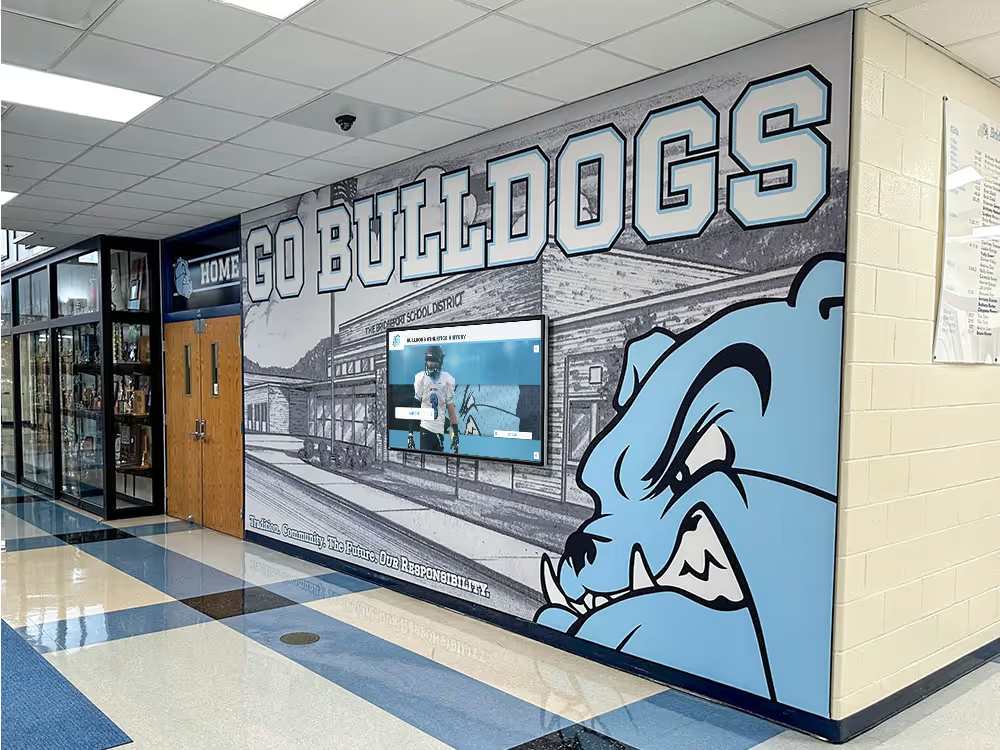
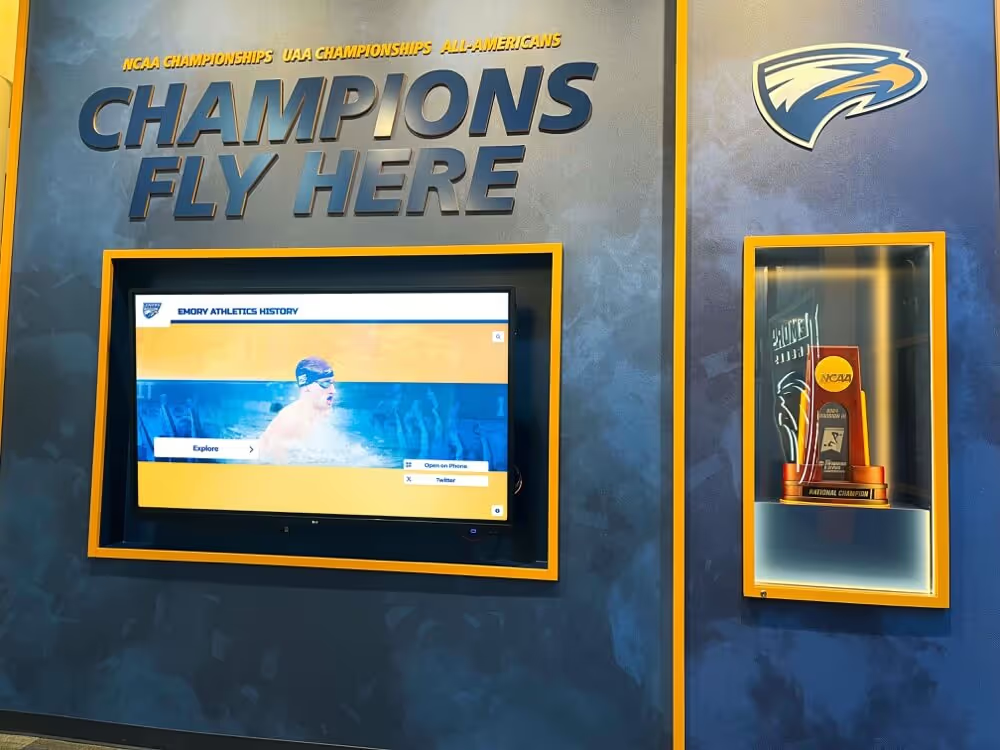
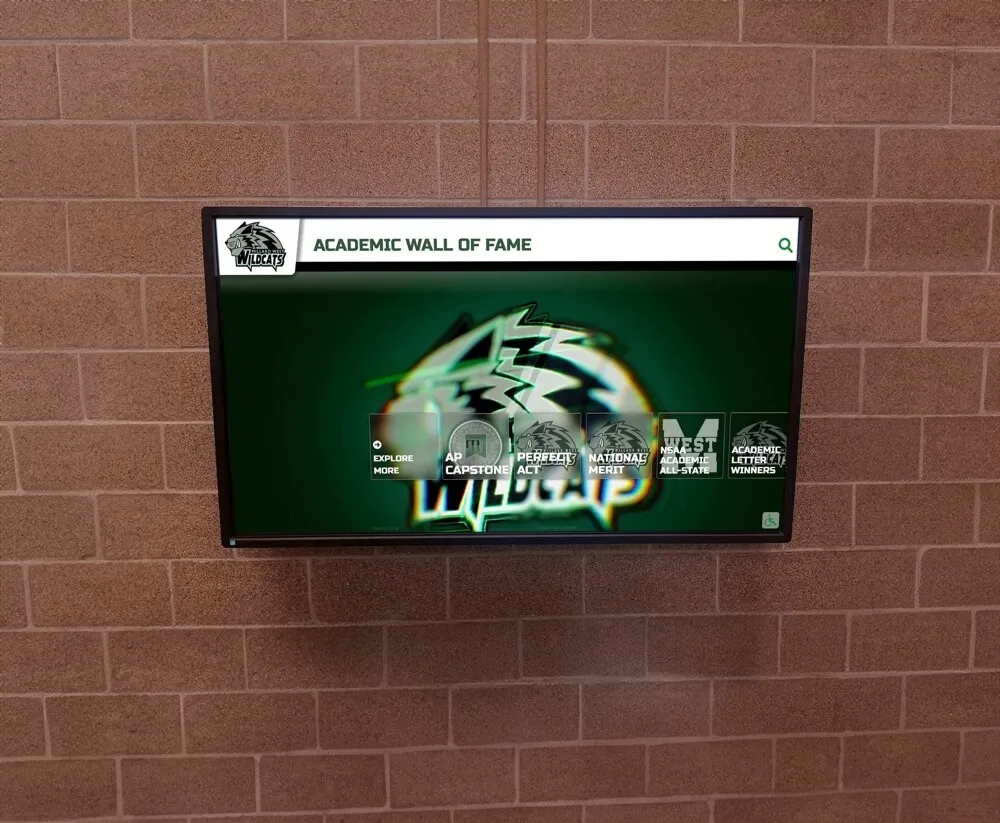
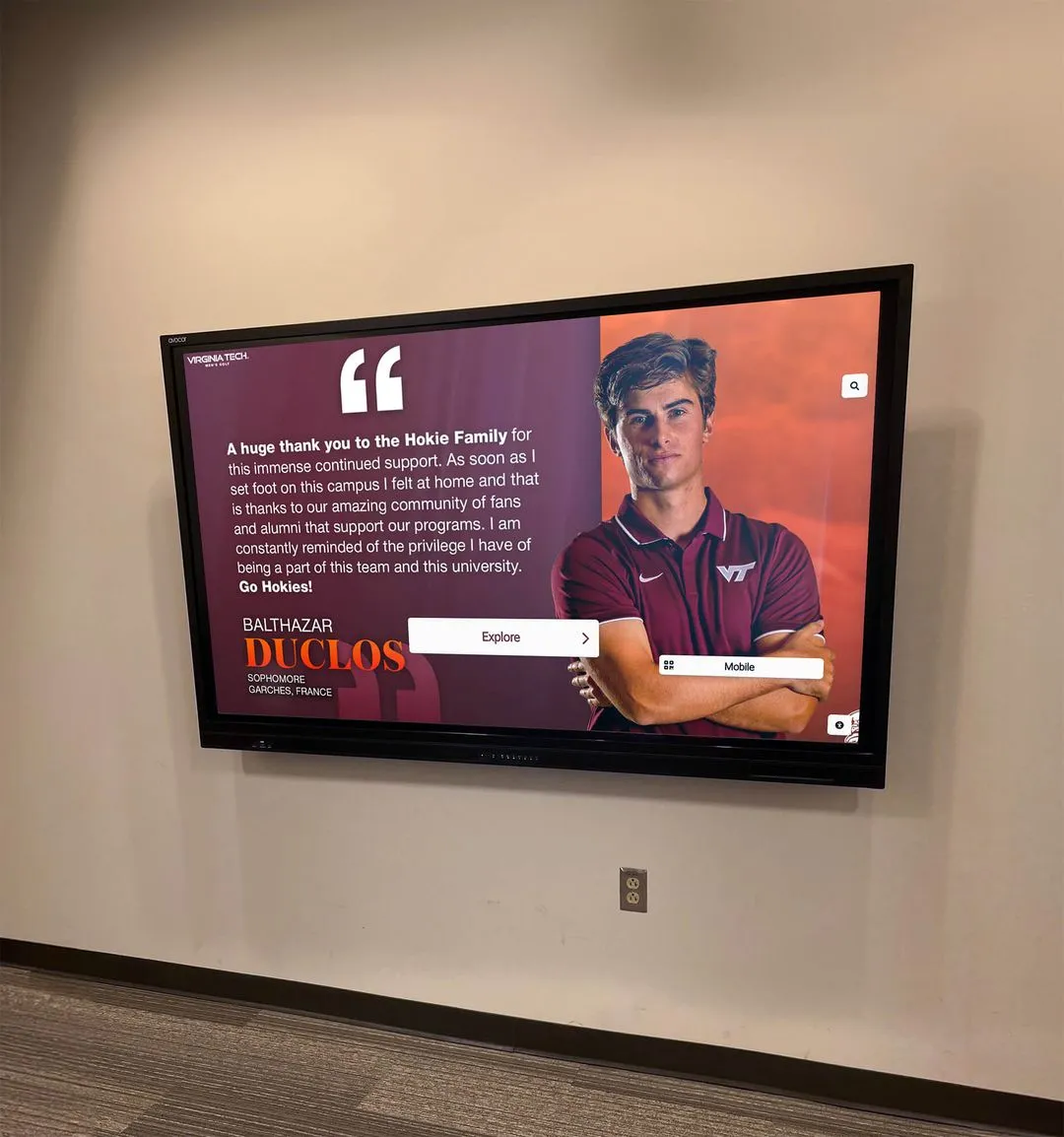
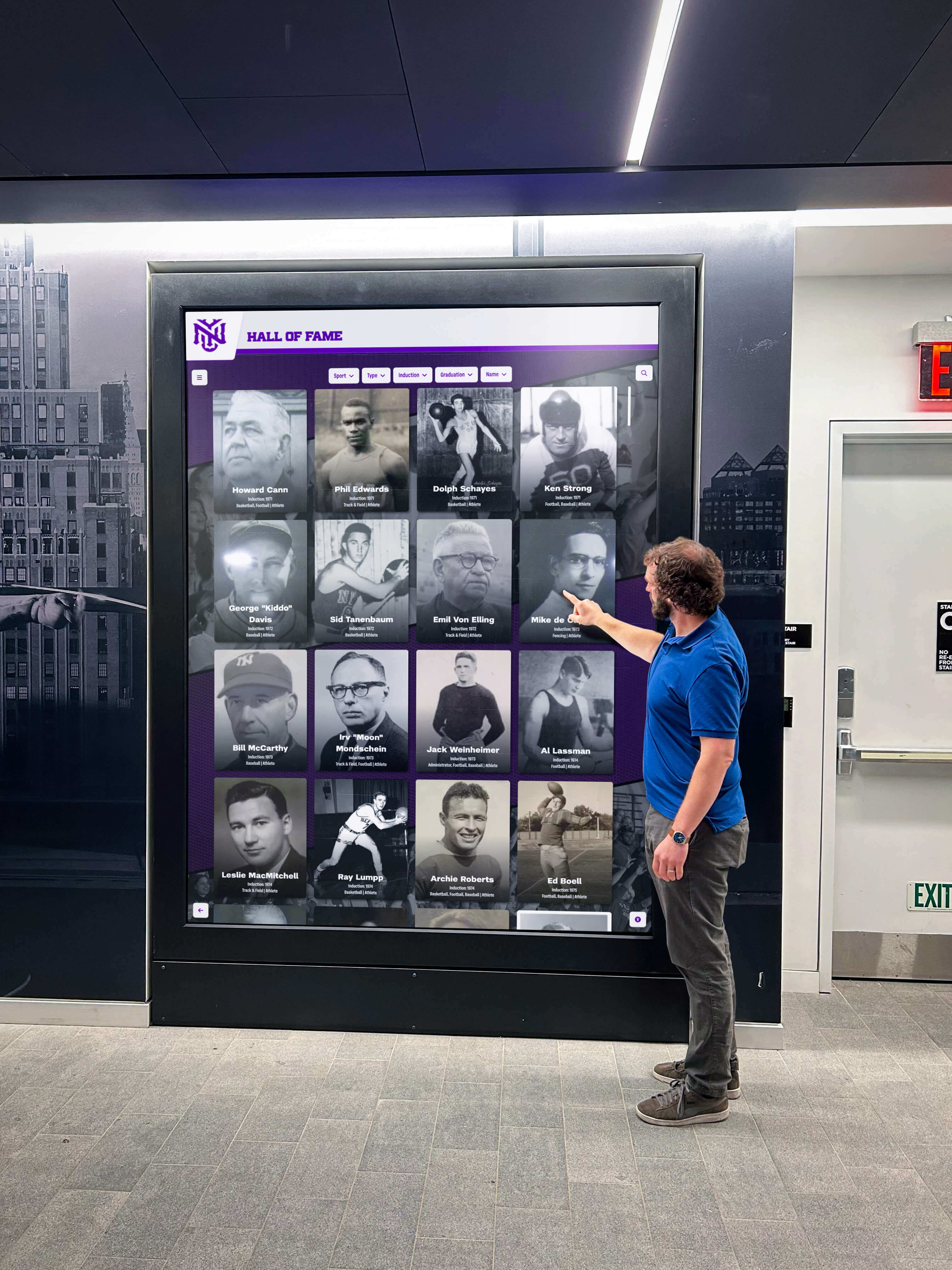
Athletic facility recognition connects donor support to tangible program excellence students experience daily
Compelling Capital Campaign Project Types
Strategic project selection ensures campaigns address genuine institutional needs while appealing to donor interests and creating visible community impact.
New Construction and Campus Expansion
New building projects generate excitement while addressing space constraints limiting program capacity or enrollment growth. Science and technology centers respond to STEM education emphasis, performing arts facilities celebrate creative programs, athletic complexes support competitive sports and wellness initiatives, and classroom additions enable enrollment expansion or smaller class sizes improving educational quality.
Compelling new construction combines functional necessity with aspirational vision, demonstrating how facilities enable program excellence impossible in current spaces while creating architectural statements reflecting institutional values and ambition.
Facility Renovation and Modernization
Renovation projects update aging infrastructure, improve accessibility, incorporate modern technology, and refresh aesthetics creating environments matching contemporary educational best practices. Library transformations into learning commons, classroom technology upgrades, athletic facility modernization, and historic building preservation balance tradition with innovation while addressing deferred maintenance that eventually becomes unavoidable financial burdens.
Renovation campaigns particularly appeal to alumni who remember spaces from student years, creating nostalgia connections while demonstrating institutional commitment to continuous improvement benefiting current and future students.
Endowment Building for Perpetual Impact
Endowment campaigns create permanent funds generating ongoing income supporting specific purposes—named scholarships, endowed faculty chairs, program support funds, or general operating endowments strengthening financial stability. While lacking tangible physical presence of building projects, endowment campaigns offer perpetual impact appealing to donors seeking gifts that benefit students decades beyond their lifetimes.
Named endowments provide lasting legacy recognition through permanent fund designations ensuring donor names remain associated with supported programs across generations. Schools implementing endowment recognition displays make abstract endowment support visible and celebrated comparable to named building recognition.
Technology and Innovation Initiatives
Technology-focused campaigns fund classroom technology infrastructure, campus-wide connectivity improvements, innovation labs, makerspaces, or specialized equipment supporting STEM, arts, or vocational programs. These projects demonstrate institutional commitment to preparing students for technology-driven futures while addressing continuous equipment replacement needs that operating budgets struggle to accommodate.
Technology campaigns particularly resonate with younger alumni and parents working in technology industries who understand equipment importance while valuing schools preparing students for careers in innovation-driven fields.
Comprehensive Campus Master Plan Campaigns
The most ambitious capital campaigns address multiple projects simultaneously through phased master plans spanning 5-10 years. Comprehensive approaches might include new construction, facility renovations, campus beautification, technology infrastructure, and endowment components creating holistic institutional transformations. While complexity increases, master plan campaigns enable transformational change impossible through isolated projects while providing diverse giving opportunities matching varied donor interests and capacity levels.
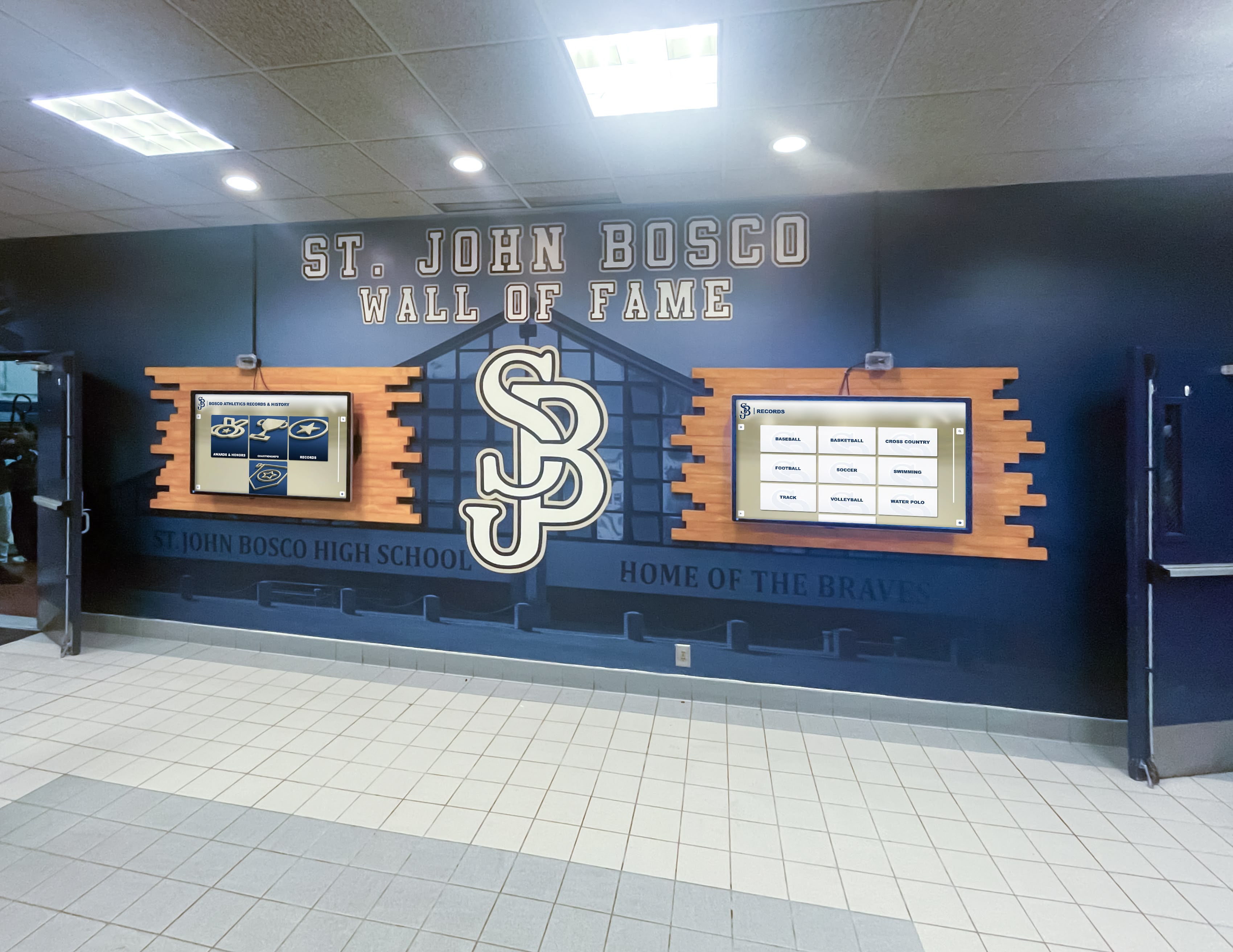
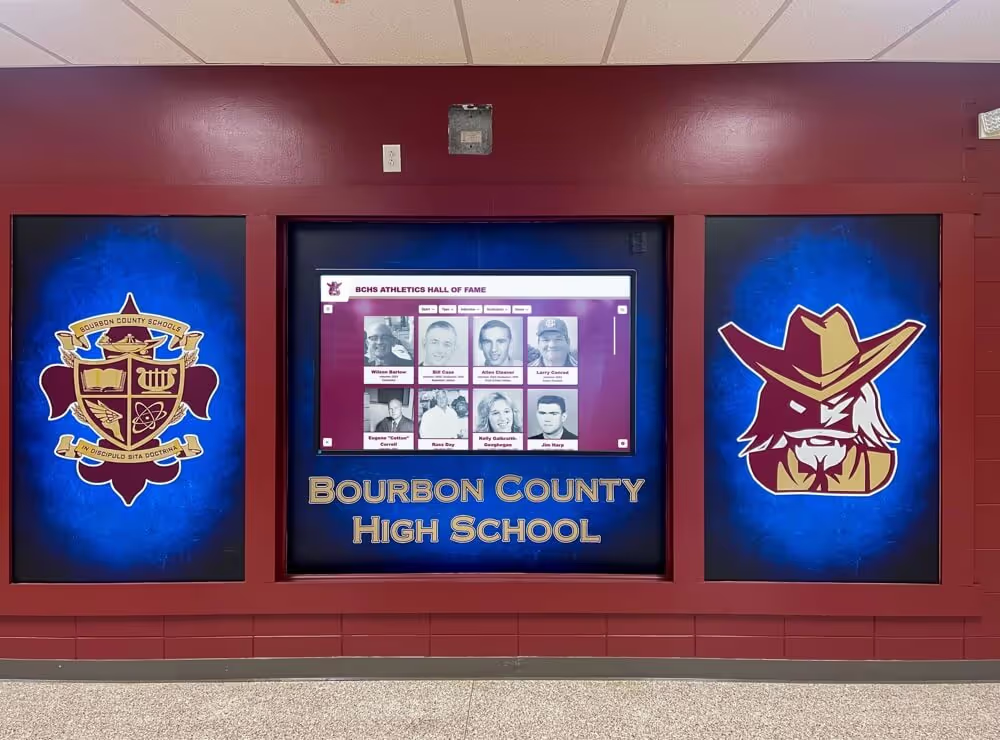
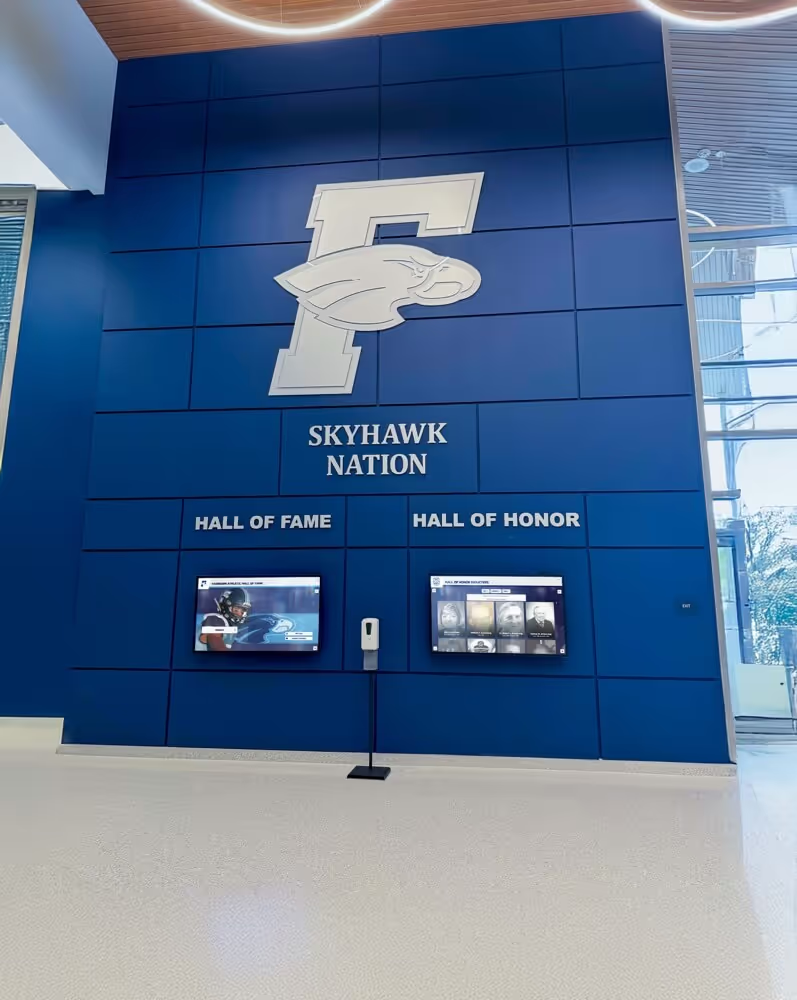
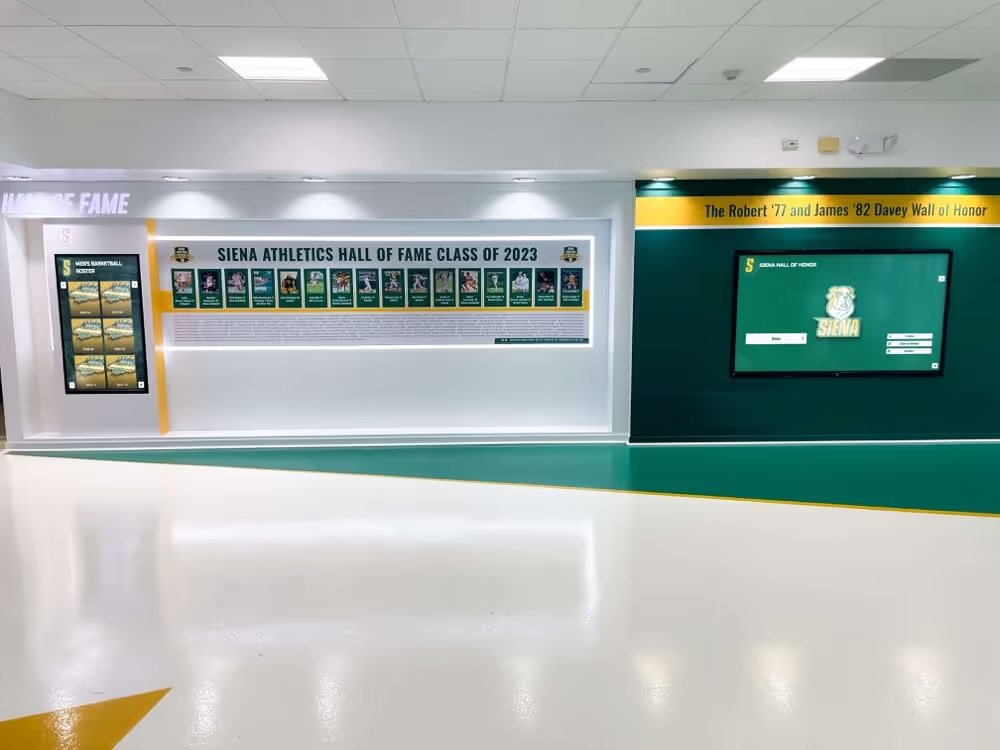
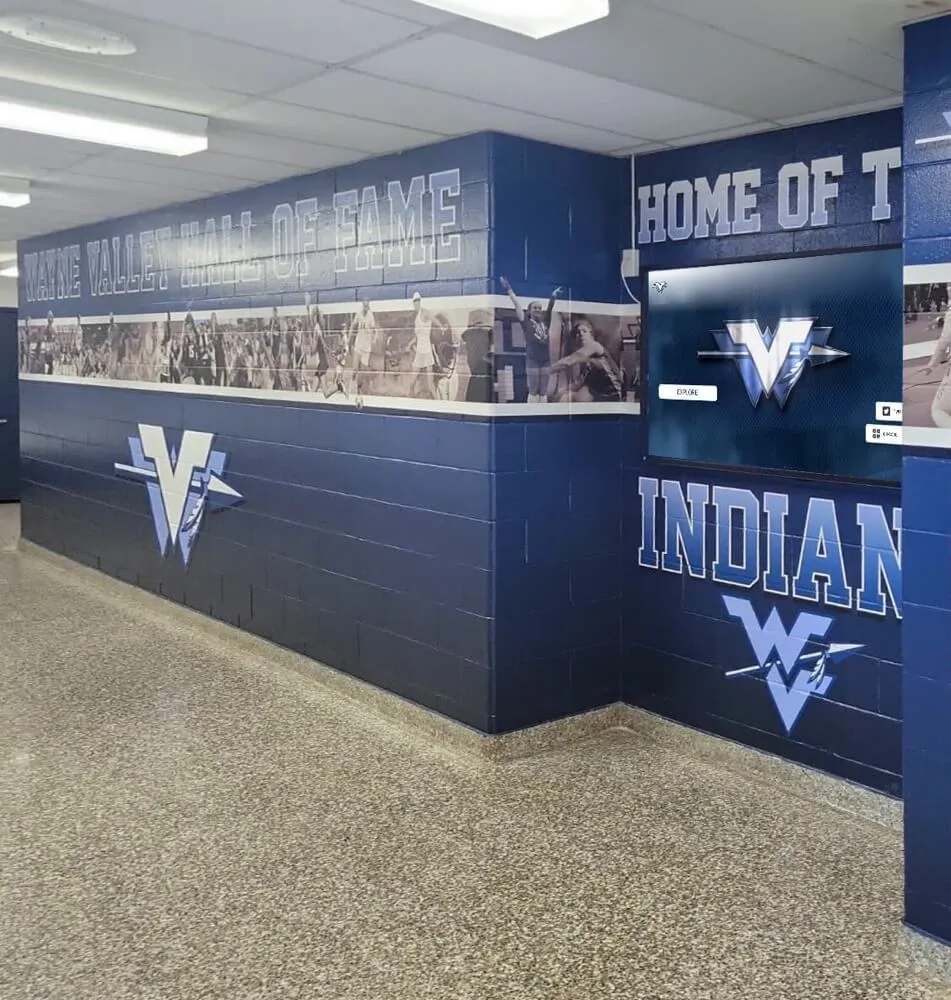
Coordinated multi-display installations provide comprehensive capacity for diverse donor recognition
Major Gift Solicitation Strategies
Capital campaign success depends heavily on major gifts requiring personalized cultivation, strategic solicitation, and sustained stewardship.
Personal Relationship Building and Discovery
Major gift fundraising begins with understanding prospects’ connections to schools, philanthropic interests, giving capacity, and recognition preferences through patient relationship development. Development officers conduct informal conversations, arrange facility tours, coordinate meetings with school leaders, and involve prospects in advisory capacities revealing authentic interests while building trust essential for eventual solicitation.
This discovery phase might span months or years for top prospects, recognizing that rushed solicitations typically yield smaller gifts than patient cultivation enabling donors to develop genuine enthusiasm and ownership feelings about projects they’ll support.
Peer Solicitation and Leadership Engagement
Prospect peers—fellow trustees, classmates, or community leaders—often make most effective solicitors, leveraging relationships and credibility development professionals cannot replicate. Strategic solicitation teams pair volunteers with prospects based on relationship strength, shared backgrounds, or mutual interests while providing training, materials, and support ensuring confident, effective asks.
Board member engagement proves particularly critical as trustees willing to make personal solicitation calls demonstrate commitment beyond governance responsibilities, inspiring confidence among prospects evaluating whether campaigns warrant their participation.
Compelling Project Presentations and Vision Casting
Effective solicitations communicate how proposed projects transform educational quality, enable program innovation, or address critical needs constraining institutional excellence. Professional presentations combine architectural renderings, student testimonials, faculty explanations of program benefits, and financial projections demonstrating how gifts translate to specific outcomes rather than disappearing into general budgets.
The most compelling presentations connect emotionally while providing analytical rigor—engaging hearts through inspiring vision while satisfying minds through demonstrated planning competence and financial accountability.
Multi-Meeting Cultivation Process
Major gift solicitations rarely succeed in single conversations. Sophisticated approaches follow cultivation progressions: initial project introduction generating interest, detailed presentations addressing questions and concerns, draft proposal reviews incorporating donor input, formal solicitations requesting specific amounts, negotiation and refinement discussions, and commitment celebrations recognizing decisions. This patient progression demonstrates respect for significant financial commitments while enabling donors to gain confidence supporting projects with substantial personal resources.
Creative Giving Mechanisms and Planned Gifts
Beyond cash contributions, capital campaigns accommodate diverse giving mechanisms matching donor circumstances—appreciated securities avoiding capital gains taxes, real estate donations, retirement account designations, charitable remainder trusts providing income while supporting schools, life insurance policy gifts, and legacy commitments through estate planning. Development professionals work with donor advisors structuring gifts maximizing tax efficiency while accomplishing philanthropic goals, often enabling larger commitments than cash-only approaches would allow.
Annual Giving Program Fundraising Ideas
While capital campaigns fund transformational projects, annual giving programs generate unrestricted operating support enabling day-to-day excellence distinguishing leading schools from adequate institutions.
Building Participation-Focused Annual Fund Culture
Successful annual giving emphasizes broad participation across constituencies rather than focusing exclusively on gift size, creating inclusive philanthropic cultures where all contributions matter.
Every Gift Counts Philosophy
Strong annual funds maintain that gifts at any level demonstrate commitment deserving celebration rather than dismissing modest contributions as insignificant. This inclusive philosophy encourages participation from young alumni with limited current capacity, parents balancing tuition payments, and community supporters lacking major wealth but valuing educational excellence. High participation rates—particularly among current parents and recent alumni—create positive peer pressure while generating fundraising momentum benefiting all development activities.
Schools publicly tracking participation percentages rather than only dollar totals communicate that donor count matters as much as gift size, encouraging involvement from those who might otherwise dismiss their modest capacity as unworthy of participation.
Class Competition and Social Dynamics
Class-based friendly competition creates engagement especially effective with alumni constituencies. Reunion class challenges, decade comparisons, and graduation year participation races generate competitive motivation while leveraging social dynamics where individuals support causes their peers embrace. Recognition highlighting leading classes by participation percentage encourages collective action while distribution across multiple competitive categories enables various groups to achieve recognition regardless of absolute wealth concentration.
Learn how class-based recognition programs celebrate diverse constituencies while building engagement.
Parent Participation Targets and Peer Influence
Current parent annual giving participation typically represents institutional health metrics with strong programs achieving 70-90% participation. Class parent volunteers leading peer solicitation, visible participation thermometers, and classroom-level friendly competition create social expectations around participation while making giving convenient through integrated tuition payment options or volunteer hour exchanges for modest financial gifts.
The social dimension proves particularly powerful as parents naturally discuss school experiences creating environments where non-participation feels conspicuous rather than giving feeling optional.
Recognition Beyond Contribution Size
Thoughtful recognition programs celebrate consecutive years of giving, first-time donors, upgraded gift levels, young alumni participation, and volunteer leadership alongside major gift acknowledgment. Multi-dimensional recognition prevents situations where only wealthy donors receive visibility while grassroots supporters whose collective impact often equals large individual gifts feel ignored. Digital recognition platforms like Rocket Alumni Solutions enable comprehensive acknowledgment impossible with space-constrained traditional donor walls.
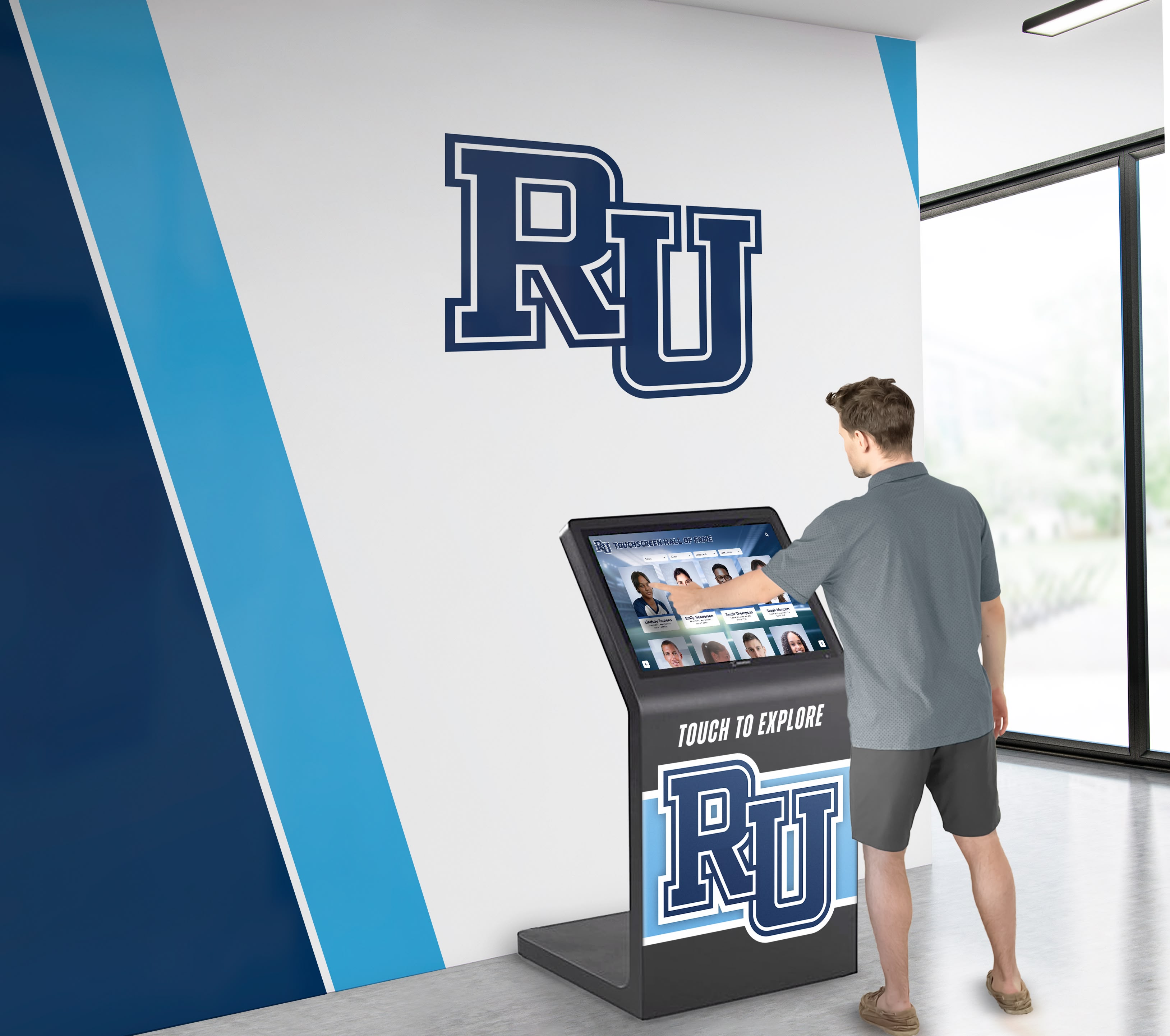
Interactive donor recognition extends acknowledgment beyond static plaques to engaging discovery experiences
Creative Annual Fund Solicitation Approaches
Varied solicitation methods reach diverse constituencies through channels matching their communication preferences and engagement patterns.
Personalized Annual Fund Appeals
Segmented direct mail and email campaigns deliver tailored messaging reflecting recipient characteristics—parent versus alumni status, previous giving history, program interests, graduation decades, or geographic locations. Personalization extends beyond mail merge to substantive content customization: parents hear about current program needs, alumni receive nostalgia-driven messaging about tradition preservation, and lapsed donors see specific descriptions of impact their renewed participation would create.
Advanced schools incorporate personalized ask amounts reflecting prior giving adjusted for suggested upgrades, removing decision paralysis about appropriate contribution levels while creating clear upgrade pathways.
Phone-a-Thon Campaigns with Current Students
Student callers contacting alumni and parents create personal connections impossible through written appeals alone while providing authentic testimony about current school experiences. These campaigns generate immediate gifts through conversation warmth and social pressure inherent in real-time requests while gathering valuable information about contact details, engagement interests, and circumstances affecting giving capacity.
Beyond immediate revenue, phone-a-thons build constituent relationships and demonstrate how current students benefit from past donor generosity—creating tangible connections between philanthropic support and student success that motivates continued giving.
Matching Gift Challenges and Deadline Urgency
Challenge grants from lead donors or trustees who match community gifts dollar-for-dollar (or at other ratios) create urgency and leverage, effectively doubling gift impact while generating deadline-driven momentum. Limited-time challenges—24-hour giving days, week-long match campaigns, or end-of-fiscal-year sprints—create urgency motivating procrastinating donors while generating excitement through visible fundraising progress toward match thresholds.
These campaigns particularly benefit from real-time giving thermometers on school websites and social media, enabling donors to watch community participation create momentum.
Monthly Sustainer Programs and Recurring Gifts
Monthly giving programs enable substantial annual contributions through manageable installments—$100 monthly donors contribute $1,200 annually without single $1,200 check stress. Automatic recurring gifts also provide predictable revenue streams enabling better budgeting while reducing annual re-solicitation needs. Sustainer programs particularly appeal to younger alumni and parents who manage finances through monthly budgets rather than annual planning.
Special recognition for sustained monthly givers—perhaps exclusive events, personalized impact reports, or premium acknowledgment—creates elite community feelings justifying ongoing commitments.
Peer-to-Peer Fundraising and Social Networks
Empowering supporters to fundraise among personal networks through customized giving pages, social media campaigns, and email solicitation of friends extends institutional reach far beyond development office capacity. Parents leveraging business networks, alumni engaging classmates, or students mobilizing extended families become force multipliers generating gifts from prospects schools might never reach directly.
Successful peer-to-peer programs provide supporters with compelling content, messaging templates, and recognition celebrating fundraising leadership alongside direct giving—honoring those who inspire others’ generosity as essential partners in advancement mission.
Demonstrating Annual Fund Impact
Donors, especially those making modest gifts, need clear understanding of how unrestricted annual operating support translates to specific student and program benefits.
Restricted Giving Options Within Annual Fund
While operating flexibility makes unrestricted support valuable, some donors prefer designating gifts to specific purposes—financial aid, specific academic departments, athletic programs, arts initiatives, or campus ministry. Providing restricted giving options within broader annual fund frameworks accommodates these preferences while avoiding excessive fund fragmentation that complicates budget management. Clear communication about unrestricted support’s flexibility value helps donors understand that non-designated gifts often create greatest impact by addressing highest-priority needs.
Impact Storytelling and Beneficiary Testimonials
Abstract appeals about operating support pale compared to specific stories showing how annual fund dollars help real students. Scholarship recipient testimonials, teacher appreciation for professional development funding, student testimony about program participation enabled by annual support, or facility improvement celebrations create concrete connections between donations and outcomes.
Schools gathering systematic impact stories throughout years maintain content libraries supporting varied communication while preventing last-minute scrambles for examples during campaign season.
Financial Transparency and Budget Context
Sophisticated donors appreciate understanding how annual fund contributions fit within broader institutional budgets—what percentage funds financial aid, faculty compensation, program excellence, or facility operations. Annual reports combining fundraising results with financial statements demonstrate accountability while building confidence that contributions receive professional stewardship rather than careless administration.
This transparency particularly matters for donors making substantial annual commitments who want assurance that gifts create intended impact rather than substituting for tuition revenue or subsidizing inefficiency.
Year-End Results Communication and Celebration
Annual fund cycle conclusions warrant celebration communicating results, thanking participants, and demonstrating impact achieved through collective generosity. Results reports highlighting total raised, participation rates across constituencies, specific accomplishments funded, and donor recognition appropriate to various levels create satisfaction while setting foundations for subsequent year solicitation.
Celebration messaging frames annual giving as community accomplishment rather than institutional extraction—emphasizing collective achievement supporting shared commitment to educational excellence.
Explore comprehensive approaches in annual giving recognition programs that build sustained engagement.
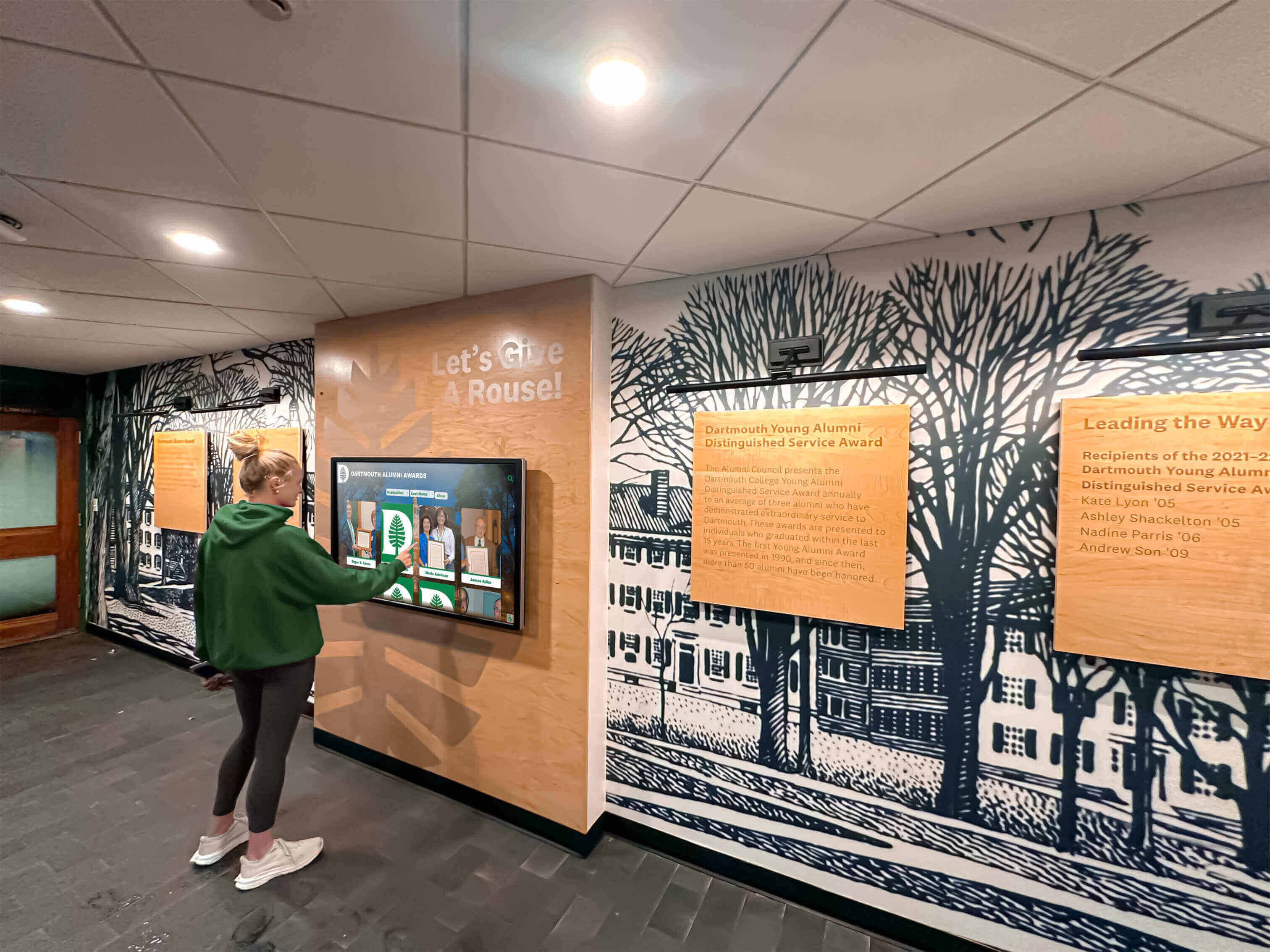
Student-accessible recognition displays demonstrate donor impact while building next-generation philanthropic values
Leveraging Digital Recognition for Fundraising Success
Modern donor recognition technology transforms acknowledgment from momentary ceremony expressions into permanent engagement infrastructure supporting sustained fundraising effectiveness.
Digital Donor Recognition Walls as Fundraising Tools
Beyond honoring past generosity, strategic recognition systems actively support ongoing cultivation, solicitation, and stewardship essential for development success.
Unlimited Capacity for Comprehensive Acknowledgment
Traditional donor walls face space constraints forcing difficult decisions about which supporters receive visibility. Digital platforms like Rocket Alumni Solutions eliminate these limitations, accommodating thousands of donors across all giving levels without capacity concerns or cost-per-name expenses. This comprehensive approach ensures every contributor receives appropriate recognition regardless of gift size—creating inclusive philanthropic cultures where all participation matters while preventing situations where modest donors feel undervalued compared to major gift honorees.
Unlimited capacity particularly benefits schools with broad-based annual giving programs where hundreds or thousands of family donors deserve acknowledgment alongside capital campaign leadership gift makers.
Real-Time Recognition Supporting Campaign Momentum
Cloud-based content management enables immediate donor acknowledgment—contributors making commitments see recognition published within hours rather than waiting months for traditional plaque production. This responsiveness demonstrates organizational efficiency while providing instant gratification reinforcing giving decisions through immediate visible impact.
During active campaigns, real-time recognition displays function as dynamic progress dashboards showing campaign advancement, recent gifts, and participation milestones creating urgency that motivates prospect action rather than indefinite delay. Visible momentum generates bandwagon effects as undecided prospects see peers making commitments.
Rich Profiles Celebrating Complete Supporters
Digital recognition extends beyond name listings to comprehensive profiles honoring donors as complete individuals—professional portraits, biographical narratives, personal statements explaining giving motivations, family connections to schools, volunteer service documentation, and giving histories showing sustained commitment. These rich profiles transform generic acknowledgment into meaningful celebration that donors share with pride through social networks, extending recognition visibility far beyond campus audiences.
When prospective donors explore existing recognition during campus visits or online research, compelling current donor profiles provide social proof demonstrating that generous, successful, thoughtful people support institutions—creating aspirational feelings that inspire their own participation.
Searchable Databases Enabling Personal Discovery
Interactive donor recognition lets visitors search for themselves, classmates, family members, neighbors, or professional colleagues discovering personal connections within supporter communities. These discovery moments create emotional engagement impossible with alphabetical lists—when alumni find former teammates are fellow donors, when parents discover neighbors supporting same programs, when students see mentors contributing to opportunities they benefit from, these realizations transform abstract institutional support into tangible community commitment.
Searchability dramatically increases engagement time as visitors explore content for 3-5 minutes compared to 10-20 second glances at static plaques, deepening recognition impact through sustained interaction.
Recognition Integration with Advancement Activities
Strategic recognition systems function as active development tools supporting cultivation meetings, solicitation presentations, and stewardship communications throughout donor lifecycles.
Cultivation Meeting Demonstrations
Recognition displays in development offices provide powerful cultivation tools during prospect meetings. Development professionals can showcase comprehensive donor communities, highlight relevant peers from similar backgrounds or giving levels, demonstrate recognition quality inspiring confidence about appropriate acknowledgment, and explain recognition benefits accompanying various contribution levels. This tangible demonstration proves more effective than abstract discussion about eventual recognition.
Strategic display placement in advancement areas where donors visit during tours or meetings ensures natural recognition visibility without forced demonstrations feeling like sales tactics.
Solicitation Proposal Visualization
During major gift solicitations, showing prospects exactly how their recognition will appear—through mockups demonstrating their names in digital displays, describing profile content they’ll approve, explaining searchability enabling friends and family to discover their generosity—makes abstract acknowledgment concrete. This visualization helps donors envision recognition they’ll receive, increasing gift likelihood while ensuring accurate expectation setting preventing disappointment about acknowledgment they’ll eventually see.
Stewardship Communication Content
Donor recognition provides ongoing stewardship touchpoints—thank-you letters including direct links to published recognition profiles, anniversary messages celebrating multi-year giving with profile updates highlighting sustained commitment, impact reports connecting gifts to student outcomes with beneficiary photos alongside donor recognition, and milestone communications recognizing giving society achievement with screenshots showing their names among esteemed communities.
These substantive touchpoints replace generic acknowledgment with personally relevant content strengthening relationships while demonstrating that contributions receive appropriate attention beyond perfunctory receipt letters.
Campaign Progress Visualization
Public-facing recognition displays showing campaign progress—total funds raised, donor participation counts, recent gifts, and advancement toward goals—create transparency while generating excitement. These progress visualizations particularly benefit campaigns during public phases when momentum visibility encourages additional participation from prospects watching community response.
Campaign thermometer integration transforms lobbies into fundraising dashboards that visitors, prospective families, and community members encounter during routine facility usage, extending campaign awareness beyond targeted communications to ambient institutional messaging.
Learn comprehensive approaches in digital donor wall implementation supporting fundraising objectives.
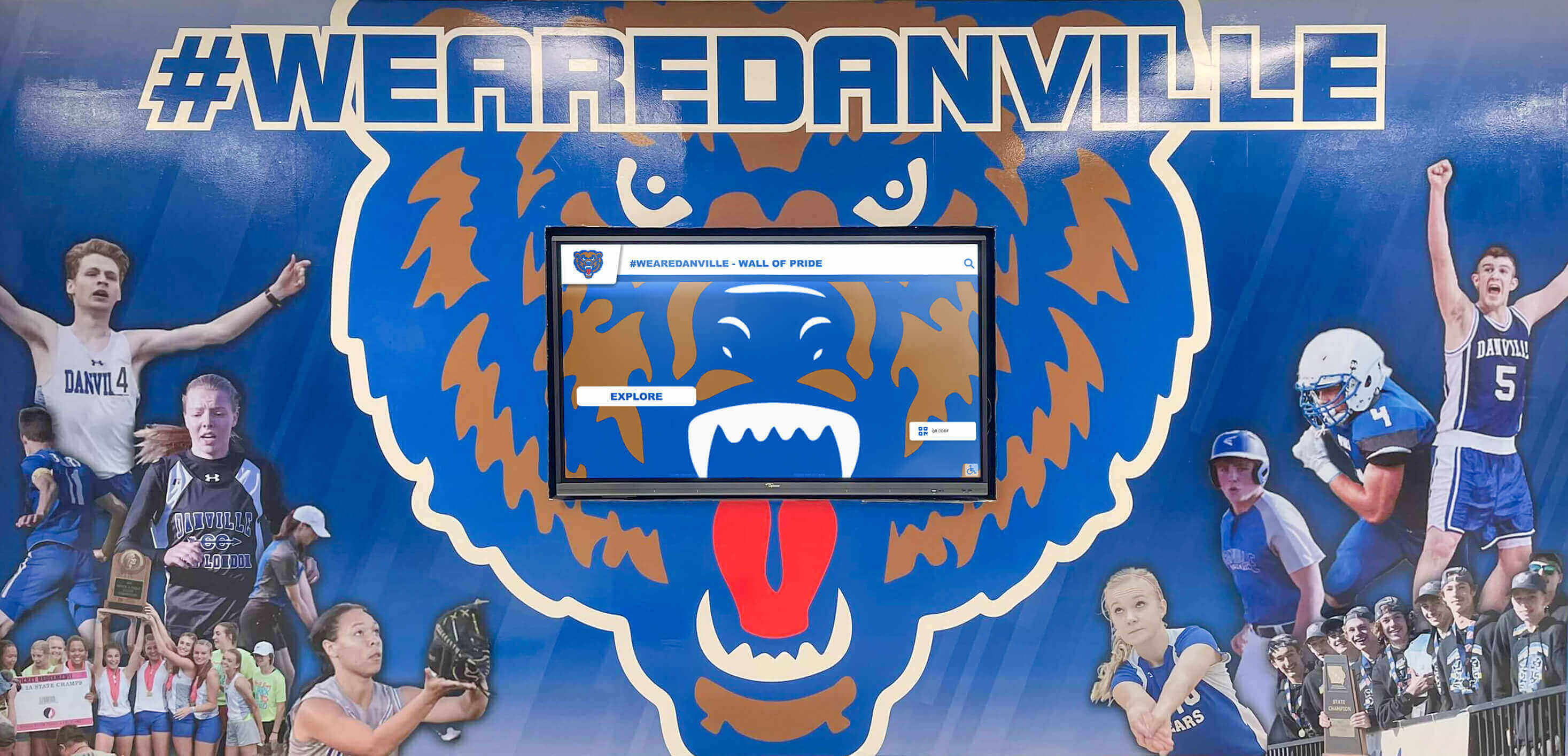
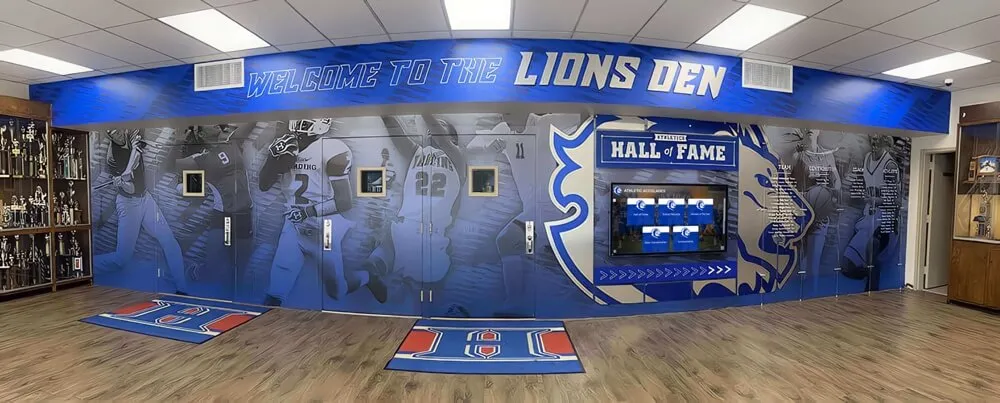
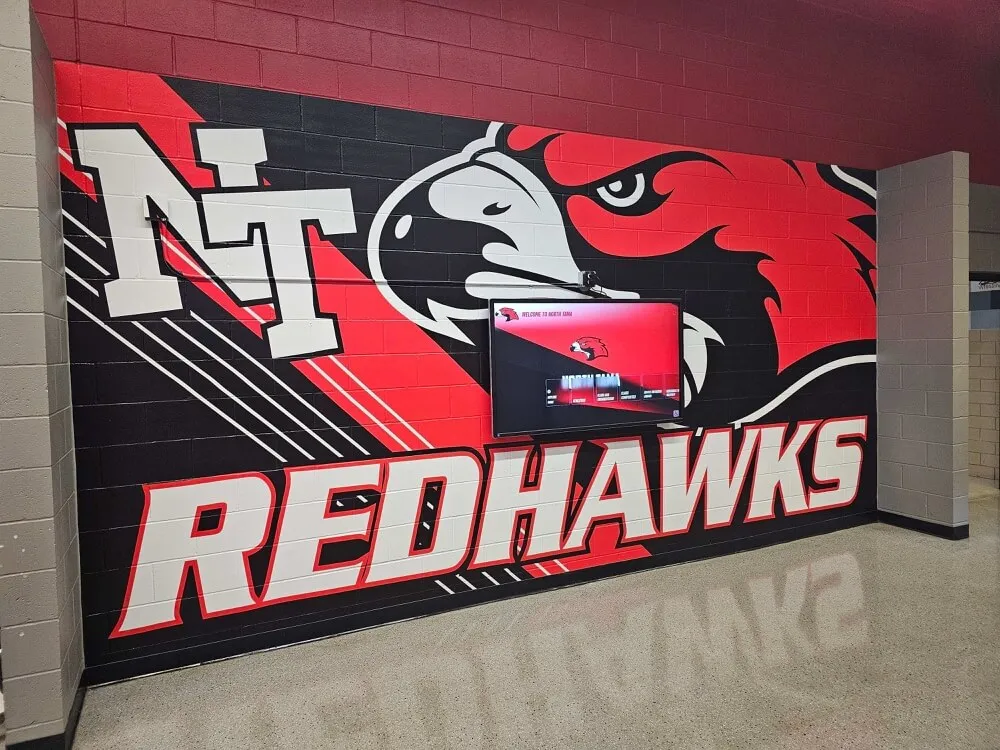
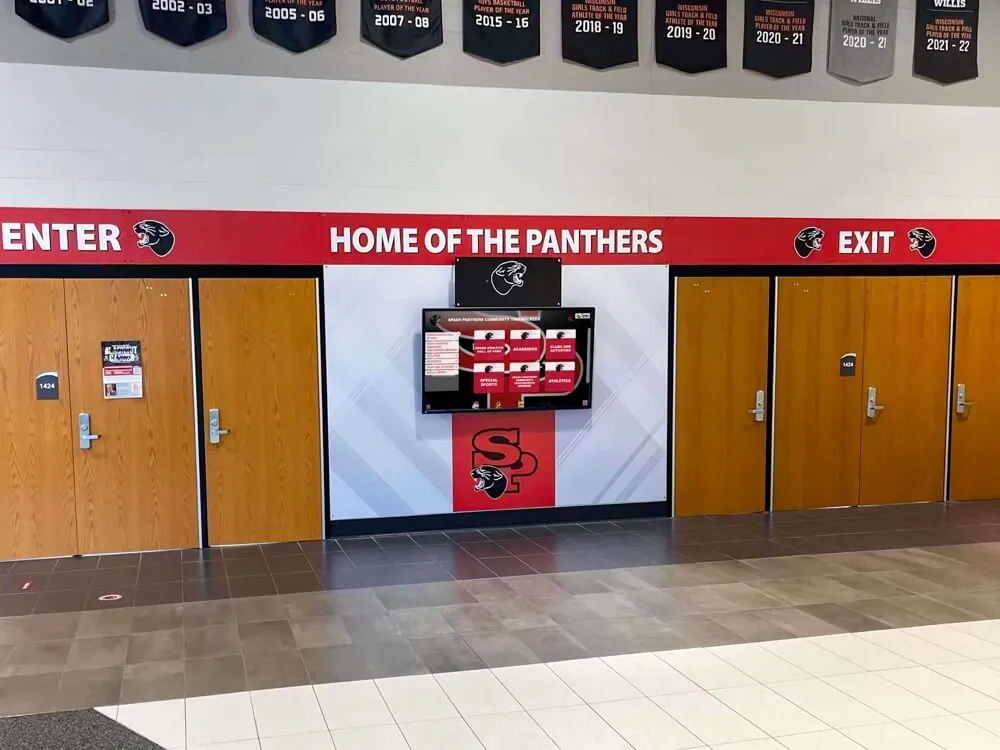
Branded recognition installations honor school identity while celebrating supporter generosity
Data Insights Supporting Strategic Development
Digital recognition platforms generate engagement analytics impossible with traditional approaches, providing quantitative evidence informing development strategy refinement.
Recognition Engagement Metrics
Touchscreen display analytics reveal interaction patterns and content preferences—total engagement counts measuring overall interest, session duration indicating content depth and genuine engagement versus casual glancing, search patterns showing what visitors seek and how they explore recognition, most-viewed profiles identifying donor stories resonating most strongly, and time-of-day usage patterns informing optimal content rotation schedules.
These metrics support continuous improvement decisions. If analytics show visitors primarily search specific names rather than browsing featured content, enhanced search capabilities might warrant priority. If session durations prove shorter than desired, content richness or visual interest might need enhancement.
Web Platform Analytics
Online recognition extensions generate web analytics demonstrating reach beyond physical campus visitors—website traffic volume, geographic distribution showing donor recognition access from distant locations, referral sources revealing discovery methods including social media and search engines, and social sharing activity measuring content amplification through personal networks.
Web analytics demonstrate recognition value extending far beyond campus-bound audiences to global constituencies including distant alumni—proving return on investment that traditional plaques limited to facility visitors cannot deliver.
Constituent Engagement Correlation
Schools tracking both recognition platform usage and broader engagement metrics can identify correlations between donor recognition visibility and advancement outcomes—retention rate improvements among recognized donors, giving level progression for supporters receiving enhanced visibility, and referral patterns where recognized donors inspire peer participation.
While isolating causation proves difficult given multiple variables affecting donor behavior, directional relationships support recognition investment decisions while identifying engagement best practices worthy of replication.
Integrating Fundraising Across School Experience
The most effective private school fundraising ideas integrate development naturally throughout institutional experience rather than treating advancement as isolated activity separate from education, community, and culture.
Student Engagement Building Future Philanthropists
Current students represent future alumni donors whose philanthropic values form during school years—making student engagement essential for long-term development pipeline health.
Service Learning and Philanthropy Education
Incorporating philanthropy education into curricula helps students understand giving’s role in sustaining institutions and communities. Service learning projects, nonprofit organization partnerships, student grant-making programs distributing modest funds to chosen causes, and fundraising skill development through real campaigns create experiential learning while forming lifelong philanthropic habits.
Schools teaching students about fundraising, donor motivations, and nonprofit financial models create informed future supporters who understand why their eventual alumni giving matters rather than viewing solicitations as mysterious institutional demands.
Student Participation in Recognition Programs
When students help create donor recognition content—conducting donor interviews, photographing recognition subjects, writing donor profiles, or designing recognition displays—they develop personal connections to generous supporters while learning about gratitude importance and acknowledgment professionalism. These experiences build appreciation for current philanthropy supporting their educations while demonstrating recognition’s role in donor stewardship.
Student recognition committees or advancement interns create leadership development opportunities while distributing content creation responsibilities beyond overburdened development staff.
Gratitude Culture and Donor Connection
Systematic programs connecting students with scholarship donors, capital campaign supporters, or annual fund contributors through thank-you letters, video messages, or personal meetings create emotional connections demonstrating direct impact of philanthropic support. When donors see and hear from students their generosity helps, abstract giving becomes tangible partnership in educational success—strengthening satisfaction while building likelihood of continued future support.
Schools implementing student recognition programs celebrating diverse achievements build cultures valuing contribution and community beyond academic competition.
Alumni Relations Programming Supporting Fundraising
Strong alumni engagement programs create relationships enabling natural fundraising conversations rather than treating graduated students as prospecting targets absent intervening connection.
Young Alumni Engagement and Pipeline Development
Early-career alumni typically lack significant giving capacity but represent crucial relationship-building opportunities. Programming specifically designed for recent graduates—career networking events, social gatherings, service projects, or campus reunion weekends—maintains school connections during years when life transitions might otherwise cause drift.
Schools investing in young alumni engagement despite modest immediate fundraising return build long-term donor pipelines as these relationships mature into major giving partnerships when professional success and wealth accumulation enable significant philanthropy decades after graduation.
Class Reunion Leveraging and Giving Circles
Reunion years provide natural fundraising opportunities as classmates reconnect, reminisce about shared experiences, and collectively consider legacy gifts marking milestone anniversaries. Reunion class giving campaigns, challenge matches, named scholarship funds honoring influential teachers, or facility dedications commemorating graduation years channel reunion energy toward philanthropy while providing classmates with shared projects strengthening bonds.
Digital reunion planning often naturally incorporates fundraising conversations as volunteer committees organize events while considering appropriate class gifts expressing gratitude for educations received.
Volunteer Engagement Leading to Philanthropic Investment
Alumni serving as career mentors, admissions ambassadors, reunion organizers, board members, or committee volunteers demonstrate commitment through time and expertise—often preceding or accompanying financial generosity. Strategic volunteer engagement recognizes that some supporters give primarily through service while others combine volunteer leadership with financial support, creating multiple pathways for meaningful participation beyond transaction-based donor relationships.
Schools systematically acknowledging volunteer contributions through service recognition programs honor all giving forms while building comprehensive community engagement.
Community Partnership and Local Business Engagement
Private schools exist within broader communities offering partnership opportunities beyond enrolled family and alumni constituencies.
Business Sponsorship and Corporate Partnerships
Local businesses benefit from school community connections through various partnerships—event sponsorships, scholarship funding, program underwriting, facility naming opportunities, or advertising in school publications. These relationships provide businesses with positive community visibility, employee recruitment advantages, and customer goodwill while generating school revenue and building sustainable funding beyond individual donor dependence.
Corporate partnerships work best when structured as mutually beneficial relationships rather than one-sided institutional asks—demonstrating tangible business value through audience reach, brand association with educational excellence, and community goodwill generation.
Community Foundation Relationships
Community foundations managing donor-advised funds, legacy gifts, and grant-making programs represent important partnership opportunities. Development professionals cultivating foundation relationships, understanding grant priorities, submitting compelling proposals, and providing excellent grant reporting build institutional credibility enabling ongoing funding while connecting with community donors directing giving through foundation vehicles.
Schools often find success securing foundation support for specific programs, facility projects, or scholarship initiatives fitting foundation priorities while demonstrating clear community benefit and professional execution capacity.
Town-Gown Relations and Civic Engagement
Private schools contributing positively to surrounding communities through facility sharing, educational programming, cultural events, or service projects build goodwill translating to community support during capital campaigns or crisis moments. Schools viewed as valued community assets rather than isolated enclaves receive better local support while minimizing neighborhood opposition to expansion projects or zoning requests.
Strategic community engagement recognizes that private schools depend partly on surrounding community health and goodwill—making civic partnership enlightened self-interest beyond altruistic mission.
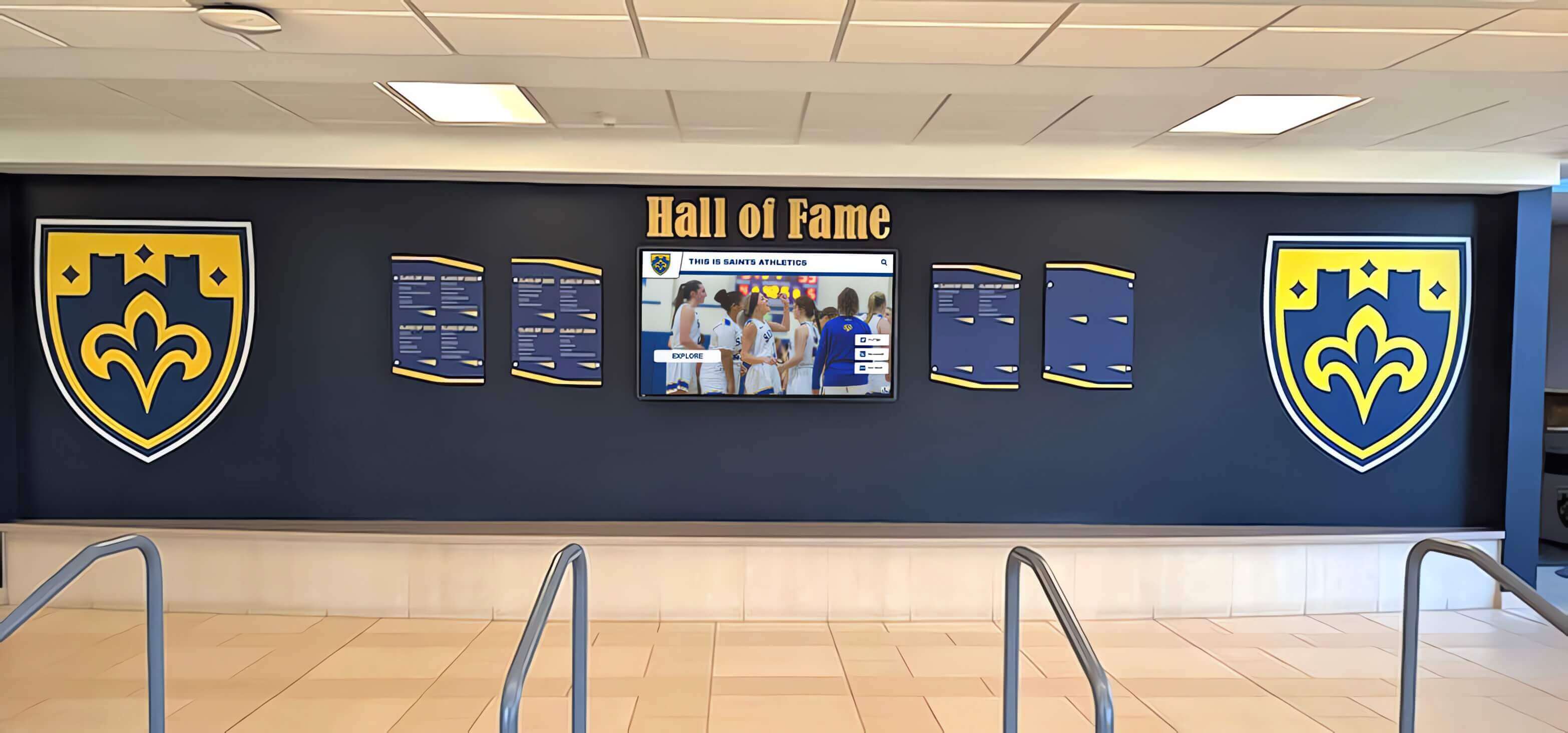
Comprehensive recognition celebrates diverse constituencies contributing to institutional success
Measuring Fundraising Success and Optimizing Programs
Systematic assessment ensures fundraising programs achieve intended goals while identifying improvement opportunities maximizing return on development investment.
Key Fundraising Performance Metrics
Quantitative measurement enables evidence-based program evaluation and strategic refinement rather than relying exclusively on anecdotal impressions.
Total Dollars Raised and Goal Achievement
Primary metrics include total fundraising revenue, goal attainment percentages, year-over-year growth rates, and performance relative to peer institutions or industry benchmarks. While straightforward, dollar totals provide insufficient nuance without additional context about participation, donor retention, acquisition costs, and gift source diversification.
Donor Participation Rates Across Constituencies
Participation percentages—particularly current parent and recent alumni giving rates—indicate fundraising program health and constituent engagement strength beyond absolute dollars. Schools achieving 85% current parent participation demonstrate strong community satisfaction and engagement even if average gift sizes remain modest, while institutions with 30% participation despite high total revenue reveal dependence on few major donors creating long-term sustainability concerns.
Donor Retention and Multi-Year Giving Patterns
Retention rates measuring what percentage of donors give again in subsequent years indicate relationship quality and stewardship effectiveness. Research shows that increasing retention by just 10% can double lifetime donor value, making retention improvement among the highest-return development activities. Multi-year consecutive giving recognition particularly matters as sustained donors demonstrate deepening commitment rather than sporadic participation.
Average Gift Size and Upgrade Progression
Tracking average gifts overall and within giving level categories reveals whether donor capacity grows over time or remains static. Upgrade rates—percentage of donors increasing gifts year-over-year—indicate effective cultivation and appropriate solicitation strategies rather than treating all donors as permanent fixtures at initial giving levels.
Acquisition Cost and Fundraising Efficiency
Cost per dollar raised and return on development investment provide efficiency metrics ensuring fundraising operations maintain appropriate expense levels relative to revenue generation. While development costs typically represent 15-25% of funds raised depending on campaign maturity and institutional characteristics, tracking trends identifies concerning efficiency deterioration or validates that increased development investment generates proportional revenue growth.
Qualitative Success Indicators
Beyond quantitative metrics, qualitative assessment reveals community sentiment and relationship quality affecting long-term development sustainability.
Donor Satisfaction and Recognition Feedback
Systematic feedback collection through surveys, focus groups, or informal conversations reveals whether donors feel appropriately recognized, adequately informed about impact, and genuinely valued beyond monetary contributions. Dissatisfaction with recognition quality, communication frequency, or stewardship approaches provides early warning about relationship problems requiring correction before donors lapse.
Schools implementing comprehensive donor recognition programs systematically gather feedback ensuring acknowledgment meets expectations.
Volunteerism and Non-Financial Engagement
Volunteer participation in reunion planning, fundraising committees, career networking programs, admissions ambassadorship, or governance demonstrates engagement depth beyond check-writing. Donors who volunteer typically maintain stronger institutional connections and higher lifetime giving compared to those whose sole involvement involves financial transactions—making volunteer engagement rates useful development health indicators.
Unsolicited Gifts and Spontaneous Generosity
When donors make unsolicited contributions, increase gifts substantially without being asked, or proactively contact development officers about giving opportunities, these behaviors signal exceptional satisfaction and strong institutional commitment. While not systematically trackable, development teams noting increasing spontaneous generosity validate that relationship building and stewardship create environments where donors feel inspired to give rather than obligated to respond to asks.
Referral Activity and Peer Influence
Donors who introduce peer prospects, encourage classmates to participate, or publicly advocate for institutional support demonstrate enthusiastic engagement extending beyond personal giving to force multiplier roles. These donor advocates provide invaluable word-of-mouth marketing and peer solicitation more effective than institutional messaging—making their presence important qualitative success indicators even without specific quantitative measurement.
Continuous Improvement and Strategic Iteration
Regular program assessment combined with willingness to refine approaches based on evidence ensures fundraising effectiveness strengthens over time rather than stagnating through routine repetition.
Annual Development Planning and Goal Setting
Structured annual planning processes reviewing previous year performance, analyzing trend data, gathering stakeholder feedback, researching peer practices, and establishing coming year goals create frameworks for systematic improvement. Planning sessions engaging development staff, school leaders, trustees, and volunteer fundraisers generate diverse perspectives while building shared ownership of resulting strategies.
Constituent Segmentation and Personalization Refinement
Increasingly sophisticated data analysis enables granular constituent segmentation supporting highly personalized cultivation and solicitation—targeting messaging based on giving history, engagement patterns, demographic characteristics, programmatic interests, and relationship depth. Schools continuously refining segmentation strategies achieve better response rates and higher average gifts compared to generic mass appeals treating all prospects identically.
Technology Adoption and Digital Transformation
Development operations benefit from continuous technology evaluation—assessing emerging donor management systems, exploring digital fundraising platforms, implementing online giving optimization, and adopting recognition technology like Rocket Alumni Solutions that enhances donor engagement while reducing administrative burden. Technology adoption should serve strategic goals rather than pursuing innovation for its own sake, ensuring new systems actually improve effectiveness rather than merely replacing functional legacy approaches.
Professional Development and Staff Capability Building
Development staff professional growth through conference attendance, certification programs, peer learning networks, and continuing education directly improves institutional fundraising capacity. Schools investing in advancement staff development demonstrate commitment to excellence while ensuring teams maintain current knowledge about evolving best practices, emerging technologies, and changing donor expectations that affect fundraising effectiveness.
Conclusion: Building Sustainable Fundraising Excellence
Private school fundraising success requires balancing immediate revenue needs with long-term relationship building that creates sustainable donor communities supporting institutional excellence across decades. The most effective fundraising ideas don’t merely extract gifts—they build vibrant communities where supporters feel genuine connection, understand tangible impact their generosity creates, and receive meaningful recognition transforming transactions into lasting partnerships.
Strategic approaches integrate capital campaigns funding transformational facility projects and endowment growth with robust annual giving programs generating unrestricted operating support sustaining day-to-day excellence. This dual focus addresses immediate needs while building financial foundations ensuring long-term sustainability regardless of enrollment fluctuations or economic uncertainty.
Digital warming—the transformation from cold, transactional development programs into vibrant community experiences through personalized content and meaningful recognition—fundamentally changes donor engagement. When supporters discover themselves within comprehensive, beautifully presented recognition communities, when they explore compelling stories explaining why peers give, when they see their generosity celebrated meaningfully rather than perfunctorily acknowledged—these experiences create emotional warmth strengthening bonds and motivating continued participation across years.
Purpose-built recognition platforms like Rocket Alumni Solutions deliver capabilities specifically optimized for celebrating supporters while creating development infrastructure actively supporting cultivation, solicitation, and stewardship. Unlimited capacity accommodating comprehensive acknowledgment, real-time recognition enabling immediate gratification, rich profiles honoring complete individuals, searchable databases creating personal discovery, and web accessibility extending recognition globally transform acknowledgment from momentary ceremonies into permanent engagement platforms delivering compound value across decades.
Successful implementation requires systematic planning, constituent segmentation, multi-channel communication, compelling impact storytelling, volunteer leadership engagement, and continuous assessment driving strategic refinement. Schools following thoughtful approaches create fundraising programs that feel like community building rather than aggressive extraction—generating sustainable support while strengthening institutional culture and constituent satisfaction.
Every supporter whose generosity enables your school’s mission deserves recognition creating motivation, pride, and community belonging rather than perfunctory acknowledgment quickly forgotten. Their financial contributions represent confidence, hope, and commitment in your capacity to provide exceptional education preparing students for meaningful lives—trust deserving celebration matching its significance through recognition honoring complete individuals, telling compelling stories inspiring others, and creating lasting impressions demonstrating genuine gratitude their support warrants.
Ready to transform your private school’s fundraising through donor recognition that builds lasting engagement and inspires continued generosity? Explore how Rocket Alumni Solutions creates recognition experiences that celebrate supporters, strengthen communities, and deliver the digital warming essential for development success and institutional excellence.