Walk into any physical education class across America today, and you might hear an unfamiliar sound—the distinctive “pop” of plastic balls hitting paddles on converted tennis or badminton courts. Pickleball, once primarily associated with retirement communities and recreational leagues, has emerged as the fastest-growing sport in U.S. schools, transforming PE curricula, intramural programs, and even varsity athletics.
This rapid adoption isn’t merely following a trend. Physical education teachers, athletic directors, and school administrators are discovering that pickleball offers unique advantages: exceptional accessibility for diverse skill levels, minimal equipment costs compared to traditional sports, quick learning curves that build student confidence, and inclusive gameplay that engages students who typically avoid competitive athletics. The sport creates opportunities for recognition, achievement, and community building that align perfectly with modern educational goals around inclusive participation.
Yet despite pickleball’s explosive growth in recreational settings—with over 13.6 million players nationwide according to the Sports & Fitness Industry Association—many schools remain uncertain about implementation. What makes pickleball particularly suited for educational environments? How are schools integrating the sport into existing PE programs, intramural leagues, and competitive athletics? What recognition opportunities does pickleball create for students traditionally overlooked in conventional sports programs?
This comprehensive guide explores why schools nationwide are embracing pickleball, how the sport is being implemented across educational contexts, and what opportunities it creates for student engagement, achievement, and lasting recognition. You’ll discover practical implementation strategies, curriculum integration approaches, competitive program development, and modern ways to celebrate pickleball achievements that connect students to broader school athletic traditions.

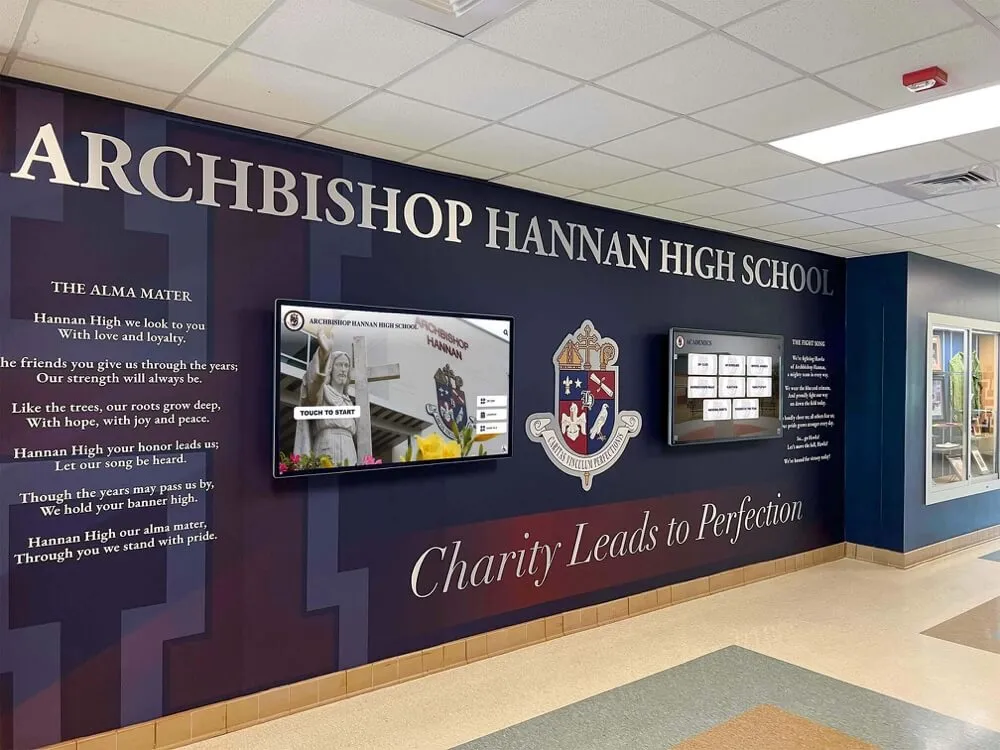
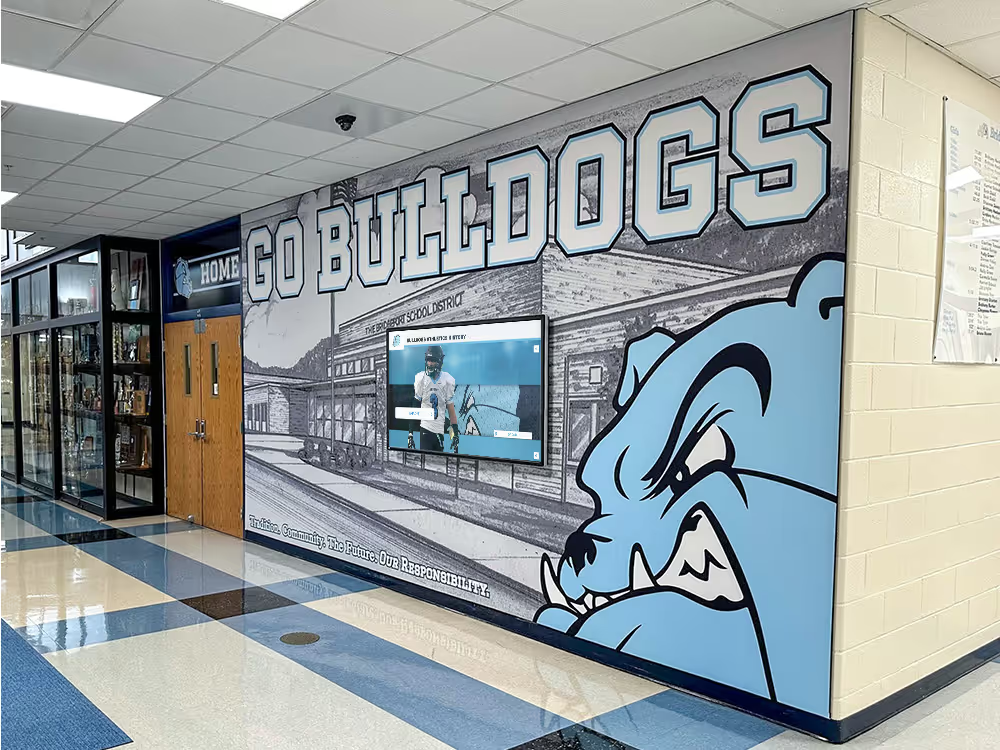
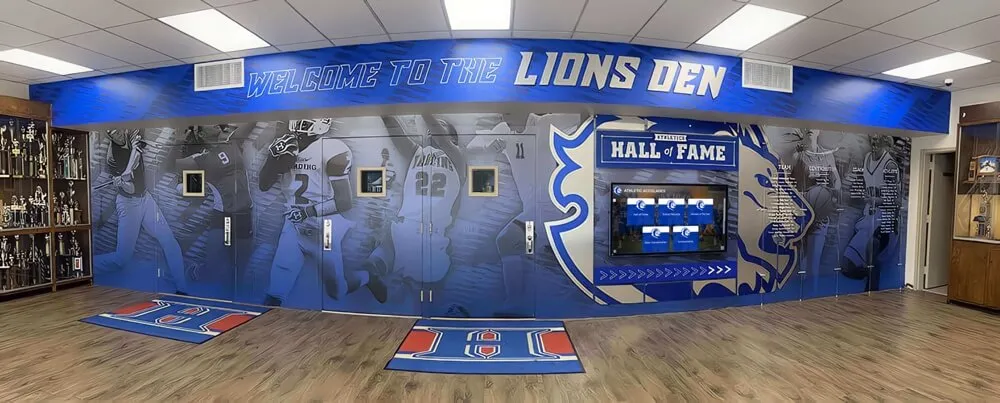
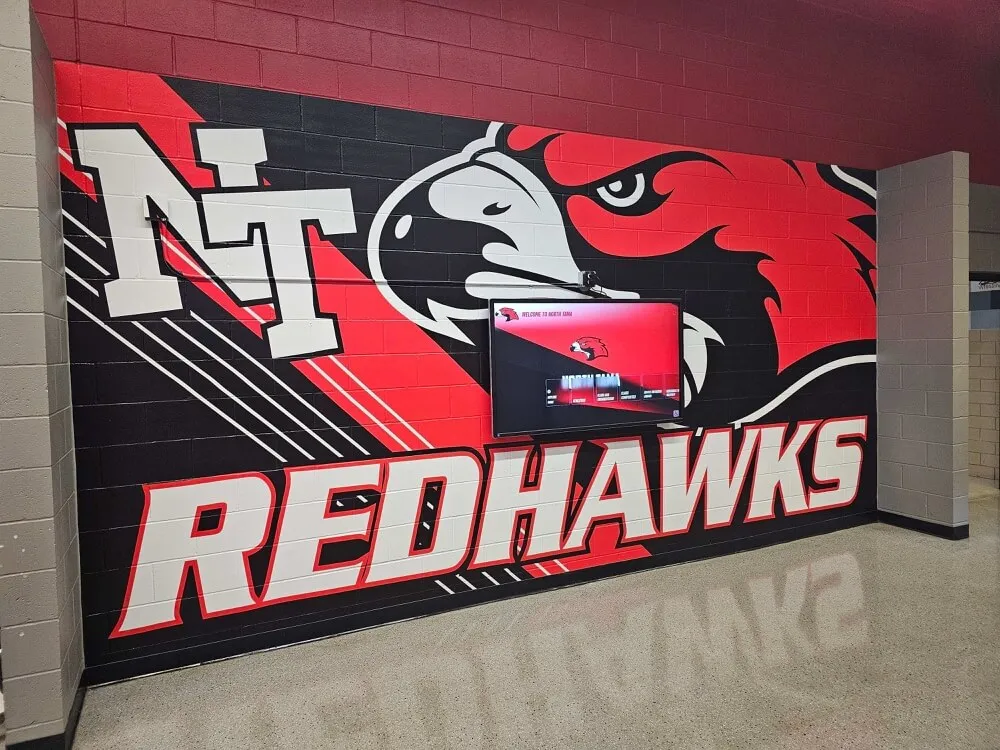
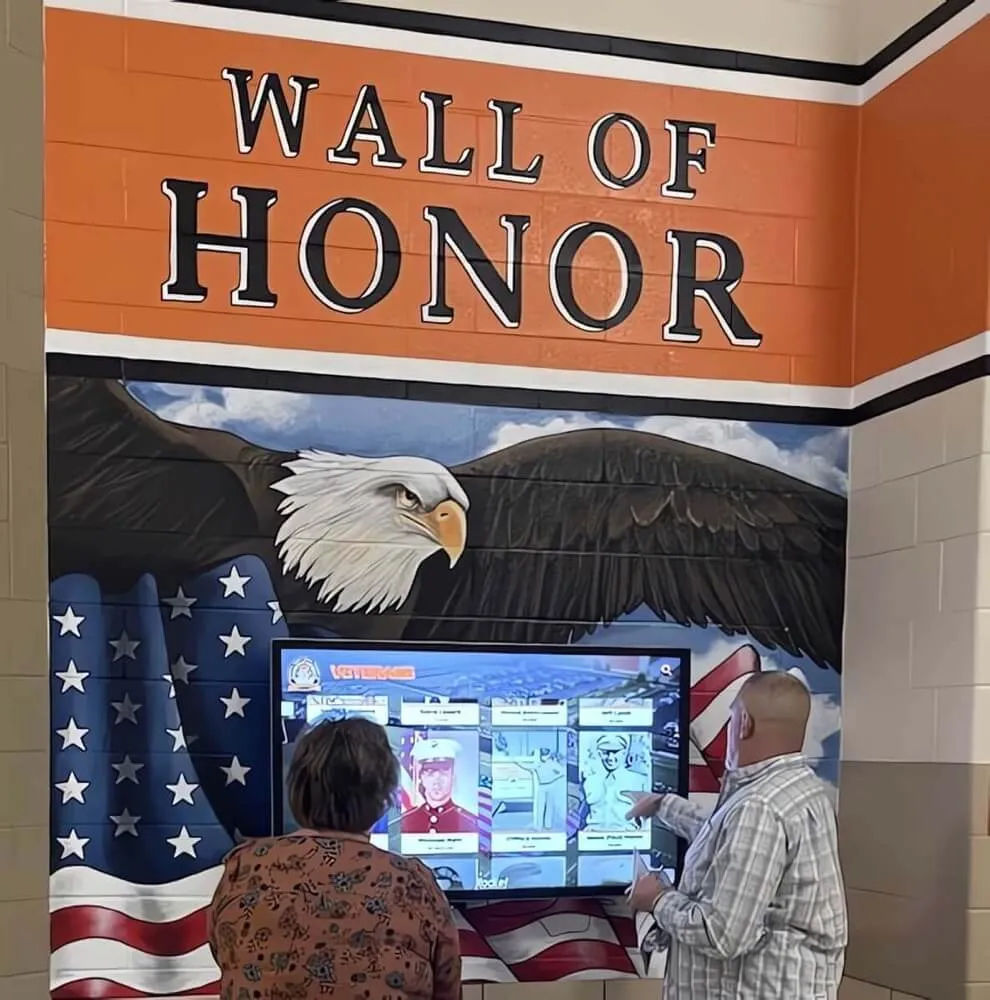
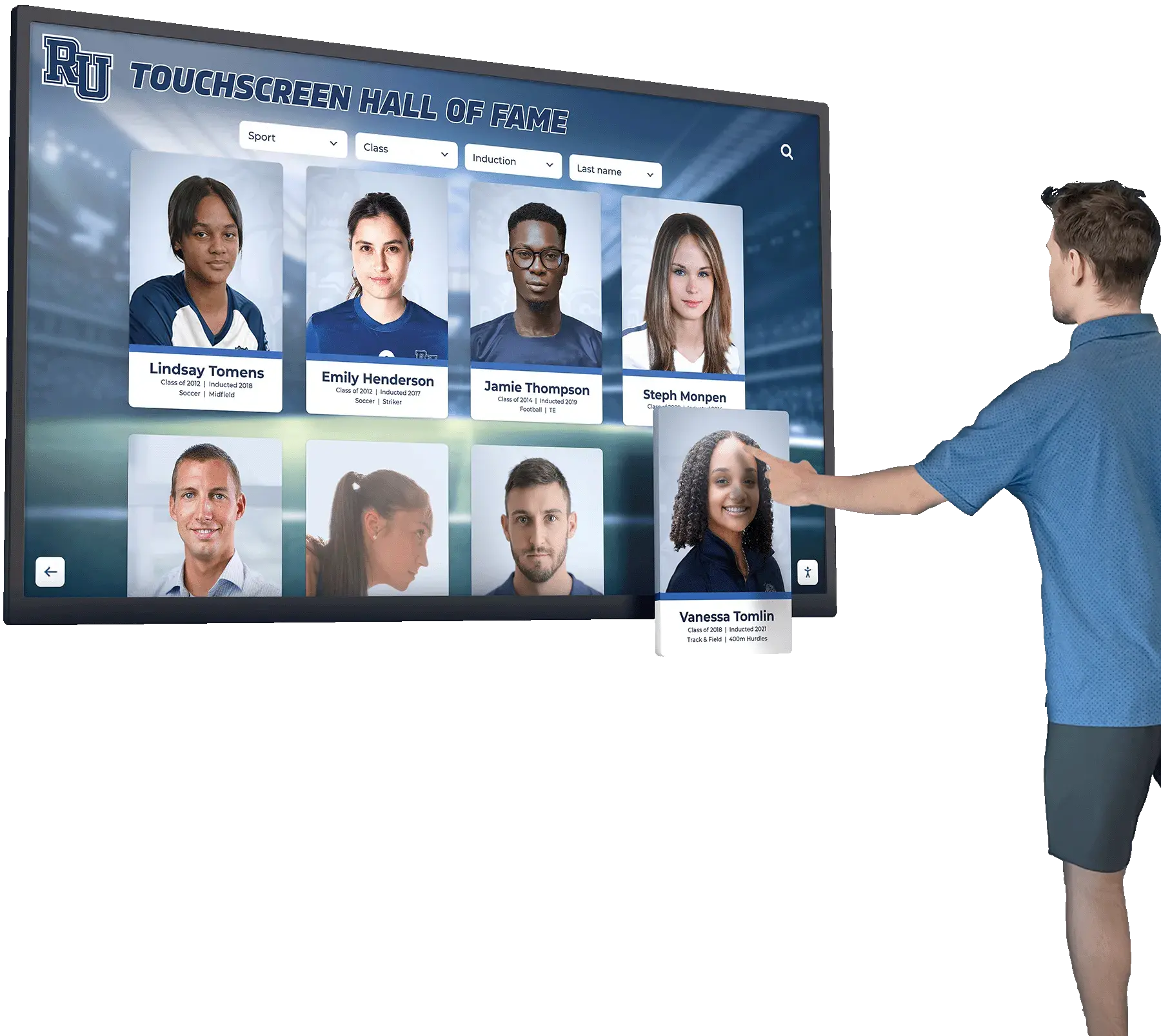
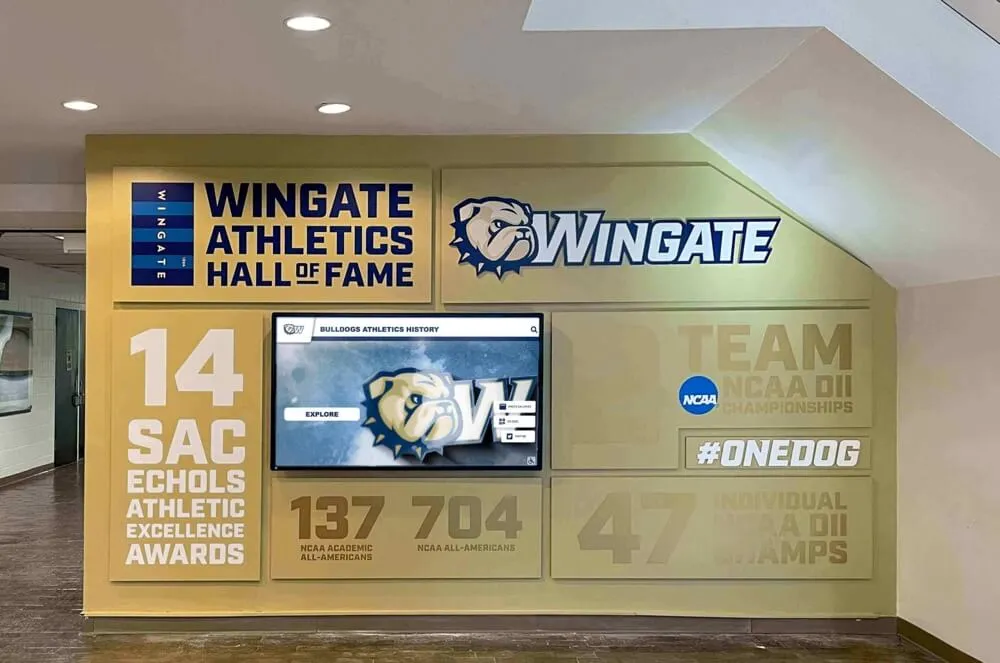
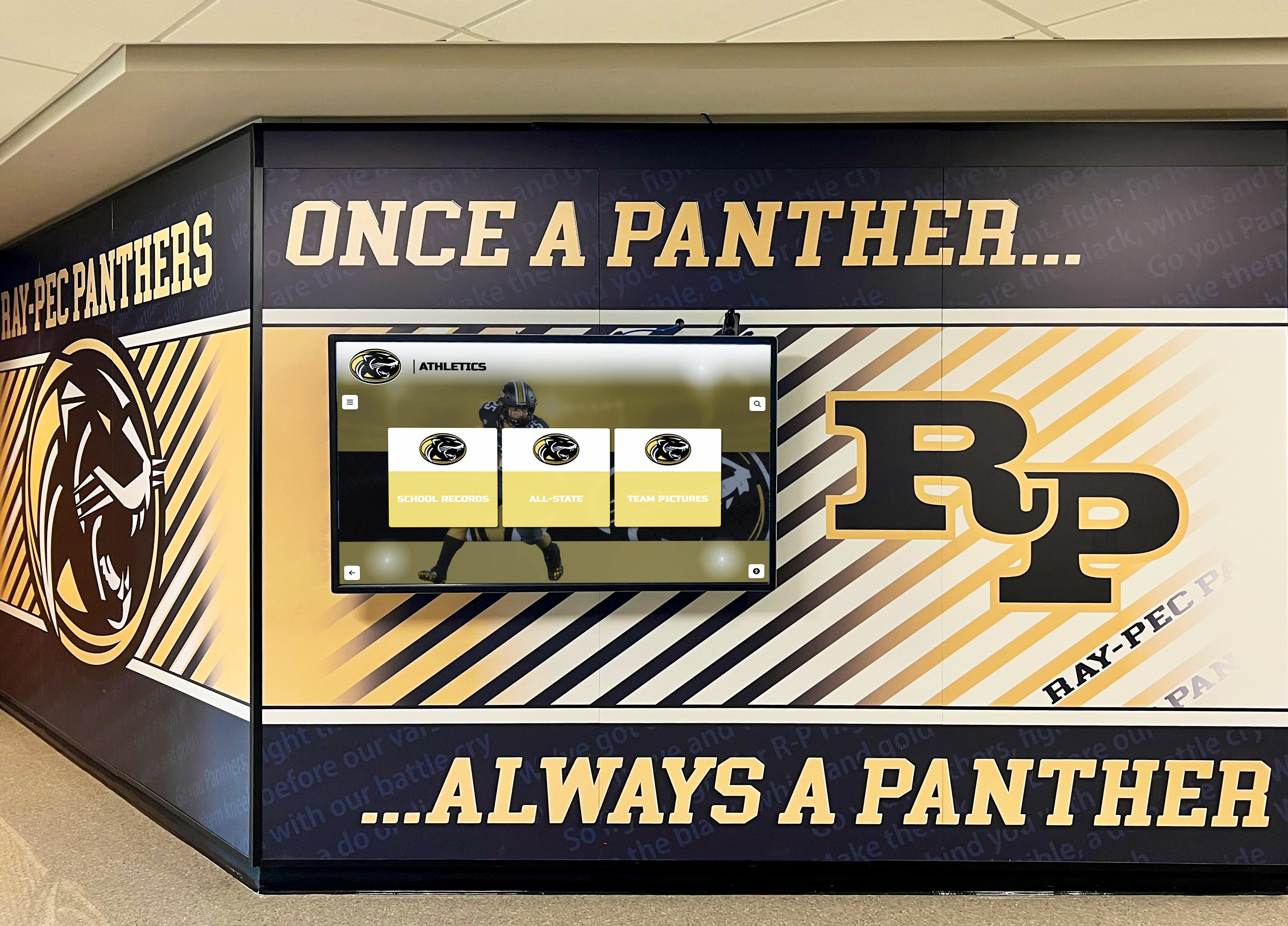
Modern athletic programs create comprehensive recognition systems celebrating diverse sports achievements including emerging activities like pickleball
Why Pickleball Is Perfect for School Physical Education
Understanding what makes pickleball uniquely suited for educational environments helps explain the sport’s rapid adoption across diverse school contexts.
Accessibility and Inclusion
Pickleball’s fundamental design creates exceptional accessibility rarely found in traditional school sports.
Low Physical Barriers to Entry
Unlike basketball requiring height advantages, football demanding size and strength, or soccer necessitating extensive cardiovascular conditioning, pickleball accommodates virtually any body type, fitness level, or athletic background. The smaller court size reduces running demands, underhand serving eliminates overhead motion challenges, and slower ball speeds allow reaction time for students with varying coordination levels.
This accessibility proves transformative for students who’ve experienced repeated failure or exclusion in traditional PE activities. When a student who’s never succeeded athletically can rally competitively within their first class period, the confidence boost extends far beyond physical education into broader academic and social domains.
Adaptability for Special Needs
Physical education teachers report exceptional success using pickleball with special education students, students recovering from injuries, and students with physical disabilities. The sport’s flexibility allows modifications maintaining engagement while accommodating individual needs: adjusted court sizes for mobility limitations, foam balls for students needing slower play, modified scoring for cognitive accessibility, and wheelchair-accessible gameplay without fundamentally changing sport dynamics.
Schools implementing inclusive athletic recognition programs find pickleball creates authentic achievement opportunities for students rarely celebrated in traditional sports contexts.
Gender-Neutral Competition
Pickleball’s emphasis on strategy, placement, and touch over raw power creates more balanced competitive environments between genders than many traditional sports. Mixed doubles formats work exceptionally well, allowing schools to create coed competitive experiences without the physical mismatches common in contact sports or activities favoring strength over finesse.
This gender balance aligns with modern educational priorities around inclusive athletics and creates participation opportunities for students who might avoid gender-segregated sports programs.
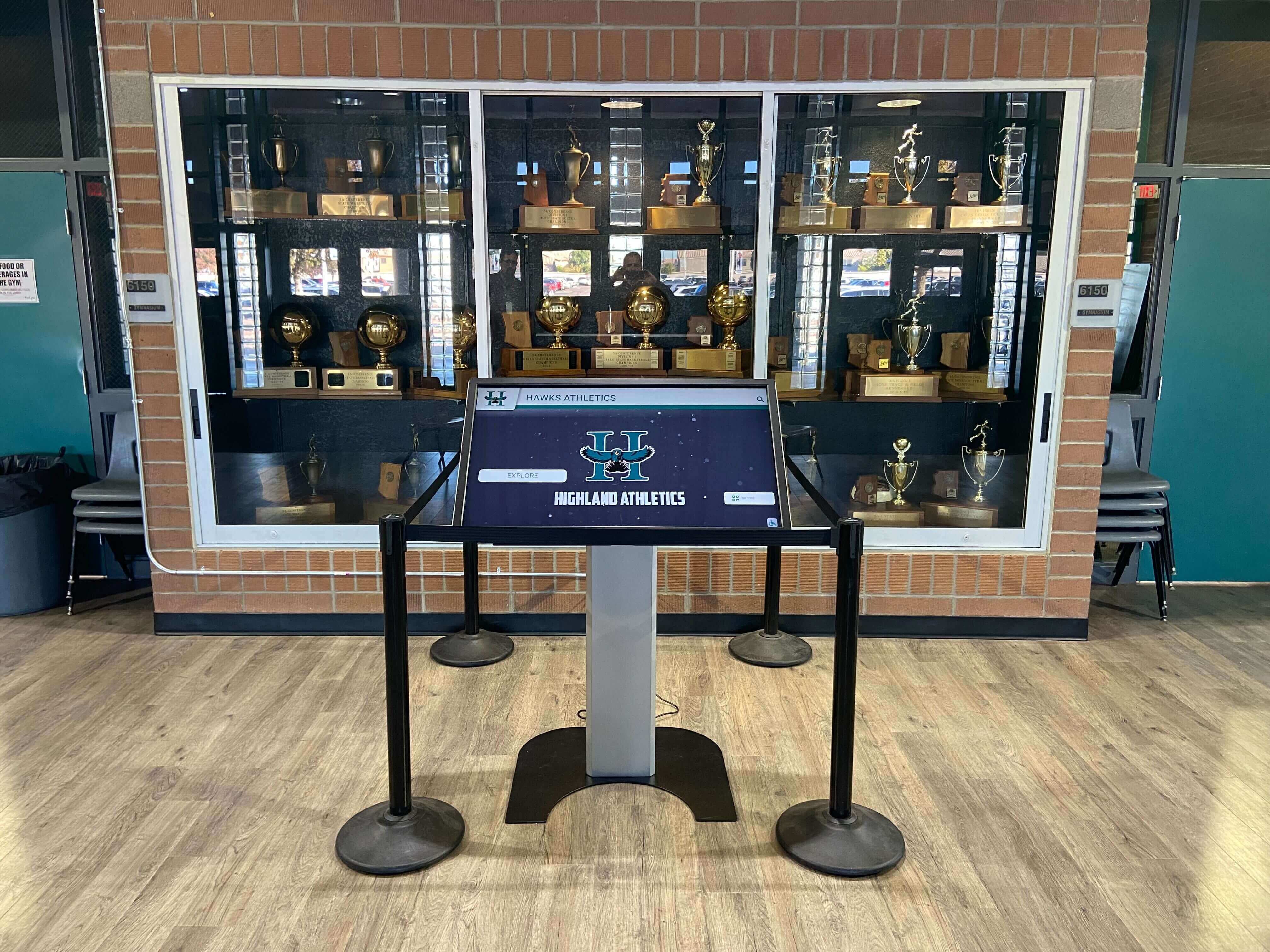
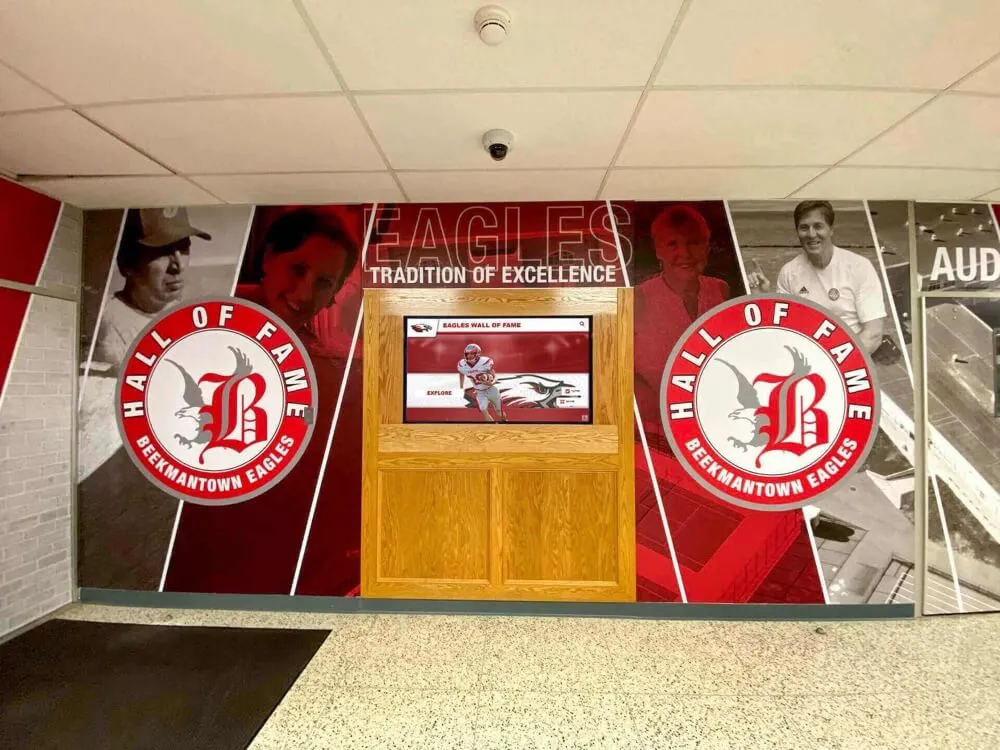
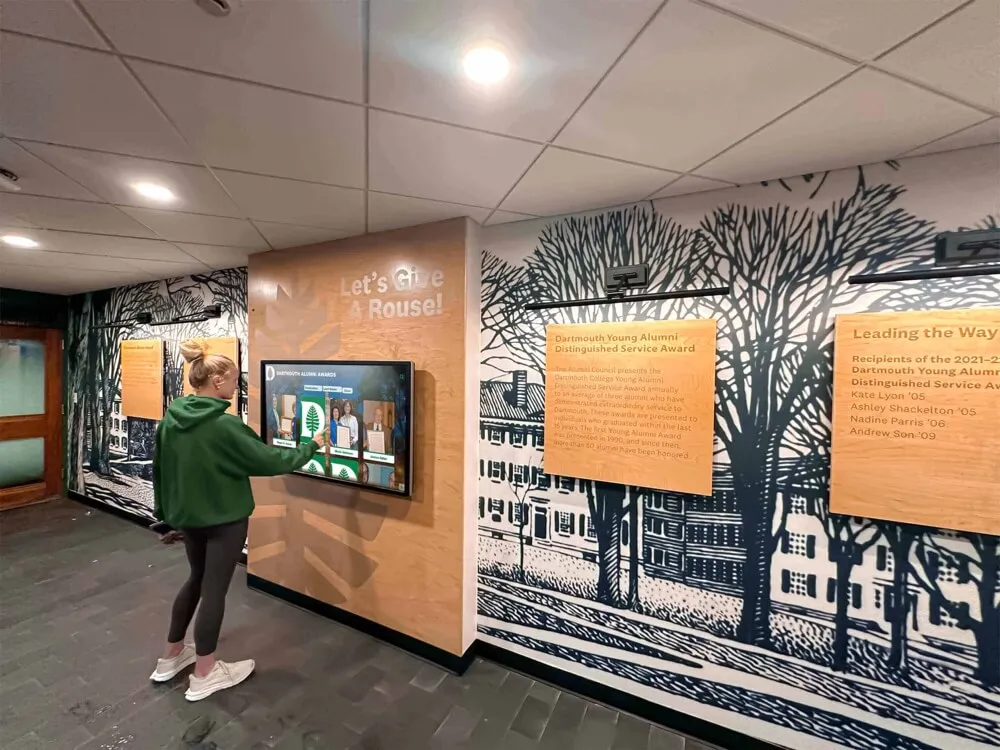
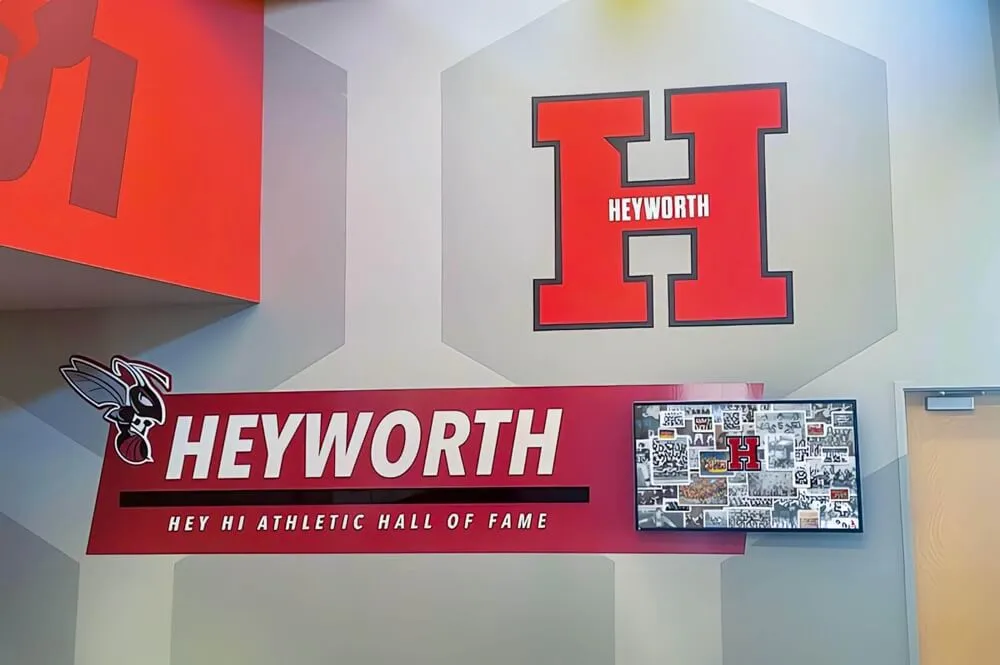
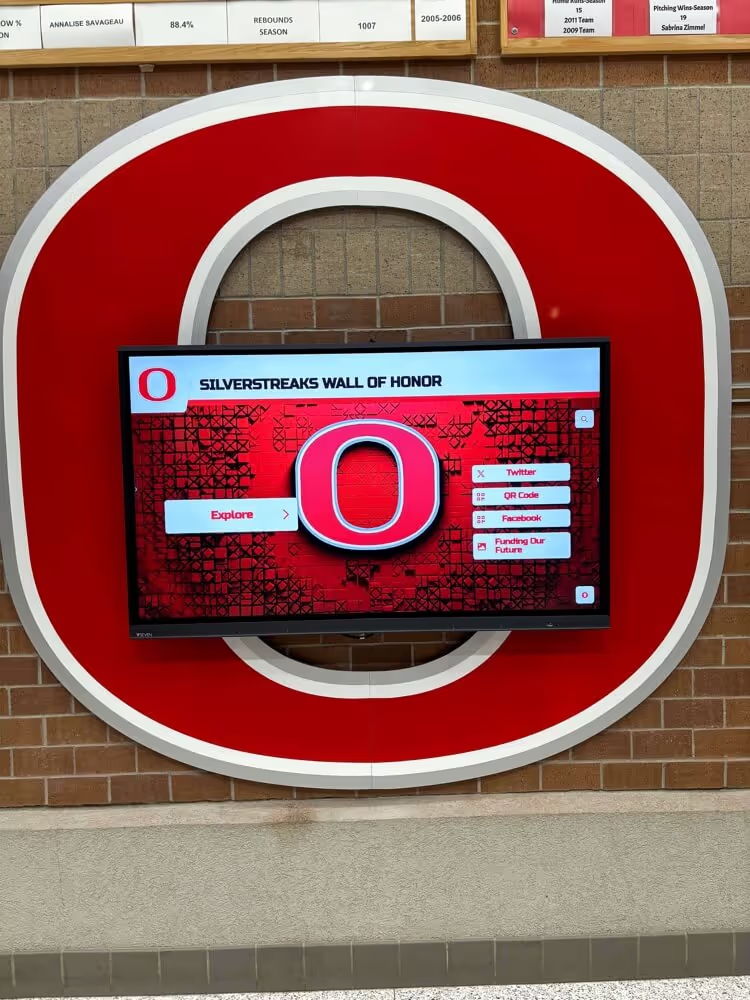
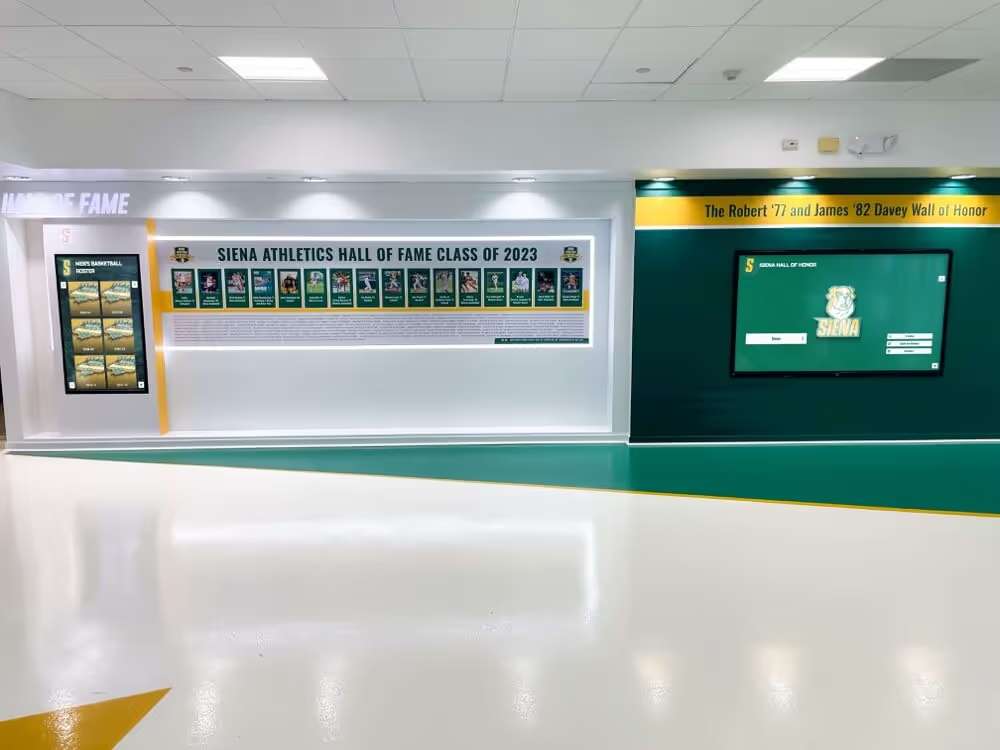
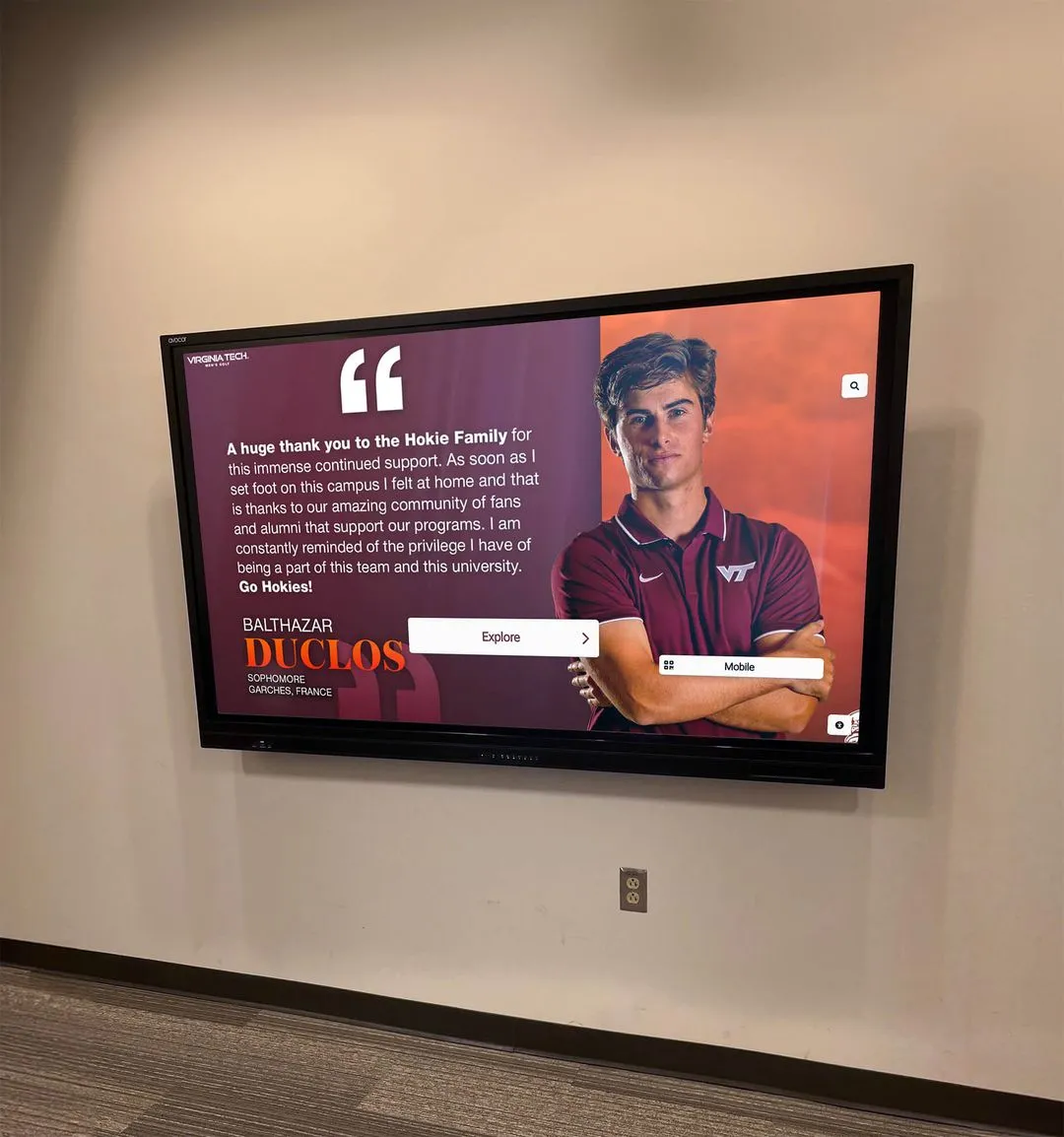
Recognition systems should celebrate achievements across all athletic programs, from traditional varsity sports to emerging activities like pickleball
Cost-Effectiveness and Practical Implementation
Budget-conscious schools appreciate pickleball’s remarkably low implementation costs compared to establishing other sports programs.
Minimal Equipment Investment
Starting a school pickleball program requires surprisingly modest investment: portable nets cost $50-$200 each, quality paddles run $15-$40 per unit, and outdoor balls cost under $3 each. A complete class set for 30 students—including 15 nets, 30 paddles, and several dozen balls—typically costs under $2,000, less than equipping a single football player or outfitting a competitive gymnast.
Equipment durability extends value further. Quality paddles last multiple years with proper care, nets withstand regular setup and breakdown, and schools using outdoor balls experience minimal replacement needs. The total cost-per-student participation hour proves substantially lower than virtually any traditional sport.
Facility Flexibility
Unlike sports requiring specialized facilities—football fields, swimming pools, gymnasiums with specific dimensions, or wrestling rooms with special flooring—pickleball converts existing spaces: tennis courts accommodate four pickleball courts with temporary tape and portable nets, gymnasiums transform into multi-court facilities using portable systems, outdoor basketball courts convert using temporary lines, and even hallways or multipurpose rooms work for modified play.
This adaptability allows schools to implement pickleball without capital improvement projects or facility construction, removing the largest barrier preventing new sport adoption. Schools with space constraints appreciate the density—four pickleball courts fit where one tennis court stands, multiplying participation capacity within existing footprints.
Rapid Skill Development
PE teachers consistently report that students achieve basic competency in pickleball faster than most traditional sports. While developing basketball shooting consistency or mastering soccer ball control requires months of practice, most students can sustain basic pickleball rallies within 2-3 class periods and play enjoyable competitive games within a week.
This quick progression creates immediate engagement and satisfaction, particularly valuable in PE contexts where student rotation through different sport units limits time for skill development. Schools can conduct meaningful competitive tournaments within month-long units, providing achievement opportunities and recognition potential impossible with sports requiring longer learning curves.
How Schools Are Implementing Pickleball Programs
Pickleball integration takes multiple forms across educational contexts, from casual PE introduction to competitive varsity athletics.
Physical Education Curriculum Integration
Most schools begin pickleball adoption through PE class introduction before expanding to competitive formats.
Elementary School Introduction
Elementary PE teachers use pickleball’s accessibility to introduce net sports concepts earlier than traditional tennis or badminton instruction. Modified approaches work well with young students: using foam balls for slower, safer play, lowering nets or eliminating them entirely for youngest grades, teaching fundamental underhand serving and forehand/backhand strokes, and emphasizing cooperation through extended rallies rather than immediate competition.
Early exposure builds comfort with racquet sports mechanics, creates positive associations with lifetime recreational activities, and establishes foundational skills students carry into more competitive contexts as they mature.
Middle School Skill Development
Middle school PE programs typically introduce regulation pickleball with standard equipment and rules. At this level, students develop: proper serving technique and scoring understanding, strategic placement and shot selection, doubles communication and positioning, and competitive gameplay with tournament structures.
Many middle school programs conclude pickleball units with class tournaments creating first competitive experiences and opportunities for achievement recognition beyond traditional sports. Schools with comprehensive athletic recognition systems document these achievements, validating students’ accomplishments and encouraging continued participation.
High School Lifetime Sports Emphasis
High school PE curricula increasingly prioritize lifetime sports students can play beyond graduation over team sports requiring large groups or youthful athleticism. Pickleball fits perfectly within this framework alongside activities like golf, tennis, and bowling.
Progressive programs teach students pickleball as a recreational activity they’ll actually use—finding local courts, understanding open play etiquette, joining community leagues, and continuing participation independently. This practical life-skill orientation resonates with students who question the relevance of sports they’ll never play after graduation.
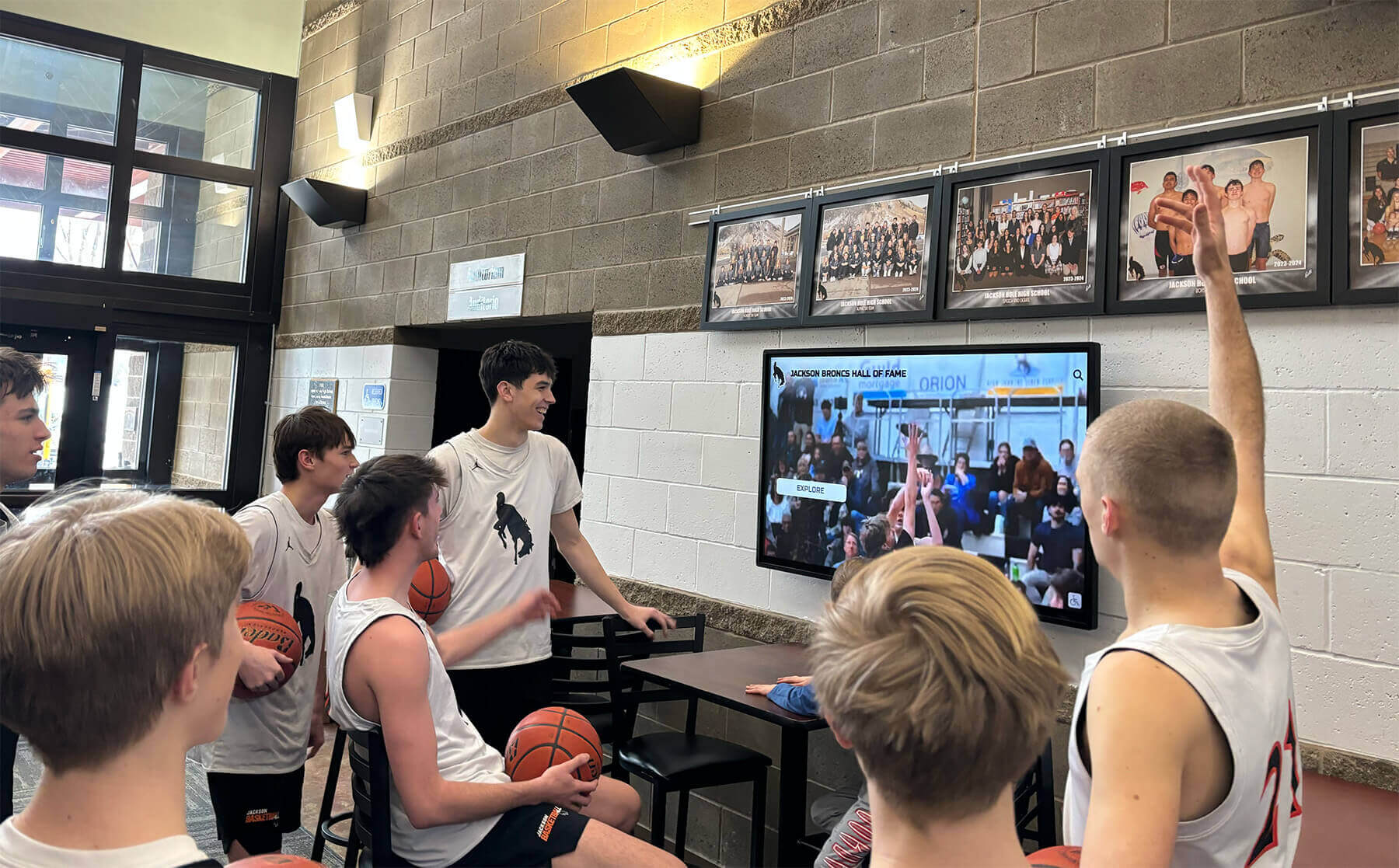
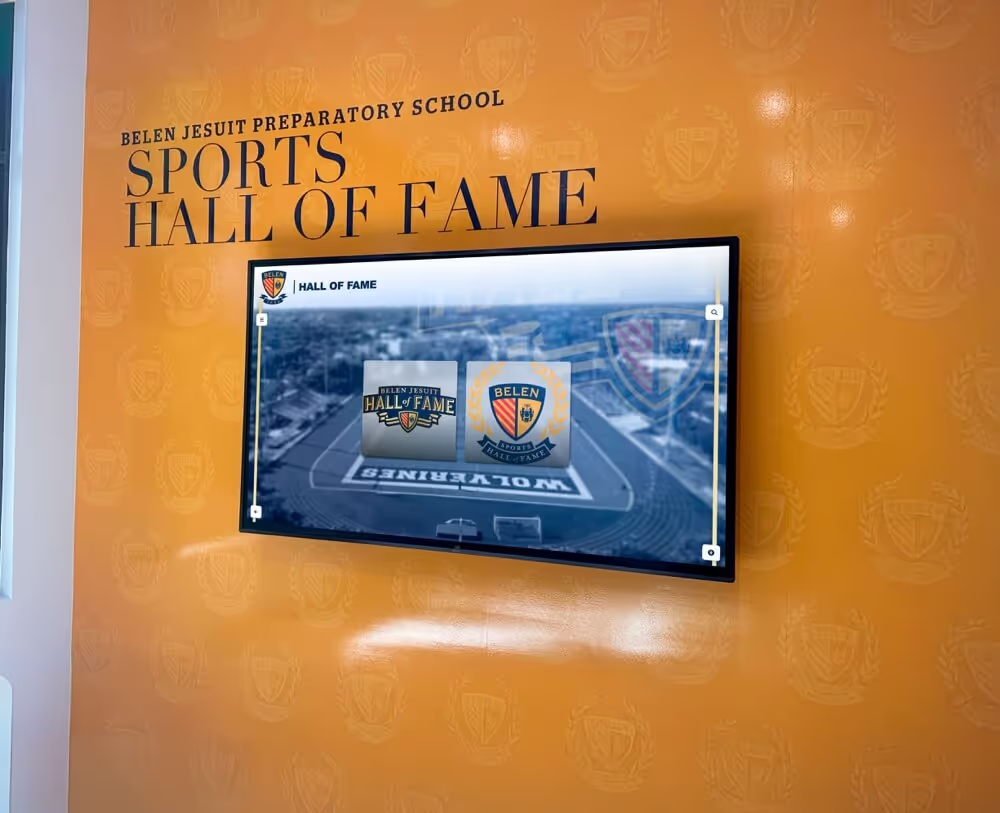
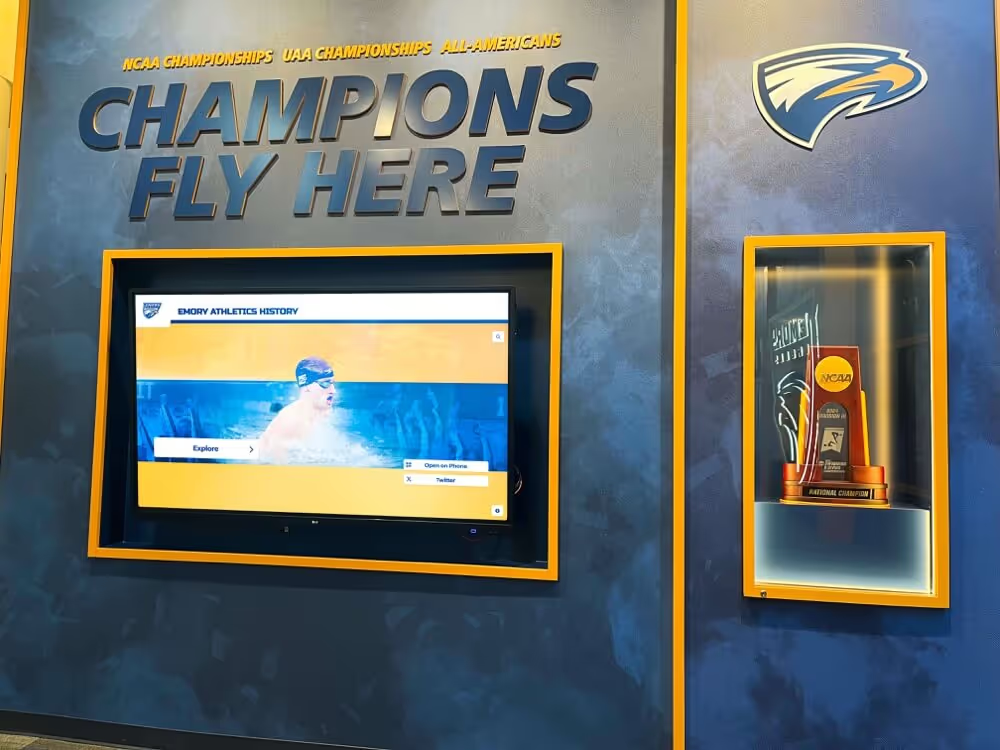
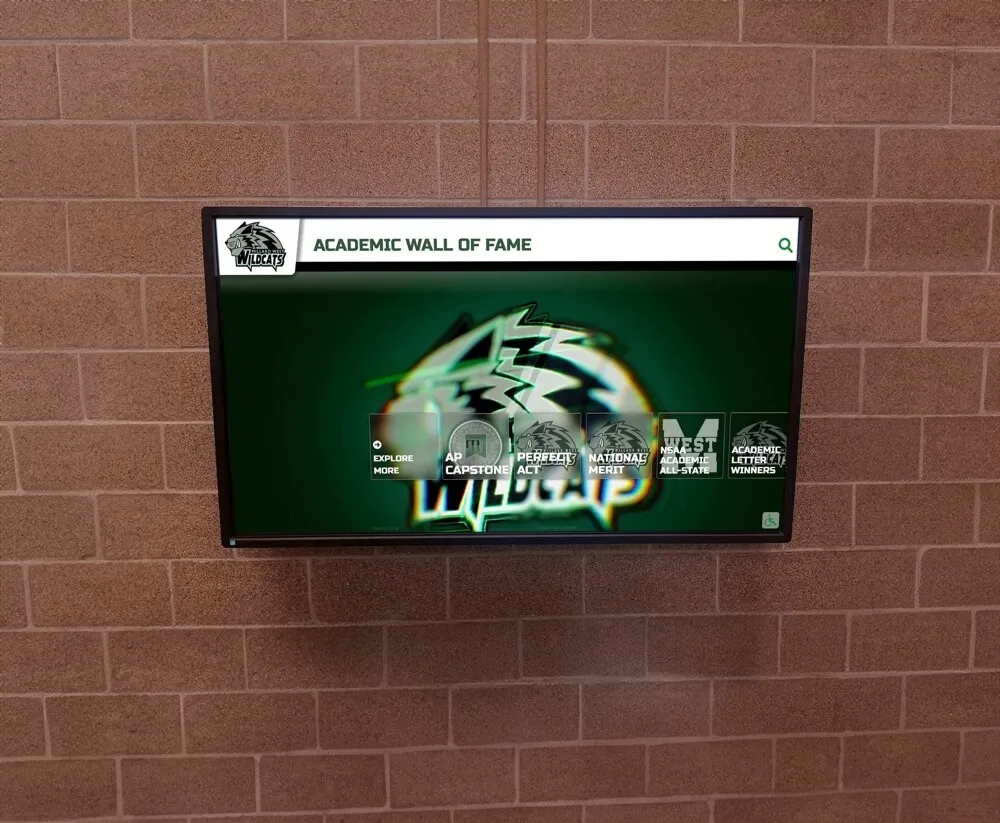
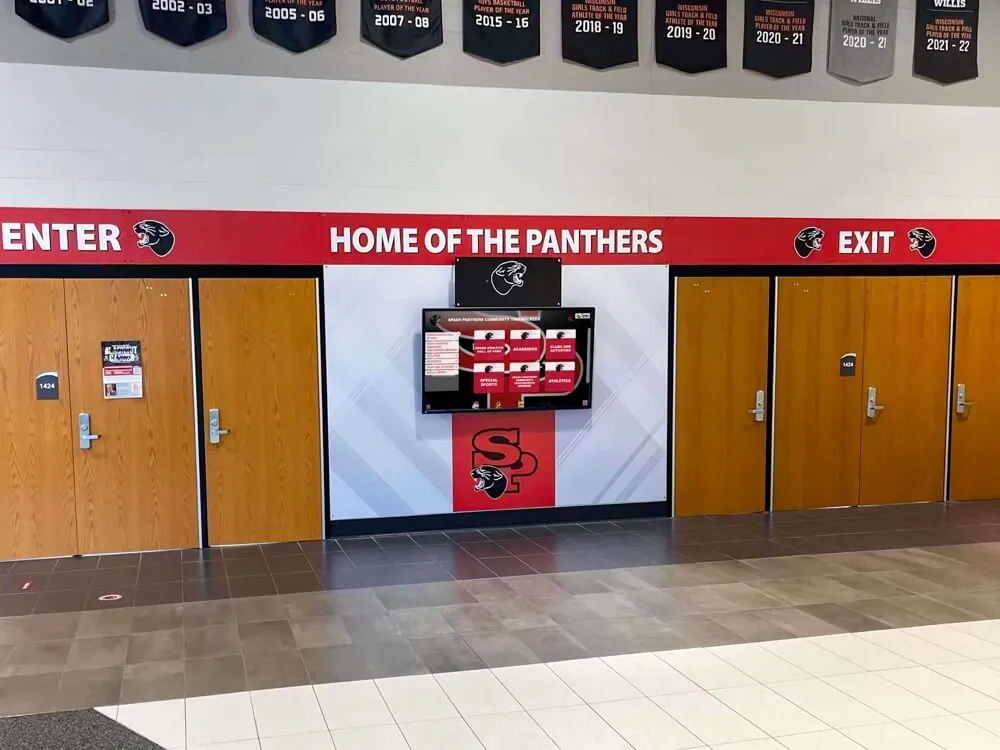
Modern recognition displays engage students by showcasing diverse athletic achievements across all school sports programs
Intramural and Recreational Programs
Beyond required PE classes, schools are creating voluntary pickleball participation through intramural leagues and recreational play.
Lunch and Recreation Period Play
Forward-thinking schools maximize gymnasium or outdoor court use by offering pickleball during lunch periods, before/after school, or designated recreation times. This voluntary participation attracts diverse student populations: athletes from other sports seeking low-intensity cross-training, non-athletic students comfortable with pickleball’s accessibility, students seeking social activity in welcoming low-pressure environments, and students specifically interested in developing pickleball skills.
Providing equipment checkout systems, posting open play schedules, and occasionally organizing informal tournaments sustains engagement without requiring formal coaching or significant administrative overhead.
Seasonal Intramural Leagues
Structured intramural leagues create competitive experiences for students not participating in traditional school sports. Typical formats include: 6-8 week seasons with scheduled matches, doubles or mixed doubles team registration, round-robin or bracket tournament structures, and championship recognition at season conclusions.
Intramural pickleball often attracts students who’ve never joined school athletic programs, creating previously unavailable pathways to sports participation, team belonging, and competitive achievement. Athletic directors appreciate these programs for expanding athletic department reach beyond traditional varsity rosters.
Special Event Tournaments
One-day or weekend pickleball tournaments create excitement and community engagement: spirit week competitions with grade-level brackets, faculty-versus-students exhibition matches, parent-child or family tournaments during school events, and fundraising tournaments supporting athletic programs or causes.
These special events generate school spirit, showcase pickleball’s appeal to broader communities, and create memorable competitive moments deserving lasting recognition alongside traditional athletic achievements.
Competitive Team Programs
A growing number of schools are establishing formal competitive pickleball teams, club sports, and even varsity programs.
Club Sport Development
Schools not ready for varsity commitment often start with club sport models allowing student-driven competitive participation: student leadership organizing practices and coordinating travel, school provision of minimal funding or facility access, participation in regional tournaments or competitions, and flexible structures accommodating various skill levels.
Club formats test demand and competitive viability before schools commit resources to full varsity programs. Successful clubs frequently transition to official school sport status as participation and community support grow.
Varsity Team Establishment
Leading-edge schools are establishing official varsity or junior varsity pickleball programs with formal team structures: tryouts or skill-based team selection, regular practice schedules with coaching staff, competition against other schools in organized leagues, and full integration into athletic department recognition and awards.
Varsity designation creates significant benefits: official team status attracting serious athletes, eligibility for state high school athletic association sanctioning, potential letterman award qualification, inclusion in athletic record boards and recognition systems, and pathway development toward collegiate competitive opportunities.
While varsity pickleball remains relatively rare, rapidly increasing adoption suggests the sport will follow trajectories of other recent additions like competitive cheerleading, lacrosse, or esports in achieving widespread interscholastic recognition.
State Championship Emergence
Several state high school athletic associations now recognize pickleball as official championship sport, conducting state tournament competitions and crowning champions. This formal recognition accelerates program development as schools compete for championship honors and students pursue competitive excellence with clear progression pathways.
States leading pickleball adoption include Arizona, California, Florida, and Texas, with numerous others exploring pilot programs or preliminary sanctioning processes. As championship structures develop, pickleball will likely experience adoption patterns similar to earlier generation sports like soccer or volleyball that evolved from recreational activities to mainstream competitive athletics.
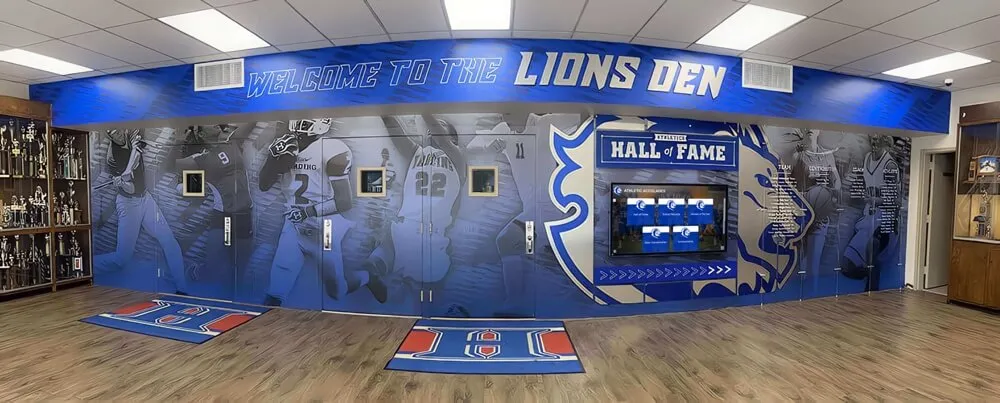
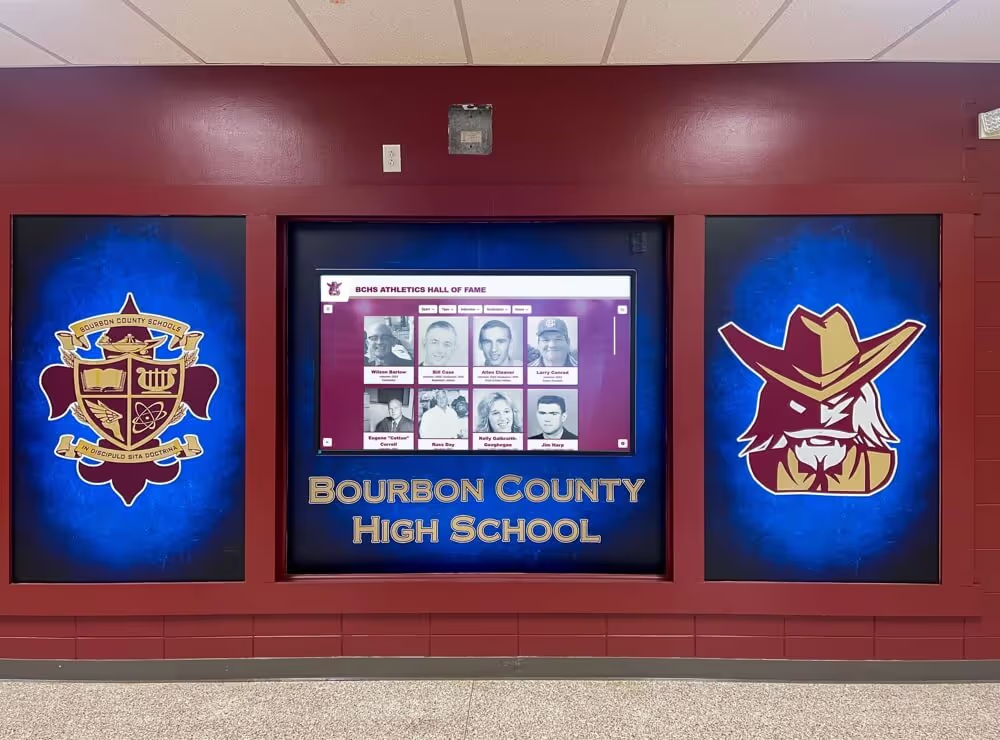
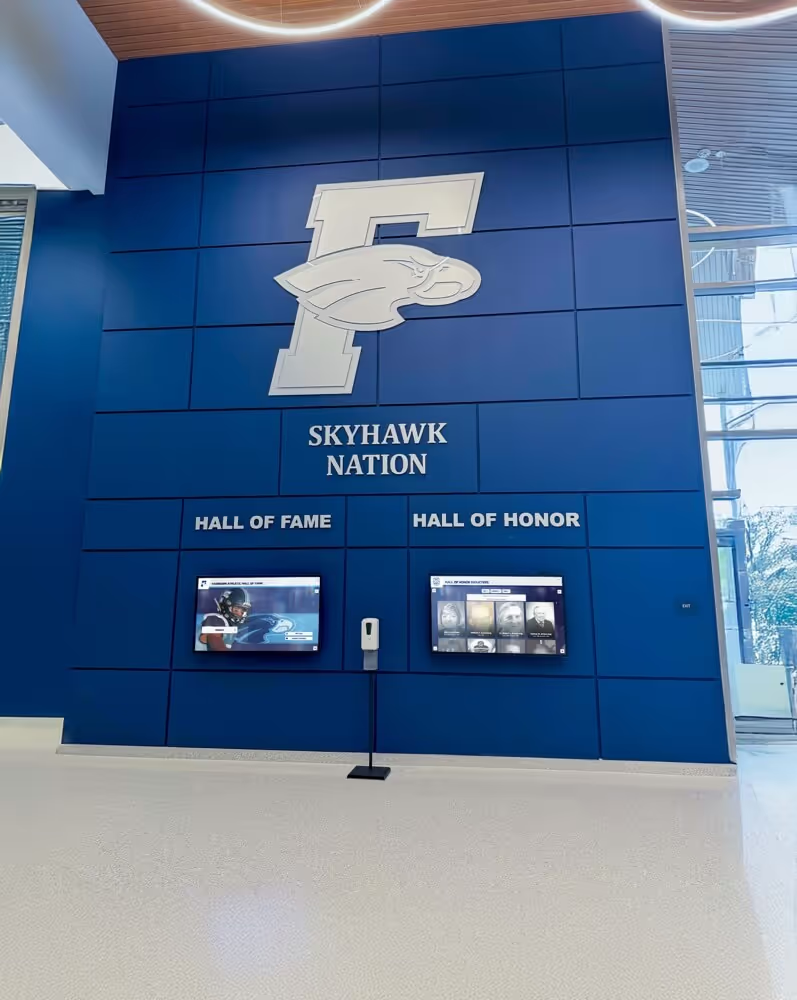
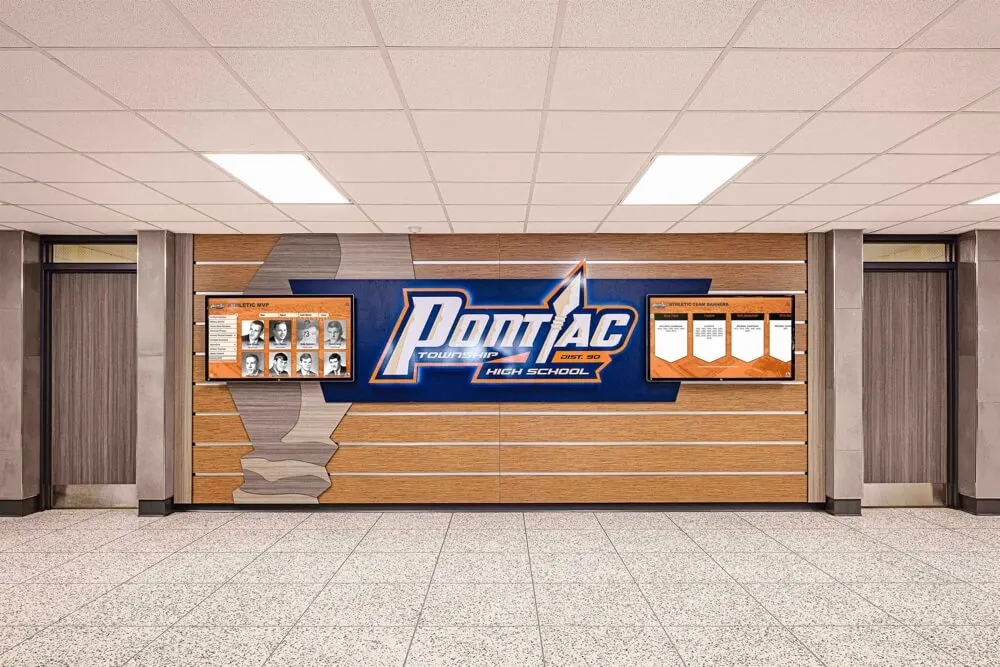
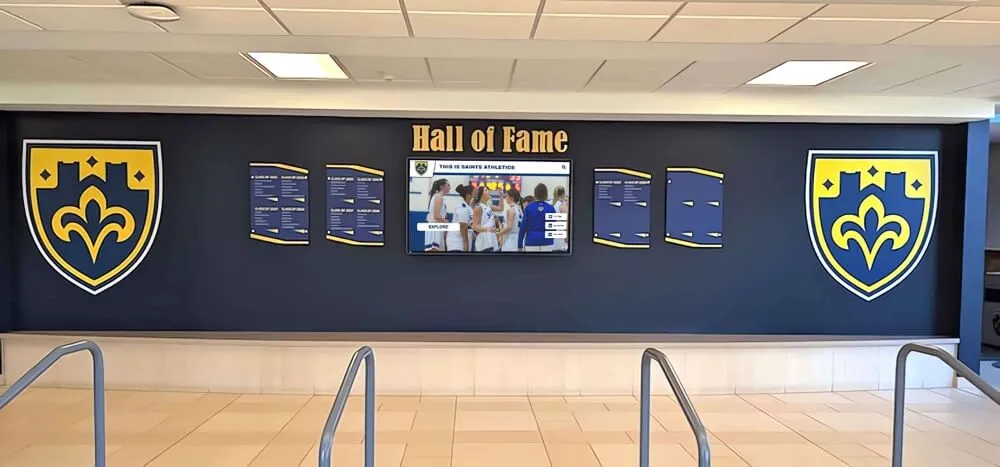
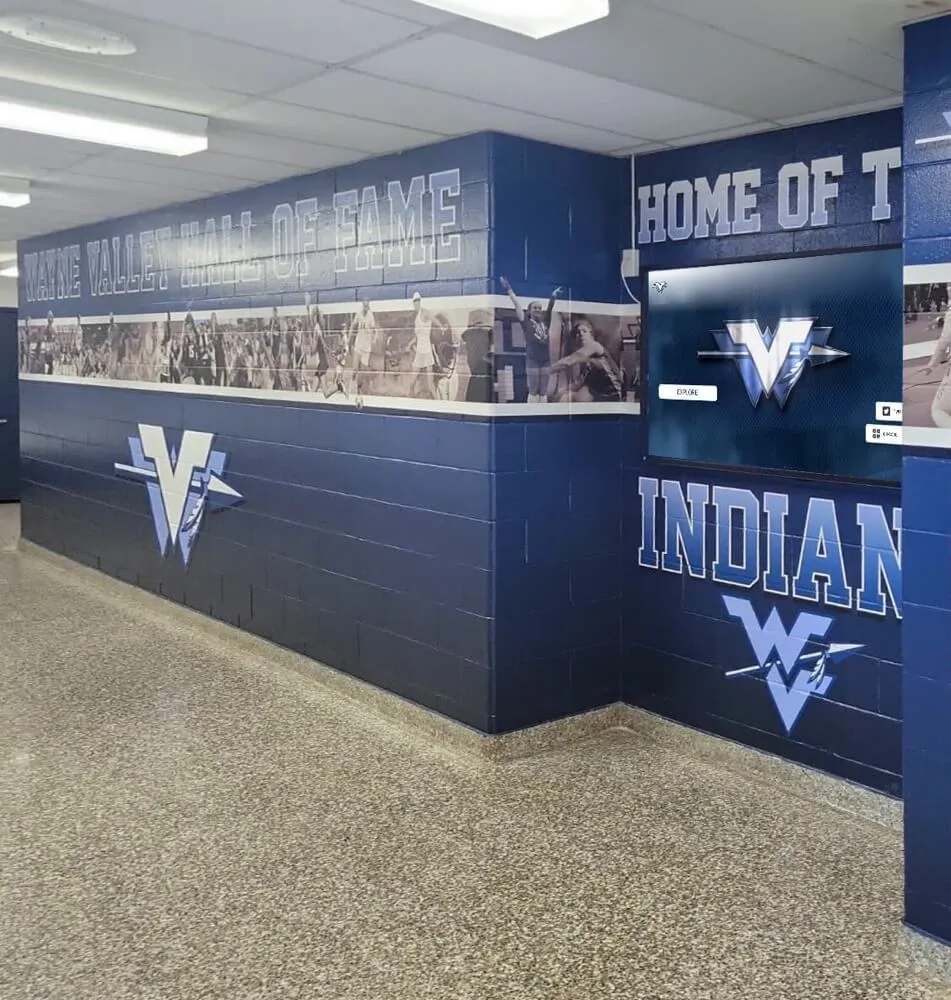
Comprehensive athletic facilities celebrate achievements across all sports programs, creating inclusive recognition environments
Recognition and Achievement Opportunities
As pickleball establishes presence in school athletic programs, recognition systems must evolve to celebrate achievements in this emerging sport alongside traditional athletic accomplishments.
Creating Pickleball Award Categories
Schools implementing pickleball programs can establish meaningful recognition aligned with sport-specific achievements.
Skill-Based Recognition
Traditional athletic awards translate effectively to pickleball contexts: Most Valuable Player for overall excellence, Most Improved Player for dramatic skill development, Offensive/Defensive Specialists for placement accuracy or court coverage, Singles/Doubles Champions for tournament victories, and Sportsmanship Awards for exemplary conduct and team support.
These familiar categories create legitimacy for pickleball achievements while maintaining consistency with recognition across other sports programs.
Participation Milestones
Pickleball’s accessibility allows recognition celebrating participation depth rather than solely competitive excellence: Games/Matches Played benchmarks, Rally Consistency achievements for extended point sequences, Skill Progression levels from beginner through advanced, and Intramural Participation for sustained engagement across seasons.
Milestone-based recognition creates achievement pathways for all students regardless of competitive outcomes, particularly important for programs emphasizing inclusive participation over elite performance.
Leadership and Community Building
Recognize student contributions beyond court performance: Equipment Managers maintaining gear and organizing setups, Tournament Organizers planning and conducting events, Peer Coaches supporting beginner player development, and Program Ambassadors promoting pickleball within broader school communities.
Leadership recognition validates contributions essential to program success while creating participation value beyond competitive play.
Integrating Pickleball Into Existing Recognition Systems
Rather than creating isolated recognition for pickleball achievements, progressive schools integrate the sport into comprehensive athletic celebration systems.
Digital Record Boards
Modern schools implementing digital athletic displays can seamlessly add pickleball alongside traditional sports: tournament champions across seasons, skill achievement records, participation milestones, and team accomplishments for competitive programs.
Digital platforms offer unlimited capacity accommodating emerging sports without physical space constraints limiting traditional trophy cases or wall plaques. Schools using interactive recognition systems can showcase pickleball achievements with equal prominence to established sports, validating the activity’s importance within overall athletic culture.
Hall of Fame Inclusion
As pickleball matures within school programs, exceptional athletes deserve hall of fame consideration alongside football players, basketball stars, and track champions. Inclusion criteria might consider: pioneering participation in program’s early seasons, exceptional competitive achievement in tournaments or varsity competition, leadership establishing or building programs, and continued pickleball success beyond high school in collegiate or competitive adult contexts.
Early hall of fame recognition establishes pickleball’s legitimacy while honoring students who embraced the sport before widespread adoption made participation common.
Letterman Awards and Varsity Recognition
Schools offering pickleball as varsity sport should extend traditional athletic recognition: letterman jackets or patches for team members, varsity letters based on participation or achievement criteria, senior night celebrations honoring graduating players, and athletic banquet awards alongside other sports teams.
Equal recognition treatment signals that pickleball athletes receive identical validation as participants in established sports, crucial for program credibility and student buy-in.
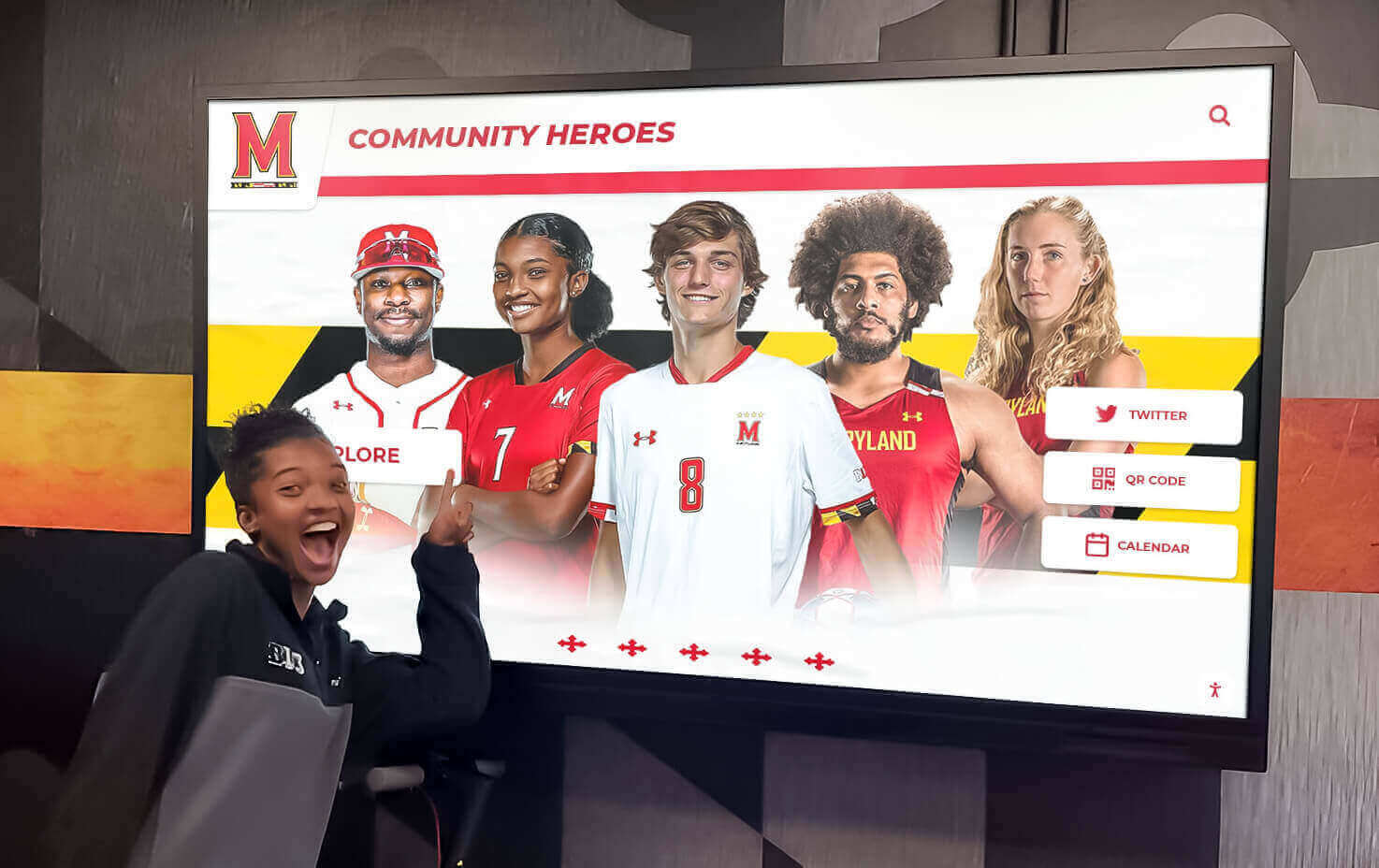
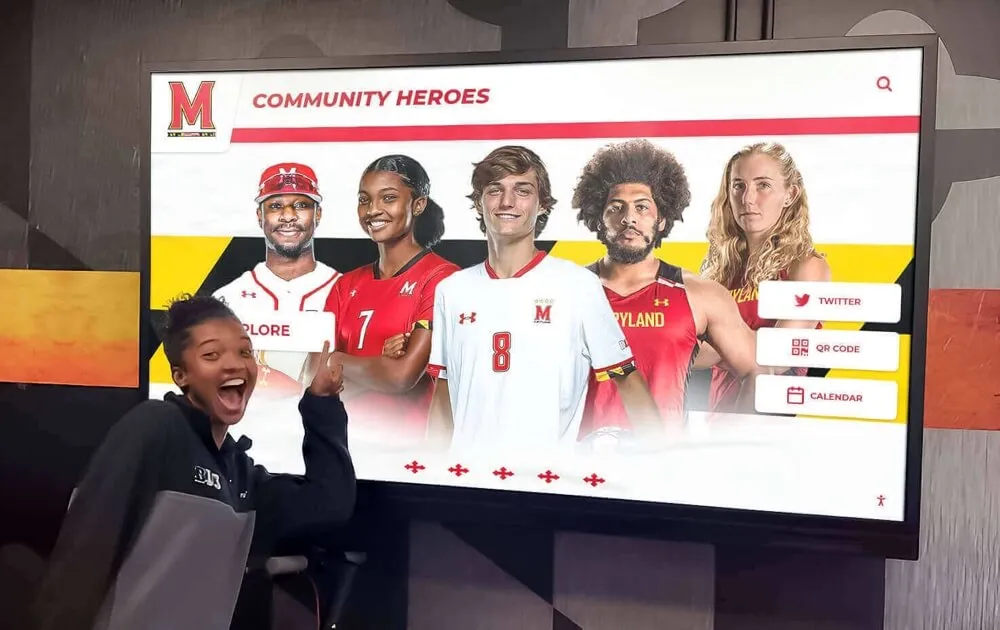
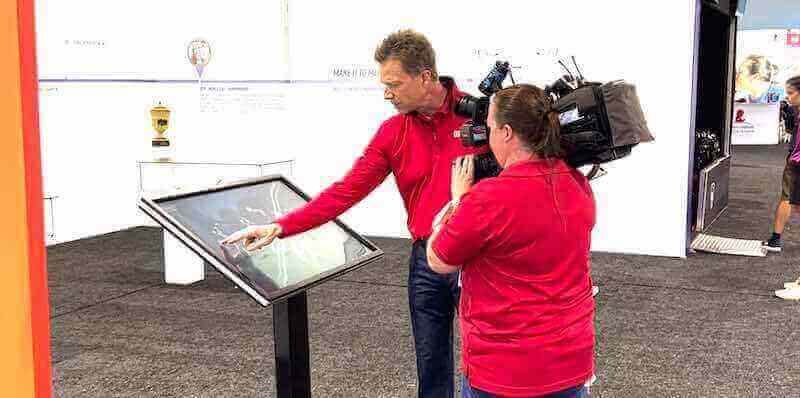
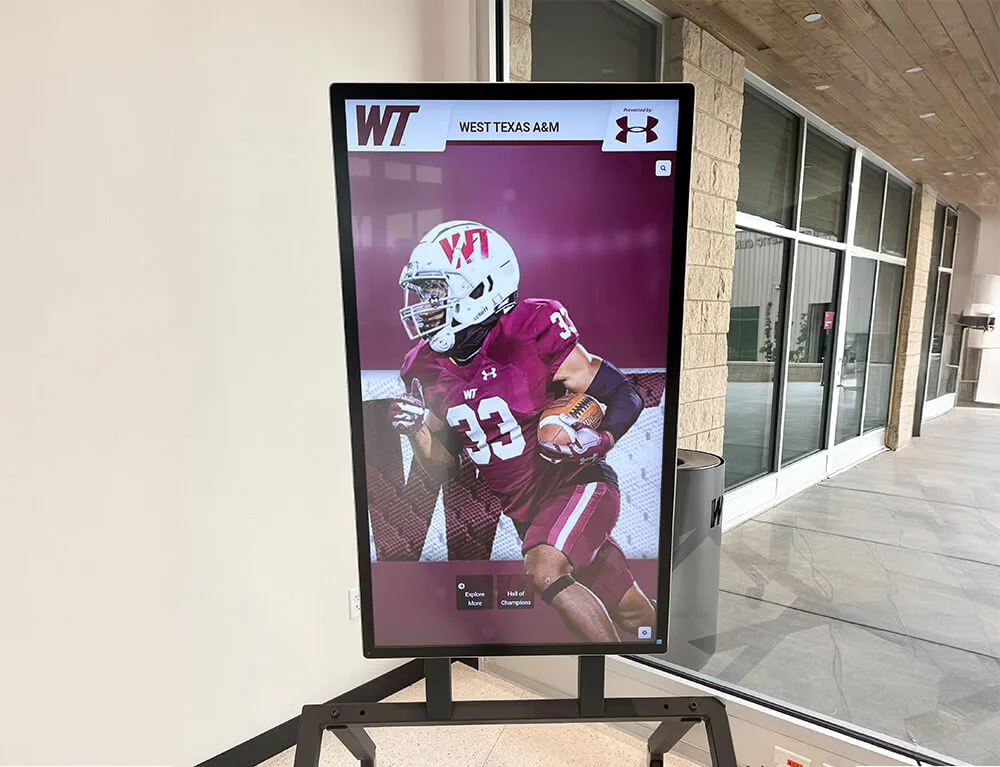
Interactive displays engage students while celebrating diverse athletic achievements across all school sports programs
Benefits Beyond the Court
Pickleball’s impact extends well beyond physical education, creating broader educational and community advantages.
Academic and Social Benefits
Research on racquet sports and lifetime physical activities suggests multiple academic and developmental benefits for student participants.
Executive Function Development
Pickleball’s strategic demands—reading opponents’ positioning, anticipating shot placement, adjusting tactics based on partner strengths, and making split-second decisions—exercise executive function skills transferable to academic contexts. Students develop improved decision-making, enhanced strategic thinking, better anticipatory planning, and stronger adaptability to changing conditions.
These cognitive benefits prove particularly valuable when physical activities complement rather than compete with academic priorities.
Social Connection and Belonging
Pickleball’s inherently social nature—doubles partnerships requiring communication, friendly competition between points, and welcoming culture among players—creates natural community building. Students who feel isolated or disconnected often find belonging through pickleball’s approachable, low-pressure social environments.
The sport’s emphasis on fun and recreational enjoyment over winning-at-all-costs mentality reduces social anxiety some students experience in hyper-competitive traditional sports, making participation accessible for students who avoid more intense athletic cultures.
Lifelong Health Habits
By introducing students to genuinely enjoyable physical activity they can continue throughout life, schools support lifelong health and fitness. Unlike football or gymnastics requiring youth and specific physical attributes, pickleball remains accessible across age spans, ability levels, and life circumstances.
Students who discover pickleball enjoyment in high school frequently continue playing in college, as young adults, and into later life, making it one of few school PE activities with demonstrated lifelong participation patterns.
Community Engagement and Program Support
Pickleball programs create unique opportunities for family and community involvement in school athletics.
Intergenerational Participation
Pickleball’s multi-generational appeal allows meaningful family involvement in student athletic activities. Parents and grandparents who can’t run basketball courts or compete in soccer matches can participate authentically in pickleball, creating: parent-student tournament events, family open play sessions, community leagues involving school families, and shared recreational activity bridging generational gaps.
This intergenerational appeal strengthens family engagement with school athletic programs while creating positive associations between physical activity and family bonding.
Community Partnership Development
Schools implementing pickleball often partner with community recreation departments, local pickleball clubs, and municipal facilities: shared use agreements maximizing facility availability, coaching support from experienced community players, tournament hosting bringing communities to school campuses, and pathway development from school programs to community leagues.
These partnerships create mutually beneficial relationships supporting both school programs and broader community recreational offerings.
Alumni Connection
Pickleball’s lifetime playability creates unique alumni engagement opportunities. Former students who no longer play football or basketball might enthusiastically return for alumni pickleball tournaments, creating connections between current students and graduated predecessors impossible with sports requiring youthful athleticism.
Schools implementing comprehensive recognition systems can celebrate both current achievements and alumni accomplishments, building traditions connecting generations through shared sport.
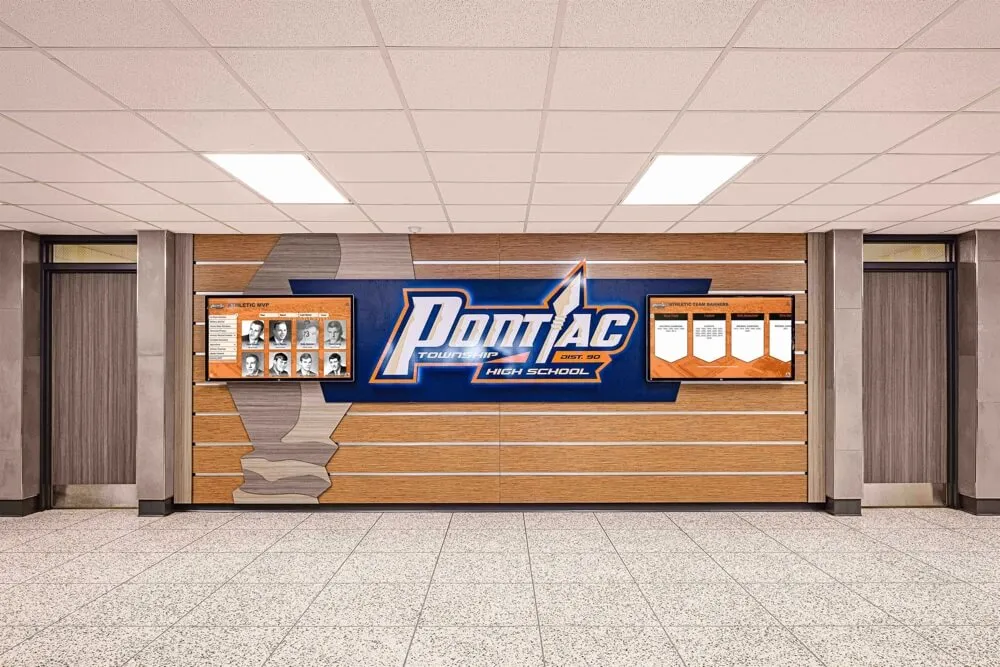
Comprehensive recognition walls celebrate diverse athletic programs and create inspiring environments for all student athletes
Implementation Best Practices
Schools considering pickleball adoption can learn from successful early implementers to maximize program impact while avoiding common pitfalls.
Starting Small and Scaling Thoughtfully
Successful pickleball implementation typically follows gradual expansion rather than attempting immediate comprehensive programs.
Pilot Program Approach
Begin with limited pilot initiatives testing feasibility and gauging interest: single PE class units introducing pickleball, short-term intramural leagues assessing participation demand, voluntary lunch or after-school open play, and staff training developing teacher comfort with instruction.
Pilot programs provide low-risk opportunities to assess student response, identify logistical challenges, refine implementation approaches, and build support before committing significant resources to expansion.
Progressive Expansion Based on Success
Scale programs in response to demonstrated success and sustained interest: expanding from pilot classes to full PE curriculum integration, growing from recreational play to structured intramural leagues, developing club sports in response to competitive interest, and establishing varsity programs when participation and demand justify commitment.
This progressive approach ensures resources align with actual participation rather than hoping students will materialize for premature competitive programs.
Building Sustainable Programs
Long-term program success requires attention to sustainability beyond initial enthusiasm.
Equipment Management Systems
Establish clear processes for equipment care and inventory: designated storage locations protecting gear from damage, sign-out procedures tracking equipment use, regular maintenance checking paddle conditions and replacing worn items, and replacement budgets ensuring ongoing equipment availability.
Well-maintained equipment extends investment value while ensuring positive student experiences aren’t compromised by broken or inadequate gear.
Qualified Instruction and Coaching
While pickleball’s simplicity allows quick teaching, quality instruction significantly enhances student experiences: professional development for PE teachers, partnerships with skilled community players providing specialized coaching, instructional video resources supporting curriculum, and coaching certification for staff leading competitive teams.
Investment in instructor quality differentiates meaningful skill development from merely occupying students with recreational play.
Recognition and Documentation
Create systems preserving achievements and building program history: photography documenting tournaments and competitions, results tracking for record-keeping, award procedures recognizing accomplishments, and digital platforms showcasing achievements alongside other athletic programs.
Early documentation establishes traditions and creates historical records that future participants will value as programs mature and achieve status alongside established sports.
The Future of Pickleball in Schools
Current trajectories suggest pickleball will continue rapid expansion within educational contexts, potentially achieving mainstream status comparable to established sports.
Pathway Development
As more schools adopt pickleball, competitive pathways will mature: middle school feeder programs developing fundamental skills, high school varsity competition with state championship structures, club volleyball-style travel teams for elite competition, and emerging collegiate opportunities at club and potentially varsity levels.
These pathway developments will attract more serious athletes while maintaining the sport’s recreational accessibility, creating participation options across skill and commitment spectrums.
Recognition Evolution
Pickleball achievements will increasingly receive recognition comparable to traditional sports: inclusion in digital hall of fame and record board systems, letterman awards and varsity recognition, scholarship opportunities as collegiate programs develop, and professional pathway possibilities for exceptional athletes.
This recognition evolution validates pickleball as legitimate athletic pursuit rather than merely recreational activity, important for program credibility and student investment.
Educational Innovation
Pickleball’s success may influence broader physical education philosophy: renewed emphasis on lifetime sports over short-term team sports, greater prioritization of inclusive activities over elite competitive programs, increased focus on genuinely enjoyable physical activities, and recognition that student engagement requires accessibility and rapid skill development.
The sport’s adoption demonstrates that innovation in physical education can simultaneously increase participation, reduce costs, and provide better lifelong health outcomes than traditional approaches.
Creating Lasting Recognition for Pickleball Champions
As your school embraces pickleball and students achieve success in this rapidly growing sport, their accomplishments deserve celebration alongside traditional athletic achievements. Modern recognition systems should reflect the full diversity of student athletic participation, from football championships to pickleball tournament victories, creating inclusive environments that validate all paths to excellence.
Digital recognition platforms make it simple to celebrate pickleball achievements with the same prominence as established sports—adding tournament champions, documenting skill progressions, showcasing team accomplishments, and building traditions connecting today’s pioneers to future generations of players. By establishing comprehensive recognition early in your pickleball program’s development, you create powerful incentives for student participation while validating that achievement matters regardless of which sport provides the pathway.
Schools implementing pickleball programs are discovering that this accessible, engaging sport creates opportunities for recognition, belonging, and athletic achievement that traditional programs often miss. Students who never considered themselves athletes find success on pickleball courts. Families who felt disconnected from school athletics discover welcoming participation opportunities. Communities develop new traditions bringing generations together through shared sport.
Ready to create recognition systems celebrating your school’s pickleball champions alongside traditional athletic achievements? Rocket Alumni Solutions provides comprehensive digital platforms showcasing all student accomplishments—from football records to pickleball milestones—with unlimited capacity, easy updates, and engaging displays that inspire current students while honoring program history. Our systems grow with your programs, ensuring emerging sports receive recognition equal to established traditions.