



Every December 7th, schools across America face the meaningful challenge of teaching students about Pearl Harbor while honoring the veterans and service members whose lives were forever changed that day. This date marks one of the most pivotal moments in American history—when 2,403 Americans lost their lives in the 1941 surprise attack that propelled the United States into World War II. For educators, Pearl Harbor Remembrance Day represents both a teaching opportunity and a solemn responsibility to ensure younger generations understand the sacrifice, courage, and historical significance of that Sunday morning.
Yet many schools struggle with making this history feel relevant to students born decades after the last Pearl Harbor survivors. Traditional lectures and textbook readings often fail to convey the human stories behind the statistics. Meanwhile, the window for direct veteran connections narrows each year as World War II veterans, now in their late 90s and beyond, become fewer. Schools need approaches that honor the gravity of Pearl Harbor while creating genuine engagement that helps students understand why this day matters.
The most effective Pearl Harbor Remembrance Day programs combine historical education with interactive experiences that personalize the past. When schools move beyond passive learning to active commemoration—through veteran recognition displays, interactive memorial installations, student research projects, and community partnerships—they create meaningful experiences that resonate with contemporary students while paying appropriate tribute to those who served.
This comprehensive guide explores how schools successfully teach and honor Pearl Harbor Remembrance Day through engaging educational programs, respectful memorial displays, veteran recognition systems, and community partnerships that bring history alive while maintaining the dignity this solemn occasion deserves.

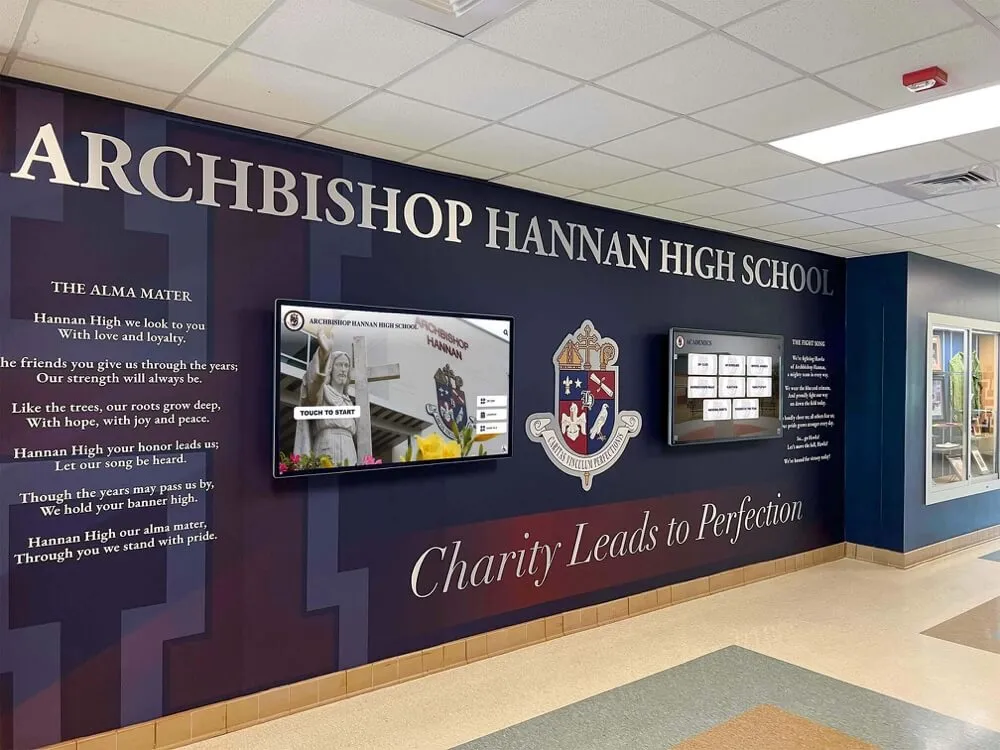
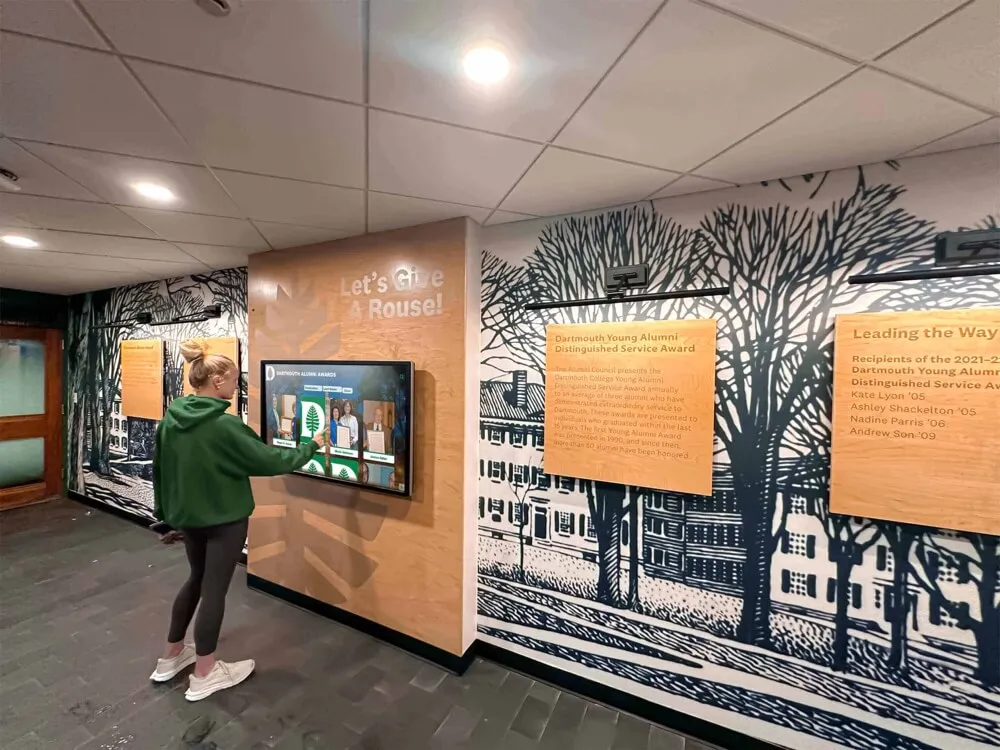
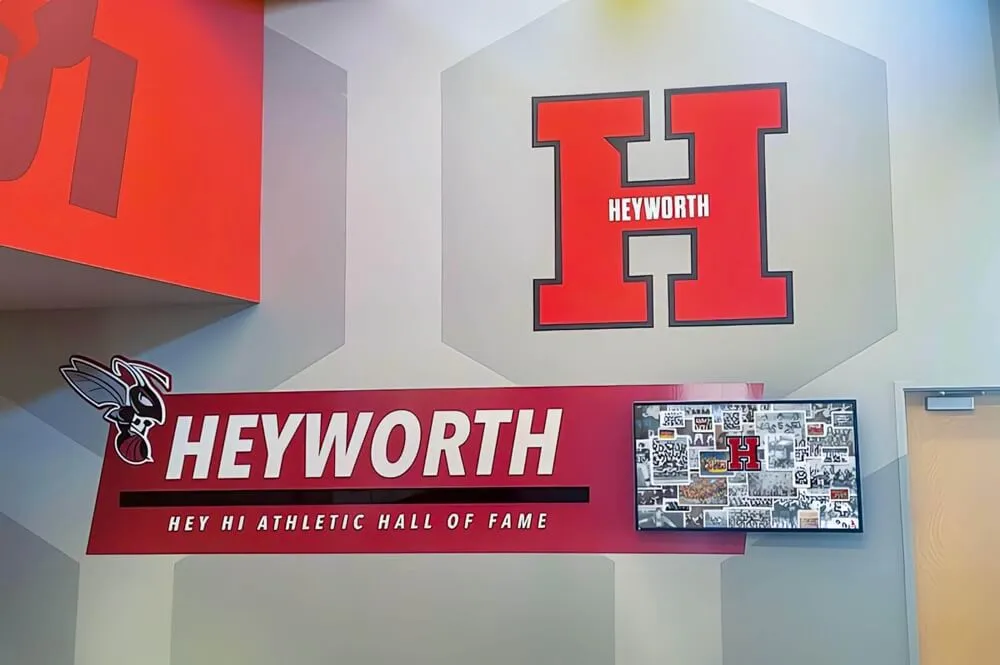
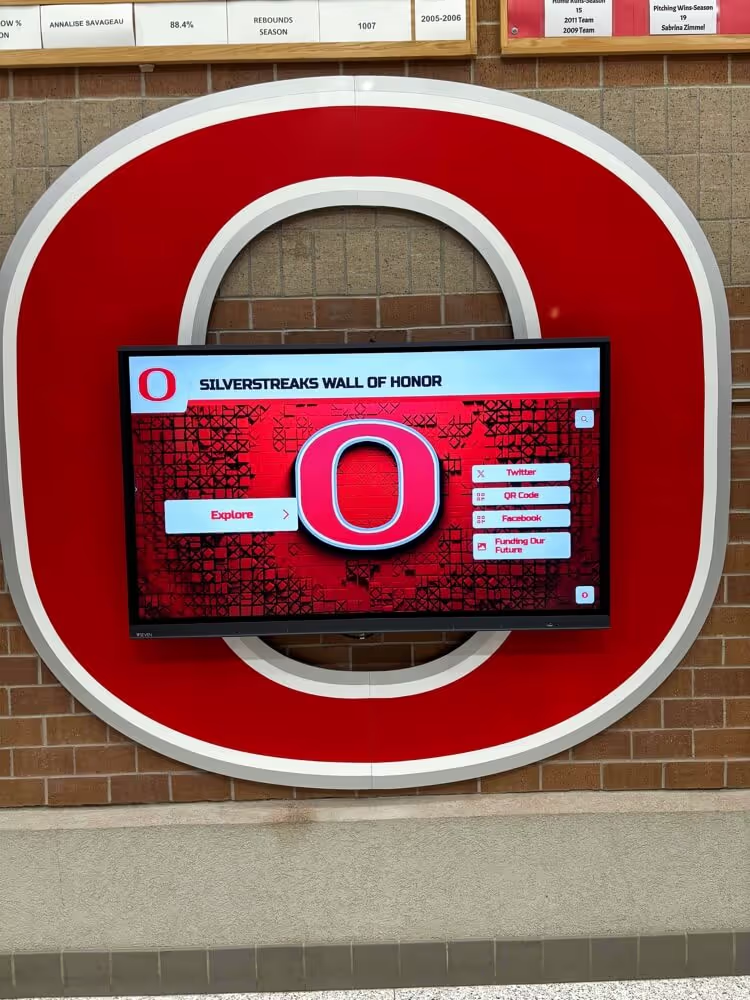
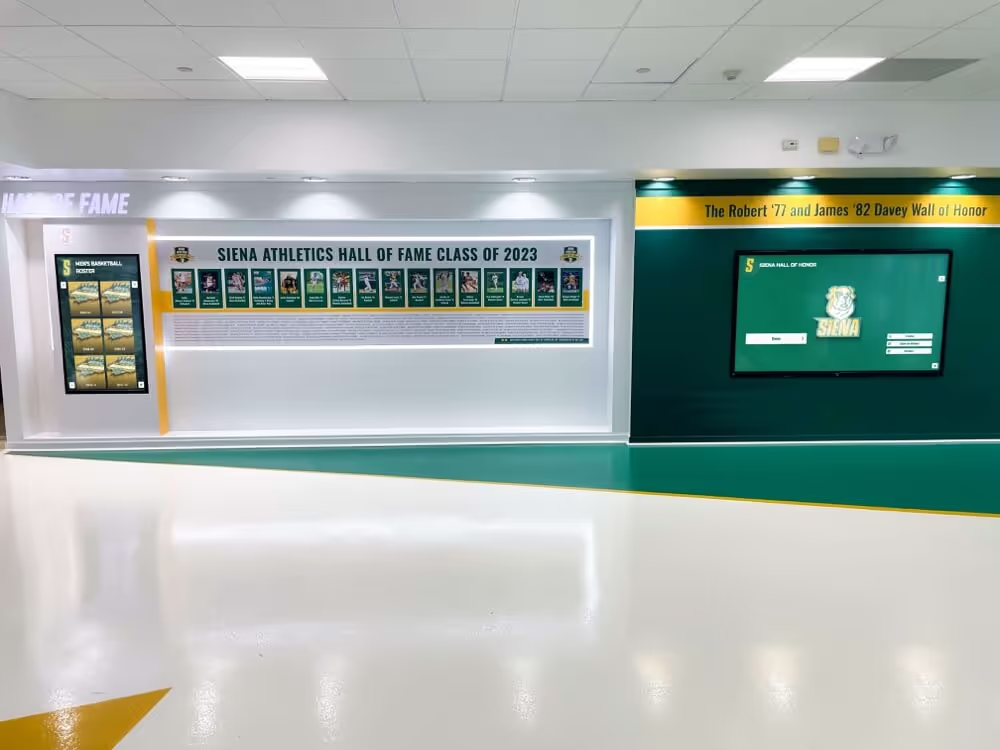
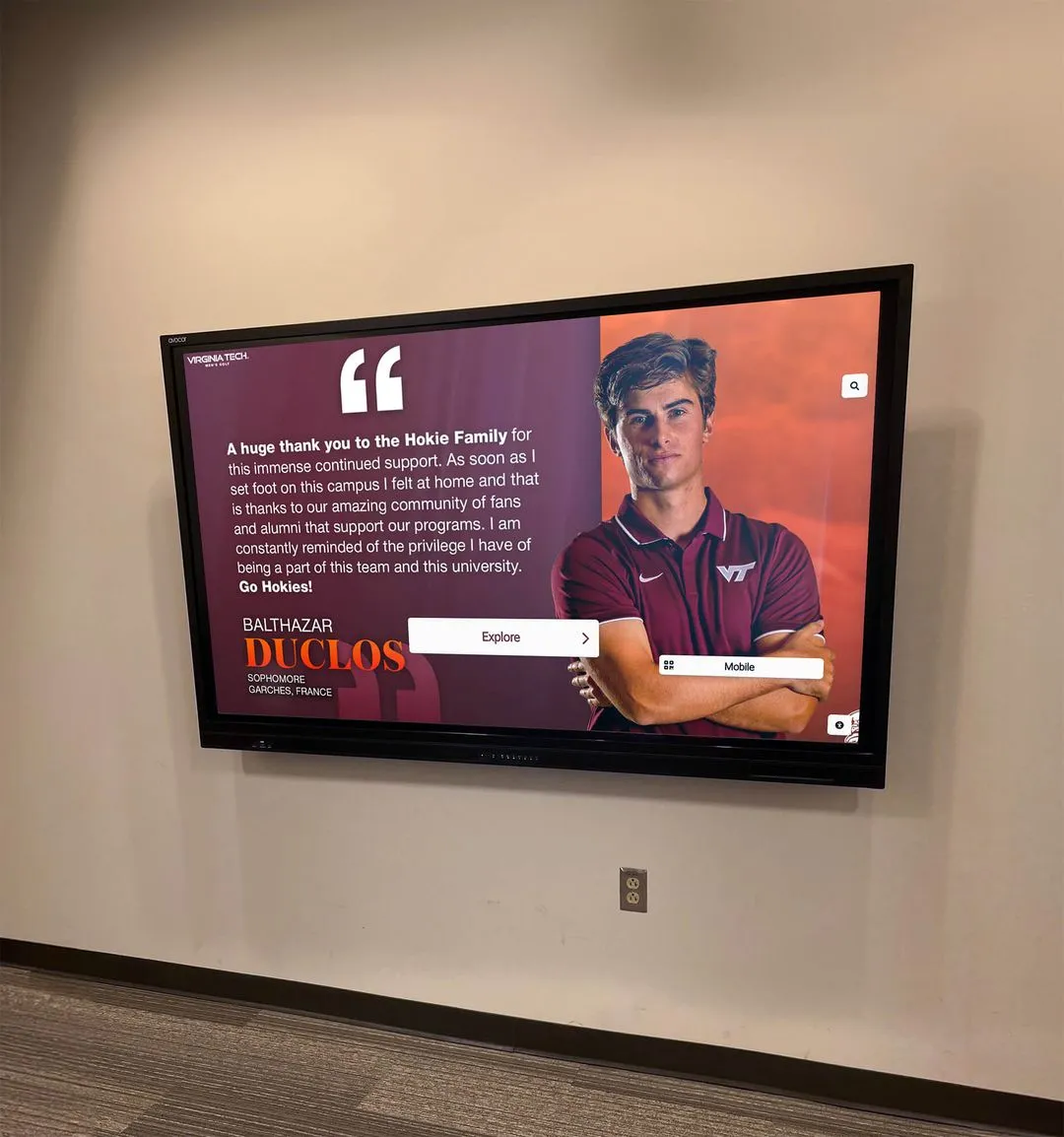
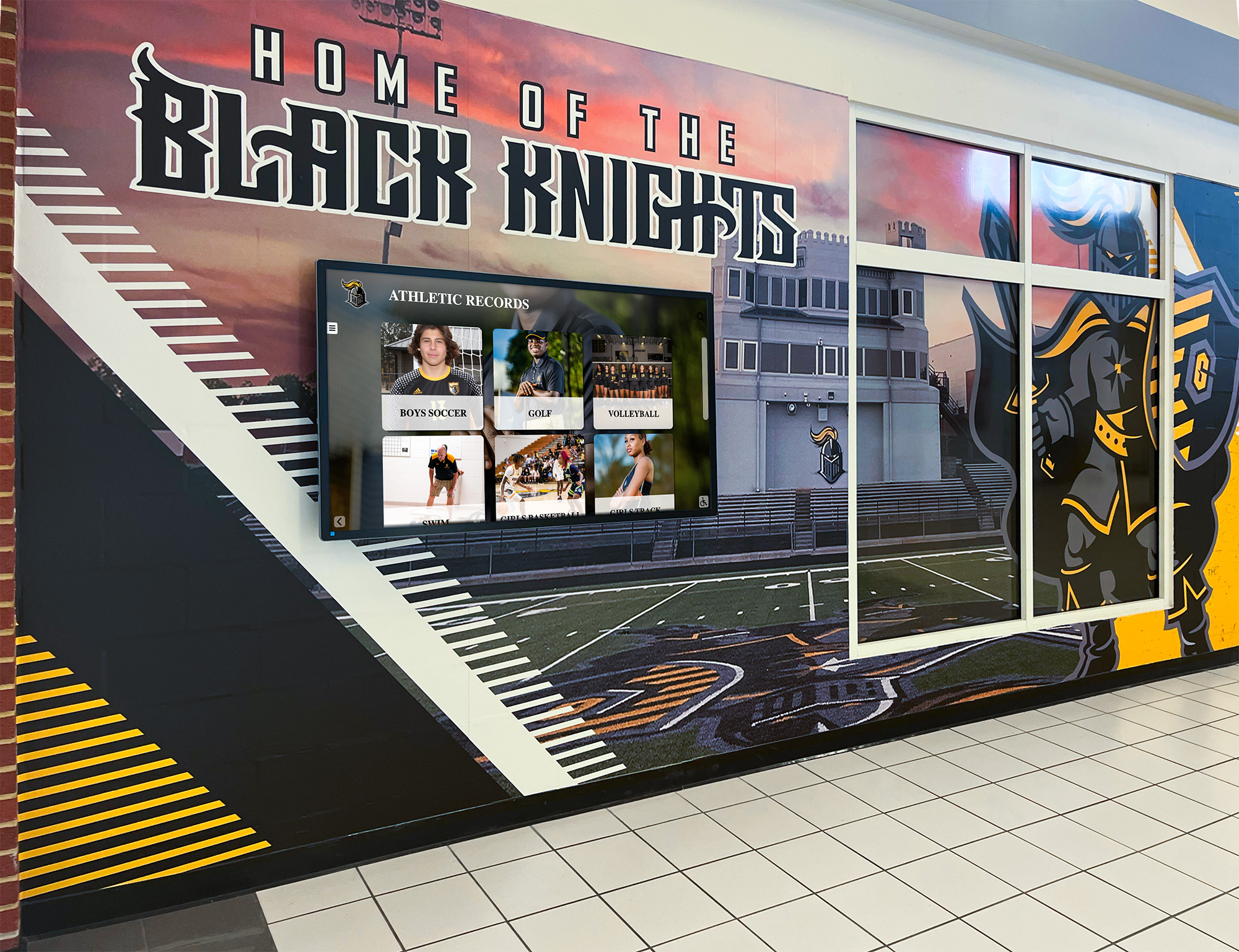
Modern recognition displays create permanent memorials honoring veterans and military history within school environments
Understanding Pearl Harbor Remembrance Day in Educational Context
Pearl Harbor Remembrance Day commemorates the December 7, 1941 attack on the U.S. naval base at Pearl Harbor, Hawaii, which brought America into World War II and forever changed the course of global history.
Historical Significance for Student Learning
The Pearl Harbor attack represents a watershed moment in American and world history that offers multiple teaching dimensions for educators:
Military History and Strategy
The attack demonstrated changing warfare through coordinated air assault, the element of surprise in military operations, the vulnerability of concentrated military assets, and the strategic importance of naval power in the Pacific Theater. Students learn how military tactics evolved and how nations prepare for unexpected threats.
Political and Diplomatic Consequences
December 7th transformed American foreign policy from isolationism to active global engagement, created lasting alliances that shaped the postwar world, established precedents for national security responses, and demonstrated how single events can alter national trajectories. Understanding Pearl Harbor helps students grasp how America’s role in world affairs fundamentally changed in a single day.
Human Stories and Sacrifice
Beyond military strategy, Pearl Harbor involved real people—sailors, marines, airmen, nurses, and civilians—who faced unimaginable circumstances with extraordinary courage. Teaching these personal narratives helps students connect emotionally with history beyond dates and statistics. The 2,403 Americans who lost their lives, the 1,178 who were wounded, and the countless families forever affected deserve recognition that honors their individual humanity.
Cultural Memory and National Identity
“A date which will live in infamy” became defining language for American national consciousness. Pearl Harbor shaped how subsequent generations understood patriotism, military service, national resilience, and the importance of remembrance. Schools teaching Pearl Harbor help students understand how collective memory forms national identity.
Current Educational Standards and Requirements
Pearl Harbor Remembrance Day receives formal recognition through various educational frameworks and standards:
National Curriculum Integration
U.S. History standards across all 50 states include World War II as essential content, with Pearl Harbor serving as the crucial entry point for teaching America’s involvement in the global conflict. Social studies frameworks emphasize understanding causes, events, and consequences of major historical turning points, making Pearl Harbor a natural curricular focus.
State Commemorative Resolutions
Many states have passed resolutions or legislation encouraging schools to observe Pearl Harbor Remembrance Day through special programs, moments of silence, educational activities, or guest speakers. These state-level recognitions provide institutional support for schools developing comprehensive Pearl Harbor education programs.
Veterans Day Connections
While Pearl Harbor Remembrance Day occurs separately from Veterans Day (November 11), schools often coordinate related programming that honors all veterans while giving specific attention to World War II service members and Pearl Harbor survivors. Understanding Pearl Harbor enriches broader veterans appreciation by providing specific historical context for military service.
Military Appreciation Month Coordination
May’s Military Appreciation Month provides another opportunity for schools to recognize military service, creating multiple touchpoints throughout the school year for comprehensive veterans education that includes Pearl Harbor commemoration.
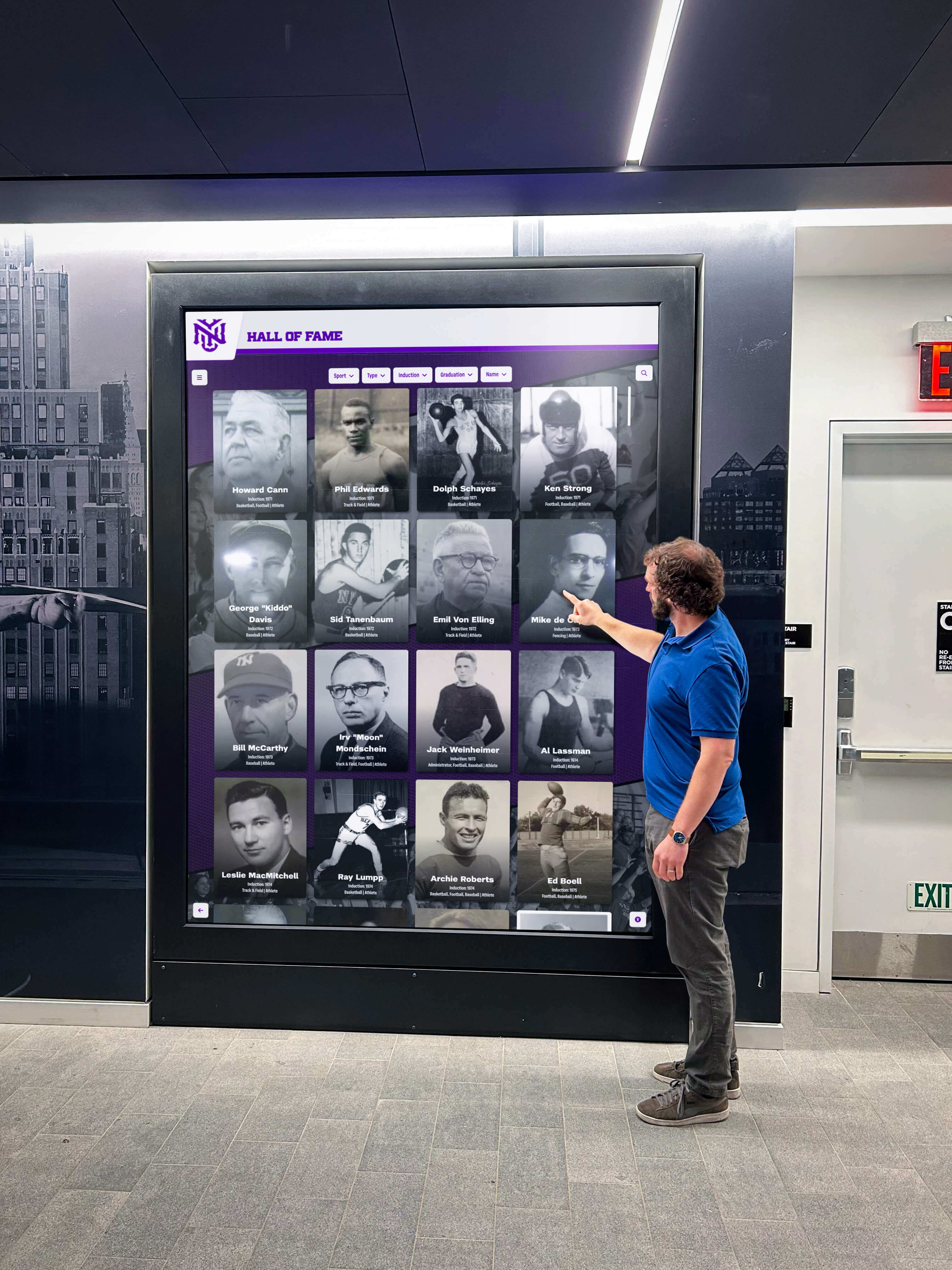
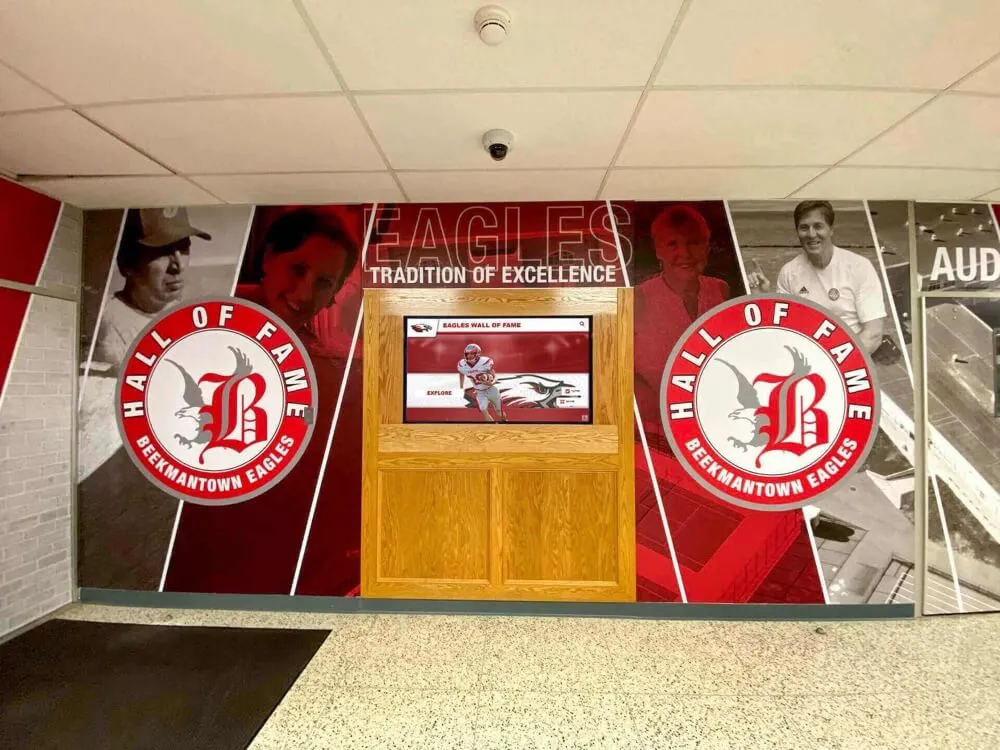
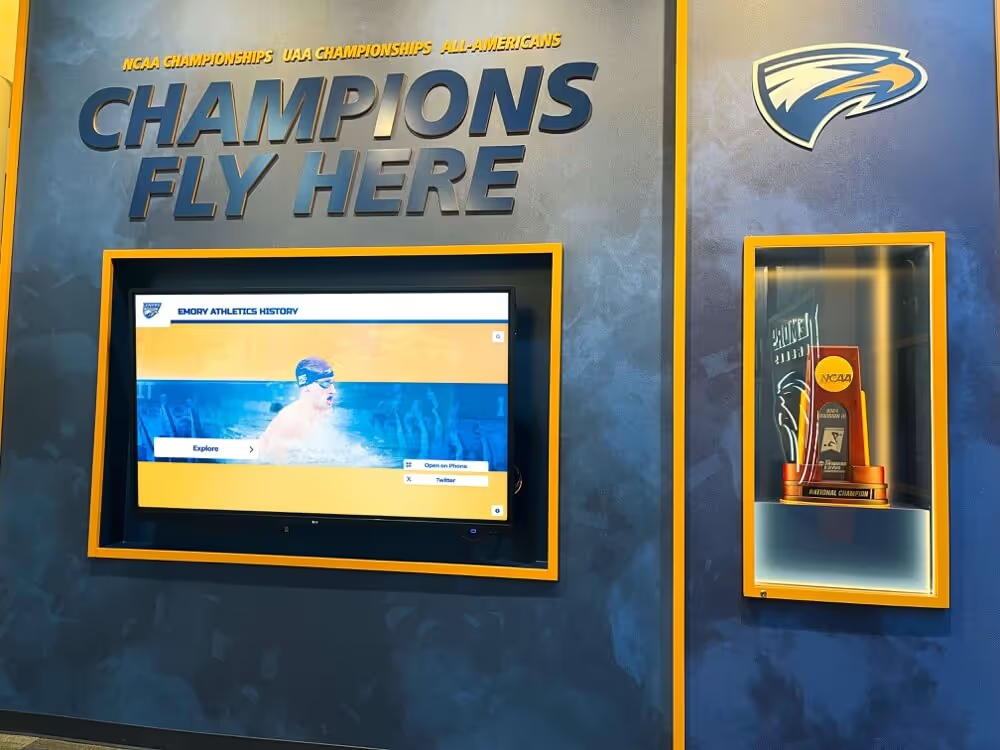
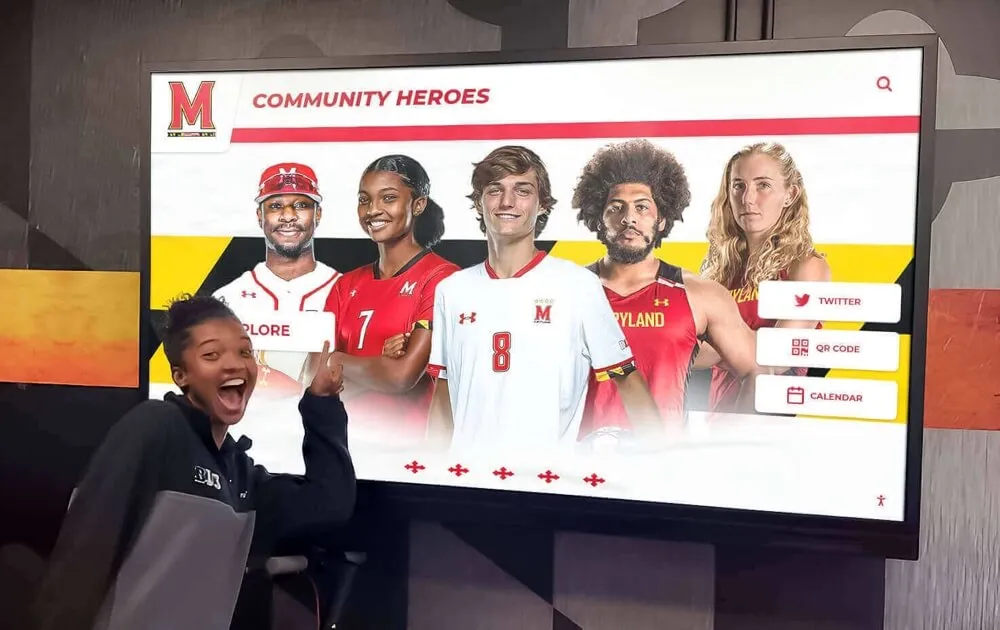
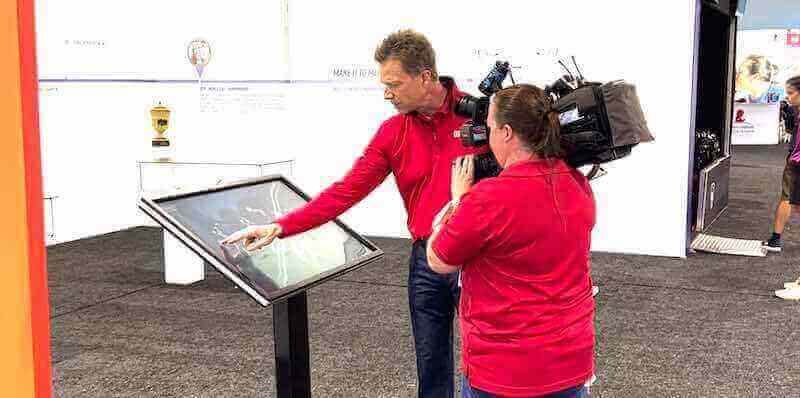
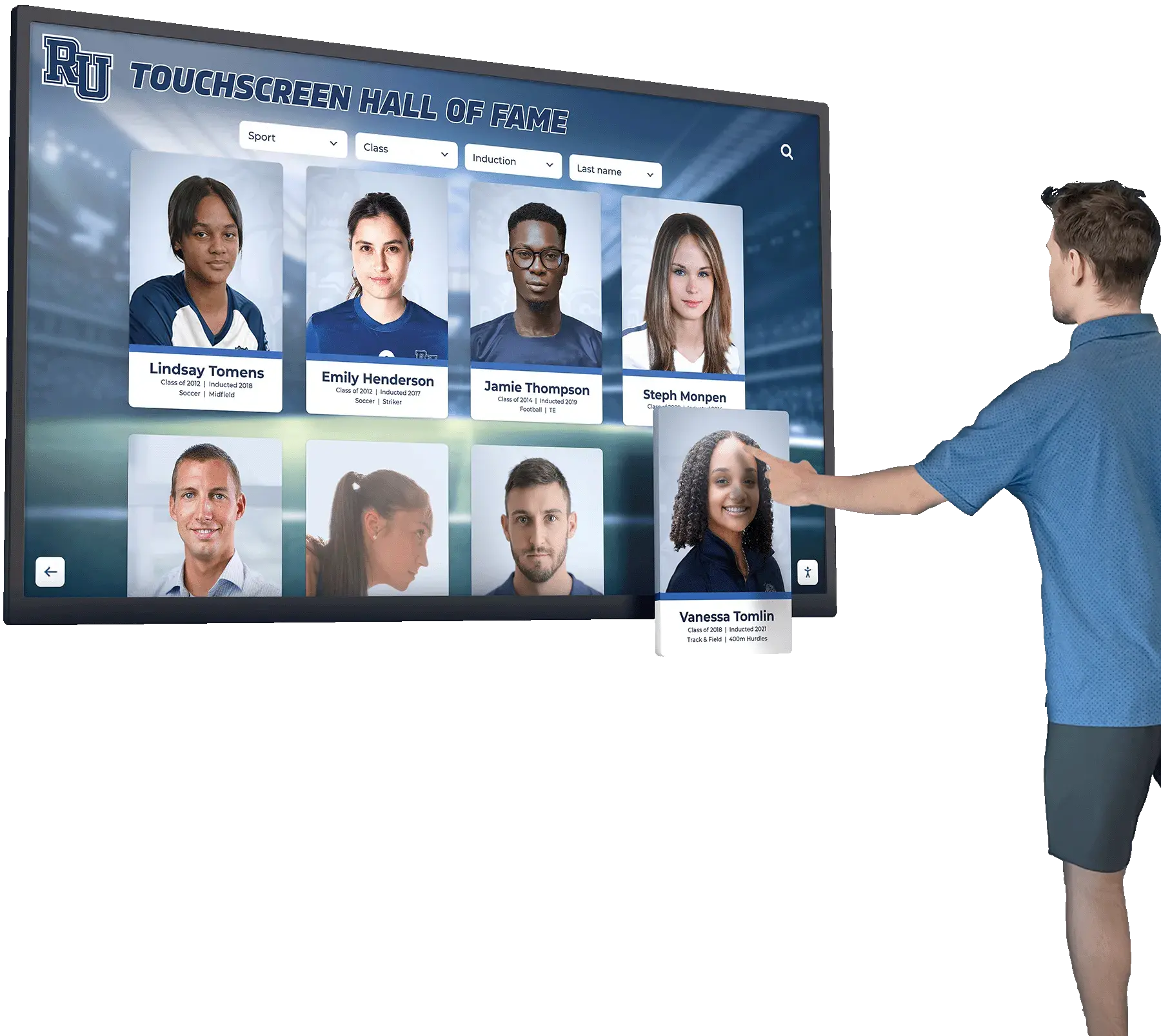
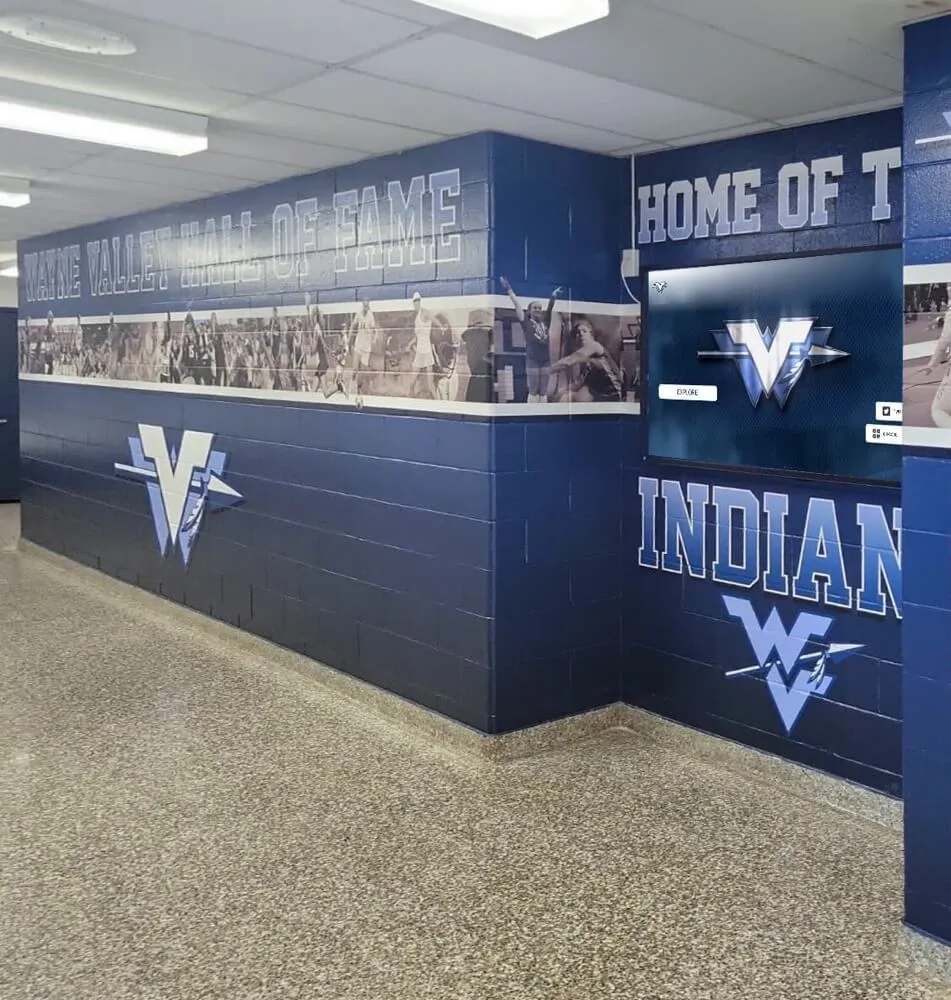
Interactive displays enable students and community members to explore military history and veteran stories
Effective Teaching Strategies for Pearl Harbor Remembrance
Successful Pearl Harbor education moves beyond textbook facts to create meaningful learning experiences that resonate with contemporary students.
Primary Source Analysis and Historical Inquiry
Engaging students directly with historical evidence creates deeper understanding than secondary accounts alone:
Authentic Documents and Artifacts
Presidential documents, military communications, newspaper headlines, personal letters, and photographs from December 7th and its aftermath provide primary source materials students can analyze. Digital archives from the National Archives, Library of Congress, and Pearl Harbor memorial collections offer extensive accessible resources. Students examining actual historical materials develop critical thinking skills while connecting more deeply with the human dimension of history.
Survivor Testimonies and Oral Histories
Video interviews with Pearl Harbor survivors offer powerful teaching tools. Organizations like the Library of Congress Veterans History Project and the Pearl Harbor Survivors Association have preserved extensive oral histories. Even as the number of living survivors dwindles, these recorded testimonies ensure their voices continue reaching future generations. Students watching survivors describe their experiences gain understanding no textbook can provide.
Comparative Document Analysis
Examining Japanese and American perspectives through comparative primary sources helps students understand multiple viewpoints, recognize how different nations interpreted events, and develop historical empathy. This balanced approach avoids simplistic narratives while maintaining appropriate focus on American experience and sacrifice.
Student Research Projects
Assigning students to research specific Pearl Harbor victims, survivors, or heroes personalizes the history. When students investigate individual service members—learning their hometowns, discovering their families, understanding their military service—statistics transform into people, making history tangible and meaningful.
Multimedia and Technology Integration
Modern educational technology enhances Pearl Harbor teaching through engaging formats suited to visual learners:
Documentary Film Clips
High-quality documentaries provide compelling visual storytelling. Brief, focused clips work better than full-length films for classroom use. Films like “Pearl Harbor: Into the Arizona” with Stockard Channing, National Geographic documentaries, and History Channel productions offer professionally produced content appropriate for various grade levels.
Interactive Digital Timelines
Digital timeline displays can illustrate events leading to Pearl Harbor, the attack sequence, and subsequent wartime developments. Interactive elements allow students to explore at their own pace, drilling down into areas of interest while maintaining overall chronological understanding.
Virtual Reality Experiences
Some educational institutions have developed VR experiences placing students aboard USS Arizona or other Pearl Harbor locations. While not universally accessible, these immersive technologies create powerful emotional connections when available.
Geographic Information Systems (GIS)
Mapping tools help students understand Pearl Harbor’s geographic location, why Hawaii held strategic importance, how the attack unfolded across the harbor, and where American forces were positioned. Visual-spatial learning through maps enhances understanding of military strategy and historical geography.
Social Media Historical Recreations
Some creative educators use platforms like Twitter or Instagram to create “live” historical timelines where accounts representing historical figures or military units post updates as events unfolded. These contemporary media formats engage students in familiar environments while teaching historical content.
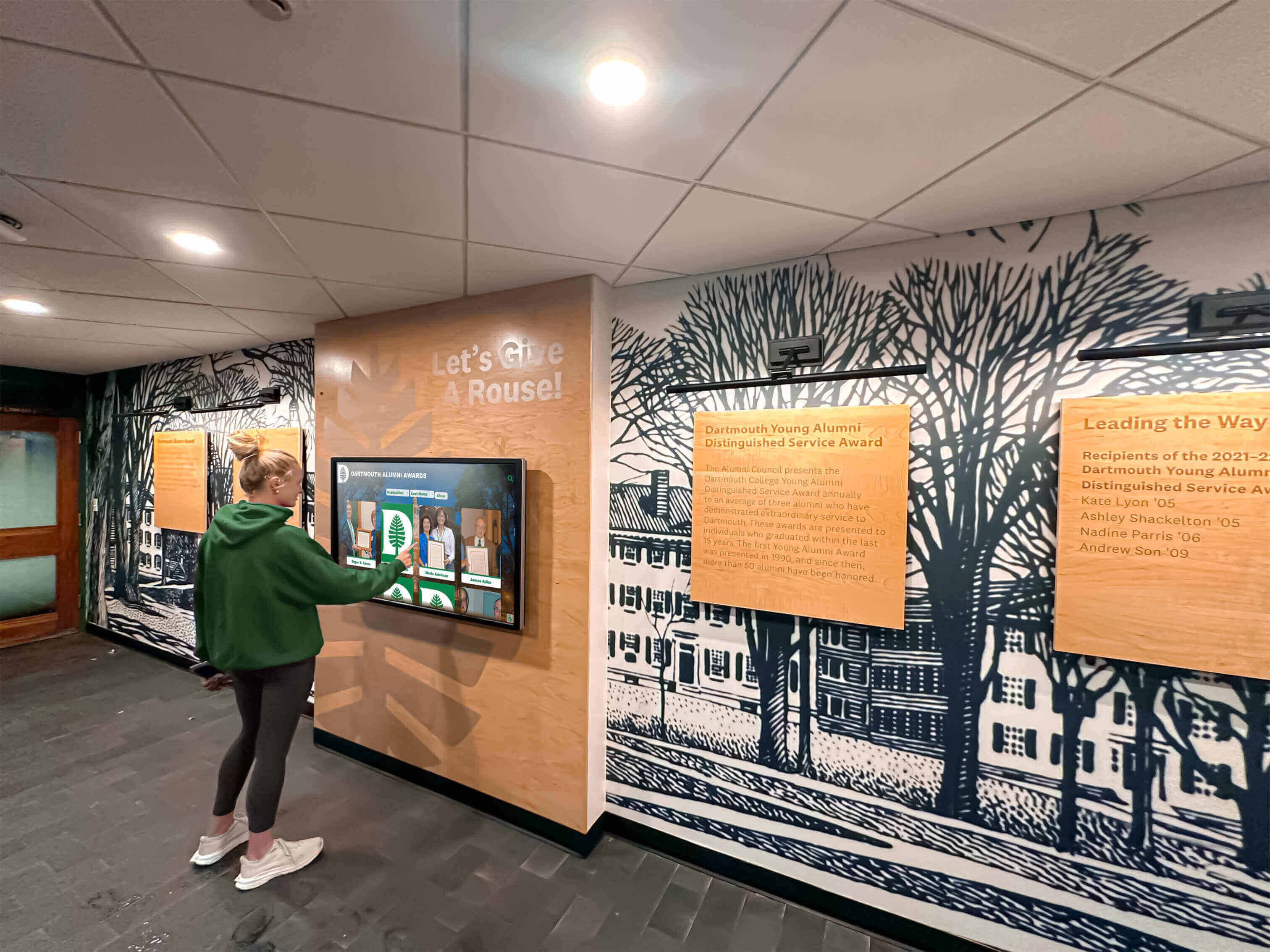
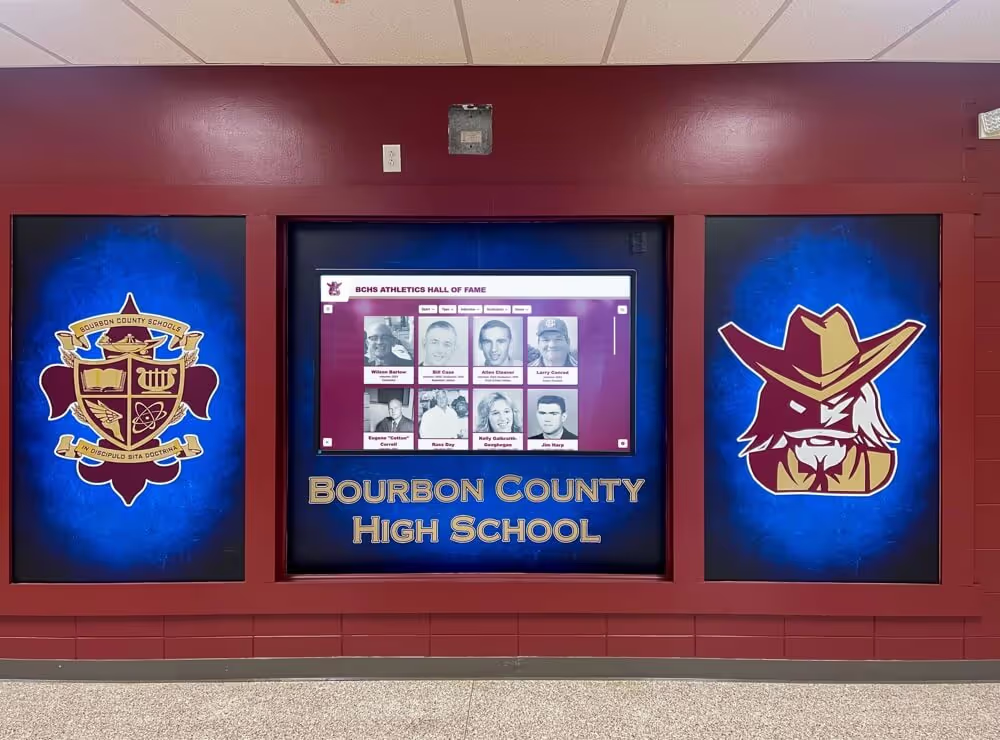
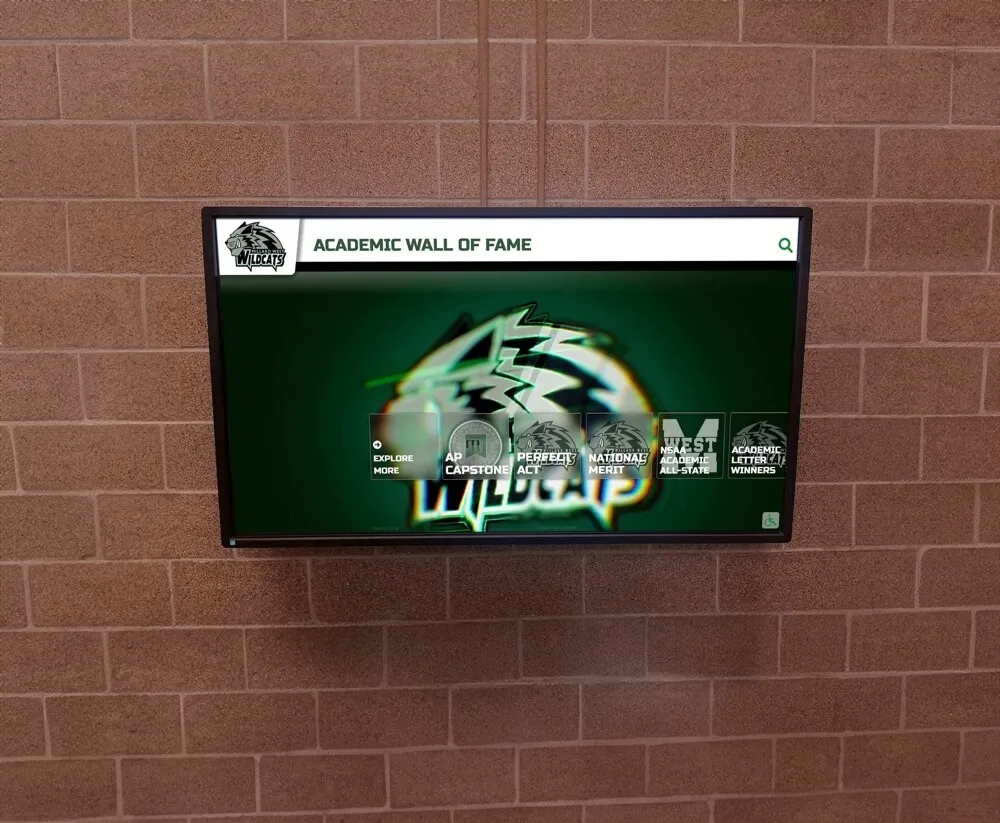
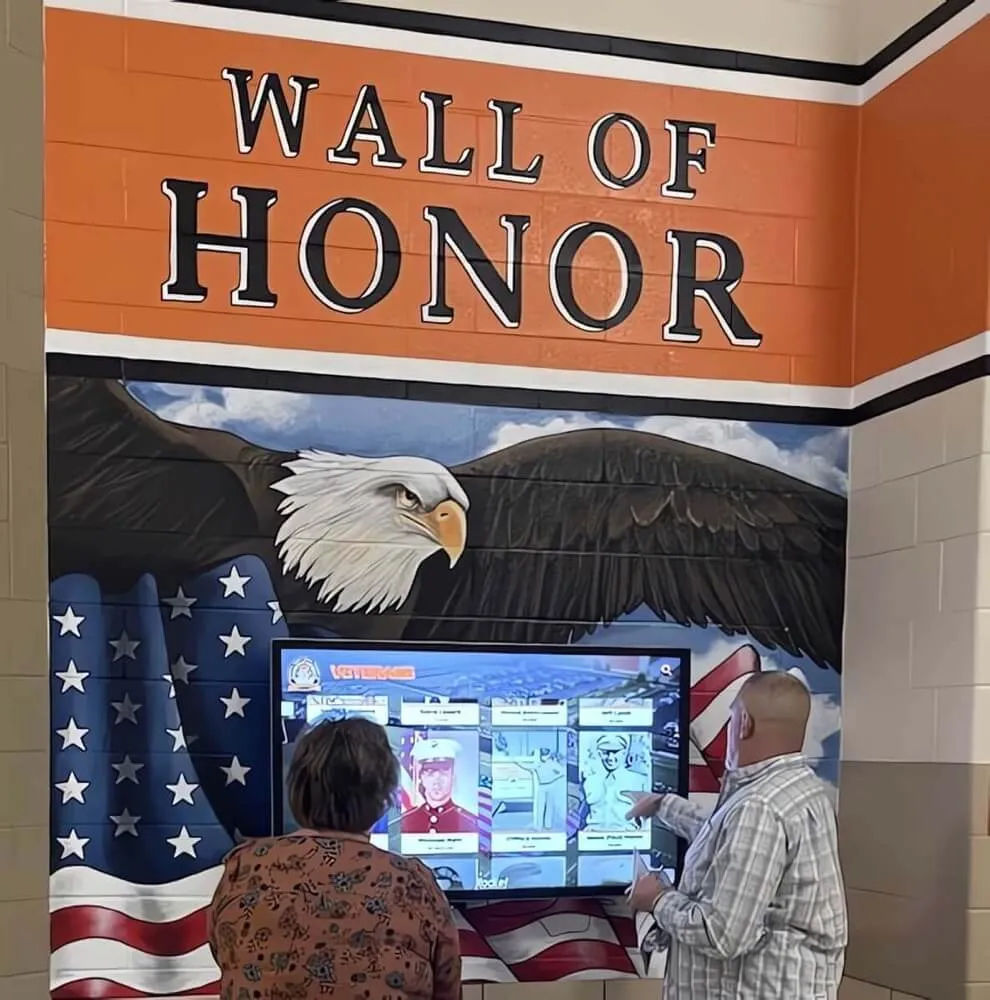
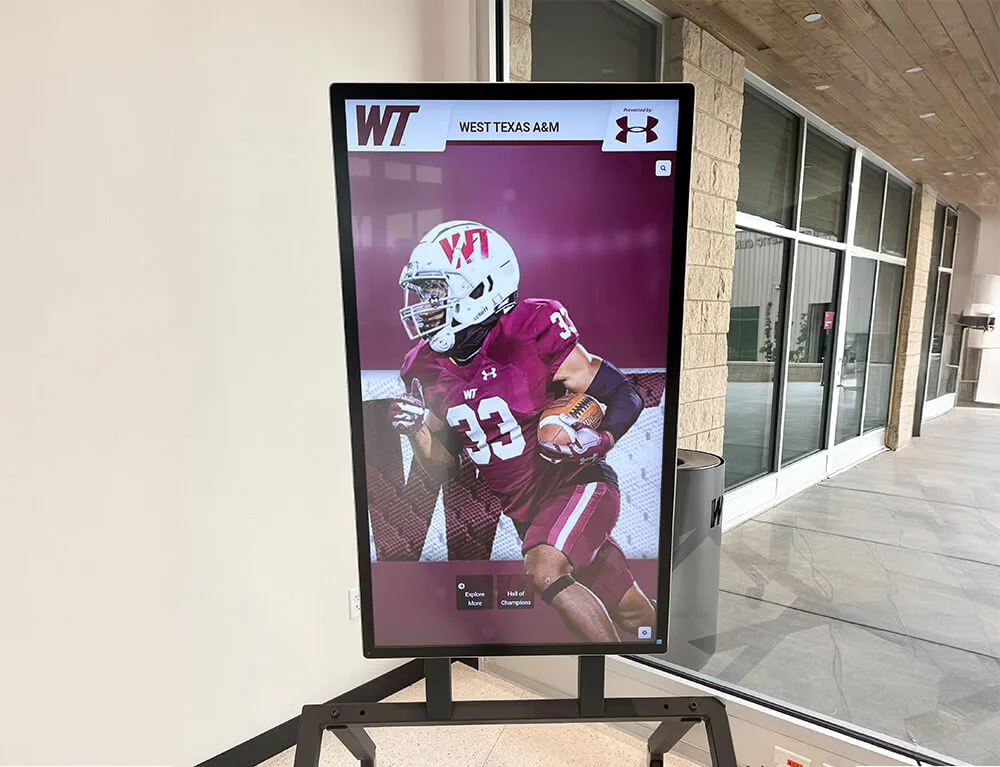
Interactive displays make military history accessible and engaging for students through intuitive exploration
Age-Appropriate Curriculum Adaptation
Pearl Harbor content requires thoughtful adaptation across different grade levels ensuring appropriate complexity and sensitivity:
Elementary School Approaches (K-5)
Younger students need simplified narratives focusing on courage, service, and remembrance without graphic violence details. Age-appropriate books like “Remember Pearl Harbor” by Thomas B. Allen provide accessible introductions. Activities might include creating thank-you cards for veterans, learning about the American flag and patriotic symbols, or discussing what it means to be brave and serve others.
Middle School Depth (6-8)
Middle schoolers can handle more complex historical analysis including military strategy, political context, and individual experiences. Primary source analysis becomes appropriate. Students can research specific service members, examine newspaper coverage, analyze propaganda posters, and understand the attack’s role in the broader World War II context. Discussion of casualties and violence requires sensitivity while providing historically accurate information.
High School Comprehensive Study (9-12)
High school students can engage with Pearl Harbor at sophisticated levels including geopolitical analysis, examination of intelligence failures, debate over historical interpretations, connections to contemporary military and foreign policy issues, and comprehensive primary source research. Advanced placement and college-preparatory courses might include historiographical analysis examining how Pearl Harbor memory has evolved over decades.
Differentiated Learning Approaches
Within any grade level, students have varying abilities and learning styles. Effective Pearl Harbor teaching provides multiple entry points—visual learners explore photographs and maps, kinesthetic learners participate in interactive simulations, analytical students examine documents, creative students produce artistic responses, and community-oriented students participate in memorial service projects.
Creating Memorial Displays and Recognition Programs
Schools honor Pearl Harbor Remembrance Day through visible displays and programs that maintain year-round awareness while featuring special December 7th commemoration.
Traditional Memorial Approaches
Time-honored methods of honoring Pearl Harbor and military service remain meaningful and effective:
Memorial Bulletin Boards
Dedicated hallway displays featuring Pearl Harbor information, photographs, timelines, and remembrance messages create visible commemoration. Refreshing these displays annually maintains relevance while establishing tradition. Including local veterans with Pearl Harbor connections personalizes remembrance for school communities.
Library Resource Centers
School libraries can create Pearl Harbor resource collections with books, DVDs, primary source reproductions, and informational materials available throughout December. These curated collections support classroom learning while enabling independent student exploration.
Moment of Silence
Many schools observe a moment of silence during morning announcements on December 7th, often at 7:55 AM Hawaii time (the attack’s start time). This simple act creates school-wide awareness and respectful commemoration requiring no special resources beyond administrative coordination.
Student Essay Contests
Writing competitions focused on Pearl Harbor themes encourage research, critical thinking, and reflective engagement. Prompts might include “What Pearl Harbor Means to Me,” “A Day That Changed Everything,” or “Honoring Pearl Harbor Veterans.” Publishing winning essays in school newsletters or displays amplifies student voices.
Commemorative Assemblies
Special programs on or near December 7th bring school communities together for collective remembrance. These assemblies might include student presentations, veteran speakers, musical performances of patriotic songs, video presentations, and administrative remarks about the day’s significance.
Digital and Interactive Memorial Solutions
Modern technology enables more dynamic, engaging, and permanent memorial displays that can honor veterans year-round:
Interactive Veteran Recognition Displays
Digital memorial walls provide unlimited capacity for recognizing local veterans, military families, and service members with connections to school communities. Unlike physical plaques constrained by space, digital systems can grow indefinitely, ensuring every veteran receives appropriate recognition.
Interactive touchscreen displays allow students to explore veteran profiles, read service histories, view photographs, and understand connections between local community members and broader military history including Pearl Harbor and World War II. This personal connection transforms abstract history into tangible community legacy.
Permanent Digital Memorial Installations
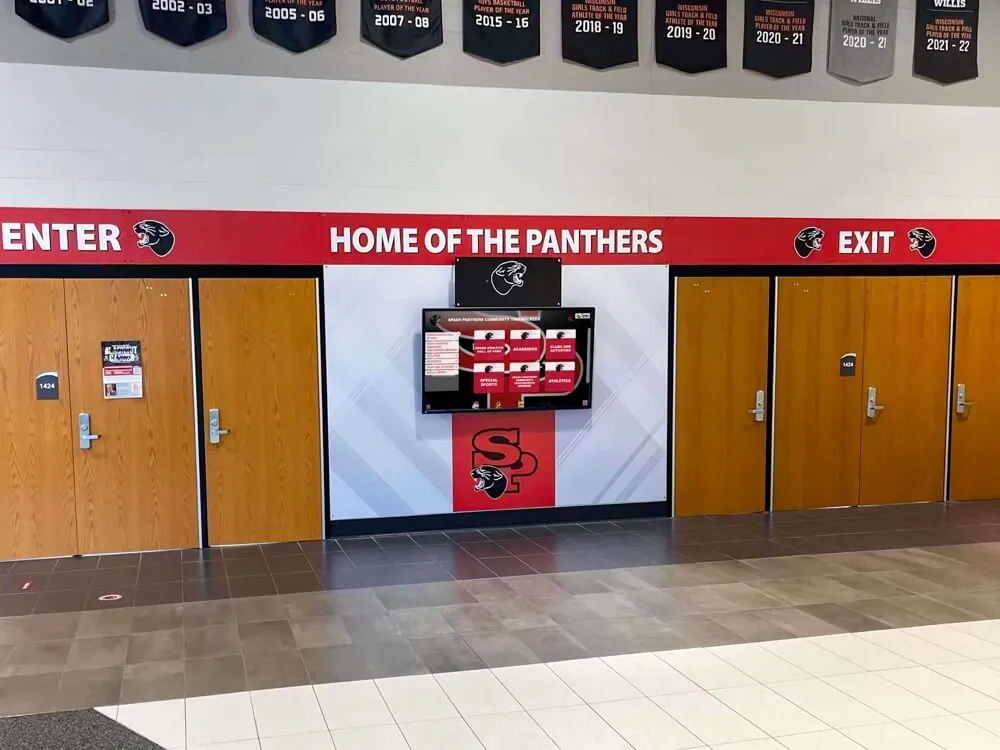
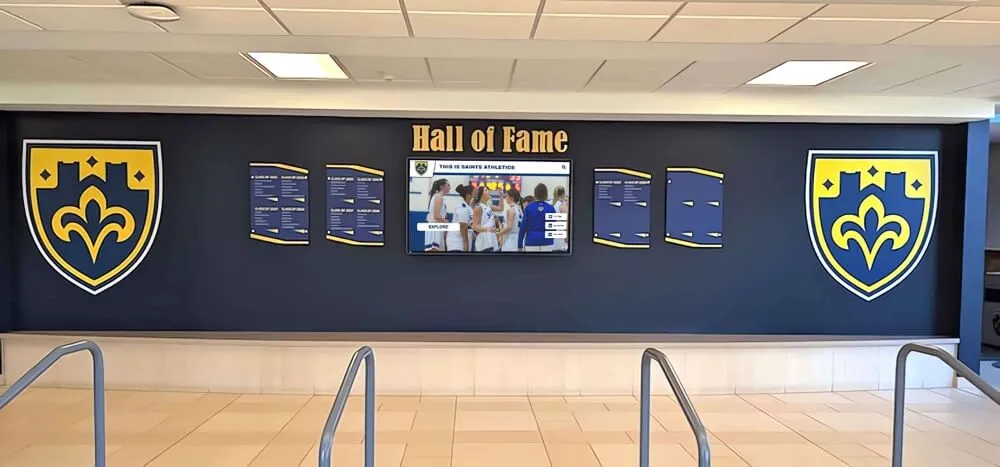
Schools can install dedicated digital displays in prominent locations—main lobbies, libraries, or commons areas—serving as permanent memorials to military service. These installations operate year-round, not just during Pearl Harbor Remembrance Day, creating sustained awareness of military sacrifice and service.
Digital platforms like those provided by Rocket Alumni Solutions enable schools to maintain comprehensive veteran recognition without the space limitations and maintenance challenges of traditional physical memorials. Content updates remotely through cloud-based management systems, allowing staff to add new honorees, update information, or feature special commemorations like Pearl Harbor Remembrance Day without expensive physical modifications.
Mobile and Web Accessibility
The most effective digital memorials integrate physical school displays with web-accessible platforms enabling broader community access. Parents, alumni, community members, and students can explore veteran recognition from any device, extending memorial impact beyond campus boundaries. QR codes near physical memorials link to expanded digital content, creating seamless connections between physical and digital experiences.
Multimedia Integration
Digital memorial systems accommodate rich media including photographs, video testimonies, audio recordings, scanned documents, and detailed biographical information impossible to display through traditional physical memorials. This multimedia depth creates engaging experiences that educate while honoring.
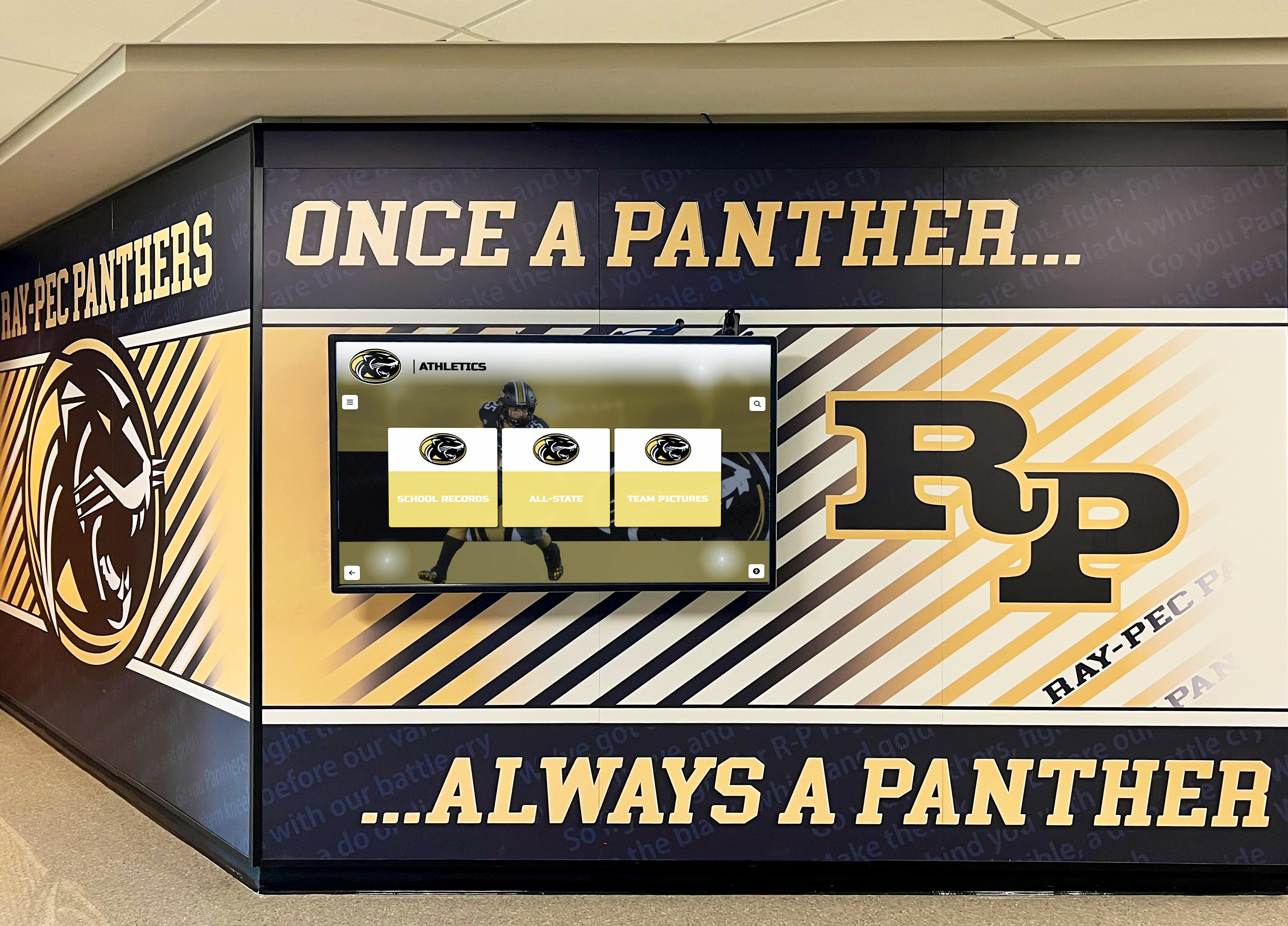
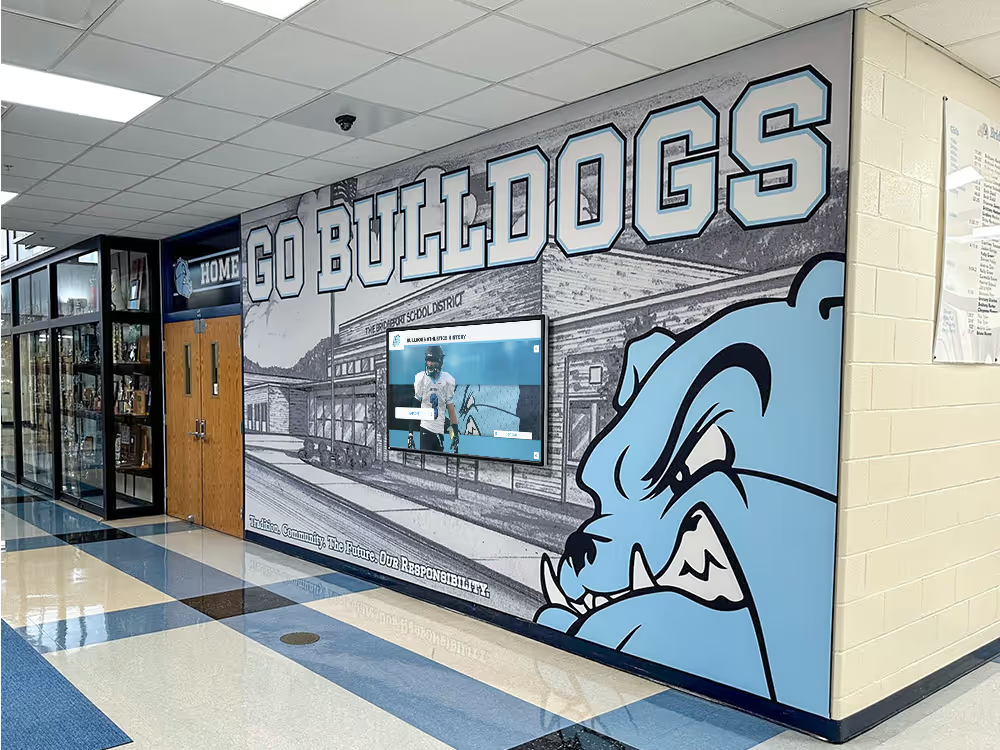
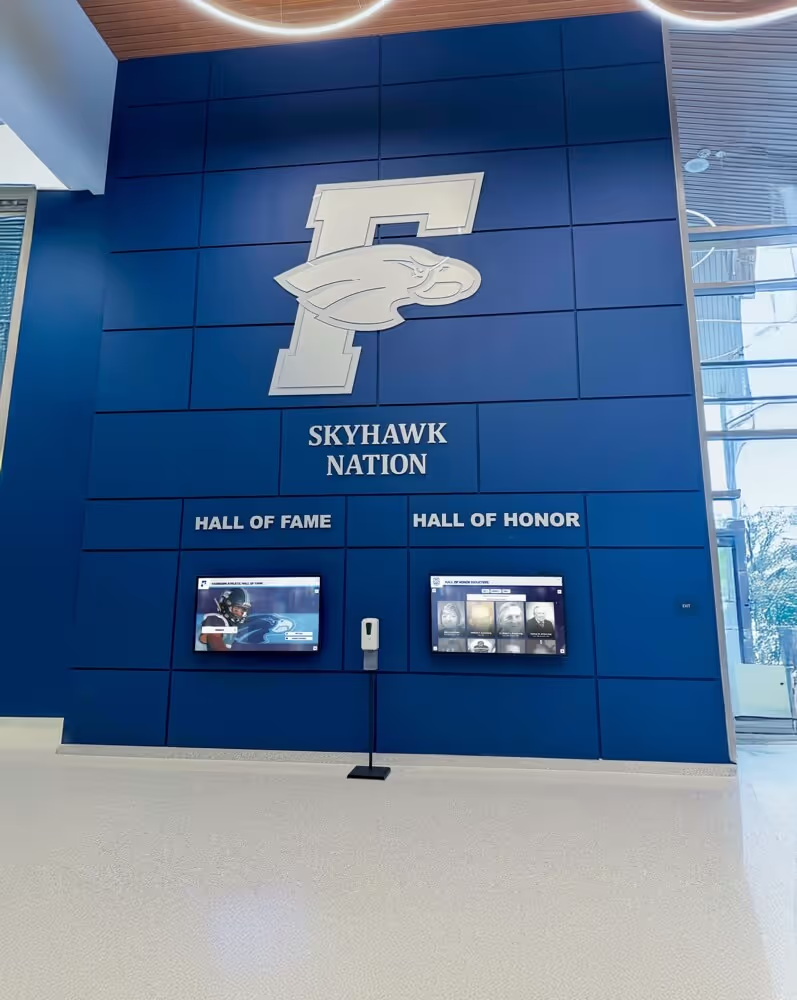
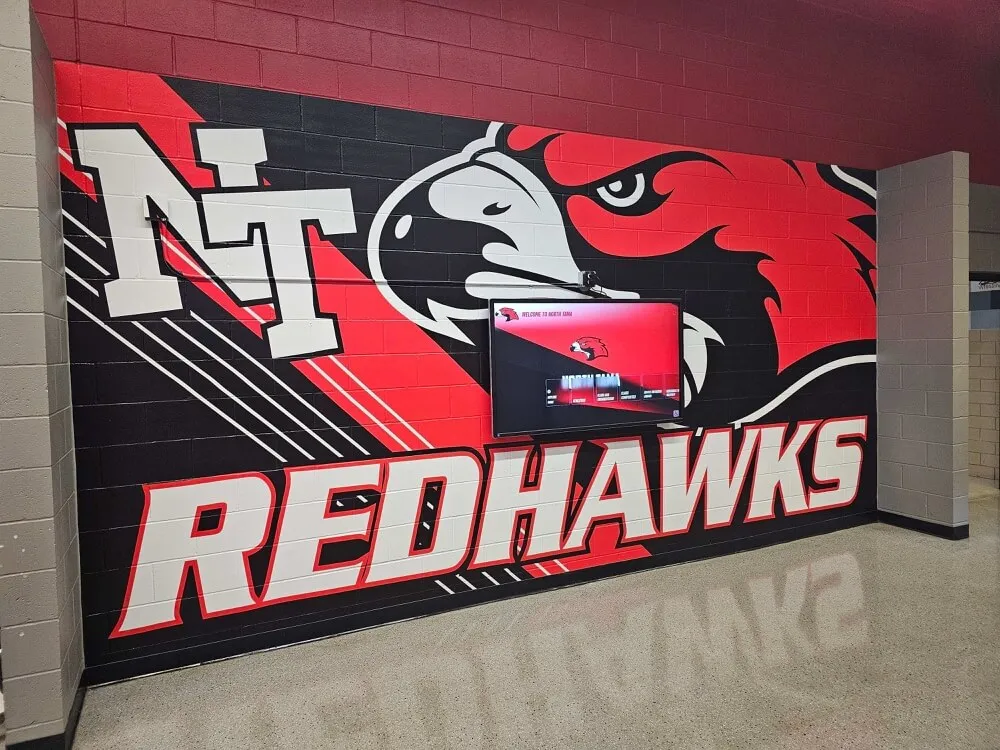
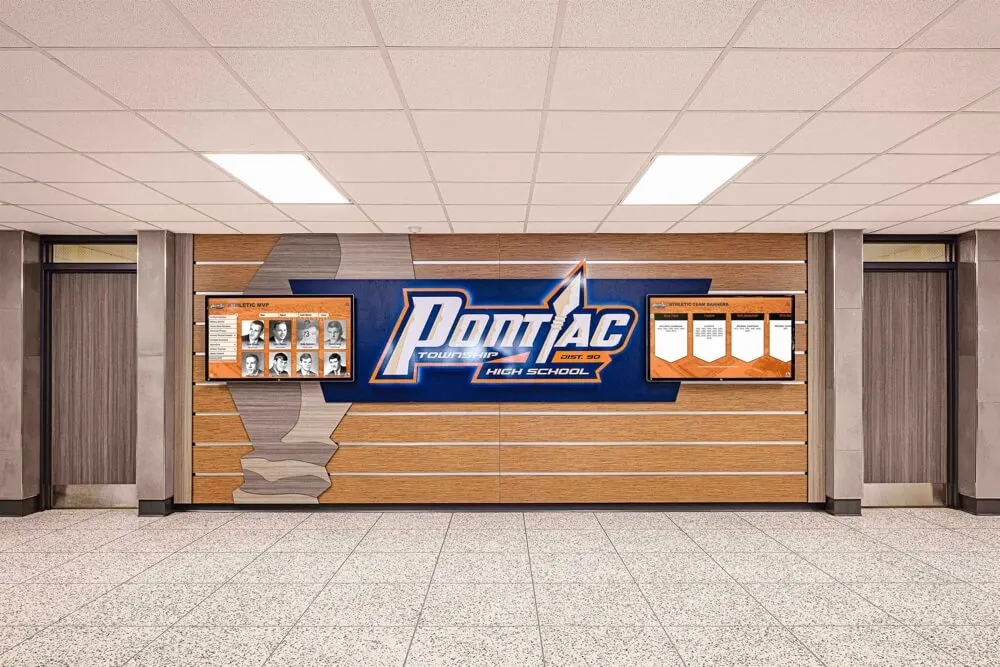
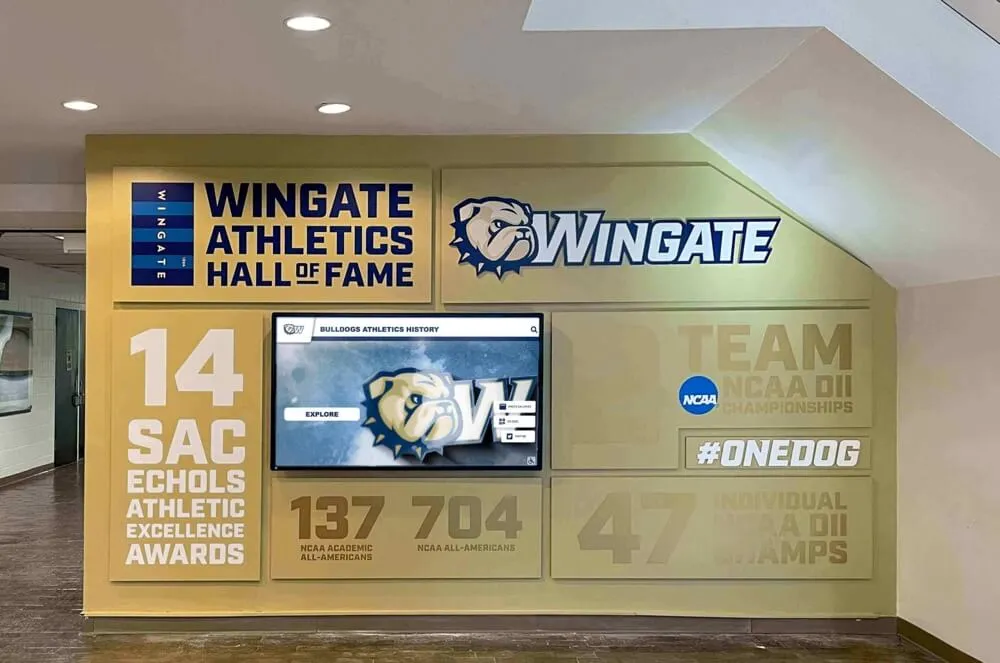
Strategic installation of digital displays integrates recognition into daily school environments
Community Partnership and Veteran Involvement
The most meaningful Pearl Harbor commemorations involve direct community connections and veteran participation:
Guest Speaker Programs
Inviting World War II veterans, military historians, active service members, or veterans from other conflicts creates powerful personal connections. While Pearl Harbor survivors become increasingly rare due to age, veterans who served during World War II or whose parents served provide living links to that era. Even younger veterans help students understand military service’s continuing relevance.
Schools should prepare students before guest speakers arrive, providing historical context so students can ask informed questions. After presentations, follow-up activities help students process and apply what they learned.
Adopt-a-Veteran Programs
Some schools establish ongoing relationships with local veterans, particularly those in assisted living facilities or veterans homes. Students might interview veterans, create biography projects, organize regular visit schedules, or perform service projects. These sustained relationships demonstrate respect extending beyond single-day commemorations.
Partnership with Veterans Organizations
American Legion posts, VFW chapters, and similar organizations offer ready networks of veterans willing to support school programs. These organizations may provide speakers, help coordinate memorial events, supply educational materials, or offer flag presentation ceremonies. Building partnerships with local veterans groups enhances Pearl Harbor programming while creating lasting community relationships.
Military Family Recognition
Many students have parents, grandparents, siblings, or other family members who serve or have served in the military. Pearl Harbor Remembrance Day programs can recognize these military families, acknowledging how service affects entire families, not just individuals in uniform. Creating opportunities for students to share family military histories builds community understanding while honoring service.
Local Military Installation Connections
Schools near active military bases can arrange educational visits, invite service members to speak, or coordinate community service projects supporting military families. These connections help students understand contemporary military service while studying historical events like Pearl Harbor.
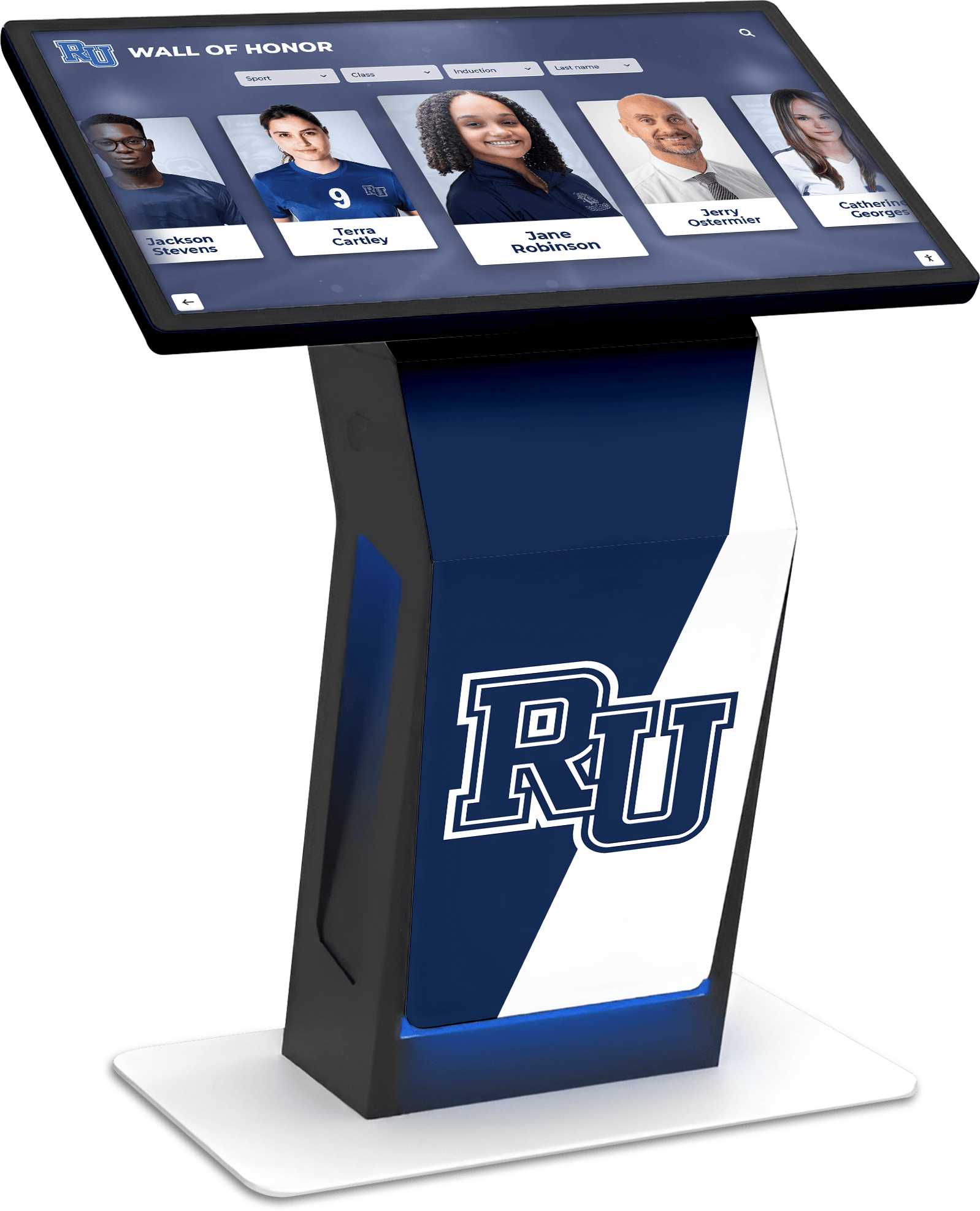
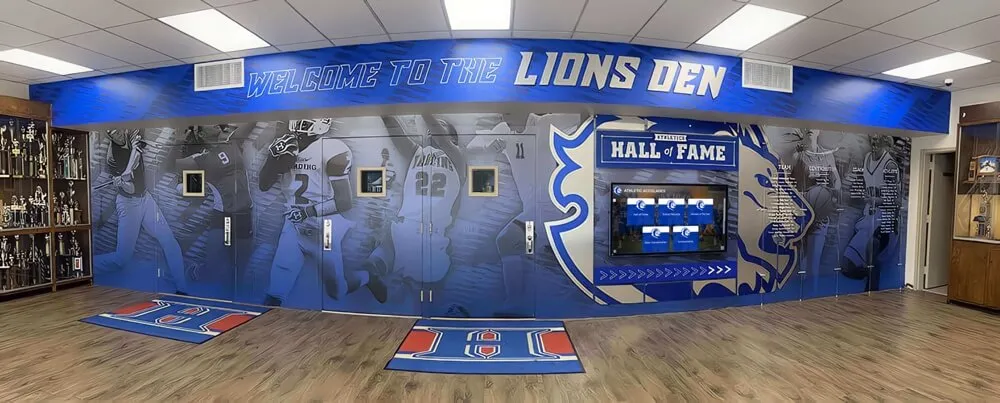
Professional installations provide dignified, accessible platforms for comprehensive veteran recognition
Student-Led Pearl Harbor Commemoration Activities
Engaging students as active participants rather than passive recipients creates more meaningful learning and remembrance:
Research and Presentation Projects
Student-driven research develops deeper understanding while building valuable academic skills:
Individual Veteran Biographies
Assign each student to research one Pearl Harbor victim, survivor, or hero. Students investigate biographical details, military service, the individual’s Pearl Harbor experience, subsequent life (for survivors), and family legacy. These projects culminate in presentations, written reports, or digital exhibits shared with school communities.
This personalized approach transforms statistics into individuals. When students learn that Aviation Machinist’s Mate Third Class John William Finn was awarded the Medal of Honor for manning a machine gun despite being wounded, or that 21 sets of brothers died at Pearl Harbor, history becomes tangible and emotionally resonant.
Interactive Timeline Development
Student teams can create comprehensive Pearl Harbor timelines covering events leading to the attack, the attack sequence, immediate aftermath, and long-term consequences. Presenting these timelines through interactive digital displays provides valuable technology integration while creating lasting educational resources for future students.
Comparative Analysis Projects
Advanced students might compare Pearl Harbor to other significant attacks in American history—9/11, Civil War Fort Sumter, War of 1812 events—examining similarities in national response, differences in military technology, and how collective memory forms around traumatic events.
Local Connection Research
Students investigate whether any local community members served at Pearl Harbor, fought in World War II, or had family connections to the attack. These local history projects connect national events to immediate communities, demonstrating how major historical events touched individual towns and families.
Creative Expression and Artistic Response
Arts integration provides alternative formats for students to process and express understanding:
Visual Arts Projects
Students create paintings, drawings, collages, or sculptures responding to Pearl Harbor. These artistic expressions might depict specific scenes, symbolize remembrance themes, honor service members, or explore emotional responses to war and loss. School art shows featuring Pearl Harbor-inspired work educate broader communities while showcasing student talent.
Poetry and Creative Writing
Writing poems, short stories, or dramatic scripts about Pearl Harbor encourages creative engagement with historical themes. Perspectives might include service members experiencing the attack, family members receiving news, nurses treating casualties, or contemporary students reflecting on the day’s meaning. Public readings or publications honor student work while spreading Pearl Harbor awareness.
Musical Performances
School bands, choirs, or orchestras can perform patriotic music, period-appropriate songs from the 1940s, or original compositions created for Pearl Harbor commemoration. Musical performances add solemnity and emotional resonance to memorial assemblies or community events.
Documentary Video Production
Students with video production skills can create documentaries about Pearl Harbor, local veterans, or the day’s ongoing significance. These projects integrate research, interviewing, technical skills, and historical understanding into comprehensive products valuable for future educational use.
Dramatic Presentations
Theater programs might stage scenes depicting Pearl Harbor events, veteran experiences, or home front impacts. Even brief dramatic presentations during assemblies can powerfully convey historical reality to student audiences.
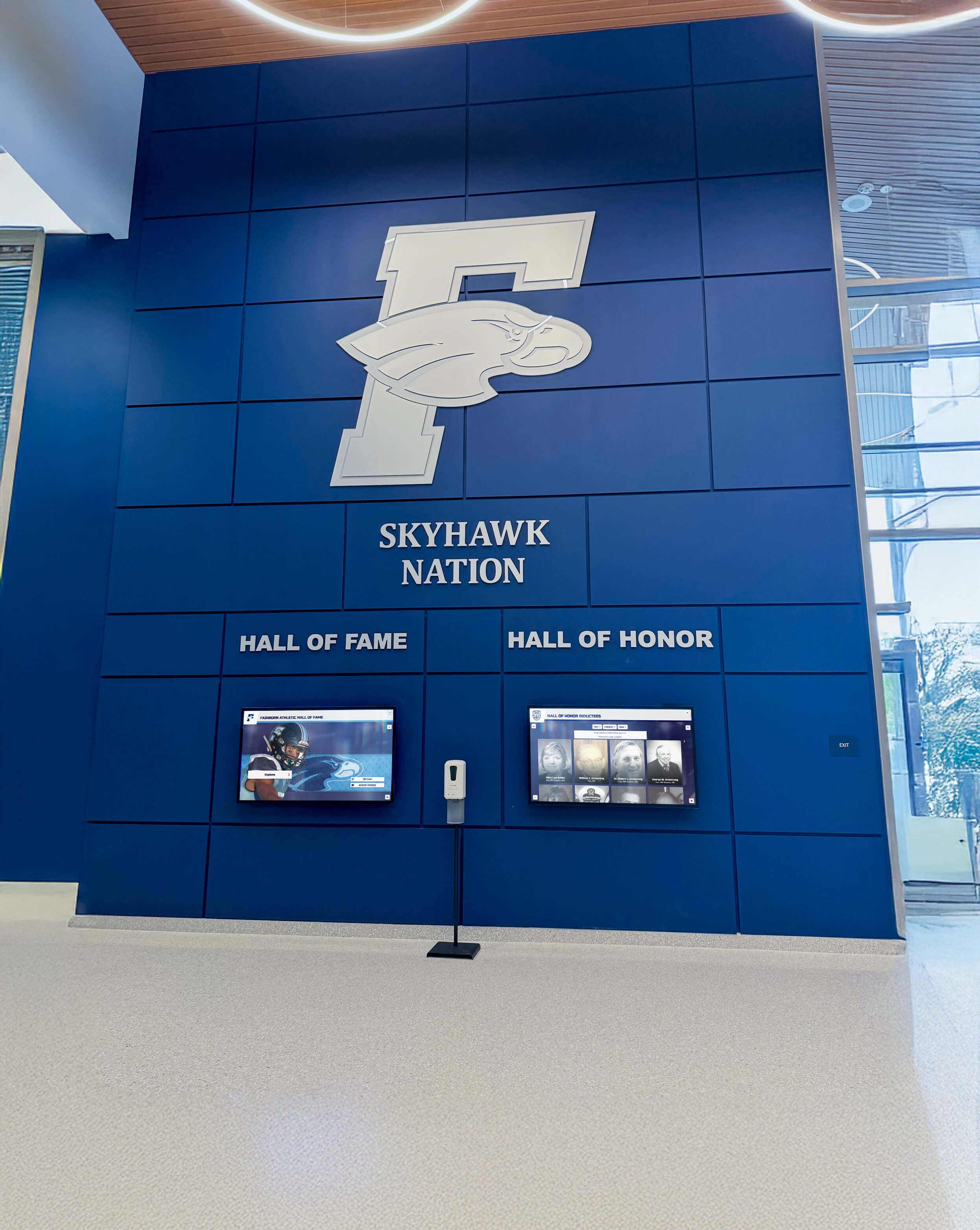
Prominent lobby installations ensure veteran recognition welcomes all visitors to school facilities
Service Learning and Community Engagement
Connecting Pearl Harbor remembrance to active service demonstrates how commemorating the past inspires present action:
Veterans Cemetery Maintenance
Students can organize cemetery cleanup days, placing flags on veterans’ graves, removing debris, or assisting with grounds maintenance. These service projects honor all veterans while connecting students physically with military sacrifice.
Thank You Card Campaigns
Creating cards for hospitalized veterans, residents of veterans homes, or active service members demonstrates gratitude inspired by Pearl Harbor remembrance. Students might include personal reflections on what military service means or express thanks for veterans’ sacrifices.
Memorial Garden Development
Some schools create Pearl Harbor memorial gardens with appropriate landscaping, commemorative plaques, benches for reflection, and plants significant to Hawaiian culture or American military traditions. Student involvement in planning, fundraising, and maintaining these spaces creates lasting community assets.
Fundraising for Veterans Organizations
Student-led fundraising supporting veterans groups demonstrates how Pearl Harbor remembrance can inspire concrete support for contemporary service members and veterans. Proceeds might support local VFW chapters, wounded warrior programs, or veterans service organizations.
Oral History Projects
Students trained in oral history interview techniques can document local veterans’ stories, creating archives preserving first-person accounts before they’re lost to time. These recorded interviews become invaluable primary sources for future students while providing meaningful intergenerational connections.
Balancing Solemnity with Engagement
Pearl Harbor Remembrance Day requires thoughtful balance between respectful commemoration and engaging education:
Maintaining Appropriate Tone
December 7th commemorations should reflect the day’s significance as a tragic event involving real suffering, death, and lasting trauma for survivors and families:
Avoiding Trivialization
Pearl Harbor should never become merely an excuse for parties, games unrelated to education, or activities that minimize the tragedy. While engagement matters, tone must remain appropriate to the occasion’s gravity. “Pearl Harbor-themed” entertainment activities miss the point of solemn remembrance.
Respectful Language
Educators should model respectful language when discussing Pearl Harbor, referring to those who died with dignity, acknowledging the tragedy’s human cost, and avoiding language that glorifies war. While it’s appropriate to recognize courage and heroism, overall framing should emphasize loss and sacrifice rather than excitement or adventure.
Sensitivity to Trauma
Some students may have family members affected by war trauma, military loss, or current deployment anxieties. Pearl Harbor teaching should acknowledge war’s difficult realities while avoiding graphic details that could traumatize vulnerable students. Content warnings for particularly intense materials respect student wellbeing.
Cultural Sensitivity
Teaching Pearl Harbor requires acknowledging Japanese-American internment that followed the attack, recognizing that Japanese citizens today bear no responsibility for 1941 actions, and avoiding language or framing that perpetuates harmful stereotypes. Historical honesty about American response to Pearl Harbor—including unjust aspects—demonstrates intellectual integrity while teaching complex history.
Creating Meaningful Engagement
Despite solemnity requirements, Pearl Harbor education should engage students actively rather than creating passive, forgettable experiences:
Interactive Over Passive
Student research, creation, and participation prove more engaging than lectures alone. Even solemn commemorations benefit from student involvement—reading aloud, placing wreaths, performing music, sharing reflections—that makes them active participants rather than merely observers.
Emotional Connection Through Stories
Statistics and military strategy matter less to most students than human stories revealing individual experiences. Teaching about specific people—the youngest Pearl Harbor casualty (16-year-old William Brisbane aboard USS Oklahoma), Medal of Honor recipients, survivors who lived full lives afterward—creates emotional connections making history memorable.
Contemporary Relevance
Helping students understand Pearl Harbor’s ongoing relevance—how it shaped U.S. foreign policy, established precedents for national security responses, or illuminates current military challenges—demonstrates why historical events from 80+ years ago still matter today.
Age-Appropriate Depth
Engagement strategies should match developmental levels. Elementary students might focus on basic concepts of courage and service. Middle schoolers can handle strategic complexity. High schoolers can explore sophisticated analysis of causes, consequences, and interpretations. Appropriate pacing prevents overwhelming younger students or boring older ones.
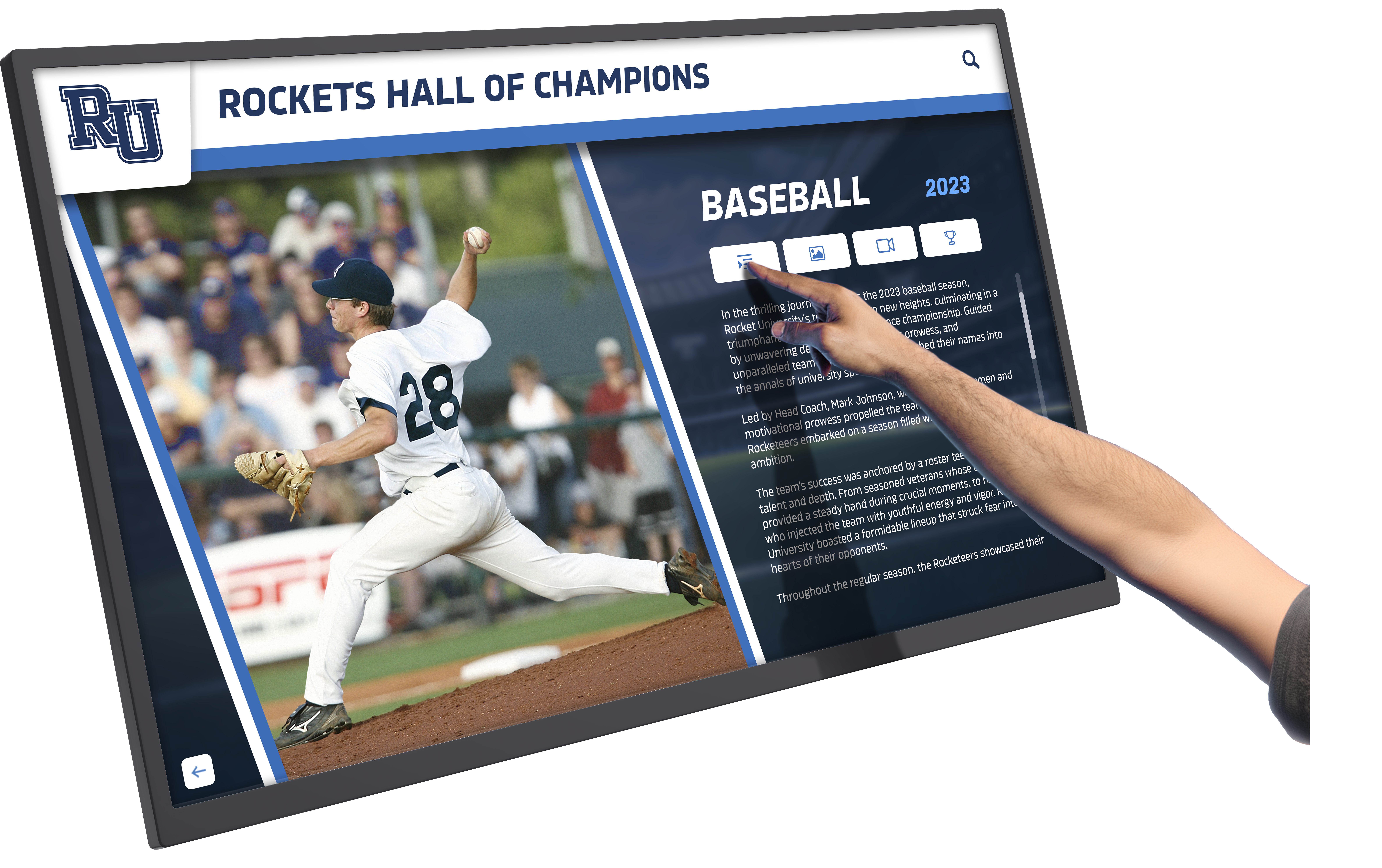
Intuitive touchscreen interfaces encourage active exploration of profiles and historical content
Technology Solutions for Year-Round Veteran Recognition
While Pearl Harbor Remembrance Day occurs annually on December 7th, schools increasingly maintain permanent veteran recognition that serves educational and commemorative purposes throughout the year.
Benefits of Digital Recognition Systems
Modern digital platforms offer significant advantages over traditional memorial approaches:
Unlimited Recognition Capacity
Physical plaques and memorials face space constraints limiting how many veterans can be honored. Digital systems eliminate these limitations, enabling schools to recognize every veteran with connections to school communities regardless of total numbers. As schools identify additional veterans over time, digital platforms accommodate growth without expensive physical expansions.
Comprehensive Information Depth
Physical memorials typically accommodate only names, perhaps service branches and dates. Digital platforms provide unlimited space for detailed biographies, service histories, photographs, video testimonies, family stories, and contextual information. This depth transforms simple name recognition into rich educational resources.
Content Flexibility and Updates
Adding new honorees, correcting information, updating photographs, or featuring special commemorations occurs remotely through cloud-based management systems. This flexibility enables Pearl Harbor Day features spotlighting World War II veterans, Veterans Day recognitions highlighting all eras, or Memorial Day tributes honoring those who made the ultimate sacrifice—all using the same underlying system without physical modifications.
Accessibility and Reach
Web-accessible platforms extend recognition beyond school buildings, enabling community members to explore veteran tributes from anywhere. Alumni can discover whether teachers or classmates served. Families can share their relatives’ profiles with extended networks. Researchers can study local military service patterns. This extended access multiplies recognition impact beyond campus visitors.
Educational Integration
Digital veteran recognition systems serve dual purposes—honoring service members while providing educational resources. Students research veterans as classroom assignments, develop presentation projects using system content, or contribute to recognition efforts by helping document veteran stories. This educational integration creates active learning opportunities while building comprehensive veteran archives.
Implementing Comprehensive Recognition Platforms
Schools seeking permanent veteran recognition solutions should consider several implementation factors:
Purpose-Built vs. Generic Systems
Generic digital signage software adapted for recognition purposes typically lacks features specifically designed for veteran and military honor. Purpose-built recognition platforms like Rocket Alumni Solutions provide specialized functionality including profile templates designed for veteran information, search and filtering capabilities enabling discovery by service era or conflict, memorial sections accommodating both living and deceased veterans, and accessibility compliance ensuring all community members can engage with recognition content.
Accessibility Compliance
Schools as public institutions must ensure digital systems meet accessibility standards. The Web Content Accessibility Guidelines (WCAG) 2.1 AA compliance enables access for individuals with visual impairments, motor limitations, cognitive differences, and other disabilities. Rocket Alumni Solutions stands as the only web-based touchscreen platform meeting these accessibility standards, ensuring genuine universal access rather than partial compliance.
Content Management Sustainability
Long-term success requires systems that school staff can manage without specialized technical expertise or expensive ongoing vendor dependencies. Intuitive content management interfaces, cloud-based remote access, template-based entry standardizing presentation, and role-based permissions supporting collaboration enable sustainable operations. Schools should evaluate whether they can realistically manage systems independently or whether vendors provide adequate ongoing support.
Physical and Digital Integration
Optimal implementations combine physical touchscreen installations in high-traffic school locations with web-accessible platforms providing broader reach. Physical displays in lobbies, libraries, or commons areas create visible community recognition, while corresponding web platforms enable extended access for alumni, families, and community members unable to visit campuses regularly.
Physical touchscreen locations might include main school entrances greeting all visitors, administrative areas where families complete registration, library and media centers with diverse daily traffic, cafeteria and commons areas with high student visibility, or athletic facility entrances reaching sports families regularly.
Budget and Resource Planning
Digital recognition systems represent investments requiring appropriate budget planning. Costs include hardware for physical installations, software platforms or subscriptions, initial content development, staff training, and ongoing maintenance. However, these costs compare favorably to traditional physical memorials when considering unlimited capacity, flexibility for updates and changes, and educational value beyond static displays.
Many schools fund recognition systems through community partnerships, veteran organization support, PTO or booster club fundraising, memorial gift programs, or alumni contributions. Positioning digital recognition as permanent tribute creating lasting educational resources helps secure funding from stakeholders valuing both veteran honor and student learning.
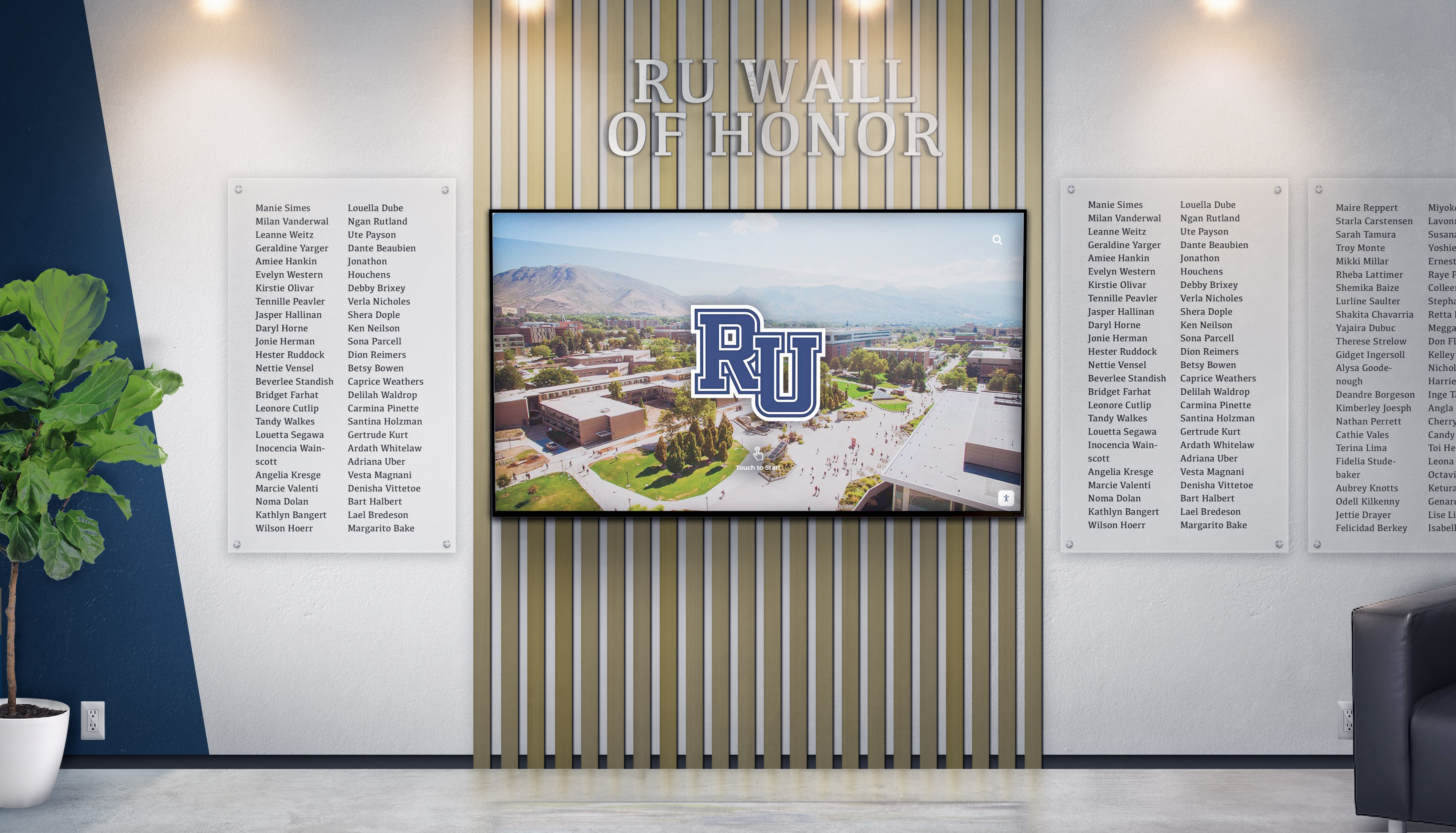
Integrated installations combine interactive digital displays with complementary physical recognition elements
Connecting Pearl Harbor to Broader Military Appreciation
While December 7th deserves specific recognition, schools benefit from connecting Pearl Harbor Remembrance Day to comprehensive year-round military appreciation:
Building Complete Military Recognition Programs
Veterans Day Integration (November 11)
Veterans Day honors all American veterans from all service eras. Schools can connect Pearl Harbor Remembrance Day and Veterans Day through comprehensive military appreciation that recognizes both the specific sacrifice of December 7, 1941, and the broader tradition of military service spanning American history. Digital recognition systems allow seamless integration—the same platform highlighting Pearl Harbor veterans in December features all-eras recognition on Veterans Day.
Memorial Day Observance (Last Monday in May)
Memorial Day specifically honors service members who died in military service. Schools can feature Pearl Harbor casualties during Memorial Day commemorations alongside those who made the ultimate sacrifice in other conflicts. This connection helps students understand how specific events like Pearl Harbor fit within broader patterns of military sacrifice throughout American history.
Military Appreciation Month (May)
May’s Military Appreciation Month provides schools with an entire month for comprehensive military recognition including current service members, veterans, military families, and community members with military connections. Pearl Harbor education during December connects to this broader May focus, creating multiple touchpoints throughout school years for military appreciation.
Flag Day and Independence Day Connections
Patriotic holidays provide additional opportunities for schools to connect Pearl Harbor themes—surprise attacks threatening national sovereignty, the importance of military preparedness, and how Americans rallied to defend freedom—to broader conversations about national identity, civic responsibility, and what American symbols represent.
Military Family Appreciation
Ongoing recognition of students from military families acknowledges how service affects entire families, not just individuals in uniform. Some students have parents currently deployed, recently returned from service, or dealing with service-related disabilities or trauma. Year-round awareness of military families’ unique circumstances supports these students while educating their peers about military life’s realities.
Creating Comprehensive Heritage Recognition
Schools can position veteran recognition as part of broader community heritage celebration:
Alumni Military Service Documentation
Systematically documenting which alumni served in the military creates institutional memory honoring school communities’ contributions to national defense. Some schools discover remarkable concentrations of military service—entire graduating classes enlisting together, families with multi-generational service traditions, or distinguished military careers emerging from school communities. Digital archives and recognition systems preserve these stories permanently.
Faculty and Staff Veterans Recognition
Many schools have teachers, administrators, support staff, or coaches who are veterans. Recognizing these individuals demonstrates how military service connects to civilian careers while providing students with direct veteran relationships. Teachers who served can offer personal perspectives during Pearl Harbor lessons or military appreciation programs.
Community Connections to Major Conflicts
Beyond individual veterans, schools can document community connections to significant military events—local service members at Pearl Harbor, D-Day, Vietnam, Gulf War, Iraq, Afghanistan, or other conflicts. This localized military history helps students understand how national events touched their specific communities.
Memorial Naming and Dedicated Spaces
Some schools name facilities, athletic fields, auditoriums, or other spaces after local military heroes, Pearl Harbor victims, or distinguished veterans with school connections. These permanent memorials create daily reminders of service and sacrifice while providing teaching opportunities when schools explain naming histories to new students.

Athletic facilities provide high-visibility locations for veteran and military recognition displays
Addressing Common Challenges in Pearl Harbor Education
Schools implementing Pearl Harbor Remembrance Day programs often encounter practical challenges requiring thoughtful solutions:
Limited Veteran Access
Challenge: Fewer living Pearl Harbor survivors and World War II veterans remain available for school visits due to age. Even families of Pearl Harbor veterans may have limited knowledge of service details as memories fade across generations.
Solutions: Schools can leverage recorded oral histories, partner with local historical societies or veterans organizations maintaining veteran story archives, utilize video conferencing to connect with distant veterans or historians, feature younger veterans who can speak to military service’s continuing relevance, or develop student research projects investigating local veterans through cemetery records, newspaper archives, or family interviews.
Digital memorial systems partially address this challenge by permanently preserving veteran stories, photographs, and information ensuring access continues indefinitely regardless of whether individuals remain alive to share stories personally.
Student Engagement with Distant History
Challenge: Pearl Harbor occurred over 80 years ago, creating temporal distance that makes events feel irrelevant to students focused on contemporary concerns. Generational gaps in historical knowledge mean many students lack basic context understanding how World War II shaped modern world.
Solutions: Connecting Pearl Harbor to contemporary issues helps demonstrate ongoing relevance—how the attack influenced current U.S. military posture, established precedents for responding to surprise attacks (compare to 9/11), or shaped relationships with Japan (now a close ally). Finding local connections personalizes distant events. Using engaging educational technologies and interactive approaches maintains attention better than traditional lectures alone.
Emphasizing human stories over statistics creates emotional connections transcending temporal distance. A 16-year-old student can relate to William Brisbane, killed at 16 aboard USS Oklahoma, in ways that military strategy cannot match.
Balancing Multiple Perspectives
Challenge: Teaching Pearl Harbor requires acknowledging Japanese-American internment, recognizing how war created difficult circumstances for Japanese-American students and families, and avoiding language perpetuating ethnic stereotypes while still accurately teaching historical events and honoring American service members.
Solutions: Quality Pearl Harbor education addresses attack causes including international tensions and diplomatic failures rather than presenting it as unexplainable evil. Discussing internment honestly demonstrates how fear led to injustice, providing valuable lessons about civil liberties during crisis. Emphasizing that contemporary Japanese citizens and Japanese-Americans bear no responsibility for 1941 events prevents inappropriate blame. Some schools featuring Japanese-American students or Japanese cultural programs explicitly discuss how schools approach this history respectfully.
This balanced approach demonstrates intellectual integrity, teaching complex history acknowledging multiple perspectives while maintaining appropriate focus on American experience and sacrifice on December 7th.
Resource Limitations
Challenge: Schools face budget constraints limiting abilities to purchase materials, install permanent memorials, bring guest speakers, or implement technology systems. Small schools or those in economically challenged areas may struggle to fund comprehensive Pearl Harbor programs.
Solutions: Many high-quality Pearl Harbor educational resources are free—National Archives materials, Library of Congress collections, National Park Service Pearl Harbor resources, and veterans organization educational materials. Virtual field trips to USS Arizona Memorial or other Pearl Harbor sites provide access without travel costs.
For permanent recognition, digital systems’ costs can be shared across multiple purposes—the same platform serving Pearl Harbor commemoration also functions for athletic recognition, academic honors, donor acknowledgment, and alumni celebration, distributing investment across multiple institutional needs. Community partnerships with veterans organizations, historical societies, or local businesses may provide funding or support for Pearl Harbor programs.
Maintaining Long-Term Commitment
Challenge: Initial enthusiasm for Pearl Harbor programs sometimes fades as staff change, administrative priorities shift, or programs become routine rather than meaningful. Ensuring sustained quality requires ongoing commitment beyond initial implementation.
Solutions: Establishing Pearl Harbor Remembrance Day as formal school tradition with documented procedures, designated responsible staff, and clear annual expectations helps maintain consistency despite personnel changes. Student leadership opportunities—having students plan and execute Pearl Harbor commemorations—builds ownership ensuring program continuation. Connecting commemoration to curriculum standards makes it educational requirement rather than optional activity.
Digital recognition systems support long-term commitment by creating permanent infrastructure serving multiple purposes year-round rather than requiring annual rebuild of temporary displays.
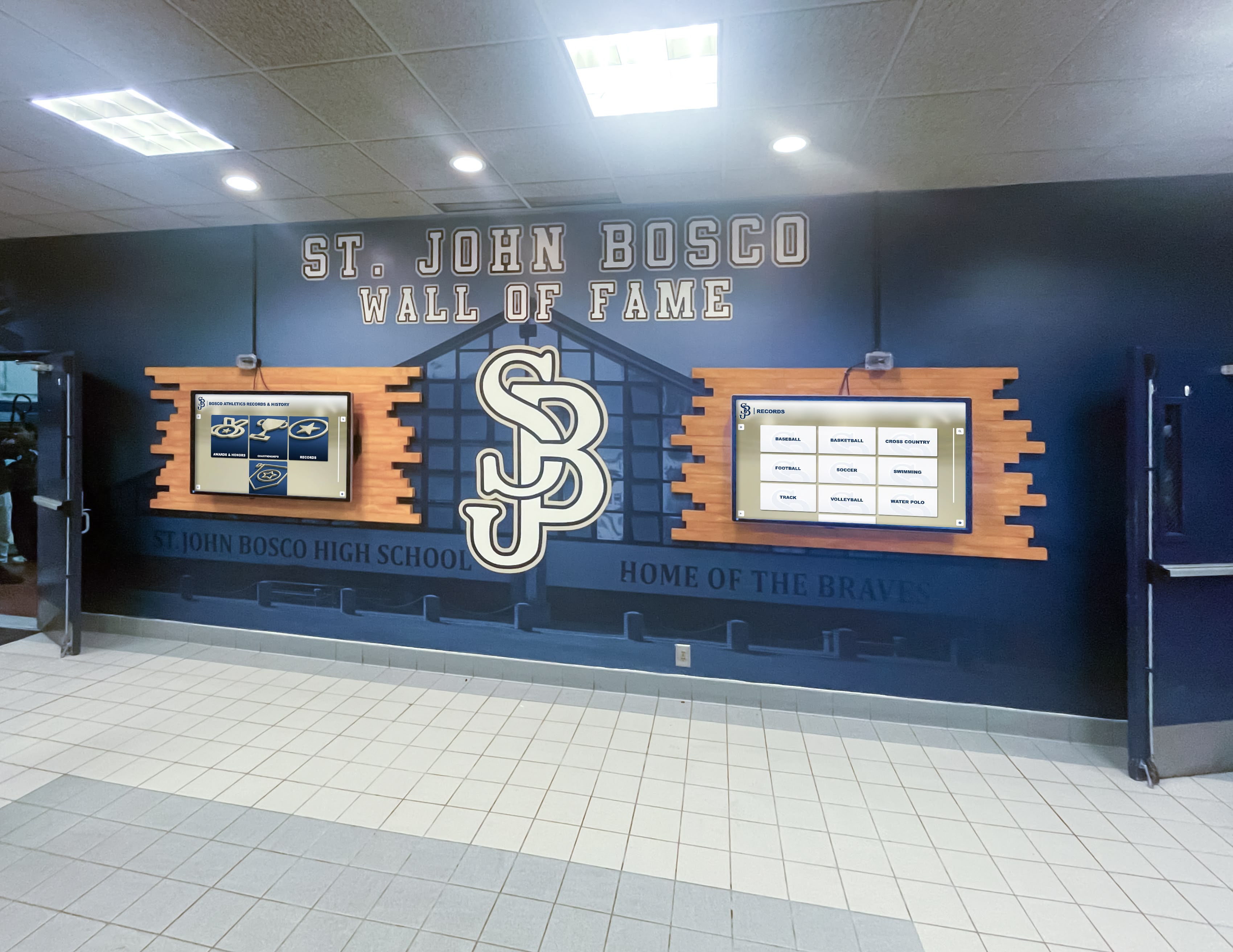
Multiple coordinated displays provide comprehensive recognition capacity for extensive veteran communities
Measuring Impact and Program Success
Schools benefit from assessing whether Pearl Harbor Remembrance Day programs achieve intended educational and commemorative goals:
Educational Outcome Assessment
Knowledge Retention: Pre- and post-program testing measures whether students understand Pearl Harbor’s historical significance, can identify key facts about the attack, and grasp broader World War II context. While testing risks reducing solemn commemoration to academic exercise, some assessment ensures educational objectives are met.
Engagement Indicators: Observing student attention during programs, quality of student work in Pearl Harbor projects, volunteerism for commemoration activities, and unsolicited student questions or comments provides qualitative assessment of engagement levels.
Behavioral Indicators: Increased respect for veterans, elevated patriotic awareness, improved understanding of military service, and demonstrated empathy for historical actors suggest successful affective learning outcomes extending beyond factual knowledge.
Long-Term Impact: Following up with alumni about whether Pearl Harbor education remained memorable, influenced their thinking about military service or history, or contributed to civic engagement provides perspective on lasting impact beyond immediate assessment.
Community Response and Participation
Veteran and Military Family Feedback: Direct input from veterans, military families, and veterans organizations about whether programs appropriately honor service and sacrifice provides crucial validation. If those being honored feel programs are respectful and meaningful, schools can be confident in their approaches.
Family and Community Engagement: Attendance at Pearl Harbor commemorations, community involvement in memorial programs, donations supporting veteran recognition, or media coverage of school Pearl Harbor activities indicates broader community interest and support.
Institutional Recognition: Awards from historical societies, veterans organizations, or educational associations recognizing exemplary Pearl Harbor programming validates program quality while providing models other schools can follow.
Digital Platform Analytics
For schools implementing digital veteran recognition systems, usage analytics provide quantitative engagement data:
Interaction Metrics: Tracking how many people explore digital veteran recognition, how long they engage with content, which veteran profiles receive most attention, and how visitors navigate through information reveals what resonates and what needs improvement.
Return Visits: High rates of return visitors suggest compelling content people want to revisit rather than single-view displays quickly forgotten.
Community Reach: Geographic distribution of web platform visitors shows whether recognition extends beyond immediate campus to alumni, community members, and interested parties accessing content remotely.
Content Contributions: When systems enable community members to contribute veteran information, photographs, or stories, contribution rates indicate engagement levels and community investment in collaborative recognition.
Conclusion: Honoring the Past, Teaching the Future
Pearl Harbor Remembrance Day represents far more than historical anniversary—it embodies national commitment to remembering sacrifice, honoring service, and ensuring younger generations understand the pivotal moments that shaped our nation and world. Schools carry special responsibility for this education and commemoration, serving as institutions where most young Americans first encounter Pearl Harbor history and where remembrance traditions pass to future generations.
Effective Pearl Harbor education moves beyond passive textbook reading to active, engaging learning creating genuine understanding of December 7, 1941’s significance. When schools implement comprehensive approaches combining primary source analysis, multimedia integration, veteran recognition, community partnerships, and age-appropriate pedagogy, they create memorable experiences helping students grasp both historical facts and human dimensions of this tragic day.
The most meaningful Pearl Harbor commemorations balance educational rigor with emotional resonance, solemn respect with engaging activities, and historical focus on 1941 with connections to contemporary military service and ongoing veteran appreciation. Modern technology enables schools to transcend traditional memorial limitations, creating permanent digital recognition honoring veterans year-round while serving educational purposes impossible with static physical displays alone.
Digital warming occurs when cold historical facts transform into personal connections—when students discover local veterans with Pearl Harbor connections, when interactive displays enable exploration of individual service members’ stories, when comprehensive recognition systems honor entire communities’ contributions to national defense across generations. This warming creates engaged learners who understand why Pearl Harbor matters, citizens who appreciate military sacrifice, and communities that maintain living memory of the date that will live in infamy.
Every school can observe Pearl Harbor Remembrance Day meaningfully regardless of size, budget, or resources. Whether through simple moments of silence, student research projects, guest speaker programs, temporary memorial displays, or comprehensive digital recognition systems, what matters most is genuine commitment to teaching this history accurately and honoring those who served with dignity and respect they deserve.
As December 7th approaches each year, schools have opportunities to pause from regular academic routines, focus student attention on one of history’s most significant days, and demonstrate through education and commemoration that a free society remembers those who defended it. The 2,403 Americans who died at Pearl Harbor, the survivors who carried that trauma throughout their lives, and the millions who subsequently served defending the nation they loved all deserve to be remembered, honored, and held up as examples of courage, sacrifice, and patriotic devotion.
Your school community likely includes veterans, military families, and individuals whose lives have been touched by military service in myriad ways. Pearl Harbor Remembrance Day provides a powerful opportunity to honor them while educating students about a defining moment in American and world history. Don’t let this important day pass with minimal recognition. Create meaningful programs, develop engaging educational approaches, and consider implementing permanent veteran recognition systems ensuring your school community maintains appropriate military appreciation throughout the year.
Ready to implement comprehensive veteran recognition that honors Pearl Harbor survivors, World War II service members, and all veterans with dignity they deserve? Explore how Rocket Alumni Solutions creates accessible, engaging digital recognition platforms specifically designed for schools seeking to honor military service while creating warm, interactive experiences connecting entire communities with those who served.