



Intent: demonstrate — Oldtimers Wall recognition displays transform how organizations celebrate the contributions of their longest-serving members, community veterans, senior contributors, and pioneering founders whose dedication built the foundations others enjoy today. When communities systematically honor these “oldtimers”—whether military veterans, organizational founders, longtime volunteers, or senior community members—they create vibrant spaces where legacy preservation meets active engagement while inspiring future generations to follow paths of sustained service and commitment.
Many organizations struggle to provide recognition that appropriately honors decades of service and contribution. Traditional approaches often default to static plaques that fill quickly, recognition limited to a few prominent names while others fade into forgotten corners, or ceremonies that acknowledge contributions once without creating lasting visibility. Meanwhile, the rich stories, experiences, and wisdom of long-time community members remain largely invisible to newer participants.
This comprehensive guide explores how organizations implement effective Oldtimers Wall recognition systems, examines evidence-based benefits of celebrating long-term contributions, and demonstrates how digital recognition platforms create warmer, more engaging communities where experienced members feel valued while their legacies inspire continued excellence across entire organizations.
The concept of an “Oldtimers Wall” encompasses multiple recognition contexts—from military veterans and their service to senior community members, from organizational pioneers and founding members to long-term volunteers whose sustained contributions shaped institutional character. What unites these diverse applications is the fundamental need to honor those whose extended commitment, accumulated wisdom, and sustained service deserve celebration matching their significance.

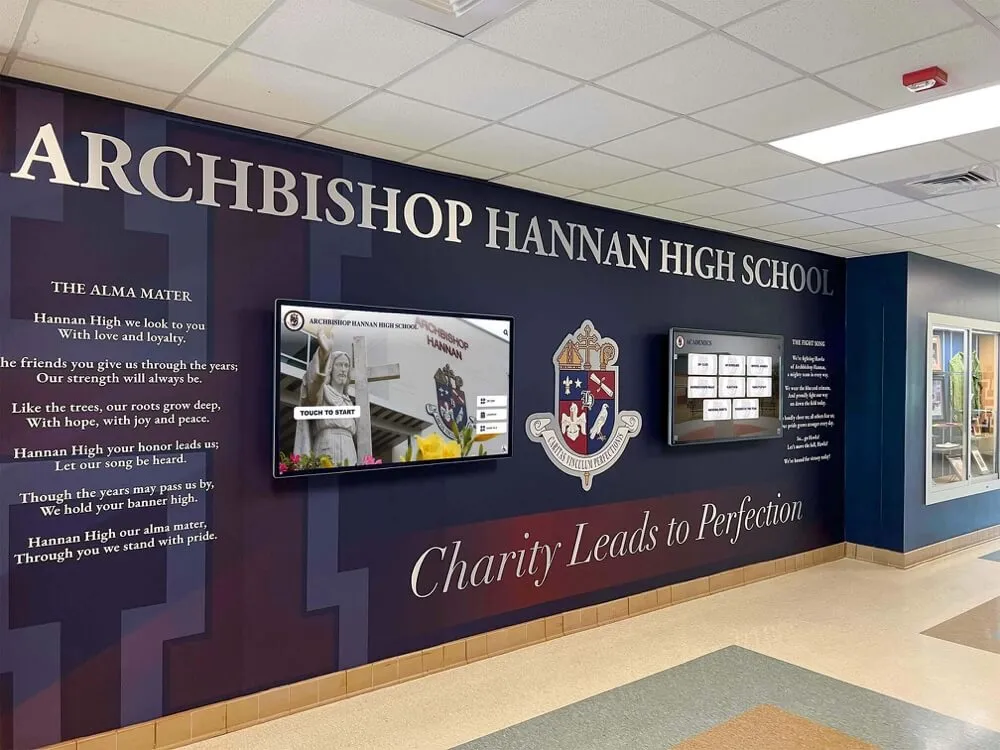
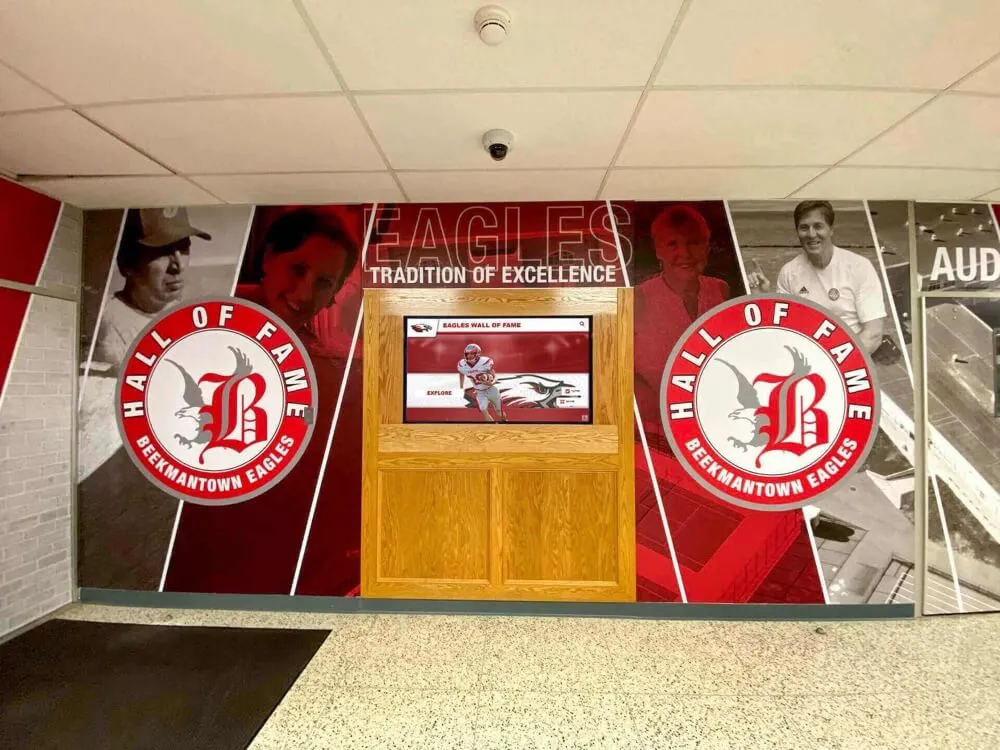
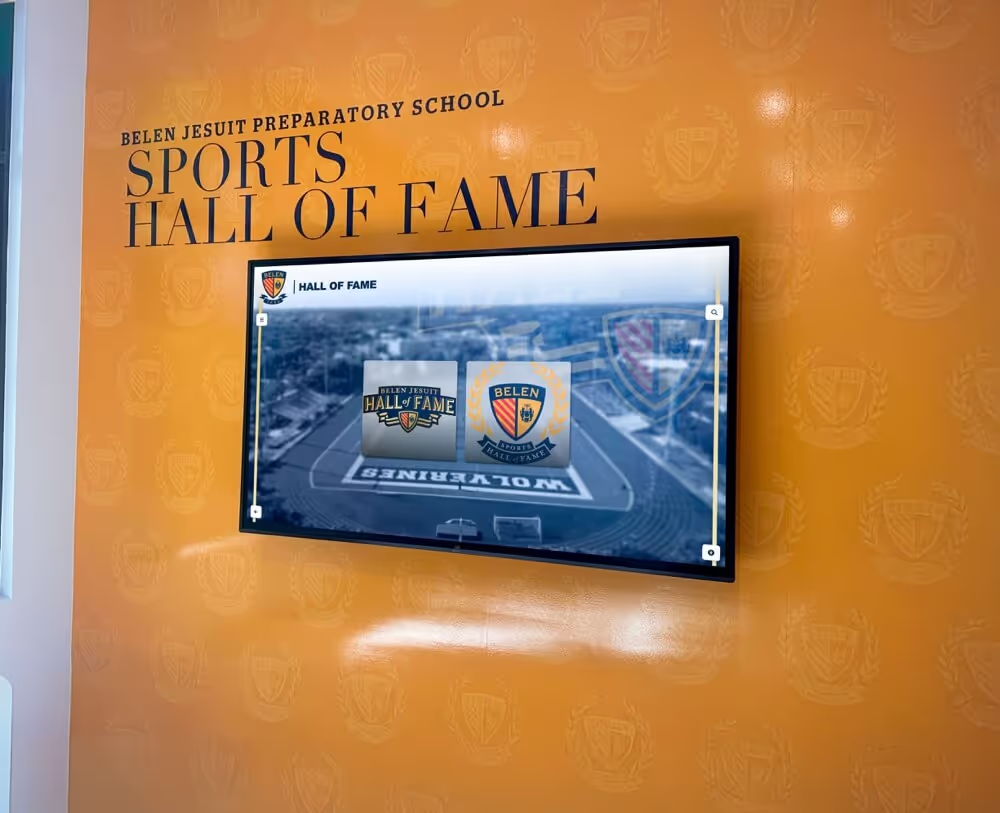
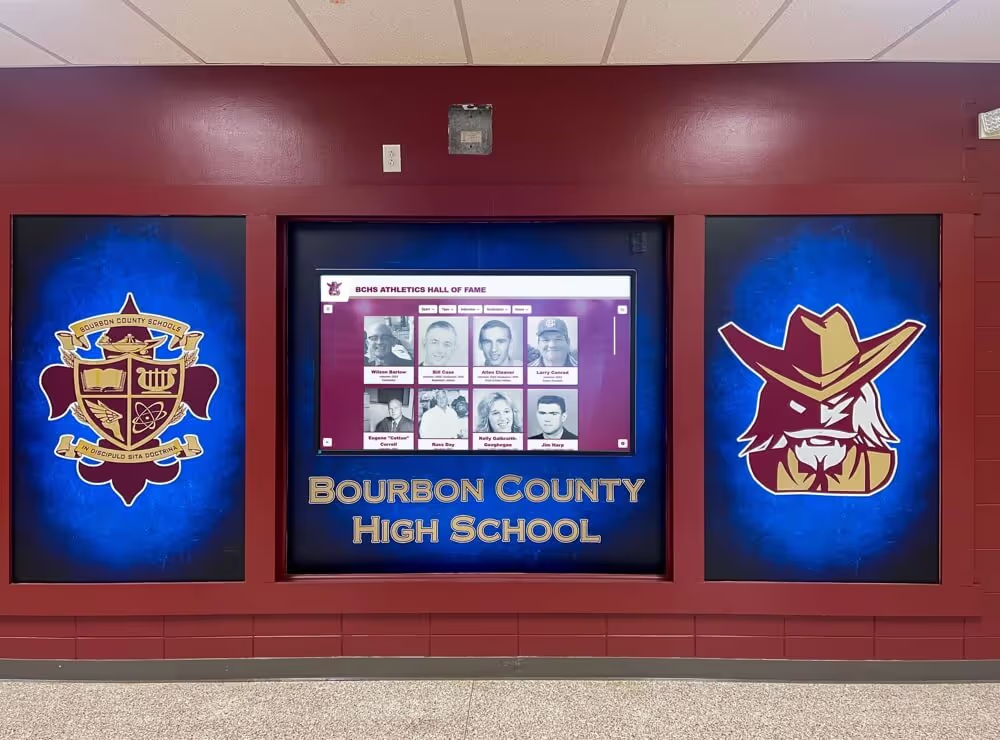
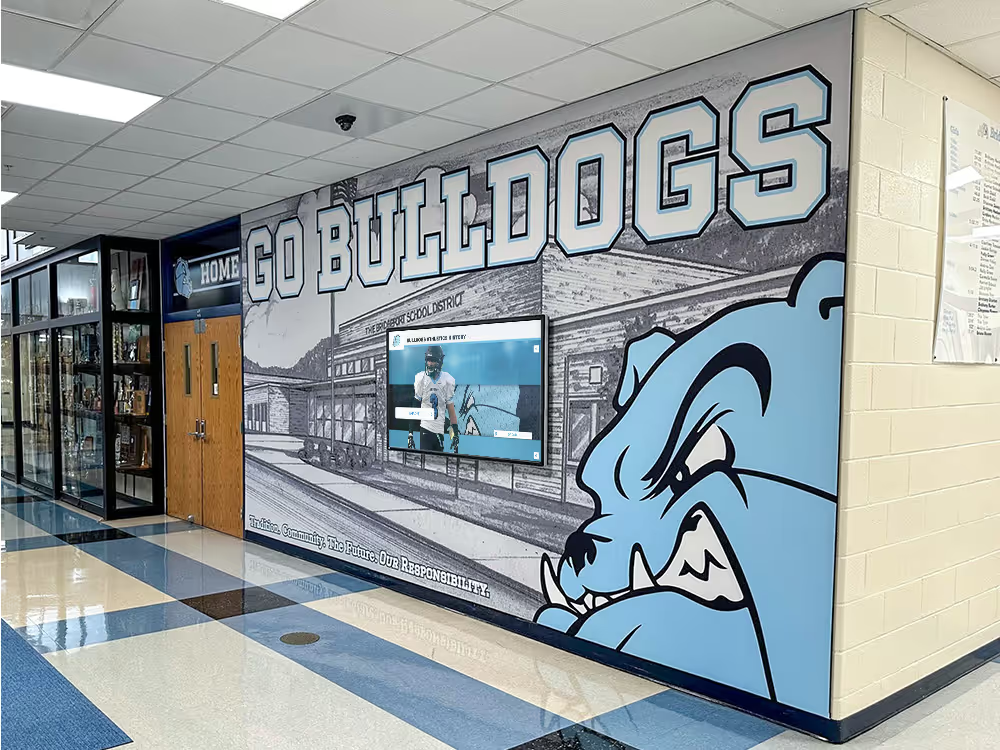
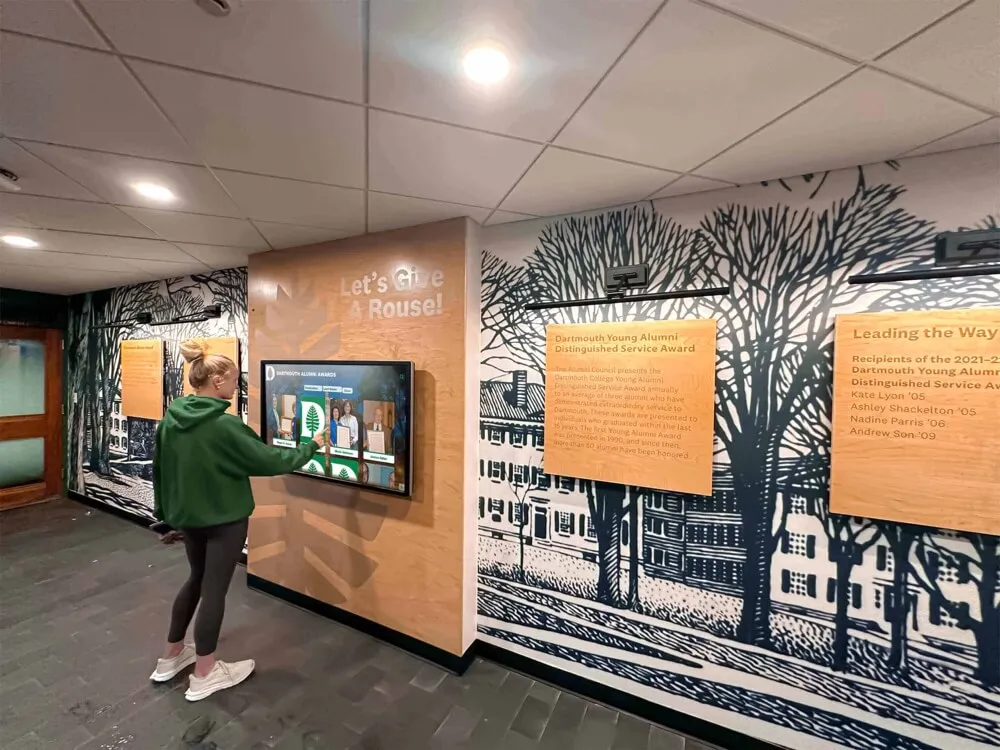
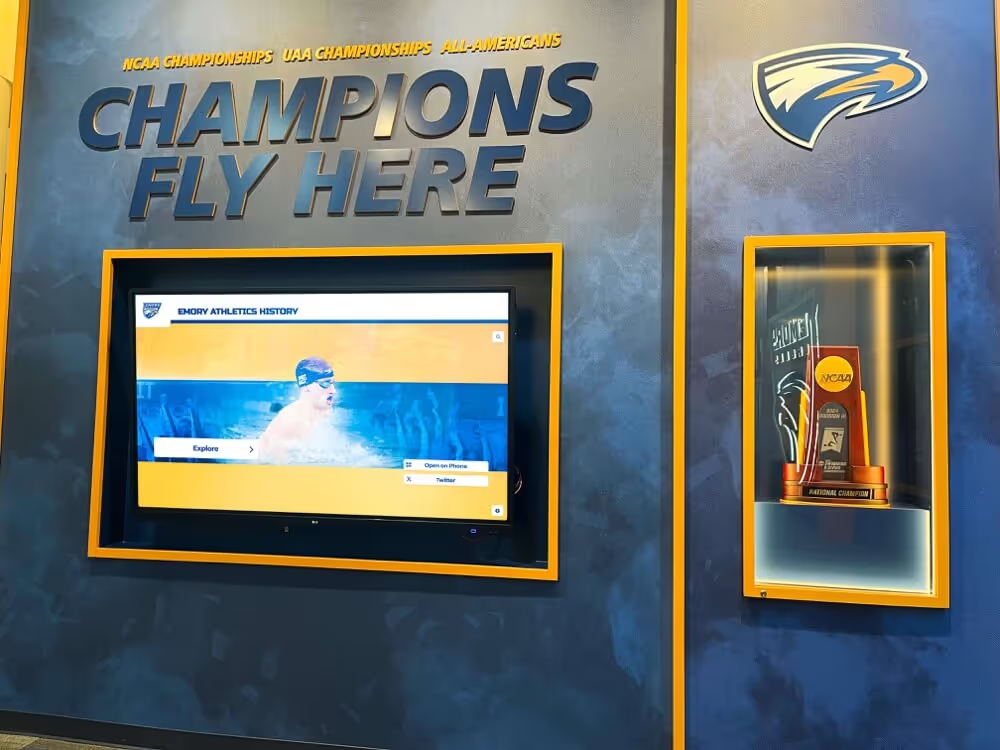
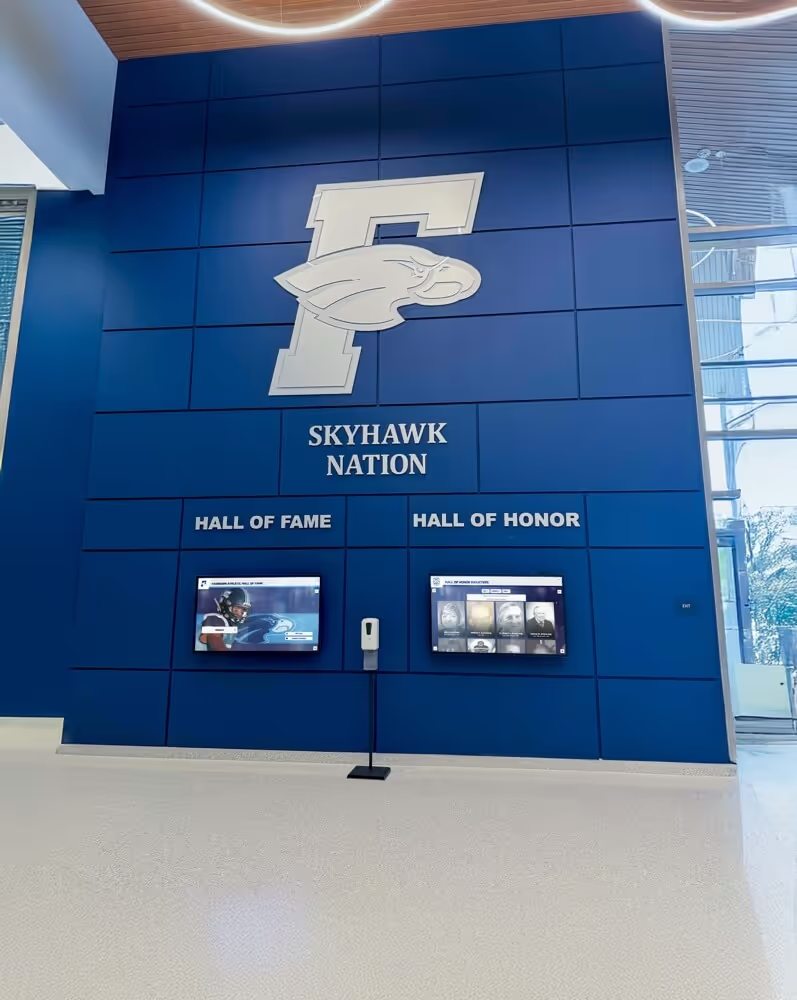
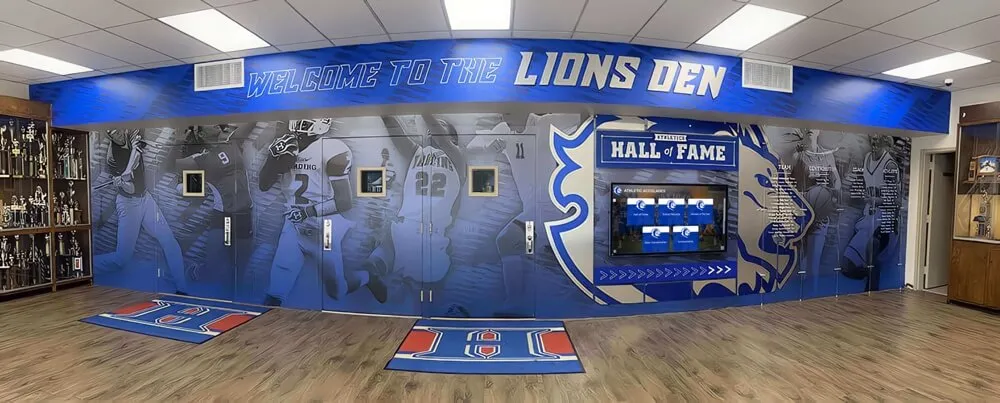
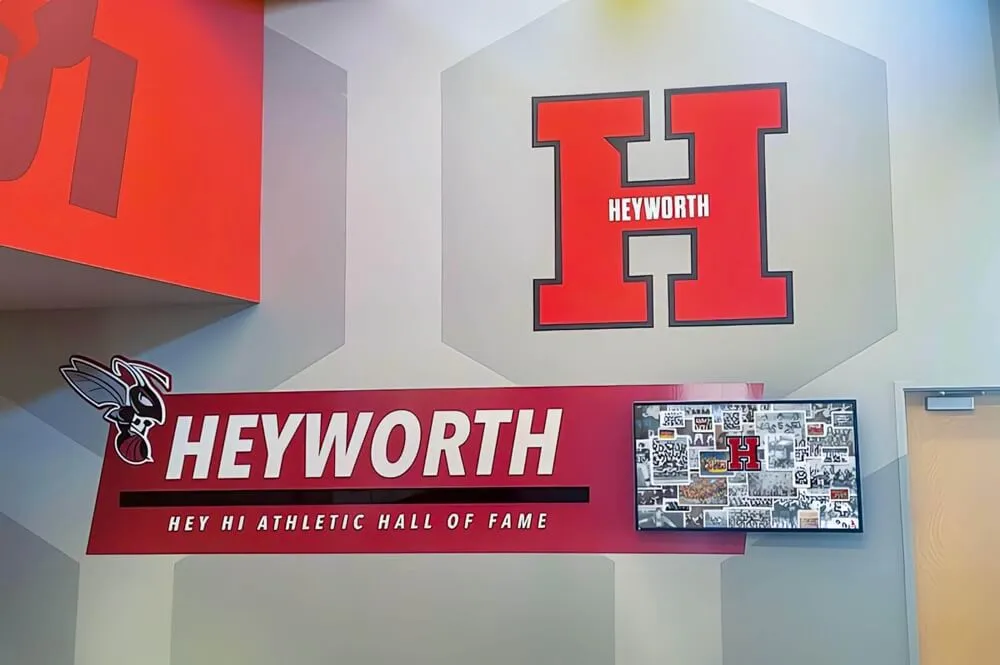
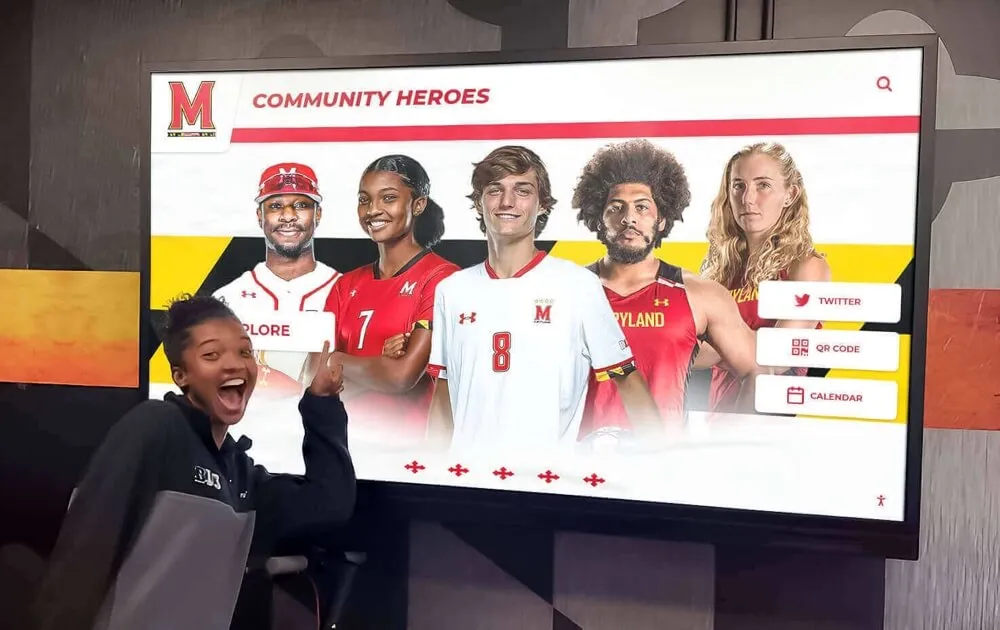
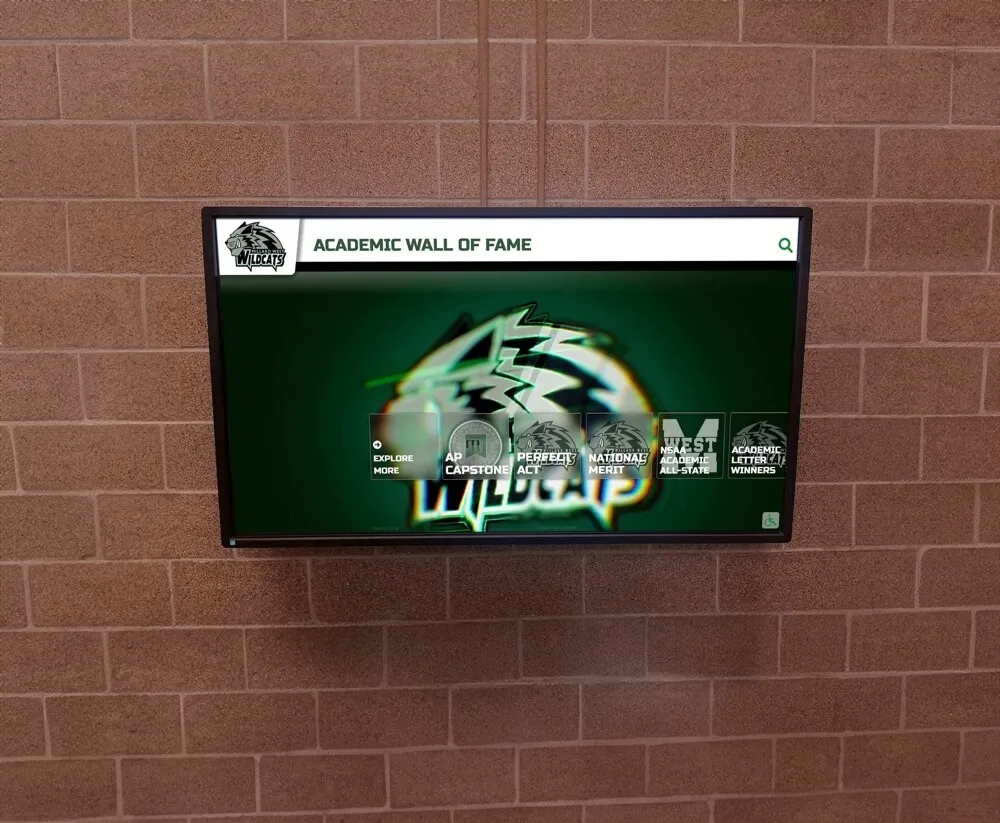
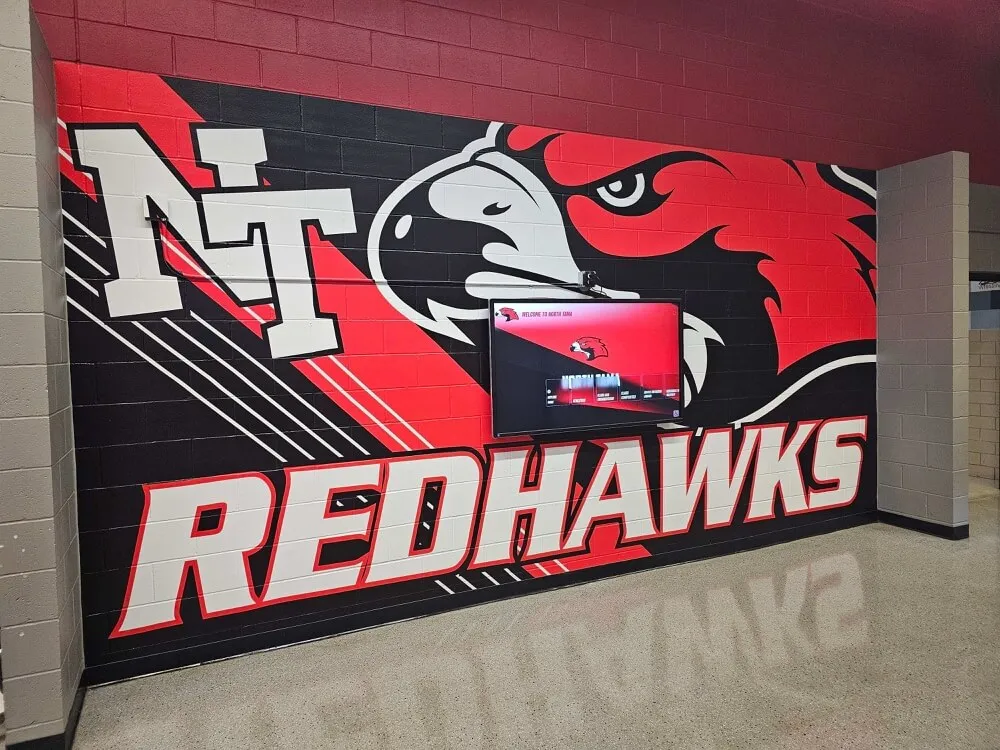
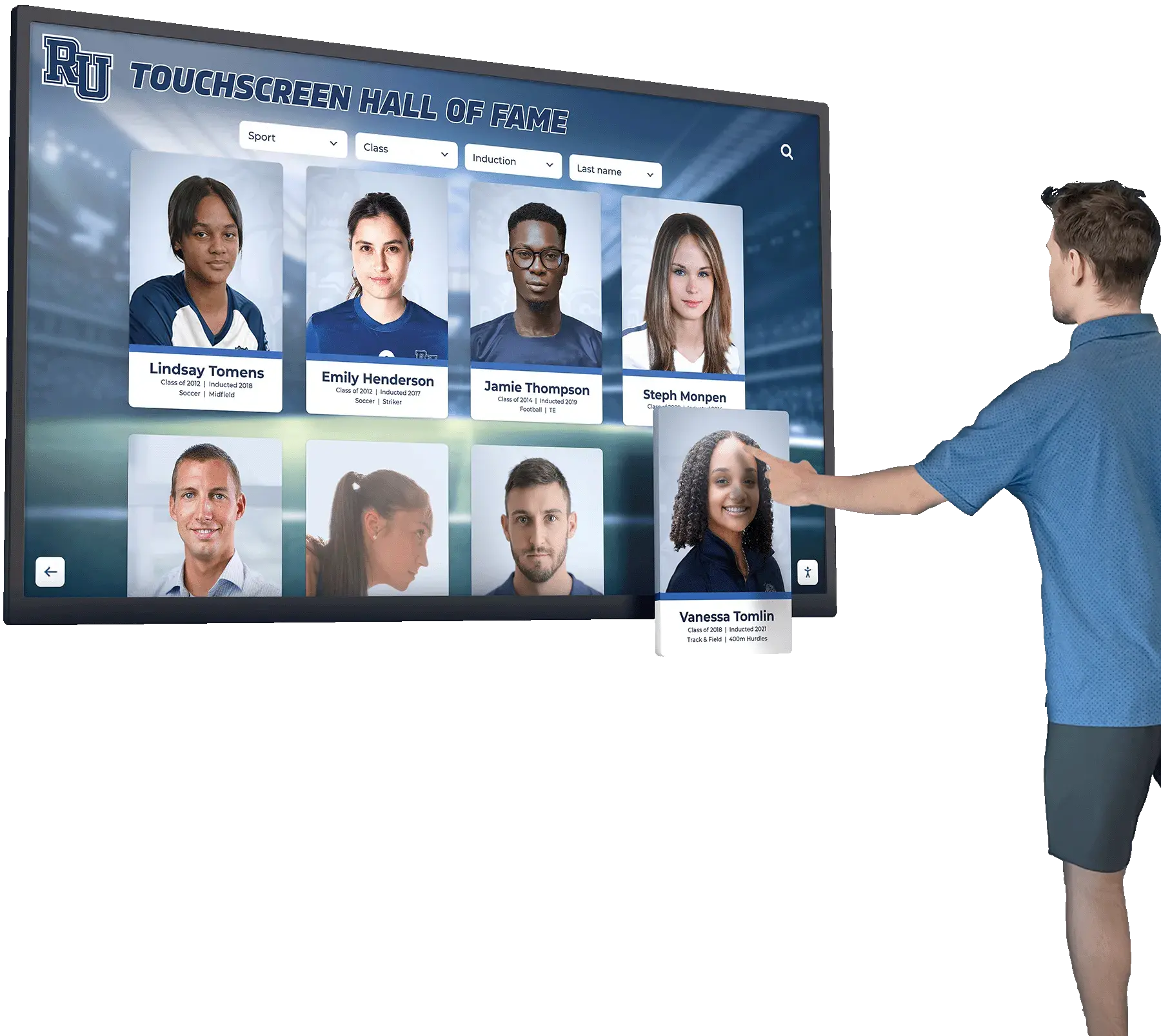
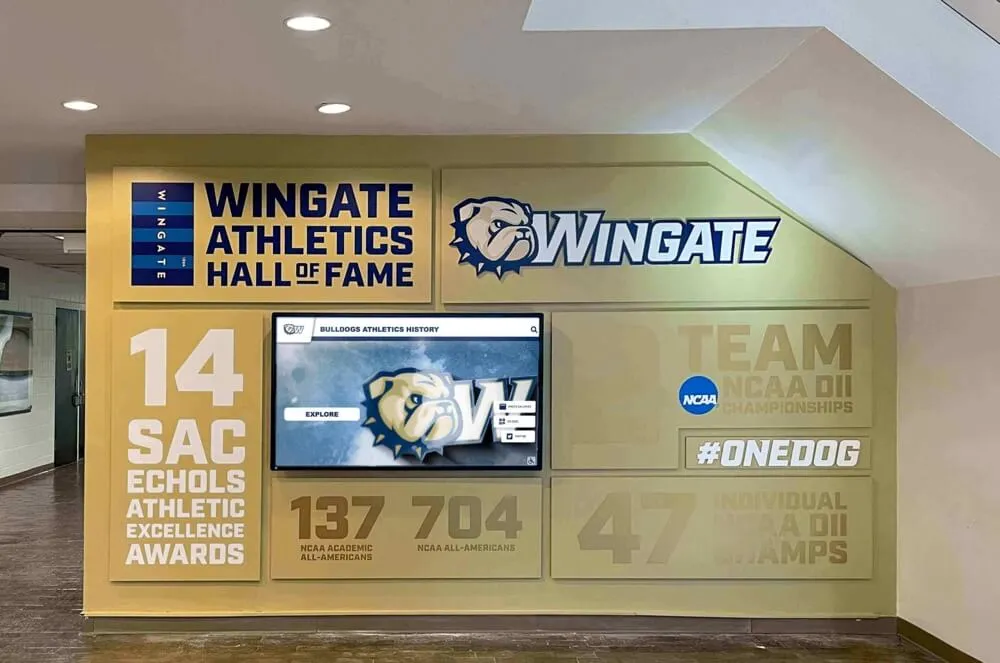
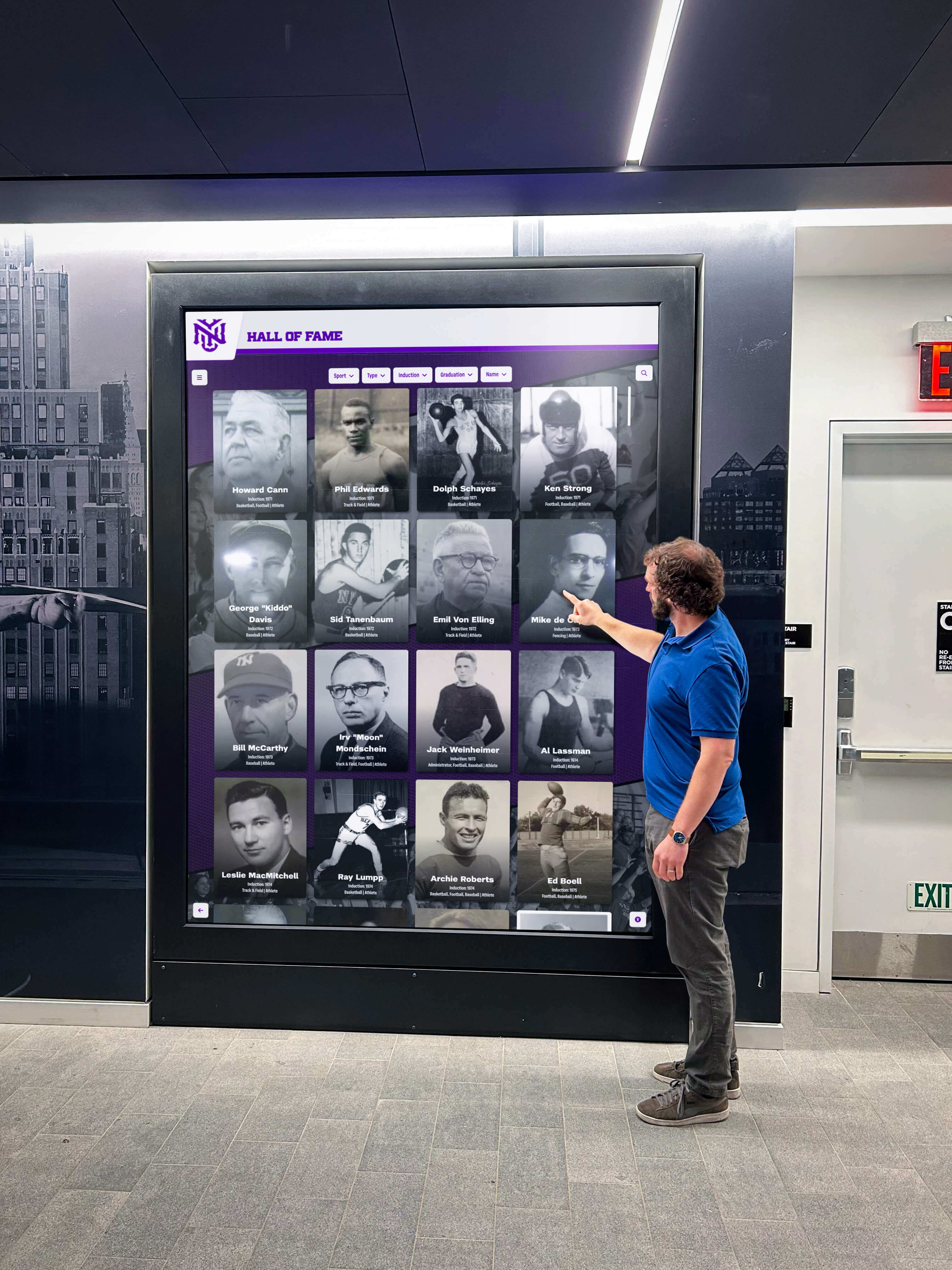
Modern Oldtimers Wall displays create engaging experiences where community members explore legacy and history
Understanding Oldtimers Wall Recognition Contexts
Different organizational settings implement Oldtimers Wall recognition addressing specific community needs and honoring distinct contribution types.
Military Veteran Recognition Walls
Organizations honoring military service create lasting tributes to community members who served in armed forces:
Veteran Recognition Components
Military Oldtimers Walls celebrate service across multiple dimensions:
- Branch of service and military specialty
- Service dates and deployment locations
- Rank achieved and commendations received
- Combat service and theater participation
- Post-service community contributions
According to the Veterans Day Military Wall of Honor recognition guide, organizations implementing comprehensive veteran recognition create powerful connections between past service and current community while providing educational opportunities for younger generations to understand military heritage.
Veteran Recognition Settings
Multiple organizational contexts benefit from veteran Oldtimers Walls:
- Schools honoring alumni military service
- Community organizations recognizing local veterans
- Corporate environments celebrating employee military backgrounds
- Senior living facilities honoring resident service
- Veterans organizations preserving member histories
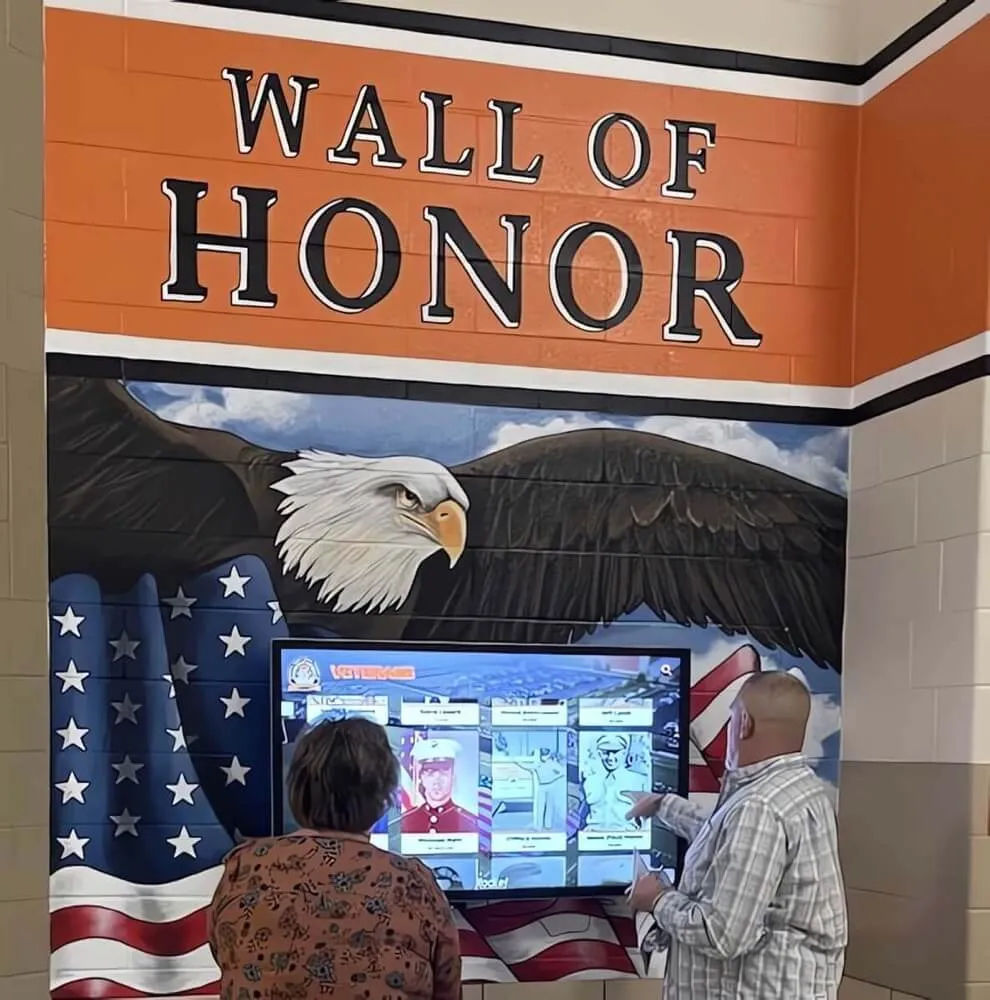
The Veterans Digital Memorial touchscreen wall demonstrates how interactive technology transforms veteran recognition from limited physical plaques to comprehensive digital archives accommodating unlimited service members while preserving detailed service histories, photographs, and personal narratives.

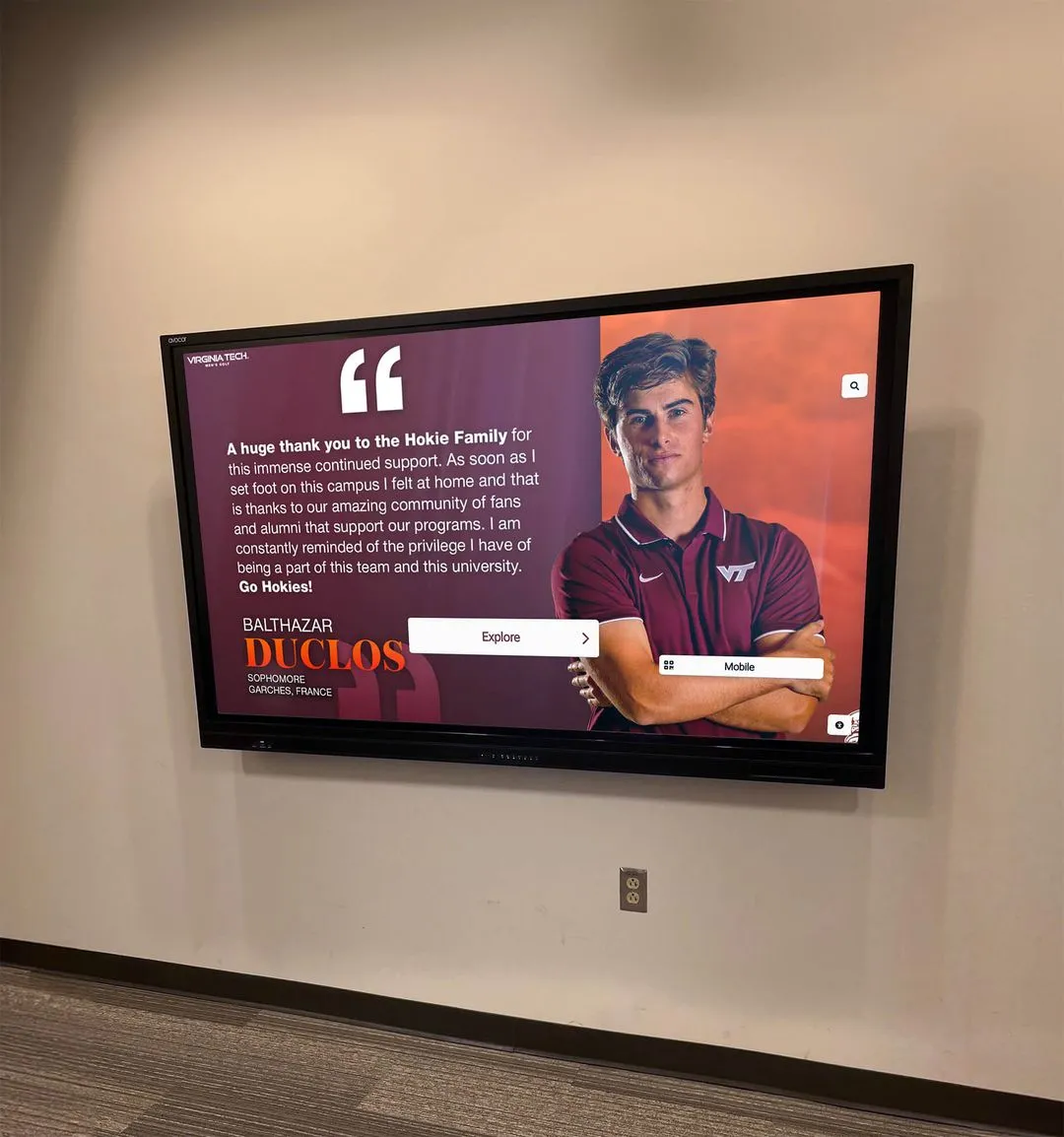
Patriotic recognition installations honor military service with dignity and comprehensive detail
Senior Community Oldtimers Recognition
Senior living facilities, community centers, and retirement organizations implement Oldtimers Walls celebrating residents and members:
Senior Recognition Categories
Comprehensive programs honor diverse lifetime achievements:
- Professional career accomplishments and contributions
- Military service and community leadership
- Educational achievements and degrees earned
- Family legacy and multi-generational connections
- Volunteer service and charitable contributions
- Hobby expertise and specialized knowledge
Research from senior living digital signage providers demonstrates that recognition programs significantly improve resident engagement, family satisfaction, and community atmosphere. Digital legacy walls provide particularly effective platforms for senior recognition, offering accessible interfaces with large text, simple navigation, and rich multimedia content celebrating life achievements.
Accessibility Considerations for Senior Recognition
Recognition displays serving senior populations require thoughtful design:
- Large, high-contrast text ensuring readability
- Seated-height touchscreen placement for wheelchair accessibility
- Audio content options for visually impaired residents
- Simple, intuitive navigation avoiding complex interactions
- Staff assistance features enabling guided exploration
- Family-friendly sharing capabilities for remote relatives
Organizational Founders and Pioneer Recognition
Clubs, associations, businesses, and nonprofit organizations honor founding members and pioneering contributors:
Pioneer Recognition Elements
- Organizational founding dates and original members
- Charter members and early leadership
- Key milestone achievements during tenure
- Transformation contributions and innovations
- Mentorship legacies and lasting impact
- Historical context and period challenges
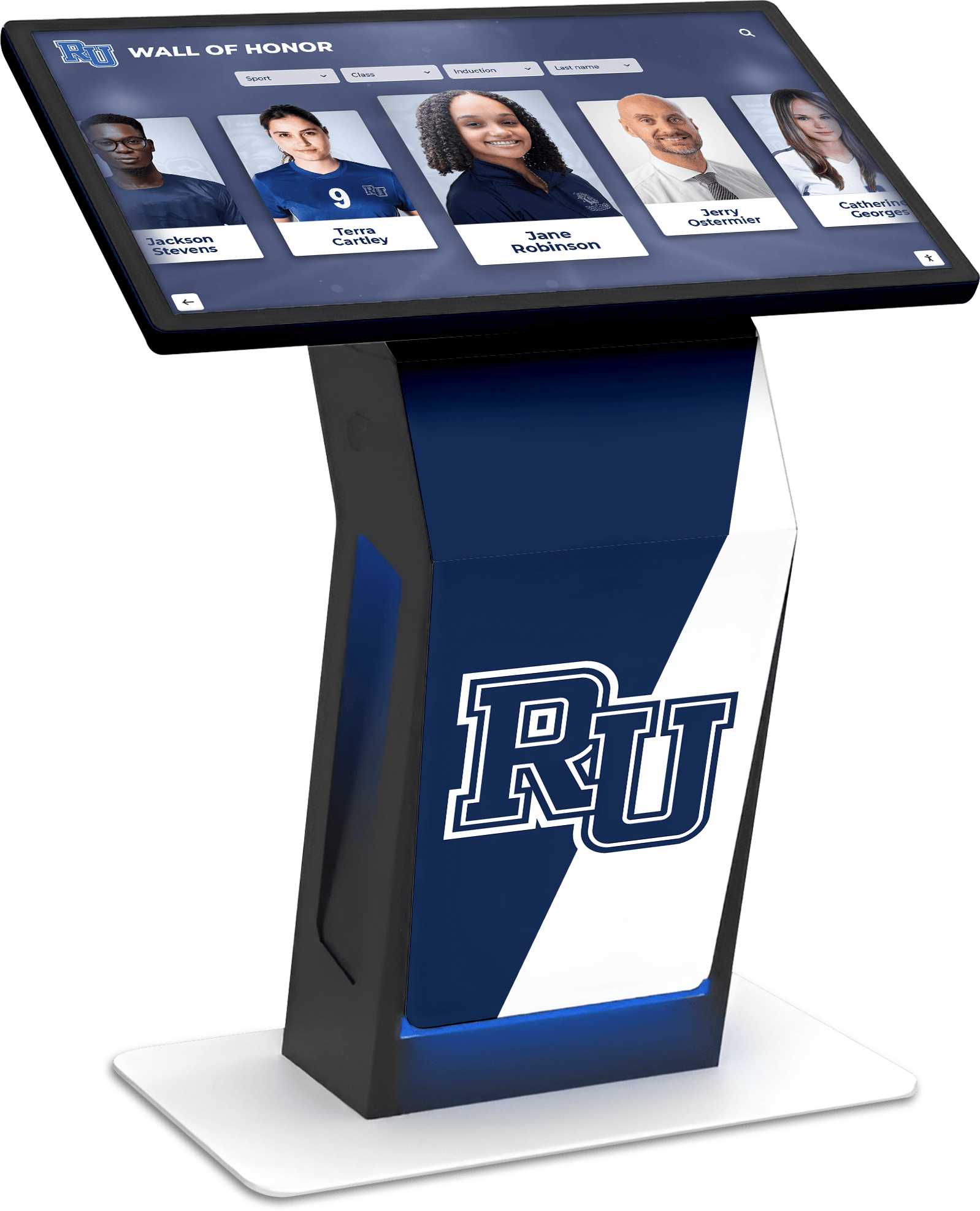
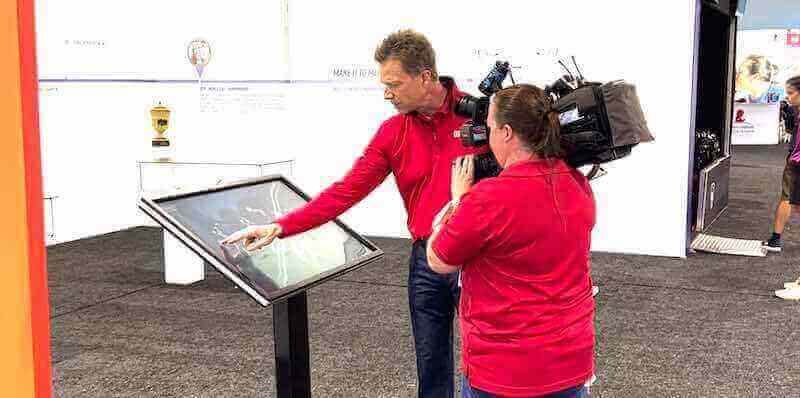
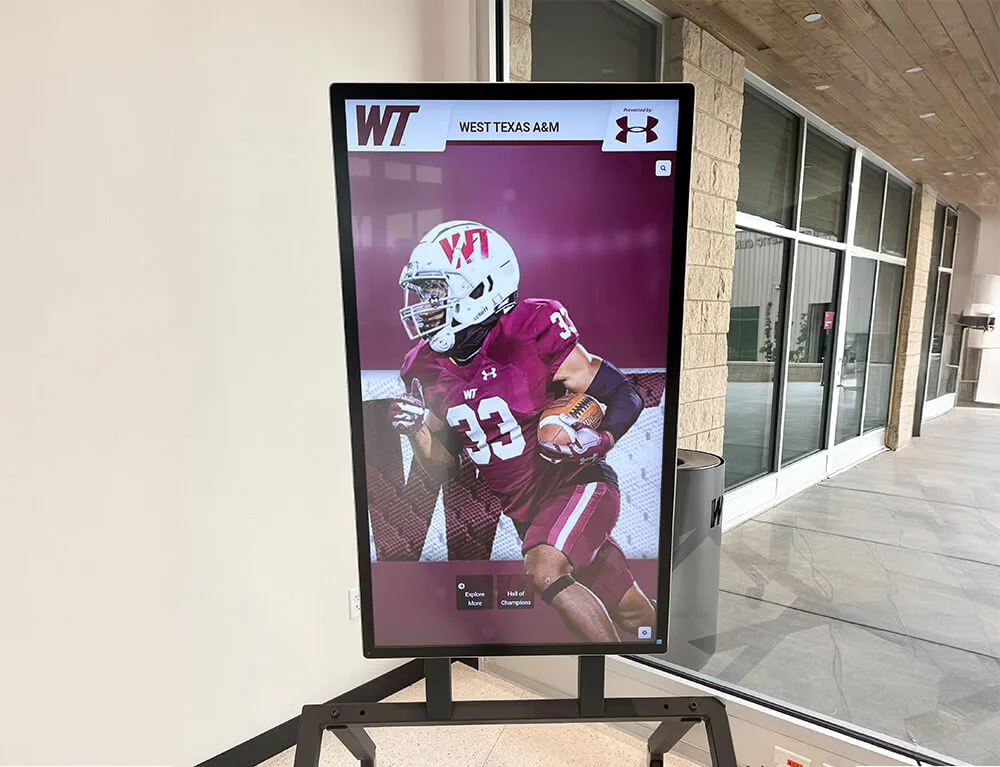
Freestanding kiosks provide flexible placement options for founder and pioneer recognition
Historical Preservation Integration
Oldtimers recognition connects individuals to broader organizational history. Solutions like school historical timeline displays demonstrate how personal recognition integrates with institutional heritage, creating comprehensive archives where individual contributions appear within historical contexts explaining significance and impact.
Long-Term Volunteer and Service Recognition
Community organizations, nonprofit agencies, and service groups celebrate sustained volunteer contributions:
Long-Service Recognition Milestones
- Five, ten, twenty-five, and fifty-year service anniversaries
- Cumulative hour contributions and participation records
- Leadership roles and committee service
- Special project contributions and initiatives led
- Mentorship provided to newer volunteers
- Organizational culture shaping and values modeling
According to volunteer recognition wall research, systematic acknowledgment of long-term service significantly improves volunteer retention, recruitment success, and overall program sustainability. Organizations implementing comprehensive volunteer recognition report 30-40% higher retention rates among experienced volunteers while seeing improved recruitment as potential volunteers observe institutional commitment to appreciating contributions.
Traditional Oldtimers Wall Limitations
Understanding conventional recognition constraints helps organizations appreciate digital solution advantages.
Space and Capacity Constraints
Physical recognition faces inherent limitations:
Limited Physical Space
Traditional Oldtimers Walls eventually fill completely as decades of service accumulate. Organizations face difficult decisions: remove earlier recognition to accommodate current honorees, expand expensive physical displays requiring additional wall space, or cease recognizing new oldtimers once space exhausts. All options create problems—removing recognition erases legacy, expansion proves cost-prohibitive, and stopping recognition demoralizes those deserving acknowledgment.
Inequitable Recognition Distribution
When space limits capacity, organizations typically prioritize certain recognition types over others. Military officers receive more detailed recognition than enlisted personnel, founding members get larger plaques than later pioneers, and highly visible volunteers receive acknowledgment while behind-the-scenes contributors go unrecognized despite comparable contributions.
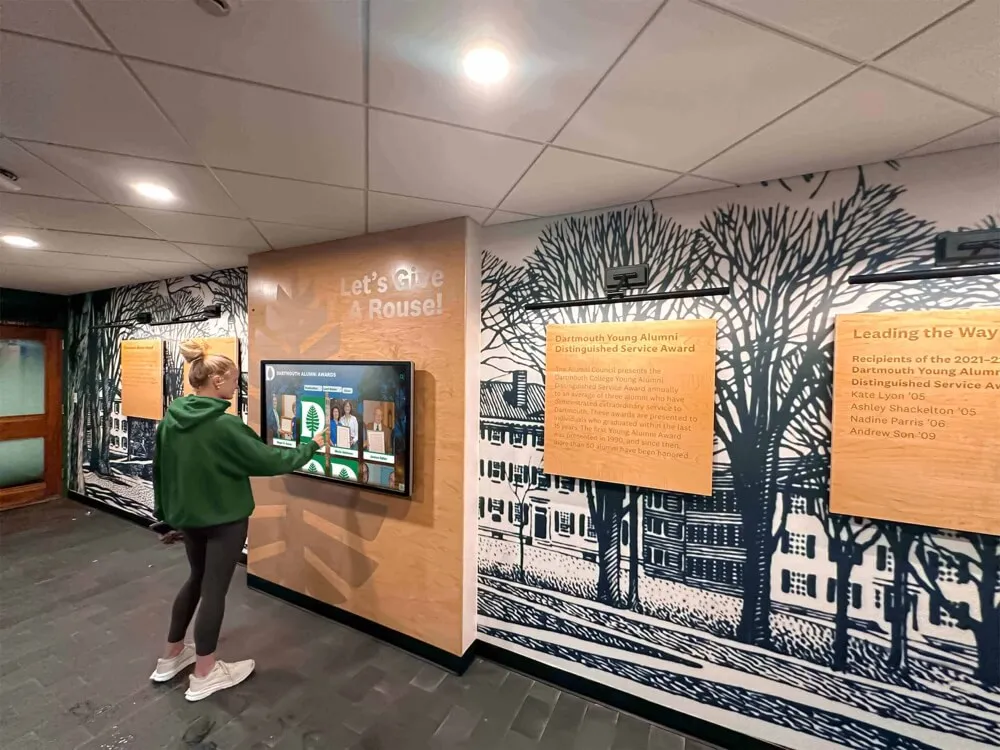
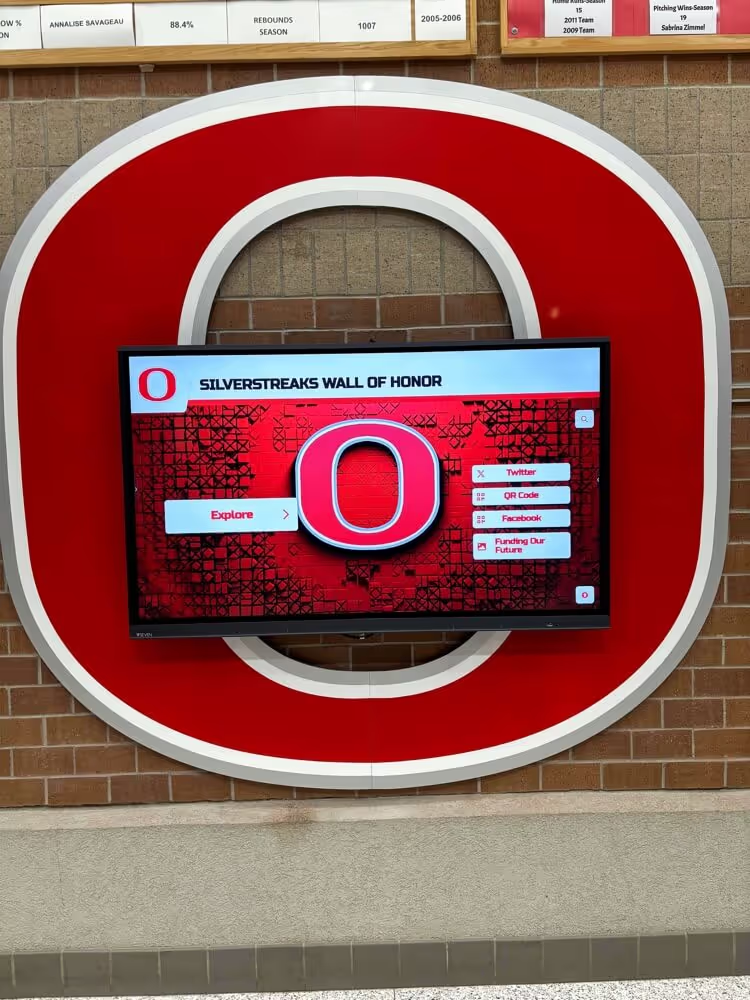
Interactive displays eliminate space constraints while providing comprehensive recognition capacity
Update and Maintenance Challenges
Traditional recognition creates ongoing difficulties:
Engraving and Installation Delays
Adding names to traditional Oldtimers Walls requires professional engraving services, weeks of lead time, and physical installation coordination. A veteran who passes away in October might not appear on memorial walls until spring, missing important remembrance opportunities and delaying family closure. These delays reduce recognition impact and create administrative burden.
High Ongoing Costs
Each new plaque costs $75-250 for materials, engraving, and installation. Organizations recognizing multiple oldtimers annually accumulate substantial recurring costs. Over decades, these expenses reach tens of thousands of dollars—funds potentially redirected toward programs and services benefiting current members.
Physical Deterioration
Traditional plaques tarnish, fade, and deteriorate over time. Outdoor installations suffer weather damage, while indoor displays accumulate dust and lose visual appeal. Maintaining professional appearance requires regular cleaning, periodic refinishing, and eventual replacement—additional costs and effort beyond initial installation.
Engagement and Information Limitations
Static displays provide minimal engagement:
Passive Viewing Only
Traditional Oldtimers Walls offer no interaction—visitors glance at names and dates without deeper engagement. There’s no way to search for specific individuals, learn detailed stories, or explore connections between recognized members. This passivity reduces recognition impact compared to interactive experiences enabling active exploration.
Minimal Contextual Information
Space constraints limit traditional plaques to names, dates, and brief descriptions. The context making contributions meaningful—detailed service histories, personal narratives, period challenges, lasting impacts, family connections—remains invisible, reducing recognition significance and failing to preserve the wisdom and experiences oldtimers accumulated.
Organizations implementing interactive touchscreen displays overcome these limitations while creating engaging recognition experiences impossible with static approaches.
Digital Oldtimers Wall Solutions
Modern digital recognition platforms transform how organizations celebrate long-term contributions and preserve community legacy.
Unlimited Recognition Capacity
Digital systems eliminate space constraints fundamentally:
Comprehensive Archive Accommodation
Digital platforms accommodate unlimited individuals across all recognition categories—military veterans, senior community members, founding pioneers, long-term volunteers, and historical figures. Organizations recognize every deserving contribution without difficult prioritization decisions forced by physical space limitations.
Multi-Generational Recognition Programs
Single digital installations showcase recognition spanning decades or even centuries. Historical archives preserve founding generation contributions alongside current oldtimers, creating comprehensive legacy documentation connecting past to present. This continuity proves impossible with physical displays requiring removal of older plaques to accommodate new recognition.
Equitable Recognition Distribution
All contribution types receive equal display capacity. Military veterans of all ranks, volunteers with varying visibility, and pioneers from different eras receive comparable recognition attention rather than competing for limited physical space. This equity ensures deserving contributions receive appropriate acknowledgment regardless of prominence level.

Rich individual profiles tell complete stories beyond basic names and dates
Interactive Exploration Features
Digital platforms create active engagement experiences:
Intuitive Search and Filtering
Community members search for specific individuals by name, browse by service dates or contribution categories, filter by organizational roles or achievements, or explore featured collections. This active exploration increases engagement time compared to passive viewing while enabling personalized discovery of relevant recognition.
Comprehensive Individual Profiles
Unlike plaques limited to names and dates, digital profiles include detailed biographies, service histories, achievement descriptions, multiple photographs, video interviews, oral histories, and family information. Organizations implementing digital hall of fame comprehensive profiles demonstrate how rich content creates meaningful recognition celebrating complete life journeys rather than isolated facts.
Dynamic Content Rotation
Automated featured content rotation ensures all recognized individuals receive prominent visibility over time. Anniversary highlights, milestone celebrations, and thematic collections keep displays fresh for repeat viewers while preventing any recognition from becoming buried in large archives.
Social Sharing and Extended Reach
Digital profiles enable sharing via social media, email, and messaging, extending recognition beyond physical location visits. Families share oldtimer recognition with relatives worldwide, amplifying acknowledgment impact while promoting organizational pride and mission.
Simplified Content Management
Cloud-based platforms eliminate administrative burden:
Remote Updates from Anywhere
Authorized staff update recognition content from any internet-connected device without touching physical hardware. Add new oldtimer recognition immediately following memorials or celebrations, update biographical information as families provide details, or schedule anniversary features in advance—all without physical access requirements or engraving delays.
Scheduled Publishing Capabilities
Content schedules in advance, enabling recognition announcements to go live during memorial services, anniversary celebrations, or special events without requiring staff presence. This automation ensures consistent recognition timing regardless of staff availability.
Bulk Import and Data Integration
Historical recognition data imports from existing databases, membership records, or military service documentation, creating comprehensive archives without manual entry for each individual. Organizations implementing assisted living digital displays leverage these efficiencies for rapid comprehensive recognition deployment.
Implementing Effective Oldtimers Wall Recognition
Successful recognition requires strategic planning addressing organizational needs and community expectations.
Defining Recognition Categories and Criteria
Comprehensive programs celebrate diverse contributions:
Military Service Recognition Criteria
Organizations honoring veterans should establish clear recognition frameworks:
- All military service regardless of era or combat status
- All branches and service specialties equally recognized
- Rank and awards acknowledged without creating hierarchy
- Deployment and service location documentation
- Post-service community contributions celebrated
- Family military legacy connections preserved
Military recognition should honor all who served, avoiding implications that certain service types matter more than others. Whether combat veterans or support personnel, career military or brief service, all contributions to national defense deserve appropriate acknowledgment.
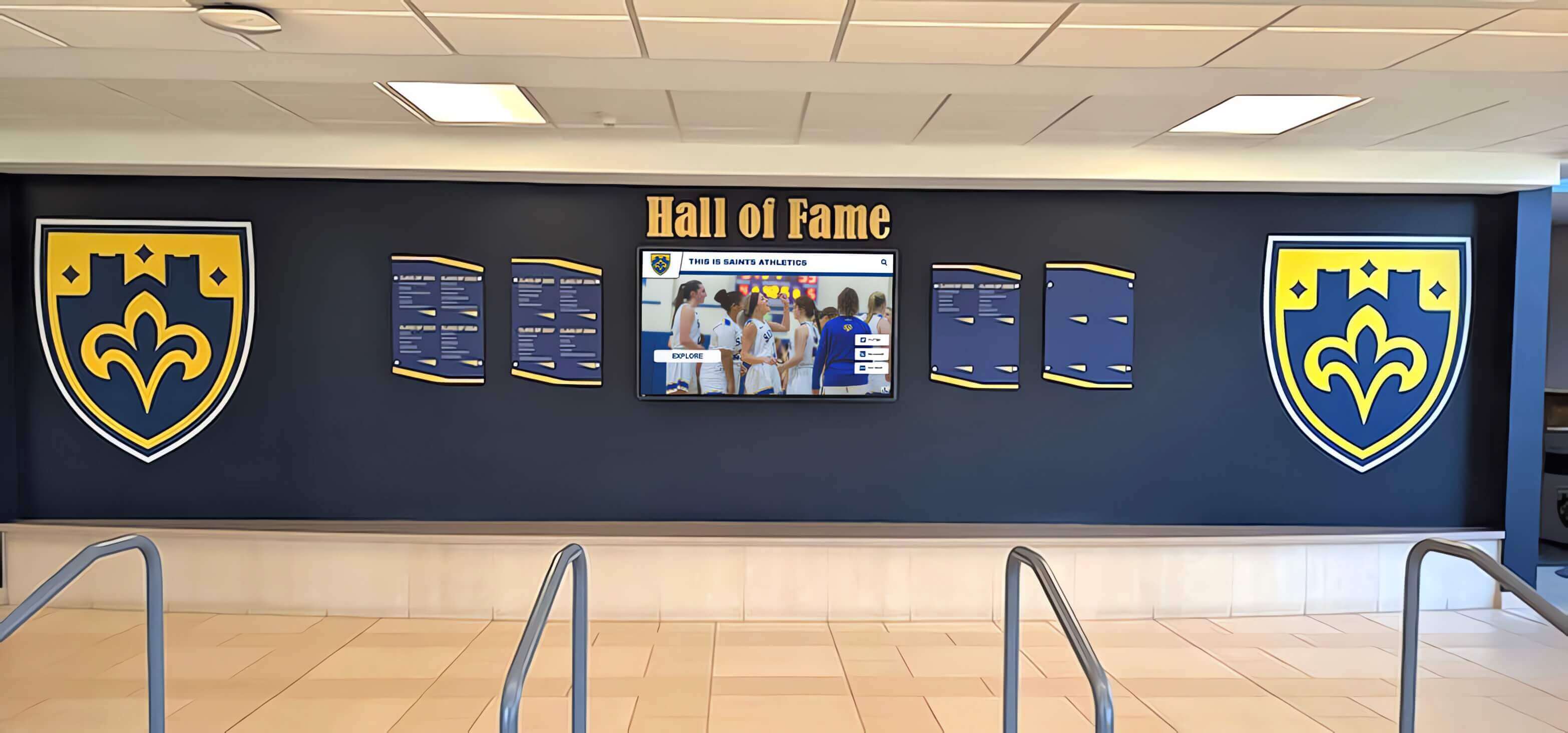
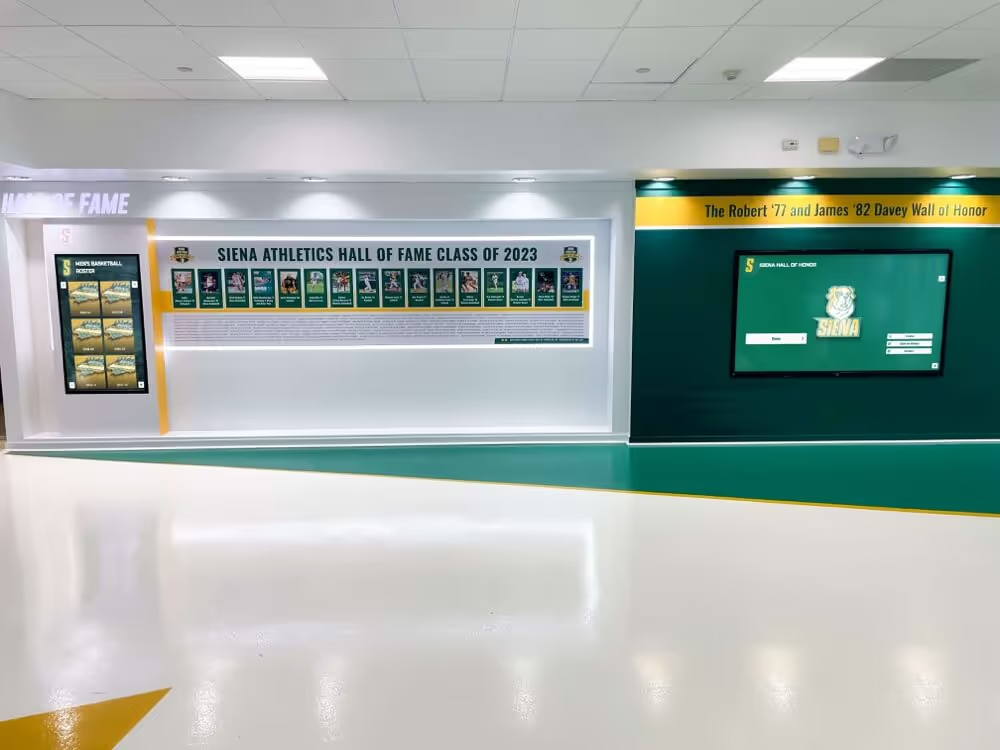
Integrated recognition systems combine traditional elements with modern digital capabilities
Senior Community Recognition Criteria
Senior living facilities and community organizations should celebrate:
- Lifetime professional accomplishments and careers
- Educational achievements and degrees earned
- Community service and volunteer contributions
- Family legacy and multi-generational connections
- Military service and civic leadership
- Artistic, athletic, or specialized expertise
- Personal character attributes and values exemplified
Recognition should emphasize dignity and accomplishment rather than age, framing profiles as celebration of achievement rather than acknowledgment of aging.
Organizational Pioneer Recognition Criteria
Clubs, businesses, and nonprofit organizations should recognize:
- Founding members and charter participants
- Early leadership during formative years
- Members reaching longevity milestones (25, 40, 50+ years)
- Significant innovation and transformation contributions
- Mentorship legacies and cultural shaping
- Financial support enabling organizational sustainability
Volunteer Service Recognition Criteria
Service organizations should systematically acknowledge:
- Cumulative service hour milestones (500, 1000, 5000+ hours)
- Years of sustained participation (10, 25, 40+ years)
- Leadership roles in committees and initiatives
- Specialized skills contributed and training provided
- Recruitment and engagement of new volunteers
- Behind-the-scenes contributions often overlooked
Organizations can explore comprehensive volunteer recognition approaches through peer leadership recognition programs that adapt to oldtimers contexts.
Strategic Display Placement
Location dramatically affects recognition visibility and impact:
High-Traffic Common Areas
Install primary displays in main lobbies, community centers, gathering spaces, or entrance areas where entire communities naturally pass. High visibility signals organizational commitment to honoring contributions while ensuring recognition reaches audiences beyond immediate families.
Specialized Spaces
Dedicated displays in veterans’ lounges, senior activity centers, volunteer coordination offices, or historical rooms provide focused recognition for specific audiences. Proximity to relevant activities keeps recognition visible for those most connected to honored contributions.
Virtual and Web-Based Visibility
Web-accessible recognition extends beyond physical locations to engage families, alumni, prospective members, and broader communities. Mobile-optimized platforms ensure accessibility across devices while enabling social sharing that amplifies recognition impact. Solutions like Rocket Alumni Solutions provide both physical touchscreen installations and web-based platforms, creating comprehensive recognition ecosystems maximizing visibility across all community segments.
Content Development Best Practices
Effective recognition requires thoughtful profile development:
Comprehensive Biographical Documentation
- Full legal names and preferred names/nicknames
- Birth and death dates (for memorial recognition)
- Military service details and deployment information
- Professional career highlights and accomplishments
- Educational achievements and certifications
- Organizational tenure and roles held
- Family information and legacy connections
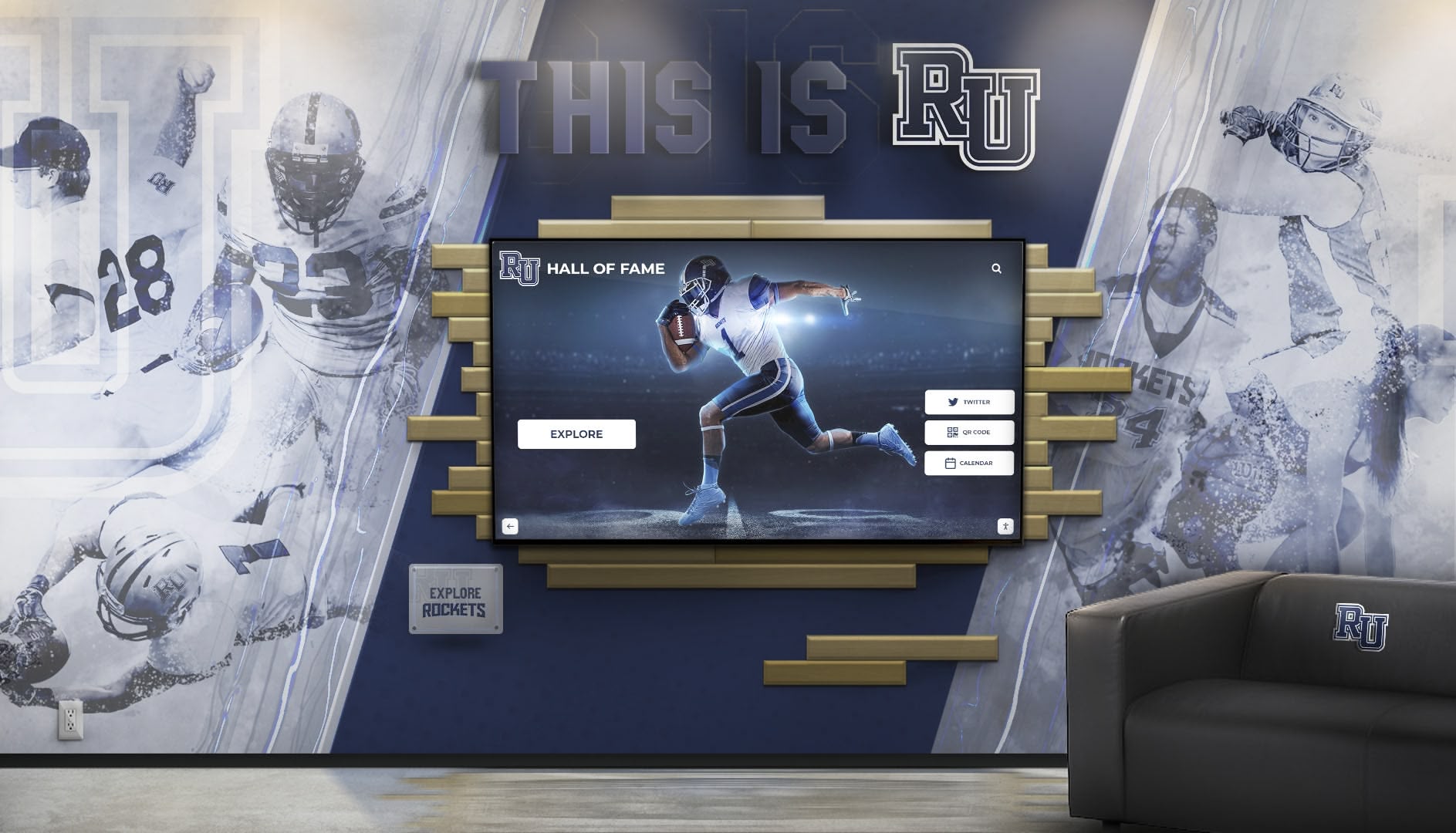
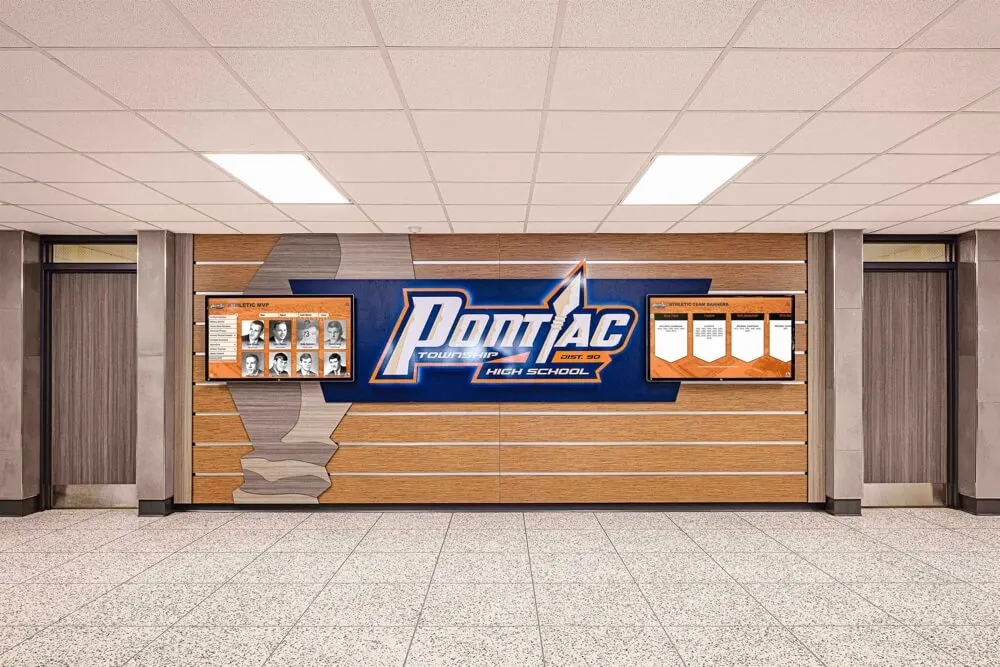
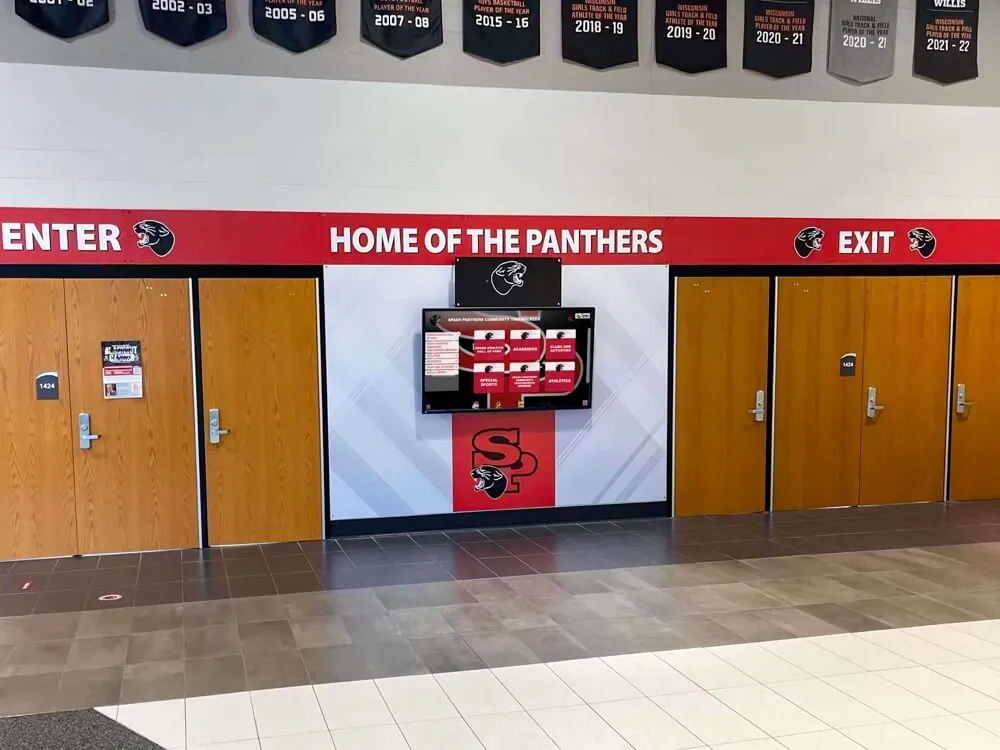
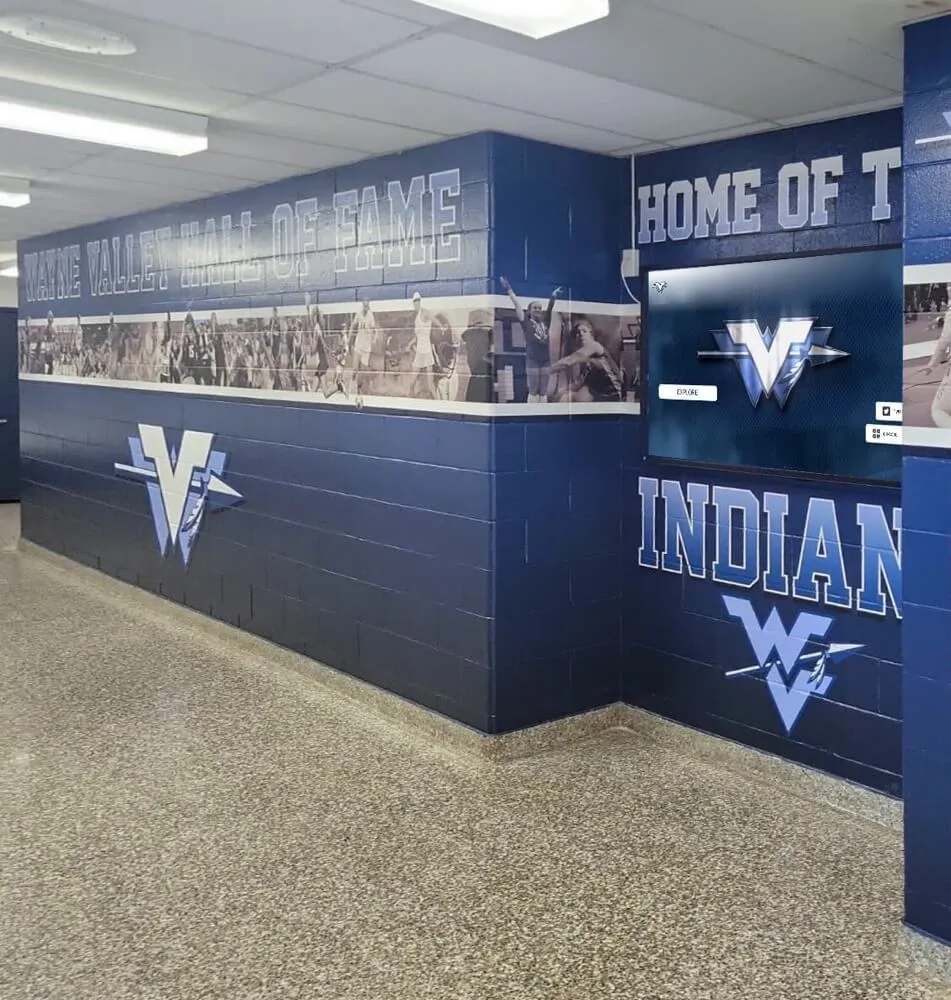
Architecturally integrated displays enhance facility aesthetics while celebrating legacy
High-Quality Visual Content
- Historical photographs from service or participation periods
- Recent images for living honorees
- Military uniform photos and service documentation
- Family photographs and multi-generational images
- Award ceremony images and milestone celebrations
- Historical context photos showing period environments
Engaging Narrative Context
- Personal statements about contributions and experiences
- Family or colleague reflections on impact and character
- Specific memorable events or accomplishments
- Challenges overcome and resilience demonstrated
- Wisdom, advice, or lessons learned
- Connection between individual contributions and organizational mission
Organizations implementing highlighting famous alumni recognition adapt these content strategies to oldtimers contexts, creating meaningful celebration beyond basic statistics.
Connecting Oldtimers Recognition to Community Engagement
Oldtimers Walls work best when integrated with broader community building efforts.
Intergenerational Connection Building
Recognition creates bridges between generations:
Mentorship and Knowledge Transfer
Oldtimers recognition platforms facilitate connections between experienced members and newer participants. Detailed profiles help newer members identify potential mentors with relevant expertise, experiences, or backgrounds. Organizations can build on recognition foundations by creating formal mentorship programs connecting oldtimers with those following similar paths.
Oral History and Legacy Preservation
Video interviews, recorded stories, and documented wisdom preserve invaluable knowledge that would otherwise disappear. Organizations implementing historical timeline touchscreen displays demonstrate how individual recognition integrates with broader heritage preservation, creating comprehensive archives where personal narratives illuminate institutional evolution.
Inspiration and Role Modeling
Current members discover role models demonstrating sustained commitment, overcoming challenges, and embodying organizational values. Recognition showcasing decades of service inspires newer members to envision long-term engagement while understanding that their contributions might someday receive similar celebration.
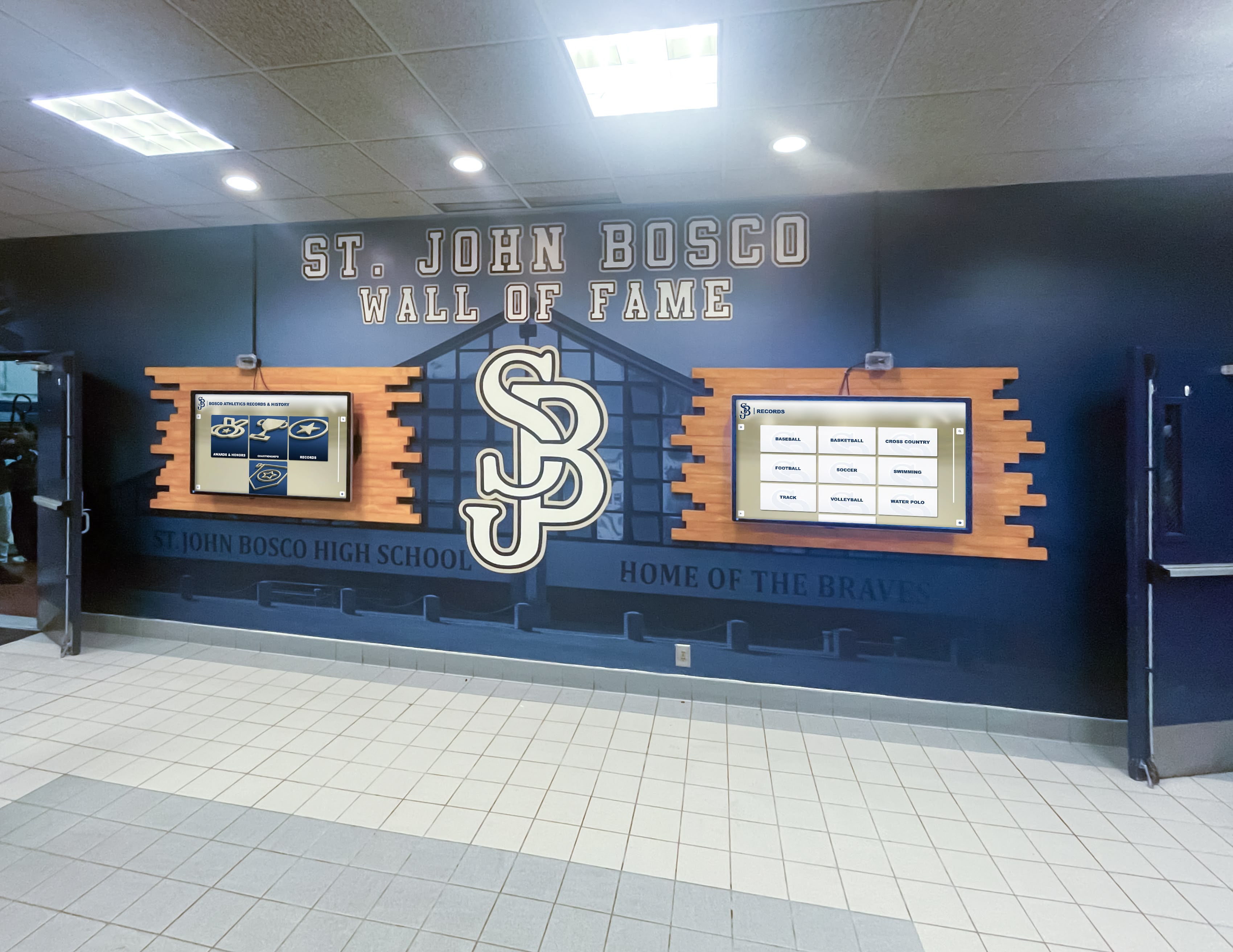
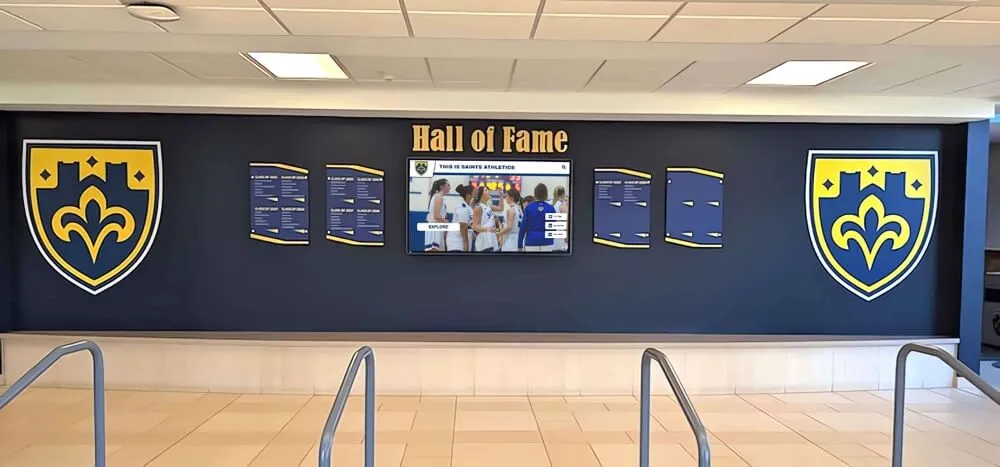
Multiple displays provide comprehensive recognition capacity celebrating diverse contributions
Building Warm, Engaged Communities
Recognition contributes to broader community vitality:
Digital Warming Through Recognition
When organizations implement engaging digital recognition, they create what we call “digital warming”—transformation of cold, impersonal lists into vibrant, personalized experiences drawing members deeper into community engagement. Community members discover themselves, family members, and role models through intuitive search, explore organizational heritage and traditions, and maintain connections through accessible, meaningful recognition experiences.
Family Involvement and Understanding
Comprehensive recognition helps families understand organizational contributions, their loved ones’ significance, and communities that shaped character and values. This understanding builds family support essential for sustained organizational participation while creating pride in family legacies.
Community Pride and External Reputation
Visible oldtimers recognition demonstrates organizational values to external audiences, building pride that translates into financial support, volunteer participation, and advocacy. Communities known for honoring contributions attract quality members motivated by cultures appreciating sustained engagement.
Integration with Broader Recognition Ecosystems
Oldtimers recognition works best within comprehensive acknowledgment systems:
Multi-Category Recognition Integration
Organizations often implement unified platforms celebrating oldtimers alongside current achievers, academic excellence, athletic accomplishments, and donor recognition. This integrated approach signals institutional commitment to celebrating diverse contributions across all categories and timeframes.
Connection to Organizational History and Mission
Recognition systems preserving organizational heritage connect oldtimers to broader institutional legacies. Members understand how individual contributions fit within decades of organizational evolution and continuing mission advancement.
Annual Recognition Events and Ceremonies
Digital recognition complements formal recognition events. Organizations host annual oldtimers celebrations, milestone anniversary ceremonies, and memorial services where digital recognition provides visual focus while permanent digital archives ensure visibility extends beyond event dates.
Measuring Oldtimers Recognition Program Success
Systematic evaluation ensures recognition investments deliver intended benefits.
Quantitative Success Metrics
Recognition Program Completeness
- Percentage of identified oldtimers with profiles created
- Distribution across recognition categories and eras
- Average profile detail level and content richness
- Historical archive depth and documentation completeness
- Update frequency maintaining current information
Comprehensive recognition should include all deserving oldtimers with detailed profiles rather than selective recognition creating unintended hierarchies.
Engagement Analytics
- Physical display interaction frequency and duration
- Web platform traffic and user engagement patterns
- Search patterns revealing popular content and interests
- Social sharing frequency extending recognition reach
- Return visitor patterns demonstrating sustained interest
Digital platforms provide detailed analytics impossible with traditional recognition, enabling data-informed program improvement.
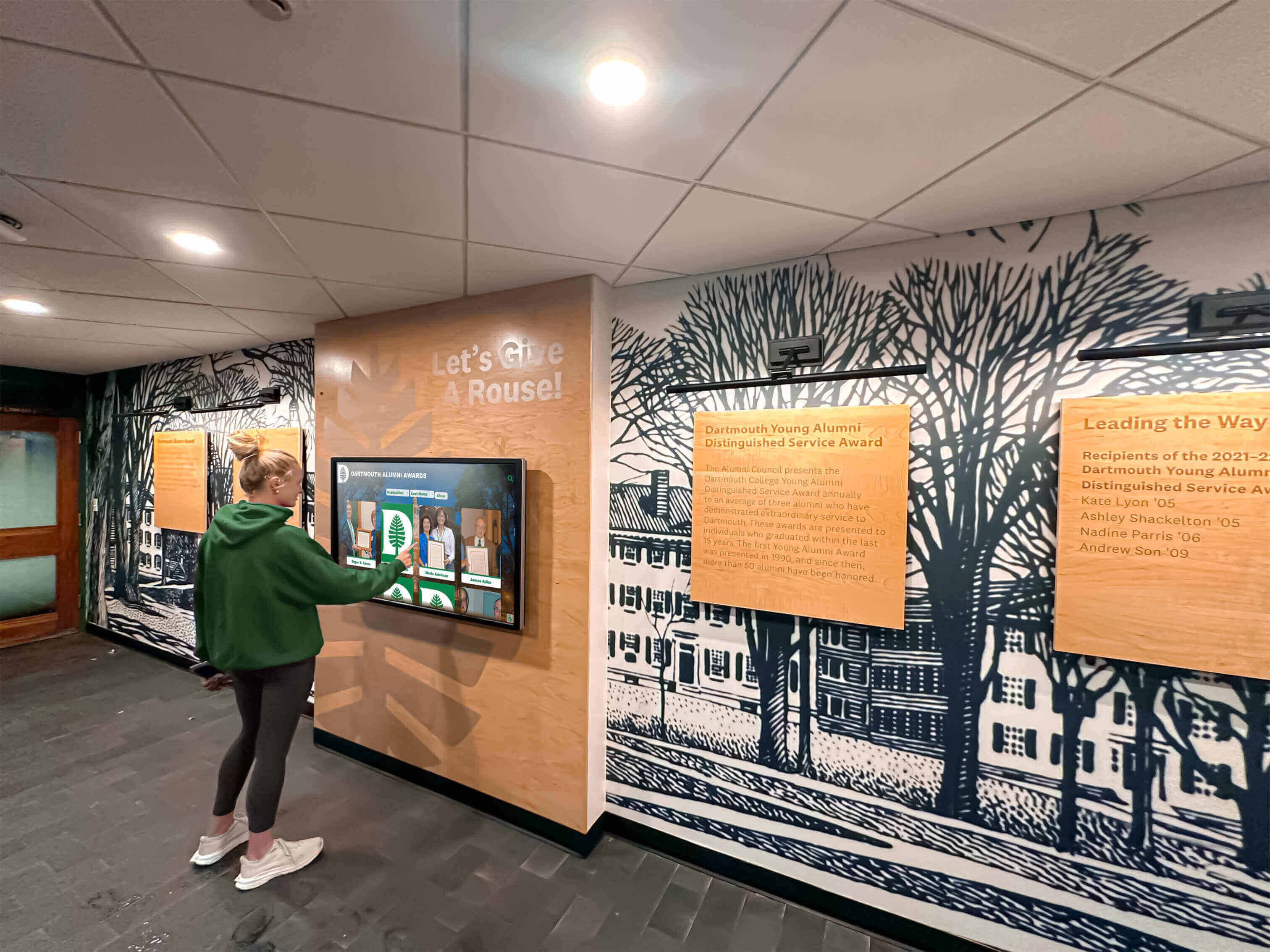
Recognition displays become educational resources teaching heritage and values
Community Impact Indicators
- Family satisfaction with recognition adequacy
- Member retention rates before and after recognition
- Recruitment success mentioning recognition in promotional materials
- Donation increases following recognition launches
- Event attendance at recognition-related gatherings
Qualitative Impact Assessment
Stakeholder Feedback Collection
- Family testimonials about recognition meaning
- Recognized individuals’ responses to acknowledgment
- Community member reactions to recognition programs
- Staff assessment of recognition program value
- External visitor impressions of organizational culture
Cultural Indicators
- Observed changes in community atmosphere and pride
- Intergenerational interaction quality improvements
- Sense of belonging measures among members
- Historical awareness and tradition connection
- Volunteer recruitment and engagement trends
Regular assessment through surveys, interviews, and observation ensures recognition remains meaningful and aligned with organizational values.
Special Considerations for Different Organizational Contexts
Recognition approaches should adapt to specific organizational needs.
Veterans Organizations and Military Recognition
Organizations focused on military service require specialized approaches:
Branch and Era Inclusion
Recognition should honor all military branches equally—Army, Navy, Air Force, Marines, Coast Guard, and Space Force. Similarly, veterans from all service eras deserve equal acknowledgment—World War II through current conflicts, peacetime service alongside wartime deployment, and all ranks from enlisted through officer corps.
Sensitive Memorial Recognition
Memorial recognition honoring deceased veterans requires thoughtful handling of death circumstances, military funeral honors, and family grief. Content should emphasize service celebration rather than dwelling on death circumstances while providing families appropriate mechanisms to contribute memories and reflections.
Community Military Heritage Preservation
Military recognition often connects to broader community heritage. Organizations can explore approaches through military wall of honor guides that preserve local military history while honoring individual service.
Senior Living and Retirement Communities
Recognition in senior settings requires age-appropriate approaches:
Dignity and Respect Emphasis
Recognition should celebrate lifetime accomplishments rather than emphasizing age or current limitations. Content focuses on career achievements, life impacts, family legacies, and continuing contributions rather than physical decline or memory challenges.
Family Engagement Opportunities
Senior recognition provides natural family involvement opportunities. Facilities can request family-submitted photos, biographical information, and stories enriching profiles while giving families meaningful participation in loved ones’ community recognition.
Cognitive and Physical Accessibility
Displays serving senior populations require large text, simple navigation, audio content options, seated accessibility, and staff assistance features. Organizations implementing assisted living visitor displays demonstrate comprehensive accessibility ensuring all residents can engage with recognition regardless of physical or cognitive limitations.
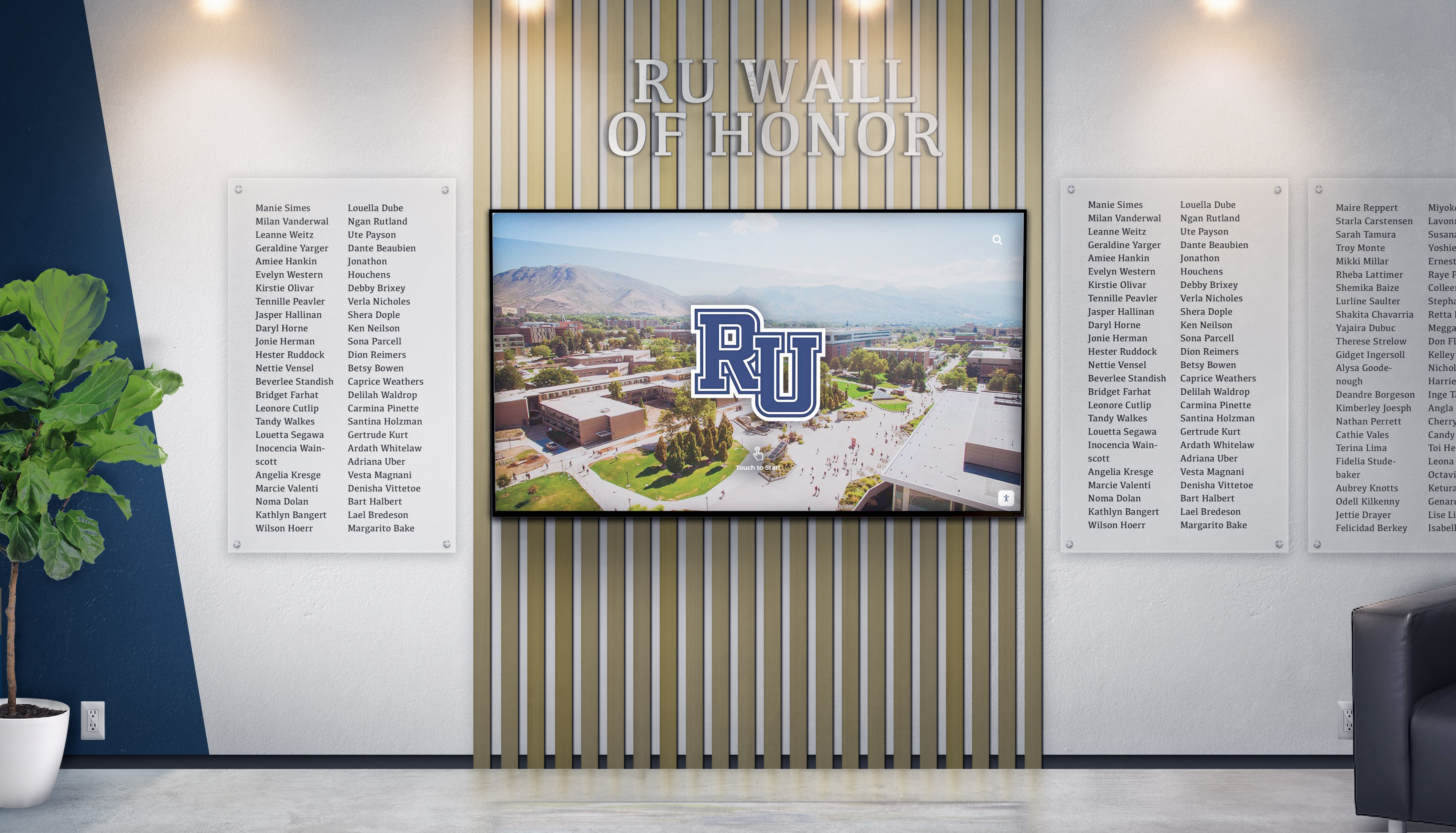
Hybrid recognition systems integrate digital innovation with traditional physical elements
Nonprofit and Community Organizations
Service organizations require inclusive recognition approaches:
Volunteer Equity and Inclusion
Recognition should acknowledge diverse volunteer contributions—direct service delivery, behind-the-scenes support, financial contributions, advocacy, and leadership. Visible frontline volunteers and less visible support contributors deserve comparable recognition ensuring equity across all contribution types.
Sustained Service Milestone Recognition
Progressive recognition of service longevity creates ongoing motivation. Organizations should celebrate five, ten, twenty-five, and fifty-year milestones while recognizing cumulative hour contributions demonstrating sustained commitment.
Cultural Sensitivity and Diversity
Recognition should reflect community diversity through inclusive biographical information, multicultural visual representation, multilingual content when appropriate, and culturally sensitive descriptions respecting diverse backgrounds and traditions.
Organizations can adapt strategies from peer leadership spotlights to volunteer oldtimers contexts.
Corporate and Business Settings
Workplace oldtimers recognition celebrates long-tenured employees:
Career Development and Progression
Recognition should document career journeys showing entry positions, promotions and advancement, skill development and certification, major project contributions, and leadership role evolution. This documentation demonstrates organizational commitment to employee development while inspiring newer employees.
Professional Achievement Integration
Employee recognition can integrate professional accomplishments—industry awards, patent achievements, publication credits, speaking engagements, and professional association leadership—celebrating both organizational contributions and broader professional impact.
Retirement Transition Support
Recognition provides meaningful transition elements for retiring employees. Comprehensive profiles document career contributions creating lasting acknowledgment while retirement celebration events use recognition as visual focus honoring decades of service.
Implementation Roadmap for Oldtimers Wall Recognition
Systematic planning ensures successful recognition program launches.
Planning Phase (Weeks 1-4)
Stakeholder Engagement
- Gather input from leadership about recognition priorities
- Consult families and community members about expectations
- Involve relevant committees and advisory groups
- Survey potential honorees about participation interest
- Review similar programs and best practices
Recognition Framework Definition
- Define specific recognition categories and criteria
- Establish nomination and selection processes
- Determine profile content standards and requirements
- Plan historical archive scope and approach
- Create recognition policies and procedures
Technology and Budget Planning
- Evaluate recognition platform options and capabilities
- Assess physical display placement locations
- Consider solutions like Rocket Alumni Solutions offering purpose-built recognition platforms
- Develop comprehensive budget including hardware, software, and implementation
- Identify funding sources—organizational budget, memorial gifts, grants
Content Development Phase (Weeks 5-8)
Information Gathering and Documentation
- Compile lists of potential honorees across categories
- Gather biographical information, service records, photographs
- Conduct interviews for oral history and personal narratives
- Document organizational history providing context
- Create initial recognition profiles for launch content
Visual Design and Branding
- Customize display templates reflecting organizational identity
- Create recognition category organization and navigation
- Design visual elements and graphics
- Develop content presentation standards
- Ensure brand consistency across physical and web platforms
Process Documentation
- Create content management procedures
- Establish update schedules and responsibilities
- Develop nomination processes for ongoing recognition
- Document quality standards for content and images
- Train staff on management systems
Launch Phase (Weeks 9-10)
Physical Installation and Testing
- Install hardware at designated locations
- Configure network connectivity and remote management
- Test touchscreen functionality and display performance
- Verify web platform integration and mobile access
- Ensure accessibility compliance and proper mounting
Organizations implementing touchscreen kiosk applications benefit from comprehensive installation planning ensuring reliable operation.
Launch Communication and Celebration
- Announce recognition program to community
- Promote display locations and web access
- Celebrate initial recognized individuals with ceremony
- Generate excitement through leadership messaging
- Host dedication event or launch gathering
Training and Support
- Train staff on content management procedures
- Provide ongoing technical support resources
- Create user guides and documentation
- Establish helpdesk processes for issues
- Schedule follow-up training as needed
Ongoing Management Phase
Regular Content Updates
- Add new honorees as they reach recognition milestones
- Update existing profiles with new information
- Rotate featured content maintaining freshness
- Archive historical content while maintaining accessibility
- Expand recognition categories as programs evolve
Continuous Improvement
- Monitor engagement analytics identifying opportunities
- Gather ongoing feedback from honorees and families
- Benchmark recognition distribution across categories
- Adjust criteria based on program learning
- Expand programs based on success
Transform Your Oldtimers Recognition
Discover how modern digital recognition displays can help you celebrate long-term contributors, preserve community legacy, and build the engaged, connected communities where members feel valued across generations.
Schedule Your DemoTechnology Considerations for Oldtimers Wall Platforms
Selecting appropriate platforms ensures long-term recognition program success.
Platform Selection Criteria
Organizations evaluating recognition technology should consider:
Recognition-Specific Design
Purpose-built recognition platforms like Rocket Alumni Solutions provide capabilities specifically designed for achievement celebration rather than generic content management requiring extensive customization. Recognition-focused design ensures intuitive navigation, appropriate content organization, and features addressing specific acknowledgment needs.
Unlimited Capacity and Scalability
Programs accumulate decades of recognition. Platforms must accommodate unlimited individuals without performance degradation or cost increases. Unlimited capacity ensures comprehensive recognition without difficult decisions about whose acknowledgment remains visible.
Accessibility and Inclusion
Recognition platforms should meet ADA WCAG 2.1 AA compliance standards ensuring inclusive experiences for community members with diverse abilities. Accessibility matters for legal compliance, inclusive culture, and ensuring all community members can engage with recognition content.
Extended Reach Beyond Physical Location
Web-based platforms extend recognition beyond physical displays to mobile devices, home computers, and anywhere internet-connected devices enable access. This extended reach proves essential for engaging families, distant community members, and those unable to regularly visit physical locations.
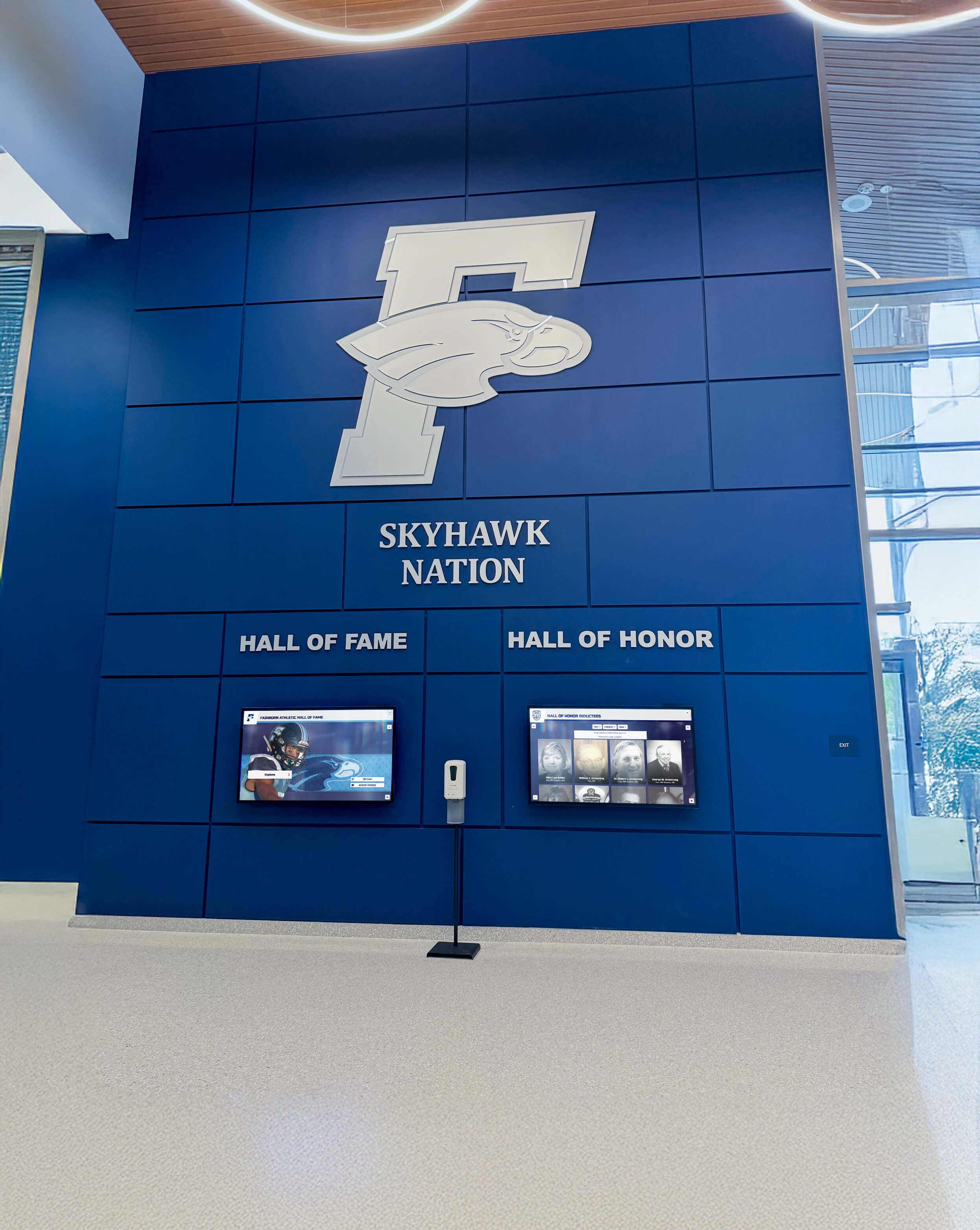
Professional recognition installations create impressive environments celebrating community legacy
Hardware Considerations
Physical displays require thoughtful hardware selection:
Touchscreen Display Options
- Wall-mounted displays (43"-75") for high-visibility locations
- Freestanding kiosks for flexible placement
- Multiple display configurations for large installations
- Commercial-grade equipment for continuous operation
- Appropriate brightness for various lighting conditions
Placement and Environmental Factors
- Mounting heights ensuring accessibility for all users
- Lighting considerations for screen visibility
- Ambient noise levels in installation locations
- Physical protection in high-traffic areas
- Architectural integration and aesthetic alignment
Organizations implementing interactive touchscreen displays apply similar hardware planning to oldtimers recognition contexts.
Conclusion: Celebrating Legacy and Building Connected Communities
Oldtimers Wall recognition represents strategic investments in community culture, intergenerational connection, and institutional memory preservation. When organizations systematically celebrate long-term contributions through visible, accessible, meaningful recognition displays—whether honoring military veterans, senior community members, organizational pioneers, or sustained volunteers—they create environments where experience receives appropriate acknowledgment, legacy inspires future generations, and communities maintain warm connections across time.
The evolution from limited plaques and occasional ceremonies toward comprehensive digital recognition reflects broader understanding that acknowledgment impact depends on visibility, accessibility, detail richness, and ongoing engagement opportunities. Modern recognition platforms eliminate traditional constraints enabling unlimited capacity, comprehensive multimedia profiles, interactive exploration, and extended reach ensuring every deserving contribution receives appropriate celebration regardless of prominence level, contribution type, or decades since service.
Military service, lifetime achievement, organizational founding, and sustained volunteer commitment transform communities in ways deserving celebration matching significance. Research demonstrates compelling benefits of systematic oldtimers recognition—improved community cohesion, enhanced recruitment and retention, strengthened institutional identity, and preserved heritage educating future generations. These documented benefits deserve recognition programs providing visibility while building community culture where long-term engagement flourishes.
Implementation success requires strategic planning addressing recognition criteria, display placement, technology selection, content development, and ongoing management. Organizations should begin with clear recognition frameworks, engage stakeholders in program design, select appropriate technology platforms, and commit to consistent content updates maintaining program relevance and engagement over time.
Purpose-built recognition platforms like Rocket Alumni Solutions deliver capabilities specifically optimized for celebrating contributions while eliminating complexity inherent in custom development or adapting generic systems. Unlimited capacity, simple content management, comprehensive accessibility, and professional support enable organizations to focus on recognition program success rather than technical implementation challenges.
Every long-term contribution—from military service through senior achievement, from organizational founding through sustained volunteering—deserves celebration creating the inspiration, engagement, and community pride propelling continued excellence. Modern recognition technology makes comprehensive, accessible, impactful acknowledgment achievable for organizations committed to building cultures where contributions receive recognition they deserve.
Your oldtimers’ contributions represent decades of service, accumulated wisdom, and sustained commitment shaping organizational character and community success. These contributions deserve celebration matching their significance while preserving legacies inspiring future generations toward similar paths of engagement and service.
Ready to transform your oldtimers recognition? Schedule a demo with Rocket Alumni Solutions to explore how digital recognition displays create engaging experiences celebrating legacy, or discover comprehensive approaches to community recognition that honor contributions across all types and timeframes.