



Intent: demonstrate — Nostalgia marketing represents one of the most powerful yet underutilized strategies educational institutions and community organizations possess to deepen engagement, strengthen loyalty, and create active participation. When schools tap into shared memories—helping alumni recall carefree student days, enabling families to discover institutional heritage, connecting community members with collective history—they transform passive observers into emotionally invested supporters who donate, volunteer, refer new members, and champion organizational missions.
Yet many schools and community organizations struggle to leverage nostalgia effectively. Heritage remains locked in forgotten yearbooks gathering dust, historical achievements hide in storage rather than inspiring current members, and potential emotional connections between past and present go unrealized. Meanwhile, commercial brands masterfully deploy nostalgia marketing, generating billions through campaigns that make consumers feel connected to familiar experiences and shared cultural moments.
This comprehensive guide explores evidence-based nostalgia marketing strategies specifically designed for schools, universities, alumni associations, clubs, and community organizations seeking to harness memory’s power to warm up cold digital spaces, activate dormant networks, and build vibrant communities around shared heritage and collective identity.
The power of nostalgia in marketing stems from fundamental human psychology. According to research on nostalgia marketing effectiveness, nostalgic emotions lead to increased brand loyalty, engagement, and purchase decisions by creating strong emotional bonds through universal human experiences: the joy of reminiscing about good times, the comfort of the familiar, and the desire to be part of a community. For educational institutions and community organizations, these emotional connections translate directly into measurable outcomes—higher donation rates, increased event attendance, stronger volunteer participation, and more enthusiastic advocacy.
Educational institutions possess natural advantages in nostalgia marketing that commercial brands cannot replicate: built-in emotionally invested audiences who spent formative years within institutional walls, shared experiences that create powerful bonds between otherwise diverse individuals, traditions and rituals that mark significant life transitions, and heritage spanning decades or centuries providing rich storytelling material. The challenge lies not in whether nostalgia can drive engagement, but in systematically implementing strategies that surface memories, create accessible heritage experiences, and connect past to present in ways that inspire action.

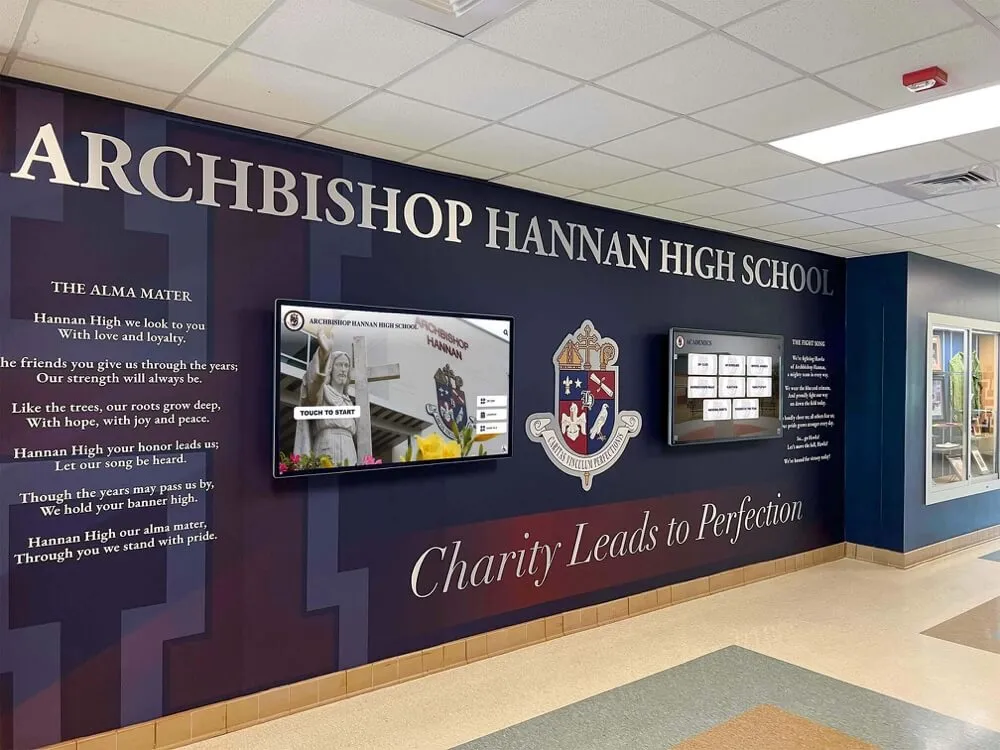
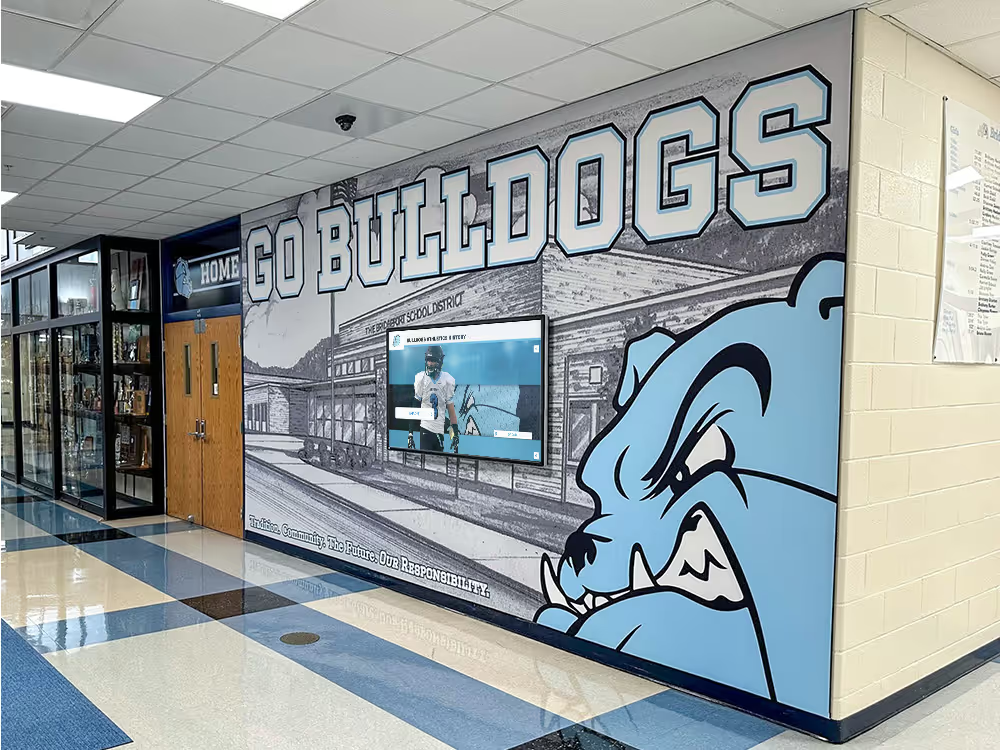
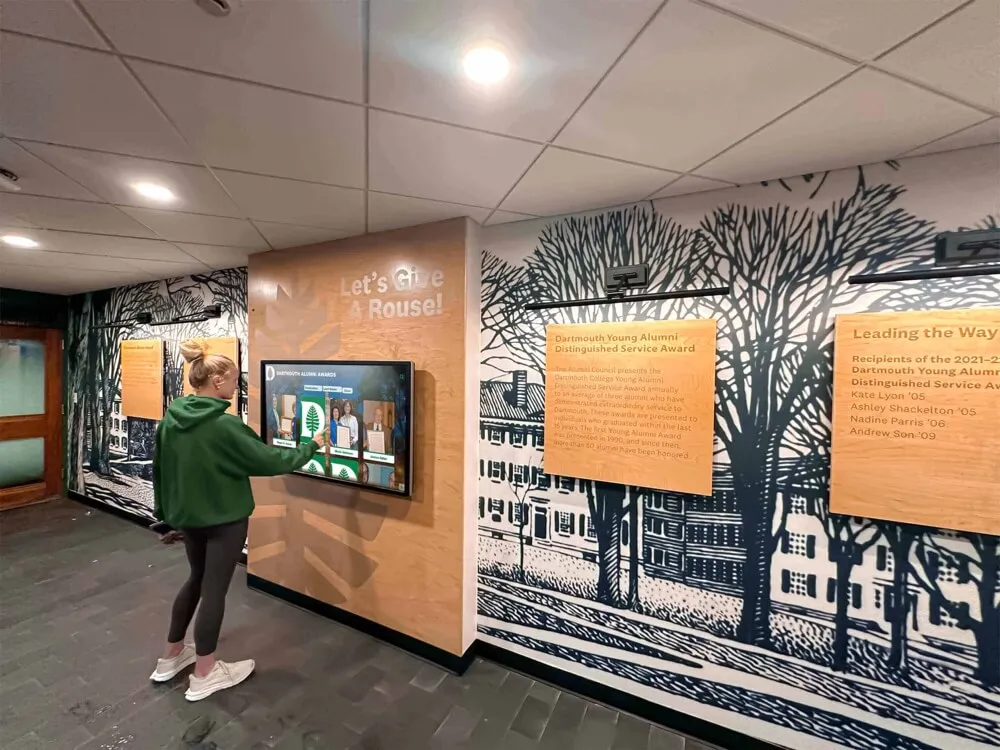
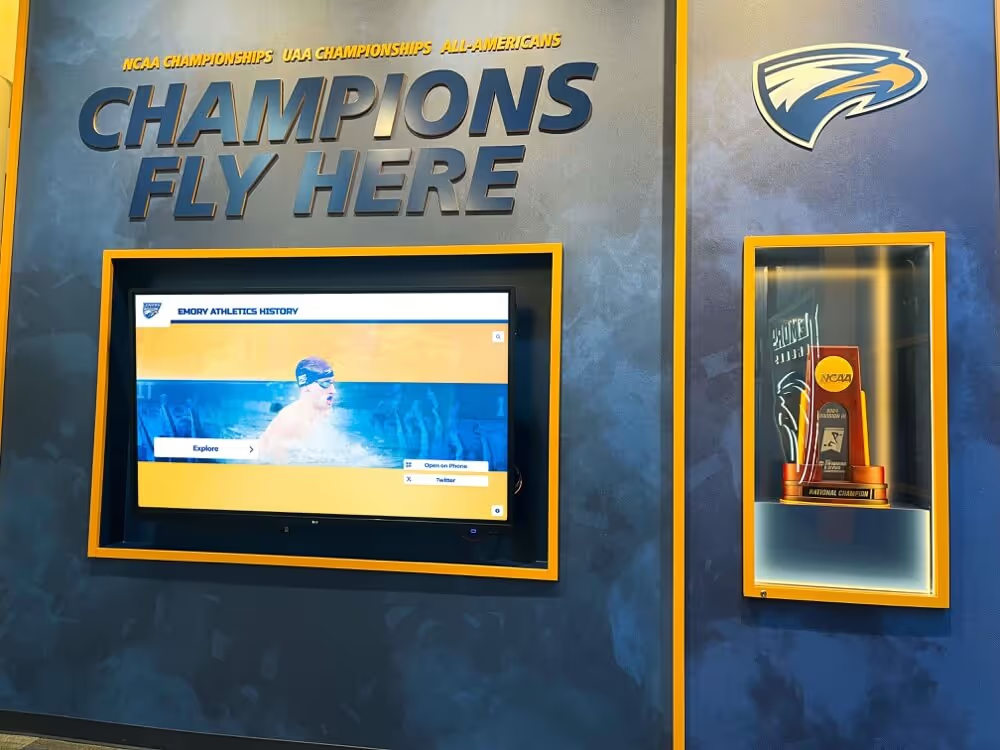
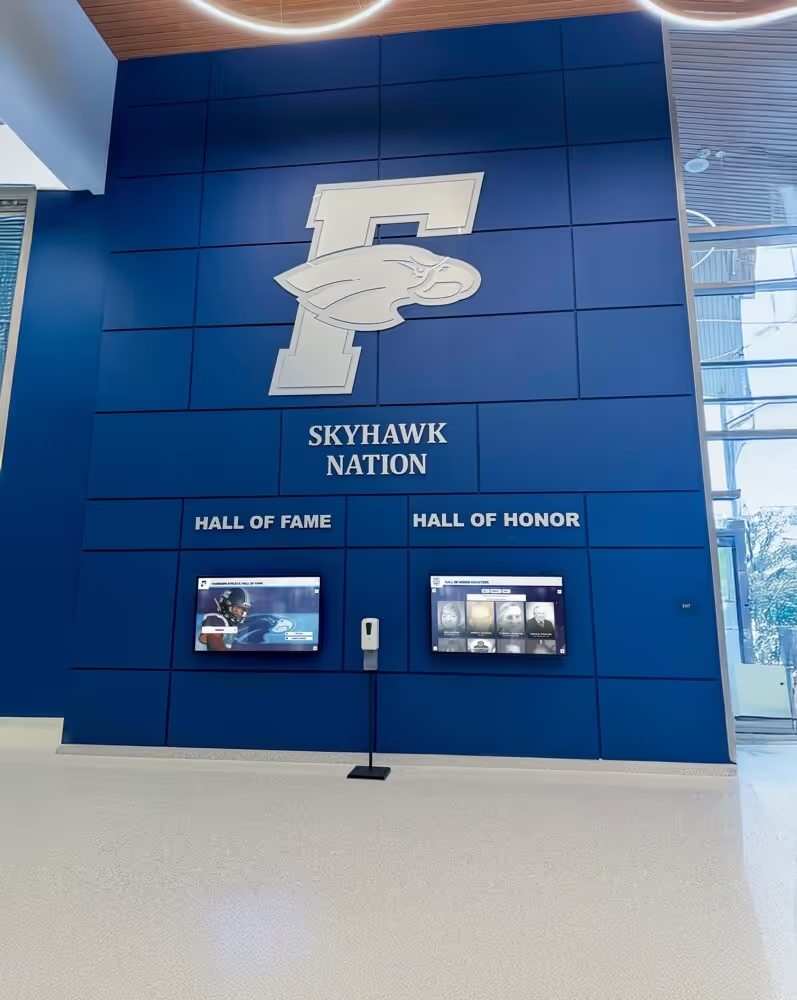
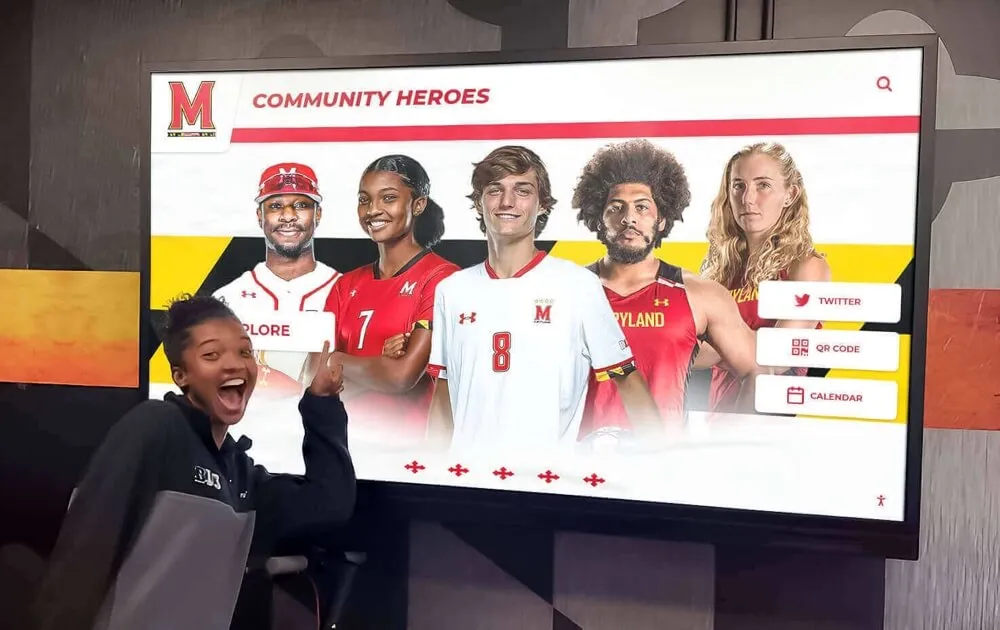
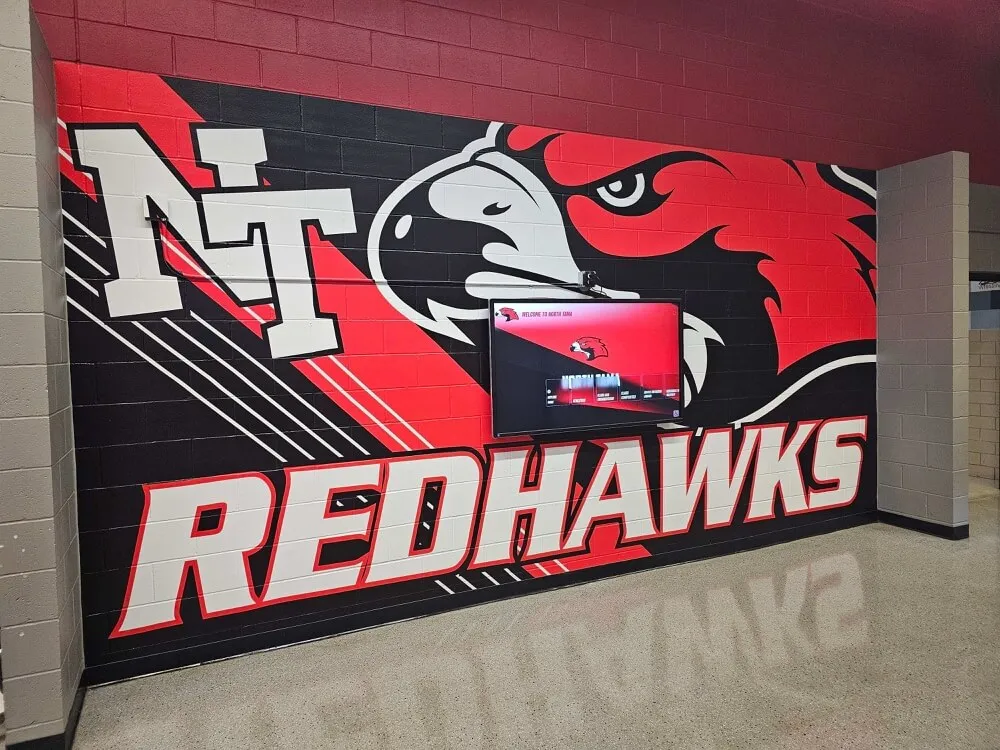
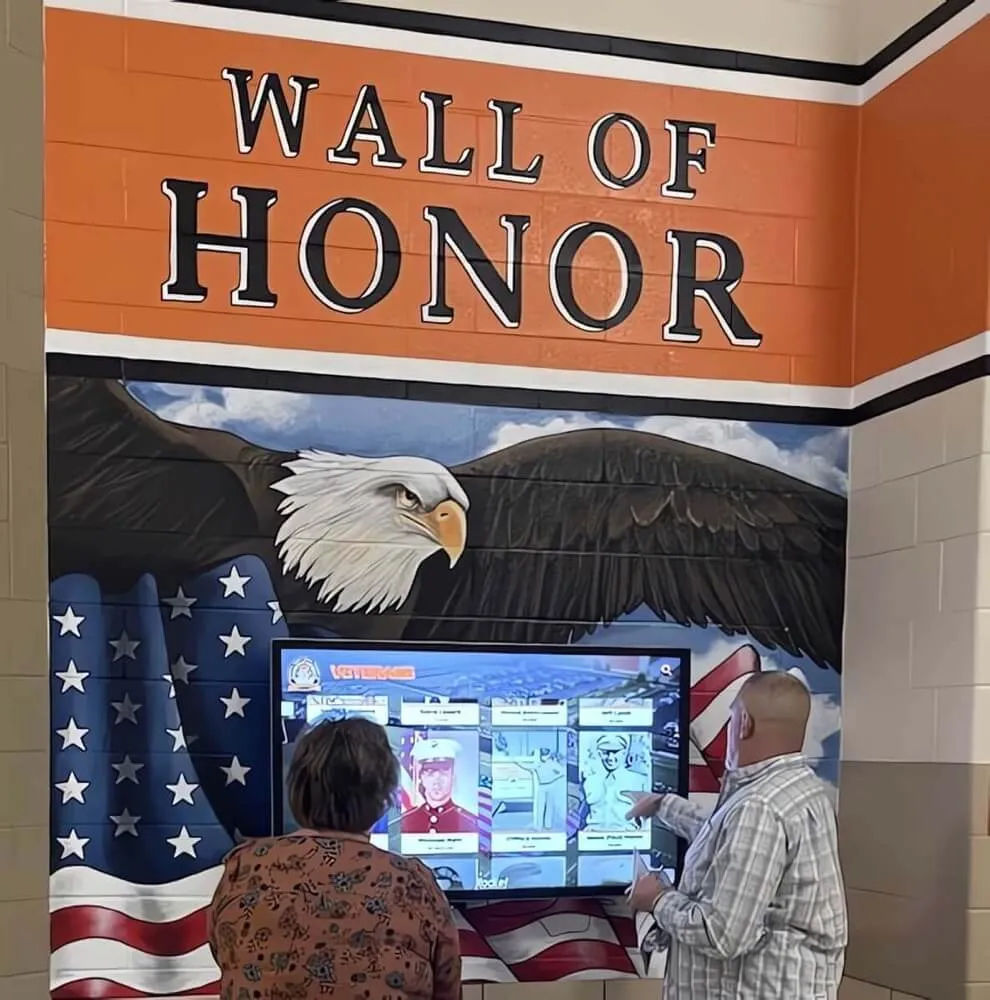
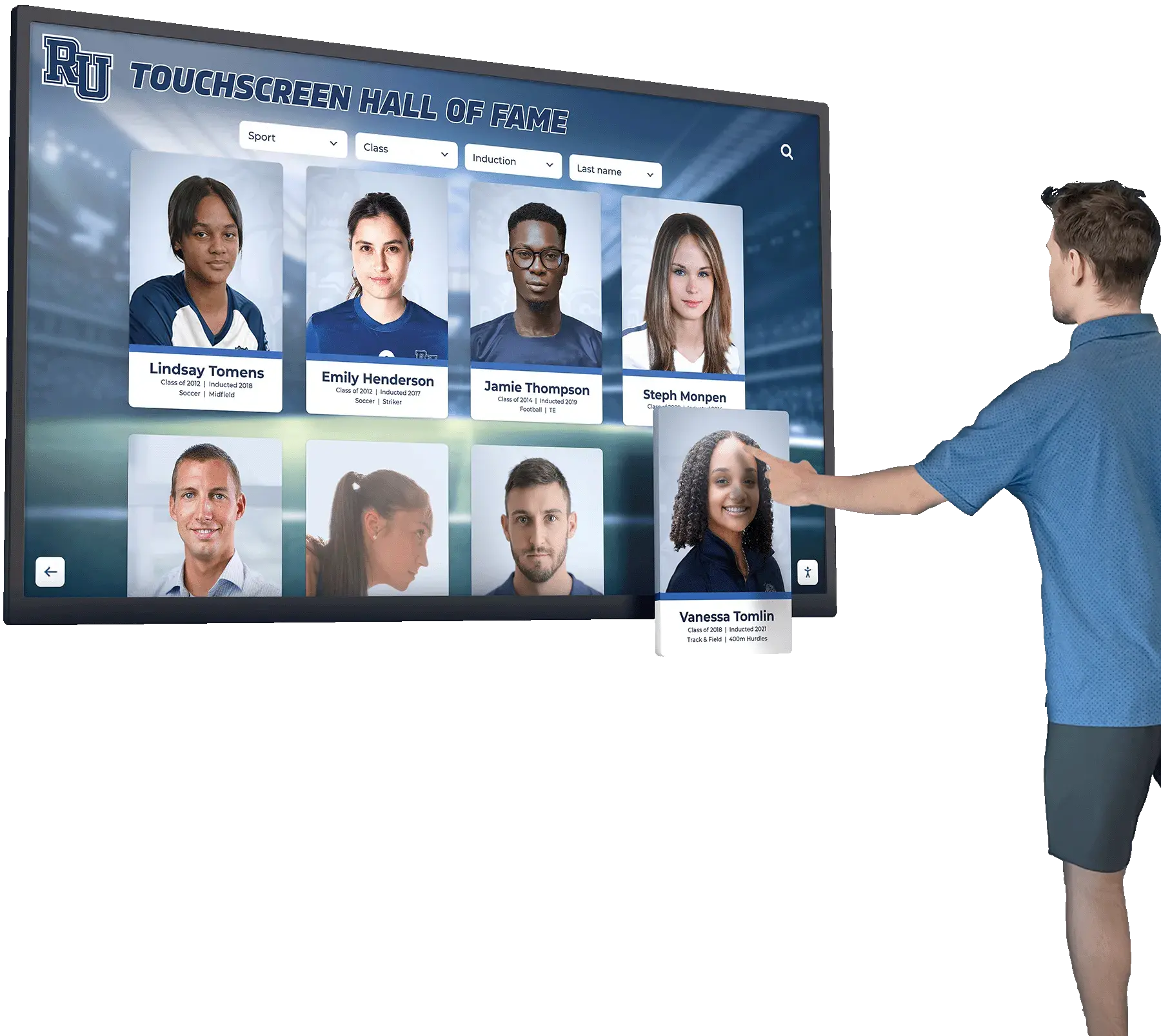
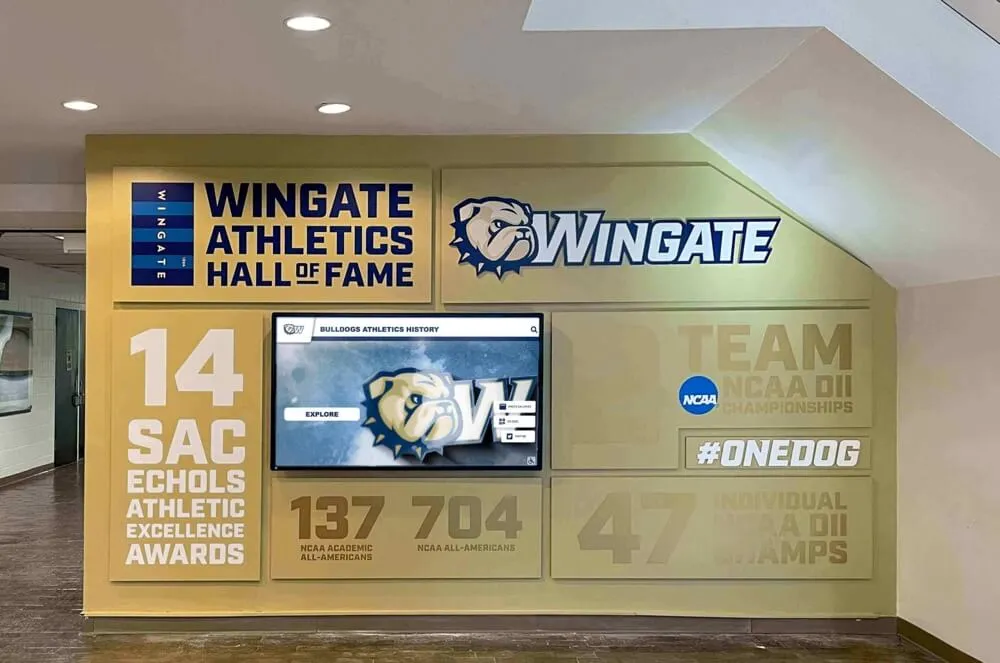
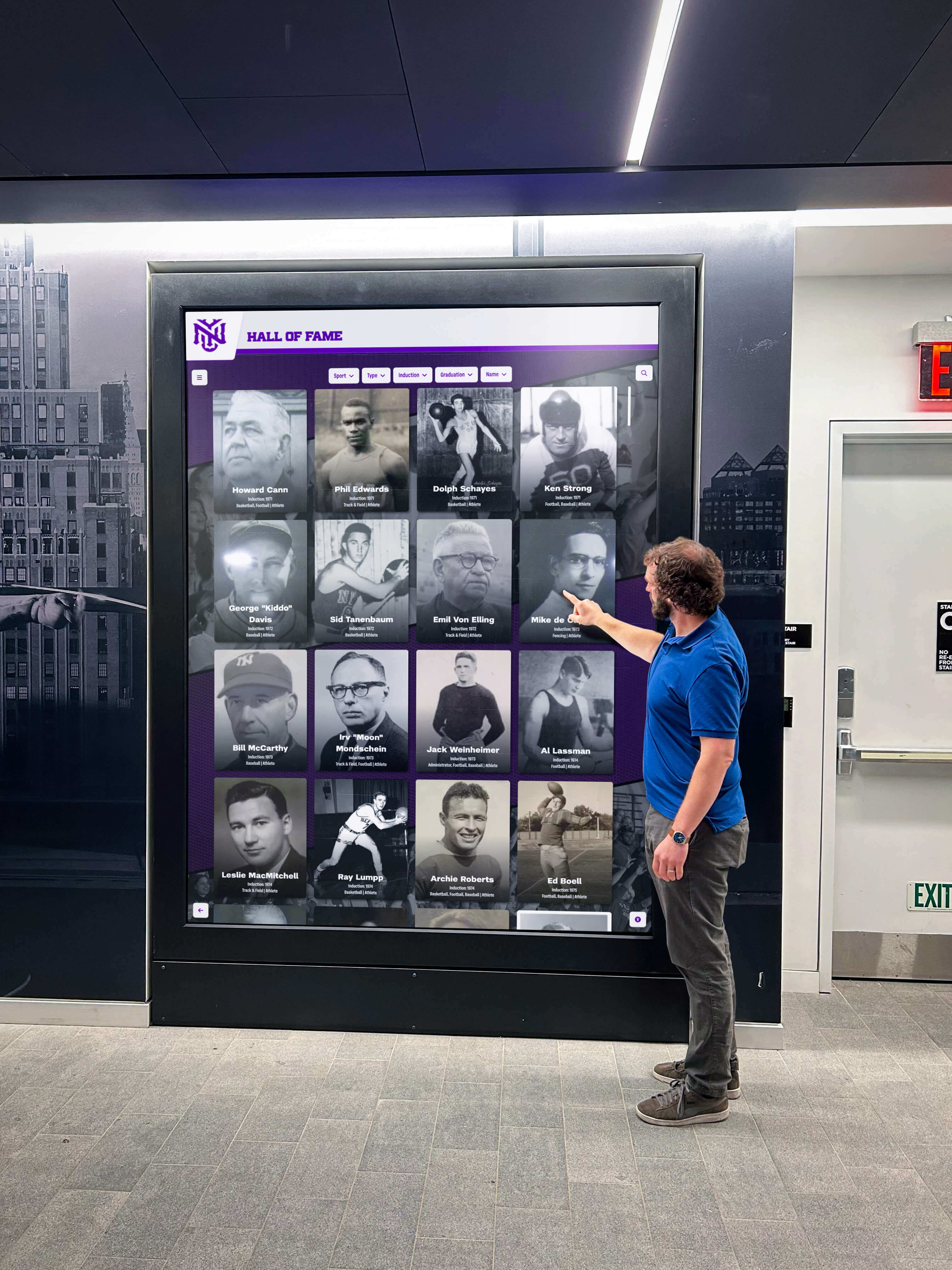
Interactive displays transform static historical content into engaging nostalgia experiences that draw alumni and community members into discovery
Understanding Nostalgia Marketing Psychology
Effective nostalgia marketing begins with understanding how memory and emotion drive human behavior.
The Science Behind Nostalgic Connection
Research reveals specific mechanisms through which nostalgia influences decision-making:
Emotional Warmth and Belonging Nostalgic memories generate positive emotions including warmth, happiness, and social connection. When individuals recall positive past experiences, they report feeling less lonely and more connected to others. For alumni, these nostalgic feelings extend to institutions where experiences occurred, creating emotional bonds that persist decades after graduation. Schools activating these emotions through targeted nostalgia marketing warm up previously cold relationships, transforming disconnected alumni into engaged community members.
Psychological Comfort and Security Nostalgia provides psychological comfort during uncertain times by connecting individuals to stable, familiar experiences from the past. According to nostalgia marketing research, brands successfully leverage this desire for familiarity and comfort, particularly during periods of rapid change or social disruption. Educational institutions can similarly position themselves as sources of continuity and stability, offering alumni refuge in shared memories even as the world around them changes rapidly.
Identity Reinforcement Past experiences shape individual identity. Alumni who recall their student years don’t just remember events—they reconnect with versions of themselves during formative life periods. Nostalgia marketing helps individuals access these identity elements, reminding them who they were, who they became, and the institutions that facilitated these transformations. This identity reinforcement creates powerful loyalty extending well beyond simple affection for an alma mater.
Social Connection and Community Shared memories create social bonds between individuals who experienced similar events, traditions, or eras. When schools surface collective heritage, they don’t just help individuals remember—they create opportunities for alumni to recognize shared experiences with classmates, teammates, and peers. This recognition of shared history strengthens community identity and encourages participation in collective activities like reunions, giving campaigns, and volunteer programs.
Generational Considerations in Nostalgia Marketing
Different generations respond to nostalgia triggers in distinct ways based on formative cultural experiences:
Baby Boomers (Born 1946-1964) Boomers respond strongly to nostalgia related to cultural movements they experienced during youth—civil rights, space exploration, rock and roll evolution. For schools engaging this generation, nostalgia marketing should emphasize tradition, institutional continuity, significant historical moments from their student years, physical campus elements they remember, and connections to faculty and administrators who shaped their experiences. This generation often possesses significant giving capacity, making effective nostalgia engagement particularly valuable for fundraising goals.
Generation X (Born 1965-1980) Gen X nostalgia centers on analog experiences from pre-digital childhoods combined with the earliest technology adoption during young adulthood. Schools engaging Gen X alumni should reference cultural touchstones from their student years, highlight how institutions evolved during their time, emphasize independence and self-reliance values they identify with, and create opportunities for them to share stories in their own voices. Research indicates Generation X responds particularly strongly to nostalgic marketing, making this generation valuable targets for heritage-based engagement strategies.
Millennials (Born 1981-1996) Millennials experienced rapid technological change during formative years, creating nostalgia for both pre-internet childhood experiences and early digital culture. Schools engaging Millennials should leverage digital platforms they adopted early, create shareable content enabling social distribution, emphasize community and collective experiences over individual achievement, and highlight how their student years represented pivotal transition periods. This generation values authenticity and storytelling, making heritage content particularly engaging when presented through personal narratives rather than institutional messaging.
Generation Z (Born 1997-2012) While younger, Gen Z already exhibits nostalgic tendencies, particularly for eras they didn’t personally experience. Schools beginning to cultivate relationships with recent graduates should create immediately accessible heritage content, leverage video and visual platforms they prefer, enable user-generated content contribution, and connect historical traditions to contemporary social values. Building nostalgia with Gen Z requires balancing respect for history with progressive contemporary values.
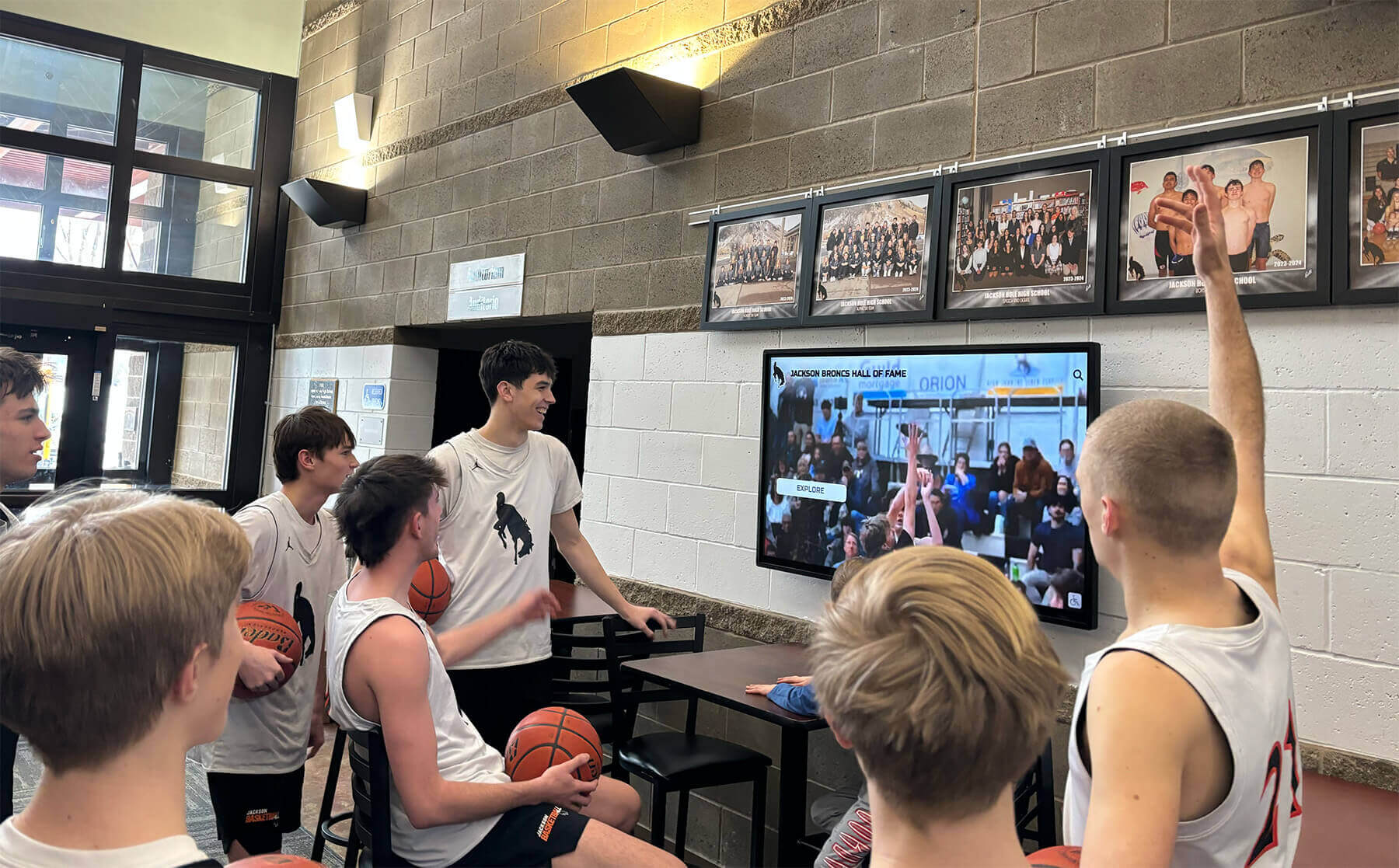
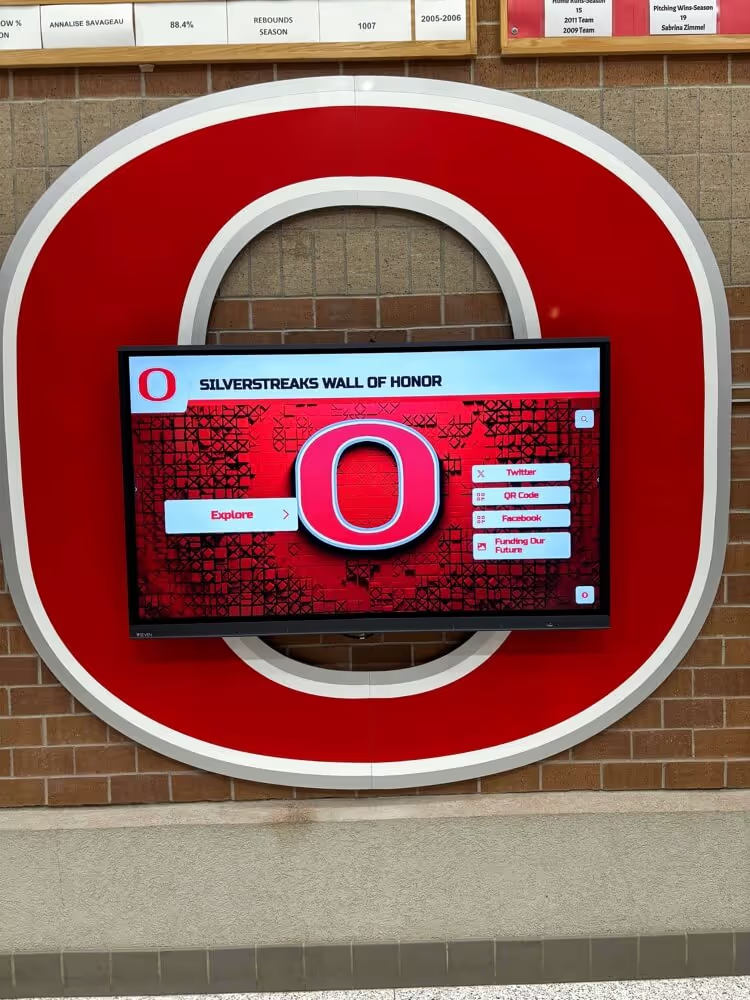
Current students develop pride in institutional heritage when historical content becomes accessible and engaging through modern formats
Core Nostalgia Marketing Strategies for Schools
Educational institutions can implement specific strategies proven to activate nostalgic emotions and drive engagement.
Digital Heritage Archives and Storytelling Platforms
Making institutional history accessible through modern digital platforms creates foundation for effective nostalgia marketing:
Comprehensive Yearbook Digitization Physical yearbooks represent nostalgia goldmines—decades of student photographs, achievement documentation, tradition records, and social connections. Schools that digitize yearbook collections and make them web-accessible create powerful engagement tools. Alumni who discover themselves, classmates, siblings, parents, or even grandparents in searchable digital archives experience immediate nostalgic connection while spending significant time exploring content and sharing discoveries with personal networks.
Digital yearbook platforms enable searching by name, year, activity, or keyword—transforming manual page-turning into instant discovery. When alumni can find specific individuals or events within seconds rather than hours, accessibility dramatically increases engagement. Web-based access means alumni anywhere in the world can explore institutional heritage from personal devices, removing geographic barriers that limited physical yearbook engagement to those able to visit campus archives.
Alumni Story Collection and Featured Profiles According to insights on how brands and schools use nostalgia to drive engagement, universities cultivate nostalgia through storytelling by creating platforms like digital newsletters, podcasts, or dedicated website sections where alumni can share their most cherished memories. Schools implementing systematic alumni story collection build libraries of personal narratives that future alumni discover and connect with.
Featured alumni profiles that highlight where graduates are now, what they’re accomplishing, and how their institutional experiences shaped their paths create aspirational content while validating that school experiences have lasting significance. These profiles work particularly well when they include nostalgic elements—“I still remember when Professor Smith told me…” or “Walking past the old gymnasium always reminds me of…"—that trigger emotional connections in other alumni who shared similar experiences.
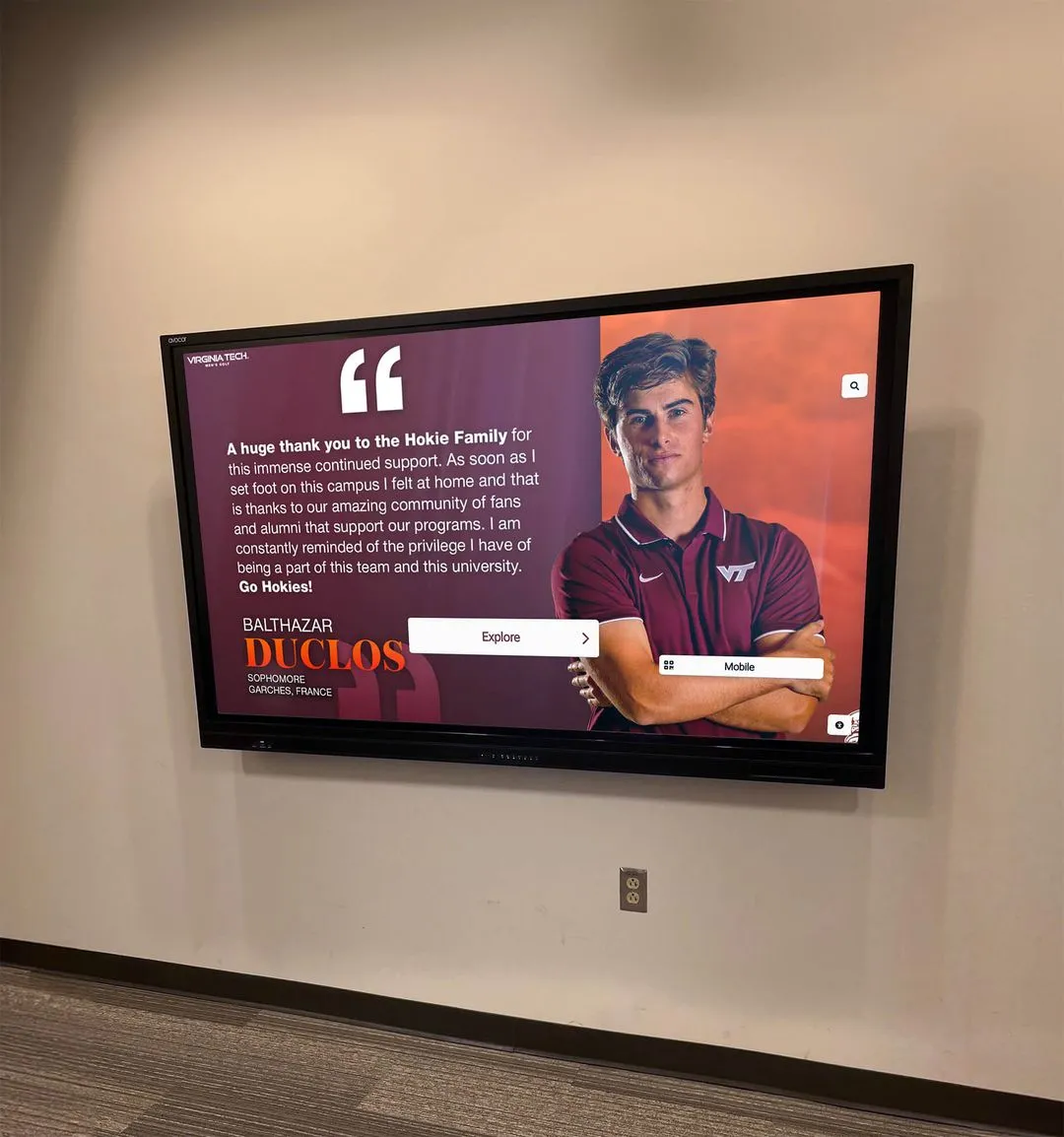
Historical Timeline Interactive Displays Interactive historical timeline displays present institutional evolution chronologically through engaging interfaces where visitors explore decades of development, view historical photographs from particular eras, discover significant moments, and understand how traditions evolved over time. Physical touchscreen displays placed in high-traffic areas create engagement opportunities during campus visits, while web-accessible timeline versions extend reach to distant alumni and community members.
Timelines work particularly effectively when they integrate both institutional history and broader cultural context, helping viewers understand how school events intersected with significant social movements, technological changes, and historical moments. An alumni viewer might think “I was a freshman when that building opened” or “That’s the year we won state championship”—personal memory anchors that create deeper engagement than abstract institutional chronology.
Video Heritage Content and Documentary Projects Video content creates powerful nostalgia experiences by combining visual, audio, and narrative elements. Schools producing heritage videos—documentary-style histories, interview compilations with longtime faculty or notable alumni, footage of historical events and traditions, facility evolution time-lapses, and decade retrospectives—generate highly shareable content that alumni watch, discuss, and distribute through personal networks.
Many institutions possess archival footage from decades past that remains unseen beyond initial recording. Digitizing and presenting these materials through modern platforms surfaces nostalgia-rich content that alumni value highly. Even short clips—thirty seconds of 1970s homecoming parade footage or a minute of 1980s classroom scenes—can generate significant engagement when made easily discoverable and shareable.
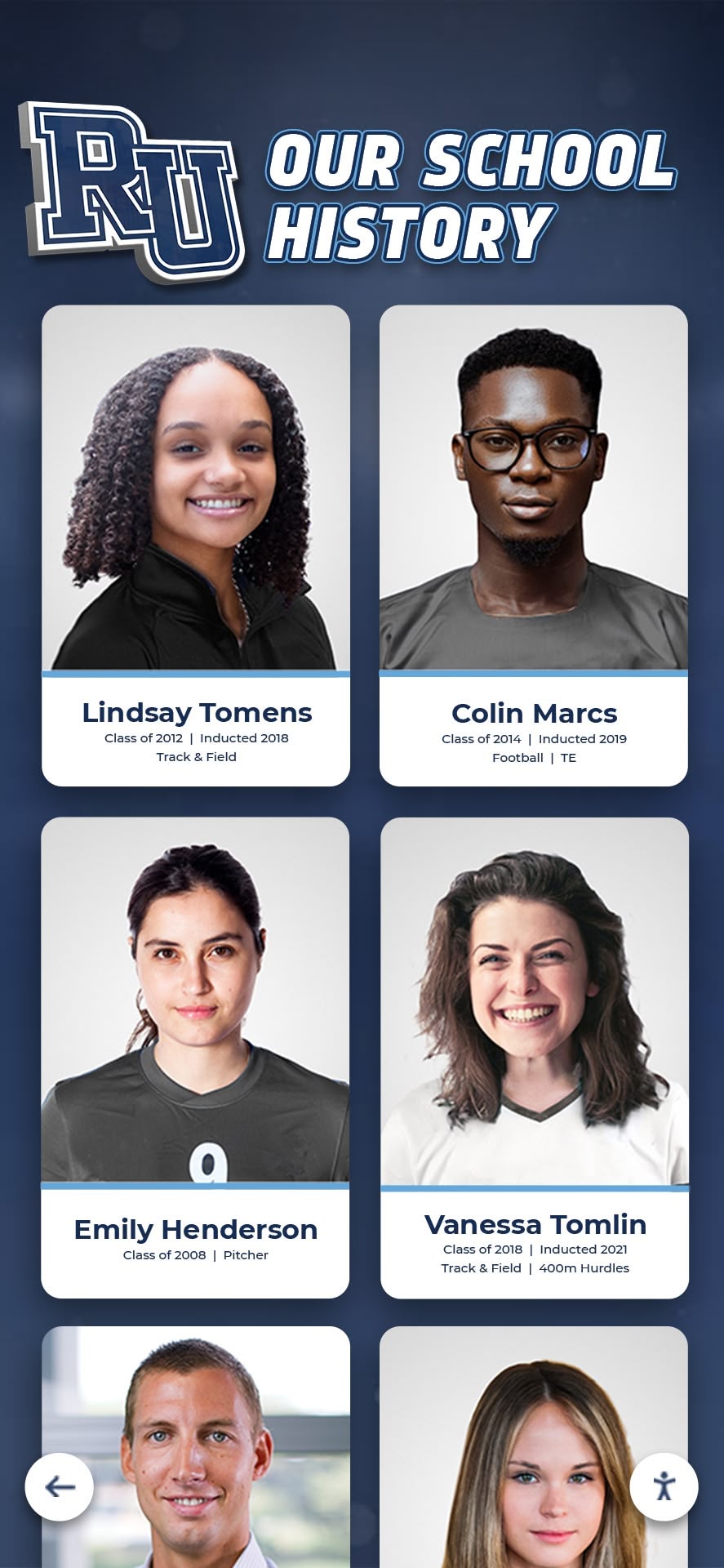
Comprehensive digital archives preserve decades of institutional memory while making heritage immediately accessible to current community members
Interactive Recognition and Hall of Fame Systems
Recognition displays that celebrate historical achievements create ongoing nostalgia touchpoints:
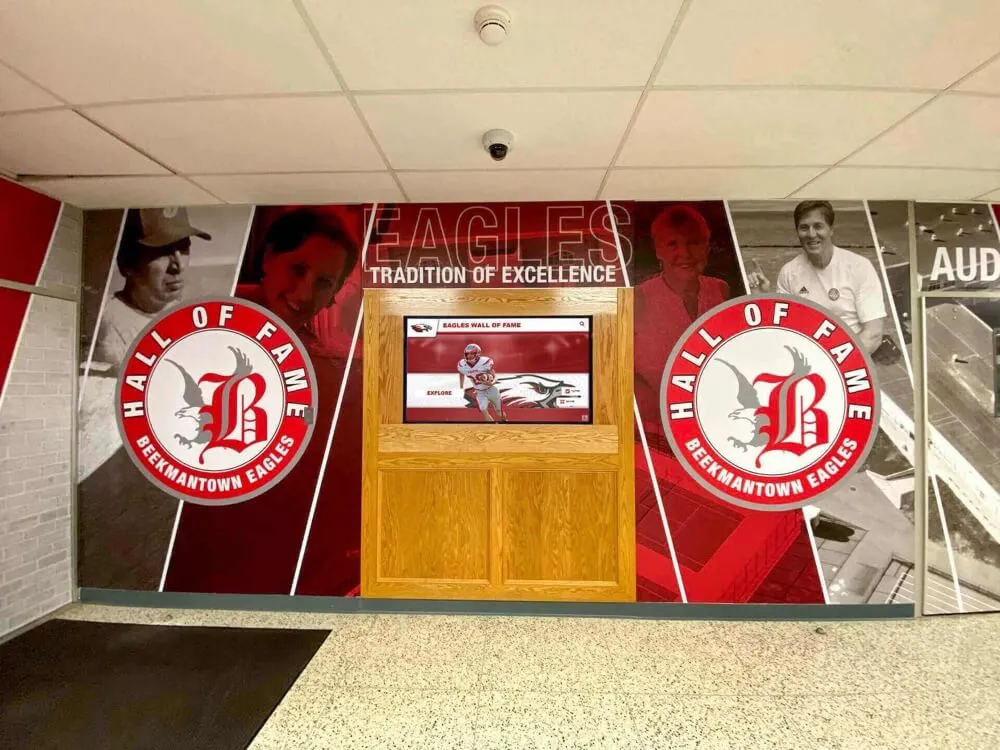
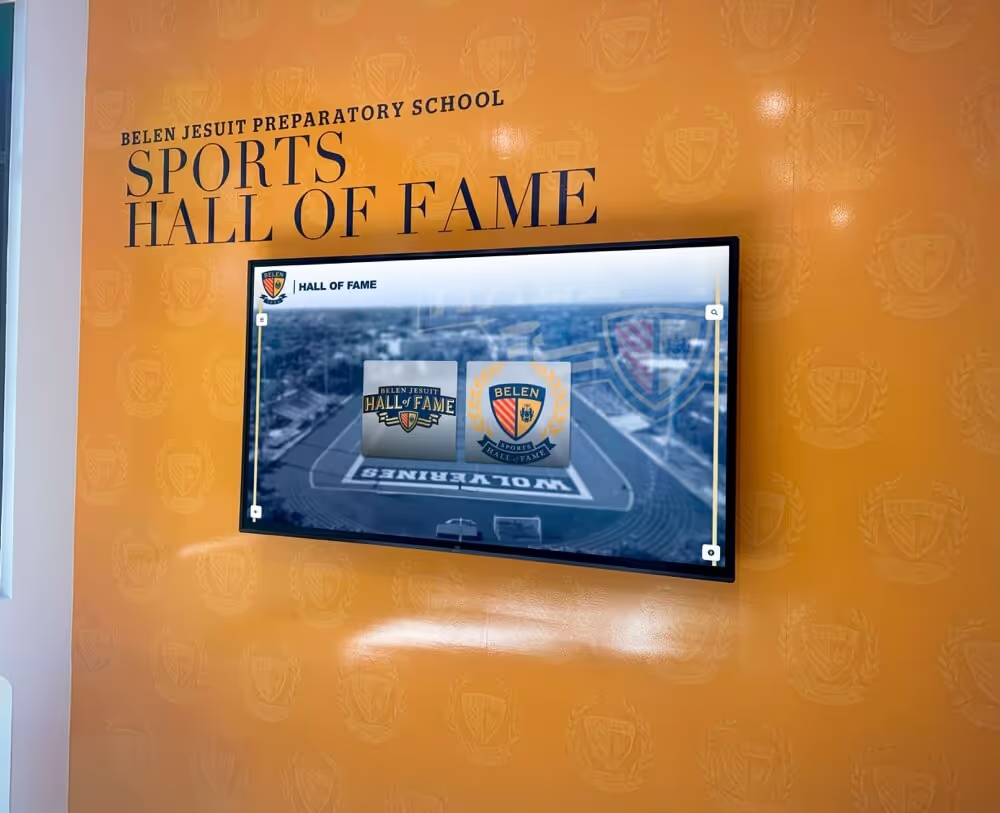
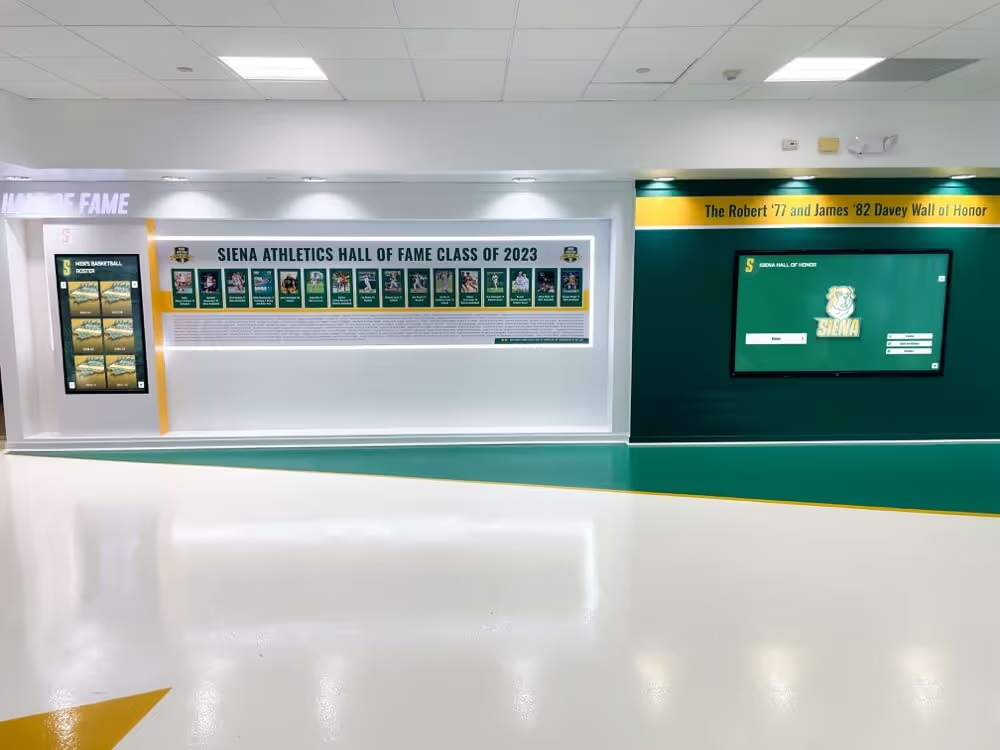
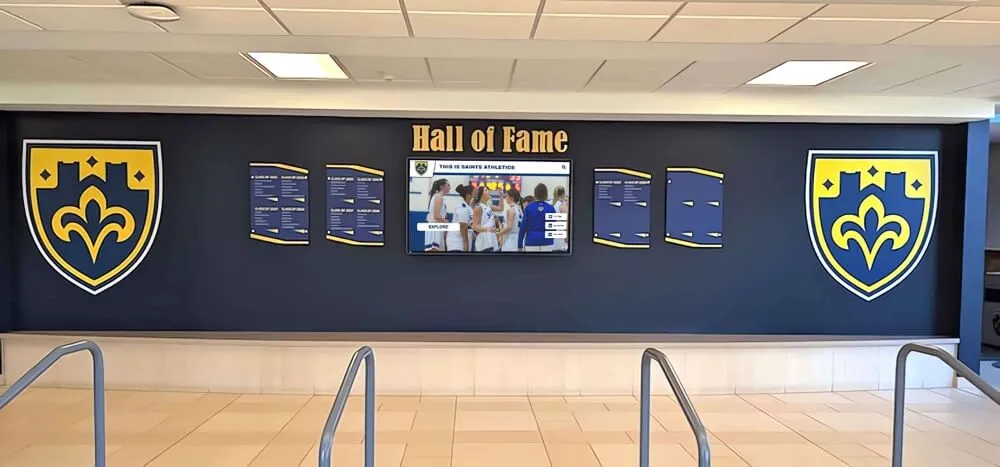
Digital Halls of Fame with Unlimited Capacity Traditional hall of fame plaques face severe space limitations—walls fill quickly, forcing difficult choices about whose achievements deserve recognition. Digital recognition platforms eliminate these constraints through unlimited capacity accommodating comprehensive achievement celebration across all sports, activities, academic honors, and time periods. Solutions like Rocket Alumni Solutions provide platforms specifically designed for recognition applications, ensuring every significant achievement receives appropriate documentation regardless of space limitations.
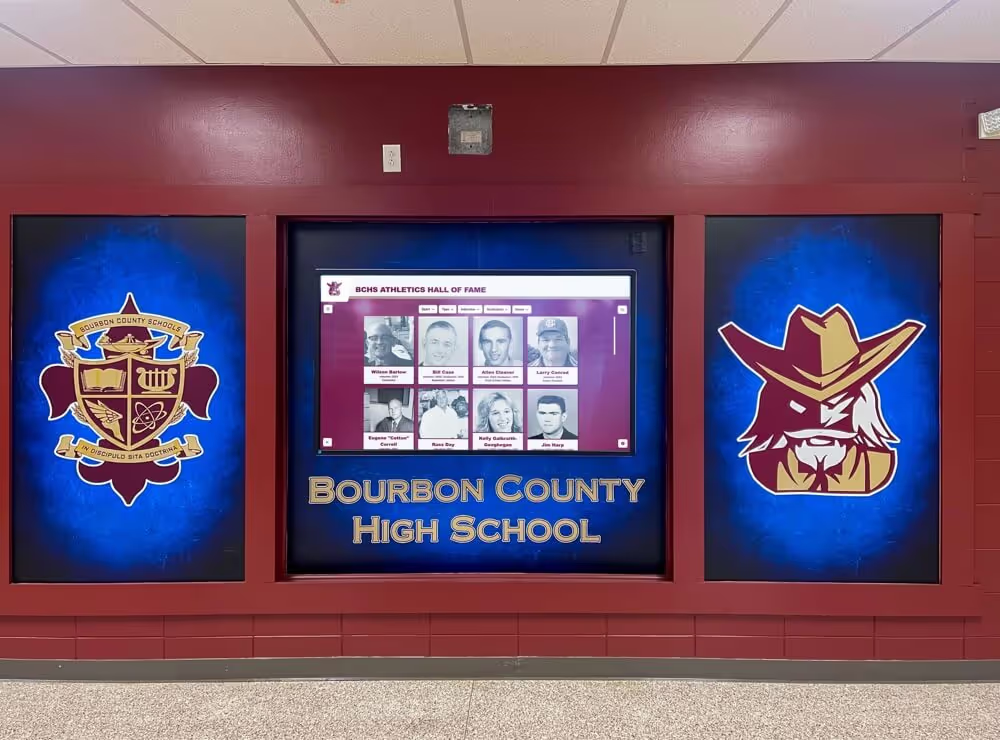
When schools implement digital halls of fame and recognition systems, they create comprehensive archives where alumni discover themselves, teammates, classmates, and competitors from their eras. Interactive search functionality enables visitors to explore achievements by name, year, sport, activity, or achievement type—personal discovery that generates nostalgic engagement impossible with static plaques recognizing only highest-profile accomplishments.
Athletic Achievement and Record Board Displays Athletic achievements generate particularly powerful nostalgia due to emotional intensity of competitive experiences and clear performance metrics enabling comparison across eras. Digital athletic recognition displays automatically rank and present records, update when students set new marks, and preserve complete historical contexts showing how current achievements compare with previous generations.
Alumni who held records decades ago experience pride seeing their names preserved in institutional history, even when current athletes surpass old marks. This recognition validates that past achievements mattered and maintains competitive tradition continuity across generations. Family members discover parents, grandparents, aunts, and uncles in achievement records, creating intergenerational heritage connections that strengthen institutional bonds spanning multiple family generations.
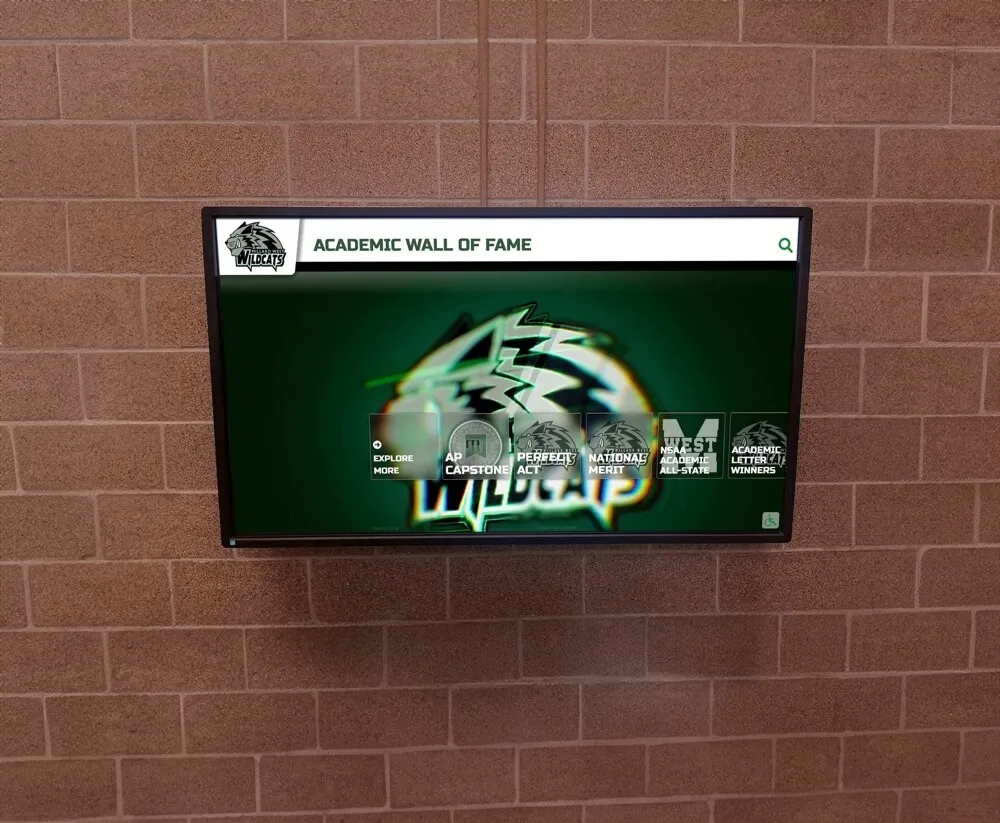
Academic Excellence Recognition Archives While athletic achievements often receive prominent recognition, academic excellence deserves equal systematic celebration. Digital platforms can showcase comprehensive academic recognition programs including honor roll histories spanning decades, valedictorian and salutatorian legacy documentation, National Merit Scholar and similar designation records, academic competition achievements, and subject-specific excellence awards.
Academic recognition displays particularly engage alumni who didn’t participate in athletics but achieved significant intellectual accomplishments deserving celebration. When schools present academic heritage with equal prominence to athletic tradition, they validate diverse excellence types while creating nostalgia opportunities for alumni whose proudest institutional memories center on academic rather than athletic achievement.
Community Service and Leadership Recognition Beyond athletics and academics, many alumni identify most strongly with service activities, student government, performing arts, publications, or specialized clubs and organizations. Comprehensive recognition systems that celebrate diverse achievement types create nostalgia opportunities for broader alumni populations. When individuals discover documentation of their debate team championships, theater productions, student newspaper contributions, or community service projects from decades past, they experience validation that these activities mattered and deserved institutional memory preservation.
Reunion and Milestone Anniversary Marketing
Strategic timing amplifies nostalgia marketing effectiveness:
Multi-Year Reunion Planning Class reunions represent natural nostalgia opportunities when alumni gather to reconnect with classmates and reminisce about shared experiences. Schools can enhance reunion effectiveness through advance nostalgia marketing—sending digital yearbook excerpts from reunion class years, sharing historical photographs and videos, collecting and presenting “where are they now” updates, creating reunion-specific heritage content, and leveraging interactive displays during reunion events.
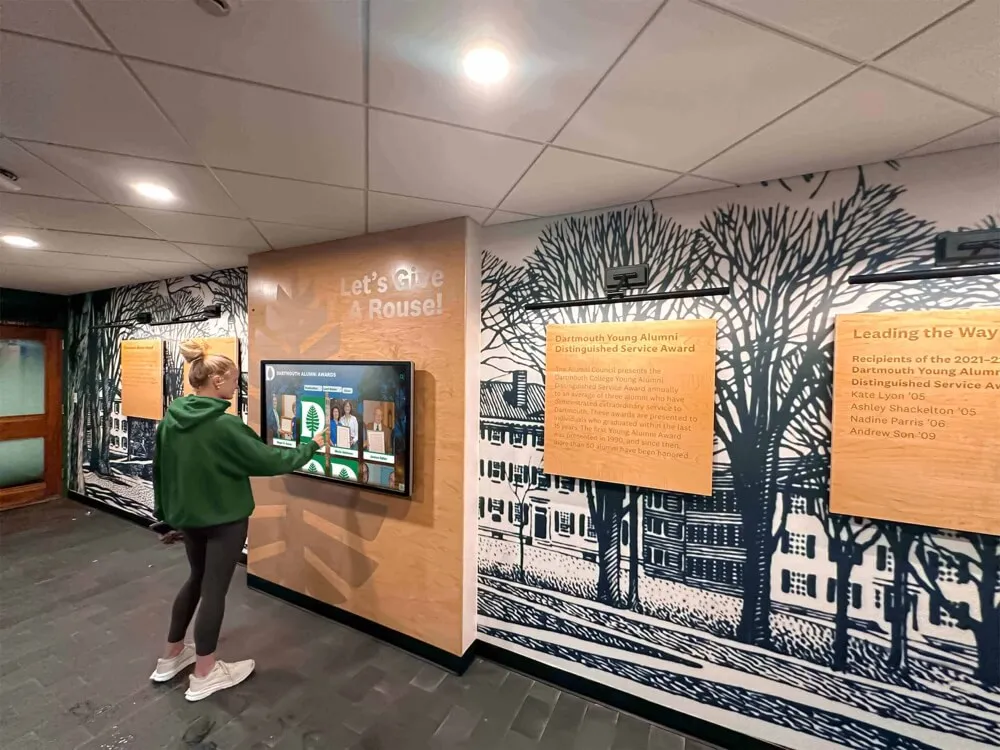
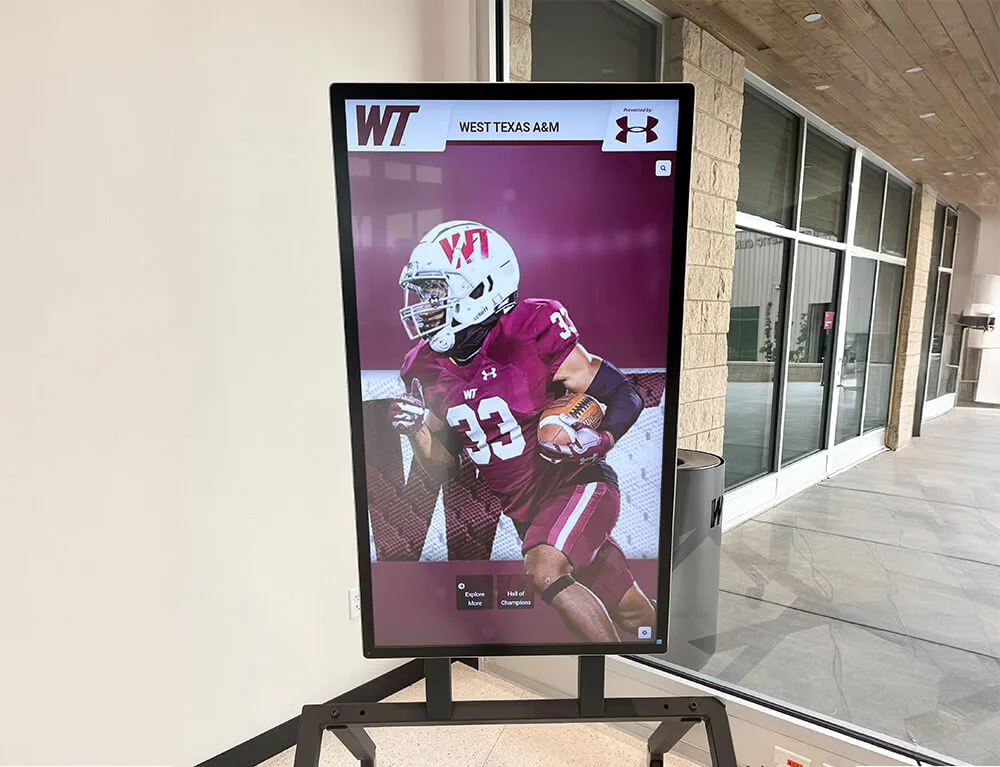
Strategic placement of interactive heritage displays in high-traffic areas ensures alumni encounter nostalgia content during campus visits
Institutional Milestone Celebrations Major anniversaries—centennials, sesquicentennials, or even decade markers—provide frameworks for comprehensive nostalgia campaigns. Schools can build year-long marketing around milestone anniversaries through monthly historical content series highlighting different eras, decade-specific events bringing together alumni from particular time periods, commemorative publications documenting institutional evolution, special recognition of notable alumni from across institutional history, and capital campaigns positioned as investments in institutional legacy continuation.
Research indicates nostalgia marketing can boost school enrollment by building deeper connections with families, alumni, and prospective students. Milestone celebrations provide natural opportunities to activate these connections while generating content useful for ongoing marketing beyond anniversary years.
Seasonal and Traditional Event Marketing Annual traditions—homecoming, founder’s day, commencement, major athletic events—represent recurring nostalgia opportunities. Schools can amplify traditional events through historical content showing how traditions evolved, decade retrospectives featuring highlights from past celebrations, alumni testimonials about what traditions meant to them, countdown campaigns building anticipation through heritage content, and live-streaming enabling distant alumni to participate virtually.
Homecoming festivities in particular offer rich nostalgia marketing opportunities when schools present comprehensive heritage content alongside contemporary celebrations, helping alumni reconnect with institutional traditions even when they cannot attend in person.
Email and Newsletter Nostalgia Strategies
Systematic communication keeps nostalgia fresh in alumni consciousness:
Monthly Heritage Newsletter Content
Regular heritage-focused communications maintain engagement between major events:
“This Month in History” Features Monthly newsletters can include sections highlighting significant events, achievements, or traditions from the current month in past years. “On this day in 1985, the basketball team won the state championship” or “November 1972 marked the opening of the current library building”—these historical references trigger memories in alumni who experienced or remember these moments while educating younger alumni about institutional heritage.
Decade-specific content works particularly effectively when schools vary which eras receive focus, ensuring alumni from all generations occasionally discover content from their student years. Rotating focus prevents newsletters from always highlighting the same time periods while systematically surfacing heritage from across institutional history.
Alumni Class Notes and Updates Traditional class notes sections remain powerful nostalgia tools when they include not just current updates (“Jane Smith ‘93 was promoted to partner at her law firm”) but also throwback references connecting present accomplishments to past experiences (“Jane credits her success to skills developed on the debate team, which won state championships three consecutive years during her time at the school”). These connections between past and present reinforce that institutional experiences have lasting significance.
Digital platforms enable much richer class note presentations than print formats allowed. Schools can include photographs from both student years and present day, link to related historical content, embed video messages, and enable comment threads where classmates reconnect around shared memories.
Featured Historical Photographs and Stories According to alumni engagement strategies research, monthly alumni newsletters act as sources for alumni to stay updated with what’s happening at their school and often evoke nostalgia and a sense of pride. Including carefully selected historical photographs—particularly candid images showing student life rather than formal portraits—generates strong engagement as recipients examine images looking for themselves, classmates, or familiar campus locations.
Historical photographs work best when accompanied by context and stories. Rather than simply presenting an image, schools should explain when and where it was taken, who appears in it (when known), what was happening, and why it represents significant institutional heritage. This narrative context helps viewers understand historical significance while triggering personal memories connected to time periods, locations, or activities shown.
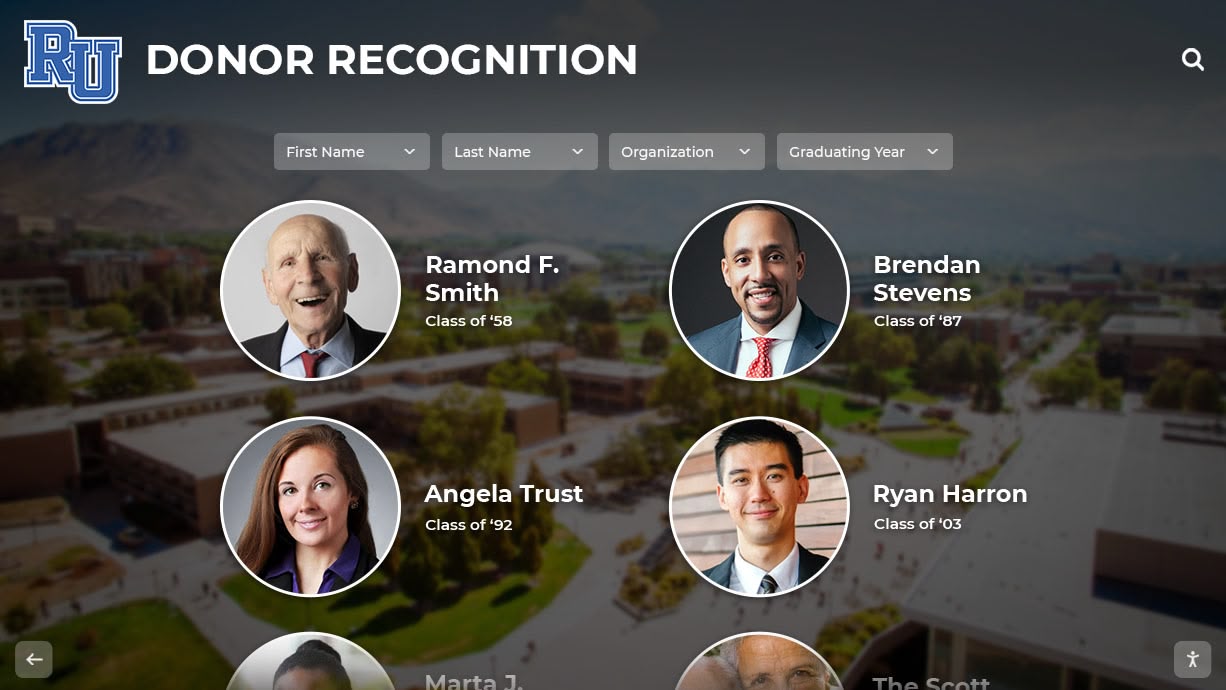
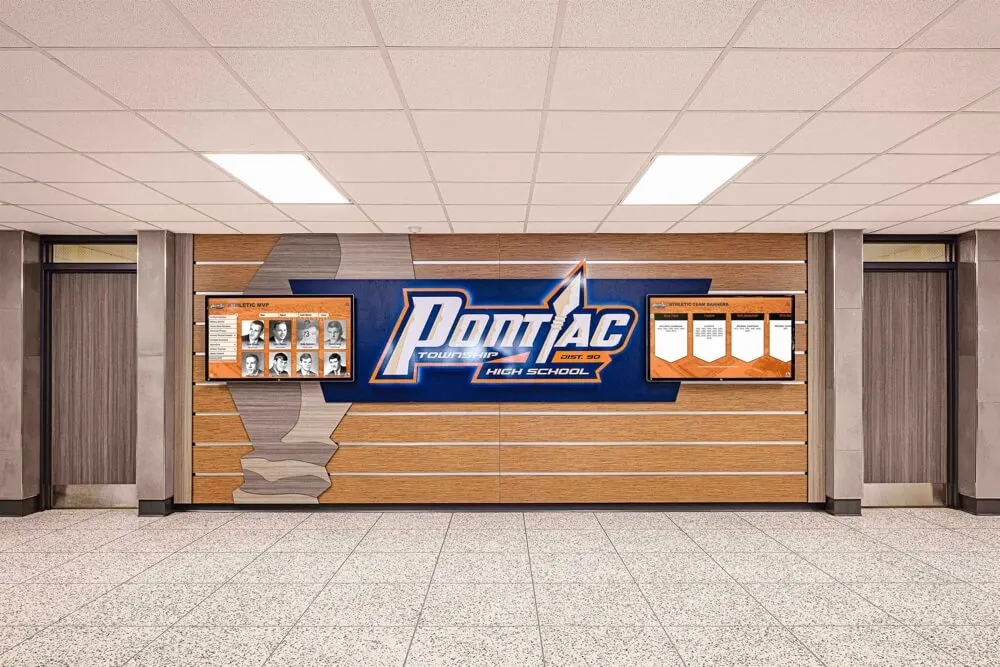
Sophisticated recognition displays combine historical portraits with contemporary campus imagery, connecting past alumni to evolving institutional environments
Segmented Nostalgia Campaigns by Graduation Year
Personalization amplifies nostalgia effectiveness:
Decade-Specific Email Content Rather than sending identical content to all alumni, schools can segment communications by graduation decade, including content specifically relevant to particular time periods. Alumni who graduated in the 1970s receive references to events, traditions, faculty, and cultural contexts from that era, while 1990s graduates encounter content from their distinct institutional experience.
This segmentation requires more communication planning effort but generates significantly higher engagement than generic content assuming all alumni relate equally to all historical periods. When recipients consistently encounter content from their specific student years, they develop expectations that each communication will offer personally relevant nostalgia experiences, increasing open rates and click-through engagement.
Reunion Year Intensive Campaigns Schools can implement intensive nostalgia campaigns targeting specific classes approaching reunion years. Beginning 12-18 months before reunions, institutions send monthly content specifically focused on reunion class years—yearbook excerpts, historical photographs, “where are they now” updates about classmates, facilities and program evolution since graduation, and countdown content building anticipation.
These intensive campaigns serve dual purposes: driving reunion attendance through nostalgia activation while also strengthening overall alumni engagement that extends beyond single reunion events. Alumni who reconnect with institutional heritage during reunion campaigns often maintain elevated engagement levels afterward, having been reminded of emotional connections they’d allowed to fade over intervening decades.
Trigger-Based Nostalgia Communications Automated systems can send nostalgia content based on specific dates relevant to individual alumni—anniversary of graduation, birthday (with historical context about what campus was like on their birth year), anniversary of significant institutional events during their student years, or seasonal triggers like start of fall semester or spring commencement period.
These personalized triggers create impression that institutions remember and value individuals rather than viewing all alumni as undifferentiated fundraising targets. When alumni receive communication on their graduation anniversary with a message like “38 years ago today, you walked across the stage and received your diploma—here’s what campus looked like that spring”—accompanied by historical photographs and context—they experience personal recognition that strengthens emotional bonds.
Social Media Nostalgia Tactics
Digital platforms enable nostalgia content distribution and amplification:
Platform-Specific Heritage Content Strategies
Different social platforms serve distinct nostalgia purposes:
Instagram Visual Nostalgia Instagram’s visual focus makes it ideal for historical photograph sharing, then-and-now comparison posts, short video clips from archival footage, stories featuring daily historical content, and interactive features like polls asking “Do you remember when…?” According to nostalgia marketing platform research, Instagram particularly excels at nostalgia and campus updates, making it essential for schools seeking to engage alumni through heritage content.
Effective Instagram nostalgia strategies include #ThrowbackThursday posts featuring decade-specific historical photographs, Instagram Stories showing multiple images from the same event across different eras, Reels combining historical footage with contemporary campus scenes, and carousel posts presenting photo series documenting facility evolution or tradition continuity across decades.
Facebook Community Building and Conversation Facebook’s strength lies in facilitating conversation and community formation around shared experiences. Schools can create decade-specific alumni groups (“Class of 1985-1989” or “1990s Alumni”) where members share memories, photographs, and stories from their eras. These semi-private groups often generate more authentic engagement than official institutional pages, as alumni feel comfortable sharing personal memories and candid photographs in peer communities.
Schools can also leverage Facebook for longer-form historical content, detailed anniversary announcements, event promotion to specific geographic or demographic segments, and memory-triggered engagement through features like “On This Day” historical posts that Facebook automatically resurfaces in future years, creating recurring nostalgia opportunities from single content creation efforts.
YouTube Historical Video Archives Video content creates particularly immersive nostalgia experiences. Schools should create dedicated YouTube channels or playlists for historical content including complete digitized yearbook page-through videos, historical event footage (athletic competitions, performances, ceremonies), documentary-style institutional histories, alumni interview series, and facility evolution time-lapses showing campus transformation.
YouTube’s search functionality and recommendation algorithms help heritage content reach alumni who specifically seek nostalgia experiences while suggesting related videos that keep viewers engaged across multiple pieces of historical content. Comprehensive video archives also position schools as serious about heritage preservation, signaling to alumni that their experiences receive appropriate documentation and respect.
LinkedIn Professional Legacy Connections While LinkedIn focuses on professional networking, it offers unique nostalgia opportunities connecting institutional heritage to career success. Schools can share alumni career achievement stories emphasizing how educational experiences shaped professional paths, create milestone recognition posts when notable alumni reach career pinnacles, develop content series on “Where They Started, Where They Are Now,” and facilitate mentorship connections between accomplished alumni and current students or recent graduates.
Professional nostalgia on LinkedIn serves dual purposes: celebrating individual success while demonstrating institutional impact on career development. When alumni see classmates’ professional accomplishments celebrated with references to shared educational experiences, they experience both personal pride in peer success and renewed appreciation for institutional quality.
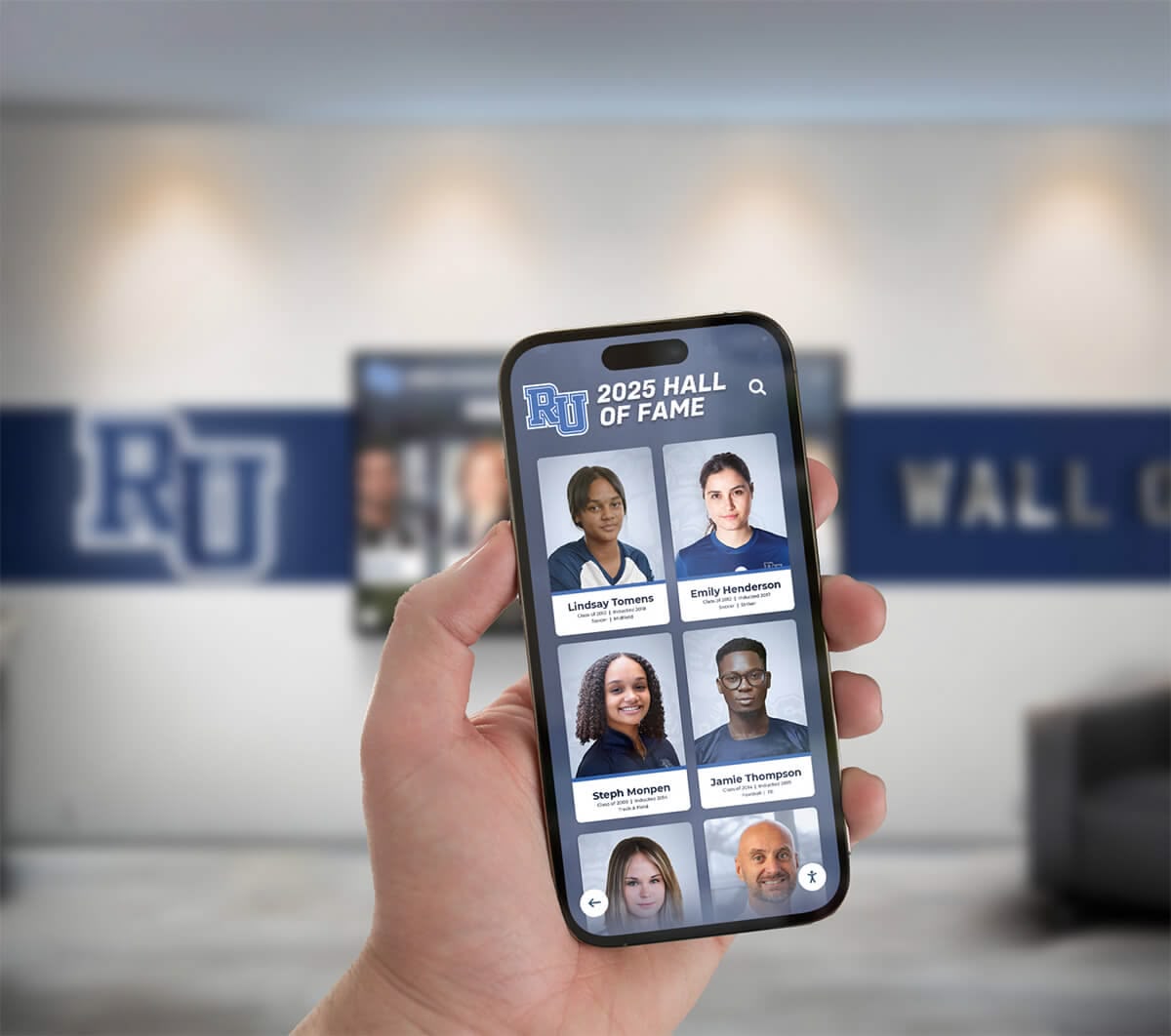
Mobile-accessible heritage platforms extend nostalgia engagement beyond physical campus, enabling alumni to explore institutional history from anywhere
User-Generated Content and Memory Sharing
Alumni-created content generates authentic engagement:
Memory Collection Campaigns Schools can run periodic campaigns explicitly inviting alumni to share memories, photographs, and stories from their student years. “Share Your Favorite Memory” campaigns, prompted by specific themes (first day of school, favorite professor, most memorable athletic event, favorite campus location), generate significant user-generated content while making alumni feel their personal experiences contribute to institutional heritage preservation.
Collected memories become valuable content assets for future nostalgia marketing. When schools systematically organize, tag, and archive alumni submissions, they build searchable databases enabling future discovery by graduation year, location, activity, or theme. Alumni who submit memories often remain engaged to see whether institutions feature their contributions, creating sustained connection beyond single submission moments.
Crowdsourced Historical Photograph Identification Many institutions possess historical photograph collections with limited documentation—images showing campus scenes, student activities, or events without complete information about dates, locations, or individuals pictured. Schools can leverage alumni knowledge through crowdsourced identification projects where historical images are presented on social platforms inviting comments providing missing context.
These projects serve multiple purposes: improving archival documentation quality, engaging alumni who enjoy providing expertise, creating conversation opportunities where multiple alumni discuss and debate historical details, and demonstrating that institutions value alumni knowledge and perspectives rather than positioning heritage solely as institutional property.
Alumni Takeover Events and Storytelling Schools can periodically invite alumni to “take over” institutional social accounts for a day, sharing their current lives while reminiscing about student experiences. These takeovers provide authentic peer voices often more relatable than official institutional messaging while creating anticipation as followers await each takeover to discover which alumni will participate and what stories they’ll share.
Successful takeovers balance present and past—alumni share what they’re doing now while naturally incorporating memories and reflections on how institutional experiences influenced their paths. This balance prevents takeovers from becoming either purely nostalgic (disconnected from current reality) or entirely present-focused (missing nostalgia opportunities).
Physical Campus Nostalgia Experiences
On-campus elements create tangible heritage connections:
Strategic Heritage Display Placement
Location decisions determine nostalgia engagement opportunities:
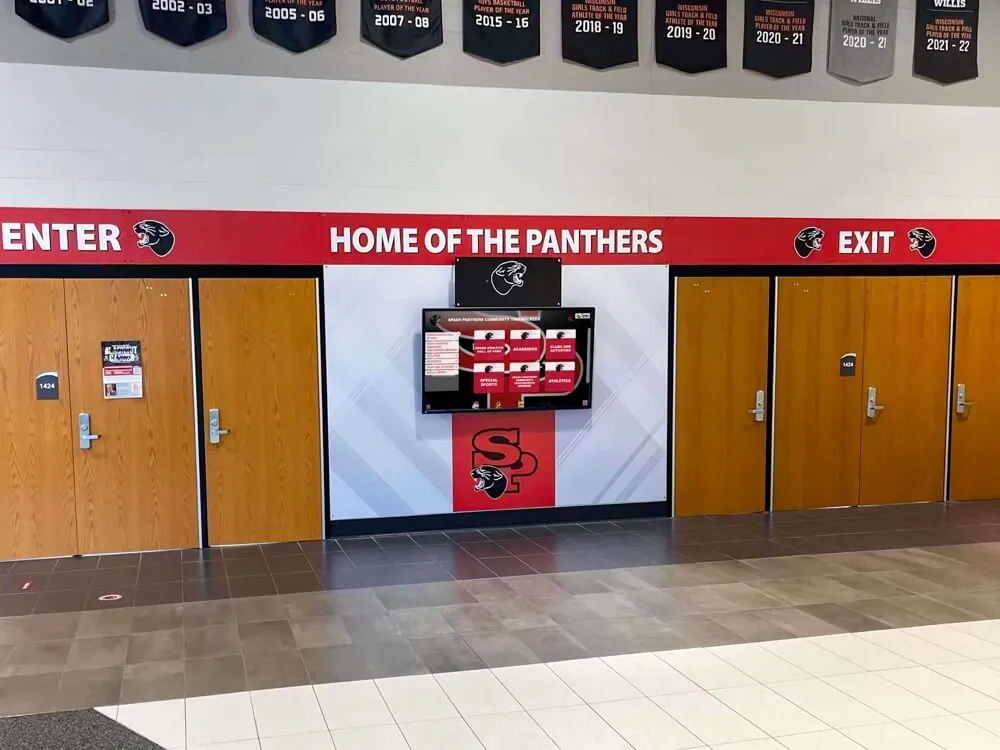
High-Traffic Common Areas Interactive recognition displays and historical exhibits placed in heavily trafficked locations—main lobbies, cafeterias, athletic facilities, student centers, alumni centers—maximize exposure. Alumni, parents, and visitors who might not specifically seek heritage content encounter it naturally during campus visits, creating unplanned nostalgia moments that strengthen emotional connections.
Touchscreen kiosk software and interactive displays enable self-directed exploration at individual paces without requiring staff explanation or guidance. Visitors who discover themselves or loved ones in historical records while waiting for meetings or events experience unexpected delight that creates lasting positive associations with institutional visits.
Athletic Facility Recognition Systems Athletic venues represent particularly valuable nostalgia locations given emotional intensity of competitive experiences. Digital recognition systems in gyms, field houses, stadiums, and training facilities create athlete and family engagement through comprehensive achievement documentation, record board displays showing historical progression, championship and team recognition across all eras, and facilities for viewing historical game footage and photographs.
Athletes who return to campus years after graduation frequently visit athletic facilities seeking connections to their competitive experiences. When these spaces feature comprehensive historical recognition, returning alumni discover themselves, teammates, and competitors within institutional athletic heritage, experiencing validation that their efforts deserved preservation and celebration.
Alumni Center Featured Displays Dedicated alumni centers should feature prominent heritage displays serving as conversation starters during events, self-guided exploration resources for visitors, gathering points during reunions, and demonstration spaces showing how institutions preserve and celebrate heritage. Alumni centers without historical content miss fundamental purposes—helping alumni reconnect with institutional heritage while feeling their experiences receive appropriate respect and preservation.
Commemorative Installation and Naming Opportunities Physical spaces, facilities, endowed positions, and programs named for donors represent traditional recognition approaches, but schools can enhance these static markers through digital augmentation. QR codes placed near named facilities can link to biographical information about individuals being honored, historical context about when and why naming occurred, video testimonials from those who knew honorees, and connections to related institutional history.
This digital enhancement transforms static plaques into entry points for deeper heritage exploration while honoring donors through comprehensive storytelling rather than limiting recognition to engraved names and dates.
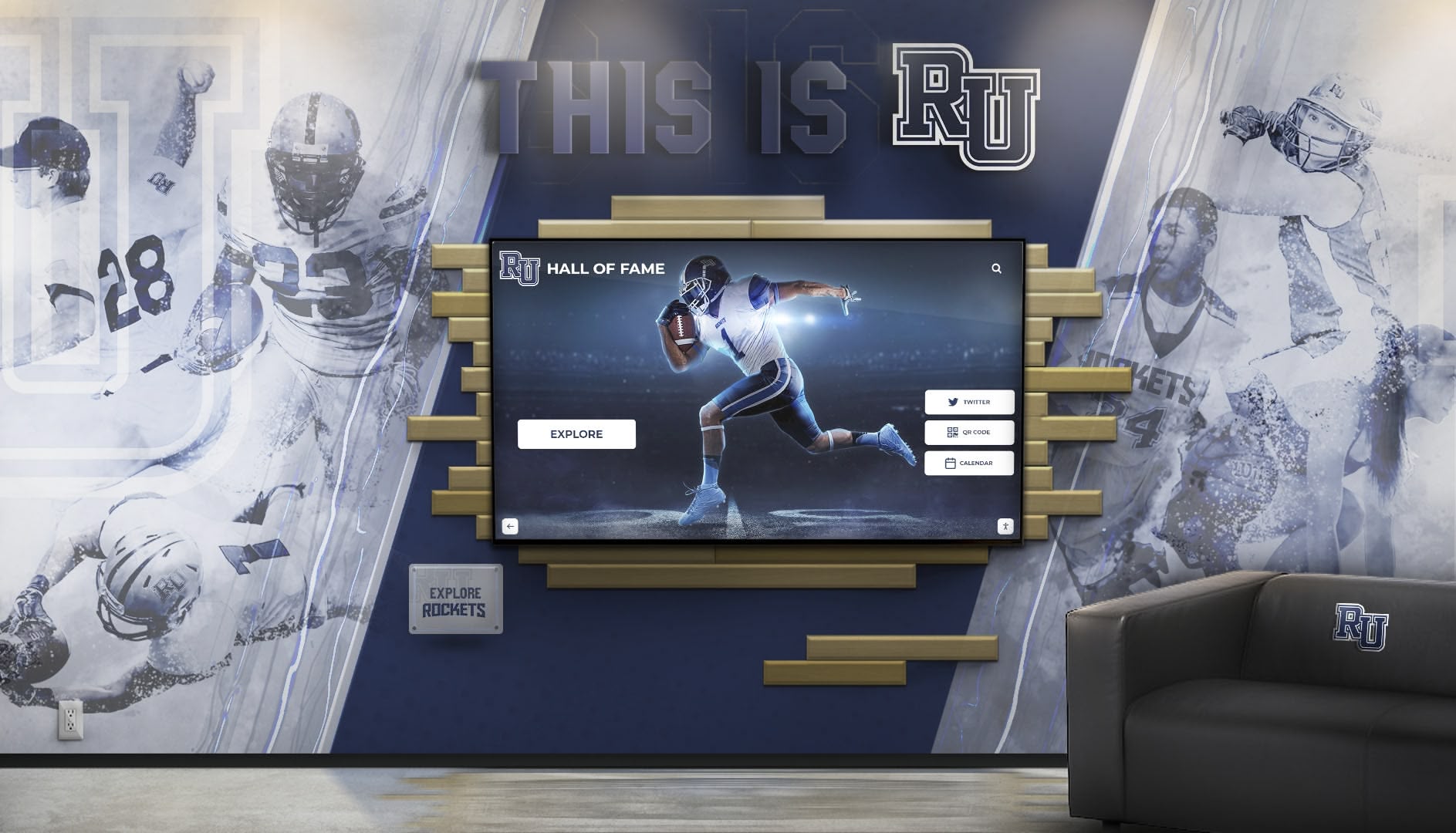
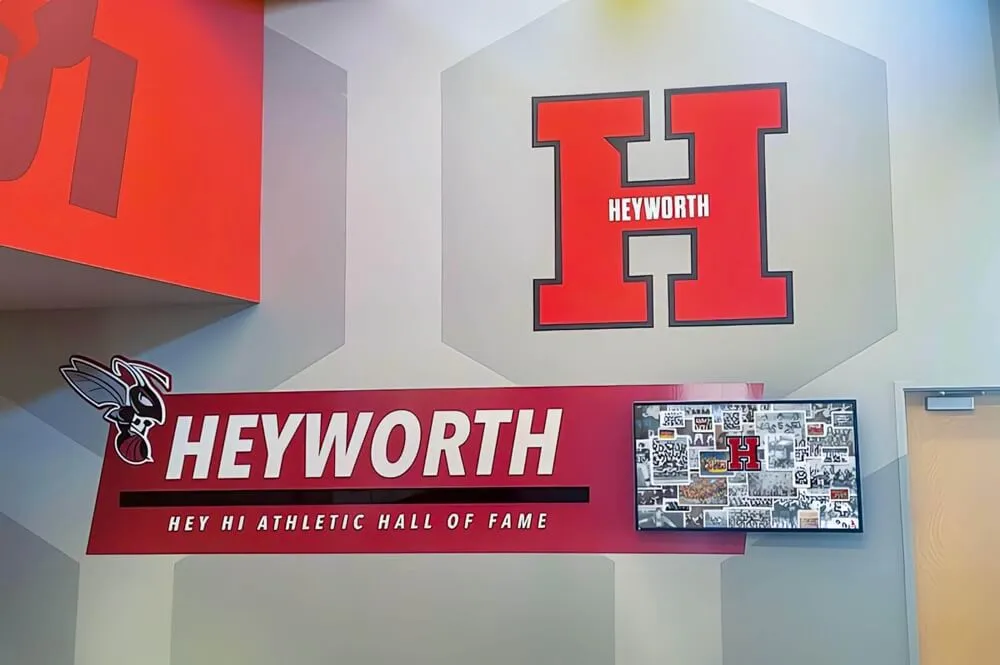
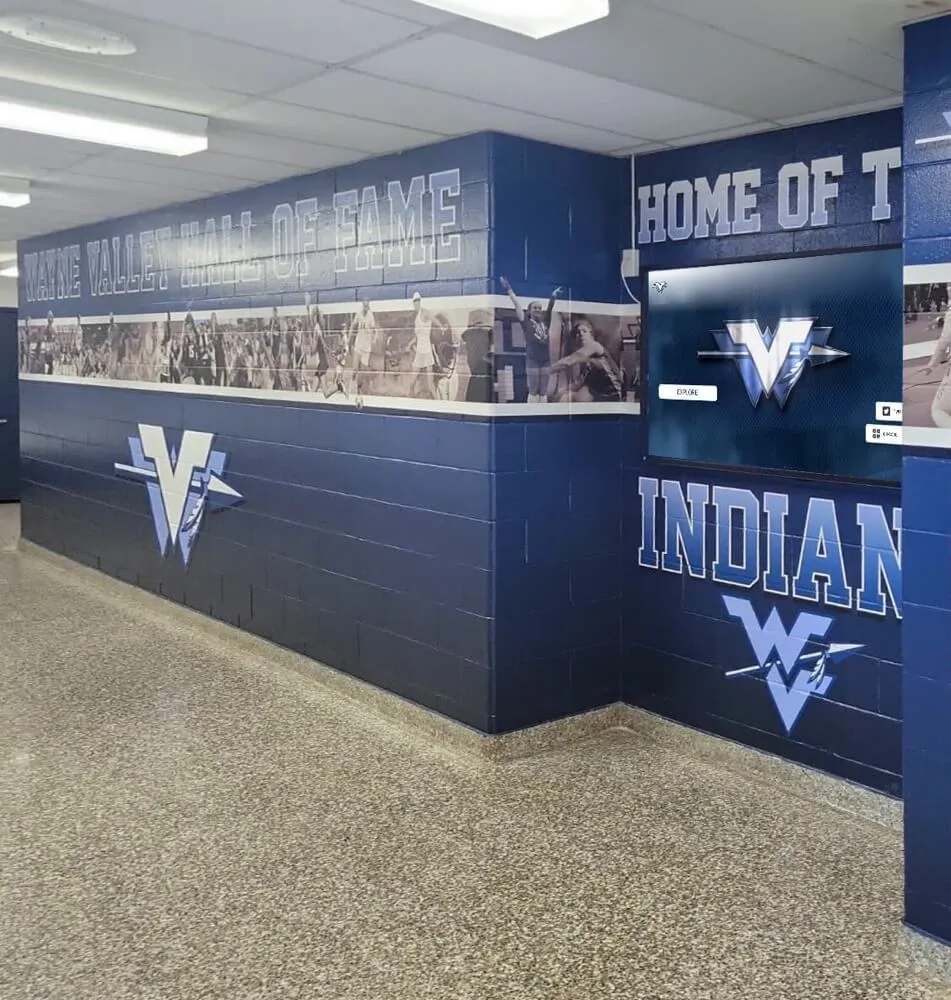
Integrated recognition systems combine traditional artistic elements with interactive digital content, creating comprehensive heritage experiences in institutional spaces
Heritage Tours and Experiential Programs
Guided experiences create structured nostalgia opportunities:
Alumni Campus Tours Emphasizing Evolution Standard campus tours focus on contemporary facilities and programs for prospective students. Schools should develop distinct alumni tour programs that emphasize institutional evolution—showing how facilities changed, explaining what currently exists where older buildings once stood, sharing stories about significant campus locations, and connecting physical spaces to alumni memories.
These tours work particularly effectively during reunion weekends when returning alumni want to understand campus changes since graduation while rediscovering familiar locations that remain. Knowledgeable tour guides who share stories bridging past and present help alumni integrate their historical experiences with contemporary institutional reality, reducing potential disconnect when campuses have evolved significantly since their student years.
Tradition and Ritual Explanations Many institutions maintain traditions whose origins and meanings become obscure over time. Schools can create heritage content—guided tours, documentary videos, written histories—explaining tradition origins, evolution, and contemporary significance. This explanatory content serves multiple audiences: current students who participate in traditions without understanding historical contexts, recent alumni rediscovering tradition meanings as they gain perspective, and older alumni learning how traditions evolved since their student years.
Understanding tradition origins and meanings deepens appreciation while creating conversation opportunities where alumni from different eras discuss how they experienced and interpreted same traditions from different historical perspectives.
Augmented Reality Heritage Experiences Emerging technology enables innovative nostalgia applications. Augmented reality (AR) systems can overlay historical images on current campus scenes—visitors pointing smartphones at current facilities see historical photographs showing what locations looked like decades earlier. This visual comparison helps alumni understand campus evolution while triggering memories associated with historical spaces.
While AR represents emerging rather than mainstream technology, forward-thinking institutions experimenting with heritage AR applications position themselves as innovative while creating novel experiences that generate media attention and alumni interest beyond standard nostalgia offerings.
Community Organization Nostalgia Applications
Beyond schools, other community organizations benefit from nostalgia marketing:
Club and Association Heritage Preservation
Membership organizations build loyalty through shared identity:
Organizational History Documentation Clubs, associations, fraternal organizations, service groups, and hobby communities possess rich histories often inadequately documented. Systematic heritage preservation—collecting founding documentation, recording longtime member interviews, digitizing historical photographs and publications, documenting traditions and rituals, and creating searchable archives—provides foundation for nostalgia marketing that strengthens member engagement.
Preserving fraternity and sorority history offers specific examples of how Greek organizations leverage heritage to strengthen member connections across generations. These approaches translate readily to other membership communities seeking to deepen engagement through organizational heritage celebration.
Legacy Member Recognition Systems Recognizing longtime members, past leaders, significant contributors, and individuals who shaped organizational character creates nostalgia opportunities while validating that service and participation matter beyond immediate moments. Recognition systems might include founder and pioneer member documentation, leadership legacy archives showing all past presidents and board members, service milestone recognition for participation duration, and impact stories showing how individuals influenced organizational direction.
When current members discover that organizations systematically preserve heritage and recognize contributions, they understand their own participation will receive similar future recognition, creating incentive for ongoing engagement and investment in organizational success.
Historical Society and Museum Engagement
Cultural institutions exist specifically to preserve heritage:
Making Collections Accessible and Engaging Traditional museum and historical society approaches—glass cases, wall text, guided tours—serve important purposes but often fail to engage modern audiences accustomed to interactive, personalized digital experiences. Cultural institutions implementing interactive digital displays, web-accessible collection databases, mobile apps enabling self-guided exploration, and social media presenting collection highlights adapt heritage presentation for contemporary engagement expectations.
Digital tools that help bring history to life transform passive observation into active exploration, creating the engaging experiences that attract visitors while fulfilling educational missions. When historical societies and museums embrace interactive technology, they make heritage accessible to broader audiences while creating shareable experiences visitors promote through personal networks.
Community Memory Collection Projects Historical societies serve communities by preserving not just institutional history but collective community memory. Systematic oral history projects, photograph collection initiatives, artifact donation programs, and memory documentation efforts ensure diverse community perspectives receive preservation rather than limiting archives to official institutional records.
These inclusive collection approaches create richer, more authentic heritage resources while engaging community members as active contributors rather than passive heritage consumers. Individuals who contribute memories, photographs, or artifacts to community historical projects develop ownership stakes in heritage preservation, increasing likelihood they’ll support and promote cultural institutions through donations, volunteering, and advocacy.

Community heritage displays honor shared history while creating accessible experiences that strengthen collective identity
Measuring Nostalgia Marketing Effectiveness
Systematic assessment ensures strategies deliver intended results:
Engagement Metrics and Analytics
Quantitative data reveals what content resonates:
Digital Interaction Tracking Platforms hosting heritage content should track comprehensive metrics including total views and unique visitors to historical content, time spent engaging with nostalgia materials, search queries revealing what alumni seek, social sharing rates indicating content value, and return visit frequency showing sustained interest. These metrics demonstrate whether heritage initiatives successfully capture attention and generate meaningful engagement.
Interactive displays like those provided by Rocket Alumni Solutions typically include analytics dashboards showing interaction patterns—most-viewed individuals, popular search terms, peak usage times, and content categories generating highest engagement. This data guides content development priorities while demonstrating return on heritage preservation investments.
Social Media Performance Analysis Social platform analytics reveal which nostalgia content generates strongest response through metrics including engagement rates (likes, comments, shares) relative to follower counts, reach showing how many individuals encountered content, video view counts and completion rates, demographic data showing which age groups engage most actively, and sentiment analysis indicating whether responses are positive, neutral, or negative.
Performance analysis should compare heritage content against other content types to determine whether nostalgia consistently outperforms alternative approaches or requires refinement to match engagement levels of non-heritage communications.
Email Campaign Effectiveness Newsletter and email campaign metrics show whether nostalgia content drives opens and clicks including open rates for emails featuring heritage content, click-through rates on links to historical materials, unsubscribe rates indicating whether content annoys rather than engages, forward rates showing whether recipients share with personal networks, and response rates when campaigns include calls-to-action like reunion registration or donation requests.
According to alumni engagement review for 2024 and 2025 expectations, effective email strategies combined with nostalgia elements significantly boost engagement metrics when properly targeted and personalized to alumni segments.
Behavioral Outcome Measurement
Engagement ultimately should drive concrete actions:
Donation and Fundraising Impact Nostalgia marketing succeeds when it converts emotional connection into financial support. Schools should track donation rates among alumni exposed to heritage initiatives compared with control groups, average gift sizes correlated with engagement levels, participation in giving campaigns following nostalgia campaigns, planned giving inquiries and commitments, and donor feedback about motivations including whether nostalgia influenced decisions.
Research consistently shows that alumni engagement strategies boost fundraising by strengthening emotional connections that make individuals want to support institutions. When nostalgia campaigns precede fundraising requests, conversion rates typically improve as heritage content warms previously cold relationships.
Event Attendance and Participation Reunion attendance, homecoming participation, lecture series turnout, volunteer program enrollment, and other engagement activities represent behavioral indicators of nostalgia marketing effectiveness. Schools should compare attendance rates following heritage campaigns against historical averages, analyze whether specific content types drive registration spikes, track geographic distribution of attendees to assess whether virtual heritage content enables distant alumni participation, and survey attendees about whether specific nostalgia elements motivated attendance.
Advocacy and Word-of-Mouth Referrals Perhaps the most valuable outcome involves alumni becoming active institutional advocates. While harder to measure directly, schools can track prospective student referrals from alumni, social media mentions and organic content sharing, participation in volunteer ambassador programs, and qualitative feedback about increased pride and willingness to promote institutions.
When alumni experience meaningful heritage engagement, they frequently share discoveries with personal networks—“Look at this old yearbook photo I found of my dad” or “I didn’t know my high school had this incredible tradition”—creating word-of-mouth marketing that extends institutional reach beyond direct communications.
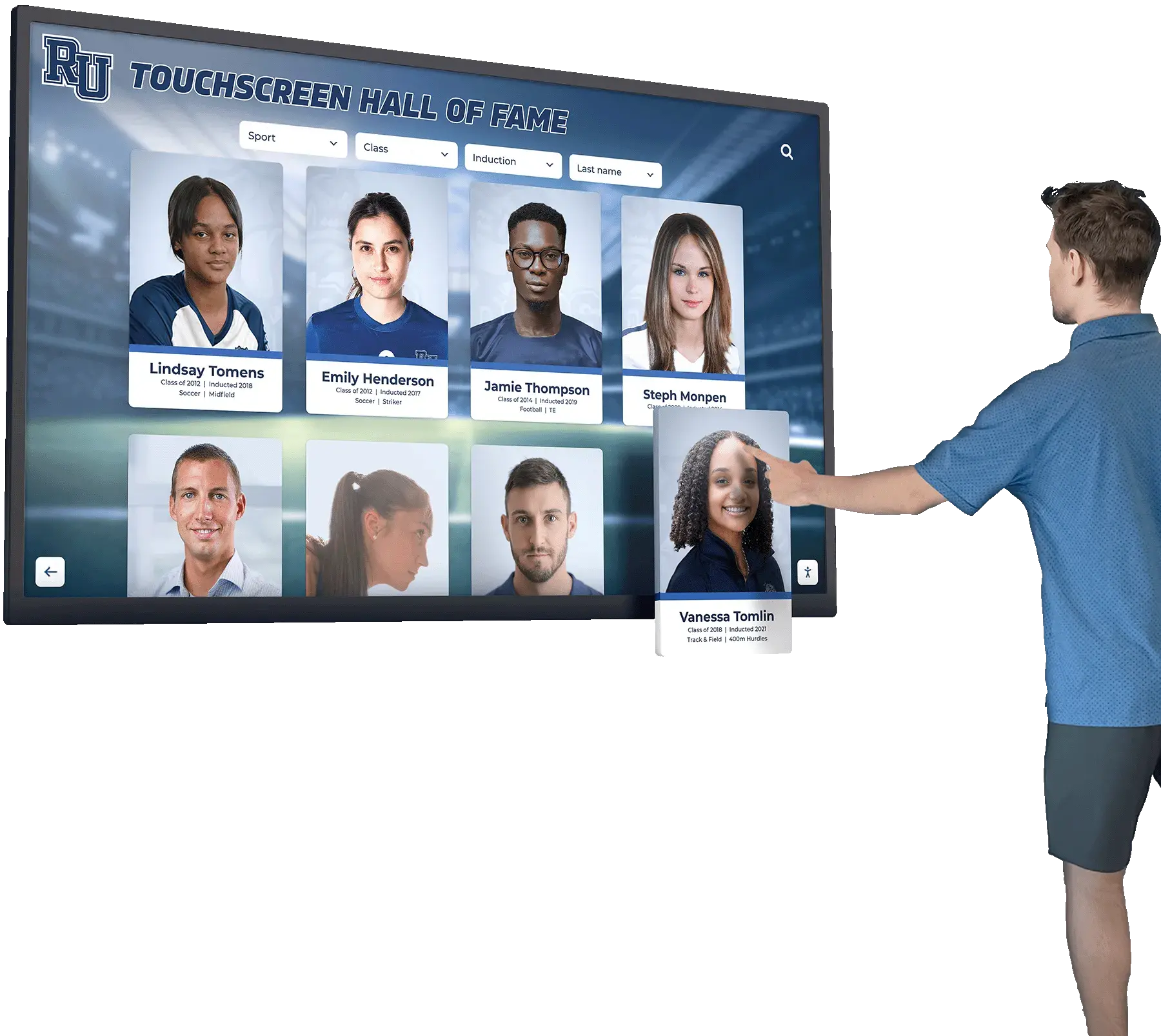
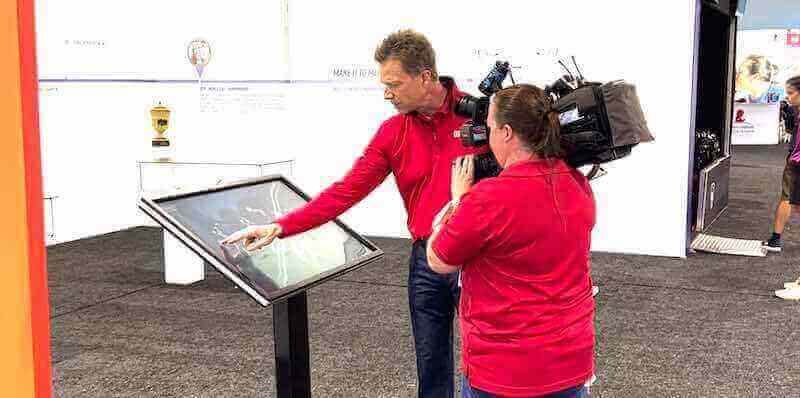
User-friendly interfaces encourage extended exploration sessions, with visitors spending significantly more time engaging with interactive heritage content than static displays
Technology Platforms Enabling Nostalgia Marketing
Appropriate tools determine implementation success:
Purpose-Built Recognition and Heritage Systems
Specialized platforms outperform generic alternatives:
Comprehensive Digital Archive Solutions Purpose-built heritage platforms like Rocket Alumni Solutions provide functionality specifically designed for institutional history presentation including structured profile systems for individuals and achievements, advanced search and filtering enabling personal discovery, unlimited capacity accommodating comprehensive heritage preservation, multimedia integration supporting photographs, videos, and documents, appropriate aesthetic templates maintaining institutional dignity, and web platform integration enabling remote access beyond physical displays.
Schools implementing touchscreen software designed for interactive displays report significantly higher engagement than institutions using generic digital signage systems lacking features essential for heritage applications. Purpose-built platforms eliminate frustrating limitations while providing interfaces optimized for nostalgia exploration rather than advertising or announcement rotation.
Cloud-Based Content Management Sustainable heritage systems require remote content management enabling authorized staff to update information from any internet-connected device without requiring physical display access or specialized technical expertise. Cloud-based systems ensure content remains current through simple interfaces that non-technical staff can operate, bulk import tools enabling efficient historical data addition, scheduled publishing automation supporting planned content releases, role-based permissions allowing appropriate stakeholder access, and automatic backup systems preventing data loss.
Schools report 80-90% reduction in administrative time spent maintaining recognition after implementing cloud-managed digital systems compared with manual static display updates requiring physical plaque changes or trophy case reorganization.
Mobile-Responsive Heritage Platforms Modern nostalgia marketing requires mobile accessibility. Web-based heritage platforms must provide full functionality across smartphones and tablets through responsive design adapting to all screen sizes, touch-optimized interfaces designed for finger navigation, fast loading on cellular networks, sharing functionality enabling easy social distribution, and QR code integration bridging physical and digital experiences.
When alumni can explore institutional heritage from personal devices anywhere in the world, engagement opportunities multiply beyond campus visits or desktop computer sessions. Mobile accessibility proves particularly important for younger alumni who primarily consume content through smartphones rather than traditional computers.
Integration with Existing Systems
Heritage platforms should connect with broader technology ecosystems:
Website and CMS Integration Heritage content shouldn’t exist in isolation but integrate with institutional websites through embedded displays showing recent additions or featured profiles, search integration enabling site visitors to discover heritage content, unified authentication allowing single sign-on across platforms, and consistent branding maintaining institutional identity across digital properties.
Seamless integration ensures heritage becomes central to institutional digital presence rather than existing as separate, disconnected system requiring distinct navigation and discovery.
Social Media Publishing Tools Effective platforms include built-in social sharing and scheduled posting capabilities enabling content managers to surface heritage content through institutional social channels, personalized sharing allowing alumni to distribute specific profiles or photographs, automated anniversary posting creating recurring nostalgia touchpoints, and analytics integration tracking social performance.
These integrations reduce friction in nostalgia marketing execution, making it easy for institutions to maintain consistent heritage content distribution without requiring significant manual effort for each post.
Communications Platform Connections Email marketing systems, CRM platforms, and alumni databases should connect with heritage systems through API integrations enabling personalized email content based on heritage data, segmentation capabilities targeting communications by graduation year or activity, trigger-based automation sending heritage content on relevant anniversaries, and activity tracking showing how individual alumni engage with nostalgia content.
These connections enable sophisticated personalization that dramatically improves engagement compared with generic communications treating all alumni identically.
Transform Alumni Engagement Through Digital Heritage
Discover how interactive recognition displays and comprehensive digital archives create the nostalgia experiences that warm up cold alumni relationships, drive meaningful engagement, and build vibrant communities around shared memories and institutional pride.
Schedule Your Heritage ConsultationBest Practices and Common Pitfalls
Learning from successful implementations and avoiding frequent mistakes:
Nostalgia Marketing Success Factors
Effective strategies share common characteristics:
Authenticity Over Manipulation Successful nostalgia marketing feels genuine rather than cynically manipulative. Alumni quickly detect when institutions attempt to leverage emotions solely for fundraising without demonstrating authentic respect for heritage and genuine interest in alumni experiences. Schools should lead with heritage value and community building, allowing fundraising to follow naturally from strengthened relationships rather than treating nostalgia purely as conversion tactic.
Balance Past and Present While nostalgia focuses on history, effective strategies connect past to present and future. Content should help alumni understand how historical experiences shaped current institutional character, how traditions evolved while maintaining core identity, what current students experience compared with alumni eras, and how institutional future builds on heritage foundation.
Purely backward-looking nostalgia can feel disconnected from contemporary reality, potentially suggesting institutions remain stuck in past rather than evolving while respecting tradition.
Inclusivity Across All Eras Nostalgia campaigns should systematically rotate focus across different historical periods rather than consistently highlighting same decades. Schools sometimes default to celebrating periods when current administrators were students, creating perception that other eras matter less. Intentional rotation ensuring all alumni generations occasionally encounter content from their specific student years prevents alienation among underserved cohorts.
Similarly, heritage content should represent diverse student experiences rather than limiting focus to highest-profile individuals or traditional achievement types. Comprehensive nostalgia appeals to broader alumni populations than narrow celebration of star athletes and top academic performers.
Accessibility and Technology Appropriateness Heritage technology should enhance rather than create barriers to engagement. Complex systems requiring significant technical sophistication alienate users who simply want to explore memories. Platforms should provide intuitive interfaces requiring no training, fast performance even on slower connections, accessibility features serving users with disabilities, and multiple access methods accommodating different preferences and capabilities.
ADA accessibility compliance ensures heritage experiences remain available to all community members regardless of disability, fulfilling both legal requirements and ethical obligations to serve diverse populations.
Mistakes to Avoid
Common pitfalls undermine nostalgia marketing effectiveness:
Neglecting Content Updates and Maintenance Heritage systems require ongoing stewardship. Schools that implement impressive initial content but fail to maintain updates, add new materials, or correct errors quickly develop reputations for neglecting heritage despite initial investment. Sustainable heritage programs establish clear content management responsibilities, create submission processes enabling ongoing contribution, schedule regular content additions and reviews, and allocate budget for continued system operation and improvement.
Overemphasizing Fundraising Too Quickly Leading with donation requests before establishing emotional connections generates cynicism rather than support. Effective nostalgia sequences provide value first through heritage access and engagement opportunities, build emotional warmth through meaningful content and recognition, demonstrate institutional appreciation for alumni and their experiences, and only then introduce fundraising as opportunity to support institutions alumni care about.
When heritage content consistently includes donation requests rather than offering intrinsic value, alumni perceive manipulation and disengage rather than warming to institutional relationships.
Ignoring Copyright and Privacy Considerations Historical content frequently includes copyrighted materials or personal information raising privacy concerns. Schools must obtain appropriate permissions for copyrighted photographs, respect individual privacy preferences regarding personal information display, comply with student record confidentiality requirements, and establish clear policies governing heritage content submission and use.
Failing to address these legal and ethical considerations can generate significant problems undermining heritage program benefits.
Generic Rather Than Personalized Approaches One-size-fits-all nostalgia disappoints alumni expecting personally relevant content. Effective strategies leverage data enabling personalization—graduation year, participation activities, geographic location, engagement history—to deliver heritage content matching individual interests and experiences.
Technology makes personalization increasingly feasible. Schools should leverage available data and segmentation capabilities rather than defaulting to generic communications that feel impersonal despite heritage content.
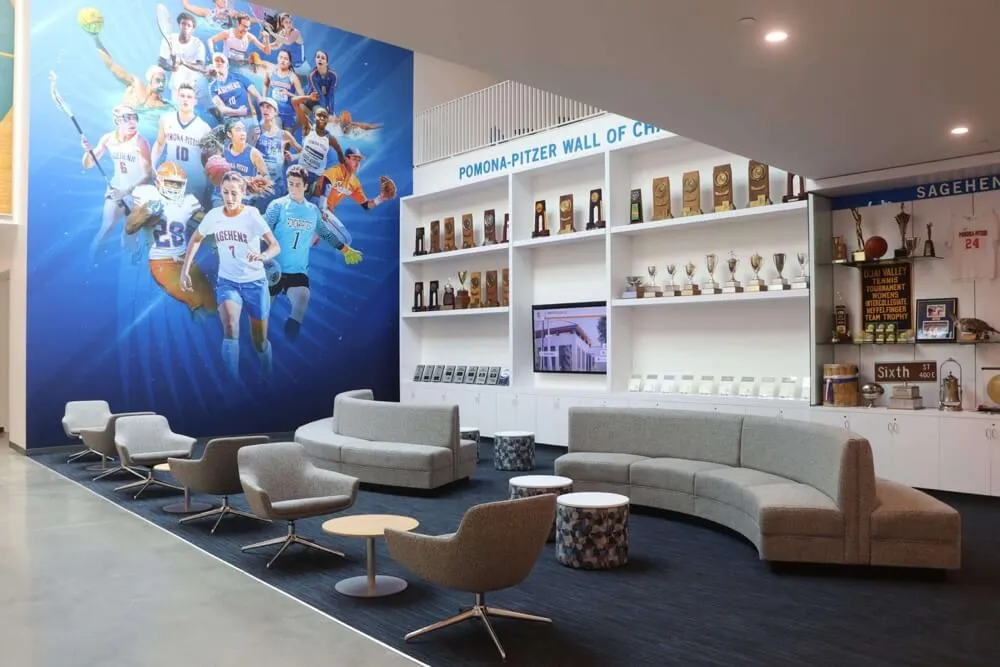
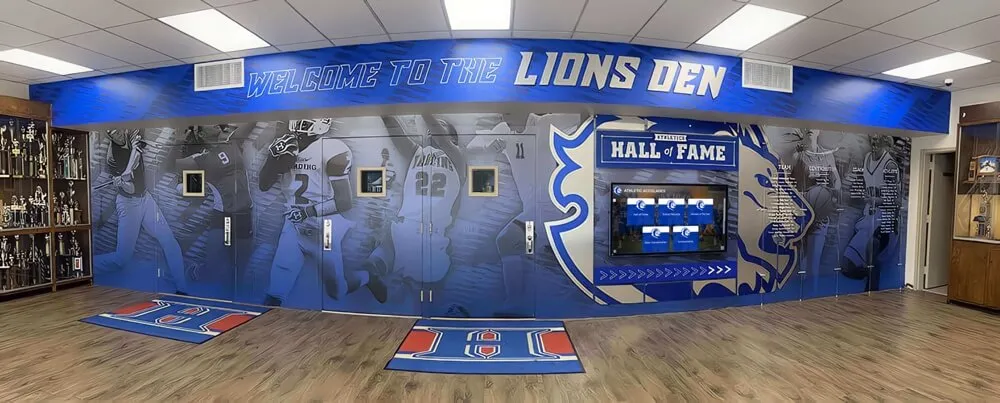
Comprehensive heritage environments combine multiple recognition elements—trophies, murals, digital displays—creating immersive experiences celebrating institutional tradition
Future Trends in Nostalgia Marketing
Emerging technologies and approaches shape evolution:
Artificial Intelligence and Personalization
AI enhances nostalgia marketing sophistication:
Automated Content Curation Machine learning algorithms can analyze individual alumni engagement patterns and preferences to automatically recommend relevant heritage content—suggesting classmates they might want to rediscover, surfacing photographs from their specific student years, highlighting achievement categories matching their participation activities, and presenting stories with themes likely to resonate based on past interaction history.
This automated curation makes comprehensive archives more navigable while ensuring each alumni encounters personally relevant content rather than becoming overwhelmed by decades of undifferentiated institutional history.
Natural Language Search and Chatbot Interfaces Advanced search interfaces enable conversational queries—“Show me the 1985 football team” or “Find yearbook photos including my mom, Susan Johnson”—rather than requiring structured database searches. Natural language processing makes heritage archives accessible to general audiences unfamiliar with specialized search techniques.
Chatbot interfaces can provide guided heritage exploration where virtual assistants help visitors discover relevant content, answer questions about institutional history, and suggest related materials based on expressed interests.
Predictive Engagement Modeling AI systems analyzing engagement patterns can predict which alumni most likely to respond to specific nostalgia campaigns, optimal timing for heritage communications, content types generating strongest responses from particular segments, and individuals at risk of disengagement who might benefit from targeted nostalgia outreach.
These predictive capabilities enable more efficient resource allocation, focusing intensive personalization on alumni most likely to convert from nostalgia engagement to concrete support actions.
Virtual and Augmented Reality Heritage Experiences
Immersive technology creates novel nostalgia applications:
Virtual Campus Tours Showing Historical Evolution VR technology can recreate campus environments as they appeared in past decades, allowing alumni to virtually “walk through” facilities as they remember them even when physical spaces have been demolished or renovated beyond recognition. These immersive experiences generate powerful nostalgia by recreating sensory environments—what buildings looked like, how spaces connected, where significant moments occurred—that photographs alone cannot capture.
AR-Enhanced Physical Campus Experiences Augmented reality applications can overlay historical content on current campus scenes. Alumni visiting campus point smartphones at locations to see historical photographs showing how spaces appeared during their student years, access stories about significant events that occurred at specific locations, view architectural evolution time-lapses, and discover hidden heritage like time capsules or commemorative elements they might otherwise overlook.
These AR experiences create hybrid physical-digital heritage engagement that enhances campus visits while educating current students about institutional evolution occurring around them daily.
Blockchain and Digital Heritage Preservation
Emerging technologies address long-term preservation challenges:
Verified Digital Archives Blockchain systems create tamper-proof historical records ensuring content authenticity and preventing unauthorized alterations. This verification proves particularly valuable for official achievement records, authenticated documents, and institutional histories where accuracy matters significantly.
Decentralized Preservation Distributed storage systems eliminate single points of failure threatening centralized archives. Heritage content distributed across multiple locations survives disasters, institutional failures, or technological disruptions that might destroy conventional centralized preservation approaches.
While currently emerging rather than mainstream, these technologies may become standard heritage preservation best practices as they mature and costs decline.
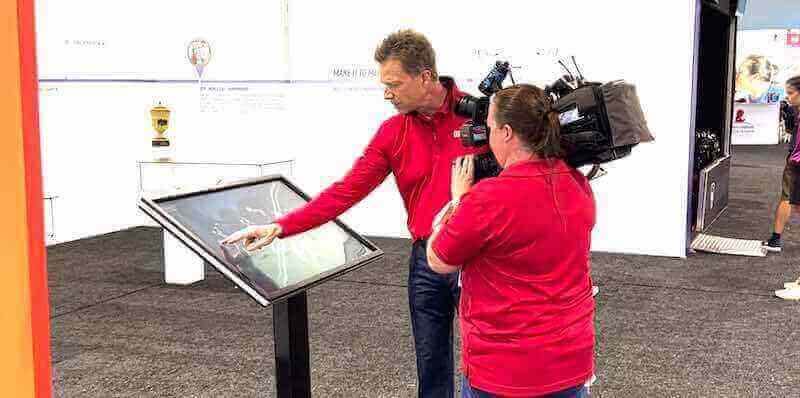
Ongoing innovation in interactive display technology continues expanding possibilities for immersive nostalgia experiences that engage modern audiences
Conclusion: Building Vibrant Communities Through Shared Heritage
Nostalgia marketing represents far more than sentimental trip down memory lane—it provides strategic framework for strengthening institutional relationships, activating dormant networks, and building vibrant communities around shared identity and collective heritage. When schools and community organizations systematically surface memories, create accessible heritage experiences, and connect past to present, they transform what we call “cold digital spaces”—impersonal websites, generic communications, disconnected alumni—into warm, engaging communities where members feel emotionally invested, actively participate, and enthusiastically support institutional missions.
The fundamental insight driving nostalgia marketing effectiveness comes from understanding that past experiences shape present identities and future decisions. Alumni don’t simply remember their student years as abstract historical facts—they recall formative periods when they developed friendships, discovered interests, faced challenges, and became who they are today. Community organization members don’t merely acknowledge past participation—they identify as people who belonged to meaningful collectives that enriched their lives. When institutions honor these experiences through systematic heritage preservation and celebration, they validate that past participation mattered while creating foundations for ongoing engagement extending decades after initial involvement concluded.
The comprehensive strategies explored in this guide provide actionable frameworks for implementing effective nostalgia marketing across multiple dimensions—from digital archives and interactive recognition displays to email campaigns and social media storytelling, from physical campus heritage installations to emerging virtual reality experiences. Success doesn’t require implementing every approach simultaneously but rather systematically building heritage infrastructure starting with foundations (digitizing core historical content, implementing searchable systems, establishing content management processes) and expanding through enhanced capabilities as resources and experience grow.
Technology plays essential enabling role, particularly purpose-built platforms like Rocket Alumni Solutions designed specifically for heritage preservation and nostalgia engagement rather than generic systems requiring significant customization for historical applications. Interactive displays eliminate space constraints that forced schools to choose whose achievements deserved recognition while providing engaging exploration experiences impossible with static plaques. Web-based platforms extend heritage access globally, enabling distant alumni to reconnect with institutional history from anywhere. Cloud-based content management ensures sustainable stewardship by allowing multiple stakeholders to contribute without requiring specialized technical expertise.
Yet technology represents means rather than ends. Ultimate goals involve strengthening human connections—helping alumni rediscover classmates and shared experiences, enabling families to discover institutional heritage spanning multiple generations, creating opportunities for community members to recognize shared identity, and building the emotional warmth that transforms passive observers into active supporters who donate, volunteer, refer new members, and champion organizational missions.
The investment in nostalgia marketing delivers returns across multiple dimensions beyond immediate fundraising metrics. Stronger alumni relationships increase giving but also generate valuable word-of-mouth recruitment, provide mentorship and networking resources for current students, create volunteer capacity for institutional initiatives, and offer expertise and connections supporting organizational goals. Enhanced community engagement builds organizational resilience by ensuring diverse stakeholder groups remain invested in long-term success rather than viewing institutions as service providers requiring attention only when immediate needs arise.
Your institution’s heritage represents invaluable asset deserving systematic preservation and strategic deployment. Every community member benefits from understanding shared history, discovering personal connections to collective heritage, and experiencing validation that their participation mattered and continues receiving appropriate respect. With thoughtful planning, appropriate technology, authentic communication, and sustained stewardship, you can create nostalgia marketing programs that honor the past while building vibrant present and future.
Ready to explore how interactive heritage displays and comprehensive digital archives can warm up your cold alumni relationships and activate your community network? Schedule a consultation with Rocket Alumni Solutions to discover purpose-built platforms designed specifically for schools, universities, and community organizations seeking to leverage nostalgia’s power to strengthen engagement, build loyalty, and create the thriving communities where shared heritage brings people together around common identity and collective purpose.
Sources
- Nostalgia marketing explained: Everything you already know | TechTarget
- How Brands Use Nostalgia to Drive Engagement - And What Schools Can Learn From Them | SocialArchive
- Thanks for the memories: How to use the power of nostalgia marketing | Sprout Social
- Why Nostalgia Marketing Works (And How Brands Do It In 2025) | StoryChief
- 6 ways to increase alumni engagement over emails | Almabase
- Alumni Engagement Review: 2024 Trends and 2025 Expectations | 360Alumni
- How Nostalgia Marketing Can Boost Your School’s Enrollment | SchneiderB Media
- Lessons in alumni engagement: 9 alumni marketing strategies to boost fundraising | Fabrik Brands