



Intent: demonstrate — Nonprofit organizations face a persistent challenge: converting passionate one-time donors into sustained supporters who give year after year. Traditional donor recognition approaches—thank-you emails, annual reports listing names in small print, static plaques that quickly fill—fail to create the emotional connections and community belonging that inspire continued commitment. These impersonal acknowledgments treat donors as transactions rather than treasured community members whose generosity deserves celebration extending far beyond receipt confirmations.
The nonprofit sector reports concerning retention statistics. According to research by fundraising professionals, first-year donor retention rates average only 19-27%, meaning that three-quarters of new supporters never make a second gift. This revolving door of support stems partly from inadequate recognition that fails to demonstrate impact, build relationships, or create the sense of belonging that transforms casual contributors into committed champions.
Digital donor recognition displays powered by solutions like Rocket Alumni Solutions fundamentally transform how nonprofits acknowledge support. Interactive touchscreen installations and web-accessible platforms create what we call “digital warming”—continuously surfaced, personalized content that activates cold spaces and builds vibrant communities where supporters feel valued, connected, and motivated to maintain lifelong engagement with missions they care about.
This comprehensive guide explores how nonprofit organizations leverage digital recognition to maximize fundraising impact, strengthen donor relationships, improve retention dramatically, and build the kind of engaged supporter communities that sustain missions through challenges and amplify impact during opportunities. More importantly, we’ll examine how purpose-built recognition creates lasting connections between individual generosity and collective community strength.

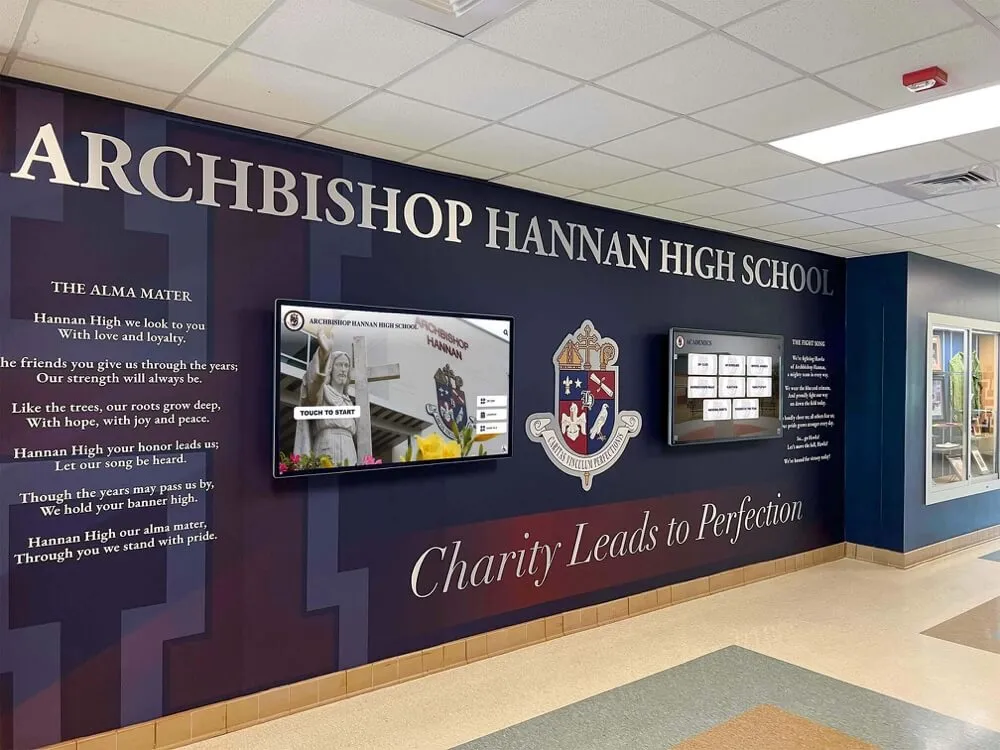
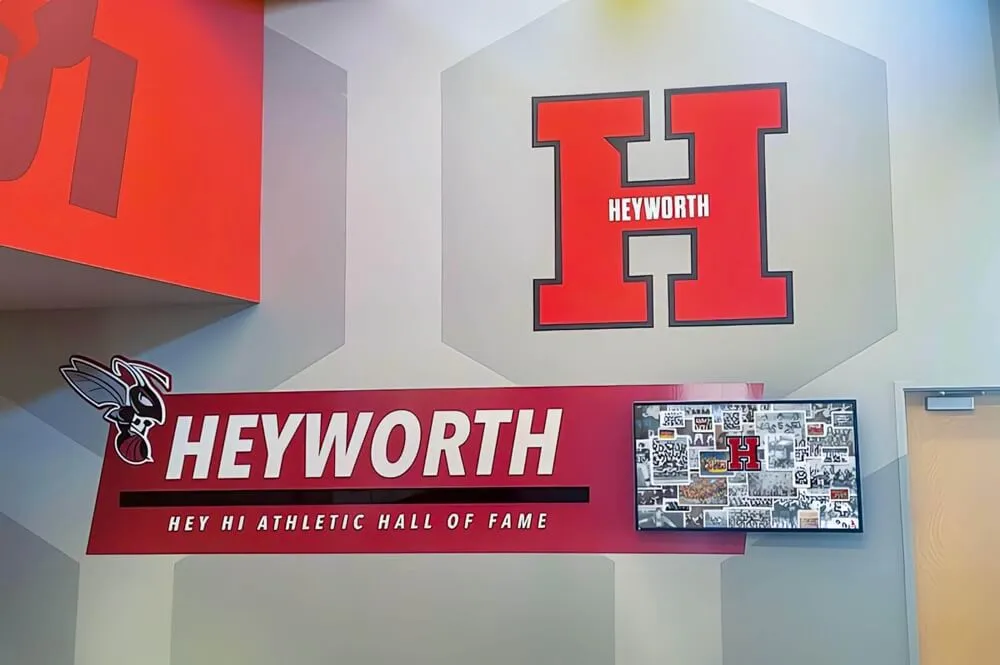
Modern donor recognition transforms acknowledgment from forgettable receipts into memorable community experiences
Understanding Nonprofit Donor Recognition Challenges
Nonprofit organizations operate in intensely competitive fundraising environments where every supporter relationship matters tremendously. Yet most struggle with recognition approaches that undermine rather than strengthen these crucial connections.
The Donor Retention Crisis
The nonprofit sector faces what many development professionals describe as a retention crisis where acquiring new donors proves far easier than keeping them.
First-Year Attrition Patterns
Research consistently shows that 73-81% of first-time donors never make second gifts to organizations they initially supported. This extraordinary attrition represents not just lost revenue but squandered relationship potential, wasted acquisition investment, and missed opportunities to build the sustained support that enables long-term mission impact.
Multiple factors contribute to this pattern, but inadequate recognition ranks prominently among causes identified through donor surveys. When supporters receive only transactional acknowledgment—automated receipt emails and perhaps inclusion in generic “thank you to all our donors” social media posts—they feel unappreciated and disconnected from organizations and missions they wanted to support.
The Recognition Gap
Most donors report wanting meaningful recognition that demonstrates their gift’s significance and impact. They seek evidence that their support mattered, that organizations value their contribution, and that they belong to communities of like-minded supporters working collectively toward shared goals. Traditional recognition approaches fail to provide these essential elements, creating what development professionals call the “recognition gap”—the space between donor expectations and organizational delivery.
Cost of Poor Retention
Acquiring new donors costs significantly more than retaining existing supporters. Estimates suggest that retaining a donor costs one-fifth to one-seventh of acquisition expenses. Organizations with poor retention rates must continuously invest in expensive acquisition campaigns simply to maintain funding levels, diverting resources from mission delivery while creating perpetual fundraising treadmills where development teams run harder without making meaningful progress.
Traditional Recognition Limitations
Conventional nonprofit recognition methods face inherent constraints that limit effectiveness regardless of staff dedication and good intentions.
Space-Constrained Physical Recognition
Traditional donor walls consisting of engraved plaques or printed names face severe space limitations. When physical displays fill, organizations must choose which donors receive visible recognition and which disappear into unread annual reports. This creates troubling dynamics where major gift donors receive prominent acknowledgment while grassroots supporters funding mission work through collective small-dollar contributions receive minimal visibility.
These spatial constraints force difficult trade-offs. Should recognition accommodate all supporters at reduced visibility per individual, or should it highlight major donors while minimizing broader community acknowledgment? Neither option proves satisfactory, and both create recognition hierarchies that undervalue important segments of supporter communities.
Ephemeral Digital Acknowledgment
Email receipts and social media thank-you posts represent improved responsiveness compared to mailed letters, but they remain fundamentally ephemeral. Donors receive momentary acknowledgment that quickly disappears from view, leaving no lasting evidence of their community membership or sustained organizational gratitude.
Social media presents particular challenges. Posts thanking donors receive brief visibility before algorithms bury them beneath newer content. Only small fractions of organizations’ social audiences ever see donor recognition posts, and those who do glance at them momentarily before scrolling onward. This creates illusions of recognition without delivering genuine acknowledgment that supporters value and remember.
Annual Report Anonymity
Printed annual reports listing donor names represent traditional nonprofit recognition staples, but their effectiveness proves questionable. Donors receive recognition buried among hundreds or thousands of other names in small print, making discovery difficult and prominence minimal. Many supporters never locate themselves in dense name lists, while those who do find the experience underwhelming rather than affirming.
Annual reports reach limited audiences—primarily existing donors and stakeholders who receive mailings. Prospective supporters, community members, volunteers, and other constituencies miss this recognition entirely, eliminating potential social proof and network effects that visible donor communities create when broadly accessible.
Update Complexity and Delay
Traditional recognition methods require cumbersome update processes that create significant delays between gifts and public acknowledgment. Engraved plaques take weeks or months to produce and install. Annual reports acknowledge only gifts received before printing deadlines, leaving recent donors unrecognized for extended periods. Even website updates often require IT department intervention, creating bottlenecks that delay timely recognition essential for donor satisfaction.
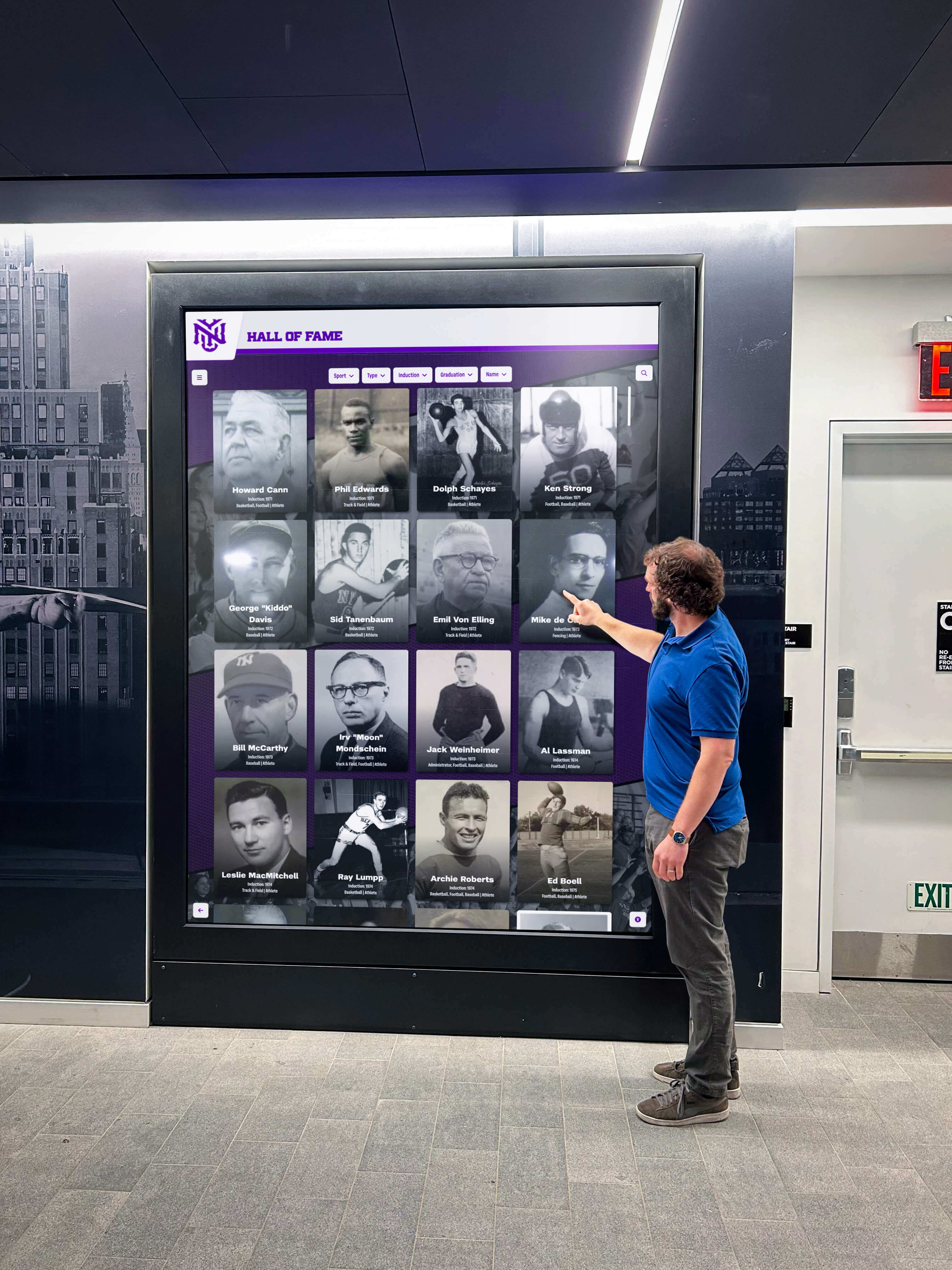
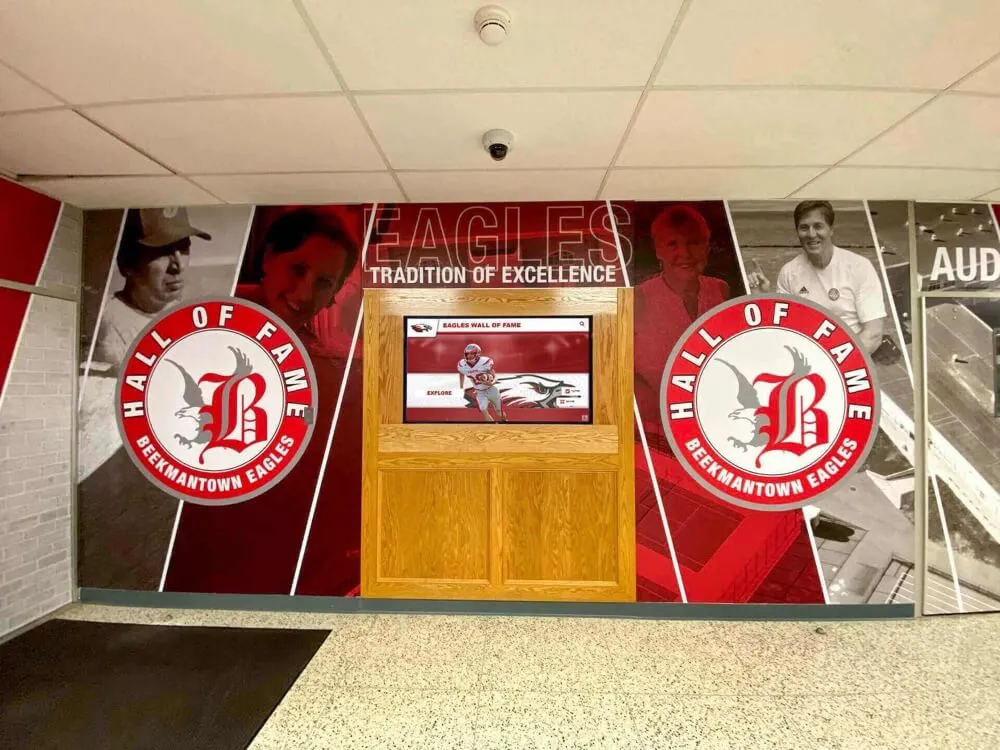
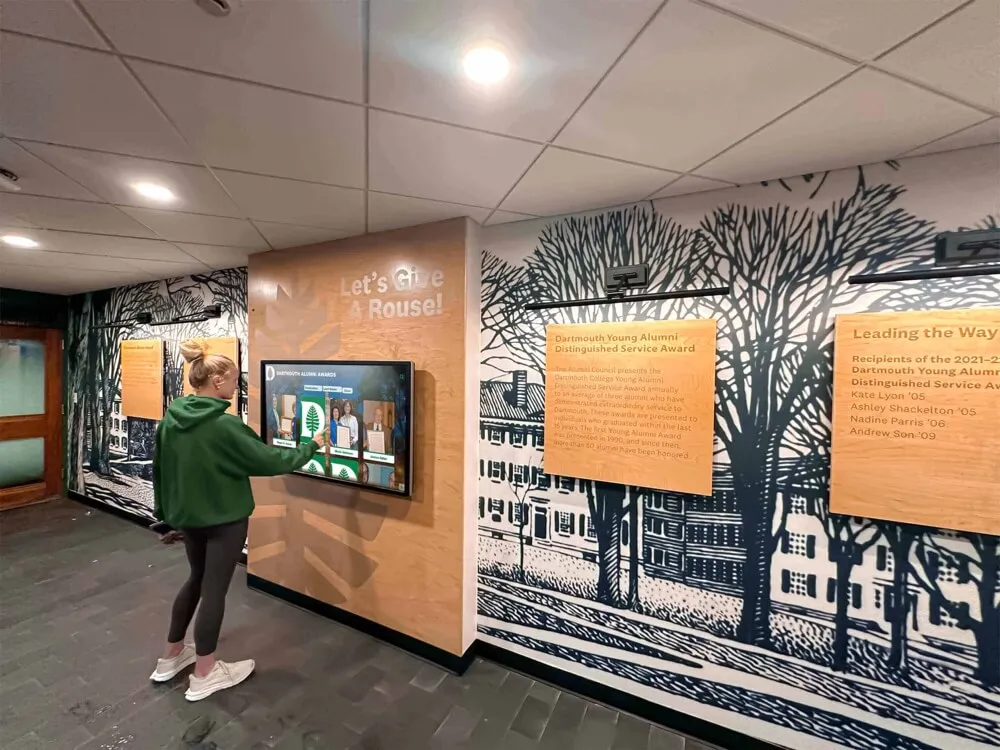
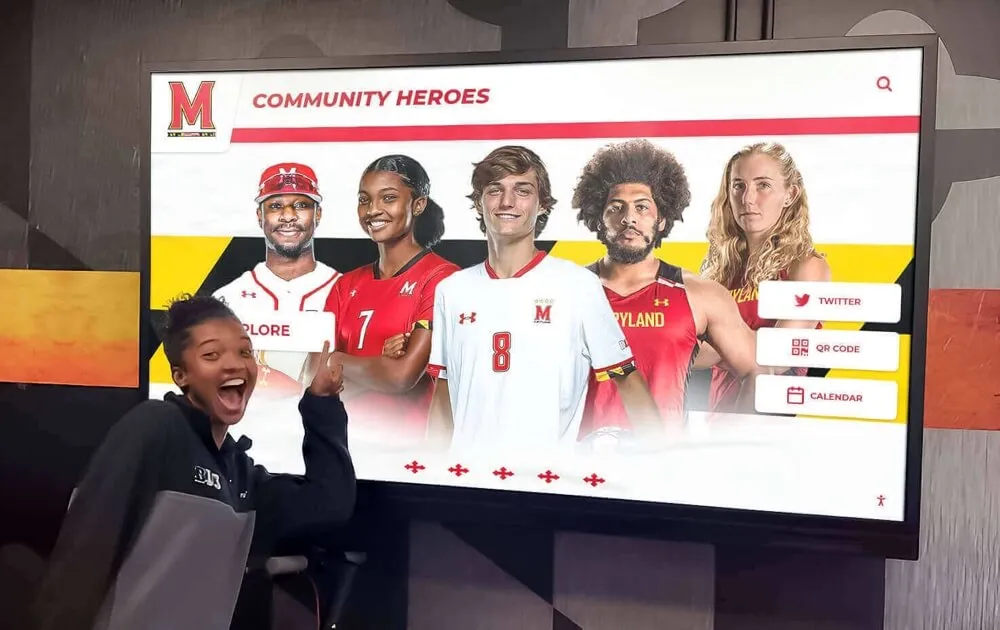
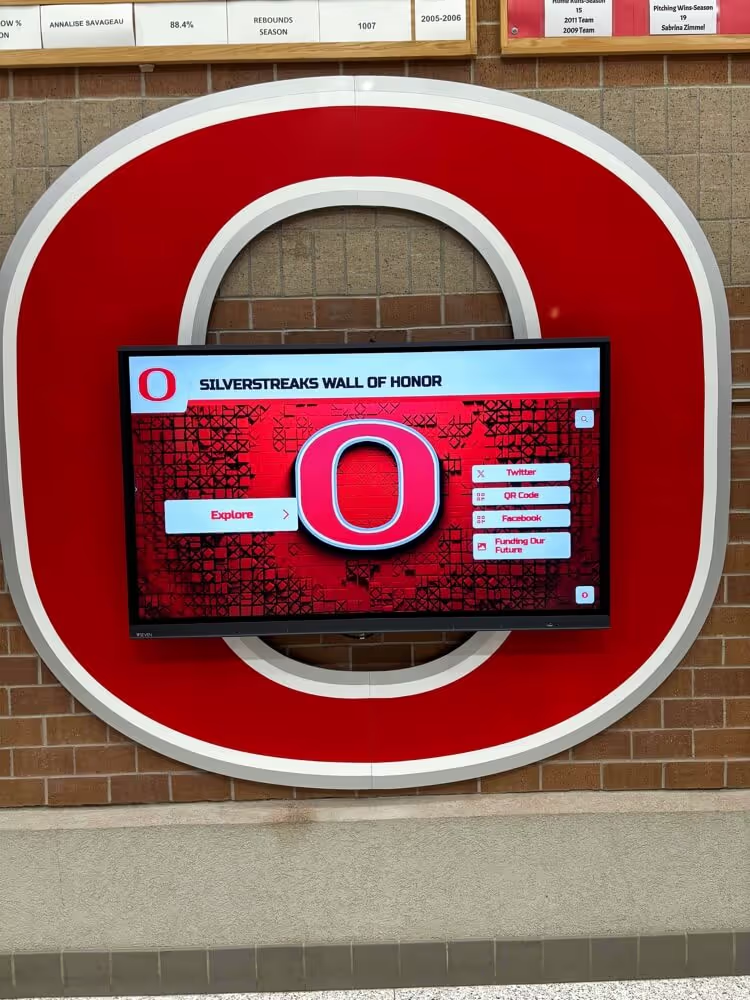
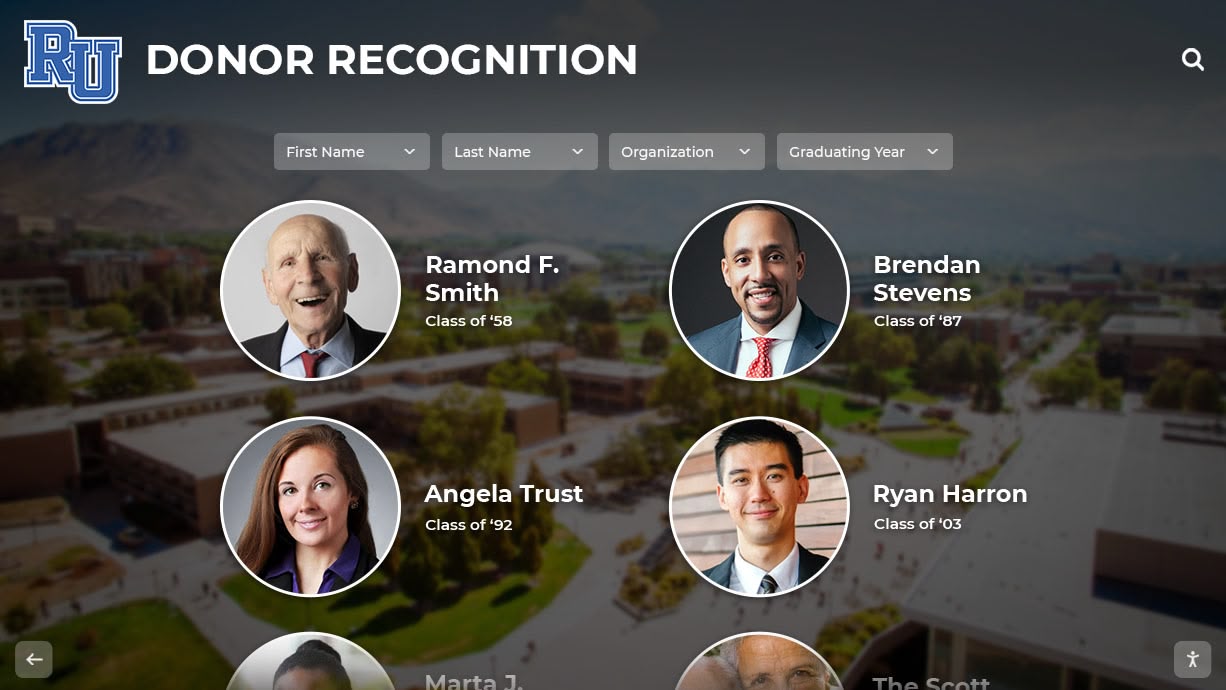
Interactive displays transform passive name lists into engaging exploration that creates personal connections
How Digital Recognition Solves Nonprofit Challenges
Modern digital platforms address traditional recognition limitations while creating new engagement opportunities impossible with conventional approaches.
Unlimited Recognition Capacity
Digital systems eliminate space constraints that force difficult choices about whose support receives visibility.
Comprehensive Donor Celebration
Every supporter receives recognition regardless of giving level, eliminating exclusionary dynamics where only major donors achieve visibility. Comprehensive acknowledgment creates inclusive communities where grassroots supporters see their gifts valued alongside larger contributions, reinforcing that collective impact depends on broad participation rather than only exceptional generosity.
Research demonstrates that donors who feel recognized give more frequently and at higher levels over time. When supporters see themselves acknowledged as valued community members, they develop stronger organizational connections and sustained giving commitments. Digital platforms make this comprehensive recognition achievable for organizations with hundreds or thousands of donors across diverse giving levels.
Flexible Category Organization
Single installations accommodate multiple recognition frameworks simultaneously—annual fund giving circles, capital campaign contributors, memorial gift donors, in-kind supporters, corporate sponsors, planned giving society members, and volunteer leaders. This flexibility enables organizations to highlight different supporter segments during various campaigns while maintaining comprehensive visibility for all community members.
Traditional donor walls lack this versatility. Once organizations commit physical space to specific recognition purposes, changing frameworks requires expensive reinstallation. Digital platforms adapt instantly through software updates, accommodating evolving fundraising priorities and organizational needs without construction projects or hardware replacement.
Historical Archive Preservation
Decades of donor history remain permanently accessible rather than removed when physical space limitations force choices. Organizations preserve complete giving legacies spanning their institutional lifespans, creating comprehensive supporter archives that honor long-term commitment while accommodating current campaign recognition.
This historical preservation serves multiple strategic purposes beyond mere recordkeeping. Long-term supporters appreciate seeing their sustained commitment documented across years or decades. New donors gain confidence discovering robust supporter communities demonstrating organizational health and mission viability. Researchers and communicators access historical data supporting anniversary celebrations, legacy profiles, and institutional storytelling that strengthens fundraising messaging.
Enhanced Engagement Through Interactivity
Digital systems create active engagement impossible with static displays, transforming recognition from passive acknowledgment into participatory community experiences.
Intuitive Search and Discovery
Visitors search by name, location, giving society, campaign, or other attributes, finding specific donors or exploring supporter communities of personal interest. This active exploration increases time spent with recognition content compared to passive scanning of alphabetical lists. Organizations consistently report visitors spending 3-5 minutes exploring interactive donor displays versus 10-20 seconds glancing at traditional plaques.
Searchability enables crucial personal discovery that creates emotional connections. When supporters find themselves prominently displayed among valued community members, when they discover friends and colleagues who share their commitment, when they explore giving patterns connecting them to others with similar values—these moments of relevance transform abstract institutional relationships into concrete community belonging.
Rich Profile Content
Digital profiles accommodate comprehensive information beyond names and giving levels—donor photos, personal statements explaining giving motivations, biographical information, family connections to organizations, and impact stories describing what contributions accomplish. This depth transforms generic acknowledgment into meaningful celebration honoring individual generosity while inspiring others through compelling examples.
Not every donor provides extensive profile content, but offering opportunities for enhanced visibility creates tiered engagement matching supporter preferences. Major donors often welcome opportunities to share detailed stories, while smaller-dollar contributors may prefer simple name recognition. Digital platforms accommodate both approaches within unified systems, ensuring all supporters receive acknowledgment appropriate to their comfort levels and engagement desires.
Dynamic Featured Content
Automated content rotation ensures all donors receive featured prominence over time rather than permanent relegation to generic lists. Monthly spotlights highlighting different supporters, anniversary recognitions celebrating multi-year commitment, and themed collections around shared characteristics keep displays fresh for repeat visitors while ensuring equitable visibility regardless of giving level.
This rotation addresses common complaints about traditional recognition where major donors receive permanent prominent placement while grassroots supporters remain buried in alphabetical lists. Digital systems democratize visibility through automated fairness, ensuring that every supporter enjoys moments of featured recognition celebrating their unique contribution to organizational mission.
Social Sharing Integration
Recognized donors easily share profiles via social media, email, and messaging, extending recognition reach far beyond physical location visitors while promoting organizational awareness through authentic personal networks. When supporters share their recognition, they become voluntary ambassadors broadcasting mission value to extended networks institutional communications cannot reach directly.
Social sharing proves particularly valuable for geographically distributed organizations whose supporters live across regions or globally. Web-accessible recognition enables distant donors to engage with acknowledgment they cannot experience through facility visits, while social features amplify organizational visibility to prospective supporters discovering nonprofits through trusted personal referrals rather than impersonal advertising.
Learn about effective digital donor wall strategies that maximize engagement through thoughtful design and content approaches.
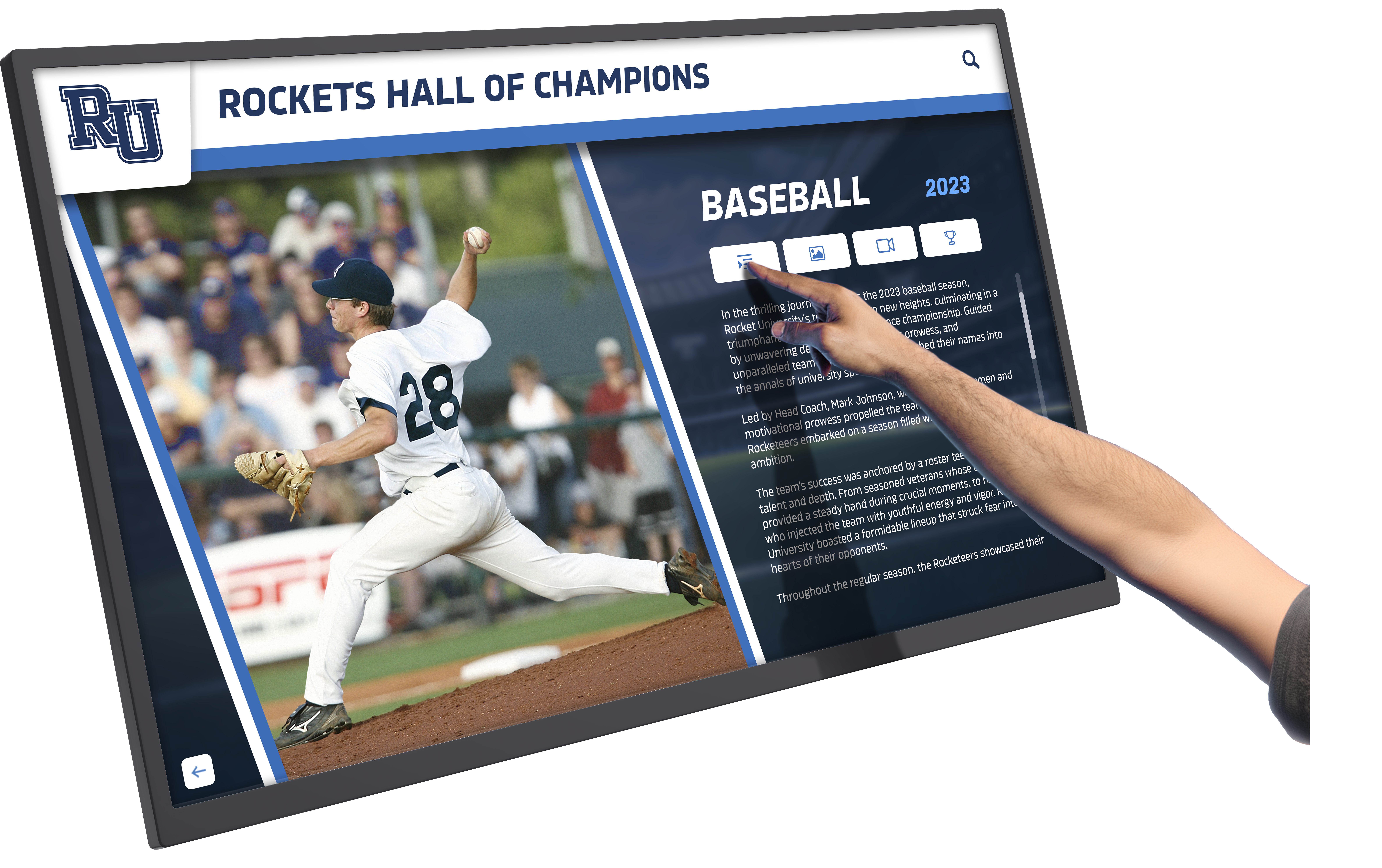
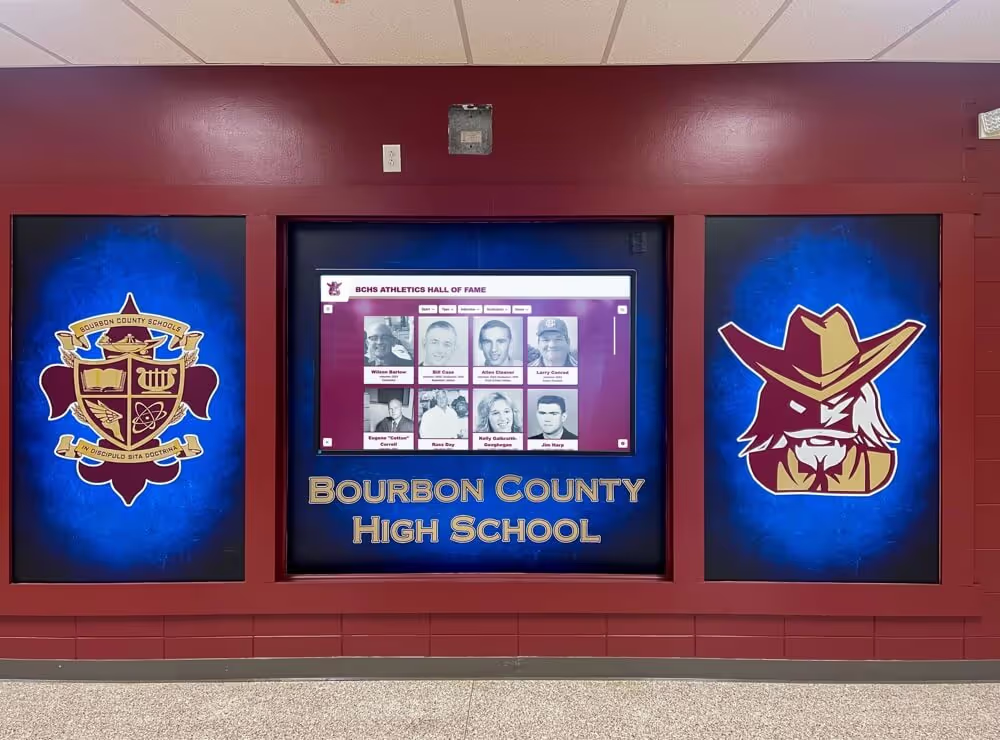
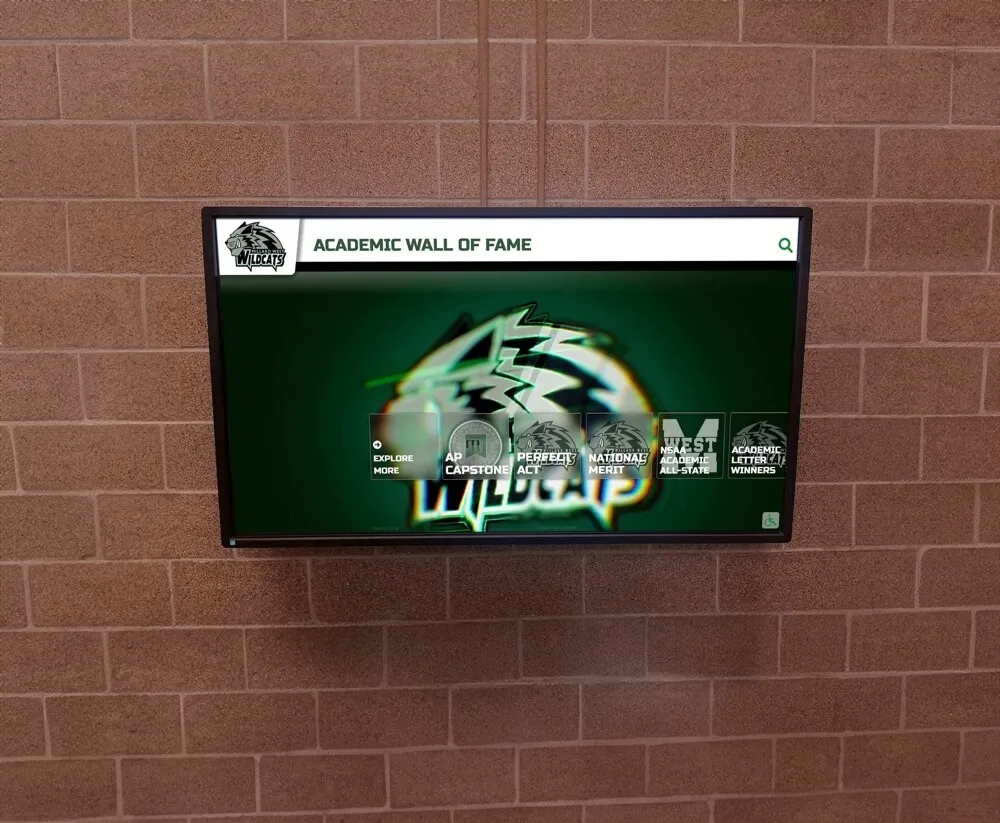
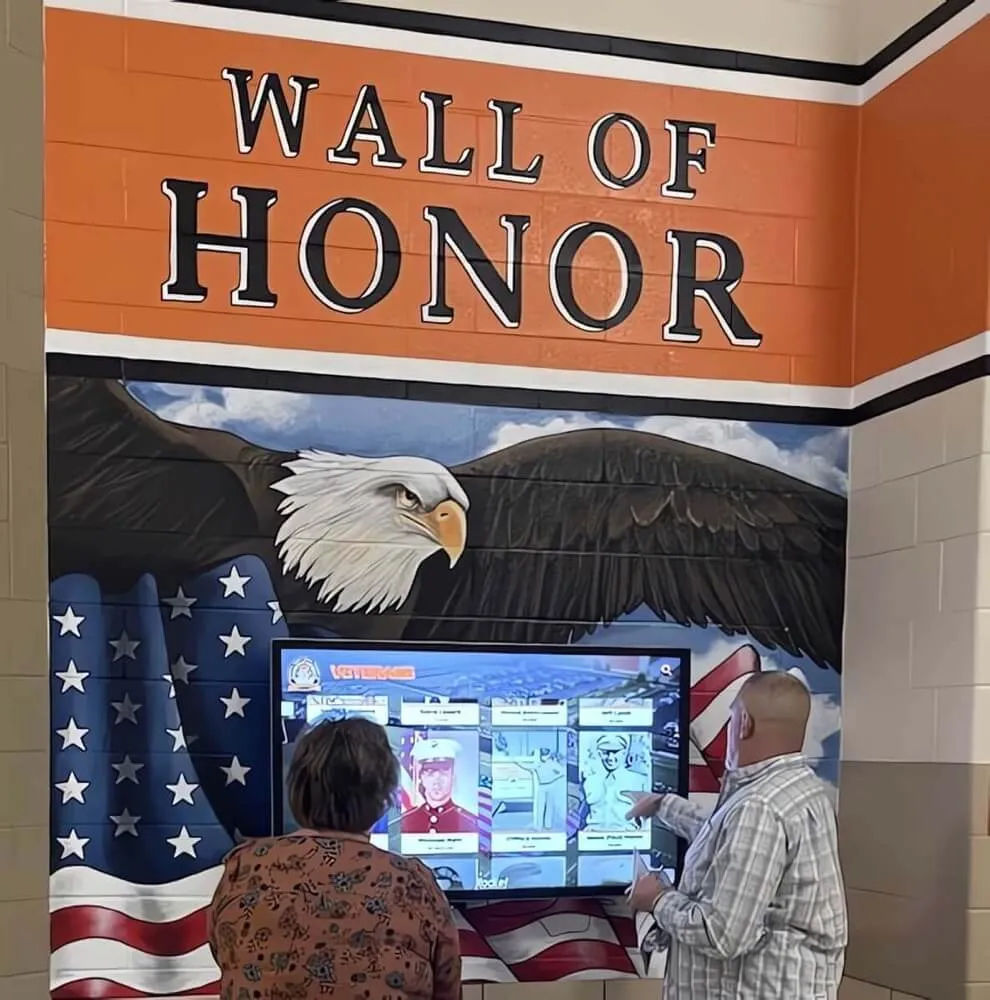
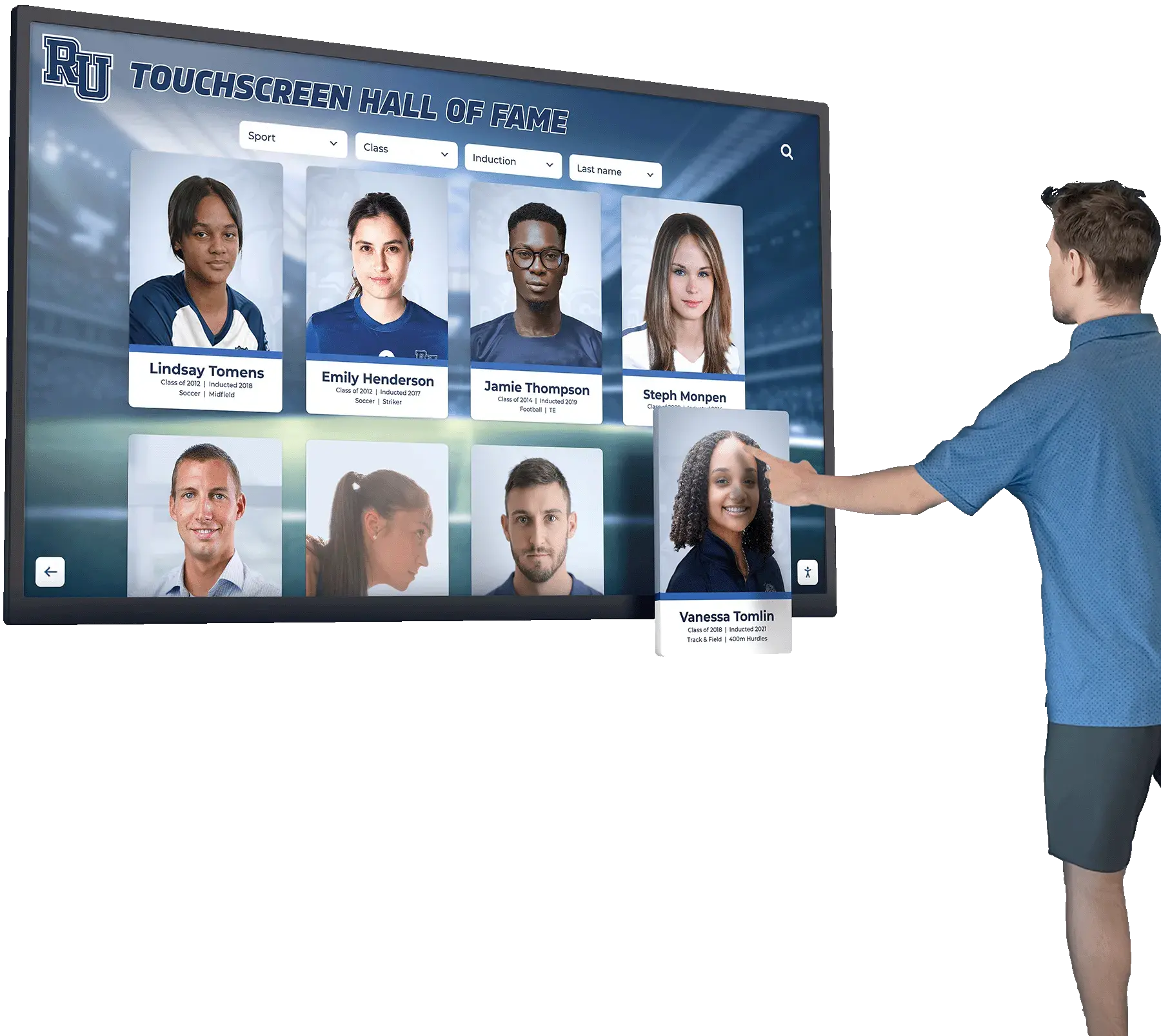
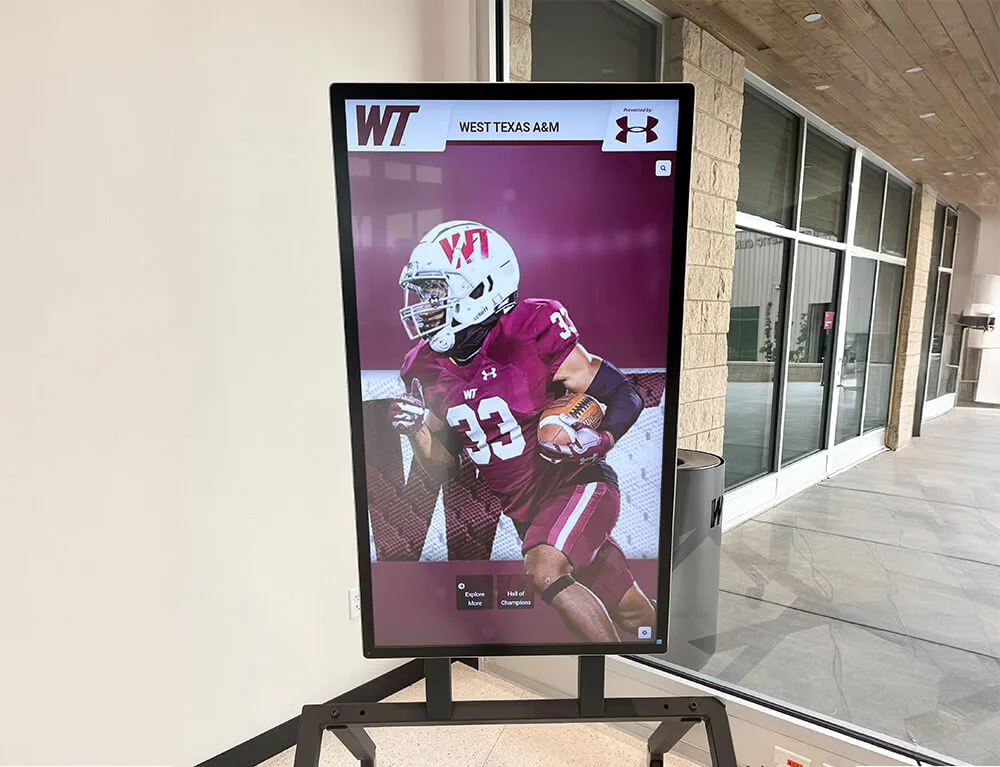
Intuitive touchscreen interfaces make exploration natural and accessible for supporters of all ages
Strategic Benefits for Nonprofit Organizations
Beyond addressing traditional recognition challenges, comprehensive digital solutions create strategic advantages supporting fundraising effectiveness and organizational sustainability.
Improved Donor Retention and Lifetime Value
Effective recognition represents essential stewardship practice directly impacting retention rates and giving progression that determine organizational financial health.
Continuous Appreciation Visibility
Unlike momentary acknowledgment through emails or social media posts, digital recognition provides 365-day donor visibility ensuring sustained appreciation. Supporters visiting facilities encounter their recognition prominently displayed, creating positive reinforcement while demonstrating organizational gratitude extending beyond transactional communications. This consistent visibility strengthens donor identity and organizational attachment essential for retention.
While specific retention statistics vary by organization type, implementation quality, and baseline conditions, nonprofits implementing comprehensive digital recognition commonly report measurable retention improvements. Organizations that previously struggled with 30-40% retention rates frequently achieve 50-60% or higher following recognition platform launches, representing substantial increases in donor lifetime value and mission funding stability.
Network and Family Engagement
Digital recognition extends beyond individual donors to engage families, friends, and professional networks. Web-accessible platforms enable supporters to share acknowledgment with extended networks unable to visit facilities, amplifying organizational visibility while creating pride motivating continued support. These network effects prove particularly valuable for supporter acquisition, as personal referrals from recognized donors represent highly credible endorsements reaching prospective supporters through trusted relationships.
Recognition sharing creates organic marketing that paid advertising cannot replicate. When donors proudly share their community membership with personal networks, they provide authentic testimonials demonstrating organizational value through revealed preferences—their own financial support—rather than promotional claims. Prospective donors encountering these genuine endorsements develop confidence that organizations merit their consideration and potential support.
Transparent Impact Demonstration
Comprehensive donor recognition creates transparency demonstrating community strength essential for motivating new giving. Prospective supporters evaluating participation opportunities gain confidence discovering robust donor bases while understanding giving level expectations and recognition associated with various contribution tiers. This transparency eliminates common objections while providing social proof encouraging participation.
Visible donor communities answer crucial questions prospective supporters ask themselves: Do people like me support this organization? What giving levels do similar supporters choose? Will my contribution matter alongside others’ gifts? When prospective donors explore recognition platforms discovering hundreds or thousands of supporters including people they know or identify with, these questions receive affirmative answers that overcome hesitation and inspire action.
Strategic Stewardship Touchpoints
Digital recognition creates natural opportunities for ongoing donor communication that strengthen relationships while maintaining appropriate contact frequency. Advancement teams alert supporters when new content appears featuring their recognition, when donor milestone anniversaries occur, when historical archive expansions launch, or when special features celebrate their specific giving communities. These substantive touchpoints replace generic cultivation communications with personally relevant content that donors welcome rather than ignore.
Learn about comprehensive approaches in donor recognition strategies that support year-round stewardship and engagement.
Enhanced Fundraising Effectiveness
Recognition platforms serve active fundraising purposes beyond passive acknowledgment, directly supporting campaign success and revenue generation.
Social Proof Drives New Giving
Visible donor communities create powerful social proof that motivates participation. Behavioral research consistently demonstrates that people feel more confident supporting causes when they see evidence that others—especially similar individuals—have already given. Digital recognition platforms displaying robust supporter communities provide this confidence-building evidence automatically while enabling searchability that helps prospects discover personal network connections they didn’t know existed.
When prospective donors explore recognition platforms and find former classmates, professional colleagues, community neighbors, or faith community members among existing supporters, giving becomes personally relevant rather than abstract. This relevance dramatically increases conversion likelihood, as prospects transition from evaluating unfamiliar organizations to joining communities where they already have connections and shared values.
Campaign Progress Visualization
During active fundraising campaigns, donor recognition platforms function as dynamic campaign hubs displaying real-time progress toward goals. Live counters showing current donor numbers, funds raised, and participation rates create urgency while demonstrating momentum. When prospective donors see “Join 500 community members who have given this month,” immediate social proof combines with scarcity mentality to drive action.
Advanced platforms enable sophisticated integration between recognition displays and major giving platforms through API-level coordination, ensuring seamless data synchronization that makes real-time campaign tracking possible without manual staff intervention. This automation eliminates potential delays and errors while enabling advancement teams to focus on relationship building rather than administrative tasks.
Major Gift Prospect Research
Recognition platforms provide valuable prospect research resources helping identify potential major gift supporters. When organizations discover donors making consistent modest gifts over many years, these patterns indicate capacity and commitment worthy of upgrade cultivation. Recognition databases revealing cumulative giving across campaigns identify supporters who may not realize how substantially they’ve contributed over time, creating natural opportunities for legacy society conversations and planned giving discussions.
Digital platforms’ analytical capabilities enable systematic identification of these patterns impossible with manual approaches. Advancement teams query databases for donors approaching recognition society thresholds, those maintaining consecutive giving streaks suggesting strong commitment, or supporters whose cumulative contributions qualify for elevated acknowledgment they haven’t received. These insights inform personalized cultivation strategies that demonstrate attention and respect while creating upgrade pathways aligned with donor histories.
Corporate and Foundation Engagement
Corporate partners and foundation grantmakers increasingly expect recognition demonstrating how their support contributes to broader community engagement and organizational sustainability. Digital recognition platforms showcase institutional funders alongside individual donors, illustrating how corporate grants leverage grassroots support to amplify collective impact. This positioning strengthens renewal conversations by demonstrating that institutional gifts don’t simply fund organizational operations—they inspire community participation that multiplies impact.
Some organizations feature dedicated sections highlighting corporate sponsors and foundation partners with enhanced profiles including partnership descriptions, logos, and mission alignment statements. These enhanced presentations provide visibility justifying partnership investments while demonstrating professional stewardship that institutional funders expect and value when evaluating renewal decisions.
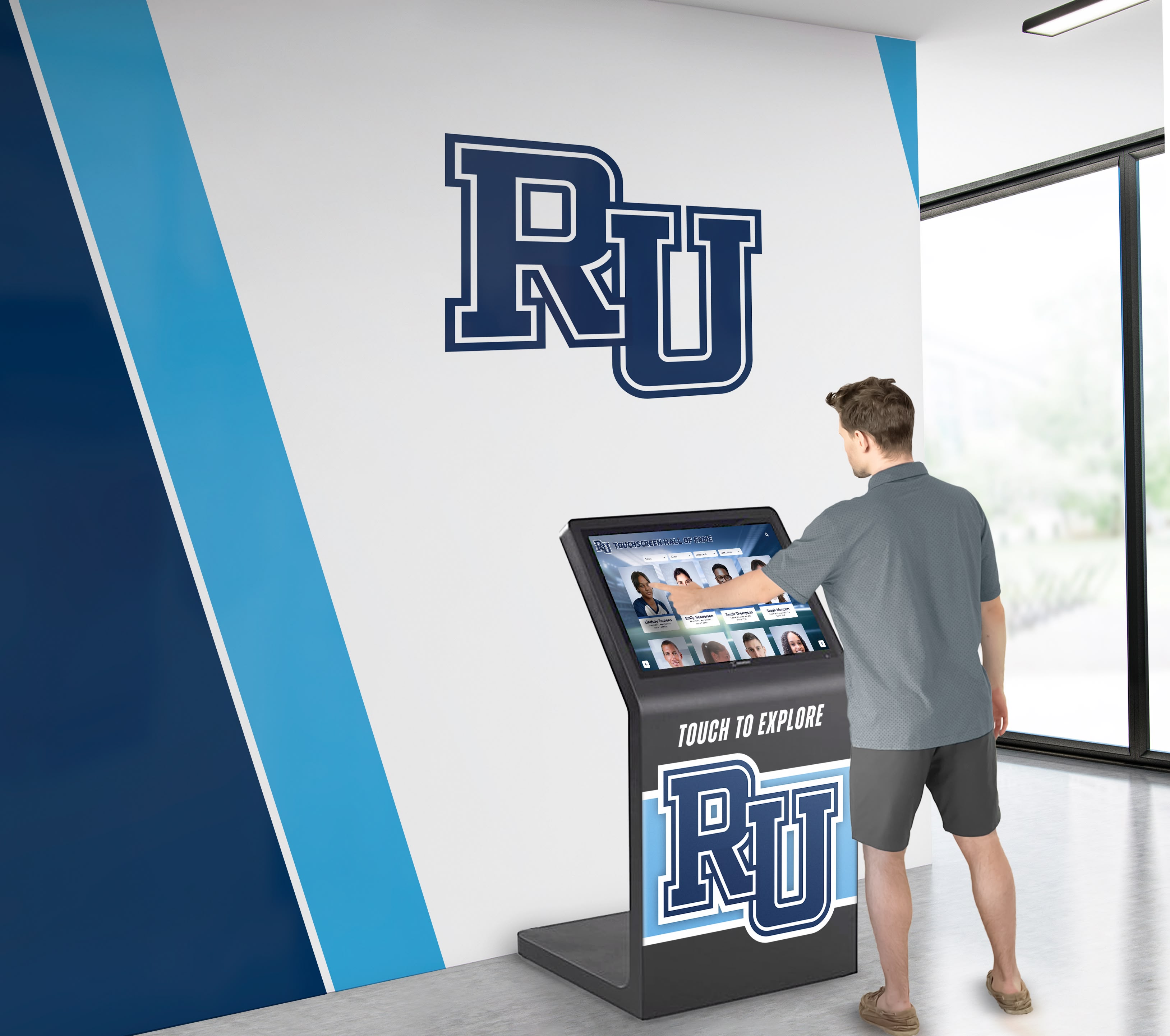
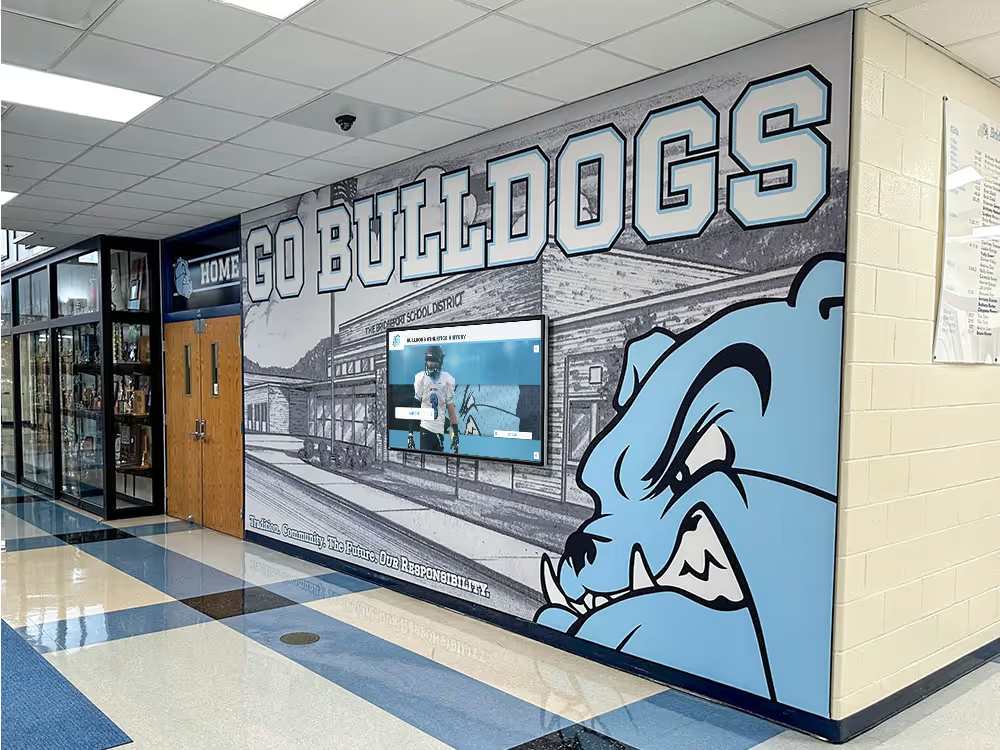
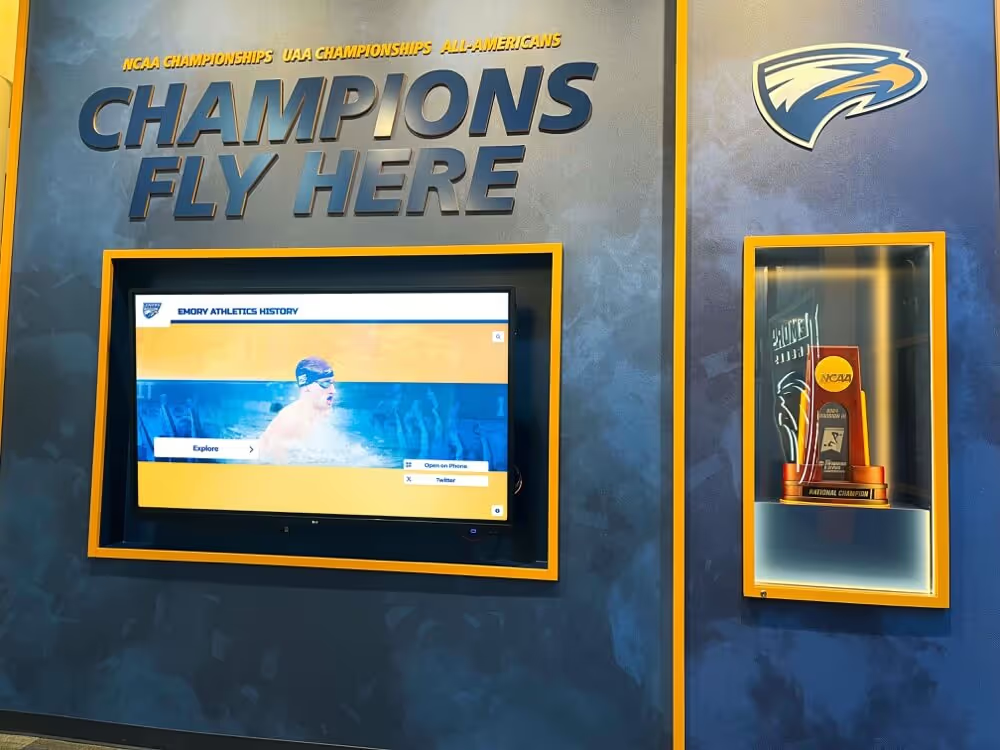
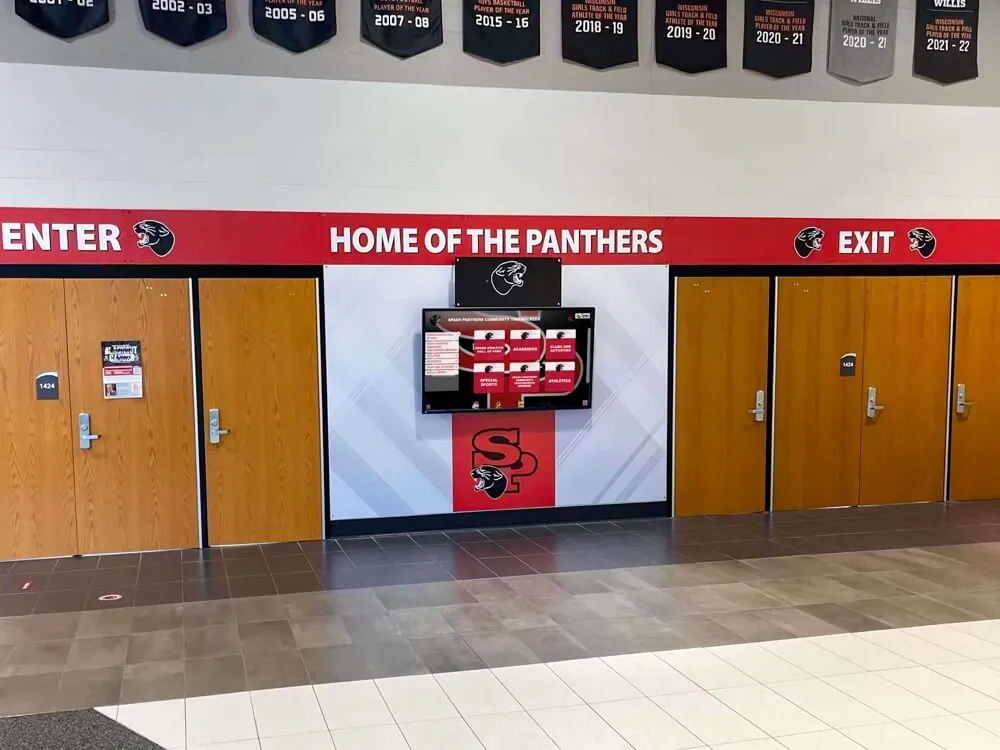
Strategic lobby placement ensures maximum visibility for visitors, prospective supporters, and community members
Implementing Digital Donor Recognition for Nonprofits
Successful implementation requires thoughtful planning addressing organizational contexts, technical requirements, and stakeholder expectations specific to nonprofit environments.
Planning Recognition Strategy and Scope
Clear objectives guide implementation decisions ensuring recognition systems align with organizational priorities and resource realities.
Defining Recognition Philosophy
Organizations should articulate recognition philosophies addressing fundamental questions about acknowledgment approaches:
- Will all donors receive individual recognition regardless of gift size, or do minimum thresholds apply?
- How will giving levels, recognition societies, and cumulative giving milestones be structured and displayed?
- What anonymous donor options will accommodate supporters preferring privacy while still acknowledging their participation?
- How will memorial and tribute gifts be acknowledged to honor both donors making gifts and individuals being remembered?
- Will recognition focus exclusively on financial donors, or will volunteer contributors and in-kind supporters receive parallel acknowledgment?
These philosophical decisions shape platform requirements and content strategies while communicating organizational values through recognition approaches. Inclusive philosophies celebrating all supporters regardless of capacity signal democratic values and collective impact emphasis, while hierarchical approaches highlighting major gifts communicate appreciation for exceptional generosity enabling ambitious program expansion.
Stakeholder Requirements Gathering
Development departments, program staff, communications teams, board members, and volunteers each have distinct perspectives on recognition needs and priorities. Involving stakeholders early through interviews, focus groups, or surveys ensures selected platforms accommodate diverse uses while establishing content governance preventing conflicts and maintaining quality standards.
Common stakeholder priorities nonprofits should address include:
- Development teams need efficient content management enabling timely donor acknowledgment without IT dependencies
- Program staff want recognition demonstrating how donor support enables specific mission activities and community impact
- Communications teams seek content supporting storytelling across newsletters, social media, and public relations
- Board members require confidence that recognition reflects organizational professionalism and mission alignment
- Volunteers contributing fundraising leadership want appropriate acknowledgment alongside financial donors
Success Metrics Definition
Establishing clear success indicators enables post-implementation assessment and ongoing optimization. Common metrics nonprofits track include:
- Donor retention rate improvements comparing periods before and after implementation
- Average donor lifetime value increases as retained supporters give over extended timeframes
- Digital display interaction analytics measuring engagement frequency, session duration, and return visitor rates
- Web platform traffic to donor recognition pages indicating reach beyond facility visitors
- Social sharing activity demonstrating content amplification through supporter networks
- Advancement office efficiency gains measured by time required for recognition updates
- Stakeholder satisfaction survey results from donors, staff, board members, and volunteers
Budget Development and Funding Sources
Realistic budget planning accounts for hardware purchases, software licensing, implementation services, training, content development, and ongoing support. Nonprofits should explore whether recognition systems themselves might attract donor funding through dedication opportunities or sponsorships from technology companies, professional service providers, or board members with capacity and interest in infrastructure investments that strengthen organizational sustainability.
Some organizations successfully position digital recognition platforms as fundable projects worthy of restricted campaign support. When donors understand that recognition investments improve retention thereby multiplying future giving impact, they often support infrastructure that enhances stewardship capacity. This approach enables organizations to upgrade recognition without diverting unrestricted operating funds from mission delivery.
Selecting Purpose-Built Recognition Platforms
Platform selection significantly impacts long-term satisfaction, with purpose-built recognition systems offering substantial advantages over generic alternatives.
Essential Features for Nonprofit Applications
Solutions like Rocket Alumni Solutions designed specifically for donor recognition provide capabilities generic digital signage cannot match:
- Unlimited donor capacity accommodating thousands of supporters without performance degradation or tiered pricing penalties
- Sophisticated searchability enabling name, location, giving society, campaign, and keyword discovery facilitating personal connections
- Individual donor profiles supporting biographical content, photos, videos, personal statements, and impact stories beyond simple listings
- Web accessibility extending recognition beyond physical touchscreens through responsive mobile-optimized platforms accessible globally
- ADA WCAG 2.1 AA compliance ensuring accessible experiences for all community members including those using assistive technologies
- Flexible content categorization accommodating multiple giving frameworks, recognition societies, and campaign structures simultaneously
- Automated fair rotation ensuring all donors receive featured visibility over time rather than permanent hierarchy based solely on giving amounts
- Social sharing integration enabling recognized donors to amplify organizational visibility through personal networks
Content Management Simplicity
Non-technical development staff require intuitive systems enabling confident updates without IT department dependencies. Evaluation should involve actual users testing content addition, profile editing, category management, and publishing workflows ensuring platforms match staff capabilities and time constraints.
Cloud-based management systems offered by solutions like Rocket Alumni Solutions enable remote updates from any internet-connected device, eliminating requirements for facility access to physical hardware while supporting staff working flexible schedules, remotely, or across multiple organizational locations.
Design Customization and Brand Integration
Recognition displays should reflect organizational brand identity through customizable color schemes, typography, logo integration, layout options, and visual elements. Generic templates that clash with existing visual identity create disconnected experiences undermining professional presentation and organizational coherence.
Platforms offering comprehensive design flexibility enable seamless brand integration while accommodating specific aesthetic preferences that distinguish organizations and communicate mission character. Some nonprofits prefer modern minimalist designs emphasizing clean simplicity, while others choose warmer traditional aesthetics reflecting historical character and community values. Quality platforms accommodate both approaches through flexible design systems.
Vendor Support and Partnership Quality
Implementation support, staff training, ongoing technical assistance, and responsive customer service significantly impact user experience and long-term satisfaction. Evaluating vendor support quality through reference calls with existing nonprofit customers provides valuable insights beyond marketing materials and sales presentations.
Questions to ask references include: How responsive is technical support when issues arise? How helpful was implementation assistance in developing content and launching successfully? How frequently does the platform receive updates and improvements? Does the vendor understand nonprofit contexts and constraints, or primarily serve corporate clients with different needs and resources?
Explore comprehensive touchscreen software evaluation criteria relevant to nonprofit recognition implementations.
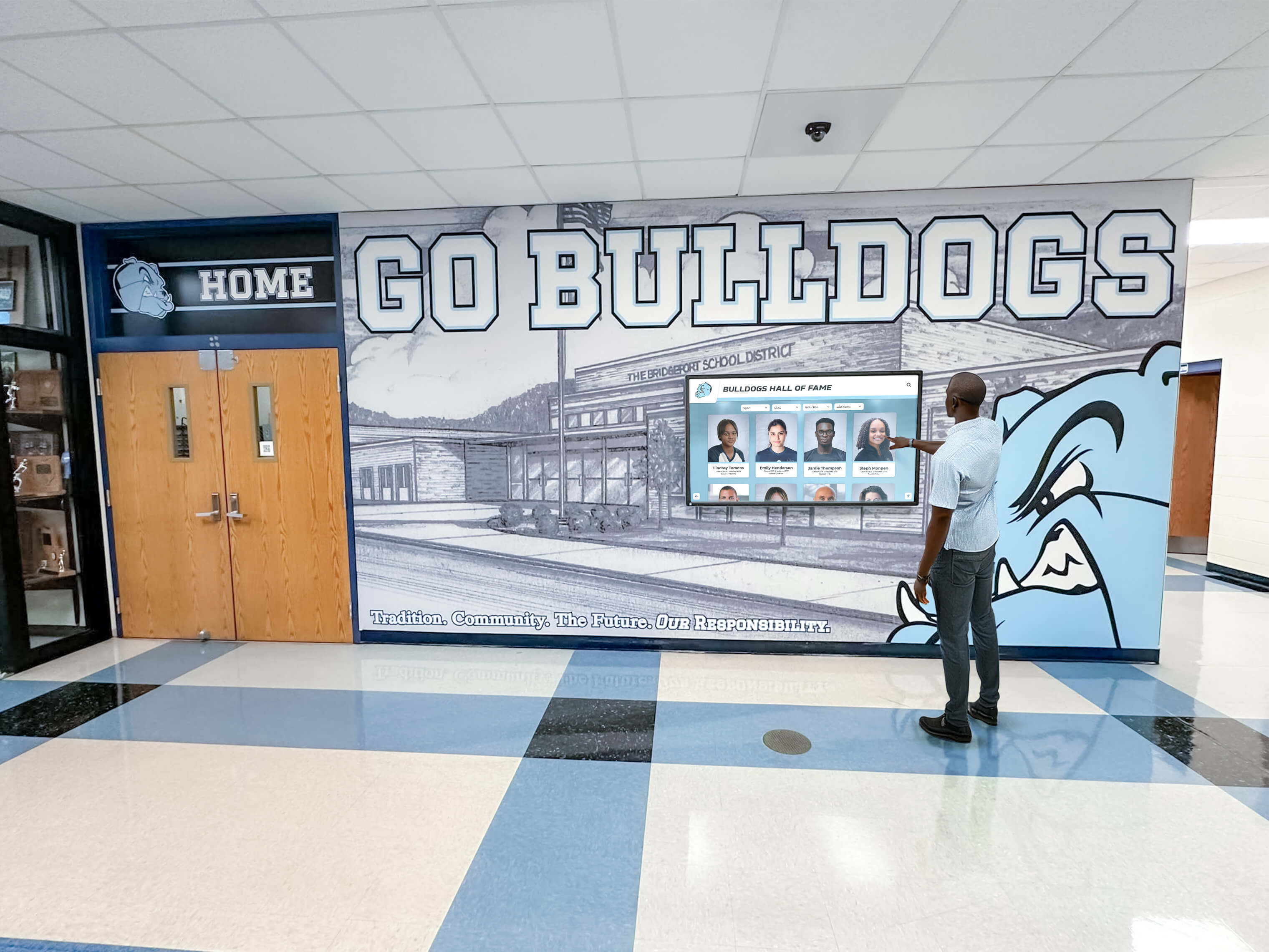
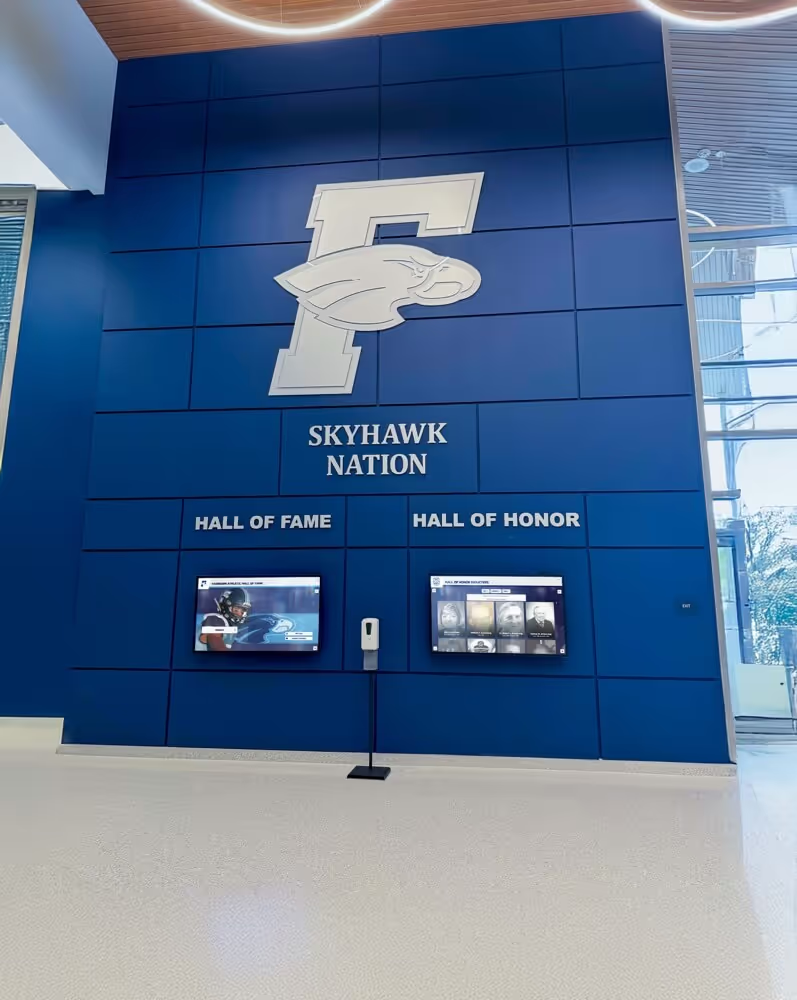
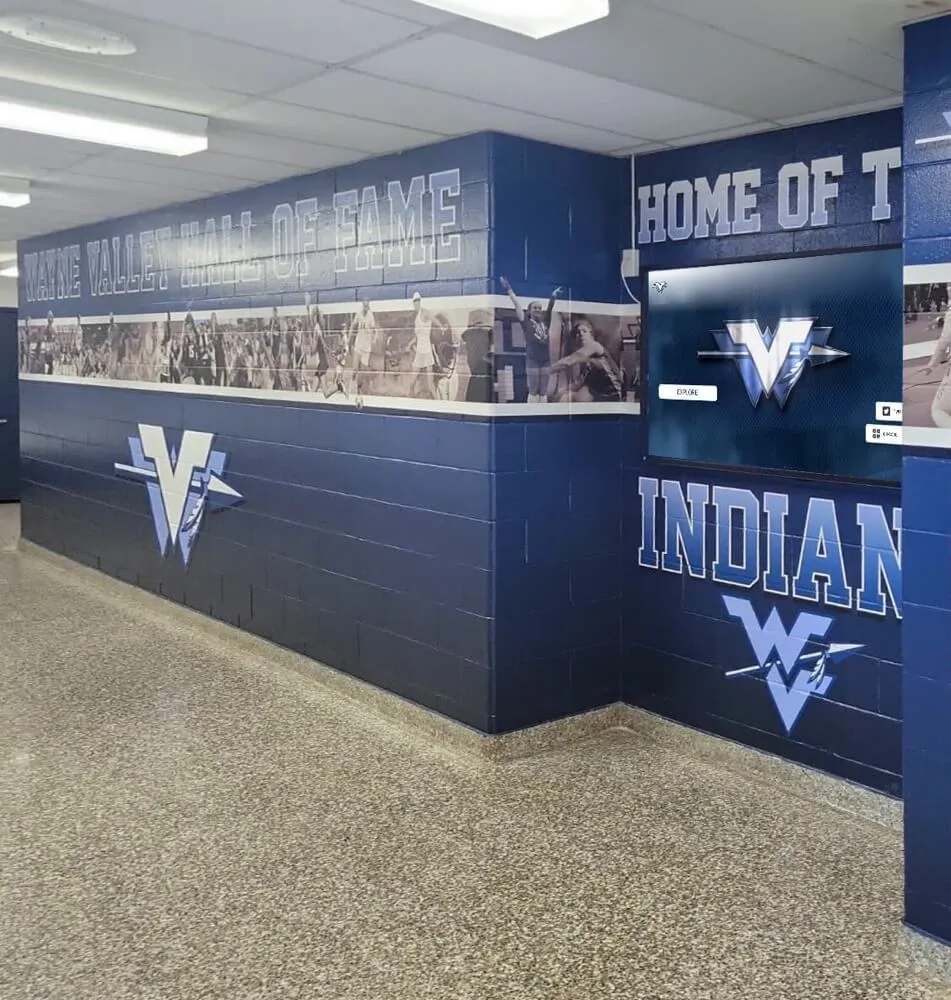
High-traffic hallway placements create natural engagement opportunities for diverse community members
Content Development for Nonprofit Recognition
Compelling content transforms basic acknowledgment into meaningful celebration that engages communities while motivating continued support.
Creating Engaging Donor Profiles
Thoughtful profile development honors individual generosity while creating content that inspires others through compelling examples.
Biographical Context and Personal Stories
Include relevant background information helping visitors understand donors’ connections to organizations and missions—how they discovered causes, what motivates their support, what personal experiences inform their commitment, and what they hope their contributions accomplish. This context transforms names into people while creating relatable stories prospective donors identify with.
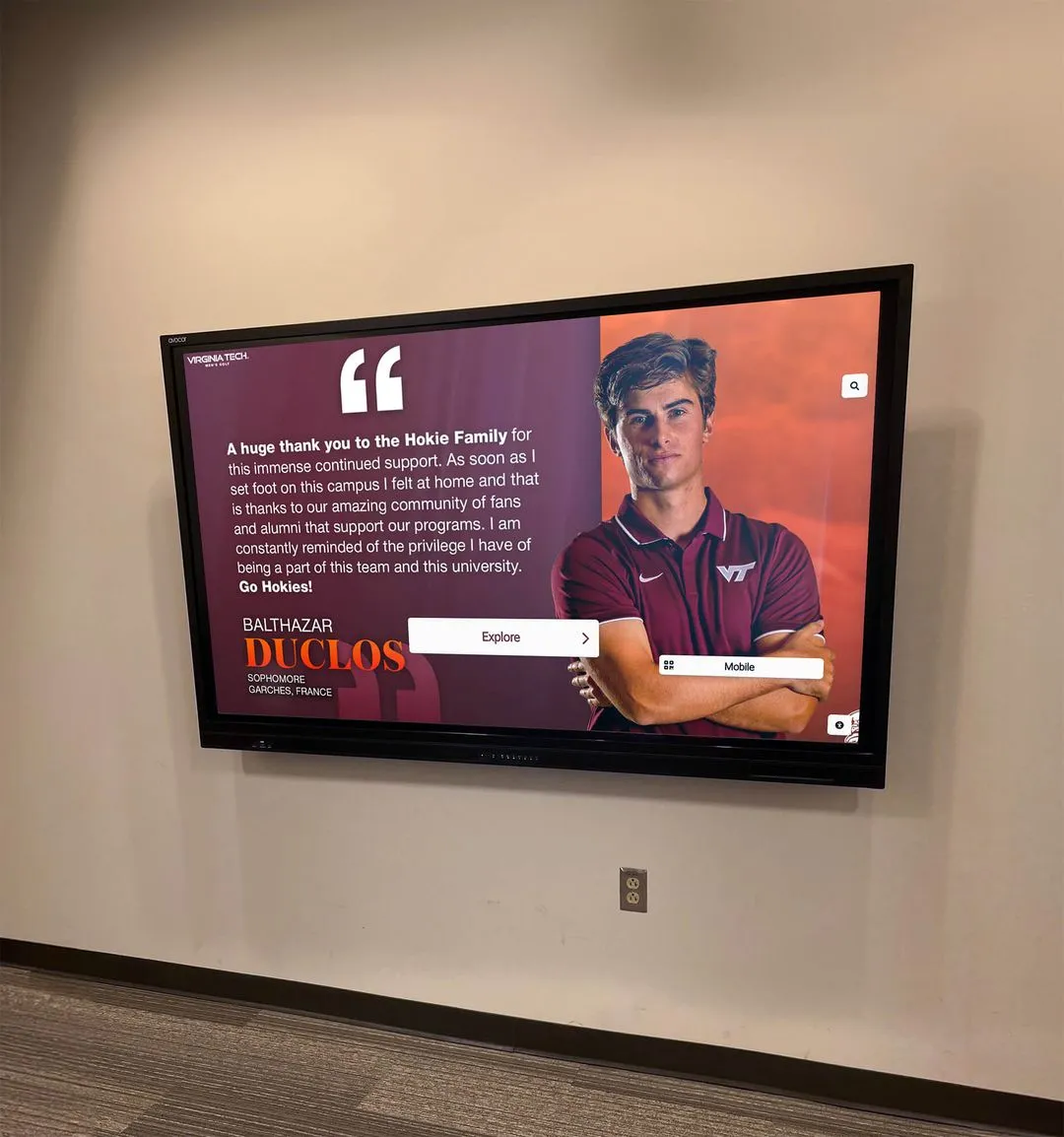
When possible, feature donors’ own words through brief quotes or longer statements explaining their giving motivations. These authentic testimonials provide powerful social proof while creating emotional connections that generic acknowledgment cannot achieve. Personal narratives humanize philanthropy, demonstrating that supporters give not from abstract altruism but concrete values, meaningful experiences, and genuine care about specific mission outcomes.
Impact Storytelling and Mission Connection
Connect individual gifts to tangible outcomes whenever possible—how scholarship funds enabled specific student success stories, how program support created community benefits, how facility improvements expanded service capacity, or how research funding generated breakthrough discoveries. This impact documentation reinforces donors’ decisions while demonstrating accountability essential for continued confidence and renewed support.
Impact storytelling should avoid generic claims while providing specific examples wherever possible. Rather than stating that “donor support funds our youth programs,” describe how “scholarship support from the Martinez family enabled fifteen young people from low-income households to participate in summer STEM camps where they discovered passions for science and engineering that shaped their educational pathways and career aspirations.”
Family Legacy and Multi-Generational Support
Highlight giving traditions spanning family generations when applicable. Recognition showcasing parents and adult children supporting causes together, or grandparents establishing giving patterns their descendants continue, creates powerful examples inspiring similar family traditions among current community members. These legacy stories demonstrate sustained commitment while positioning philanthropic families as role models worthy of admiration and emulation.
Some nonprofits create dedicated legacy family features highlighting multi-generational supporters with enhanced profiles including family photos, narrative histories describing evolving connections to organizations, and reflections from different generations about why they maintain commitment. These features prove particularly compelling during estate planning conversations and planned giving cultivation, as they normalize the concept of sustained family philanthropy across lifespans and generations.
Visual Content and Multimedia Elements
Include high-quality photos when donors consent—professional portraits, candid event photos, historical images, or mission-related visuals connecting donors to work they support. Visual content makes recognition more engaging while creating personal dimensions that pure text cannot achieve. Some organizations commission professional photography sessions for major donors, offering complimentary portrait services that provide recognition assets while demonstrating appreciation through tangible benefits.
Video testimonials, when available, create particularly compelling content that brings recognition to life through donors’ own voices sharing giving stories, mission passion, and community connections. While not every donor will participate in video interviews, those who do provide premium content supporting broader communications, social media, and fundraising appeals that extend value beyond recognition displays.
Explore approaches for developing compelling recognition content in donor spotlight program guides applicable to nonprofit contexts.
Organizing Recognition for Maximum Engagement
Strategic content organization makes donor communities accessible and inspiring to diverse audiences with varying interests and exploration preferences.
Multiple Navigation Pathways
Provide diverse ways to explore donor communities accommodating different visitor interests and discovery preferences:
- Alphabetical search for quickly finding specific individuals by name
- Giving society browsing enabling exploration by recognition level and contribution tier
- Campaign organization showcasing supporters of particular initiatives and funding priorities
- Geographic grouping helping visitors discover supporters from specific regions, cities, or neighborhoods
- Chronological views highlighting recent donors or historical supporters by time period
- Cause area categories connecting donors to specific mission programs and service areas they support
This navigation flexibility ensures that visitors with different interests—someone searching for a specific friend, someone curious about their geographic community’s participation, someone researching major donors for prospect development purposes—all find intuitive pathways to relevant content.
Featured Content Rotation and Spotlights
Implement automated rotation ensuring all donors receive featured prominence over time rather than permanent placement in generic lists. Monthly spotlight features highlighting donors’ personal stories, motivations, and connections create compelling content for newsletters, social media, and website updates while ensuring equitable visibility distribution across large recognition databases.
Rotation themes might include:
- Consecutive year milestones celebrating 5, 10, 15, or 20+ years of sustained annual giving
- Cumulative giving levels acknowledging lifetime contribution thresholds reached
- New donor welcomes introducing recent community members
- Anniversary recognitions marking significant years since first gifts
- Themed collections highlighting supporters sharing characteristics, interests, or connection types
Searchability and Discoverability Optimization
Implement robust search accommodating various ways visitors look for donors—full names, partial names, maiden names, nicknames, associated organizations, geographic locations, or employer affiliations. Effective search reduces frustration while enabling personal discovery that creates emotional connection to recognition and community.
Search optimization proves particularly important for nonprofits serving geographically distributed communities where visitors may not know exactly how donors’ names appear in databases or may remember only partial information. Fuzzy matching algorithms that return relevant results despite minor spelling variations, nickname usage, or incomplete queries significantly improve user experience and discovery success.
Measuring Recognition Impact and Return on Investment
Systematic assessment ensures recognition investments achieve intended goals while identifying optimization opportunities and justifying continued support.
Engagement Analytics and Usage Patterns
Digital platforms provide quantitative data unavailable with traditional recognition approaches, enabling evidence-based program evaluation.
Touchscreen Display Metrics
Physical display analytics reveal engagement patterns and content preferences:
- Total interactions and unique users measuring overall engagement volume and reach
- Session duration indicating content depth and genuine interest versus brief casual glances
- Return visitor frequency showing sustained engagement beyond initial curiosity
- Most-viewed profiles identifying which donor stories resonate most strongly with audiences
- Search term patterns revealing what visitors seek and how they explore recognition
- Navigation path analysis showing whether visitors primarily search for specific names, browse categories, or explore featured content
These metrics inform content optimization decisions. If analytics show that visitors primarily search for specific names rather than exploring featured content, organizations might enhance search capabilities and search result presentations. If session durations prove shorter than desired, content depth or visual interest might require enhancement.
Web Platform Analytics
Online recognition analytics extend measurement to digital audiences:
- Website traffic volume to recognition pages indicating reach beyond facility visitors
- Geographic distribution of visitors showing global access patterns and community dispersal
- Referral sources revealing how visitors discover recognition—direct links, social media, search engines, or organizational websites
- Device usage patterns informing mobile optimization priorities and responsive design requirements
- Social sharing activity measuring content amplification beyond institutional communication channels
- Time on page and bounce rates indicating content engagement quality
Advancement Outcome Correlations
While multiple variables affect fundraising outcomes making definitive causation claims impossible, tracking key advancement metrics alongside recognition implementations reveals directional relationships supporting investment decisions.
Donor Retention Rate Tracking
Compare retention rates across equivalent periods before and after recognition implementation. While recognizing that external factors including economic conditions, campaign timing, and organizational changes affect retention independent of recognition quality, consistent improvements following launches provide valuable evidence supporting recognition program value.
Organizations implementing comprehensive digital recognition commonly report 10-25 percentage point retention increases—for example, improving from 40% to 55% retention represents substantial progress directly impacting mission funding stability and donor lifetime value. Even modest retention improvements generate significant financial returns, as retaining donors costs dramatically less than acquiring new supporters.
Giving Level Progression Among Recognized Donors
Track whether recognized donors demonstrate increased giving over time compared to baseline patterns or control groups. Recognition’s psychological impact should manifest through giving growth as donors develop stronger organizational connections and community belonging motivating expanded generosity.
Some organizations segment analysis comparing giving progression among donors with enhanced recognition profiles versus those with basic name listings. While not randomized experiments providing causal proof, these comparisons offer insights about whether profile depth investments correlate with superior retention and upgrade outcomes.
Campaign Performance and Participation Rates
Monitor fundraising results during and following recognition implementations. While external factors influence campaign outcomes, recognition should contribute to positive performance through improved retention, increased average gifts, and expanded participation rates. Year-over-year improvements in donor counts, dollars raised, and participation percentages provide evidence that recognition investments support broader advancement effectiveness.
Qualitative Stakeholder Feedback
Systematic feedback collection from recognized donors reveals reception and impact through questions exploring:
- Recognition significance and emotional impact of acknowledgment
- Profile accuracy and appropriateness of content presentation
- Visibility perceptions and satisfaction with prominence
- Family and network reactions when recognition is shared
- Motivational impact on continued engagement intentions and future giving plans
- Suggestions for recognition enhancement or additional features desired
This qualitative feedback provides context and nuance beyond quantitative metrics, revealing what donors value most about recognition and where improvement opportunities exist.

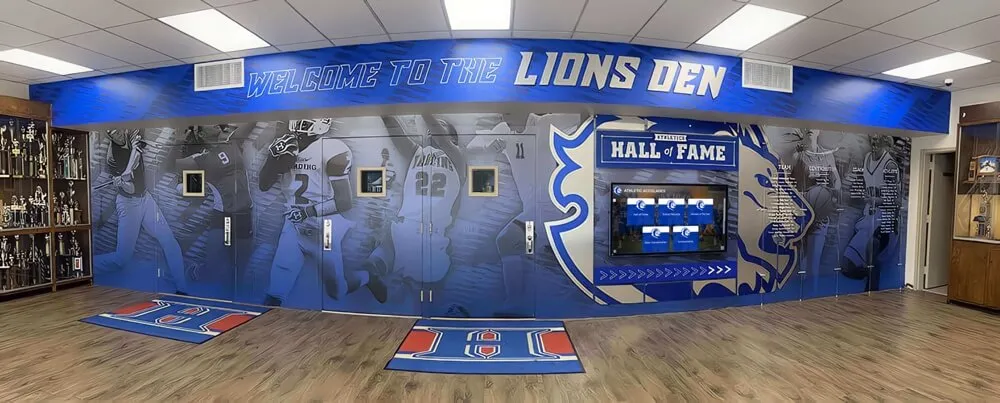
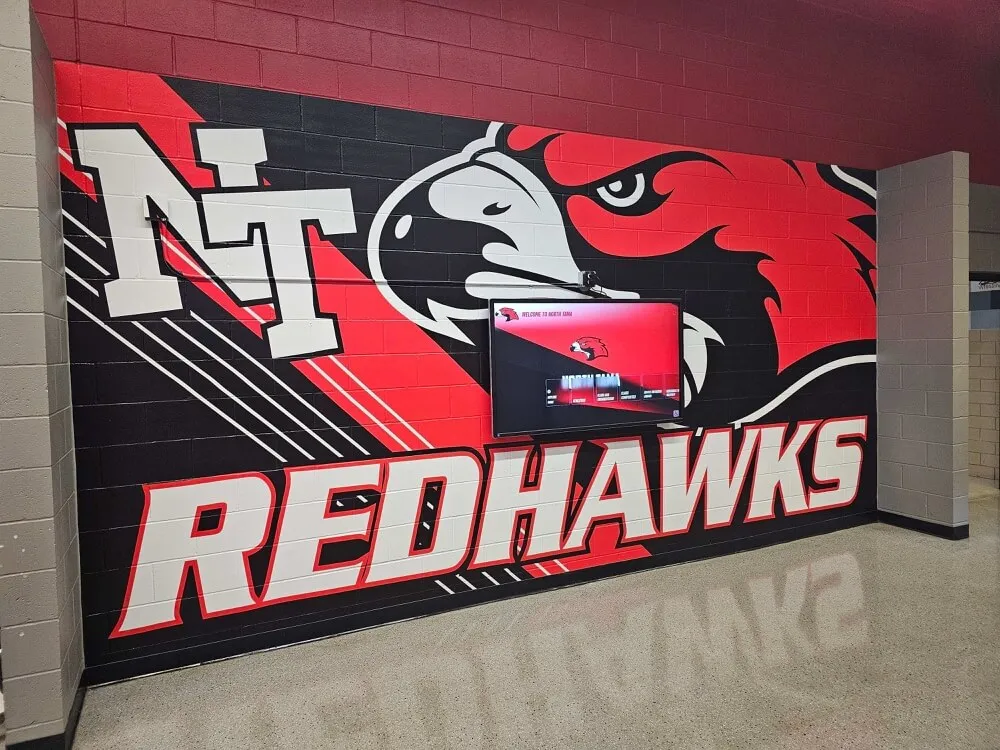
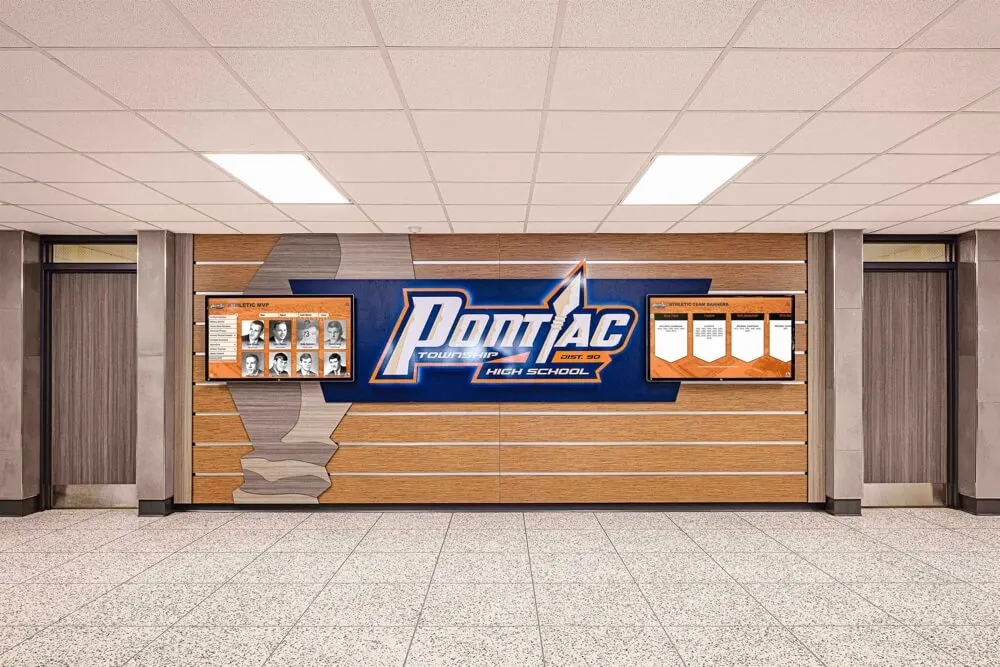
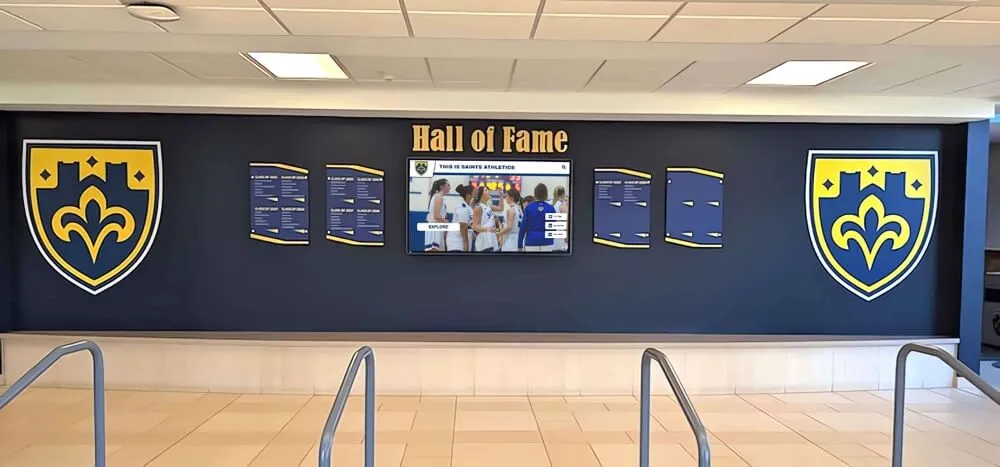
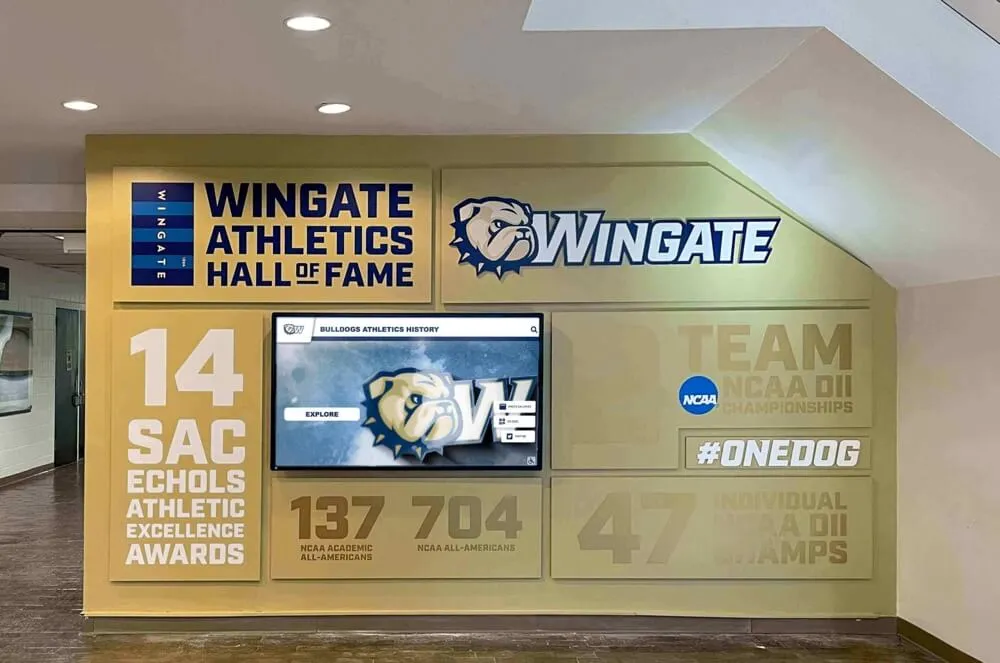
Professional installations integrate recognition technology with facility architecture and organizational branding
Nonprofit-Specific Recognition Strategies
Different nonprofit sectors benefit from tailored recognition approaches optimized for their unique contexts, missions, and supporter communities.
Healthcare and Medical Nonprofits
Healthcare organizations including hospitals, clinics, research institutes, and medical foundations implement recognition celebrating philanthropic support enabling care excellence and research advancement.
Patient and Family Donor Programs
Grateful patients and families who give back after receiving care represent crucial constituent groups deserving sensitive, meaningful recognition. Digital platforms enable these supporters to share personal care stories explaining giving motivations, creating powerful testimonials that inspire others while demonstrating medical excellence and compassionate care. These first-person narratives prove more compelling than institutional messaging, as they represent authentic lived experiences rather than promotional claims.
Research and Program Funding Recognition
Medical research supporters, program funders, and equipment donors receive recognition explaining what their gifts accomplish—breakthrough discoveries, specialized care programs, faculty recruitment, patient support services, or technological acquisitions. Impact storytelling transforms acknowledgment into mission communication reinforcing giving decisions while demonstrating accountability essential for continued confidence.
Memorial and Tribute Recognition Sensitivity
Healthcare giving frequently honors individuals through memorial or tribute donations. Digital recognition systems accommodate these dedications thoughtfully, acknowledging both donors making gifts and individuals being remembered through contributions. Some organizations create searchable memorial sections enabling families to locate tributes to loved ones, creating lasting legacies that maintain connections between organizations and bereaved families who may support missions over many years.
Educational Nonprofits and Scholarship Programs
Educational access organizations, scholarship foundations, and youth development programs implement recognition celebrating supporters enabling student opportunity and achievement.
Scholarship Donor and Student Impact Connection
Connect scholarship supporters directly to student outcomes their generosity enables. Digital platforms integrate student testimonials thanking donors who made attendance possible, recipient profiles showing what funding enables, and program information explaining how sustained scholarship support provides perpetual educational access for talented students regardless of family financial circumstances.
This visible connection between donor generosity and student success creates compelling impact evidence that reinforces giving decisions while inspiring others. When prospective scholarship supporters explore recognition discovering how transformative educational access proves for recipients, they develop confidence that contributions create meaningful lasting impact worthy of their support.
Alumni Giving and Reunion Recognition
Educational organizations benefit from recognition systems highlighting class giving participation, reunion campaign results, and lifetime contribution milestones. Class-based organization helps alumni find classmates, strengthening bonds while facilitating reunion planning and peer-to-peer giving initiatives that leverage social dynamics within cohort communities.
Explore effective approaches in alumni engagement and recognition programs that can inform educational nonprofit strategies.
Faith-Based and Religious Organizations
Houses of worship, faith-based service organizations, and religious nonprofits implement recognition celebrating congregational generosity and mission support.
Congregational Giving Recognition
Faith communities balance celebrating generosity with maintaining appropriate humility and avoiding unhealthy comparisons or status hierarchies based on financial capacity. Digital recognition enables thoughtful approaches acknowledging all contributors regardless of amounts while highlighting consistent commitment and sustained participation rather than raw dollar figures.
Some faith organizations emphasize recognition categories based on participation and consistency—honoring consecutive year streaks, monthly sustainer commitments, and service integration combining financial support with volunteer ministry—rather than dollar-based giving societies that might create uncomfortable wealth-based hierarchies within spiritual communities prioritizing other values.
Learn about thoughtful approaches in religious organization donor recognition that respect faith traditions while celebrating generosity.
Mission Program and Service Support
Recognition connects congregational support to specific ministry programs and service initiatives—youth programs, community outreach, global missions, facility improvements, or pastoral support. This connection demonstrates how collective generosity enables comprehensive mission work while helping supporters identify personally with ministry areas aligned with their passions and calling.
Arts and Cultural Organizations
Museums, theaters, symphonies, arts centers, and cultural institutions implement recognition celebrating patrons enabling artistic excellence and community cultural enrichment.
Patron and Season Subscriber Recognition
Arts organizations benefit from recognition systems acknowledging not just major donors but also season subscribers, repeat ticket buyers, and program participants whose consistent engagement sustains institutions financially while building audiences essential for artistic vitality. This inclusive recognition celebrates entire supporter ecosystems rather than only top-tier patrons, creating community connections that strengthen organizational resilience.
Artist and Exhibition Support
Connect patron support directly to artistic programs it enables—commissioned works, exhibition acquisitions, performance series, artist residencies, educational programs, or facility improvements. This visible connection between patronage and artistic output demonstrates impact while positioning donors as cultural champions enabling excellence that enriches entire communities.
Environmental and Conservation Organizations
Environmental nonprofits, land trusts, wildlife conservation groups, and sustainability organizations implement recognition celebrating supporters protecting natural resources and ecological health.
Conservation Impact Visualization
Connect donor support to specific conservation outcomes—acres preserved, species protected, habitat restored, pollution reduced, or communities educated. Digital platforms incorporate maps, photos, videos, and data visualizations that make environmental impact tangible and compelling. When supporters see exactly what their contributions accomplish—specific protected lands, documented wildlife population recoveries, measurable ecological improvements—abstract environmental advocacy becomes concrete achievement worthy of pride and continued support.
Memorial and Legacy Recognition Through Conservation
Environmental giving frequently honors individuals through memorial contributions supporting conservation causes they valued. Digital recognition systems enable these tributes to incorporate photos of protected lands, wildlife species, or natural areas connecting individuals to environmental legacies that endure across generations. This approach positions conservation support as meaningful ways to remember loved ones while perpetuating their environmental values.

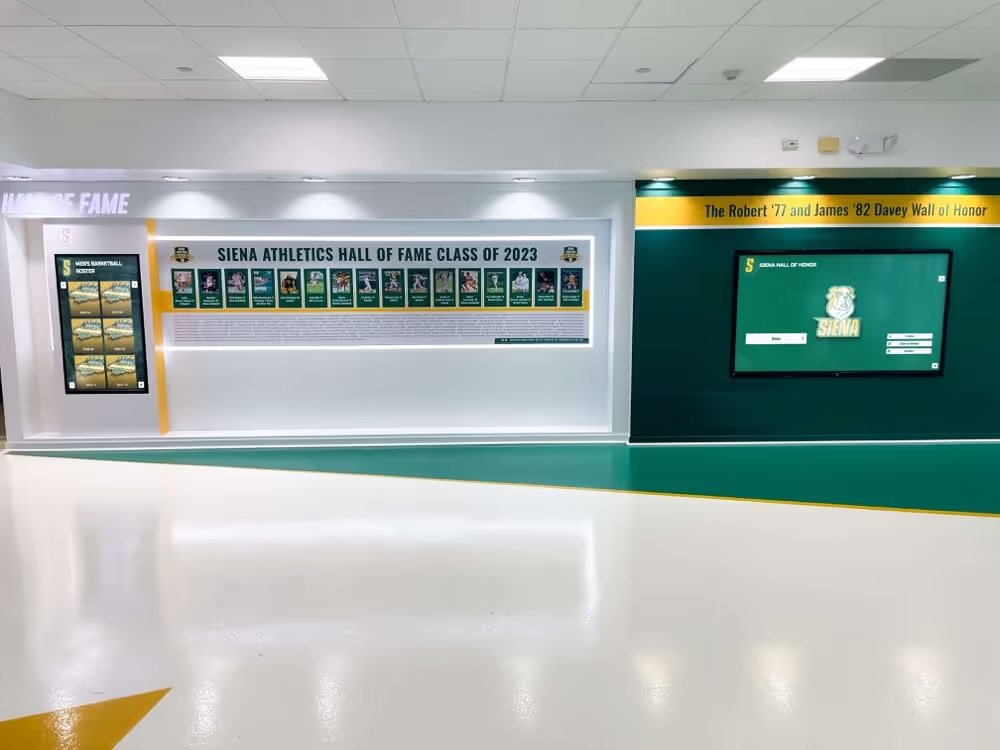
Integrated recognition displays combine physical environmental design with digital engagement for immersive experiences
Future Trends in Nonprofit Donor Recognition
Digital recognition continues evolving with emerging technologies and changing stakeholder expectations creating new opportunities for enhanced engagement.
Enhanced Personalization Through Technology
Advancing technologies enable increasingly personalized recognition experiences creating deeper engagement and more relevant content delivery.
Intelligent Visitor Recognition
Emerging systems recognizing individual visitors based on authenticated logins, interaction patterns, or mobile device connections can highlight personally relevant donors—professional colleagues, geographic neighbors, shared interest connections, or demographic peers. This contextual personalization makes recognition more relevant while demonstrating sophisticated communication that impresses visitors and creates memorable experiences.
Adaptive Content Presentation
Recognition displays adjusting content based on context maximize relevance—highlighting program-specific donors during related events, emphasizing research funding during scientific symposia, featuring memorial donors during commemorative observances, or showcasing youth program supporters during family events. This intelligent adaptation demonstrates organizational sophistication while ensuring recognition resonates with specific audiences.
Expanded Integration Ecosystems
Recognition platforms increasingly integrate with comprehensive advancement technology creating coordinated constituent experiences and operational efficiencies.
CRM and Database Synchronization
Direct integration with constituent relationship management systems enables seamless data synchronization eliminating duplicate entry while ensuring recognition accuracy. Automated workflows trigger recognition updates when gifts process, minimizing delay between contributions and public acknowledgment that reinforces giving decisions. This integration proves particularly valuable for nonprofits with limited development staff who cannot dedicate significant time to manual recognition updates across multiple systems.
Virtual Event Integration
As hybrid and virtual events become standard nonprofit practice, recognition platforms coordinate with event technology enabling real-time donor acknowledgment during livestreamed fundraisers, virtual galas, or online cultivation programs. Remote participants experience meaningful recognition that makes them feel included and valued despite physical distance from organizational facilities.
Sustainability and Values Alignment
Emerging recognition trends emphasize institutional values and environmental responsibility that resonate with donor priorities.
Environmentally Conscious Recognition
As sustainability becomes central to organizational identity and donor values, some nonprofits highlight environmental benefits of digital recognition replacing physical plaques requiring manufacturing, shipping, and eventual disposal. Recognition pages might feature organizational sustainability commitments that donor support advances, creating alignment between acknowledgment methods and mission values.
Accessibility and Inclusion Emphasis
Organizations increasingly prioritize recognition accessibility ensuring all community members can engage regardless of physical abilities, technological literacy, or language preferences. ADA WCAG 2.1 AA compliant platforms like Rocket Alumni Solutions ensure inclusive experiences while demonstrating values-driven decision making that resonates with supporters who prioritize accessibility and universal design.
Conclusion: Building Lifelong Supporter Communities
Nonprofit donor recognition represents far more than courtesy acknowledgment or professional obligation—it embodies strategic investment in relationship building that determines organizational sustainability and mission impact capacity. The transition from transactional thank-you notes and space-constrained plaques to comprehensive digital systems that celebrate all supporters creates fundamental shifts in how organizations cultivate communities and inspire sustained commitment.
The concept of digital warming describes what happens when cold impersonal recognition transforms into vibrant personalized experiences that draw supporters deeper into organizational life. When donors discover themselves prominently acknowledged among valued community members, when they explore compelling stories about fellow supporters who share their values and commitment, when they see their names celebrated not just momentarily but continuously throughout years—these interactions create warmth that strengthens bonds and motivates ongoing participation extending across lifespans and generations.
Organizations implementing digital donor recognition consistently report transformative outcomes including dramatically improved retention rates, increased donor lifetime value, enhanced fundraising effectiveness through social proof and visible community strength, operational efficiency gains from simplified recognition management, and expanded accessibility ensuring all supporters receive acknowledgment regardless of location or circumstances. These practical benefits justify recognition investments while demonstrating measurable returns supporting continued organizational support.
Beyond quantifiable outcomes, comprehensive recognition creates intangible but equally important benefits—organizational cultures prioritizing gratitude and relationship building, supporter communities characterized by pride and belonging, advancement teams empowered with effective tools enabling excellent stewardship, and missions strengthened by stable funding from committed champions who give year after year because they feel genuinely valued as essential community members.
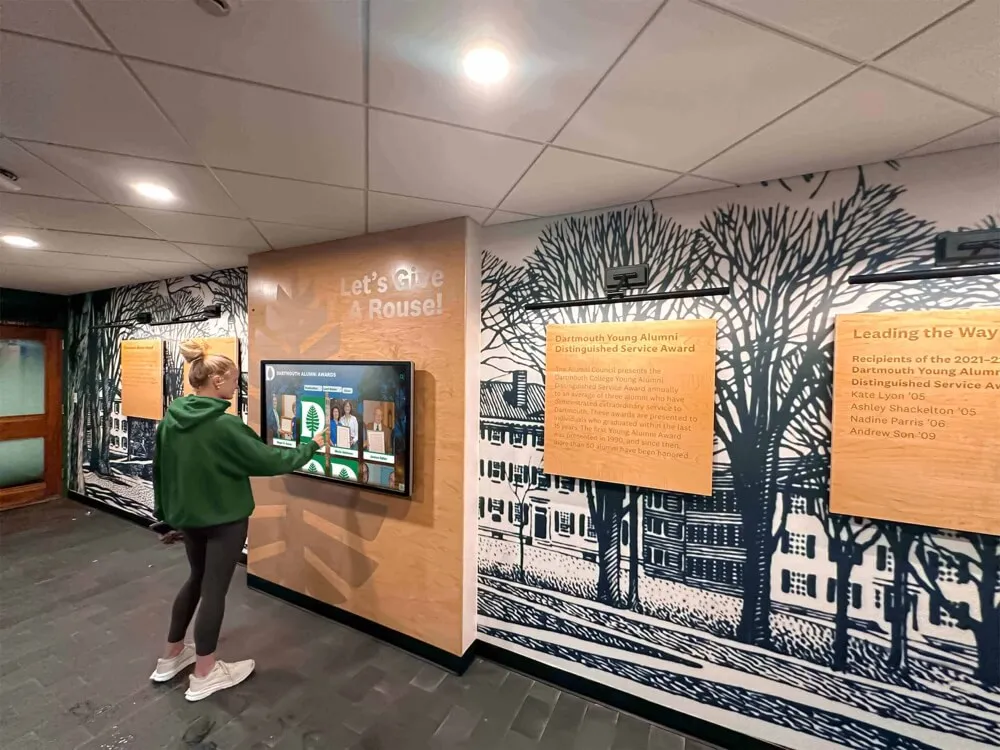
Recognition displays become community gathering points fostering pride, connection, and shared mission commitment
Successful implementation requires thoughtful planning addressing organizational contexts, careful platform selection prioritizing purpose-built recognition features over generic alternatives, systematic content development honoring supporters appropriately, and strategic integration with broader advancement and communication initiatives. Nonprofits following systematic approaches create recognition systems delivering value for decades while adapting to evolving technologies and community expectations.
The future of nonprofit donor recognition continues evolving with enhanced personalization through intelligent systems, deeper integration with comprehensive engagement platforms, and growing emphasis on values alignment around accessibility, sustainability, and inclusion. Organizations implementing digital recognition today position themselves to adopt these advances, ensuring recognition systems remain current, engaging, and aligned with supporter expectations as technologies and social norms progress.
Your donors and their transformational support deserve recognition that honors their significance while building vibrant engaged communities where supporters feel valued, connected, and motivated to maintain lifelong commitment to missions they care about deeply. Digital recognition platforms make this comprehensive celebration achievable, transforming fundraising moments into sustained relationships creating the digital warming essential for nonprofit vitality and long-term mission impact.
Ready to transform your nonprofit donor recognition approach? Explore how Rocket Alumni Solutions creates engaging recognition that celebrates supporters while building the kind of connected communities that sustain missions across generations.
Disclaimer: This content was produced by Rocket Alumni Solutions to demonstrate how purpose-built digital recognition technology supports nonprofit advancement goals and community engagement. Product capabilities mentioned reflect publicly available information as of December 2025 and may evolve over time.