



Every October, more than 1.3 million high school juniors sit for the PSAT/NMSQT—and while many view it simply as SAT practice, this single test administration launches the most prestigious academic recognition program available to American high school students: the National Merit Scholarship Program. Yet surprisingly, many eligible students and their families remain unaware of qualification requirements, scholarship opportunities, and the substantial college admissions advantages National Merit recognition provides.
The National Merit Scholarship Program, established in 1955 and administered by the National Merit Scholarship Corporation, identifies approximately 50,000 high-performing students annually based exclusively on PSAT/NMSQT performance. From this initial recognition pool, approximately 16,000 students ultimately receive Finalist designation, and about 7,500 earn actual Merit Scholarship awards worth $2,500 to full-tuition packages—creating pathways to college affordability while signaling exceptional academic capability to selective institutions nationwide.
For students who qualify, National Merit recognition opens doors throughout college admissions processes—from significant scholarship opportunities at universities specifically recruiting Merit Scholars to enhanced consideration at elite institutions where Finalist designation validates extraordinary academic preparation. For schools, celebrating National Merit Scholars creates opportunities to showcase academic excellence while building cultures where intellectual achievement receives visibility inspiring sustained community-wide aspiration.
This comprehensive guide explains everything students, families, and educators need to know about the National Merit Scholarship Program—from specific PSAT qualification requirements and state-by-state Selection Index cutoffs to strategic preparation approaches, scholarship benefits, college recruitment advantages, and how schools effectively celebrate National Merit Scholars through recognition programs that inspire excellence throughout their communities.

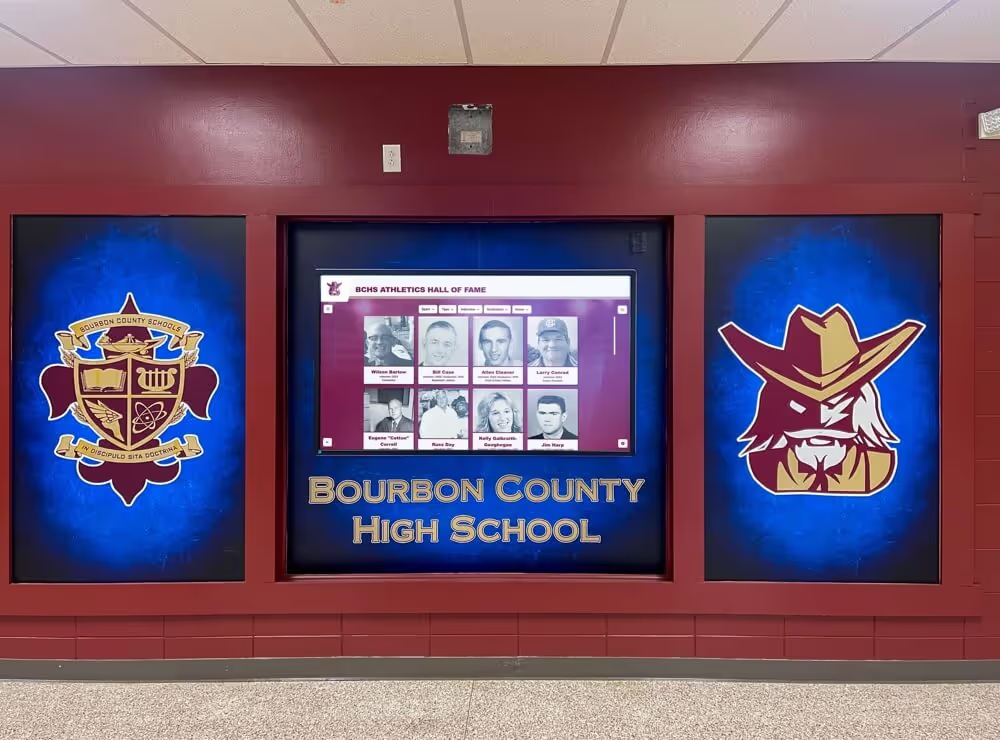
Prominent academic recognition displays communicate institutional commitment to celebrating intellectual achievement including National Merit Scholar distinction
Understanding the National Merit Scholarship Program
Before exploring qualification strategies and scholarship opportunities, understanding the program’s structure, timeline, and significance provides essential context for students and families navigating this competitive recognition opportunity.
Program Overview and Historical Significance
The National Merit Scholarship Program emerged in 1955 from the Ford Foundation and National Merit Scholarship Corporation’s vision to identify and celebrate academic excellence while connecting high-achieving students with scholarship resources making college accessible regardless of financial circumstances.
Mission and Institutional Purpose
NMSP serves multiple interconnected objectives across the educational landscape:
- Academic Excellence Identification: Systematically recognizes students demonstrating exceptional intellectual capability measured through standardized assessment, providing objective benchmarks transcending individual school grading practices and curriculum variations
- Scholarship Access: Distributes millions in scholarship funding annually from the National Merit Scholarship Corporation, participating universities, and corporate sponsors—reducing financial barriers to higher education for high-achieving students
- College Connection: Creates recruitment pipelines connecting recognized students with selective institutions actively seeking academically talented applicants to enhance campus intellectual communities
- Achievement Validation: Provides prestigious third-party credential students cite throughout college applications, scholarship essays, and even early professional development—objective validation of capability from respected independent organization
This multi-layered approach addresses both immediate college access challenges and longer-term goals of supporting academic talent development regardless of socioeconomic circumstances, following principles established over seven decades of program operation.
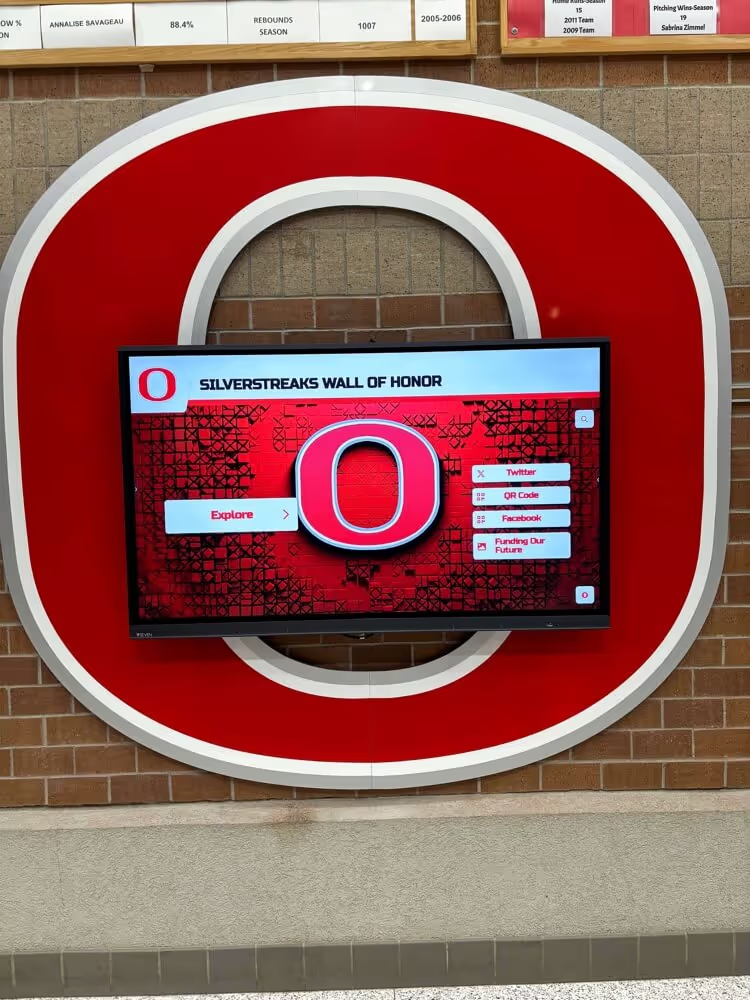
Interactive recognition displays allow students, families, and visitors to explore diverse academic achievements including National Merit recognition
Program Scale and National Reach
Understanding program scope helps contextualize qualification competitiveness:
- Annual Participation: Approximately 1.3 million juniors take PSAT/NMSQT as qualifying examination
- Commended Students: Roughly 34,000 students (top 3-4%) receive Commended Scholar recognition acknowledging exceptional performance without advancing to Semifinalist consideration
- Semifinalists: About 16,000 students (top 1%) receive Semifinalist designation based on state-specific Selection Index cutoff scores
- Finalists: Approximately 15,000 Semifinalists (94% of Semifinalist pool) advance to Finalist status after completing detailed applications demonstrating sustained academic excellence
- Merit Scholarship Winners: Around 7,500 Finalists ultimately receive actual scholarship awards—2,500 $2,500 National Merit Scholarships, 1,000 corporate-sponsored scholarships, and 4,000 college-sponsored scholarships
This competitive funnel means National Merit Semifinalist designation places students in the top 1% of test-takers nationally, while Finalist recognition confirms sustained excellence beyond single test performance—genuine academic distinction carrying weight throughout college admissions.
Four Recognition Categories Explained
The National Merit program includes multiple recognition levels creating progressive achievement tiers:
1. National Merit Commended Students
Approximately 34,000 students scoring below state Semifinalist cutoffs but demonstrating exceptional performance receive Commended Scholar recognition. While Commended Students don’t advance toward Merit Scholarships through the National Merit Corporation pathway, this distinction still carries value:
- Official recognition letter from National Merit Scholarship Corporation suitable for college applications
- Credential demonstrating performance in approximately top 3-4% nationally among PSAT test-takers
- Some colleges offer specific scholarships or admission consideration for Commended Scholars
- Validation of strong academic capability supporting scholarship applications beyond NMSP
Commended recognition acknowledges genuine achievement while clarifying that students didn’t reach their specific state’s Semifinalist threshold—an important distinction given significant variation in state cutoff scores.
2. National Merit Semifinalists
The top 1% of test-takers within each state receive Semifinalist designation based on state-specific Selection Index cutoffs. State-by-state allocation ensures geographic diversity—meaning students compete against peers within their own states rather than nationally, creating varying difficulty thresholds depending on state academic competitiveness.
Semifinalist recognition provides:
- Prestigious credential recognized by colleges nationwide as indicator of extraordinary academic capability
- Opportunity to compete for Finalist designation and scholarship awards by completing detailed application process
- Enhanced college recruitment with many institutions specifically targeting Semifinalists during admission outreach
- State-level distinction often celebrated by schools, local media, and communities through specific recognition programs
Semifinalist announcement typically occurs in September of senior year, creating immediate visibility for college applications beginning that fall while launching the detailed application process required for Finalist consideration.

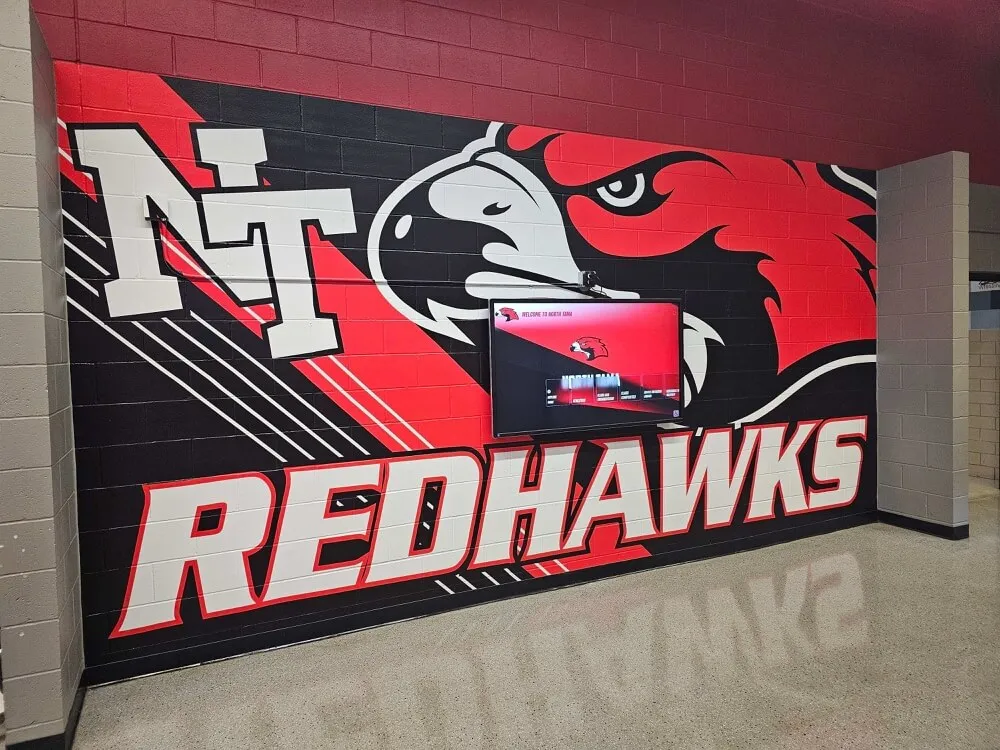
Strategic hallway placements ensure academic recognition programs remain visible throughout daily school life, inspiring sustained achievement motivation
3. National Merit Finalists
Approximately 15,000 Semifinalists (94% of Semifinalist pool) advance to Finalist designation after completing comprehensive applications demonstrating:
- Detailed academic record with strong GPA typically 3.5+ throughout high school
- Confirming SAT score validating PSAT performance wasn’t statistical anomaly
- Essay submission discussing academic interests, goals, and extracurricular engagement
- School endorsement from principal or counselor confirming information accuracy and character
- Strong disciplinary record without significant behavioral issues affecting candidacy
Finalist designation represents the program’s highest tier before scholarship award announcements. While not all Finalists receive Merit Scholarships from the National Merit Corporation (only about half do), Finalist recognition alone opens substantial scholarship opportunities from universities specifically recruiting National Merit Finalists through generous institutional awards often exceeding NMSC scholarships significantly.
4. National Merit Scholarship Winners
Three scholarship types comprise the actual Merit Scholarship awards:
- National Merit $2,500 Scholarships: One-time $2,500 awards to approximately 2,500 Finalists selected by NMSC based on comprehensive application review—highest recognition tier within NMSP
- Corporate-Sponsored Scholarships: Awards funded by approximately 160 corporations and business organizations providing either one-time or renewable scholarships to Finalists meeting specific criteria (employee children, geographic locations, career interests, etc.)
- College-Sponsored Scholarships: Renewable scholarships from approximately 170 colleges and universities recruiting National Merit Finalists—often the most generous awards ranging from $500 annually to full-tuition packages worth $100,000+ over four years
Understanding these scholarship categories proves crucial for strategic college planning—while NMSC-awarded scholarships are competitive, many Finalists receive more substantial awards from colleges specifically recruiting Merit Scholars, making institutional selection critically important for maximizing scholarship benefits.
Schools implementing comprehensive recognition programs celebrating diverse student achievement understand that honoring national distinctions like National Merit within school-level recognition systems creates cultures valuing multiple excellence forms across student populations.
Program Timeline: Junior Year Through Senior Spring
Understanding key dates enables strategic planning maximizing recognition benefits:
October Junior Year: PSAT/NMSQT Administration
- Single qualifying test administration—only junior-year October PSAT counts toward National Merit consideration
- Students must take test at their own high schools (homeschoolers coordinate with local schools)
- No makeup tests or alternative qualifying assessments except accommodated administrations for students with disabilities
January Junior Year: Score Release
- PSAT scores become available online and through school counselors
- Selection Index (SI) score ranging 48-228 determines qualification—calculated by doubling sum of Reading, Writing/Language, and Math section scores
- Students can estimate qualification likelihood by comparing SI scores to previous years’ published state cutoffs
September Senior Year: Recognition Notifications Begin
- Commended Students receive recognition letters acknowledging performance
- Semifinalists receive notification through schools—approximately 16,000 students nationally
- Semifinalist announcement generates significant publicity as schools and communities celebrate distinction
September-October Senior Year: Finalist Application Period
- Semifinalists complete detailed online application including academic records, essay, and extracurricular information
- SAT score submission validating PSAT performance (typically require 1400+ SAT)
- Principal/counselor endorsement and recommendation submission
- Application deadline typically early October of senior year
February Senior Year: Finalist Announcement
- Approximately 15,000 Finalists receive designation announcement
- Finalist certificate suitable for framing and credential inclusion throughout applications
- Public announcement enabling schools to celebrate achievement and students to update college applications already submitted
March-June Senior Year: Scholarship Award Notifications
- National Merit $2,500 Scholarship winners announced March
- Corporate-sponsored award recipients notified March-June depending on sponsor organization
- College-sponsored awards announced March-June as students commit to specific institutions
This extended timeline means National Merit recognition develops across nearly two full years from initial PSAT administration through final scholarship notifications—requiring sustained engagement and attention throughout junior and senior years rather than representing single isolated achievement moment.

Accessible recognition technology enables students to explore achievements and discover peer role models demonstrating academic excellence attainability
PSAT Qualification Requirements and Strategy
Success in the National Merit program begins with understanding PSAT structure, scoring, and state-specific qualification thresholds determining Semifinalist designation.
Understanding the PSAT/NMSQT Assessment
The Preliminary SAT/National Merit Scholarship Qualifying Test serves dual purposes as SAT practice and National Merit qualifying examination:
Test Structure and Content
PSAT/NMSQT mirrors SAT format but with shorter duration and simpler content:
- Reading Section: 60 minutes, 47 questions testing reading comprehension across literary passages, historical documents, social science texts, and scientific articles
- Writing and Language Section: 35 minutes, 44 questions assessing grammar, usage, rhetoric, and expression across informational passages
- Math Section: 70 minutes total (25 minutes without calculator, 45 minutes with calculator), 48 questions testing algebra, problem-solving, data analysis, and advanced math topics through Algebra II
Total test duration approximately 2 hours 45 minutes—significantly shorter than SAT’s 3-hour format while testing similar but slightly less advanced content enabling sophomore practice administrations before high-stakes junior year.
Scoring System and Selection Index Calculation
PSAT uses 160-760 scale for each of two section scores (Evidence-Based Reading and Writing, Math) creating composite scores ranging 320-1520. However, National Merit qualification relies exclusively on Selection Index rather than composite scores:
Selection Index Formula: (Reading Score + Writing Score + Math Score) × 2 = Selection Index ranging 48-228
This calculation gives equal weight to Reading, Writing, and Math performance—meaning students can’t compensate for weak math with exceptional verbal or vice versa as effectively as in traditional composite scoring. Balanced performance across all three component scores proves essential for maximizing Selection Index rather than pursuing extreme strength in single area while accepting relative weakness elsewhere.
State-by-State Semifinalist Cutoff Scores
National Merit allocates Semifinalist designations proportionally by state enrollment—meaning students compete against peers within their own states rather than nationally. This state-by-state approach creates significant cutoff variation:
Understanding Cutoff Score Ranges
Recent years’ Semifinalist cutoffs demonstrate substantial state variation:
- Highest Cutoff States: Massachusetts, Maryland, New Jersey, California, and District of Columbia typically require Selection Index scores 221-224 (approximately 1480-1500 SAT equivalent)
- Moderate Cutoff States: Most states fall within 214-220 range (approximately 1420-1480 SAT equivalent)
- Lower Cutoff States: States like Wyoming, West Virginia, Mississippi, North Dakota, and Montana may have cutoffs around 209-212 (approximately 1380-1420 SAT equivalent)
This variation means identical PSAT performance qualifies students for Semifinalist in some states while falling short in others—students in highly competitive states face significantly higher qualification bars than peers in states with lower cutoffs. However, all Semifinalists regardless of state cutoff receive equal recognition, and Finalist selection evaluates complete applications rather than simply advancement based on test scores.
Why State Cutoffs Vary
Several factors influence state-specific thresholds:
- State population and number of test-takers determine Semifinalist allocation
- Regional academic competitiveness and test preparation access affect score distributions
- Concentration of college-preparatory schools and academically-focused communities influences performance patterns
- State education policy and curriculum differences create varying academic preparation levels
Students cannot change states to improve qualification chances—National Merit uses state of school attendance rather than residency, meaning moving addresses doesn’t help unless students actually transfer schools and establish enrollment in new states before junior year PSAT administration.

Prominent recognition displays throughout school facilities ensure national achievements receive visibility inspiring peer aspiration
Estimating Your Qualification Chances
Students can assess qualification likelihood by:
- Researching previous years’ published state cutoffs (NMSC publishes national distribution, various websites compile state-specific data)
- Taking official College Board practice PSAT tests calculating Selection Index scores
- Comparing practice SI scores to recent years’ state cutoffs understanding that cutoffs fluctuate 1-3 points annually
- Recognizing that scores near cutoffs create uncertainty—students within 2-3 points of cutoffs have unpredictable outcomes depending on annual variation
Conservative planning assumes cutoffs may rise 1-2 points from previous year rather than betting on stability or decreases—better to overprepare and comfortably exceed thresholds than narrowly miss qualification due to modest cutoff increases.
Strategic PSAT Preparation Approaches
While the PSAT tests academic content learned throughout middle and early high school, strategic preparation significantly improves performance:
Content Mastery Focus Areas
Prioritize skills most heavily tested and learnable through focused study:
- Algebra Fundamentals: Linear equations, systems, quadratic expressions, and functions represent largest math content category—master these thoroughly before advancing to geometry and trigonometry topics
- Reading Comprehension Strategies: Practice identifying main ideas, author’s purpose, textual evidence, and inference questions using official College Board materials matching actual test style
- Grammar and Usage Rules: Systematic study of punctuation, sentence structure, parallelism, and rhetorical skills produces measurable score improvements in Writing section
- Math Problem-Solving Speed: Practice working efficiently under time constraints—PSAT math sections require pace management preventing getting stuck on difficult questions
Students weak in specific areas should address those gaps systematically through focused practice rather than diffuse general studying—targeted remediation of algebra weaknesses produces better returns than random practice covering all topics equally.
Effective Practice Test Strategies
Official College Board practice materials provide most valuable preparation:
- Take full-length practice tests under realistic timed conditions—Saturday morning timing matching actual test day administration
- Review incorrect answers thoroughly understanding why right answers are correct rather than simply noting mistakes
- Track performance across question types identifying persistent weaknesses requiring additional study focus
- Build toward test date by completing practice tests every 2-3 weeks throughout spring and summer before junior fall administration
- Calculate Selection Index scores from practice tests rather than focusing exclusively on composite scores—Selection Index determines qualification
Many students benefit from test preparation courses or tutoring, particularly those from schools with limited test prep resources or those needing structured study approaches maintaining consistent preparation discipline.
Schools implementing comprehensive student recognition systems understand that celebrating national achievements alongside school-level accomplishments creates cultures where students aspire toward excellence across multiple dimensions.
Preparation Timeline Recommendations
Strategic students begin PSAT preparation well before junior year October administration:
Freshman/Sophomore Years: Take PSAT 8/9 or PSAT 10 for diagnostic baseline understanding strengths and weaknesses without high-stakes pressure—use these administrations to identify content gaps requiring remediation before junior year
Spring Sophomore Year: Begin systematic content review addressing identified weaknesses through Khan Academy (official free College Board partner), test prep books, courses, or tutoring depending on family resources and student learning preferences
Summer Before Junior Year: Complete multiple full-length official practice tests establishing baseline performance and building test-taking stamina—crucial preparation period without competing school demands
September Junior Year: Final intensive review weeks before October administration focusing on remaining weak areas while avoiding burnout through excessive cramming
October Junior Year: Test day—arrive rested, confident, and prepared to perform your best on this single high-stakes administration determining National Merit qualification
This extended preparation timeline contrasts with students who view PSAT as casual SAT practice requiring no specific preparation—treating PSAT as important standalone opportunity rather than simple preliminary assessment dramatically improves qualification chances.

Prominent lobby installations create welcoming environments celebrating diverse achievements including national recognition programs
From Semifinalist to Finalist: The Application Process
Semifinalist designation represents major achievement, but advancing to Finalist status requires completing detailed application demonstrating sustained excellence beyond single test performance.
Finalist Application Components
The online application portal requires comprehensive information submission:
Academic Record Documentation
Students must provide complete transcript information including:
- Course-by-course grades from freshman year through junior year
- Cumulative GPA typically requiring 3.5+ for competitive Finalist consideration
- Rigor demonstration through Advanced Placement, International Baccalaureate, honors courses, or dual enrollment showing challenging curriculum pursuit
- Explanation of any grade irregularities, academic setbacks, or unusual circumstances affecting performance
Strong academic records validate that PSAT performance reflects sustained intellectual capability rather than exceptional single-day performance disconnected from consistent classroom achievement. Students with GPA below 3.5 or significant grade inconsistencies face uncertain Finalist prospects unless compelling circumstances explain performance patterns.
Essay Submission
Students write essay (approximately 500-600 words) discussing:
- Academic interests, intellectual curiosity, and subjects generating genuine engagement
- Educational goals including potential college major interests and career aspirations
- Significant extracurricular activities demonstrating leadership, commitment, or achievement
- Personal characteristics, values, or experiences shaping educational journey
The essay provides opportunity to demonstrate personality, passion, and depth beyond numeric credentials while enabling National Merit reviewers to assess communication skills, intellectual engagement, and personal qualities distinguishing exceptional students within high-achieving Semifinalist pool. Strong essays show authentic voice discussing genuine interests rather than formulaic achievement listings or obviously calculated strategic positioning.
SAT Score Confirmation
Students must submit SAT scores confirming PSAT performance wasn’t statistical fluke:
- Minimum SAT scores vary but typically require approximately 1400+ (some sources suggest 1450+ for security)
- SAT confirms PSAT performance represented genuine capability rather than lucky day or statistical outlier
- Students should take SAT by November/December senior year ensuring scores arrive before application deadline
- Superscore policies—check whether National Merit accepts highest section scores across multiple SAT dates or requires single administration
SAT confirmation represents crucial validation component—exceptional PSAT performance without comparable SAT confirmation may raise questions affecting Finalist consideration despite strong applications otherwise.

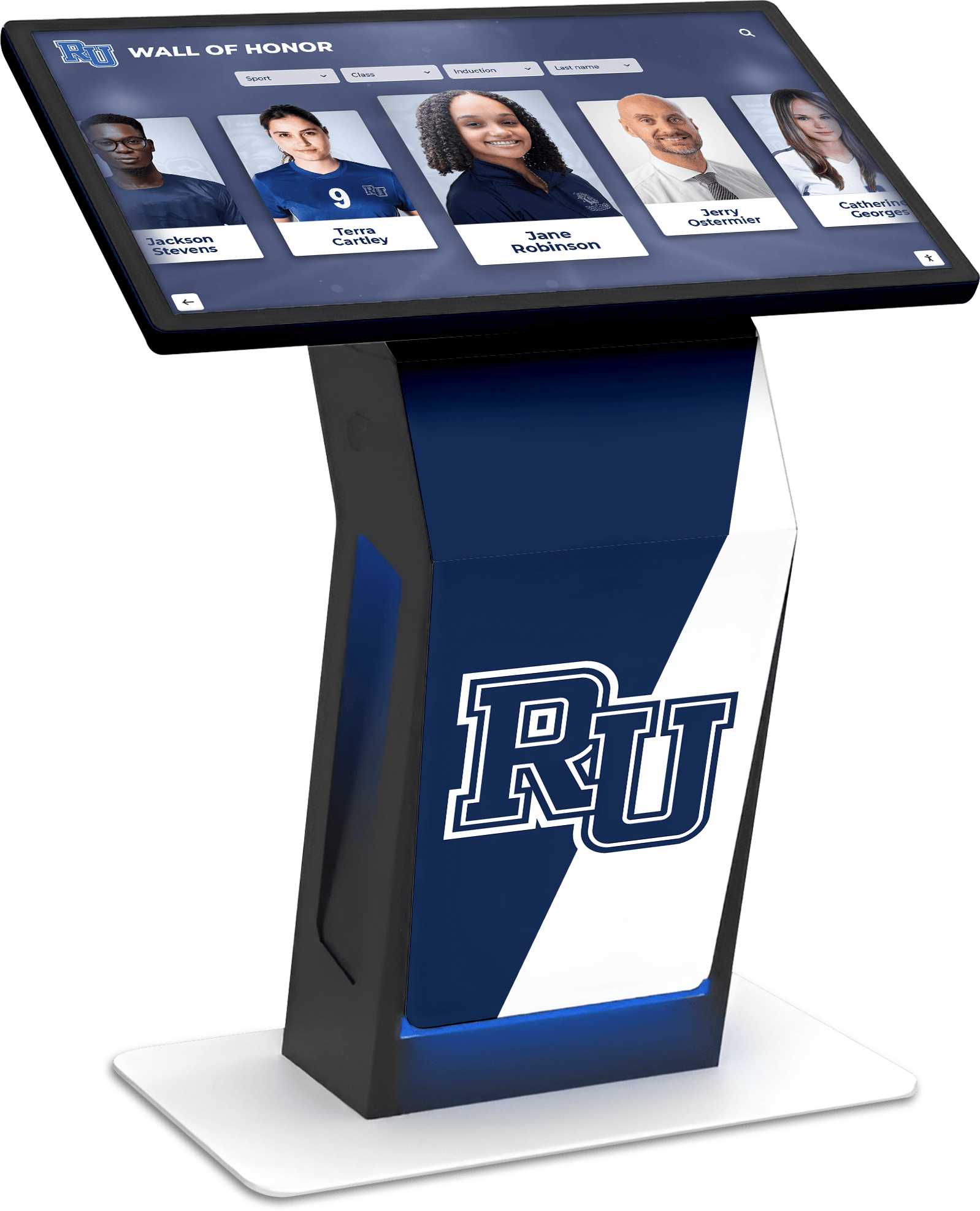
Intuitive touchscreen interfaces enable detailed exploration of individual achievement profiles including national recognition details
School Endorsement and Principal Recommendation
School officials must submit endorsement including:
- Confirmation that submitted application information is accurate
- Assessment of student’s character, citizenship, and school community contributions
- Discussion of disciplinary record addressing any behavioral concerns or incidents
- Evaluation of student’s intellectual engagement, academic seriousness, and classroom contributions
Principal/counselor endorsement represents crucial validation that students deserving recognition not just for test scores but for complete personal qualities including character, responsibility, and positive school citizenship. Significant disciplinary issues—serious academic integrity violations, behavioral problems, or character concerns—may affect Finalist advancement regardless of academic credentials.
Finalist Selection Rate and Advancement Factors
Approximately 94% of Semifinalists advance to Finalist designation—high advancement rate suggesting most Semifinalists who complete applications thoughtfully and maintain strong academic standing achieve Finalist status. However, roughly 1,000 Semifinalists don’t advance, typically due to:
- Incomplete application submission missing deadlines or required components
- GPA below typical 3.5+ Finalist threshold or significant academic performance concerns
- SAT scores substantially below PSAT performance raising validation concerns
- Disciplinary issues or character concerns flagged in school endorsement
- Application quality concerns suggesting lack of intellectual engagement or personal qualities
Students meeting basic requirements—strong GPA throughout high school, confirming SAT score, thoughtful complete application, positive school endorsement—typically advance to Finalist status. The relatively high advancement rate means Semifinalist recognition itself carries substantial weight even before Finalist announcement, as most Semifinalists ultimately achieve Finalist designation.
Scholarship Opportunities and Financial Benefits
National Merit recognition opens doors to substantial scholarship funding from multiple sources—understanding these opportunities enables strategic college selection maximizing financial benefits.
National Merit Corporation Scholarships
The National Merit Scholarship Corporation directly awards approximately 7,500 scholarships in three categories:
National Merit $2,500 Scholarships
These one-time awards go to approximately 2,500 Finalists selected based on comprehensive application review:
- $2,500 single payment toward freshman year college expenses
- Selection considers academic achievement, PSAT/SAT scores, essay quality, extracurricular engagement, and school recommendations
- Awarded to students regardless of college choice—portable to any accredited institution
- Prestigious recognition as National Merit Scholarship Winner representing program’s highest designation
- Announcement March of senior year enabling students to celebrate achievement and update college applications
While $2,500 represents modest funding compared to total college costs, the recognition prestige carries value throughout applications and often triggers additional institutional awards from colleges proud to enroll National Merit Scholarship Winners.
Corporate-Sponsored Merit Scholarships
Approximately 160 corporations fund scholarships for Finalists meeting specific criteria:
- Award amounts typically $2,000-$10,000 total, either one-time or renewable across multiple years
- Eligibility often requires specific connections—employee children, geographic residence, career interest alignment, or demographic characteristics
- Students indicate potential corporate sponsor eligibility during Finalist application
- Organizations include major employers, professional associations, and industry foundations across diverse sectors
- Awards often renewable contingent on maintaining academic standing and enrollment in relevant majors
Corporate scholarships provide substantial funding while connecting students with organizations offering future internship, mentoring, or employment opportunities aligned with career interests—benefits extending beyond immediate financial value.

Impressive lobby installations create immediate achievement visibility for all campus visitors celebrating diverse student excellence
College-Sponsored Merit Scholarships
This category represents largest total scholarship funding—approximately 170 institutions sponsor renewable awards for Finalists designating them as first choice:
- Award amounts vary dramatically—from $500-$2,000 annually at some schools to full-tuition packages worth $100,000+ over four years at others
- Most generous awards typically come from public universities and regional private institutions actively recruiting National Merit Scholars
- Highly selective private institutions (Ivy League, elite liberal arts colleges) generally don’t offer college-sponsored Merit Scholarships as they don’t participate in National Merit program
- Students must designate sponsoring college as first choice by specific deadline (typically March-May senior year)
- Only one NMSC scholarship type permitted—students can’t combine National Merit $2,500 award with college-sponsored award, must choose more valuable option
Universities With Generous National Merit Scholarships
Many colleges offer spectacular scholarship packages specifically recruiting National Merit Finalists—understanding these opportunities enables strategic college selection:
Full-Tuition and Full-Ride Programs
Several institutions provide comprehensive financial support for National Merit Finalists:
- University of Alabama: Full-tuition scholarship plus housing stipend, one-time technology allowance, and additional benefits—total package worth approximately $100,000+ over four years
- University of Oklahoma: National Merit packages ranging from full-tuition to comprehensive packages including housing, stipends, and research opportunities
- University of Central Florida: Full cost of attendance for in-state students, substantial packages for out-of-state Finalists
- Arizona State University: Full-tuition scholarships plus additional benefits for National Merit Finalists
- University of Kentucky: Comprehensive packages including tuition, housing, and stipends
These generous institutional awards often significantly exceed the National Merit Corporation’s $2,500 scholarships—making college choice critically important for maximizing financial benefits of Finalist designation.
Strategic College Selection Considerations
Students should research National Merit policies at colleges they’re considering:
- Which institutions offer college-sponsored Merit Scholarships and award amounts
- Whether scholarships are automatic for all Finalists designating the school as first choice or competitive selection
- Renewal requirements including GPA thresholds, enrollment status, and major restrictions
- Additional benefits beyond tuition—housing, meal plans, study abroad support, research funding
- Stacking policies determining whether institutional Merit Scholarships combine with need-based aid or other merit awards
Many families discover that National Merit Finalist designation makes public universities or regional private colleges financially competitive with or superior to highly selective institutions offering need-based aid alone—even for families qualifying for substantial need-based support, Merit Scholarships can reduce expected family contribution or loan burdens.
Schools exploring comprehensive donor recognition and fundraising programs understand that celebrating student achievement creates communities inspiring continued excellence worth recognizing and supporting.
Beyond NMSC: Additional Scholarship Competitiveness
Even Finalists who don’t receive NMSC scholarships benefit from recognition throughout scholarship application processes:
Enhanced General Scholarship Applications
National Merit distinction strengthens competitiveness for:
- Private foundation scholarships valuing academic excellence
- University departmental scholarships within specific majors or colleges
- Local community organization awards celebrating hometown students
- Professional association scholarships for students pursuing related fields
- Essay contest scholarships where academic credentials support application competitiveness
The prestige and rarity of National Merit recognition—particularly Semifinalist and Finalist designations representing top 1% nationally—provides credential distinguishing applications within competitive scholarship pools where hundreds of qualified candidates compete for limited awards.
College Admissions Advantages
Beyond direct scholarship benefits, National Merit recognition enhances college applications:
- Validation of academic capability from respected independent organization
- Demonstration of standardized test excellence predicting college success
- Credential particularly valued by public universities with merit-based admission standards
- Enhanced consideration for competitive honors programs, specialized majors, and research opportunities
- Recruitment interest from admissions offices specifically targeting high-achieving students
While National Merit recognition doesn’t guarantee admission to highly selective institutions practicing holistic review, it certainly strengthens applications—particularly when combined with strong GPA, rigorous coursework, and compelling extracurricular engagement demonstrating complete candidate profiles.

Purpose-built academic recognition displays ensure intellectual achievements receive prominence inspiring school-wide excellence aspiration
How Schools Celebrate National Merit Scholars
Educational institutions play crucial roles ensuring recognized students receive appropriate celebration while inspiring future students toward similar achievement.
Public Announcement and Recognition Strategies
Schools should implement systematic approaches ensuring National Merit recognition receives appropriate visibility:
Semifinalist Recognition (September Senior Year)
When Semifinalist notifications arrive:
- Morning announcements publicly acknowledging all Semifinalists by name
- Press releases to local media celebrating school’s Semifinalist count and individual achievements
- Social media campaigns featuring Semifinalist portraits and brief biographical information
- School newsletter highlights sharing recognition with family communities
- Website homepage features celebrating current year’s Semifinalists prominently
- Personal congratulations letters from principals or superintendents
- Display updates adding current Semifinalists to ongoing recognition systems
Semifinalist announcement generates substantial community interest—schools with multiple Semifinalists demonstrate strong academic programs attracting college-preparatory families, while even schools with single Semifinalists celebrate exceptional individual achievement.
Finalist Recognition (February Senior Year)
Finalist announcement deserves equal celebration:
- Updated announcements clarifying which Semifinalists advanced to Finalist designation
- Certificate presentations during school assemblies or academic recognition ceremonies
- Formal photography for yearbook, promotional materials, and permanent records
- Transcript notation ensuring Finalist designation appears officially in college application materials
- College counselor notification enabling updated application submission to institutions
- Display updates reflecting Finalist advancement
Finalist recognition occurs during peak college admission decision period—timely announcement enables students to update applications already submitted while celebrating sustained excellence validation through comprehensive application review beyond initial test scores.

Comprehensive recognition installations integrate multiple achievement types including National Merit creating cohesive excellence celebration
Recognition Ceremonies and Community Events
Schools can create memorable experiences celebrating National Merit achievement:
Academic Recognition Assemblies
Incorporate National Merit acknowledgment into broader academic celebration events:
- Formal certificate presentations attended by families, administrators, and school communities
- Program features explaining National Merit program significance and competitive qualification process
- Student speaker opportunities enabling Semifinalists/Finalists to share academic journeys
- Photo opportunities creating memories families treasure and content for school communications
- Recognition alongside other academic honors—valedictorian, salutatorian, departmental awards, honor societies
Well-designed ceremonies communicate institutional values honoring intellectual achievement comparable to athletic championships—creating balanced school cultures celebrating diverse excellence forms.
Community Partner Recognition Events
National Merit celebration extends beyond campus:
- School board meeting presentations acknowledging achievements during public sessions
- Chamber of Commerce or civic organization recognition celebrating community educational success
- Local scholarship foundation events where National Merit Scholars receive additional local awards
- College fair participation where recognized students serve as ambassadors demonstrating school quality
- Alumni association engagement connecting current Merit Scholars with alumni who achieved similar recognition
Community-wide celebration demonstrates educational excellence while building support for school programs and resources enabling continued academic achievement across student populations.
Schools exploring comprehensive cultural recognition programs understand that celebrating diverse achievement creates inclusive cultures where all students feel valued.
Digital Recognition Display Systems
Modern schools increasingly implement sophisticated recognition technology celebrating National Merit Scholars alongside other achievements:
Interactive Touchscreen Displays
Solutions like Rocket Alumni Solutions enable schools to create engaging recognition installations featuring:
- Searchable Databases: Comprehensive systems enabling students, families, and visitors to explore National Merit Scholars alongside other academic honors through intuitive interfaces
- Individual Profiles: Detailed pages for each Scholar including photos, academic achievements, college destinations, scholarship awards, and biographical information
- Historical Archives: Multi-year recognition documentation preserving institutional traditions showing decades of National Merit achievement
- Achievement Integration: Seamless inclusion of National Merit recognition within broader systems celebrating honor roll, valedictorians, departmental awards, and honor society memberships
These interactive recognition displays provide year-round visibility rather than momentary ceremony acknowledgment—creating sustained inspiration throughout school communities.
Web-Based Recognition Extensions
Digital recognition should extend beyond physical campus installations:
- Online achievement galleries accessible to alumni, extended families, and prospective students worldwide
- Mobile-responsive design ensuring recognition remains accessible across smartphones and tablets
- Social sharing integration enabling recognized students to celebrate achievements throughout personal networks
- Search engine optimization ensuring prospective families researching schools discover strong academic traditions
This digital warming approach—where cold achievement lists transform into warm, engaging community experiences—creates cultures inspiring broader student populations toward excellence while demonstrating institutional commitment to celebrating diverse achievement.

Integrated systems combining digital displays with architectural elements create comprehensive recognition environments celebrating achievement history
Strategic Display Placement
Recognition visibility depends significantly on installation location:
- Main Entrances: Lobby installations ensure every visitor immediately encounters achievement celebration
- Counseling Offices: Displays near guidance areas provide inspiration during college planning
- Library and Academic Buildings: Placement in study areas reinforces intellectual achievement value
- Admissions Tour Routes: Strategic positioning ensures prospective families see academic excellence traditions
Thoughtful placement transforms recognition from isolated acknowledgment into pervasive cultural element shaping school identity and student aspirations throughout daily experiences.
Common Questions About National Merit Recognition
Addressing frequent confusion ensures students and families understand qualification requirements and strategic opportunities.
Eligibility and Qualification Concerns
“Can sophomores qualify for National Merit?”
No—only PSAT/NMSQT taken during junior year October counts toward National Merit qualification. Sophomore PSAT 10 administration, while valuable for practice and baseline assessment, doesn’t qualify students regardless of scores achieved. Students must wait until junior year October for qualifying test administration.
“What if I miss the PSAT due to illness?”
Students missing the October PSAT/NMSQT administration due to illness, emergency, or school closure have extremely limited options. National Merit offers alternate testing dates only in rare documented circumstances—students should contact their school counselors immediately if missing the test to explore whether alternate administration possibilities exist. Generally, missing the PSAT means forfeiting National Merit opportunity that year.
“Can homeschoolers participate in National Merit?”
Yes—homeschool students must coordinate with local high schools to take PSAT/NMSQT during the regular October administration. Contact nearby schools early (by September) explaining homeschool status and requesting permission to test at their location. Schools typically accommodate homeschool students, though some may charge testing fees. Homeschool students follow identical qualification processes as traditionally-schooled students after establishing PSAT registration.

Accessible displays throughout school buildings ensure recognition remains constantly visible inspiring daily student engagement
Score and Performance Questions
“What Selection Index score do I need to qualify?”
Qualification depends on your state’s specific Semifinalist cutoff, which varies significantly and changes slightly year-to-year. Research recent years’ published cutoffs for your state to estimate whether your Selection Index score likely qualifies. Generally:
- Scores below 210 rarely qualify except in lowest-cutoff states
- Scores 210-215 qualify in approximately one-third of states with lower cutoffs
- Scores 215-220 qualify in most moderate-cutoff states
- Scores above 220 comfortably qualify in nearly all states including highest-cutoff regions
Conservative planning assumes your state’s cutoff might rise 1-2 points from previous year rather than assuming stability or decreases.
“Can I superscore my PSAT across multiple test dates?”
No—National Merit considers only the single PSAT/NMSQT administration during junior year October. You cannot combine section scores from multiple test dates, and sophomore or senior year PSAT scores don’t count regardless of performance levels. This single-administration policy means test day preparation and performance both matter critically.
“Do AP scores or GPA affect National Merit Semifinalist qualification?”
No—Semifinalist designation relies exclusively on PSAT/NMSQT Selection Index score and state allocation. GPA, course rigor, AP exam performance, extracurricular activities, and all other factors become relevant only later during Finalist application evaluation. Initial Semifinalist recognition considers test scores alone.
Application and Advancement Issues
“What GPA do I need to become a Finalist?”
National Merit doesn’t publish specific GPA requirements, but most sources suggest approximately 3.5+ cumulative GPA provides competitive Finalist consideration. Students with GPAs below 3.5 may still advance if compelling circumstances explain performance patterns, but higher GPAs provide greater security. Consistent strong performance throughout high school matters—junior year GPA receives particular scrutiny as most recent academic indicator.
“Can disciplinary issues prevent Finalist advancement?”
Yes—school endorsements specifically address character and citizenship. Serious disciplinary problems—academic integrity violations, behavioral issues, significant conduct concerns—may affect Finalist consideration regardless of academic credentials. Minor isolated incidents typically don’t prevent advancement, but patterns of concerning behavior or serious single incidents create risks. Maintaining positive school citizenship throughout high school proves important for Finalist qualification.
“If I don’t become a Finalist, can I still benefit from Semifinalist recognition?”
Absolutely—Semifinalist designation alone represents prestigious achievement placing students in top 1% nationally. Many scholarship applications value Semifinalist recognition, colleges consider it during admissions, and some institutions offer specific Semifinalist scholarships even for students not advancing to Finalist status. While Finalist designation provides additional benefits, Semifinalist recognition carries substantial weight throughout college processes.
Schools implementing comprehensive recognition approaches understand that celebrating diverse achievement creates inclusive cultures where all students feel valued.

Professional recognition installations create cohesive environments celebrating student achievement as integral to institutional identity
Strategic Planning for National Merit Success
Maximizing National Merit qualification chances requires multi-year planning beginning well before junior year PSAT administration.
Freshman and Sophomore Preparation
Early Academic Foundation Building
Strong GPA patterns established early create security for later Finalist application:
- Develop consistent study habits and time management skills freshman year
- Pursue appropriately rigorous coursework demonstrating academic seriousness without overcommitting
- Build relationships with teachers who later provide recommendations and context
- Maintain disciplinary record free from character concerns affecting later endorsements
- Take PSAT 8/9 or PSAT 10 for diagnostic feedback without high-stakes pressure
Content Mastery Development
Systematic skill building throughout early high school strengthens PSAT performance:
- Solid algebra foundation—mastering linear equations, systems, functions, and quadratic expressions
- Reading practice across diverse text types developing comprehension speed and accuracy
- Grammar study building command of standard written English conventions
- Vocabulary development through extensive reading and systematic study
Students who treat freshman and sophomore years as PSAT preparation time through consistent academic engagement perform better than those who begin focused test prep only months before junior year administration.
Junior Year Strategic Approach
Optimal Preparation Timeline
Junior year requires balancing PSAT preparation with demanding academic workload:
September-October: Final intensive preparation period while managing fall coursework demands—complete final practice tests, review persistent weak areas, ensure test registration confirmed
October: PSAT/NMSQT test day—arrive rested, focused, and confident in preparation
November-December: Shift attention to SAT preparation building on PSAT foundation—SAT performance matters for Finalist application validation
January-June: Maintain strong academic performance building GPA for Finalist application while pursuing extracurricular engagement enriching overall application profiles
Strategic College Research
Begin researching colleges with generous National Merit scholarships:
- Identify institutions offering substantial college-sponsored Merit Scholarships
- Understand first-choice designation requirements and deadlines
- Compare total financial packages including Merit Scholarships versus need-based aid at various institutions
- Visit campuses and evaluate fit beyond purely financial considerations
Early research enables informed college application decisions later while clarifying which institutions might provide best financial value if National Merit Semifinalist or Finalist recognition occurs.

Intuitive interfaces invite active exploration and discovery of achievements through natural interaction and comprehensive profiles
Senior Year Finalist Application Strategy
Application Excellence
If Semifinalist designation occurs, invest appropriate effort in Finalist application:
- Write thoughtful essay showcasing genuine intellectual engagement and authentic voice
- Ensure transcript reflects strongest possible academic performance through junior year
- Take SAT by November ensuring confirming score arrives before application deadline
- Request school endorsement early providing counselors adequate time for thoughtful recommendations
- Double-check application completeness before submission—missing components prevent advancement
Strategic College Choice Decisions
Research and compare institutional National Merit offerings:
- Calculate total four-year package values comparing tuition, housing, stipends, and additional benefits
- Assess renewal requirements determining difficulty maintaining scholarship eligibility
- Evaluate institutional fit beyond financial considerations—academic programs, campus culture, location
- Understand first-choice designation timing and whether changes permitted if circumstances evolve
Financial considerations matter significantly, but attending institution providing best overall fit where students thrive academically and personally ultimately proves more important than maximizing scholarship dollars at institution causing unhappiness or academic struggle.
Conclusion: Maximizing National Merit Opportunity
The National Merit Scholarship Program represents extraordinary opportunity for high-achieving students to receive prestigious recognition enhancing college applications, opening substantial scholarship pathways, and validating exceptional academic capability. Understanding qualification requirements, strategic preparation approaches, and effective recognition leveraging enables students to maximize benefits throughout college admissions and beyond.
For students pursuing recognition, success requires multi-year commitment—establishing strong academic foundations early, preparing strategically for junior year PSAT administration, maintaining consistent excellence throughout high school, and completing thoughtful Finalist applications demonstrating sustained achievement across multiple dimensions. This extended effort develops not just credentials for college applications but foundational study habits, intellectual discipline, and time management skills serving students throughout higher education and professional careers.
For schools celebrating recognized students, comprehensive approaches ensure achievement receives appropriate visibility inspiring future students toward similar excellence while demonstrating institutional commitment to honoring academic achievement comparable to athletic and extracurricular success. From morning announcements and transcript documentation through sophisticated digital recognition displays creating year-round visibility, schools can transform National Merit acknowledgment from simple name listings into meaningful celebration building cultures where intellectual excellence receives prominence inspiring aspiration throughout communities.
The broader significance of National Merit recognition extends beyond individual student benefits. The program addresses persistent challenges in higher education affordability by connecting high-achieving students with scholarship resources making college accessible regardless of economic circumstances. By systematically identifying academic talent using objective criteria and connecting recognized students with institutions actively recruiting them, National Merit creates pathways enabling intellectual capability rather than financial resources to determine educational opportunity access.
Celebrate Academic Excellence Throughout Your Community
Discover how modern recognition solutions can help your school celebrate National Merit Scholars alongside other academic achievements, creating comprehensive visibility that inspires excellence throughout diverse student populations. Build the engaged, achievement-focused culture where every student's accomplishments receive appropriate celebration.
Explore Recognition SolutionsWhether you’re a student pursuing National Merit recognition, parent supporting academic achievement, counselor guiding students through qualification processes, or administrator designing recognition systems, understanding NMSP significance and implementation strategies proves essential. This program remains one of the most prestigious national academic distinctions available—requiring exceptional but attainable performance, strategic preparation, and sustained commitment throughout high school.
Your achievements deserve celebration creating the motivation, recognition, and competitive advantage propelling continued success throughout education and professional life. National Merit provides that foundation—objective validation of intellectual capability from respected independent organization that teachers, counselors, college admissions officers, scholarship committees, and employers consistently value when identifying promising individuals worthy of opportunity and investment.
For schools ready to transform academic recognition from occasional announcements to comprehensive celebration systems, solutions like Rocket Alumni Solutions provide purpose-built platforms designed specifically for educational institutions seeking to honor diverse excellence including National Merit recognition alongside school-specific achievements. These integrated approaches create digital warming effects transforming cold achievement lists into engaging community experiences inspiring broader student populations toward excellence while demonstrating genuine institutional commitment to celebrating intellectual achievement.
Start where you are, implement approaches matching your context and resources, commit to sustained preparation effort, and celebrate achievements creating the positive, engaged learning communities where students thrive and excellence flourishes. The National Merit Scholarship Program provides meaningful opportunity—understanding and leveraging that opportunity strategically transforms possibility into reality for thousands of deserving students annually.
Ready to learn more about comprehensive student recognition? Explore approaches to celebrating academic achievement or discover how digital recognition platforms enable schools to celebrate diverse honors including national recognition programs alongside institutional achievements.