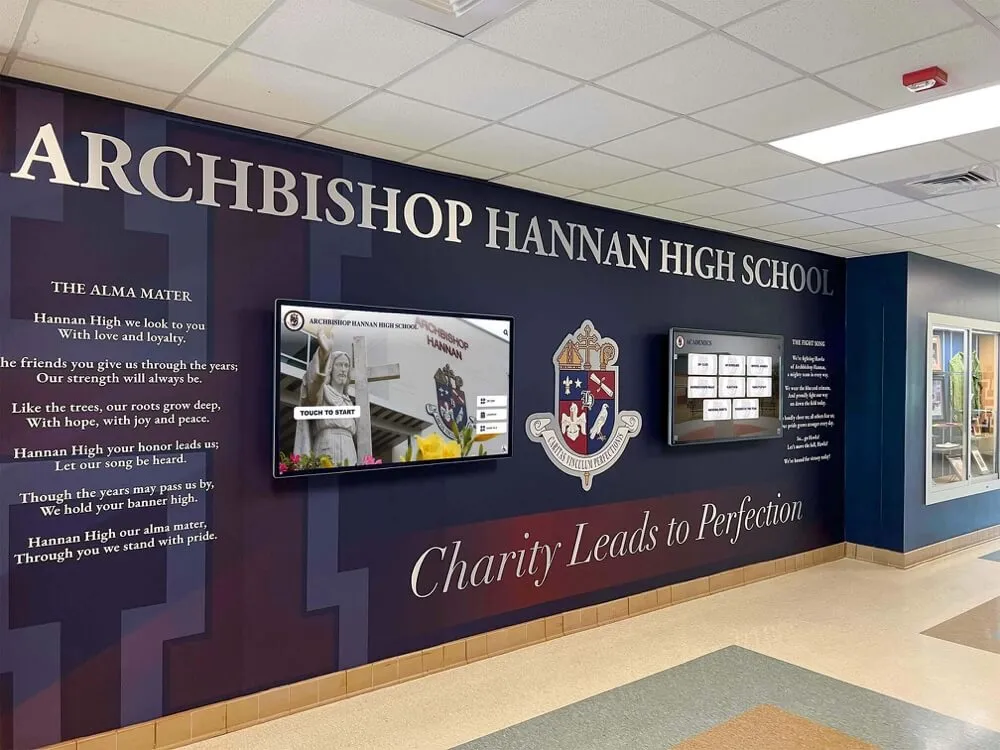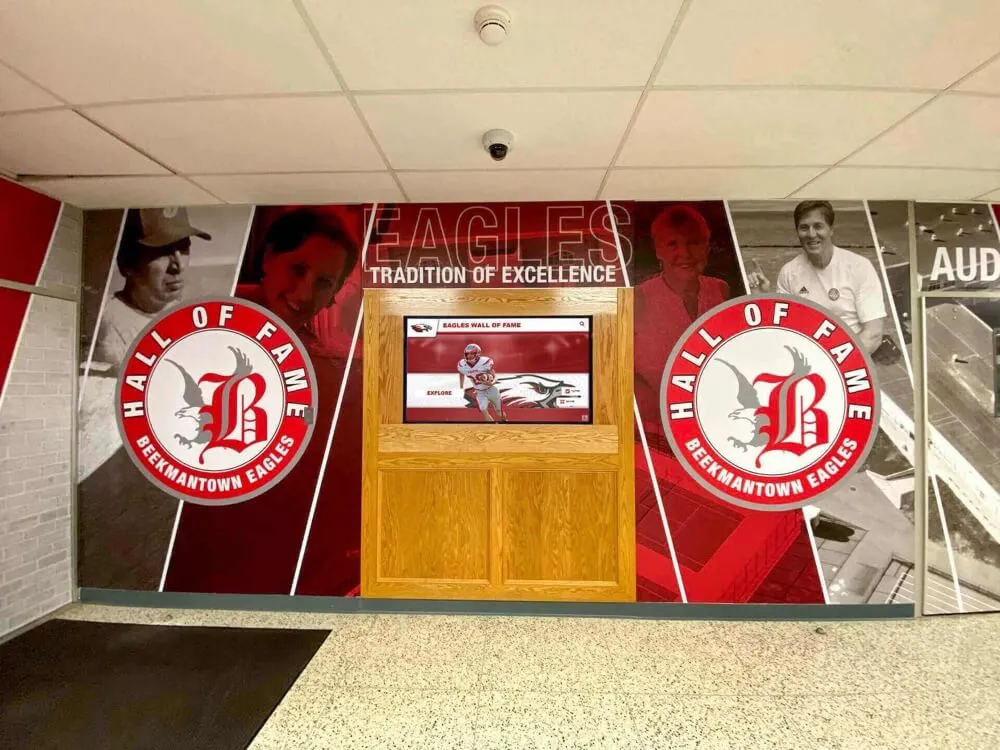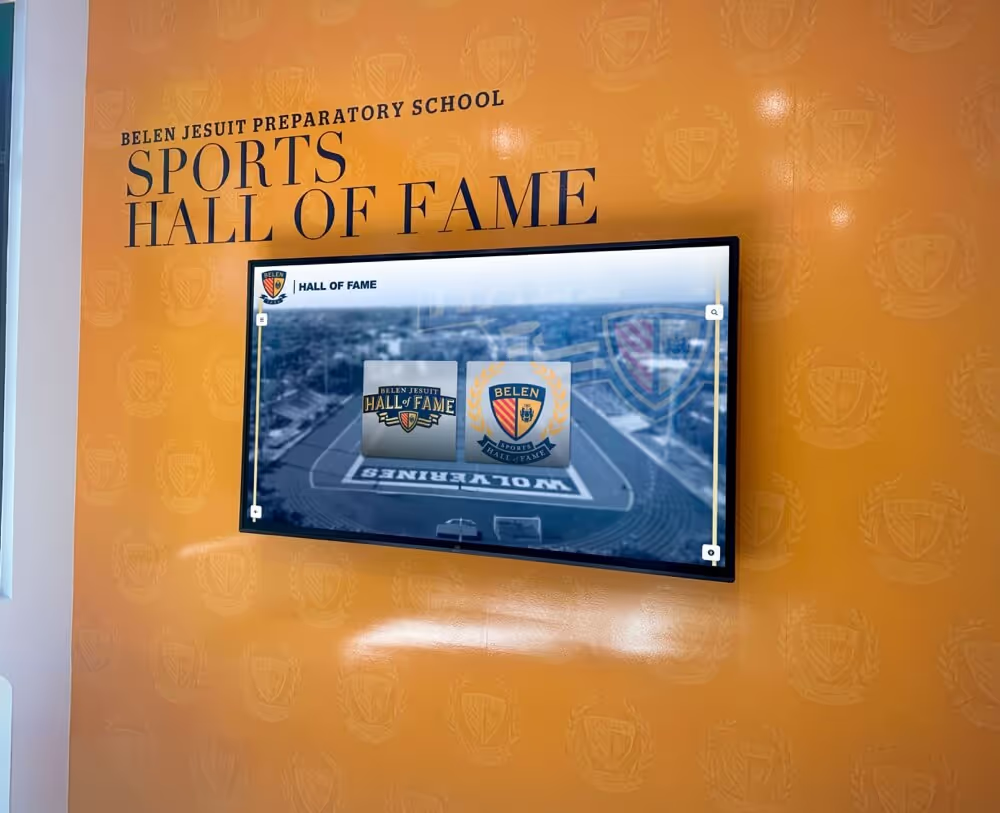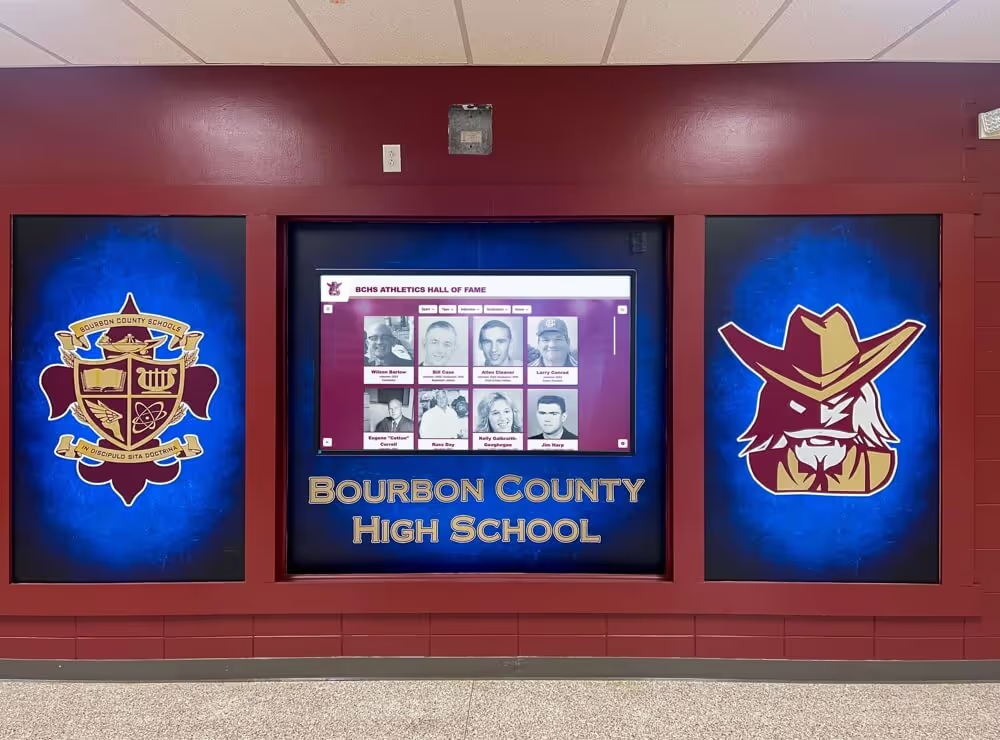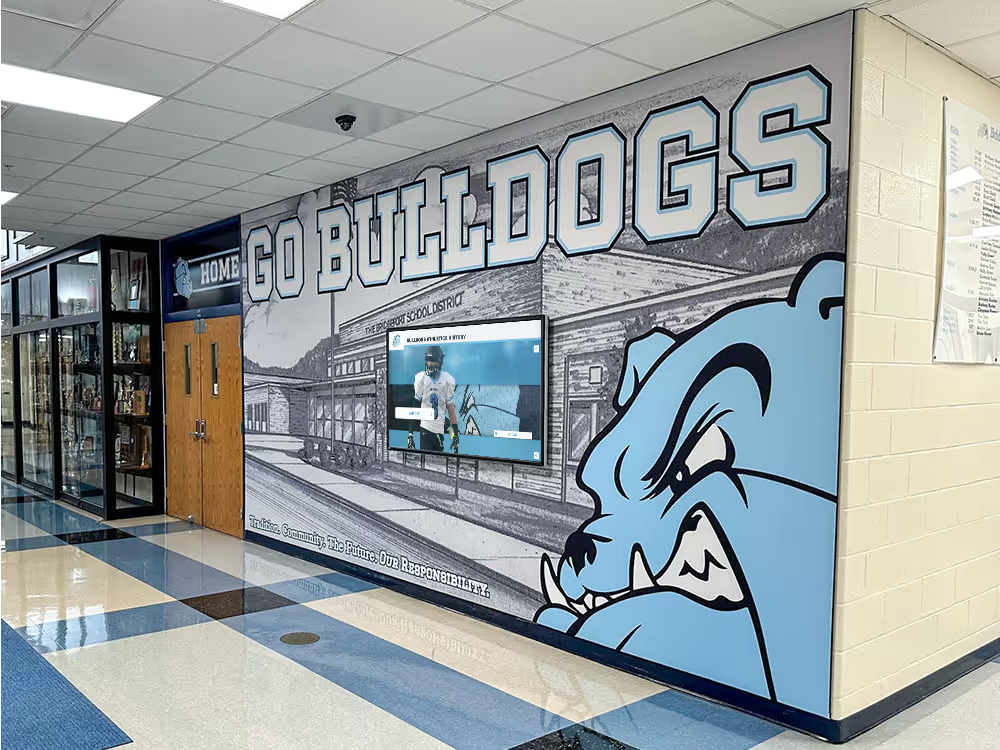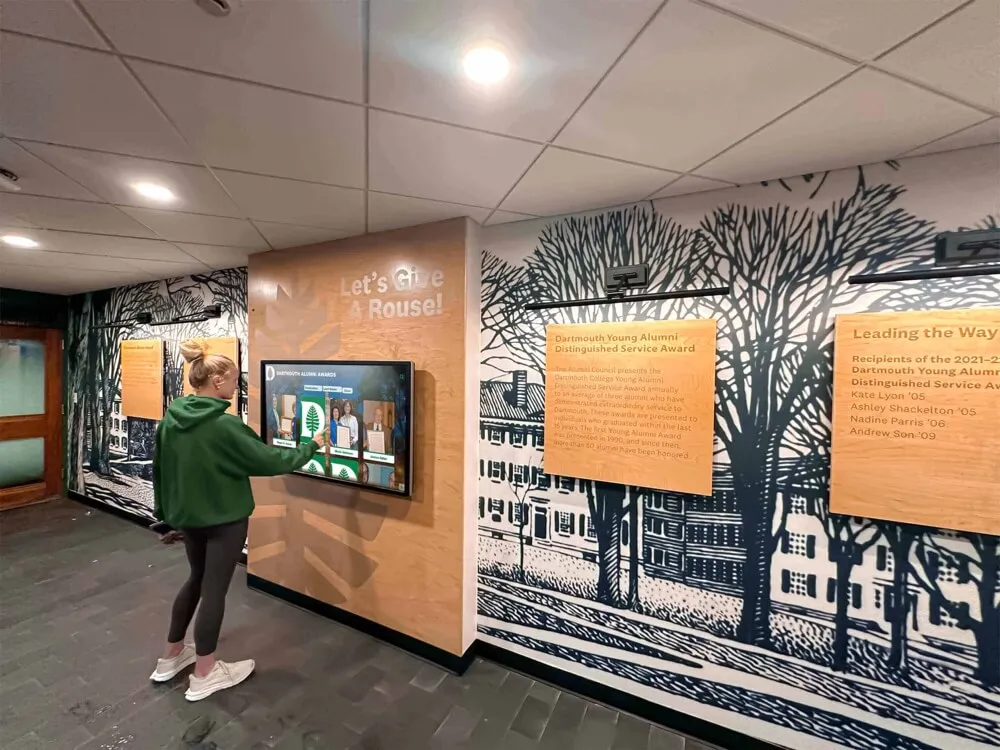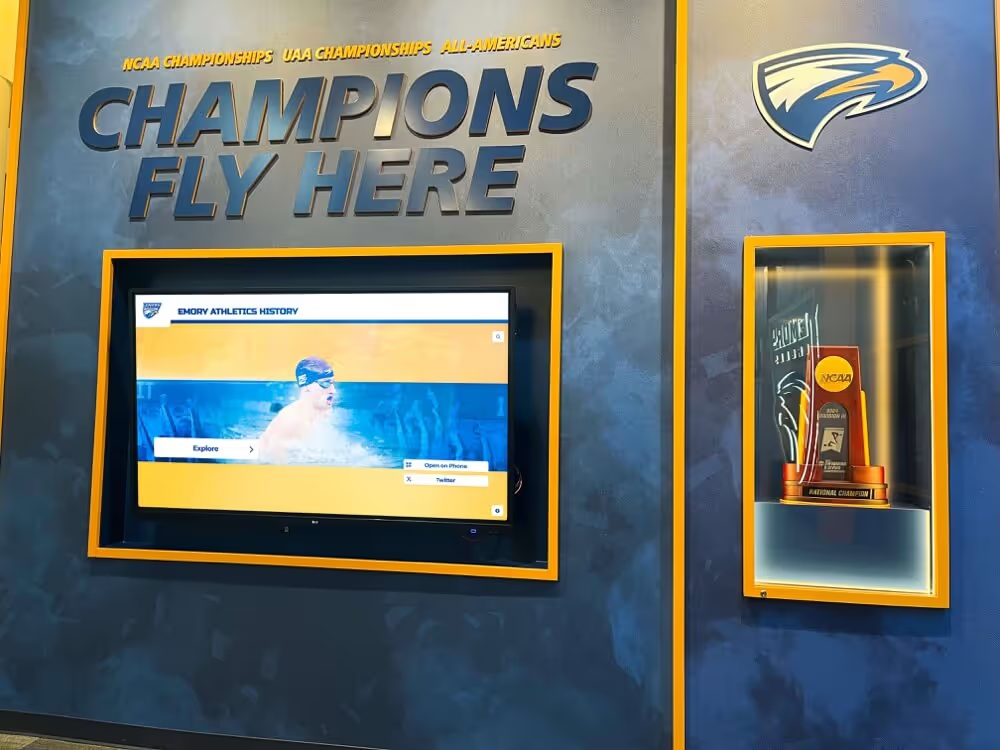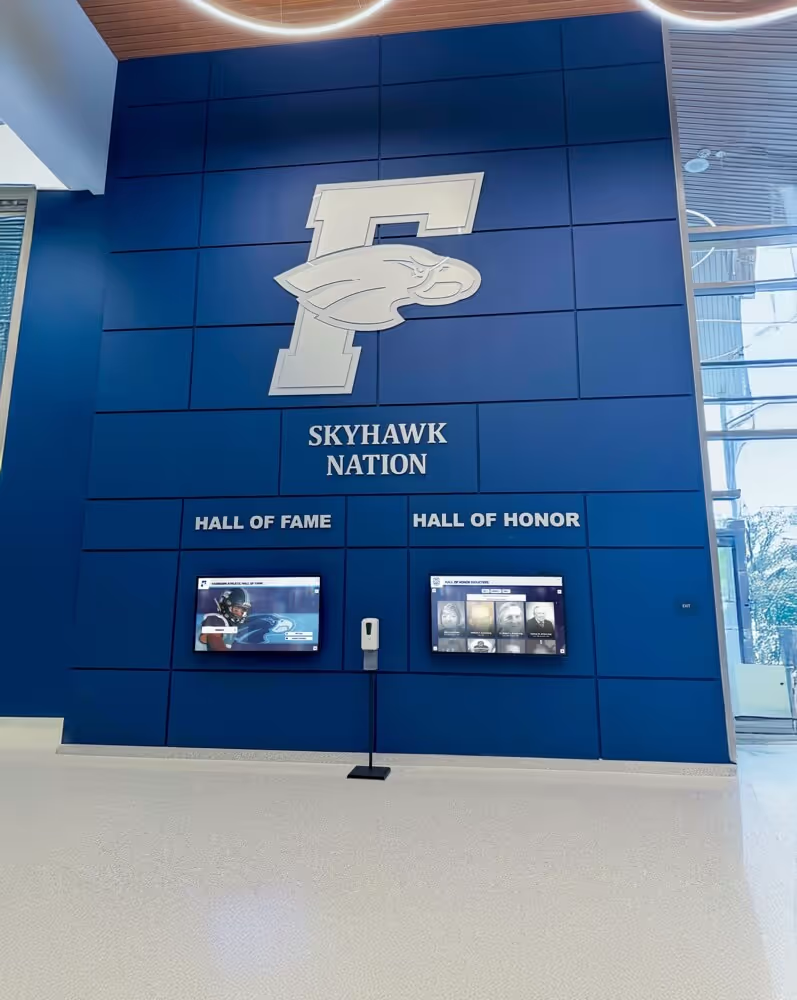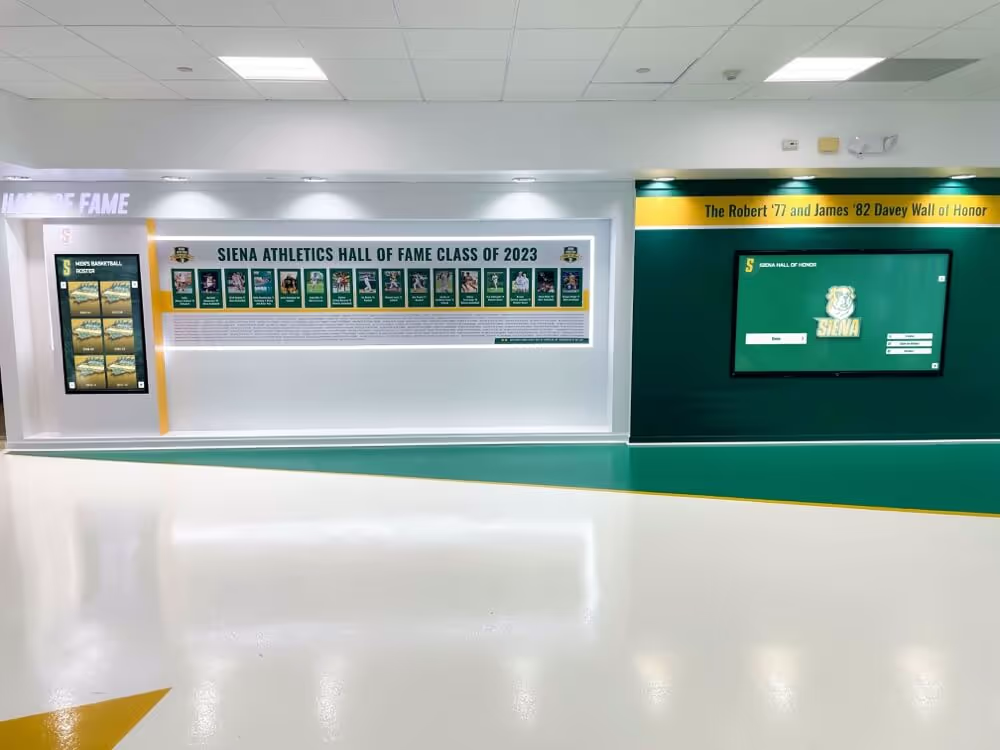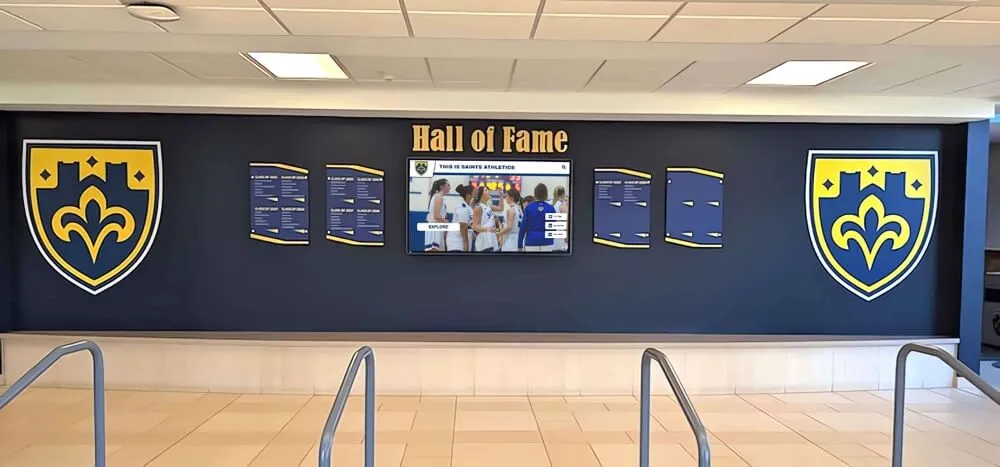




Intent: demonstrate — National College Signing Day represents one of the most significant milestones in a student athlete’s high school career—the culmination of years of dedication, countless hours of training, and the realization of dreams to compete at the collegiate level. Yet many schools struggle to give these achievements the lasting recognition they deserve. Traditional bulletin boards get taken down after a few weeks, printed posters fade and curl, and once the excitement of signing day passes, these accomplishments often disappear from campus visibility entirely.
Schools face a recurring challenge each year: how to celebrate the current signing class while preserving the legacy of every athlete who came before them. Physical displays have finite space, creating difficult decisions about whose accomplishments remain visible and whose get relegated to storage. Meanwhile, student athletes and their families want to see their commitments honored not just on signing day itself, but throughout their senior year and beyond—creating lasting recognition that future students can discover and aspire to match.
Digital recognition displays transform how schools celebrate college commitments by creating what we call the digital warming effect—where personalized, continuously updated content surfaces relevant achievements, builds community pride, and creates lasting connections between current students and institutional athletic traditions. Rather than static displays that quickly become outdated, digital platforms provide unlimited capacity to showcase every signing across every year while maintaining flexibility to highlight current commitments prominently throughout each season.
Solutions like Rocket Alumni Solutions enable schools to not only display and showcase new college signings for the current academic year but also archive and display every prior year’s commitments—demonstrating the true legacy and tradition of athletic excellence your school has built over decades. With intuitive content management and flexible display options, bringing relevant content to the forefront becomes effortless. Real-time edits ensure displays adapt and change throughout the school year as new athletes commit, signing ceremonies occur, and seasons progress—all with multiple template and layout options for home pages and detailed profile views.

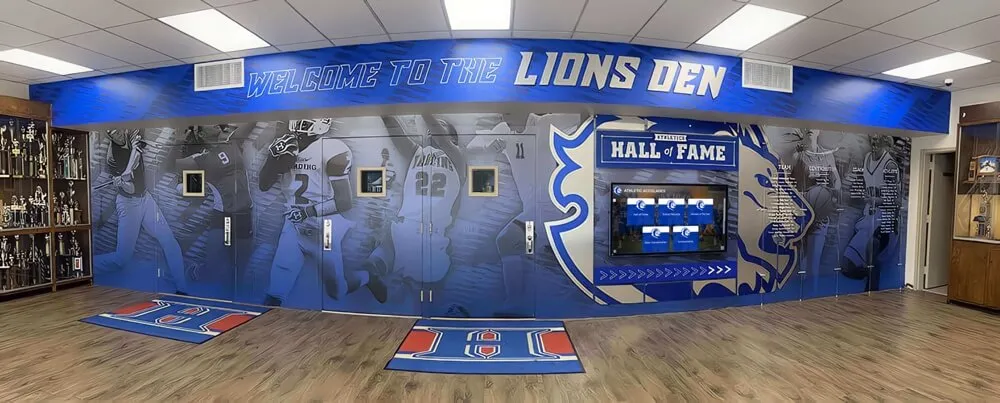
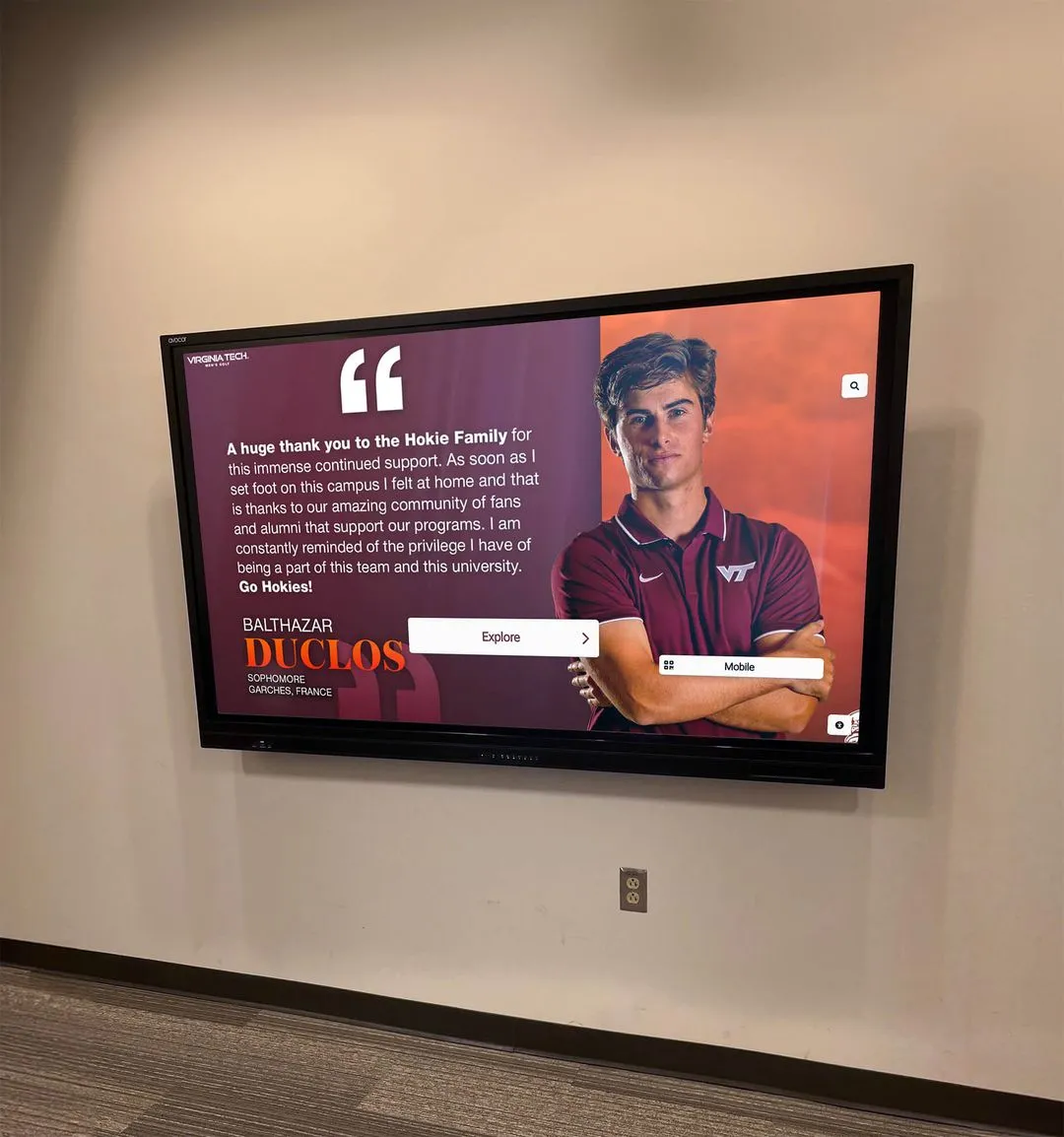
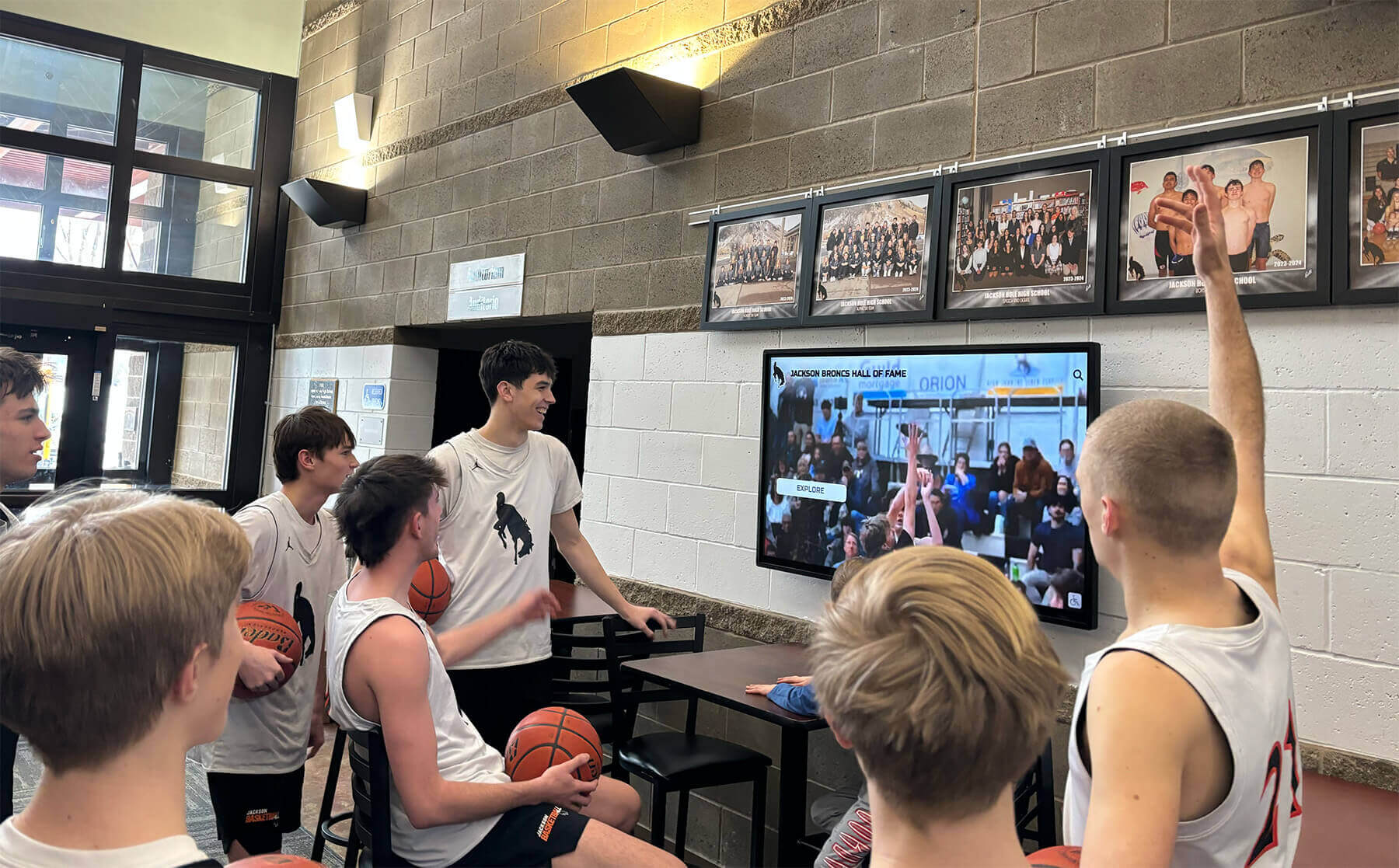
Digital displays transform how schools celebrate athletic achievements and college commitments year-round
The Significance of National College Signing Day
Understanding the cultural and personal importance of college signing day reveals why proper recognition matters tremendously for school communities and student athletes.
A Milestone Worth Celebrating
College Signing Day marks the official commitment of student athletes to continue their academic and athletic careers at collegiate institutions—a culmination of years of dedication:
Years of Athletic Development Student athletes who reach the college commitment level have typically dedicated 8-12 years to their sports, participating in youth leagues, travel teams, high school programs, and often specialized training or camps. This commitment represents thousands of hours of practice, hundreds of competitions, and countless sacrifices made by athletes and families. Signing day publicly acknowledges this extraordinary dedication while validating the investment athletes have made in their development.
Academic and Athletic Balance Achievement College athletic recruitment requires more than sports excellence—athletes must maintain academic eligibility, achieve minimum GPA and test score requirements, and demonstrate the character and maturity to succeed in higher education. Athletes who earn college opportunities prove they can excel in multiple demanding areas simultaneously, making them exemplary role models for younger students learning to balance competing priorities.
Family and Community Support Recognition Behind every college-bound athlete stands a network of support—parents who drove to countless practices and games, coaches who invested time developing skills and character, teammates who pushed for collective excellence, and community members who attended games and provided encouragement. Signing day celebrations honor these entire support systems, not just individual athletes, recognizing the community effort required for athletic achievement at this level.
Inspiration for Younger Athletes When current students see recent graduates and senior classmates earning college athletic opportunities, it creates tangible proof that these goals are achievable. Rather than abstract possibilities, college commitments become concrete examples showing younger athletes the pathway from where they are now to where they aspire to be—making dreams feel attainable through visible local examples.
The Traditional Recognition Challenge
Despite the significance of college commitments, traditional celebration approaches create limitations that diminish long-term recognition impact:
Temporary Physical Displays Most schools create signing day recognition through printed posters, bulletin board displays, or temporary banners that remain visible for a few weeks before being taken down to make space for other announcements. This temporary nature fails to provide the lasting recognition athletes deserve while preventing younger students from discovering historical commitments that could inspire their own athletic journeys.
Limited Space Constraints Trophy cases and recognition walls have finite capacity, forcing difficult decisions about which achievements receive permanent display and which get stored away. Schools with strong athletic traditions may have dozens of college-bound athletes each year, quickly overwhelming available physical space and creating situations where recent commitments eclipse historical recognition.
Manual Update Burdens Creating physical recognition materials requires significant staff time—designing posters, printing materials, coordinating with athletes for photos and information, and physically installing displays. These manual processes make frequent updates impractical, meaning displays often become outdated as new athletes commit throughout the year, information changes, or students update their college choices before official signing dates.
Lack of Archival Accessibility Once physical signing day displays come down, accessing historical commitment information becomes difficult or impossible. Parents, alumni, and community members who want to celebrate past athletes or research school athletic history have no convenient way to discover this information, resulting in lost institutional memory and missed opportunities to build pride around sustained athletic excellence.
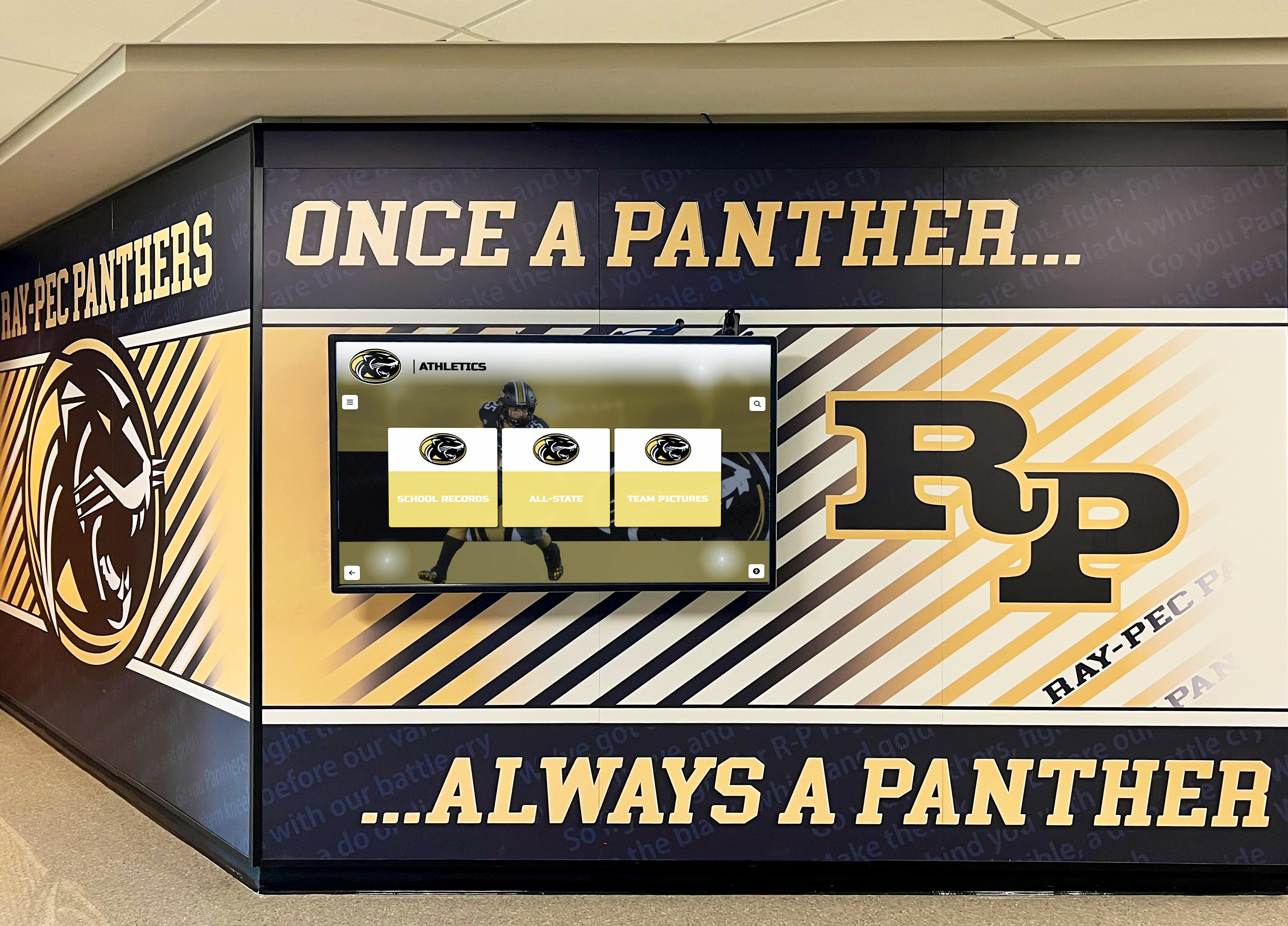
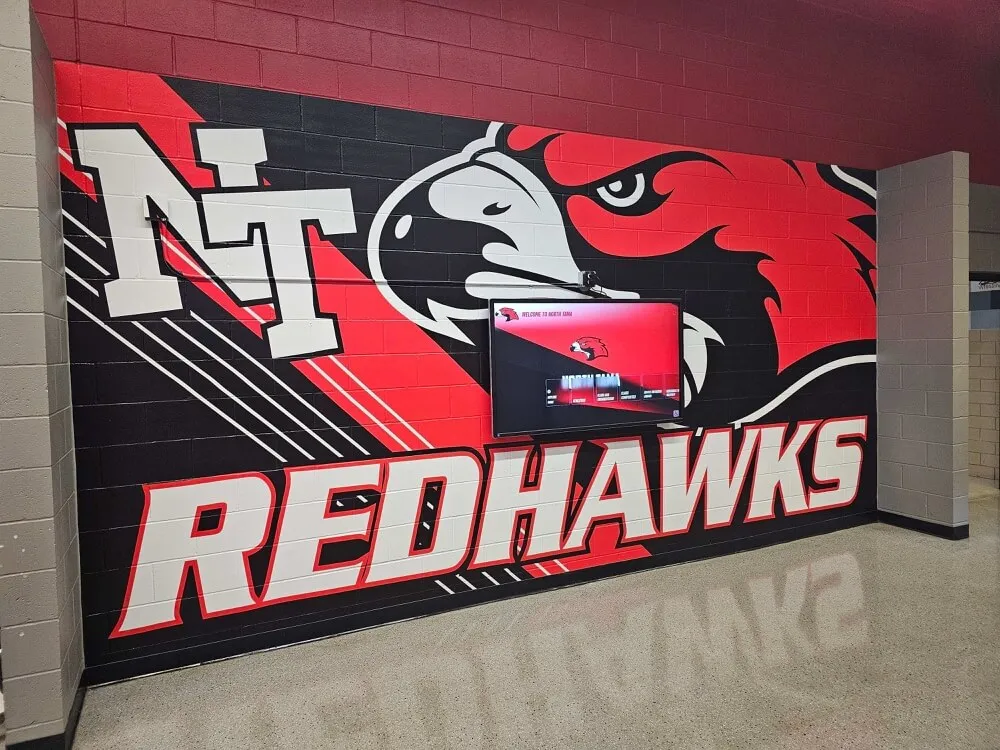
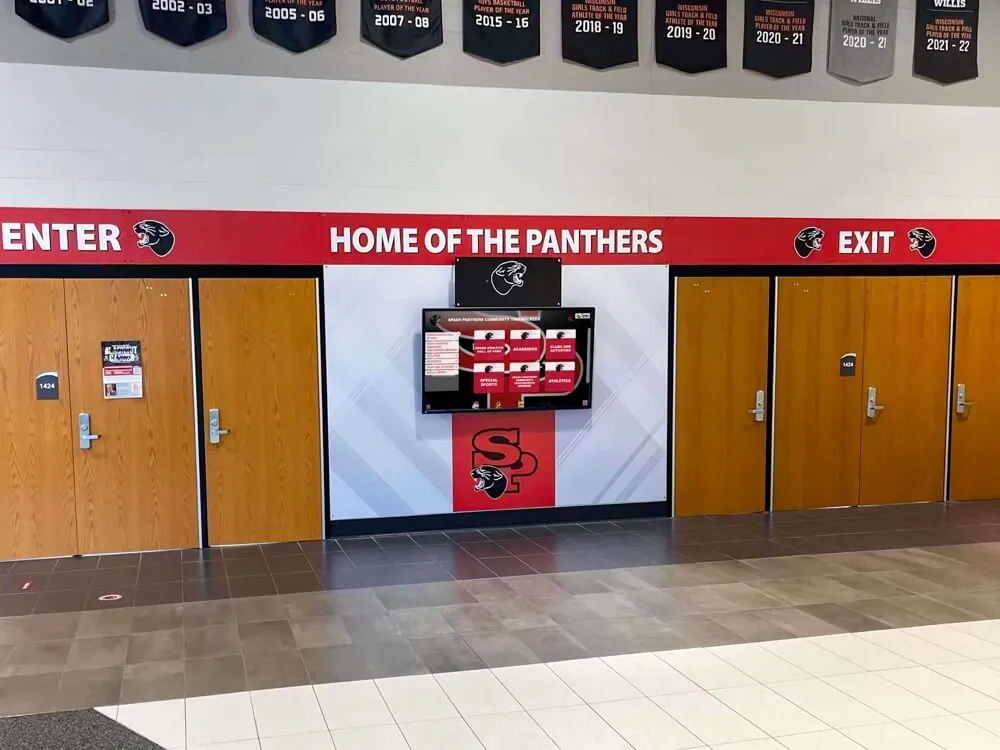
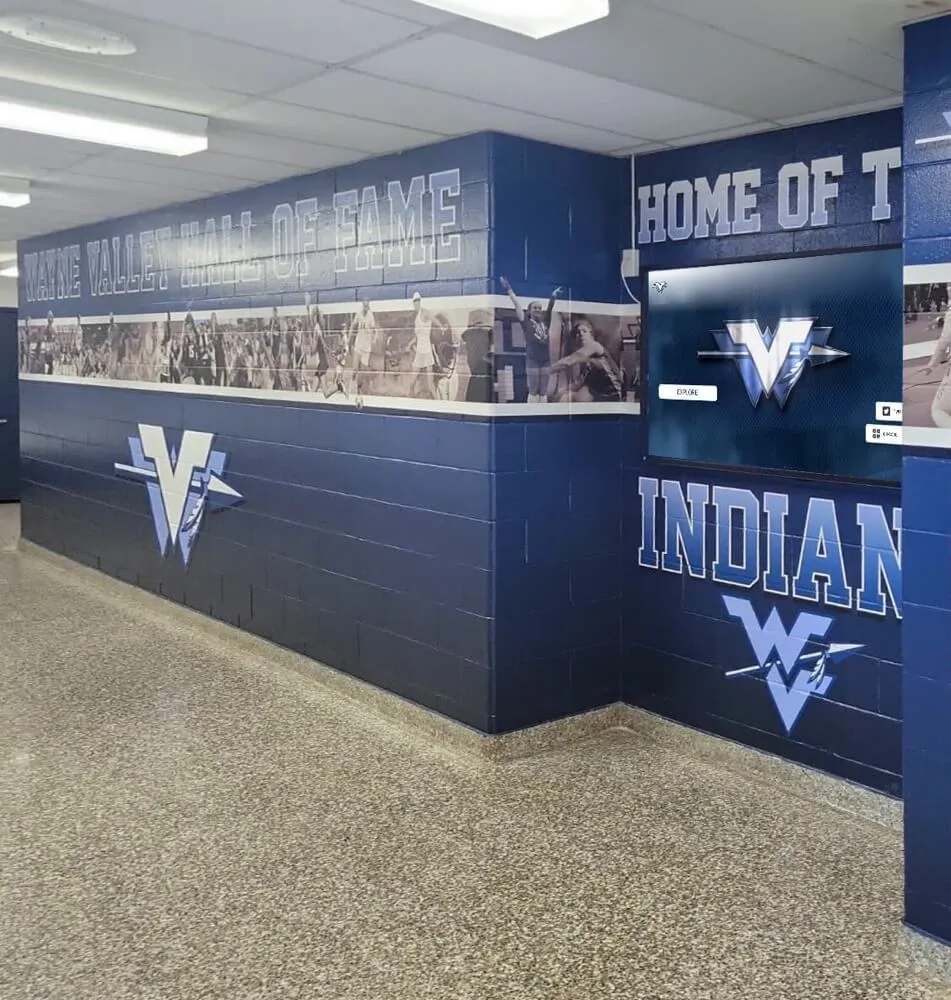
Strategic hallway placements ensure college signing recognition receives consistent visibility throughout the year
How Digital Displays Transform College Signing Day Recognition
Modern digital recognition platforms address every limitation of traditional approaches while enabling celebration experiences impossible with physical-only methods.
Unlimited Recognition Capacity Across All Years
Digital systems eliminate space constraints that prevent comprehensive historical recognition:
Current Year Prominence with Historical Depth Digital platforms enable schools to feature current-year college commitments prominently on homepage displays while maintaining complete archives of every previous signing class. Rather than choosing between highlighting recent achievements and preserving historical recognition, schools can do both—current students receive spotlight visibility while decades of athletic tradition remain permanently accessible through intuitive navigation and search features.
Every Sport, Every Athlete, Every Year Unlike trophy cases with finite capacity, digital systems accommodate unlimited athletes across all sports without competing for space. Schools can recognize football and basketball signings alongside less visible sports like track, swimming, lacrosse, soccer, baseball, softball, volleyball, wrestling, and golf—ensuring equitable recognition regardless of sport popularity or team size. Learn about comprehensive approaches to athletic recognition across all programs.
Multiple Athletes Per Season Schools with successful athletic programs may have dozens of students signing with colleges each year. Digital platforms accommodate this volume effortlessly—whether five students or fifty sign in a given year, all receive equal recognition capacity with individual profiles, photos, achievement details, and celebration of their unique journeys to college athletics.
Retrospective Archive Building Many schools implementing digital recognition choose to digitize historical signing information going back years or even decades, creating comprehensive archives showcasing sustained athletic excellence. This retrospective work preserves institutional memory while demonstrating tradition and legacy that build pride among current students, alumni, and community members.
Real-Time Updates Throughout the Year
Cloud-based content management enables immediate updates matching the dynamic nature of college recruitment:
Early Signing Period Recognition College athletic recruitment includes early signing periods in November and regular signing periods in February and spring, creating multiple commitment dates throughout the school year. Digital displays accommodate these staggered timelines seamlessly—adding new signings as they occur without requiring complete display overhauls or waiting until all athletes have committed to update recognition.
Commitment Changes and Updates Student athletes occasionally change college commitments due to coaching changes, scholarship adjustments, or evolving preferences. Digital platforms enable instant updates reflecting these changes without costly reprinting, physical display modifications, or outdated information remaining visible until next recognition update cycles.
Post-Signing Achievement Recognition After initial signing, athletes may continue achieving milestones worthy of recognition—earning academic honors, achieving athletic accomplishments, receiving scholarship upgrades, or garnering additional recruitment attention. Digital profiles can be continuously enhanced with these updates, creating living recognition that grows throughout senior years rather than static displays capturing only single-moment commitments.
Schedule Coordination and Event Integration Schools can schedule content to go live during actual signing ceremonies, coordinate recognition with athletic banquets or senior nights, and align display updates with school events celebrating athletes. This scheduled publishing ensures recognition appears at ceremonially appropriate times without requiring staff presence for manual updates during events.
Flexible Templates and Multiple Layout Options
Modern platforms provide design flexibility accommodating diverse institutional preferences and content needs:
Homepage Layout Variations Schools can choose how prominently to feature college signing recognition—full-page dedicated signing day displays, athletic hall of fame sections with college commitment features, or integrated recognition alongside other student achievements. This flexibility ensures displays match institutional priorities and available physical screen real estate.
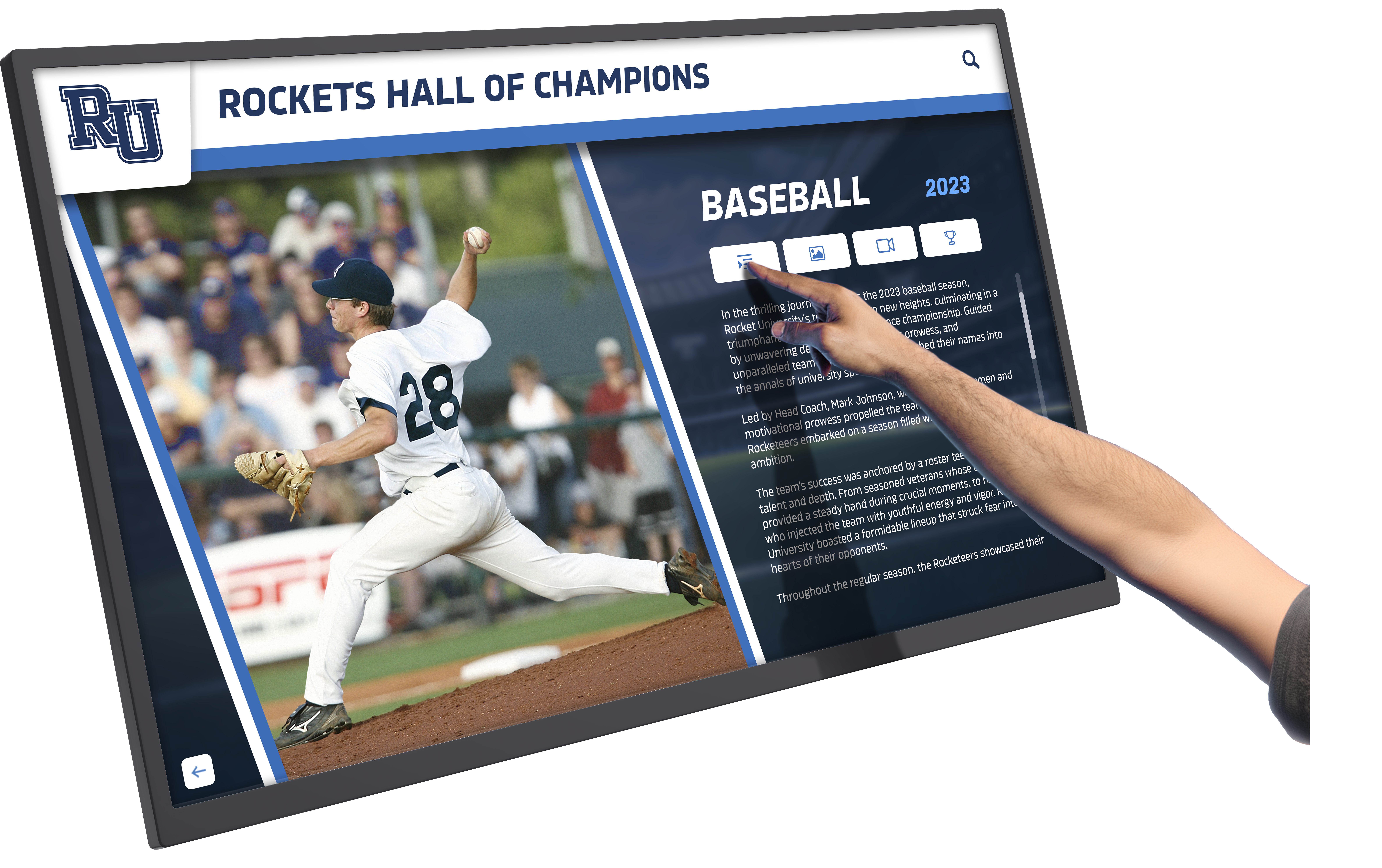
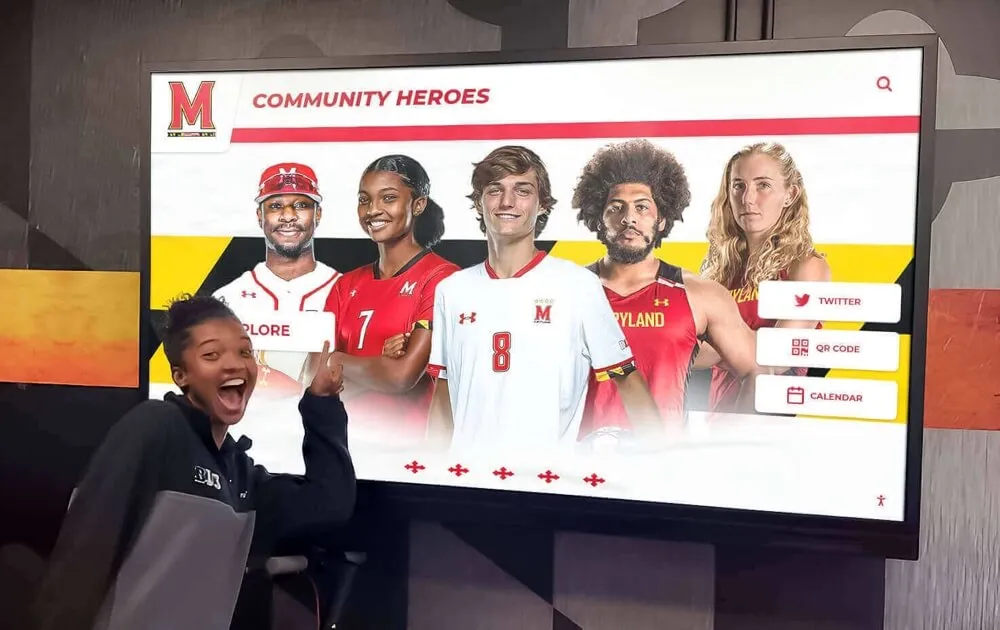
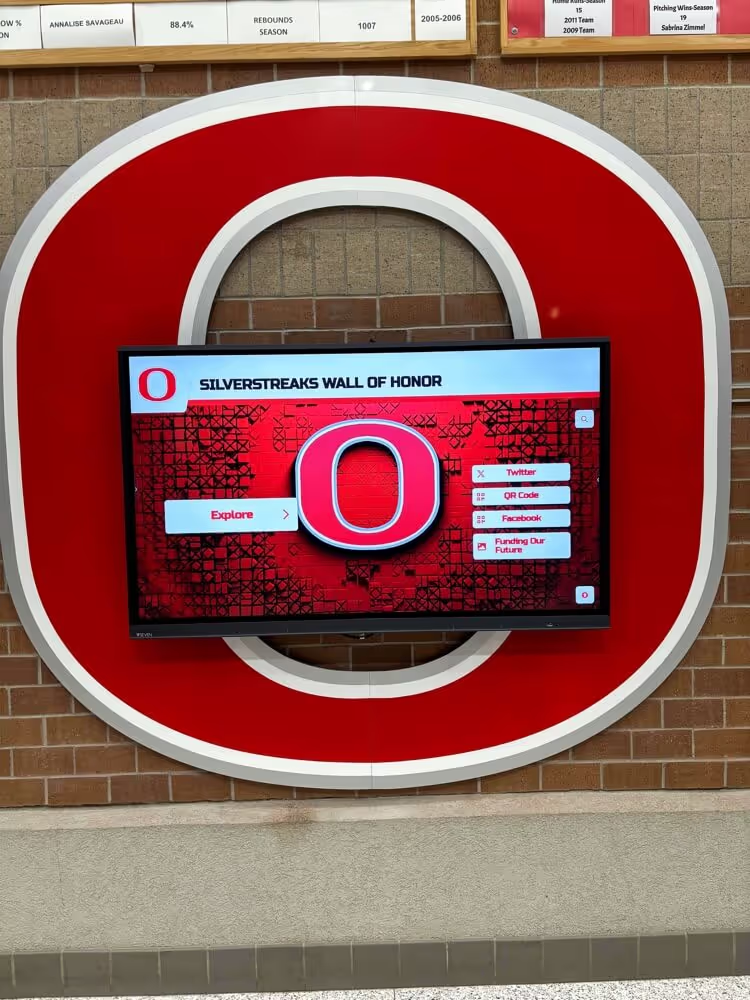
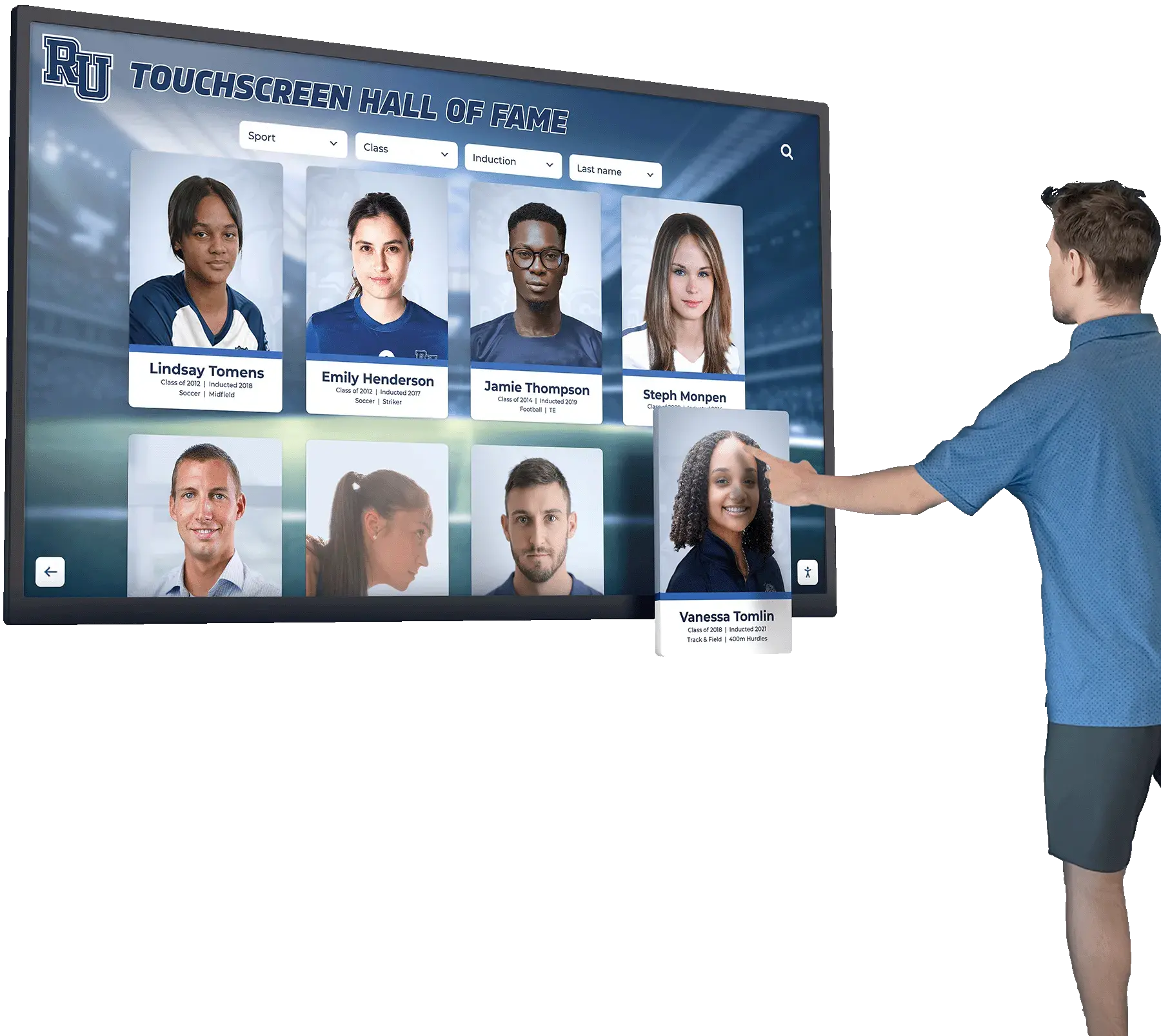
Intuitive interfaces enable easy exploration of athlete profiles and college commitment details
Individual Profile Templates Athlete profiles can display varying levels of detail depending on available information and school preferences—basic templates with names, photos, sports, and college destinations; moderate depth including statistics, awards, and quotes; or comprehensive profiles with career highlights, videos, family connections, and personal reflections. Template flexibility accommodates both information-rich and streamlined presentation approaches.
Sport-Specific Customization Different sports have unique recognition needs—team sports may emphasize positions and team achievements, individual sports highlight personal records and rankings, and specialized sports require sport-specific contexts. Digital platforms enable customized templates ensuring each sport receives contextually appropriate recognition rather than forcing all athletes into identical generic formats.
Seasonal and Thematic Displays Schools can rotate featured content based on current sports seasons—highlighting fall sport signings during football and soccer seasons, winter sport commitments during basketball season, and spring signings during baseball, lacrosse, and track seasons. This seasonal relevance ensures displays remain fresh and contextually connected to current athletic activities rather than feeling disconnected from ongoing school life.
Rich Multimedia Recognition Beyond Text
Digital profiles enable comprehensive recognition impossible with printed materials:
Photo Galleries and Action Shots Rather than single headshots, digital profiles can include multiple photos showing athletes in action during competitions, celebrating with teammates, participating in signing ceremonies, and posing with family members. These photo galleries create richer recognition telling more complete stories about athletic careers and support systems.
Video Highlights and Interviews Schools capturing signing ceremony videos, athlete interviews, or highlight reels from competitions can integrate these materials into digital profiles, creating dynamic recognition that brings achievements to life beyond static text and photos. Video content proves particularly engaging for younger students exploring potential role models and discovering sports they might want to pursue.
Statistics and Career Achievements Digital platforms accommodate detailed statistical records, awards and honors earned, team accomplishments, records broken, and milestone achievements that physical plaques cannot feasibly display due to space limitations. This comprehensive information provides context helping viewers appreciate the full scope of athletic excellence rather than reducing achievements to names and school logos alone.
Personal Statements and Reflections Athletes can contribute personal reflections about their high school experiences, gratitude to coaches and teammates, advice for younger athletes, or thoughts about upcoming college careers. These first-person perspectives create emotional connections and authentic voice that make recognition more meaningful than third-party descriptions alone, following principles explored in digital storytelling for athletic programs.
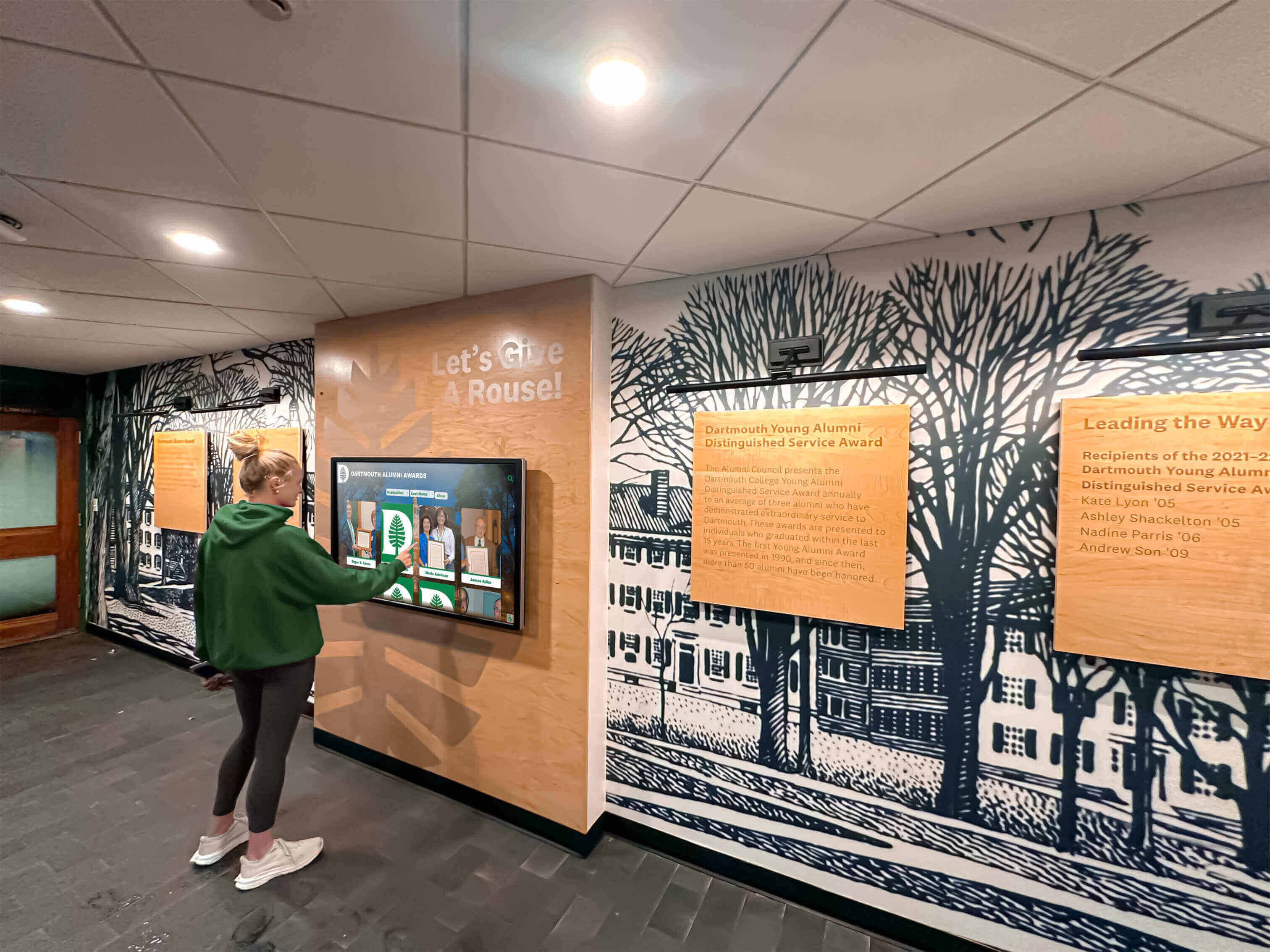
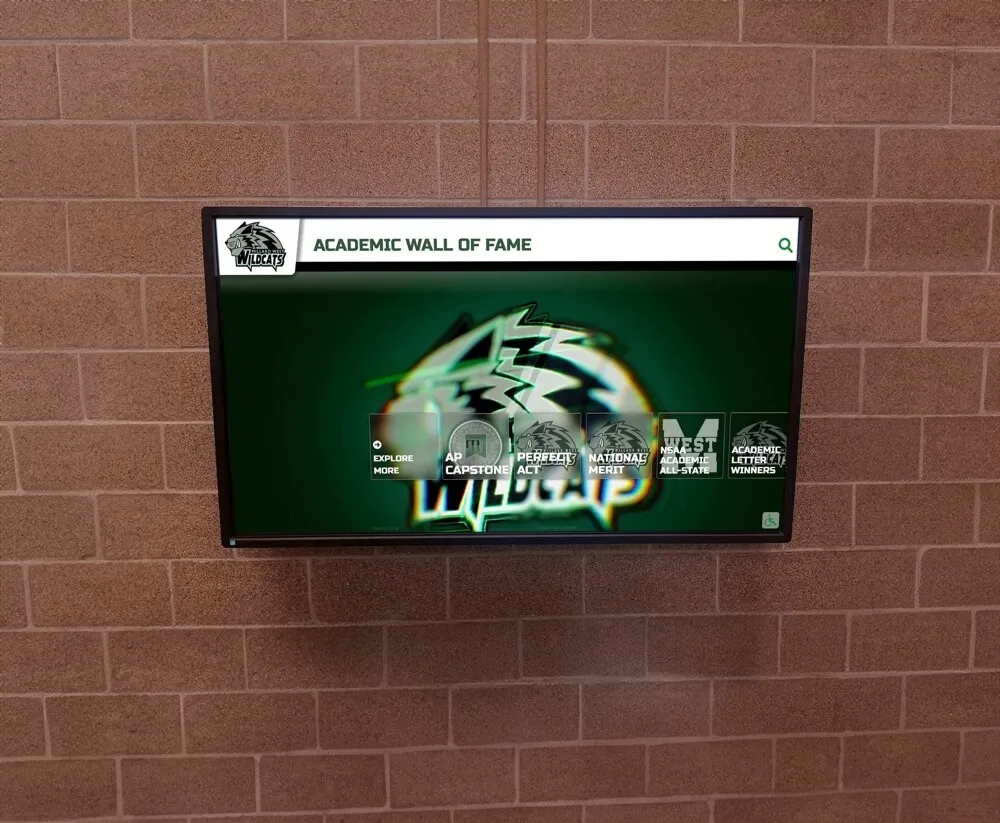
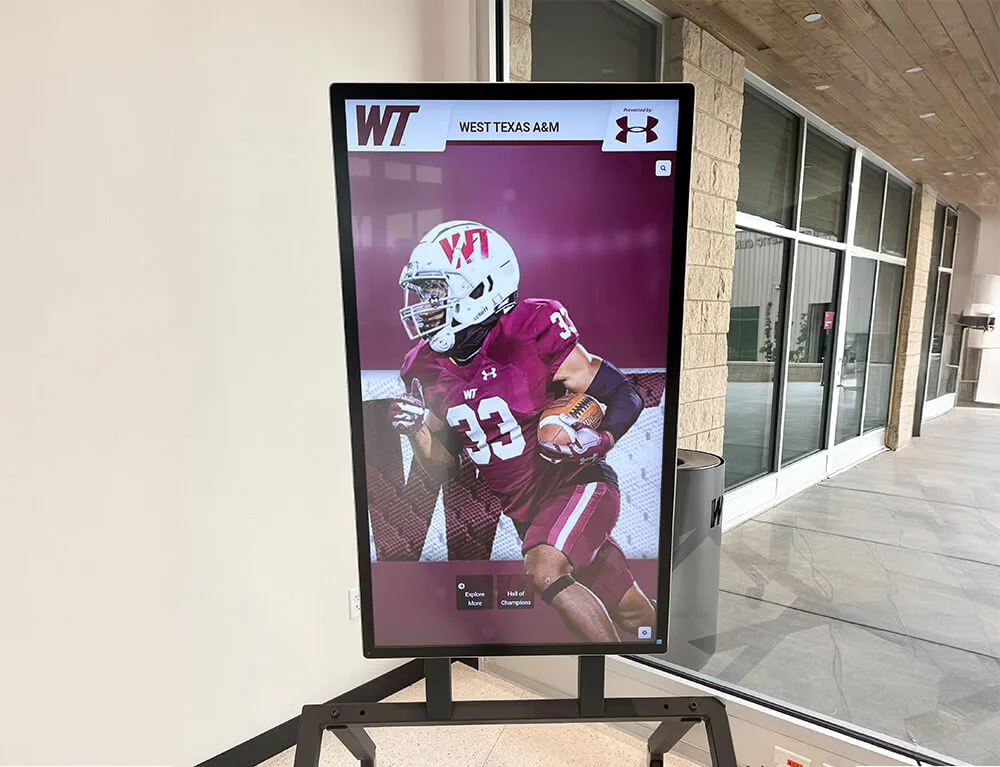
Self-service exploration enables students to discover athletic traditions and role models at their own pace
Strategic Implementation for Maximum Impact
Successful college signing day recognition requires thoughtful planning addressing content strategy, display placement, and community engagement.
Content Organization and Information Architecture
Effective digital recognition requires intuitive organization enabling easy discovery and exploration:
Featured Current Year Homepage Homepage displays should prominently feature the current signing class with clear visibility for recently committed athletes. Rotating featured profiles ensure all current signings receive spotlight visibility rather than only those who alphabetically appear first or commit earliest in the year. Automated rotation ensures equitable homepage exposure without manual content scheduling.
Historical Archive Navigation Intuitive year-based navigation enables visitors to explore past signing classes—selecting specific years to view all commitments from that period, browsing decade-by-decade to understand program evolution, or searching for specific athletes, sports, or colleges. This historical access transforms displays from present-focused announcements into comprehensive archives preserving complete institutional athletic legacy.
Sport-Specific Filtering Visitors interested in particular sports should easily filter commitments by athletic program—viewing all football signings across years, exploring swimming and diving commitments, or discovering less visible sports like wrestling or golf. Sport-specific views help younger athletes find relevant role models in their own sports while enabling community members to follow programs of personal interest.
College and University Grouping Organizing signings by destination institution reveals interesting patterns—schools may discover they regularly send athletes to particular colleges, certain universities consistently recruit from their programs, or regional patterns showing local college relationships. This organization also helps current recruits see where recent graduates attended, providing reassurance about less familiar college options.
Physical Placement and Visibility Strategy
Display location significantly impacts recognition reach and community engagement:
Athletic Facility Prominence Positioning displays in gymnasium lobbies, fieldhouse entrances, or athletic wing hallways ensures athletes, coaches, and families who spend significant time in these spaces encounter recognition regularly. These locations create natural gathering points during games, practices, and events where signing day recognition feels contextually relevant and celebratory.
Main Entrance Visibility Displays in primary school entrances ensure all visitors—prospective families during tours, community members attending events, students passing between classes—encounter college signing recognition. This universal visibility demonstrates institutional pride in athletic achievement while signaling to prospective families that the school successfully prepares students for college-level competition.
Cafeteria and Common Areas Installing displays in cafeterias, student commons, or other high-traffic areas where students naturally gather ensures daily visibility among current students. Regular exposure keeps college athletic opportunities visible in student consciousness, normalizing college athletics as achievable goals while creating frequent touchpoints for younger athletes to discover role models.
Multiple Screen Coordination Schools with several display locations can coordinate content across installations—one screen featuring current year signings, another showcasing historical archives, and additional displays highlighting specific sports or rotating through different graduating classes. This distributed approach maximizes content capacity while serving diverse audience interests across multiple campus locations.
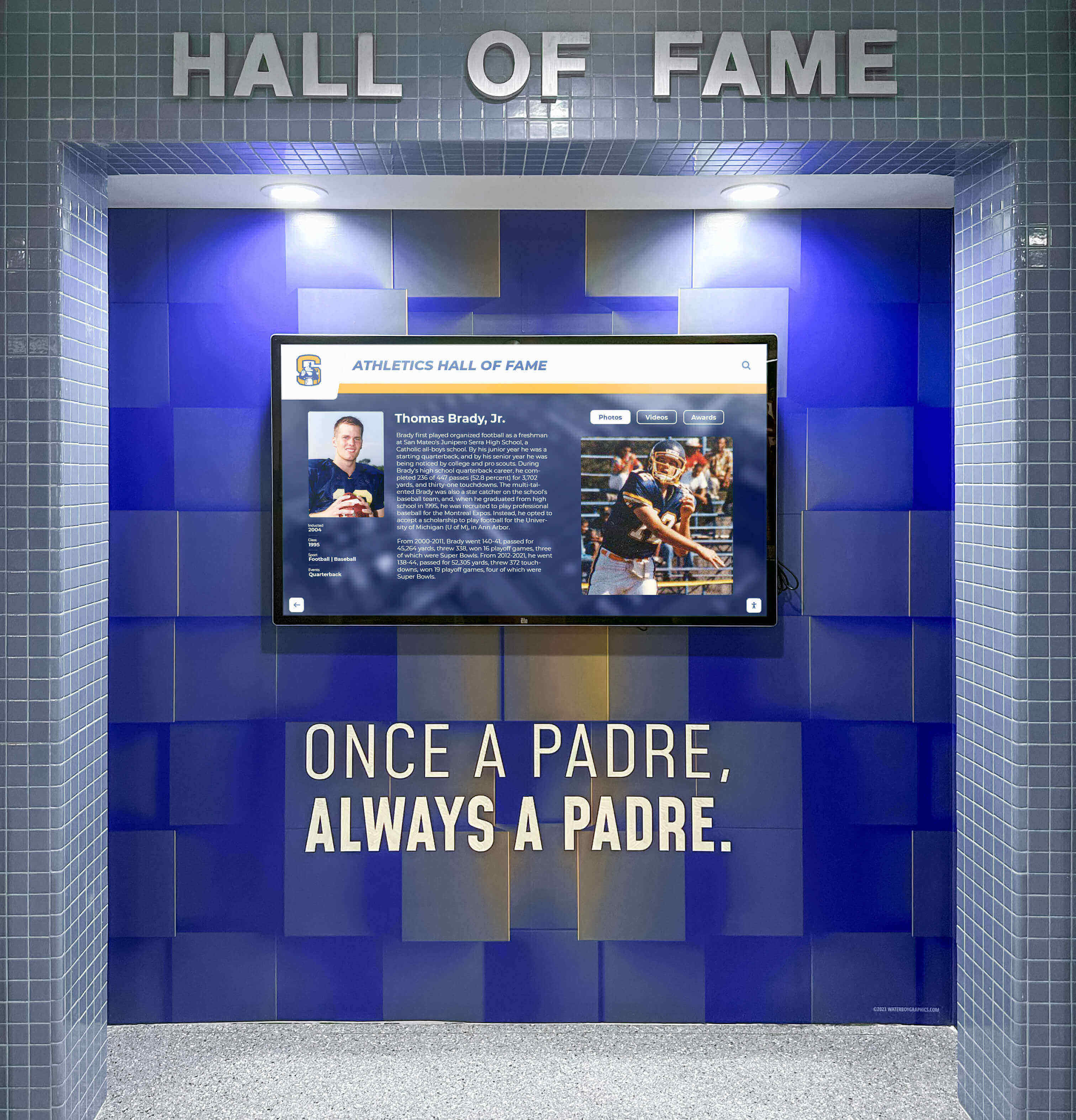
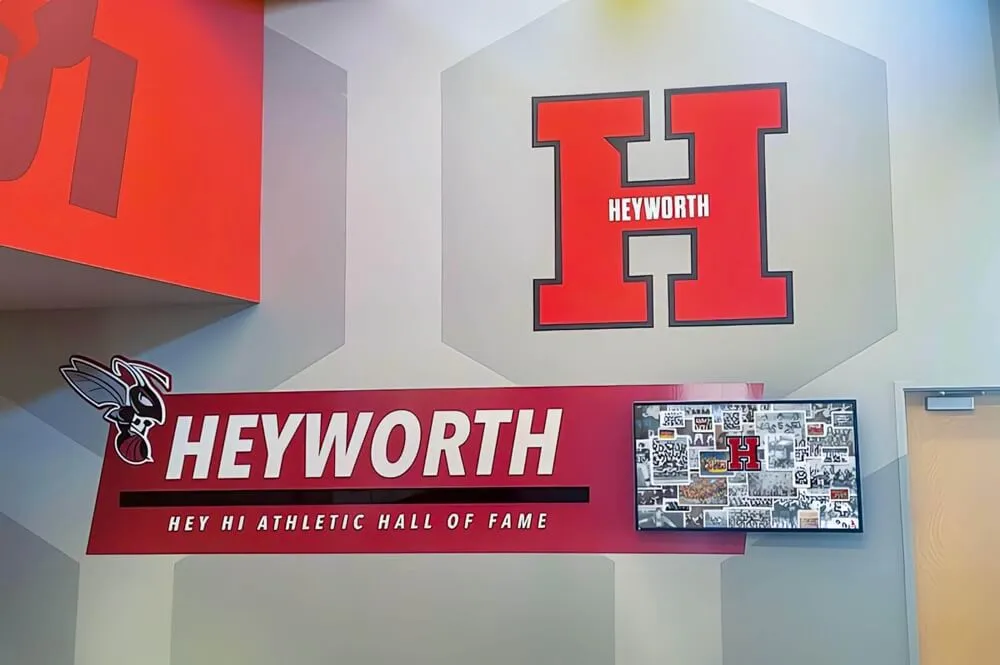
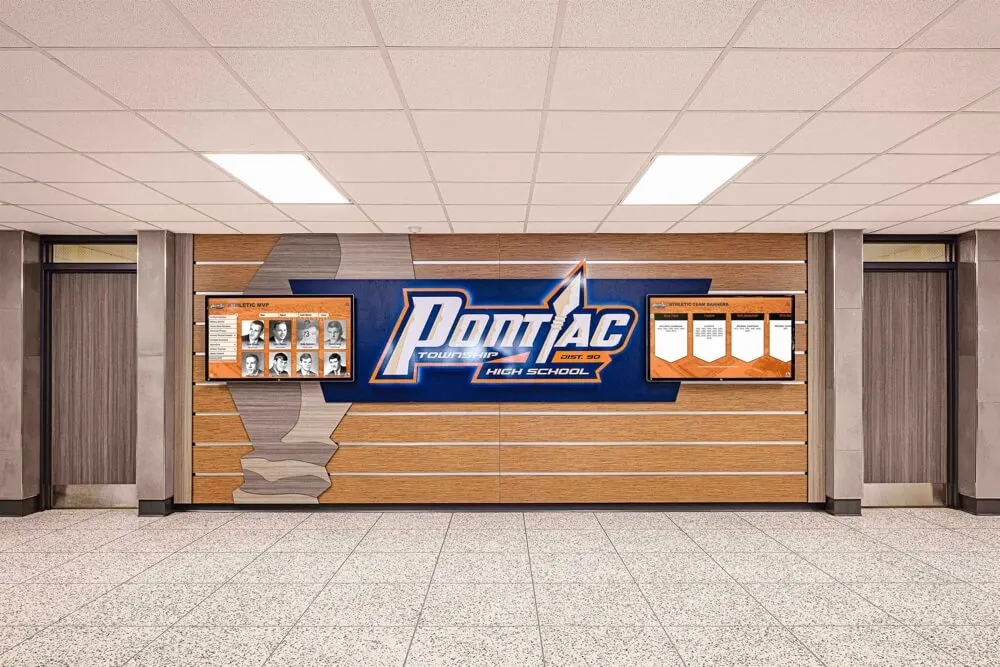
Professional installations integrate digital recognition with existing architectural elements and school branding
Engaging Athletes and Families in Recognition
Meaningful recognition requires involving athletes and families in content development and celebration:
Information Gathering Processes Establish systematic processes for collecting athlete information, photos, and personal content—online submission forms that athletes and families complete, coordination with coaching staff to gather statistics and achievement details, and photography during signing ceremonies capturing celebration moments. Clear processes ensure complete, accurate information while distributing information-gathering workload appropriately.
Family Involvement and Celebration Invite families to participate in recognition—attending signing ceremony celebrations where displays feature their students, sharing profiles via social media and personal networks, and contributing photos and information enriching recognition depth. Family engagement transforms recognition from school-only initiatives into community celebrations honoring entire support systems.
Athlete Input and Personal Voice Enable athletes to contribute their own perspectives, advice for younger students, gratitude to supporters, and reflections on their journeys. This personal voice makes recognition more authentic and meaningful while creating valuable content future students will find inspiring and relatable—hearing directly from peers who achieved college athletic goals.
Post-Graduation Updates Maintain connections with athletes after graduation, inviting them to share college athletic updates, academic achievements, and career developments. These ongoing updates create living recognition that evolves beyond high school commitments to showcase complete athletic and life trajectories, demonstrating sustained success resulting from strong high school preparation.
Broader Benefits Beyond Signing Day Recognition
Strategic digital recognition creates value extending across multiple institutional priorities and constituencies beyond celebrating individual athletes.
Inspiring Younger Athletes and Building Pipeline
Visible recognition of college commitments directly influences younger students’ athletic aspirations and development:
Tangible Proof of Possibility When middle school and underclass high school students see recent graduates and current seniors signing with colleges, it transforms abstract possibilities into concrete achievable goals. Rather than wondering whether college athletics are realistic, younger athletes see evidence that students from their school, their teams, and their communities regularly earn these opportunities—making dreams feel attainable rather than unrealistic.
Pathway Visibility and Understanding Comprehensive recognition revealing diverse college destinations—Division I powerhouses, Division II and III institutions, NAIA schools, junior colleges, and specialized programs—helps younger athletes understand the breadth of college athletic opportunities. Not every athlete will attend major programs, but many paths exist to continue athletic careers while receiving valuable educational opportunities and financial support.
Sport Equity and Participation Encouragement Recognition celebrating athletes across all sports—not just high-profile football and basketball—encourages participation in diverse athletic programs. Students interested in swimming, track, soccer, lacrosse, wrestling, volleyball, or specialized sports see that their programs also produce college athletes, validating participation in these sports as worthwhile paths to college opportunities and scholarships.
Academic and Athletic Balance Modeling College signing recognition emphasizing both athletic excellence and academic achievement demonstrates that college opportunities require comprehensive success. Younger students learn that maintaining grades, achieving test score minimums, and demonstrating character matter as much as athletic performance—setting appropriate expectations about what college recruitment actually requires, as explored in academic recognition approaches.
Supporting Recruitment and Admission Marketing
College signing recognition provides compelling content supporting enrollment and institutional marketing:
Demonstrating Athletic Program Success Prospective families evaluating schools assess athletic program quality partly through college commitment track records. Visible recognition showcasing consistent college athletic placement demonstrates program excellence, quality coaching, competitive scheduling, and institutional support enabling athletes to reach next-level opportunities. This proven success attracts talented incoming athletes seeking programs with college pipeline reputations.
Creating Campus Tour Talking Points Admission tours featuring digital college signing displays provide natural opportunities to discuss athletic traditions, program success, college relationships, and comprehensive student development. Tour guides can highlight specific athletes, discuss program philosophies, and demonstrate institutional pride in student achievement—creating memorable tour experiences differentiating your school from competitors without athletic recognition visibility.
Building Community Pride and Connection Current families, alumni, and community members seeing robust college signing recognition develop stronger institutional identification and pride. When schools visibly celebrate student success and maintain traditions honoring achievement, community members feel part of something larger than individual students—building the collective identity and pride that support sustained enrollment, fundraising, and community investment in school success.
Providing Authentic Marketing Content Individual athlete stories, signing ceremony photos, and recognition details provide ready content for social media, websites, newsletters, and marketing materials. These authentic stories prove more compelling than generic marketing messaging while demonstrating concrete outcomes of athletic program participation—creating social proof that influences prospective family decisions.
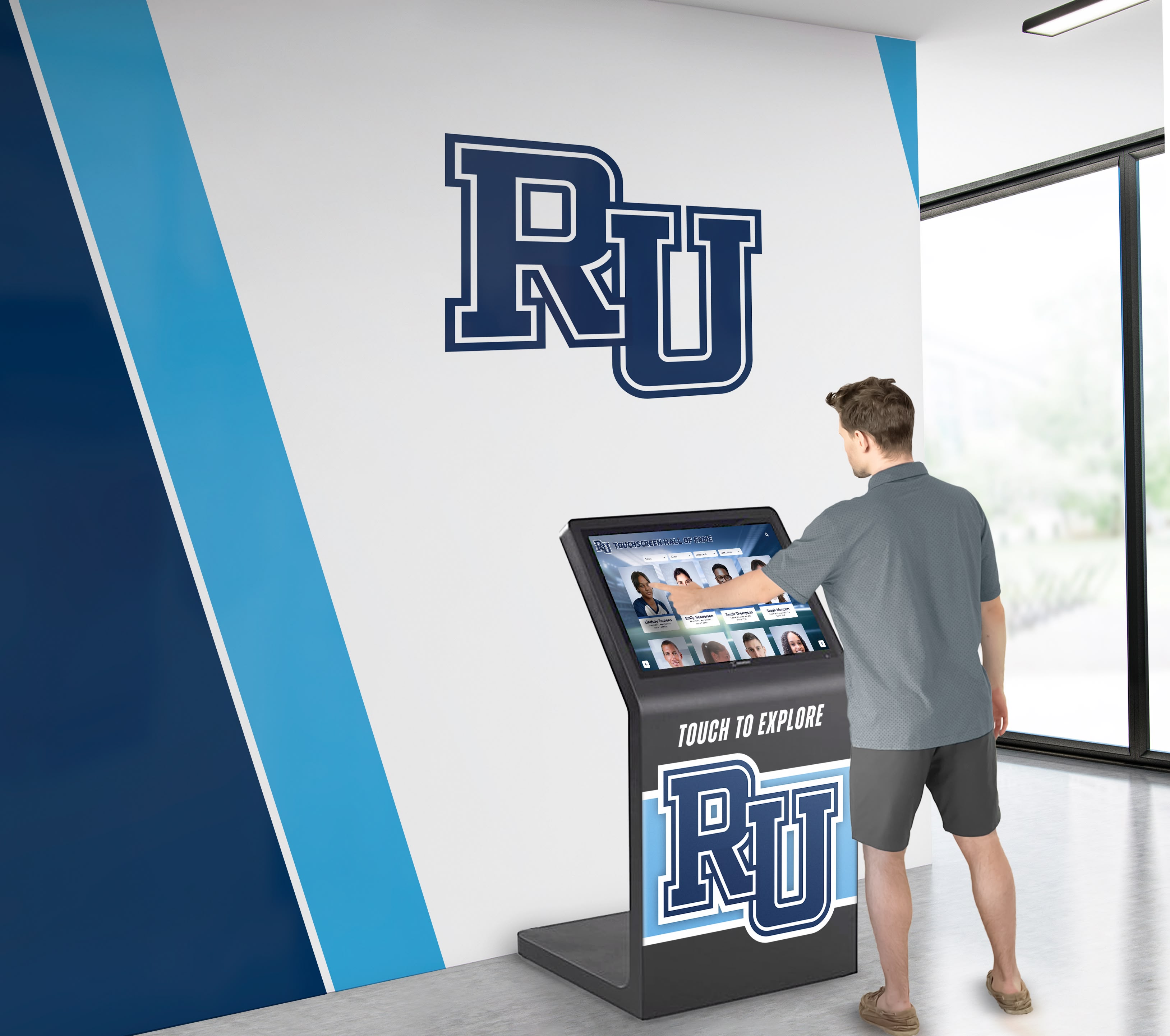
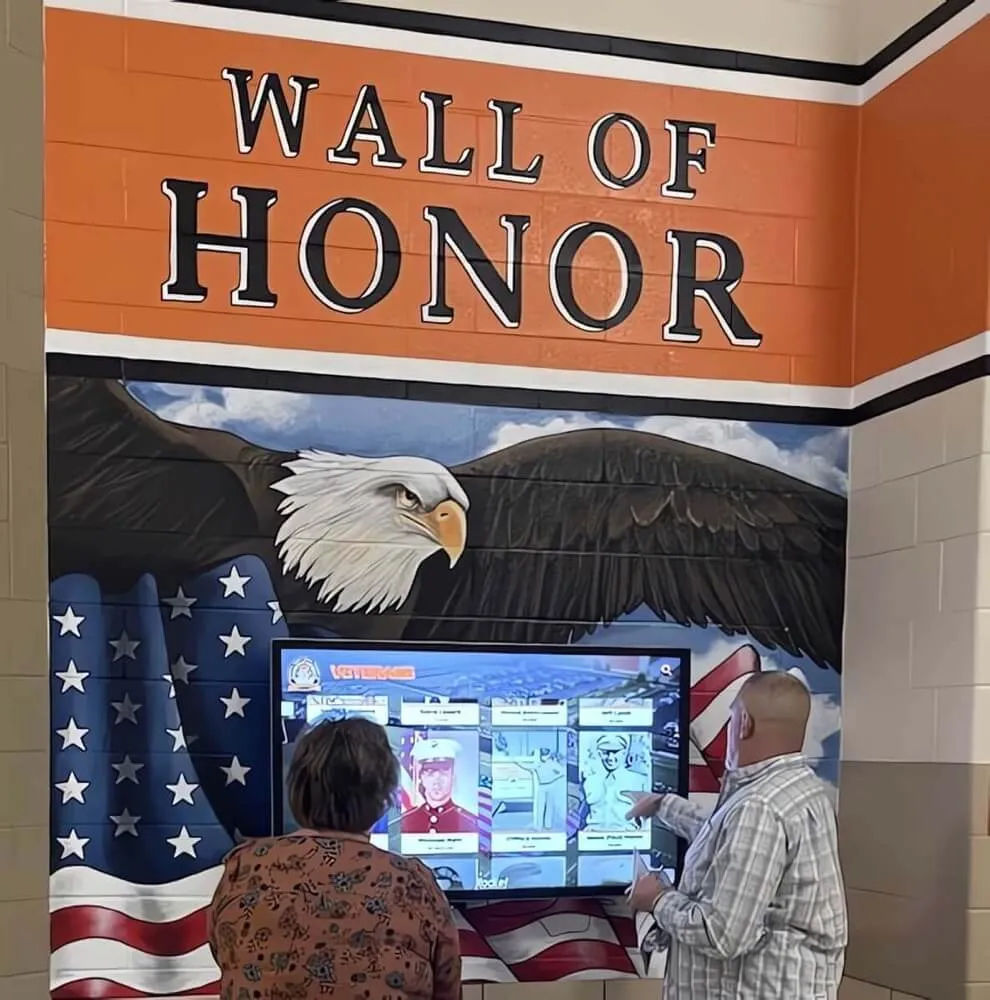
Modern interactive displays create engaging self-service experiences for visitors, students, and families
Strengthening Alumni Relations and Advancement
Digital recognition creates infrastructure supporting broader alumni engagement and development goals:
Alumni Connection and Nostalgia Former athletes discovering themselves and teammates in historical college signing archives experience nostalgic connections to formative high school experiences. These emotional touchpoints create engagement opportunities for alumni relations teams seeking to maintain lifelong institutional relationships, build reunion attendance, and cultivate philanthropic support from grateful graduates.
Mentorship and Career Networking Current students exploring college options can discover recent graduates who attended particular colleges, pursued similar sports, or navigated comparable recruitment processes. Alumni willing to serve as mentors or information sources for current recruits create valuable networks supporting student decision-making while building meaningful alumni engagement beyond transactional giving relationships, following approaches described in alumni mentorship programs.
Development Prospect Identification Recognition revealing which alumni continued athletic careers at college level helps advancement teams identify potential donors with particular affinity for athletic programs. Former athletes who benefited from strong high school preparation, received college scholarships, or achieved athletic success often feel gratitude motivating philanthropic support for programs that launched their opportunities.
Demonstrating Stewardship and Impact Athletic program donors seeing comprehensive recognition demonstrating sustained success understand how their financial support translates into student opportunities. Visible evidence of college commitments, scholarship attainment, and program excellence justifies continued giving while providing concrete examples advancement teams can reference when cultivating new donors or requesting increased support.
Best Practices for Sustainable Success
Long-term recognition value requires establishing operational practices supporting content quality, currency, and community engagement beyond initial implementation enthusiasm.
Establishing Systematic Information Collection
Comprehensive recognition depends on consistent information gathering processes:
Standardized Submission Forms Create online forms athletes and families complete providing biographical information, athletic statistics, college commitment details, photos, and any personal reflections. Standardized forms ensure consistent information capture while making submission straightforward for families who may not know what details to provide voluntarily. Clear submission deadlines aligned with signing periods keep information current.
Coaching Staff Coordination Athletic directors and coaches possess detailed knowledge about athlete achievements, statistics, team records, and character attributes. Establish collaborative processes where coaches review draft profiles, provide missing details, and verify accuracy before publication. This verification prevents errors while leveraging coaching relationships and institutional knowledge enriching recognition depth.
Photography and Media Capture Designate photography responsibilities for signing ceremonies, senior nights, and recognition events ensuring professional-quality images. Coordinate with school photographers, assign staff members with good cameras, or recruit parent volunteers to document celebrations. Systematic media capture prevents situations where compelling recognition moments occur but no usable photos exist for digital profiles.
Ongoing Update Protocols Establish expectations and processes for updating athlete profiles as circumstances change—college commitment changes, scholarship adjustments, post-graduation success updates, or additional achievements before graduation. Clear ownership and simple update procedures ensure recognition remains accurate and current rather than becoming stale with outdated information undermining credibility.
Maintaining Content Quality and Accuracy
Recognition carries significant personal meaning requiring careful attention to accuracy and sensitivity:
Multiple Verification Stages Implement review processes involving at least two staff members checking athlete names, sport identification, college names and spellings, and biographical details before publication. Simple errors in names or institutions cause embarrassment while potentially offending families who expect their students’ milestone achievements to be honored accurately.
Athlete and Family Review When feasible, provide athletes and families opportunities to review draft profiles before publication, verifying factual accuracy while ensuring comfort with information shared and photos used. This review demonstrates respect while preventing privacy concerns or family preferences from being inadvertently overlooked.
Appropriate Detail Balance Exercise judgment about how much personal information to include—biographical details connecting to school experiences enhance recognition meaningfulness, but excessive personal information may raise privacy concerns or feel inappropriate for public displays. When uncertain, err toward less detail and allow athletes to request additions rather than publishing potentially sensitive information without explicit permission.
Inclusive Recognition Standards Ensure recognition criteria and presentation approach honor all college athletic commitments equitably regardless of school prominence, division level, or sport visibility. Athletes committing to Division III schools or less mainstream sports deserve equal recognition quality as those signing with prominent Division I programs—creating inclusive celebration recognizing achievement diversity rather than implicitly privileging certain pathways.
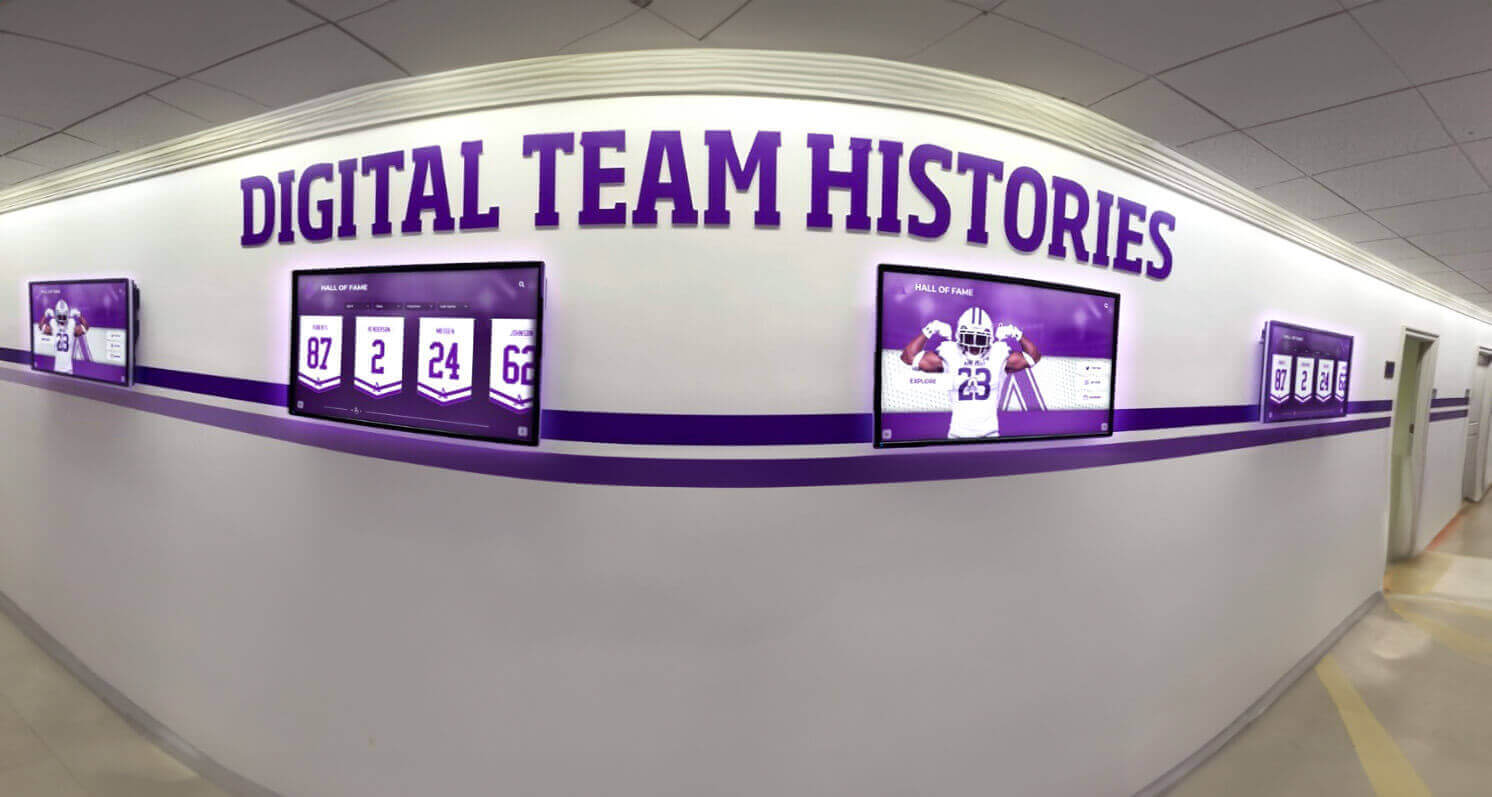
Coordinated multi-screen installations provide comprehensive capacity for diverse recognition content
Promoting Recognition and Maximizing Engagement
Even excellent recognition requires active promotion ensuring community awareness and regular engagement:
Signing Day Event Integration Feature digital displays prominently during official signing ceremonies—positioning screens where ceremony attendees can explore recognition, demonstrating platform capabilities to families and community members, and coordinating new profile launches to go live during ceremonies for immediate visibility. Event integration creates high-impact introduction moments generating initial engagement momentum.
Social Media Amplification Create coordinated social media campaigns celebrating college commitments—posting individual athlete features to school accounts, encouraging athletes and families to share profiles through personal networks, using relevant hashtags connecting to broader signing day conversations, and tagging college programs receiving athletes to build institutional relationships. Social amplification extends recognition reach beyond physical campus visitors to entire digital communities.
Regular Communication Features Systematically feature college signing recognition in regular communications—weekly newsletters highlighting individual athletes, monthly website posts celebrating recent commitments, parent communication updates sharing signing news, and athletic program communications celebrating team success. Consistent presence across channels keeps recognition visible while demonstrating sustained institutional attention rather than one-time initiatives that fade.
Milestone and Anniversary Recognition Leverage natural calendar touchpoints to resurface historical recognition—anniversary features celebrating athletes who signed 5, 10, or 25 years ago; seasonal throwbacks to past signing classes; or thematic collections exploring patterns like most represented colleges, most athletes from particular sports, or family legacy signings. These recurring features create reasons for ongoing engagement beyond initial signing recognition.
Technology Platform Considerations
Selecting appropriate recognition technology significantly impacts user experience, operational ease, and long-term satisfaction beyond platform features alone.
Purpose-Built Recognition vs. Generic Solutions
Platform type fundamentally affects recognition effectiveness and operational sustainability:
Recognition-Specific Functionality Purpose-built recognition platforms like Rocket Alumni Solutions provide features generic digital signage systems lack—sophisticated profile management for individual athletes, intuitive year-based and sport-based navigation enabling historical exploration, automated content rotation ensuring equitable visibility, role-based content management enabling distributed administrative responsibilities, and responsive web access extending recognition beyond physical displays to any internet-connected device.
Content Management Intuitiveness Prioritize platforms enabling non-technical athletic directors, coaches, or administrative staff to confidently manage recognition without IT dependencies. The most sophisticated platform proves worthless if actual users find it too complex to operate independently, creating bottlenecks where recognition updates require specialized technical staff assistance limiting update frequency and content currency.
Integration with Existing Systems Consider whether platforms can integrate with existing athletic management software, student information systems, or advancement databases. While not essential, integrations can streamline information flow, reduce duplicate data entry, and enable automated updates when connected systems contain relevant athlete information. However, avoid letting lack of integration prevent implementation if recognition remains otherwise valuable.
Accessibility and Universal Design Properly implemented systems must meet accessibility standards ensuring universal access—screen reader compatibility for vision-impaired visitors, keyboard navigation alternatives to touchscreen interaction, high-contrast modes supporting low-vision users, appropriate physical mounting enabling wheelchair access, and captioning for any audio or video content. Verify prospective platforms support required accessibility features rather than assuming compliance, following standards explored in touchscreen accessibility best practices.
Support and Long-Term Partnership Considerations
Provider relationships significantly impact sustained satisfaction beyond initial implementation:
Implementation Assistance and Training Comprehensive providers assist with initial content creation, historical archive digitization, staff training on platform management, and launch coordination ensuring successful rollouts. Evaluate whether providers offer turnkey implementation support or expect schools to manage all content development independently with minimal assistance. Implementation support quality often determines whether schools achieve recognition goals or struggle with overwhelming setup tasks leading to incomplete launches.
Responsive Technical Support Technology occasionally experiences problems requiring troubleshooting assistance. Assess provider support responsiveness—typical response time commitments, after-hours availability for time-sensitive issues, whether support requires additional fees or is included, and whether providers demonstrate genuine partnership mentality versus transactional relationships. Poor support quality can transform minor issues into major frustrations undermining satisfaction with otherwise excellent platforms.
Continuous Platform Evolution Technology evolves continuously with changing user expectations, emerging capabilities, and new opportunities. Investigate provider track records for regular feature additions, user-driven improvements, and responsive development versus stagnant platforms requiring eventual replacement when they become outdated. Platforms should improve continuously based on user feedback and technological advances, ensuring long-term value.
User Community and Resources Some providers cultivate user communities where schools share best practices, implementation ideas, and creative approaches. These communities, along with comprehensive documentation, video tutorials, and knowledge bases, enable self-service learning and peer support complementing direct provider assistance. Consider whether providers facilitate these knowledge-sharing opportunities supporting long-term user success.
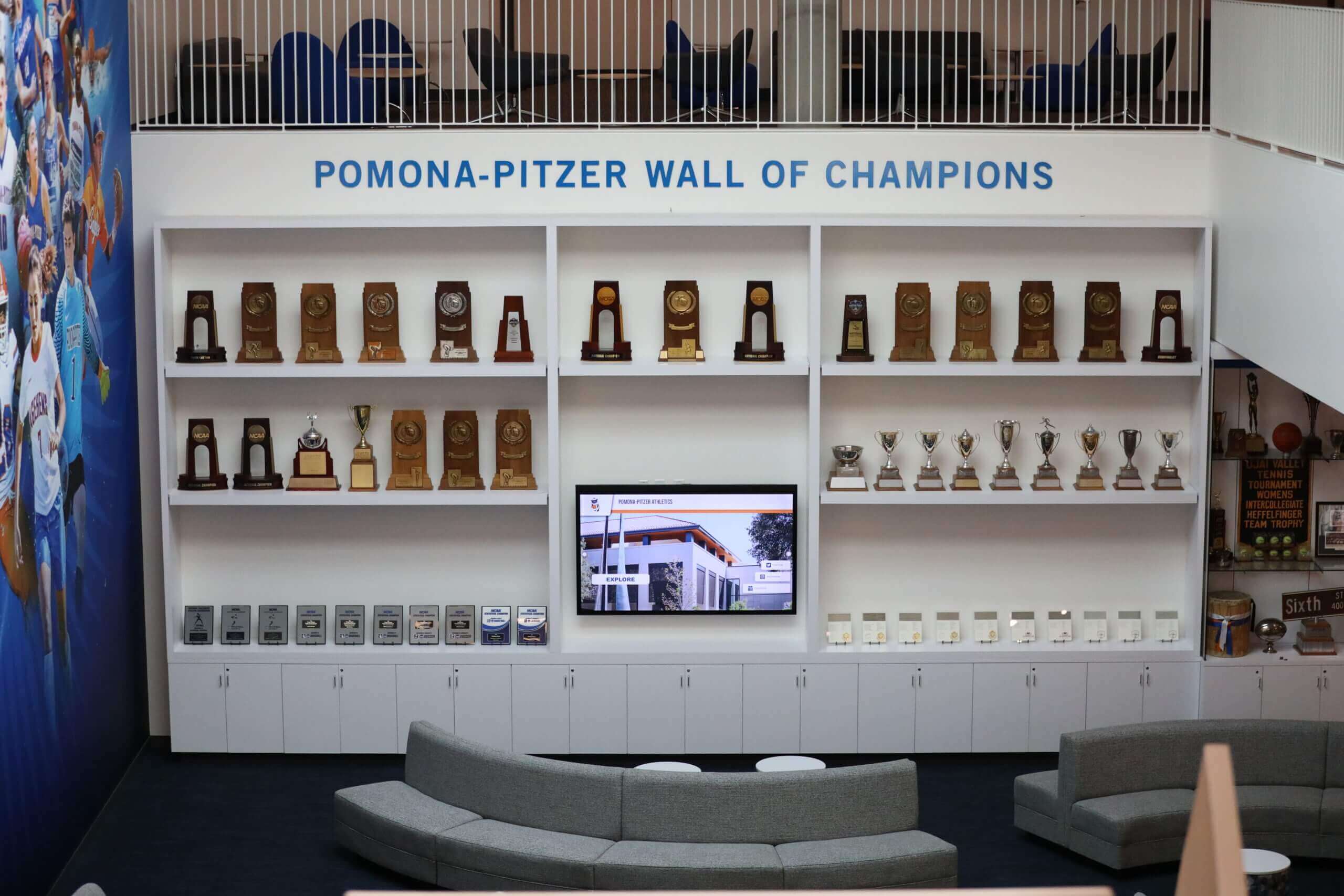
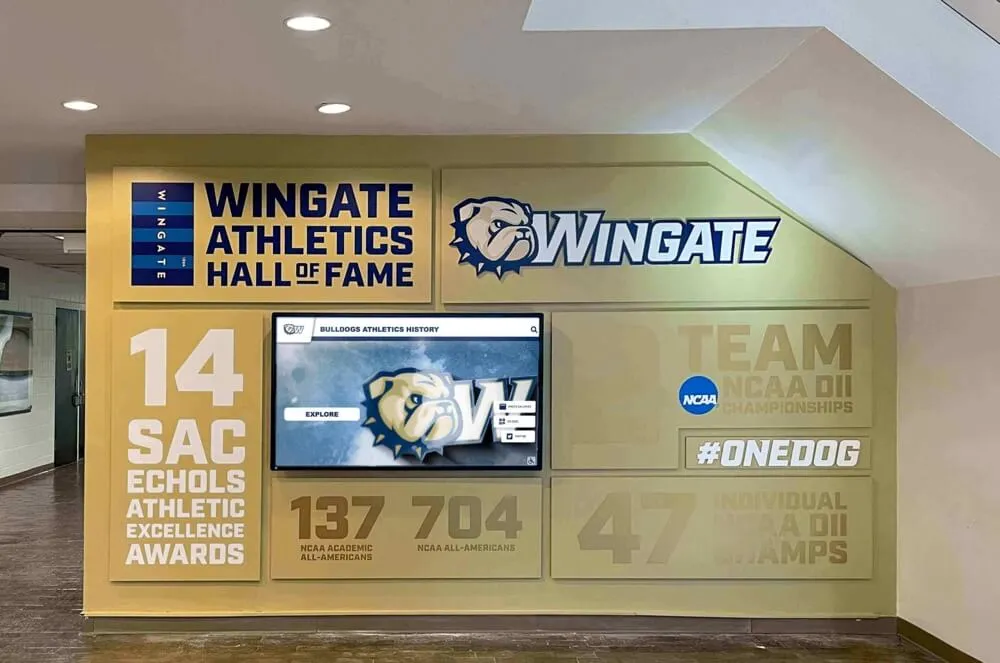
Integrated environments combine traditional trophy displays with digital recognition creating comprehensive celebration spaces
Conclusion: Building Legacy Through Digital Recognition
National College Signing Day represents culminating moments in student athletic careers—celebrations of dedication, achievement, and exciting futures continuing sports participation while pursuing higher education. These milestones deserve recognition honoring both individual achievement and the collective support systems enabling success, while preserving institutional legacy demonstrating sustained athletic excellence across years and decades.
Digital recognition transforms how schools celebrate college commitments by removing every limitation that constrained traditional approaches. Unlimited capacity enables comprehensive recognition across all sports, all athletes, and all years without space constraints forcing difficult choices about whose achievements remain visible. Real-time updates ensure recognition stays current as athletes commit throughout the year, circumstances change, or additional achievements occur. Flexible templates and layouts accommodate diverse presentation preferences while enabling adaptations as needs evolve. Rich multimedia profiles tell complete stories through photos, videos, statistics, and personal reflections impossible with printed materials.
With solutions like Rocket Alumni Solutions, schools can showcase current-year college signings prominently while maintaining complete archives of every prior signing class—demonstrating the true legacy of your athletic programs. Flexible content management makes bringing relevant content to the forefront effortless, while real-time editing capability ensures displays adapt throughout the school year as new athletes commit and seasons progress. Multiple template and layout options for both home pages and detailed profiles enable customization matching your institution’s unique needs and aesthetic preferences.
The benefits extend beyond celebrating individual athletes to serve comprehensive institutional goals—inspiring younger students through visible proof of achievable goals, supporting admission marketing by demonstrating program success, strengthening alumni relations through nostalgic connections and mentorship opportunities, and building community pride through sustained visibility of collective achievement. Recognition becomes infrastructure supporting multiple priorities rather than isolated initiatives serving narrow purposes.
Strategic implementation requires thoughtful content organization enabling intuitive discovery, careful physical placement maximizing visibility across key locations, meaningful athlete and family engagement ensuring authentic and accurate recognition, systematic information collection supporting content quality, and active promotion generating awareness and sustained community engagement. Schools following these best practices create recognition experiences worthy of celebrated achievements while avoiding common pitfalls that undermine platform value.
As technology continues advancing, digital recognition platforms will offer increasingly sophisticated capabilities—enhanced personalization matching content to individual interests, richer multimedia experiences bringing achievements to life, deeper integration with comprehensive engagement systems, and AI-assisted content development reducing administrative burden. Schools implementing modern recognition today position themselves to adopt these advances, ensuring college signing celebration remains current, engaging, and meaningful for decades to come.
Every student athlete who earns a college commitment deserves recognition honoring their achievement while inspiring younger students to pursue similar goals. Your school’s athletic traditions and the dedicated students who built that legacy deserve preservation and accessibility enabling future generations to discover and appreciate the excellence that came before them. With thoughtful planning, appropriate technology, and commitment to comprehensive recognition, you can create college signing day experiences that celebrate current achievement while building enduring legacy—transforming momentary celebrations into sustained community pride connecting past, present, and future athletes in shared traditions of excellence.
Ready to transform how your school celebrates college commitments? Explore how Rocket Alumni Solutions creates engaging recognition platforms that showcase current signings, preserve complete historical archives, and adapt in real-time throughout the year—building the warm, connected communities where every student athlete’s achievement receives the lasting celebration it deserves.