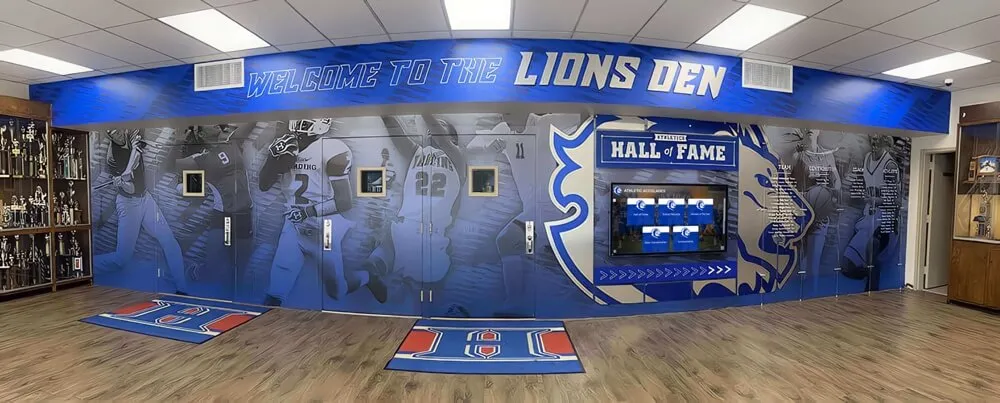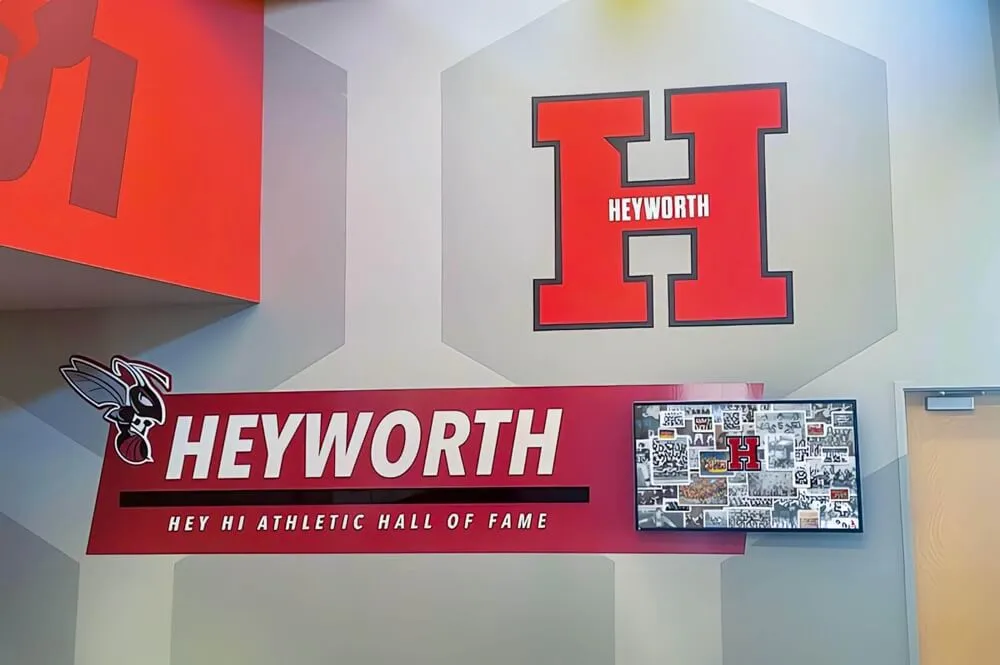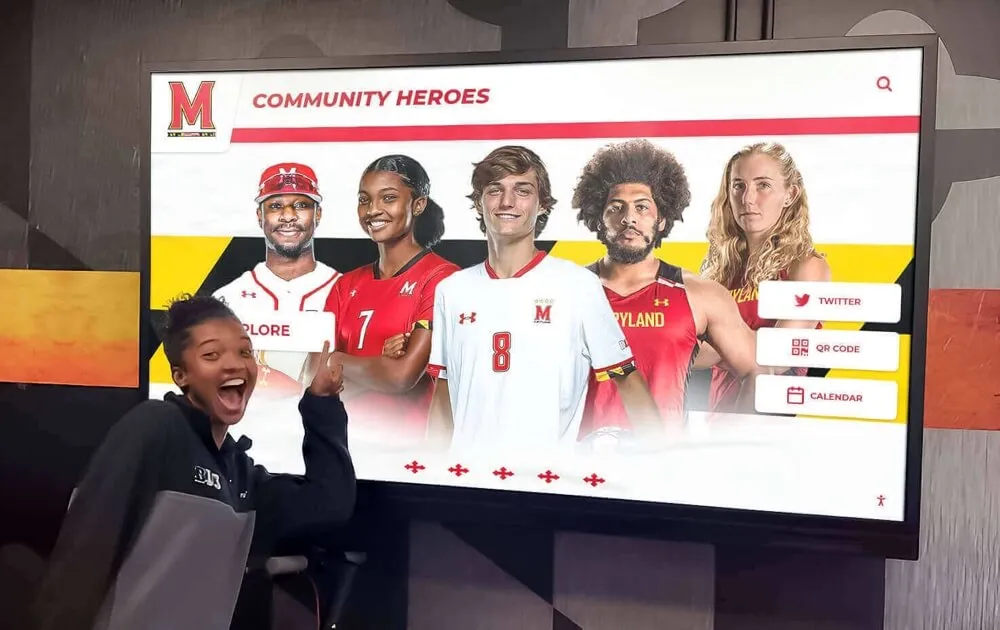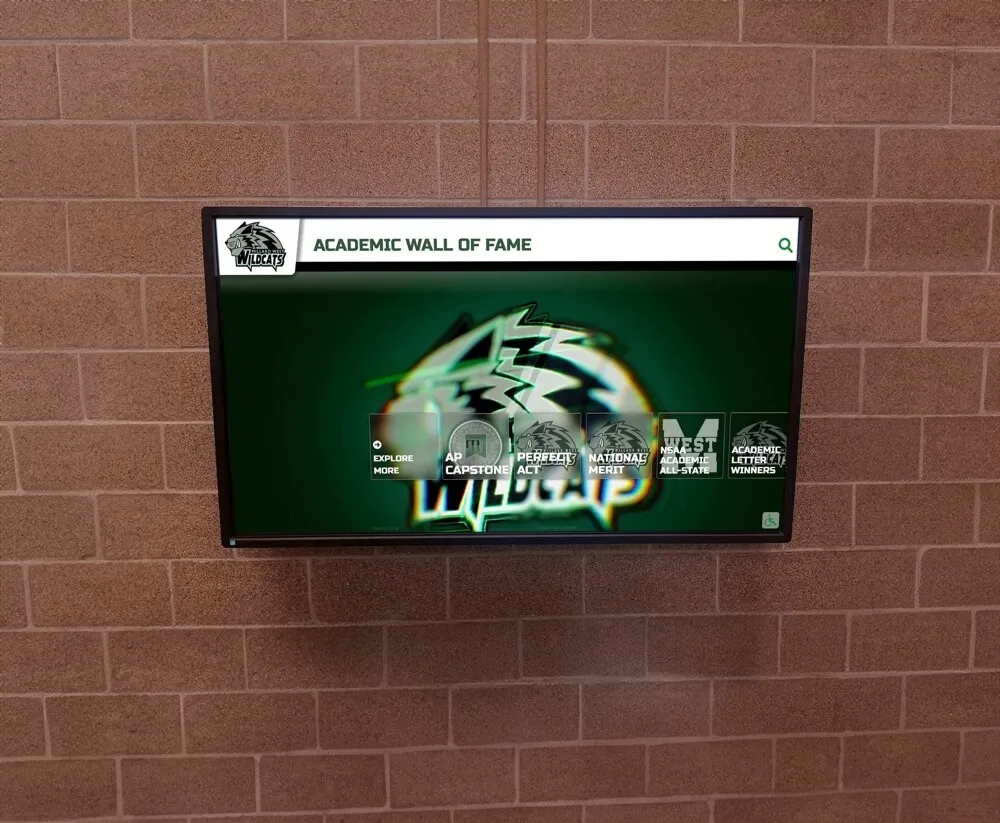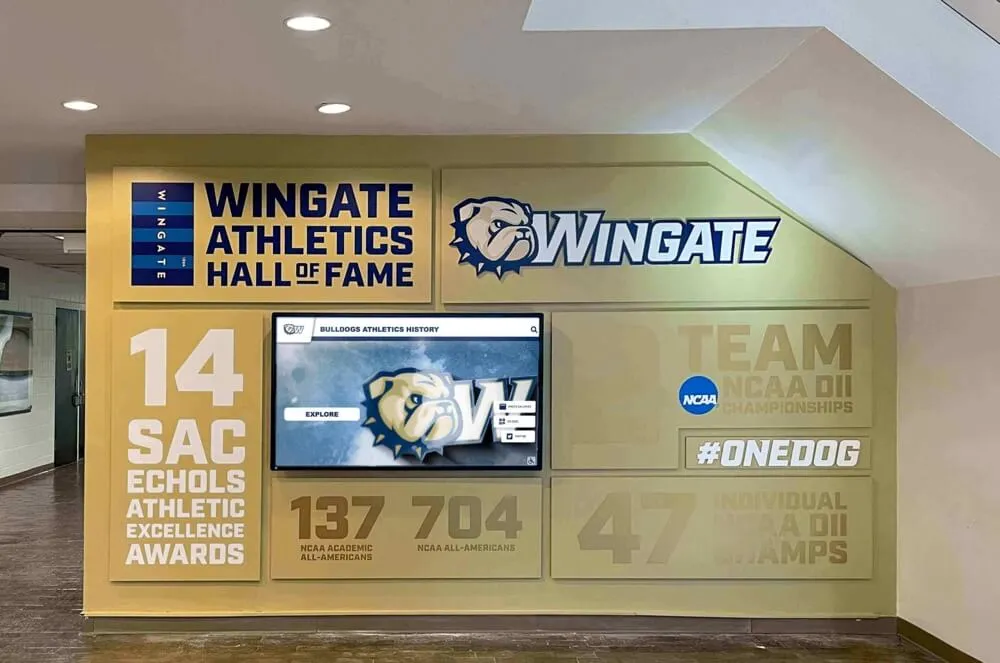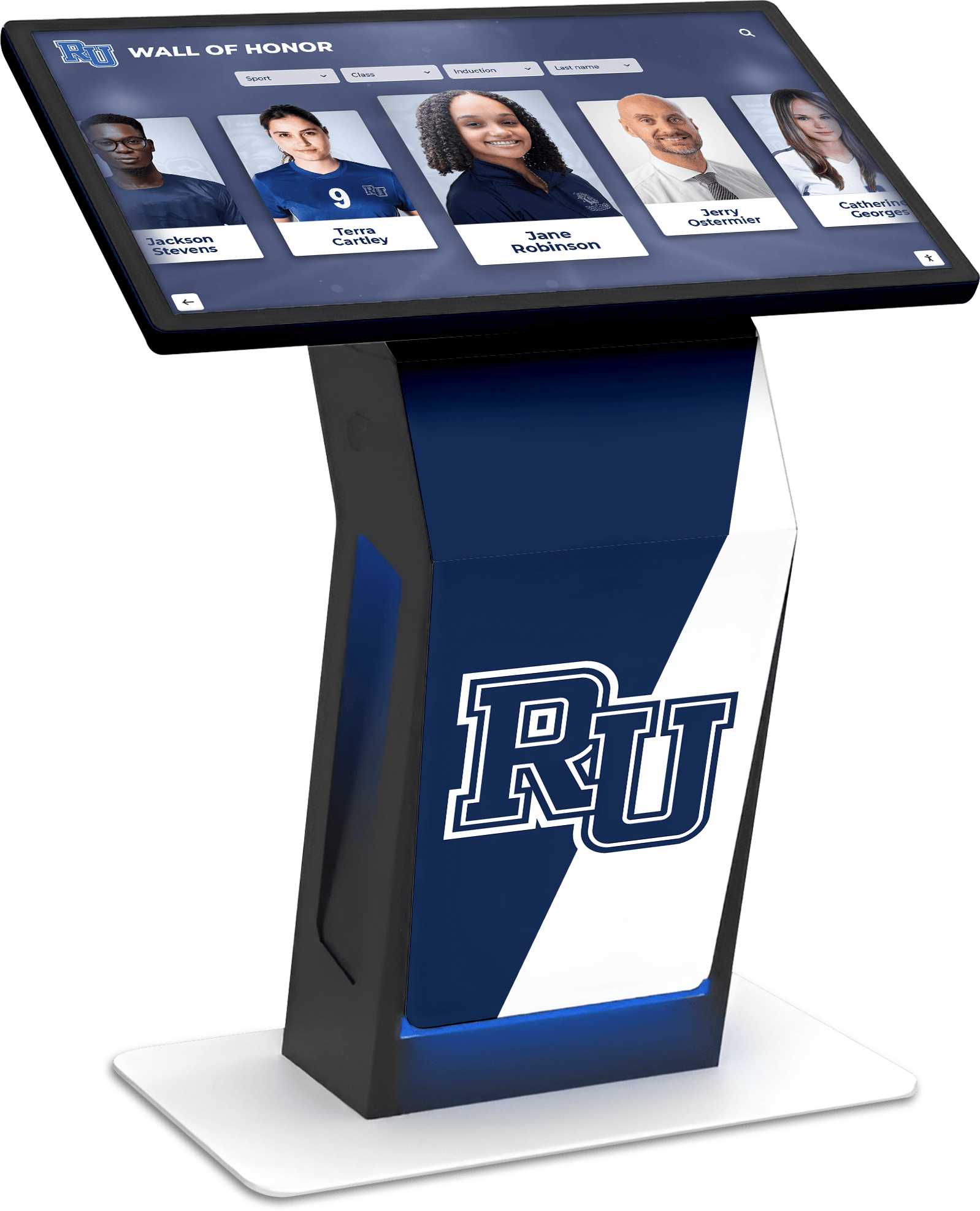




Intent: decide — Organizations implementing interactive recognition displays face critical hardware decisions determining whether installations create warm, engaging community experiences or become technology investments that fail to deliver expected value. MWE-QIXZOCV touchscreen kiosk interactive displays represent accessible, budget-friendly hardware options that, when paired with purpose-built recognition software like Rocket Alumni Solutions, transform how schools, athletic departments, museums, and community organizations celebrate achievements while building vibrant, connected communities.
Understanding hardware compatibility ensures recognition investments deliver intuitive user experiences, reliable long-term operation, and flexibility to evolve as organizational needs grow. The right combination of affordable touchscreen hardware and specialized recognition software creates the “digital warming” effect—transforming cold, impersonal technology into inviting experiences that draw visitors into deep exploration, surface personalized content creating meaningful connections, and build the engaged communities where members feel valued.
This comprehensive guide explores MWE-QIXZOCV touchscreen kiosk displays, examining specifications, capabilities, and compatibility with recognition platforms like Rocket Alumni Solutions while providing frameworks for hardware selection ensuring successful interactive display implementations.
The proliferation of affordable touchscreen kiosk hardware democratizes access to interactive display technology previously requiring substantial capital investment. Organizations that once considered digital recognition cost-prohibitive now implement professional touchscreen experiences at price points accessible to schools, small nonprofits, and community organizations with modest technology budgets.
MWE-QIXZOCV touchscreen kiosks exemplify this accessibility trend, providing commercial-grade interactive displays at consumer-friendly prices without sacrificing the core capabilities required for effective recognition applications. When combined with web-based recognition platforms optimized for browser-based operation, these displays deliver professional results rivaling expensive proprietary systems at fractions of traditional costs.

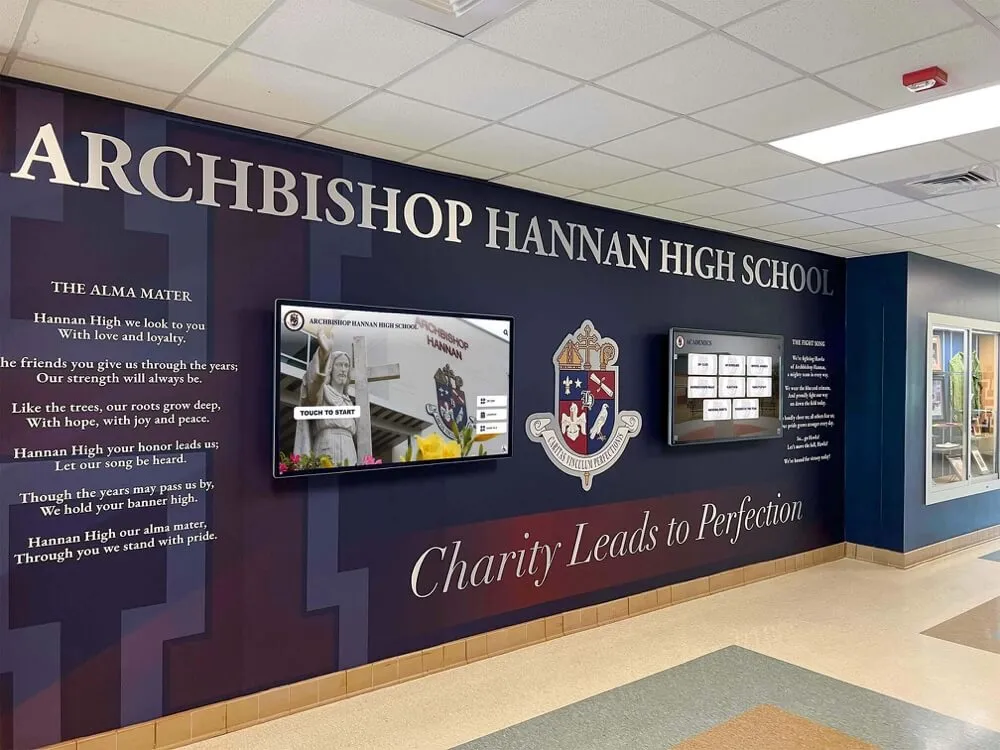
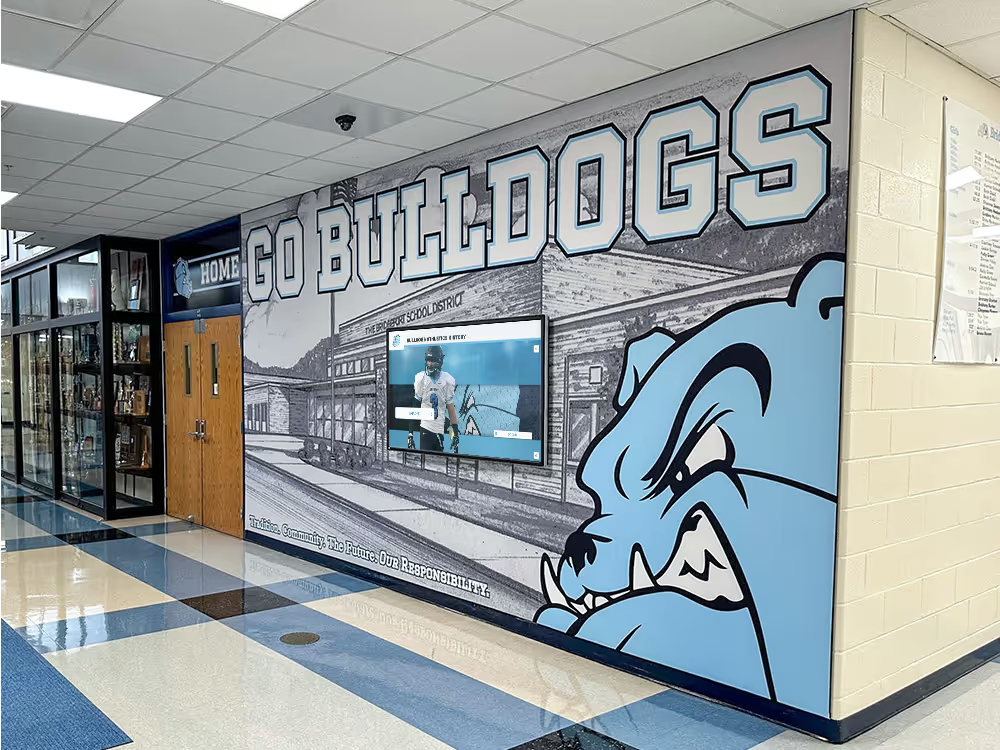
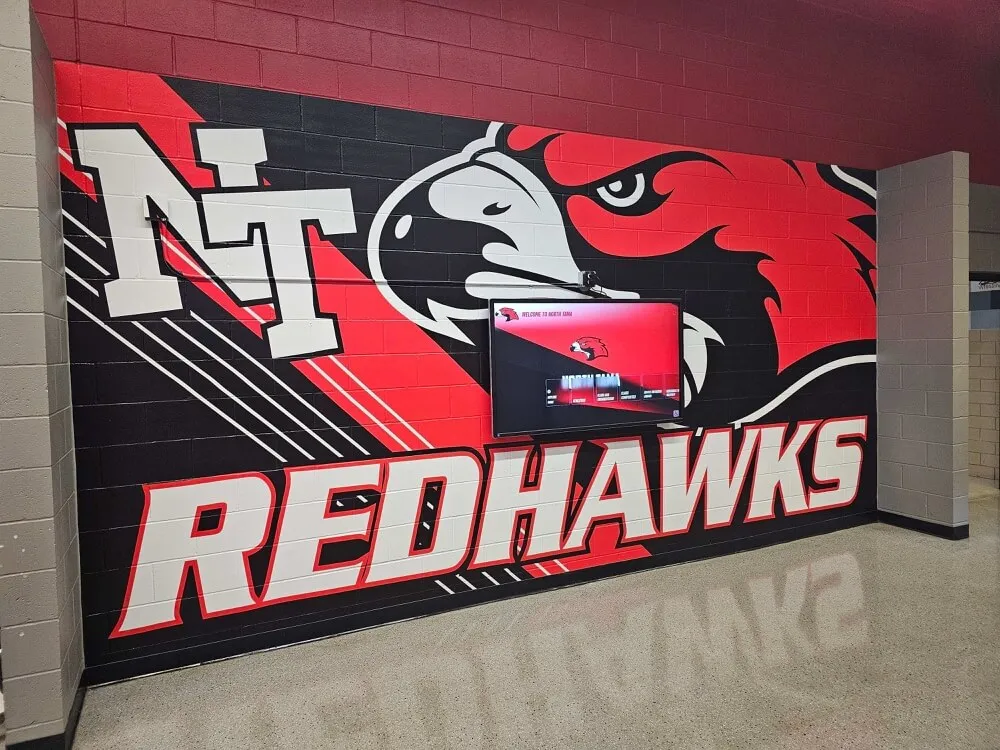
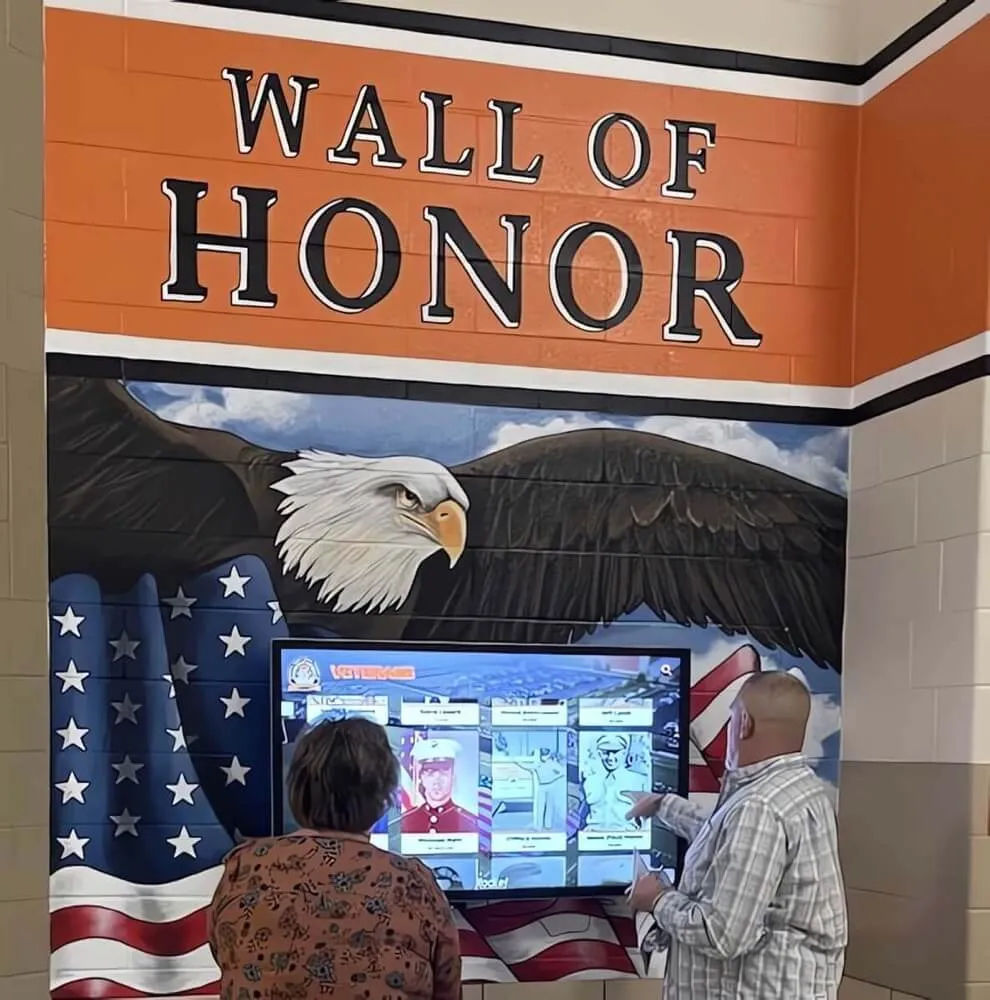
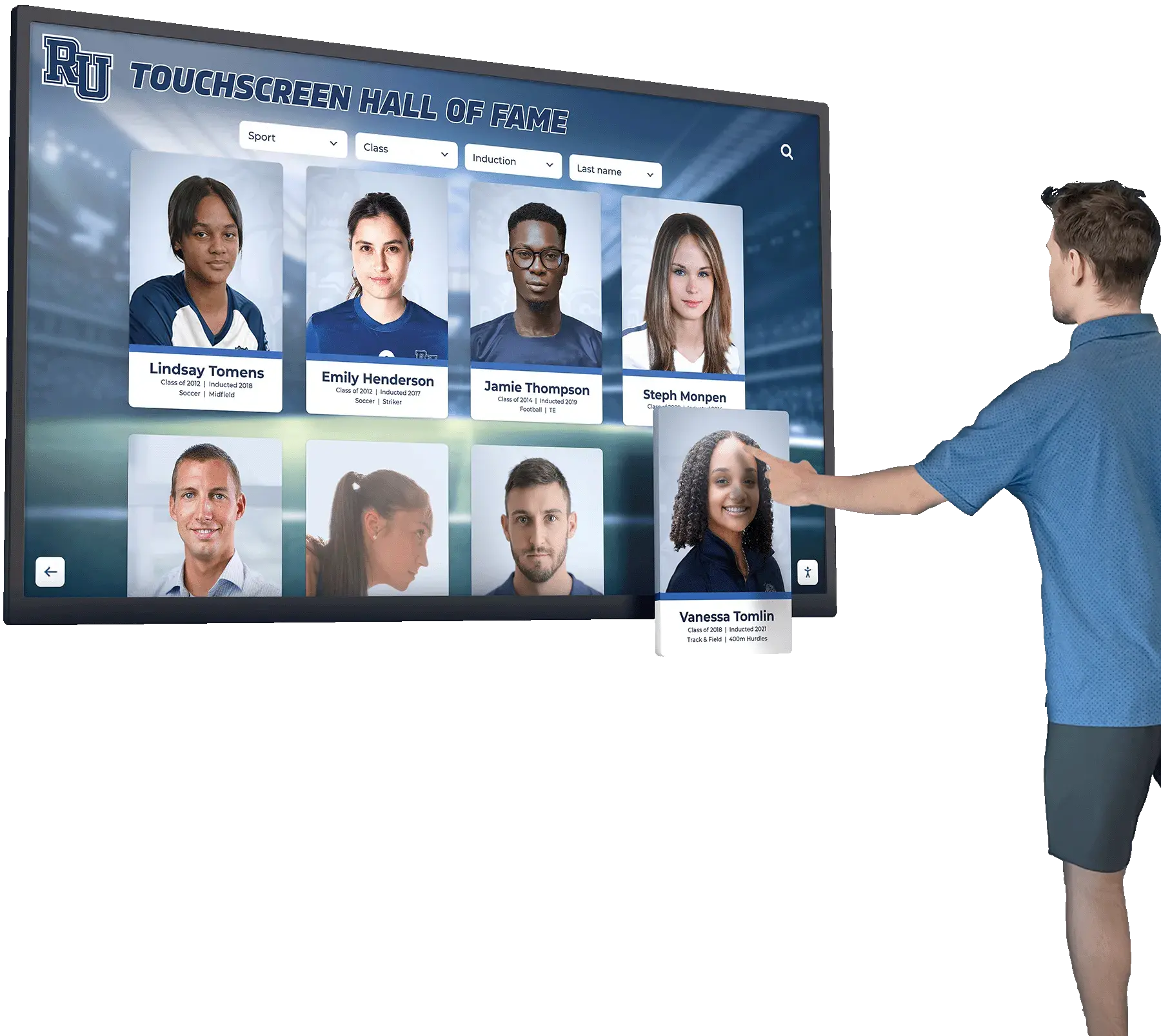
Modern touchscreen kiosk hardware creates professional recognition experiences at accessible price points
Understanding MWE-QIXZOCV Touchscreen Kiosk Displays
MWE-QIXZOCV represents a brand of touchscreen kiosk displays manufactured by Make Win Easy (MWE), specializing in digital signage and interactive display solutions for commercial and institutional applications.
Core Hardware Specifications
MWE-QIXZOCV kiosks provide several features essential for recognition display applications:
Display Technology and Quality MWE-QIXZOCV units feature FHD IPS display screens providing crisp, vibrant visuals with wide 178-degree viewing angles ensuring maximum visibility from various perspectives. This wide viewing angle proves essential for recognition displays serving multiple simultaneous viewers in hallways, lobbies, and public spaces where visitors approach from different directions.
The IPS panel technology delivers superior color reproduction and image quality compared to budget TN panels, ensuring photos of recognized individuals, historical images, and achievement graphics display with appropriate visual fidelity honoring celebrated accomplishments.
Available Display Sizes MWE-QIXZOCV manufactures touchscreen kiosks in multiple size configurations serving different space requirements and viewing contexts. Available sizes include 37-inch displays suitable for individual viewing stations or smaller spaces, 43-inch and 49-inch mid-range options balancing visibility with space efficiency, and larger 55-inch and 65-inch 4K displays accommodating group viewing or high-traffic locations requiring maximum visibility.
Organizations implementing touchscreen kiosk solutions for schools benefit from size flexibility enabling hardware selection matching specific installation contexts, available wall space, and expected viewing patterns.
Touch Screen Technology Interactive touch functionality enables visitors to actively explore recognition content through intuitive tap, swipe, and gesture interactions familiar from smartphones and tablets. Touch responsiveness determines user experience quality, with smooth, accurate touch detection creating confidence while laggy or inaccurate touch frustrates visitors and reduces engagement.
MWE-QIXZOCV touchscreen technology accommodates the browsing patterns common in recognition applications including scrolling through lists of inductees, tapping profile cards for detailed information, swiping through photo galleries, and navigating category filters discovering content matching personal interests.
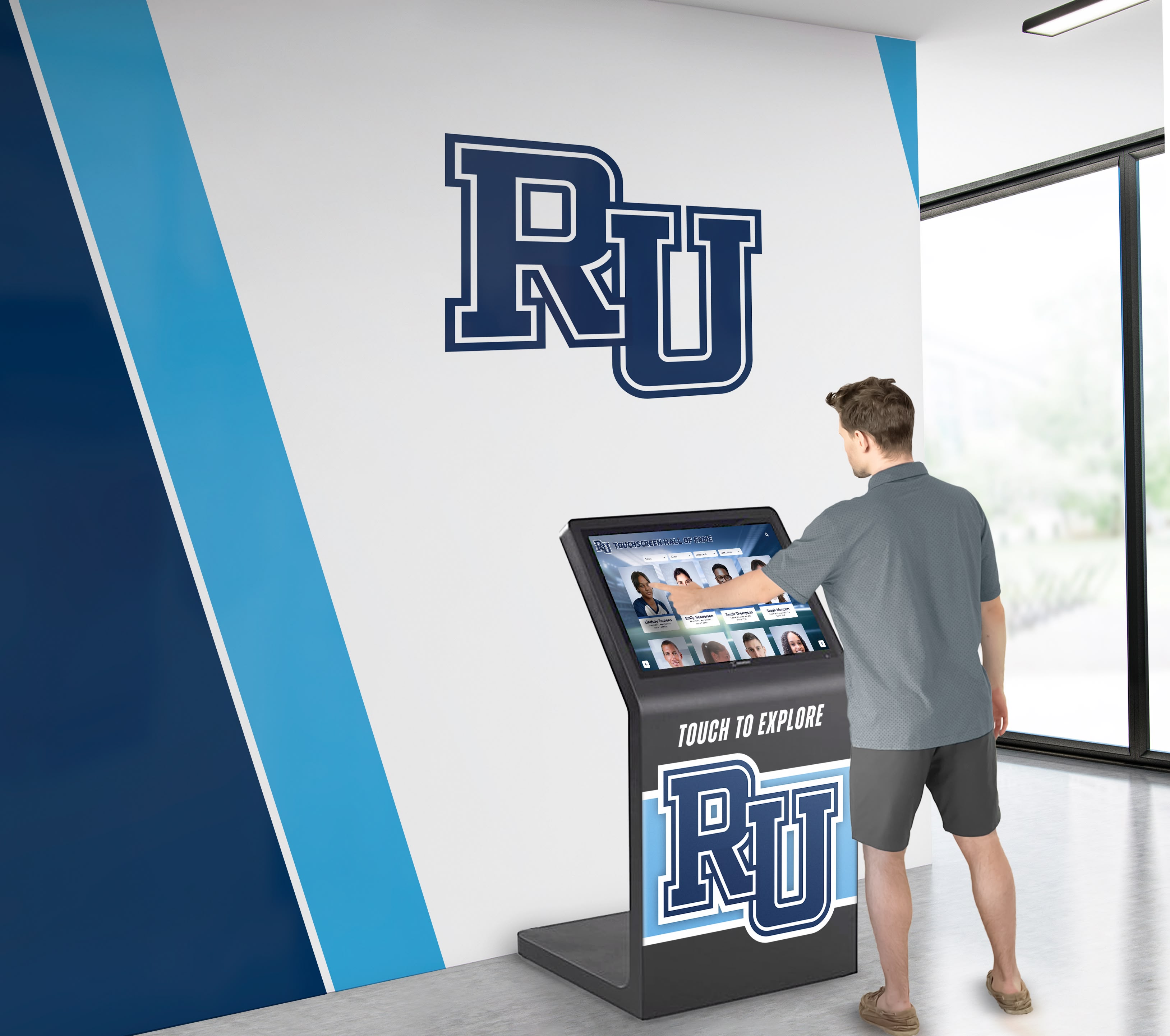
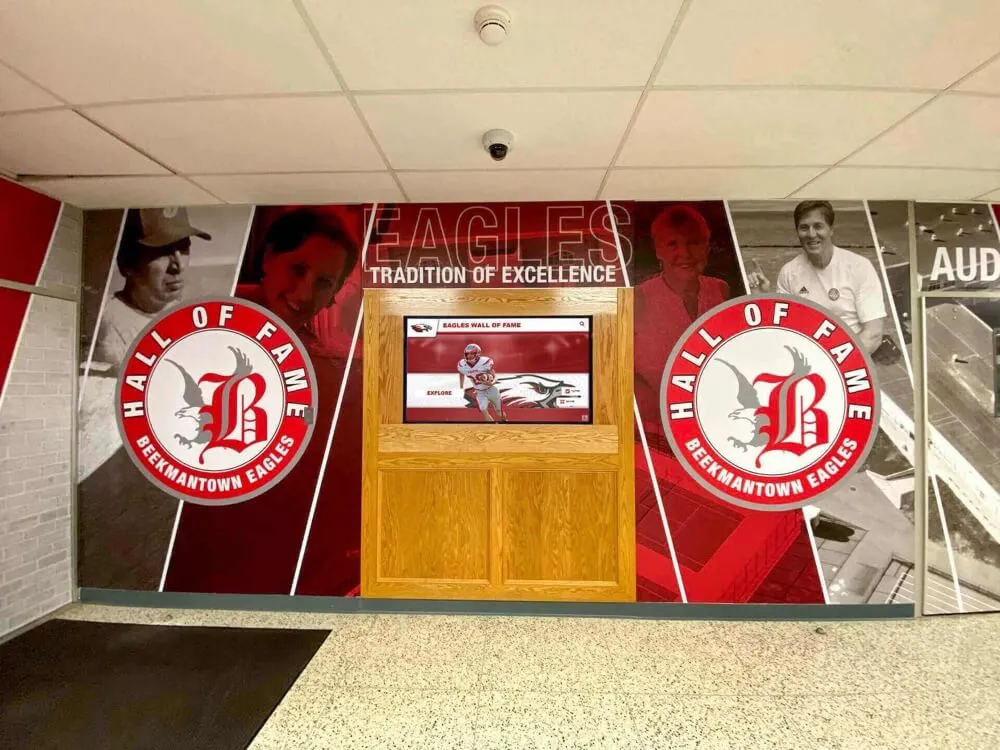
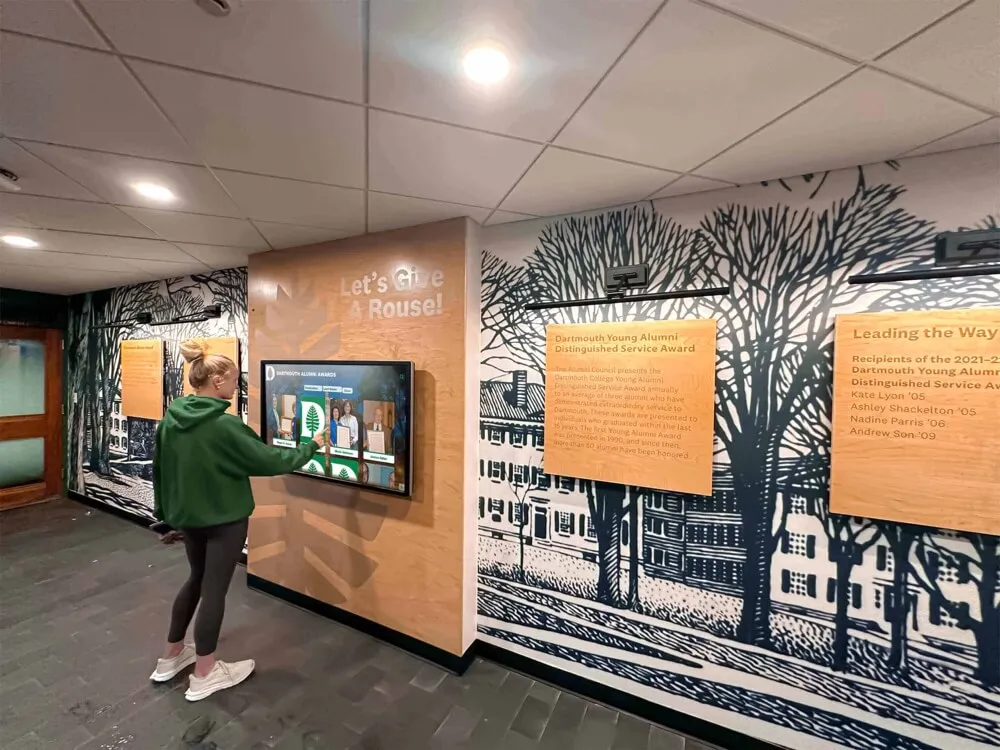
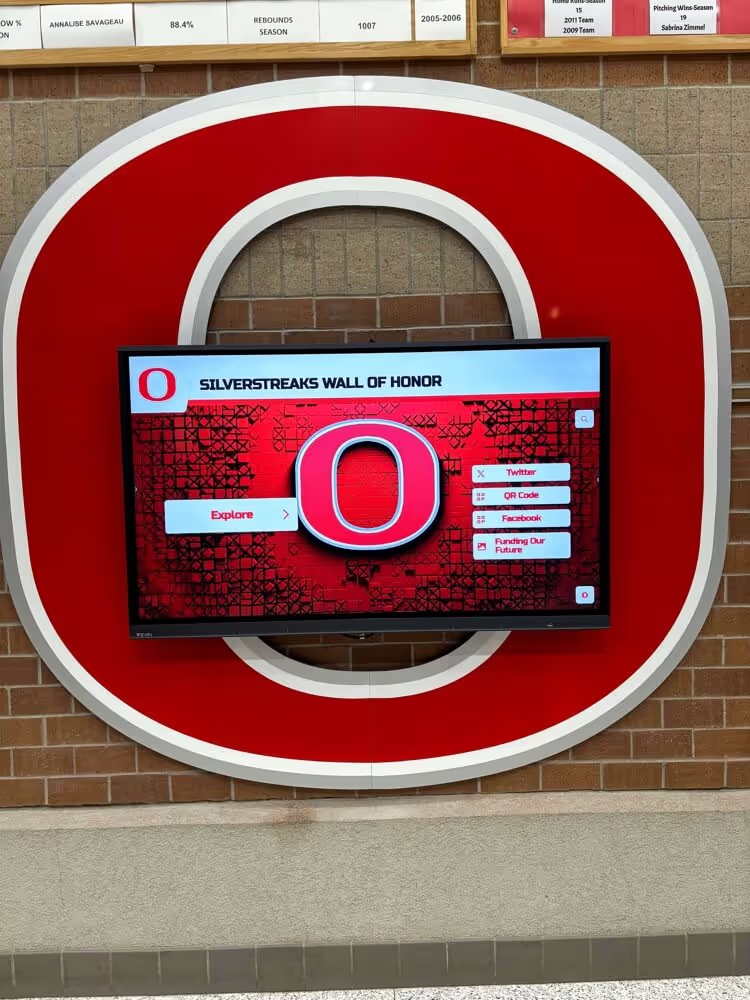
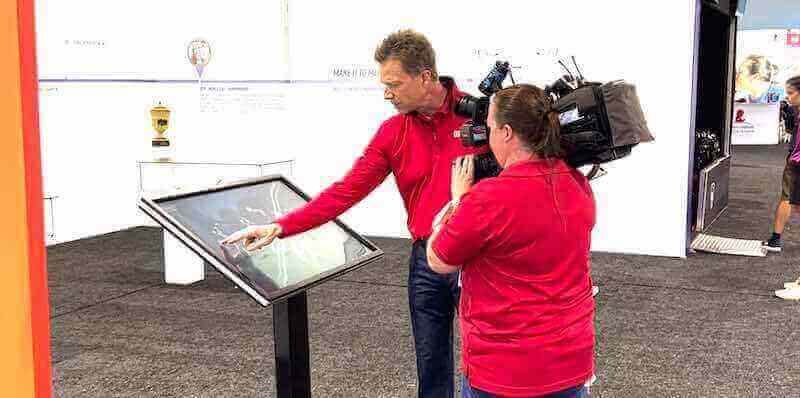
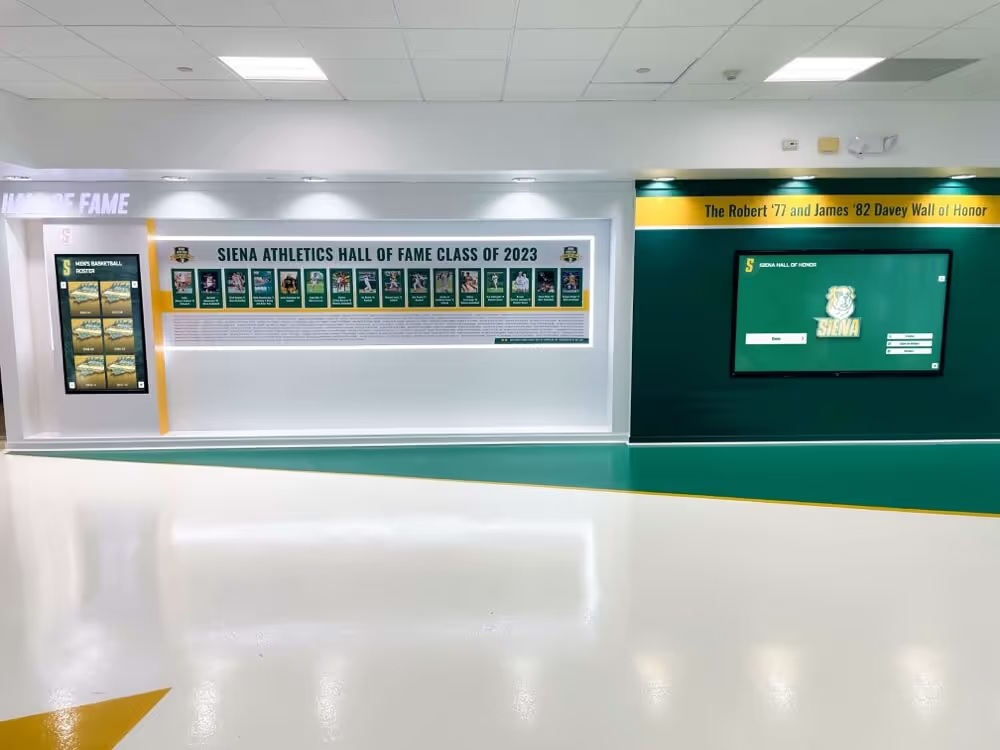
Intuitive touch interfaces encourage exploration and discovery of recognition content
Operating System and Software Platform
MWE-QIXZOCV kiosks run on Android operating systems providing several advantages for recognition applications:
Android OS Flexibility Android’s open architecture enables installation of various applications including web browsers, media players, content management apps, and specialized kiosk software. This flexibility proves essential when implementing web-based recognition platforms requiring full-featured browser environments with modern web standard support.
Organizations implementing solutions like Rocket Alumni Solutions benefit from Android’s robust browser support, enabling recognition platforms to run through standard web browsers while maintaining full functionality including touch optimization, multimedia content, and responsive interface design.
Built-In Media Player Functionality MWE-QIXZOCV units include automatic media player capabilities supporting USB and network content delivery. While recognition applications typically prioritize interactive web-based experiences over scheduled content rotation, media player functionality provides backup options for displaying static content during maintenance periods or when interactive experiences require supplementation with passive information displays.
Network Connectivity Options Multiple connectivity options including WiFi, Ethernet, HDMI, and USB inputs enable flexible deployment scenarios. Recognition installations benefit from wired Ethernet connections providing superior reliability compared to wireless networks, though WiFi capabilities offer deployment flexibility in locations where wired networking proves impractical.
Organizations evaluating interactive touchscreen software for recognition should prioritize network reliability ensuring cloud-based platforms maintain consistent connectivity supporting remote content management and real-time updates.
Physical Design and Installation Considerations
MWE-QIXZOCV kiosks feature floor-standing designs with integrated bases providing stable, self-contained installations:
Floor-Standing Kiosk Format Freestanding designs eliminate requirements for wall mounting, structural modifications, or permanent installation enabling flexible placement and future repositioning as facility needs evolve. Floor-standing formats suit rental spaces, temporary installations, or situations where wall mounting proves impractical due to architectural constraints or historic preservation requirements.
The self-contained format simplifies installation logistics, requiring only floor space and power rather than coordinating wall mounting, structural reinforcement, and cable routing through walls or ceilings.
Slim Profile and Space Efficiency Modern slim designs minimize floor space requirements while maintaining screen visibility and stability. Space-efficient profiles enable installation in hallways, lobbies, and common areas without obstructing traffic flow or creating accessibility barriers.
Organizations implementing digital recognition displays in schools must balance visibility goals with circulation requirements, ensuring displays enhance rather than impede facility functionality.
Professional Aesthetic Design Commercial-grade appearance with finished bezels, cable management, and professional presentation ensures displays complement rather than detract from facility aesthetics. Recognition installations represent institutional investments deserving hardware reflecting organizational quality standards and professional image.
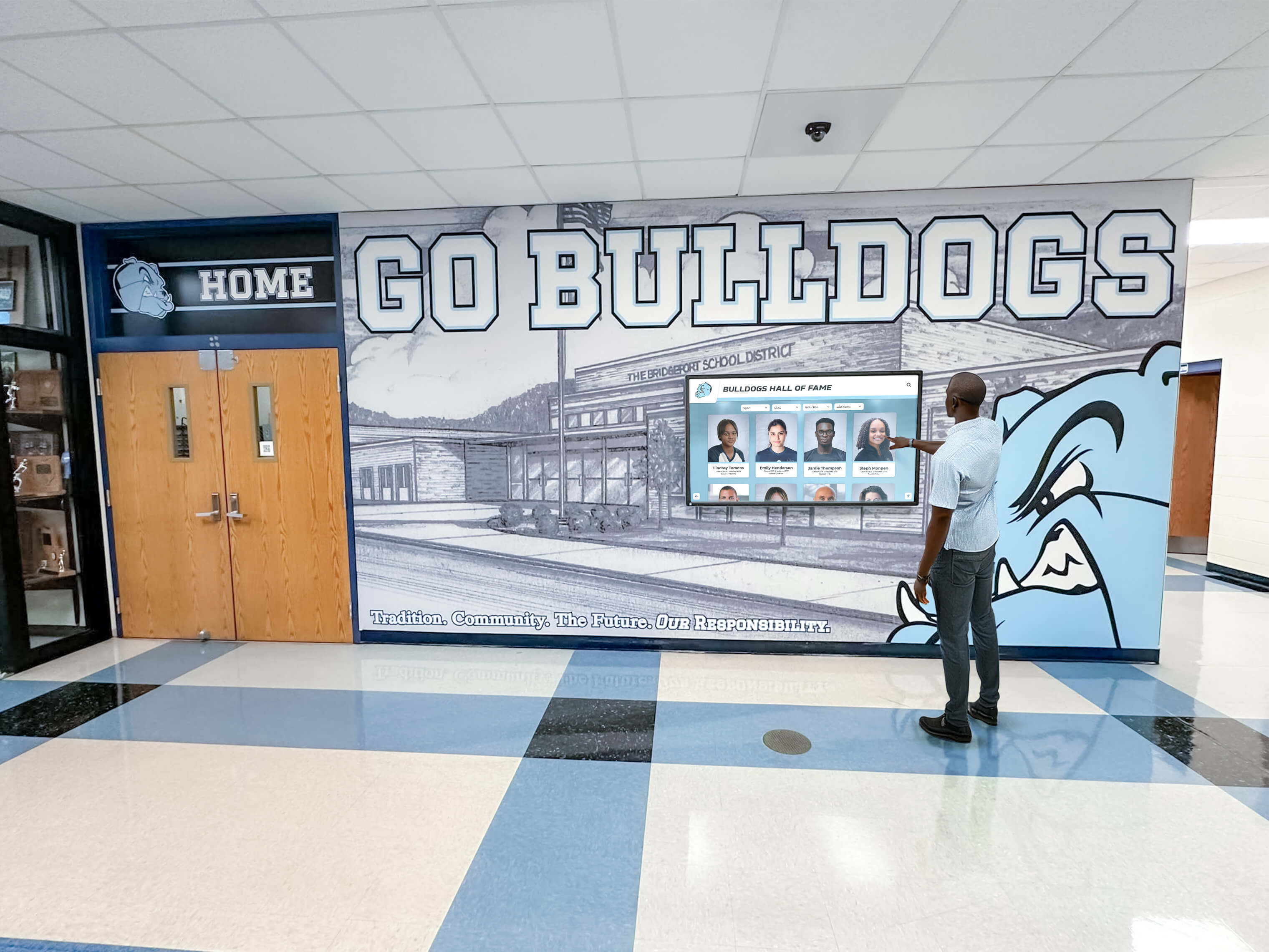
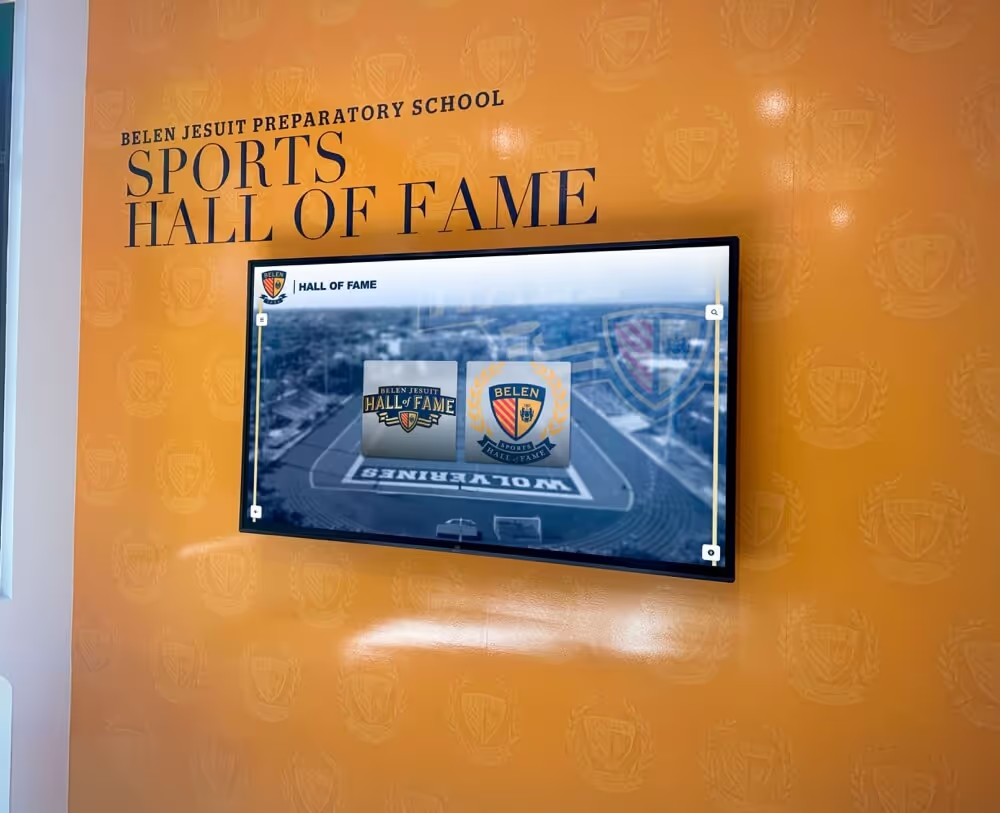
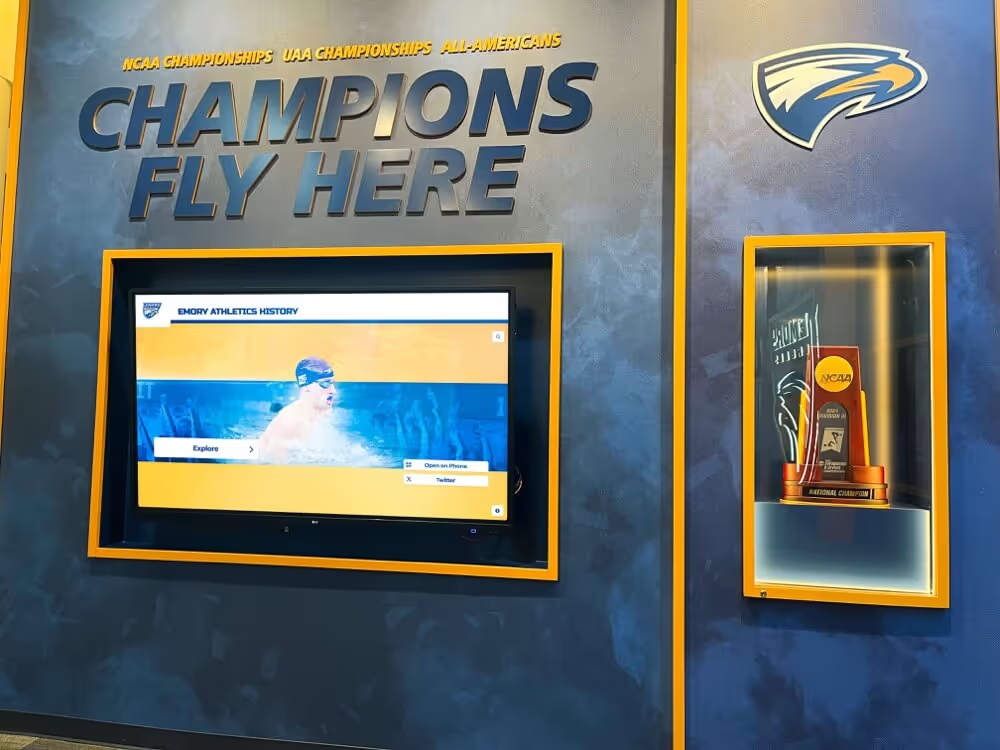
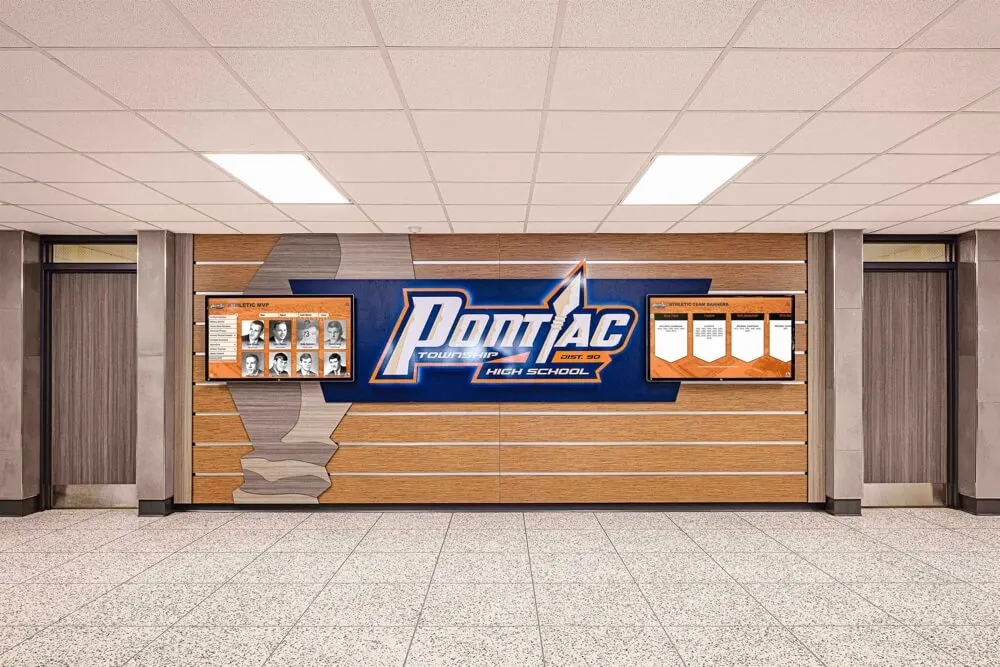
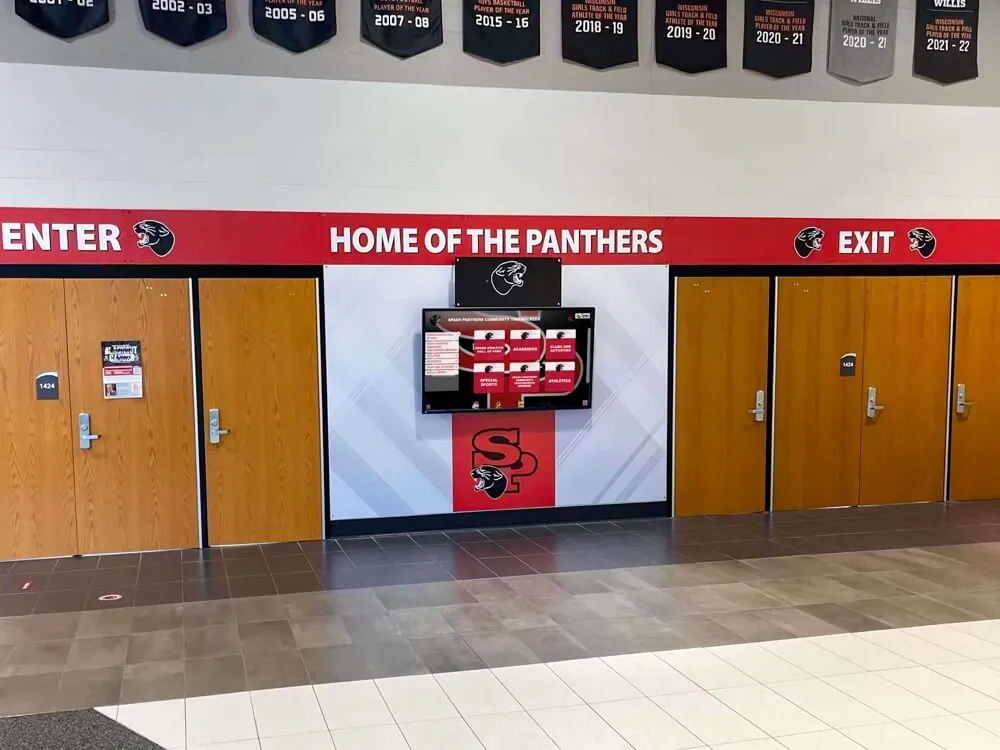
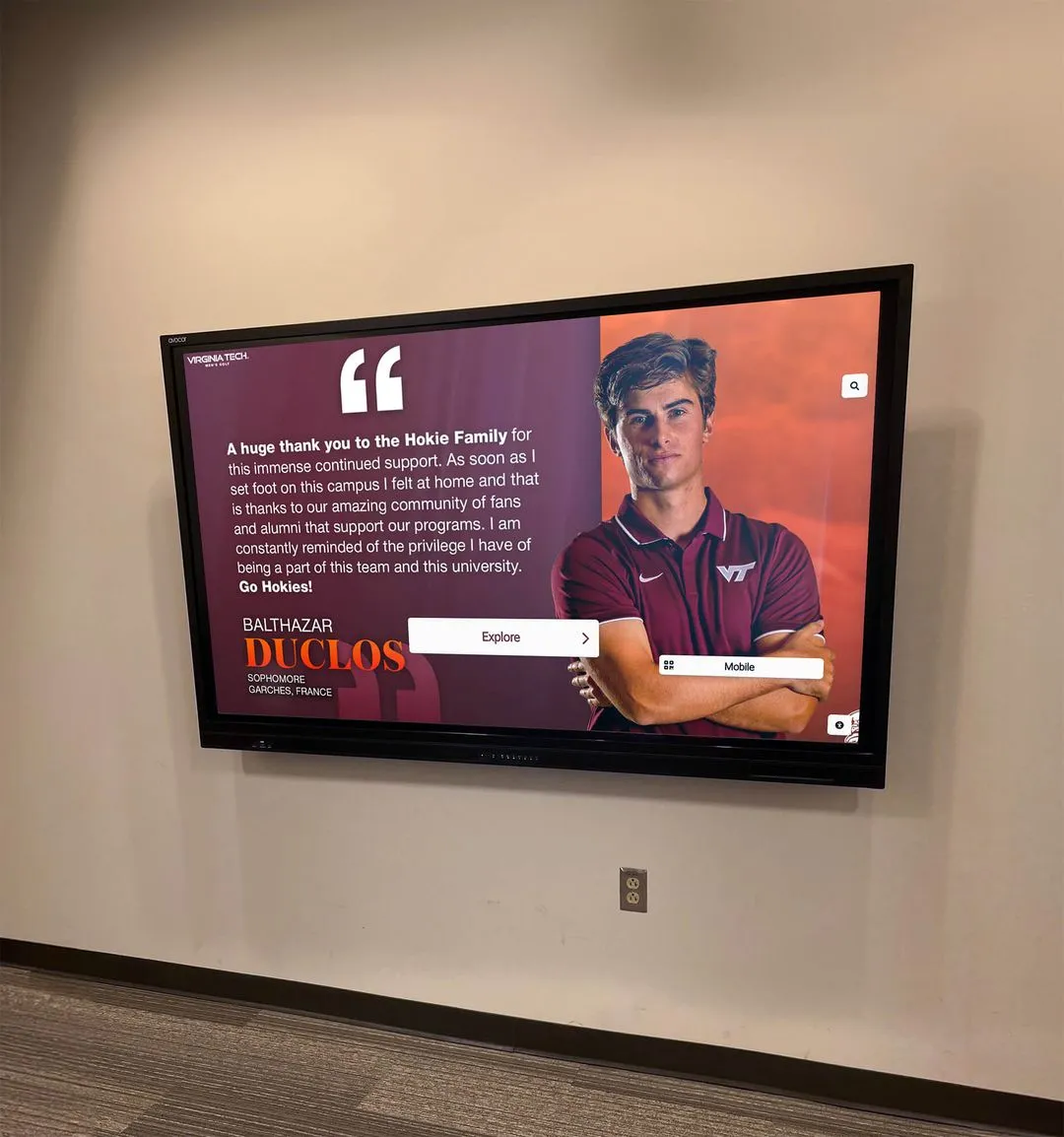
Professional hardware design integrates seamlessly with institutional environments
Compatibility with Rocket Alumni Solutions Software
The critical question for organizations considering MWE-QIXZOCV hardware involves compatibility with specialized recognition software platforms like Rocket Alumni Solutions.
Web-Based Platform Architecture Advantages
Rocket Alumni Solutions operates as a web-based platform accessed through internet browsers rather than requiring platform-specific native applications. This browser-based architecture provides several compatibility advantages:
Universal Browser Compatibility Web-based platforms run on any device with modern browser support regardless of underlying operating system. MWE-QIXZOCV kiosks running Android support current browser versions including Chrome, Firefox, and other modern browsers providing complete HTML5, CSS3, and JavaScript support required for contemporary web applications.
Organizations implementing web-based touchscreen software avoid platform lock-in while maintaining hardware flexibility enabling equipment upgrades or replacements without software compatibility concerns.
Touch-Optimized Interface Design Despite browser-based architecture, Rocket Alumni Solutions incorporates extensive touch optimization creating native-quality touch experiences through appropriately sized interactive elements, gesture support, smooth scrolling, and immediate visual feedback. These touch-specific interface optimizations function through standard browser touch APIs, operating identically across hardware platforms supporting modern web standards.
Simplified Deployment and Configuration Browser-based access eliminates application installation, operating system configuration, and complex setup procedures. Organizations simply configure browsers to launch Rocket’s web platform at startup, optionally implementing kiosk mode browsers preventing users from navigating away from recognition content.
Implementing Kiosk Mode for Public Access
Public-facing recognition displays require kiosk mode configurations preventing visitors from accessing device settings, switching applications, or navigating to unauthorized content:
Kiosk Browser Solutions Dedicated kiosk browser applications lock devices to specific websites while preventing access to settings and alternative applications. Free solutions like Rocket’s Android kiosk app and commercial options like Fully Kiosk Browser provide varying feature sets serving different organizational needs and security requirements.
Organizations implementing locked-down kiosk browsers ensure reliable, secure operation of unattended displays in public spaces where device security and consistent user experience prove essential.
Configuration Requirements Kiosk mode setup typically involves installing kiosk browser software, configuring startup URLs pointing to recognition platforms, disabling unnecessary Android features and notifications, setting up automatic restart schedules maintaining long-term reliability, and implementing remote management enabling troubleshooting without physical device access.
Security and Access Control Public kiosk configurations should prevent unauthorized access to device settings, block installation of applications or content, restrict network access to required services only, and enable remote monitoring detecting potential security issues or operational failures.
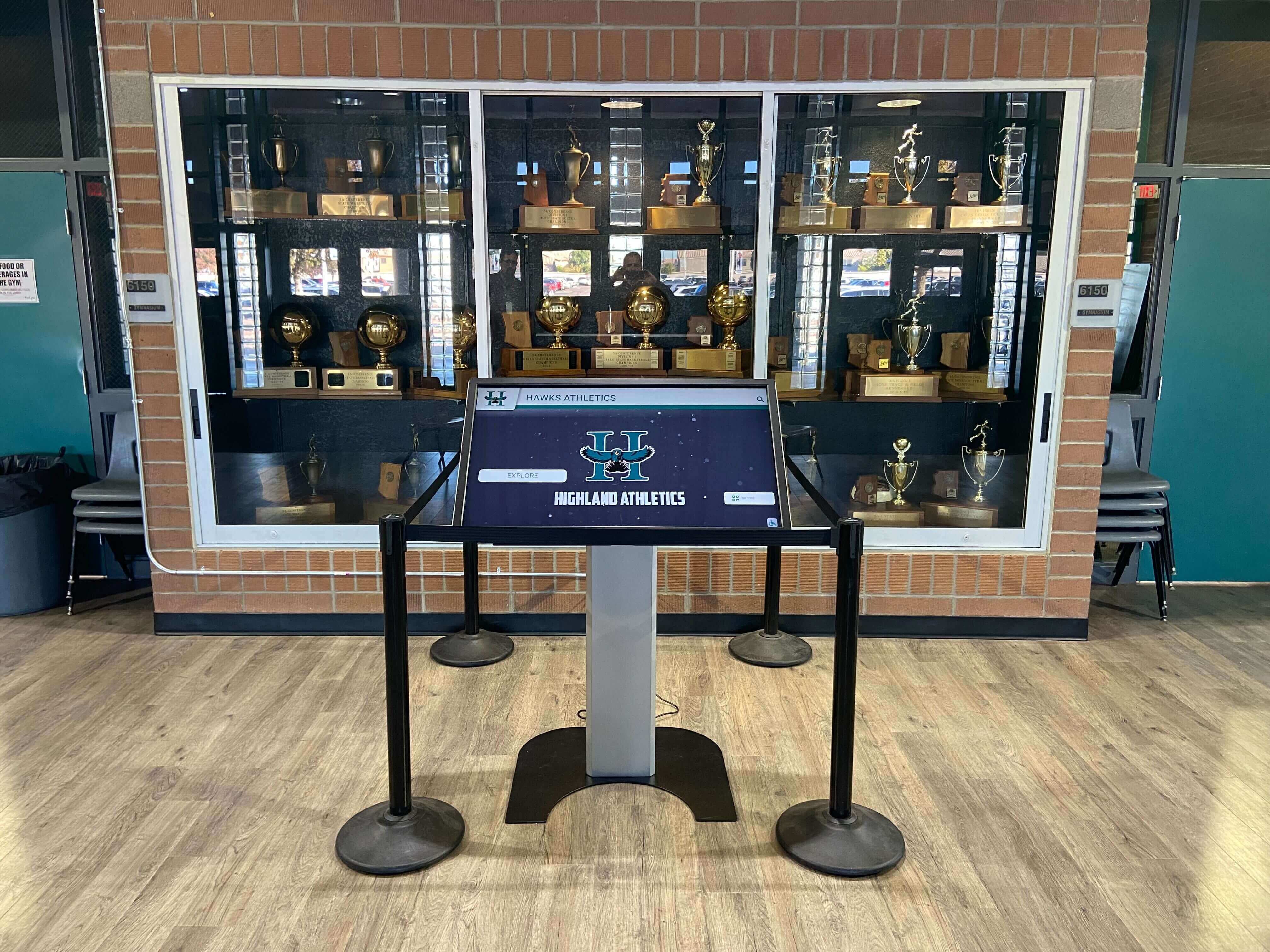
Kiosk mode configurations ensure secure, reliable operation in public environments
MWE-QIXZOCV Hardware Benefits for Recognition Applications
Budget-friendly touchscreen hardware provides several advantages for recognition display implementations:
Accessible Price Points
Cost represents perhaps the most significant advantage of MWE-QIXZOCV and similar consumer-grade touchscreen displays:
Dramatically Lower Initial Investment MWE-QIXZOCV kiosks typically retail for $1,000-3,000 depending on size and configuration—substantially less than proprietary commercial display systems often exceeding $5,000-10,000 per unit. This accessibility enables organizations with modest budgets to implement interactive recognition previously considered financially unrealistic.
Schools, small nonprofits, community organizations, and athletic programs operating on tight budgets gain access to professional touchscreen experiences creating meaningful community engagement without requiring major capital campaigns or restricting recognition investments to large, well-funded institutions.
Reduced Total Cost of Ownership Beyond initial purchase prices, budget-friendly hardware reduces long-term ownership costs through lower replacement costs when hardware eventually requires updating, reduced financial risk when experimenting with new recognition approaches, and flexibility to implement multiple displays across campus rather than concentrating investment in single high-cost units.
Organizations implementing digital hall of fame solutions benefit from hardware economics enabling comprehensive recognition programs celebrating achievements across all sports, programs, and categories rather than limiting recognition to highest-profile activities.
Adequate Performance for Recognition Applications
While MWE-QIXZOCV kiosks don’t match premium commercial display performance, specifications prove more than adequate for typical recognition use cases:
Sufficient Display Quality FHD resolution displays provide appropriate image quality for photos, text, and graphics in recognition profiles. While 4K displays offer superior clarity, standard FHD resolution delivers professional results for most recognition content viewing distances and use cases.
IPS panel technology ensures accurate color reproduction and wide viewing angles critical for group viewing scenarios common in recognition applications where multiple visitors simultaneously view displays from various angles.
Responsive Touch Performance Touch responsiveness meets requirements for browsing recognition content, navigating menus, scrolling through inductee lists, and viewing detailed profiles. While premium capacitive touch offers superior multi-touch and gesture support, standard touch technology provides satisfactory experiences for typical recognition interaction patterns.
Adequate Processing Power Android processors in MWE-QIXZOCV units handle web browser requirements, multimedia content playback, and touch input processing supporting recognition platform operation. Organizations should ensure adequate RAM (minimum 2GB, preferably 4GB+) supporting smooth browser performance when displaying media-rich recognition content.
Deployment Flexibility and Scalability
Budget-friendly hardware enables deployment approaches unavailable at premium price points:
Multi-Location Installations Affordable per-unit costs enable organizations to deploy multiple displays throughout facilities rather than concentrating investment in single locations. Schools implement touchscreens in main lobbies, athletic facilities, alumni centers, and multiple hallways creating comprehensive recognition visibility across campuses.
Distributed installations ensure recognition reaches all community segments while providing location-specific content serving different audiences—athletic recognition near gymnasiums, academic honors in academic buildings, and historical content in main lobbies.
Phased Implementation Approaches Organizations implement initial recognition displays demonstrating value before expanding programs based on engagement results and community feedback. Starting with single displays in high-traffic locations proves concepts while building institutional support for broader recognition investments.
Risk Mitigation Through Hardware Diversity Lower per-unit costs enable organizations to diversify hardware across multiple vendors and models rather than committing entirely to single expensive proprietary systems. Hardware diversity provides insurance against vendor discontinuation, support lapses, or compatibility issues affecting specific models.
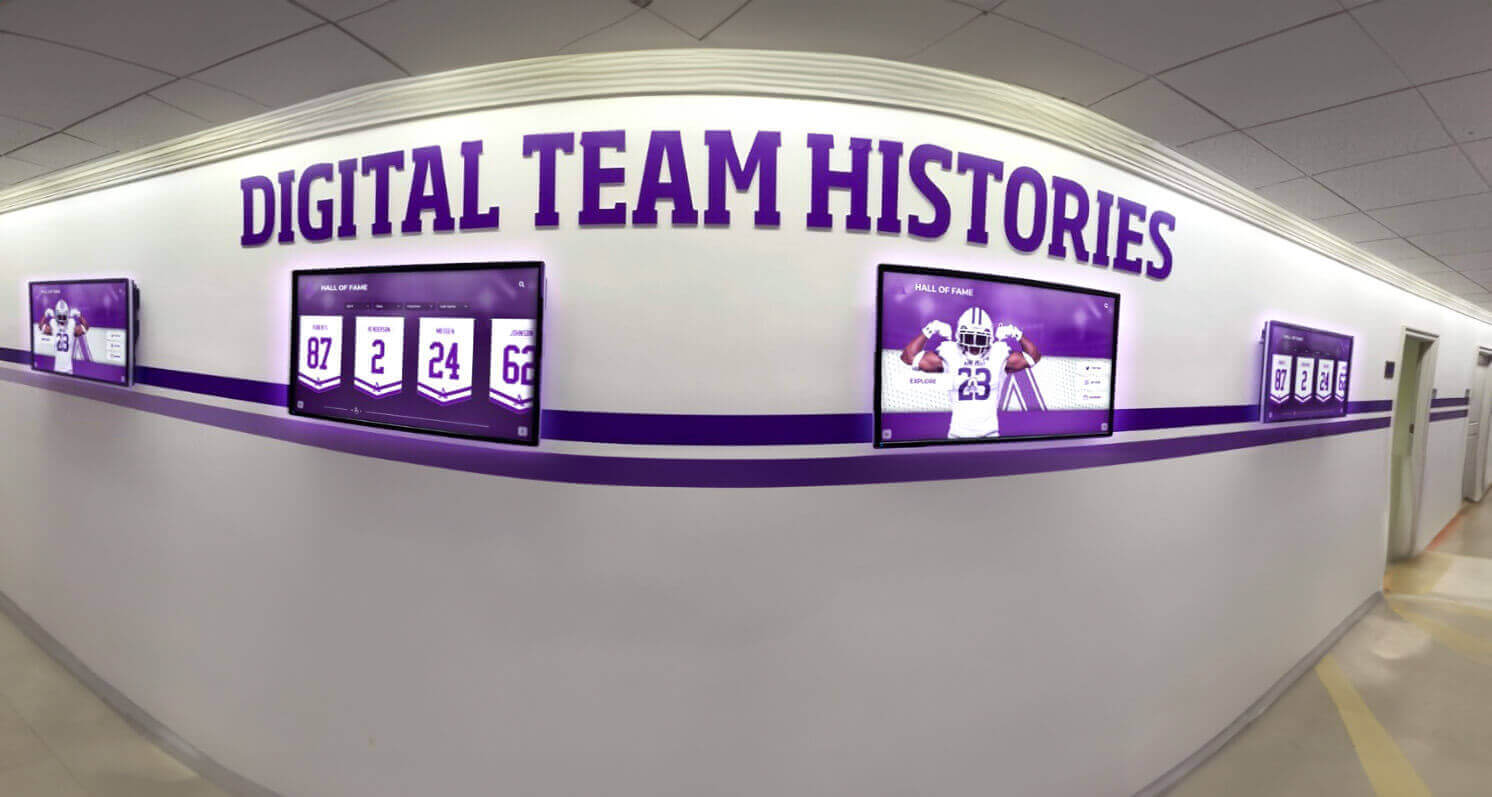
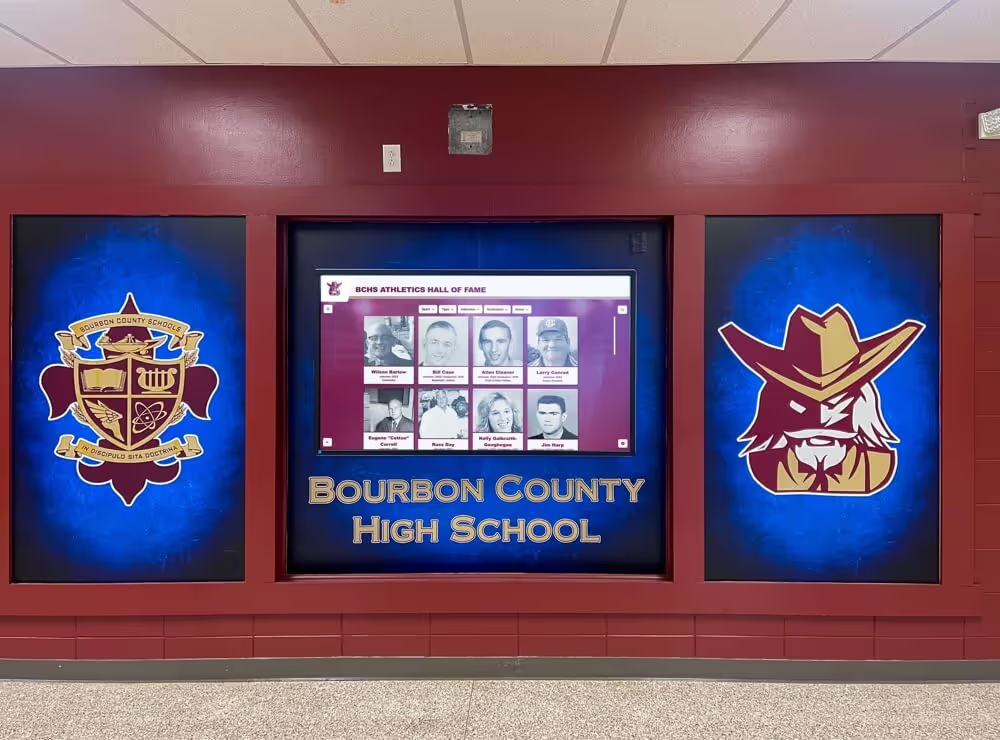
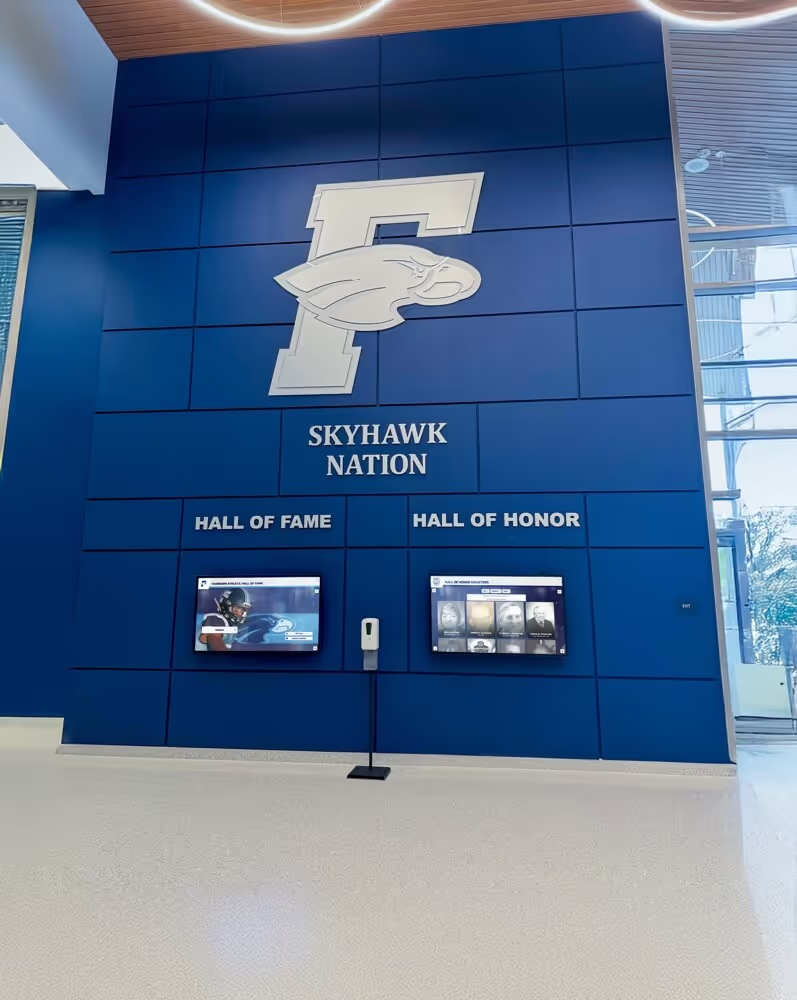
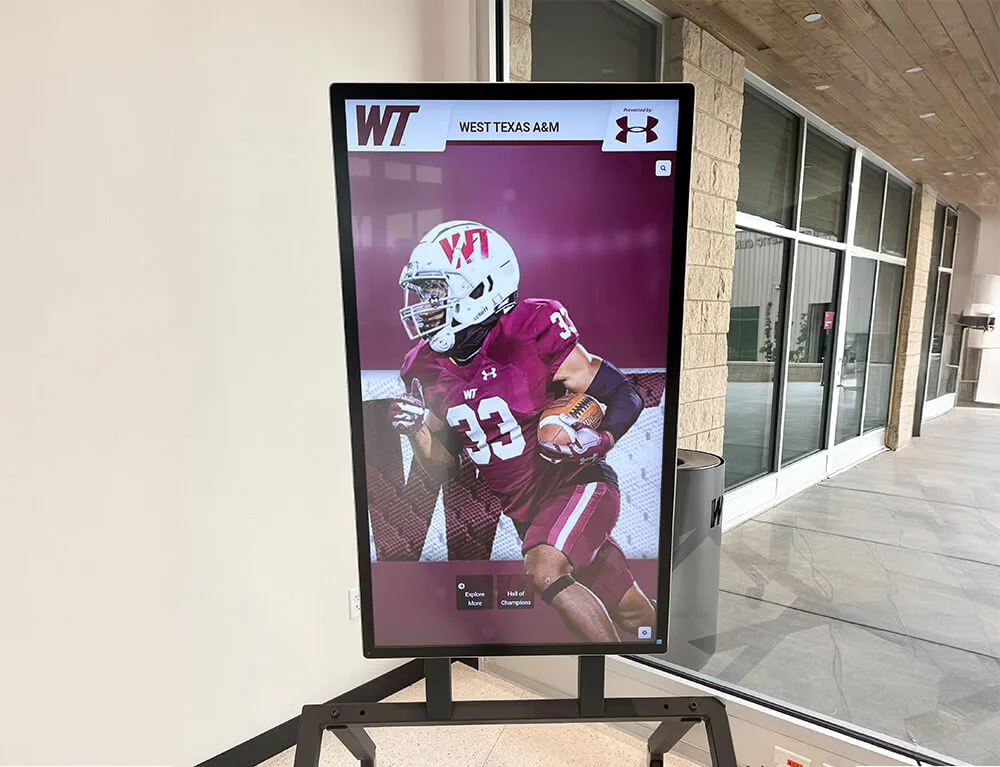
Budget-friendly hardware enables multiple display installations across facilities
Hardware Selection Considerations Beyond Brand
Organizations evaluating MWE-QIXZOCV or alternative touchscreen kiosk hardware should consider several factors beyond brand selection:
Essential Technical Specifications
Certain hardware capabilities prove essential for successful recognition implementations:
Minimum Display Requirements Organizations should prioritize minimum 1080p FHD resolution for professional image quality, IPS panel technology for color accuracy and viewing angles, touchscreen technology supporting standard touch gestures, and screen sizes appropriate for viewing distances and expected audience sizes.
Displays smaller than 37 inches limit visibility and content density, while units exceeding 65 inches become expensive with diminishing returns for typical recognition viewing scenarios.
Operating System and Software Support Recognition platforms like Rocket Alumni Solutions require modern browser support including HTML5, CSS3, JavaScript ES6+, and web standard compliance. Organizations should verify operating systems provide current browser versions receiving ongoing security updates and feature improvements.
Android devices should run version 8.0 or newer ensuring modern web standard support, while ensuring adequate update support preventing premature obsolescence.
Connectivity and Integration Requirements Reliable network connectivity proves essential for cloud-based recognition platforms. Organizations should prioritize wired Ethernet support for installations where cabling proves practical, adequate WiFi antenna design for wireless deployments, and sufficient network bandwidth supporting multimedia content delivery.
Organizations implementing touchscreen recognition systems must ensure network infrastructure adequately supports display requirements without creating performance bottlenecks affecting user experience.
Durability and Reliability Factors
Public installations require hardware designed for continuous operation:
Commercial-Grade Components Consumer electronics designed for home use often fail when operating continuously in public environments. Organizations should prioritize displays rated for commercial operation typically involving 16-18 hour daily operation, rugged touchscreen technology resisting damage from heavy use, adequate cooling preventing overheating during extended operation, and quality power supplies with surge protection.
Warranty and Support Considerations Hardware warranties should match expected useful life, typically 2-3 years for commercial installations. Organizations should evaluate manufacturer support responsiveness, parts availability for repairs, and whether service requires shipping units to distant facilities or provides local service options.
Budget hardware from unknown manufacturers may offer attractive purchase prices but lack support infrastructure necessary for long-term success.
Maintenance and Serviceability Consider ease of cleaning touchscreen surfaces, access to replaceable components, availability of mounting accessories, and cable management features ensuring professional installations.
Vendor Reputation and Track Record
Beyond technical specifications, vendor reliability influences long-term success:
Installation Track Record Established vendors with extensive installation bases provide confidence through proven performance in real-world environments. Organizations should request references from similar institutions, research online reviews from institutional buyers, and evaluate vendor longevity and financial stability.
Product Evolution and Updates Vendors demonstrating commitment to product improvement through regular model updates, responsive customer feedback incorporation, and active product development provide confidence in ongoing support.
Integration Ecosystem Consider whether hardware integrates with broader technology ecosystems including content management platforms, remote monitoring systems, and analytics tools supporting comprehensive deployment management.
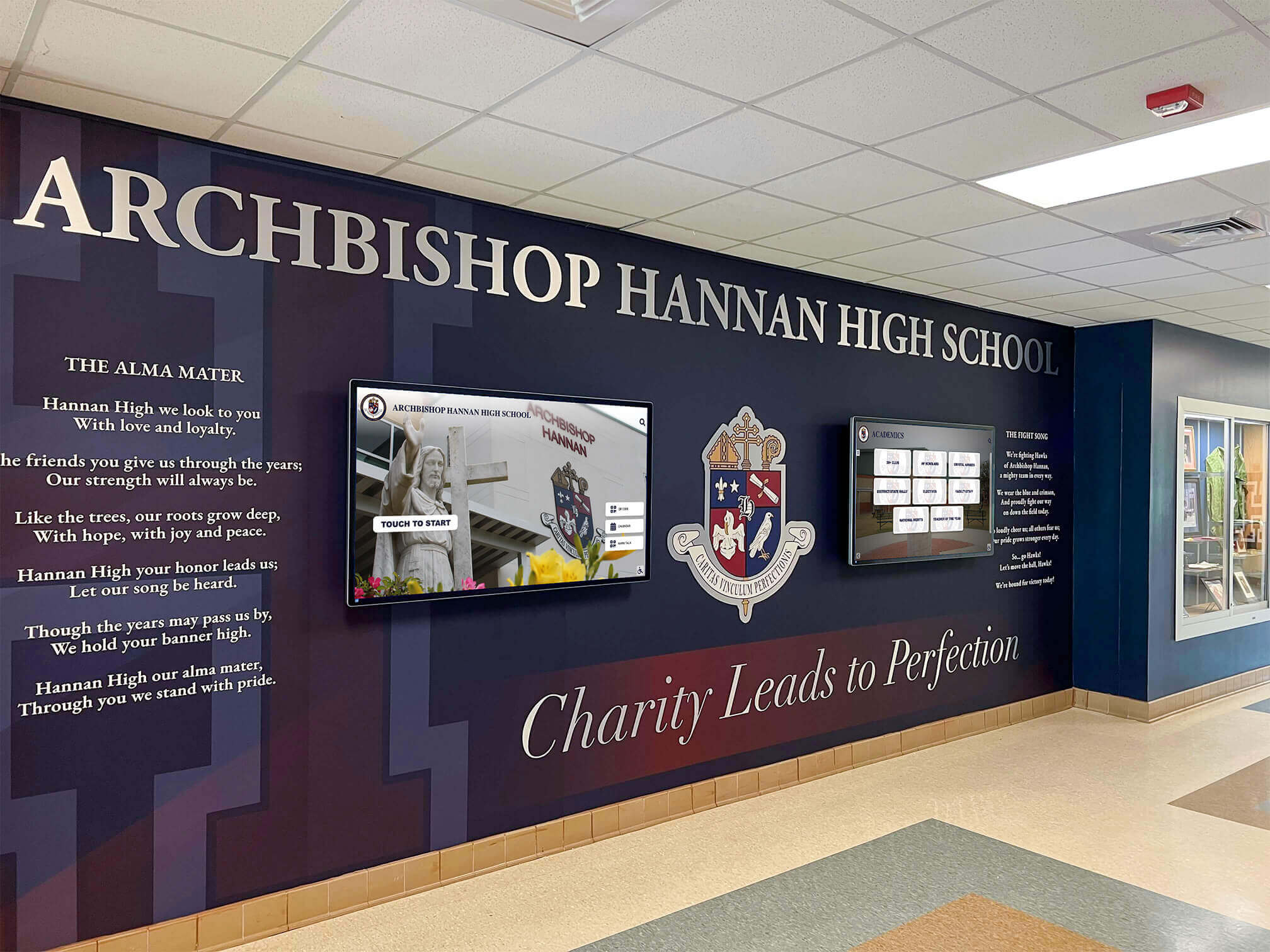
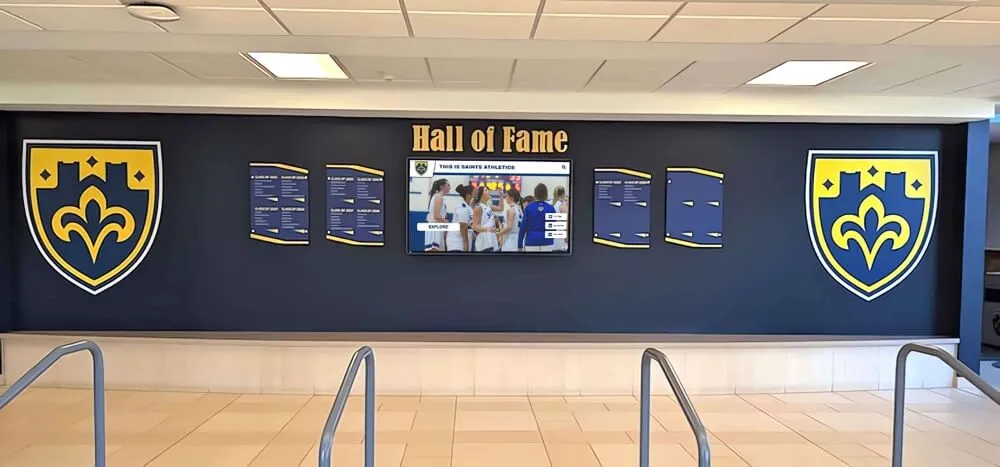
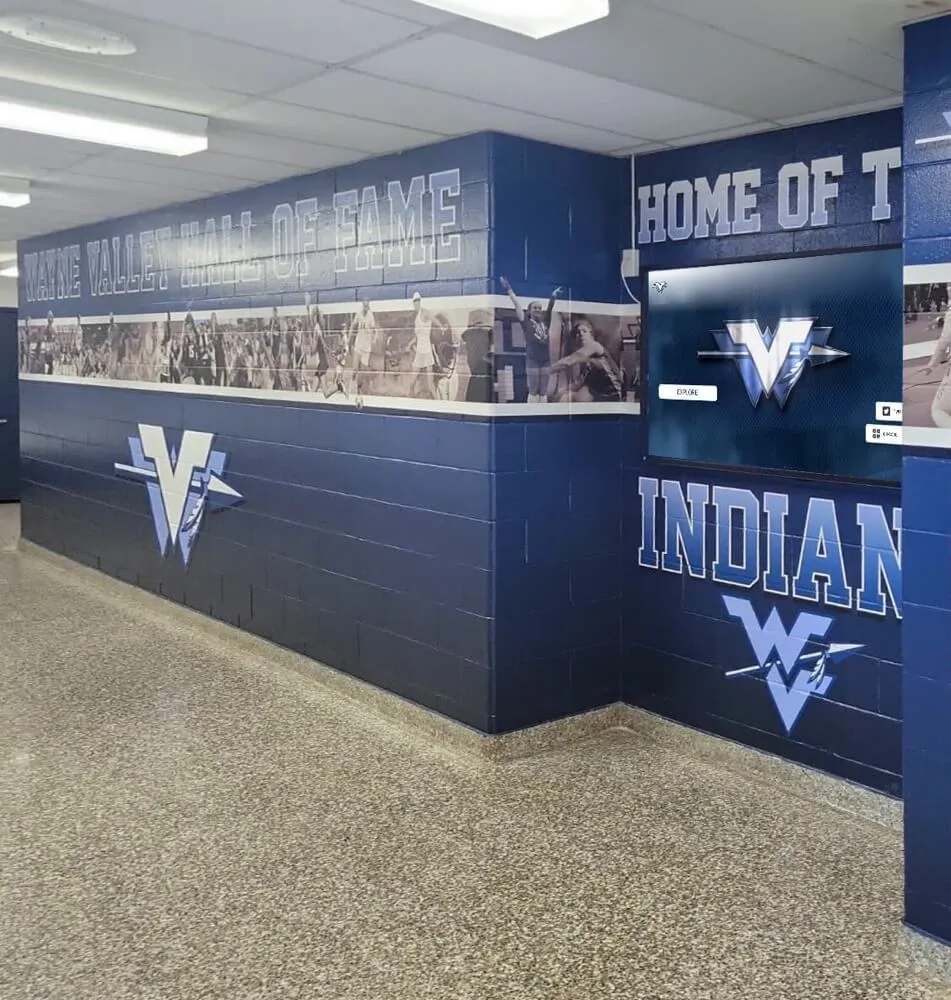
Hardware selection should consider integration with architectural contexts and organizational aesthetics
Implementing Recognition Displays with MWE-QIXZOCV Hardware
Successful implementations combine appropriate hardware with thoughtful planning addressing organizational needs:
Installation Planning and Site Preparation
Strategic placement maximizes recognition visibility and engagement:
Location Selection Strategy Install displays in high-traffic areas where maximum community members encounter recognition including main building entrances and lobbies, hallway intersections and gathering spaces, athletic facility entrances and concourses, alumni centers and advancement offices, and cafeterias or student lounges.
Organizations implementing athletic recognition systems should ensure displays receive visibility from students, athletes, families, and community members regularly visiting facilities.
Physical Environment Assessment Evaluate lighting conditions ensuring screen visibility without excessive glare, adequate floor space for kiosk placement without obstructing circulation, appropriate viewing heights and accessibility compliance, network connectivity options for reliable operation, and electrical power access with appropriate cable routing.
ADA Accessibility Requirements Public displays must comply with accessibility standards including appropriate clear floor space for wheelchair access, screen positioning within reach range requirements, audio accessibility options when applicable, and alternative web-based access for those unable to use physical displays.
Software Configuration and Content Setup
Hardware represents only infrastructure supporting recognition experiences:
Browser and Kiosk Software Setup Configure devices to automatically launch kiosk browser applications, set startup URLs pointing to recognition platform addresses, disable unnecessary system notifications and popups, implement automatic restart schedules maintaining reliability, and configure remote management enabling troubleshooting without physical access.
Organizations implementing kiosk software solutions should thoroughly test configurations ensuring reliable operation before deploying in public spaces.
Recognition Platform Implementation Establish Rocket Alumni Solutions accounts or alternative platforms, customize visual design matching institutional branding, configure recognition categories and organization structure, and populate initial content creating immediately valuable displays.
Content Migration and Development Import historical recognition data from existing databases, digitize traditional plaque and trophy information, collect photos and biographical content for profiles, establish ongoing content management responsibilities, and develop consistent profile templates ensuring quality standards.
Schools implementing comprehensive hall of fame systems should allocate sufficient time for initial content development creating recognition experiences worthy of celebrated achievements.
Ongoing Management and Maintenance
Sustainable recognition programs require systematic ongoing attention:
Content Management Responsibilities Assign clear staff responsibilities for adding new inductees, updating existing profiles with current information, scheduling featured content rotation, and monitoring display performance and engagement analytics.
Cloud-based platforms like Rocket Alumni Solutions enable content management from any location without requiring physical display access, simplifying ongoing maintenance and enabling collaborative content management across departments.
Technical Maintenance Requirements Establish schedules for cleaning touchscreen surfaces, monitoring system performance and uptime, installing operating system and browser updates, verifying network connectivity and performance, and addressing technical issues promptly maintaining positive user experiences.
Performance Monitoring and Improvement Track engagement metrics revealing usage patterns, gather user feedback identifying usability issues, monitor content performance identifying popular recognition, and continuously refine recognition programs based on real-world results.
Organizations measuring success through systematic frameworks make evidence-based decisions about content strategies, hardware placement, and program enhancements ensuring recognition investments achieve community engagement objectives.
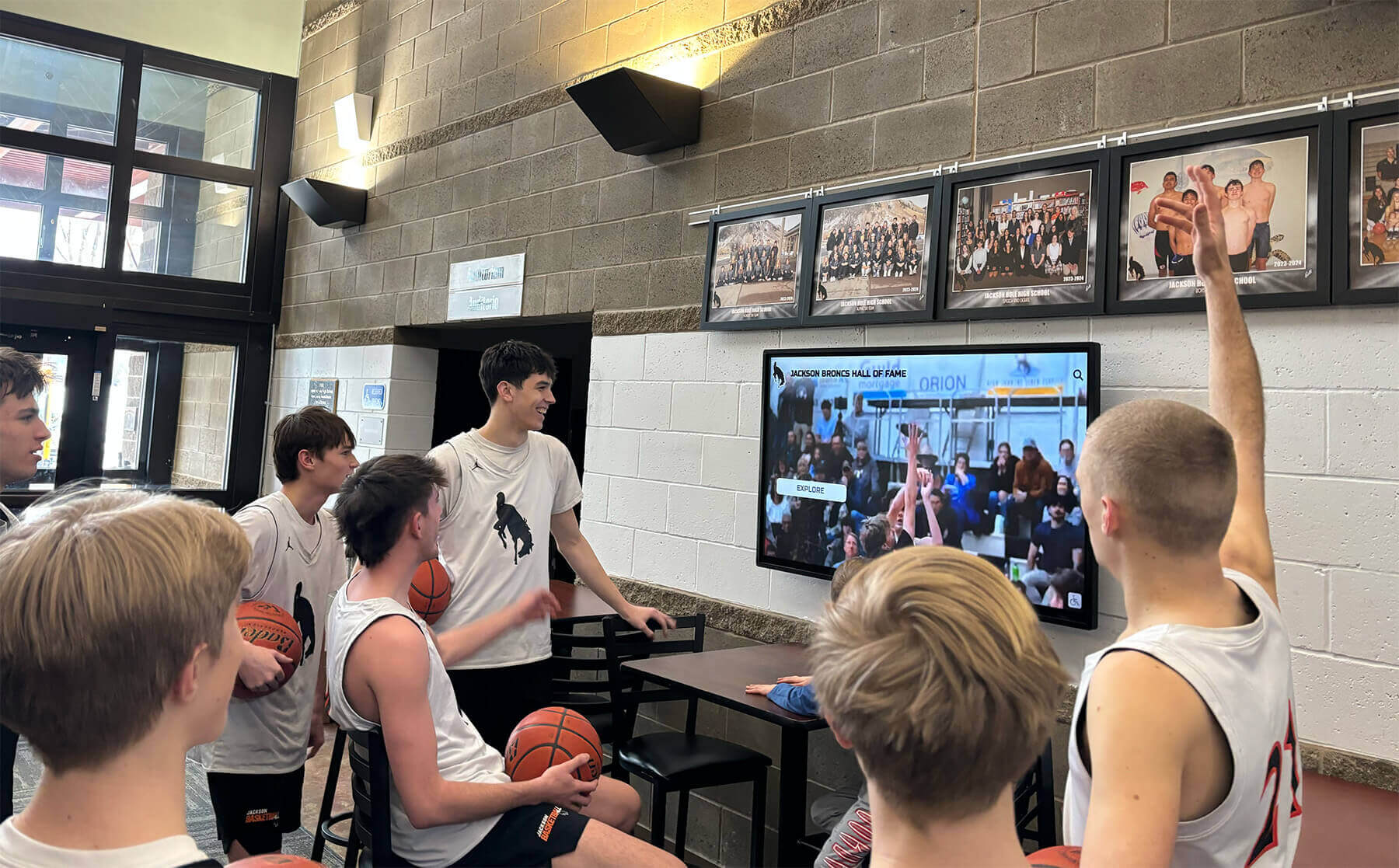
Successful implementations create gathering points where communities connect with achievements
Alternative Hardware Options and Comparison
While MWE-QIXZOCV provides accessible entry points, organizations should evaluate multiple hardware options:
Commercial Digital Signage Displays
Purpose-built commercial displays offer superior durability at higher costs:
Premium Commercial Display Features Manufacturers like Samsung, LG, BenQ, and Elo produce touchscreen displays specifically designed for continuous commercial operation. These units typically feature extended warranties (3-5 years), commercial-grade components rated for 24/7 operation, superior brightness and image quality, and integrated content management systems.
Premium displays typically cost $3,000-8,000 or more depending on size and capabilities, representing significant premium over consumer-grade alternatives but providing enhanced reliability and support.
When Premium Hardware Justifies Investment Organizations should consider commercial displays when implementing mission-critical recognition in high-visibility locations, deploying in harsh environments with temperature extremes or challenging conditions, requiring guaranteed extended operation without maintenance access, or when budget flexibility enables investing in maximum quality and longevity.
Tablet-Based Kiosk Solutions
Smaller installations benefit from tablet-based approaches:
iPad and Android Tablet Kiosks Large-format tablets (10-13 inches) mounted in kiosk stands provide compact interactive displays suitable for individual viewing stations, smaller spaces, or supplementary displays augmenting larger installations. Tablet solutions offer flexibility, lower costs, and simplified deployment but sacrifice screen size and group viewing capacity.
Organizations implementing personal exploration stations or multiple distributed displays benefit from tablet approaches providing adequate functionality at accessible price points.
Custom-Built Kiosk Systems
Organizations with specialized requirements or existing IT infrastructure consider custom-built solutions:
PC-Based Touchscreen Systems Custom kiosks built around Windows or Linux computers with commercial touchscreen monitors provide maximum flexibility, unlimited software compatibility, superior performance, and complete customization but require technical expertise for configuration and maintenance.
IT departments comfortable managing computer systems may prefer PC-based approaches providing familiar administration while enabling integration with existing infrastructure and management tools.
Transform Recognition with Compatible Hardware and Software
Discover how accessible touchscreen hardware paired with purpose-built recognition software creates engaging experiences that warm up cold digital spaces while celebrating achievements and building vibrant communities.
Schedule Your DemoBest Practices for Hardware and Software Integration
Successful recognition displays require thoughtful coordination of hardware and software elements:
Performance Optimization Strategies
Ensure smooth, responsive experiences maximizing engagement:
Network Performance Optimization Prioritize wired Ethernet connections over WiFi when possible, ensure adequate bandwidth supporting multimedia content, implement quality of service (QoS) policies prioritizing recognition traffic, and monitor network performance identifying bottlenecks affecting user experience.
Organizations should conduct performance testing during busy periods verifying acceptable response times under realistic load conditions.
Content Optimization for Display Optimize image sizes balancing quality and loading performance, implement progressive loading revealing content quickly, minimize unnecessary animations and effects, and leverage browser caching reducing redundant data transfer.
Recognition platforms like Rocket Alumni Solutions handle optimization automatically, but organizations should verify performance meeting expectations given specific network conditions and hardware configurations.
Browser Configuration and Tuning Clear browser caches periodically preventing accumulation, disable unnecessary browser extensions and features, implement automatic browser restarts preventing memory leaks, and configure appropriate browser security settings balancing security and usability.
User Experience Quality Assurance
Testing ensures displays deliver positive experiences:
Multi-User Scenario Testing Test recognition displays with diverse users including digitally comfortable users, individuals unfamiliar with touchscreen technology, elderly visitors with accessibility needs, and children and young students exploring content.
Observe real users interacting with displays identifying confusion points, navigation challenges, and usability issues requiring interface adjustments.
Content Discovery Verification Confirm visitors can successfully find specific individuals through search, browse recognition by relevant categories, access detailed profiles with complete information, share content through personal devices via QR codes, and navigate back to browsing after viewing details.
Organizations should verify all recognition categories receive adequate visibility through intuitive navigation preventing content from becoming effectively hidden.
Reliability and Uptime Testing Monitor displays over extended periods verifying stable operation, test recovery from network interruptions and power disruptions, confirm automatic restart schedules function correctly, and validate remote management capabilities enabling troubleshooting.
Staff Training and Change Management
Technology adoption requires addressing human factors:
Content Management Training Train appropriate staff on adding new recognition inductees, editing existing profiles and updating information, scheduling featured content rotation, managing recognition categories and organization, and accessing analytics revealing engagement patterns.
Cloud-based platforms like Rocket Alumni Solutions feature intuitive interfaces requiring minimal technical expertise, but organizations should ensure multiple staff members receive training preventing single-person dependencies.
Community Communication Announce recognition display launches through multiple channels, promote displays during events and gatherings, integrate displays into tours and admissions programs, and actively encourage community engagement with recognition content.
Visible displays receive engagement when communities understand their existence and value.
Feedback Gathering and Iteration Systematically collect visitor feedback through surveys or observation, monitor analytics revealing actual usage patterns, identify content gaps or usability challenges, and continuously refine recognition programs based on real-world performance.
Organizations committed to ongoing improvement create recognition experiences that evolve meeting changing community needs and expectations.
Conclusion: Accessible Hardware Enabling Vibrant Recognition Communities
MWE-QIXZOCV touchscreen kiosk interactive displays represent the democratization of digital recognition technology—affordable hardware enabling schools, athletic departments, community organizations, and small nonprofits to implement professional interactive recognition experiences previously requiring substantial capital investment beyond reach for many organizations with modest technology budgets.
When paired with purpose-built recognition software like Rocket Alumni Solutions, budget-friendly touchscreen hardware delivers professional results creating the “digital warming” effect where cold, impersonal technology transforms into engaging experiences drawing visitors deeper into community connection. The combination of accessible hardware and specialized recognition platforms removes barriers preventing comprehensive achievement celebration while building the vibrant, engaged communities where members feel valued and motivated to maintain lifelong relationships.
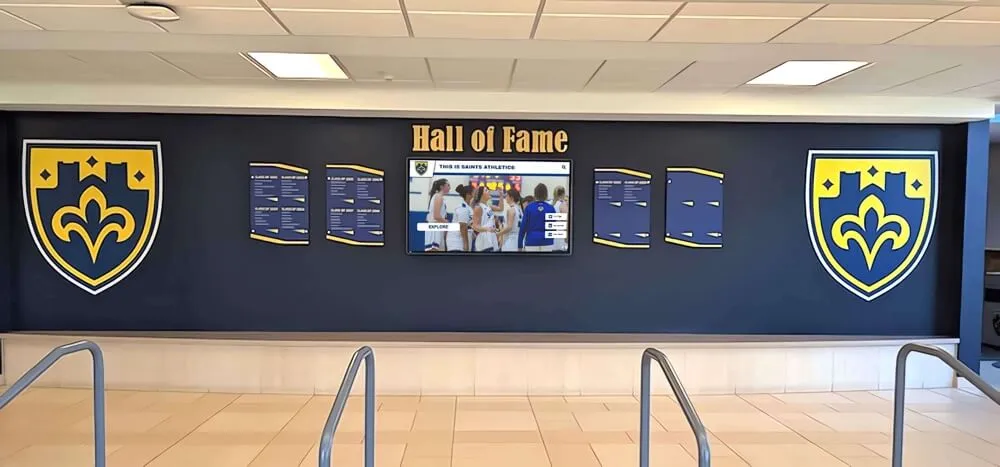
Thoughtful hardware selection enables professional recognition installations honoring achievement
The critical insight involves recognizing that hardware represents infrastructure supporting recognition experiences rather than determining success alone. Organizations should evaluate touchscreen displays based on specifications adequate for recognition applications—sufficient screen size and resolution, reliable touch functionality, modern browser support, and professional appearance—while avoiding unnecessary premium features providing marginal benefits at substantial cost premiums.
MWE-QIXZOCV and similar consumer-grade touchscreen kiosks meet recognition hardware requirements for most schools and organizations implementing interactive displays. While premium commercial displays offer superior durability and support, budget-friendly alternatives provide entry points enabling organizations to implement digital recognition, demonstrate value, and build programs that can justify future hardware investments as needs grow.
Compatibility with web-based recognition platforms proves essential, enabling organizations to select hardware based on budget and specifications rather than proprietary software requirements locking institutions into specific vendors or limiting hardware flexibility. Browser-based platforms like Rocket Alumni Solutions operate across diverse hardware enabling organizations to upgrade, replace, or expand display installations without software compatibility concerns or vendor dependencies.
Successful implementations combine appropriate hardware with thoughtful planning addressing content strategy, physical placement, network infrastructure, staff training, and ongoing management ensuring recognition displays achieve community engagement objectives rather than becoming underutilized technology investments gathering dust. Hardware alone cannot create engagement—organizations must integrate displays into broader recognition programs, facility designs, and community cultures ensuring they become valued resources celebrating achievements while strengthening institutional connections.
Organizations implementing touchscreen recognition displays should prioritize user experience quality over hardware specifications, sustainable content management over initial sophistication, and genuine community engagement over technological impressiveness. Hardware and software enabling these priorities—intuitive interfaces, efficient management, adequate specifications, and accessible costs—create digital warming effects where technology strengthens rather than dilutes human connections and community pride.
Whether choosing MWE-QIXZOCV displays or alternative hardware, organizations benefit from systematic evaluation considering organizational needs, budget constraints, technical requirements, and long-term sustainability. Purpose-built recognition platforms from specialized providers like Rocket Alumni Solutions eliminate countless implementation challenges while delivering proven engagement experiences celebrating community excellence.
Your achievements and the people behind them deserve recognition through touchscreen experiences honoring excellence while building connections extending far beyond physical displays into the hearts and networks of the people you celebrate.
Ready to explore how accessible touchscreen hardware can transform your recognition program? Schedule a demo with Rocket Alumni Solutions, learn about touchscreen kiosk software solutions, or discover comprehensive approaches to interactive recognition displays creating engaging community experiences.