The final buzzer sounds. The season concludes. Amid the celebration of championships, leading scorers, and MVPs, one award stands apart—the Most Improved Player Award. While other honors celebrate established excellence, this recognition tells a different story: one of transformation, perseverance, and the power of dedication to fundamentally change performance trajectory.
Most Improved Player Awards carry unique significance precisely because they acknowledge what often matters more than natural talent—the commitment to grow, the resilience to overcome limitations, and the work ethic that turns potential into performance. These awards validate the journey, not just the destination. They honor athletes who demonstrate that improvement, not innate ability, defines athletic success.
For coaches, these awards communicate program values extending beyond winning. For recipients, they validate months of extra practice, skill development, and determination. For teammates, they illustrate that dedication receives recognition regardless of starting point. For athletic programs seeking to build cultures celebrating growth alongside achievement, understanding most improved award meaning helps create recognition systems that inspire all athletes to pursue excellence.
The Most Improved Player Award represents more than participation trophy or consolation prize. When thoughtfully designed and meaningfully presented, this recognition celebrates athletic transformation that reflects character qualities extending far beyond sports—discipline, resilience, coachability, and commitment to continuous improvement.

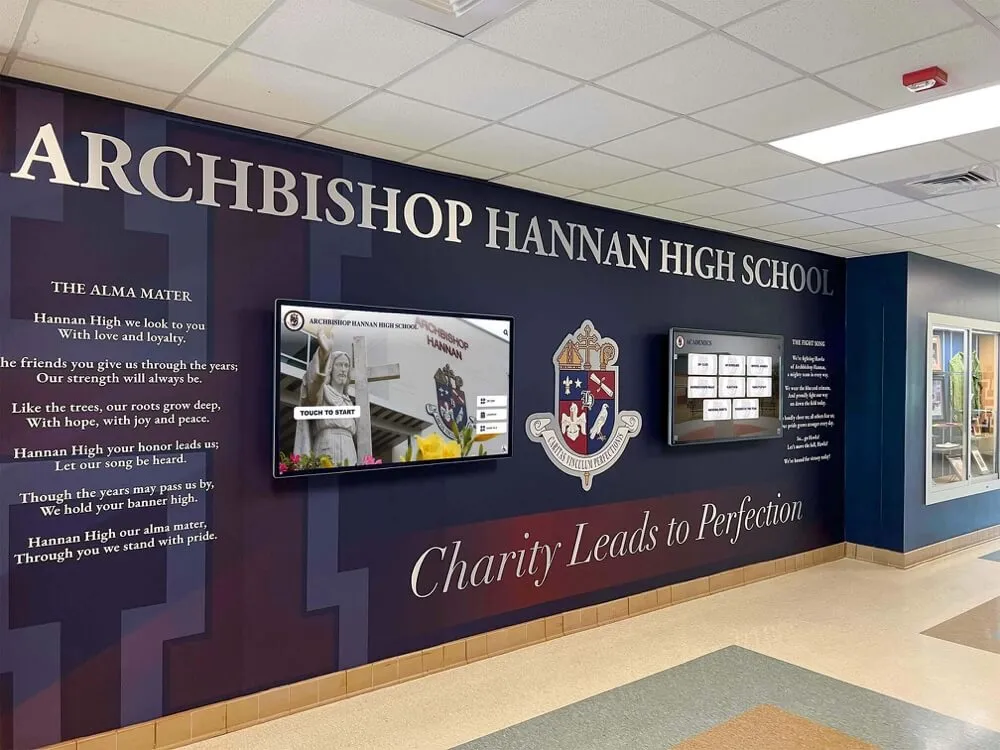
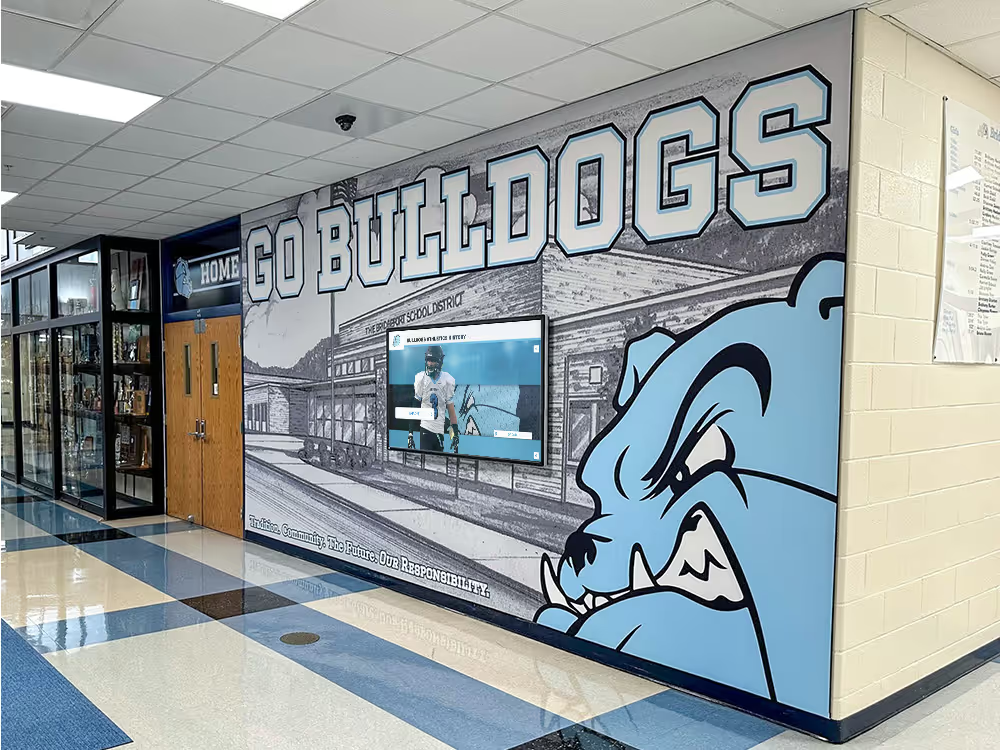
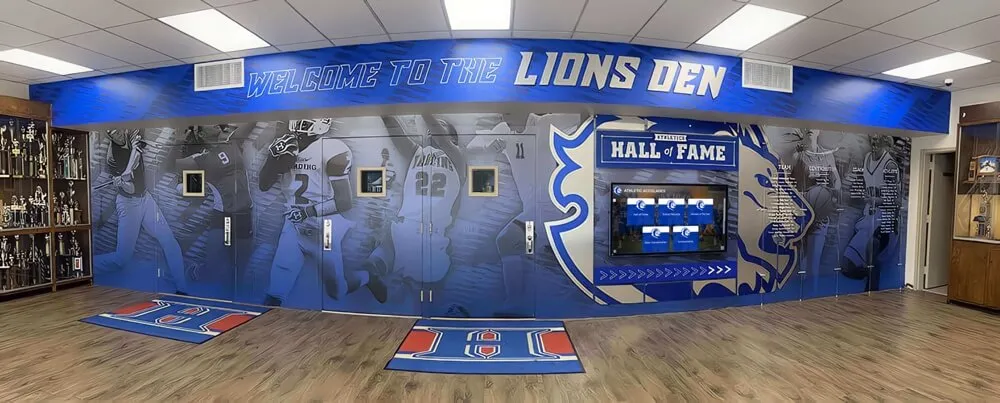
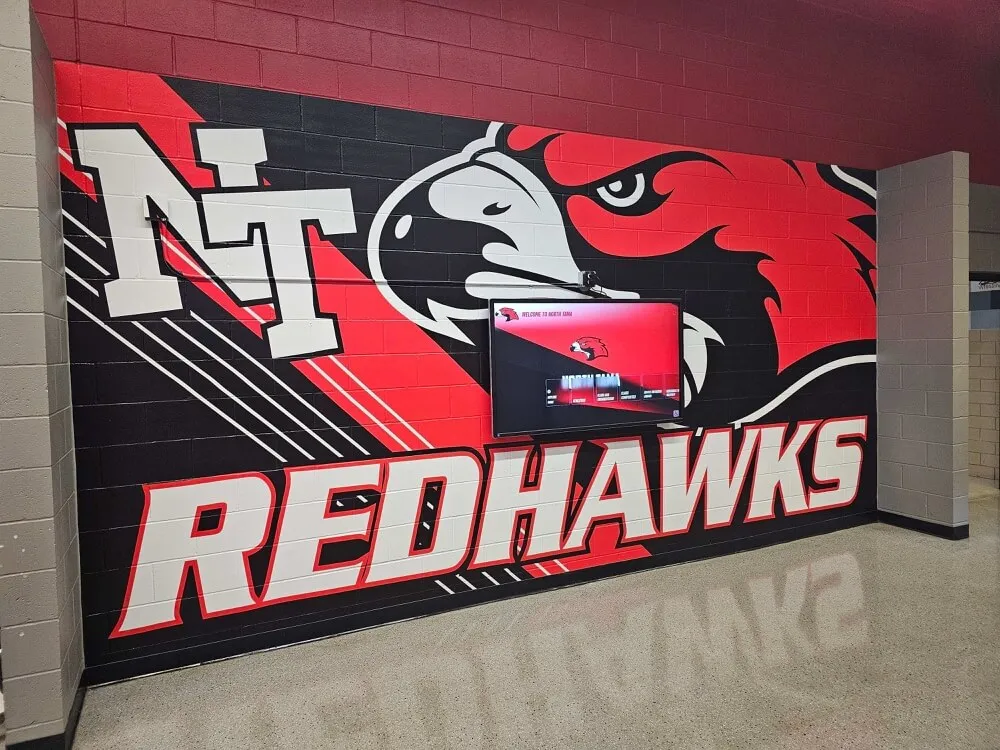
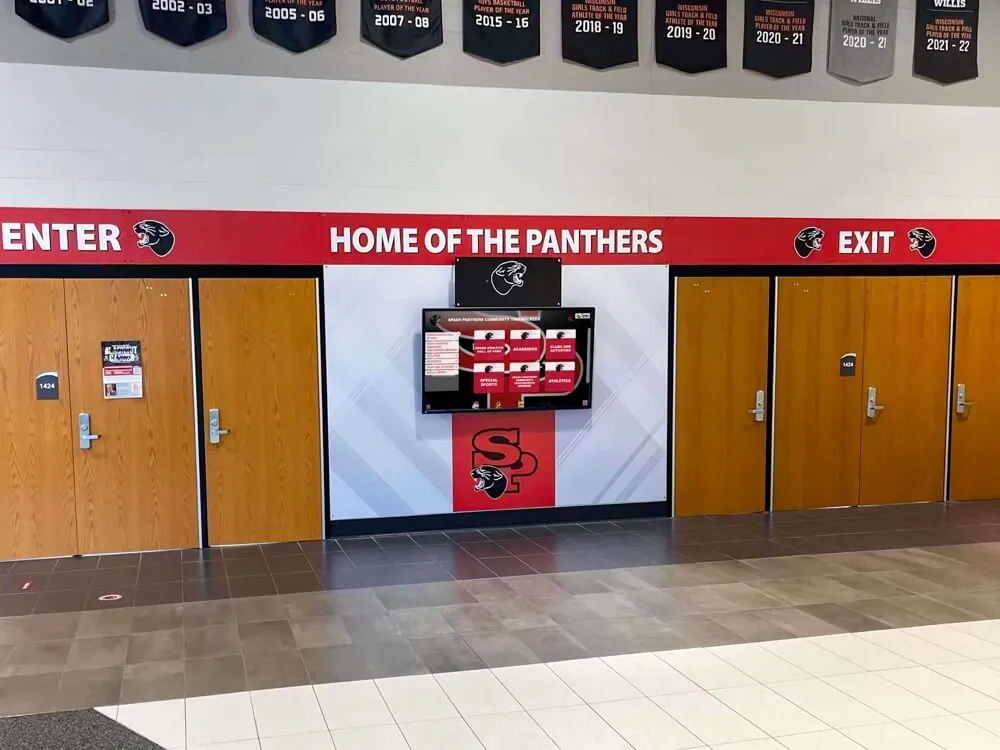
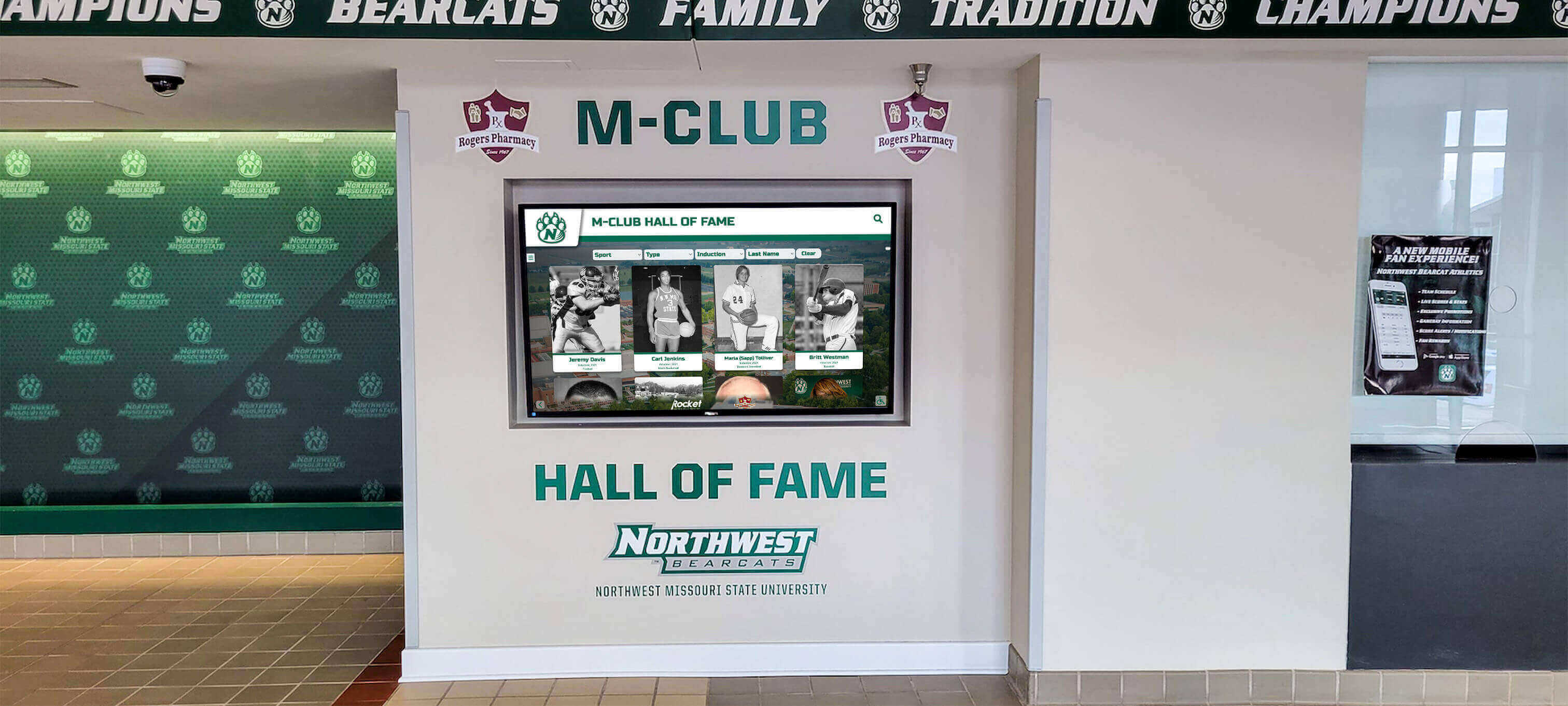
Modern recognition systems celebrate diverse athletic achievements including performance excellence and personal growth
Understanding Most Improved Award Meaning
The Most Improved Player Award fundamentally recognizes athletic transformation—the measurable development from a player’s baseline performance to their end-of-season capability. Unlike awards celebrating peak performance, most improved recognition honors the journey and process of skill development.
What the Award Actually Celebrates
Dedication to Skill Development
Most Improved recognition validates athletes who committed to systematic skill development. Recipients typically demonstrated consistent practice beyond team requirements, sought additional coaching or training resources, focused on specific weakness areas requiring improvement, maintained dedication despite initial struggle or limited playing time, and showed visible performance growth across the season.
This recognition sends powerful messages about program values. When coaches honor improvement alongside excellence, they communicate that effort and growth matter as much as natural talent. Athletes understand that dedication receives recognition regardless of whether they started as elite performers or developing players.
Measurable Performance Growth
Effective Most Improved awards require documented performance progression. Coaches track concrete metrics demonstrating development: statistical improvements in scoring, shooting percentage, defensive plays, or position-specific skills; advancement in depth chart position or playing time earned through performance; technical skill progression visible in practice and game situations; or fitness and conditioning improvements enabling enhanced performance.
This measurable approach distinguishes genuine Most Improved recognition from subjective awards based on vague impressions. Clear documentation ensures credibility while providing specific examples coaches reference during award presentations.
Overcoming Challenges and Limitations
Many Most Improved recipients overcame significant obstacles during their development. Some worked through injuries requiring rehabilitation and skill rebuilding. Others addressed technical deficiencies through dedicated remedial work. Some pushed past confidence issues affecting early-season performance. Others adapted to new positions or systems requiring complete skill set development.
The award honors not just improvement itself but the perseverance and resilience required to achieve transformation despite challenges that could have derailed development.
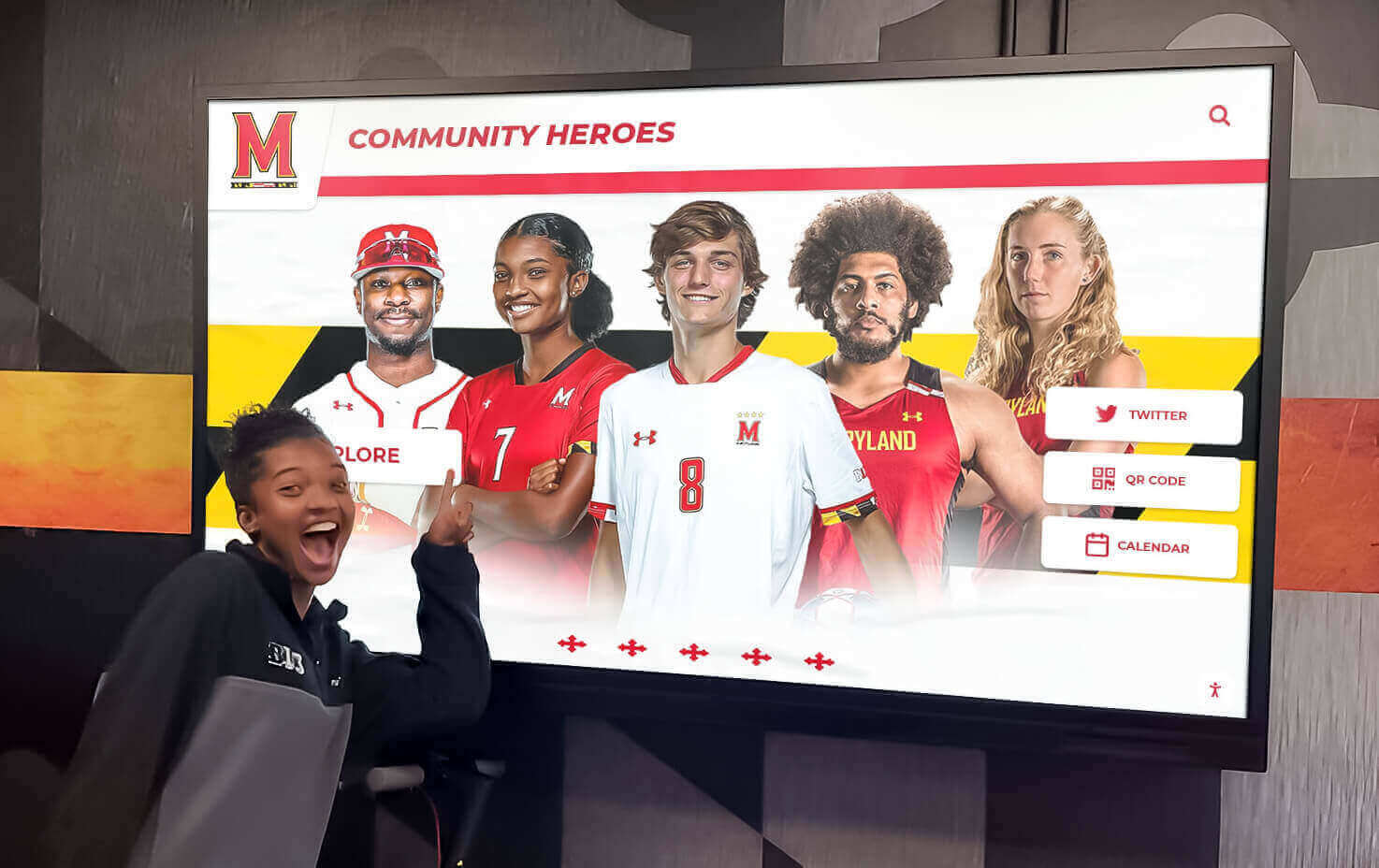
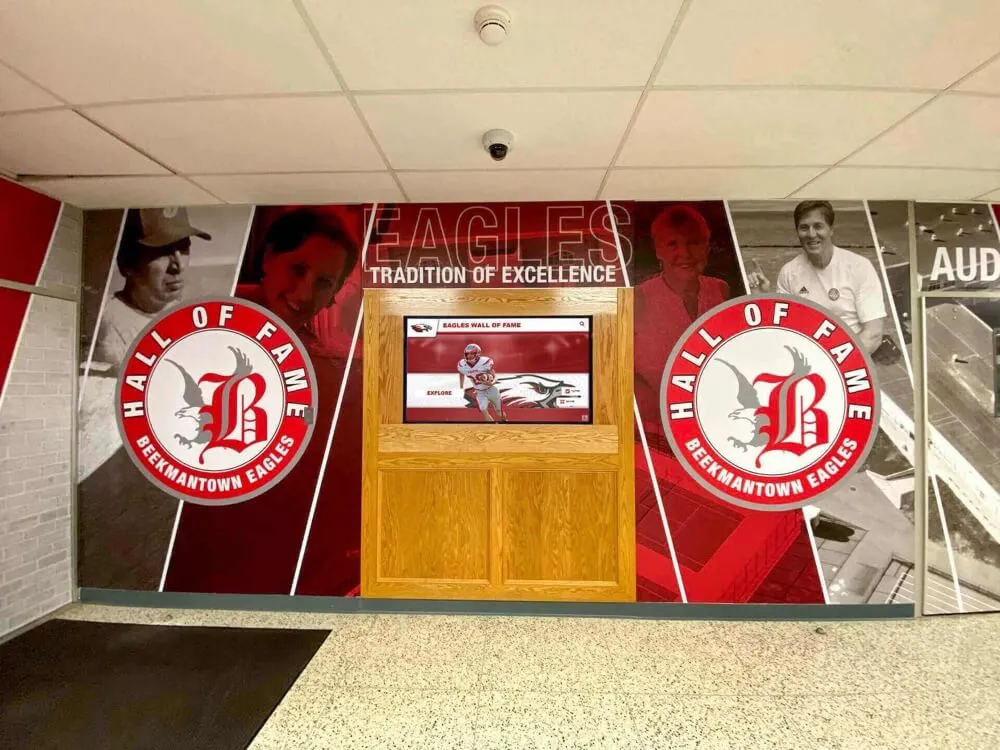
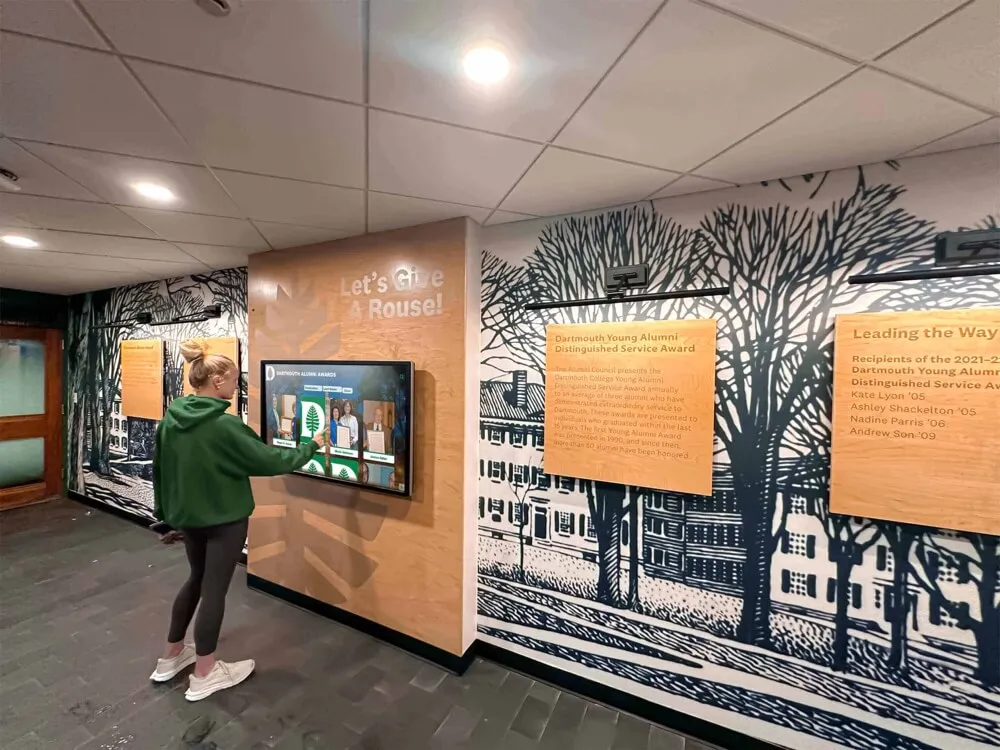
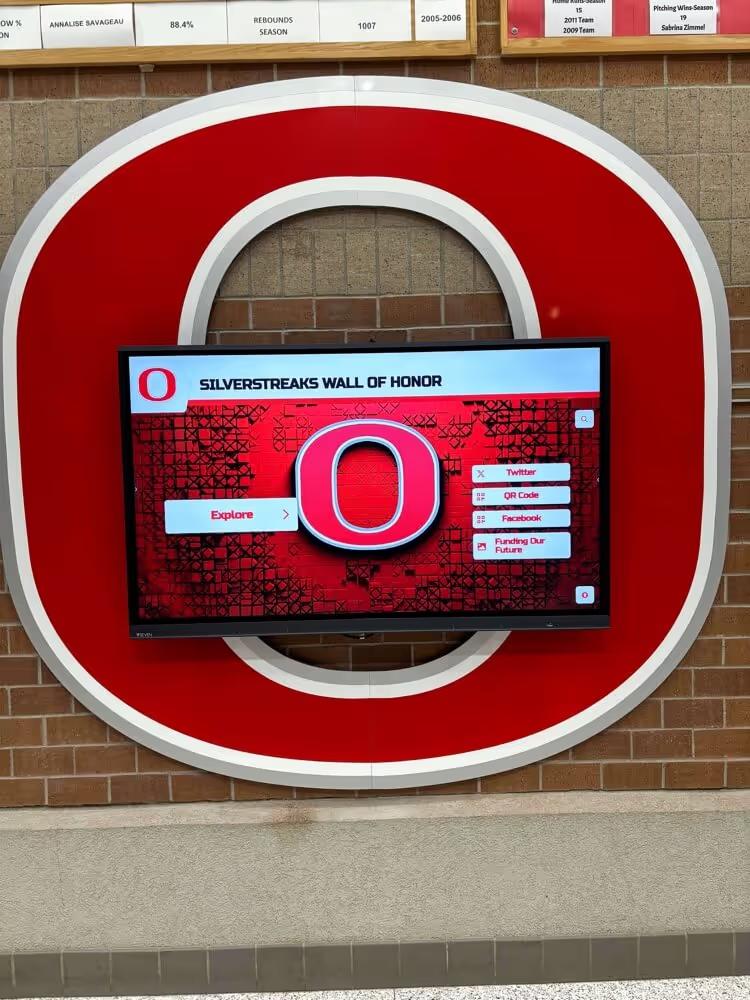
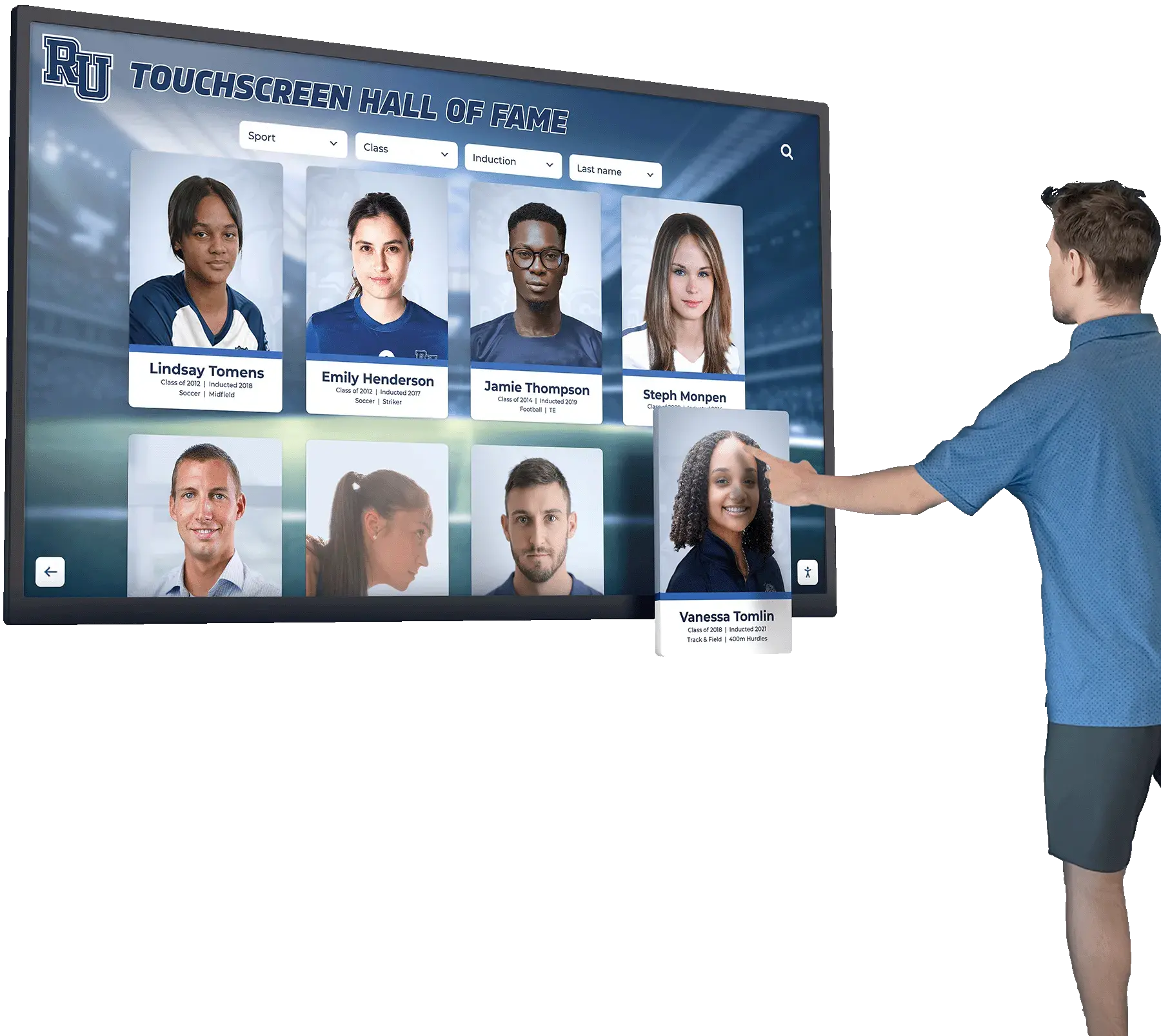
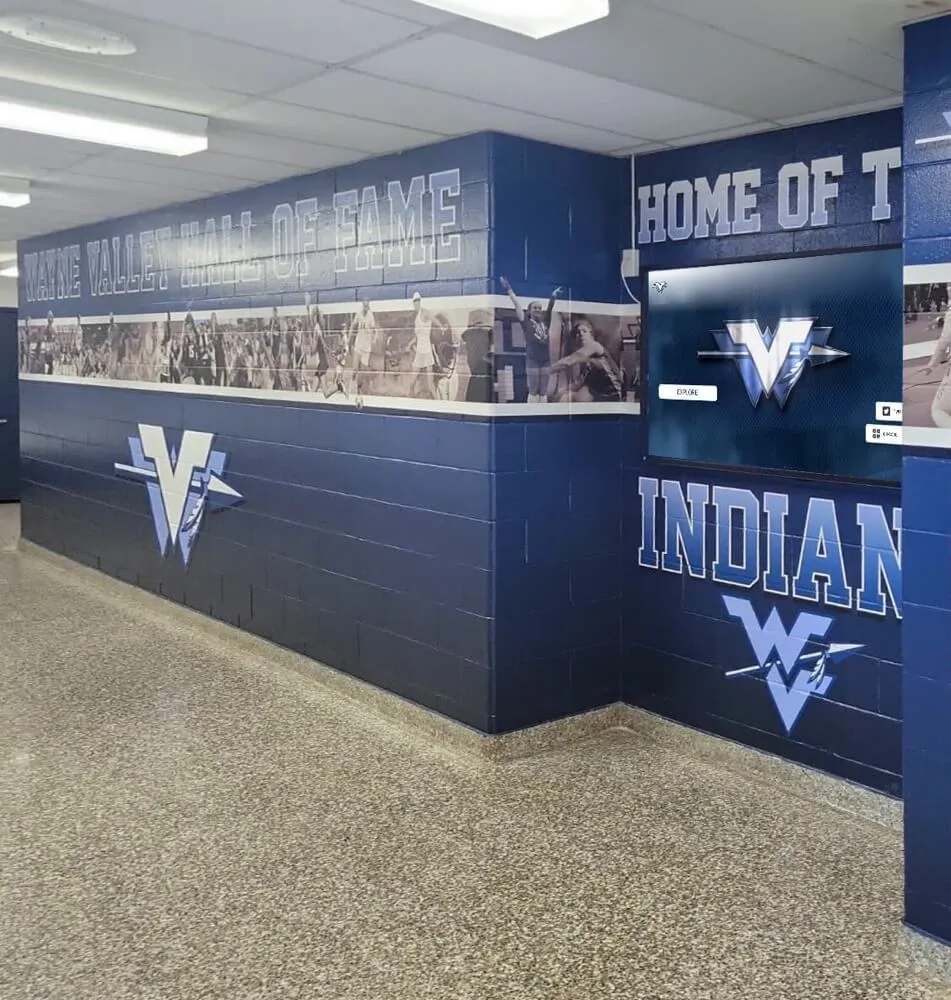
Interactive displays allow students and families to explore athletic achievements including [recognition of individual growth and development](https://touchwall.us/blog/recognition-of-sales-leaders/?utm_source=organic&utm_medium=seo-auto&utm_content=digitalwarming&utm_campaign=most-improved-award-meaning&utm_term=seo)
Why Most Improved Recognition Matters
Motivating Developing Athletes
Most Improved awards provide recognition pathways for athletes who may never achieve MVP status but contribute significantly through dedication and development. These players form the foundation of successful programs—reliable teammates who elevate practice quality, fill essential roster roles, and model work ethic that influences team culture.
Without Most Improved recognition, developing players receive minimal acknowledgment despite substantial contribution and effort. This category ensures dedicated athletes receive validation motivating continued commitment even when they don’t lead statistical categories or earn starting positions.
Reinforcing Growth Mindset Culture
Athletic programs emphasizing Most Improved recognition build growth mindset cultures where improvement matters more than innate ability. Athletes learn that current performance level doesn’t determine future potential, that dedication and practice produce measurable results, that challenges represent opportunities rather than limitations, and that coaches value development trajectory as much as absolute performance levels.
These cultural messages extend beyond sports. Athletes who internalize growth mindsets apply these frameworks to academic challenges, career development, and life obstacles—understanding that strategic effort produces improvement regardless of starting points.
Celebrating Diverse Contribution Types
Successful teams require varied athlete types: elite performers, reliable role players, defensive specialists, energy contributors, and culture builders. Recognition programs honoring only top statistical performers implicitly devalue essential contributions from athletes in supporting roles.
Most Improved awards expand recognition to celebrate development-oriented contributions. When programs acknowledge players who transformed from third-string reserves to reliable contributors, they validate that every roster position matters and improvement at any level deserves celebration.
Different Types of Improvement Recognized
Most Improved recognition can focus on various development dimensions depending on program priorities and athlete situations.
Performance and Statistical Improvement
Scoring and Offensive Development
The most visible improvement category tracks offensive statistical growth: increased points per game, improved shooting percentages, enhanced assist or playmaking statistics, or greater offensive efficiency metrics. Basketball players who doubled scoring averages, soccer forwards who tripled goal production, or baseball hitters who dramatically improved batting averages demonstrate quantifiable offensive improvement.
These statistics provide objective measures making award selection straightforward while offering concrete talking points for recognition presentations.
Defensive Excellence Growth
Defensive improvement often receives less attention despite equal importance to team success. Most Improved awards can specifically recognize defensive development: increased tackles, steals, blocks, or other defensive statistics; improved defensive positioning and system understanding; enhanced one-on-one defensive capability; or measurable reduction in goals or points allowed.
Defensive Most Improved recognition communicates that programs value complete player development rather than exclusively offensive production.
Position-Specific Skill Development
Different positions require specialized skills making position-specific improvement recognition appropriate: quarterbacks improving completion percentage and decision-making, pitchers developing new pitches or improving command, linemen enhancing blocking technique and strength, or goalkeepers improving save percentages and distribution.
Position-focused awards acknowledge that improvement looks different across specializations while celebrating development within specific role requirements.
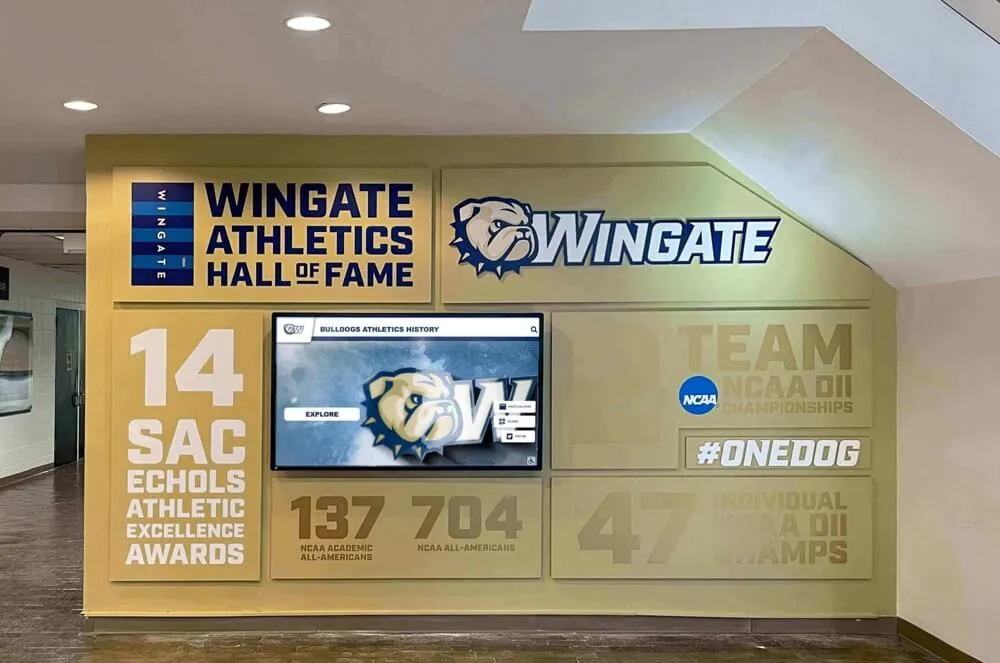
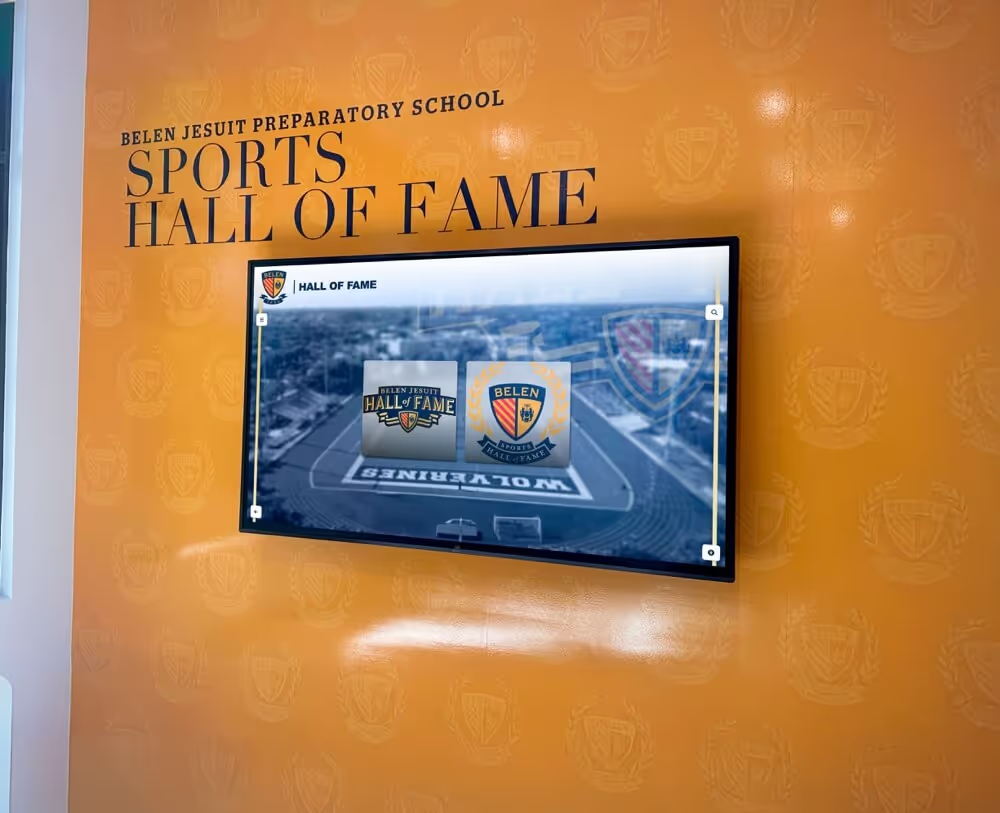
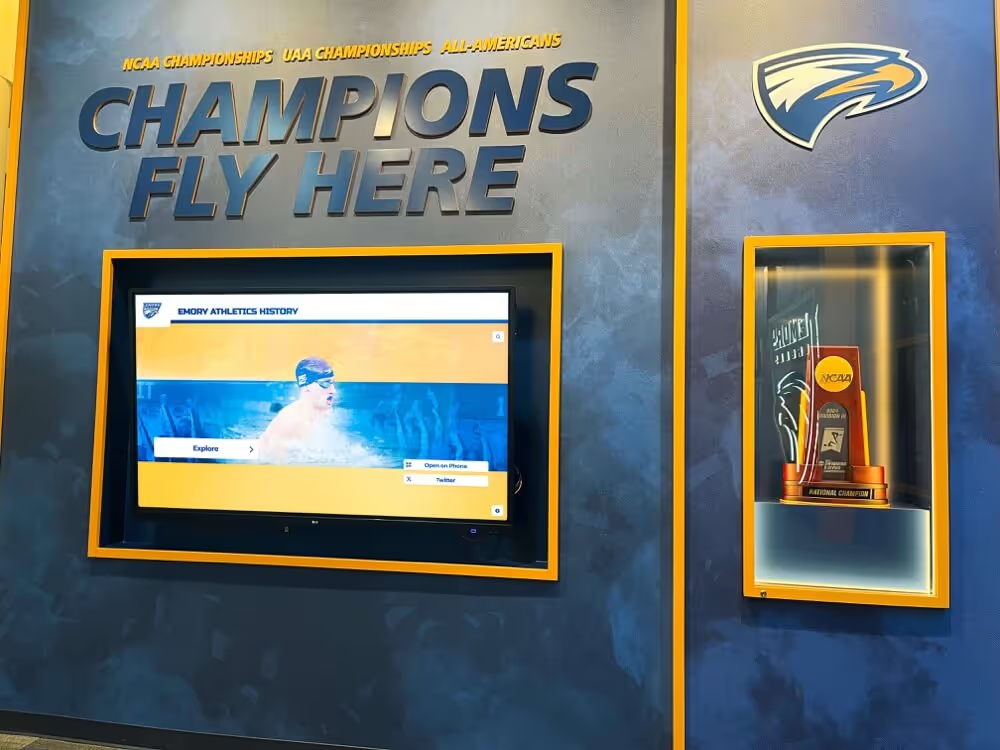
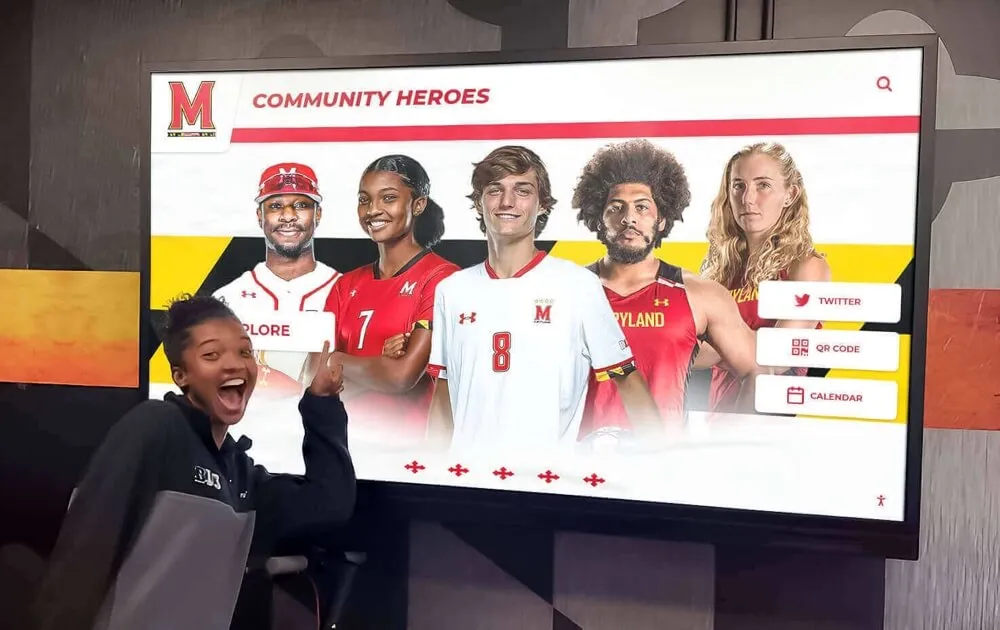
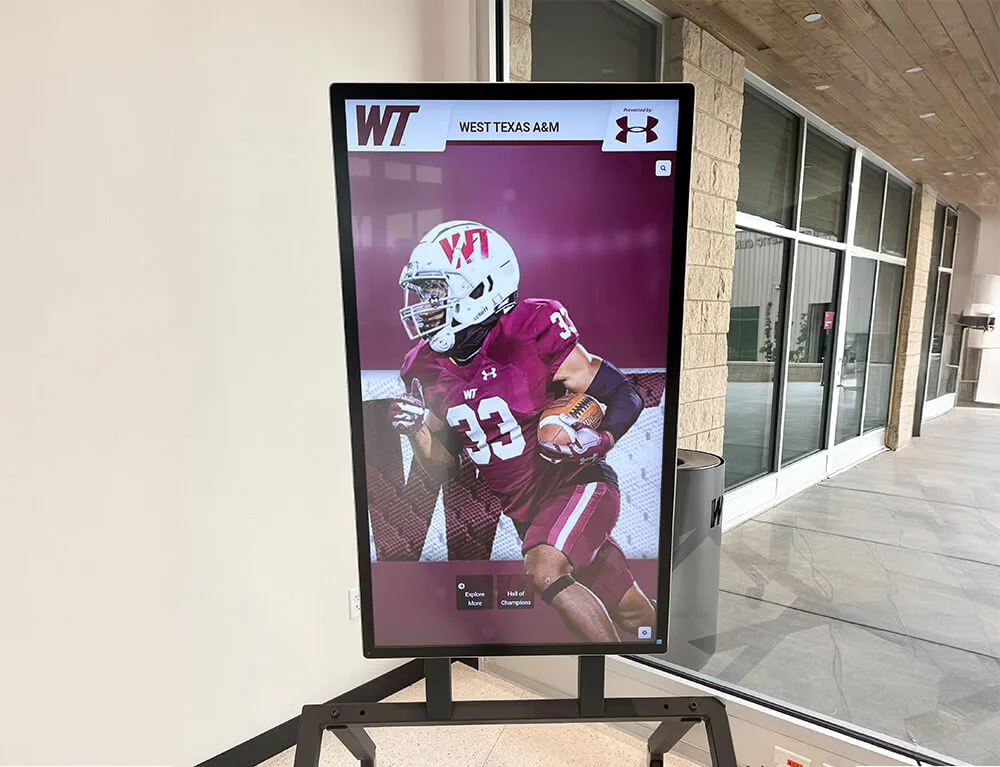
Comprehensive [athletic recognition programs](https://donordisplay.com/blog/academic-recognition-programs-guide/?utm_source=organic&utm_medium=seo-auto&utm_content=digitalwarming&utm_campaign=most-improved-award-meaning&utm_term=seo) celebrate various achievement types including skill development and growth
Physical and Athletic Development
Strength and Conditioning Gains
Physical development provides another improvement dimension particularly significant for younger athletes still developing athletically. Recognition can honor dramatic strength gains enabling performance improvement, speed and agility development expanding athletic capability, endurance improvements allowing sustained high-level performance, or body composition changes reflecting dedicated training commitment.
Weight room performance metrics, timed sprint improvements, or conditioning test results provide objective documentation supporting physical development recognition.
Injury Recovery and Rehabilitation
Athletes who successfully returned from significant injuries often demonstrate remarkable improvement deserving special recognition. Their journey involves not just regaining previous performance levels but overcoming physical and psychological challenges inherent in serious injury recovery.
Most Improved recognition for injury recovery validates resilience, dedication to rehabilitation programs, and perseverance through discouragement characterizing recovery journeys.
Mental and Intangible Improvement
Confidence and Mental Game Development
Some athletes possess physical skills but struggle with confidence, focus, or mental approach limiting performance. Most Improved recognition can celebrate mental game development: overcoming performance anxiety affecting competition results, developing pre-performance routines improving consistency, building confidence enabling assertive play, or improving focus and concentration during pressure situations.
While harder to quantify than statistics, mental improvement proves equally significant to performance transformation and deserves recognition when coaches observe clear development.
Leadership and Character Growth
Most Improved awards can extend beyond individual performance to recognize character and leadership development. Recipients might include athletes who transformed from withdrawn to vocal leaders, players who evolved from selfish to team-first mentalities, individuals who developed from negative to positive cultural influences, or athletes who matured from unfocused to dedicated program contributors.
These intangible improvements often prove more significant to team success than individual statistical development while teaching life lessons extending beyond athletic contexts.
Establishing Fair Selection Criteria
Most Improved award credibility depends on fair, transparent selection based on clear criteria rather than subjective impressions or unclear standards.
Baseline Performance Documentation
Preseason Assessment Importance
Fair Most Improved selection requires documented baseline performance. Coaches should conduct systematic early-season evaluations establishing performance starting points: skill assessment testing position-specific capabilities, statistical tracking beginning from first competitive opportunities, fitness testing documenting physical conditioning levels, or video analysis capturing early-season technique and execution.
Without clear baseline documentation, improvement claims become subjective impressions vulnerable to recency bias favoring late-season development over consistent growth.
Tracking Progress Across Seasons
Systematic progress tracking throughout seasons enables objective improvement measurement. Regular skill assessments at season beginning, middle, and end show development trajectory. Statistical compilation tracks performance metrics across all competitions. Practice observation notes document technical improvement and work ethic. Video comparison shows visible execution enhancement from early to late season.
This documentation provides concrete evidence supporting award selection while offering specific examples coaches reference during presentations making recognition more meaningful.
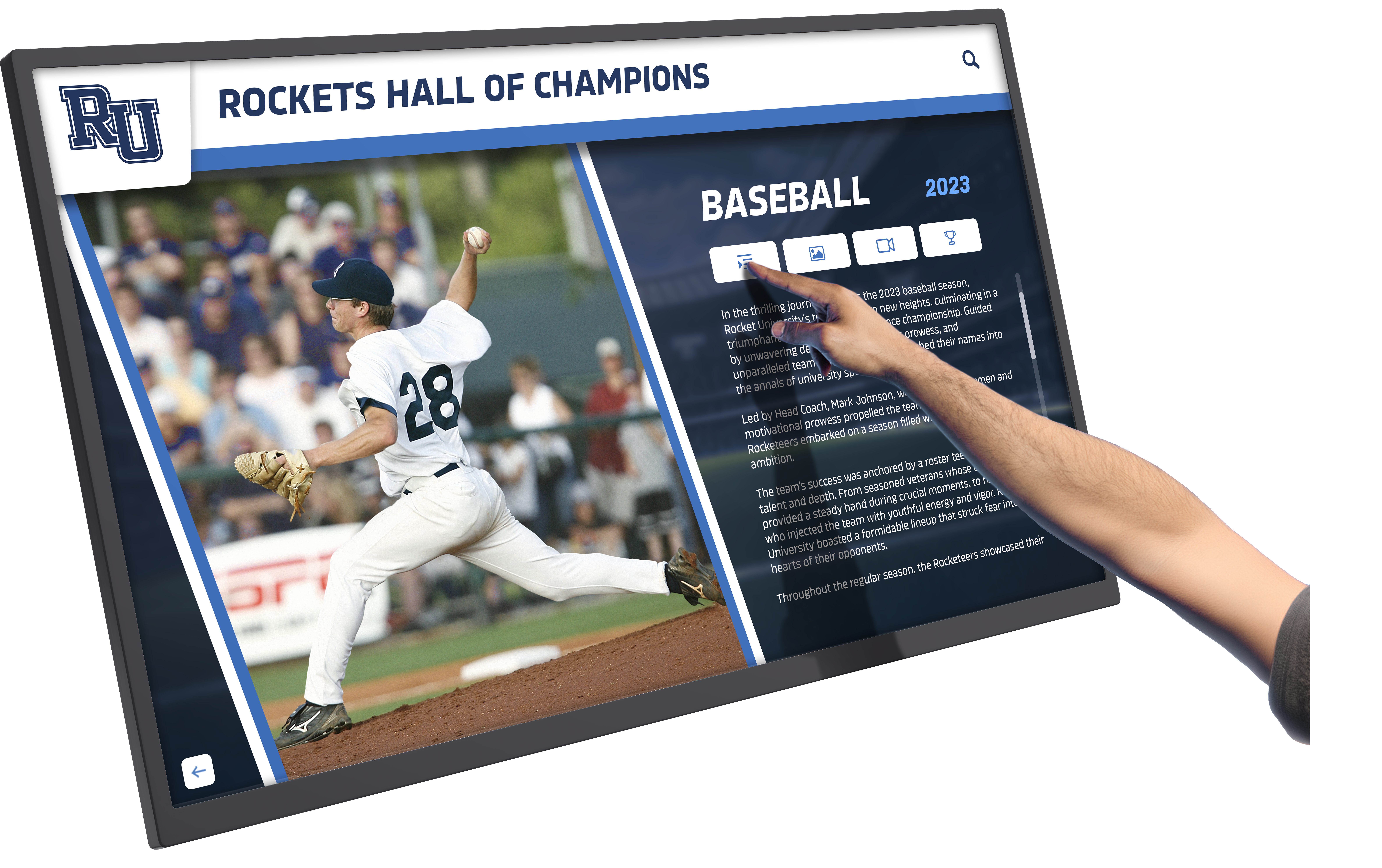
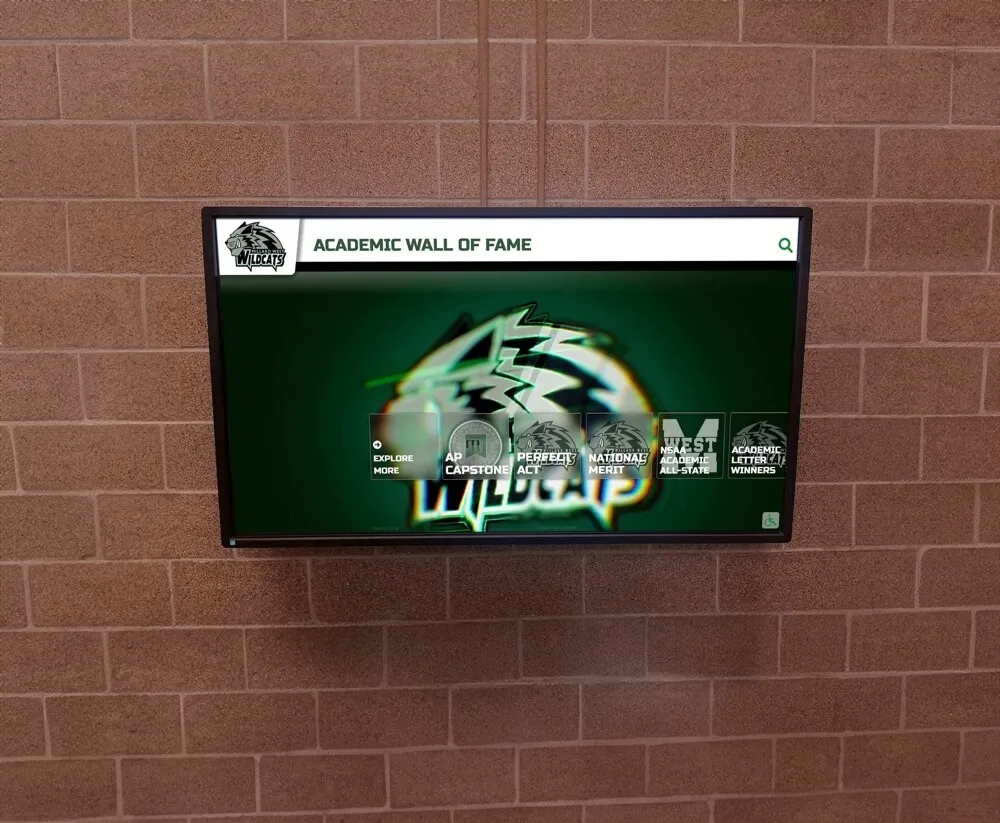
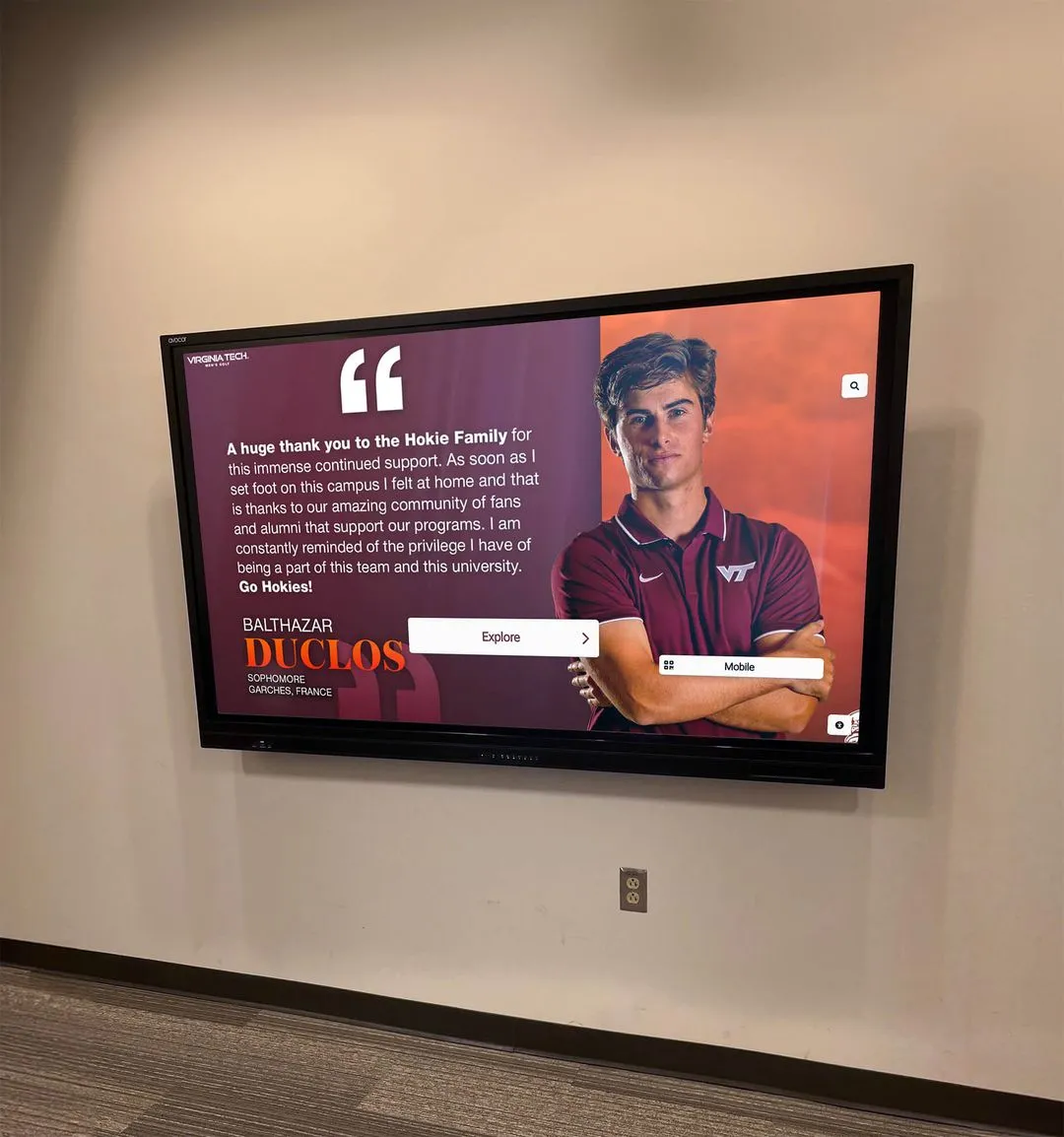
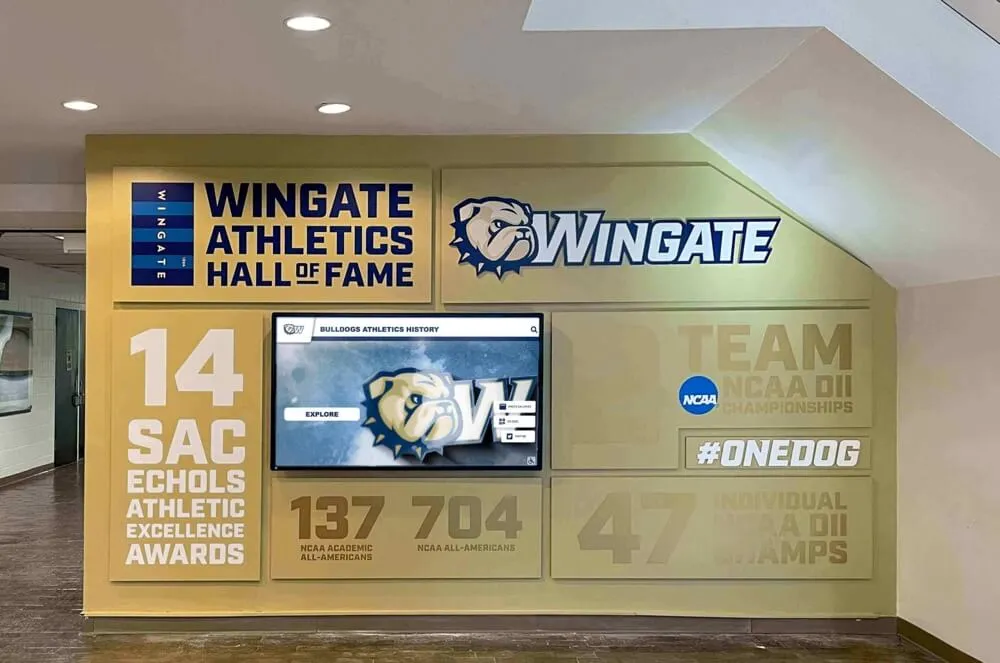
Digital recognition platforms enable comprehensive documentation of [athletic achievement and development](https://touchwall.us/blog/player-highlight-tapes-college-recruiting-guide/?utm_source=organic&utm_medium=seo-auto&utm_content=digitalwarming&utm_campaign=most-improved-award-meaning&utm_term=seo) throughout athlete careers
Improvement Measurement Methods
Statistical Analysis Approaches
Quantitative improvement measurement provides objective selection foundation: percentage increase in relevant statistics, comparative performance across equivalent competition periods, improvement in efficiency metrics reflecting skill development, or advancement in performance rankings within team or league contexts.
For example, a basketball player increasing scoring from 4 to 12 points per game demonstrates 200% improvement—dramatic transformation warranting recognition even if absolute production doesn’t approach team leaders.
Qualitative Assessment Integration
While statistics provide objectivity, qualitative assessment captures improvement dimensions statistics miss: technical execution quality visible in film study, tactical understanding and decision-making development, leadership emergence and communication improvement, or coachability and practice approach enhancement.
Balanced selection combines statistical evidence with qualitative coaching assessment ensuring comprehensive evaluation reflecting complete player development.
Addressing Common Selection Challenges
Distinguishing Improvement from Opportunity
Coaches must differentiate genuine skill improvement from increased opportunity creating statistical growth. A backup player whose statistics improve dramatically after injuries create playing time may reflect opportunity rather than actual development.
Fair assessment considers performance quality relative to opportunity, skill execution consistency across varied situations, and whether increased production reflects better play or simply more chances.
Avoiding Recency Bias
Recent performances create stronger memories than early-season work potentially biasing assessment toward athletes whose improvement occurred late versus those who grew steadily throughout seasons. Systematic documentation tracking improvement across entire seasons prevents recency bias from distorting selection.
Balancing Absolute vs. Relative Improvement
Should Most Improved recognition favor the bench player who doubled production from minimal to moderate levels or the starter whose improvement was smaller percentage-wise but greater in absolute terms? Different programs answer differently based on award philosophy.
Clarifying whether awards emphasize relative percentage improvement or absolute performance gains ensures consistent fair application preventing confusion about selection rationale.
Creative Presentation and Celebration Ideas
How programs present Most Improved recognition significantly affects its meaning and impact on recipients and teammates.
Traditional Award Ceremony Approaches
End-of-Season Banquet Recognition
Most athletic programs present Most Improved awards during end-of-season banquets alongside other honors. Effective presentations include detailed explanation of why recipients earned recognition, specific statistical or performance examples documenting improvement, stories illustrating dedication and work ethic behind development, video highlights comparing early and late-season performance, and testimony from coaches or teammates acknowledging transformation.
These personalized presentations transform generic award distribution into meaningful tributes validating recipient dedication and providing concrete examples inspiring teammates.
Special Recognition Components
Beyond standard trophies, programs enhance Most Improved celebration through personalized award elements including custom engraving highlighting specific improvement metrics, photo plaques comparing before and after performance, certificates documenting statistical growth, or display-quality prints featuring recipients in action.
These customized elements demonstrate thought and care behind recognition making awards more meaningful than generic trophies.

Programs integrate [traditional trophy displays](https://digitalyearbook.org/blog/school-trophy-case-ideas-traditional-vs-digital-display-options/?utm_source=organic&utm_medium=seo-auto&utm_content=digitalwarming&utm_campaign=most-improved-award-meaning&utm_term=seo) with comprehensive recognition celebrating diverse achievements
Digital Recognition Integration
Interactive Achievement Displays
Modern athletic programs increasingly integrate Most Improved recognition into comprehensive digital displays showcasing complete program history. These systems enable detailed athlete profiles documenting improvement journey with before and after statistics and performance data, photo galleries showing development across seasons, video highlights demonstrating skill transformation, and biographical information contextualizing achievement significance.
Unlike physical trophies stored in boxes after ceremonies, digital profiles remain permanently accessible enabling recipients to share recognition throughout lives while allowing current athletes to explore program history discovering improvement examples inspiring their own development.
Social Media Celebration
Digital platforms enable extended Most Improved celebration beyond physical ceremonies: highlight videos showcasing performance transformation, statistical graphics visualizing improvement metrics, photo tributes documenting season journey, coach testimonials explaining recognition significance, or recipient interviews sharing dedication stories.
Social media celebration amplifies recognition reach while creating shareable content recipients treasure and distribute within their networks.
Unique Recognition Formats
Improvement Showcase Events
Some programs create dedicated improvement showcases highlighting development across entire rosters: skill demonstration sessions where athletes display newly developed capabilities, scrimmages specifically designed to showcase improved players, parent appreciation events celebrating athlete growth families witnessed, or community recognition programs introducing improvement honorees to broader audiences.
These events dedicate focused attention to improvement celebration rather than incorporating recognition into broader award ceremonies where development honors compete for attention with performance-based awards.
Peer Recognition Integration
Teammate validation carries special significance for Most Improved recipients. Programs can incorporate peer perspectives through teammate voting determining recipient or contributing to selection, peer testimonials during award presentations sharing specific observations, video compilations of teammates celebrating recipient development, or small group presentations where section leaders or captains present awards with personal reflections.
Peer involvement demonstrates that improvement recognition reflects authentic teammate acknowledgment rather than just coaching assessment.
Building Long-Term Recognition Traditions
Most Improved awards gain significance when they become established program traditions connecting current recipients to institutional history.
Creating Historical Continuity
Named Award Legacy
Programs can name Most Improved awards after distinguished alumni, former coaches, or program figures who exemplified improvement and development. Named awards carry additional prestige while teaching current athletes about program values and history.
During presentations, coaches share honoree stories explaining why individuals are celebrated creating context about award significance and the traditions recipients join.
Past Recipient Recognition
Effective presentations reference previous Most Improved recipients when possible: “This year’s award winner joins distinguished past honorees including…” creates historical context building pride in tradition. Some programs invite former recipients to present awards sharing reflections about recognition impact on their athletic journeys and post-sport lives.
This connection between past and present demonstrates that Most Improved recognition represents lasting tradition extending beyond individual seasons.
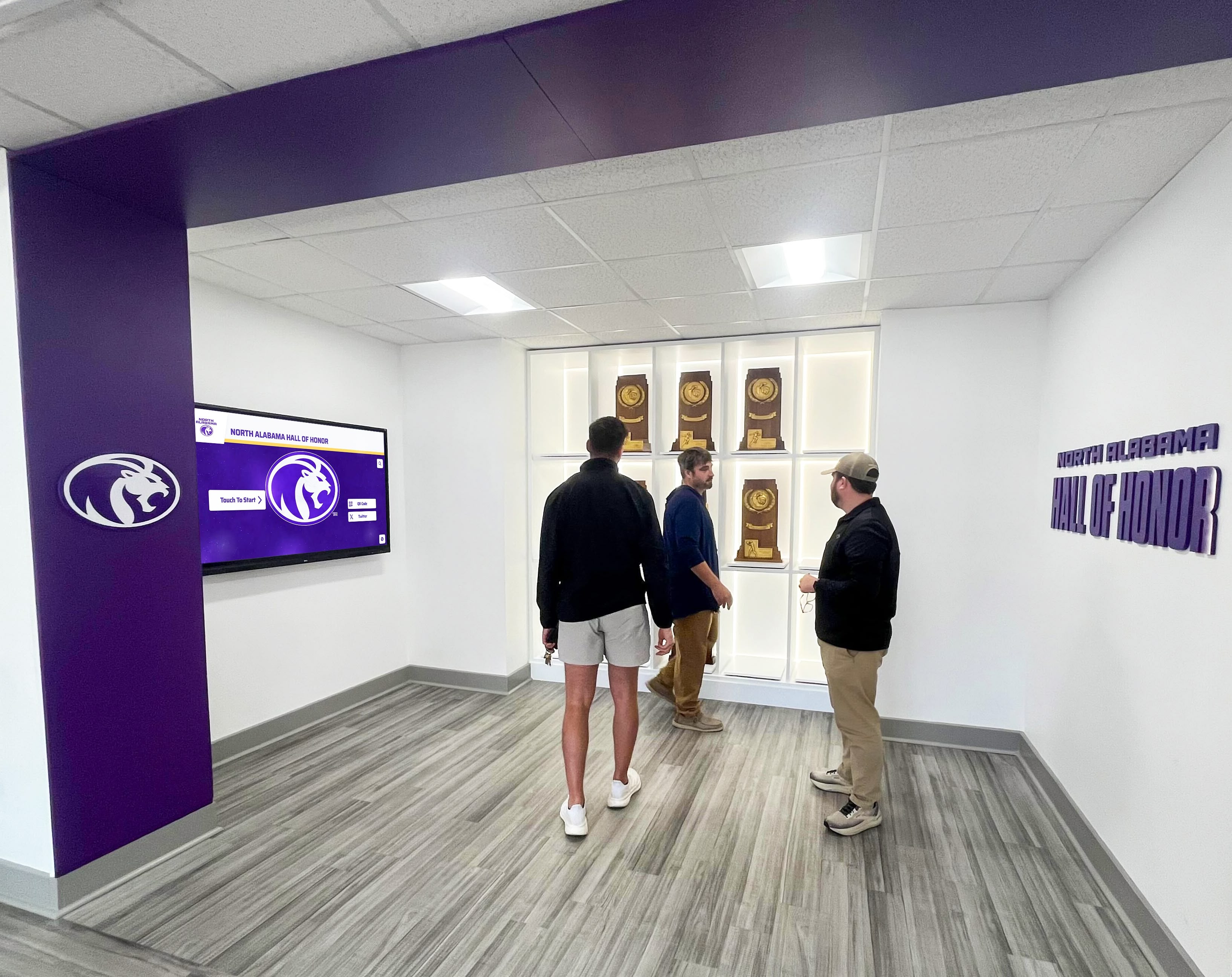
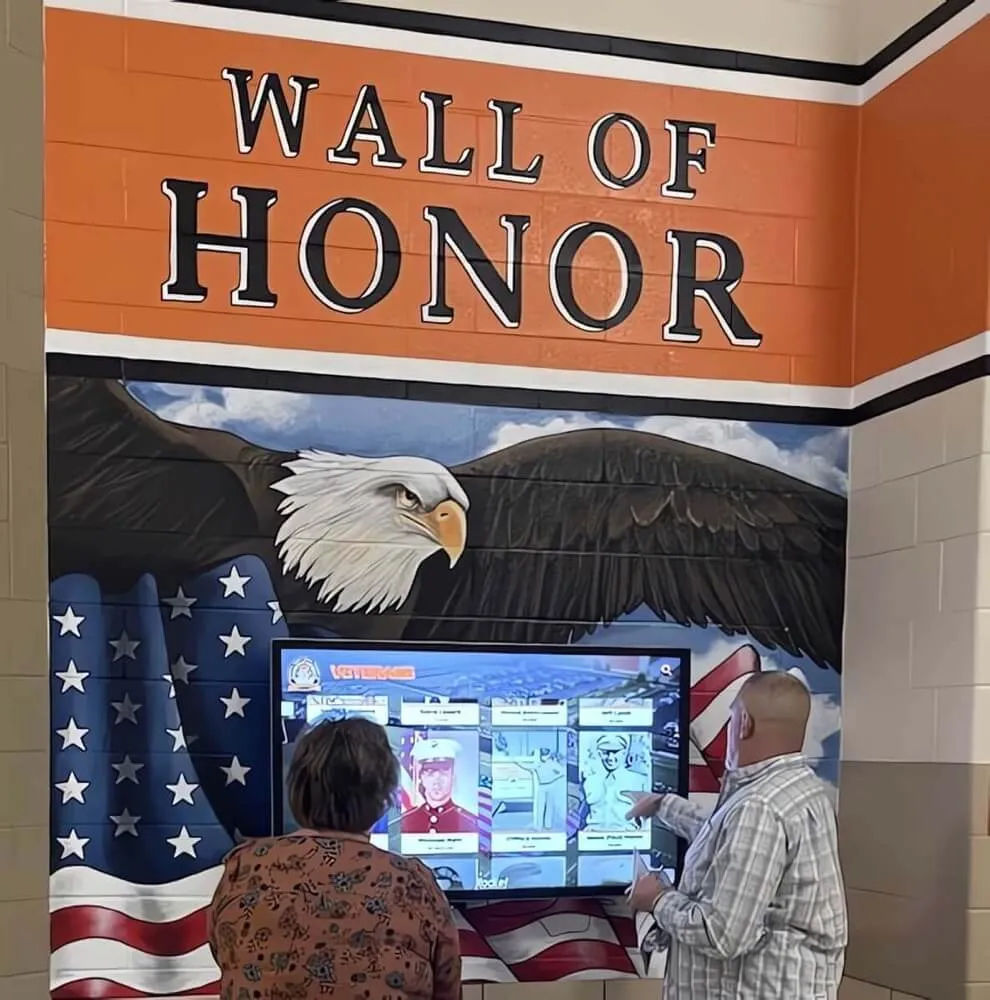
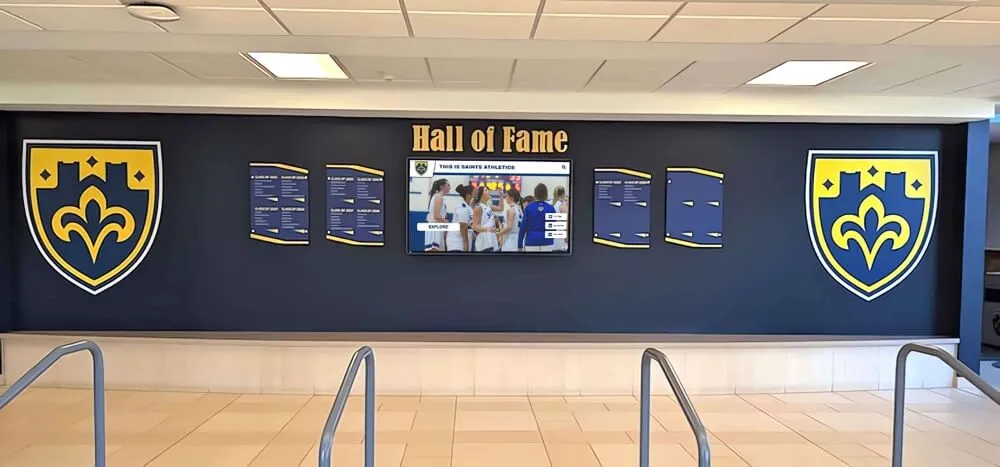
Recognition spaces create environments where students explore program traditions and [athletic excellence history](https://touchhalloffame.us/blog/showcasing-nfl-alumni-recognition-guide/?utm_source=organic&utm_medium=seo-auto&utm_content=digitalwarming&utm_campaign=most-improved-award-meaning&utm_term=seo)
Permanent Documentation and Archives
Digital Recognition Systems
Traditional physical awards face inherent limitations: recipients store trophies in closets where they provide no ongoing value, schools lack space to permanently display all award recipients, and physical recognition becomes invisible limiting inspiration for future athletes.
Digital recognition systems overcome these limitations providing unlimited capacity for historical documentation across all seasons, comprehensive profiles including statistics, photos, videos, and contextual information, permanent accessibility for athletes, families, and communities regardless of location, and searchable databases enabling exploration of improvement award history across program timeline.
Solutions like Rocket Alumni Solutions transform one-time award presentations into permanent celebration that recipients access throughout lives, current athletes explore discovering inspirational improvement examples, families share demonstrating athlete dedication and achievement, and communities engage with understanding program values and excellence traditions.
These platforms create “warming” effects throughout school communities—transforming forgotten trophy storage into vibrant accessible celebration where personalized content connects athletes to program legacy and comprehensive documentation preserves complete athletic narratives impossible with physical awards alone.
Creating Improvement Showcases
Digital systems enable creation of dedicated improvement showcases highlighting development stories: comparative statistical displays showing before and after performance, video compilations demonstrating skill transformation, coach commentary explaining improvement significance, recipient reflections sharing dedication stories, or timeline visualizations documenting development progression.
These showcases provide inspiring content for current athletes while permanently celebrating past recipients in formats enabling easy exploration and sharing.
Integration with Comprehensive Award Programs
Most Improved recognition works best within balanced award programs celebrating diverse achievement types.
Balancing Recognition Categories
Performance Excellence Awards
MVP, leading scorer, or all-conference selections celebrate peak performance and established excellence. These awards honor athletes who achieved highest absolute performance levels regardless of starting points.
Character and Leadership Recognition
Coaches’ awards, team captain recognition, or spirit awards celebrate intangible contributions including leadership, attitude, and character qualities that may not appear in statistics but prove essential to team success.
Improvement and Development Honors
Most Improved awards complete recognition programs by celebrating growth and development ensuring athletes at all performance levels find pathways to acknowledgment for their unique contributions and journeys.
Comprehensive programs include all three categories ensuring every athlete who demonstrated excellence, growth, or exemplary character receives potential recognition opportunities.
Creating Multiple Improvement Categories
Large programs might establish multiple improvement recognition levels: overall Most Improved Player as primary honor, position-specific improvement awards recognizing development within specialized roles, improvement recognition for different team levels (varsity, JV, freshman), or specialized improvement categories like most improved defensive player or most improved newcomer.
Multiple categories expand recognition opportunities while maintaining Most Improved award significance through thoughtful category design preventing dilution through excessive fragmentation.

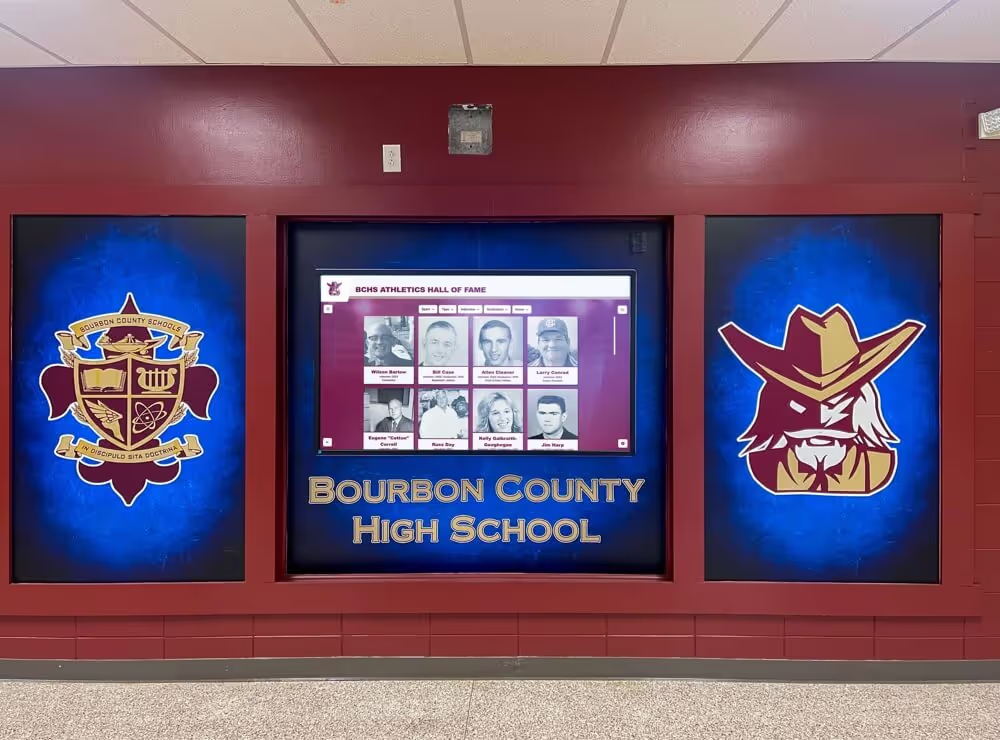
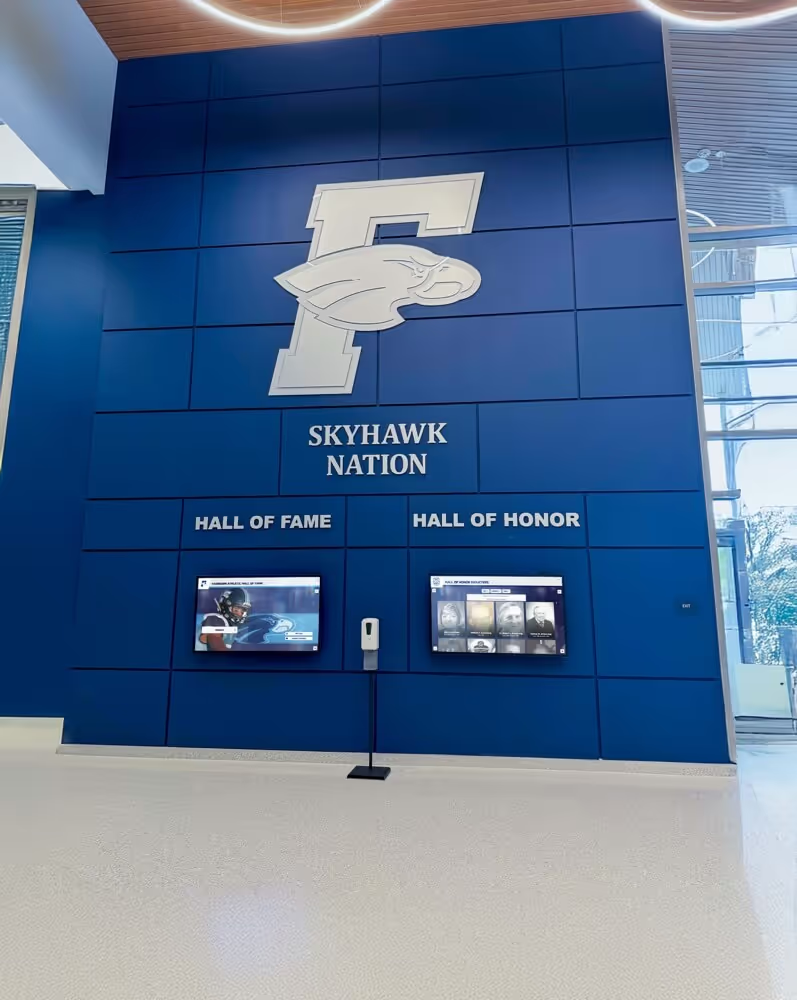
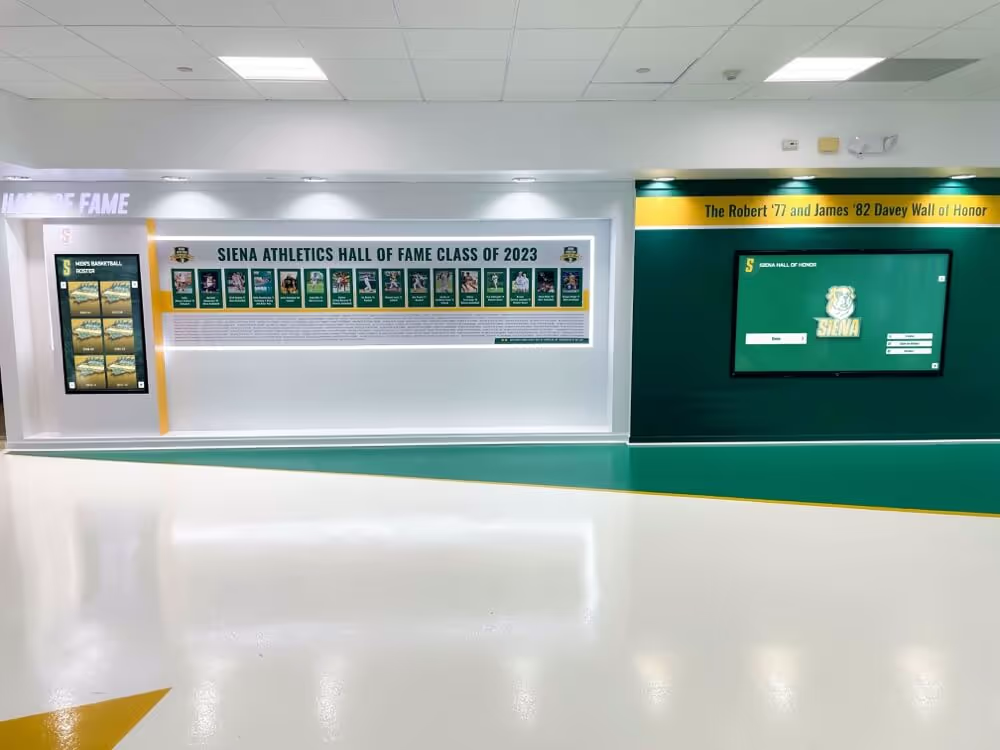
Modern recognition systems in [prominent facility locations](https://touchscreenwebsite.com/blog/honor-roll-touchscreen-display-guide/?utm_source=organic&utm_medium=seo-auto&utm_content=digitalwarming&utm_campaign=most-improved-award-meaning&utm_term=seo) celebrate student achievement daily
Special Considerations Across Sports and Levels
Most Improved recognition approaches vary based on sport characteristics and competitive levels.
Sport-Specific Considerations
Individual Sports (Track, Swimming, Wrestling)
Individual sports provide clear performance metrics simplifying improvement measurement: improved race times or distances, enhanced competitive placements and rankings, qualification for higher-level competitions, or mastery of new events or techniques.
Statistical clarity makes selection straightforward while offering precise talking points for recognition presentations.
Team Sports (Basketball, Soccer, Football)
Team sports require balancing individual statistics with contribution to collective success. Most Improved recognition should consider both personal performance growth and enhanced team contribution through improved play.
Coaches assess how individual improvement translated to team impact ensuring recognition reflects athletes who elevated not just personal statistics but overall team performance.
Emerging and Non-Traditional Sports
Newer sports like lacrosse, rugby, or esports may lack established improvement award traditions creating opportunities for programs to develop unique recognition approaches matching sport characteristics and program philosophies.
Level-Specific Approaches
Youth and Middle School Programs
Younger programs should emphasize participation, skill development, and positive experience over competitive achievement. Most Improved recognition proves particularly valuable for developing athletes because virtually all youth participants show measurable improvement across seasons making the award accessible to many deserving recipients based on dedication and growth demonstrated.
Consider recognizing multiple improvement honorees or creating improvement categories ensuring broad distribution celebrating development culture characterizing youth athletics.
High School Athletics
High school programs balance competitive success with educational and developmental priorities. Most Improved awards reinforce that programs value complete athlete development including physical improvement, mental growth, character development, and leadership emergence.
These awards communicate messages about program values extending beyond winning helping athletes internalize growth mindset frameworks applicable to life beyond sports.
Collegiate Programs
College programs might reserve Most Improved recognition for walk-ons who earned playing time, redshirt players who transformed during development years, or athletes who overcame injuries returning to competitive form. The award maintains significance by celebrating genuine transformation rather than expected development.
Measuring Long-Term Impact
Most Improved recognition produces effects extending beyond individual award ceremonies affecting recipient development and broader program culture.
Impact on Recipients
Motivation and Confidence Building
Recipients consistently report that Most Improved recognition validated their dedication providing motivation to sustain commitment through subsequent seasons. The acknowledgment that coaches noticed and appreciated their work created psychological rewards reinforcing continued effort.
For many athletes, Most Improved awards represent first significant recognition of their athletic journey creating confidence that sustained effort produces results others recognize and celebrate.
Life Lessons Beyond Sports
Former Most Improved recipients frequently identify the award as teaching crucial life lessons: that current limitations don’t determine future potential, that strategic practice and dedication produce measurable results, that transformation requires sustained commitment through challenges, and that improvement processes deserve celebration alongside peak performance outcomes.
These lessons inform how individuals approach academic challenges, career development, and personal growth throughout life—understanding that improvement, not innate ability, determines success across domains.
Broader Program Effects
Culture of Continuous Improvement
Programs emphasizing Most Improved recognition build cultures where athletes at all levels understand that dedication to improvement receives acknowledgment regardless of current performance levels. This cultural message encourages all athletes to pursue development rather than only elite performers feeling motivated to excel.
Retention and Participation
Recognition programs celebrating improvement help retain athletes who might otherwise quit due to limited playing time or perception they can’t compete with elite teammates. When developing players see improvement receive genuine acknowledgment, they maintain commitment understanding their dedication matters even if they never achieve starting positions.
Modern Recognition: Beyond Physical Trophies
While traditional trophies create meaningful ceremony moments, modern athletic programs increasingly recognize value in comprehensive digital recognition extending far beyond single-night events.
Digital recognition platforms installed in athletic facilities or accessible via mobile devices solve common limitations:
Permanent Accessibility: Physical awards end up in storage; digital profiles remain accessible throughout athletes’ lives enabling ongoing sharing and connection to achievement
Comprehensive Documentation: Trophies display minimal information; digital systems showcase complete improvement journeys through statistics, photos, videos, and contextual narratives
Inspiration and Tradition: Hidden trophies can’t inspire future athletes; visible digital displays celebrating past Most Improved recipients demonstrate program values while inspiring current players pursuing development
Space Limitations: Physical displays face capacity constraints; digital systems showcase unlimited recipients across complete program history
Rocket Alumni Solutions provides the leading platform for athletic recognition, offering ADA WCAG 2.1 AA-compliant touchscreen displays and mobile-accessible systems specifically designed for schools and athletic departments. The platform includes unlimited content capacity ensuring every Most Improved recipient receives permanent recognition, remote content management enabling easy updates and additions, auto-ranking features surfacing relevant content, QR code mobile access allowing athletes and families to explore and share recognition anywhere, and comprehensive profile capabilities documenting complete athletic journeys.
Athletic directors can showcase Most Improved recipients alongside MVPs, championship teams, and program records creating comprehensive recognition celebrating diverse achievement types. Recipients access their profiles years later sharing athletic accomplishments with colleagues, children, and extended networks while maintaining lasting connections to programs and communities that shaped their development.
Schedule a demonstration to explore how digital recognition systems can enhance your athletic program’s Most Improved awards and create permanent celebration honoring athlete development and dedication.
Common Questions About Most Improved Awards
How do you determine who should receive the Most Improved award?
Fair selection requires documented baseline performance early in seasons followed by systematic tracking of development across multiple dimensions—statistics, skill execution quality, physical development, and intangible contributions. Combine quantitative data with qualitative coaching assessment ensuring comprehensive evaluation. Establish clear criteria before seasons begin and maintain consistent documentation enabling objective selection based on evidence rather than subjective impressions.
Can multiple players receive Most Improved recognition?
Programs handle this differently based on philosophy and roster size. Some present single Most Improved Player as primary honor maintaining exclusivity and prestige. Others create position-specific improvement awards or team-level improvement recognition (varsity Most Improved, JV Most Improved) expanding acknowledgment opportunities. Multiple improvement awards work when clear criteria differentiate categories preventing perception of diluted recognition.
Should Most Improved go to a player who becomes a star or a bench player who improved significantly?
This philosophical question has no universal answer. Some programs define Most Improved emphasizing relative percentage improvement favoring dramatic transformation from minimal to moderate performance. Others prioritize absolute performance gains or emphasis on athletes whose improvement most impacted team success. Clarify your program’s philosophy establishing whether awards emphasize relative growth, absolute improvement, or team impact—then apply criteria consistently ensuring fairness and credibility.
What if the most improved player doesn’t have great statistics?
Most Improved recognition can celebrate dimensions beyond statistics including defensive excellence that doesn’t appear in scoring columns, physical development creating athletic capability transformation, leadership and character growth affecting team culture, technical skill refinement visible in execution quality, or mental game improvement enabling more confident competitive performance. Define improvement broadly ensuring recognition captures complete player development rather than exclusively statistical categories.
How can we make Most Improved awards feel meaningful rather than consolation prizes?
Presentation quality determines perception. Provide detailed context explaining specific improvement and dedication required to achieve transformation. Share concrete examples and statistics documenting development. Present with the same ceremony and significance as MVP awards. Create comprehensive recognition including both physical awards and permanent digital documentation. Involve teammates through testimonials or peer presentations. The message should communicate that improvement represents significant achievement deserving genuine celebration, not secondary consolation for missing other honors.
Conclusion: Celebrating the Journey of Athletic Growth
Most Improved Player Awards represent one of the most meaningful recognitions athletic programs bestow. While MVP awards celebrate natural talent and peak performance, Most Improved honors acknowledge what truly defines athletic excellence—the dedication to transform limitations into capabilities through sustained commitment and work ethic.
Understanding most improved award meaning helps coaches design recognition programs celebrating diverse achievement types. Effective programs combine performance excellence awards with improvement recognition and character honors ensuring athletes at all levels find pathways to acknowledgment for their unique contributions. This balanced approach builds inclusive cultures where dedication receives validation regardless of talent level while maintaining competitive standards rewarding achievement.
The athletes who earn Most Improved recognition often remember these awards more vividly than teammates who collected multiple MVP trophies. For many recipients, the acknowledgment that coaches noticed their dedication and celebrated their growth provides first significant validation of their athletic journey. These recognition moments teach life lessons about continuous improvement, resilience, and growth mindset that athletes carry forward into academics, careers, and personal development long after their playing days conclude.
Modern recognition extends beyond physical trophies through digital platforms preserving Most Improved award history permanently and accessibly. When programs document improvement journeys through comprehensive profiles including statistics, photos, videos, and contextual narratives, they create inspirational content for current athletes while providing recipients permanent celebration they access and share throughout lives. Digital systems transform one-time award presentations into lasting traditions connecting generations through shared program values celebrating dedication and development.
Your athletes invested countless hours in skill development, maintained commitment through frustration and setbacks, demonstrated resilience overcoming limitations, and transformed their capabilities through dedication deserving recognition matching significance of their achievement. Whether your program honors one Most Improved recipient or creates multiple improvement categories, whether you present awards during formal banquets or informal team gatherings, whether you provide traditional trophies or comprehensive digital documentation—the essential element remains authentic appreciation for athlete dedication and meaningful celebration of their development journey.
Ready to create recognition programs that truly honor athletic improvement while building lasting program traditions? Explore how comprehensive digital recognition platforms preserve Most Improved award history, inspire current athletes through past recipient examples, and transform single-ceremony recognition into permanent celebration connecting generations through shared traditions valuing dedication and continuous improvement.