



Every March, Minnesota transforms into the epicenter of high school hockey as eight teams from across the state converge on the Xcel Energy Center in St. Paul for the Minnesota State Hockey Tournament. Known affectionately as “The Tournament” to generations of hockey fans, this event represents more than championship competition—it embodies community pride, school tradition, and the passionate hockey culture that makes Minnesota unique among all American states.
The MN state hockey tournament creates defining moments in student-athlete lives, builds decades-long school traditions, and generates the kind of community engagement that transforms small towns and urban neighborhoods alike. Schools that reach “the tourney” celebrate for years, commemorating appearances through banners, recognition displays, and stories passed down through generations of players, coaches, and fans who experienced the unmatched atmosphere of playing under the bright lights at the state’s premier venue.
This comprehensive guide explores everything that makes the Minnesota State Hockey Tournament legendary—from its rich history and unique tournament structure to the passionate school communities that make it special, and how modern recognition systems help schools preserve and celebrate tournament appearances that define athletic program excellence.
For Minnesota communities, qualifying for the state hockey tournament represents athletic achievement on par with any high school accomplishment in any sport anywhere in America. The tournament’s prestige stems from Minnesota’s deep hockey roots, the extraordinary level of competition where future NHL players regularly compete, and the unmatched atmosphere created by passionate fan bases that travel hundreds of miles to support their schools through single-elimination tournament pressure.

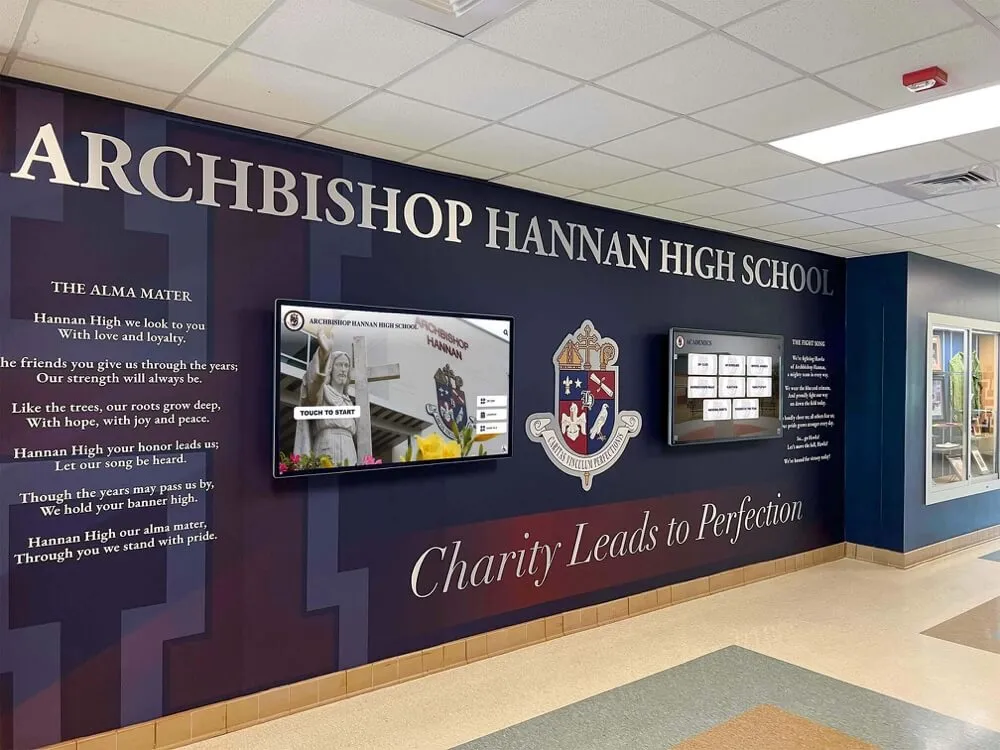
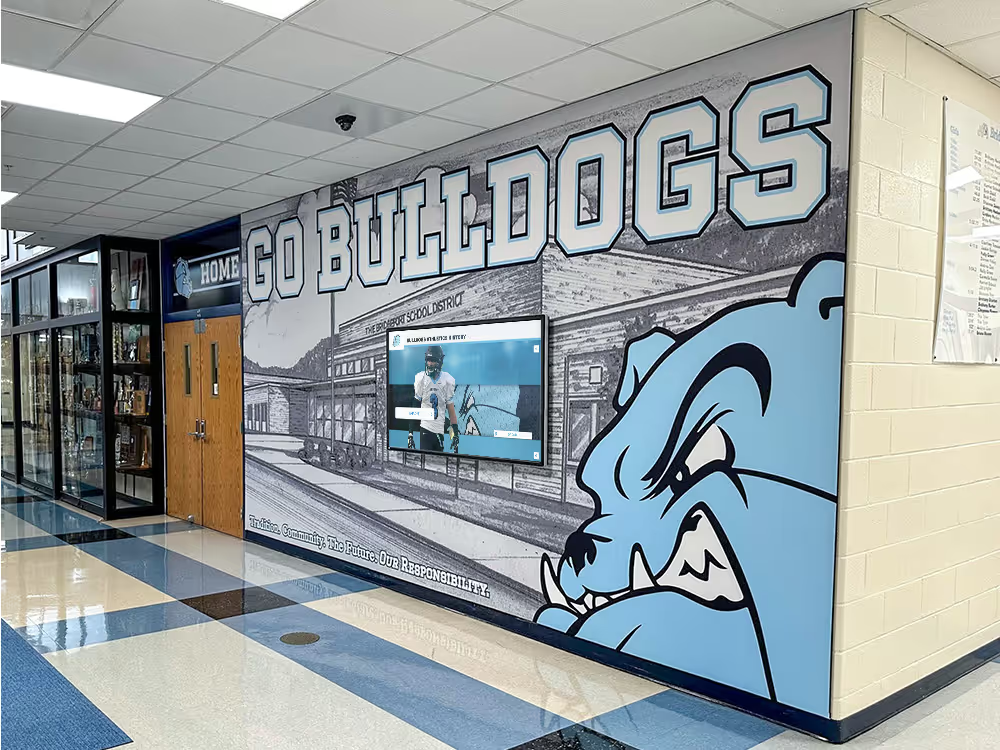
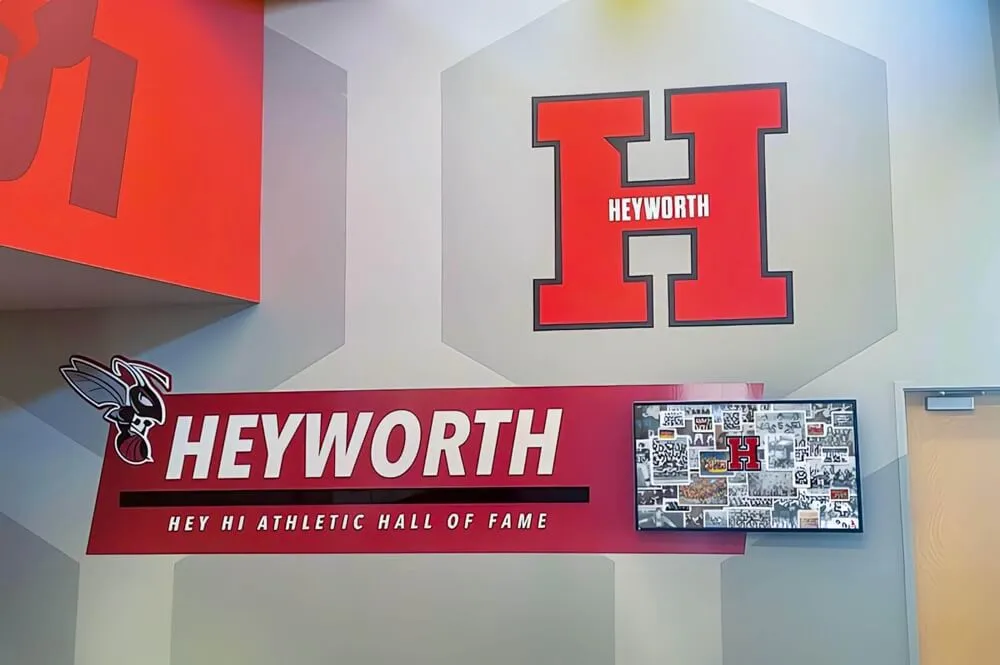
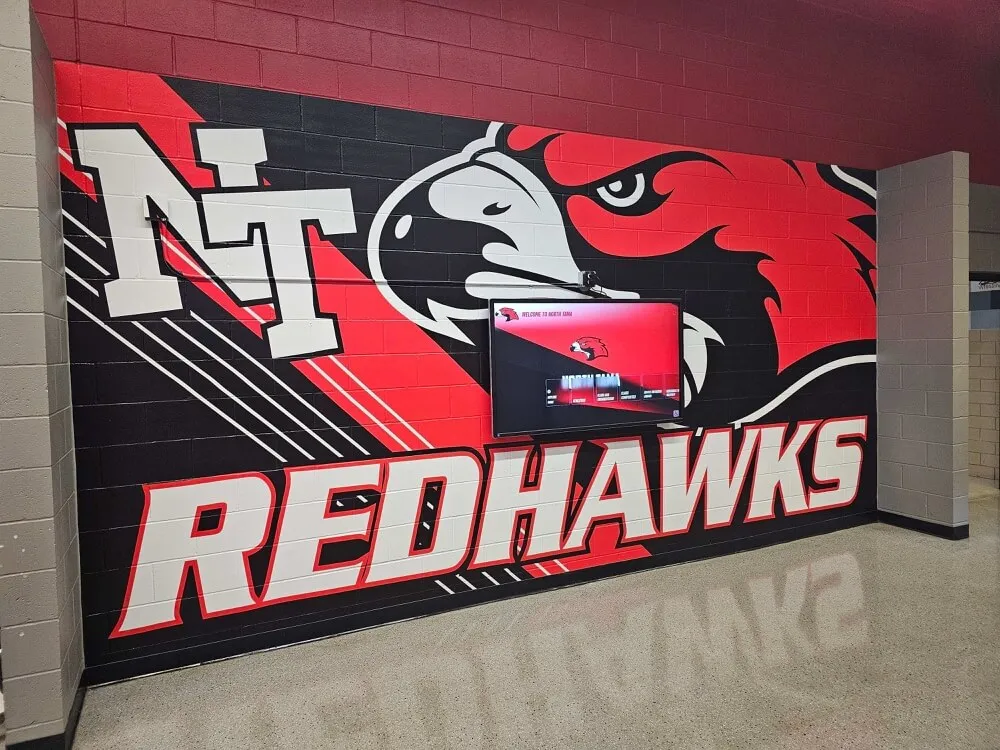
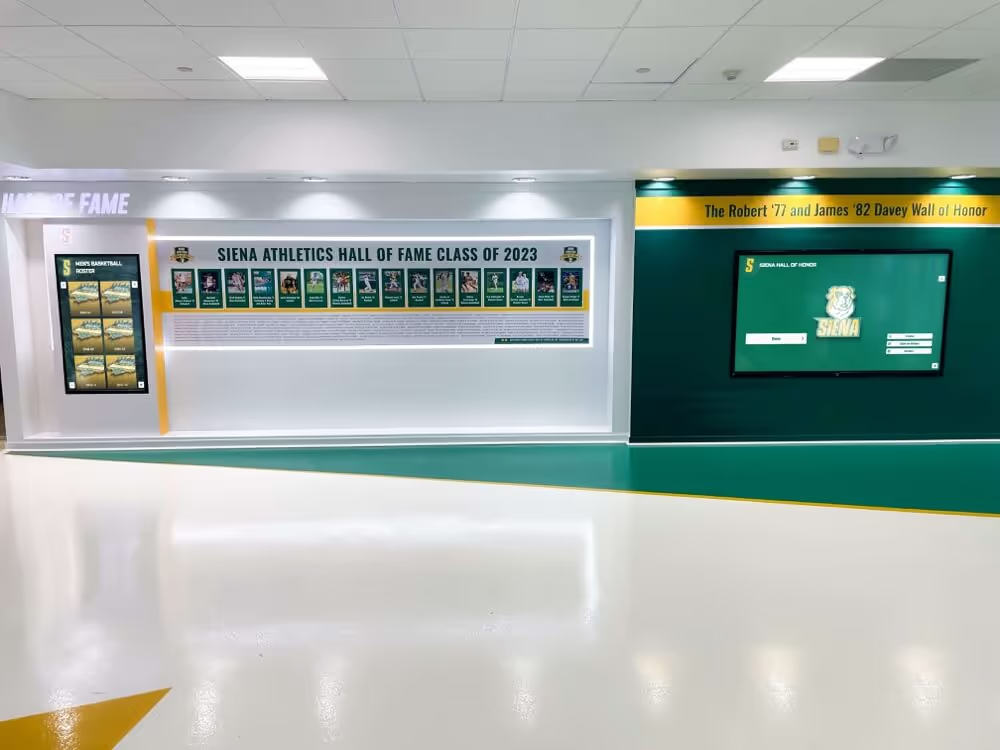
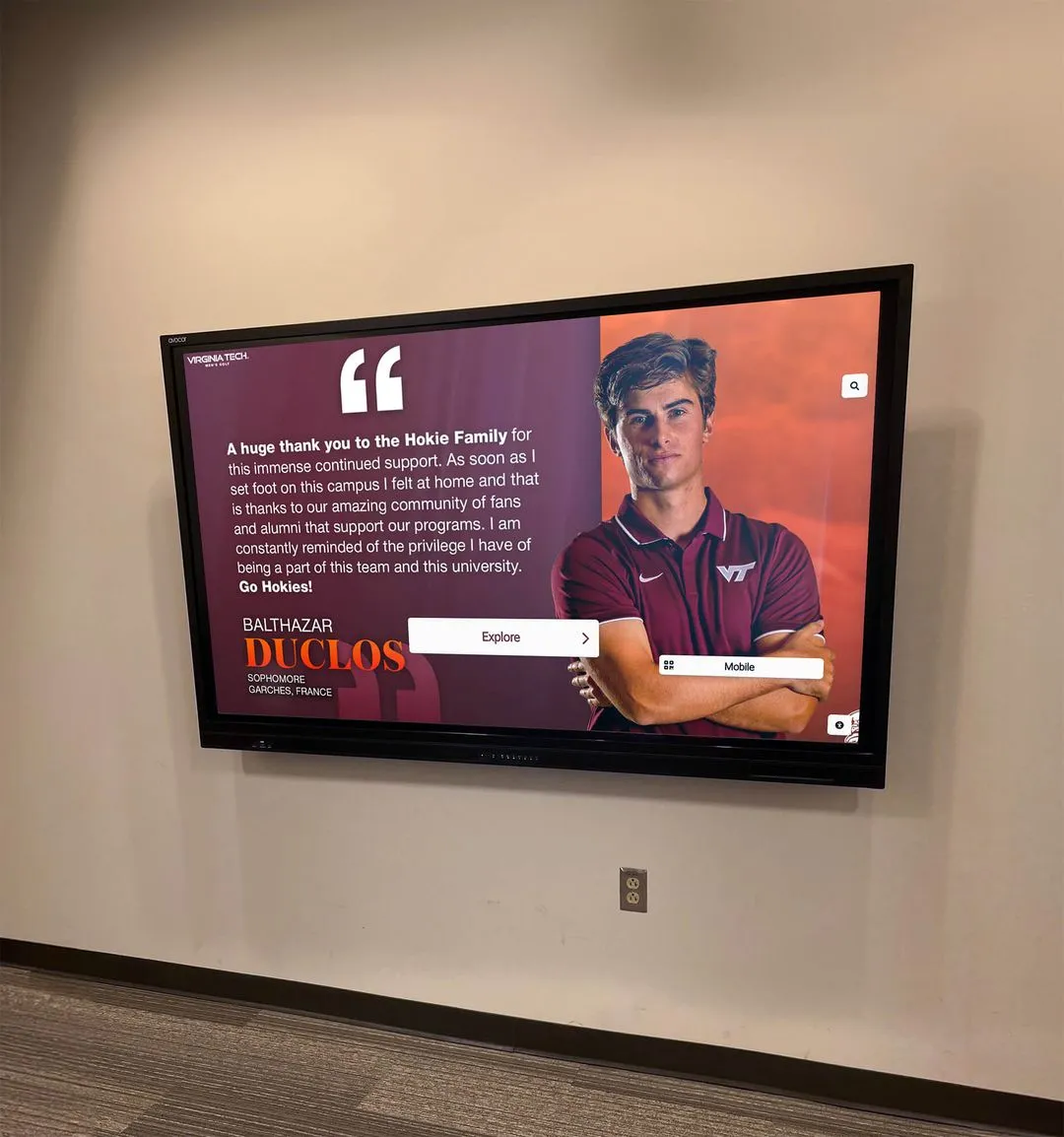
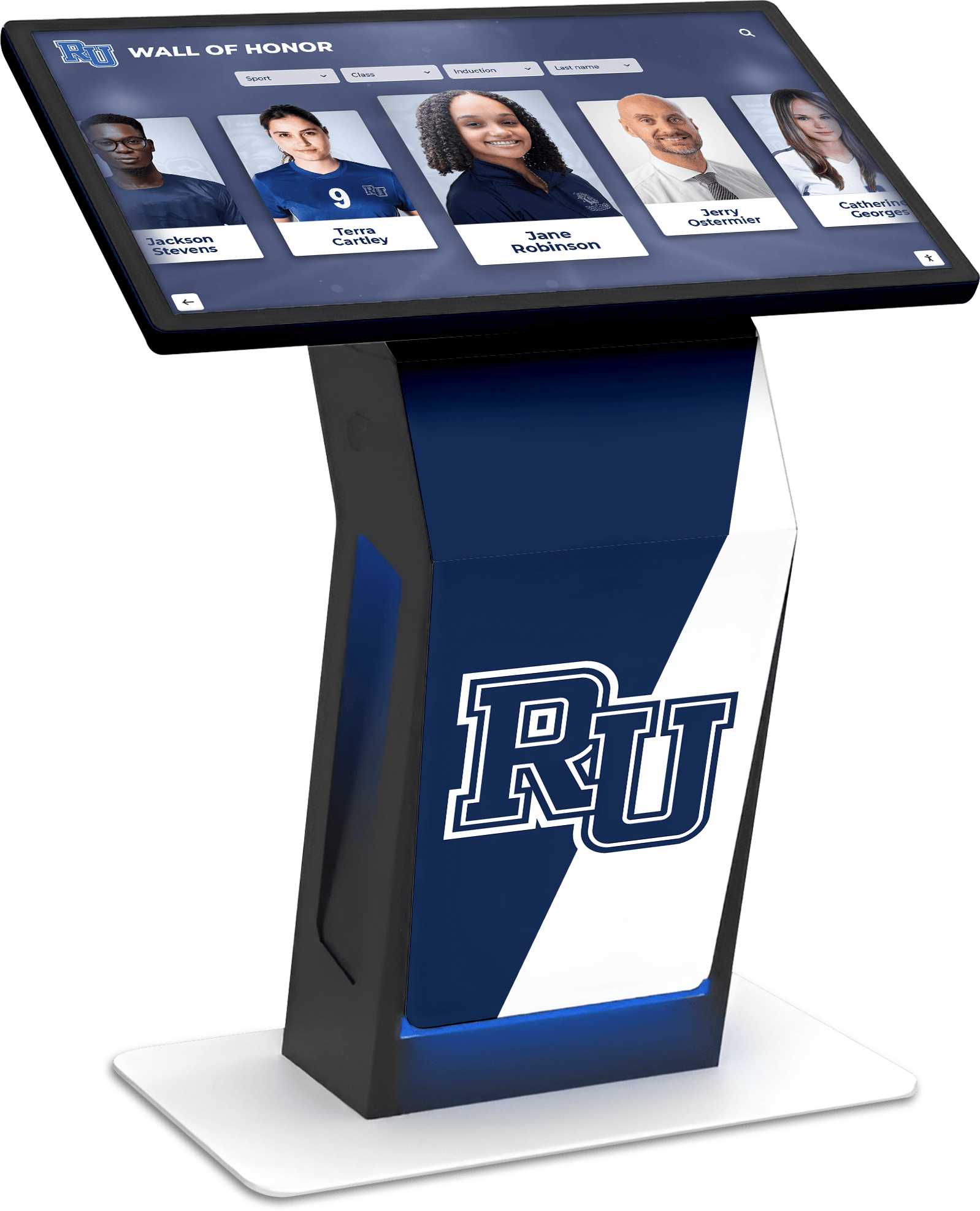
Modern recognition systems enable schools to permanently celebrate state tournament appearances and championship achievements
The History and Significance of Minnesota’s State Hockey Tournament
Understanding what makes the MN state hockey tournament special requires appreciating its unique place in Minnesota athletic culture and American high school sports history.
The Origins of Minnesota High School Hockey Excellence
Minnesota’s hockey tradition extends back more than a century, with organized high school hockey emerging in the early 1900s.
Early Tournament Development
The Minnesota State High School League began formally organizing the state hockey tournament in 1945, creating a centralized championship event that brought together the state’s best teams for the first time. These early tournaments, held at various venues around the Twin Cities, quickly captured public imagination as communities rallied behind local teams competing for state supremacy.
The tournament’s growth paralleled Minnesota’s broader hockey development. As youth hockey programs proliferated across the state—from the Iron Range mining towns in northern Minnesota to suburban Twin Cities communities and smaller outstate towns—the state tournament became the pinnacle achievement toward which entire youth hockey systems oriented their development.
Evolution to Multiple Classes
Originally a single-class tournament crowning one state champion, Minnesota hockey eventually split into multiple classifications to provide more schools championship opportunities while acknowledging enrollment and competitive disparities. Today, the tournament includes separate divisions, allowing schools of varying sizes to compete for state championships while maintaining the intense single-elimination format that makes every game dramatic and consequential.
This classification structure enables more communities to experience tournament participation while preserving the event’s prestige—qualifying for state remains a significant accomplishment regardless of classification, and championship victories create community celebrations and school traditions lasting generations.
The Move to Xcel Energy Center
The tournament’s relocation to the Xcel Energy Center in downtown St. Paul elevated an already special event to new heights.
Professional Venue Atmosphere
Playing in the same arena that hosts the NHL’s Minnesota Wild provides high school athletes with professional-level experiences. The venue’s sight lines, ice quality, locker rooms, and overall atmosphere create memories distinguishing tournament participation from regular season or section playoff games. Athletes remember specific details—the walk from locker rooms to ice, the sound of skates cutting professional-quality ice, the roar of capacity crowds, the feeling of competing under bright television lights.
These professional venue experiences validate years of early morning practices, winter travel to distant rinks, and countless hours dedicated to hockey development. Playing at Xcel represents achievement on a stage matching the quality found in college and professional hockey, creating pride that extends far beyond typical high school athletic experiences.
Capacity Crowds and Electric Atmosphere
The Xcel Energy Center regularly sells out tournament sessions, with crowds exceeding 18,000 creating noise levels and energy that rivals college and professional hockey atmospheres. The tournament draws not just families and students but entire communities—alumni returning from across the country, youth hockey families watching future tournament dreams, and hockey fans who attend regardless of team affiliation simply to experience Minnesota’s greatest high school sporting event.
This passionate attendance creates pressure and excitement that test athletes’ mental toughness while providing those who thrive under such conditions with unforgettable triumph moments. Players describe the atmosphere as unlike anything else in their hockey careers—more intense than many college games, more meaningful than showcase tournaments, and more memorable than virtually any other competitive experience.
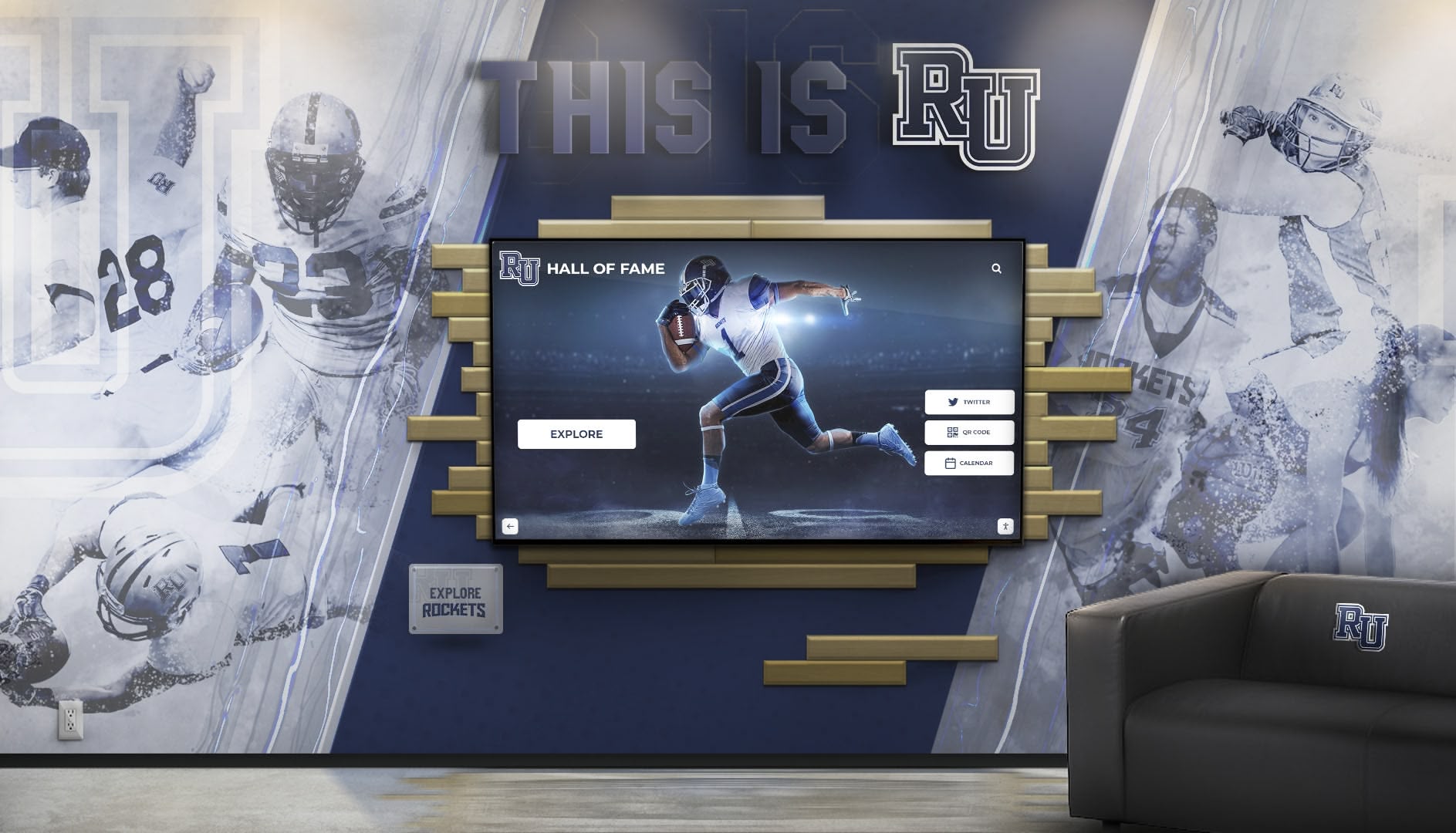
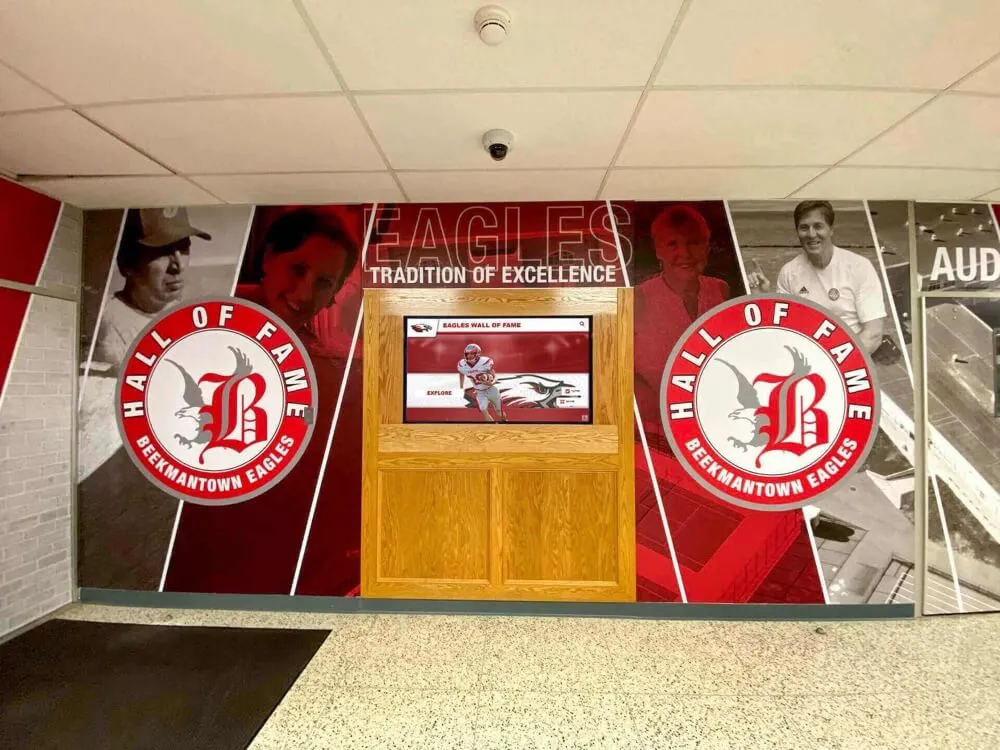
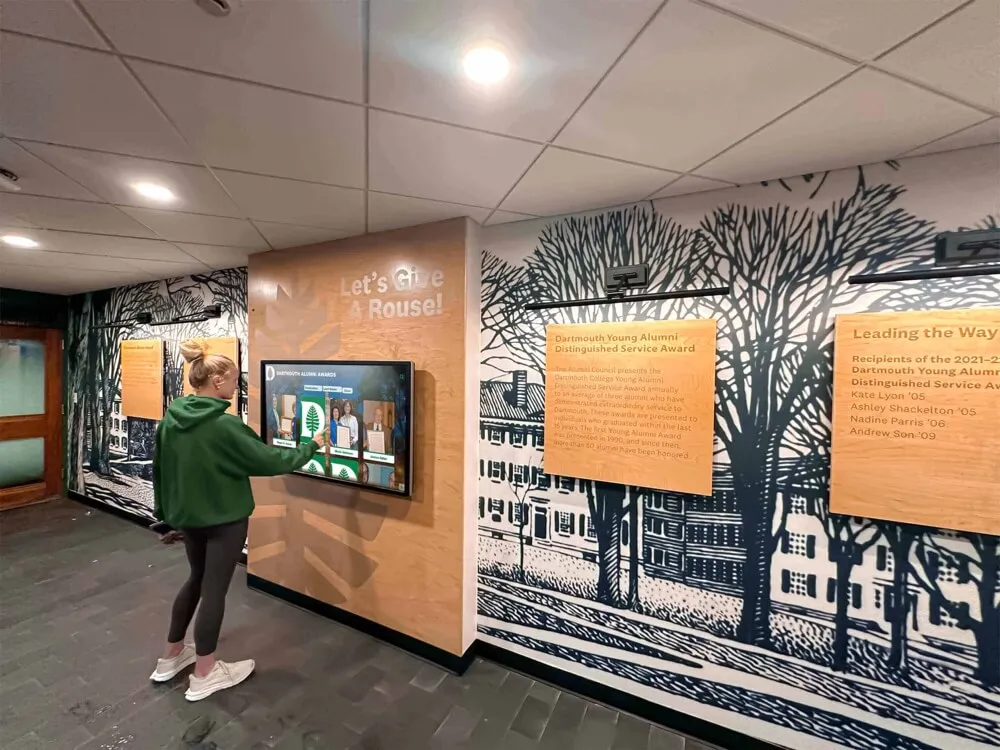
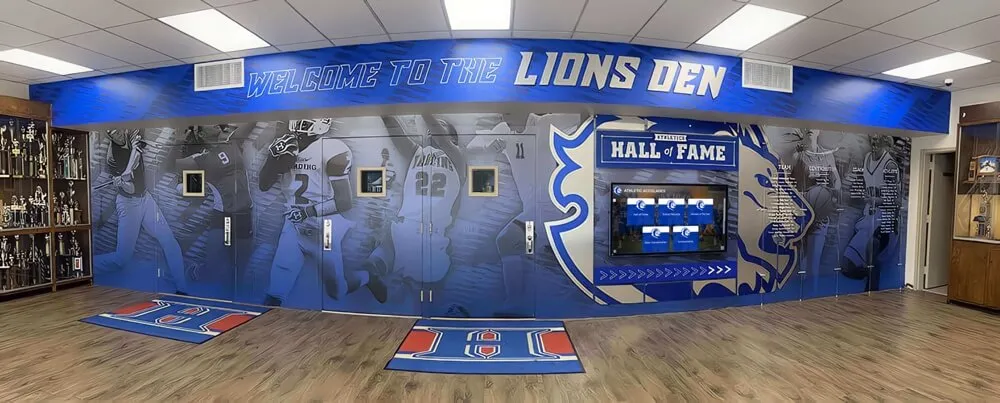
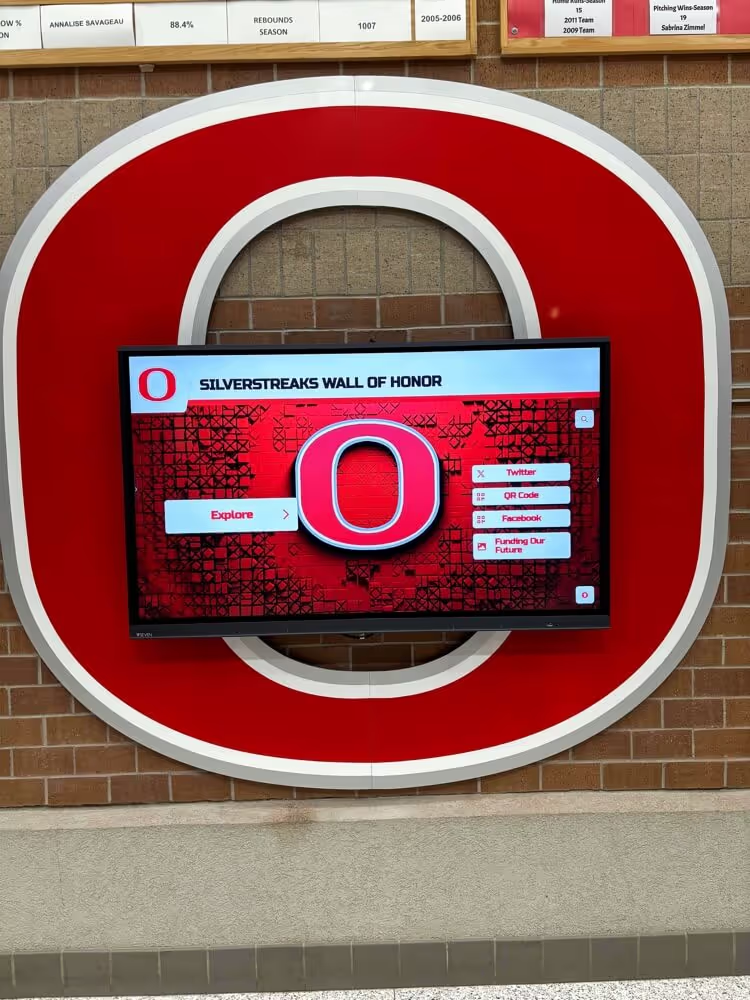
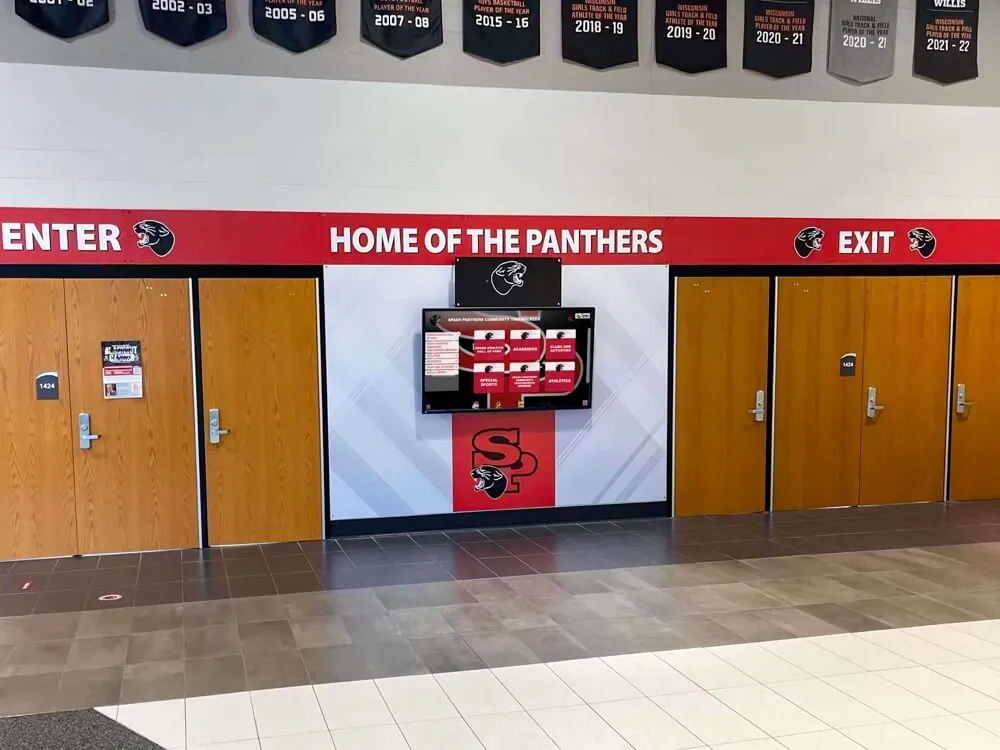
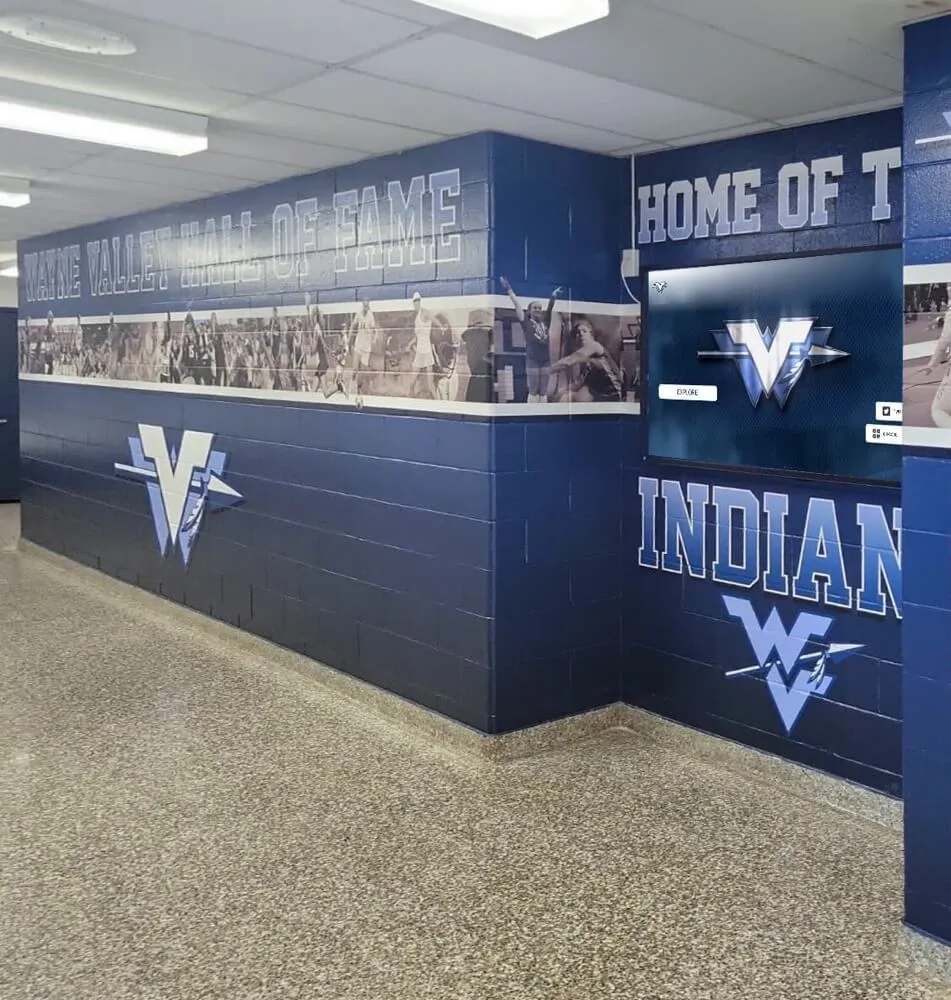
Schools create impressive recognition installations celebrating tournament teams and championship traditions
Cultural Significance Beyond Athletics
The state hockey tournament’s impact extends far beyond sports into Minnesota’s broader cultural identity.
Community Identity and Pride
For smaller Minnesota communities, reaching the state tournament creates pride and visibility that affects entire towns. Local businesses close during tournament games, community watch parties draw hundreds, and tournament appearances become defining community moments discussed for decades. Schools preserve tournament history through banners, digital displays, and recognition systems that keep tournament memories alive for future generations.
Towns like Warroad, Roseau, and International Falls—small northern Minnesota communities that have produced disproportionate hockey success—build substantial portions of community identity around their tournament histories. These communities celebrate not just championships but the consistent excellence that makes tournament appearances regular expectations rather than occasional surprises.
Economic Impact Across the State
The tournament generates significant economic activity for host venues, hotels, restaurants, and businesses throughout the Twin Cities during tournament week. Schools traveling to the tournament bring not just teams but entire communities—fans filling hotels, crowding restaurants, and exploring the Twin Cities while supporting their schools. This economic impact, combined with media coverage and statewide attention, makes the tournament significant beyond just athletic competition.
Media Coverage and Statewide Visibility
The Minnesota state hockey tournament receives comprehensive media coverage, with games broadcast statewide on television and radio, extensive newspaper coverage, and digital media attention that makes tournament participants briefly famous across Minnesota. Athletes who perform well in tournament games gain recognition extending far beyond their local communities, while memorable tournament moments—dramatic upsets, overtime goals, championship victories—become part of Minnesota sports lore discussed alongside professional and college sports highlights.
Schools leverage this visibility for broader institutional benefit, with tournament success attracting prospective students, energizing alumni networks, and enhancing school reputations. Digital recognition systems enable schools to preserve and share tournament media coverage, game highlights, and athlete profiles, extending tournament visibility far beyond the actual event week.
What Makes the MN State Hockey Tournament Unique
Among American high school sporting events, Minnesota’s hockey tournament stands apart through distinctive characteristics that create its legendary status.
Single-Elimination Tournament Drama
The tournament’s single-elimination format creates dramatic intensity rarely matched in high school sports.
Every Game Matters
Unlike regular seasons where individual losses can be overcome, tournament games represent sudden-death scenarios where single mistakes or unfortunate bounces end championship dreams immediately. This high-stakes environment tests mental toughness, coaching strategy, and team resilience in ways that regular competition cannot replicate.
Athletes and coaches describe unique pressure accompanying single-elimination tournament play—the knowledge that seasons, careers, and championship aspirations hinge on individual shifts, plays, and moments. Teams that handle this pressure effectively become heroes, while those who succumb experience disappointment that takes years to process fully.
Upsets and Cinderella Stories
Single-elimination formats create conditions where lower-seeded teams can upset favorites, generating dramatic storylines that capture statewide attention. Underdog schools defeating established powerhouse programs create community celebrations and memorable moments that enter Minnesota hockey folklore. These upset victories often involve dramatic finishes—overtime goals, come-from-behind rallies, or exceptional goaltending performances—that make tournament history compelling across generations.
Digital recognition systems allow schools to preserve these dramatic moments through video highlights, game documentation, and athlete profiles that tell complete tournament stories rather than reducing achievements to championship banners or trophy displays alone. Solutions like Rocket Alumni Solutions enable schools to create comprehensive tournament archives that current students can explore, discovering inspiring stories about teams that achieved tournament success before they were born.
The Role of School Pride and Community Support
Minnesota communities embrace tournament participation with passion that distinguishes the event from typical high school competitions.
Traveling Fan Bases and School Spirit
Schools that qualify for the tournament bring massive traveling contingents—student sections, band programs, alumni, and community members who fill substantial portions of the Xcel Energy Center. The visual spectacle of thousands of fans wearing school colors, organized student cheering sections, and pep bands creating constant noise transforms tournament games into college-like atmosphere that high school athletes rarely experience in other contexts.
This community support provides tangible home-ice advantage even in a neutral venue. Athletes describe drawing energy from passionate crowds, feeling responsibility to represent communities properly, and experiencing pride in seeing their schools’ colors filling massive sections of a professional arena. These supportive environments create memories extending beyond game outcomes to encompass the entire tournament experience—the community unity, shared passion, and collective hope that schools bring to championship pursuit.
Multi-Generational Tournament Traditions
Many Minnesota families have attended the state hockey tournament for generations, creating traditions where grandparents, parents, and children all remember attending tournament games together. Alumni who played in tournaments decades prior return annually to watch current teams, creating connections between past and present that strengthen school identity and program tradition.
Schools implementing comprehensive digital recognition display tournament history that spans generations, enabling current students to discover alumni who participated in tournaments decades earlier, understand program excellence traditions, and see their potential tournament appearances as continuation of proud legacies rather than isolated events.
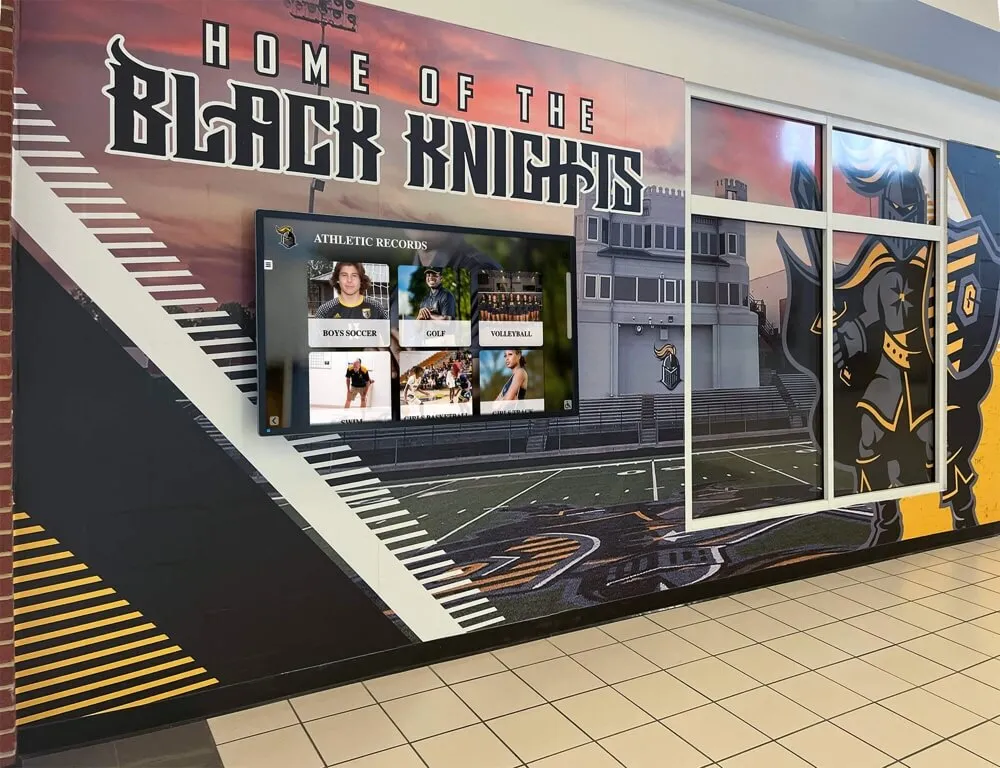
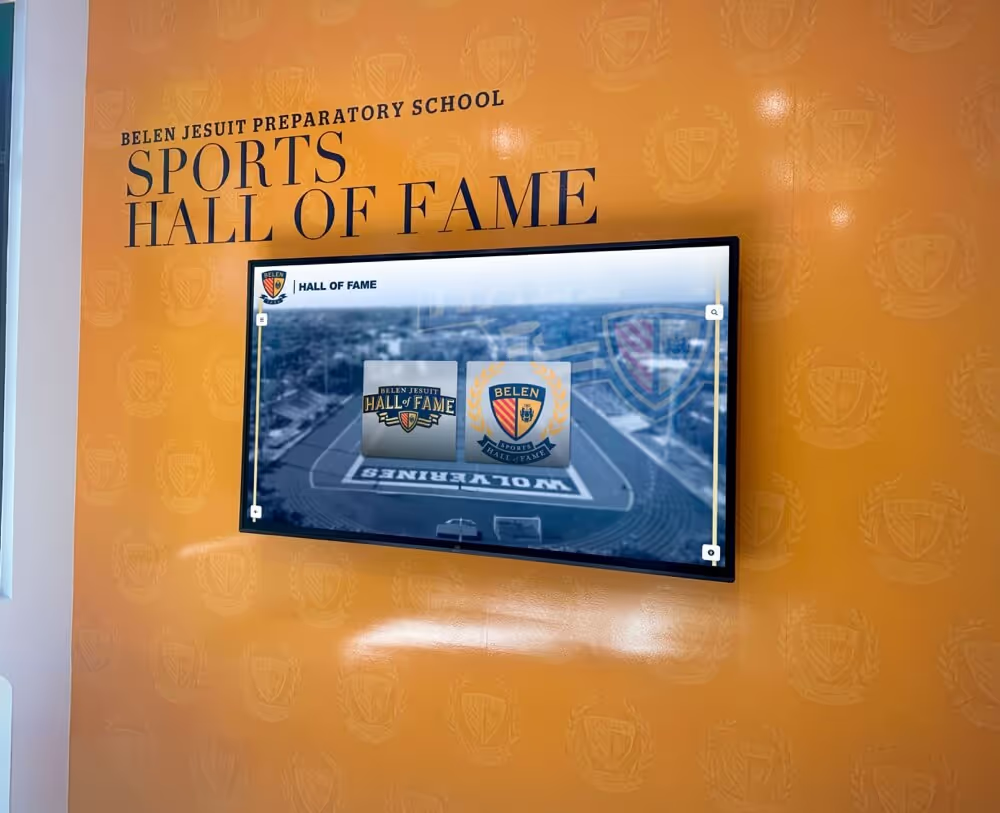
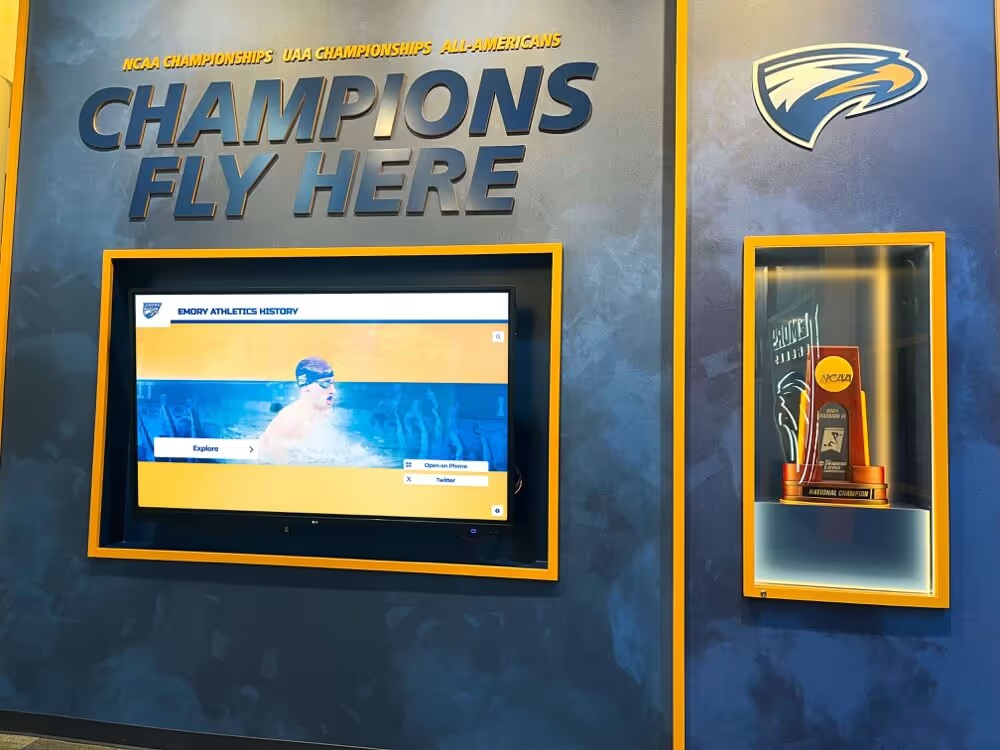
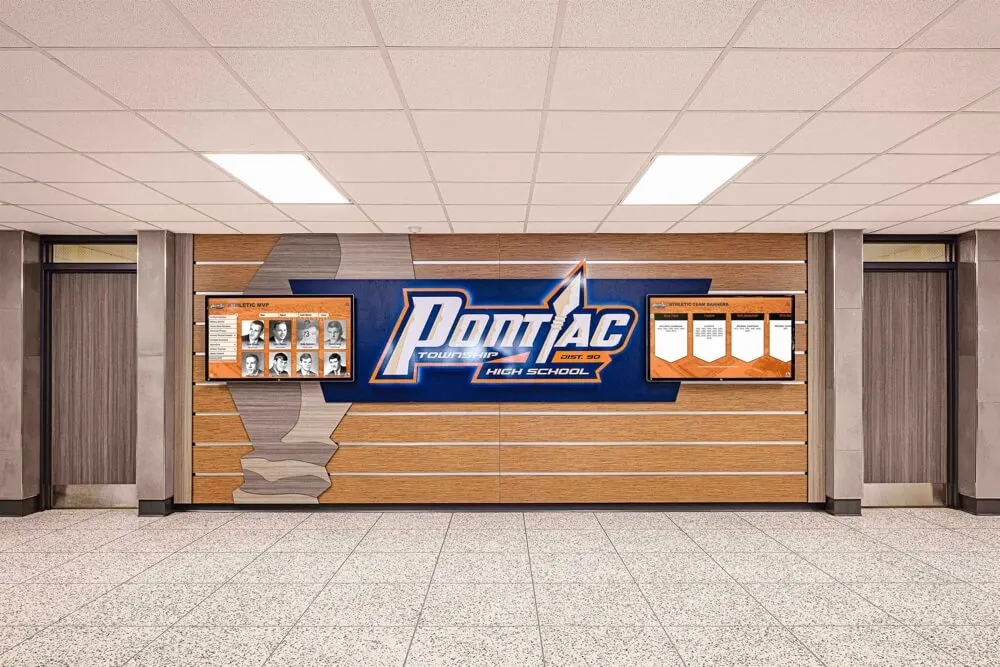
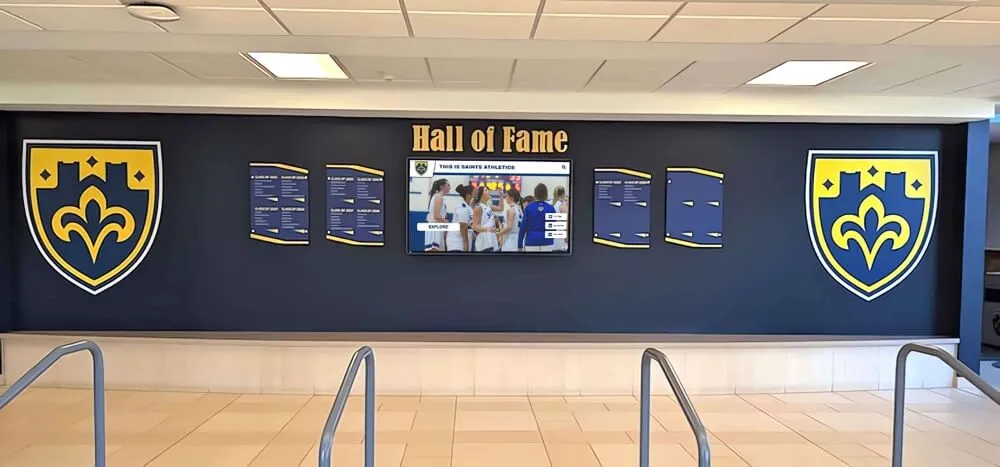
Athletic hallways celebrate tournament traditions through coordinated recognition displays and historical documentation
The Quality of Competition
The level of hockey played at Minnesota’s state tournament rivals or exceeds most high school competitions nationally.
Future College and NHL Players
Minnesota state tournament rosters regularly include athletes who proceed to NCAA Division I hockey programs and, in many cases, professional careers in the NHL or other elite leagues. This concentration of elite talent creates competition quality that matches or exceeds what these athletes will face in junior hockey, college showcase events, or even early college competition.
Playing against future professional hockey players in high-stakes championship contexts tests athletes in ways that inform their entire competitive careers. Athletes who excel in these environments demonstrate mental toughness, competitive character, and performance reliability under pressure that college coaches and professional scouts highly value.
Advanced Coaching and Strategy
Minnesota high school hockey coaches include many former college and professional players who bring sophisticated tactical knowledge, strategic depth, and technical expertise to program development. This coaching quality, combined with year-round training programs and competitive hockey development systems, creates game speed, tactical complexity, and execution standards that distinguish Minnesota high school hockey from programs in most other states.
The tournament showcases this coaching excellence through strategic adjustments, special teams execution, in-game tactical modifications, and overall game management that demonstrates professional-level coaching applied to high school contexts. Coaches who succeed at the tournament level earn recognition extending throughout Minnesota’s hockey community and beyond.
Depth of Statewide Talent
Minnesota’s hockey talent extends far beyond a few elite programs to create competitive depth where teams from various regions can legitimately compete for championships. The Iron Range produces traditionally strong programs, suburban Twin Cities schools field perennially competitive teams, and even smaller outstate communities regularly develop squads capable of tournament success. This competitive balance ensures that tournaments remain unpredictable, with championship outcomes uncertain until final buzzer sounds.
Tournament Structure and Qualification Process
Understanding how teams reach the state tournament helps appreciate the achievement tournament qualification represents.
Section Playoffs and Tournament Seeding
Minnesota divides high school hockey programs into geographic sections, with section playoff winners qualifying for the state tournament.
Section Tournament Competition
Section playoffs typically involve 4-8 teams competing in single-elimination formats to earn state tournament berths. These section tournaments create intense local rivalries as teams with long competitive histories battle for limited state tournament spots. Section championship games often draw near-capacity crowds as communities support local teams pursuing tournament dreams.
The section system ensures geographic representation at state tournaments while creating intense qualification pressure. Teams that dominate regular seasons must maintain performance through high-stakes section playoffs, while underdog programs can earn tournament berths by timing peak performance perfectly during narrow playoff windows.
Tournament Seeding Process
State tournament seedings balance competitive equity with geographic distribution and historical performance considerations. Selection committees evaluate section champion strength, head-to-head results, and quality of competition to determine seedings that ideally create competitive balance while rewarding the strongest programs with advantageous bracket positions.
Seeding decisions generate significant discussion and debate across Minnesota’s hockey community, with coaches, media, and fans analyzing bracket implications and arguing about relative team strengths. This debate adds to tournament anticipation while demonstrating the passionate interest Minnesota communities maintain in high school hockey at its highest level.
Tournament Bracket and Game Schedule
The tournament’s bracket structure and scheduling create the unique atmosphere that defines Minnesota high school hockey.
Quarterfinal Through Championship Progression
The tournament typically spans four days, with quarterfinal games beginning the tournament, followed by semifinal rounds determining championship game participants, and culminating in championship finals that crown state champions before capacity crowds. This compressed schedule creates festival-like atmosphere where hockey dominates Minnesota sports attention for an entire week.
The tournament’s structure allows teams that survive opening rounds to play maximum of three games over four days—demanding physically and mentally but manageable for well-conditioned high school athletes. This format prevents excessive games while maintaining dramatic tension through each round as championship fields narrow toward final matchups.
Multiple Classifications and Championship Games
With multiple classification tournaments running simultaneously or consecutively, championship week actually includes several state championship games, ensuring more schools and communities experience championship opportunities while preserving the intense single-elimination format that makes tournament competition compelling.
This multi-classification structure allows schools of various sizes to compete fairly while maintaining the prestige associated with state championship achievement. Small schools celebrate championships with passion equal to large suburban programs, and communities understand that reaching championship games regardless of classification represents remarkable athletic accomplishment.
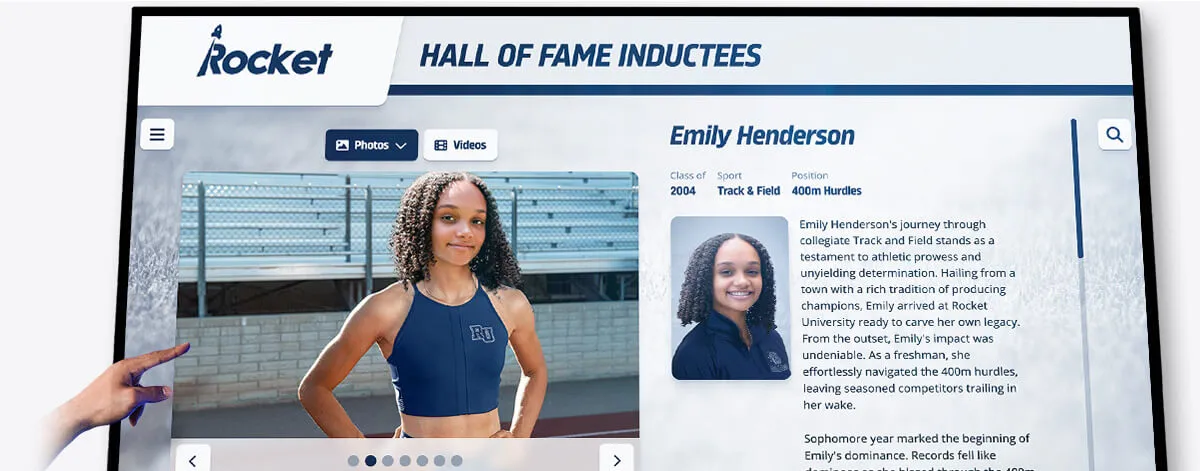
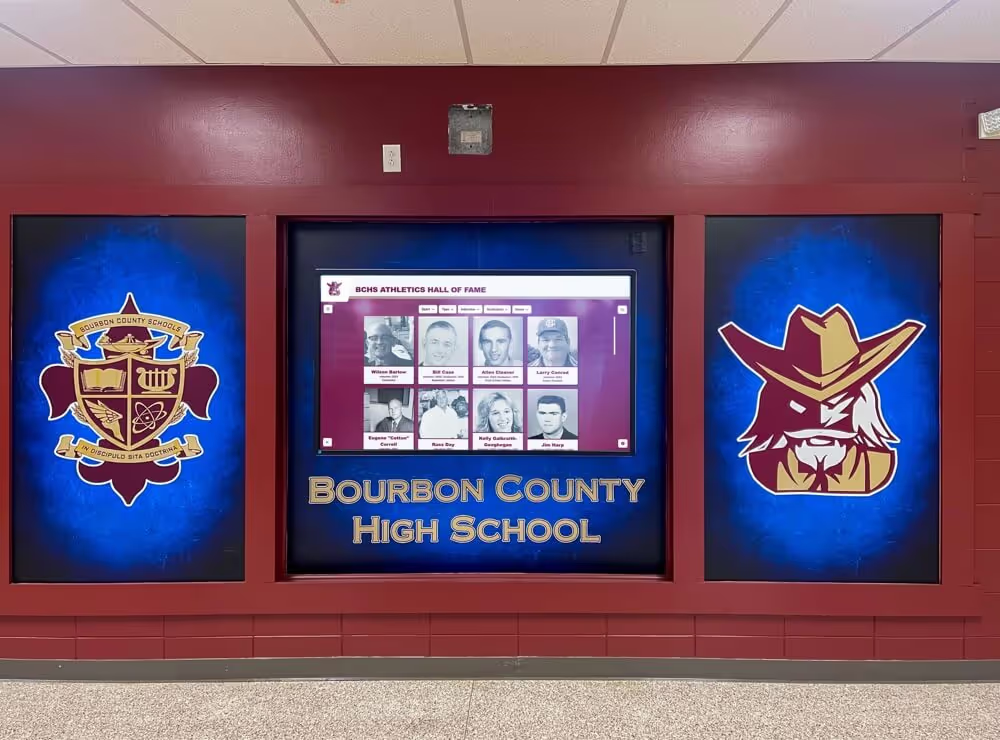
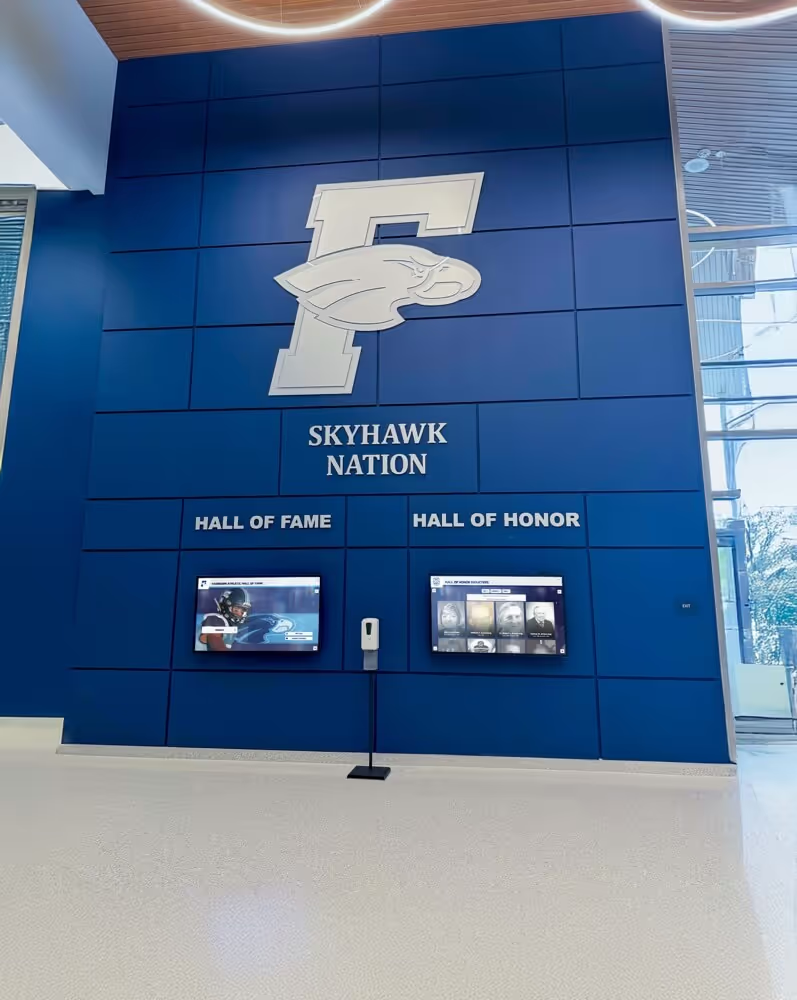
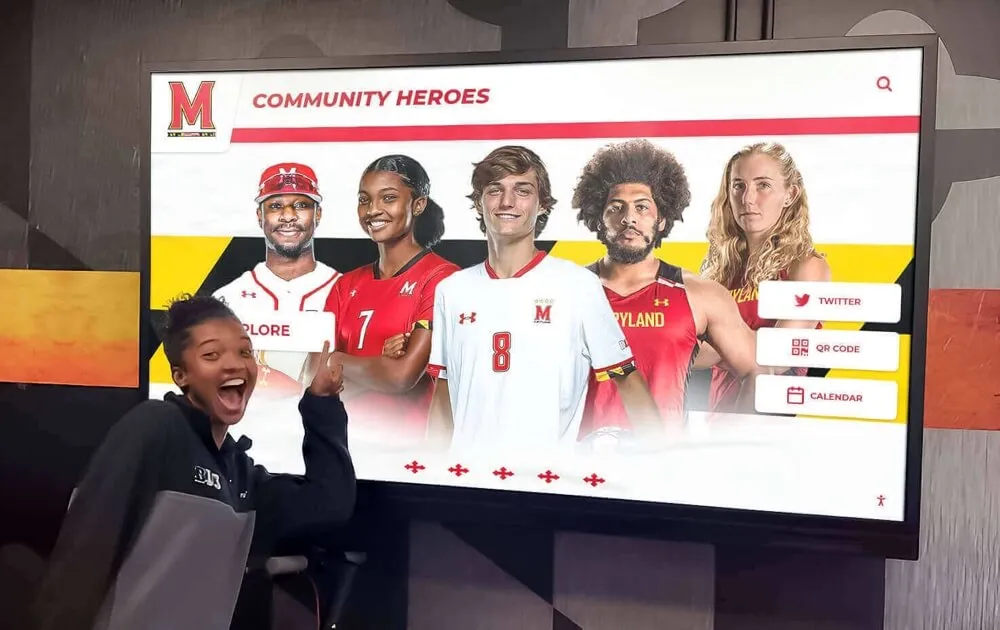
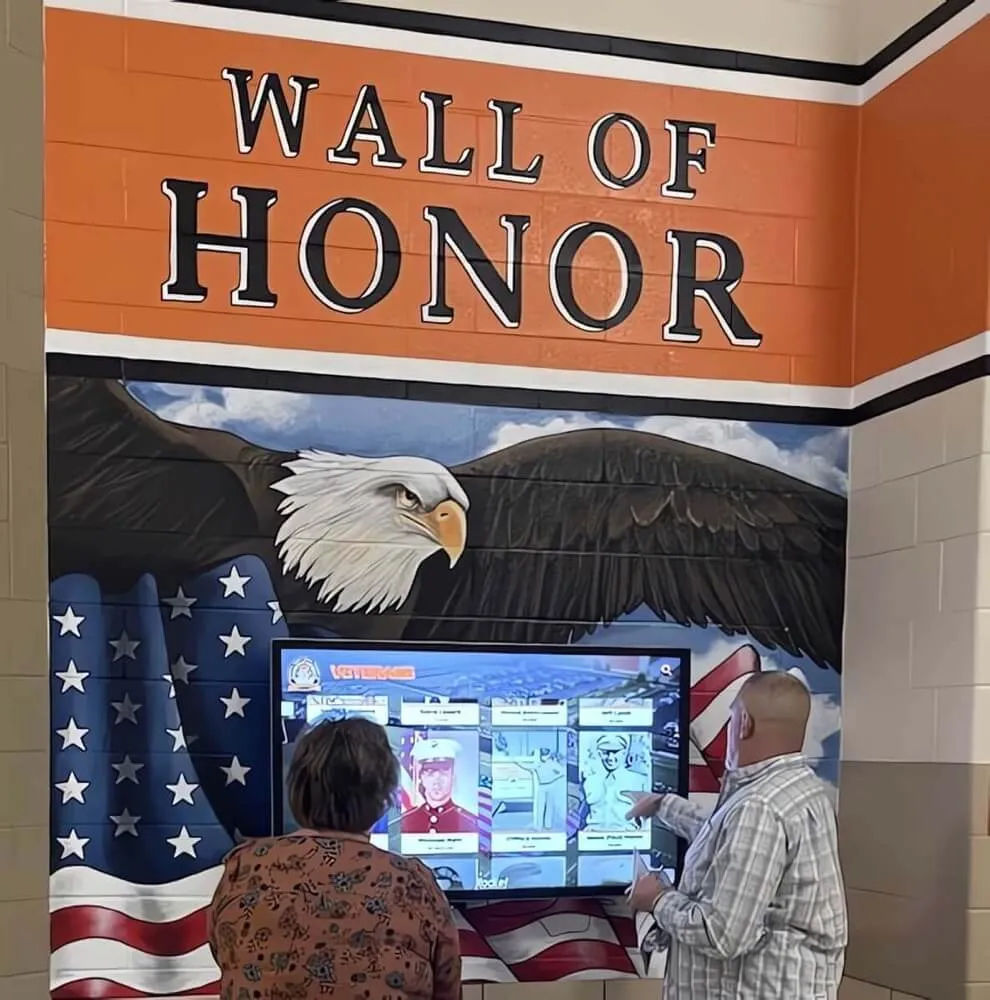
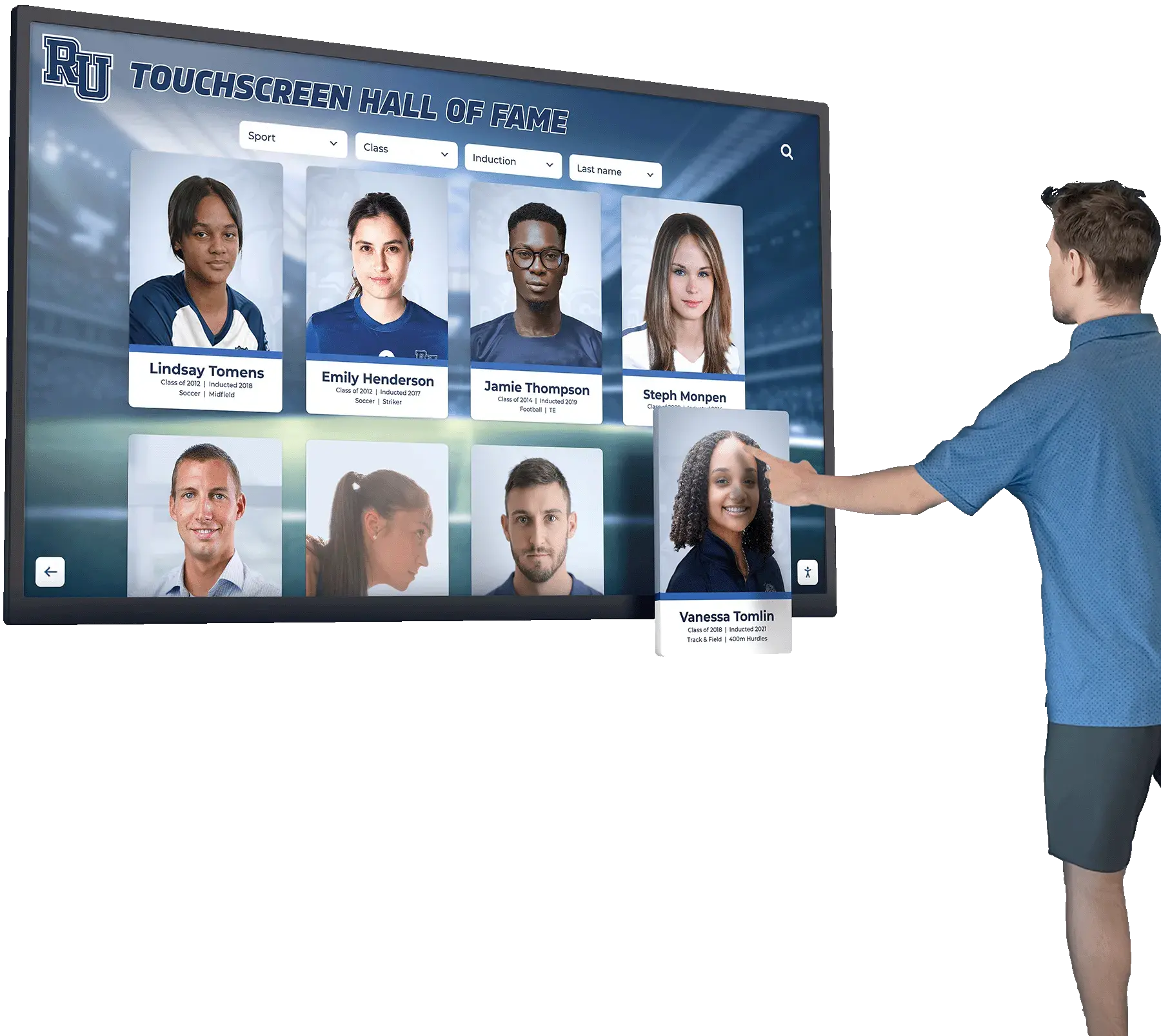
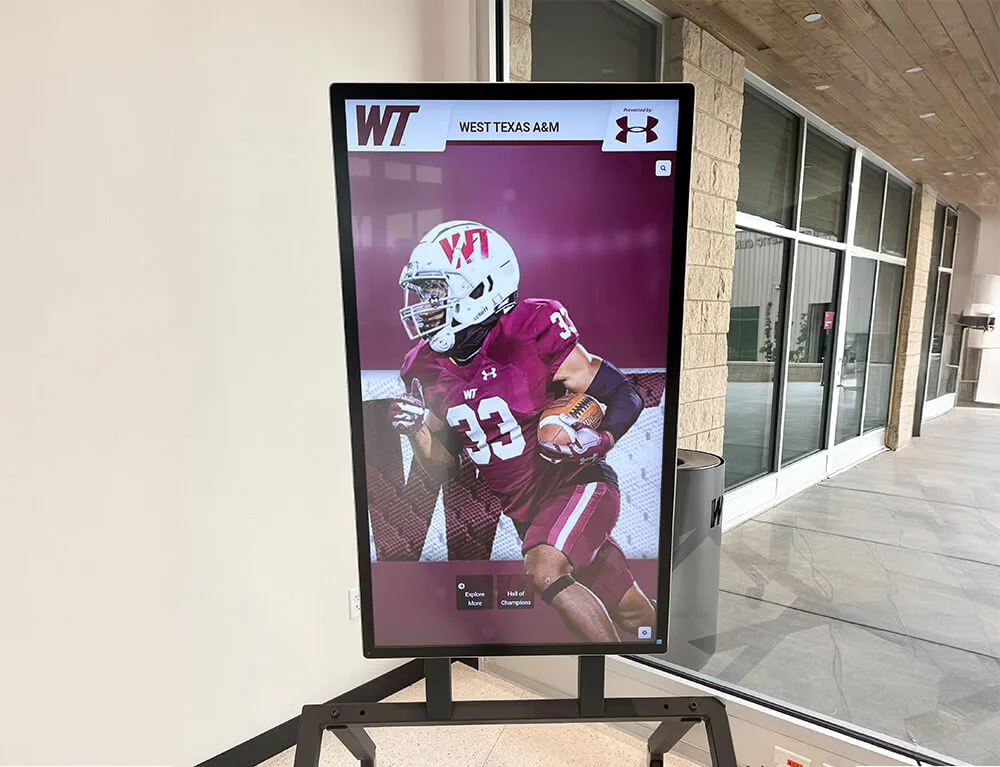
Comprehensive athlete profiles celebrate individual tournament performances and career achievements
Celebrating Tournament Success Through Recognition
Schools that reach the state tournament create recognition opportunities extending far beyond single championship seasons.
Traditional Tournament Recognition Approaches
Minnesota schools have long celebrated tournament appearances through various physical recognition formats.
Championship Banners and Trophy Displays
Schools hang championship banners in gymnasiums and hockey arenas, display tournament trophies in cases, and create physical recognition commemorating tournament achievements. These traditional approaches provide visible institutional pride while creating daily reminders of program excellence for current athletes who see what previous teams accomplished.
However, physical recognition faces inherent limitations—finite space for banners as tournament appearances accumulate over decades, trophy cases that fill completely requiring difficult decisions about what to display prominently, and static recognition that provides minimal information beyond team, year, and achievement level.
Team Photos and Yearbook Documentation
Tournament teams receive extensive yearbook coverage, team photos displayed throughout schools, and written documentation preserving tournament memories. These materials create valuable historical records, though they typically remain accessible only to those with physical access to yearbooks or school facilities, limiting how easily alumni, families, and broader communities can explore tournament history years or decades after participation.
Modern Digital Recognition Advantages
Digital recognition platforms transform how schools celebrate tournament success while preserving complete tournament histories.
Comprehensive Tournament Team Profiles
Digital systems enable schools to create detailed tournament team profiles including complete roster listings with individual athlete biographies, season statistics and tournament-specific performance data, tournament bracket documentation showing path to championship games or tournament participation, game-by-game results and scoring summaries, coach profiles and season narratives, photo galleries from tournament week and season highlights, and video highlights of memorable tournament moments and individual performances.
These comprehensive profiles tell complete tournament stories rather than reducing achievements to banners or trophies alone. Current students can explore what tournament teams accomplished, discover which alumni participated in historic tournament runs, and understand the depth of excellence required for tournament success. Solutions like Rocket Alumni Solutions provide purpose-built platforms specifically designed for celebrating athletic achievements including tournament team recognition.
Unlimited Historical Recognition Capacity
Unlike physical trophy cases that fill completely, digital recognition systems accommodate unlimited tournament team documentation across all years and all sports. Schools with rich tournament histories spanning decades can recognize every tournament appearance comprehensively without competing for limited display space or making difficult prioritization decisions about which achievements deserve prominent visibility.
This unlimited capacity proves particularly valuable for schools with consistent tournament success. Programs that reach state tournaments regularly can celebrate each appearance appropriately rather than allowing older achievements to be forgotten or minimized as newer successes compete for recognition attention.
Interactive Exploration and Discovery Features
Digital platforms enable users to explore tournament history through intuitive search and filtering—discovering tournament teams by year, exploring athlete participation across different tournament appearances, filtering by achievement level (championship, runner-up, semifinal, participation), and comparing tournament statistics across different eras and teams.
This interactive exploration creates engagement impossible with static physical displays. Alumni can search for their tournament teams, current athletes can discover former players who went on to college or professional hockey, and hockey fans can explore complete program tournament histories understanding tradition and excellence that define particular schools’ hockey programs.
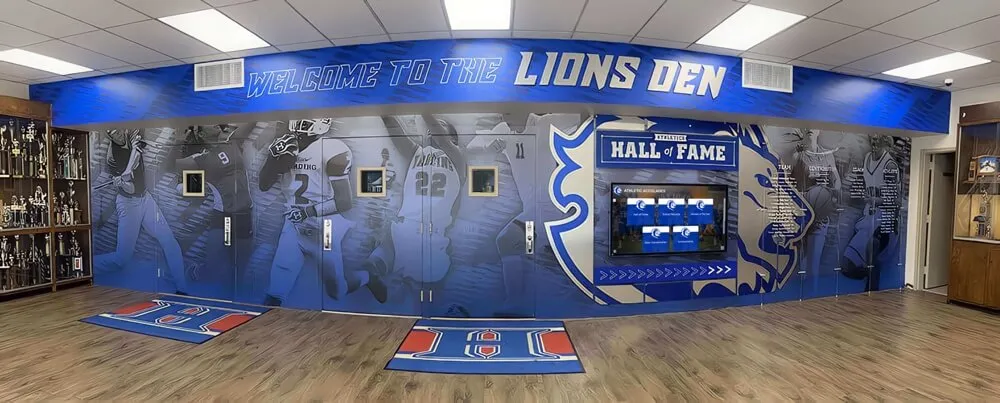
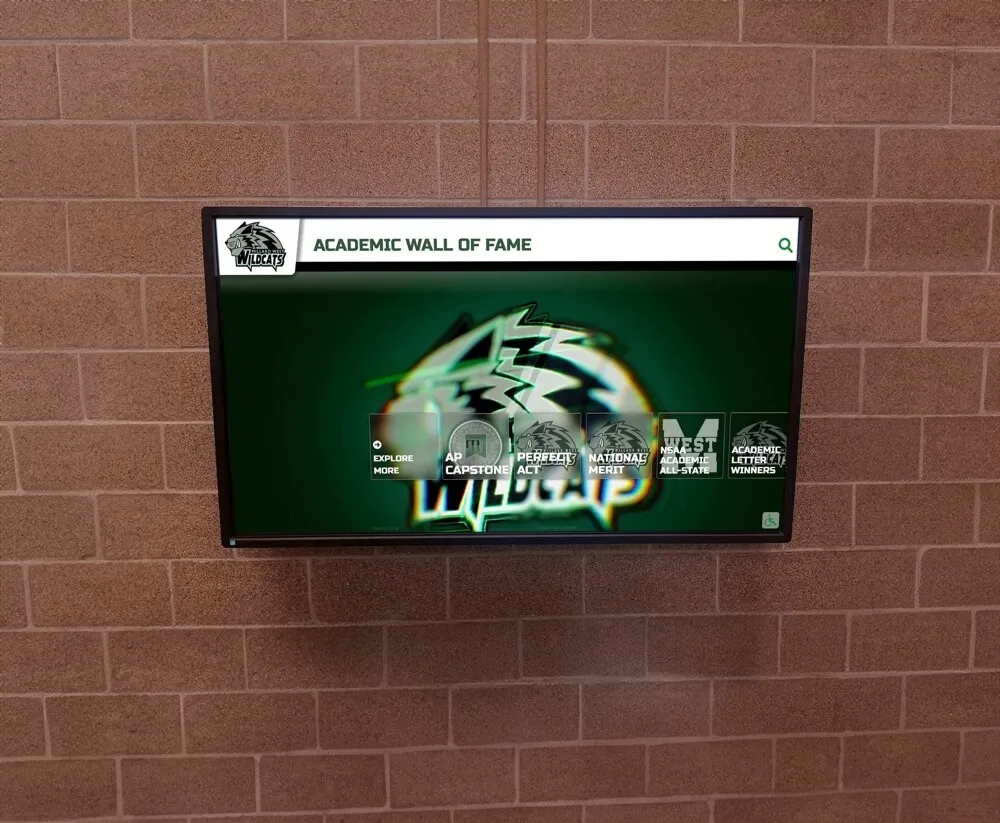
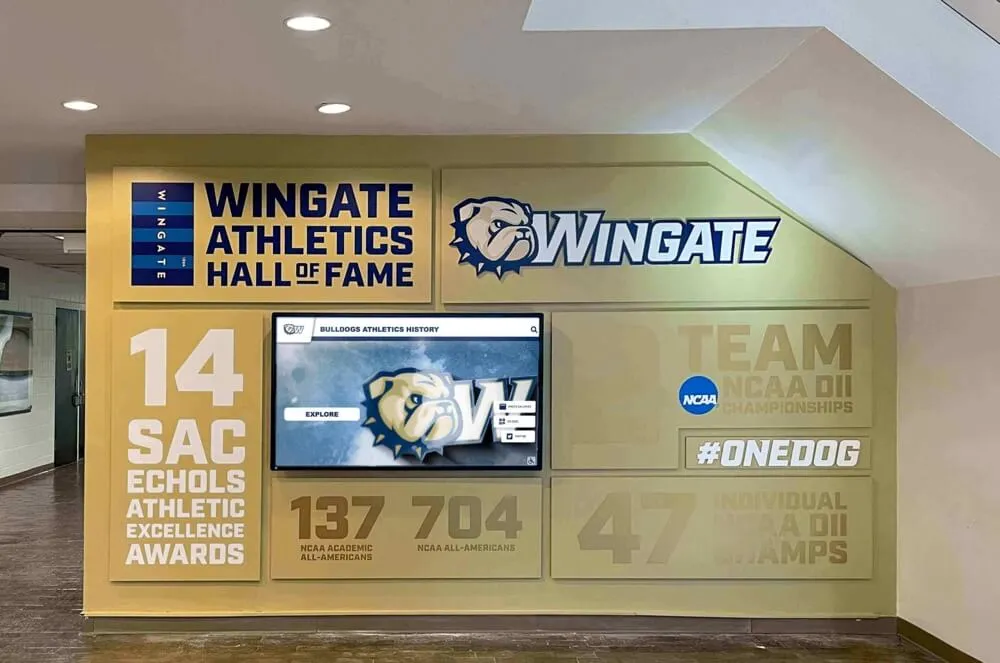
Coordinated recognition installations combine physical displays with digital systems providing comprehensive tournament history
Creating Warm, Engaging Tournament Recognition
Digital warming occurs when technology transforms cold achievement lists into vibrant, personalized experiences deepening community connections.
Personalized Tournament Connections
Digital recognition enables individuals to discover tournament content most relevant to them. Alumni can search for their specific tournament years and teams, families can explore their students’ tournament participation and statistics, youth hockey players can discover former athletes from their communities who reached state tournaments, and hockey fans can follow particular schools’ tournament histories understanding program development over time.
This personalization creates relevance ensuring each community member finds content connecting to their interests and experiences rather than being overwhelmed by comprehensive archives lacking personal connection. The platform surfaces content each visitor finds meaningful, creating individualized experiences from shared institutional history.
Social Sharing and Extended Recognition
Digital tournament recognition enables easy social media sharing by athletes, families, and schools. When athletes can share comprehensive profiles showcasing their tournament experiences—including detailed statistics, photos, video highlights, and biographical information—they extend recognition reach throughout personal networks. This organic sharing amplifies school visibility while providing athletes opportunities to celebrate accomplishments with extended communities.
Schools should facilitate this sharing by creating shareable graphics featuring tournament teams, providing direct share links to tournament profiles on social platforms, announcing tournament anniversaries and milestones through program social media with links to comprehensive historical details, and creating school-specific hashtags consolidating tournament recognition sharing across decades.
Connecting Current Athletes to Tournament Traditions
When current athletes can easily explore historical tournament teams and individual athlete achievements, they discover role models and inspiration connecting them to program traditions. A current player learning about alumni who reached state tournaments decades earlier sees possible pathways toward similar achievement. Understanding complete tournament histories helps current athletes appreciate the traditions they’re contributing to and the significance of potential tournament appearances within broader program narratives.
This historical connection builds program pride while motivating contemporary excellence. Athletes want to achieve success placing them among distinguished predecessors they respect and admire. Digital systems make these connections visible and accessible in ways traditional recognition cannot match.
Tournament Week Experience and Traditions
The state hockey tournament creates unique experiences extending beyond game competition to encompass the entire tournament week atmosphere.
Pre-Tournament Preparation and Community Sendoffs
Tournament qualification triggers community-wide celebration and preparation.
School Pep Rallies and Community Gatherings
Schools organize elaborate pep rallies celebrating tournament teams, with entire student bodies participating in organized cheers, band performances, and inspirational speeches. These rallies create excitement while demonstrating institutional and community support for tournament participants. The energy generated during pep rallies often carries through to tournament games where student sections maintain that enthusiasm and volume.
Communities beyond schools host send-off events, with local businesses displaying supportive signage, town squares hosting public rallies, and community organizations coordinating support efforts. These community gatherings demonstrate how tournament qualification affects far more than just hockey teams—they become moments of collective pride involving entire communities.
Media Coverage and Anticipation Building
Local media provide extensive tournament preview coverage, with athlete profiles, coach interviews, team analysis, and tournament prediction discussions dominating sports sections and broadcasts. This media attention creates excitement while making tournament participants temporarily famous within their communities and sometimes statewide.
Athletes describe unique experience of seeing their photos in newspapers, hearing their names on radio broadcasts, and reading articles analyzing their teams’ tournament chances. This attention validates years of dedication while creating pressure to perform on hockey’s biggest Minnesota high school stage.
Tournament Week Activities and Atmosphere
Tournament week involves far more than just games played on ice.
Fan Experience at Xcel Energy Center
Attending tournament games at Xcel creates experiences distinguishing state tournaments from regular season hockey. The professional venue amenities, impressive sight lines, massive capacity crowds creating constant noise, and overall atmosphere produce memories fans treasure for decades. Many Minnesota residents attend the tournament annually regardless of team affiliation, simply to experience the event’s unique character and passionate hockey culture it represents.
Schools coordinate fan transportation, organize hotel accommodations for traveling supporters, arrange coordinated cheering sections and fan attire, and create social gatherings bringing school communities together during tournament week. These organizational efforts transform tournament trips into community celebrations extending beyond individual games to encompass entire tournament experiences.
Between-Game Activities and Tournament Traditions
Tournament week includes various traditions beyond games—teams attending multiple sessions supporting other participating schools, coach meetings and hospitality events connecting programs from across Minnesota, media obligations and interview sessions, and community celebration meals and gatherings. These activities create the festival atmosphere distinguishing tournament week from typical athletic competition.
Athletes remember these peripheral experiences as fondly as games themselves—the camaraderie of staying in hotels with teammates, exploring St. Paul between games, experiencing the professional venue environment, and participating in unique traditions that make tournament participation memorable regardless of competitive outcomes.

Recognition spaces celebrate school pride and tournament traditions creating gathering points for community connection
Post-Tournament Recognition and Celebration
Tournament participation deserves celebration extending beyond tournament week itself.
Community Welcome Home Celebrations
Regardless of tournament results, communities often organize welcome home celebrations honoring teams for tournament qualification and representation. These gatherings—ranging from informal receptions to organized parades through town centers—demonstrate community appreciation while providing closure and recognition for seasons concluding at tournaments.
Schools that win championships experience particularly elaborate celebrations, with community-wide events drawing thousands, media coverage documenting championship achievement, and lasting recognition through permanent displays and institutional memory. These celebrations create defining community moments discussed for generations as examples of local pride and athletic excellence.
Permanent Recognition Through Digital Platforms
The most meaningful post-tournament recognition comes through permanent displays and digital systems preserving tournament achievements. Schools should implement comprehensive tournament documentation immediately following tournament participation, capturing tournament week memories while fresh and materials readily available.
This permanent recognition enables ongoing community engagement with tournament achievements—alumni can revisit their tournament experiences years later, current students can explore program tournament traditions, and families can share their students’ tournament participation with extended networks regardless of physical proximity to schools. Modern recognition platforms extend tournament celebration far beyond single championship seasons into permanent institutional memory accessible to all community members.
Building Programs That Reach State Tournaments
Tournament success doesn’t happen accidentally—it requires systematic program development and sustained excellence.
Youth Hockey Development and Program Building
Successful tournament programs typically develop athletes systematically from youth through high school levels.
Integrated Youth Development Systems
Schools and communities with consistent tournament success usually maintain strong youth hockey associations that feed into high school programs. These youth systems teach fundamental skills properly, develop hockey IQ through age-appropriate competition, create program cultures and expectations that carry through to high school, and identify and develop talented athletes who eventually form competitive high school teams.
The connection between strong youth hockey and high school success appears consistently across Minnesota—programs with well-organized, well-coached youth systems produce tournament teams more regularly than schools lacking such development infrastructure. Building tournament-caliber programs requires years of foundational work beginning long before athletes reach high school.
Coaching Continuity and Quality
Tournament success often correlates with coaching stability and expertise. Programs maintaining quality head coaches over extended periods develop consistent cultures, systems, and expectations that survive roster turnover and enable sustained excellence. These coaches often become community figures whose impact extends far beyond wins and losses to encompass athlete development and program culture creation.
Retaining quality coaches requires community support, competitive compensation, and school administration backing that recognizes hockey program importance to institutional identity and community pride. Schools treating hockey programs as essential institutional features rather than peripheral activities tend to maintain coaching quality necessary for sustained tournament-level success.
Creating Competitive Advantage Through Resources
While talent matters most, program resources and support structures influence tournament success probability.
Facility Quality and Access
Programs with access to quality ice time, well-maintained facilities, and sufficient practice opportunities gain competitive advantages over programs with limited resources. Minnesota’s competitive hockey environment means adequate resources represent necessities rather than luxuries for programs aspiring to consistent tournament qualification.
Schools investing in hockey facilities—whether through dedicated arenas, partnerships with community rinks, or resource allocation ensuring sufficient ice time—signal commitment to program excellence while providing practical advantages enabling the practice quantity and quality required for elite competition.
Strength and Conditioning Programs
Tournament-level hockey requires exceptional fitness, strength, and conditioning. Programs implementing comprehensive off-ice training—including strength development, conditioning work, flexibility training, and sport-specific preparation—develop athletes capable of maintaining performance through demanding tournament schedules and intense playoff competition.
Digital recognition systems can showcase these behind-the-scenes program elements, documenting training methods, facility resources, and comprehensive athlete development approaches that contribute to tournament success. This documentation helps current athletes appreciate what tournament-level programs require while educating communities about the investment necessary for sustained excellence.
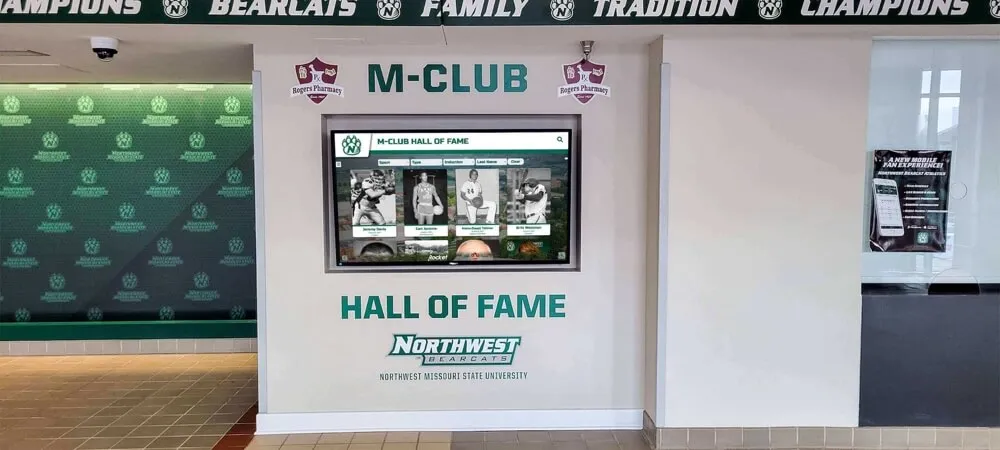
Athletic facilities feature recognition displays celebrating tournament traditions and program excellence
The Future of MN State Hockey Tournament Recognition
As technology evolves, so too do opportunities for celebrating tournament achievement and preserving hockey tradition.
Digital Recognition Innovation
Modern platforms transform how schools document and celebrate tournament participation.
Comprehensive Multimedia Archives
Digital recognition enables schools to preserve tournament achievements through multiple media formats—high-resolution photo galleries from tournament week, video highlight packages of key games and moments, complete game statistics and performance data, bracket documentation showing tournament progression, media coverage archives including newspaper articles and broadcast clips, and athlete interviews and personal reflections capturing tournament experiences from participant perspectives.
These multimedia archives create rich historical records that future generations can explore, discovering complete tournament stories rather than simplified versions that physical displays necessarily provide due to space constraints. Schools can maintain comprehensive tournament histories that remain perpetually accessible regardless of how many decades pass since particular tournament appearances.
Real-Time Tournament Updates
During tournament weeks, schools can provide real-time updates through digital platforms—live scoring and statistics during games, photo uploads from tournament events and fan sections, social media integration consolidating community celebration, and immediate post-game updates and recognition. This real-time engagement during tournaments builds community excitement while creating comprehensive documentation that becomes permanent recognition after tournaments conclude.
Enhanced Searchability and Discovery
Digital platforms enable sophisticated search and discovery capabilities that transform how people engage with tournament history. Users can search for specific athletes discovering their complete tournament participation records, filter tournament teams by achievement level or year, explore statistical leaders across different tournament eras, discover connections between current athletes and alumni tournament participants, and follow complete program tournament histories understanding tradition development over decades.
Building Connected Hockey Communities
Modern recognition technology creates connections that strengthen hockey communities across generations.
Alumni Engagement Through Tournament History
Tournament recognition provides natural touchpoints for alumni engagement. Former tournament participants can explore their teams’ profiles, discover teammates’ current activities and post-hockey careers, submit updated photos and biographical information, connect with other tournament alumni through integrated communication tools, and maintain lifelong connections to schools through permanent tournament recognition that acknowledges their contributions to program history.
Schools implementing platforms like Rocket Alumni Solutions report stronger alumni relationships, increased former athlete engagement with current programs, and enhanced institutional pride as alumni see their achievements recognized permanently and accessibly.
Inspiring Current Athletes Through Historical Example
When current players can easily explore tournament teams from previous decades, they discover role models and inspiration that motivate contemporary pursuit of tournament qualification. Learning about alumni who achieved tournament success helps current athletes understand what excellence looks like within their specific program contexts, see that tournament achievement represents attainable goals rather than impossible dreams, and connect their potential success to proud traditions defining program identity.
This inspirational function proves particularly valuable for developing players who haven’t yet experienced tournament competition. Understanding complete tournament histories builds appreciation for achievement significance while creating aspirational goals that motivate sustained dedication through years of development necessary for tournament-level performance.
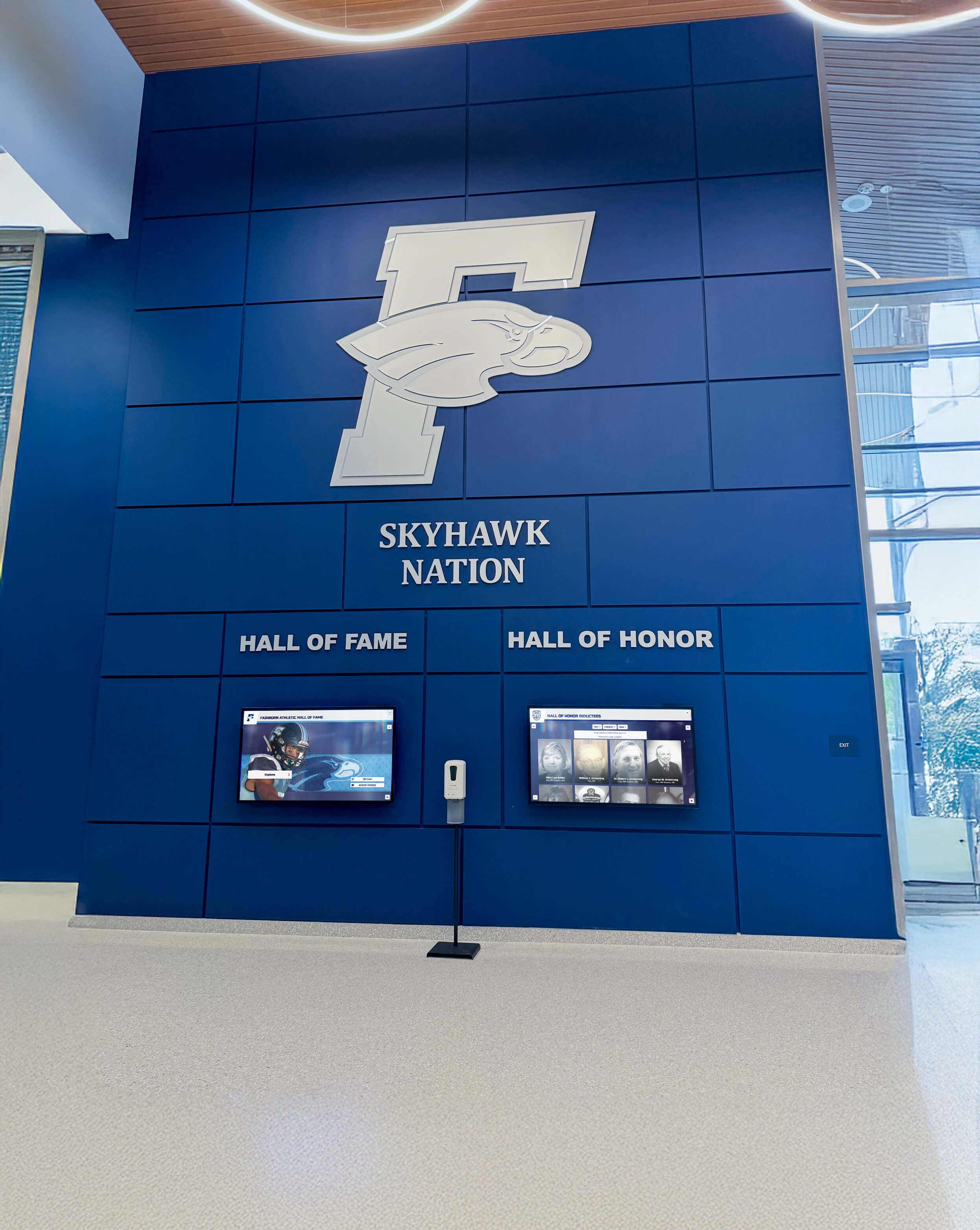
Prominent lobby installations celebrate tournament excellence creating impressive first impressions for visitors
Best Practices for Tournament Team Recognition
Schools celebrating tournament achievements should follow proven recognition approaches that maximize impact and engagement.
Immediate Post-Tournament Documentation
Comprehensive recognition begins immediately after tournament participation concludes.
Capturing Tournament Week Content
Schools should systematically collect tournament documentation while fresh—high-quality photos from all games and team activities, video footage of key plays and memorable moments, complete statistics from all tournament games, media coverage from newspapers, television, and digital outlets, fan photos and social media content from community members, and athlete and coach reflections captured through interviews or written statements.
This immediate documentation prevents loss of materials that become increasingly difficult to recover as time passes. Memories fade, photos get misplaced, video footage gets lost, and reconstruction becomes exponentially more challenging months or years after tournaments conclude.
Creating Comprehensive Team Profiles
Tournament recognition should provide complete documentation rather than minimal summaries.
Essential Profile Elements
Effective tournament team profiles include complete roster listings with individual athlete biographies, season summaries providing context for tournament qualification, tournament game results and statistics, bracket documentation showing tournament path, coach profiles acknowledging leadership and strategy, team photos from tournament week, championship or participation photos from official tournament events, video highlights of memorable games or plays, media coverage archives, and post-tournament updates about athlete college placement or future hockey careers.
These comprehensive profiles transform simple achievement recognition into engaging storytelling that honors complete tournament experiences rather than reducing accomplishments to basic facts and dates.
Integrating Tournament Recognition with Broader Athletic Programs
Tournament achievements should connect to comprehensive athletic recognition systems.
Multi-Sport Recognition Coordination
Schools implementing digital recognition should create systems serving all athletic programs, not just hockey. Comprehensive platforms enable celebration of tournament achievements across different sports—hockey state tournament teams, basketball playoff success, football championship appearances, track and field state meet qualifiers, and achievements across all athletic programs within unified recognition systems.
This comprehensive approach ensures all athletes receive appropriate recognition while creating economies of scale that make sophisticated recognition technology financially sustainable. Solutions designed for recognizing achievements across multiple sports, like those provided by Rocket Alumni Solutions, deliver better value than sport-specific systems serving only hockey programs.
Historical and Contemporary Content Integration
Recognition systems should seamlessly integrate historical tournament teams with current season content, creating living platforms that remain relevant and engaging rather than becoming static historical archives. Current season updates, recent tournament appearances, and ongoing athlete achievement documentation combine with historical tournament recognition maintaining active community engagement with recognition platforms throughout years.
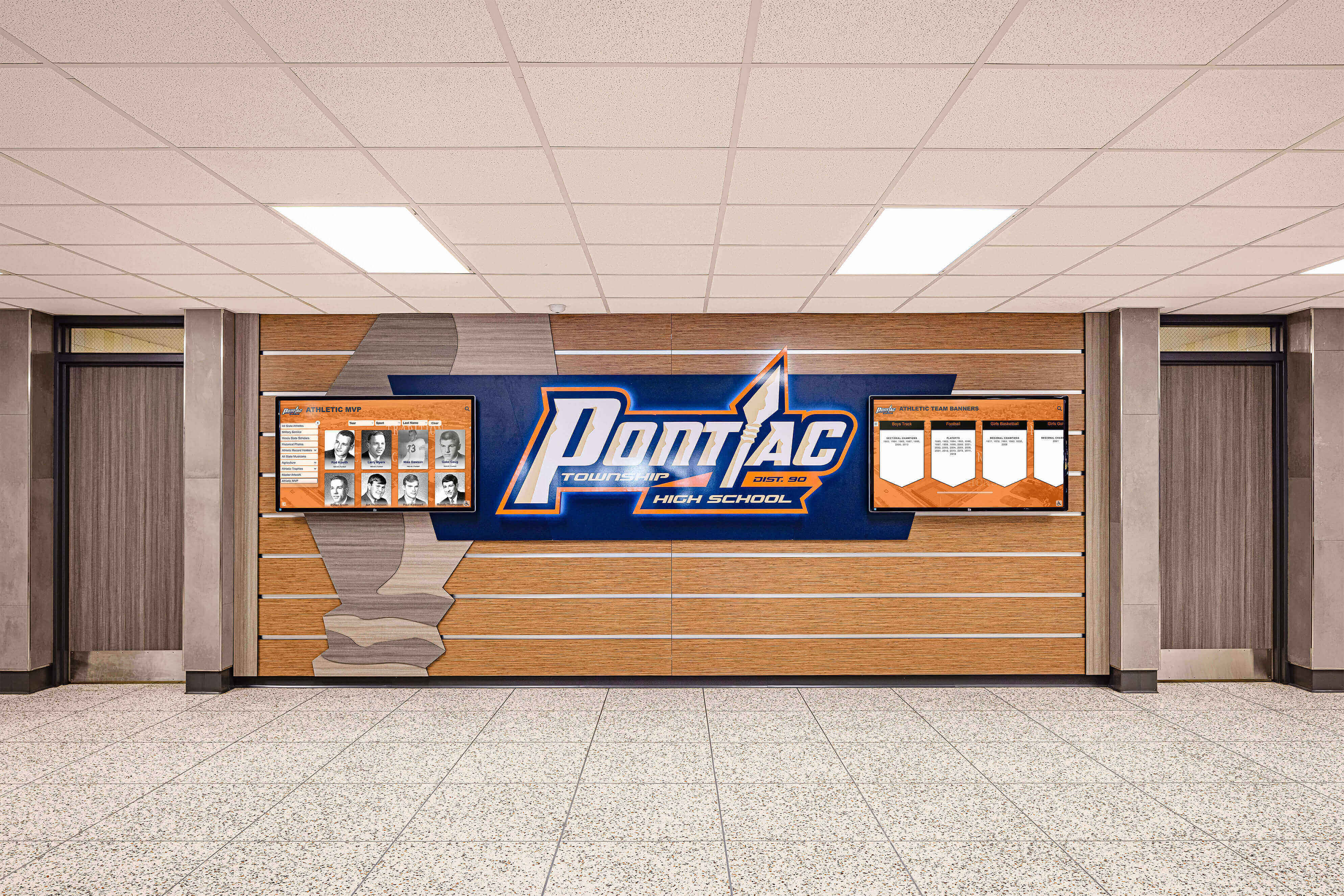
Athletic corridors celebrate tournament traditions through coordinated displays creating immersive recognition environments
Conclusion: Celebrating Minnesota Hockey Excellence
The Minnesota State Hockey Tournament represents more than athletic competition—it embodies community pride, school tradition, and the passionate hockey culture that distinguishes Minnesota among American states. For communities that experience tournament qualification, these achievements create defining institutional moments celebrated for generations through banners, recognition displays, and stories preserving tournament memories.
Tournament success deserves recognition matching achievement significance. Traditional approaches—dusty trophy cases, fading banners, forgotten yearbook pages—fail to create the engaging, accessible, permanent recognition that honors athletes properly while inspiring future generations to pursue similar excellence. Modern digital recognition platforms transform cold achievement archives into vibrant, interactive experiences that connect current students to program traditions, enable alumni to revisit proud tournament memories, and help communities celebrate hockey excellence across generations.
Implementing comprehensive tournament recognition requires systematic content development—capturing complete tournament documentation, creating detailed team and athlete profiles, preserving multimedia content including photos and videos, and maintaining recognition currency through ongoing updates and additions. Schools should begin this recognition immediately following tournament participation, capturing memories and materials while readily available rather than attempting challenging historical reconstruction years later when details fade and content gets lost.
The investment in comprehensive recognition pays dividends for decades. Current athletes explore tournament traditions discovering role models and inspiration, alumni maintain lifelong connections to schools through permanent recognition acknowledging their achievements, families celebrate their students’ tournament participation with extended networks regardless of geographic distance, and communities build pride around tournament traditions that define school athletic identity.
Your school’s tournament achievements—whether championship victories or first-time tournament appearances, decades of consistent success or breakthrough qualifications—deserve recognition creating the engagement, accessibility, and permanence that honors athlete dedication while inspiring future tournament dreams.
Ready to transform how your school celebrates hockey excellence? Discover how modern recognition platforms create engaging experiences that celebrate tournament achievements while building connected communities where tradition, pride, and excellence thrive together.