Middle school dances represent pivotal moments in students’ social development—first opportunities to experience structured social events, practice interpersonal skills in supervised settings, and create shared memories that define their middle school years. Yet planning these events presents unique challenges. The students attending span vast developmental ranges, from sixth graders just transitioning from elementary school to eighth graders preparing for high school. What feels exciting to one group might seem childish or overwhelming to another.
The right dance theme bridges these developmental differences while creating an atmosphere where all students feel comfortable participating. Effective themes provide structure without being rigid, offer visual interest without overwhelming decoration budgets, and create memorable experiences without requiring elaborate production values. Most importantly, they give students something to anticipate, talk about, and remember long after the music stops.
This comprehensive guide explores proven middle school dance themes that resonate with students while remaining age-appropriate, manageable for organizers, and adaptable to various budgets and venue constraints. Whether you’re planning your school’s first dance or refreshing traditions that have grown stale, these ideas will help you create events students genuinely want to attend.
Middle school dances serve purposes beyond entertainment. They build school culture, create traditions connecting grade levels, provide safe environments for social skill development, and offer opportunities for student leadership through planning committees. When schools approach these events thoughtfully, dances become highlights of the school year that students anticipate with genuine excitement.

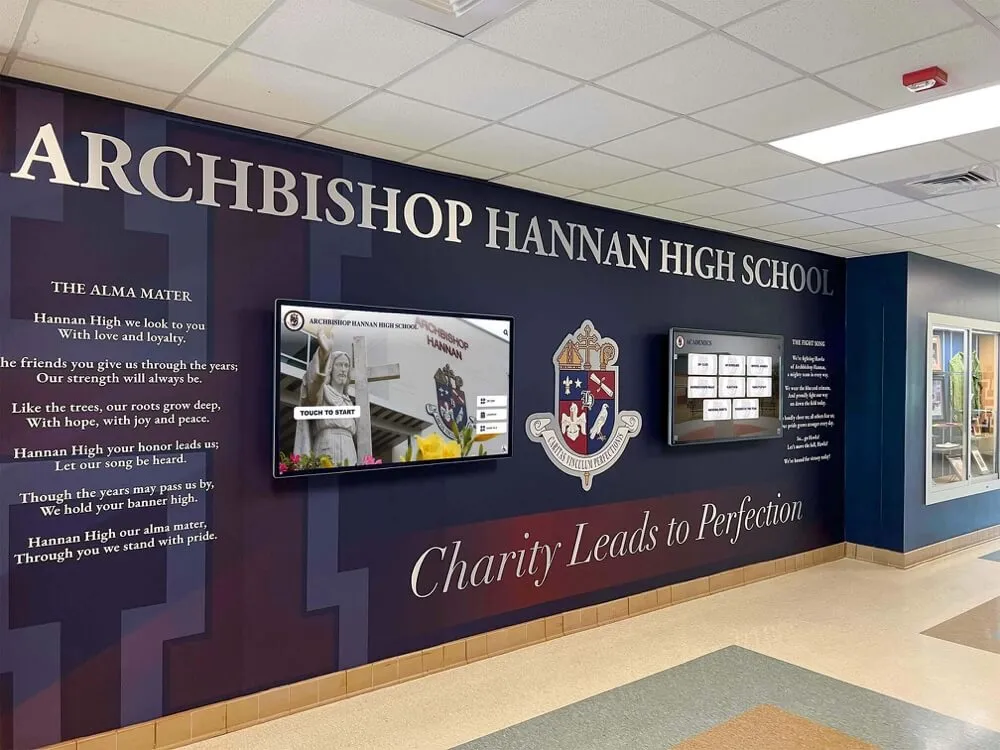
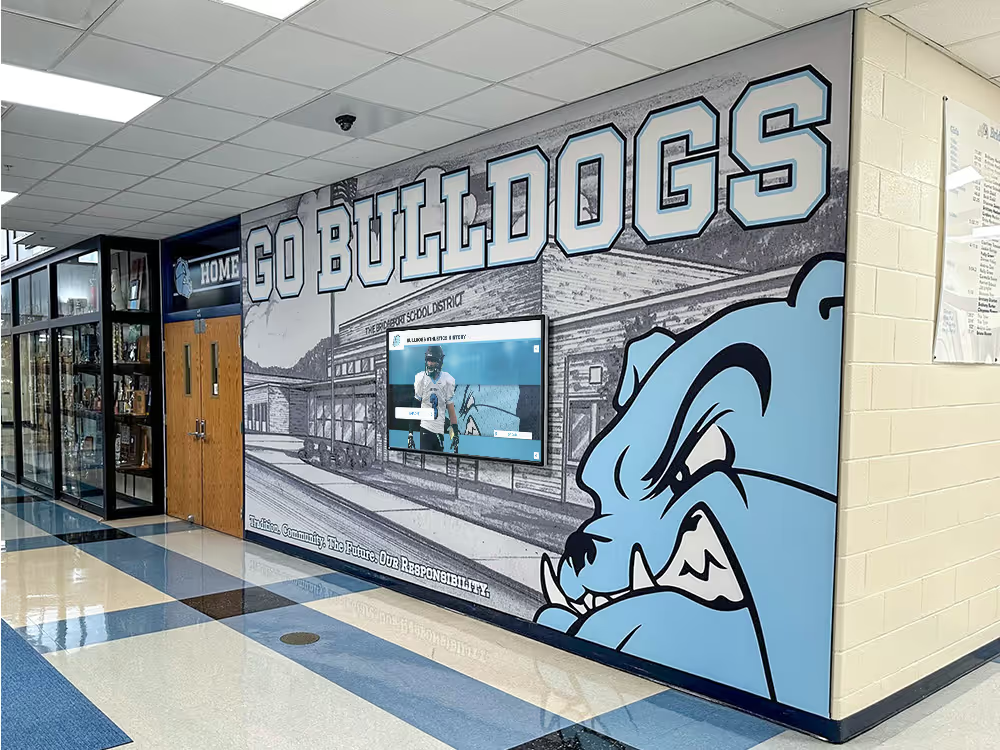
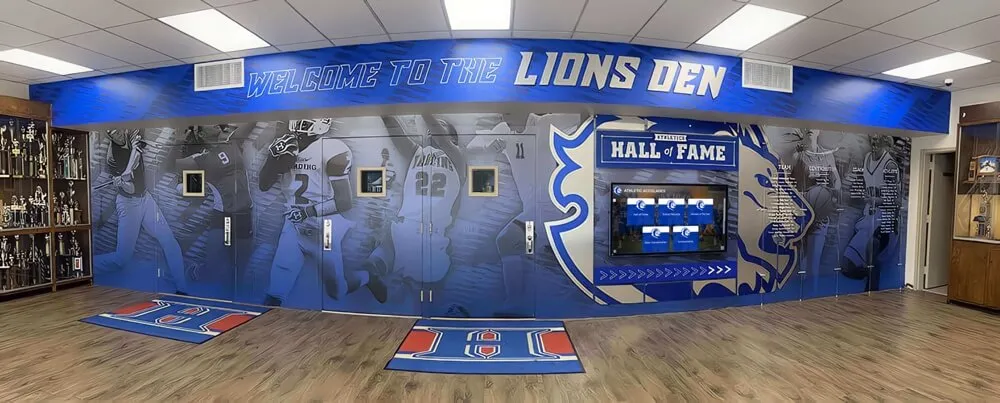
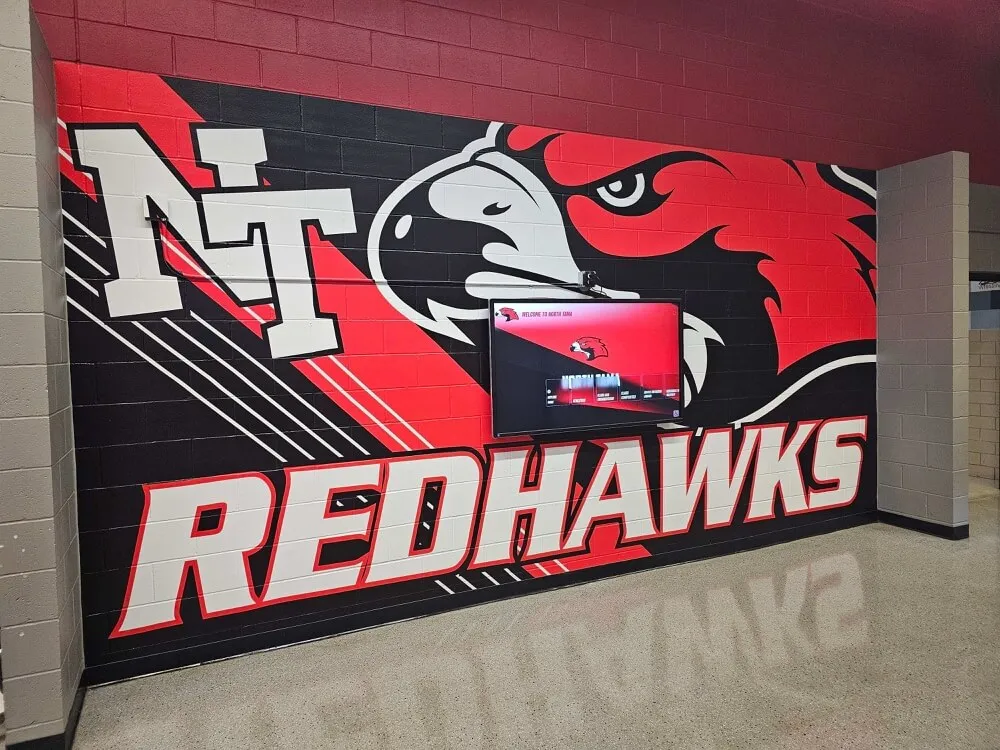
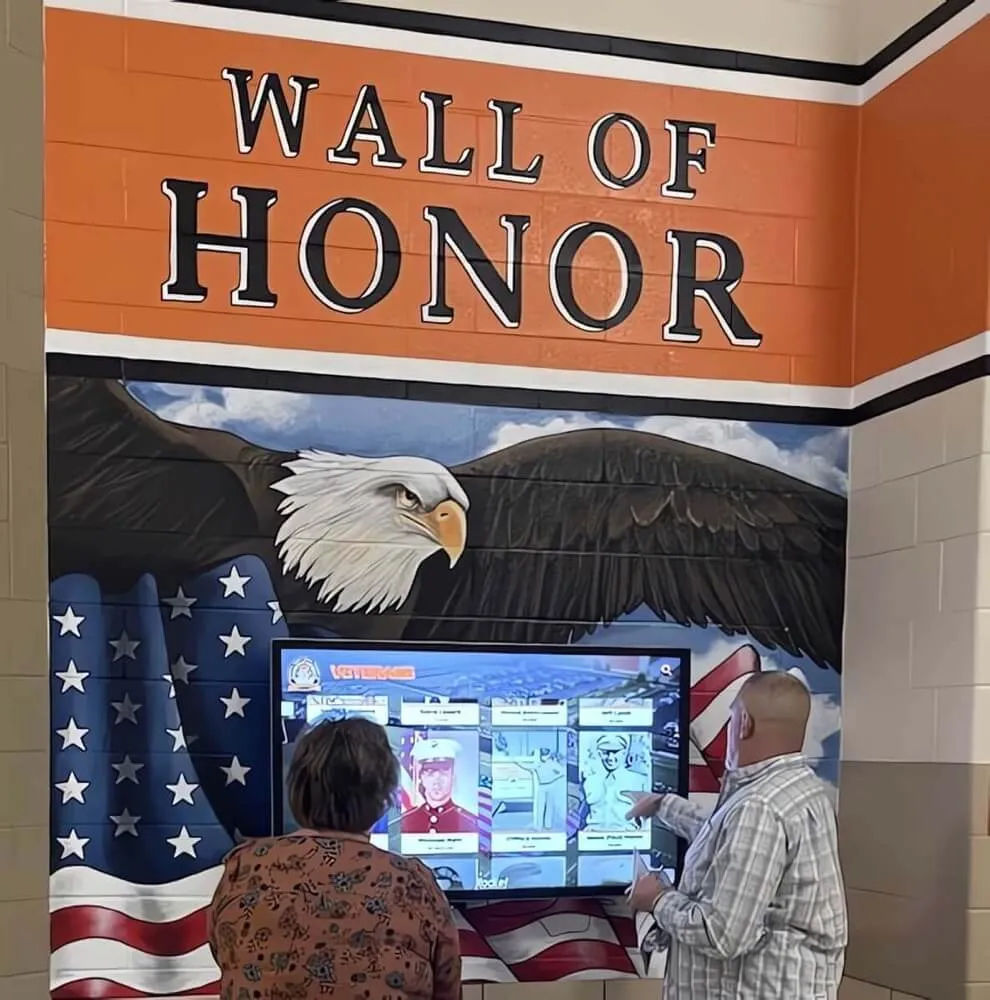
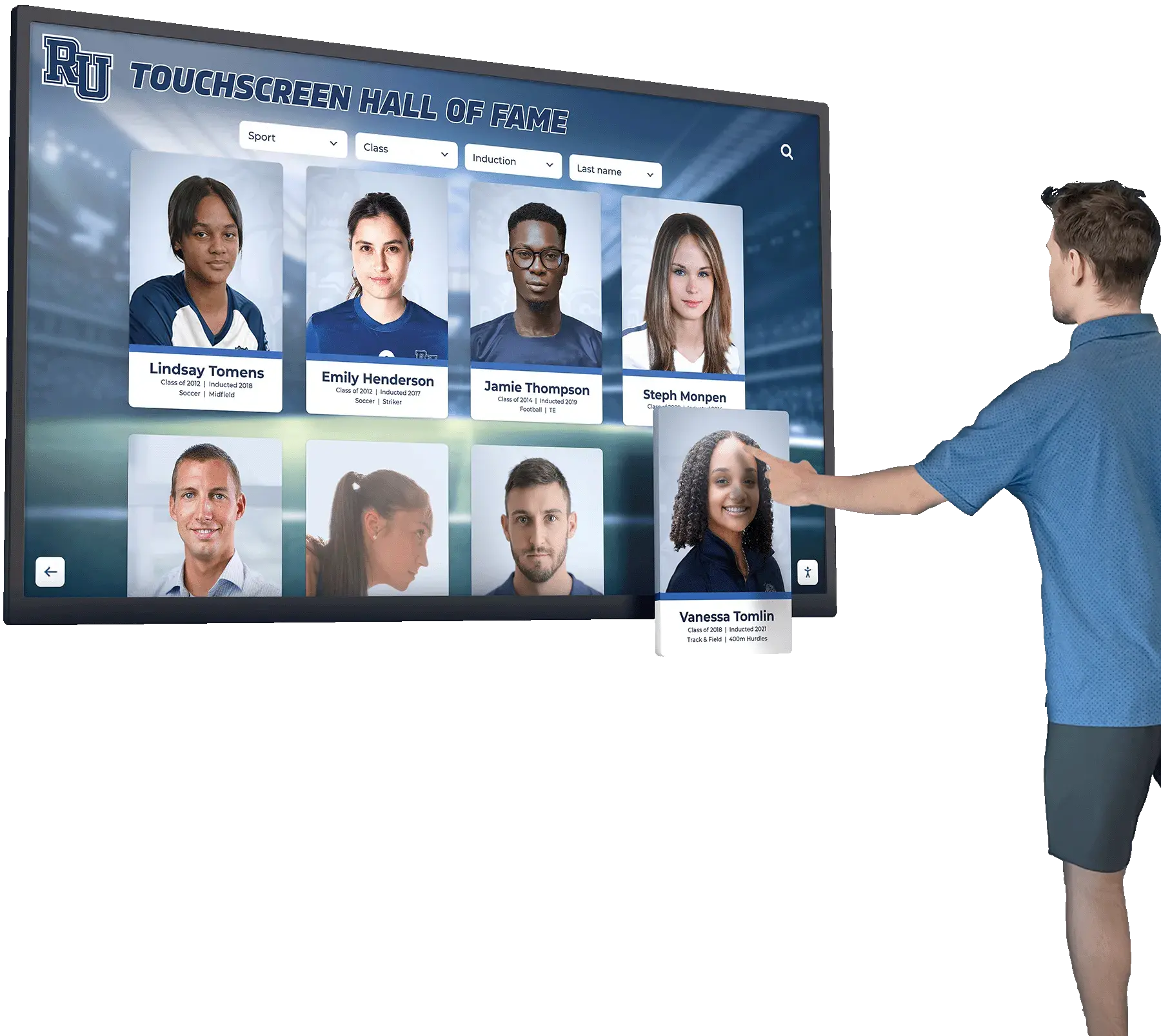
Creating welcoming school environments extends from hallway displays to memorable events like dances
Classic Middle School Dance Themes That Never Fail
Certain themes have proven their staying power across decades of middle school dances. These classics work because they’re familiar enough that students understand them immediately while offering sufficient flexibility for creative interpretation.
Masquerade Ball
The masquerade theme strikes the perfect balance for middle school—sophisticated enough to feel grown-up, yet playful enough to remain age-appropriate. Students enjoy selecting or creating masks, which also helps shy attendees feel more comfortable participating.
Implementation Elements
- Provide simple masks at entry for students who arrive without them
- Decorate with rich colors like purple, gold, black, and silver
- Use string lights and fabric draping to create elegant atmosphere
- Include mask-making station as pre-dance activity
- Organize “best mask” contest with student voting
- Play mix of upbeat dance music and dramatic classical pieces during arrival
Budget-Friendly Approaches
- Purchase bulk plain masks and have art classes pre-decorate them
- Use inexpensive fabric from discount stores for draping
- Create DIY chandeliers using hula hoops wrapped in lights and tulle
- Print Venetian-style decorations for walls
- Borrow formal decorations from local theater programs
The masquerade theme works particularly well because it encourages creativity and self-expression while the masks provide a comfort level that helps anxious students participate more fully.
Hollywood/Red Carpet
Middle schoolers love feeling like celebrities, making the Hollywood theme consistently popular. This theme creates natural photo opportunities and allows for student participation in planning “premiere” elements.
Key Components
- Red carpet entrance with backdrop for photos
- “Paparazzi” volunteers (teachers or parent volunteers with cameras)
- Movie theater-style concession stand for snacks
- Award categories voted on throughout evening (Best Dancer, Best Dressed, etc.)
- Movie poster decorations featuring school name
- Spotlights or simple lighting to create premiere atmosphere
Enhanced Engagement
- Create “movie trailers” featuring student council or upcoming school events to play during breaks
- Design admission tickets that look like movie tickets
- Set up director’s chair photo station
- Play popular movie soundtracks mixed with current music
- Have student volunteers dress as “security” or “event coordinators”
This theme particularly resonates because it connects to media students already consume while giving them the experience of being recognized and celebrated—something especially meaningful during these formative years when peer recognition matters tremendously.
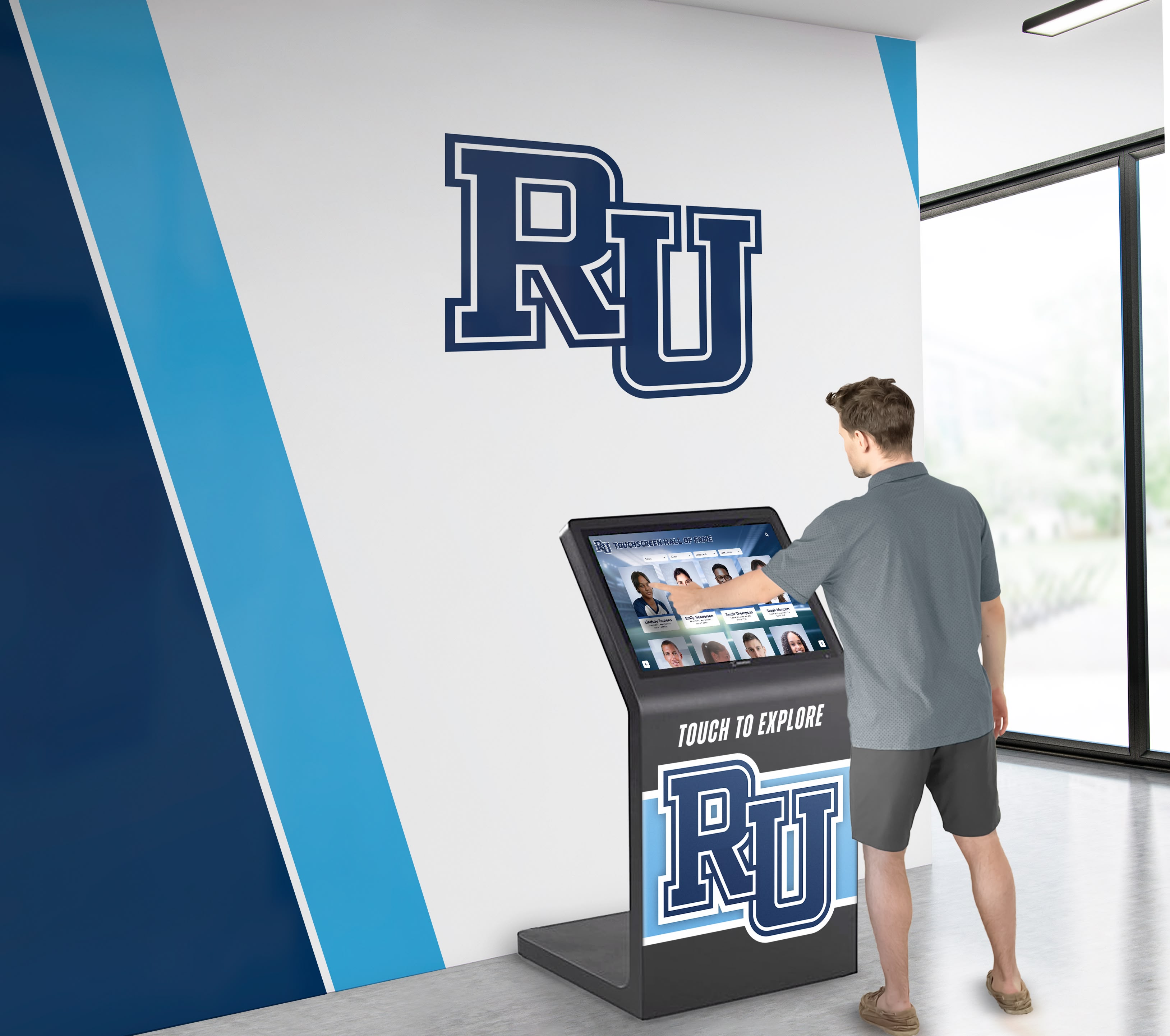
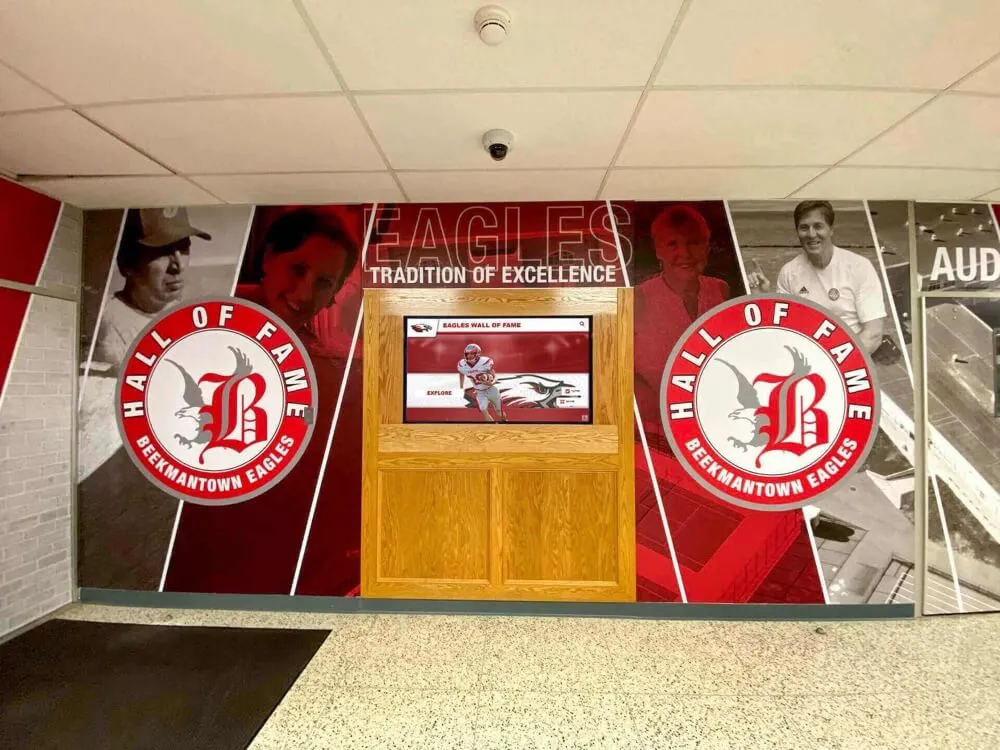
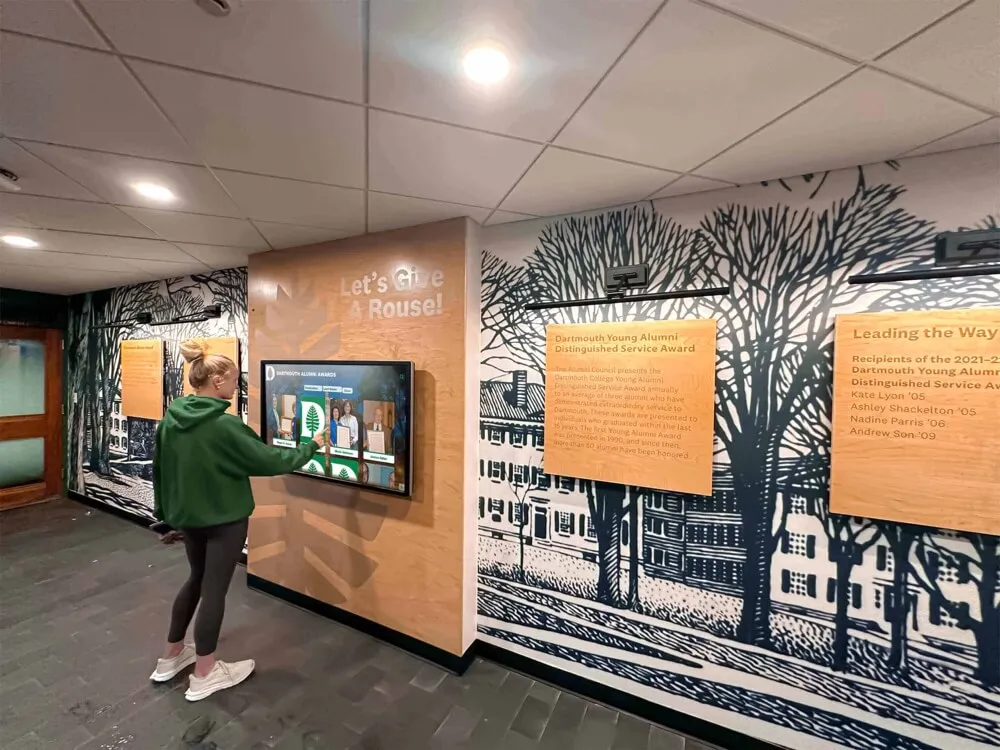
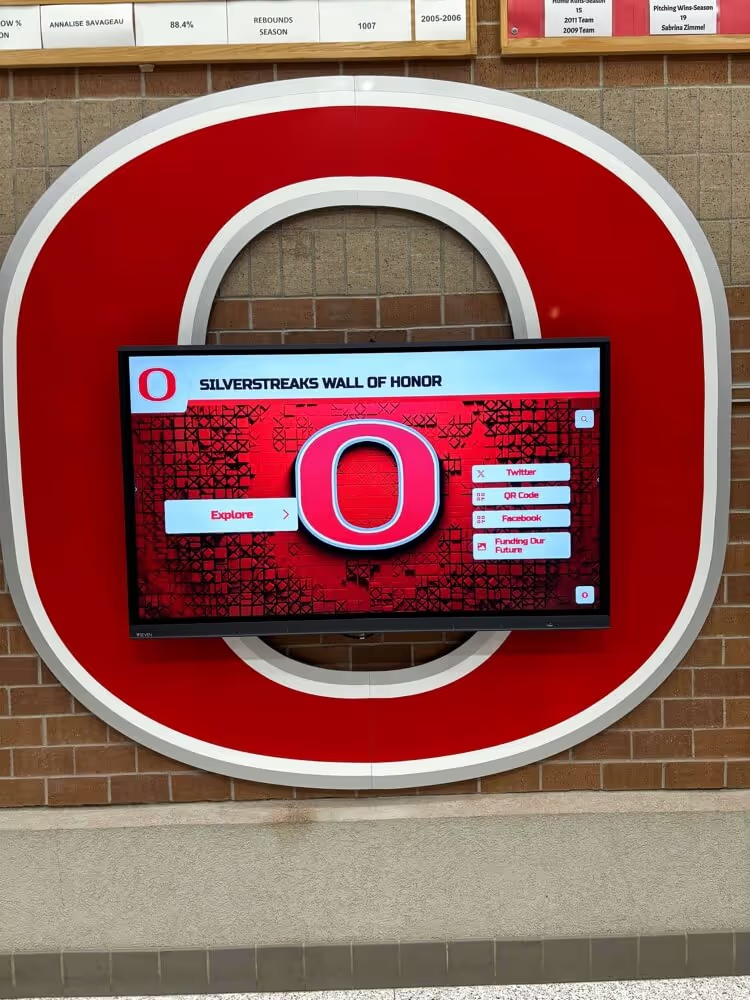
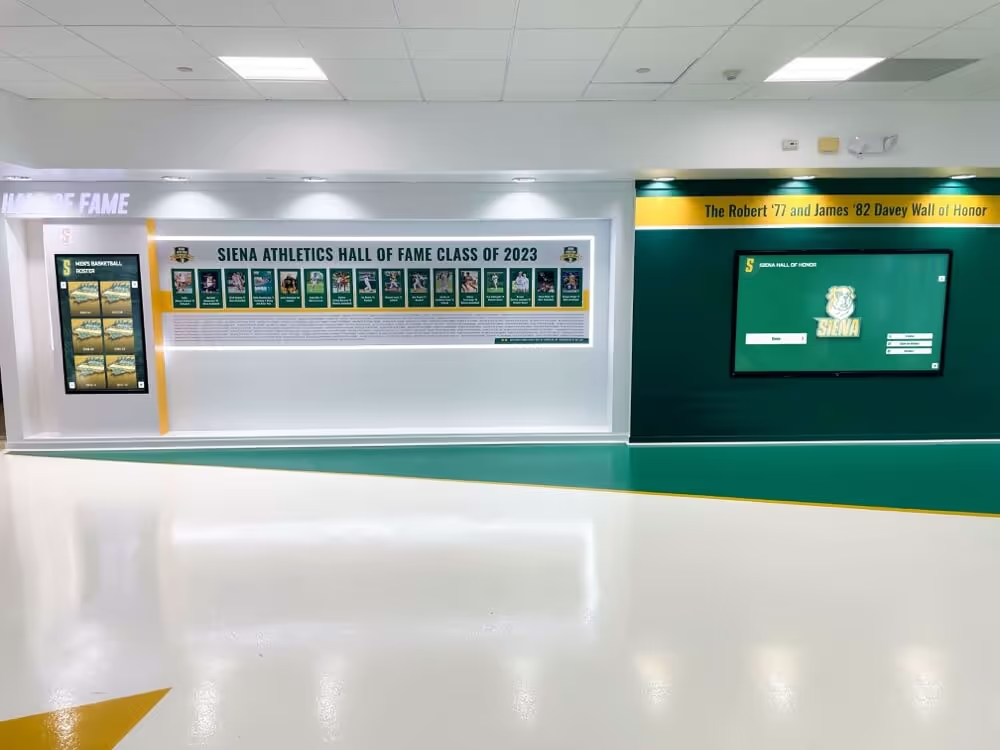
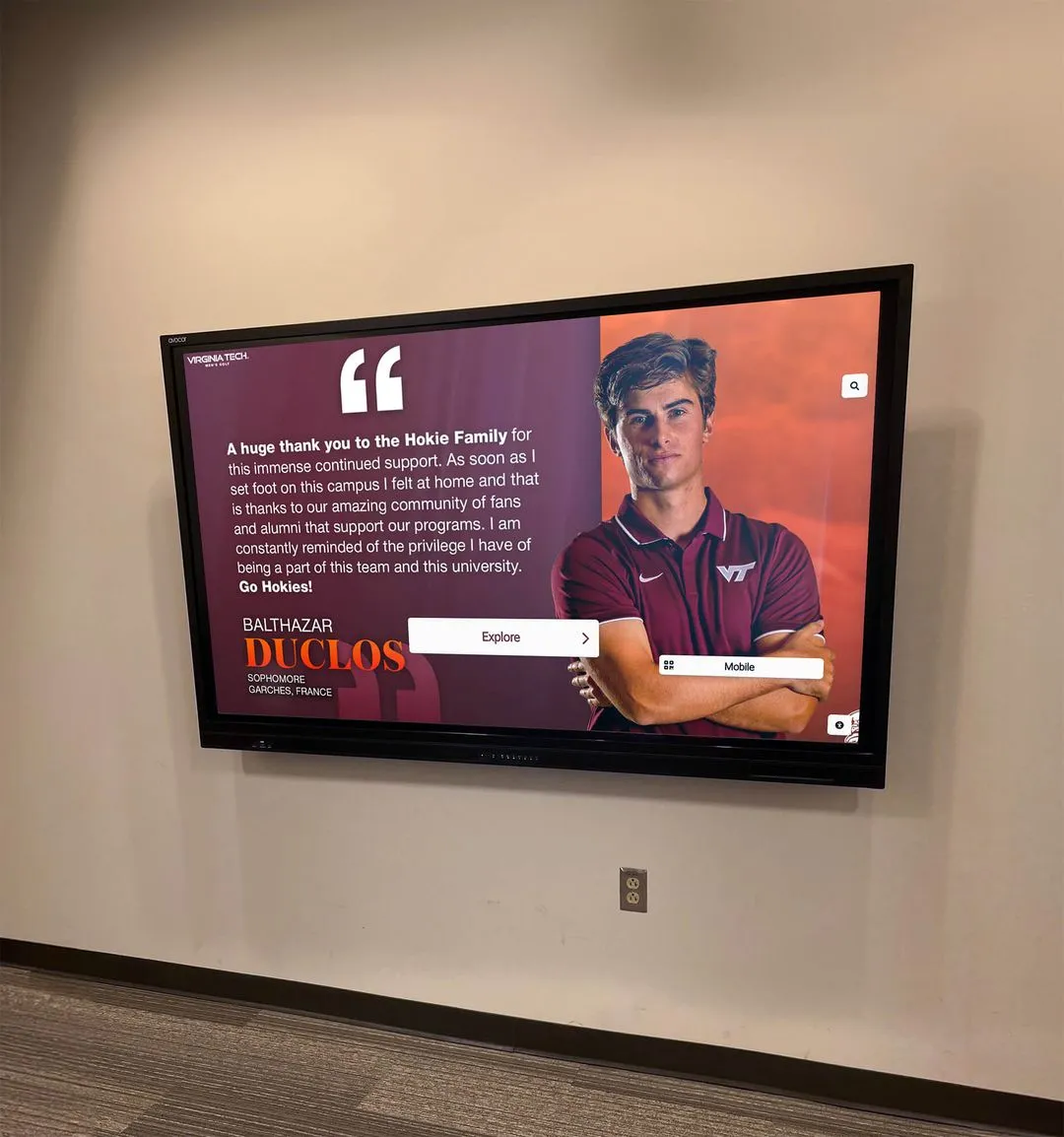
Interactive displays help schools [showcase student achievements](https://touchhalloffame.us/blog/how-to-showcase-student-achievement/?utm_source=organic&utm_medium=seo-auto&utm_content=digitalwarming&utm_campaign=middle-school-dance-themes&utm_term=seo) throughout the year
Decades Dance
Decades themes allow students to explore different eras while giving them concrete visual references for costumes and expectations. The 1980s typically works best for middle school, offering recognizable fashion elements without requiring sophisticated historical knowledge.
Popular Decade Choices
- 1980s: Neon colors, geometric patterns, big hair, leg warmers, arcade games
- 1950s: Sock hop, poodle skirts, letter jackets, soda shop aesthetic
- 1970s: Disco balls, platform shoes, bell bottoms, groovy patterns
- 1990s: Becoming retro enough to interest current middle schoolers
Implementation Strategies
- Display decade-appropriate posters and decorations
- Create Spotify playlists featuring era music mixed with modern songs
- Set up photo booth with decade-specific props
- Offer simple costume accessories at entry (headbands, sunglasses, bandanas)
- Include trivia about the decade during music breaks
- Show popular music videos from the era on screens
Decades themes succeed because they’re educational without feeling academic, they allow for easy costume participation at various involvement levels, and they give students conversation starters about music and culture they might not otherwise explore.
Glow in the Dark/Neon Night
Few themes generate more visible excitement than glow-in-the-dark events. The visual impact creates energetic atmosphere while the darkened space actually helps self-conscious students feel more comfortable dancing.
Essential Elements
- Black lights throughout venue
- Neon decorations (tablecloths, streamers, balloons)
- Glow sticks distributed to all attendees
- White or neon color dress code
- Glow-in-the-dark face paint station
- Neon tape creating patterns on walls and floors
- UV-reactive decorations
Safety Considerations
- Maintain enough ambient lighting for supervision
- Mark floor hazards with glow tape
- Have regular lights available for emergencies
- Ensure exits remain clearly visible
- Position chaperones throughout space
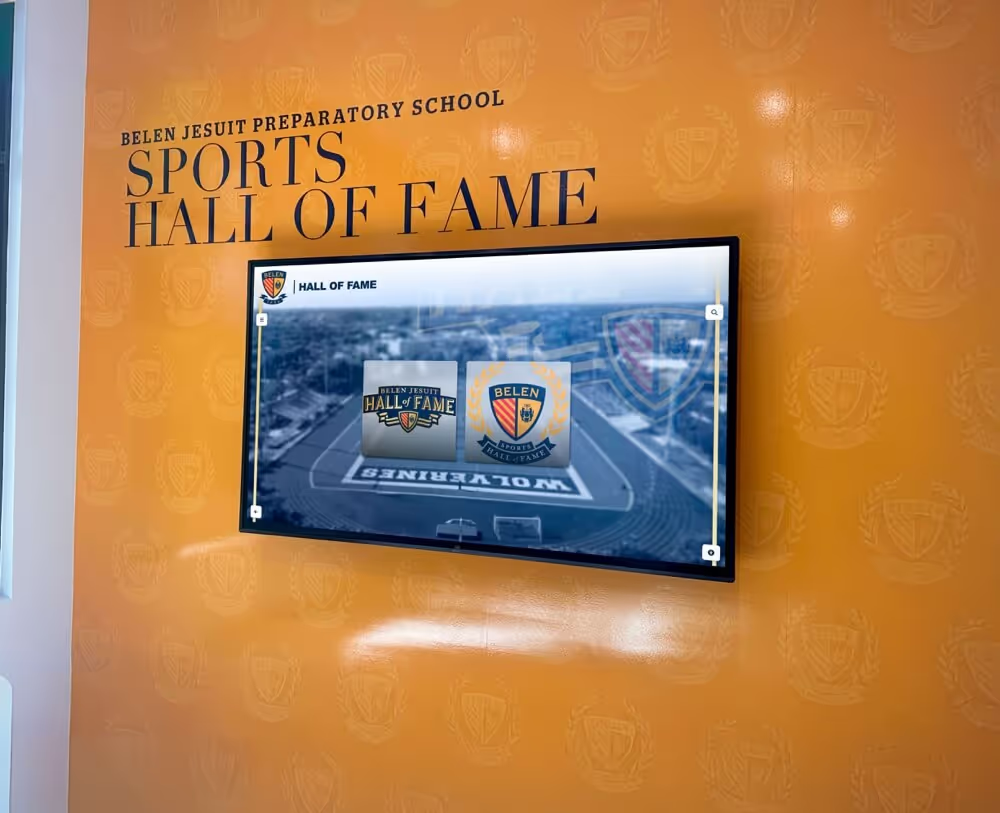
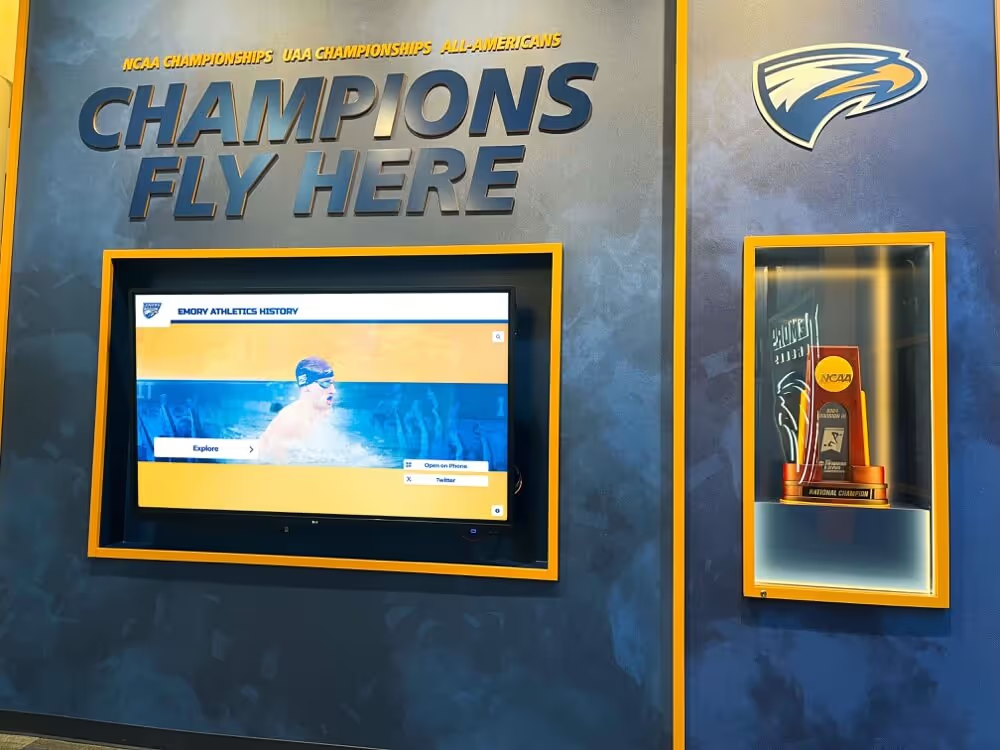
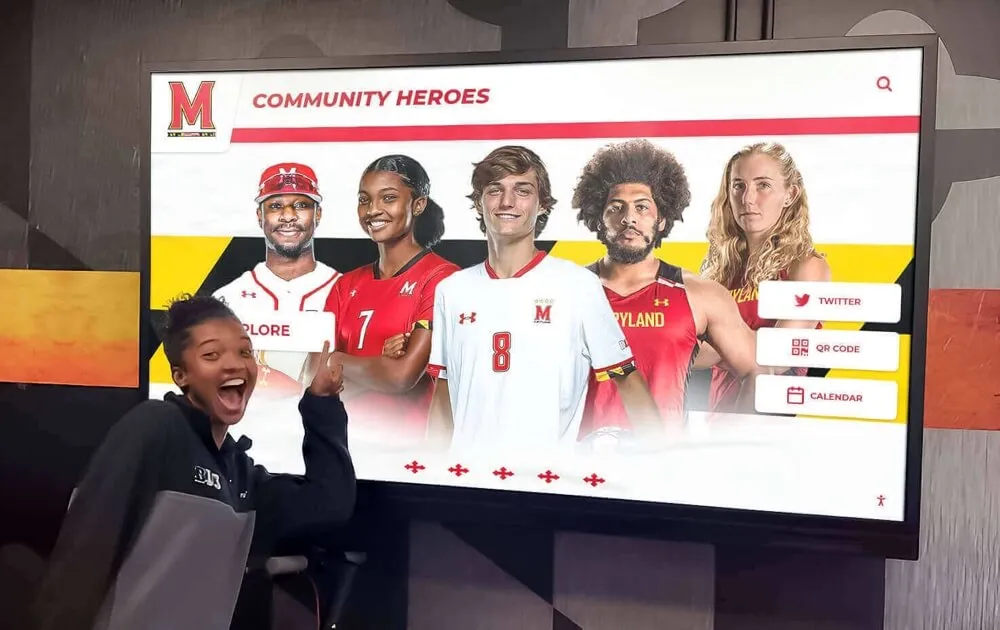
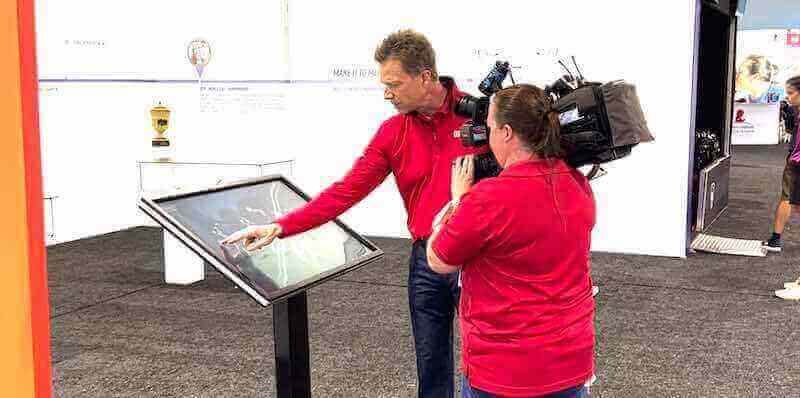
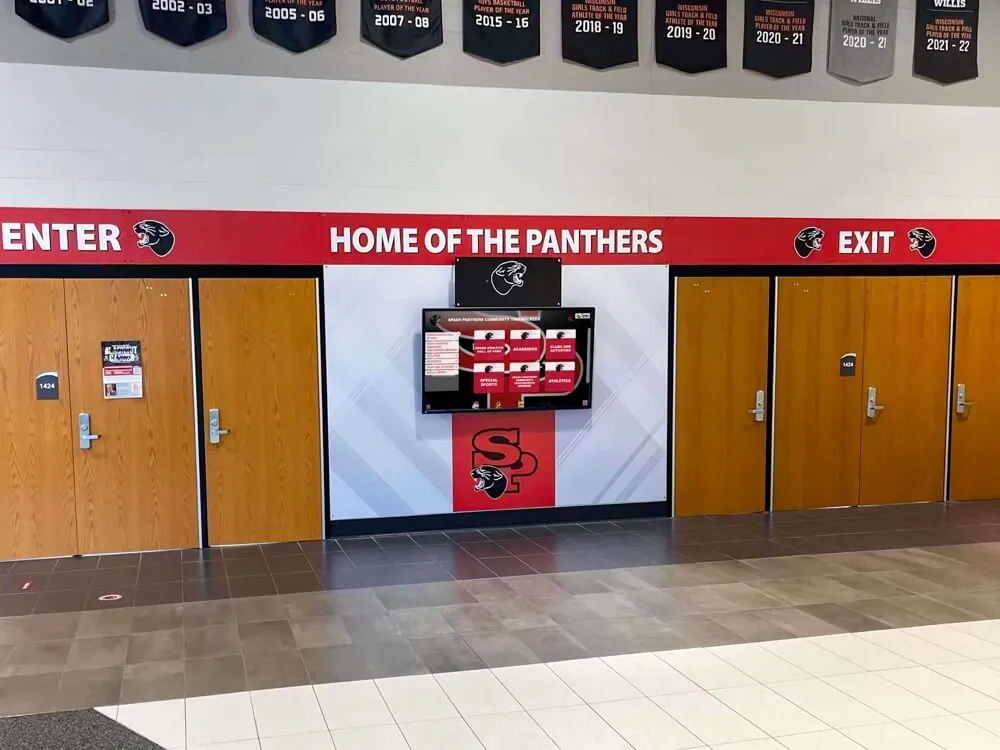
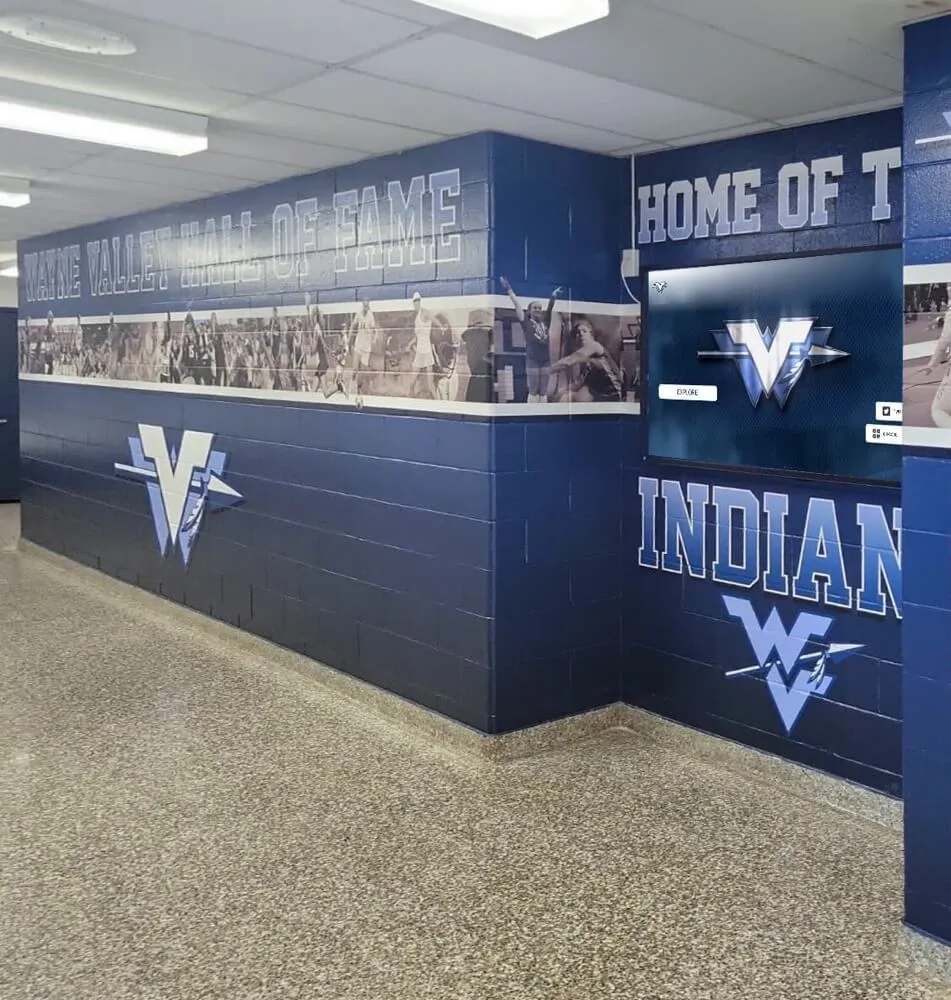
School traditions built through events and [recognition programs](https://toucharchives.org/blog/employee-recognition-program-ideas-35-creative-ways/?utm_source=organic&utm_medium=seo-auto&utm_content=digitalwarming&utm_campaign=middle-school-dance-themes&utm_term=seo) create lasting school culture
Budget Management
- Purchase glow sticks in bulk online (significantly cheaper than retail)
- Use white tablecloths and decor you already own
- Create DIY neon decorations using poster board and highlighters
- Borrow black lights from other schools or community organizations
- Make UV paint using tonic water (quinine glows under black light)
The glow theme delivers maximum visual impact with moderate budget investment while creating an environment where students naturally want to move and dance.
Seasonal and Holiday-Inspired Themes
Aligning dances with seasons or holidays provides built-in decoration references and helps establish predictable school traditions.
Winter Wonderland
Perfect for December or January dances, winter themes create elegant atmospheres without religious affiliations that might exclude students.
Decoration Ideas
- White and silver color scheme with blue accents
- Snowflake decorations (paper, foam, or purchased)
- White Christmas lights or icicle lights
- Cotton batting creating “snow” on surfaces
- Winter tree branches spray-painted white or silver
- Projected snowfall effects on walls
- Hot chocolate station as refreshment area
Activity Integration
- Snowflake-making contest before dance
- Best “winter formal” outfit recognition
- Ice palace photo backdrop
- “Frozen” themed music mixed with current hits
- Snow globe photo effect using digital photo booth
Winter wonderland themes work beautifully because the aesthetic feels sophisticated and formal while remaining clearly age-appropriate. The color scheme photographs well, creating lasting memories students will treasure.
Harvest Festival/Fall Carnival
Autumn dances benefit from seasonal availability of decorative materials and the natural warmth of fall color palettes.
Core Components
- Orange, red, yellow, and brown color scheme
- Hay bales for seating areas (check for allergies first)
- Pumpkin and gourd decorations
- Fall leaves (real or artificial) scattered around
- String lights creating warm ambiance
- Corn stalks bundling doorways
- Apple cider and fall treats at refreshment table
Activity Stations
- Pumpkin decorating (with paint, not carving for safety)
- Caramel apple making or decorating
- Fall-themed photo booth with props
- Corn hole or other harvest games
- Costume elements if held near Halloween
This theme particularly succeeds because decoration materials are often inexpensive or free (real pumpkins, leaves, etc.) and the seasonal connection creates natural enthusiasm.
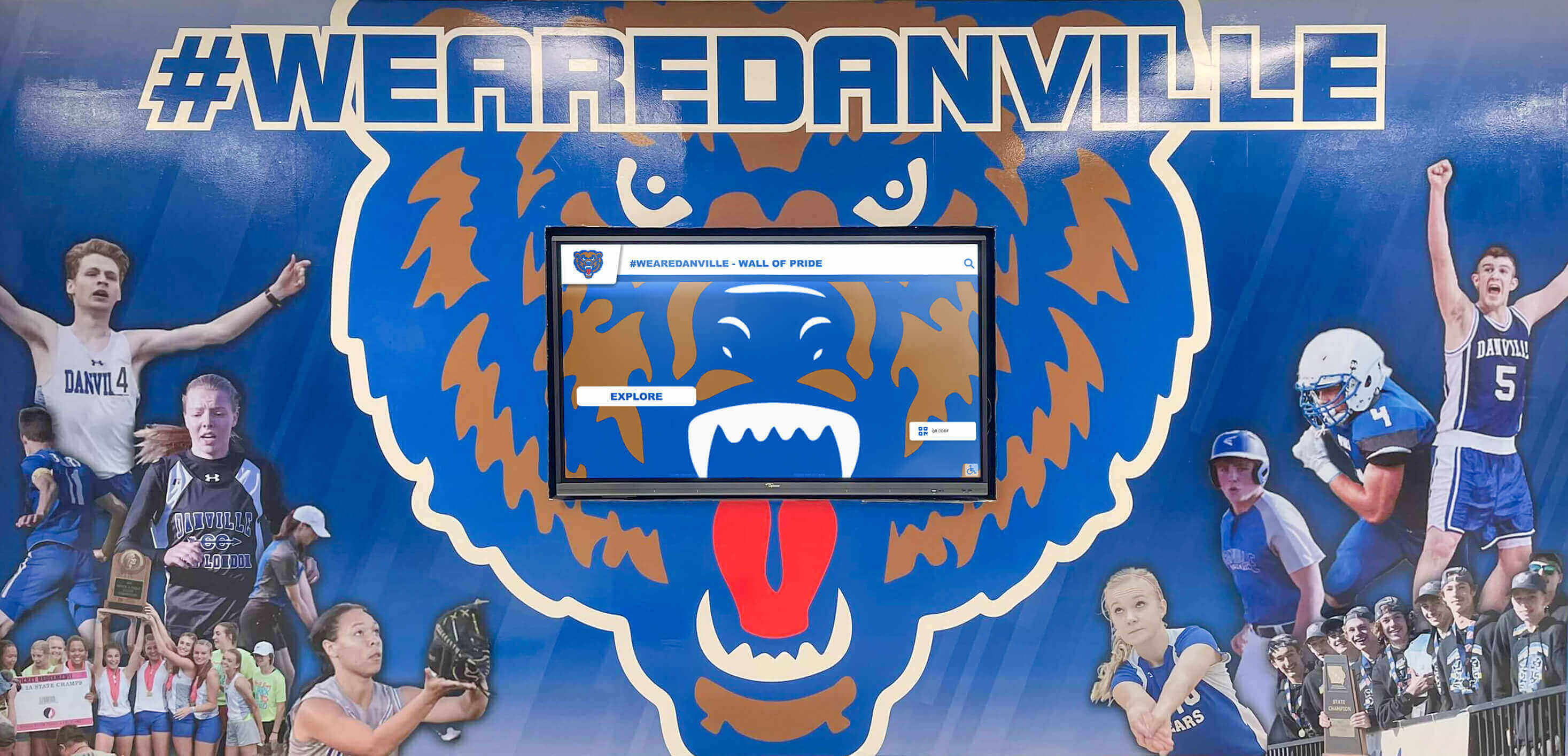
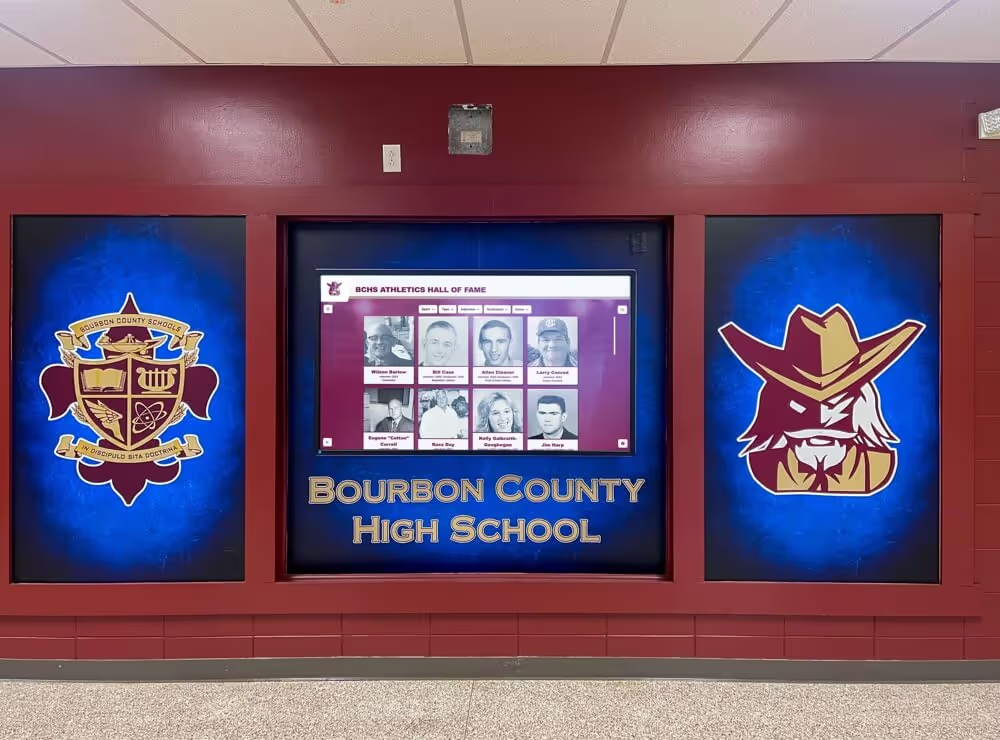
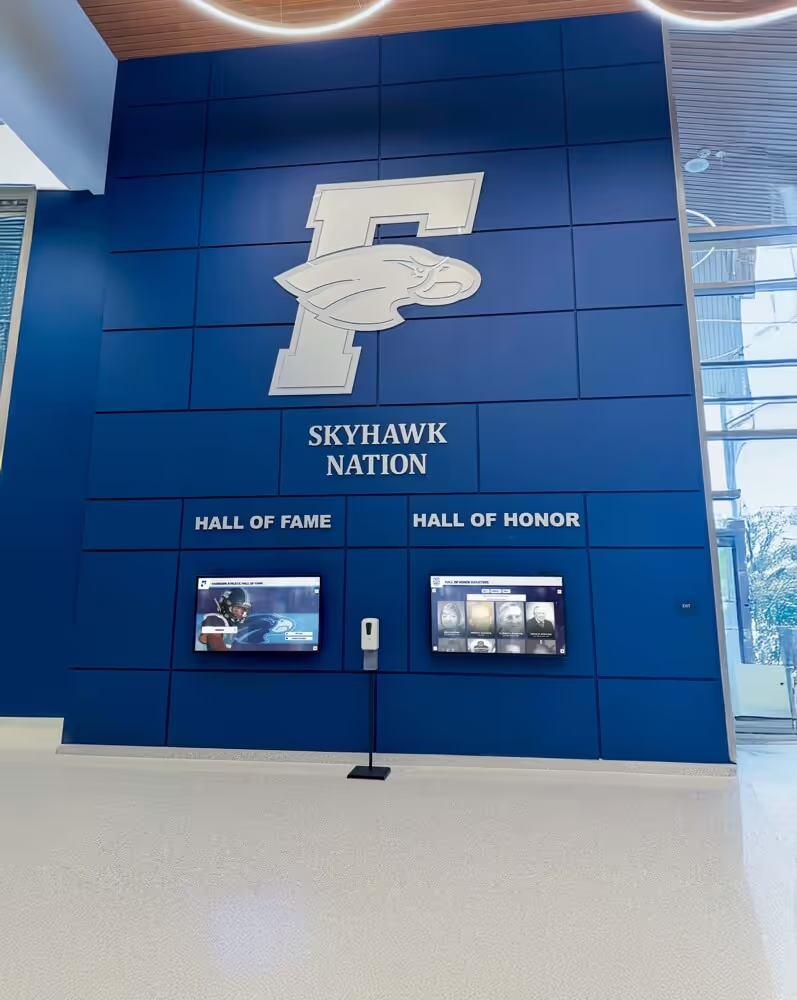
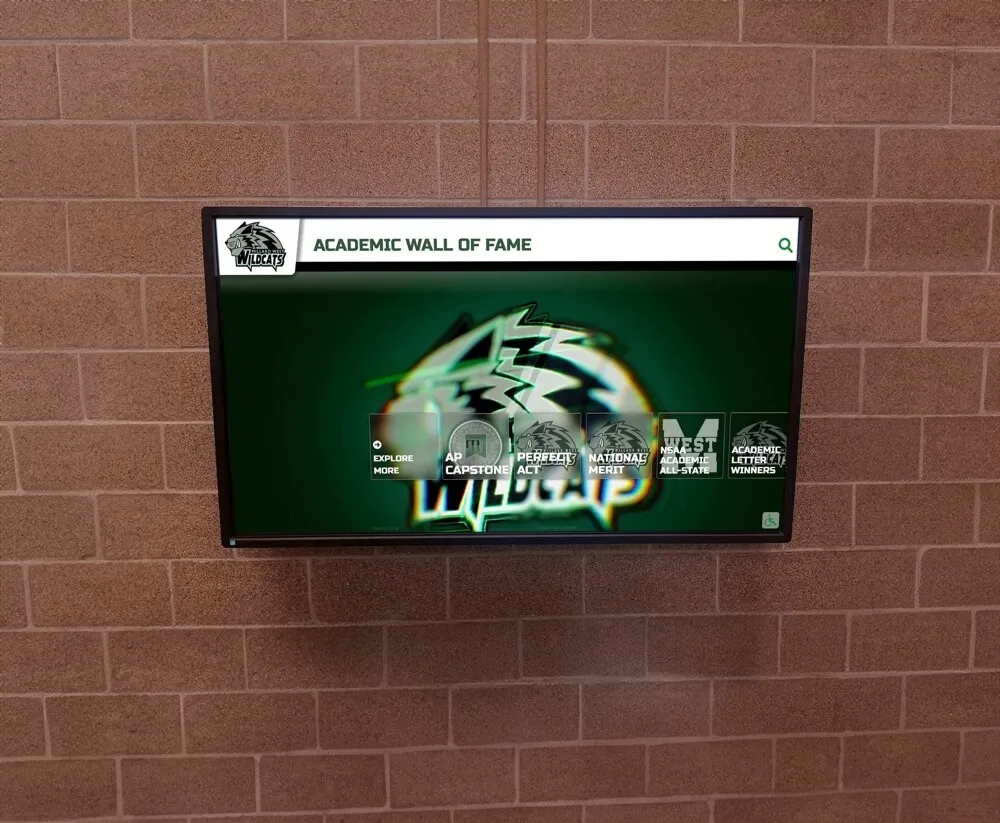
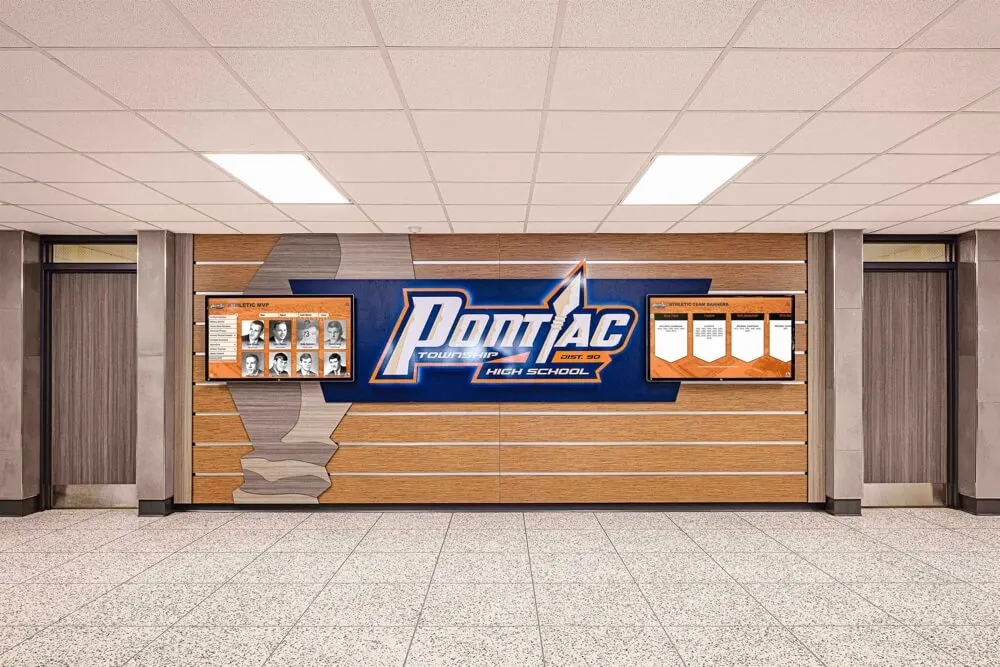
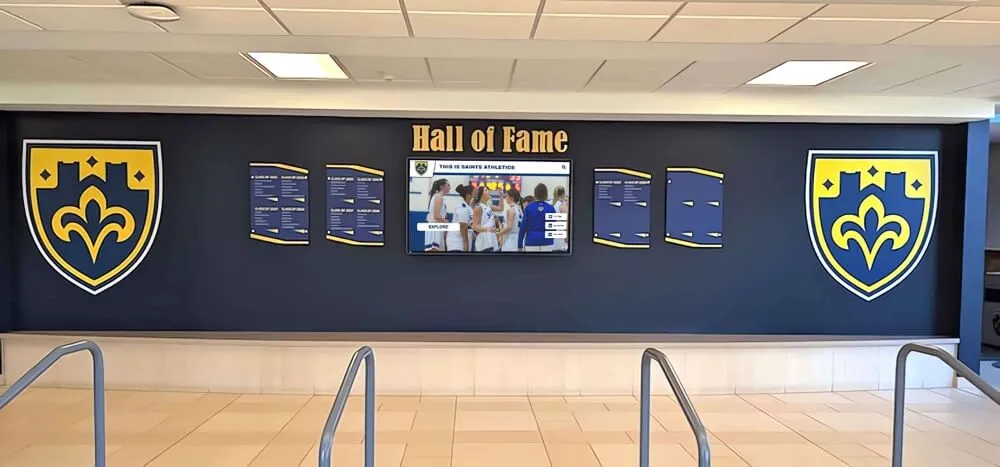
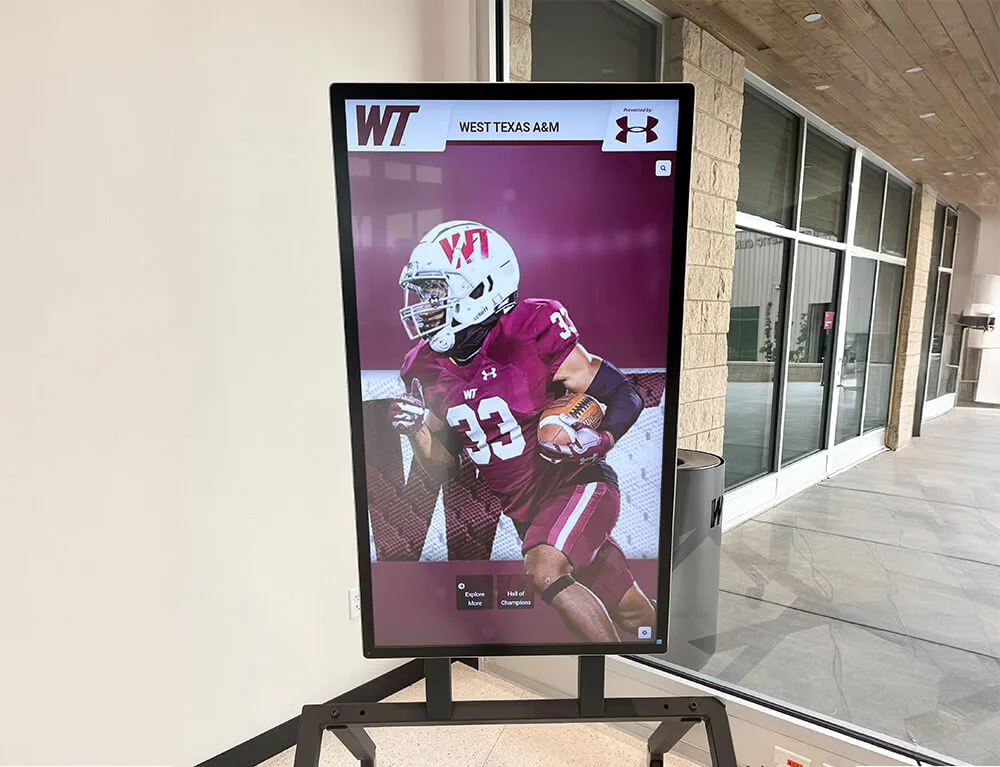
Schools build tradition through consistent [recognition of achievements](https://halloffamewall.com/blog/national-honor-society-digital-recognition-display/?utm_source=organic&utm_medium=seo-auto&utm_content=digitalwarming&utm_campaign=middle-school-dance-themes&utm_term=seo) across all programs
Spring Fling/Garden Party
Spring-themed dances celebrate the year’s conclusion with fresh, optimistic aesthetics particularly appropriate as students approach summer break.
Decoration Elements
- Pastel color scheme (pink, lavender, mint green, yellow)
- Flower decorations (real, silk, or paper)
- Garden lights and lanterns
- Butterfly and bird decorations
- Picnic-style seating areas
- Lemonade and fresh fruit at refreshments
- Outdoor elements if venue allows
Enhancement Options
- Flower crown making station
- Garden-themed photo backdrops
- Chalk art stations outdoors
- Bubbles for outdoor areas
- Fresh flower corsage/boutonniere making activity
Spring themes photograph beautifully and create uplifting atmospheres that align with the positive energy of approaching summer vacation.
Pop Culture and Entertainment Themes
Connecting dances to current popular culture increases student interest while requiring organizers to stay current with what resonates with middle schoolers.
Music Festival/Concert
This theme taps into students’ love of music while avoiding the need to commit to any single artist or genre.
Setup Components
- Stage area for performances or DJ
- “Festival” entrance with mock tickets
- Multiple “stages” with different music styles
- Band posters and music-themed decorations
- Concession stand styled as festival food vendors
- Grass or outdoor-inspired elements even if indoors
- Wristband-style admission tickets
Interactive Elements
- Student talent performances during the event
- Air guitar or dance competitions
- Create custom “festival” t-shirts students can purchase
- Photo opportunities with music instrument props
- Music trivia contests between songs
Playlist Strategy
- Rotate between different music genres to appeal to diverse tastes
- Include both current hits and recognizable older songs
- Create “sets” like different festival acts
- Allow student requests within appropriate guidelines
This theme succeeds because music is central to middle school culture, and the festival format allows celebration of diverse musical interests rather than forcing consensus around a single style.
Video Game/Gaming
With gaming culture deeply embedded in middle school life, this theme creates instant recognition and enthusiasm.
Decoration Approaches
- Pixel art decorations on walls
- Classic arcade game imagery
- Popular game references (age-appropriate selections only)
- Retro gaming posters
- LED lights creating digital aesthetic
- Classic game sound effects mixed into music
Activity Stations
- Gaming tournament area with appropriate games
- Dance competition styled as “Boss Battle”
- Achievement badges earned through participation
- Power-up themed refreshments
- Photo booth with gaming props
- “Create Your Character” station
Critical Considerations
- Focus on E-rated games and general gaming culture
- Avoid violent game references
- Ensure inclusivity for non-gamers
- Balance gaming activities with dancing
- Use gaming as aesthetic rather than replacing dance entirely
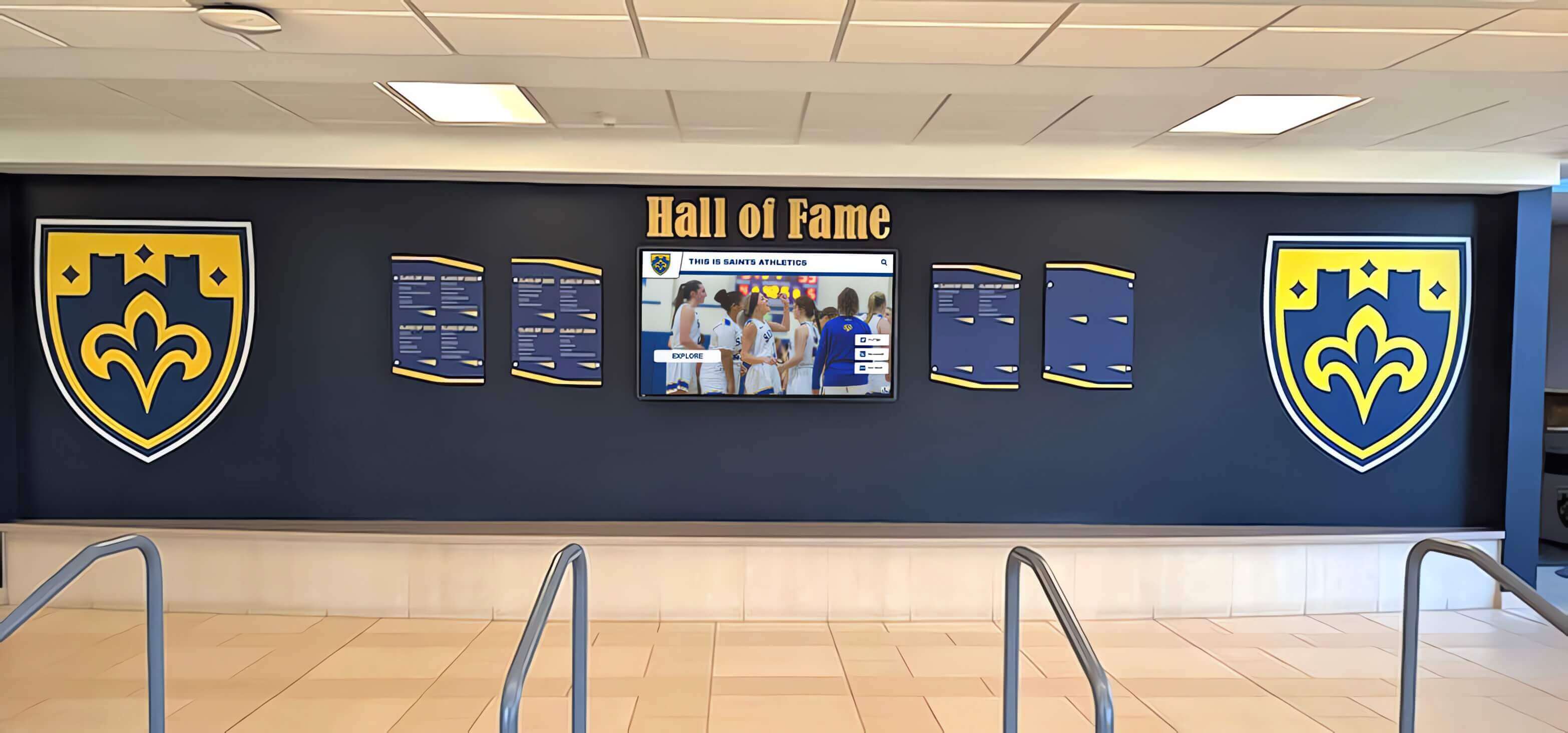
Digital displays allow schools to [showcase traditions and student portfolios](https://touchwall.us/blog/schools-individual-artist-gallery-student-portfolios/?utm_source=organic&utm_medium=seo-auto&utm_content=digitalwarming&utm_campaign=middle-school-dance-themes&utm_term=seo) in engaging ways
Sports Theme/Team Spirit
Connecting dances to school athletic programs builds school pride while giving students familiar territory for participation.
Implementation Elements
- School colors prominently featured in decorations
- Sports equipment as decorative elements
- Jersey numbers and team banners
- Scoreboard-style decorations
- Athletic achievement recognition integrated into event
- “MVP” awards for dance participants
- Team pennants hanging from ceiling
Activity Integration
- Half-time show performances by dance team or cheerleaders
- Sports trivia contests
- Dance competitions styled as sporting events
- Photo opportunities with mascot
- Recognition of recent athletic achievements
Enhanced Engagement Schools with interactive displays showcasing athletic achievements can integrate these into dance venues, allowing students to explore school history and recognize athletes while taking breaks from dancing.
This theme particularly strengthens school culture by connecting social events to athletic programs, helping students see themselves as part of a larger school community.
Around the World Themes
Cultural and international themes expose students to diverse perspectives while creating visually rich environments.
Tropical Paradise/Beach Party
Beach themes create relaxed, fun atmospheres that help anxious students feel comfortable participating.
Decoration Strategy
- Blue and turquoise fabrics creating ocean effect
- Inflatable palm trees and beach balls
- Sand buckets with shells as centerpieces
- Beach umbrellas creating lounge areas
- Tiki torches (LED for safety)
- Surfboard props and decorations
- Tropical flower leis for attendees
Refreshment Ideas
- Tropical fruit punch and smoothies
- Umbrella decorations in drinks
- Beach-themed snacks
- Coconut and pineapple decor elements
Activity Additions
- Limbo contests
- Hula hoop competitions
- Beach ball volleyball
- Sandcastle building (using kinetic sand indoors)
- Hawaiian shirt contest
Beach themes work well because they’re inherently fun and relaxed, helping reduce the anxiety some students feel about formal dances.
International Festival
This theme celebrates diversity while educating students about global cultures—particularly appropriate for schools with diverse student populations.
Respectful Implementation
- Research cultural elements thoroughly to avoid stereotypes
- Consult with families from represented cultures
- Focus on celebration and learning, not caricature
- Feature multiple countries/cultures rather than single focus
- Emphasize authentic elements over generic decorations
Decoration Approach
- Flags from various nations
- Cultural art and patterns
- Different “country” stations around venue
- Educational displays about featured cultures
- World map showing represented countries
- Cultural music integration
Activity Stations
- International food sampling (school families can contribute)
- Craft stations featuring cultural art forms
- Dance instruction for cultural dances
- Photo opportunities with cultural dress elements (provided respectfully)
When executed thoughtfully, this theme promotes cultural appreciation and inclusion while creating educational opportunities alongside entertainment.
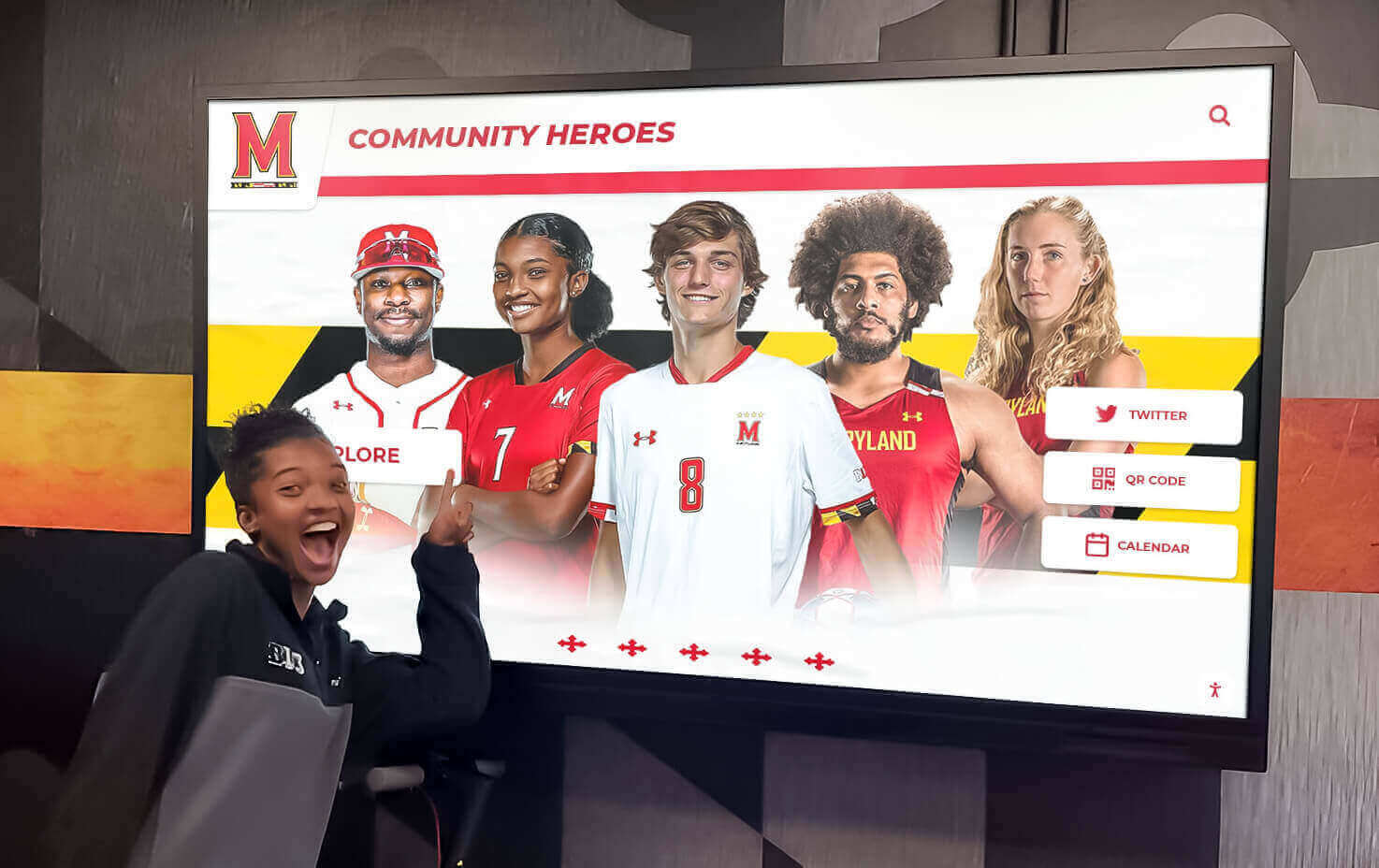
Recognition displays help [celebrate student achievements](https://digitalyearbook.org/blog/end-of-semester-honor-roll-digital-display/?utm_source=organic&utm_medium=seo-auto&utm_content=digitalwarming&utm_campaign=middle-school-dance-themes&utm_term=seo) across academics, athletics, and arts
Fantasy and Adventure Themes
Imaginative themes allow creative expression while tapping into students’ enjoyment of storytelling and fantasy worlds.
Enchanted Forest/Fairy Tale
This theme creates magical atmospheres that appeal to the imaginative aspects of middle school thinking while remaining sophisticated enough to avoid feeling childish.
Decoration Elements
- Trees (real branches or artificial) throughout space
- Twinkle lights creating magical lighting
- Fabric canopies suggesting forest ceiling
- Mushroom and woodland creature decorations
- Vines and flowers winding around columns
- Lanterns and candles (LED for safety)
- Moss, leaves, and natural elements
Color Schemes
- Deep greens, browns, and forest colors
- Gold and silver accents for magic elements
- Purple and blue for twilight effects
- Pastels for fairy tale elements
Interactive Components
- “Wishing well” for positive messages about classmates
- Scavenger hunt for magical objects
- Crown and tiara photo opportunities
- Fairy tale trivia
- “Royal ball” dance instruction
This theme succeeds because it’s gender-neutral, allows for varying levels of costume participation, and creates genuinely beautiful environments that photograph well.
Space/Galaxy
Space themes appeal to scientific curiosity while providing striking visual elements that create memorable atmospheres.
Visual Components
- Black backdrop decorated with stars
- Planets hanging from ceiling
- Galaxy projector effects on walls
- Metallic silver and deep blue colors
- Constellation decorations
- Rocket ship and space imagery
- Astronaut and alien decorations (friendly, not scary)
Activity Integration
- Space trivia contests
- “Moonwalk” dance competition
- Planet-themed photo booth
- Star-naming station (students dedicate stars to friends)
- Space mission challenges
Music Selection
- Space-themed songs mixed into playlist
- Electronic music creating futuristic feel
- Classic songs like “Space Oddity” during slower moments
Space themes particularly engage students interested in STEM subjects while providing accessible entry points for all students through the visual spectacle.
Under the Sea/Ocean Adventure
Ocean themes create immersive environments with readily available decorations and familiar references from popular media.
Decoration Strategy
- Blue lighting creating underwater effect
- Hanging fish and sea creatures
- Bubble machines or bubble decorations
- Netting and rope creating nautical elements
- Coral and seaweed decorations
- Projected ocean scenes on walls
- Pearl and shell decorations
Enhancement Options
- Mermaid and pirate elements
- Sunken treasure photo opportunities
- Sea creature costume contest
- Ocean conservation education integrated
- Beach music mixed with current songs
This theme works particularly well because ocean imagery is universally recognizable and the blue color scheme creates calming yet festive atmospheres.
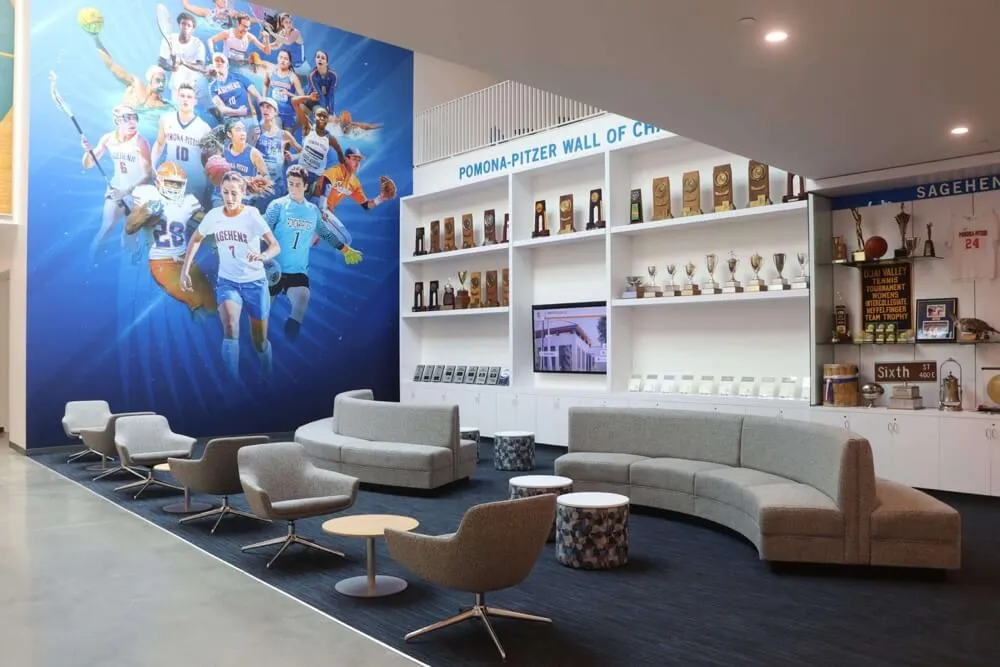
Creating [traditions that honor diverse achievements](https://toucharchives.org/blog/high-school-graduation-celebration-ideas-memorable-ways-honor-class/?utm_source=organic&utm_medium=seo-auto&utm_content=digitalwarming&utm_campaign=middle-school-dance-themes&utm_term=seo) builds stronger school communities
Planning Considerations for Any Theme
Regardless of specific theme selected, certain planning elements determine dance success.
Age-Appropriate Music Selection
Music represents the most critical element of any middle school dance, yet it requires careful curation to remain appropriate while appealing to students.
Music Planning Strategies
- Pre-screen all songs for appropriate lyrics
- Use edited versions of popular songs
- Create playlist in advance rather than allowing random selections
- Include variety of tempos and styles
- Mix current hits with recognizable older songs
- Avoid songs with references to drugs, alcohol, violence, or explicit content
- Consider student requests submitted in advance
- Include line dance songs that encourage group participation
DJ vs. Playlist Considerations
- Professional DJ: Reads crowd energy, makes adjustments, provides MC services, brings equipment
- Volunteer DJ: Cost-effective but requires significant preparation and appropriate music library
- Pre-made Playlist: Most economical but cannot adjust to crowd response
Many successful dances use hybrid approaches—pre-made playlists with volunteer supervision allowing strategic song substitutions based on crowd energy.
Chaperone Organization
Adequate supervision ensures student safety while allowing appropriate freedom for social interaction.
Effective Chaperone Strategies
- Recruit sufficient adults (generally 1 chaperone per 15-20 students)
- Position chaperones throughout venue rather than clustering
- Brief chaperones on expectations and dress code enforcement
- Assign specific zones or responsibilities to each chaperone
- Have chaperones maintain visible presence without hovering
- Include both teachers students know and parent volunteers
- Ensure male and female chaperones for bathroom supervision
- Designate lead chaperone for decision-making authority
Chaperone Guidelines
- Monitor for inappropriate dancing and intervene respectfully
- Watch for students who appear uncomfortable or excluded
- Enforce attendance rules (students leaving cannot re-enter)
- Manage conflicts between students calmly
- Encourage participation without forcing involvement
- Model positive, enthusiastic engagement
Ticket Sales and Check-In Process
Smooth entry processes set positive tones while preventing overcrowding and safety issues.
Ticket Strategies
- Sell tickets in advance to predict attendance
- Charge slightly more at door to encourage advance purchase
- Create decorative tickets matching theme
- Establish clear refund policy
- Consider discounts for student council members or volunteers
- Use tickets sales as fundraiser when appropriate
Check-In Best Practices
- Set up multiple check-in stations to prevent long lines
- Have student list organized alphabetically
- Mark off attendees to prevent ticket sharing
- Hand stamp or wristband system to identify paid attendees
- Distribute any theme accessories (glow sticks, masks, leis) at entry
- Have parent pickup process clearly communicated
Refreshments and Break Areas
Providing appropriate refreshments and designated break spaces helps students pace themselves and prevents exhaustion.
Refreshment Planning
- Offer water and healthy beverage options
- Provide individually wrapped snacks for hygiene
- Consider food allergies in selection
- Keep refreshment area separate from dance floor
- Use theme-appropriate serving presentations
- Ensure easy cleanup with disposable serviceware
Break Area Design
- Create quieter spaces away from main dance floor
- Provide seating for students needing breaks
- Position activities that don’t require dancing
- Ensure adequate supervision in all areas
- Maintain lighting allowing appropriate oversight
- Include interactive elements (photo booth, games)
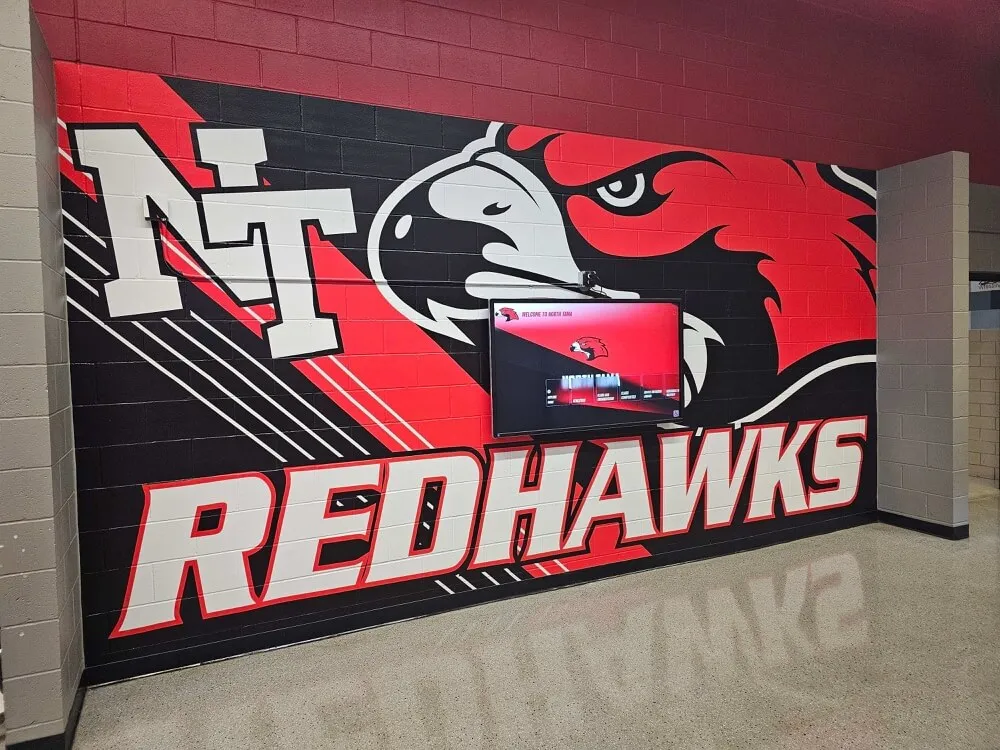
Schools strengthen traditions through [digital recognition systems](https://halloffamewall.com/blog/historical-timeline-touchscreen-display-guide/?utm_source=organic&utm_medium=seo-auto&utm_content=digitalwarming&utm_campaign=middle-school-dance-themes&utm_term=seo) that honor all students
Creating Inclusive Dance Experiences
The best middle school dances ensure all students feel welcome and included regardless of social status, friend groups, or comfort levels.
Addressing Social Anxiety
Many middle schoolers experience anxiety about dances, fearing judgment or social isolation. Thoughtful planning reduces these concerns.
Inclusion Strategies
- Designate dance floor “zones” reducing pressure on reluctant dancers
- Include structured activities (games, contests) beyond free dancing
- Create photo opportunities giving students non-dance purposes for attending
- Organize group dances everyone can join
- Have teachers and chaperones dance to normalize participation
- Avoid spotlight dances that single out individuals
- Create welcoming entry process so arriving alone feels comfortable
Supporting Different Participation Levels
- Main dance floor for active dancers
- Quieter areas for conversation and socializing
- Activity stations for those preferring structured engagement
- Refreshment areas providing legitimate reason to step away
- Photo booth creating participation without dancing
Dress Code Considerations
Clear dress codes prevent uncomfortable situations while allowing student expression.
Effective Dress Code Guidelines
- Communicate expectations in advance through multiple channels
- Explain rationale (comfort, appropriateness, safety) rather than arbitrary rules
- Provide specific examples of acceptable and unacceptable attire
- Consider economic accessibility when setting expectations
- Avoid gender-specific rules that may exclude non-binary students
- Have backup clothing available for students arriving inappropriately dressed
- Enforce consistently and respectfully
Sample Middle School Dance Dress Code
- “Dress to impress but stay comfortable for dancing”
- Skirt/dress length must extend past fingertips when arms are at sides
- Shirts must have straps and cover midriff
- No clothing with inappropriate messages or images
- Shoes appropriate for dancing (consider barefoot option for safety)
- No costume masks that fully obscure identity (except for masquerade themes with provided masks)
Preventing Exclusion
Intentional planning ensures all students feel they belong at school dances.
Inclusion Best Practices
- Keep ticket prices affordable for all families
- Offer scholarship tickets discretely for students facing financial barriers
- Avoid couple-focused activities or announcements
- Ensure music variety appealing to diverse tastes
- Recognize different cultural comfort levels with mixed-gender dancing
- Provide multiple ways to participate beyond dancing with partners
- Train chaperones to watch for isolated students and facilitate inclusion
- Create buddy systems where student council members welcome newcomers
Budgeting and Resource Management
Memorable dances don’t require enormous budgets when organizers prioritize effectively and leverage available resources.
Budget Breakdown
Essential Expenses
- Venue rental (if needed): $0-$500
- Decorations: $100-$400
- Sound system (if not owned): $0-$300
- Refreshments: $50-$200
- Entry accessories (wristbands, stamps): $20-$50
- Tickets and promotional materials: $30-$75
Optional Enhancements
- DJ or entertainment: $200-$500+
- Professional photographer: $100-$300
- Photo booth rental: $200-$400
- Special lighting effects: $100-$300
- Premium decorations or themes: Variable
- Security (for larger events): $200-$400
Most successful middle school dances operate on $500-$1,500 budgets, with larger programs occasionally spending $2,000-$3,000 for elaborate productions.
Cost-Saving Strategies
Resource Leveraging
- Use school facilities eliminating venue costs
- Borrow decorations from previous years, other schools, or community organizations
- Recruit parent volunteers with DJ equipment or photography skills
- Partner with high school art programs to create decorations
- Use student council members instead of hired help for setup and breakdown
- Create DIY decorations during advisory periods or after school
- Purchase reusable decorations that work for multiple themes
Fundraising Approaches
- Ticket sales as primary revenue source
- Concession sales during event
- Spirit week fundraisers before dance
- Local business sponsorships (recognition in programs or at event)
- Student council budget allocation
- PTSA or booster club contributions
Volunteer Coordination
Student involvement builds leadership skills while reducing costs and increasing peer investment in event success.
Student Volunteer Roles
- Decoration planning and creation
- Setup and breakdown crews
- Door monitors and ticket collectors
- Refreshment service
- Photo booth operators
- DJ assistants
- Cleanup teams
Adult Volunteer Needs
- Chaperone coordinator recruiting and organizing supervision
- Decoration team leads
- Setup and breakdown supervisors
- Refreshment coordinators
- Treasurer managing budget and purchases
- Communication coordinator for promotion and parent information

Interactive displays let schools create engaging [recognition experiences](https://touchwall.us/blog/varsity-letter-requirements-how-high-school-athletes-earn-this-honor/?utm_source=organic&utm_medium=seo-auto&utm_content=digitalwarming&utm_campaign=middle-school-dance-themes&utm_term=seo) that students explore at their own pace
Building Traditions Through Dance Events
The most successful middle school dance programs establish traditions that students anticipate throughout their middle school careers.
Creating Predictable Rhythm
Establishing consistent dance schedules helps students look forward to events while simplifying planning.
Common Dance Calendars
- Fall kick-off dance (September/October)
- Winter formal (December/January)
- Valentine’s or spring dance (February/March)
- End-of-year celebration dance (May/June)
Benefits of Consistency
- Students know what to expect and anticipate events
- Planning becomes easier with established templates
- Budget allocation more predictable
- Volunteer recruitment simpler with advance notice
- Traditions build around specific annual events
Connecting Dances to School Culture
Dances strengthen school communities when integrated into broader cultural initiatives.
Integration Strategies
- Recognize student achievements during dances
- Connect themes to school mascot or colors
- Include performances by school groups (dance team, band, chorus)
- Display school history and traditions
- Honor outgoing eighth graders at final dances
- Celebrate athletic, academic, or arts achievements
- Use dances to unveil new school initiatives or traditions
Schools implementing digital recognition systems often position displays at dance venues, allowing students to explore school history, view classmate achievements, and connect current celebrations to ongoing traditions. These displays serve double purposes—decorative elements that enhance venue aesthetics while deepening students’ connections to school culture.
Gathering Student Input
Involving students in theme selection and planning increases investment and attendance.
Student Engagement Approaches
- Student council votes on themes
- School-wide surveys determining theme preferences
- Planning committees with student representatives
- Grade-level input ensuring all students feel represented
- Social media polls building anticipation
- Student-designed decorations and promotional materials
When students feel ownership over dances, attendance improves and behavior issues decrease as peers hold one another accountable for protecting events they helped create.
Safety and Behavior Management
Ensuring student safety while maintaining positive atmospheres requires proactive planning and clear expectations.
Establishing Clear Expectations
Students behave better when they understand expectations before arriving at events.
Pre-Dance Communication
- Behavior expectations outlined during school announcements
- Written guidelines sent home to parents
- Dress code specifics with examples
- Consequences for policy violations clearly stated
- Parent/guardian contact information required for attendance
- Emergency procedures reviewed with students
During-Event Enforcement
- Consistent, respectful enforcement of rules
- Progressive consequence system
- Parent contact for serious issues
- Designated quiet space for students needing breaks
- Clear re-entry policies (typically no re-entry once leaving)
Managing Common Challenges
Anticipating typical issues allows proactive solutions rather than reactive crisis management.
Inappropriate Dancing
- Address privately and respectfully first instance
- Provide specific guidance about appropriate alternatives
- Separate students if behavior continues
- Contact parents for repeated violations
- Have consequences aligned with school policies
Student Conflicts
- Separate conflicting students immediately
- Have quiet space available for cooling off
- Contact parents if necessary
- Document incidents appropriately
- Follow school discipline procedures
Excluded or Isolated Students
- Train chaperones to notice isolated students
- Have welcoming strategies prepared
- Facilitate introduction to groups when appropriate
- Ensure activities available for students uncomfortable dancing
- Know when to respect student’s preference for observation vs. encouraging participation
Strengthening School Culture Through Recognition
Middle school dances represent just one element of comprehensive school culture that values all students. The schools creating the strongest student connections often integrate events like dances with ongoing recognition systems celebrating diverse achievements.
Traditional trophy cases and bulletin boards offer limited space and quickly become outdated. Forward-thinking middle schools increasingly implement digital recognition systems that:
Showcase Unlimited Achievements: Display academic honors, athletic accomplishments, arts recognition, community service, and character awards without space constraints
Create Interactive Experiences: Allow students to explore achievements during events like dances, then access the same content on personal devices through QR codes
Build Living Traditions: Update easily to include new achievements while preserving school history across years and decades
Engage Multiple Audiences: Serve students during school events, visiting families during tours, and alumni reconnecting with school histories
Rocket Alumni Solutions provides the leading platform for middle school recognition, offering ADA WCAG 2.1 AA-compliant touchscreen displays designed specifically for educational environments. The system includes unlimited content capacity, scheduled publishing for timed releases, easy content management through remote cloud-based systems, and seamless integration with school events and traditions.
Schools position these displays at dance venues to create interactive elements that entertain while building connections to school culture. Students explore classmate achievements, school history, and traditions between dance sets, creating meaningful engagement alongside entertainment.
Discover how digital recognition systems can strengthen your middle school’s culture through events, ongoing recognition, and traditions that students carry throughout their educational journeys.
Promoting Your Dance for Maximum Attendance
Even the best-planned dances fail without adequate promotion generating student interest and attendance.
Multi-Channel Communication
Reaching middle school students requires diverse communication approaches since they consume information differently than previous generations.
Effective Promotion Channels
- Morning announcements (daily reminders week of event)
- Hallway posters in high-traffic areas
- Classroom announcements during advisory
- School website and calendar
- Email to parents/guardians
- Social media (if school maintains accounts)
- Student council ambassadors promoting to grade levels
- Countdown displays creating anticipation
Messaging Strategy
- Start promotion 3-4 weeks before event
- Build excitement through revealing theme elements gradually
- Highlight what makes this dance special
- Address common concerns (everyone welcome, no dates required)
- Emphasize fun elements students will enjoy
- Include practical information (date, time, cost, location, dress code)
Creating Buzz and Anticipation
Strategic anticipation-building increases attendance and excitement.
Buzz-Building Tactics
- Theme reveal events (video announcement, poster unveiling)
- Countdown calendar in prominent school location
- Sneak peeks of decorations on social media
- Student council members wearing theme-related items
- Costume or outfit contests announced in advance
- Early bird ticket discounts
- Group ticket deals encouraging friend groups to attend together
Post-Dance Follow-Through
The work doesn’t end when students leave—thoughtful follow-through extends positive impacts and improves future events.
Immediate Follow-Up
Within One Week
- Thank volunteers, chaperones, and contributors
- Share photos on appropriate platforms (with permission)
- Send appreciation message to attendees
- Process any leftover funds or expenses
- Store reusable decorations appropriately labeled
- Document what worked well and challenges encountered
Gathering Feedback
- Brief student surveys about what they enjoyed
- Chaperone debriefing meeting
- Student council reflection session
- Parent feedback collection
- Behavior incident review if necessary
Using Insights for Improvement
Analyzing each dance improves future events while building institutional knowledge.
Questions to Address
- Which decorative elements had greatest impact for cost?
- What music kept students most engaged?
- Which activities beyond dancing proved most popular?
- Where did behavior issues occur and how might venue setup reduce them?
- What timing elements worked well or need adjustment?
- How did ticket sales compare to expectations?
- Which promotion methods drove most awareness?
Documenting these insights in planning files ensures continuity even when leadership changes, allowing each dance to build on previous successes rather than starting from scratch.
Conclusion: Creating Memories That Matter
Middle school dances serve purposes far beyond a few hours of entertainment. When planned thoughtfully, these events become defining memories students carry forward—their first formal social events, opportunities to overcome anxieties about peer interaction, celebrations of belonging to something larger than themselves.
The right theme creates framework for these experiences, but the true magic emerges from the care put into details: ensuring every student feels welcome, creating multiple ways to participate, maintaining appropriate supervision while allowing freedom, and building traditions that give students shared experiences connecting them to classmates and to the broader school community.
Whether you choose masquerade elegance or neon energy, Hollywood glamour or enchanted forests, the goal remains constant—creating safe, inclusive, memorable experiences that help middle schoolers develop social skills, build confidence, and create positive associations with school community.
The schools making the greatest impact extend these celebration moments into ongoing recognition traditions, ensuring students feel valued not just during special events but throughout their educational journeys. When dances connect to broader cultural initiatives—recognition programs honoring diverse achievements, traditions linking grade levels across years, displays showcasing school history—students develop deeper connections to their schools and to one another.
Explore how modern recognition systems can help your school build traditions extending from events like dances into year-round culture that celebrates every student’s contributions and creates communities where everyone belongs.