Intent: demonstrate — Creating a memorial wall to honor loved ones, community heroes, or cherished individuals represents one of the most meaningful gestures organizations, schools, and institutions can make. Yet the challenge lies not just in providing recognition, but in creating tributes that truly celebrate lives, preserve legacies, and offer comfort to families and communities for generations to come.
Traditional memorial approaches—engraved plaques, static walls, and unchanging displays—provide important acknowledgment but face significant limitations in storytelling capacity, accessibility, and ability to create ongoing engagement with the memories and legacies they’re meant to preserve. When families can’t find comprehensive information about their loved ones, when powerful stories remain untold beyond brief name listings, when memorial spaces become overlooked background elements rather than destinations for reflection and connection—these limitations diminish the very purpose memorials serve.
Modern memorial walls create what’s known as digital warming—transforming static tributes into dynamic spaces where comprehensive stories, cherished photographs, and meaningful connections bring legacies to life. Through searchable databases, rich multimedia content, and accessible technology, purpose-built memorial solutions ensure every individual receives recognition worthy of their impact while creating destinations that inspire reflection, connection, and ongoing community engagement.
This comprehensive guide explores meaningful memorial wall ideas that honor loved ones with the dignity and depth their legacies deserve. You’ll discover creative approaches for communities, schools, organizations, and institutions of all sizes, learn how modern technology transforms memorial experiences, and understand how thoughtful memorial design creates spaces that provide comfort, preserve stories, and build lasting connections across generations.

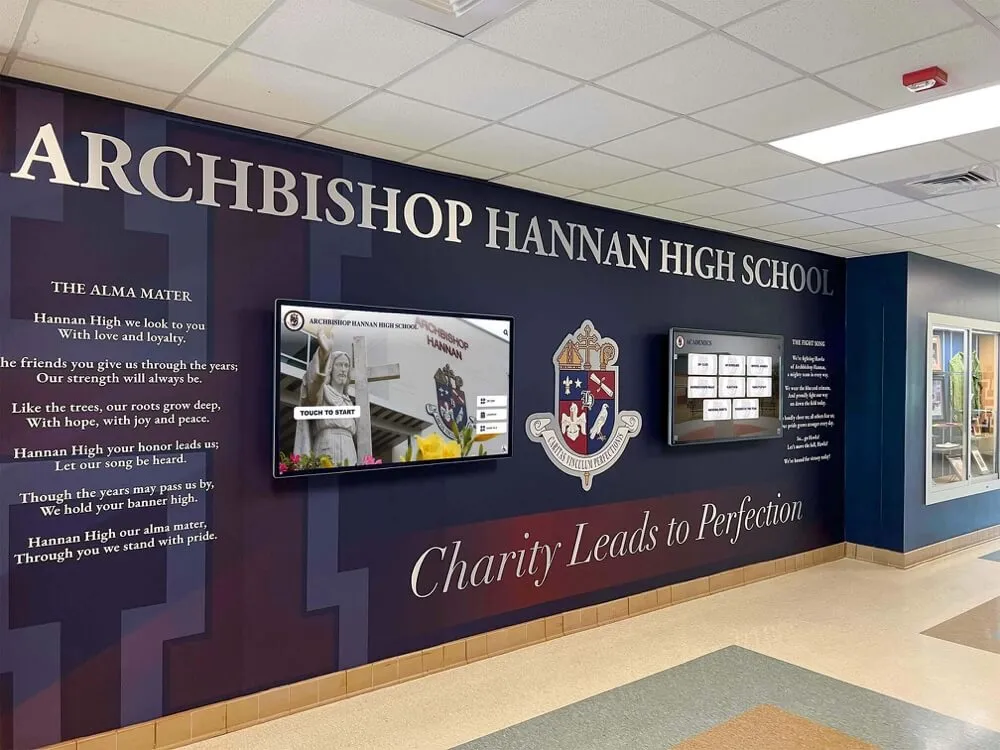
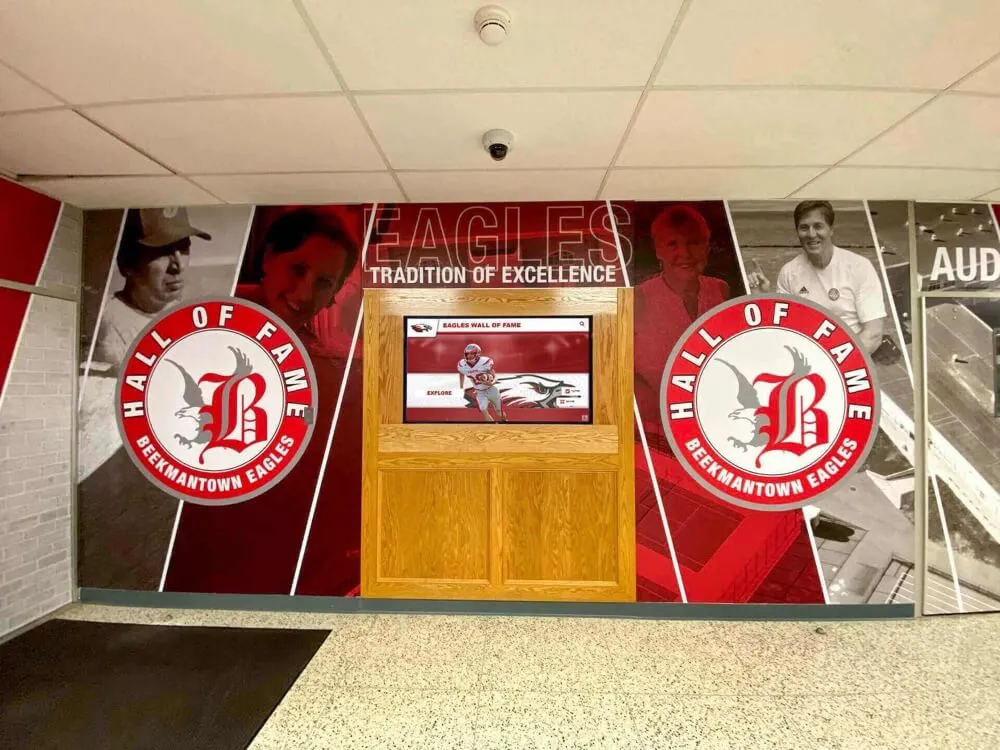
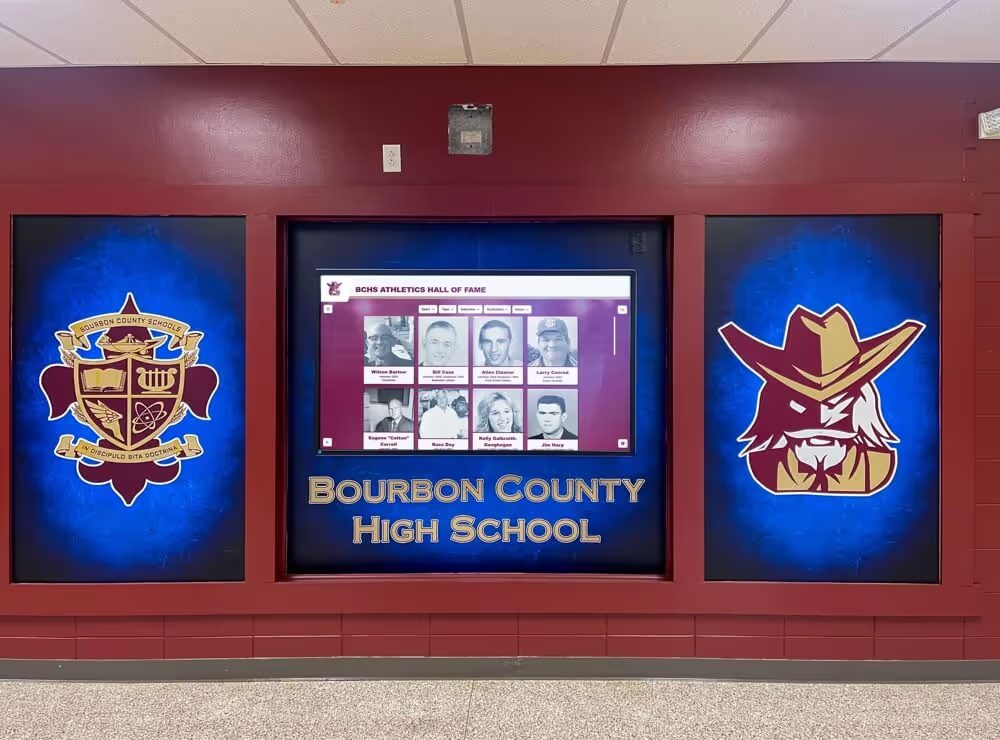
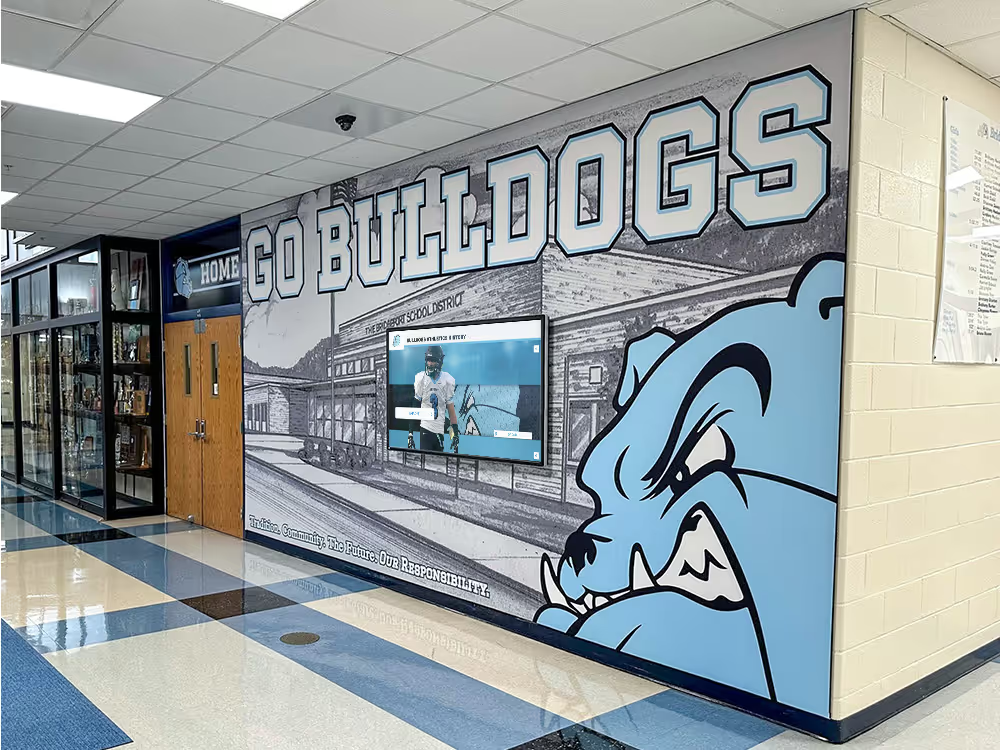
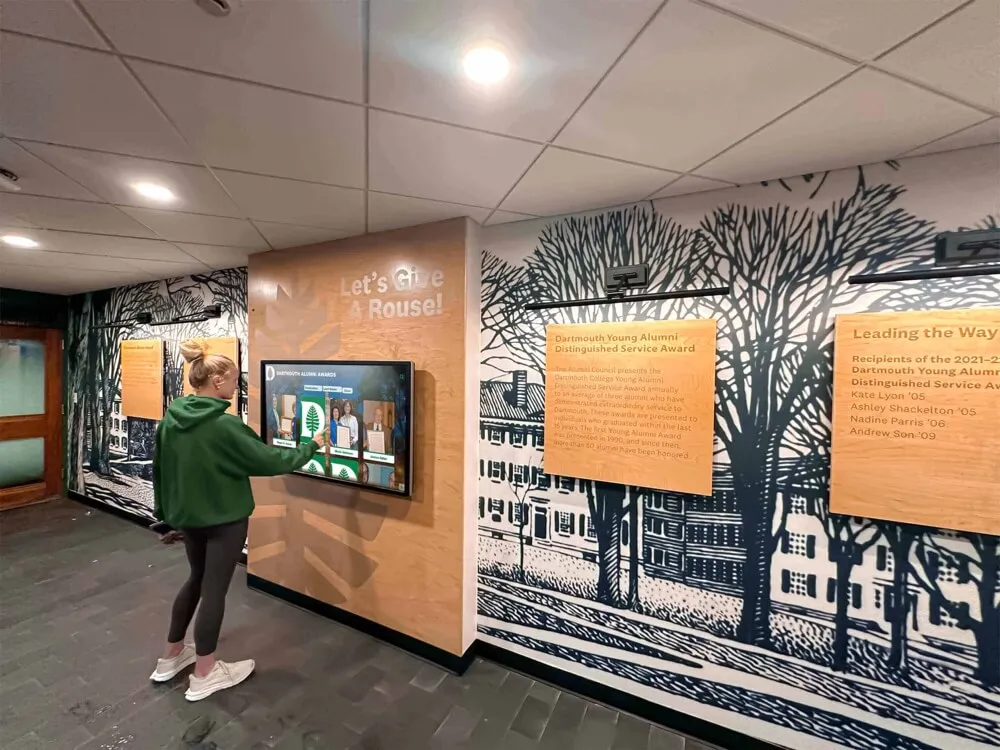
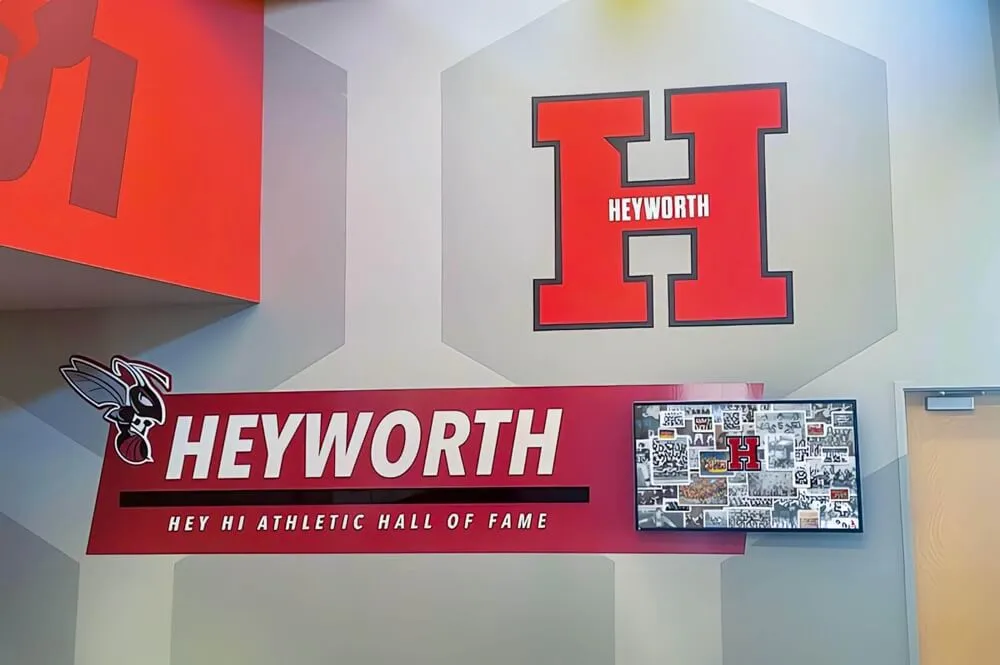
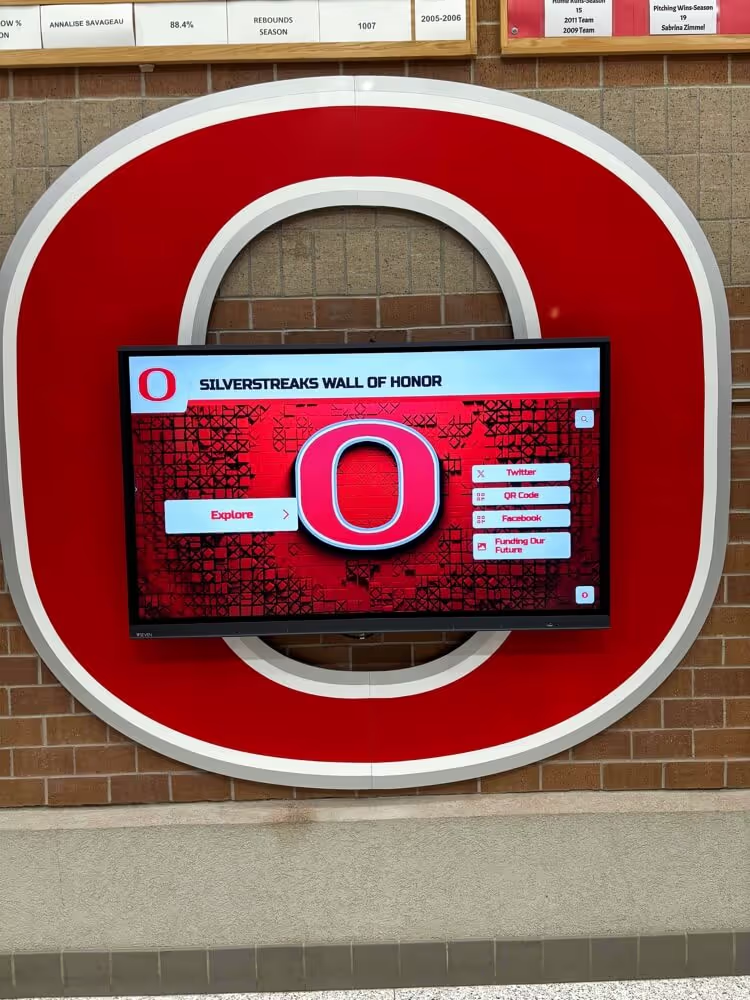
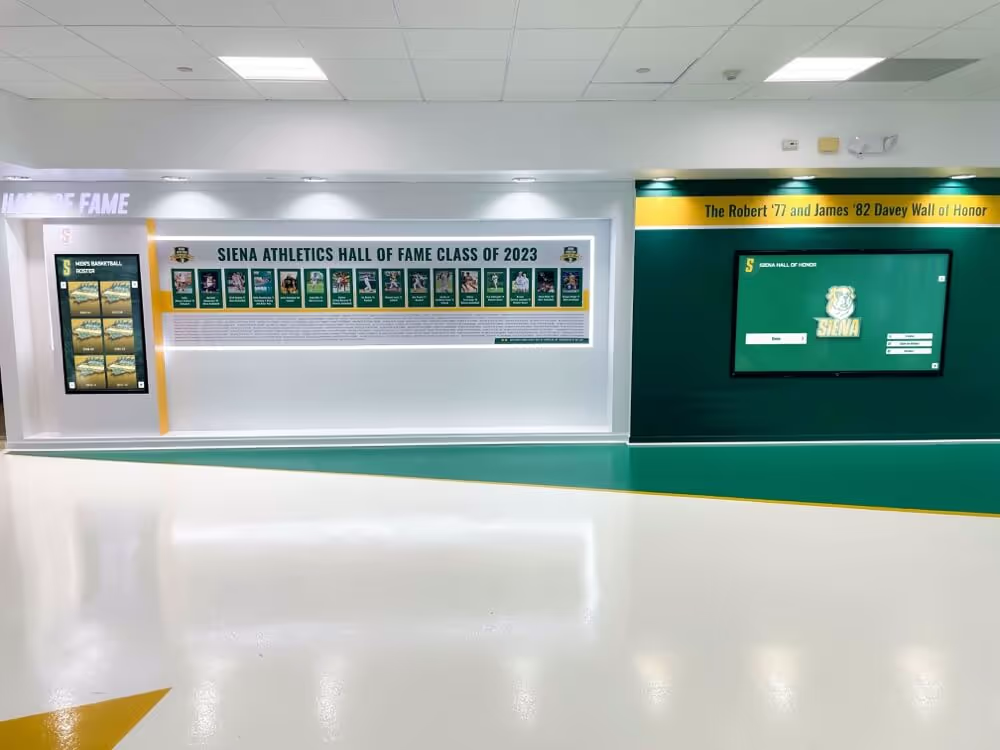
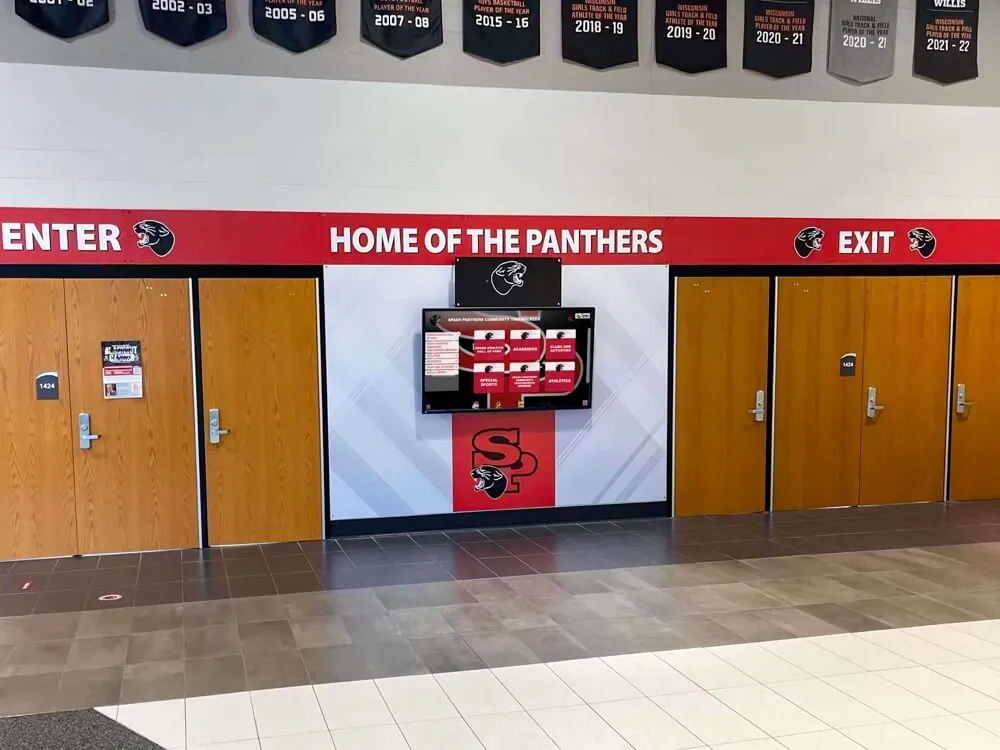
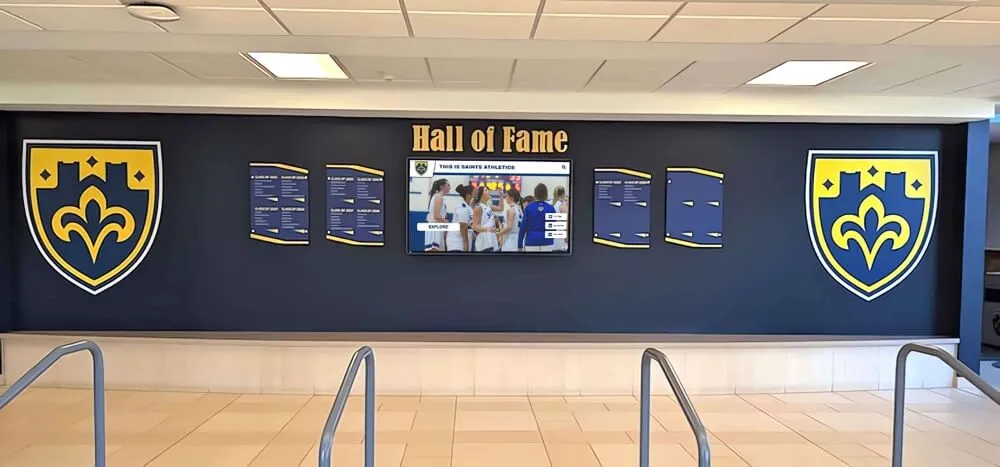
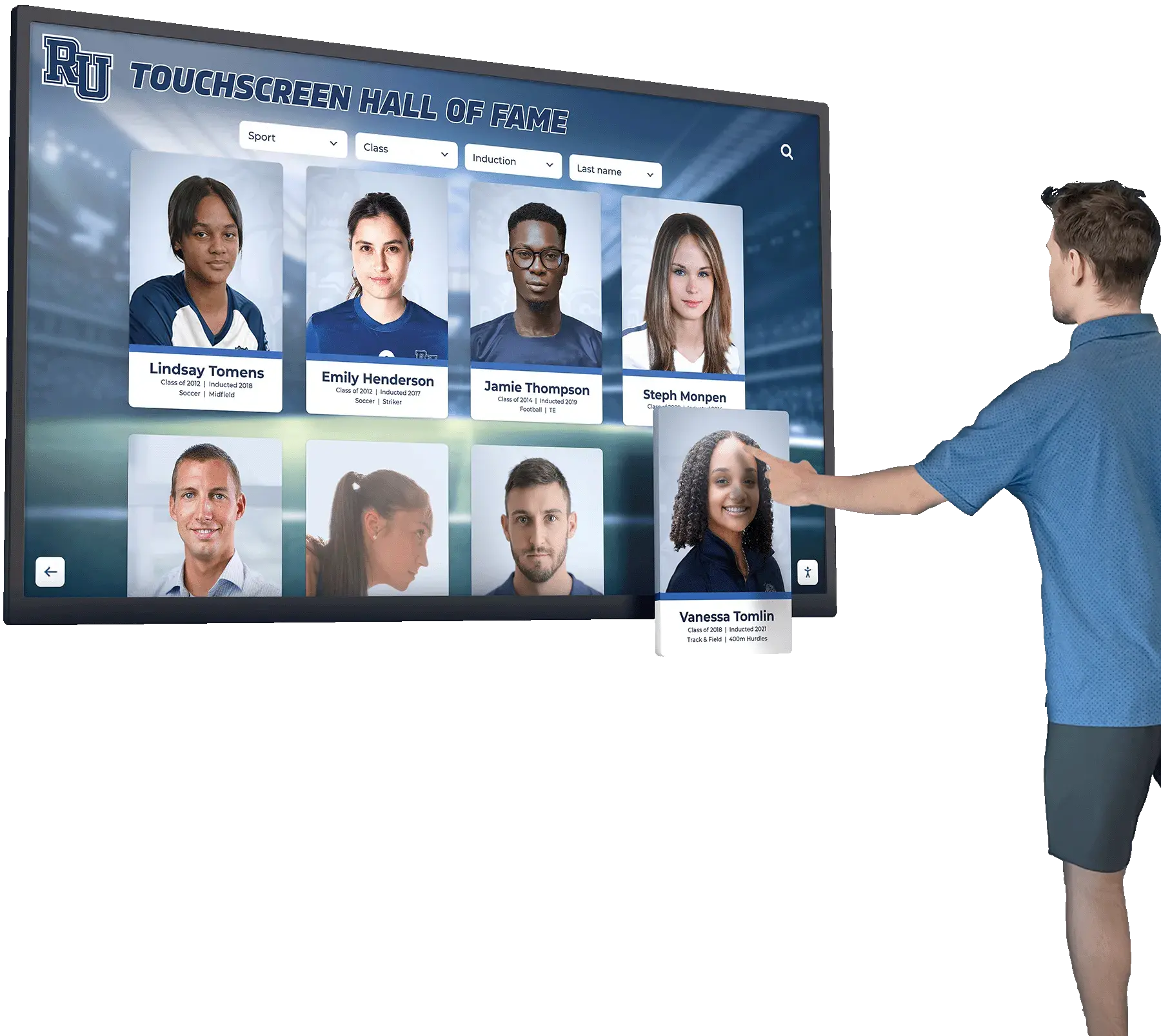
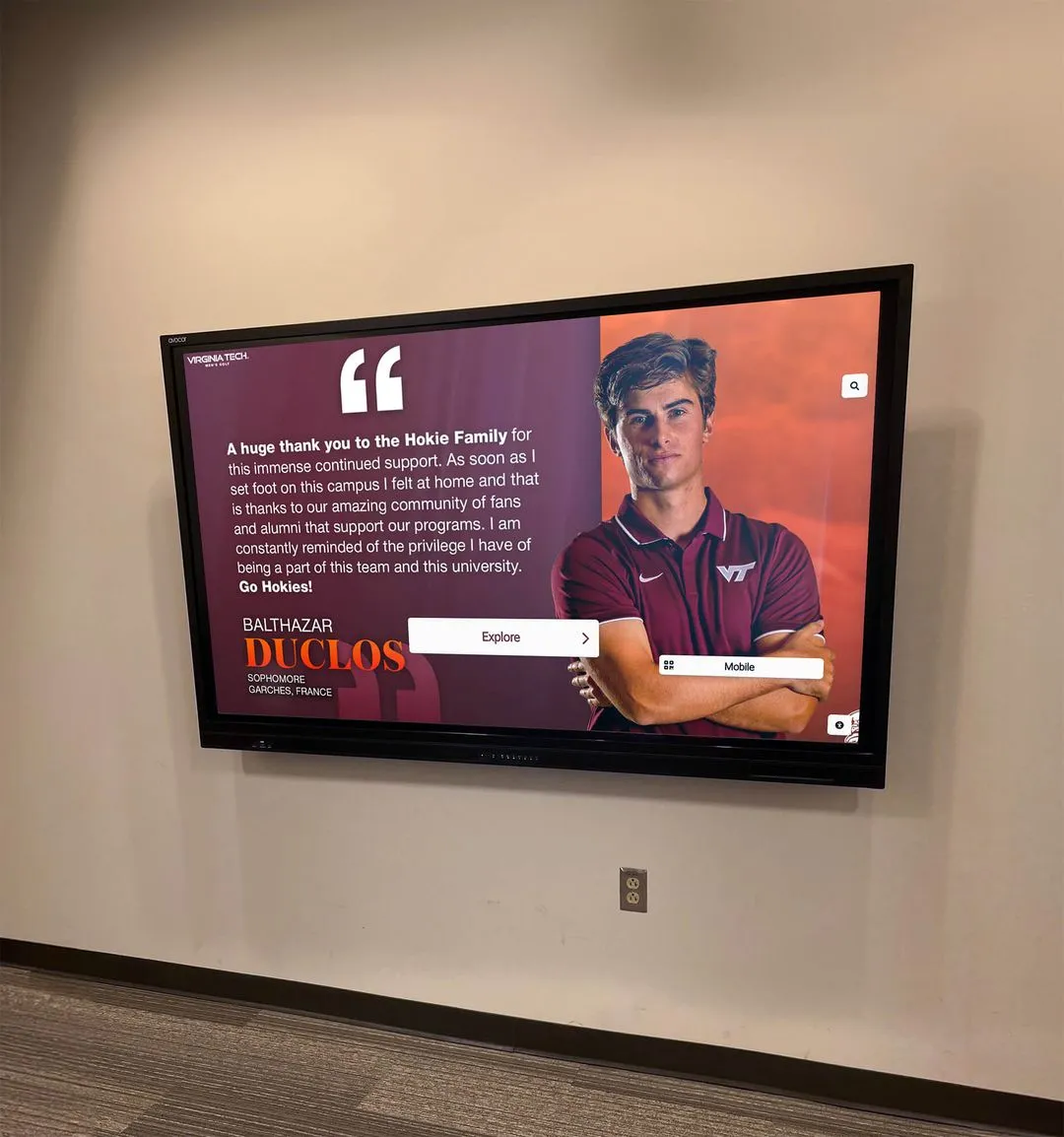
Modern memorial walls create engaging destinations for reflection, discovery, and meaningful connection
Understanding What Makes Memorial Walls Meaningful
Before exploring specific memorial wall ideas, it’s essential to understand the characteristics that transform basic acknowledgment into truly meaningful tribute spaces.
Elements of Effective Memorial Recognition
The most impactful memorial walls share common characteristics that distinguish them from simple name listings.
Comprehensive Storytelling That Honors Complete Lives
Meaningful memorials go beyond names and dates to celebrate who individuals were—their personalities, values, accomplishments, relationships, and lasting impacts. Comprehensive profiles might include biographical narratives explaining life journeys, personal reflections from family members and colleagues, descriptions of service or contributions, and context about the times and circumstances that shaped their experiences.
This depth of storytelling honors complete individuals rather than reducing complex lives to minimal text. When visitors discover rich narratives, they form emotional connections with people they never met, understand the significance of legacies, and appreciate the full measure of lives worthy of remembrance. Schools creating fallen heroes displays recognize that comprehensive tributes provide families comfort through visible demonstration that their loved ones’ complete stories and sacrifices remain honored and remembered.
Visual Elements That Bring Memories to Life
Photographs transform abstract acknowledgment into personal connection. Portrait images showing individuals during meaningful moments—in uniform, at work, with families, during cherished activities—help visitors visualize the real people behind memorial tributes. Multiple photos spanning different life stages provide context about complete journeys and create recognition that resonates emotionally.
For community memorials, visual elements might extend beyond individual portraits to include scenes from events, images of accomplishments being celebrated, or photographs capturing the character and essence of those being honored. These visual components create emotional anchors that text alone cannot achieve, making memorial spaces destinations people want to visit repeatedly rather than static walls they pass without genuine engagement.
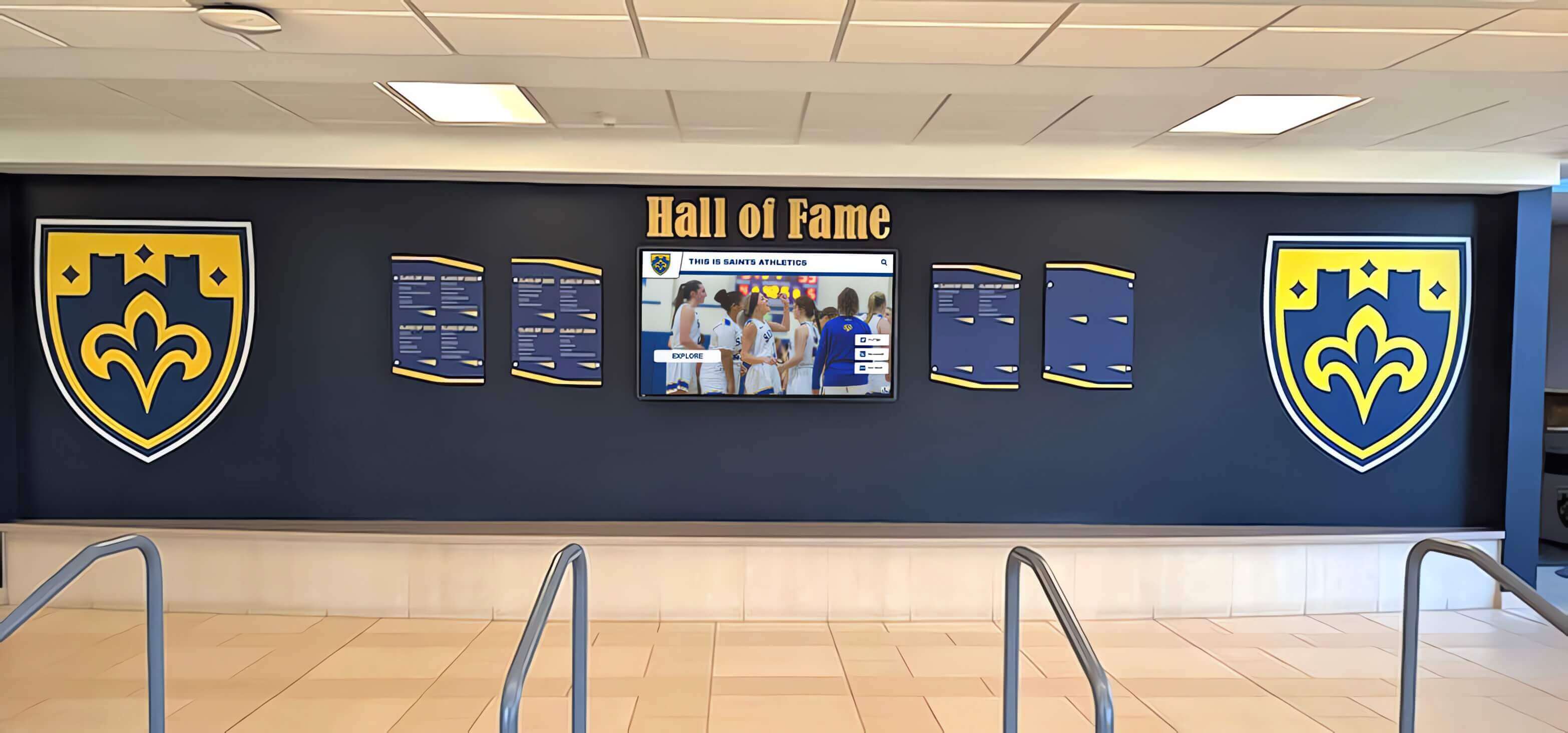
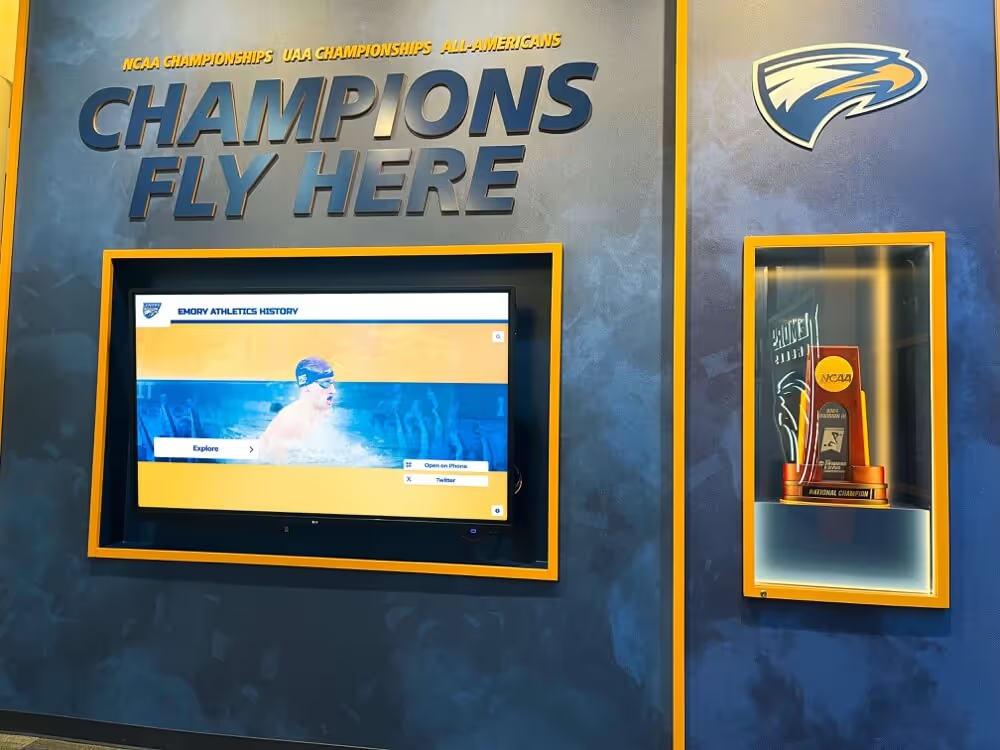
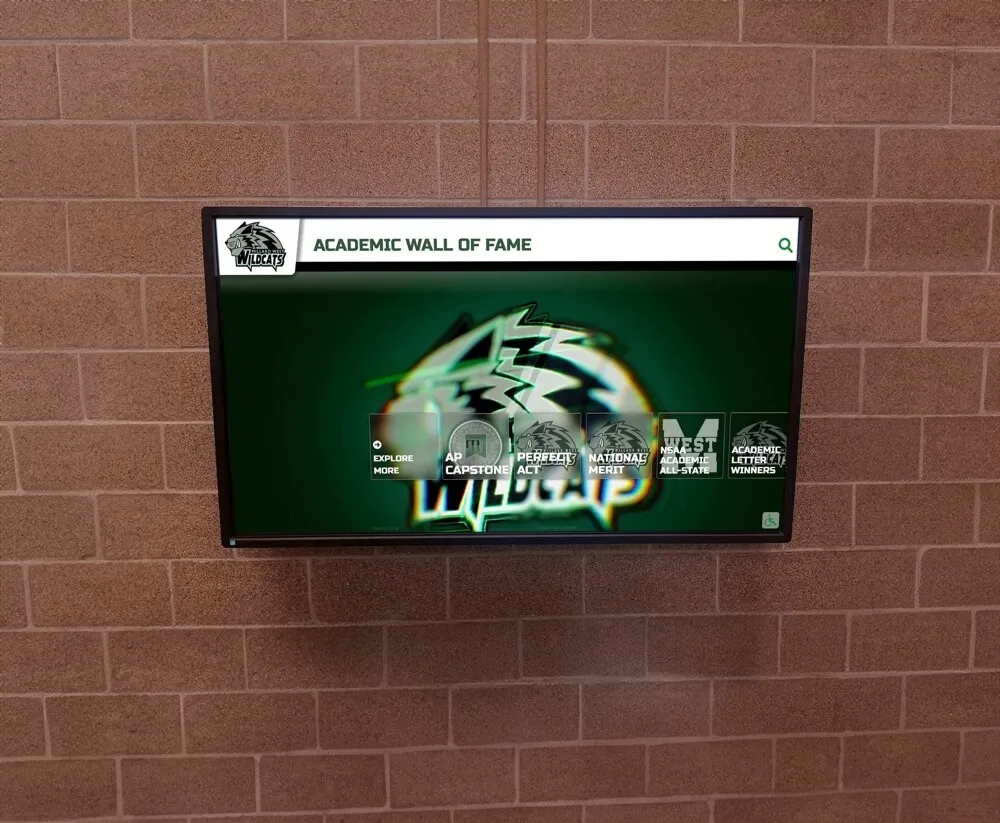
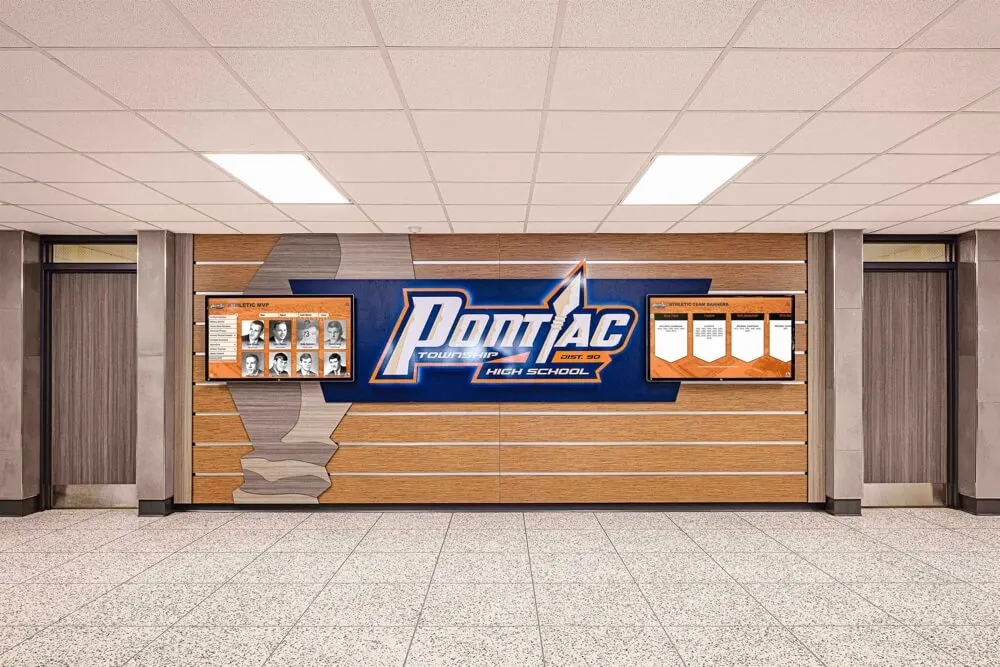
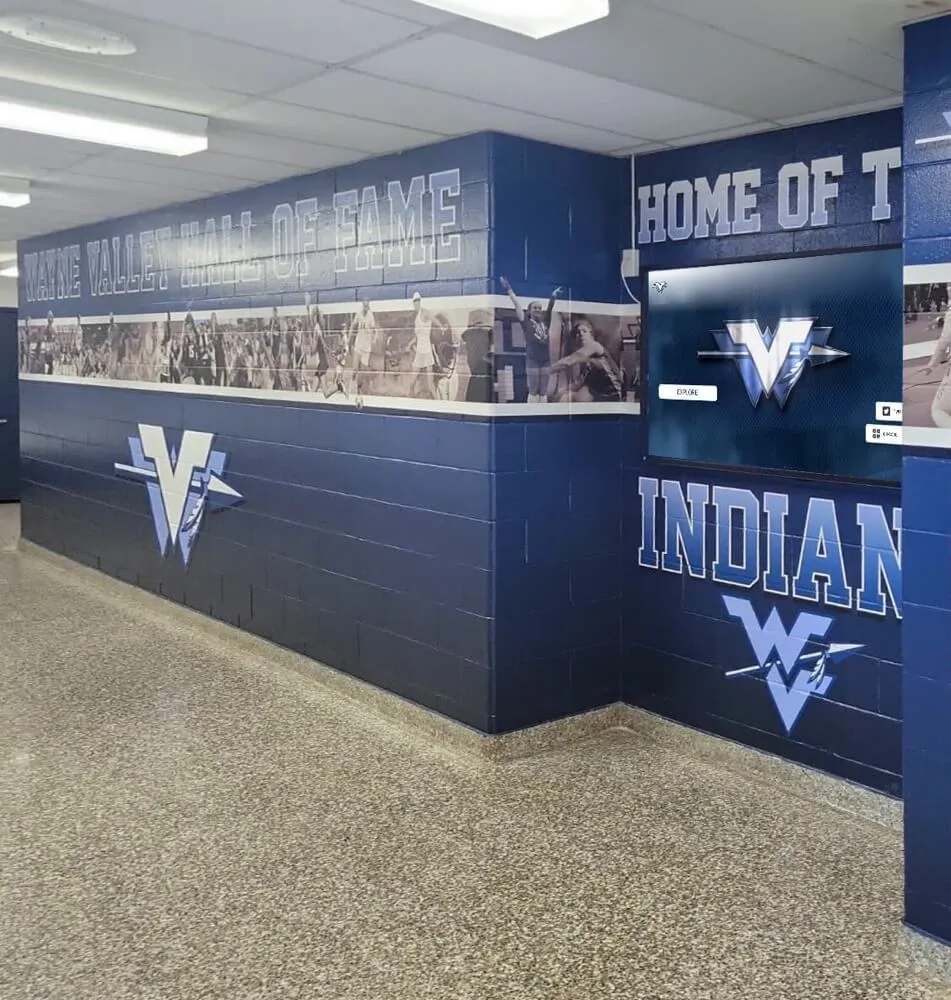
Thoughtful memorial installations combine architectural elements with technology for dignified, accessible presentations
Creating Accessible Memorial Experiences
Beyond content depth, effective memorial walls provide accessibility that ensures all community members can engage with tributes regardless of physical abilities or technological comfort.
Multiple Access Points for Diverse Audiences
Meaningful memorial walls offer various pathways for exploration and connection. Searchable databases enable family members to find loved ones by name, browse features let visitors explore memorial content organized by time periods or categories, and filtering options help communities discover specific types of service or contribution.
For example, a military memorial might enable browsing by branch of service, conflict period, rank, or unit, while a school memorial could organize recognition by graduation class, decade, or type of contribution. These multiple entry points ensure every visitor finds relevant connections rather than confronting overwhelming amounts of unsorted information.
Physical and Digital Integration
The most effective memorial approaches combine physical presence with digital accessibility. On-site displays provide focal points for reflection and community gathering, while complementary web access ensures families living far from memorial locations can visit tributes anytime. QR codes at memorial sites enable mobile device users to access comprehensive content beyond what physical space allows, creating seamless experiences that honor both in-person reflection and remote connection.
Organizations implementing digital donor recognition discover how accessibility features expand impact by ensuring recognition reaches intended audiences regardless of when they visit or where they live.
Inclusive Design Supporting All Abilities
Memorial walls should welcome everyone, including visitors with visual, hearing, mobility, or cognitive disabilities. Web-based platforms supporting screen readers, high-contrast viewing options, text resizing, and keyboard navigation ensure accessibility compliance while demonstrating that memorial spaces honor all community members’ rights to access and reflect upon shared legacies.
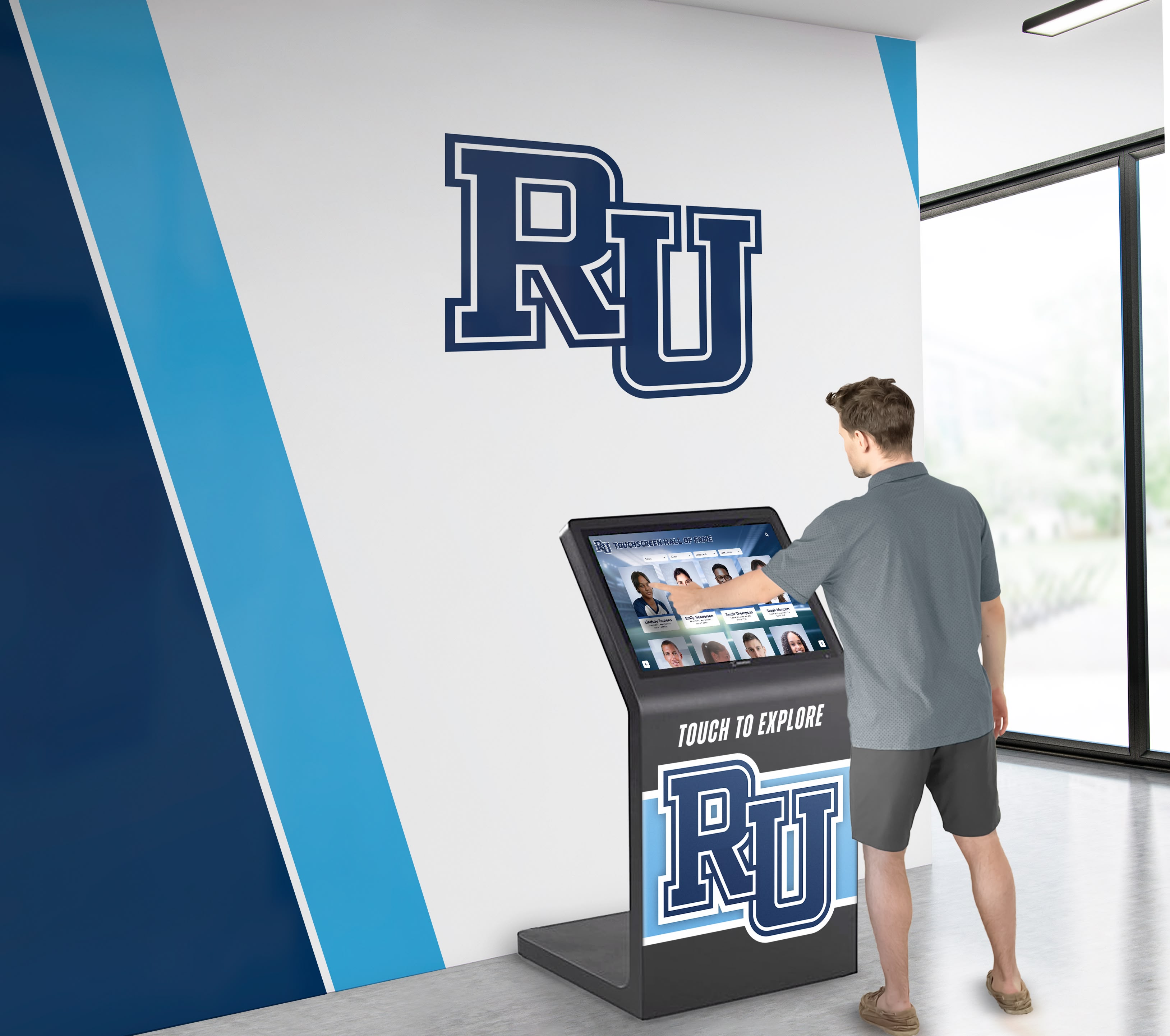
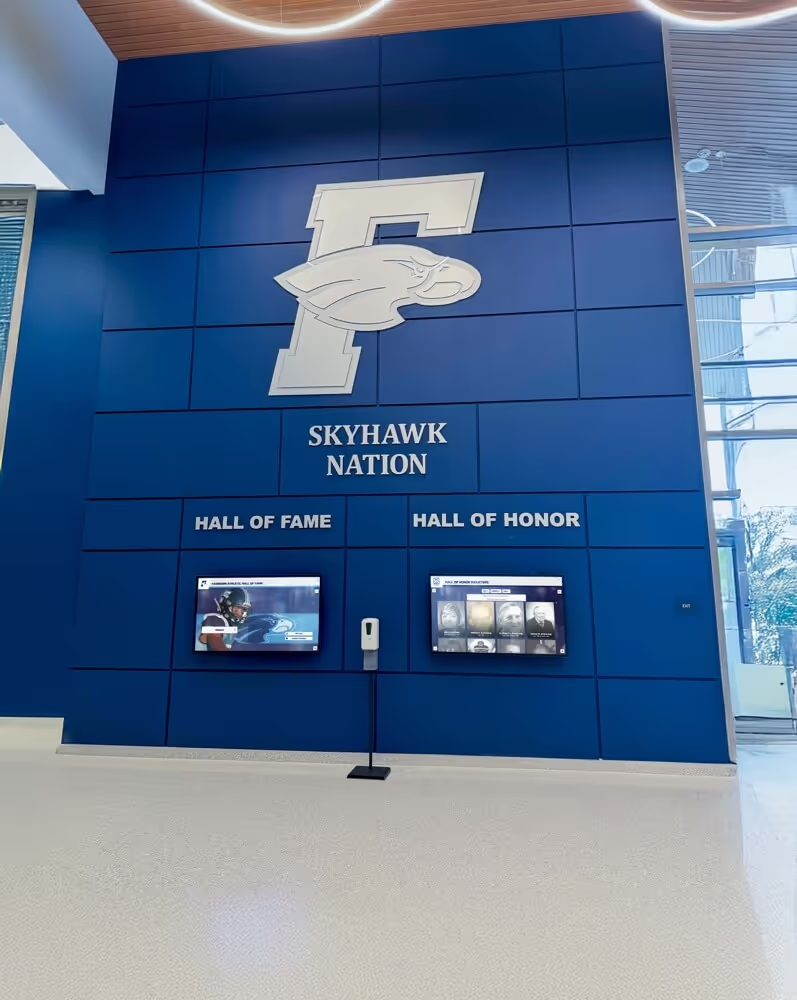
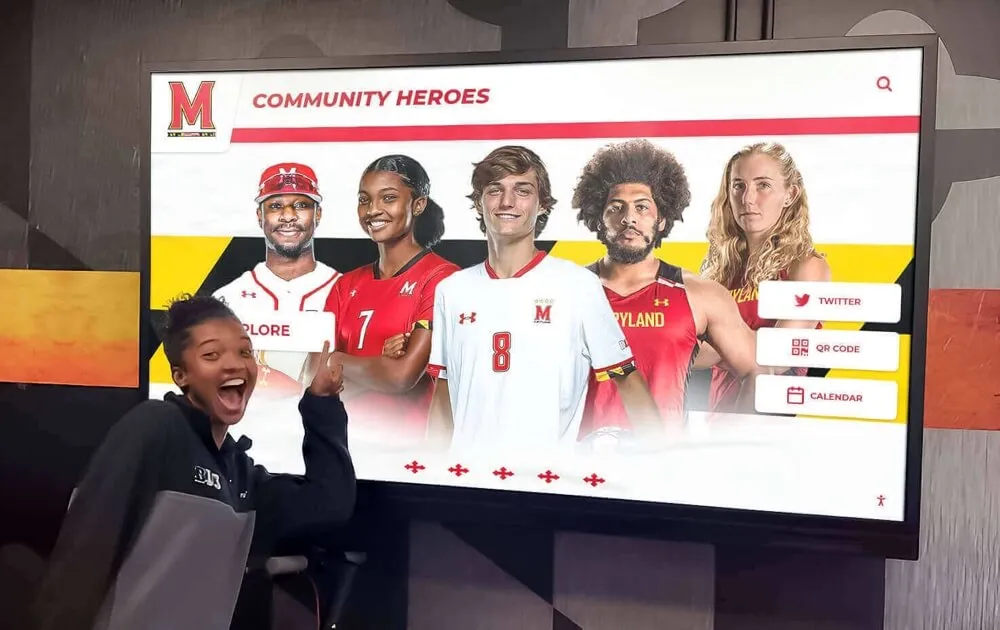
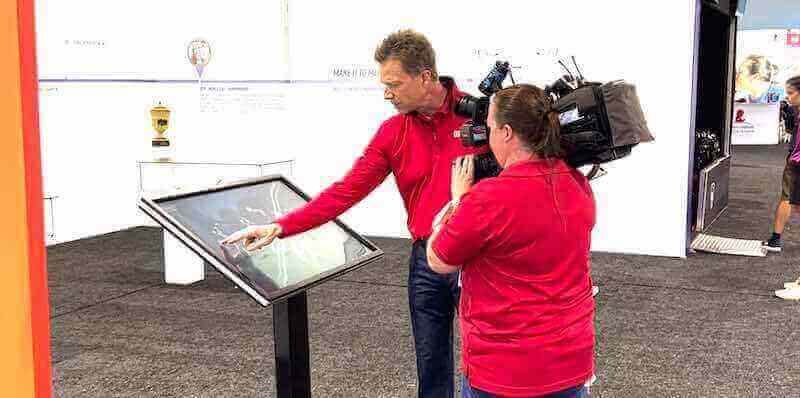
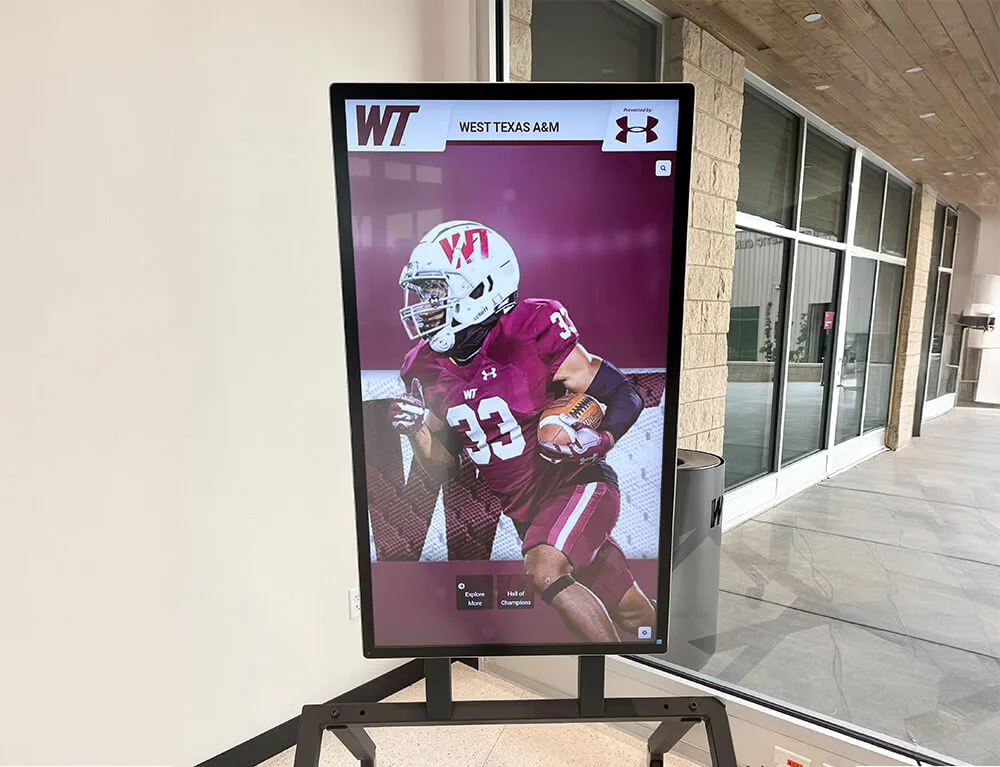
Accessible touchscreen technology ensures memorial content reaches all community members regardless of physical abilities
Traditional Memorial Wall Ideas
While modern technology offers transformative capabilities, traditional memorial approaches continue serving communities effectively when designed thoughtfully and implemented strategically.
Engraved Plaque Memorial Walls
The most conventional memorial format features individual plaques mounted on dedicated walls or display areas.
Bronze and Metal Plaque Installations
Bronze plaques offer durability, formal appearance, and traditional aesthetic that many communities associate with permanent memorial recognition. Individual plaques typically include names, dates, and brief descriptive text, mounted on walls in lobbies, hallways, or dedicated memorial rooms. This approach provides dignified recognition with substantial physical presence that communicates permanence and institutional commitment.
However, plaque-based memorials face significant limitations. Physical space constraints limit the number of individuals who can receive recognition—once available wall space fills, adding new honorees requires facility modifications or removing existing plaques. Per-plaque costs ranging from $100-300 or more make this approach expensive, especially for organizations anticipating ongoing memorial additions. Installation timelines spanning 8-16 weeks delay recognition, and engraving errors require complete plaque replacement rather than simple corrections.
Etched Glass or Acrylic Panels
Glass or acrylic panels create elegant visual presentations with modern aesthetic appeal. Names and brief text etched into transparent or translucent materials can be backlit for dramatic effect, creating memorial walls that function as architectural focal points. This approach works particularly well in contemporary buildings where traditional metal plaques might feel visually inconsistent.
Like traditional plaques, however, etched panels face capacity limitations, update challenges, and minimal storytelling beyond names and basic information. Once panels are fabricated and installed, changing or correcting content requires replacing entire panels at substantial expense.
Stone and Brick Memorial Walls
Outdoor memorial walls constructed from stone, brick, or concrete provide permanent tributes in exterior spaces. Engraved pavers, carved stone tablets, or etched brick create formal memorial gardens, courtyards, or dedicated recognition areas that serve as gathering places for reflection and remembrance ceremonies.
These substantial installations communicate permanence and importance, but require significant initial investment, tolerate no changes once completed, and provide minimal storytelling capacity beyond brief inscriptions. Weather exposure, maintenance requirements, and vandalism vulnerability create ongoing challenges for outdoor installations.
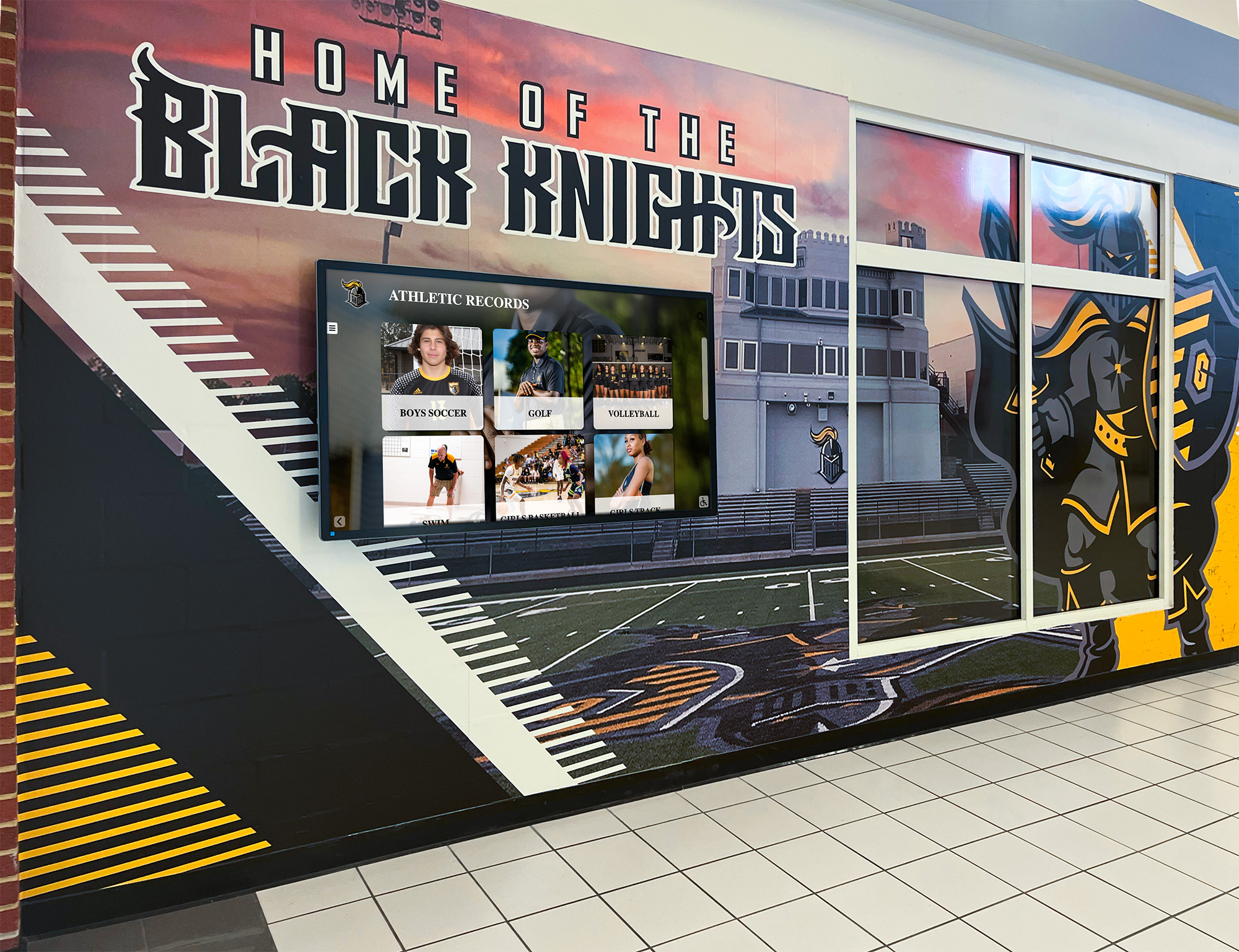
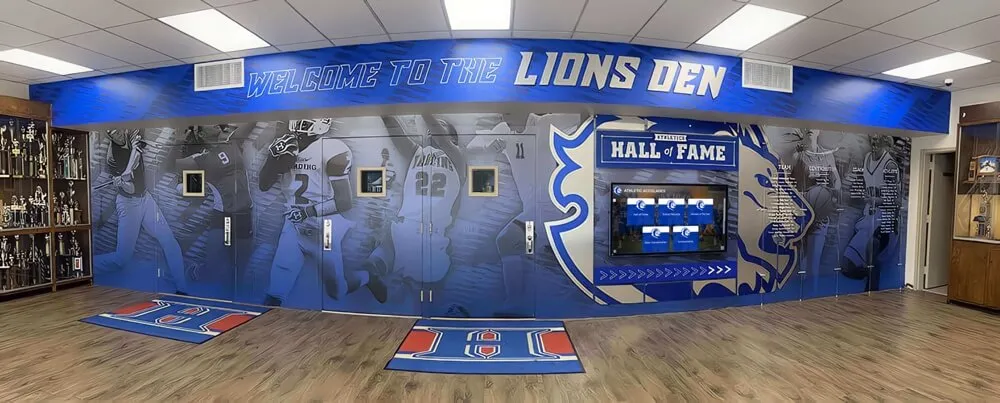
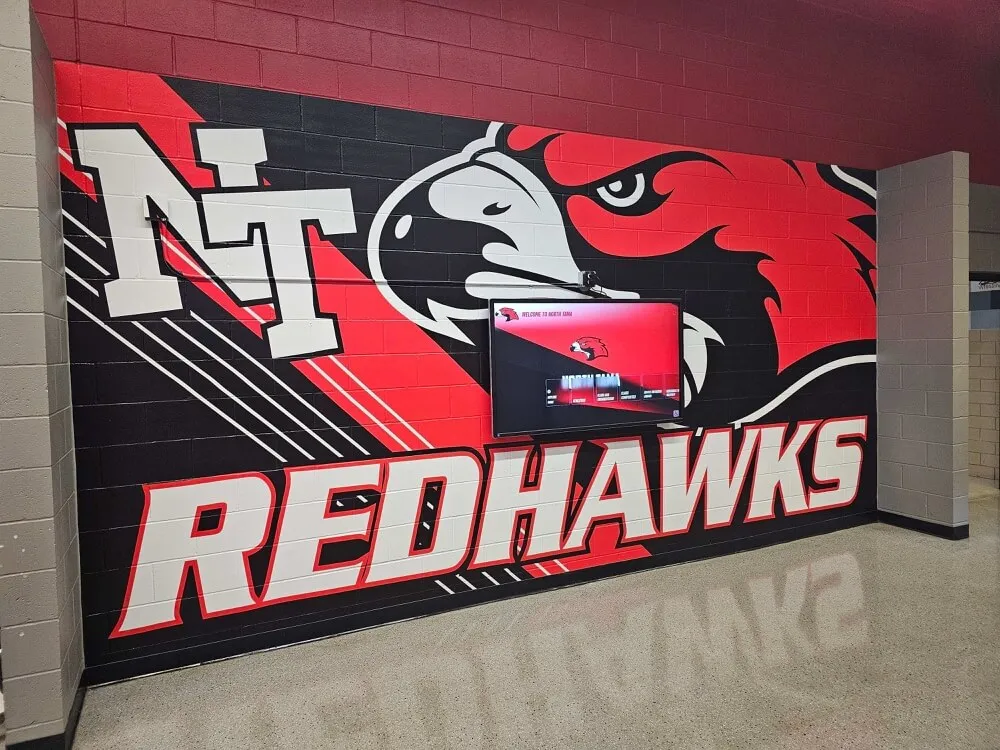
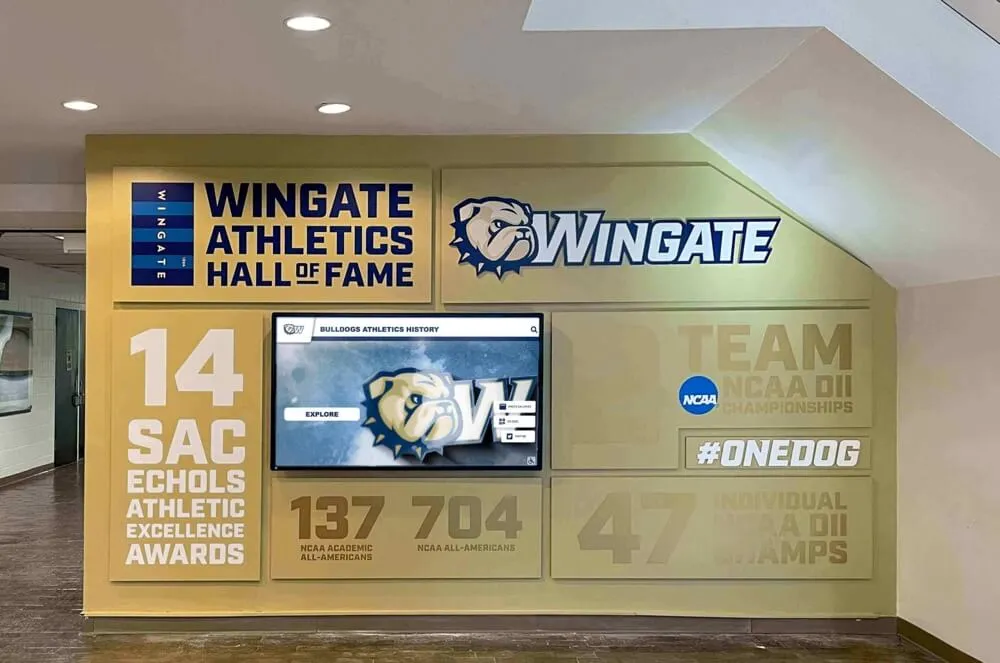
Creative installations blend traditional aesthetic elements with flexible recognition capacity
Photo Memorial Wall Displays
Photograph-based memorial walls add personal visual elements that create stronger emotional connections than text-only recognition.
Framed Portrait Galleries
Collections of individual framed portraits create memorial galleries with more personal character than plaque walls. Each frame might include a portrait photograph with nameplate identifying the individual and basic memorial information. This approach enables visual recognition that helps visitors form connections with people being honored.
The primary challenge involves updates and additions. As memorial communities grow, finding wall space for new frames becomes increasingly difficult. Uniform framing ensures visual consistency but adds expense, while varied frame styles can create disjointed, unprofessional appearances. Photograph fading, frame deterioration, and dust accumulation require ongoing maintenance.
Memorial Photo Collage Walls
Collage-style memorial displays combine multiple photographs, memorabilia items, news clippings, and other visual elements into comprehensive tribute presentations. These assemblages tell richer stories than simple portraits alone, incorporating visual context about lives, accomplishments, and relationships.
Creating effective collages requires careful curation, design skill, and significant time investment. As memorial collections grow, maintaining visual coherence across expanding collage areas becomes challenging. Physical materials deteriorate over time, requiring preservation efforts to maintain display quality. Updating collages to add new honorees or incorporate new photographs requires physical access and manual reconstruction of display elements.
Modern Digital Memorial Wall Ideas
Digital technology fundamentally transforms what memorial walls can accomplish, addressing traditional limitations while creating engagement experiences impossible with static displays.
Interactive Touchscreen Memorial Displays
The most transformative memorial wall ideas embrace interactive digital displays that reimagine how communities honor loved ones.
Unlimited Digital Capacity for Growing Memorials
Digital memorial platforms eliminate the space constraints that limit traditional recognition. Solutions like Rocket Alumni Solutions accommodate unlimited individuals across all time periods and memorial categories without space limitations, performance issues, or capacity-based cost increases. Every person deserving recognition can receive it regardless of when they served or the size of the memorial community—critical for military organizations, schools, and community groups anticipating decades of continued memorial additions.
This unlimited capacity ensures organizations never face difficult decisions about removing earlier tributes to accommodate new honorees or stopping memorial programs because physical space filled. Communities adding 5-10 individuals to memorials annually can confidently project 50-year capacity requiring hundreds or thousands of profiles—impossible in traditional wall space but easily accommodated by purpose-built digital systems.
Rich Multimedia Memorial Profiles
Digital memorials enable comprehensive individual tributes that traditional plaques cannot approach. Complete memorial profiles might include:
- Multiple photographs showing individuals at different life stages and during significant moments
- Biographical narratives celebrating complete life stories, accomplishments, and character
- Service details explaining military units, ranks, conflicts, or community roles
- Personal reflections from family members, colleagues, and friends sharing memories
- Video tributes bringing recognition to life through moving images and recorded voices
- Timeline presentations showing life journeys and historical context
- Relationship connections documenting families, units, or communities
- Legacy information explaining ongoing impacts and continued influence
These rich profiles transform generic acknowledgment into meaningful celebration honoring complete individuals rather than reducing complex lives to names and dates. When visitors explore comprehensive stories, they discover compelling journeys, understand sacrifice and service more deeply, and form emotional connections that create genuine appreciation for those being honored.
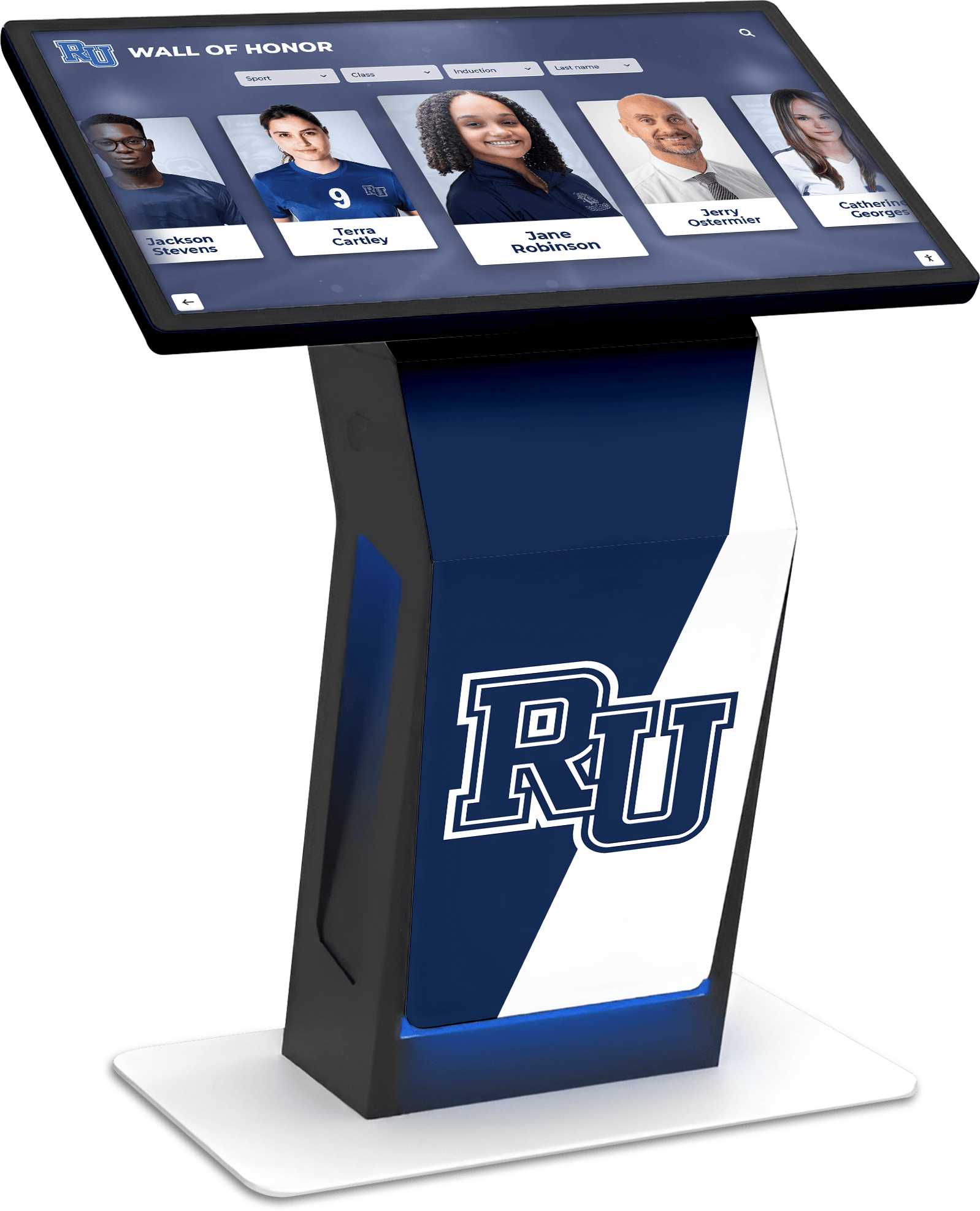
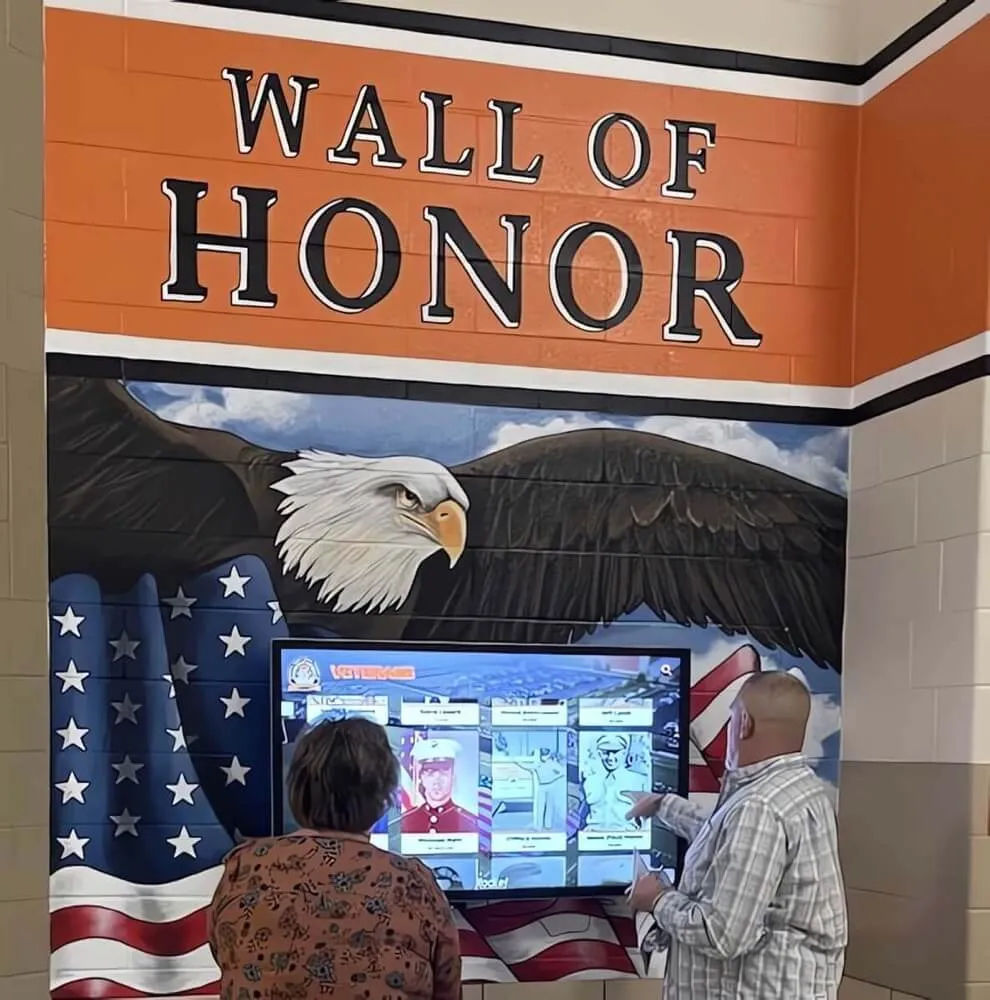
Digital memorial displays provide comprehensive profiles honoring complete lives and preserving rich legacies
Instant Updates Enabling Timely Recognition
Cloud-based content management enables organizations to provide immediate recognition that honors individuals promptly while supporting families during difficult times. New memorial profiles can be added to displays within hours or days rather than waiting months for traditional plaque production. This responsiveness demonstrates organizational efficiency, provides families comfort through visible acknowledgment, and maintains memorial currency through ongoing additions showing continued institutional commitment.
During memorial events, dedications, or commemorative ceremonies, digital displays function as dynamic focal points showing real-time community growth. Live views of newly added profiles, total individuals honored, and milestone recognitions create visible momentum that reinforces the memorial’s role as living tribute rather than static monument.
Searchable Digital Memorial Experiences
Beyond passive presentation, digital memorial walls create engaging experiences that deepen impact through interactive features encouraging exploration and discovery.
Intuitive Search Enabling Personal Connection
Searchable memorial databases enable visitors to find loved ones, family members, service colleagues, classmates, or community members within memorial communities. When veterans search for unit members discovering their service brothers honored together, when families find multiple generations of service members in recognition displays, when community members see neighbors and friends celebrated—these moments of personal discovery create emotional connections impossible with alphabetical name lists requiring extensive scanning.
This personal relevance transforms abstract institutional recognition into tangible community connection that resonates emotionally and provides comfort to families knowing their loved ones remain accessible and discoverable rather than lost among dense text listings. Interactive exploration increases time spent with memorial content from brief glances for static plaques to extended engagement sessions of 5-10 minutes or more for digital displays, dramatically extending memorial impact through sustained attention and meaningful interaction.
Advanced Filtering and Browse Capabilities
Sophisticated digital memorial platforms feature multiple exploration pathways serving diverse visitor interests and connection types:
- Time period browsing enabling discovery organized by decades, conflicts, or historical eras
- Service category filtering separating military branches, community roles, or organizational affiliations
- Geographic organization showing where individuals lived, served, or made impacts
- Unit or group navigation displaying shared service in specific military units, classes, or organizations
- Alphabetical directories supporting traditional name-based searching
- Visual galleries creating photo-focused browsing experiences
- Featured profile rotations highlighting significant anniversaries, recent additions, or extraordinary stories
These varied pathways ensure every visitor finds meaningful entry points for exploration rather than confronting single rigid navigation structures. When school lobby designs incorporate digital recognition, the combination of physical presence and digital flexibility creates welcoming spaces that serve multiple community purposes while maintaining dignified memorial focus.
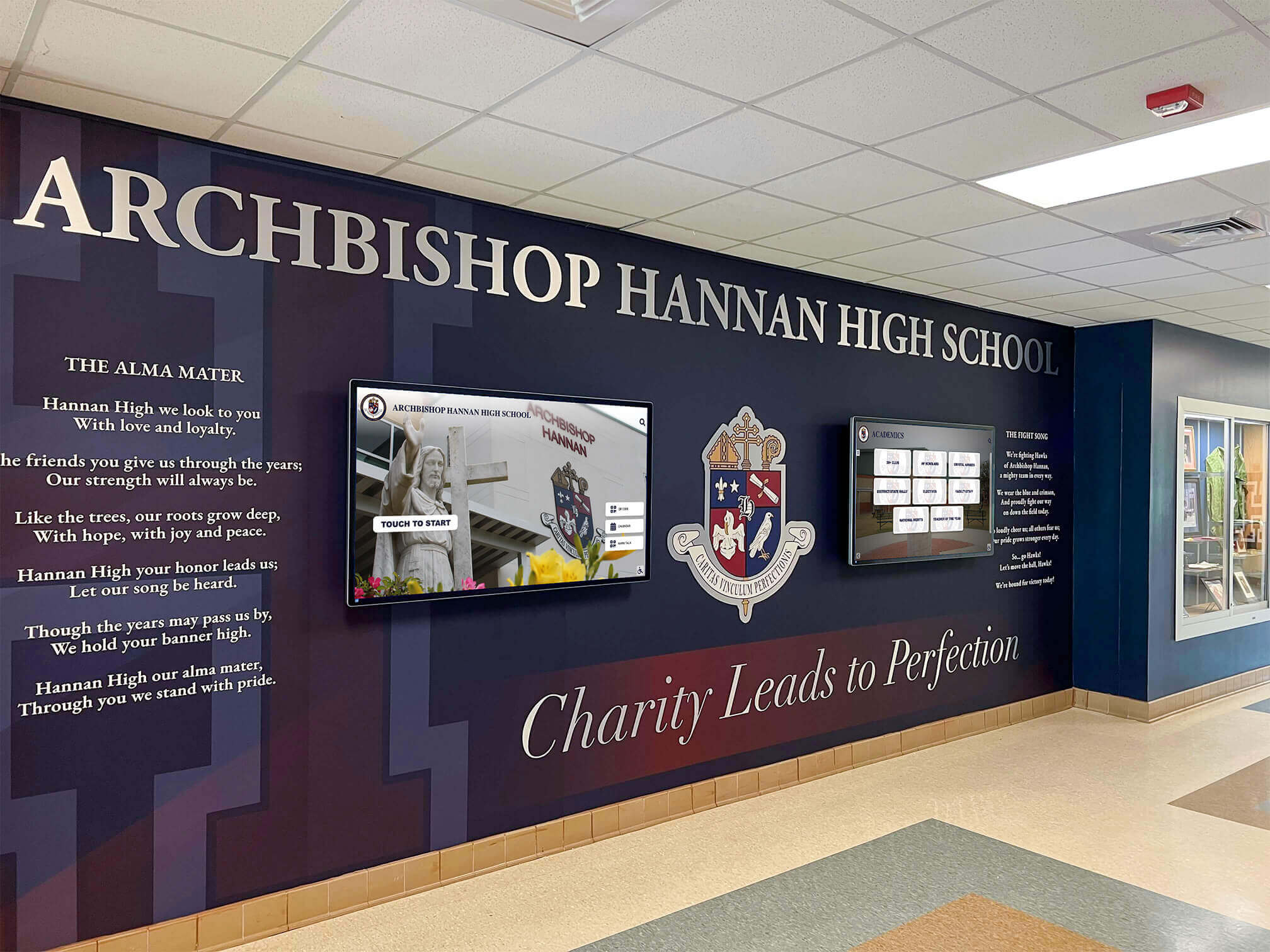
Strategic integration of digital technology with traditional design elements creates cohesive memorial environments
Web-Based Memorial Access
The most effective digital memorial approaches extend beyond physical installations to provide anytime, anywhere access for families and communities.
Remote Access for Distant Family Members
Web-based memorial platforms ensure families living far from physical memorial locations can visit tributes whenever they need connection or comfort. Parents, siblings, children, and extended family members access comprehensive profiles, view photographs, read biographical information, and reflect on legacies without traveling to memorial sites—particularly important for military families who may have relocated far from original home communities.
This remote accessibility transforms memorials from location-bound monuments into accessible resources available 24/7 regardless of geography. During anniversaries, holidays, or moments when families need connection, web access provides immediate comfort through visible acknowledgment that loved ones remain honored and remembered.
Mobile Device Optimization
Modern memorial platforms function seamlessly on smartphones and tablets, enabling on-the-go access and integration with daily life. Families checking memorial profiles on mobile devices, sharing links with relatives via messaging apps, or showing memorial tributes to children or grandchildren on tablets—these mobile experiences extend memorial reach beyond dedicated visits to physical locations.
QR codes placed at memorial sites enable visitors to access expanded digital content on their personal devices, creating hybrid experiences that combine physical presence with comprehensive digital information impossible to display in limited physical space.
Social Sharing Enabling Legacy Preservation
Purpose-built memorial platforms include sharing features enabling families to post memorial links on social media, send profiles via email, or distribute digital tributes through family networks. This social integration ensures legacies reach broader audiences while enabling families to actively participate in memory preservation rather than remaining passive recipients of institutional recognition.
When organizations plan donor recognition approaches that honor supporters’ legacies while inspiring continued giving, the same digital capabilities that strengthen memorial walls also enhance donor engagement through comprehensive storytelling and accessible tributes.
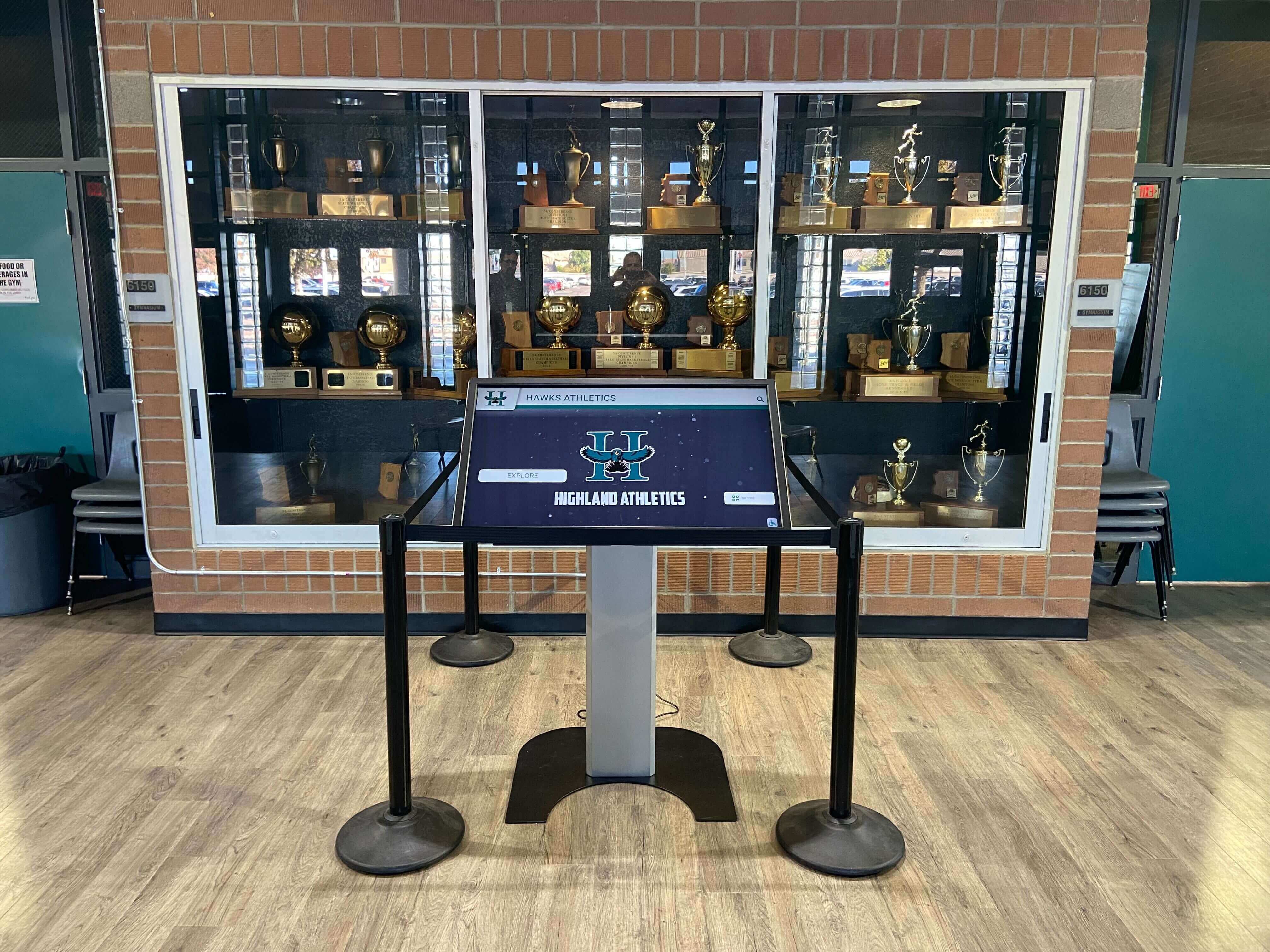
Flexible digital installations fit various locations while providing consistent recognition experiences
Creative Memorial Wall Design Ideas
Beyond choosing traditional or digital formats, thoughtful memorial design creates spaces that appropriately honor individuals while serving broader community purposes.
Architectural Integration Strategies
The most successful memorial installations integrate seamlessly with existing architectural elements rather than appearing as afterthoughts.
Lobby and Entrance Focal Points
Positioning memorial walls in main lobbies or building entrances ensures maximum visibility while communicating institutional commitment to honor and remembrance. These high-traffic locations guarantee memorial recognition remains central to community identity rather than relegated to overlooked corners. Strategic lighting, sightlines, and spatial design create dignified focal points that draw visitors’ attention while maintaining appropriate solemnity.
For school lobby designs, memorial recognition often combines with broader institutional storytelling—school history, values, and achievement recognition—creating comprehensive identity presentations that position memorial tributes within larger community narratives.
Dedicated Memorial Rooms and Spaces
Some organizations create separate rooms or alcoves exclusively for memorial recognition, providing quiet reflection spaces removed from busy corridors. These dedicated areas enable contemplative environments with seating, natural lighting, and careful acoustic design supporting meditation, prayer, or quiet remembrance. Memorial books, written reflections, or tribute items can supplement wall-based recognition in dedicated spaces designed specifically for memorial purposes.
Outdoor Memorial Gardens and Courtyards
Exterior memorial spaces combine recognition with natural environments creating peaceful settings for reflection. Memorial gardens incorporating benches, landscaping, pathways, and recognition elements provide community gathering spaces for memorial ceremonies, anniversary observances, or personal reflection. Digital displays with weatherproof enclosures can extend technological capabilities to outdoor settings, combining nature’s calming influence with comprehensive recognition content.
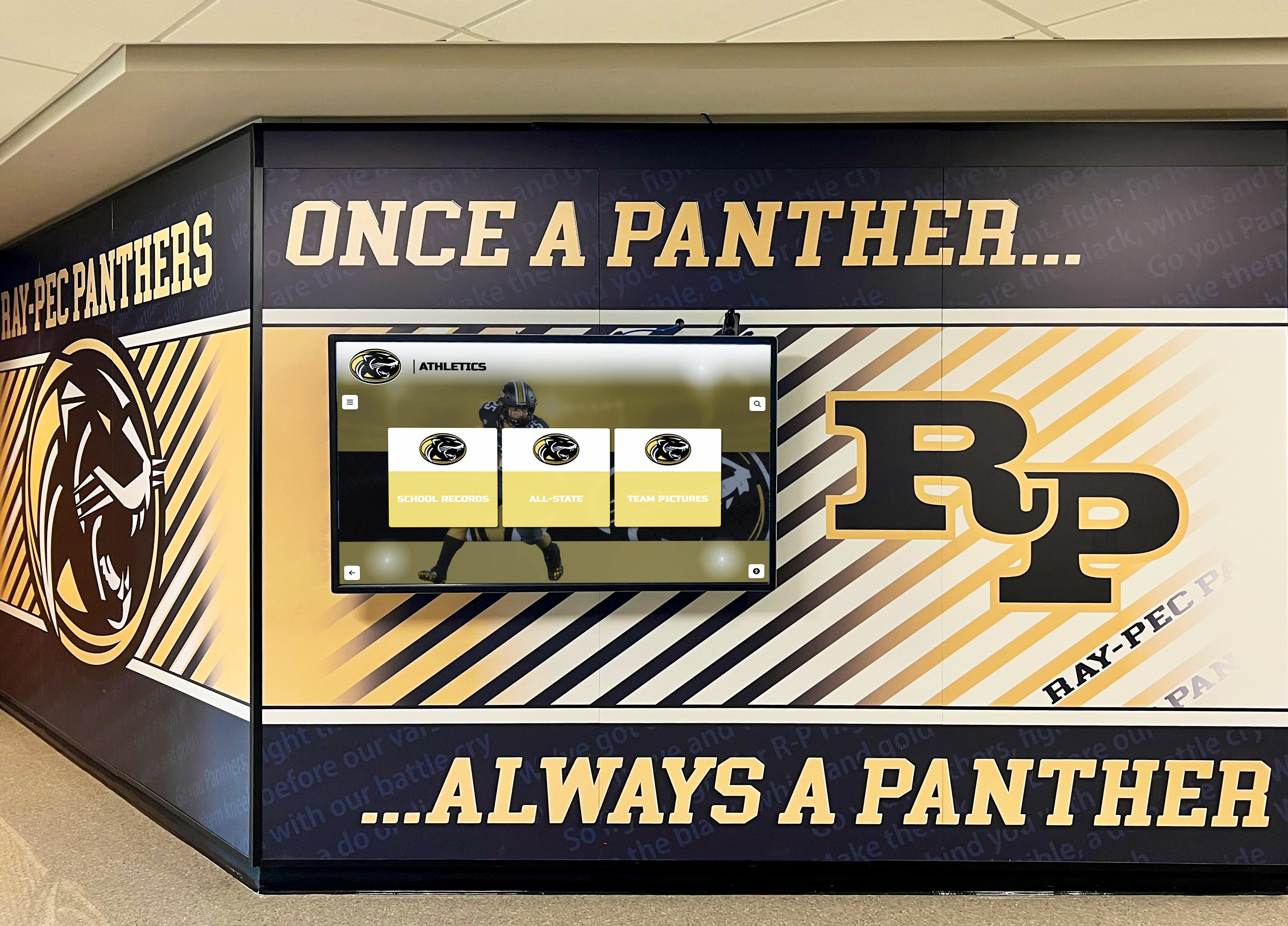
Creative design approaches blend memorial recognition with facility aesthetics for cohesive visual presentations
Visual Design Elements That Enhance Memorial Impact
Beyond location, specific design choices significantly influence how communities experience and connect with memorial walls.
Military and Service Symbolism
Military memorials often incorporate branch emblems, flags, unit insignia, or patriotic imagery that provides visual context honoring specific service traditions. Eagle motifs, stars and stripes, service ribbons, and ceremonial elements create appropriate military character while demonstrating respect for service traditions and sacrifice.
These symbolic elements should feel authentic and tasteful rather than generic or theatrical. When designing historical timeline displays, memorial content often integrates with broader organizational history, showing how individuals honored fit within larger institutional narratives spanning decades or centuries.
Typography and Text Treatment
Font selections, text sizing, and information hierarchy significantly impact memorial wall effectiveness and visual dignity. Classic, readable typefaces with appropriate weight and spacing ensure memorial content communicates clearly while maintaining formal tone suitable for solemn subject matter. Thoughtful text hierarchies—names prominently displayed, supporting information in appropriate secondary prominence—guide visitors’ attention appropriately.
Digital memorial platforms enable dynamic text sizing, high-contrast viewing options for visual accessibility, and responsive layouts adapting to different screen sizes while maintaining design integrity across all viewing contexts.
Color Palettes Reflecting Appropriate Tone
Memorial color schemes typically favor dignified, subdued palettes avoiding bright, cheerful tones inappropriate for memorial contexts. Deep blues, muted greens, dignified grays, formal blacks, and subtle earth tones create visual environments supporting reflection and respect. Institutional or service-specific colors—military branch colors, school colors, organizational branding—can integrate appropriately when applied with restraint and sensitivity to memorial purposes.
For communities implementing recognition displays across various contexts, color schemes may vary between celebratory achievement recognition (using brighter, energetic palettes) and memorial tributes (employing more subdued, respectful tones) even within the same digital platform.
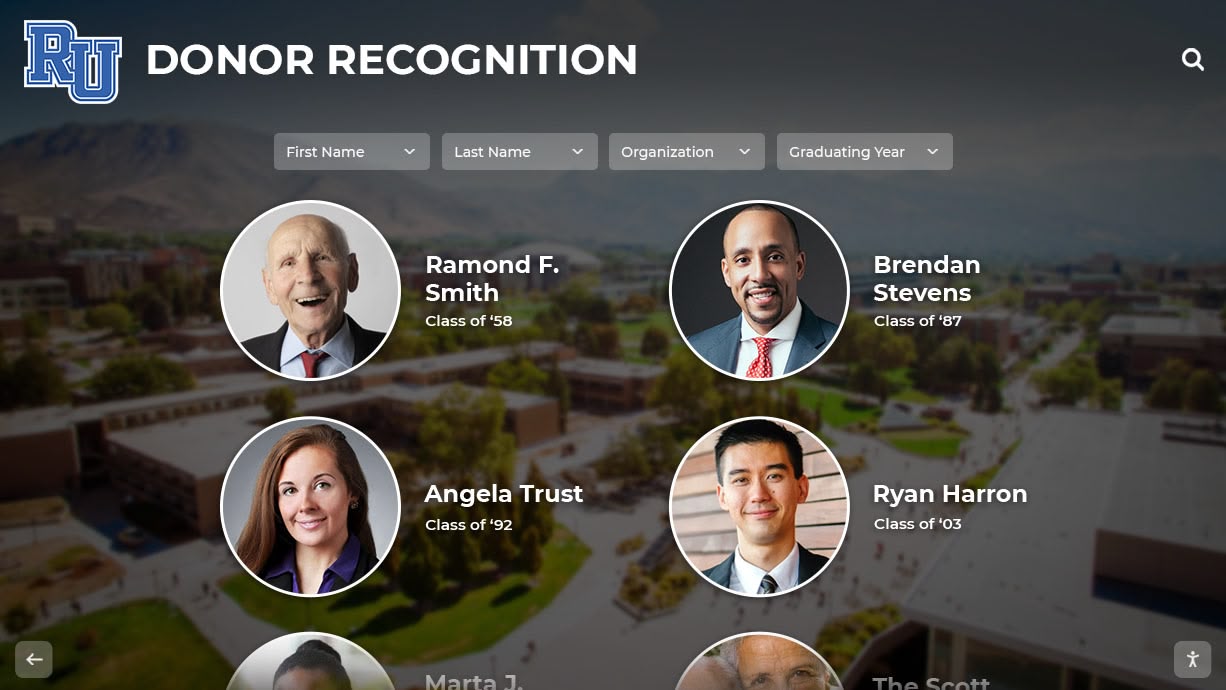
Thoughtful visual design creates memorial experiences that honor individuals while reflecting institutional values
Memorial Wall Ideas for Specific Contexts
Different organizations and communities require memorial approaches reflecting their unique purposes, traditions, and constituencies.
Military and Veterans Memorial Walls
Organizations honoring military service members have particular requirements reflecting service traditions and family needs.
Fallen Heroes and Casualty Memorials
Military installations, veterans organizations, and communities honoring casualties of war require memorial approaches that appropriately acknowledge ultimate sacrifice. These most solemn memorials must provide comprehensive tributes worthy of fallen service members while supporting families who find comfort in visible community acknowledgment of their loved ones’ service and sacrifice.
Digital platforms enable detailed documentation of military service—units, ranks, deployments, awards, circumstances of death—that families value while educating community members about the reality of military service and sacrifice. Video tributes, letter repositories, and family reflections transform abstract acknowledgment into personal stories that honor complete individuals beyond their service roles.
Organizations implementing dedicated fallen heroes recognition discover that comprehensive digital tributes provide families meaningful comfort while ensuring community memory of sacrifice remains accessible for future generations who never knew those being honored.
Veterans Community Service Recognition
Beyond casualty memorials, many communities honor all veterans regardless of whether they died in service. These broader veterans recognition walls celebrate military service as fundamental community contribution deserving acknowledgment and appreciation. Comprehensive profiles documenting service periods, deployments, roles, and post-military contributions demonstrate that communities value veteran experiences and recognize how military service shaped individuals and communities.
This inclusive recognition builds connections among veterans, provides younger generation examples of service, and demonstrates ongoing community commitment to veteran acknowledgment extending beyond Memorial Day observances and military holidays.
Branch-Specific and Unit Memorials
Some military memorials focus specifically on particular service branches, military units, or organizational affiliations. These targeted approaches create identity-focused recognition for Marines, Navy personnel, Army units, Air Force squadrons, or specific command structures, emphasizing shared service bonds and unit traditions that carry special meaning for those who served together.
Digital platforms enable organizing memorial content around these affiliations while maintaining searchability across all individuals honored regardless of specific unit or time period—supporting both community-wide browsing and targeted unit-focused exploration.
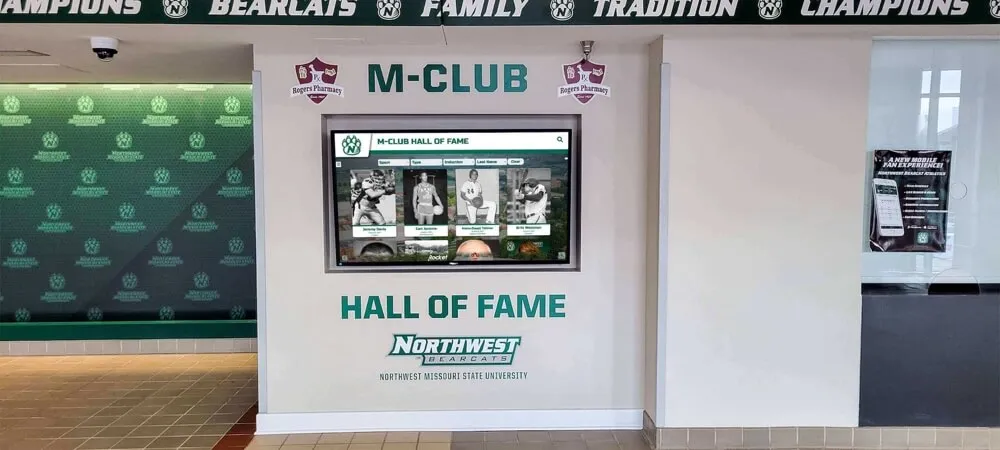
Flexible digital platforms adapt to various memorial contexts while maintaining dignified presentation standards
School and Educational Memorial Walls
Schools and universities implement memorial walls honoring students, faculty, staff, and community members who shaped institutional character.
Student Memorial Recognition
Schools occasionally face the heartbreaking need to honor students who passed away during their academic careers. These most difficult memorials must balance honoring young lives lost with creating forward-focused environments where current students can thrive without constant reminders of tragedy. Thoughtful memorial approaches recognize that while community acknowledgment provides comfort to grieving families and classmates, memorial presentations must maintain age-appropriate tone and avoid overwhelming current students with loss.
Digital platforms enable positioning student memorials in dedicated areas accessed intentionally rather than confronted unavoidably, while ensuring families and close friends can access comprehensive tributes whenever they need connection. Password-protected extended content can provide families additional privacy for sharing detailed information within their circles while public-facing profiles maintain appropriate boundaries.
Faculty and Staff Memorials
Honoring educators, administrators, and staff members who shaped institutions through decades of service creates different memorial dynamics than student recognition. These tributes celebrate complete professional lives and lasting educational impacts, often incorporating reflections from former students, colleagues, and families explaining how individual educators influenced countless young lives.
For institutions implementing historical recognition programs, memorial content often integrates with broader institutional history, showing how honored faculty members contributed to academic traditions, program development, and institutional identity that continues influencing current educational experiences.
Alumni Legacy Recognition
Some educational memorial walls honor alumni who achieved significance after graduation, creating recognition that inspires current students while honoring graduates who brought credit to institutions through their life achievements. These memorials can combine with living alumni recognition, creating comprehensive alumni communities spanning those still living and those whose legacies continue influencing institutional character.

Educational memorials create inspiration for current students while honoring those who shaped institutional legacies
Community and Organizational Memorial Walls
Beyond military and educational contexts, various community organizations implement memorial walls honoring significant individuals.
First Responder and Public Service Memorials
Fire departments, police departments, emergency medical services, and other public safety organizations create memorial walls honoring first responders who died in the line of duty or who served communities across long careers. These public service memorials demonstrate community appreciation while ensuring sacrifice and dedicated service receive permanent acknowledgment.
Digital platforms enable comprehensive documentation of service careers—years of service, specialized roles, significant incidents, awards and commendations—that honor complete professional lives beyond circumstances of death. For organizations wanting to recognize all career public safety professionals, unlimited digital capacity enables honoring retirees and career service members alongside line-of-duty casualties.
Religious and Faith Community Memorials
Churches, synagogues, mosques, and other faith communities implement memorial walls honoring members, clergy, founders, or significant contributors who shaped religious communities. These spiritual memorials often incorporate religious symbolism, scripture, or faith tradition elements creating appropriate context for remembrance and reflection within religious frameworks.
When planning recognition approaches for various communities, memorial components often integrate with broader institutional recognition including donor acknowledgment, volunteer celebration, and organizational milestone commemoration—creating comprehensive community storytelling rather than isolated memorial installations.
Corporate and Professional Organization Memorials
Businesses and professional associations occasionally create memorial recognition for founders, long-serving leaders, or industry pioneers who shaped organizational character and professional fields. These workplace memorials demonstrate that organizations value human legacies beyond business outcomes, creating institutional cultures that honor complete individuals and their lasting impacts on colleagues, industries, and communities.
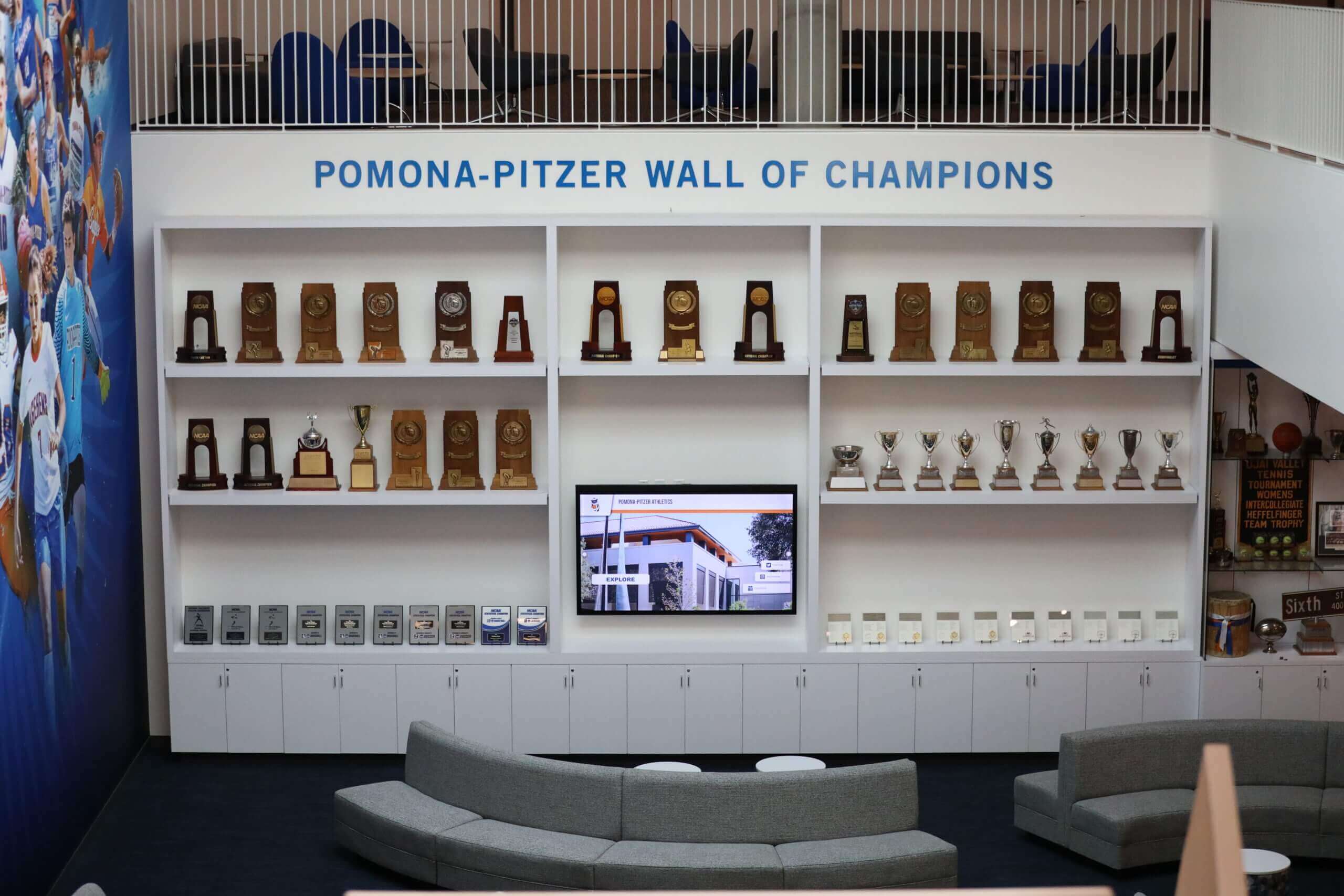
Memorial recognition adapts to various organizational contexts while maintaining dignified tribute standards
Practical Implementation Considerations
Moving from concept to reality requires addressing practical questions about costs, timelines, technical requirements, and ongoing management.
Budget Planning for Memorial Walls
Understanding cost factors helps organizations make informed decisions matching financial resources with memorial goals.
Traditional Memorial Wall Costs
Conventional memorial approaches involve substantial initial and ongoing expenses:
- Bronze or metal plaques: $100-300+ per individual depending on size and customization
- Installation labor: $50-150 per plaque for mounting hardware and professional installation
- Design and layout: $500-2,000 for professional memorial wall design
- Facility modifications: $1,000-10,000+ for wall preparation, lighting, or architectural changes
- Ongoing additions: Recurring costs for each new individual added to memorials
Organizations anticipating honoring 20-50 individuals over the next decade face cumulative costs of $5,000-20,000 or more for traditional plaques, with additional facility modification expenses potentially doubling total investment. These per-individual costs make comprehensive memorial programs financially challenging for organizations with limited recognition budgets.
Digital Memorial Investment Models
Purpose-built digital memorial platforms typically involve:
- Initial hardware investment: $3,000-8,000 for touchscreen displays, mounting systems, and installation
- Software platform access: Monthly or annual fees ranging from $100-500 depending on features and capacity
- Content development: Time investment for gathering information, photographs, and biographical content
- Network integration: Minimal costs for institutions with existing internet infrastructure
The critical difference lies in unlimited capacity—digital platforms accommodate infinite individuals without per-addition costs, making them dramatically more economical for memorial programs adding honorees continuously over time. Organizations adding 5 individuals annually face the same digital platform costs as those adding 50, creating favorable economics for comprehensive memorial programs.
Content Development and Profile Creation
The quality of memorial tributes depends heavily on comprehensive content gathering and thoughtful profile development.
Information Collection Processes
Effective memorial programs establish systematic approaches for gathering biographical information, photographs, service documentation, and personal reflections from families and communities. Standardized submission forms, guided question prompts, and family interview templates help ensure consistent, comprehensive information collection while reducing burden on families during difficult times.
Organizations should clearly communicate what information is needed, why certain details matter for comprehensive recognition, and how families can submit materials in whatever formats are most convenient—email attachments, mailed photographs for scanning, phone interviews, or in-person meetings. Flexibility and sensitivity during collection processes demonstrates respect for families while ensuring memorial content honors loved ones appropriately.
Writing Compelling Biographical Narratives
Memorial profile text should strike careful balances—comprehensive enough to honor complete lives, concise enough to maintain visitor engagement, personal enough to feel authentic, and professional enough to maintain dignified tone. Effective biographical writing:
- Opens with compelling hooks that capture essential character or significant accomplishments
- Follows clear chronological or thematic organization
- Incorporates specific details that bring individuals to life beyond generic descriptions
- Includes appropriate context about historical periods, service conditions, or organizational roles
- Balances professional accomplishments with personal characteristics and relationships
- Concludes with legacy statements explaining ongoing impacts and why recognition matters
Organizations uncertain about biographical writing quality should consider professional writing support ensuring memorial content meets standards worthy of those being honored.
Photograph Selection and Presentation
Visual elements fundamentally shape memorial impact. High-quality photographs reproduced at appropriate resolution ensure memorial displays maintain professional appearance rather than appearing pixelated or amateurish. For historical memorials incorporating older photographs, professional scanning and digital restoration can dramatically improve image quality.
Multiple photographs provide richer portraits than single images alone—formal portraits combined with action shots during service, candid moments showing personality, and family photographs demonstrating complete lives beyond single roles. Organizations should establish quality standards for submitted images while helping families understand that even less-than-perfect photographs often provide valuable context and emotional connection impossible with formal portraits alone.
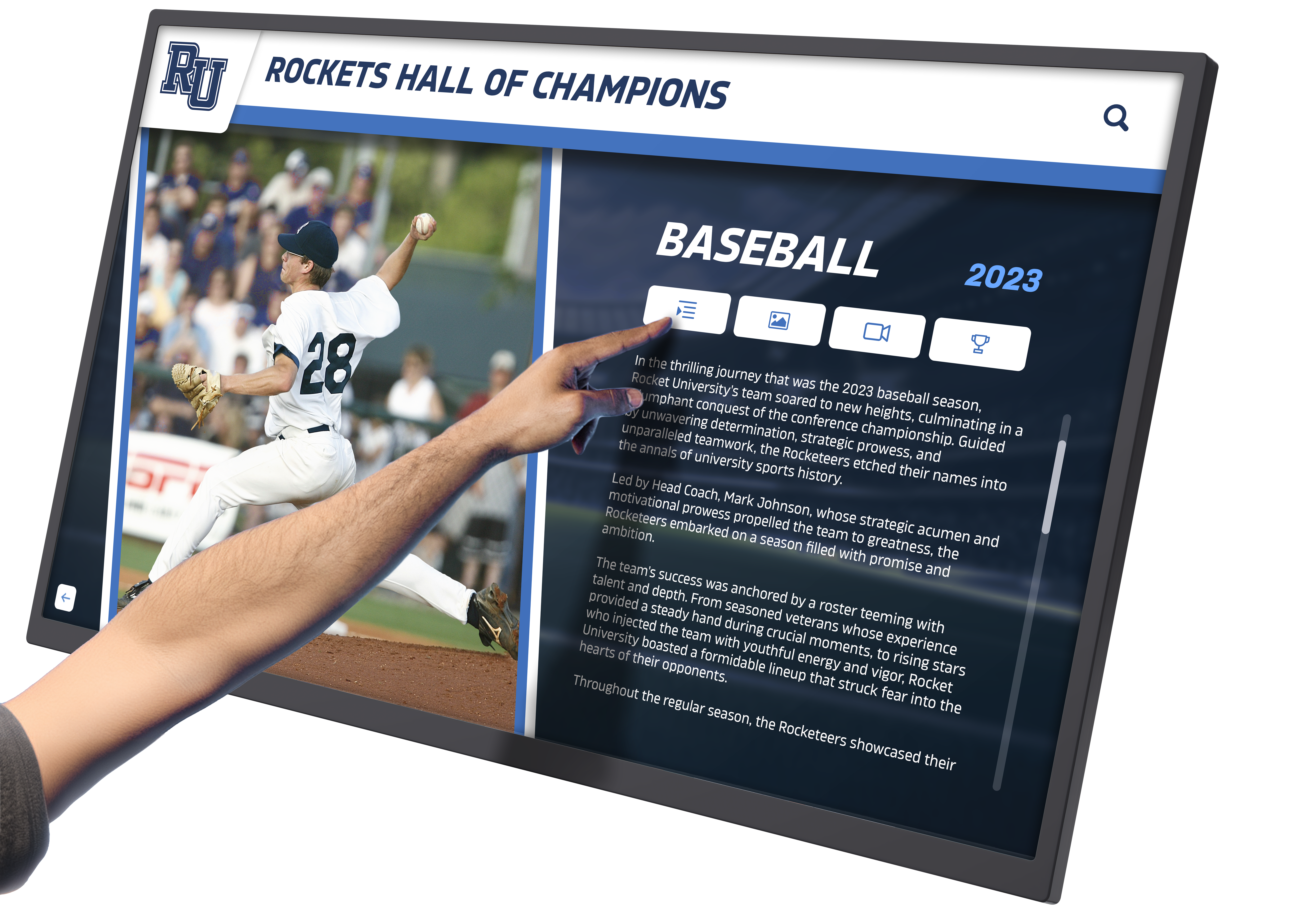
Rich multimedia profiles honor complete lives through photographs, biographical narratives, and personal reflections
Technical Requirements and Installation
Organizations considering digital memorial walls must understand technical needs, installation processes, and ongoing support requirements.
Hardware and Display Specifications
Professional memorial installations require commercial-grade touchscreen displays designed for continuous operation in public settings rather than consumer televisions lacking durability for intensive use. Key specifications include:
- Screen size appropriate for viewing distances and installation locations (typically 43"-65")
- High-resolution displays (minimum 1080p, preferably 4K) ensuring photograph clarity
- Responsive touchscreens supporting multi-touch gestures for intuitive navigation
- Commercial durability ratings ensuring years of continuous operation
- Appropriate brightness levels for ambient lighting conditions at installation sites
- VESA mounting compatibility enabling professional installation
Organizations implementing digital signage approaches should ensure memorial displays meet higher quality standards than general announcement screens, recognizing that memorial content demands dignified presentation quality worthy of those being honored.
Network Connectivity and Security
Cloud-based memorial platforms require reliable internet connectivity enabling content updates, security patches, and platform improvements. Hardwired ethernet connections provide more stable network access than WiFi for permanent installations, reducing connectivity issues that could cause memorial displays to appear offline during important events or family visits.
Security considerations include restricting physical access to display controls, implementing network security preventing unauthorized system access, and establishing password-protected content management ensuring only authorized personnel can modify memorial content. Organizations should work with IT departments ensuring memorial systems integrate appropriately with network security policies while maintaining accessibility for content administrators.
Professional Installation Considerations
While technically capable individuals can install displays, professional installation ensures:
- Appropriate mounting height and viewing angles for accessibility
- Secure mounting preventing display damage from accidents or intentional interference
- Clean cable management concealing power and network connections
- Proper electrical circuits preventing display outages from overloaded circuits
- Coordination with facility managers about wall types, mounting methods, and facility impact
Organizations should budget for professional installation as part of overall memorial investment, recognizing that proper installation significantly influences long-term display reliability and professional appearance.
Ongoing Management and Content Updates
Effective memorial walls require ongoing attention ensuring content remains current, accurate, and comprehensive.
Content Management Responsibilities
Organizations should designate specific individuals responsible for memorial content administration—receiving family submissions, reviewing content for accuracy and appropriateness, uploading photographs and biographical information, and coordinating memorial additions around ceremonies or significant dates.
Cloud-based platforms enable remote content management from any internet-connected device, eliminating requirements to physically access displays for updates. This remote capability enables organizations to add memorial content immediately when needed rather than waiting for scheduled facility access, ensuring timely recognition that honors individuals promptly while supporting families during difficult periods.
Memorial Ceremonies and Dedication Events
Many organizations incorporate memorial wall additions into annual ceremonies, community gatherings, or significant anniversaries. Digital platforms enable featuring newly honored individuals during events, presenting profiles on large screens, and creating printed programs incorporating memorial content ensuring families receive lasting mementos beyond ephemeral ceremony experiences.
When planning recognition events and gatherings, memorial dedications can integrate with broader community celebrations while maintaining appropriate solemnity and focus on individuals being honored.
Accuracy Verification and Error Correction
Memorial content demands absolute accuracy—misspelled names, incorrect dates, or factual errors cause distress to families and undermine institutional credibility. Establishing review processes, fact-checking protocols, and family verification workflows before publishing memorial content prevents embarrassing and hurtful mistakes.
When errors do occur, digital platforms enable immediate corrections through simple content management updates, whereas traditional engraved plaques require complete replacement. This correction flexibility provides significant advantage during inevitable situations when new information emerges or initial content contained inadvertent errors.
How Digital Warming Transforms Memorial Walls
Modern memorial recognition creates what experts call digital warming—the transformation of cold, static displays into engaging spaces where personalized content creates vibrant community destinations rather than overlooked background elements.
From Static Monuments to Living Tributes
Traditional memorials function as fixed monuments—unchanging installations providing basic acknowledgment but minimal ongoing engagement. Digital warming transforms memorial walls into living tributes where content continuously grows, stories deepen over time, and visitor experiences evolve through interactive exploration rather than passive viewing.
When families contribute additional photographs, when community members share memories through comment features, when memorial anniversaries trigger featured profile rotations—these dynamic elements create destinations worth visiting repeatedly rather than one-time acknowledgment placeholders. Organizations implementing digital memorial approaches report increased community engagement, more frequent family visits to memorial displays, and sustained attention to memorial content rather than recognition fading into overlooked background.
Creating Personal Connections Through Accessibility
Digital warming emphasizes personal relevance and accessibility. Instead of confronting overwhelming walls of text requiring exhaustive scanning, visitors search specifically for individuals they knew, browse categories reflecting their interests, or discover unexpected connections through exploration features. This personal relevance transforms abstract institutional recognition into meaningful individual experiences where every visitor finds specific connections rather than generic acknowledgment.
Mobile access, web-based remote viewing, and social sharing extend these personal connections beyond physical memorial locations. Families access memorial tributes during private moments of reflection, share profiles with distant relatives unable to visit in person, or incorporate memorial content into personal remembrance practices—all impossible with location-bound physical monuments.
Preserving Legacies for Future Generations
Perhaps most significantly, digital memorial platforms ensure legacies remain accessible and meaningful for generations who never personally knew individuals being honored. Where traditional plaques become overlooked historical artifacts, comprehensive digital profiles with photographs, biographical narratives, and rich context help future generations understand who these individuals were, why they mattered, and how their legacies continue influencing communities decades or centuries later.
This generational accessibility transforms memorials from acknowledgment for contemporary communities into permanent historical archives ensuring sacrifice, service, and significant lives remain honored indefinitely rather than fading into obscurity as direct memories fade with time.
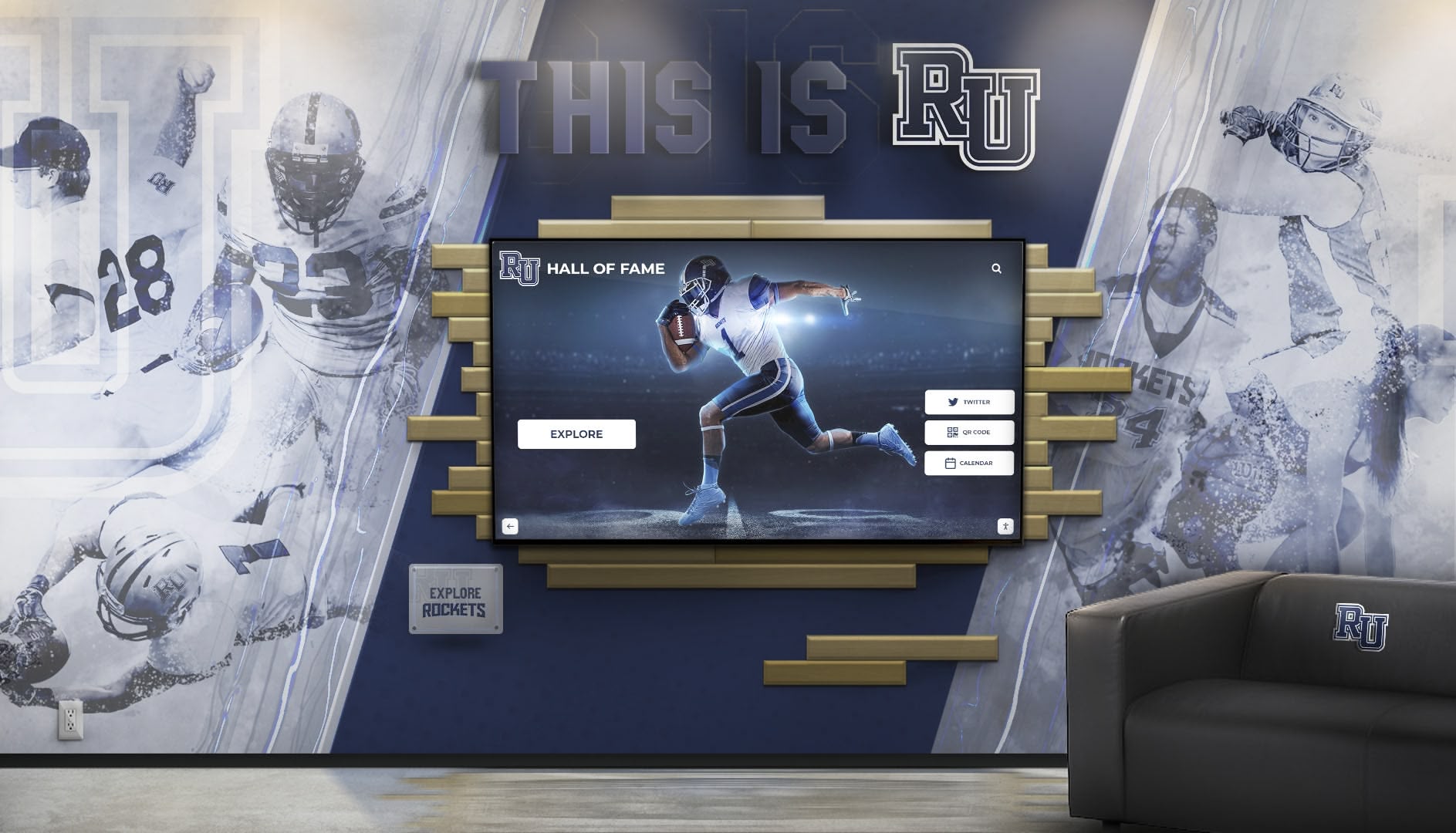
Digital warming creates memorial experiences that engage communities while honoring individuals with comprehensive, accessible tributes
Choosing the Right Memorial Wall Approach for Your Community
With understanding of available options, considerations, and implementation factors, organizations can make informed decisions about memorial approaches matching their specific needs, resources, and community characteristics.
Assessing Your Memorial Program Needs
Begin by clarifying memorial program scope and purpose:
- Who will be honored? Military casualties only, all veterans, community leaders, specific organizational roles, or broader community members?
- How many individuals initially? Starting with 10 honorees versus 100 creates different capacity requirements
- Anticipated growth? Adding 2 individuals annually versus 20 creates dramatically different long-term capacity needs
- Content depth desired? Basic name/date recognition versus comprehensive biographical tributes
- Accessibility priorities? Physical location only versus web access for distant families
- Budget constraints? One-time capital expenditure versus ongoing operational costs
- Technical capabilities? Existing IT support versus need for turnkey managed solutions
Honest assessment of these factors guides selection of memorial approaches matching actual requirements rather than aspirational features organizations cannot sustain long-term.
Comparing Traditional and Digital Approaches
Consider this practical comparison:
| Consideration | Traditional Plaques | Digital Interactive |
|---|---|---|
| Initial capacity | Limited by wall space | Unlimited digital capacity |
| Per-individual cost | $100-300+ | Included in platform fees |
| Update timeline | 8-16 weeks | Hours to days |
| Storytelling depth | Names and dates only | Comprehensive multimedia |
| Family access | Physical location only | Anytime, anywhere web access |
| Error correction | Complete replacement | Simple content edits |
| Long-term costs | Ongoing per-addition | Fixed platform fees |
| Accessibility | Location-dependent | Web, mobile, QR code |
| Search capability | Manual scanning | Instant searchable databases |
For organizations prioritizing comprehensive, accessible recognition growing over time, digital approaches offer compelling advantages despite higher initial technology investment.
Implementation Timeline Expectations
Realistic implementation planning helps organizations set appropriate expectations:
Traditional Memorial Walls: 3-6 months from design approval through final installation, including design development (4-6 weeks), plaque manufacturing (6-10 weeks), and installation (1-2 weeks)
Digital Memorial Displays: 4-8 weeks from order to launch, including hardware procurement and shipping (2-3 weeks), installation (1 week), initial content development (1-3 weeks), and staff training (1 week)
Initial content development represents the most time-consuming element for both approaches—gathering information, collecting photographs, writing biographical narratives, and obtaining family approvals. Organizations should begin content collection immediately rather than waiting for display installation, enabling launch with substantial memorial content rather than sparse initial offerings that disappoint families and communities.
Creating Memorial Walls That Honor Legacies and Build Community
Memorial walls represent far more than obligation fulfillment—they embody organizational values, demonstrate community commitment to honor and remembrance, and create spaces where families find comfort and communities preserve collective memory.
Traditional approaches continue serving communities effectively, particularly for small-scale memorials with limited growth expectations and where dignity of permanent physical materials outweighs considerations of capacity, updates, and accessibility. For organizations anticipating continuous memorial growth, prioritizing comprehensive storytelling, requiring accessibility for distant families, or seeking maximum community engagement, purpose-built digital memorial solutions offer transformative advantages impossible with conventional approaches.
The most effective memorial implementations embrace digital warming—creating dynamic recognition where continuously updated, personalized content transforms static tributes into engaging destinations worth visiting repeatedly. When families access memorial tributes from across the country, when comprehensive profiles honor complete lives rather than reducing individuals to names and dates, when searchable databases ensure every person remains discoverable rather than lost among dense text—these meaningful experiences demonstrate genuine organizational commitment to honor and remembrance extending across generations.
Organizations ready to create memorial walls worthy of those they honor should explore solutions like Rocket Alumni Solutions that provide purpose-built platforms combining unlimited capacity, comprehensive multimedia profiles, accessible touchscreen displays, web-based remote access, and intuitive content management enabling dignified memorial recognition scaled to any community size while maintaining affordability through elimination of per-individual costs that make traditional approaches prohibitively expensive for comprehensive programs.
By thoughtfully selecting memorial approaches matching community needs, investing in comprehensive content development honoring complete lives, and embracing modern technology that ensures accessibility and ongoing engagement, organizations create memorial walls that provide families comfort, preserve legacies for future generations, and demonstrate enduring commitment to honor individuals who shaped communities through their service, sacrifice, and significant lives.
Ready to create a memorial wall that truly honors your community’s heroes and loved ones? Discover how Rocket Alumni Solutions’ interactive touchscreen displays provide unlimited capacity, comprehensive storytelling, and accessible recognition ensuring every individual receives tribute worthy of their legacy while creating engaging destinations that preserve memories for generations to come.