



Walk through any high school hallway and you’ll spot them—students wearing wool and leather jackets adorned with chenille letters, colorful patches, and pins that tell stories of dedication, achievement, and school pride. The letterman jacket stands as one of America’s most enduring symbols of athletic and academic excellence, a tradition stretching back more than 160 years that continues to motivate students and honor accomplishment across thousands of schools nationwide.
These iconic jackets represent far more than fashion statements. Each letter, patch, and pin carries specific meaning, documenting individual athletic careers through visual symbols that teammates, opponents, and community members instantly recognize. A heavily-decorated letterman jacket communicates years of commitment—early morning practices, championship victories, academic excellence maintained alongside athletic demands, and leadership roles that shaped team culture and inspired younger athletes.
Yet the traditions surrounding letterman jackets remain mysterious to many outside the athletic community. What achievements actually earn varsity letters? What do those various patches and pins signify? How have letterman jacket traditions evolved from their 1865 origins to today’s diverse recognition programs? What etiquette governs who wears these jackets and how they’re displayed? Understanding these traditions helps students appreciate the honor letterman jackets represent while connecting current athletes to generations of predecessors who wore similar recognition with equal pride.
This comprehensive guide explores the complete history of letterman jacket traditions, explains the meanings behind different patches and awards, details the proper etiquette for earning and wearing these prestigious garments, and examines how modern schools complement physical jacket recognition with digital platforms that preserve athletic achievements permanently. Whether you’re a student working toward earning your first letter, a parent navigating jacket ordering, or a school administrator enhancing recognition programs, you’ll discover how letterman jacket traditions continue honoring achievement while adapting to contemporary expectations.

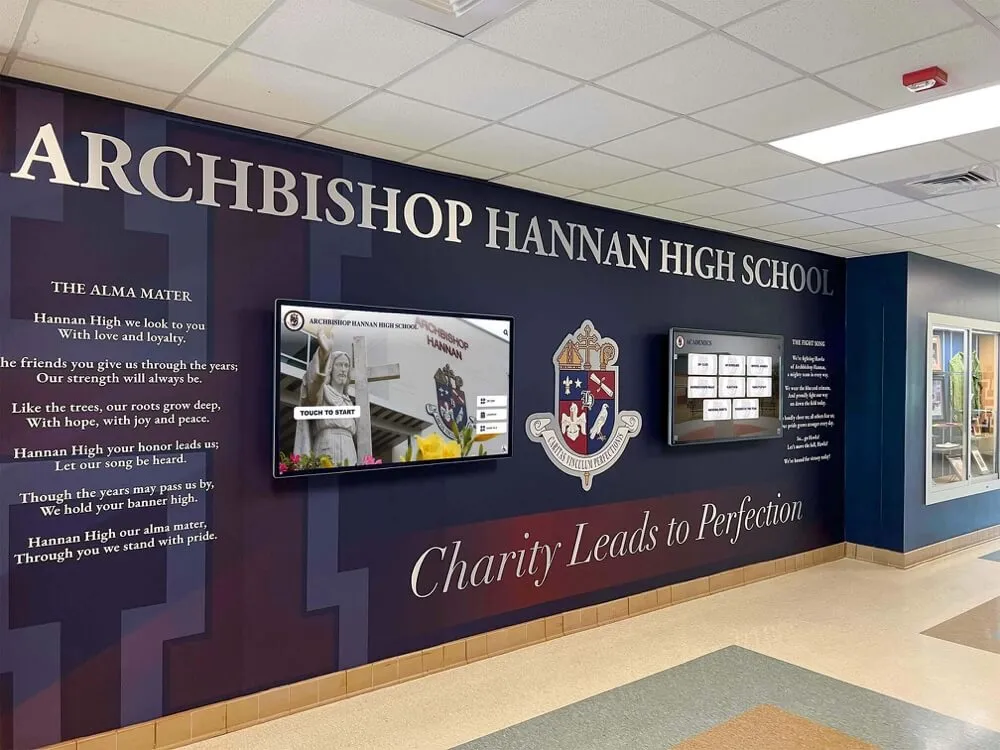
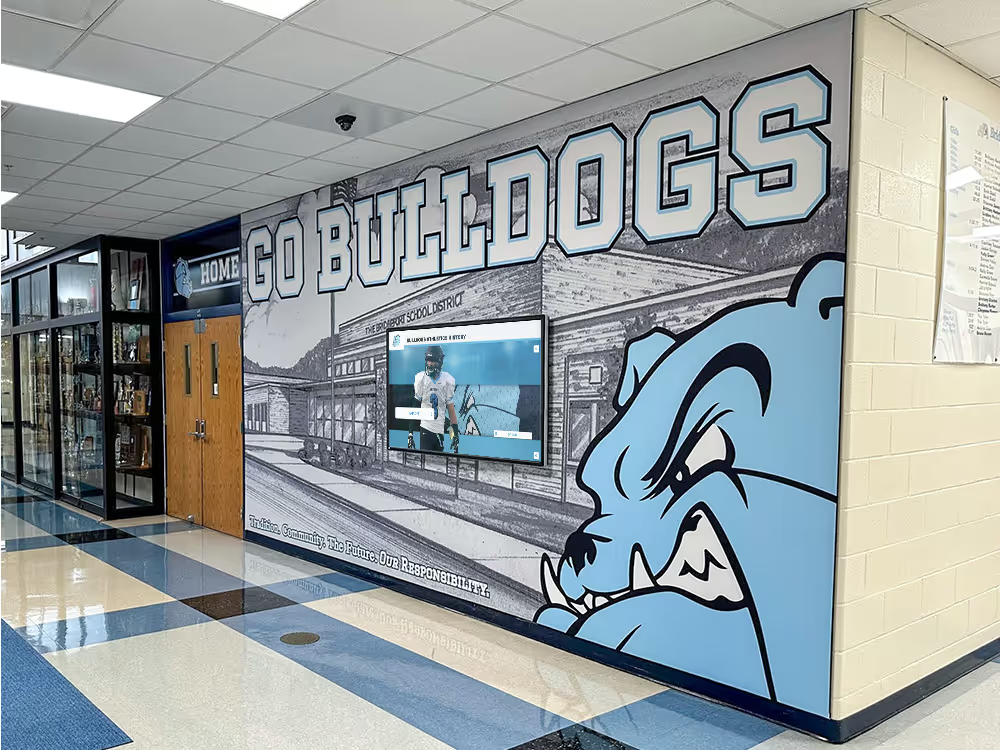
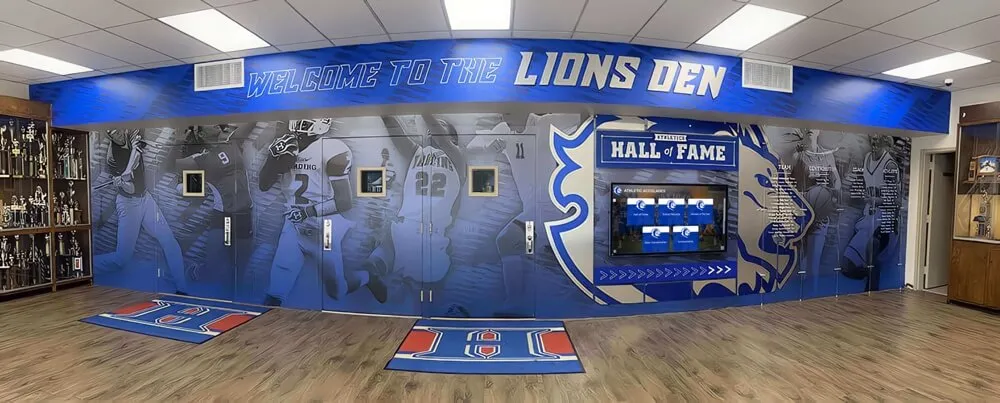
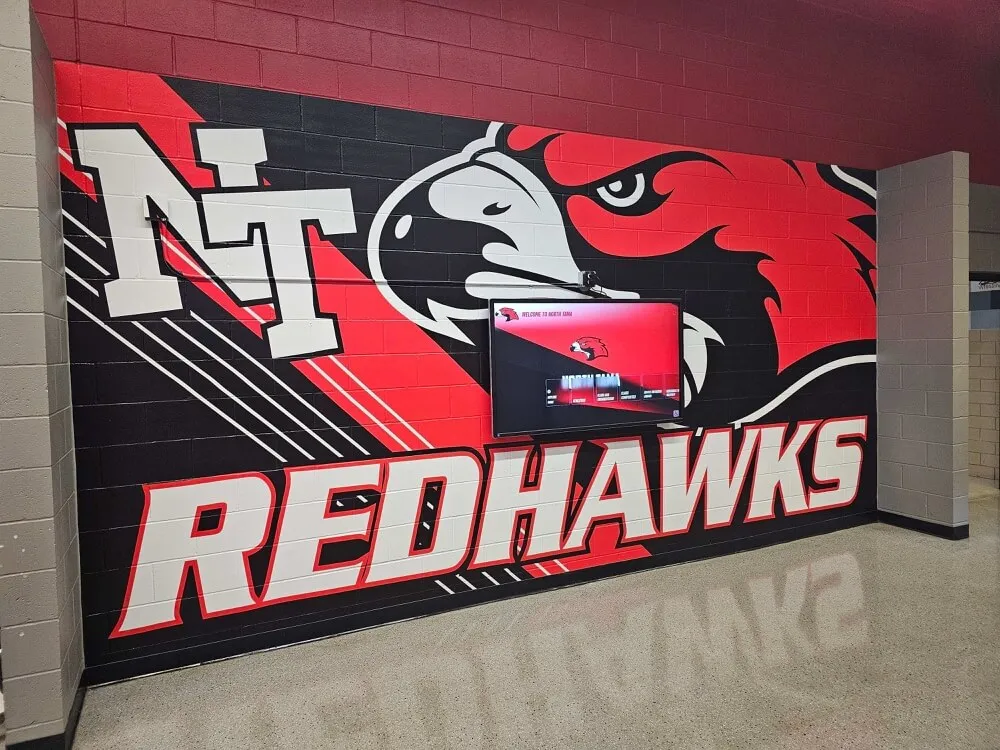
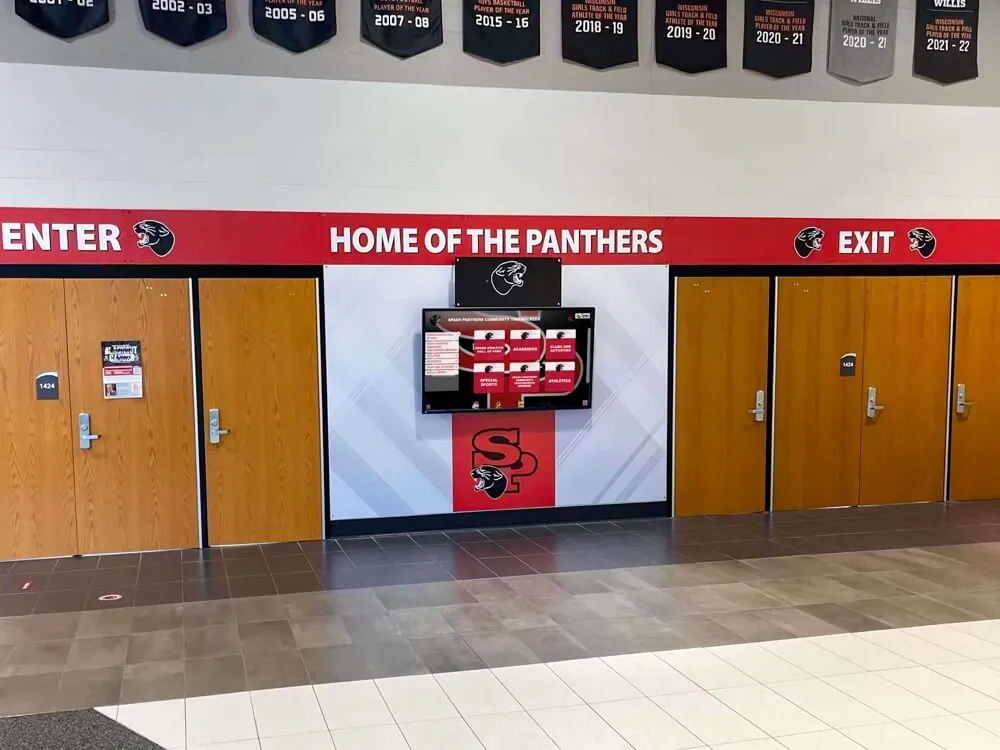
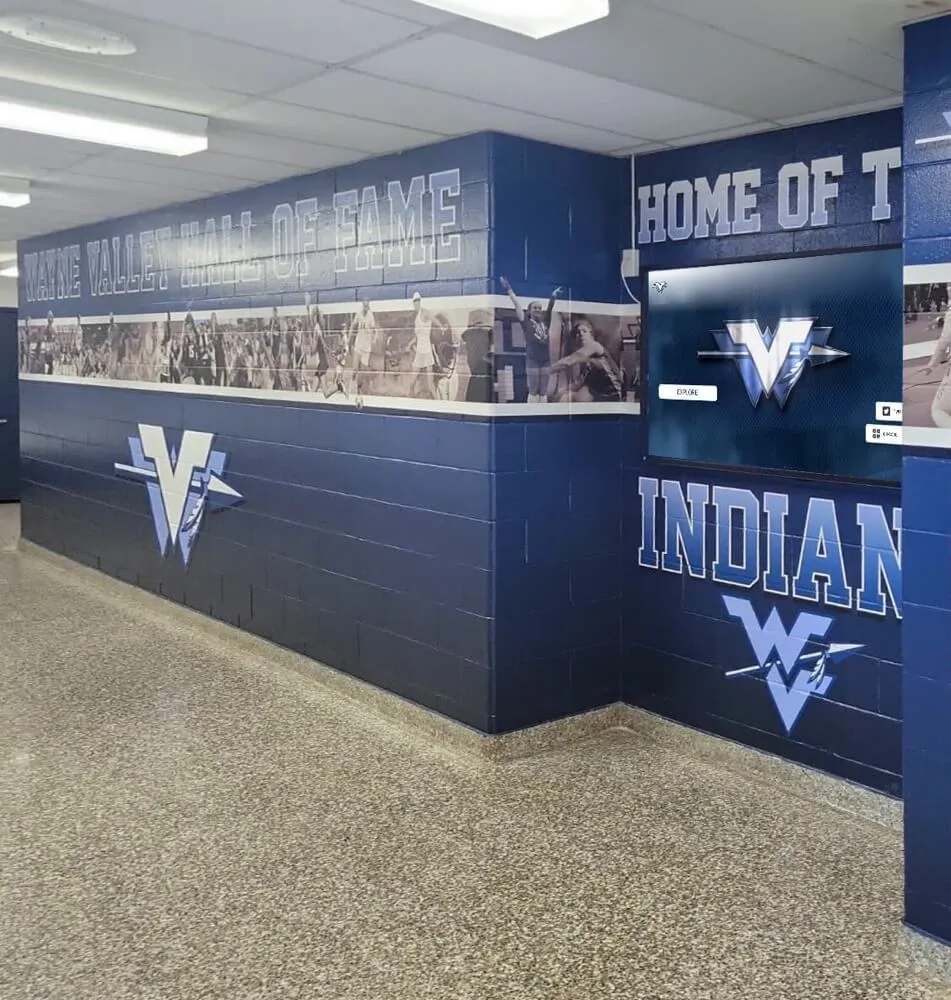
Modern recognition spaces balance traditional honors like letterman jackets with permanent displays celebrating complete athletic program histories
The Origins and Evolution of Letterman Jacket Traditions
Understanding where letterman jacket traditions originated illuminates why these garments maintain cultural significance more than a century and a half after their creation, despite dramatic changes in fashion, education, and athletic culture.
The Harvard Baseball Innovation of 1865
The letterman tradition began at Harvard University in 1865, when the baseball team sought ways to recognize outstanding players who demonstrated exceptional skill and dedication to the program. The solution proved elegantly simple—award large felt “H” letters to deserving athletes, who sewed these recognition symbols onto their clothing for visible display around campus.
These original varsity letters measured approximately six inches tall, crafted from gray felt that contrasted against the flannel shirts athletes wore during this era. The size ensured letters remained visible from substantial distances, allowing Harvard community members to instantly identify accomplished baseball players who had earned this prestigious recognition through their performance and commitment to team success.
The Harvard innovation addressed a fundamental human need that transcends historical periods and cultural contexts—the desire for visible acknowledgment of achievement that peers, mentors, and broader communities can recognize and celebrate. These first varsity letters provided tangible proof of athletic excellence that athletes could display proudly while creating aspirational goals for younger players hoping to earn similar recognition.
Expansion Across Collegiate Athletics
Harvard’s varsity letter concept spread rapidly across American higher education as other colleges recognized the motivational power of visible achievement recognition. Each institution developed unique letter designs reflecting school colors, mascots, and visual identities—Yale’s “Y,” Princeton’s “P,” the distinctive “M” of Michigan—creating diverse traditions unified by common recognition principles.
During the early 1900s, these awarded letters evolved from simple felt patches into more elaborate recognition systems. Students began displaying letters on heavy wool sweaters rather than flannel shirts, creating the “letter sweater” tradition that preceded modern letterman jackets. These sweaters proved particularly practical for athletes training and competing in cold northeastern winters, providing warmth while broadcasting achievement status across college campuses.
The transformation from simple recognition patches to prestigious garments accelerated as athletic programs grew in institutional importance. Varsity letters became coveted symbols distinguishing elite athletes from broader student populations, creating visible hierarchies that motivated participation while honoring exceptional contributors to collegiate athletic success.

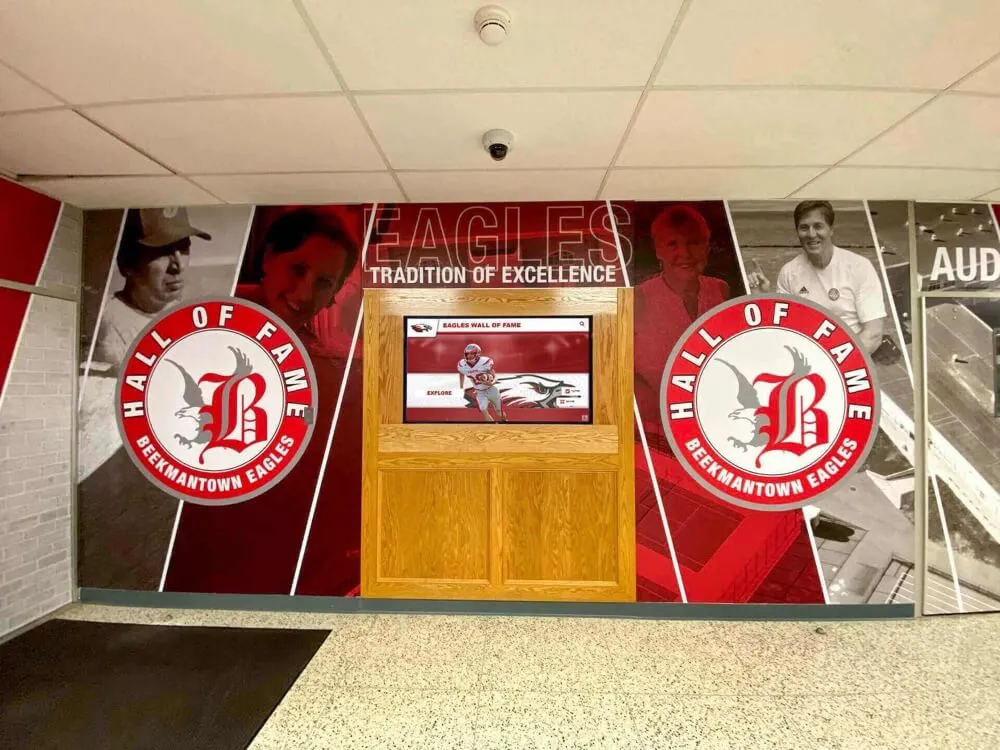
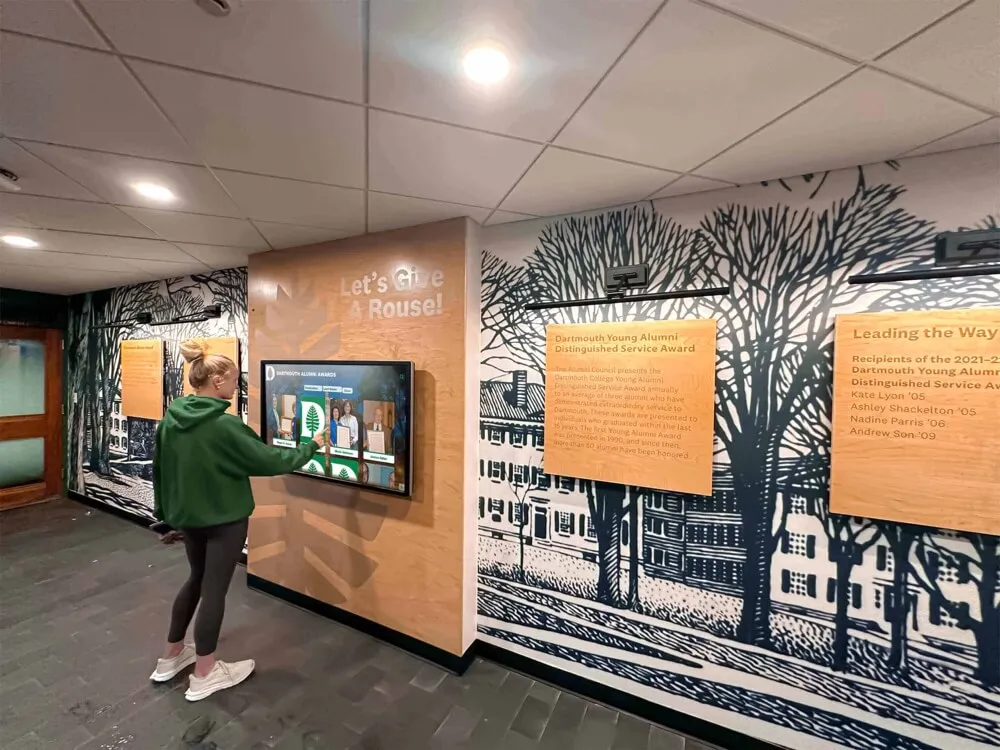
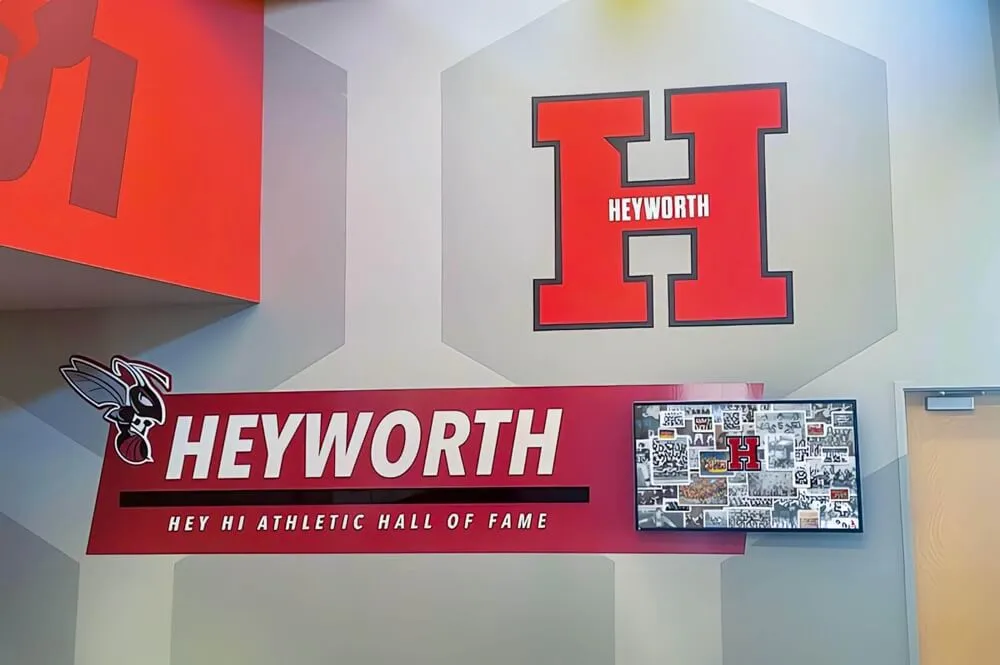
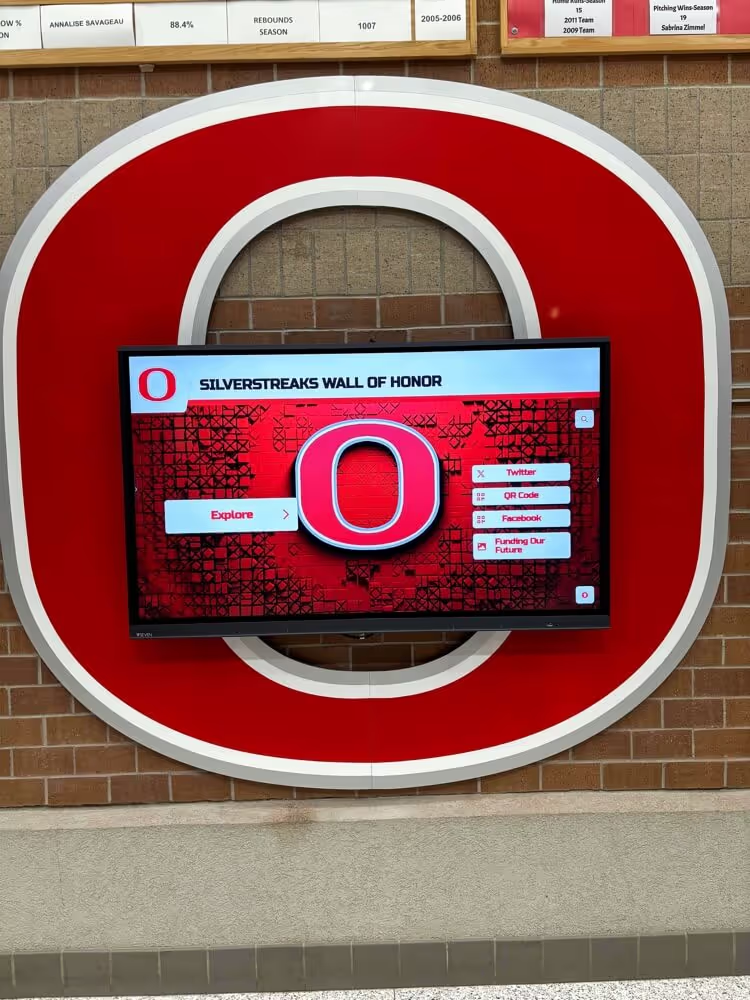
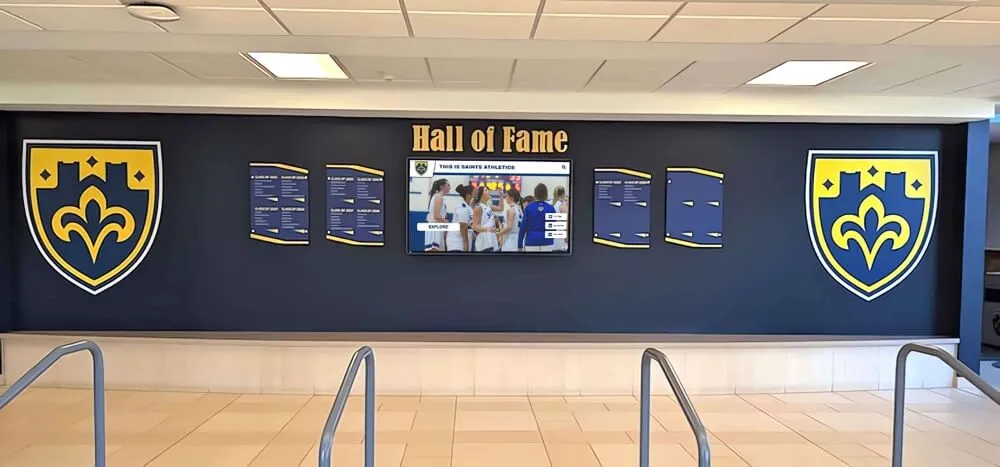
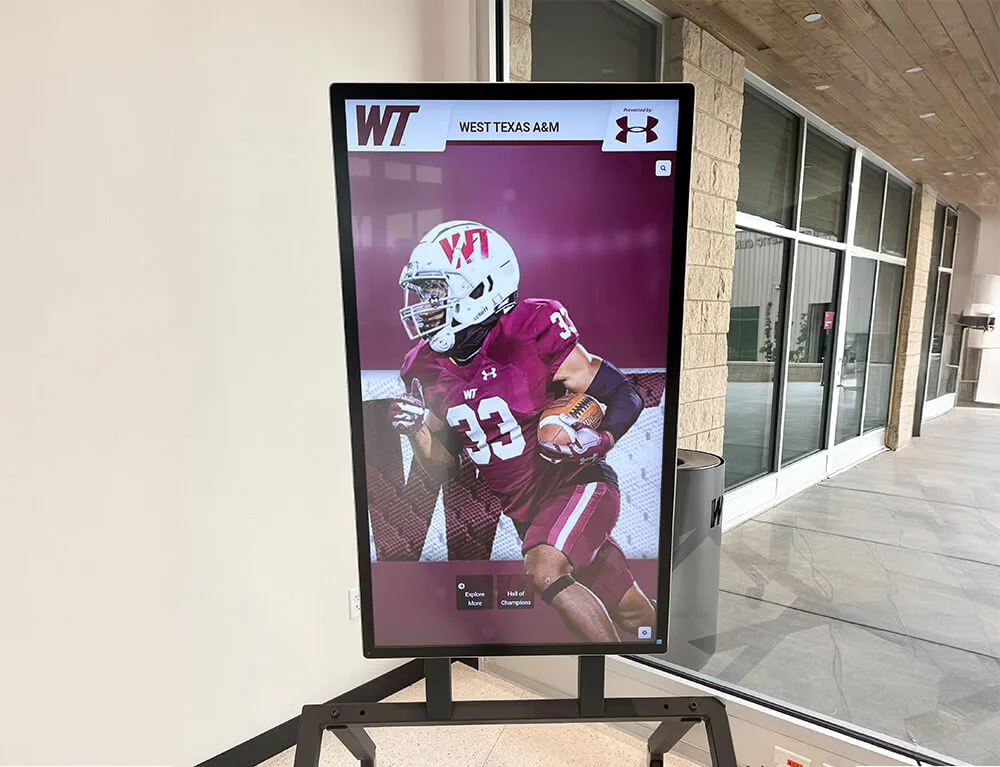
Schools preserve letterman jacket traditions within comprehensive recognition environments celebrating multiple generations of athletic excellence
The Birth of the Modern Letterman Jacket Design
The iconic letterman jacket design familiar today emerged during the 1930s through innovations by DeLong Sporting Goods and similar athletic apparel manufacturers. The classic construction combined wool bodies displaying school colors with leather sleeves providing durability and visual contrast, ribbed knit cuffs and collars ensuring comfortable fit, snap-front closures enabling easy wearing, and inside pockets adding practical functionality.
This design combination proved remarkably effective, addressing both aesthetic and functional requirements. The wool body provided excellent cold-weather insulation while displaying school colors prominently across the chest and back. Leather sleeves offered superior durability compared to wool, resisting abrasion during athletic activity while developing attractive patina as jackets aged. Ribbed knit trim created comfortable, adjustable fit at neck, wrists, and waist while helping retain body heat.
The design achieved such optimal balance of form and function that it has remained essentially unchanged for nearly nine decades. Contemporary letterman jackets produced in 2026 maintain remarkably similar silhouettes, materials, and construction methods to those manufactured in 1936—a testament to the original design’s excellence and the tradition’s enduring cultural appeal.
High School Adoption and Cultural Expansion
Letterman jackets transitioned from college exclusivity to high school tradition during the mid-20th century as secondary education athletics grew dramatically in community importance and competitive sophistication. High schools recognized that varsity letter programs motivated student athlete participation and achievement while building school spirit around athletic programs that increasingly served as community identity sources.
By the 1950s and 1960s, letterman jackets had become fixtures at American high schools nationwide. The jackets represented aspiration for underclassmen observing older students wearing visible achievement symbols, validation for recipients who earned recognition through dedication and performance, and lifelong memories for alumni who treasured jackets as tangible proof of high school accomplishment decades after graduation.
Hollywood reinforced letterman jacket cultural significance through countless movies and television shows featuring jacket-wearing characters. From nostalgic 1950s period films to contemporary teen dramas, media portrayals cemented letterman jackets as visual shorthand communicating high school athletic achievement, social status, and quintessential American adolescent experience. These cultural representations extended letterman jacket meaning beyond athletics into broader American identity, ensuring tradition continued across generations despite changing fashions and educational priorities.
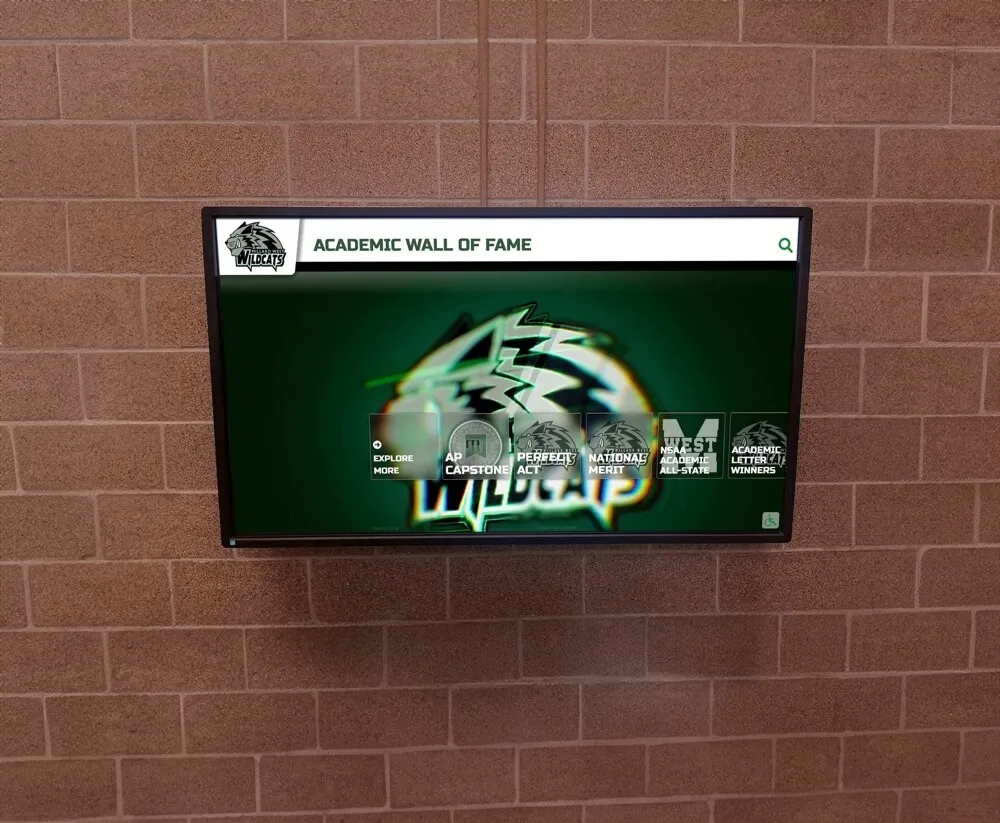
Schools implementing comprehensive athletic recognition programs understand that letterman jackets serve immediate recognition needs while digital systems preserve complete achievement records accessible throughout athletes’ lives.
Understanding Varsity Letter Requirements and Earning Criteria
Clear earning criteria ensure letterman jacket traditions maintain integrity as markers of genuine achievement rather than participation trophies diminishing recognition meaning and motivational value.
Traditional Athletic Letter Standards
Most schools award varsity letters to athletes meeting specific participation and performance criteria established by athletic departments, coaching staffs, and school administration working collaboratively to define achievement standards.
Participation-Based Requirements
The most common athletic letter requirement involves competing in a minimum percentage of varsity contests throughout seasons. Typical standards include participating in 50-75% of varsity games, meets, or matches; maintaining good standing on teams throughout seasons without disciplinary dismissal; completing full seasons without quitting or transfer; meeting attendance expectations for practices, team meetings, and conditioning sessions; and maintaining academic eligibility throughout participation periods.
Participation standards recognize that consistent presence and commitment matter as much as individual statistical achievement. Athletes who fulfill season-long obligations demonstrate dedication deserving recognition regardless of whether they achieved spectacular individual performances. This approach ensures letters acknowledge reliable contributors who strengthened teams through consistent effort rather than reserving recognition exclusively for standout statistical performers.
Performance and Contribution Criteria
Beyond basic participation, many programs establish performance standards ensuring letters recognize genuine excellence rather than mere attendance. These criteria might include contributing meaningfully to team success through playing time or competition results; achieving specific individual performance benchmarks appropriate to particular sports and positions; demonstrating skills, effort, and dedication throughout seasons; exhibiting positive attitude and exemplary sportsmanship; providing leadership that strengthens team culture; or receiving coach recognition for exceptional contribution despite limited statistical production.
Coaches typically maintain discretion in letter awards, considering both quantifiable participation metrics and qualitative factors like work ethic, attitude, leadership, and cultural contribution. This flexibility enables recognition of athletes who contributed significantly through roles that don’t generate impressive statistics—defensive specialists, backup players who excelled in practice, younger athletes who demonstrated exceptional growth—while preventing automatic letter awards to athletes physically present but failing to demonstrate commitment meriting prestigious recognition.
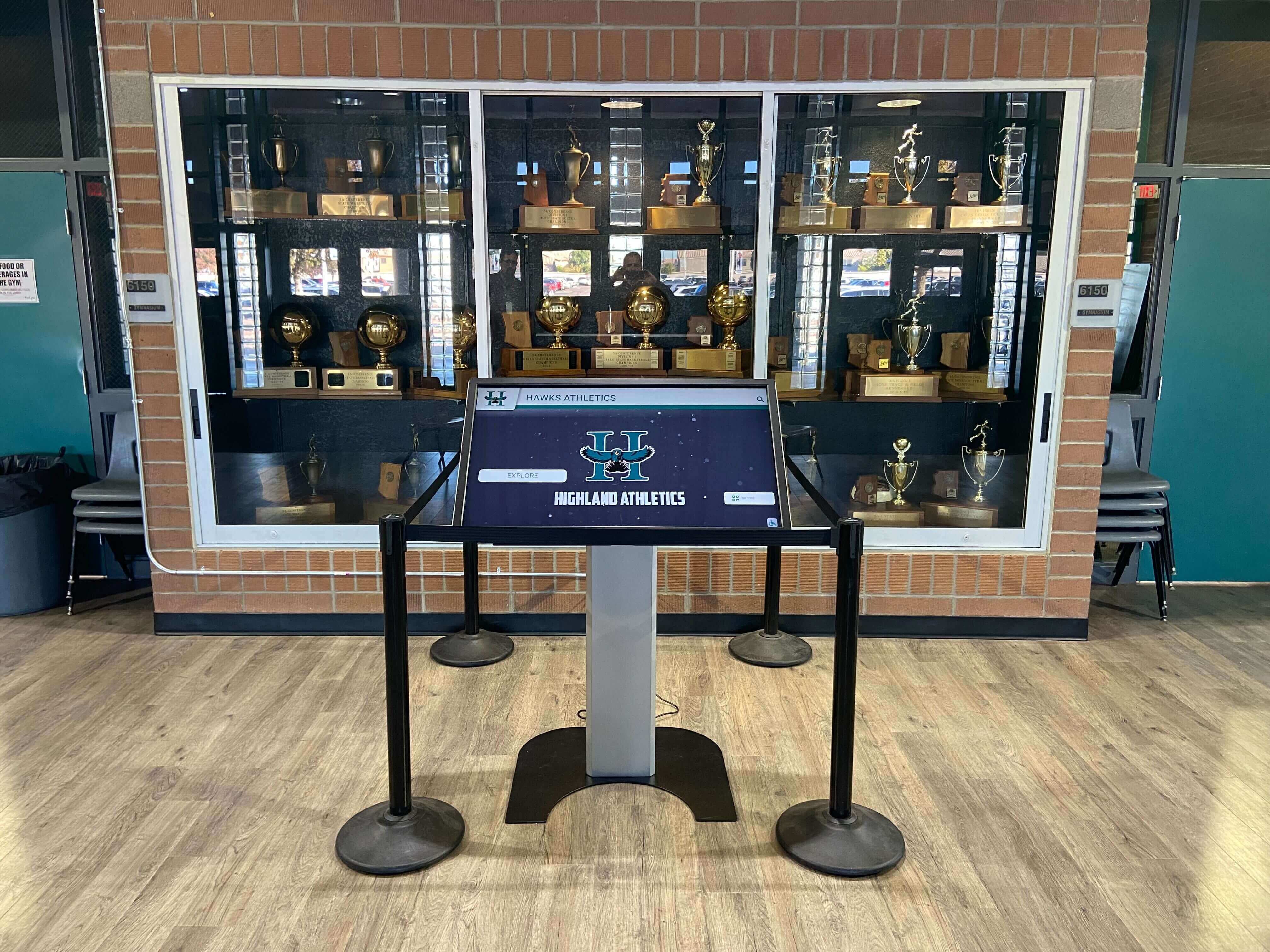
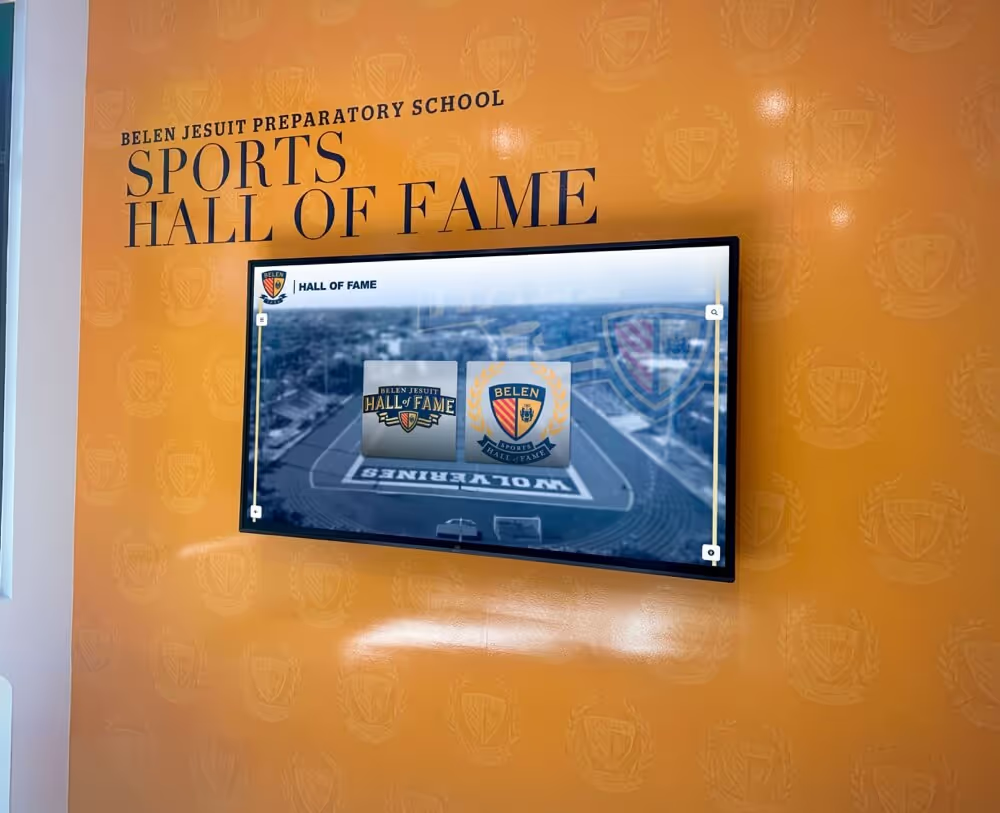
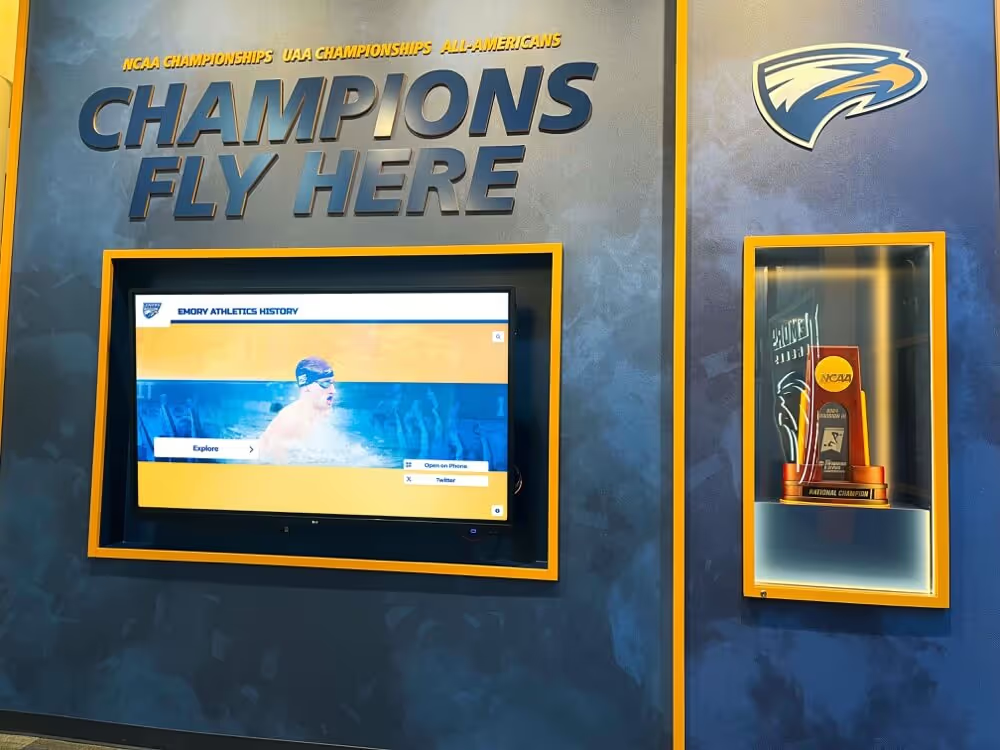
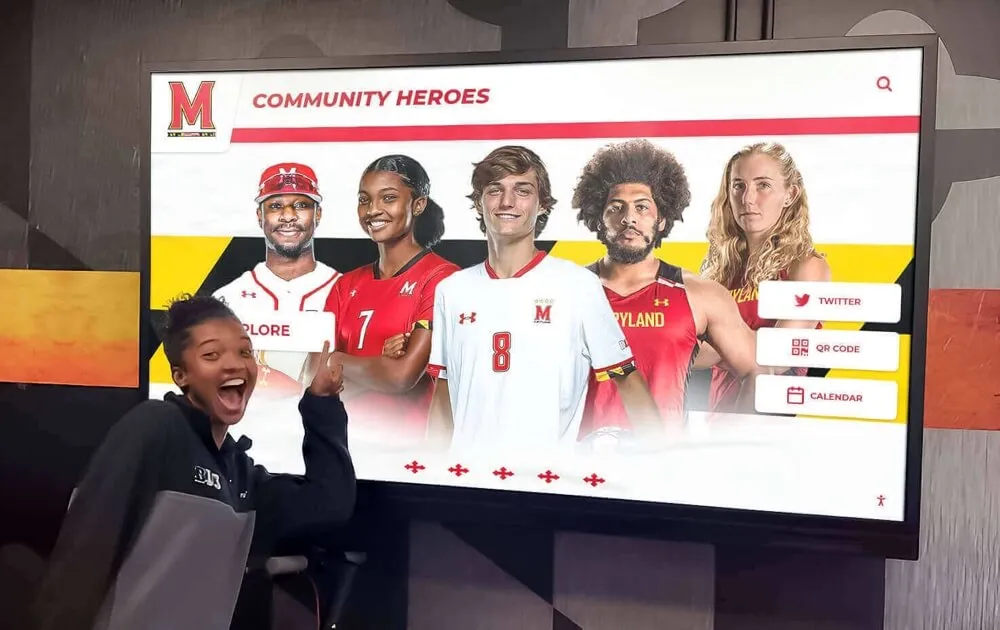
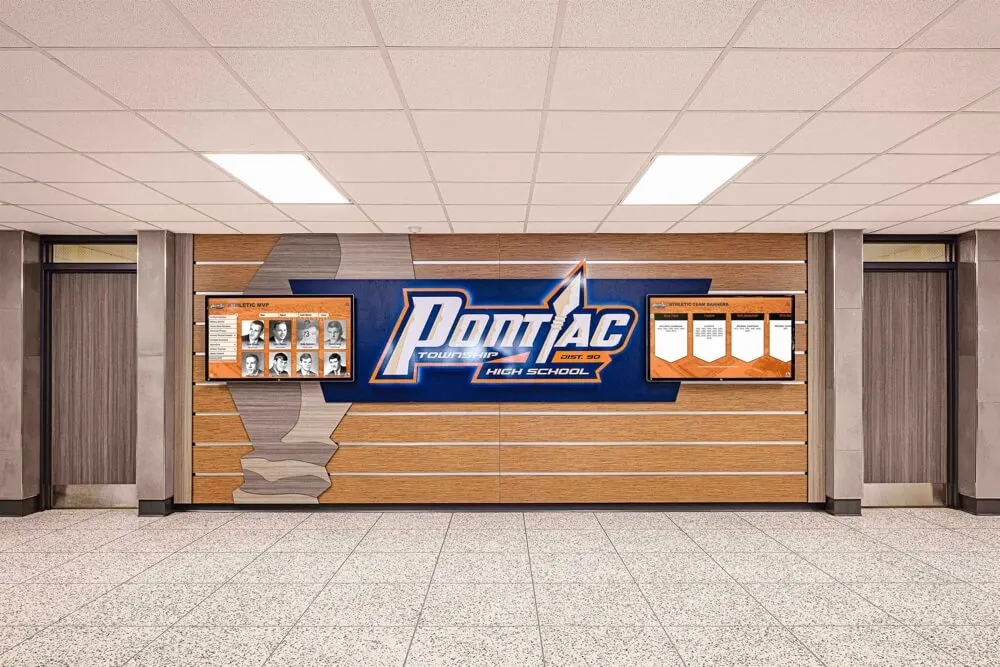
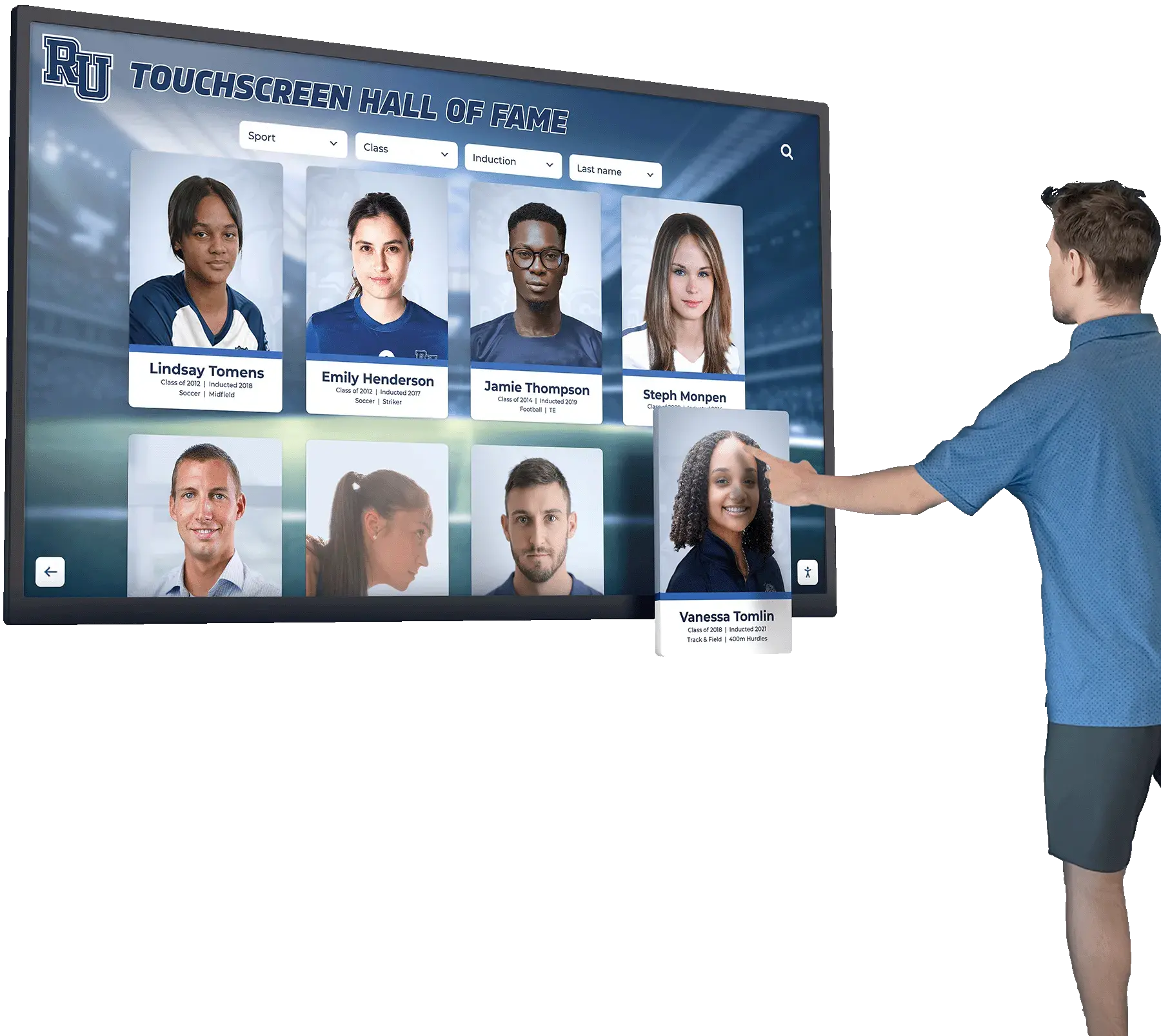
Modern display systems document complete letter winner histories alongside [championship achievements and athletic records](https://digital-trophy-case.com/blog/trophy-display-case-ideas-showcasing-school-achievements/?utm_source=organic&utm_medium=seo-auto&utm_content=digitalwarming&utm_campaign=letterman-jacket&utm_term=seo) in engaging digital formats
Academic and Activity Letter Programs
Progressive schools extend varsity letter recognition beyond athletics to honor academic excellence and participation in non-athletic activities, communicating that institutions value diverse forms of achievement and dedication.
Academic Excellence Recognition
Academic varsity letters recognize sustained scholastic achievement rather than single-semester performance, typically requiring students to maintain high grade point averages over multiple marking periods. Common academic letter standards include sustaining 3.5-4.0 GPAs throughout full academic years; achieving honor roll or principal’s list status for specified numbers of quarters or semesters; demonstrating consistent academic excellence across multiple years; or balancing academic achievement with extracurricular participation demonstrating well-rounded excellence.
Academic letters communicate that schools value intellectual achievement as highly as athletic performance. Students receiving academic letters can display them on letterman jackets alongside athletic recognition, celebrating comprehensive accomplishment that colleges increasingly prioritize during admissions processes favoring academically-accomplished student-athletes over purely athletic specialists.
Fine Arts and Activity Recognition
Many schools award letters for exceptional participation and achievement in activities including band, orchestra, or choir requiring multi-year participation plus competition success; theater and drama for significant performance roles or technical contributions across multiple productions; debate team requiring competition participation and placement achievements; student government for elected leadership positions and meaningful service; academic competitions including math team, science olympiad, or quiz bowl; or community service documenting volunteer hour thresholds and sustained engagement.
These expanded letter programs recognize that achievement and dedication manifest in countless forms beyond athletic competition. Students earning letters across multiple categories—perhaps varsity sports, academic achievement, and fine arts participation—demonstrate exceptional well-rounded excellence creating compelling college applications while building comprehensive school pride acknowledging diverse student contributions.
Schools implementing recognition programs celebrating varied achievements find that comprehensive approaches strengthen school culture more effectively than exclusively athletic recognition.
Multi-Year Letter Recognition Systems
Schools distinguish between earning first letters and subsequent awards, creating hierarchical recognition systems that honor sustained excellence across multiple seasons or years.
First Letter Significance and Presentation
The first varsity letter represents the most significant achievement milestone—initial recognition that students met program standards and earned this prestigious honor. First letter recipients receive large chenille letters displayed prominently on letterman jacket left chests, typically measuring 6-8 inches tall in school colors matching athletic team uniforms and institutional branding.
Many schools hold first-letter awards ceremonies during athletic banquets, senior nights, or special recognition events honoring new letter winners. These ceremonies often include educational components explaining proper jacket etiquette, letter care and attachment techniques, and the tradition’s historical significance. Some programs pair senior letter winners as mentors with new recipients, creating traditions where experienced athletes help younger teammates understand the honor they’ve received and responsibilities accompanying visible school representation through letter display.
Subsequent Year Recognition and Progression
Athletes continuing to earn letters in subsequent seasons receive additional recognition without duplicate large letters. Common subsequent-year approaches include chevron or bar pins attached below letters indicating additional years (typically one chevron per additional season); sport-specific pins or emblems acknowledging particular athletic achievements; participation medals marking specific seasons or competitions; or certificate recognition noting continued letter earning without physical jacket additions.
Multi-year letter winners often develop special status within programs as veterans demonstrating sustained excellence and commitment. Some schools present special awards or distinctive recognition to four-year letter winners honoring rare sustained participation and achievement across complete high school or college careers. These senior letter winners receive recognition as program legends whose dedication and longevity younger athletes should aspire to emulate.

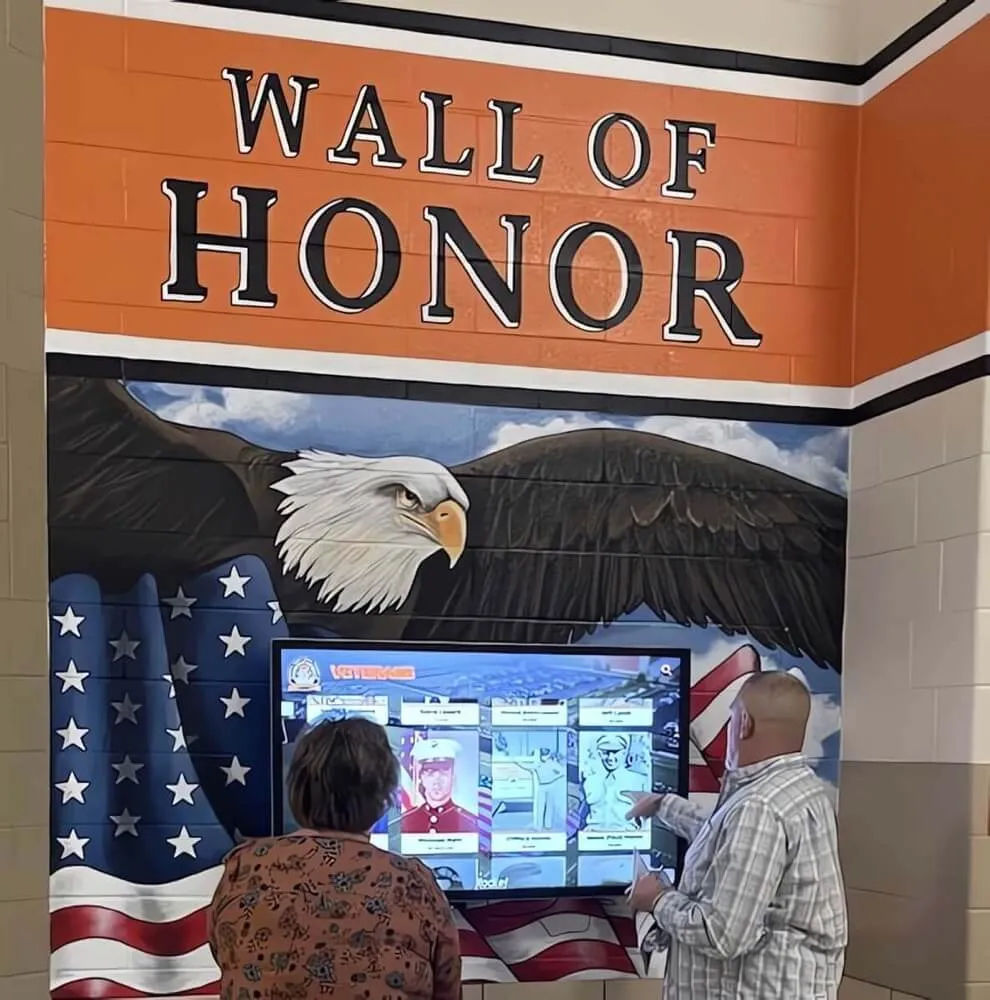
Permanent digital installations preserve complete letter winner histories including [multi-year achievement progressions](https://halloffame-online.com/blog/digital-touchscreen-athletic-building-high-school-team-records/?utm_source=organic&utm_medium=seo-auto&utm_content=digitalwarming&utm_campaign=letterman-jacket&utm_term=seo) spanning entire athletic careers
Decoding Letterman Jacket Patches and Symbols
The patches, pins, and emblems adorning letterman jackets create visual languages communicating specific achievements, interests, and affiliations that knowledgeable observers can interpret to understand complete athletic and academic careers.
Sport and Activity Identification Patches
Small patches typically measuring 2-4 inches identify specific sports or activities for which students earned varsity letters, enabling observers to understand athletes’ competitive backgrounds at a glance.
Athletic Sport Patches
Sport-specific patches typically feature recognizable icons including sport equipment (basketballs, footballs, soccer balls, baseball bats, hockey sticks); sport-specific action silhouettes showing athletes performing characteristic movements; sport name text in school colors or complementary designs; or combination icon-and-text designs providing clear identification. These patches most commonly attach to jacket sleeves, particularly the left sleeve opposite the letter, though placement conventions vary by school tradition and individual preference.
Multiple sport patches indicate multi-sport athletes—increasingly rare participants who deserve special recognition for their diverse athletic commitment and exceptional time management balancing multiple competitive seasons throughout school years. Multi-sport athletes often develop superior overall athleticism, leadership skills, and resilience compared to single-sport specialists, making accumulated sport patches markers of particularly impressive accomplishment.
Fine Arts and Academic Activity Patches
Non-athletic recognition includes patches featuring band instruments (saxophones, trumpets, drums) for music participation; theater masks representing comedy and tragedy for drama involvement; books, graduation caps, or academic symbols for scholastic letters; debate podiums or gavels for forensics participation; or student government symbols for elected leadership positions.
These diverse patches communicate that schools value comprehensive excellence extending beyond athletic fields into intellectual, artistic, and leadership domains. Students displaying combinations of athletic and non-athletic patches demonstrate well-rounded achievement that distinguishes exceptional individuals from peers excelling in narrower areas.
Championship and Achievement Patches
Special patches commemorate significant team achievements and individual accomplishments beyond basic letter earning, creating hierarchical recognition systems where exceptional success receives enhanced acknowledgment.
Team Championship Recognition
Championship patches document collective achievements including conference championship victories with years and competition levels; regional or district tournament successes; state playoff qualification or placement; undefeated season recognition; or league championship titles. These patches typically feature championship-specific designs, often incorporating gold coloring traditionally associated with first-place finishes, year identification enabling historical context, and competition level specification distinguishing various achievement tiers.
Championship patches transform letterman jackets into visual athletic resumes documenting complete competitive histories. Alumni often can recount their entire high school or college athletic careers by reviewing championship patches accumulated across seasons, recalling specific games, memorable opponents, and team dynamics that produced those collective successes decades after graduation.
Individual Achievement and Honor Patches
Personal accomplishment patches might recognize all-conference or all-state team selections based on exceptional performance; team captain designations honoring leadership positions; most valuable player awards determined by coaches or teammate voting; academic all-conference recognition for student-athletes combining athletic and scholastic excellence; record holder status for athletes achieving program statistical milestones; or special awards unique to particular programs or institutional traditions.
These individual recognition patches honor athletes whose contributions and achievements exceeded baseline letter earning standards, creating visible achievement gradations that motivate athletes while providing appropriate recognition for exceptional performers who distinguished themselves among already-accomplished letter winner cohorts.
Schools implementing comprehensive recognition systems document patch meanings and achievement criteria ensuring current students and future generations understand the specific accomplishments each symbol represents.
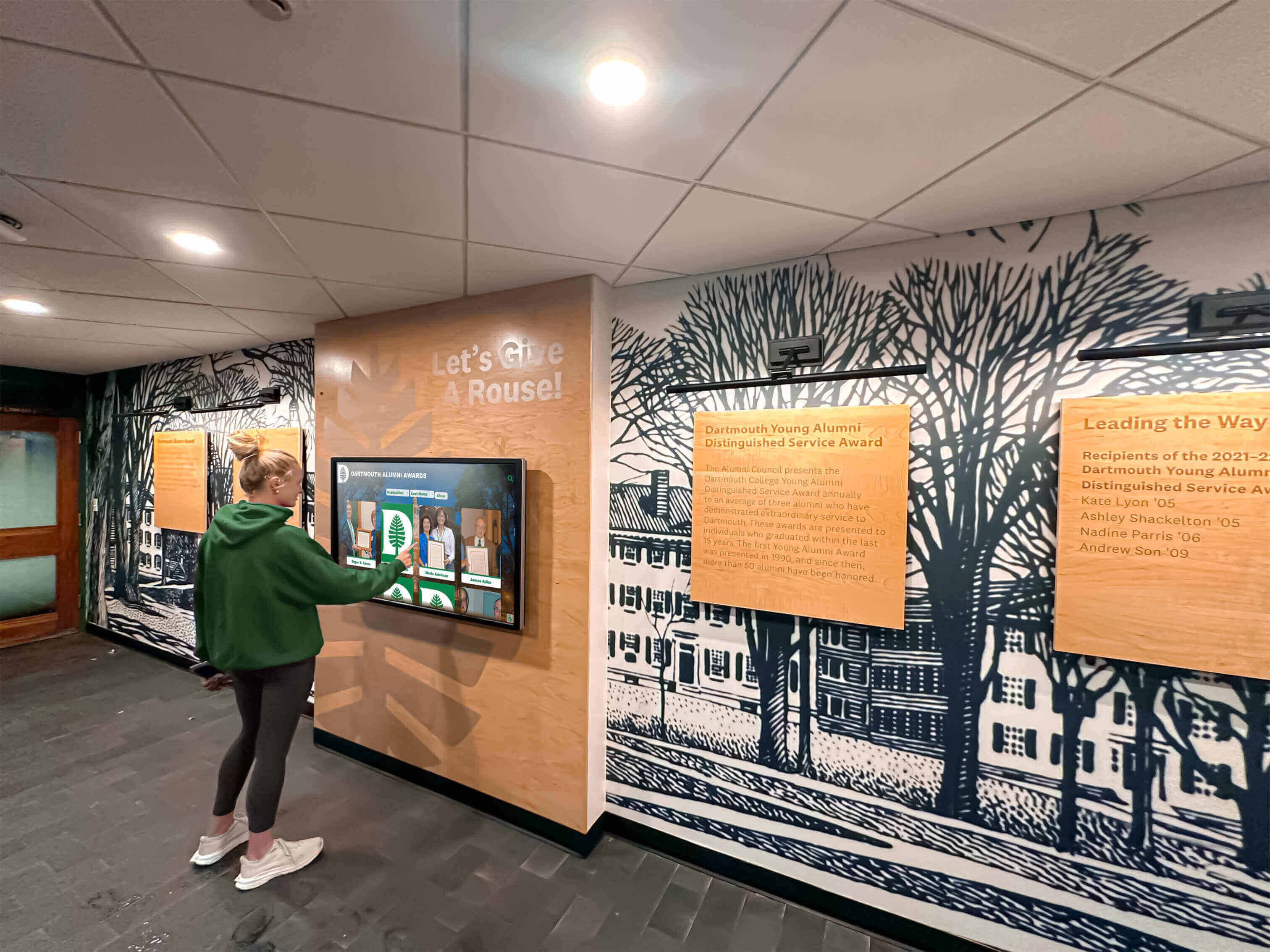
Interactive systems allow students to explore [complete athletic achievement histories](https://touchscreenwebsite.com/blog/what-is-digital-hall-of-fame/?utm_source=organic&utm_medium=seo-auto&utm_content=digitalwarming&utm_campaign=letterman-jacket&utm_term=seo) including letter winners and championship team rosters spanning decades
Service Bars, Chevrons, and Year Markers
Simple geometric symbols provide visual representation of continued participation, sustained excellence, and multi-year commitment distinguishing veteran letter winners from first-year recipients.
Participation Bars and Chevrons
Many students add chevron stripes or horizontal bars below letters indicating additional years of letter earning beyond initial awards. Common approaches include adding one chevron for each additional season after first letters; using different colored chevrons distinguishing varsity versus junior varsity participation; incorporating bars indicating specific seasons, competitions, or achievement levels; or creating stacked configurations showing progression across complete athletic careers.
These markers enable observers to estimate athletes’ experience and dedication at a glance. Jackets displaying multiple chevrons below letters communicate sustained commitment and consistent performance across multiple seasons—achievements deserving special respect given how many athletes compete for only single seasons or fail to maintain letter-earning performance levels throughout careers.
Leadership and Special Achievement Pins
Metal pins attach to jacket lapels, pockets, or letter areas, typically representing captain designations often displayed as “C” patches or pins; team MVP recognition determined through coach selection or teammate voting; all-conference, all-region, or all-state selections based on exceptional performance; record holder status for athletes achieving program statistical milestones; or perfect attendance honors recognizing complete season participation without absences.
Leadership pins carry particular significance because they acknowledge qualities extending beyond physical talent or competitive success. Captain designations recognize athletes whom coaches and teammates trusted to lead, set examples, and represent program values—character recognition often more meaningful to mature adults reflecting on athletic careers than statistical achievements or competitive victories that time gradually diminishes in perceived importance.
Personal and Commemorative Additions
Beyond standardized recognition patches, many students add personal elements creating unique jackets reflecting individual identities, interests, and meaningful experiences.
Name and Year Embroidery
Most students include names or nicknames embroidered on jacket right chests opposite letters, typically in script or block lettering matching letter styles. Name sizes generally measure more modestly than letters themselves—usually 2-3 inches tall—creating balanced appearance without overwhelming letters as focal points. Name variations include first names only, last names only, athletic nicknames teammates used, full names with graduation years, or creative combinations reflecting personal preferences.
Graduation years appear frequently on jacket backs, sleeves, or inside collars. Popular placements include large numbers (6-12 inches) centered on upper backs; smaller numbers (2-4 inches) on backs or shoulder areas; numbers on sleeves near cuffs; or embroidered numbers on inside collars as subtle details visible only when jackets hang open or get stored.
School Name and Mascot Designs
Back embroidery commonly includes school names, mascots, or logos. Popular back designs feature school names arched across upper backs; mascot logos or images centered on backs; school names combined with graduation years; or combinations incorporating school names and mascot imagery. These elements create immediate school identification enabling observers to recognize institutional affiliations even when jackets face away, strengthening visible school spirit and community pride.
Students might add inside collar embroidery including names, graduation years, personal mottos, or meaningful quotes; hood attachments for additional warmth in cold climates; quilted or satin lining choices adding comfort and visual appeal; inside pocket customization or special designs; or other personal touches making jackets unique while maintaining traditional letterman aesthetic ensuring instant recognizability.
Modern Letterman Jacket Traditions and Etiquette
Understanding proper letterman jacket etiquette helps students honor tradition respectfully while wearing earned recognition appropriately, maintaining the cultural significance these garments carry within athletic and academic communities.
Who May Wear Letterman Jackets
Traditional etiquette establishes clear standards about letterman jacket wearing privileges, ensuring these garments maintain meaning as achievement markers rather than becoming generic fashion items anyone can purchase and display.
Letter Winner Exclusivity
Only students who earned varsity letters should wear letterman jackets displaying school letters. Wearing unearned letters disrespects athletes who achieved recognition through dedication, sacrifice, and performance meeting established standards. Students who haven’t earned letters can wear school spirit apparel, team jackets, or other branded clothing, but shouldn’t display chenille letters they didn’t legitimately earn through achievement.
This exclusivity maintains letter significance and protects recognition integrity. When anyone can wear letter jackets regardless of achievement, the garments lose meaning as markers of special accomplishment. Preserving letter exclusivity honors athletes who earned recognition while maintaining motivational systems encouraging younger students to pursue achievement deserving letter awards.
Dating and Relationship Traditions
Historical traditions sometimes involved letter winners allowing romantic partners to wear their jackets, symbolizing relationship seriousness similar to class ring exchanges or commitment tokens. This practice has become less universal but hasn’t disappeared entirely, particularly in communities maintaining traditional dating customs and relationship symbolism.
When this tradition operates, borrowed jackets should be returned if relationships end, with temporary wearers understanding they’re borrowing earned recognition rather than claiming personal achievement. Some schools discourage this practice entirely to maintain strict letter winner exclusivity, while others accept it as harmless tradition honoring romantic relationships common during adolescence.
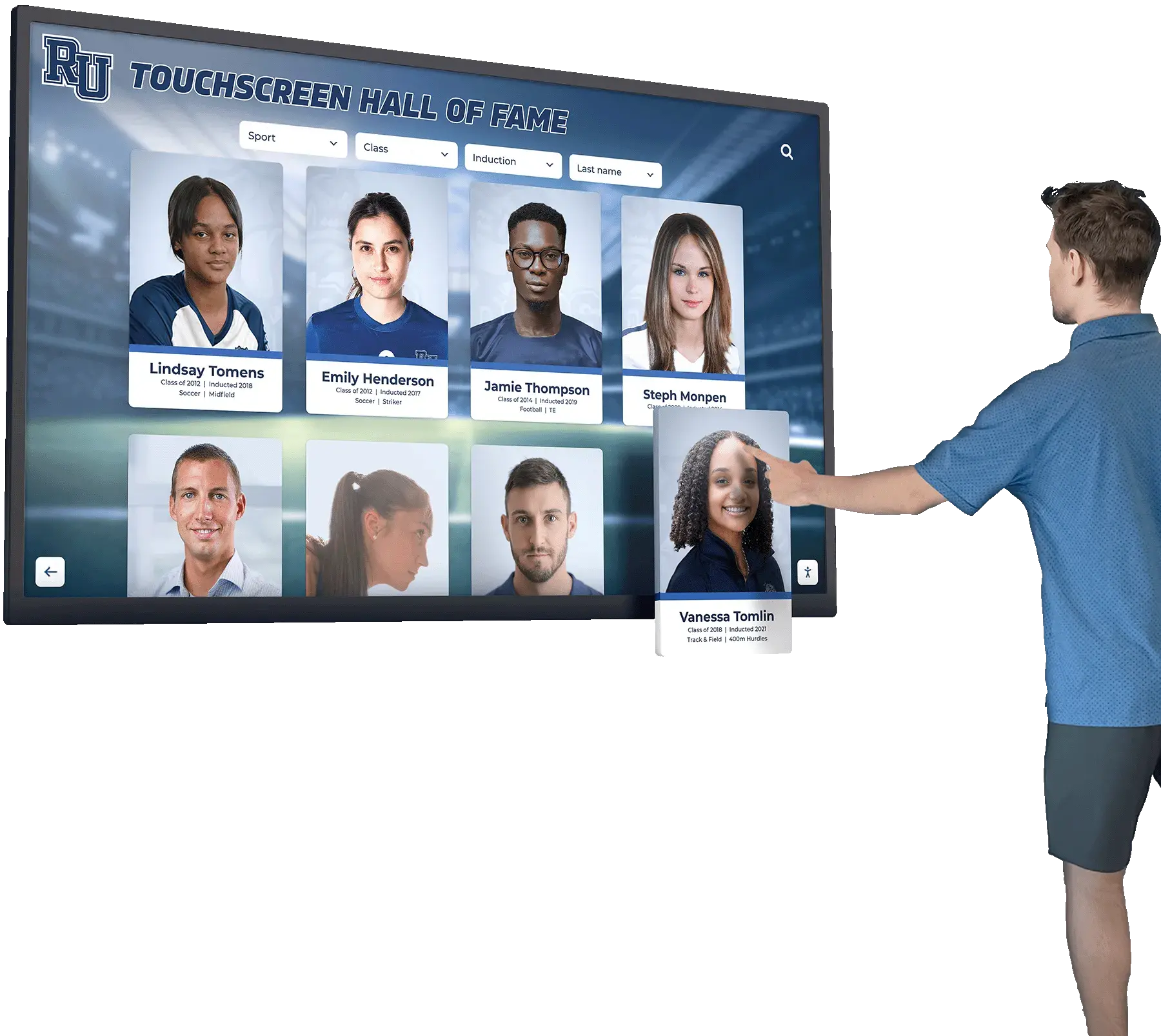
Digital platforms preserve [complete letter winner profiles](https://best-touchscreen.com/blog/letterman-jacket-patches-guide-athletic-achievement-symbols/?utm_source=organic&utm_medium=seo-auto&utm_content=digitalwarming&utm_campaign=letterman-jacket&utm_term=seo) including patch meanings and athletic career documentation accessible to entire school communities
Proper Wearing and Display Standards
Respecting jacket traditions includes appropriate wearing practices reflecting the honor these garments represent within school communities and broader society.
Respectful Wearing Practices
Traditional etiquette suggests wearing jackets with pride and appropriate care, maintaining neat appearance reflecting positively on schools and athletic programs; snapping jackets properly rather than leaving them hanging open, demonstrating attention to presentation details; avoiding casual lending to friends for fashion purposes, which dilutes recognition significance; removing jackets during flag ceremonies, pledge of allegiance, or national anthem performances, showing patriotic respect; and representing schools positively while wearing visible institutional identification, understanding that jacket wearers serve as unofficial program ambassadors.
Students should recognize that wearing letterman jackets creates heightened visibility and implicit behavioral expectations. Community members observing jacket-wearing students often assume they represent exemplary school citizens, creating responsibilities to conduct themselves appropriately in public settings, athletic competitions, and community interactions where visible school affiliation establishes behavioral standards.
Avoiding Disrespectful Practices
Students should avoid wearing jackets while engaging in inappropriate behavior bringing negative attention to schools or programs; allowing non-letter winners to wear jackets, which undermines recognition systems and disrespects achievement standards; treating expensive jackets carelessly through improper storage, neglectful maintenance, or careless handling; altering jackets in ways damaging school branding or letter integrity; or displaying jackets in contexts trivializing the recognition they represent, such as costume parties or theatrical productions unless specifically appropriate.
Care, Maintenance, and Preservation
Proper care preserves letterman jackets for years or decades, ensuring these valuable recognition symbols remain in excellent condition throughout ownership and potentially for future family generations who might treasure them as family heirlooms.
Cleaning and Maintenance Guidelines
Letterman jackets require specialized care given their mixed material construction. Appropriate care includes professional dry cleaning for complete jacket cleaning, typically annually or as needed based on wear frequency; spot cleaning leather sleeves using damp cloths and leather-specific cleaning products; avoiding machine washing which damages wool bodies and leather sleeves while deteriorating adhesives securing patches and letters; brushing wool bodies periodically to remove lint, dust, and surface dirt maintaining appearance; and protecting jackets from rain and excessive moisture which can damage both wool and leather materials.
Leather sleeves particularly benefit from occasional leather conditioning treatments preventing drying, cracking, or excessive stiffening. Quality leather conditioners maintain sleeve suppleness while developing attractive patina as jackets age, creating character that distinguishes well-maintained vintage jackets from neglected examples showing excessive wear.
Storage Recommendations
Proper storage preserves jacket condition during off-seasons or long-term periods when regular wearing isn’t practical. Effective storage practices include hanging jackets on sturdy hangers preventing collar distortion or shoulder creasing; storing in cool, dry locations away from direct sunlight which fades colors and deteriorates materials; using breathable garment bags for long-term storage protecting from dust while allowing air circulation; avoiding plastic bags trapping moisture and causing mildew or material degradation; and employing cedar storage solutions or moth prevention products protecting wool from insect damage.
Many alumni preserve letterman jackets throughout lives as treasured mementos of high school or college achievement. Jackets stored properly can remain in excellent condition for decades, becoming family heirlooms that children or grandchildren might eventually wear or display as connections to family athletic traditions and educational histories.
Schools implementing student achievement tracking systems complement physical letterman jacket traditions with permanent digital records ensuring achievement documentation extends beyond physical garments.
Complementing Physical Tradition with Digital Recognition
While letterman jackets provide powerful immediate recognition students wear with pride, modern schools increasingly implement digital systems extending recognition impact beyond physical garments while preserving achievement documentation accessible throughout lifetimes.
Limitations of Physical Jacket Recognition
Traditional letterman jacket programs face inherent constraints affecting long-term recognition value and accessibility despite their continued cultural relevance and motivational effectiveness.
Temporal and Geographic Restrictions
Letterman jacket recognition exists primarily during high school or college years when students wear jackets regularly around campuses and communities. After graduation, most adults pack jackets away in storage where only occasional nostalgic retrieval provides opportunities for reflection on achievements those jackets represent. This temporal limitation means recognition value concentrates in relatively brief periods despite representing accomplishments requiring years of dedication.
Geographic limitations similarly restrict recognition impact. Only individuals physically present in same locations as jacket wearers can observe and appreciate displayed recognition. Family members living at distances, extended relatives unable to attend school events regularly, and broader communities beyond immediate geographic areas miss opportunities to celebrate achievements that letterman jackets represent despite often contributing significantly to athletes’ success through emotional support, financial investment, or foundational athletic development.
Limited Contextual Information
Letterman jackets communicate achievement through symbols and patches but provide minimal specific information about what those symbols represent. Observers seeing heavily-decorated jackets understand wearers accomplished significant achievements but learn nothing about specific performances, memorable competitions, individual statistics, leadership contributions, or personal stories making those accomplishments meaningful beyond generic success indicators.
This absence of detailed context limits jackets’ storytelling capacity. The wrestler who earned letters through four years of sustained excellence, including two conference championships and a state tournament placement, wears identical letters to the basketball player who earned single letters through minimum participation standards. While additional patches provide some differentiation, casual observers rarely understand detailed achievement distinctions those patches represent.
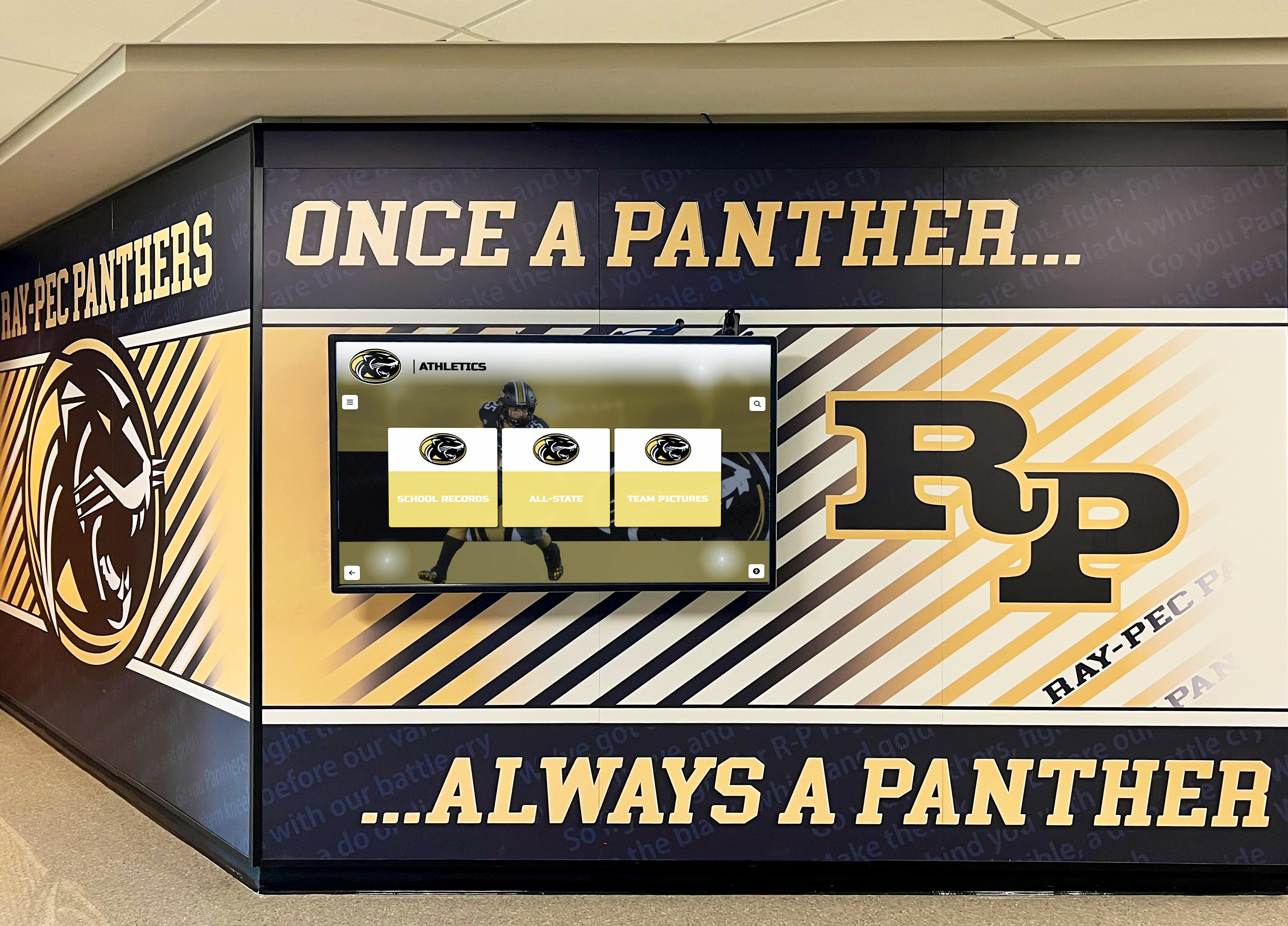
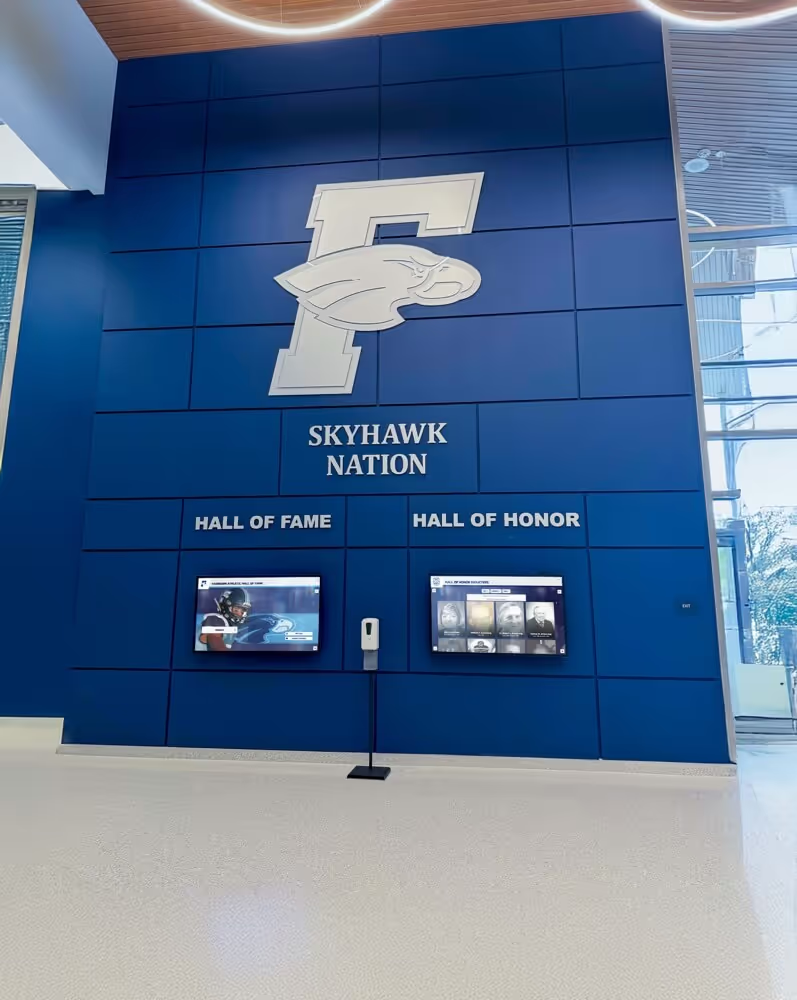
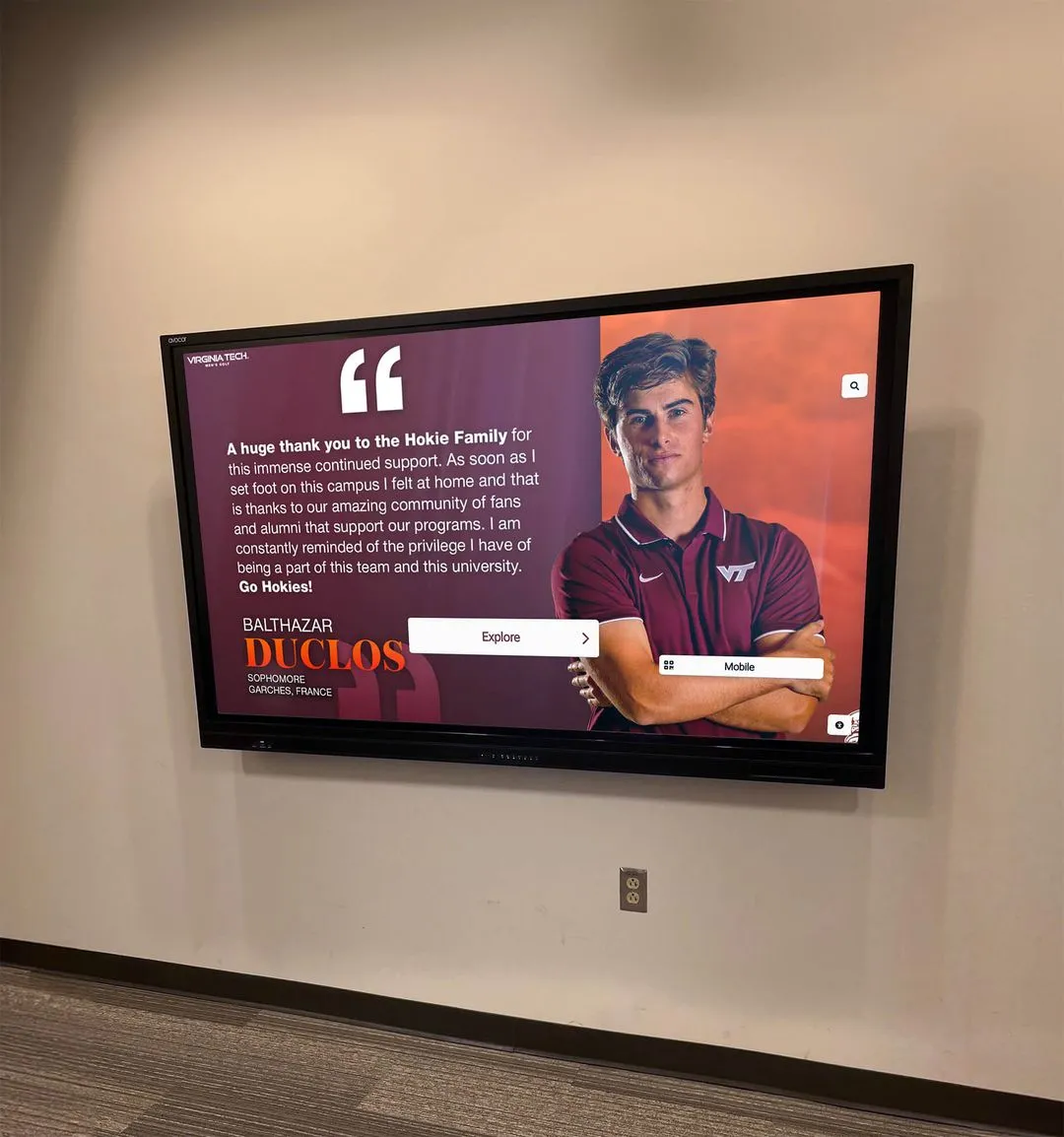
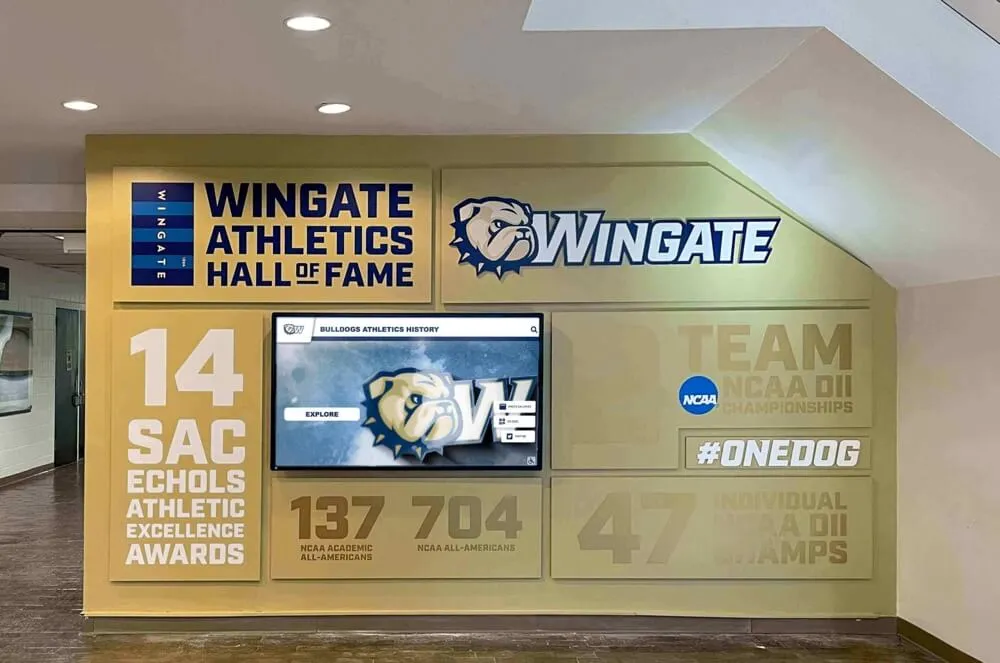
Integrated displays combine [letterman jacket tradition recognition](https://touchhalloffame.us/blog/spirit-tradition-wall-comprehensive-guide/?utm_source=organic&utm_medium=seo-auto&utm_content=digitalwarming&utm_campaign=letterman-jacket&utm_term=seo) with comprehensive digital profiles documenting complete athletic careers accessible to entire school communities
Digital Recognition Extending Traditional Systems
Modern technology enables schools to complement letterman jacket traditions with comprehensive digital platforms addressing physical recognition limitations while preserving achievement documentation permanently.
Comprehensive Achievement Documentation
Digital athletic recognition platforms like Rocket Alumni Solutions enable schools to document complete letterman jacket histories alongside broader achievements including total letters earned across careers with sport and activity breakdowns; specific seasons and criteria met for each letter award; championship participations and team achievement documentation; academic honors earned alongside athletic recognition; leadership positions and team awards received; complete statistical records and performance documentation; photo galleries showing athletes wearing decorated jackets at various career stages; video highlights of performances earning recognition; and written narratives explaining program-specific patch meanings and achievement contexts.
This comprehensive documentation transforms temporary recognition into permanent achievement records accessible decades after graduation. Athletes who earned varsity letters can share complete recognition histories with families, employers, future generations, and personal networks rather than relying on physical jackets packed in storage or fading memories of specific accomplishments represented by accumulated patches and symbols.
Extended Access Beyond Physical Presence
Digital platforms provide access transcending physical and temporal limitations including web-based access enabling family viewing regardless of geographic location; mobile applications allowing alumni to revisit achievement records from anywhere; social sharing capabilities enabling athletes to showcase recognition through personal networks; QR codes linking physical displays to expanded digital content; search functionality allowing community members to explore program histories; permanent accessibility ensuring recognition remains available throughout lifetimes; and interactive features enabling deeper engagement than passive physical observation permits.
This extended access multiplies recognition impact by reaching audiences impossible with physical letterman jackets alone. Grandparents living across countries can explore grandchildren’s complete athletic achievements including detailed letter earning documentation. Alumni relocated for college, careers, or military service maintain connections to high school accomplishments through accessible digital records. Prospective families researching school athletic programs discover recognition traditions demonstrating institutional commitment to celebrating individual excellence through both traditional and contemporary approaches.
Integration Within Broader Recognition Cultures
Most effective digital platforms integrate letterman jacket recognition within comprehensive systems celebrating career statistics and performance records; championship team memberships and playoff achievements; academic honors and student-athlete distinctions; leadership positions and character awards; post-graduation athletic careers and accomplishments; current life updates maintaining alumni connections; homecoming traditions and school spirit events; and community involvement demonstrating lifelong school connections.
Integrated approaches present complete stories rather than isolated recognition elements, honoring athletes as complete individuals whose achievements extend beyond any single award or recognition symbol. This comprehensive perspective aligns with contemporary educational philosophies emphasizing well-rounded development over narrow specialization while creating richer historical documentation preserving institutional traditions across generations.
Balancing Tradition and Innovation
Forward-thinking schools recognize that letterman jacket traditions and digital recognition represent complementary approaches rather than competing alternatives, implementing both to maximize recognition impact while honoring tradition.
Maintaining Physical Tradition
Successful programs preserve letterman jacket traditions while implementing digital enhancements, continuing letter award ceremonies honoring first-time recipients with appropriate formality; maintaining jacket ordering processes and family traditions surrounding purchases; preserving patch and pin traditions that create visual achievement languages; honoring proper wearing etiquette and exclusivity standards; and celebrating jacket presentations during athletic banquets or recognition events.
Physical letterman jackets provide immediate tangible recognition that digital systems cannot replicate—students can wear, display, and experience direct peer recognition through visible achievement symbols that create pride, motivation, and community belonging throughout school years.
Enhancing Through Digital Systems
Digital platforms extend rather than replace traditional recognition by documenting complete letter winner histories including decades of program tradition; providing detailed context explaining what specific patches and awards represent; enabling geographic and temporal access transcending physical presence limitations; creating searchable databases allowing easy exploration of program histories; preserving multimedia content including photos, videos, and written narratives; and maintaining updated information as alumni achieve post-graduation successes.
Solutions like Rocket Alumni Solutions create this complementary recognition, honoring letterman jacket traditions while ensuring achievement documentation remains accessible permanently rather than disappearing when graduates pack jackets away in storage or when physical garments eventually deteriorate beyond preservation.
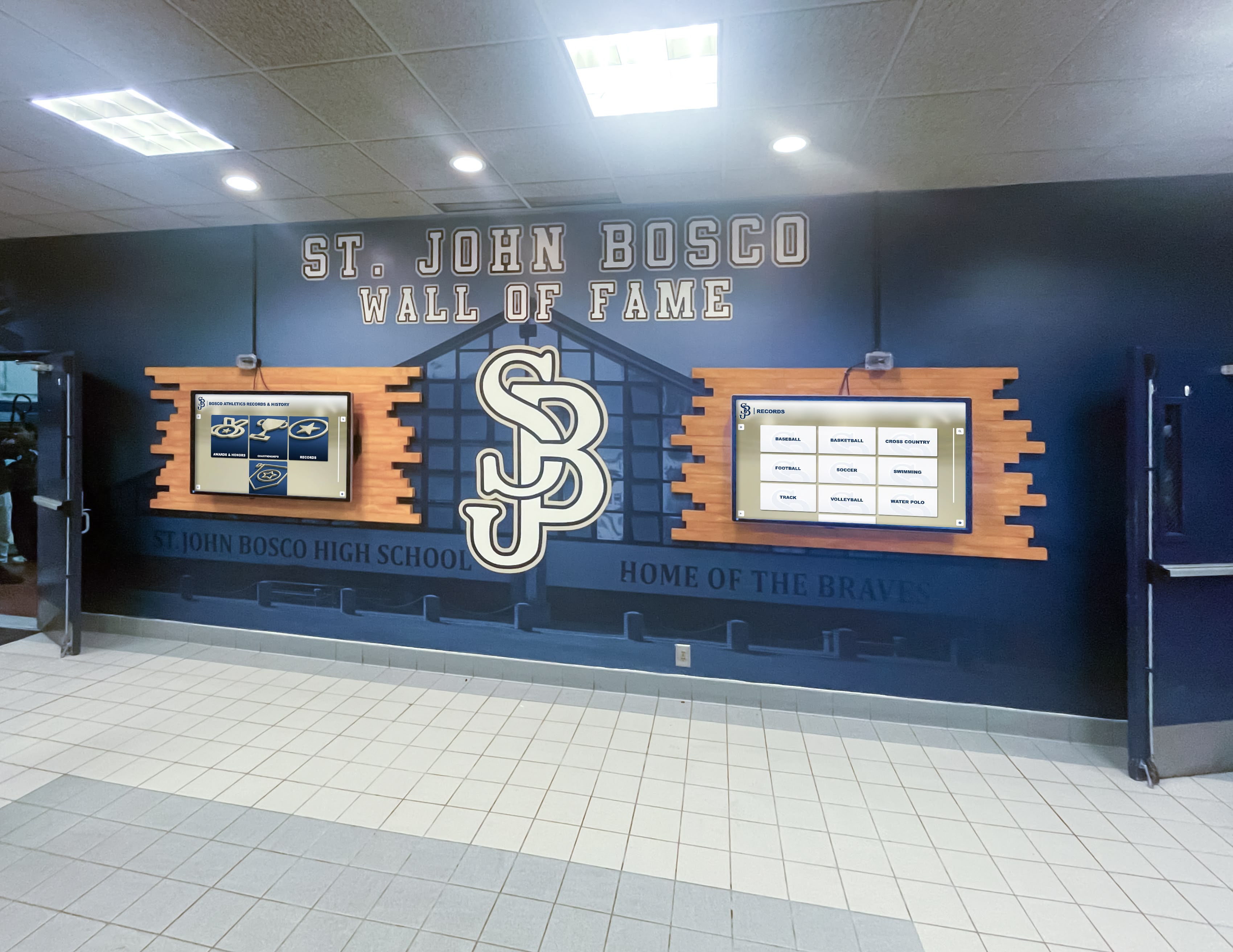
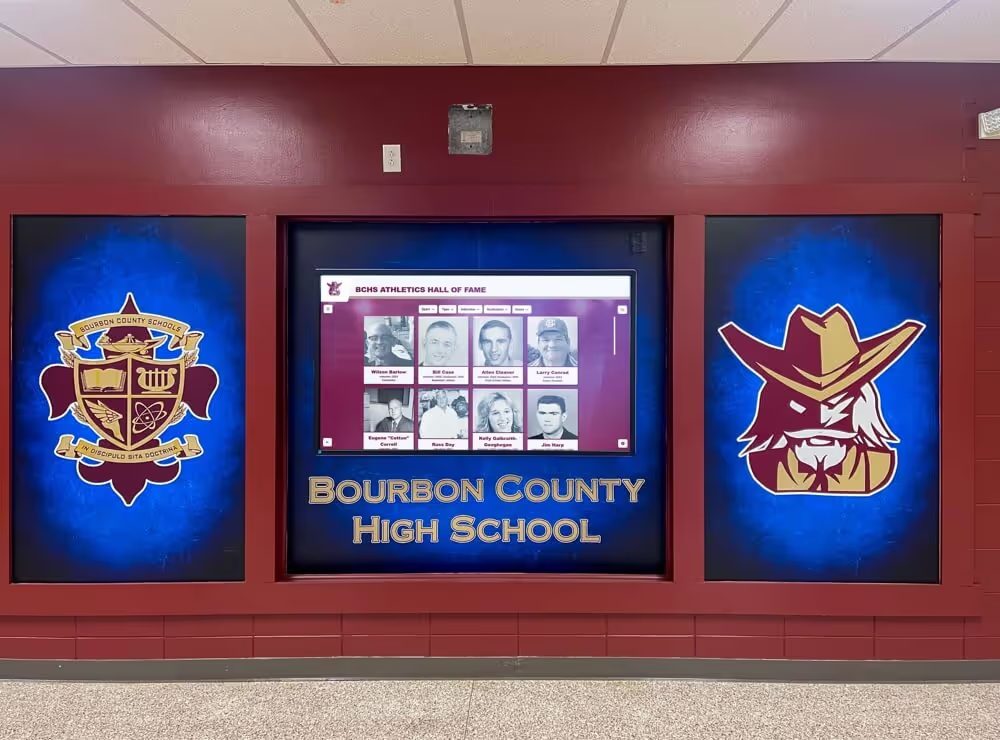
Multiple display installations create extensive capacity for [recognizing letter winners alongside complete athletic program histories](https://halloffamewall.com/blog/senior-class-awards-display/?utm_source=organic&utm_medium=seo-auto&utm_content=digitalwarming&utm_campaign=letterman-jacket&utm_term=seo) spanning decades of tradition
Regional Variations and Unique School Traditions
While core letterman jacket traditions remain consistent nationwide, schools have developed unique variations reflecting local cultures, regional preferences, and institutional identities that create distinctive recognition approaches while maintaining fundamental tradition elements.
Design and Color Variations
School-specific design choices create visual diversity within consistent letterman jacket frameworks, enabling institutional identity expression while maintaining recognizable traditional elements.
Regional Style Preferences
Different geographic regions exhibit preferences for specific design elements. Northeastern schools often favor classic navy and crimson color combinations with conservative designs reflecting preppy aesthetic traditions. Southern programs frequently incorporate vibrant colors, larger logos, and more extensive back embroidery showing regional preferences for bold visual statements. Midwestern schools typically maintain traditional designs with moderate embellishment levels balancing recognition visibility with understated presentation. Western schools sometimes experiment with alternative materials, modern cuts, or contemporary styling reflecting regional openness to innovation and design evolution.
These regional variations create distinctive visual identities while maintaining core letterman jacket elements ensuring instant tradition recognition regardless of specific design choices or stylistic preferences individual schools adopt.
Climate-Appropriate Adaptations
Schools in warmer climates sometimes offer letterman vest alternatives or lighter-weight jacket options acknowledging that traditional heavy wool construction proves impractical for year-round wear in southern or southwestern regions. These adaptations maintain recognition symbolism while creating garments students can comfortably wear throughout more extended periods than traditional cold-weather jackets permit in tropical or subtropical climates.
Some programs offer multiple jacket style options allowing students to choose constructions matching personal preferences, climate considerations, or budget constraints while maintaining consistent letter and patch standards ensuring all variations represent equivalent achievement recognition regardless of specific garment choices.
Unique Award Traditions and Special Recognitions
Individual schools develop distinctive award traditions beyond standard letter and patch systems, creating unique recognition approaches reflecting particular institutional values, competitive philosophies, or community characteristics.
Legacy and Heritage Recognition
Some programs award special heritage patches or pins to athletes whose family members previously earned letters at same schools, honoring multi-generational athletic traditions. These legacy recognitions celebrate families maintaining long-term school connections while acknowledging that athletic participation often represents family traditions passed between generations sharing common school experiences.
Community Service Integration
Schools emphasizing service learning might incorporate community service patches or awards recognizing volunteer contributions alongside athletic achievements. These additions communicate that programs develop complete citizens contributing to communities beyond athletic fields, integrating character development and civic responsibility within competitive athletic frameworks.
Academic-Athletic Excellence Awards
Programs prioritizing academic achievement alongside athletic success sometimes create special scholar-athlete recognition through distinctive patches, pins, or awards differentiating students excelling in both domains from peers achieving recognition through athletics alone. These awards reinforce student-athlete identity while honoring comprehensive excellence that colleges and universities increasingly prioritize during admissions processes.
Schools implementing recognition programs celebrating diverse achievements find that multi-dimensional approaches strengthen school culture more effectively than single-focus recognition systems.
Economic Considerations and Access Equity
Letterman jacket costs create potential barriers preventing some deserving students from obtaining these prestigious recognition symbols, requiring thoughtful approaches ensuring all letter winners can access appropriate recognition regardless of family financial circumstances.
Understanding Jacket Costs and Pricing
Authentic letterman jackets represent significant investments, with total costs varying based on quality, customization, and purchasing approaches but generally ranging from $350-700 for fully customized garments.
Base Jacket Investment
Quality wool-body, leather-sleeve letterman jackets typically cost $250-500 for base garments before customization. Price factors include material quality with premium versus standard wool and leather; construction methods ranging from fully lined to basic finishing; manufacturer reputation and brand positioning; and purchase methods comparing school group orders versus individual purchases potentially offering different pricing structures.
Budget alternatives using synthetic materials or lighter construction may cost $150-250 but often lack quality, appearance, and longevity of authentic jackets. Since letterman jackets represent once-in-a-high-school-career purchases, families typically choose authentic quality despite higher costs, recognizing these garments serve as lasting achievement mementos rather than temporary fashion items.
Customization Expenses
Beyond base prices, customization adds substantial expense including varsity letter attachment ($20-40); name embroidery ($10-20); back embroidery featuring school names, logos, or years ($40-80); sport patches ($8-15 each); championship or achievement patches ($5-20 each); additional embroidery elements ($10-30 each); and special design features or premium material upgrades.
Total costs for fully customized jackets typically range from $350-700 depending on customization extent, patch quantities, and specific design choices. Some students start with basic jackets and add elements progressively as they earn additional letters and achievements, spreading costs across multiple years rather than requiring substantial single investments.
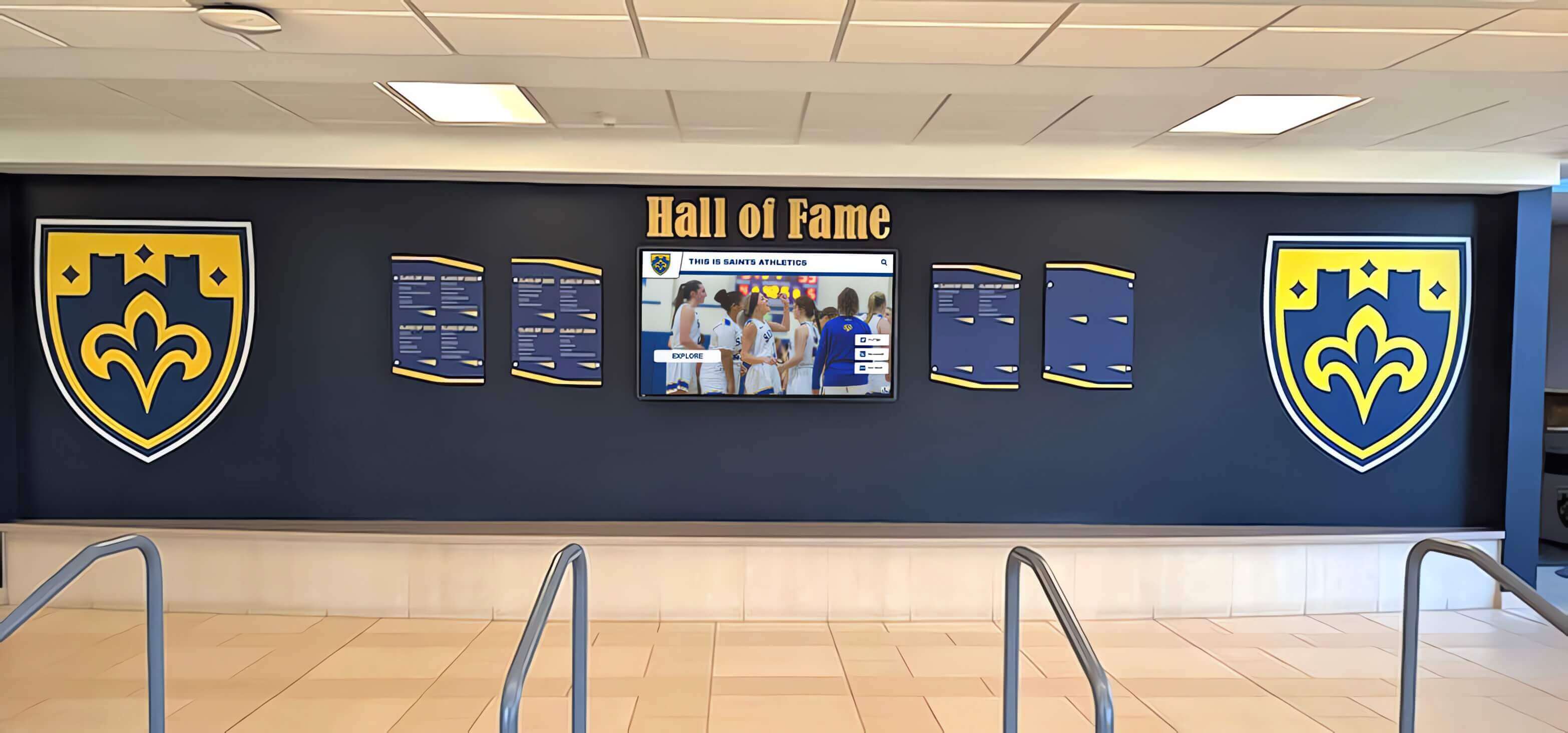
Comprehensive recognition installations honor [letterman jacket recipients alongside broader athletic achievements](https://touchwall.us/blog/honor-roll-touchscreen-display/?utm_source=organic&utm_medium=seo-auto&utm_content=digitalwarming&utm_campaign=letterman-jacket&utm_term=seo) through integrated physical and digital displays
Ensuring Equitable Access to Recognition
Financial barriers shouldn’t prevent deserving students from obtaining letterman jackets, requiring schools and communities to implement support systems ensuring all letter winners can access appropriate recognition.
School and Booster Support Programs
Many schools or booster organizations provide partial scholarships reducing jacket costs for students demonstrating financial need through confidential processes protecting student privacy; payment plans allowing families to spread costs over multiple months making investments more manageable; fundraising opportunities where students earn money toward jacket purchases through community service or program support; or used jacket programs connecting graduating seniors with underclassmen, allowing previously-owned jackets to serve new letter winners rather than remaining in storage indefinitely.
Community and Business Partnerships
Local businesses sometimes sponsor jackets for athletes, particularly through established relationships with specific teams or programs; community organizations supporting youth achievement through financial contributions; local alumni supporting students attending their alma maters; or booster club fundraising programs specifically designated for letterman jacket assistance.
Alternative Recognition Options
Schools might offer lower-cost recognition alternatives including letterman hoodies or alternative garments providing similar recognition at reduced prices; certificate recognition suitable for framing acknowledging letter earning; digital recognition through prominent website, social media, or display system features; or graduated assistance programs where schools provide varying support levels based on demonstrated financial need ensuring all letter winners receive appropriate recognition within available resources.
No student should feel excluded from letterman jacket traditions due to financial constraints. Most schools maintain confidential processes connecting deserving students with resources ensuring they can obtain jackets without public disclosure of financial circumstances, protecting student dignity while ensuring equitable access to recognition all letter winners deserve.
The Future of Letterman Jacket Traditions
Despite changing fashions, evolving educational priorities, and technological innovations transforming recognition approaches, letterman jacket traditions demonstrate remarkable resilience suggesting continued relevance for future generations while adapting to contemporary contexts and expectations.
Why Traditional Recognition Endures
Several factors explain letterman jacket persistence across generations despite dramatic cultural changes affecting nearly every aspect of American adolescent life and educational experience.
Tangible Achievement Symbols
Physical letterman jackets provide tangible recognition that digital awards cannot replicate—students can wear, display, and physically possess achievement symbols creating immediate pride, peer recognition, and community belonging. This materiality creates emotional connections and lasting memories that purely digital recognition struggles to match despite technological sophistication and enhanced information capacity.
Generational Continuity
Letterman jacket traditions create connections between current students and alumni predecessors who wore similar recognition decades earlier, providing continuity and shared experience across generations. Alumni seeing current students wearing letterman jackets recall their own high school experiences, creating common ground and sustained engagement with schools long after graduation. This generational linking strengthens community bonds and institutional identity in ways that constantly-changing contemporary recognition approaches cannot achieve.
Cultural Iconography
Letterman jackets maintain strong cultural recognition within American society through decades of media representation, community traditions, and collective understanding of what these garments symbolize. Unlike obscure recognition forms requiring explanation, letterman jackets communicate achievement instantly to broad audiences including international observers familiar with American high school culture through exported media and cultural products.
Adapting Tradition for Contemporary Students
Successful programs balance tradition preservation with thoughtful evolution ensuring letterman jacket recognition remains relevant for contemporary students while maintaining core elements that give traditions meaning and continuity.
Expanded Recognition Categories
Modern letter programs extend beyond traditional athletics to acknowledge diverse achievements including academic excellence, fine arts participation, service learning, leadership development, and other activities reflecting contemporary educational priorities valuing well-rounded development over narrow specialization. These expansions ensure more students can earn recognition while communicating that excellence manifests in countless forms beyond athletic competition.
Digital Enhancement and Preservation
Technology complements rather than replaces physical traditions through comprehensive digital documentation; extended access enabling global sharing; permanent preservation beyond physical garment lifespans; multimedia enhancement adding photos, videos, and narratives; and searchable archives enabling easy historical exploration. These enhancements extend recognition impact while honoring tradition through parallel rather than replacement approaches.
Inclusive Design and Representation
Contemporary programs ensure letterman jacket traditions welcome all students regardless of gender, identity, background, or family circumstances through equitable access programs; inclusive sizing and style options; flexible earning criteria accommodating diverse abilities; and recognition celebrating varied contribution types rather than narrow performance definitions.
Schools implementing comprehensive student recognition cultures understand that letterman jacket traditions remain powerful recognition tools when adapted thoughtfully for contemporary contexts while maintaining core elements giving traditions enduring meaning and motivational value.
Conclusion: Honoring Achievement Through Enduring Tradition
Letterman jacket traditions have celebrated student achievement for more than 160 years, from Harvard’s 1865 baseball innovation to contemporary programs recognizing diverse excellence across thousands of schools nationwide. These iconic wool and leather garments communicate dedication, accomplishment, and school pride through instantly recognizable symbols that connect current students to generations of predecessors who earned similar recognition through comparable commitment and achievement.
Understanding letterman jacket history illuminates why these traditions endure despite dramatic cultural changes affecting nearly every aspect of American education and adolescent experience. The 1865 Harvard baseball team sought simple recognition for outstanding players—a need that transcends historical periods and cultural contexts, remaining fundamentally relevant whether athletes compete in 1920, 1975, or 2026. Physical achievement symbols students can wear with pride create immediate community recognition and lasting personal meaning that purely statistical records or administrative certificates cannot replicate.
Decoding the patches, pins, and symbols adorning letterman jackets reveals sophisticated visual languages communicating complete athletic and academic careers through small emblems and awards. Sport patches identify competitive backgrounds, championship patches document team successes, achievement pins recognize individual excellence, and service bars show sustained commitment across multiple years. These accumulated symbols transform jackets into wearable resumes that knowledgeable observers can interpret to understand complete high school or college accomplishments at a glance.
Yet the most forward-thinking schools recognize that letterman jacket traditions and digital recognition represent complementary rather than competing approaches. Physical jackets provide immediate tangible recognition students wear with pride throughout school years, creating peer acknowledgment and community belonging. Digital platforms extend recognition beyond temporal and geographic limitations, documenting complete achievement histories accessible throughout lifetimes while preserving institutional memory across generations. This balanced approach honors tradition while implementing innovation, ensuring achievement receives appropriate celebration through multiple recognition forms optimized for different purposes and audiences.
Your school’s letterman jacket traditions communicate institutional values to students, families, and communities. Programs awarding letters exclusively for genuine achievement maintain recognition integrity and motivational effectiveness. Comprehensive criteria acknowledging diverse contributions—athletics, academics, fine arts, leadership, service—communicate that schools value well-rounded excellence. Equitable access initiatives ensure all deserving students can obtain recognition regardless of family financial circumstances. Digital documentation preserves achievement permanently while extending recognition impact beyond physical garment limitations.
Whether you’re a student working toward earning your first letter, a parent navigating jacket ordering processes, a coach designing letter criteria, or an administrator enhancing recognition programs, understand that effective approaches balance treasured traditions with thoughtful evolution. Letterman jackets will continue marking achievement for future generations while modern recognition platforms ensure that dedication, sacrifice, and excellence receive celebration extending beyond brief school years into permanent documentation honoring accomplishments appropriately throughout lifetimes.
Ready to complement your letterman jacket traditions with comprehensive digital recognition celebrating all student achievements permanently? Explore recognition solutions that preserve athletic excellence, academic achievement, and leadership contributions while building engaged communities where every accomplishment receives lasting recognition it deserves across generations.