



Few symbols of high school achievement carry the weight and prestige of a letterman jacket. For generations, these wool and leather jackets have represented athletic excellence, academic achievement, and the pride students feel in their school accomplishments. Walking through school hallways wearing your letterman jacket communicates to everyone that you earned recognition for your dedication, skill, and contribution to your school community.
Yet for many students and parents navigating the letterman jacket process for the first time, questions abound: What exactly do you need to do to earn a letter? What do all those patches and pins mean? How much do these jackets cost? What’s the difference between authentic varsity jackets and cheaper alternatives? How do you choose the right design elements to properly honor your achievements? And in an era when students rarely wear the same outfit twice, why does this decades-old tradition still matter so much to teenagers and communities?
Understanding letterman jacket history, traditions, and proper etiquette helps students appreciate the honor these jackets represent while navigating the process of earning, ordering, and wearing them appropriately. This guide provides comprehensive information about everything related to high school letterman jackets—from their origins to modern recognition alternatives that extend jacket traditions into digital spaces engaging entire school communities.
The letterman jacket tradition connects today’s high school students to athletic and academic recognition customs stretching back more than a century. These iconic jackets represent visible proof of achievement that students wear with pride while creating memories that last far beyond high school years.

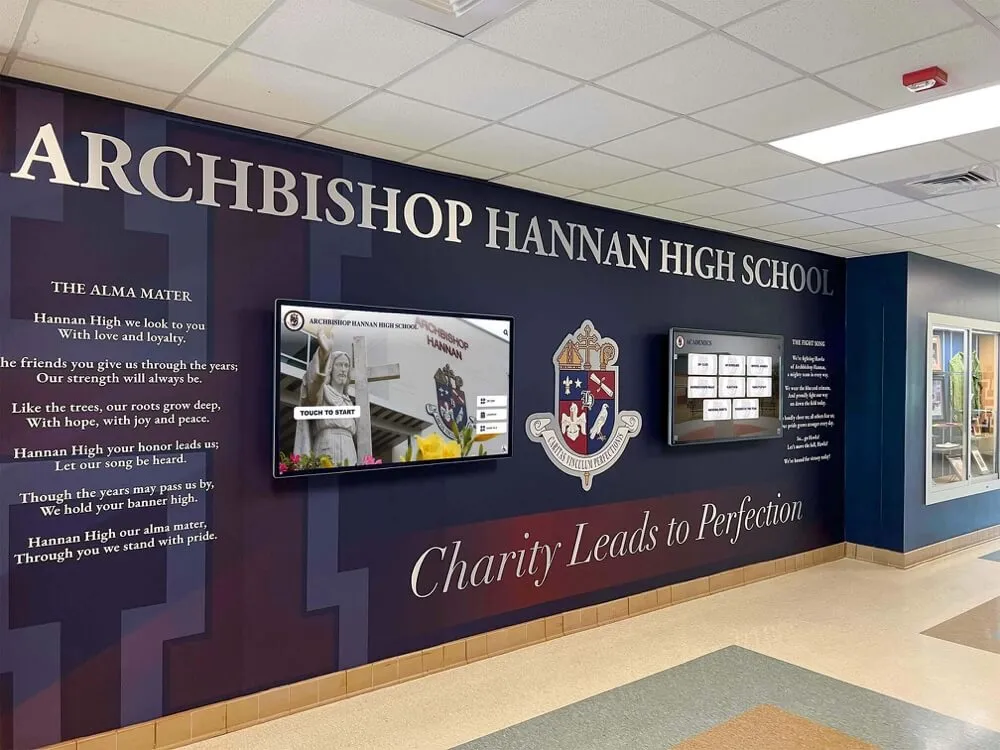
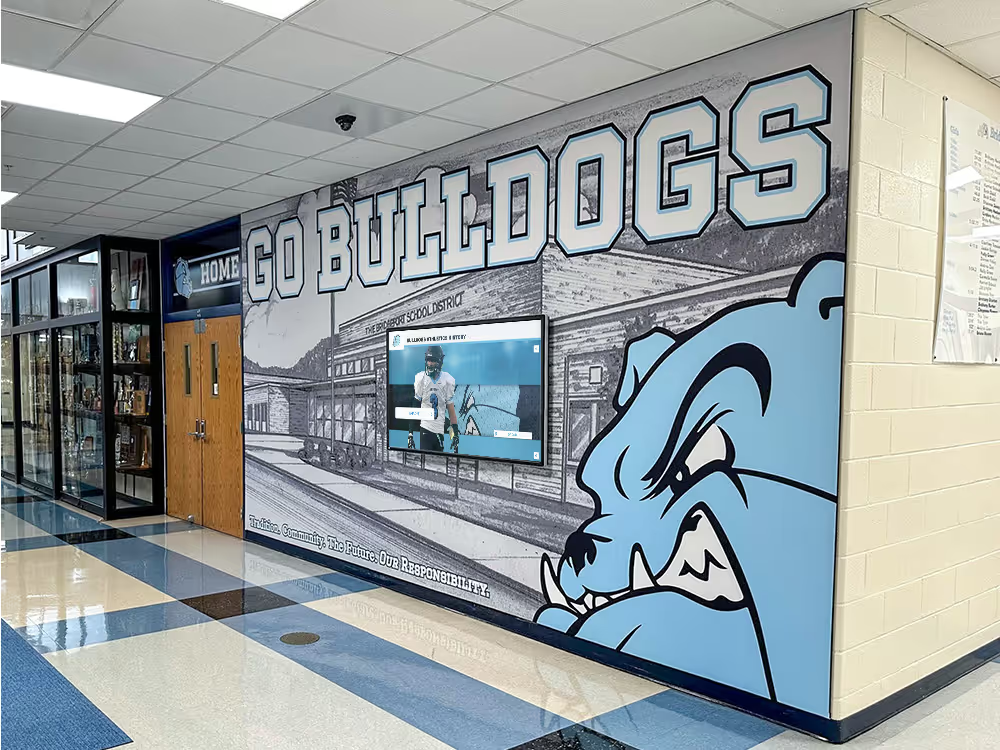
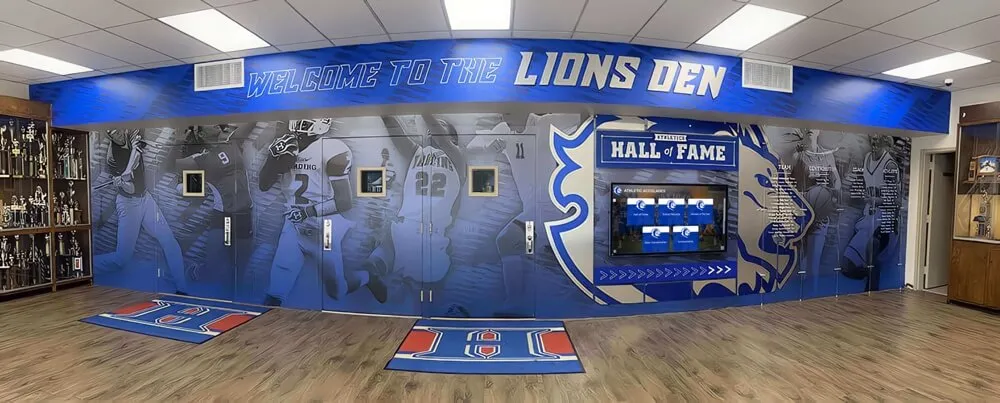
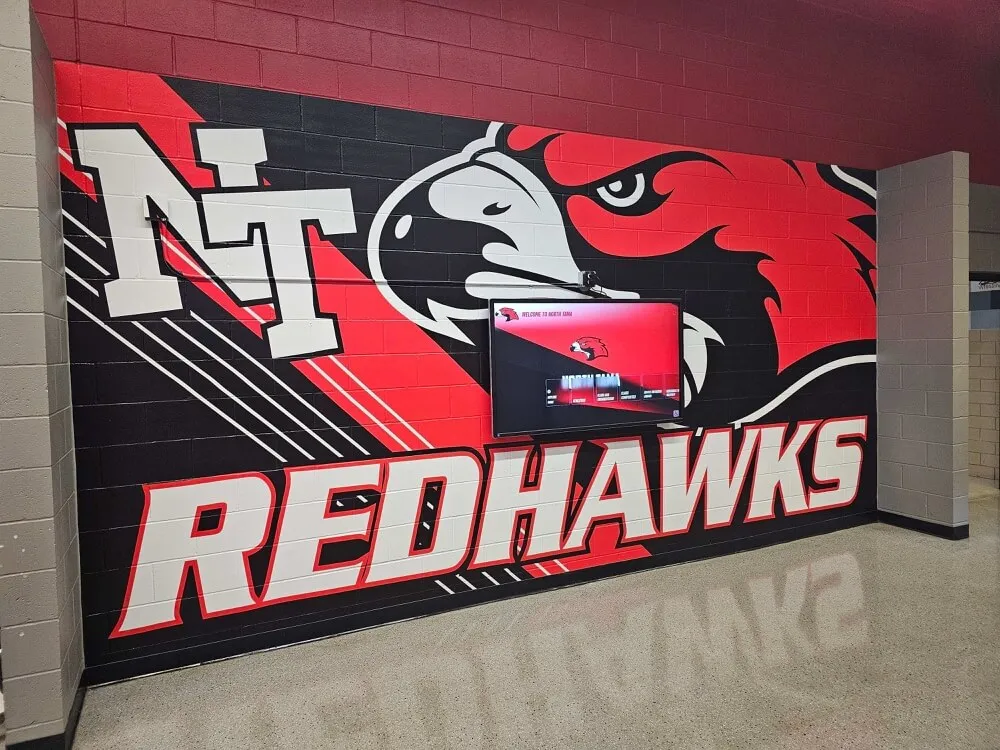
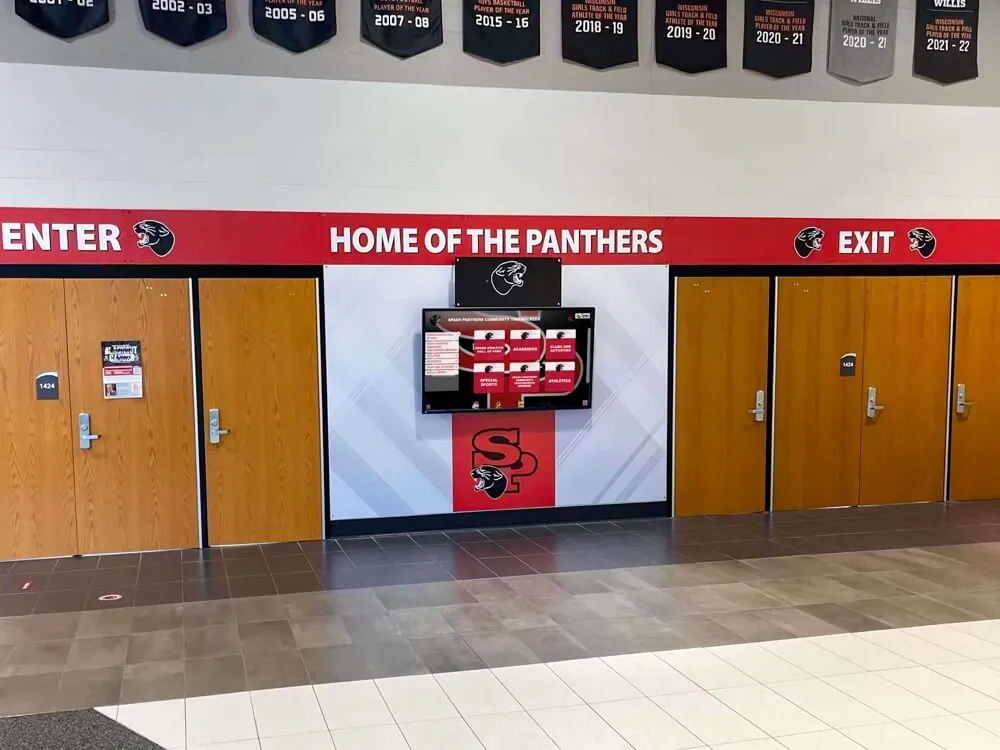
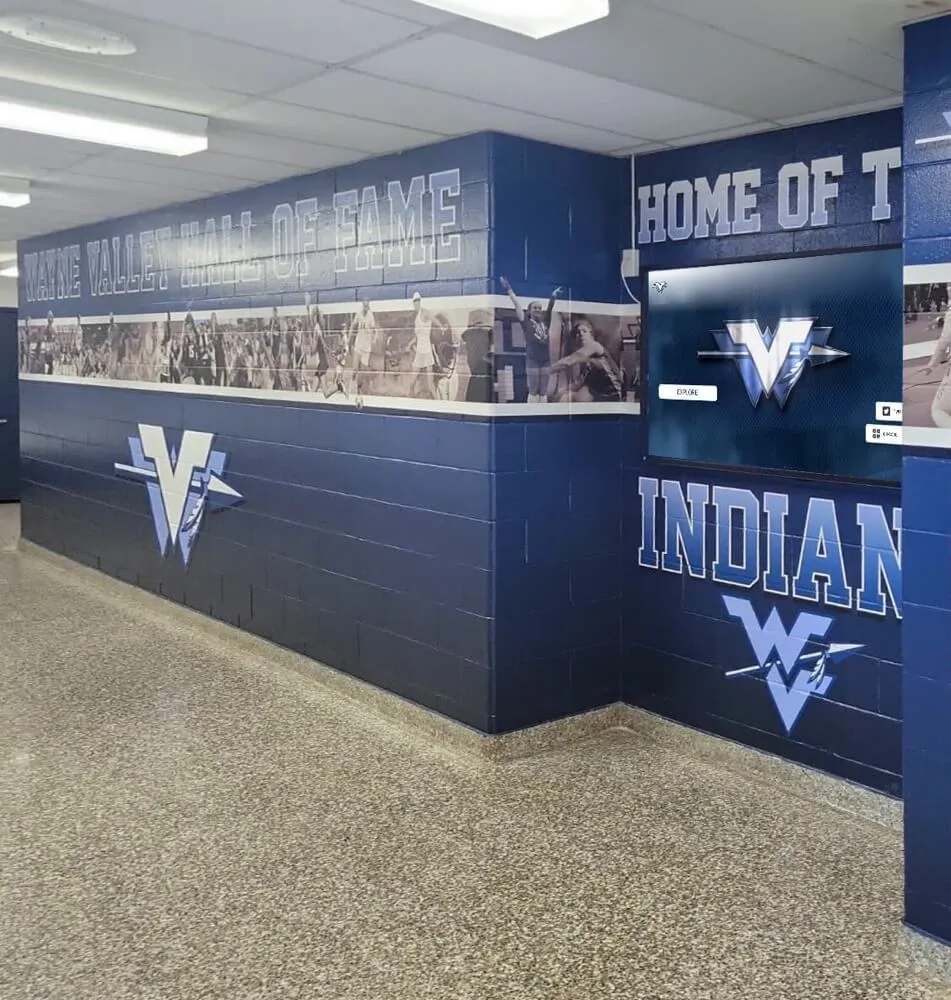
Modern schools balance traditional recognition like letterman jackets with digital displays that celebrate achievements year-round
The History of Letterman Jackets
Understanding where letterman jackets came from helps explain why they remain meaningful recognition symbols generations after their creation.
Origins at Harvard University
The letterman jacket tradition began at Harvard University in 1865, when the baseball team awarded large felt “H” letters to outstanding players. These letters were sewn onto gray flannel shirts, creating the first varsity letter awards. The tradition quickly spread to other sports and colleges, with each institution developing its own letter design reflecting school colors and identity.
During the early 1900s, these awarded letters evolved from simple felt patches into more elaborate recognition systems. Students began wearing the letters on heavy wool sweaters—practical choices for athletes training and competing in cold northeastern winters. These “letter sweaters” became status symbols on college campuses, visible markers identifying accomplished athletes who had earned recognition for their contributions to varsity teams.
Evolution to Modern Jacket Design
The transformation from letter sweaters to letterman jackets occurred during the 1930s. DeLong Sporting Goods, a manufacturer of athletic apparel, developed the now-iconic jacket design: wool body with leather sleeves, knit cuffs and collar, snap-front closure, and inside pockets. This combination provided durability, warmth, comfort, and a distinctive athletic aesthetic that immediately signaled varsity status.
The leather sleeves proved particularly important—they provided durability during athletic activity while adding visual contrast that made the jackets instantly recognizable. The wool body displayed school colors prominently while offering excellent cold-weather protection. Ribbed knit cuffs and waistbands provided comfortable fit and additional warmth. Inside pockets created practical storage without disrupting the jacket’s clean exterior lines.
This design proved so effective that it has remained essentially unchanged for nearly a century, with only minor modifications in materials, construction techniques, and customization options. The basic letterman jacket silhouette today remains remarkably similar to designs from the 1930s—a testament to the original design’s functional excellence and aesthetic appeal.

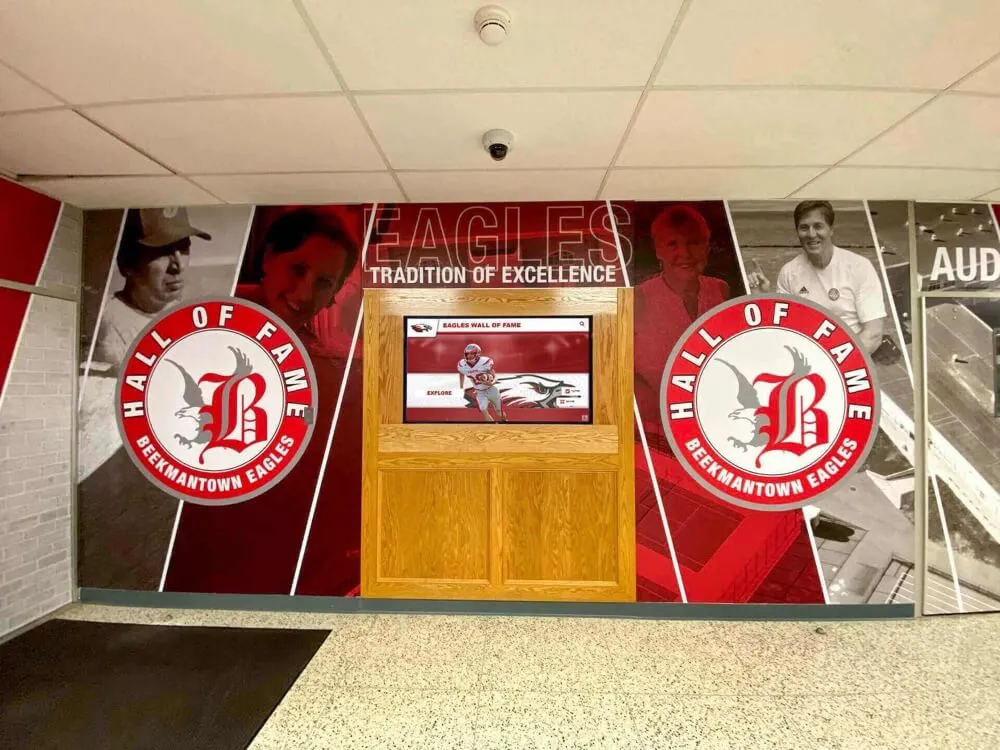
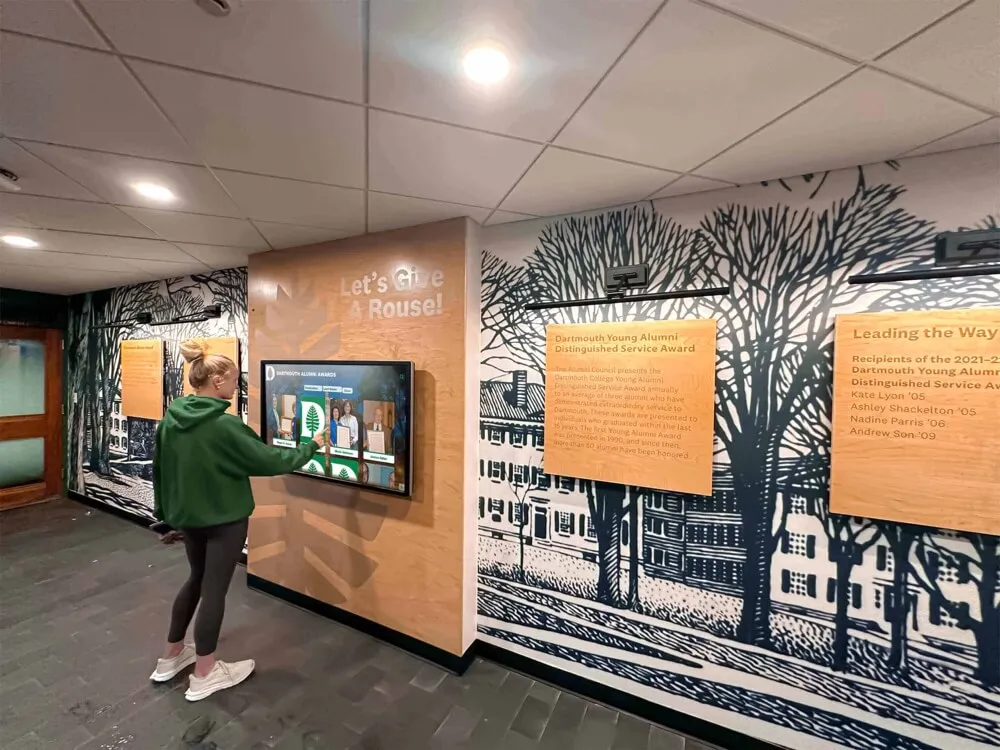
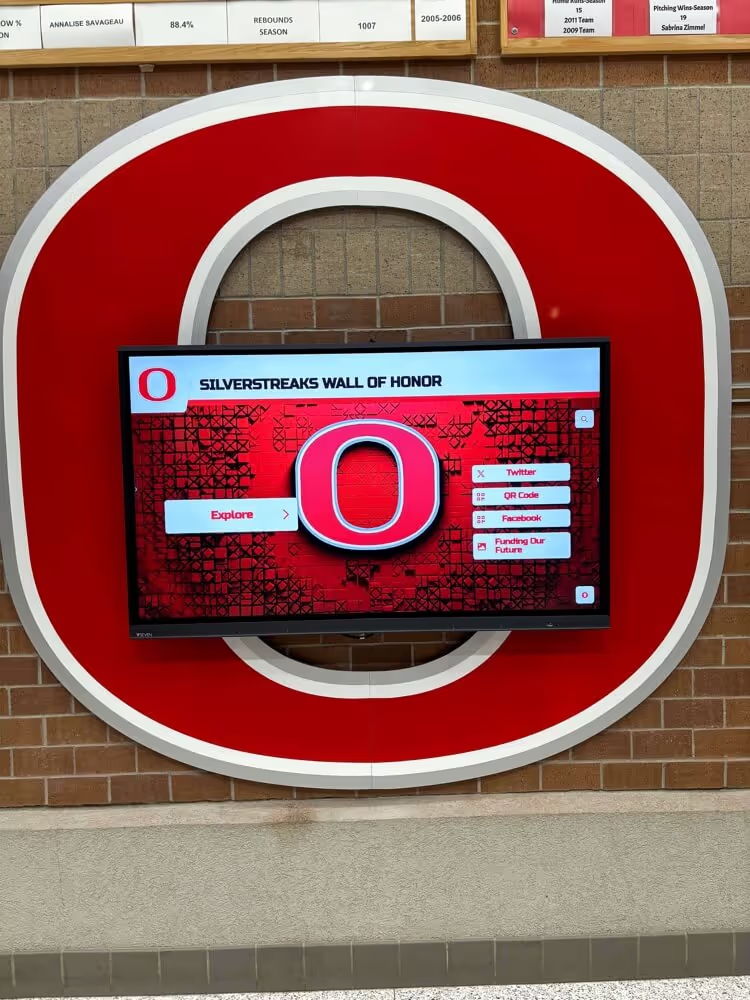
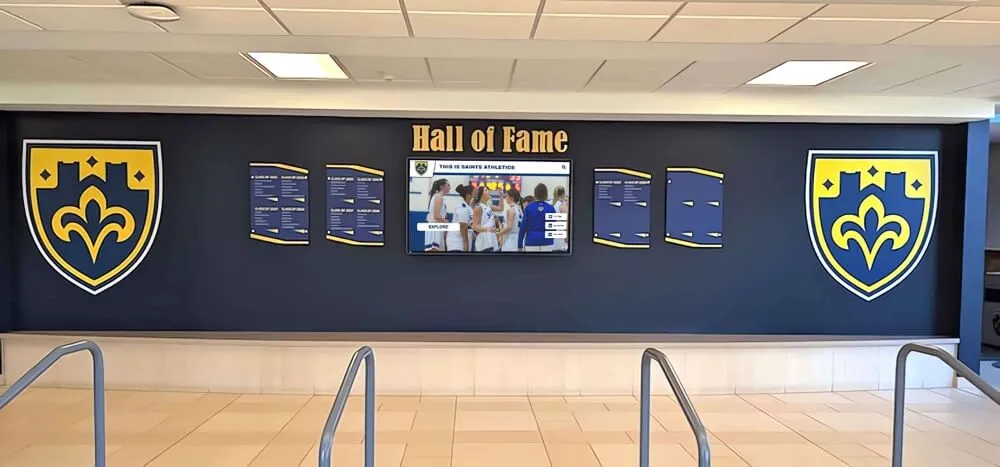
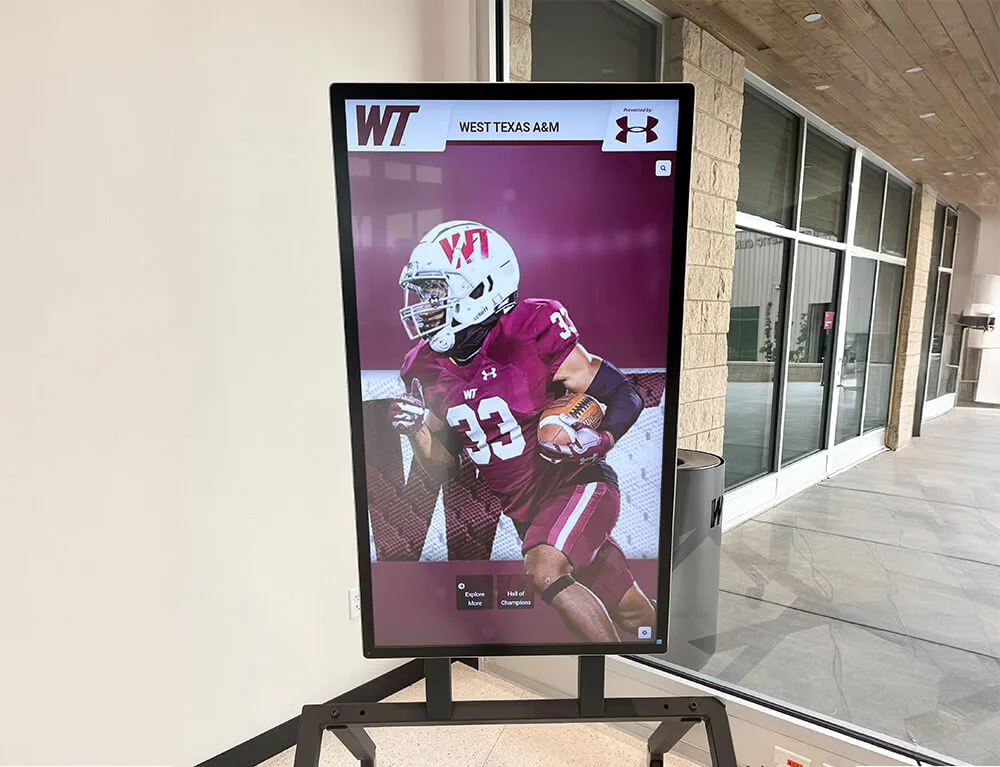
Schools honor athletic traditions through both physical recognition like jackets and permanent digital displays
Expansion to High Schools
Letterman jackets transitioned from college exclusivity to high school tradition during the mid-20th century as high school athletics grew in popularity and community importance. Schools recognized that varsity letter recognition motivated student athlete participation and achievement while building school spirit and community pride around athletic programs.
By the 1950s and 1960s, letterman jackets had become fixtures at high schools across America. The jackets represented aspiration for underclassmen, validation for recipients, and lifelong memories for alumni who treasured their jackets as tangible proof of high school athletic achievement. Parents proudly purchased jackets for their student athletes, understanding the recognition significance while appreciating the practical cold-weather benefits.
Cultural Significance and Pop Culture
Letterman jackets transcended pure athletic recognition to become cultural symbols representing high school status, achievement, and identity. Hollywood reinforced this cultural significance through countless movies and television shows featuring letterman jacket-wearing characters—from 1950s nostalgia films to contemporary teen dramas. These media portrayals cemented letterman jackets as visual shorthand for high school athletic achievement and social status.
The jackets appeared in music videos, fashion campaigns, and popular culture references that extended beyond athletics into broader American cultural identity. Even people who never earned varsity letters recognize letterman jackets instantly and understand their significance as markers of high school achievement and belonging.
How Students Earn Varsity Letters
Understanding letter requirements helps students and families navigate the process of earning this important recognition.
Athletic Letter Requirements
Most schools award varsity letters to athletes who meet specific participation and performance criteria established by athletic departments and coaching staff.
Participation Standards
The most common athletic letter requirement involves participating in a minimum percentage of varsity competitions throughout a season. Typical standards include competing in 50-75% of varsity games or meets, maintaining good standing on teams throughout seasons, completing full seasons without quitting or being dismissed for disciplinary reasons, and meeting attendance expectations for practices and team obligations.
Some schools specify that athletes must be on varsity rosters, not junior varsity, to earn varsity letters. Others allow JV participants to earn letters if they meet specific criteria like years of participation or exceptional performance that justifies recognition despite not competing at the varsity level.
Performance Criteria
Beyond simple participation, many programs establish performance standards for letter awards. These might include contributing to team success through playing time or competition results, achieving specific individual performance benchmarks (points scored, times achieved, placement finishes), demonstrating skills, effort, and dedication throughout seasons, exhibiting positive attitude and good sportsmanship, or maintaining academic eligibility throughout participation.
Coaches typically have discretion in letter awards, considering both quantifiable participation and qualitative factors like leadership, work ethic, and contribution to team culture. This flexibility allows recognition of athletes who contributed significantly even if they didn’t meet rigid statistical thresholds, while preventing automatic letter awards to athletes who were physically present but failed to demonstrate commitment deserving of recognition.

Comprehensive recognition programs celebrate letterman jacket recipients alongside team achievements and [athletic hall of fame honorees](https://digital-trophy-case.com/blog/athletic-hall-of-fame-complete-guide-school-admin/?utm_source=organic&utm_medium=seo&utm_content=digitalwarming&utm_campaign=letterman-jacket-high-school)
Academic and Activity Letters
Many schools extend varsity letter recognition beyond athletics to honor academic excellence and participation in non-athletic activities.
Academic Letters
Academic varsity letters recognize sustained scholastic achievement, typically awarded to students who maintain high grade point averages over multiple semesters or years. Common standards include:
- Maintaining 3.5-4.0 GPA for full academic year
- Making honor roll for specified number of quarters or semesters
- Demonstrating consistent academic excellence across multiple years
- Balancing academic achievement with extracurricular participation
Academic letters communicate that schools value intellectual achievement as highly as athletic excellence. Students receiving academic letters can display them on letterman jackets alongside athletic recognition, celebrating comprehensive achievement.
Activity and Service Letters
Progressive schools award letters for exceptional participation in activities like:
- Band, orchestra, or choir (typically requiring multi-year participation and competition)
- Theater and drama (for significant roles or technical contributions across multiple productions)
- Debate team (requiring competition participation and achievement)
- Student government (for elected leadership positions)
- Academic competitions (math team, science olympiad, quiz bowl)
- Community service (for documented volunteer hour thresholds)
These expanded letter programs recognize that achievement and dedication take many forms beyond athletic competition. Students earning letters in multiple categories demonstrate well-rounded excellence that creates compelling college applications while building comprehensive school pride.
First Letter vs. Additional Letters
Schools distinguish between earning your first letter and subsequent letter awards.
First Letter Significance
The first varsity letter represents the most significant achievement—initial recognition that you met program standards and earned this honor. First letter recipients receive the large chenille letter that will be displayed prominently on their letterman jacket. Many schools hold first-letter awards ceremonies or presentations during athletic banquets, senior nights, or special recognition events that honor new letter winners.
First letter awards often come with educational components explaining proper jacket etiquette, letter care and attachment, and the tradition’s significance. Some programs include senior letter winners as mentors helping new recipients understand the honor they’ve received and responsibilities that come with representing their school through visible letter display.
Subsequent Year Recognition
Athletes continuing to earn letters in subsequent seasons receive additional recognition without getting duplicate large letters. Common approaches include:
- Chevron or bar pins attached below the letter indicating additional years (one chevron per additional year)
- Sport-specific pins or emblems
- Participation pins marking specific seasons or achievements
- Certificate recognition noting continued letter earning
Multi-year letter winners often develop special status within programs as veterans who demonstrated sustained excellence and commitment. Some schools present special awards or recognition to four-year letter winners honoring rare sustained participation and achievement.
Understanding Letterman Jacket Components
Letterman jackets include multiple customizable elements that together create unique personal recognition.
The Varsity Letter
The chenille letter forms the jacket’s centerpiece—the primary element that transforms a jacket into a letterman jacket.
Letter Specifications
Traditional varsity letters are made from thick chenille fabric (sometimes called “chain stitch” embroidery due to its creation method) that creates a raised three-dimensional appearance. Standard letters measure approximately 6-8 inches tall, large enough to be visible from across rooms or athletic facilities. The letters typically appear on the left chest of the jacket, positioned prominently where they’re immediately visible.
Letter colors correspond to school athletic colors, creating visual consistency with team uniforms, school branding, and institutional identity. Some schools use a single letter color regardless of sport, while others vary letter colors based on specific sports or competition levels (varsity vs. junior varsity).
Placement and Attachment
Professional letter attachment proves crucial for jacket appearance and longevity. Most jacket companies or local embroiderers offer letter attachment services, ensuring proper positioning, secure sewing that prevents detachment, and professional appearance. While some students attempt self-attachment, professional installation typically produces superior results that maintain jacket value and appearance.
The letter should be centered on the left chest, positioned so the top of the letter sits approximately at collarbone level. This placement ensures visibility while maintaining balanced jacket appearance. Improperly positioned letters look amateurish and detract from the jacket’s overall presentation.

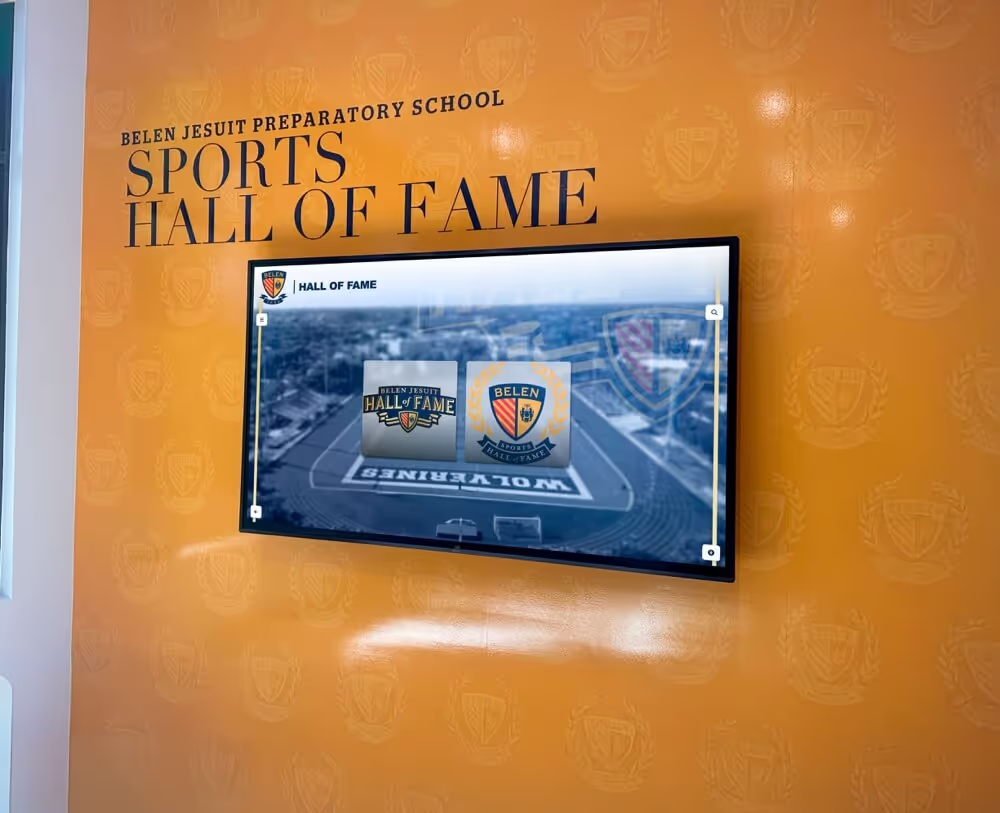
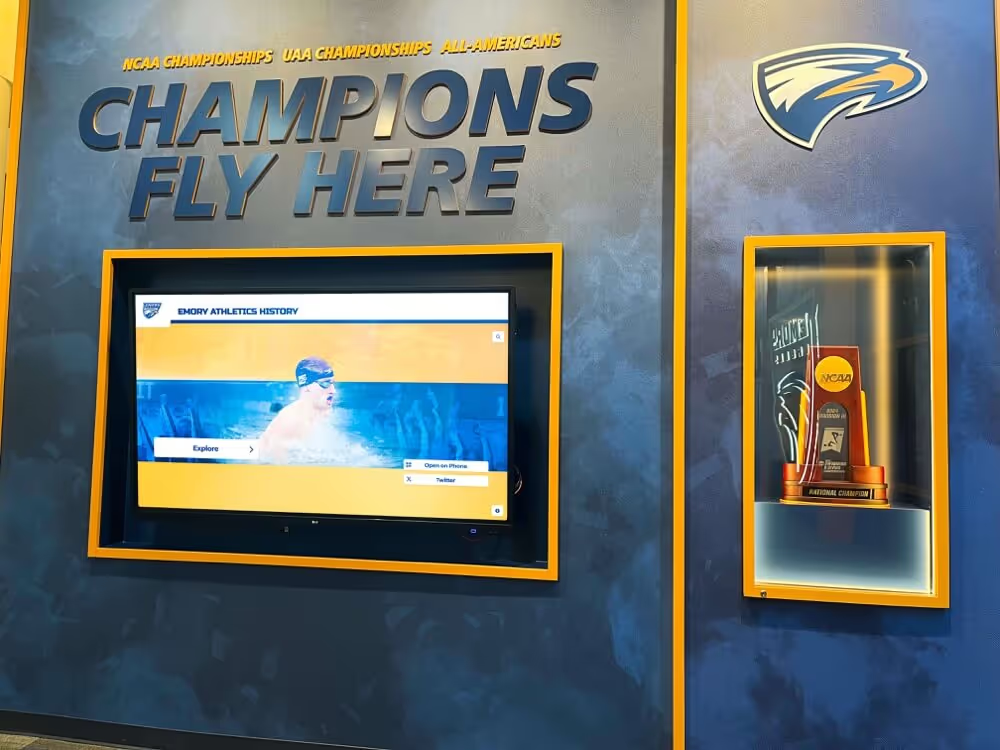
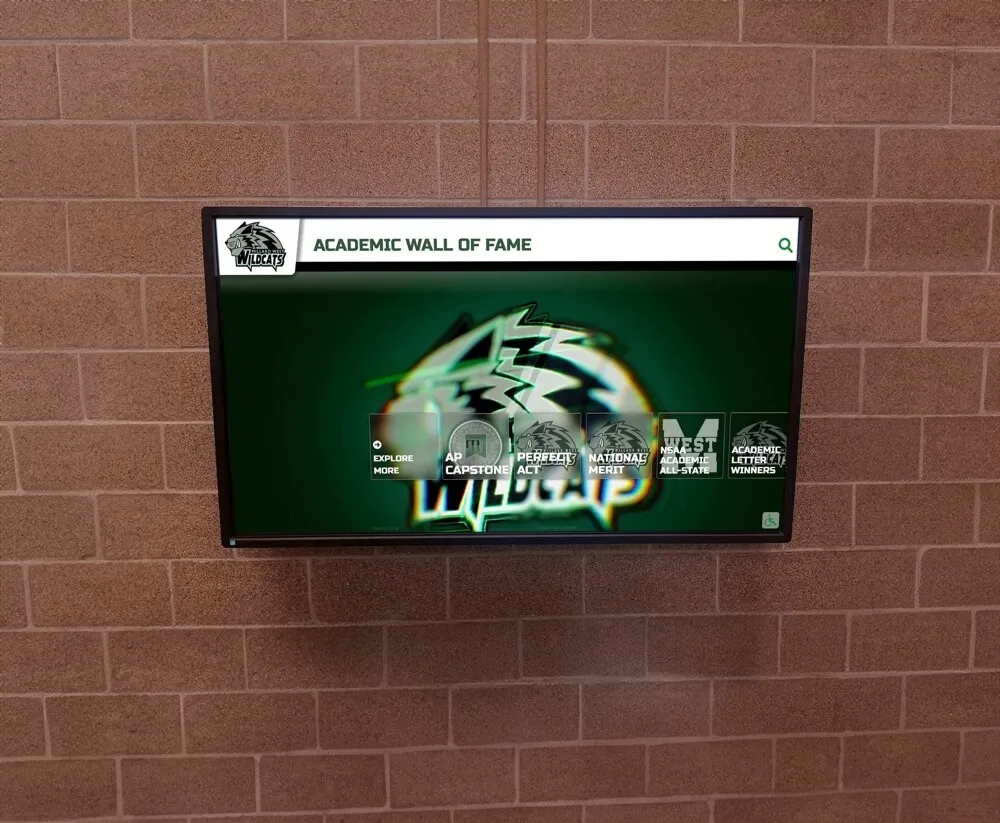
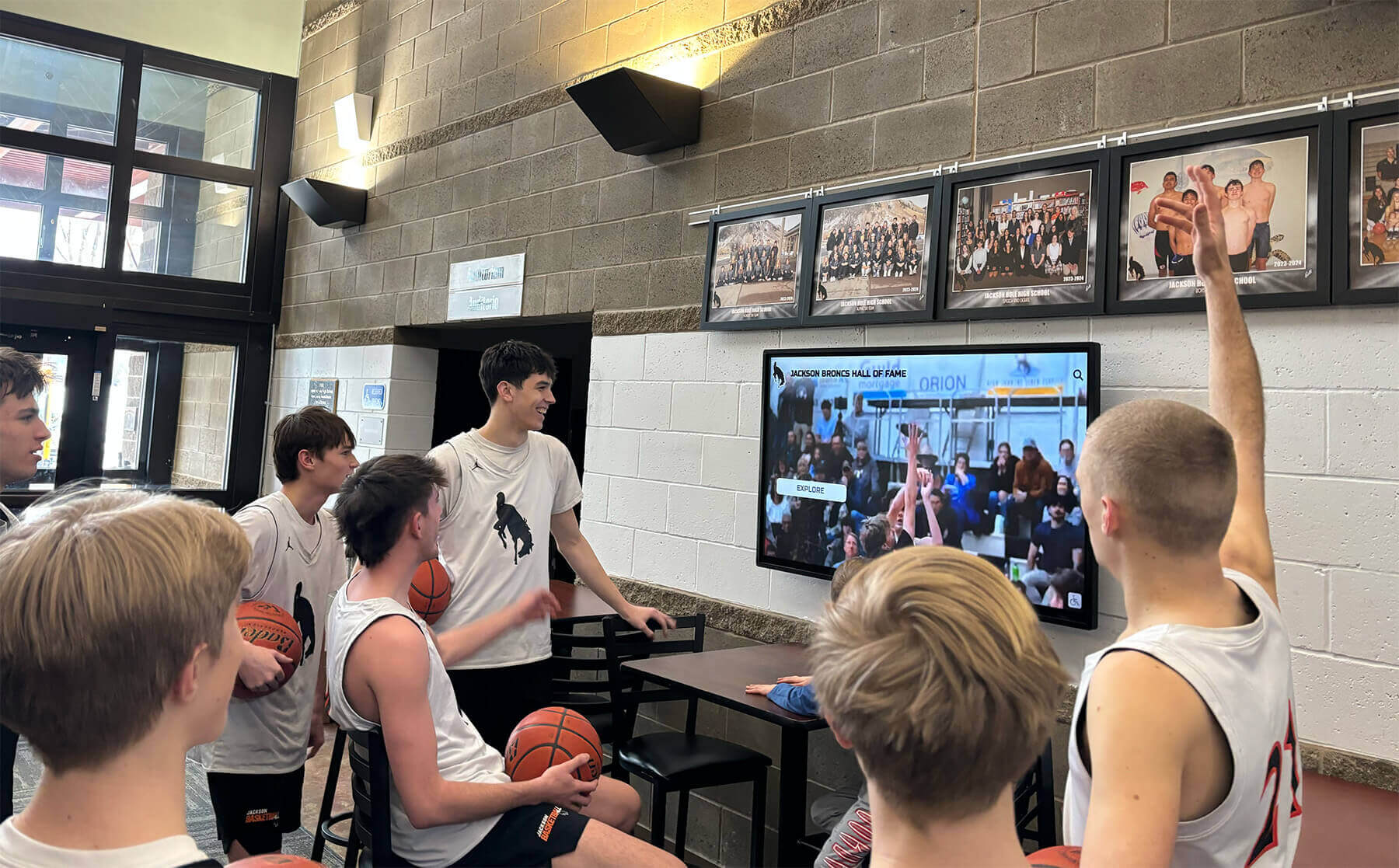
Modern recognition systems allow students to explore [athletic achievement histories](https://digitalyearbook.org/blog/digital-touchscreen-athletic-building-team-records/?utm_source=organic&utm_medium=seo&utm_content=digitalwarming&utm_campaign=letterman-jacket-high-school) and fellow letter winners
Jacket Body and Sleeves
The jacket body and sleeve materials create the iconic letterman jacket aesthetic.
Body Construction
Authentic letterman jackets feature heavy wool melton bodies—tightly woven wool fabric that provides excellent warmth, durability, and the substantial feel that characterizes quality letter jackets. Body colors match primary school colors, creating immediate visual identification with specific schools. Some schools use single colors for all jackets, while others allow sport-specific or student-choice color variations within school color palettes.
The wool body includes inside pockets for practical storage, a snap-front closure with typically 6-8 large metal snaps, and sometimes additional outside pockets depending on design preferences. Quality construction includes reinforced stitching, properly functioning snaps, and clean interior finishing that ensures jackets last for years.
Sleeve Materials
Leather sleeves—typically in school accent colors or contrasting black, white, brown, or burgundy—provide the classic letterman jacket look while offering practical durability. Real leather sleeves develop attractive patina over time, creating character as jackets age. The leather also provides abrasion resistance and easy cleaning compared to wool sleeves that would require more maintenance.
Premium jackets use genuine leather, while budget alternatives might use synthetic leather (pleather) that costs less but lacks the durability, appearance, and aging characteristics of real leather. Most students and parents investing in letterman jackets choose genuine leather sleeves despite higher costs, recognizing that these jackets represent once-in-a-lifetime high school recognition worth quality materials.
Collar, Cuffs, and Waistband
Ribbed knit trim provides comfort, fit, and visual detail.
Striped or Solid Trim
Most letterman jackets feature ribbed knit collars, cuffs, and waistbands in school colors—either solid colors matching jacket bodies or striped combinations incorporating multiple school colors. These ribbed knit elements provide elasticity for comfortable fit, help retain warmth by sealing at neck, wrists, and waist, and create finished professional appearance.
The ribbing thickness and quality vary between jacket manufacturers, with premium jackets using substantial high-quality knit trim that maintains elasticity and appearance over years, while economy jackets might use thinner trim that becomes stretched or worn more quickly.
Customization Options
Beyond basic jacket components, numerous customization options allow students to personalize their jackets.
Name or Nickname Embroidery
Most students add their names or nicknames embroidered on the right chest (opposite the letter), typically in script or block lettering matching letter style. Name size is generally more modest than the letter itself—usually 2-3 inches tall—creating balanced appearance without overwhelming the letter as the jacket’s focal point.
Names might include:
- First name only
- Last name only
- Nickname
- First and last name
- Graduation year alongside name
Graduation Year
Many students include their graduation year on jacket backs, sleeves, or inside collars. Common placements include:
- Large numbers (6-12 inches) centered on the upper back
- Smaller numbers (2-4 inches) on the upper back or shoulder area
- Numbers on the sleeve near the cuff
- Embroidered numbers on inside collar as a subtle detail
School Name or Logo
Back embroidery often includes school name, mascot, or logo. Popular back designs include:
- School name arched across the upper back
- Mascot logo or image centered on back
- School name with graduation year
- Combination of school name and mascot
Additional Design Elements
Students may add:
- Inside collar embroidery (name, graduation year, personal motto)
- Hood attachments for additional warmth
- Quilted or satin lining choices
- Inside pocket customization
- Special pocket designs or embroidery
These personal touches make each jacket unique while maintaining the traditional letterman aesthetic that makes these jackets instantly recognizable.
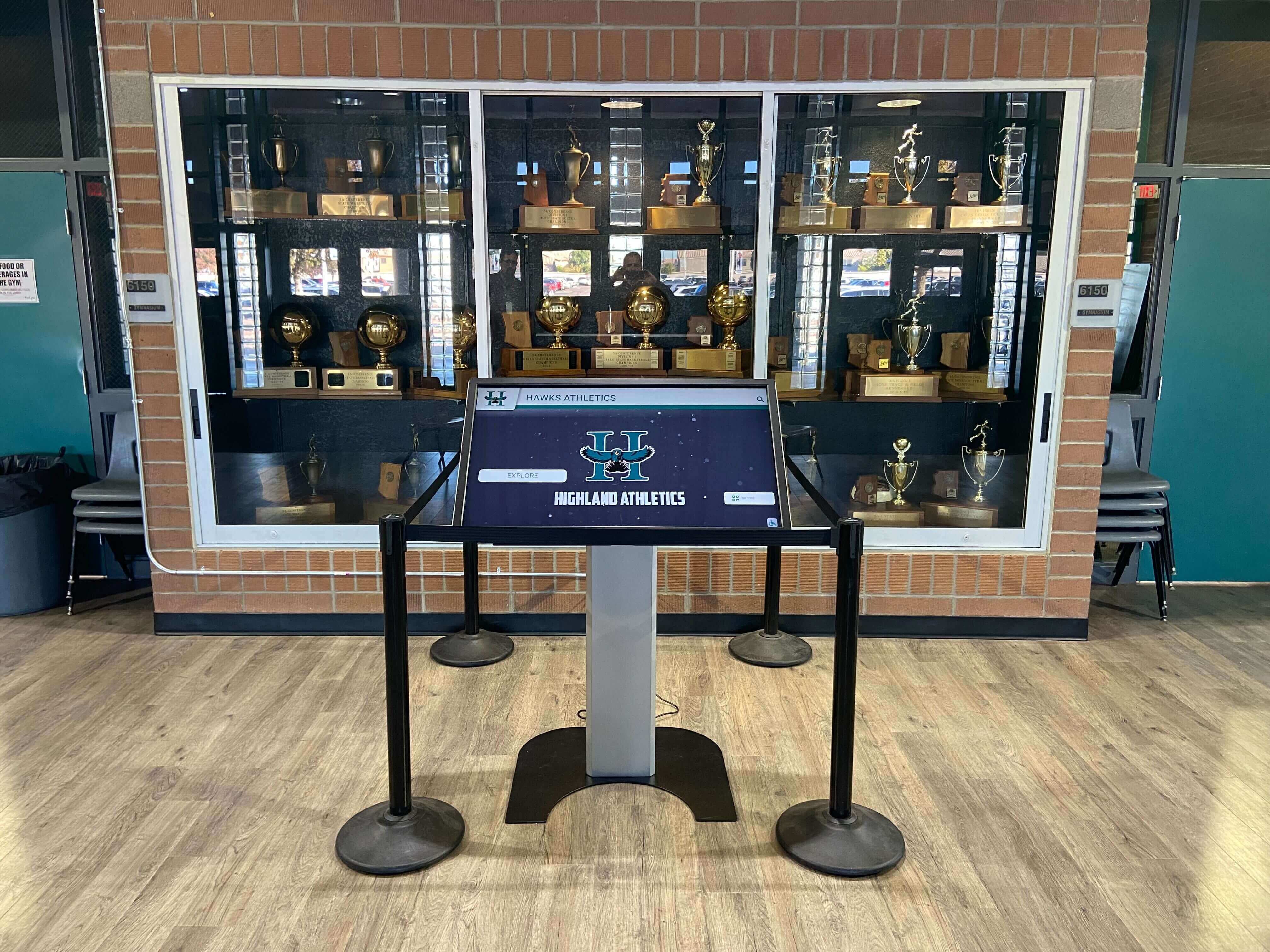
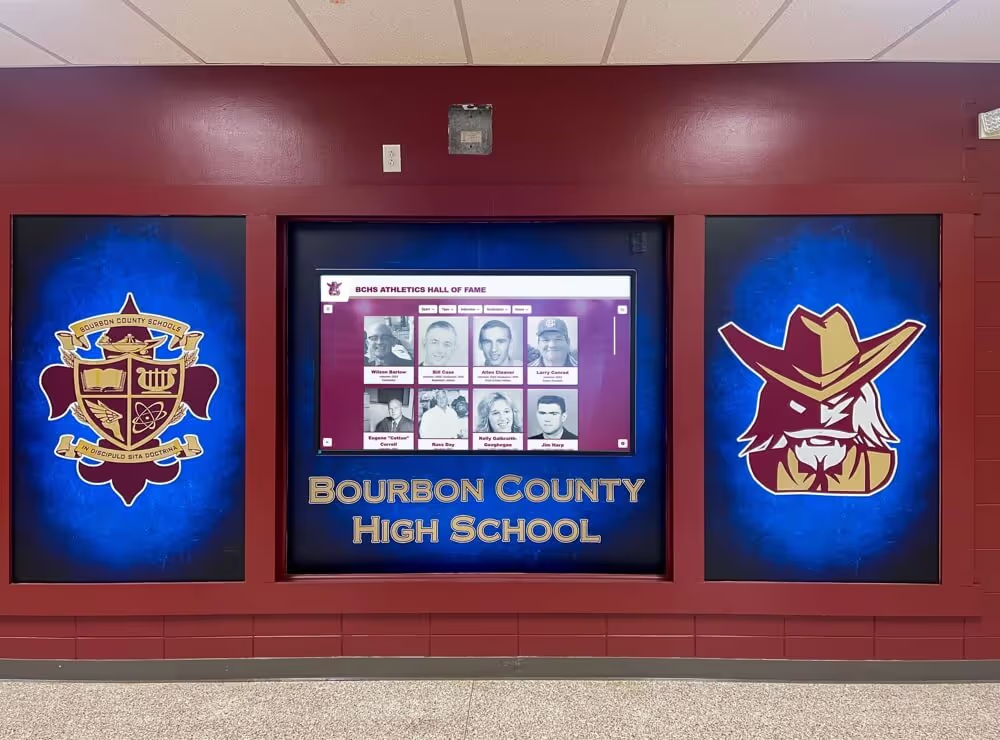
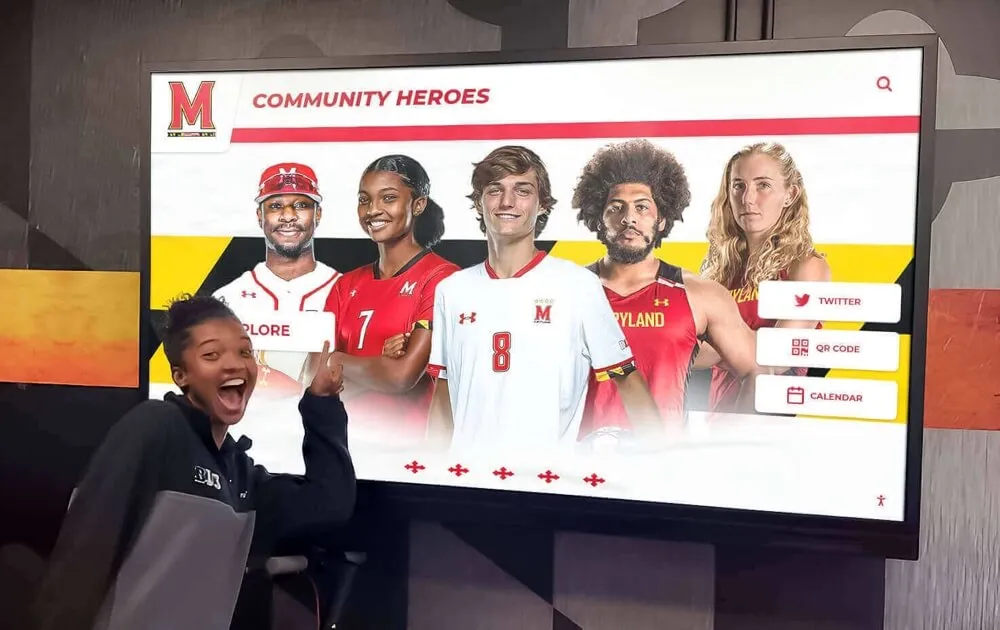
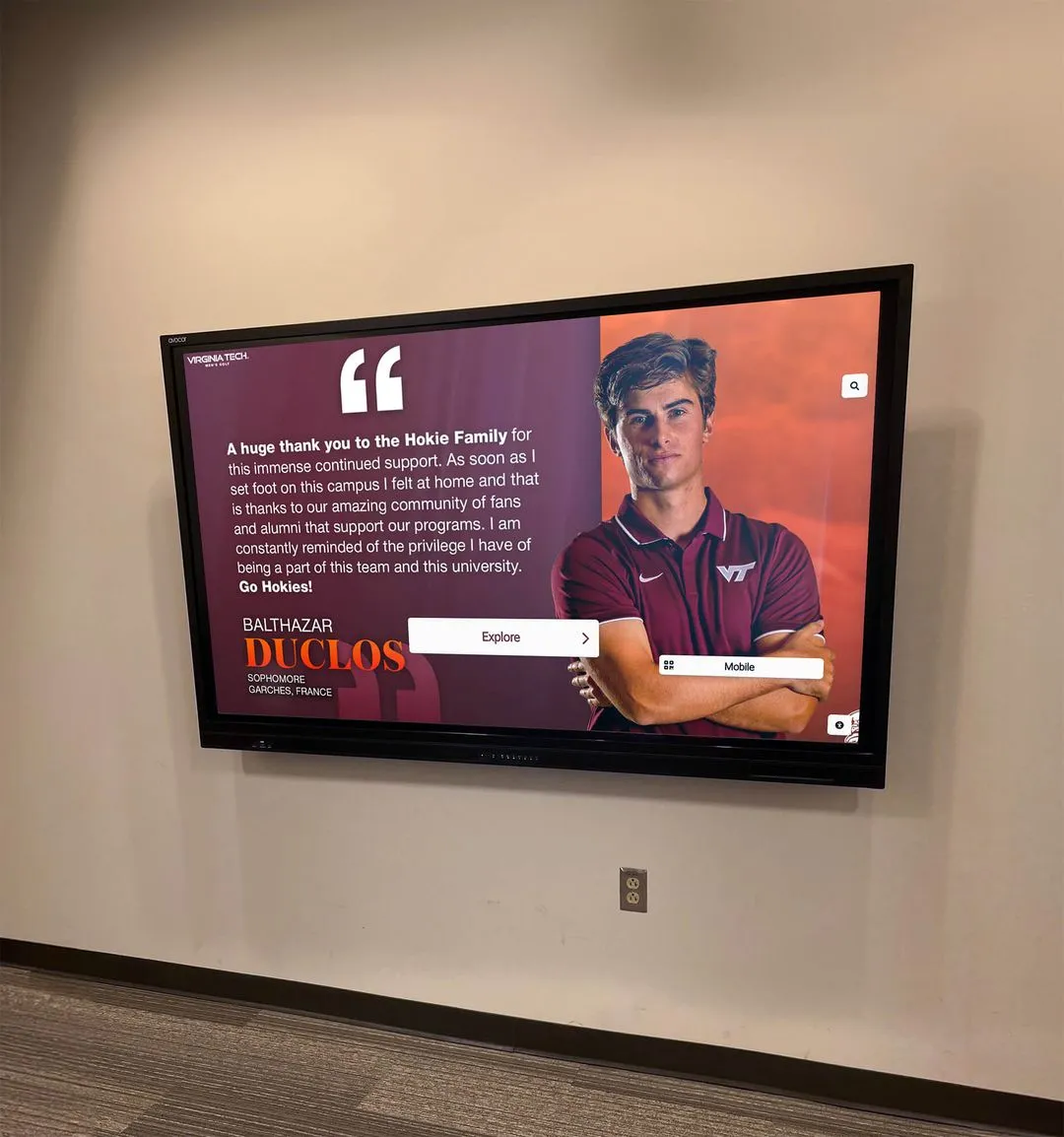
Interactive displays complement traditional recognition like letterman jackets by providing [unlimited space for athlete profiles](https://best-touchscreen.com/blog/athletic-hall-of-fame-complete-guide-for-school-admin/?utm_source=organic&utm_medium=seo&utm_content=digitalwarming&utm_campaign=letterman-jacket-high-school)
Patches, Pins, and Their Meanings
The additional elements students attach to their jackets tell detailed stories about their specific achievements.
Sport and Activity Patches
Small patches (typically 2-4 inches) identify specific sports or activities for which students earned letters.
Sport-Specific Patches
Athletic patches typically feature:
- Sport icons (basketball, football, soccer ball, baseball bat)
- Sport-specific equipment illustrations
- Sport name text
- Combination icon and text designs
These patches attach to jacket sleeves (most commonly the left sleeve opposite the letter) or sometimes on the jacket front near pockets. Multiple sport patches indicate multi-sport athletes—increasingly rare participants who deserve special recognition for their diverse athletic commitment.
Activity and Academic Patches
Non-athletic recognition includes patches for:
- Band instruments (saxophone, trumpet, drums)
- Theater masks (comedy/tragedy)
- Books or graduation caps for academic letters
- Debate podium or gavel
- Student government symbols
Achievement and Honor Patches
Special achievement patches recognize specific accomplishments.
Championship and Competition Patches
Patches commemorating special achievements include:
- Conference championship patches (year and sport)
- State tournament qualification or placement
- Regional competition success
- Undefeated season recognition
- League or conference honors
These patches transform jackets into visual resumes documenting athletic careers. Alumni often can recount their complete athletic histories by reviewing the patches on preserved letterman jackets decades after graduation.
Academic and Character Honor Patches
Additional recognition patches might celebrate:
- Honor roll or dean’s list achievement
- National Honor Society membership
- Perfect attendance recognition
- Character awards (sportsmanship, leadership)
- Scholar athlete distinction
Service Bars and Chevrons
Bars and chevrons provide simple visual representation of continued participation and achievement.
Year Bars
Many students add chevron stripes or horizontal bars below their letters indicating additional years of participation. Common approaches include:
- One chevron for each additional year after first letter
- Different colored chevrons for varsity vs. junior varsity participation
- Bars indicating specific seasons or competitions
Captain and Leadership Bars
Special bars or patches recognize leadership positions:
- Captain designation (often a “C” patch)
- Team MVP recognition
- All-conference or all-state selection
- Record holder status
Special Recognition Pins
Metal pins attach to jacket lapels, pockets, or letter areas.
Championship Pins
Small metal pins commemorate:
- Championship victories (conference, regional, state)
- Tournament participation
- Record-breaking performances
- Team milestones
Academic and Service Pins
Recognition pins include:
- Academic achievement pins
- Service hour milestone pins
- Special award recognition
- Honor society membership pins
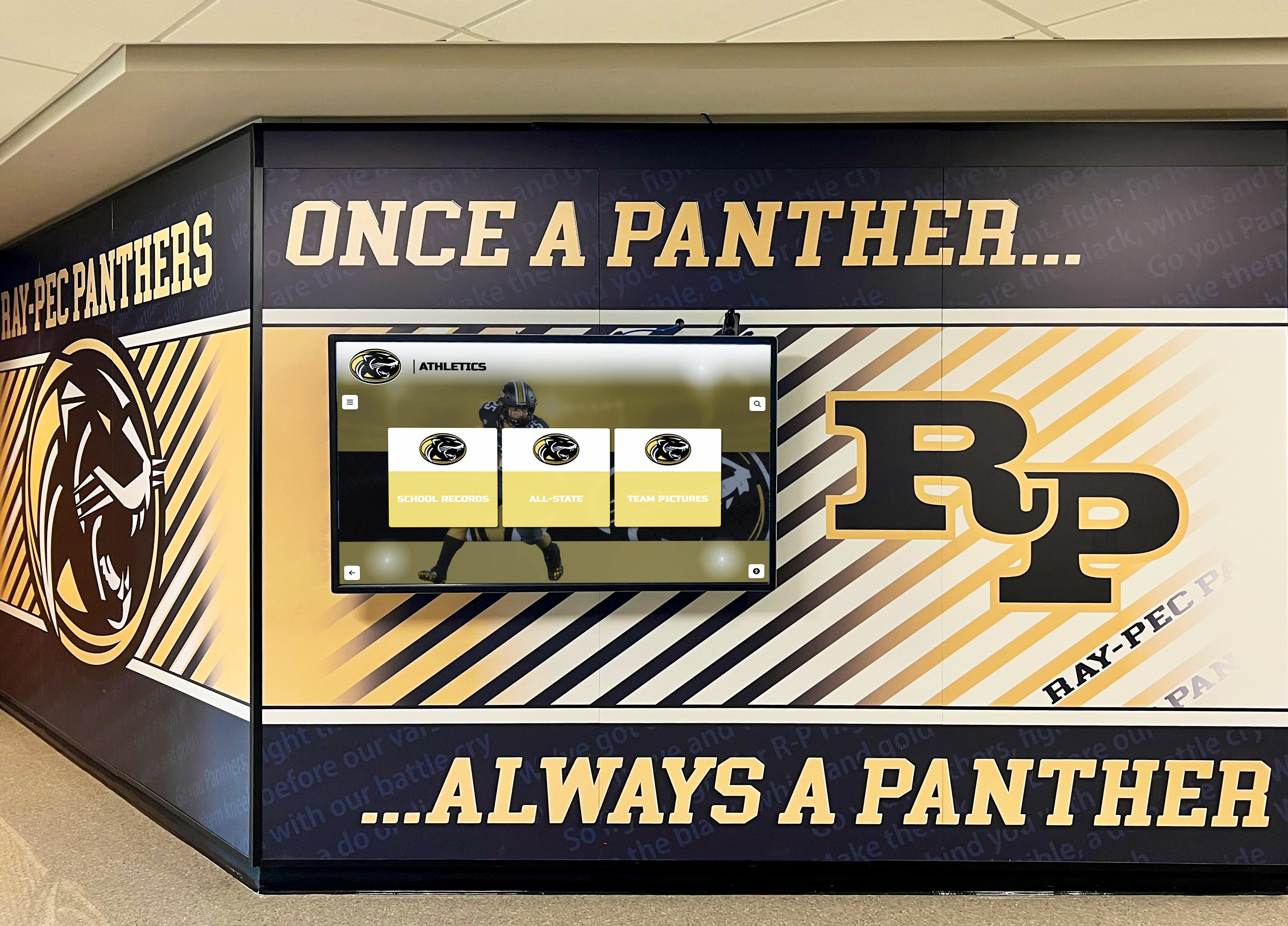
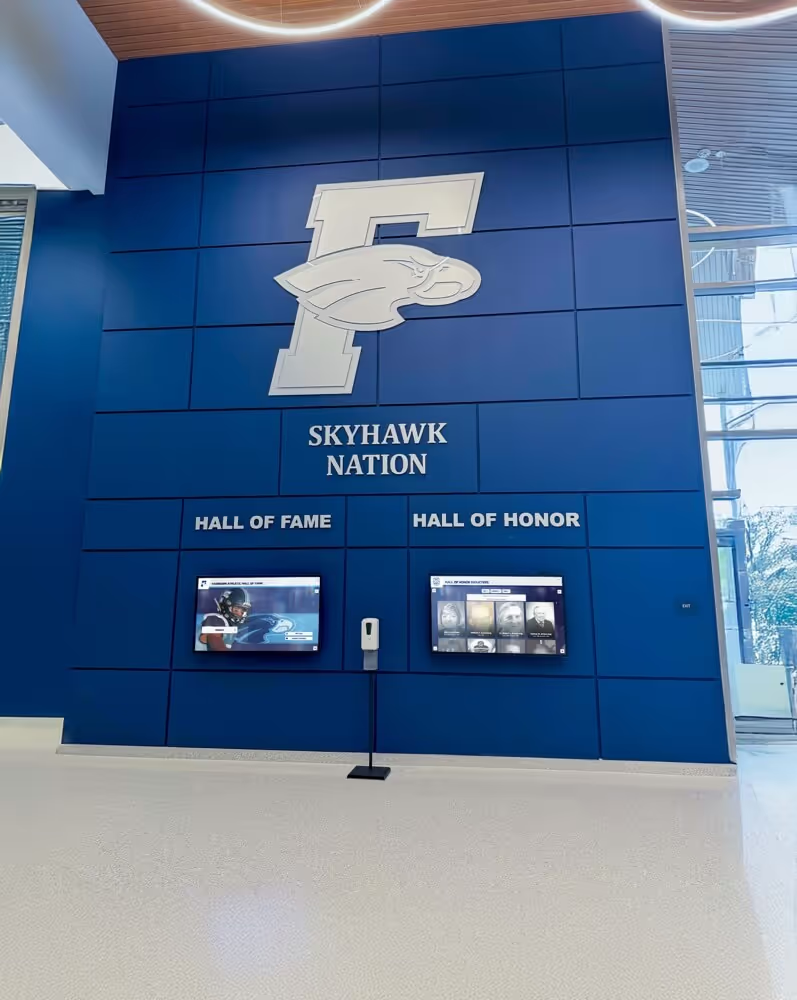
Comprehensive recognition programs display letterman jacket traditions alongside [digital athlete profiles](https://best-touchscreen.com/blog/senior-night-ideas-unforgettable-athlete-celebration/?utm_source=organic&utm_medium=seo&utm_content=digitalwarming&utm_campaign=letterman-jacket-high-school) celebrating individual achievements
Ordering and Cost Considerations
Understanding jacket costs and ordering processes helps families budget appropriately and make informed purchasing decisions.
Price Range and Quality Factors
Letterman jacket costs vary significantly based on quality, customization, and vendor.
Base Jacket Costs
Authentic wool-body, leather-sleeve letterman jackets typically range from $250-500 for base jackets before customization. Price factors include:
- Material quality (premium vs. standard wool and leather)
- Construction methods (fully lined vs. basic lining)
- Manufacturer reputation and brand
- Purchase method (school group order vs. individual purchase)
Budget alternatives using synthetic materials or lighter-weight construction may cost $150-250, but often lack the quality, appearance, and longevity of authentic jackets. Since letterman jackets represent once-in-a-high-school-career purchases, most families choose authentic quality despite higher costs.
Customization Costs
Beyond base jacket prices, customization adds expense:
- Varsity letter attachment: $20-40
- Name embroidery: $10-20
- Back embroidery (school name/logo/year): $40-80
- Sport patches: $8-15 each
- Special patches or pins: $5-20 each
- Additional embroidery elements: $10-30 each
Total costs for fully customized jackets typically range from $350-700 depending on customization extent. Some students start with basic jackets and add elements over time as they earn additional letters and achievements, spreading costs across multiple years.
School-Based vs. Individual Ordering
How students purchase jackets affects costs, quality control, and timing.
School Group Orders
Many schools coordinate group letterman jacket orders through specific approved vendors. Benefits include:
- Volume discounts reducing per-jacket costs
- Guaranteed proper school colors, logo usage, and design standards
- Vendor familiarity with school-specific requirements
- Coordinated delivery timing for all students
- School verification of letter eligibility before purchase
Group orders typically occur on specific schedules—often once or twice annually. Students must plan ahead to participate in group ordering windows.
Individual Purchases
Students may purchase jackets independently from local embroidery shops or online vendors. This approach offers:
- Flexible timing without waiting for group order cycles
- Potentially more customization options
- Ability to shop for best pricing
- Personal control over design choices
However, individual purchases risk color mismatches, design inconsistencies with school standards, potential letter eligibility confusion, and possibly higher costs without group volume discounts.
Financial Assistance Options
Letterman jacket costs create challenges for some families. Understanding assistance options helps ensure all deserving students can obtain jackets.
School and Booster Club Support
Some schools or booster clubs provide:
- Partial scholarships reducing jacket costs for students with financial need
- Payment plans allowing families to spread costs over multiple months
- Fundraising opportunities where students earn money toward jacket purchases
- Used jacket programs connecting graduating seniors with underclassmen
Community and Business Sponsorships
Local businesses sometimes sponsor jackets for athletes, particularly:
- Sponsors of specific teams or sports programs
- Community organizations supporting youth achievement
- Local alumni supporting students from their alma maters
- Booster club fundraising programs specifically for letterman jacket assistance
Students should never feel excluded from letterman jacket traditions due to financial constraints. Most schools have confidential processes for connecting deserving students with resources ensuring they can obtain jackets.
Letterman Jacket Etiquette and Traditions
Understanding proper letterman jacket etiquette helps students honor tradition while wearing their jackets appropriately.
Who May Wear Letterman Jackets
Traditional etiquette establishes clear standards about letterman jacket wearing privileges.
Letter Winners Only
Only students who earned varsity letters should wear letterman jackets displaying school letters. Wearing unearned letters disrespects those who earned recognition through dedication and achievement. Students who haven’t earned letters can wear school jackets or apparel, but shouldn’t display letters they didn’t earn.
This standard maintains letter significance and protects recognition integrity. When everyone can wear letter jackets regardless of achievement, the jackets lose their meaning as markers of special accomplishment.
Dating and Relationship Traditions
Historical traditions sometimes involved letter winners allowing romantic partners to wear their jackets, symbolizing relationship seriousness similar to class ring exchanges. This practice has become less common but hasn’t disappeared entirely. When this tradition is observed, borrowed jackets should be returned if relationships end, and temporary wearers understand they’re borrowing earned recognition rather than claiming personal achievement.
Proper Jacket Display and Wear
Respecting jacket traditions includes appropriate wearing and display.
Wearing Guidelines
Traditional etiquette suggests:
- Wearing jackets with pride and appropriate care
- Snapping jackets properly rather than leaving them hanging open
- Not lending jackets casually to friends for fashion purposes
- Removing jackets during flag ceremonies, pledge of allegiance, or national anthem
- Representing your school positively while wearing visible school identification
Avoiding Disrespectful Uses
Students should avoid:
- Wearing jackets while engaging in inappropriate behavior
- Allowing non-letter winners to wear jackets
- Treating expensive jackets carelessly or disrespectfully
- Altering jackets in ways that damage school branding or letter integrity
Care and Maintenance
Proper care preserves jackets for years or even decades.
Cleaning Guidelines
Letterman jackets require special cleaning care:
- Professional dry cleaning for full jacket cleaning (typically annually)
- Spot cleaning leather sleeves with damp cloth and leather cleaner
- Avoiding machine washing which damages wool and leather
- Brushing wool body periodically to remove lint and surface dirt
- Protecting from rain and excessive moisture
Storage Recommendations
Proper storage preserves jacket condition:
- Hanging jackets on sturdy hangers rather than folding
- Storing in cool, dry locations away from direct sunlight
- Using garment bags for long-term storage
- Avoiding plastic bags that trap moisture and cause mildew
- Cedar storage or moth prevention for wool protection

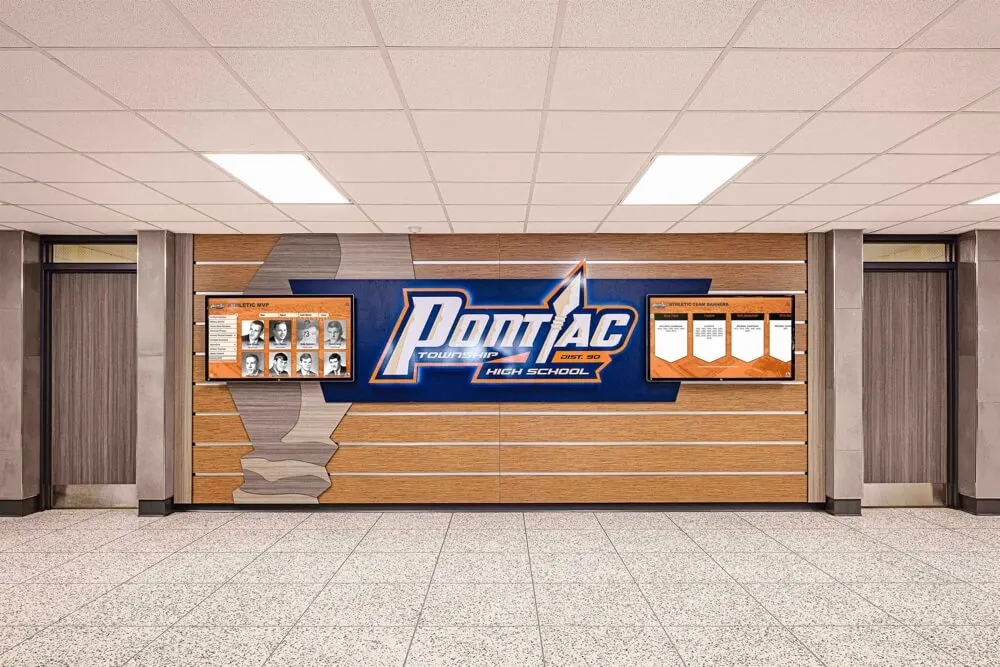
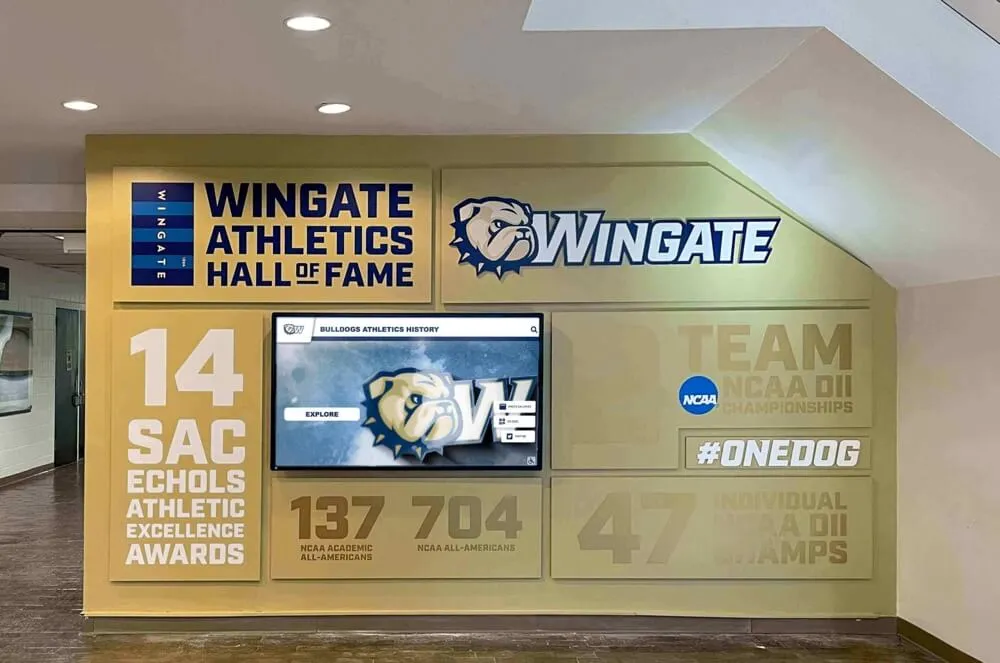
Modern recognition spaces balance [traditional honors like letterman jackets](https://halloffame-online.com/blog/wall-of-fame-ideas-designing-inspiring-recognition-display/?utm_source=organic&utm_medium=seo&utm_content=digitalwarming&utm_campaign=letterman-jacket-high-school) with permanent displays celebrating all athletic achievements
Modern Alternatives and Recognition Evolution
While letterman jackets remain popular, schools increasingly supplement or complement them with additional recognition forms.
Digital Recognition Platforms
Modern technology enables recognition that extends beyond physical jackets.
Comprehensive Digital Profiles
Solutions like Rocket Alumni Solutions create digital athlete profiles that:
- Document complete athletic careers including statistics, achievements, and awards
- Preserve photos, videos, and memories from athletic participation
- Remain accessible for life rather than being packed away after graduation
- Can be shared easily with family, friends, and college coaches
- Recognize all athletes, not just letter winners
These digital systems don’t replace letterman jackets but extend recognition reach and longevity beyond what physical jackets alone can achieve.
Interactive Recognition Displays
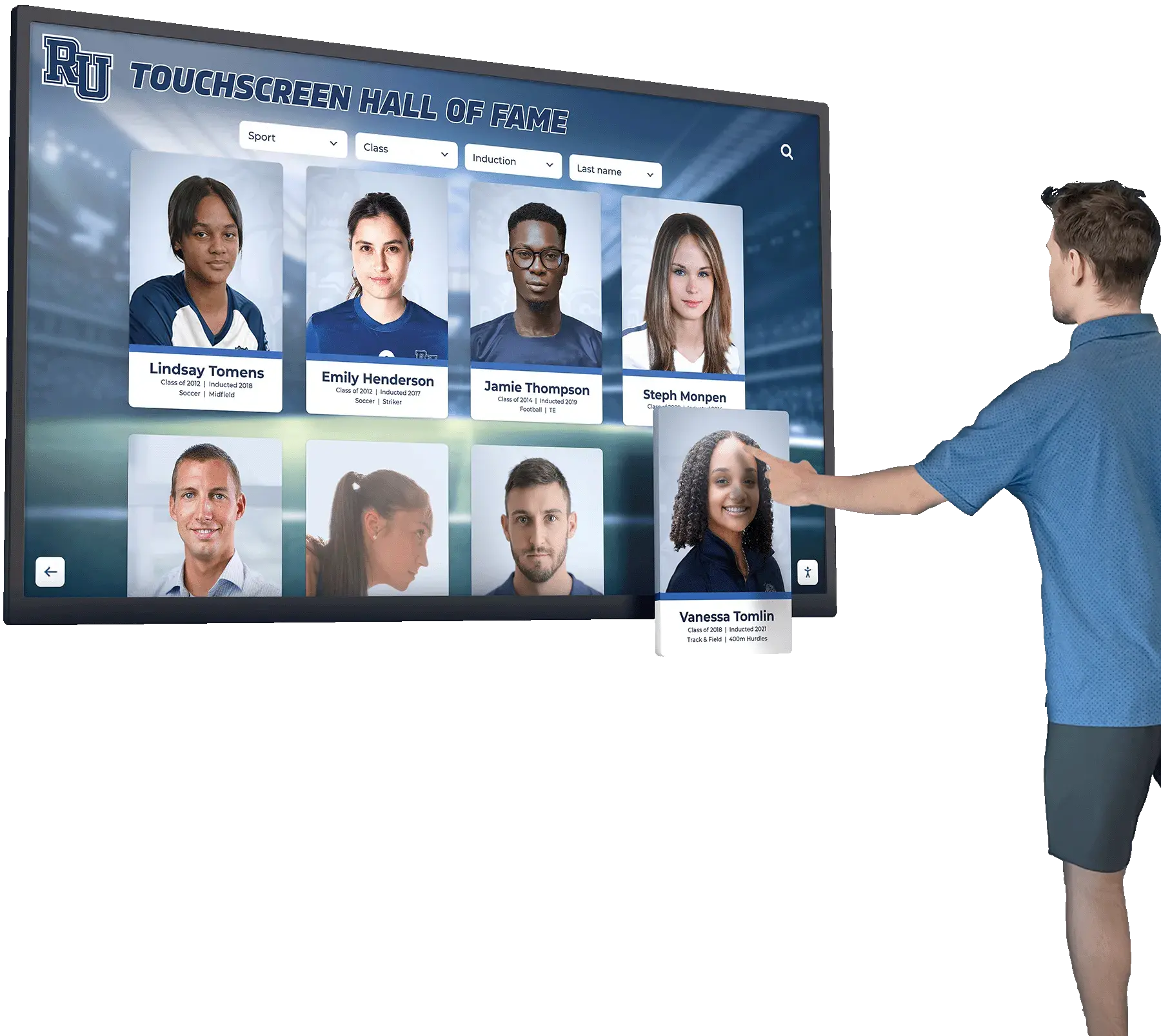
Schools implement touchscreen recognition walls featuring:
- Searchable databases of all letter winners across all years
- Complete athlete profiles with achievements and photos
- Team histories and championship documentation
- Record boards tracking program records
- Multimedia content including videos and highlight reels
These permanent installations in athletic facilities, school lobbies, or common areas create year-round visible recognition that complements traditional physical awards like letterman jackets.
Alternative Physical Recognition
Some schools offer recognition alternatives or supplements to traditional jackets.
Jacket Alternatives
Options include:
- Letterman hoodies or zip jackets with similar customization
- Reversible jackets offering versatility
- Vest options displaying letters without full jacket bulk
- Lighter-weight jacket alternatives more practical in warmer climates
Supplementary Recognition
Schools might provide:
- Letter certificates suitable for framing
- Senior night presentations honoring letter winners publicly
- Digital badges or graphics for social media profile display
- Inclusion in school recognition boards or honor rolls
- Feature stories in school publications or websites
The Continued Relevance of Letterman Jackets
Despite changing fashions and recognition options, letterman jackets maintain remarkable staying power.
Why Tradition Endures
Several factors explain letterman jacket persistence:
- Tangible physical recognition students can wear and keep
- Immediate visual communication of achievement to school community
- Connection to generations of athletes creating continuity and tradition
- Pride in displaying school affiliation and personal accomplishment
- Quality jackets that last for years as wearable recognition
- Emotional significance as markers of high school achievement
Balancing Tradition and Innovation
Forward-thinking schools don’t choose between tradition and innovation—they embrace both. Students receive traditional letterman jackets honoring century-old recognition traditions while also having their achievements permanently documented in digital recognition systems accessible to entire school communities.
This balanced approach honors what letterman jackets represent while extending recognition benefits through modern platforms that engage current students, preserve institutional memory permanently, and allow alumni to remain connected to schools throughout their lives.
Letterman Jackets Beyond Athletics
The varsity letter tradition extends beyond athletics to recognize diverse forms of excellence.
Academic Letter Programs
Many schools award academic varsity letters using the same jacket traditions as athletic recognition.
Academic Achievement Standards
Academic letter requirements typically include:
- Sustained high GPA (often 3.5 or higher) across multiple semesters
- Honor roll achievement for specified number of quarters
- Academic competition success (math team, science olympiad, quiz bowl)
- Demonstrated academic excellence across years
Academic letter winners wear jackets with the same pride as athletes, celebrating intellectual achievement as worthy of recognition as physical accomplishment.
Fine Arts and Activity Recognition
Letters honoring commitment to fine arts and activities expand recognition beyond athletics and academics.
Qualifying Activities
Programs worthy of letter recognition often include:
- Band, orchestra, and choir (multi-year participation plus competition)
- Theater and drama (significant roles or technical contributions)
- Debate and forensics (competition participation)
- Student media (journalism, yearbook, broadcasting)
- Service organizations (documented volunteer hour thresholds)
These expanded letter programs communicate that schools value diverse contributions and recognize that dedication takes many forms beyond sports fields and classrooms.
Comprehensive Recognition Philosophy
Schools implementing broad letter programs demonstrate commitment to comprehensive student recognition.
Benefits of Expanded Recognition
Broader letter programs:
- Validate diverse student interests and talents
- Reduce overemphasis on athletics as sole path to recognition
- Engage more students in school community
- Create inclusive culture valuing different contribution types
- Prepare students for life beyond high school where success takes many forms
This philosophy aligns with modern educational priorities emphasizing well-rounded development and recognizing that students contribute to school communities in countless meaningful ways beyond traditional athletic excellence.
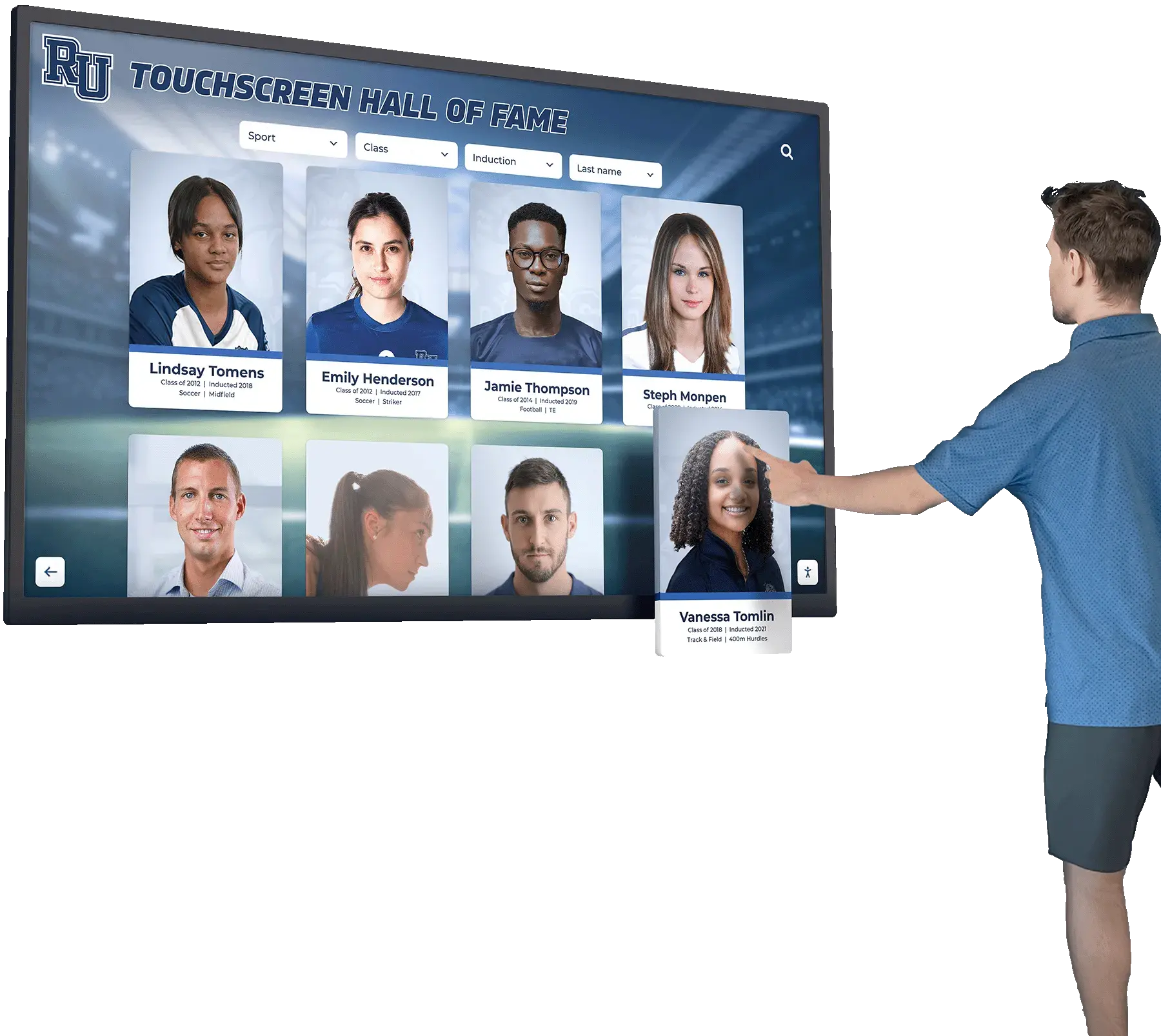
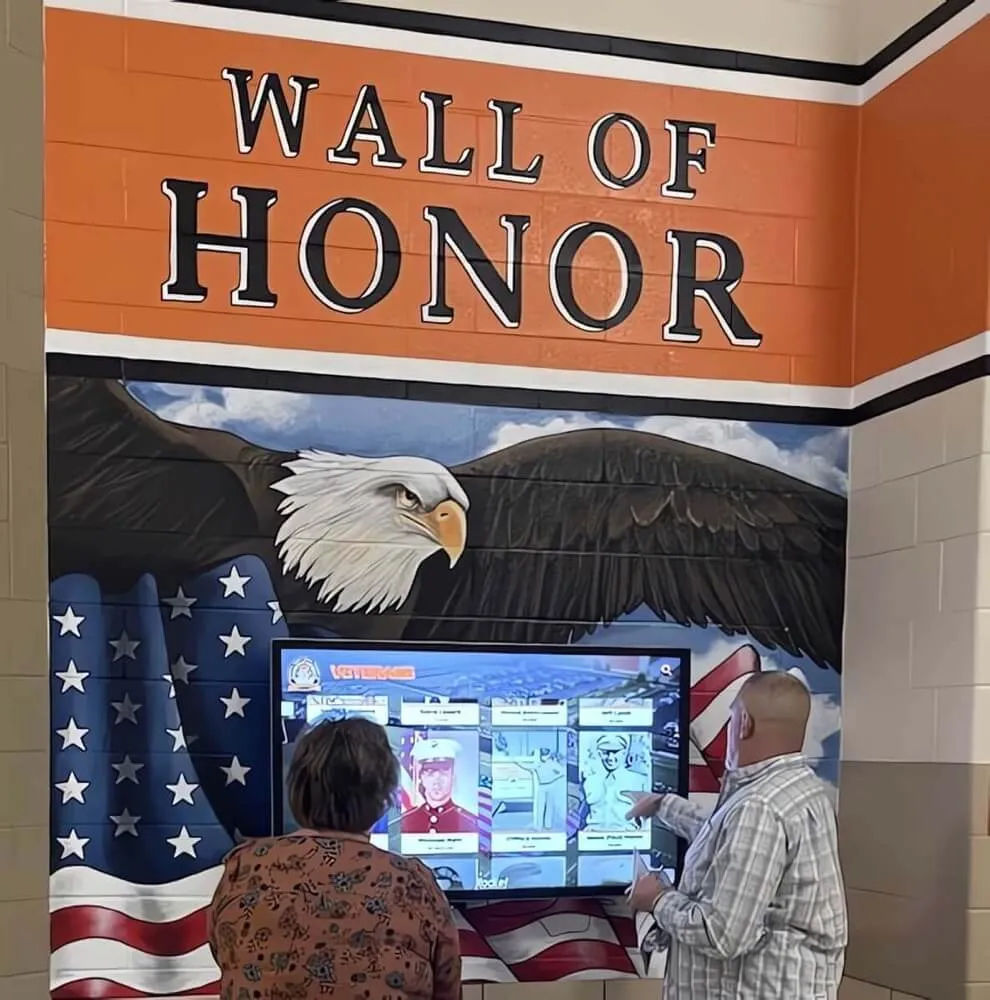
Interactive systems allow students to explore [complete athletic histories](https://touchscreenwebsite.com/blog/what-is-digital-hall-of-fame/?utm_source=organic&utm_medium=seo&utm_content=digitalwarming&utm_campaign=letterman-jacket-high-school) including all letter winners and their achievements
Frequently Asked Questions About Letterman Jackets
How much does a letterman jacket typically cost?
Authentic wool-and-leather letterman jackets typically cost $250-500 for base jackets, with customization (letters, patches, embroidery) adding $100-200+. Total costs for fully customized jackets generally range from $350-700. Schools sometimes offer group discounts or financial assistance for students with need.
What are the requirements to earn a varsity letter?
Requirements vary by school and sport but typically include participating in 50-75% of varsity competitions, completing full seasons in good standing, demonstrating positive attitude and commitment, and maintaining academic eligibility. Coaches usually have discretion considering both quantifiable participation and qualitative factors like leadership and work ethic.
Can you earn letters in multiple sports?
Yes, multi-sport athletes can earn separate letters for each sport. Students display multiple sport patches on their jackets indicating their diverse athletic participation. Many schools especially value multi-sport athletes given increasing sport specialization trends.
What’s the difference between varsity and JV letters?
Varsity letters recognize competition at the highest team level (varsity). Junior varsity participants may earn recognition (often smaller letters or certificates) but traditional varsity letters typically require varsity-level participation. Schools vary in JV letter policies.
When should students order their letterman jackets?
Most students order jackets after earning their first letter, typically during their sophomore, junior, or senior year. Ordering timing depends on school group order schedules and personal preference. Some students wait until senior year to include all high school achievements, while others order earlier to enjoy jackets longer.
What patches and pins are appropriate for letterman jackets?
Appropriate additions include sport/activity patches indicating letter areas, championship or achievement patches documenting team success, academic honor patches celebrating scholastic achievement, service bars indicating additional years, and captain or leadership recognition pins. All attachments should represent genuine earned recognition rather than decorative additions.
Do letterman jackets have resale value?
Letterman jackets have limited resale value due to heavy personalization (names, graduation years, school-specific designs). Some families donate used jackets to school programs helping students with financial need. Most students keep jackets as lifelong mementos rather than selling them.
How should you clean and maintain a letterman jacket?
Professional dry cleaning annually maintains jacket condition. Spot clean leather sleeves with damp cloth and leather cleaner. Avoid machine washing. Store on sturdy hangers in cool, dry locations. Use garment bags for long-term storage. Brush wool body periodically to remove lint and maintain appearance.
Can non-athletes wear letterman jackets?
Students earning letters for academic achievement, fine arts participation, or other activities can wear letterman jackets displaying their earned letters. The key principle is that jackets should only be worn by those who earned the letters they display, regardless of whether those letters came from athletics or other achievements.
How do digital recognition systems complement letterman jacket traditions?
Digital recognition platforms extend recognition beyond physical jackets by creating permanent, accessible athlete profiles, documenting complete athletic careers with photos and statistics, enabling easy sharing with extended networks, providing unlimited recognition capacity for all athletes, and maintaining engagement with alumni long after graduation. These systems honor traditions while expanding recognition reach and longevity.
Conclusion: Honoring Tradition While Embracing Innovation
Letterman jackets remain powerful symbols of high school achievement more than 150 years after Harvard baseball players first wore felt letters on flannel shirts. These iconic wool-and-leather jackets communicate instantly recognizable messages about dedication, achievement, and school pride. For students who earn letters, their jackets represent tangible proof of years of commitment—visible recognition they wear with justifiable pride while creating memories that last far beyond high school.
Understanding letterman jacket traditions, from their collegiate origins to modern customization options, helps students and families appreciate the honor these jackets represent. Knowing proper etiquette ensures students wear their jackets respectfully, understanding that letters signify achievement earned through dedication rather than fashion accessories available to everyone. Learning about patch meanings, ordering processes, and care requirements helps families navigate letterman jacket acquisition while making informed decisions about quality, customization, and investment.
The endurance of letterman jacket traditions testifies to their continued relevance even as high school culture evolves. These physical recognition forms create immediate community visibility, connect current students to alumni who wore similar jackets decades earlier, and provide lasting tangible reminders of high school achievement. Yet the most forward-thinking schools recognize that tradition and innovation aren’t opposing forces—they’re complementary approaches to comprehensive student recognition.
Modern digital recognition systems like Rocket Alumni Solutions extend letterman jacket traditions into contemporary platforms that engage entire school communities. While physical jackets create personal recognition students wear and treasure, digital platforms preserve achievements permanently, make recognition accessible to all students and community members, document complete athletic and academic careers beyond what jacket patches can convey, and maintain alumni connections long after students pack away their jackets.
This combination of tradition and innovation—honoring century-old recognition customs while implementing cutting-edge digital platforms—creates comprehensive recognition programs where every achievement receives appropriate celebration. Students receive physical jackets marking their accomplishments with traditional recognition forms, while also having their achievements documented permanently in engaging digital systems that inspire current students, preserve institutional memory, and keep alumni connected to schools throughout their lives.
Whether you’re a student working toward earning your first letter, a parent helping your athlete navigate letterman jacket ordering, or a school administrator building comprehensive recognition programs, understanding that effective recognition balances treasured traditions with innovative approaches creates optimal outcomes. Letterman jackets will continue marking high school achievement for generations to come, while modern recognition platforms ensure that achievement celebration extends beyond physical jackets into dynamic systems engaging entire school communities in honoring excellence.
Ready to explore how your school can honor letterman jacket traditions while implementing comprehensive digital recognition that celebrates all student achievements? Discover how modern recognition platforms create engaging experiences that preserve athletic heritage, inspire current students, and build the connected school community where every achievement receives the lasting recognition it deserves.