



Signing day represents one of the most significant moments in a high school athlete’s career—the day when years of dedication, training, and sacrifice culminate in an official commitment to compete at the collegiate level. For many families, understanding the letter of intent process can feel overwhelming, filled with technical requirements, strict deadlines, and high-stakes decisions that shape academic and athletic futures.
The letter of intent is more than just paperwork. It’s a binding agreement between a student athlete and a college or university that formalizes scholarship offers, athletic commitments, and academic enrollment. Yet many high school athletes and their families navigate this process with incomplete information, unsure about different signing periods, confused about NCAA requirements, or unclear about what happens once the letter is signed. These knowledge gaps can lead to missed opportunities, preventable mistakes, or celebration moments that don’t receive the recognition they deserve.
Understanding the letter of intent process empowers student athletes to make informed decisions while schools create meaningful celebrations honoring these achievements. When high schools properly recognize college commitments through ceremonies, displays, and lasting documentation, they create what we call digital warming—transforming cold bureaucratic processes into warm community celebrations where personalized recognition inspires current athletes while building traditions that connect generations of student athletes.
This comprehensive guide explains everything high school athletes need to know about letters of intent—from understanding different letter types and signing periods to navigating NCAA requirements and celebrating commitments properly. Whether you’re a student athlete preparing to sign, a parent supporting the process, or a school administrator planning recognition, this resource provides the clarity needed for successful signing day experiences.

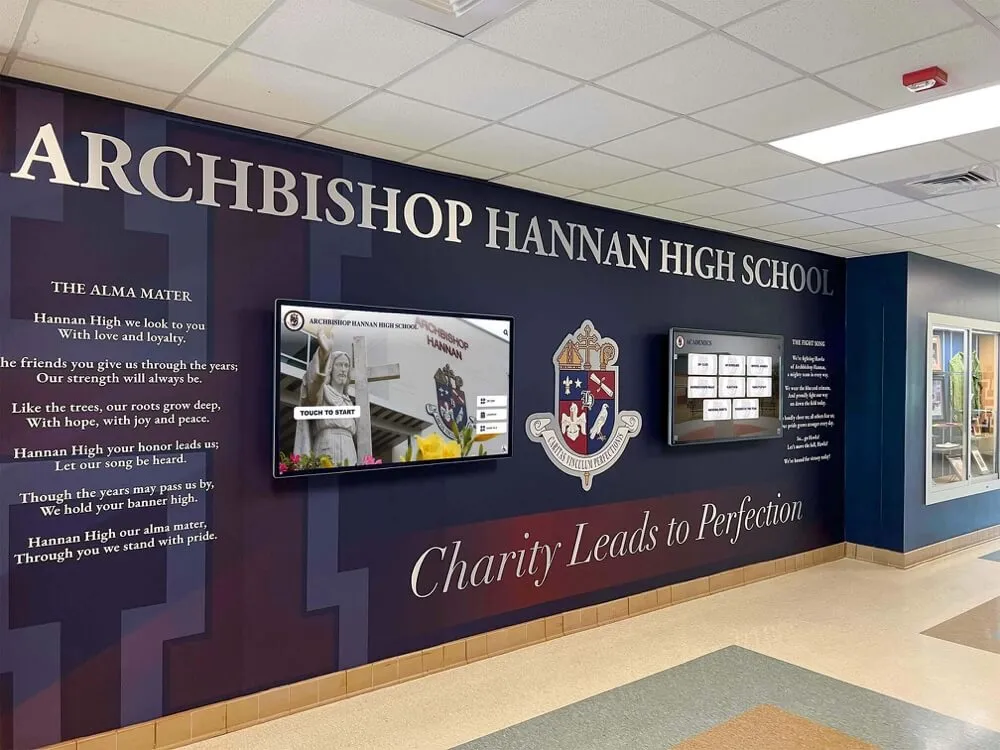
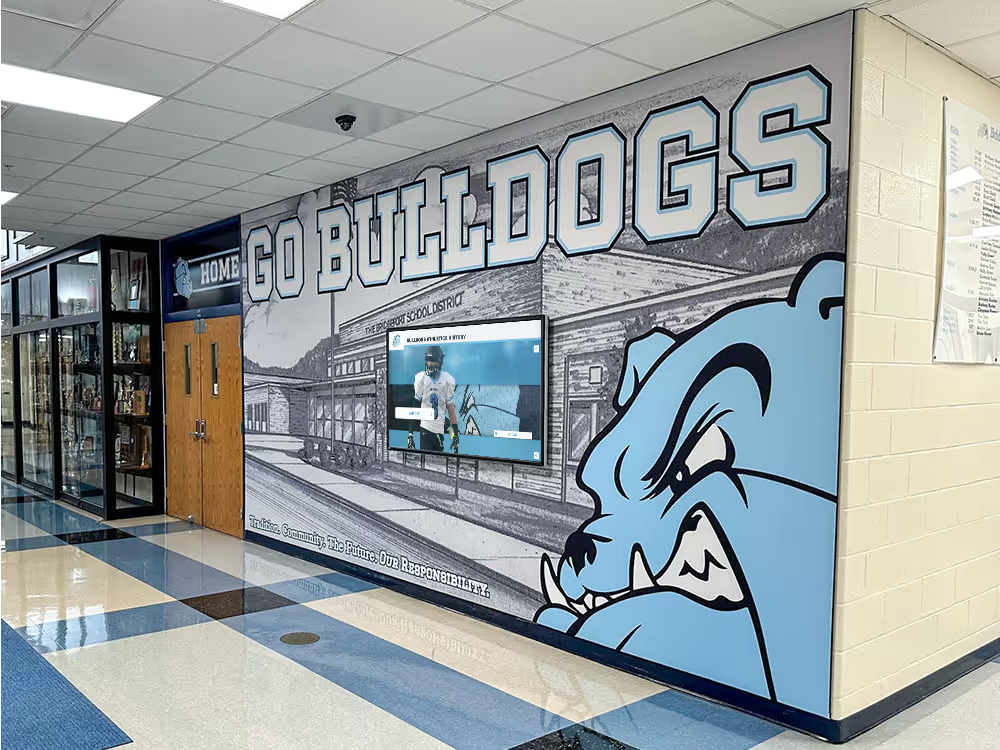
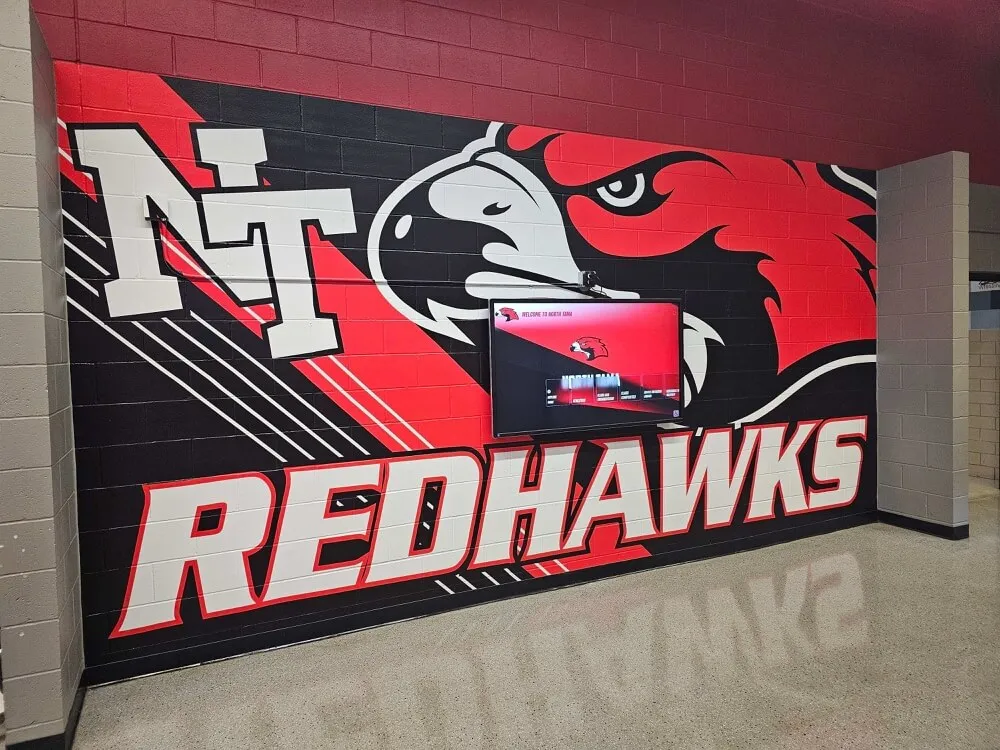
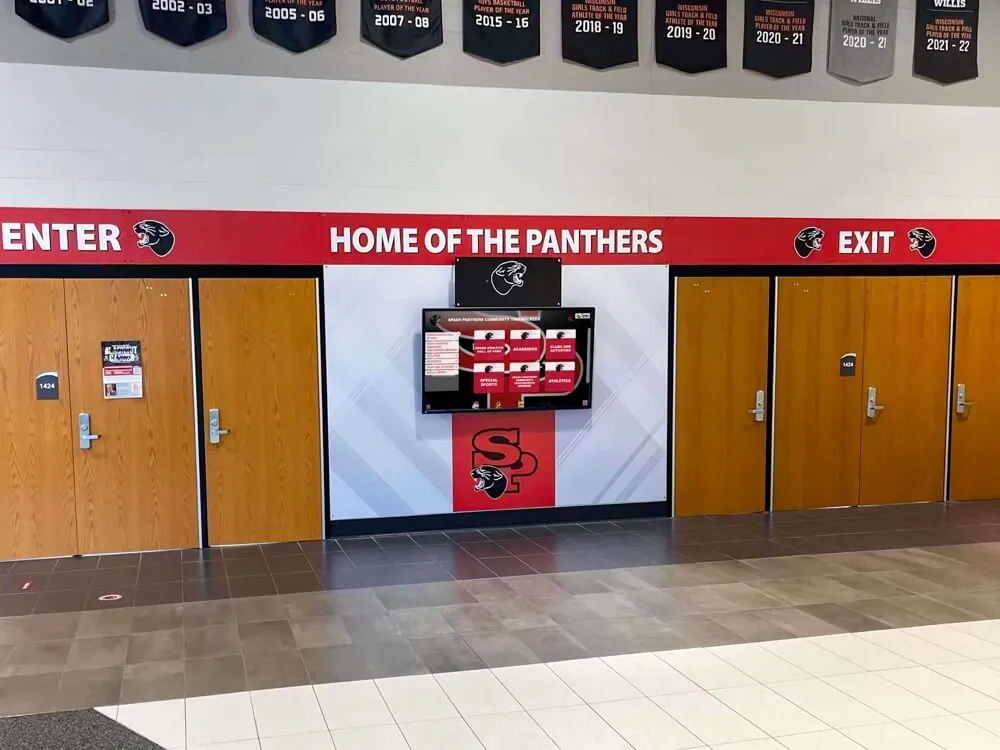
Digital displays transform how schools celebrate college athletic commitments and inspire future student athletes
Understanding the Letter of Intent
Before signing anything, student athletes must understand what a letter of intent actually represents and the commitments it creates.
What Is a Letter of Intent?
A letter of intent is a formal document whereby a prospective student athlete agrees to attend a specific college or university for one academic year in exchange for an athletic scholarship. Different organizations oversee different letter types:
National Letter of Intent (NLI)
The National Letter of Intent program is administered by the NCAA Eligibility Center and participating NCAA Division I and II institutions. When a student athlete signs an NLI:
- They commit to attend the designated institution for one academic year
- The institution commits to provide athletics financial aid for one academic year
- Other institutions must cease recruitment of that student athlete
- The commitment is binding—breaking an NLI typically requires sitting out one year of competition
The NLI creates certainty for both parties. Athletes gain scholarship security, while colleges secure committed recruits they’ve invested significant time and resources recruiting. According to NCAA data, thousands of student athletes across multiple sports sign NLIs each year during designated signing periods.
NAIA Letter of Intent
The National Association of Intercollegiate Athletics (NAIA) administers its own letter of intent for NAIA member institutions. The NAIA letter functions similarly to the NCAA NLI, creating binding commitments between student athletes and colleges, though specific rules and signing periods differ slightly from NCAA programs.
Institutional Financial Aid Agreements
Some colleges—particularly NCAA Division III schools that don’t offer athletic scholarships—use institutional financial aid agreements rather than letters of intent. These agreements commit schools to provide financial aid packages while students commit to enrollment, though they typically aren’t binding through national programs like the NLI.
Understanding which letter type applies to your situation matters tremendously, as different programs carry different requirements, signing periods, and binding commitments.
Different Sports and Signing Periods
Not all sports and divisions participate in the National Letter of Intent program, creating varying signing processes across athletic programs.
NLI Participating Sports
Most major NCAA Division I and II sports participate in the NLI program, including:
- Football (FBS and FCS)
- Basketball (men’s and women’s)
- Baseball and softball
- Soccer (men’s and women’s)
- Track and field / cross country
- Swimming and diving
- Volleyball
- Wrestling
- Lacrosse
- Ice hockey
- And many others
Each sport has designated signing periods when student athletes can officially sign letters of intent, creating structured timelines coordinating recruitment and commitment decisions across thousands of programs nationally.
Non-NLI Sports and Divisions
Some athletic programs don’t participate in the NLI system:
- NCAA Division III (doesn’t offer athletic scholarships, thus no NLI)
- Certain sports not covered by NLI agreements
- Junior colleges (use different commitment documents)
- NAIA programs (use NAIA-specific letters of intent)
Student athletes in these categories still make binding commitments and receive financial aid, but through different documentation processes that require understanding specific institutional requirements.
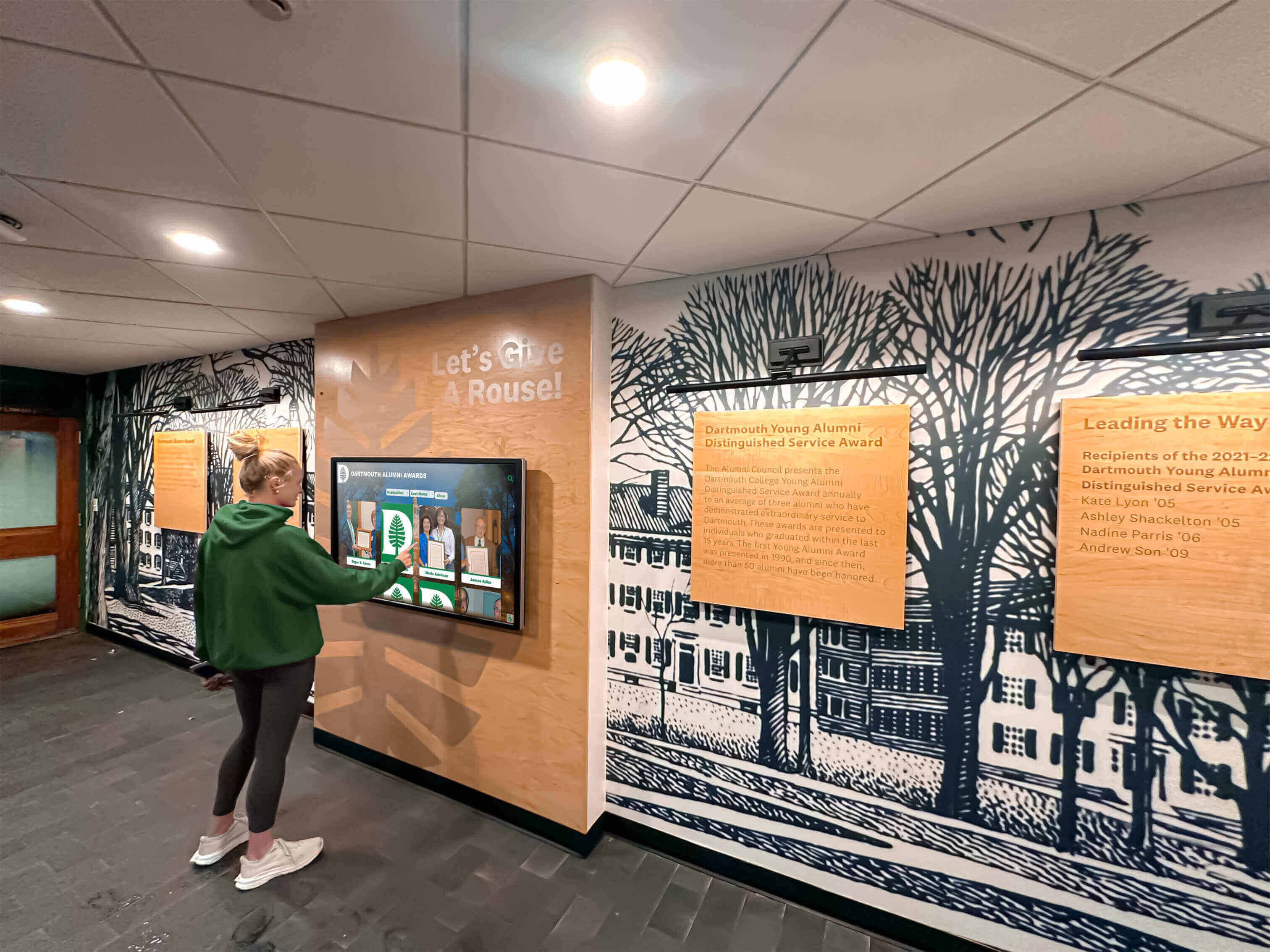
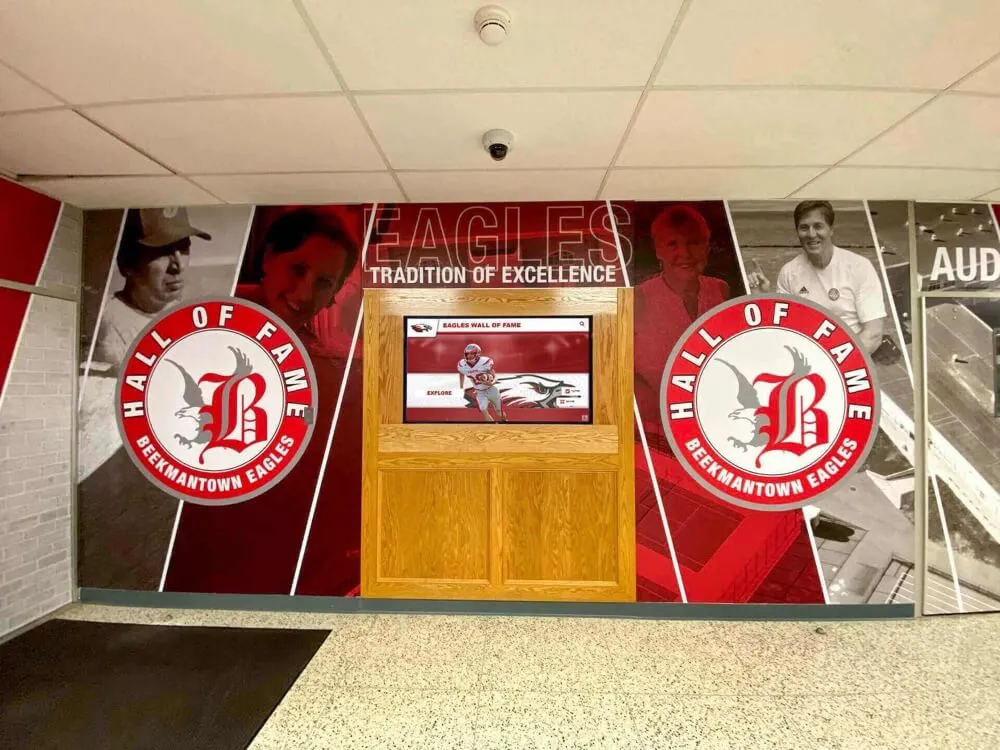
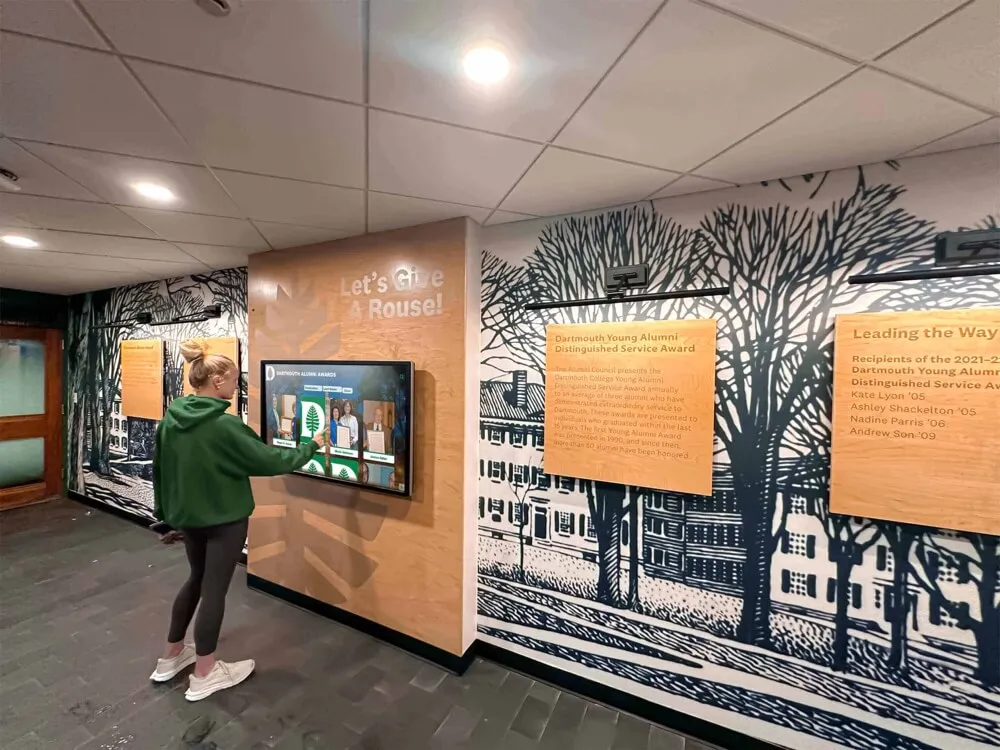
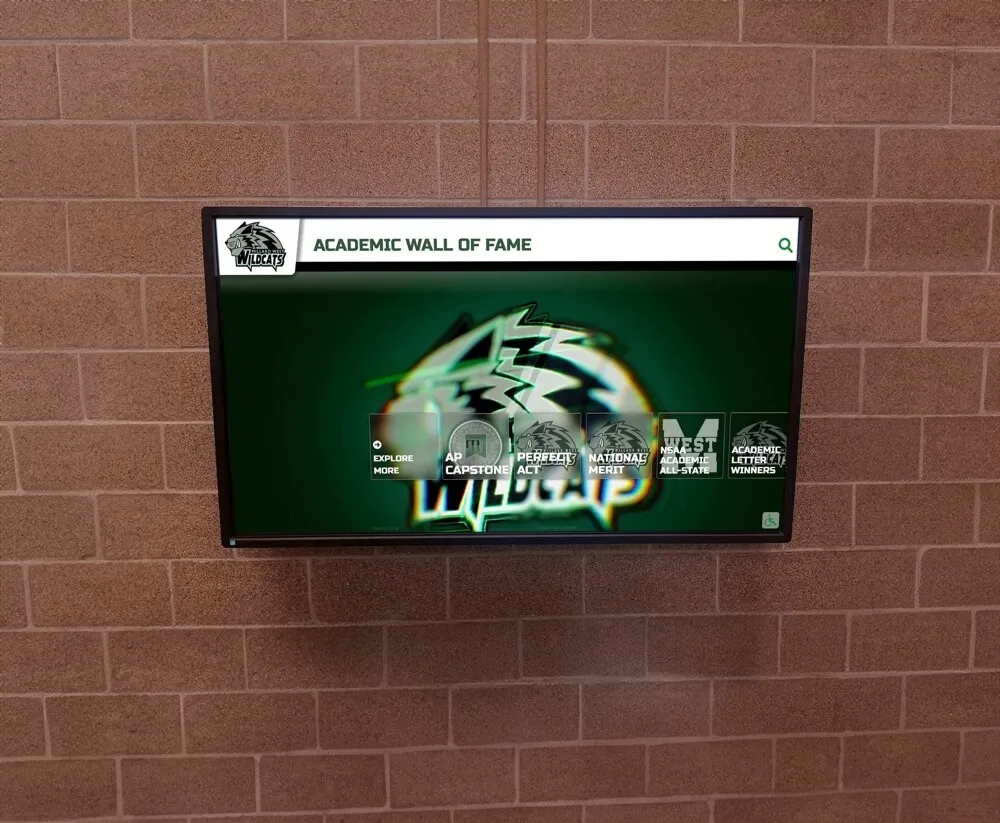
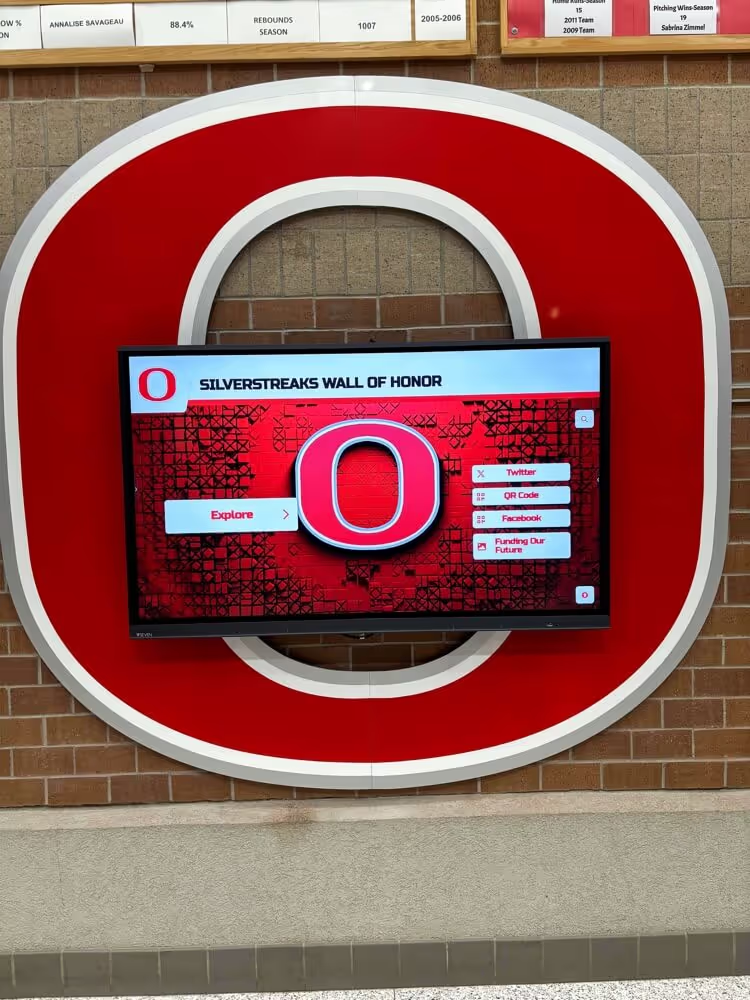
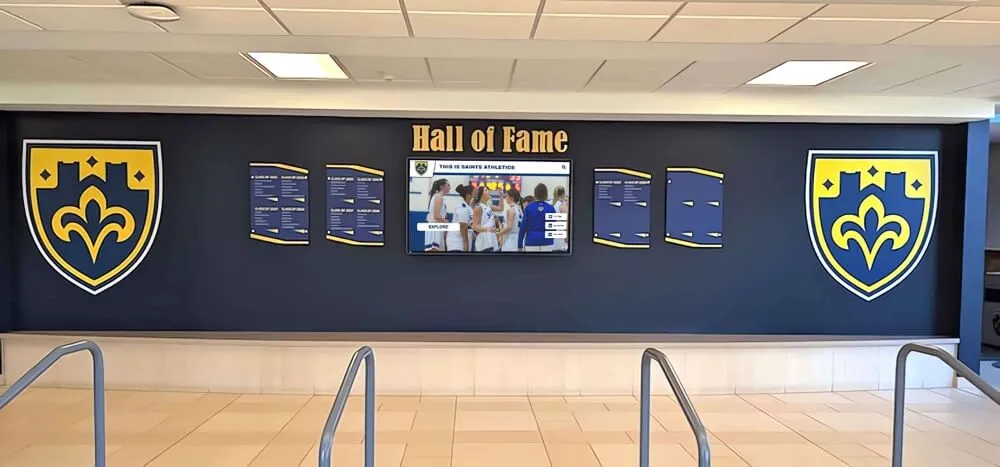
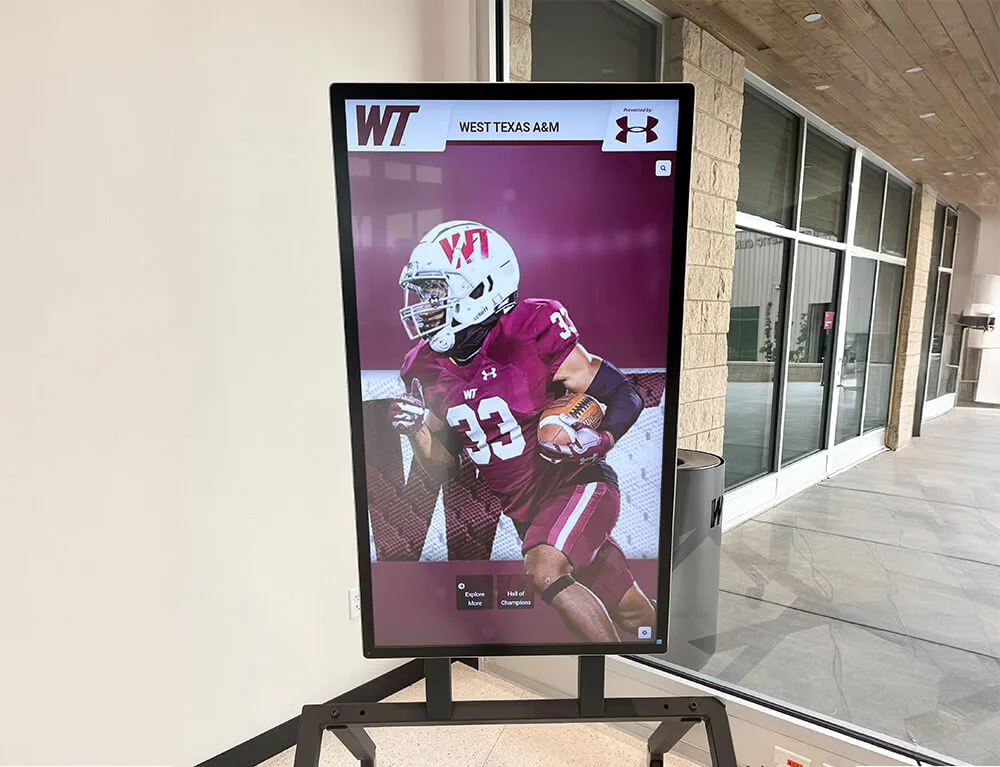
Interactive displays enable students to explore college commitment histories and discover inspiring role models
NCAA Signing Periods Explained
Understanding when you can sign a letter of intent is crucial for planning your recruitment timeline and celebration events.
Early Signing Period
Most sports now include early signing periods allowing student athletes to commit before their senior athletic seasons conclude.
November Early Signing Period
The early signing period for most sports begins in November and typically lasts 3-7 days depending on the sport. Key characteristics include:
- Available for most sports including basketball, soccer, track and field, swimming, volleyball, and others
- Occurs during the fall of senior year before winter and spring sport seasons begin
- Allows athletes to finalize college commitments early, reducing recruitment pressure during senior seasons
- Increasingly popular as athletes and families prefer certainty before final high school seasons
- Schools can plan signing day ceremonies during this period when athletes are still on campus
Many athletic directors report that the majority of recruited athletes now sign during early periods rather than waiting for regular signing dates, as early commitment provides peace of mind while allowing athletes to focus fully on final high school seasons without ongoing recruitment distractions.
Football Early Signing Period
Football has a separate early signing period in December specifically for football recruits. This December window allows football players to sign after fall seasons conclude but before national signing day in February. The football early signing period has become extremely popular, with the majority of Division I football recruits now signing in December rather than waiting until February.
Regular Signing Period
Traditional signing periods occur in late winter and spring, providing opportunities for athletes who weren’t ready to commit during early periods or who needed additional time evaluating options.
February National Signing Day
The traditional national signing day for football occurs in early February, representing the culmination of recruitment cycles for football players who didn’t sign during the December early period. This date receives significant media attention, particularly for high-profile recruits announcing college choices. Learn more about how schools can create memorable college commitment day celebrations that honor these athletes appropriately.
Spring Signing Period
Most other sports have regular signing periods beginning in April and extending through summer months. These later periods accommodate athletes who:
- Need additional time evaluating academic programs and campus cultures
- Receive late scholarship offers after other athletes decommit or choose different schools
- Complete recruitment processes later due to extended competitive seasons
- Wait for admission decisions before finalizing athletic commitments
Spring signing periods provide flexibility ensuring athletes have adequate time making informed decisions about collegiate futures rather than feeling pressured into premature commitments.
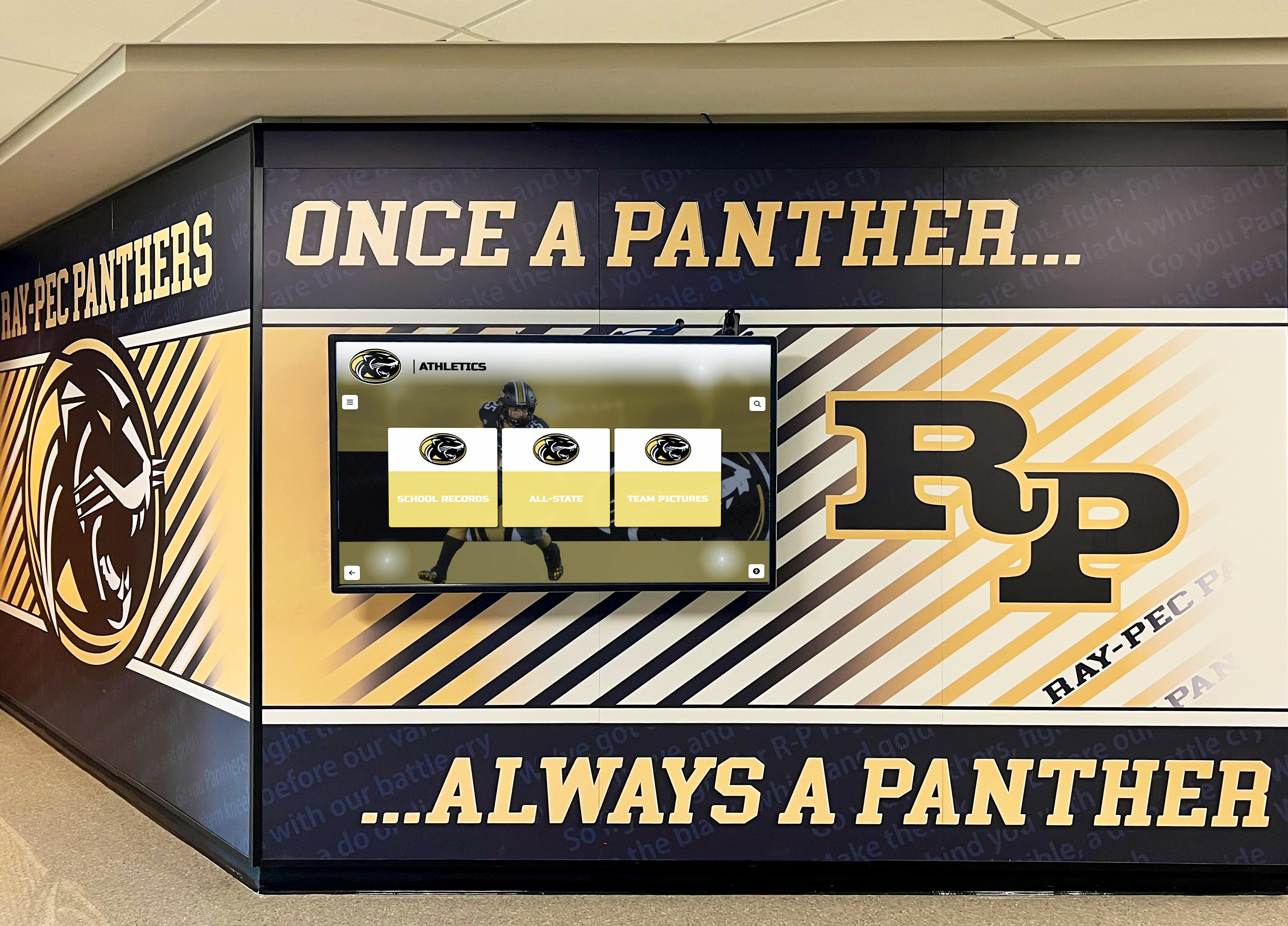
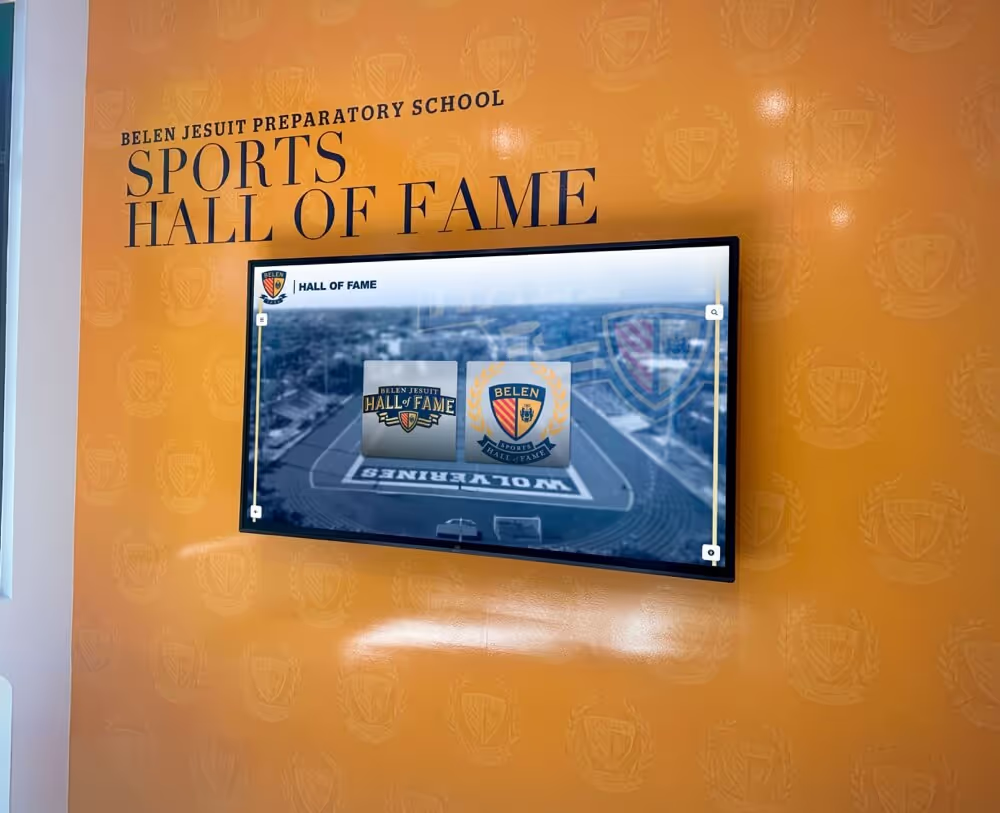
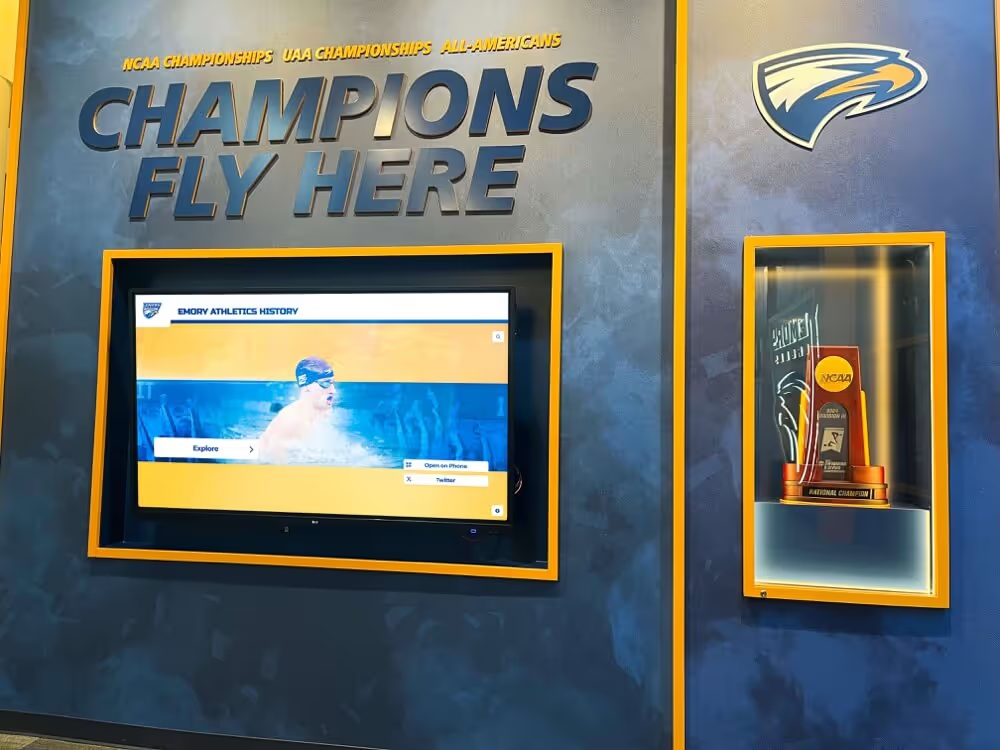
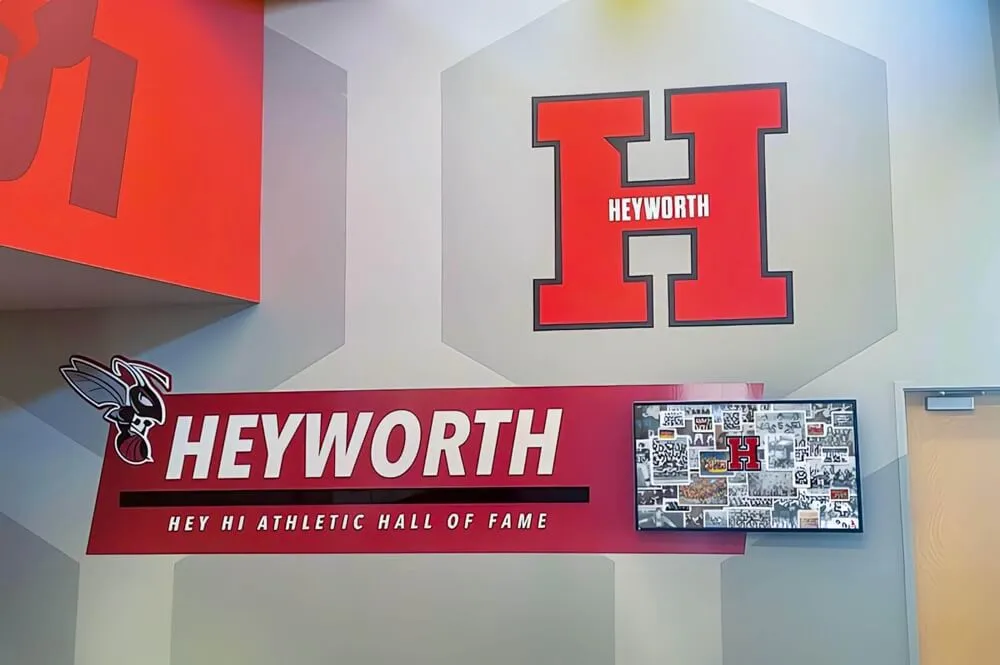
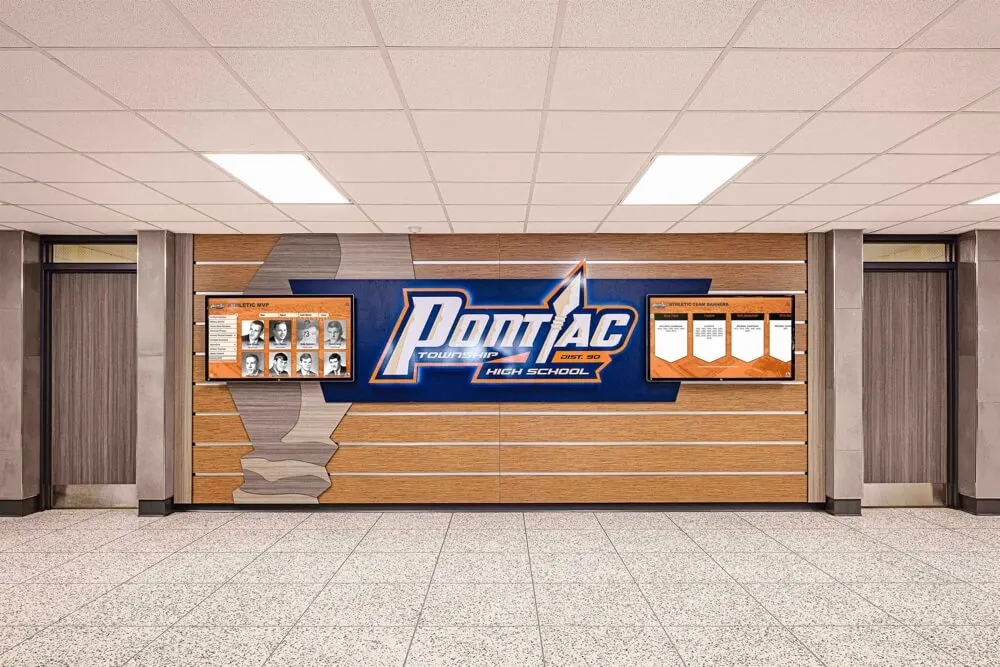
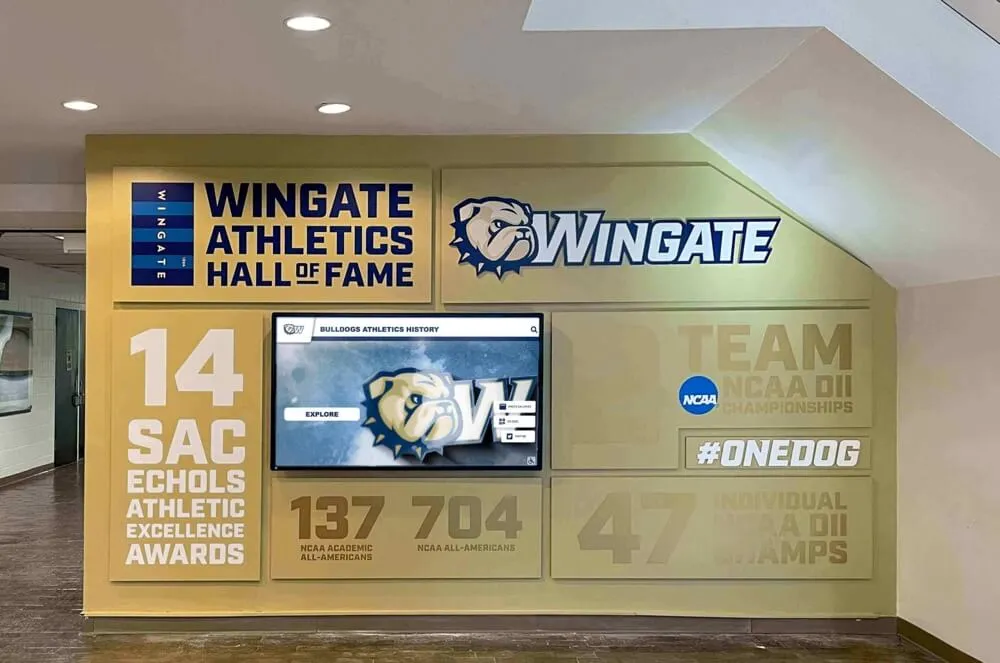
Strategic facility integration ensures college signing recognition receives prominent visibility throughout school communities
Preparing to Sign a Letter of Intent
Proper preparation ensures smooth signing experiences while protecting your interests throughout the commitment process.
Academic Eligibility Requirements
Before signing any athletic letter of intent, student athletes must meet NCAA academic eligibility requirements ensuring they can actually enroll and compete.
NCAA Eligibility Center Registration
All prospective NCAA Division I and II student athletes must register with the NCAA Eligibility Center, which evaluates:
- High school coursework ensuring completion of required core courses
- Grade point averages in core courses meeting minimum standards
- Standardized test scores (SAT or ACT) achieving required minimums
- Amateur status verification confirming no violations of NCAA amateurism rules
Student athletes should register with the Eligibility Center early in high school—ideally during freshman or sophomore years—ensuring all coursework and test scores get properly documented and evaluated well before signing dates. Waiting until senior year can create rushed timelines and potential eligibility complications.
Core Course Requirements
NCAA Division I and II have specific core course requirements covering:
- English (4 years required)
- Mathematics (3 years required, 4 recommended)
- Natural/physical science (2 years required)
- Social science (2 years required)
- Additional academic courses in core areas
These courses must be completed at or above minimum GPA thresholds, with sliding scales allowing higher test scores to offset slightly lower GPAs and vice versa. Understanding these requirements early ensures student athletes take appropriate courses throughout high school rather than discovering senior year they’re missing required credits.
Academic Certification Timeline
The NCAA Eligibility Center certification process can take several weeks or months, requiring:
- Official transcripts sent directly from high schools
- Official test scores sent from testing agencies
- Amateurism questionnaire completion
- Review and evaluation by Eligibility Center staff
Athletic directors and coaches should work with student athletes ensuring academic certification is substantially complete before signing dates, preventing situations where students sign letters of intent but subsequently discover eligibility problems preventing enrollment or competition.
Understanding Your Scholarship Offer
Not all athletic scholarships are equivalent—understanding exactly what your offer includes prevents surprises and disappointment after signing.
Full Scholarship vs. Partial Scholarship
Athletic scholarships vary dramatically in coverage:
Full Scholarships (Full Ride)
- Cover tuition, fees, room, board, and books
- Represent maximum possible athletic financial aid
- Common in “headcount” sports like FBS football and Division I basketball
- Relatively rare in most “equivalency” sports where programs divide limited scholarships among many athletes
Partial Scholarships
- Cover some percentage of attendance costs (25%, 50%, 75%, etc.)
- Common in equivalency sports like baseball, soccer, track, swimming, volleyball
- Often combined with academic scholarships, need-based aid, or other funding sources
- Require families to cover remaining costs through other means
Student athletes should clearly understand the dollar value and percentage of costs their scholarship covers, ensuring realistic financial planning and preventing misunderstandings about out-of-pocket expenses families must cover.
Multi-Year vs. One-Year Agreements
Athletic scholarships are guaranteed for one year and renewable annually at institutional discretion. Key considerations include:
- Initial commitments through letters of intent cover one academic year
- Coaches can choose not to renew scholarships after the first year for various reasons
- Academic progress, athletic performance, team conduct, and program changes can affect renewal decisions
- Some athletes receive verbal multi-year commitments, but official documents typically cover one year at a time
Understanding that scholarships require annual renewal helps athletes maintain appropriate academic and athletic standards throughout college careers rather than assuming scholarships continue automatically regardless of performance or behavior.
Conditions and Expectations
Scholarship offers often include expectations regarding:
- Maintaining minimum GPA standards throughout enrollment
- Participating fully in athletic programs including practices, competitions, and team activities
- Following team rules, athletic department policies, and institutional conduct standards
- Possibly redshirting or accepting limited playing time depending on team needs
- Meeting specific athletic performance benchmarks or development goals
Student athletes should discuss these expectations explicitly with coaching staffs before signing, ensuring clarity about requirements and mutual understanding of commitment expectations on both sides.
Getting Everything in Writing
Verbal commitments and informal agreements mean nothing compared to official written documentation.
Official Scholarship Offer Letter
Before signing any letter of intent, student athletes should receive official scholarship offer letters from institutions specifying:
- Exact scholarship amounts or percentages
- What costs the scholarship covers
- Duration and renewal conditions
- Academic and athletic expectations
- Any special conditions or requirements
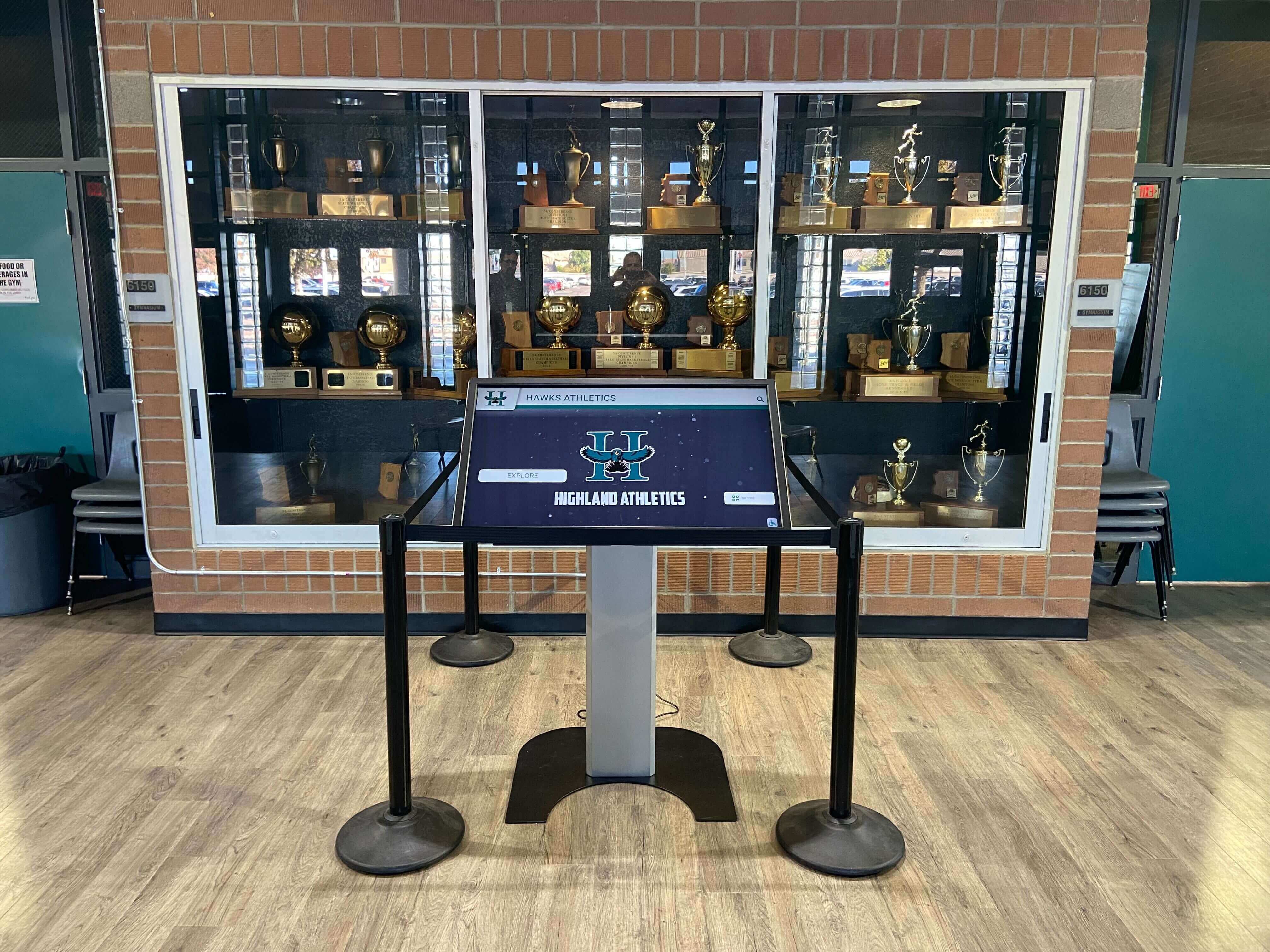
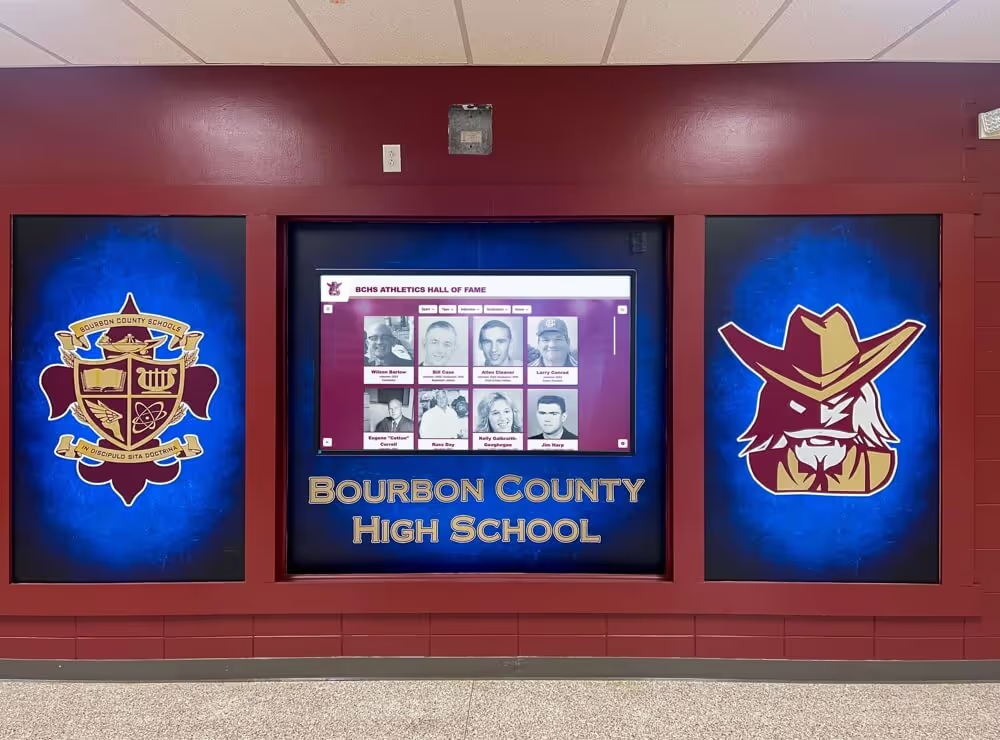
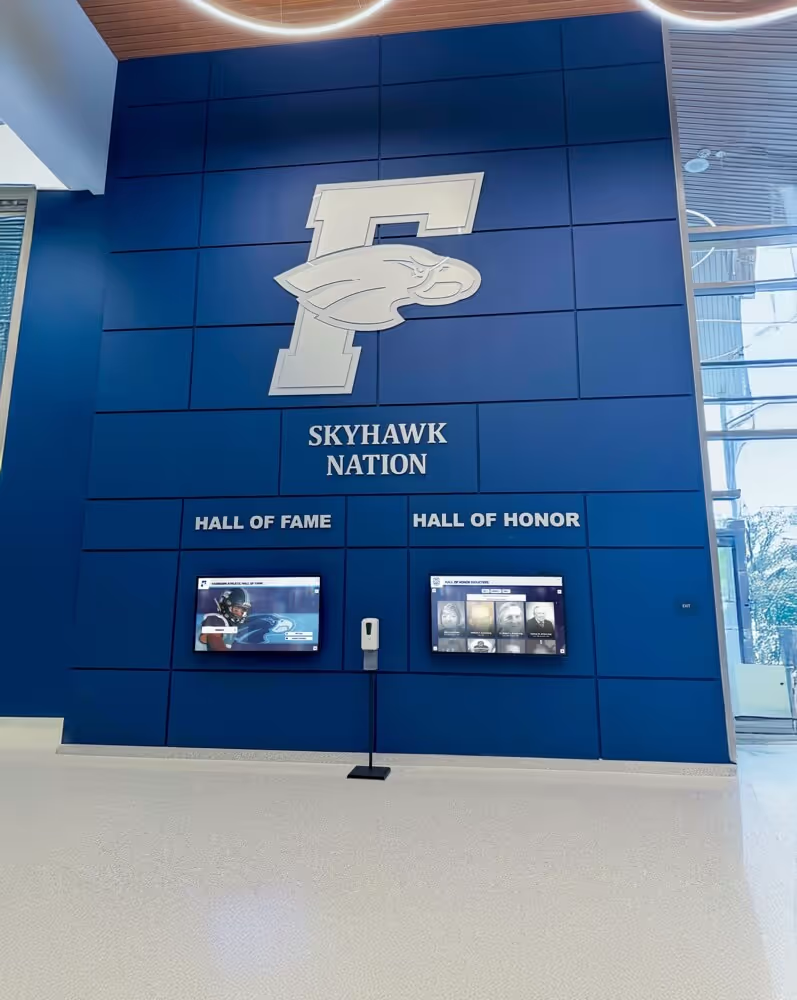
Modern recognition systems document complete athletic journeys from high school through college commitments
These written offers should arrive well before signing dates, providing adequate time for student athletes and families to review terms, ask questions, and ensure complete understanding before making binding commitments.
Reviewing with Family and Advisors
Major life decisions warrant input from trusted advisors. Student athletes should:
- Review all documentation with parents or guardians
- Consult high school coaches who understand recruitment processes
- Ask questions of college coaching staffs about anything unclear
- Consider consulting with compliance specialists or recruitment advisors for complex situations
- Verify academic program availability and admission status before signing athletic commitments
Taking time for thorough review prevents hasty decisions based on excitement or pressure rather than careful evaluation of whether opportunities genuinely fit athletes’ academic, athletic, and personal goals.
The Signing Day Experience
Signing day itself should be a celebration honoring achievement while creating lasting memories for athletes and families.
Planning Your Signing Ceremony
Schools approach signing day celebrations with varying levels of formality ranging from small family gatherings to elaborate public ceremonies.
Individual Signing Ceremonies
Many schools host individual or small-group signing ceremonies for college-bound athletes featuring:
- Designated signing tables with team gear, college materials, and celebration decorations
- Attendance by student athletes’ families, teammates, coaches, and administrators
- Brief speaking remarks from coaches, athletic directors, or principals
- Photo opportunities capturing signing moments with families and coaches
- Coach appreciation moments recognizing coaches who developed athletes throughout their careers
- Display of college merchandise like hats, shirts, or pennants
Individual ceremonies allow focused attention on each athlete while accommodating family schedules and creating intimate celebration environments rather than large impersonal events.
Large Group Signing Day Events
Schools with multiple athletes signing during the same period sometimes coordinate group celebrations featuring:
- Auditorium or gymnasium events bringing entire school communities together
- Multiple signing stations where athletes simultaneously sign letters
- Video presentations highlighting each athlete’s career and achievements
- Public remarks from each athlete discussing college choices and gratitude
- Family recognition acknowledging parental support throughout athletic journeys
- Community celebration reinforcing school pride around athletic excellence
Group events create excitement and shared celebration while efficiently honoring multiple athletes, though they require careful coordination ensuring each athlete receives appropriate individual recognition within larger formats.
Announcing Your Commitment
Social media and public announcements have transformed how athletes share college commitments with extended communities.
Social Media Announcement Strategies
Most student athletes announce commitments through social media platforms, creating opportunities for creative presentations:
- Graphics designers create custom commitment graphics featuring school logos, photos, and personal branding
- Athletes post across multiple platforms (Instagram, Twitter/X, Facebook) reaching different audiences
- Announcement timing coordinates with signing ceremonies for maximum impact
- Thank you messages recognize coaches, teammates, families, and supporters who enabled success
- Hashtags connect announcements to broader signing day conversations
Social media announcements extend celebration beyond physical ceremony attendees, enabling extended family members, community supporters, youth coaches, and others who invested in athletes’ development to share in celebration moments.
School Communication and Recognition
High schools should systematically recognize college commitments through:
- School website announcements with photos and athlete profiles
- Social media posts from official school accounts celebrating achievements
- Newsletter features sharing signing news with school communities
- Athletic department communications highlighting program success
- Press releases to local media generating community coverage
- Digital recognition displays showcasing signings permanently within facilities
Coordinated school communication amplifies individual athlete recognition while demonstrating institutional pride in student achievement and athletic program excellence. Modern digital recognition systems enable lasting celebration extending far beyond signing day itself.
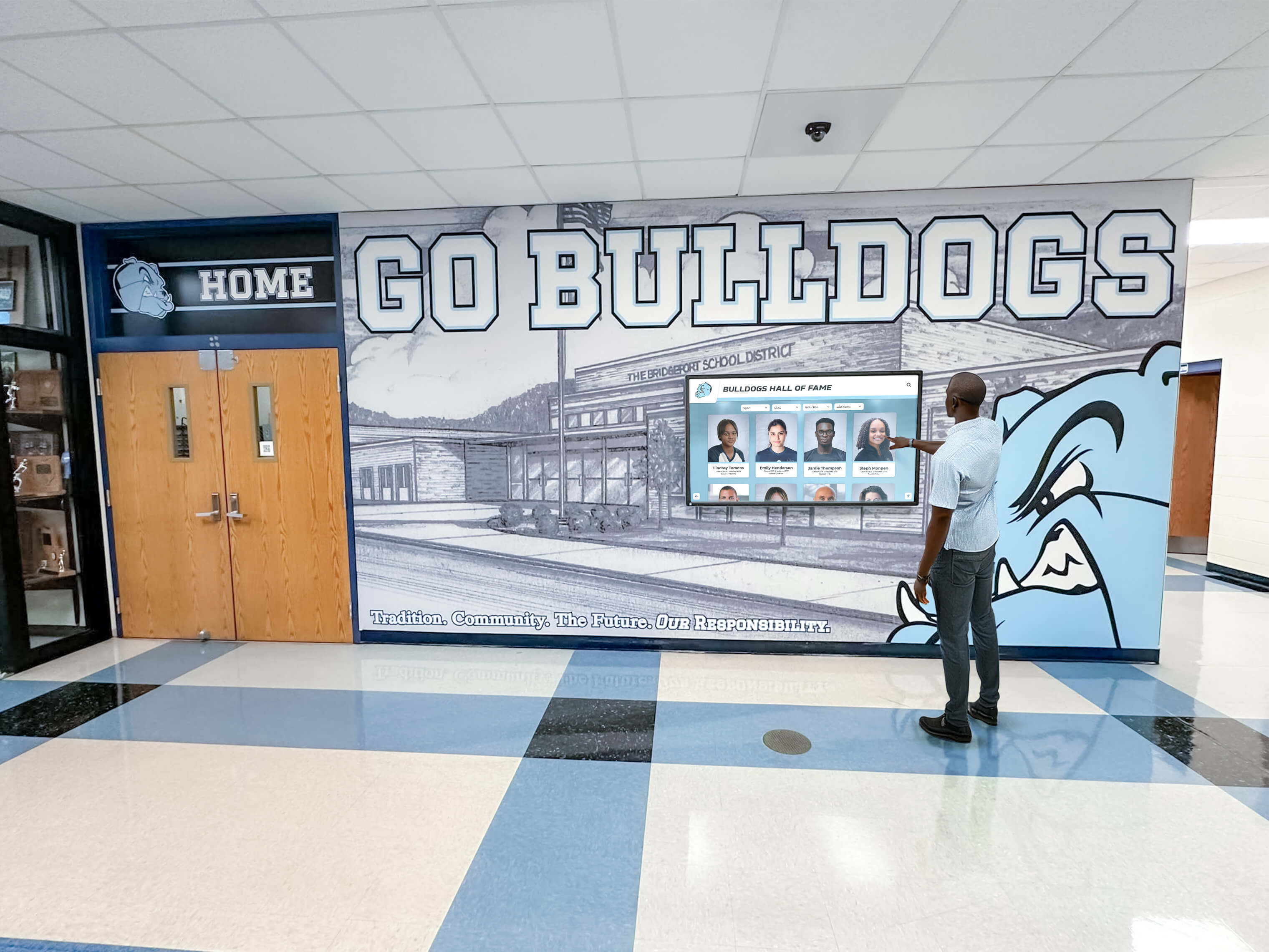
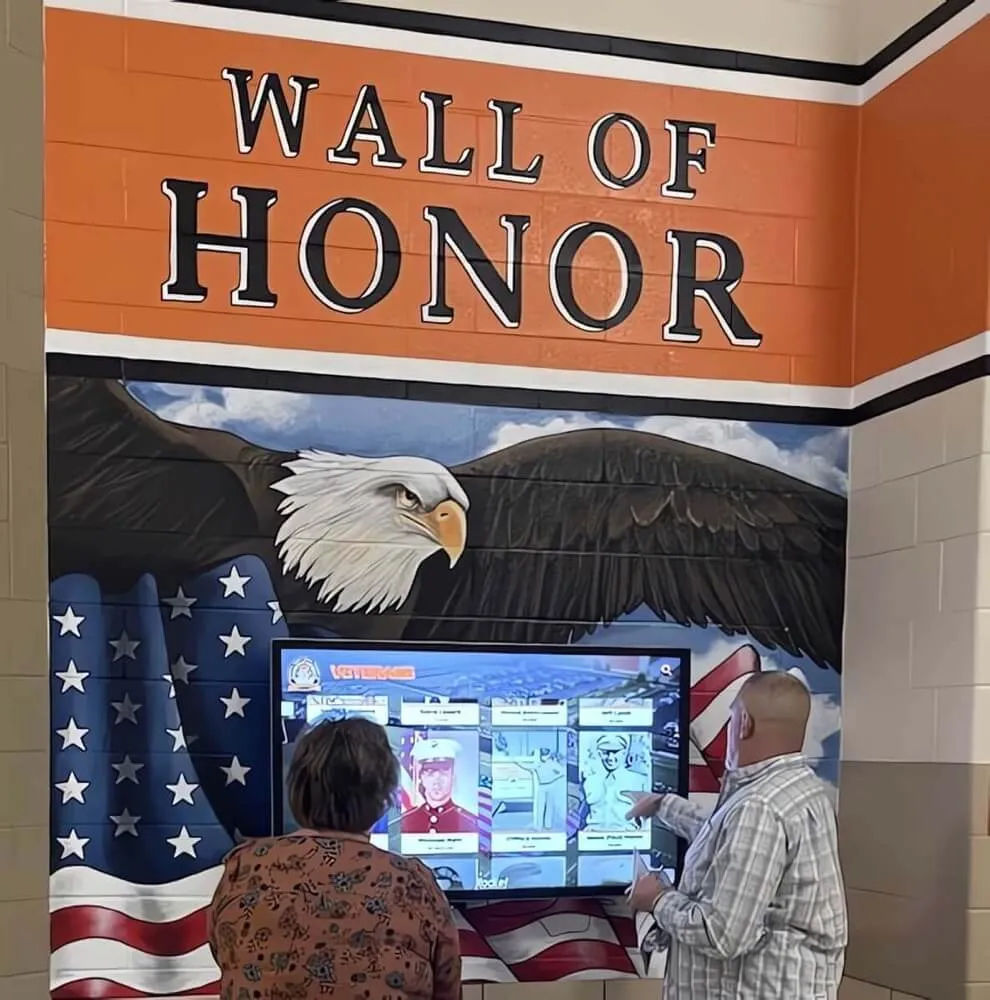
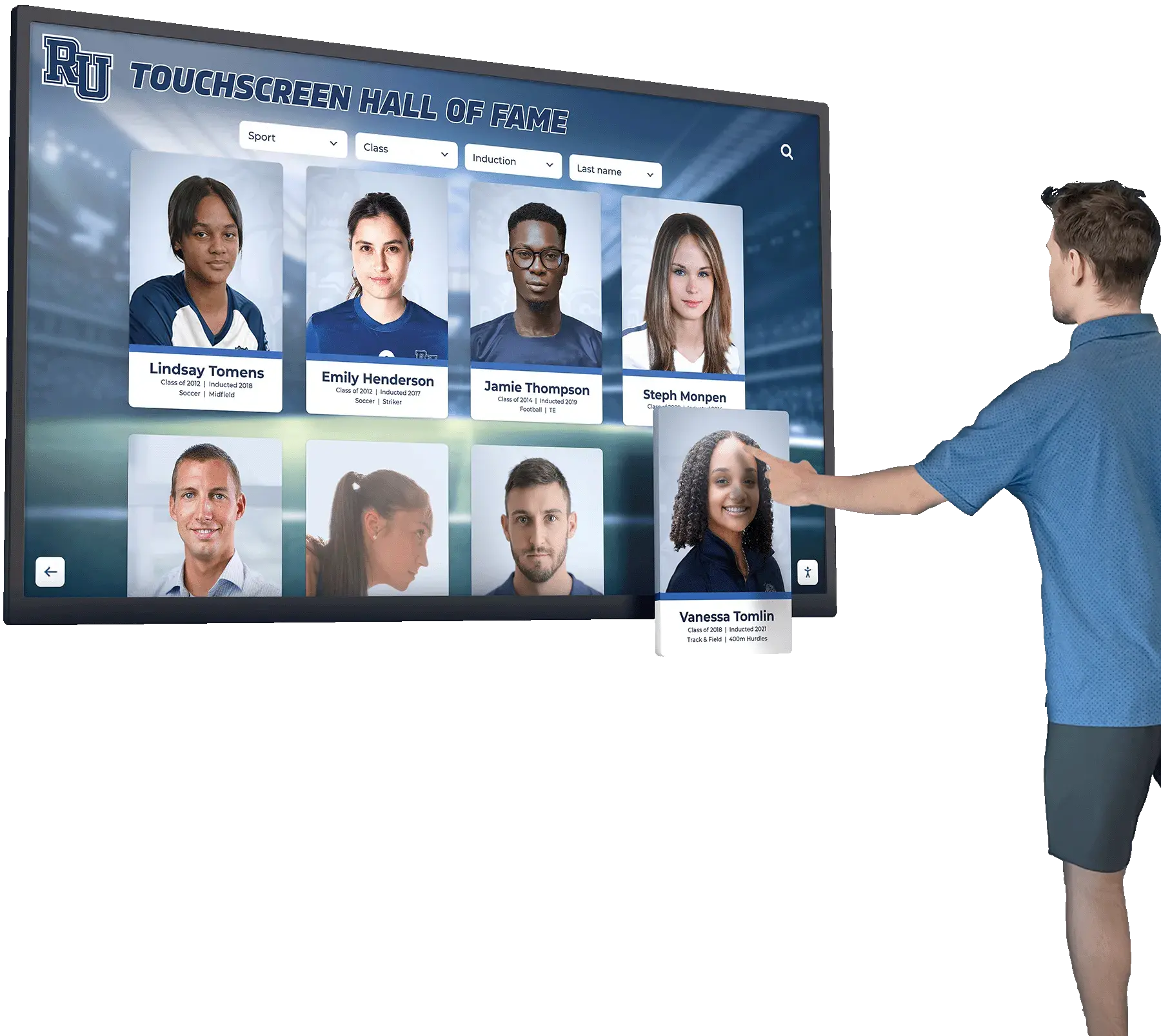
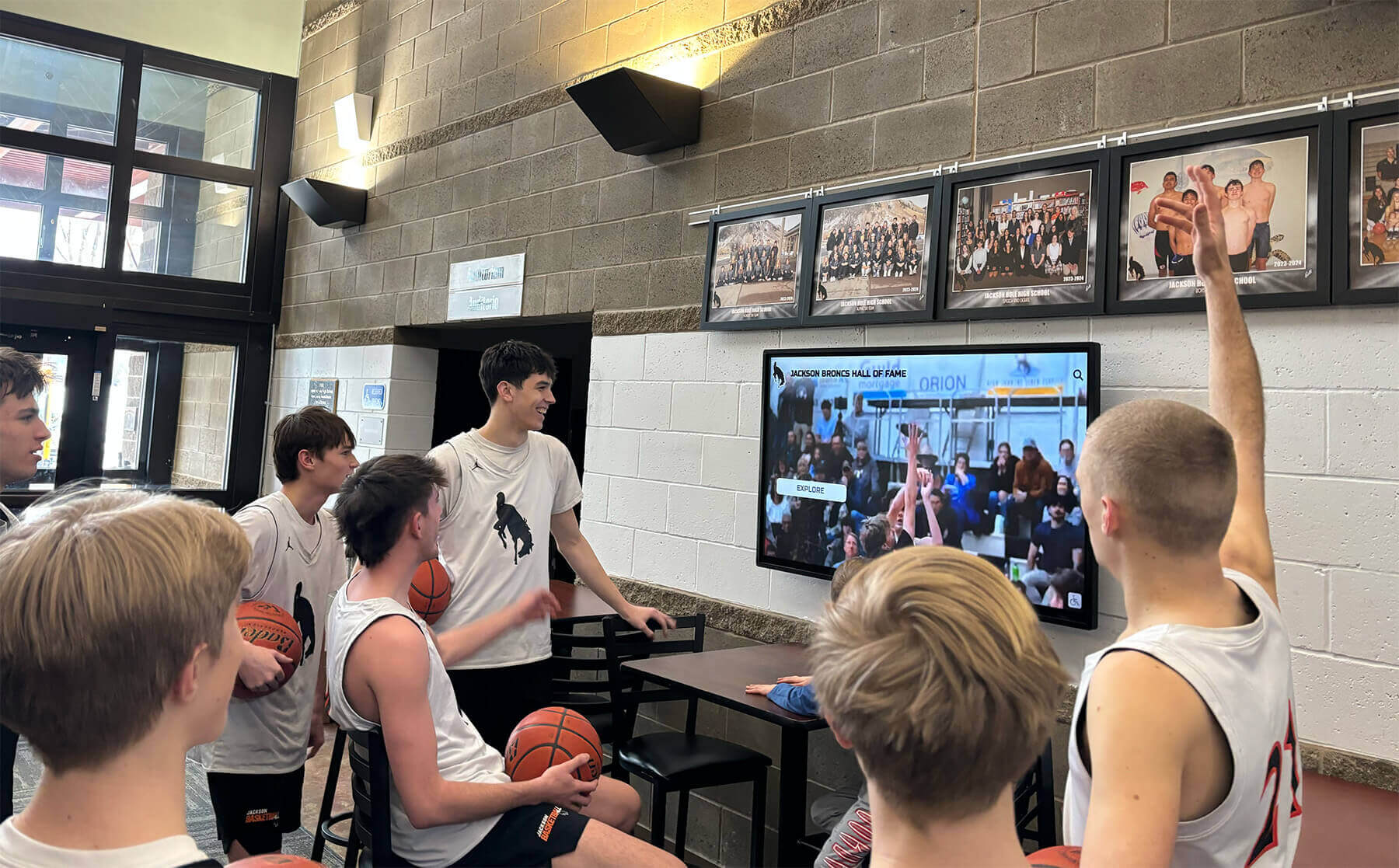
Interactive touchscreens enable exploration of college signing histories and inspire younger athletes toward similar achievement
After Signing: What Comes Next
The letter of intent represents a beginning rather than an ending, with important responsibilities continuing through high school graduation and beyond.
Maintaining Academic Eligibility
Athletic commitments mean nothing without maintaining academic eligibility enabling actual enrollment and competition.
Completing Senior Year Requirements
Student athletes must successfully complete senior year coursework maintaining:
- Minimum GPA standards required by NCAA rules and institutional admissions
- Graduation requirements earning high school diplomas
- Any remaining core course requirements not yet completed
- Appropriate academic effort and conduct avoiding disciplinary issues that could jeopardize admission
Coaches sometimes call this “senioritis prevention”—ensuring athletes who’ve secured college commitments don’t coast through final semesters assuming nothing matters anymore. Colleges can and do rescind admission offers and scholarships for students who fail to graduate or whose academic performance declines dramatically after signing.
Final NCAA Clearinghouse Verification
Even after signing letters of intent, final NCAA Eligibility Center certification occurs after graduation when:
- Final transcripts showing completed coursework and graduation get submitted
- Eligibility Center completes final academic evaluation
- Athletes receive official certification enabling enrollment and competition
- Any remaining amateurism questions get resolved
Student athletes shouldn’t assume signing guarantees eligibility—final certification depends on successfully completing all academic requirements and maintaining amateur status through graduation.
Staying Connected with Your Future College
The period between signing and enrollment requires ongoing communication with future college programs.
Summer Preparation and Requirements
Colleges typically provide incoming freshmen athletes with summer requirements:
- Conditioning programs maintaining fitness levels before arrival
- Academic orientation information about course registration and advising
- Team schedules outlining arrival dates, practice start times, and season timelines
- Mandatory documentation like medical forms, emergency contacts, and compliance paperwork
- Housing assignments and roommate information
- Financial aid and scholarship processing requirements
Following these communications demonstrates professionalism while ensuring smooth transitions from high school to college athletic careers. Coaches appreciate recruits who promptly complete requirements and ask questions when unclear rather than missing deadlines or arriving unprepared.
Managing Coaching Changes
Occasionally, coaching changes occur between signing and enrollment, creating uncertainty for incoming recruits. Important considerations include:
- Letters of intent bind athletes to institutions, not specific coaches
- Athletes cannot be released from commitments simply because coaches change
- New coaching staffs typically honor scholarships and commitments made by predecessors
- Communication with new coaches helps establish relationships and clarify roles
- In extreme situations, athletes can petition for NLI releases, though approval isn’t guaranteed
Student athletes facing coaching transitions should reach out to new coaches, remain positive and flexible, and remember that their own talent and attitude matter more than which specific coach recruited them.
Continuing High School Athletic Participation
Many student athletes continue competing in their sports through senior seasons even after signing college commitments.
Maintaining Performance Standards
College coaches expect signees to maintain athletic standards through graduation:
- Continued training and conditioning preserving fitness and skill development
- Full participation in final high school seasons demonstrating commitment and competitiveness
- Avoiding serious injuries through appropriate training and recovery practices
- Maintaining amateur status avoiding any violations of NCAA rules
Senior seasons provide final opportunities for athletic development, leadership experiences, and creating lasting memories with high school teammates before transitioning to college programs.
Avoiding Injury and Risk Management
Senior athletes face tension between competing fully and protecting future college opportunities. Considerations include:
- Most coaches expect athletes to compete fully rather than sitting out seasons protecting health
- Serious injuries can affect freshman year roles but rarely result in scholarship losses
- Appropriate training, proper technique, and responsible competition minimize injury risks
- Communication with college coaches about injury concerns or situations can provide guidance
- Insurance policies and medical coverage should be understood before seasons begin
Most athletic directors advise athletes to compete as they always have—fully and with appropriate intensity—rather than playing tentatively or worrying excessively about possibilities of injury that might never occur. Maintaining strong athletic program traditions through senior year participation honors teammates and programs while completing high school careers properly.
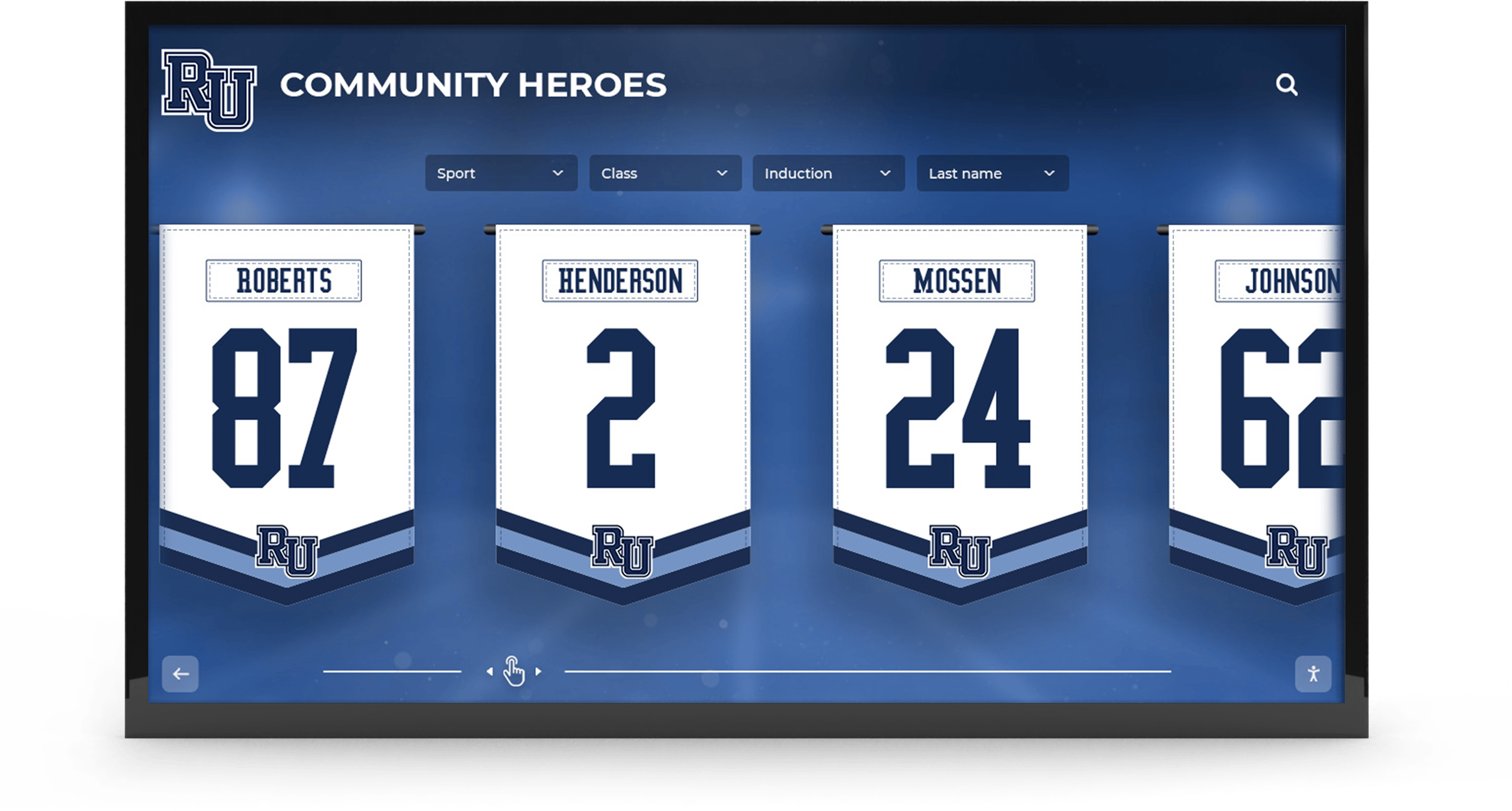
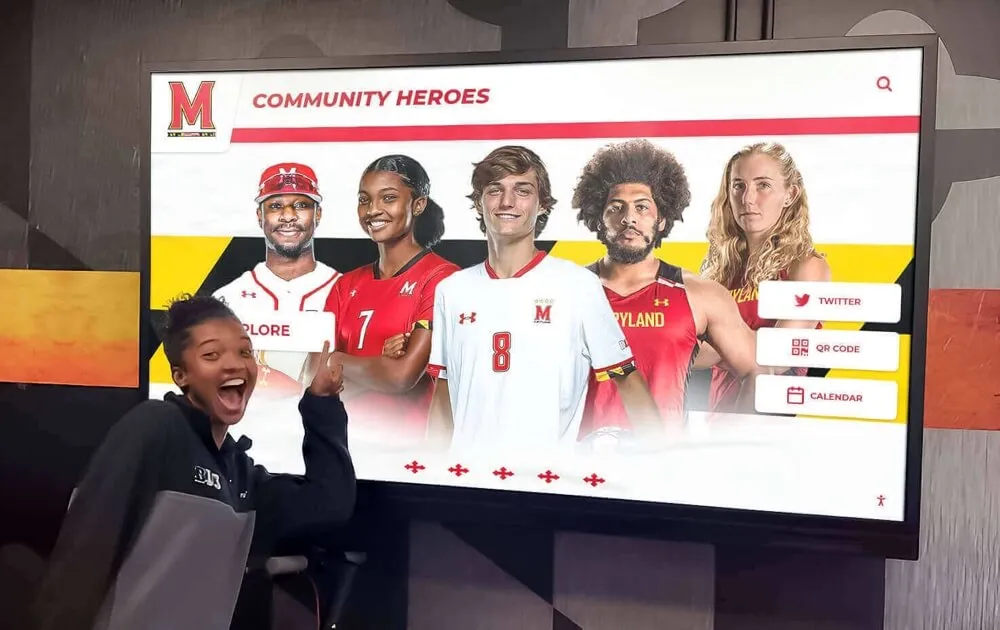
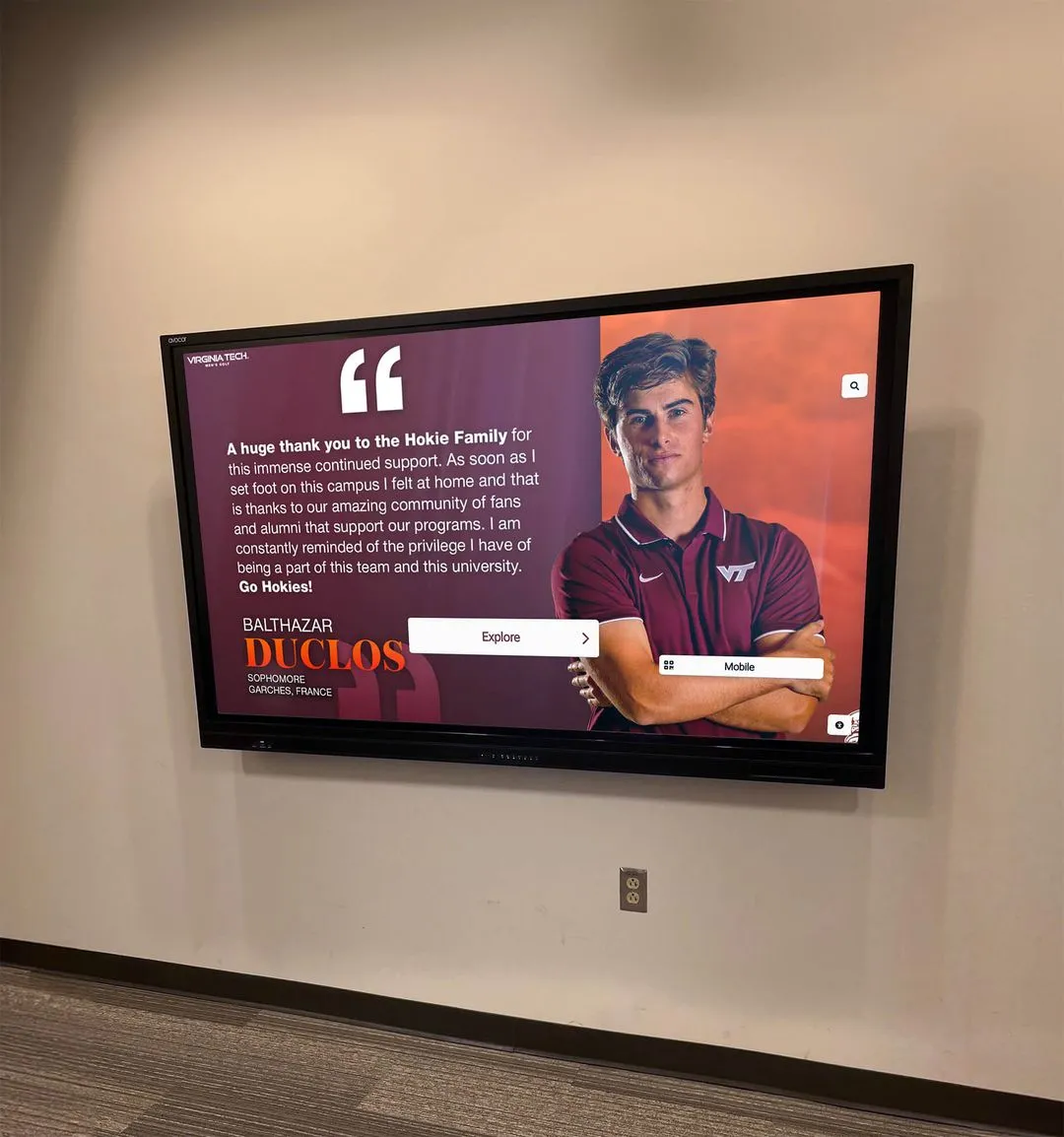
Digital recognition celebrates college-bound athletes as community heroes inspiring future generations
Common Letter of Intent Questions and Concerns
Student athletes and families frequently have questions about the letter of intent process that deserve clear answers.
Can I Change My Mind After Signing?
Letters of intent create binding commitments with limited exceptions allowing release.
NLI Release Process
Athletes seeking release from National Letters of Intent must:
- Submit formal release requests to the institution they signed with
- Provide compelling justification (coaching changes alone typically aren’t sufficient)
- Obtain institutional approval—schools can deny release requests
- Accept one-year enrollment penalty if released, sitting out competition at any other NCAA institution
- Consider alternative educational paths during the required year if unable to attend signed institution
The binding nature of letters of intent is intentional—protecting institutions’ recruitment investments while encouraging thoughtful commitment decisions by athletes. Release processes exist for extraordinary circumstances, not buyer’s remorse or better offers arriving after signing.
Before You Sign Considerations
Given the binding commitment, student athletes should:
- Visit campuses before signing, experiencing facilities and meeting teams
- Thoroughly research academic programs ensuring appropriate major availability
- Understand team cultures, coaching philosophies, and competitive expectations
- Evaluate financial aid packages considering total out-of-pocket costs
- Discuss decisions extensively with families and trusted advisors
- Only sign when genuinely certain about commitments rather than feeling pressured
Taking adequate time for decision-making prevents regrets and release request situations by ensuring commitments align with athletes’ genuine preferences and priorities.
What if I Get Injured Before Enrolling?
Injuries occurring after signing but before enrollment create anxiety about scholarship security.
Scholarship Protection
Most letter of intent commitments remain valid despite pre-enrollment injuries because:
- Scholarships are guaranteed for one year minimum by NLI rules
- Medical hardship policies protect athletes who suffer serious injuries
- Institutional integrity and recruiting reputation encourage honoring commitments
- Athletes who recover can resume normal participation
- Medical staff evaluate injuries determining appropriate competition timelines
College coaches understand that injuries are part of athletics. Most institutions honor scholarship commitments to injured athletes, provide appropriate medical care, and work with athletes on recovery and return to competition timelines.
Communication Importance
Athletes suffering serious injuries before enrollment should:
- Immediately inform college coaching staffs about injury details
- Provide medical documentation and prognosis from treating physicians
- Maintain regular communication throughout recovery processes
- Follow rehabilitation protocols demonstrating commitment to returning to competition
- Understand that role expectations might adjust based on recovery timelines
Transparent communication prevents misunderstandings while demonstrating maturity and professionalism that coaches value in team members.
What About Walk-On Opportunities?
Not all college athletes sign letters of intent—some pursue walk-on opportunities without scholarships.
Walk-On vs. Scholarship Differences
Walk-on athletes differ from scholarship athletes in:
- Not receiving athletic financial aid (though they may receive academic or need-based aid)
- Not signing letters of intent since no athletic scholarships are offered
- Competing for roster spots without guaranteed positions
- Potentially earning scholarships later if they demonstrate sufficient ability and value
Walk-on opportunities provide pathways to college athletics for athletes not initially recruited or offered scholarships, particularly at Division I programs where roster sizes accommodate non-scholarship participants.
Preferred Walk-On Arrangements
Some athletes receive “preferred walk-on” status, indicating:
- Coaching staff awareness and support for their participation
- Guaranteed roster spots though no scholarship funding
- Possibility of earning scholarships in subsequent years
- More formal commitment compared to traditional walk-ons showing up to tryouts
Preferred walk-ons don’t sign letters of intent but typically make verbal commitments and arrangements with coaching staffs ensuring they have legitimate opportunities to contribute to programs.
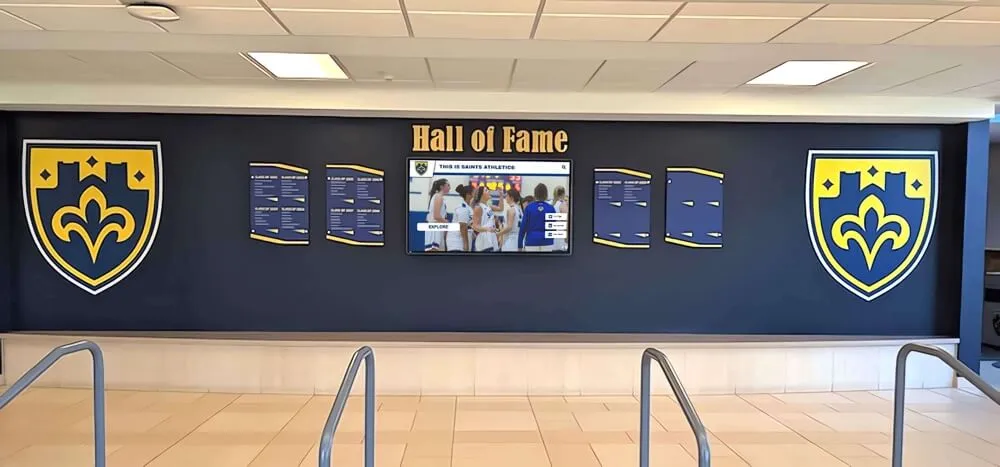
Comprehensive recognition systems integrate physical displays with digital platforms documenting complete athletic traditions
How Schools Can Honor College Commitments
High schools play crucial roles in celebrating college athletic commitments while preserving these achievements for future inspiration.
Creating Memorable Signing Day Ceremonies
Thoughtful ceremony planning ensures proper recognition for athletes’ achievements.
Ceremony Elements That Matter
Effective signing ceremonies include:
- Personal remarks from athletes thanking supporters and explaining college choices
- Coach speeches sharing memories, development stories, and pride in athletes’ achievements
- Family involvement ensuring parents and siblings participate in celebration
- Photo opportunities capturing formal moments and candid celebrations
- Video presentations highlighting athletic careers and memorable moments
- Teammate attendance demonstrating team bonds and shared celebration
- Administrator participation showing institutional pride and support
These elements create meaningful experiences that athletes and families remember fondly while demonstrating how much schools value athletic achievement and college preparation.
Timing and Scheduling Considerations
Strategic scheduling maximizes attendance and celebration impact:
- Coordinate with athletes and families ensuring key people can attend
- Consider school calendar avoiding conflicts with major academic events
- Plan around signing period dates ensuring proper timing
- Accommodate multiple athletes signing during the same period
- Allow adequate preparation time for presentations and materials
- Schedule during school day enabling student body attendance when appropriate
Proper scheduling demonstrates respect for ceremony importance while ensuring maximum celebration impact through strong attendance and appropriate prominence.
Digital Recognition and Lasting Celebration
Modern technology enables recognition extending far beyond signing day ceremonies themselves.
Permanent Digital Recognition Displays
Schools implementing digital recognition platforms can:
- Feature current year signings prominently on homepage displays
- Archive every college commitment creating comprehensive historical records
- Provide searchable databases enabling exploration by sport, year, or college
- Include photos, videos, statistics, and personal reflections enriching recognition
- Update content in real-time as new athletes sign throughout the year
- Enable social sharing extending celebration beyond physical campus
Digital platforms like Rocket Alumni Solutions eliminate space constraints that limit traditional recognition, ensuring every college-bound athlete receives lasting celebration regardless of sport visibility or how many years pass. Learn more about comprehensive athletic achievement recognition approaches that honor diverse accomplishments.
Building Traditions and Inspiration
Systematic college signing recognition creates benefits extending beyond individual athlete celebration:
- Younger athletes discover role models who attended their schools and achieved college opportunities
- Visible recognition normalizes college athletics as achievable goals rather than unrealistic dreams
- Historical archives demonstrate program quality and college placement track records
- Prospective families evaluating schools see evidence of athletic program excellence
- Alumni remain connected through digital platforms showcasing contemporary achievements
- Community pride builds around sustained athletic success and student achievement
When recognition extends beyond temporary celebrations to permanent documentation, schools transform individual achievements into institutional traditions inspiring continuous cycles of excellence as current athletes become future role models for the next generation. Modern digital display systems make this kind of lasting recognition accessible to schools of all sizes and budgets.
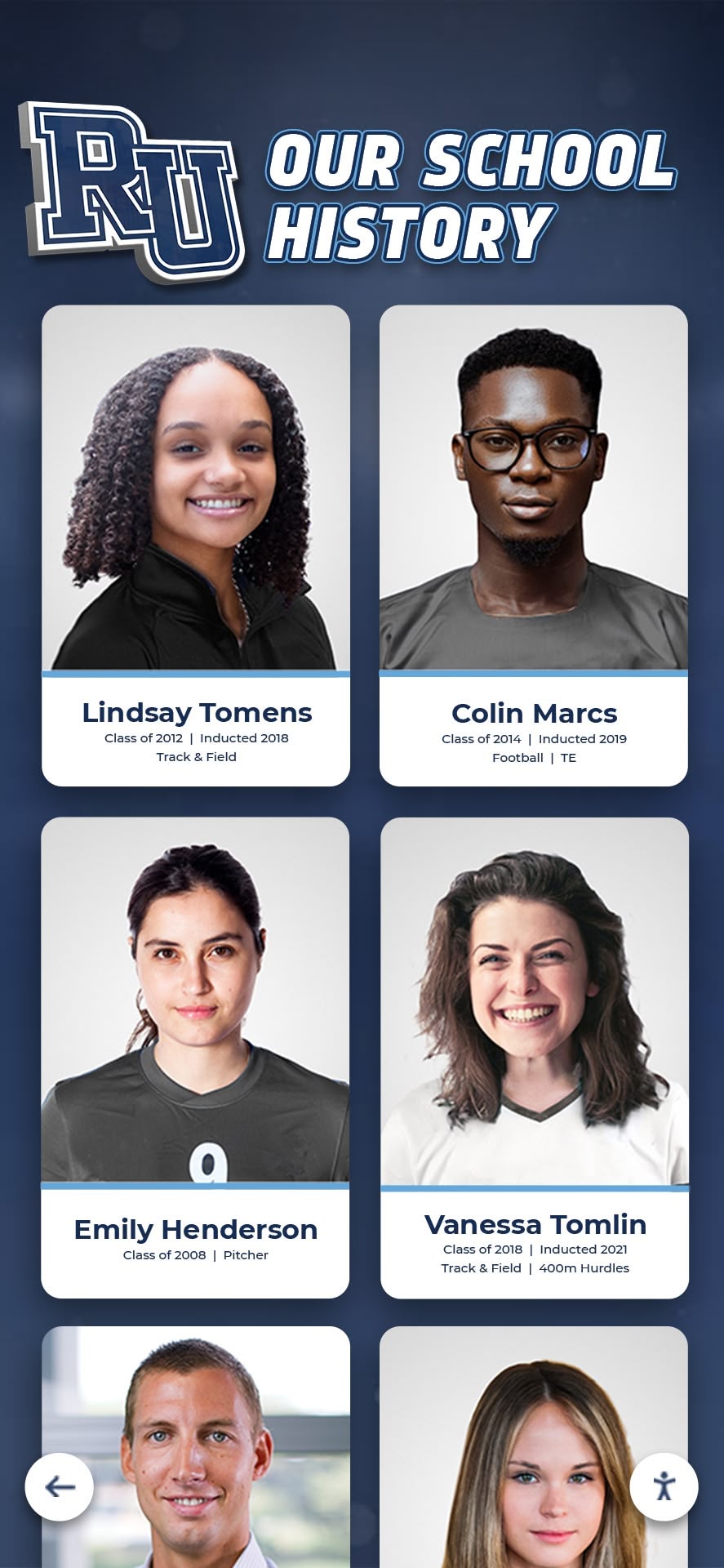
Digital portrait galleries enable comprehensive athlete recognition impossible with traditional physical displays
Connecting Current and Future Athletes
Recognition systems should create connections between generations of athletes rather than existing as isolated celebrations.
Mentorship and Pipeline Development
Colleges signing recognition enables:
- Current recruits connecting with recent graduates attending colleges they’re considering
- Alumni sharing insights about college athletic experiences and campus cultures
- Younger athletes discovering pathways from their positions to college opportunities
- Coach discussions referencing former athletes who succeeded at next levels
- Parent connections enabling families to share recruitment experience and advice
These connections create support networks helping current athletes navigate recruitment processes while building communities extending beyond individual graduating classes. Schools can implement mentorship programs connecting college athletes with high school recruits.
Celebrating Diverse Pathways
Effective recognition celebrates the full spectrum of college athletic opportunities:
- Division I powerhouse programs receiving appropriate recognition
- Division II and III commitments honored equally for academic and athletic fit
- NAIA and junior college pathways celebrated as legitimate opportunities
- All sports receiving equitable recognition regardless of visibility or popularity
- Academic achievement emphasized alongside athletic accomplishment
Inclusive recognition demonstrates that “success” includes diverse pathways rather than only high-profile Division I scholarships. This broader celebration encourages participation across sports while validating decisions prioritizing academic fit, geographic preferences, or appropriate competitive levels over pursuing prestigious but potentially poor-fit opportunities.
Beyond High School: The College Athletic Journey
Understanding what comes after signing helps student athletes prepare for collegiate athletic careers.
Freshman Year Expectations
First-year college athletes face significant transitions adjusting to college athletics.
Academic and Athletic Balance
College athletes must manage:
- Demanding practice and competition schedules consuming 20+ hours weekly
- Rigorous academic coursework more challenging than high school classes
- Mandatory study halls, team meetings, and athletic department requirements
- Limited free time compared to typical college students
- Travel schedules for away competitions missing classes
- Performance pressure competing with older, more experienced athletes
Successful freshmen develop time management skills, utilize academic support resources, communicate proactively with coaches and professors, and maintain perspective remembering why they chose college athletics. Schools celebrating college commitments should also prepare athletes for these realities through conversations with recent graduates who can share honest perspectives.
Role and Playing Time Realities
Most freshmen athletes face:
- Limited playing time behind upperclassmen with more experience
- Practice squad or reserve roles developing skills for future seasons
- Possible redshirt years preserving eligibility while developing physically
- Competition for positions from teammates also recruited for similar roles
- Coaching feedback focusing on areas needing improvement
Athletes who understand these typical freshmen experiences avoid disappointment or frustration, recognizing that development processes normally require patience rather than expecting immediate stardom.
Long-Term Athletic and Academic Success
College athletics provides valuable experiences extending far beyond competition.
Development Opportunities
College athletes gain:
- Leadership skills through team roles and captain responsibilities
- Time management and organizational abilities balancing multiple commitments
- Resilience and mental toughness overcoming challenges and setbacks
- Teamwork and communication skills collaborating toward shared goals
- Networking relationships with coaches, teammates, and athletic department staff
- Educational credentials and degrees preparing for post-athletic careers
These developmental benefits often exceed direct athletic participation value, providing life skills and character development serving athletes long after playing careers conclude. Recognizing student athlete development comprehensively emphasizes athletics as holistic educational experiences rather than merely competitions.
Life After College Athletics
Very few college athletes continue to professional sports, making post-athletic planning essential:
- Selecting academic majors aligned with career interests beyond athletics
- Pursuing internships and career experiences during off-seasons
- Building professional networks through alumni connections and career services
- Developing identities independent from athletic participation
- Utilizing athletic work ethic and discipline in professional contexts
Student athletes who view college athletics as developmental experiences rather than ends in themselves transition successfully to fulfilling post-athletic careers while maintaining lifelong appreciation for athletic participation’s formative influence.
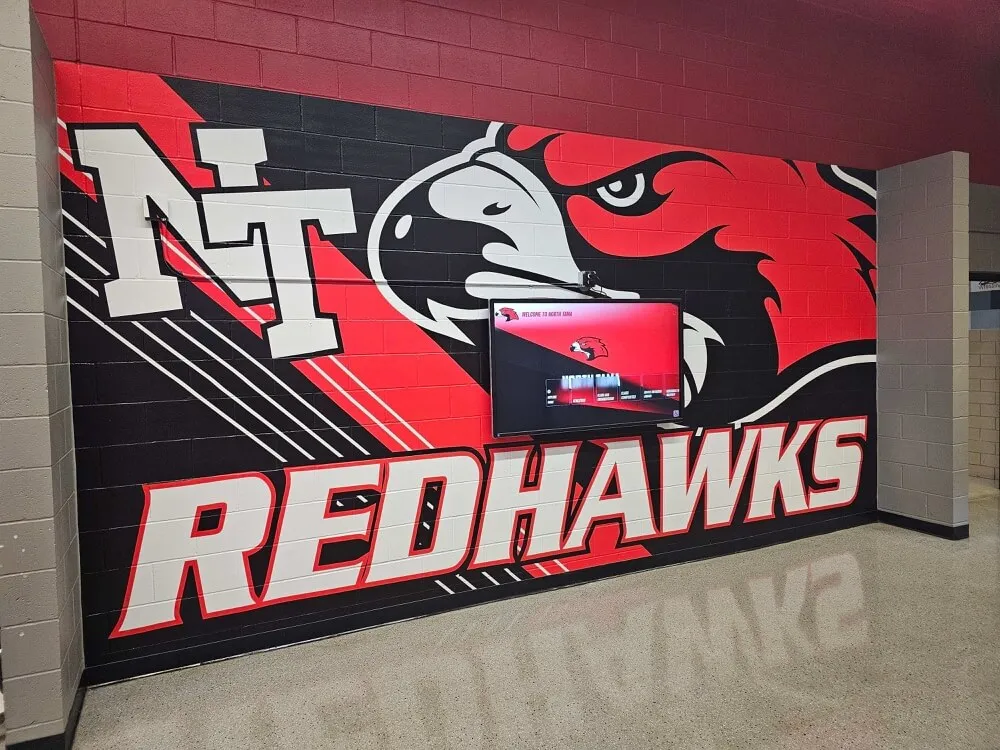
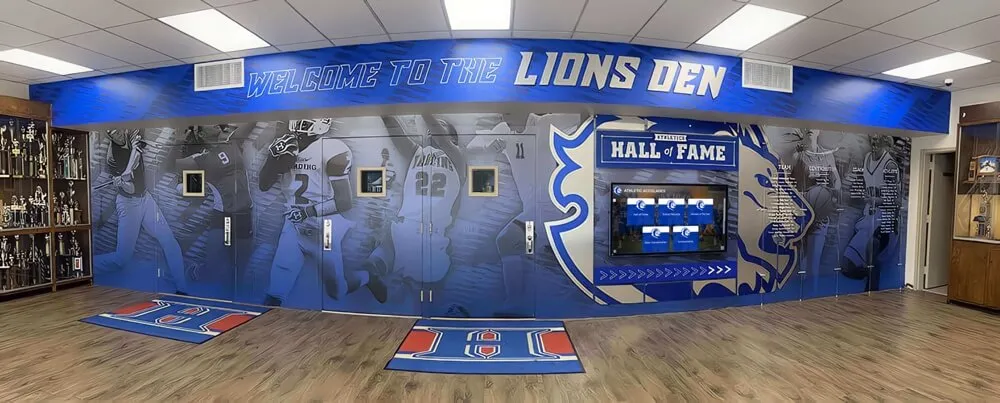
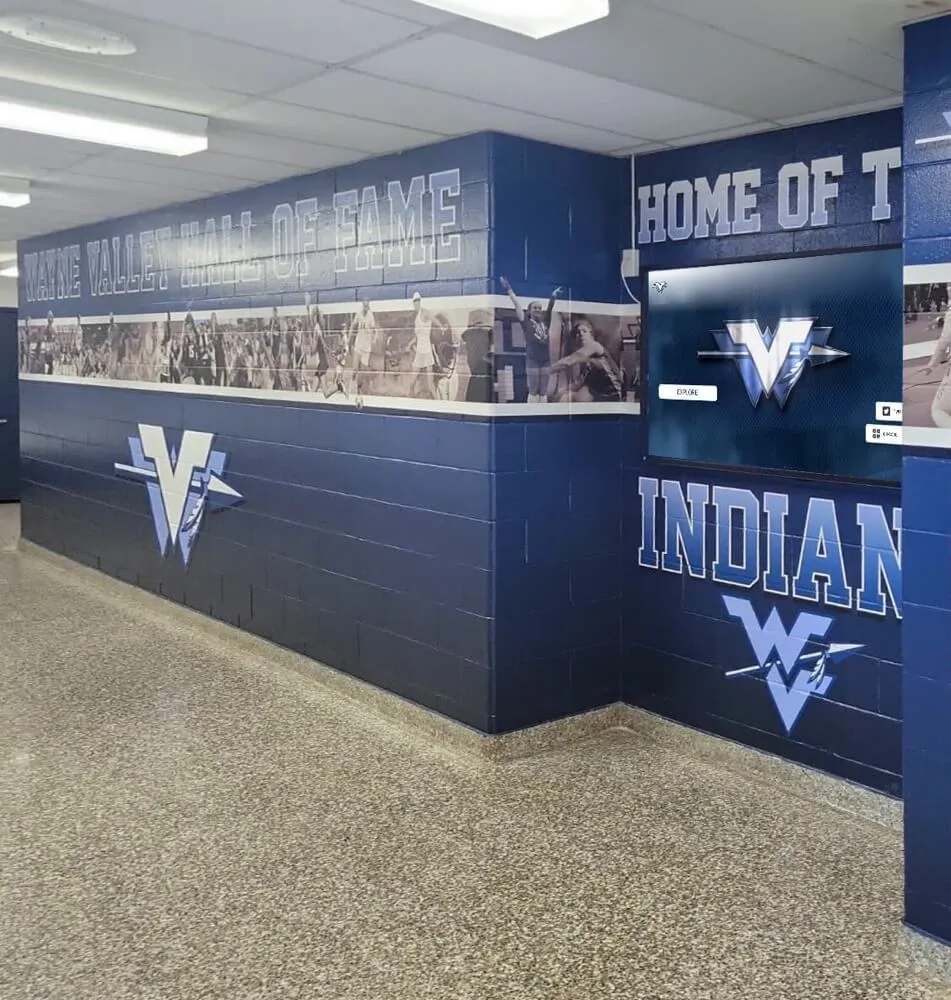
Integrated recognition displays combine traditional murals with modern digital systems celebrating athletic excellence
Conclusion: Celebrating Achievement While Embracing Opportunity
Signing a letter of intent represents a significant milestone in any student athlete’s journey—formal recognition that years of dedication, countless hours of training, and unwavering commitment have created opportunities to continue athletic careers while pursuing higher education. Understanding the letter of intent process, from different signing periods and NCAA requirements to scholarship details and post-signing responsibilities, empowers student athletes to navigate this experience successfully while making informed decisions that shape their academic and athletic futures.
The letter of intent process is ultimately about preparation and planning. Student athletes who understand eligibility requirements can ensure they complete necessary coursework and maintain appropriate academic standards throughout high school. Those who clearly comprehend scholarship offers can make realistic financial plans and set appropriate expectations. Athletes who recognize the binding nature of letters of intent can make thoughtful, informed commitments they’re genuinely excited about rather than experiencing regret or seeking release from hastily made decisions.
For families supporting student athletes through recruitment and signing processes, knowledge is power. Understanding timelines, requirements, and procedures enables parents to ask appropriate questions, verify important details, and help their students navigate complex processes while avoiding preventable mistakes. This support proves invaluable during stressful decision-making periods when clarity and perspective matter tremendously.
High schools play crucial roles not only in preparing athletes for college recruitment but also in celebrating their achievements when commitments are finalized. Signing day ceremonies create meaningful moments honoring student athlete success while demonstrating institutional pride in athletic excellence and college preparation. When schools implement comprehensive recognition systems documenting college commitments through both traditional ceremonies and modern digital platforms, they create lasting celebration that inspires future athletes while building program traditions connecting generations of student athletes in shared pursuit of excellence.
Digital warming occurs when schools transform bureaucratic processes like signing letters of intent into warm community celebrations where personalized recognition creates belonging, professional presentation demonstrates respect, and accessible information enables discovery and celebration. College athletic commitments deserve more than temporary bulletin board displays that disappear after a few weeks—they warrant permanent recognition honoring achievement while inspiring younger students to pursue similar goals. Solutions like Rocket Alumni Solutions enable schools to create comprehensive recognition systems showcasing current signings prominently while archiving complete historical records, ensuring every college-bound athlete receives lasting celebration regardless of sport, year, or institutional resources.
The journey from high school athlete to college competitor involves challenges, growth, and transformation. Student athletes who successfully navigate recruitment, understand commitment requirements, make informed decisions, and maintain eligibility through enrollment position themselves for rewarding college athletic experiences that provide education, development, and memories lasting far beyond playing careers. The letter of intent represents not an ending but a beginning—the start of new chapters filled with opportunity, challenge, and continued growth in athletic, academic, and personal dimensions.
For every student athlete preparing to sign a letter of intent, remember: you’ve earned this opportunity through dedication and sacrifice. Take pride in your achievement, make thoughtful decisions aligned with your genuine priorities, fulfill your commitments with integrity, and embrace the exciting opportunities ahead. Your journey from high school athlete to college competitor represents remarkable accomplishment deserving celebration from your school, your community, and everyone who supported your development. Signing day marks the culmination of one chapter while opening doors to the next—enjoy the moment, honor those who helped you reach it, and approach your future with confidence and excitement.
Ready to celebrate your school’s college-bound athletes with recognition they truly deserve? Explore how Rocket Alumni Solutions creates engaging platforms showcasing college commitments permanently while inspiring future generations of student athletes through comprehensive digital recognition that builds connected communities celebrating achievement across all sports and years.