Elite athletes across basketball, boxing, volleyball, and football programs share one conditioning staple that builds explosive power, cardiovascular endurance, and coordination simultaneously—the jump rope workout. This deceptively simple tool transforms athletes into better-conditioned, more agile competitors while requiring minimal equipment and space.
Yet many coaches struggle to implement structured jump rope programs that athletes actually complete. How long should conditioning sessions last? What techniques build sport-specific fitness most effectively? How can programs progress athletes from basic jumps to advanced combinations? And how do successful programs motivate consistent effort while tracking conditioning improvements?
Jump rope workouts deliver exceptional athletic benefits when properly structured. They develop explosive lower-body power through repeated plyometric contractions, build championship-level cardiovascular capacity efficiently, enhance footwork speed and coordination transferring to game situations, strengthen shoulders and core required for athletic movement, and create measurable conditioning benchmarks tracking athlete development throughout seasons.
This comprehensive guide explores everything coaches and athletes need to know about jump rope workouts—from foundational techniques and training protocols to sport-specific applications and 4-week progression programs. Whether launching new conditioning initiatives or enhancing existing off-season training, these frameworks help athletic programs build superior fitness while celebrating conditioning achievements on digital recognition displays that inspire entire athletic communities.

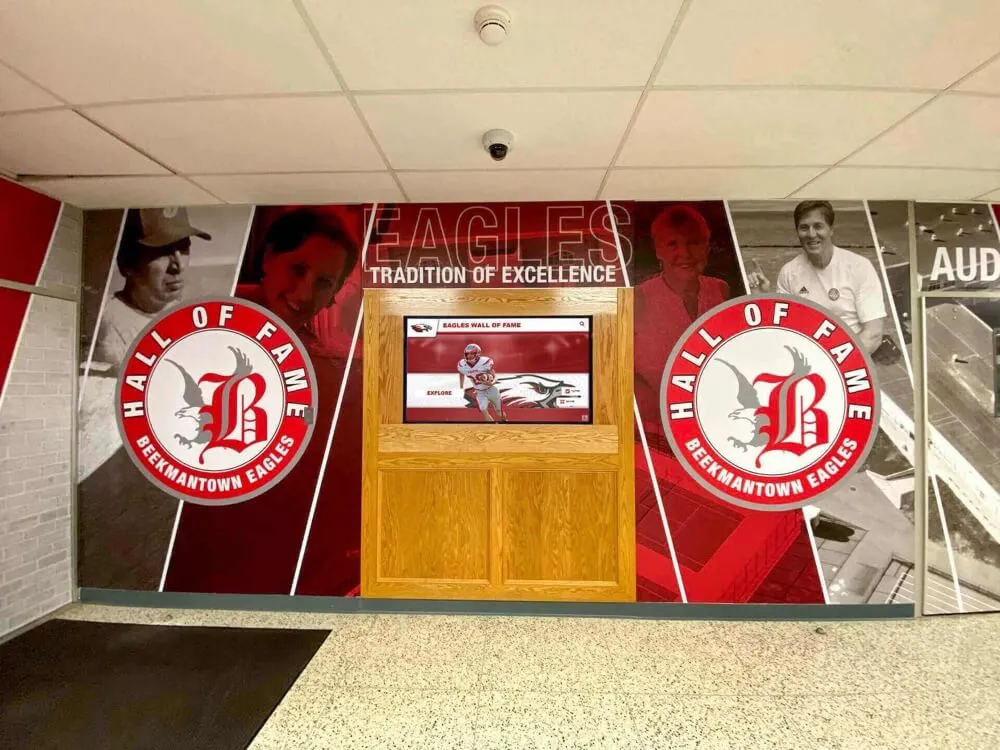
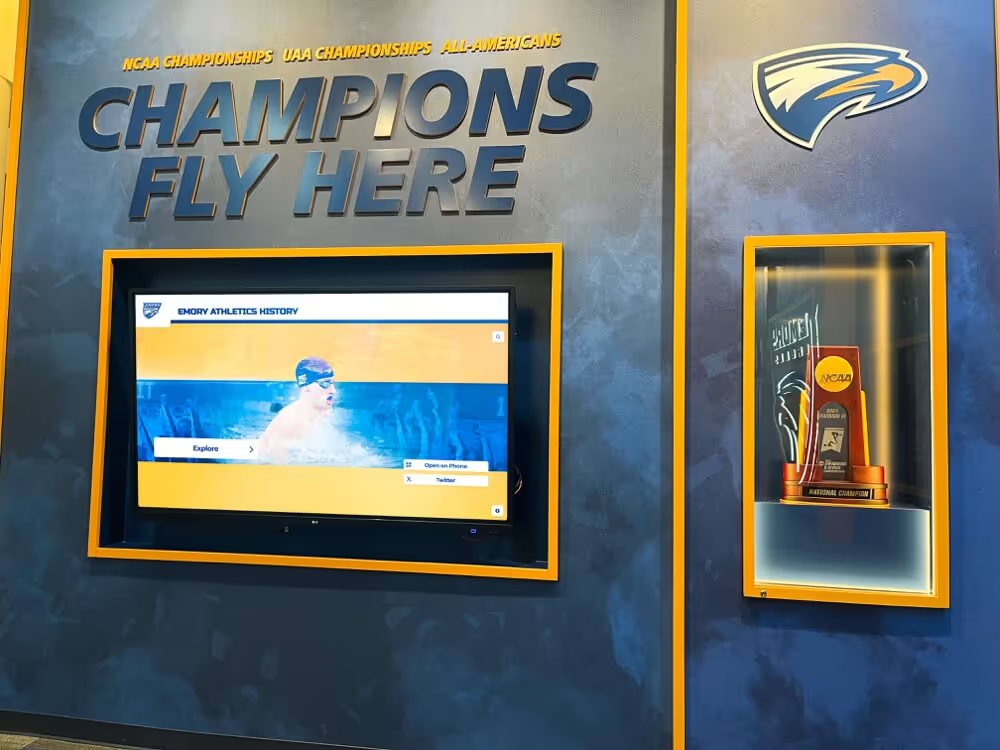
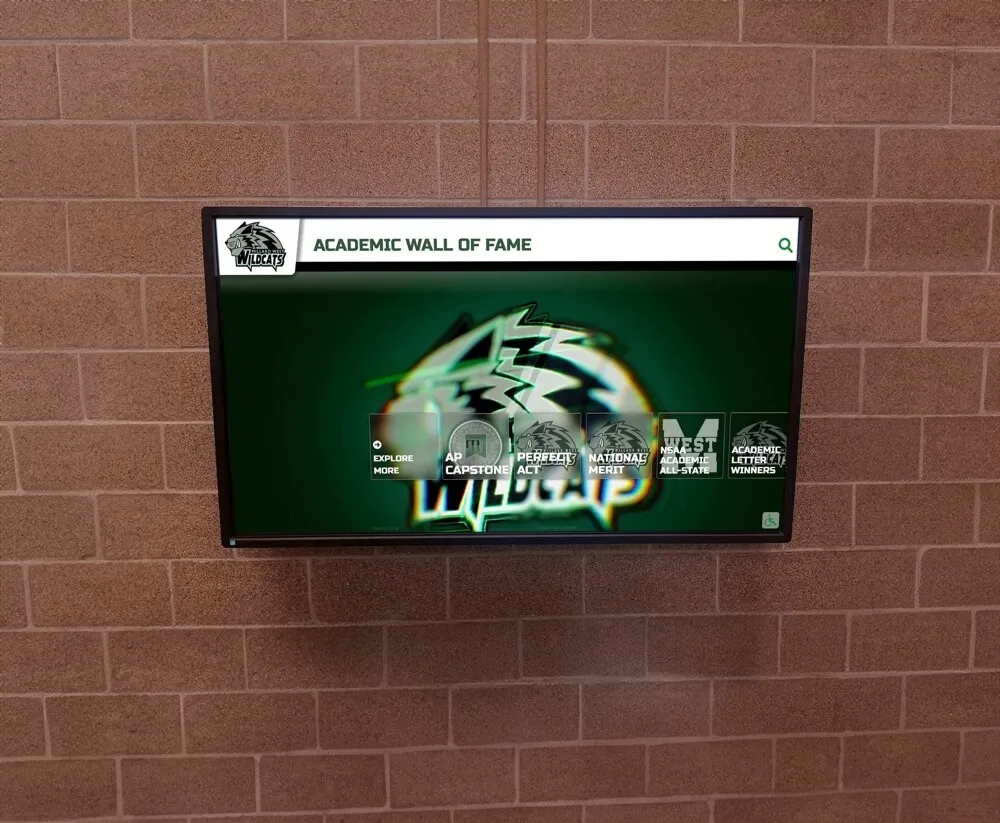
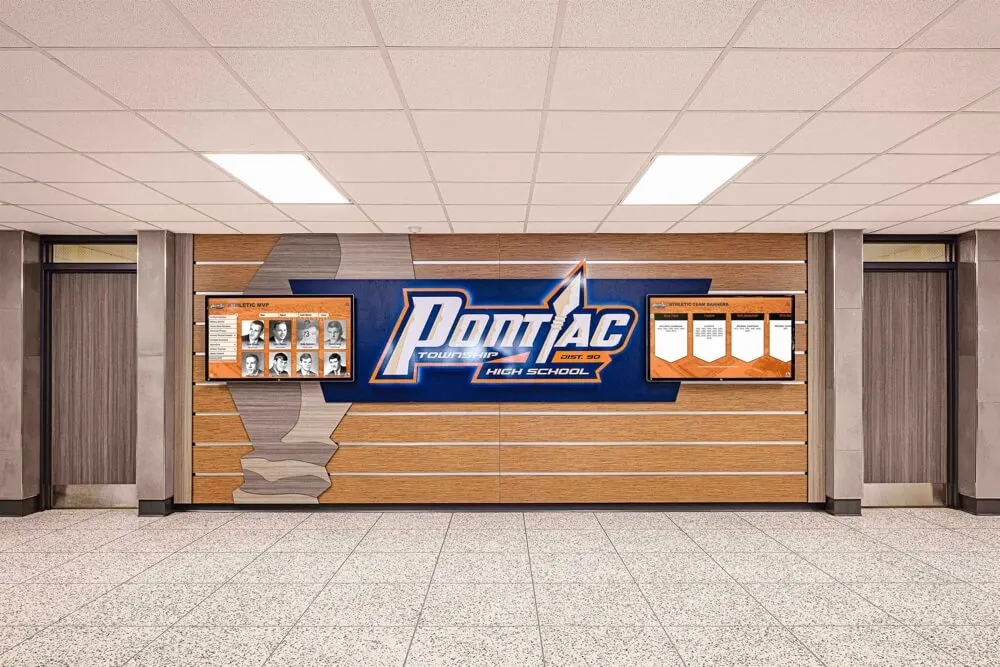
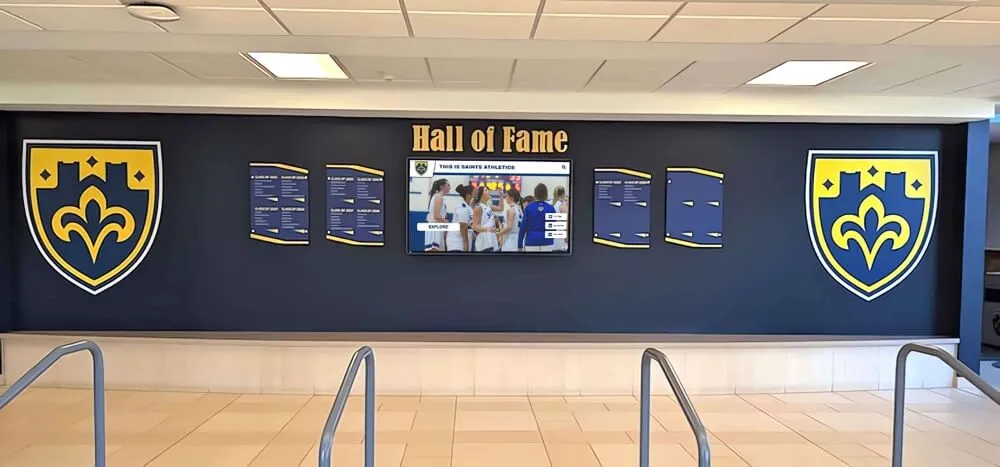
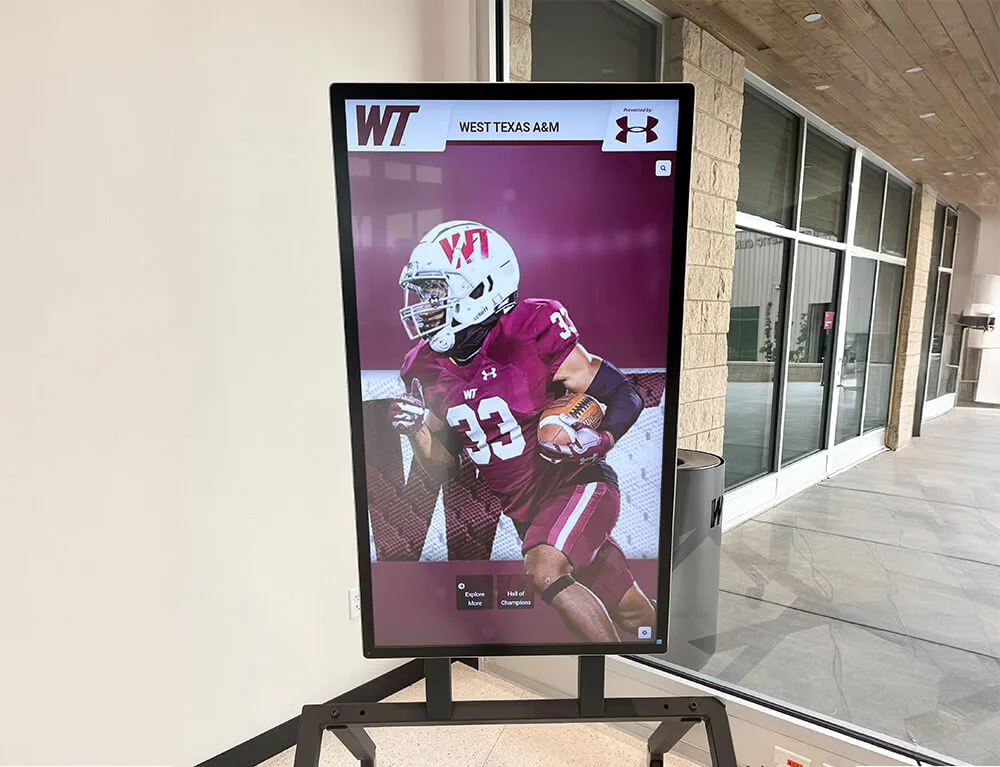
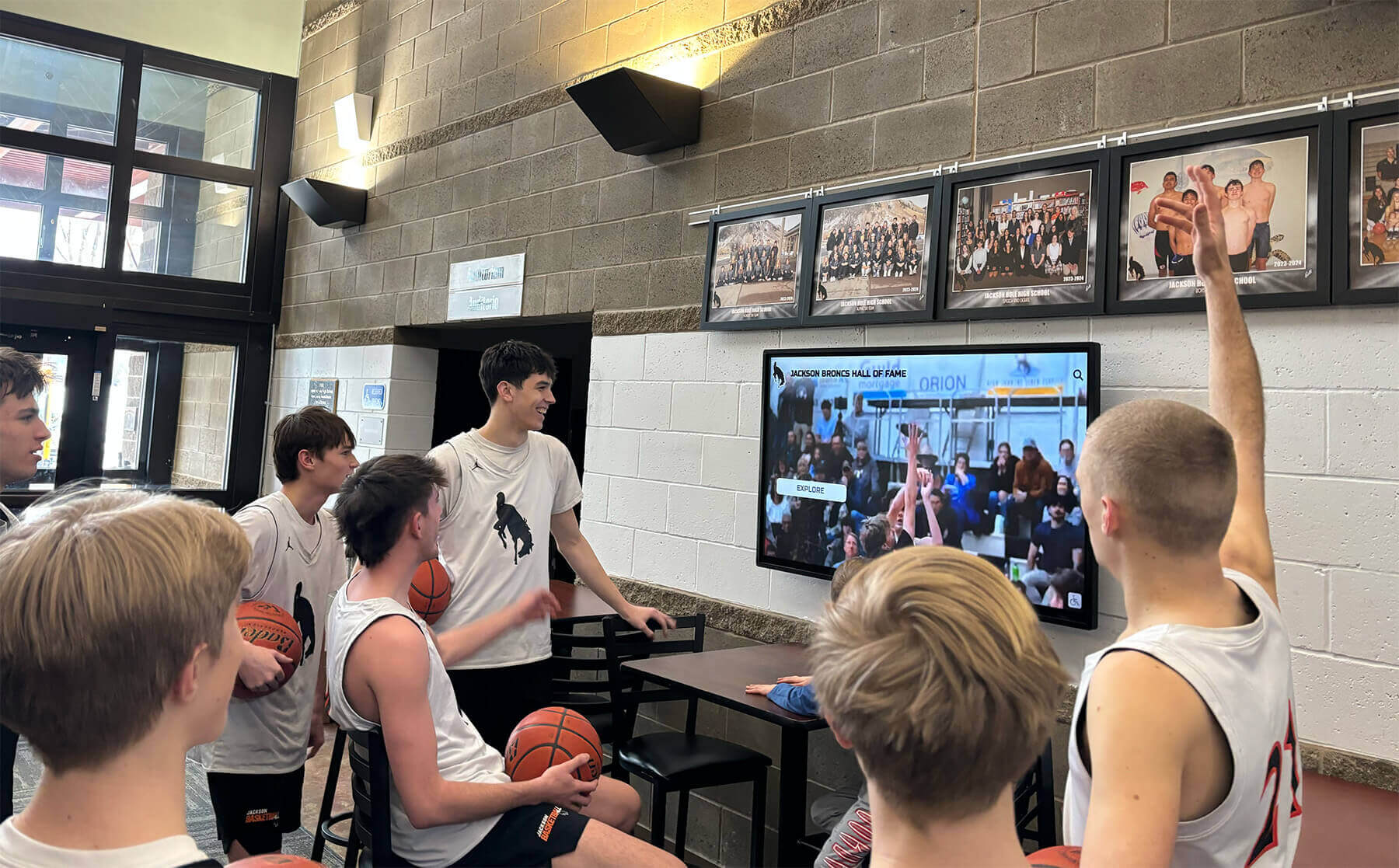
Athletes viewing conditioning milestones and training records on interactive displays that celebrate athletic excellence
Why Jump Rope Workouts Transform Athletic Conditioning
Before implementing structured jump rope programs, understanding what makes this training method uniquely effective helps coaches design protocols matching their conditioning goals.
The Science Behind Jump Rope Training Benefits
Jump rope workouts create specific physiological adaptations essential for competitive athletics.
Cardiovascular Efficiency Development
Research demonstrates that 10 minutes of jump rope training produces cardiovascular benefits equivalent to 30 minutes of jogging, making it among the most time-efficient conditioning methods available. The continuous rhythmic movement elevates heart rate to training zones that improve VO2 max—the body’s ability to utilize oxygen during intense activity.
Studies published in the Journal of Sports Science & Medicine show athletes incorporating regular jump rope sessions improve their cardiovascular endurance by 15-20% within eight weeks. This enhanced aerobic capacity translates directly to sustained performance during fourth quarters, extra innings, and championship tournaments when conditioning determines outcomes.
The interval nature of structured jump rope workouts—alternating between intense jumping periods and brief recovery—develops both aerobic and anaerobic energy systems. Athletes build the cardiovascular foundation for sustained effort while simultaneously improving their capacity for repeated high-intensity bursts required in competitive situations.
Explosive Power and Lower-Body Strength
Every jump rope repetition functions as a plyometric exercise, training muscles to generate maximum force in minimal time. The repeated rapid contractions strengthen fast-twitch muscle fibers responsible for explosive movements like vertical jumps, sprint acceleration, and quick directional changes.
Basketball players who incorporate consistent jump rope training show measurable improvements in vertical leap height. Volleyball athletes develop more powerful approaches and blocking jumps. Football players generate more explosive first steps off the line. The power development occurs through thousands of low-impact repetitions that build strength without the joint stress of higher-impact plyometric drills.
The ankle, calf, and foot complex—often neglected in traditional strength training—receives exceptional development through jump rope work. Stronger ankles reduce injury risk while improving the reactive strength essential for agile movement in all directions.

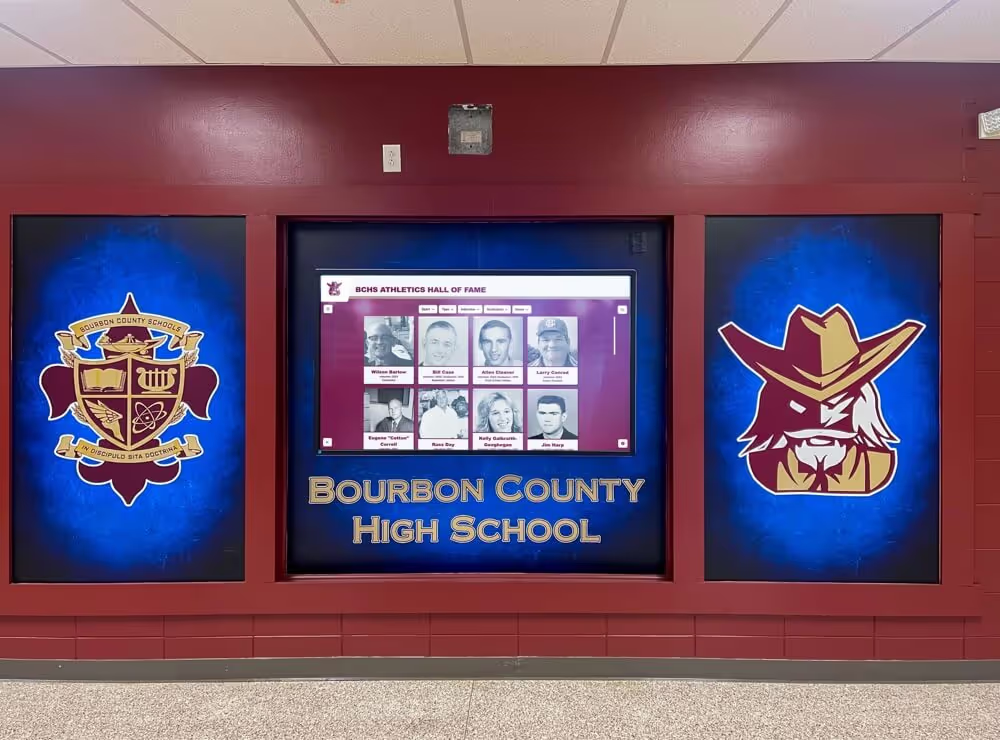
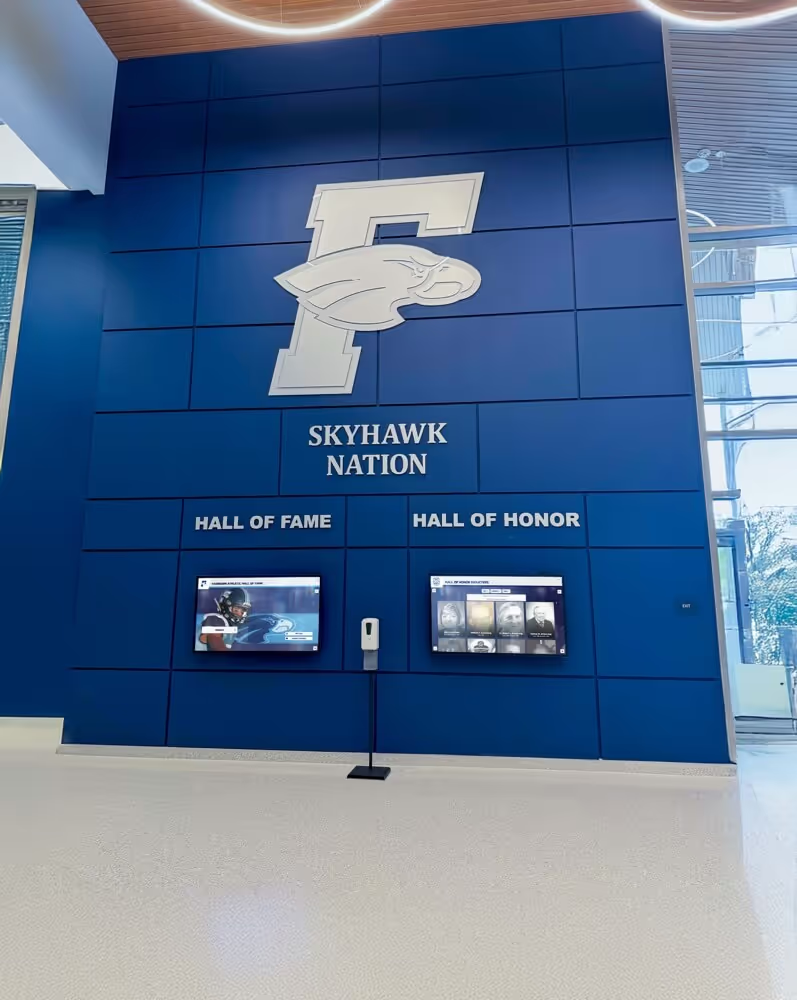
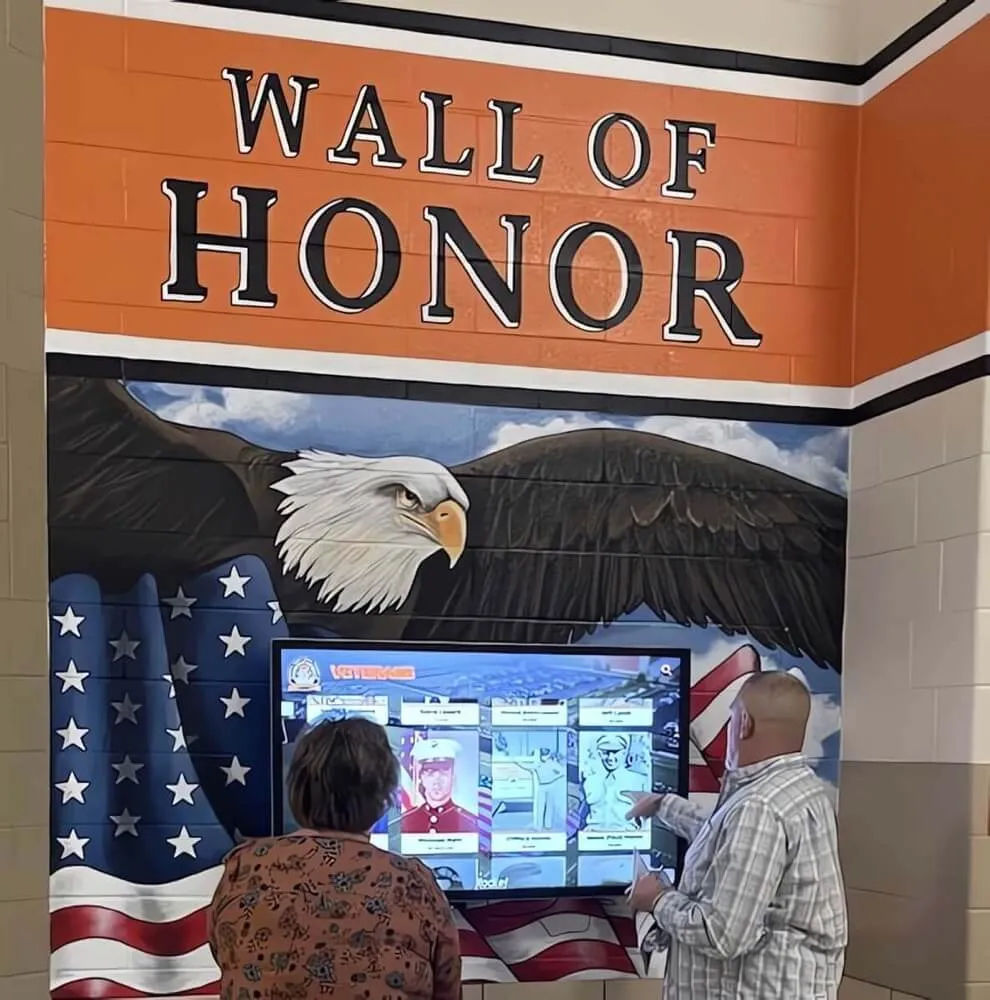
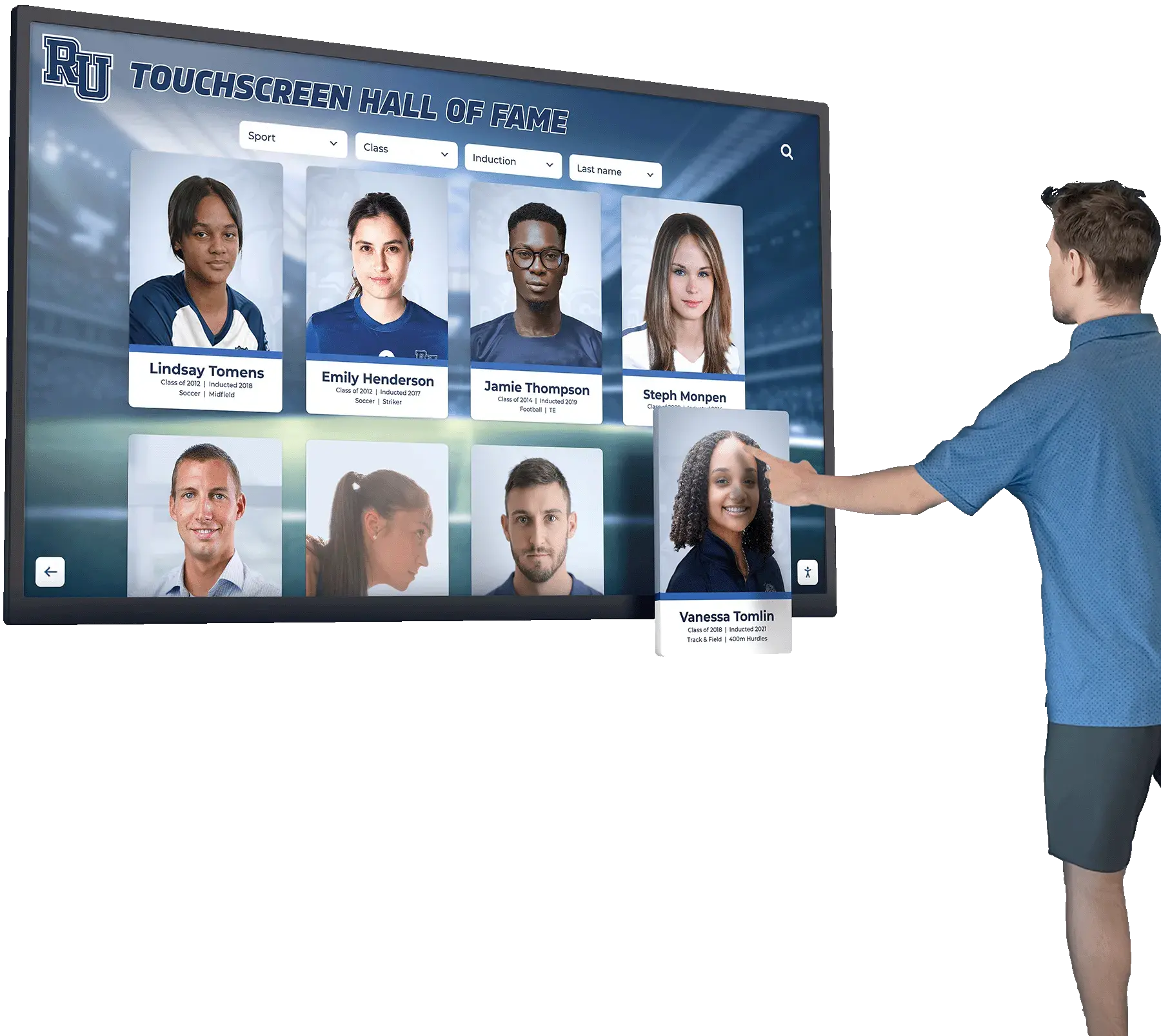
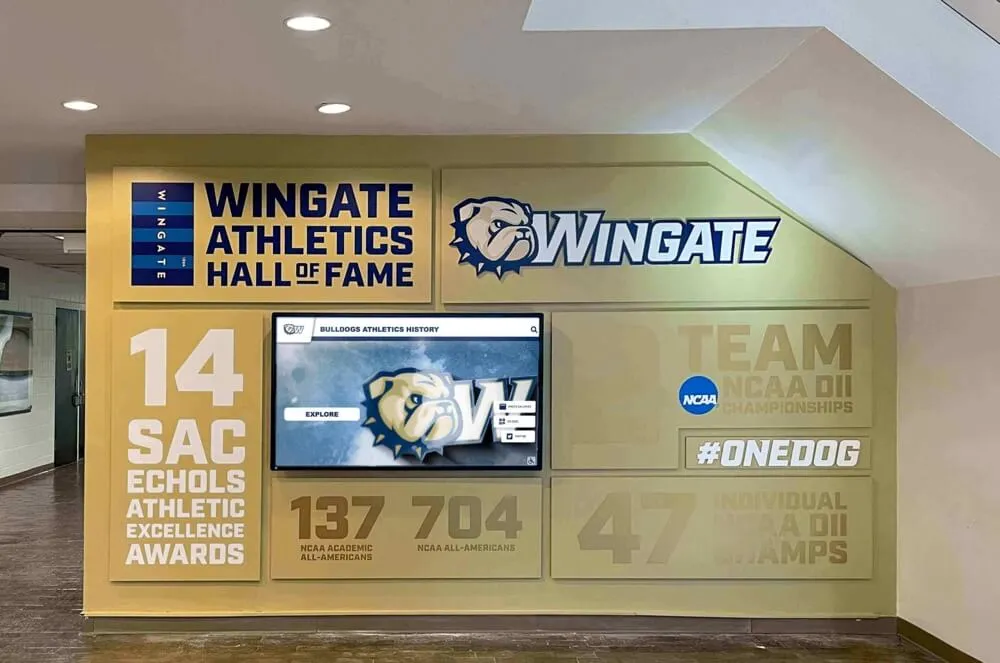
Modern conditioning programs document athlete progress through digital systems tracking measurable improvements
Coordination and Footwork Enhancement
Jump rope training develops the neuromuscular coordination that separates elite athletes from average competitors. The rhythmic timing required to maintain consistent jumping patterns enhances general athletic coordination while specific footwork variations—alternating feet, double-unders, crossovers—build movement patterns transferring directly to sport performance.
Boxing programs have utilized jump rope training for decades precisely because it develops the footwork fluidity and timing essential for ring success. Basketball guards improve their ability to change direction while maintaining balance. Soccer players enhance foot speed and coordination with the ball. The movement quality improvements come from focused practice of precise, controlled movements at speed.
Practical Advantages for Team Conditioning Programs
Beyond physiological benefits, jump rope workouts offer practical advantages making them ideal for athletic programs.
Minimal Equipment and Space Requirements
Unlike many conditioning methods requiring extensive facilities or expensive equipment, jump rope programs need only individual ropes and enough space for athletes to spread out. Teams can condition effectively in gymnasiums during inclement weather, on practice fields before technical work, or in weight rooms between strength circuits.
The portability enables athletes to continue conditioning programs during breaks, travel, and off-season periods. Coaches can distribute ropes to athletes with confidence they have everything needed to maintain fitness independently—no gym membership or special facilities required.
Measurable and Progressive Programming
Jump rope training provides clear, objective metrics for tracking conditioning improvements. Athletes can measure total repetitions completed, continuous jumping duration, specific technique mastery, and rest-to-work ratios. This quantifiable data enables coaches to design progressive programs systematically increasing difficulty as athlete fitness improves.
Many successful programs establish conditioning leaderboards tracking achievements like longest continuous jumping time, most double-unders completed, or fastest 1,000-jump challenges. These visible benchmarks create healthy competition while providing concrete evidence of improving fitness. Schools showcase these conditioning milestones on interactive athletic displays celebrating all forms of athletic excellence.
Efficient Time Investment
Athletic programs face constant time constraints balancing technical practice, strength training, film study, and academic commitments. Jump rope workouts deliver maximum conditioning benefit in minimal time, making them ideal for pre-practice warm-ups, conditioning finishers, or dedicated circuit stations.
A comprehensive jump rope session producing meaningful cardiovascular and power benefits requires just 10-15 minutes, allowing coaches to develop championship conditioning without compromising time for sport-specific skill development.
Essential Jump Rope Techniques for Athletes
Mastering fundamental techniques ensures athletes gain maximum benefit while avoiding common errors that reduce effectiveness or risk injury.
Foundational Form and Mechanics
Proper jumping mechanics create efficiency enabling longer, more productive training sessions.
Body Positioning and Posture
Correct posture begins with athletic stance—feet shoulder-width apart, knees slightly bent, weight on the balls of feet. The torso remains upright with shoulders relaxed and pulled back, avoiding the forward lean that creates back strain. Eyes look straight ahead rather than down at feet, maintaining the postural alignment athletes need during competition.
Core engagement throughout jumping stabilizes the spine while reducing unnecessary upper-body movement. Tight abs and a neutral spine position allow athletes to generate power through the lower body rather than compensating with excessive trunk rotation or arm swing.
Rope Length and Grip Technique
Proper rope length significantly impacts jumping efficiency. Athletes should stand on the rope’s center with feet together—the handles should reach approximately armpit height when pulled taut. Ropes too short force cramped, inefficient arm position, while excessively long ropes create wide, energy-wasting arcs.
Handle grip should be firm but not white-knuckled tense. Hands stay approximately hip-height with elbows close to the body. The rotation comes primarily from wrist action rather than large arm circles—this wrist-driven technique conserves energy while enabling the rapid rotations needed for advanced skills.
Landing Mechanics and Rhythm
Each landing occurs on the balls of the feet with knees slightly bent to absorb impact. Heels may lightly kiss the ground but should never support body weight during jumping. This forefoot-dominant landing pattern develops the reactive strength and elastic ankle function essential for explosive athletic movements.
Jump height should be minimal—just enough clearance for the rope to pass beneath feet. Excessive jumping wastes energy and increases impact stress without improving conditioning benefit. Efficient athletes appear to barely leave the ground, creating a rhythmic bounce rather than dramatic vertical displacement.
The rhythm should be steady and sustainable. Beginning athletes often start too fast and fatigue quickly. Establishing a controlled, consistent tempo enables longer training durations that develop endurance more effectively than brief, frantic bursts.
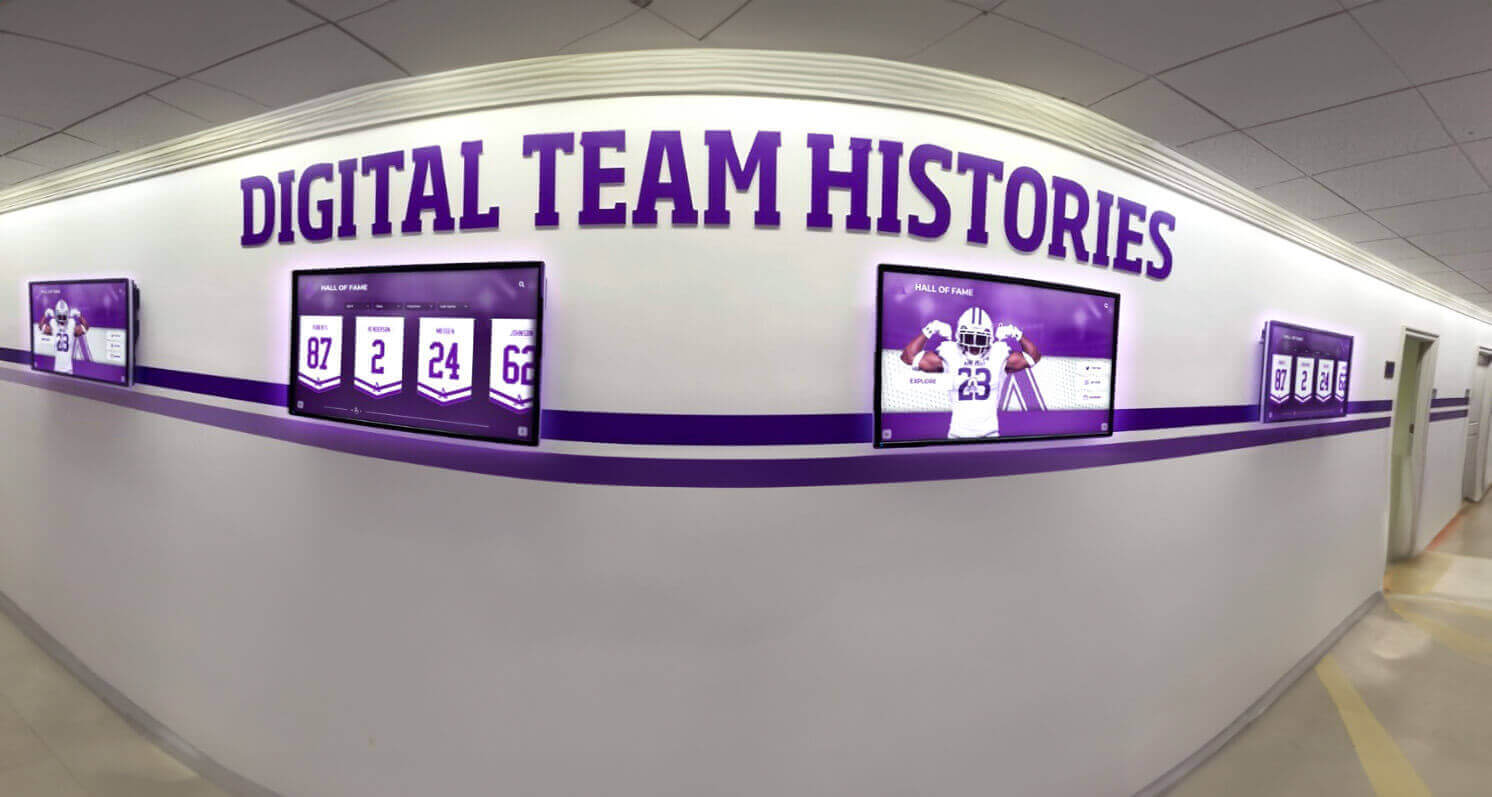
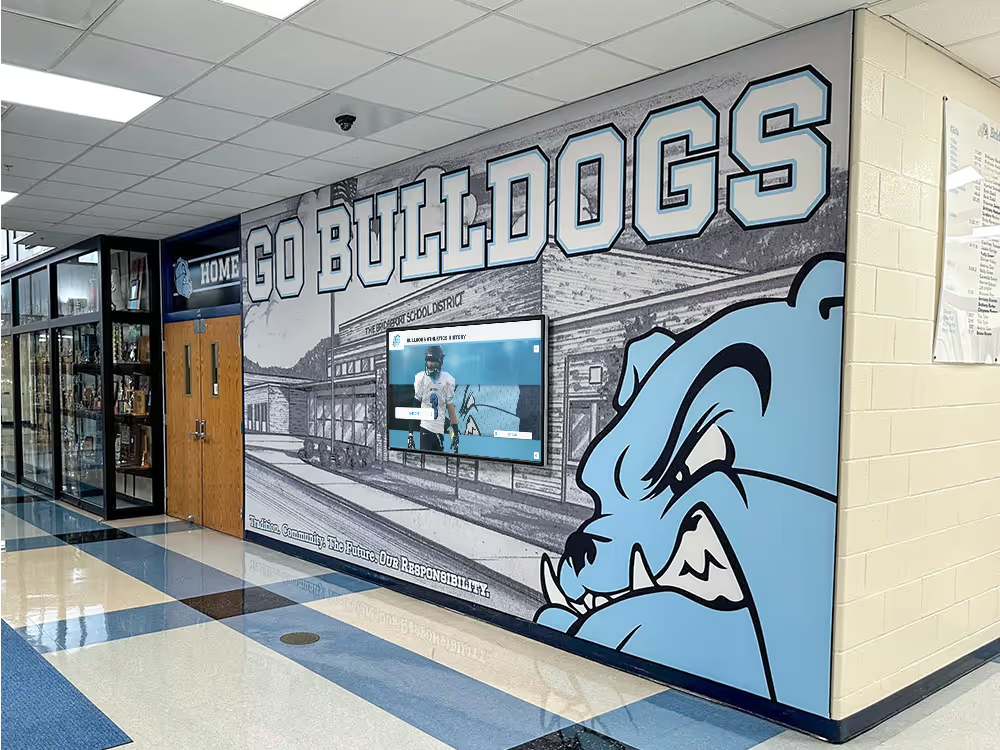
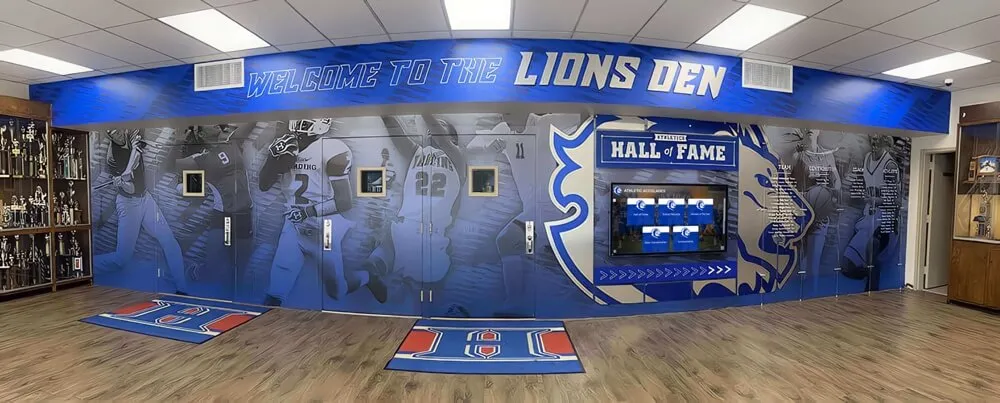
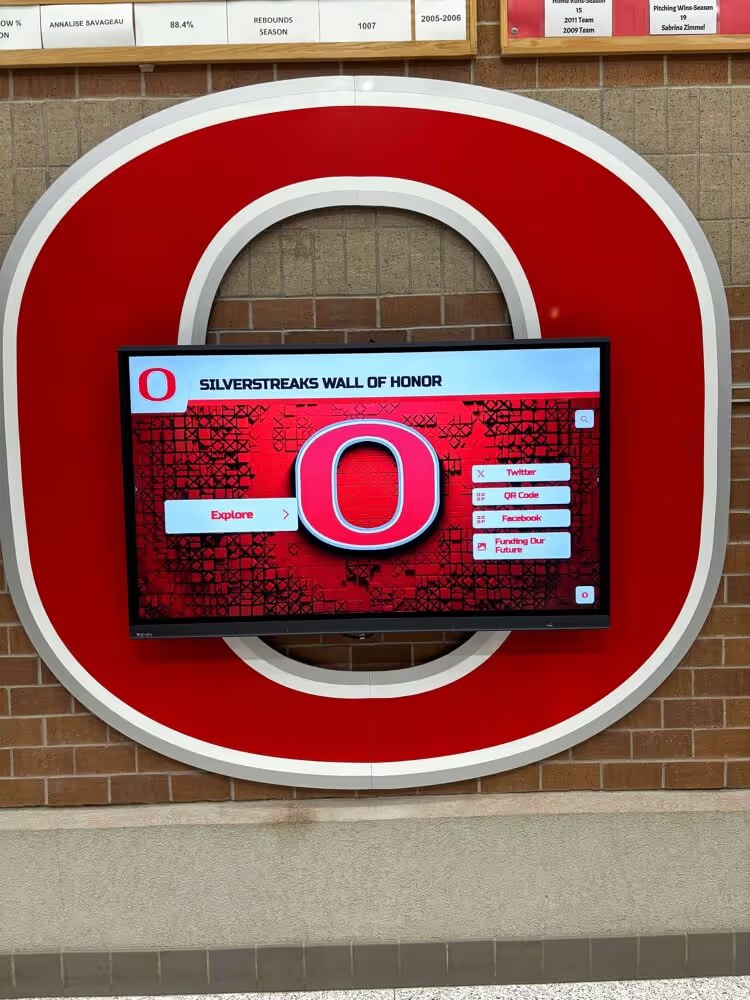
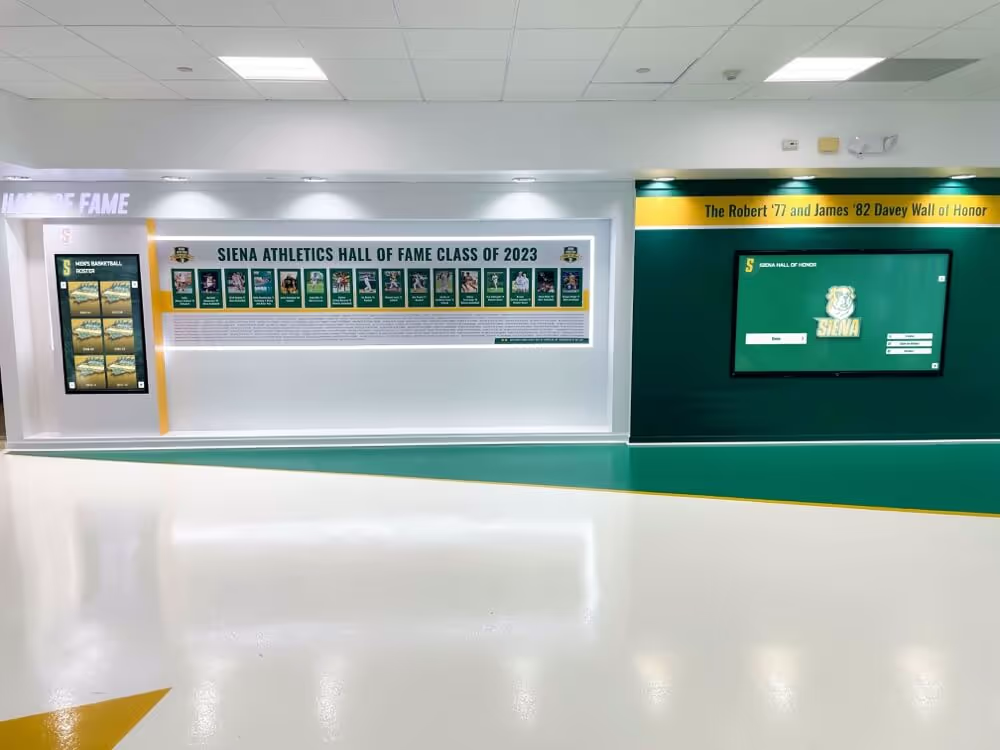
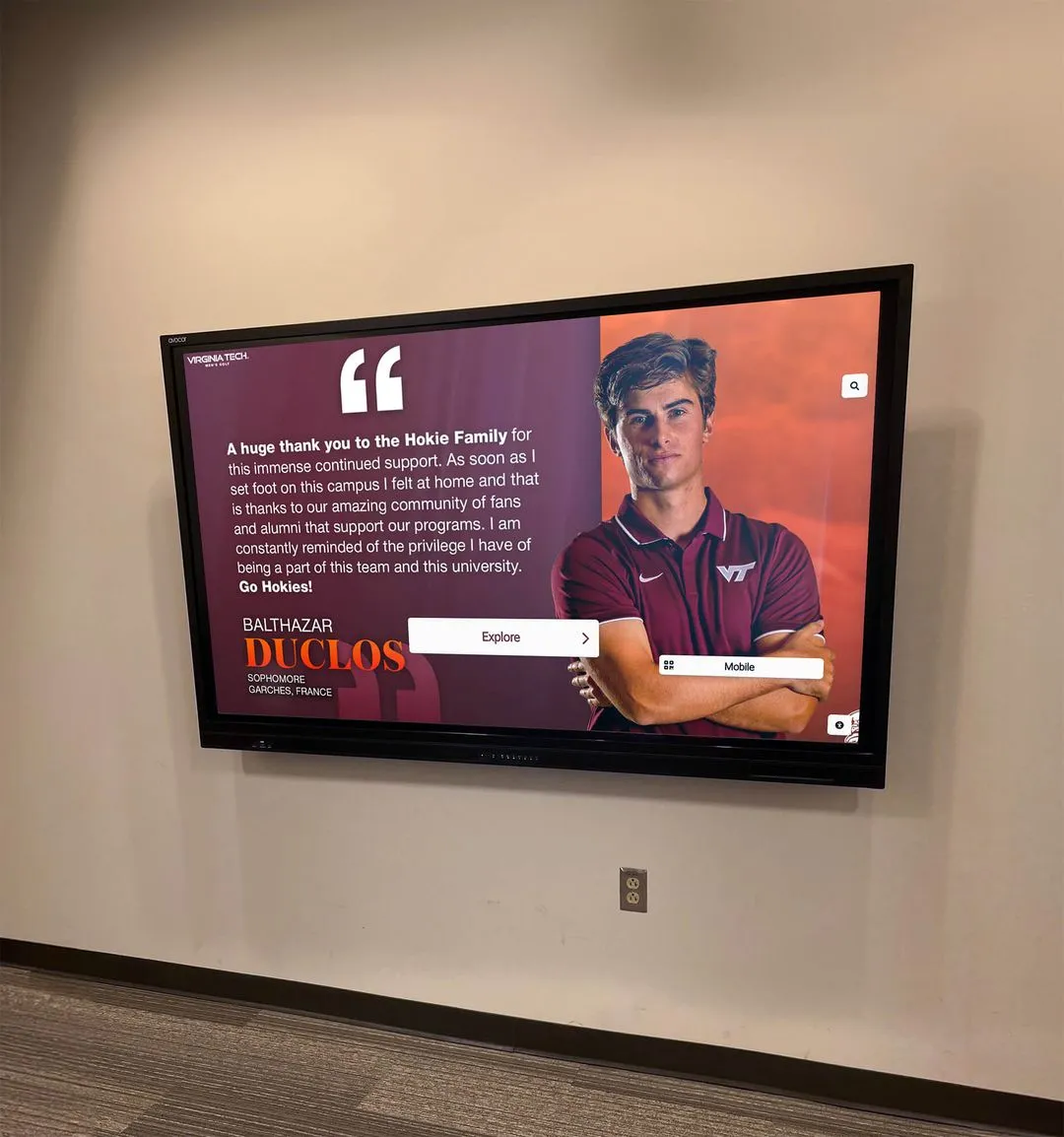
Athletic programs celebrate diverse achievements including conditioning milestones that build championship-level fitness
Progressive Technique Variations
Once athletes master basic two-foot jumping, progressive variations build sport-specific conditioning and coordination.
Single-Leg and Alternating Foot Patterns
Single-leg jumping develops unilateral strength and balance while increasing conditioning intensity. Athletes perform timed intervals on each leg, building the single-leg power essential for running, cutting, and jumping in competition. The balance challenge enhances ankle stability reducing injury risk.
Alternating feet—essentially running in place while the rope passes beneath each stride—creates the most sport-specific footwork pattern for running-based sports. Basketball, soccer, and football athletes particularly benefit from this variation that mimics game movement while building cardiovascular capacity. The coordination required improves general athletic rhythm and timing.
Double-Unders and Speed Training
Double-unders—passing the rope beneath feet twice during a single jump—develop explosive power and advanced coordination. The technique requires higher jumps combined with faster wrist rotation, challenging both lower-body power and upper-body speed.
Athletes progress from single continuous double-unders to intervals mixing double-unders with regular jumps. Advanced athletes complete 50+ consecutive double-unders, demonstrating the exceptional power and coordination that transfers to vertical jumping and explosive starting movements.
High-speed single jumps—maximizing repetitions within timed intervals—build rapid foot turnover benefiting sprint speed and agility. Athletes attempt maximum repetitions in 30-second bursts, then track improvements over time as conditioning and coordination improve.
Footwork Combinations and Sport-Specific Patterns
Advanced athletes incorporate crossover techniques where arms cross in front of the body mid-jump, creating coordination challenges developing ambidexterity and upper-body control. Side-to-side movements—jumping laterally while maintaining rope rhythm—build the lateral agility essential for defensive positioning.
Forward-backward patterns develop multidirectional conditioning. Coaches design sport-specific sequences mimicking movement patterns from competition: basketball players perform defensive slide patterns, volleyball athletes practice approach steps, boxers incorporate the footwork combinations used during actual bouts.
These advanced variations keep training engaging while building precise movement qualities transferring directly to improved athletic performance. Programs can showcase technique mastery achievements on gymnasium displays celebrating comprehensive athletic development.
Structuring Effective Jump Rope Workout Programs
Systematic programming ensures consistent participation and measurable conditioning improvements throughout training cycles.
Workout Format and Session Design
Well-designed sessions balance intensity with sustainability, pushing athletes while avoiding overtraining.
Warm-Up and Cool-Down Protocols
Every jump rope session should begin with dynamic warm-up preparing the body for explosive movement. Five minutes of light jogging, arm circles, leg swings, and ankle rotations increase blood flow and joint range of motion. This preparation reduces injury risk while improving workout quality.
Athletes then begin jumping at reduced intensity—60-70% of maximum speed—for 2-3 minutes, gradually increasing rope speed as the body fully warms. This progressive intensity ramp prevents the muscle strains that occur when athletes attempt maximum efforts from cold starts.
Cool-down periods following intense jumping allow heart rate to return gradually to baseline rather than stopping abruptly. Athletes perform 2-3 minutes of easy jumping followed by static stretching focusing on calves, hip flexors, shoulders, and forearms. Proper cool-down reduces muscle soreness while improving flexibility over time.
Interval Training Structures
Interval-based programming develops both aerobic endurance and anaerobic power more effectively than continuous steady-state jumping. Beginning programs might use simple 1:1 work-to-rest ratios—30 seconds of jumping followed by 30 seconds of rest, repeated for 10-15 rounds.
As conditioning improves, programs increase work intervals or decrease rest periods. Intermediate athletes might progress to 45 seconds work with 15 seconds rest. Advanced programs use challenging ratios like 2:1 or even 3:1, pushing cardiovascular capacity to elite levels.
Tabata-style protocols—20 seconds maximum-intensity jumping followed by 10 seconds rest, repeated for 8 rounds—provide particularly effective conditioning in just 4 minutes of work time. The extreme intensity produces significant fitness improvements while maintaining time efficiency coaches require.
Progressive Overload Principles
Effective conditioning programs systematically increase training stress, forcing continuous adaptation. Jump rope progression can occur through multiple variables:
- Duration increases: Adding total training time from 10 to 20+ minutes over training cycles
- Intensity elevation: Increasing rope speed or incorporating more challenging techniques
- Reduced rest intervals: Maintaining work duration while decreasing recovery time
- Volume expansion: Completing more total repetitions or rounds within sessions
- Technique complexity: Progressing from basic jumps to advanced combinations
Athletes track these variables weekly, ensuring measurable progress rather than random training variation. Conditioning improvements become visible through data, providing motivation while informing programming decisions.
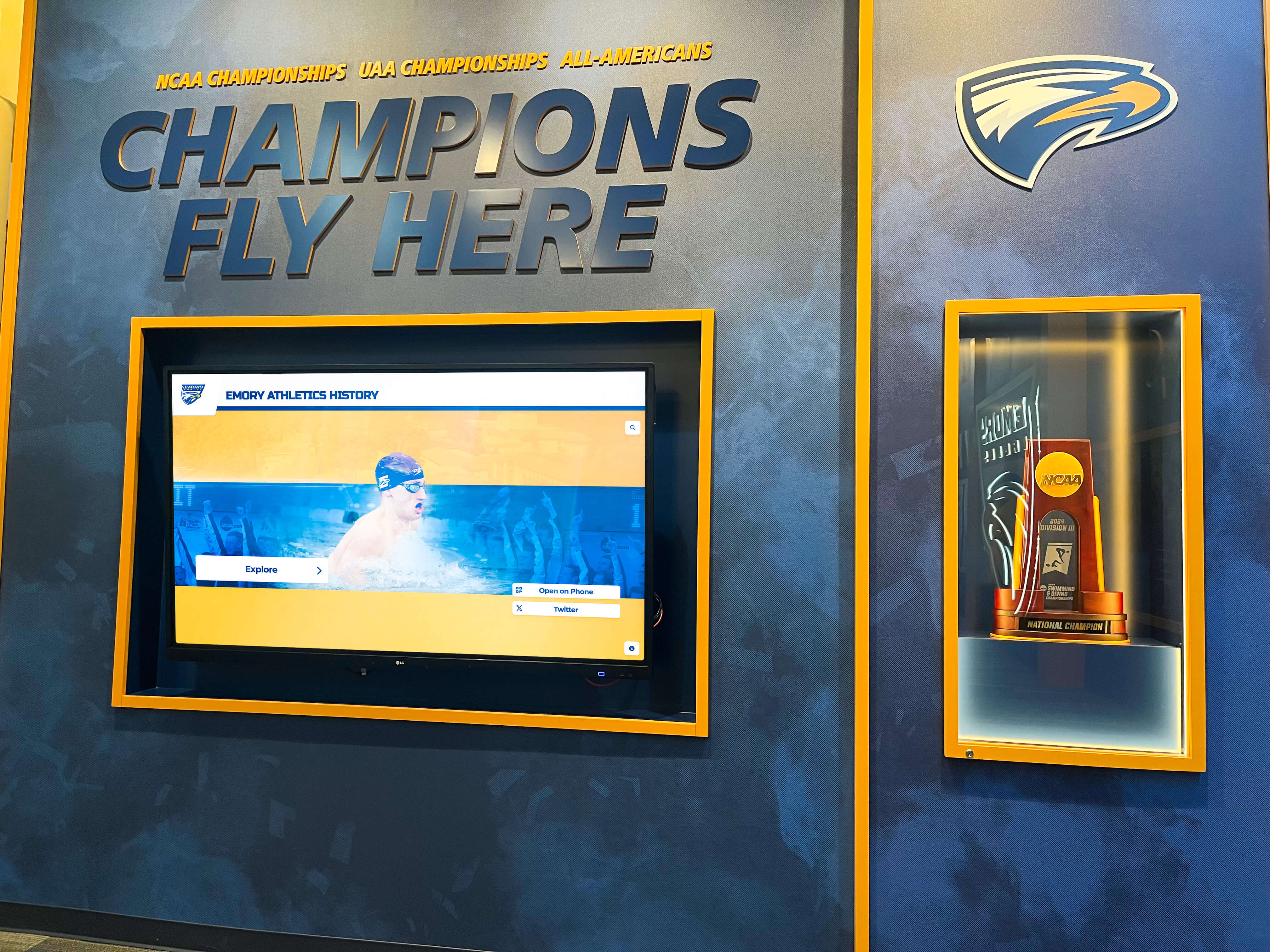
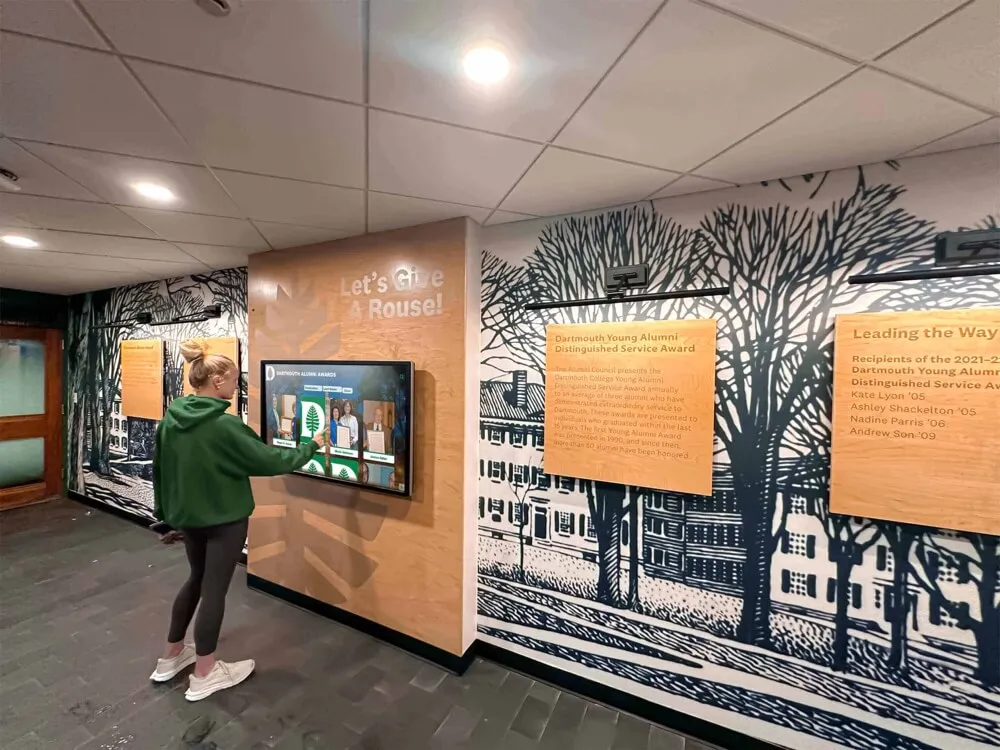
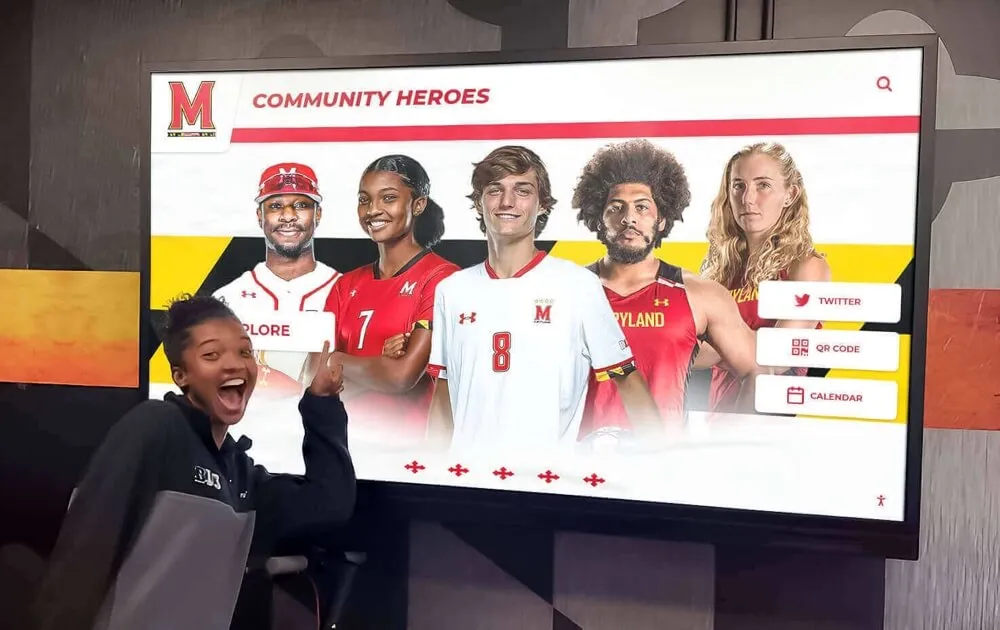
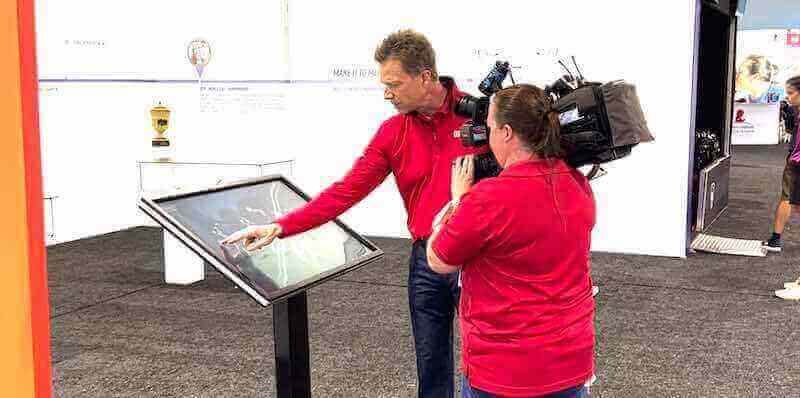
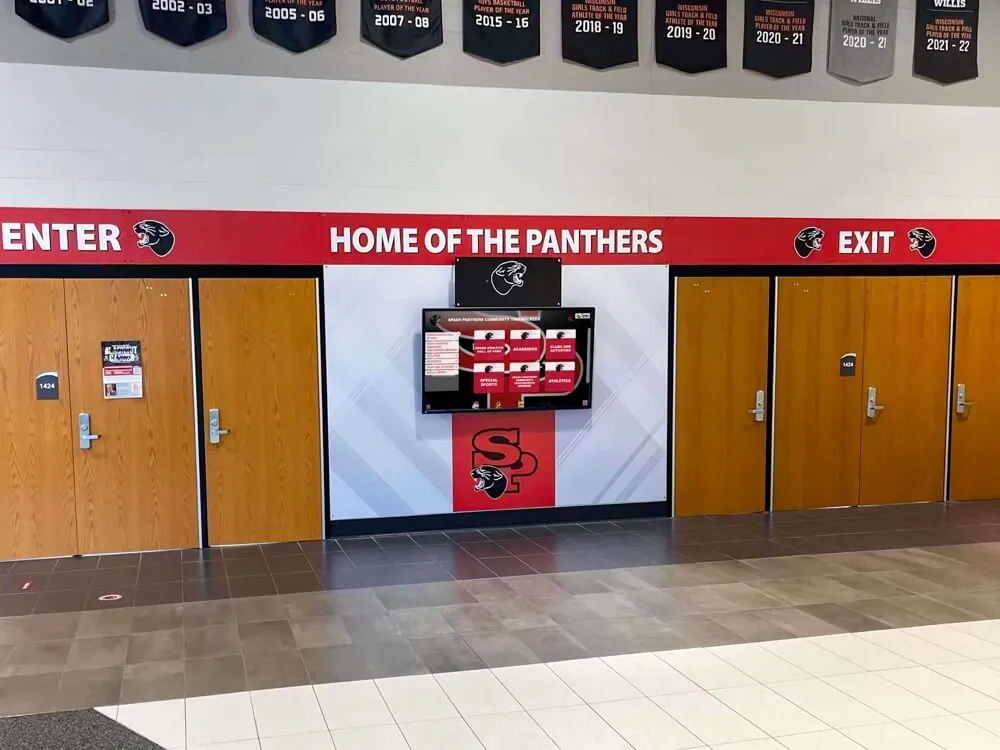
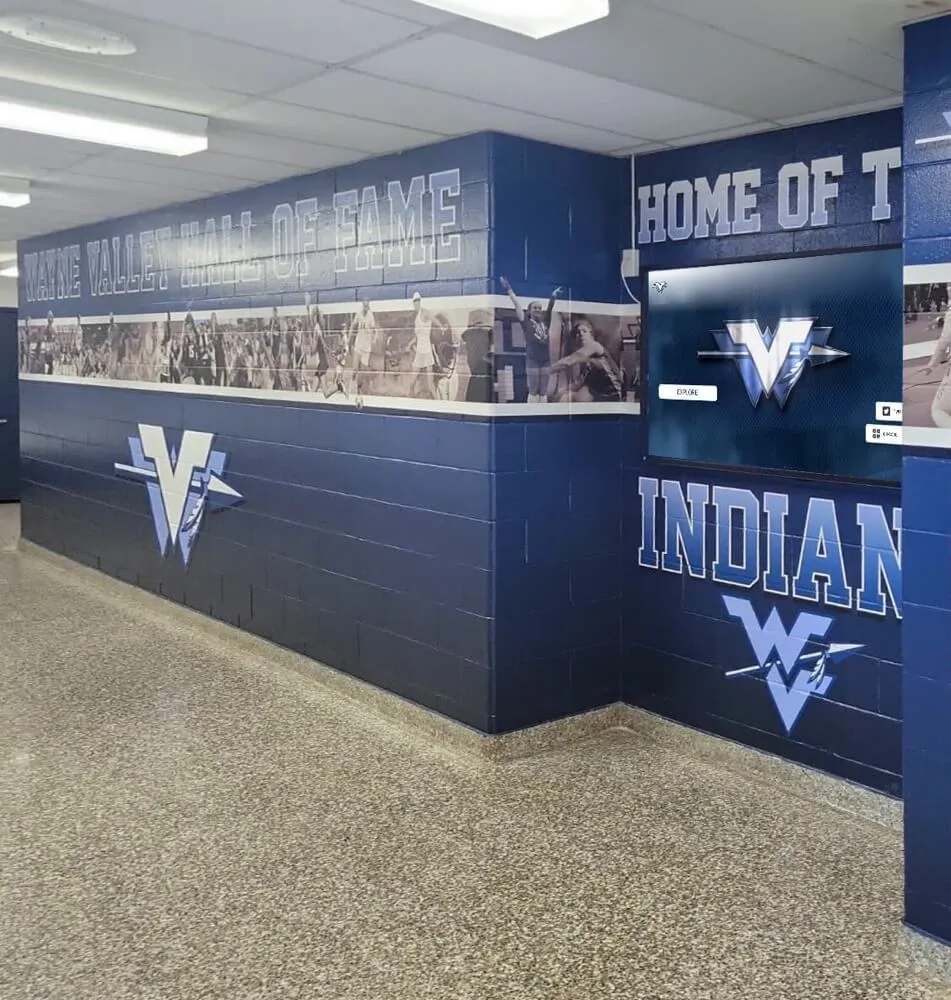
Championship programs recognize diverse athletic achievements from competition victories to conditioning milestones
Four-Week Jump Rope Progression Program
This foundational program develops conditioning from beginner to intermediate levels, suitable for off-season athletic training.
Week 1: Foundation Building
Focus: Establishing consistent technique and baseline endurance
- Monday: 5 rounds of 1 minute jumping / 1 minute rest (10 minutes total work)
- Wednesday: 10 rounds of 30 seconds jumping / 30 seconds rest (5 minutes total work)
- Friday: 3 rounds of 2 minutes jumping / 1 minute rest (6 minutes total work)
- Saturday: Technique practice—5 minutes easy single-leg and alternating foot patterns
Athletes master rhythm and basic form while building initial conditioning base. Emphasis on proper landing mechanics and sustainable pacing rather than maximum speed.
Week 2: Volume Increase
Focus: Extending work duration and introducing interval variations
- Monday: 6 rounds of 1 minute jumping / 1 minute rest (12 minutes total work)
- Wednesday: 12 rounds of 30 seconds jumping / 30 seconds rest (6 minutes total work)
- Thursday: 8 rounds of 45 seconds jumping / 45 seconds rest (6 minutes total work)
- Saturday: 4 rounds of 2 minutes jumping / 1 minute rest (8 minutes total work), plus 5 minutes technique practice
Additional session on Thursday increases weekly volume. Athletes should notice easier breathing and improved rhythm consistency compared to Week 1.
Week 3: Intensity Development
Focus: Reducing rest intervals and increasing rope speed
- Monday: 6 rounds of 1 minute jumping / 45 seconds rest (10.5 minutes total work)
- Tuesday: 10 rounds of 30 seconds maximum speed / 30 seconds rest (5 minutes total work)
- Thursday: 10 rounds of 45 seconds jumping / 30 seconds rest (7.5 minutes total work)
- Saturday: 5 rounds of 2 minutes jumping / 45 seconds rest (10 minutes total work), plus double-under practice
Shortened rest intervals challenge cardiovascular system. Athletes attempt first double-unders, celebrating each successful repetition regardless of total count.
Week 4: Peak and Test
Focus: Maximum performance and measurable achievement
- Monday: 8 rounds of 1 minute jumping / 30 seconds rest (8 minutes total work)
- Wednesday: Tabata Protocol—8 rounds of 20 seconds maximum effort / 10 seconds rest (4 minutes total work)
- Thursday: 12 rounds of 45 seconds jumping / 20 seconds rest (9 minutes total work)
- Saturday: Conditioning Tests
- Maximum continuous jumping time (target: 5+ minutes)
- Total jumps in 1 minute (target: 120+)
- Consecutive double-unders (target: 10+)
Week 4 culminates in measurable tests creating baseline data for future progression. Programs can celebrate achievements on athletic recognition displays showcasing diverse forms of athletic excellence.
Following this foundation, athletes can progress to more advanced programs incorporating complex techniques, longer durations, and sport-specific variations matching their competitive demands.
Sport-Specific Jump Rope Applications
Different sports benefit from tailored jump rope protocols emphasizing the specific conditioning qualities each demands.
Basketball and Volleyball Programs
These vertical-jumping sports require explosive power combined with sustained cardiovascular capacity for continuous movement.
Power Development Focus
Basketball and volleyball jump rope programs emphasize double-unders and high-intensity intervals developing the explosive power translating to vertical leap improvements. Programs might include:
- 5 sets of 10 double-unders with 30 seconds rest between sets
- Pyramid protocols: 1 double-under, rest 10 seconds, 2 double-unders, rest 10 seconds, continuing up to 10 then back down
- Mixed intervals combining 20 seconds maximum double-unders with 40 seconds regular jumping for recovery
Footwork and Agility Development
Volleyball players benefit from side-to-side jumping patterns mimicking approach steps and defensive movements. Basketball programs incorporate:
- Alternating feet at game-pace speed developing court movement
- Crossover techniques enhancing coordination and hand-eye connection
- Direction changes on coach’s whistle building reactive agility
Three-week microcycles might alternate power emphasis weeks with footwork skill weeks, ensuring comprehensive conditioning development. Teams track vertical jump testing alongside jump rope metrics, demonstrating direct correlations between conditioning improvements and performance gains.
Athletes see their power development recognized on volleyball achievement displays celebrating technical skill alongside conditioning excellence.
Boxing and Combat Sports Conditioning
Boxing programs pioneered athletic jump rope training for exceptional reasons—it develops the exact conditioning qualities fighters need.
Rounds-Based Training Matching Competition
Boxers structure jump rope sessions mirroring actual bout demands. A typical session might include:
- 3-minute rounds of continuous jumping matching fight round duration
- 1-minute rest intervals between rounds matching bout structure
- 8-12 total rounds building the endurance for championship-distance fights
This specific conditioning ensures fighters maintain speed, power, and coordination throughout entire contests rather than fading in later rounds.
Footwork Pattern Integration
Combat athletes incorporate boxing-specific footwork into jump rope training—forward and backward movement, lateral slides, pivot steps. These patterns build the foot speed and coordination essential for ring success while simultaneously developing cardiovascular conditioning.
Advanced fighters perform rope work while shadow boxing, combining punching combinations with jumping rhythm. This integrated training builds the multitasking coordination required during actual competition when athletes must think tactically while maintaining technical execution despite fatigue.

All sports benefit from improved conditioning through structured jump rope programs building comprehensive athletic development
Football and Sprint-Sport Programs
Football, soccer, lacrosse, and other sprint-based sports require repeated high-intensity bursts with incomplete recovery—exactly what specific jump rope protocols develop.
Anaerobic Capacity Building
Sprint-sport jump rope programs emphasize short maximum-intensity intervals mimicking game demands:
- 10-second all-out speed intervals followed by 50 seconds active recovery
- 30-second sprint-pace jumping with 90 seconds rest, repeated 8-10 times
- Position-specific intervals matching typical play durations (offensive linemen might use 5-second bursts, wide receivers 15-20 seconds)
Multi-Directional Movement Development
Football programs incorporate forward-backward patterns simulating pass rush and coverage drops. Soccer players use lateral movements matching defensive slides. Lacrosse athletes combine direction changes with stick handling between jumping intervals.
Position groups can compete in team challenges—offensive line versus defensive line in maximum continuous jumping endurance, skill positions in footwork speed competitions. These internal challenges build camaraderie while ensuring consistent training effort.
Programs showcase conditioning achievements alongside game statistics on athletic record displays celebrating complete athletic development.
Common Mistakes and How to Avoid Them
Understanding typical errors helps athletes maximize training effectiveness while preventing frustration or injury.
Technical Execution Errors
Poor technique reduces conditioning benefit while increasing injury risk and early fatigue.
Starting Too Fast
The most common mistake—athletes begin at unsustainable intensity, fatigue within 30 seconds, then spend remaining session recovering rather than training. This approach provides minimal conditioning benefit.
Solution: Establish sustainable rhythm immediately. Athletes should be able to maintain initial pace for at least 5 minutes. If not, slow down. Conditioning improves through sustained effort at moderate intensity more effectively than brief maximum bursts followed by extended rest.
Excessive Jump Height
Many beginners jump far higher than necessary, wasting energy and increasing impact stress on joints. Excessive vertical displacement limits total training volume while providing no additional conditioning benefit.
Solution: Jump only as high as needed for rope clearance—typically just 1-2 inches. Focus on quick, reactive ground contact rather than height. Video analysis helps athletes recognize excessive jumping and make corrections.
Improper Rope Length and Equipment
Using poorly-sized ropes or wrong rope types frustrates technique development and limits progression.
Solution: Properly measure individual rope length for each athlete. Speed ropes with thin cables and ball-bearing handles enable the fastest rotation for advanced techniques. Heavier beaded ropes provide more feedback for beginners learning rhythm and timing. Programs should invest in quality equipment sized appropriately for each athlete.

Athletes developing comprehensive skills benefit from conditioning programs that build the fitness foundation supporting technical excellence
Programming and Progression Errors
Training design mistakes limit long-term improvement while risking overtraining or burnout.
Inconsistent Training Frequency
Occasional random jump rope sessions provide minimal conditioning benefit. Athletes need consistent training stimulus—ideally 3-4 sessions weekly—to drive meaningful adaptation.
Solution: Schedule specific jump rope training days within weekly programming. Treat conditioning as essential as technical practice rather than optional filler. Consistency produces results; sporadic effort produces frustration.
Insufficient Recovery
While consistency matters, daily maximum-intensity sessions lead to overtraining, declining performance, and injury risk. Lower-body stress from thousands of jumps requires adequate recovery.
Solution: Alternate harder and easier sessions. Follow high-intensity interval days with technique-focused recovery sessions. Build rest days into weekly programming. Monitor athletes for signs of overtraining including declining performance, excessive soreness, or reduced enthusiasm.
Lack of Measurable Progression
Training without tracking metrics or progressive challenges fails to maintain athlete motivation while missing opportunities to demonstrate improvement.
Solution: Establish baseline testing, then retest monthly. Track total continuous jumping time, maximum repetitions in fixed intervals, double-under progress, and interval performance. Share improvements publicly, celebrating conditioning gains with same enthusiasm given to game performance.
Many programs create conditioning leaderboards displayed on digital athletic recognition systems, giving conditioning achievement the visibility that inspires entire athletic communities.
Integrating Jump Rope Training Into Comprehensive Athletic Programs
Jump rope conditioning works most effectively when strategically integrated within broader training frameworks rather than implemented in isolation.
Season-Specific Programming Approaches
Different training phases require adjusted jump rope protocols matching overall periodization.
Off-Season Foundation Building
Off-season periods provide ideal opportunities for establishing conditioning base through higher-volume jump rope training. With reduced game demands and technical practice requirements, athletes can dedicate time to foundational fitness development.
Off-season programs might include 4-5 jump rope sessions weekly, longer duration work building aerobic base, progressive technique mastery introducing advanced skills, and baseline testing establishing metrics for tracking improvement.
This foundation enables athletes to enter preseason with superior conditioning, allowing technical practice to focus on skill development rather than fitness catch-up.
Preseason Intensity Development
As competitive seasons approach, jump rope programming shifts toward higher-intensity intervals building sport-specific conditioning. Volume may decrease slightly while intensity increases significantly.
Preseason might include 3-4 sessions weekly, more sport-specific interval structures, position-specific protocols matching competitive demands, and integration with technical practice as warm-ups or conditioning finishers.
The intensity emphasis ensures athletes peak physically as seasons begin, prepared for the cardiovascular and power demands of competition.
In-Season Maintenance
During competitive seasons, jump rope training serves primarily to maintain conditioning rather than build new fitness. Sessions become shorter and less frequent, preventing accumulated fatigue while preserving hard-earned conditioning.
In-season programs typically include 2 sessions weekly of moderate duration and intensity, emphasis on recovery between competitions, and strategic scheduling avoiding high-intensity work before critical games.
Maintenance work prevents the conditioning decline that occurs without regular training stimulus, ensuring athletes finish seasons as fit as they started.
Post-Season Recovery and Transition
Following season completion, athletes need recovery periods before beginning new training cycles. Light jump rope work provides active recovery maintaining basic conditioning without high stress.
Post-season might include 1-2 easy sessions weekly, technique focus without intensity pressure, fun variations and challenges reducing monotony, and gradual transition back to off-season programming.
This recovery period prepares athletes physically and mentally for subsequent training cycles while preventing complete deconditioning during breaks.
Combining Jump Rope with Other Training Modalities
Jump rope conditioning complements rather than replaces other training components.
Integration with Strength Training
Jump rope intervals make excellent conditioning additions to strength training sessions. Athletes might perform 2-3 minute jump rope intervals between lifting circuits, maintaining elevated heart rate while giving primary muscle groups brief recovery.
This approach builds conditioning without requiring separate dedicated cardio sessions, maximizing time efficiency while ensuring strength work remains the session priority.
Warm-Up Applications
Many programs use 5-10 minutes of progressive jump rope work as dynamic warm-up before technical practice or competition. The rhythmic jumping elevates core temperature, increases heart rate gradually, activates lower-body muscles, and enhances nervous system readiness for explosive movements.
Jump rope warm-ups engage athletes mentally while preparing them physically, creating focused readiness more effectively than passive stretching or casual jogging.
Circuit Training Stations
Jump rope work integrates naturally into conditioning circuits alternating between different training stimuli. A circuit might include:
- Station 1: Jump rope intervals (90 seconds)
- Station 2: Bodyweight strength exercises (90 seconds)
- Station 3: Agility ladder drills (90 seconds)
- Station 4: Medicine ball throws (90 seconds)
- Station 5: Core work (90 seconds)
Athletes rotate through stations with minimal rest, building comprehensive conditioning addressing multiple fitness components simultaneously.

Digital recognition systems enable athletic programs to celebrate diverse achievements from competition excellence to conditioning milestones
Tracking Progress and Celebrating Conditioning Achievements
Measurable tracking combined with public recognition maintains athlete motivation while demonstrating program effectiveness.
Establishing Conditioning Benchmarks
Clear standards give athletes specific targets while enabling objective progress assessment.
Endurance Benchmarks
Continuous jumping time provides straightforward endurance measurement. Programs might establish tiered standards:
- Entry level: 2 minutes continuous jumping
- Intermediate: 5 minutes continuous jumping
- Advanced: 10 minutes continuous jumping
- Elite: 15+ minutes continuous jumping
Athletes test quarterly, celebrating improvements while pursuing higher levels. The simplicity enables athletes of all skill levels to compete and improve.
Speed and Power Standards
Maximum repetitions in fixed time intervals measure speed and power:
- Total jumps in 30 seconds
- Total jumps in 1 minute
- Total jumps in 3 minutes
- Consecutive double-unders without mistakes
These metrics reward explosive power and technical mastery. Athletes track personal records while comparing performance against teammates and program standards.
Technique Mastery Progression
Skill-based achievements recognize coordination development:
- Single-leg jumping proficiency (30 seconds each leg)
- Alternating feet for 1 minute continuously
- First successful double-under
- 10 consecutive double-unders
- Crossover technique mastery
- Complex combination completion
Technique progressions provide achievement opportunities for athletes who may not lead speed or endurance categories, ensuring all participants can experience success and recognition.
Digital Recognition of Conditioning Excellence
Modern athletic programs celebrate conditioning achievements through the same digital systems showcasing competitive accomplishments.
Conditioning Leaderboards
Interactive displays feature conditioning leaderboards ranking athletes across various categories—longest continuous jumping time, maximum repetitions, double-under records, fastest completion of set challenges.
These leaderboards update regularly as athletes improve, creating dynamic competition driving sustained effort. Unlike static recognition that feels permanent and unchangeable, digital leaderboards communicate that improvement opportunities remain available to all athletes willing to commit to training.
Multi-Year Progress Tracking
Digital systems can display individual athlete progression across years, showing freshman-to-senior conditioning development. These visual progress stories inspire younger athletes by demonstrating what consistent training produces while honoring senior dedication.
Four-year conditioning improvement timelines show that athletic development extends beyond game statistics, celebrating comprehensive athlete growth including the fitness foundations supporting peak performance.
Team Conditioning Achievements
Beyond individual recognition, programs can celebrate collective conditioning milestones—total team minutes jumped in a month, percentage of team achieving specific standards, improvement averages across position groups.
Team-based recognition builds culture emphasizing that conditioning excellence represents program identity rather than individual exception. When strength and conditioning achievements receive the visibility typically reserved for game performance, athletes understand their program values complete development.
Schools can explore modern recognition display solutions that celebrate diverse achievements inspiring entire athletic communities.
Conclusion: Building Championship Conditioning Through Jump Rope Training
Championship athletic programs recognize that superior conditioning often determines outcomes in critical moments—the final quarter when fatigue accumulates, the tournament game requiring peak performance despite previous day’s exhaustion, the playoff contest demanding sustained excellence across sixty minutes.
Jump rope workouts provide time-efficient, measurable, and adaptable conditioning developing the cardiovascular capacity, explosive power, and coordination that distinguish elite competitors. The minimal equipment requirements and space needs make jump rope training accessible to programs regardless of budget or facility limitations, democratizing access to championship-level conditioning.
Effective implementation requires systematic programming that progresses athletes appropriately while avoiding common technical and training design errors. Sport-specific adaptations ensure conditioning protocols develop the exact fitness qualities each sport demands. Integration within comprehensive training frameworks positions jump rope work as essential program components rather than optional additions.
Perhaps most importantly, successful programs recognize and celebrate conditioning achievements with the same visibility given to competitive accomplishments. When athletes see their conditioning milestones displayed prominently on digital recognition systems alongside game statistics and championship banners, they understand that complete athletic development matters. This cultural message—that how athletes prepare matters as much as how they perform—builds the comprehensive excellence separating good programs from championship programs.
Athletic directors and coaches seeking to enhance conditioning programs while celebrating athlete development across all dimensions can explore how modern recognition systems create the visibility and cultural impact that transforms athletic communities.
Transform Your Athletic Recognition Program
Discover how leading athletic programs celebrate comprehensive achievement—from championship victories to conditioning milestones—through interactive digital displays that inspire excellence across entire athletic communities.
Rocket Alumni Solutions’ touchscreen recognition systems enable athletic departments to showcase conditioning leaderboards, training achievements, record boards, and athlete development stories through engaging digital experiences accessible from gymnasium touchscreens or mobile devices via QR codes.
Our platform features unlimited content capacity for athlete profiles and achievements, automatic record-board ranking as athletes improve, ADA WCAG 2.1 AA accessibility ensuring all community members can engage, scheduled publishing for revealing new achievements at strategic moments, and remote content management enabling easy updates without technical expertise.
Athletic programs install systems in weeks not months, update content instantly through intuitive interfaces, and create recognition experiences that conditioning coaches, athletes, and families celebrate together.