Jump rope workouts have earned their reputation as one of the most efficient conditioning tools in athletic training—delivering cardiovascular endurance, footwork precision, coordination development, and explosive power in equipment requiring minimal space and costing less than quality athletic shoes. Elite athletes across boxing, basketball, volleyball, football, and track and field incorporate jump rope routines into training programs because the movement patterns directly translate to sport-specific performance while building the conditioning foundation separating championship teams from average competitors.
Yet many athletic programs treat jump rope training as warm-up filler rather than systematic conditioning protocol. Athletes receive ropes without structured progression, coaches lack frameworks for measuring improvement beyond simple duration tracking, and teams miss opportunities to leverage one of training’s highest return-on-investment tools. Meanwhile, the programs that do implement structured jump rope conditioning protocols report measurable improvements in vertical jump height, sprint speed, agility performance, and perhaps most importantly, the mental toughness developed through high-intensity rope work that translates directly to competitive situations demanding sustained effort under fatigue.
This comprehensive guide provides athletic directors, strength coaches, and team trainers with evidence-based jump rope workout programming including technique fundamentals ensuring injury-free progression, a complete 4-week routine building from foundation to sport-specific application, drill variations targeting different athletic qualities, and strategies for tracking conditioning milestones that motivate continued athlete engagement while documenting the performance improvements justifying program continuation.
Athletic programs implementing structured jump rope conditioning report benefits extending beyond cardiovascular fitness alone. These workouts develop ankle stability reducing injury risk, improve coordination and rhythm essential for complex movement patterns, build mental resilience through challenging intervals, and create measurable benchmarks that athletes can track across seasons to document conditioning improvements otherwise difficult to quantify.

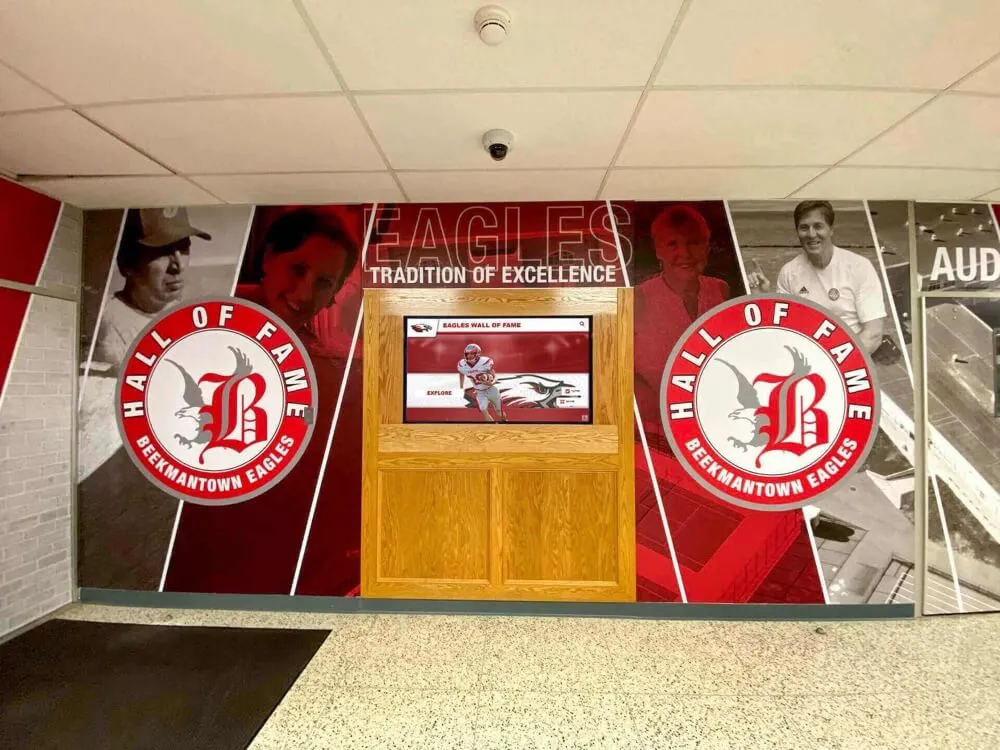
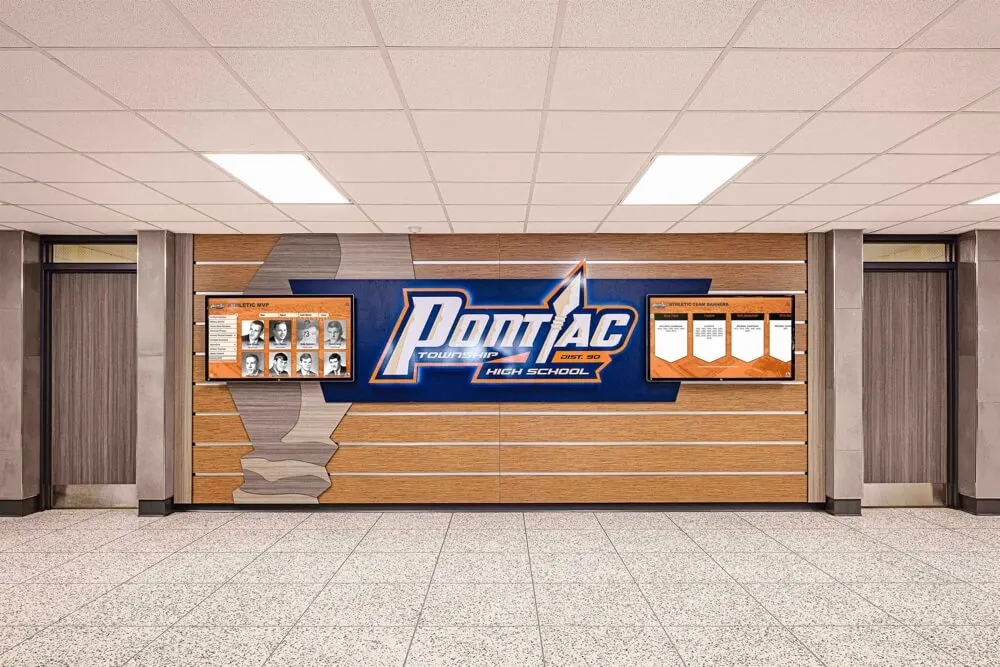
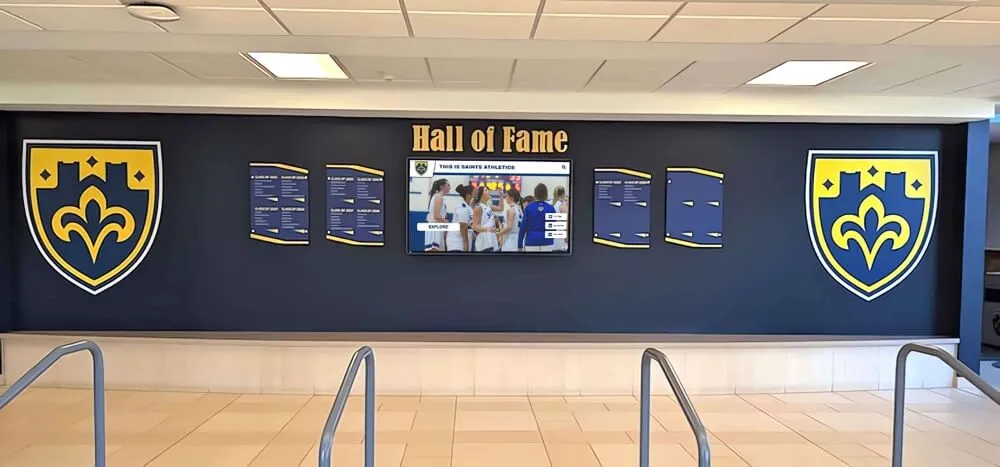
Modern athletic programs track conditioning benchmarks digitally, displaying jump rope records alongside traditional athletic achievements
Why Elite Athletes Choose Jump Rope Workouts
Before diving into specific routines, understanding the physiological and performance benefits helps coaches communicate program value to athletes who may initially resist rope work in favor of seemingly more sport-specific training.
Cardiovascular Conditioning Efficiency
Jump rope training delivers exceptional cardiovascular adaptation in condensed timeframes compared to traditional endurance work.
Time-Efficient Intensity
Research comparing jump rope to steady-state cardio demonstrates that 10 minutes of moderate-intensity rope work provides cardiovascular benefits comparable to 30 minutes of jogging. This efficiency proves particularly valuable for in-season conditioning when practice time competes with technical skill work, tactical preparation, and recovery needs. Athletic programs can build or maintain conditioning without dedicating excessive practice time to pure endurance work that might reduce sport-specific preparation quality.
High-intensity interval protocols using jump rope create superior conditioning adaptations compared to long, slow distance work for sports requiring repeated explosive efforts rather than steady-state endurance. Basketball players executing 30-second maximum-effort rope intervals with brief recovery periods develop the specific energy system capacity needed for game situations better than logging miles on tracks.
Accessible Anywhere
Unlike conditioning protocols requiring tracks, fields, or specialized equipment, jump rope workouts demand only rope and minimal space. This accessibility enables consistent conditioning regardless of weather, facility availability, or travel situations. Teams can maintain conditioning during tournament travel, weather-disrupted practice schedules, or facility limitations that might otherwise compromise preparation quality.
Sport-Specific Movement Pattern Development
Beyond cardiovascular benefits, jump rope training develops movement qualities directly transferring to competitive performance across multiple sports.
Footwork and Agility
The rapid foot contacts required for sustained rope work—typically 120-140 ground contacts per minute during basic bounce—develop the quick, precise footwork essential for defensive positioning, cutting maneuvers, and explosive direction changes. Basketball defenders improving rope work coordination often demonstrate enhanced lateral quickness and defensive slide technique. Volleyball players developing rope rhythm show improved approach footwork and blocking mechanics.
Advanced rope variations like boxer shuffle, high knees, and lateral hops specifically target agility components while maintaining cardiovascular demand. These drill progressions allow coaches to emphasize particular movement patterns relevant to sport demands—defensive slides for basketball, approach footwork for volleyball, or lateral movement for tennis—while simultaneously building conditioning.
Ankle Stability and Lower-Leg Strength
The repetitive ankle stabilization required during rope work strengthens the muscles, tendons, and ligaments surrounding ankle joints. This strengthening reduces injury risk while improving the explosive power transmission from ground contact through the kinetic chain during jumping, cutting, and sprinting movements.
Many coaches report reduced ankle injury incidence after implementing systematic rope training, attributing improvements to enhanced proprioception and joint stability developed through thousands of controlled ankle articulations during rope sessions. For programs facing recurring ankle sprains—particularly common in basketball, volleyball, and soccer—rope work provides injury prevention benefits alongside conditioning development.
Rhythm and Coordination
Athletic excellence requires coordinating complex movement sequences under time pressure and physical fatigue. Jump rope training develops this coordination through rhythmic movement patterns requiring upper-body and lower-body synchronization, timing precision under increasing fatigue, bilateral coordination for double-unders and variations, and the mental focus maintaining technique when physical discomfort tempts form breakdown.
These coordination benefits transfer to sport skills requiring similar rhythm and timing—shooting mechanics in basketball, approach timing in volleyball, or stride patterns in sprint events. Athletes who develop sophisticated rope skills often demonstrate enhanced general movement literacy accelerating technical skill acquisition in their primary sports.
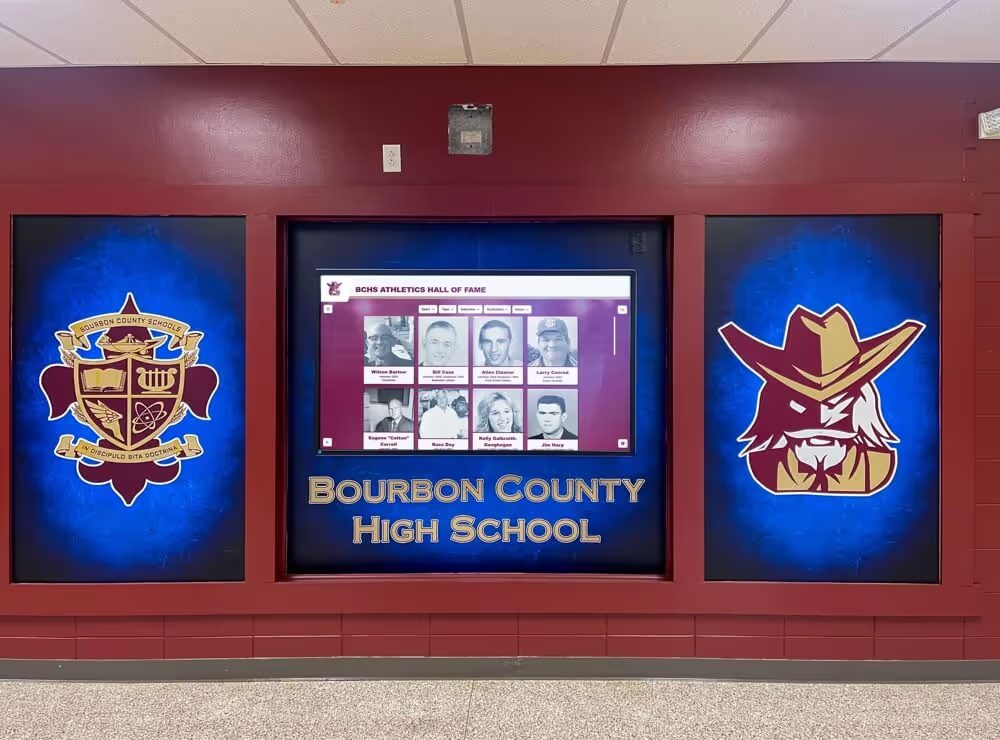
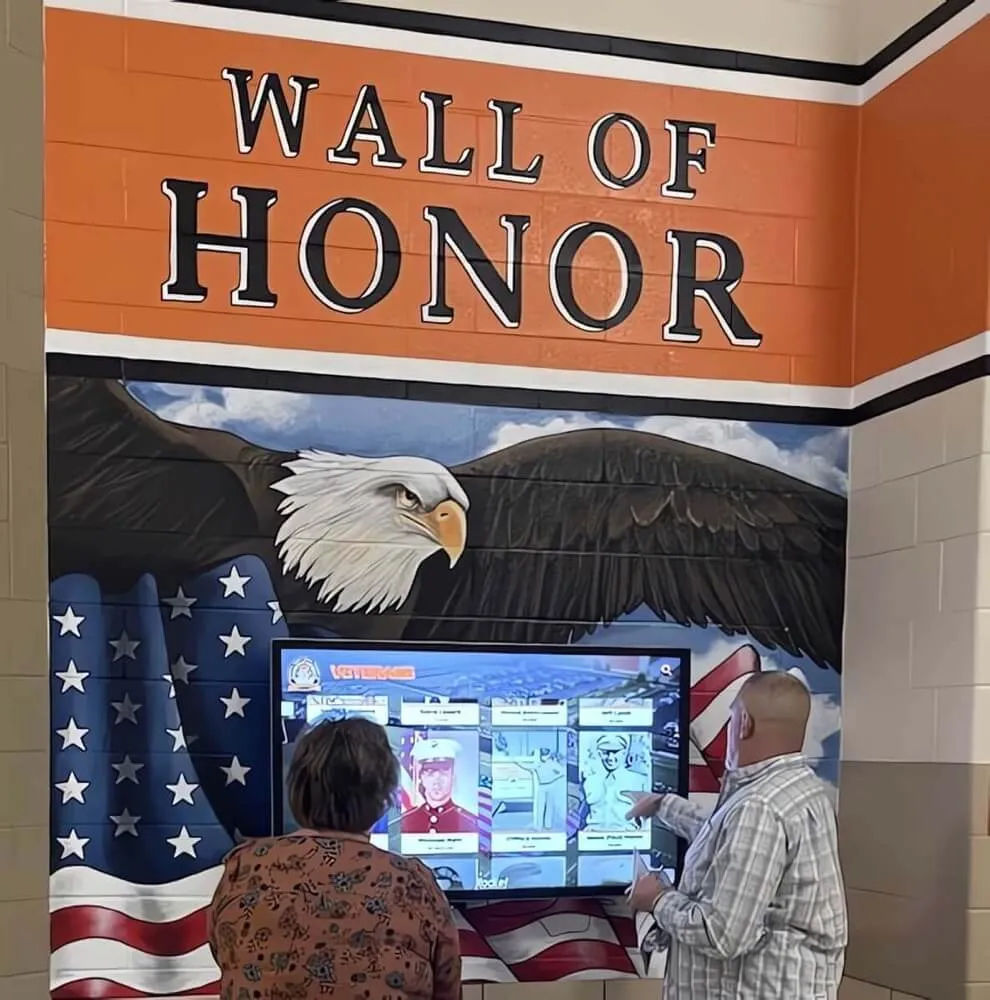
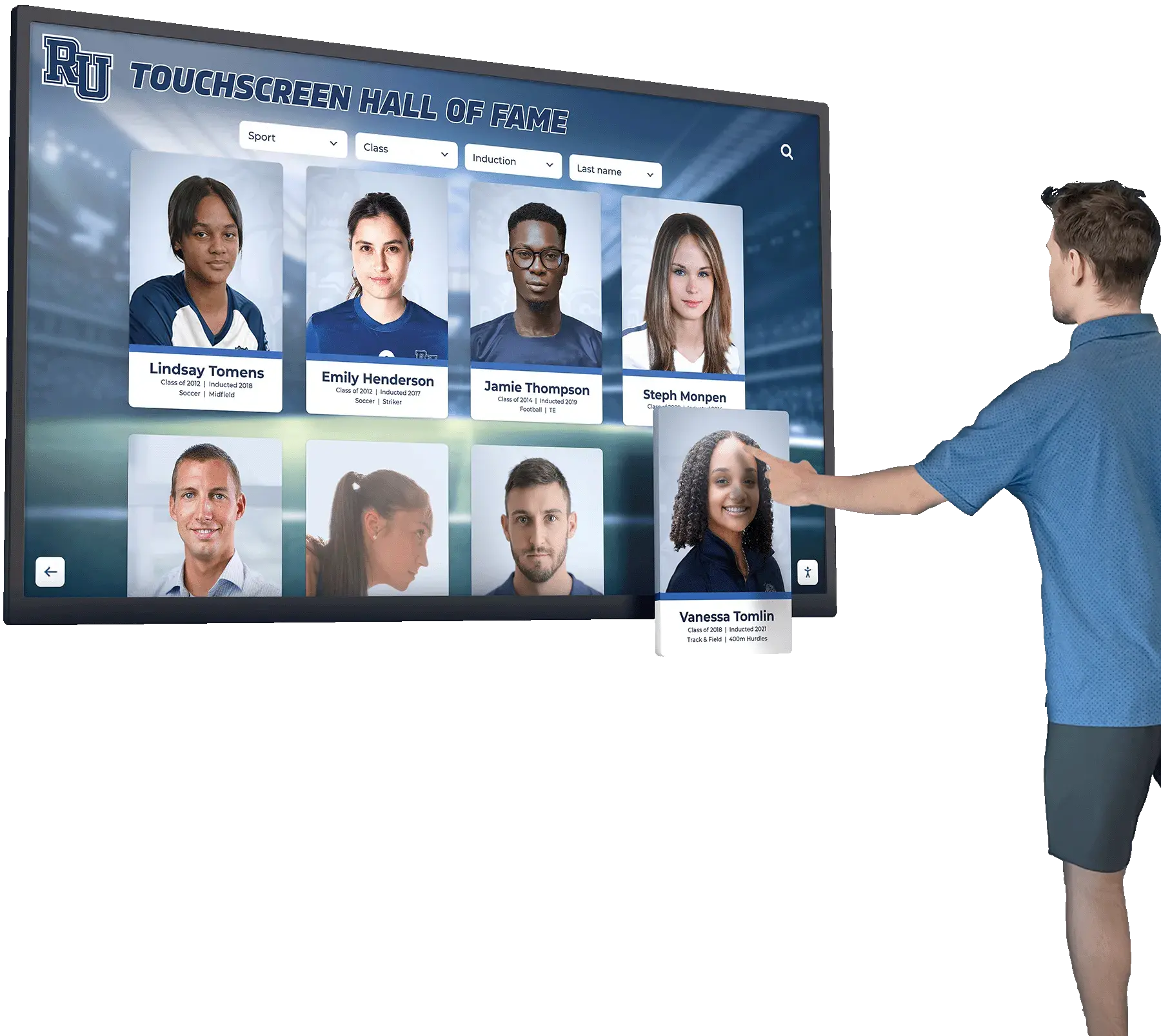
Athletic programs showcase conditioning achievements including jump rope records alongside sport-specific performance milestones
Jump Rope Fundamentals: Technique and Equipment
Effective rope training begins with proper technique and appropriate equipment selection ensuring athletes can progress safely without unnecessary frustration or injury risk.
Selecting the Right Rope
Rope selection significantly affects learning curve and exercise effectiveness, with different rope types serving different training purposes.
Rope Types and Applications
Basic beaded ropes provide excellent feedback through audible and tactile cues, making them ideal for beginners learning timing and rhythm. The beads create sound when contacting ground, helping athletes establish consistent cadence. However, beaded ropes rotate more slowly than other options, limiting their use for advanced speed work or double-unders.
Speed ropes featuring thin cables or coated wires rotate faster with less effort, making them appropriate for athletes progressing beyond basic skills toward interval training and double-under development. These ropes require better technique since they provide less sensory feedback during rotation, but they enable the higher rotation speeds necessary for advanced variations.
Weighted ropes (typically 1-2 pounds) increase upper-body engagement and calorie burn while reducing rotation speed. These ropes work well for specific strength-endurance training blocks but prove less suitable for footwork development or high-intensity conditioning intervals where rotation speed matters.
Proper Rope Length
Rope length directly affects jumping efficiency and technique quality. Too-short ropes force awkward jumping mechanics and frequent trips, while too-long ropes require excessive arm movement reducing workout efficiency and potentially causing shoulder fatigue.
The standard length recommendation involves standing on the rope’s center with both feet together and pulling handles upward along the body. For beginners, handles should reach approximately armpit height. Advanced athletes often prefer slightly shorter ropes (reaching mid-chest) enabling faster rotation speeds, though this requires more precise technique.
Adjustable-length ropes provide flexibility for athletes of varying heights and allow individual customization as technique improves, making them excellent choices for team purchases serving multiple athletes across training experience levels.
Essential Technique Fundamentals
Proper jumping technique maximizes training effectiveness while minimizing injury risk and unnecessary energy expenditure.
Body Position and Posture
Effective rope technique begins with proper posture: maintain upright torso with shoulders back and down, keep elbows close to sides (hands positioned slightly in front of hips), engage core maintaining neutral spine position, and focus eyes forward rather than down at feet. This position enables efficient movement while reducing unnecessary energy waste from poor alignment.
Common posture errors include hunching shoulders (causing premature upper-body fatigue), excessive arm swinging away from body (wasting energy and reducing control), and looking down at feet (disrupting balance and body awareness). Video analysis helps athletes identify these technical flaws, though many can be corrected simply by cueing focal point maintenance straight ahead at eye level.
Jump Mechanics
Efficient jumping minimizes ground contact time while maintaining controlled, consistent rhythm. Athletes should jump only high enough for rope clearance (typically 1-2 inches off ground), land on balls of feet with soft ankle, knee, and hip flexion absorbing impact, maintain relatively straight but not locked knee position during flight phase, and execute rapid rebound off ground minimizing contact time.
The bouncing motion should feel springy and elastic rather than heavy and forceful. Athletes commonly jump too high initially, wasting energy and increasing impact forces unnecessarily. Cueing minimal clearance—“jump just high enough to slide a piece of paper under the rope”—helps athletes find efficient jumping height.
Rope Rotation Mechanics
Many beginners generate rope rotation through large arm movements creating inefficient, unsustainable technique. Proper rotation comes primarily from wrist action with relatively stable upper arms and elbows. Athletes should maintain elbows near sides throughout rotation, generate rotation through circular wrist movements rather than arm swinging, keep hands positioned slightly forward of hips during rope swing, and maintain consistent rotation speed regardless of fatigue level.
This wrist-driven rotation enables sustained rope work without premature arm fatigue while developing the coordination and rhythm essential for advanced variations. Athletes transitioning from arm-driven to wrist-driven rotation often experience initial difficulty but quickly discover the improved efficiency enabling longer training durations and faster rotation speeds.
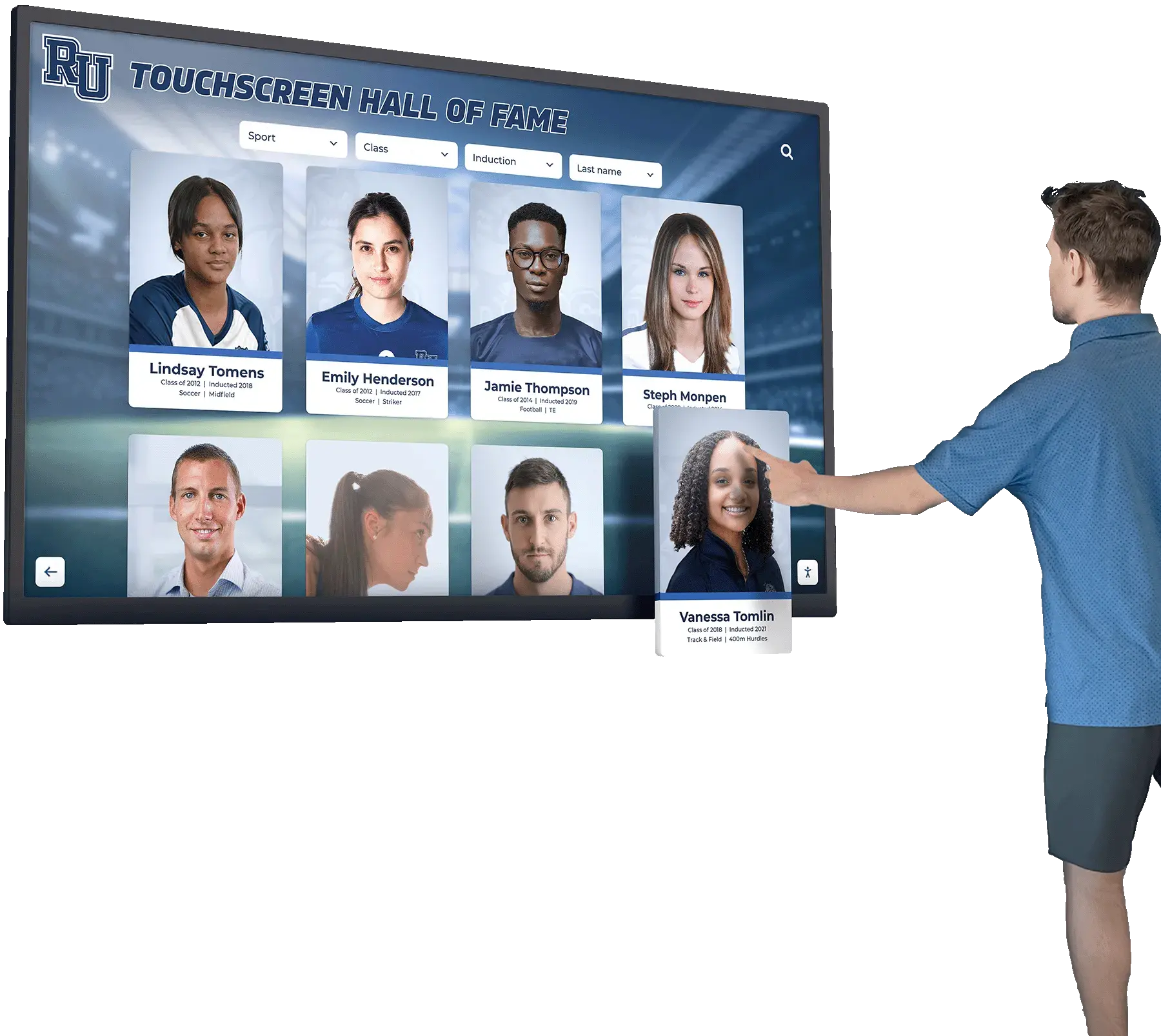
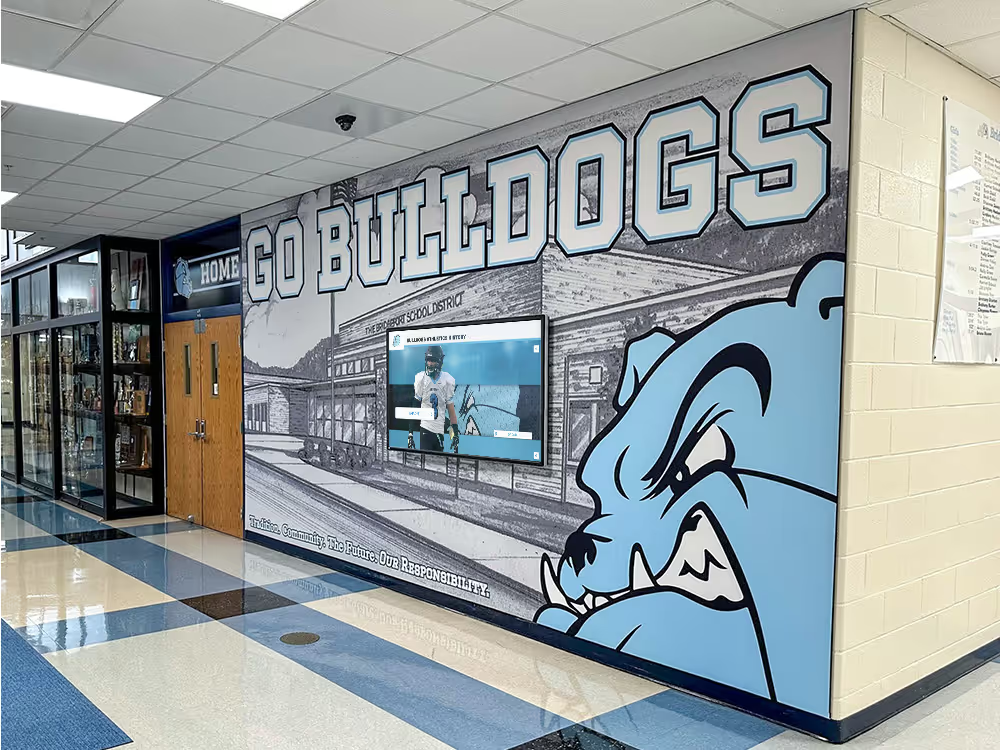
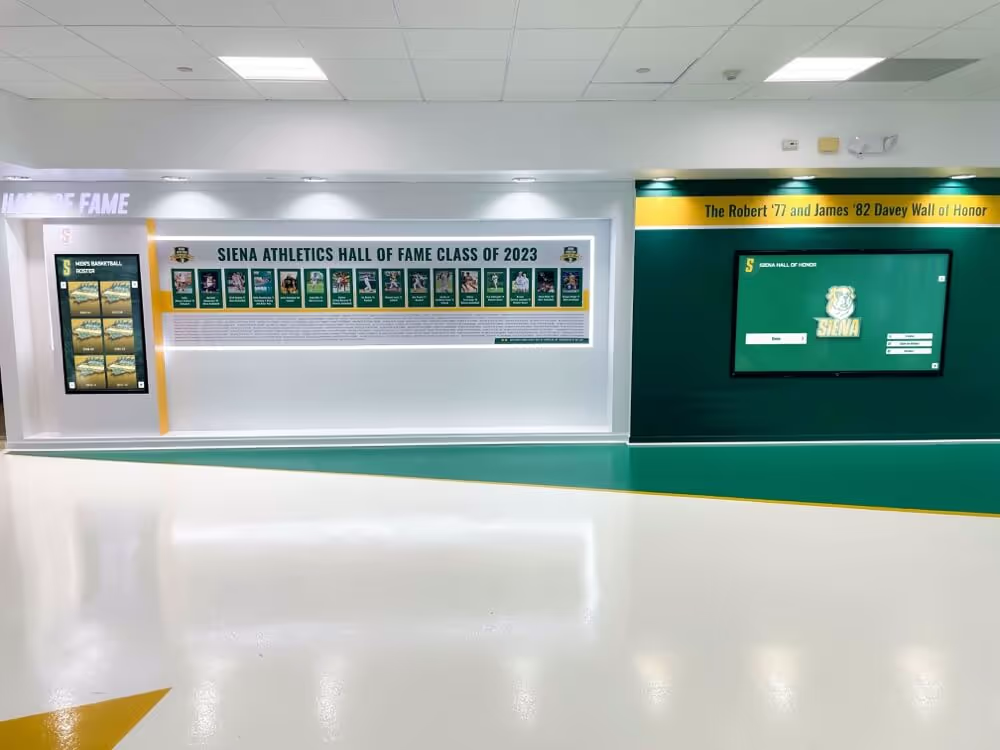
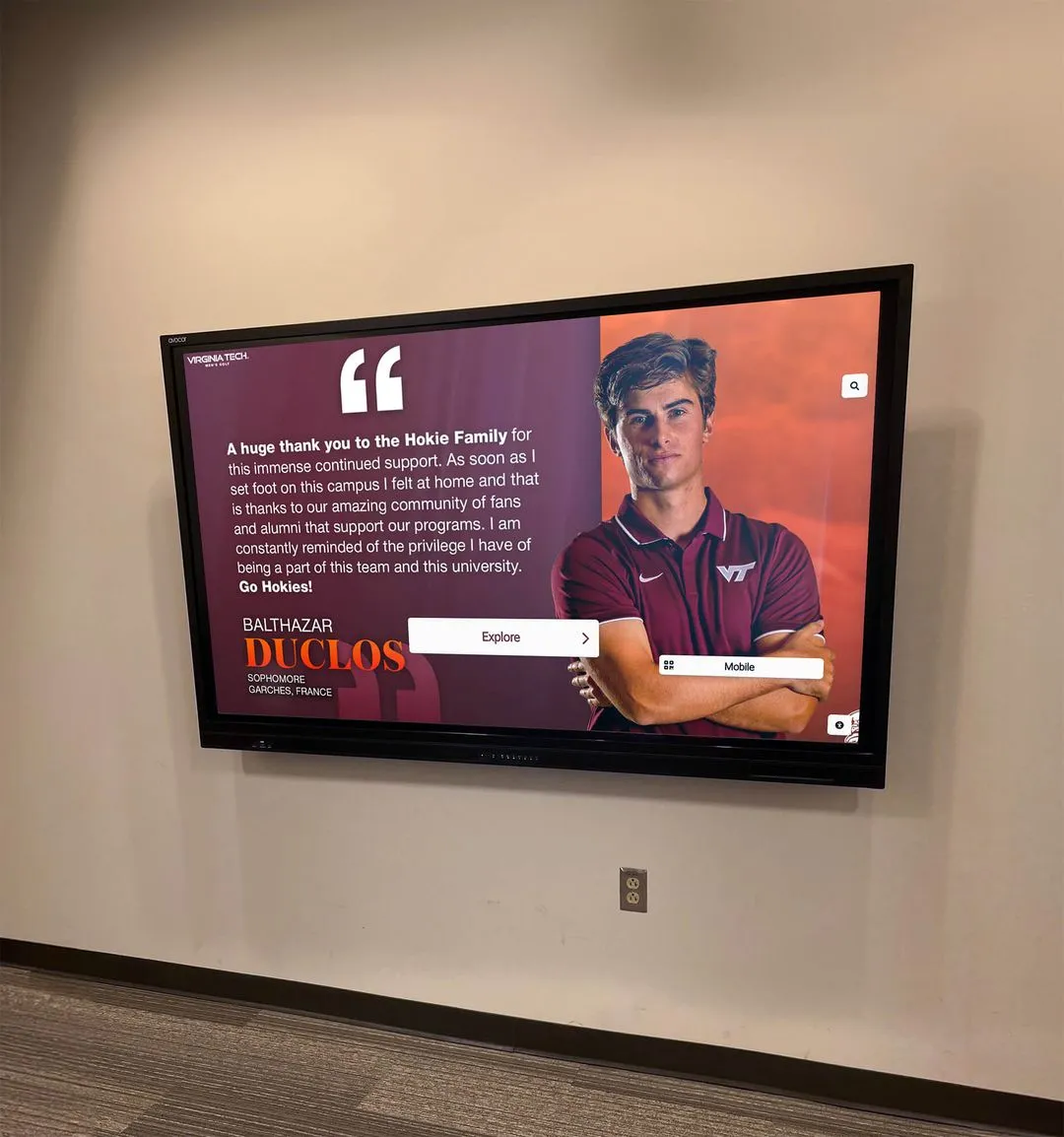
Interactive displays allow athletes to explore conditioning records and performance benchmarks achieved by past program participants
Complete 4-Week Jump Rope Conditioning Routine
This progressive routine builds from technique foundations through sport-specific conditioning applications suitable for athletes across sports requiring explosive power and sustained effort capacity.
Program Structure and Progression Philosophy
The four-week progression follows logical periodization principles starting with technique mastery and work capacity development before advancing to high-intensity conditioning and sport-specific applications.
Weekly Progression Overview
Week 1 establishes technique fundamentals and baseline work capacity through moderate-intensity continuous work and basic variations. Week 2 introduces interval training structures while expanding movement variation through footwork patterns. Week 3 advances interval intensity and incorporates sport-specific movement combinations preparing for applied conditioning. Week 4 delivers peak conditioning intensity through challenging interval protocols and advanced variation combinations representing program culmination.
Athletes should complete rope sessions 3-4 times weekly on non-consecutive days, allowing recovery between sessions while maintaining training frequency supporting adaptation. Schedule rope conditioning on strength training days or lighter technical practice days rather than before high-intensity practice sessions or competitions to prevent excessive cumulative fatigue.
Individual Modification
While the program provides general progression, individual athletes may require pace adjustments based on conditioning level, rope experience, or sport-specific demands. Less-experienced athletes should extend Week 1-2 foundations before advancing to higher-intensity intervals. Highly conditioned athletes might accelerate progression or increase session volume within prescribed structures.
Listen to athlete feedback regarding lower-leg soreness, particularly in calves and shins during initial weeks. While muscular fatigue is expected and appropriate, sharp pain or persistent soreness indicating potential stress injury should prompt training modification including additional rest days, reduced session volume, or alternative conditioning methods supplementing rather than replacing rope work.
4-Week Routine Table
| Week | Focus | Monday Session | Wednesday Session | Friday Session |
|---|---|---|---|---|
| Week 1: Foundation | Technique development and base conditioning | Continuous Work • 5 min easy pace warm-up • 3 rounds: 3 min continuous jumping, 2 min rest • Focus: consistent rhythm, proper form • Cool-down: 3 min easy pace | Variation Introduction • 5 min warm-up (basic bounce) • 2 rounds: 2 min basic bounce, 1 min rest, 1 min alternating foot step, 1 min rest • Repeat cycle 3x • Cool-down: 3 min | Work Capacity Test • 5 min warm-up • Max continuous time at moderate pace (record baseline) • Rest 5 min • 2 rounds: 2 min continuous, 2 min rest • Cool-down |
| Week 2: Intervals | Interval introduction and footwork patterns | Basic Intervals • 5 min warm-up • 8 rounds: 45 sec work, 45 sec rest • Alternate basic bounce and alternating foot • Cool-down: 3 min | Footwork Variations • 5 min warm-up • 3 rounds of circuit: - 1 min basic bounce - 1 min boxer shuffle - 1 min high knees - 2 min rest between rounds • Cool-down | Increasing Density • 5 min warm-up • 10 rounds: 40 sec work, 40 sec rest • Mix variations learned • Cool-down: 3 min |
| Week 3: Intensity | High-intensity intervals and combination work | Tabata Protocol • 5 min warm-up • 8 rounds: 20 sec max effort, 10 sec rest • 3 min active recovery • Repeat Tabata x2 total • Cool-down: 3 min | Sport-Specific Combinations • 5 min warm-up • 4 rounds of complex: - 30 sec max speed - 30 sec lateral hops - 30 sec high knees - 90 sec rest • Cool-down | Pyramid Intervals • 5 min warm-up • Work intervals: 30s, 45s, 60s, 45s, 30s • Equal rest between intervals • Repeat pyramid 2x • Cool-down |
| Week 4: Peak | Maximum conditioning and skill integration | Championship Rounds • 5 min warm-up • 3-min rounds (boxing style) • 1-min rest between rounds • 5 rounds total • Vary pace and techniques • Cool-down: 5 min | HIIT Complex • 5 min warm-up • 6 rounds: - 20 sec double-unders (or max speed) - 20 sec mountain climbers - 20 sec basic bounce recovery - 60 sec rest • Cool-down | Conditioning Test • 5 min warm-up • Max continuous time (compare to Week 1) • Rest 5 min • 5 rounds: 1 min max effort, 1 min rest • Record total reps • Cool-down |
Progression Notes
Athletes successfully completing Week 4 can maintain conditioning by repeating Week 3-4 sessions, increase difficulty through reduced rest intervals or extended work periods, incorporate advanced variations like double-unders or crossovers, or transition to sport-specific interval protocols using rope work as primary conditioning tool.
Track performance metrics throughout the routine including maximum continuous time, total repetitions during interval sessions, and perceived exertion levels. Many athletic programs display these conditioning benchmarks on digital record boards celebrating improvement milestones alongside traditional athletic achievements, creating motivation through visible progress documentation.
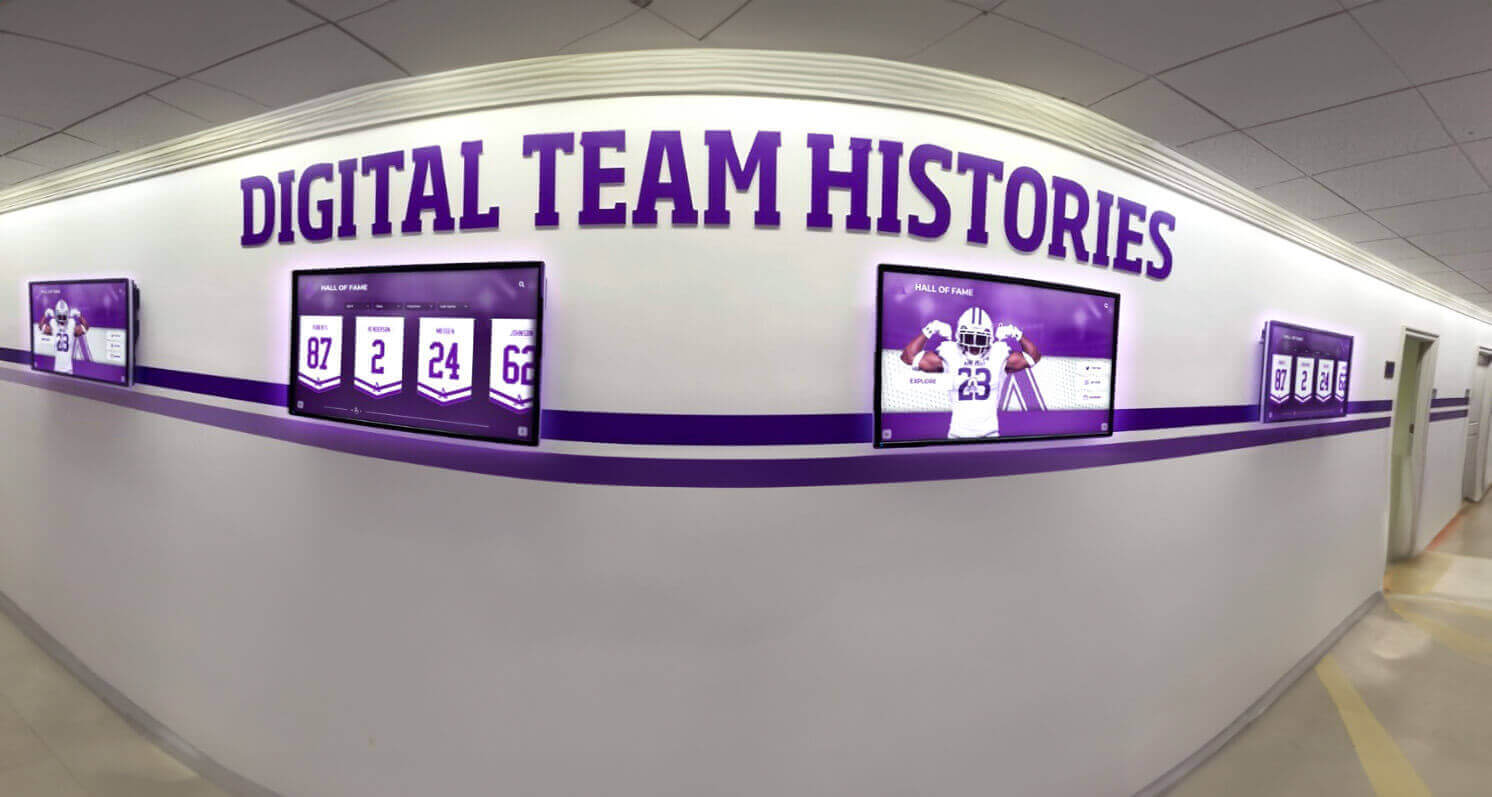
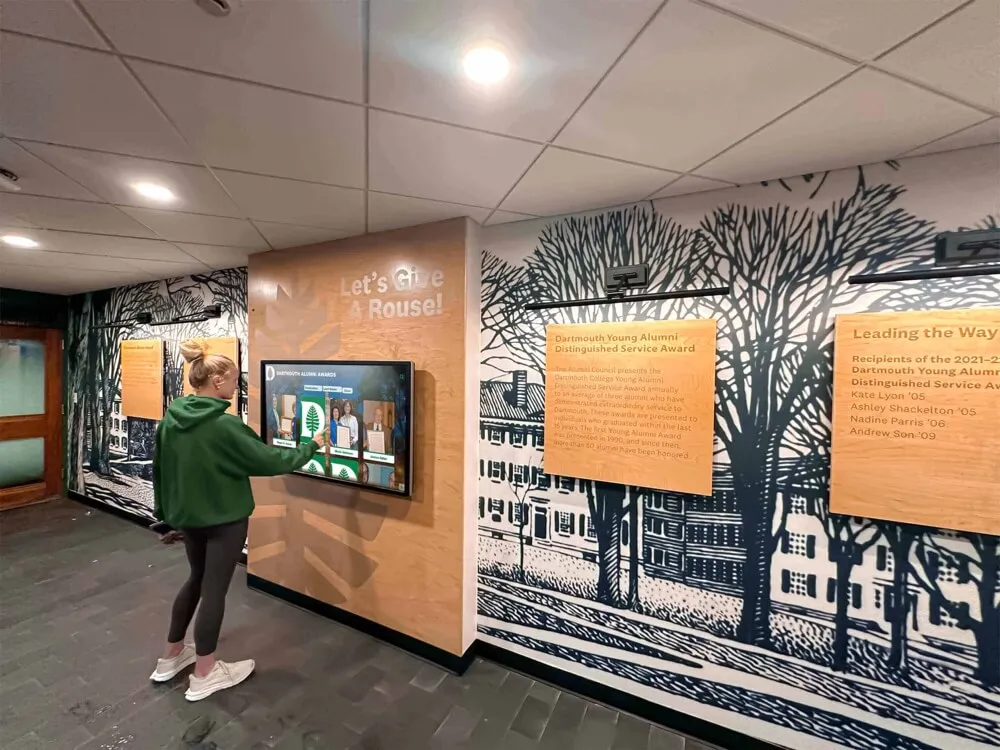
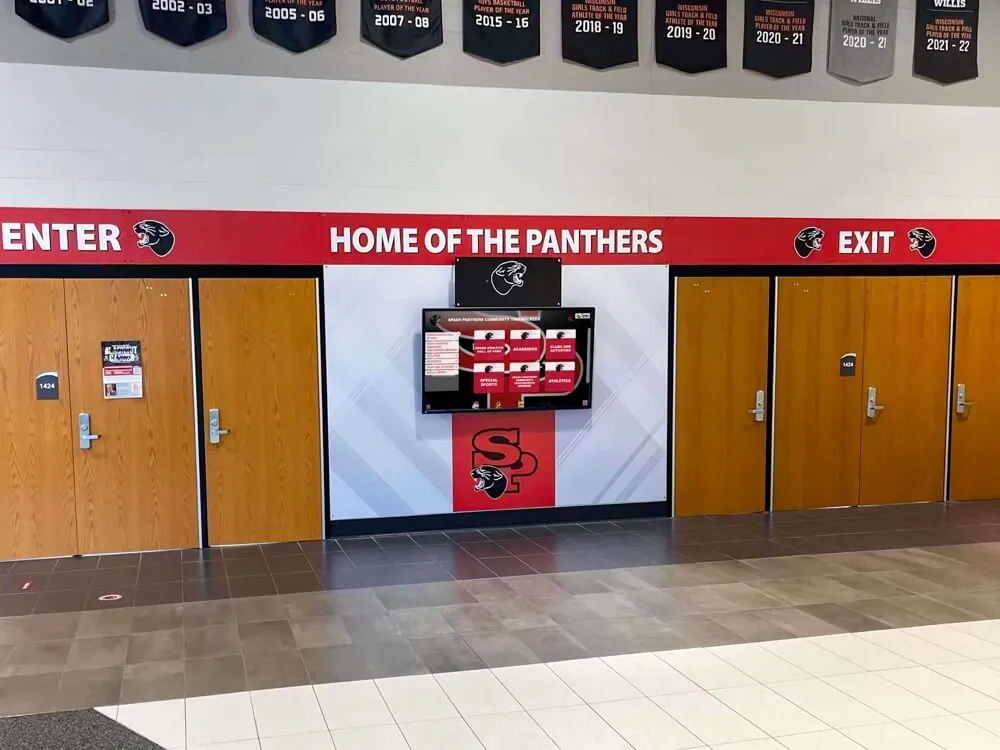
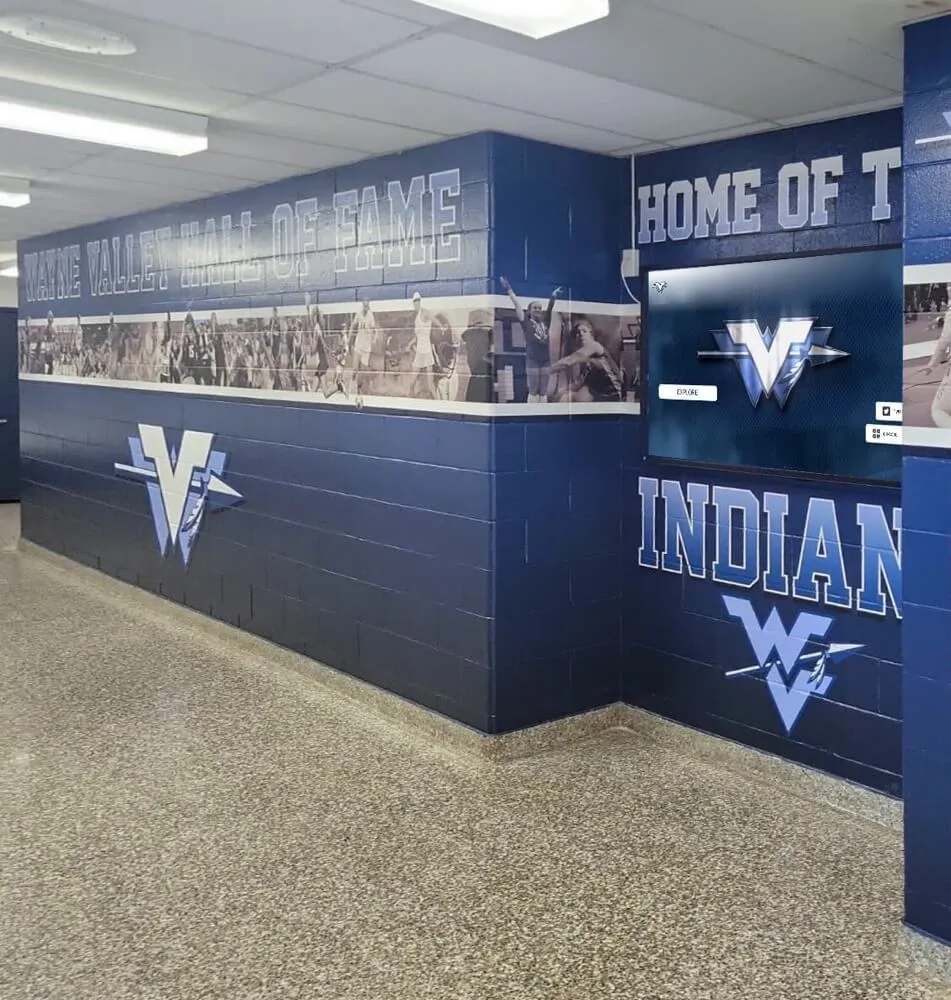
Athletic programs display team conditioning accomplishments and training milestones through modern digital systems
Sport-Specific Jump Rope Applications
While the 4-week foundation routine develops general conditioning, sport-specific variations maximize transfer to particular athletic demands.
Boxing and Combat Sports
Jump rope training originated in boxing gyms for good reason—the movement patterns directly develop fighting-specific qualities.
Boxer Shuffle and Rhythm Work
The boxer shuffle—shifting weight side-to-side while maintaining rope rhythm—develops the footwork cadence essential for maintaining advantageous positioning and generating power through weight transfer. Boxers typically perform extended rounds (3-5 minutes matching competition round duration) at varying intensities simulating fight pacing demands.
Advanced boxers incorporate directional changes, stance switches, and rhythm variations during rounds, using rope work to develop the movement creativity and adaptability required during actual competition. The mental demands of maintaining technique and pace through 3-minute rounds under accumulating fatigue directly prepare athletes for competition challenges where physical discomfort threatens performance quality.
Basketball and Court Sports
Basketball’s constant starting, stopping, jumping, and directional changes create specific conditioning demands rope training addresses effectively.
Lateral Movement and Change-of-Direction Drills
Incorporate lateral hops (jumping side-to-side over rope), forward-backward hops mimicking defensive positioning, and single-leg variations developing the unilateral strength and balance essential for cutting and landing mechanics. These variations can be programmed into interval structures mimicking game demands—alternating high-intensity work periods with brief active recovery matching the work-rest patterns of competitive play.
Basketball programs often use rope conditioning during off-season and pre-season preparation, then maintain conditioning during competitive seasons through abbreviated sessions preventing the detraining that undermines performance during championship tournament periods. Teams displaying athletic achievement recognition frequently include conditioning benchmarks alongside scoring records, creating comprehensive performance culture celebrating diverse contributions to team success.
Volleyball and Jumping Sports
Volleyball demands explosive vertical power combined with sustained match play requiring repeated jumping under fatigue.
Plyometric Integration and Approach Footwork
Combine rope intervals with plyometric exercises creating conditioning circuits addressing volleyball’s multiple fitness demands. Example circuits might include 1 minute max-effort rope work followed by approach jump repetitions, then brief recovery before repeating. This integration develops the specific ability to generate explosive power under cardiovascular fatigue matching competitive demands.
High-knee variations mimic approach footwork patterns, developing the rapid knee drive essential for approach mechanics. Athletes performing high-knee rope intervals often report improved approach quickness and more explosive vertical jumps as conditioning enables sustained power output through match duration rather than just single-effort maximum jumps.
Football and Power Sports
Football’s repeated explosive efforts separated by brief recovery intervals create unique conditioning challenges rope training addresses efficiently.
Sprint Interval Simulation
Structure rope intervals matching football-specific work-rest patterns. For example, 10-15 second maximum-effort intervals (mimicking play duration) followed by 30-40 second recovery (approximating time between plays) effectively condition energy systems used during games while developing mental toughness executing maximum efforts under accumulating fatigue.
Position-specific variations can emphasize particular movement patterns—defensive backs might emphasize backpedal rope variations and direction changes, linemen might use shorter work intervals with explosive movement emphasis, and skill position players might incorporate agility patterns within rope sequences.
Football programs increasingly recognize conditioning achievements through dedicated displays celebrating off-season work ethic and preparation benchmarks. Schools implementing team celebration displays find that highlighting training accomplishments alongside game results reinforces the connection between preparation quality and competitive success, motivating continued training commitment during demanding off-season conditioning programs.
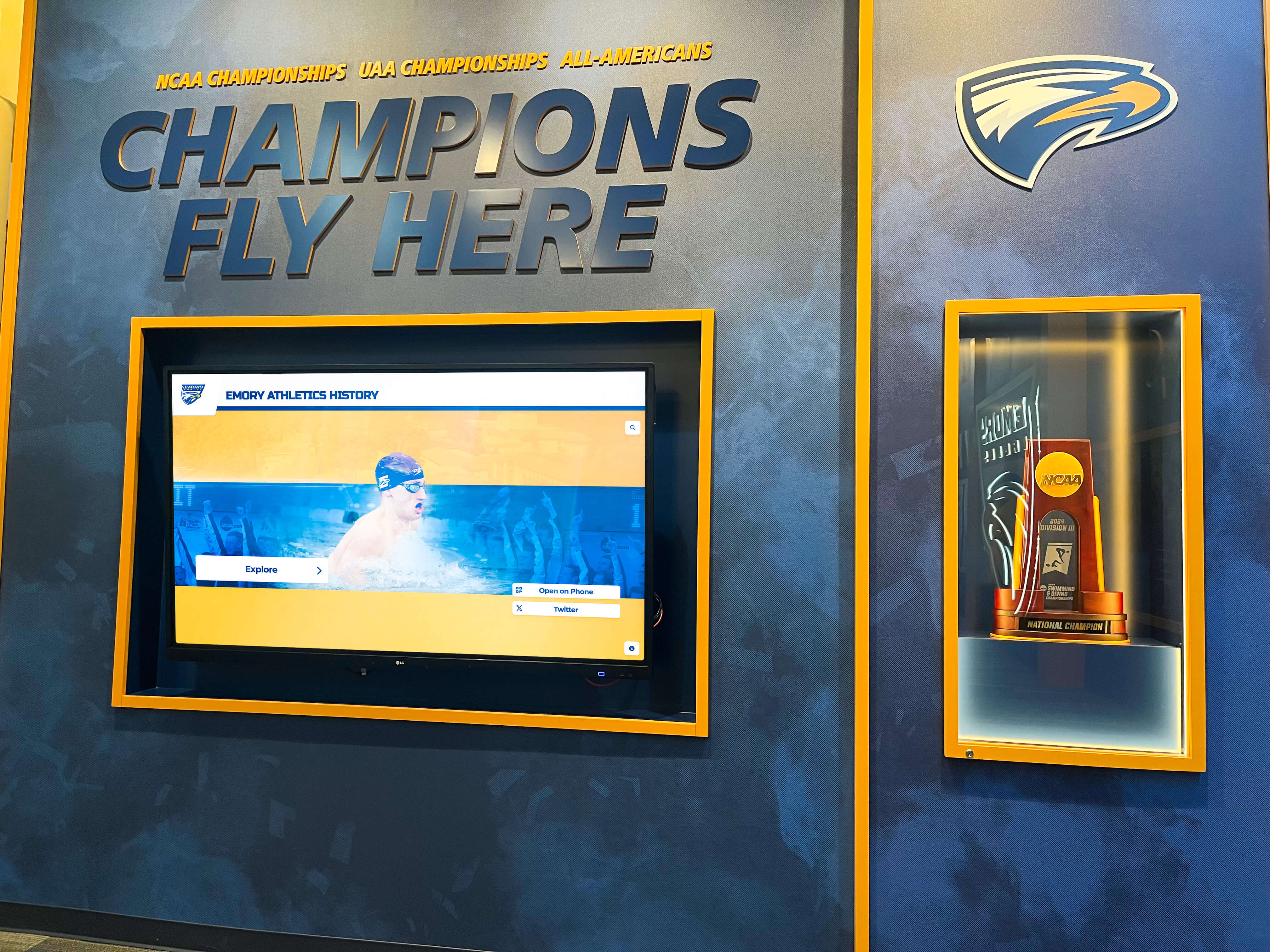
Championship programs celebrate comprehensive achievement including the conditioning foundations supporting competitive excellence
Advanced Jump Rope Variations and Progressions
Once athletes master foundation techniques, advanced variations increase difficulty while developing specific athletic qualities.
Double-Unders and Speed Work
Double-unders—rotating rope twice per jump—require significant coordination, power, and timing precision while dramatically increasing workout intensity.
Double-Under Progression
Most athletes shouldn’t attempt double-unders until achieving comfortable proficiency with basic variations. The progression typically involves mastering single-under speed (achieving 140+ rotations per minute), developing powerful but controlled jump height (slightly higher than standard jump), practicing wrist speed through rapid single-under bursts, and attempting isolated double-under repetitions focusing on technique over quantity.
Initial double-under practice generates significant calf and forearm fatigue. Integrate double-under practice into existing sessions rather than attempting extended double-under-only sessions before adequate capacity develops. For example, include 5-10 double-under attempts between interval sets, gradually increasing successful repetitions as technique and strength improve.
Speed Development Protocols
Maximum-speed rope work develops neural drive and movement rate useful across explosive athletic movements. Speed protocols might include 10-15 second maximum-rotation-rate efforts with full recovery between attempts, counting total rotations and tracking improvement across training weeks. These short, maximum-effort bursts complement longer conditioning intervals while developing power output capacity transferring to sprinting, jumping, and other explosive movements.
Footwork Complexity and Coordination Challenges
Advanced athletes benefit from footwork variations challenging coordination while maintaining conditioning stimulus.
Crossovers and Arm Variations
Crossovers—crossing arms during rope rotation—require sophisticated timing and coordination. Progression involves mastering basic rhythm and timing, practicing arm-crossing motion without rope (establishing movement pattern), attempting single crossovers integrated into basic bounce sequences, and gradually increasing crossover frequency as coordination improves.
While crossovers provide minimal additional conditioning benefit compared to basic variations, they develop general coordination and body awareness valuable for athletic development. The mental challenge of learning complex rope skills also builds focus and persistence translating to other training domains requiring sustained effort through initial frustration.
Combination Flows
Advanced athletes can create flowing combinations linking multiple variations—transitioning from basic bounce to boxer shuffle to high knees to lateral hops within continuous rope rhythm. These combinations develop movement creativity and adaptability while maintaining engagement through variety preventing the boredom that sometimes undermines conditioning program adherence.
Choreographed team rope routines incorporating synchronized combinations create engagement while building team cohesion through shared challenge. Some programs showcase these team routines during athletic recognition events or pep rallies, demonstrating conditioning program commitment while entertaining audiences with impressive coordinated displays.
Tracking Progress and Building Conditioning Culture
Systematic measurement and recognition of conditioning improvement motivates sustained athlete engagement while demonstrating program value to stakeholders.
Establishing Measurable Benchmarks
Conditioning progress often feels less tangible than sport-specific skill improvement, making measurement systems particularly important for motivation maintenance.
Individual Performance Metrics
Track metrics including maximum continuous jump time at consistent pace, total repetitions during standardized interval protocols (example: total jumps during 10 rounds of 30-second work intervals), double-under personal records (consecutive successful repetitions), and perceived exertion levels at standardized workloads (tracking how effort feels at specific intensities as fitness improves).
Athletes should record these metrics regularly—weekly or biweekly during active training blocks—allowing clear documentation of improvement otherwise invisible day-to-day. Many athletes report increased conditioning program buy-in after seeing objective data demonstrating measurable progress, transforming subjective feelings of “getting better” into concrete proof motivating continued commitment.
Team Challenges and Competitions
Team-based conditioning challenges leverage competitive motivation while building collective commitment to program standards. Examples include team total accumulation challenges (tracking combined team jump repetitions across training period), relay-style competitions (team members contributing sequential work intervals toward collective goal), or benchmark achievement recognition (celebrating when athletes reach specific milestone performances).
These team approaches create social accountability encouraging consistent participation while building shared identity around conditioning excellence. Programs cultivating this conditioning culture often report better adherence to off-season training requirements and improved general work ethic extending beyond rope training into other program areas.
Digital Recognition of Conditioning Achievement
Modern athletic programs increasingly recognize conditioning accomplishments with the same prominence as competitive results, validating the preparation underpinning performance success.
Conditioning Leaderboards and Records
Progressive programs display conditioning achievements through dedicated leaderboards celebrating maximum continuous time records, highest interval repetition totals, double-under personal records, and improvement milestones (athletes improving continuous time by specific percentages). This recognition communicates that program culture values preparation equal to performance while providing motivation through visible goals athletes can pursue.
Digital display solutions enable dynamic recognition showcasing current leaderboards, recent record achievements, and seasonal improvement tracking without physical space limitations constraining traditional recognition approaches. Athletes seeing their conditioning accomplishments displayed alongside game statistics and championship recognition often report increased intrinsic motivation for training excellence, recognizing that program culture celebrates comprehensive athletic development rather than just competitive outcomes.
Off-Season Program Highlights
Many athletic programs struggle maintaining athlete engagement during off-season preparation periods when competitive rewards feel distant. Highlighting off-season conditioning achievements through digital displays, social media recognition, or program communications maintains engagement by celebrating immediate accomplishments rather than requiring delayed gratification until competitive seasons begin.
Schools implementing year-round athletic recognition including off-season training milestones report better training attendance, improved conditioning test results entering competitive seasons, and stronger team cohesion developed through shared preparation challenges preceding actual competition.
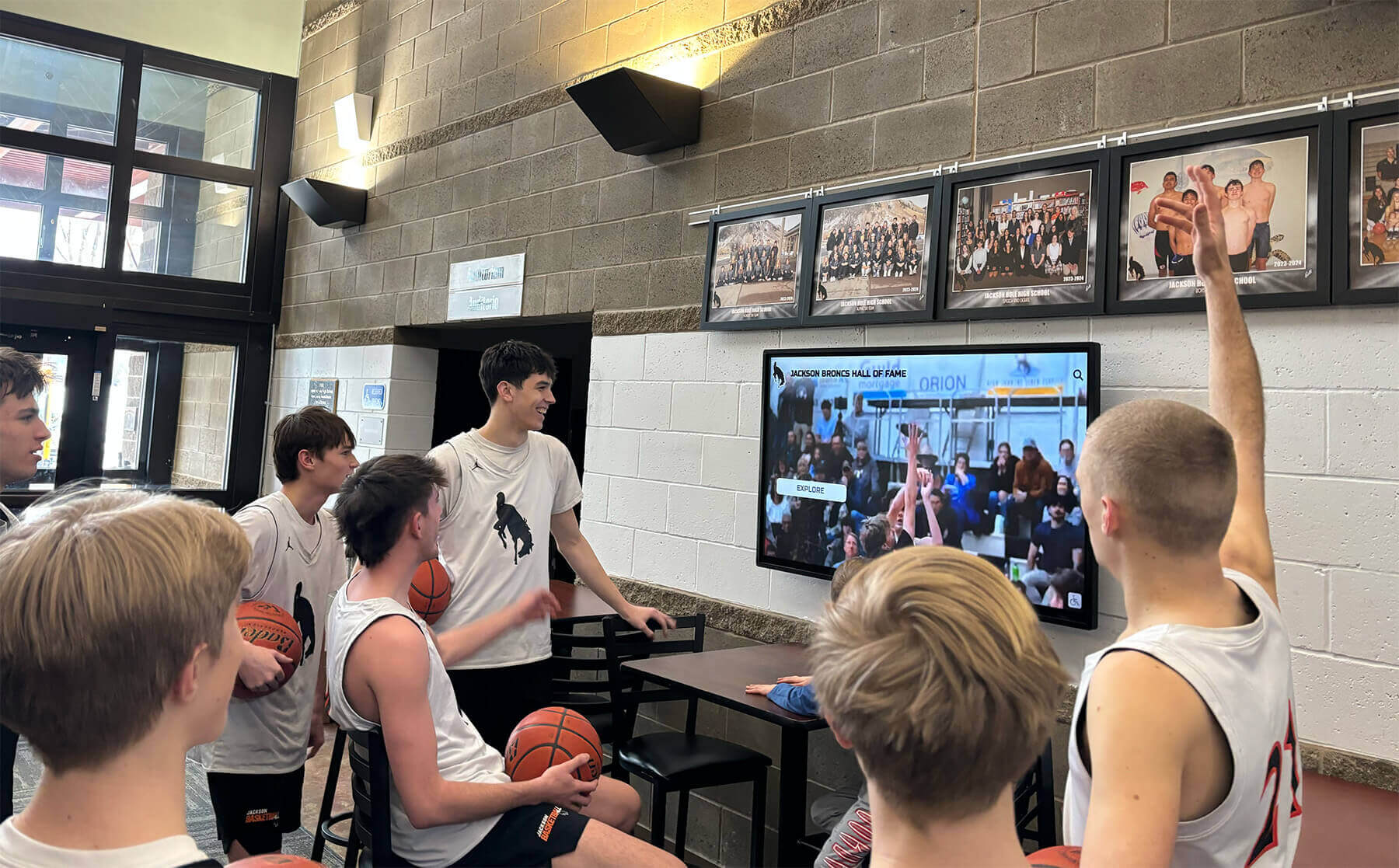
Athletes engage with digital displays showcasing team achievements including conditioning program milestones and training accomplishments
Common Jump Rope Training Mistakes and Solutions
Understanding typical programming errors helps coaches implement rope conditioning effectively while avoiding unnecessary frustration or injury risk.
Progression Errors
Many programs advance too quickly before athletes develop adequate technical proficiency or base conditioning.
Excessive Initial Volume
Beginners commonly experience significant calf and shin soreness after initial rope sessions. While muscular adaptation is normal and necessary, excessive initial volume risks overuse injuries including shin splints, Achilles tendinitis, or calf strains. Start conservatively with total session volumes under 15 minutes initially, increasing gradually as athletes adapt.
The 4-week routine provided earlier reflects appropriate progression for athletes without significant rope experience. Well-conditioned athletes from other training modalities sometimes assume their general fitness permits aggressive rope work immediately, but the specific movement demands require gradual adaptation regardless of cardiovascular capacity or strength levels from other training.
Inadequate Recovery Between Sessions
Jump rope training creates significant lower-leg impact forces requiring adequate recovery for adaptation without injury. Schedule rope sessions on non-consecutive days initially, allowing 48 hours between sessions during first 2-3 weeks as athletes adapt. More experienced athletes can increase frequency to 4-5 sessions weekly, though even elite athletes should include recovery days preventing excessive cumulative fatigue.
Technical Errors Limiting Effectiveness
Poor technique reduces training effectiveness while potentially increasing injury risk through inefficient movement patterns.
Jumping Too High
Excessive jump height wastes energy, increases impact forces, and prevents the rapid rebound rhythm essential for sustained rope work. Athletes should jump minimally—just enough for rope clearance—landing softly on balls of feet with controlled ankle flexion absorbing impact forces. Video analysis helps athletes visualize their jump height, often revealing significant differences between perceived and actual jumping mechanics.
Cue athletes to “stay low and quick” rather than “jump high,” emphasizing rapid ground contact rhythm over vertical height. As technique improves and athletes develop confidence, jump height naturally decreases as efficiency improves.
Arm-Driven Rather Than Wrist-Driven Rotation
Beginners typically generate rope rotation through large arm movements causing rapid shoulder and upper-arm fatigue limiting session duration. Transition to wrist-driven rotation by cueing athletes to keep elbows near sides, visualize drawing small circles with hands, practice wrist rotation without jumping, and gradually reduce arm movement range while maintaining consistent rope rotation speed.
This technical correction may initially feel awkward and temporarily reduce performance, but the long-term efficiency gains dramatically improve sustainable rope work capacity enabling the training volumes necessary for meaningful conditioning adaptation.
Programming Errors Reducing Training Value
Even technically proficient rope work may fail to deliver conditioning benefits when programming lacks appropriate structure.
Insufficient Intensity for Conditioning Adaptation
Steady, moderate-pace rope work provides basic conditioning maintenance but may not create sufficient stimulus for continued improvement in already-fit athletes. Incorporate interval protocols progressively increasing intensity demands through reduced rest intervals, extended work periods, or increased target repetitions per interval.
Monitor training intensity through heart rate tracking or perceived exertion ratings ensuring work intervals reach appropriately high intensities (typically 85-95% maximum heart rate during high-intensity intervals) rather than remaining in comfortable but less-effective moderate zones.
Lack of Variation and Progressive Overload
Repeating identical rope sessions without progression permits initial adaptation but eventually results in plateaus where continued training fails to generate improvement. Implement systematic progression through increased total volume (more work intervals per session), reduced rest intervals maintaining or increasing work duration, advanced variations increasing coordination or power demands, or higher target intensity during work intervals.
Periodically reassess benchmark performances (maximum continuous time, interval repetition counts) documenting improvement and identifying when programming adjustments might be necessary to restart progress following adaptation plateaus.
Integrating Jump Rope into Complete Athletic Programs
Jump rope conditioning delivers maximum value when integrated thoughtfully within comprehensive athletic development programs rather than implemented in isolation.
Complementary Strength and Power Training
Rope conditioning supports but cannot replace dedicated strength and power development essential for athletic performance.
Pairing with Lower-Body Strength Work
Schedule rope sessions on same days as lower-body strength training when practical, allowing complete recovery days rather than distributing lower-body training stress across more frequent sessions. This consolidation enables adequate recovery supporting adaptation while preventing the constant low-level fatigue undermining training quality that can occur when lower-body work occurs daily through distributed training.
The cardiovascular demands of rope training also complement strength work by maintaining conditioning during strength-focus training phases when sport-specific conditioning volume might be reduced. Many programs report better conditioning maintenance during off-season strength phases after implementing rope protocols compared to previous approaches relying solely on sport-specific conditioning returning during competitive season preparation.
Plyometric Integration
Combine rope intervals with plyometric exercises creating comprehensive power-endurance circuits addressing multiple athletic qualities efficiently. Example circuits might alternate rope intervals with box jumps, broad jumps, or medicine ball throws, developing both the cardiovascular capacity to sustain effort and the explosive power to execute maximum efforts when fatigued—matching competition demands across most sports.
Seasonal Programming Considerations
Rope training roles vary across training seasons based on competitive demands and concurrent training priorities.
Off-Season Foundation Building
Off-season periods provide ideal opportunities for systematic rope conditioning implementation since training time constraints are minimal and adaptation demands don’t compete with performance demands of active competition. Use extended off-season periods to establish baseline rope proficiency, build work capacity through progressive volume increases, and develop sport-specific applications preparing for pre-season transition.
Many programs treat off-season rope conditioning as mandatory program participation, using consistent attendance and benchmark achievement as indicators of athlete commitment to team standards and individual improvement. This approach builds work ethic and team culture while developing the physical capacities supporting in-season success.
In-Season Maintenance
During competitive seasons, rope training transitions from capacity building to maintenance preventing detraining while managing total training stress within recovery capacity. Reduce session frequency (2-3x weekly), decrease total volume per session (maintaining intensity but reducing total work intervals), and schedule sessions strategically avoiding day-before-competition timing that might compromise performance freshness.
Short, intense rope intervals often maintain conditioning more effectively than longer, moderate sessions during competitive seasons since high-intensity work provides stronger adaptation stimulus in reduced time, preventing the chronic fatigue sometimes resulting from excessive training volume during competition periods.
Programs successfully maintaining conditioning throughout competitive seasons often showcase season-long improvement in performance metrics, distinguishing themselves from competitors who peak early then decline as season progresses due to inadequate conditioning maintenance. Schools highlighting this sustained excellence through performance tracking displays communicate program quality supporting championship aspirations and competitive consistency.
Building a Championship Conditioning Culture
The most successful rope conditioning programs extend beyond individual workouts to create comprehensive cultures where conditioning excellence represents core program values.
Leadership and Accountability Systems
Sustainable conditioning culture requires systematic accountability rather than relying on individual athlete motivation varying day-to-day.
Coach-Led Expectations and Modeling
Coaching staff must consistently communicate conditioning importance through words and actions, participate in portions of rope sessions demonstrating shared commitment, celebrate conditioning achievements with similar enthusiasm as competitive results, and hold athletes accountable to participation and effort standards through transparent consequences.
When coaches treat conditioning as negotiable or secondary to technical work, athletes internalize similar priorities regardless of stated importance. Conversely, programs where coaching staff consistently prioritize conditioning—scheduling it during optimal energy periods rather than session endings, providing individualized feedback on technique and effort, and recognizing improvement publicly—develop team cultures where conditioning excellence becomes identity rather than obligation.
Peer Accountability and Team Standards
Cultivate team-driven conditioning standards where upperclassmen and team leaders model commitment and hold peers accountable to shared expectations. Many successful programs establish minimum conditioning benchmarks athletes must achieve for full team membership or playing time consideration, using objective standards preventing perceptions of favoritism while communicating non-negotiable performance expectations.
Team challenges, partner workouts, and collective goals create social dynamics supporting sustained effort through difficult training. Athletes report higher motivation maintaining effort when teammates depend on their contribution versus training alone without immediate accountability. Progressive programs leverage these dynamics through intentional partnership assignments, team challenges tracking collective improvement, and recognition celebrating group achievements alongside individual accomplishments.
Celebrating the Complete Athlete
Modern recognition approaches celebrate comprehensive athletic development including conditioning foundations supporting competitive success rather than solely outcome-focused achievements.
Expanding Recognition Beyond Game Results
Championship programs recognize that competitive results emerge from preparation quality, with conditioning representing fundamental preparation component deserving celebration equal to game-day performance. Display conditioning achievements including program records for continuous time or interval repetitions, seasonal improvement leaders showing greatest conditioning gains, benchmark achievement recognition celebrating athletes reaching specific performance standards, and team conditioning totals accumulating collective effort across entire programs.
This expanded recognition reinforces cultural messages that program values comprehensive excellence—technical skill development, tactical understanding, competitive mentality, and physical preparation—rather than just game outcomes influenced by factors partially beyond athlete control.
Schools implementing comprehensive athletic recognition through digital platforms find athletes increasingly motivated by visible progress toward recognition standards, creating intrinsic motivation loops where achievement recognition fuels continued commitment generating further achievement deserving additional recognition.
Connecting Preparation to Performance
Help athletes understand direct connections between conditioning improvement and competitive performance by tracking both conditioning benchmarks and sport-specific performance metrics simultaneously. Many athletes report motivational shifts after recognizing correlations between conditioning gains and improved vertical jump measurements, faster sprint times, or enhanced late-game performance stamina.
Display this connection explicitly through recognition systems pairing conditioning achievements with competitive results—highlighting how championship teams achieved specific conditioning standards during preparation periods preceding tournament success, or showcasing individual athletes whose conditioning improvement coincided with performance breakthroughs in competitive statistics.
This connection-building transforms conditioning from isolated obligation into valued tool athletes embrace for performance benefits rather than complete solely for coach satisfaction or team requirement compliance.
Conclusion: Implementing Your Jump Rope Program
Jump rope workouts provide athletic programs with accessible, efficient conditioning tools developing cardiovascular capacity, movement quality, mental toughness, and sport-specific preparation supporting championship-level performance. The 4-week progressive routine detailed in this guide establishes technical foundations and conditioning capacity preparing athletes for advanced applications and sustained training integration.
Successful implementation requires systematic progression respecting adaptation requirements, sport-specific variation emphasizing movement patterns relevant to competitive demands, performance measurement documenting improvement motivating sustained engagement, and cultural integration where conditioning excellence represents core program values celebrated alongside competitive achievements.
Athletic directors and coaches implementing structured rope conditioning protocols should establish clear technique standards ensuring injury-free progression, create progression frameworks appropriate for current athlete conditioning levels, implement measurement systems tracking individual improvement and team benchmarks, and develop recognition approaches celebrating conditioning achievements building culture valuing comprehensive athletic development.
Programs successfully executing these implementation elements typically report measurable improvements in sport-specific performance metrics, reduced injury incidence particularly involving lower extremities, enhanced team cohesion through shared training challenges, and improved athlete buy-in to program standards as conditioning culture becomes program identity marker.
Modern athletic recognition technology enables programs to showcase conditioning achievements alongside traditional competitive results through dynamic displays celebrating preparation excellence supporting performance success. Rocket Alumni Solutions provides athletic programs with interactive touchscreen displays showcasing comprehensive achievement including conditioning records, training milestones, and off-season accomplishments alongside game statistics and championship recognition—creating recognition systems that honor complete athletic development rather than solely outcome-focused achievements while building the conditioning culture supporting sustained competitive excellence.
Start implementing systematic jump rope conditioning in your program today, establishing the physical foundations and cultural standards supporting championship aspirations and long-term athletic development.