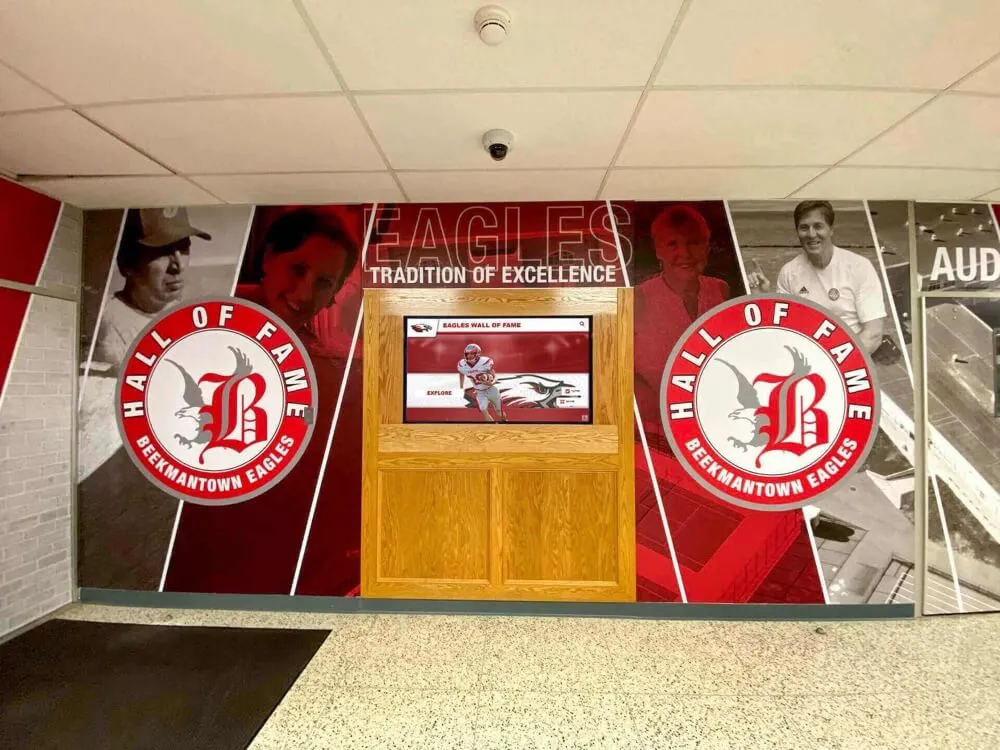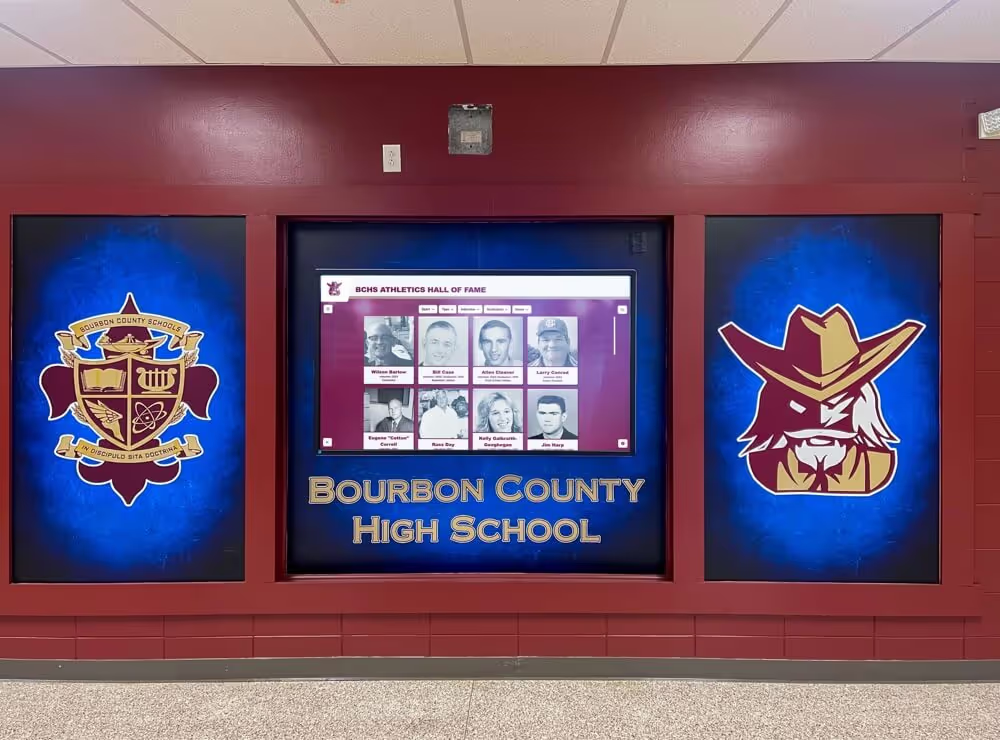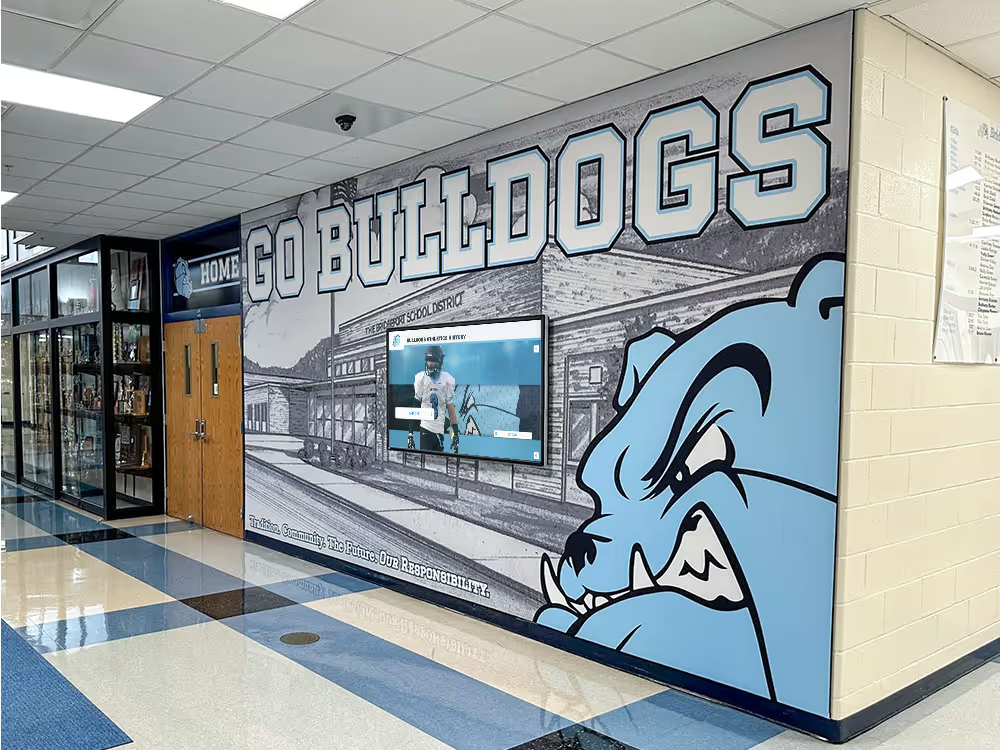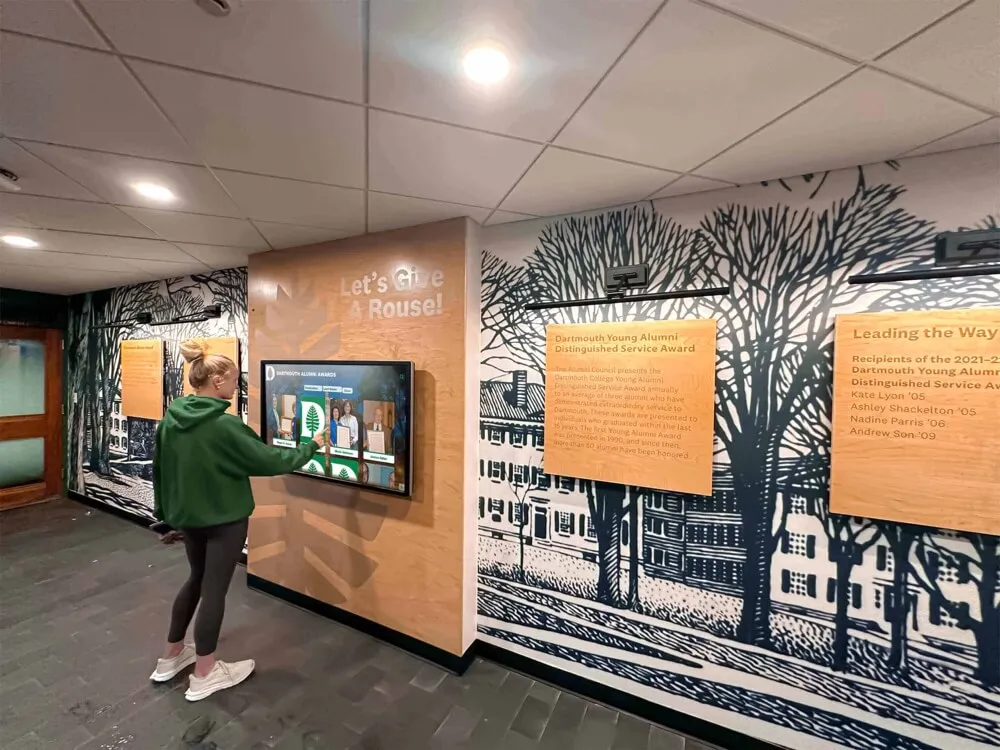




Intent: demonstrate — Interactive touchscreen displays for realtor agencies represent a transformative shift in how property professionals engage potential buyers, showcase listings, and differentiate their services in competitive markets. Traditional real estate marketing—static window displays with printed property sheets, physical brochures stacked in agency lobbies, limited after-hours accessibility—struggles to capture attention in an increasingly digital world where buyers expect instant access to comprehensive property information and immersive browsing experiences.
Real estate agencies face unique challenges in today’s market: standing out among countless competitors, providing detailed property information without overwhelming staff, maintaining current listings across multiple marketing channels, capturing after-hours buyer interest when offices are closed, and creating memorable experiences that convert browsers into serious buyers. Meanwhile, potential clients increasingly expect the same interactive, self-service digital experiences they encounter in retail, hospitality, and other consumer-facing industries.
This comprehensive guide explores how interactive touchscreen display systems specifically designed for real estate agencies solve these marketing challenges while creating what we call “digital warming”—the transformation of cold, passive property browsing into engaging, personalized experiences that connect buyers emotionally with properties while positioning agencies as innovative, client-focused professionals worth trusting with significant real estate transactions.
The evolution from traditional real estate marketing to interactive digital experiences reflects broader changes in consumer behavior and expectations. According to research from real estate digital signage providers, agencies using digital signage have seen a 35% increase in property enquiries, while 63% of people report that digital signs attract their attention more effectively than traditional printed materials.

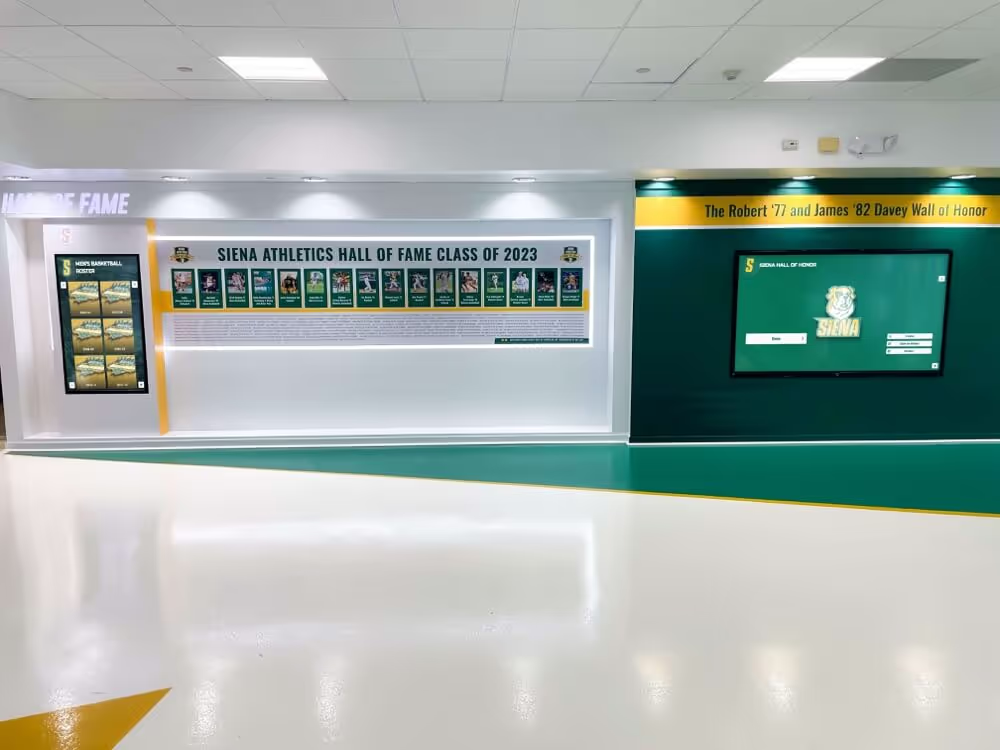
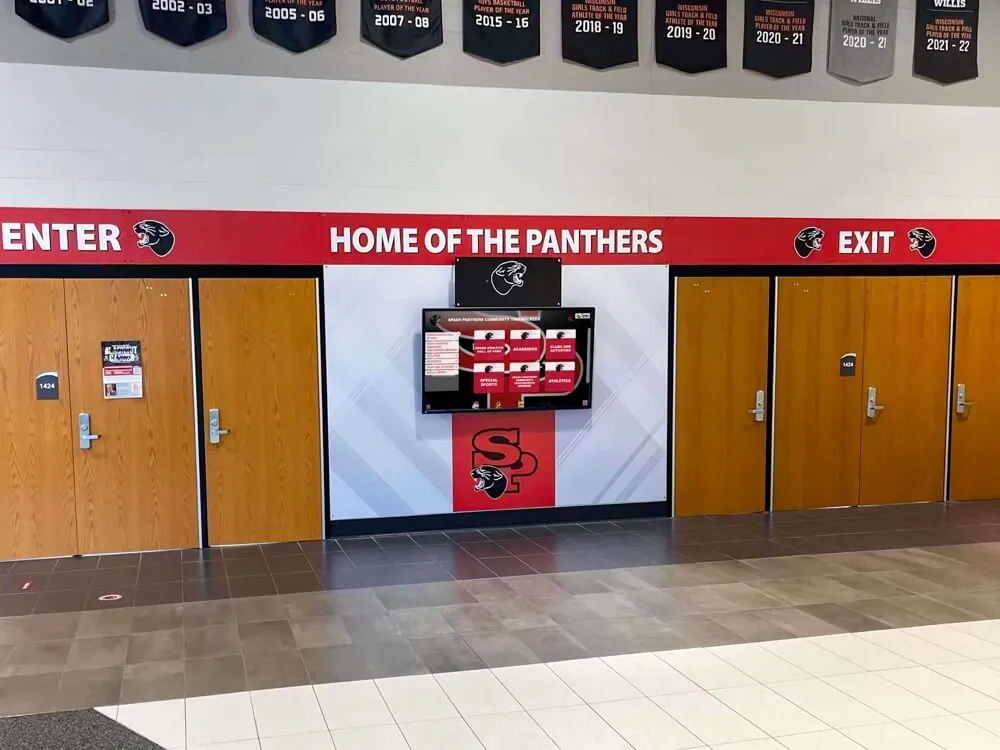
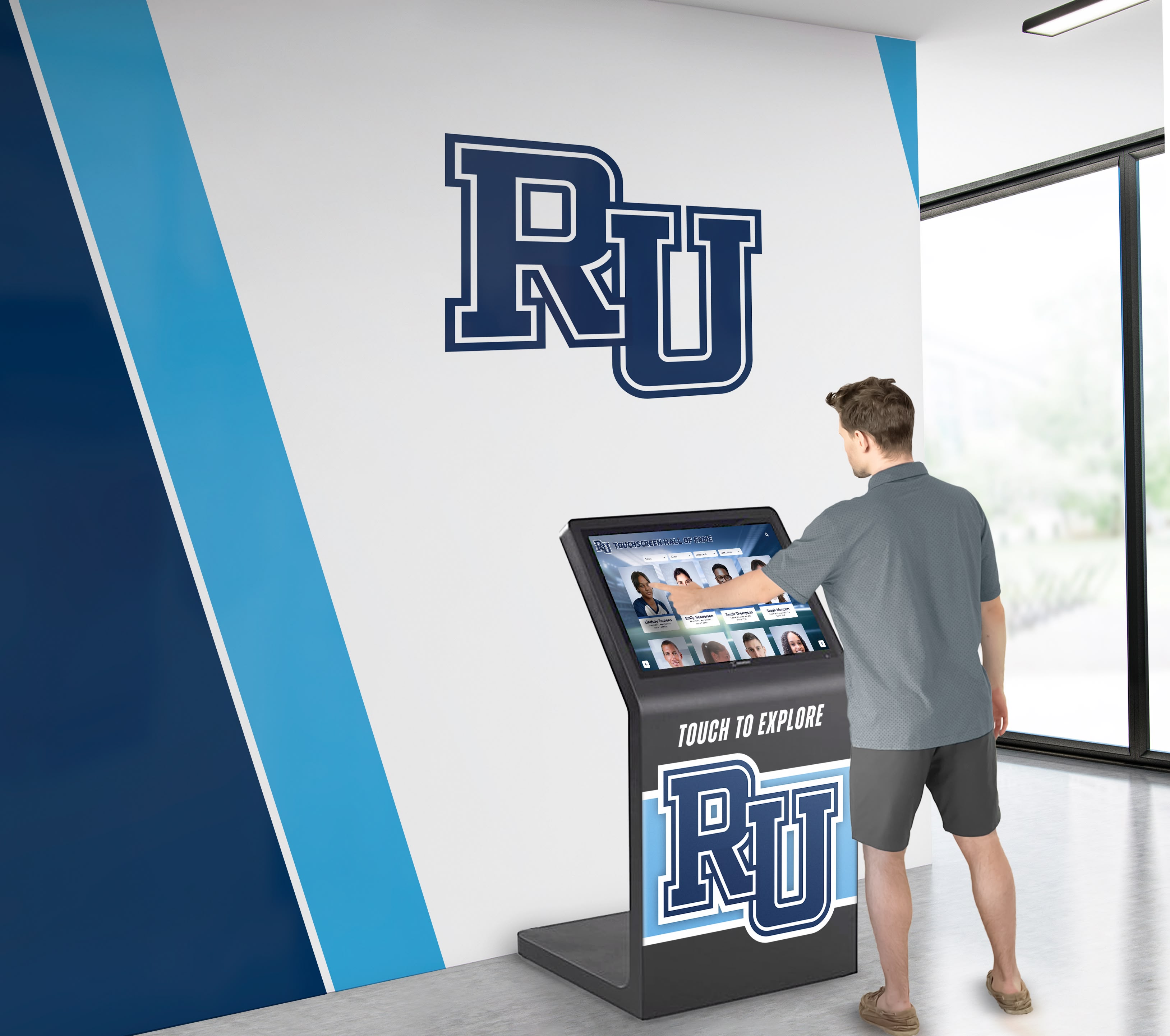
Modern interactive touchscreen kiosks transform real estate agency lobbies into self-service property exploration centers
Understanding Interactive Touchscreen Systems for Real Estate
Interactive touchscreen displays for real estate agencies encompass far more than simple digital photo frames—they represent comprehensive property marketing platforms combining visual appeal, information delivery, virtual property tours, and lead generation in unified, accessible systems that work around the clock.
Core Components of Real Estate Interactive Displays
Effective real estate interactive systems integrate several essential elements creating comprehensive property marketing infrastructure:
Interactive Touchscreen Capabilities Physical touchscreen kiosks installed in agency windows, lobbies, and high-traffic locations provide intuitive property exploration enabling potential buyers to browse available listings, filter by criteria such as price, location, and property type, view detailed information including photos and videos, and request additional information or schedule viewings. Interactive display solutions specifically designed for real estate feature property-focused interfaces optimized for buyer decision-making processes.
24/7 Window Display Systems Window-mounted interactive displays enable after-hours property marketing, capturing buyer interest during evening walks, weekend browsing, and times when traditional offices remain closed. Through-glass touch technology makes existing windows interactive without requiring buyers to enter agencies, reducing barriers while maximizing exposure.
Real-Time Property Information Integration Cloud-based content management connects with Multiple Listing Service (MLS) databases and property management systems, automatically updating available listings, removing sold properties instantly, and ensuring buyers always access current information without requiring manual staff updates for every listing change.
Multi-Display Network Coordination Comprehensive real estate systems coordinate content across multiple display types—window displays capturing street traffic attention, lobby kiosks providing detailed exploration for walk-in clients, conference room displays supporting agent presentations, and outdoor displays at property sites showcasing homes directly where buyer interest peaks.
The Digital Warming Effect in Real Estate
When real estate agencies implement engaging interactive displays, they create digital warming—the transformation of passive property browsing into personalized connection experiences that build buyer confidence and agency trust:
Personalized Property Discovery Buyers explore properties matching their specific criteria—filtering by price range, neighborhood, square footage, bedrooms, and amenities—discovering options aligned with their actual needs rather than scrolling through irrelevant listings or waiting for agent assistance.
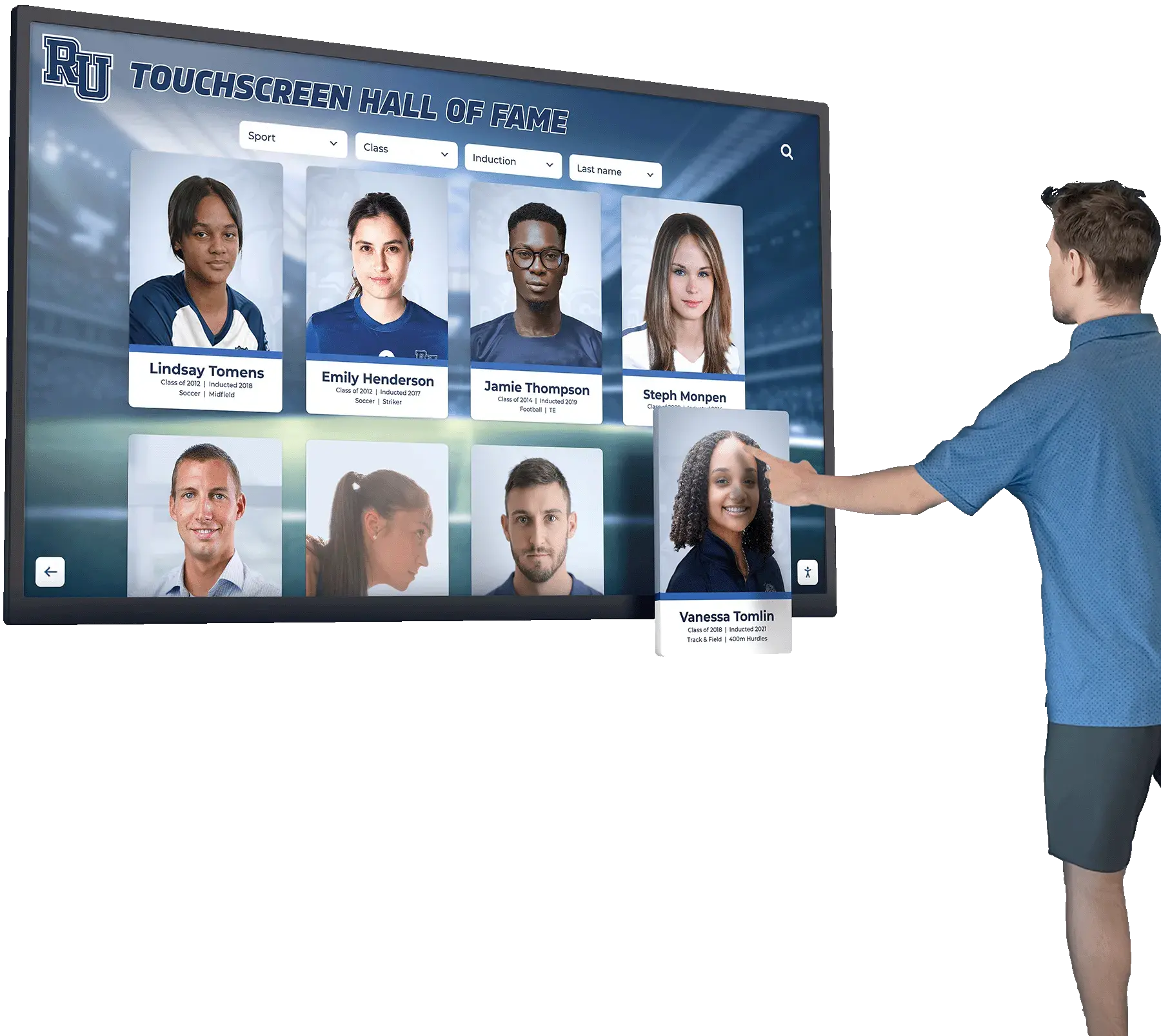
Intuitive search and filtering enables buyers to quickly discover properties matching their specific requirements
Continuous Content Surfacing Featured properties rotating throughout the day showcase diverse inventory, highlight premium listings deserving special attention, celebrate recent sales demonstrating agency success, and display neighborhood information building community expertise perception.
Emotional Property Connection High-quality photos, immersive video tours, neighborhood highlights, and lifestyle-focused presentations help buyers emotionally connect with properties, envisioning themselves in homes rather than simply reviewing specifications and statistics.
This digital warming effect addresses the emotional disconnect that often occurs in traditional property browsing, where static listings fail to convey the warmth, character, and lifestyle potential that ultimately drive purchase decisions.
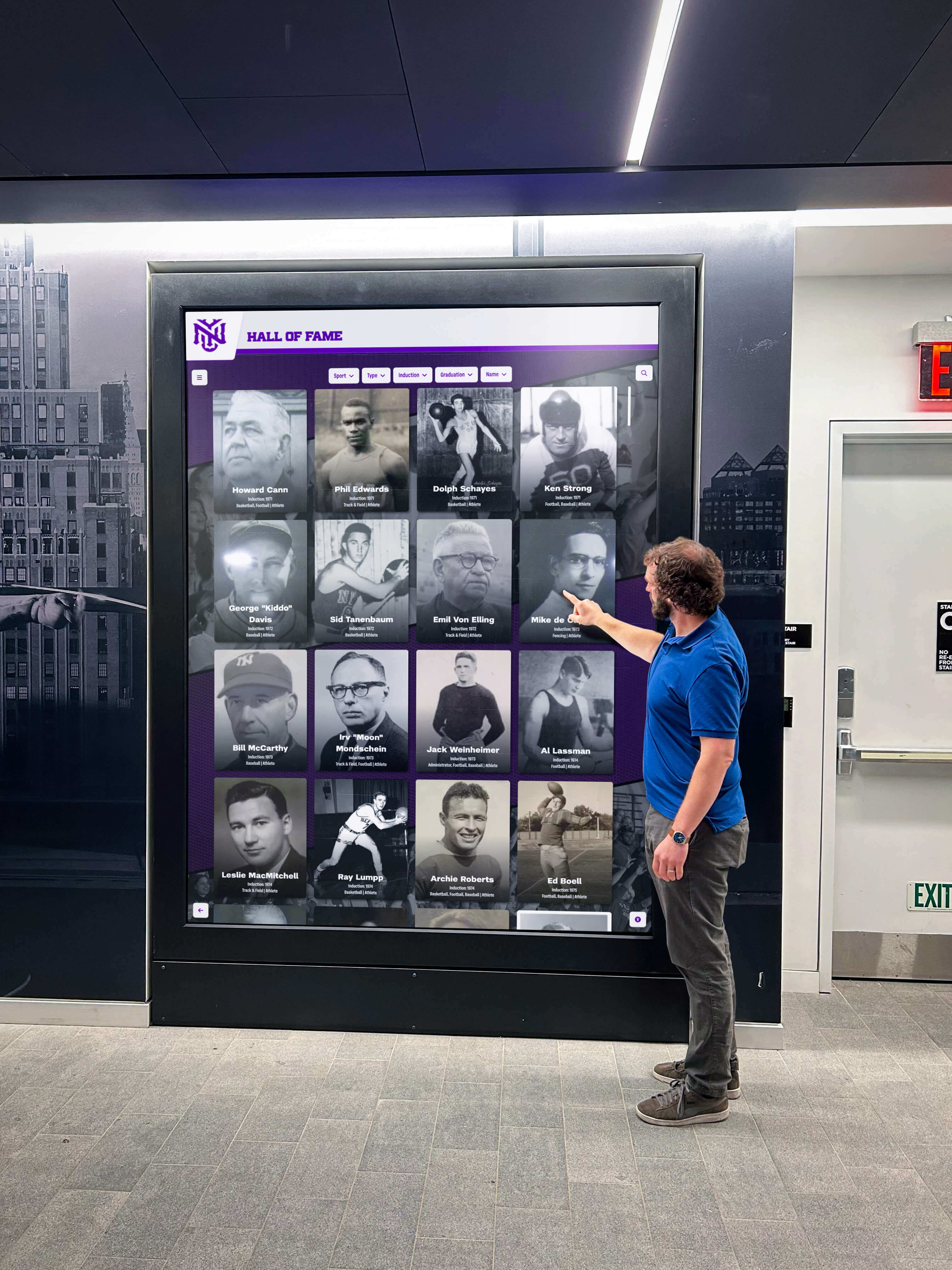
Strategic window placements transform storefronts into 24/7 property marketing destinations
Primary Applications for Real Estate Interactive Displays
Real estate agencies deploy interactive touchscreen systems across diverse contexts addressing specific marketing and operational challenges unique to property professionals.
Property Listing Showcase and Browsing
The most fundamental application involves comprehensive property presentation enabling self-service exploration:
Advanced Search and Filtering Interactive interfaces enable buyers to search properties by location, price range, property type, number of bedrooms and bathrooms, square footage, lot size, special features, and virtually any criteria relevant to purchase decisions. According to research on real estate touchscreen kiosks, these systems provide detailed property listings with images, videos, and virtual tours, allowing users to schedule property viewings directly through the interface.
Comprehensive Property Profiles Individual listing pages feature extensive information including multiple high-resolution photos, property descriptions, pricing details, square footage and lot dimensions, room counts and layouts, special features and amenities, neighborhood information, school district details, comparable sales data, and embedded video tours providing virtual walkthroughs.
Virtual Property Tours Video tours and 360-degree photography enable buyers to virtually explore properties before scheduling in-person visits, qualifying interest while maximizing agent efficiency by focusing time on serious prospects already familiar with property layouts and features.
Favorite and Comparison Tools Buyers save favorite properties to shortlists, compare multiple options side-by-side, email themselves property information for later review, and share discoveries with family members or co-buyers involved in purchase decisions.
After-Hours Marketing and Lead Capture
Window-mounted displays transform closed storefronts into active marketing assets generating leads around the clock:
24/7 Property Access Evening and weekend browsers represent motivated buyers actively house-hunting outside traditional business hours. Interactive window displays capture this high-intent traffic, providing comprehensive property information when competitors remain dark and inaccessible.
Contact Information and Inquiry Submission Displays enable buyers to request additional information, schedule property viewings, ask specific questions, receive property alerts matching criteria, and connect with agents—all captured as leads for follow-up during business hours. The ability for clients to request free home valuations directly from screens 24/7 demonstrates how these systems continue generating business long after agents leave for the day.
Instant Digital Brochure Delivery Rather than stuffing paper brochures in folders attached to signs, interactive displays enable buyers to email themselves comprehensive property information, scan QR codes for mobile access, and download detailed PDF packages instantly accessible on personal devices.
Competitive Differentiation While neighboring agencies sit dark after 5 PM, interactive displays demonstrate technological sophistication, accessibility, and commitment to client convenience—positioning agencies as forward-thinking professionals even before initial conversations occur.
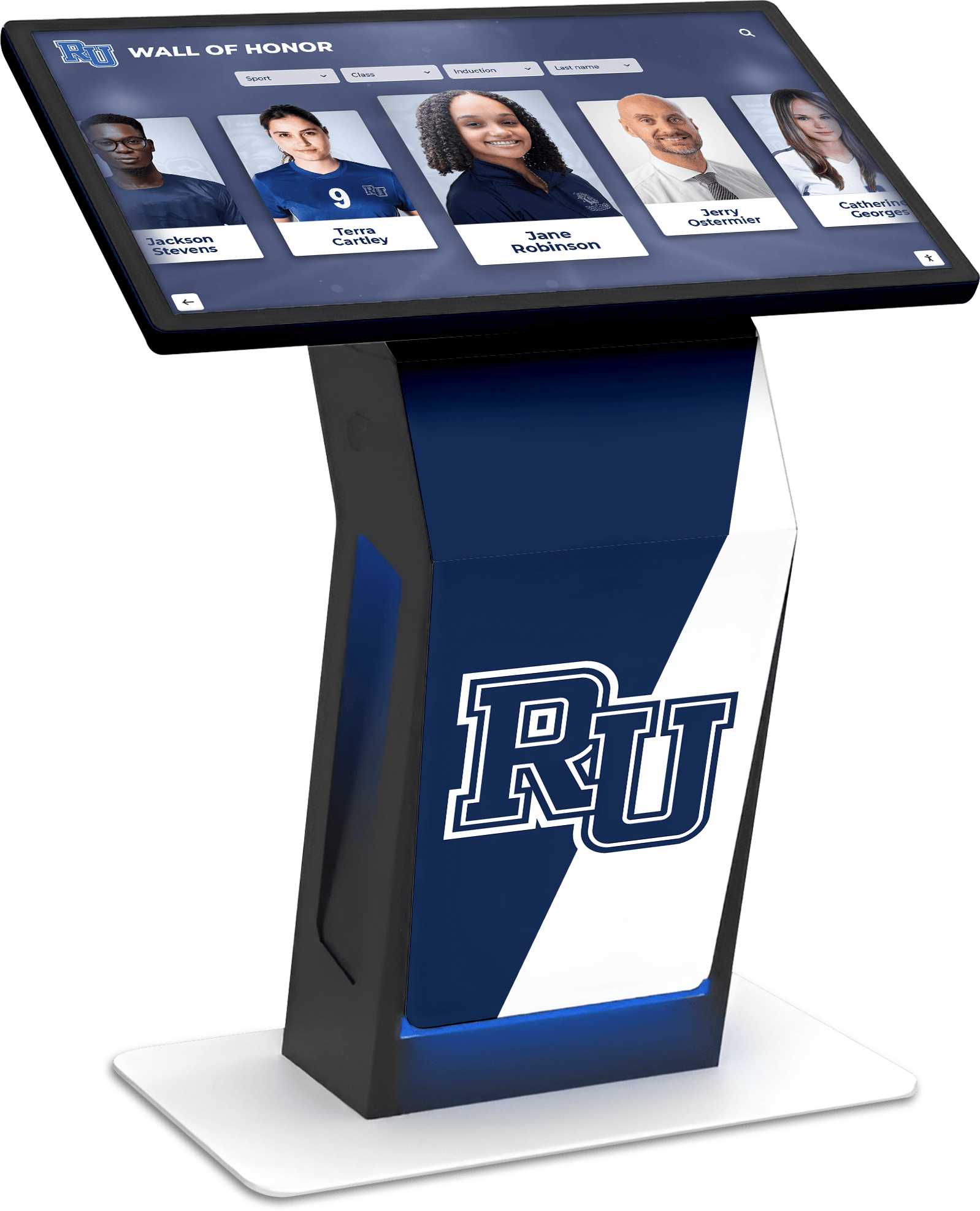
Professional lobby installations provide comfortable environments for extended property research sessions
Agent Presentation Support and Client Consultation
Beyond self-service browsing, interactive displays enhance agent-client interactions:
Conference Room Presentation Systems Large touchscreen displays in consultation spaces enable agents to collaboratively explore properties with clients, zoom into neighborhood maps, compare multiple options simultaneously, calculate mortgage scenarios, review property histories, and document client preferences for targeted follow-up.
Portfolio Showcase Capabilities Agencies present comprehensive listing portfolios, highlight specialty market expertise, showcase premium properties deserving special attention, demonstrate market knowledge through neighborhood analyses, and present recent sales establishing credibility and success records.
Interactive Neighborhood Exploration Integrated mapping enables exploring neighborhoods surrounding properties—locating schools, parks, shopping, restaurants, transportation, and amenities influencing purchase decisions. Comprehensive neighborhood context differentiates agents through demonstrated local expertise.
Customized Buyer Profiles Agents save client search criteria and preferences, creating customized property feeds highlighting new listings matching requirements, demonstrating attentiveness while ensuring clients receive relevant updates without filtering through incompatible properties.
Property Site Marketing
Interactive displays deployed at property locations create on-site engagement capturing curb appeal-driven interest:
Open House Digital Signage Touchscreen displays at open houses provide property information without requiring constant agent availability, capture visitor contact information for follow-up, display neighborhood amenities and comparable properties, and present financing information supporting purchase decisions.
New Development Sales Centers Residential developers deploy interactive displays showcasing floor plans, virtual unit tours, customization options, community amenities, master plans, and pricing information enabling self-guided exploration supplementing sales staff interactions.
For-Sale Sign Integration Advanced for-sale signs integrate QR codes or NFC technology connecting to mobile-optimized property websites and virtual tours, extending interactive experiences beyond physical display locations while maintaining consistent branding and information quality.
Commercial Property Marketing Commercial real estate applications showcase available spaces, present floor plans and specifications, highlight tenant amenities, provide neighborhood demographic data, and enable inquiries from prospective business tenants evaluating locations.
Benefits of Interactive Displays for Real Estate Agencies
Agencies implementing comprehensive interactive touchscreen systems experience transformative benefits extending throughout their marketing, operations, and client relationships.
Enhanced Property Marketing Effectiveness
Interactive displays fundamentally improve how agencies market properties and capture buyer interest:
Increased Property Inquiries Research indicates agencies using digital signage experience 35% increases in property inquiries, with 63% of consumers reporting digital signs attract their attention more effectively than traditional printed materials. Visual, interactive presentations generate measurably stronger response than passive, static marketing.
Extended Marketing Hours Window displays operating 24/7 capture after-hours traffic representing motivated buyers actively searching outside traditional business hours. This extended accessibility generates leads competitors miss while their offices sit dark and inaccessible.
Richer Property Presentation Comprehensive video tours, extensive photo galleries, detailed neighborhood information, and interactive exploration tools provide far more compelling property presentations than printed sheets listing basic specifications. Emotional connection drives purchase decisions, and multimedia experiences create connection impossible with text and single photos.
Improved Lead Quality Self-service exploration enables buyers to thoroughly research properties before contacting agents, generating higher-quality leads from prospects already familiar with listings and genuinely interested rather than casual browsers requesting basic information readily available through independent research.
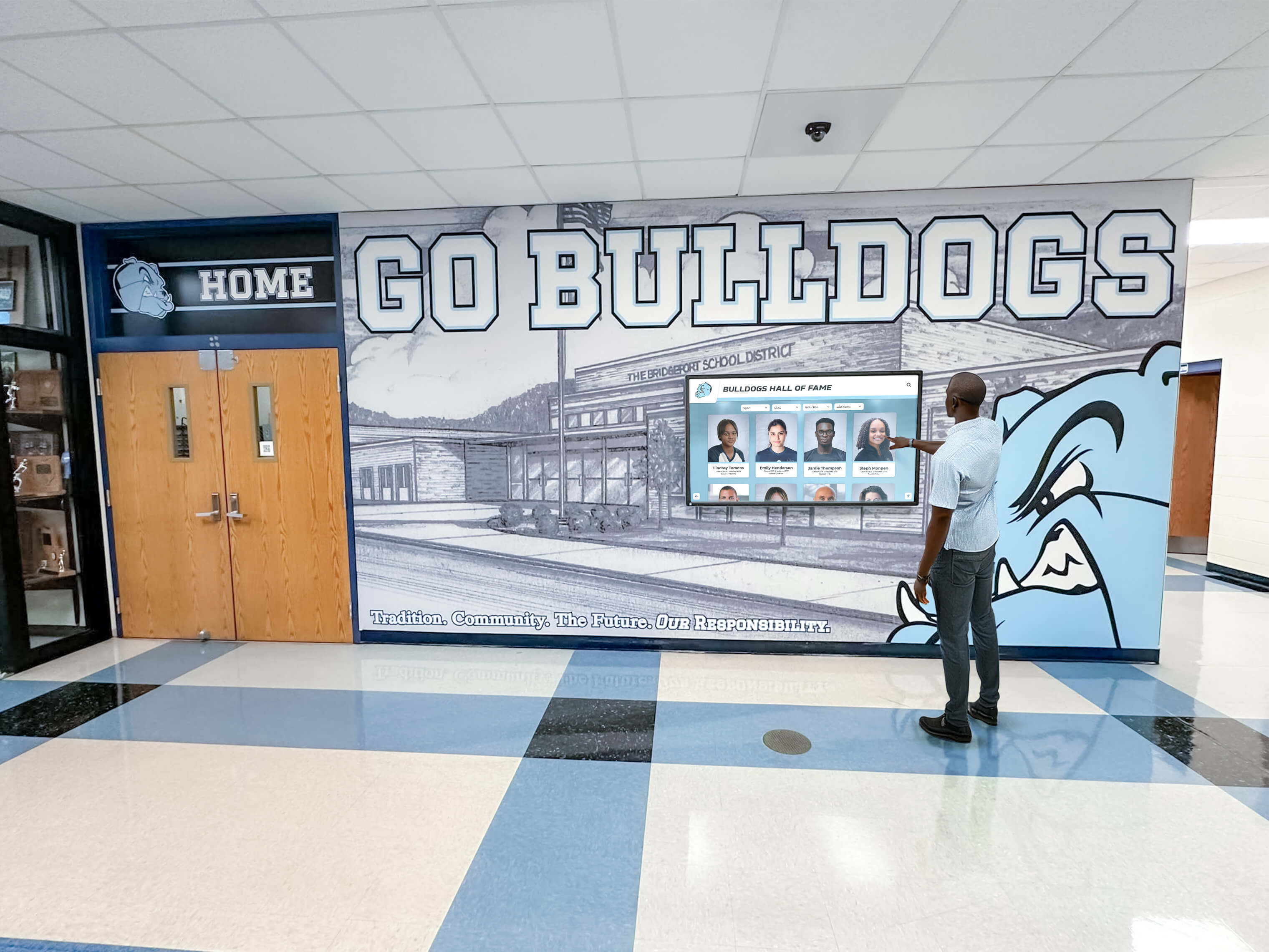
Interactive displays support collaborative exploration between agents and clients during consultation sessions
Operational Efficiency and Cost Savings
Digital systems streamline operations while reducing ongoing marketing expenses:
Elimination of Printing Costs Digital displays eliminate expenses for printing property flyers, updating window displays with new paper sheets, producing brochures for every listing, and reprinting materials when information changes. According to LED display research, real-time remote updates mean sold properties disappear instantly and new listings appear immediately, saving time and printing costs.
Instant Listing Updates Cloud-based management enables updating hundreds of properties across multiple displays in minutes versus hours spent printing, cutting, and physically replacing outdated materials. Real-time synchronization with MLS systems automates updates, eliminating manual intervention for routine listing changes.
Reduced Staff Time Requirements Self-service browsing reduces time agents spend providing basic property information readily accessible through interactive displays, freeing professionals to focus on qualified prospects, complex negotiations, and high-value relationship building rather than answering routine questions.
Centralized Marketing Control Network management enables agencies with multiple locations to maintain consistent branding, coordinate promotional campaigns, instantly deploy new listings across all offices, and ensure uniform property presentation regardless of individual agent technical capabilities.
Competitive Differentiation and Brand Perception
Interactive technology positions agencies as innovative, professional, and client-focused:
Modern, Professional Image An agency that invests in digital signage and presents properties with cutting-edge technology conveys innovation, professionalism, and commitment to excellence, attracting property owners seeking modern agents who leverage technology for maximum marketing impact.
Market Leadership Positioning Being first in local markets to adopt interactive displays differentiates agencies from competitors still relying on traditional marketing, positioning early adopters as industry leaders worth premium commissions because of superior marketing capabilities.
Client Experience Excellence Interactive, self-service property exploration demonstrates commitment to client convenience and accessibility. Buyers appreciate agencies making property research easy and available on their schedules rather than requiring appointment scheduling for basic information access.
Data-Driven Marketing Insights Interactive kiosks collect valuable data on customer interactions and preferences, enabling agencies to optimize offerings, understand which properties generate most interest, identify trending buyer preferences, and refine marketing strategies based on actual behavior rather than assumptions.
Accelerated Sales Cycles and Revenue Impact
Ultimately, interactive marketing aims to drive transactions and revenue:
Shorter Time to Sale More engaging property presentations generate stronger buyer interest, while comprehensive information availability accelerates decision-making. Research indicates agencies using digital displays experience shorter sales cycles as better-informed, more engaged buyers move faster from initial interest to purchase.
Higher Foot Traffic and Engagement Eye-catching digital displays attract more passersby than static windows, increasing agency visibility while drawing potential clients who might otherwise walk past traditional storefronts without stopping.
Premium Listing Justification Superior marketing capabilities justify premium commission rates when listing properties. Sellers recognize the value of agencies deploying advanced marketing technology generating maximum property exposure and buyer engagement.
Expanded Service Territory Digital marketing efficiency enables agencies to effectively market larger property inventories across broader geographic territories without proportionally increasing staff, supporting business growth without corresponding cost increases.
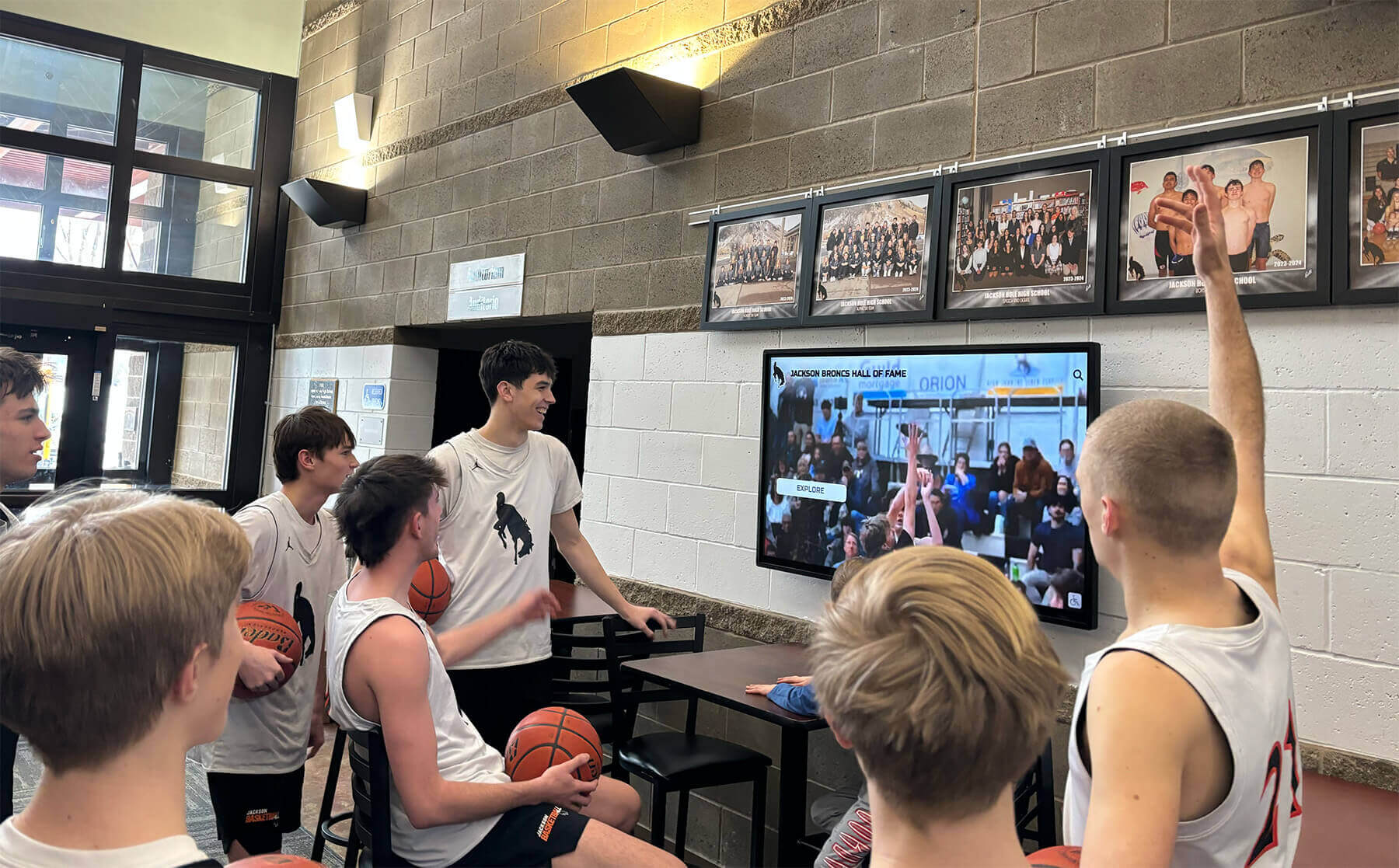
Large-format displays accommodate group viewing during family property searches and decision-making sessions
Technical Considerations for Real Estate Display Implementations
Successful real estate interactive display systems require thoughtful technical planning addressing unique industry requirements and installation environments.
Hardware Selection for Real Estate Environments
Real estate applications present distinct hardware requirements compared to other industries:
Window Display Specifications Window-mounted systems require high-brightness displays (minimum 2,500 nits) ensuring visibility in direct sunlight, anti-glare coatings preventing reflection interference, weather-resistant construction withstanding temperature extremes, and appropriate mounting ensuring street-side touch access while preventing interior obstruction.
Size and Viewing Distance Optimization Display sizing should accommodate viewing contexts—32-43" screens for intimate lobby kiosks where users stand immediately adjacent, 55-65" displays for window installations viewed from sidewalk distances, and 75"+ screens for conference rooms supporting group viewing from seating positions.
Durability and Public Use Construction Public-facing installations require commercial-grade touchscreens designed for intensive daily interaction, tamper-resistant mounting preventing theft or vandalism, robust construction surviving continuous operation, and easily cleanable surfaces maintaining professional appearance despite heavy use.
Accessibility and Universal Design Installations should accommodate users of varying heights through adjustable mounting or dual-height screen configurations, wheelchair accessibility meeting ADA requirements, and intuitive interfaces requiring no training or technical expertise for effective use. Solutions like Rocket Alumni Solutions prioritize accessibility in all interactive display implementations.
Software and Content Management Platforms
Backend systems significantly impact operational efficiency and marketing effectiveness:
Real Estate-Specific Interfaces Purpose-built real estate software provides property-focused organization, MLS integration, mapping functionality, mortgage calculators, comparison tools, and lead capture forms optimized for property marketing rather than generic digital signage content management requiring extensive customization.
Cloud-Based Management Systems Cloud platforms enable authorized staff to update content from any internet-connected device, schedule promotional campaigns, coordinate multi-location networks, and maintain current listings without requiring on-site hardware access or technical expertise.
MLS Integration Capabilities Direct integration with Multiple Listing Service databases automates property updates, eliminates duplicate data entry, ensures accuracy and currency, and reduces administrative burden enabling agents to focus on client service rather than display maintenance.
Lead Management and CRM Connection Inquiry forms, viewing requests, property alerts, and contact submissions should flow directly into agency CRM systems, creating seamless lead follow-up workflows without requiring manual data transfer between isolated systems.
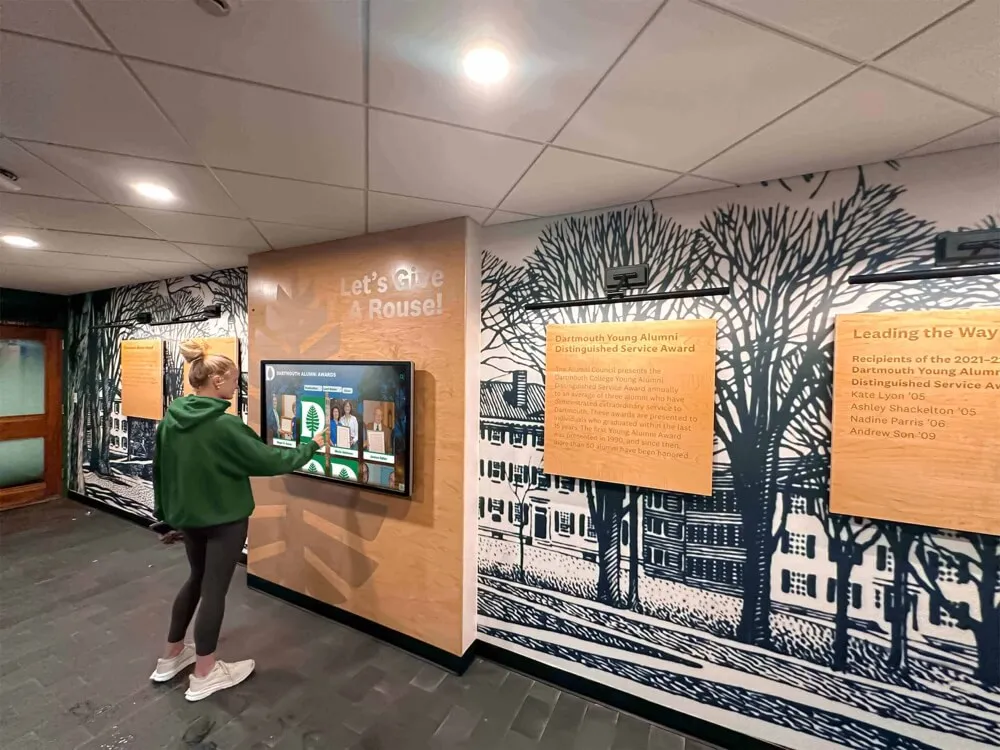
Intuitive interfaces enable users of all technical abilities to confidently explore property listings
Network Infrastructure and Connectivity
Reliable connectivity is essential for real-time property updates and lead capture:
Internet Connectivity Requirements Interactive displays require consistent internet access for content updates, MLS synchronization, lead submission, and remote management. Installations should include backup connectivity options maintaining functionality during primary network disruptions.
Content Delivery Network Optimization Large photo galleries and video content require adequate bandwidth preventing slow loading that frustrates users. Content delivery network (CDN) architecture ensures responsive performance even during peak usage periods.
Security and Data Protection Systems collecting buyer contact information must implement appropriate security measures protecting personal data, preventing unauthorized access, maintaining compliance with privacy regulations, and building client trust through transparent data handling practices.
Remote Monitoring and Management Cloud-based platforms enable monitoring display status, diagnosing technical issues, updating content remotely, and coordinating networks across multiple locations without requiring physical visits for routine maintenance or content changes.
Content Strategy for Real Estate Interactive Displays
Effective content strategy maximizes buyer engagement while achieving agency marketing and business development objectives.
Property Content Development Best Practices
Compelling property presentations drive buyer interest and viewing requests:
Professional Photography Standards High-resolution photos from multiple angles, properly lit interior shots, appealing exterior images capturing curb appeal, aerial/drone photography for larger properties, and twilight shots creating emotional appeal significantly impact buyer perception and engagement.
Virtual Tour Production Video walkthroughs guided by agents or professional narrators, 360-degree photography enabling self-guided virtual exploration, drone video showcasing properties and surrounding neighborhoods, and floor plan animations helping buyers understand layouts create immersive experiences impossible with static images.
Comprehensive Property Descriptions Detailed narratives highlighting unique features, describing upgrades and improvements, explaining property history and character, emphasizing lifestyle benefits, and providing neighborhood context help buyers emotionally connect with properties rather than simply reviewing specifications.
Regular Content Refresh Rotating featured properties, seasonal photography showing properties in different conditions, updated pricing reflecting market changes, new video content maintaining fresh presentations, and removal of sold properties maintaining currency ensure displays remain engaging for repeat visitors.
Marketing and Promotional Content
Beyond property listings, displays should advance broader agency marketing objectives:
Agency Brand Presentation Professional brand content showcasing agency history and values, highlighting team expertise and credentials, presenting specialty market knowledge, featuring testimonials from satisfied clients, and communicating unique value propositions differentiates agencies from competitors sharing similar property inventory. Comprehensive approaches to digital recognition demonstrate systematic celebration strategies applicable to real estate team showcases.
Market Expertise Demonstration Neighborhood guides showcasing local knowledge, market trend analyses demonstrating professional insight, school district information valuable to families, demographic data supporting investment decisions, and development news affecting property values position agents as trusted advisors beyond simple transaction facilitators.
Call-to-Action Integration Clear, prominent calls-to-action throughout content guide buyers toward desired actions—scheduling property viewings, requesting additional information, signing up for property alerts, following social media channels, and visiting agency websites for additional resources.
Social Proof and Success Stories Recent sales highlighting successful transactions, client testimonial videos sharing positive experiences, community involvement demonstrating local commitment, industry recognition and awards, and market share leadership statistics build credibility and trust essential for relationship development.
Visual Design and User Experience Principles
Content presentation significantly impacts engagement and information retention:
Visual Hierarchy and Clarity Clear typography ensuring readability from viewing distances, logical information organization prioritizing most important details, sufficient contrast between text and backgrounds, and strategic use of white space preventing overwhelming visual density create accessible, scannable interfaces.
Consistent Brand Identity Unified color schemes reflecting agency branding, consistent typography maintaining professional appearance, standardized layout templates creating familiarity, and prominent logo placement building brand recognition ensure displays feel cohesively professional rather than randomly assembled.
Mobile Integration and Continuation QR codes enabling property information transfer to mobile devices, shortened URLs facilitating easy typed access, email and SMS sharing options, and mobile-responsive websites ensuring consistent experiences when buyers transition from public displays to personal devices create seamless cross-platform journeys.
Accessibility and Inclusive Design Appropriate text sizing ensuring readability without perfect vision, audio alternatives for video content, screen reader compatibility for visually impaired users, and intuitive navigation requiring no specialized knowledge ensure all potential buyers can effectively use displays regardless of ability.
Implementation Planning and Best Practices
Successful real estate interactive display implementations require systematic planning addressing technical, operational, and marketing considerations unique to property professionals.
Needs Assessment and Strategy Development
Begin with comprehensive evaluation of agency marketing needs and growth objectives:
Current Marketing Audit Document existing property marketing methods, identify pain points and limitations, assess what generates best results, evaluate competitive positioning, and determine what digital displays should improve or replace. Understanding current state establishes baselines for measuring improvement.
Target Audience Analysis Consider primary buyer demographics, typical property search behaviors, information needs during decision processes, technology comfort levels, and preferences shaping what display features and content will prove most valuable.
Location and Placement Strategy Survey potential installation sites considering street traffic patterns, visibility from sidewalks and roadways, lighting conditions affecting display visibility, accessibility for diverse users, and integration with existing storefront aesthetics. Related research on campus wayfinding demonstrates strategic placement importance.
Budget and ROI Planning Establish realistic budgets encompassing hardware costs, software licensing, professional content production, installation expenses, and ongoing maintenance while projecting expected returns through increased inquiries, shortened sales cycles, operational efficiencies, and competitive advantages.
Transform Your Real Estate Marketing with Digital Warming
Discover how comprehensive interactive display solutions create engaging property showcases that capture buyer interest around the clock while positioning your agency as an innovative market leader worth premium commissions.
Book Your DemoVendor Selection and Platform Evaluation
Careful provider selection significantly impacts long-term satisfaction and marketing results:
Industry-Specific Expertise Prioritize vendors with proven real estate industry experience understanding property marketing requirements, MLS integration complexities, lead generation priorities, and regulatory compliance considerations rather than generic digital signage providers requiring extensive guidance.
Content Management Ease Evaluate platforms based on agent usability—can busy real estate professionals confidently update content without technical expertise or IT support? Intuitive interfaces reduce training needs, encourage consistent use, and prevent abandoned systems gathering dust because they prove too complex.
Integration Capabilities Assess compatibility with existing agency systems including MLS platforms, CRM software, email marketing tools, and website backends. Seamless integration eliminates duplicate data entry and creates unified marketing ecosystems rather than isolated solutions requiring manual coordination.
Support and Training Services Consider included implementation support, staff training programs, ongoing technical assistance, content development services, and strategic consultation helping agencies maximize display investments rather than simply delivering hardware without guidance.
Phased Rollout Strategies
Gradual implementations reduce risk while enabling learning from experience:
Pilot Location Testing Begin with single high-visibility locations enabling thorough testing of hardware, content, user behaviors, and lead generation effectiveness before broader deployment. Pilot programs reveal unanticipated challenges while generating success stories supporting network expansion.
Content Development Iteration Launch with core property listings then gradually add enhanced features—virtual tours, neighborhood guides, agent profiles, market analyses—as teams develop expertise and gather user feedback. Incremental expansion prevents overwhelming initial implementations.
Feedback Collection and Refinement Systematic gathering of buyer feedback, agent observations, lead quality assessment, and technical performance monitoring enables addressing issues before broader rollout. Analytics tracking what content generates most engagement guides ongoing optimization.
Success Metric Establishment Define clear success indicators before implementation—inquiry volume increases, lead quality improvements, time-to-sale reductions, operational efficiency gains, agent adoption rates—enabling objective assessment of impact and return on investment.
Measuring Success and Optimizing Performance
Systematic assessment ensures displays achieve marketing objectives while guiding continuous improvement maintaining competitive advantages.
Lead Generation and Conversion Metrics
Quantitative performance indicators demonstrate business impact:
Inquiry Volume Tracking Monitor total inquiries received through displays, property-specific interest patterns, peak inquiry times revealing when displays generate most engagement, and inquiry trends over time showing whether interest grows, stabilizes, or declines requiring content refreshment.
Lead Quality Assessment Beyond raw inquiry counts, evaluate lead quality through viewing conversion rates, closing ratios for display-originated leads, time-to-close comparisons, and agent feedback about prospect preparedness and seriousness distinguishing casual browsers from motivated buyers.
After-Hours Lead Capture Specifically track inquiries submitted outside business hours quantifying value of 24/7 accessibility impossible with traditional marketing. After-hours leads represent otherwise-missed opportunities justifying display investments.
Geographic Reach Analysis Assess whether displays attract buyers from target markets, expand reach beyond traditional territories, or primarily engage existing market segments. Geographic patterns inform content strategy and potential expansion locations.
Engagement and User Behavior Analytics
Understanding how buyers use displays guides optimization:
Interaction Depth Metrics Track average session duration, pages viewed per session, feature utilization rates, and video completion rates revealing whether buyers engage superficially or conduct thorough property research. Deep engagement indicates compelling content deserving reinforcement.
Property Interest Patterns Identify most-viewed properties, popular price ranges, preferred neighborhoods, and sought-after features guiding inventory acquisition, marketing emphasis, and agent preparation for likely client interests.
Search and Filter Usage Analyze how buyers search and filter properties revealing what criteria matter most, what information buyers seek first, and how intuitive navigation performs. Usage patterns inform interface refinement and content organization.
Peak Usage Times Understanding when displays receive most use informs content scheduling, identifies after-hours opportunity magnitude, and guides staffing for optimized lead response during high-traffic periods.
Business Impact Assessment
Comprehensive value evaluation considers multiple benefit dimensions:
Sales Cycle Duration Changes Compare time-to-close for display-originated leads versus traditional sources, seasonal variations in sales velocity, and specific properties benefiting most from interactive marketing. Accelerated sales deliver substantial financial value.
Marketing Cost Efficiency Calculate cumulative costs of traditional marketing over comparable timeframes including printing, materials, manual updates, and staff time. Compare against display total cost of ownership demonstrating ROI and cost savings justifying continued investment.
Competitive Market Share Monitor whether interactive marketing correlates with increased listing wins, improved market share, premium commission justification, and competitive differentiation in seller presentations. Market positioning advantages often exceed direct lead generation value.
Agent Satisfaction and Adoption Survey agent perceptions of display effectiveness, content management ease, lead quality, and professional image enhancement. Agent buy-in drives consistent use and optimization essential for long-term success.

Professional installations integrate seamlessly with office aesthetics while providing powerful marketing capabilities
Future Trends in Real Estate Interactive Technology
Interactive display technology continues evolving with emerging capabilities creating enhancement opportunities for forward-thinking agencies.
Artificial Intelligence and Personalization
Advanced systems increasingly leverage AI creating customized experiences:
Personalized Property Recommendations AI systems learn buyer preferences through interaction patterns, suggesting properties matching demonstrated interests, filtering listings by preferred features, and surface options buyers might otherwise overlook through manual searching.
Natural Language Search Voice-activated and conversational search enables buyers to describe ideal properties naturally—“three-bedroom homes near good elementary schools under $500,000”—receiving relevant results without learning specialized search interfaces.
Predictive Analytics for Targeting Machine learning analyzes market trends predicting which properties will generate most interest, what pricing strategies optimize time-to-sale, and when buyers show serious purchase intent enabling proactive agent outreach.
Automated Content Enhancement AI assists creating property descriptions, suggests optimal photography angles, generates virtual staging recommendations, translates listings to multiple languages, and creates accessible alternative descriptions improving content quality while reducing agent effort.
Augmented and Virtual Reality Integration
Emerging immersive technologies create unprecedented property exploration experiences:
AR-Enhanced Property Viewing Buyers point smartphones at properties or use displays revealing augmented overlays showing room dimensions, furniture placement possibilities, renovation potential, historical property photos, and neighborhood context impossible with traditional viewing. Implementation patterns seen in interactive museum displays translate effectively to real estate applications.
Virtual Open Houses VR headsets enable prospective buyers to tour properties remotely from agency offices, attend virtual open houses from home, explore multiple properties in single sessions without driving, and revisit favorites for detailed examination unavailable during brief physical tours.
Neighborhood Immersion VR experiences place buyers in neighborhoods during different times and seasons, simulate commutes to workplaces, showcase local amenities and attractions, and provide experiential context helping buyers understand daily life rather than simply viewing properties in isolation.
Virtual Renovation Visualization AR applications enable buyers to visualize renovation possibilities, test different design options, understand improvement costs, and see potential rather than being limited by current property conditions.
Integration with Smart Building and IoT Systems
Comprehensive technology ecosystems create seamless experiences:
Smart Home Feature Demonstration Interactive displays showcase integrated smart home systems, demonstrate automation capabilities, explain energy efficiency features, highlight security technologies, and present lifestyle benefits of connected home technologies increasingly expected by modern buyers.
Real-Time Property Condition Monitoring IoT sensors provide current information about properties including HVAC status, energy consumption, security system status, and environmental conditions enabling buyers to understand ongoing maintenance and operating costs before purchase.
Predictive Maintenance Insights Smart building data reveals maintenance patterns, component lifespans, system efficiency, and anticipated replacement needs helping buyers understand total cost of ownership beyond purchase prices.
Energy and Sustainability Metrics Real-time energy usage displays, utility cost projections, carbon footprint calculations, and sustainability ratings align with growing buyer interest in environmental impact and operating efficiency.
Conclusion: Building Vibrant Buyer Connections Through Digital Warming
Interactive touchscreen displays for realtor agencies represent far more than marketing upgrades—they embody fundamental shifts in how property professionals engage buyers, present listings, and differentiate services in competitive markets. Traditional real estate marketing through static window displays, printed brochures, and limited-hour accessibility struggles to capture attention in an increasingly digital world where buyers expect instant access to comprehensive information and engaging exploration experiences.
Interactive touchscreen systems specifically designed for real estate agencies solve these marketing challenges while generating digital warming—the transformation of cold, passive property browsing into engaging, personalized experiences that connect buyers emotionally with properties while positioning agencies as innovative professionals worth trusting with significant transactions. When buyers can instantly explore comprehensive listings through intuitive touchscreen interfaces, when they discover dream homes through self-guided virtual tours accessed at convenient times, when they experience properties through immersive multimedia presentations, when they submit inquiries and schedule viewings without waiting for business hours—these interactions create warmth transforming casual browsers into serious buyers while building agency relationships.
The practical benefits prove equally compelling. Research demonstrates agencies using digital signage experience 35% increases in property inquiries while digital displays attract 63% more attention than traditional printed materials. After-hours window displays capture motivated buyers active outside traditional business hours, generating leads competitors miss. Cost savings through eliminated printing, instant updates replacing manual material changes, and operational efficiencies typically justify investments within 18-24 months while professional image enhancement justifies premium commission rates.
According to research on digital signage for estate agents, agencies implementing comprehensive interactive displays report measurably stronger buyer engagement, higher inquiry volumes, improved lead quality, and accelerated sales cycles. These outcomes directly support revenue growth and market share expansion while creating buyer experiences clients value throughout property search journeys.
Successful implementations require thoughtful planning addressing installation locations, hardware specifications, content strategy, MLS integration, and staff training ensuring consistent effective use. Solutions like Rocket Alumni Solutions provide purpose-built platforms specifically designed for creating interactive recognition and showcase experiences combining intuitive content management with comprehensive support and proven track records serving diverse industries.
The future of real estate marketing is interactive, immersive, and available around the clock. Agencies implementing comprehensive interactive touchscreen systems today position themselves to adopt emerging technologies including artificial intelligence, virtual reality, and smart building integration ensuring marketing remains current and effective for years to come while building competitive moats difficult for traditional competitors to overcome.
Every real estate professional deserves marketing tools that capture buyer attention, present properties compellingly, generate qualified leads consistently, and differentiate their services in crowded markets. With appropriate planning, proven technology platforms, and commitment to buyer-centered marketing, you can transform your agency into a market leader where innovative technology meets professional expertise creating exceptional client experiences.
Ready to begin your real estate marketing transformation? Explore comprehensive interactive touchscreen solutions or learn about digital engagement strategies that create lasting client connections and drive business growth.
Sources
- Real Estate Digital Signage: Why It’s Time For a Refresh - Yodeck
- How Digital Signage Can Improve Estate Agents? - AIScreen
- Real Estate and Touch Screen Kiosks: A New Era for Property Listings - MetroClick
- Interactive Real Estate Window Displays for Agents - Premier Media
- Touch Screen In Window Display for Real Estate Agents - Premier Media
- LED Displays for Real Estate Agencies - Visual Led
- Look Blog: Transforming Real Estate Marketing with Digital Window Displays
- Realty - MetroClick