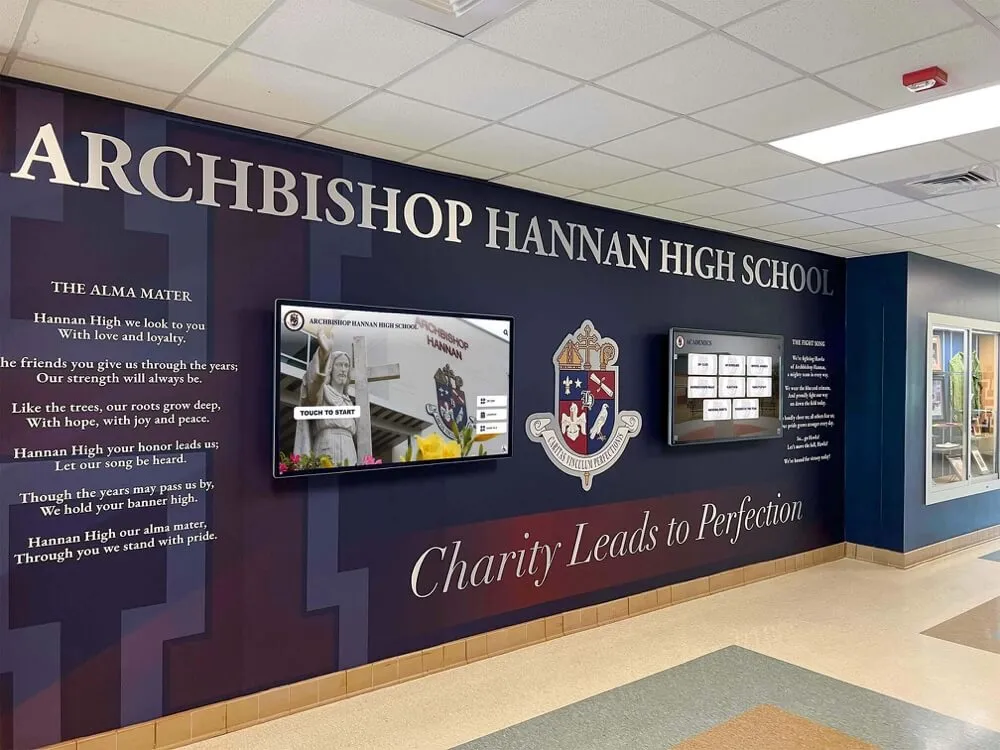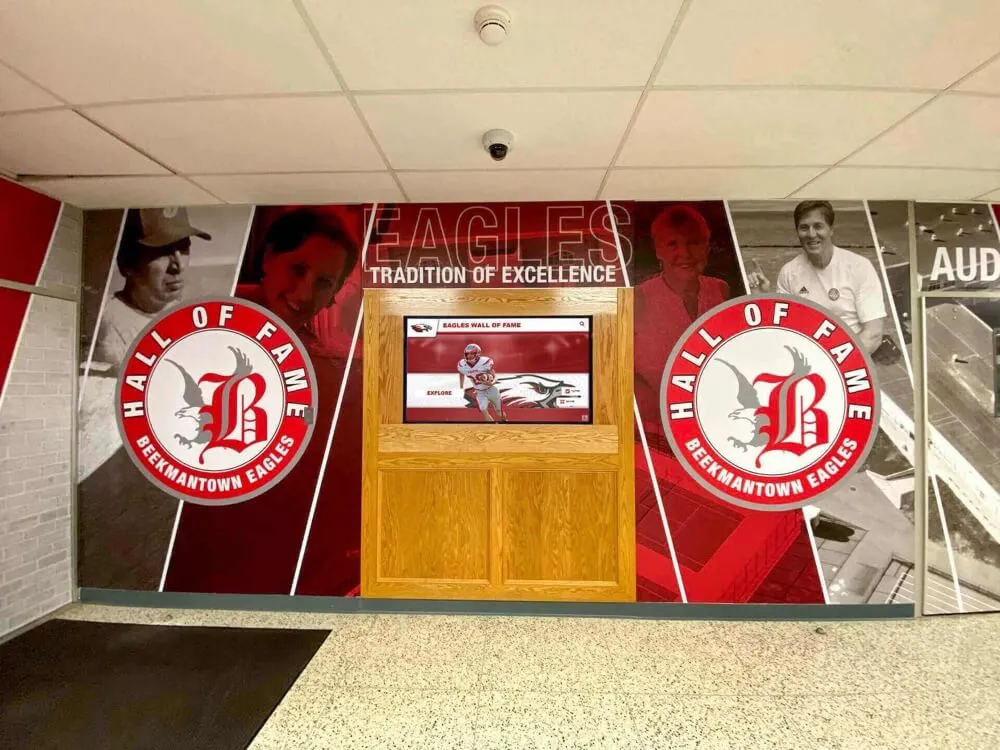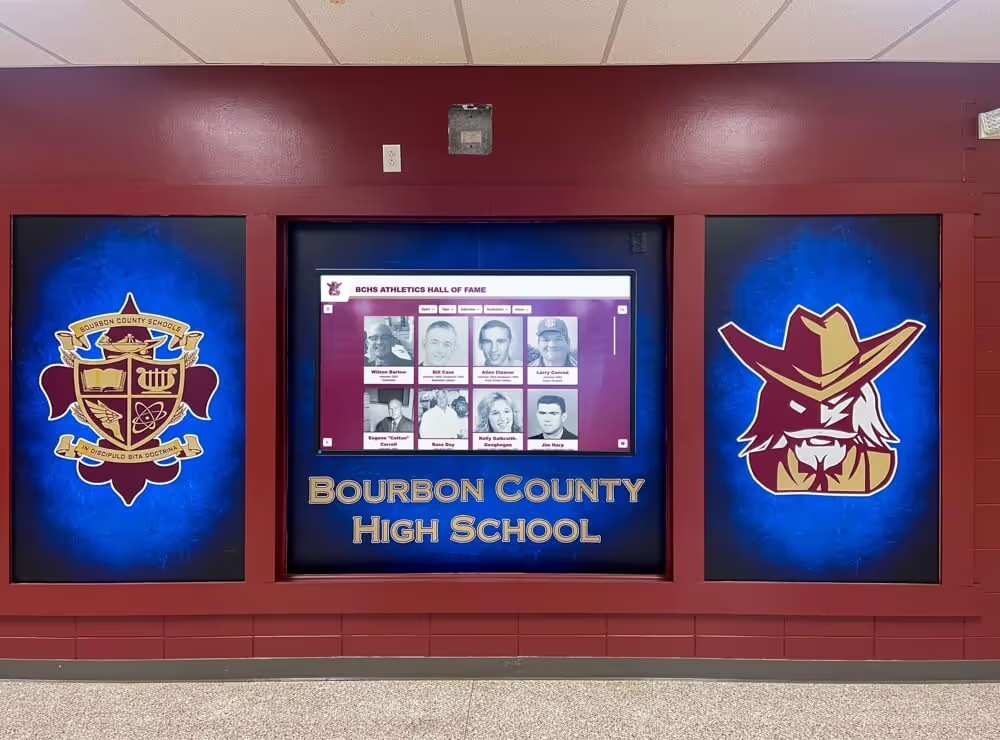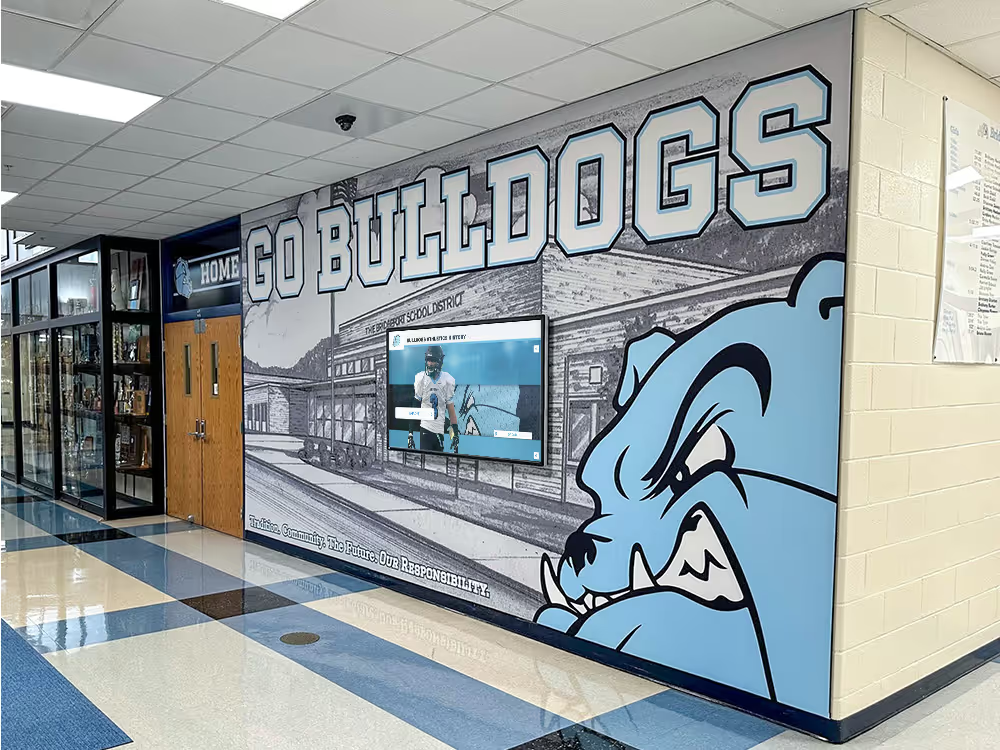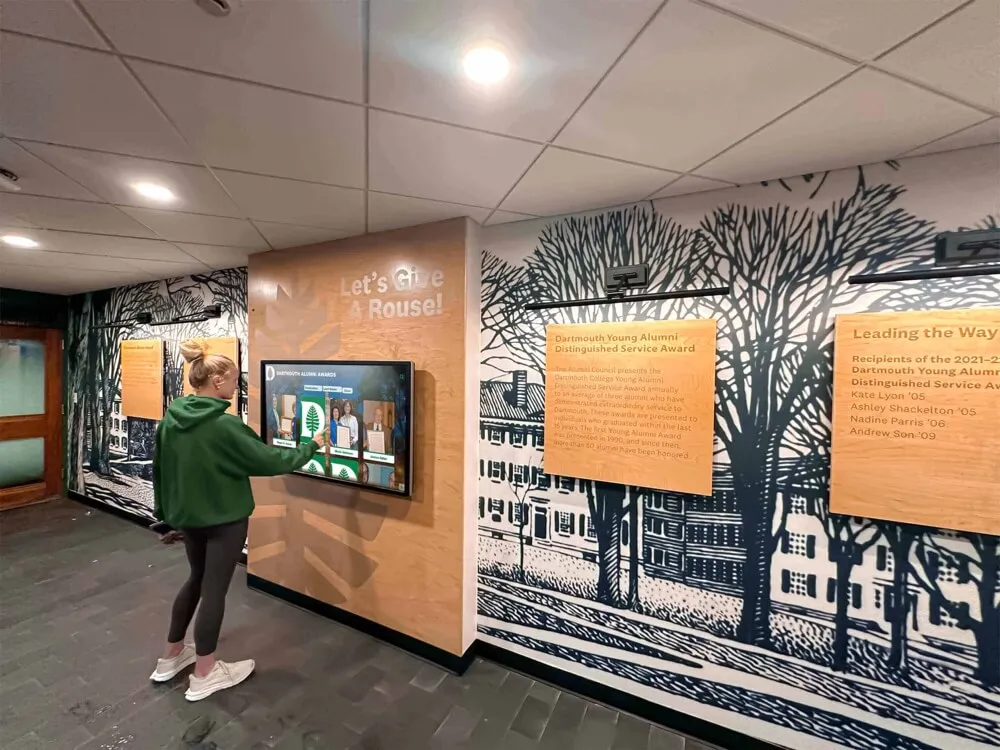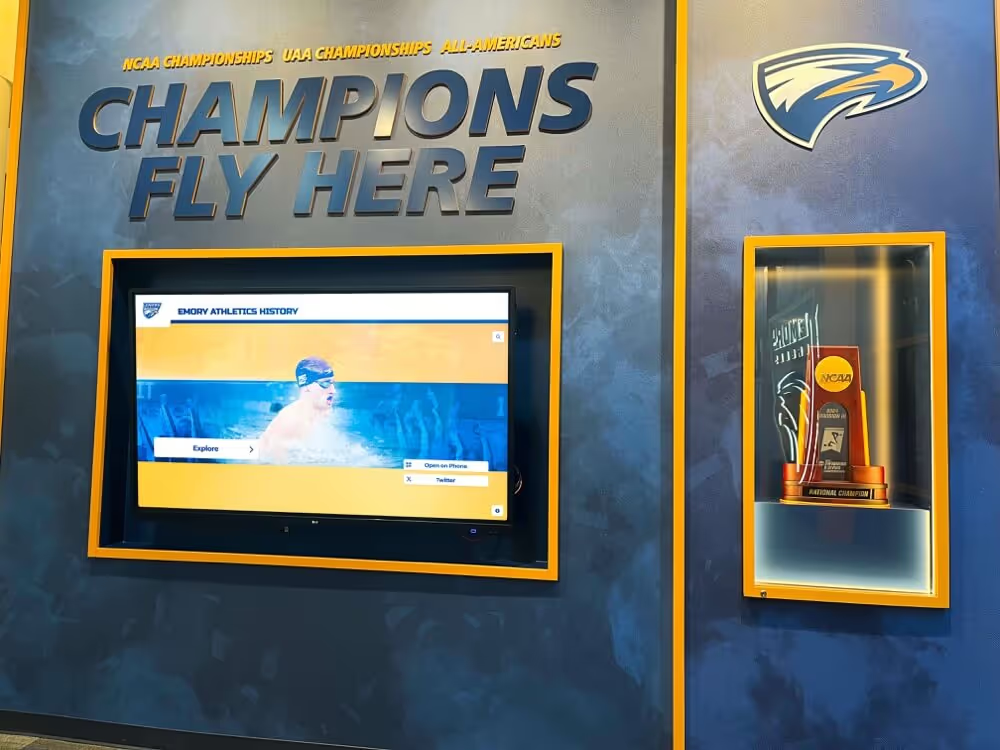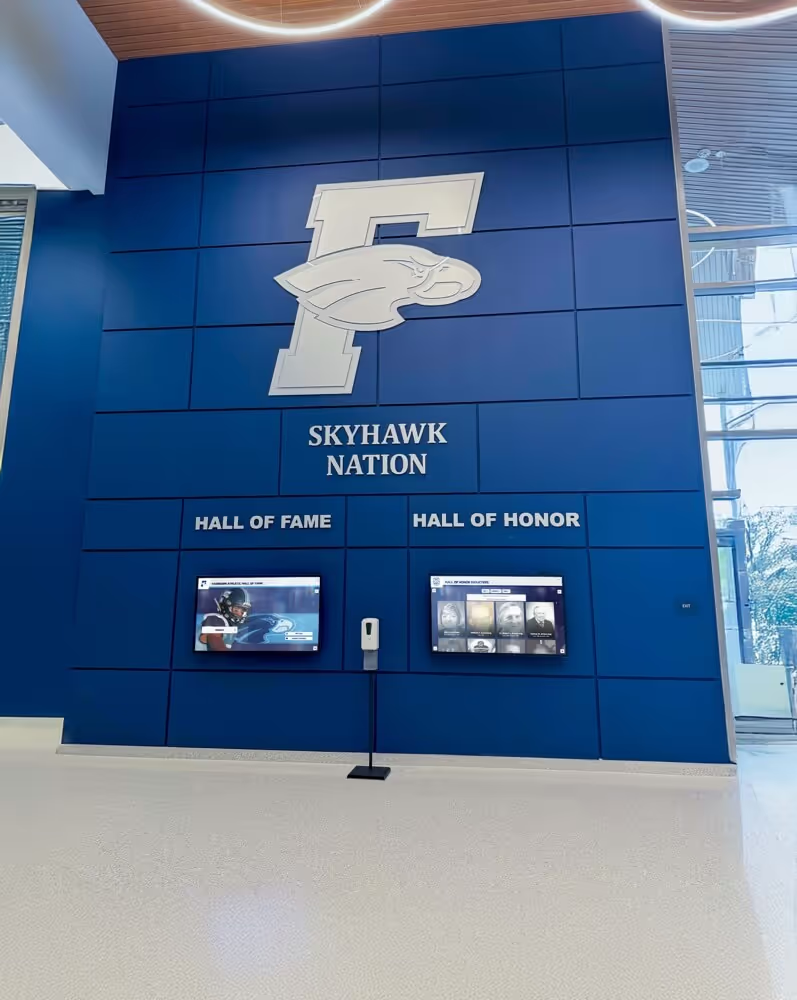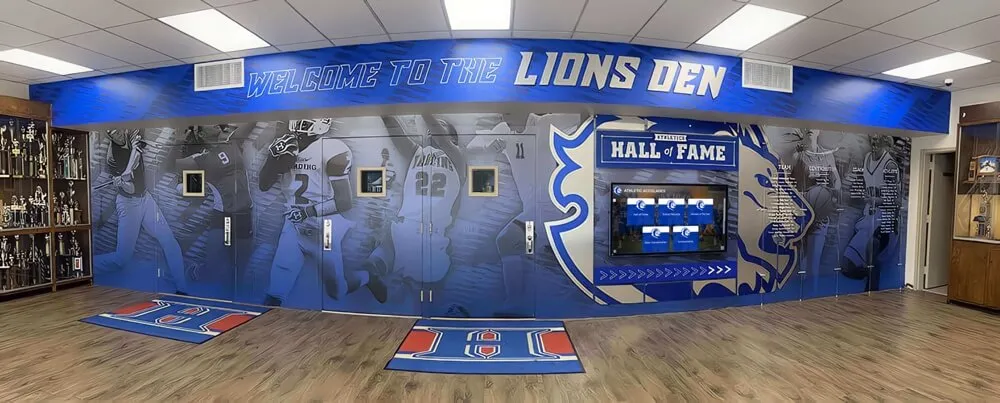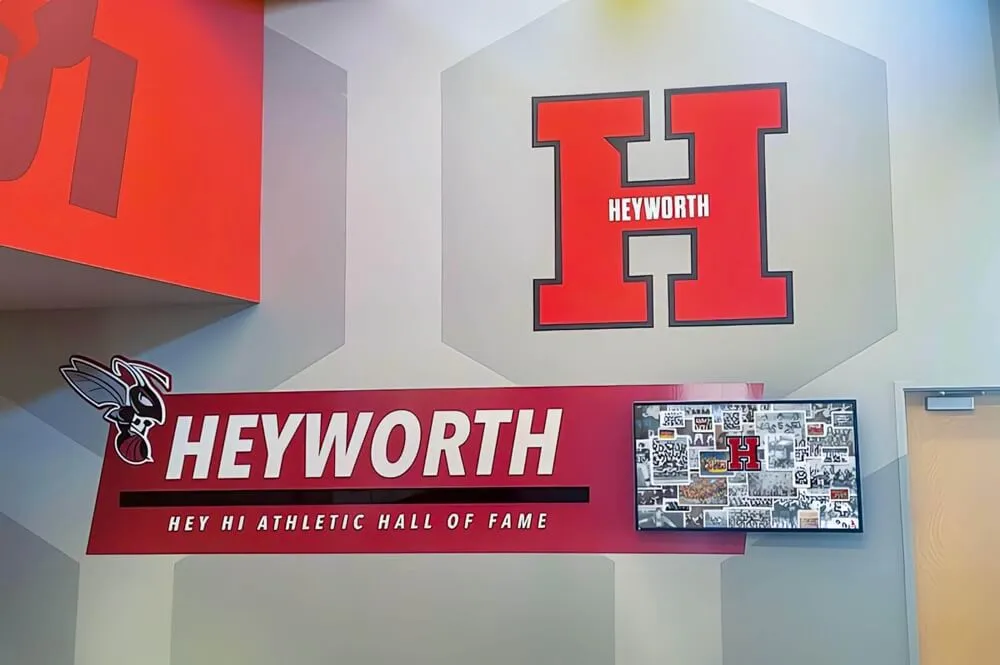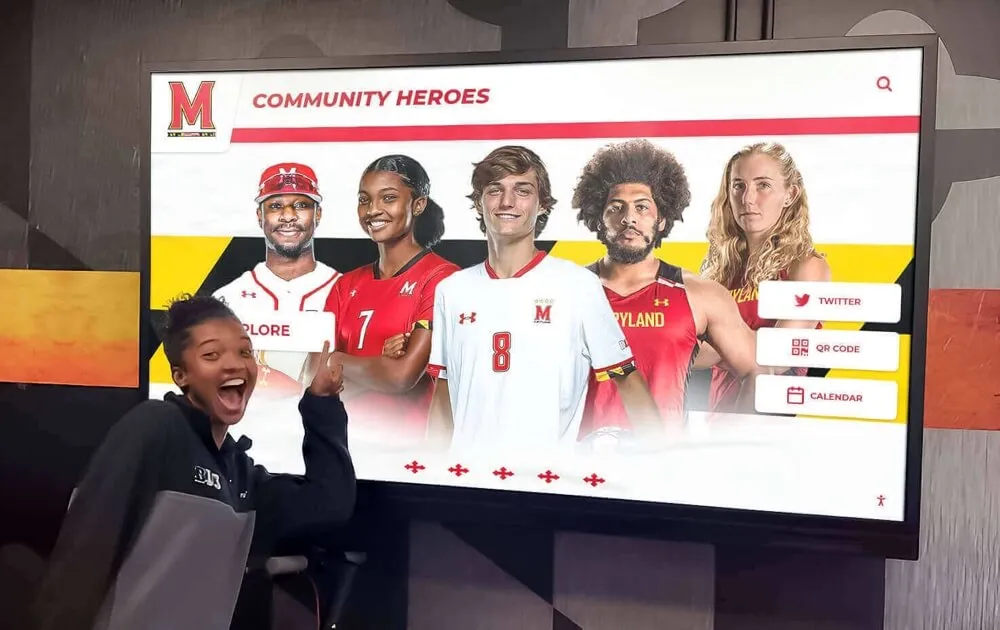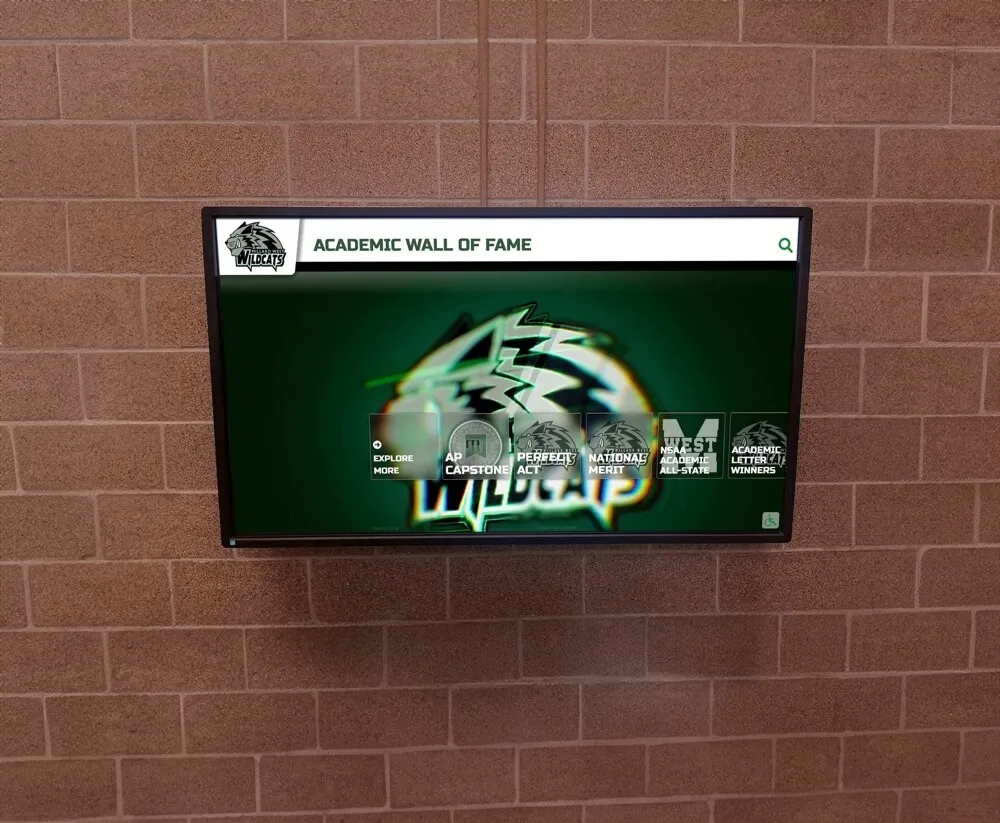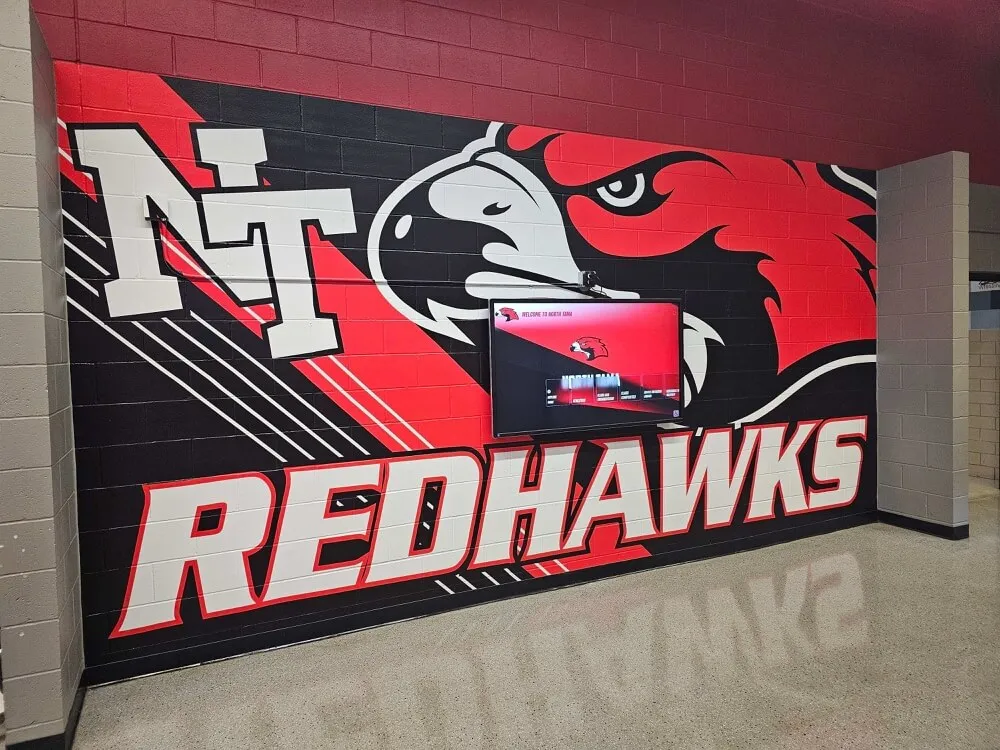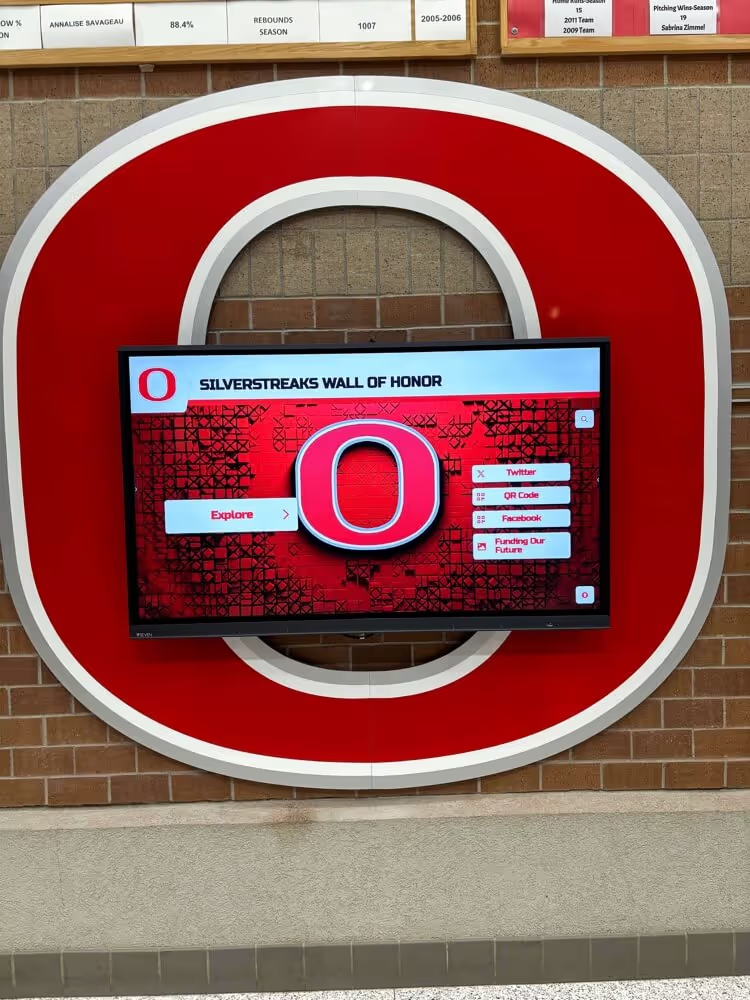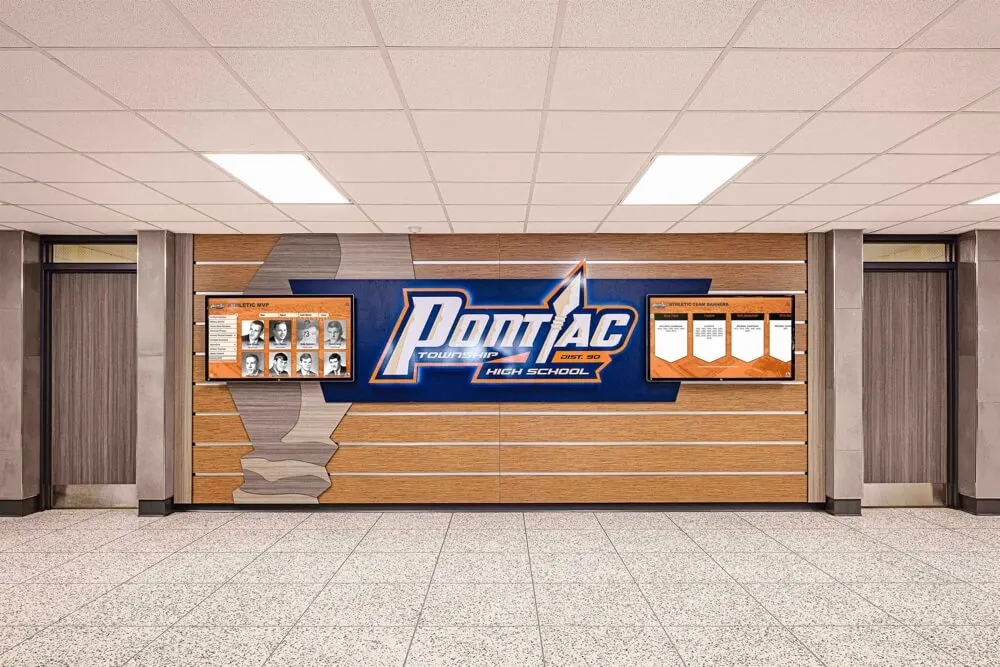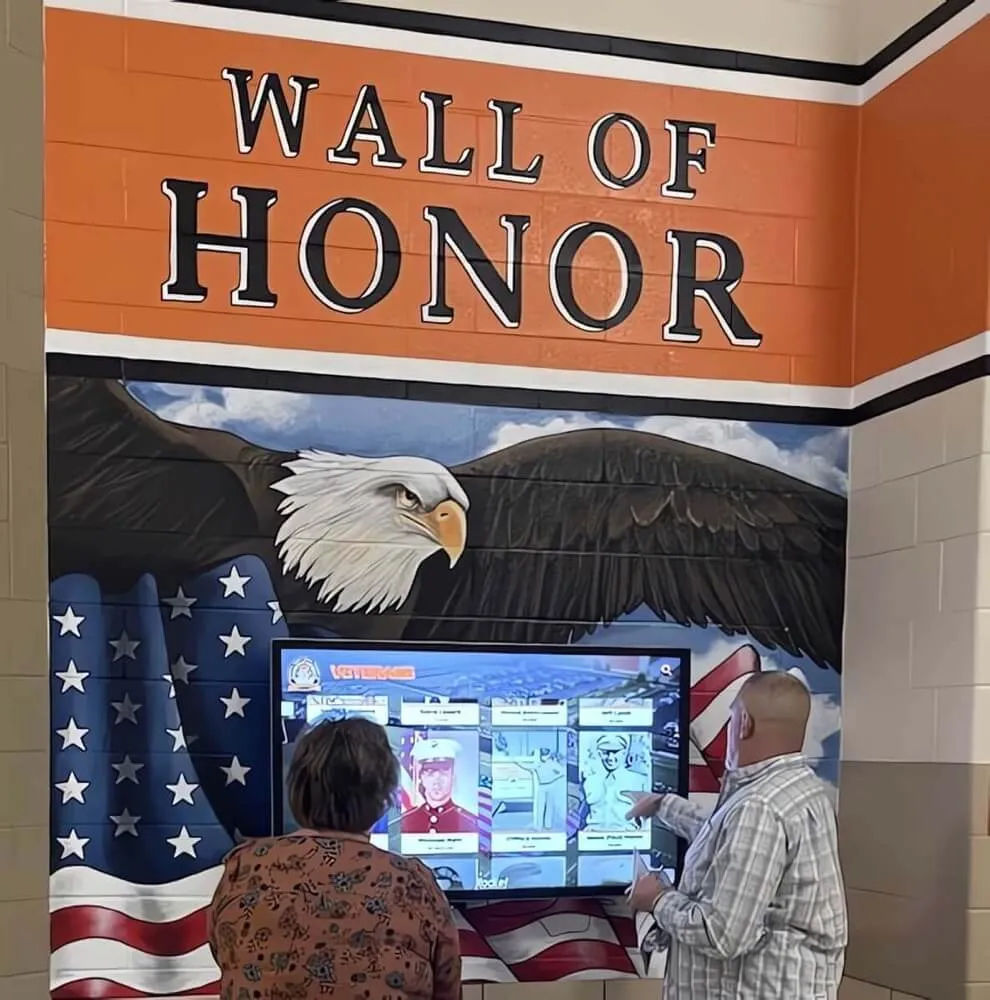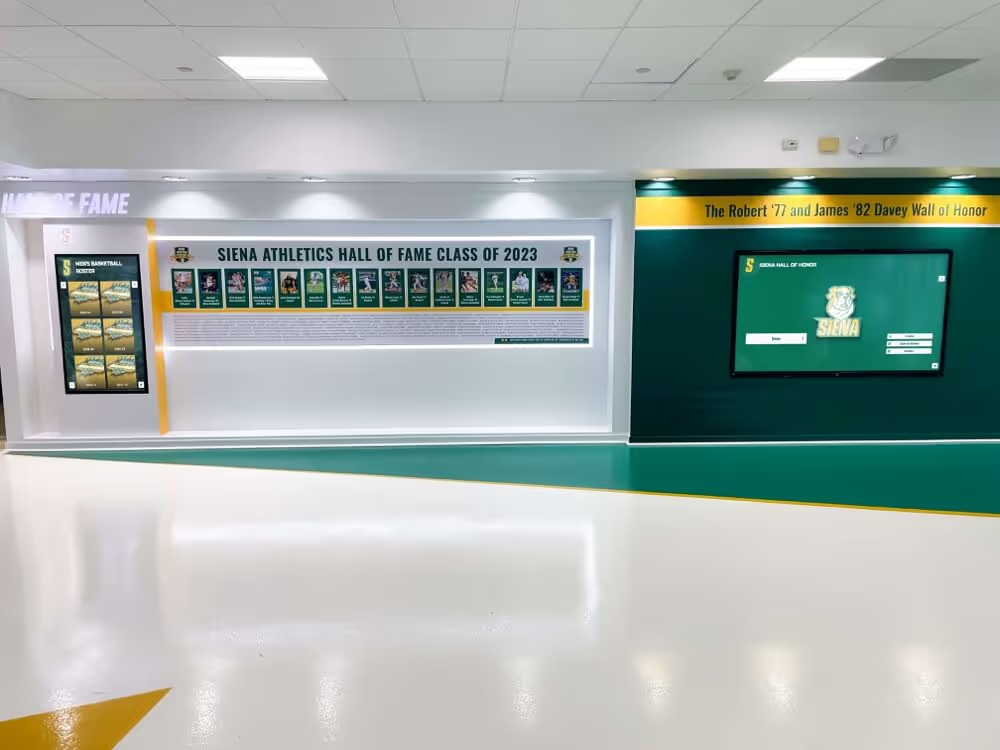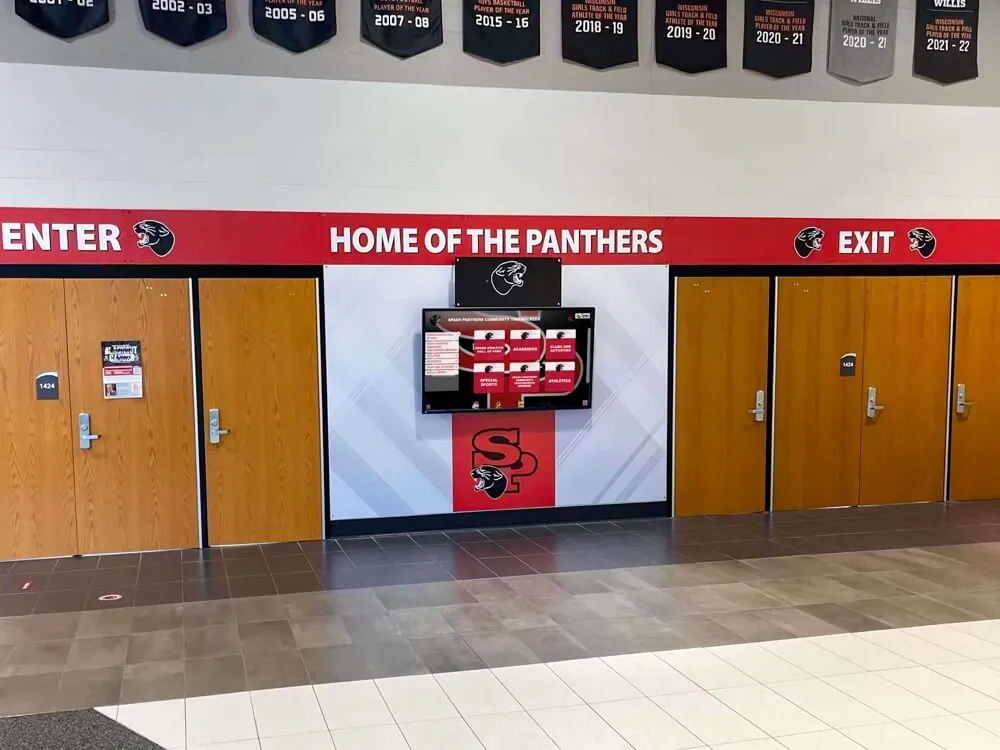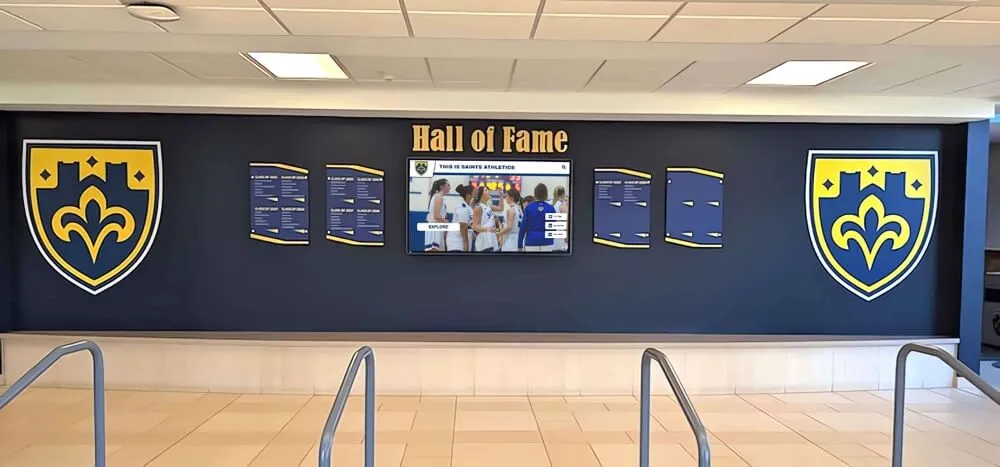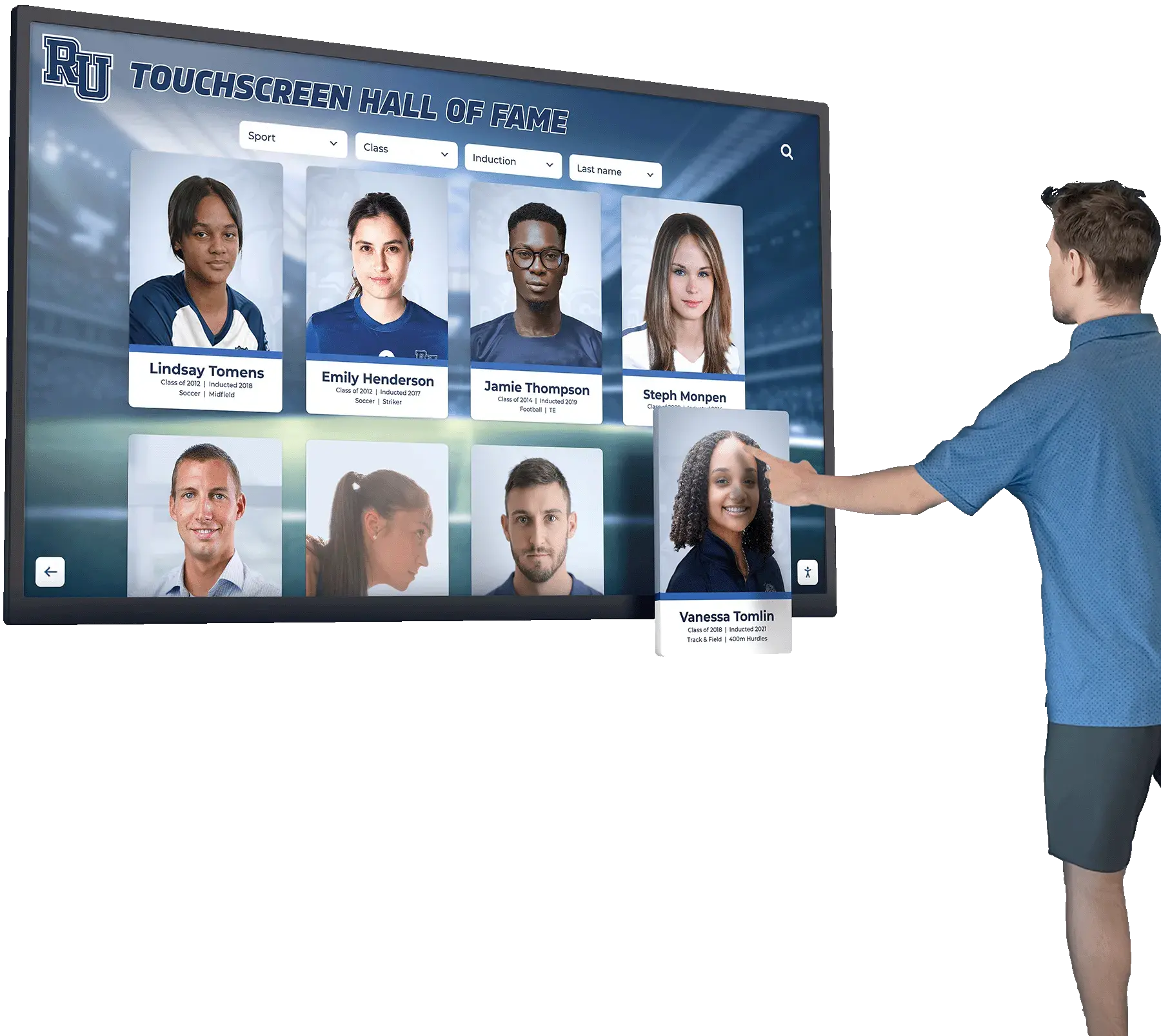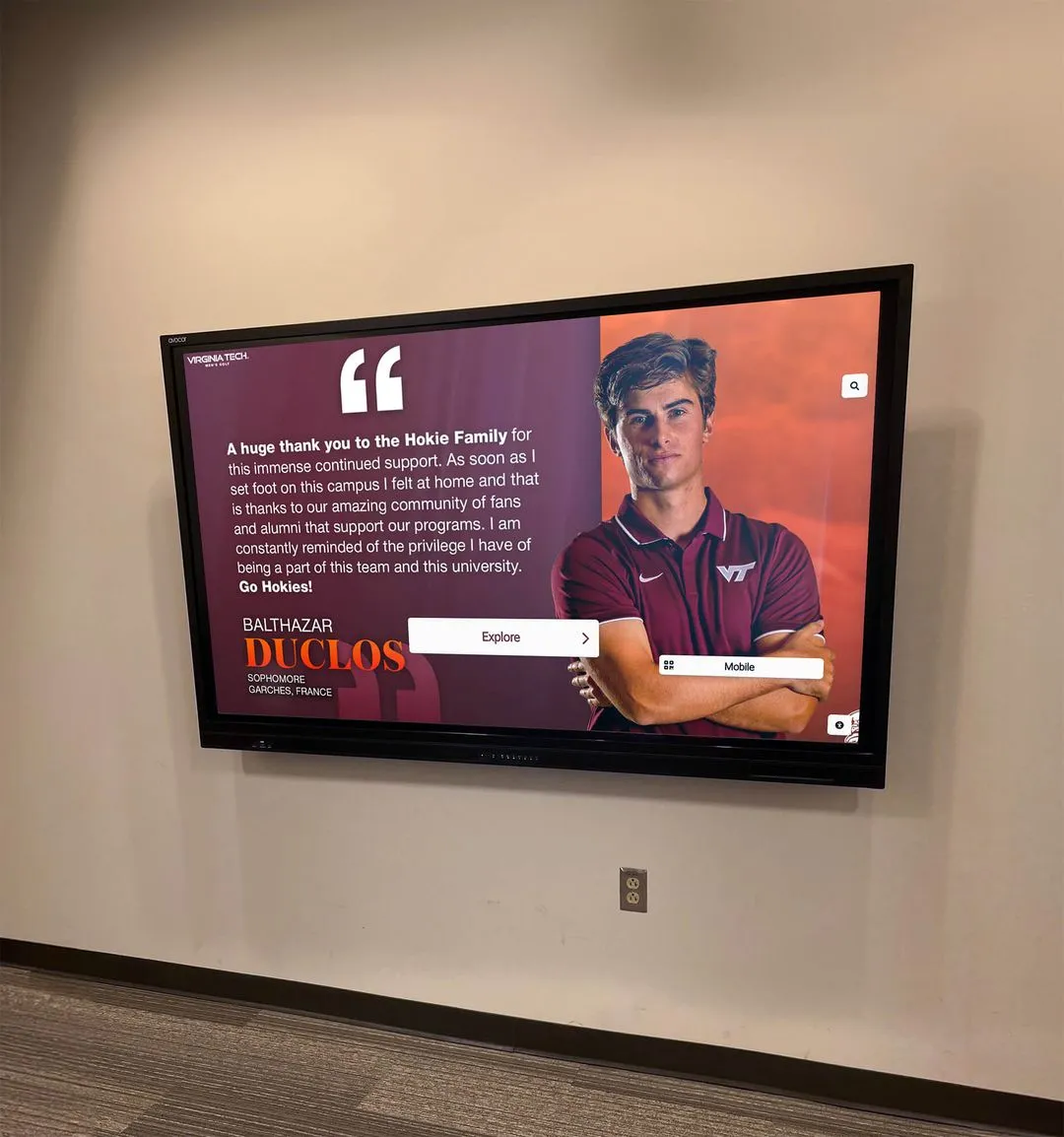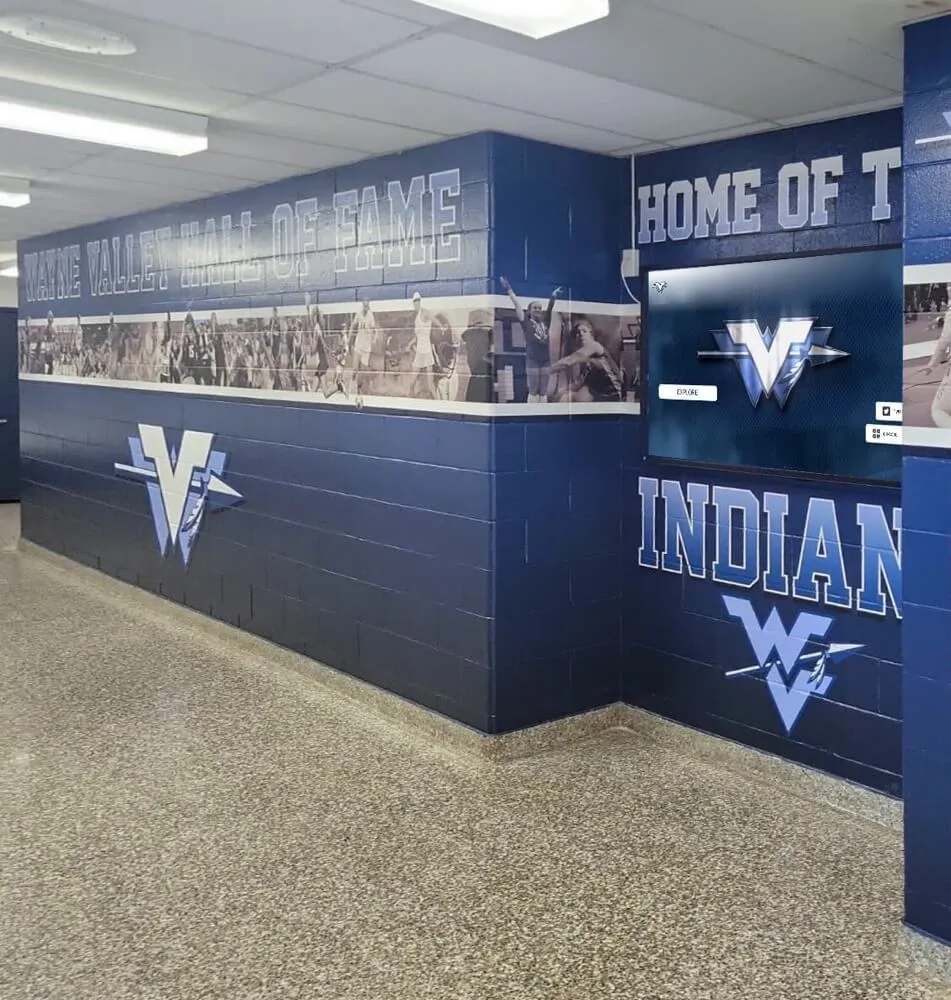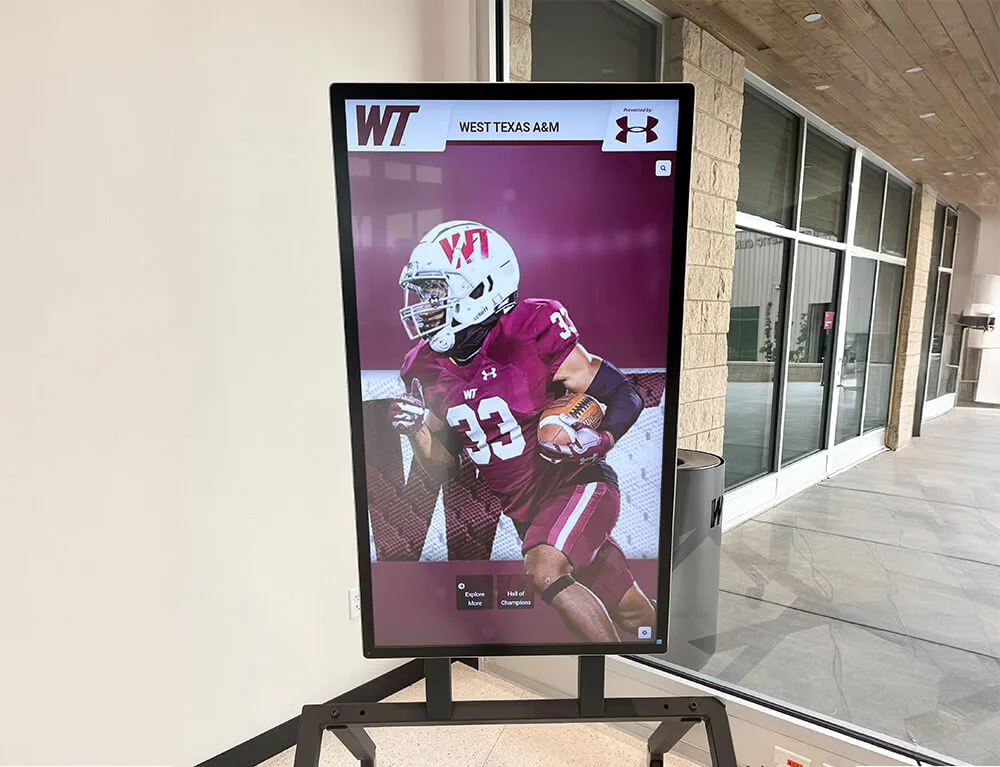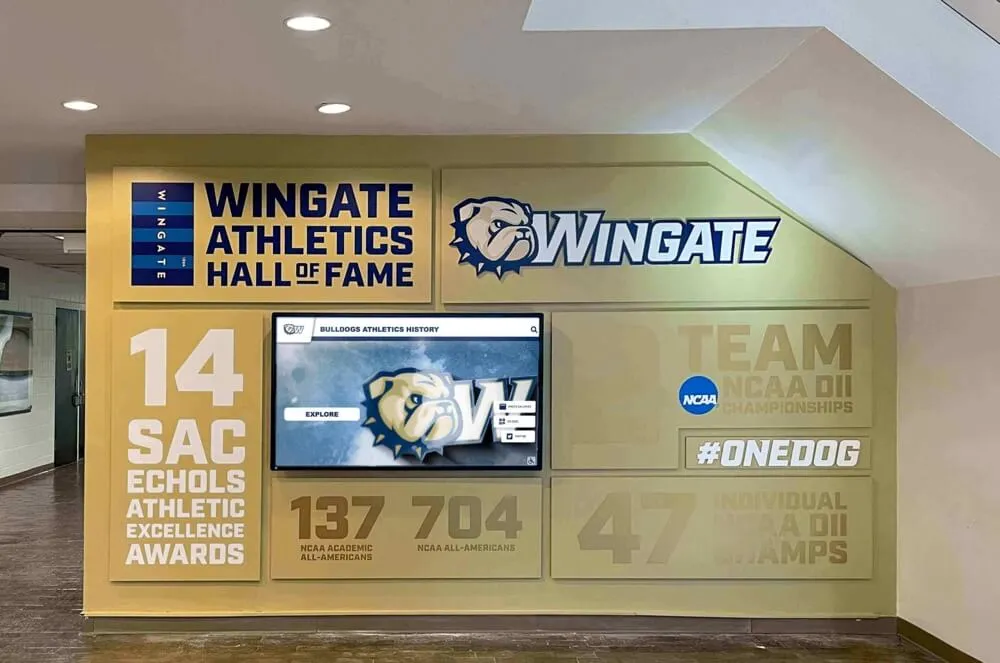
Intent: demonstrate — Interactive exhibits represent a fundamental shift in how schools engage their communities—moving from static displays that people walk past without a second glance to dynamic, touchscreen-enabled experiences that invite exploration, discovery, and meaningful connection. These installations transform hallways, lobbies, and gathering spaces into active engagement zones where students, alumni, visitors, and families interact with school history, achievements, and community stories in ways that static plaques and trophy cases never could.
Traditional displays face inherent limitations: they’re expensive to update, quickly run out of space, offer limited context, and create minimal engagement. Interactive exhibits solve these challenges while opening entirely new possibilities for recognition, storytelling, and community activation that keep people connected to your institution’s evolving narrative.
What Makes Interactive Exhibits Different from Traditional Displays
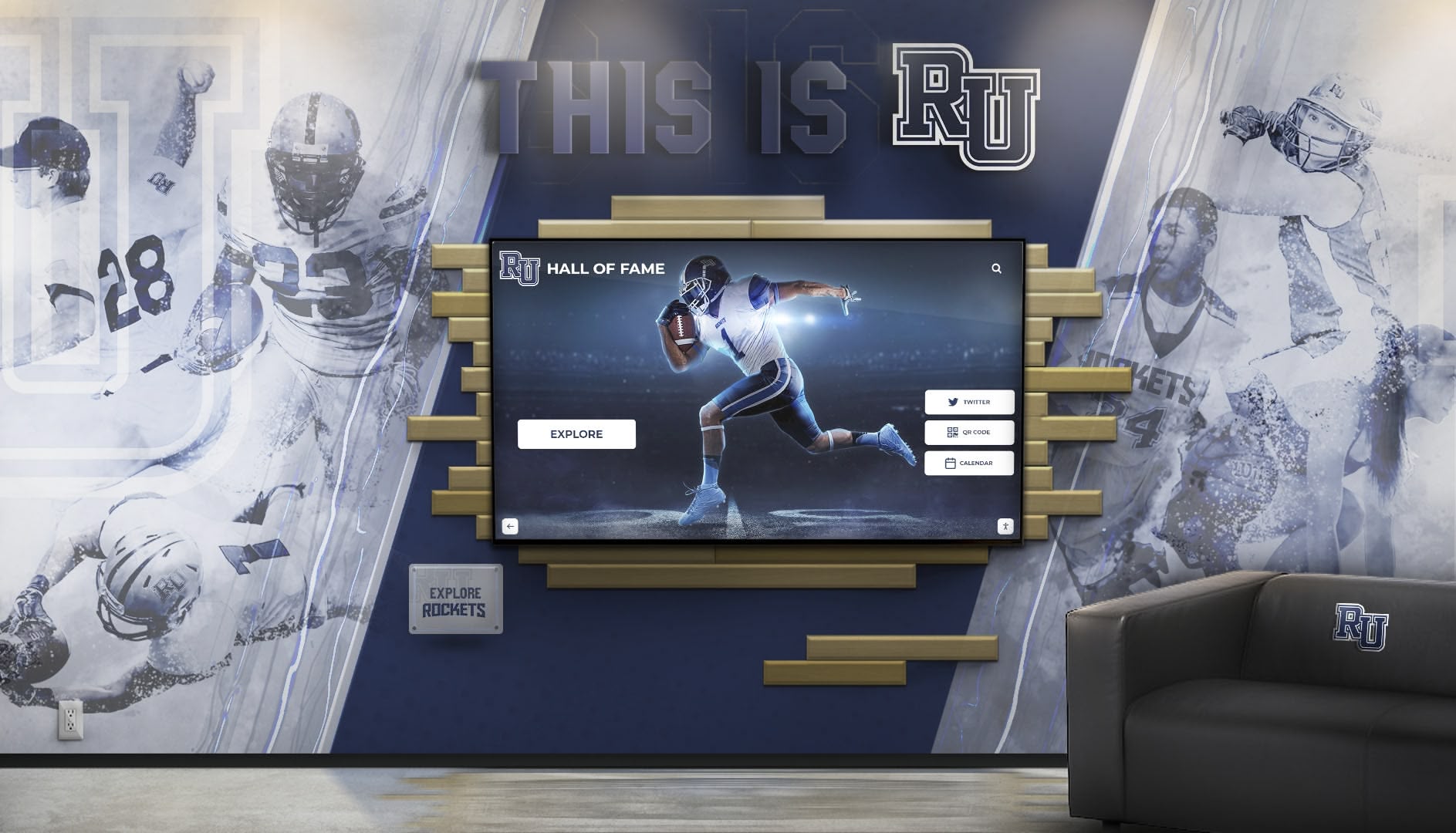
Interactive exhibits fundamentally change the relationship between viewer and content. Rather than passive observation, these installations invite active participation through touch, exploration, and discovery.
Key differentiators include:
- Touch-responsive interfaces that let visitors control their experience and explore content at their own pace
- Unlimited digital capacity that eliminates space constraints and allows recognition of everyone deserving acknowledgment
- Dynamic content updates that can be changed remotely in minutes rather than requiring physical reinstallation
- Multi-layered information that provides brief overviews with the ability to dive deeper into stories, photos, videos, and accomplishments
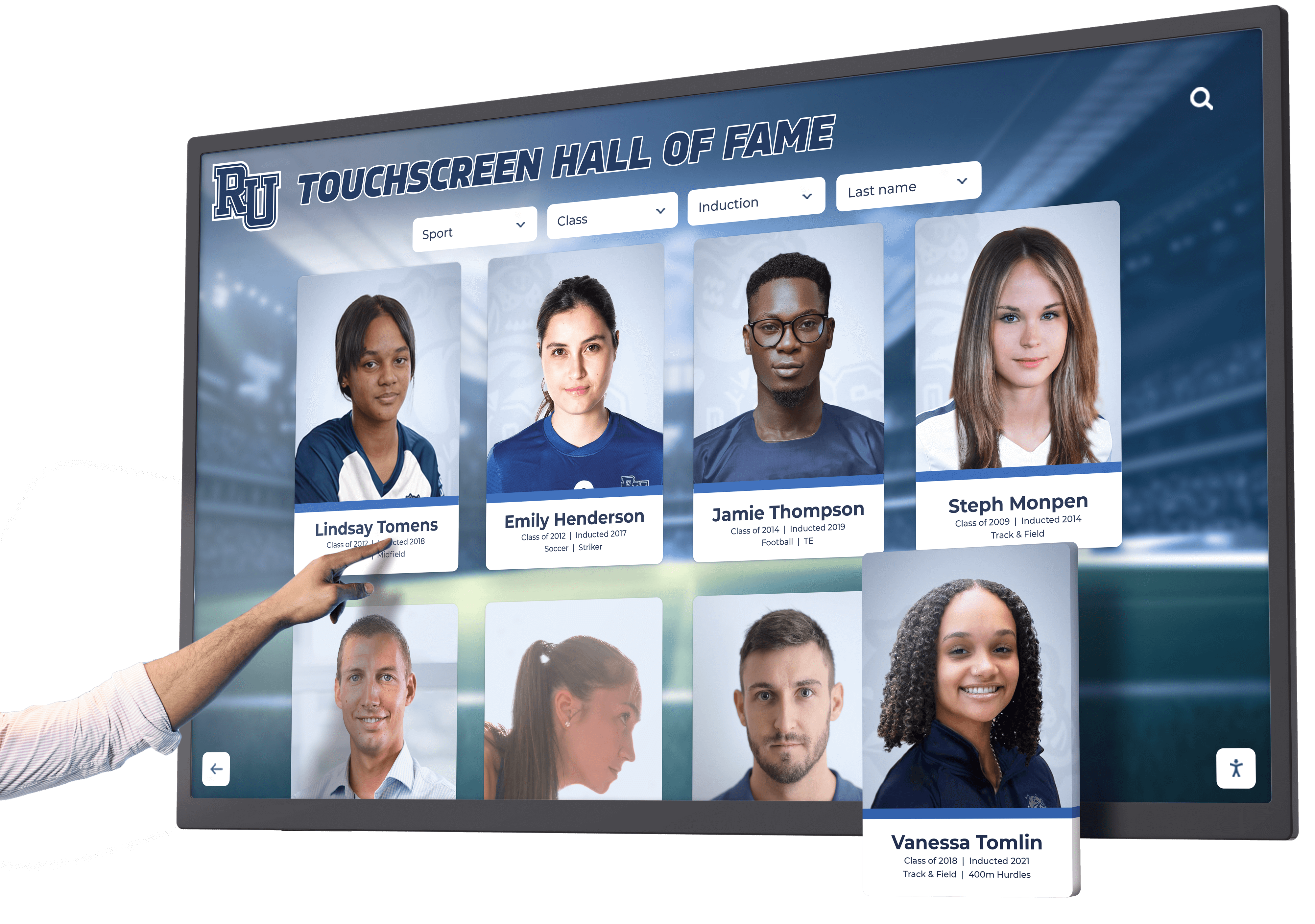
- Search and filter capabilities that help visitors find specific individuals, teams, years, or achievements instantly
- Accessibility features including ADA WCAG 2.1 AA compliance that ensure everyone can engage regardless of physical ability
- Mobile connectivity through QR codes that extend the experience beyond the physical installation
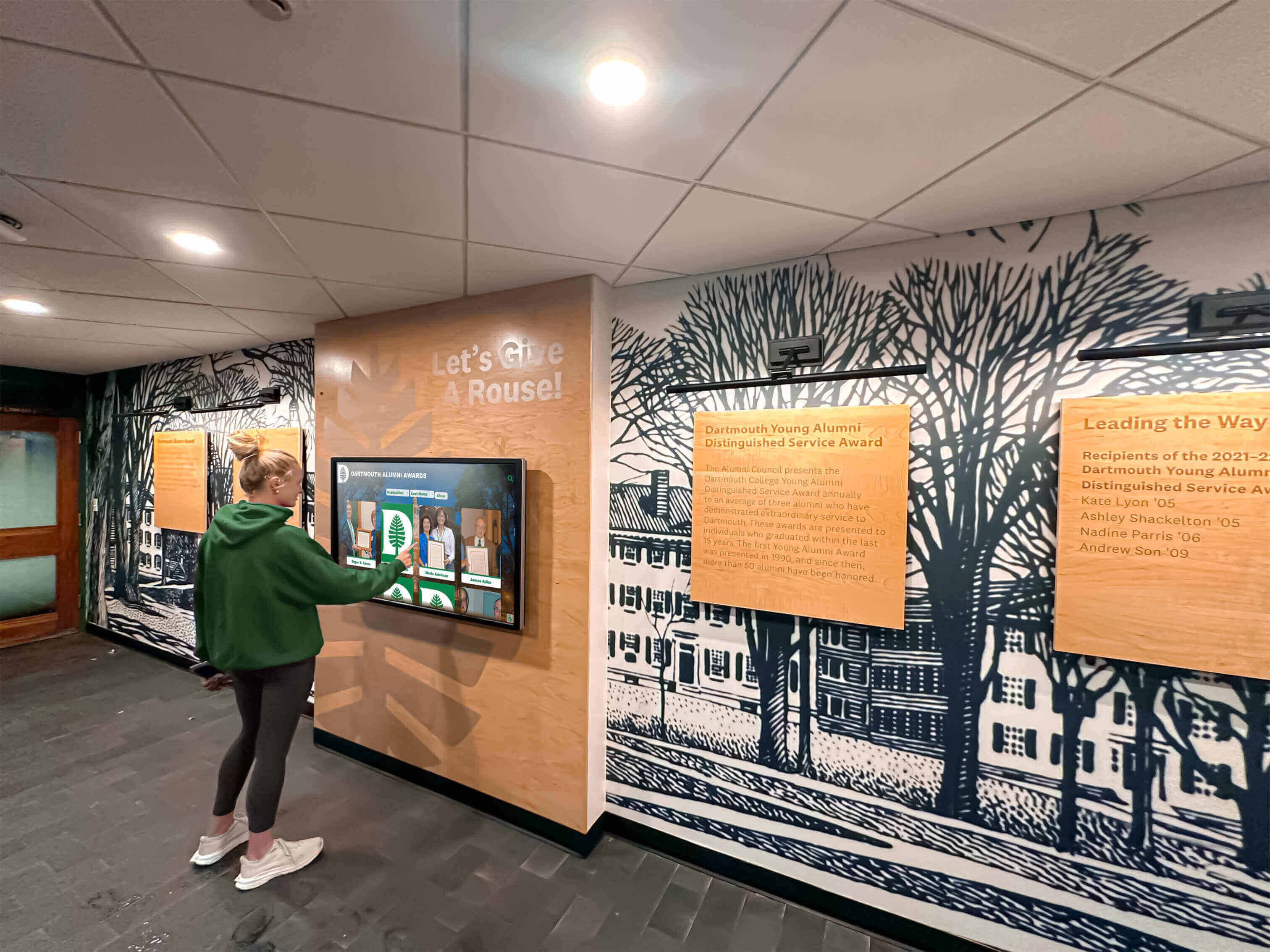
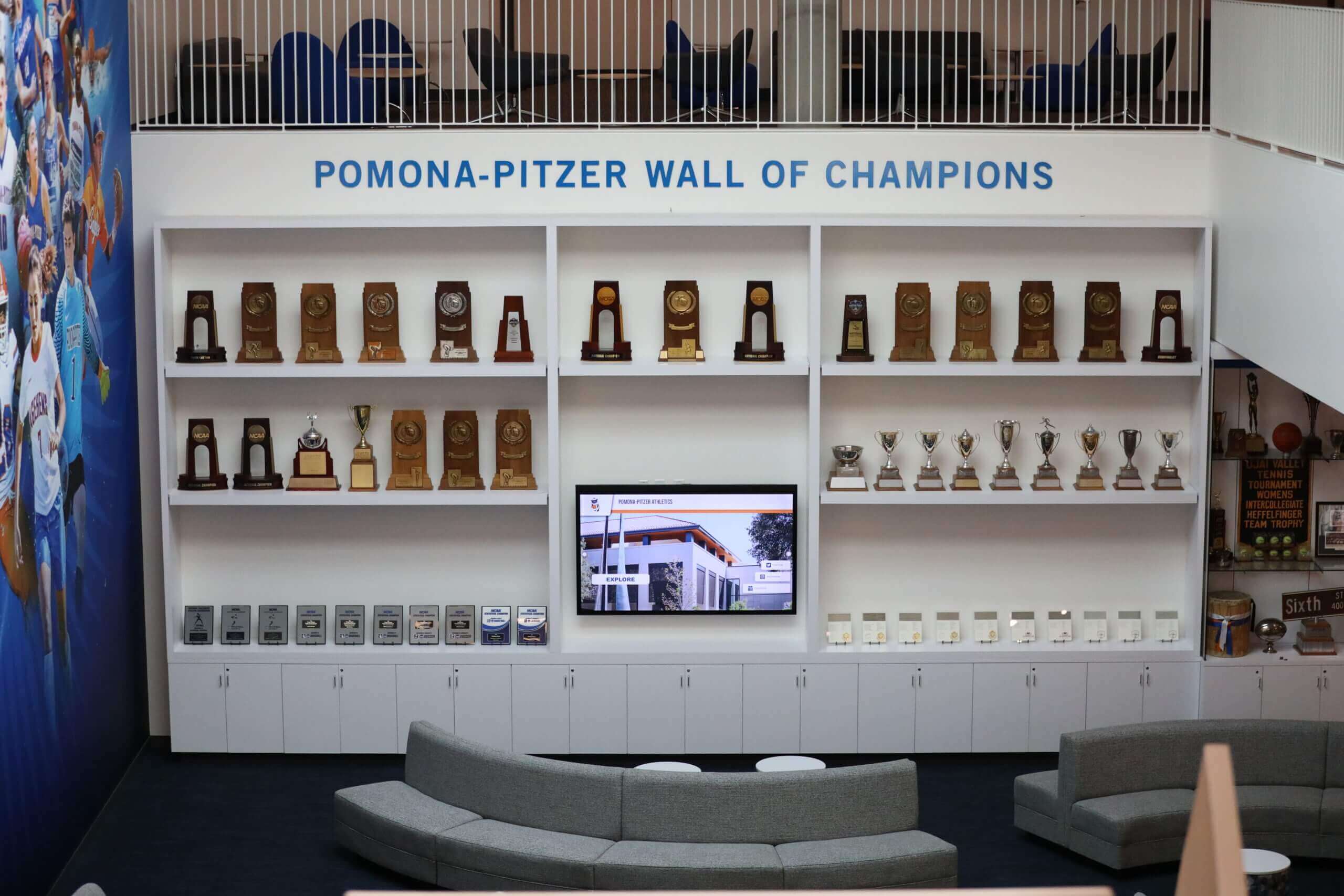
Traditional trophy cases show what you accomplished yesterday. Interactive exhibits create living, growing recognition systems that evolve with your community and invite ongoing engagement that strengthens institutional connections.
Planning Interactive Exhibits for Maximum Engagement
Creating effective interactive exhibits requires thoughtful planning around location, content strategy, and user experience design. The most successful installations become destinations within your building—places people intentionally visit rather than displays they happen to pass.
Location Selection Strategy
Physical placement dramatically impacts engagement rates. Consider these factors when selecting installation locations:
High-traffic areas maximize visibility and casual discovery. Main lobbies, entrance halls, and cafeterias see consistent foot traffic throughout the day. However, high traffic alone isn’t enough—you need spaces where people naturally pause rather than rush through.
Dwell-friendly zones encourage extended interaction. Areas with nearby seating, natural gathering spots, or spaces where people wait (outside administrative offices, near auditoriums before events) create opportunities for meaningful engagement rather than quick glances.
Lighting conditions significantly affect screen visibility. Avoid locations with direct sunlight or excessive glare. Windows directly behind screens create viewing problems, while controlled interior lighting enhances the experience.
Architectural integration makes exhibits feel intentional rather than afterthoughts. Work with your building’s existing aesthetics—brick walls, painted murals, school colors—to create cohesive installations that enhance rather than compete with your space.
Accessibility requirements must be considered from the start. Ensure wheelchair accessibility, appropriate height mounting, clear approach space, and proximity to building entrances for visitors with mobility considerations.
Content Strategy for Interactive Success
The content you display determines whether people engage once or return repeatedly. The most effective interactive exhibits follow several key principles:
Start with search-friendly design. Visitors should be able to find themselves, their classmates, their graduation year, or their favorite team within seconds. Intuitive navigation and robust search functionality turn casual visitors into engaged users who share their discoveries with others.
Layer information strategically. Present overview information first—names, years, primary achievements—with the ability to tap for deeper stories, additional photos, career information, or full biographies. This approach serves both casual browsers and invested community members.
Update content regularly. Static content creates static engagement. Schools that add new inductees, update current student achievements, or rotate featured stories see dramatically higher repeat visit rates. Solutions like Rocket Alumni Solutions enable remote content management that makes updates simple rather than burdensome.
Include diverse recognition categories. Academic achievements, athletic accomplishments, arts and music excellence, community service, distinguished alumni, and historical milestones all deserve space. Breadth of content increases the percentage of your community who sees themselves represented.
Connect past and present. Interactive exhibits work best when they bridge institutional history with current community. Feature historical photos alongside current students, show alumni career paths that inspire current students, or highlight multi-generational family connections to your institution.
Types of Interactive Exhibits Schools Are Installing
Schools, universities, and organizations are deploying interactive exhibits for increasingly diverse recognition and engagement purposes. Understanding the most common installation types helps identify opportunities within your own institution.
Hall of Fame and Athletic Recognition
Athletic recognition remains one of the most popular applications for interactive exhibits. These installations celebrate team championships, individual athlete achievements, coaching legacies, and program histories in ways that traditional trophy cases can’t match.
Interactive athletic exhibits typically include:
- Searchable athlete profiles with photos, statistics, achievements, and career information
- Team history timelines showing championship years, coaching eras, and program evolution
- Record boards that automatically rank and display top performances across different eras
- Video highlights of memorable games, championship moments, and athlete interviews
- Coaching tributes acknowledging the leaders who built your programs
- Multi-sport coverage giving equal prominence to all athletic programs
The ability to update these displays remotely means you can recognize current student-athletes throughout the season rather than waiting months or years for recognition. This real-time acknowledgment strengthens student engagement and school pride.
Alumni Recognition and Donor Walls
Interactive exhibits transform how schools acknowledge alumni achievements and donor generosity. Rather than static plaques with limited space, digital recognition creates unlimited capacity and rich storytelling opportunities.
Alumni recognition features typically include:
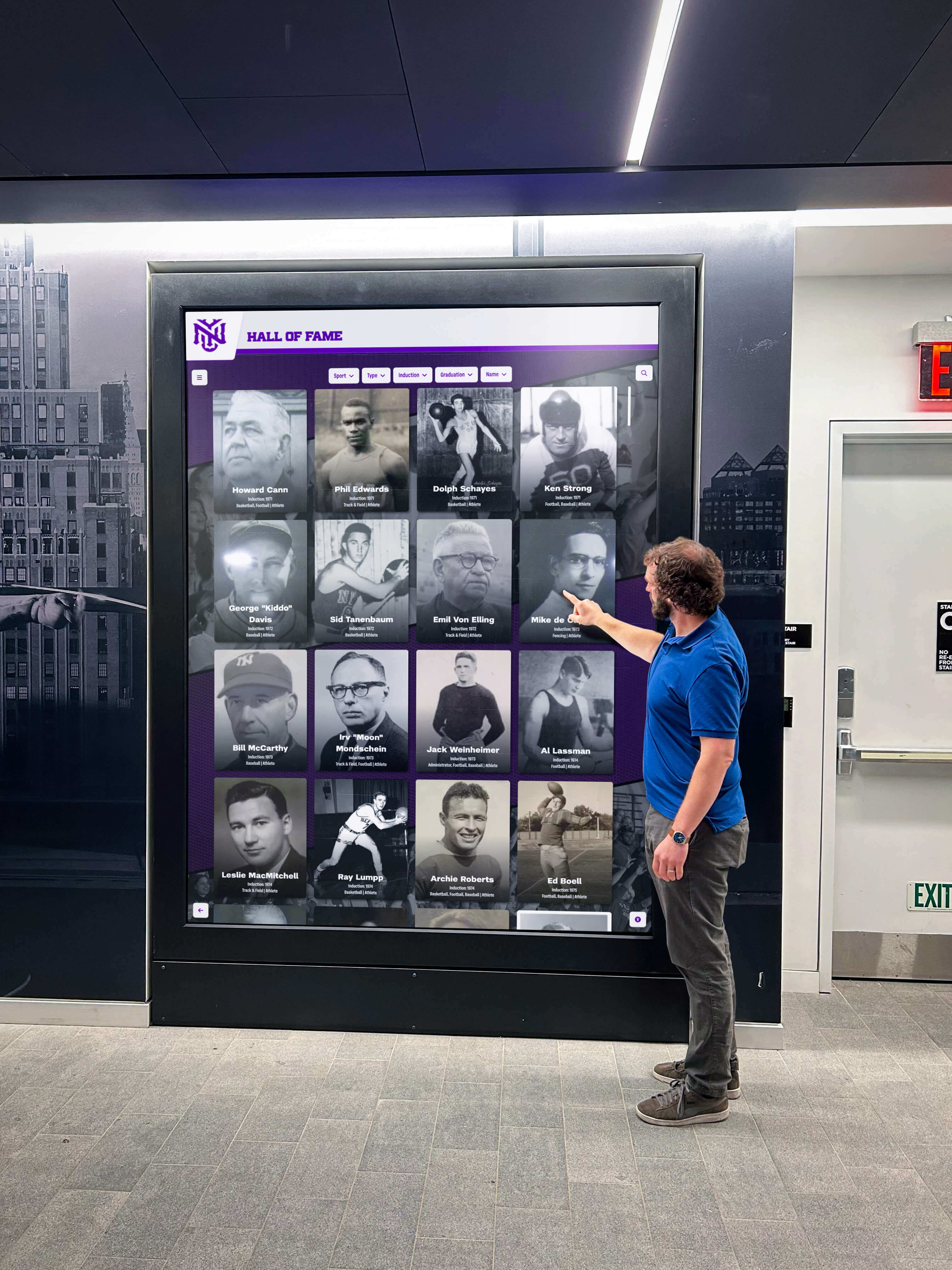
- Searchable databases by graduation year, name, or achievement category
- Career outcome information showing the diverse paths graduates have taken
- Distinguished graduate profiles with photos, biographies, and accomplishments
- “Where are they now” features that keep alumni connected to the institution
- Multi-generational family recognition highlighting legacy connections
Donor recognition capabilities offer advantages traditional walls can’t provide:
- Flexible giving level displays that can be updated as supporters increase contributions
- Campaign progress tracking showing fundraising goals and current status
- Tribute and memorial sections honoring specific individuals or causes
- Sponsorship recognition for businesses and community partners
- Scheduled content publishing that allows advance preparation for recognition announcements
Academic Excellence and Student Achievement
Academic recognition often receives less physical space than athletics, yet celebrating intellectual achievement builds culture and motivation. Interactive exhibits provide equal prominence for academic accomplishments.
Common academic recognition applications include:
- Honor roll displays showing current and historical academic achievement
- National Merit Scholars and other academic honor society members
- Valedictorian and salutatorian recognition across graduation years
- Academic competition success in debate, math competitions, science fairs, and knowledge bowls
- Scholarship recipient acknowledgment celebrating students who earned academic awards
- Student research highlights particularly relevant for universities and STEM-focused institutions
Academic recognition displays motivate current students by showing achievable excellence while honoring those who demonstrated academic commitment.
Historical Archives and Institutional Memory
Interactive exhibits excel at preserving and sharing institutional history in accessible formats. Rather than archived yearbooks gathering dust or historical photos in storage, digital displays surface these treasures for current community members.
Historical exhibit features include:
- Digitized yearbook browsing allowing exploration of class composites across decades
- Building and campus evolution showing how physical spaces changed over time
- Historical milestone celebrations marking significant institutional moments
- Tradition and culture preservation documenting unique school customs and stories
- Leadership timelines honoring principals, superintendents, and other institutional leaders
These historical elements create powerful connections between current community members and institutional legacy. Students discover teachers who attended the same school. Alumni find their parents’ or grandparents’ senior portraits. Visitors understand the institution’s evolution and values.
Technical Considerations for Interactive Exhibit Success
Beyond content and placement, technical implementation determines long-term success and satisfaction with interactive exhibits. Understanding key technical factors helps schools make informed decisions.
Hardware Selection and Durability
Interactive exhibits operate in high-traffic, public spaces where equipment faces constant use. Commercial-grade hardware built specifically for these environments prevents frustration and maintenance headaches.
Screen quality and size impact both visibility and engagement. Larger displays (55-inch to 75-inch) work better in spacious lobbies and high-traffic areas, while smaller screens suit confined spaces. High-brightness commercial displays remain visible in varied lighting conditions.
Touch technology should be responsive, accurate, and designed for frequent use. Capacitive touchscreens similar to those in smartphones and tablets provide the intuitive experience users expect from modern interactive technology.
Mounting and enclosure solutions protect equipment while enhancing aesthetics. Wall-mounted installations save floor space, while freestanding kiosks create destinations in open areas. Mounting should be secure, height-appropriate, and allow for maintenance access.
Connectivity requirements include reliable network access for content updates and remote management. Wired ethernet connections typically provide more stability than wireless options for permanently installed exhibits.
Software and Content Management
The software powering your interactive exhibit determines both user experience and administrative burden. Web-based platforms offer significant advantages over native applications.
Remote content management eliminates the need for physical access to update displays. Administrators should be able to add new inductees, update information, upload photos, or change featured content from any computer without visiting the installation.
Mobile responsiveness extends your exhibit beyond the physical location. QR code integration lets visitors access the same content on smartphones, allowing them to share discoveries with family and friends regardless of location.
Automatic content organization saves administrative time. Features like auto-ranking record boards, chronological sorting, and category organization should happen automatically rather than requiring manual arrangement.
Scheduled publishing allows preparation of content in advance with automatic display at appropriate times. Schedule inductee announcements, seasonal highlights, or anniversary features without real-time management.
Accessibility compliance isn’t optional—it’s required by law and essential for inclusive communities. Web-based platforms can achieve full ADA WCAG 2.1 AA compliance, ensuring everyone can engage regardless of physical ability.
Maintenance and Long-term Support
Interactive exhibits require ongoing support to remain engaging and functional. Understanding maintenance requirements prevents surprises and ensures long-term success.
Software updates and security should happen automatically without requiring administrator action or system downtime. Cloud-based platforms receive continuous improvements and security patches without disrupting your display.
Technical support availability matters when issues arise. Look for providers offering responsive support, clear communication, and remote troubleshooting capabilities that resolve problems quickly.
Content migration and portability protects your investment if you ever change hardware or providers. Your recognition database, photos, and content should be accessible and portable rather than locked into proprietary formats.
Training and documentation help new administrators manage the system effectively. Clear guides, video tutorials, and responsive support create confidence for staff members responsible for content management.
Creating Engagement Beyond the Physical Installation
The most effective interactive exhibits extend beyond the physical touchscreen, creating multiple touchpoints that keep communities engaged whether they’re on campus or across the country.
Mobile and Web Access
Physical installations create initial engagement, but mobile and web accessibility dramatically expand reach and frequency of interaction. Visitors who discover themselves or classmates on the exhibit want to share those moments with others who can’t be physically present.
QR code integration bridges physical and digital experiences. Place QR codes near the exhibit that direct visitors to mobile-friendly versions of the same content. Alumni visiting for homecoming can share their profile with family members who couldn’t attend.
Dedicated web portals allow anyone to explore your recognition content from anywhere. This extends engagement far beyond physical visits, creating opportunities for alumni to reconnect with institutional memories and share accomplishments with broader networks.
Social media connectivity amplifies engagement when people can easily share their recognition. Simple sharing tools that post to Facebook, Twitter, or LinkedIn with appropriate privacy controls turn individual recognition into community celebration.
Event Integration and Ceremonial Use
Interactive exhibits enhance recognition events, awards ceremonies, and celebrations by providing immediate visual reinforcement of verbal acknowledgments.
Live event display shows new inductees or award recipients as they’re announced, adding visual impact to verbal recognition. The exhibit becomes part of the ceremony rather than merely documenting it afterward.
Reception and gathering enhancement gives attendees something engaging to explore before and after formal programs. Interactive exhibits become conversation starters that connect people around shared memories and achievements.
Induction ceremony coordination allows scheduling of new content to go live at precise moments during formal programs, creating dramatic reveals that honor inductees while demonstrating the dynamic nature of your recognition system.
Community Building Through Recognition
Interactive exhibits transform recognition from isolated moments into ongoing community building when designed with connection as a primary goal.
Recognition that highlights relationships and connections creates deeper engagement than mere individual acknowledgment. Features that show multi-generational families, teammates who succeeded together, or mentor-student relationships demonstrate institutional community rather than just individual achievement.
Discovery features help visitors find unexpected connections. “Related people” suggestions, shared graduation years, common achievements, or team connections create exploration paths that keep people engaged longer and return more frequently.
Regular content refreshes give community members reasons to return. Monthly featured stories, seasonal highlights, anniversary celebrations, or rotating historical content ensure the exhibit offers something new with each visit rather than becoming familiar and ignored.
Budget Considerations and ROI for Interactive Exhibits
School administrators and decision-makers naturally want to understand costs and value before committing to interactive exhibit installations. While investment levels vary based on size, features, and scope, understanding the full financial picture helps make informed decisions.
Initial Investment Components
Hardware costs include the display screen, computer or media player, touchscreen technology, mounting or enclosure, and installation labor. Commercial-grade equipment designed for public space use costs more than consumer electronics but provides the durability and reliability these installations require.
Software and platform fees vary significantly by provider. Some charge substantial upfront licensing fees, while others use subscription models that distribute costs over time. Consider total cost of ownership rather than just initial price—flexible pricing options help schools manage budgets effectively.
Content development requires time investment for data collection, photo gathering, information verification, and initial population. Some institutions handle this internally, while others prefer professional services that accelerate launch timelines.
Design and customization create exhibits that match your institution’s aesthetic and brand. Custom murals, branded interfaces, color coordination, and architectural integration add value but increase initial investment.
Ongoing Operational Costs
Subscription or maintenance fees cover software updates, technical support, hosting, and platform improvements. Web-based platforms typically include these services in monthly or annual fees, eliminating surprise charges or outdated software problems.
Content management time represents the staff hours required to update information, add new inductees, and maintain accuracy. User-friendly content management systems minimize this burden, making updates simple rather than technical projects.
Electricity and connectivity costs are typically minimal—modern displays use energy-efficient technology, and network connectivity is usually already available in buildings.
Return on Investment Beyond Dollars
While budgets matter, the most significant value from interactive exhibits comes through community engagement, institutional pride, and connection outcomes that don’t appear on spreadsheets.
Alumni engagement increases translate to higher giving rates, better event attendance, stronger volunteer recruitment, and more active advocacy. Alumni who feel recognized and connected to their institution provide tangible support across multiple dimensions.
Student pride and motivation grow when achievement receives prominent, permanent recognition. Students work harder toward goals that receive meaningful acknowledgment, and school culture improves when excellence is celebrated visibly.
Recruitment and admissions impact occurs when prospective families see evidence of achievement culture and community investment. Interactive exhibits demonstrate institutional commitment to recognition and modern engagement approaches.
Donor cultivation improves when giving receives prominent, permanent acknowledgment that donors can share with their networks. Recognition that extends beyond physical plaques to mobile and web access provides value donors appreciate.
Space efficiency eliminates the need for expensive physical plaques, engraving, and regular reinstallation as you add new honorees. Unlimited digital capacity means never choosing who receives recognition due to space constraints.
Implementation Best Practices for School Interactive Exhibits
Schools that successfully deploy interactive exhibits typically follow similar implementation approaches that minimize challenges and maximize community adoption.
Start with Clear Recognition Goals
Before selecting technology or designing content, clarify what you want to accomplish. Are you primarily recognizing athletic achievement, honoring donors, preserving history, celebrating academic excellence, or achieving multiple goals simultaneously?
Clear goals drive decisions about:
- Content priorities and what gets prominent placement
- Feature requirements that support your specific use cases
- Success metrics that determine whether the exhibit achieves intended outcomes
- Stakeholder involvement identifying who needs input into planning and content
Schools that begin with technology selection rather than goal clarification often end up with impressive installations that don’t serve their actual needs effectively.
Build Cross-functional Planning Teams
Effective interactive exhibits serve multiple constituencies and require input from diverse perspectives. Planning teams should include:
- Athletic directors who understand sports recognition needs and existing data
- Alumni directors who manage graduate engagement and have historical information
- Development officers who handle donor relationships and recognition expectations
- Facilities managers who understand building access, electrical capacity, and architectural considerations
- Technology coordinators who can assess network capability and provide technical guidance
- School administrators who can align the project with institutional priorities and approve budgets
- Students who provide perspectives on engagement appeal and usability
Diverse planning teams catch potential problems early and create buy-in across constituencies who will ultimately use and promote the installation.
Prioritize User Experience Over Technical Features
The most technically sophisticated exhibit fails if the user experience frustrates visitors. Prioritize:
Intuitive navigation that requires no instructions or signage. Visitors should understand how to interact with the exhibit within seconds of approaching.
Fast performance that responds immediately to touches and loads content quickly. Delays between interactions and responses create frustration that discourages engagement.
Clear visual hierarchy that helps visitors understand what they’re seeing and what options are available. Good design guides exploration naturally rather than requiring visitors to figure out the interface.
Readable typography at viewing distances appropriate for the installation location. Text that’s readable from 2 feet away won’t serve visitors standing 6 feet back from the screen.
Consistent interaction patterns throughout the exhibit. If tapping opens detail pages in one section, that same interaction should work consistently everywhere.
Plan Content Governance and Update Workflows
Technology installation is quick—hours or days. Content development and ongoing management require sustainable workflows that prevent bottlenecks and delays.
Establish clear ownership for content accuracy, update responsibilities, and approval workflows. Ambiguity about who can add content or authorize changes creates paralysis.
Create submission processes that allow coaches, teachers, and staff to submit recognition information without requiring central administrators to collect everything themselves.
Set update cadences for different content types. New inductees might be added quarterly, current student achievements updated weekly, and featured stories rotated monthly.
Document standards for photo quality, information completeness, and content tone to ensure consistency as multiple people contribute over time.
Train Stakeholders and Promote Actively
Installation doesn’t automatically generate engagement—people need to know the exhibit exists and understand how to interact with it.
Host launch events that introduce the interactive exhibit to key constituencies. Induction ceremonies, alumni receptions, or school assemblies create awareness and initial engagement momentum.
Create promotional materials including social media posts, newsletter features, website highlights, and campus signage directing people to the installation location.
Train staff and volunteers to demonstrate the exhibit to visitors. Admissions tour guides, alumni volunteers, and front desk staff should be comfortable showing features and encouraging exploration.
Integrate into existing programs by referencing the exhibit during award ceremonies, featuring it in development communications, and including it in campus tours.
Future Trends in Interactive Exhibit Technology
Interactive exhibits continue evolving as technology advances and institutions discover new engagement possibilities. Understanding emerging trends helps schools make forward-thinking decisions.
Enhanced Personalization and Recommendation Engines
Future exhibits will increasingly use artificial intelligence to personalize experiences based on visitor interactions. Systems might recognize returning visitors, suggest content based on previous exploration patterns, or highlight connections between the visitor and displayed content.
Contextual recommendations like “people also viewed” or “related achievements” help visitors discover content they wouldn’t have found through basic search, increasing engagement time and depth.
Progressive disclosure tailors information complexity to visitor interest—showing brief overviews initially with deeper detail available for those who want to explore further.
Multi-user Simultaneous Interaction
Larger displays and improved touch technology enable multiple people to interact with different sections of an exhibit simultaneously rather than taking turns.
Collaborative exploration lets families browse graduation years together or teams explore their championship history simultaneously, creating shared experiences rather than isolated individual interactions.
Social interaction features might enable visitors to share discoveries with each other directly through the exhibit, creating conversation starters and connection opportunities.
Augmented Reality Integration
Mobile devices enable augmented reality experiences that layer digital content onto physical spaces, creating hybrid physical-digital exhibits.
Campus navigation could show visitors where specific teams played, where distinguished alumni lived during their student years, or how buildings looked in previous eras.
Historical visualization might let visitors point smartphones at current spaces to see historical photos, videos, or information about what happened in that location.
Voice Interaction and Accessibility
Voice interfaces provide alternative interaction methods that improve accessibility while enabling hands-free operation.
Voice search lets visitors speak names, years, or achievement types rather than typing, particularly helpful for visitors with mobility limitations affecting precise touch interaction.
Audio description provides spoken information for visitors with visual impairments, ensuring full accessibility regardless of physical ability.
Data Analytics and Engagement Measurement
Understanding how people interact with exhibits helps institutions improve content, placement, and features based on actual behavior rather than assumptions.
Interaction tracking shows which content receives most engagement, how long visitors explore, and what search terms people use most frequently.
Usage patterns reveal optimal times for content updates, popular exploration paths, and opportunities to feature underutilized content more prominently.
A/B testing capabilities let institutions try different layouts, featured content, or interface designs to optimize engagement based on measured outcomes rather than opinions.
Conclusion: Creating Living Recognition Systems
Interactive exhibits represent more than upgraded trophy cases—they’re living recognition systems that grow with your community, evolve with technology, and create ongoing engagement rather than static acknowledgment.
Schools that embrace interactive exhibits discover benefits extending far beyond the initial installation. Alumni who never visited campus suddenly explore recognition content from across the country. Students who previously ignored trophy cases now actively search for their accomplishments and share discoveries with family. Donors who received traditional plaques now enthusiastically share mobile-accessible recognition with their broader networks.
The most successful implementations recognize that technology serves community rather than replacing it. Interactive exhibits create touchpoints—physical, mobile, and web-based—that keep people connected to institutional memory, achievement culture, and shared identity regardless of physical proximity.
Whether you’re planning your first interactive installation or enhancing existing recognition programs, the key is starting with clear goals, involving diverse stakeholders, prioritizing user experience, and committing to ongoing content development that keeps exhibits fresh and engaging for years to come.
Digital recognition platforms like Rocket Alumni Solutions enable schools to create these transformative experiences through web-based, ADA-compliant touchscreen systems that combine unlimited recognition capacity with intuitive interfaces and remote content management. The result is recognition that strengthens community, activates engagement, and builds the connections that transform institutions from places people attended into communities they remain part of for life.
Ready to transform your school’s recognition approach with interactive exhibits? Discover how interactive displays create engagement experiences that strengthen community and celebrate achievement effectively.