



November nights in Illinois transform into frozen battlegrounds where championship dreams either crystallize or shatter under Friday night lights. When the Illinois High School Association (IHSA) releases playoff brackets each year, communities across the Prairie State embrace the single-elimination intensity that separates championship contenders from pretenders through eight competitive classes spanning suburban Chicago powerhouses to rural small-town dynasties.
The Illinois high school football playoffs represent one of the Midwest’s most comprehensive championship systems, featuring eight classifications that ensure schools of all enrollment sizes access legitimate pathways to state titles. From Class 8A giants like Lincoln-Way East and Loyola Academy competing with rosters approaching college program depth, to Class 1A communities where entire towns rally behind teams representing collective identity. Yet navigating Illinois’s playoff structure—understanding classification criteria, bracket advancement, seeding processes, and championship paths through DeKalb or Normal—challenges even experienced coaches, athletic directors, and devoted fans following the state’s championship tradition.
Beyond game results and trophy presentations, Illinois’s playoff tradition raises compelling questions about recognition and legacy: How should schools honor postseason achievements that define program excellence? What transforms single-season tournament success into permanent program culture inspiring future generations? How can athletic departments create lasting celebration from playoff runs that motivate decades of subsequent athletes while preserving historical accomplishments?
This comprehensive guide explores everything about Illinois high school football playoffs—from tournament structure and qualification processes to championship history and recognition strategies that transform temporary playoff excitement into permanent program tradition. Whether you’re a coach preparing teams for postseason competition, an athletic director managing championship celebrations, or a community member passionate about Illinois football tradition, you’ll discover insights helping you understand and maximize the state’s premier athletic competition.

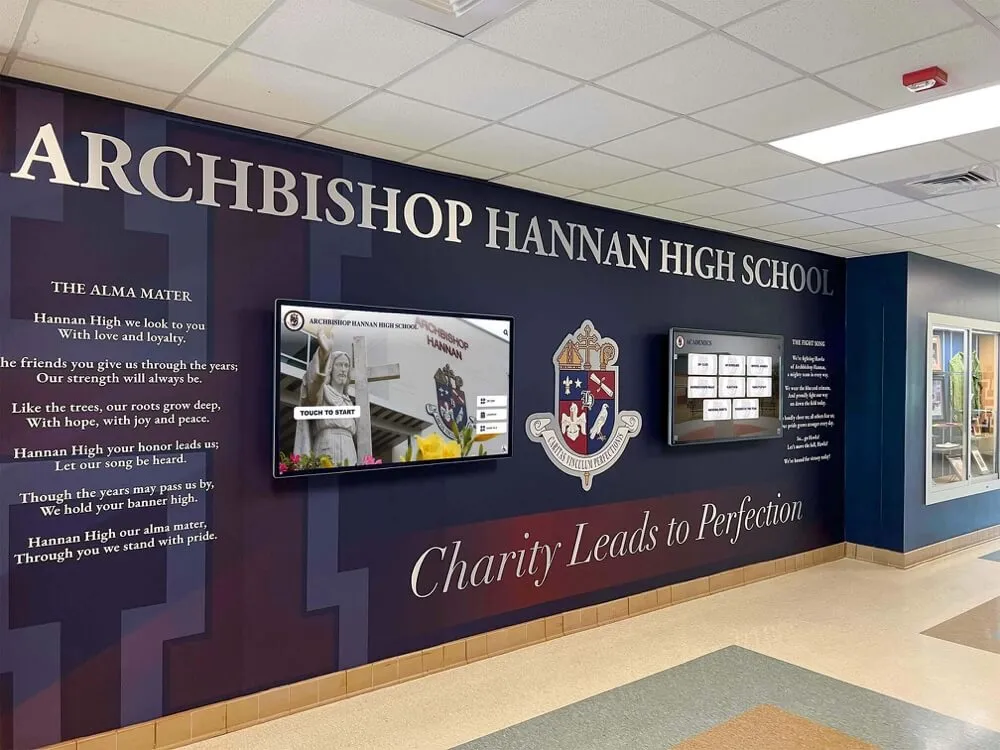
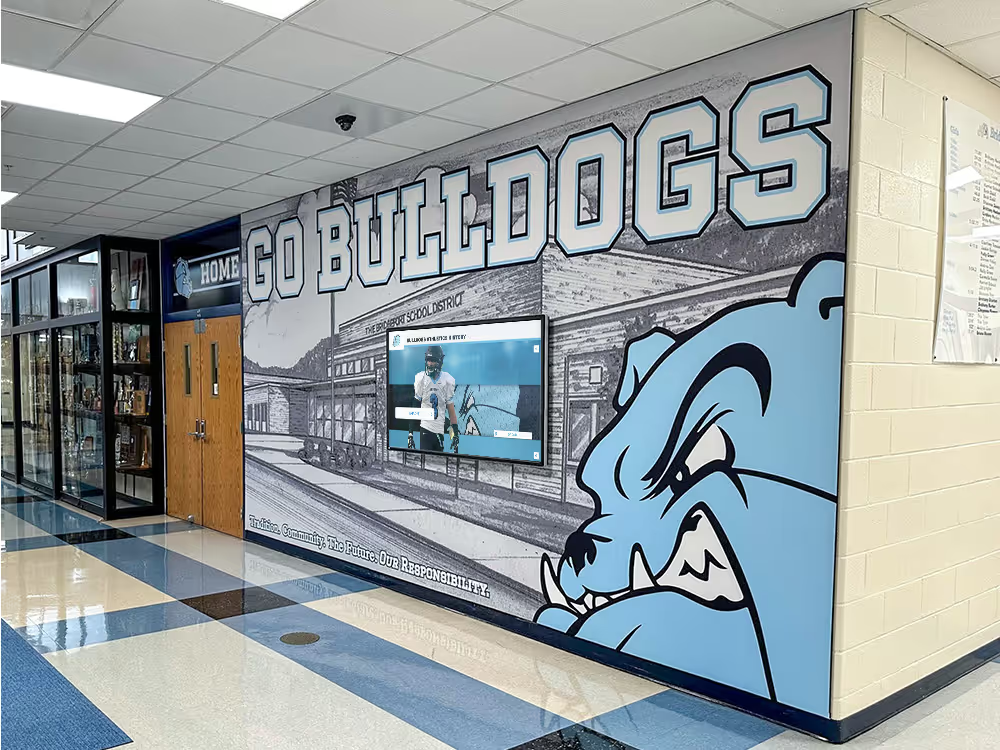
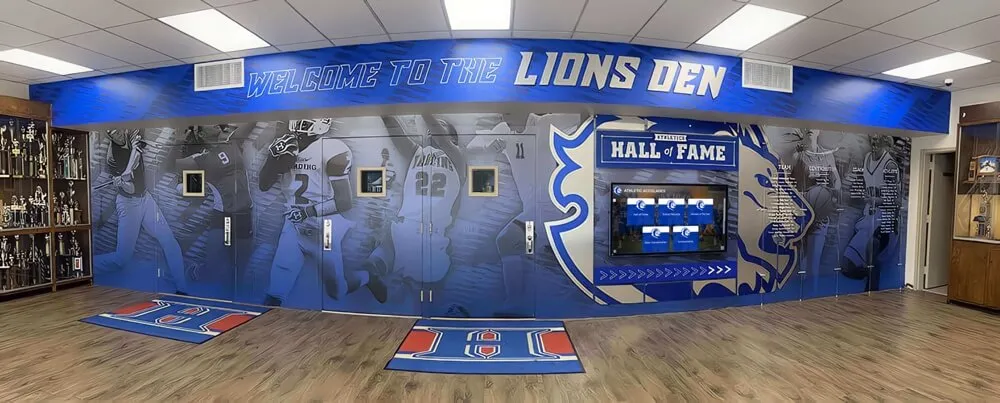
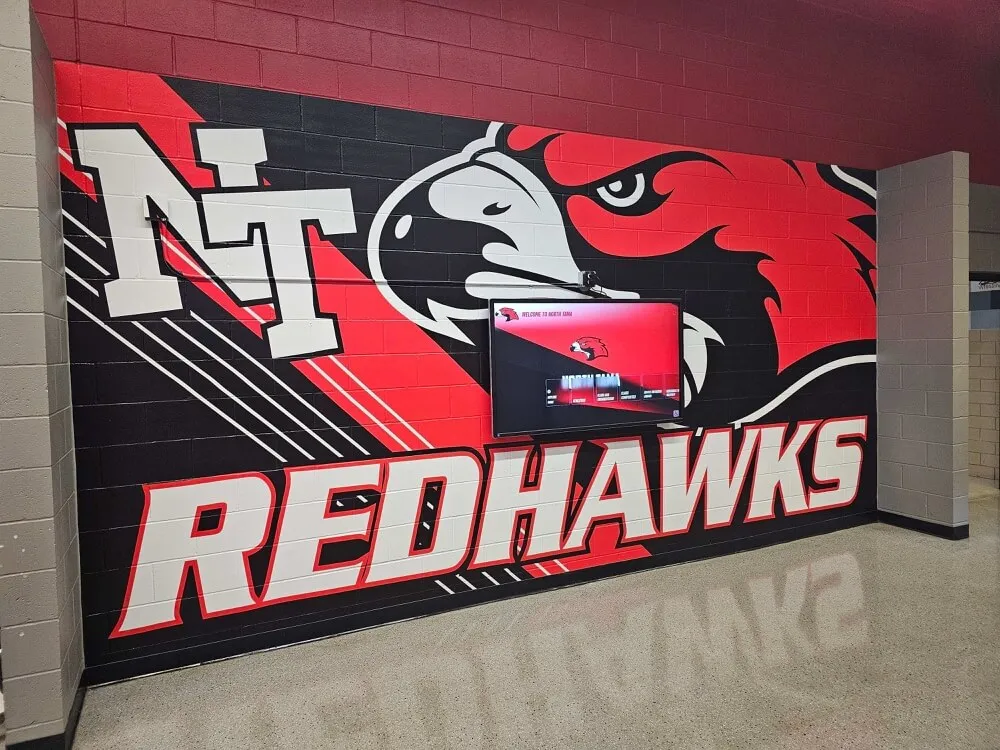
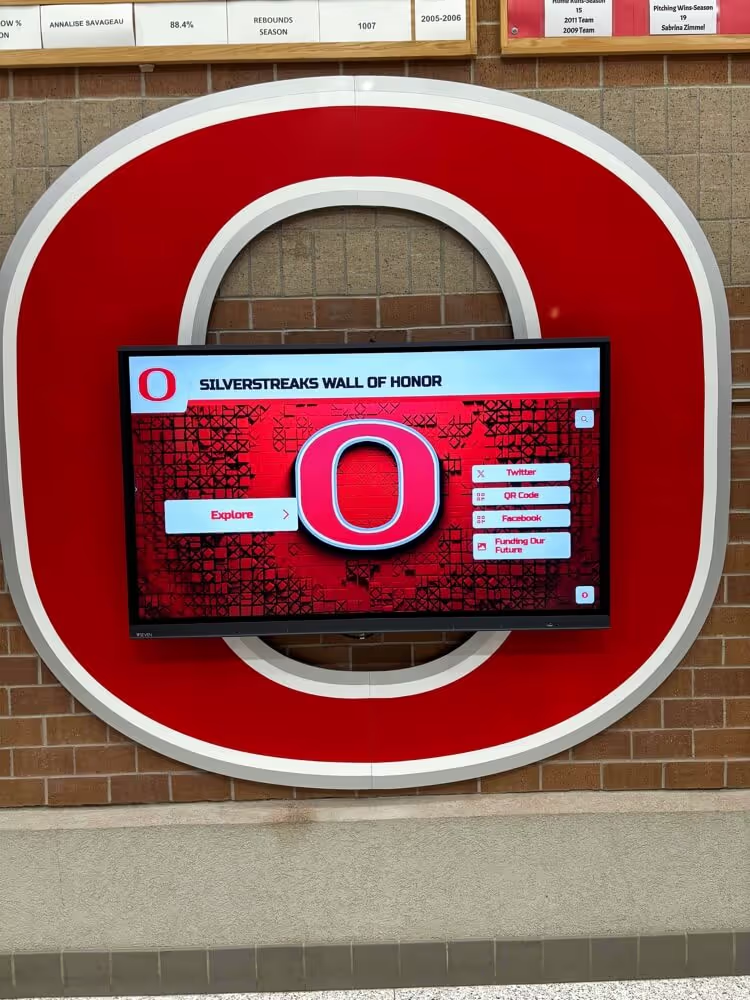
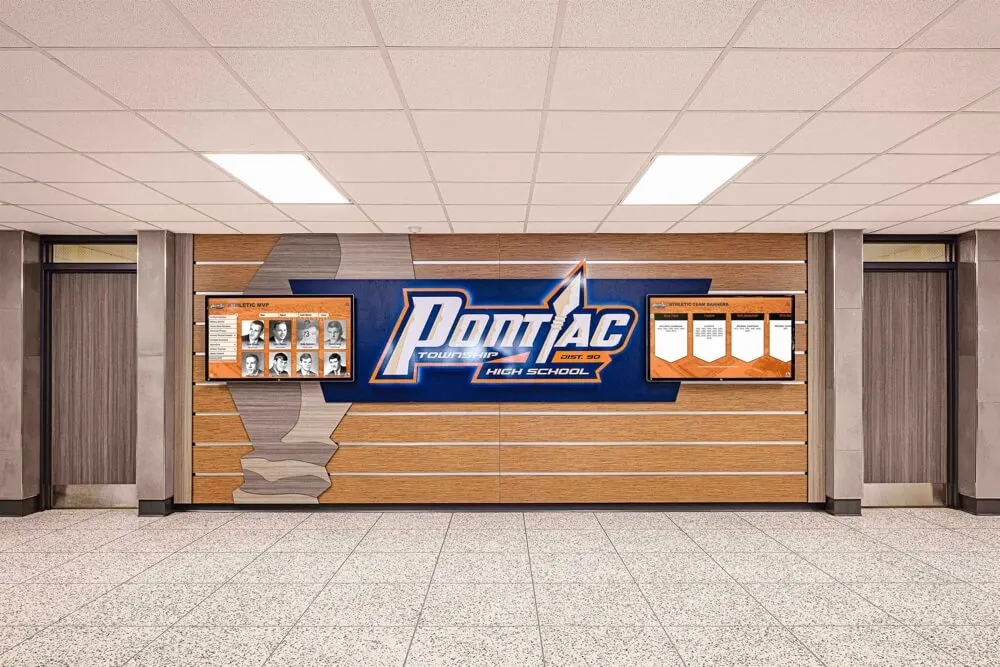
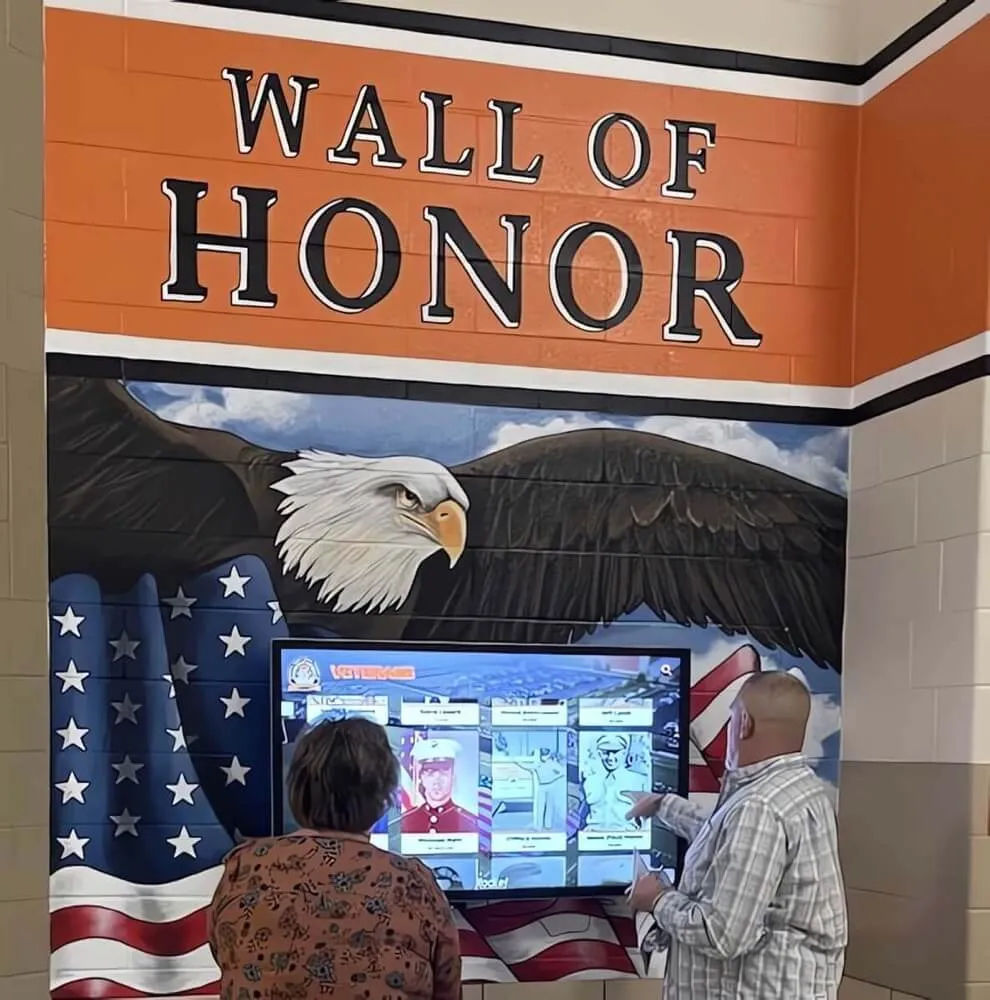
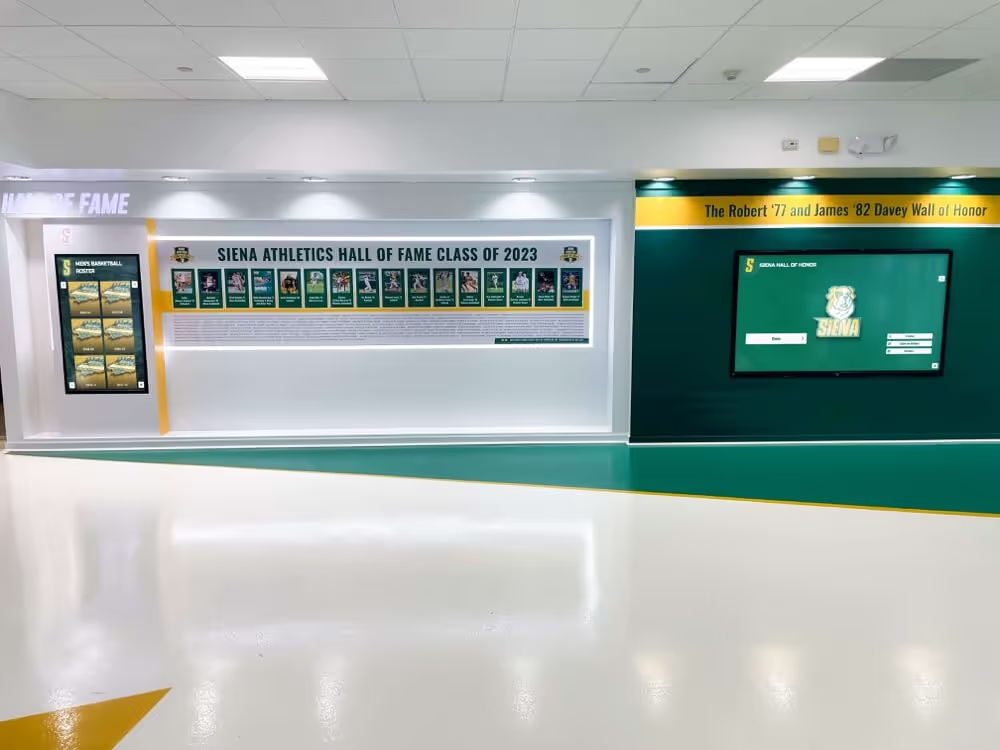
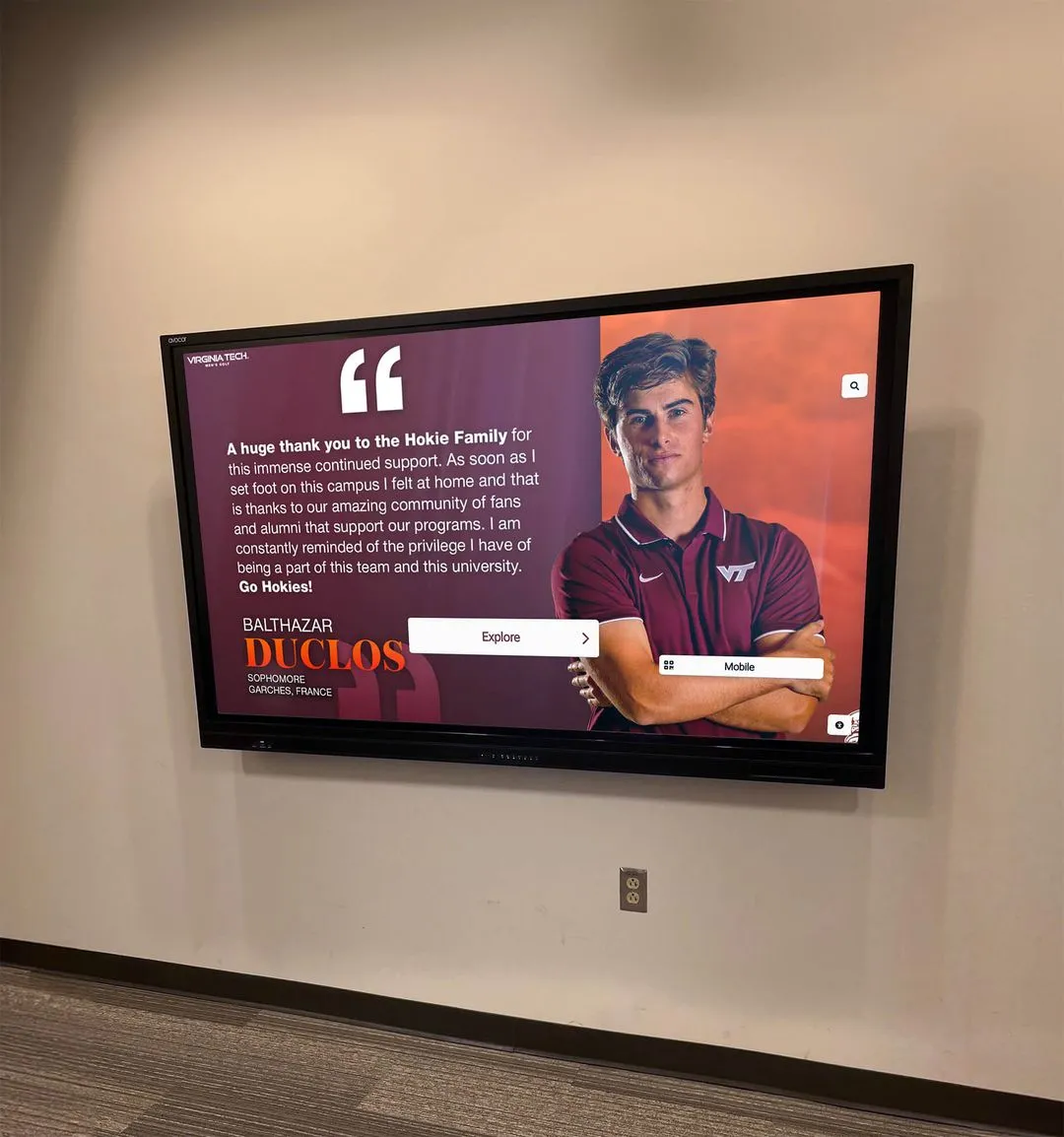
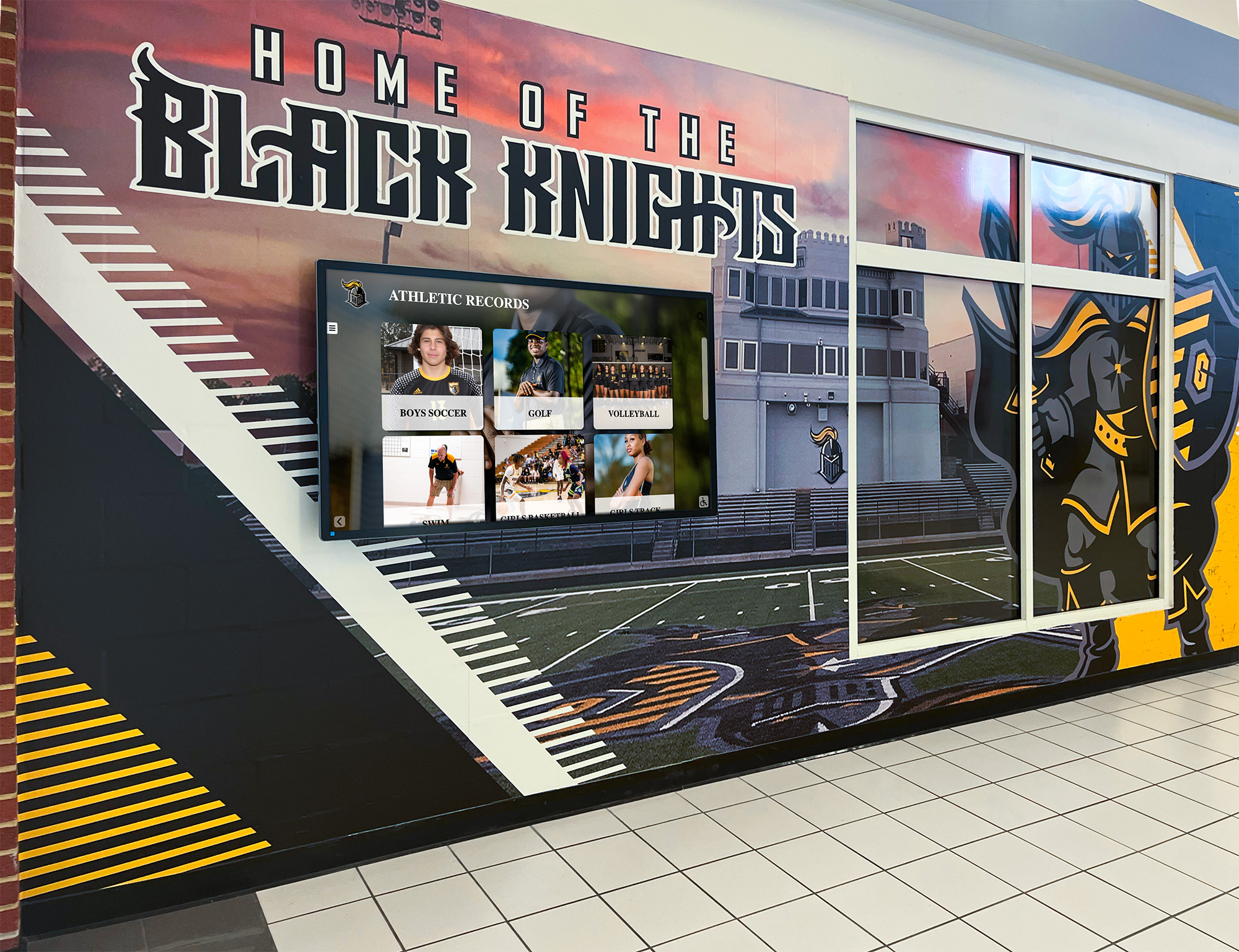
Illinois schools celebrate playoff traditions through comprehensive athletic displays showcasing tournament achievements and championship excellence
Understanding Illinois Football Classification System
Illinois’s current eight-classification structure ensures competitive balance across the state’s diverse educational landscape while creating multiple championship opportunities for schools regardless of enrollment size or geographic location.
Eight-Classification Structure and Enrollment-Based Divisions
The IHSA categorizes schools into eight competitive classes using enrollment figures submitted during biennial reclassification cycles. This process examines enrollment data ensuring schools compete against similarly-sized institutions while adjusting for demographic changes affecting competitive balance.
Class 8A: Suburban Chicago Powerhouses
Illinois’s largest classification features schools typically exceeding 2,000 students, including legendary programs like Lincoln-Way East, Loyola Academy, Maine South, and Lake Zurich. These elite suburban Chicago programs operate with extensive coaching staffs, state-of-the-art facilities including indoor practice complexes, and community support rivaling major college programs.
Class 8A competition produces Illinois’s highest concentration of Division I recruits, with championship rosters regularly featuring multiple players receiving FBS scholarship offers. Programs like Loyola Academy demonstrate sustained excellence through comprehensive player development systems, coaching continuity maintaining championship culture, and youth football pipelines systematically developing talent years before high school enrollment.
What separates elite 8A programs from other large schools? Championship culture expectations rather than mere hopes—where playoff qualification represents minimum acceptable performance and state title pursuits define successful seasons. Lincoln-Way East’s multiple championships across decades demonstrate how program tradition transcends individual coaching tenures when excellence becomes embedded institutional identity.
Classes 7A and 6A: Large School Competition
Classes 7A (approximately 1,450-2,000 students) and 6A (1,050-1,449 students) create Illinois’s large-school competitive middle ground where traditional powerhouses coexist with emerging programs building toward elite status.
Class 7A includes established programs like Batavia, Edwardsville, and numerous collar-county schools surrounding Chicago. These programs benefit from substantial enrollment providing depth advantages while maintaining competitive environments requiring excellence for championship consideration.
Class 6A features intense competition among programs like Cary-Grove, Prairie Ridge, and East St. Louis—the latter particularly notable for producing extraordinary talent and multiple championships despite complex socioeconomic challenges. East St. Louis demonstrates how exceptional coaching and community commitment can overcome resource disparities, producing NFL talent and state championships through football-focused culture and developmental excellence.
Classes 5A Through 3A: Mid-Size School Excellence
Mid-size classifications showcase programs where passionate community support creates competitive advantages, entire regions rally behind teams, and championship cultures transcend pure enrollment-based talent pools.
Class 5A programs like Sacred Heart-Griffin (Springfield), Nazareth Academy, and Morris built remarkable traditions demonstrating that schools in this enrollment range can compete successfully through exceptional coaching, comprehensive facilities, and program cultures expecting championship excellence. Mid-size programs often feature particularly passionate fan bases where entire communities invest completely in football success.
Classes 4A and 3A include programs like Rochester, IC Catholic, and Byron demonstrating that smaller schools can achieve sustained excellence when coaching expertise, community commitment, and championship expectations align properly. These classifications often produce particularly competitive balance where multiple programs enter playoffs with legitimate championship aspirations.
Classes 2A and 1A: Small School Championship Pathways
Illinois’s smallest classifications demonstrate that enrollment size creates no championship ceiling when programs build comprehensive cultures prioritizing football excellence.
Class 2A programs like Maroa-Forsyth, Gibson City-Melvin-Sibley, and Bismarck-Henning established strong traditions, while Class 1A features ultra-competitive balance among Illinois’s smallest schools. Class 1A programs typically enroll fewer than 200 students, creating intimate environments where multi-sport athletes develop year-round, entire student bodies attend games, and championship pursuits unite communities completely.
These smallest classifications produce particularly tight-knit programs where every roster member contributes significantly, coaching staffs know athletes personally across multiple sports, and championship achievements resonate throughout communities for generations. Small-school football represents Illinois tradition at its purest—communities united through shared athletic excellence transcending mere extracurricular activity into collective identity.
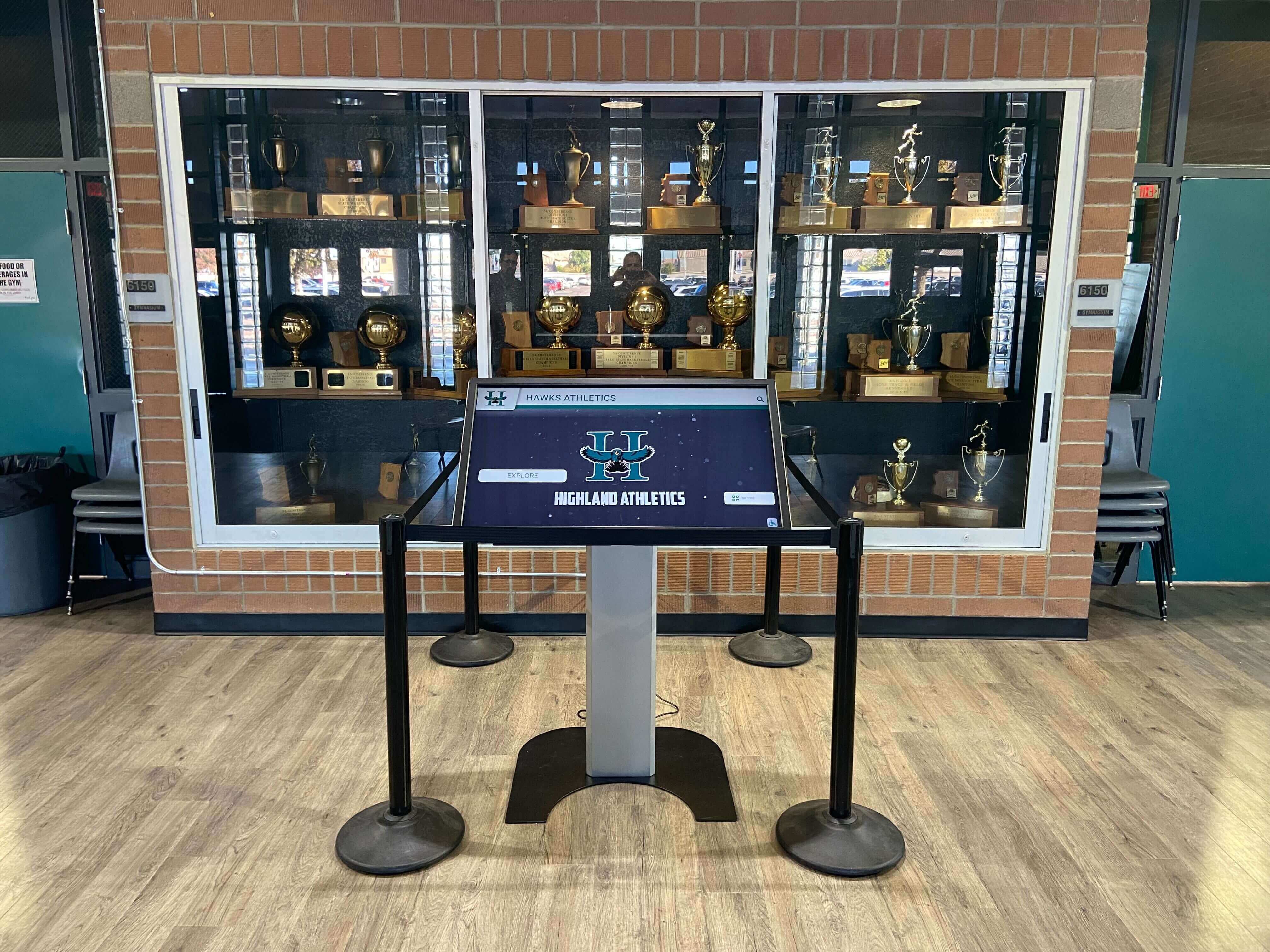
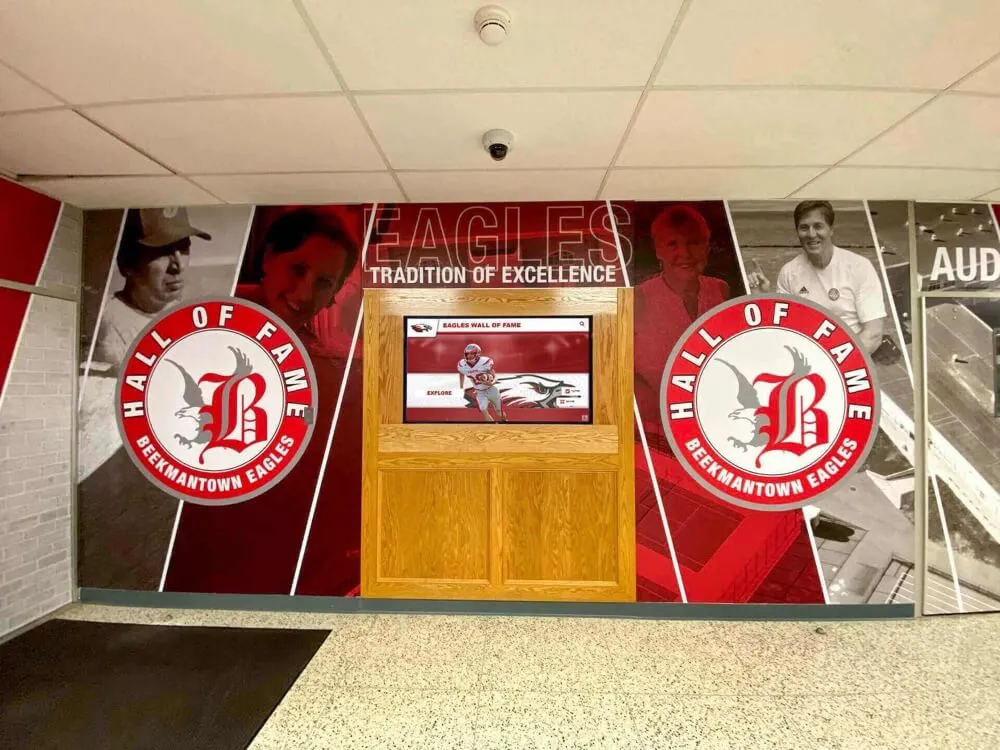
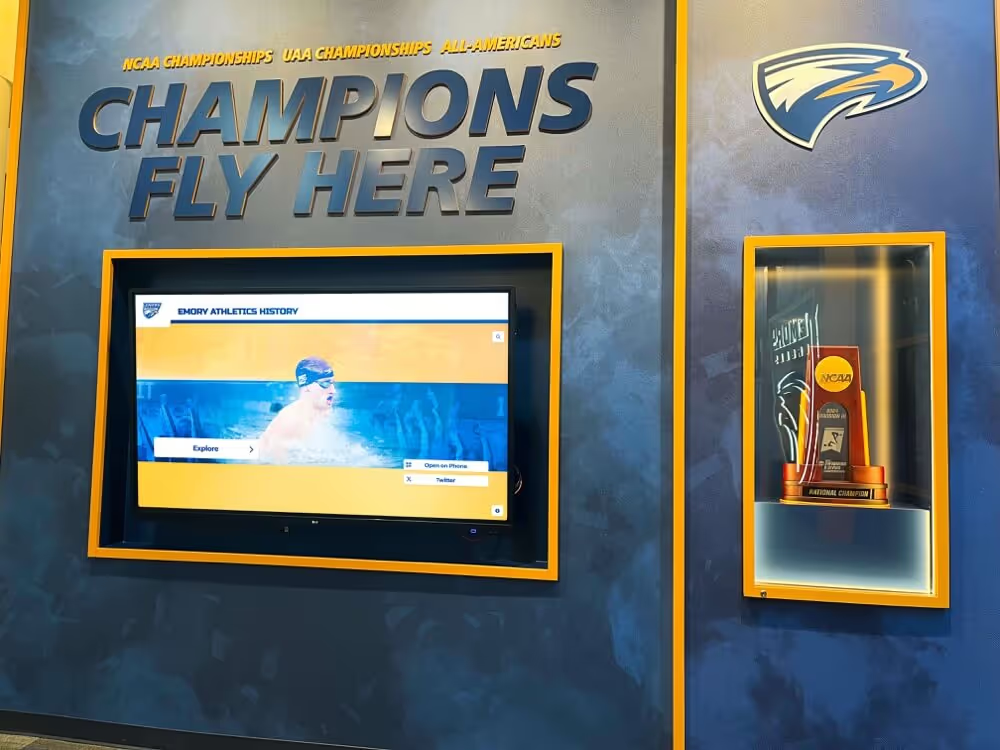
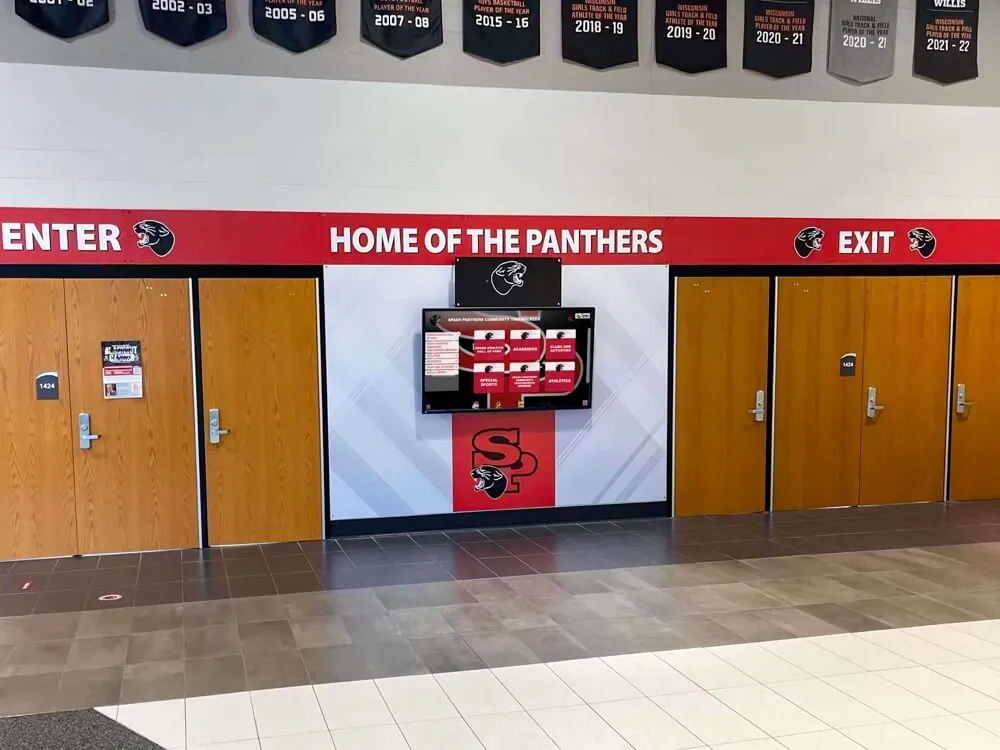
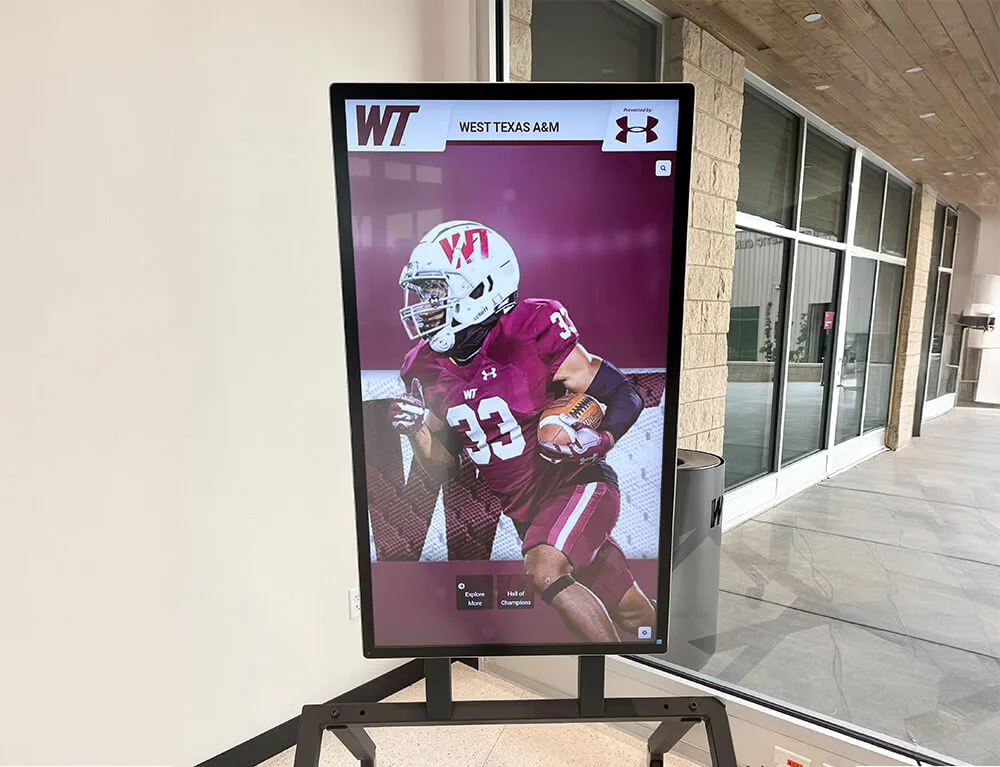
Modern [championship recognition technology](https://touchwall.tv/blog/arizona-high-school-football-playoffs/?utm_source=organic&utm_medium=seo-auto&utm_content=digitalwarming&utm_campaign=illinois-high-school-football-playoffs&utm_term=seo) enables comprehensive celebration of playoff achievements and state tournament traditions
Illinois Playoff Structure and Tournament Progression
Understanding Illinois’s playoff progression helps communities appreciate the challenge inherent in championship runs requiring multiple consecutive victories against progressively elite opponents under single-elimination pressure across November’s increasingly harsh conditions.
Playoff Qualification and Bracket Seeding
Illinois playoff qualification operates through win-threshold systems where teams achieving specific victory totals earn automatic qualification regardless of conference standings or comparative strength assessments. This objective approach creates straightforward qualification criteria while generating late-season drama when teams sitting at qualification thresholds face must-win scenarios.
Win-Based Qualification System
Most Illinois classifications use five-win thresholds for automatic playoff qualification, with additional spots potentially available for teams winning fewer games when brackets don’t fill completely. This system rewards consistent regular season success while creating urgency during mid-to-late season games determining playoff positioning.
Teams reaching five victories celebrate qualification achievements while understanding that seeding determines first-round matchups and potential championship paths. Strong regular season finishes securing higher seeds provide home-field advantage through early rounds—tangible rewards for excellence beyond mere qualification.
Geographic Bracketing and Regional Balance
Illinois divides each classification into geographic brackets attempting to balance competitive equity with travel considerations. Northern and southern brackets separate teams geographically when possible, reducing early-round travel demands while creating regional championship storylines capturing community attention.
Bracket placement occasionally generates controversy when geographic boundaries position competitive programs together while separating weaker teams elsewhere. The IHSA continually evaluates bracketing methodologies attempting to balance geographic logic, competitive equity, and travel practicality—competing priorities creating inevitable imperfect compromises regardless of specific approaches implemented.
First-Round Matchups and Home-Field Advantage
Playoff brackets seed teams within geographic regions with higher seeds hosting lower seeds through quarterfinal rounds. These initial matchups often feature dramatic contrasts—established programs hosting surprise qualifiers, traditional rivals meeting earlier than conference scheduling allowed, or potential upsets when lower seeds embrace underdog opportunities.
November Weather as Competitive Factor
Illinois November weather creates unique playoff conditions unavailable in southern states where mild temperatures persist through championship weekends. Arctic fronts, snow games, and frigid temperatures challenge preparation beyond pure football skills into mental toughness and physical conditioning separating championship teams from talented squads unprepared for playoff intensity extending beyond skill execution.
Home teams gain significant advantages during inclement weather—familiar field conditions, eliminated travel logistics, and crowd support creating intimidating environments for visiting opponents. Schools implementing comprehensive weather preparation strategies demonstrate sophistication separating perennial contenders from programs lacking attention to environmental details affecting postseason performance.
Quarterfinals Through Semifinals
Winners advance through bracket progression including quarterfinals and semifinals at higher-seeded venues or neutral sites depending on advancement stage and classification. These contests narrow championship fields while raising stakes—teams stand one or two victories from championship weekend earning recognition as state finalists regardless of ultimate championship outcomes.
Semifinal Weekend Intensity
State semifinals create festival atmospheres with communities traveling substantial distances supporting teams. College recruiters attend evaluating top prospects, media provides comprehensive coverage, and championship anticipation builds as elite-four teams per classification compete for championship game berths.
Semifinal victories validate complete programs demonstrating sustained excellence necessary for championship runs. Teams advancing through semifinals prove ability to perform under intense pressure against quality opponents, separating genuine championship contenders from talented squads lacking poise under postseason intensity.
State Championship Weekend
Illinois football championships traditionally conclude at neutral sites including Northern Illinois University (DeKalb) for certain classifications and Illinois State University (Normal) for others. These college campus venues provide championship atmospheres elevating competition beyond typical high school settings while creating memorable experiences for athletes performing before larger crowds with comprehensive media coverage.
Championship Game Atmospheres
Championship games represent culmination of season-long journeys where winners receive championship trophies, medals, and recognition while scoreboards display “State Champions” and public address announcers immortalize achievements. These moments—captured through photos, videos, and memories—define athletic careers while creating program legacies celebrated for generations.
Small rural communities making championship games experience particularly powerful celebrations as entire populations travel to championship venues supporting teams. Students who rarely attended regular season games suddenly embrace school pride, creating school-wide excitement that strengthens institutional culture while building memories associated with educational experience rather than just athletic achievement.
Schools implementing comprehensive championship recognition systems ensure playoff achievements inspire future athletes long after championship celebrations conclude, creating permanent motivation extending across decades and graduating classes.

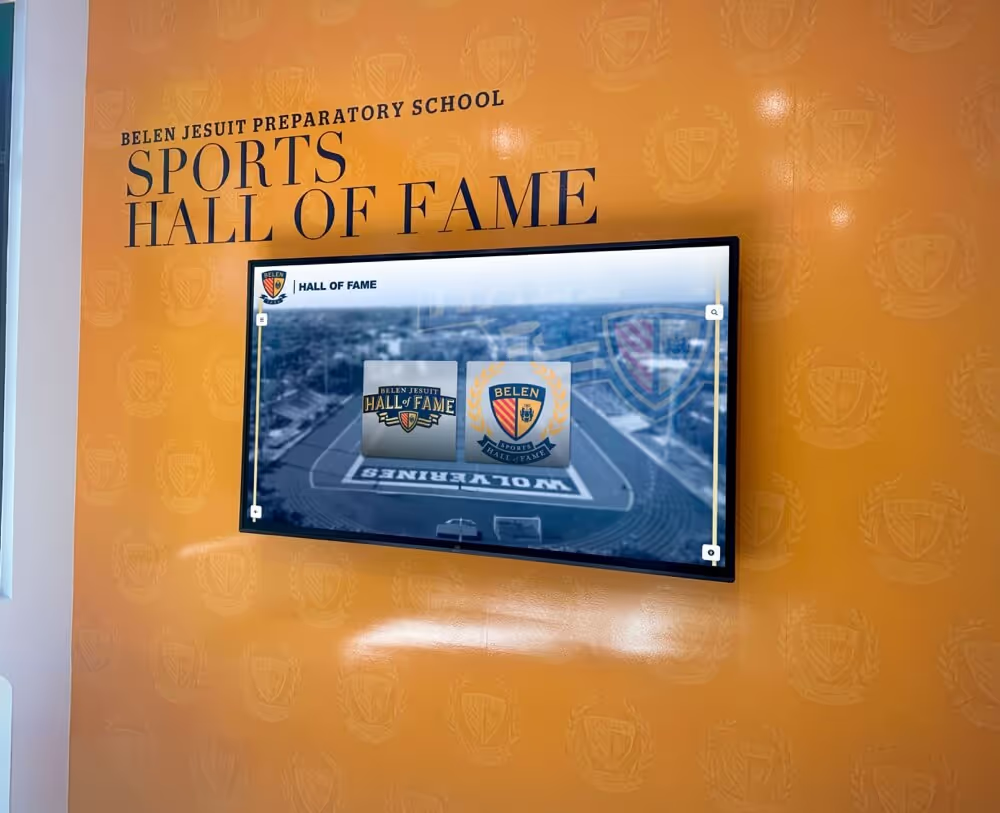
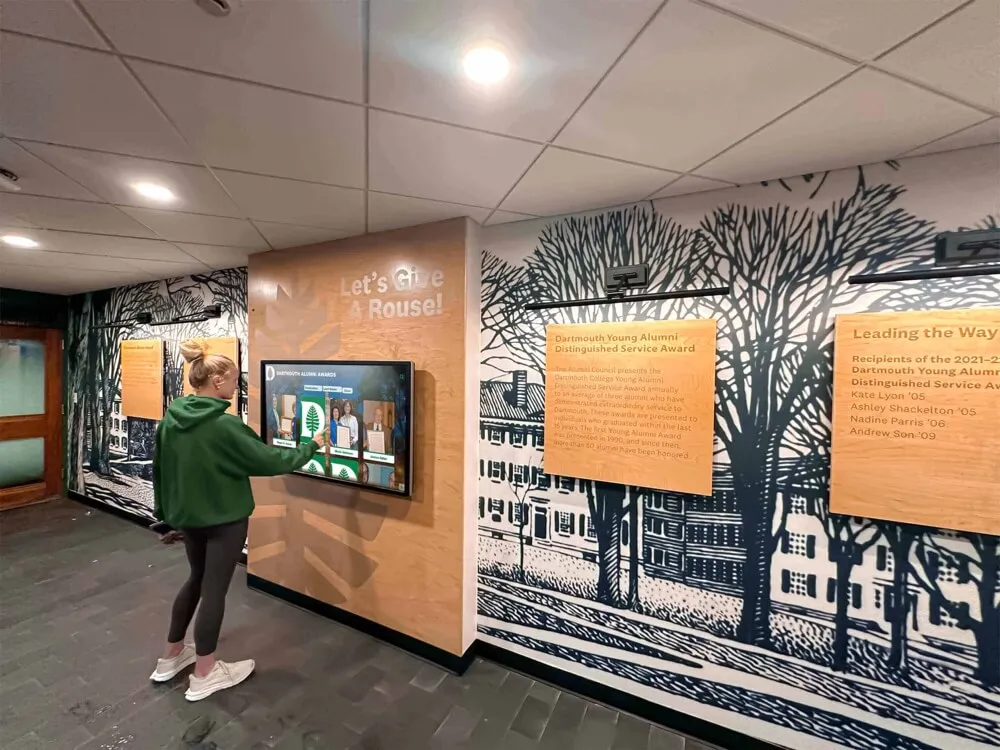
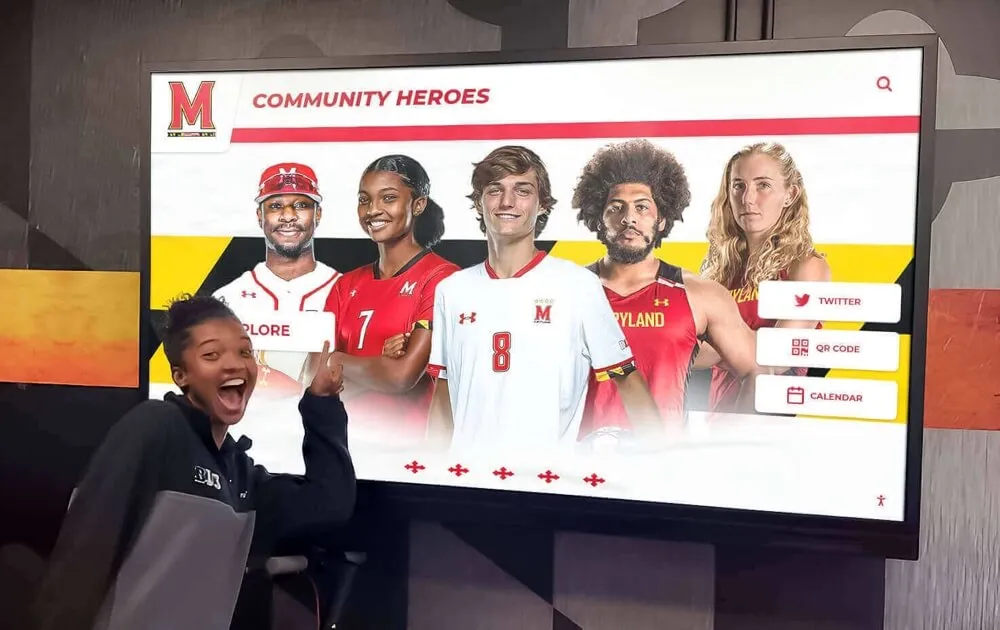
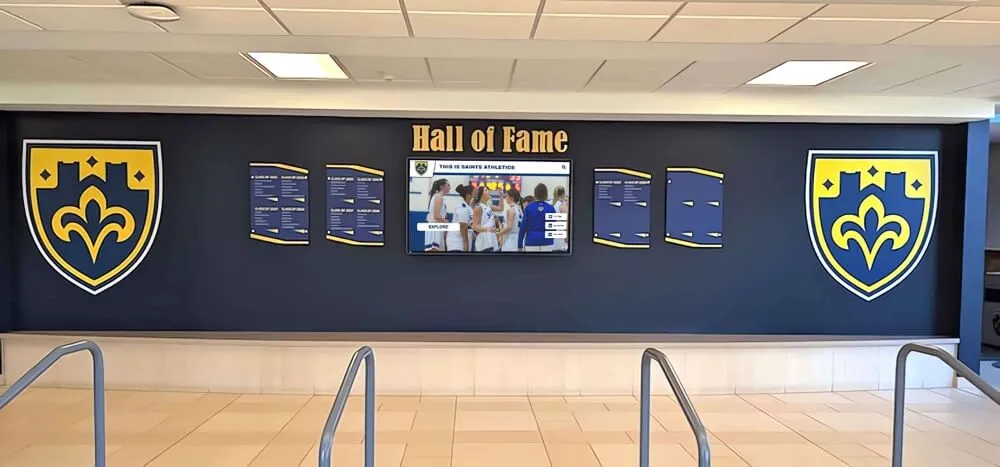
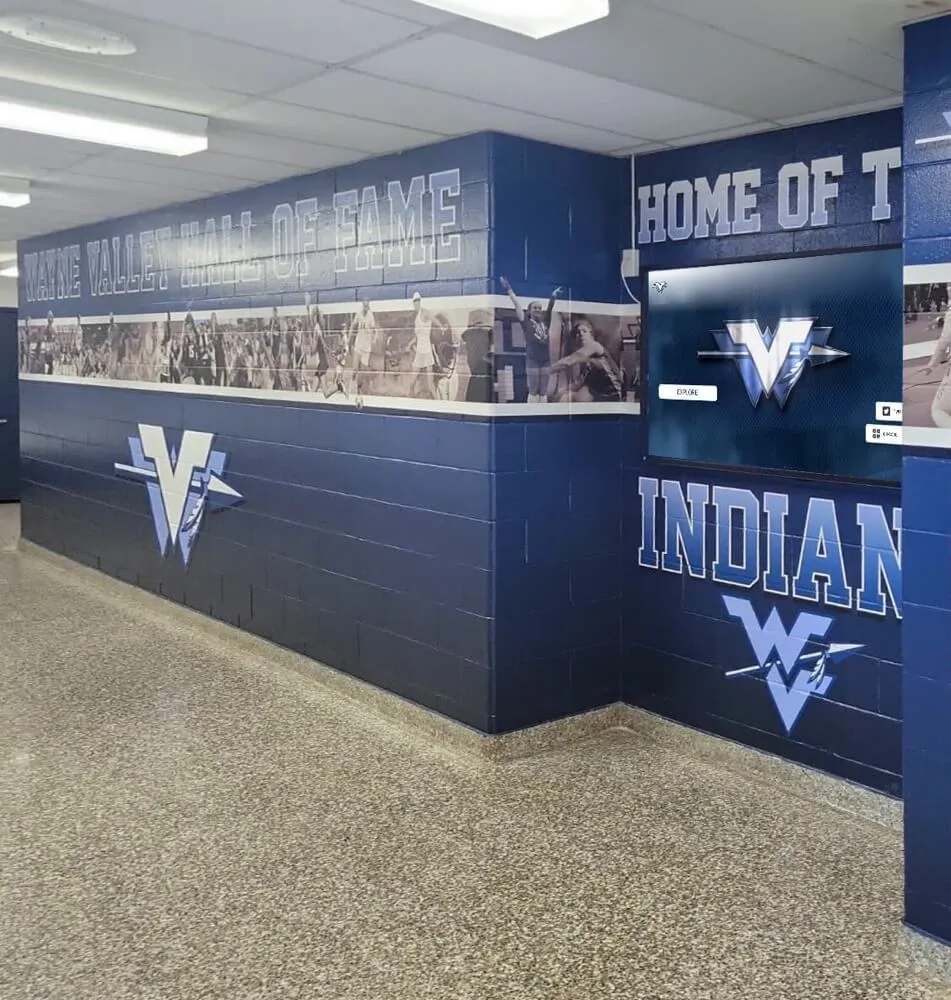
Interactive displays enable exploration of [championship achievements](https://touchscreenwebsite.com/blog/high-school-wrestling-state-tournament-bracket/?utm_source=organic&utm_medium=seo-auto&utm_content=digitalwarming&utm_campaign=illinois-high-school-football-playoffs&utm_term=seo) with complete context about state tournament teams and individual contributors
Legendary Illinois Football Programs and Championship Dynasties
Certain Illinois programs achieved sustained championship success establishing themselves as perennial title contenders whose excellence transcends individual seasons into multi-decade dynasties recognized statewide as elite high school football programs.
Suburban Chicago Championship Powers
Lincoln-Way East: Frankfort Dynasty
Lincoln-Way East represents Illinois football’s most dominant recent program with multiple state championships and sustained excellence spanning decades. Their Frankfort campus produces championship teams through comprehensive youth development, exceptional facilities, and coaching continuity maintaining championship standards across graduating classes.
What makes Lincoln-Way East special? Championship expectations embedded in program DNA where playoff qualification represents minimum acceptable performance and state title pursuits define successful seasons. Alumni connections spanning generations create self-reinforcing excellence cycles where former players support current programs, establishing cultural continuity maintaining championship standards.
Loyola Academy: Private School Excellence
Loyola Academy (Wilmette) built remarkable championship tradition producing Division I talent while capturing multiple state titles. Their program demonstrates how private schools with broader recruiting reach can build dynasty-level success through comprehensive facilities, exceptional coaching continuity, and championship culture attracting elite talent seeking optimal college preparation environments.
Loyola’s model includes year-round strength and conditioning programs rivaling college facilities, sophisticated offensive and defensive systems preparing athletes for college-level complexity, and recruiting networks extending across Chicago’s talent-rich landscape. Their sustained success validates approaches emphasizing comprehensive athlete development rather than relying solely on inherent talent advantages.
Central and Southern Illinois Powers
East St. Louis: Urban Football Factory
East St. Louis High School represents Illinois’s most remarkable football story—an urban program facing significant socioeconomic challenges while producing extraordinary talent including multiple NFL players and state championships. Their success demonstrates that exceptional coaching, football-focused culture, and developmental excellence can overcome resource disparities.
East St. Louis’s model includes comprehensive player development beginning at youth levels, coaching expertise maximizing athlete potential, and community pride creating championship expectations despite challenging circumstances. Their program validates that excellence emerges through commitment and expertise rather than merely advantageous demographics or resources.
Sacred Heart-Griffin: Springfield Excellence
Sacred Heart-Griffin (Springfield) established strong Class 5A tradition with multiple championships demonstrating how private schools in mid-sized markets can compete successfully through comprehensive program building. Their success reflects coaching stability, facility investment, and championship culture attracting talented families throughout Central Illinois.
Small School Football Traditions
Byron: Northern Illinois Dynasty
Byron High School built remarkable Class 3A success with multiple recent championships establishing them as northern Illinois’s premier small-school program. This community demonstrates that enrollment size creates no ceiling when coaching expertise, community commitment, and championship expectations align properly.
What enables Byron’s sustained success? Comprehensive community support where football represents central cultural identity, multi-sport athlete development creating year-round conditioning, coaching continuity maintaining consistent program philosophy, and championship expectations preventing satisfaction with mere playoff qualification when state title opportunities exist.
Lena-Winslow: Northwest Illinois Power
Lena-Winslow established extraordinary Class 1A dominance through recent championship runs demonstrating that Illinois’s smallest schools can achieve dynasty-level success through comprehensive program commitment. Their success validates that talent development, coaching expertise, and program culture matter more than pure enrollment numbers when building championship programs.
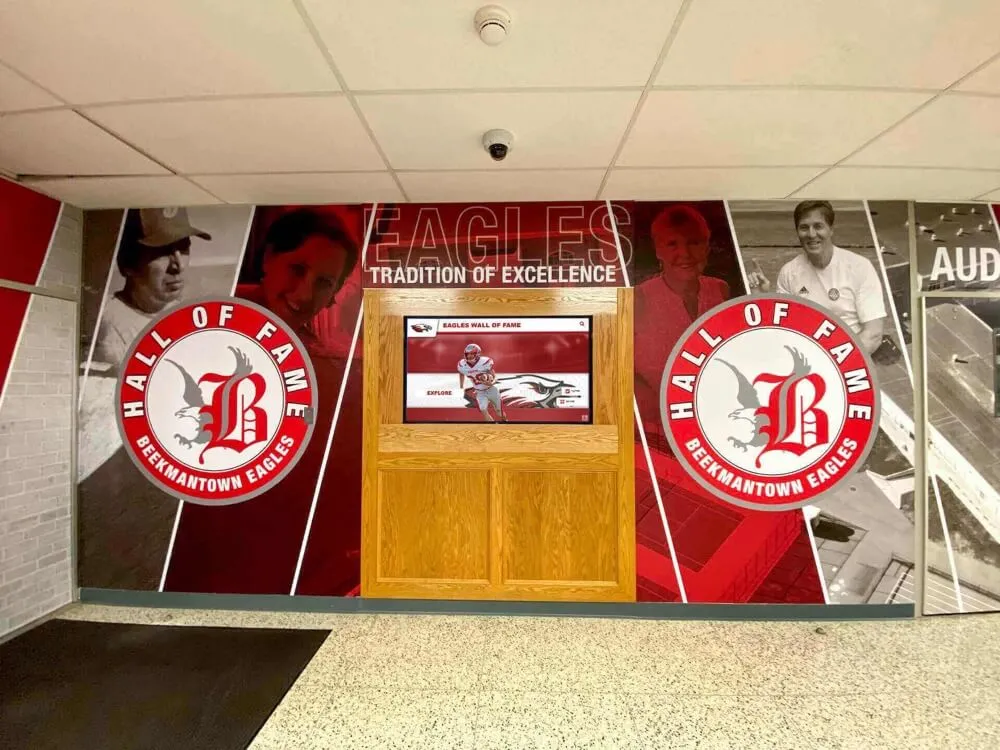
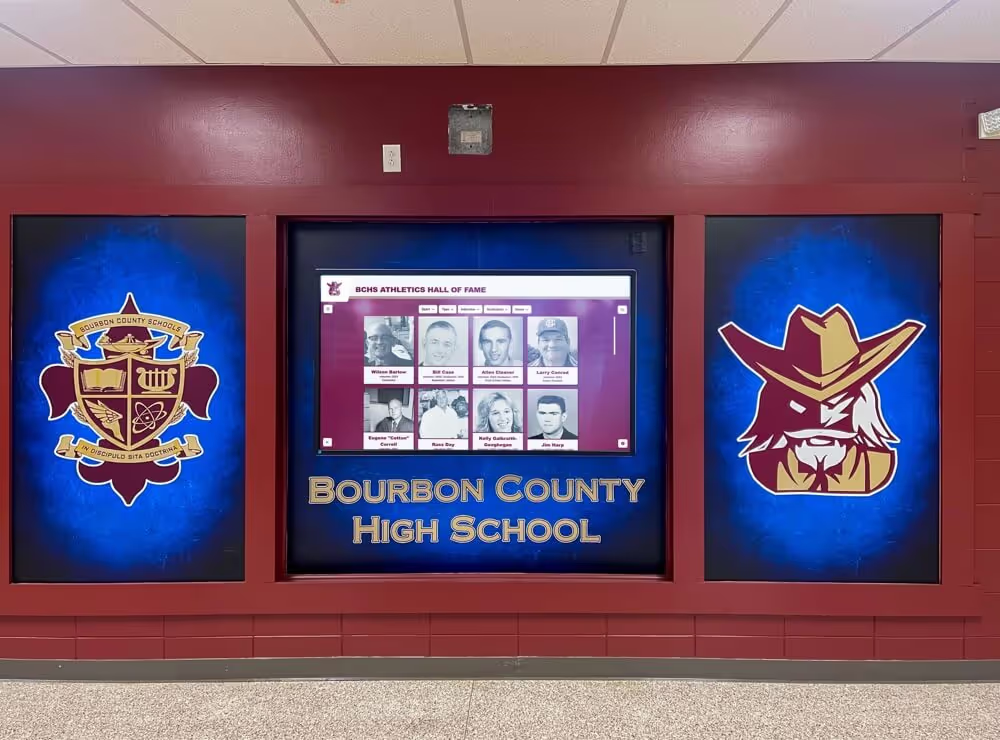
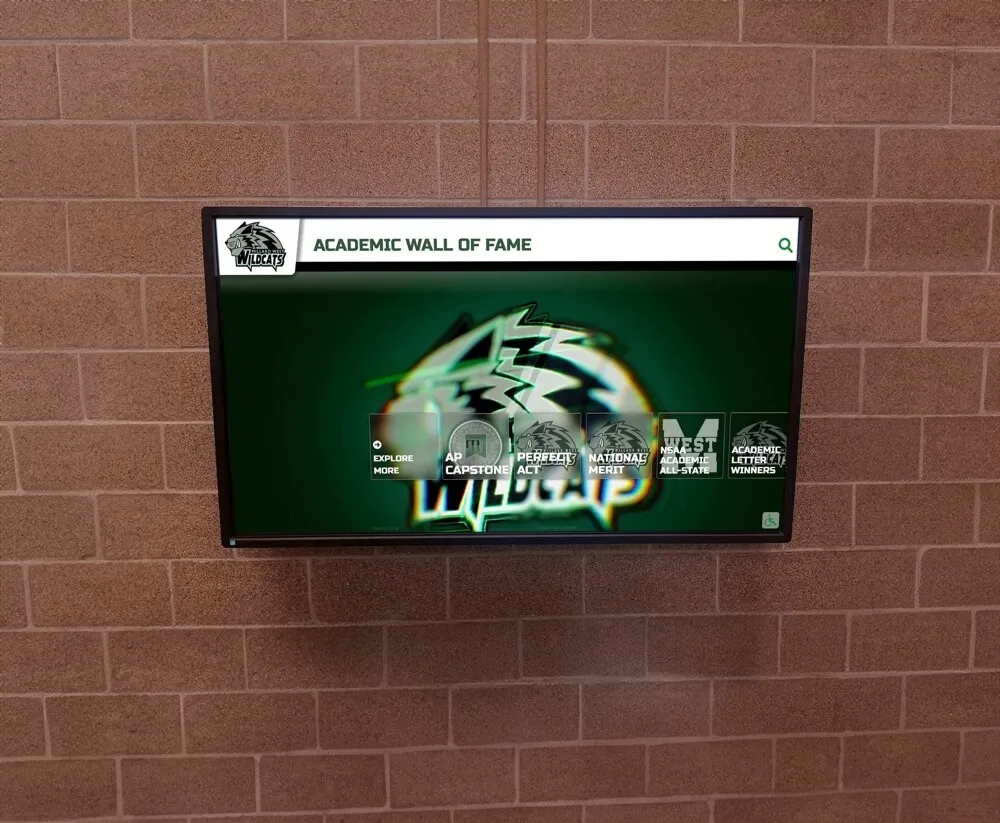
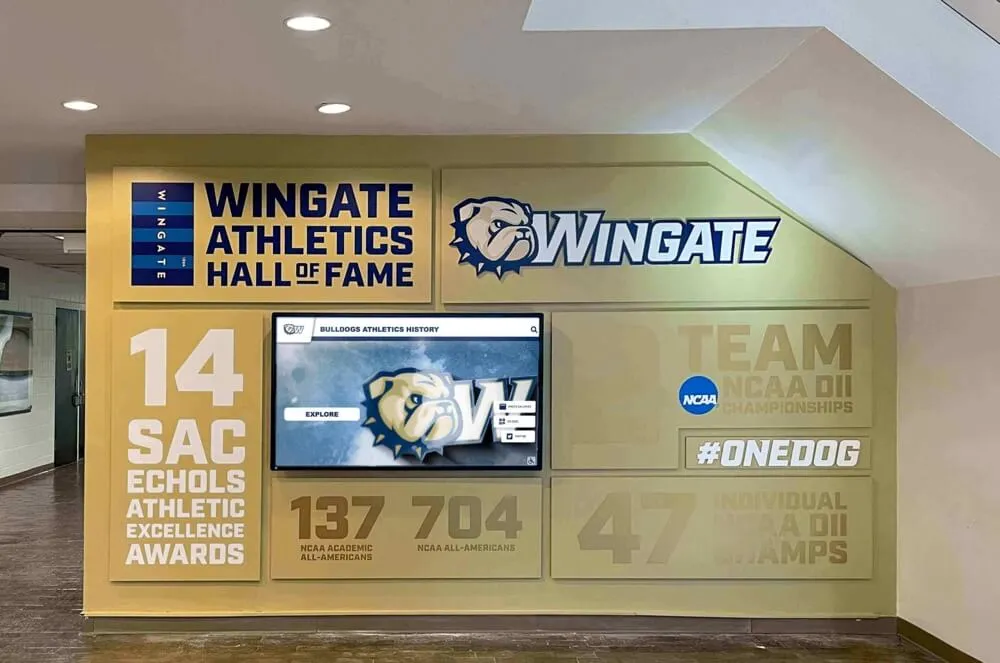
Comprehensive displays celebrate [state tournament runs](https://toucharchives.org/blog/touchscreen-display-high-school-gym-lobby-digital-trophies/?utm_source=organic&utm_medium=seo-auto&utm_content=digitalwarming&utm_campaign=illinois-high-school-football-playoffs&utm_term=seo) creating year-round inspiration for athletes and strengthening program culture
Illinois’s Unique Football Culture and Regional Dynamics
Illinois’s football environment differs from other Midwestern states through Chicago’s metropolitan influence, downstate rural traditions, and competitive dynamics spanning extreme geographic and demographic diversity creating distinct regional football cultures.
Chicago Metropolitan Area: Talent Concentration and Intense Competition
Metropolitan Chicago produces Illinois’s highest concentration of Division I recruits and features exceptional competitive depth where multiple nationally-ranked programs compete within small geographic areas. Suburban programs benefit from large enrollment bases, extensive youth football infrastructure, and family mobility seeking optimal athletic development environments.
This talent density creates regular season competition where teams face multiple playoff-caliber opponents weekly. Friday nights in Chicago suburbs showcase college-level atmospheres with premier facilities, substantial crowds, and recruiting attention rivaling smaller college programs.
Chicago’s Catholic League particularly influences Illinois football culture, featuring private schools like Loyola Academy, Mount Carmel, and Brother Rice competing with resources and recruiting reach creating competitive advantages. These programs demonstrate private school model success through comprehensive facilities, coaching expertise, and championship traditions attracting talented families throughout metropolitan Chicago.
Downstate Illinois: Football as Community Identity
Beyond Chicago’s suburban sprawl, downstate Illinois communities embrace football as central cultural touchstone where Friday night games define seasonal rhythms and championship pursuits unite diverse populations through shared athletic excellence. Towns throughout Central and Southern Illinois demonstrate football passion rivaling any region nationwide.
Communities like Rochester, Maroa-Forsyth, and countless small towns across rural Illinois create championship-caliber programs through comprehensive community support, coaching expertise, and cultures where football represents year-round focus rather than seasonal activity. Multi-sport athlete development remains common downstate as smaller enrollment bases require athletes competing across multiple sports rather than specializing exclusively in football.
Border Region Dynamics
Illinois’s border positions create unique dynamics where St. Louis suburbs influence southern programs, Wisconsin proximity affects northern schools, and Indiana comparisons generate competitive measuring. These geographic relationships influence recruiting, scheduling, and cultural expectations as Illinois programs compete regionally beyond state boundaries while pursuing in-state championships.
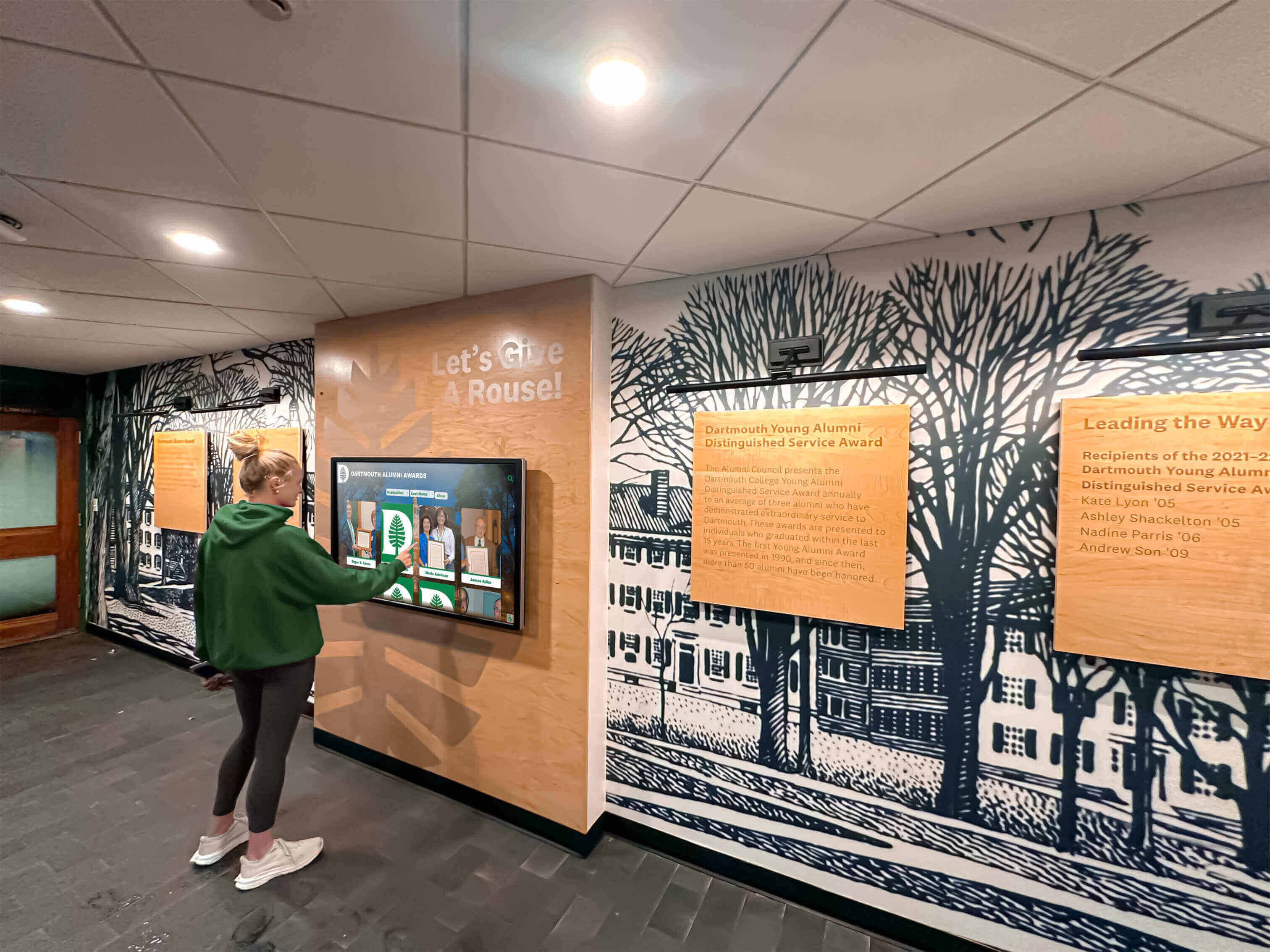
Digital recognition enables students to explore [complete championship histories](https://best-touchscreen.com/blog/team-recognition-awards-building-culture-appreciation-athletics/?utm_source=organic&utm_medium=seo-auto&utm_content=digitalwarming&utm_campaign=illinois-high-school-football-playoffs&utm_term=seo) connecting them to program traditions and playoff legacies
Preparing Teams for Illinois Playoff Competition
Successful championship runs require preparation extending beyond typical regular season approaches, as coaching staffs adapt strategies, mental preparation, and physical conditioning for single-elimination intensity against Illinois’s elite competition under challenging November conditions.
Strategic Preparation and Advanced Scouting
Championship-level preparation differs fundamentally from regular season approaches in sophistication, detail intensity, and strategic complexity required competing against Illinois’s best programs featuring elite talent and exceptional coaching.
Compressed Playoff Preparation Timelines
Unlike regular season weeks providing full preparation periods for scheduled opponents, playoff weeks compress timelines as teams await bracket announcements, evaluate potential matchups, and implement game plans within abbreviated practice schedules. Coaching staffs must efficiently analyze opponents, develop strategies, install adjustments, and prepare athletes mentally—all while managing injury recovery and maintaining practice intensity without risking additional injuries potentially ending seasons.
Modern technology enables analysis sophistication unavailable historically. Digital film platforms provide searchable databases enabling rapid tendency identification, statistical analysis tools quantifying opponent preferences and success rates, and collaborative platforms where coaching staffs share observations developing comprehensive strategic approaches. Programs leveraging these resources gain competitive advantages ensuring preparation thoroughness matching championship stakes.
Weather Preparation and Environmental Adaptation
Illinois November weather creates unique challenges requiring specialized preparation beyond typical practice approaches. Successful programs practice in adverse conditions when possible, simulating cold temperatures, wet conditions, and challenging environments athletes will encounter during playoff competition.
Equipment adjustments prove critical—appropriate cleats for varying field conditions, cold-weather gear maintaining body temperature, hand warmers enabling ball handling in frigid conditions, and sideline heating maintaining athlete readiness. Teams unprepared for weather challenges face significant disadvantages against opponents embracing Illinois climate as competitive ally rather than neutral factor.
Mental Preparation and Pressure Management
Championship pressure affects athletes differently than regular season competition, requiring deliberate mental preparation addressing increased stakes, elimination consequences, heightened expectations, and spotlight intensity accompanying championship pursuits.
Managing Single-Elimination Intensity
Unlike regular season games where losses create obstacles but not elimination, playoff losses end seasons immediately while denying ultimate goals pursued since summer practices commenced months earlier. This finality creates unique pressure affecting athlete performance, decision-making quality, and composure under stress potentially undermining preparation if not addressed deliberately.
Successful coaches help athletes embrace pressure as privilege rather than burden, reframing playoff opportunity as reward for regular season excellence rather than terrifying risk of season-ending failure. Championship games represent opportunities creating achievements celebrated generations—memories lasting lifetimes rather than forgotten losses remembered briefly. Athletes embracing this perspective perform with confidence and freedom rather than tension potentially undermining technical execution.
Veteran Leadership and Championship Experience
Programs with recent championship experience possess significant advantages through veteran leadership helping teammates navigate unfamiliar pressure. Athletes who previously competed in championship environments provide invaluable perspective helping younger teammates understand pressure management separating championship teams from talented squads lacking poise under postseason intensity.
Coaches deliberately leverage veteran experience through leadership meetings where experienced athletes share perspectives, practice intensity emphasizing championship-level focus and execution standards, and team culture development where championship expectations become normalized rather than foreign experiences creating excessive anxiety.
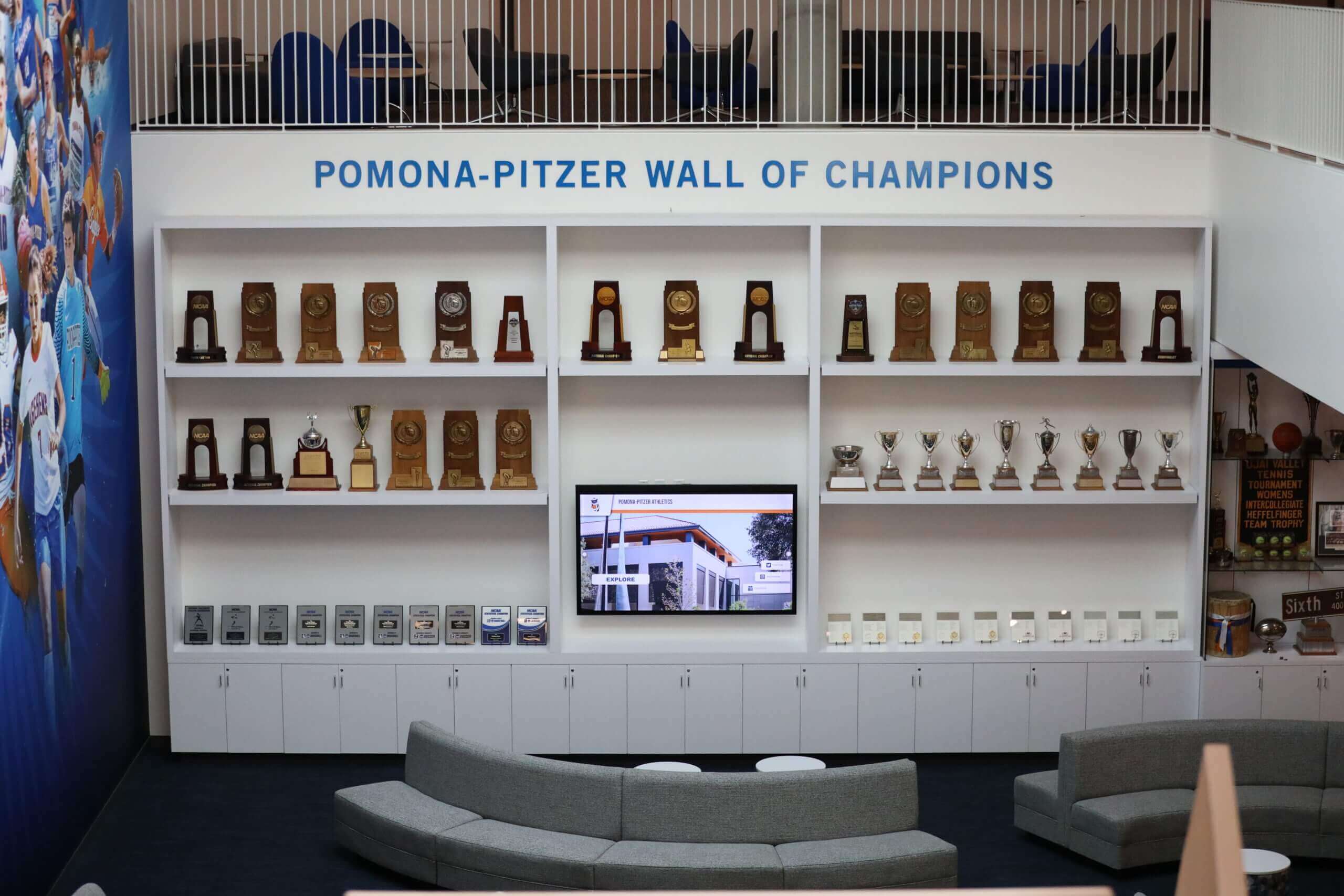
Athletic facilities featuring [championship recognition](https://halloffame-online.com/blog/end-of-semester-honor-roll-digital-display/?utm_source=organic&utm_medium=seo-auto&utm_content=digitalwarming&utm_campaign=illinois-high-school-football-playoffs&utm_term=seo) create environments where playoff excellence becomes program expectation and cultural norm
Celebrating and Preserving Playoff Achievements
State tournament success creates recognition opportunities extending far beyond season conclusions when schools implement thoughtful preservation and celebration strategies transforming temporary excitement into permanent program culture inspiring generations.
Immediate Post-Tournament Recognition
Following playoff runs, particularly championship seasons, schools should implement timely recognition celebrating achievement while momentum and emotion remain fresh, creating memorable experiences validating athlete dedication while demonstrating community pride.
Championship Celebration Events
Victory parades through communities, championship rallies at school facilities, and community gatherings provide immediate recognition opportunities where entire populations celebrate achievement together. These events become generational memories—current students remember attending championship celebrations, parents recall participating decades earlier during their school’s titles, and communities create continuity connecting past and present excellence through shared celebration traditions.
Championship celebrations validate athletes’ dedication while demonstrating community investment in athletic programs representing collective identity. Quality celebrations honor specific achievements while strengthening community bonds, creating social capital extending beyond individual seasons into long-term institutional pride and engagement.
Championship Banquets and Award Ceremonies
Football banquets following championship seasons provide appropriate venues for comprehensive recognition including individual achievement awards, season reflection and highlight presentation, senior honors acknowledging graduating class contributions, championship celebration and ring presentations, and recognition of coaching staff, support personnel, and community supporters enabling championship success.
Quality championship banquets balance entertainment with meaningful recognition, creating memorable experiences validating season-long commitment while preserving championship memories through formal acknowledgment. Many programs consider championship banquets among season’s most important events—formal celebrations acknowledging extraordinary achievement deserving special commemoration.
Long-Term Recognition and Legacy Building
Beyond immediate post-tournament celebration, playoff achievements deserve permanent recognition inspiring future athletes while preserving program history in ways creating lasting motivation and institutional memory connecting generations through shared championship excellence.
Traditional Physical Recognition Limitations
Championship banners suspended in gymnasiums, trophy displays showcasing playoff hardware, facility plaques documenting tournament achievements, and championship team photos displayed in athletic areas represent time-honored recognition approaches creating visible celebration. However, traditional approaches face significant limitations accumulating over time.
Physical space constraints emerge as playoff successes accumulate across decades—where do additional banners hang when gymnasium ceilings fill completely? Maintenance requirements increase as materials age, fade, and deteriorate. Limited storytelling capacity reduces achievements to dates and scores without context about teams, players, championship journeys, or memorable moments defining tournament runs. Accessibility restrictions limit recognition to campus visitors rather than extended communities including alumni worldwide.
Modern Digital Recognition Platforms
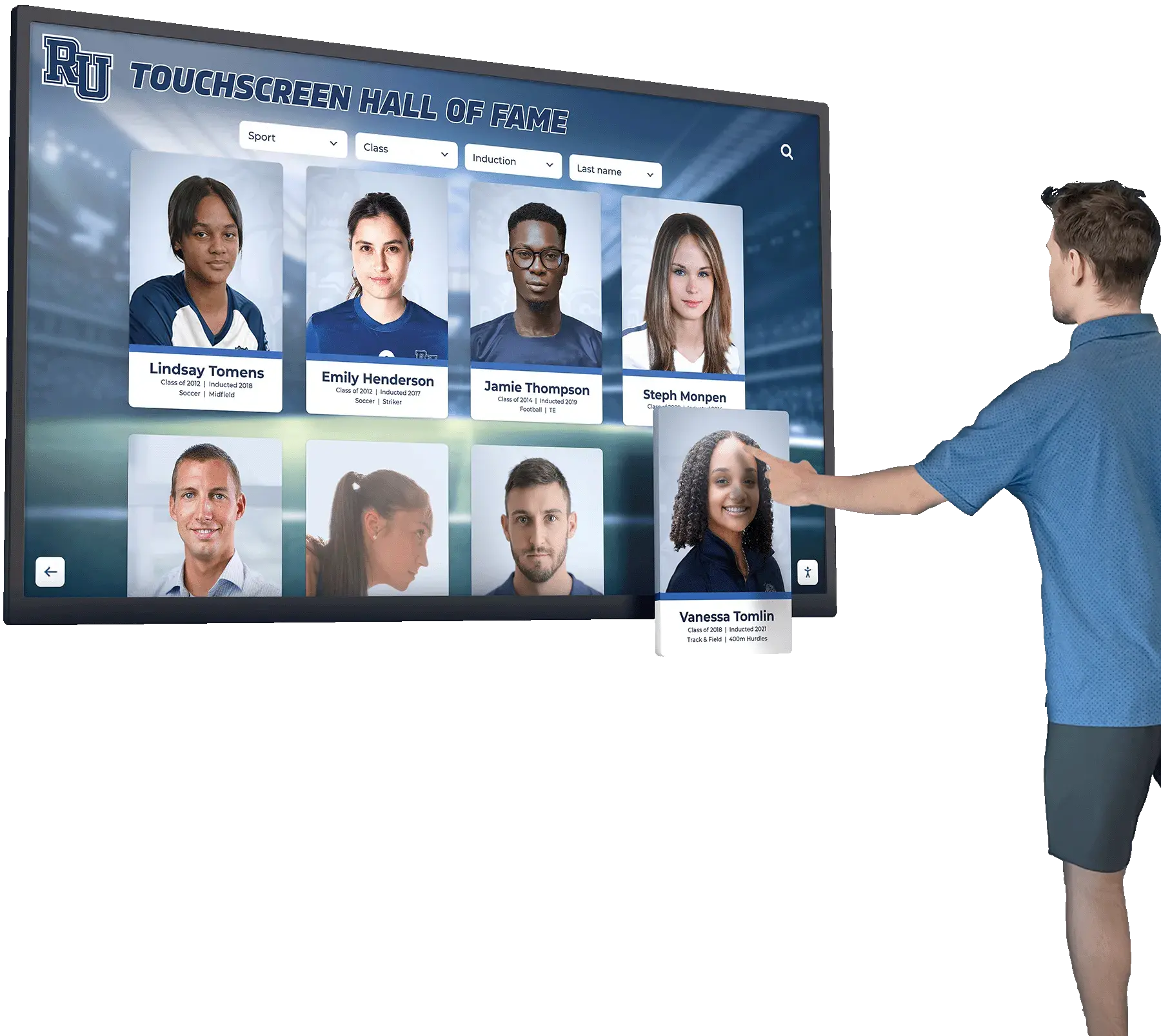
Digital recognition systems address traditional limitations while creating engaging interactive experiences celebrating playoff achievements comprehensively. Solutions like Rocket Alumni Solutions enable schools to overcome physical constraints while creating richer, more engaging championship celebration:
Unlimited Recognition Capacity: Document all playoff appearances, tournament runs, and championship achievements without space constraints limiting historical documentation. Every state tournament team receives equal prominence regardless of when achieved—recent championships alongside historical titles from decades past creating comprehensive program history.
Comprehensive Championship Profiles: Include complete team rosters recognizing every player’s contributions, detailed season statistics and records documenting excellence, playoff journey documentation showing bracket progression, game-by-game results and memorable moments throughout tournament runs, coaching staff recognition honoring leadership enabling success, and multimedia content incorporating photos, videos, newspaper clippings, and celebration documentation.
Individual Athlete Recognition: Ensure every playoff team member receives personal acknowledgment for contributions rather than recognition focusing solely on star players. Complete roster documentation validates contributions from all athletes—starters and reserves, offensive and defensive players, special teams contributors and practice squad members whose daily work enabled playoff success.
Interactive Championship Exploration: Enable visitors to explore playoff histories through intuitive interfaces encouraging discovery rather than passive viewing. Users can search by year discovering specific tournament teams, filter by classification viewing achievements across different competitive levels, explore individual athlete profiles connecting with personal stories, and access multimedia content experiencing championship moments through photos and videos.
Mobile and Web Accessibility: Extend championship recognition beyond campus to alumni living globally, family members unable visiting facilities regularly, community supporters following programs remotely, and prospective families evaluating program quality during recruitment. Web-based platforms create 24/7 accessibility from anywhere rather than requiring physical campus visits.
Easy Content Management: Enable athletic staff to maintain championship recognition without technical expertise or ongoing vendor dependence. Intuitive content management systems allow straightforward updates adding new playoff achievements, incorporating additional multimedia content, and enhancing historical documentation as new materials become available.
Schools implementing comprehensive digital recognition platforms report dramatically increased community engagement with athletic history as interactive exploration replaces passive viewing of static displays. Current athletes discover connections to program traditions inspiring excellence pursuits, alumni maintain engagement reconnecting with championship memories, and prospective families evaluate program quality through visible evidence of sustained playoff excellence.
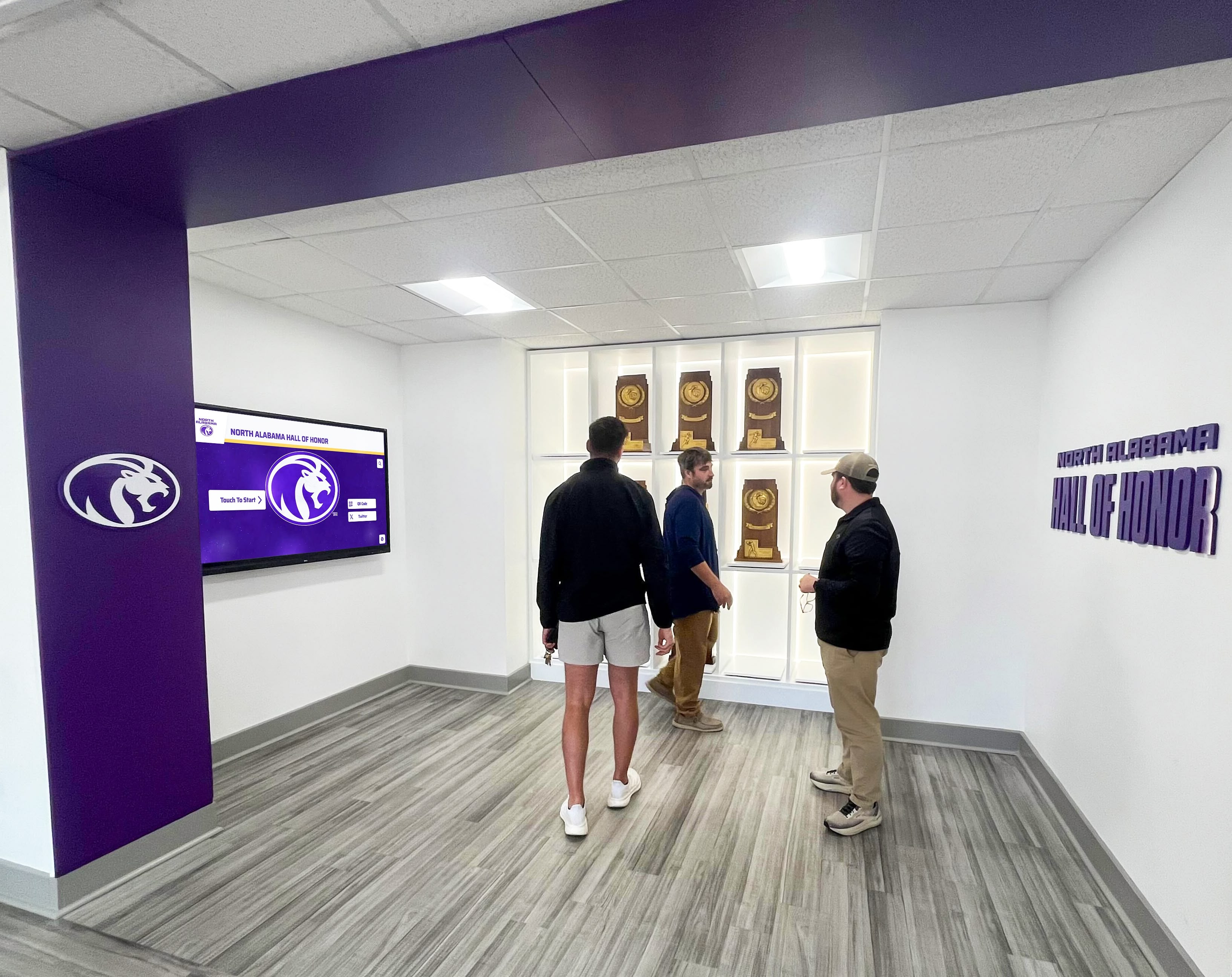
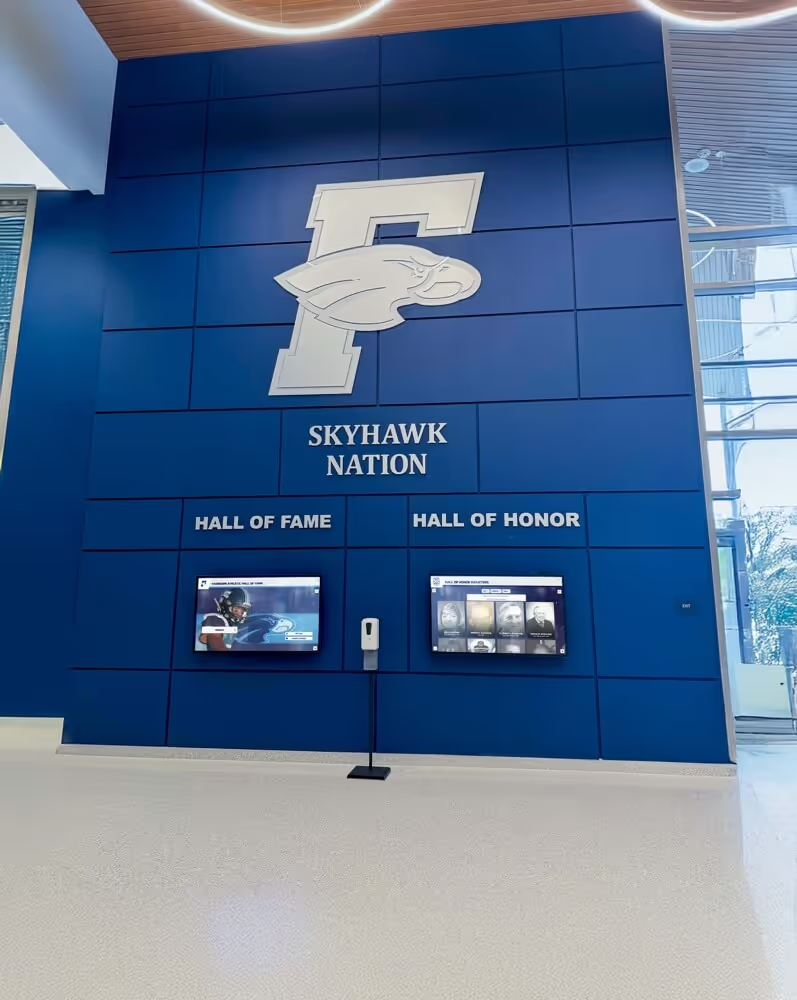
Comprehensive recognition creates community gathering points celebrating [state tournament traditions](https://touchwall.us/blog/athletic-wall-of-honor-comprehensive-guide/?utm_source=organic&utm_medium=seo-auto&utm_content=digitalwarming&utm_campaign=illinois-high-school-football-playoffs&utm_term=seo) and program excellence across generations
Administrative Considerations for Playoff Participation
Athletic directors and school administrators supporting playoff runs face logistical, financial, and operational challenges requiring advance planning and systematic approaches ensuring programs receive appropriate support while managing limited resources effectively.
Championship Budget and Financial Planning
Deep playoff runs generate substantial expenses requiring advance budgeting and fundraising ensuring financial constraints don’t limit title pursuits or create economic hardship for participating families and supporting communities.
Playoff Travel and Game Management Costs
Each playoff advancement requires increasing investment as teams progress through brackets. Transportation costs for team buses accumulate, meal expenses for extended trips increase, potential hotel accommodations for distant championship games materialize, and game management costs for hosting playoff contests emerge for higher-seeded teams.
Successful athletic directors begin championship financial planning before seasons commence rather than scrambling when playoff success occurs unexpectedly. Strategies include establishing booster club fundraising specifically designated for playoff expenses creating reserves available when needed, negotiating travel vendor agreements providing favorable rates for championship-related services, budgeting conservatively accounting for maximum potential playoff advancement, and communicating transparently with stakeholders about potential costs building support infrastructure before expenses materialize.
Championship Recognition Costs
Championship rings represent traditional recognition athletes treasure lifelong—tangible symbols of achievement carried permanently. Quality championship rings cost hundreds of dollars per athlete, creating substantial expenses when equipping entire rosters including reserves deserving recognition for contributions enabling championship success.
Beyond rings, schools face additional recognition costs including championship banners for gymnasium display, trophy case updates showcasing playoff hardware, championship apparel for athletes and families, and celebration event costs. Comprehensive championship budgeting accounts for all recognition expenses ensuring programs can celebrate appropriately rather than financial constraints limiting recognition quality.
Managing Championship Attention and Community Expectations
Playoff success creates attention and expectations requiring deliberate management preventing negative consequences potentially undermining program culture or future performance.
Media Relations and Publicity Coordination
Deep playoff teams attract substantial media attention from local outlets, regional sports coverage, and potentially state-level media following championship tournaments. Athletic directors must coordinate media access balancing publicity benefits against practice disruptions and athlete distractions potentially undermining preparation focus.
Successful programs establish clear media policies designating appropriate interview times, limiting practice disruptions, and protecting athlete privacy while maintaining positive media relationships supporting program promotion. Proactive communication establishes expectations while facilitating reasonable access supporting coverage without compromising operations.
Future Expectations Management
Championship success creates elevated expectations from communities, administrators, and athletes expecting sustained excellence potentially creating unsustainable pressure. Athletic directors and coaches must manage expectations communicating realistic perspectives about championship difficulty while maintaining competitive standards preventing complacency.
Programs navigating this pressure successfully emphasize process over outcomes, celebrate progress toward excellence rather than focusing exclusively on championship results, and maintain developmental perspectives recognizing that sustainable success requires multi-year building.
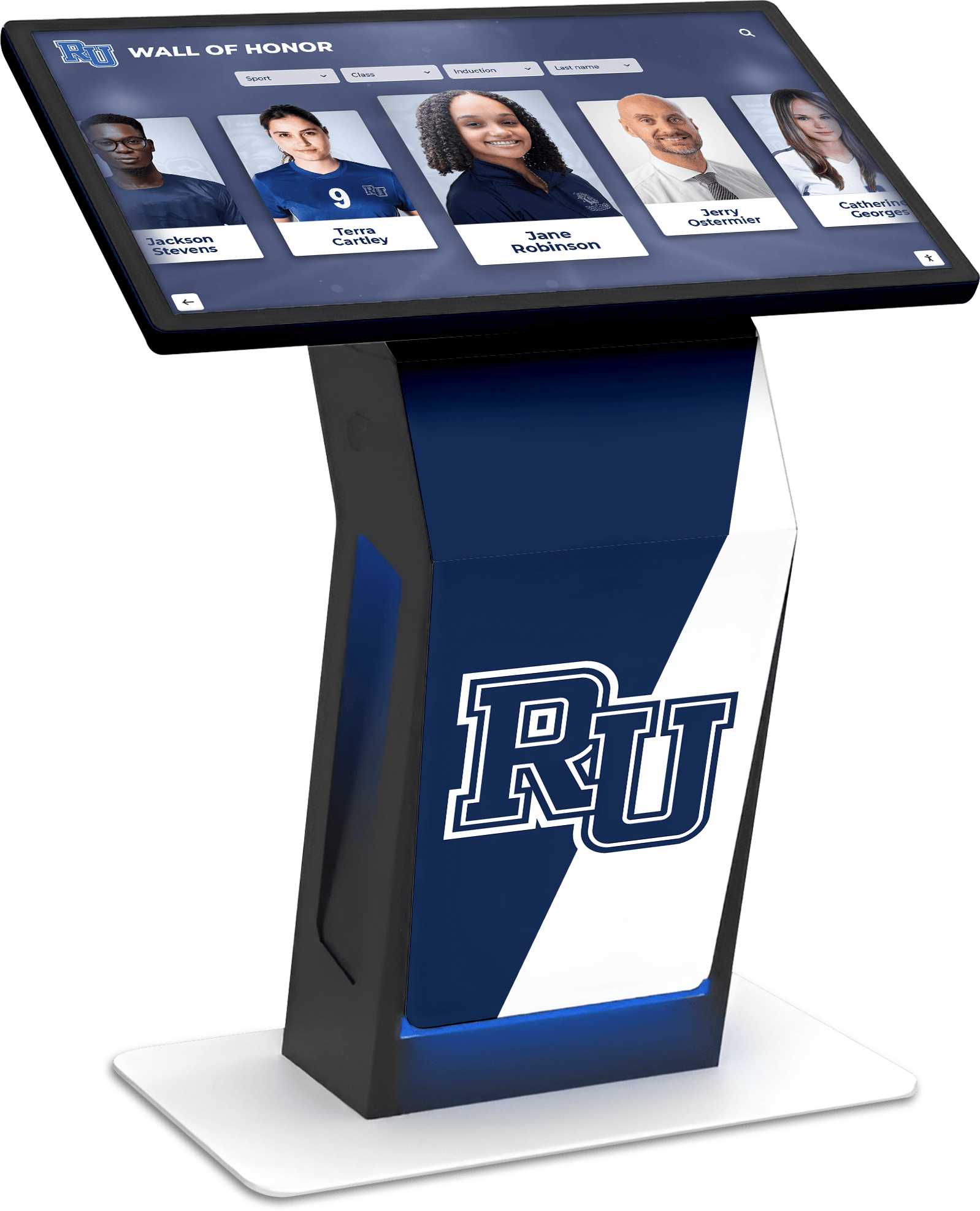
Professional recognition installations document [playoff achievements](https://digitalrecordboard.com/blog/fall-sports-state-championships-recognition-guide/?utm_source=organic&utm_medium=seo-auto&utm_content=digitalwarming&utm_campaign=illinois-high-school-football-playoffs&utm_term=seo) supporting program promotion and athlete recruitment
Conclusion: Illinois Playoffs as Program Cornerstones
Illinois high school football playoffs represent more than athletic competition—they embody program excellence, coaching quality, community commitment, and traditions defining institutional identity across generations. From opening playoff rounds through bracket advancement to state semifinals and championship weekend at DeKalb or Normal, tournament pursuits create defining moments for athletes, transformative experiences for students, and unifying pride for communities rallying behind teams pursuing championship glory against Illinois’s elite competition.
Understanding Illinois’s classification system, playoff structure, and championship paths enables deeper appreciation for achievement required reaching state tournament finals. The eight-classification format ensures schools of all sizes access legitimate championship pathways, while win-based qualification creates objective standards balancing competitive equity with practical considerations. Championship weekend provides worthy stage for Illinois’s premier athletic accomplishments, creating memories lasting lifetimes for athletes, families, and communities united through shared excellence.
Beyond competition itself, playoff runs create effects rippling throughout communities—increased school spirit strengthening institutional culture, enhanced alumni connections maintaining engagement across generations, elevated community pride in local institutions producing state-recognized excellence, and economic activity supporting local businesses while demonstrating athletic programs’ broader value extending beyond game outcomes into community impact.
Championship achievements deserve recognition matching their significance and creating lasting inspiration for future athletes while honoring past champions establishing program traditions. While trophy cases and championship banners provide traditional acknowledgment with important symbolic value, modern digital recognition platforms transform how schools celebrate playoff success—creating unlimited capacity for comprehensive documentation beyond physical constraints, interactive exploration enabling personal discovery rather than passive viewing, accessible platforms extending recognition beyond campus to global audiences, and systematic organization ensuring championship history remains permanently preserved rather than gradually fading.
The concept of digital warming describes what happens when cold trophy cases and dated championship banners transform into vibrant interactive experiences celebrating program excellence comprehensively. When students explore playoff histories discovering state tournament teams, learn about individual athlete contributions connecting with personal stories, and understand program traditions through engaging digital platforms, these interactions create warmth strengthening program culture and motivating ongoing excellence extending across decades. Solutions like Rocket Alumni Solutions demonstrate how technology elevates recognition from static commemoration into dynamic experiences warming athletic communities through personalized, engaging celebration of excellence connecting past traditions to current aspirations while inspiring future champions.
Athletic directors, coaches, and school administrators understand that playoff recognition extends beyond honoring past achievement—it creates motivational tools inspiring current athletes through visible evidence of program excellence, engagement touchpoints connecting alumni to current programs through shared traditions, recruitment advantages attracting talented families evaluating schools and program quality, and evidence of institutional excellence benefiting entire school communities through enhanced reputation demonstrating commitment to comprehensive student development including athletic achievement.
Your school’s playoff history—whether defined by multiple state championships establishing dynasty programs, memorable tournament runs creating legendary moments, or gradual program building toward sustained postseason qualification—deserves celebration creating inspiration rather than forgotten history relegated to dusty storage. Every playoff team represents sacrifice, dedication, and achievement worthy of recognition honoring contributions while preserving accomplishments for future generations discovering program traditions and connecting with institutional legacy spanning decades.
Ready to transform how your school celebrates playoff achievements and championship traditions? Explore comprehensive digital recognition solutions that document tournament excellence, engage athletic communities, and create the lasting celebration your achievements deserve—building the digital warming essential for programs committed to sustained excellence and meaningful legacy preservation connecting past glory to future championship aspirations.
Disclaimer: This content was produced to demonstrate how purpose-built digital recognition technology supports athletic program promotion and community engagement. Program information reflects publicly available data as of February 2026 and may evolve over time.