



Every successful school athletic program, marching band, or academic team shares a common foundation: dedicated booster clubs transforming parental enthusiasm into tangible support. These organizations fund equipment upgrades, sponsor recognition events, provide scholarships, and create community connections that elevate programs beyond what school budgets alone can accomplish. Yet for parents eager to launch booster clubs, the path from initial enthusiasm to functioning organization often feels overwhelming.
Where do you begin? What legal structure provides proper protection? How do you recruit committed volunteers rather than collecting disengaged names? What fundraising approaches actually work? How do you ensure transparency building trust rather than suspicion? How do you create recognition programs inspiring continued support beyond single seasons?
Starting a booster club requires more than good intentions—it demands strategic planning, clear governance, effective communication, and sustainable systems transforming initial excitement into lasting institutional support that strengthens programs across years and changing leadership.
This comprehensive guide walks you through every essential step for starting a booster club that truly makes a difference. You’ll discover proven strategies for legal formation, leadership structure, volunteer recruitment, fundraising approaches, financial management, communication systems, and modern recognition programs creating the engaged communities where booster clubs thrive beyond founding members’ involvement.

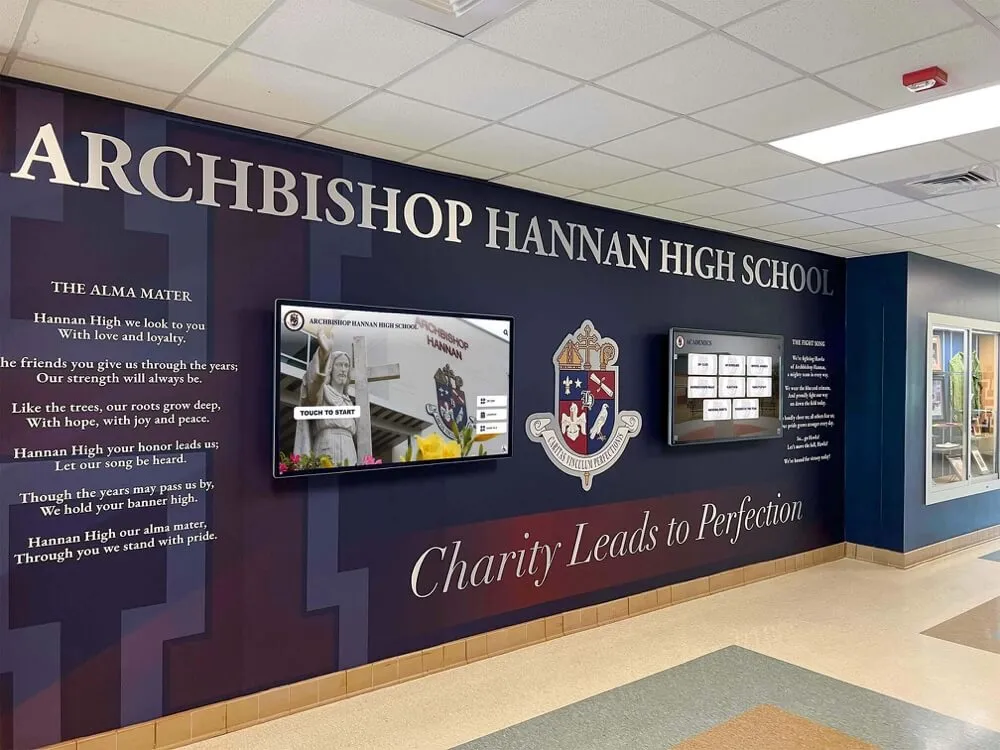
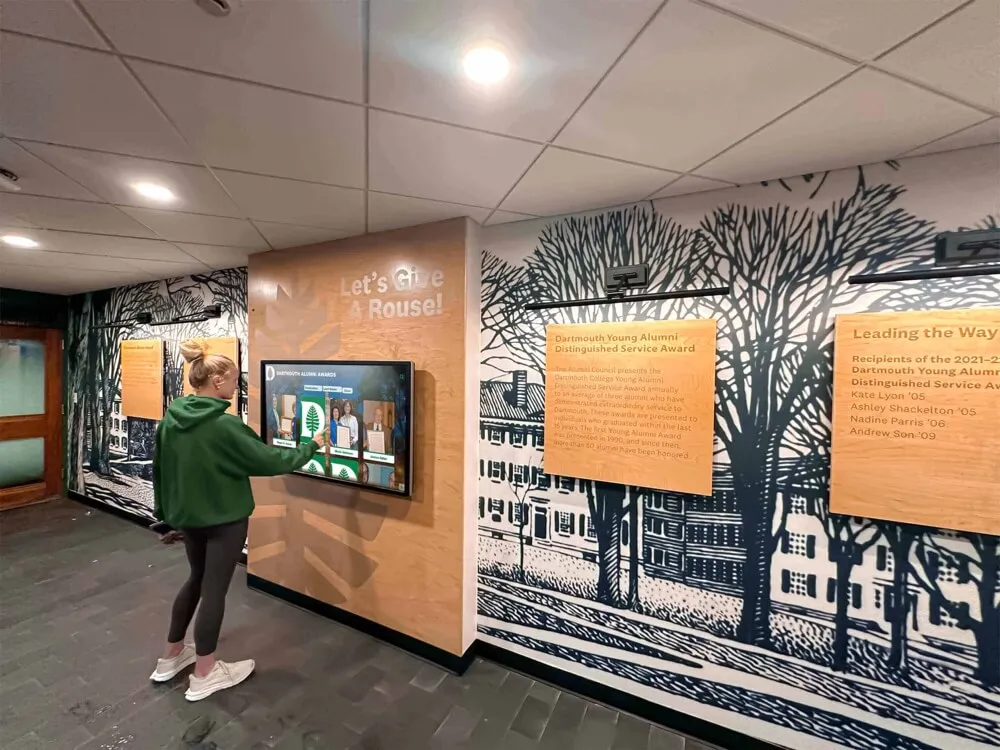
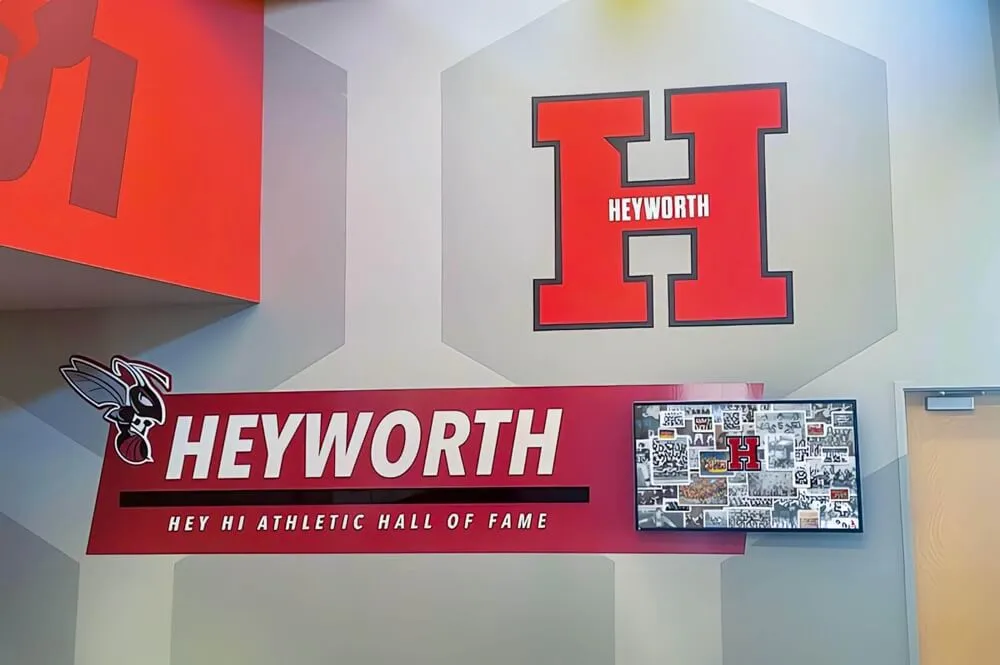
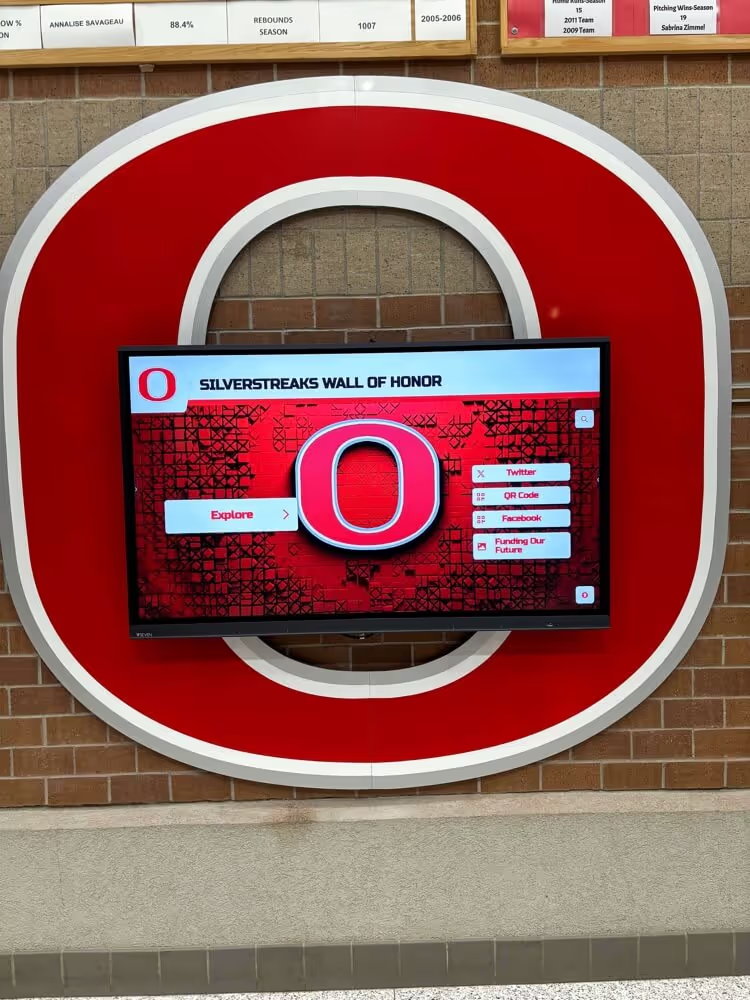
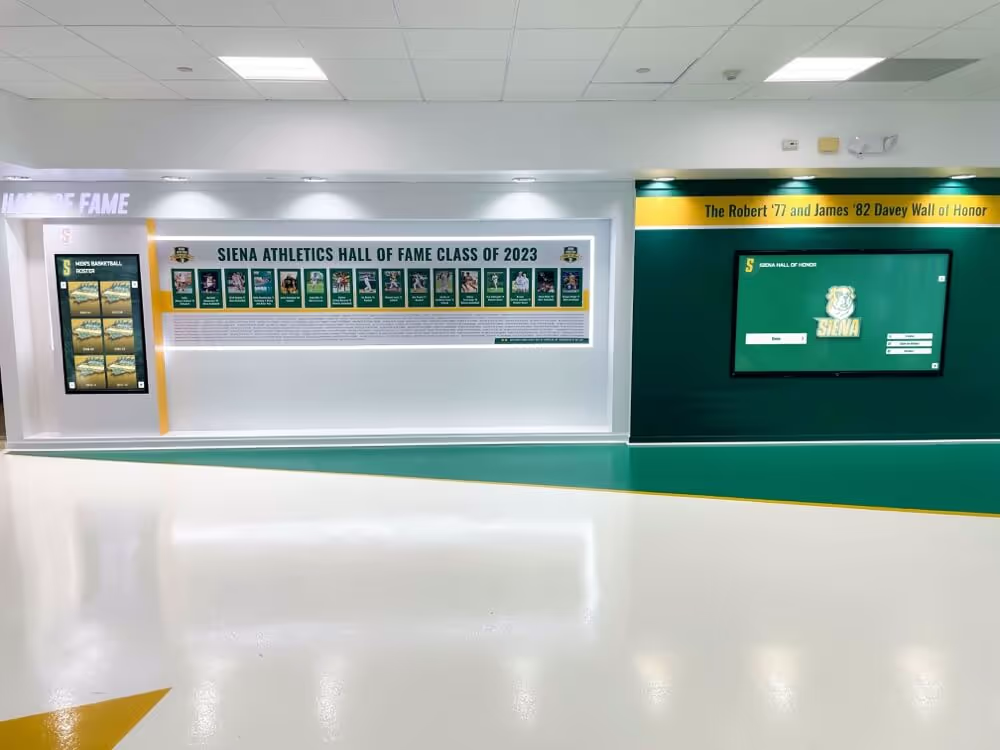
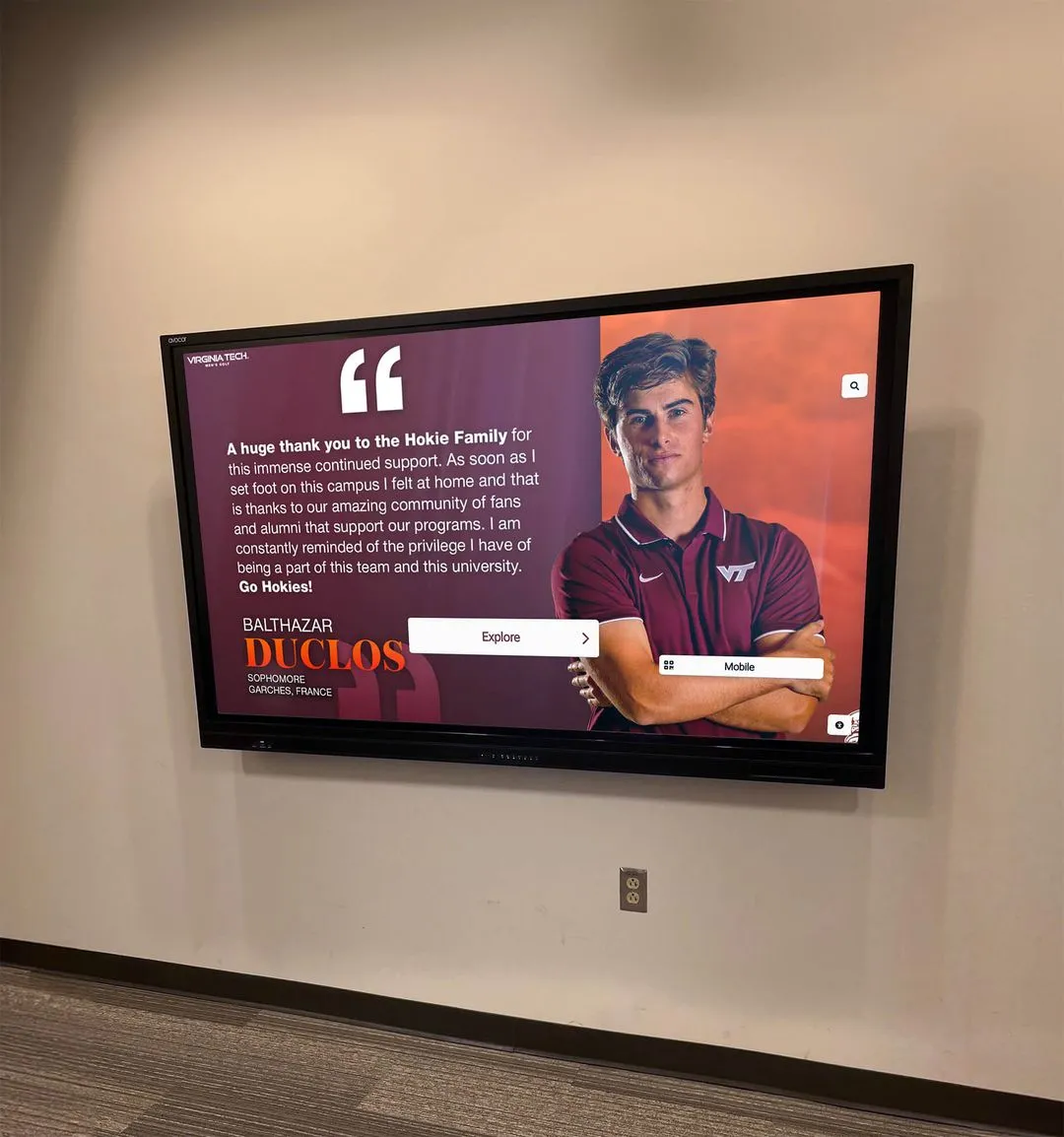
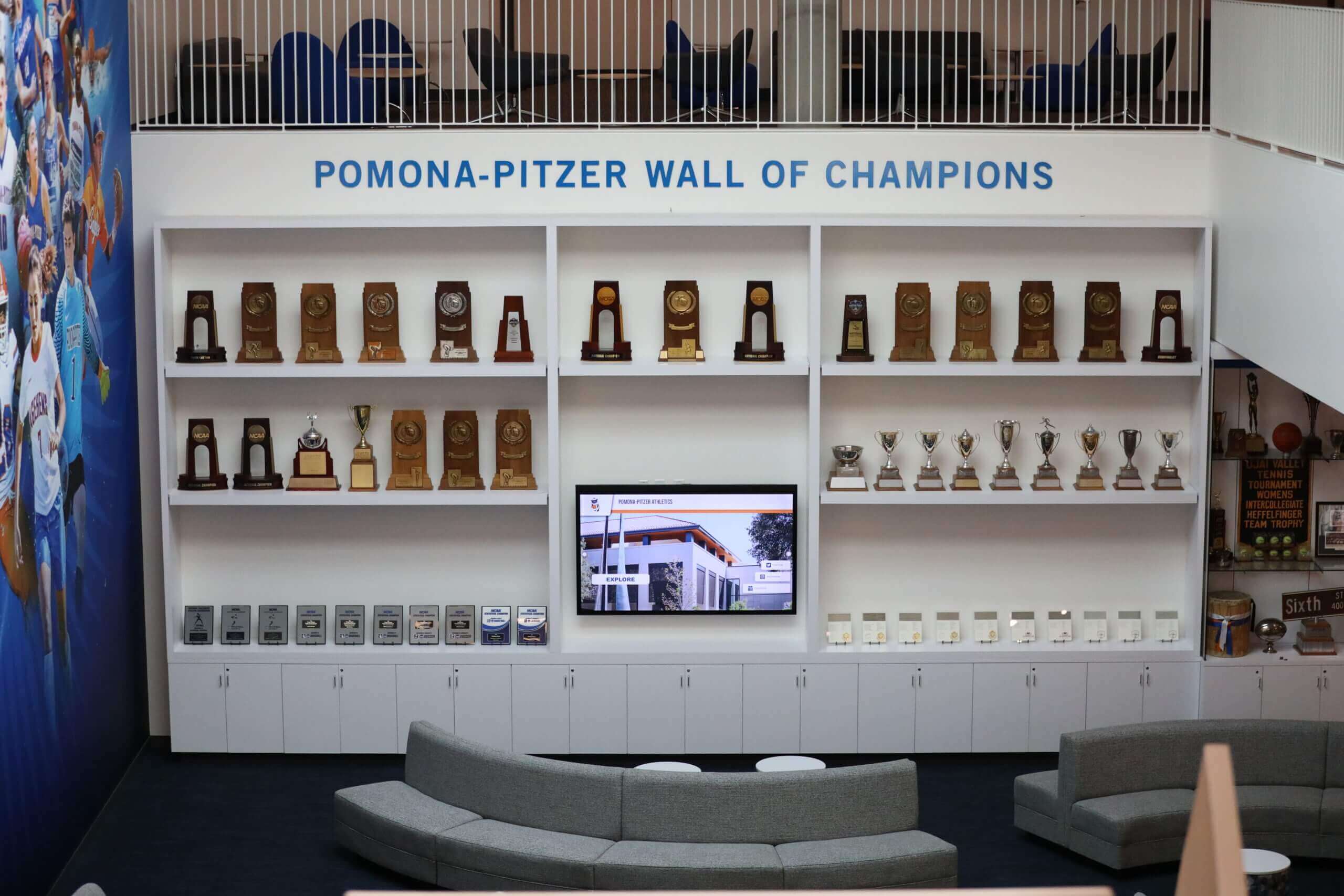
Professional recognition displays showcase booster club investments creating visible proof of community support throughout facilities
Understanding Booster Clubs: Purpose and Impact
Before diving into formation logistics, understanding what booster clubs accomplish helps founders establish clear missions guiding all subsequent decisions.
What Is a Booster Club?
Booster clubs are volunteer parent organizations formed to support specific school programs—athletics, performing arts, academic clubs, or entire school communities—through fundraising, volunteer coordination, and advocacy efforts supplementing institutional resources.
The Core Booster Club Mission
Effective booster clubs serve three primary functions that distinguish them from casual parent groups or ad hoc committees:
Financial Support: Raising funds beyond school budget allocations to purchase equipment, fund travel, sponsor events, provide scholarships, and create program enhancements impossible through institutional funding alone. This financial function proves particularly vital for activities receiving minimal district support or competing programs requiring specialized equipment, competition fees, and travel expenses school budgets cannot cover.
Volunteer Coordination: Organizing parent volunteers for concession operations, event staffing, fundraiser execution, facility maintenance, and administrative tasks freeing coaches and advisors to focus on instruction and student development rather than logistical management consuming excessive time.
Community Building: Creating connections between families, fostering school spirit, building program traditions, and developing engaged supporter networks extending beyond immediate families to include alumni, local businesses, and community members invested in student success.
The most successful booster clubs excel across all three dimensions rather than limiting efforts to isolated fundraising campaigns disconnected from broader community engagement and volunteer mobilization supporting comprehensive program needs.
Why Schools Need Booster Clubs
School districts face perpetual budget constraints limiting what programs can provide through institutional funding alone, creating genuine needs for supplementary support organizations.
Bridging the Funding Gap
Public school athletic and activity budgets typically cover only basic operational costs—coaching salaries, minimal equipment replacement, essential competition fees, and required transportation. They rarely include program enhancements distinguishing exceptional from adequate experiences: specialized training equipment, advanced technology, facility improvements, recognition systems, team building activities, or travel to elite competitions.
Booster clubs bridge this gap funding the difference between programs that simply exist and programs that excel. When schools cannot afford comprehensive recognition systems celebrating student achievement, booster clubs often step forward providing resources making permanent visible celebration possible.
Empowering Parent Involvement
Beyond financial contributions, booster clubs create structured opportunities for meaningful parent engagement transforming passive spectators into active program contributors. This involvement strengthens school-family connections, increases parental understanding of program needs and challenges, creates advocates communicating program value throughout communities, and develops leadership skills parents transfer to other community contexts.
Research consistently demonstrates that schools with active parent involvement—including organized booster support—show higher student achievement, improved behavior, enhanced program retention, and stronger community connections compared to schools where families remain disconnected from institutional activities.

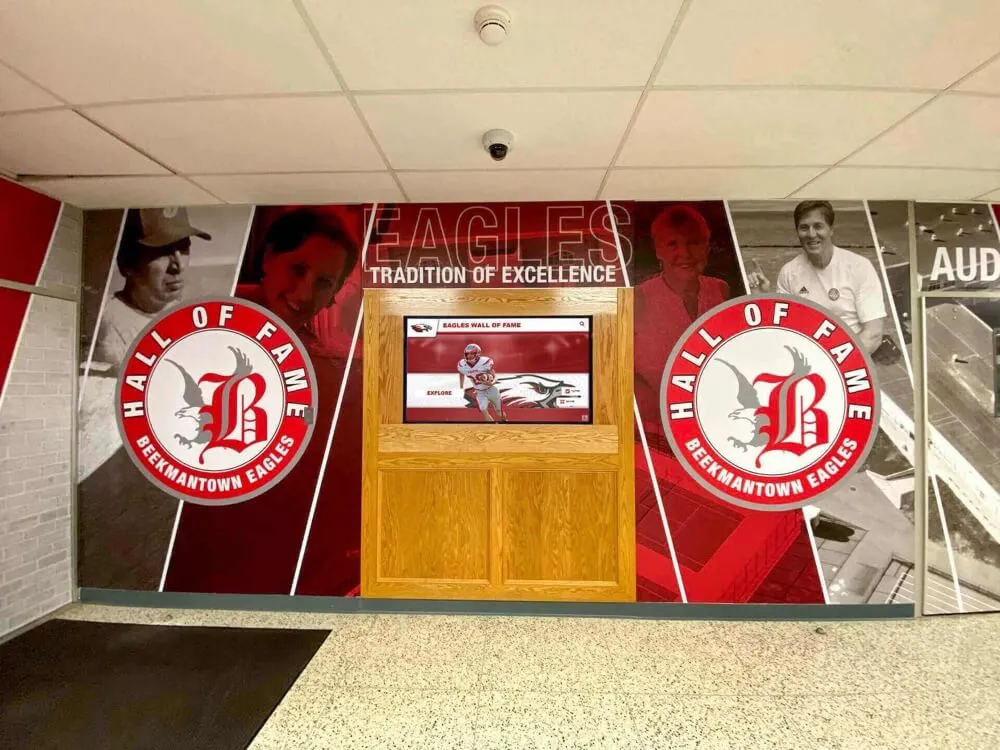
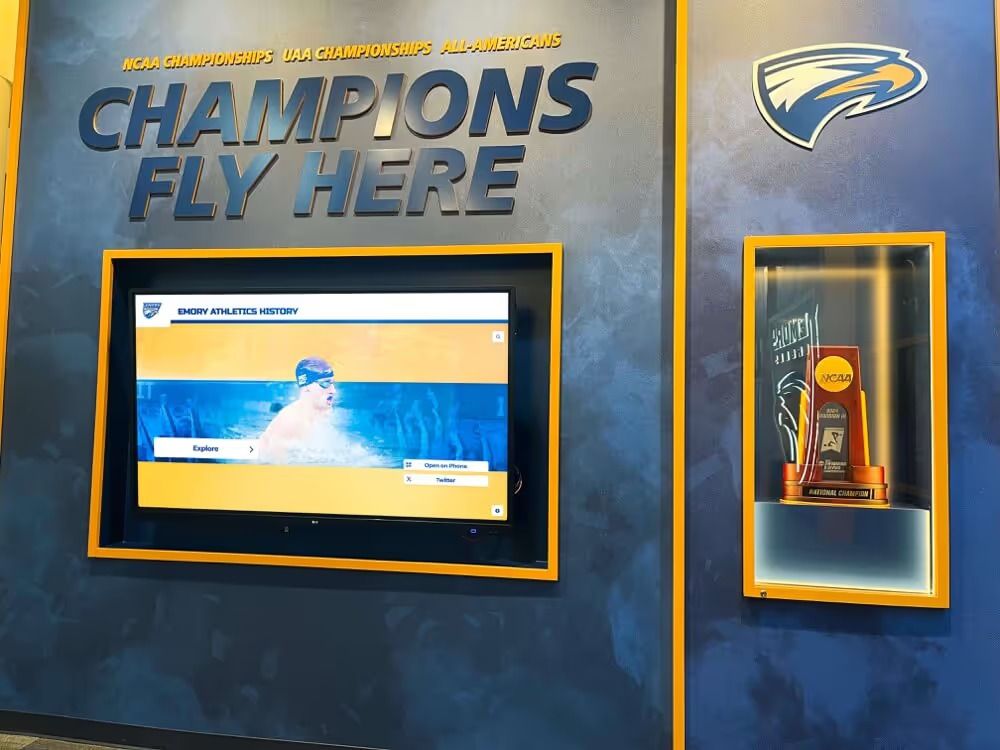
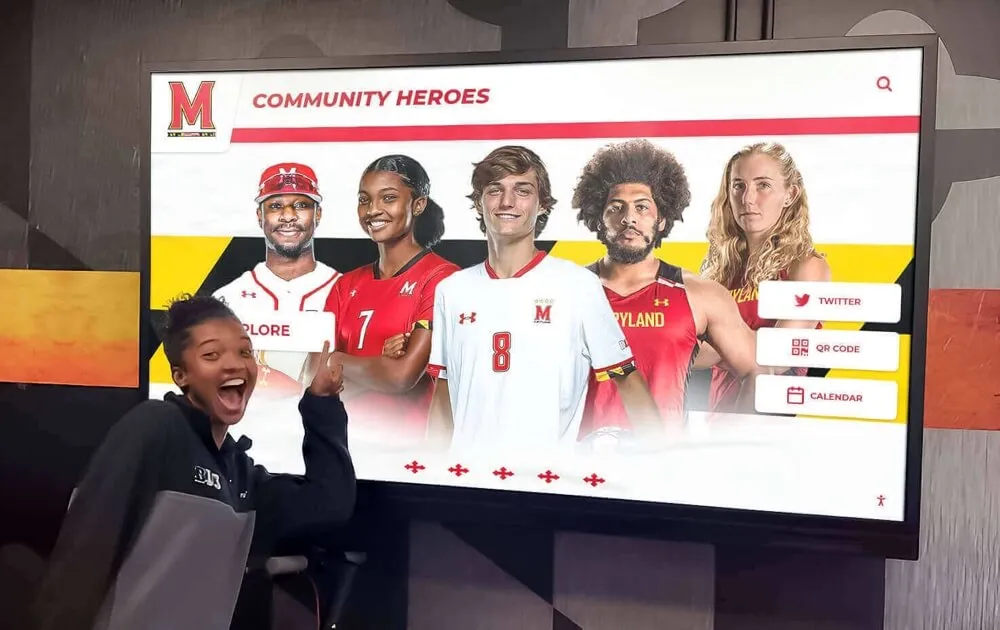
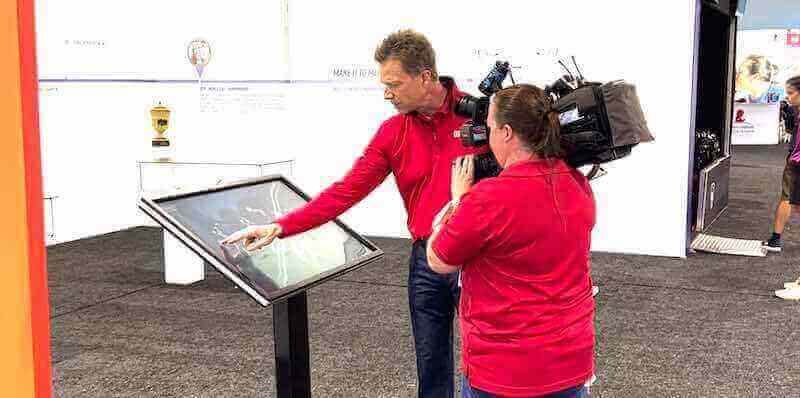
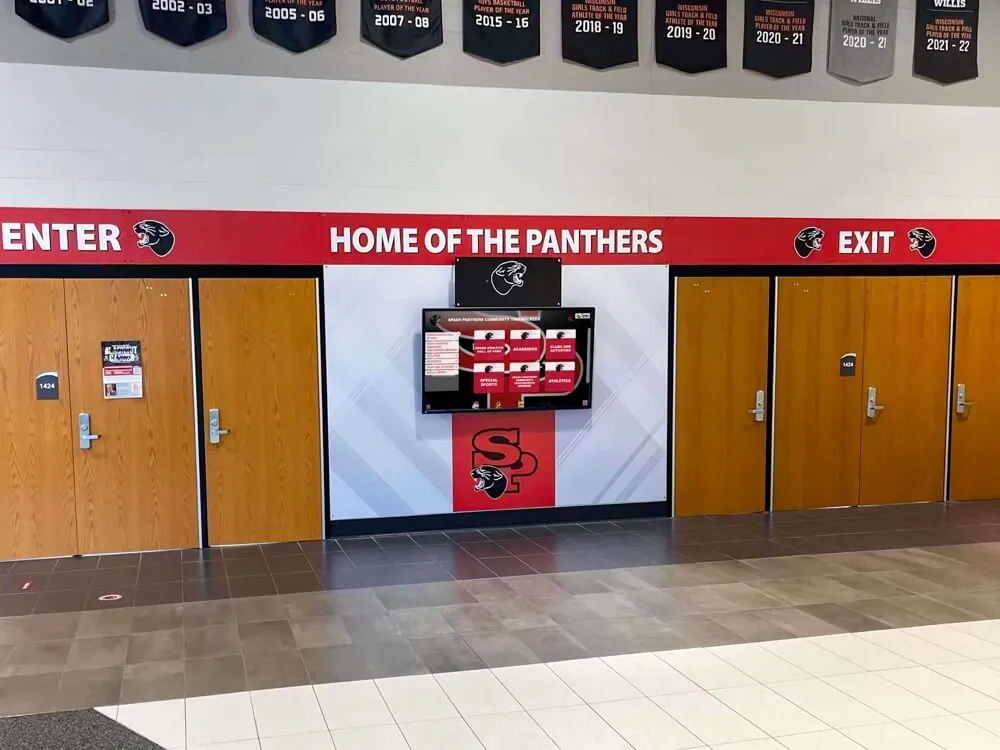
Strategic recognition installations funded by booster clubs create year-round visibility celebrating program excellence throughout facilities
Common Misconceptions About Booster Clubs
Several persistent misunderstandings complicate booster club formation and operation when founders fail to address them proactively.
Misconception: “Booster Clubs Are Just for Athletics”
While athletic boosters remain most common, successful booster organizations support diverse programs: band and performing arts boosters funding instruments, uniforms, and competition travel; academic boosters supporting STEM programs, debate teams, and academic competitions; and comprehensive boosters serving entire schools rather than single programs.
Any program requiring supplementary funding beyond school budgets can benefit from dedicated booster support creating sustainable funding mechanisms and engaged parent communities.
Misconception: “Booster Clubs Run Themselves”
Successful booster clubs require substantial organizational effort, clear governance structures, dedicated leadership, systematic processes, and ongoing communication. Informal parent groups without formal structure typically fail within seasons as initial enthusiasm wanes, leadership turnover creates discontinuity, financial management proves inadequate, or conflicts emerge without established resolution processes.
Effective booster clubs establish formal organizations with written bylaws, elected officers, defined responsibilities, transparent operations, and succession planning ensuring continuity beyond founding members’ involvement.
Misconception: “Booster Clubs Have Unlimited Authority”
Booster organizations operate under school district oversight with defined boundaries regarding decision-making authority, spending autonomy, and program influence. Clubs typically cannot hire or fire coaches, dictate playing time or selection decisions, override school policies, or commit schools to financial obligations without administrative approval.
Understanding this collaborative but bounded relationship prevents conflicts undermining booster-school partnerships while ensuring clubs focus on appropriate support functions rather than overstepping into administrative or coaching domains.
Legal Formation: Establishing Your Booster Club Structure
Proper legal formation protects volunteers, ensures tax compliance, enables institutional partnerships, and creates sustainable organizational foundations supporting long-term success.
Choosing Your Legal Structure
Booster clubs typically organize as nonprofit corporations or unincorporated associations, each offering distinct advantages and requirements.
Unincorporated Associations
The simplest structure involves informal groups operating under school auspices without separate legal entity status. Members simply agree to work together supporting programs through written operating agreements establishing governance, financial management, and dissolution procedures.
Advantages: No formation costs or state filing requirements, minimal ongoing compliance obligations, simple startup enabling immediate operations, and direct school oversight potentially simplifying coordination.
Disadvantages: No legal liability protection for officers and volunteers, limited ability to enter contracts or hold assets independently, challenges obtaining bank accounts without incorporated status, and inability to achieve federal tax-exempt recognition limiting donation deductibility.
Unincorporated structures work for very small operations with minimal financial activity, but most sustainable booster clubs require formal incorporation providing legal protections and operational capabilities supporting substantial fundraising and volunteer coordination.
Nonprofit Corporation Formation
Incorporating as a nonprofit organization under state law creates separate legal entities independent from schools and individual members, providing liability protection, operational authority, and pathways to federal tax exemption.
Formation Steps:
Choose Organization Name: Select distinctive names not conflicting with existing entities, typically including program identification like “Washington High School Athletic Booster Club, Inc.” Check state business registries ensuring availability before proceeding.
File Articles of Incorporation: Submit required formation documents to state agencies (typically Secretary of State offices) including organization purposes, initial directors, registered agent information, and dissolution provisions directing residual assets to qualifying organizations upon closure.
Adopt Bylaws: Develop comprehensive governing documents establishing membership structure, officer positions and elections, meeting requirements, financial controls, amendment procedures, and operational policies. Many booster templates exist online, though legal review ensures compliance with state nonprofit laws and school district requirements.
Obtain Employer Identification Number (EIN): Apply through IRS for federal tax identification numbers enabling bank account opening, tax filing, employment (if applicable), and federal tax exemption application.
Register for State Charitable Solicitation: Many states require nonprofits conducting fundraising to register with state charity regulators before soliciting donations, with annual reporting obligations thereafter.
Formation typically costs $50-200 in state filing fees, though legal assistance reviewing documents often proves worthwhile ensuring proper compliance and avoiding technical deficiencies requiring costly later amendments.
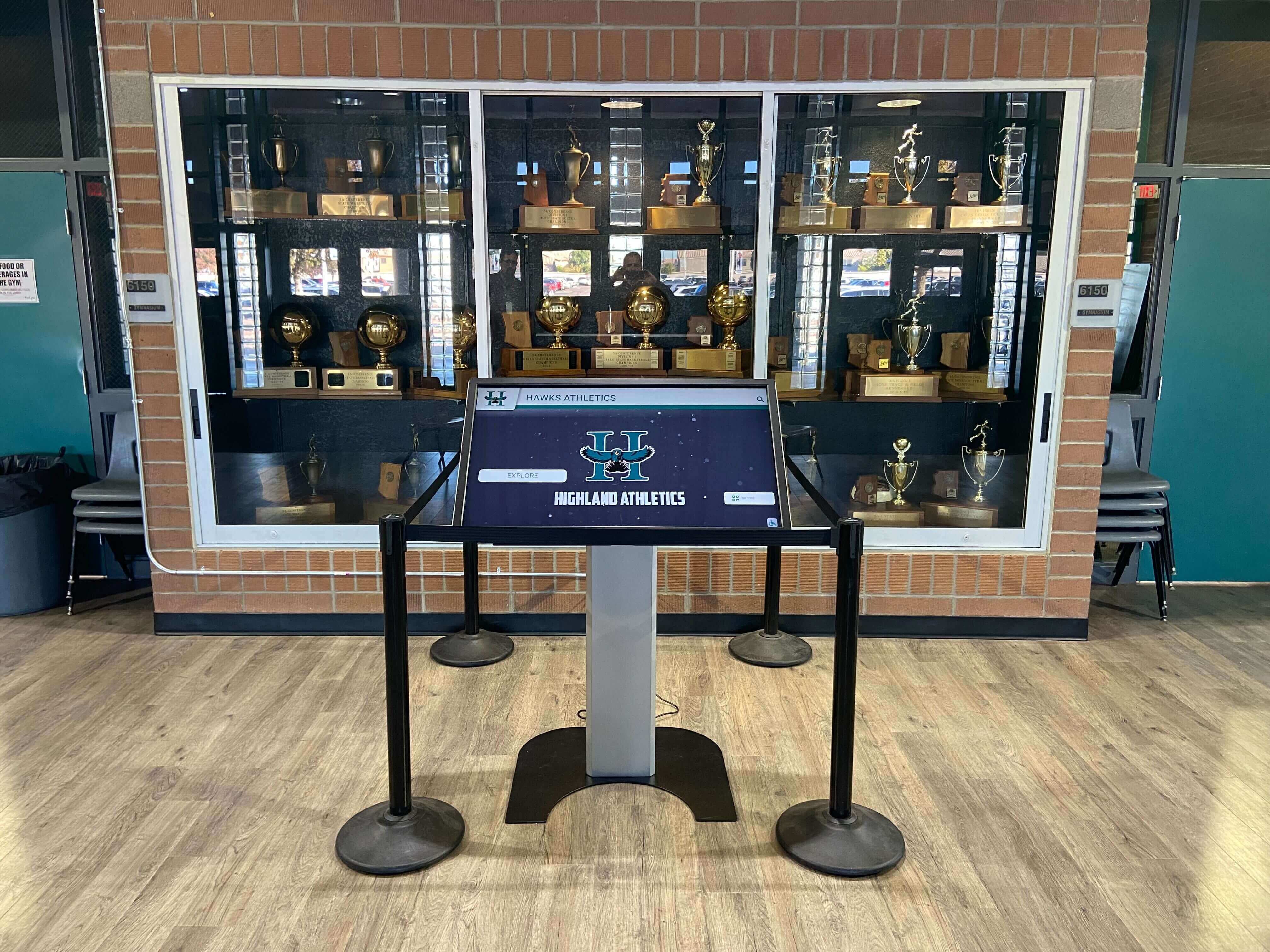
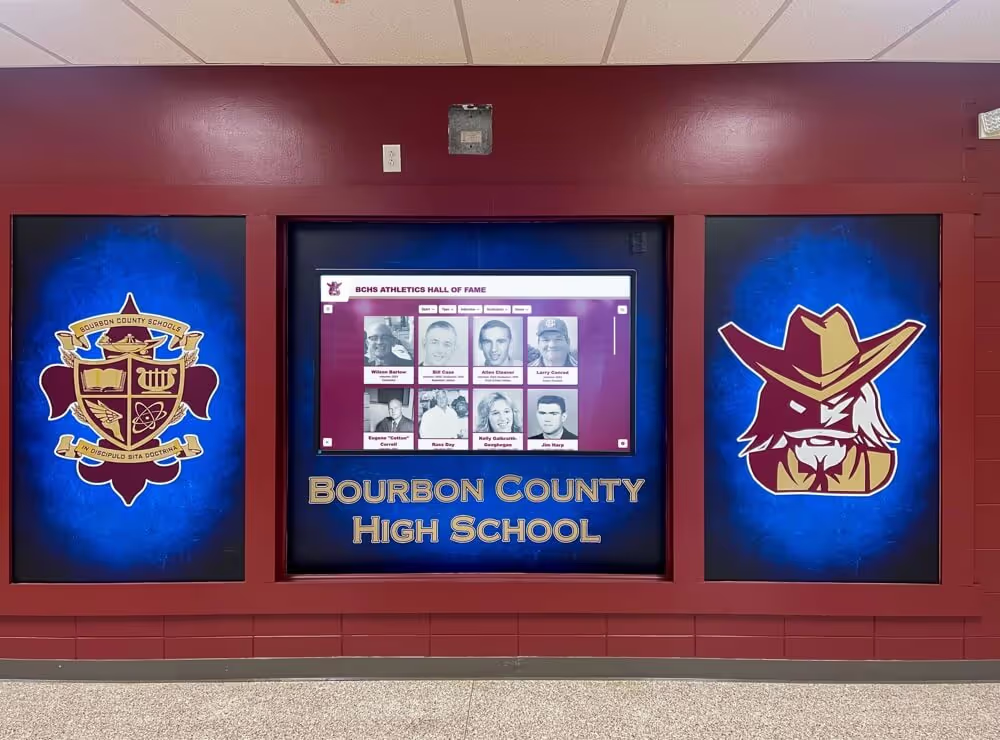
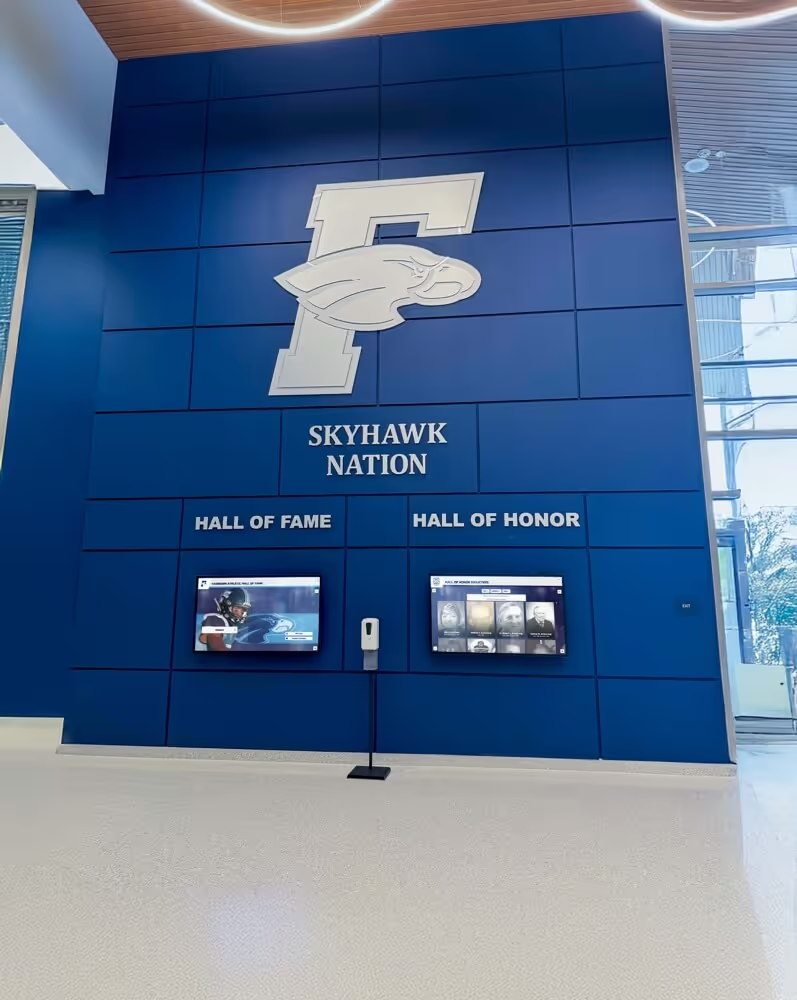
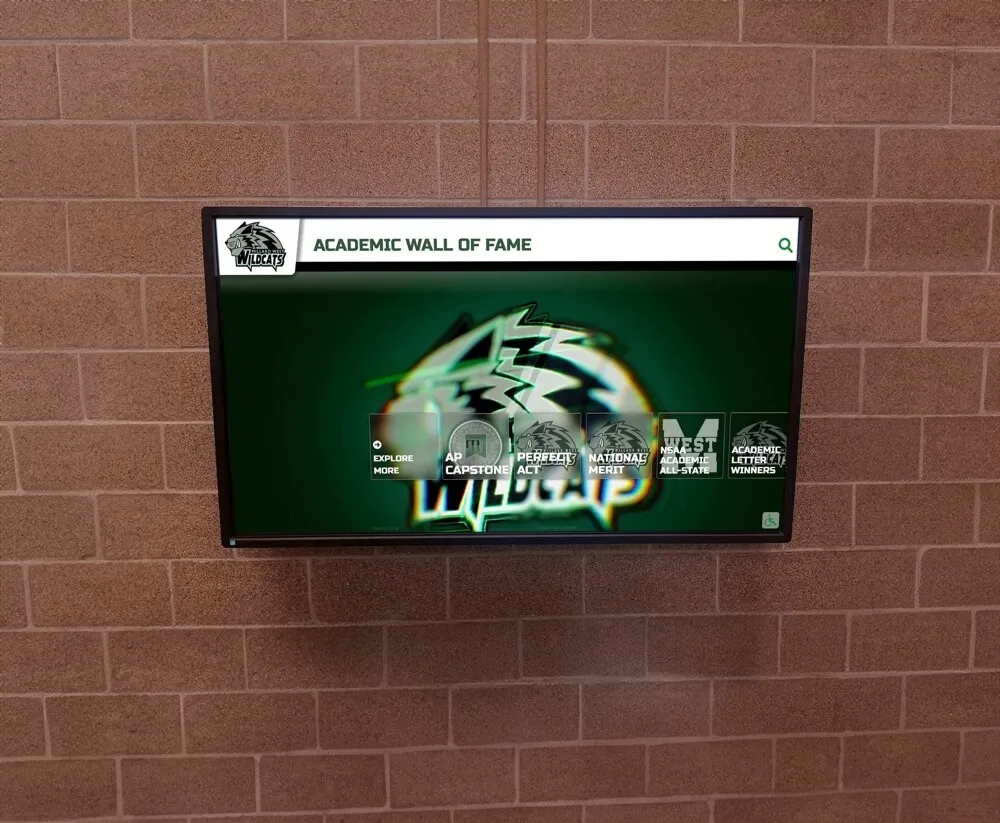
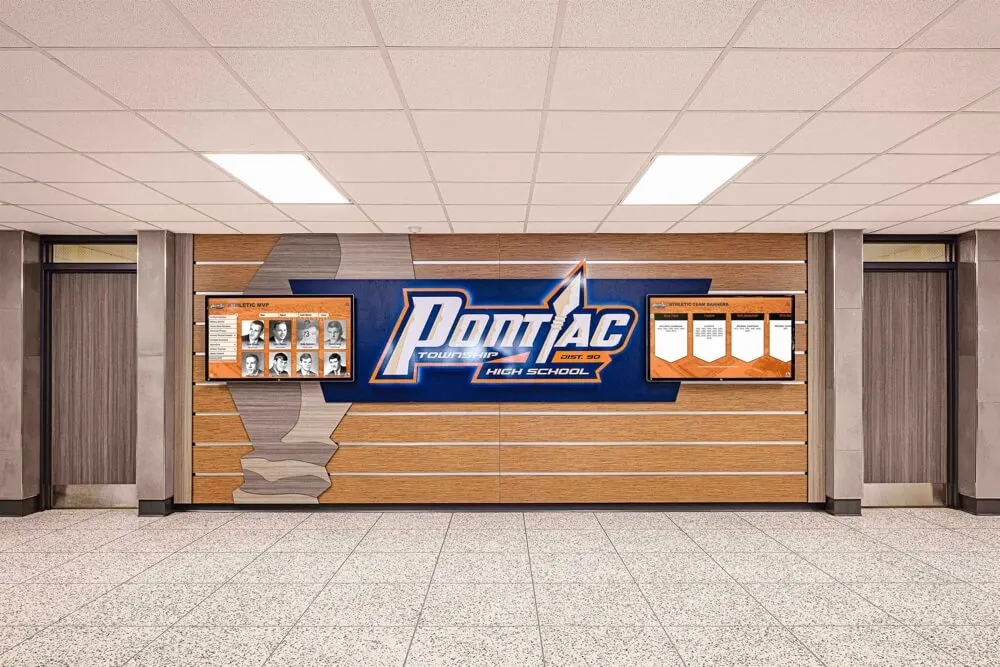
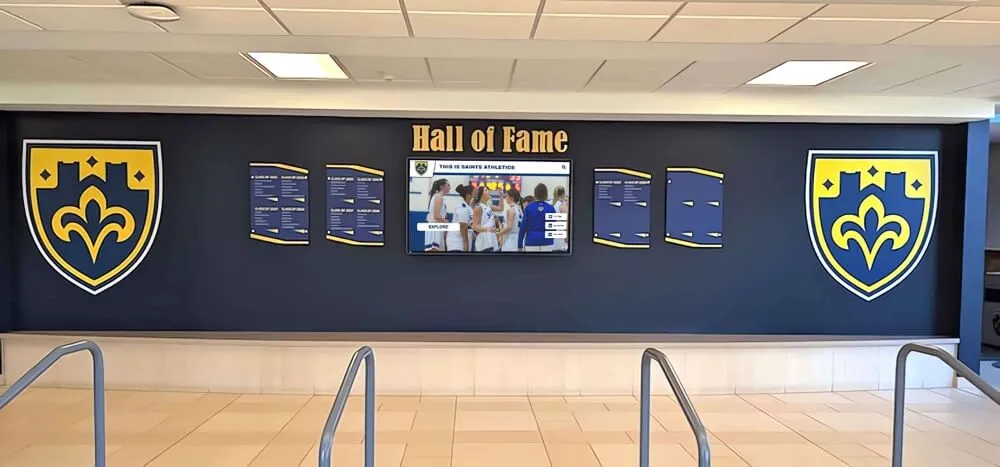
Modern recognition technology enables exploration of booster-funded achievements creating ongoing community engagement beyond physical donations
Federal Tax-Exempt Status: 501(c)(3) Recognition
After state incorporation, applying for federal tax exemption under Internal Revenue Code Section 501(c)(3) provides significant benefits justifying the application effort and expense.
Benefits of 501(c)(3) Status
Tax exemption delivers multiple advantages: donations become tax-deductible for contributors increasing giving incentives, exemption from federal corporate income tax on program-related revenue, state and local tax exemptions including sales tax in many jurisdictions, enhanced credibility with donors and grant-makers, and eligibility for foundation grants typically restricted to recognized tax-exempt organizations.
For clubs anticipating substantial fundraising or donor cultivation, tax exemption proves nearly essential for competitive donation solicitation.
Application Process
Organizations with projected annual gross receipts under $50,000 can use simplified Form 1023-EZ applications, while larger operations complete comprehensive Form 1023 requiring detailed organizational information, financial projections, governance policies, and narrative program descriptions. Current IRS filing fees range from $275-600 depending on application type.
Processing Timeline and Professional Assistance
IRS currently processes applications within 3-6 months, though complex submissions may face additional questions extending timelines. Many booster clubs use nonprofit attorneys or accountants with tax-exemption expertise to prepare applications, typically costing $1,000-2,500 but dramatically increasing approval likelihood while ensuring compliance with increasingly technical IRS standards.
Alternative: School District Umbrella Coverage
Some school districts maintain group tax exemptions covering affiliated booster organizations, enabling clubs to operate under district coverage without independent applications. This approach simplifies compliance but typically requires closer district oversight and reduced operational autonomy. Consult school district policies determining whether umbrella coverage exists and meets your organizational needs.
Insurance and Liability Protection
Even with incorporation providing personal liability protection for officers and volunteers, adequate insurance proves essential for comprehensive risk management.
General Liability Insurance
Covers bodily injury or property damage claims arising from booster activities—injuries at events, accidents during fundraisers, or allegations of negligence from organizational operations. Annual premiums typically range $500-2,000 depending on coverage limits and organizational activities.
Directors and Officers (D&O) Insurance
Protects board members and officers from personal liability for organizational decisions, coverage of legal defense costs for lawsuits alleging mismanagement or breach of fiduciary duty, and financial protection if courts impose personal liability despite good-faith decision-making.
Many general liability policies include limited D&O coverage, though separate policies provide more comprehensive protection for organizations with substantial assets or higher-risk activities.
Additional Coverage Considerations
Depending on activities, consider: event cancellation insurance for major fundraisers, crime/fidelity bonds protecting against theft or embezzlement, volunteer accident insurance, and liquor liability if events include alcohol service.
Work with insurance agents experienced with nonprofit organizations who understand booster club operations and can recommend appropriate coverage balancing protection needs with premium affordability.
Building Your Booster Club Foundation
Beyond legal formation, sustainable organizations require thoughtful governance structures, clear policies, and strong initial leadership establishing operational frameworks supporting long-term success.
Recruiting Founding Leadership Team
Booster club success depends heavily on dedicated leadership willing to invest substantial time establishing organizational foundations.
Essential Officer Positions
Most booster clubs establish minimum core positions including:
President: Overall organizational leadership, board meeting coordination, school liaison, external representation, and strategic direction. Effective presidents possess strong organizational skills, communication abilities, relationship-building capacity, and time availability for significant commitment.
Vice President: Assists president, assumes responsibilities during absences, often oversees specific functional areas like communications or membership, and provides leadership succession pathway ensuring continuity when presidents complete terms.
Treasurer: Financial management including bookkeeping, budget preparation, financial reporting, tax compliance, and banking relationships. Treasurers require financial competency, attention to detail, trustworthiness, and understanding of nonprofit financial management principles.
Secretary: Meeting minutes, official correspondence, membership records, filing maintenance, and organizational documentation. Secretaries need organizational skills, writing ability, and reliability ensuring accurate record-keeping supporting organizational transparency and legal compliance.
Many clubs add positions like Fundraising Chair, Volunteer Coordinator, Communications Director, or Event Coordinators as organizations grow and functional needs expand beyond core officer capacity.
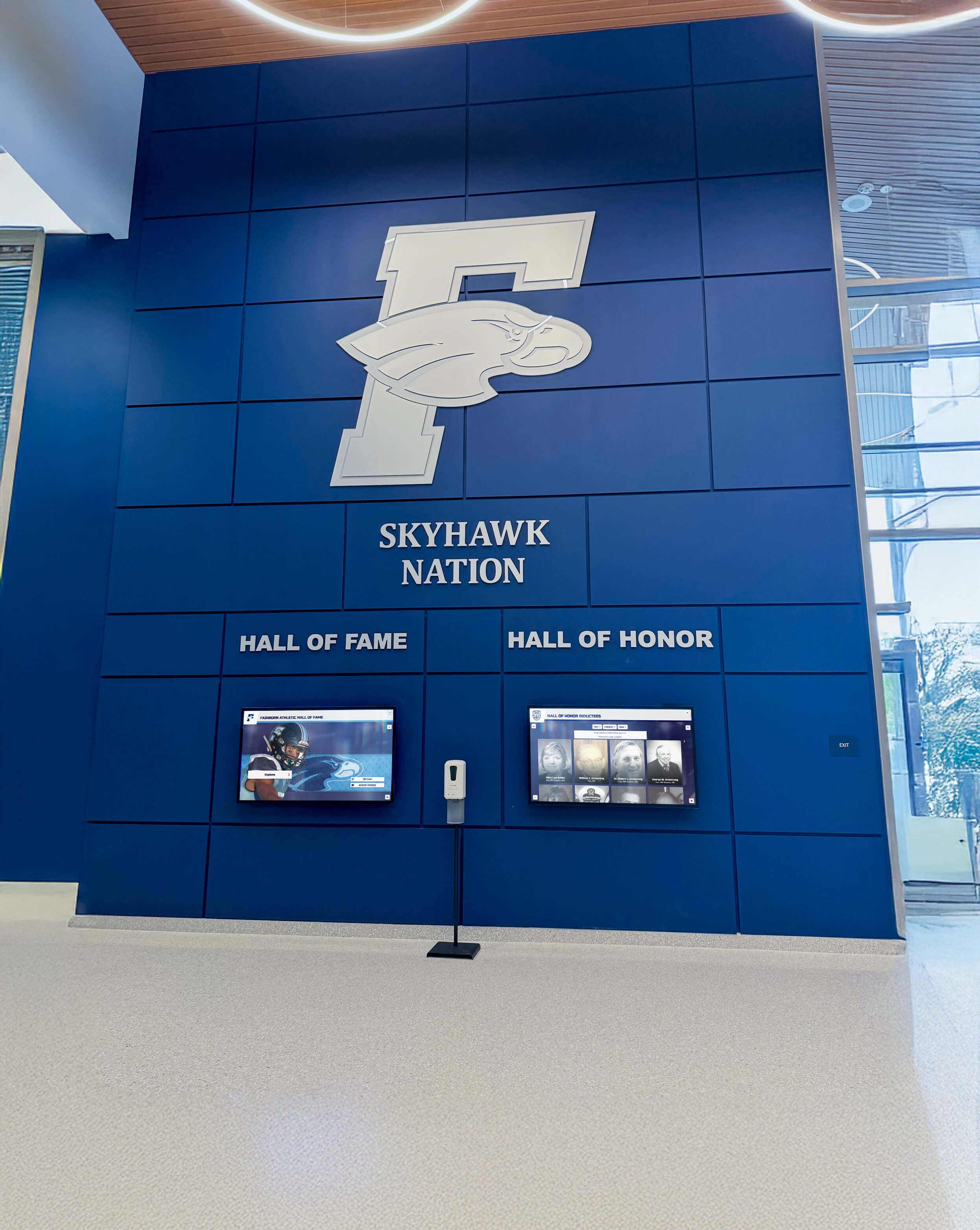
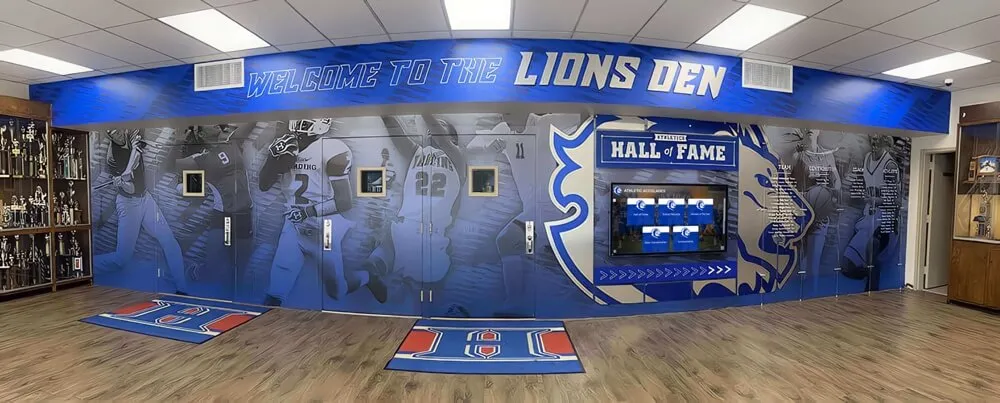
Impressive lobby recognition installations demonstrate booster investment impact creating inspiration for continued community support
Leadership Recruitment Strategies
Finding committed volunteers requires strategic outreach beyond general announcements.
Personal Recruitment
Direct personal asks prove most effective for leadership positions—identify parents demonstrating interest through program attendance or previous volunteer activities, explain specific time commitments and responsibilities honestly, emphasize meaningful impact leadership provides, and invite involvement starting with smaller commitments building toward increased responsibility as comfort grows.
Personal recruitment creates accountability difficult to decline while enabling genuine conversations about fit, capacity, and mutual expectations reducing later disappointment when general volunteers discover unanticipated demands.
Leveraging Existing Networks
Tap into established parent communities: PTA/PTO organizations with demonstrated volunteer capacity, workplace affinity groups where colleagues might share interests, church or community organizations members already possess relevant skills, and alumni networks with continued program attachment.
These existing networks provide warm prospects already exhibiting community engagement tendencies reducing outreach difficulty compared to recruiting entirely cold prospects.
Emphasizing Specific Skills Needed
Rather than generic volunteer requests, articulate specific skill needs making roles feel manageable and concrete: “We need someone comfortable with QuickBooks managing our finances,” “We’re looking for someone with event planning experience coordinating our banquet,” or “We need a parent with social media skills managing our communications.”
Specific skill requests help parents envision how their existing capabilities translate to booster needs while reducing anxiety that volunteer roles require wholesale time investment in unfamiliar domains.
Developing Operating Bylaws
Comprehensive bylaws establish governance frameworks preventing conflicts while ensuring transparent, consistent operations across leadership transitions.
Essential Bylaw Components
Effective bylaws address:
Organization Purpose and Mission: Clear statements defining programs supported, activities undertaken, and community served guiding all subsequent operational decisions and preventing mission drift.
Membership Structure: Eligibility requirements (typically any parent or community member supporting programs), membership fees if applicable, voting rights, and meeting participation expectations.
Board Composition and Elections: Officer positions and responsibilities, term lengths (typically 1-2 years) and term limits preventing perpetual control, election procedures and timing, vacancy filling, and removal provisions for officers failing to fulfill responsibilities.
Meeting Requirements: Regular meeting frequency, notice requirements, quorum definitions, voting procedures, and meeting documentation expectations ensuring transparent democratic governance.
Financial Management: Banking authority, spending approval thresholds, budgeting processes, audit requirements, and financial reporting obligations protecting organizational assets while ensuring accountability.
Amendment Procedures: Processes for bylaw modifications balancing stability with flexibility as organizational needs evolve.
Many nonprofit organizations and national booster associations provide template bylaws adapted to specific state requirements and organizational contexts, reducing development burden while ensuring comprehensive coverage of essential governance elements.
Establishing School Partnerships
Booster clubs operate most effectively when strong collaborative relationships exist with school administrators, coaches, and program advisors defining clear expectations and communication protocols.
Gaining School Administration Approval
While legally independent, booster clubs require school support and cooperation for effective operations.
Initial School Conversations
Before formal launch, meet with relevant administrators: athletic directors for sports boosters, principals for comprehensive clubs, or activities directors for specific programs. These discussions should cover:
- School district policies regarding booster organizations and oversight requirements
- Administrative approval processes for fundraising activities or facility use
- Required reporting or communication expectations
- Boundaries between booster decision-making and school/coach authority
- Potential school support like facility access, communication channels, or tax exemption inclusion
Administrative approval from the start prevents future conflicts when clubs discover activities require permissions never obtained or expectations differ from school policies established in district guidelines.
Formalizing the Partnership
Many districts require written memorandums of understanding (MOUs) or booster agreements formally documenting relationships, mutual expectations, oversight mechanisms, and operational boundaries. While seemingly bureaucratic, these formal agreements actually protect both parties by establishing clear understandings preventing later disagreements about authority, financial management, or program influence.
Request written agreements explicitly addressing: fundraising approval processes, spending authorization procedures, recognition program coordination, communication protocols, facility and equipment use, and dispute resolution mechanisms if conflicts emerge.
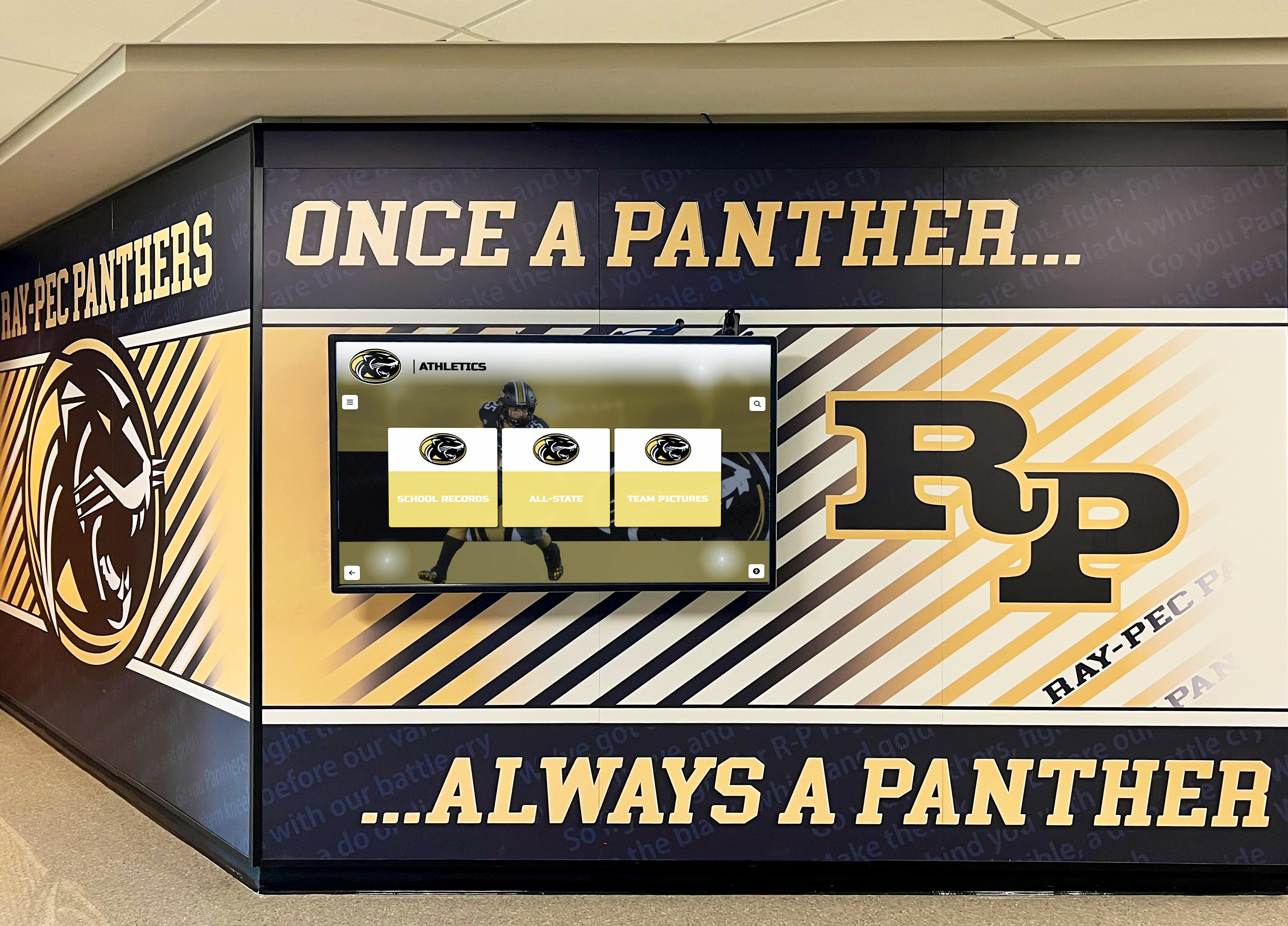
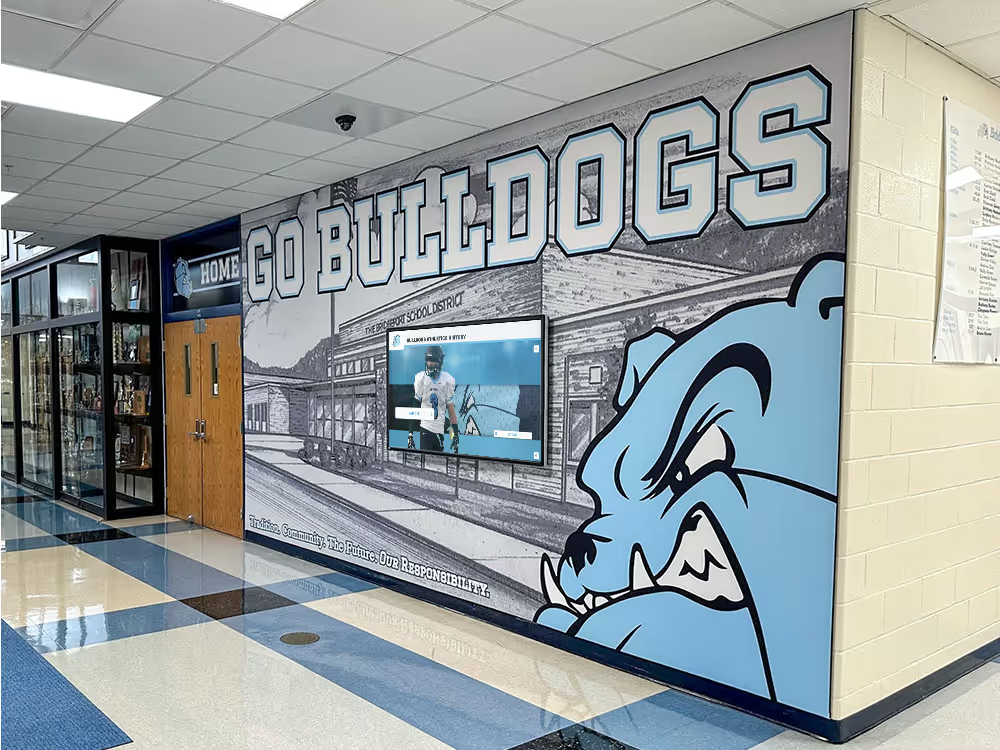
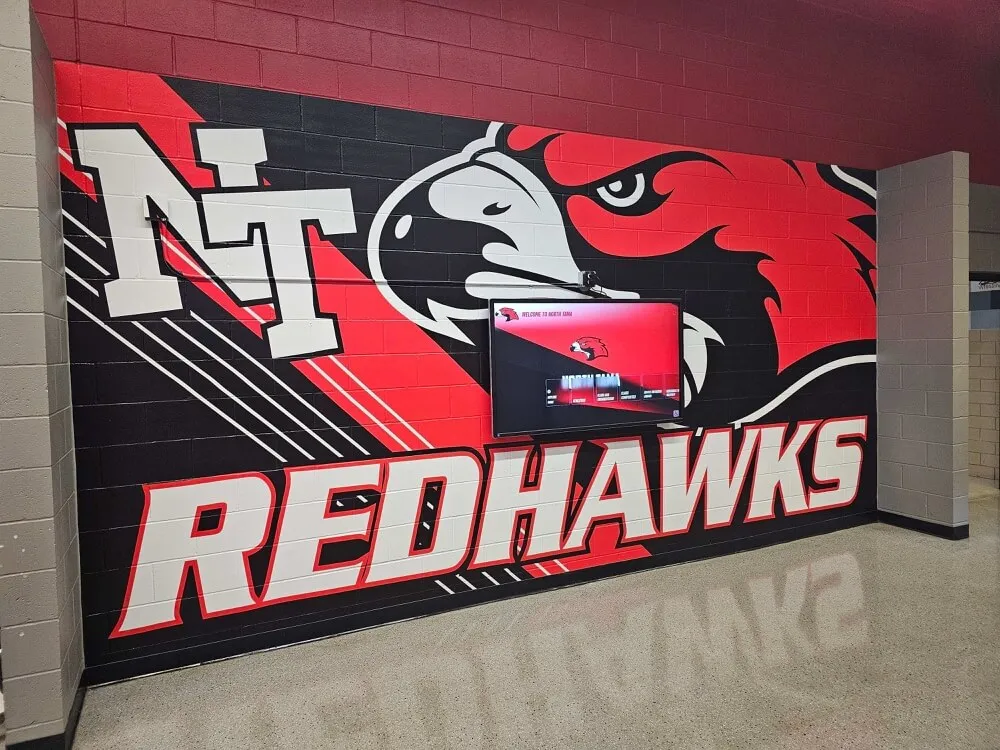
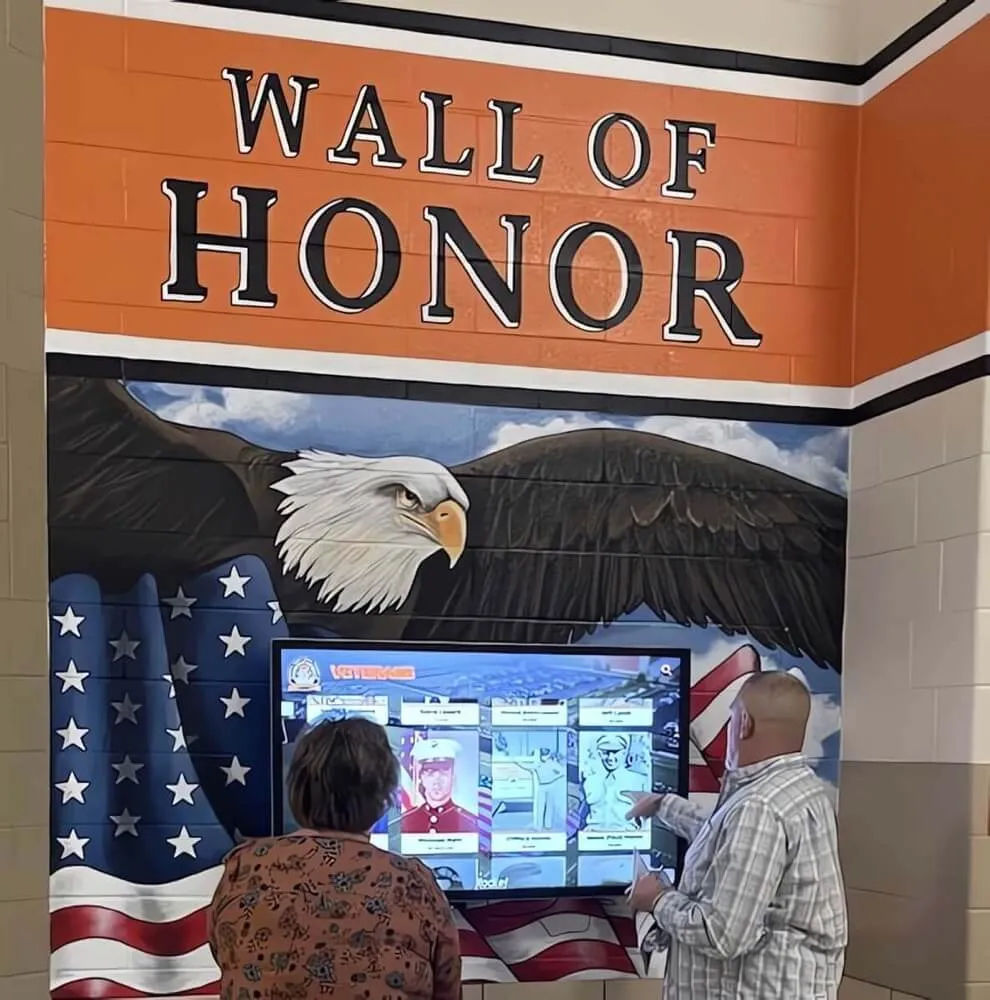
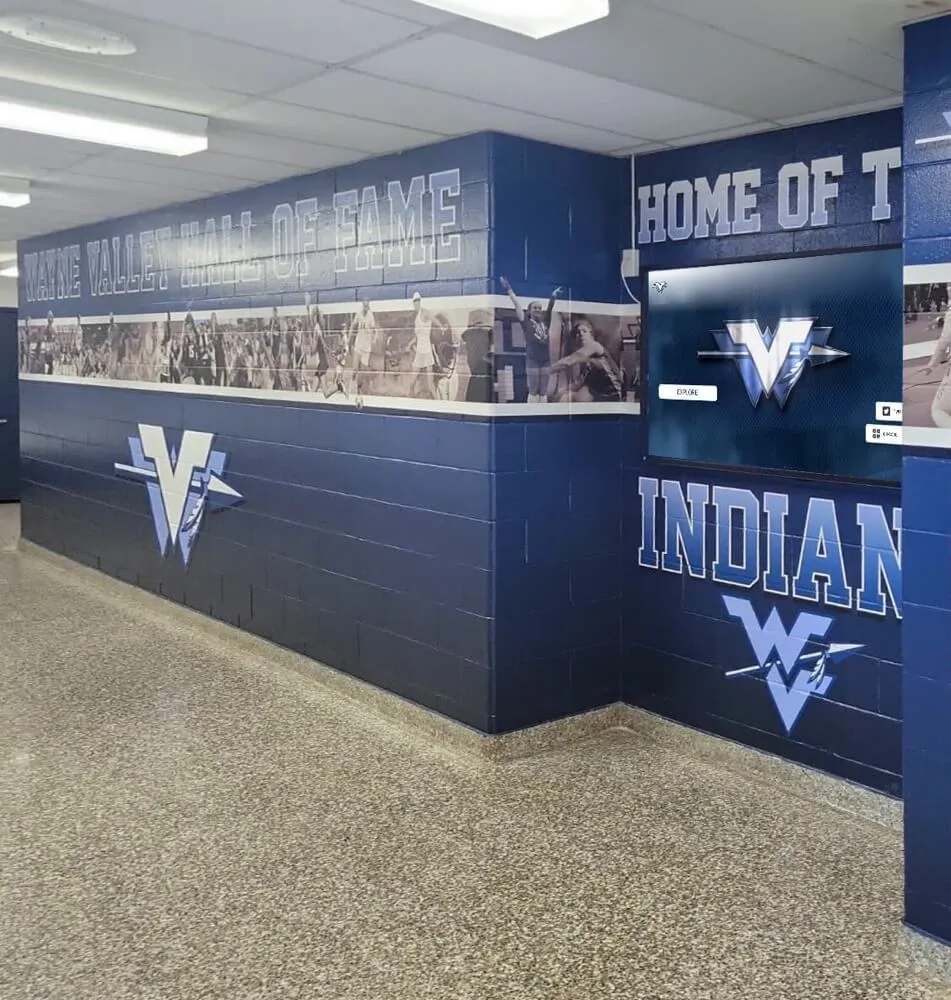
Booster-funded facility enhancements like branded murals and recognition displays build visible program pride throughout school environments
Defining Booster Club Scope and Boundaries
Clarity about what boosters do and don’t control prevents the most common conflict sources undermining school-booster relationships.
Appropriate Booster Activities
Booster clubs typically handle: fundraising and supplementary program funding, concession stand operations and game day support, recognition programs and banquet coordination, volunteer recruitment and coordination, facility improvement projects after school approval, equipment purchases supporting coach-identified needs, and community engagement and program promotion.
These support functions complement rather than replace school administrative and coaching responsibilities, creating partnership models where each entity focuses on appropriate domains leveraging respective strengths.
Activities Requiring School Approval
Gray area activities requiring explicit administrative authorization include: purchasing equipment or making facility modifications, organizing travel or overnight trips, coordinating recognition programs during school events, fundraising involving student participation, using school names, logos, or branding, and any spending committing schools to maintenance or ongoing costs.
Establish clear approval processes at organizational formation preventing well-intentioned booster initiatives creating school obligations without proper authorization or violating district policies members didn’t understand.
Prohibited Booster Involvement
Maintain clear boundaries regarding: coaching decisions including playing time, position assignments, or strategy; personnel decisions like hiring, firing, or evaluating coaches; student discipline or academic eligibility; team selection or roster decisions; and overriding established school or district policies.
These areas represent core educational and administrative functions properly remaining with professional staff rather than volunteer parent organizations regardless of booster financial contributions or member preferences.
Volunteer Recruitment and Engagement
Beyond core leadership, booster success requires broad volunteer bases supporting diverse activities throughout seasons and years.
Creating Volunteer Opportunities for Different Commitment Levels
Parents possess varied availability and comfort with different activities—comprehensive volunteer programs accommodate this diversity rather than expecting uniform engagement.
High-Commitment Leadership Roles
Officers and committee chairs typically invest 5-10+ hours monthly for leadership positions requiring sustained engagement across full seasons or years. These roles suit parents with flexible schedules, strong organizational skills, leadership experience, and capacity for substantial time investment.
Medium-Commitment Committee Members
Functional committees—fundraising, events, communications, facilities—meet monthly and undertake specific projects requiring 2-5 hours monthly. Committee roles enable meaningful contribution without demanding leadership-level time while building organizational knowledge creating future officer pipelines.
Low-Commitment Event Volunteers
Single-event opportunities—concession shifts, banquet setup, fundraiser staffing—require only specific time blocks without ongoing obligations. These entry-level opportunities prove perfect for parents testing involvement, balancing demanding work schedules, or preferring concrete defined tasks over open-ended commitments.
Flexible At-Home Support
Some contributions require minimal coordination: graphic design for communications, social media posting, online auction item procurement, or administrative tasks completed independently. These flexible roles engage parents with specialized skills but limited availability for scheduled activities.
Diverse opportunity structures ensure every parent finds appropriate involvement matching their capacity, skills, and preferences rather than creating all-or-nothing participation models excluding many potential contributors.
Effective Volunteer Communication Systems
Clear communication proves essential for volunteer coordination, organizational transparency, and sustained engagement across diverse member populations.
Digital Communication Platforms
Most modern booster clubs utilize: email distribution lists for official communications and meeting notices, dedicated Facebook groups or pages for community building and information sharing, text messaging services like Remind or Groupme for time-sensitive notifications, and shared online calendars coordinating activities and preventing scheduling conflicts.
Select platforms matching member technology comfort while ensuring critical information reaches all members regardless of digital preferences—some families still require phone calls or printed communications ensuring inclusive outreach.
Regular Information Sharing
Maintain consistent communication rhythms: monthly newsletters sharing updates, accomplishments, upcoming events, and volunteer needs; board meeting minutes published to general membership demonstrating transparency; financial reports summarizing income, expenses, and budget status building trust; and activity recaps with photos celebrating volunteer contributions and recognizing specific individuals whose efforts made events successful.
Regular communication maintains engagement between major activities while building organizational culture valuing transparency, recognition, and inclusive information sharing beyond leadership circles.
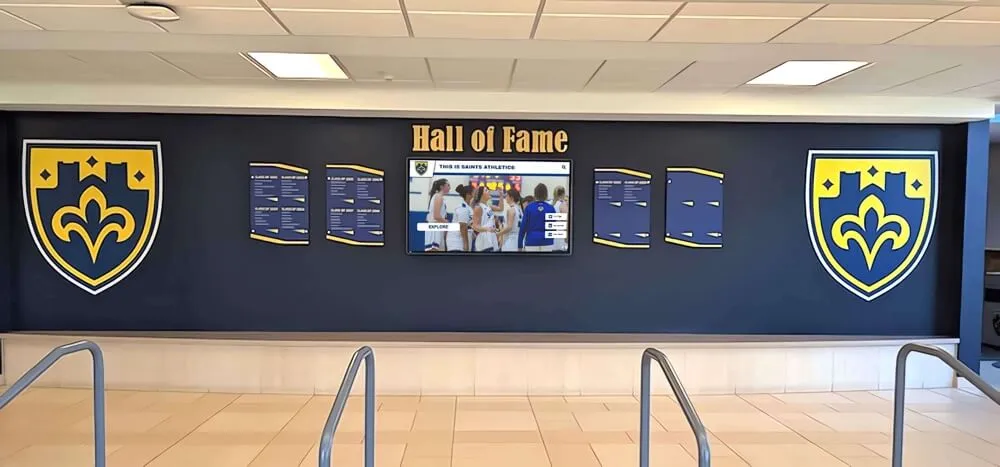
Permanent recognition installations preserve booster-funded achievements creating ongoing celebration connecting current families with program history
Volunteer Recognition and Retention
Sustained volunteer engagement requires appreciation and recognition acknowledging contributions preventing burnout while maintaining enthusiasm.
Formal Recognition Programs
Establish systems celebrating volunteers: annual volunteer appreciation events thanking contributors, volunteer awards recognizing exceptional service, public acknowledgment at games or performances, and digital recognition displays documenting volunteer contributions alongside student achievements.
Recognition validates that volunteer efforts receive notice and appreciation rather than being taken for granted, particularly for behind-the-scenes contributors whose work lacks the visibility of public roles.
Personal Appreciation
Beyond formal programs, regular personal thanks prove powerful: handwritten notes from officers expressing specific appreciation, phone calls checking in and acknowledging contributions, public recognition during meetings, and small tokens like coffee gift cards or team-branded items showing gratitude.
Personal touches demonstrate genuine appreciation rather than formulaic recognition, building relationships sustaining commitment beyond single seasons as volunteers develop meaningful connections to organizations and fellow members.
Creating Community and Social Connections
Many volunteers continue participation primarily for social relationships and community belonging rather than specific programmatic missions. Foster this community through social events beyond business meetings, informal gatherings before or after games, and creating spaces where members develop friendships extending beyond organizational activities.
Strong social networks increase retention as members remain engaged partly because they enjoy time with people they’ve come to know and value, creating organizational resilience surviving individual leadership transitions or challenging periods threatening organizations lacking strong interpersonal bonds.
Fundraising Strategies That Work
Sustainable booster clubs require diverse revenue streams rather than depending on single fundraising approaches vulnerable to market shifts or volunteer capacity limitations.
Traditional Fundraising Activities
Time-tested approaches provide reliable income when executed thoughtfully with adequate planning and volunteer coordination.
Concession Stand Operations
Athletic event concessions represent steady revenue sources: capture hungry spectators already on-site, require modest product inventory, generate consistent profit margins, provide multiple volunteer engagement opportunities, and build predictable income across athletic seasons.
Success factors include: quality food at reasonable prices, adequate volunteer staffing ensuring smooth operations, strategic product selection balancing popularity with profitability, efficient cash handling and inventory systems, and pleasant customer service maintaining positive booster reputations.
Many clubs expand beyond traditional snacks offering specialty items, hot foods, or local favorites increasing average transaction values and distinguishing concessions from generic vending machines.
Team Spirit Wear and Apparel Sales
Custom clothing featuring school names, logos, or team branding appeals to parents, students, athletes, and community members supporting programs through visible demonstration of school pride.
Modern online platforms like Prep Sportswear, Spirit Gear, or custom Shopify stores simplify fulfillment: no inventory investment required, designs created using school branding, on-demand production after orders placed, automatic fulfillment and shipping, and profit sharing typically 15-25% of sales benefiting boosters without upfront costs or leftover inventory risks.
Promote spirit wear campaigns before seasons start, around homecoming and rivalry games, and as holiday gifts capturing multiple annual sales opportunities beyond single end-of-season promotions.
Special Event Fundraisers
Signature events create excitement while generating substantial revenue: golf tournaments attracting business sponsors and community participation, auctions featuring donated items and experiences, banquet or gala celebrations, fun runs or walk-a-thons, or planning comprehensive fundraising galas combining multiple revenue streams.
Successful special events require: sufficient planning time (typically 3-6 months), dedicated event committees distributing workload, secured venues and logistics, aggressive promotion building attendance, sponsorship cultivation adding revenue beyond ticket sales, and post-event evaluation identifying improvements for future years.
Limit special events to 1-3 annually—more becomes overwhelming for volunteers while competing for community attendance and sponsor dollars in areas with multiple school programs seeking support.
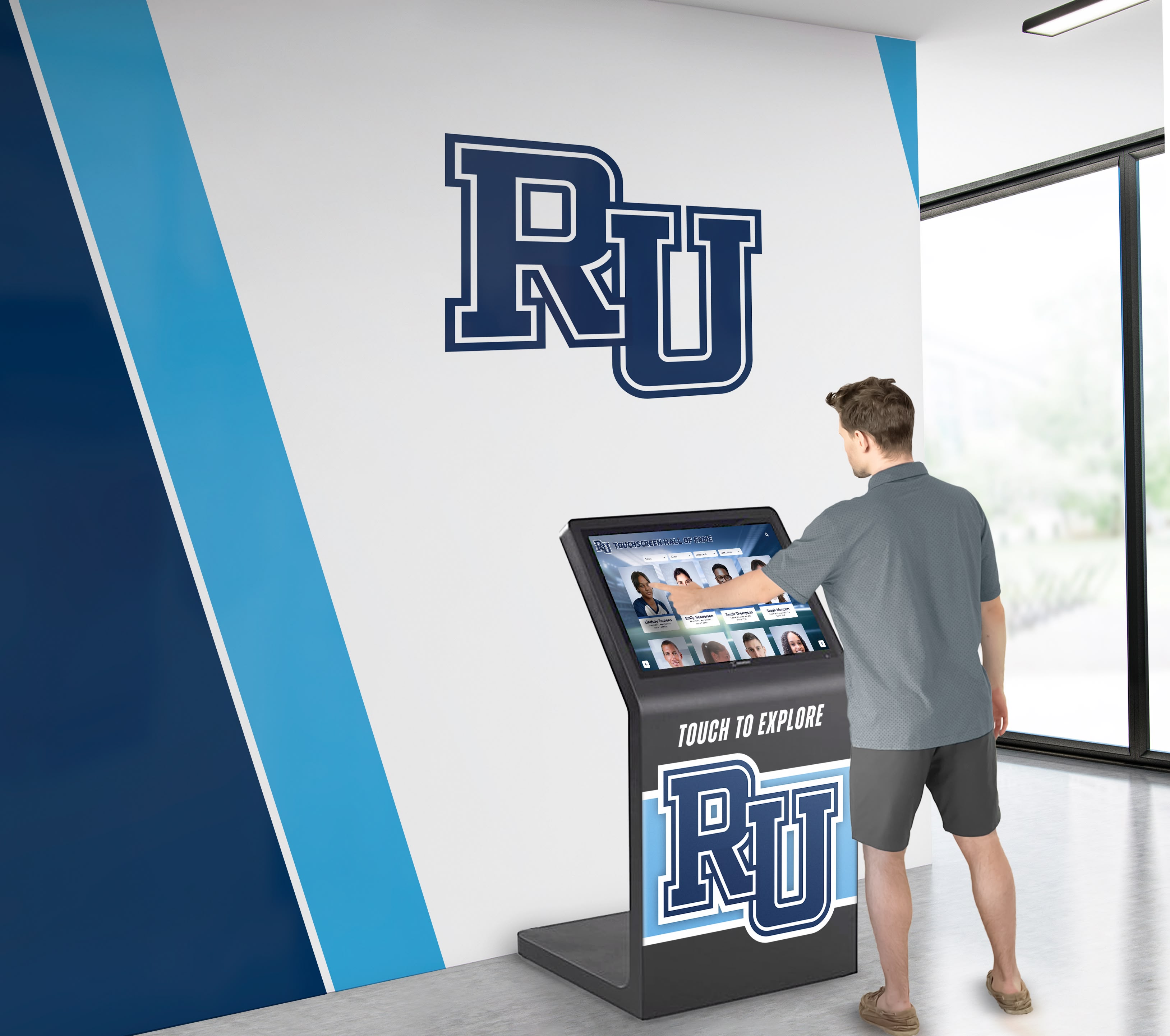
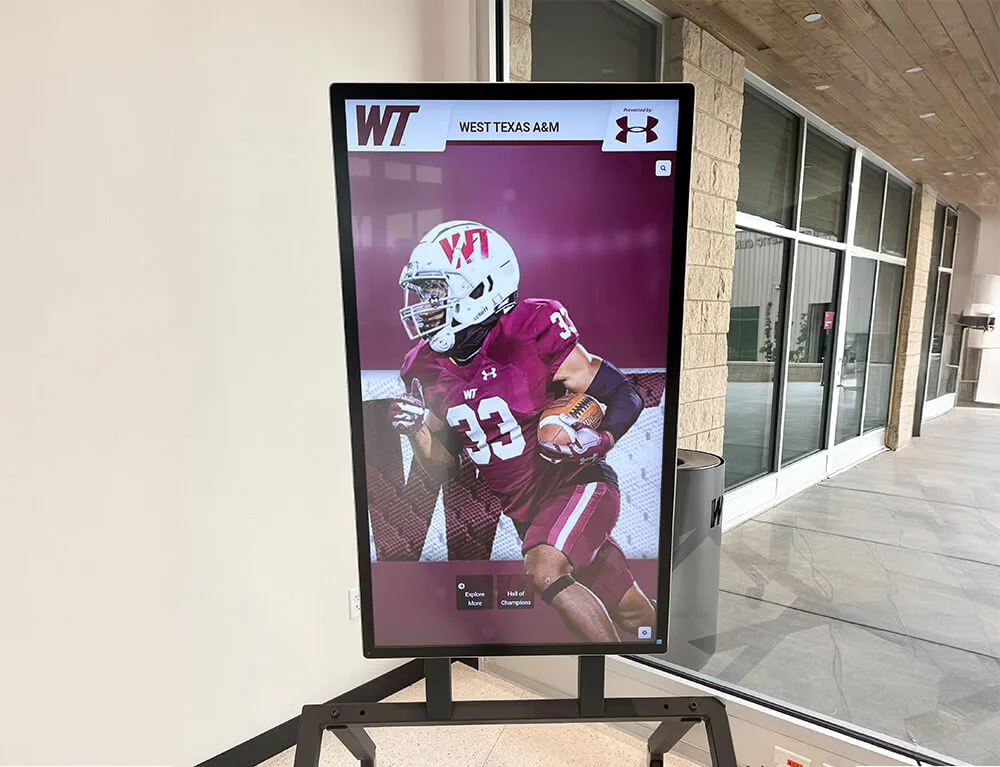
Interactive recognition systems funded by boosters enable exploration of program history creating engagement beyond traditional static displays
Modern Digital Fundraising Approaches
Technology enables efficient fundraising supplementing traditional face-to-face approaches while reaching broader donor bases.
Crowdfunding and Online Giving Platforms
Services like GoFundMe, Snap! Raise, or 99Pledges facilitate online donations through: custom campaign pages explaining funding needs, integrated social media sharing expanding reach, mobile-friendly donation processing, automated thank-you communications, and campaign progress tracking building momentum.
These platforms particularly suit specific project campaigns rather than general operating support—“Fund New Softball Equipment,” “Support Band Competition Travel,” or “Build Digital Recognition Wall” generate stronger emotional responses than vague “Support Our Booster Club” appeals.
Platform fees typically range 3-8% plus payment processing, but convenience and reach often justify costs through increased total donations compared to entirely self-managed approaches.
Business Sponsorship Programs
Develop tiered sponsorship packages offering recognition benefits: logo placement on programs, banners, or digital recognition displays in facilities; social media acknowledgments reaching engaged parent audiences; public announcements at events; and naming opportunities for major contributions funding substantial projects.
Create clear sponsorship prospectuses detailing benefits at each level, presenting professional materials demonstrating organizational seriousness. Local businesses prove most receptive—they serve community members attending programs and value recognition reaching local audiences more than distant corporations unlikely to sponsor modest-sized organizations.
Matching Gift Programs
Many major employers match employee charitable donations doubling fundraising impact. Promote matching gift awareness ensuring donors check eligibility and submit required documentation. Services like Double the Donation integrate with websites automatically checking employer matching policies and facilitating submission processes.
Matching gifts represent “found money” requiring minimal effort beyond donor awareness but potentially doubling donation values for qualifying contributors.
Creating Donor Recognition Programs
Acknowledging contributions encourages continued giving while building cultures celebrating community support.
Traditional Donor Recognition
Thank donors through: personalized acknowledgment letters with tax receipts, public recognition at events and in programs, donor lists in publications or facility displays, and cumulative giving societies recognizing lifetime contributions.
Timely acknowledgment matters—send thank-you communications within 48-72 hours while donor enthusiasm remains high rather than waiting for quarterly processing creating delayed recognition diminishing emotional connection to gifts.
Digital Donor Walls and Recognition Displays
Modern digital donor walls offer advantages over traditional engraved plaques: unlimited capacity accommodating all donors regardless of giving levels, easy updates adding new donors without expensive re-engraving, searchable interfaces enabling donors finding their names, multimedia capabilities displaying campaign videos or project photos, and mobile access allowing donors sharing recognition beyond physical facility visits.
Solutions like Rocket Alumni Solutions provide purpose-built platforms creating engaging recognition experiences transforming donor acknowledgment from static lists into dynamic celebrations inspiring continued giving while providing visible proof of community support throughout facilities.
Financial Management and Transparency
Proper financial stewardship builds trust essential for sustained community support while ensuring legal compliance protecting organizational status and volunteer leadership.
Setting Up Financial Systems
Systematic financial management prevents problems while enabling accurate reporting demonstrating responsible stewardship.
Banking and Accounts
Establish dedicated business checking accounts separate from personal finances: requires organization EIN and incorporation documents, typically no-fee or low-fee accounts for registered nonprofits, requires minimum two signers preventing single-person control, and includes debit card with daily limits and receipt requirements.
Consider separate savings accounts for reserves or designated funds like scholarship programs, keeping restricted donations separate from operating funds ensuring proper use according to donor intentions.
Bookkeeping Systems
Implement consistent financial record-keeping: accounting software like QuickBooks Nonprofit or free alternatives like Wave, systematic receipt collection and documentation for all transactions, regular bank statement reconciliation, and organized filing systems maintaining supporting documentation.
Even small operations benefit from proper bookkeeping creating audit trails, enabling accurate budget development, facilitating tax preparation, and demonstrating financial responsibility building donor confidence.
Financial Controls and Oversight
Establish internal controls preventing fraud or mismanagement: dual signature requirements for large checks, monthly treasurer reports to full board, annual internal reviews by non-treasurer officers, external audits or reviews for larger operations, and segregated duties ensuring different people handle deposits, bookkeeping, and reconciliation.
Controls protect treasurers from suspicion as much as they prevent actual wrongdoing—strong systems demonstrate that organizational structures make theft difficult while providing transparency if questions emerge.
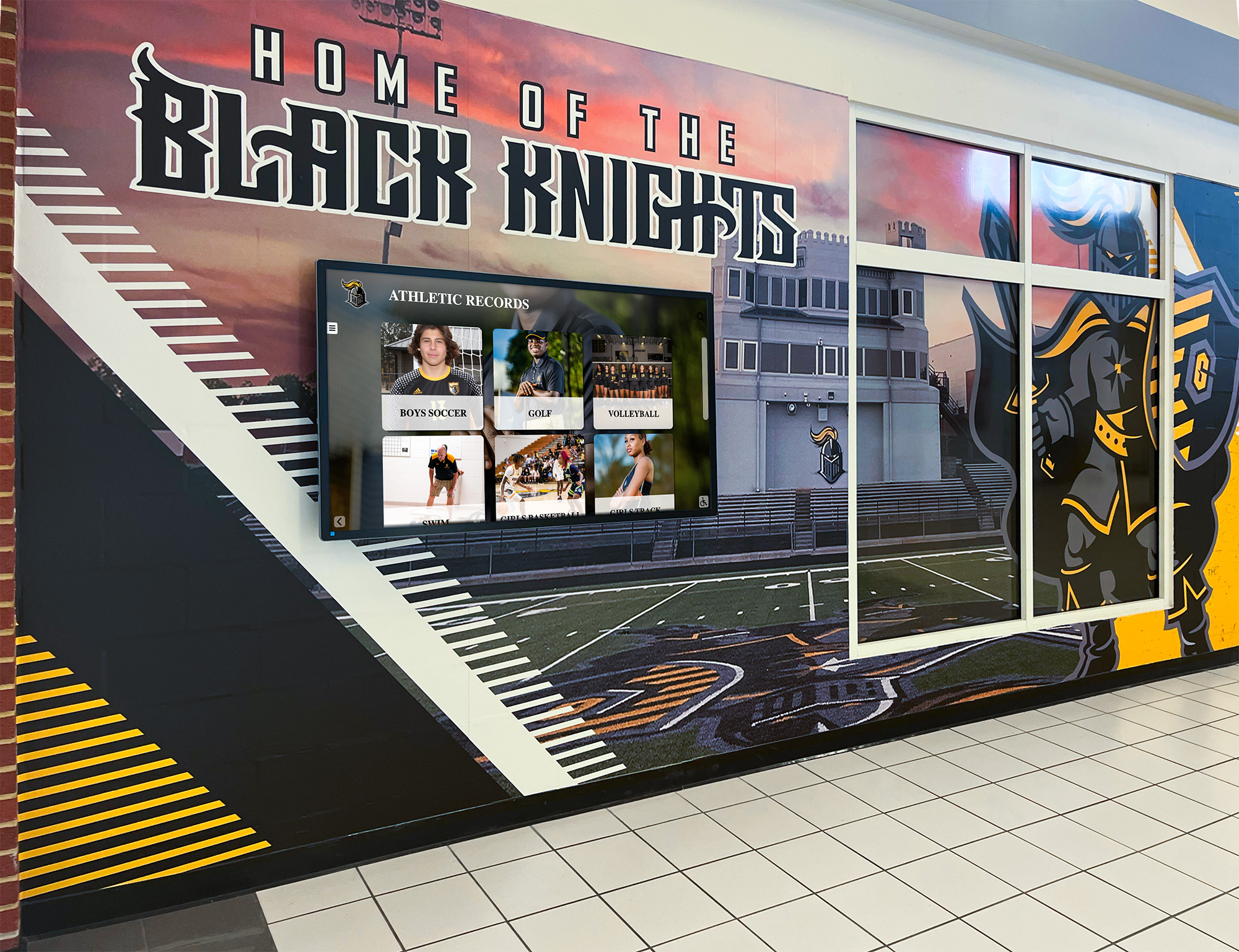
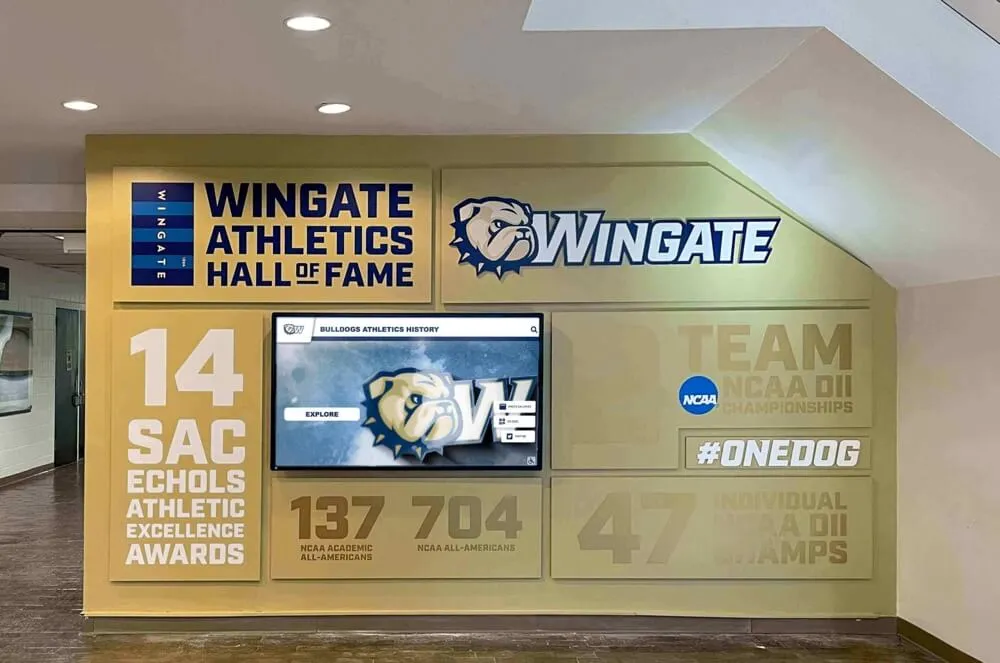
Facility recognition installations demonstrate tangible booster impact creating visible celebration of program excellence throughout school environments
Budgeting and Financial Planning
Strategic financial planning ensures resources align with organizational priorities while preventing reactive scrambling for funds when needs arise.
Annual Budget Development
Create comprehensive budgets before fiscal years begin: estimate revenue from various sources based on historical performance, project expenses across known categories, allocate contingency reserves for unexpected needs, identify strategic priorities requiring special funding, and submit for board approval before implementation.
Budgets provide spending frameworks guiding decisions throughout years while demonstrating financial planning competence when seeking major donations or school approval for initiatives requiring substantial investment.
Restricted Versus Unrestricted Funds
Track donations according to any restrictions donors specify: unrestricted gifts support general operations as boards determine appropriate, restricted donations must be used for specific purposes donors designate, and temporarily restricted funds apply to particular time periods or campaigns.
Violating donor restrictions—spending band donations on athletics, using scholarship funds for equipment—constitutes serious breach of trust potentially threatening tax-exempt status while certainly damaging donor relationships and organizational reputation.
Reserve Fund Development
Build financial reserves equal to 3-6 months operating expenses providing: sustainability during low-fundraising periods, capacity to respond to unexpected opportunities or needs, cushion absorbing revenue shortfalls, and organizational stability attracting major donors preferring supporting financially stable organizations.
Reserves require discipline setting aside surplus rather than immediately spending all available funds, but provide crucial sustainability protecting organizations from single bad year or leadership transition disruptions.
Tax Compliance and Reporting
Federal and state regulations impose ongoing obligations beyond initial formation ensuring continued legal compliance.
Annual Tax Filing Requirements
Tax-exempt organizations file annual information returns: Form 990-N for organizations with gross receipts under $50,000 (simple online submission), Form 990-EZ for receipts $50,000-$200,000 (moderate complexity return), or Form 990 for larger operations (comprehensive reporting requiring professional preparation).
Filing deadlines typically fall on the 15th day of the 5th month after fiscal year-ends (May 15 for December year-ends), with extensions available. Failure to file for three consecutive years automatically revokes tax-exempt status requiring expensive reinstatement procedures.
State Charitable Solicitation Reporting
Most states require registered charities to file annual reports: financial summaries of fundraising activities, copies of federal tax returns, governance information, and registration renewals maintaining authorization to solicit donations.
Requirements and deadlines vary by state—consult state attorney general or charity regulator websites for specific obligations in your jurisdiction.
Maintaining Proper Documentation
Retain comprehensive records: bank statements and financial records (typically 7 years), donor acknowledgments and gift documentation (permanent), board meeting minutes and governance documents (permanent), and tax returns and supporting documents (permanent).
Organized records facilitate annual filings, respond to any IRS inquiries, enable smooth leadership transitions, and demonstrate organizational professionalism building confidence with donors, schools, and community partners.
Building Recognition Programs That Inspire
Beyond funding operations, effective booster clubs create recognition traditions celebrating achievements while building engaged communities supporting programs long-term.
Traditional Recognition Approaches
Established recognition methods provide frameworks for celebrating athletes, performers, and program contributors.
Awards and Banquets
End-of-season celebrations create milestone moments: athletic banquet planning recognizing team accomplishments, individual awards ceremonies, senior recognition events, and volunteer appreciation celebrations.
Booster support typically includes: venue and catering funding, award purchases, program printing, audiovisual equipment, and decoration expenses creating memorable celebrations impossible through school budgets alone.
Physical Recognition Displays
Traditional approaches include: engraved plaques and trophy cases, championship banners, letter jacket programs, and photo boards celebrating achievements.
While meaningful, physical recognition faces limitations: space constraints limiting capacity, high ongoing costs for quality materials, difficulty updating as new achievements occur, and static presentations lacking engagement compared to modern alternatives.
Modern Digital Recognition Systems
Technology enables recognition programs overcoming physical limitations while creating engaging experiences connecting communities with program traditions.
Interactive Recognition Displays
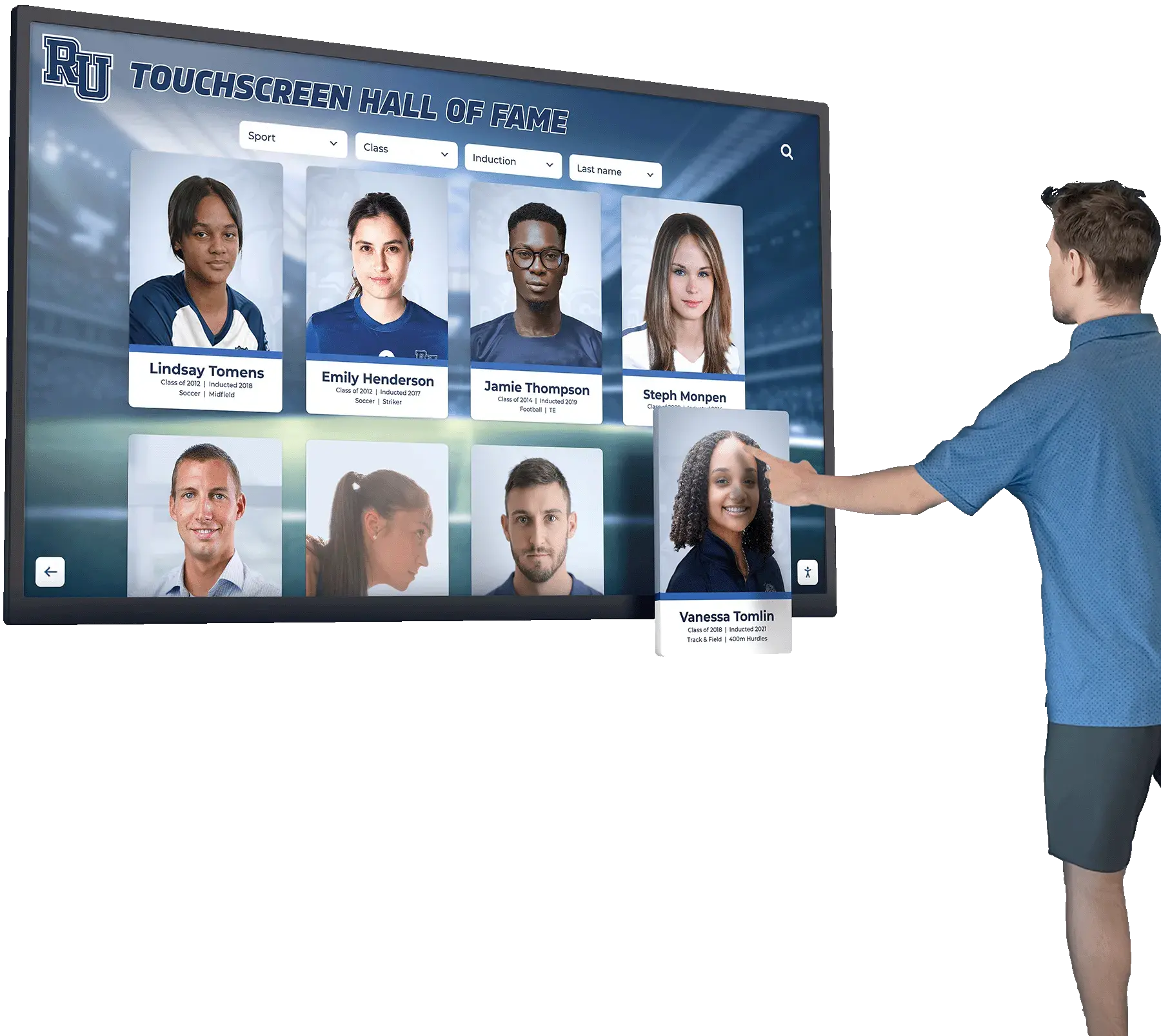
Digital recognition platforms like Rocket Alumni Solutions provide: unlimited capacity celebrating every achievement, multimedia profiles with photos, videos, and statistics, searchable databases enabling easy exploration, mobile access extending recognition beyond physical facilities, and easy updates without expensive re-engraving.
Touchscreen installations in school lobbies, athletic facilities, or performing arts centers create engaging exploration experiences while building program pride and inspiring future participants discovering achievements of those who came before them.
The Digital Warming Effect
This concept describes what happens when recognition moves beyond cold static lists to warm engaging community experiences. Rather than forgotten names on dusty plaques, digital platforms create: personalized content surfacing relevant achievements for each visitor, continuous presence throughout facilities, social sharing amplifying recognition reach, and accessible archives preserving institutional memory across generations.
Booster clubs investing in comprehensive digital recognition create lasting legacies extending far beyond single seasons, building the engaged communities where fundraising and volunteer recruitment thrive because families feel connected to programs through meaningful ongoing celebration of achievements and contributions.

Professional recognition installations in high-visibility locations demonstrate booster investment impact creating community pride and inspiration
Common Challenges and Solutions
Even well-planned booster clubs encounter obstacles—understanding common challenges enables proactive problem-solving rather than reactive crisis management.
Leadership Burnout and Succession Planning
Volunteer organizations frequently struggle when founding leaders depart or become overwhelmed by excessive responsibility.
Preventing Burnout
Distribute workload across multiple volunteers rather than concentrating on few individuals: establish committee structures delegating functional responsibilities, implement term limits encouraging leadership rotation, recruit co-chairs sharing major positions, and create vice positions providing backup support.
Even dedicated volunteers have capacity limits—organizational structures acknowledging this reality prove more sustainable than depending on superhuman effort from small groups inevitably facing exhaustion.
Developing Leadership Pipelines
Intentionally cultivate future leaders: identify promising volunteers for increased responsibility, provide leadership development through national booster training programs, create vice or assistant positions building experience, and implement mentorship pairing experienced officers with successors.
Succession planning feels premature when organizations launch, but leadership transitions occur inevitably—proactive development ensures continuity rather than scrambling for emergency replacements when leaders depart suddenly.
Maintaining Momentum Beyond Initial Enthusiasm
Organizations often struggle when initial excitement fades and operations become routine work requiring sustained commitment.
Celebrating Small Wins
Regularly acknowledge progress and achievements: share fundraising milestones, recognize volunteer contributions, document tangible impacts from booster funding, and celebrate student successes enabled by club support.
Regular celebration maintains positive momentum preventing organizations from feeling like endless thankless work without visible accomplishments justifying continued effort.
Refreshing Activities and Approaches
Vary activities preventing stale repetition: introduce new fundraising events replacing tired approaches, try different recognition programs, update communication methods, and involve new volunteers bringing fresh perspectives.
Change creates energy while preventing organizations from becoming stagnant routines few find exciting or worth their limited volunteer time.
Managing Conflicts and Difficult Personalities
Volunteer organizations inevitably encounter disagreements requiring skillful management preventing destructive conflicts undermining organizational effectiveness.
Establishing Clear Governance
Written bylaws and policies provide frameworks for resolving disputes: defined decision-making processes clarifying authority, established amendment procedures for policy disagreements, voting procedures when consensus proves impossible, and officer removal provisions if leaders fundamentally violate obligations.
Clear rules established during calm periods prove invaluable when conflicts emerge and emotions prevent rational ad-hoc dispute resolution.
Maintaining School Partnership Priority
When conflicts arise between booster preferences and school policies or coach decisions, recognize that collaborative relationships with schools must take priority over member preferences. Boosters supplement rather than control programs—when fundamental disagreements emerge, accepting school authority preserves partnerships essential for any ongoing booster effectiveness.
Organizations that repeatedly conflict with schools find themselves marginalized or prohibited from operating entirely, destroying all program support despite members’ best intentions.
Growing and Sustaining Your Booster Club
Successful launch represents just the beginning—long-term sustainability requires ongoing attention to organizational health, community engagement, and program evolution.
Expanding Your Impact
As organizations mature and develop stable operations, consider strategic expansion increasing program support.
Adding Program Support Areas
Successful single-program boosters sometimes expand supporting additional activities: athletic boosters adding performing arts support, team-specific boosters broadening to comprehensive athletic support, or activity boosters extending to academic programs.
Expansion requires careful assessment ensuring capacity exists for increased scope without overwhelming volunteers or diluting effectiveness across too many programs receiving inadequate support.
Major Capital Projects
Established boosters with strong fundraising capacity sometimes undertake substantial facility improvements: replacing expensive gym banners with modern digital displays, field renovations, equipment upgrades, or permanent recognition installations transforming facilities.
Major projects require: comprehensive planning and school coordination, substantial fundraising campaigns beyond operating budgets, professional project management ensuring quality outcomes, and careful budgeting preventing financial overextension threatening ongoing operations.
Endowment Development
Some mature organizations establish permanent endowments generating ongoing income: scholarship endowments providing annual awards perpetually, general endowments supplementing annual fundraising, or project-specific endowments funding particular ongoing needs.
Endowments create ultimate sustainability providing income continuing regardless of annual fundraising success while honoring donors through permanent recognition of transformative gifts enabling lasting impact.
Building Alumni Engagement
Former students who benefited from booster-supported programs represent valuable ongoing support sources when properly engaged.
Alumni Recognition and Outreach
Create systems connecting alumni with current programs: comprehensive alumni recognition programs celebrating distinguished former participants, homecoming events bringing alumni back to campuses, mentorship programs connecting current students with successful alumni, and alumni giving campaigns cultivating financial support.
Alumni who remember how booster support enhanced their experiences often become generous donors when approached thoughtfully and given opportunities to support programs that shaped their development.
Digital Recognition Preserving Institutional Memory
Digital platforms documenting program history create natural alumni engagement vehicles: former participants discovering their archived achievements, comparing their experiences with current programs, reconnecting with former teammates or cast members, and sharing nostalgia building emotional connections maintained across decades.
These connections create the warm engaged communities where alumni support flows naturally rather than requiring aggressive cultivation or transactional solicitation that feels impersonal and mercenary.
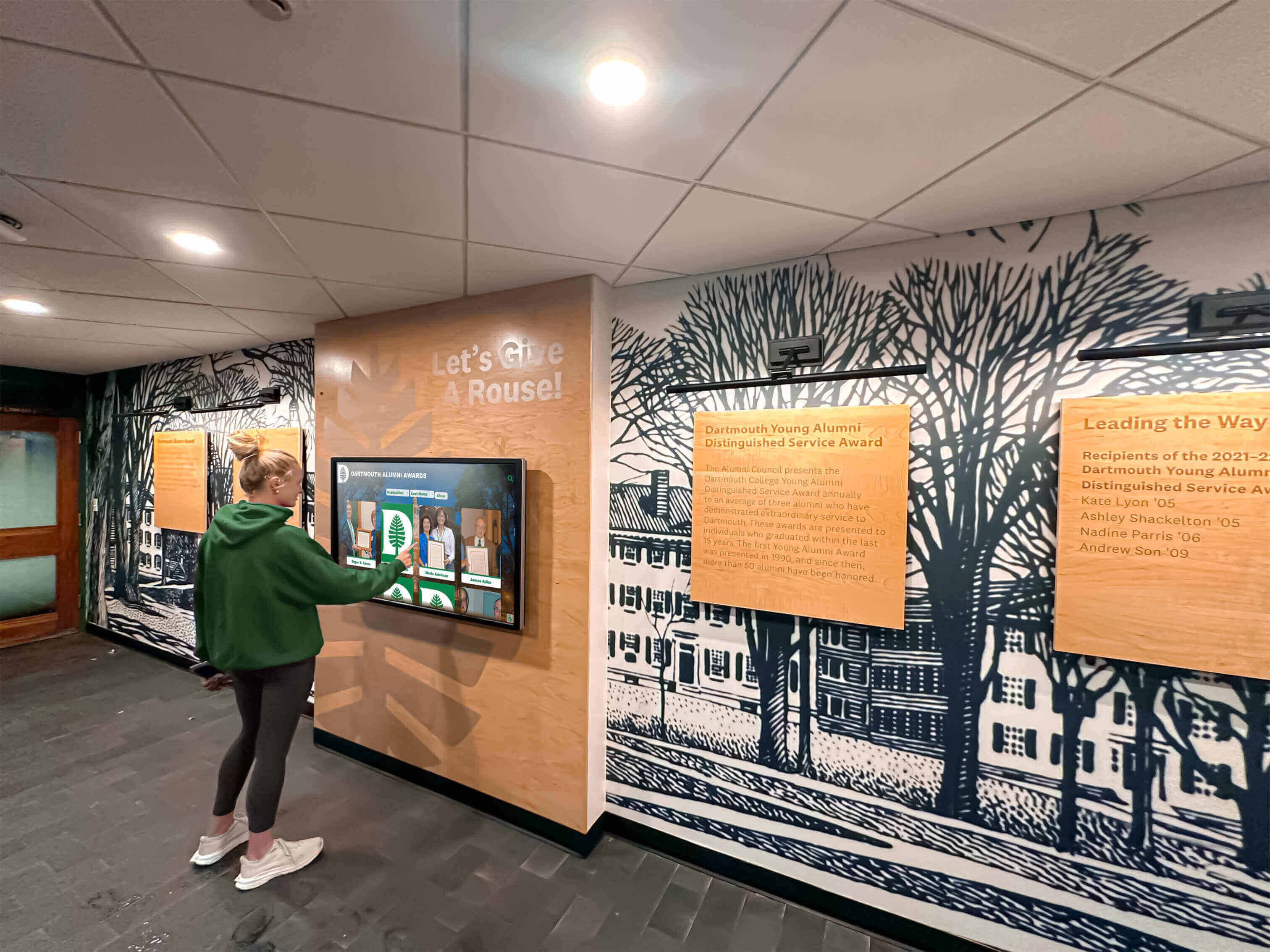
Interactive recognition enables exploration of program achievements creating inspiration while building appreciation for booster support enabling excellence
Conclusion: Building Communities Through Booster Excellence
Starting a booster club transforms abstract enthusiasm for school programs into organized sustained support creating tangible impacts impossible through institutional resources alone. The journey from initial conversations to fully functioning organizations requires substantial effort—legal formation establishing proper foundations, strong governance creating operational frameworks, effective volunteer recruitment building engaged communities, strategic fundraising generating necessary resources, transparent financial management building trust, and thoughtful recognition programs celebrating achievements inspiring continued support.
Yet this effort generates remarkable returns. Well-run booster clubs provide equipment enabling competitive excellence, fund recognition honoring achievement, sponsor events building community, offer scholarships supporting educational access, and create engaged networks strengthening schools throughout communities. Perhaps most importantly, they demonstrate to students that communities genuinely value their efforts enough to invest significant volunteer time and financial resources supporting their success.
The strategies throughout this guide provide frameworks for creating booster organizations that thrive beyond founding members’ involvement: comprehensive legal formation protecting volunteers while ensuring compliance, thoughtful governance enabling democratic transparent operations, systematic financial management building trust, diverse fundraising creating sustainable revenue, and modern recognition programs extending celebration beyond momentary acknowledgment into permanent accessible commemoration connecting generations through shared program identity.
Modern recognition technology particularly transforms booster impact. Traditional approaches—single banquets, static plaques, forgotten trophies—provide momentary celebration quickly fading from memory. Digital platforms like Rocket Alumni Solutions create lasting recognition that current families explore discovering program traditions, prospective families research understanding program excellence, alumni revisit connecting with formative experiences, and communities engage with building pride in local institutions. This digital warming effect transforms cold archived achievements into vibrant ongoing celebration inspiring the engaged communities where booster clubs thrive.
Transform Your Booster Recognition Programs
Discover how comprehensive digital recognition platforms help booster clubs create lasting impact through engaging celebration of achievements, donors, and volunteers—building the warm connected communities where sustained support flourishes beyond single seasons.
Explore Recognition SolutionsYour school programs deserve the comprehensive support only dedicated booster clubs provide—supplementary funding enabling excellence, volunteer coordination freeing professionals for core missions, and engaged communities celebrating achievements inspiring future participants. Students deserve recognition honoring their dedication through systems extending beyond single ceremonies into permanent accessible celebration demonstrating that communities genuinely value their efforts enough to preserve and share accomplishments across generations.
Ready to launch your booster club? Start with the essential foundations: research your state’s nonprofit formation requirements, recruit committed founding leadership willing to invest establishment effort, secure school administration partnership and approval, develop comprehensive bylaws establishing governance frameworks, implement proper financial systems building trust, and plan recognition programs creating the engaged communities where sustained support naturally flows.
Most importantly, remember why you’re doing this work. Booster clubs exist because you witnessed how programs transform students—building character, teaching lessons beyond curriculum, creating belonging, and developing capabilities serving students throughout lives. Your organizational efforts enable more students to receive these transformative experiences while ensuring those who achieve excellence receive the recognition they deserve. That mission justifies every committee meeting, fundraiser, and administrative task required to build organizations worthy of students whose success you’re committed to supporting.
Your community’s students are counting on you. Start building the booster club that will support their excellence for generations to come.