



Honor roll recognition represents one of the most meaningful academic achievements students can earn during their educational journey. Yet many parents and students remain unclear about what honor roll actually means, how to qualify, why this distinction matters, and how schools celebrate these accomplishments. Some families assume honor roll is reserved for straight-A students exclusively, while others underestimate the lasting impact this recognition carries for college applications, scholarship opportunities, and building lifelong confidence in academic ability.
The honor roll celebrates students who demonstrate consistent academic excellence throughout a marking period, typically requiring grade point averages of 3.0 or higher. This regular recognition—often awarded each quarter or semester—acknowledges sustained intellectual engagement and disciplined study habits distinguishing high-performing students from their peers while creating visible communities of academic excellence within schools.
Understanding honor roll requirements, developing strategies to achieve this recognition, and leveraging the distinction appropriately transforms academic performance from simply earning good grades to building competitive educational credentials that open doors throughout middle school, high school, college, and beyond.
This comprehensive guide explains everything families need to know about honor roll recognition—from specific eligibility criteria and GPA calculations to proven study strategies, how schools celebrate achievement, and how modern recognition systems create the engaging environments that inspire academic excellence throughout student communities.

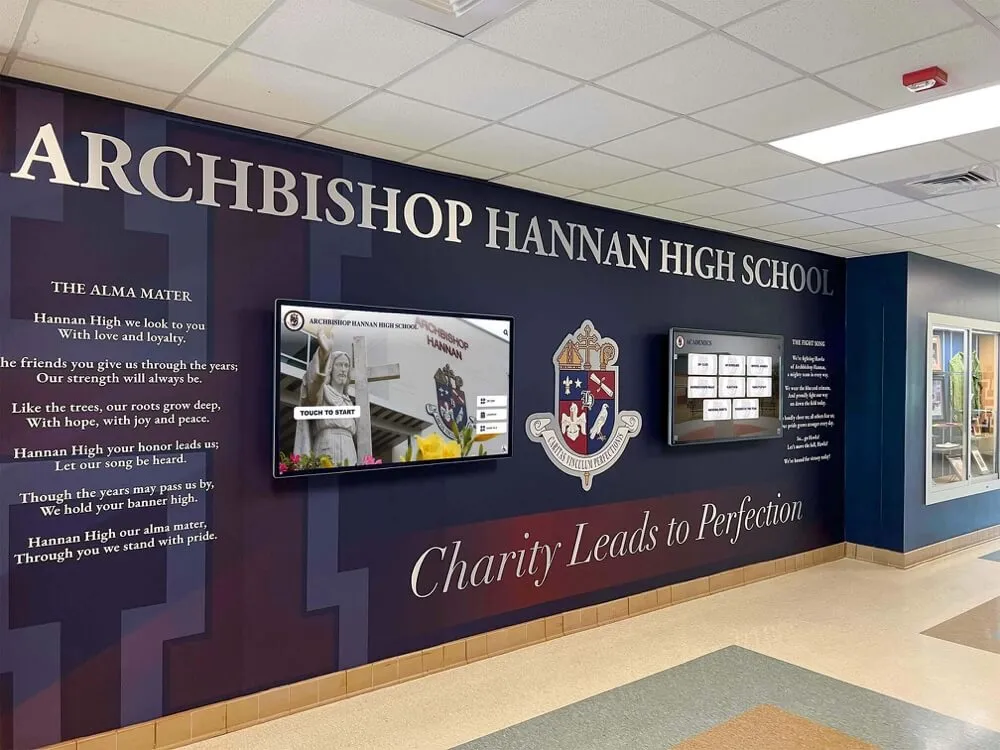
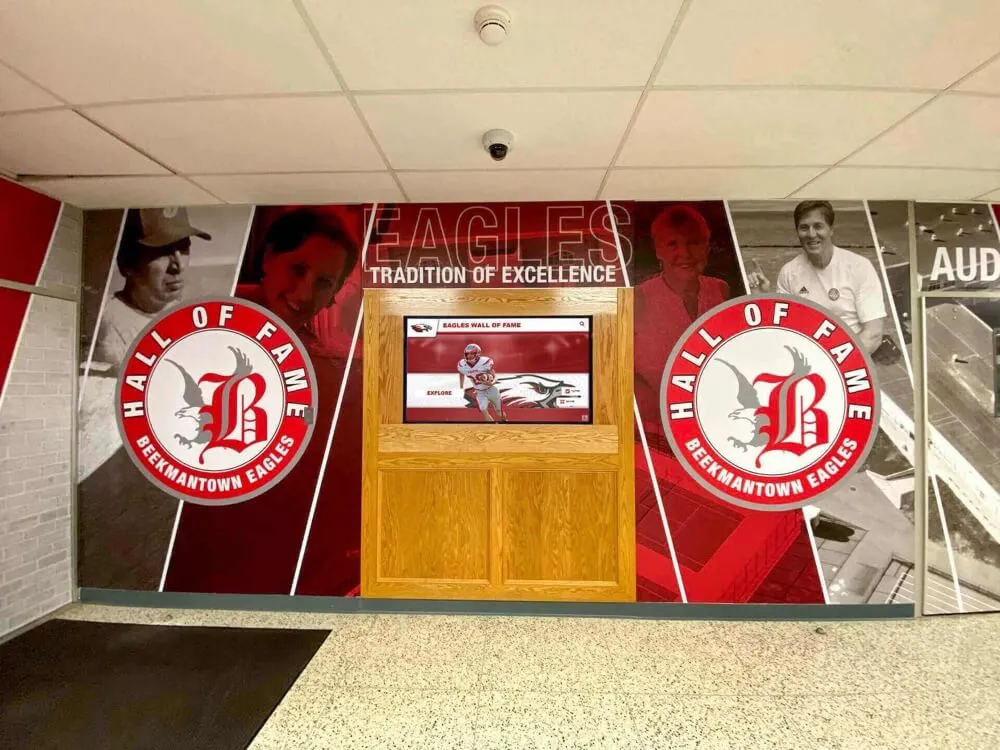
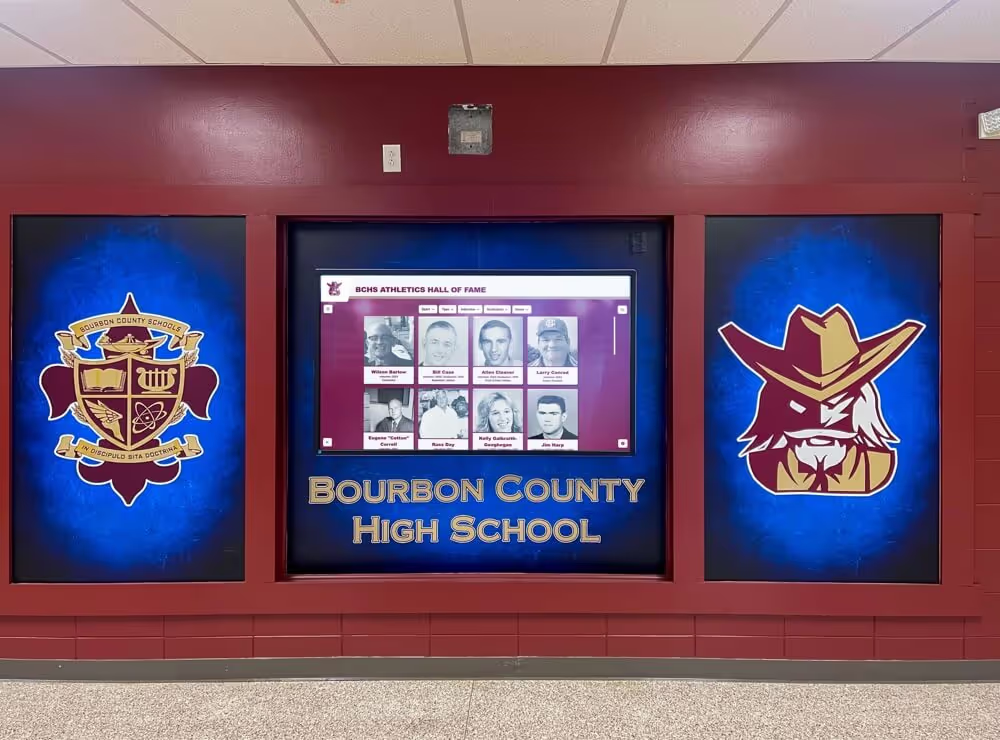
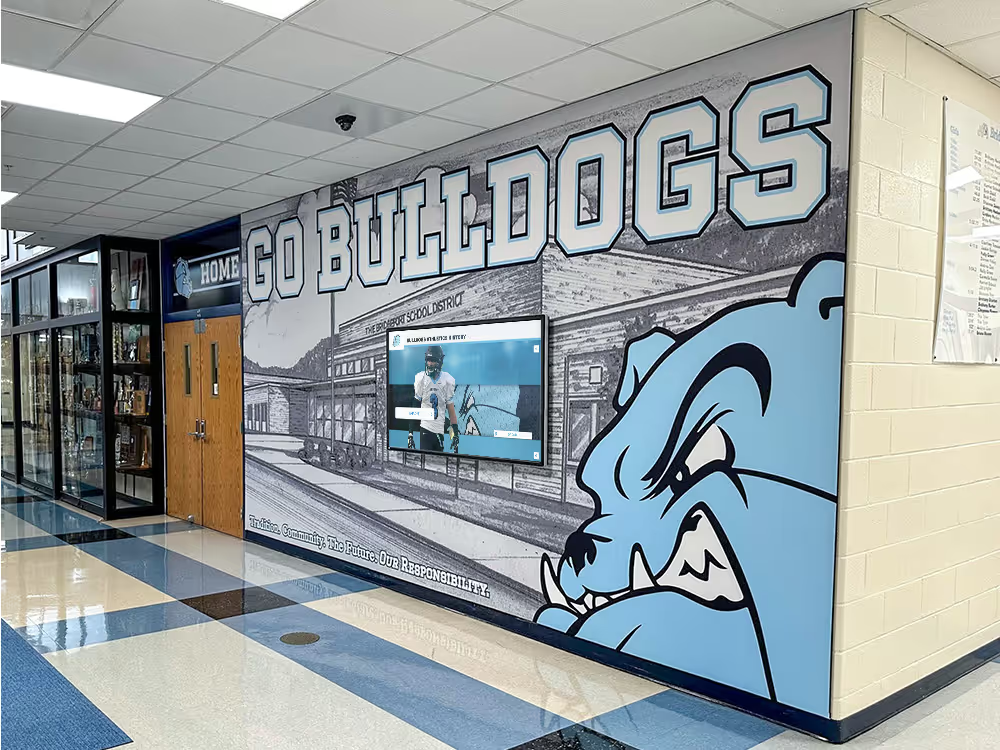
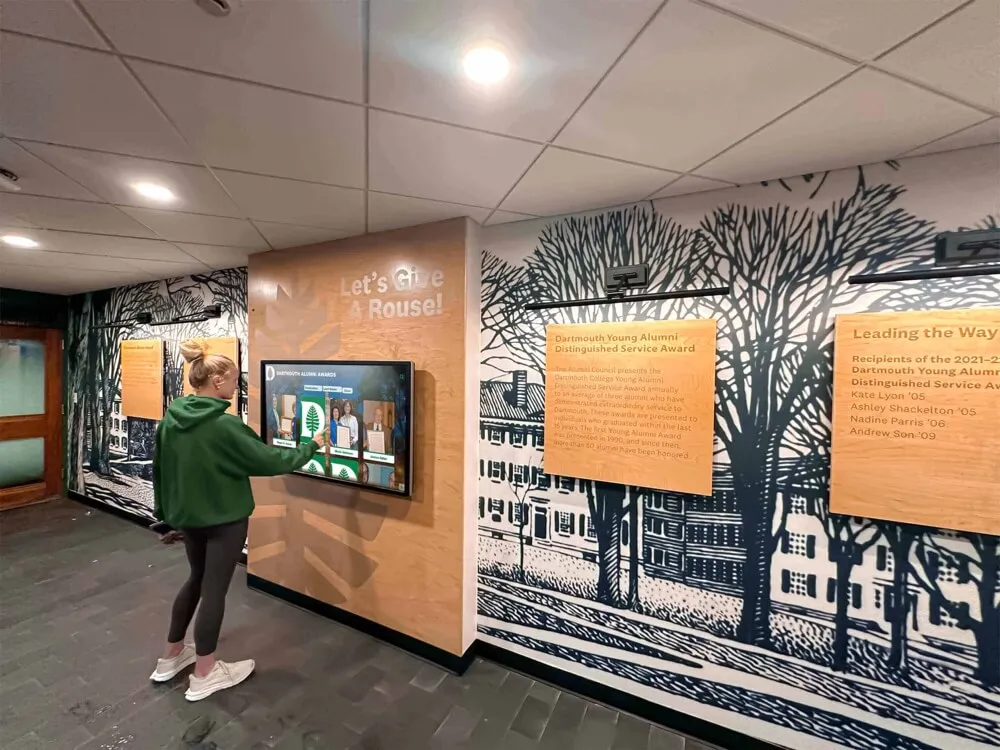
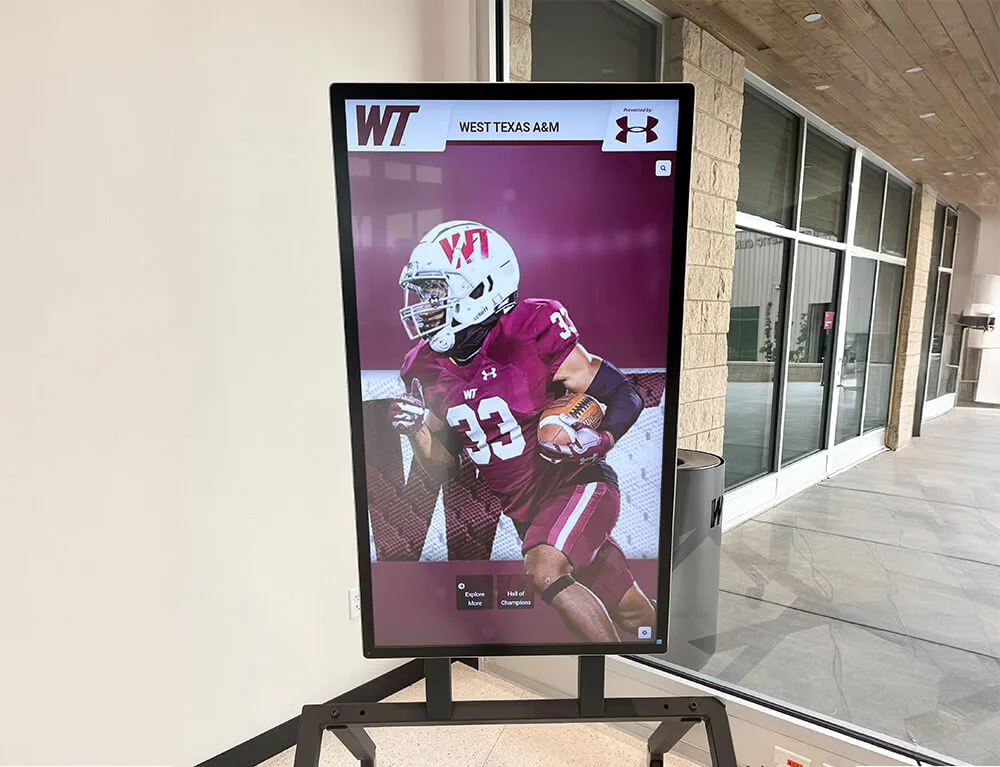
Modern schools use digital recognition displays to celebrate honor roll students, creating visible achievement communities that inspire academic excellence throughout campuses
What Is Honor Roll? Understanding This Academic Recognition
Before exploring strategies to achieve honor roll status, understanding exactly what this recognition represents helps students and families appreciate its significance within broader educational contexts.
Definition and Purpose of Honor Roll
Honor roll identifies students who achieve outstanding academic performance during specific marking periods—typically quarters, trimesters, or semesters—based on grade point average calculations reflecting grades earned across all courses.
Regular Recognition Structure Creating Sustained Motivation
Unlike year-end awards acknowledging annual achievement, honor roll operates on shorter timeframes providing frequent feedback confirming effective study approaches. This regular recognition cycle creates multiple opportunities throughout each academic year for students to earn distinction, builds sustained motivation maintaining high standards across marking periods rather than only during final semesters, and enables students to demonstrate consistent excellence rather than isolated success.
Short-cycle recognition serves several important purposes: it provides immediate validation rewarding effort and achievement, creates recovery opportunities after challenging marking periods, maintains engagement throughout academic years rather than only during culminating moments, and builds achievement patterns establishing positive academic identities during formative developmental stages.
School-Level Variations in Honor Roll Standards
While honor roll principles remain consistent across K-12 education, specific requirements vary significantly by school district and even individual schools. Most institutions establish GPA thresholds between 3.0 and 3.5 for basic honor roll qualification, though standards span from 2.5 at some middle schools to 3.7+ at highly competitive preparatory academies reflecting diverse student populations and institutional philosophies.
Additionally, schools typically exclude certain courses from calculations—pass/fail electives, physical education, study halls—ensuring recognition reflects academic coursework performance rather than participation in non-academic activities. Understanding your specific school’s criteria proves essential for setting appropriate goals and developing strategic approaches targeting honor roll qualification.

Interactive recognition systems enable students, families, and visitors to explore honor roll achievements throughout school years
Historical Context of Academic Honor Recognition
The honor roll emerged in American education during the early 20th century as schools sought systematic approaches recognizing exceptional student achievement beyond annual graduation ceremonies.
Evolution From Simple Lists to Comprehensive Recognition
Early honor roll programs consisted of typed lists posted on bulletin boards acknowledging students achieving top grades during marking periods. These modest beginnings established traditions of regular academic recognition that evolved dramatically over subsequent decades through formalized criteria, published standards, transparent evaluation processes, and increasingly sophisticated celebration mechanisms ranging from certificates to assemblies to today’s digital recognition displays.
Modern honor roll programs represent well-established educational traditions with clear expectations, objective assessment processes, and recognized significance extending beyond individual schools to high schools, colleges, scholarship committees, and employers evaluating academic credentials throughout students’ educational and professional journeys.
Connection to Character Development and Work Ethic
Schools value honor roll recognition because it identifies students demonstrating not merely intellectual capability but also work discipline, time management skills, responsibility, and performance consistency essential for success in challenging academic environments and future professional contexts. This comprehensive excellence distinguishes honor roll students as individuals possessing both cognitive ability and behavioral characteristics predicting continued achievement across diverse challenges and contexts throughout their lives.
Organizations implementing comprehensive student recognition programs understand that celebrating achievements like honor roll status creates school cultures where intellectual accomplishment receives appropriate visibility and community value inspiring broader student populations toward similar excellence.
Honor Roll Requirements: What Students Need to Qualify
Understanding specific qualification criteria enables strategic planning ensuring students meet every requirement for honor roll recognition throughout their academic careers.
Grade Point Average Thresholds and Calculations
GPA represents the primary honor roll criterion, with most schools establishing minimum requirements between 3.0 and 3.7 depending on institutional standards and recognition tier structures.
Understanding GPA Calculation Methods
Schools typically calculate GPA using one of several standard approaches:
Unweighted 4.0 Scale: The most common system assigns numerical values to letter grades regardless of course difficulty—A = 4.0, B = 3.0, C = 2.0, D = 1.0, F = 0. These values are averaged across all courses for marking period GPA determining honor roll qualification.
Weighted GPA Systems: Many high schools implement weighted scales awarding bonus points for advanced courses—honors classes might use a 4.5 scale while Advanced Placement and International Baccalaureate courses use 5.0 scales. Weighted systems recognize that earning a B in AP Calculus requires greater effort than earning an A in standard-level mathematics, creating incentive structures encouraging students to challenge themselves academically.
Plus/Minus Grading Refinements: Some schools use refined scales where A+ = 4.3, A = 4.0, A- = 3.7, B+ = 3.3, B = 3.0, B- = 2.7, and so forth, creating more precise performance distinctions than letter-grade-only systems allow.
Understanding your school’s specific calculation approach proves essential for accurate GPA prediction enabling students to determine precisely what grades they need in remaining assignments to achieve honor roll qualification before marking periods end.

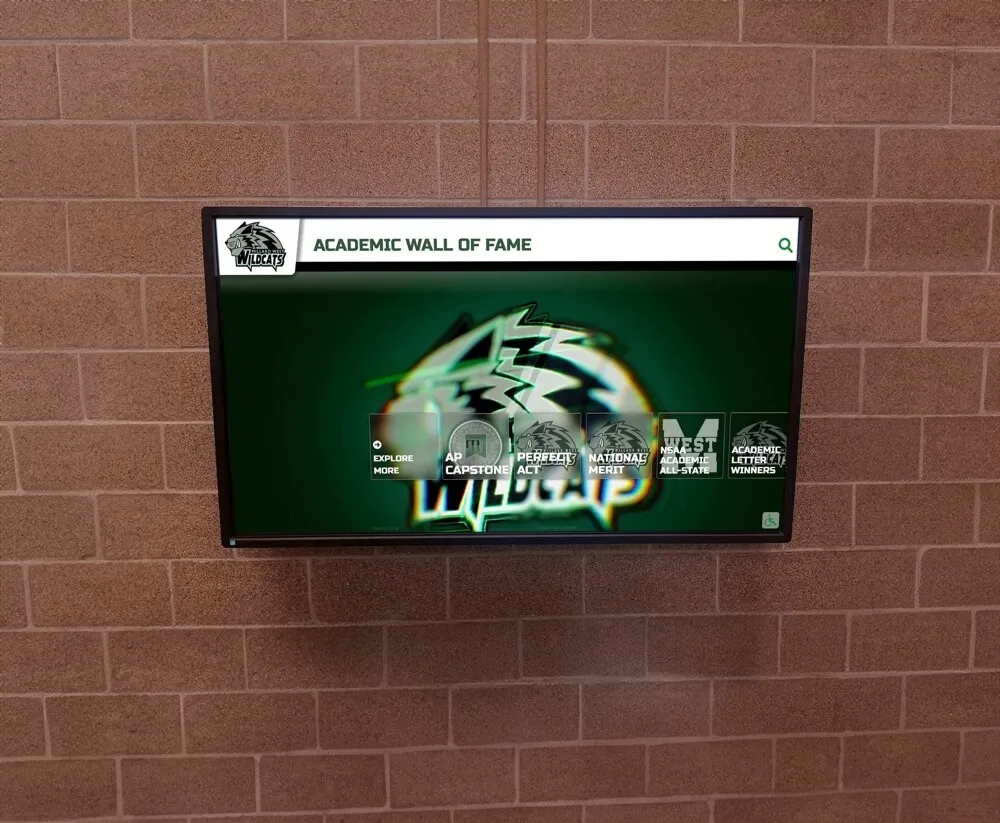
Accessible recognition displays throughout school buildings ensure honor roll achievements receive daily visibility inspiring student communities
Honor Roll, High Honor Roll, and Highest Honors Distinctions
Many schools establish multiple recognition tiers creating aspirational achievement levels:
- Honor Roll: Typically requires 3.0-3.49 GPA, recognizing solid academic performance across coursework
- High Honor Roll: Usually demands 3.5-3.79 GPA, acknowledging superior achievement beyond basic honor roll qualification
- Highest Honors (Principal’s List, Superintendent’s List): Generally requires 3.8-4.0 GPA, celebrating exceptional performance approaching or achieving perfect grades
This tiered structure provides recognition opportunities for students at multiple achievement levels while creating goals motivating continued improvement beyond initial qualification thresholds. Students consistently achieving honor roll can target high honor roll, while high honor roll students can pursue highest honors, maintaining motivation throughout academic careers rather than plateauing after initial achievement.
Course Requirements and Eligibility Criteria
Beyond GPA thresholds, schools impose supplementary requirements ensuring recognition reflects comprehensive academic engagement:
Minimum Course Load Requirements
Most schools require students to carry full academic schedules—typically 5-7 courses depending on grade level and school structure—preventing students from achieving high GPAs through exceptionally light course loads that don’t demonstrate capacity for managing comprehensive academic programs. These minimums ensure honor roll recognition reflects substantial intellectual engagement rather than strategic course avoidance.
Behavioral and Citizenship Standards
Many institutions require students to maintain acceptable behavioral standards and citizenship grades alongside academic achievement. Honor roll candidates must avoid significant disciplinary infractions, excessive absences, or repeated behavioral referrals during qualifying marking periods. This holistic approach recognizes that academic success means little when students demonstrate poor character, disrespect toward teachers and peers, or irresponsible attendance patterns.
Some schools explicitly include citizenship, effort, or conduct grades in honor roll calculations while others simply exclude students with disciplinary issues regardless of academic performance, communicating institutional values that character and behavior matter alongside intellectual achievement.
Special Course Exclusions
Schools typically exclude certain courses from honor roll GPA calculations:
- Physical education and health courses focusing on physical development rather than academic content
- Study halls and advisory periods providing organizational support without academic instruction
- Student aide positions and office assistance lacking formal academic curriculum
- Pass/fail electives chosen specifically to avoid letter grade impact
Understanding which courses factor into calculations enables strategic planning and accurate GPA prediction throughout marking periods.
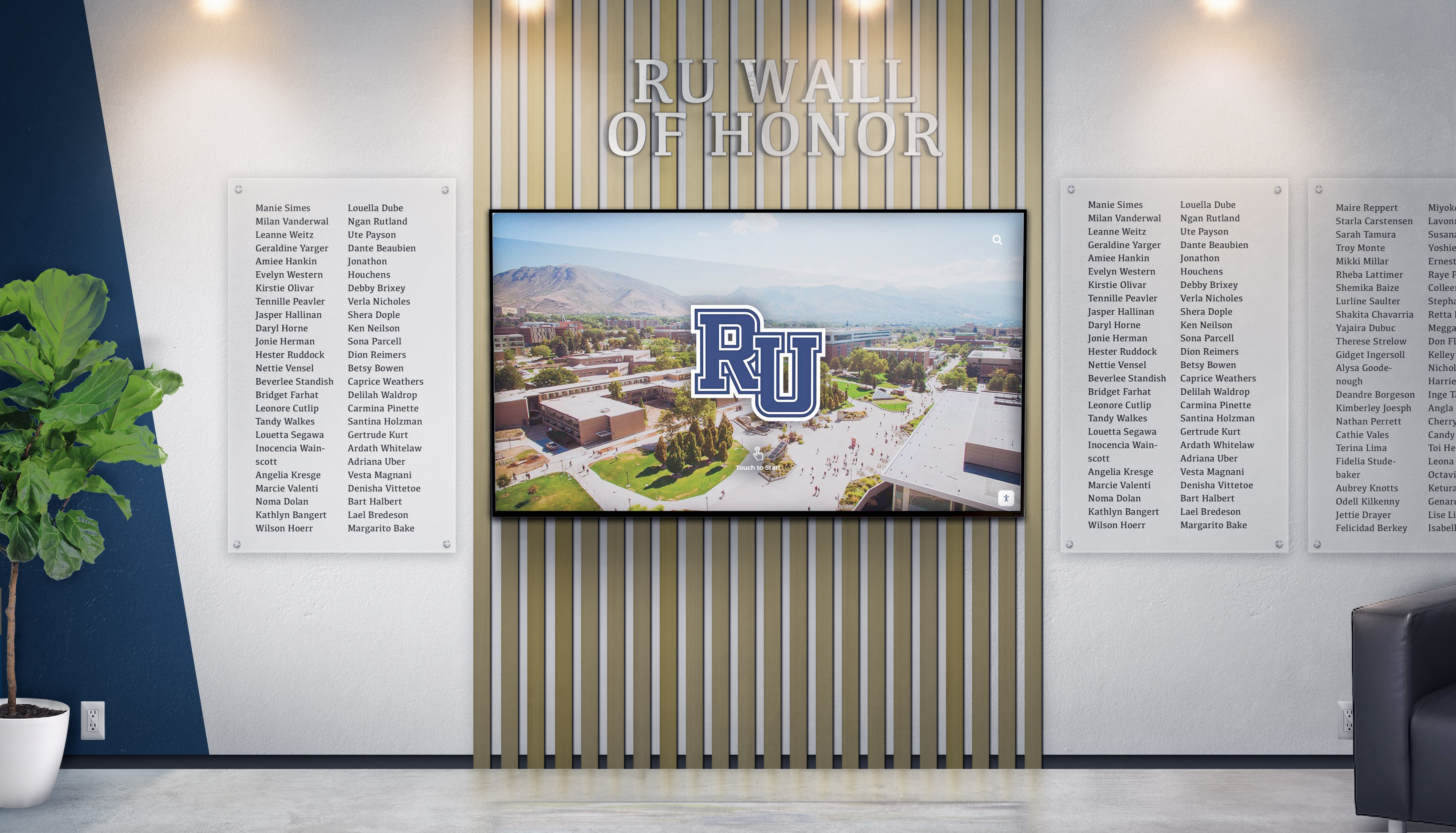
Comprehensive recognition systems celebrate honor roll alongside other achievements, creating cohesive environments acknowledging diverse excellence forms
Grade Level Differences and Expectations
Honor roll requirements often vary by educational level reflecting developmental readiness and curricular complexity:
Elementary School Honor Roll
Elementary programs typically use simpler criteria acknowledging developmental stages where grading systems remain less rigorous and standardized than secondary education. Primary-level honor roll might recognize students earning mostly As and Bs across subjects, include effort and improvement components alongside absolute achievement standards, and emphasize growth mindsets celebrating progress rather than exclusively rewarding top performers.
Elementary recognition establishes positive academic identities during formative years, builds foundational study habits supporting future success, and creates early achievement patterns establishing expectations students carry throughout educational careers.
Middle School Transition
Middle school programs bridge elementary and high school approaches, typically implementing more rigorous GPA thresholds around 3.0-3.5 while introducing weighted grading for advanced courses preparing students for high school academic intensity. This transitional period teaches students that increased independence requires greater personal responsibility for academic performance while establishing achievement patterns influencing high school course placement and scholarship eligibility.
High School Standards and College Implications
High school honor roll carries greatest significance given direct connections to college admissions, scholarship opportunities, and competitive program access. Secondary standards typically range from 3.0 to 3.7 depending on institutional rigor and community expectations, often incorporating weighted GPA calculations recognizing advanced coursework difficulty while creating permanent transcript documentation colleges review during admissions evaluations.
Consistent high school honor roll achievement demonstrates the sustained excellence colleges seek in applicants, particularly when combined with challenging course selections including honors, AP, IB, or dual enrollment options proving students seek intellectual challenge rather than grade optimization through easy course selection.
Why Honor Roll Matters: Benefits for Students and Families
Honor roll recognition provides tangible advantages extending throughout academic careers and into future educational and professional opportunities.
Academic Benefits and Opportunities
Immediate school-level benefits make honor roll achievement worthwhile beyond abstract recognition:
Advanced Course Placement and Academic Tracking
Many schools use honor roll qualification as prerequisite or strong indicator for advanced course enrollment. Students demonstrating consistent honor roll achievement receive recommendations for honors sections, AP courses, and accelerated programs providing rigorous preparation for college-level academics while creating competitive advantages during college admissions processes.
This tracking significance means early honor roll achievement opens pathways toward increasingly challenging and prestigious coursework throughout high school, creating cumulative advantages where initial success enables access to opportunities further distinguishing academic records from peers without similar early qualification.
Scholarship Eligibility and Financial Opportunities
Numerous merit-based scholarships require honor roll qualification as minimum eligibility criteria or weight consistent achievement heavily in selection processes. These opportunities range from small local awards through civic organizations to substantial institutional scholarships offered by high schools, colleges, and private foundations recognizing academic excellence.
Organizations implementing recognition programs highlighting student achievement understand that visible celebration of honor roll status creates cultures where academic accomplishment receives community value comparable to athletic or extracurricular success.
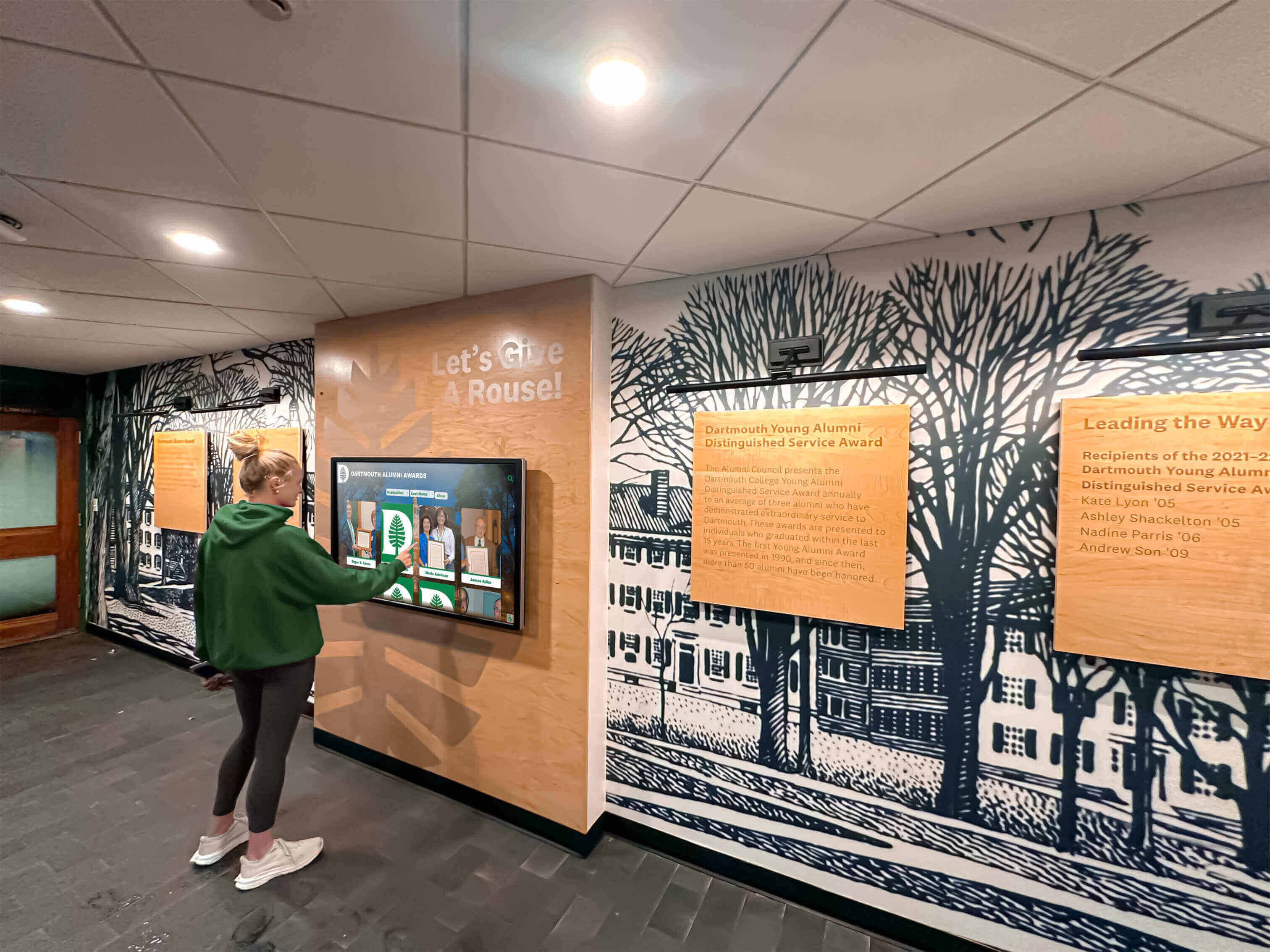
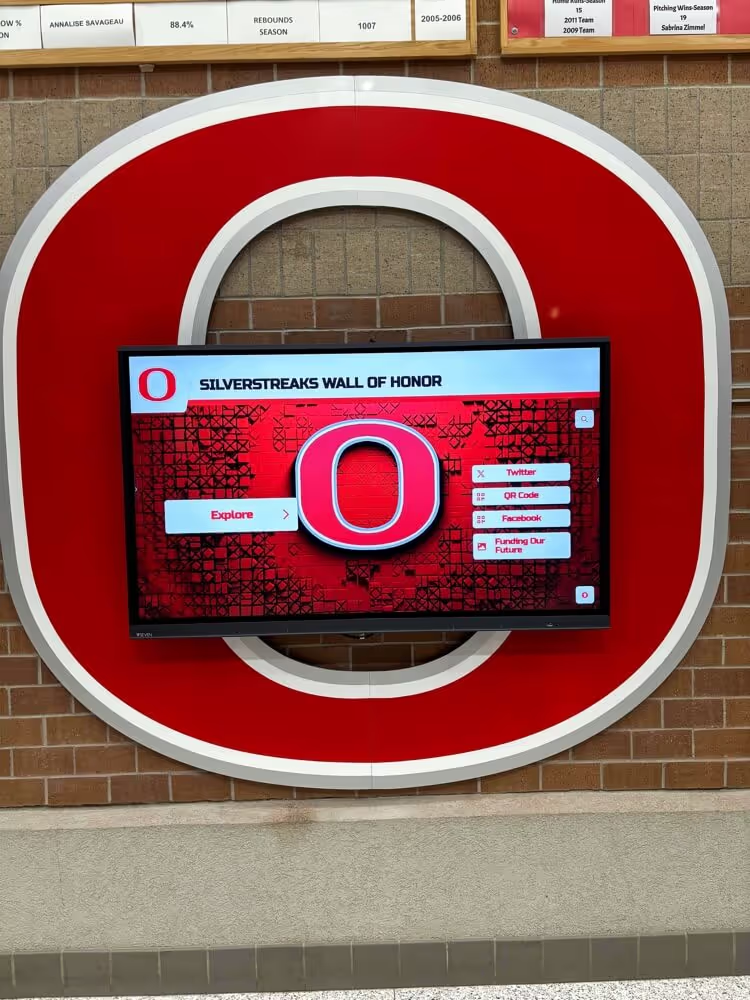
Interactive displays enable students to explore honor roll achievements discovering peer role models demonstrating academic excellence attainability
Academic Recognition Events and Special Programs
Schools frequently host honor roll breakfasts, luncheons, or ceremonies celebrating student achievement while providing networking opportunities with teachers, administrators, and community leaders. These events create memorable experiences reinforcing that schools genuinely value intellectual accomplishment while exposing students to enrichment opportunities including academic competitions, summer programs, research projects, and mentorship relationships extending learning beyond standard curriculum requirements.
Personal Development and Character Building
Beyond tangible opportunities, honor roll achievement cultivates essential characteristics supporting lifelong success:
Work Ethic Development
Maintaining honor roll qualification requires consistent effort, disciplined study habits, organizational skills, and time management—competencies transferring directly to college academics, professional careers, and personal goal achievement throughout life. Students learning to maintain high academic standards during middle and high school develop foundational work ethic patterns serving them across all future endeavors requiring sustained excellence.
Resilience and Goal-Setting Skills
Pursuing honor roll teaches students to set specific academic goals, develop strategic plans achieving objectives, monitor progress throughout marking periods, adjust approaches when initial strategies prove insufficient, and persist through challenges rather than abandoning goals when obstacles emerge. These metacognitive skills—thinking about one’s own thinking and learning—prove more valuable than content knowledge itself, creating adaptable learners capable of mastering new challenges throughout constantly evolving personal and professional landscapes.
Confidence and Academic Self-Concept
Regular honor roll recognition builds positive academic identities where students view themselves as capable learners deserving of achievement. This confident self-concept creates self-fulfilling prophecies where students pursue challenging opportunities because they believe themselves capable of success, persist longer when facing difficulties because they trust their ability to eventually overcome obstacles, and recover more effectively from setbacks because single failures don’t fundamentally threaten positive self-perceptions.
Schools implementing comprehensive recognition approaches celebrating diverse achievements ensure academic excellence receives visibility inspiring aspiration throughout student communities.
College Admissions and Career Advantages
Honor roll recognition provides lasting value extending beyond secondary education:
Competitive College Applications
Admissions committees view consistent honor roll achievement as strong evidence of academic capability, intellectual discipline, and performance consistency predicting college success. Multiple marking periods of honor roll qualification demonstrate sustained excellence rather than isolated achievement, distinguishing applicants in selective admissions processes where thousands of qualified candidates compete for limited enrollment positions.
For students from less competitive high schools or challenging personal circumstances, honor roll recognition provides objective validation of academic strength helping overcome potential disadvantages related to school profile, family resources, or extracurricular access limitations common among students from underrepresented communities or rural areas.
Resume Development and Professional Credibility
Recent high school graduates and college students often lack extensive work experience making academic achievements critical early-career resume content demonstrating competence, reliability, and achievement orientation. Honor roll recognition communicates work ethic, attention to detail, goal orientation, and performance consistency—characteristics employers value across industries and positions from entry-level roles to competitive internships and apprenticeships launching professional trajectories.

Prominent lobby installations featuring honor roll recognition create visible celebration of academic achievement while inspiring campus-wide intellectual engagement
Character References and Recommendation Quality
Teachers and counselors writing recommendation letters for college applications, scholarships, or employment opportunities can cite specific honor roll achievement as objective evidence supporting qualitative assessments of student capability, work ethic, and achievement potential. These concrete examples strengthen letters making them more persuasive than generic praise lacking documentation, creating competitive advantages during selection processes where strong recommendations differentiate otherwise similar candidates.
How to Make Honor Roll: Proven Strategies for Academic Success
Achieving honor roll recognition requires strategic approaches to coursework, time management, and study habits that maximize learning while maintaining high performance across multiple subjects simultaneously.
Strategic Course Planning and Selection
Thoughtful academic planning significantly affects honor roll probability throughout school years:
Balancing Course Difficulty and Personal Capacity
Avoid overcommitting to excessively challenging course loads exceeding your current capability. While schools and families often pressure students toward maximum academic rigor, sustainable excellence requires realistic assessment of your preparation level, available study time given extracurricular commitments, and genuine interest in subject areas determining engagement and effort investment.
Consider whether taking four AP courses while maintaining three sports and multiple clubs realistically allows adequate study time or creates unsustainable stress undermining academic performance, mental health, and overall wellbeing. Strategic students recognize that earning As in appropriately challenging courses proves more valuable than earning Bs and Cs in courses beyond current readiness level.
Prerequisites and Foundational Skills Development
Ensure you possess solid foundational understanding before advancing to complex courses building on prerequisite knowledge. Students struggling with Algebra I should strengthen fundamental algebra skills before advancing to Geometry or Algebra II where success requires fluent application of earlier concepts. This patient approach to academic progression prevents gaps accumulating across years creating increasingly serious comprehension problems undermining achievement despite substantial effort investment.
Teacher Selection and Section Strategy
When schools offer multiple sections of required courses, research teacher reputations through peer recommendations, older siblings, and advisor guidance identifying instructors known for clear explanations, engaging teaching styles, reasonable workload expectations, and accessible communication supporting student success. Effective teaching dramatically impacts learning outcomes—selecting sections taught by excellent educators improves comprehension while making coursework more manageable and enjoyable.

Intuitive touchscreen interfaces make exploration natural and accessible for students discovering honor roll achievements and academic role models
Effective Study Habits and Time Management
Daily practices separate honor roll students from peers with similar ability lacking systematic approaches:
Consistent Daily Study Schedules
Establish regular study times each day treating academics as non-negotiable commitments comparable to athletic practices or part-time employment. Allocate specific hours for homework completion, assignment review, test preparation, and reading across all subjects rather than cramming before tests or rushing through homework minutes before class.
This consistency creates productive routines where studying becomes habitual rather than requiring constant motivation and willpower—you simply study at 7:00 PM after dinner because that’s what you do, removing daily decision-making about whether and when to engage with coursework.
Active Learning Techniques Beyond Passive Reading
Transform passive textbook reading and note review into active engagement strategies producing superior retention:
- Summarize readings in your own words identifying key concepts and relationships
- Generate practice questions and answer them without notes before assessments
- Teach material to family members, study partners, or explain concepts aloud to yourself
- Create visual organizers like concept maps, flowcharts, or diagrams illustrating connections
- Relate new material to previously learned content and real-world applications building integrated understanding
Active learning requires greater initial effort than passive approaches but produces dramatically better comprehension and retention while reducing last-minute cramming stress.
Distributed Practice and Early Preparation
Begin major assignment work and test preparation well before due dates rather than procrastinating until deadlines loom. Starting research papers two weeks before submission deadlines allows time for topic exploration, thesis refinement, draft revision, and peer feedback producing higher-quality work than essays written entirely during frantic all-nighters.
Similarly, review for major exams across multiple sessions separated by days rather than marathon study sessions the night before assessments. This distributed practice—reviewing material repeatedly with spacing between sessions—dramatically improves retention compared to cramming equivalent study hours into concentrated periods immediately preceding tests.
Leveraging Academic Support Resources
Successful honor roll students proactively utilize available assistance rather than struggling independently until academic difficulties become insurmountable:
Teacher Communication and Office Hours
Maintain regular communication with teachers asking clarifying questions during class, visiting during designated help hours, and emailing about assignment expectations or challenging concepts requiring additional explanation. Teachers genuinely want students to succeed and appreciate those demonstrating initiative seeking help—proactive communication often results in valuable guidance about study priorities, assignment expectations, and subtle hints about important assessment content.
Don’t wait until you’re failing to request assistance—successful students seek help at first signs of confusion preventing small comprehension gaps from becoming major deficits undermining semester performance.
Peer Tutoring and Study Groups
Organize study groups with academically serious classmates sharing commitment to honor roll achievement. Collaborative learning enables knowledge gap identification through discussion, exposure to multiple problem-solving approaches, sustained motivation through social accountability, and efficient preparation through distributed effort covering more material than individuals can comprehensively review alone.
Ensure groups maintain academic focus rather than becoming purely social gatherings—establish clear meeting agendas, rotate leadership responsibilities, limit sessions to productive durations, and hold members accountable for prepared participation rather than allowing freeloading where some students benefit from others’ work without reciprocal contribution.
Academic Resource Centers and School Support Services
Utilize writing centers, math labs, library research assistance, and academic coaching services schools provide specifically to support student success. These resources exist to help students achieve honor roll qualification—accessing them demonstrates strategic intelligence rather than academic weakness. Preventative assistance maintaining strong performance proves more effective than remedial intervention recovering from poor grades after marking periods end.
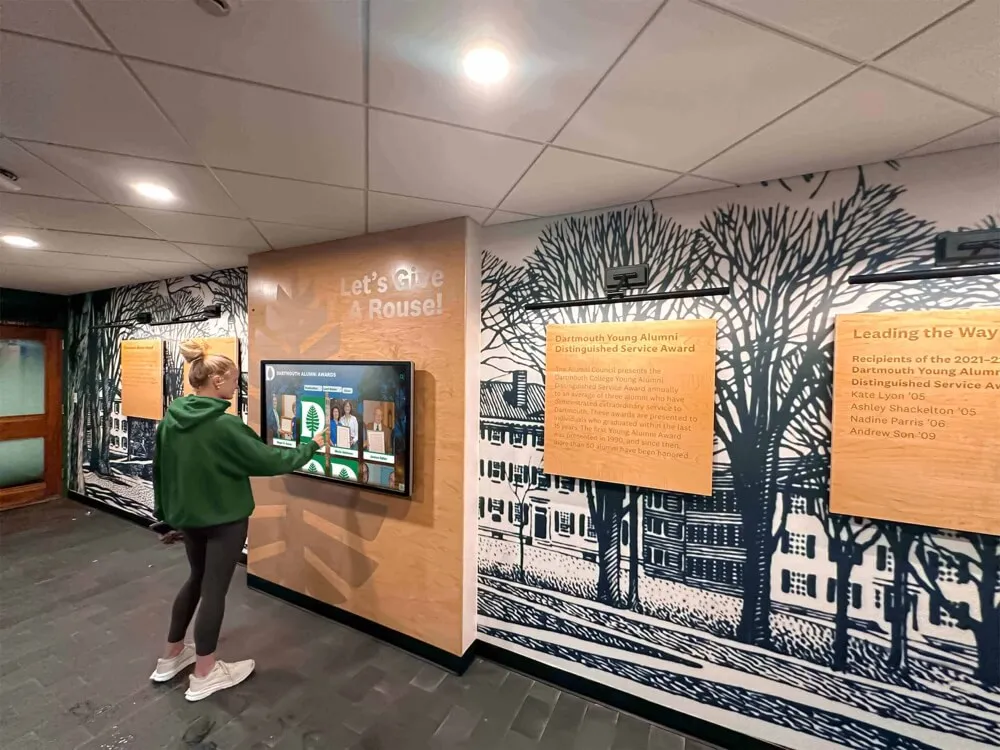
Strategic integration of recognition technology with existing architecture creates cohesive environments celebrating honor roll achievement throughout facilities
How Schools Celebrate Honor Roll: Recognition Methods and Programs
Understanding how schools acknowledge honor roll qualification helps students and families appreciate recognition significance while enabling schools to implement effective celebration strategies inspiring broader achievement.
Traditional Honor Roll Recognition Approaches
Schools employ multiple established mechanisms celebrating student academic excellence:
Printed Honor Roll Lists and Public Posting
The most traditional recognition method involves publishing honor roll lists through school newspapers, bulletin board displays, and announcements during morning programs or assemblies. These public acknowledgments create community awareness of student achievement while providing visible validation students can share with families and communities demonstrating their academic success.
While simple, published lists provide lasting documentation families preserve as meaningful mementos while creating archived institutional records of academic excellence patterns across graduating classes and school years demonstrating recognition traditions and academic culture over time.
Certificates and Formal Documentation
Many schools issue printed certificates acknowledging honor roll qualification suitable for display in homes, inclusion in student portfolios, or attachment to scholarship and college applications requiring achievement documentation. These tangible recognitions provide physical manifestations of accomplishment students value throughout their educational journeys as evidence of their academic capability and sustained excellence.
Honor Roll Assemblies and Recognition Events
Schools frequently host special assemblies, breakfasts, or luncheons celebrating honor roll students each marking period. These gatherings create memorable shared experiences where academic achievement receives comparable celebration to athletic championships or artistic performances, communicating institutional values honoring intellectual accomplishment alongside other excellence forms.
Recognition events also provide opportunities for principal addresses reinforcing achievement importance, teacher congratulations acknowledging student effort, and peer recognition building achievement-oriented school cultures where students aspire toward honor roll qualification viewing it as desirable and attainable goal rather than unrealistic expectation.
Schools implementing comprehensive recognition ceremonies ensure academic celebrations receive planning, resources, and community attention comparable to athletic banquets and performing arts showcases creating balanced institutional cultures.

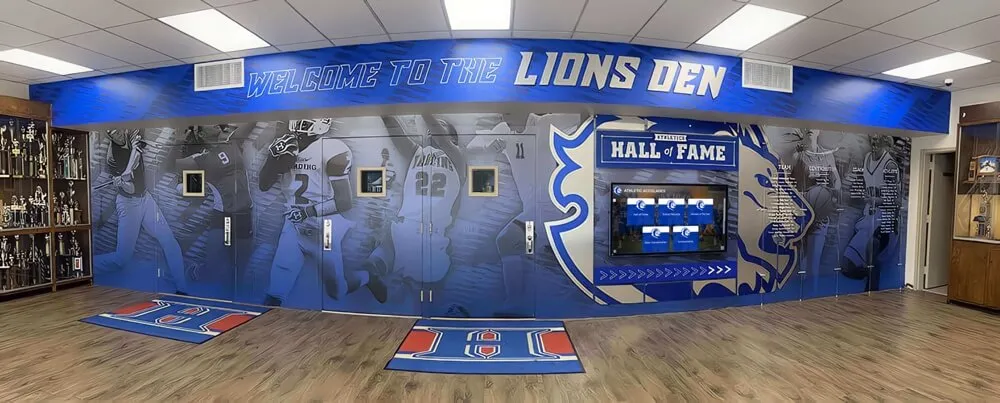
Recognition installations in athletic facilities ensure academic honor roll achievement receives visibility comparable to sports accomplishments
Modern Digital Recognition Systems
Forward-thinking schools implement sophisticated technology-based recognition creating sustained visibility and engagement impossible with traditional approaches:
Interactive Touchscreen Displays
Digital platforms like Rocket Alumni Solutions enable schools to create engaging touchscreen installations showcasing honor roll students through searchable databases featuring individual student profiles with photos and achievement details, marking period history enabling discovery of consistent achievers across school years, search functionality helping students find themselves and friends, statistical summaries celebrating collective achievement across student bodies, and integration with other academic honors creating comprehensive excellence documentation.
These interactive recognition displays provide year-round visibility rather than momentary assembly acknowledgment, creating sustained inspiration while building school cultures valuing intellectual achievement comparably to athletic and extracurricular success.
Web-Based Honor Roll Portals
Schools increasingly implement online recognition platforms enabling global access to honor roll celebrations through web-based systems allowing families anywhere to discover student achievements, alumni to reconnect with institutional traditions, and prospective families to understand academic culture and achievement standards at schools they’re considering.
Mobile-optimized platforms ensure recognition remains accessible across devices enabling students to share achievements through social media while prospective families researching schools can explore academic traditions and recognition practices demonstrating institutional commitment to celebrating intellectual excellence.
Digital Signage Integration
Modern schools incorporate honor roll recognition into digital signage systems displaying rotating achievement content on lobby screens, hallway monitors, and cafeteria displays throughout buildings. This distributed visibility ensures honor roll achievement receives constant presence across campus environments rather than limiting acknowledgment to dedicated recognition areas students might seldom visit.
Strategic placement in high-traffic areas—main entrances, cafeterias, libraries, athletic facilities—maximizes exposure ensuring every student regularly encounters honor roll recognition creating sustained aspiration inspiring broader student populations toward similar achievement.

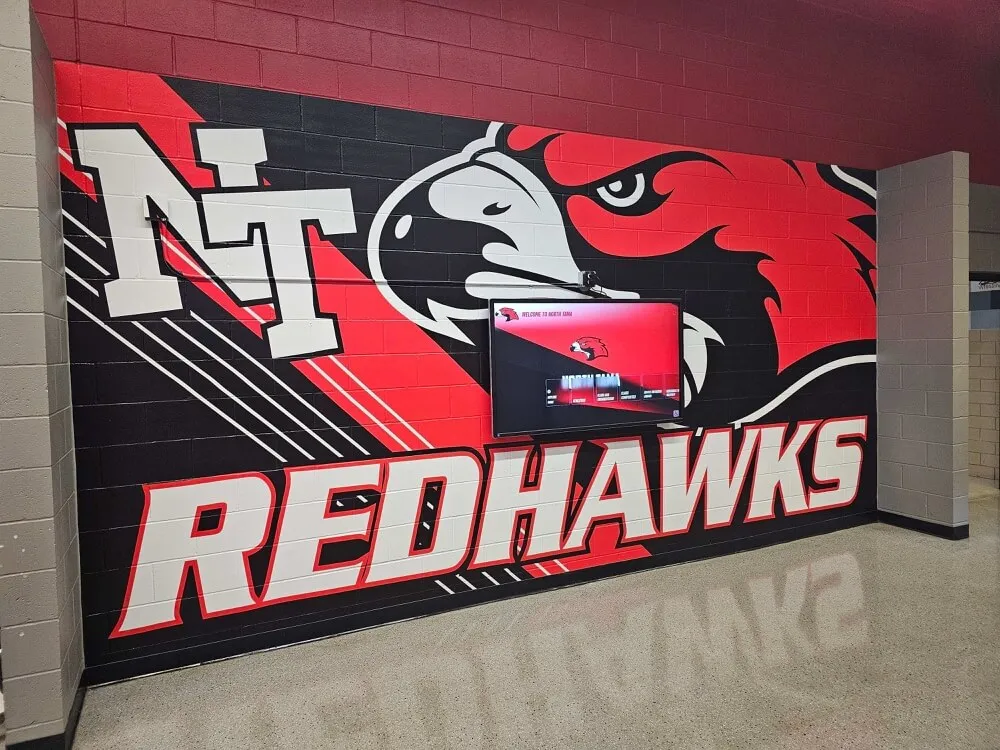
Architectural murals combined with digital recognition create impressive lobby environments celebrating honor roll and other student achievements
Creating School Cultures That Value Academic Achievement
The most effective honor roll recognition extends beyond individual acknowledgment toward building comprehensive school cultures where intellectual excellence becomes normalized and celebrated:
Balancing Athletic and Academic Recognition
Many schools provide extensive celebration for athletic achievements through trophy cases, team banners, championship acknowledgments, and sports banquets while offering minimal academic recognition creating imbalanced cultures suggesting athletics matter more than intellectual accomplishment. Forward-thinking institutions implement comparable celebration for both achievement types—prominent academic display installations matching athletic trophy cases, honor roll banners alongside team championships, and academic award ceremonies receiving resources comparable to sports banquets.
This balanced approach communicates that schools value diverse excellence forms equally, creating cultures where students pursuing intellectual achievement receive comparable peer respect and community celebration as athletic stars fostering aspiration across diverse student populations with varied talents and interests.
Year-Round Visibility Through Digital Warming
The concept of digital warming describes what happens when schools implement comprehensive recognition systems transforming cold achievement lists into warm, engaging community experiences inspiring broader student populations toward excellence. Rather than momentary quarterly announcements quickly forgotten, sustained recognition through prominent digital displays creates continuous presence where honor roll achievement remains visible throughout school years inspiring aspiration, normalizing excellence as achievable rather than exceptional, and building positive academic identities among students who regularly encounter celebration of intellectual accomplishment.
Schools implementing comprehensive digital recognition programs create digital warming effects transforming institutional culture while inspiring achievement across diverse student populations understanding that visible celebration drives participation.
Parent and Community Engagement
Extending recognition beyond school buildings into families and communities amplifies impact while building broader support networks celebrating student achievement. Digital platforms enabling parents to access honor roll information remotely create opportunities for family celebration and acknowledgment while social media sharing capabilities enable students to broadcast accomplishments throughout personal networks amplifying recognition reach far beyond school boundaries.
Community newspapers publishing school-submitted honor roll lists create hometown recognition valued by families and students while building positive institutional reputations in communities supplying future students and ongoing support demonstrating school commitment to academic excellence and student success.

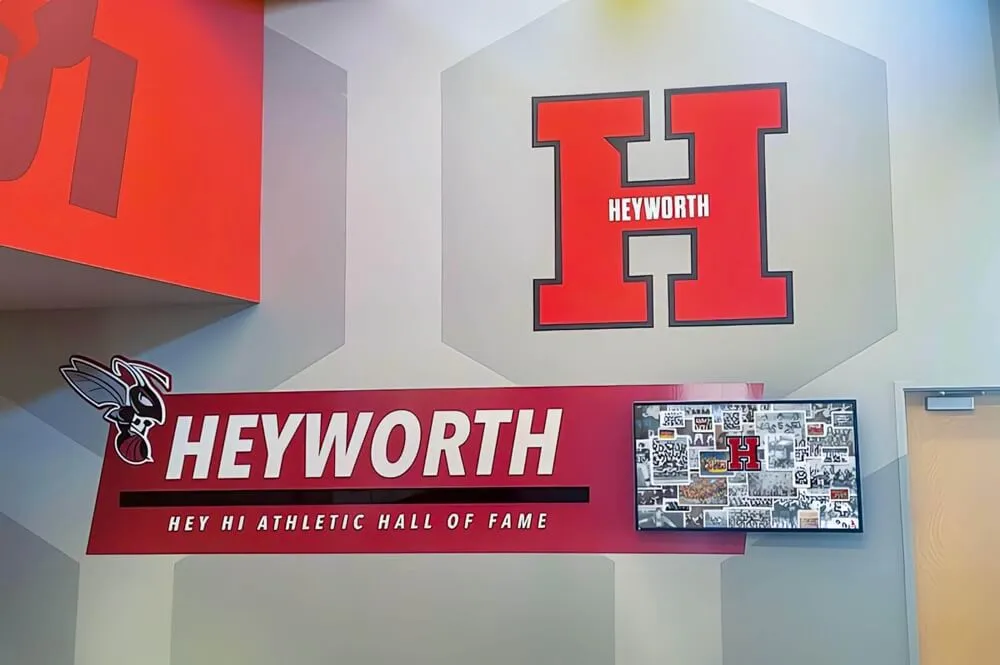
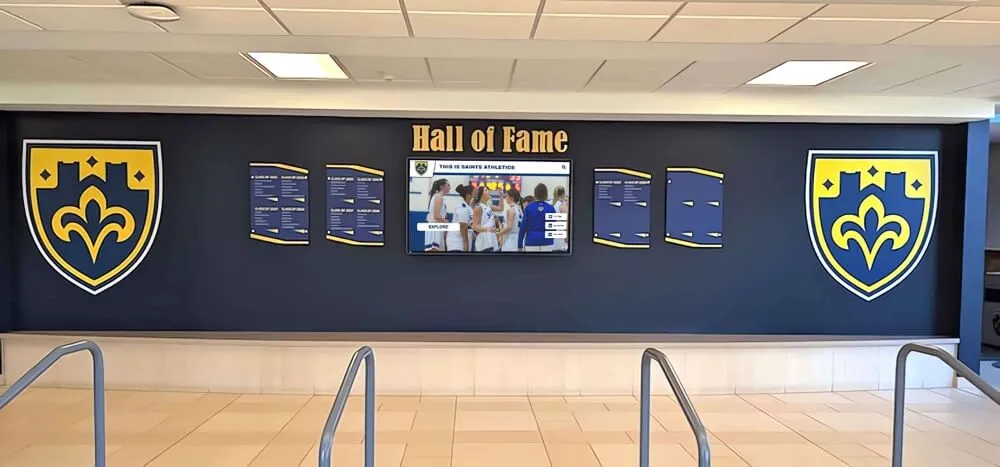
Professional recognition installations create cohesive environments celebrating honor roll achievements as part of comprehensive institutional identity
Honor Roll vs. Other Academic Distinctions: Understanding the Hierarchy
Contextualizing honor roll within broader academic recognition systems helps students and families understand relative significance across multiple achievement levels:
Comparing Different Academic Recognition Types
Schools typically implement multiple recognition tiers acknowledging various achievement levels:
Honor Roll, High Honor Roll, and Highest Honors
As discussed earlier, most schools establish three-tier structures:
- Basic honor roll (typically 3.0-3.49 GPA) recognizing solid academic performance
- High honor roll (usually 3.5-3.79 GPA) acknowledging superior achievement
- Highest honors or Principal’s List (generally 3.8-4.0 GPA) celebrating exceptional near-perfect performance
This progression creates aspirational pathways motivating continued improvement beyond initial thresholds while ensuring recognition opportunities exist for students at multiple achievement levels rather than limiting acknowledgment exclusively to top performers.
Dean’s List vs. Honor Roll in Secondary Schools
Some high schools borrow Dean’s List terminology from higher education, though this recognition functions identically to honor roll systems under different names. Understanding that various schools use diverse terminology for equivalent recognition prevents confusion when comparing achievement across institutions or reviewing requirements at schools students might attend.
Perfect Attendance and Citizenship Awards
While honor roll focuses exclusively on academic performance measured through GPA calculations, schools often simultaneously recognize other excellence dimensions including perfect attendance acknowledging reliability and commitment, citizenship awards celebrating positive behavior and character, and service recognition honoring community contribution. These parallel systems ensure comprehensive acknowledgment of diverse achievement forms beyond purely academic metrics.
Academic Honor Societies and Advanced Recognition
Beyond marking period honor roll, students may qualify for selective honor societies requiring sustained achievement:
National Honor Society (NHS)
The most prestigious secondary-level organization, NHS requires cumulative GPA typically around 3.5+ alongside demonstrated leadership, service, and character. Consistent honor roll achievement throughout high school typically satisfies academic requirements while application essays, recommendations, and interviews evaluate non-academic qualifications. NHS membership carries substantial college admissions and scholarship weight given highly selective membership processes and national recognition of organizational prestige.
National Junior Honor Society (NJHS)
The middle school equivalent establishes similar standards appropriate to younger students, creating early honor society participation building toward NHS eligibility during high school while establishing achievement patterns and academic identities during critical developmental stages shaping educational trajectories.
Subject-Specific Honor Societies
Many schools sponsor discipline-specific societies like National Spanish Honor Society, Science National Honor Society, or English Honor Society recognizing sustained excellence within particular academic areas. These specialized organizations enable students passionate about specific subjects to receive targeted recognition alongside peers sharing similar interests while building communities of academic engagement within disciplines.
Schools implementing comprehensive recognition approaches acknowledging diverse achievement types ensure students pursuing various excellence forms receive appropriate celebration building inclusive achievement cultures.

Prominent lobby installations ensure honor roll recognition receives visibility inspiring daily motivation throughout student communities
Special Circumstances and Honor Roll Considerations
Certain situations require additional understanding about honor roll qualification and recognition:
Transfer Students and School Changes
Students changing schools mid-year or between academic years face unique honor roll considerations:
Transcript Transfer and GPA Recalculation
When students transfer between schools, receiving institutions typically recalculate GPAs using their specific grading scales and course weighting systems rather than directly accepting sending schools’ calculations. This recalculation can significantly affect honor roll qualification during initial marking periods at new schools, particularly when transferring from schools using different grading philosophies, course difficulty levels, or GPA calculation methodologies.
Transfer students should proactively meet with guidance counselors understanding how previous coursework translates into new school systems, what GPA they’ll start with after recalculation, and what performance they need during initial marking periods to achieve honor roll qualification under new institutional standards.
Building Academic Records at New Institutions
Even when initial marking periods prove challenging due to transition adjustments, transfer students shouldn’t become discouraged about honor roll prospects. Consistent qualification after settling into new environments demonstrates resilience and adaptability—characteristics colleges and scholarship committees value alongside pure academic achievement when evaluating candidates from diverse educational backgrounds and challenging circumstances.
Students With Learning Differences and Accommodations
Honor roll systems should accommodate students receiving special education services or 504 accommodations ensuring equitable access to recognition:
Modified Curriculum Considerations
Students in substantially modified curricula or alternative programs may have separate honor roll tracks using adjusted criteria reflecting their specific educational contexts rather than competing directly with general education peers following standard curricula. These parallel systems ensure students working diligently within appropriate educational placements receive deserved recognition for excellence relative to their programs rather than being systematically excluded from acknowledgment due to different curricular pathways.
Inclusion and Equity in Recognition Systems
Forward-thinking schools ensure honor roll systems include diverse learners through thoughtful policy design recognizing effort, growth, and achievement across varied educational contexts rather than limiting recognition exclusively to students in traditional programs. This inclusive approach communicates that all students deserve celebration when achieving excellence within their educational settings regardless of differences in curriculum, pacing, or instructional approaches required to support their learning needs.
Schools exploring equitable recognition practices understand that comprehensive celebration of achievement across diverse student populations creates inclusive school cultures valuing all learners’ accomplishments.
Homeschool and Alternative Education Recognition
Students in non-traditional educational settings face different honor roll considerations:
Portfolio-Based Achievement Documentation
Homeschool students lack traditional report cards and GPAs but can document equivalent achievement through portfolio assessments, standardized test scores, and curriculum completion records demonstrating academic excellence comparable to honor roll qualification in traditional schools. When applying to colleges or scholarships requiring honor roll documentation, homeschool families should provide comprehensive achievement evidence through alternative documentation formats explaining grading systems, curriculum rigor, and performance standards.
Dual Enrollment and Hybrid Programs
Students participating in hybrid programs combining homeschool with community college or online courses should clarify how different educational components combine for honor roll consideration. Some programs calculate unified GPAs across all coursework while others maintain separate recognition for institutional courses versus independent study components, requiring students to understand specific program policies when setting achievement goals.
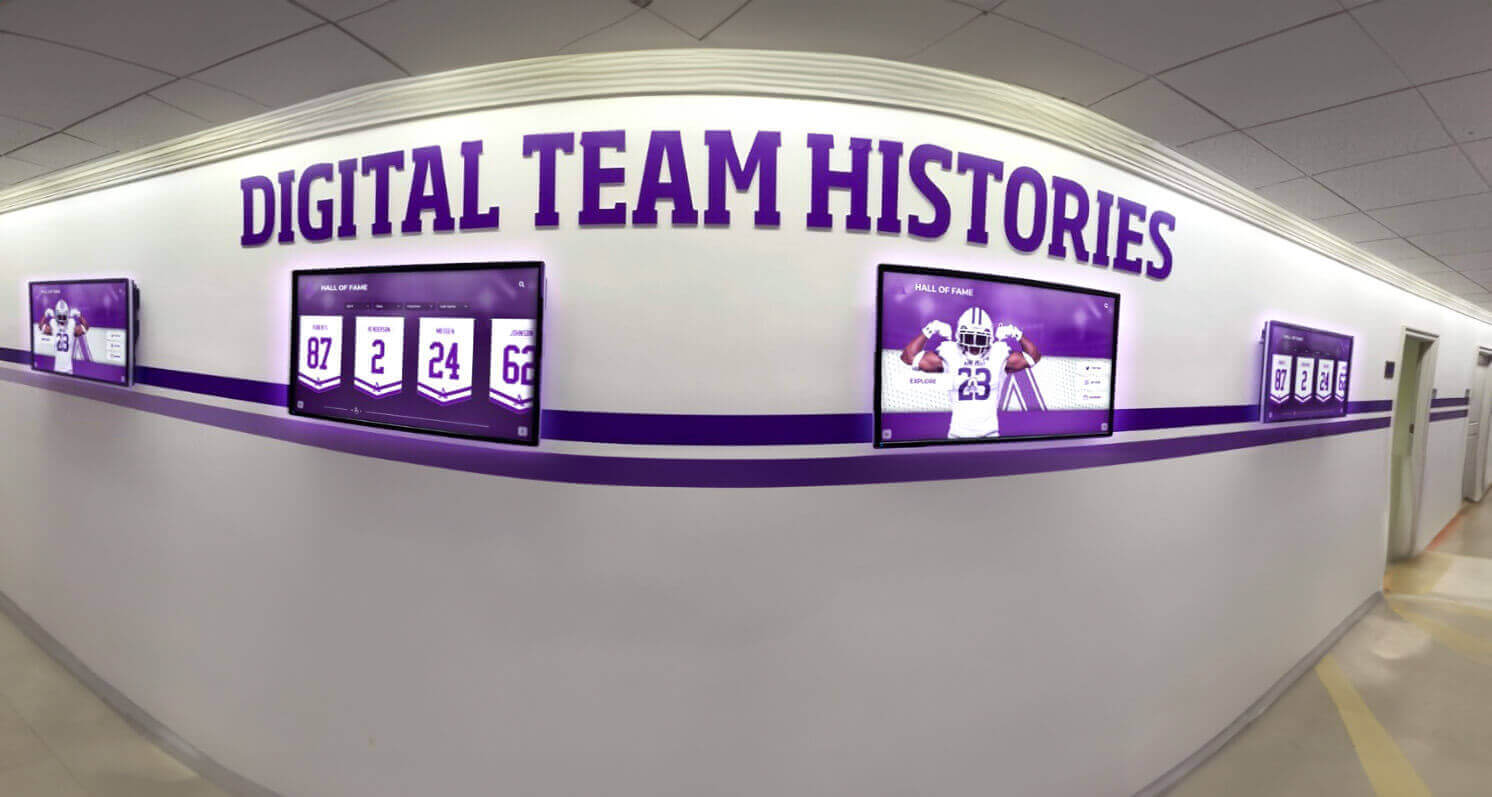
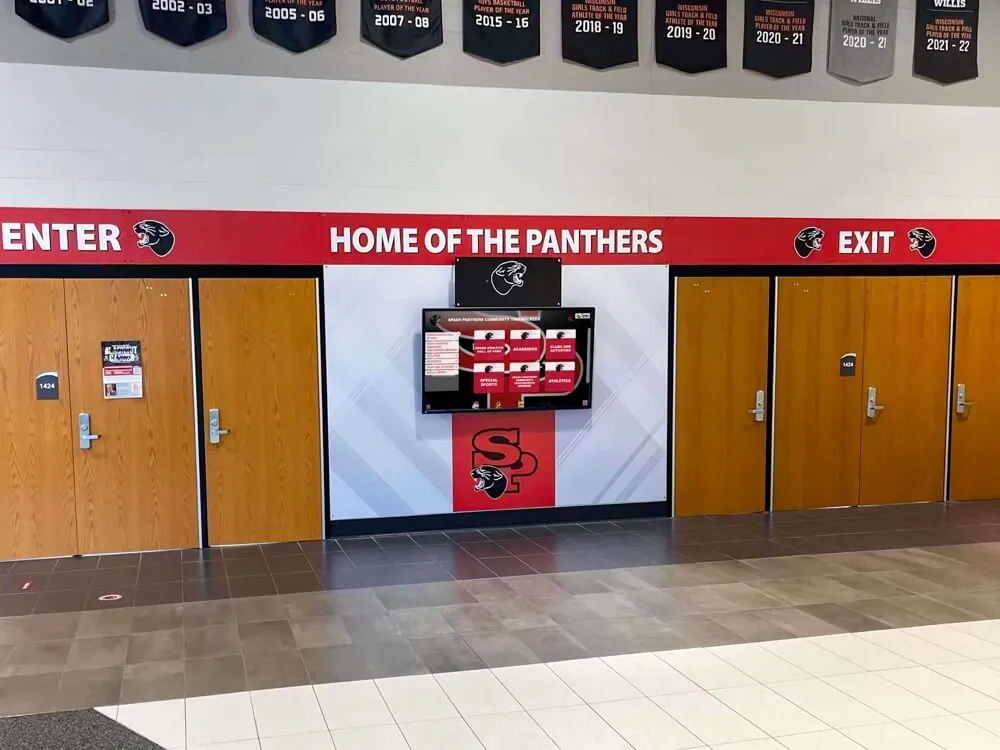
Strategic hallway placements ensure maximum honor roll recognition visibility throughout daily school life inspiring sustained academic motivation
Conclusion: Honor Roll as Foundation for Academic Success
Honor roll recognition represents far more than a line on report cards—it embodies the sustained academic excellence, disciplined study habits, strategic thinking, and performance consistency predicting success throughout educational careers and professional lives. Understanding what honor roll means, developing realistic strategies achieving this recognition, and leveraging qualification appropriately transforms this distinction from abstract acknowledgment to tangible advantage opening doors during middle school, high school, college, and beyond.
The journey to honor roll begins with clear understanding of specific school requirements, continues through strategic course planning and effective study habits, and culminates in marking period achievement providing immediate benefits through advanced course access, scholarship eligibility, enhanced college application credentials, and most importantly, confidence in academic capability building positive self-concepts supporting lifelong learning and achievement.
Modern schools increasingly recognize that celebrating academic achievement requires more than quarterly lists and annual ceremonies—comprehensive recognition demands visible, accessible, engaging systems inspiring aspiration throughout student communities. Digital recognition platforms enable schools to create year-round honor roll celebration through interactive displays, searchable databases, and web-accessible content extending acknowledgment far beyond physical campus boundaries while building cultures where intellectual excellence receives visibility comparable to athletic achievement.
Transform Your School's Academic Recognition
Discover how interactive recognition technology can help you celebrate every honor roll student while building the engaged learning community essential for inspiring academic excellence throughout your student population. Explore solutions designed specifically for schools—not generic digital signage adapted for purposes it wasn't built to serve.
Explore Recognition SolutionsOrganizations that invest thoughtfully in student recognition consistently outperform peers in student motivation, family engagement, and school culture development. Research across K-12 education demonstrates that visible academic recognition increases honor roll pursuit rates by 15-25% as students witnessing consistent celebration of intellectual achievement increasingly aspire toward similar excellence viewing it as achievable and desirable rather than exceptional or stigmatized.
Whether you’re a student pursuing honor roll qualification, parent supporting academic achievement, or educator considering how to celebrate excellence effectively, understanding honor roll significance and implementation strategies proves essential. This recognition remains one of the most accessible yet meaningful academic honors in K-12 education—requiring neither exceptional genius nor specialized talents, just sustained effort, strategic planning, and consistent performance maintaining high standards throughout marking periods.
Your academic achievements deserve celebration creating the motivation, recognition, and competitive advantage propelling continued success throughout education and professional life. Honor roll qualification provides that foundation—visible validation of intellectual capability, work discipline, and achievement consistency that teachers, counselors, college admissions officers, scholarship committees, and employers consistently value when identifying promising individuals worthy of opportunities, investment, and continued advancement.
Ready to begin? Whether pursuing honor roll qualification or implementing recognition systems celebrating academic excellence, the strategies and insights throughout this guide provide practical frameworks supporting success. Start where you are, implement approaches matching your context and resources, commit to sustained effort, and celebrate achievements creating the positive, engaged learning communities where students thrive and excellence flourishes.
Explore comprehensive approaches to recognizing student achievement or learn more about digital recognition platforms purpose-built for schools celebrating honor roll alongside diverse academic accomplishments.