Homecoming season brings one of the most visible opportunities for schools to showcase their spirit, creativity, and community pride—the parade float. These rolling celebrations become the centerpiece of homecoming festivities, creating lasting memories while uniting students, staff, alumni, and families around shared school traditions. A well-executed float doesn’t just move down Main Street; it tells your school’s story, celebrates achievements, and demonstrates the energy that makes your community special.
Yet planning committees often struggle to move beyond generic concepts toward float designs that genuinely stand out. How do you balance creativity with practical construction constraints? What themes resonate most powerfully with diverse audiences? How can schools create impressive floats without overwhelming budgets? And how do you connect parade celebrations with year-round recognition that keeps school spirit alive long after homecoming weekend ends?
Outstanding homecoming parade floats serve multiple strategic purposes. They generate community excitement and participation, showcase student creativity and collaboration, celebrate school achievements and traditions, create shareable moments amplifying school visibility, and build connections between current students and alumni generations.
This comprehensive guide explores everything schools need to create memorable homecoming parade floats—from selecting winning themes and managing construction logistics to incorporating digital elements that extend recognition beyond a single event. Whether you’re planning your first float or enhancing established traditions, these strategies help your school create parade experiences that truly stand out.

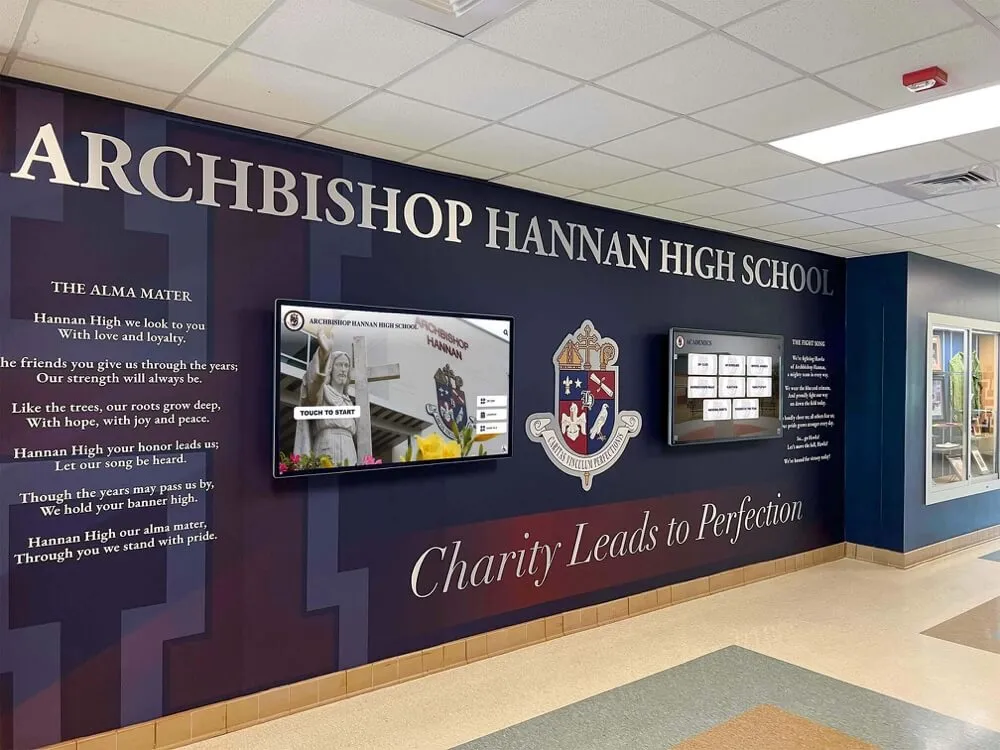
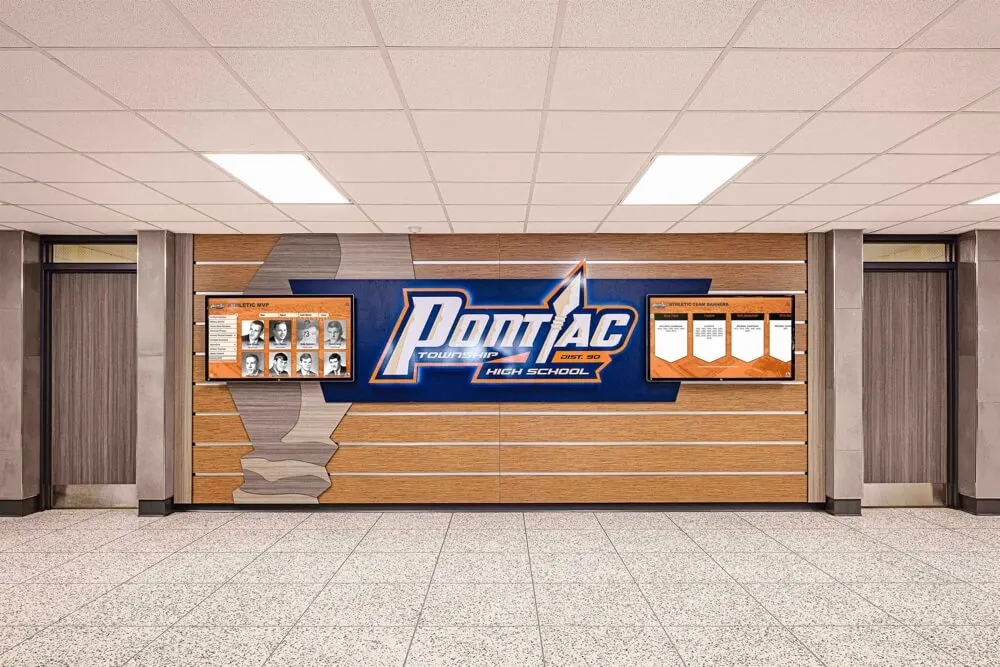
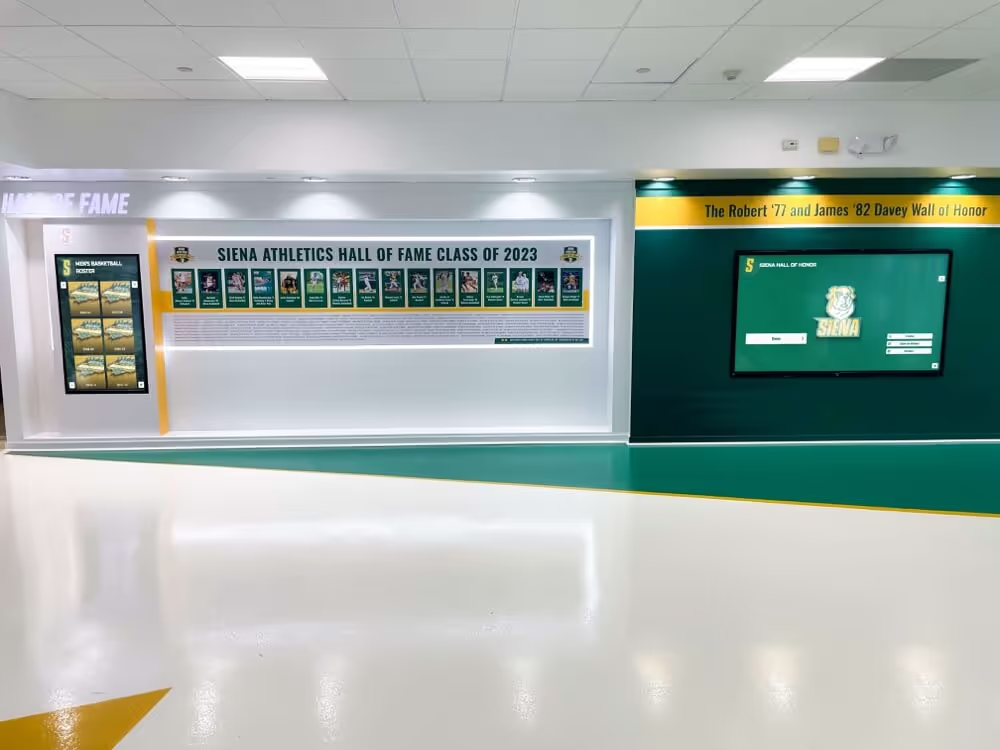
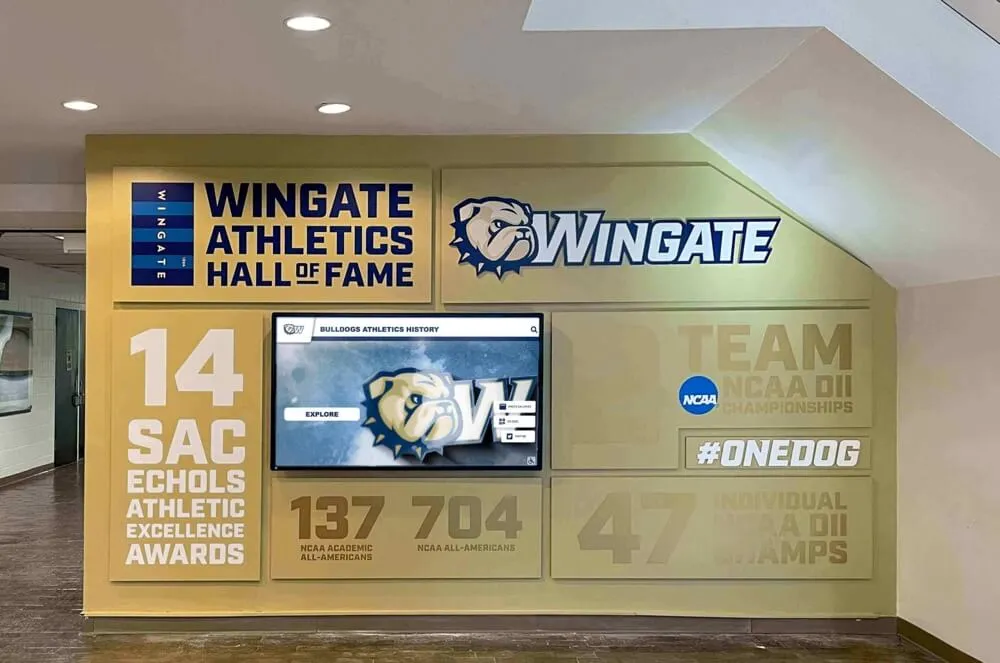
Strong visual branding creates recognition systems that work across parade floats, lobby displays, and digital platforms
Planning Your Homecoming Parade Float Strategy
Before diving into specific design ideas, establishing clear planning frameworks ensures your float aligns with school goals while managing practical constraints.
Setting Clear Objectives for Float Participation
Different schools pursue homecoming floats with varying priorities that should shape design decisions.
Defining Success Criteria
Effective float planning begins by determining what success actually means for your school:
- Community engagement focus: Maximizing participation from diverse groups (students, alumni, families, staff)
- Achievement celebration: Highlighting specific accomplishments like championships, academic recognition, or milestone anniversaries
- Spirit building: Creating energy and excitement that extends beyond homecoming weekend
- Recruiting and visibility: Making impressions on prospective families and community members
- Tradition maintenance: Honoring established homecoming customs while introducing fresh elements
- Student development: Providing leadership, creativity, and collaboration opportunities
Schools attempting to accomplish all objectives simultaneously often produce unfocused results. Prioritizing 2-3 primary goals creates clarity guiding theme selection, design choices, and resource allocation.
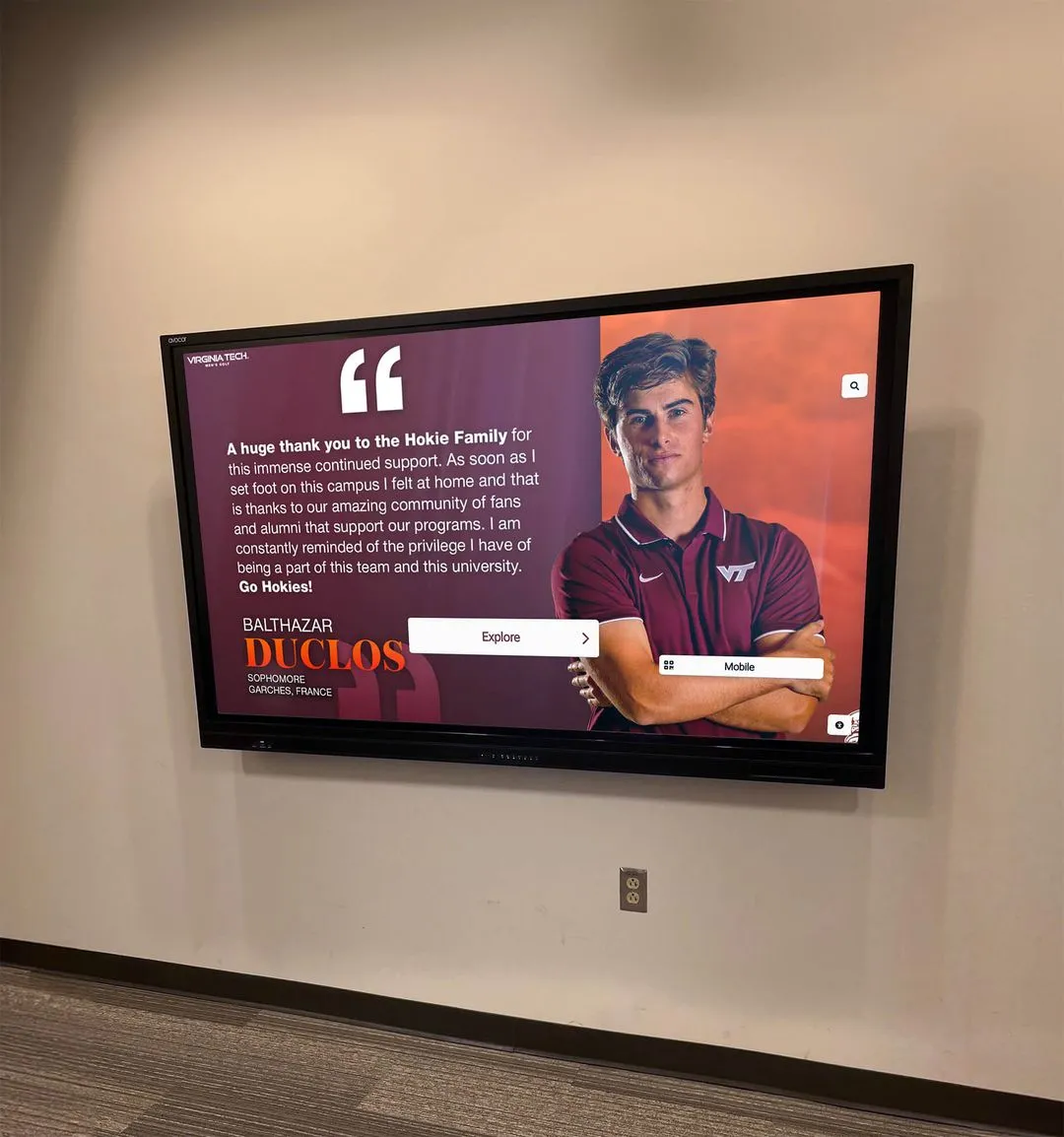
Many successful programs connect parade floats with permanent recognition installations. Digital display systems in school lobbies extend homecoming celebrations throughout the year by featuring parade photos, achievement highlights, and student participation recognition.
Understanding Your Audience Mix
Homecoming parades typically attract diverse spectators requiring different engagement approaches:
- Current students: Value contemporary music, trending themes, interactive elements, and peer recognition
- Alumni: Appreciate nostalgic references, tradition continuity, and reminders of their own school experiences
- Families with young children: Respond to colorful visuals, mascot appearances, and candy distribution
- Community members: Connect with achievement celebration and positive school representation
- Prospective families: Form impressions about school culture, spirit, and student experience quality
The most effective floats incorporate layered elements appealing across audience segments—recognizable mascots and colors providing universal connection points while specific details speak to particular groups.
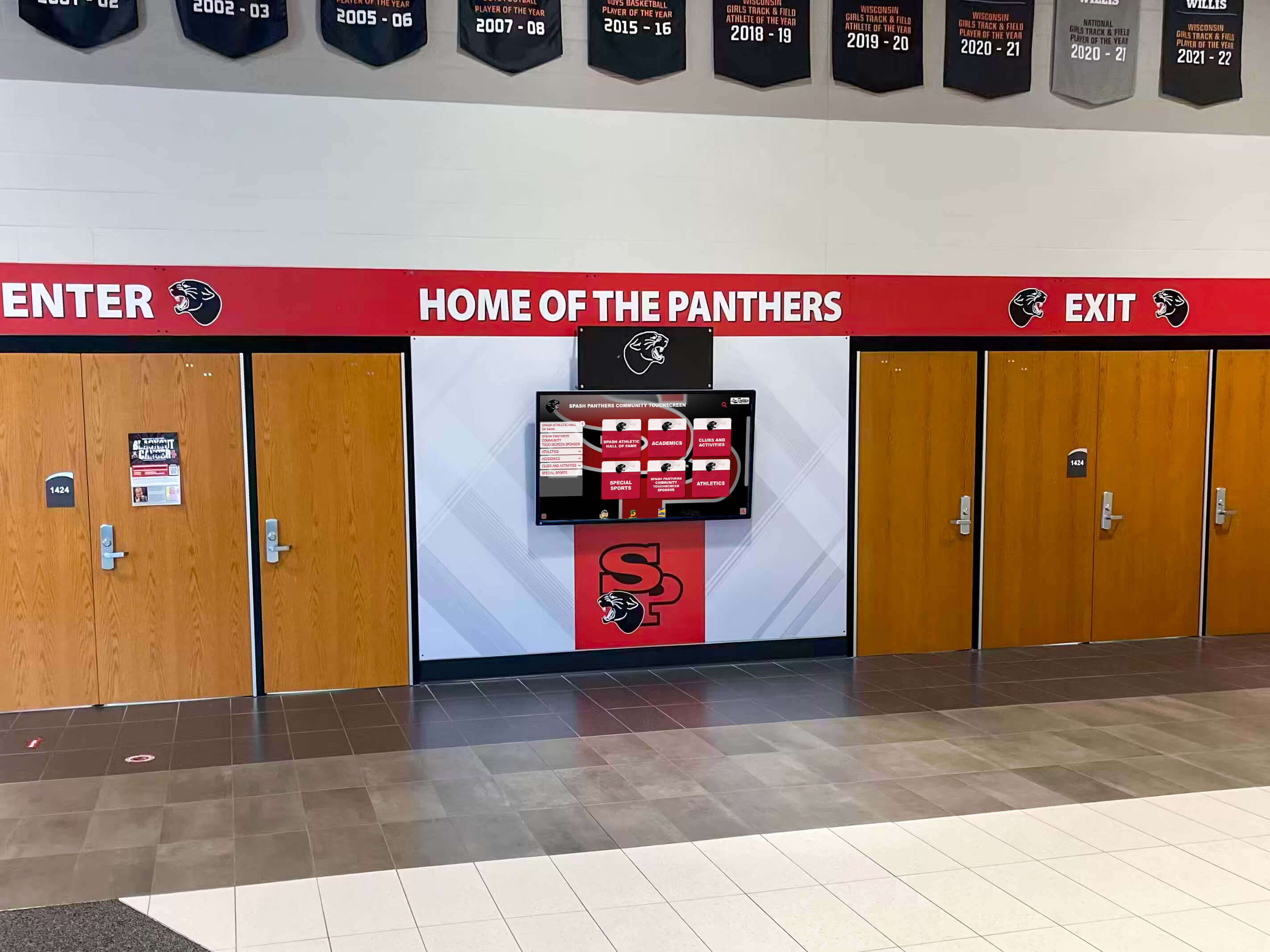
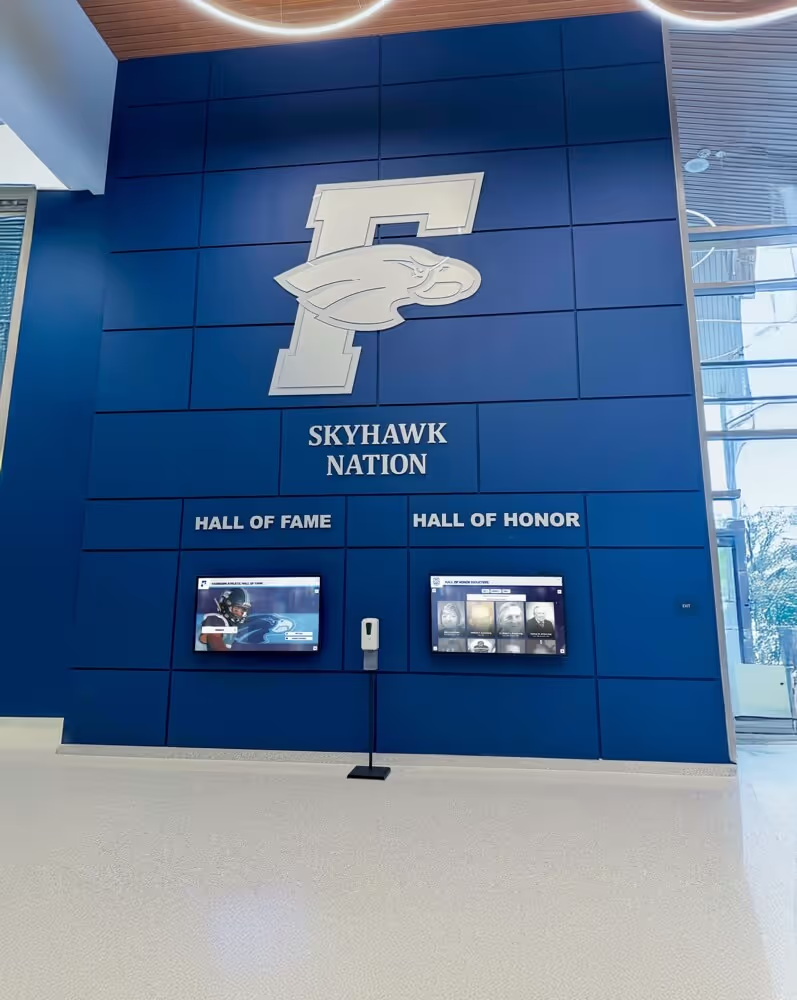
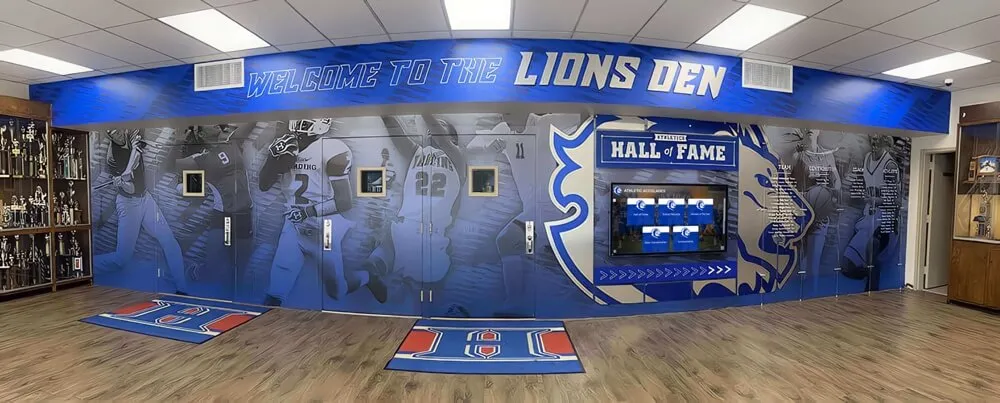
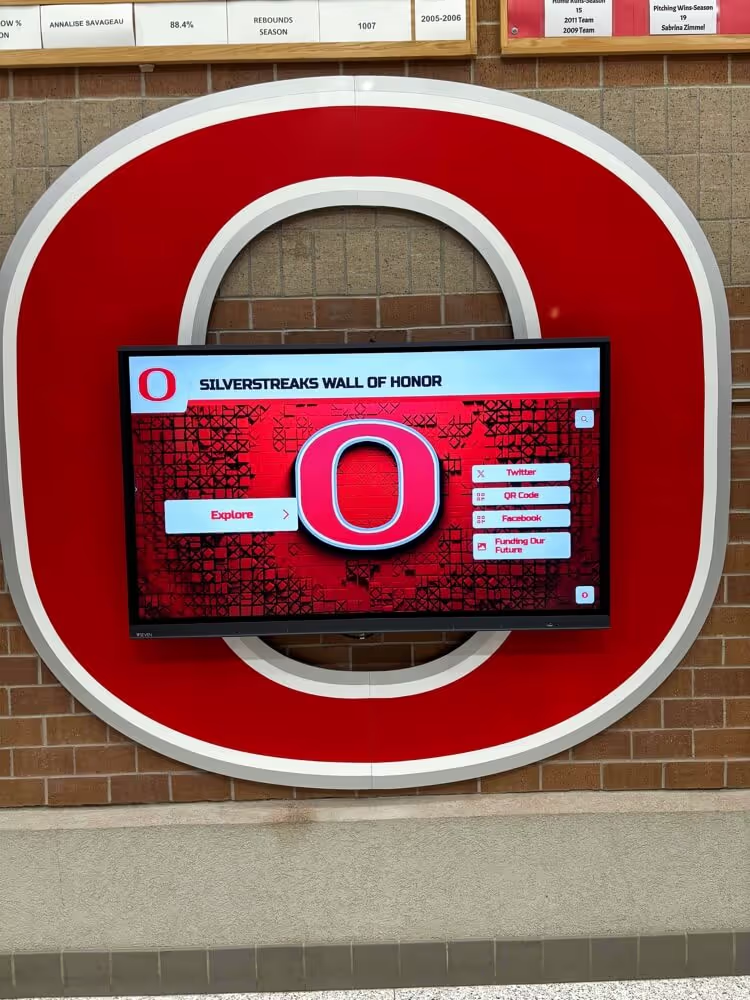
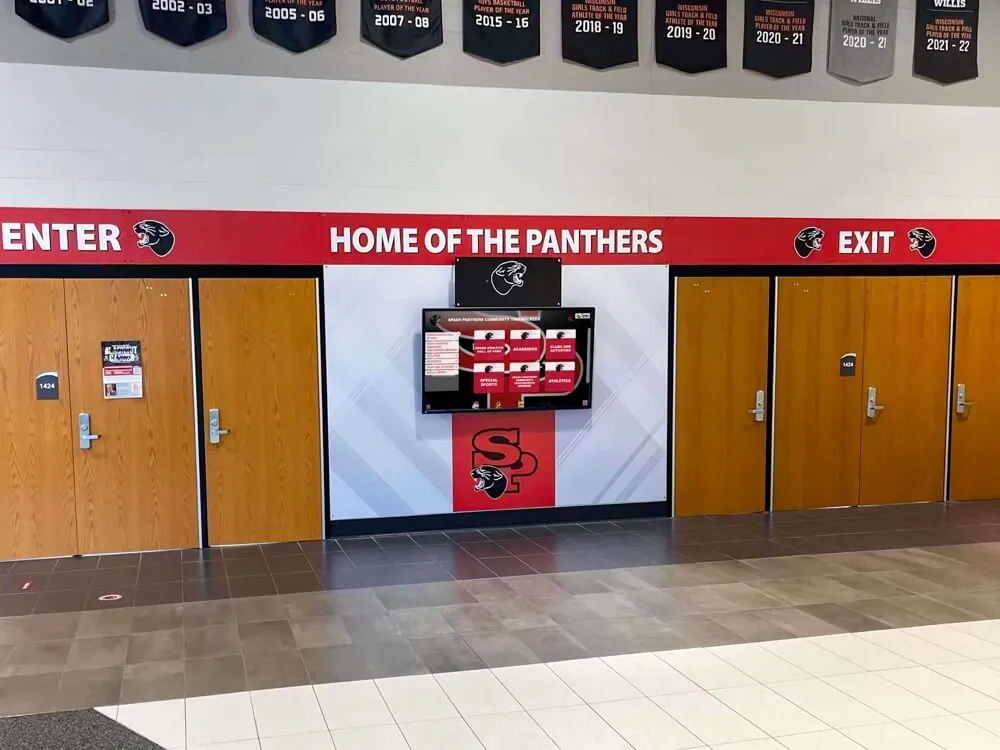
Entrance displays set the tone for school culture while connecting homecoming celebrations to everyday recognition
Budget Planning and Resource Allocation
Parade float expenses vary dramatically based on complexity, but strategic planning ensures impressive results at any budget level.
Essential Budget Categories
Comprehensive float budgets typically include:
Materials and Supplies
- Platform or trailer rental/construction: $200-$800
- Decorating materials (chicken wire, tissue paper, paint, fabric): $300-$1,200
- Structural supports (lumber, PVC, wire): $150-$500
- Props and specialty items: $100-$600
- Sound system rental: $100-$300
Labor and Services
- Professional welder or carpenter for structural elements: $200-$600
- Design consultation: $0-$400
- Transportation and storage: $50-$200
Recognition Technology
- Digital screens or projection equipment: $300-$1,500
- Photo/video documentation equipment: $0-$300
Schools spending $800-$2,500 typically produce competitive floats combining strong visual impact with effective execution. However, creative teams regularly create memorable results with budgets under $600 by leveraging donated materials, volunteer labor, and clever design substitutions.
Creative Budget-Stretching Strategies
Resourceful planning committees employ multiple tactics maximizing impact while controlling costs:
- Material sourcing: Request donations from local businesses, leverage parent networks for supplies, reuse previous float frameworks
- Shared resources: Coordinate with other school groups to share trailer rentals and construction tools
- Student talent: Utilize art department expertise, theater program prop-building skills, and technology students’ digital capabilities
- Staged construction: Build reusable elements serving multiple purposes across homecoming week events
- Digital extensions: Create virtual recognition systems amplifying single-event investments into year-round platforms
Schools implementing interactive recognition displays often discover that showcasing parade participation and float construction processes provides ongoing engagement opportunities long after homecoming concludes.
Winning Theme Categories for Homecoming Floats
The most memorable floats combine universal appeal with distinctive execution. These proven theme categories provide strong foundations for creative interpretation.
Championship and Achievement Celebration Themes
Homecoming presents perfect opportunities to showcase recent accomplishments while building program pride.
Athletic Victory Themes
Championship celebrations create natural float concepts with built-in audience connection:
“Road to State” Float Concepts
- Map-based designs showing tournament progression
- Timeline displays featuring key game moments
- Trophy and medal showcases (oversized replicas)
- Player silhouettes with achievement statistics
- Interactive elements inviting crowd predictions for current season
Multi-Sport Excellence Displays
- Rotating platforms featuring different sport achievements
- “Season of Champions” designs celebrating multiple team successes
- Record-breaker recognition highlighting standout performances
- All-conference and all-state athlete celebrations
Schools increasingly extend athletic recognition beyond single homecoming events through dedicated hall of fame systems that provide permanent platforms for celebrating championship moments and individual achievement.
Academic Excellence Themes
Balancing athletic focus with academic achievement recognition demonstrates comprehensive school excellence:
- “Scholar Champions”: Highlighting academic competition successes, merit scholarships, and National Merit recognition
- “Innovation Showcase”: Featuring STEM competition wins, robotics achievements, and science fair distinctions
- “Arts and Excellence”: Celebrating music competition medals, theater awards, and visual arts recognition
- “Service Leaders”: Recognizing community service hours, volunteer program impact, and character education achievements
These themes work particularly well when incorporating actual student participants on floats, creating personal connections between achievements and the individuals behind them.
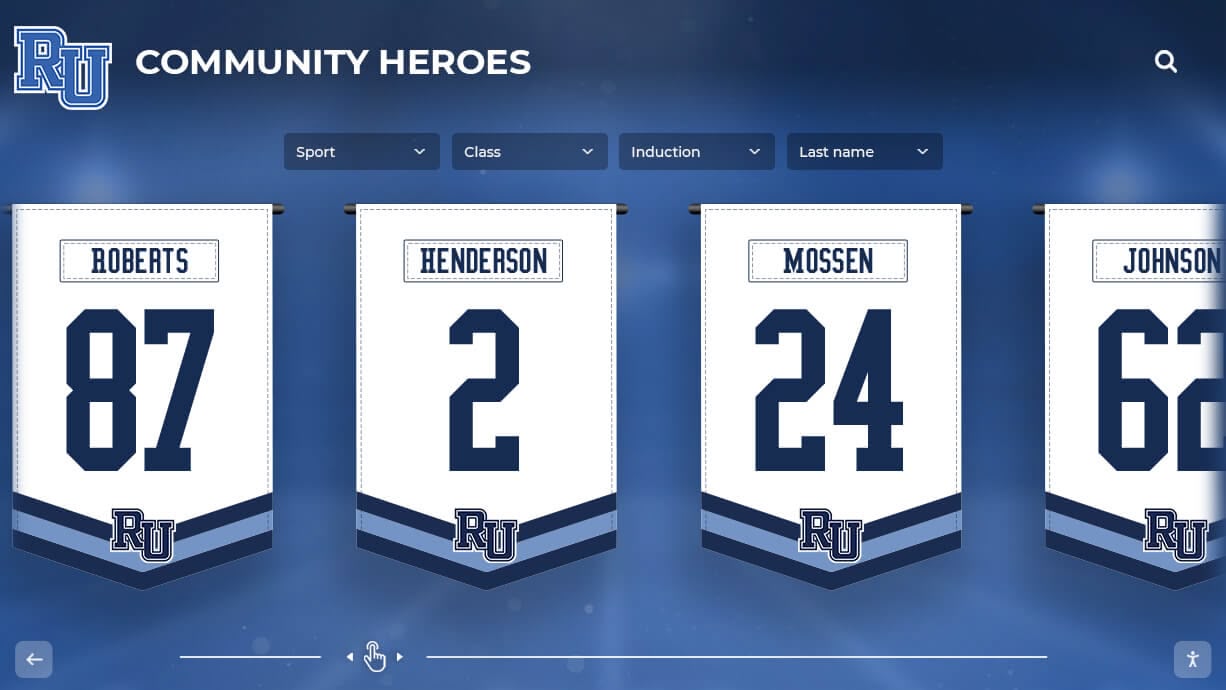
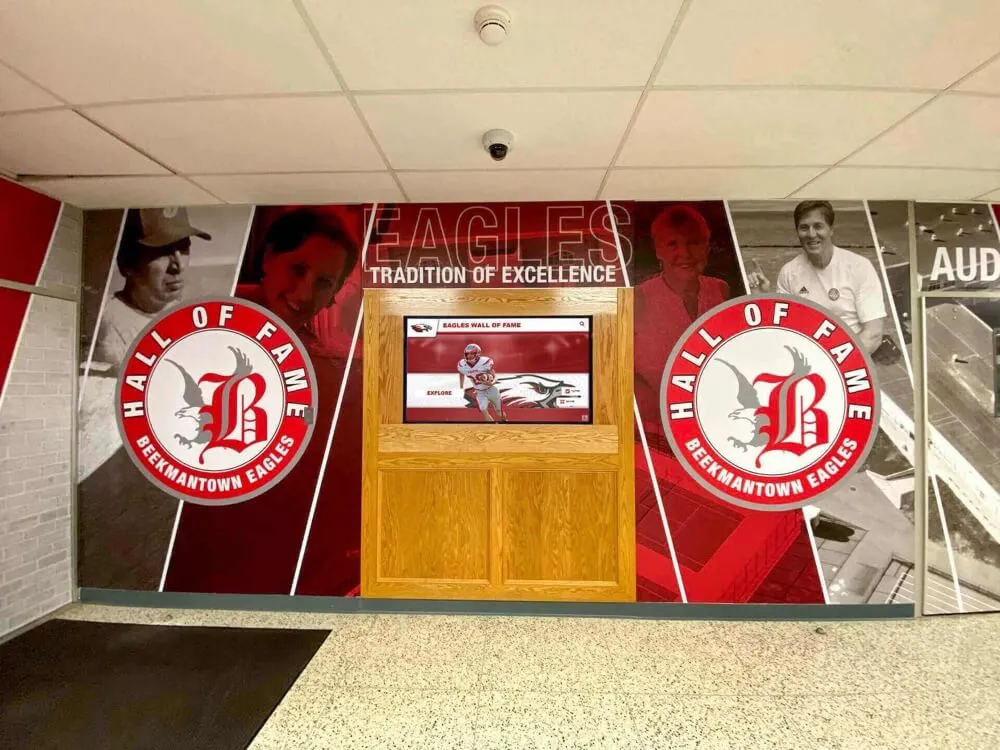
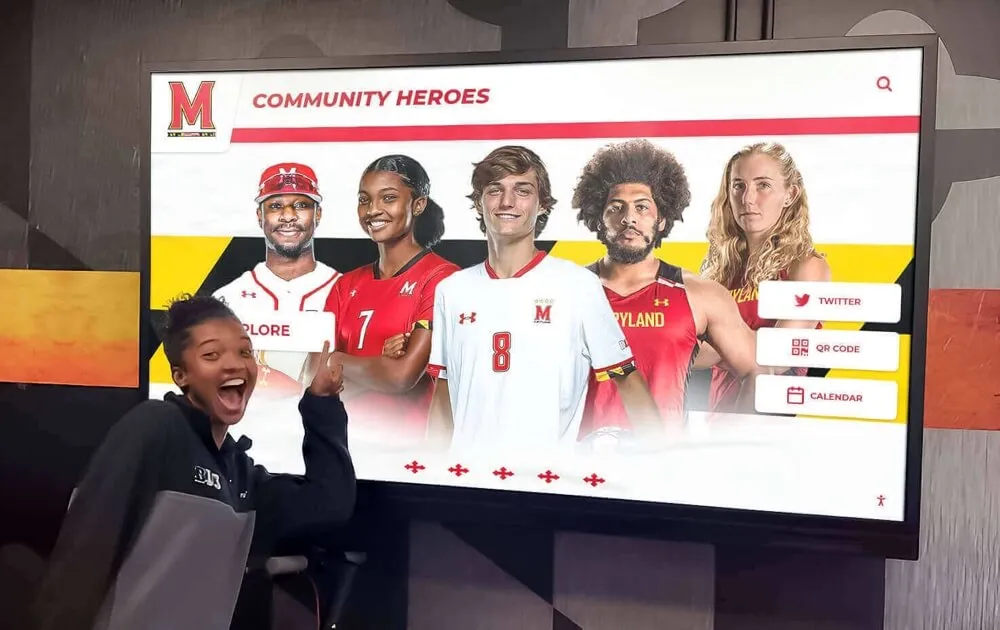
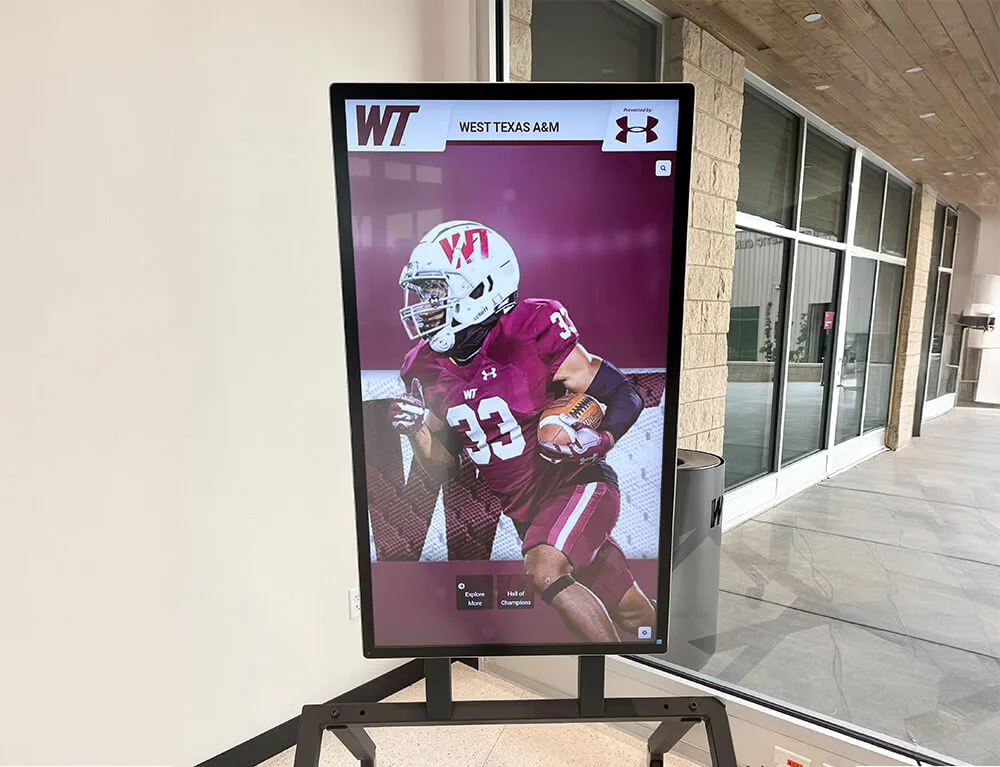
Jersey banner displays translate effectively from parade floats to permanent lobby installations honoring ongoing achievement
Tradition and Heritage Themes
Connecting current students with institutional history creates powerful emotional resonance across generations.
Milestone Anniversary Celebrations
Significant anniversaries provide natural theme foundations:
- “50 Years of Excellence”: Timeline designs showing school evolution, decade-by-decade highlights, and notable alumni features
- “Century of Tradition”: Heritage-focused designs incorporating vintage photos, historical uniforms, and founding story elements
- “Building Legacy”: Construction-themed floats for schools celebrating facility upgrades or new building dedications
Anniversary floats benefit from alumni involvement in design consultation and participation, strengthening intergenerational connections while ensuring historical accuracy.
Mascot Evolution and Heritage
School mascots provide instantly recognizable symbols perfect for creative interpretation:
- “Through the Decades”: Showcasing mascot costume evolution and uniform changes
- “Mascot Kingdom”: Creating elaborate mascot habitats or environments
- “Legend Lives On”: Storytelling approaches explaining mascot origin stories and traditions
- “Mascot All-Stars”: Featuring mascot appearances across different sports and activities
The most effective mascot themes balance playful creativity with dignified school representation, avoiding approaches that might diminish mascot significance.
Rivalry and Competition Themes
Healthy rivalries add excitement when handled with appropriate sportsmanship:
- “Ready for Battle”: Game-week themed floats building anticipation for rivalry matchups
- “Trophy Keepers”: Showcasing traveling trophies and rivalry game history
- “Tradition of Excellence”: Comparing historical success between programs
- “Game Day Ready”: Stadium-themed designs creating pre-game energy
These themes work best when emphasizing your school’s strengths rather than demeaning opponents, maintaining the celebratory homecoming spirit while acknowledging competitive traditions.
Creative Pop Culture and Entertainment Themes
Contemporary references create immediate recognition and shareability, particularly appealing to current students.
Movie and Entertainment Franchises
Popular film series provide rich visual vocabularies adaptable to school contexts:
- Superhero Universe Themes: Casting school as “Hometown Heroes,” featuring students and staff as comic book champions
- Epic Adventure Themes: Journey narratives using “Lord of the Rings,” “Star Wars,” or similar frameworks to represent school year progression
- Animation Favorites: Family-friendly concepts from Disney, Pixar, or DreamWorks connecting with younger parade spectators
- Retro Classics: Nostalgic callbacks to films spanning multiple generations, creating cross-generational appeal
Important considerations include avoiding overtly commercial branding, securing necessary permissions for prominent character use, and ensuring themes won’t feel dated in photos viewed years later.
Music and Entertainment Industry Themes
Performance-oriented themes create opportunities for sound, movement, and interactive elements:
- Music Festival Concepts: Stadium or concert venue designs featuring student performances
- Decade Dance Parties: Era-specific music themes (50s rock, 80s pop, 90s hip-hop) with costume elements
- Battle of the Bands: Showcasing school musical groups and arts programs
- Awards Show Celebrations: Red carpet designs recognizing student achievements across categories
These themes naturally incorporate audio components enhancing parade experience while creating memorable sensory impressions.
Gaming and Technology Themes
Digital culture references resonate strongly with contemporary students:
- Classic Arcade Games: Retro gaming aesthetics with recognizable characters and imagery
- Virtual Reality Worlds: Futuristic designs exploring digital landscapes
- Streaming Culture: Themes celebrating content creation, social media, and digital community
- Innovation and AI: Technology-forward concepts positioning school as preparing future leaders
Technology themes offer excellent opportunities for incorporating actual digital screens showing interactive content and recognition displays that extend beyond the parade event itself.
Construction Planning and Design Execution
Creative concepts require practical execution. These strategies help translate vision into reality while managing common construction challenges.
Platform Selection and Structural Design
The foundation determines what your float can safely support and accomplish.
Platform Options and Considerations
Schools typically choose between several base approaches:
Flatbed Trailer Bases
- Professional floats typically use 16-24 foot flatbed trailers
- Provides stable, level platform with defined boundaries
- Usually requires rental ($150-$400) unless school or community member owns suitable trailer
- Offers maximum flexibility for elaborate vertical constructions
School Vehicle Conversions
- Decorating buses, vans, or trucks the school already owns
- Eliminates rental costs while ensuring reliable transportation
- More limited in decorating scope due to existing vehicle features
- Works well for simpler designs emphasizing vehicle wraps and attachments
Hay Wagon or Agricultural Trailer Uses
- Rural schools often access farm equipment through parent connections
- Provides rustic, authentic aesthetic fitting certain themes
- May require additional safety railings for student riders
- Free or low-cost options expanding budget for decoration materials
Regardless of platform choice, ensuring proper safety railings, secure attachment points, and weight distribution prevents construction problems and safety concerns.
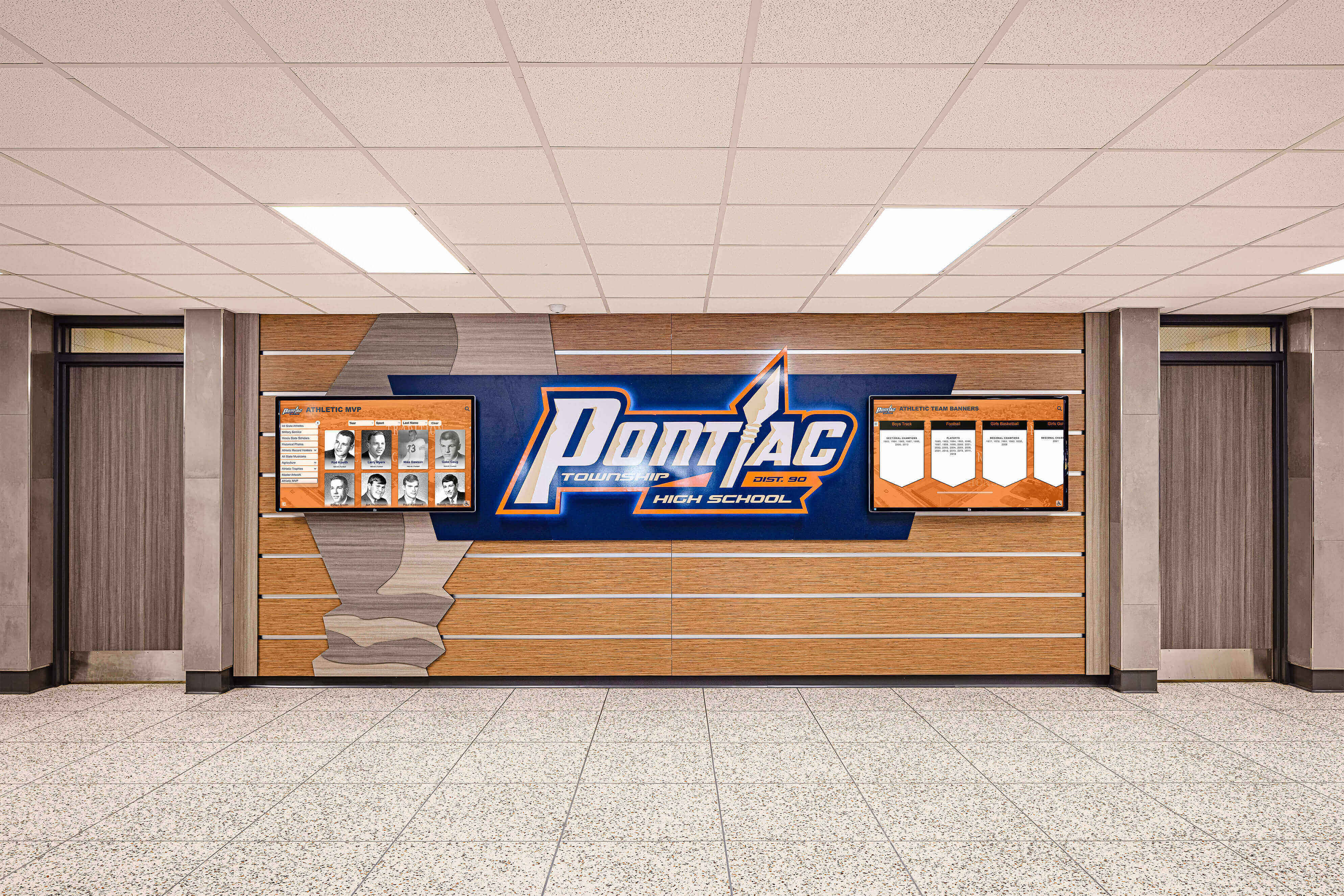
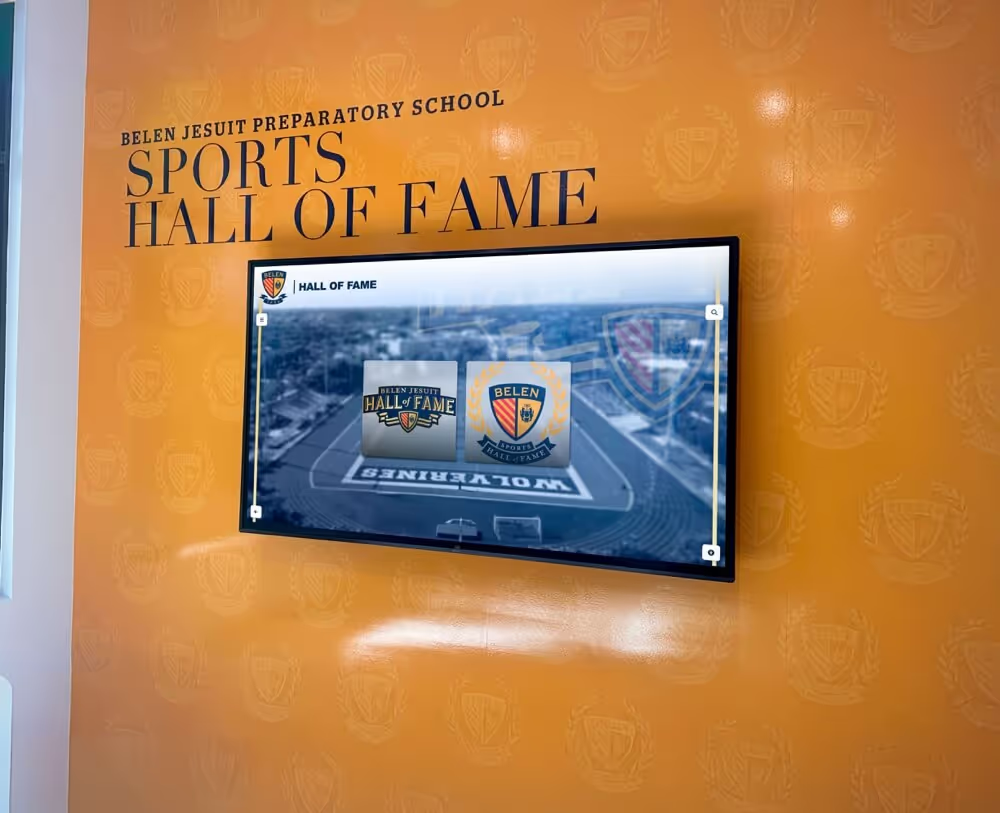
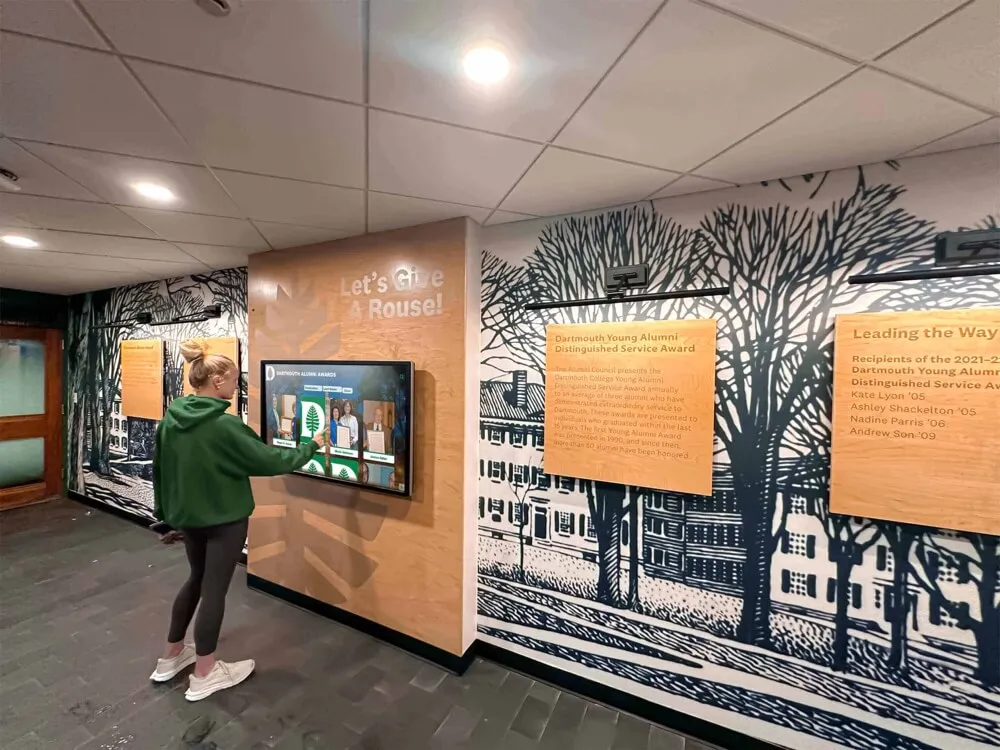
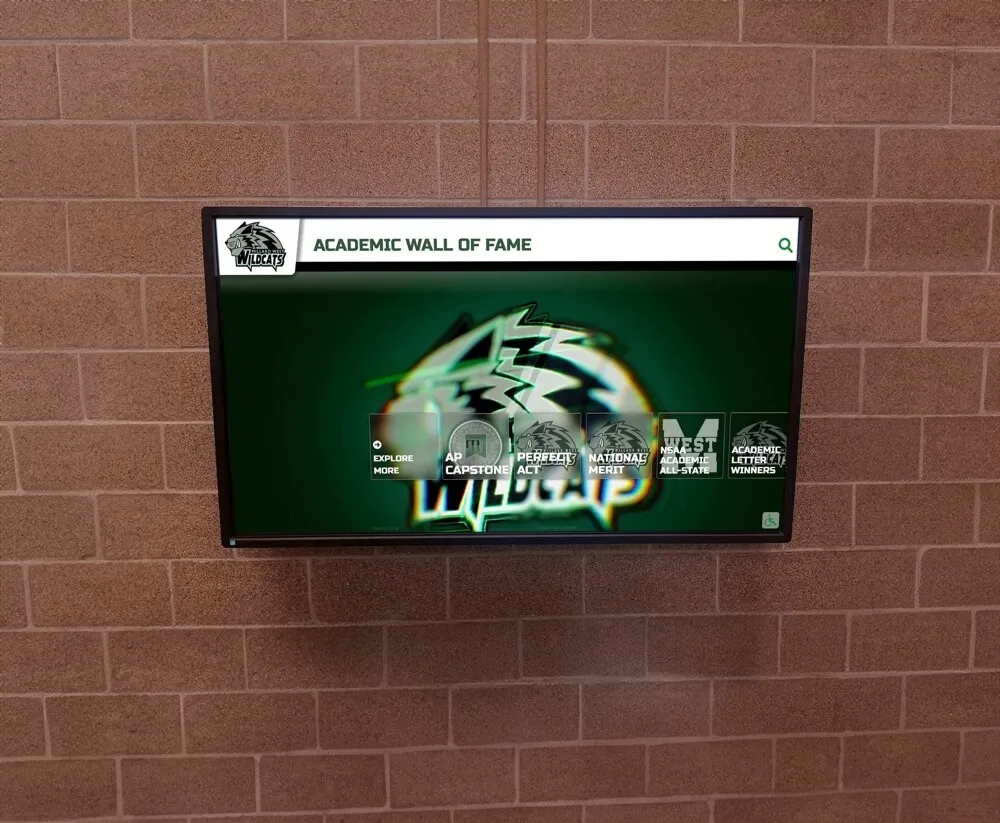
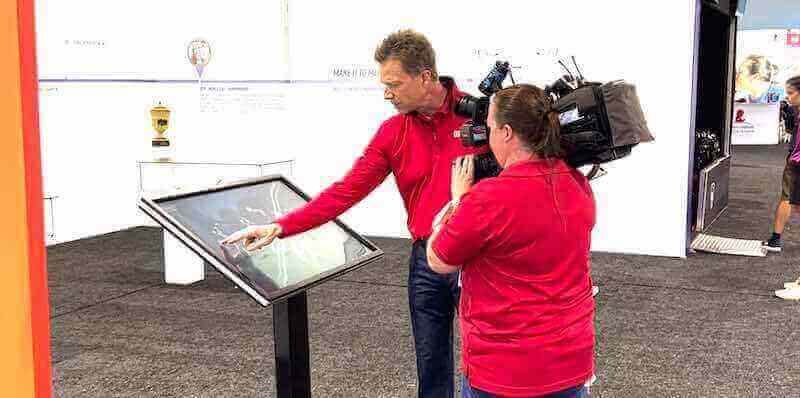
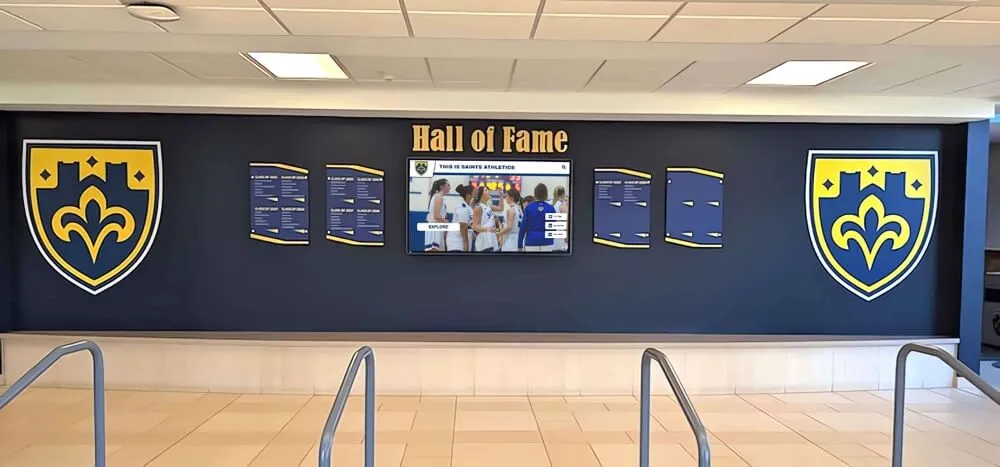
Permanent recognition installations provide design inspiration while offering year-round platforms celebrating achievements featured in parade floats
Weight Distribution and Structural Integrity
Professional float builders emphasize proper engineering preventing mid-parade disasters:
- Center-heavy design: Placing heaviest elements (generators, sound equipment, structural supports) low and centered prevents tipping
- Secure attachment: All decorative elements need multiple connection points withstanding wind, movement, and vibration
- Visibility considerations: Ensure drivers maintain clear sight lines and mirrors aren’t blocked
- Height restrictions: Verify parade route doesn’t include low bridges, power lines, or overhangs requiring height limits
Schools should conduct test drives before parade day, checking for loose elements, excessive bouncing, and visibility issues during actual driving conditions.
Material Selection and Decorating Techniques
The materials you choose dramatically impact visual effect, construction time, and budget requirements.
Traditional Float Decoration Materials
Time-tested materials provide reliable results:
Chicken Wire and Tissue Paper
- Classic technique creating textured, colorful surfaces covering large areas
- Relatively inexpensive but extremely labor-intensive
- Requires advance planning (typically 30-50 volunteer hours for medium float)
- Creates professional appearance when executed properly
Corrugated Cardboard Construction
- Versatile material for creating props, structures, and dimensional elements
- Free or low-cost when sourcing from appliance stores and moving companies
- Easily shaped, painted, and assembled by student volunteers
- Less weather-resistant; requires backup plans for rain
Fabric and Banner Materials
- Faster coverage than tissue paper techniques
- Creates cleaner, more modern aesthetic
- Higher upfront material cost but significant time savings
- Reusable for future floats when properly stored
Paint and Foam Board
- Excellent for signage, lettering, and graphic elements
- Weather-resistant with appropriate paint selection
- Quick application compared to tissue paper methods
- Provides clean, readable messaging visible from distance
The most impressive floats typically combine multiple material types—chicken wire for base coverage, cardboard for dimensional props, fabric for accent areas, and painted signage for messaging.
Modern Materials and Innovation
Contemporary float builders increasingly incorporate newer materials and techniques:
- LED lighting systems: Battery-powered LED strips and spotlights creating dramatic effects during evening parades
- Inflatable elements: Commercial or custom inflatables adding impressive scale without weight or construction complexity
- Vinyl wraps and printed graphics: Professional-quality graphics printed on vinyl banner material
- Projection mapping: Compact projectors displaying animated content on float surfaces
- Digital screens: Small LED screens showing video content, photos, or recognition messages
Schools incorporating interactive touchscreen technology on floats often repurpose equipment from lobby displays, creating connections between parade celebrations and permanent recognition installations.
Timeline and Volunteer Management
Successful float construction requires realistic scheduling and effective volunteer coordination.
Construction Timeline Planning
Working backward from parade day, effective timelines typically include:
6-8 Weeks Before Parade
- Theme finalization and design approval
- Budget confirmation and fundraising completion
- Platform/trailer reservation
- Major material ordering
4-5 Weeks Before
- Structural frame construction
- Large prop building
- Base platform preparation
- Sound/electrical system planning
2-3 Weeks Before
- Surface decoration (tissue paper, fabric, painting)
- Detail work and finishing
- Signage creation and installation
- Lighting and technology integration
Final Week
- Final assembly and decoration completion
- Test drive and safety verification
- Touch-up work and repairs
- Participant rehearsal
Rush timelines create stress and compromise quality. Schools new to float building should add 1-2 weeks to these estimates, while experienced programs may compress slightly.
Volunteer Recruitment and Task Management
Large-scale construction requires coordinated volunteer efforts:
- Leadership structure: Designate float captain, construction manager, decoration coordinator, and safety officer
- Skill-based assignments: Match volunteers with appropriate tasks (artistic for painting, technical for electrical, physical for construction)
- Shift scheduling: Offer multiple work sessions accommodating different availability
- Supervision ratios: Maintain adequate adult supervision for student volunteers (1:8-10 ratio recommended)
- Progress documentation: Photograph construction stages both for memory and for promoting future participation
Schools maintaining strong volunteer culture often discover float construction creates community-building opportunities extending well beyond homecoming week itself.
Interactive Elements That Elevate Float Impact
Static displays have their place, but interactive components create memorable experiences distinguishing your float from others.
Incorporating Live Performance and Movement
Dynamic elements transform floats from displays into experiences.
Performance Integration Strategies
Live performances add energy unavailable through static decoration:
- Musical performances: Band sections, acoustic groups, or vocal ensembles performing school songs
- Dance routines: Choreographed performances by dance teams, cheerleaders, or spirit squads
- Mascot appearances: Costumed mascots interacting with crowd and leading cheers
- Theatrical vignettes: Brief dramatic scenes telling school history or achievement stories
Performance elements require adequate space, secure positioning preventing falls, and contingency plans if performers can’t participate at the last minute.
Movement and Mechanical Elements
Kinetic components catch attention and create visual interest:
- Rotating platforms: Turntable bases allowing performers or props to face different crowd sections
- Articulated props: Movable elements (waving hands, opening doors, raising flags) operated by volunteers
- Float-to-crowd interaction: Extending elements (banners, signs, mascot arms) reaching toward spectators
- Coordinated group movement: Synchronized actions by float participants creating visual patterns
Mechanical elements need thorough testing ensuring reliable operation and safety during extended parade routes.
Technology Integration for Modern Recognition
Digital components extend float impact beyond the immediate parade experience.
Digital Display Integration
Small LED screens or projection systems create dynamic visual elements:
- Achievement montages: Rotating displays showing sports highlights, academic achievements, and student accomplishments
- Social media feeds: Live streaming parade-related posts using event hashtags
- Historical timelines: Animated graphics showing school history and milestone moments
- Interactive polls: Crowd members voting on screen-displayed questions via phones
- Recognition scrolls: Continuous displays listing achievement categories, honor roll students, and participant names
Schools investing in permanent digital recognition systems often repurpose lobby display equipment for parade use, then feature parade photos on those same systems throughout the year.
Documentation and Content Creation
Treating float construction and parade participation as content creation opportunities amplifies impact:
- Behind-the-scenes documentation: Time-lapse videos showing float construction process
- Participant interviews: Video spotlights featuring volunteers explaining their contributions
- Live streaming: Broadcasting parade route on school social channels for remote audience
- Photo opportunities: Designated photo backdrops encouraging spectator social sharing
- Post-parade compilation: Highlight videos featuring best moments and crowd reactions
This content serves multiple purposes—preserving memories, promoting school culture to prospective families, and providing material for future fundraising and recognition initiatives.
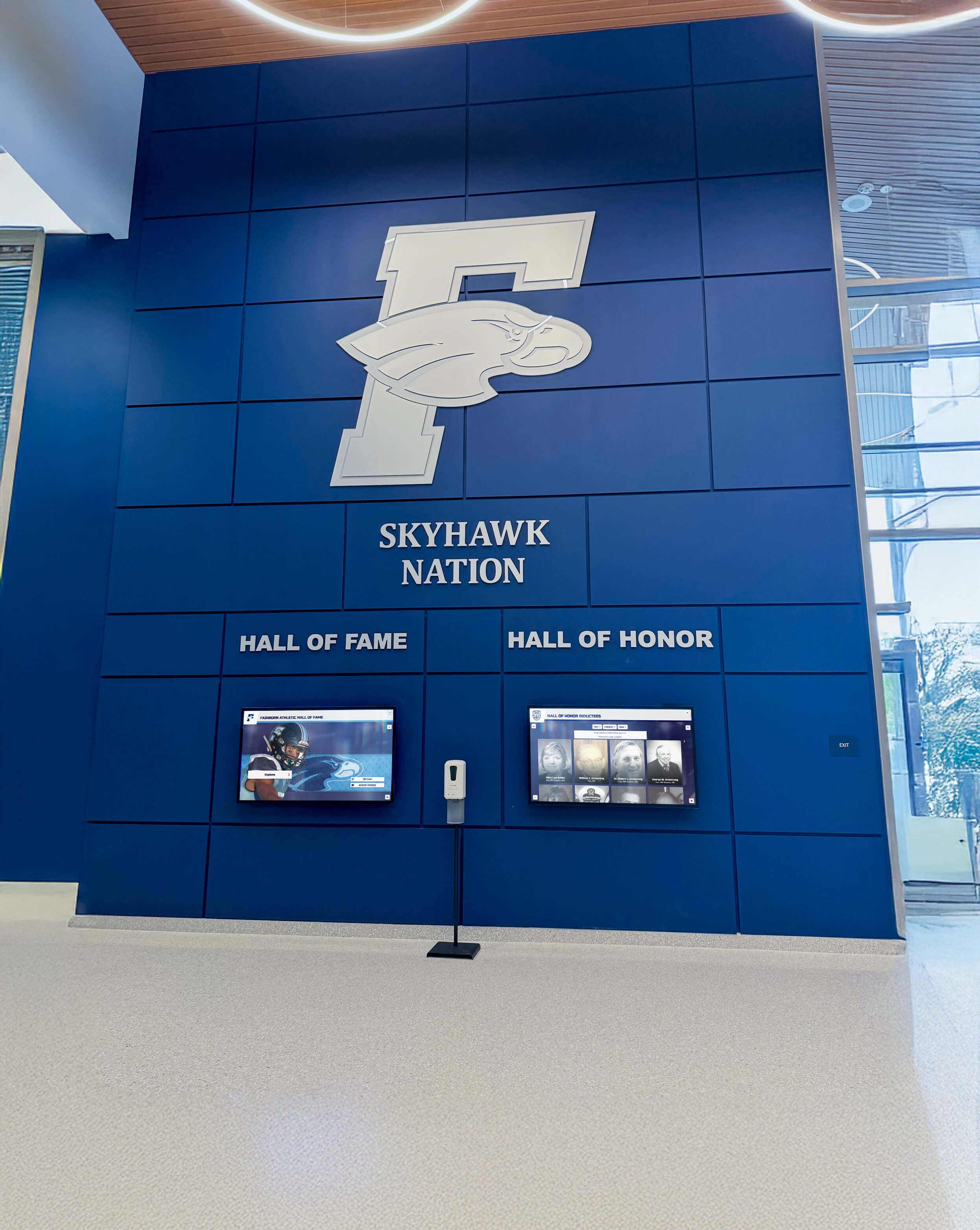
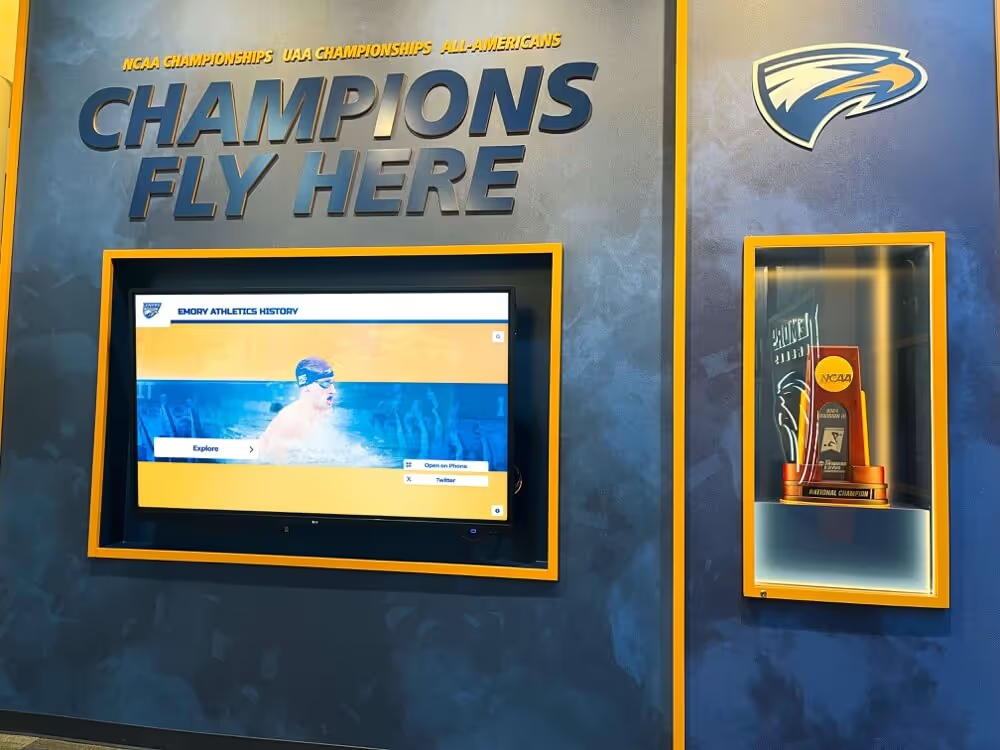
Cohesive branding across parade floats and permanent installations creates consistent recognition culture throughout school facilities
Connecting Parade Celebrations to Year-Round Recognition
The most strategic schools view homecoming floats not as isolated events but as components of comprehensive recognition systems celebrating achievements throughout the year.
Extending Homecoming Spirit Beyond Single Events
Parade participation and achievement celebration deserve recognition extending past homecoming weekend.
Post-Parade Recognition Strategies
Schools maximize homecoming investment through ongoing acknowledgment:
- Lobby display installations: Featuring parade photos, construction documentation, and participant recognition in high-traffic school areas
- Achievement archives: Documenting float themes, participant lists, and award wins in searchable digital systems
- Annual tradition documentation: Building institutional knowledge and inspiration for future float committees
- Alumni connection points: Featuring homecoming celebrations in alumni communications and reunion materials
Many schools discover that comprehensive digital recognition platforms transform single-event celebrations into ongoing engagement opportunities connecting current students, staff, alumni, and community members around shared institutional pride.
Creating Sustainable Recognition Systems
Rather than treating each homecoming as a fresh start, successful programs build cumulative recognition cultures:
- Tradition documentation: Maintaining parade theme history and evolution records
- Volunteer recognition: Honoring construction teams and organizers through permanent displays
- Theme development resources: Creating idea libraries future committees can reference
- Connection to permanent displays: Featuring homecoming moments alongside athletic achievements, academic honors, and other school distinctions
Digital Recognition Platforms for Schools
Modern technology enables recognition systems that were impossible a generation ago, creating dynamic platforms celebrating achievements across categories.
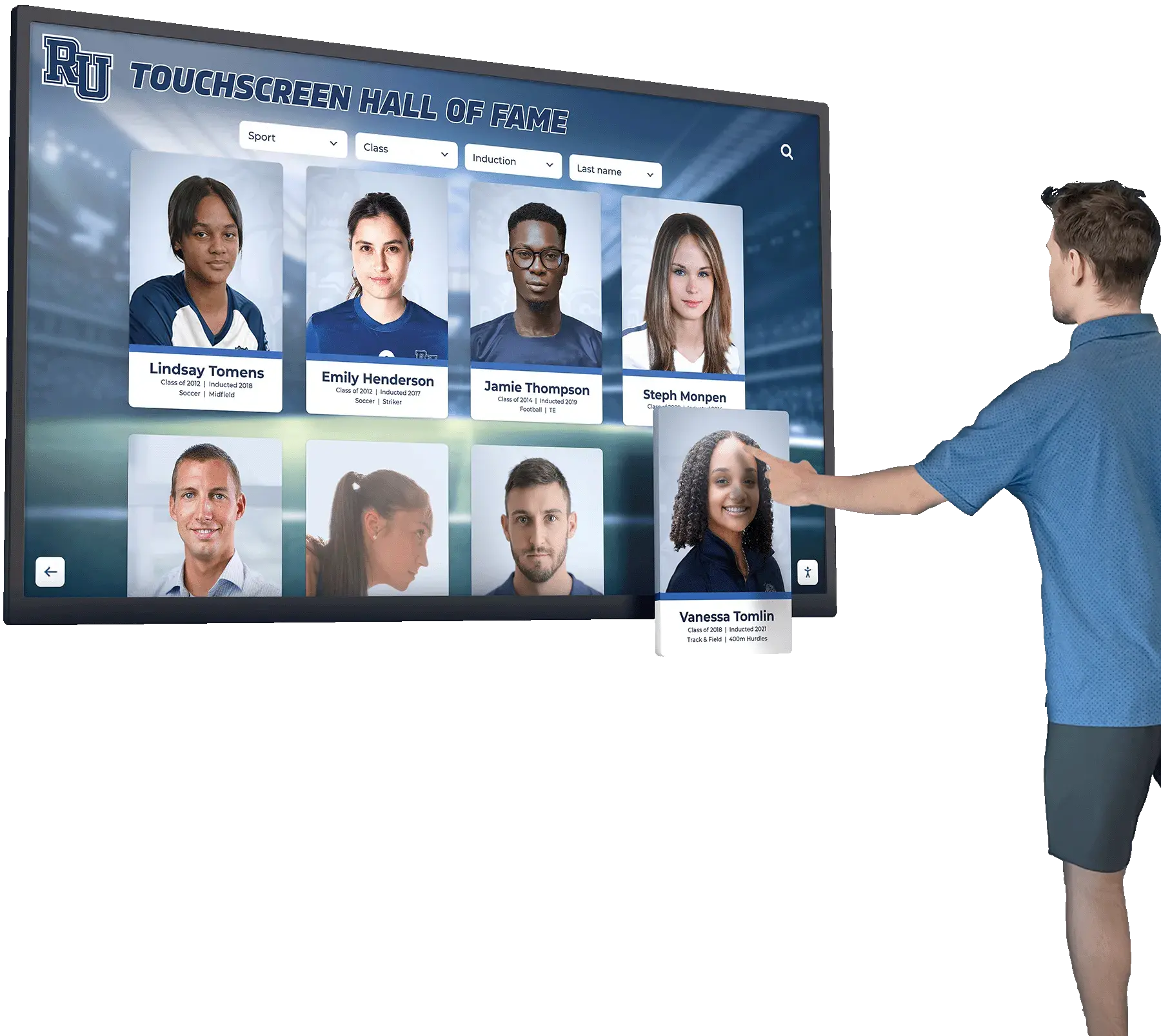
Touchscreen Recognition Displays
Interactive digital installations in school lobbies, athletic facilities, and common areas provide powerful platforms for ongoing celebration:
Key Capabilities
- Multi-category recognition: Showcasing athletic, academic, arts, service, and participation achievements through single system
- Dynamic updates: Adding new achievements, photos, and honorees without physical construction
- Interactive exploration: Allowing students, visitors, and alumni to browse achievement archives and discover recognition stories
- Event integration: Featuring homecoming celebrations, championship victories, and milestone moments as they occur
- Permanent accessibility: Ensuring recognition remains visible and accessible rather than existing only in trophy cases or storage
Practical Implementation
Schools implementing digital recognition systems typically discover multiple strategic benefits beyond immediate display purposes:
- Recruiting advantages: Prospective students and families seeing comprehensive achievement celebration during campus visits
- Alumni engagement: Providing recognition access for graduates returning to campus or exploring virtually
- Community pride: Creating visible demonstrations of institutional excellence for parent events and community functions
- Fundraising support: Showcasing impact and achievement when soliciting booster club support and donor contributions
- Cultural reinforcement: Making achievement celebration central to daily school experience rather than reserved for special events
Organizations like Rocket Alumni Solutions specialize in helping schools implement these comprehensive recognition platforms, creating systems where homecoming parade celebrations connect naturally with championship acknowledgment, academic honor rolls, distinguished alumni features, and community achievement recognition—all accessible through intuitive touchscreen interfaces that invite exploration and celebrate the full breadth of school excellence.
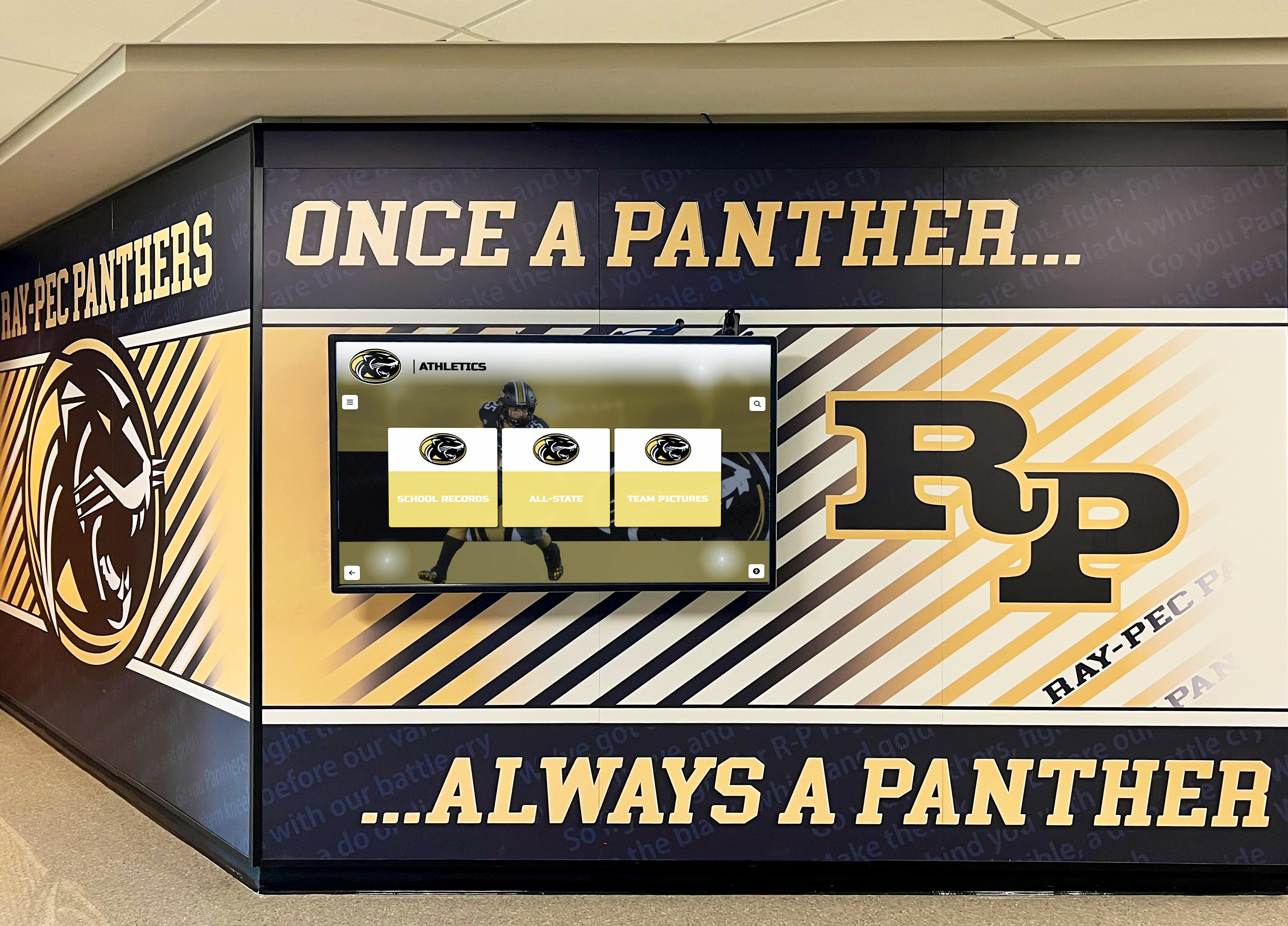
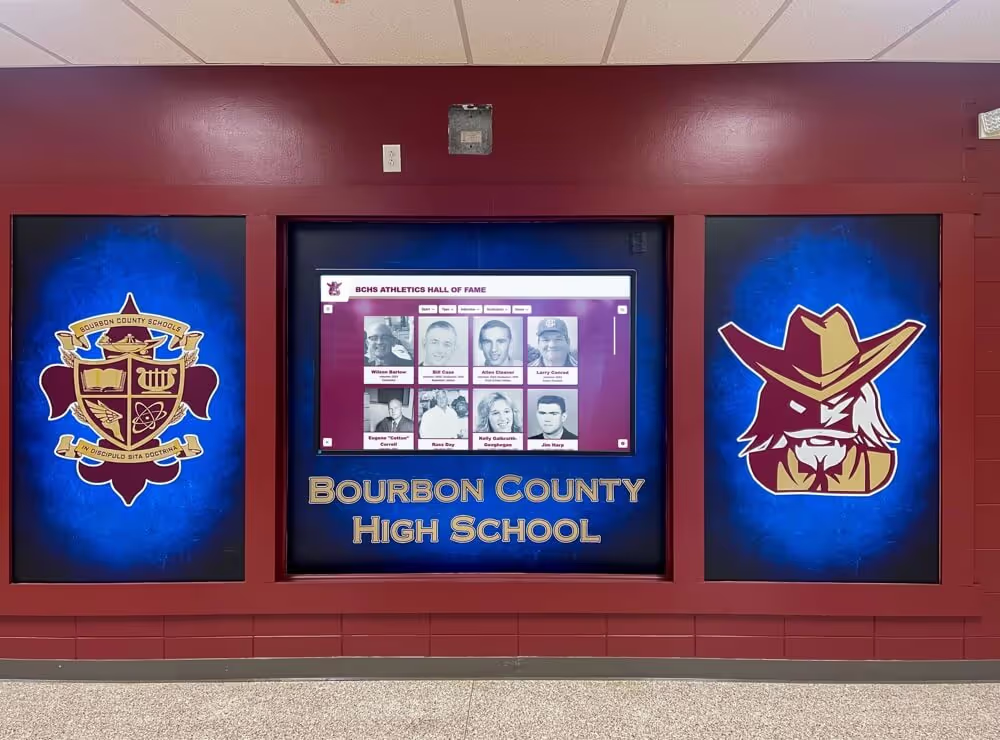
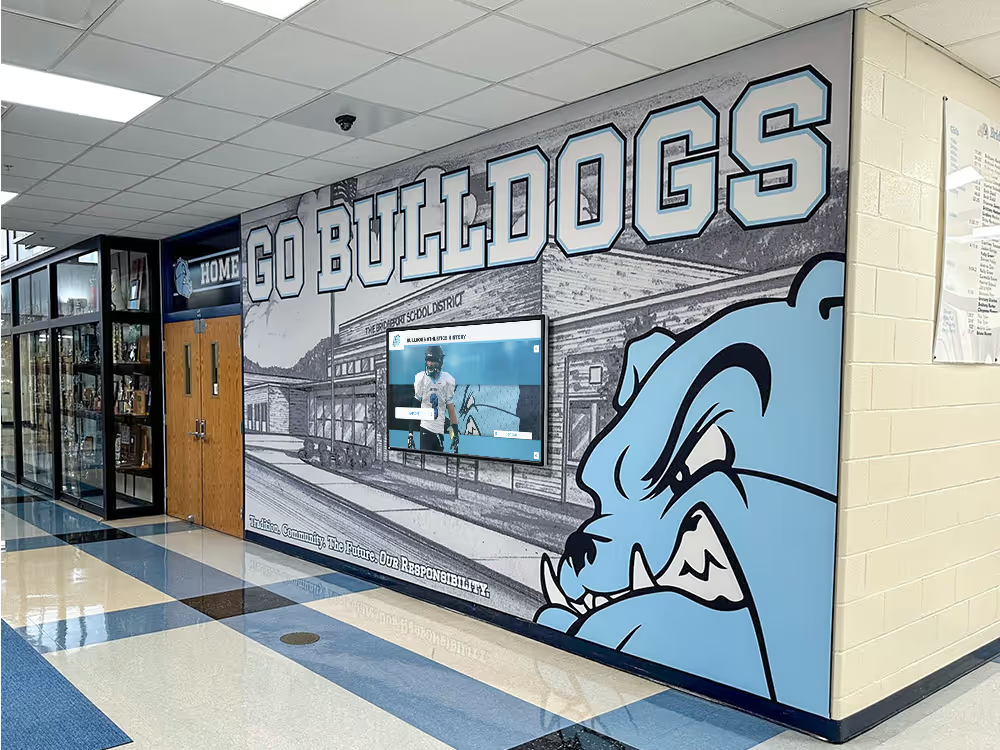
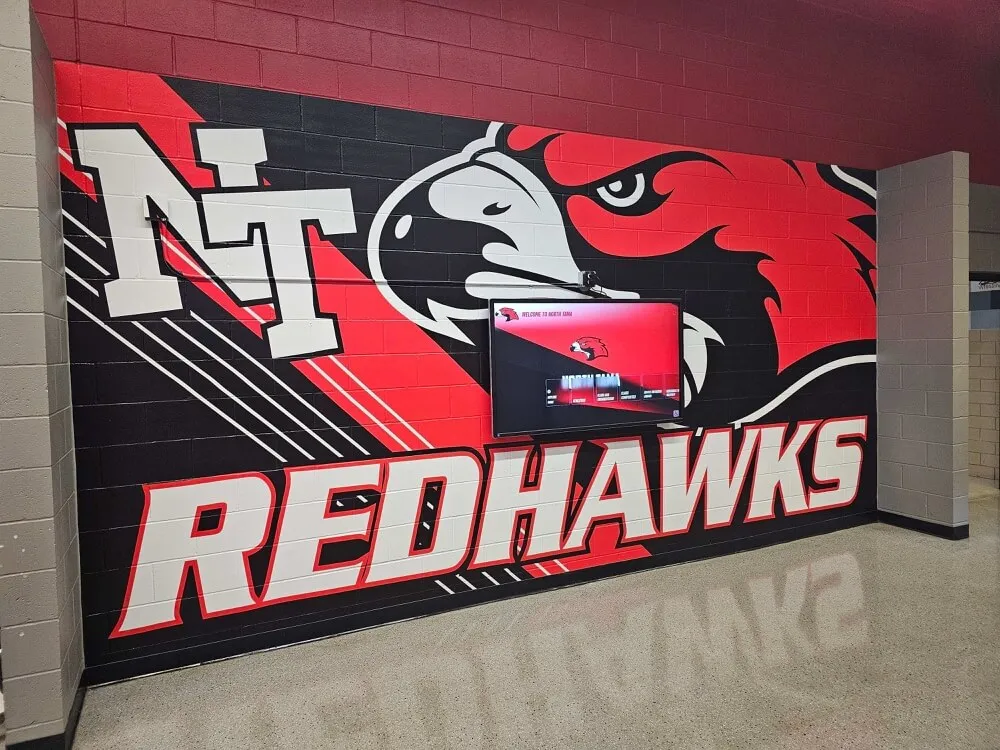
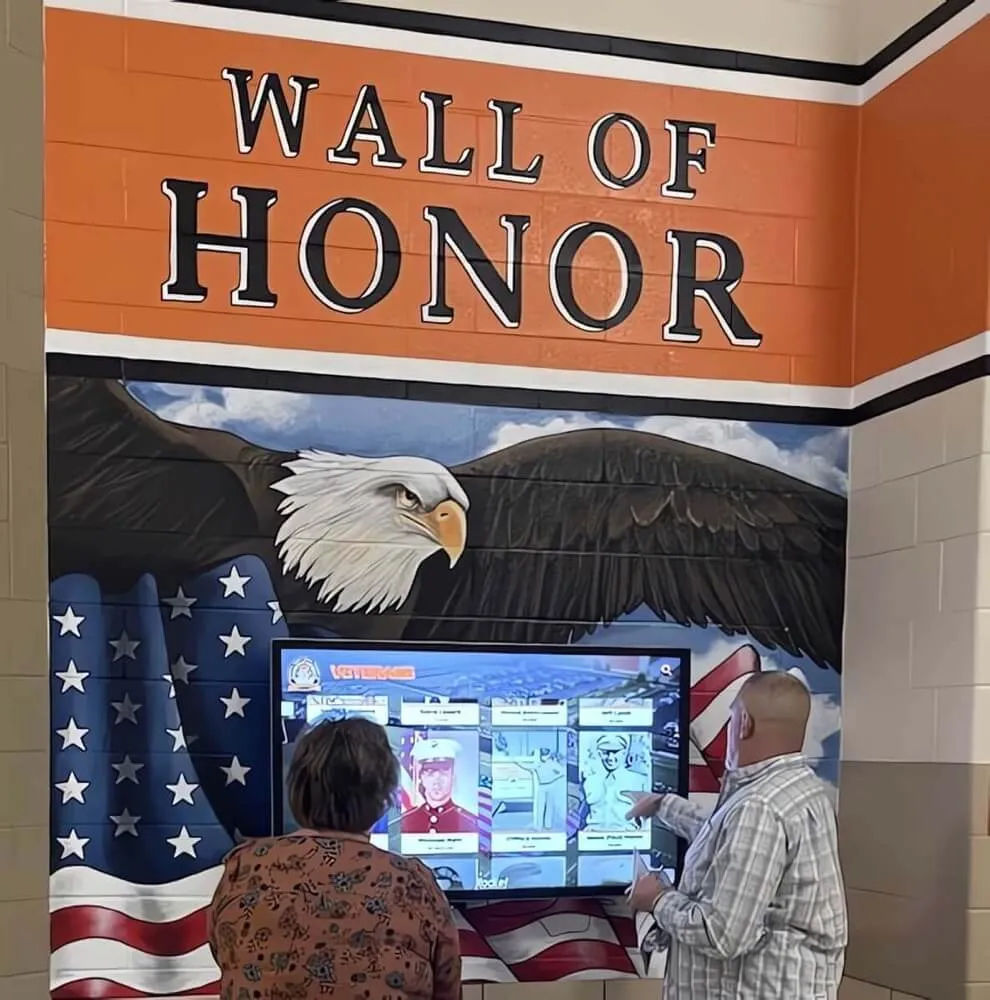
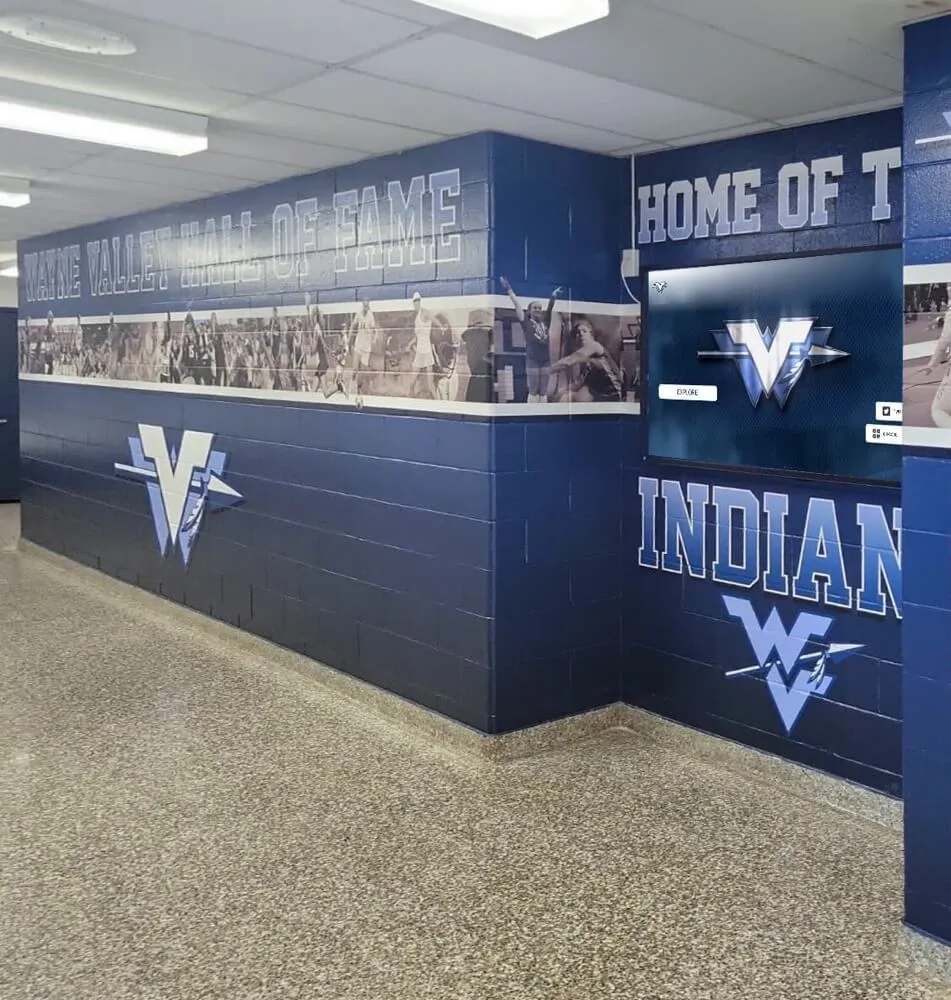
Combining traditional murals with digital displays creates flexible recognition systems celebrating achievements from homecoming celebrations to championship seasons
Safety and Logistics Management
Creating memorable parade experiences requires attention to practical safety and operational details preventing problems during events.
Safety Requirements and Best Practices
Parade participation involves unique risks requiring proactive management.
Essential Safety Protocols
Schools should implement comprehensive safety frameworks:
Participant Safety Standards
- Secure seating with railings preventing falls during movement
- No standing riders on moving floats (most parade organizers prohibit this)
- Minimum age requirements for float riders (typically 12+ unless seated with adult supervision)
- Emergency communication plan allowing float crew to contact parade organizers
- First aid kit and trained responder on or near float
Construction Safety Requirements
- Stable structural design preventing collapse or tipping
- Fire-resistant materials for major structural components
- Electrical system inspection by qualified individuals
- Secure prop attachment preventing detachment during movement
- Weight limits observed based on trailer/platform capacity
Operational Safety Procedures
- Designated safety officer conducting pre-parade inspection
- Driver meeting covering route, speed limits, and emergency procedures
- Spotter assigned to assist driver with visibility and navigation
- Participant briefing explaining safety rules and emergency protocols
- Weather contingency plans addressing rain, heat, or wind concerns
Many insurance policies require documented safety procedures and inspections before covering parade participation. Verify coverage and requirements well before event day.
Parade Day Logistics and Problem Prevention
Thorough preparation prevents common parade day complications.
Essential Preparation Checklist
Successful parade participation requires coordinating numerous details:
Pre-Parade Assembly
- Arrival time and staging location confirmation
- Participant check-in and attendance verification
- Float position number and order confirmation
- Final safety inspection completion
- Candy/promotional item distribution (if permitted)
- Participant costume and uniform verification
During Parade Operations
- Speed maintenance appropriate for walkers
- Designated distance from preceding and following floats
- Participant hydration and rest breaks for long routes
- Photo documentation from ground level
- Social media updates with approved hashtags
Post-Parade Procedures
- Float disassembly location and timing
- Equipment return (trailer, sound system, lights)
- Material recycling or storage for future use
- Participant transportation arrangement
- Photo collection and sharing system
Creating detailed run-sheets distributed to all volunteers and participants reduces confusion and ensures everyone understands their responsibilities.
Budget-Friendly Float Ideas That Still Impress
Outstanding floats don’t require unlimited budgets—creativity and strategic planning deliver impressive results at accessible price points.
Low-Cost Material Alternatives
Smart substitutions reduce expenses without sacrificing visual impact.
Creative Material Sourcing
Resourceful committees discover multiple cost-saving approaches:
- Cardboard collection campaigns: Request donations from appliance stores, furniture retailers, and moving companies
- Fabric remnant utilization: Contact fabric stores for end-of-bolt donations and discount remnants
- Natural material integration: Incorporate hay bales, cornstalks, pumpkins, and seasonal elements (often donated by parent farms)
- Recyclable material transformation: Use newspapers, magazines, and packaging materials for papier-mâché and creative applications
- Borrowed equipment: Request sound system, lighting, and tool loans from parents, community members, or local businesses
Schools maintaining strong community relationships often find local businesses eager to support through material donations receiving parade route recognition.
Emphasizing Design Over Expense
Thoughtful design creates impact independent of budget size.
High-Impact, Low-Cost Design Strategies
These approaches maximize visual effect while controlling costs:
- Color blocking: Bold, simple color schemes create striking impressions without complex decoration
- Vertical elements: Height creates drama—tall props and flags attract attention despite simple construction
- Lighting effects: Inexpensive LED strips and spotlights create sophisticated looks, especially for evening parades
- Typography focus: Oversized letters and clean messaging provide clarity and impact
- Repetition patterns: Repeated simple elements (flags, pennants, symbols) create visual rhythm and fullness
Simple concepts executed excellently consistently outperform complex designs executed poorly. Committees should prioritize execution quality over elaborate plans exceeding available resources.

Strong visual design principles apply whether creating parade floats or permanent recognition installations celebrating school tradition
Measuring Success and Building on Experience
Evaluating outcomes helps schools improve future efforts while celebrating achievement.
Post-Event Evaluation and Documentation
Systematic assessment identifies strengths and improvement opportunities.
Success Measurement Categories
Comprehensive evaluation considers multiple dimensions:
- Participation metrics: Volunteer numbers, construction hours, student involvement levels
- Financial performance: Budget adherence, fundraising results, cost per impact hour
- Audience engagement: Crowd response, social media reach, photo shares, media coverage
- Award recognition: Parade competition results (if applicable), community feedback, peer recognition
- Safety record: Incident reports, near-miss documentation, safety protocol effectiveness
Schools should document both quantitative metrics and qualitative feedback, preserving institutional knowledge informing future planning.
Creating Organizational Memory
Future committees benefit from comprehensive documentation:
- Construction photo archives: Documenting building process, techniques, and staging progression
- Budget detail preservation: Maintaining expense records showing what succeeded and what missed projections
- Volunteer feedback collection: Surveying participants about experience, challenges, and suggestions
- Timeline retrospective: Noting what timing worked and what needed adjustment
- Materials inventory: Recording remaining supplies available for future use
This documentation proves invaluable when new volunteers join planning committees, preventing repeated mistakes while building on successful approaches.
Building Homecoming Tradition Through Consistent Recognition
The most beloved homecoming traditions develop through sustained commitment and evolution over time.
Creating Sustainable Recognition Culture
Schools distinguished by exceptional spirit and recognition systems share common approaches:
- Consistent celebration: Maintaining regular recognition rhythms rather than sporadic attention
- Inclusive participation: Creating diverse opportunities for student involvement across interests and abilities
- Achievement diversity: Celebrating excellence across academics, athletics, arts, service, and leadership
- Alumni connection: Involving graduates in current celebrations while honoring their contributions
- Modern platform integration: Using technology to make recognition accessible, dynamic, and engaging
Many schools discover that implementing comprehensive digital recognition systems transforms how communities experience achievement celebration—making homecoming floats just one component of year-round recognition culture that inspires current students while connecting alumni to their institutional legacy.
Conclusion: Creating Parade Experiences That Last
Outstanding homecoming parade floats accomplish far more than entertaining spectators for a few minutes along Main Street. They demonstrate school values, celebrate community achievement, create shared memories spanning generations, and provide visible symbols of institutional pride and excellence. When integrated thoughtfully with permanent recognition systems and consistent celebration culture, parade floats become touchpoints in comprehensive recognition strategies that inspire students, engage alumni, and build the sense of belonging that defines truly special school communities.
Whether you’re planning your first homecoming float or your fiftieth, approaching the project with clear objectives, creative vision, practical planning, and connection to broader recognition goals ensures your school creates experiences that genuinely stand out—not just during homecoming weekend, but throughout the year and across generations of school community members.