Every fall, schools across the country crown their homecoming royalty—and the titles those students carry matter more than many people realize. Homecoming court titles set the tone for the entire ceremony, signal the school’s values around inclusion and tradition, and determine how students are introduced, celebrated, and remembered long after the halftime lights go down.
Whether your school follows a classic King and Queen structure, recognizes a full senior court with grade-level representatives, or has updated its titles to reflect a more inclusive student body, understanding the landscape of homecoming court titles helps you plan a ceremony students genuinely feel proud to be part of. This guide walks through every common title structure, explains how modern schools are updating their royal court language, and explores how schools are using digital recognition to preserve these moments permanently.
The homecoming court is one of the most visible recognition traditions in American secondary education. Getting the titles right—and the recognition that follows—is worth the time it takes to think carefully about structure, ceremony, and lasting impact.

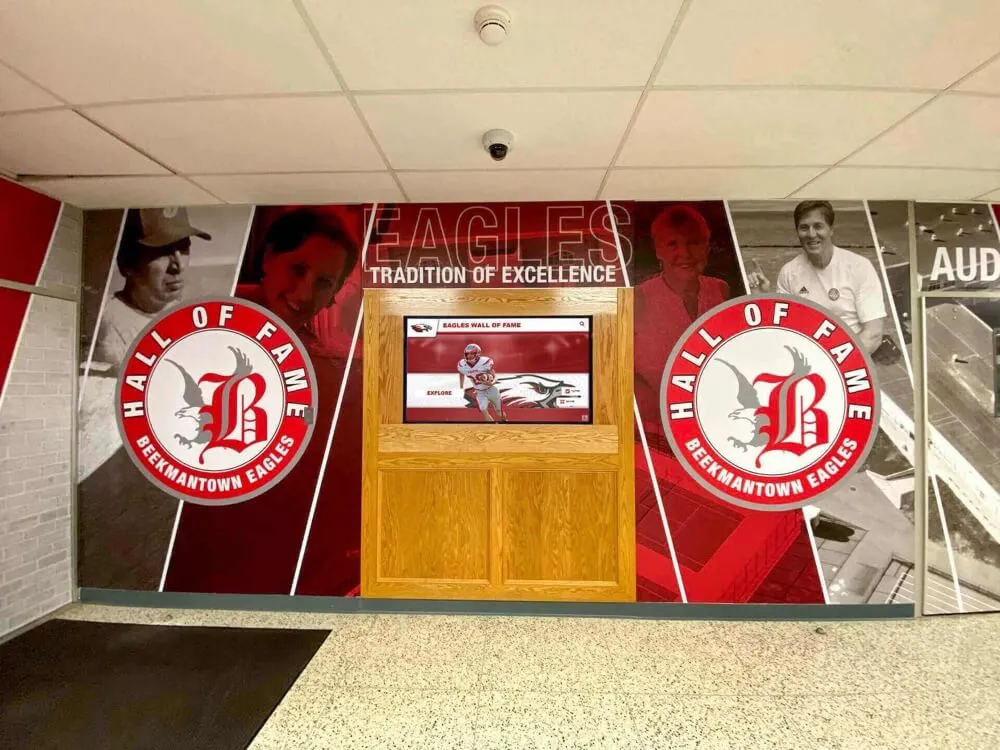
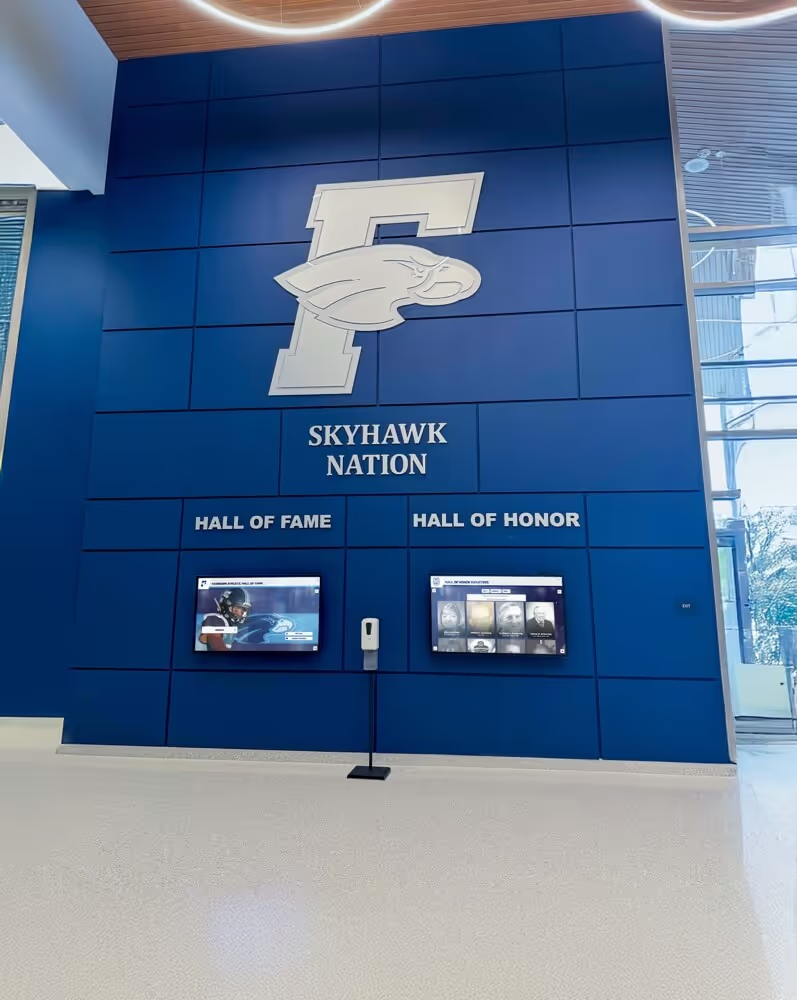
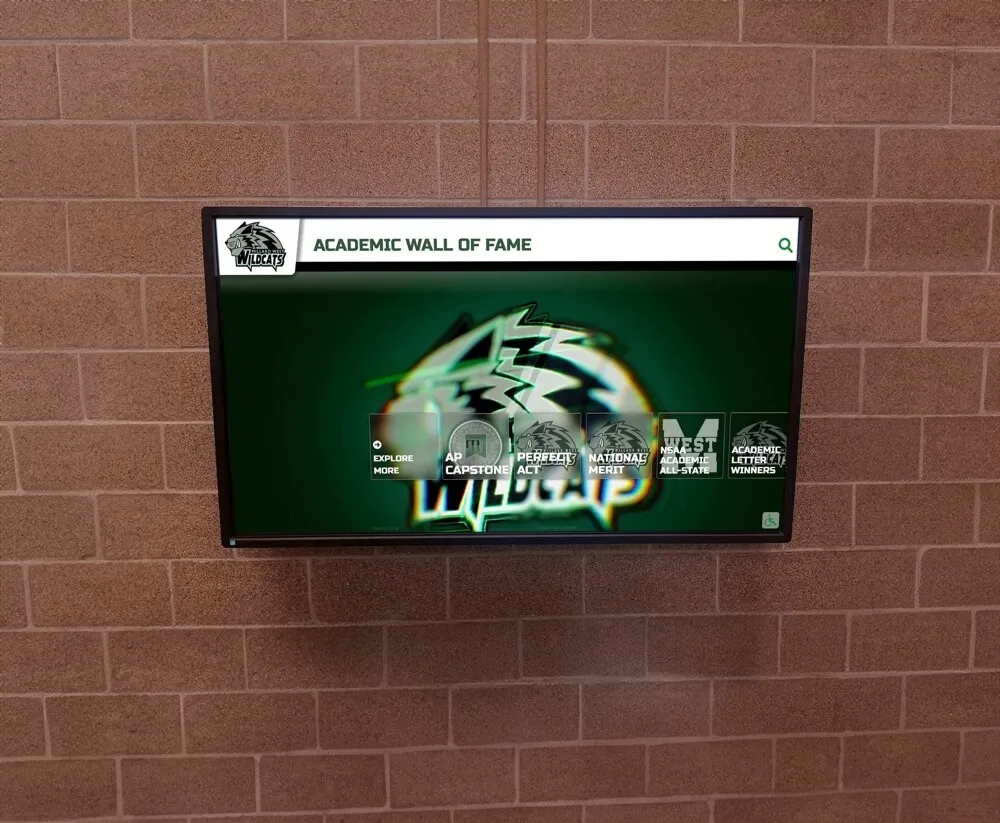
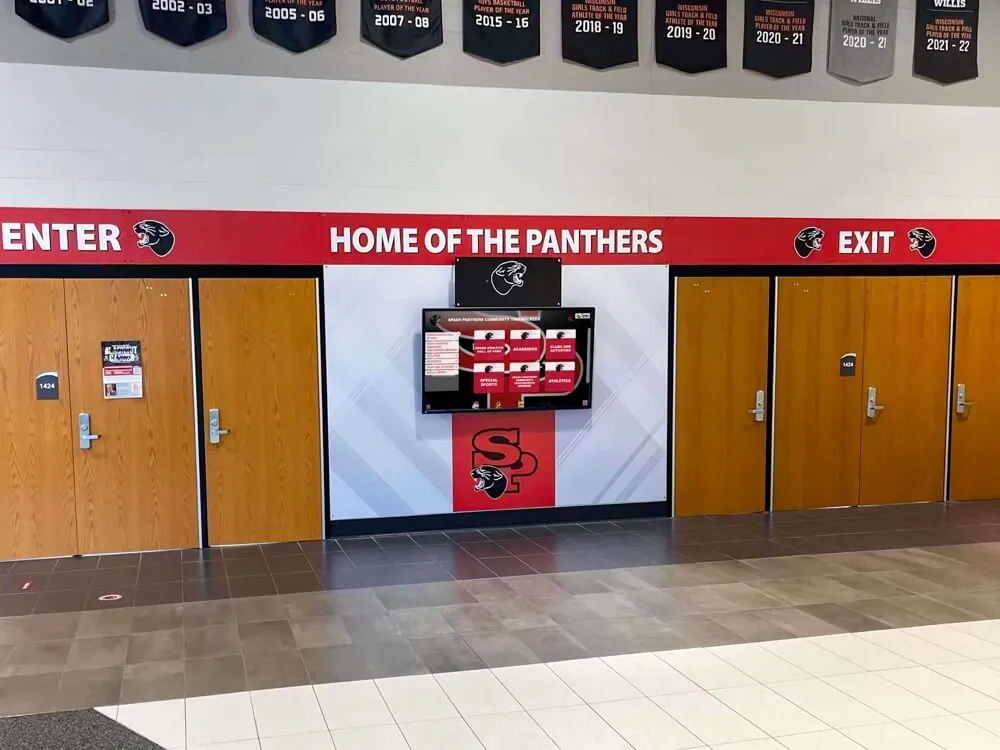
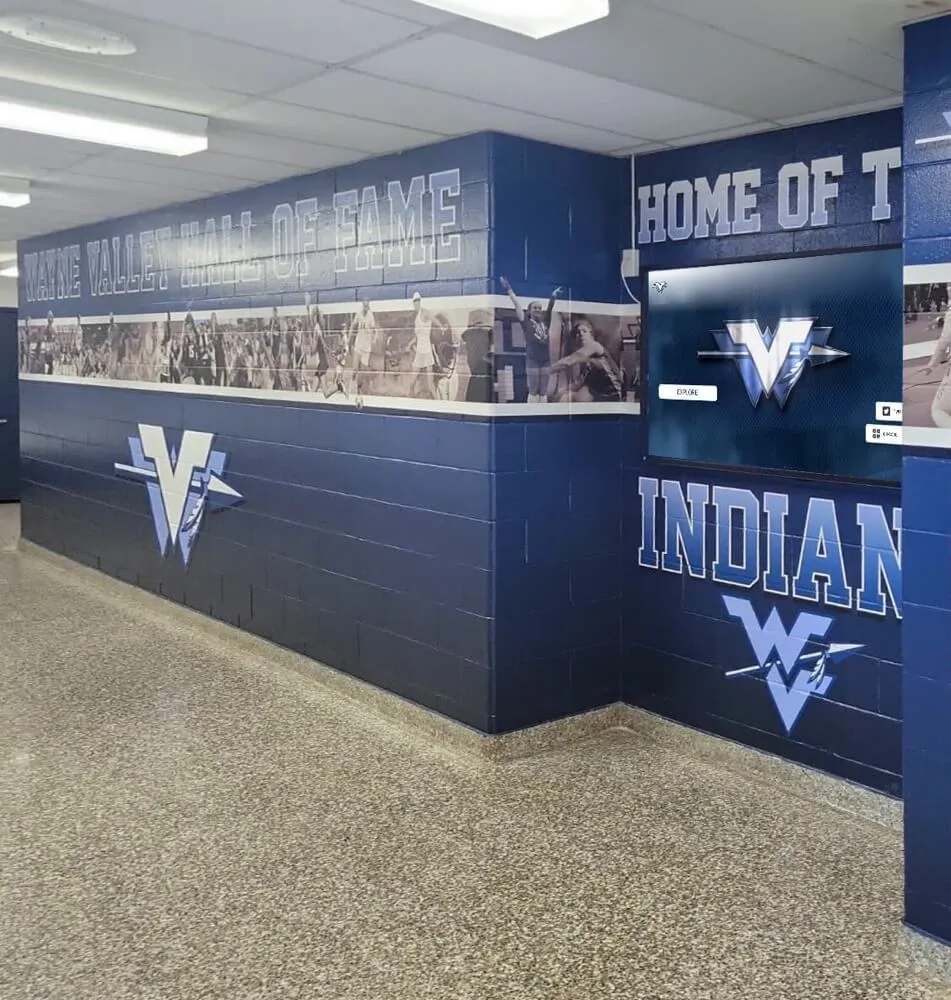
School lobbies become gathering points for recognition during homecoming week—and year-round for alumni who want to revisit their royal court history
What Is a Homecoming Court?
A homecoming court is the group of students selected by their peers—or by a combination of peer votes, applications, and faculty input—to represent the school during homecoming week festivities. Court members are introduced at the homecoming football game halftime, often ride in the parade, and are recognized at the homecoming dance.
The royal court typically includes a crowned pair (or single recipient in some structures) who hold the top titles, surrounded by a broader group of nominees and attendants. The exact homecoming court titles used for each position shape every aspect of the ceremony: how students are introduced on the PA system, what sashes or crowns they receive, how their names appear in the program, and how they’re archived in school records and yearbooks.
Traditional Homecoming Court Titles
Most schools still use some version of the traditional royal court structure that has been part of homecoming culture for decades. These titles are familiar, carry cultural weight, and communicate status within the ceremony clearly.
The Top Tier: King and Queen
Homecoming King and Homecoming Queen are the most recognized homecoming court titles in American schools. They represent the culminating recognition of the court election—the two students (traditionally one male, one female) who receive the most votes from their peers are crowned during halftime or at the dance.
The Homecoming King and Queen typically:
- Receive crowns or tiaras as part of the ceremony
- Are escorted during halftime presentations
- Lead the first dance at the homecoming dance
- Appear prominently in yearbook coverage and school publications
- Are archived in school recognition systems as part of annual traditions
These titles carry significant social recognition and are often among the most anticipated announcements of the homecoming week.
The Court Nominees: Princes and Princesses
Below the crowned King and Queen, most courts include a tier of nominees who were finalists in the election. These students are traditionally titled Homecoming Prince and Homecoming Princess.
Princes and Princesses are presented during halftime alongside the King and Queen, receive sashes or flowers, and participate in all major court ceremonies. In many schools, Princes and Princesses are drawn from multiple class years, while the King and Queen titles are reserved for seniors.
Grade-Level Court Representatives
Schools with larger student bodies often extend the homecoming court across all four grade levels. Each class selects representatives who carry grade-specific homecoming court titles:
Senior Court: Senior Duke and Duchess, Senior Attendants, or simply Senior Court Members Junior Court: Junior Duke and Duchess, Junior Prince and Princess, or Junior Attendants Sophomore Court: Sophomore Attendants or Sophomore Representatives Freshman Court: Freshman Attendants or Freshman Representatives
This structure ensures that underclassmen are represented in the celebration, builds school-wide investment in the homecoming tradition, and gives younger students a visible role before they reach senior year. It also creates a longer recognition moment during halftime, as all grade-level representatives are introduced in sequence before the crowned royalty is announced.
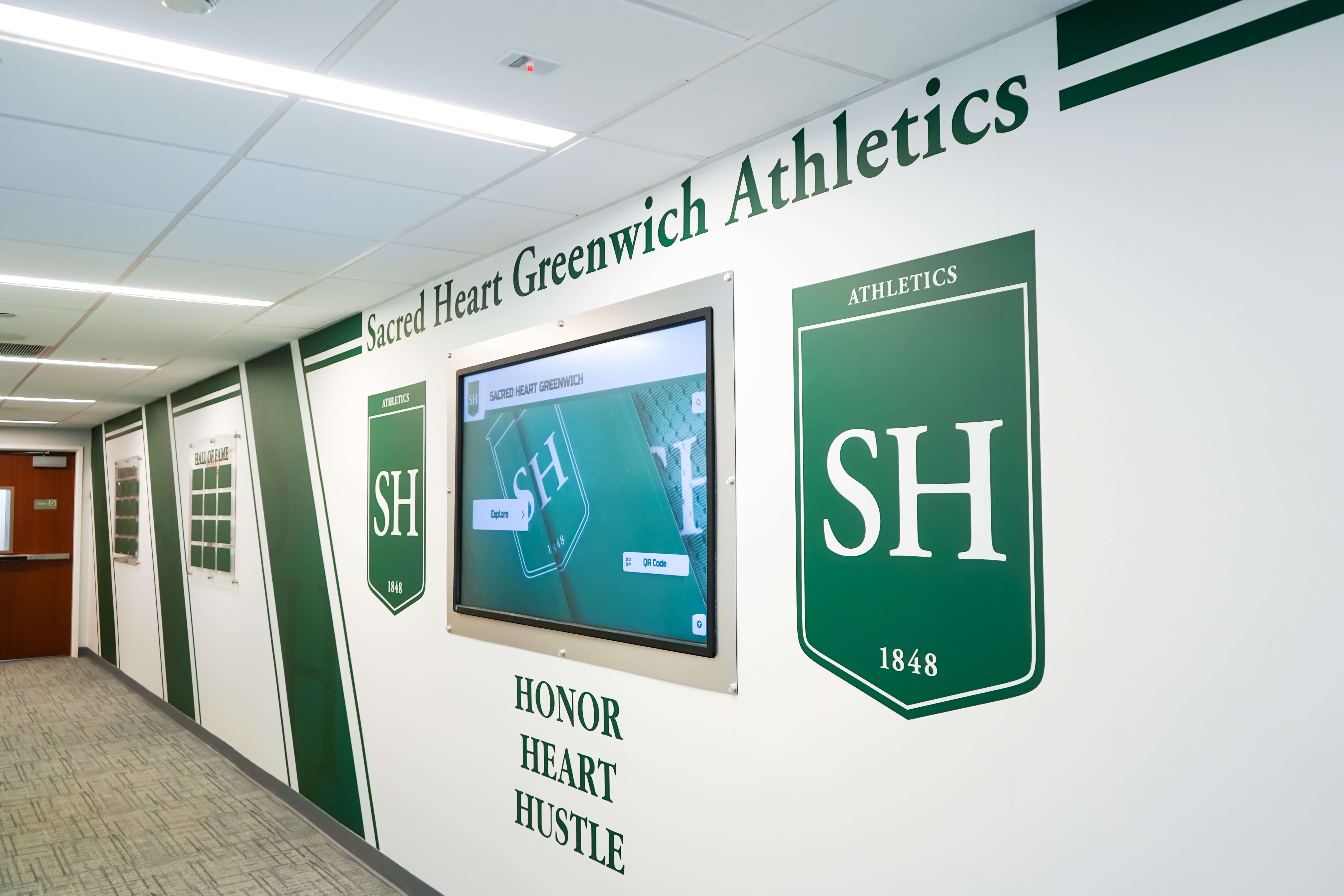
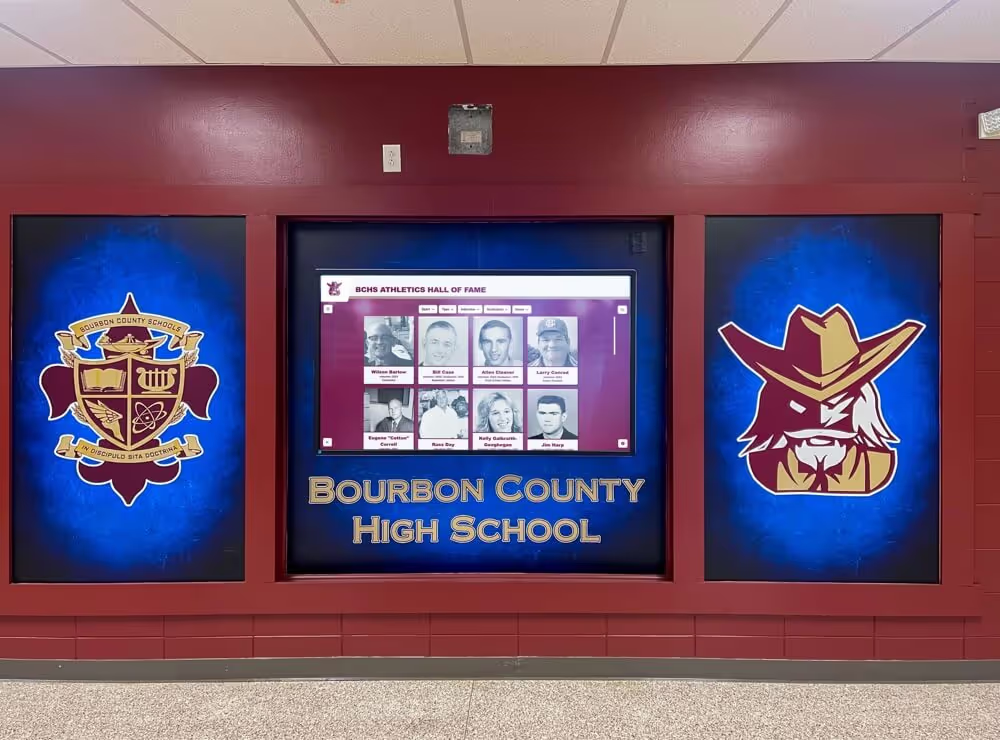
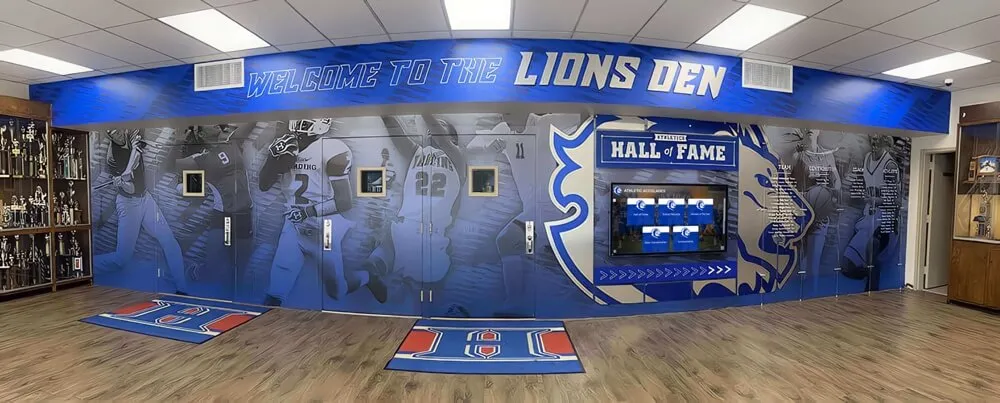
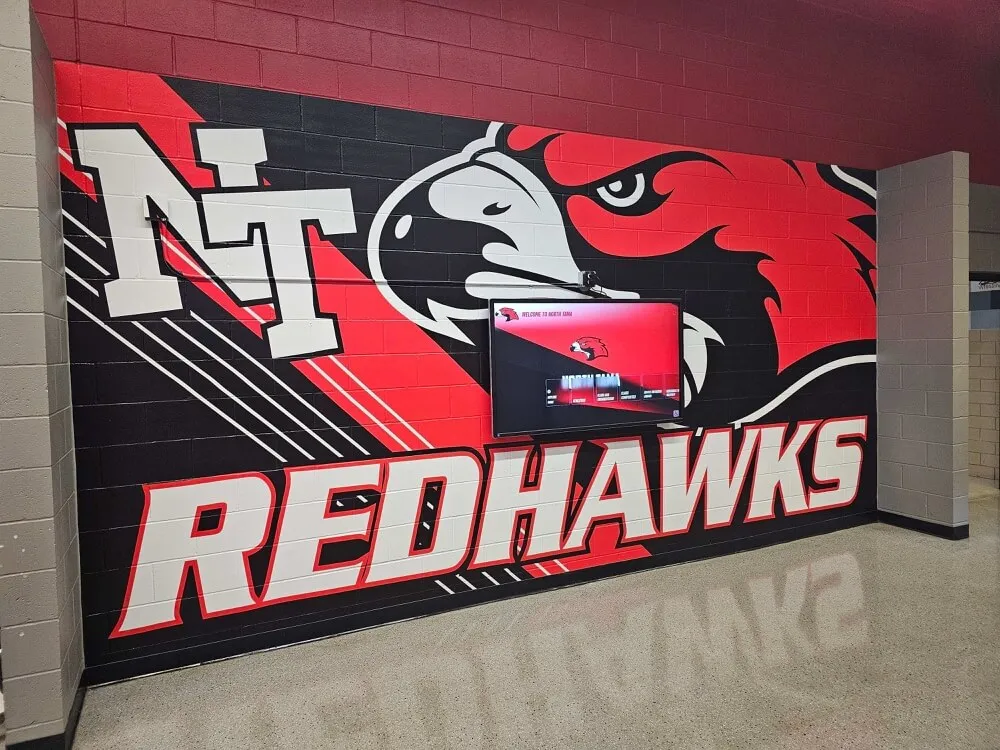
Hallway recognition systems give homecoming court members a place in school history that outlasts the homecoming weekend itself
Duke and Duchess Titles
Some schools use Duke and Duchess as their primary or secondary court titles rather than Prince and Princess. This framing tends to feel slightly more sophisticated and is common in schools that want to honor the royal court tradition while avoiding the “Prince/Princess” language that can feel childlike to older high school students.
Dukes and Duchesses typically occupy the attendant tier—below King and Queen but above the general nominee pool. Courts might introduce a Homecoming King and Queen flanked by Homecoming Dukes and Duchesses, creating a layered recognition structure.
Lord and Lady Titles
Less common but used in some schools with British heritage influences or theatrical traditions, Lord and Lady titles appear in homecoming court structures that want formal European royal framing. These schools might crown a Lord and Lady of the Court alongside a traditional King and Queen, or use Lord and Lady as alternative titles for runners-up.
Modern and Inclusive Homecoming Court Titles
Across the country, schools are rethinking traditional homecoming court title structures to better reflect the diversity of their student communities. The shift isn’t simply cosmetic—it changes who feels welcome running for the court, and who sees themselves represented in the ceremony.
Gender-Neutral Homecoming Court Titles
Rather than pairing King/Queen or Prince/Princess along gender lines, many schools now use titles that any student can hold regardless of gender identity:
Homecoming Royalty: The broadest option, applicable to any number of students. Schools might crown two, three, or more members of the Homecoming Royalty, with no gender requirement attached to the title.
Homecoming Monarch: A single gender-neutral title replacing King or Queen. Some schools select one Homecoming Monarch; others use two co-monarchs.
Homecoming Sovereign: Less common but growing in use, particularly at schools with strong performing arts programs that want elevated, ceremonial language without gendered associations.
Homecoming Ambassadors: Positions multiple students as representatives of the school rather than ranked royalty. Ambassadors are celebrated equally rather than crowned in a winner/runner-up structure.
Homecoming Nobles: A group title for the full court that avoids binary gender structure.
Homecoming Escort and Attendant: Some schools retain the Escort/Attendant pairing as titles that can be held by any student, separating the role from gender entirely.
Updating homecoming court titles to gender-neutral options doesn’t require abandoning the pageantry of the ceremony—it means expanding the ceremony to recognize more of your school’s students authentically. Schools looking to build more inclusive whole-school celebration traditions often find that updating court titles is a natural starting point.
Spirit-Based Titles
Some schools have moved away from royal court framing altogether, replacing monarchy-themed homecoming court titles with community-focused alternatives:
- Homecoming Spirit Leaders
- School Spirit Ambassadors
- Pride Representatives
- Community Champions
- Class Representatives
These titles shift the emphasis from popularity and status to school spirit and community leadership, which can broaden the pool of students who feel motivated to participate—including students who are active in activities outside traditional social hierarchies.
Creative and School-Specific Homecoming Court Titles
Many schools have developed homecoming court titles that reflect their unique mascot, history, or culture. These custom titles add personality to the ceremony while maintaining the recognition structure students expect.
Mascot-Tied Titles
A school with a Panther mascot might crown its Panther King and Queen, while an Eagles school might use Eagle Lord and Lady. Tying the title directly to the school mascot creates instant community connection—when the Homecoming Panther Queen is introduced, it signals belonging in a way that a generic title doesn’t.
Common mascot-integrated title formats:
- [Mascot] King and [Mascot] Queen
- Head [Mascot] and Lead [Mascot]
- [Mascot] Pride Ambassador
- [Mascot] Spirit Champion
Class-Named Titles
Rather than using royal vocabulary at all, some schools title their homecoming court roles by class level with no royalty framing:
- Senior Homecoming Representative
- Junior Class Spotlight
- Class of [Year] Honoree
This approach works particularly well at schools that want to de-emphasize the competitive election aspect of homecoming court while still creating a special recognition moment.
Hall of Champions and Legacy Titles
At schools with strong athletic or academic identity, homecoming court titles sometimes connect to the school’s hall of fame or wall of honor vocabulary:
- Legacy Award Recipient
- Hall of Pride Honoree
- Champions Court Member
These titles position homecoming court members within the broader recognition culture of the school rather than as a standalone social election—a framing that resonates particularly well in schools where student athletic and academic honors recognition is already a prominent part of campus culture.
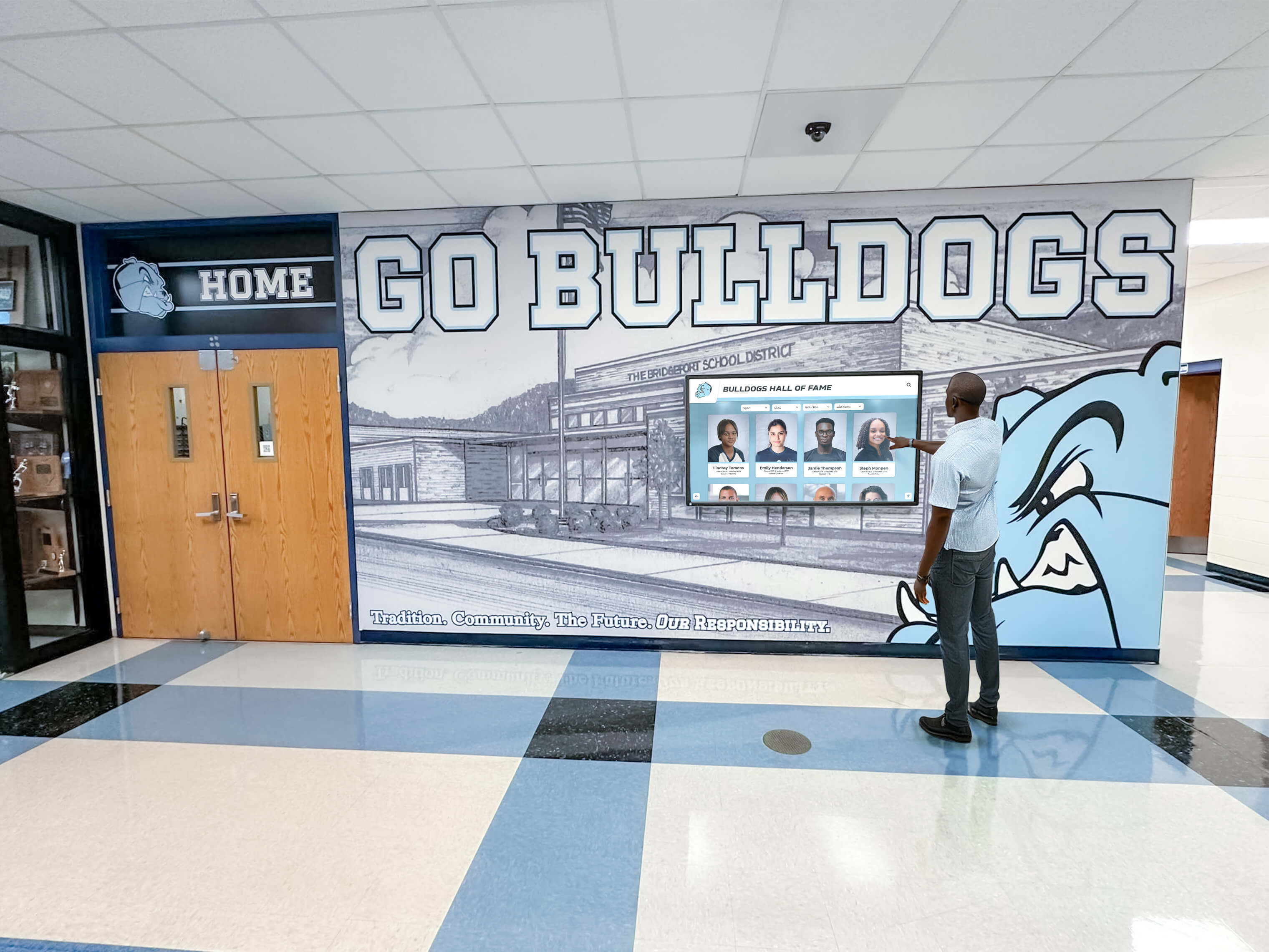
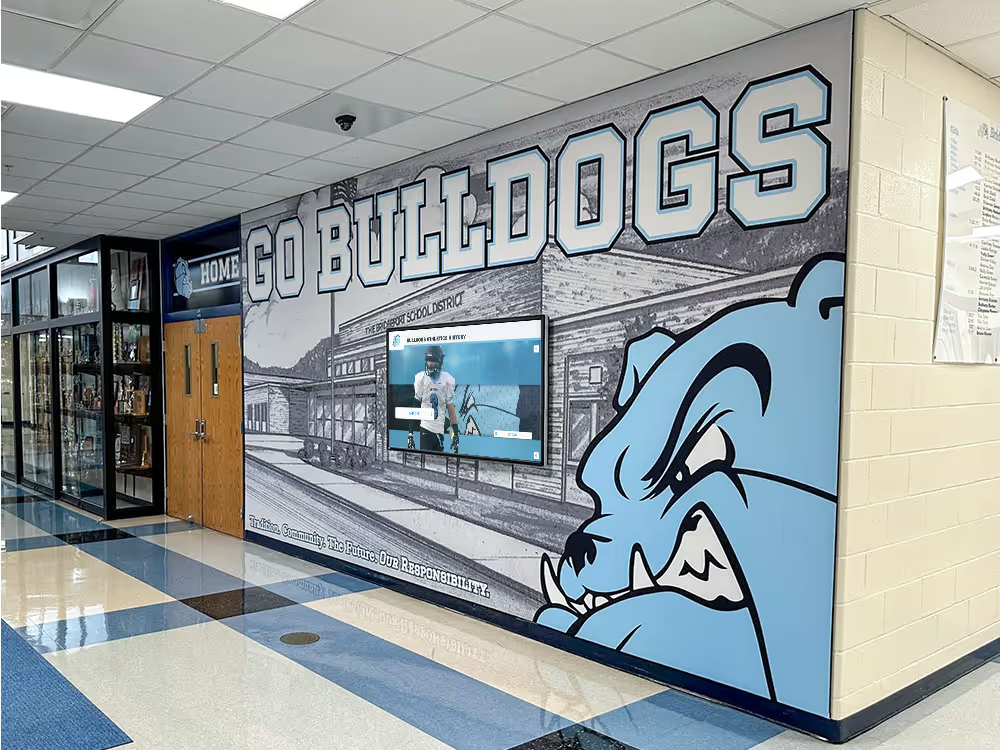
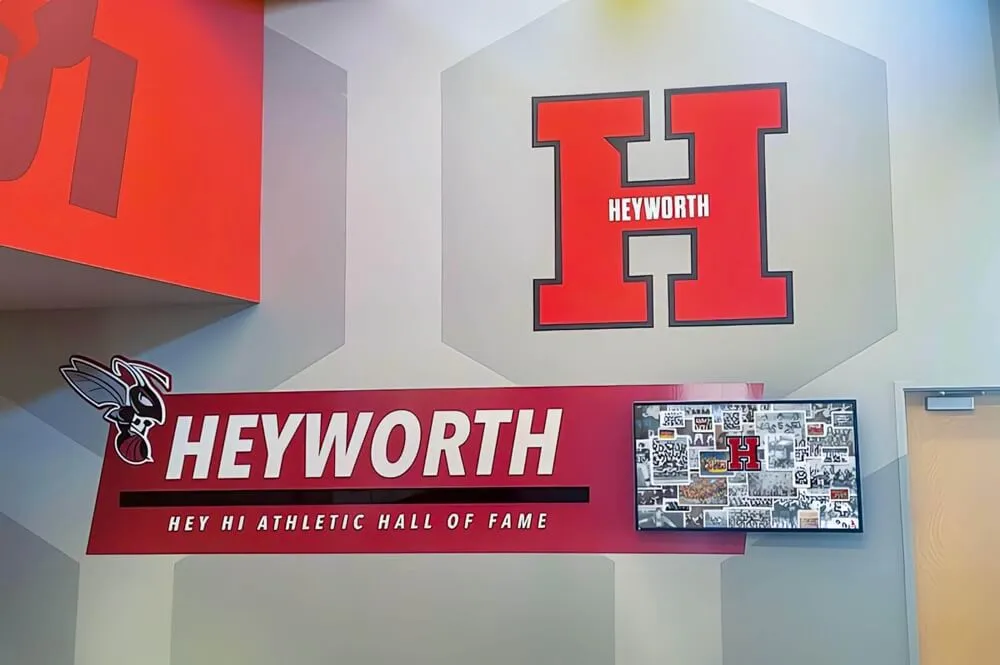
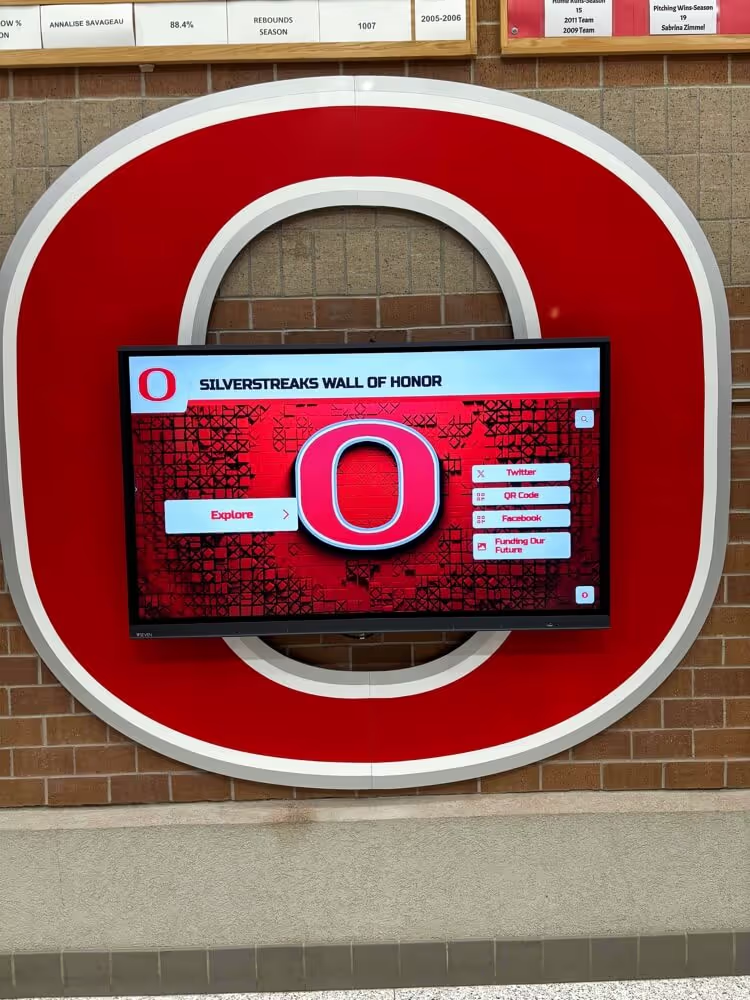
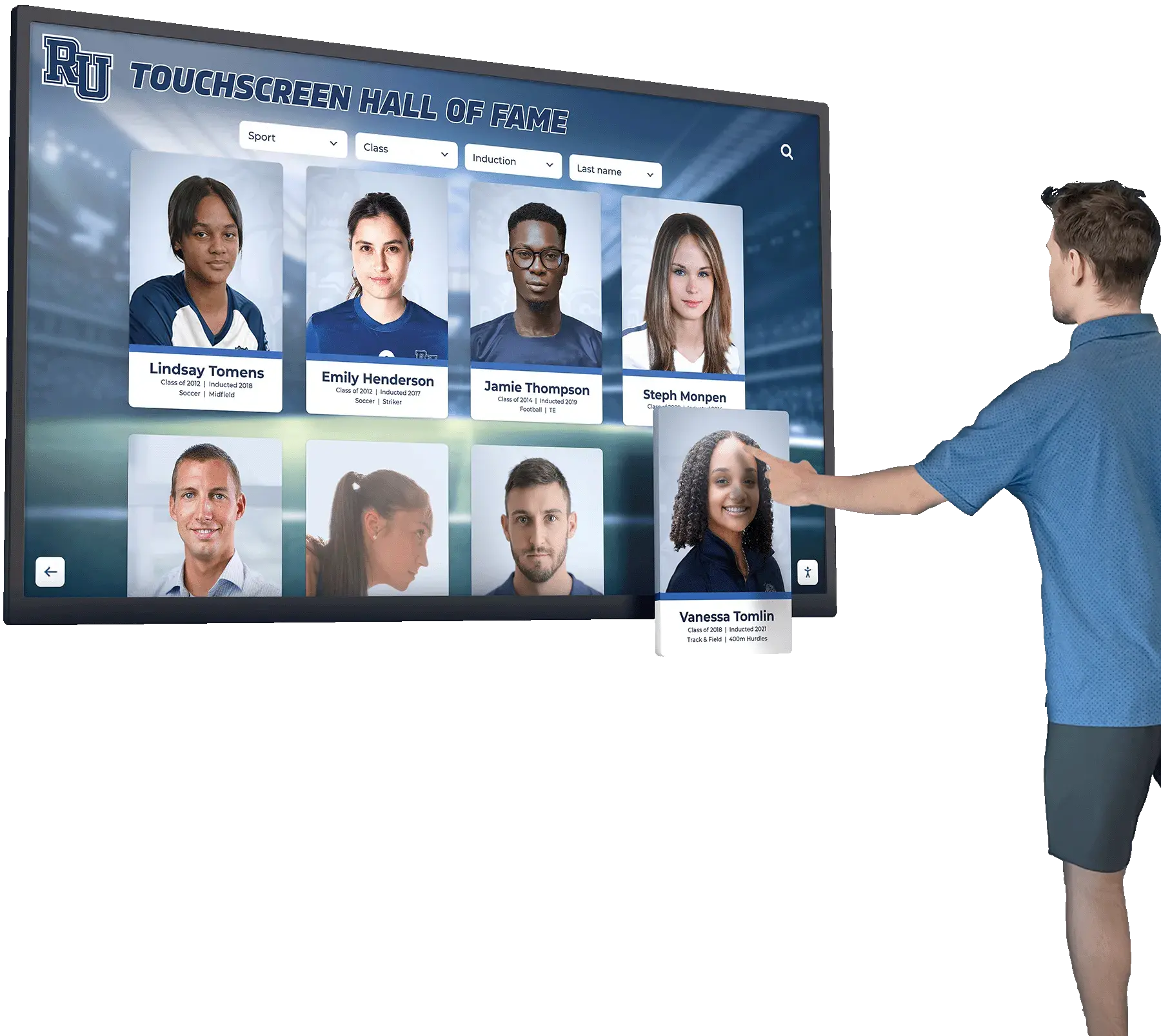
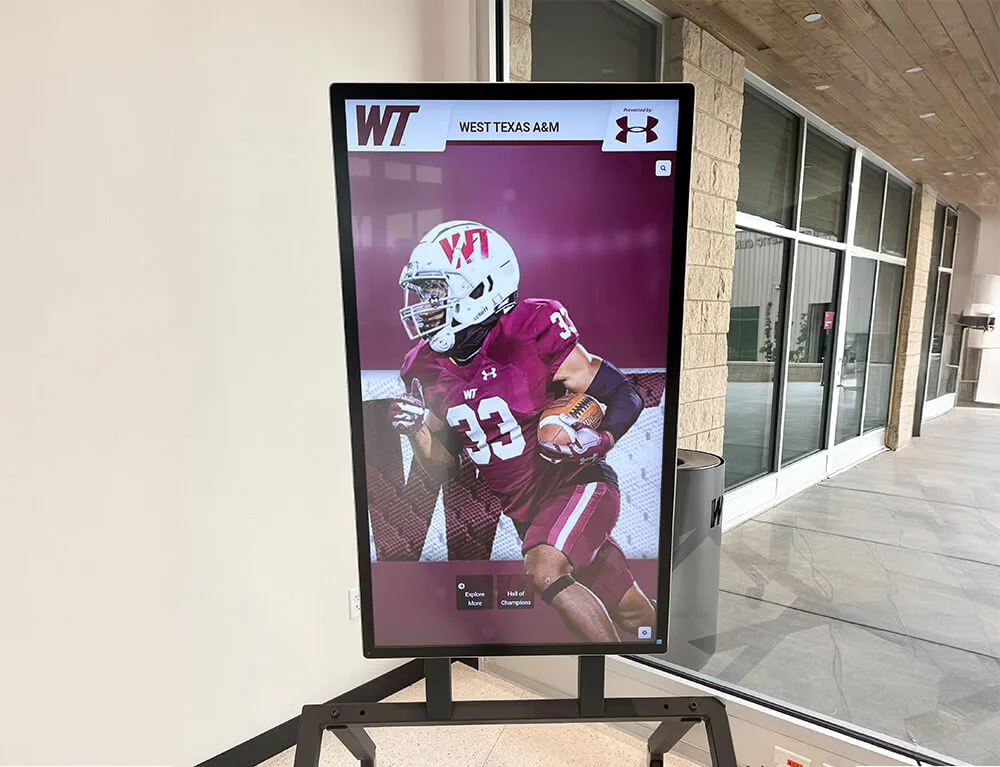
Interactive digital displays let community members explore homecoming court history alongside athletic and academic recognition—all in one place
How Homecoming Court Members Are Selected
The selection process for homecoming court titles varies widely by school, but most fall into one of three models:
Peer Vote Model
The most common model: students nominate and then vote for peers to fill each homecoming court title. Nominations typically happen one to two weeks before homecoming week, followed by a school-wide vote narrowing nominees down to the court. Final voting determines who receives the top titles.
The peer vote model reflects genuine popularity but can sometimes surface concerns about fairness or clique dynamics. Schools address this by requiring nominees to meet minimum eligibility requirements—grade thresholds, attendance records, or conduct standards—before they can appear on the ballot.
Application and Selection Model
Some schools replace or supplement the popularity vote with an application process. Interested students submit essays, teacher recommendations, or evidence of school involvement. A committee—sometimes made up of faculty, student leaders, or a combination—selects court members based on demonstrated character, leadership, and school engagement.
This approach makes homecoming court titles feel more like a service honor than a popularity contest, broadening the recognition to students who contribute meaningfully but may not be the most socially prominent. Schools that pair this model with strong spirit week programming and school-wide events find it pairs well with school spirit day traditions that celebrate the entire student body, not just the court.
Hybrid Model
Many schools combine peer nominations with committee selection: peers nominate a wider pool of candidates, and a committee selects the final court from those nominees, sometimes using application criteria as tiebreakers. This balances community voice with intentional selection, reducing the pure popularity contest dynamic while keeping peer investment in the outcome.
Homecoming Court Traditions and Ceremony
Once homecoming court titles are assigned, the ceremony structure determines how meaningfully those titles are recognized. Strong ceremonies balance pageantry with genuine community celebration.
The Halftime Presentation
The homecoming halftime presentation is the most public moment for the royal court. Traditions vary by school, but most include:
- Court escort: Each court member is escorted by a chosen escort (parent, sibling, friend, or fellow student) during their introduction
- Formal introduction: An announcer or MC introduces each court member by title, escort, and a brief biography including activities and future plans
- Coronation: The crowned King and Queen (or Monarch, or Royalty pair) receive their crowns from the previous year’s recipients, athletic director, or principal
- Group photograph: The full court gathers for a formal photograph on the field
The sequence typically moves from underclassmen representatives to senior court, building to the announcement of the top homecoming court titles. Music selection, lighting, and escort formations all contribute to the ceremony’s atmosphere.
The Homecoming Parade
Most schools include a homecoming parade where court members ride on floats or in decorated vehicles through the community. Each court member is identified by their homecoming court title, displayed on signage or banners on their vehicle or float.
Parade appearances extend recognition beyond the school campus, bringing the royal court into the broader community and reinforcing the “coming home” theme of the homecoming tradition.
The Dance Ceremony
At the homecoming dance, court members are often introduced a second time before the first court dance. Schools that use a DJ typically have the DJ introduce each member. The crowning may happen at the dance instead of or in addition to halftime, and court members usually receive the first floor during an opening song.
Court members who hold the King and Queen (or equivalent) titles often appear in the yearbook’s homecoming spread with more prominent photography, captions identifying their titles, and recognition in the school’s student newspaper or social media accounts.
Recognizing Your Homecoming Court Permanently
The homecoming court ceremony lasts an evening. The recognition should last much longer. Schools that invest in permanent homecoming court recognition find that alumni return to see their names and titles preserved in school history, and that current students feel the weight and meaning of the titles they’re receiving.
Physical Display Options
Traditional physical recognition for homecoming court titles includes:
- Framed photographs: Annual portraits of the King and Queen (or equivalent) displayed in a dedicated hallway or trophy case
- Banner displays: Hanging banners listing each year’s court members by title
- Display cases: Cases with crowns, sashes, and photographs from each homecoming year
- Wall plaques: Engraved plaques listing annual homecoming royalty by year and title
Physical displays carry weight and permanence, but they face practical limitations: wall space runs out, older photographs fade, and plaques listing only names and titles provide minimal context for viewers who didn’t attend school during those years. Schools exploring expanded trophy and display solutions often find wall space management strategies useful for organizing decades of homecoming history without overwhelming lobby or hallway space.
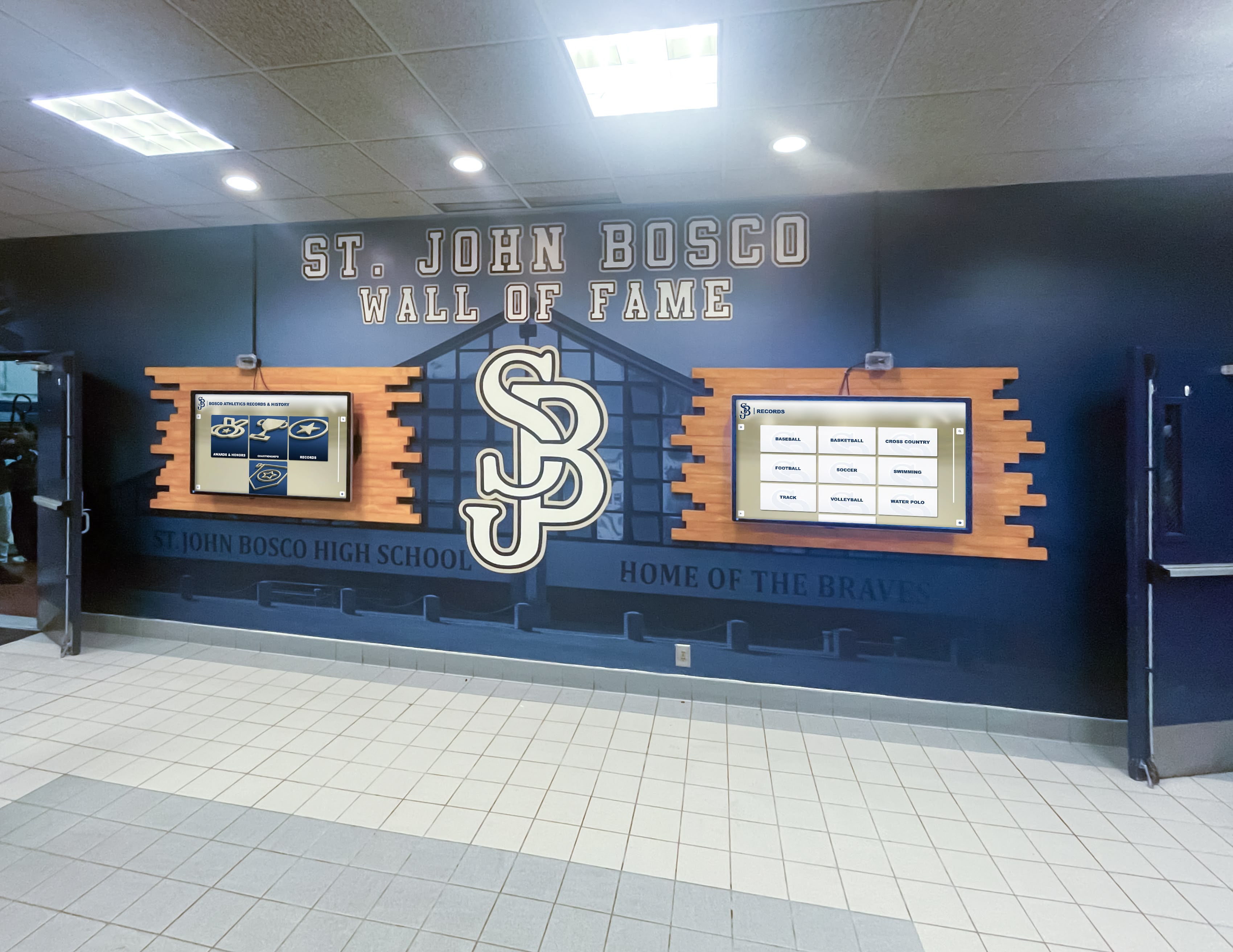
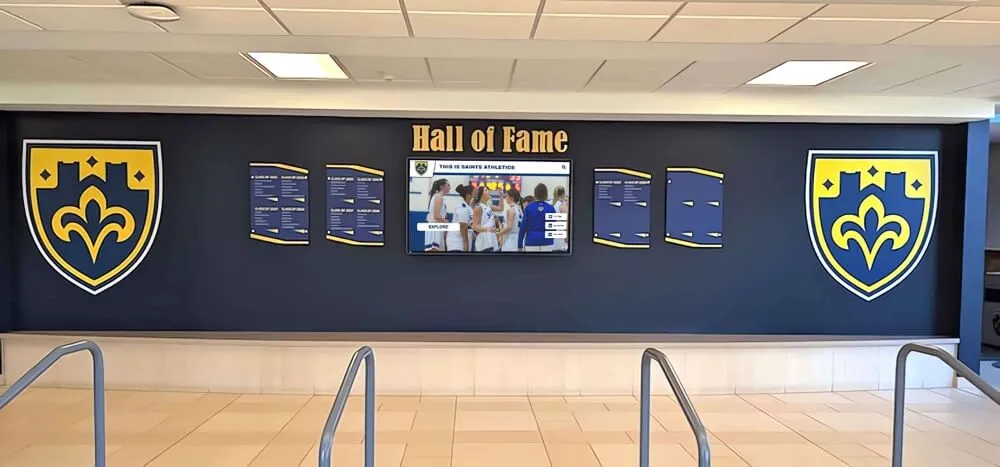
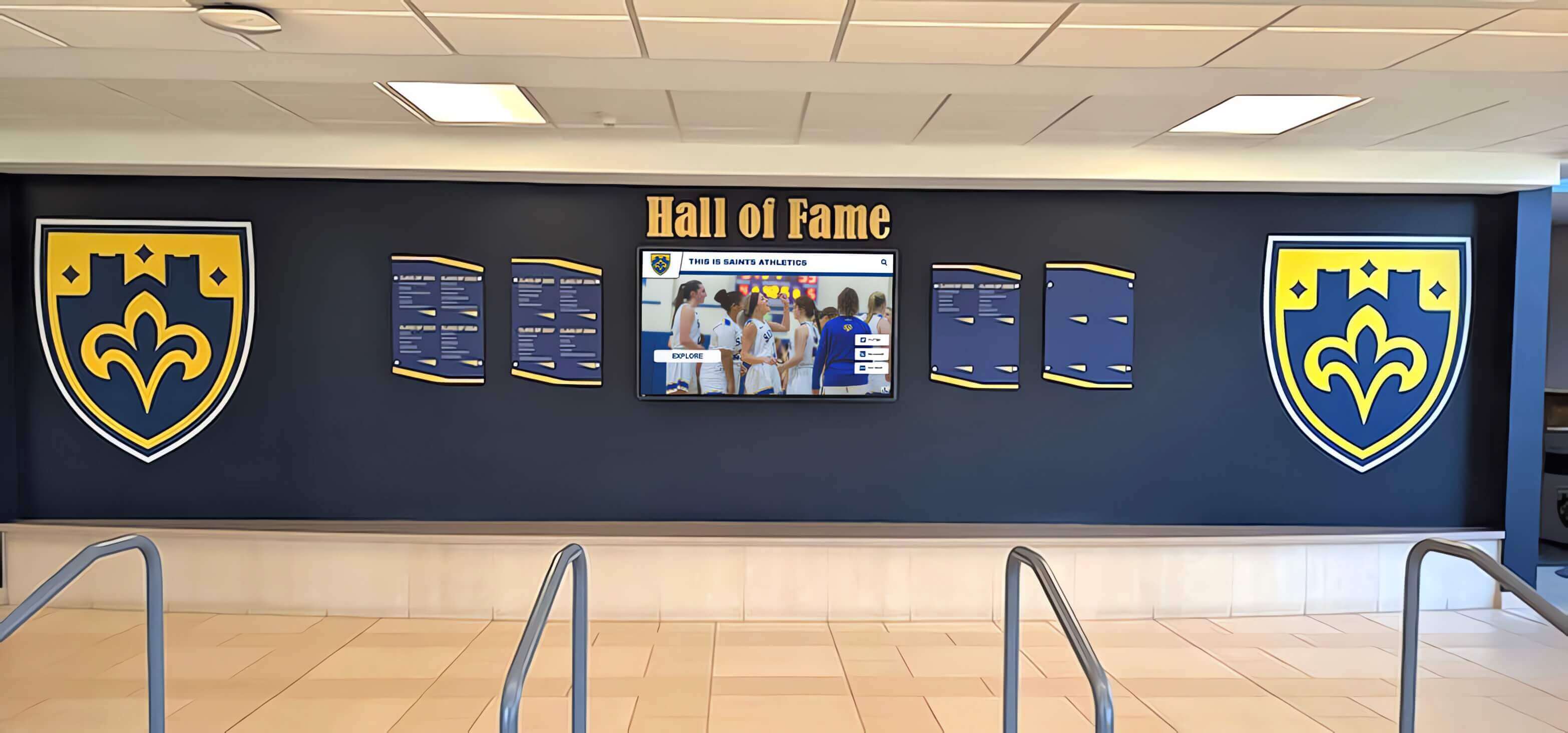
Dual-screen hallway installations let schools display homecoming court history alongside athletic and academic recognition in dynamic, searchable formats
Digital Recognition for Homecoming Court
Digital displays offer a fundamentally different approach to preserving homecoming court titles and memories. Rather than a static plaque listing names, digital systems can present:
- Full court profiles: Each court member’s photograph, title, grade level, activities, and a quote or bio
- Searchable archives: Alumni can search by name or year to find their own homecoming recognition
- Photo galleries: Action photographs from the halftime ceremony, parade, and dance alongside formal court portraits
- Video content: Ceremony highlights or interview clips from notable homecoming years
- Year-over-year browsing: Community members can browse the entire history of homecoming court titles at the school, seeing how titles have evolved and how different generations were recognized
Interactive digital displays from platforms like Rocket Alumni Solutions enable schools to build comprehensive homecoming archives that grow richer every year. These systems place homecoming court recognition alongside athletic hall of fame inductees, academic honorees, and other school traditions—creating a full picture of what excellence and leadership have meant across generations at a particular school.
Schools that invest in interactive display systems report that homecoming reunions generate some of the highest engagement at kiosks, as alumni search for their own court titles and share the screen with family members.
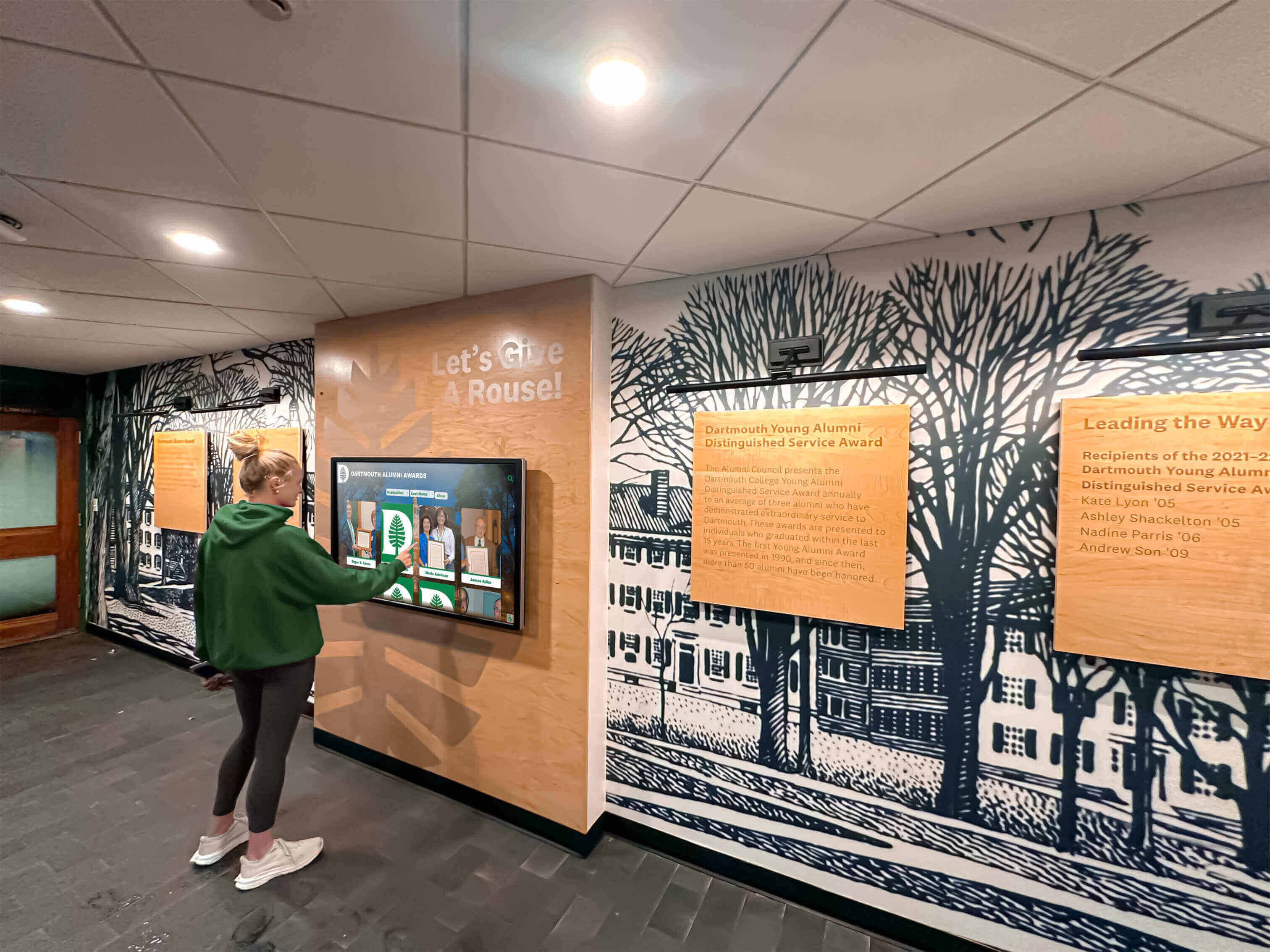
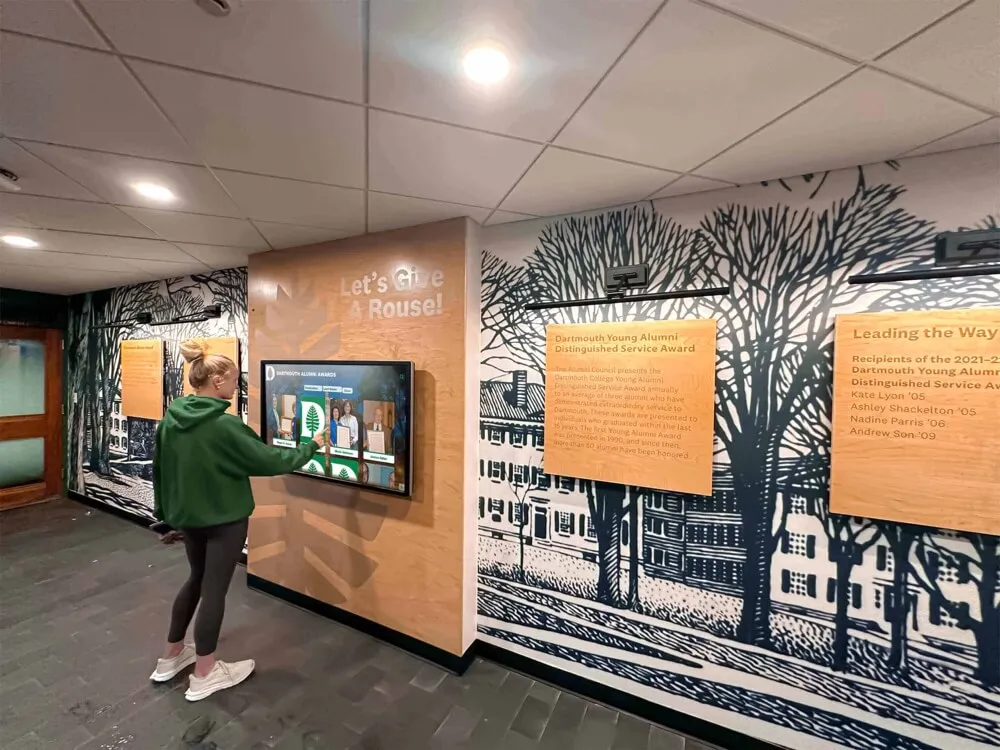
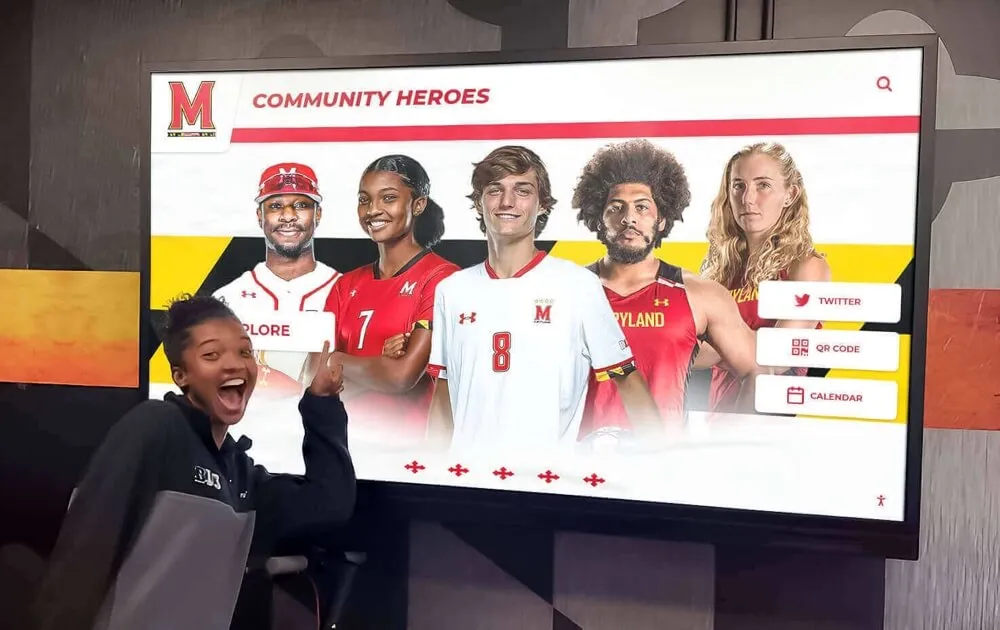
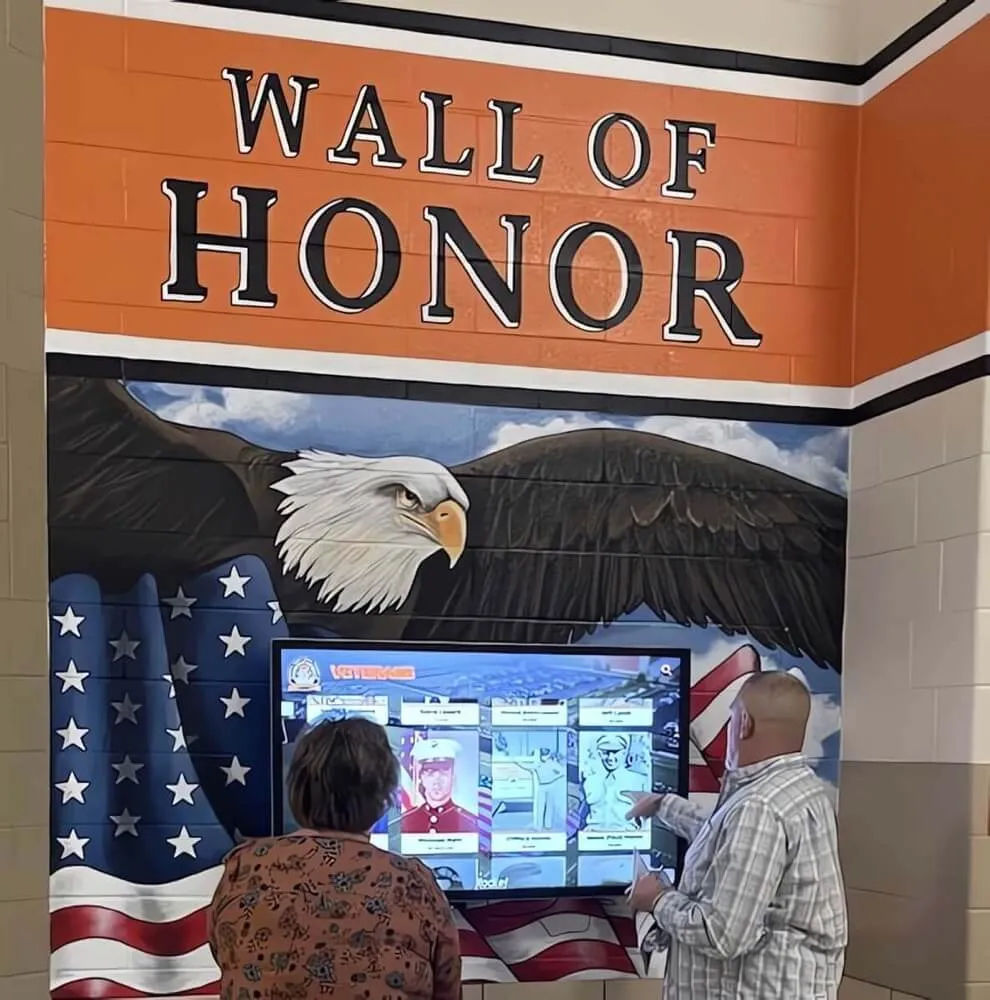
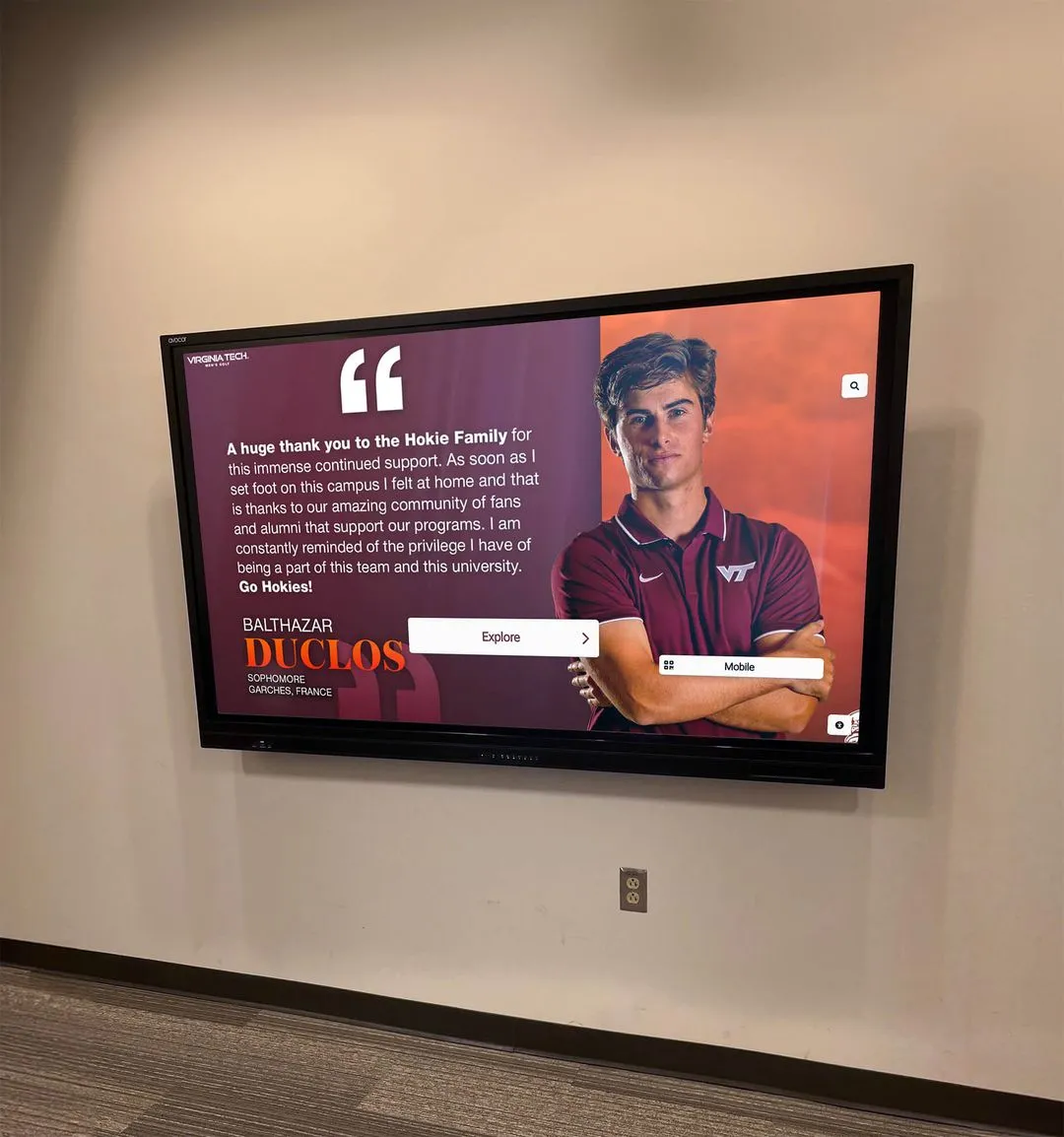
Current students and alumni alike engage with digital recognition systems that archive homecoming court history alongside other school traditions
Homecoming Court Titles in the Context of a Full Recognition Program
Homecoming court titles are one piece of a larger school recognition ecosystem. When homecoming royalty is archived alongside athletic record boards, academic honor rolls, and hall of fame inductees, the entire recognition program gains depth and coherence.
Schools with strong recognition cultures understand that students are motivated by seeing others recognized—and by knowing that their own contributions will be remembered. Homecoming court members who know their titles and photographs will appear in a permanent digital display invest differently in the ceremony than those who expect their recognition to live only in a yearbook.
This recognition continuity matters especially for activities that complement homecoming—from senior recognition programs and end-of-year awards to hall of fame induction ceremonies and athletic record boards. When homecoming court titles slot naturally into a comprehensive recognition framework, students experience the full weight of being seen and celebrated by their school community.
Frequently Asked Questions About Homecoming Court Titles
What is the difference between Homecoming King/Queen and Homecoming Prince/Princess? In most schools, King and Queen are the top titles given to the elected winners (typically seniors), while Prince and Princess designate the runner-up or attendant tier. Some schools use Prince and Princess for junior representatives and reserve King/Queen for seniors.
Can schools use different titles than King and Queen? Yes. Schools have broad discretion over their homecoming court titles. Many schools now use gender-neutral options like Monarch, Royalty, Sovereign, or Ambassador, or entirely different framings like Spirit Leader or Pride Representative.
How many students are typically on a homecoming court? Court sizes vary. Some schools name two students (one King, one Queen); others recognize a full court of 10–20 students spanning all grade levels. The size typically reflects school enrollment and how elaborate the halftime ceremony is intended to be.
Are homecoming court titles the same as prom court titles? Not necessarily. Some schools use identical structures for both; others differentiate by using royal court vocabulary for homecoming and separate titles for prom, or by restricting prom court to seniors while homecoming court includes all grade levels.
How long are homecoming court titles typically preserved? This depends on the school. Schools with digital recognition systems can preserve homecoming court records indefinitely with photographs, biographies, and ceremony details. Schools relying only on yearbooks have more limited archives. Dedicated digital display systems make it practical to maintain records going back decades.
Conclusion
Homecoming court titles are more than labels. They set the tone for who participates in the ceremony, how recognized students are introduced to their community, and how those moments are preserved over time. Whether your school uses traditional King and Queen titles, grade-level Dukes and Duchesses, or modern gender-neutral alternatives like Monarch or Ambassador, the goal is the same: to make the students holding those titles feel genuinely seen and celebrated.
The most memorable homecoming court experiences combine thoughtful title structures with strong ceremony planning, school-wide engagement during homecoming week, and lasting recognition systems that preserve court members’ names and stories for the alumni who will return to schools years from now looking for their moment in school history.
If your school is ready to build a recognition system that archives homecoming court titles alongside your full range of student achievements—and makes that history accessible and searchable for generations to come—explore how Rocket Alumni Solutions creates lasting recognition displays that transform homecoming memories into permanent school heritage.