School consolidation represents one of the most significant transformations in American education history. Between 1930 and 2020, the number of public school districts in the United States decreased from approximately 128,000 to fewer than 13,000, according to the National Center for Education Statistics. This dramatic reduction reflects a century-long movement that reshaped how communities educate children, preserve local identity, and maintain educational heritage.
The consolidation movement closed one-room schoolhouses, merged neighboring districts, and created larger schools serving multiple communities. While proponents emphasized educational quality improvements and operational efficiency, critics warned about lost community identity and diminished local control. Today, merged schools face ongoing challenges preserving the unique traditions, histories, and achievements of predecessor institutions while building unified identities celebrating combined legacies.
This comprehensive guide explores the history of school consolidation in America, examining driving forces behind mergers, impacts on communities, and modern approaches helping consolidated schools honor multiple heritages through digital recognition platforms that preserve what consolidation might otherwise erase.
The story of school consolidation mirrors broader American social and economic transformations. Rural depopulation, transportation improvements, educational reform movements, and economic pressures combined to fundamentally alter American education across more than a century.

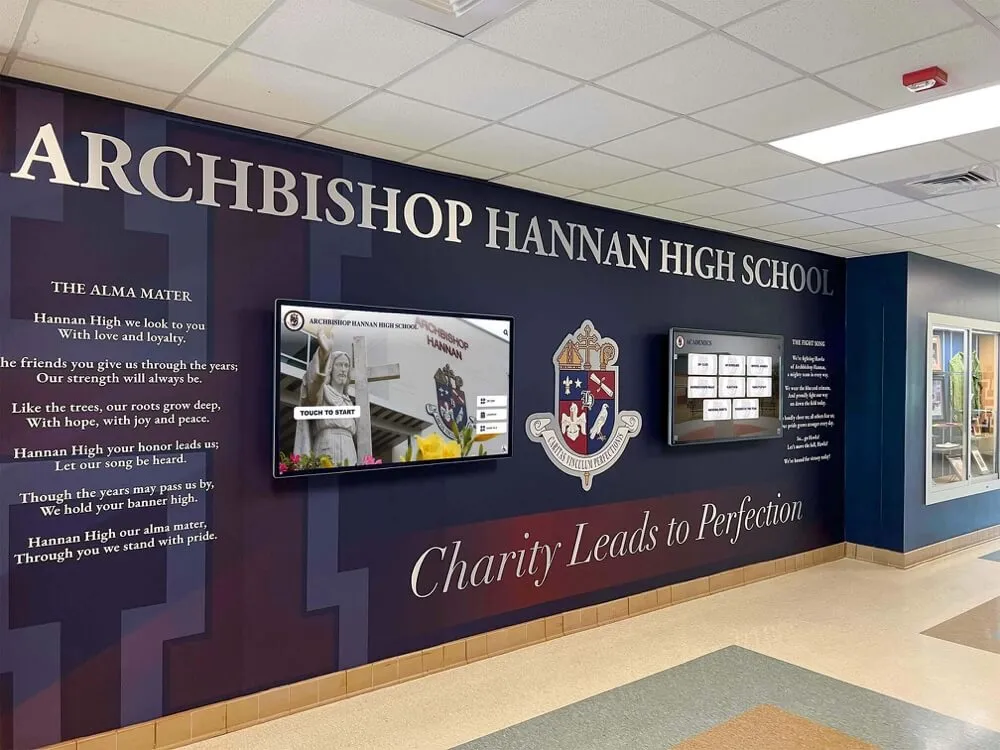
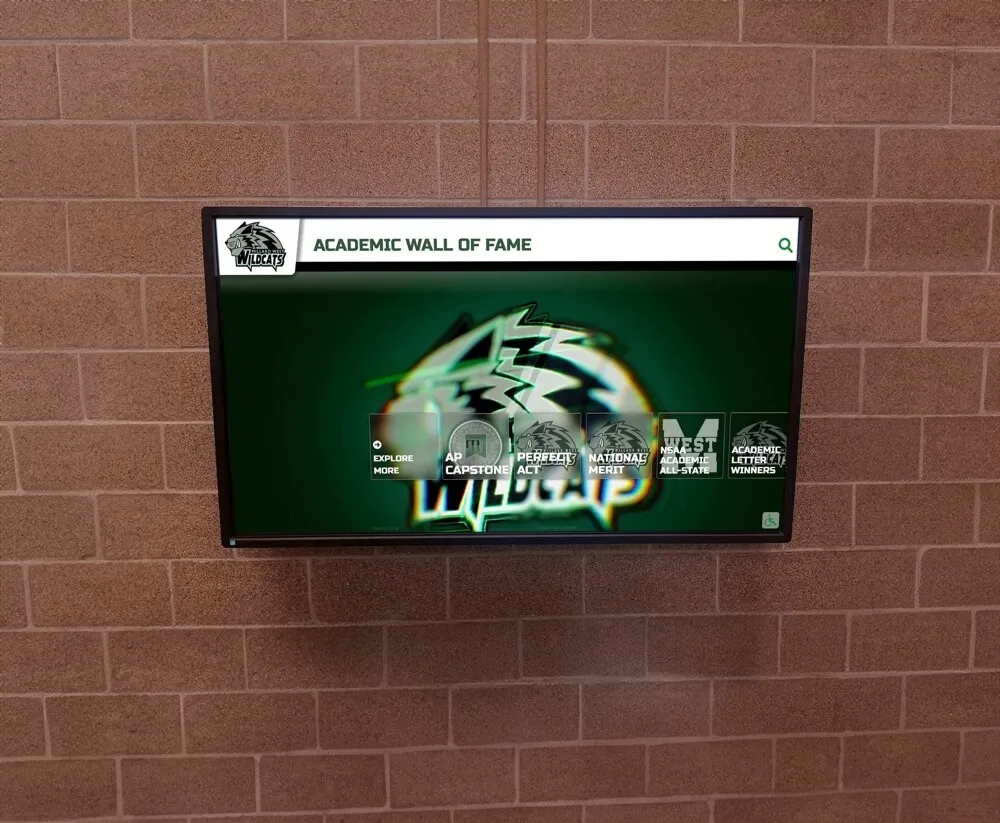
Contemporary schools integrate recognition displays preserving heritage of predecessor institutions
The Early Era: One-Room Schoolhouses Dominate Rural America
Understanding school consolidation requires examining the educational system that preceded it.
The Peak of Rural School Dispersal (1900-1930)
Early 20th century America maintained extraordinarily decentralized educational systems:
Massive School District Proliferation
In 1930, the United States operated approximately 128,000 school districts, according to historical data from the National Center for Education Statistics. Most served single schools enrolling fewer than 50 students across all grade levels. Rural communities separated by just a few miles maintained independent school districts reflecting extreme localization of educational governance and community identity.
These small districts emerged from practical necessity in an era before reliable transportation. Walking distance determined school attendance boundaries, creating dense networks of neighborhood schools serving small geographic areas. Communities invested tremendous pride in local schools despite limited resources, viewing institutions as centers of civic identity and multigenerational tradition.
One-Room Schoolhouse Educational Model
The one-room schoolhouse represented the dominant rural educational institution. Single teachers instructed students across multiple grade levels simultaneously within modest buildings often lacking electricity, indoor plumbing, or adequate heating. Despite physical limitations, these schools created tight-knit learning communities where older students helped younger ones, creating family-like atmospheres reflecting broader community relationships.
Educational quality varied dramatically depending on teacher preparation, community support, and available resources. Some rural teachers possessed minimal formal education themselves, while others brought dedication compensating for resource limitations. The localized nature meant educational experiences differed substantially between communities separated by just a few miles.
Community Identity and School Centrality
Rural schools functioned as community centers extending far beyond academic instruction:
- School programs and performances drew entire communities
- School buildings hosted community meetings, social gatherings, and civic events
- School athletic competitions created intense inter-community rivalries
- School success represented community pride and achievement
- Generational connections meant families attended the same schools across decades

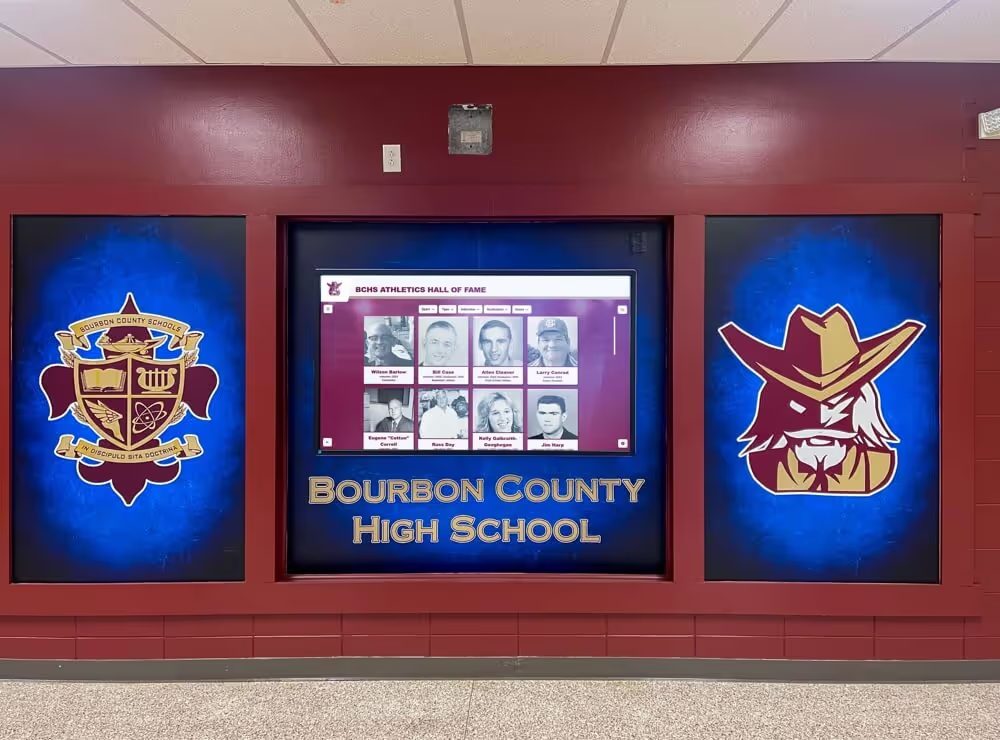
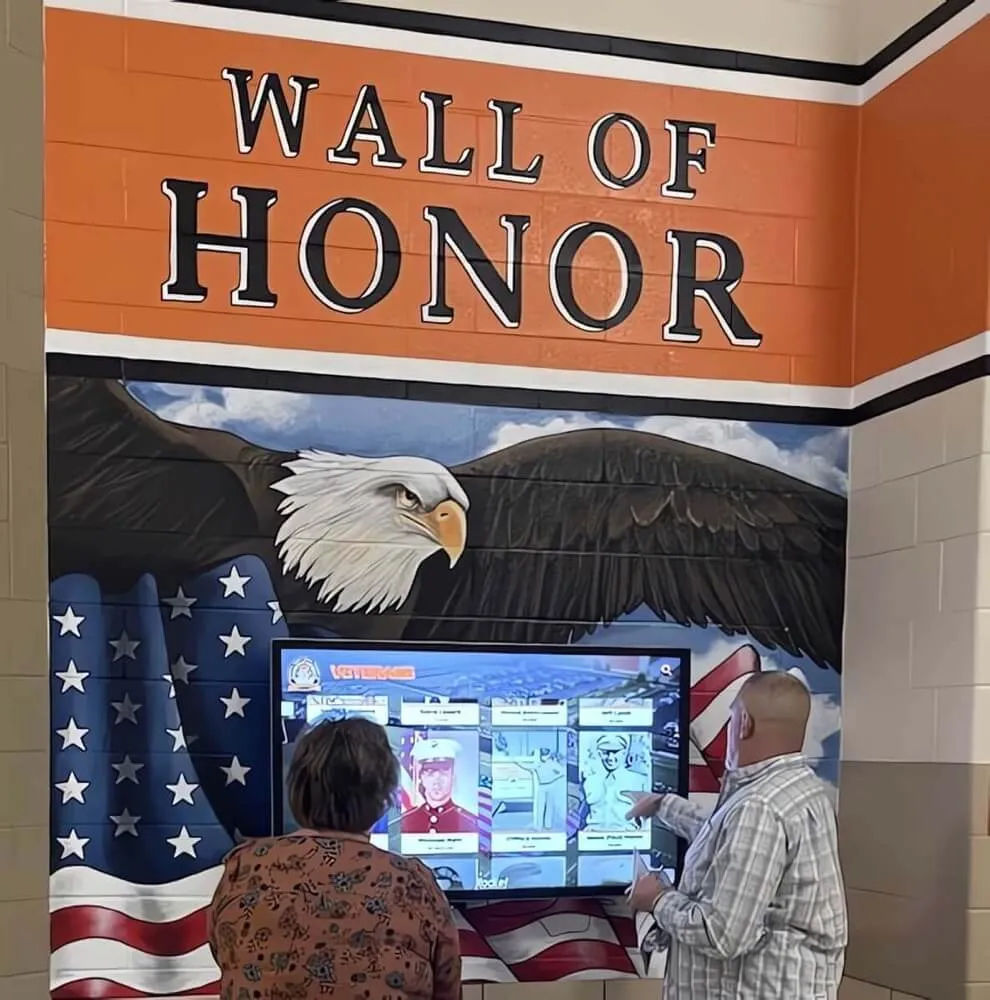
Modern hallway displays celebrate school tradition and community achievement across generations
Loss of local schools meant more than educational disruption—it represented threats to community identity, local control, and multigenerational traditions families cherished deeply. This explains the fierce resistance consolidation efforts encountered throughout the 20th century.
The Consolidation Movement Begins: 1930-1960
Multiple converging forces drove the first major wave of school consolidation.
Economic Pressures and Educational Reform
The Great Depression accelerated consolidation efforts through financial necessity:
Financial Sustainability Challenges
Small rural districts struggled maintaining operations during economic hardship. Limited tax bases meant even modest expenses strained district finances. Teacher salaries, building maintenance, educational materials, and basic operations consumed resources exceeding what small communities could sustainably provide. State and federal officials increasingly viewed consolidation as financial necessity enabling continued educational provision.
Larger consolidated districts achieved economies of scale impossible for tiny districts. Shared administration, centralized purchasing, combined transportation systems, and distributed infrastructure costs reduced per-student expenses while potentially improving educational resources through pooled funding.
Progressive Education Movement Influence
Educational reformers advocating scientific management principles viewed small rural schools as inefficient and educationally inadequate. Progressive educators argued that larger schools enabled:
- Age-graded classrooms separating students by developmental level
- Specialized teachers focusing on specific subjects
- Expanded curriculum offerings including science laboratories, libraries, and enrichment activities
- Standardized educational approaches based on emerging research
- Professional administration and educational leadership
These arguments particularly resonated with state education officials and urban reformers, though rural communities often remained skeptical of claims that bigger necessarily meant better.
Transportation Revolution Enables Geographic Consolidation
Technological advancement made consolidation practically feasible:
School Bus Development and Rural Road Improvement
The motorized school bus transformed educational geography. Before reliable transportation, walking distance determined school locations, necessitating dense networks of neighborhood schools. School buses enabled students to travel miles daily, making centralized schools serving larger geographic areas practically achievable.
Rural road improvements during the 1930s-1950s further enabled consolidation. New Deal infrastructure investments and post-war development improved rural road networks, making reliable daily transportation across larger distances increasingly feasible even in previously isolated areas.
Expanded Attendance Boundaries
Transportation enabled districts to consolidate multiple small schools into larger centralized facilities. Instead of walking to neighborhood schools, students rode buses to centralized buildings serving what previously required multiple separate institutions. Attendance boundaries expanded from walking-distance neighborhoods to multi-mile regions encompassing several former school districts.
This geographic expansion fundamentally changed students’ school experiences. Rather than attending school alongside immediate neighbors who shared tight community bonds, students mixed with peers from wider geographic areas with more diverse community backgrounds and traditions.

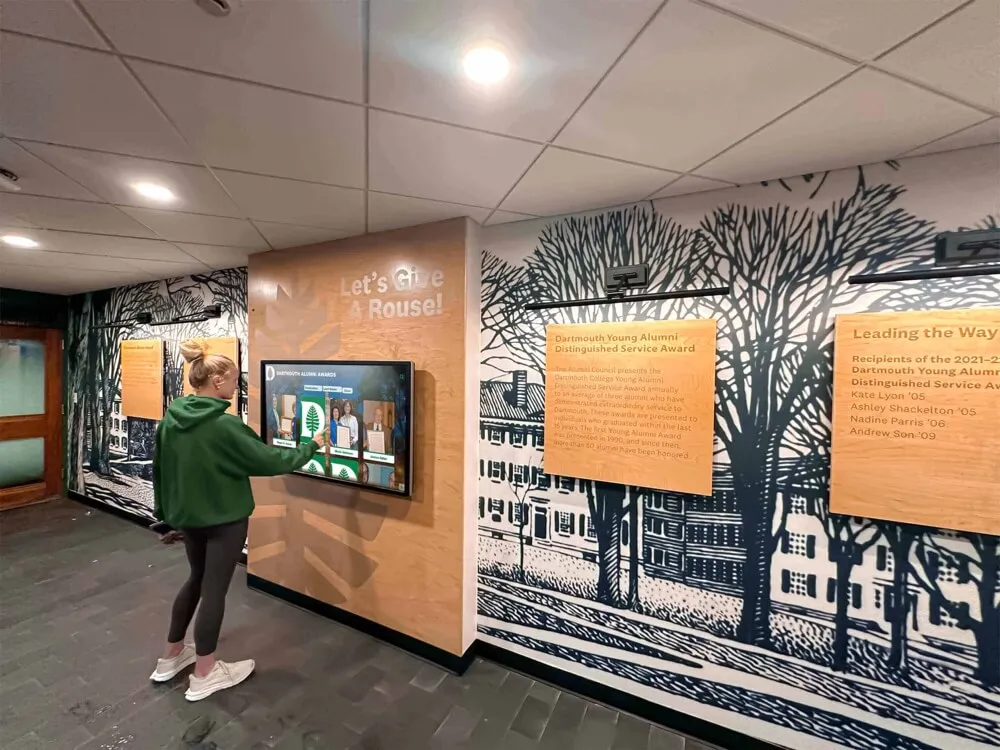
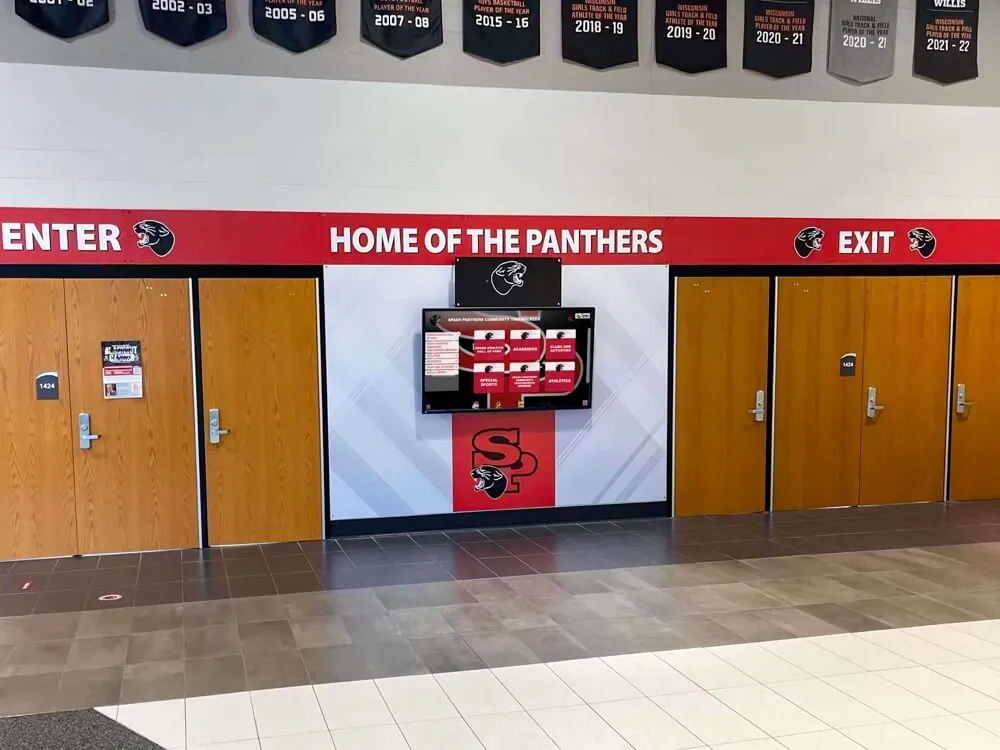
Architectural elements preserve school identity while digital displays provide dynamic recognition capacity
Community Resistance and Gradual Implementation
Consolidation rarely proceeded smoothly:
Local Opposition and Control Concerns
Rural communities fiercely resisted consolidation efforts they viewed as threatening local autonomy and community identity. School board members, parents, and community leaders organized opposition campaigns arguing that:
- Local control ensured schools reflected community values and priorities
- Small schools provided personalized attention impossible in larger institutions
- Community identity centered on local schools spanning generations
- Consolidation served bureaucratic efficiency rather than educational quality
- Outside officials failed understanding unique community needs and circumstances
This resistance meant consolidation proceeded gradually rather than through immediate wholesale transformation. State governments typically required local approval or provided incentives encouraging voluntary consolidation rather than mandating immediate mergers.
Compromise Approaches and Partial Consolidation
Many communities adopted compromise approaches attempting to balance reform pressures with local control desires. Some districts consolidated elementary schools while maintaining separate high schools preserving some community identity. Others merged administrative functions while maintaining multiple buildings serving different neighborhoods. These partial measures delayed but rarely prevented eventual fuller consolidation as economic and demographic pressures intensified.
Organizations exploring how schools preserve identity during transitions may find approaches discussed in resources about creating alumni halls of fame particularly relevant to maintaining institutional memory.
The Acceleration Period: 1960-1990
School consolidation intensified dramatically during the mid-to-late 20th century.
Demographic Shifts and Rural Depopulation
Changing population patterns created consolidation imperatives:
Rural-to-Urban Migration
Agricultural mechanization, rural economic decline, and urban opportunity attracted rural residents to cities and suburbs throughout the mid-20th century. Farming technology improvements meant fewer workers produced more food, displacing agricultural laborers who historically anchored rural communities. Young adults particularly fled rural areas seeking education and employment opportunities unavailable in declining small towns.
This outmigration devastated rural school enrollments. Schools designed serving 50-100 students saw attendance decline to 20-30 or fewer, making independent operation increasingly unsustainable. Declining student populations meant rising per-pupil costs as fixed expenses distributed across fewer students.
Birth Rate Changes
The post-war baby boom temporarily sustained many rural schools, but subsequent birth rate declines accelerated consolidation pressures. By the 1970s-1980s, many rural communities experienced dramatic enrollment declines forcing difficult conversations about school sustainability.
Empty classrooms, underutilized facilities, and teacher layoffs characterized declining rural districts. Communities faced stark choices: accept consolidation or watch educational quality decline as shrinking enrollments made maintaining adequate programming impossible.
State-Level Consolidation Initiatives
State governments increasingly mandated or incentivized consolidation:
Minimum Enrollment Requirements
Many states established minimum enrollment thresholds for district viability, effectively forcing small districts to consolidate or lose state funding. These mandates removed local discretion, overriding community preferences in favor of state-determined efficiency standards.
While controversial, minimum enrollment policies accelerated consolidation that economic forces made inevitable. Rather than allowing small districts to slowly decline through attrition, mandates forced proactive consolidation planning maintaining some community input regarding merger partners and transition processes.
Financial Incentives for Voluntary Consolidation
States unable or unwilling to mandate consolidation offered financial incentives encouraging voluntary mergers. Enhanced state funding, facilities construction assistance, debt assumption, and transition support motivated districts to consolidate despite community ambivalence. These carrots proved more politically palatable than mandate sticks while achieving similar consolidation outcomes.

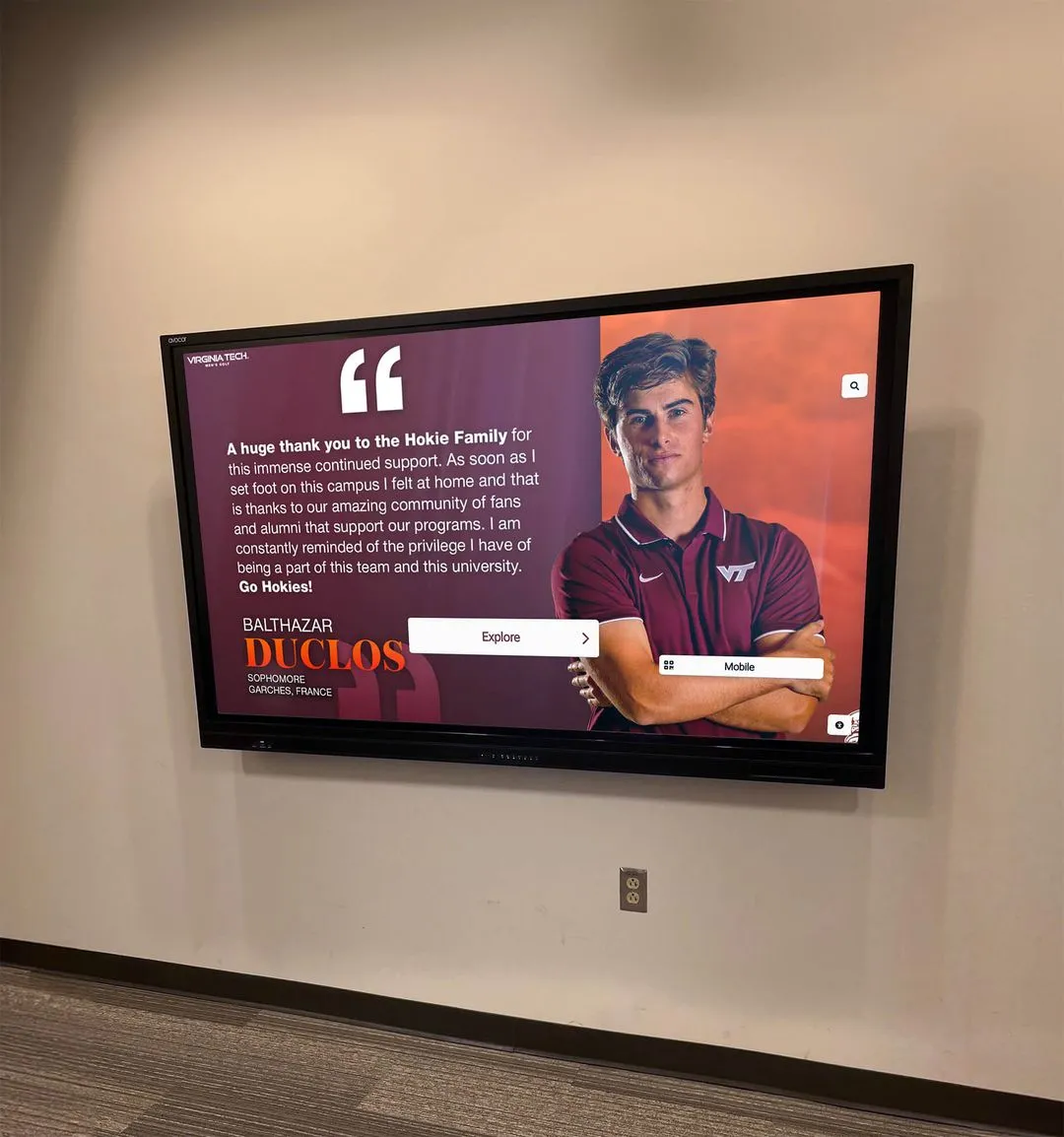
Multiple digital displays throughout consolidated facilities enable comprehensive recognition honoring all predecessor schools
Educational Standards and Curriculum Expansion
Rising educational expectations accelerated consolidation:
Comprehensive High School Movement
Educational reformers promoted comprehensive high schools offering diverse curriculum options preparing students for varied post-graduation pathways. Small rural high schools struggled providing comprehensive programming including college preparatory courses, vocational education, arts, athletics, and enrichment activities that larger consolidated schools offered.
Parents increasingly demanded educational options small schools couldn’t provide. Families wanted children prepared for college, skilled trades, or immediate employment—requiring diverse programming impossible in schools enrolling 50-100 students total across all grades.
Special Education and Support Services
Federal legislation including the Education for All Handicapped Children Act (1975) required schools provide special education services to students with disabilities. These mandates created service requirements small districts struggled meeting. Consolidated districts more easily provided required specialists, therapeutic services, and specialized programming by distributing costs across larger student populations.
Similarly, counseling services, health services, and other student support functions became educational expectations. Consolidated schools more feasibly provided comprehensive services than tiny districts employing minimal staff.
The Modern Era: 1990-Present
School consolidation continues in the contemporary period with evolving rationales and challenges.
Contemporary Consolidation Drivers
Modern consolidation reflects both continuing historical pressures and new factors:
Financial Stress and Budget Constraints
Economic recessions, property tax limitations, and state funding reductions create ongoing financial pressure on small districts. The 2008 financial crisis particularly stressed rural school budgets, forcing consolidation conversations in communities previously resisting mergers. Declining state revenues meant reduced per-pupil funding, hitting small districts hardest given limited alternative revenue sources.
Some states have reduced district numbers substantially in recent decades. Arkansas decreased from approximately 300 districts in the 1980s to about 260 today through mandated consolidation driven primarily by financial considerations and enrollment declines.
Enrollment Declines in Rural America
Rural depopulation continues accelerating consolidation. Young families leave rural communities for urban opportunities, birth rates decline, and aging populations mean many rural schools serve dramatically fewer students than in previous decades. Some districts serving 500 students in the 1980s now educate fewer than 200, making independent operation increasingly challenging.
Climate migration, agricultural changes, and resource industry decline in some regions intensify rural demographic challenges. Communities once thriving around mining, logging, or manufacturing face economic collapse driving population loss that makes school consolidation inevitable regardless of community preferences.
Technology and Distance Learning
Paradoxically, technology both enables small district survival and justifies consolidation. Virtual instruction allows small schools to offer expanded course options through online learning, potentially reducing consolidation pressure. However, technology also enables consolidated districts serving larger geographic areas through hybrid models combining in-person and virtual instruction, making some consolidation arguments more feasible.
Voluntary Consolidation Versus State Mandates
Modern consolidation approaches vary by state:
Community-Driven Consolidation
Some districts voluntarily pursue consolidation recognizing inevitability and seeking to negotiate favorable merger terms. Community involvement in consolidation planning, selection of merger partners, and transition processes helps maintain local buy-in despite difficult decisions. Voluntary consolidation enables preserving valued traditions and achieving equitable recognition of predecessor schools.
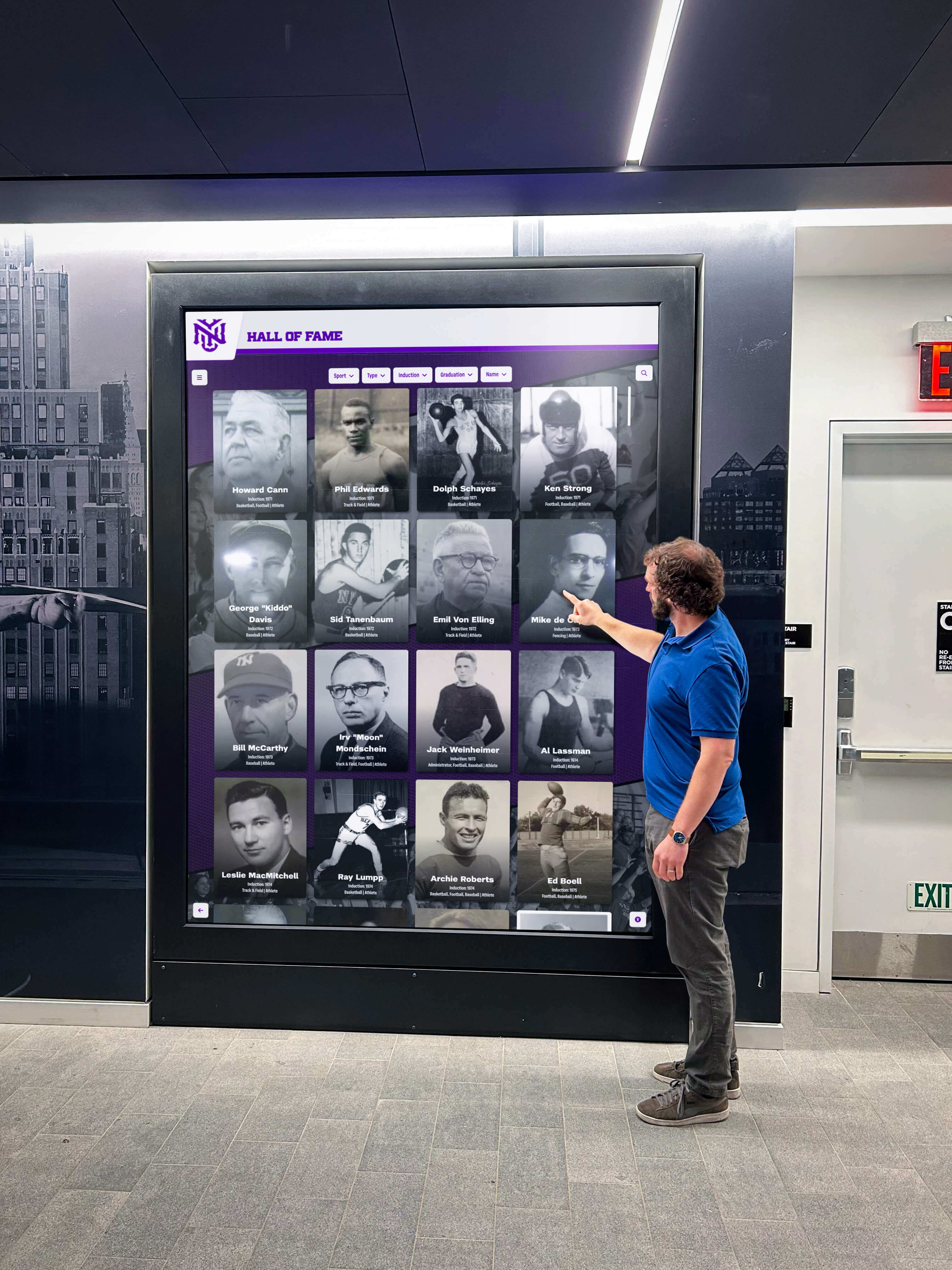
Interactive displays engage community members in exploring school history and achievement across multiple predecessor institutions
State-Mandated Consolidation
Other states impose consolidation through legislation eliminating local discretion. These mandates typically establish enrollment minimums, financial viability standards, or quality benchmarks forcing consolidation when districts fall below thresholds. While ensuring consolidation occurs, mandates often generate significant community resentment when residents feel forced into unwanted mergers.
Contested Consolidations
Not all modern consolidations proceed cooperatively. Legal challenges, community protests, and political battles frequently accompany controversial merger proposals. Communities fight to preserve schools representing generations of local identity, even when demographic and economic realities suggest consolidation inevitability.
These contentious consolidations create difficult transitions where communities enter merged districts feeling defeated rather than optimistic about new institutional identities. Preserving predecessor school recognition becomes particularly important in contested consolidations where communities feel their heritage risks erasure.
The Human Impact: What Communities Lose and Gain
School consolidation creates profound effects extending far beyond educational administration.
Community Identity and Social Disruption
School closure fundamentally alters community character:
Loss of Community Centers
Rural schools traditionally functioned as community hubs hosting not just education but social gatherings, civic meetings, athletic events, and community celebrations. School closure eliminates these gathering spaces, weakening social fabric binding communities together. Residents lose convenient venues for community interaction, reducing opportunities for the informal social contact sustaining community cohesion.
Empty school buildings symbolize community decline, becoming visible reminders of loss rather than pride. Adaptive reuse rarely fully compensates for lost community gathering functions schools historically provided.
Weakened Local Identity
Schools anchor community identity across generations. Residents identify as alumni, parents, and supporters of local schools representing shared community history and values. Consolidation replacing distinct community schools with merged regional institutions disrupts these identity connections.
Young students attend schools in different communities, reducing connections to immediate neighborhoods. The shared experience of attending the same school across generations ends, severing important multigenerational bonds. Community pride historically associated with local schools becomes diffused across larger merged institutions where individual community identity diminishes.
Organizations implementing approaches that help preserve community identity through digital recognition displays report stronger community engagement during difficult transition periods.

Architectural design elements preserve community identity while modern displays provide flexible recognition
Educational and Social Benefits
Consolidation advocates highlight genuine advantages:
Expanded Educational Opportunities
Larger consolidated schools typically offer more extensive curriculum options than small predecessor schools. Students access advanced courses, diverse electives, specialized programs, and enrichment opportunities impossible in schools enrolling fewer than 100 students. College-bound students benefit from Advanced Placement options, while career-focused students access vocational programs requiring specialized facilities and instructors.
Athletic programs expand with consolidated schools fielding teams in more sports with greater depth. Arts programs offer band, choir, drama, and visual arts instruction often unavailable in tiny schools. These expanded opportunities genuinely enhance educational experiences for many students, particularly those pursuing specific academic or extracurricular interests.
Improved Facilities and Resources
Consolidated schools often occupy newer, better-equipped facilities than aging buildings they replace. Modern science laboratories, technology infrastructure, library resources, and specialized spaces support educational programming impossible in outdated small-school facilities lacking resources for major improvements.
State funding incentives and construction assistance frequently accompany consolidation, enabling facility investments districts couldn’t afford independently. While some communities mourn losing historic school buildings holding deep sentimental value, others appreciate improved educational environments new consolidated facilities provide.
Enhanced Social Opportunities
Students in consolidated schools interact with more diverse peer groups than small-school environments. Larger student bodies expose students to varied perspectives, backgrounds, and experiences preparing them for diverse post-graduation environments. Social opportunities expand through clubs, activities, and peer relationships impossible in very small schools.
Critics counter that these benefits come at costs including longer bus rides, less personalized attention, and weakened community connections that small schools provided. The tradeoffs remain genuinely debatable with legitimate perspectives on both sides.
Long-Term Community Economic Effects
School consolidation creates lasting economic impacts:
Property Value Impacts
Research indicates school closure negatively affects property values in affected communities. Families with children avoid communities without local schools, reducing housing demand. Businesses hesitate locating in areas without schools, limiting economic development opportunities. These property value declines hurt long-term community financial stability and resident wealth.
Community Population Decline
School closure often accelerates population decline as families with children relocate to communities with schools. Remaining populations skew older with fewer young families investing in community futures. This demographic shift creates negative spirals where population loss leads to further economic decline and service reduction.
Some communities rebound by adapting to new economic identities not centered on education. Others face ongoing decline where school closure represents a tipping point toward long-term community failure. Outcomes vary substantially based on broader regional economic conditions and community adaptation strategies.
Preserving Heritage in Consolidated Schools
Modern consolidated schools face significant challenges honoring multiple predecessor institutions while building unified identities.
The Heritage Preservation Challenge
Merged schools must balance competing imperatives:
Multiple Community Identities
Consolidated schools serve students from multiple communities each possessing distinct traditions, colors, mascots, athletic histories, and institutional pride spanning generations. Students enter merged schools carrying loyalties to predecessor institutions, sometimes viewing former rivals merged into single schools with mixed emotions.
Creating unified school spirit while respecting predecessor heritage requires intentional strategies acknowledging multiple traditions. Schools neglecting this balance risk one community dominating while others feel their heritage ignored or erased—creating resentment undermining consolidation success.
Physical Heritage Limitations
Traditional recognition approaches like trophy cases, championship banners, hall of fame plaques, and memorial displays face space limitations in consolidated buildings. Physical constraints force difficult decisions about which achievements from which predecessor schools receive visibility.
Some consolidated schools attempt rotating displays or creating separate recognition areas for each predecessor school. These approaches partially address recognition needs but often result in some achievements receiving limited visibility while others remain stored away unseen—failing to adequately honor all community heritages equally.

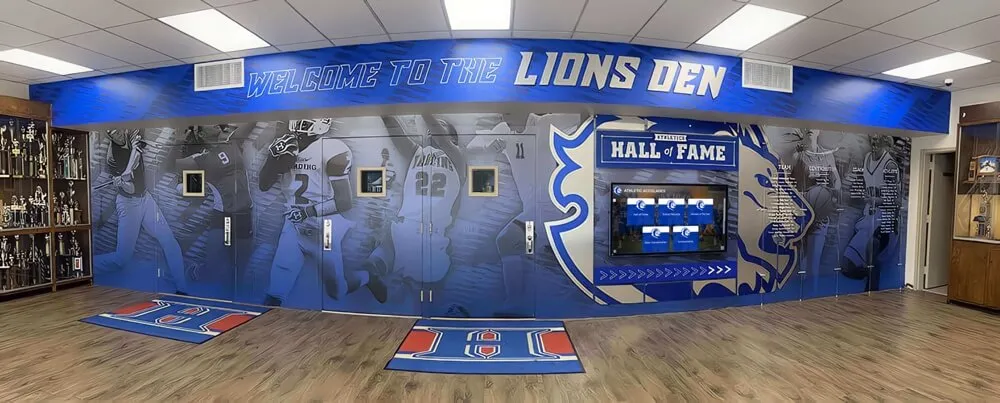
Comprehensive recognition throughout athletic facilities helps preserve predecessor school achievements and tradition
Traditional Heritage Preservation Approaches
Consolidated schools have employed various strategies with mixed success:
Merged School Names and Symbols
Some consolidations create new school names combining elements from predecessor institutions—“Lincoln-Washington High School” or “Valley View Consolidated”—attempting to represent both communities. However, merged names sometimes satisfy no one, with communities feeling inadequate representation. New mascots and colors replacing beloved predecessors can generate significant controversy.
Other consolidations adopt one predecessor school’s identity, risking the perception that one community “won” consolidation while others lost identity. Students from schools whose identity disappeared sometimes struggle developing pride in institutions representing perceived defeat.
Memorial Displays and Historical Documentation
Traditional approaches include creating historical displays documenting predecessor schools. Photo galleries, archived yearbooks, trophy cases, and memorial plaques preserve some heritage while acknowledging transitions. These static displays provide historical documentation but often lack engagement capacity keeping heritage alive for new student generations with no personal predecessor school connections.
Explore approaches to preserving school tradition discussed in resources about spirit and tradition walls that help consolidated schools honor multiple heritages.
Separate Recognition for Predecessor Schools
Some consolidated schools maintain separate recognition systems for each predecessor school—distinct trophy cases, separate honor rolls, or dedicated memorial spaces. While preserving individual school heritage, this approach risks preventing unified identity development and can reinforce divisions rather than building cohesive school culture.
Students may identify primarily with predecessor schools rather than the consolidated institution, undermining the unity consolidation theoretically creates. Balancing predecessor recognition with unified identity development remains an ongoing challenge.
Modern Digital Solutions for Heritage Preservation
Contemporary technology provides powerful tools addressing heritage preservation challenges traditional approaches struggle to solve.
Digital Recognition Platforms
Solutions like Rocket Alumni Solutions enable consolidated schools to comprehensively honor all predecessor institutions without physical space constraints:
Unlimited Recognition Capacity
Digital platforms accommodate unlimited achievements from all predecessor schools without competing for physical display space. Every championship from every school receives equal recognition opportunity—whether from institutions that closed 50 years ago or just last year. This comprehensive capacity ensures no community feels their heritage received inadequate acknowledgment due to space limitations.
Individual student recognition extends across all predecessor schools. All-state athletes, academic achievers, distinguished alumni, and notable accomplishments from every institution receive equal digital preservation opportunity. This comprehensive approach prevents the hierarchy traditional physical displays create where some achievements receive prime visibility while others remain unseen in storage.
Searchable Historical Archives
Digital systems enable community members to search achievements by school, year, sport, name, or achievement type. Alumni locate themselves and classmates regardless of which predecessor school they attended decades earlier. This searchability maintains engagement with institutional history impossible through static physical displays.
Young students discover alumni from predecessor schools who achieved excellence generations earlier, creating connections across institutional transitions. Understanding that their consolidated school carries forward traditions from multiple proud institutions helps students develop appreciation for the complex heritage they inherit.
Organizations exploring comprehensive historical preservation find resources about digital archives for schools particularly useful for understanding technical and practical implementation approaches.
Interactive Storytelling and Multimedia Heritage
Modern platforms enable rich historical storytelling:
Historical Photo and Video Archives
Digital systems showcase historical photos, scanned yearbooks, newspaper clippings, and video footage documenting predecessor school history. Consolidated schools preserve visual heritage from all predecessor institutions, creating comprehensive archives families explore discovering connections across generations.
Video oral histories from alumni, teachers, and community members preserve first-person perspectives about predecessor schools impossible to capture through static displays. These multimedia archives provide context and emotional connection written descriptions alone cannot convey.
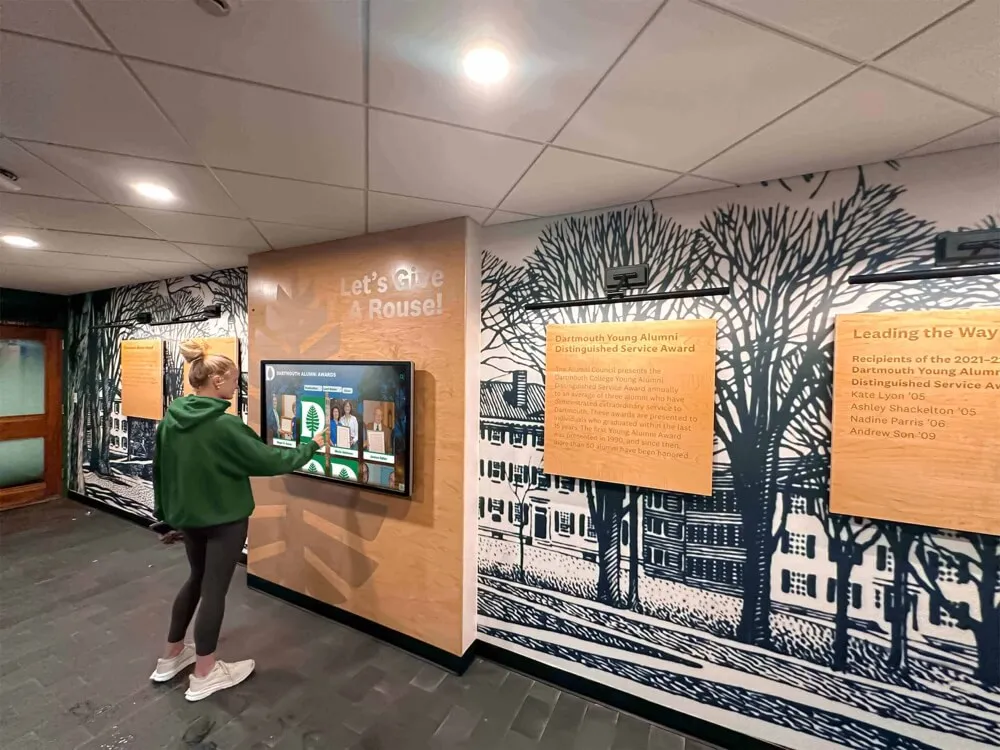
Interactive touchscreen systems enable engaging exploration of institutional history and achievement
Historical Timelines and Context
Digital platforms create interactive timelines documenting predecessor school histories, consolidation processes, and institutional evolution. Students understand how their current school emerged from multiple proud traditions, developing appreciation for complex heritage they inherit.
Contextual information explains historical significance—not just listing championships but explaining what they meant to communities, describing challenges overcome, and connecting past achievements to present institutional values. This storytelling approach brings history alive rather than presenting dry statistical records.
Schools implementing comprehensive historical documentation find approaches discussed in resources about developing college history timelines adaptable to K-12 consolidation contexts.
Community Engagement Through Digital Heritage
Digital preservation creates ongoing community connections:
Alumni Engagement Across Predecessor Schools
Digital platforms enable alumni from all predecessor schools to maintain ongoing connections despite institutional consolidation. Alumni discover former classmates, share memories, update accomplishments, and contribute historical information enriching institutional archives. This sustained engagement prevents heritage from becoming static museum pieces, keeping history alive through ongoing community participation.
Reunion organization becomes more effective when consolidated schools maintain comprehensive alumni databases across all predecessor schools. Digital systems facilitate connection and communication supporting alumni relationships transcending individual institutional identities.
Resources about alumni engagement strategies provide frameworks for maintaining connections across complex institutional transitions.
Family and Community Recognition
Digital recognition extends beyond physical campus to families and community members worldwide. Grandparents across the country explore grandchildren’s achievements alongside historical records of their own time attending now-closed predecessor schools. This multigenerational engagement strengthens family connections to institutions while honoring heritage spanning consolidation transitions.
Community members contribute photos, stories, and historical information enriching digital archives. Crowdsourced heritage preservation taps collective community memory, capturing history that would otherwise disappear as older generations pass away. Digital platforms facilitate this participatory history creation impossible through traditional institutional archives.
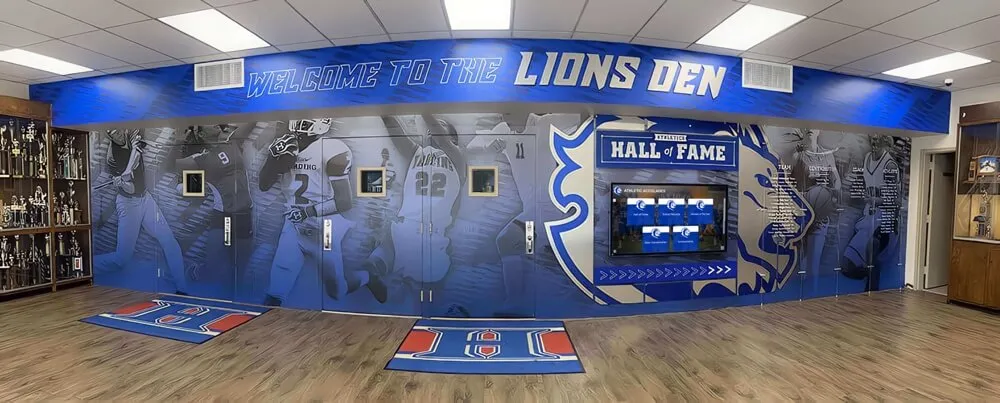
Integrated recognition systems combine traditional physical elements with digital displays providing comprehensive heritage preservation
Building Unified Identity While Honoring Heritage
Digital approaches enable strategic balance between predecessor recognition and unified identity:
Equal Visibility for All Predecessor Schools
Digital platforms ensure equal recognition opportunity for all predecessor schools regardless of size, athletic success, or community political influence during consolidation. Algorithms can ensure featured content rotates equally across all institutional heritages, preventing perceptions that certain communities receive preferential treatment while others face marginalization.
This equity proves difficult with physical displays where space limitations force hierarchy. Digital systems eliminate zero-sum competition where recognizing one predecessor school’s achievements reduces space available for others. Comprehensive equity helps all communities feel adequately represented in consolidated institutions.
Contemporary Unified Recognition
While honoring predecessor heritage, digital systems prominently showcase contemporary consolidated school achievements building new unified traditions. Current students see themselves creating new history worthy of recognition rather than only inheriting past glories from institutions they never attended.
Balancing historical heritage with contemporary identity helps consolidated schools avoid becoming museums focused exclusively on the past while neglecting building present and future traditions uniting current community members across predecessor school backgrounds.
Strategies for balancing heritage and contemporary identity appear in discussions about implementing digital walls of fame that serve complex institutional needs.
Lessons from Successful Consolidations
Examining successful mergers reveals best practices for preserving heritage:
Early Heritage Planning
Consolidations addressing heritage preservation proactively achieve better outcomes:
Pre-Consolidation Heritage Documentation
Successful consolidations systematically document predecessor school heritage before consolidation proceeds. Committees from each community inventory achievements, collect historical materials, conduct oral histories, and preserve institutional memory while participants remain available and materials accessible.
This advance documentation ensures nothing valuable disappears during transition chaos. Schools capture heritage comprehensively rather than attempting reconstruction years later after materials scatter and memories fade.
Inclusive Planning Processes
Consolidations succeeding at heritage preservation involve all communities in planning how merged institutions will honor predecessor schools. Representative committees ensure all voices shape heritage strategies rather than dominant communities imposing approaches others find inadequate.
This inclusive planning builds buy-in and creates shared ownership of heritage preservation. Communities feel heard and respected even during difficult transitions they may not have chosen, reducing resentment that undermines consolidation success.
Symbolic Equality in Merged Institutions
Successful consolidations carefully balance symbolic representation:
Physical Space Allocation
Merged schools designate physical spaces honoring each predecessor school—memorial corners, named rooms, or dedicated recognition areas. While space limitations prevent comprehensive physical recognition, symbolic spatial allocation signals respect for all heritages.
Combined with digital recognition providing unlimited capacity, strategic physical space honors predecessor schools while comprehensive digital systems ensure all achievements receive adequate preservation beyond what physical space allows.
Ceremonial Recognition
Consolidated schools incorporating predecessor schools in ceremonies, traditions, and institutional narratives help communities feel valued. Graduation programs acknowledging institutional heritage, athletic events honoring predecessor achievements, and special anniversaries celebrating all community traditions reinforce that consolidation adds rather than erases heritage.

Recognition systems extending across campus create comprehensive celebration of institutional tradition
Ongoing Heritage Stewardship
Heritage preservation requires sustained commitment:
Dedicated Heritage Committees
Successful consolidated schools maintain ongoing committees ensuring continued heritage preservation and evolution. Rather than one-time consolidation transition efforts, sustained stewardship adapts heritage strategies, expands historical archives, and ensures new generations understand institutional history.
These committees involve alumni, community members, staff, and students representing all predecessor schools. Ongoing engagement ensures heritage preservation doesn’t become stagnant but evolves as communities develop new perspectives and uncover additional historical materials.
Regular Heritage Events
Schools maintaining connections with predecessor communities through regular heritage events—reunions, anniversary celebrations, historical exhibits, and alumni recognition ceremonies—keep history alive and engaged. These events provide opportunities for alumni connection, historical storytelling, and community celebration transcending institutional transitions.
Heritage events also educate current students about institutional history, helping them understand they inherit proud traditions from multiple communities and carry responsibility for preserving and extending that heritage through their own achievements.
The Future of School Consolidation
Consolidation will likely continue affecting American education in coming decades.
Ongoing Demographic and Economic Pressures
Forces driving historical consolidation persist:
Continued Rural Population Decline
Rural America faces ongoing population challenges. Young adults continue leaving for urban opportunities, birth rates remain below replacement levels, and aging populations mean many rural school enrollments will continue declining. These demographic realities suggest additional consolidation remains likely despite community resistance.
Climate change may accelerate population shifts as agricultural patterns change and resource-dependent communities face economic challenges. Schools in declining regions will likely face consolidation pressure regardless of educational or community preferences.
Persistent Financial Challenges
Economic stress on small rural districts continues intensifying. Property tax bases erode as populations decline, state funding often fails matching inflation, and educational cost pressures mount. These financial realities force difficult decisions where communities choose between consolidation and severely diminished educational programming.
Technological Changes
Virtual education and distance learning may reduce some consolidation pressure by enabling small schools to expand course offerings. However, technology also enables larger geographic consolidation serving wider areas through blended models. Technology’s ultimate impact on consolidation rates remains uncertain and likely varies significantly by region and community circumstances.
Alternative Models and Consolidation Resistance
Not all consolidation proceeds inevitably:
Cooperative Educational Service Models
Some regions pursue cooperative approaches where small districts maintain independence while sharing services, programs, and costs. These cooperatives attempt preserving local control and community identity while achieving some efficiency benefits consolidation promises.
Whether these cooperative models provide sustainable alternatives to full consolidation remains debated. Critics argue cooperatives provide temporary solutions delaying inevitable consolidation, while proponents contend they represent viable middle paths between full consolidation and unsustainable independence.
Community School Preservation Movements
Some communities organize to preserve local schools despite consolidation pressure. Improved fundraising, operational efficiency, curriculum innovation, and virtual learning enable some small schools to demonstrate viability despite enrollment challenges.
These preservation efforts rarely reverse broader consolidation trends but demonstrate that small schools can succeed when communities commit resources and accept necessary adaptations. Each preserved small school represents community victory over consolidation pressure.

Multiple coordinated displays enable comprehensive recognition honoring complex institutional heritage
Conclusion: Honoring Heritage While Building Future
School consolidation represents one of American education’s most significant transformations spanning more than a century. The reduction from 128,000 school districts in 1930 to fewer than 13,000 today reflects profound changes in demographics, economics, transportation, and educational philosophy. This consolidation reshaped communities fundamentally, eliminating institutions that anchored local identity across generations while creating larger schools offering expanded educational opportunities.
The tension between consolidation benefits and community costs remains real and unresolved. Larger schools genuinely provide more extensive programming, improved facilities, and greater efficiency than tiny rural schools could sustainably maintain. Yet communities losing local schools experience legitimate grief over institutions representing more than educational facilities—they lose community centers, identity anchors, and multigenerational traditions families cherished across decades.
Consolidated schools today bear responsibility for honoring complex heritages inherited from multiple predecessor institutions. Students deserve understanding how their schools emerged from proud traditions spanning multiple communities, each with distinct histories worthy of preservation and celebration. Alumni and community members from predecessor schools deserve assurance their heritage remains valued and remembered rather than erased by institutional transition.
Modern digital recognition platforms provide powerful tools addressing heritage preservation challenges traditional approaches cannot adequately solve. Solutions like Rocket Alumni Solutions enable unlimited recognition capacity honoring achievements from all predecessor schools without physical space constraints forcing difficult hierarchical decisions. Interactive digital systems create engaging exploration opportunities keeping heritage alive for new student generations while supporting alumni connections transcending institutional consolidation.
The digital warming concept describes what happens when cold, forgotten institutional history transforms into living, accessible heritage communities actively explore and celebrate. When alumni discover former classmates through searchable digital archives, when families view grandparents’ achievements from schools that closed decades ago, when students understand their institution carries forward multiple proud traditions—these interactions create warmth strengthening community bonds consolidation might otherwise damage.
School consolidation will likely continue affecting American communities in coming decades as demographic and economic pressures persist. Communities and educational leaders can make consolidation processes more successful by proactively addressing heritage preservation, ensuring inclusive planning, implementing equitable recognition strategies, and leveraging technology creating comprehensive historical preservation impossible through traditional physical approaches alone.
Every community deserves schools providing excellent educational opportunities preparing students for successful futures. Every community also deserves institutional heritage preservation honoring the proud traditions and achievements spanning generations. With thoughtful planning, inclusive processes, and modern digital recognition tools, consolidated schools can achieve both imperatives—building unified institutions offering expanded opportunities while comprehensively preserving the multiple community heritages they inherit and carry forward.
Preserve Your School's Heritage Through Consolidation
Discover how digital recognition platforms help consolidated schools honor all predecessor institutions comprehensively while building unified school spirit and community pride.
Explore Recognition SolutionsReady to ensure your school’s heritage receives the comprehensive preservation it deserves? Book a demo with Rocket Alumni Solutions to discover how digital recognition creates lasting connection with institutional history, or explore approaches for preserving historical photos and old school photo displays that honor community tradition across institutional transitions.