Your senior yearbook quote represents one of the few permanent declarations you’ll make during high school—a single sentence or phrase that appears beneath your portrait, captured forever in print and memory. Unlike social media posts that disappear into algorithmic obscurity or text messages deleted during phone upgrades, your yearbook quote endures. Classmates will read it during graduation week, encounter it again at ten-year reunions, and rediscover it decades later when sharing yearbooks with their own children. The pressure to choose something meaningful, authentic, and appropriately clever creates paralysis for many seniors facing submission deadlines.
The challenge intensifies because yearbook quotes serve multiple simultaneous purposes. They should reflect your personality authentically while remaining appropriate for permanent publication. They need to resonate with current classmates who understand your references while remaining comprehensible to future readers encountering them years later. They should showcase your values, humor, or perspective without becoming cringe-worthy with time’s passage. And they must accomplish all this within strict character limits that transform profound thoughts into concise declarations.
Many students struggle with this balance, defaulting to overused song lyrics, generic inspirational platitudes, or inside jokes that lose meaning the moment graduation ends. Others overthink the decision entirely, agonizing over word choices until deadlines force rushed selections they later regret.
This comprehensive guide helps you navigate the yearbook quote selection process with confidence and clarity. You’ll discover strategies for choosing quotes that authentically represent you, formatting guidelines ensuring your quote appears as intended, common pitfalls to avoid, and modern approaches for preserving and showcasing senior memories that extend far beyond printed pages—including digital recognition systems now greeting visitors in school entrance lobbies and displaying senior legacies for years to come.

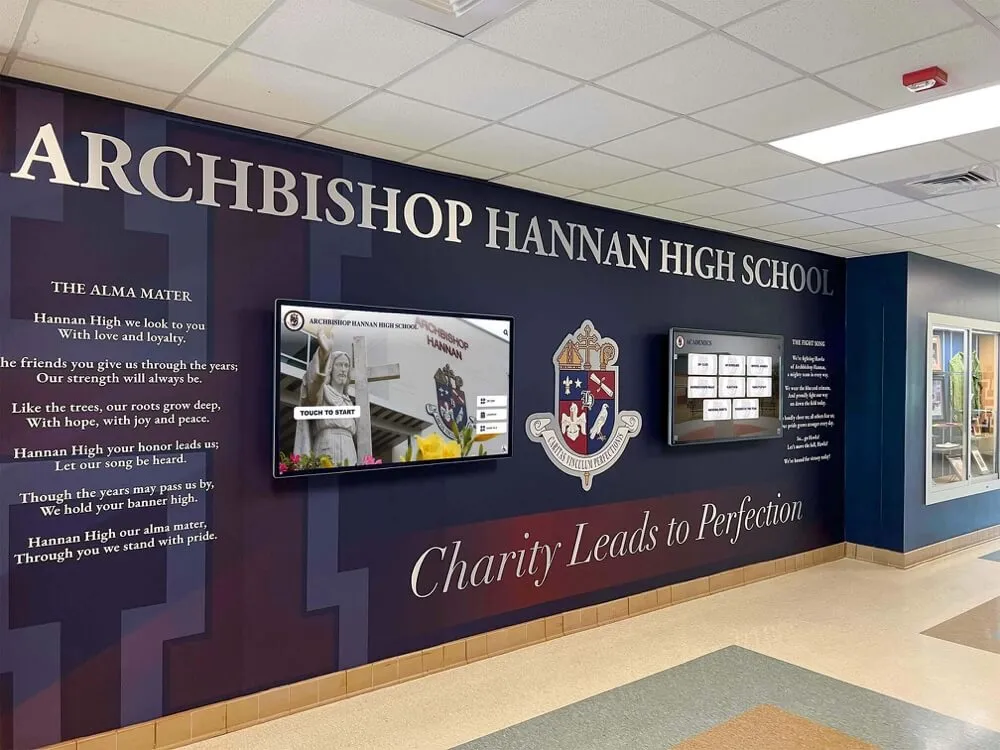
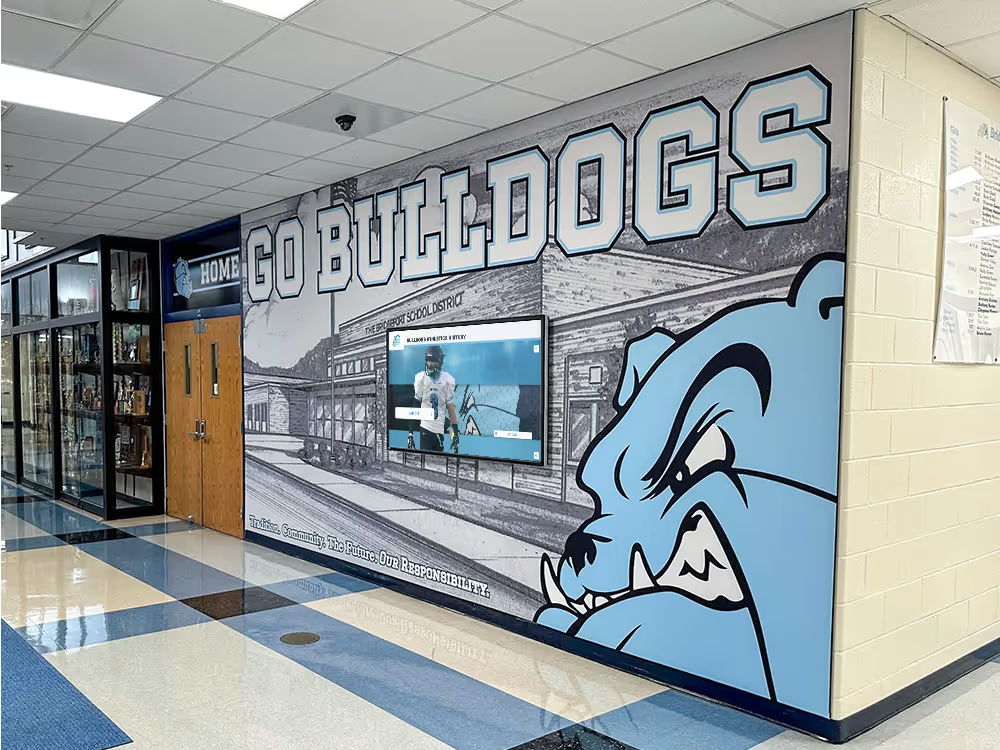
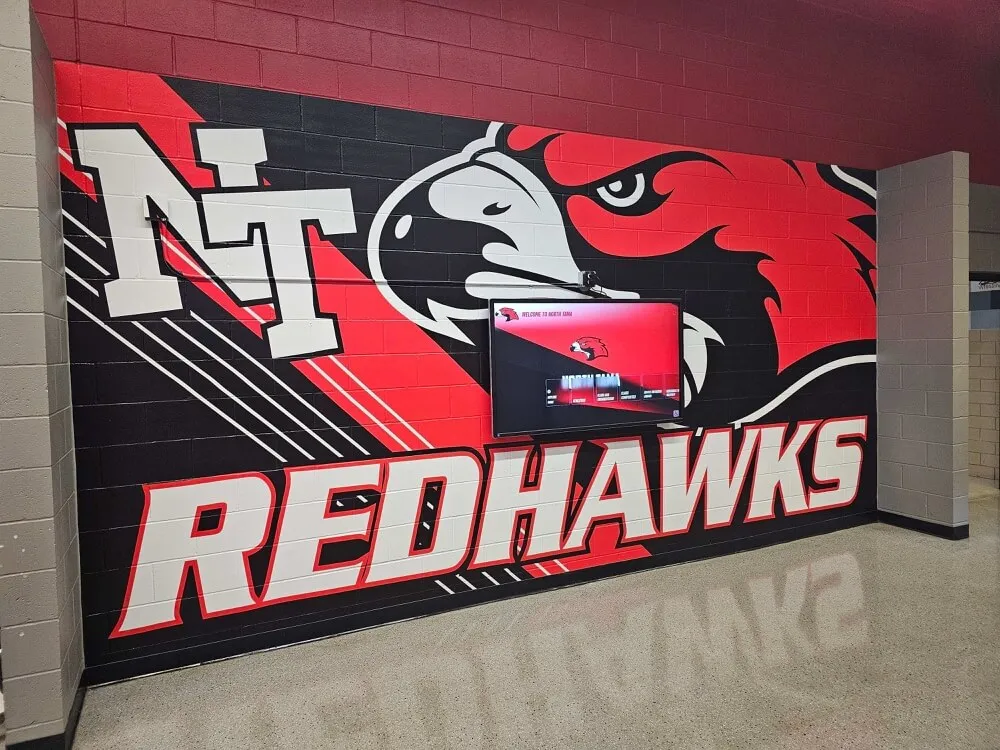
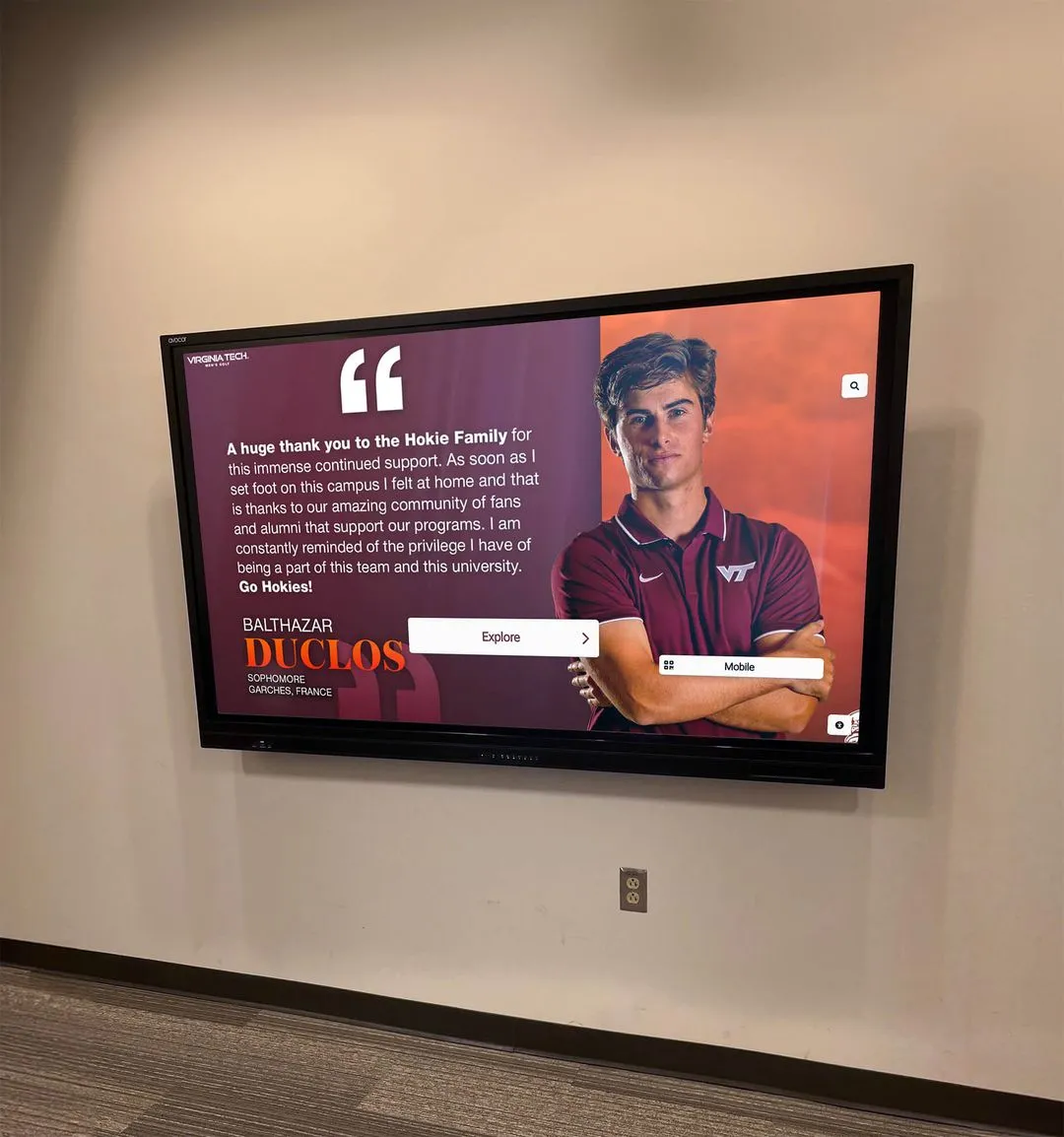
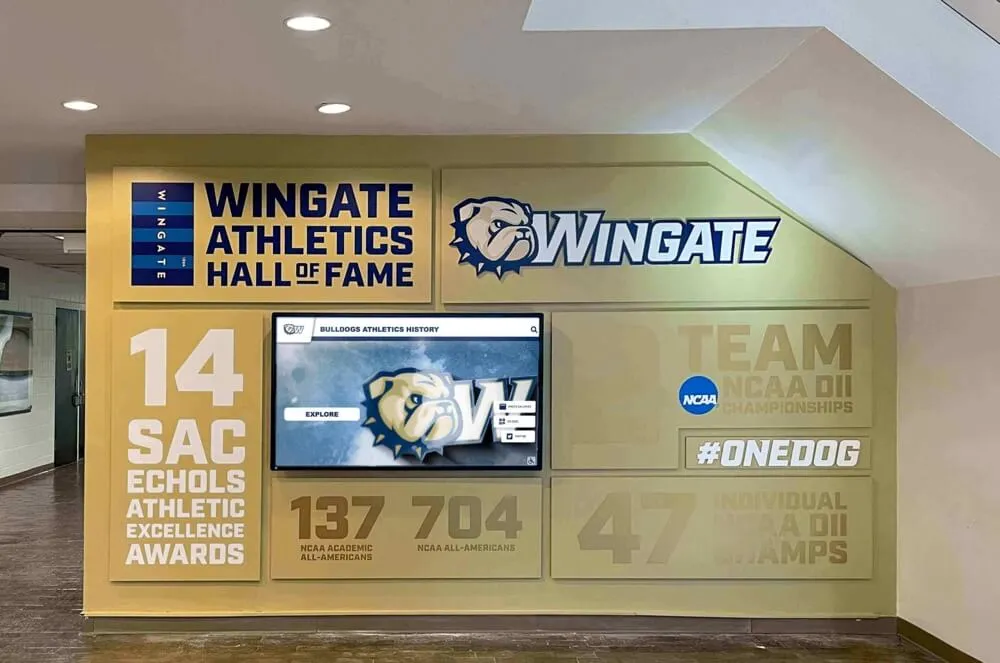
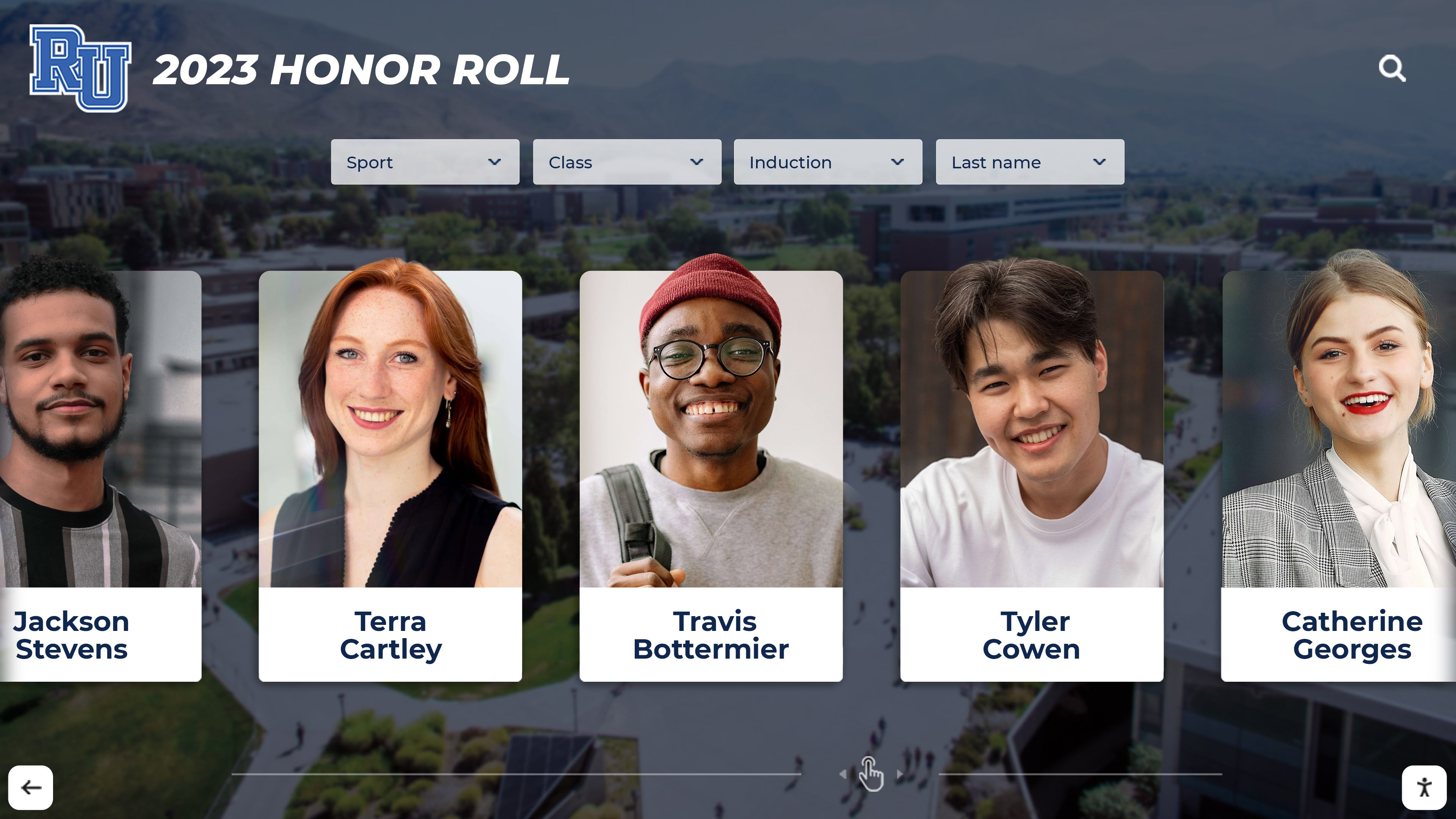
Student recognition displays preserve individual achievements and memorable moments from senior year
Understanding the Purpose of Yearbook Quotes
Before selecting your quote, understanding its fundamental purposes helps frame effective decision-making that serves both present and future audiences.
Capturing a Moment in Time
Yearbook quotes function as time capsules—brief snapshots of who you were, what you valued, and how you saw the world during your final year of high school.
Authentic Self-Representation
The most effective yearbook quotes reflect genuine aspects of your personality, interests, or perspective rather than attempting to project an idealized or inauthentic version of yourself. Consider what makes you distinctly you: Are you known for specific humor styles—dry wit, clever wordplay, or infectious optimism? Do particular values guide your decisions—creativity, loyalty, curiosity, or determination? Have certain experiences shaped your high school years—travel, artistic pursuits, athletic dedication, or academic passions?
Authentic quotes resonate because they align with how classmates already perceive you. When friends encounter your quote, they should recognize it as distinctly yours rather than feeling surprised by its tone or content. This authenticity ensures your quote serves its documentary purpose, genuinely capturing who you were rather than who you thought you should be.
Balancing Present and Future Relevance
Effective yearbook quotes navigate the tension between immediate relevance and lasting meaning. References that resonate powerfully with current classmates sometimes become incomprehensible to future readers, while timeless sentiments occasionally feel generic or impersonal in the present moment.
Consider your quote’s shelf life: Will you understand your own reference ten years from now? Will the quote require extensive context to explain to someone unfamiliar with your school’s specific culture? Does it reference current pop culture moments likely to fade from memory, or does it connect to enduring themes, values, or perspectives?
The strongest quotes often achieve relevance across time horizons by grounding themselves in universal human experiences—growth, friendship, challenge, discovery, humor—expressed through your distinctive voice rather than borrowed phrases requiring specific cultural knowledge.
Communicating Values and Perspective
Yearbook quotes offer rare opportunities to articulate what matters most to you in permanent, public declarations.
Philosophical Declarations
Many students use yearbook quotes to express core beliefs, life philosophies, or guiding principles that shaped their high school experience and will continue influencing future decisions. These declarations might address resilience (“Fall seven times, stand up eight”), curiosity (“The important thing is not to stop questioning”), gratitude (“Not all those who wander are lost”), or determination (“She believed she could, so she did”).
When selecting philosophical quotes, ensure they genuinely reflect your actual values rather than aspirational ideals. Your yearbook quote shouldn’t articulate the person you wish you were but the person you actually are. Classmates recognize authenticity, and you’ll appreciate that recognition when revisiting your yearbook years later.
Humor and Levity
Humor serves legitimate purposes in yearbook quotes, offering comic relief, showcasing personality, and creating memorable moments that classmates enjoy discovering. Effective humorous quotes demonstrate your wit while avoiding mean-spirited commentary, inappropriate content, or references that quickly become dated.
Self-deprecating humor often ages well because it demonstrates self-awareness and perspective. Clever wordplay endures because it showcases intelligence alongside humor. Observations about the absurdities of high school life resonate because they capture shared experiences authentically.
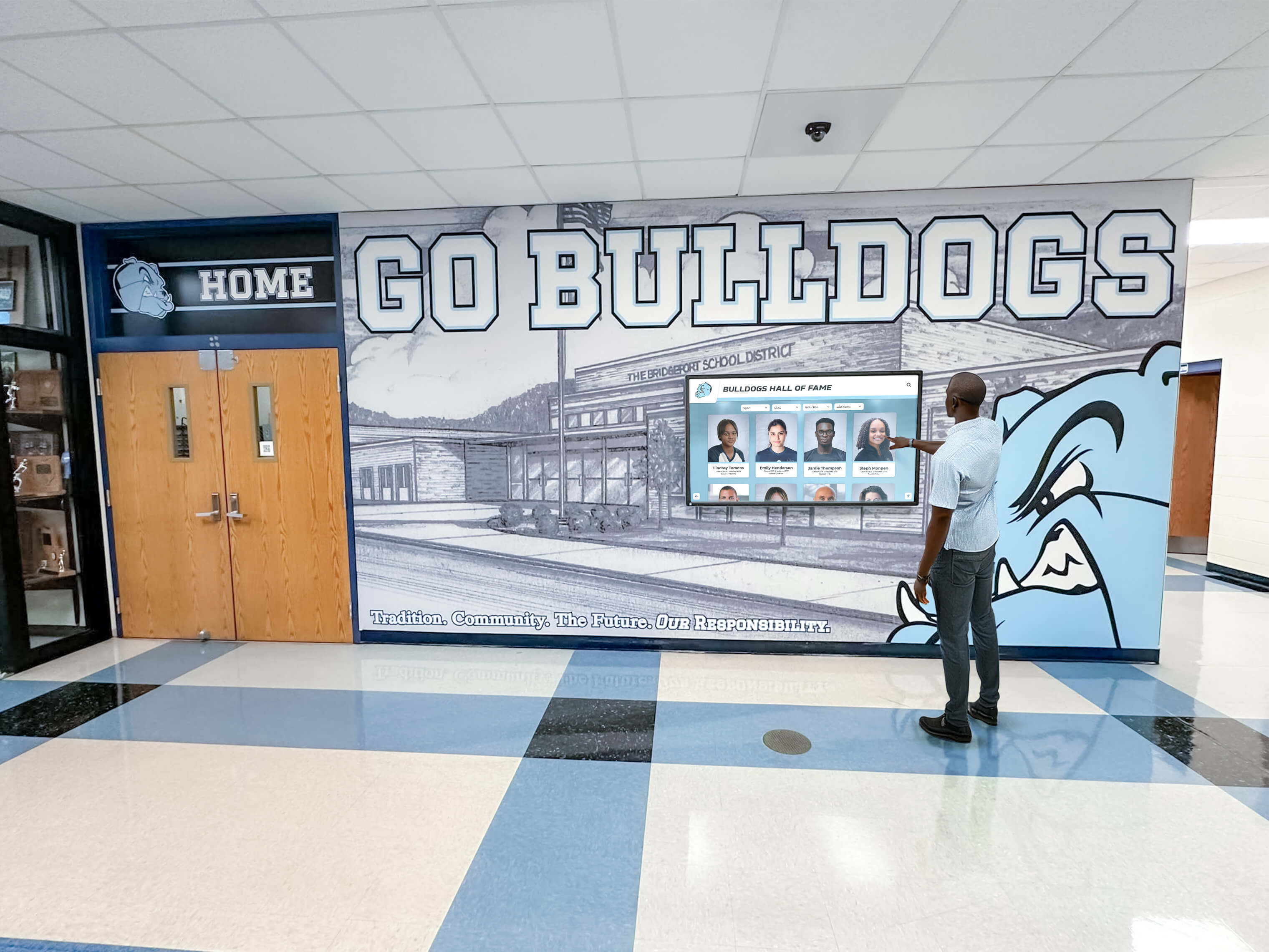
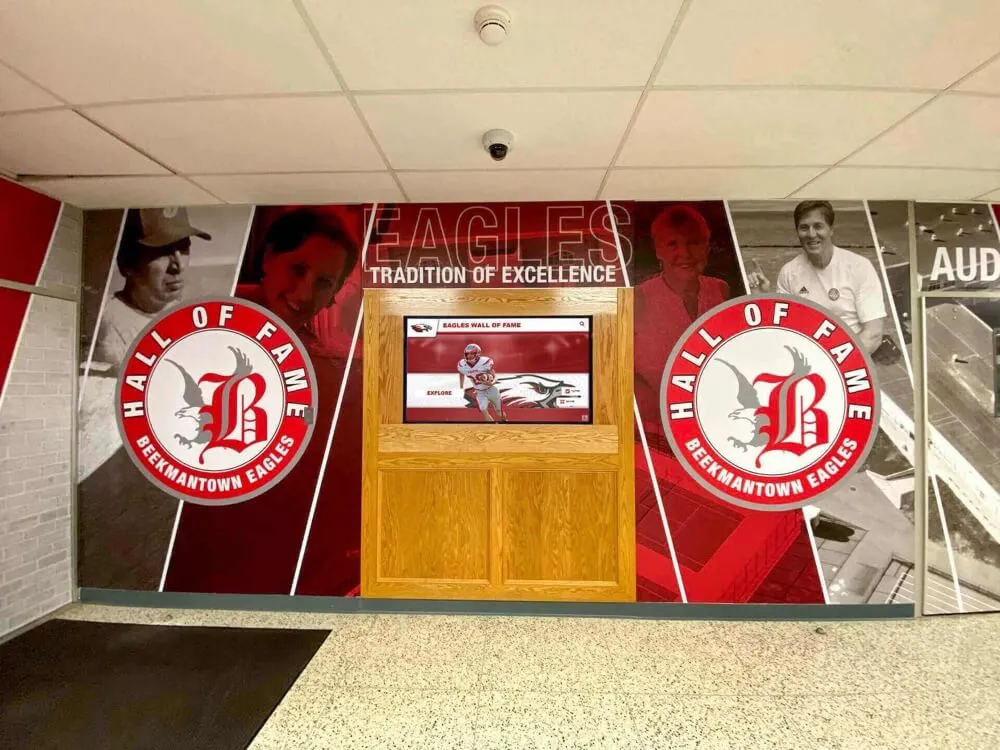
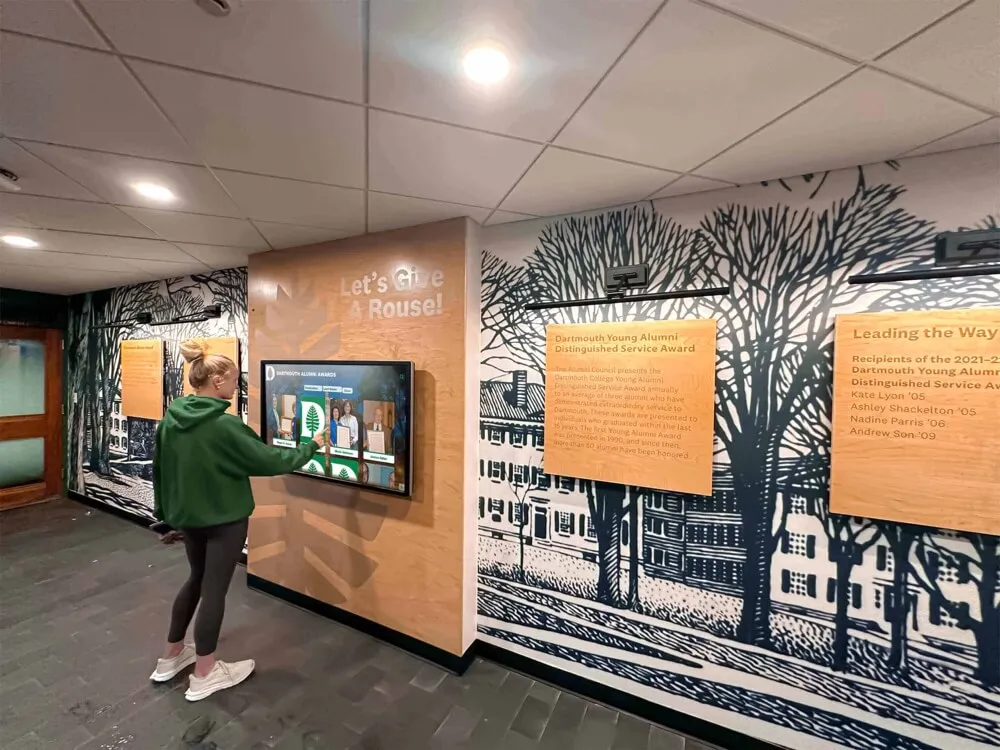
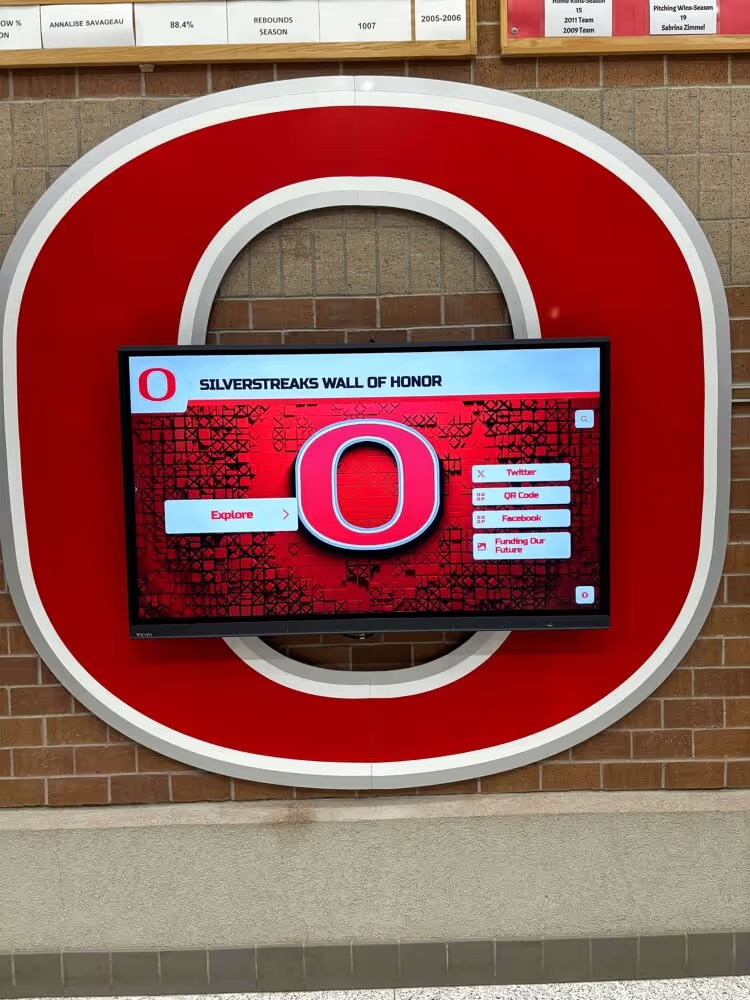
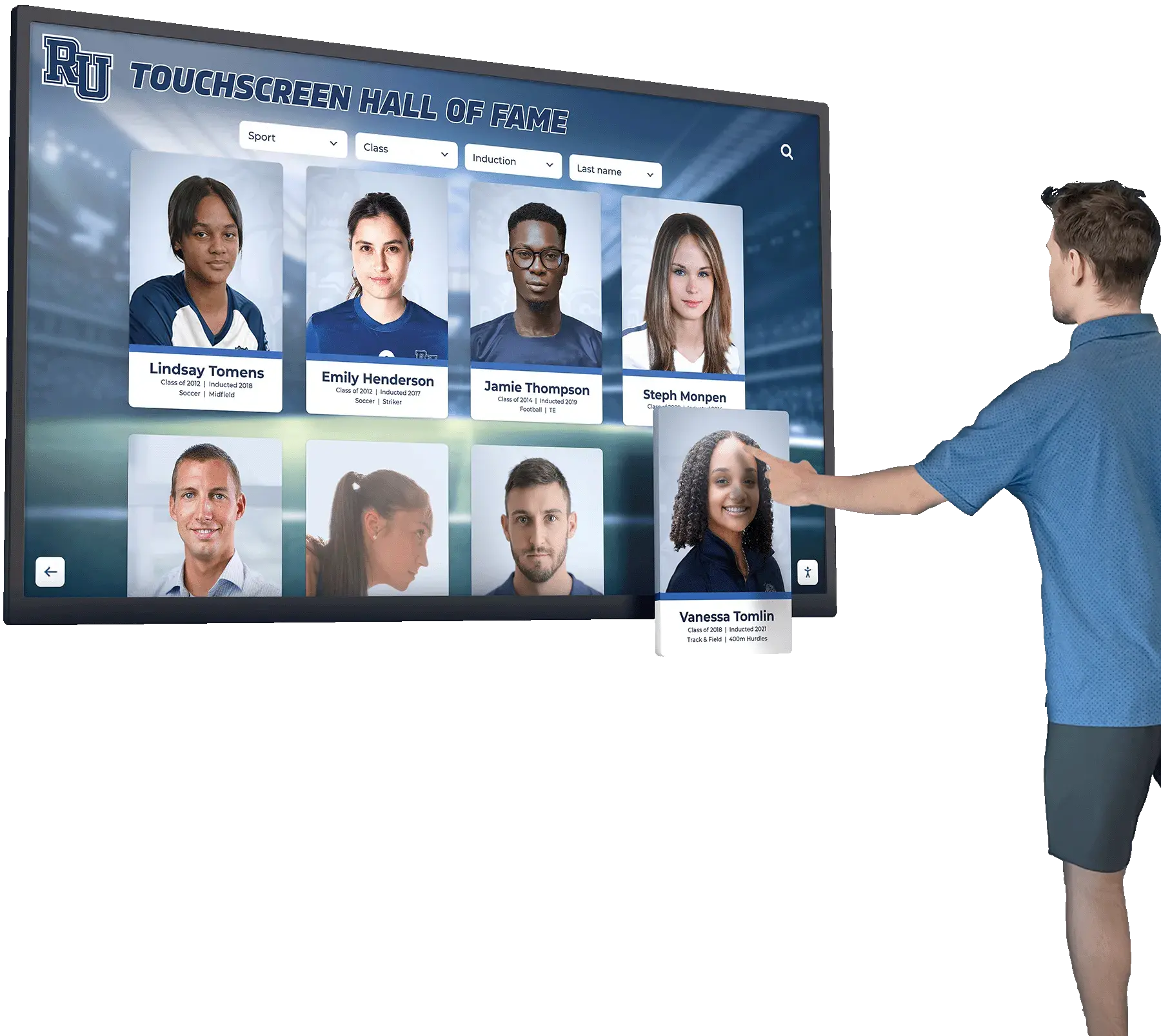
Modern schools preserve student memories and achievements through interactive displays accessible to current and future students
Strategic Approaches to Quote Selection
Systematic selection processes help you identify quotes that authentically represent you while meeting yearbook requirements and withstanding time’s test.
Starting with Self-Reflection
Effective quote selection begins with understanding yourself rather than browsing quote databases hoping something resonates.
Identifying Your Core Themes
Reflect on the themes, experiences, and relationships that defined your high school years. What challenges did you overcome that shaped your perspective? Which friendships, activities, or pursuits brought the greatest meaning? What lessons or insights will you carry forward beyond graduation? What makes you laugh, what inspires you, what drives your decisions?
Document these reflections without immediately searching for perfect phrasing. The goal is identifying authentic themes that matter to you personally, creating frameworks for later quote selection or composition. Students who begin with genuine self-reflection consistently select more meaningful quotes than those who start by browsing popular quote compilations hoping something fits.
Considering Your Legacy
Think about how you want classmates to remember you and what message you’d like to leave for future students encountering your portrait and quote in years to come. This consideration shouldn’t pressure you toward artificial profundity—your legacy might be making people laugh, demonstrating kindness, showing dedication, or simply being authentically yourself.
The question isn’t “What sounds impressive?” but rather “What feels true?” Your legacy emerges from who you actually were, not from carefully crafted image management. Honest quotes grounded in genuine self-awareness create more meaningful legacies than borrowed eloquence disconnected from your authentic experience.
Source Material Options
Once you’ve identified core themes and values, multiple source categories offer potential quote material aligned with your reflection.
Original Compositions
Creating your own yearbook quote ensures complete authenticity and uniqueness while allowing precise alignment with your identified themes and values. Original quotes demonstrate creativity and confidence while guaranteeing your message won’t duplicate classmates’ selections or rely on others’ words expressing your perspective.
Effective original quotes often take forms like concise observations about your high school experience, brief philosophical statements articulating your worldview, humorous commentary showcasing your personality, or expressions of gratitude toward specific people or experiences that shaped you. Keep original quotes concise, clear, and conversational rather than attempting overly formal or elaborate phrasing that sounds unnatural.
Many students worry original quotes won’t sound as polished as famous quotations. This concern misses the point—your quote should sound like you, not like a historical figure or celebrated author. Authenticity matters more than eloquence.
Literary and Film References
Books, plays, poetry, and films that significantly influenced you provide rich quote sources connecting to meaningful cultural works while expressing personal values. When selecting literary or film quotes, choose passages that genuinely resonated during reading or viewing rather than impressive-sounding lines from works you barely remember.
Consider whether specific references require context to understand. A quote perfectly comprehensible within its source material might become confusing when isolated beneath your yearbook portrait. The strongest literary and film quotes transcend their original contexts, conveying meaning even to readers unfamiliar with the source.
If a particular author, filmmaker, or work significantly influenced your thinking, using their words demonstrates that impact authentically. Attribution becomes important—if space permits, include the source, particularly for lesser-known works that deserve recognition.
Song Lyrics
Music provides deeply personal quote sources for many students, with specific lyrics capturing feelings, experiences, or perspectives that resonated throughout high school. Song lyric quotes work best when they genuinely reflect significant musical influences in your life rather than simply borrowing from popular tracks everyone knows.
The challenge with song lyrics involves their ubiquity—certain artists and songs appear repeatedly in yearbooks, reducing the distinctiveness of otherwise meaningful selections. If selecting lyrics, consider whether they’re already appearing frequently in your class’s quote submissions. Lesser-known tracks or deep album cuts from your favorite artists often provide more unique options than hit singles everyone quotes.
Additionally, verify lyric quotes don’t lose meaning when separated from their musical context. Some lyrics work beautifully within songs but become awkward or unclear when read in isolation.
Wise Voices from History
Historical figures, philosophers, scientists, activists, and leaders throughout history have articulated profound insights that continue resonating across generations. Historical quotes work particularly well when they genuinely connect to your values, interests, or experiences rather than simply sounding impressive.
If you’re passionate about specific fields—science, social justice, arts, athletics—quotations from pioneering figures in those domains create meaningful connections between your interests and inspirational predecessors. A student planning a medical career might quote medical researchers, an aspiring engineer might reference innovative inventors, a future teacher might cite educational pioneers.
The key is genuine connection. Don’t quote Einstein simply because he was brilliant; quote him if his specific words about curiosity, creativity, or perseverance genuinely resonate with your experience and perspective.
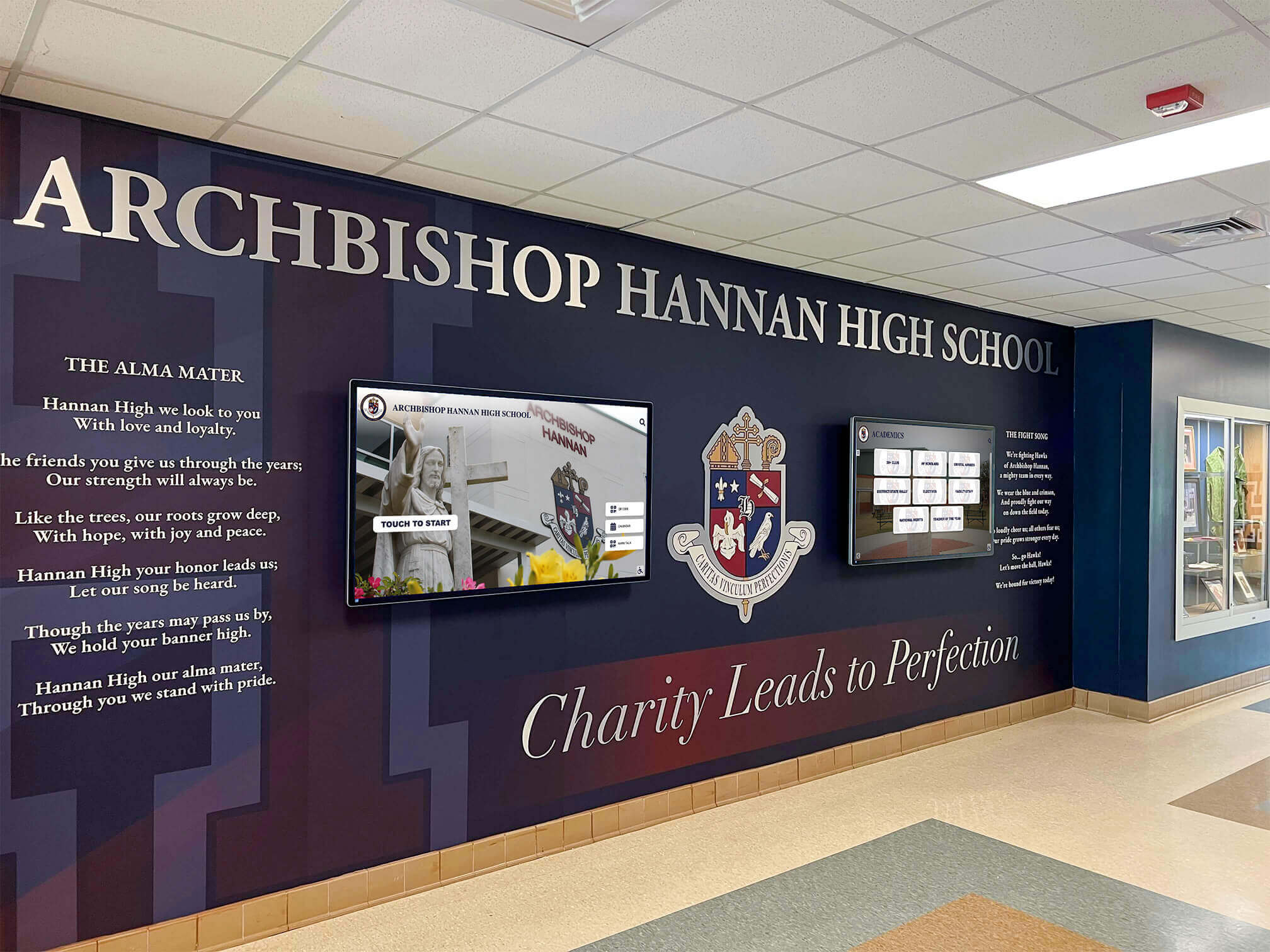
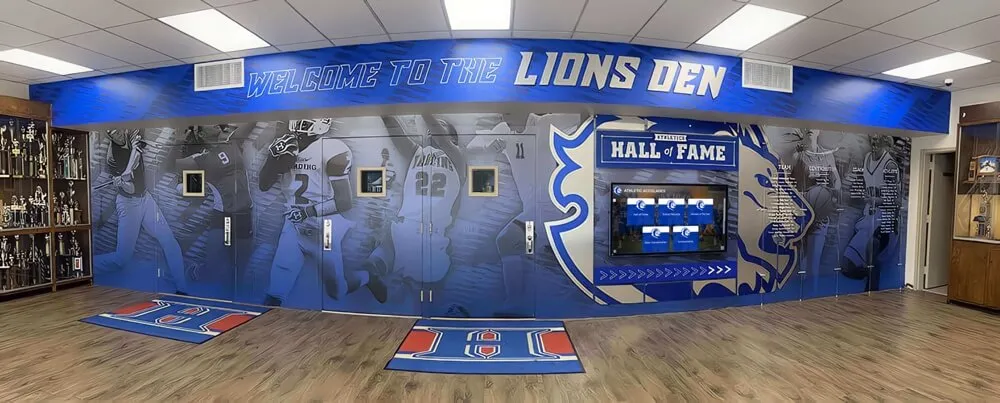
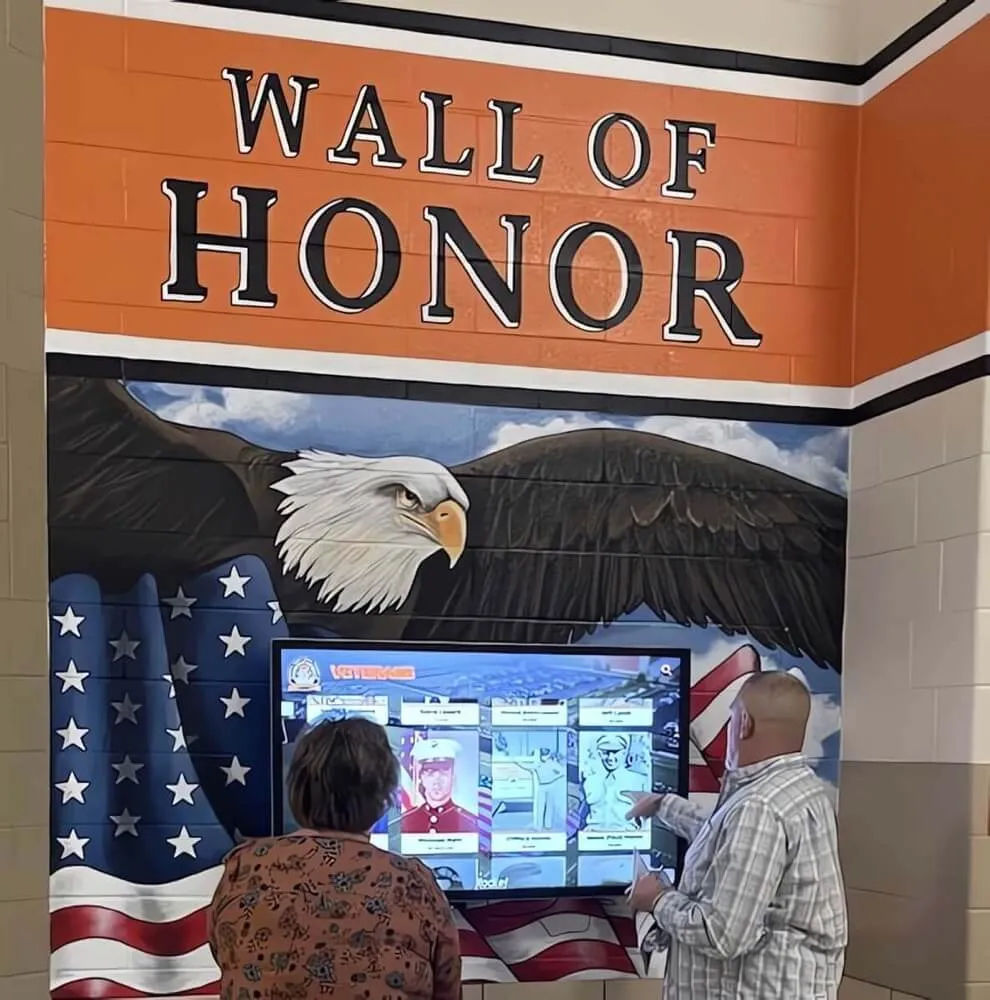
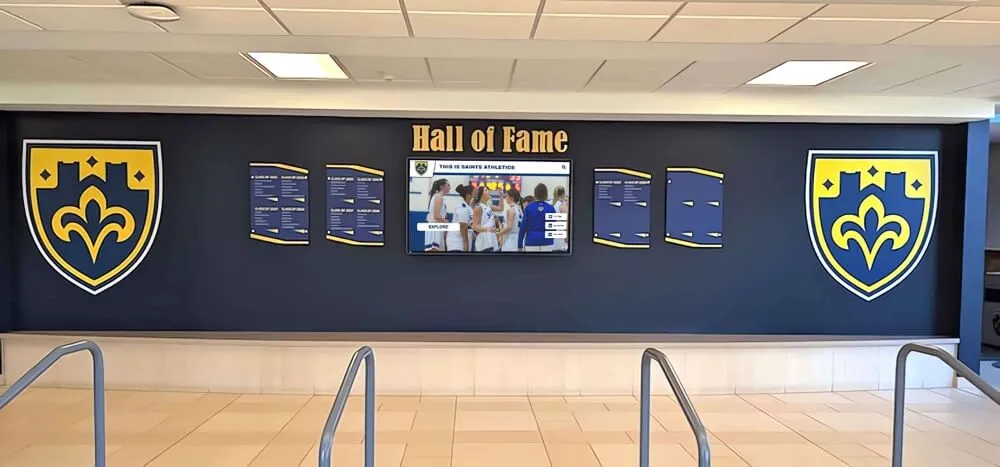
School entrance displays combine traditional design elements with digital technology to welcome visitors while showcasing student achievements and memories
Formatting and Submission Guidelines
Even perfectly selected quotes can disappoint if formatting errors, length violations, or submission mistakes prevent their intended appearance.
Understanding Character and Word Limits
Yearbook committees establish quote length restrictions balancing sufficient space for meaningful expression with design consistency and page layout requirements.
Working Within Constraints
Most yearbooks limit senior quotes to specific character counts—commonly 75-150 characters including spaces and punctuation—or word counts typically ranging from 10-25 words. These restrictions require concision that strengthens rather than weakens your message by forcing focus on essential ideas without unnecessary elaboration.
When your preferred quote exceeds limits, resist the temptation to abbreviate words, eliminate punctuation, or compress spacing. These modifications often create confusion or unprofessional appearance. Instead, edit the quote thoughtfully, preserving core meaning while achieving required length. Sometimes finding a different quote expressing similar sentiments within length constraints serves better than forcing an oversized selection to fit.
Verify your school’s specific character count includes or excludes attribution. Some yearbooks allow attributions beyond quote character limits, while others include source citations within total counts, requiring shorter quotes when attribution is important.
Attribution Formatting
When attributing quotes to sources, follow your yearbook’s specified formatting conventions—typically using em dashes or attribution phrases:
“Quote here.” —Author Name
“Quote here.” -Source
Verify whether your yearbook committee requires attributions for all quoted material or only for specific categories. Some programs require attributing any non-original content, while others assume attributions only when students include them voluntarily. Understanding these expectations prevents submission rejections or unwanted modifications to your carefully selected quote.
Avoiding Prohibited Content
Yearbooks function as official school publications distributed to students, families, and communities, requiring content guidelines that ensure appropriateness for diverse audiences and permanent publication.
School Policy Compliance
Familiarize yourself with your school’s specific yearbook quote policies, which typically prohibit profanity and explicit language (including euphemisms, acronyms, or thinly veiled references), references to drugs, alcohol, tobacco, or illegal substances, sexually suggestive content, derogatory comments about individuals, groups, or organizations, promotion of violence or dangerous activities, and content violating school codes of conduct.
These restrictions reflect the yearbook’s role as an official school document rather than personal expression platforms. Content inappropriate for yearbooks might be acceptable in other contexts, but permanent school publications require broader appropriateness standards.
Students occasionally attempt to circumvent restrictions through coded language, alternative spellings, or obscure references. These attempts rarely succeed—yearbook advisors recognize common evasion tactics and reject quotes attempting to bypass policies through technicalities. Such rejections create rushed replacement selections less satisfying than thoughtfully chosen alternatives within guidelines from the start.
Respecting Others
Beyond explicit policy violations, consider whether your quote might hurt, embarrass, or disrespect classmates, teachers, administrators, or other community members. Inside jokes referencing specific individuals might seem harmless to you but uncomfortable for people named or referenced. Sarcastic commentary about school policies, teachers, or administrators might feel cathartic but creates permanent records of disrespect you may later regret.
The permanence test applies here: Will you feel comfortable explaining this quote to future employers, children, or community members who might encounter your yearbook? Would you defend this quote if someone it references felt hurt or disrespected? If either answer creates hesitation, choose alternative wording or different quotes entirely.
Proofreading and Verification
Even perfectly selected, appropriately formatted quotes can appear incorrectly due to transcription errors, autocorrect modifications, or simple typos.
Submission Accuracy
When submitting quotes, verify every word, punctuation mark, capitalization, and spacing exactly as you want them to appear. Common errors include autocorrect changing intended words, missing or incorrect punctuation, capitalization inconsistencies, and attribution errors (wrong author names, misspelled sources).
If submitting quotes through online forms, type carefully and proofread before final submission. Many systems don’t allow post-submission edits, making initial accuracy essential. If submitting handwritten quotes, write legibly to prevent transcription errors, or better yet, type quotes even on handwritten forms to ensure clarity.
Proof Review Opportunities
Many yearbook programs provide proof review periods where students verify their quotes appear correctly before final printing. Treat these reviews seriously—they represent your last opportunity to catch errors or request corrections. Even if you’re confident in your original submission, review proofs carefully. Transcription mistakes occur, and fixing errors during proofs prevents permanent mistakes.
If your yearbook doesn’t automatically provide proofs, ask your advisor whether review opportunities exist. Advocating for proof access demonstrates professionalism while protecting against preventable errors.
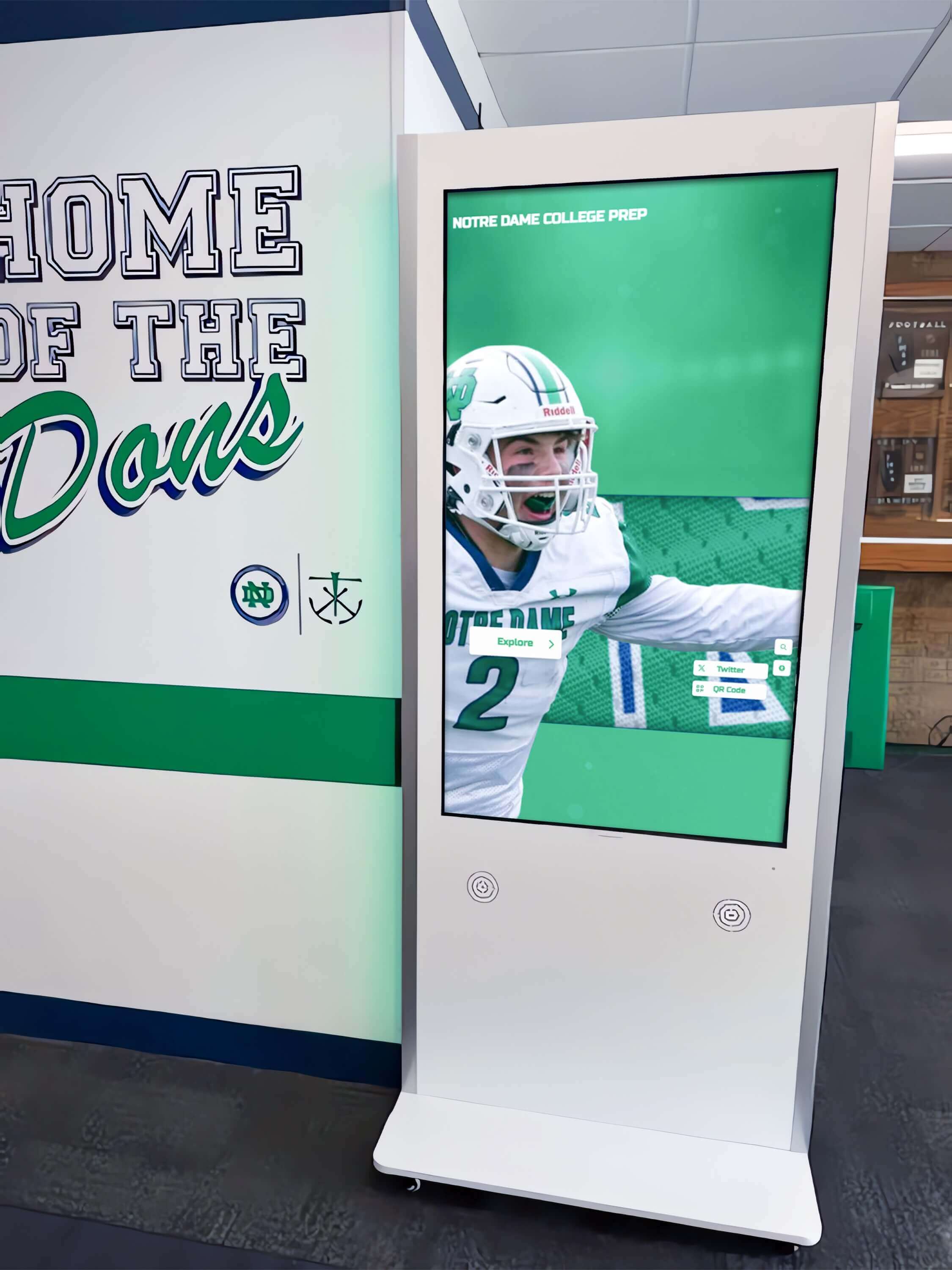
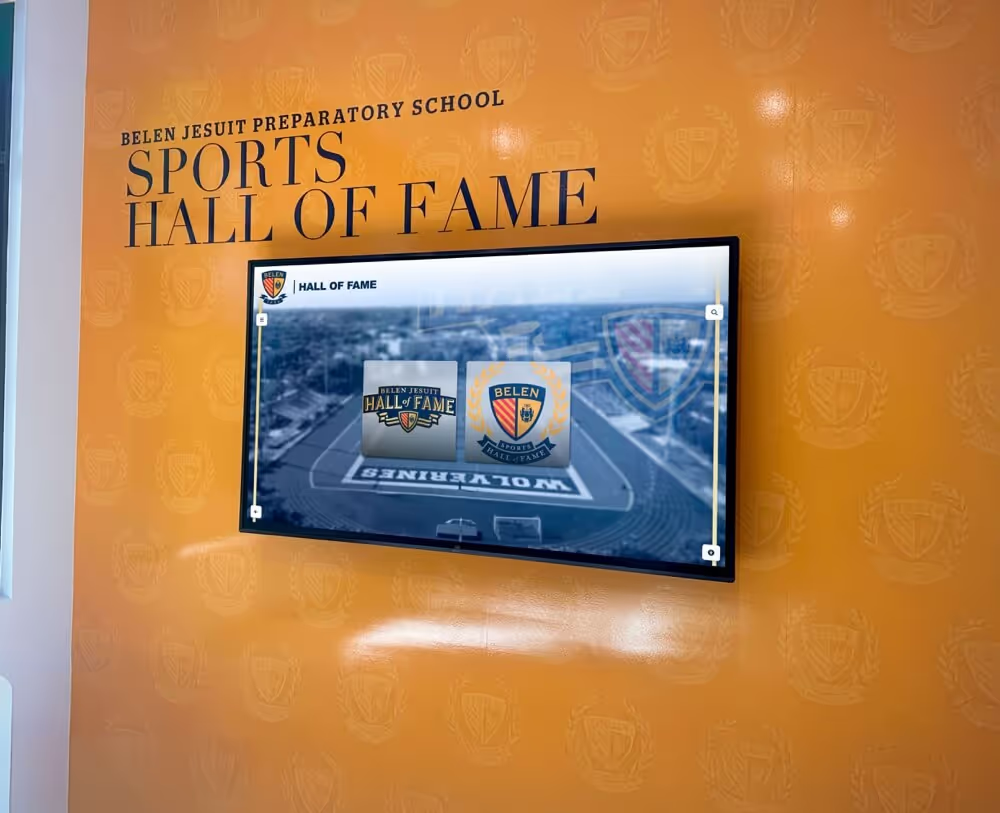
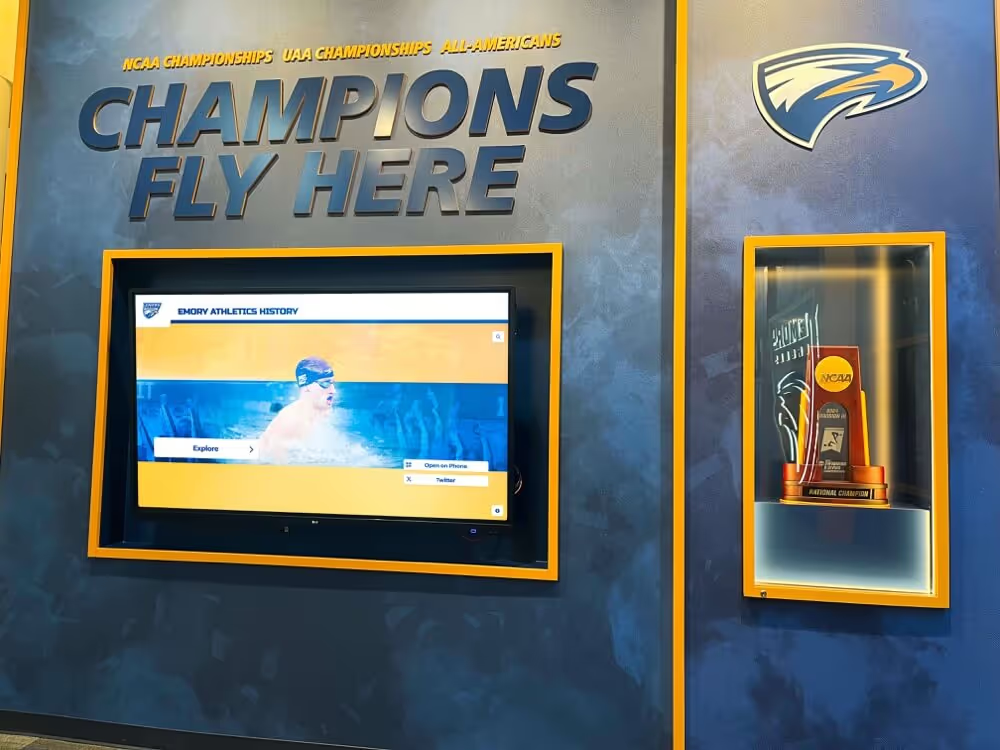
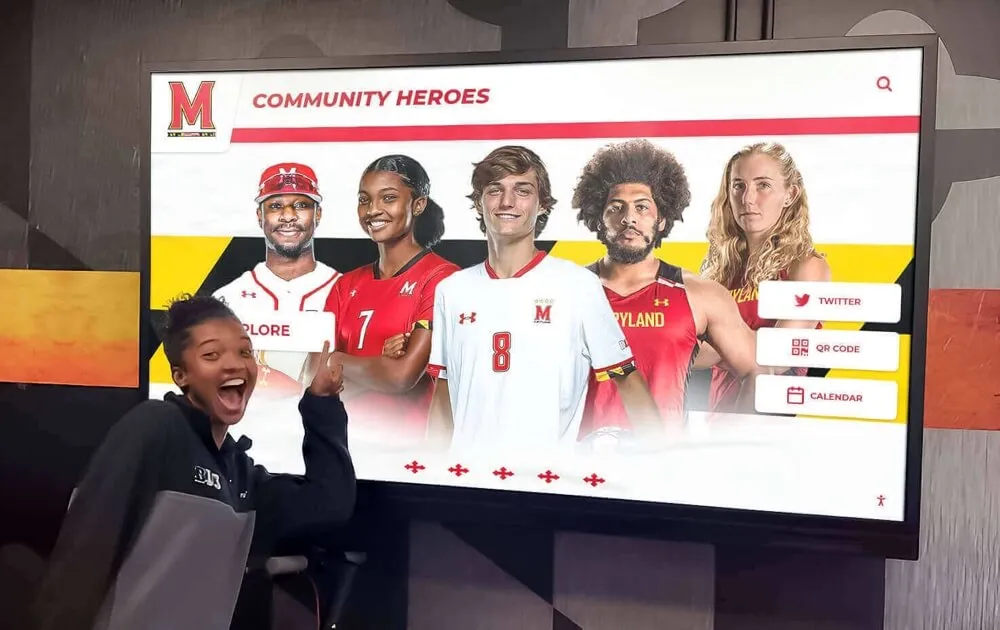
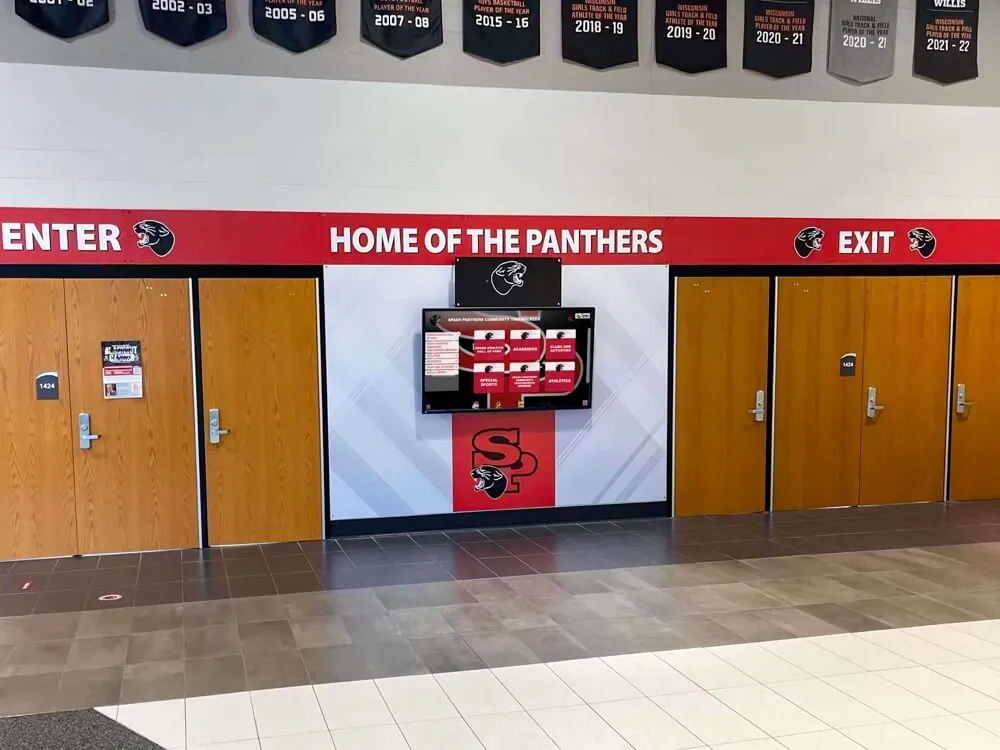
Interactive kiosks in school hallways provide dynamic platforms for showcasing student achievements and memories throughout the year
Common Quote Selection Mistakes to Avoid
Learning from common pitfalls helps you make selections you’ll appreciate long after graduation rather than quotes that inspire future regret.
The Overused Classics Trap
Certain quotes appear so frequently in yearbooks that they’ve lost distinctiveness, transforming from meaningful sentiments into predictable clichés that blend together rather than standing out.
Recognizing Saturated Selections
Quotes appearing repeatedly in yearbooks include variations of “Be yourself; everyone else is already taken” (Oscar Wilde), “The best is yet to come,” “She believed she could, so she did,” “Not all those who wander are lost” (J.R.R. Tolkien), Dr. Seuss quotes about places you’ll go and the people you’ll meet, and generic inspirational sentiments about dreams, journeys, or following your heart.
These quotes became popular because they express appealing sentiments. The problem isn’t their message but their ubiquity. When multiple classmates select identical or nearly identical quotes, none stand out. Your quote merges into a generic blur of inspirational platitudes rather than capturing your distinctive personality.
If a quote immediately comes to mind without reflection or research, dozens of classmates likely thought of the same selection. The most meaningful quotes typically require deeper consideration connecting to your specific experiences, interests, and values rather than surfacing immediately as obvious choices.
Finding Distinctive Alternatives
When tempted by popular quotes, ask yourself what specifically appeals about that particular sentiment. Then search for alternative expressions of similar ideas that feel more distinctive and personal. If you love Tolkien’s “not all those who wander are lost,” explore other Tolkien quotes that might resonate while appearing less frequently. If Dr. Seuss’s adventurous optimism appeals, consider whether other favorite childhood books offer similar sentiments with less yearbook saturation.
Better yet, express the appealing sentiment in your own words, creating original alternatives to overused classics that communicate similar values while ensuring uniqueness.
The Obscure Reference Problem
While avoiding overused quotes makes sense, swinging too far toward obscure references creates opposite problems—quotes so specific, personal, or context-dependent that they become incomprehensible to most readers.
Balancing Uniqueness and Accessibility
Inside jokes shared with close friends feel meaningful in the moment but often lose significance rapidly after graduation. References to specific incidents, lunch table conversations, or shared experiences that seem hilarious to your immediate friend group might confuse everyone else while becoming incomprehensible even to you within a few years.
Similarly, extremely niche references to obscure media, highly specialized interests, or temporary cultural moments might feel distinctively you but require extensive context for anyone else to understand. If explaining your quote requires paragraph-long backstories, it’s probably too obscure for yearbook purposes.
Effective quotes strike balances between distinctiveness and comprehensibility—they reflect your unique personality and interests while remaining accessible to readers who know you less intimately. Friends should recognize the quote as distinctly yours, but classmates outside your immediate circle should also grasp its general meaning.
The Self-Test for Clarity
Before finalizing obscure references, imagine explaining your quote to a friendly but not close classmate who knows your name but not your life details. Can you convey why you chose this quote in one or two clear sentences? Does the quote communicate something meaningful about you even without extensive backstory? Will you remember what this quote meant ten years from now without digging through old text messages or photos for context?
If honest answers raise doubts, consider whether slightly more accessible alternatives might serve better while still reflecting your distinctive interests and personality.
The Tryhard Profundity Issue
Some students, anxious about yearbook quote significance, select or compose quotes straining for philosophical depth, resulting in pseudo-profound declarations that sound impressive but feel disconnected from their authentic selves.
Authentic Versus Performative Depth
Genuinely profound quotes emerge from authentic reflection on real experiences, values, and perspectives that shaped your worldview. Performative profundity, by contrast, attempts to sound wise, mature, or philosophically sophisticated without grounding in actual belief or experience.
Red flags for performative profundity include abstract language disconnected from concrete experience, philosophical terminology you wouldn’t use in normal conversation, sentiments that sound impressive but don’t actually reflect how you approach life, and declarations about subjects you haven’t seriously considered beyond selecting an impressive-sounding quote.
Your yearbook quote doesn’t need to be profound to be meaningful. Authenticity matters far more than perceived depth. A simple, honest quote genuinely reflecting you serves better than borrowed eloquence expressing thoughts you don’t actually hold.
Permission for Simplicity
You have full permission to choose simple, straightforward quotes that authentically represent you even if they won’t inspire philosophical discussions. “Thanks for the memories” might not break new intellectual ground, but if it genuinely expresses your gratitude for high school experiences, it’s a perfectly valid choice. “Stay weird” might seem simplistic, but if embracing your quirks defined your high school experience, those two words capture important truths about your journey.
Simplicity becomes problematic only when it results from laziness rather than intentional choice. Simple quotes selected through careful reflection that conclude “yes, this genuinely represents me” differ from simple quotes chosen because you couldn’t be bothered to think more carefully. The former demonstrates confident self-awareness; the latter suggests indifference you’ll likely later regret.
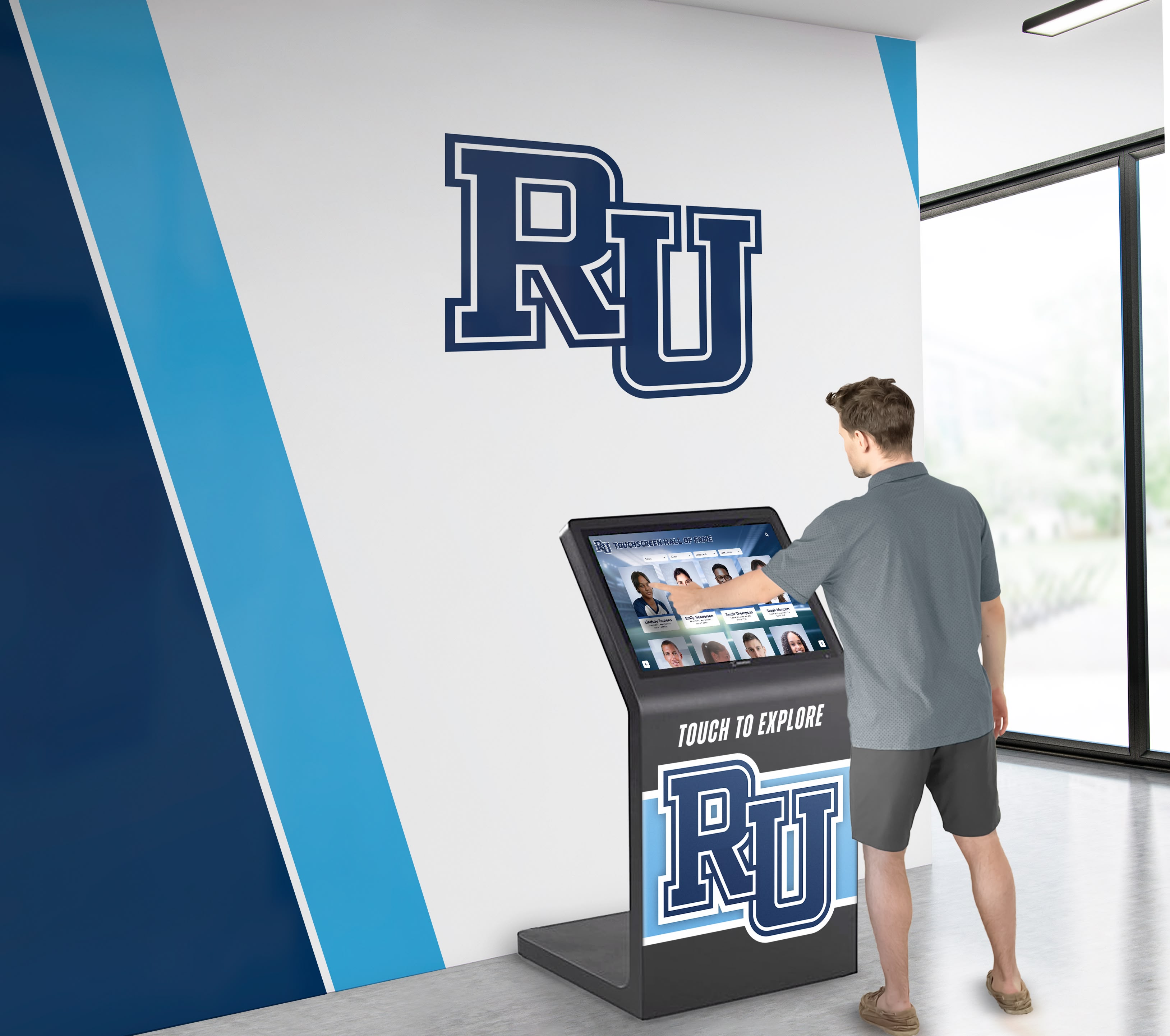
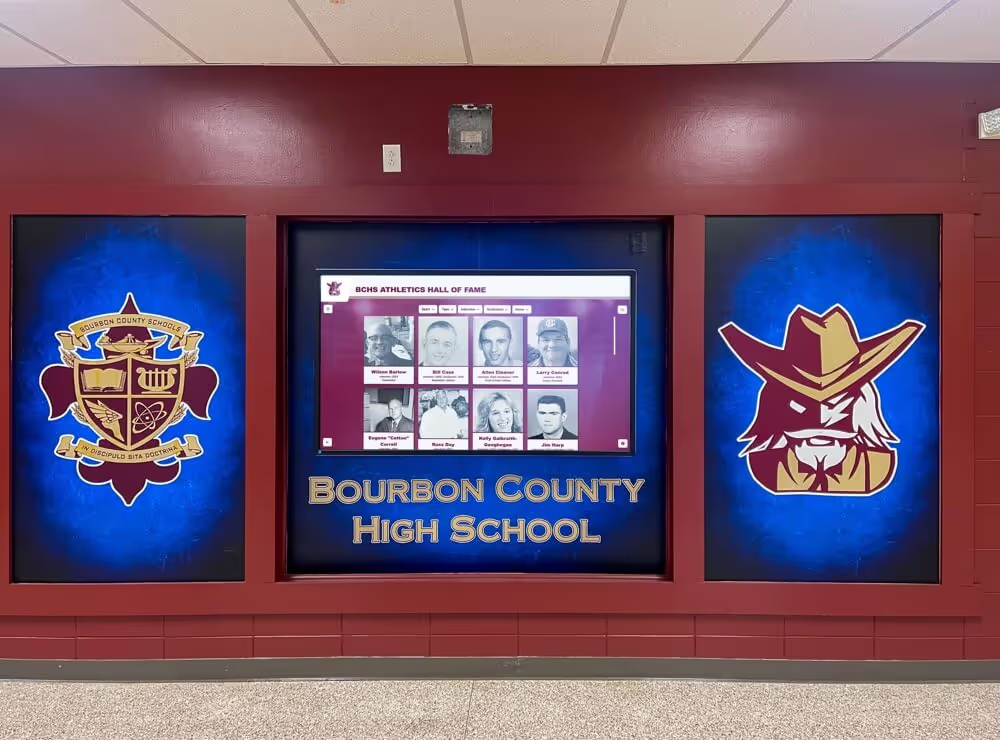
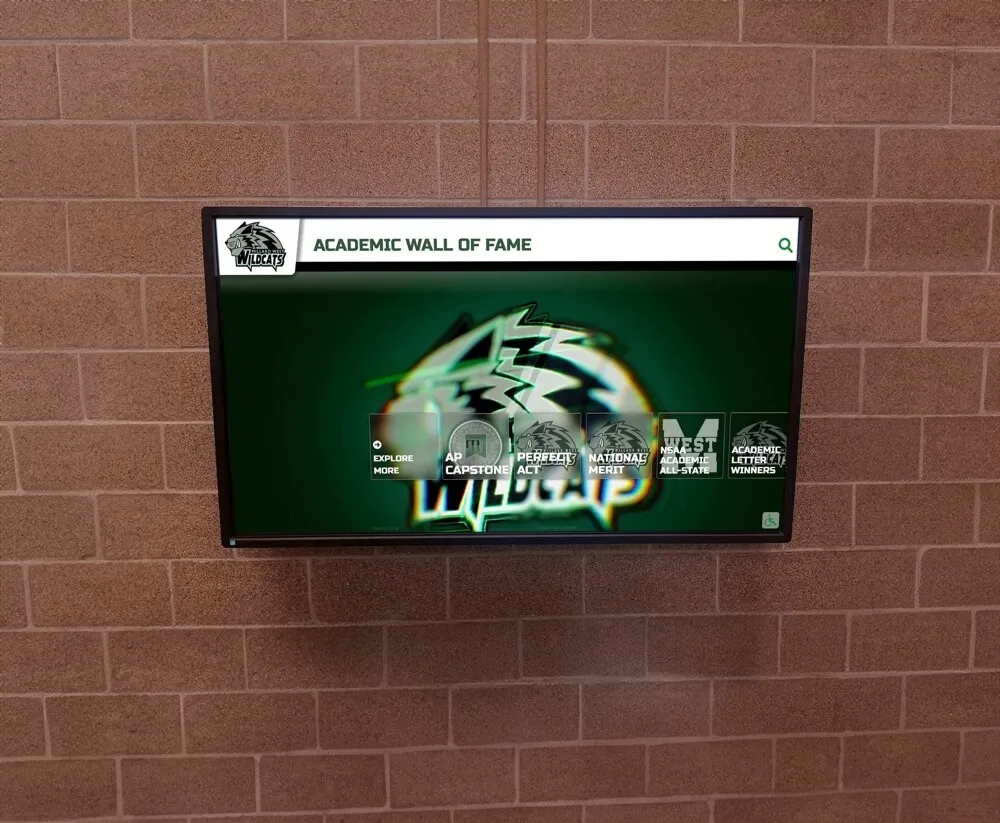
Campus touchscreen installations enable students to explore their school's history, achievements, and community while creating memorable interactive experiences
Beyond the Printed Page: Modern Senior Memory Preservation
While yearbook quotes represent traditional senior recognition, modern technologies enable richer, more dynamic preservation and sharing of senior memories, achievements, and legacies.
Digital Recognition Systems
Forward-thinking schools now complement printed yearbooks with digital platforms that showcase senior memories, quotes, achievements, and photos in prominent locations where students, families, and visitors encounter them daily.
Entrance Lobby Displays
Interactive touchscreen installations in school entrance lobbies transform static yearbook content into dynamic, engaging displays that welcome visitors while celebrating current seniors and honoring alumni from previous graduating classes. These systems showcase senior portraits alongside their quotes, achievements, activities, and future plans, creating searchable databases enabling anyone to explore graduating class members and discover individual stories.
Unlike printed yearbooks that reach limited audiences and remain in homes or storage, lobby displays position senior recognition in high-traffic locations where hundreds of people encounter them weekly. Parents visiting for conferences discover their children’s profiles, prospective families touring schools see how institutions celebrate students, and current underclassmen explore senior achievements that inspire their own goals.
Digital displays also enable updating and expanding content throughout the year. Schools can add senior night recognitions, athletic achievements, academic honors, and other accomplishments as they occur rather than freezing recognition at a single yearbook deadline.
Preserving Senior Quotes Digitally
Digital recognition systems allow senior quotes to shine beyond small text beneath yearbook portraits. Touchscreen displays can feature quotes prominently in visual layouts, allow visitors to search quotes by theme or keyword, showcase rotating quote displays celebrating different seniors, and preserve quotes indefinitely within permanent digital archives accessible to future alumni and researchers.
This preservation extends the life and impact of carefully selected yearbook quotes far beyond printed pages. A quote that might appear briefly in a yearbook becomes part of permanent digital records accessible during reunions, alumni events, and historical research decades into the future.
Comprehensive Senior Profiles
Digital platforms enable senior recognition that extends far beyond single quotes and portrait photos to encompass fuller representations of high school experiences.
Multimedia Memory Preservation
Modern recognition systems can incorporate photos from throughout senior year—athletics, performances, activities, and events, video clips from competitions, presentations, or performances, audio recordings of musical performances or speeches, digital art portfolios and creative projects, and achievement documentation including awards, honors, and recognitions.
These comprehensive profiles create much richer senior representations than traditional yearbooks allow, capturing the breadth and depth of individual high school experiences in formats that remain accessible and engaging for years to come.
Interactive Elements
Digital senior profiles can include interactive features that engage viewers in ways printed yearbooks cannot: searchable databases enabling visitors to find specific students by name, activity, or achievement, filtering options to explore seniors by interests, future plans, or accomplishments, social sharing capabilities allowing seniors to share their profiles with family and friends, and comment or guest book features where classmates and community members leave congratulatory messages.
These interactive elements transform passive recognition into engaging experiences that connect current students with alumni, help families celebrate their graduating seniors, and create community bonds around shared school experiences.
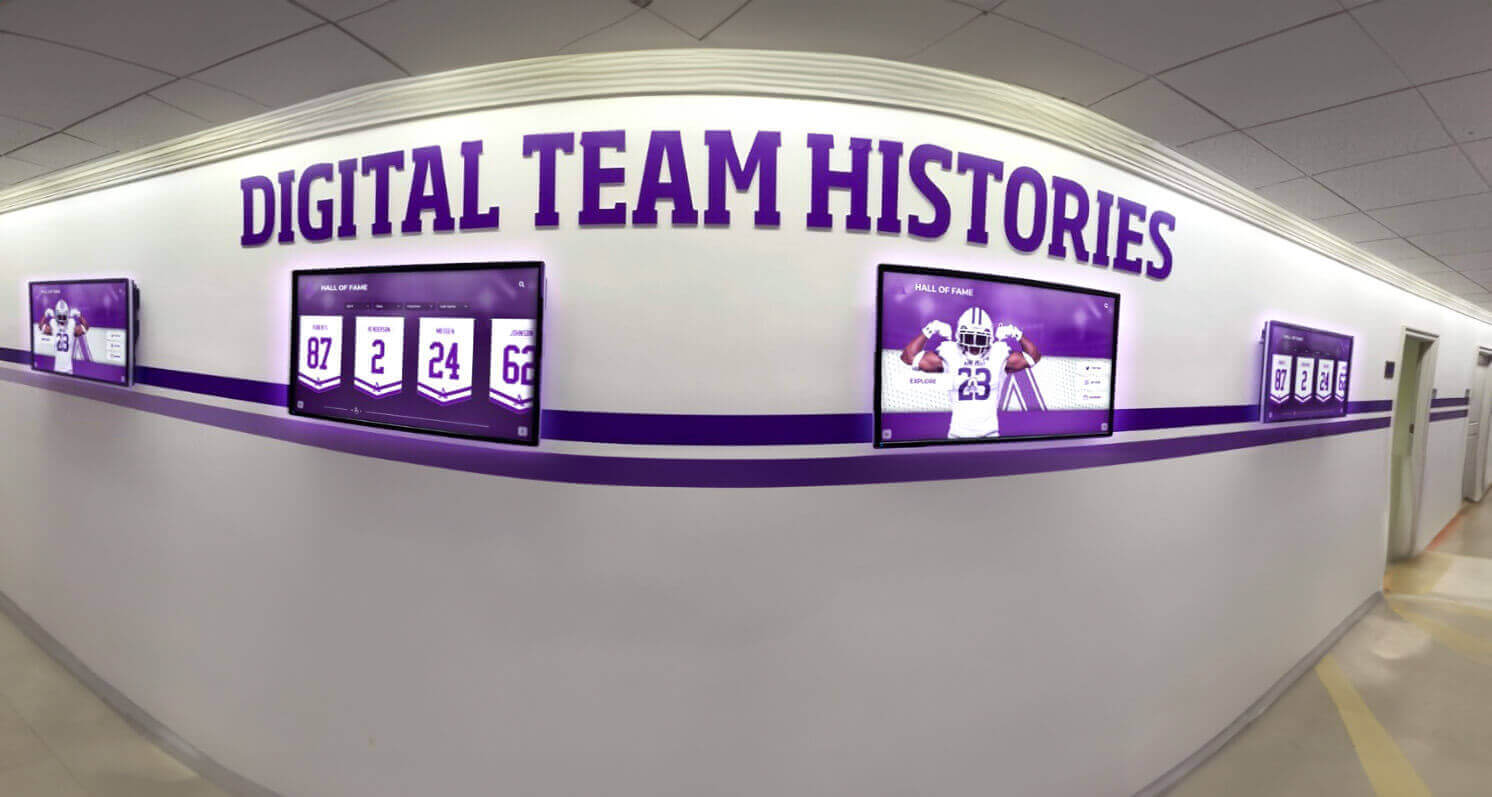
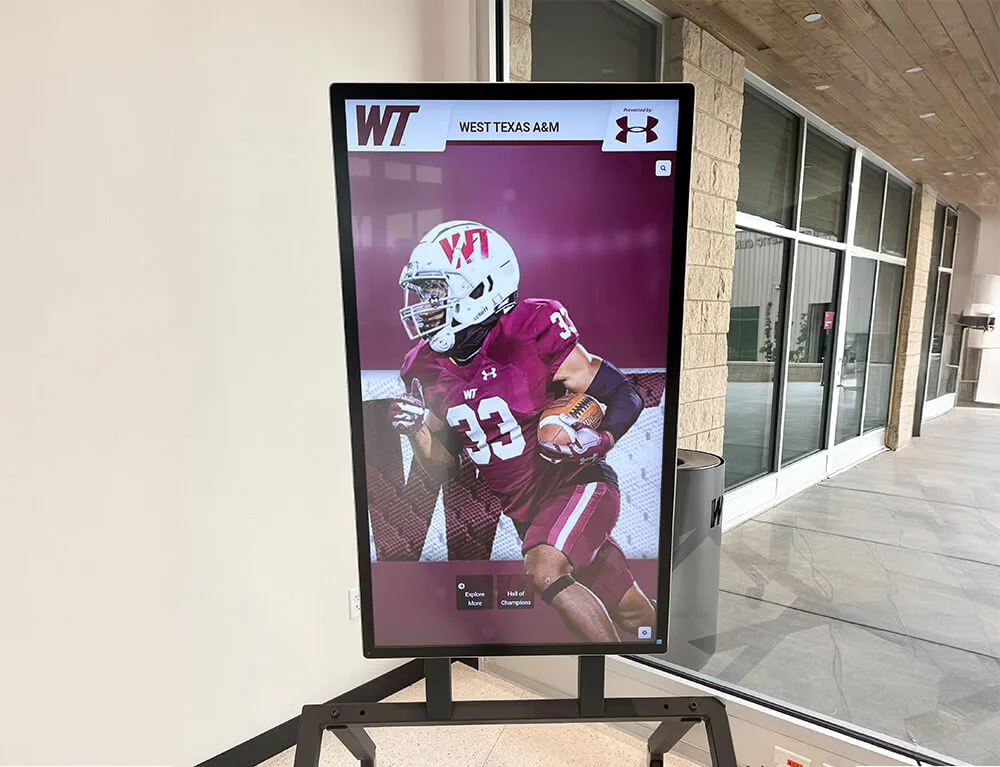
Hallway digital displays preserve team and individual histories while providing dynamic platforms for celebrating each graduating class
Creating Timeless Selections: Final Considerations
As you approach your final yearbook quote decision, several overarching principles help ensure selections that withstand time’s test while authentically representing who you are.
The Ten-Year Test
Before finalizing your quote, imagine encountering it at your ten-year high school reunion. Will it still resonate? Will you still understand the reference? Will you feel comfortable explaining it to former classmates, current friends, or family members who ask about it?
This mental exercise helps identify quotes likely to age well versus those that might inspire future embarrassment. Current pop culture references that feel urgent and relevant today might become incomprehensible or dated within a decade. Inside jokes that define your current friend group might lose meaning as relationships evolve and memories fade. Attempts at edgy humor might seem juvenile through mature perspectives.
Quotes passing the ten-year test typically share certain characteristics: they express genuine values that continue guiding you beyond high school, they reflect authentic personality traits rather than temporary phases, they connect to enduring interests rather than fleeting trends, and they communicate clearly without requiring extensive context or cultural knowledge specific to your exact graduation year.
Trusting Your Instincts
After researching options, considering various quote categories, reviewing guidelines, and reflecting on your values and experiences, trust your instincts about what feels right. The quote that keeps returning to your mind despite exploring hundreds of alternatives probably resonates for valid reasons. The simple statement you worried might not be impressive enough but perfectly captures how you feel likely serves you better than elaborate alternatives that sound good but don’t feel genuinely yours.
Yearbook quotes represent personal declarations, not committee decisions requiring universal approval. What matters is whether the quote authentically represents you and communicates something you want preserved, not whether it impresses others or meets external expectations beyond basic appropriateness and policy compliance.
If you feel confident about a quote choice, resist the urge to second-guess yourself into paralysis or talk yourself out of authentic selections in favor of supposedly superior alternatives that feel less true to your actual experience and personality.
The Authenticity Priority
Throughout this guide, authenticity has emerged repeatedly as the foundational principle for effective yearbook quote selection. This emphasis isn’t accidental—authentic quotes consistently age better, resonate more deeply, and create more meaningful recognition than carefully curated alternatives designed to impress or project idealized images.
Your yearbook quote will outlast high school social hierarchies, academic competitions, and teenage anxieties about peer perception. Years from now, the quote that genuinely captured who you were during senior year—even if imperfect or simple—will provide more satisfaction than impressive-sounding alternatives that never felt truly yours.
Authenticity means honoring your actual personality, interests, values, and voice rather than performing versions of yourself you think others expect or want to see. It means choosing quotes that reflect genuine beliefs even when they’re not universally held, expressing humor that’s actually funny to you even when it’s not sophisticated, and acknowledging experiences that genuinely shaped you even when they’re not dramatic.
The freedom to be authentic within appropriate boundaries represents one of the greatest gifts of yearbook quote selection—a moment where your voice, your choice, and your perspective receive permanent recognition exactly as you choose to express them.
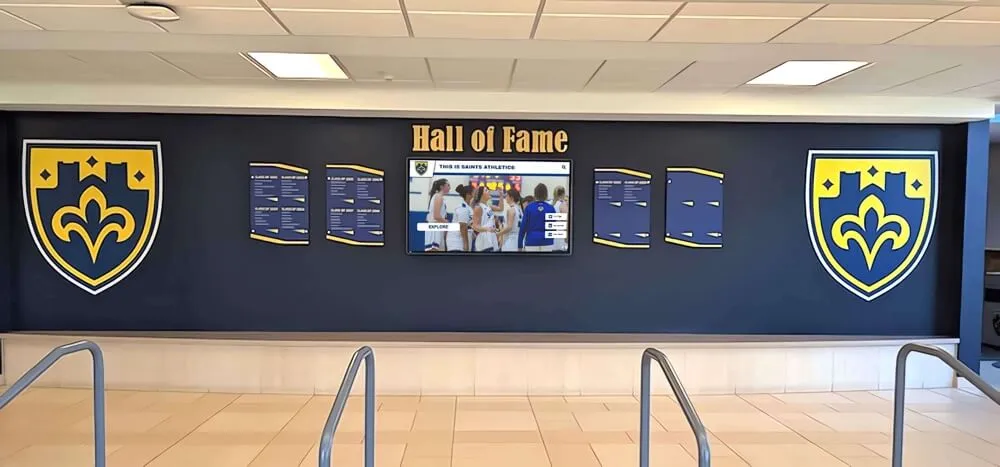
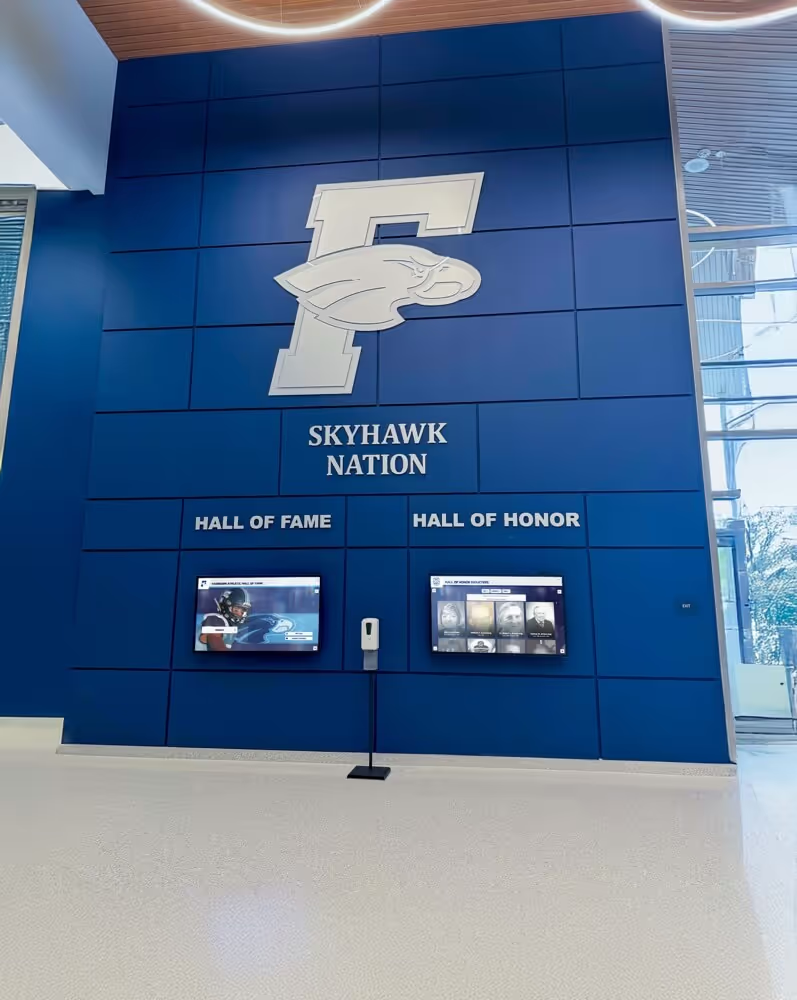
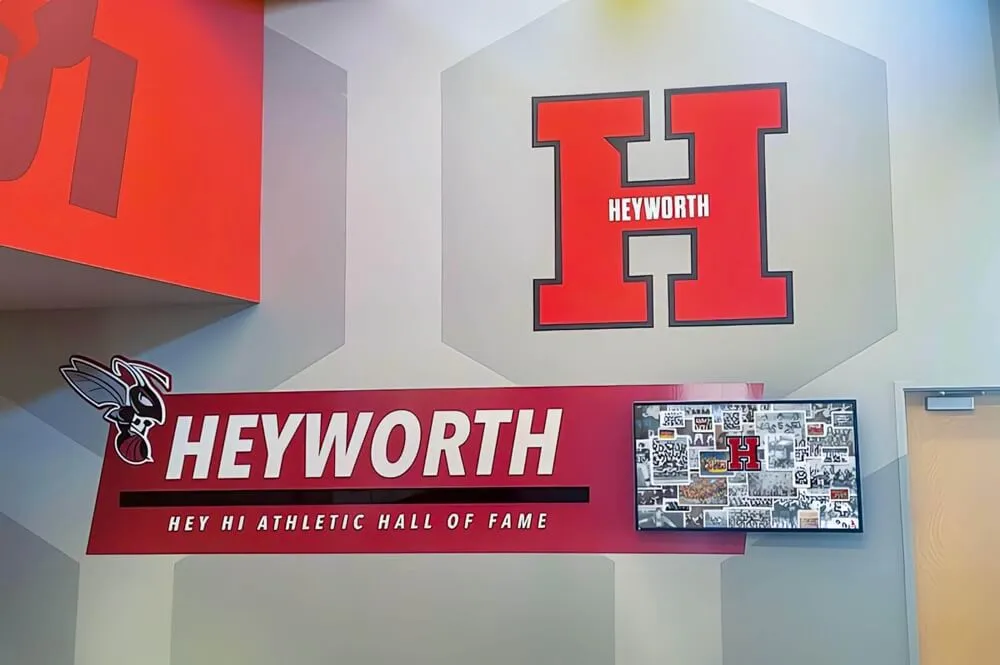
Modern recognition walls combine traditional commemorative elements with digital displays, creating lasting tributes that honor individual achievements
Celebrating Senior Legacies That Endure
High school yearbook quotes represent far more than word count limits and submission deadlines—they’re permanent declarations capturing who you were during a defining life moment, preserved for classmates, families, and future generations to discover and rediscover throughout the years. The most meaningful quotes emerge not from hours browsing quote databases but from honest reflection about your values, experiences, personality, and the legacy you want to leave behind in your school community.
Whether you choose original compositions, literary references, song lyrics, or historical quotations, what matters most is authenticity—selecting words that genuinely represent you rather than performing versions of yourself designed to impress others or meet perceived expectations. Simple honest quotes reflecting real experiences consistently age better than elaborate borrowed eloquence disconnected from your actual worldview.
As schools increasingly complement printed yearbooks with digital recognition displays in entrance lobbies, hallways, and common areas, senior quotes gain new life beyond traditional yearbook pages. Interactive touchscreens showcase quotes alongside comprehensive profiles, achievements, and memories, creating engaging platforms where your words welcome visitors, inspire underclassmen, and preserve your legacy within permanent digital archives accessible during reunions and beyond.
The yearbook quote you select today becomes part of your permanent story—choose words that honor that significance through thoughtful reflection, authentic expression, and confidence in your unique voice. Your quote doesn’t need to be profound, clever, or impressive to be meaningful. It simply needs to be genuinely, authentically, unapologetically you.
Ready to showcase senior memories beyond the printed page? Rocket Alumni Solutions creates interactive touchscreen displays that transform school entrance lobbies into dynamic recognition platforms, celebrating graduating seniors through profiles, quotes, achievements, and memories that engage visitors and preserve legacies for generations. Our systems complement traditional yearbooks with modern technology that keeps senior recognition visible, accessible, and inspiring long after graduation day.