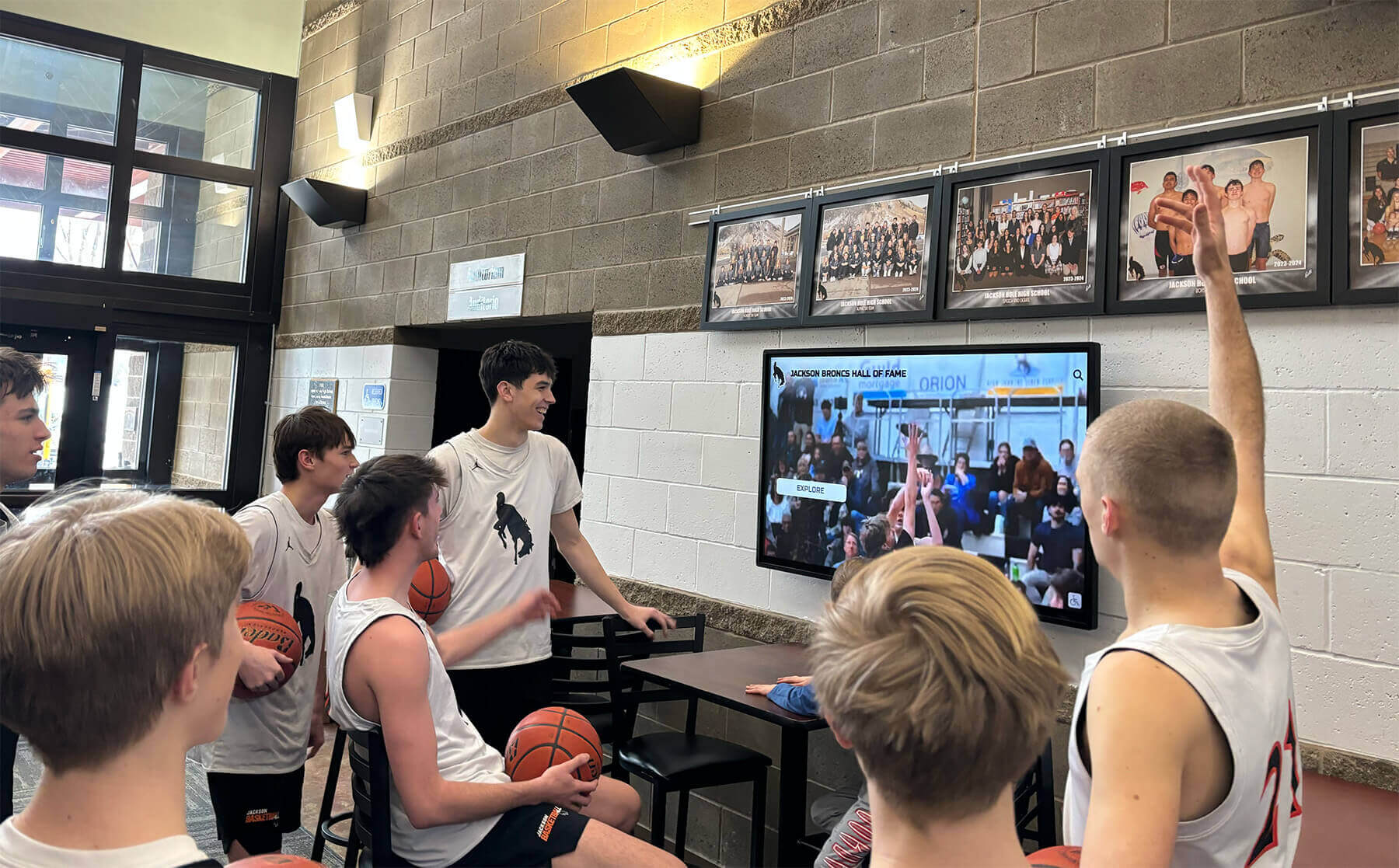
Spirit days transform ordinary school weeks into memorable celebrations of community identity. When students arrive wearing coordinated outfits, participating in themed activities, and cheering together during lunch competitions, something remarkable happens—individual students become unified communities bound by shared traditions and collective pride.
Yet many student councils and activities directors struggle to move beyond predictable “wear your school colors” days to create spirit events that genuinely excite diverse student populations. How do you design themes that appeal to freshmen and seniors alike? Which activities generate authentic enthusiasm rather than forced participation? What makes some spirit days create lasting memories while others fade into forgotten announcements?
These questions matter more than ever as schools recognize that strong spirit programs directly influence school climate, student belonging, and overall engagement with the broader school community. The most successful high school spirit day ideas accomplish something powerful—they make every student feel welcomed to participate in ways matching their comfort levels while creating shared experiences that strengthen school identity.
This comprehensive guide explores 50+ creative high school spirit day ideas organized by theme type, implementation strategy, and intended impact. You’ll discover fresh approaches to classic spirit week themes, innovative competition formats that boost participation, ways to extend spirit beyond homecoming week into year-round traditions, and practical tips for measuring and celebrating school-wide involvement that makes spirit days meaningful rather than mandatory.

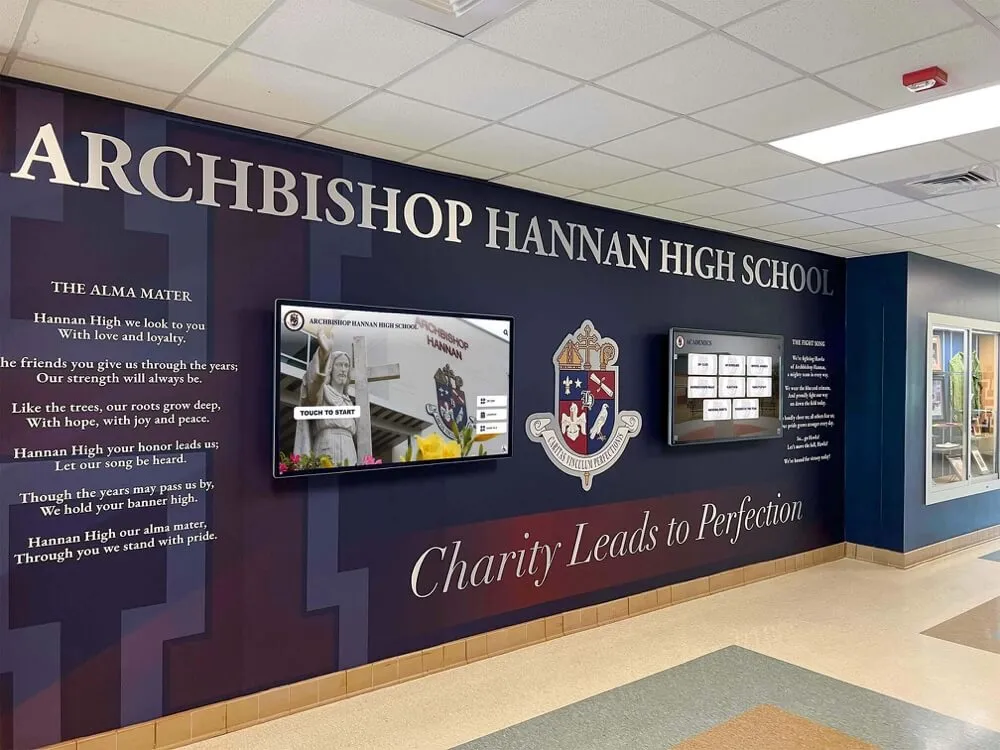
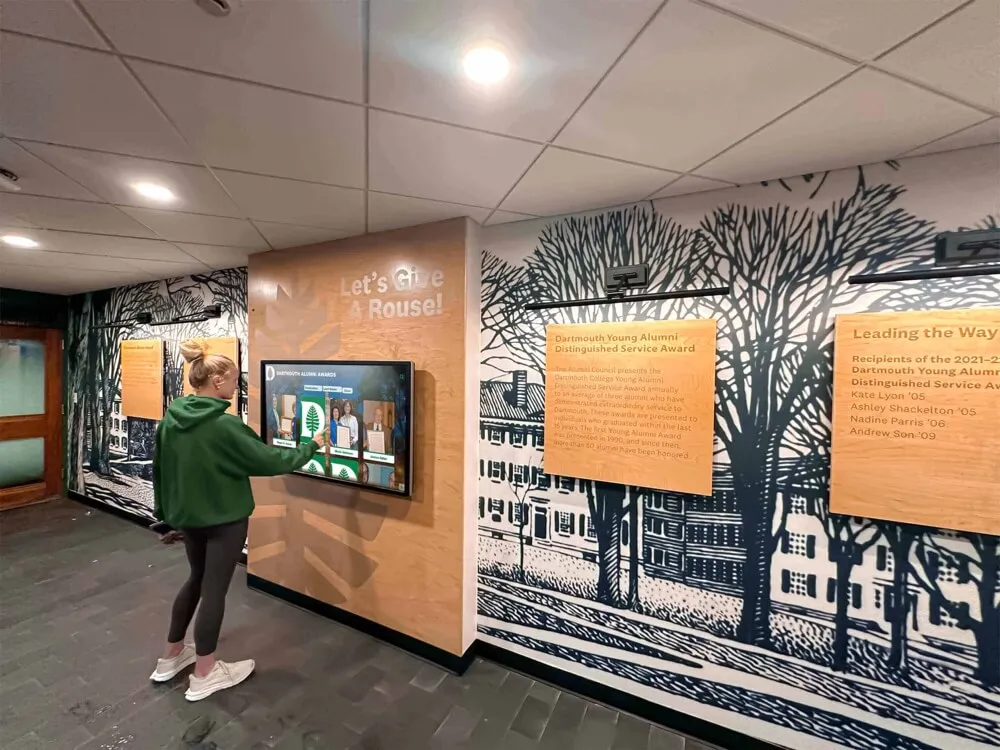
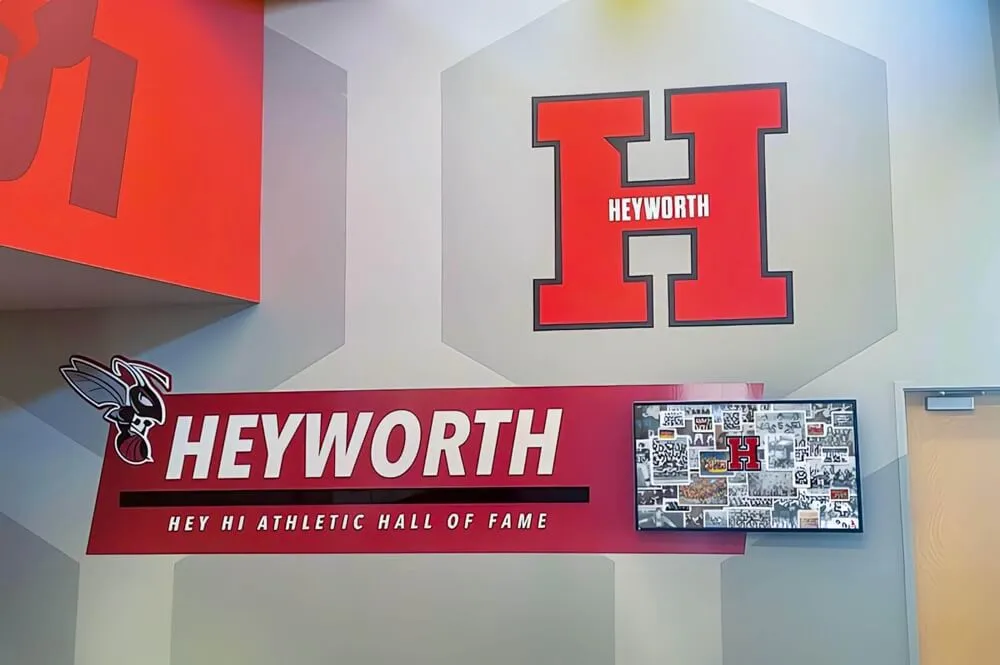
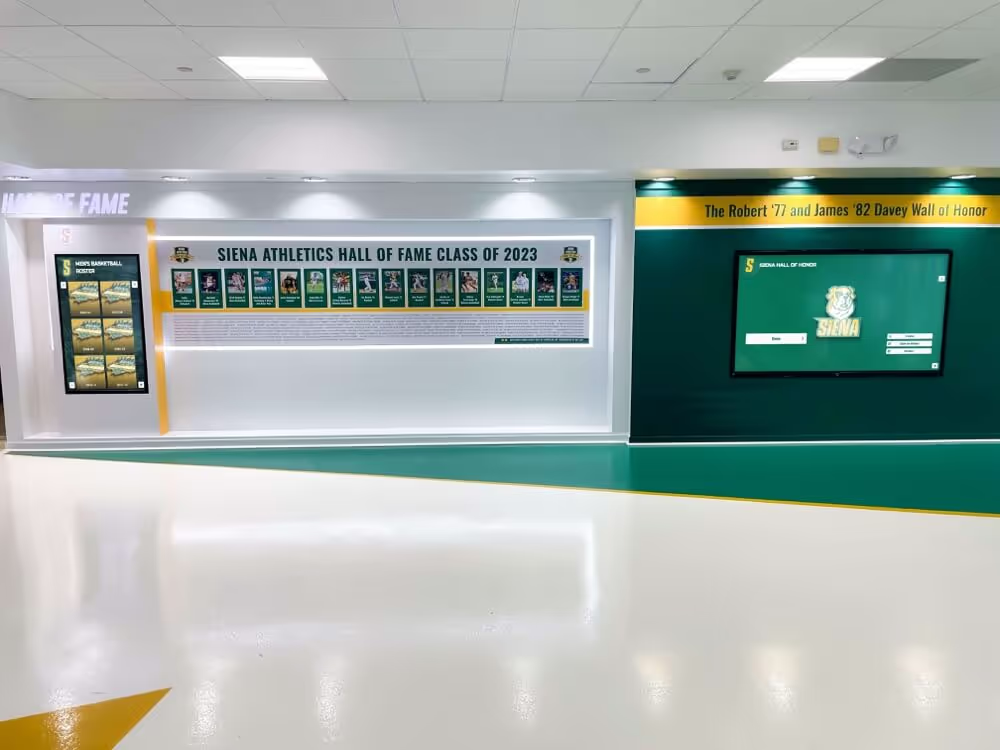
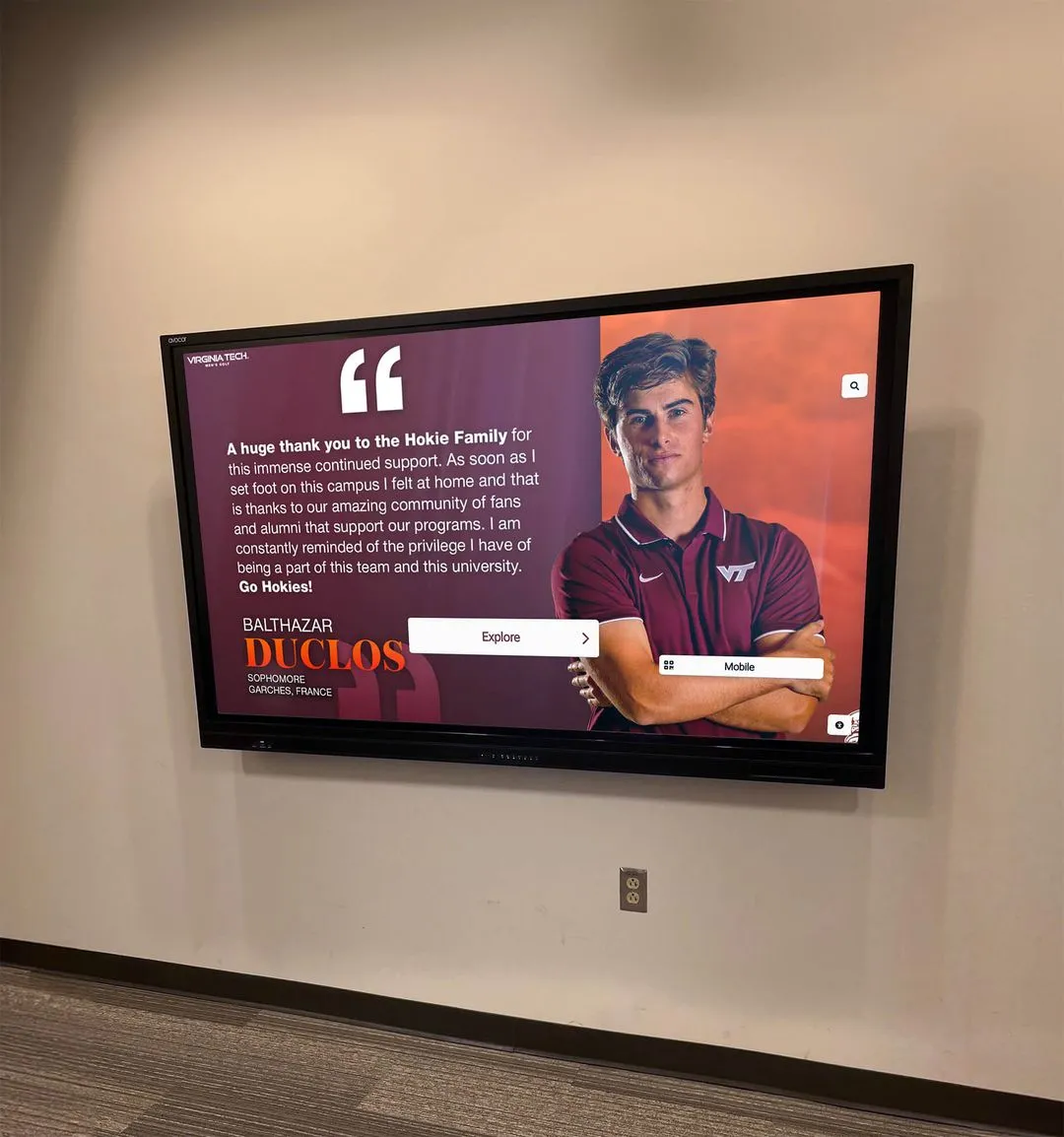
Modern schools use digital displays to amplify spirit day participation, showcase student creativity, and celebrate community involvement
Understanding the Purpose of Spirit Days
Before diving into specific theme ideas, understanding why spirit days matter helps activity coordinators design programs achieving intended outcomes beyond surface-level fun.
Building School Community and Belonging
Spirit days serve vital social-emotional functions in school environments where students often feel isolated or disconnected.
Creating Inclusive Participation Opportunities
Well-designed spirit days offer multiple participation levels—from fully committed students wearing elaborate costumes to quieter students making subtle nods to themes through accessories or color choices. This flexibility ensures every student can participate authentically without feeling pressured into uncomfortable expressions.
When spirit days exclusively emphasize elaborate costumes or public performances, they implicitly exclude students who lack resources, creative confidence, or comfort with attention. Comprehensive spirit programs balance high-visibility activities with quieter participation pathways, ensuring diverse student populations find comfortable ways to demonstrate school belonging.
Schools implementing digital recognition systems can showcase spirit day participation through photo galleries, participation leaderboards by grade or advisory, and recognition spotlights that validate students who might not typically seek attention but actively contribute to community spirit.
Strengthening Cross-Grade Connections
Spirit days provide natural opportunities for upperclassmen to model positive school culture for younger students. When seniors enthusiastically participate in dress-up themes, freshmen receive implicit messages that school spirit represents valued social currency rather than embarrassing childishness.
Structured spirit activities like advisory competitions, buddy systems pairing different grades, or mentorship programs where upperclassmen help freshmen prepare for elaborate theme days create intentional cross-grade interactions that strengthen overall school community beyond age-segregated social groups.

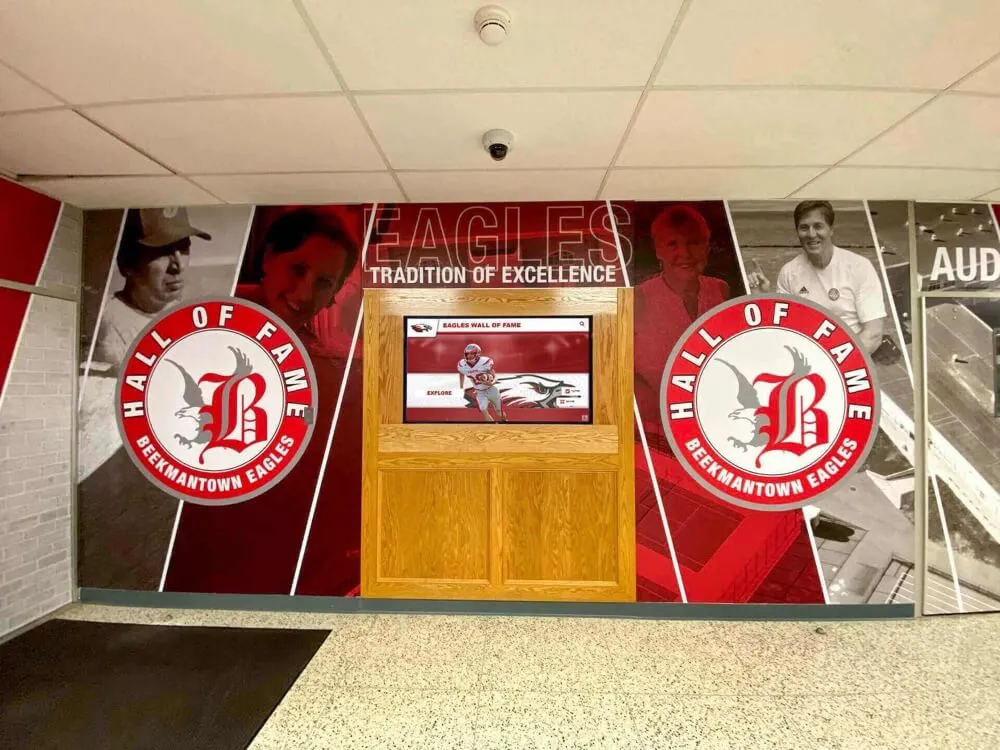
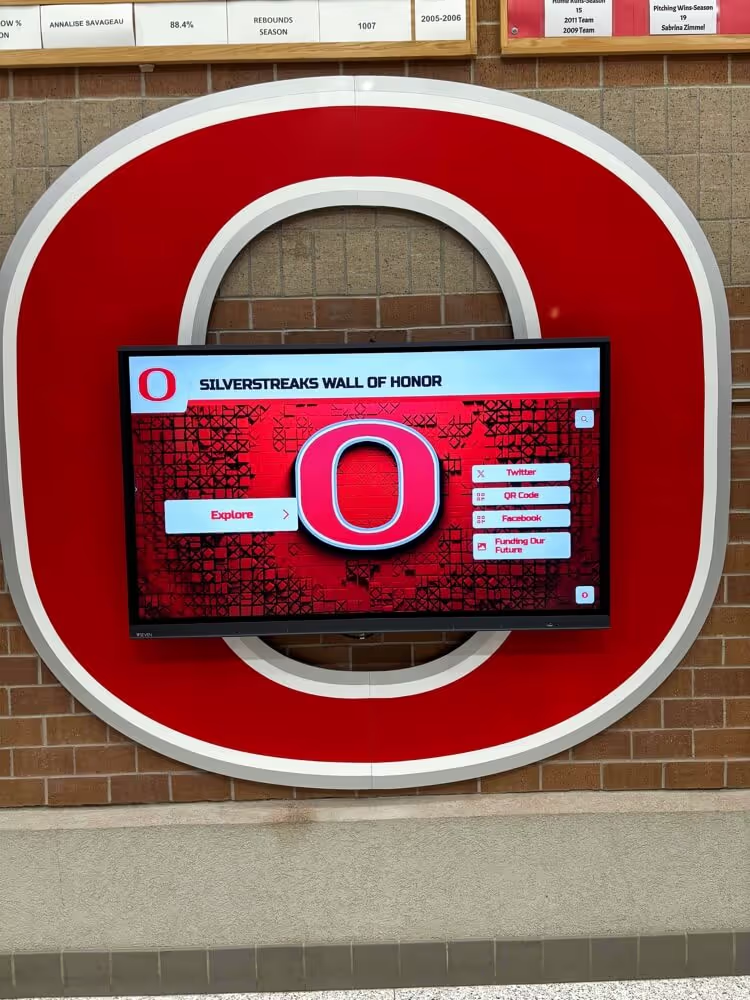
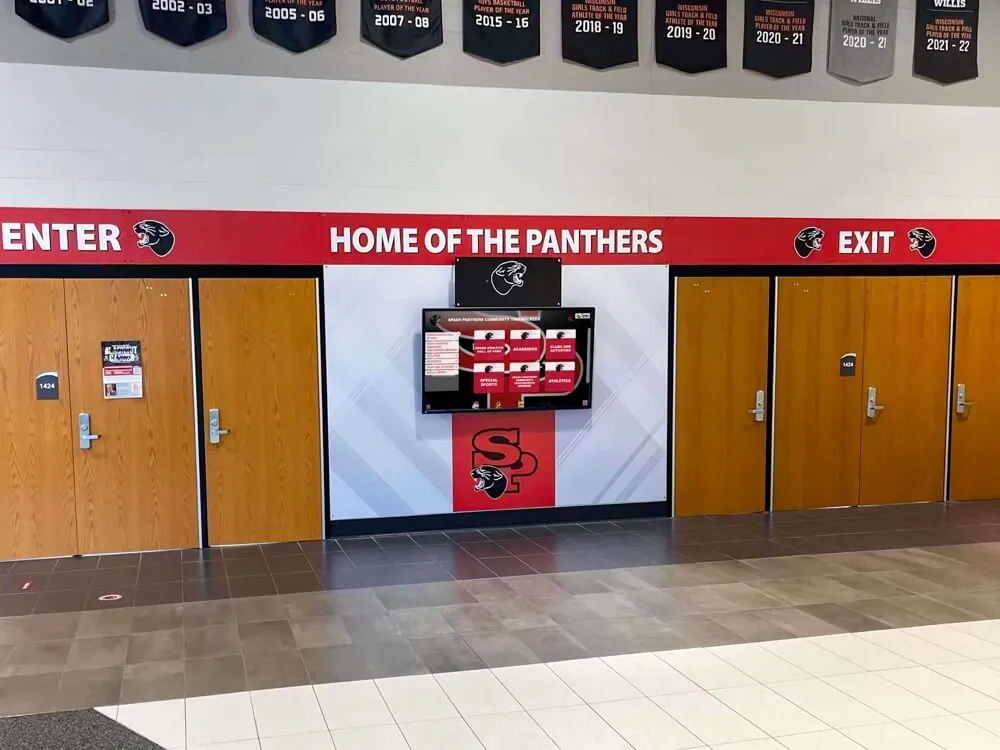
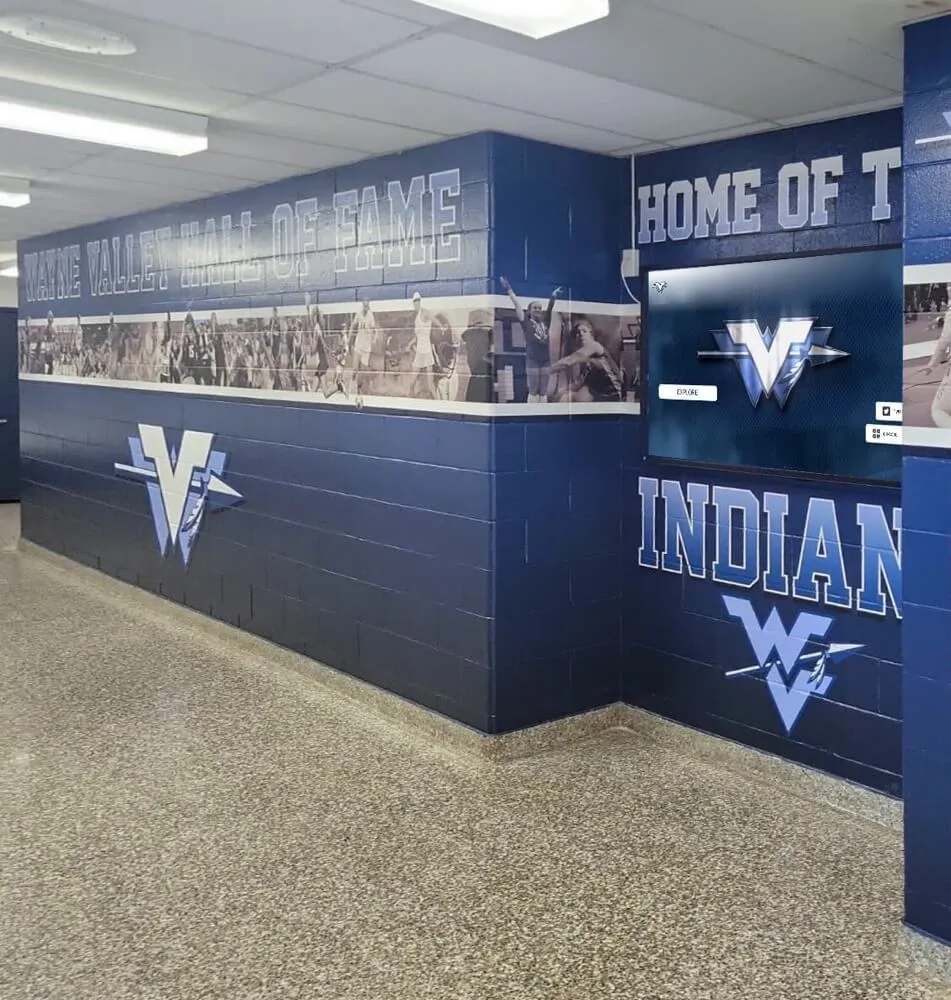
Permanent school pride displays reinforce the traditions that spirit days celebrate throughout the year
Enhancing School Pride and Identity
Spirit days externalize school identity in visible, tangible ways that strengthen collective pride.
Making Abstract Identity Concrete
School pride often feels abstract—difficult to define, express, or demonstrate beyond athletic competitions. Spirit days transform abstract identity into concrete expressions students can wear, perform, and experience together. When entire hallways fill with students wearing coordinated colors or creative theme interpretations, school identity becomes visible in ways that strengthen emotional connection to institutional community.
This visible demonstration of collective identity creates powerful social reinforcement. Students who might feel ambivalent about school pride often experience attitude shifts when surrounded by peers enthusiastically participating in shared traditions. The social proof of widespread participation validates that caring about school community represents normal, desirable behavior.
Creating Traditions That Build Historical Connection
Annual spirit traditions—recurring themes, signature competitions, or beloved rituals passed down through graduating classes—create continuity connecting current students to institutional history. When freshmen participate in spirit traditions that seniors experienced four years prior, they join proud legacies extending beyond individual experiences. This historical connection builds institutional loyalty while giving current participation broader significance.
Schools celebrating spirit traditions through comprehensive recognition displays preserve spirit week winners, memorable theme photos, and participation milestones that allow current students to see themselves joining long-standing community traditions.
Motivating Positive School Culture
Strategic spirit day programming influences broader school climate beyond single events.
Creating Positive Association With School Attendance
Spirit days make school attendance more appealing, particularly for students who find academic pressures overwhelming or social environments challenging. The promise of fun theme days, competitions, or special activities creates positive reasons to attend school beyond academic obligations.
This attendance boost extends beyond spirit day itself—anticipation preceding events and conversations following create sustained engagement across multiple days. Schools implementing regular monthly spirit days rather than concentrating spirit into single weeks maintain more consistent positive associations with school attendance throughout the academic year.
Channeling Student Energy Constructively
Adolescent students possess tremendous creative energy that spirit days channel into positive community expression rather than disruptive or negative behaviors. When schools provide structured outlets for self-expression, creativity, humor, and competition through spirit programming, students direct energy toward approved activities rather than finding alternative outlets that might disrupt learning environments.
Spirit days also provide acceptable channels for activities that might otherwise violate dress codes or behavior expectations. A “crazy hair day” gives students permission for creative expression that wouldn’t typically be school-appropriate, teaching important lessons about context-appropriate behavior while respecting students’ desires for self-expression.
50+ High School Spirit Day Ideas by Category
Comprehensive spirit programming includes diverse theme types ensuring broad appeal across different student interests, comfort levels, and participation styles.
Classic Dress-Up Theme Days
Traditional themes remain popular because they balance creativity with accessibility, allowing widespread participation without significant preparation or expense.
Color-Based Theme Days
- Class Color Day: Each grade wears designated class colors, creating visual representation of grade pride throughout school
- Rainbow Day: Students select favorite colors within rainbow spectrum, creating vibrant hallway displays
- Neon Day: Bright fluorescent clothing creates visually striking atmosphere perfect for spirit week energy
- Black and White Day: Simple two-color scheme ensures easy participation while creating dramatic visual unity
- School Colors Day: Traditional but effective way to demonstrate institutional pride through coordinated color wearing
Era and Decade Theme Days
- Decade Day: Different grades represent different decades (freshmen 2020s, sophomores 2010s, juniors 2000s, seniors 1990s)
- Retro Day: General throwback theme allowing students to choose favorite historical periods
- ’80s Day: Big hair, bright colors, leg warmers, and iconic fashion create fun, recognizable theme
- ’90s Day: Grunge flannel, overalls, and nostalgic fashion appeal to students and teachers alike
- Future Day: Metallic clothing, creative futuristic interpretations, and imagined fashion trends
Similar to homecoming theme ideas that structure major school celebrations, spirit day themes benefit from clear communication, visible examples, and enthusiastic leadership modeling.
Character and Entertainment Themes
- Movie Character Day: Students dress as favorite film characters, generating conversations about shared cultural references
- TV Character Day: Television personalities and show themes allow creative costume choices
- Superhero Day: Capes, masks, and costumes celebrating favorite heroes create fun, energetic atmosphere
- Disney Day: Beloved characters appeal to nostalgia and allow creative costume interpretations
- Cartoon Character Day: Animated favorites provide accessible costume options across comfort levels
- Video Game Character Day: Gaming culture representation validates important student interest area
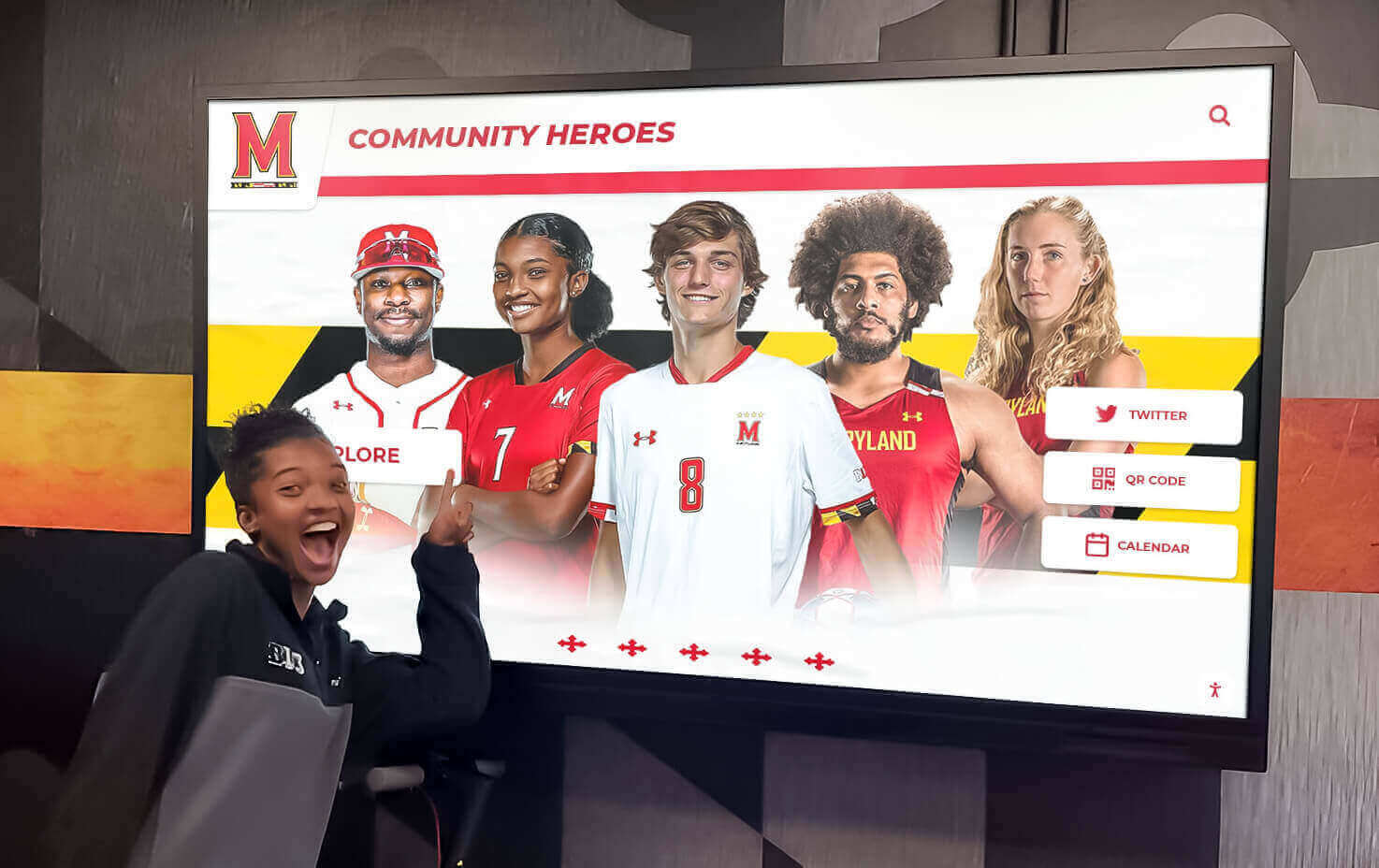
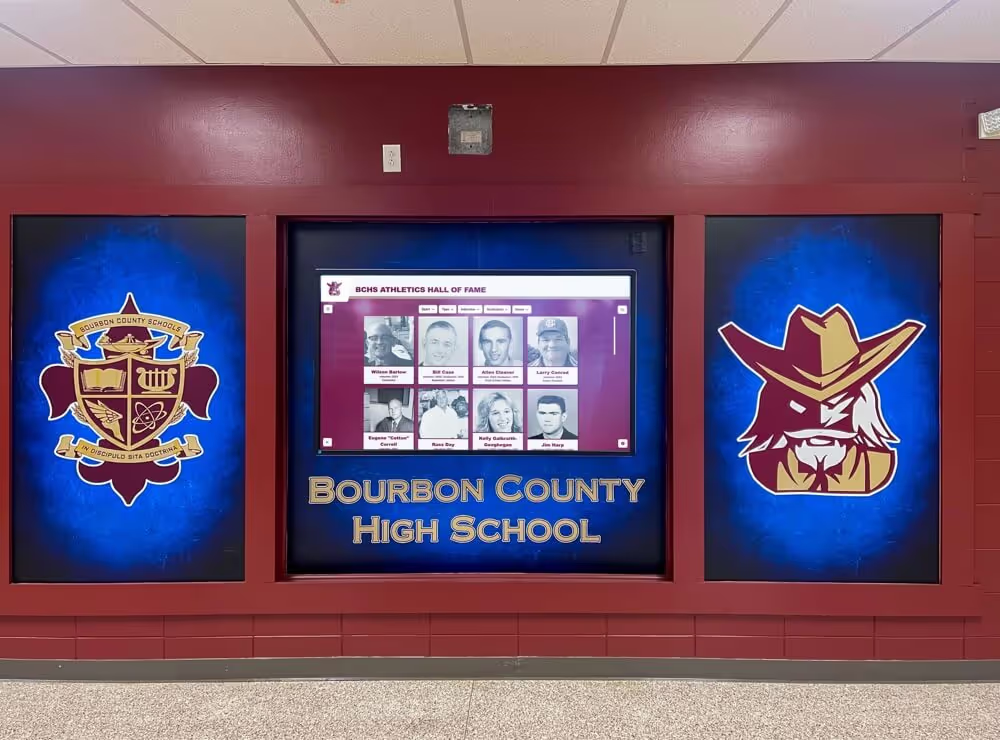
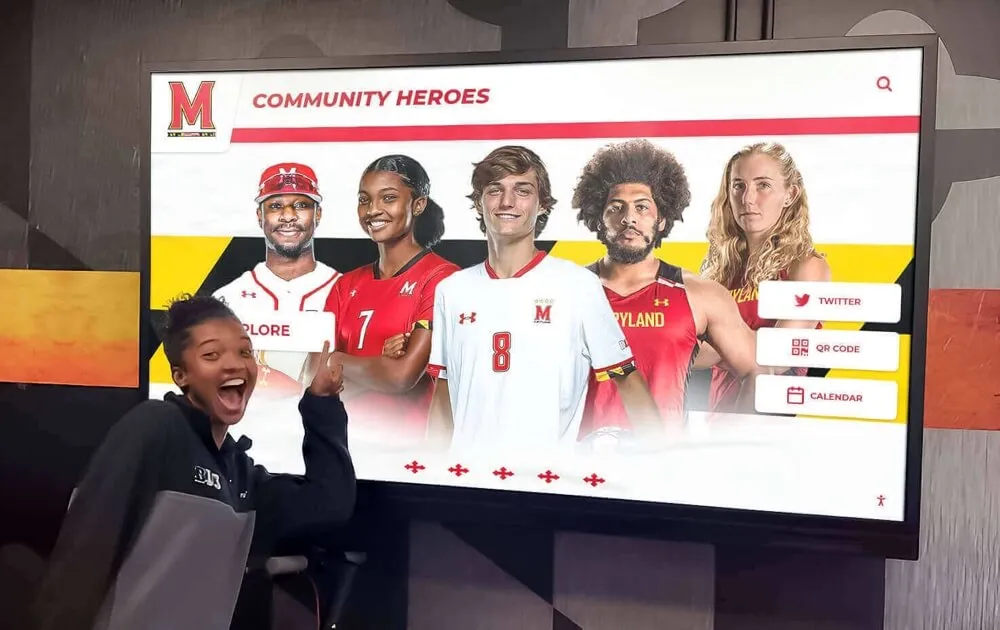
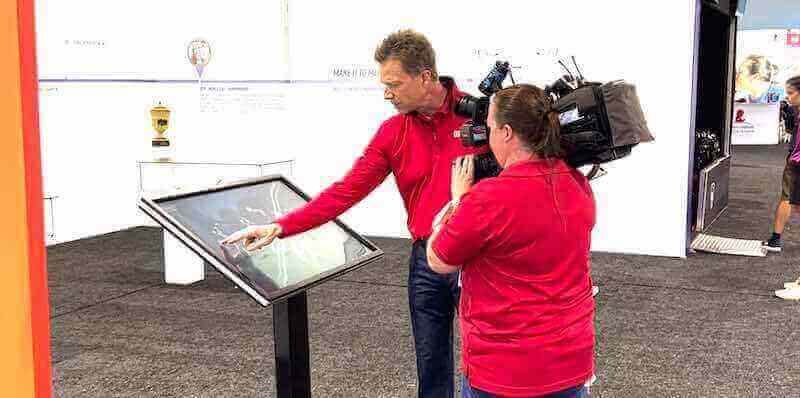
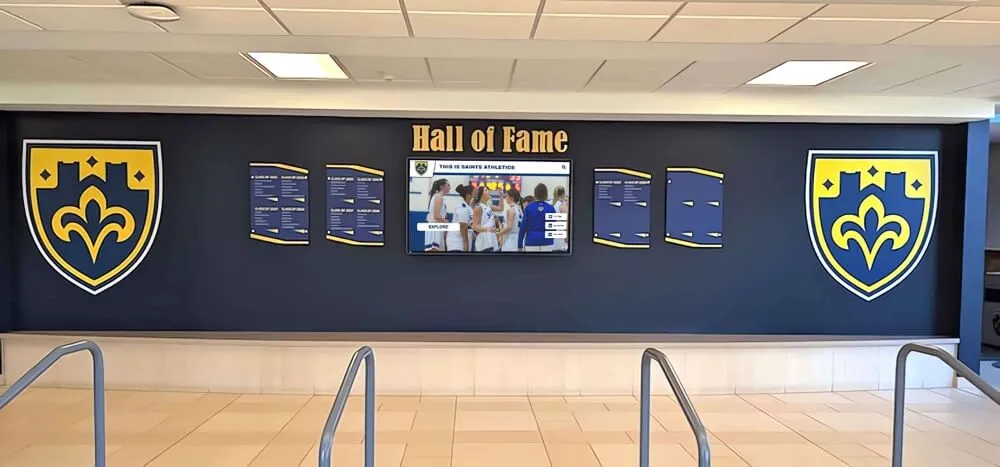
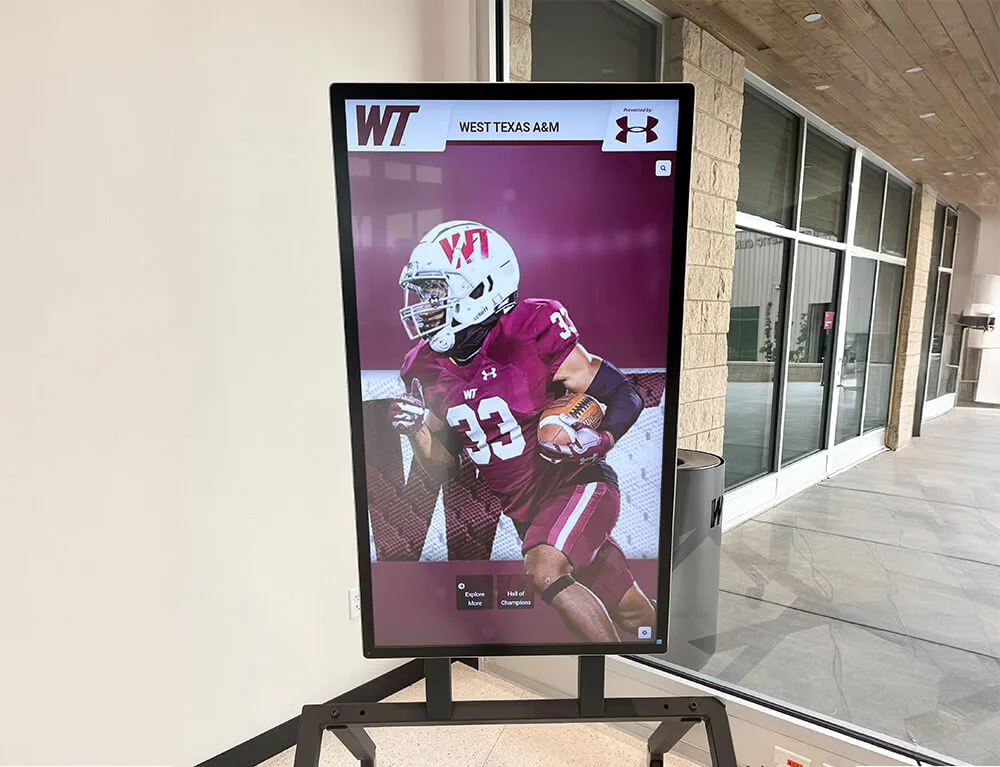
Interactive displays let students engage with school achievements and community recognition that spirit days celebrate
Occupation and Career Theme Days
- Career Day: Students dress representing future career aspirations or interesting professions
- Teacher Dress-Up Day: Students emulate favorite teachers’ signature styles (respectfully and with permission)
- Professional Day: Business attire theme prepares students for future workplace expectations
- Historical Figure Day: Educational theme celebrating important people from history
- First Responder Day: Honoring community service professions through representative clothing
Creative and Humorous Theme Days
Themes emphasizing humor and creativity often generate strongest participation because they allow personality expression and social bonding through shared laughter.
Humorous Fashion Themes
- Mismatch Day: Intentionally clashing patterns, colors, and styles create lighthearted fun
- Inside-Out Day: Wearing clothes inside-out or backward provides simple, accessible humor
- Crazy Hat Day: Elaborate, creative, or silly headwear allows expression through single accessory
- Pajama Day: Comfortable, popular theme that allows genuine participation without costume preparation
- Wacky Sock Day: Low-commitment theme perfect for students uncomfortable with full costume participation
- Crazy Hair Day: Creative hairstyles allow temporary, reversible expression without clothing changes
Partner and Group Themes
- Twin Day: Students coordinate matching outfits with friends, strengthening social connections
- Dynamic Duo Day: Pairs dress as famous duos, encouraging collaborative costume planning
- Group Costume Day: Friend groups coordinate elaborate multi-person costumes
- Clash Day: Partners intentionally wear opposite styles for humorous contrast
- Copy Your Teacher Day: Students respectfully emulate teacher styles (with teacher permission and participation)
Silly and Unexpected Themes
- Backwards Day: Everything reversed—clothes, schedules, or behaviors (within appropriate limits)
- Tourist Day: Hawaiian shirts, cameras, maps, and vacation accessories create humorous atmosphere
- Athlete vs. Mathlete: Half athletic wear, half academic attire creates fun contrast
- Dress Like Your Favorite Emoji: Modern, relatable theme connecting to digital communication culture
- Throwback Jersey Day: Sports jerseys and athletic apparel celebrating team history
Academic and Learning-Focused Spirit Days
Spirit themes incorporating educational elements demonstrate that learning and fun coexist while reinforcing curricular connections.
Subject-Area Spirit Days
- Math Day: Numbers, equations, mathematical symbols incorporated into clothing or accessories
- Science Day: Lab coats, scientific symbols, famous scientist representation
- Literature Day: Book character costumes, literary quote t-shirts, author representation
- History Day: Historical period clothing or important historical figure representation
- Language Day: Cultural clothing representing languages studied, international flag colors
- Art Day: Creative, colorful, artistic expression through clothing choices or wearable art
College and Career Ready Themes
- College Day: Students wear apparel representing colleges they’re interested in or siblings attend
- Future Professional Day: Career-appropriate attire representing post-graduation aspirations
- Trade Skills Day: Honoring vocational careers and skilled trades through representative clothing
- Scholarship Day: Celebrating academic achievement and higher education aspirations
Much like service learning projects that connect learning to community impact, academic spirit themes demonstrate that school pride encompasses intellectual achievement alongside athletic and social success.
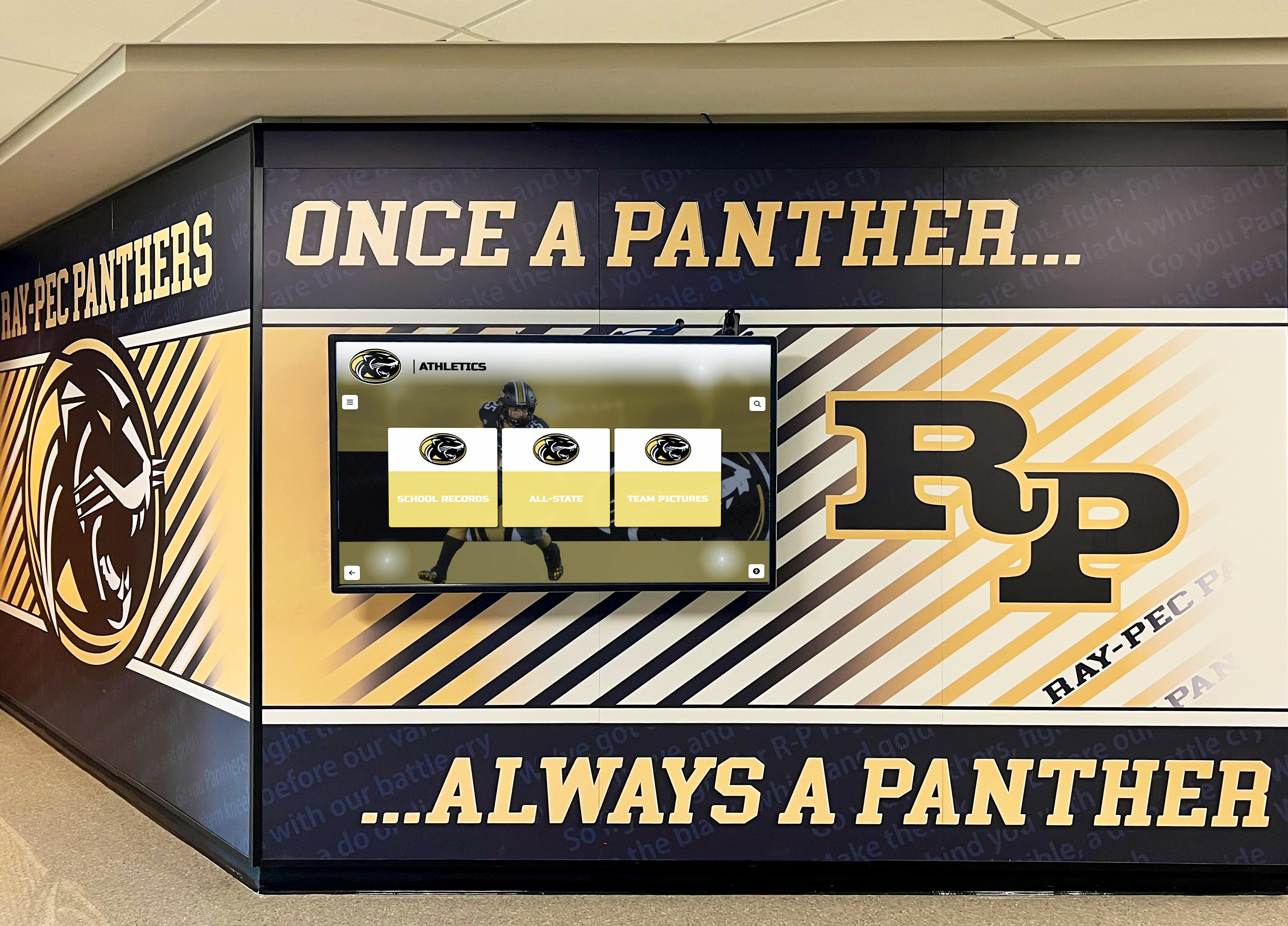
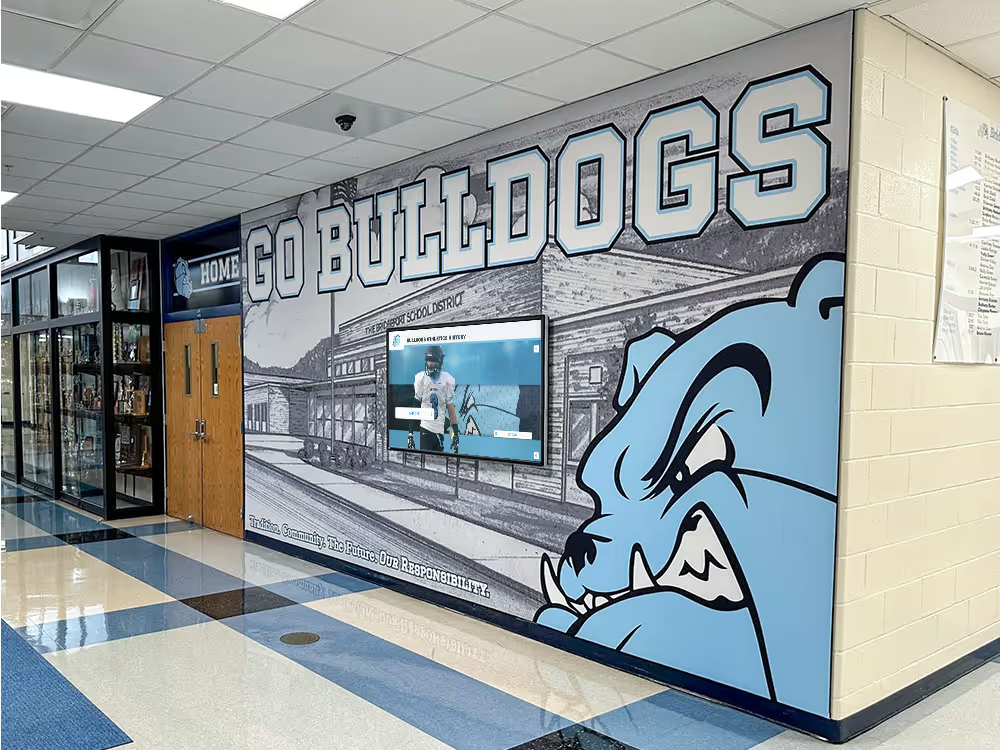
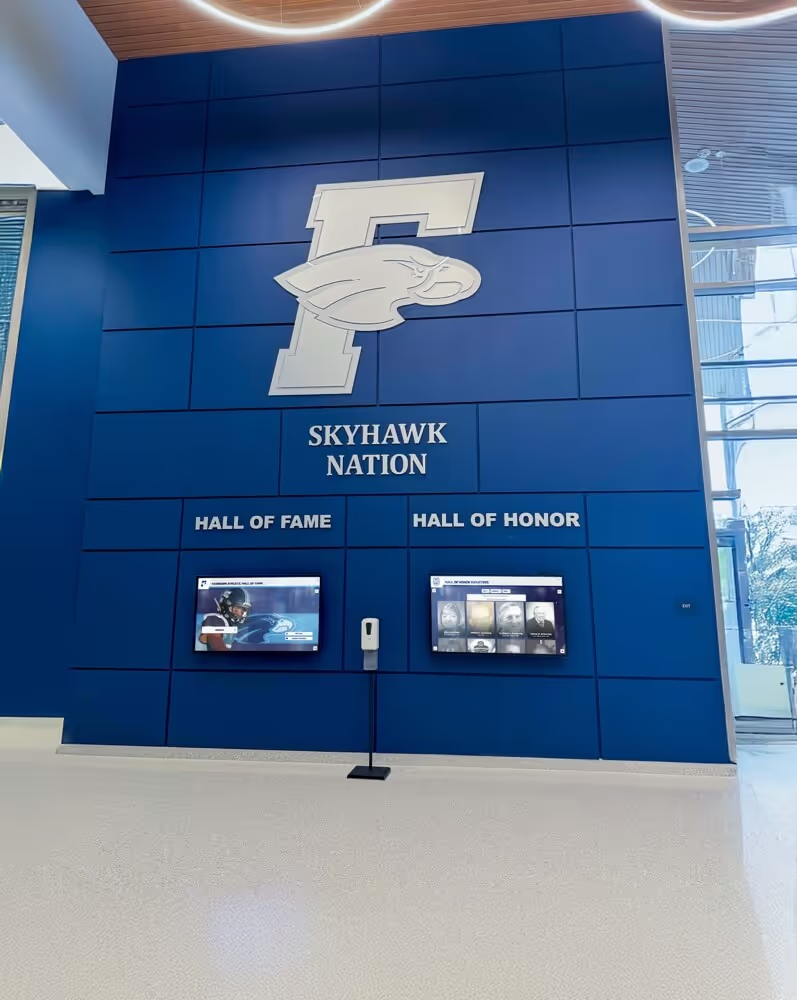
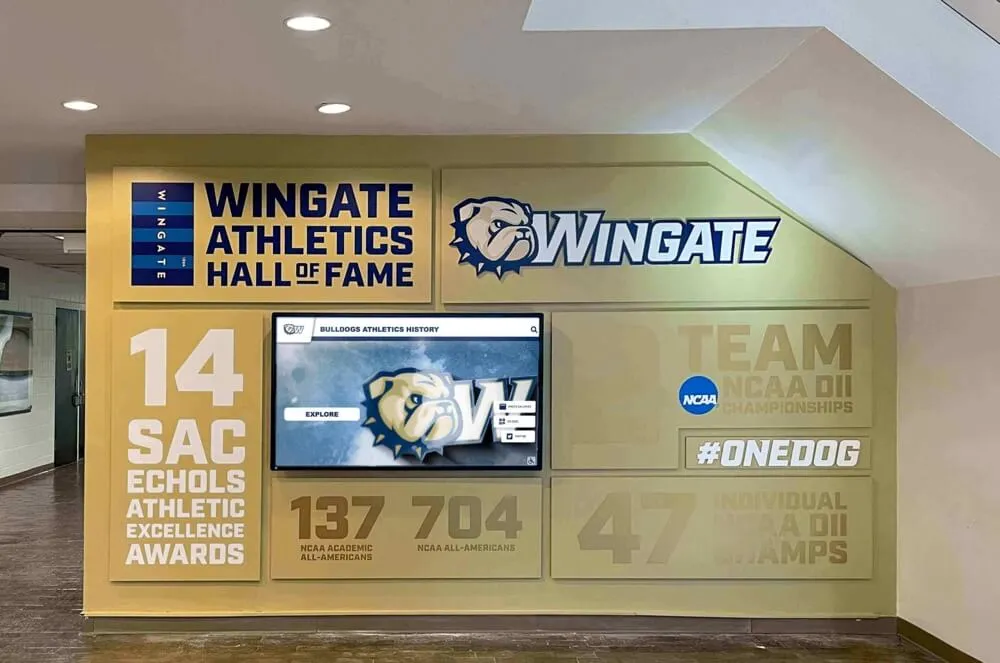
Athletic displays and school branding create environments where spirit days feel like natural extensions of proud school identity
Seasonal and Holiday Spirit Themes
Connecting spirit days to calendar events creates natural timing while adding festive elements to regular school weeks.
Fall Spirit Themes
- Harvest Day: Fall colors, flannel, autumn themes celebrating seasonal changes
- Homecoming Spirit Week: Traditional multi-day spirit celebration surrounding homecoming events, similar to spirit week daily events enhanced through digital participation tracking
- Halloween Costume Day: Appropriate costumes celebrating holiday creativity
- Fall Sports Day: Jerseys and apparel supporting autumn athletic teams
- Thankful Day: Students express gratitude through messages, clothing, or activities
Winter Spirit Themes
- Ugly Sweater Day: Holiday season tradition with broad appeal and easy participation
- Winter Wonderland Day: White, silver, blue colors creating seasonal atmosphere
- Cozy Day: Sweaters, fuzzy socks, comfortable winter attire
- Snow Day Theme: White clothing, winter accessories, seasonal celebration
- Holiday Colors Day: Red and green, blue and silver, or traditional holiday color combinations
Spring Spirit Themes
- Spring Colors Day: Pastels, bright colors, floral patterns celebrating seasonal renewal
- Environmental Day: Green clothing, nature themes, sustainability focus
- Spring Sports Day: Supporting baseball, track, soccer teams through spirit wear
- Garden Day: Floral prints, nature themes, outdoor celebration
- Rainbow Day: Colorful celebration of spring diversity and renewal
Summer Spirit Themes
- Beach Day: Hawaiian shirts, sunglasses, beach accessories celebrating approaching summer
- Tropical Day: Bright colors, beach themes, summer anticipation
- Sunglasses Day: Simple accessory theme accessible to all students
- Summer Sports Day: Supporting spring sports as seasons conclude
- Year-End Celebration Day: End-of-year party atmosphere with fun, relaxed themes
Competitive Spirit Events and Activities
Beyond dress-up themes, structured competition creates engagement through grade-level rivalry, class pride, and collaborative challenges.
Grade-Level Competitions
- Spirit Stick Competition: Daily or weekly awards for grades demonstrating strongest participation
- Hallway Decorating Contests: Classes transform designated spaces with themed decorations
- Class Cheer Competition: Original cheers performed during lunch or assemblies
- Participation Percentage Tracking: Measuring which grade achieves highest spirit day involvement
- Points System: Cumulative scoring across multiple spirit events determining overall class winner
Creative Competitions
- Door Decorating Contest: Classrooms or advisories compete for most creative themed decorations
- Locker Decorating Challenge: Personal spaces transformed with spirit themes
- Spirit Video Competition: Classes create short videos demonstrating school spirit
- Flash Mob Organization: Coordinated performances during lunch or passing periods
- Banner Creation Contest: Classes design and display spirit banners throughout school
Athletic and Physical Challenges
- Lunch Games and Competitions: Quick physical challenges between classes during lunch periods
- Faculty vs. Students Competitions: Teachers compete against student teams in various challenges
- Relay Races: Grade-level teams compete in creative relay formats
- Trivia Contests: School history, mascot facts, or general knowledge competitions
- Scavenger Hunts: School-wide challenges requiring collaboration and problem-solving
Similar to booster club fundraising ideas that engage school communities, competitive spirit events build participation through friendly rivalry and collaborative goal achievement.
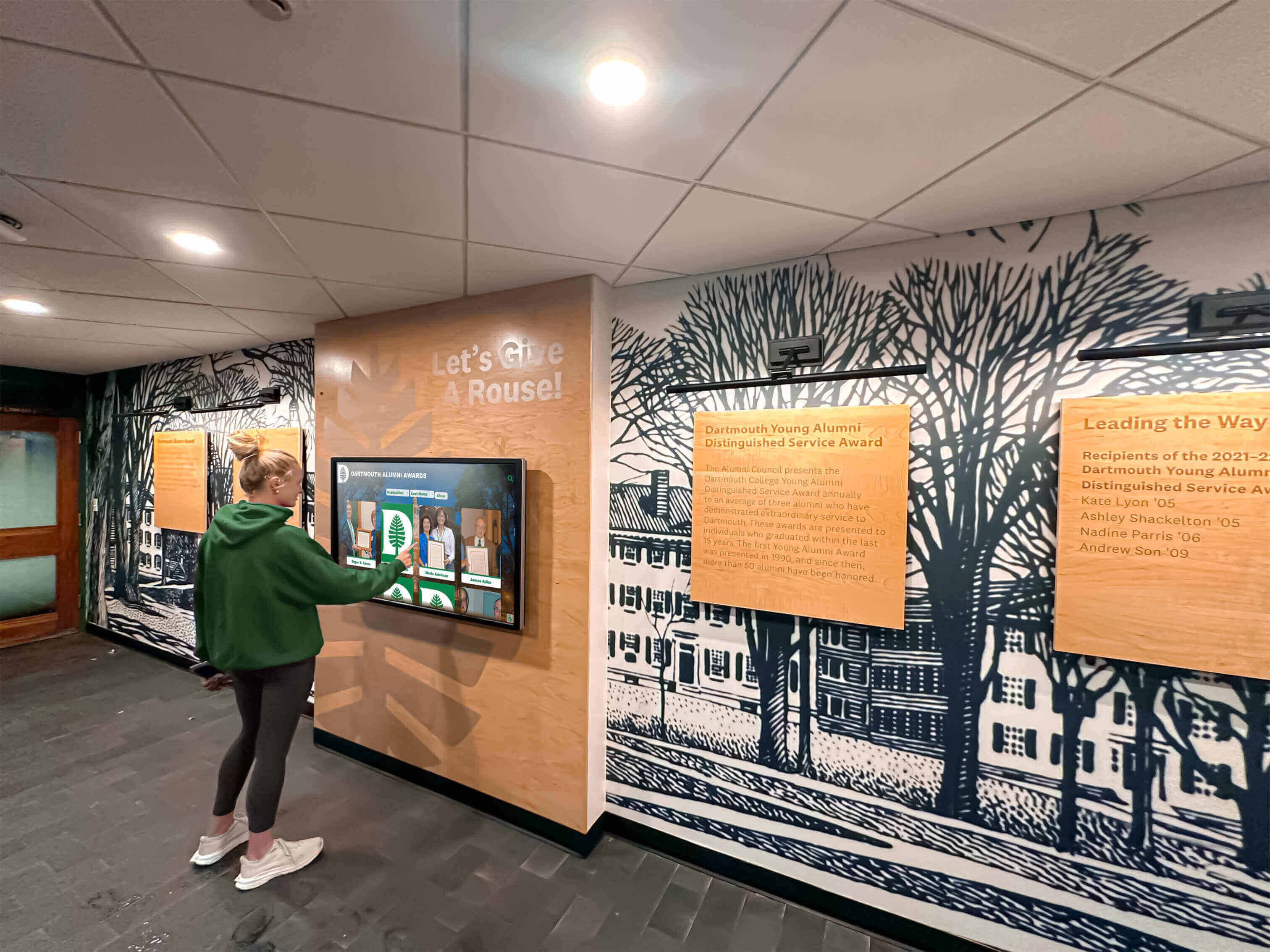
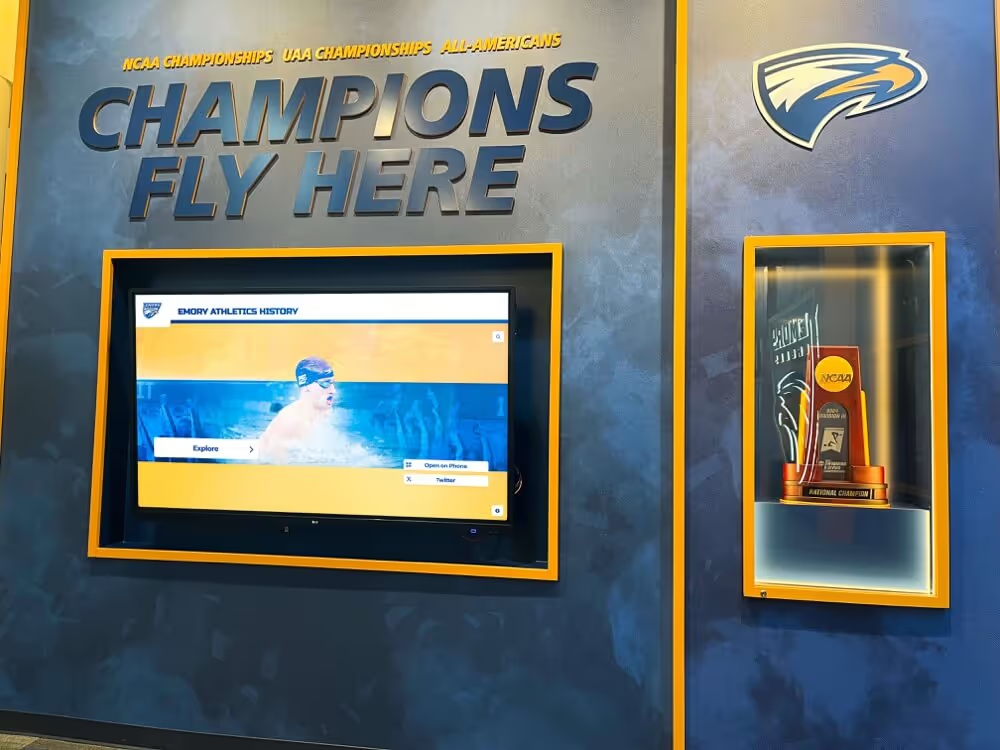
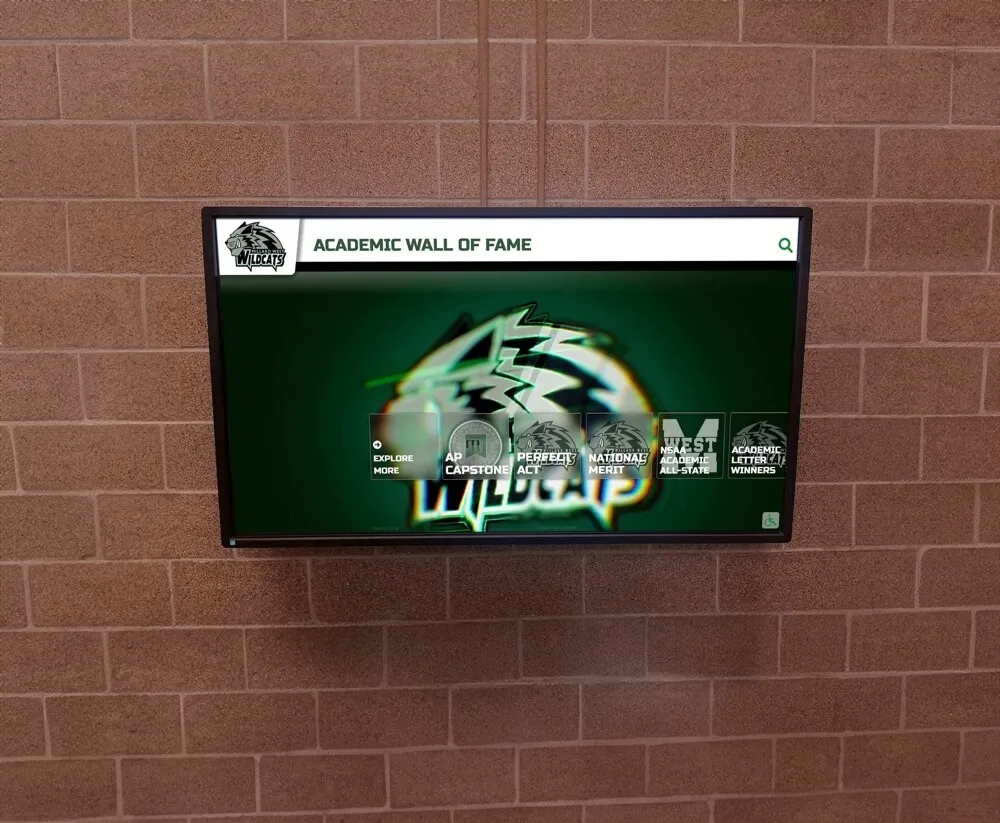
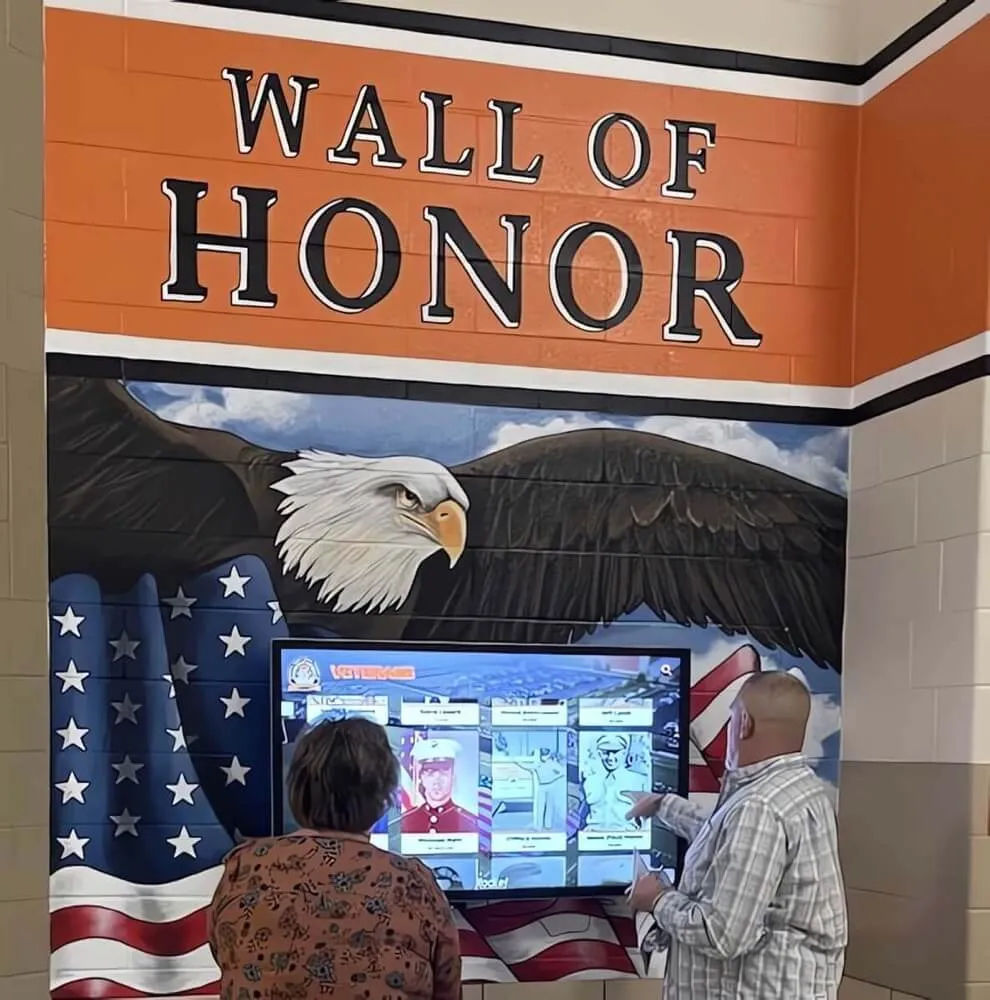
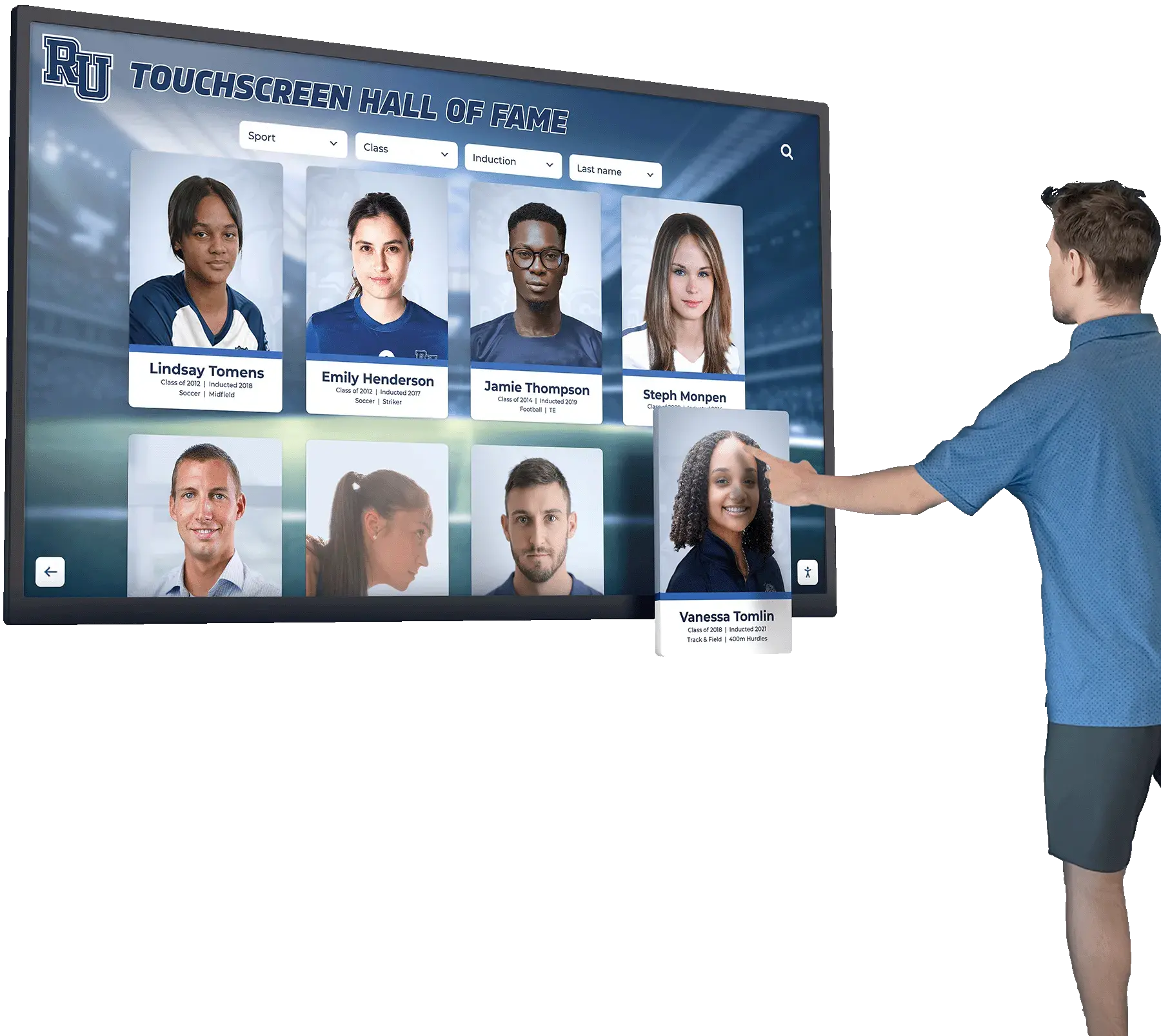
Interactive technology allows students to explore school history and connect current spirit traditions to institutional legacy
Implementing Successful Spirit Day Programs
Creative themes alone don’t guarantee successful spirit days—implementation strategies determine whether ideas translate into meaningful participation and positive outcomes.
Planning and Communication Strategies
Advance planning and clear communication ensure students understand expectations and feel excited about participation.
Timeline Development
- Announce spirit day themes at least one week in advance for simple themes, two weeks for elaborate costumes
- Create full-year spirit day calendar at start of academic year, allowing families to plan accordingly
- Build anticipation through countdown announcements, social media posts, and visual reminders
- Send parent communications explaining themes, ensuring family understanding and support
- Provide digital and printed calendars students can reference throughout school year
Clear Theme Communication
- Describe themes specifically, not just titles—“Decades Day: Freshmen dress 2020s, Sophomores 2010s, etc.”
- Provide visual examples through posters, social media images, or previous year photos
- Clarify dress code boundaries within themes, ensuring students understand appropriate participation limits
- Offer alternative participation suggestions for students uncomfortable with primary theme interpretations
- Address potential cultural sensitivity issues proactively, modifying themes that might exclude or offend
Multiple Communication Channels
- Morning announcements with enthusiastic delivery modeling expected participation energy
- Social media posts across platforms students actively use (Instagram, TikTok, Twitter)
- Hallway posters with visual theme representation
- Student ambassador or spirit leader modeling and promotion
- Teacher and staff participation modeling that spirit involvement includes entire school community
Maximizing Participation Across Diverse Students
Inclusive spirit programming ensures students from all backgrounds, social groups, and comfort levels find accessible participation pathways.
Removing Participation Barriers
- Ensure themes don’t require expensive purchases or elaborate preparations
- Provide costume pieces, accessories, or materials for students lacking resources
- Create participation levels from full costume to small accessories representing themes
- Avoid themes potentially excluding students based on cultural, religious, or family backgrounds
- Consider whether themes might inadvertently advantage students from specific economic situations
Validating Diverse Participation Styles
- Recognize that wearing school colors represents meaningful participation even when others wear elaborate costumes
- Celebrate creativity at all levels, not just most extreme or visible interpretations
- Acknowledge students who participate consistently even when involvement seems modest
- Create recognition categories beyond “best costume”—most creative, best group coordination, strongest grade participation
- Ensure quieter students receive acknowledgment alongside natural attention-seekers
Faculty and Staff Participation
- Strong teacher participation dramatically increases student involvement
- Staff modeling demonstrates that spirit engagement represents valued behavior
- Teacher enthusiasm makes participation feel sanctioned and encouraged rather than potentially embarrassing
- Faculty participation in creative, humorous ways makes themes feel more accessible to hesitant students
- Staff involvement in competitions creates positive relationship-building opportunities
Measuring and Celebrating Success
Tracking participation and celebrating achievement reinforces positive behaviors while identifying opportunities for program improvement.
Participation Tracking Methods
- Visual counts by grade, advisory, or other groupings during designated times
- Photography documentation of participation for displays and recognition
- Spirit points systems tracking cumulative involvement across multiple events
- Student self-reporting through forms or digital check-ins
- Advisory or homeroom participation percentage calculations
Recognition and Celebration
- Daily or weekly spirit stick awards for strongest participating groups
- Photo galleries displayed throughout school or on digital displays
- Social media features highlighting creative interpretations or strong participation
- End-of-year spirit awards recognizing consistent participants or most spirited students
- Perpetual trophies or recognition on digital trophy displays celebrating spirit achievements
Program Evaluation
- Student feedback surveys identifying most popular themes and improvement suggestions
- Participation rate analysis determining which themes generate strongest involvement
- Teacher observations about spirit day impacts on classroom climate and student engagement
- Administrative assessment of whether spirit programming achieves intended school culture outcomes
- Continuous improvement adjustments based on data and feedback rather than assumption
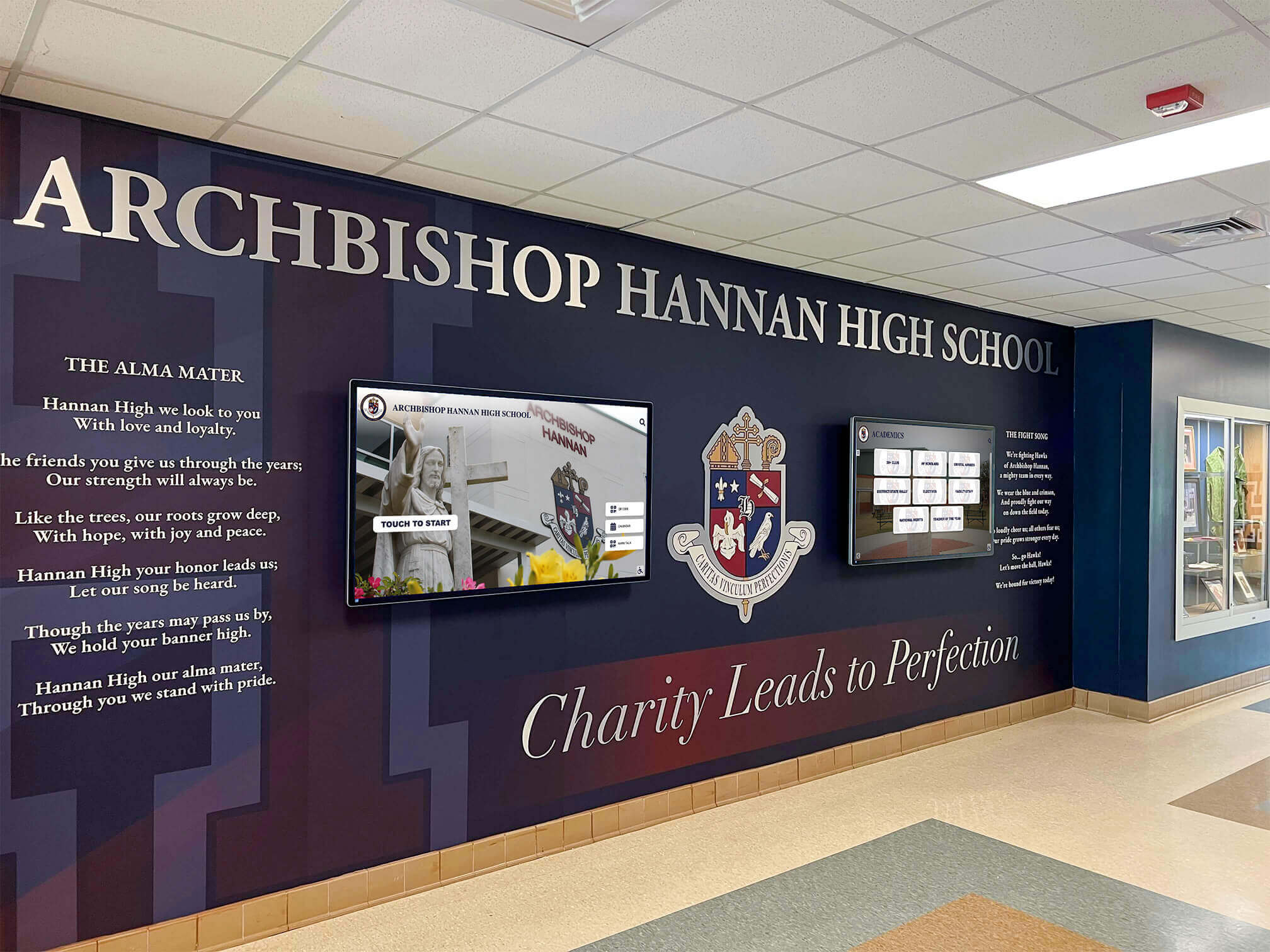
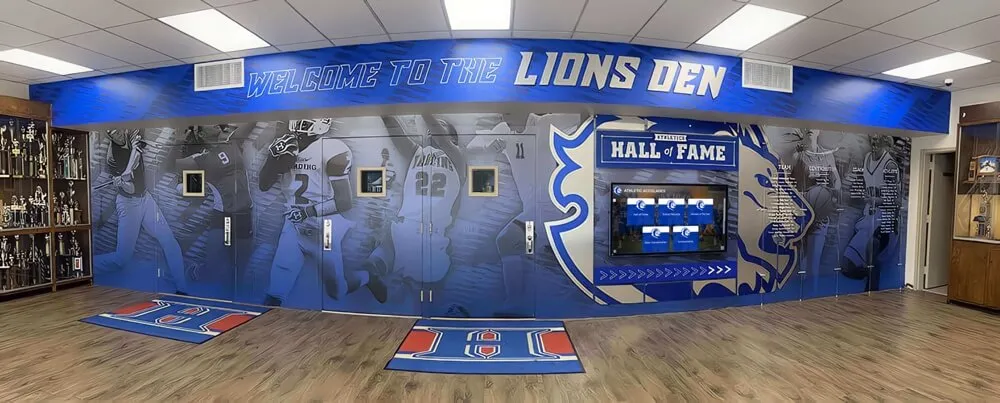
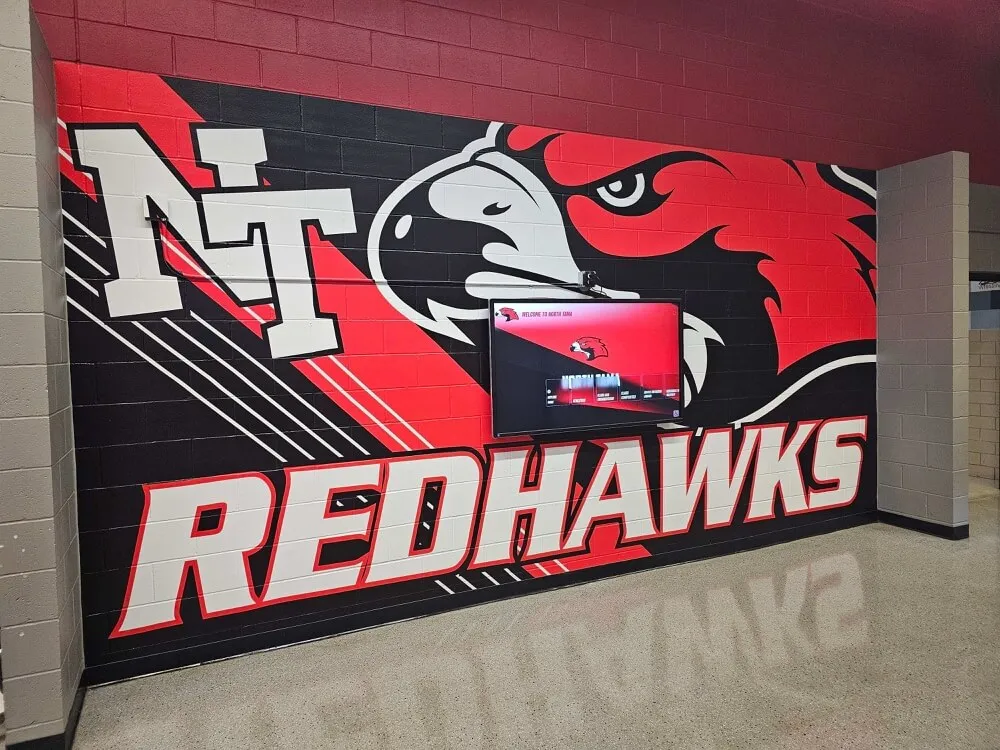
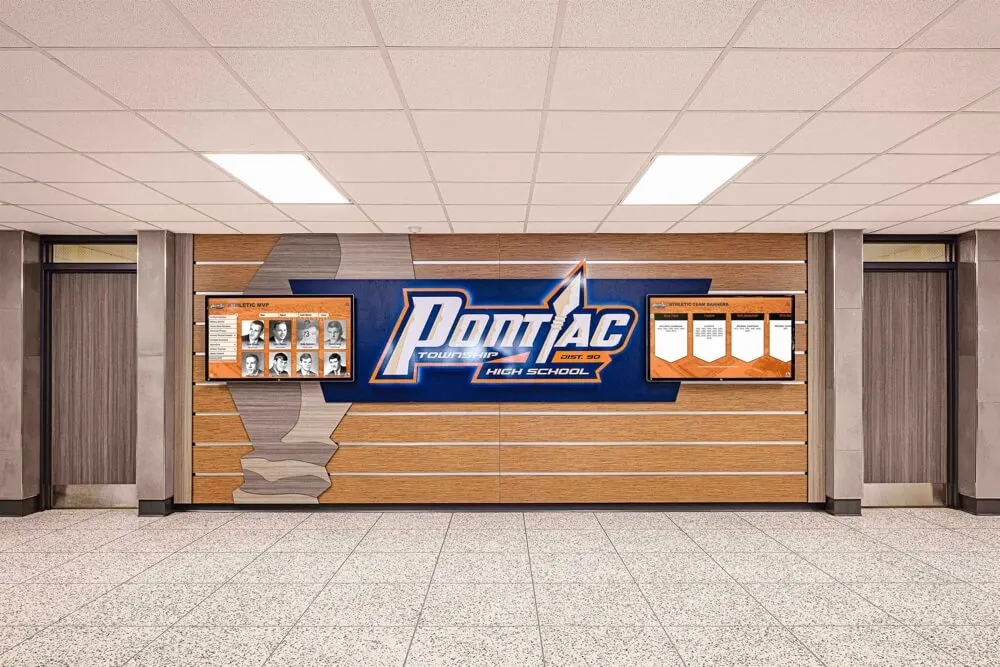
Prominent school branding and visual pride displays create environments where spirit day participation feels like natural expression of school identity
Extending Spirit Beyond Single Days
The most impactful spirit programs extend beyond isolated events into year-round traditions creating sustained school culture benefits.
Monthly Spirit Traditions
Rather than concentrating spirit into homecoming week or occasional events, distribute celebrations throughout academic year maintaining consistent positive energy.
Monthly Theme Days
- Designate one Friday monthly as spirit day with rotating themes
- Create seasonal spirit days connecting to calendar events and school activities
- Align spirit days with athletic events, performances, or academic milestones
- Develop predictable patterns students anticipate and prepare for throughout year
- Use monthly spirit days to maintain community connection during academically intense periods
Spirit Weeks Throughout the Year
- Fall spirit week surrounding homecoming celebrations
- Winter spirit week during cold months needing energy boost
- Spring spirit week as testing season begins, providing stress relief
- End-of-year celebration week honoring graduating seniors and school year completion
- Mini spirit weeks surrounding major athletic events or school milestones
Connecting Spirit to Recognition Systems
Integrate spirit programming with broader recognition initiatives celebrating diverse student achievement and contribution.
Spirit Achievement Recognition
- Honor most spirited students through formal recognition programs
- Include spirit participation in leadership awards or citizenship recognition
- Create spirit leader positions or ambassadors receiving formal acknowledgment
- Document spirit achievements through digital recognition systems showcasing school culture
- Celebrate class or grade spirit achievements alongside academic and athletic accomplishments
Building Spirit Traditions
- Establish signature spirit events unique to your school becoming anticipated traditions
- Create spirit mascot appearances, special performances, or unique rituals
- Develop historical continuity by repeating beloved themes annually
- Document spirit week history through photos, videos, and participation records
- Build institutional memory celebrating spirit traditions across graduating classes
Integrating Digital Tools and Technology
Modern technology amplifies spirit day impact through documentation, recognition, and participation tracking that extends beyond physical school spaces.
Digital Recognition and Documentation
- Social media documentation creating shareable content students can participate in digitally
- Photo galleries on school websites celebrating participation and creativity
- Digital displays throughout school showcasing spirit day images and participation
- Live participation tracking displayed on hallway screens creating real-time competition visibility
- Virtual participation options for remote students or during hybrid learning situations
Interactive Participation Tools
- Digital voting for spirit themes, costume competitions, or favorite traditions
- Mobile apps tracking spirit points, participation, or grade-level competitions
- QR codes linking to spirit day information, examples, or participation confirmation
- Online galleries where students submit spirit day photos for recognition and sharing
- Virtual spirit activities allowing participation beyond physical costume wearing
Much like digital hall of fame displays that preserve achievement history, technology-enhanced spirit programs document community celebration creating lasting records of school culture traditions.
Addressing Common Spirit Day Challenges
Even well-planned spirit programming encounters obstacles—anticipating challenges and preparing solutions ensures smoother implementation.
Overcoming Low Participation
When spirit days fail to generate expected involvement, strategic adjustments can revitalize programs.
Diagnosing Participation Barriers
- Survey students about what prevents participation or reduces enthusiasm
- Identify whether themes feel inaccessible, uninteresting, or uncomfortable
- Assess whether communication reaches all students effectively
- Determine if peer dynamics or social factors discourage participation
- Evaluate whether faculty participation levels influence student involvement
Strategies to Boost Involvement
- Start with simple, accessible themes building confidence before introducing elaborate options
- Create participation incentives through competitions, recognition, or small rewards
- Ensure strong teacher and staff modeling demonstrating that participation represents valued behavior
- Recruit student leaders and influencers across social groups to champion spirit participation
- Offer multiple participation levels from full commitment to subtle acknowledgment through accessories
Managing Dress Code Compliance
Spirit themes must balance creativity with maintaining appropriate school environments.
Setting Clear Boundaries
- Communicate dress code expectations within each theme clearly before event days
- Provide specific examples of appropriate and inappropriate interpretations
- Empower teachers to redirect students exceeding appropriateness boundaries without punitive approaches
- Establish consequences for students using spirit themes to violate dress codes intentionally
- Review themes annually for potential appropriateness issues based on previous year experiences
Proactive Planning
- Review all proposed themes through dress code and appropriateness lens before announcing
- Modify potentially problematic themes rather than dealing with issues during events
- Provide costume alternatives for students whose primary theme interpretation might violate policies
- Communicate dress code expectations to parents, enlisting family support for appropriate participation
- Have backup costume pieces available for students needing modifications to meet expectations
Ensuring Inclusive and Sensitive Themes
Spirit themes should unite rather than divide, bringing communities together without marginalizing or excluding students.
Cultural Sensitivity Considerations
- Avoid themes appropriating specific cultures, religions, or ethnic identities
- Consult diverse stakeholders when planning potentially sensitive themes
- Modify or eliminate themes that could make any student group feel uncomfortable or excluded
- Educate students about cultural appropriation versus cultural appreciation
- Create themes celebrating diversity and inclusion rather than potentially othering specific groups
Socioeconomic Accessibility
- Ensure themes don’t require purchases beyond most families’ comfortable spending
- Avoid themes favoring students with extensive wardrobes, costume collections, or financial resources
- Provide costume assistance for students lacking resources to participate fully
- Create themes using common household items or clothing most students already own
- Consider offering costume pieces, accessories, or materials through school resources
Creating Sustainable Spirit Programs
Long-term spirit programming success requires sustainable systems rather than annual reinvention by new student leaders or advisors.
Documentation and Institutional Memory
Preserve successful spirit traditions through documentation allowing future coordinators to learn from past successes.
Record-Keeping Systems
- Maintain spirit day calendars, participation data, and theme descriptions from each year
- Document which themes generated strongest participation and why
- Preserve photos, videos, and examples of successful spirit day implementations
- Create guides for future student councils or activity directors
- Build institutional knowledge about what works for specific school populations
Tradition Building
- Identify signature spirit events worth repeating annually
- Create spirit week traditions graduating classes pass down to successors
- Establish spirit roles, leadership positions, or ambassador programs with defined responsibilities
- Develop spirit committee structures ensuring continuity despite leadership turnover
- Build spirit programming into school culture rather than treating as optional add-on activities
Leadership Development Through Spirit Programming
Spirit day planning provides valuable leadership development opportunities for student coordinators.
Student Leadership Opportunities
- Spirit committee positions teaching event planning, communication, and organizational skills
- Grade-level spirit representatives developing leadership within class communities
- Ambassador roles modeling participation and encouraging peer involvement
- Creative teams designing themes, competitions, and recognition systems
- Technology coordinators managing digital documentation and participation tracking
Adult Mentorship and Support
- Faculty advisors providing guidance while allowing student leadership autonomy
- Training for student coordinators in event planning, conflict resolution, and communication
- Connections between spirit programming and broader leadership development initiatives
- Recognition of student spirit leaders through awards and formal acknowledgment
- Sustainable systems ensuring adult institutional knowledge supports student innovation
Conclusion: Spirit Days as Community Investment
High school spirit day ideas represent more than fun dress-up themes or competition points—they constitute meaningful investments in school culture, student belonging, and community identity. When schools implement comprehensive, inclusive, well-planned spirit programming extending beyond occasional homecoming weeks into year-round traditions, they create environments where students feel genuine connection to institutional identity and each other.
The most successful spirit programs balance tradition with innovation, maintain high participation through accessibility and inclusion, connect spirit celebrations to broader recognition systems honoring diverse student achievement, and create memories students carry long after graduation. Spirit days done well make school feel less like obligatory attendance and more like community membership worth celebrating.
As you develop spirit programming for your school, remember that sustainable success comes from listening to student feedback, continuously improving based on participation data, ensuring equity and inclusion in all themes and activities, and building institutional systems that preserve spirit traditions across graduating classes while allowing each year’s student leaders to add their unique contributions.
Whether you’re a student council member planning your first spirit week, an activities director refreshing stale traditions, or an administrator recognizing spirit programming’s role in positive school climate, these comprehensive high school spirit day ideas provide frameworks for creating celebrations that genuinely resonate with your specific school community. Start with accessible themes generating broad participation, build traditions worth repeating annually, celebrate involvement at all levels, and watch as consistent spirit programming transforms your school culture one theme day at a time.
Preserve Your School Spirit Traditions Digitally
Spirit days create powerful school memories and community traditions worth celebrating beyond single events. Rocket Alumni Solutions provides digital recognition displays that showcase spirit week winners, participation photos, and community celebrations year-round. Our interactive touchscreen systems let students, families, and visitors explore your school’s spirit traditions, creating permanent records of the community pride your spirit days build. Transform temporary celebrations into lasting institutional memory that connects current students to proud school traditions.
Building consistent school spirit requires planning, creativity, and commitment to inclusive programming that makes every student feel valued. Start with themes matching your community’s interests, celebrate participation at all levels, and establish traditions that graduating classes pass down, creating the vibrant school culture where students thrive academically, socially, and emotionally.