



As another academic year draws to close, high schools across the country prepare for one of the most meaningful traditions in education: end-of-year awards ceremonies. These celebrations represent more than routine acknowledgment—they create defining moments recognizing student achievement, character development, and growth throughout the school year. For administrators, teachers, and activities directors planning these events, the challenge lies in creating recognition experiences that feel authentic, inclusive, and memorable while honoring diverse accomplishments across academic, athletic, leadership, and character domains.
End-of-year awards serve multiple vital functions within school communities. They motivate continued excellence by celebrating achievement publicly, reinforce institutional values by highlighting what schools prioritize, create milestone memories marking academic year transitions, build school culture through collective celebration, and provide recognition students carry into college applications and future endeavors.
This comprehensive guide explores evidence-based strategies for planning and implementing effective end-of-year award programs that celebrate diverse student achievements, create meaningful recognition experiences, and build lasting school traditions that inspire excellence year after year.
Effective end-of-year awards extend beyond identifying top performers in traditional categories. They create systematic approaches celebrating excellence across multiple dimensions while ensuring recognition opportunities exist for students demonstrating various forms of achievement, growth, and contribution to school communities.

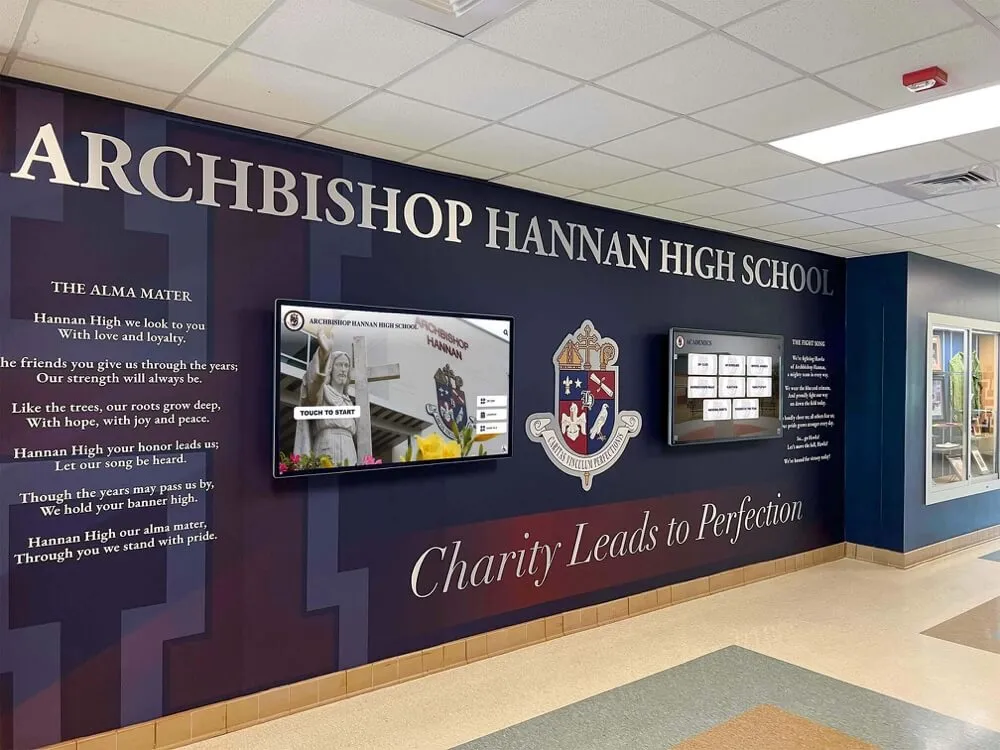
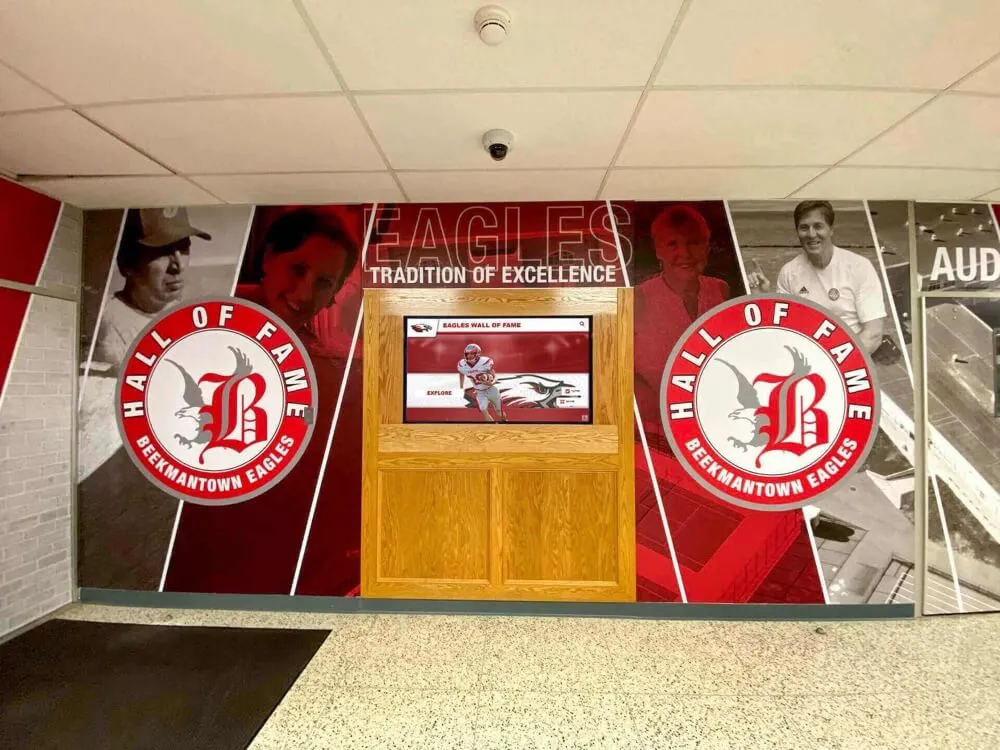
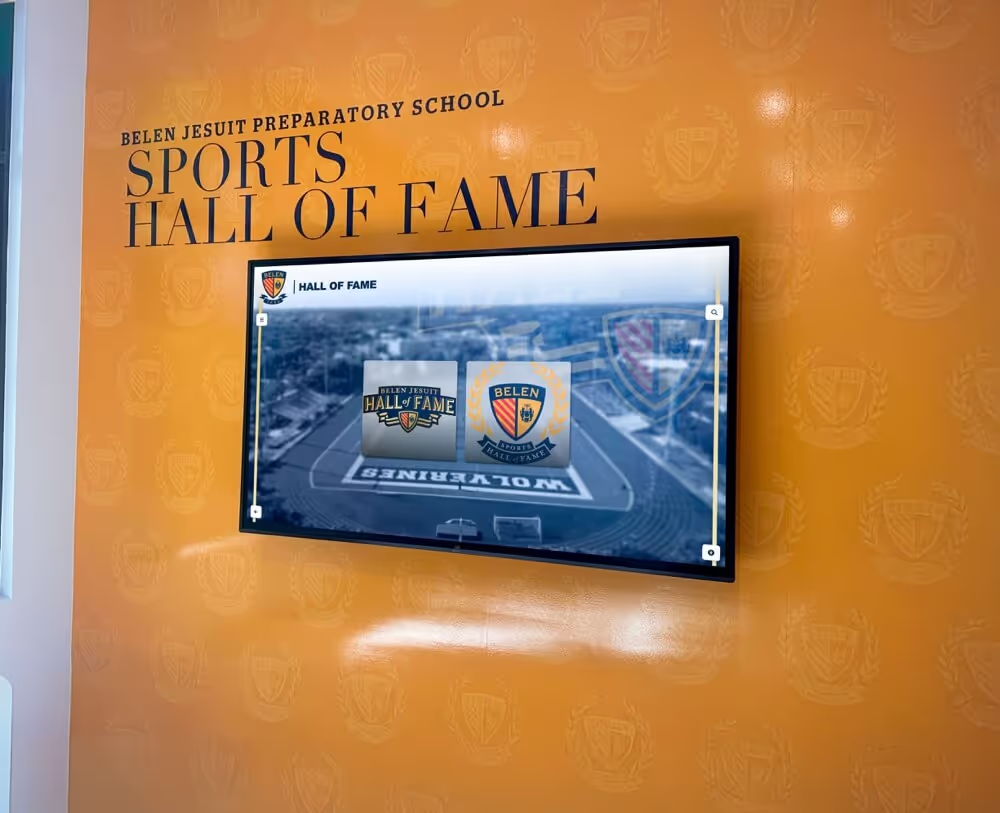
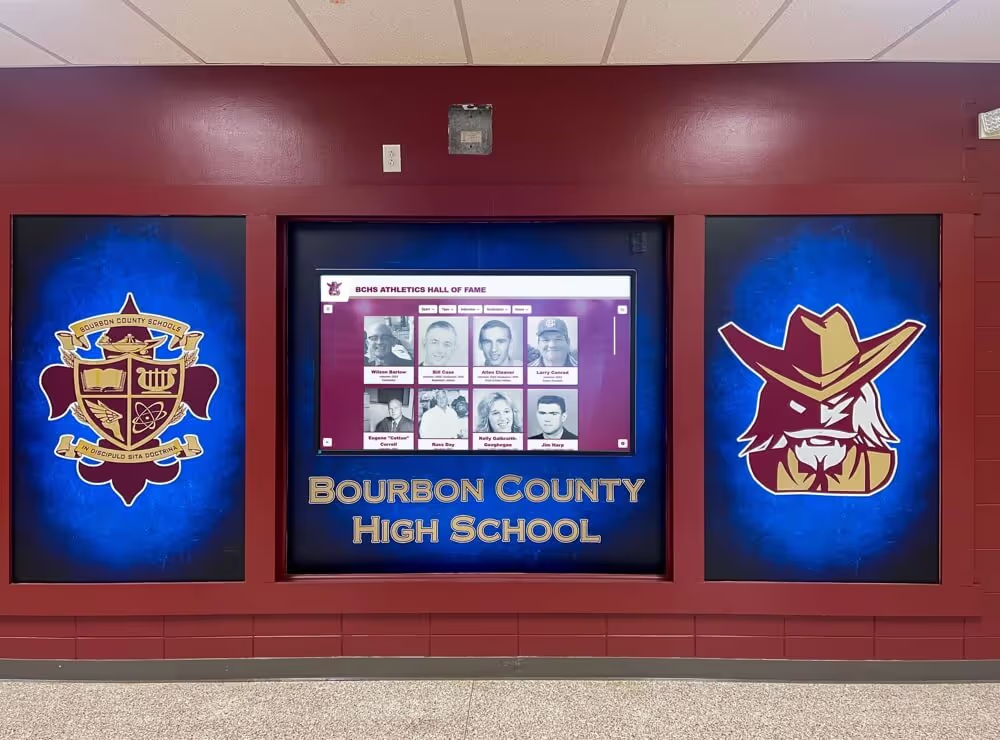
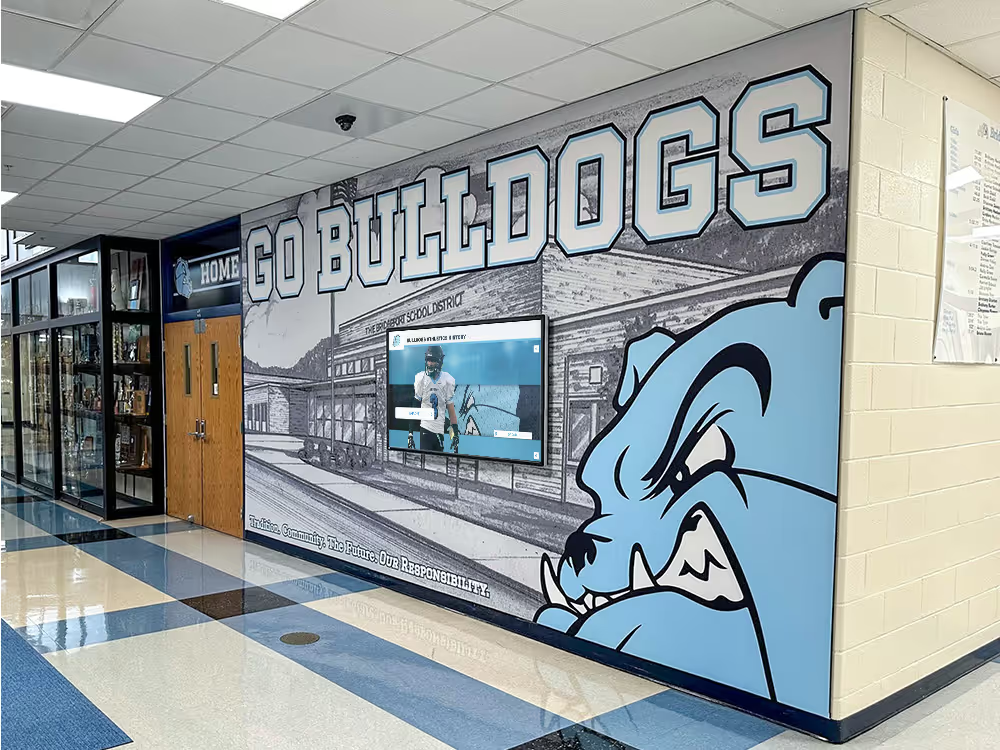
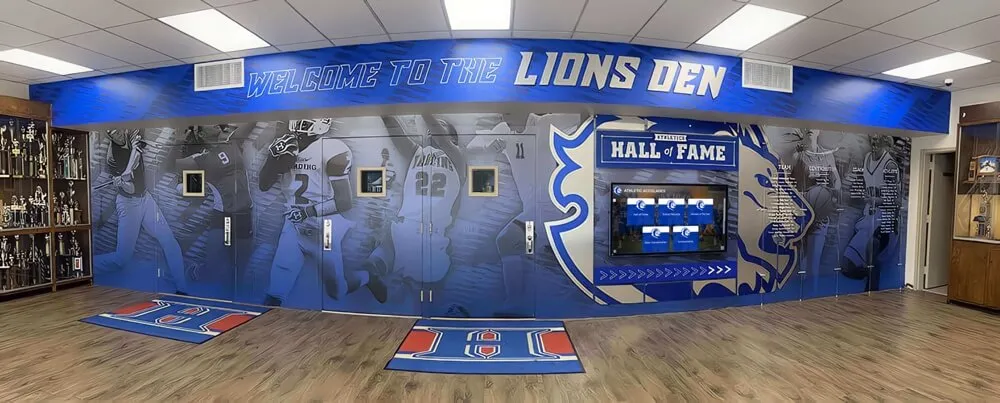
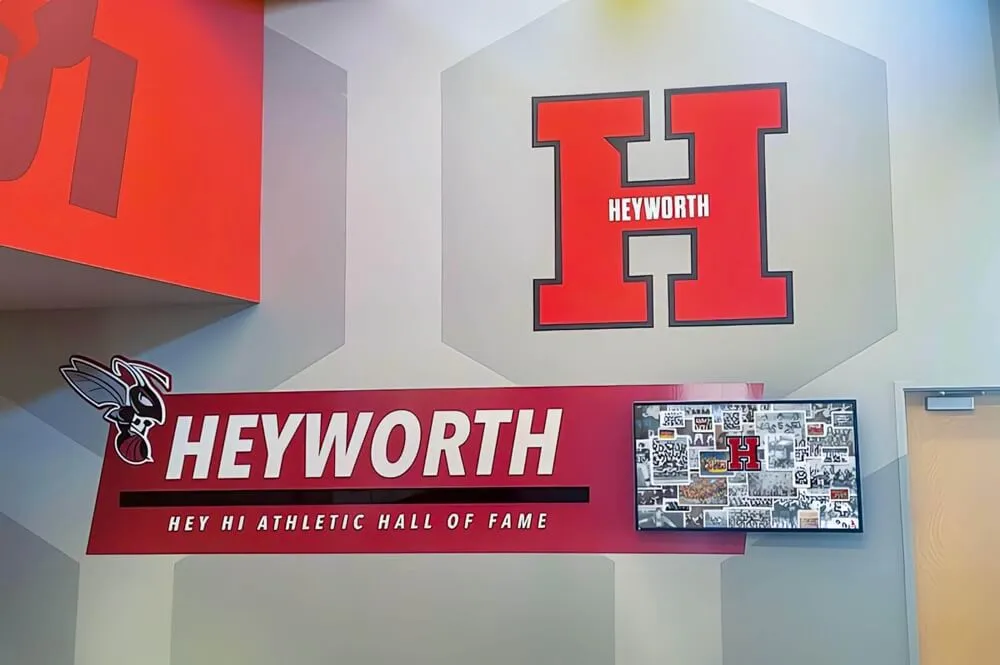
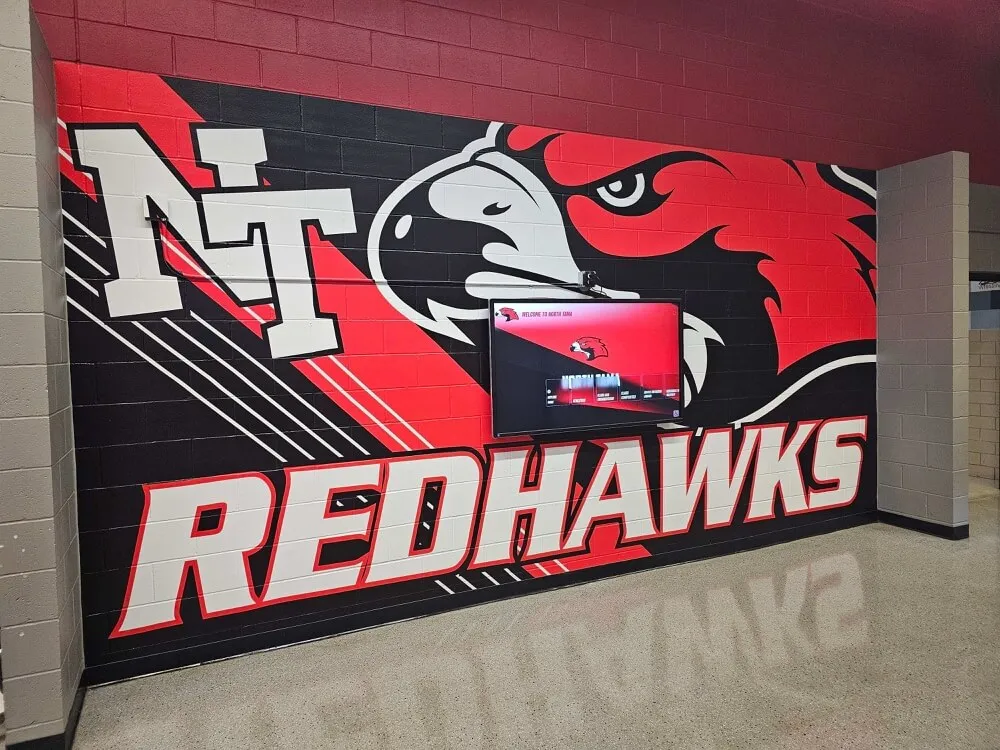
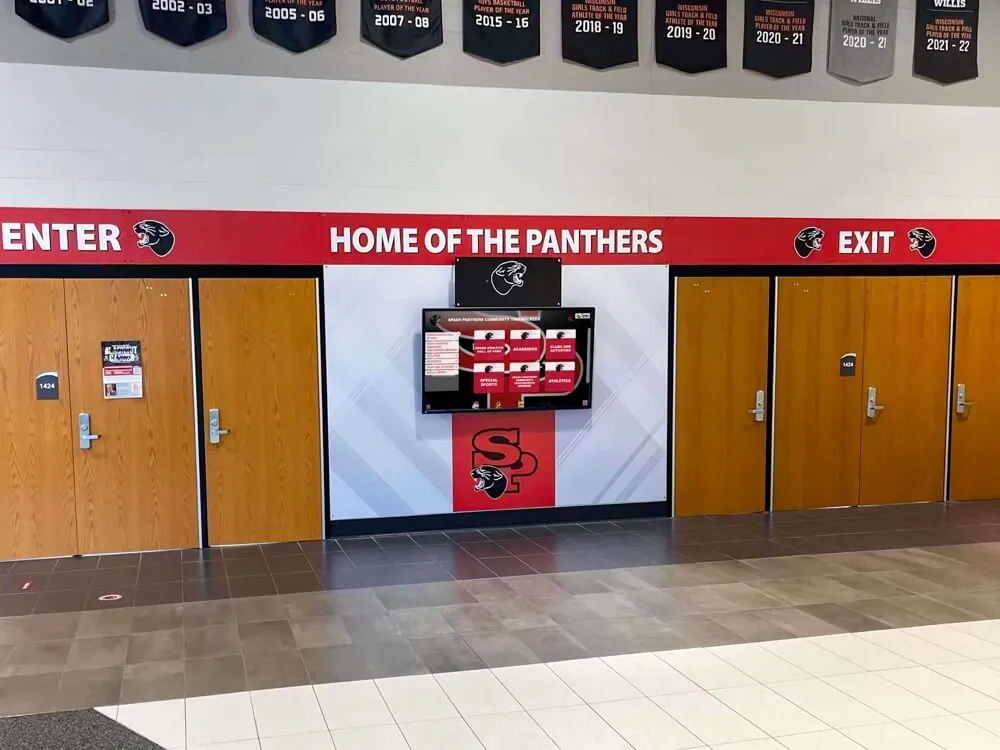
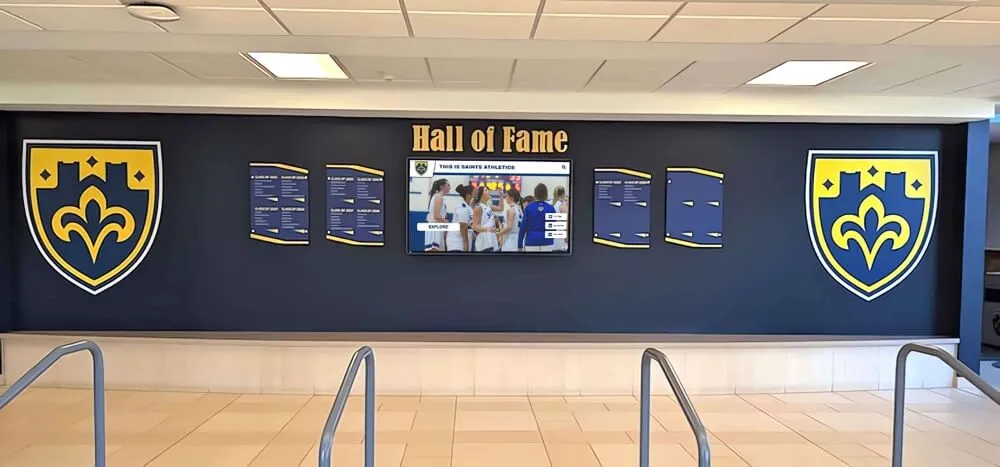
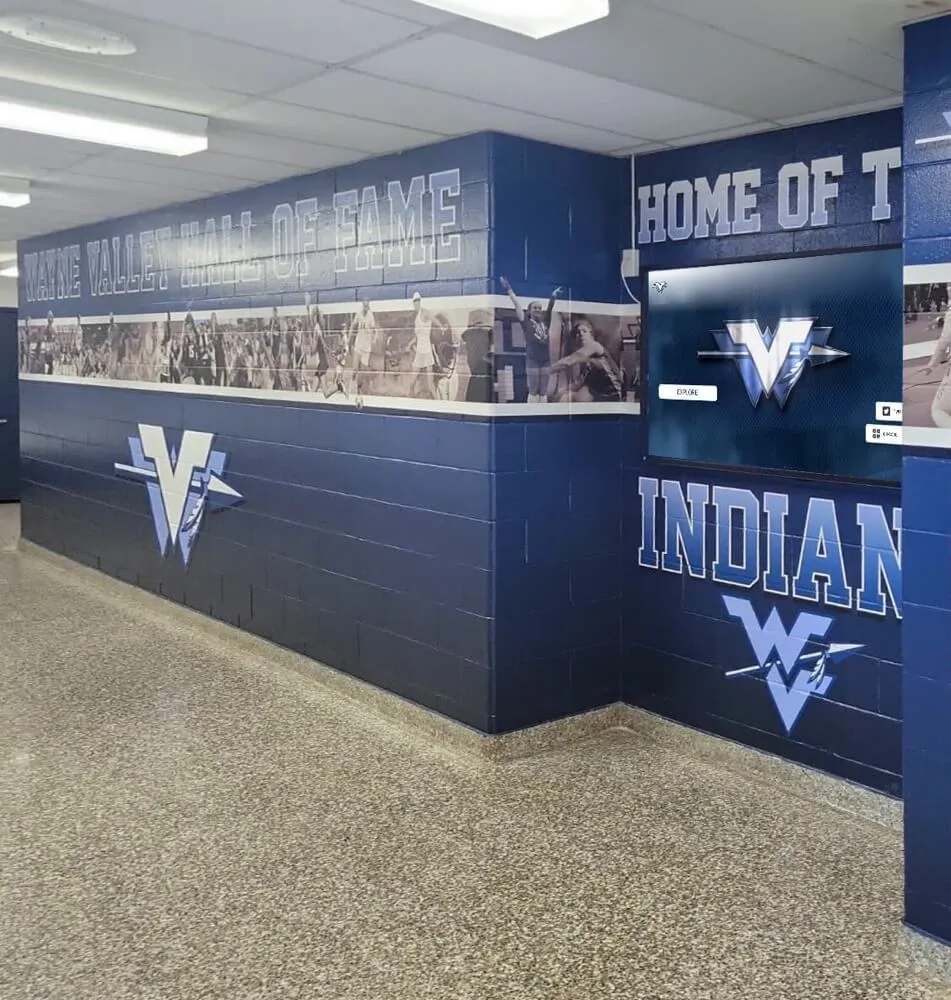
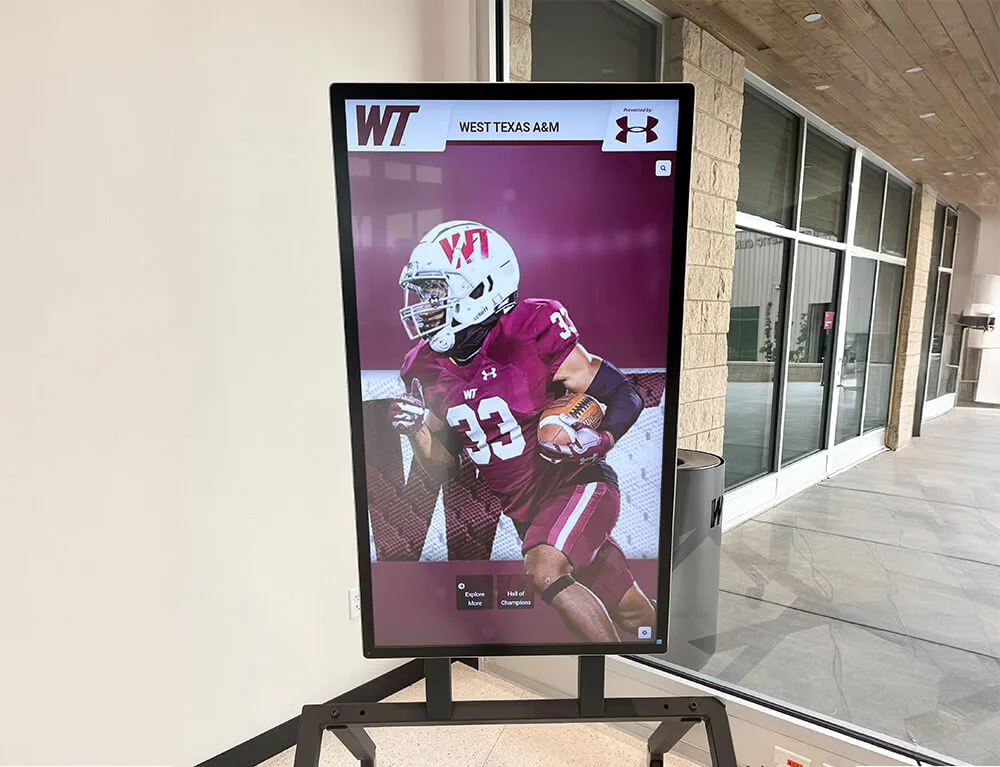
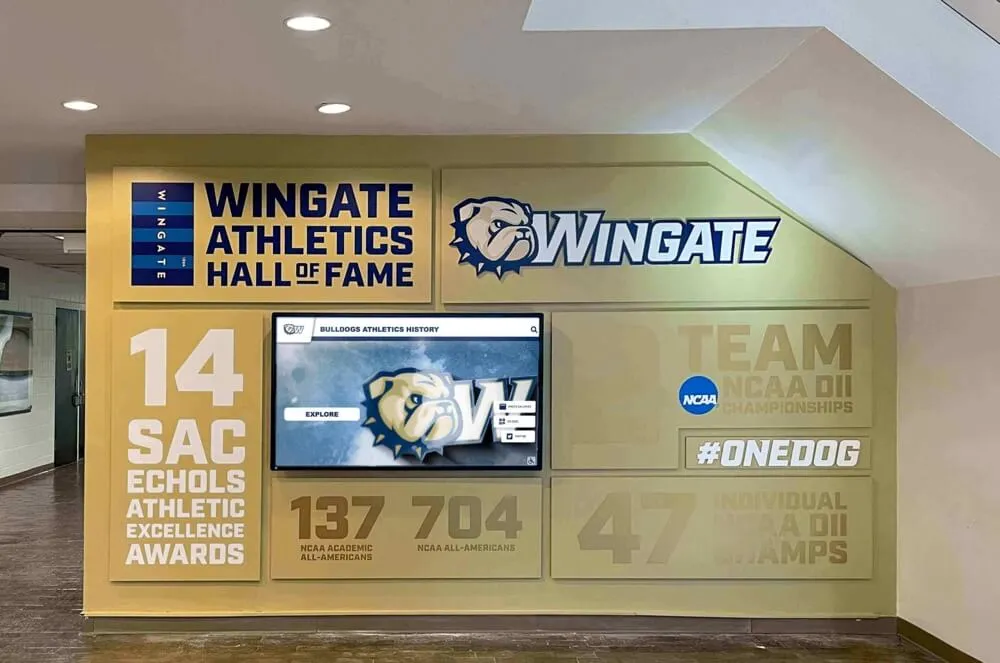
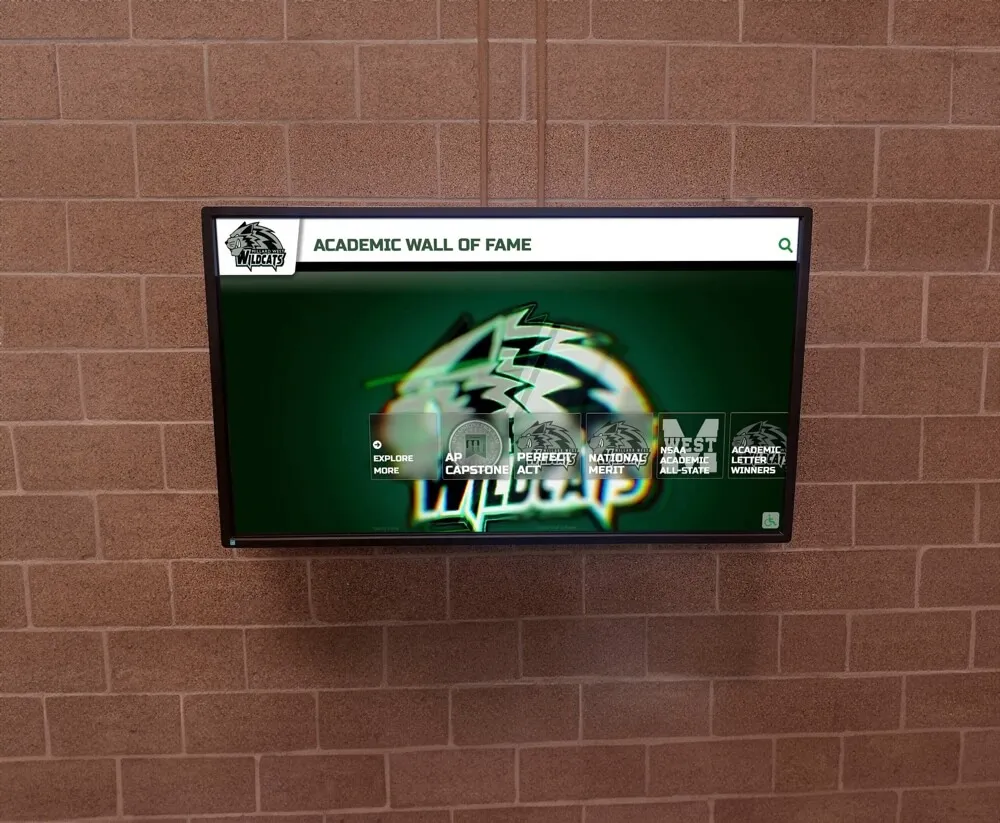
Modern schools preserve award recognition through digital displays that celebrate achievements throughout the school community
Understanding the Purpose and Impact of End-of-Year Awards
Before diving into specific award categories and ceremony planning, understanding the psychological and cultural impacts of recognition helps schools design programs that maximize positive outcomes while avoiding common pitfalls.
The Psychology of Student Recognition
Educational research consistently demonstrates the power of appropriate recognition on student motivation and achievement:
Motivation and Achievement Effects
According to research from educational psychology, students who receive meaningful recognition demonstrate 20-30% higher sustained achievement and engagement over time. Recognition creates positive reinforcement of desirable behaviors, establishes role models inspiring peers toward similar achievement, normalizes excellence making high performance socially desirable, and provides external validation during formative developmental years when peer perception carries substantial weight.
The timing of end-of-year recognition proves particularly significant. Unlike mid-year acknowledgment that motivates continued effort within the current academic year, end-of-year awards create lasting impressions students carry into summer break and subsequent school years. Graduating seniors carry recognition into college applications and post-secondary transitions, while underclassmen return the following year with recognition memories motivating continued pursuit of excellence.
Cultural and Community Benefits
End-of-year award programs create benefits extending throughout school communities:
Recognition ceremonies unite school communities around shared celebration, reinforcing collective identity and pride. Families witnessing their students recognized develop stronger connection to schools and increased engagement in educational processes. Award programs signal institutional values, clarifying what schools prioritize and expect from students. Systematic recognition improves overall school climate by creating positive, achievement-oriented cultures where excellence becomes normalized and celebrated.
Critical Considerations for Recognition Design
Effective award programs require careful consideration of equity, inclusivity, and meaningful criteria:
Avoiding Recognition Pitfalls
Common mistakes undermine award program effectiveness. Recognition limited to narrow achievement domains excludes students demonstrating excellence in alternative areas. Overly competitive approaches creating scarcity mentality discourage rather than motivate students perceiving recognition as unattainable. Recognition programs favoring students from advantaged backgrounds create equity concerns requiring intentional mitigation.
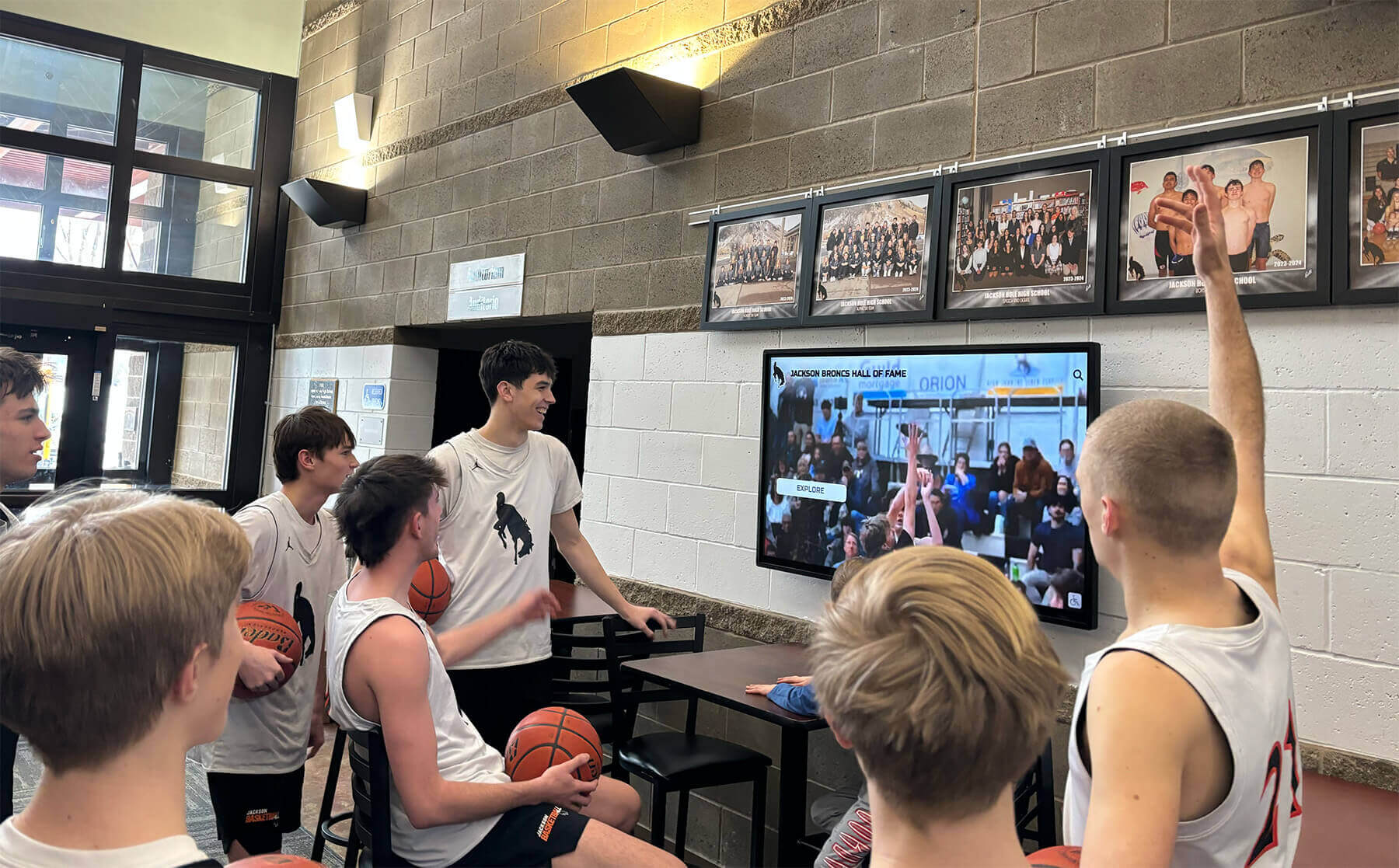
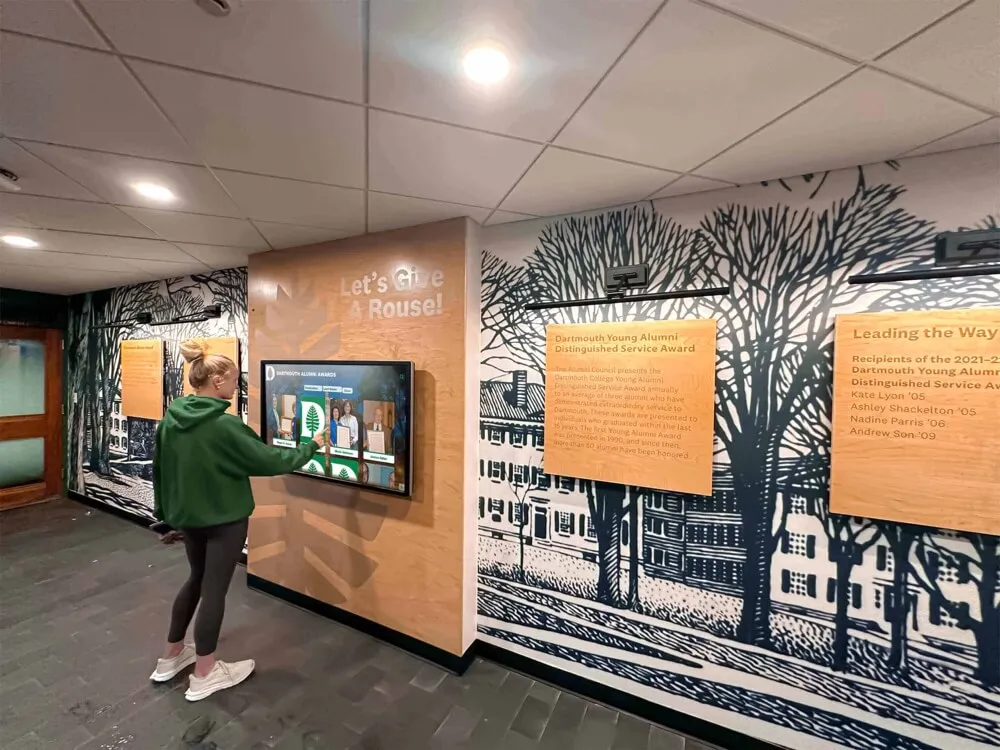
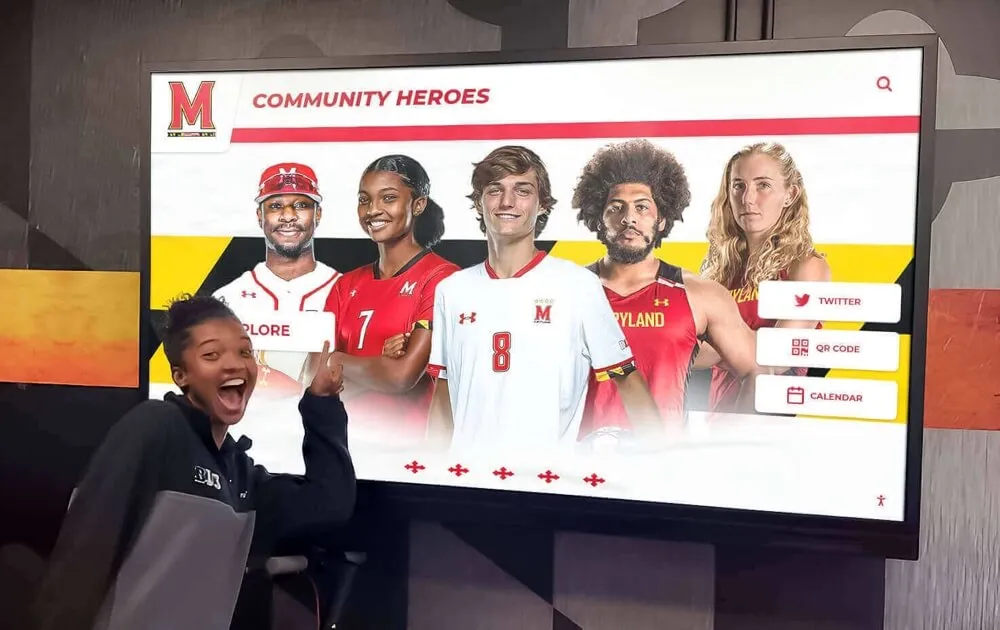
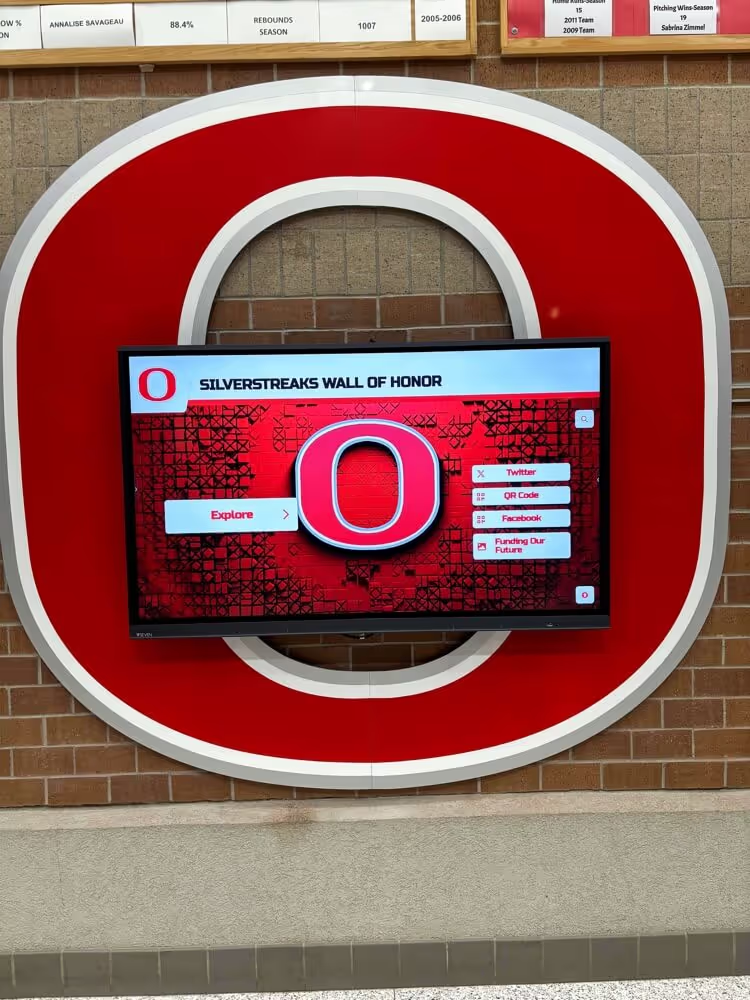
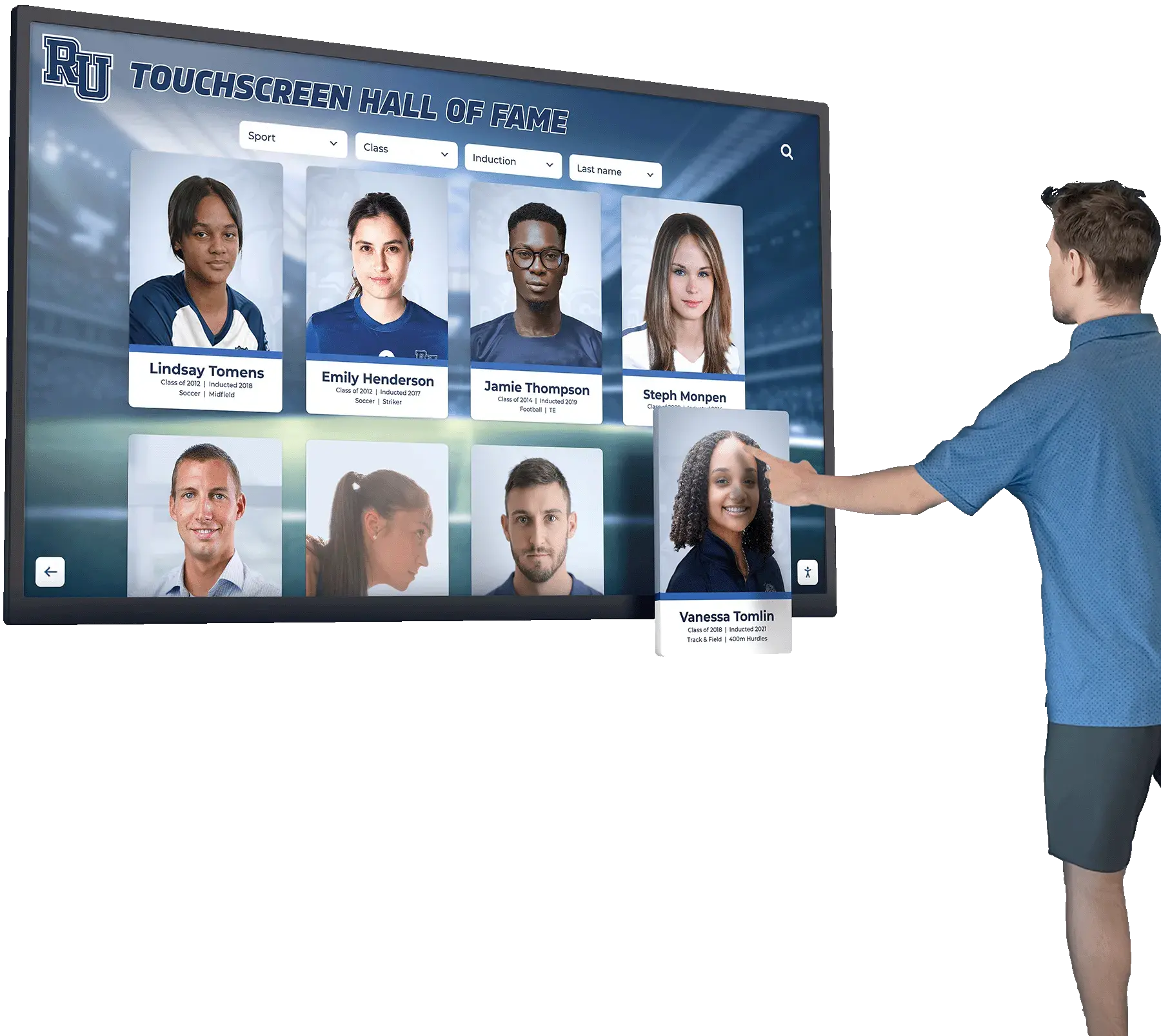
Interactive recognition creates opportunities for students to explore achievements and connect with school culture
Balancing Prestige and Inclusivity
Successful programs maintain meaningful distinctions between achievement levels while ensuring recognition pathways exist for diverse students. The most effective approaches create tiered recognition structures where pinnacle achievements maintain exclusivity and prestige, regular recognition categories acknowledge strong performance across larger student populations, growth-based recognition celebrates improvement regardless of absolute achievement level, and participation acknowledgment honors contribution and commitment even without top-tier outcomes.
This balanced approach ensures award programs motivate rather than discourage students, maintain recognition meaning and value, and celebrate diverse forms of excellence within comprehensive frameworks.
Academic Awards: Celebrating Intellectual Achievement
Academic recognition represents the foundation of end-of-year award programs, celebrating intellectual achievement across subjects, achievement levels, and student populations.
Traditional Academic Honor Categories
Most schools include core academic recognition categories acknowledging absolute achievement:
Cumulative Academic Excellence
Valedictorian and salutatorian designations honor students achieving the highest cumulative grade point averages throughout high school careers. These pinnacle recognitions typically include special recognition at graduation ceremonies, prominent digital hall of fame display features, speeches at commencement ceremonies, permanent legacy documentation, and college scholarship consideration enhancement.
Top 10 or Top 5% recognition extends honor to broader groups of high-achieving students who maintained excellent academic performance throughout high school while not achieving absolute top rankings. These students receive special recognition at award ceremonies, graduation program inclusion, academic honor cords or stoles, and college application enhancement.
Honor Roll Recognition
End-of-year honor roll acknowledgment differs from quarterly honor roll by recognizing sustained excellence throughout entire academic years:
- Principal’s Honor Roll: Students maintaining highest GPA thresholds across all grading periods (typically 3.8-4.0)
- Honor Roll: Students achieving strong academic performance throughout the year (typically 3.5-3.79)
- Merit Recognition: Students demonstrating consistent academic achievement meeting school-defined standards
Honor roll recognition should include certificate presentations, recognition at end-of-year ceremonies, family notification and celebration, and permanent documentation in student records and school recognition systems.
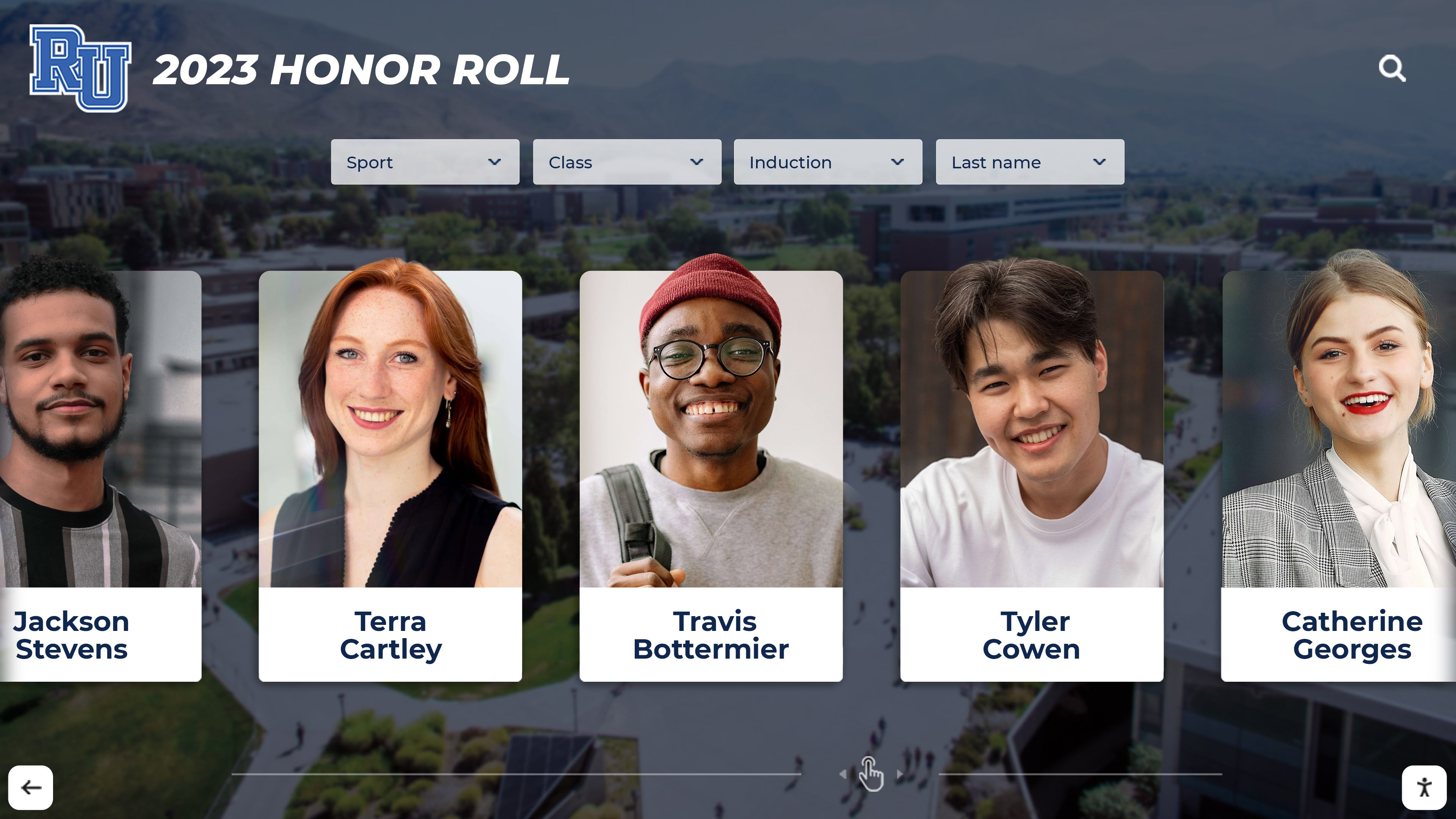
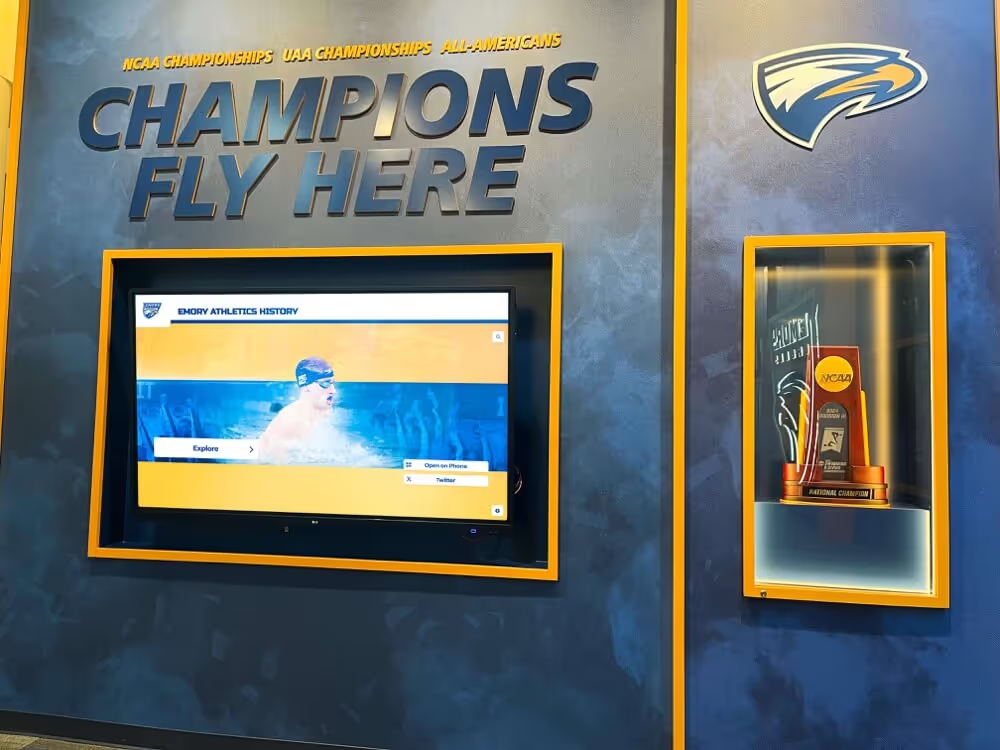
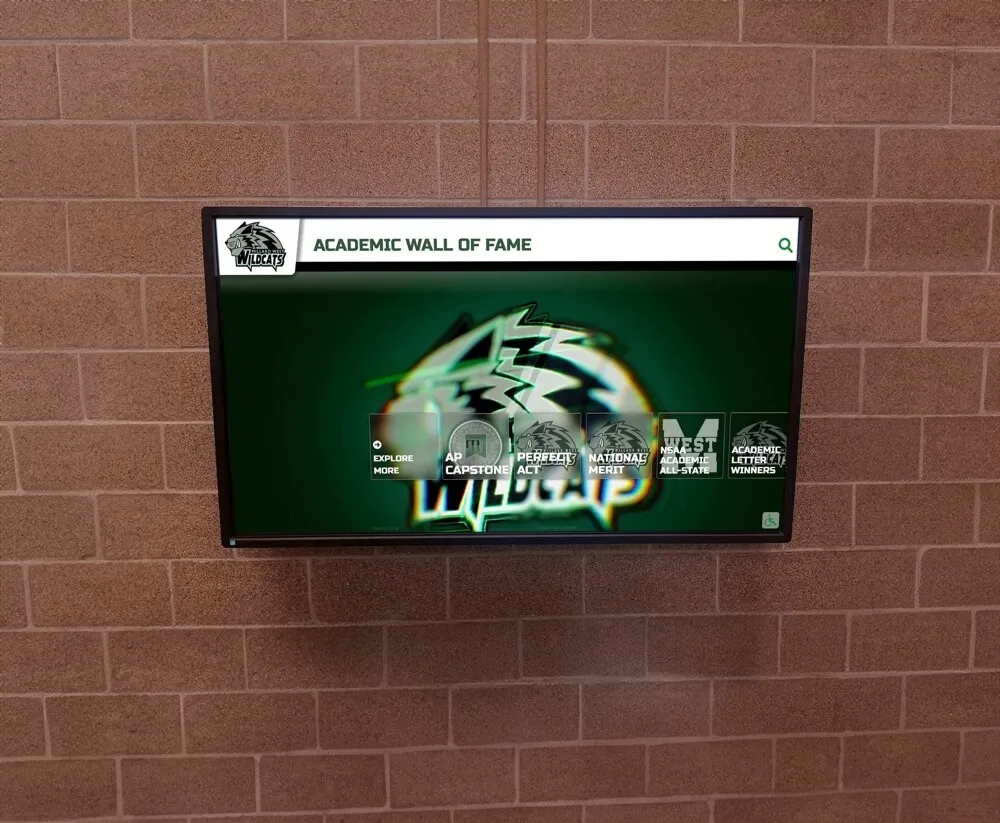
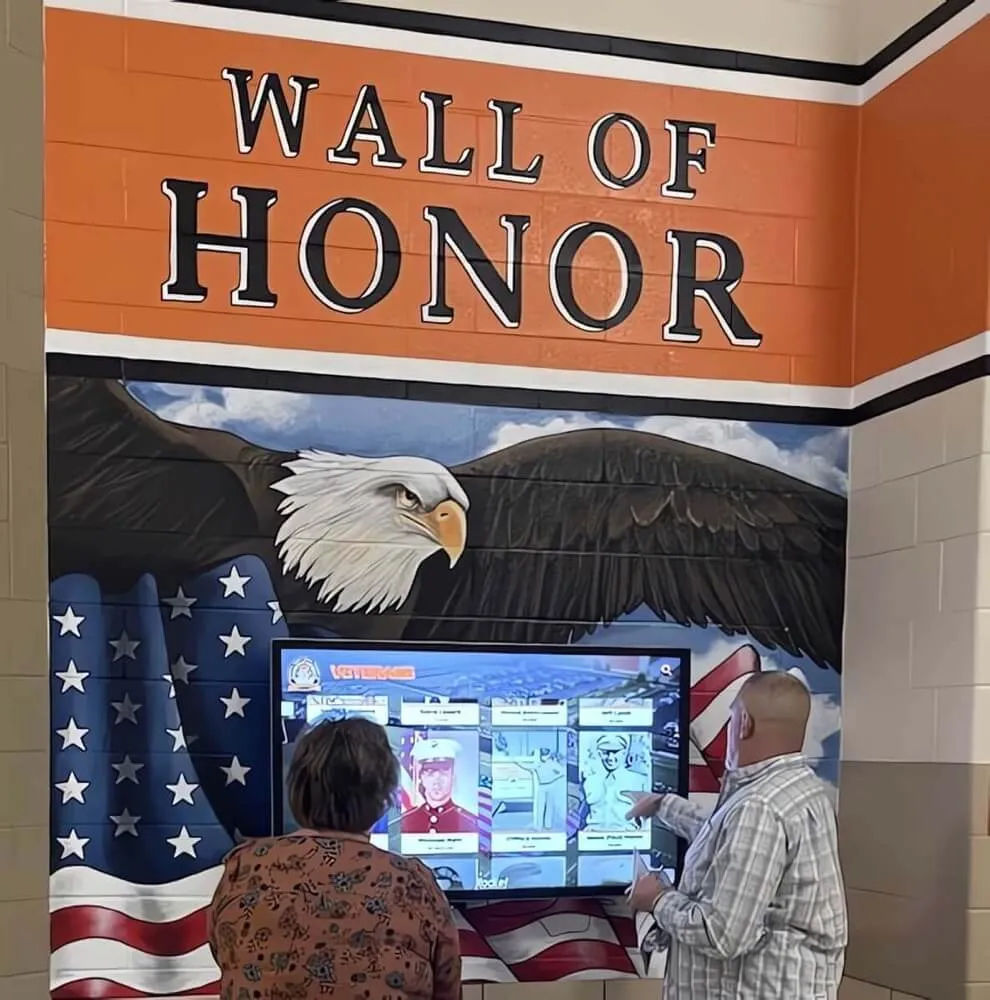
Comprehensive recognition systems celebrate honor roll achievement through detailed student profiles and accomplishment documentation
Subject-Specific Academic Awards
Recognizing excellence within individual academic disciplines ensures comprehensive curriculum coverage:
Core Subject Awards
Each major academic department should present awards recognizing top achievement:
- English/Language Arts: Excellence in literature analysis, writing, communication, and critical reading
- Mathematics: Superior performance in mathematical reasoning, problem-solving, and computational skills
- Science: Achievement in scientific inquiry, laboratory work, research, and scientific thinking across biology, chemistry, physics, and earth science
- Social Studies: Excellence in historical analysis, civic understanding, geographical knowledge, and social science reasoning
- World Languages: Superior foreign language proficiency, cultural understanding, and communication skills
Subject-specific awards typically recognize the top student(s) in each course level (honors, AP, standard) ensuring recognition across achievement tiers. Many schools present these awards at department-level recognition events or comprehensive academic award ceremonies.
Specialized Program Recognition
Beyond traditional core subjects, recognition should extend to specialized academic programs:
- STEM Programs: Robotics team achievement, science Olympiad recognition, engineering program excellence, computer science competition success
- Fine Arts: Visual art excellence, music performance achievement, theatre and drama recognition, creative writing awards
- Career and Technical Education: Industry certification completion, technical skills competition success, internship program excellence, applied learning project recognition
- Advanced Placement and Dual Enrollment: AP Scholar designations recognizing multiple AP exam success, dual enrollment program completion recognition
Explore comprehensive academic recognition approaches that celebrate diverse academic achievements.
Growth and Improvement Recognition
Recognizing academic growth ensures students starting at different achievement levels receive acknowledgment for significant progress:
Most Improved Academic Achievement
These awards celebrate students demonstrating substantial GPA improvement or skill development throughout the academic year. Recognition criteria might include:
- Largest GPA increase from previous year or semester
- Significant improvement in specific challenging subjects
- Transformation from academic struggles to strong performance
- Consistent upward trajectory across multiple grading periods
Most improved recognition proves particularly meaningful for students who may never achieve traditional honor roll status but demonstrate remarkable growth and effort. This recognition validates hard work and progress regardless of absolute achievement levels.
Academic Perseverance Awards
Some students demonstrate exceptional academic persistence through challenging circumstances. Recognition might honor students who maintained academic performance despite personal challenges, demonstrated consistent effort in particularly challenging coursework, overcame specific learning obstacles through determination and support, or balanced demanding external commitments while maintaining academic standards.
These awards acknowledge that achievement context matters, and students overcoming significant obstacles to achieve even moderate academic success demonstrate characteristics worthy of recognition and celebration.
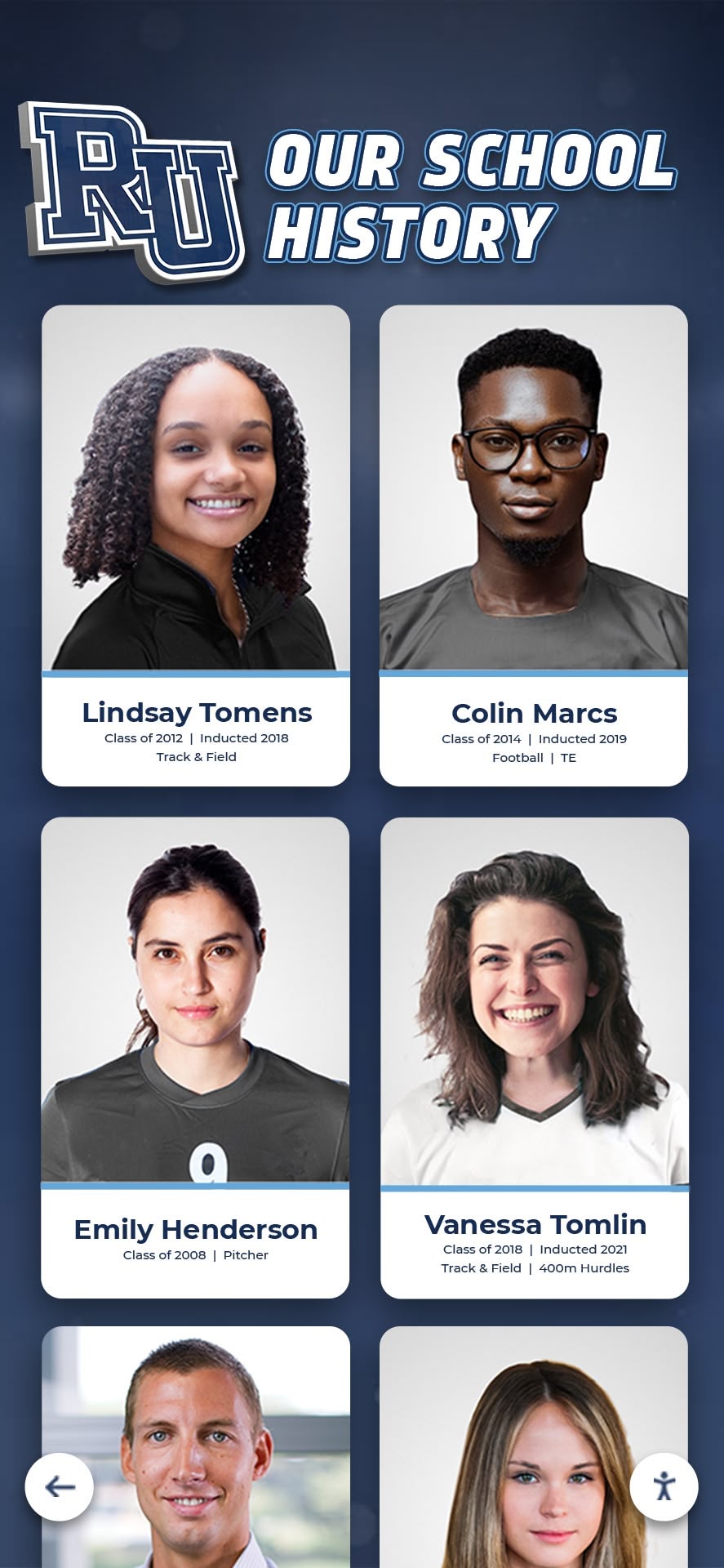
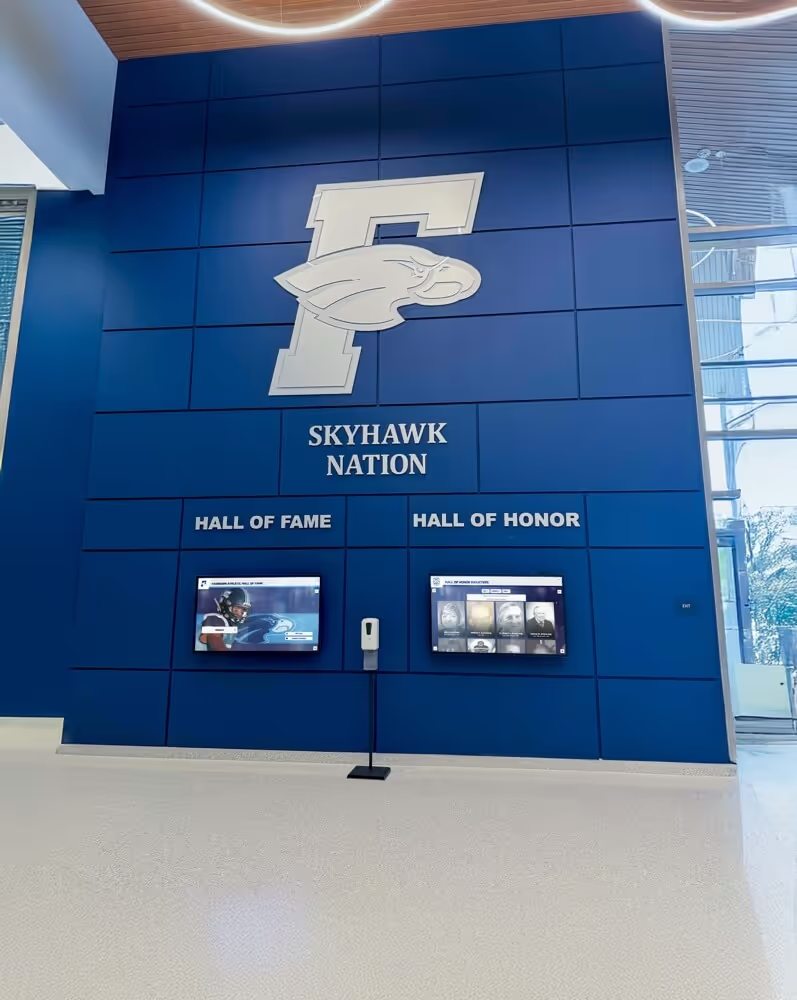
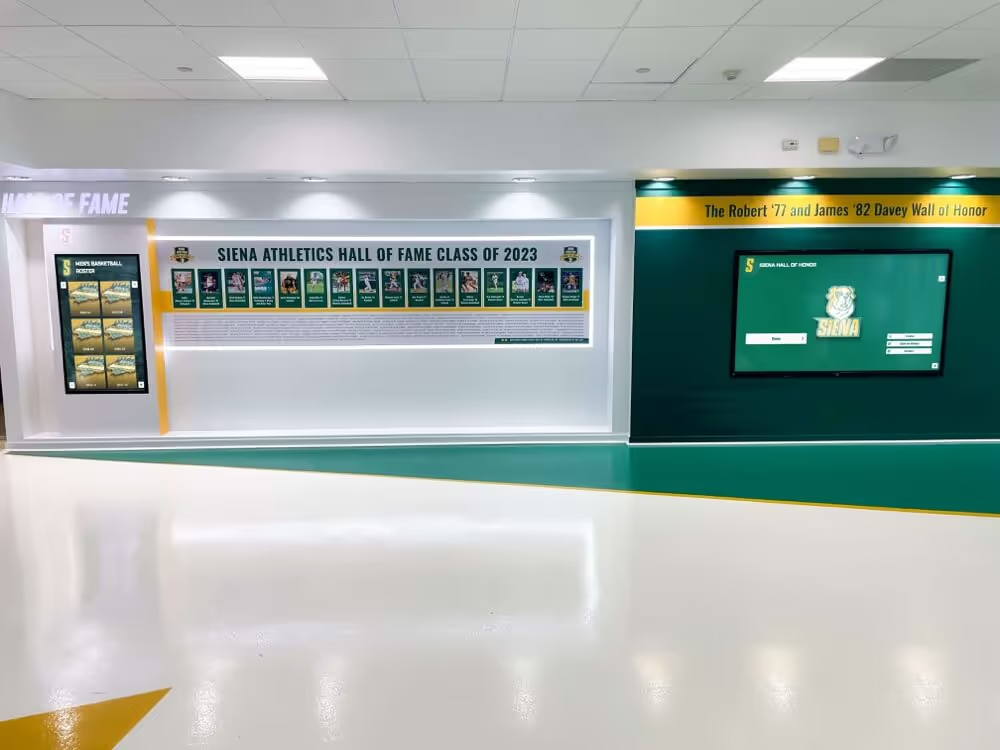
Modern recognition systems document achievement journeys throughout academic careers
Athletic Awards: Honoring Physical Excellence and Sportsmanship
Athletic recognition constitutes a major component of end-of-year awards, celebrating competitive achievement, personal development, and team contribution across sports programs.
Team-Specific Athletic Recognition
Most athletic awards occur within individual team banquets and celebrations, but schools should also incorporate athletic recognition into comprehensive end-of-year award programs:
Seasonal and Annual Recognition
End-of-year athletic recognition typically includes acknowledgment of achievements across all athletic seasons (fall, winter, spring):
- All-Conference Athletes: Students earning conference recognition in their respective sports
- All-State Athletes: Students receiving state-level recognition for athletic excellence
- Championship Team Recognition: Teams winning conference, sectional, or state championships
- Record-Setting Performances: Athletes establishing new school records in individual or team competitions
- State Tournament Qualifiers: Athletes and teams advancing to state-level competition
Learn about athletic achievement recognition strategies that celebrate sports accomplishments effectively.
Most Valuable Athlete Recognition
Many schools designate overall athletic achievement awards recognizing students excelling across multiple sports or demonstrating exceptional single-sport excellence:
- Athlete of the Year: Top male and female athletes demonstrating superior performance, leadership, and sportsmanship
- Multi-Sport Athlete Recognition: Students participating in and excelling at multiple sports throughout the school year
- Captain Awards: Recognition for student-athletes serving as team captains demonstrating leadership
- Senior Athlete Recognition: Special acknowledgment of graduating seniors’ athletic contributions throughout high school careers
Character-Based Athletic Awards
Athletic programs build character as much as physical skills. End-of-year recognition should include character-focused categories:
Sportsmanship and Leadership Awards
These awards honor athletes exemplifying positive values:
- Exceptional sportsmanship demonstrating respect for opponents, officials, and game integrity
- Team leadership inspiring teammates and representing programs positively
- Positive attitude and encouragement supporting team cohesion
- Representing school and community with character and dignity
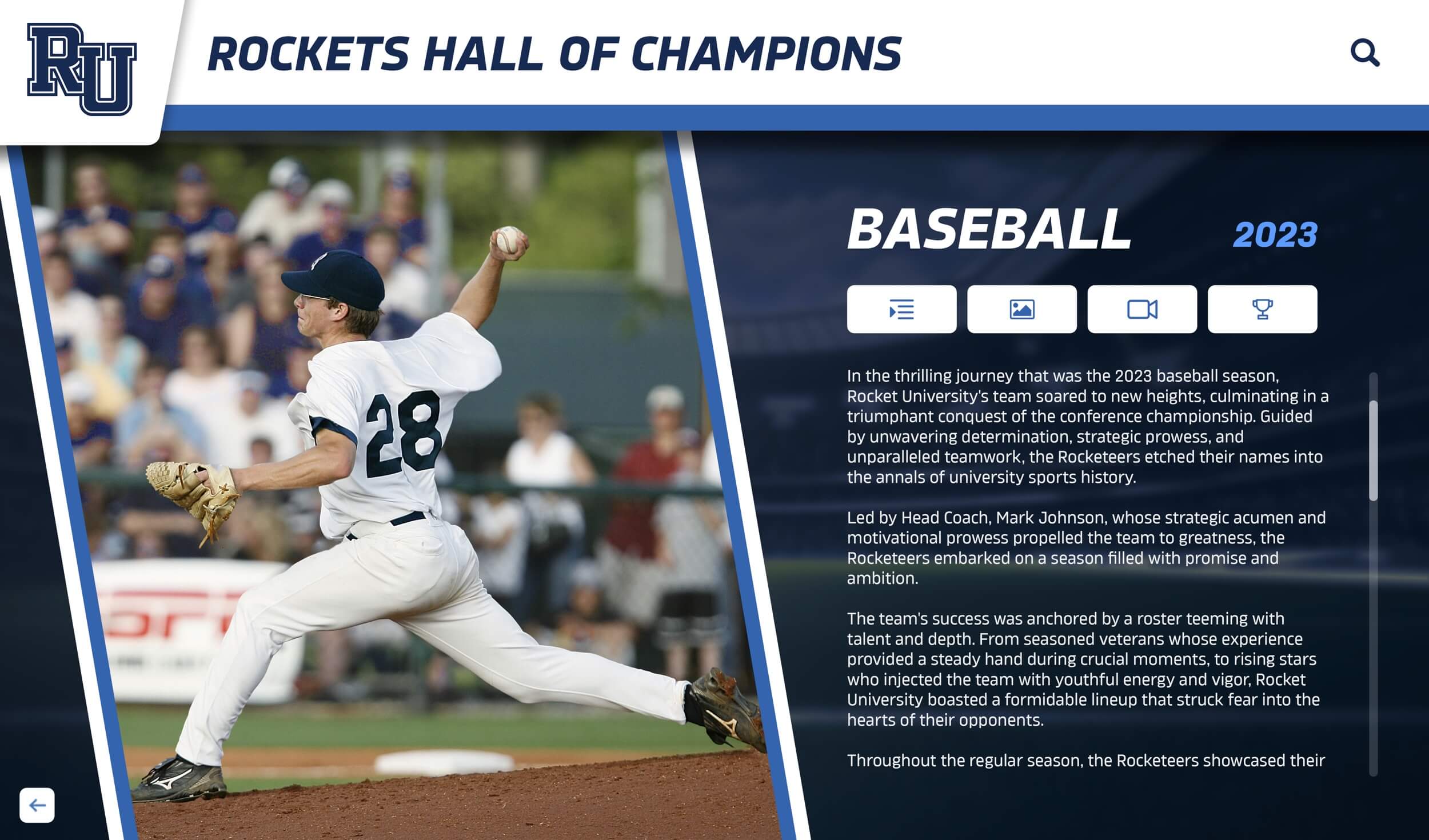
Schools preserve [athletic achievements](https://halloffame-online.com/blog/digital-touchscreen-athletic-building-high-school-team-records/?utm_source=organic&utm_medium=seo&utm_campaign=high-school-end-of-year-awards-complete-guide&utm_content=digitalwarming&utm_term=seo) through permanent recognition systems
Academic-Athletic Excellence
Scholar-athlete awards recognize students excelling in both athletic and academic domains:
- Academic All-Conference designations requiring minimum GPA alongside athletic achievement
- Scholar-Athlete Awards recognizing students maintaining honor roll while participating in athletics
- Student-Athlete Leadership recognizing balanced excellence in academics, athletics, and leadership
These awards emphasize the student-athlete model, reinforcing that athletic participation complements rather than replaces academic focus.
Athletic Participation and Commitment Recognition
Not all athletes earn all-conference recognition, but participation and dedication deserve acknowledgment:
Multi-Year Participation Awards
Recognizing sustained athletic commitment:
- Four-year athlete recognition for students participating in athletics throughout high school
- Three-sport athlete acknowledgment for students competing across all three athletic seasons
- Consistent participation awards for students demonstrating commitment across multiple years
Team Awards Within Comprehensive Ceremonies
Individual team awards like Most Valuable Player, Coaches Award, Most Improved, and Defensive/Offensive Player of the Year typically occur at team banquets but can be acknowledged in comprehensive school-wide ceremonies ensuring broader visibility for athletic achievement.
Character, Leadership, and Service Awards
Beyond academic and athletic achievement, end-of-year awards should recognize character development, leadership contribution, and service to school and community.
Character and Citizenship Recognition
Awards emphasizing positive character traits and citizenship:
Citizenship Awards
These honors recognize students exemplifying good citizenship through respectful behavior and positive contribution to school culture, consistent demonstration of school values and expectations, positive peer influence and role modeling, and respectful interaction with staff, administrators, and fellow students.
Many schools present multiple citizenship awards ensuring recognition across grade levels and recognizing students who may not receive academic or athletic honors but demonstrate exemplary character deserving acknowledgment.
Integrity and Ethics Recognition
Some schools specifically honor students demonstrating exceptional integrity, ethical decision-making in challenging situations, honesty and trustworthiness, standing up for right principles despite peer pressure, and advocating for justice and fairness within school community.
These awards send powerful messages about institutional values, emphasizing that character matters as much or more than achievement in traditional success domains.
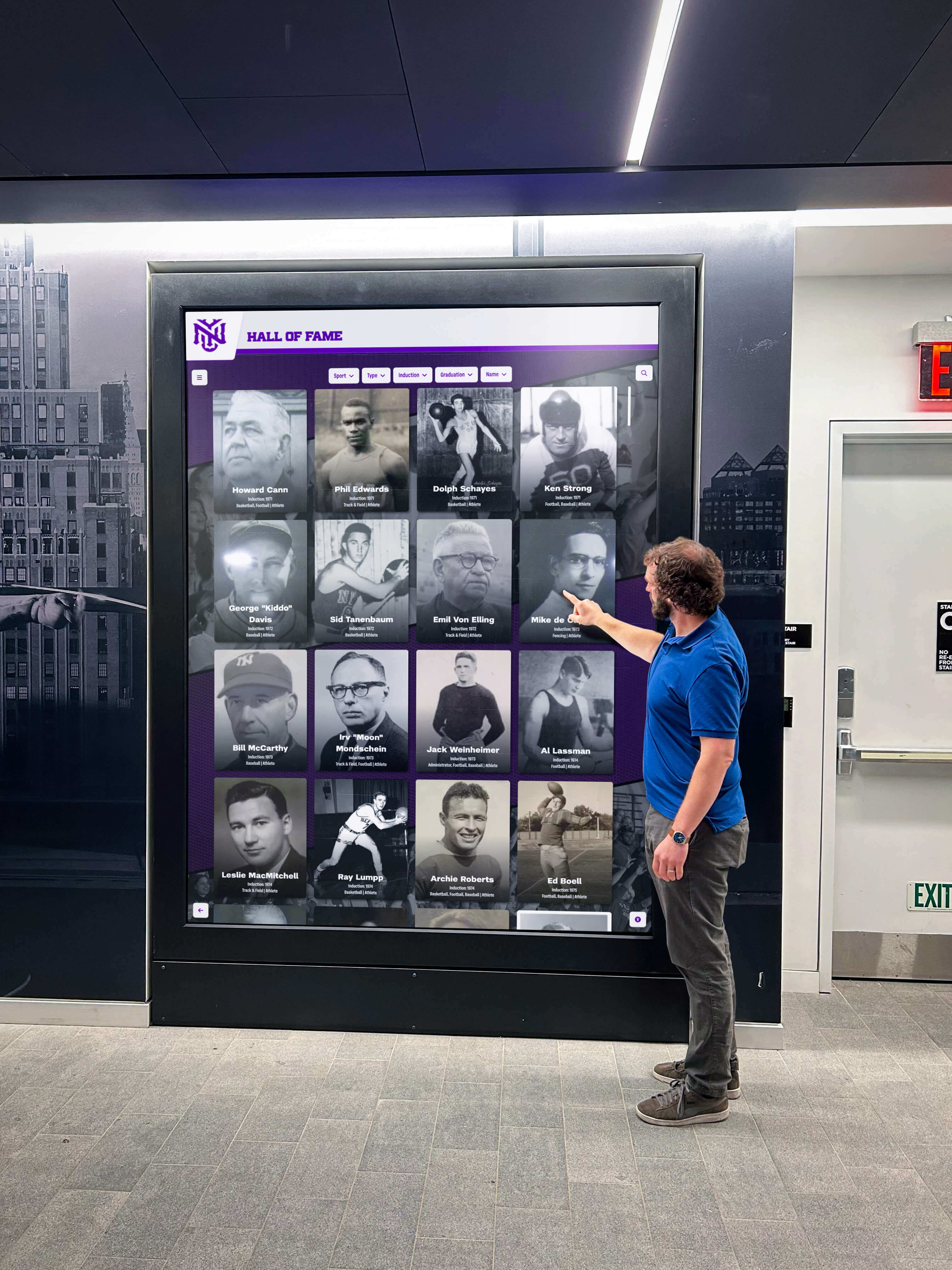
Interactive displays enable families to explore diverse forms of student recognition and achievement
Leadership Awards
Leadership recognition celebrates students who inspire, organize, and serve in various capacities:
Student Government and Class Leadership
Recognition for elected student leaders including student body presidents and officers, class presidents and officers, and student government representatives who served school communities through governance, event planning, and student advocacy.
Club and Organization Leadership
Beyond formal student government, leadership occurs throughout extracurricular activities:
- Club presidents and officers across academic, service, and interest-based organizations
- Team captains in athletics and competitive activities
- Student publication editors and leaders
- Performing arts directors and section leaders
- Special project and initiative leaders
Leadership recognition should extend beyond formal titles to acknowledge students who led through influence, initiative, and positive example regardless of official positions.
Emerging Leader Recognition
Some students demonstrate leadership potential and early leadership contributions without holding major leadership positions. Emerging leader awards recognize underclassmen showing leadership promise, students taking on leadership in specific situations or projects, peer mentors and positive influencers, and students initiating positive change within school community.
Service and Volunteer Recognition
Service to school and community deserves systematic acknowledgment:
Community Service Awards
Recognition for students accumulating substantial volunteer hours, demonstrating consistent commitment to community service, initiating service projects benefiting others, and participating in service organizations and activities.
Many schools establish minimum service hour thresholds for recognition (100 hours, 200 hours, etc.) while also recognizing quality of service impact beyond simple hour accumulation.
School Service Recognition
Students serve school communities in countless ways beyond classroom achievement:
- Student ambassadors representing schools to visitors and prospective families
- Peer tutors helping fellow students succeed academically
- Event volunteers supporting school functions and activities
- Technology assistants helping staff and students with technical needs
- Library and classroom helpers contributing time and effort
These behind-the-scenes contributions create functioning school communities and deserve recognition alongside more visible achievements. Discover comprehensive recognition approaches celebrating diverse student contributions.
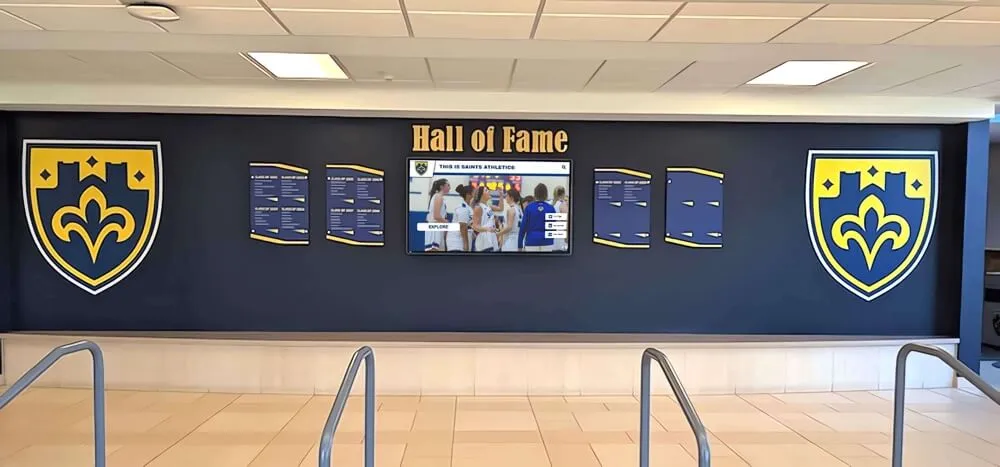
Integrated recognition systems combine traditional honor displays with modern digital celebration
Special Achievement and Unique Recognition Categories
Beyond traditional academic, athletic, and character awards, comprehensive programs include special achievement categories recognizing diverse talents and contributions.
Arts and Performance Recognition
Fine arts achievements deserve equal visibility to athletic and academic accomplishments:
Visual Arts Achievement
Recognition for students demonstrating excellence in visual arts through superior artwork in multiple mediums, art competition success and recognition, sustained dedication to visual arts programs, and advanced portfolio development and artistic growth.
Performing Arts Excellence
Music, theatre, and dance achievements including outstanding musical performance (instrumental or vocal), theatre and dramatic arts achievement, dance performance excellence, technical theatre and production contributions, and competitive performance success in festivals and competitions.
Creative Writing and Literary Arts
Recognition for students excelling in creative writing, publication achievements, literary magazine contributions, writing competition success, and superior communication through written word.
Arts recognition should receive equivalent ceremony time and recognition format as athletic and academic awards, reinforcing that artistic achievement holds equal value within comprehensive educational programs.
Technology and Innovation Awards
Modern education increasingly emphasizes technology skills and creative problem-solving:
Technology Skills Excellence
Recognition for superior computer programming and coding skills, robotics and engineering competition success, digital media creation and production, website development and technical project completion, and cybersecurity and technology leadership.
Innovation and Entrepreneurship
Awards celebrating students demonstrating creative problem-solving and original thinking, entrepreneurship competition participation and success, development of novel solutions to school or community challenges, and leadership in new initiatives and programs.
These recognition categories acknowledge that innovation and technological fluency represent essential 21st-century skills deserving celebration alongside traditional achievement domains.
Perfect Attendance and Commitment Recognition
While some educators debate attendance awards, many schools recognize perfect or exceptional attendance as demonstration of commitment:
Attendance Recognition
Perfect attendance throughout school year, exceptional attendance (one or two absences maximum), improvement in attendance from previous years, and overcoming obstacles to maintain consistent school attendance.
Attendance recognition should be presented sensitively, acknowledging that some absences result from circumstances beyond student control. Schools might consider “exceptional attendance” categories rather than requiring absolute perfection, recognizing sustained commitment to being present and engaged in school community.
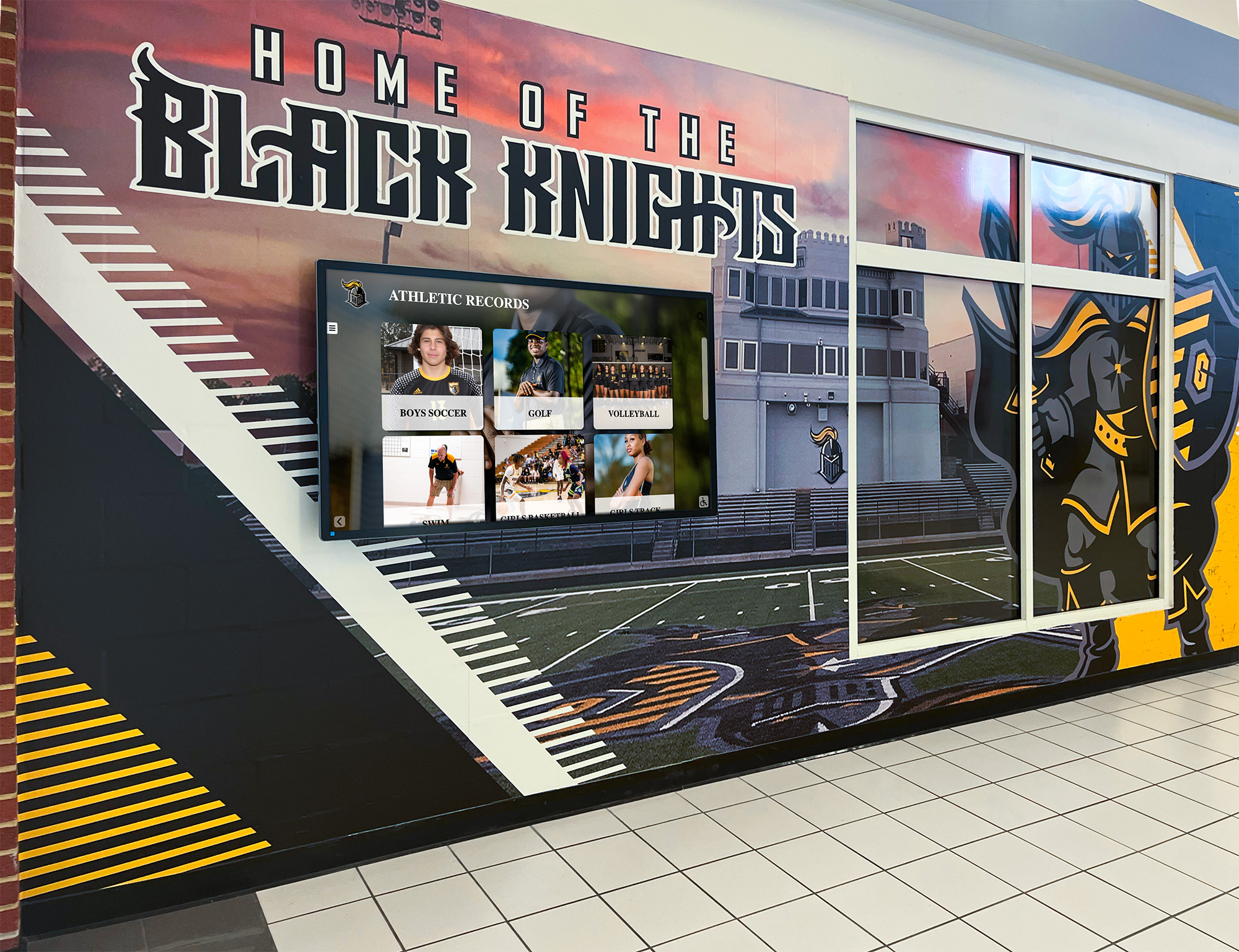
Strategic facility design integrates recognition throughout school spaces creating constant visibility for student achievement
Planning Effective End-of-Year Award Ceremonies
Recognition impact depends substantially on thoughtful ceremony planning creating meaningful, engaging experiences for students, families, and school communities.
Ceremony Format and Structure Options
Schools employ various ceremony formats based on size, tradition, and logistical considerations:
Comprehensive All-School Ceremonies
Some schools host single large-scale events recognizing all major award recipients across all achievement domains. These comprehensive ceremonies create unified celebration moments where entire school community gathers, provide maximum visibility for all forms of achievement ensuring equal honor for academic, athletic, arts, and character recognition, allow families to attend single events rather than multiple separate ceremonies, and create memorable school-wide traditions marking academic year conclusions.
Large comprehensive ceremonies require careful planning to maintain engagement, appropriate pacing to avoid excessive length, efficient presentation formats maximizing recognition while minimizing redundancy, and meaningful individualized acknowledgment even within large-scale events.
Department or Domain-Specific Ceremonies
Alternative approaches separate recognition into focused events:
- Academic awards ceremonies celebrating intellectual achievement
- Athletic awards banquets recognizing sports accomplishments
- Arts showcases presenting performance and visual arts achievement
- Senior recognition events honoring graduating class specifically
Domain-specific events allow more time for individual recognition and storytelling, create intimate celebration atmospheres, enable appropriate audience composition (athlete families at athletic events, arts supporters at arts showcases), and reduce single-event length concerns.
The tradeoff involves requiring families to attend multiple events and potentially creating perception that some achievement domains receive more emphasis than others based on event quality differences.
Ceremony Timing and Logistics
Logistical decisions significantly impact ceremony success:
Optimal Scheduling
End-of-year ceremonies typically occur during final weeks of school, balancing several considerations:
Award ceremonies should occur after final grades and achievements are determined but early enough that graduating seniors remain present and engaged, avoid conflicts with final exams, projects, and academic obligations, consider family work schedules and availability, and account for athletic team seasons and competitions that may affect student and family attendance.

Dedicated recognition spaces create venues for celebration ceremonies and ongoing achievement exploration
Many schools schedule ceremonies in mid-to-late May, providing adequate time for completion while maintaining student and family engagement as school year concludes.
Venue Selection
Appropriate space selection affects ceremony quality and atmosphere:
School auditoriums provide formal settings with stage presentation, appropriate sound systems and lighting, and adequate seating for families and guests. Gymnasiums accommodate larger audiences for comprehensive ceremonies with flexible space configuration and casual atmosphere options. Outdoor venues create memorable special-event atmospheres, weather permitting with contingency plans required.
Venue selection should consider audience size, accessibility requirements, audiovisual needs for presentations, and atmospheric impact on ceremony tone and formality.
Creating Meaningful Recognition Moments
Moving beyond simple name announcements creates more impactful recognition:
Personalized Award Presentations
Rather than reading names and handing certificates, enhanced presentations include brief descriptions of why recipients earned recognition, specific examples of achievement or contribution, presenting teacher or nominator comments, and video presentations or photo displays showing students in action.
These personalized elements transform recognition from routine list-reading to genuine celebration creating meaningful memories for recipients and families.
Student Speakers and Testimonials
Incorporating student voice enhances authenticity and engagement. Award recipients might share brief reflections on achievement experiences, underclassmen could recognize graduating seniors’ impact and legacy, student leaders could present certain award categories, and peer nominations could be acknowledged highlighting how students inspire one another.
Student participation creates peer validation that often means more to recipients than adult recognition alone.
Visual Recognition Enhancement
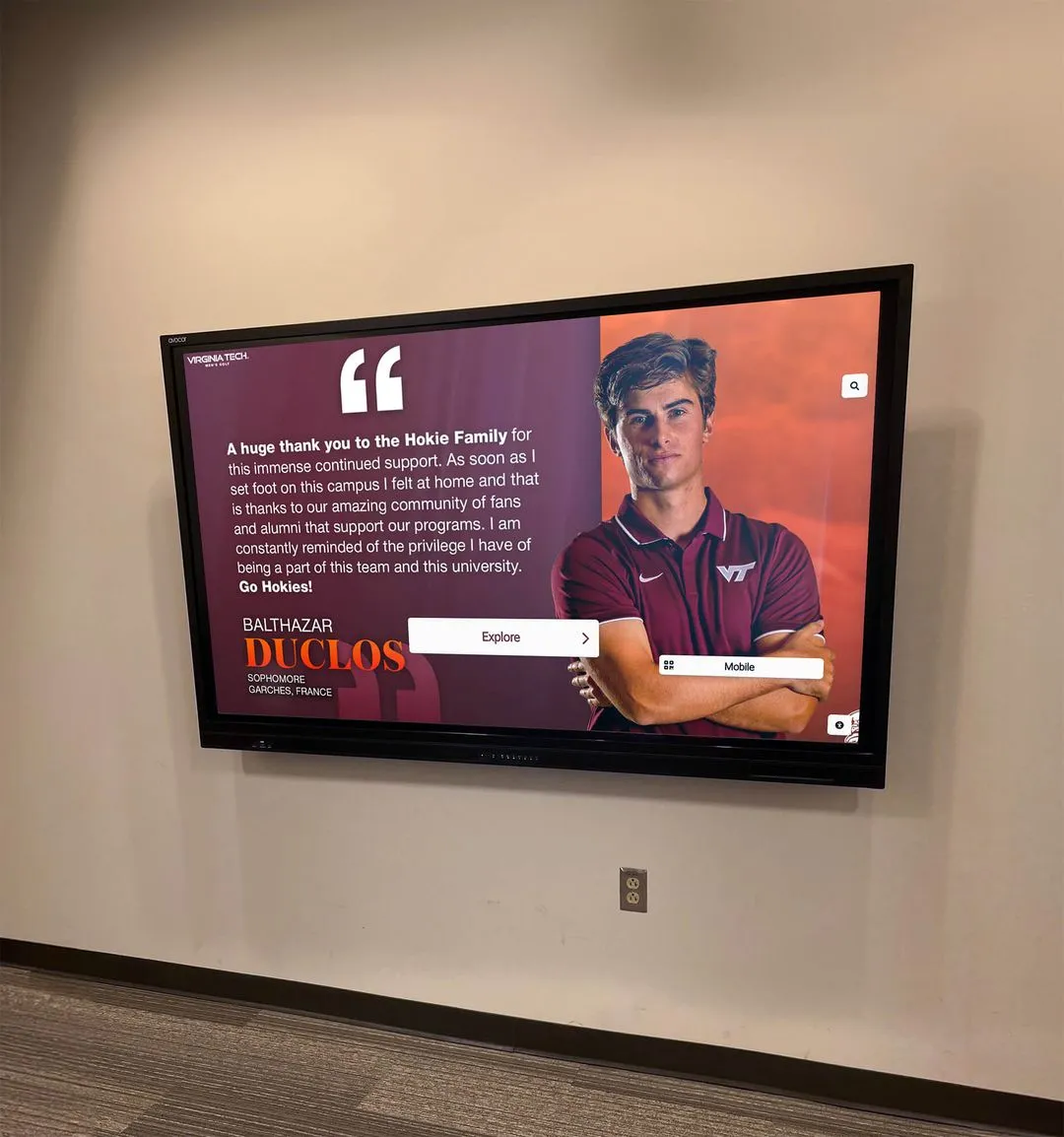
Modern technology enables enhanced visual celebration. Digital displays can show student photos and achievement details during presentations, video montages can celebrate accomplishments across school year, scrolling recognition on screens before ceremonies begin creates anticipation, and social media integration can share recognition with extended communities unable to attend in person.
Visual enhancement makes recognition more engaging while creating shareable content families treasure and social media amplifies extending recognition reach beyond ceremony attendees.
Preserving and Extending Award Recognition
Recognition impact extends beyond ceremony moments when schools systematically preserve and showcase achievements:
Digital Recognition Systems
Modern platforms overcome limitations of traditional physical recognition:
Permanent Digital Archives
Solutions like Rocket Alumni Solutions enable schools to create comprehensive digital recognition preserving all award recipients across years, detailed profiles documenting specific achievements and accomplishments, photo galleries and visual documentation, searchable databases allowing discovery by name, year, category, or achievement type, and unlimited capacity accommodating recognition expansion without physical space constraints.
Traditional approaches like trophy cases and plaques face severe limitations including restricted physical space requiring difficult decisions about whose recognition remains visible, expensive updates requiring engraving or replacement when new awards are earned, minimal information beyond names and dates, and eventual obsolescence as display spaces fill and recognition systems become outdated.
Digital systems eliminate these limitations while creating engaging exploration experiences where students discover peers’ achievements and role models, alumni reconnect with their recognition and school community, families share recognition with extended networks, and prospective families understand school recognition culture and values.
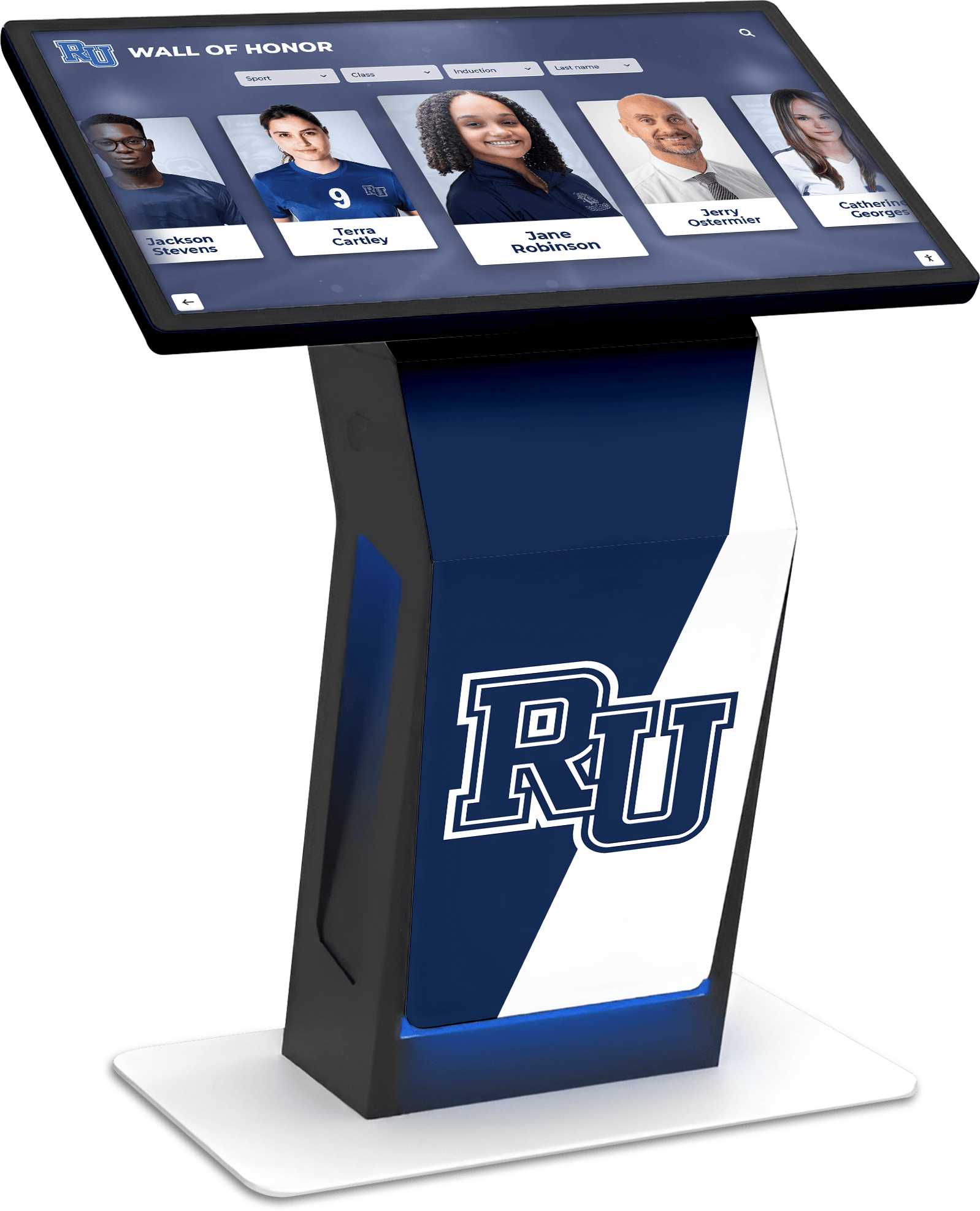
Modern recognition platforms provide unlimited capacity celebrating all forms of student achievement
Multi-Channel Recognition Communication
Award recognition should extend beyond ceremonies through systematic communication:
Immediate Recognition Announcements
Following award ceremonies, schools should share recognition through morning announcements highlighting major award recipients, social media posts celebrating achievements with photos and descriptions, school website news sections featuring award recipients, and email communications to families and community sharing recognition news.
This multi-channel approach ensures recognition reaches broader audiences than ceremony attendees alone, amplifying impact and visibility.
Ongoing Recognition Integration
Throughout subsequent school years, recognition should remain visible through hallway recognition displays featuring award recipients, digital screen rotations in common areas, classroom acknowledgment by teachers referencing student achievements, and inclusion in promotional materials and school publications demonstrating achievement culture.
Sustained visibility reinforces recognition value while inspiring current students to pursue similar achievements and excellence.
Creating Award Legacy and Tradition
The most impactful award programs build tradition connecting past recipients to current students:
Historical Context and Connection
Schools can enhance award meaning by sharing history of specific awards including when established and why, highlighting notable past recipients demonstrating award significance, connecting current recipients to alumni who received same awards creating legacy connections, and documenting how award criteria or focus has evolved over school history.
This historical context transforms awards from isolated annual events to meaningful traditions connecting generations of students through shared excellence and achievement.
Alumni Engagement Through Recognition
Award recognition creates natural alumni connection opportunities. Former recipients can return to present awards they previously received, serve as mentors to current recipients sharing how recognition influenced their paths, contribute financially to endowed awards bearing their names or honoring influential teachers, and share career success stories connected to skills and achievements recognized through awards.
These connections transform recognition from ending points to beginning relationships sustaining school communities across generations. Explore comprehensive alumni engagement strategies building on recognition foundations.
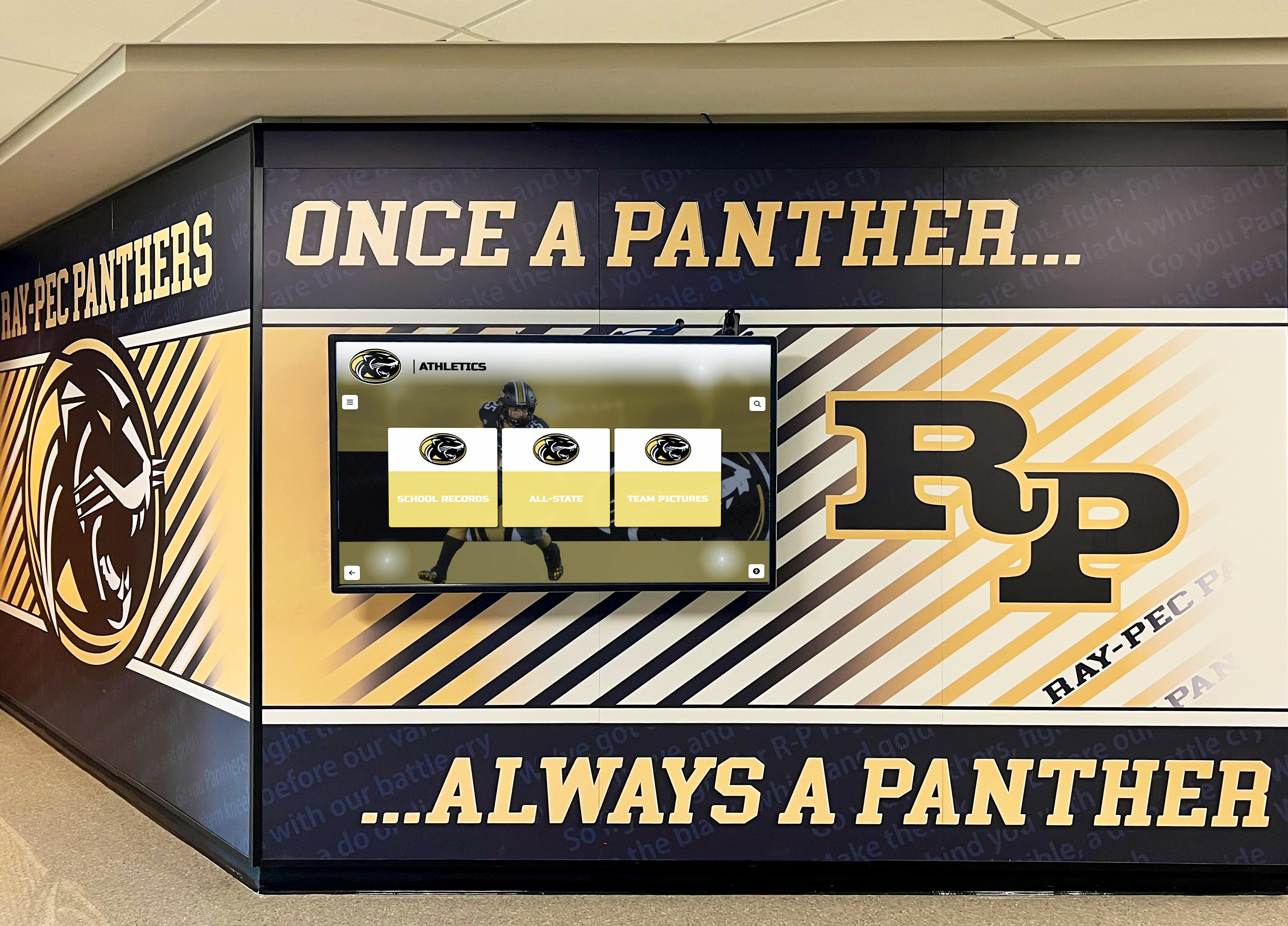
Comprehensive recognition systems celebrate achievements across all school programs and achievement domains
Ensuring Equity and Inclusivity in Award Programs
Award programs must intentionally address equity concerns ensuring fair recognition opportunities for all students:
Creating Multiple Recognition Pathways
Comprehensive programs ensure recognition accessibility:
Achievement Level Differentiation
Award structures should include pinnacle recognition maintaining prestige and selectivity, intermediate recognition categories acknowledging strong achievement across broader student populations, improvement-based recognition celebrating growth regardless of absolute achievement level, participation acknowledgment honoring commitment and contribution, and effort recognition valuing process and persistence alongside outcomes.
This differentiated structure ensures students at all achievement levels and starting points can earn recognition through various pathways without diluting meaning of highest honors.
Domain Diversity
Recognition should span diverse achievement domains: academic achievement across all subjects and skill levels, athletic excellence across all sports including individual and team recognition, arts achievement in visual, performing, and literary arts, leadership and service contributions, character and citizenship demonstration, specialized skills and talents, and unique individual contributions to school community.
Domain diversity ensures students with different strengths, interests, and talents find recognition opportunities aligned with their specific forms of excellence.
Addressing Socioeconomic Considerations
Award programs should not create barriers or disadvantages based on family resources:
Eliminating Financial Barriers
Recognition should never require fees, purchases, or financial investment. All awards should be provided by school without student payment, ceremonies should be free to attend without ticket costs or required donations, no “enhanced” or “premium” recognition options should exist based on payment, and recognition criteria should focus on achievement and contribution rather than participation in activities requiring fees.
Some extracurricular activities (certain sports, clubs, competitions) involve costs that create participation barriers. Schools should ensure recognition opportunities exist in activities accessible to all students regardless of family resources while also providing support enabling participation for students facing financial obstacles.
Cultural and Linguistic Inclusivity
Recognition should be accessible and meaningful across diverse student populations. Ceremonies should include interpretation services for non-English-speaking families, communications should be available in community languages, recognition criteria should avoid cultural biases favoring specific backgrounds, and diverse achievement and contribution forms should receive equal honor ensuring students from all cultural backgrounds see themselves reflected in recognition.
Monitoring Recognition Distribution
Regular assessment ensures equitable recognition across student populations:
Data-Driven Equity Analysis
Schools should track award recipients by demographic categories, grade levels, programs and tracks, and participation in various school activities, then analyze distribution patterns identifying potential equity gaps where certain populations receive disproportionately more or less recognition, examine criteria potentially creating unintended barriers or advantages, and adjust programs ensuring fair recognition opportunities.
This systematic assessment prevents recognition systems from inadvertently favoring certain student groups while excluding others who contribute and achieve in ways not captured by existing award structures.
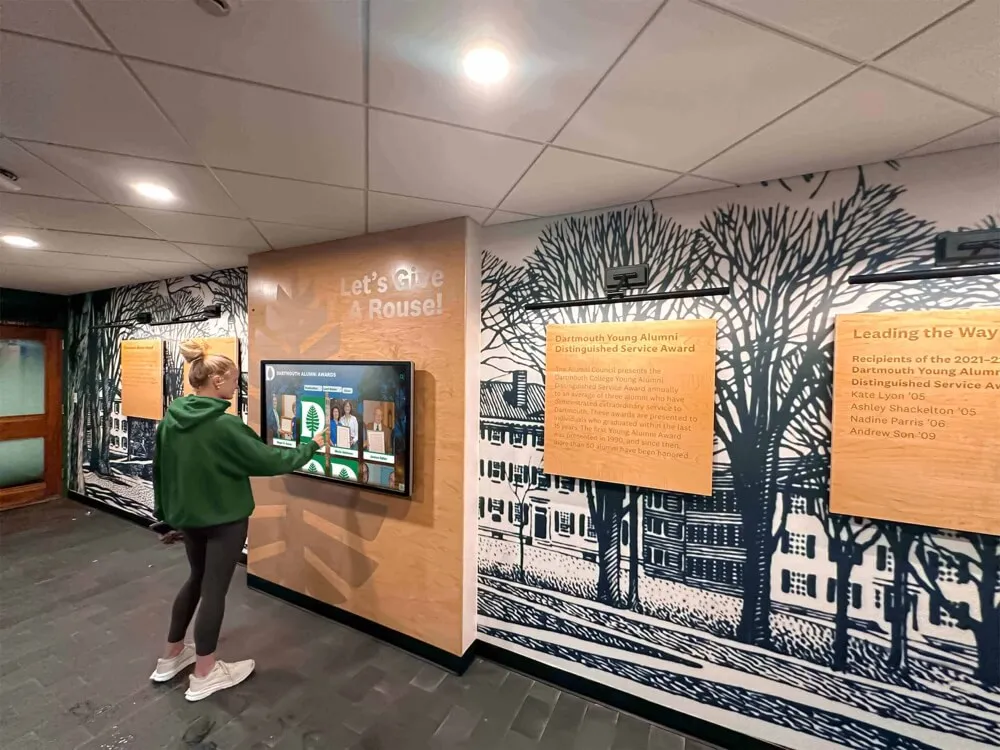
Accessible recognition systems enable all students to explore achievement while discovering role models and possibilities
Senior-Specific Recognition and Graduation Honors
Graduating seniors deserve special recognition acknowledging cumulative achievement and contribution throughout high school careers:
Senior Superlatives and Class Awards
Many schools present senior superlatives recognizing unique qualities and contributions:
Traditional Superlative Categories
Popular senior recognition includes Most Likely to Succeed, Best Sense of Humor, Most Athletic, Most Spirited, Best All-Around Student, Most School Spirit, Most Dependable/Reliable, and Most Talented (various domains).
Superlatives can be presented positively without negative or embarrassing categories, focusing on genuine positive traits rather than superficial characteristics. Consider including categories ensuring diverse students receive recognition rather than same individuals winning multiple awards.
Senior Legacy Awards
Recognition specific to graduating seniors’ four-year contributions might include Outstanding Senior Boy/Girl honoring overall excellence across domains, Senior Leadership Awards recognizing sustained leadership throughout high school, Senior Scholar Awards celebrating cumulative academic achievement, Senior Service Awards honoring sustained community contribution, and Class Spirit Awards recognizing students exemplifying class unity and school spirit.
These senior-specific awards acknowledge that sustained multi-year contribution and achievement differs from single-year recognition, deserving special acknowledgment as students complete high school careers.
Graduation Recognition Integration
Award recognition should integrate with graduation ceremonies and experiences:
Graduation Ceremony Acknowledgment
Major academic awards like valedictorian and salutatorian traditionally involve graduation ceremony recognition through speaking opportunities, special honor cords and stoles visually distinguishing various achievements, honor society regalia and recognition, and program recognition listing major award recipients and special distinctions.
This integration ensures graduation ceremonies celebrate diverse achievements rather than simply marking completion, connecting recognition to the ultimate high school milestone.
Senior Recognition Displays
Creating permanent documentation of senior class achievements provides lasting legacy. Digital recognition systems can preserve comprehensive senior class profiles documenting four-year achievement journeys, permanent class of [year] recognition ensuring each graduating class maintains visible presence, senior award recipient documentation celebrating end-of-year recognition, and post-graduation updates allowing alumni to share college acceptances and subsequent achievements.
These permanent senior recognition displays transform graduating classes into school legacy, connecting future students to institutional history while maintaining graduate connections to school communities they helped build.
Balancing Celebration With Inclusivity
The most challenging aspect of award programs involves celebrating exceptional achievement while ensuring ceremonies feel inclusive and encouraging rather than discouraging for students who don’t receive recognition:
Creating Positive Ceremony Culture
Thoughtful ceremony design minimizes negative effects on non-recipients:
Universal Participation Elements
Ceremonies can include elements involving all students: class or grade-level recognition celebrating collective achievements, general acknowledgment of all students’ efforts and contributions, focus on growth and improvement available to all regardless of starting points, and celebration of participation and commitment alongside exceptional achievement.
These universal elements prevent ceremonies from feeling exclusively focused on small elite groups while majority students feel excluded or devalued.
Perspective and Context
Presenters and speakers should emphasize that awards recognize specific achievements at specific times rather than defining student worth or potential, acknowledge that excellence takes many forms and award categories can’t capture all valuable contributions, recognize that current achievement represents one point in ongoing growth trajectories, and encourage students not receiving recognition to pursue their unique forms of excellence.
This messaging helps non-recipients view recognition ceremonies positively rather than as negative judgments on their value or potential.
Post-Ceremony Follow-Up
Recognition impact extends beyond ceremonies through thoughtful follow-up:
Motivational Framing for All Students
Following ceremonies, teachers and counselors can engage all students in reflection about personal growth and achievements throughout year, goal-setting for future years based on recognition observed, and identification of recognition categories to pursue aligned with individual strengths and interests.
This reflection helps all students find value in recognition programs even when they personally don’t receive awards in particular years, framing recognition as motivation for continued growth rather than final judgments on achievement or worth.
Multi-year recognition documentation celebrates growth journeys and sustained achievement across high school careers
Implementing Sustainable Award Programs
Creating effective end-of-year recognition requires sustainable systems manageable by school staff across years:
Nomination and Selection Processes
Systematic processes ensure fair consideration and manageable administration:
Clear Criteria and Guidelines
Each award category should have documented criteria defining eligibility, achievement standards, evaluation metrics, and selection processes. These documented guidelines ensure consistency across years, fairness in selection, transparency for students and families, and simplified administration for staff managing programs.
Nomination Procedures
Depending on award categories, nominations might come from teachers and staff recommending deserving students, student peer nominations for certain categories, self-nominations with supporting documentation, or automatic qualification based on objective criteria (GPA, attendance, etc.).
Combining nomination sources ensures comprehensive consideration while distributing identification responsibility across school community rather than relying solely on administrator awareness of all deserving students.
Selection Committees
For subjective awards, selection committees provide fair evaluation: multiple staff members provide diverse perspectives, established rubrics and evaluation criteria guide consistent assessment, documentation of selection rationales supports decisions if questioned, and recusal procedures address conflicts of interest.
Committee processes add administrative complexity but enhance fairness and credibility, particularly for prestigious or competitive awards.
Program Assessment and Continuous Improvement
Regular evaluation ensures award programs remain effective and relevant:
Annual Program Review
Following each year’s ceremonies, program coordinators should gather stakeholder feedback from students, families, and staff about ceremony quality and award appropriateness, analyze recognition distribution data checking for equity concerns or gaps, evaluate ceremony logistics and timing effectiveness, and assess whether award categories appropriately capture valued achievements and contributions.
This systematic review identifies improvement opportunities and ensures programs evolve appropriately rather than becoming stagnant traditions disconnected from current school culture and values.
Multi-Year Evolution
Award programs should evolve gradually based on assessment: adding categories recognizing emerging achievement domains or previously overlooked contributions, adjusting criteria ensuring appropriate balance between selectivity and accessibility, updating presentation formats incorporating new technology and engagement strategies, and eliminating categories that no longer serve meaningful purposes or align with institutional values.
Evolution should balance tradition preservation with appropriate adaptation, changing thoughtfully rather than drastically while maintaining core recognition principles and valued aspects of ceremony tradition.
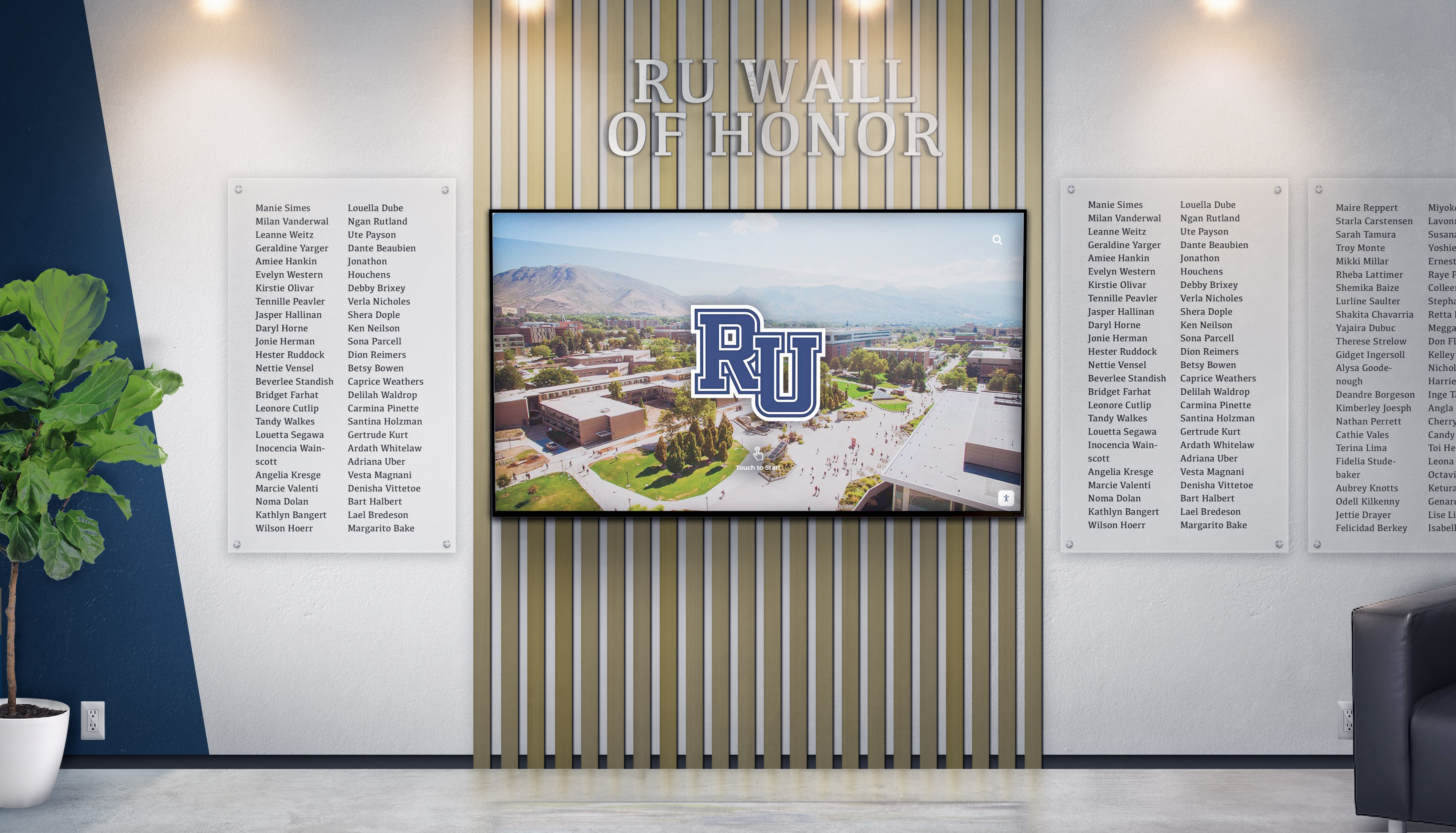
Comprehensive recognition systems integrate traditional elements with modern technology creating engaging sustainable celebration
Conclusion: Creating Meaningful Recognition Traditions
End-of-year award programs represent far more than routine acknowledgment or ceremonial obligation. When designed thoughtfully and implemented effectively, these programs create defining educational experiences recognizing student achievement, reinforcing institutional values, building school culture, and inspiring continued excellence throughout school communities.
The comprehensive strategies explored in this guide provide frameworks for creating award programs that honor diverse achievements across academic, athletic, arts, leadership, character, and service domains while ensuring recognition opportunities exist for students at all achievement levels and from all backgrounds. From digital recognition systems that eliminate physical space constraints to thoughtfully designed ceremonies that balance celebration with inclusivity, these approaches transform recognition from limiting token gestures to comprehensive celebration woven throughout school culture.
Creating effective award programs requires moving beyond assumptions that recognition should focus exclusively on highest achievers in narrow domains. Digital platforms make comprehensive recognition achievable across unlimited students and achievement categories, while systematic approaches ensure consistent implementation reaching all deserving students regardless of visibility or prominence.
The most impactful recognition programs share common characteristics: they celebrate diverse forms of excellence recognizing that achievement takes many forms, they create multiple recognition pathways ensuring opportunities at different achievement levels, they balance prestige preservation for highest honors with inclusive recognition for broader populations, they communicate institutional values through highlighted achievement and contribution types, and they build lasting traditions connecting current students to institutional history and distinguished alumni.
These programs create what we call “warming” effects throughout school communities—transforming cold, disconnected recognition into active, engaging experiences where personalized celebration surfaces relevant connections, comprehensive documentation preserves complete achievement across domains, and accessible systems enable discovery and exploration impossible with traditional static approaches. When students see their achievements celebrated prominently, when families can explore recognition systems showcasing their children, when alumni discover former classmates and program histories, and when communities engage with school tradition through intuitive technology, schools build the warm, connected environments where recognition creates lasting value extending far beyond individual ceremonies.
Start where you are with award programs you can implement immediately, then systematically expand to create comprehensive approaches your students deserve. Every student deserves recognition for their achievements and contributions. With thoughtful planning, appropriate technology, and consistent implementation, you can create recognition systems that honor every accomplishment while building the positive, motivating school culture where all students thrive.
Ready to transform your school’s end-of-year recognition and create comprehensive award programs celebrating every student’s unique achievements? Explore how modern digital recognition platforms enable unlimited award documentation, engaging ceremony experiences, and permanent recognition preservation that builds lasting school pride and tradition across generations.