



Planning a hall of fame induction ceremony represents one of the most meaningful responsibilities an organization undertakes—creating an event that properly honors exceptional achievements while building traditions that inspire future generations. Whether you’re organizing your institution’s inaugural induction or managing an annual ceremony with decades of history, the challenge remains consistent: how do you create an experience worthy of the inductees’ accomplishments while engaging attendees, families, and the broader community in celebration that feels both prestigious and personal?
Many organizations struggle with ceremony planning, treating inductions as necessary administrative tasks rather than strategic opportunities for community engagement. Generic formats borrowed from other institutions, rushed planning timelines, inadequate communication strategies, and failure to integrate permanent recognition with ceremonial moments often result in events that feel forgettable rather than transformative. Meanwhile, inductees who dedicated years or decades to institutional excellence receive recognition that fails to match the significance of their contributions.
This comprehensive planning guide provides actionable frameworks for designing hall of fame induction ceremonies that honor achievements appropriately, create memorable experiences for inductees and attendees, strengthen organizational culture, and establish sustainable traditions that grow more meaningful with each passing year.
Effective induction ceremonies balance multiple objectives simultaneously—providing appropriate recognition for inductees, creating engaging experiences for attendees, generating visibility for organizational achievements, and establishing permanent legacies that endure beyond single events. Schools honoring distinguished alumni and athletic legends, universities recognizing academic excellence and community impact, athletic programs celebrating championship teams and record-setting athletes, and nonprofit organizations acknowledging philanthropic leadership all share common planning challenges despite different organizational contexts.

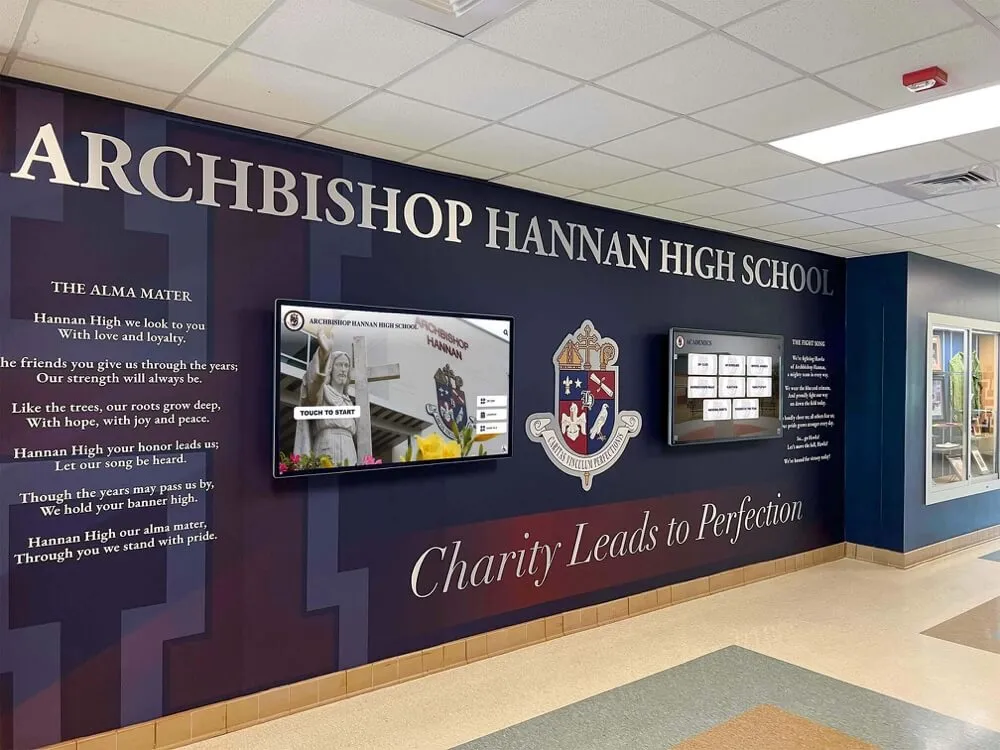
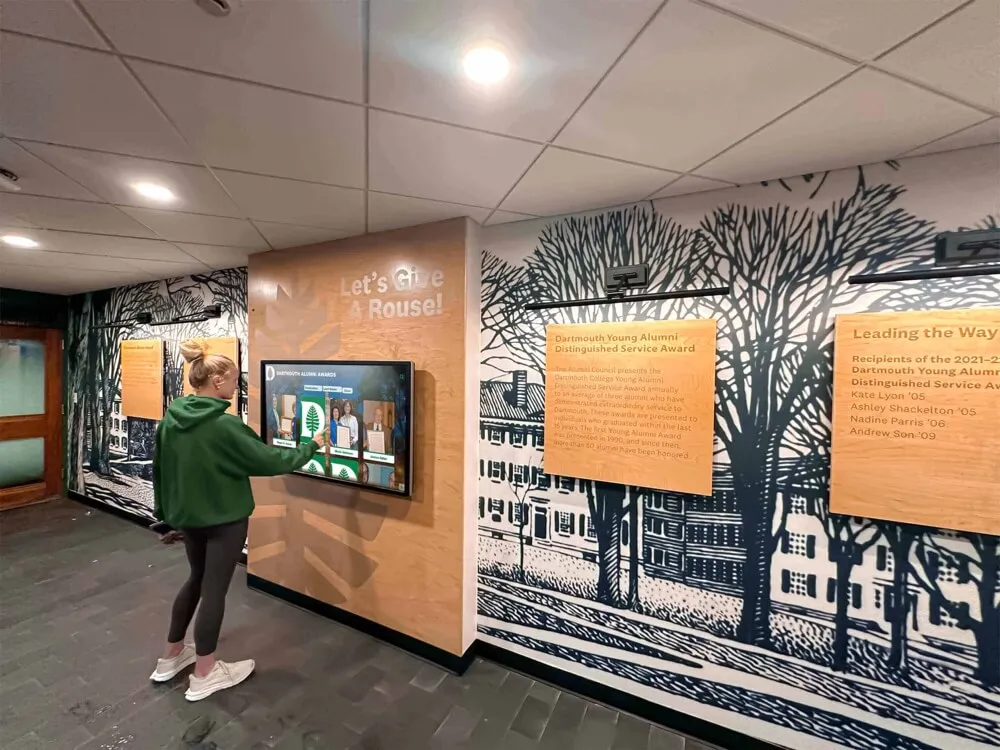
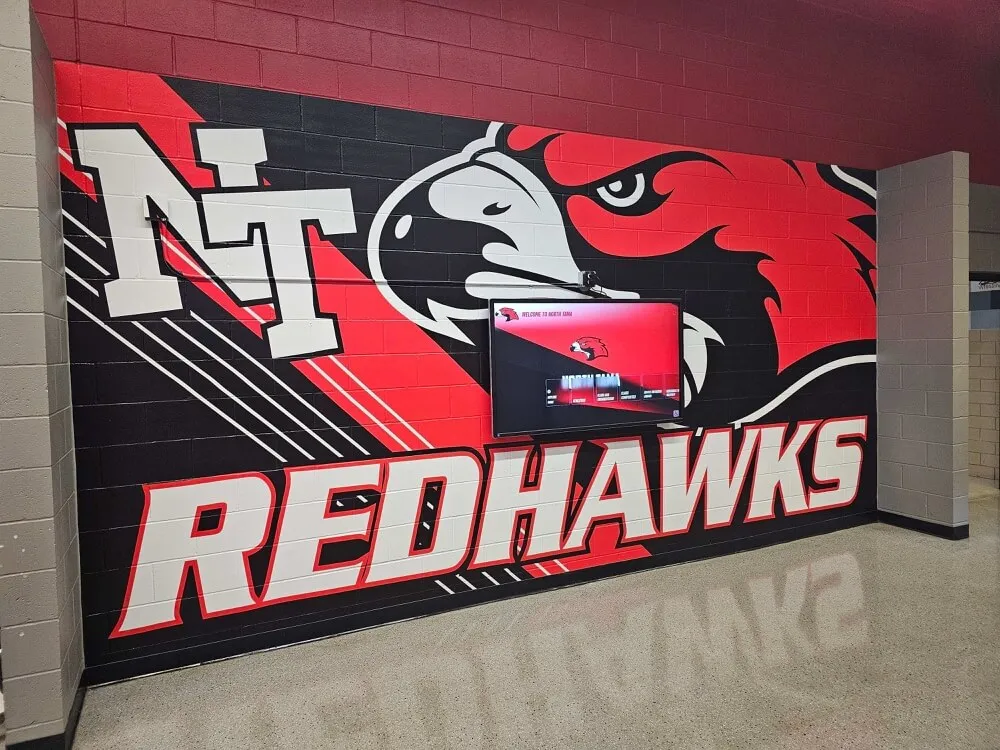
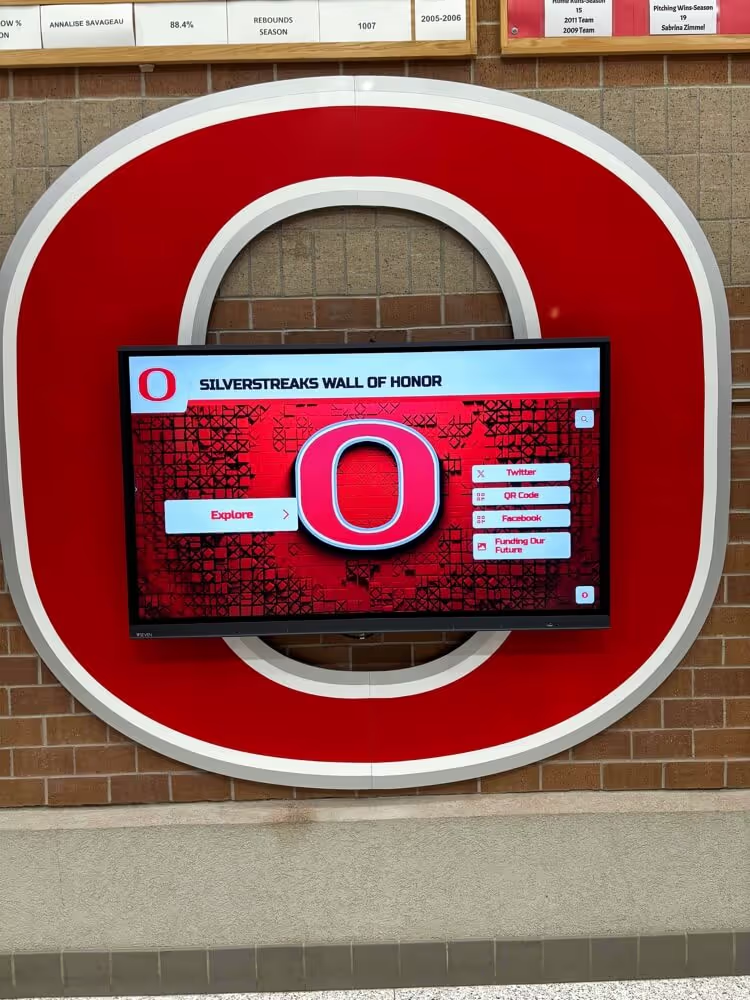
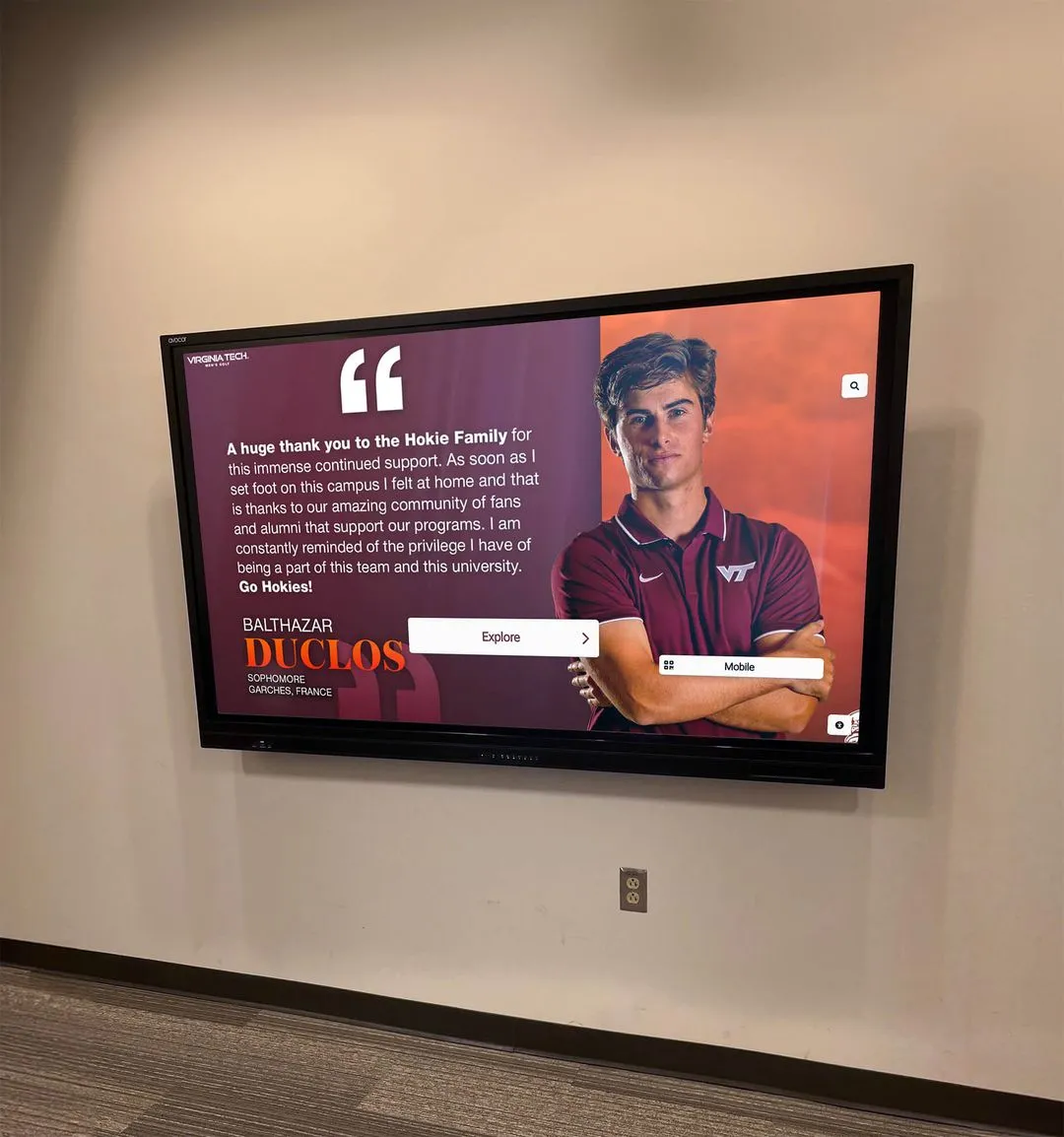
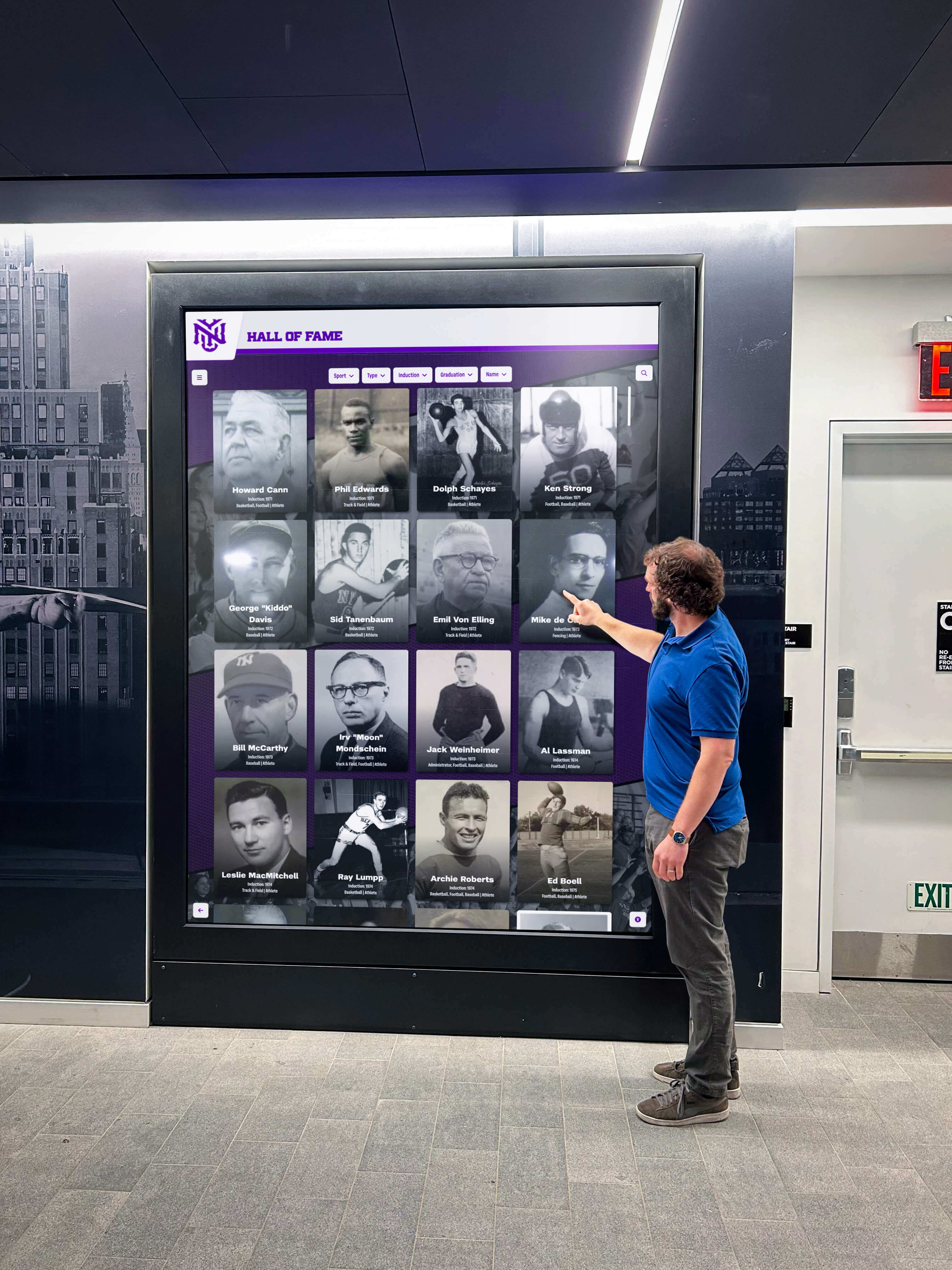
Modern induction ceremonies integrate interactive displays allowing attendees to explore inductee achievements and historical context
Establishing Your Hall of Fame Foundation
Before planning specific ceremony logistics, organizations must establish clear frameworks that guide induction processes and ensure consistency, credibility, and sustainability over time.
Defining Selection Criteria and Categories
Clear, documented selection criteria protect hall of fame credibility while ensuring deserving candidates receive appropriate recognition:
Athletic Hall of Fame Categories
- Individual athlete inductees based on competitive achievement, records, and post-graduation accomplishments
- Team inductions recognizing championship seasons and historic achievements
- Coach and administrator recognition for program leadership and impact
- Special contributor categories for officials, trainers, boosters, and other program supporters
- Legacy inductees honoring historical figures from earlier institutional eras
Academic and Alumni Recognition Categories
- Distinguished alumni achieving notable professional or community impact
- Faculty and staff members demonstrating exceptional institutional dedication
- Academic achievement recognition for scholarly contributions
- Service and philanthropy categories honoring community engagement
- Young alumni categories recognizing emerging leaders
Selection criteria should specify measurable standards—years since graduation, competitive achievement levels, documented impact, or other objective metrics that reduce subjectivity while maintaining flexibility for exceptional circumstances. Organizations implementing comprehensive hall of fame programs report that transparent criteria strengthen community confidence in selection integrity.
Selection Committee Structure
Balanced selection committees ensure fair evaluation while representing diverse organizational perspectives:
Committee Composition Best Practices
- Include representatives from different eras (recent graduates, mid-career alumni, historical perspective members)
- Balance stakeholder representation (administrators, alumni, community members, current program leaders)
- Rotate membership periodically while maintaining institutional knowledge continuity
- Establish clear conflict-of-interest policies for candidate evaluation
- Document decision-making processes ensuring consistency across selection cycles
Nomination and Evaluation Procedures Organizations should create accessible nomination processes enabling community members to propose candidates while maintaining committee authority for final selection. Structured evaluation rubrics comparing candidates against established criteria produce defensible decisions that honor the most deserving individuals.
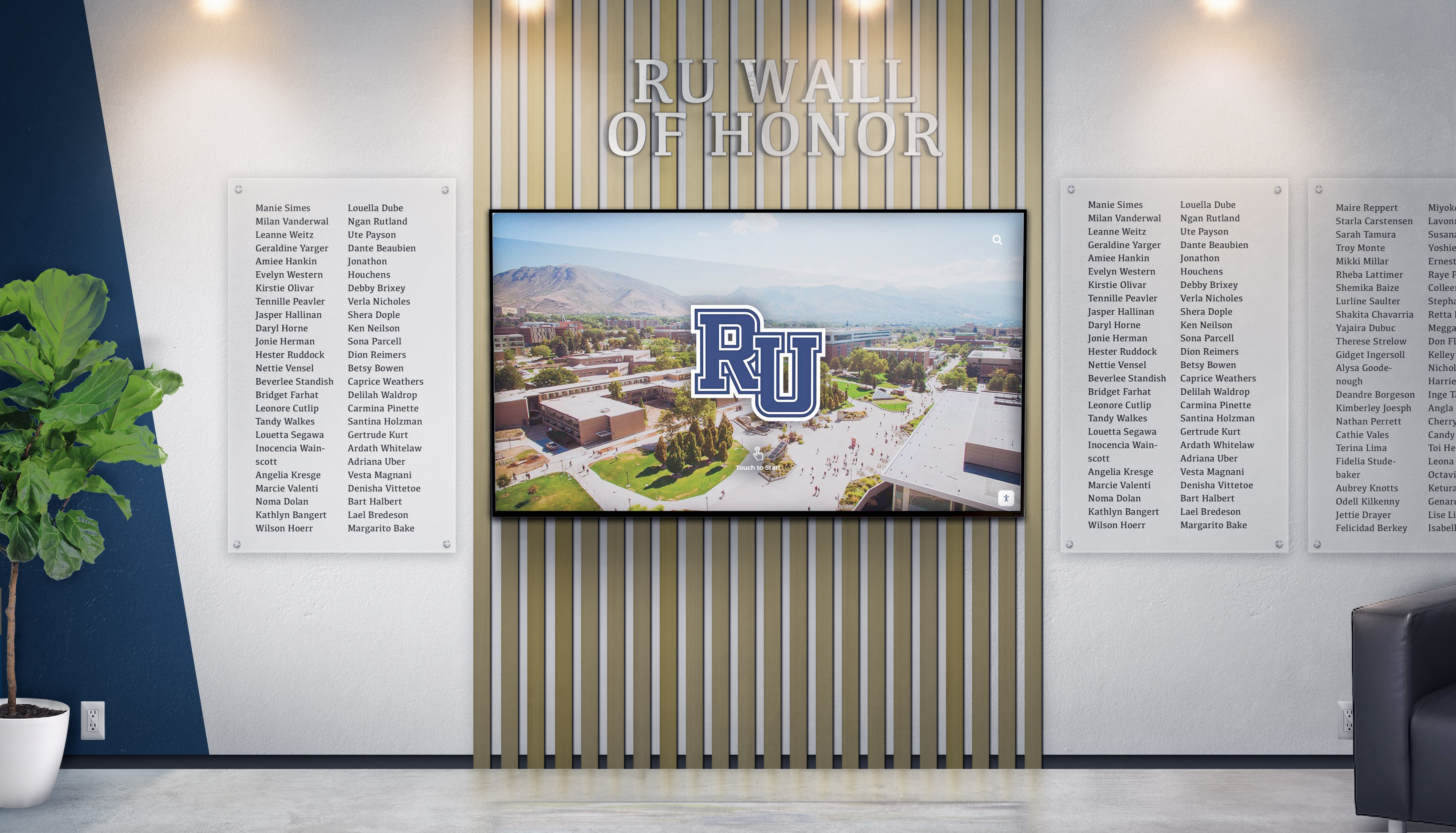
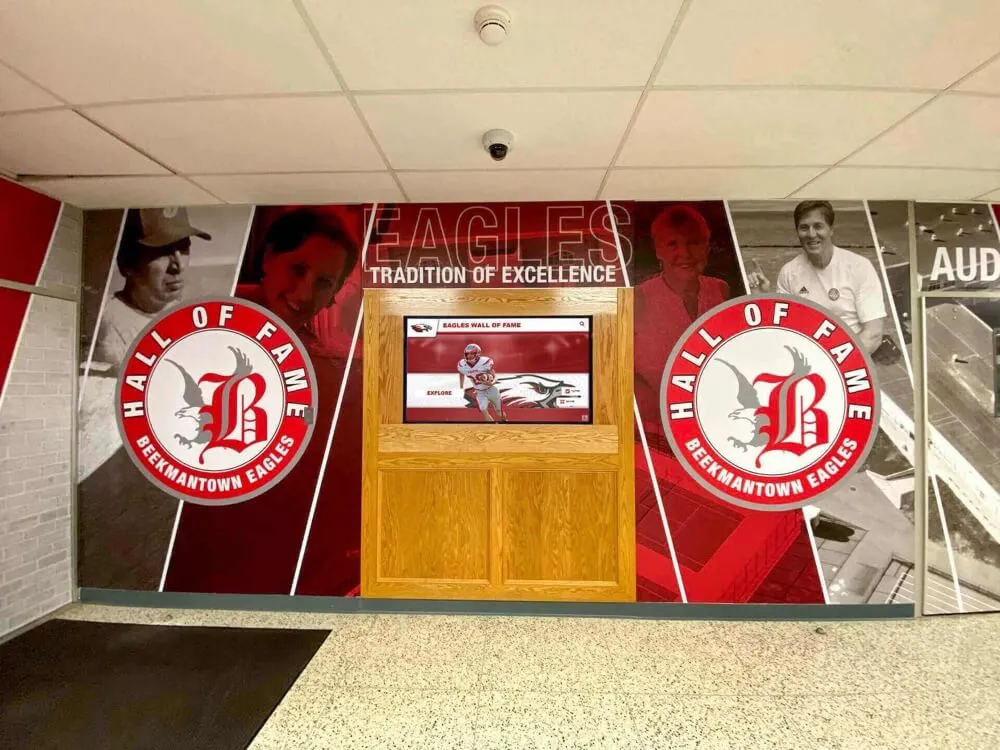
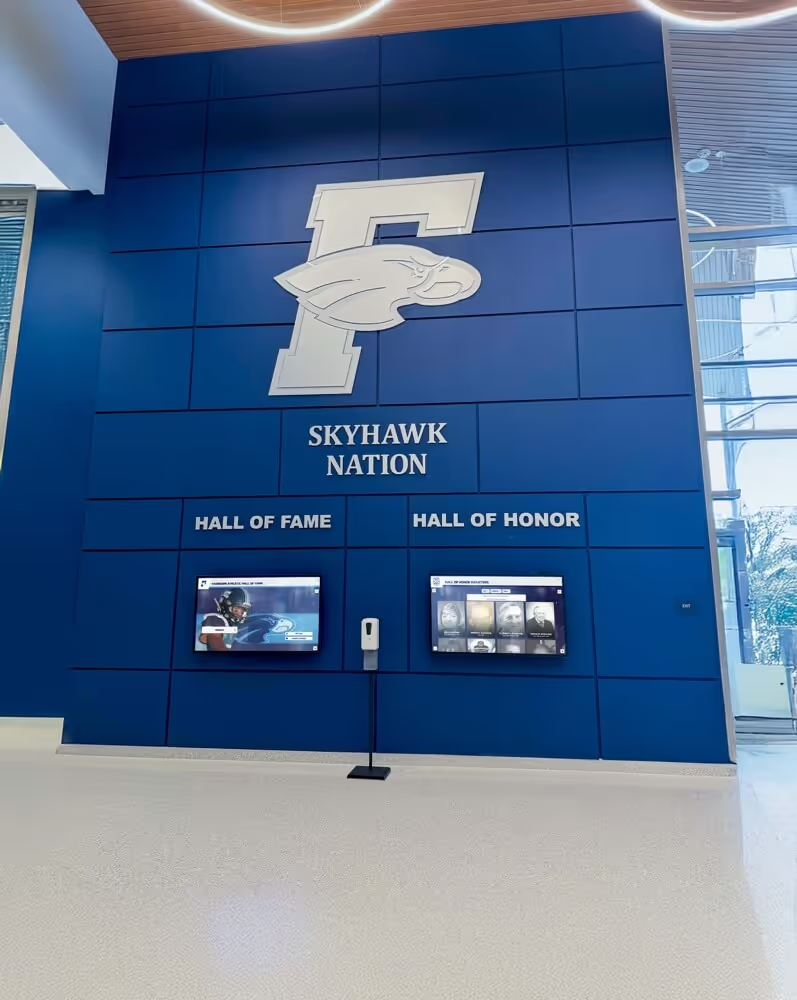
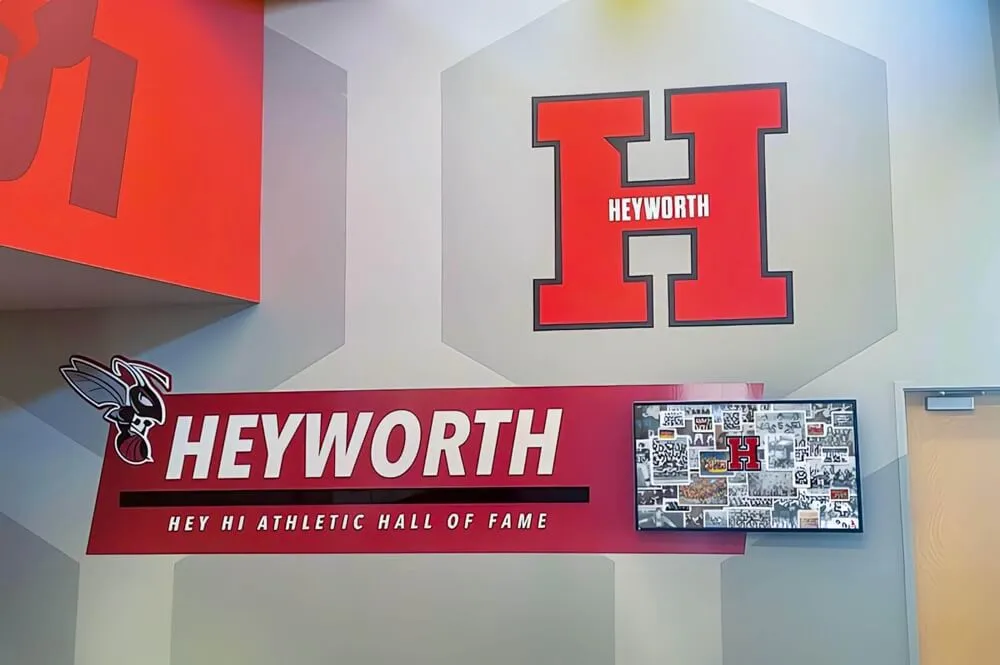
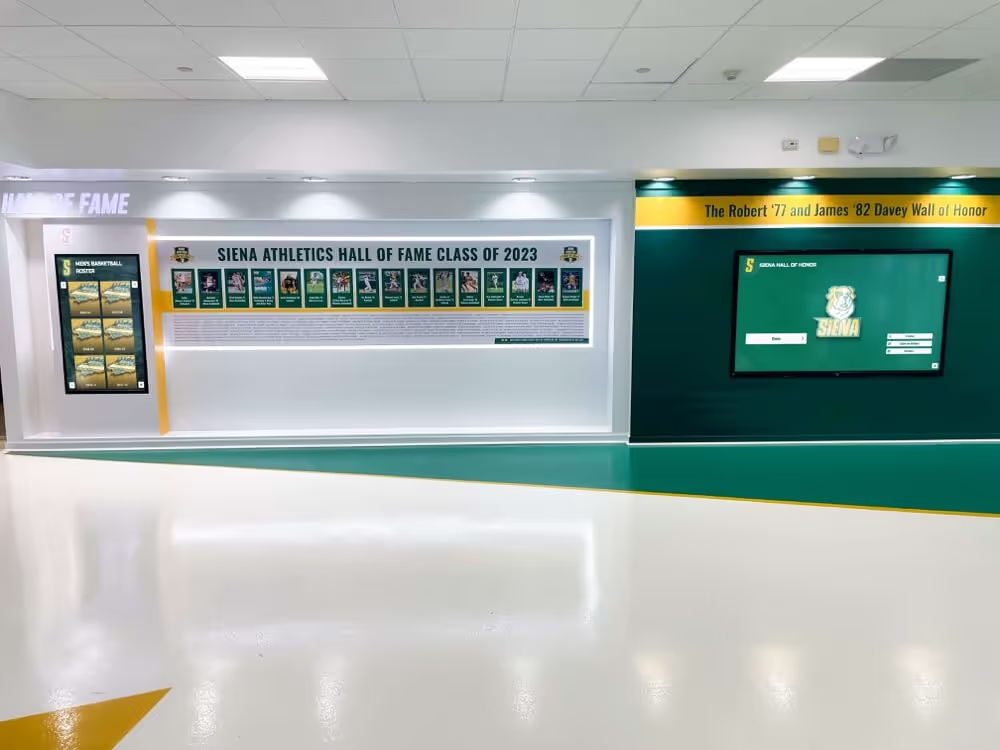
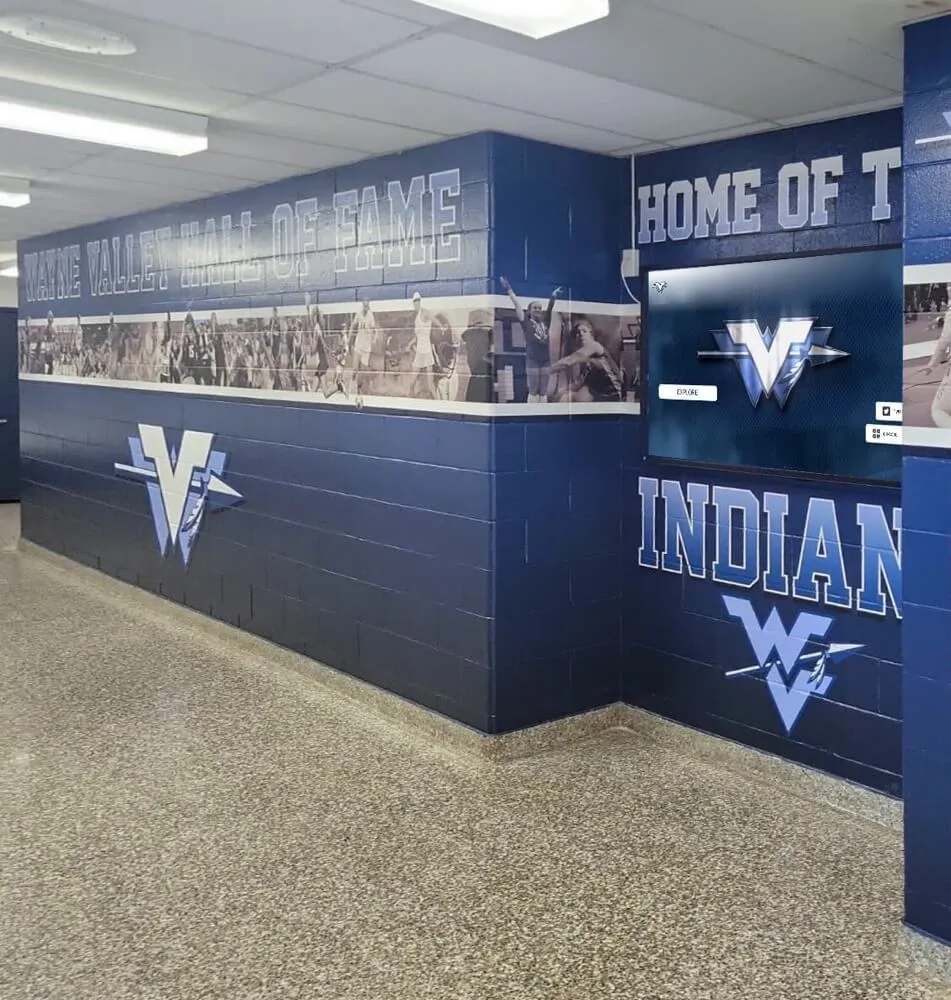
Permanent recognition installations provide enduring visibility between annual induction ceremonies
Planning Timeline and Project Management
Successful induction ceremonies require 6-12 months of advance planning depending on ceremony scale, venue requirements, and organizational complexity.
Annual Planning Calendar
12 Months Before Ceremony
- Open nomination period and publicize nomination criteria widely
- Confirm selection committee membership and schedule evaluation timeline
- Review previous ceremony evaluations and identify improvement opportunities
- Establish preliminary budget and secure necessary funding approvals
9 Months Before Ceremony
- Close nomination period and compile candidate dossiers for committee review
- Begin venue research and preliminary availability inquiries for preferred dates
- Update permanent recognition displays with previous year’s inductees if needed
- Begin preliminary communication planning and key message development
6 Months Before Ceremony
- Selection committee completes candidate evaluation and makes final selections
- Begin confidential inductee contact to confirm acceptance and participation
- Finalize venue contracts and establish detailed event timeline
- Launch public announcement of inductees through multiple communication channels
- Begin collecting inductee biographical information, photos, and achievement documentation
4 Months Before Ceremony
- Finalize ceremony program structure including speakers, video presentations, and recognition elements
- Begin ticket sales and attendance registration processes
- Contract vendors for audio-visual needs, photography, catering, and other services
- Develop detailed scripts and coordinate with speakers for content preparation
- Create promotional materials and launch broader community awareness campaign
2 Months Before Ceremony
- Finalize all multimedia presentations including inductee videos and photo montages
- Complete rehearsal scheduling with participants and technical team
- Confirm final attendance numbers and adjust venue setup accordingly
- Produce printed programs, signage, and physical ceremony materials
- Coordinate inductee recognition displays, plaques, and commemorative items
1 Month Before Ceremony
- Conduct technical rehearsal with audio-visual team testing all presentations
- Finalize seating arrangements and VIP coordination
- Complete final communications to attendees with logistical details
- Prepare emergency contingency plans for potential issues
- Coordinate media coverage and documentation strategy
Organizations maintaining comprehensive digital archives of induction ceremonies build valuable institutional history while creating engagement resources extending ceremony impact beyond single events.
Budget Considerations and Funding
Realistic budget development ensures ceremony quality while maintaining financial sustainability:
Core Ceremony Expenses
- Venue rental and facility setup costs
- Audio-visual equipment and technical support
- Catering for reception or dinner components
- Photography and videography documentation
- Printed programs, signage, and promotional materials
- Inductee recognition items (plaques, awards, commemorative gifts)
- Speaker honorariums if applicable
- Marketing and communication expenses
Permanent Recognition Investment
- Physical display updates (engraved plaques, nameplates, photography)
- Digital recognition platform updates and content creation
- Interactive display technology if implementing modern solutions
- Archive preservation and historical documentation
Many organizations offset ceremony costs through ticket sales, sponsorship opportunities, and program advertising while ensuring accessibility through scholarship tickets for inductees’ families and students. Solutions like digital recognition displays reduce ongoing permanent recognition costs by eliminating need for expensive physical updates each year.
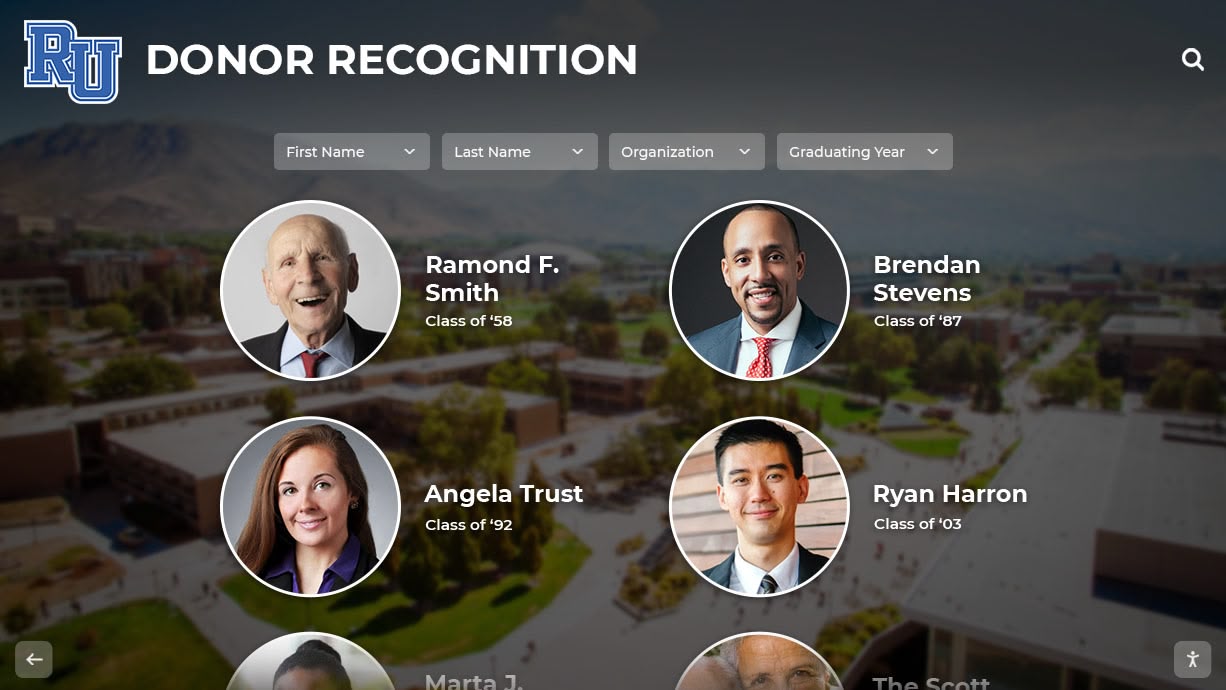
Professional portrait photography creates cohesive visual presentation across inductee classes
Ceremony Format and Program Design
The ceremony structure determines whether events feel meaningful and engaging or tedious and forgettable. Effective programs balance appropriate formality with emotional resonance and reasonable duration.
Ceremony Structure Options
Formal Dinner Format Traditional evening ceremonies combining seated dinner with formal program create prestigious atmosphere appropriate for milestone anniversaries or major institutional celebrations. This format typically runs 2.5-3 hours including social hour, dinner service, and formal program.
Reception and Program Format Evening receptions with heavy appetizers followed by standing or theater-style seating for formal program offer semi-formal alternative balancing celebration with efficient programming. This approach typically runs 2-2.5 hours with greater flexibility.
Afternoon Ceremony Format Weekend afternoon ceremonies work particularly well for schools where families travel from distance or when targeting broader community attendance including children. Running 1.5-2 hours, these condensed formats focus primarily on recognition with lighter reception components.
Game Day Integration Athletic halls of fame often coordinate inductions with major competition weekends—homecoming football, championship basketball games, or alumni reunion events. Halftime or pre-game recognition segments provide additional visibility while standalone ceremonies occur separately.
Program Elements and Flow
Opening Segment (15-20 minutes)
- Welcome remarks from organizational leadership
- National anthem or institutional song
- Acknowledgment of special guests and previous inductees in attendance
- Overview of hall of fame history and significance
- Introduction of master of ceremonies
Individual Inductee Recognition (10-15 minutes per inductee)
- Video presentation showcasing career highlights and achievements
- Introduction by selection committee member or special presenter
- Inductee acceptance remarks
- Presentation of commemorative award or recognition item
- Photo opportunity with institutional leadership
Organizations should limit acceptance speeches to 3-5 minutes each to maintain program momentum while allowing inductees meaningful expression opportunity. Providing advance guidance about speech expectations prevents awkward real-time redirections while ensuring all inductees receive equal ceremony time.
Closing Segment (15-20 minutes)
- Recognition of deceased or absent inductees unable to attend
- Unveiling of permanent recognition display updates
- Closing remarks emphasizing institutional values and future vision
- Group photo of all inductees with leadership
- Invitation to post-ceremony reception or celebration

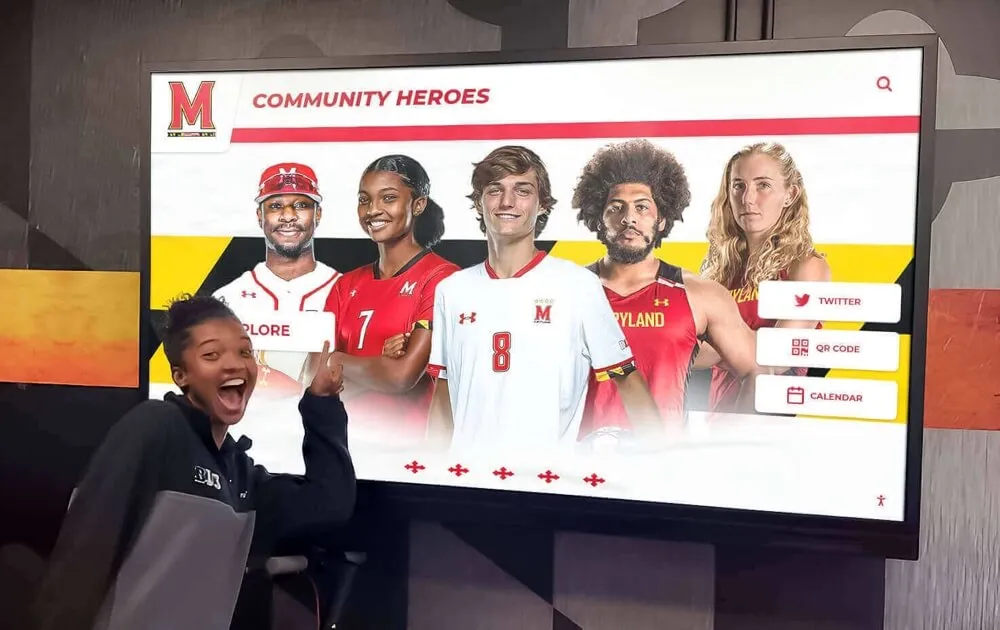
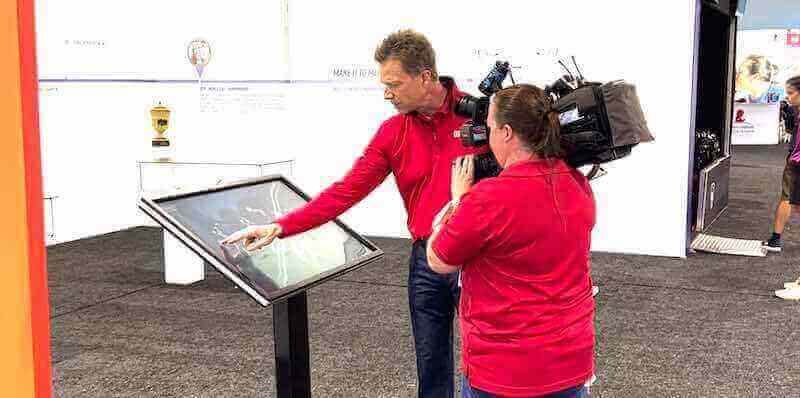
Interactive displays at ceremony receptions encourage exploration beyond formal program
Multimedia Presentations and Documentation
Professional multimedia presentations transform ceremonies from simple award presentations into emotional celebrations of achievement and institutional legacy:
Inductee Video Production Individual videos for each inductee provide powerful storytelling opportunities showcasing career progression, memorable moments, and personal reflections. Elements to include:
- Historical competition footage or professional achievement documentation
- Interviews with teammates, colleagues, or family members
- Inductee reflection on institutional impact and meaningful memories
- Statistical achievements and career milestones presented visually
- Connection between inductee’s era and current organizational context
Videos should run 3-5 minutes each, professionally edited with consistent visual branding and appropriate music selection. Organizations outsourcing video production should allow 6-8 weeks for creation enabling revision cycles before final approval.
Live Photography and Videography Professional documentation serves multiple purposes—providing inductees personal keepsakes, creating marketing assets for future promotion, building institutional archives, and generating social media content extending ceremony reach beyond attendees. Key moments requiring coverage include:
- Individual inductee recognition and award presentation
- Acceptance speeches capturing emotional responses
- Family interactions and celebration moments
- Group photos with all inductees and institutional leadership
- Audience reactions and ceremony atmosphere
- Reception networking and informal celebration
Many organizations now live stream ceremonies enabling broader virtual attendance from alumni and supporters unable to travel while creating permanent video archives accessible long-term through digital platforms integrating ceremony footage with inductee profiles.
Creating Engaging Attendee Experiences
Ceremony success depends not just on inductee recognition quality but on creating meaningful experiences for the broader community attending celebration.
Pre-Ceremony Engagement
Historical Displays and Interactive Exhibits Arriving guests appreciate opportunities for informal engagement before formal programming begins:
- Timeline displays showing hall of fame history and previous inductee classes
- Statistical leaderboards highlighting current inductee achievements in context
- Photo galleries featuring memorable moments from organizational history
- Interactive touchscreens enabling exploration of complete hall of fame archives
- Display tables featuring inductee memorabilia, awards, and career artifacts
Schools implementing interactive recognition displays report that pre-ceremony interaction creates natural conversation starters and builds anticipation before formal programs begin.
Social Hour Networking Dedicated networking time before ceremony enables connections between inductees, previous hall of fame members, current students or program participants, and community supporters. Structured elements might include:
- Designated reception areas with inductee name cards encouraging guest interaction
- Current team members or students serving as hosts introducing guests to inductees
- Photo opportunities at branded backdrops or ceremony signage
- Light refreshments and signature beverages creating comfortable social atmosphere
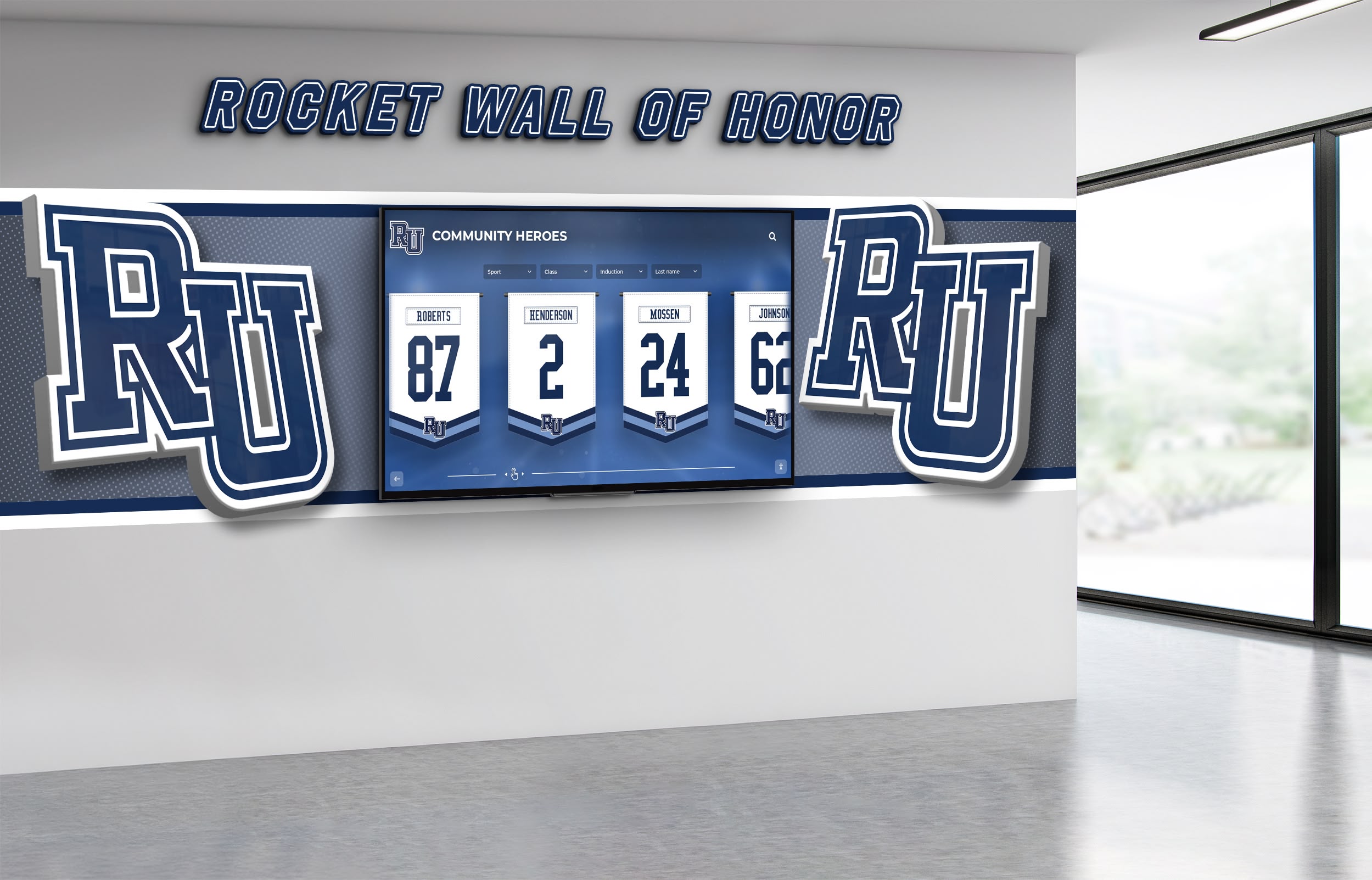
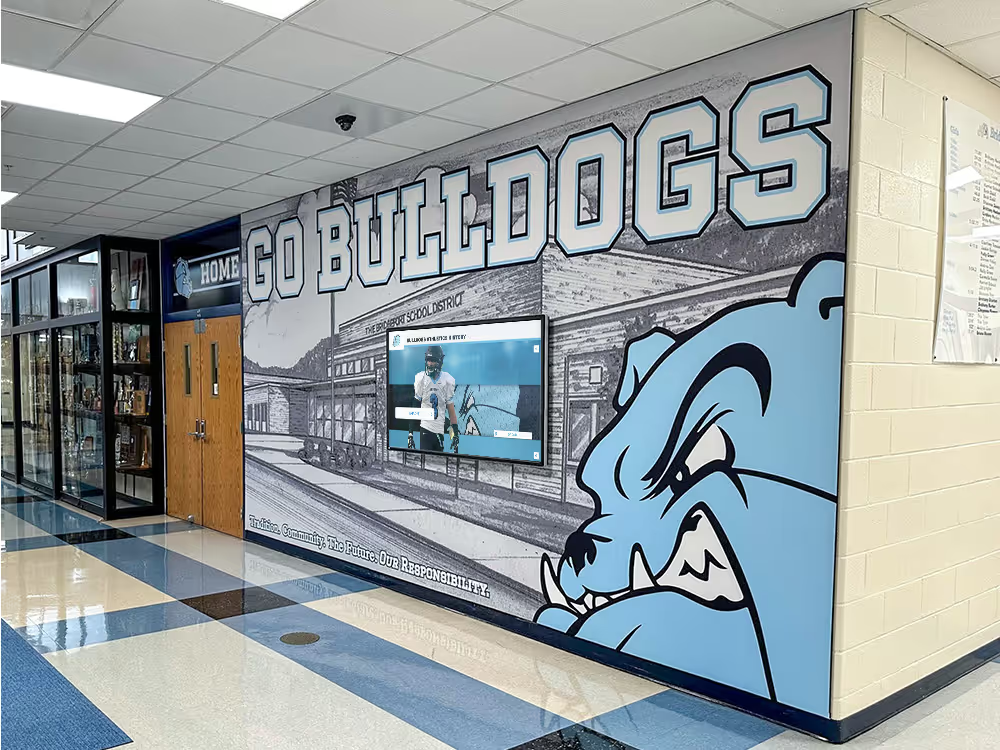
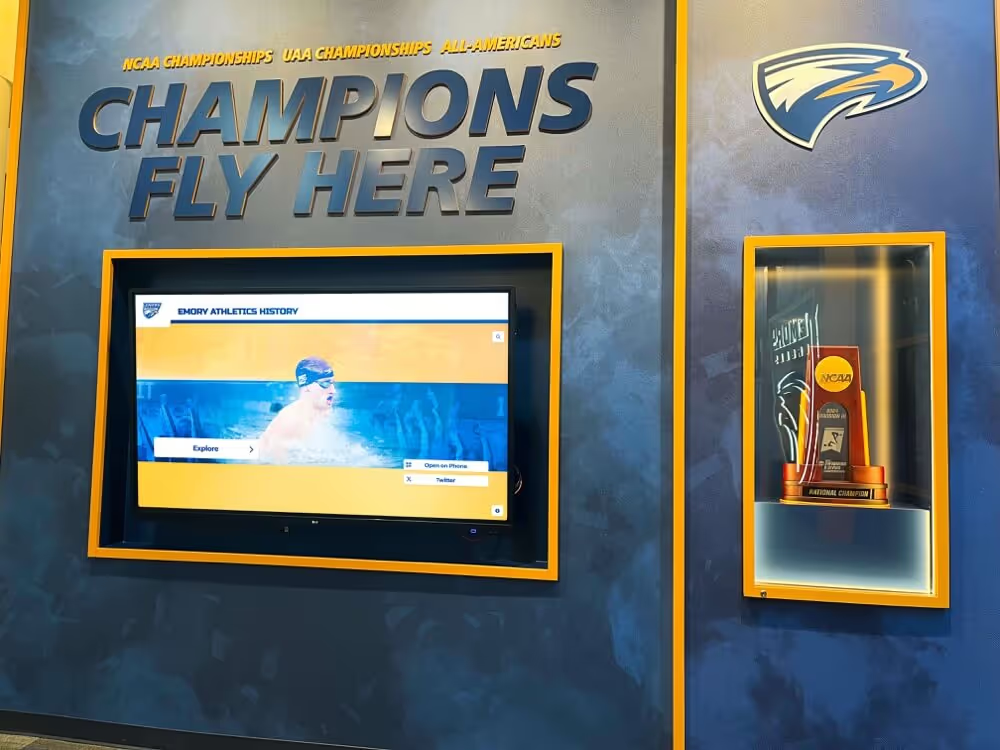
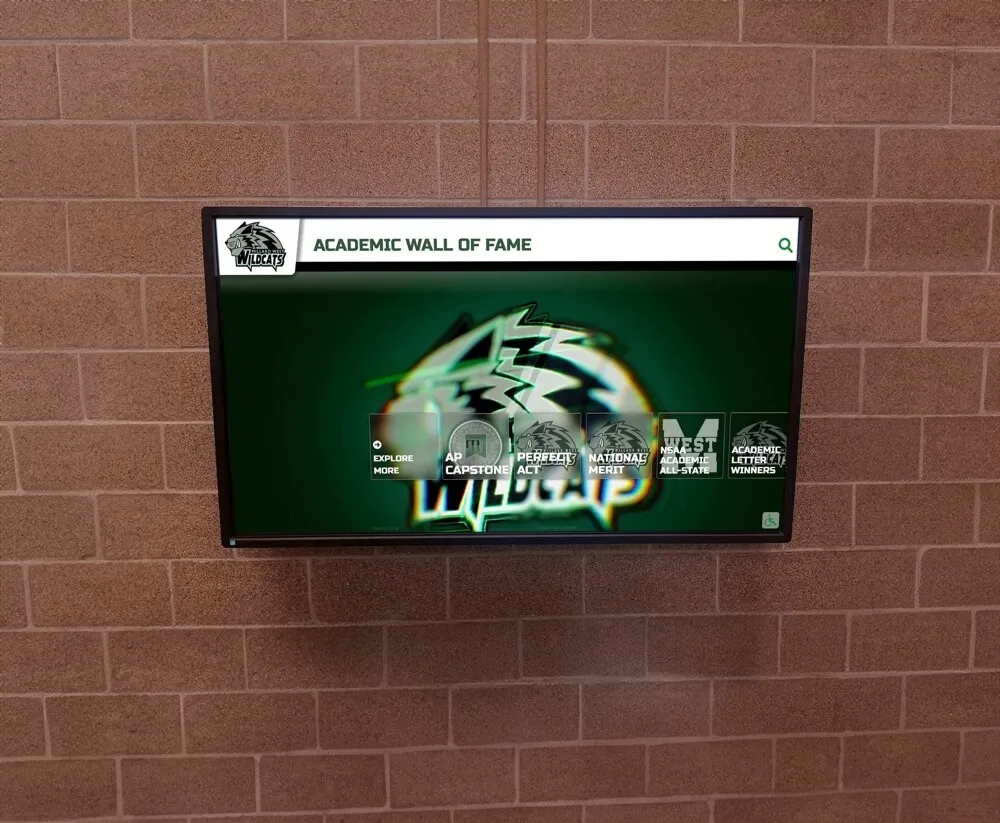
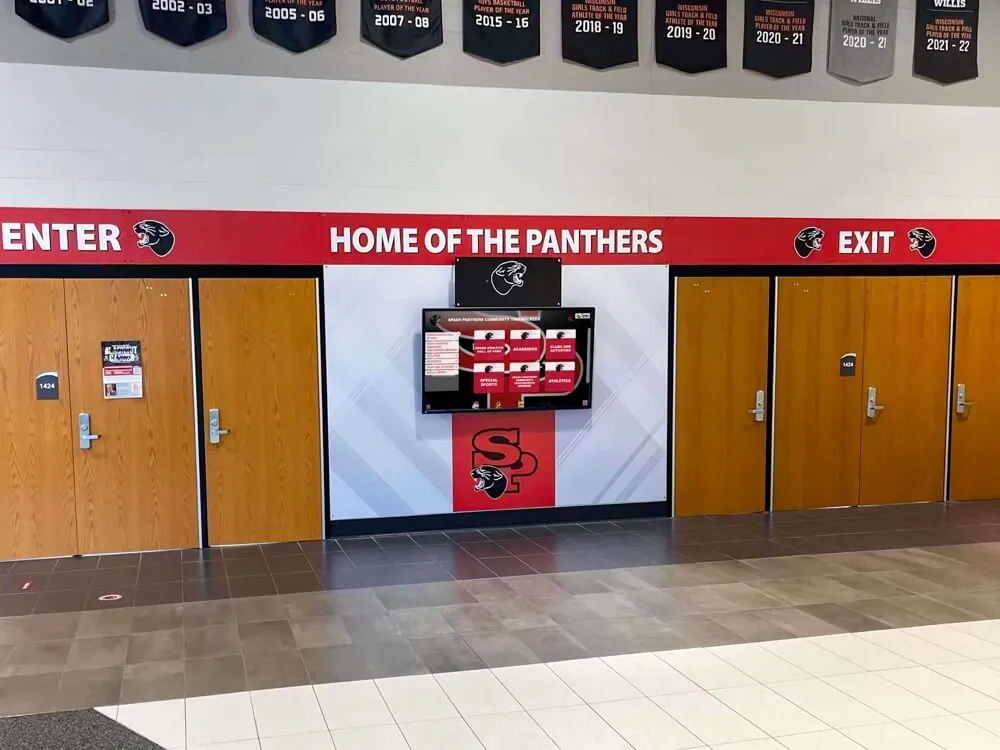
Digital displays in ceremony venues provide dynamic recognition that traditional static plaques cannot achieve
Program Engagement Strategies
Maintaining Audience Attention Even the most accomplished inductees lose audience engagement when ceremonies drag beyond reasonable duration or lack varied program elements:
- Limit total program length to 90-120 minutes for standing/theater seating, 150-180 minutes for dinner formats
- Vary presentation formats—alternating video presentations with live speakers prevents monotony
- Include interactive elements like audience recognition of attending previous inductees
- Incorporate musical performances, institutional choir presentations, or other entertainment elements
- Use strategic breaks for table visits, restroom access, or networking during longer programs
Honoring Ceremony Traditions Established ceremonies should preserve meaningful traditions creating continuity across years while remaining open to improvements:
- Traditional ceremony songs, processions, or ritual elements familiar to community
- Consistent recognition item presentation (blazers, rings, crystal awards, etc.)
- Annual recognition of founding hall of fame members or inaugural inductees
- Institutional symbols incorporated into staging, programs, and visual presentations
- Historical connections showing how current inductees build upon institutional legacy
Post-Ceremony Celebration
Reception Design Post-ceremony receptions provide extended engagement opportunities in less formal settings:
- Dessert and coffee service for dinner formats, or full reception following afternoon ceremonies
- Stationed food displays encouraging circulation rather than seated consumption
- Strategic placement of recognition displays and photo opportunities
- Background music at volume enabling comfortable conversation
- Extended timeline allowing unhurried interaction between inductees and guests
Commemorative Elements Tangible ceremony memories extend recognition impact beyond single events:
- Professional printed programs featuring inductee biographies and photos
- Commemorative posters signed by all inductees available for purchase
- Photo booth opportunities with branded props and backgrounds
- Immediate social media sharing opportunities with ceremony hashtags
- Take-home gifts for attendees (pins, bookmarks, photo cards featuring inductees)
Organizations coordinating ceremonies with broader events like homecoming celebrations or alumni reunions maximize attendance while creating comprehensive engagement opportunities spanning multiple days.
Communication and Marketing Strategy
Ceremony impact extends far beyond attendees when organizations implement comprehensive communication plans amplifying recognition across multiple channels and touchpoints.
Pre-Ceremony Communications
Inductee Announcement Strategy How organizations announce new inductees significantly affects ceremony anticipation and attendance:
- Multi-phase announcement approach—initial “save the date” teaser, followed by individual inductee reveals, culminating in complete class introduction
- Press releases to local and regional media outlets with inductee photos and biography summaries
- Social media campaign featuring individual inductee spotlights with achievement highlights
- Email communications to alumni, boosters, and community members with ticket information
- Website updates featuring inductee profiles and ceremony registration details
Building Ceremony Attendance Proactive outreach ensures strong attendance from key stakeholder groups:
- Personalized invitations to previous inductees fostering multi-generational connections
- Targeted communications to specific communities connected to individual inductees
- Student and current participant engagement ensuring future generation presence
- Corporate and sponsor outreach for table purchases supporting program funding
- Media partnership coordination for coverage amplifying broader community awareness
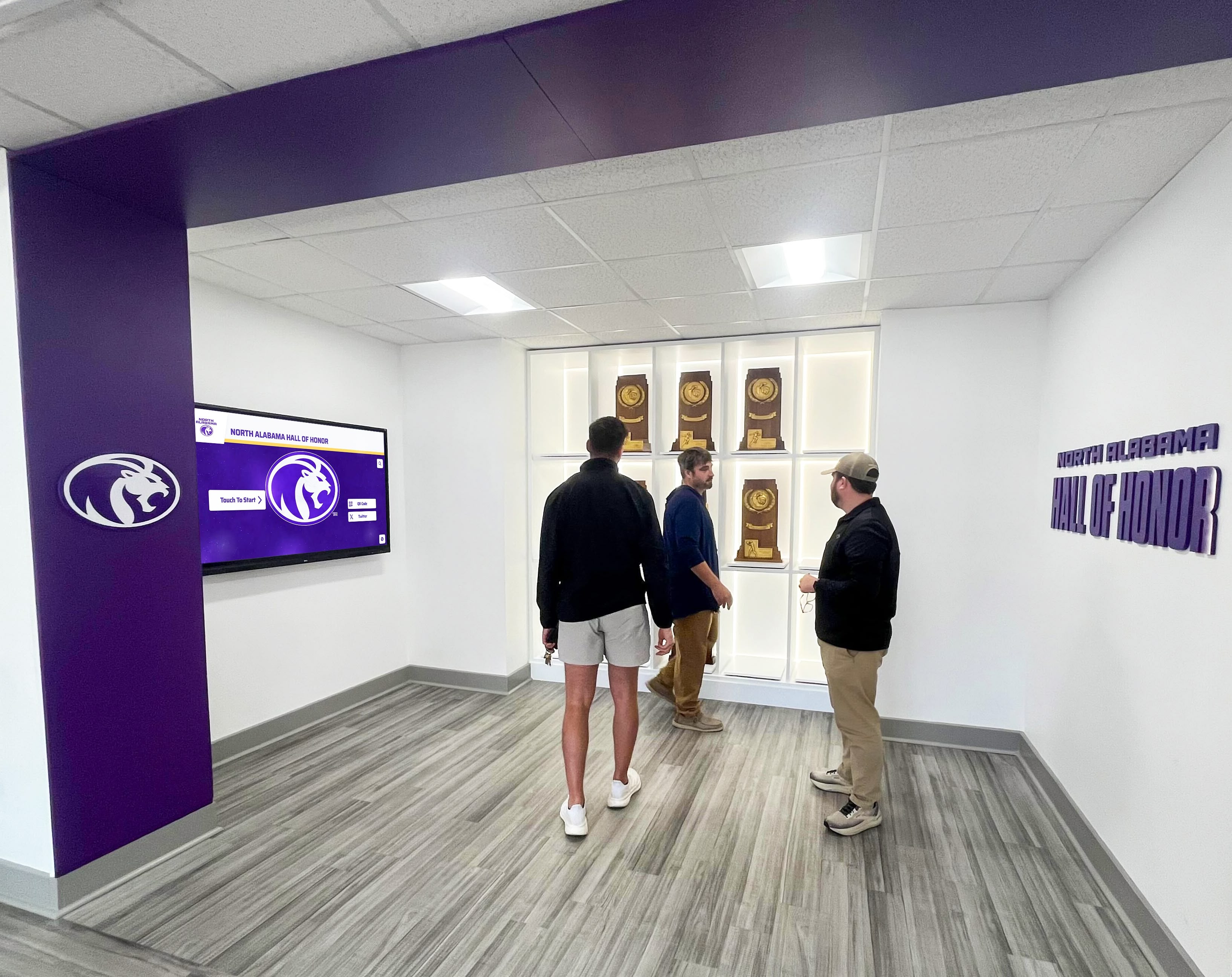
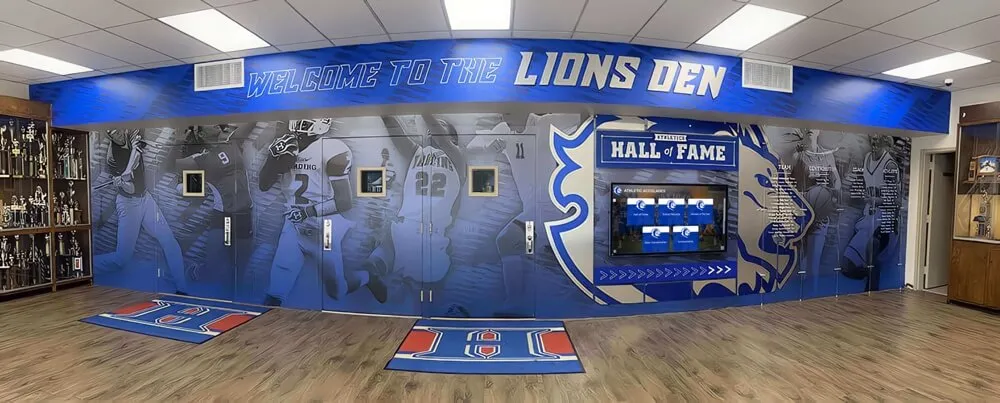
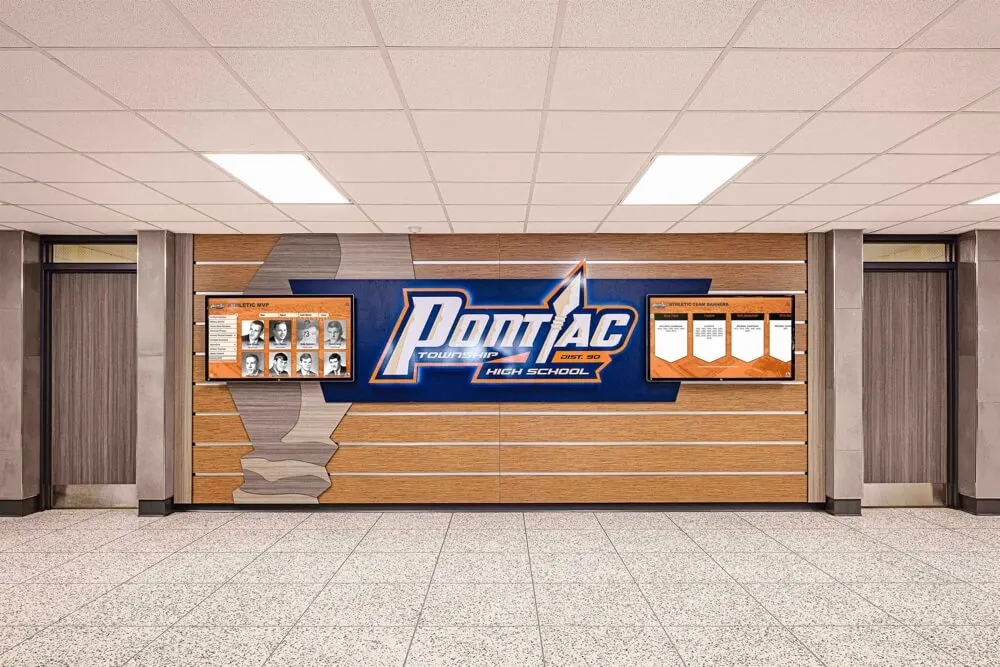
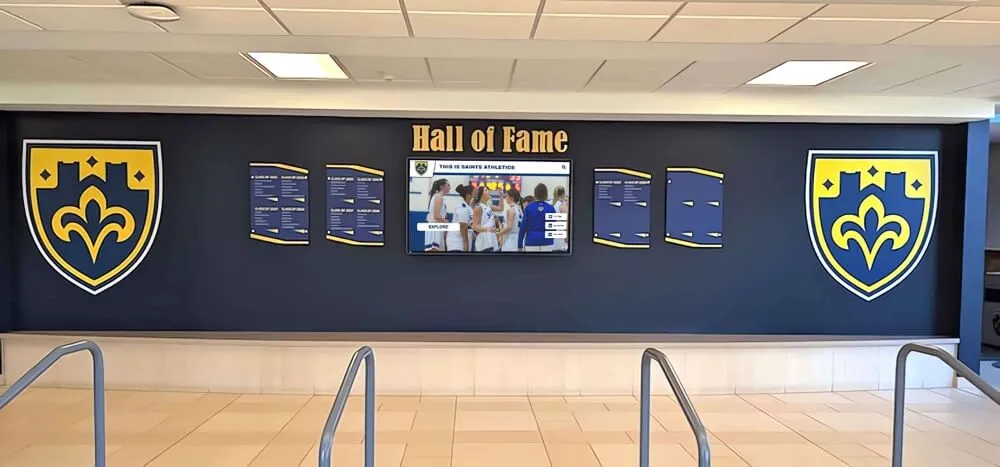
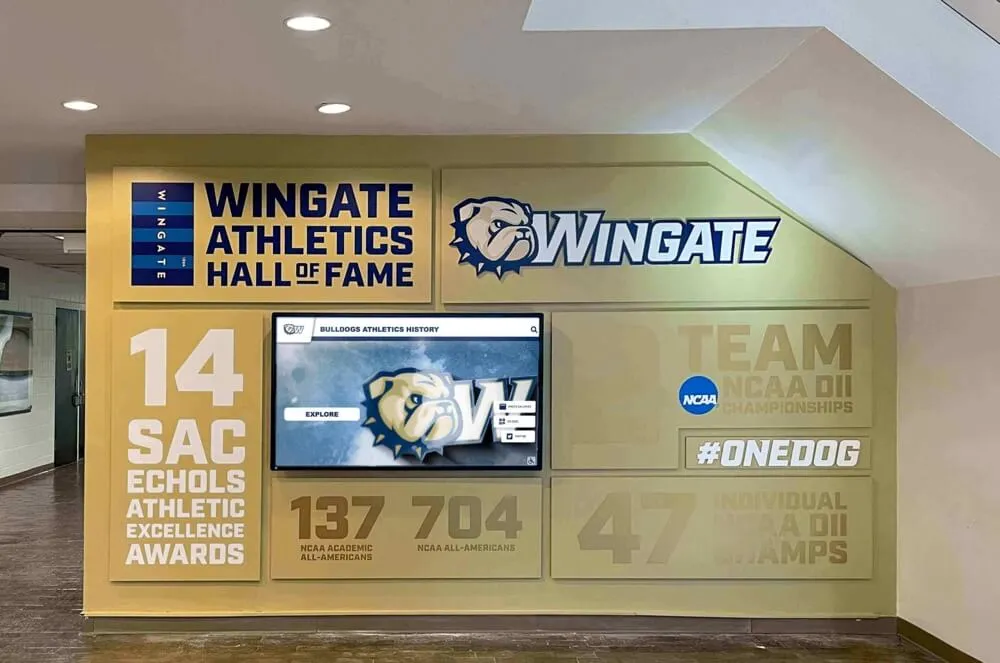
Ceremony venues incorporating permanent hall of fame displays create meaningful contexts for recognition moments
Event Coverage and Documentation
Live Event Communication Real-time ceremony sharing extends participation beyond physical attendees:
- Live social media updates throughout ceremony with photos and key moments
- Live streaming for remote attendees unable to travel
- Designated photography sharing enabling guests to access and download ceremony photos
- Hashtag campaigns encouraging attendee social sharing
- Media partnership ensuring coverage in local newspapers and broadcast outlets
Post-Ceremony Follow-Up Sustained communication following ceremonies extends recognition impact:
- Thank you communications to attendees, sponsors, and participants
- Photo galleries and video highlight reels shared through multiple channels
- Feature stories on individual inductees published serially maintaining ongoing visibility
- Permanent website updates ensuring long-term digital presence
- Annual reports and publications featuring ceremony highlights and inductee achievements
Permanent Recognition Integration
Hall of fame induction ceremonies achieve maximum impact when formal events connect seamlessly with permanent recognition ensuring year-round visibility.
Physical Display Updates Traditional permanent recognition requires updating following each induction cycle:
- Engraved plaques with inductee names, induction years, and key achievements
- Professional photography standardized across all inductees
- Display case exhibits featuring inductee memorabilia and awards
- Wall-mounted recognition in high-traffic institutional locations
However, physical displays face inherent limitations—finite space constraining how many inductees receive visibility, high costs for annual updates, inability to showcase rich biographical content beyond basic information, and static presentation that fails to engage modern audiences expecting interactive experiences.
Digital Recognition Solutions Modern organizations increasingly supplement or replace traditional physical displays with comprehensive digital platforms addressing traditional limitations:
Solutions like Rocket Alumni Solutions transform hall of fame recognition through:
- Unlimited capacity enabling every inductee across all years to receive equal permanent visibility without space constraints
- Rich multimedia profiles featuring photos, videos, career statistics, achievements, and biographical narratives impossible in physical displays
- Interactive exploration allowing visitors to search by name, year, sport/category, achievement type, or other criteria
- Simple remote updates through cloud-based content management enabling immediate ceremony integration
- Web accessibility extending hall of fame reach beyond physical campus to global alumni networks
- Mobile integration via QR codes enabling seamless transitions from physical displays to comprehensive digital content
Organizations implementing digital recognition report that ceremony attendance increases when permanent displays drive year-round awareness while ceremony moments gain additional significance knowing recognition extends far beyond single events.

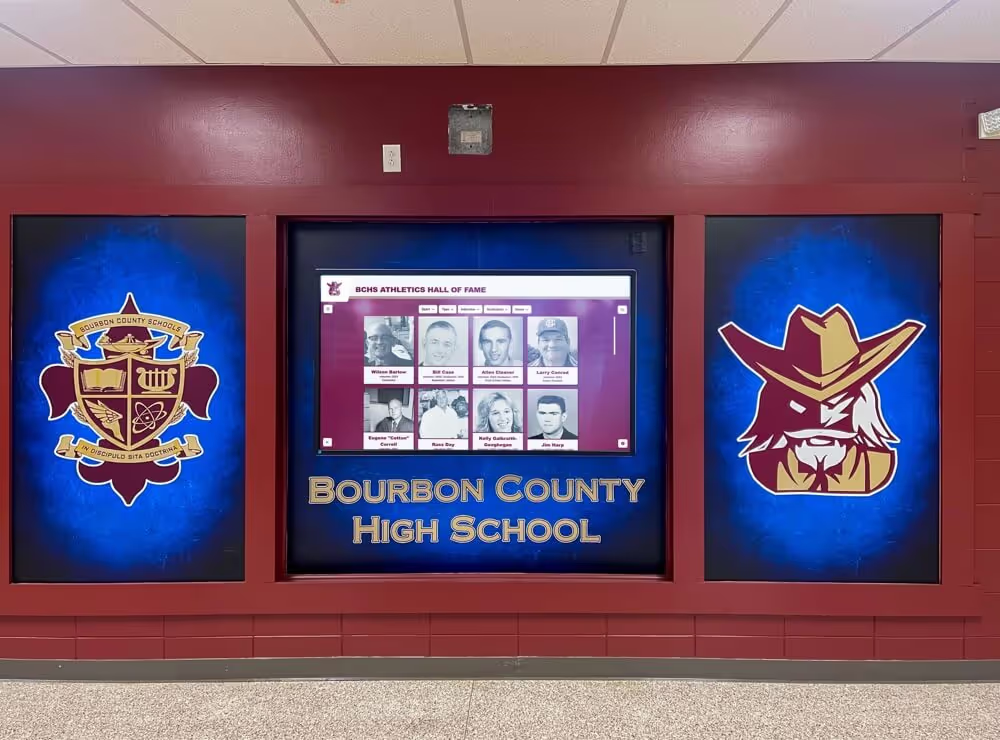
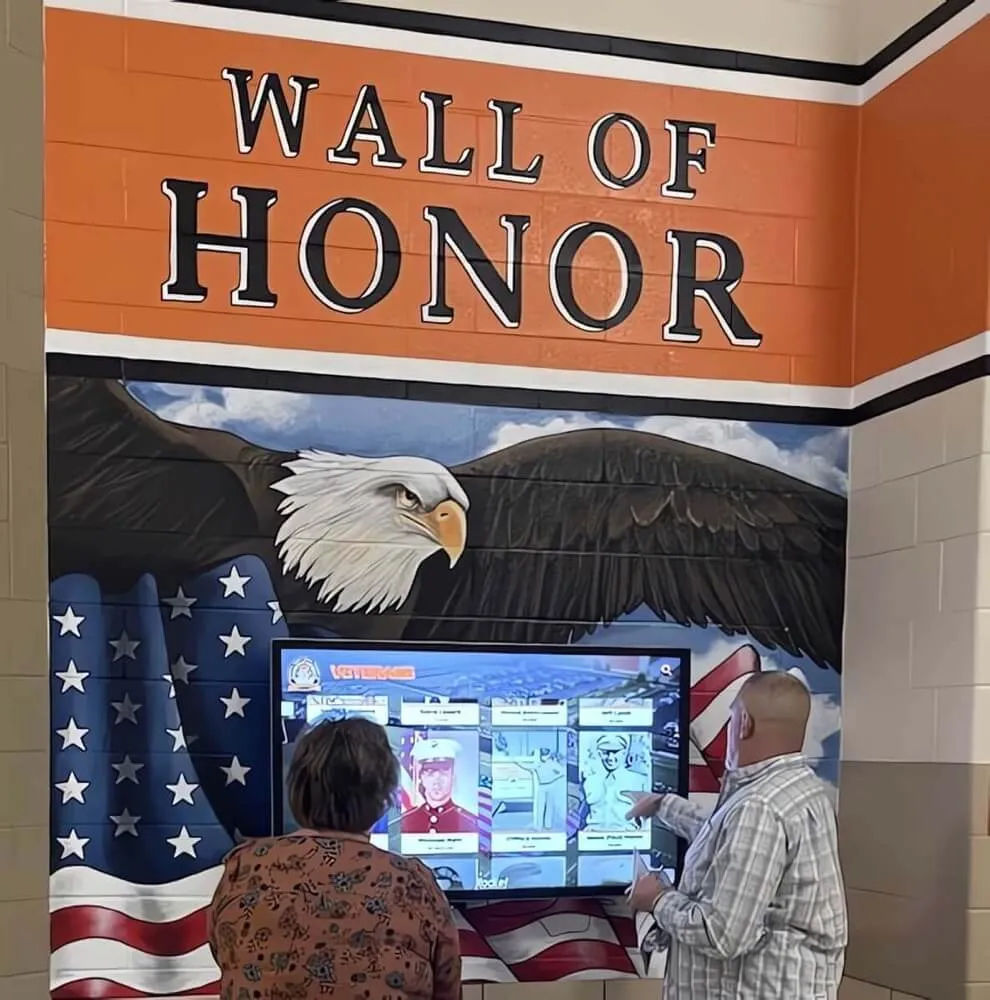
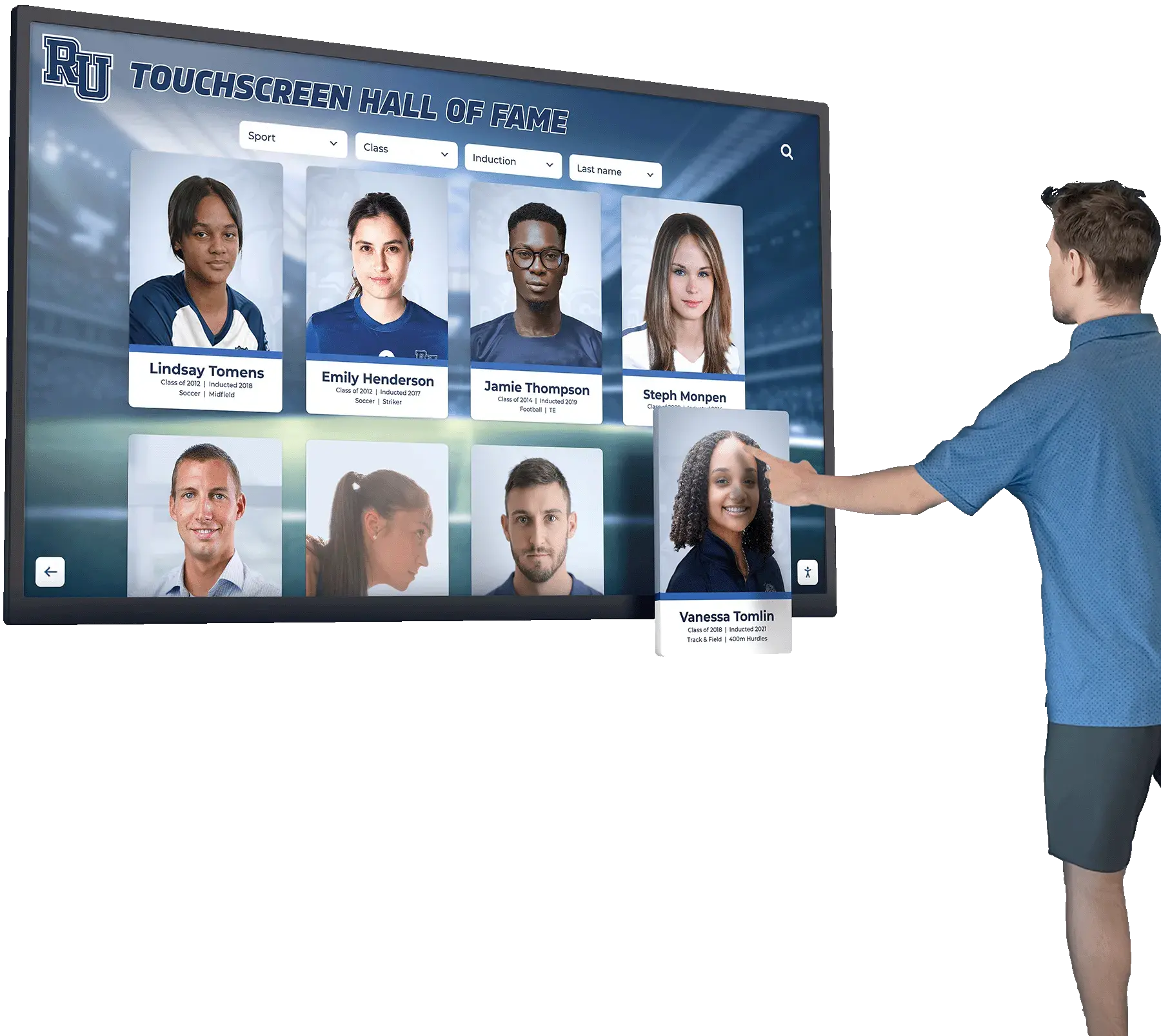
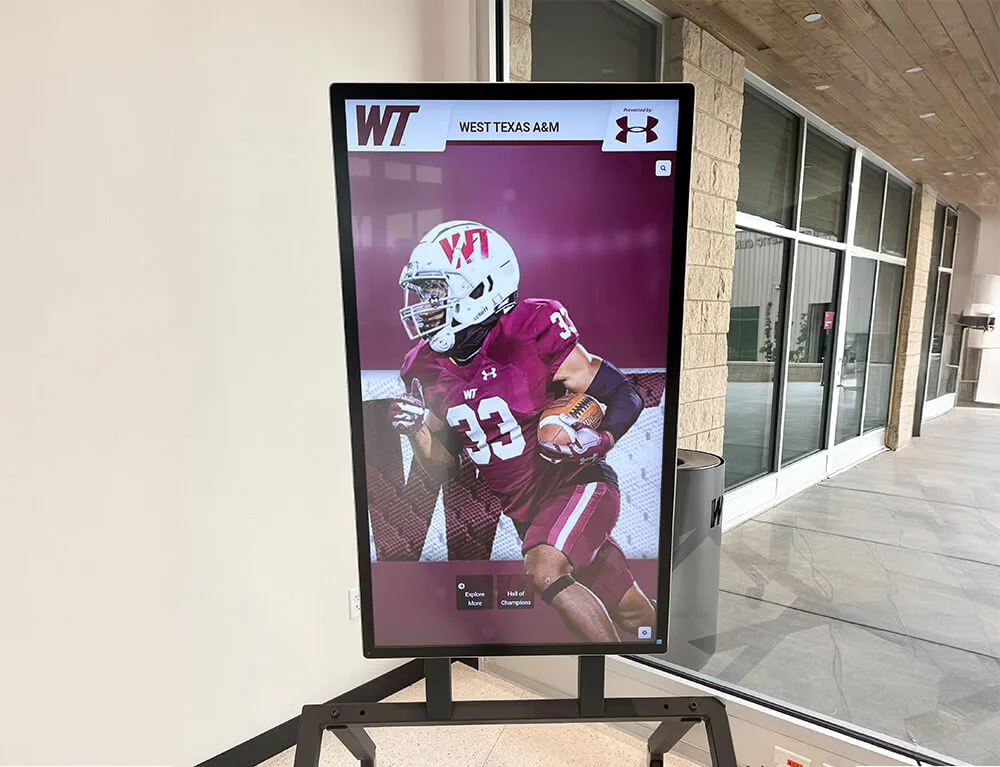
Interactive touchscreen displays enable deep exploration of inductee achievements and institutional athletic history
Special Considerations for Different Organization Types
While core planning principles apply universally, different organizational contexts require adapted approaches reflecting unique community characteristics and recognition objectives.
High School Athletic Halls of Fame
High schools face distinct challenges balancing appropriate recognition with realistic resource constraints:
Program Scale Considerations
- Smaller inductee classes (3-8 individuals/teams annually) maintain exclusivity appropriate for building-level programs
- Emphasis on recent-era inductees ensuring living honorees and current community connections
- Family-friendly ceremony formats encouraging student attendance and participation
- Integration with major school events (homecoming, athletics banquets) maximizing visibility
- Budget-conscious approaches balancing ceremony quality with financial sustainability
Community Engagement Focus High school ceremonies particularly benefit from student involvement—current athletes introducing inductees, performing arts students providing musical entertainment, or student media programs documenting events for school publications and broadcasts.
University and College Programs
Higher education institutions manage more complex programs reflecting broader constituencies and longer institutional histories:
Multi-Category Recognition Universities typically maintain separate or integrated halls of fame for athletics, distinguished alumni, faculty excellence, and philanthropic leadership. Ceremony planning must accommodate diverse achievement types while maintaining cohesive program identity.
Geographic Challenges University communities scatter nationally and globally requiring enhanced virtual participation options, strategic scheduling during reunion weekends maximizing attendance, and year-round communication maintaining engagement between ceremony cycles.
Legacy and Historical Depth Institutions with century-plus histories balance honoring contemporary achievers with recognizing historical figures ensuring complete institutional narrative preservation through comprehensive digital archives.
Nonprofit and Community Organizations
Nonprofit halls of fame celebrating philanthropic leadership, volunteer service, or community impact require different framing than competitive achievement recognition:
Impact-Focused Recognition Ceremonies emphasize community transformation, lives impacted, organizational growth, and mission advancement rather than competitive statistics or performance metrics.
Donor Stewardship Integration Recognition ceremonies double as donor cultivation events where honored individuals’ generosity inspires additional philanthropic commitment while celebrating community leadership models.
Inclusive Accessibility Community-focused organizations particularly benefit from free or low-cost ceremony access ensuring financial barriers don’t prevent community members from participating in celebrations honoring their neighbors and leaders.
Measuring Ceremony Success and Continuous Improvement
Systematic evaluation ensures ceremonies improve over time while demonstrating return on investment justifying continued resource allocation.
Success Metrics
Quantitative Indicators
- Attendance rates and year-over-year trends
- Ticket sales and revenue generation if applicable
- Media coverage reach and impressions
- Social media engagement metrics (shares, comments, reach)
- Website traffic to inductee profiles and hall of fame content
- Sponsor participation and financial support levels
Qualitative Assessment
- Inductee satisfaction with recognition experience
- Attendee feedback through post-event surveys
- Selection committee evaluation of process effectiveness
- Staff and volunteer reflections on logistics and execution
- Media coverage tone and messaging alignment
- Community feedback and perception
Post-Event Evaluation Process
Immediate Debrief Within one week following ceremony, gather core planning team for structured reflection:
- What worked exceptionally well and should be preserved or expanded?
- What challenges emerged requiring different approaches next year?
- Which vendors and partners exceeded expectations versus those requiring replacement?
- What timeline adjustments would improve planning process?
- What budget reallocations would enhance future ceremony value?
Stakeholder Feedback Collection Formal feedback gathering from multiple perspectives provides comprehensive improvement insights:
- Inductee surveys about ceremony experience, communication quality, and suggestions
- Attendee surveys assessing program quality, venue suitability, and overall satisfaction
- Selection committee evaluation of nomination and selection process effectiveness
- Sponsor feedback about partnership value and recognition visibility
- Staff assessment of logistics, timeline adequacy, and resource needs
Documentation and Knowledge Transfer Comprehensive documentation ensures institutional knowledge preservation:
- Detailed planning timeline with actual completion dates versus targets
- Vendor evaluations and contact information for future reference
- Budget actuals compared to projections identifying cost accuracy
- Program scripts, presentations, and materials archived for template development
- Photo and video archives organized and preserved for historical reference
Organizations treating ceremonies as iterative processes rather than isolated events build increasingly sophisticated programs creating greater impact with more efficient resource utilization over time.
Conclusion: Building Traditions That Honor Excellence and Inspire Communities
Hall of fame induction ceremonies represent far more than annual events checking institutional boxes—they provide powerful opportunities to celebrate exceptional achievement, strengthen community bonds, inspire current students and participants toward excellence, and build enduring traditions connecting past accomplishments with future aspirations. When organizations approach ceremony planning strategically rather than perfunctorily, recognition events become catalysts for sustained engagement extending far beyond single evenings.
The comprehensive planning frameworks explored throughout this guide—from establishing credible selection processes and realistic timelines through designing engaging programs and implementing multi-channel communications—enable organizations at any scale to create ceremonies worthy of the inductees they honor. Whether you’re planning your organization’s inaugural induction or managing established programs with decades of history, these principles adapt to your specific context while maintaining focus on what matters most: creating meaningful recognition experiences that resonate with inductees, attendees, and broader communities.
Transform Your Hall of Fame Recognition
Discover how modern digital recognition solutions can complement your induction ceremonies with year-round visibility, unlimited capacity, and engaging interactive experiences that traditional plaques simply cannot provide.
Explore Recognition SolutionsModern technology enables organizations to extend ceremony impact throughout the year rather than confining recognition to single events. Digital recognition platforms ensure every inductee receives permanent visibility accessible to global communities, rich multimedia profiles tell complete achievement stories impossible in traditional physical displays, and interactive experiences engage younger generations expecting dynamic content rather than static plaques. When ceremonial moments connect seamlessly with comprehensive digital recognition, organizations create holistic programs where formal events and ongoing visibility reinforce each other.
Remember that ceremony excellence emerges from authentic celebration of genuine achievement rather than expensive production elements. Inductees value thoughtful recognition acknowledging their specific contributions, opportunities to reconnect with teammates and colleagues, and knowledge that their legacies will inspire future generations. Attendees appreciate well-paced programs respecting their time, emotional moments connecting past achievements to present communities, and tangible ways to explore honoree stories. Organizations benefit from traditions strengthening institutional identity while demonstrating commitment to recognizing excellence across generations.
Your planning journey begins with clear vision about what your hall of fame represents and whom it serves. Build from that foundation with systematic planning, authentic storytelling, inclusive accessibility, and commitment to continuous improvement. Each ceremony becomes not just celebration of past achievement but investment in future excellence as current students and participants witness what their institutions value most and aspire to similar recognition honoring their own future contributions.
Start planning your next induction ceremony with confidence knowing that thoughtful preparation, authentic recognition, and strategic integration of traditional ceremonies with modern digital platforms create experiences worthy of the exceptional individuals you honor.