Your gymnasium floor endures extraordinary punishment throughout each school year. Basketball players pivot and sprint across hardwood surfaces, volleyball athletes dive and slide during competitions, cheerleading squads practice complex routines, physical education classes accommodate hundreds of students daily, and community events from graduations to fundraisers place additional wear on these essential surfaces. Over time, even the highest-quality gymnasium floors show visible deterioration—finish dulling from constant traffic, protective coatings wearing thin, surface scratches accumulating, and the overall appearance declining from the pristine condition that once reflected school pride.
Gym floor refinishing represents a significant facilities investment that schools must approach strategically. How much should you budget for professional refinishing? What does the process involve, and how long will your gymnasium remain unavailable? When should you schedule refinishing to minimize disruption to athletic programs and school activities? What additional facility improvements make sense to coordinate with floor renovation projects? How do you maximize the return on this essential infrastructure investment while creating inspiring athletic environments that build program pride and community engagement?
These questions become increasingly urgent as floors deteriorate past cosmetic concerns into functional problems affecting athlete safety, competitive performance, and your facility’s overall professional appearance that reflects on your entire athletic program and institution.
This comprehensive guide explores everything school administrators, athletic directors, and facilities managers need to understand about gym floor refinishing. You’ll discover detailed cost breakdowns for different refinishing approaches, step-by-step process explanations and realistic timelines, optimal scheduling strategies minimizing program disruption, coordination opportunities with complementary facility upgrades, and modern recognition systems transforming renovated gymnasiums into inspiring environments celebrating athletic achievement while building lasting school pride and community connection.

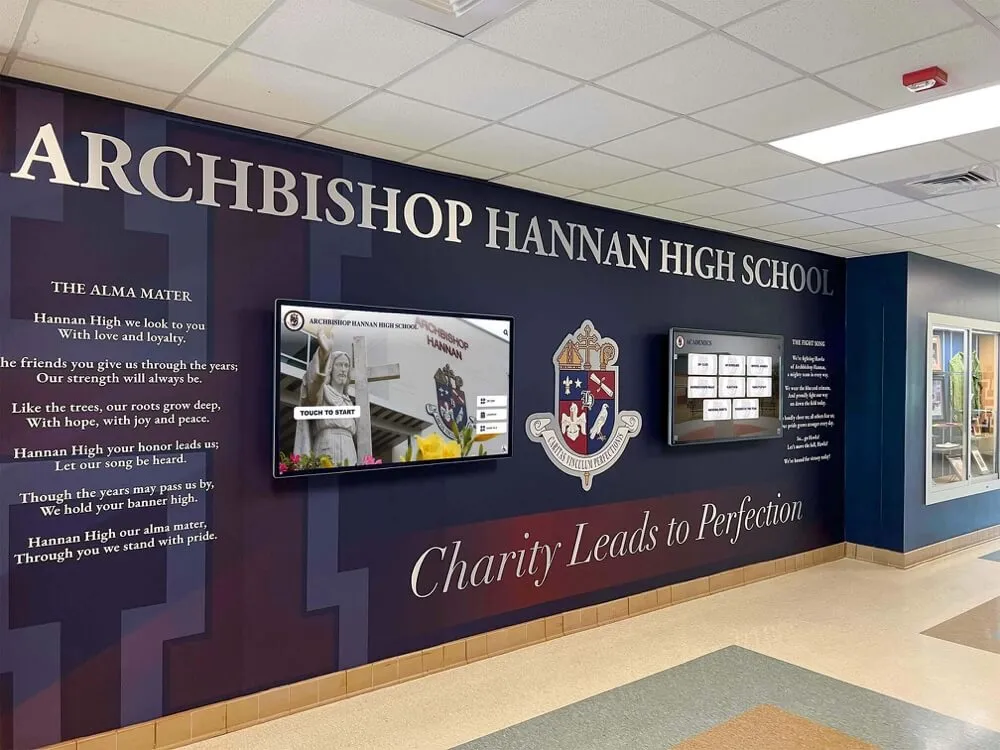
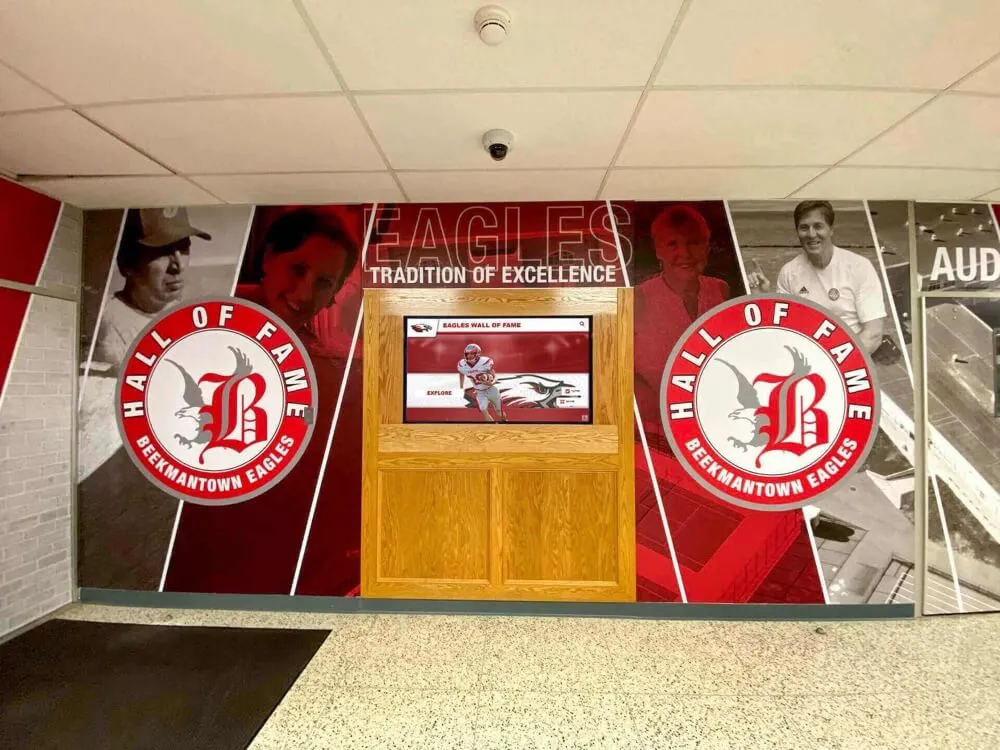
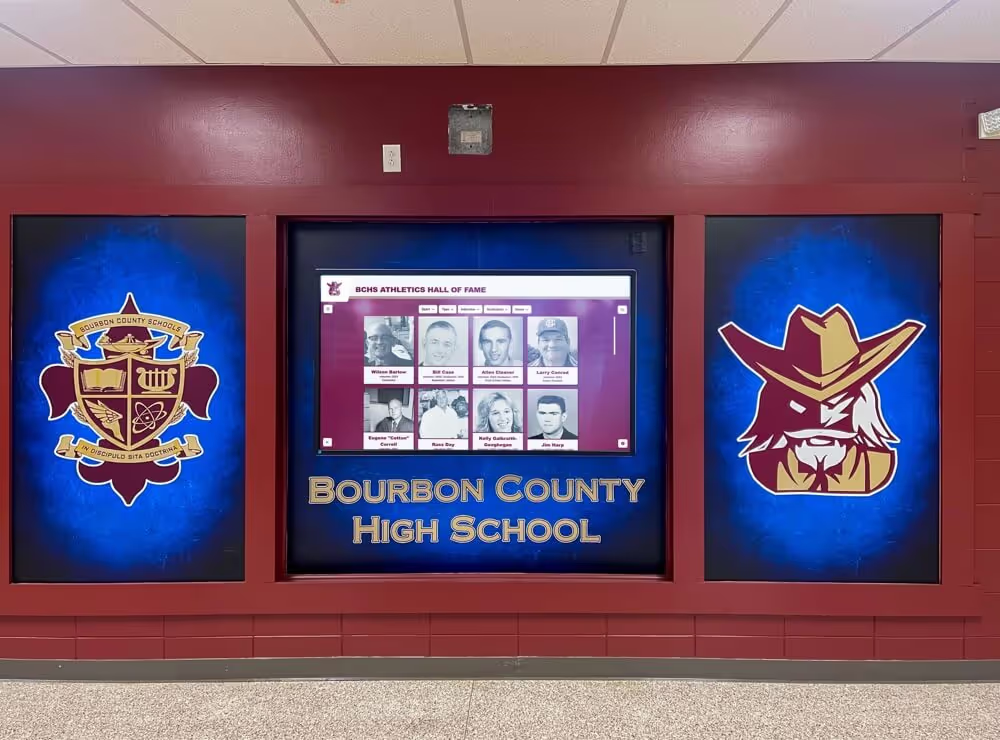
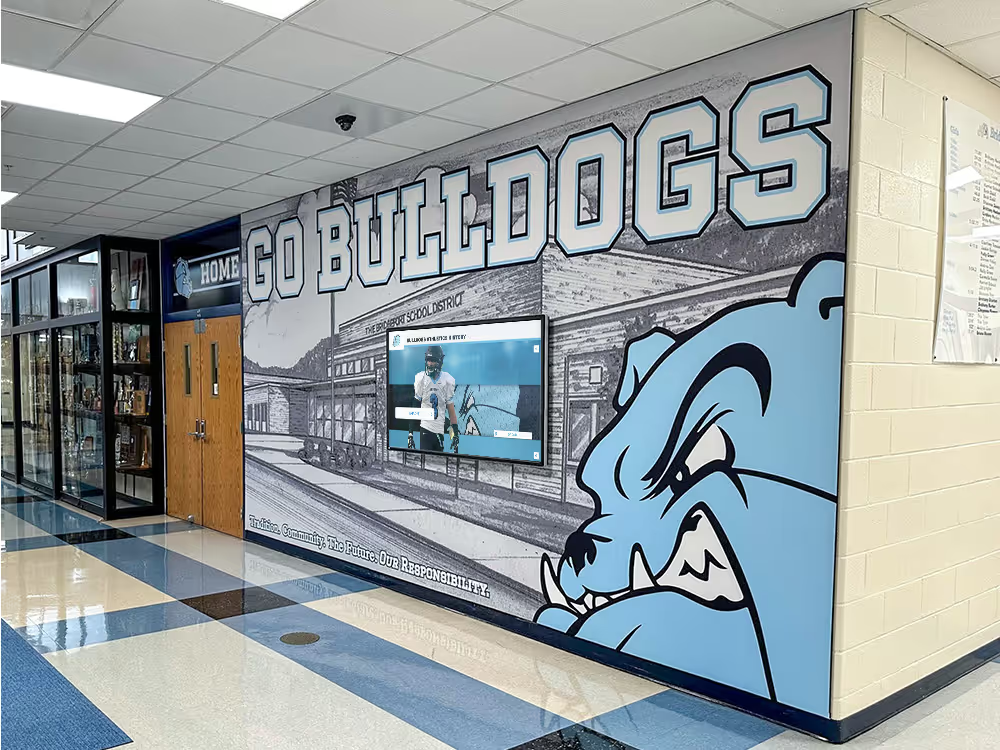
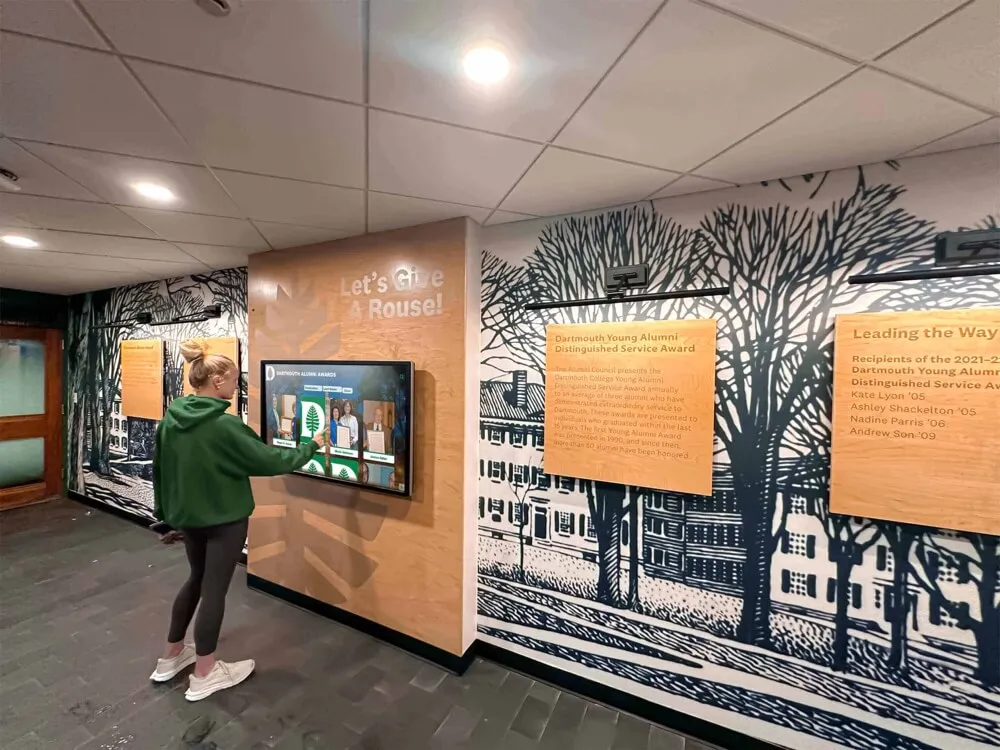
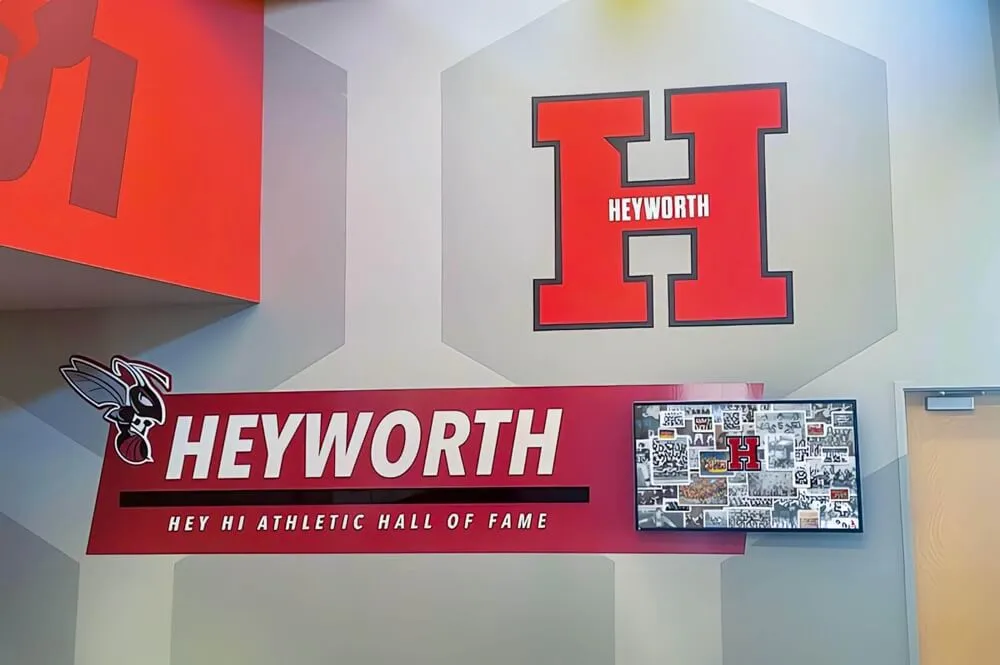
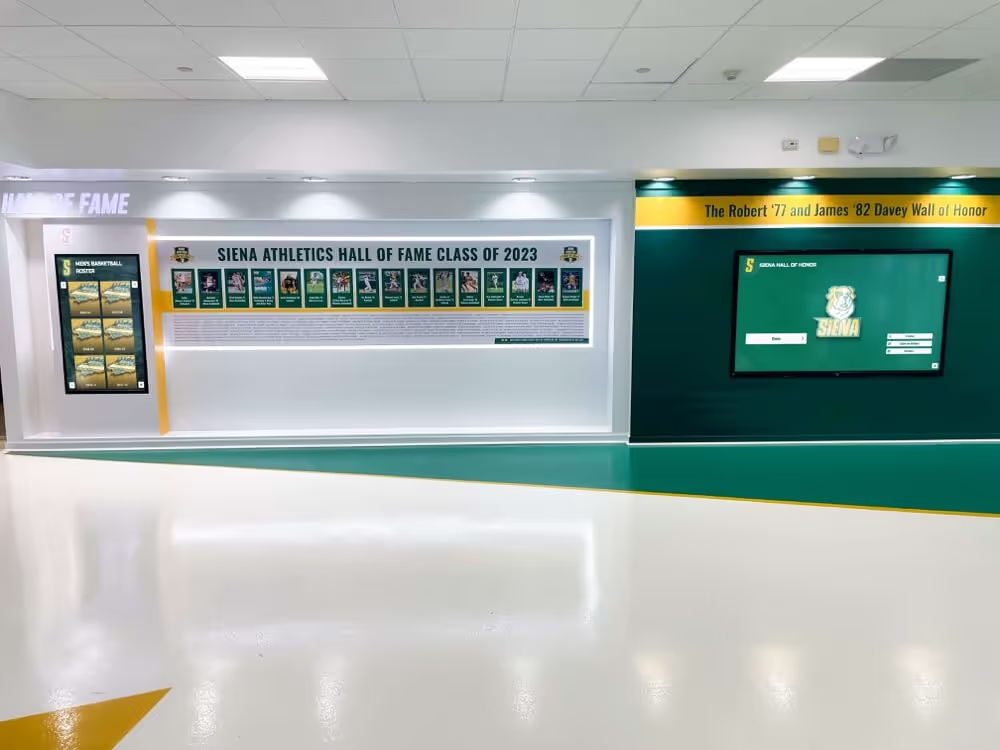
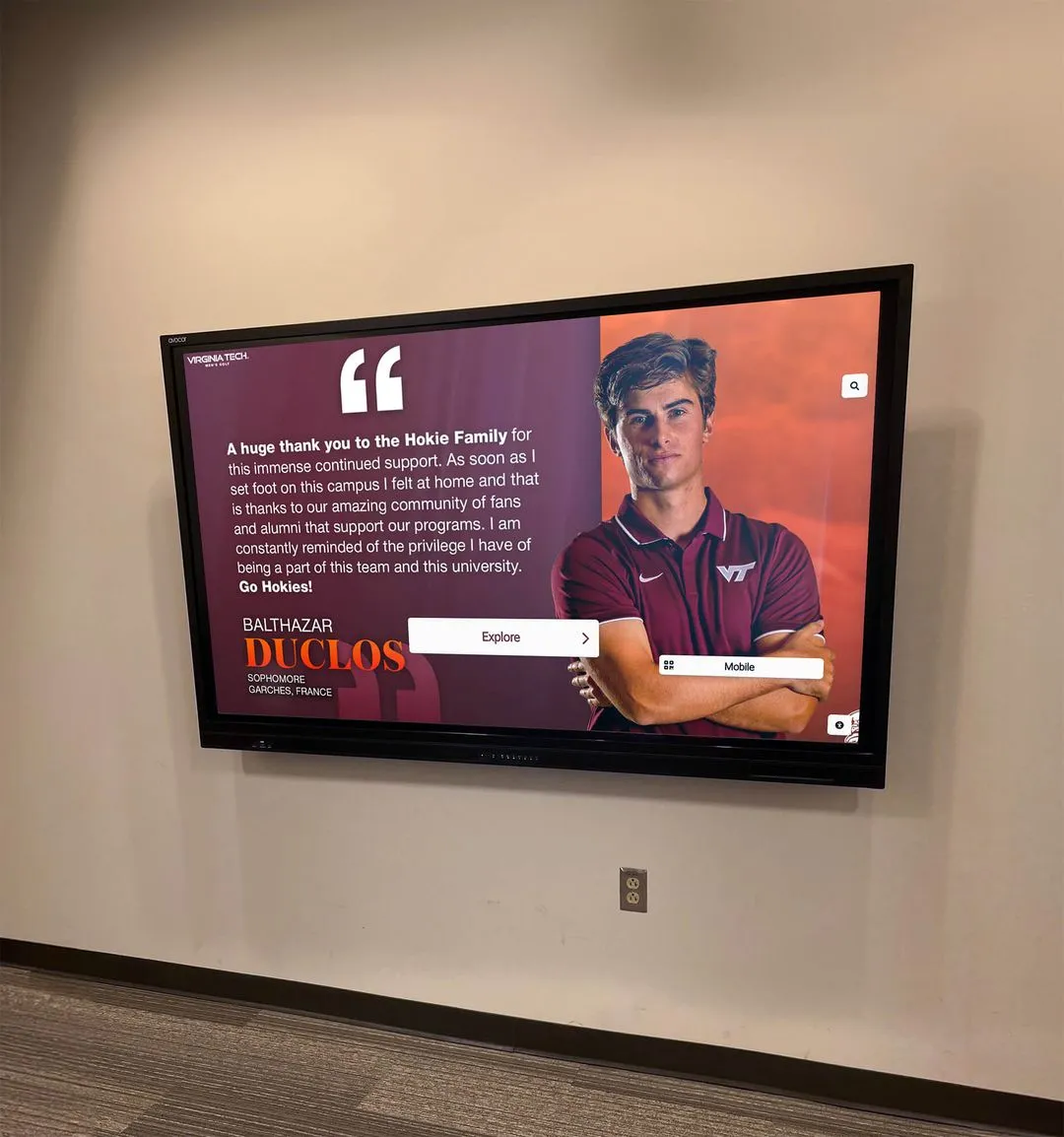
Professional athletic facilities combine quality floor surfaces with comprehensive recognition systems creating inspiring environments for competition and celebration
Understanding When Gym Floor Refinishing Becomes Necessary
Before exploring refinishing logistics, understanding deterioration indicators helps schools plan proactive maintenance rather than reacting to crisis situations.
Signs Your Gym Floor Needs Refinishing
Multiple visible and functional indicators signal when refinishing transitions from optional improvement to essential maintenance.
Surface Finish Deterioration
The protective polyurethane coating applied to gymnasium floors provides essential protection against moisture, scratches, and wear. As this finish deteriorates, you’ll observe dull or hazy appearance replacing original shine, inconsistent sheen with worn patches in high-traffic areas, visible scratches or scuff marks that won’t clean away, and color variation between heavily-used zones and protected edges.
When protective finish fails, underlying wood becomes vulnerable to moisture damage, surface gouging, and structural deterioration that transforms cosmetic issues into expensive repairs requiring complete floor replacement rather than refinishing.
Structural Concerns
Beyond cosmetic deterioration, certain conditions indicate more serious problems requiring immediate attention: boards cupping or warping from moisture exposure, joints separating creating visible gaps, splinters or rough patches posing injury risks, squeaking indicating loose boards or failing substructure, and uneven surfaces affecting ball bounce or athlete movement.
These structural issues may require repair before refinishing, increasing project scope and cost. Early intervention prevents deterioration progression that could necessitate complete floor replacement costing substantially more than proactive refinishing maintenance.
Timeline-Based Maintenance
Even without obvious deterioration, preventive refinishing schedules maintain optimal conditions: high-use gymnasiums (multiple sports, heavy daily use) typically require refinishing every 3-5 years, moderate-use facilities benefit from 5-7 year refinishing cycles, and specialized athletic floors or lower-traffic spaces may extend to 8-10 years between refinishing.
Proactive scheduling based on expected wear patterns prevents deterioration from progressing to stages requiring expensive repairs rather than routine maintenance, ultimately reducing long-term facility costs while maintaining optimal playing conditions and professional appearance.

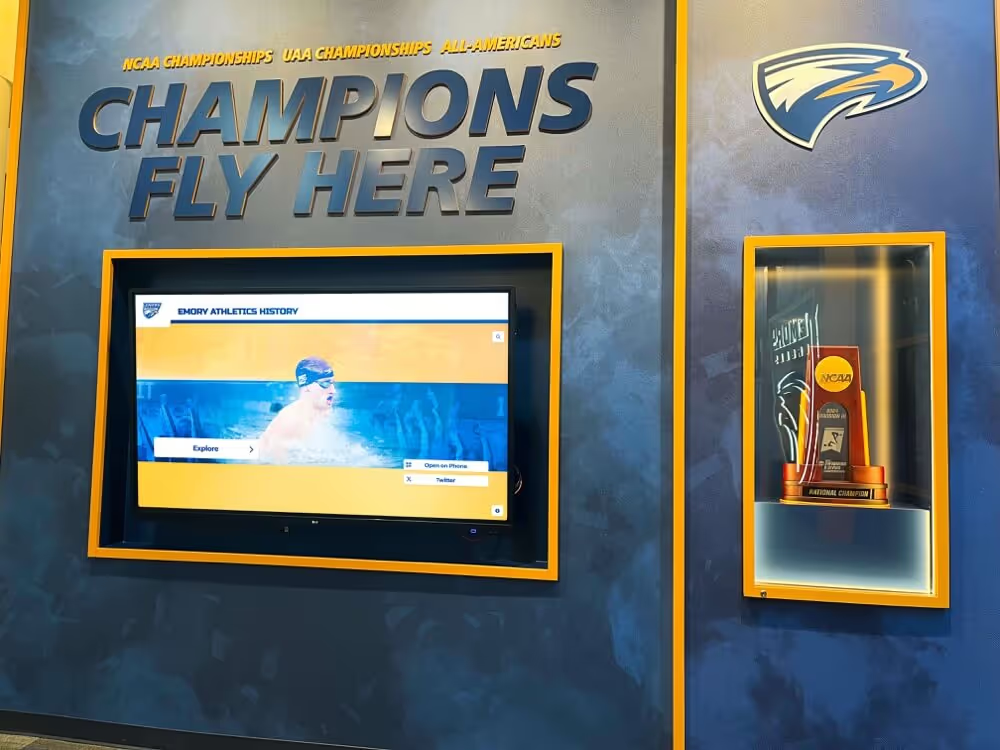
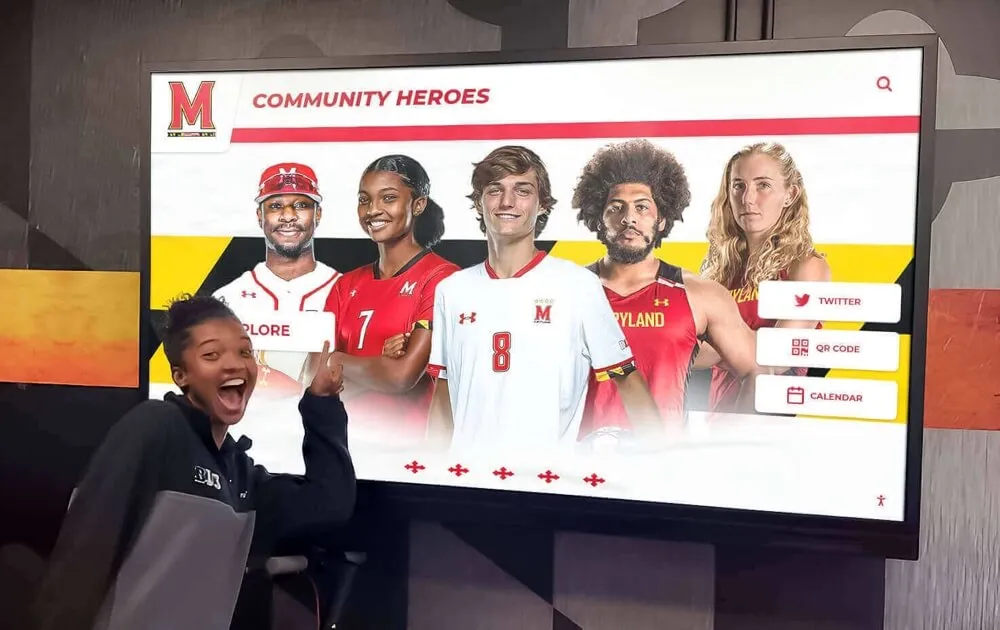
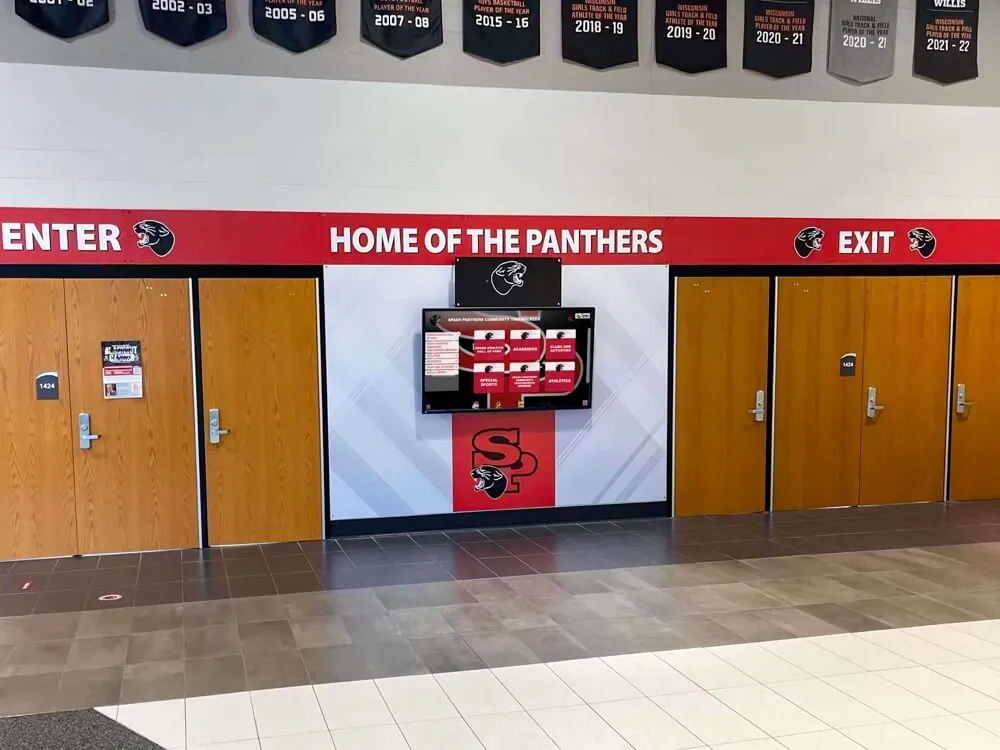
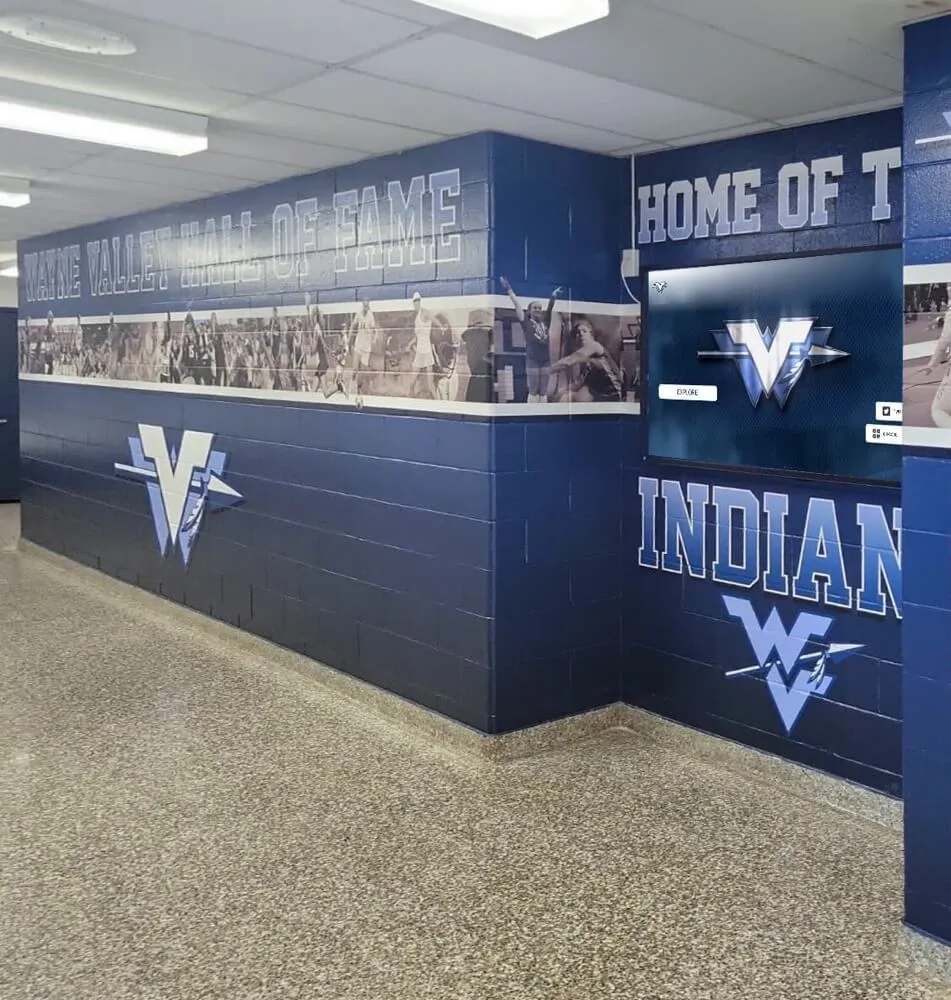
Well-maintained athletic facilities create environments where floor quality and recognition systems combine to celebrate program excellence
Refinishing Versus Replacement Decisions
Understanding when refinishing remains viable versus when replacement becomes necessary prevents wasting resources on inadequate solutions.
When Refinishing Works
Refinishing provides cost-effective restoration for floors with solid structural integrity, surface wear limited to finish and minimal wood damage, proper substructure without moisture or support issues, and adequate remaining wood thickness for sanding. Most properly-installed and maintained gymnasium floors can undergo multiple refinishing cycles throughout their lifespan, making refinishing the appropriate choice for routine maintenance addressing normal wear and deterioration.
When Replacement Becomes Necessary
Certain conditions indicate refinishing won’t adequately address underlying problems: extensive water damage causing widespread board deterioration, structural subfloor issues affecting levelness or stability, boards worn too thin from multiple previous refinishing cycles, widespread joint failure creating numerous gaps, or safety hazards that sanding and refinishing cannot remedy.
Professional floor assessment helps schools make informed decisions, preventing false economy from refinishing floors that truly require replacement while avoiding unnecessary replacement costs when refinishing would provide adequate restoration.
Comprehensive Cost Breakdown for Gym Floor Refinishing
Budget planning requires understanding all cost components, not just basic refinishing labor and materials.
Base Refinishing Costs
Core refinishing expenses vary based on floor size, condition, and finish specifications.
Per-Square-Foot Pricing
Professional gym floor refinishing typically costs $2-$4 per square foot for standard screening and recoating, $3-$6 per square foot for full sanding and refinishing, and $5-$8+ per square foot for specialized athletic floor systems or extensive repair work before refinishing.
A typical high school gymnasium of approximately 5,000-6,000 square feet therefore requires budgets of $10,000-$24,000 for screening and recoating, $15,000-$36,000 for complete sanding and refinishing, or $25,000-$48,000+ for comprehensive restoration including repairs.
These ranges reflect regional cost variations, contractor expertise levels, and specific project requirements. Obtain multiple detailed quotes from experienced gymnasium floor contractors specializing in athletic facilities rather than general hardwood flooring to ensure appropriate expertise and realistic budgeting.
What’s Included in Base Pricing
Standard refinishing costs typically include floor assessment and preparation, complete cleaning and debris removal, sanding to remove existing finish and surface damage, repair of minor board issues or gaps, application of multiple finish coats (typically 2-3), and game line painting in standard configurations.
Confirm exactly what each quote includes, as contractors vary in what they consider standard versus additional services. Detailed scope documentation prevents surprise expenses and ensures accurate budget-to-budget comparisons across competing proposals.
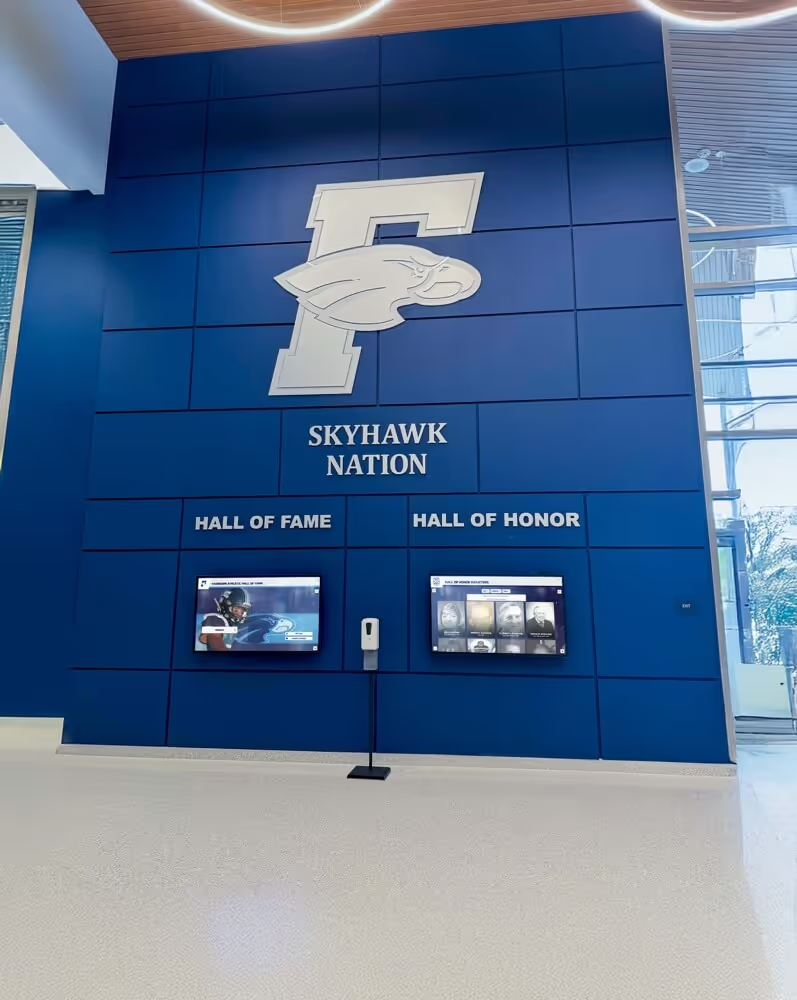
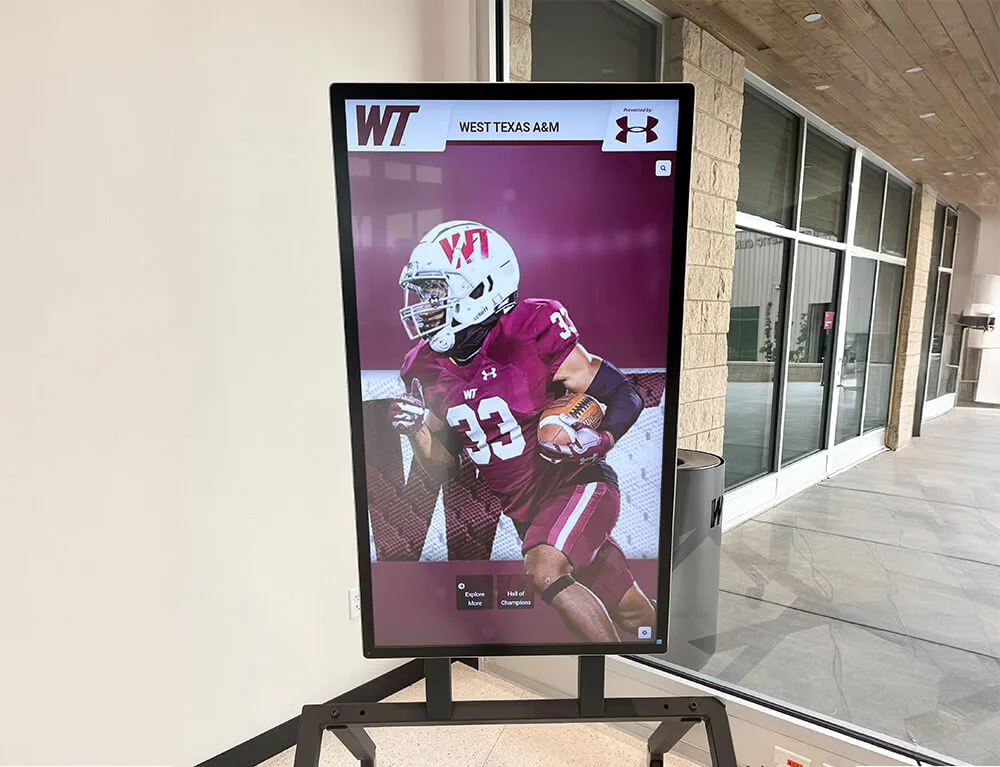
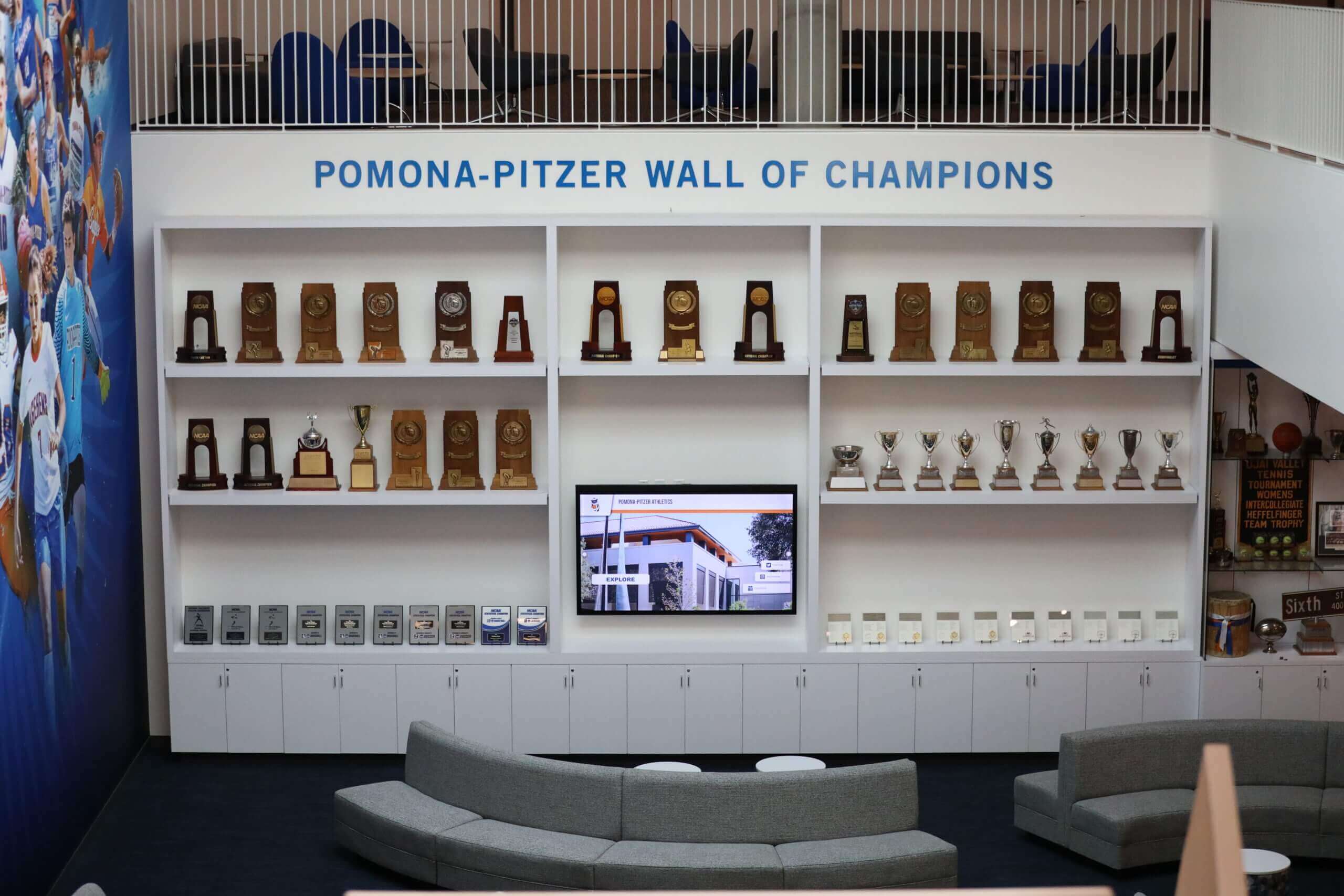
Gymnasium renovations create opportunities to enhance both floor quality and recognition systems celebrating athletic excellence
Additional Cost Considerations
Beyond base refinishing, several supplementary expenses affect total project budgets.
Logo and Custom Design Work
School logos, mascot graphics, and custom floor designs require specialized expertise beyond standard refinishing: center court logos range from $500-$2,000 depending on size and complexity, end zone or baseline graphics cost $300-$1,500 each, full-court custom designs with multiple colors reach $3,000-$8,000+, and specialized stenciling or intricate patterns require premium pricing.
Many schools coordinate logo updates during refinishing projects since floor preparation creates ideal conditions for applying new designs, and the incremental cost proves lower than scheduling separate logo work later requiring additional floor preparation.
Multiple Sport Line Configurations
Gymnasiums hosting various sports need multiple game line sets: basketball remains standard in most refinishing quotes, volleyball lines add $400-$800, badminton courts cost $300-$600, and specialized configurations for wrestling, futsal, or other activities increase costs further.
Clarify which line sets your program requires and confirm whether quotes include all necessary configurations or only standard basketball lines requiring additional charges for supplementary sports.
Floor Preparation and Repairs
Floors with significant damage require repair work before refinishing: board replacement for damaged sections costs $5-$15 per square foot, gap filling and joint repairs run $300-$1,000 depending on extent, moisture barrier installation when water damage occurred adds $1-$3 per square foot, and subfloor repairs for structural issues can add thousands to project costs.
Professional assessment before obtaining refinishing quotes helps identify repair needs, ensuring contractors provide accurate comprehensive pricing rather than base quotes that later increase when contractors discover issues during work.
Facility Preparation and Protection
Refinishing contractors require empty gymnasiums with adjacent spaces protected: equipment removal and storage may require labor or rental fees, wall padding removal and reinstallation adds time and cost, protecting adjacent hallways, locker rooms, and spaces from dust and fumes requires materials and labor, and ventilation equipment for finish curing may incur rental costs.
Clarify whether quotes include all preparation and protection work or whether schools must handle certain tasks, affecting true project costs and logistics coordination requirements.
Long-Term Cost Comparisons
Evaluating refinishing costs requires considering full lifecycle expenses rather than just immediate project budgets.
Refinishing Versus Replacement Economics
While refinishing costs $15,000-$40,000 for typical gymnasiums, complete floor replacement runs $80,000-$150,000+ for similar spaces. If properly maintained, quality gymnasium floors can undergo 3-4 refinishing cycles before requiring replacement, making proactive refinishing substantially more cost-effective than delaying maintenance until replacement becomes necessary.
Schools that implement regular refinishing schedules maximize floor lifespan while maintaining optimal playing conditions and professional appearance. Those that defer maintenance face accelerated deterioration ultimately requiring more expensive replacement sooner than properly-maintained floors.
Preventive Maintenance Reduces Costs
Beyond refinishing cycles, ongoing maintenance extends time between refinishing needs: daily dust mopping and regular cleaning prevents finish deterioration, immediate cleanup of spills and moisture prevents board damage, protective measures during non-athletic events reduce unnecessary wear, and climate control preventing extreme humidity fluctuations protects against warping and joint failure.
Schools with comprehensive floor maintenance programs typically extend refinishing cycles by 1-3 years compared to facilities with minimal maintenance, reducing annualized costs while maintaining better playing conditions throughout each cycle.

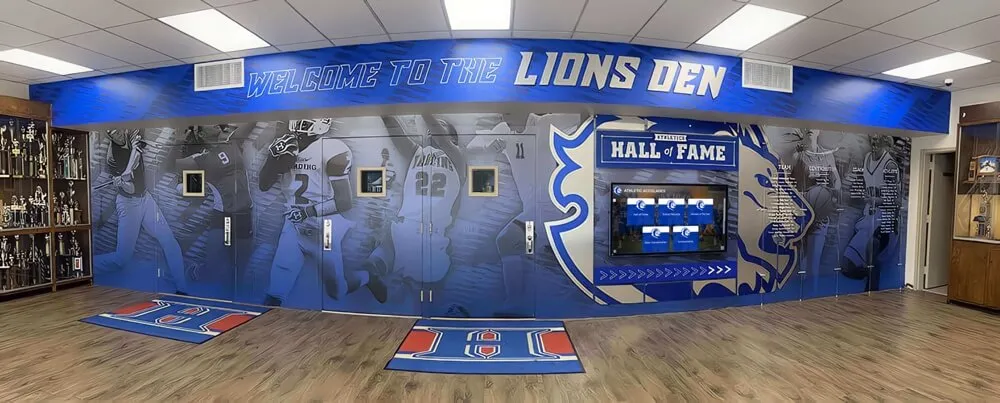
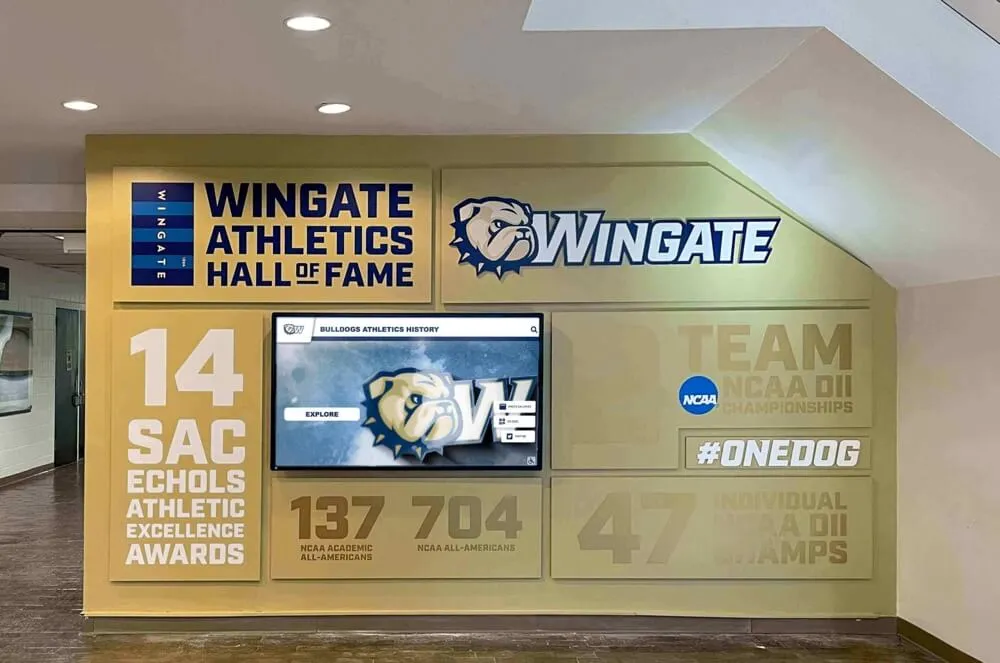
Strategic facility investments combine essential maintenance with recognition enhancements creating comprehensive athletic environments
The Gym Floor Refinishing Process Explained
Understanding refinishing stages helps schools plan logistics and set realistic expectations about timelines and facility availability.
Pre-Project Preparation Phase
Before contractors begin refinishing work, substantial preparation ensures efficient project execution.
Facility Clearing and Protection
All equipment, furniture, and materials must be removed from gymnasium floors: bleachers raised or moved to wall positions, basketball goals raised or removed if portable, floor padding and wall protection equipment removed, storage areas cleared if contractors need access, and adjacent spaces protected from dust and finish fumes with plastic sheeting or closed doors.
Many schools coordinate community volunteers or athletic teams for equipment moving, reducing costs while creating service learning opportunities. Clear timelines ensure all preparation completes before contractor arrival, preventing delays that extend project schedules.
Floor Assessment and Issue Documentation
Professional contractors conduct thorough floor evaluations identifying boards requiring replacement, joint gaps needing filling, moisture issues requiring barrier installation or investigation, substructure concerns affecting levelness or stability, and areas with excessive wear requiring additional sanding attention.
Comprehensive assessment before work begins prevents mid-project surprises, ensures accurate pricing, and allows schools to make informed decisions about repair scope before committing to full projects.
Sanding and Surface Preparation
The most labor-intensive and disruptive phase involves removing old finish and preparing bare wood.
Initial Rough Sanding
Large drum sanders remove existing finish and surface damage, operating in sequential passes with progressively finer abrasives. This stage generates substantial dust despite modern dust collection systems, requiring facility air handlers to be shut down and adjacent spaces sealed to prevent dust migration.
Rough sanding typically requires 1-2 days for average gymnasium floors depending on size, existing finish thickness, and damage severity requiring removal. Proper sanding requires experienced operators maintaining even pressure and avoiding dips or waves that would affect ball bounce and athlete safety.
Detail Work and Edge Sanding
After rough sanding, specialized equipment addresses areas large sanders cannot reach: edge sanders handle perimeter zones along walls, corners require hand sanding or small detail tools, and any floor irregularities get special attention ensuring completely level surfaces.
Detail work typically adds another day to project timelines but proves essential for professional results and optimal playing surface characteristics.
Fine Sanding and Screening
Final sanding passes with very fine abrasives create smooth surfaces ready for finish application. Screening rather than aggressive sanding in final passes prevents scratches while providing adequate texture for finish adhesion.
Between sanding and finish application, complete dust removal through vacuuming and tacking ensures no particles interfere with finish adhesion or create surface imperfections in final coats.
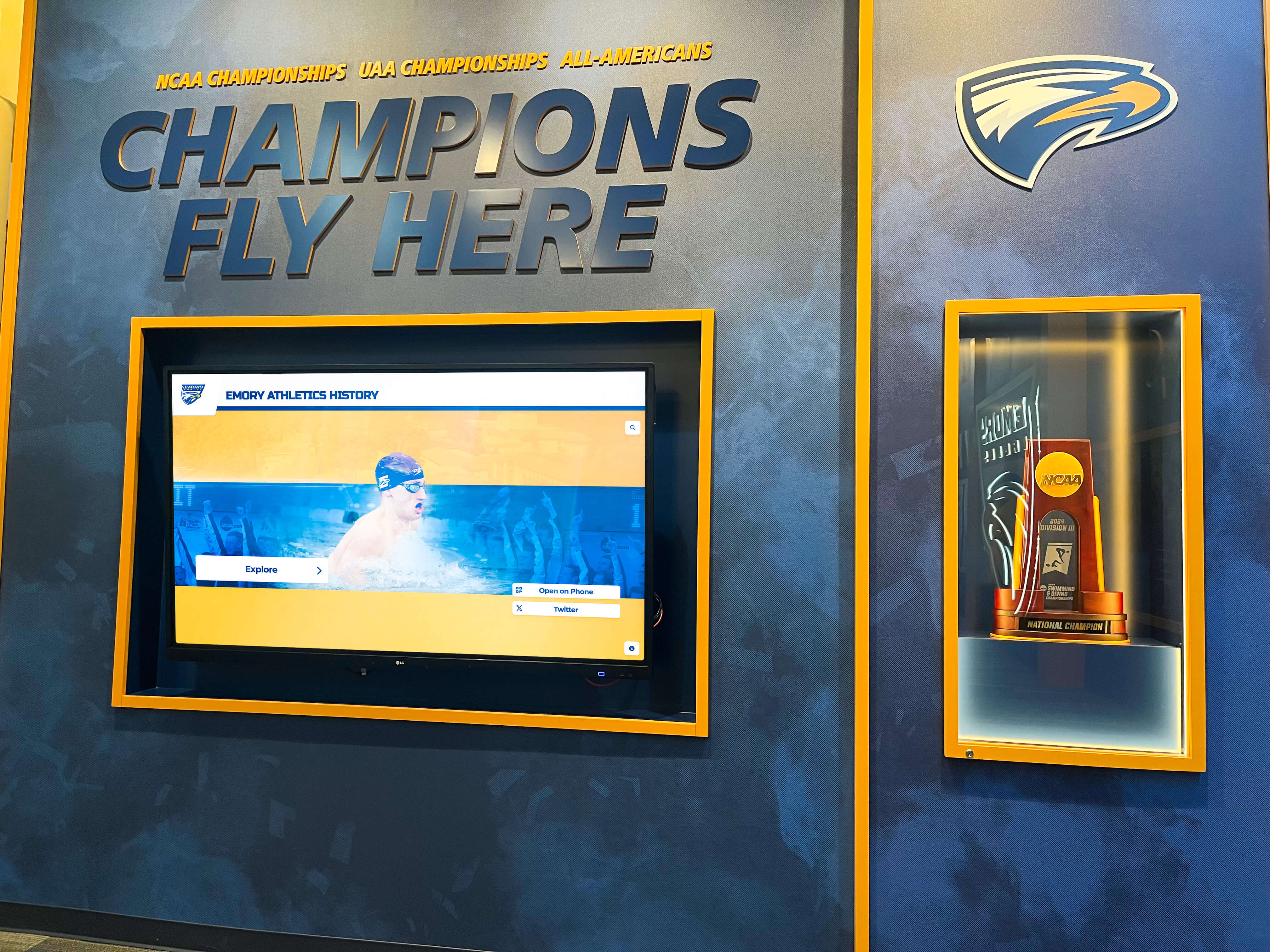
Modern athletic facilities integrate traditional floor quality with digital systems creating engaging environments celebrating achievement
Finish Application and Curing
Multiple finish coats create the protective surface that determines floor appearance, durability, and performance.
Seal Coat Application
Initial sealer coats penetrate wood grain, providing moisture barriers and foundation for subsequent finish layers. Seal coats typically dry within 2-4 hours before screening to prepare for finish coats, though contractors may allow overnight curing depending on humidity and temperature conditions.
Polyurethane Finish Coats
Modern gymnasium floors typically receive 2-3 polyurethane finish coats providing durability, moisture protection, and desired appearance characteristics. Each coat requires 4-6 hours drying before light sanding or screening to ensure proper adhesion of subsequent layers.
Water-based polyurethane finishes offer faster drying, lower odor, and easier cleanup compared to oil-based alternatives, though some athletic directors prefer oil-based finishes for durability characteristics. Discuss finish type options with contractors, understanding tradeoffs in drying time, odor, durability, and appearance.
Game Line Painting
After finish coats cure sufficiently, specialized tape and paint create game lines for various sports. Line painting requires precision ensuring accurate dimensions for competitive play and typically occurs between final finish coats, with additional protective clear coats applied over painted lines.
Custom logos or floor graphics require specialized stenciling techniques and may need multiple paint colors, extending this phase for elaborate designs.
Final Cure Time
While finish coats may be dry to touch within hours, complete curing before resuming normal floor use requires patience: light foot traffic typically permitted after 24-48 hours, equipment movement and setup after 3-4 days, and full athletic activities including practices and competitions after 5-7 days minimum.
Temperature and humidity significantly affect curing times, with optimal conditions accelerating the process and poor conditions requiring extended cure periods before floors can safely handle athletic activities without finish damage.
Optimal Timing Strategies for Minimal Disruption
Strategic scheduling minimizes impact on athletic programs and school activities while ensuring adequate project completion time.
Summer Break Refinishing Advantages
Most schools schedule gymnasium refinishing during summer breaks when facilities sit largely unused.
Extended Timeline Availability
Summer scheduling provides several weeks of facility downtime without disrupting athletic seasons, physical education classes, or school events. This extended window accommodates unexpected delays from weather humidity affecting curing, contractor scheduling changes, or discovered damage requiring additional repair time before refinishing proceeds.
Schools can schedule refinishing early in summer break ensuring completion before fall athletic practices begin, or later in summer after spring sport equipment storage and end-of-year events conclude, depending on facility use patterns and contractor availability.
Optimal Environmental Conditions
Many regions experience stable warm dry weather during summer months, providing ideal refinishing conditions: consistent temperatures support predictable curing times, lower humidity accelerates drying and curing, extended daylight hours enable longer work days, and ventilation through open doors or windows proves more feasible than during cold months.
However, excessive heat and humidity in some regions can complicate summer refinishing, requiring climate control and extended cure times. Discuss seasonal weather patterns with contractors to identify optimal windows in your specific climate.
Coordination With Other Facility Projects
Summer facility access enables coordination of multiple improvement projects: HVAC maintenance or upgrades, lighting improvements or energy-efficient retrofits, bleacher repairs or replacements, and comprehensive recognition system installations that transform gymnasiums into inspiring athletic environments.
Coordinating projects reduces total disruption compared to scheduling separate renovations throughout the year while enabling contractors to work efficiently without navigating around other ongoing activities.
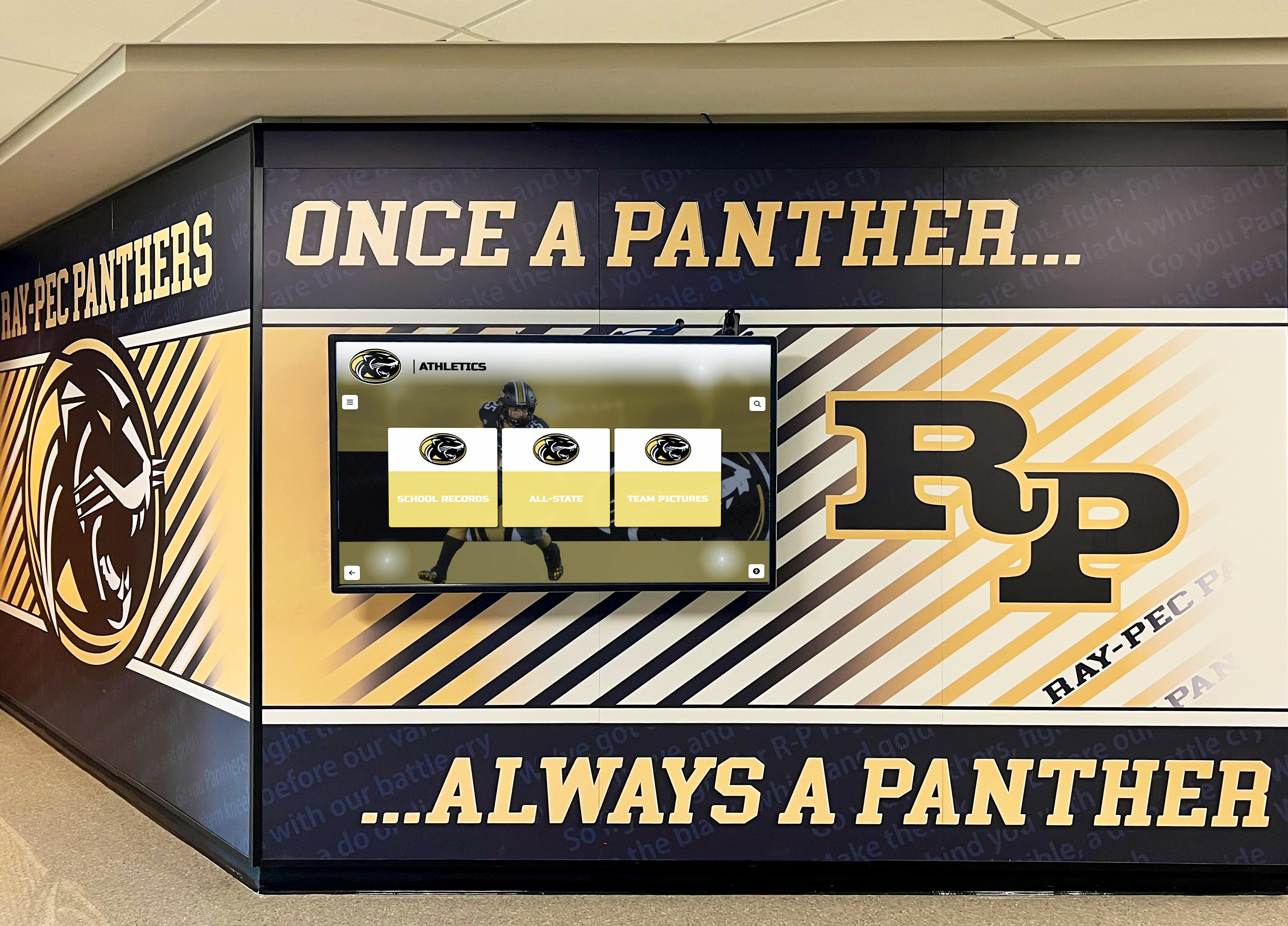
Facility renovations create opportunities for integrating modern recognition technology with traditional trophy displays
Alternative Scheduling Considerations
While summer proves most common, other timing strategies work for specific circumstances.
Extended Break Periods
Schools operating on alternative calendars or regions with extended winter breaks may schedule refinishing during these periods if weather permits adequate temperature and humidity control for proper curing.
Semester Transitions
One-week refinishing projects can potentially fit within semester break periods if absolutely necessary, though this tight timeline requires everything proceeding perfectly without delays or complications—a risky assumption for important facility investments.
Coordinating With Athletic Schedules
Schools with limited gymnasium space may need to coordinate carefully with athletic schedules: refinish after fall sports conclude but before winter basketball season, schedule during basketball off-season if other facilities can accommodate displaced activities, or work with athletic directors identifying the least disruptive timing considering all program needs.
Some schools with multiple gymnasiums can refinish one while maintaining activities in others, though this requires careful planning ensuring adequate space for all programs during renovation periods.
Planning for Displaced Activities
Gymnasium closures require alternative arrangements for affected programs and activities.
Alternative Practice Facilities
Athletic programs need practice spaces during refinishing: coordinate with community recreation centers, partner with nearby schools for shared facility use, consider temporary outdoor practices when weather and sport permit, or modify practice schedules using gymnasiums before or after contractor work hours when feasible.
Early communication with coaches enables creative problem-solving rather than last-minute scrambling when renovation timelines approach.
Physical Education Contingencies
PE classes require alternative arrangements during multi-week refinishing projects: outdoor activities when weather permits, alternative indoor spaces for modified curriculum, condensed units requiring gymnasium access scheduled around refinishing timeline, or coordinated facilities sharing with elementary schools or community partners.
Advance planning enables PE teachers to develop appropriate curriculum modifications rather than facing instructional gaps during facility closures.
Event Rescheduling
Any graduations, assemblies, or community events typically held in gymnasiums need alternative venues or rescheduling: coordinate community center or performing arts center rentals, move ceremonies to outdoor spaces with weather contingencies, or adjust event timing before refinishing begins or after completion.
Year-ahead facility calendars help identify all events requiring accommodation before finalizing refinishing schedules.
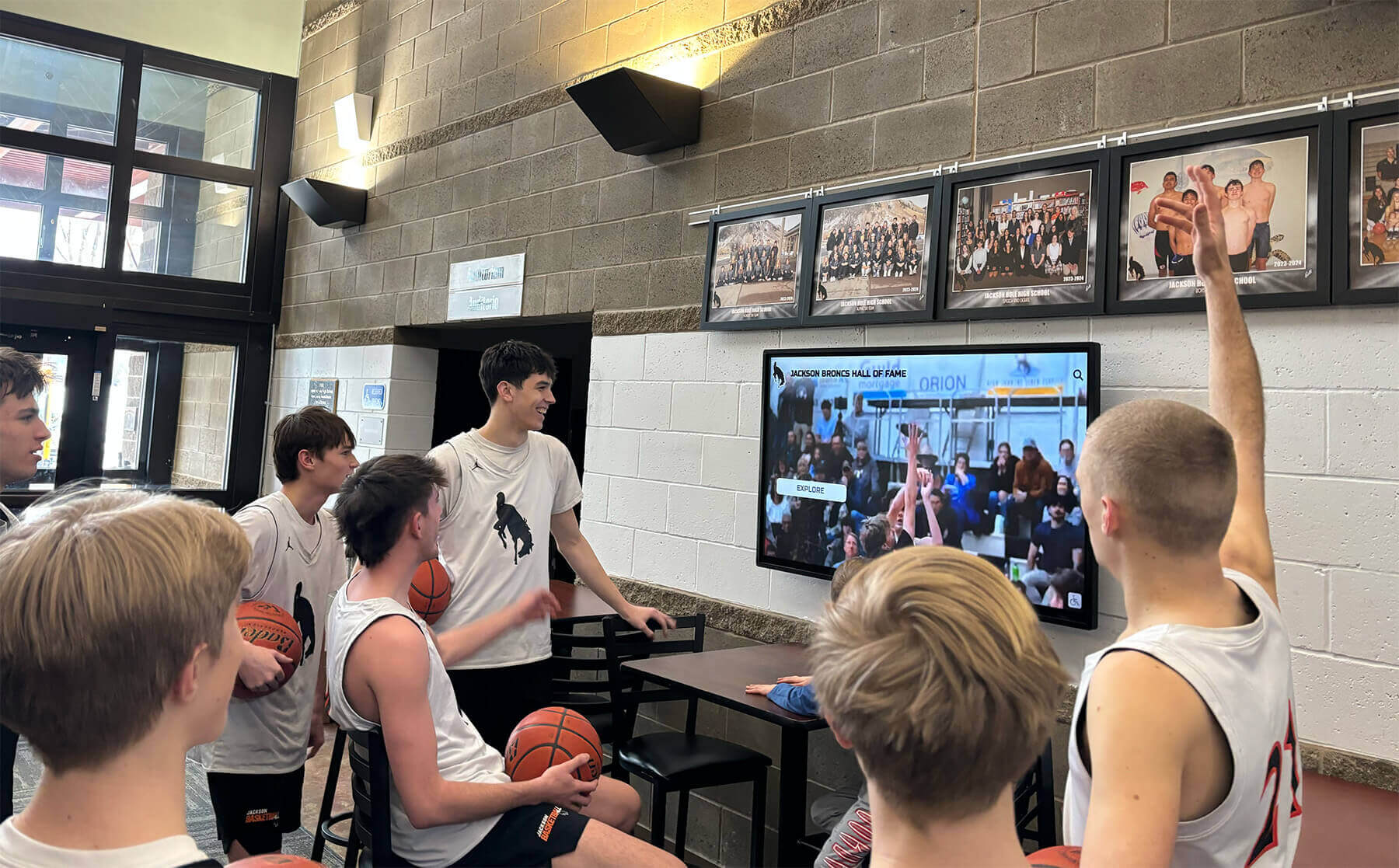
Modern recognition systems extend gymnasium celebration into hallways and lobbies creating year-round athletic pride and engagement
Maximizing Gymnasium Renovation Opportunities
Strategic schools view floor refinishing not as isolated maintenance but as catalyst for comprehensive facility enhancement.
Coordinating Complementary Facility Improvements
Multiple renovation projects coordinated together reduce disruption while achieving comprehensive facility transformation.
Lighting Upgrades and Energy Efficiency
Gymnasium closures during refinishing create ideal opportunities for lighting improvements: LED retrofits reducing energy costs while improving illumination quality, updated fixtures enhancing safety and visibility for athletes, lighting controls enabling multiple scenes for competitions versus practices, and addressing any code compliance or safety issues with existing systems.
Since lighting work requires facility closure anyway, coordinating with refinishing eliminates separate disruption periods while contractors can work efficiently without navigating around ongoing athletic activities.
Sound System and Audiovisual Enhancements
Modern gymnasiums benefit from quality sound systems and video capabilities: upgraded speaker systems providing clear announcements and music, video boards or displays for scoreboards and recognition, integration with digital recognition platforms celebrating achievements and building program pride, and audiovisual infrastructure supporting modern athletic program needs.
Coordinating AV work with floor refinishing enables running new wiring, mounting equipment, and testing systems without disrupting normal facility use or risking damage to freshly-refinished floors.
Bleacher Maintenance and Updates
Bleacher systems require periodic maintenance and safety inspections. Gymnasium closures provide opportunities for addressing bleacher needs: mechanical inspections and required maintenance, cleaning and refinishing of seating surfaces, safety compliance updates or repairs, and evaluating replacement needs for aging systems.
Some schools discover during floor refinishing that bleacher systems need replacement or major repairs, making coordinated scheduling essential for comprehensive facility improvement planning.
Updating Athletic Recognition and Branding
Facility renovations create natural opportunities for recognition system enhancements that transform gymnasiums into inspiring environments.
Championship Banners and Historical Recognition
Freshly refinished gymnasiums deserve recognition systems matching their renewed quality: updated championship banners celebrating team achievements, retired jersey recognition honoring distinguished athletes, conference championship acknowledgment, and historical timeline displays connecting current teams to program legacy.
These traditional recognition elements create inspiring environments while celebrating accomplishments that motivate current athletes and build program pride across school communities.
Digital Recognition Systems
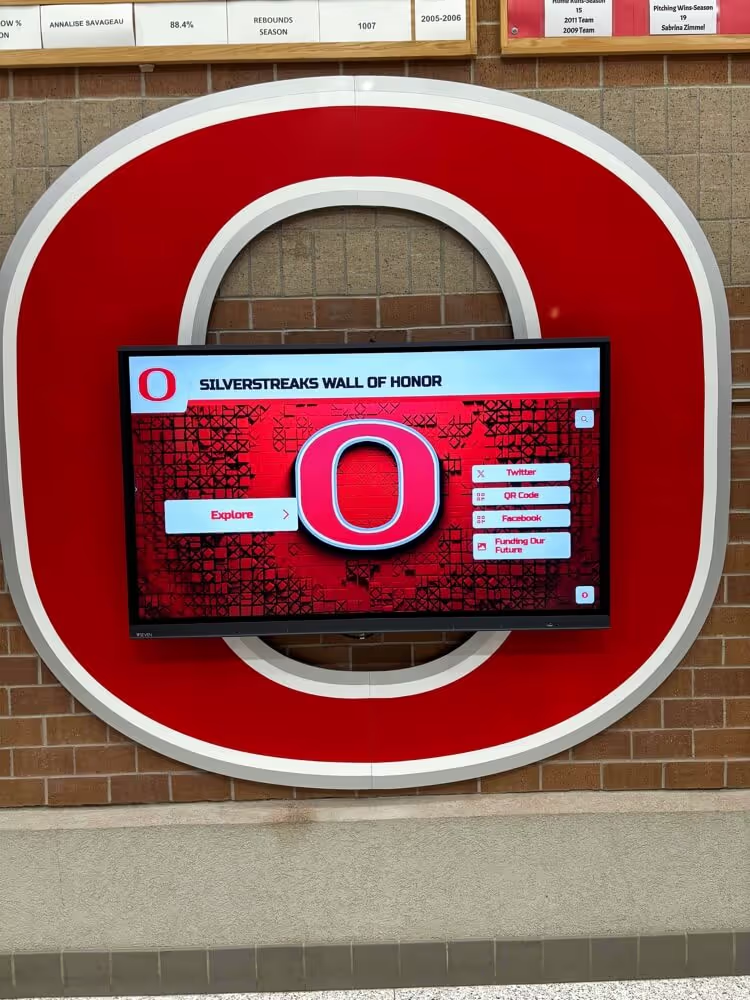
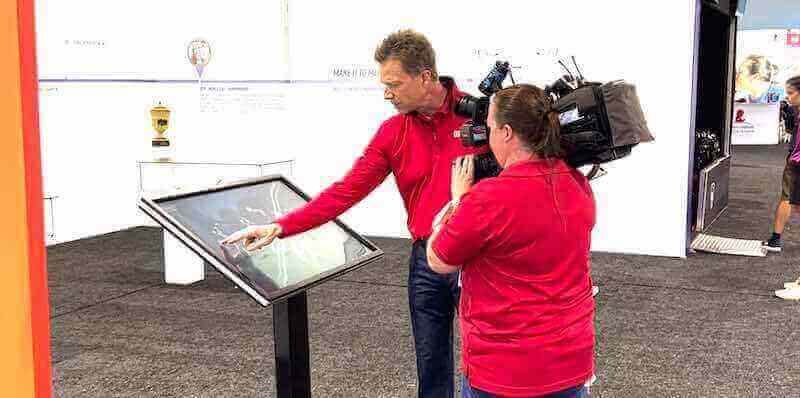
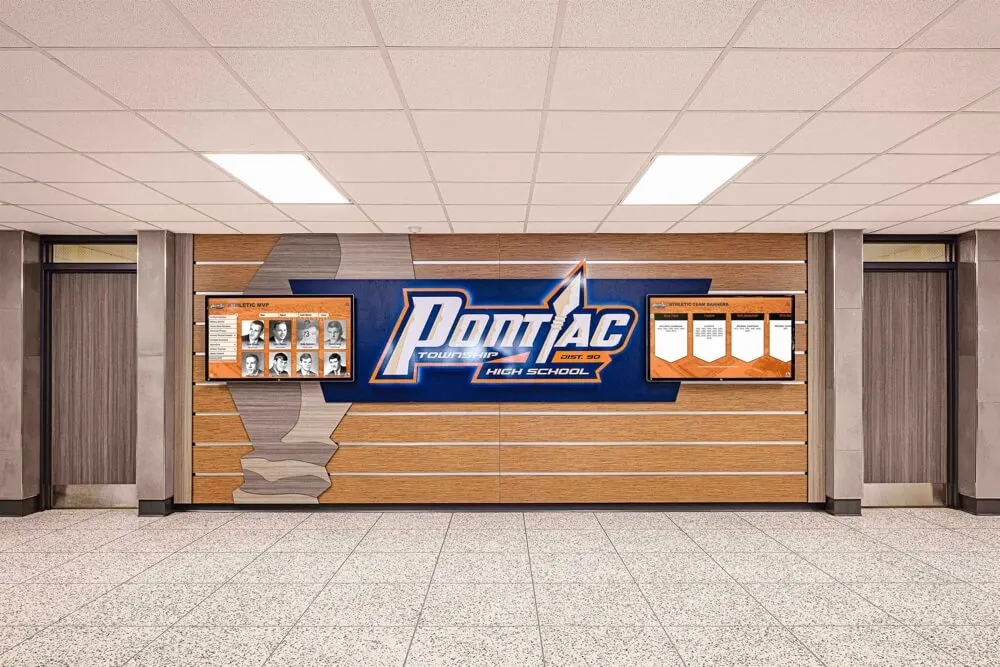
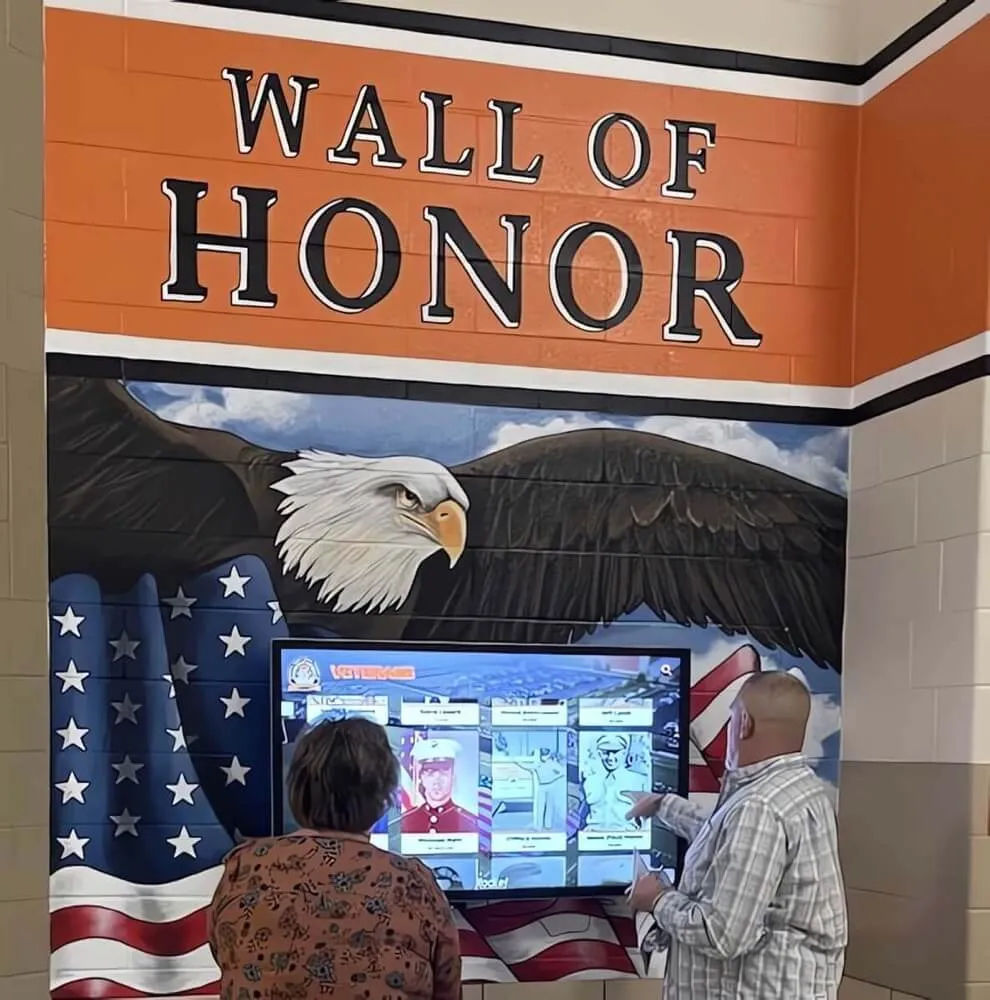
Modern recognition extends beyond static banners through comprehensive digital platforms: interactive touchscreen displays enabling exploration of complete athletic history, digital leaderboards showing current season standings and records, video highlight systems showcasing great moments and performances, and mobile-accessible recognition allowing athletes sharing achievements broadly.
Solutions like Rocket Alumni Solutions’ digital recognition platforms transform gymnasiums into engaging environments where recognition extends far beyond physical trophies, creating “digital warming” effects that activate communities through personalized, continuously updated content celebrating athletic excellence.
Record Boards and Achievement Displays
Updated facilities deserve comprehensive record documentation: sport-specific record boards positioned prominently, all-time achievement leaders across athletic programs, season record displays celebrating exceptional performances, and integration with digital systems enabling easy updates without physical plaque replacement.
Coordinating recognition updates with floor refinishing creates cohesive facility transformations where all elements reflect institutional pride and professional quality rather than piecemeal improvements spanning years with inconsistent aesthetics.
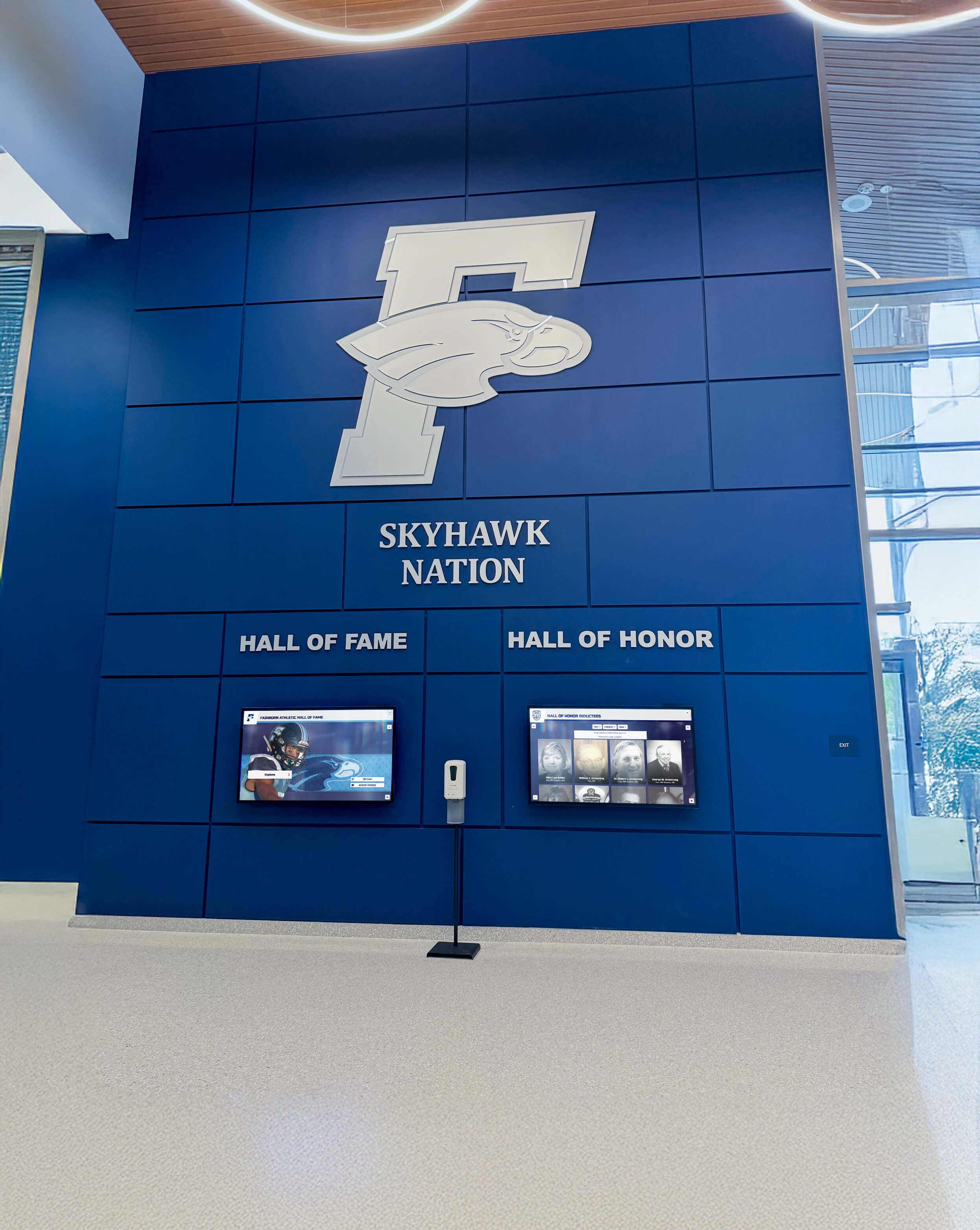
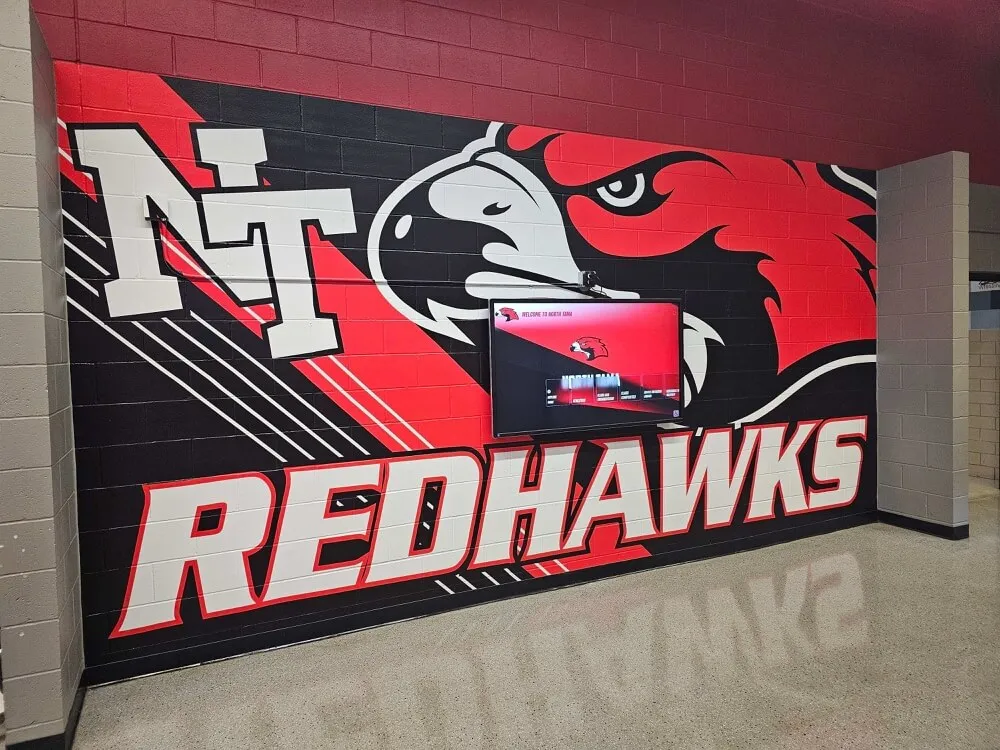
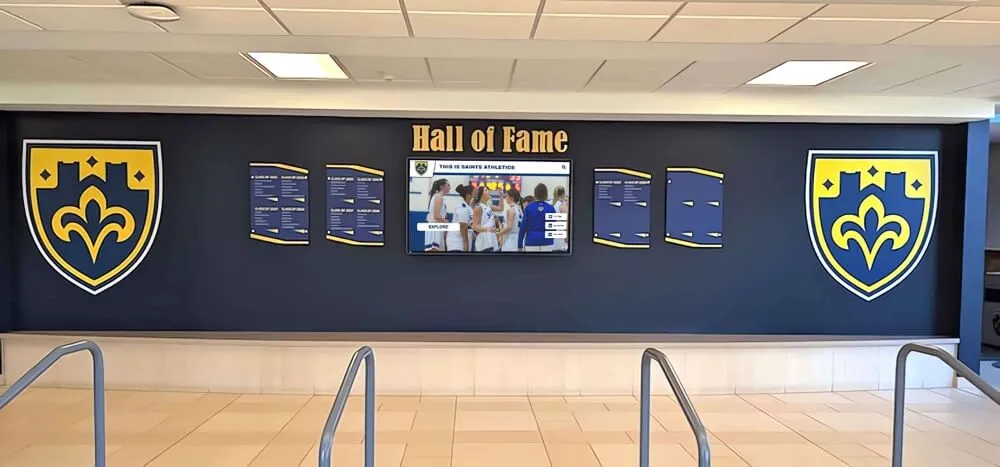
Professional recognition installations celebrate athletic achievement while creating inspiring environments throughout renovated facilities
Creating Comprehensive Athletic Environments
The most successful gymnasium renovations think beyond floor surfaces to create holistic athletic environments.
Cohesive Visual Branding
Coordinate all facility elements around consistent school branding: floor colors and logos matching wall graphics and banners, recognition systems using consistent design language and school colors, signage and wayfinding reflecting brand identity, and creating unified aesthetics that communicate program pride and professional quality.
Piecemeal improvements over years often create visual inconsistency diminishing overall impact. Comprehensive coordination during major renovations creates cohesive environments that feel intentionally designed rather than accumulated over time.
Multi-Purpose Functionality
Modern gymnasiums serve diverse functions beyond athletic competitions: community events and graduations, academic recognition ceremonies, fundraisers and school gatherings, and public assembly needs requiring flexible configurations.
Renovation planning should consider all facility uses, ensuring improvements serve comprehensive school needs rather than only athletic programs, maximizing return on facility investments through broad institutional benefit.
Long-Term Facility Planning
View current refinishing within larger facility development timelines: document remaining useful floor life before replacement becomes necessary, identify other major facility investments approaching in coming years, develop comprehensive facility improvement plans preventing reactive crisis maintenance, and establish maintenance budgets supporting proactive care that extends renovation cycles.
Strategic planning transforms reactive maintenance into proactive stewardship, reducing long-term costs while maintaining optimal facility conditions that serve programs and communities effectively.
Selecting Qualified Gymnasium Floor Contractors
Refinishing quality depends heavily on contractor expertise and professionalism.
Essential Contractor Qualifications
Not all hardwood flooring contractors possess appropriate gymnasium floor expertise.
Athletic Floor Specialization
General hardwood flooring contractors may lack critical knowledge about athletic floor requirements: proper subfloor systems and moisture barriers, finish products meeting slip resistance standards for safe athletic play, game line precision and sports-specific dimension requirements, and understanding of athletic performance characteristics affecting ball bounce and athlete movement.
Prioritize contractors with demonstrated gymnasium and athletic floor experience, requesting references from schools or recreation facilities they’ve served rather than contractors primarily serving residential or commercial hardwood flooring markets.
Proper Licensing and Insurance
Verify contractors maintain appropriate credentials: general contractor licenses required in your jurisdiction, liability insurance protecting schools from damage or injury claims, workers compensation coverage for contractor employees, and any specialized certifications from flooring manufacturers or industry associations.
Never proceed with uninsured contractors regardless of cost savings—the liability risks far outweigh any budget advantages if injuries or damage occur during projects.
Detailed Proposals and Contracts
Professional contractors provide comprehensive written proposals specifying complete scope of work with all included tasks, materials specifications including finish products and application processes, project timelines with key milestones identified, payment schedules tied to completion phases, and warranties covering workmanship and materials.
Vague proposals or reluctance to commit specifications to writing signal unprofessional operations that may create problems during projects. Clear documentation protects schools and contractors through explicit expectations and accountability.
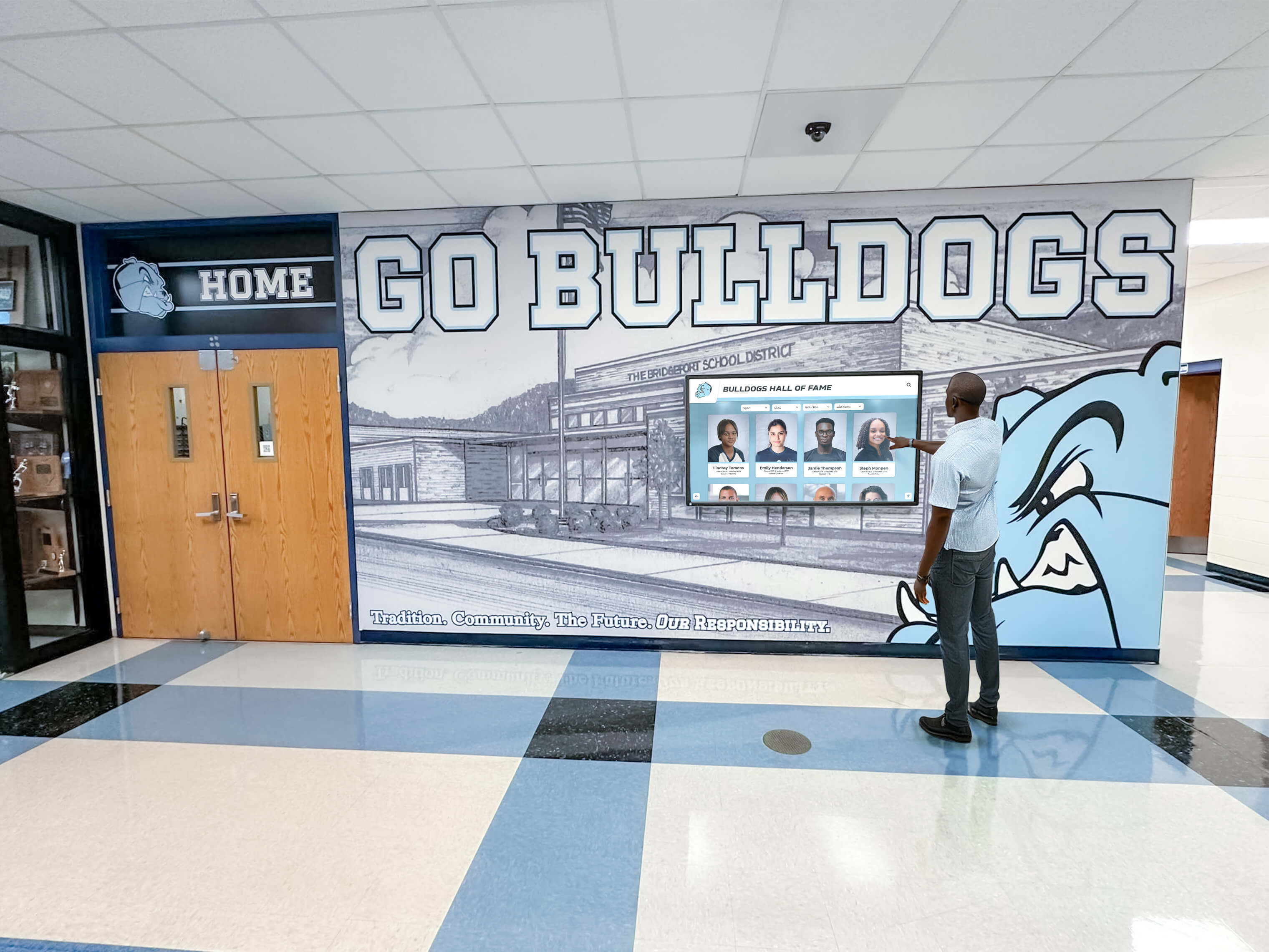
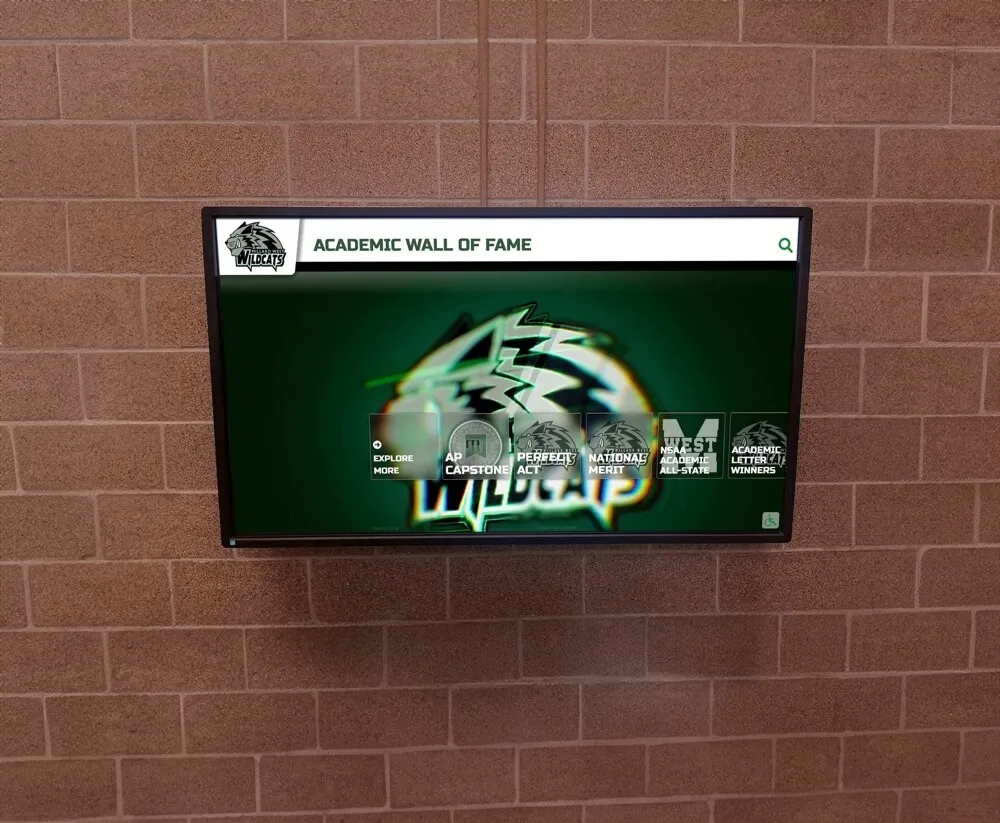
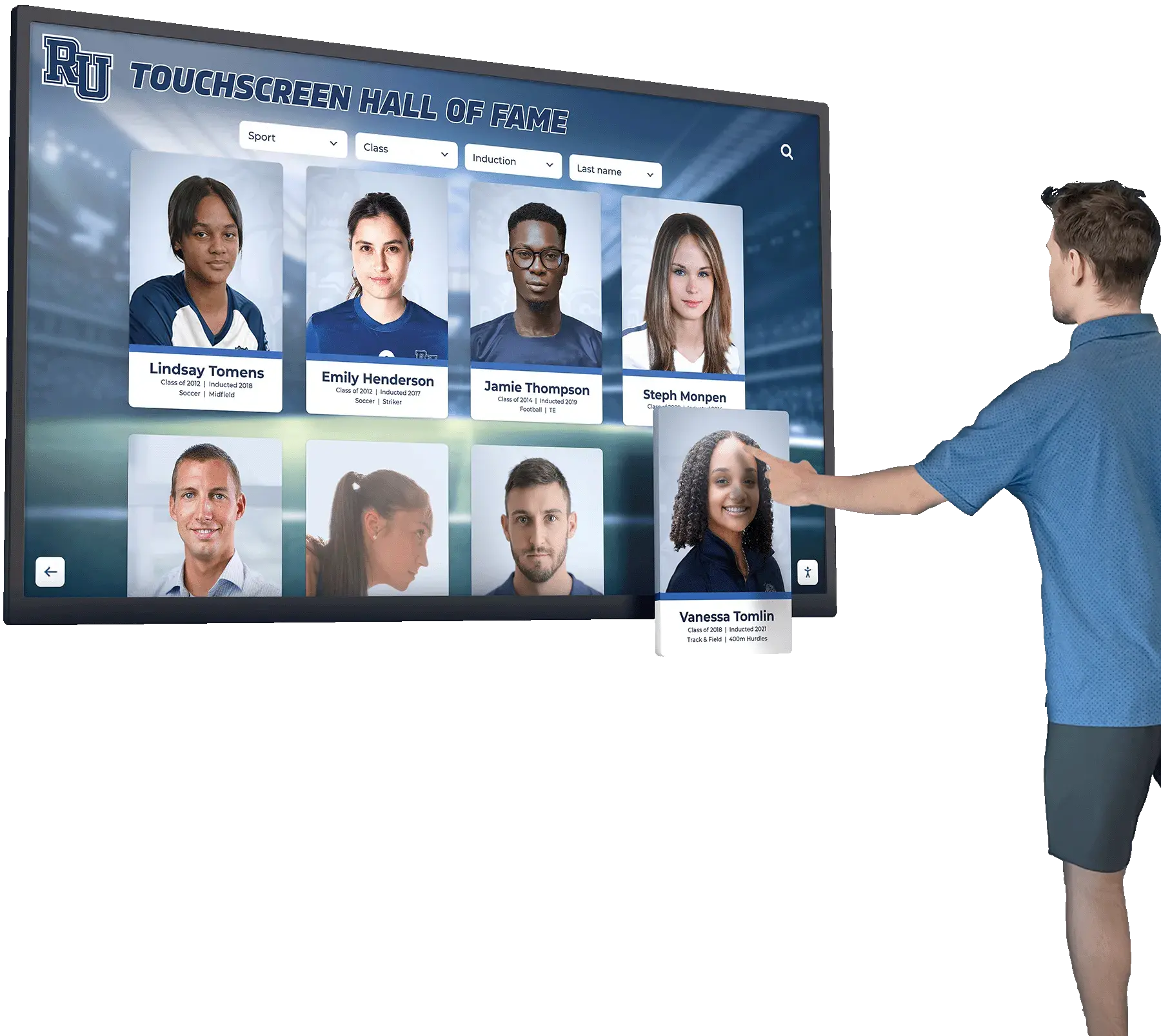
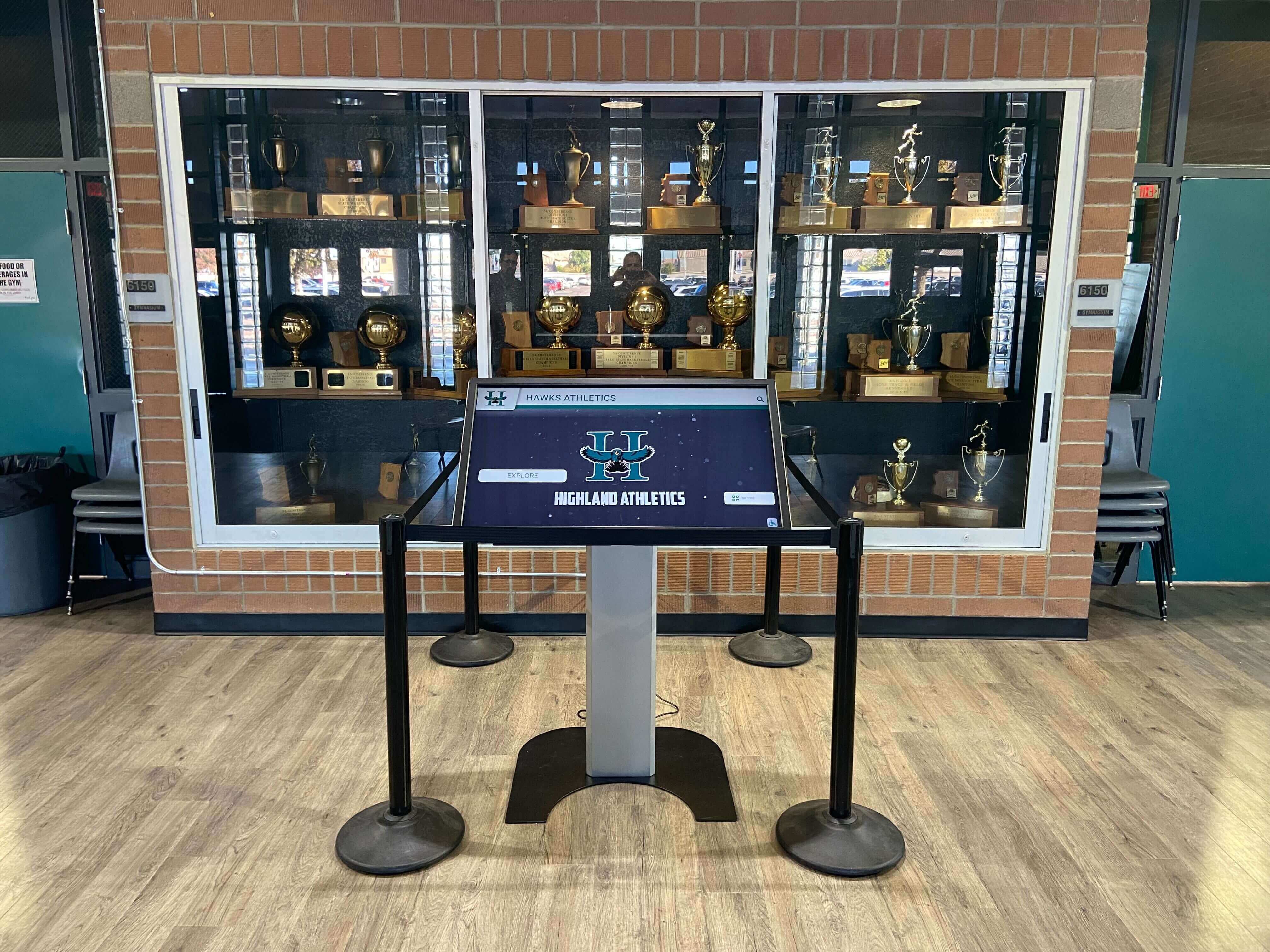
Touchscreen recognition systems enable year-round exploration of athletic achievements creating ongoing engagement beyond competitions
Evaluating Contractor References
References from previous clients provide invaluable insights about contractor performance and reliability.
School-Specific References
Request references specifically from educational institutions rather than general commercial clients. School projects involve unique considerations around scheduling, student safety, budget constraints, and institutional decision-making processes that differ substantially from corporate or residential work.
Contact references directly asking about schedule reliability, budget accuracy, problem-solving when issues arose, cleanup and facility protection quality, and overall satisfaction with completed projects and contractor professionalism.
Reviewing Previous Work
When feasible, visit completed projects to assess quality firsthand: examine floor finish quality and appearance, inspect game line precision and clarity, evaluate overall aesthetic results, and observe how floors are holding up after months or years of athletic use.
Direct observation reveals quality levels that photos or descriptions alone cannot communicate, enabling informed contractor selections based on demonstrated results rather than just proposals and promises.
Maintaining Refinished Floors for Maximum Longevity
Post-refinishing maintenance determines how long your investment maintains optimal condition before next refinishing becomes necessary.
Immediate Post-Refinishing Care
Proper care during initial weeks after refinishing proves critical for long-term durability.
Respecting Cure Times
Resist pressure to resume full activities before complete curing: follow contractor guidelines for phased activity resumption, avoid heavy equipment or sharp objects during initial cure periods, limit initial use to essential activities rather than maximum capacity, and protect new finishes from unnecessary wear during the vulnerable early curing phase.
Premature heavy use can damage finishes before they fully harden, requiring expensive repairs or accelerating deterioration that shortens time before next refinishing becomes necessary.
Establishing Protection Protocols
Implement protective measures for non-athletic events: require floor covers for any furniture or non-athletic equipment, prohibit street shoes with debris that could scratch surfaces, restrict food and beverages preventing spills on new finishes, and establish clear protocols for events using gymnasiums for non-athletic purposes.
Many schools create formal facility use policies requiring event organizers to acknowledge floor protection requirements, preventing damage from groups unaware of proper gymnasium floor care.
Ongoing Maintenance Best Practices
Daily and periodic maintenance extends refinishing cycles substantially.
Daily Cleaning Protocols
Consistent basic care prevents most finish deterioration: dust mop daily or after each use removing abrasive particles, damp mop periodically with proper floor cleaners designed for gymnasium finishes, address spills immediately preventing moisture penetration, and inspect for debris or damage requiring attention before problems worsen.
Many schools assign athletic teams to post-practice floor care, creating shared responsibility while teaching athletes proper facility stewardship building program pride and ownership.
Periodic Deep Cleaning
Beyond daily maintenance, regular deep cleaning maintains appearance and finish integrity: quarterly professional cleaning removing embedded dirt and residue, annual screening and recoating refreshing finish surfaces before significant wear develops, and comprehensive inspections identifying minor issues before they require expensive repairs.
Schools implementing comprehensive maintenance programs often extend refinishing cycles by 1-3 years compared to facilities with minimal care, substantially reducing annualized facility costs.
Environmental Controls
Climate control significantly affects floor condition and longevity: maintain consistent humidity levels preventing board warping or joint gaps, avoid temperature extremes that stress wood and finish, ensure adequate ventilation preventing moisture accumulation, and address any roof leaks or plumbing issues immediately preventing catastrophic water damage.
Facility systems supporting proper environmental conditions prove as important as refinishing quality for long-term floor performance and durability.
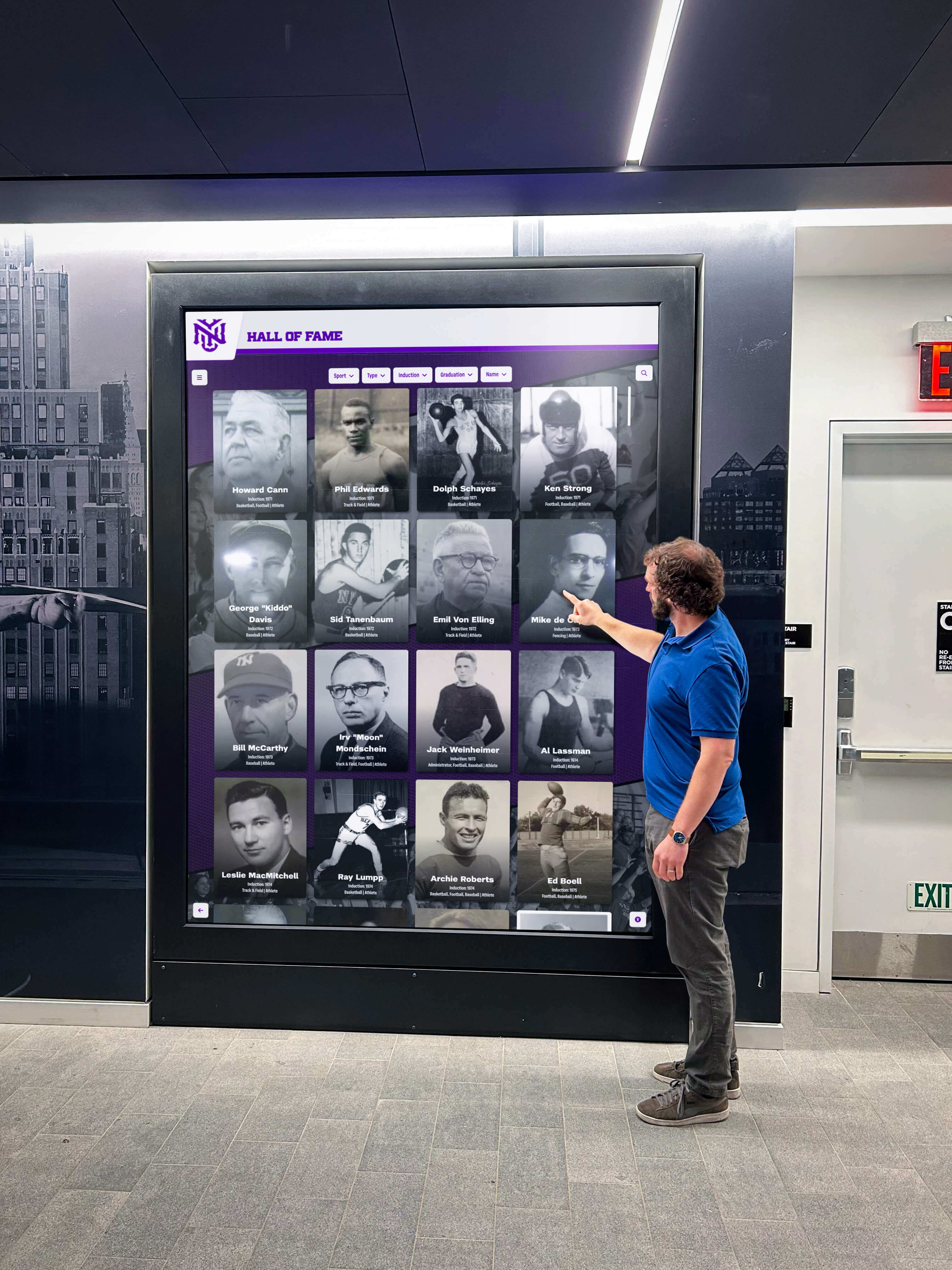
Interactive recognition systems create engaging exploration experiences for visitors, athletes, and families throughout facilities
Comprehensive Facility Investment Planning
Strategic schools view gymnasium refinishing within broader facility stewardship and program development contexts.
Linking Physical and Recognition Investments
The most effective facility improvements combine infrastructure with recognition creating inspiring comprehensive environments.
Unified Renovation Approaches
Rather than treating floor refinishing, lighting updates, and recognition systems as separate isolated projects, coordinate comprehensive renovations creating cohesive facility transformations: plan visual branding connecting floor graphics to wall murals and digital displays, coordinate contractor schedules minimizing total facility disruption, develop unified budgets for complete renovations rather than piecemeal funding, and create inspiring environments where all elements work together celebrating athletic excellence.
This comprehensive approach transforms gymnasiums from purely functional spaces into environments that motivate athletes, engage communities, and celebrate achievements building lasting program pride and institutional connection.
Digital Recognition as Permanent Infrastructure
While physical trophies accumulate and deteriorate over time, modern digital recognition platforms provide permanent scalable celebration infrastructure: unlimited capacity for recognizing achievements without physical space constraints, continuously updated content maintaining relevance and engagement, multimedia experiences far exceeding static plaques or banners, and mobile accessibility extending recognition beyond physical facility boundaries.
These systems create “digital warming” effects—transforming cold forgotten trophy storage into vibrant accessible celebration connecting communities through personalized athletic recognition that continues engaging athletes, families, and alumni long after competitive careers conclude.
Creating Community Gathering Spaces
Exceptional gymnasiums function as community anchors beyond just athletic competitions.
Multi-Generational Connections
Well-designed athletic facilities with comprehensive recognition systems connect generations: current athletes discovering predecessors who set records they now pursue, alumni returning to see their achievements preserved and celebrated, families exploring school athletic history together, and communities gathering in spaces that celebrate collective identity and institutional pride.
Facilities incorporating both quality physical infrastructure and meaningful recognition systems become destinations rather than merely functional spaces—places where community members want to spend time, explore history, and celebrate shared connections to institutions larger than individual graduating classes or athletic seasons.
Building Institutional Pride
Quality facilities communicate institutional values and priorities: investment in student athlete experience and safety, commitment to excellence reflected in professional environments, pride in athletic achievement and program tradition, and comprehensive student development valuing athletics alongside academics.
Conversely, deteriorated facilities communicate neglect or indifference regardless of administrators’ actual commitments. Proactive facility maintenance and thoughtful enhancement demonstrate genuine institutional priorities through actions rather than merely words or intentions.
Conclusion: Strategic Facility Investment for Lasting Impact
Gym floor refinishing represents significant financial investment requiring thoughtful planning around costs, timing, contractor selection, and coordination with complementary facility improvements. Yet schools viewing refinishing as mere maintenance obligation miss opportunities to transform essential infrastructure projects into comprehensive facility enhancements creating inspiring athletic environments that serve programs and communities for decades.
The strategies explored throughout this guide provide frameworks for successful refinishing projects: understanding deterioration indicators enabling proactive maintenance rather than crisis responses, comprehensive cost planning addressing all project elements beyond just base refinishing, realistic timeline expectations accounting for preparation, execution, and curing phases, strategic scheduling minimizing disruption to athletic programs and school activities, and coordination with recognition system upgrades creating cohesive facility transformations.
Beyond floor surfaces themselves, the most successful gymnasium renovations think comprehensively about athletic environment quality. Modern facilities combine quality playing surfaces with professional lighting, effective sound systems, and comprehensive recognition platforms celebrating achievement. These integrated approaches create environments that motivate current athletes through inspiration rather than just functional necessity, engage broader communities in athletic program support and pride, preserve institutional memory connecting generations through shared athletic tradition, and demonstrate genuine commitment to comprehensive student development.
Strategic facility investment extends far beyond immediate project costs, affecting athlete safety and performance, program pride and community engagement, institutional identity and reputation, and long-term cost management through proactive maintenance. Schools that implement comprehensive maintenance schedules, coordinate renovations strategically, and view refinishing as catalyst for broader facility enhancement maximize return on essential infrastructure investments while creating athletic environments worthy of student athlete dedication and community support.
Your gymnasium serves as visible symbol of institutional priorities and program values. Deteriorated floors communicate neglect regardless of administrators’ actual commitments. Conversely, well-maintained professional facilities with comprehensive recognition systems demonstrate genuine investment in student athlete experience, celebrate achievement inspiring current and future athletes, and create community gathering spaces building institutional pride extending far beyond athletic competitions themselves.
As you plan your gymnasium refinishing project, consider how this essential infrastructure investment can catalyze comprehensive facility transformation. Beyond restored floor surfaces, what recognition systems would celebrate your athletic achievements and build program pride? How might modern digital platforms extend recognition beyond physical trophy cases while creating engaging exploration experiences for athletes, families, and communities? What coordinated improvements during facility closure could maximize total renovation impact while minimizing disruption?
Ready to transform your gymnasium refinishing project into comprehensive facility enhancement celebrating athletic excellence while building lasting program pride and community engagement? Explore how digital recognition platforms create inspiring athletic environments that warm up cold trophy storage into vibrant accessible celebration connecting communities through personalized recognition worthy of student athlete dedication and institutional pride.