Graduation stoles represent one of academia’s most visible and meaningful symbols of recognition—those distinctive fabric sashes draped over graduates’ shoulders, announcing accomplishments that distinguished them throughout their educational journey. When hundreds of graduates process across stages wearing identical caps and gowns, stoles provide immediate visual identification of students who achieved academic honors, leadership positions, membership in prestigious organizations, or excellence in specific disciplines. These ceremonial accessories transform uniform graduation attire into personalized recognition statements celebrating individual dedication and achievement.
Yet despite their prominence at commencement ceremonies nationwide, many students, families, and even educators remain uncertain about graduation stole meaning—what different colors signify, who earns the right to wear them, how schools determine stole eligibility, and whether wearing multiple stoles is appropriate. This confusion intensifies as schools adopt varied stole systems reflecting local traditions, while national honor societies establish their own color standards, and cultural heritage stoles introduce additional layers of symbolic meaning.
Understanding these recognition symbols matters because graduation stoles represent more than decorative accessories—they embody values schools prioritize, achievements institutions celebrate, and traditions communities preserve across generations of graduates.
This comprehensive guide explores graduation stole meaning in detail, examining how schools use stole colors to recognize academic excellence, the specific achievements different stole colors represent, best practices for implementing effective stole programs, and modern approaches to preserving the accomplishments these ceremonial garments symbolize beyond a single commencement ceremony.

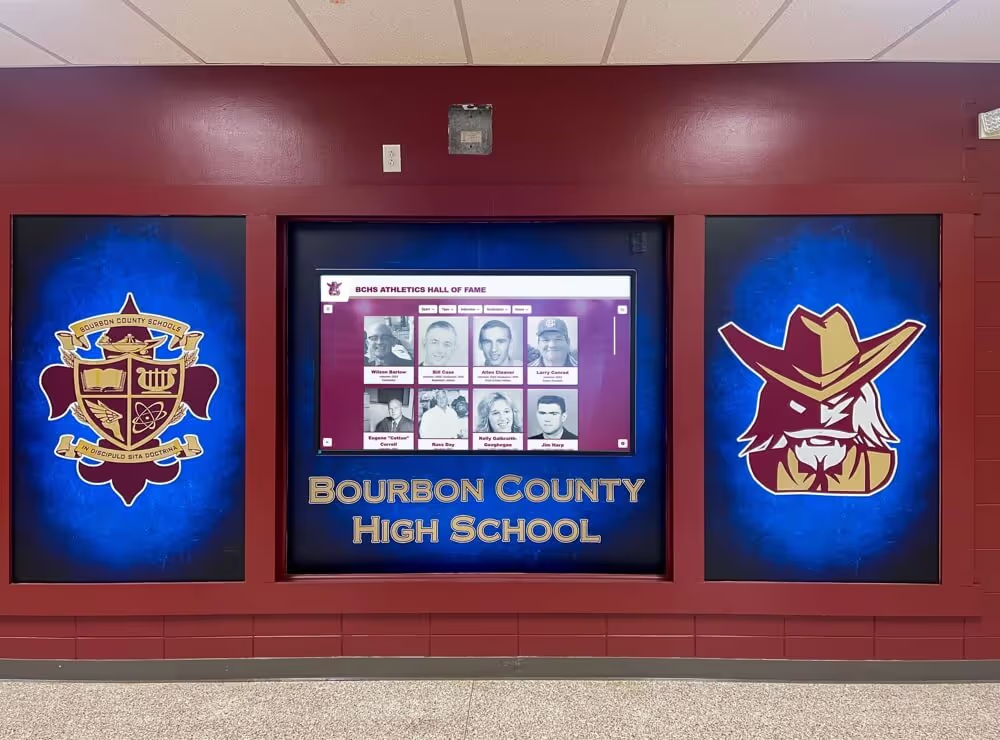
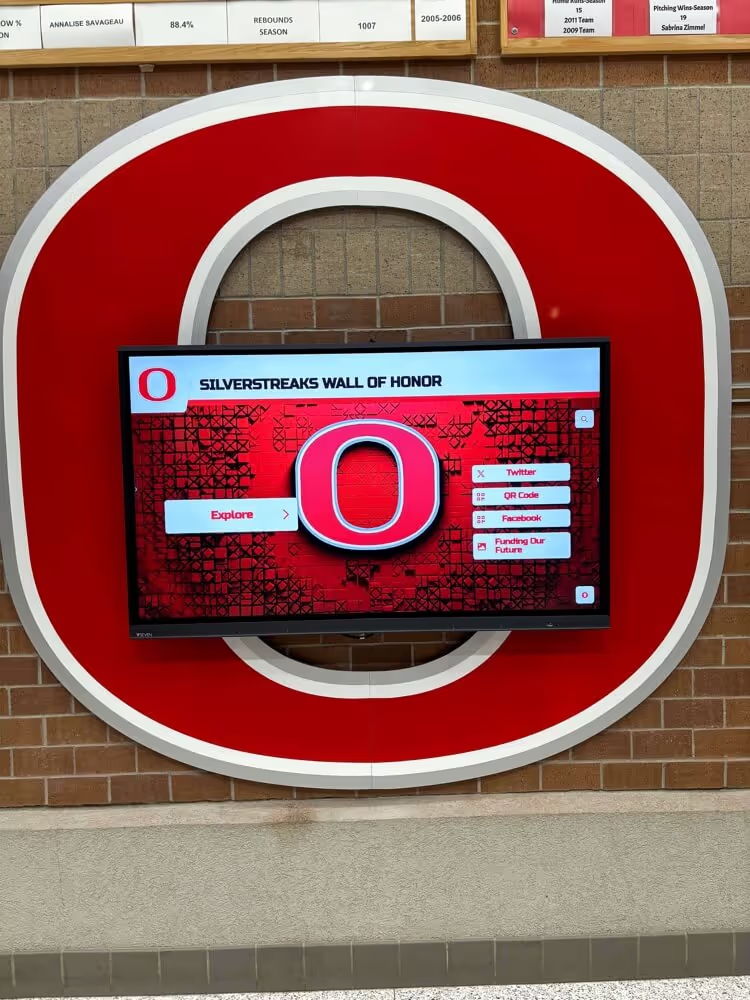
Schools celebrate academic achievement through various recognition methods, including graduation honors that students wear during commencement ceremonies
Understanding Graduation Stole Meaning and Significance
Graduation stoles carry symbolic weight extending beyond their aesthetic function, representing institutional recognition of achievement within academic traditions spanning centuries.
The Historical Origins of Academic Stoles
Academic stoles evolved from ecclesiastical vestments worn by medieval clergy and scholars, when universities maintained close connections with religious institutions. The original stoles—long strips of fabric worn around the neck and shoulders—designated rank, authority, and scholarly achievement within religious and academic hierarchies.
Modern graduation stoles retain this symbolic association with distinction and accomplishment, though their meaning has evolved to represent secular academic achievement rather than religious authority. The tradition of using specific colors to denote different achievements reflects medieval heraldic practices where colors carried specific symbolic meanings. This historical foundation explains why graduation stoles remain such powerful recognition symbols—they connect contemporary graduates to centuries of academic tradition while celebrating individual modern accomplishments.
How Graduation Stoles Differ from Cords and Sashes
Many people confuse graduation stoles with honor cords or sashes, though each accessory serves distinct recognition purposes.
Graduation Stoles
Stoles are long fabric strips worn around the neck and draped evenly over both shoulders, hanging down the front of graduation gowns. They typically measure 60-80 inches in length and 4-6 inches in width. Schools and organizations use stoles to recognize major achievements such as academic honors (cum laude, magna cum laude, summa cum laude), honor society membership, departmental excellence, or cultural heritage. Students generally wear stoles for the most significant distinctions earned during their academic careers.
Honor Cords
Honor cords consist of intertwined ropes with tassels on each end, worn similarly around the neck but appearing more ornamental than stoles. Schools frequently use cords for secondary recognitions such as specific academic awards in high school, club memberships, or departmental achievements. Students often wear multiple cords simultaneously, creating layered visual recognition of various accomplishments.
Sashes
Sashes are wider fabric bands worn diagonally across the torso from one shoulder to the opposite hip. Organizations typically use sashes for leadership positions, pageant titles, or cultural recognitions requiring larger display areas for text or emblems.
Understanding these distinctions helps schools develop coherent recognition systems where different accessories represent achievement hierarchies clearly visible during graduation ceremonies.
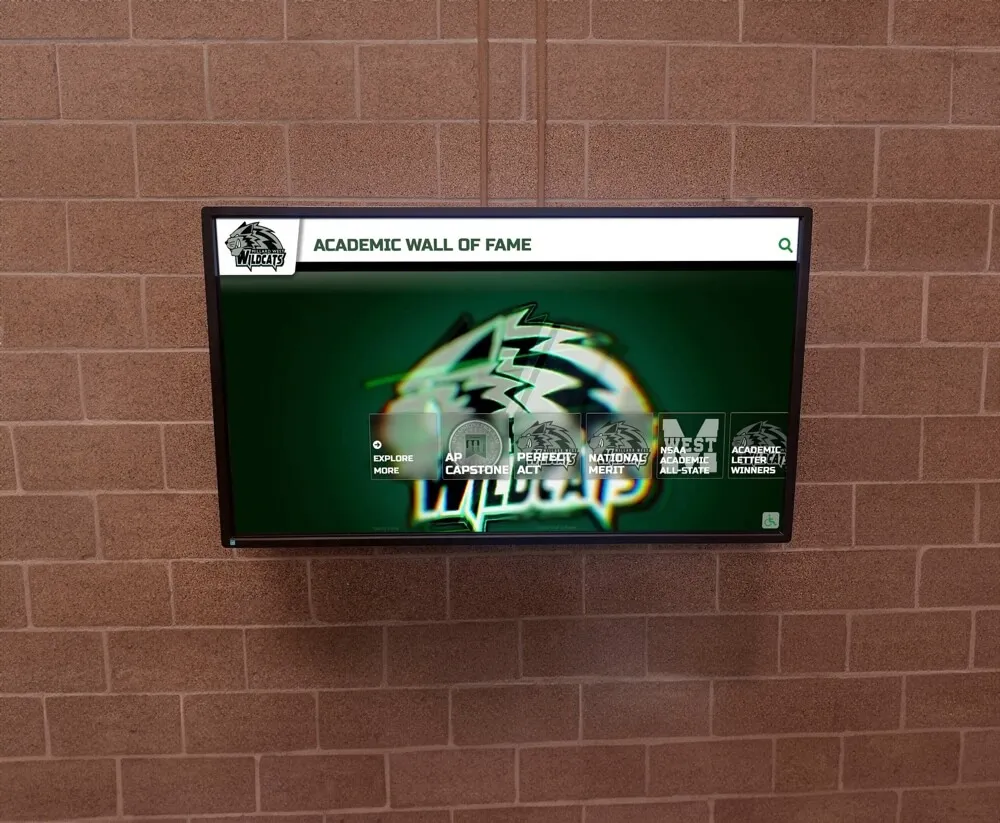
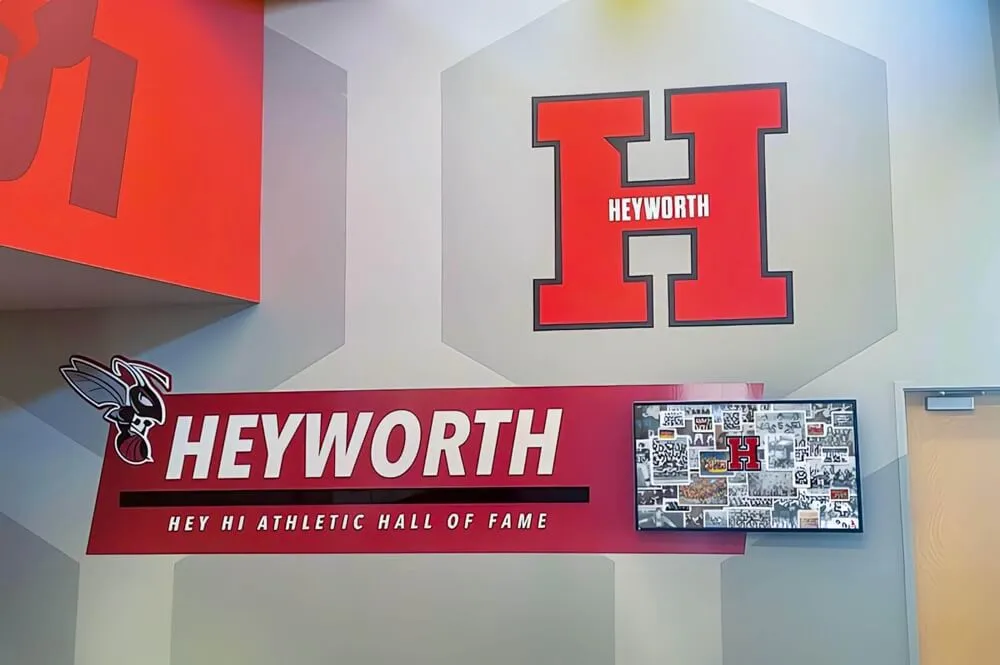
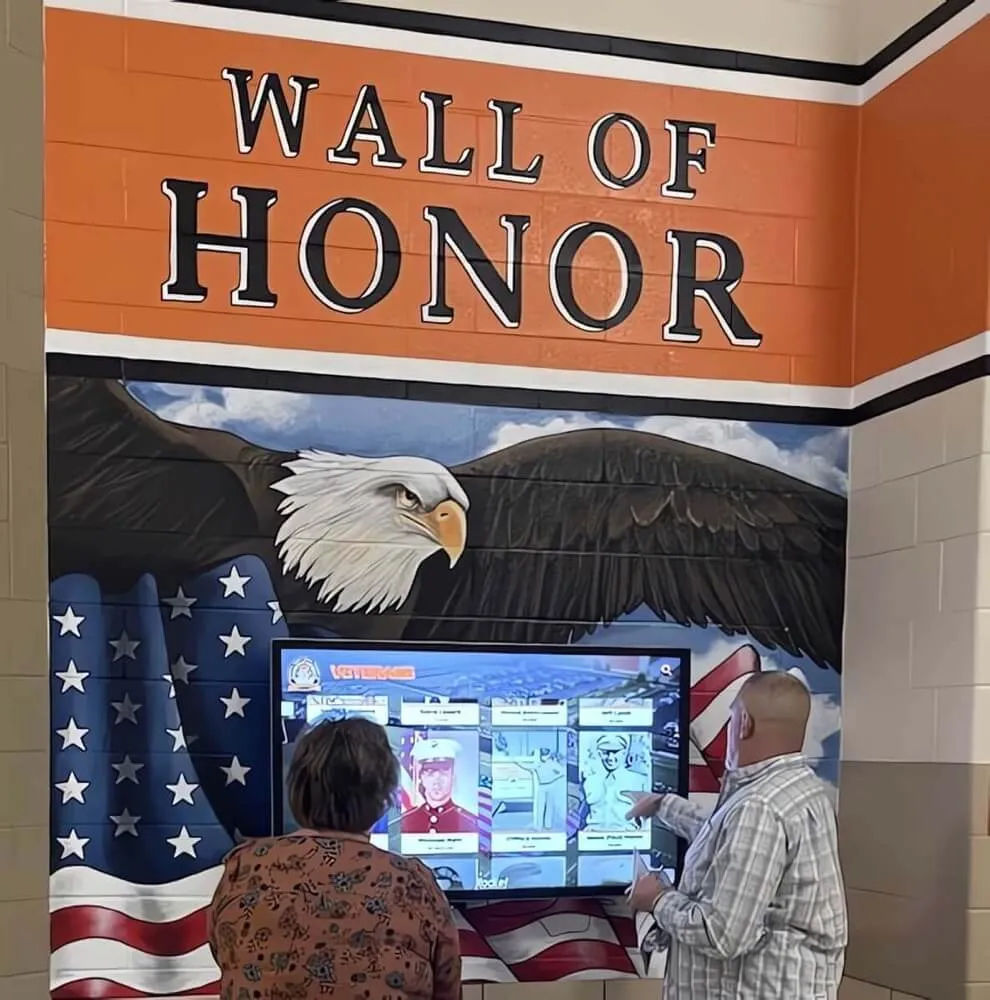
Permanent recognition displays complement graduation stoles by celebrating academic achievement throughout the school year
Common Graduation Stole Colors and Their Meanings
Graduation stole colors follow both established conventions and local traditions, with certain colors carrying widely recognized meanings while others reflect individual institutional practices.
Standard Academic Honor Stole Colors
Many high schools and universities use consistent color schemes for general academic achievement levels.
Gold or Yellow Stoles
Gold represents the most common stole color for general academic honors, symbolizing achievement, excellence, and scholarly success. Many schools award gold stoles to students graduating with honors based on GPA thresholds—typically students maintaining 3.5 or higher grade point averages. The association between gold and academic excellence reflects the metal’s historical symbolic value representing high quality and top-tier achievement. Schools implementing recognition program best practices often use gold stoles as their primary academic distinction marker.
White Stoles
White stoles frequently denote students graduating with highest honors (summa cum laude) or valedictorians, though some schools reserve white for specific programs or achievements. The color white symbolizes purity, distinction, and ultimate achievement within academic contexts. At institutions using tiered honor systems, white often represents the pinnacle academic category, awarded only to students meeting the most rigorous achievement standards.
Royal Blue or Navy Stoles
Blue stoles commonly recognize leadership positions, student government officers, or distinguished service to school communities. The color blue traditionally symbolizes wisdom, confidence, and stability—qualities associated with effective leadership. Schools may award blue stoles to class officers, student council members, or students demonstrating exceptional commitment to community service throughout their academic careers.
Red Stoles
Red graduation stoles often recognize achievements in specific disciplines—particularly education, journalism, or public service fields. Some schools use red to honor students receiving departmental awards or recognition for outstanding performance in specific academic subjects. The vibrant nature of red makes it highly visible during graduation ceremonies, appropriately drawing attention to specialized achievements.
Honor Society Specific Stole Colors
National and international honor societies maintain distinctive stole colors representing membership in their prestigious organizations.
National Honor Society (NHS)
National Honor Society members traditionally wear gold stoles or gold cords, reflecting the society’s emphasis on scholarship, leadership, service, and character. Some chapters combine gold and white or use stoles featuring NHS emblems.
National Beta Club
Beta Club members wear blue and gold stoles representing their commitment to academic achievement, leadership, and service. The two-color combination distinguishes Beta Club recognition from single-color honor designations.
Science National Honor Society
Science NHS uses royal blue stoles symbolizing the depth and precision of scientific inquiry. Members must maintain high academic standards in science coursework while demonstrating commitment to scientific literacy and research.
Mu Alpha Theta (Mathematics Honor Society)
This mathematics honor society employs blue and gold stoles, combining symbols of wisdom and excellence appropriate for mathematical achievement recognition.
Discipline-Specific Honor Societies
Numerous subject-specific honor societies use distinctive stole colors: Thespian Society (blue and gold), Tri-M Music Honor Society (various colors by chapter), Rho Kappa Social Studies Honor Society (blue and white), and Spanish National Honor Society (red and gold). Each color combination reflects the organization’s values and the discipline’s traditional symbolic associations.

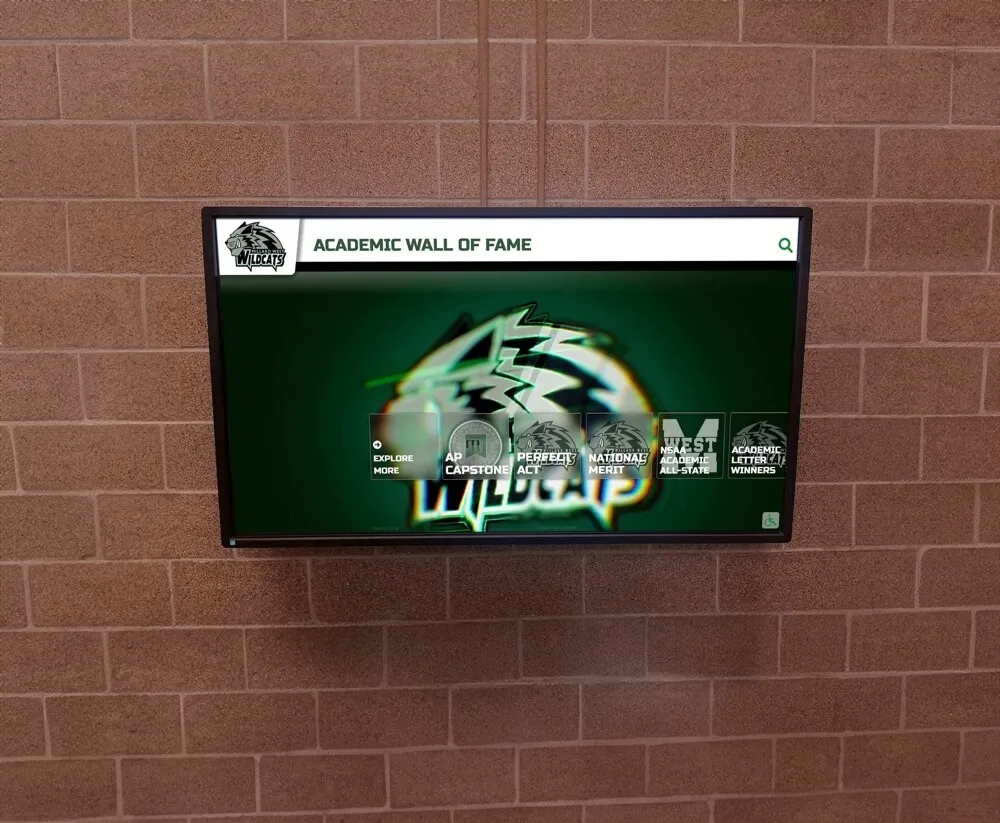
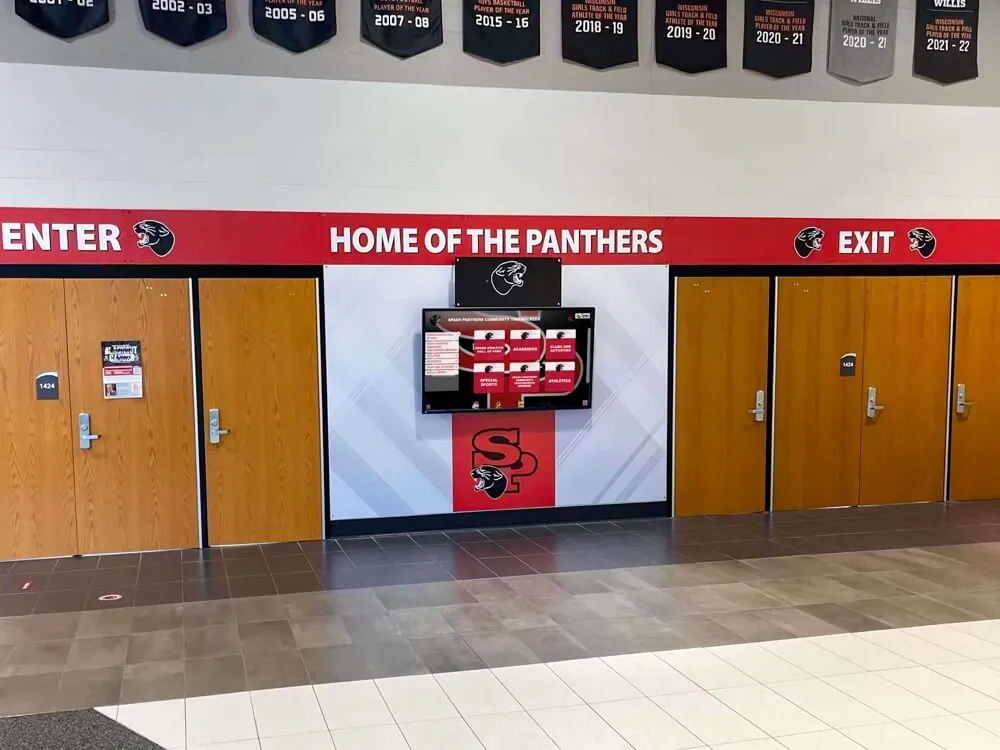
Interactive displays allow students to explore their school's recognition traditions and achievement history
Cultural and Heritage Stoles
Beyond academic achievement, many students wear stoles representing cultural heritage, identity, and community connections.
Latinx Graduation Stoles
Students of Latin American heritage frequently wear stoles featuring their country’s flag colors or pan-Latin American symbolism. These stoles celebrate cultural identity while honoring the support of families and communities throughout students’ educational journeys. Colors vary by specific heritage—Mexican heritage stoles might incorporate green, white, and red; Puerto Rican heritage stoles feature red, white, and blue; and pan-Latinx stoles may use various color combinations celebrating broader cultural connections.
African American/Black Excellence Stoles
Black graduation stoles or stoles featuring Pan-African colors (red, black, and green) celebrate African American heritage and achievement. Kente cloth stoles—traditional African textile patterns—represent particularly meaningful symbols connecting graduates to ancestral traditions while celebrating contemporary academic success. These stoles acknowledge both individual achievement and the historical struggles and triumphs of African American communities in accessing educational opportunities.
Indigenous Heritage Stoles
Native American and Indigenous students wear stoles featuring tribal-specific designs, colors, and symbols representing their nations and communities. These custom stoles honor Indigenous traditions, languages, and cultural knowledge systems while recognizing the unique challenges Indigenous students navigate pursuing higher education.
Asian American and Pacific Islander Stoles
AAPI students wear diverse heritage stoles reflecting the breadth of Asian American and Pacific Islander cultures—from Filipino stoles featuring national colors to Hawaiian leis (though technically not stoles, serving similar symbolic functions) to stoles representing various Asian national heritages.
Military and ROTC Stoles
Students with military connections or ROTC participation wear distinctive stoles recognizing their service commitments and leadership development.
ROTC Program Stoles
Each military branch’s ROTC program uses specific colors: Army ROTC typically uses scarlet and white, Air Force ROTC employs Air Force blue and gold, and Navy ROTC utilizes navy blue and gold. These stoles recognize students’ commitment to future military service while celebrating their academic achievements and leadership training.
Military Family Stoles
Some students wear stoles honoring family members’ military service, recognizing the unique experiences and sacrifices military families navigate throughout educational journeys.
How Schools Determine Stole Eligibility and Award Criteria
Effective stole programs require clear, transparent criteria ensuring recognition remains meaningful and equitably accessible to qualifying students.
Establishing Academic Honor Thresholds
Schools must define precise GPA requirements and academic standards determining stole eligibility.
GPA-Based Honor Tiers
Most schools implement tiered honor systems with corresponding stole recognition:
- Honors (Cum Laude): Typically 3.5-3.74 GPA, awarded gold stoles or cords
- High Honors (Magna Cum Laude): Typically 3.75-3.89 GPA, awarded white stoles or distinctive gold variations
- Highest Honors (Summa Cum Laude): Typically 3.9-4.0+ GPA, awarded white stoles or special distinction markers
These thresholds should account for grading policies including weighted courses (AP, IB, honors) versus unweighted GPA calculations. Schools must clearly communicate whether honors calculations use weighted or unweighted GPAs and how advanced coursework affects eligibility. This transparency prevents confusion and ensures students understand requirements throughout their academic careers.
Consistent Application Across Class Years
Stole criteria should remain consistent across graduation classes, though schools may adjust thresholds based on comprehensive policy reviews rather than year-to-year changes. Frequent threshold modifications undermine program credibility and create perceptions of arbitrary recognition standards.
Honor Society Membership Requirements
Honor societies maintain national standards supplemented by local chapter requirements.
Each organization publishes minimum qualifications including GPA thresholds (typically 3.5 or higher), character and citizenship expectations, service hour requirements, and leadership demonstration. Schools implementing these programs should communicate requirements to eligible students early enough that interested candidates can meet criteria before induction deadlines. Much like varsity letter requirements in athletics, academic honor society standards should be well-publicized and consistently enforced.

Modern recognition platforms enable schools to showcase multiple achievement categories beyond what graduation stoles alone can communicate
Departmental and Specialized Achievement Stoles
Many schools award stoles recognizing excellence in specific academic disciplines or specialized programs.
Subject-Specific Excellence
Departments might award stoles to top-performing students in mathematics, science, English, social studies, world languages, fine arts, or career-technical education. Criteria could include maintaining highest GPAs within departments, receiving teacher-nominated departmental awards, or demonstrating exceptional performance on standardized assessments or competitions.
Special Program Completion
Schools recognize students completing rigorous programs through distinctive stoles:
- International Baccalaureate (IB) Diploma candidates: Specific stole colors designated by schools
- Advanced Placement Scholars: Students earning AP Scholar awards through multiple successful AP examinations
- Dual Enrollment Completers: Students finishing associate degrees or significant college credit during high school
- Career-Technical Education (CTE) Pathway Completers: Students completing CTE program requirements and earning industry certifications
These specialized stoles should use colors distinct from general academic honors, preventing confusion while celebrating diverse achievement pathways.
Best Practices for Implementing Graduation Stole Programs
Thoughtful implementation ensures stole programs effectively recognize achievement while maintaining equity, clarity, and meaningful symbolic value.
Communicating Clear Expectations and Requirements
Transparent communication prevents confusion and ensures students understand recognition opportunities available throughout their academic careers.
Early Communication of Requirements
Schools should introduce stole programs and eligibility requirements to students no later than freshman year, enabling students to plan academic paths with full awareness of recognition opportunities. This information should appear in student handbooks, orientation materials, academic planning sessions, and counselor meetings. Parents and families need access to this information as well, since family support significantly influences students’ ability to pursue rigorous academic programs.
Regular Progress Updates
Providing students with GPA calculations and honor status projections throughout high school enables informed decision-making about course selections, study habits, and academic priorities. Technology platforms can automate these updates, showing students their current standing relative to honor thresholds and how different grades would affect final calculations.
Accessible Information Resources
Stole program information should be readily accessible through school websites, student portals, counseling offices, and digital communication channels. Include visual examples showing different stole colors and their meanings, detailed eligibility criteria, application procedures (if required), and timelines for earning recognition.
Managing Multiple Stoles and Combined Recognition
Many high-achieving students earn multiple stoles representing various accomplishments, requiring schools to establish guidelines for graduation ceremony appearance.
Stole Hierarchy and Prioritization
Schools should clarify whether students may wear multiple stoles simultaneously or must select their most significant achievement for display. Some institutions allow unlimited stoles, creating visual celebrations of multifaceted achievements. Others limit students to 2-3 stoles maximum, requiring prioritization preventing graduation attire from becoming unwieldy.
If schools implement stole limits, clear hierarchy guidelines help students choose: academic honors typically take priority, followed by honor society membership, then departmental excellence, then other recognitions. However, students should maintain autonomy choosing recognitions most meaningful to them within established parameters.
Combination Cords and Stoles
Many students wear combinations of stoles and honor cords, with stoles representing primary achievements and cords denoting secondary accomplishments. This layered approach enables comprehensive recognition without overwhelming visual presentation. Schools should photograph various acceptable combinations helping students and families understand appropriate graduation attire configurations.
Ensuring Equity and Accessibility
Stole programs should recognize genuine achievement while ensuring equitable access regardless of students’ economic circumstances.
Providing Stoles at No Cost
Schools should provide earned stoles to qualifying students at no cost, ensuring financial barriers don’t prevent recognition display. Recognition accessories represent institutional acknowledgment of achievement—students shouldn’t pay to display honors they earned through academic excellence. Building stole costs into activity fees, seeking booster organization funding, or incorporating recognition budgets into general operating expenses ensures all qualifying students receive appropriate recognition regardless of family financial situations.
Inclusive Recognition Categories
While maintaining rigorous standards, schools should consider whether recognition systems acknowledge diverse excellence forms. Do stole programs only recognize traditional academic achievement, or do they celebrate student leadership, community service, artistic excellence, athletic achievement, or other distinction forms? Comprehensive programs recognize that students demonstrate excellence through varied pathways, all deserving institutional celebration.

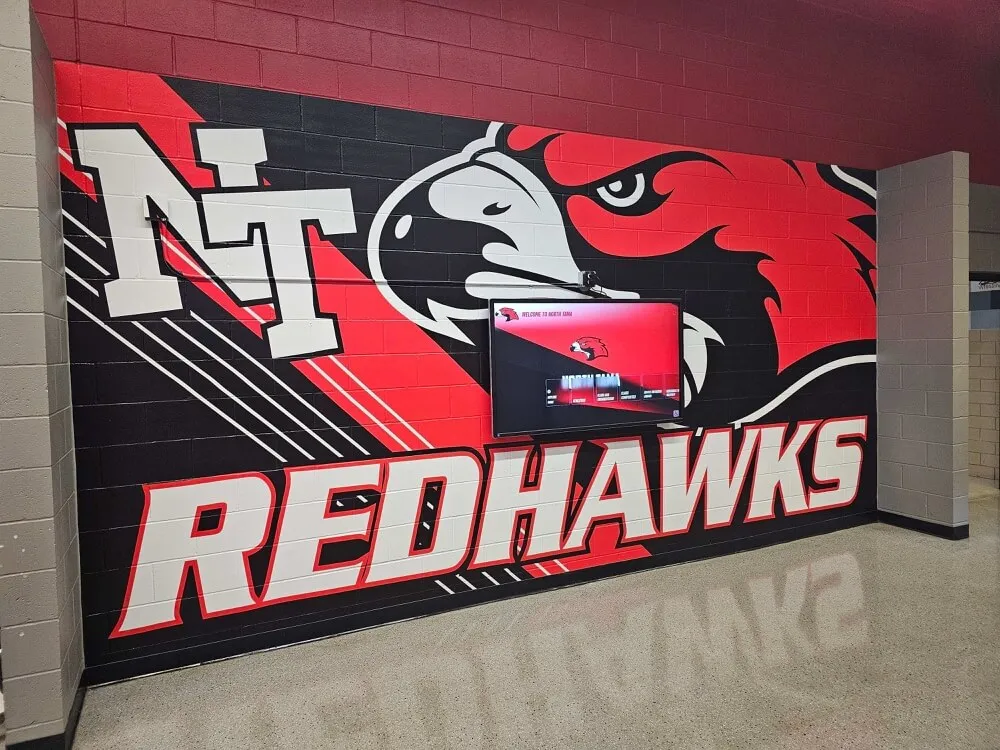
Permanent recognition installations preserve achievement records far beyond graduation ceremonies, creating lasting institutional memory
Extending Recognition Beyond Graduation Day
While graduation stoles provide powerful symbolic recognition during commencement ceremonies, forward-thinking schools implement systems preserving and extending this recognition throughout students’ educational experiences and beyond.
Year-Round Academic Recognition Programs
Effective recognition extends beyond graduation ceremonies to create cultures celebrating achievement continuously throughout the school year.
Visible Honor Roll Recognition
Schools can maintain prominent displays highlighting honor roll students each marking period or semester, building momentum toward graduation honors. Digital displays in main hallways, cafeterias, or lobbies provide dynamic platforms showcasing academic achievement throughout the year. These systems create recognition continuity where students see their progress celebrated repeatedly rather than waiting until graduation for acknowledgment.
Progressive Recognition Systems
Implement recognition programs celebrating students’ growth toward graduation honors throughout high school. Freshmen achieving honor roll receive initial recognition, sophomores maintaining honors earn cumulative acknowledgment, juniors on track for graduation honors receive projections, and seniors qualifying for stoles receive early notification. This progressive approach sustains motivation while providing regular affirmation of academic commitment.
Permanent Digital Recognition Displays
Modern recognition platforms enable schools to preserve graduation achievements permanently while creating searchable, accessible archives celebrating academic excellence across generations.
Schools implementing comprehensive recognition systems can document not only who graduated with honors but also the specific stoles earned, honor society memberships achieved, and specialized recognitions received. This detailed documentation creates permanent institutional memory celebrating achievement while providing historical records for alumni seeking verification of honors earned.
Digital platforms also enable schools to showcase achievement contexts that graduation stoles alone cannot fully communicate—the specific GPA earned, particular courses completed, projects undertaken, or competitions won. This comprehensive documentation preserves the full story behind each symbol worn during commencement.
Creating Alumni Connection Through Recognition Archives
Recognition archives celebrating graduation achievements create valuable alumni engagement touchpoints extending far beyond commencement.
Alumni Profile Integration
Schools can link graduation honors to alumni profiles, enabling graduates to reference their achievement history when reconnecting with institutions, seeking transcripts, or participating in alumni reunion activities. This integration demonstrates that schools value and remember individual accomplishments throughout graduates’ lifetimes, not merely during their enrollment.
Historical Comparison and Context
Digital recognition systems enable fascinating historical analysis showing how honor percentages have evolved, which academic pathways produce the most honor graduates, or how specific programs affect student achievement. This data informs continuous improvement while celebrating institutional progress in supporting student success.
Building Recognition into School Culture and Identity
The most effective stole programs integrate with broader school pride and recognition culture rather than existing as isolated graduation accessories.
Celebrating Multiple Achievement Pathways
While academic stoles represent intellectual achievement, comprehensive recognition cultures celebrate diverse excellence forms. Schools might use similar visible recognition for athletic championships, fine arts achievements, community service milestones, or leadership accomplishments. This holistic approach signals that institutions value varied talents and contributions, preventing narrow definitions of “success” while maintaining rigorous standards across all recognition categories.
Student Storytelling and Recognition Narratives
Rather than simply announcing “these students wear gold stoles,” schools can share brief narratives explaining the dedication, challenges overcome, and growth represented by each recognition symbol. Storytelling through digital recognition creates emotional connections transforming abstract symbols into meaningful human stories that inspire underclassmen while honoring graduates’ journeys.

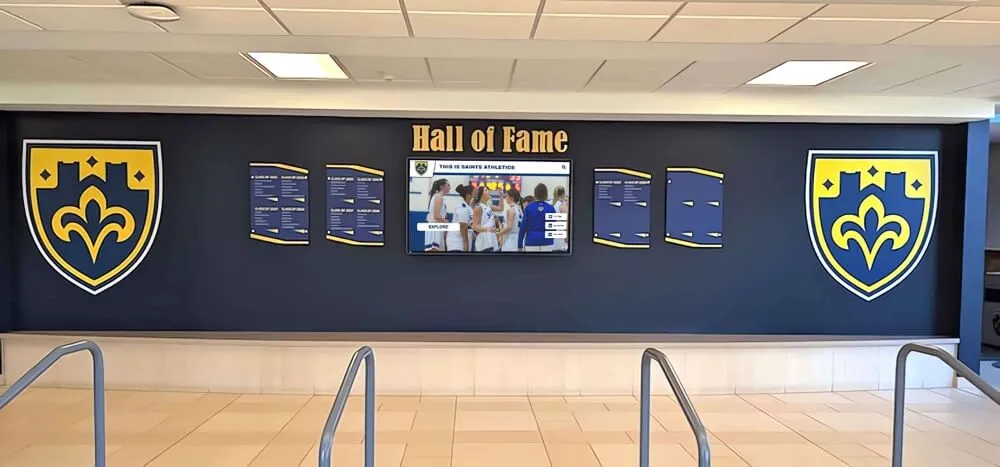
Multi-category honor boards demonstrate comprehensive recognition approaches celebrating diverse student achievements
Conclusion: Meaningful Recognition That Lasts Beyond Commencement
Graduation stoles carry profound meaning extending far beyond their aesthetic function during commencement ceremonies. These symbolic garments represent years of dedication, countless hours studying, obstacles overcome, and academic excellence sustained throughout educational journeys. Understanding graduation stole meaning helps schools implement recognition programs that genuinely honor achievement while inspiring future students to pursue academic excellence.
The most effective stole programs combine clear, equitable criteria with transparent communication, ensuring all students understand recognition opportunities and pathways to earning honors. By extending recognition beyond a single ceremony through year-round celebration and permanent documentation, schools create recognition cultures where achievement receives sustained acknowledgment rather than momentary attention during graduation.
When schools preserve these accomplishments through permanent digital platforms, graduation stole meaning transcends the ceremony itself, creating lasting institutional memory celebrating excellence across generations while inspiring current students to pursue their own academic achievements.
Ready to create comprehensive recognition systems that celebrate academic achievement year-round? Discover how Rocket Alumni Solutions helps schools build lasting recognition cultures that extend far beyond graduation ceremonies, creating permanent digital platforms showcasing student excellence across all achievement categories.