



Every graduation ceremony deserves a program that matches the significance of the occasion. Whether you’re planning a high school commencement, college convocation, kindergarten promotion, or any other graduation event, the ceremony program serves multiple vital functions: it guides attendees through ceremony proceedings, honors every graduate by name, preserves the moment as a keepsake families treasure for decades, and reinforces institutional identity and values during this culminating celebration.
Yet many schools and organizations struggle to create graduation programs that balance these competing needs within budget constraints and time pressures. Generic templates feel impersonal and forgettable. Overly complex designs become expensive and difficult to produce. Critical information gets omitted or buried. The result? Programs that attendees discard immediately after ceremonies rather than preserve as meaningful mementos connecting graduates to their educational communities.
This comprehensive guide explores proven strategies for creating graduation program templates that honor graduates effectively, provide clear ceremony guidance, create lasting keepsakes, and increasingly, connect printed programs to permanent digital recognition ensuring graduate accomplishments remain visible throughout school communities long after ceremonies conclude.
The most effective graduation programs share common characteristics: they honor every graduate individually rather than treating them as anonymous list entries, they provide clear ceremony structure helping attendees follow proceedings comfortably, they reflect authentic institutional identity through design and messaging, they include information families reference repeatedly making programs worth preserving, and they connect physical ceremony documentation to digital systems enabling lasting recognition beyond single events.

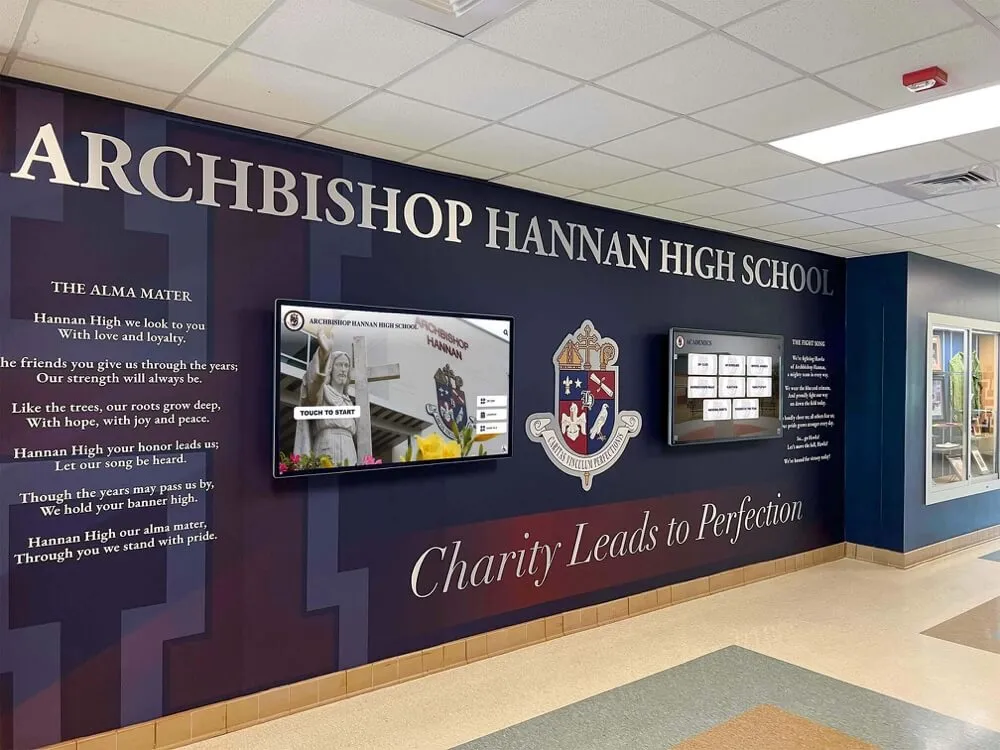
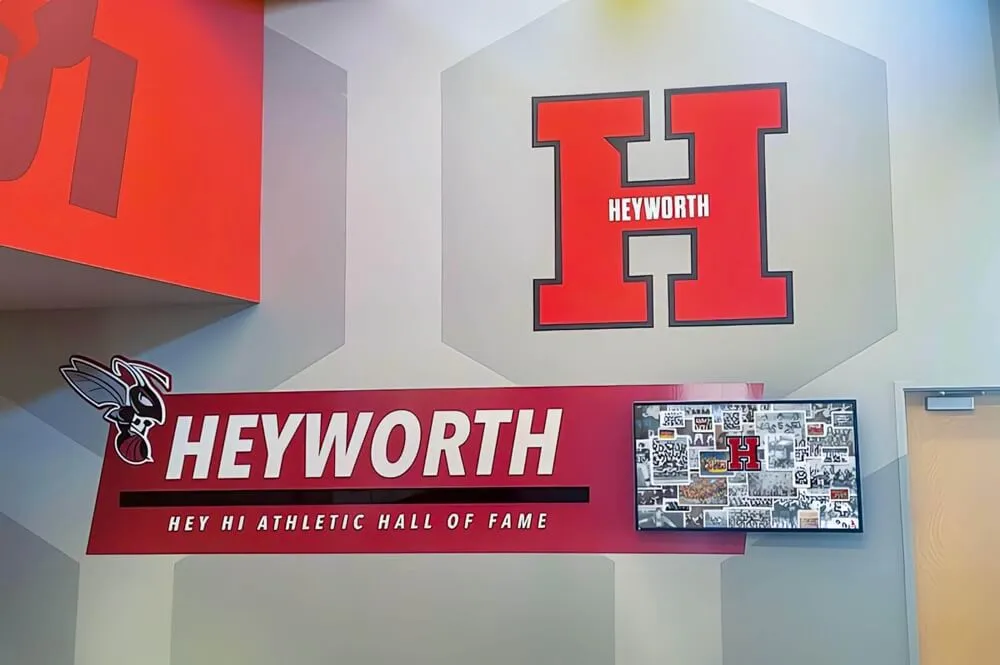
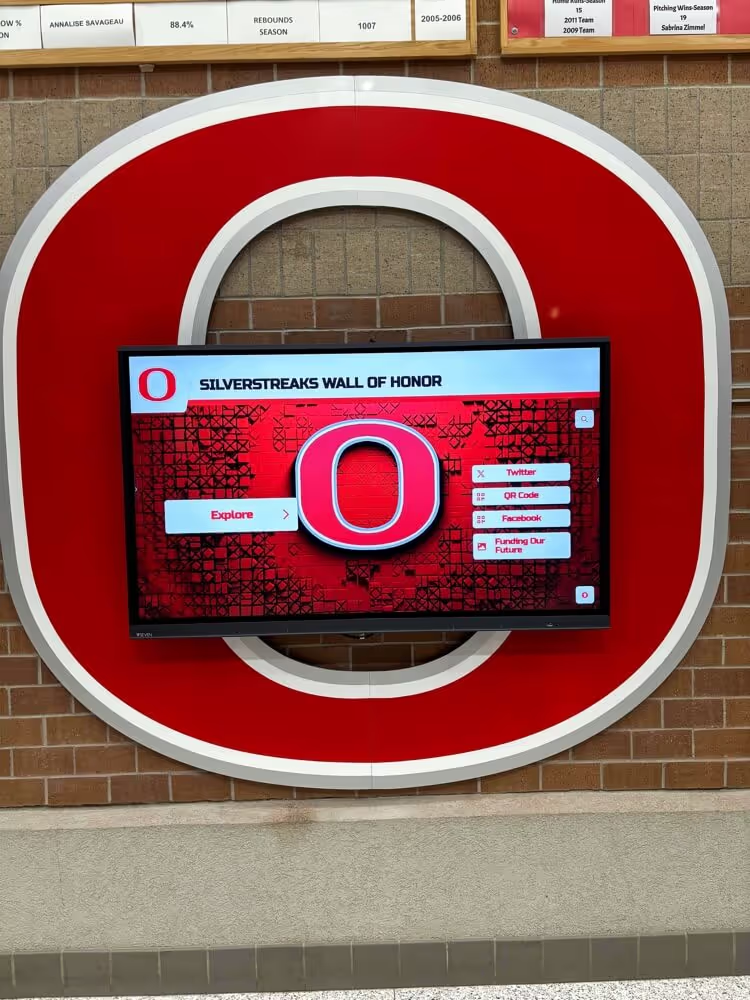
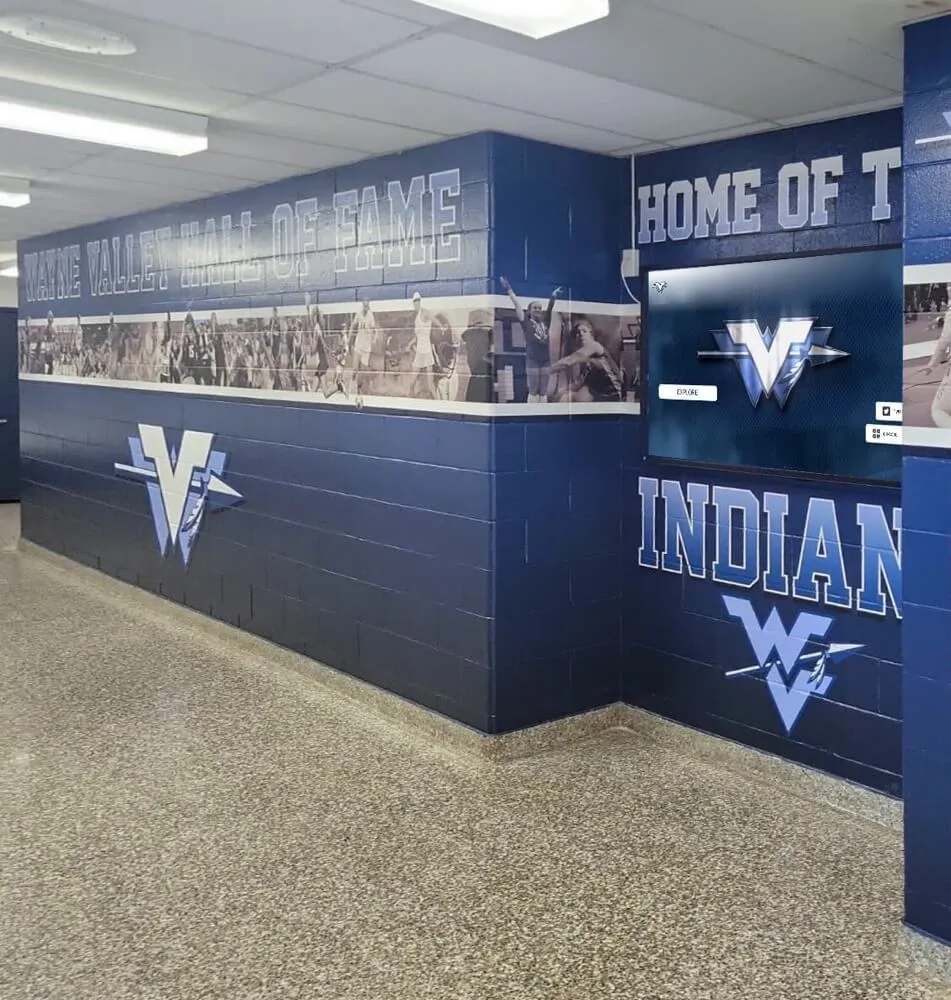
Modern schools combine traditional printed programs with permanent digital recognition creating comprehensive graduate celebration
Essential Elements Every Graduation Program Should Include
Before exploring design approaches and template variations, understanding the fundamental components effective programs require ensures you create documentation serving all necessary ceremony functions.
Cover Information and Visual Identity
The program cover creates first impressions while establishing ceremony tone and institutional identity:
Required Cover Elements
Every graduation program cover should clearly display the institution name and logo establishing immediate identity connection, the specific graduation or commencement designation clarifying event type, the graduating class or year being celebrated, the ceremony date and time providing permanent documentation, and the ceremony location for reference and records.
Beyond these functional requirements, covers provide opportunities for meaningful visual design that reflects institutional character. School colors, meaningful imagery connecting to institutional history or graduate accomplishments, inspirational quotes or motto expressions, and graduate photos or class imagery all enhance cover impact while maintaining professional presentation appropriate for formal ceremonies.
Cover Design Considerations
Graduation program covers should balance visual appeal with practical durability. Premium paper stock or cardstock covers withstand handling throughout ceremonies and preservation afterward. Professional printing quality reflects ceremony importance. Adequate cover space accommodates all necessary information without crowding. Design consistency with other ceremony materials creates cohesive visual experience.
Many families preserve graduation programs indefinitely, displaying them alongside diplomas and graduation photos. Cover design quality directly affects whether programs become treasured keepsakes or disposable ceremony handouts.
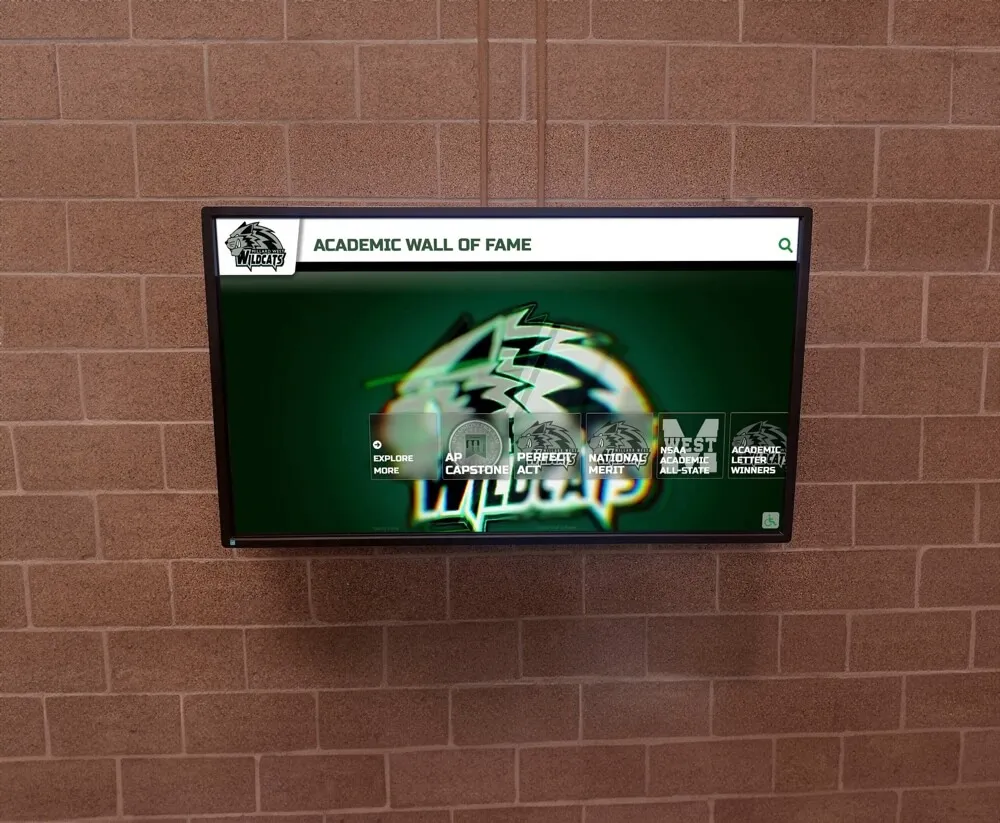
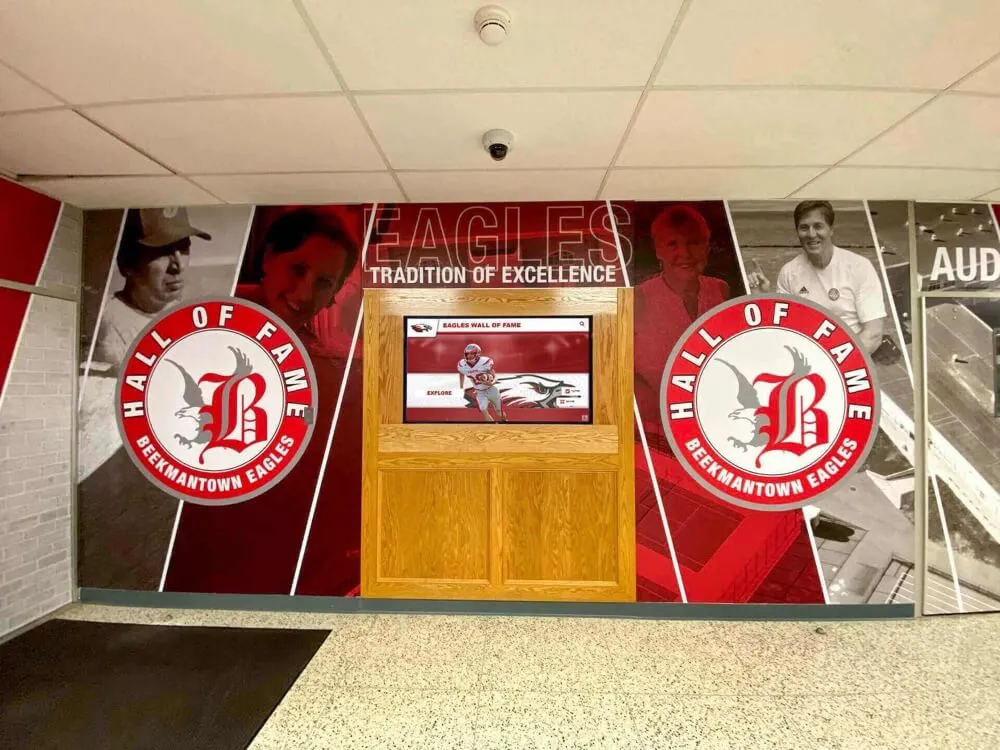
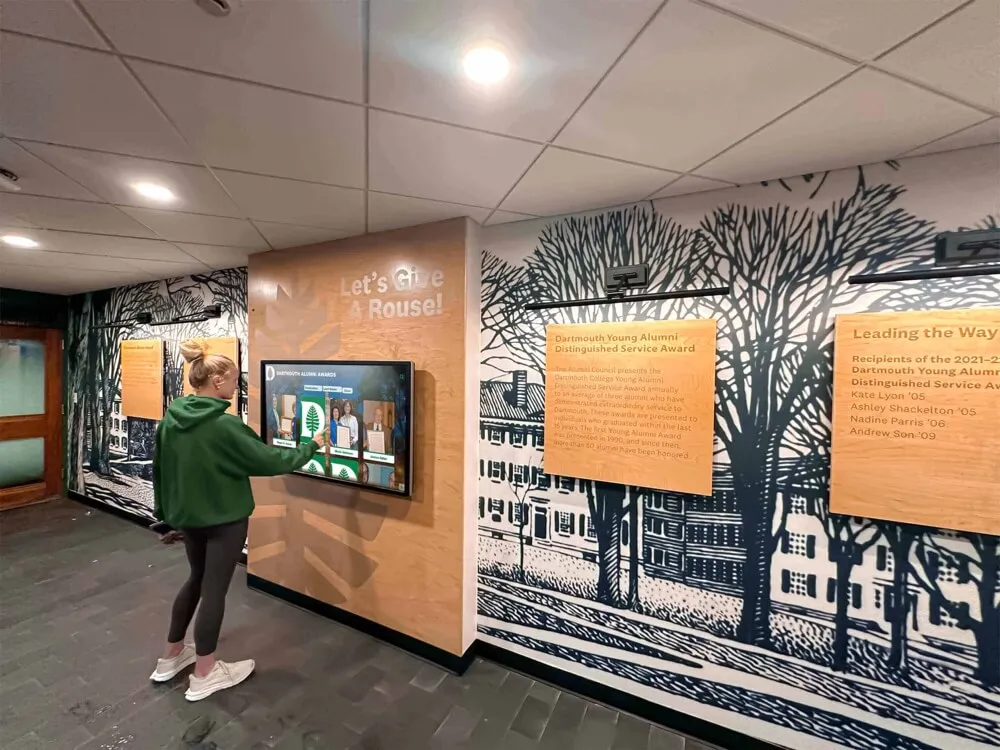
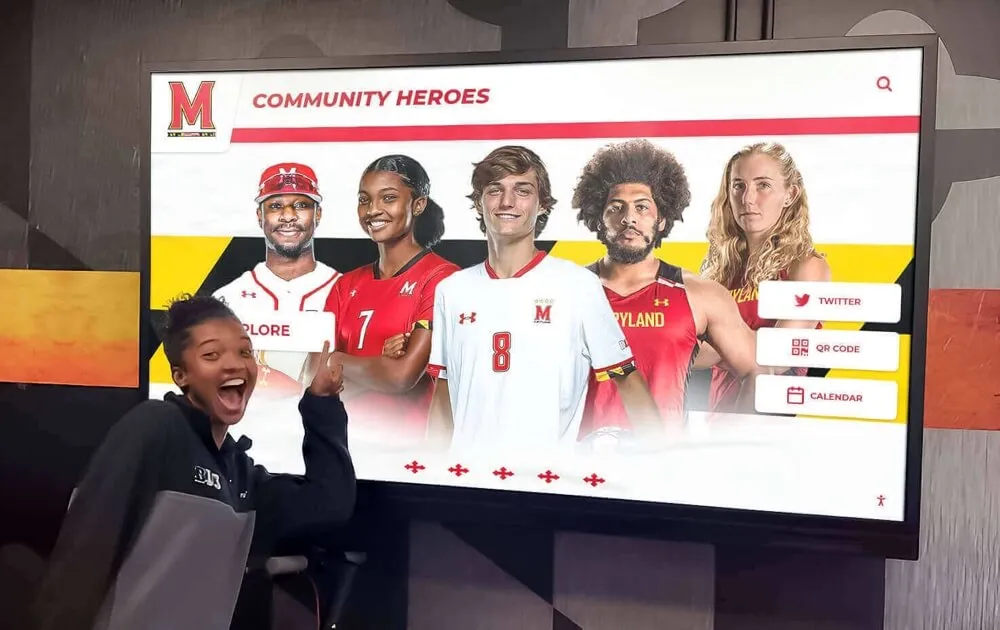
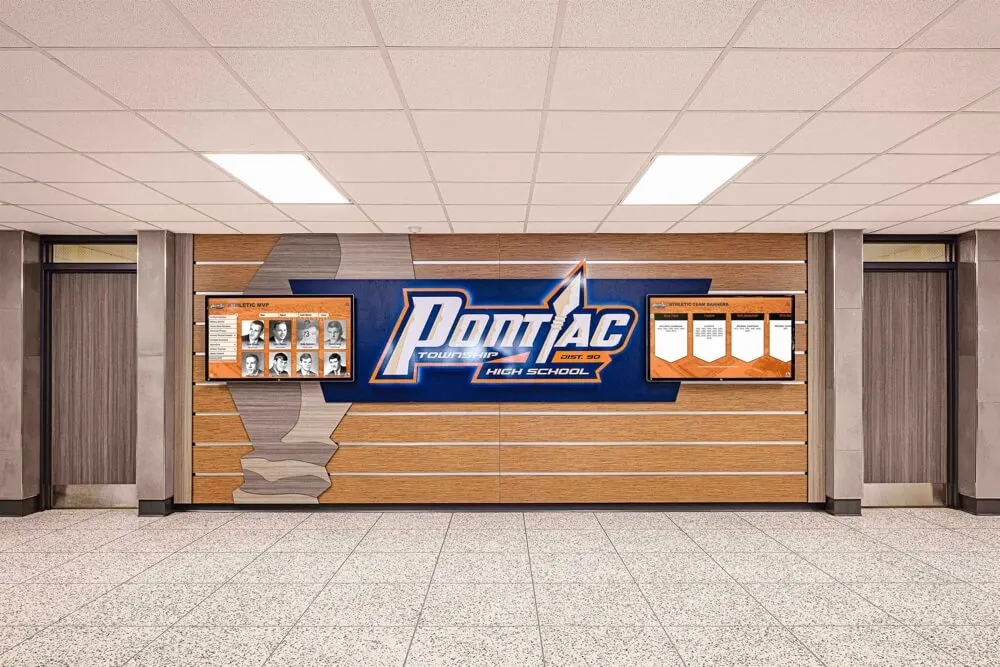
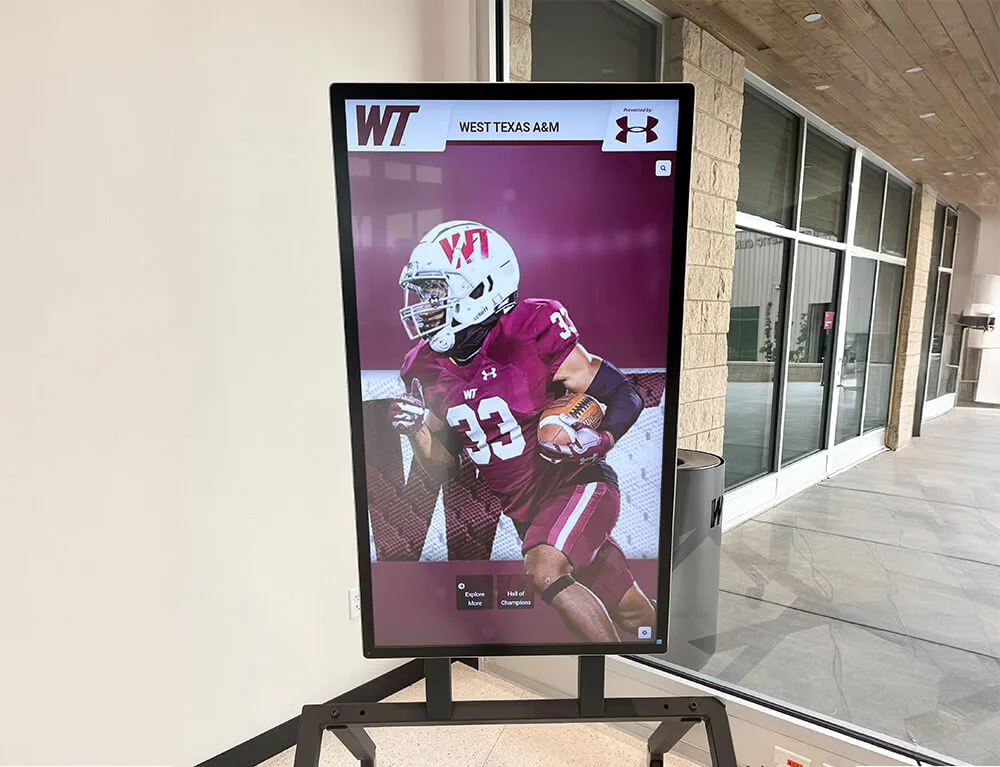
Year-round recognition displays complement printed programs by preserving graduate achievements permanently
Ceremony Schedule and Order of Events
Clear ceremony structure information helps attendees follow proceedings while setting appropriate expectations:
Comprehensive Program Sequence
Effective programs outline complete ceremony flow including processional information describing graduate entrance and seating procedures, opening ceremony elements such as invocations, national anthem, or welcoming remarks, speaker segments identifying who will address attendees and in what order, recognition and award presentations detailing special honors and acknowledgments, diploma conferral procedures explaining how graduates will receive recognition, closing ceremony elements including recessional and any concluding traditions, and reception information if applicable describing post-ceremony gathering locations and timing.
This detailed sequence prevents attendee confusion while enabling families to identify when their specific graduates will be recognized. Programs lacking clear structure leave attendees uncertain about ceremony progress and expected duration, creating restlessness and distraction during important moments.
Speaker and Participant Information
Beyond just listing names, programs should provide brief identification for ceremony participants helping attendees understand speakers’ connections to the institution and occasion. Include relevant titles and affiliations for administrators, faculty, and staff participants, brief background for external speakers explaining their selection significance, identification of student speakers including academic or leadership roles, and recognition of special guests such as board members or distinguished alumni.
This context creates meaningful connections between attendees and speakers while honoring those contributing to ceremony significance.
Complete Graduate Recognition
The graduate list represents the program’s most critical component—comprehensive, accurate recognition of every person achieving this milestone:
Essential Graduate Information
At minimum, programs must include complete, correctly spelled graduate names, preferably in both processional order and alphabetical reference format. Beyond basic listings, many programs enhance recognition by including honor designations such as Latin honors or honor society recognition, special achievement notes highlighting significant accomplishments, college or post-graduation plans indicating future paths, and hometown or geographic information connecting graduates to broader communities.

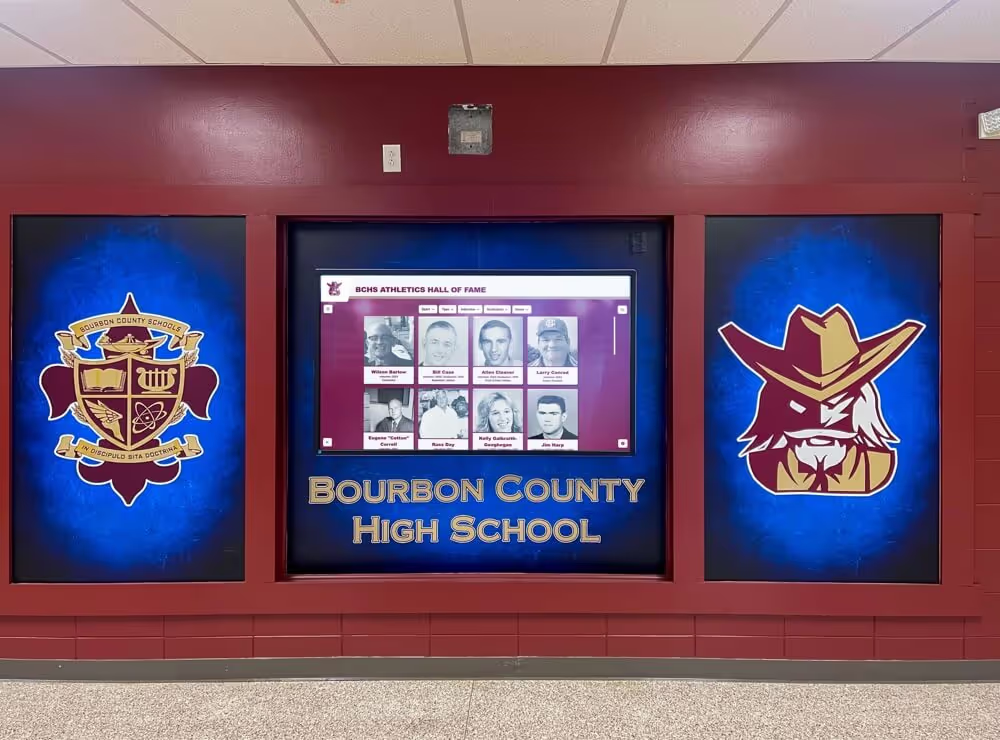
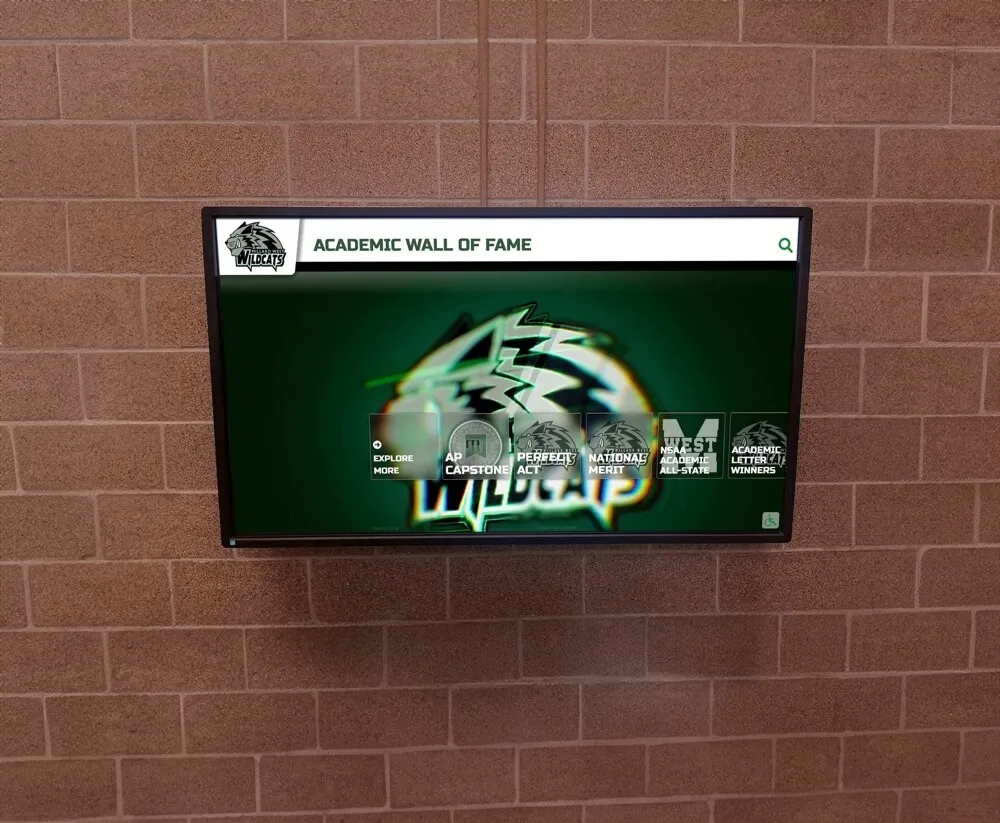
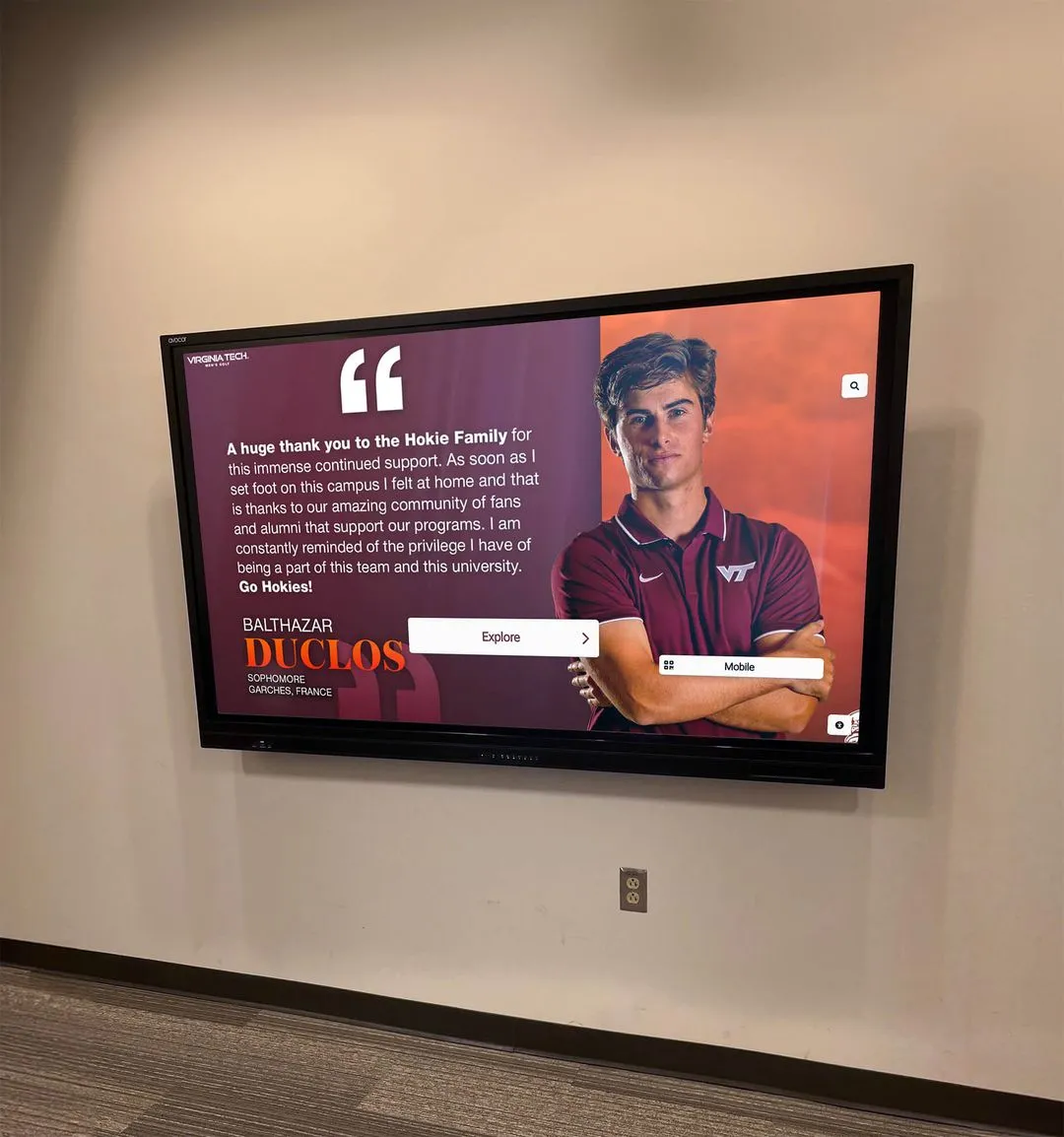
Comprehensive graduate profiles preserve achievement details beyond what printed programs can accommodate
The graduate listing requires extraordinary attention to accuracy. Name misspellings, omissions, or incorrect honor designations create permanent documentation errors families notice immediately. Multiple proofing rounds by different reviewers, graduate verification of their own information, and systematic accuracy checking processes prove essential before printing.
Balancing Comprehensiveness with Readability
Large graduating classes create tension between comprehensive recognition and readable program formats. Consider hierarchical listing approaches where basic name lists appear in processional order while expanded profiles or special recognition details appear in dedicated sections. Multiple-column layouts maximize space efficiency without compromising legibility. Clear typography ensures readability across age ranges including elderly attendees.
Schools increasingly supplement printed programs with digital recognition systems that overcome space constraints, enabling comprehensive graduate documentation impossible in printed formats while preserving programs as ceremony guides rather than attempting to serve as complete achievement databases.
Graduation Program Design Templates and Formats
Different ceremony contexts, graduating class sizes, and institutional preferences drive variation in program formats and design approaches.
Traditional Folded Program Formats
Classic program designs continue serving ceremonies effectively through proven layouts:
Bifold Program Design
Single-fold programs creating four usable pages (cover, two inside pages, back cover) represent the most common format, offering adequate space for smaller graduating classes while remaining economical to produce:
- Cover: Institutional identity, ceremony title, date/time/location
- Inside Left: Welcome message, ceremony schedule, speaker information
- Inside Right: Graduate list (for classes under approximately 50-75 students)
- Back Cover: Institutional information, acknowledgments, reception details
Bifold programs work particularly well for elementary and middle school promotions, small private schools, and specialized program graduations where comprehensive graduate information fits comfortably within the limited space.
Trifold Program Design
Double-fold programs creating six usable panels accommodate more content while maintaining single-sheet construction:
- Additional space enables graduation classes up to approximately 100-150 students
- Separate panels for different ceremony segments improve organization
- More room for institutional messaging, history, or recognition of supporters
- Still economical to produce through standard printing processes
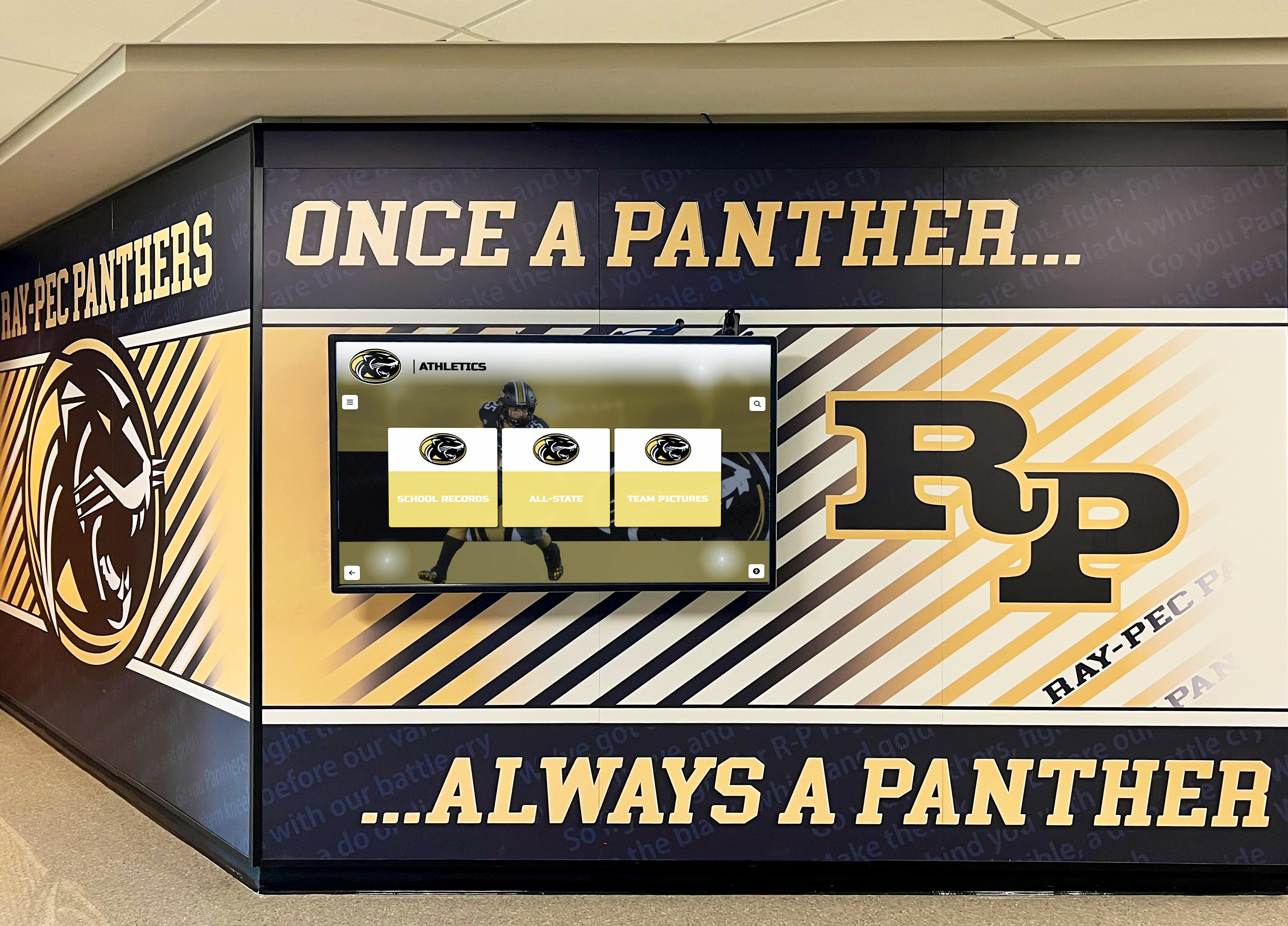
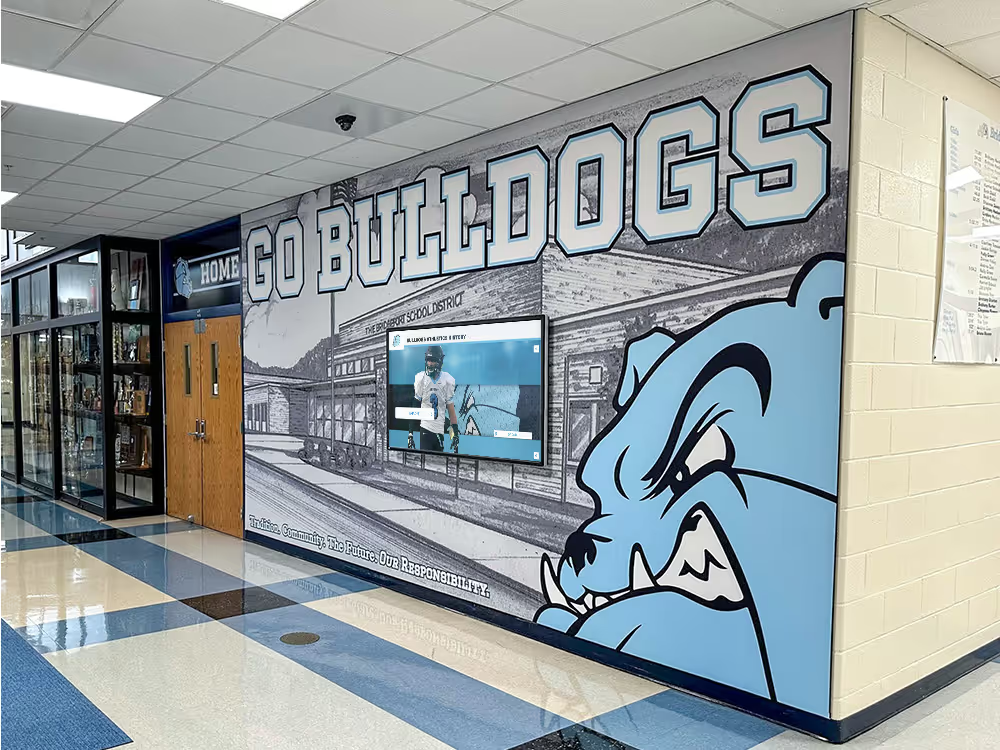
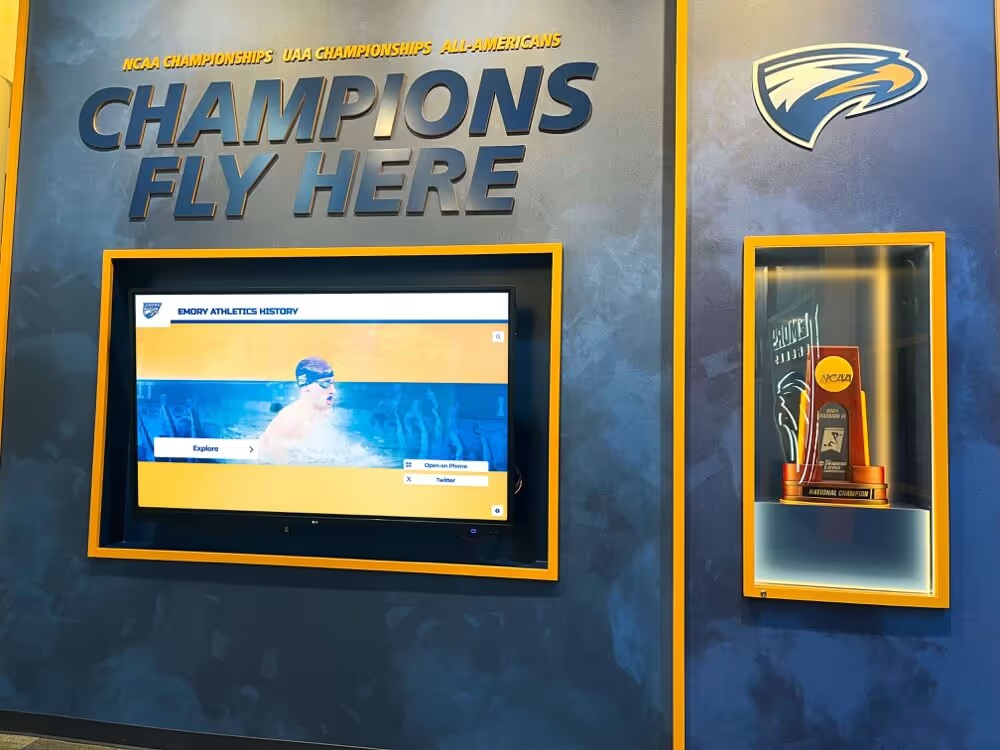
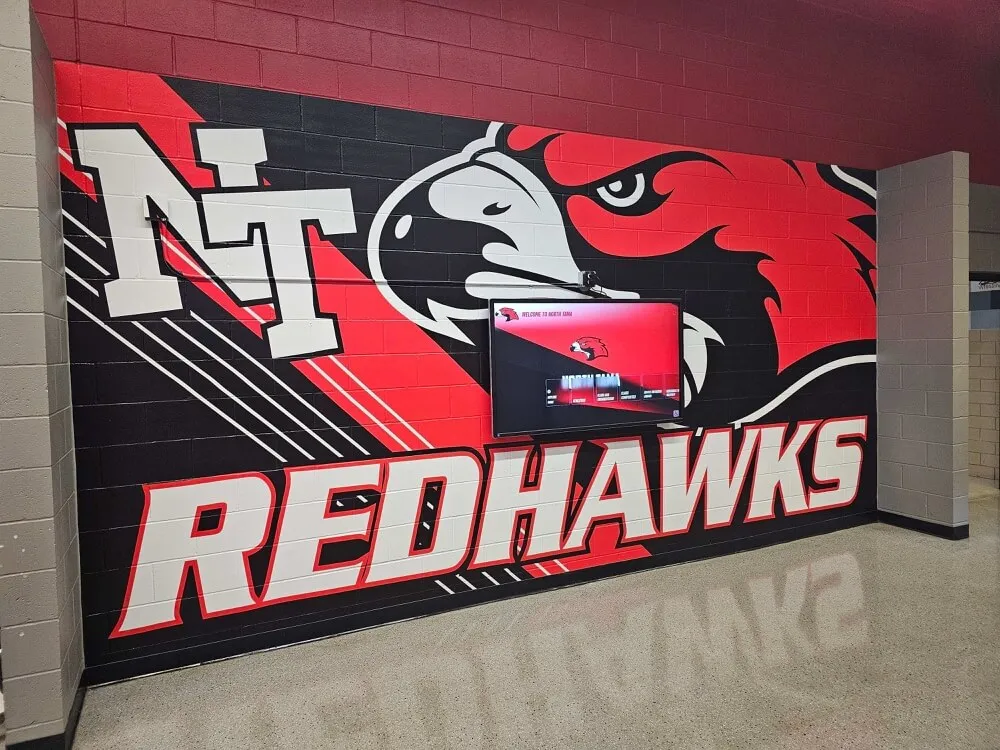
Integrated recognition approaches combine printed materials with permanent installations creating comprehensive celebration
Booklet Program Formats
Multi-page bound programs accommodate large graduating classes and comprehensive ceremony documentation:
- Saddle-stitch (stapled) booklets economically accommodate 8-40 pages
- Perfect-bound booklets create more formal presentation for larger programs
- Adequate space for complete graduate listings with expanded information
- Room for graduate photos, achievement details, and institutional messaging
- Capability to include ceremony history, traditions, and legacy information
Booklet formats predominate at high school and college graduations where graduating classes exceed what folded formats can accommodate comfortably. The expanded space enables programs to serve as more comprehensive ceremony documentation and lasting keepsakes families preserve.
Modern Digital-Enhanced Program Approaches
Contemporary technology enables program enhancements connecting printed ceremony guides to expanded digital content:
QR Code Integration
Strategic QR code placement within printed programs links attendees to digital resources that expand beyond print limitations:
- Individual Graduate Profiles: QR codes beside graduate names link to expanded digital profiles with photos, detailed achievements, and post-graduation plans
- Ceremony Photo Galleries: Codes connecting to live-updating photo collections capturing ceremony moments
- Video Content: Links to recorded speeches, graduate messages, or ceremony highlights
- Digital Ceremony Programs: Complete online versions accessible to remote attendees unable to attend physically
This integration creates what we call “digital warming”—transforming temporary printed programs into gateways accessing rich digital content that preserves and extends graduate recognition far beyond single ceremony events.
Learn more about digital recognition approaches that complement printed programs.
Mobile-Friendly Digital Programs
Some institutions supplement or replace printed programs with digital versions accessible via smartphones and tablets:
- Reduced printing costs and environmental impact
- Easy updates accommodating last-minute changes
- Enhanced accessibility features for attendees with vision or reading challenges
- Interactive elements impossible in print such as searchable graduate lists
- Analytics revealing which program content attendees engage with most
Digital programs work particularly well for large university commencements where printed program distribution becomes logistically challenging and environmentally costly. Many institutions provide both formats, offering printed programs for ceremonial significance while making digital versions available for expanded content and remote access.
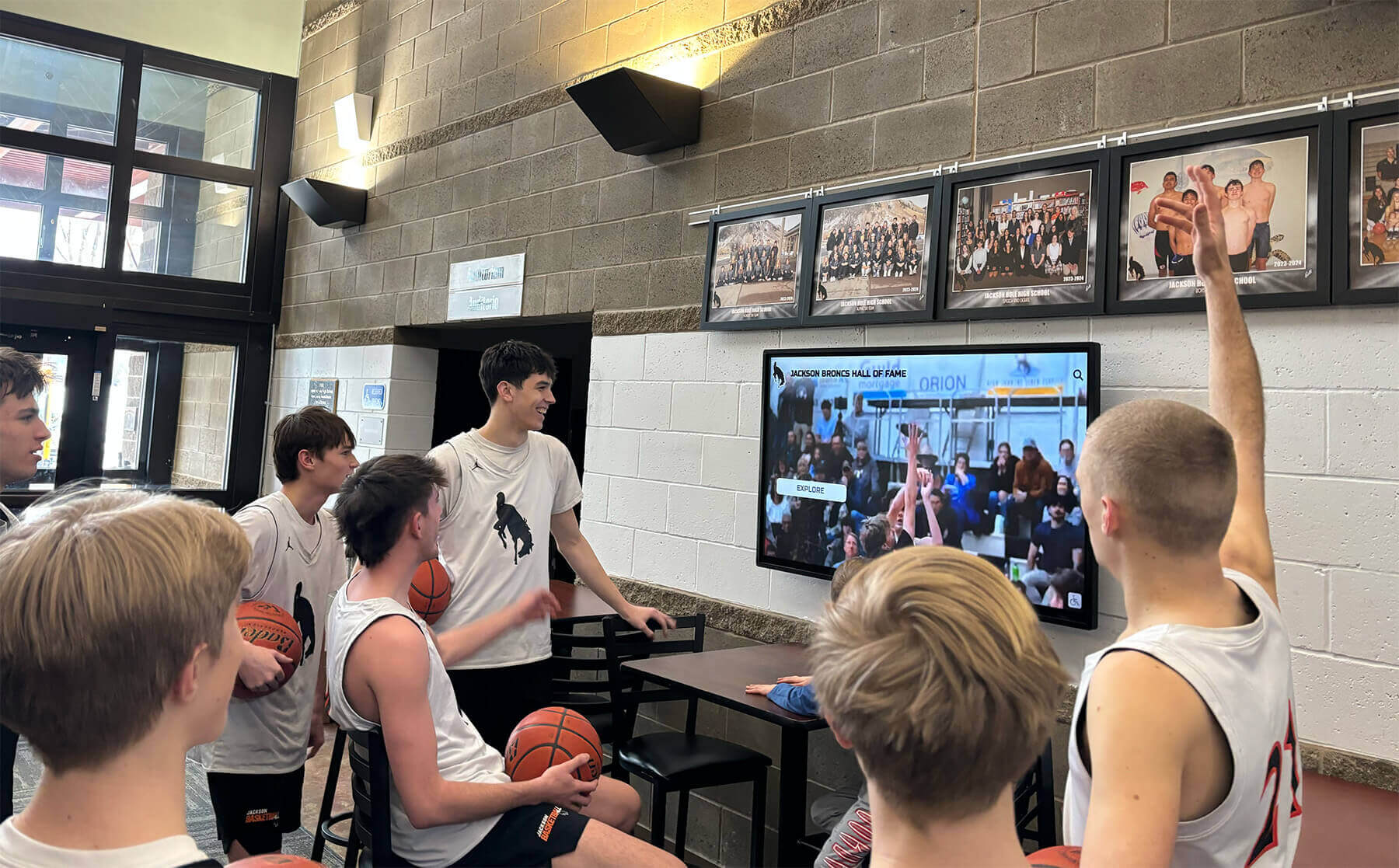
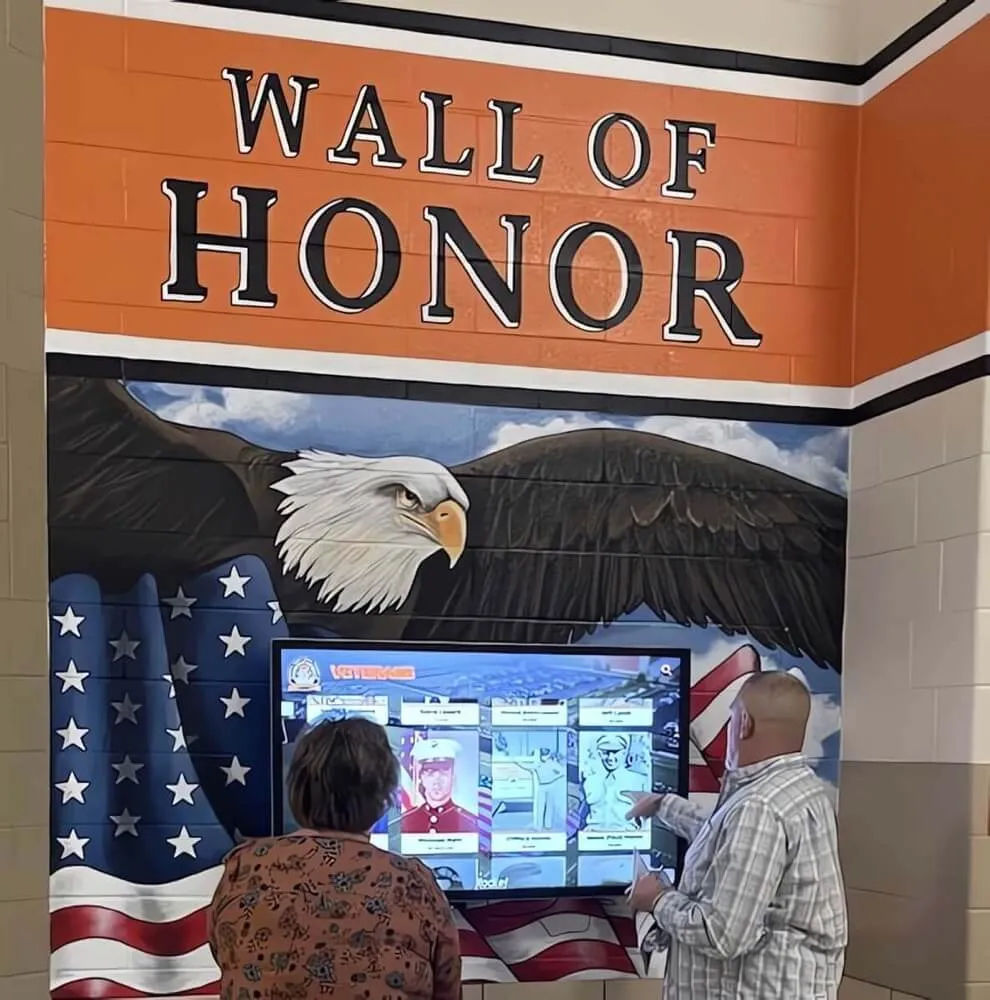
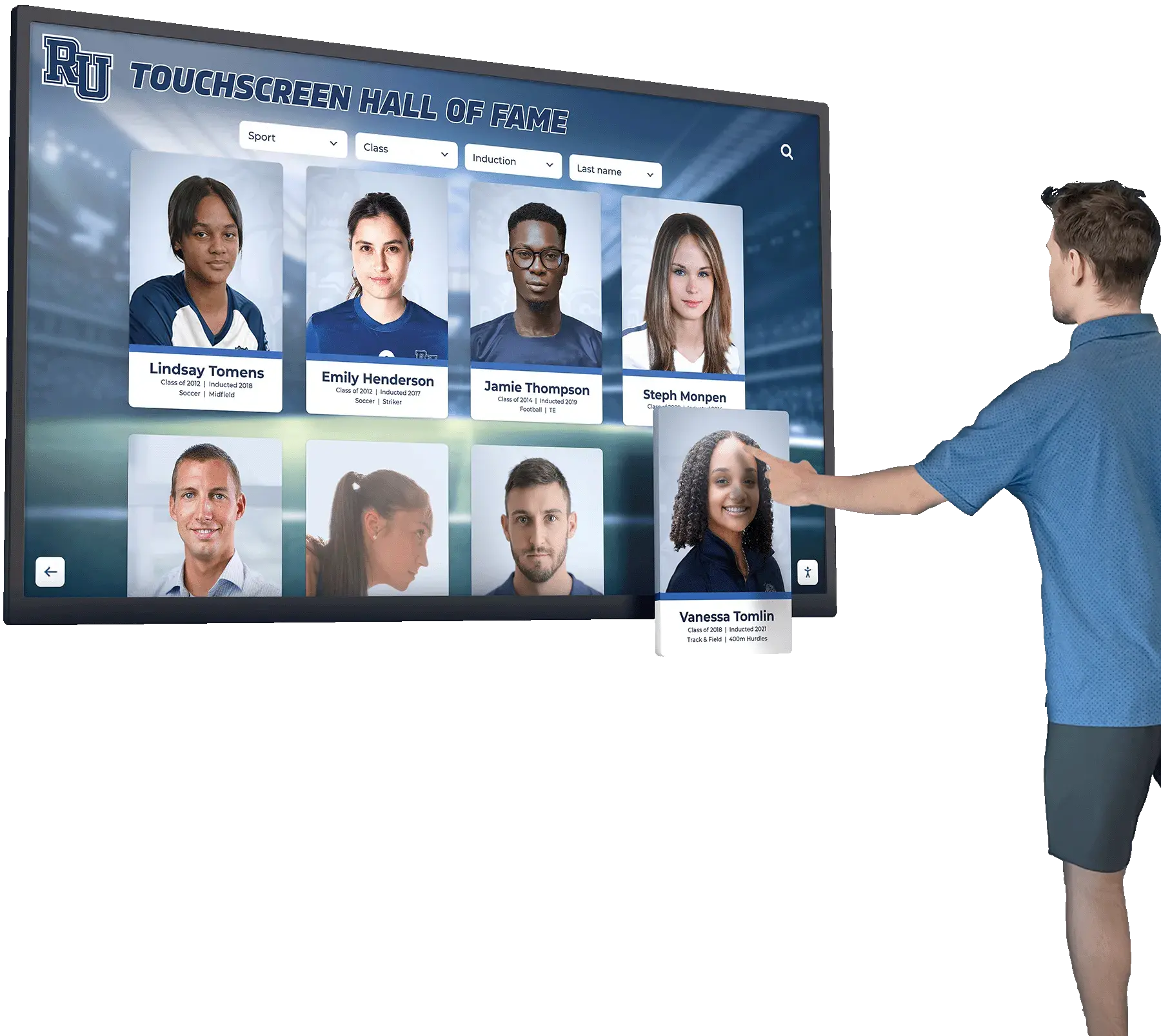
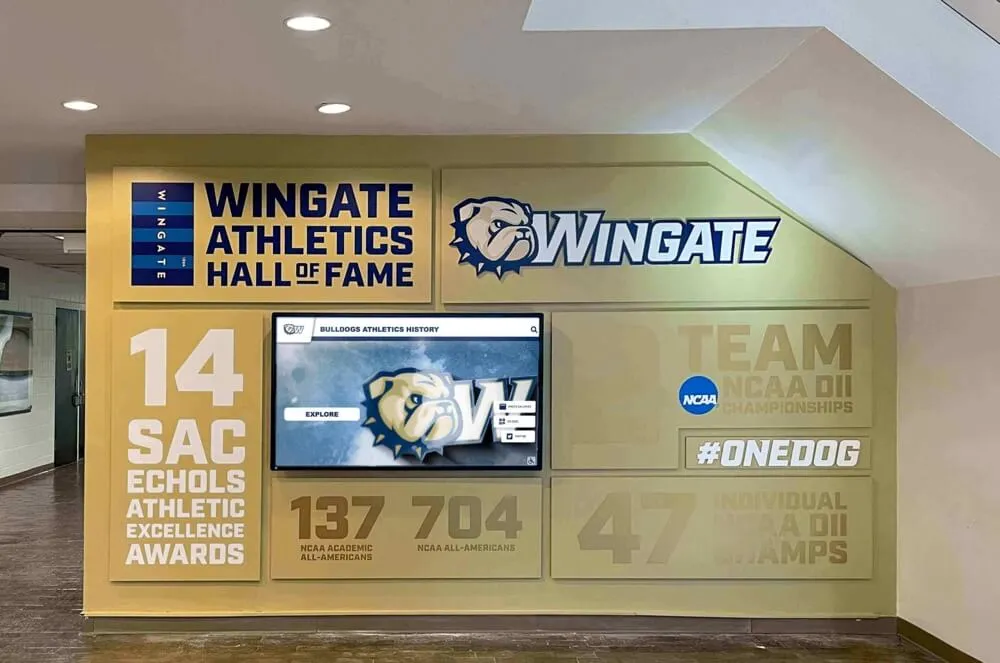
Interactive displays enable ongoing exploration of graduate achievements extending recognition beyond ceremony day
Creating Graduate Recognition That Extends Beyond Printed Programs
The most meaningful graduation recognition extends beyond temporary printed programs to create permanent systems ensuring graduates remain honored throughout school communities indefinitely.
Permanent Digital Graduate Recognition
Modern technology enables schools to transform temporary graduation program content into permanent graduate recognition accessible to families, alumni, and community members:
Comprehensive Digital Graduate Profiles
Platforms like Rocket Alumni Solutions enable schools to create detailed graduate recognition including professional graduation photos with biographical information, comprehensive achievement documentation highlighting awards, honors, and accomplishments earned, college destinations and scholarship information showing graduate futures, extracurricular participation documenting full engagement in school communities, athletic and artistic achievement recognition across all excellence domains, and personal reflections from graduates about their educational experiences.
These digital profiles preserve far more information than possible in printed programs while remaining permanently accessible rather than limited to ceremony distribution. Schools can share access links with graduate families enabling indefinite access while making profiles available to alumni networks, community members, and others interested in celebrating graduate achievement.
Connection to Alumni Engagement Systems
The most powerful aspect of digital graduate recognition involves creating foundations for lifelong alumni engagement. When graduation recognition connects to broader alumni engagement platforms, schools create pathways for ongoing connection where graduates can update profiles with post-graduation achievements and career milestones, maintain connections with classmates through alumni directories and networking features, engage with current students through mentorship and guidance programs, support school communities through volunteering and contributions, and participate in reunion planning celebrating class milestones.
These ongoing engagement opportunities transform graduation from ending points to transition moments beginning lifelong relationships between graduates and institutions that educated them.
Physical Recognition Installations
While digital systems provide unlimited capacity advantages, physical recognition maintains symbolic significance and visible presence:
Graduate Recognition Walls and Displays
Many schools maintain permanent physical graduate recognition through comprehensive class photo displays showing each graduating class, name plaques or engravings documenting all graduates, distinguished graduate highlights featuring notable alumni achievements, scholarship and award documentation, and interactive elements connecting physical displays to digital content through QR codes.
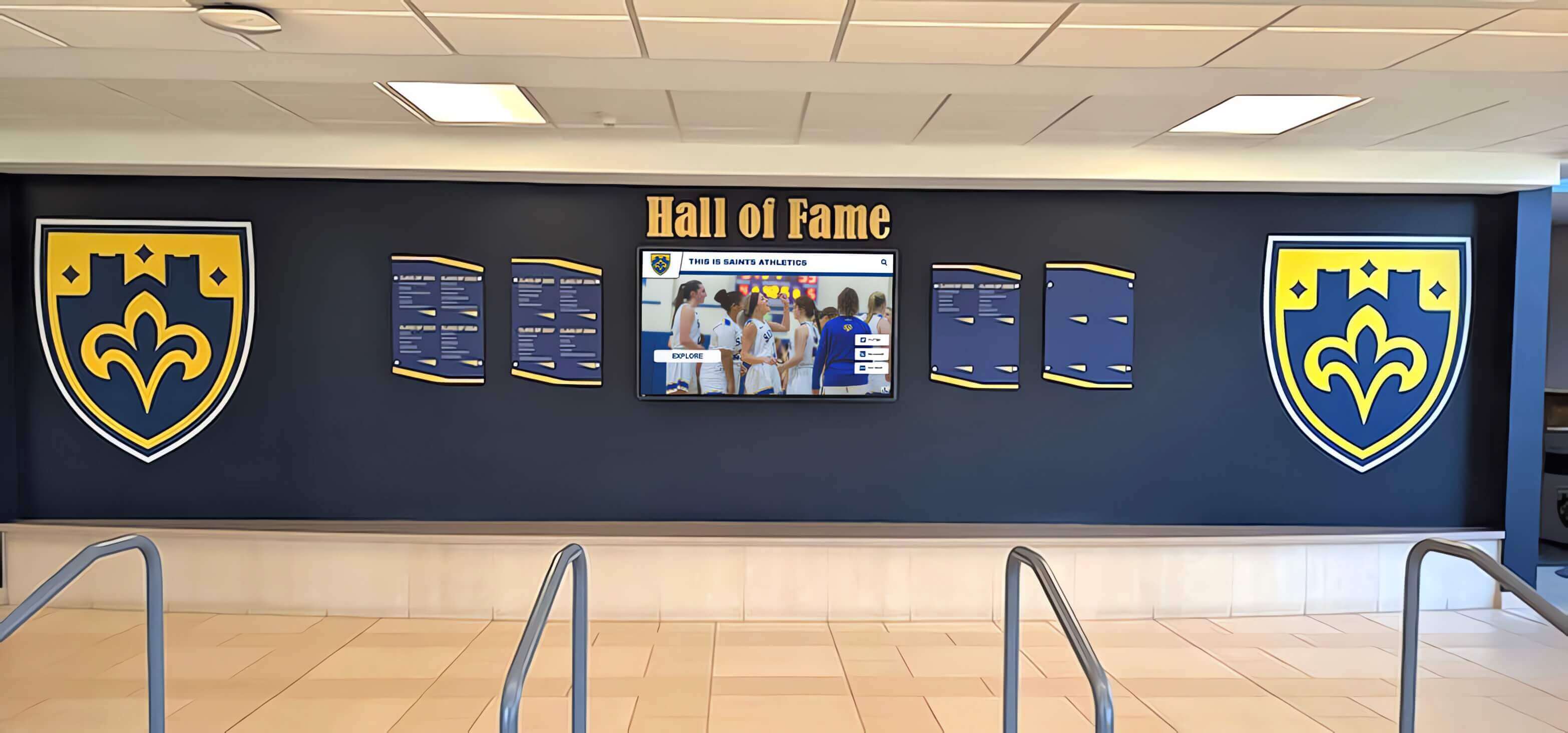
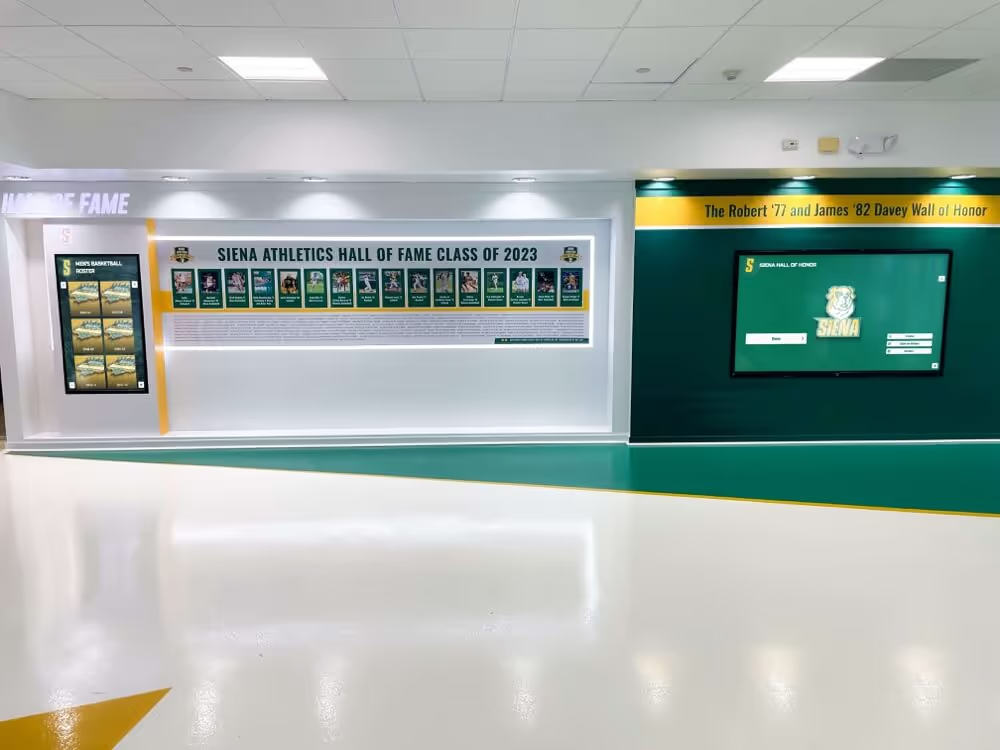
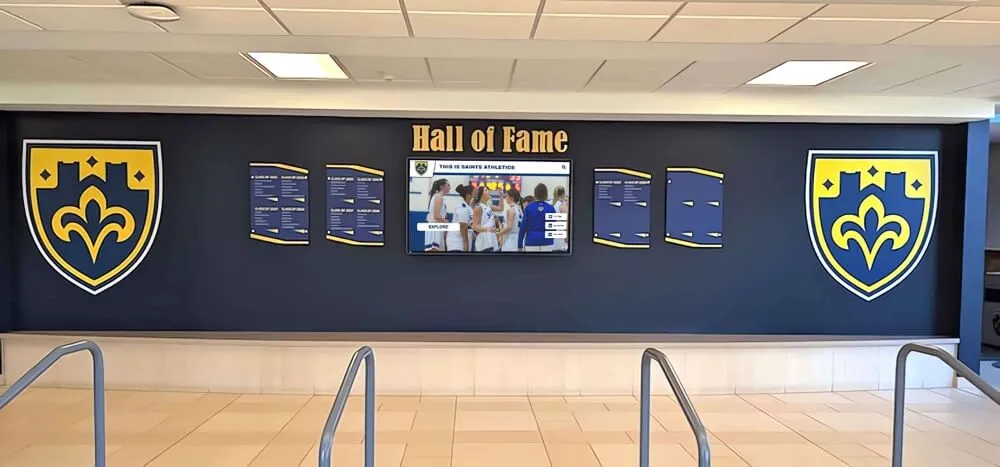
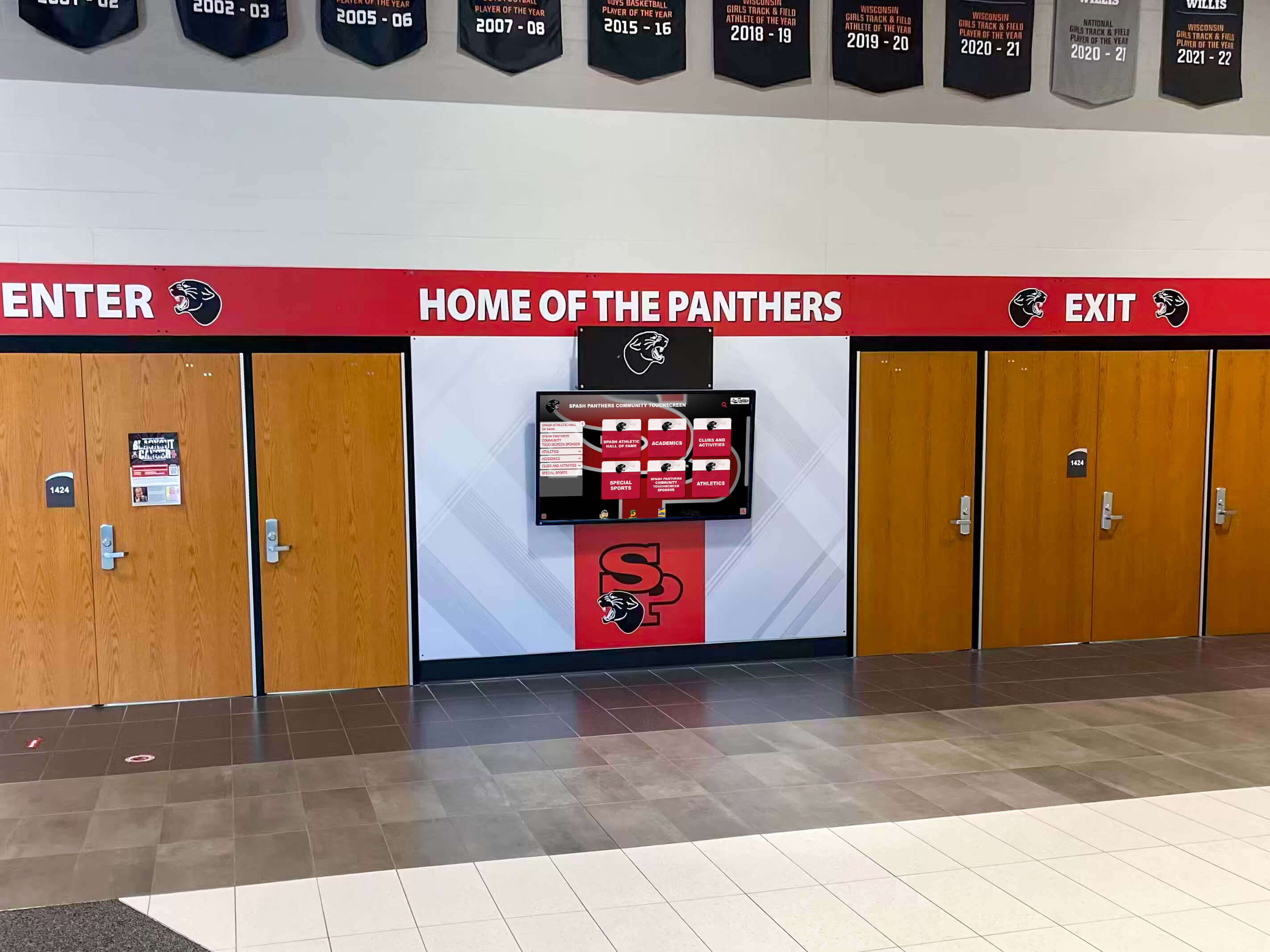
Integrated recognition combines physical presence with digital depth enabling comprehensive graduate celebration
Connecting Programs to Permanent Recognition
Effective programs explicitly reference permanent recognition systems, encouraging ceremony attendees to explore expanded digital content and visit physical recognition installations. Include QR codes linking to digital recognition platforms, descriptions of permanent recognition locations within facilities, invitations to contribute to graduate legacy through photos and memories, and information about ongoing alumni engagement opportunities.
This connection transforms programs from isolated ceremony documents into entry points for comprehensive recognition ecosystems that honor graduates throughout their lifetimes.
Schools implementing comprehensive recognition solutions create lasting graduate celebration far more meaningful than any printed program regardless of quality or expense.
Designing Effective Graduation Program Templates
Creating program templates that organizations can adapt for multiple years ensures design consistency while enabling efficient customization for each graduating class.
Visual Design Principles for Graduation Programs
Effective program design balances aesthetic appeal with functional clarity:
Typography and Readability
Program text must remain readable across diverse attendee age ranges and vision capabilities:
- Select professional, readable fonts avoiding overly decorative or trendy typefaces that compromise legibility
- Maintain adequate font sizes with minimum 10-11 point for body text and larger sizing for headings
- Ensure sufficient contrast between text and background colors for readability
- Use consistent typographic hierarchy helping readers navigate program content
- Avoid excessive text density that overwhelms readers or obscures important information
Remember that graduation attendees include elderly grandparents and family members who may struggle with small text or low-contrast designs. Prioritizing accessibility ensures all ceremony participants can use programs effectively.
Color Schemes and Visual Hierarchy
Strategic color use enhances program appeal while maintaining professionalism:
- Incorporate institutional colors reinforcing school identity and brand recognition
- Use color strategically to establish visual hierarchy and guide reader attention
- Ensure color choices maintain adequate contrast for readability
- Consider printing costs and limitations when selecting color-intensive designs
- Test color appearance across printing methods ensuring consistency
Simple, clean color schemes often prove more effective than complex multi-color designs that increase costs without enhancing communication or appeal.

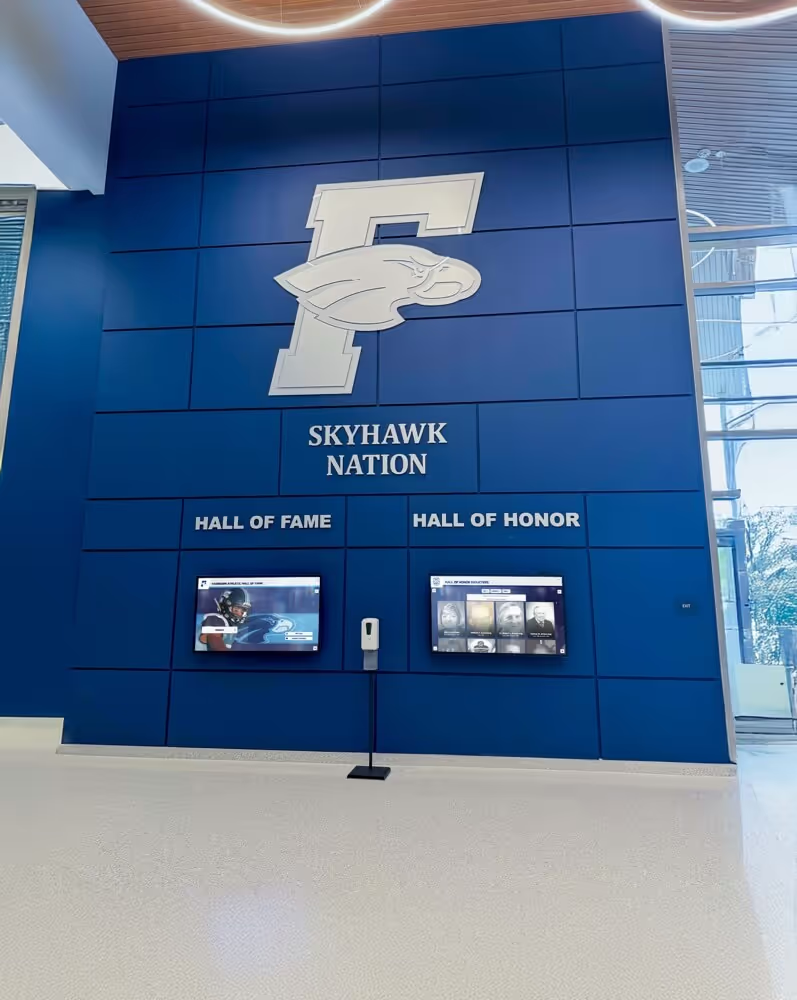
Cohesive visual identity across programs and permanent installations reinforces institutional character
Imagery and Photography
Visual elements enhance program appeal while conveying institutional identity:
- Select high-quality photography reflecting ceremony significance and professionalism
- Include images showing institutional facilities, traditions, or previous ceremonies
- Consider graduate photo inclusion if space and budget permit
- Balance imagery with text ensuring adequate space for necessary information
- Ensure image resolution supports quality printing without pixelation
Meaningful imagery connects programs to institutional identity while creating more engaging, visually appealing ceremony documentation.
Template Customization and Annual Updates
Well-designed templates enable efficient annual updating while maintaining design consistency:
Template Variable Elements
Identify program components requiring annual customization versus those remaining consistent:
- Variable Content: Ceremony date/time/location, graduate names and information, speaker identities, specific ceremony schedule, current photos
- Consistent Elements: Institutional branding and logo, basic program structure, design framework and visual style, core institutional messaging, standard ceremony traditions
Creating clear separation between variable and consistent elements streamlines annual program production, reducing time and effort required while maintaining quality and consistency.
Production Workflow Planning
Systematic production processes ensure timely, accurate program completion:
- Template Preparation (3-4 months before ceremony): Update design template with current year information, verify all consistent institutional information remains accurate, plan any design enhancements or modifications
- Information Gathering (2-3 months before): Collect graduate lists with accurate names and honor designations, identify ceremony speakers and participants, finalize ceremony schedule and structure
- Content Development (6-8 weeks before): Insert graduate information into template, write or update welcome messages and ceremony descriptions, select and prepare imagery and photos
- Review and Proofing (4-6 weeks before): Multiple proofreading rounds checking for errors, graduate name verification processes, administrative approval procedures
- Final Production (3-4 weeks before): Send to printer with adequate lead time, quality check printed samples, plan distribution logistics
This timeline allows adequate preparation without unnecessary rush while building buffer time for addressing unexpected complications.
Graduation Program Content: Beyond the Basics
Exceptional programs include additional content that enhances meaning and creates lasting value:
Welcome Messages and Institutional Reflections
Opening messages set ceremony tone while expressing institutional values:
Administrator Welcome Messages
Messages from principals, presidents, or superintendents should welcome attendees warmly while reflecting on graduating class significance, acknowledge graduate achievement and growth throughout educational careers, express institutional pride in graduate accomplishments, connect ceremony to broader institutional mission and values, and thank families and community for supporting graduate success.
These messages should feel personal and sincere rather than generic or formulaic, reflecting genuine administrative engagement with specific graduating classes and their unique characteristics.
Student Speaker Previews
If student speakers address ceremonies, programs might include brief preview information such as speaker names and backgrounds, speech topic or theme descriptions, context explaining speaker selection significance, and inspirational quotes from planned remarks.
This preview builds anticipation while helping attendees connect with student speakers and understand their perspectives.

Individual recognition profiles celebrate specific graduate achievements creating comprehensive documentation
Ceremony Traditions and Historical Context
Explaining ceremony traditions and institutional history creates deeper meaning:
Tradition Documentation
Many graduation ceremonies include unique traditions that attendees—particularly families and community members—may not understand without explanation. Programs provide opportunities to explain:
- Academic regalia significance including colors, hoods, and ceremonial elements
- Specific school traditions unique to the institution and their historical origins
- Symbolic ceremony elements and their meanings
- Musical selections and their connection to ceremony themes
- Processional and recessional procedures and their significance
This context transforms ceremonies from observed events into understood celebrations with meaningful symbolism attendees appreciate more fully.
Institutional History and Legacy
Particularly for schools with rich histories, programs can briefly connect current graduates to institutional legacy:
- Founding history and institutional evolution
- Notable alumni achievements demonstrating graduate potential
- Milestone achievements in institutional history
- Connections between current graduates and historical traditions
- Statistical information about graduating classes through decades
This historical grounding helps graduates understand themselves as part of ongoing institutional stories much larger than individual graduation moments.
Learn about preserving school history through digital displays that complement program content.
Acknowledgments and Recognition of Support
Graduations succeed through contributions from many stakeholders deserving acknowledgment:
Faculty and Staff Recognition
Programs should recognize educators and staff whose work enabled graduate success through faculty lists by department or grade level, special recognition for retiring teachers completing final graduations, acknowledgment of support staff contributions often invisible during ceremonies, recognition of coaches, advisors, and activity sponsors, and appreciation for administrative leadership and guidance.
This acknowledgment validates professional educators’ contributions while demonstrating institutional appreciation.
Community and Supporter Recognition
Many graduates benefit from broader community support warranting acknowledgment:
- School board or trustee recognition for governance and policy leadership
- Scholarship donors and sponsors enabling graduate financial support
- Business partners providing internships, mentorship, or resources
- Community organizations supporting student development
- Family contributions including parent organization leadership
This recognition demonstrates that graduate success results from collaborative community effort rather than isolated institutional work.
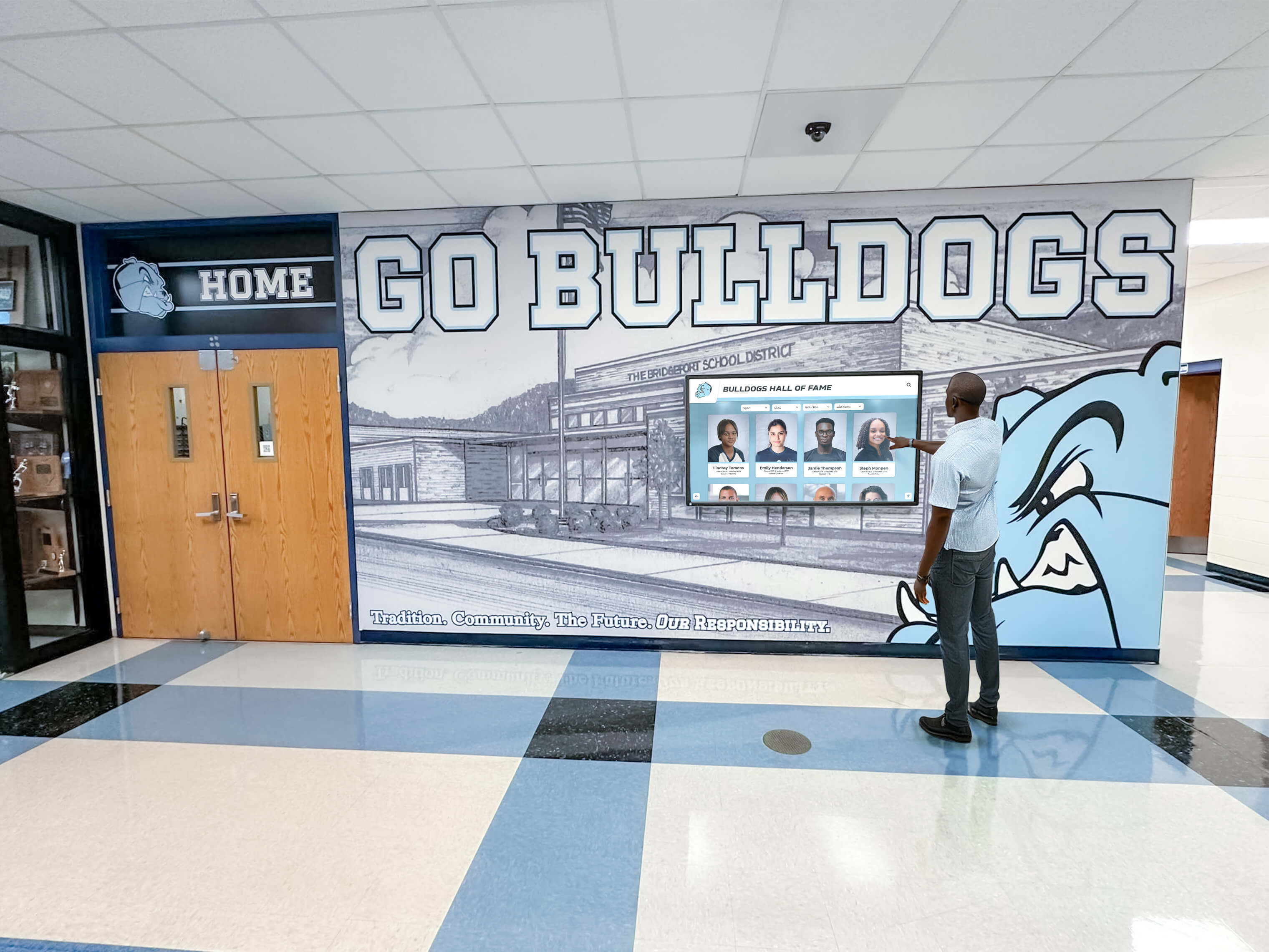
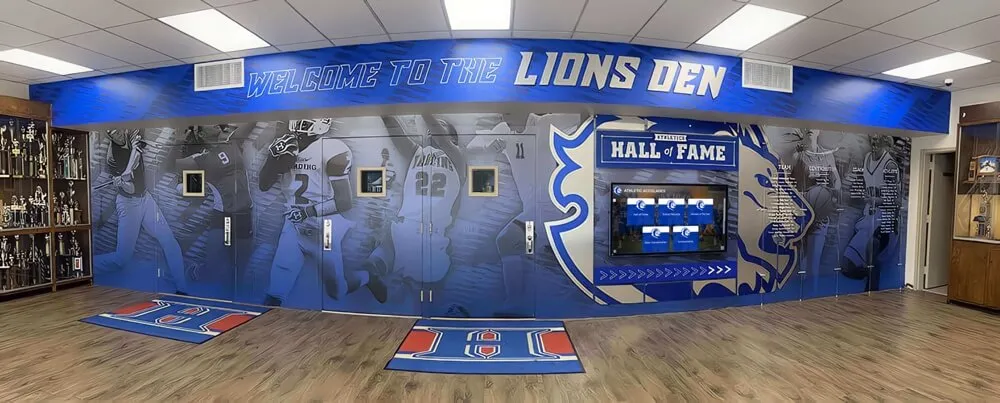
Accessible recognition systems enable community exploration of graduate achievements extending celebration beyond ceremonies
Special Considerations for Different Graduation Types
Appropriate program design varies based on graduation level, institutional context, and ceremony characteristics:
Elementary and Middle School Promotion Programs
Younger student graduations require age-appropriate program approaches:
Simplified Program Structures
Elementary and middle school programs can maintain simpler formats reflecting shorter ceremonies and younger participant needs. Consider streamlined content focusing on essential ceremony information, age-appropriate messaging and design elements, inclusion of student artwork or creative contributions, emphasis on growth and encouragement rather than purely achievement focus, and family-friendly design appealing to younger siblings attending.
These programs should feel celebratory and encouraging while maintaining appropriate formality marking important educational transitions.
High School Commencement Programs
High school graduations represent major milestones warranting comprehensive program treatment:
Expanded Recognition Content
High school programs typically include comprehensive graduate listings with honor designations, detailed ceremony schedules with multiple speakers and recognition segments, acknowledgment of diverse achievements across academics, athletics, arts, and leadership, college destination information showing graduate futures, and recognition of special awards and scholarships earned.
Learn about comprehensive approaches to high school end-of-year recognition culminating in graduation.
High school programs often become treasured keepsakes families preserve indefinitely, warranting quality design and production reflecting ceremony significance.
College and University Commencement
Higher education graduations face unique challenges requiring specialized approaches:
Managing Large Graduating Classes
University programs must accommodate hundreds or thousands of graduates through abbreviated graduate listings focusing on names and degrees rather than expanded profiles, separate college or school listings organizing graduates by academic division, digital program supplements providing comprehensive graduate information impossible in printed formats, and simplified ceremony descriptions given longer, more complex proceedings.
Many universities increasingly rely on comprehensive digital recognition platforms that overcome physical program limitations while providing detailed graduate recognition accessible to families worldwide.
Professional and Specialized Program Graduations
Career training programs, military academies, and specialized educational institutions often have unique program needs:
Context-Specific Program Elements
Programs should reflect specific institutional character through industry-relevant messaging and imagery, recognition of professional certifications or credentials earned, acknowledgment of field-specific achievements and milestones, connection to professional communities and career opportunities, and reflection of specialized institutional cultures and values.
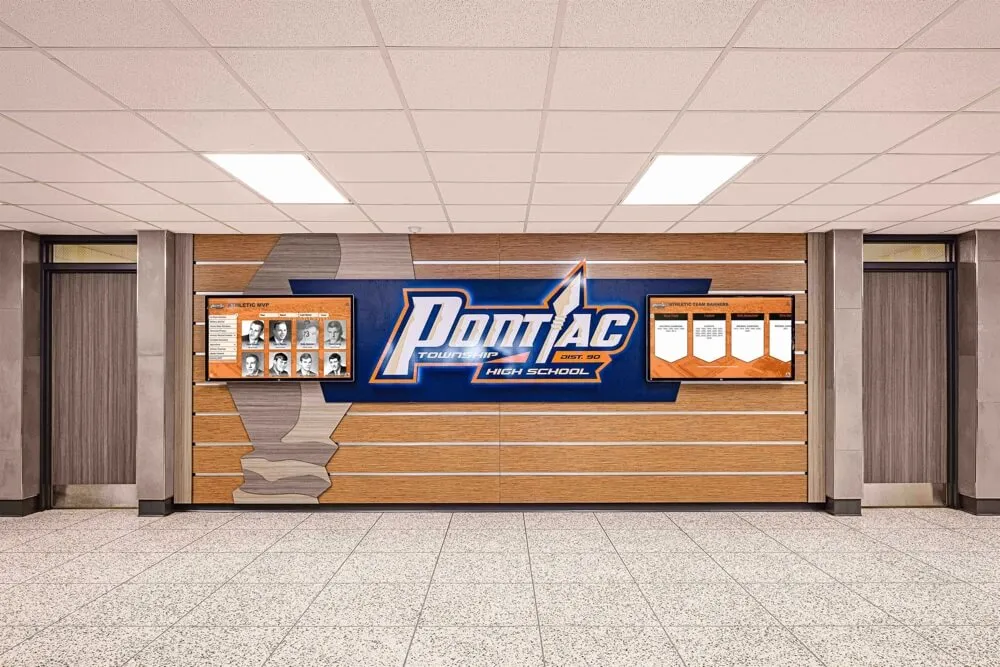
Specialized recognition approaches adapt to different educational contexts and celebration needs
Production and Distribution Considerations
Practical production planning ensures programs arrive completed on schedule within budget:
Printing Options and Cost Management
Program production costs vary significantly based on design complexity and production approaches:
In-House vs. Professional Printing
Organizations face choices about production methods:
In-House Production: School or office printers enable cost savings for small graduating classes, provide complete control over timing and last-minute changes, work well for simple single-color or black-and-white designs, but face quality limitations for complex multi-color designs and may prove time-consuming for large quantities.
Professional Print Services: Commercial printers deliver superior quality and professional appearance, efficiently handle large quantity production, offer advanced design options and finishing techniques, and free staff from production labor, but require longer lead times and advance planning and typically cost more per unit particularly for small quantities.
Many institutions balance approaches, using professional printing for major ceremonies while handling smaller programs internally.
Cost-Effective Design Strategies
Budget-conscious programs can maintain quality through strategic choices:
- Simple one or two-color designs reducing printing costs substantially
- Standard paper sizes avoiding custom cutting charges
- Digital printing for smaller quantities avoiding plate setup fees
- Reusable template designs amortizing design costs across multiple years
- Focus on content quality over elaborate production techniques
Beautiful, effective programs need not require substantial budgets when designed thoughtfully with cost constraints in mind.
Quantity Planning and Distribution
Accurate quantity estimation prevents shortages or excessive waste:
Determining Print Quantities
Calculate program needs systematically:
- Graduate count (assuming each receives copy for personal keeping)
- Family member allocation (typically 2-4 programs per graduate for family distribution)
- Faculty, staff, and participant copies
- VIP and special guest copies
- Archive and historical documentation copies
- Buffer for unexpected needs (typically 5-10% overage)
Undordering creates embarrassing shortages. Excessive overordering wastes resources. Systematic calculation based on historical attendance data provides guidance.
Distribution Planning
Organized distribution ensures all ceremony attendees receive programs:
- Distribution stations at ceremony entrances with adequate staffing
- Reserve graduate copies for distribution during ceremonies
- Special delivery for VIP or honored guests
- Archive copies for institutional records and libraries
- Digital backup availability if printed supplies exhaust unexpectedly
Smooth distribution creates positive first impressions while ensuring programs reach intended recipients.
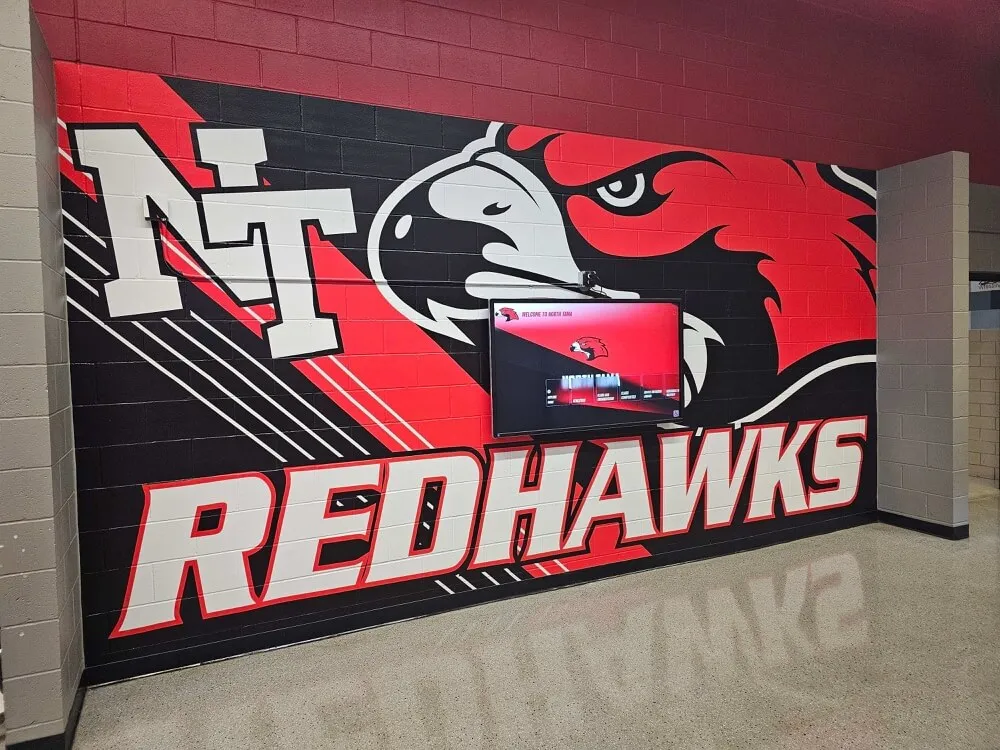
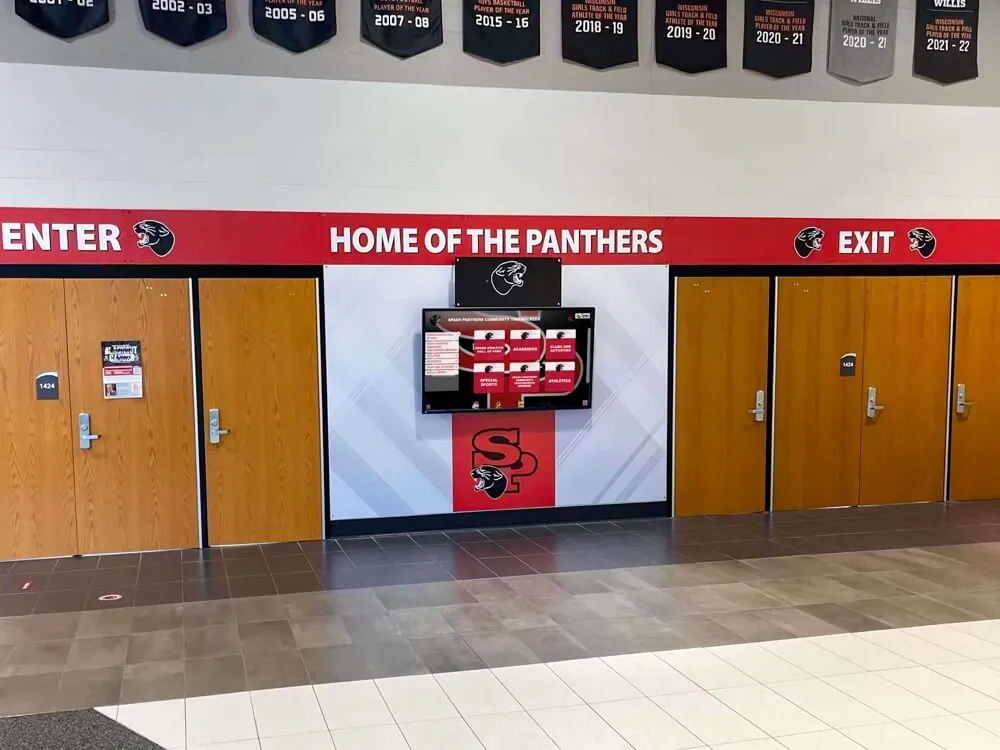
Coordinated visual identity across programs and facility installations creates cohesive institutional presence
Measuring Graduation Program Effectiveness
Thoughtful assessment following ceremonies enables continuous improvement:
Gathering Stakeholder Feedback
Multiple perspectives provide comprehensive understanding:
Graduate and Family Response
Post-ceremony feedback from graduates and families reveals whether programs provided adequate ceremony guidance and information, honored graduates appropriately with accurate recognition, felt meaningful and appropriate for ceremony significance, served as keepsakes worth preserving, and met or exceeded expectations based on previous experiences.
Staff and Administrative Assessment
Those involved in program planning and production provide insights about production process efficiency, timeline adequacy and whether additional preparation time would improve outcomes, budget appropriateness and resource allocation, accuracy of information and proofing effectiveness, and improvement opportunities for future graduation programs.
Continuous Improvement
Assessment information enables systematic enhancement:
Retaining Successful Elements
Identify program components receiving positive feedback for continuation in future years. Build institutional knowledge about effective approaches rather than constantly reinventing without learning from experience.
Addressing Identified Weaknesses
Systematically improve elements receiving critical feedback or demonstrating limited effectiveness through planning adjustments, resource reallocation, timeline modifications, or alternative approaches in subsequent years.
Incorporating Innovation
While maintaining successful core elements, continuously refresh programs through new design trends and aesthetic preferences, emerging technologies and digital enhancements, evolving attendee expectations and needs, and creative ideas from stakeholders and ceremony planners.
This balanced approach creates graduation programs that become more effective, meaningful, and valued over time while maintaining connection to institutional tradition.
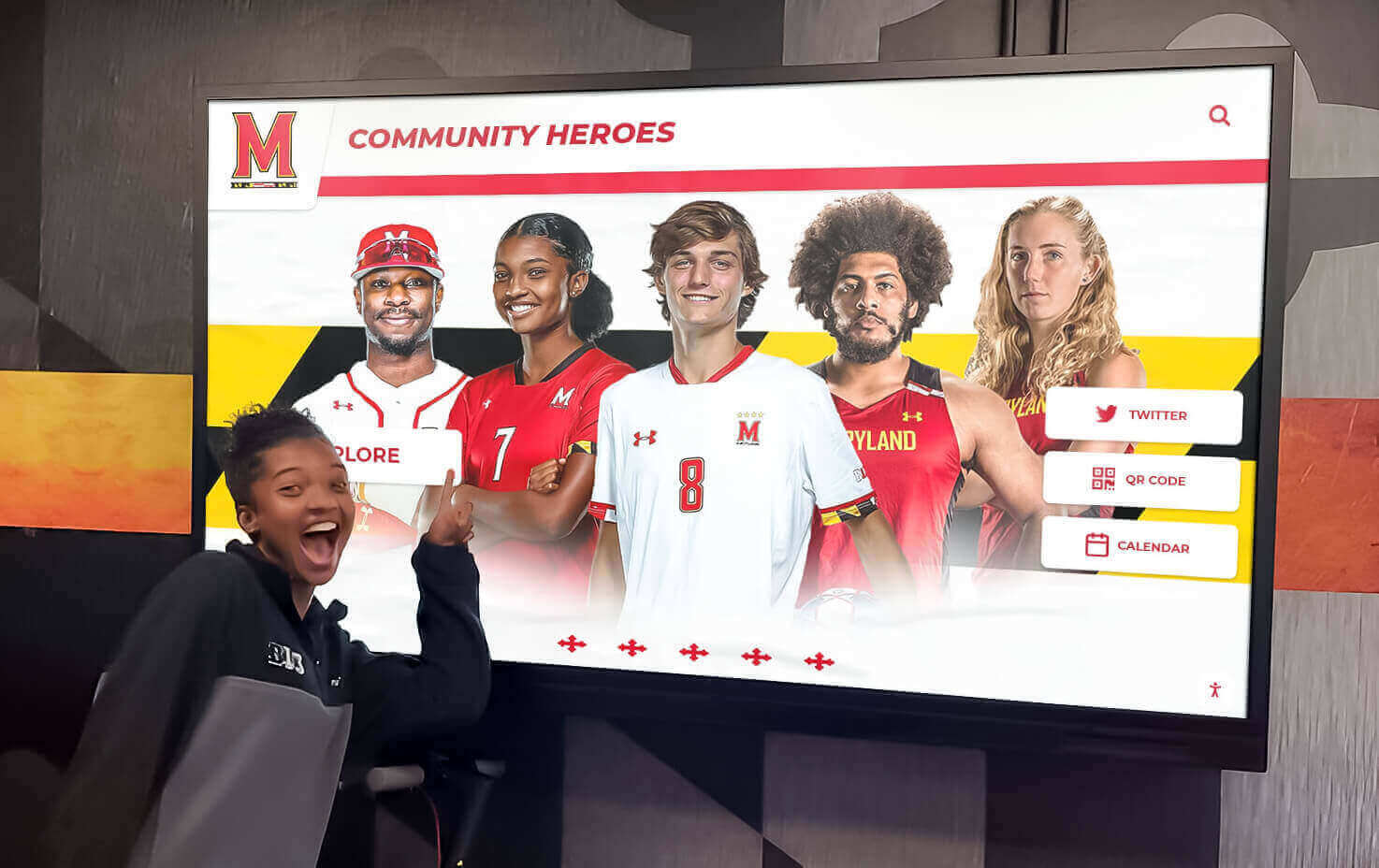
Recognition systems create engagement opportunities during ceremonies and long afterward
Conclusion: Creating Meaningful Graduation Programs That Honor Every Graduate
Graduation programs serve purposes far beyond simple ceremony guides. When designed thoughtfully and produced effectively, programs honor every graduate individually, guide attendees through meaningful ceremonies, create keepsakes families treasure for decades, reinforce institutional identity and values, and increasingly, connect printed ceremony documentation to permanent digital recognition ensuring graduates remain honored throughout communities long after ceremonies conclude.
The comprehensive strategies explored in this guide provide frameworks for creating graduation program templates that balance essential ceremony information with meaningful graduate recognition, professional design quality with budget consciousness, and traditional printed formats with modern digital enhancements. From elementary promotion programs to major university commencements, these approaches transform programs from routine necessities into valued ceremony components creating lasting impact.
Creating effective graduation programs requires moving beyond assumptions that quality requires substantial budgets or that generic templates suffice for unique institutional ceremonies. Modern platforms like Rocket Alumni Solutions enable schools to connect printed programs to comprehensive digital recognition systems preserving and extending graduate celebration far beyond single events, while thoughtful design and systematic planning ensure programs serve all necessary functions within available resources.
The most impactful graduation programs share common characteristics: they honor individual graduates with accurate, respectful recognition rather than treating them as anonymous list entries, they provide clear ceremony guidance helping attendees follow proceedings comfortably, they reflect authentic institutional identity through design and messaging unique to specific schools and communities, they include information families reference repeatedly making programs worth preserving, and they connect physical ceremony to digital recognition systems enabling comprehensive, lasting graduate celebration.
These approaches create what we call “warming” effects throughout educational communities—transforming cold, temporary printed programs into warm, lasting recognition where personalized celebration surfaces relevant graduate stories and achievements, comprehensive documentation preserves complete graduate information accessible indefinitely, connected systems enable family and alumni exploration from anywhere at any time, and vibrant communities engage with graduate recognition building ongoing relationships rather than one-time ceremony attendance.
Start where you are with resources currently available for graduation program development, then systematically enhance approaches creating increasingly meaningful programs. Every graduate deserves recognition that honors their unique journey, celebrates their achievement, and connects them permanently to educational communities that helped shape their success.
Your school’s graduation ceremonies represent powerful opportunities for celebrating achievement, building community, and creating memories lasting lifetimes. With thoughtful planning, effective program design, and modern recognition technology, you can transform programs from disposable ceremony handouts into valued keepsakes graduates and families preserve while simultaneously creating comprehensive digital recognition ensuring every graduate remains honored throughout your community for decades to come.
Ready to transform your graduation programs and create lasting graduate recognition extending far beyond ceremony day? Explore how digital recognition platforms complement printed programs with permanent achievement documentation accessible to graduates, families, and alumni communities indefinitely.