



Intent: demonstrate — Giving Tuesday represents one of the most powerful fundraising moments of the year, mobilizing millions of donors to support causes they care about. Schools, colleges, alumni associations, and nonprofit organizations invest tremendous energy into campaigns designed to capture generosity during this 24-hour window. Yet for most institutions, the recognition and momentum generated on Giving Tuesday disappears within days, leaving donors acknowledged only through email receipts and perhaps a social media post thanking “everyone who gave.”
Traditional Giving Tuesday campaigns treat donor recognition as a transactional afterthought—a thank-you email, maybe a name on a temporary leaderboard, and then silence. This approach misses the fundamental opportunity that donor recognition presents: the chance to transform one-day supporters into year-round community members by creating permanent, engaging spaces where their generosity receives ongoing visibility while inspiring others to give.
Digital donor recognition pages powered by solutions like Rocket Alumni Solutions transform Giving Tuesday campaigns from fleeting events into permanent community hubs. By showcasing all donors—not just major gifts—through searchable, interactive displays accessible via touchscreens and mobile devices, institutions create what we call “digital warming”: continuously surfaced, personalized content that activates cold digital spaces and drives sustained engagement long after the campaign ends.
This comprehensive guide explores how schools and organizations leverage digital donor recognition pages to maximize Giving Tuesday impact while building vibrant donor communities that extend far beyond a single campaign day. More importantly, we’ll examine how creating a centralized recognition hub doesn’t just celebrate past giving—it actively drives future donations by making generosity visible, celebrated, and contagious.

Modern donor recognition transforms one-day campaigns into year-round community engagement platforms
The Giving Tuesday Recognition Gap
Most institutions approach Giving Tuesday with sophisticated marketing strategies, compelling storytelling, and urgent calls to action. Yet when it comes to recognizing the donors who respond, most fall back on outdated, forgettable approaches that waste the relationship-building potential their campaigns create.
Why Traditional Recognition Falls Short
The typical Giving Tuesday recognition experience looks remarkably similar across most institutions: donors receive an automated email receipt, perhaps see their name scroll past on a social media feed, and maybe get included in a generic “thank you to all our supporters” message. Within 48 hours, any visible acknowledgment of their gift disappears entirely.
This transactional approach treats donors as one-time contributors rather than community members worthy of lasting recognition. Research consistently shows that donor retention rates remain dismally low—averaging around 45% year-over-year—in part because institutions fail to create meaningful ongoing connections between giving moments and sustained recognition.
Ephemeral Acknowledgment Creates Forgettable Experiences
When recognition exists only in the moment, donors feel appreciated briefly but forgotten quickly. The emotional high of giving during Giving Tuesday dissipates rapidly when institutions provide no lasting evidence of their contribution’s significance. This creates a fundamental mismatch between donors’ desire for meaningful impact and institutions’ failure to demonstrate how individual gifts contribute to collective community strength.
Limited Visibility Misses Network Effects
Perhaps more critically, traditional recognition approaches fail to leverage the powerful network effects that visible donor communities create. When only the institution sees who gave, potential future donors miss the social proof that motivates participation. Prospective donors asking “do people like me support this organization?” find no visible evidence that others in their network have already given, eliminating a crucial motivational factor.
The Opportunity in Permanent Recognition
Digital donor recognition pages fundamentally reimagine how institutions acknowledge Giving Tuesday participants by creating permanent, searchable, engaging spaces where all supporters receive ongoing visibility.
Transforming Transactions Into Relationships
When donors can visit a digital recognition page months after Giving Tuesday and see their name prominently displayed among a visible community of supporters, the relationship dynamic shifts dramatically. Their gift becomes part of their identity as a community member rather than a forgotten transaction. This psychological shift from “I gave once” to “I’m a supporter” significantly impacts future giving decisions and overall institutional connection.
Creating Visible Donor Communities
Digital donor walls make giving visible in ways that traditional approaches cannot. When prospective donors explore recognition pages and discover classmates, colleagues, family members, and role models who have given, the decision to support becomes social rather than purely transactional. This visibility creates what behavioral economists call “social norming”—the powerful influence of seeing what others in your community do.
Building Year-Round Touchpoints
Permanent recognition pages create natural opportunities for ongoing donor communication throughout the year. Institutions can alert supporters when new donors join the community, when giving milestones are reached, when featured donor stories are published, or when recognition pages receive updates. Each interaction reinforces the donor’s decision to give while maintaining top-of-mind awareness for future campaigns.
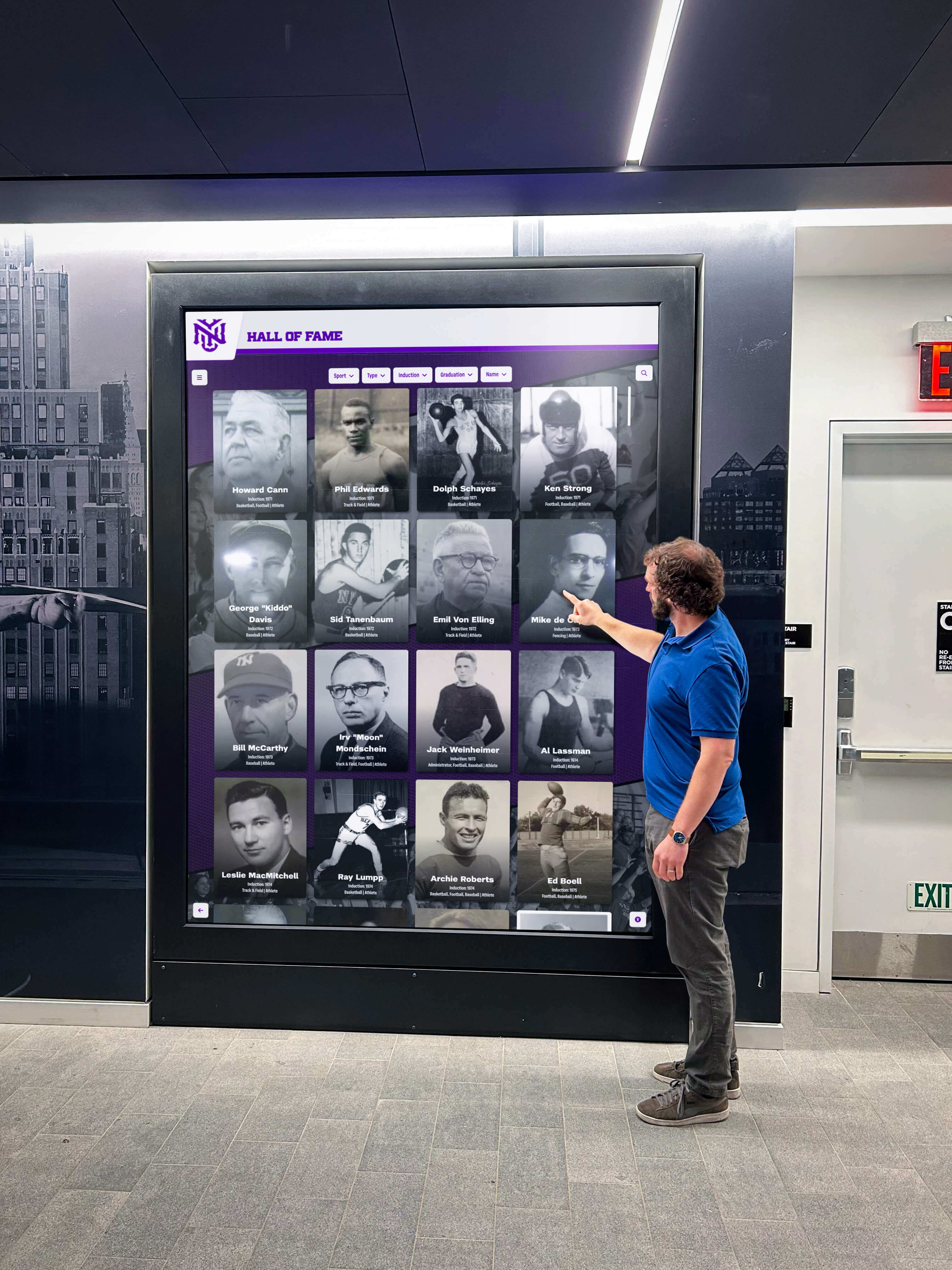
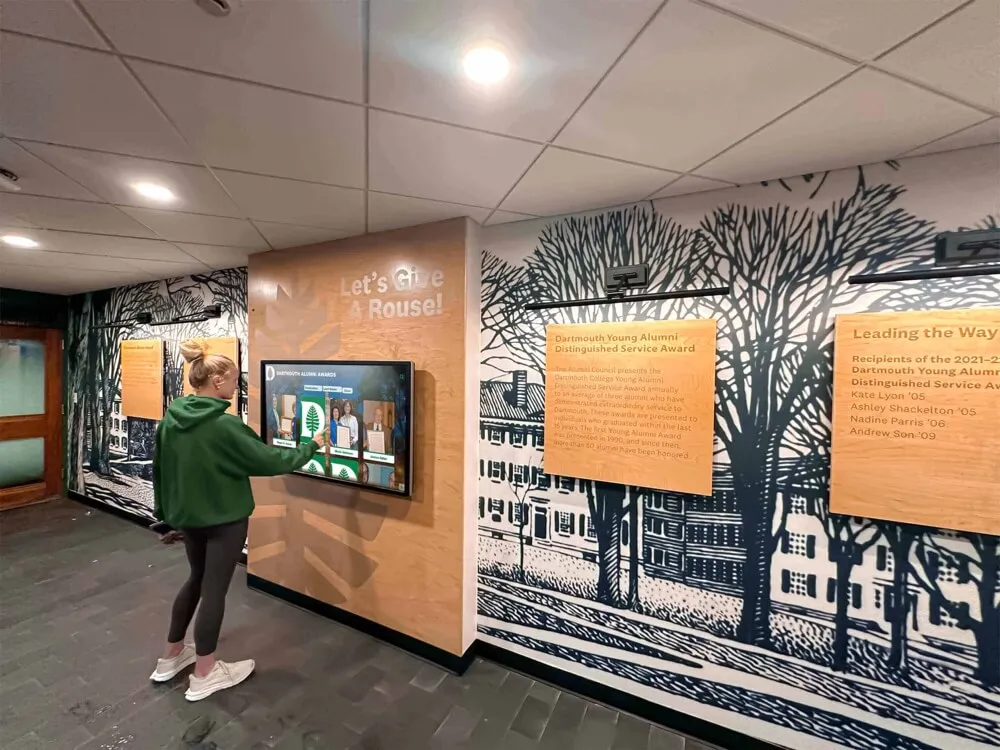
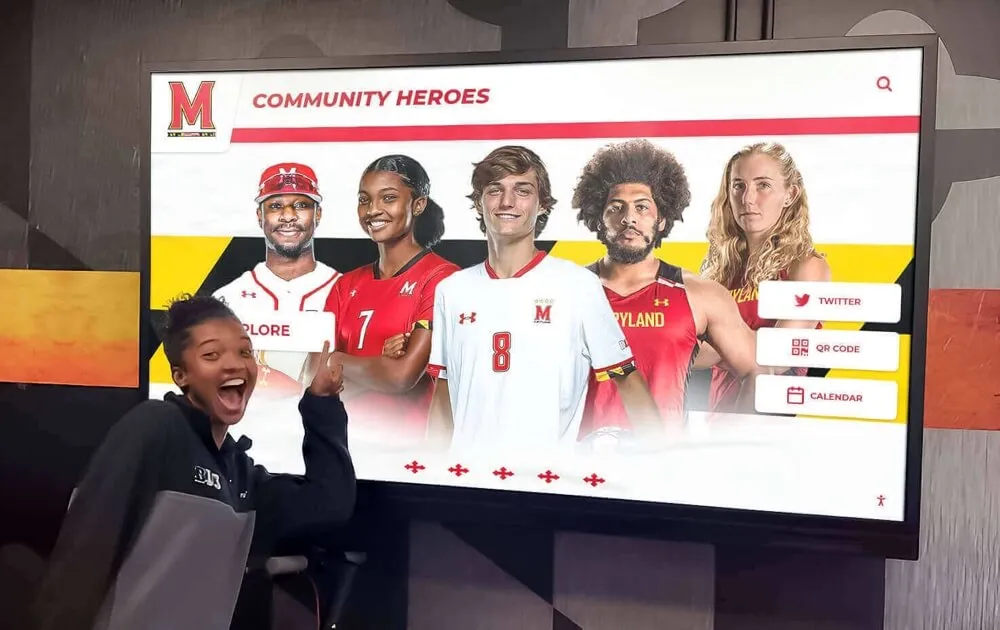
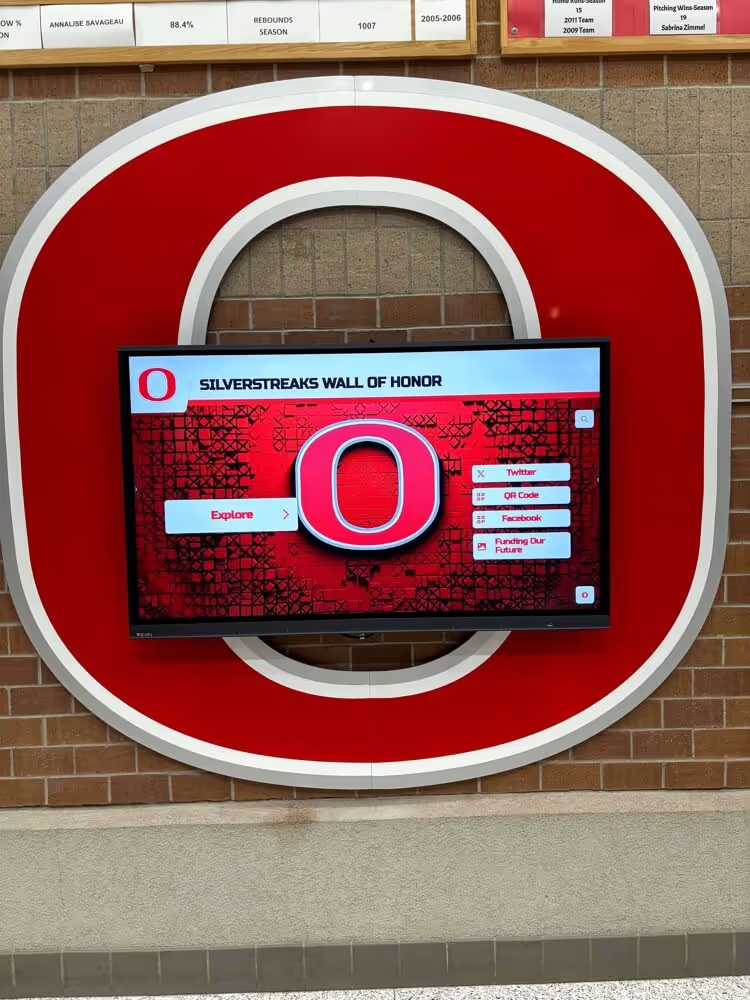
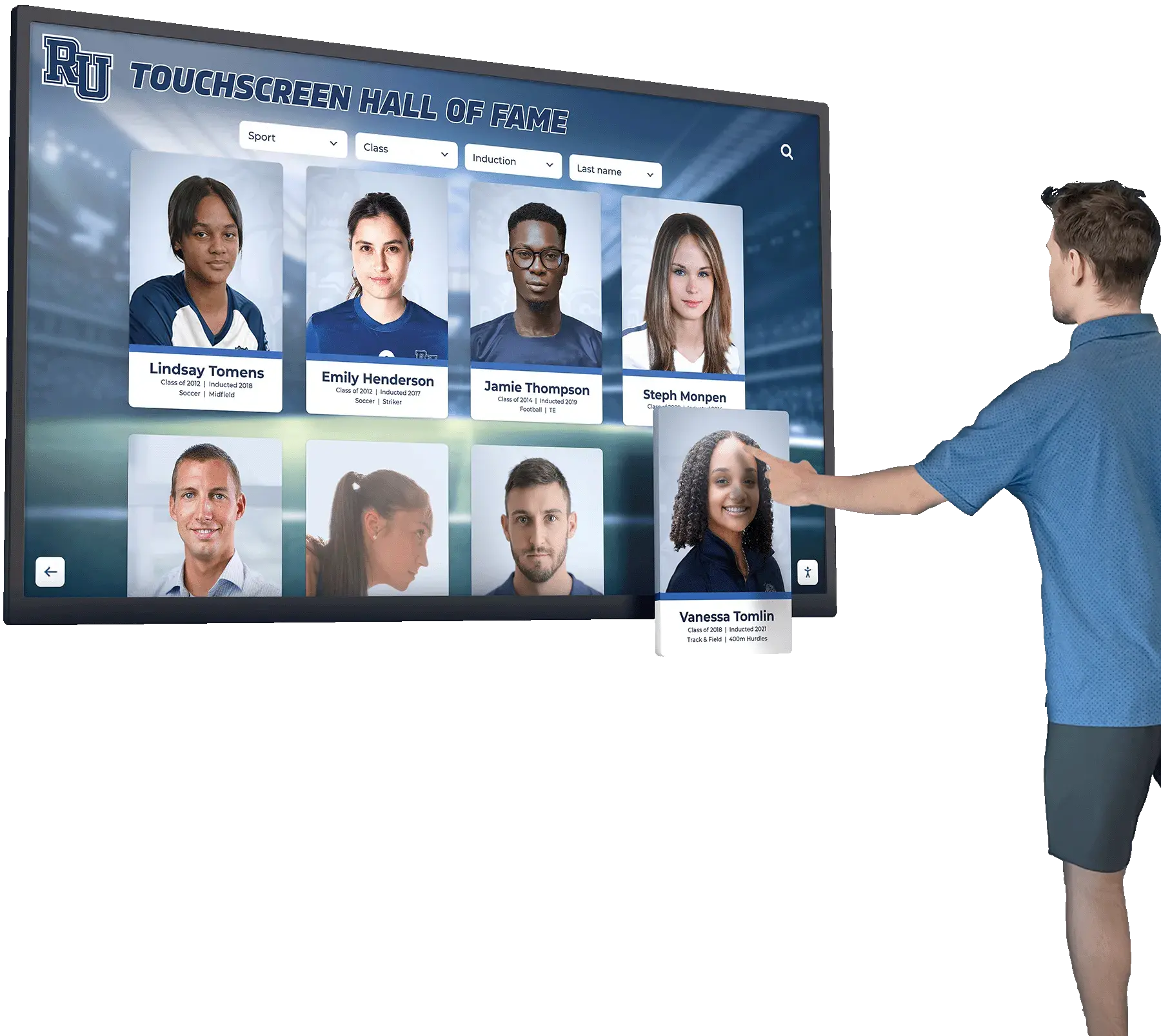
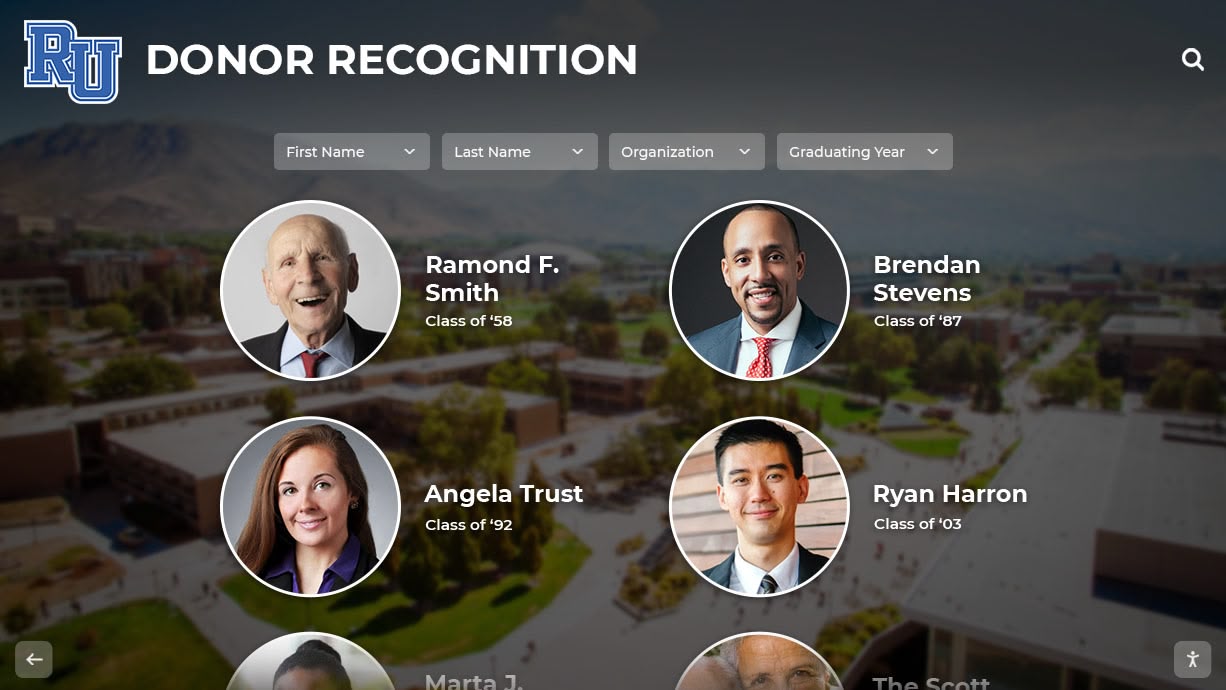
Interactive recognition displays transform passive viewing into active exploration and personal discovery
How Digital Donor Pages Drive Giving Tuesday Success
Effective Giving Tuesday donor recognition pages serve dual purposes: celebrating past supporters while actively motivating new giving. This strategic approach transforms recognition from a backward-looking thank-you into a forward-looking engagement tool that drives measurable results.
Recognition as Recruitment Tool
When prospective donors visit your institution and encounter visible, robust donor communities through digital recognition displays, they receive powerful signals about institutional health and community engagement.
Social Proof Powers Giving Decisions
Behavioral research consistently demonstrates that visible evidence of others’ giving significantly increases donation likelihood. The science of social proof in fundraising shows that donors feel more confident supporting organizations when they see evidence that others—especially people similar to themselves—have already given. Digital recognition pages displaying hundreds or thousands of donors create this confidence-building social proof automatically.
Searchability Enables Personal Discovery
Unlike static donor lists, searchable digital recognition systems enable prospective supporters to discover personal connections they didn’t know existed. When alumni can search for classmates, parents can find other families from their child’s grade, or community members can discover neighbors who support the institution, giving becomes personally relevant rather than abstract. This personal relevance dramatically increases conversion likelihood.
Visible Giving Levels Establish Norms
Digital recognition pages that display giving societies, recognition tiers, and contribution ranges help prospective donors understand what levels of support are typical and valued. This transparency eliminates common objections like “I don’t know how much to give” while establishing clear expectations about meaningful participation. When donors see that many community members give at accessible levels like $100 or $500, these amounts feel achievable rather than arbitrary.
Creating Central Hubs That Drive Action
The most effective Giving Tuesday donor pages don’t just display names—they function as active engagement hubs that drive specific behaviors and outcomes.
Integration With Active Giving Pages
Several forward-thinking institutions, as mentioned in the initial context, use advanced integration tools to link recognition displays directly with active donation pages. This strategic connection creates a powerful psychological loop: visitors explore the donor community, feel inspired by the visible support, and can immediately join that community through prominently displayed giving links.
Solutions like Rocket Alumni Solutions enable this seamless integration through customizable calls-to-action embedded within recognition experiences. When someone explores donor profiles and sees an immediate opportunity to “Join Our Community of Supporters,” the pathway from inspiration to action becomes frictionless.
Real-Time Recognition Updates
Modern digital recognition platforms enable real-time or near-real-time updates, meaning donors who give during Giving Tuesday can see their names appear in the community within hours or days rather than months. This immediacy creates gratification that reinforces giving decisions while demonstrating organizational responsiveness and efficiency. Real-time recognition also creates urgency during campaign pushes—“give today and join the 500 supporters already recognized” proves far more compelling than generic calls to action.
Mobile and QR Code Accessibility
Physical touchscreen displays in campus lobbies and facilities create impressive visual statements about donor community strength, but QR code mobile access extends recognition reach exponentially. When printed materials, email campaigns, and social media posts include QR codes linking to recognition pages, donors can explore the community from anywhere using personal devices. This accessibility ensures recognition visibility isn’t limited to campus visitors, making donor pages functional marketing and engagement tools for geographically distributed communities.
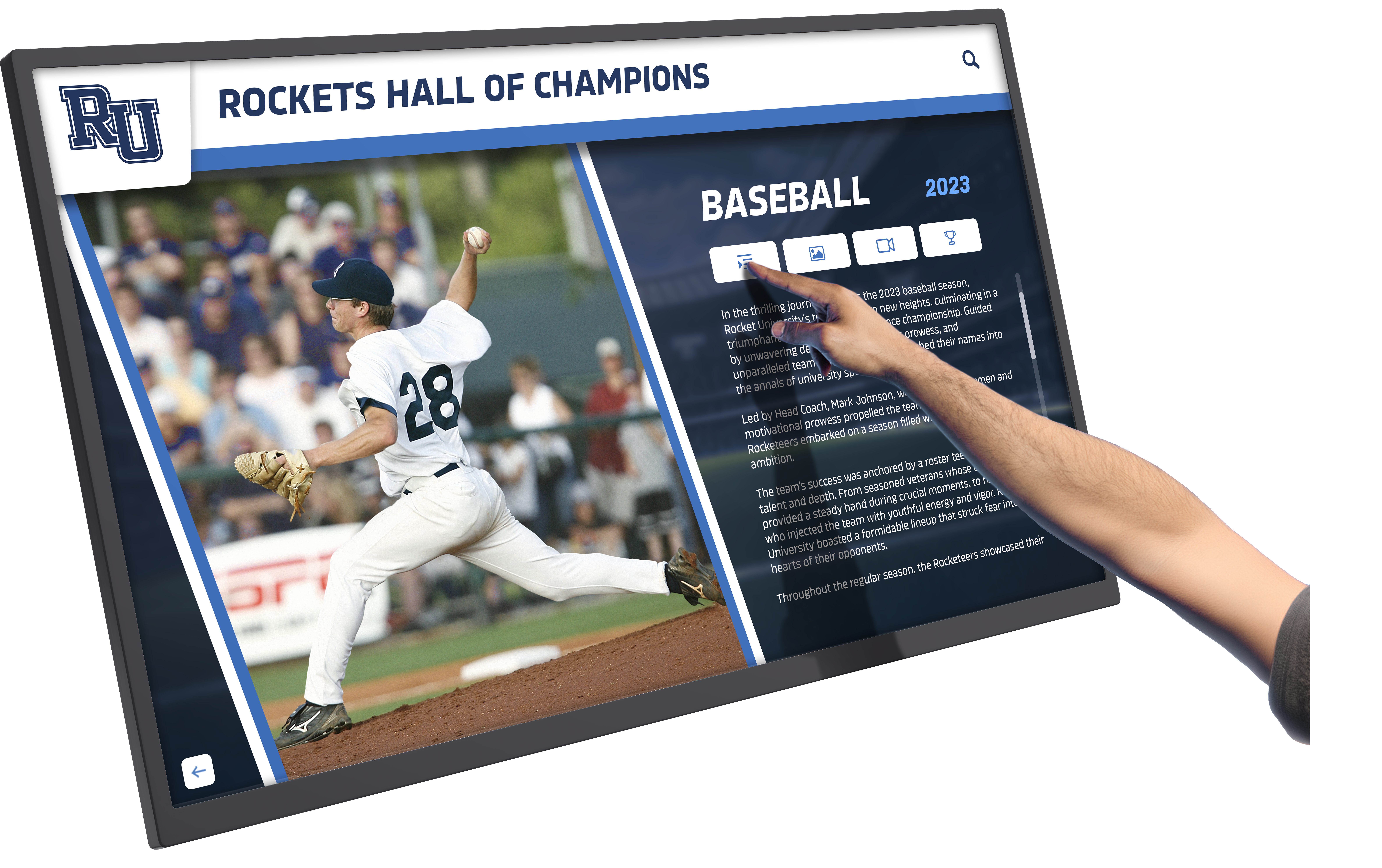
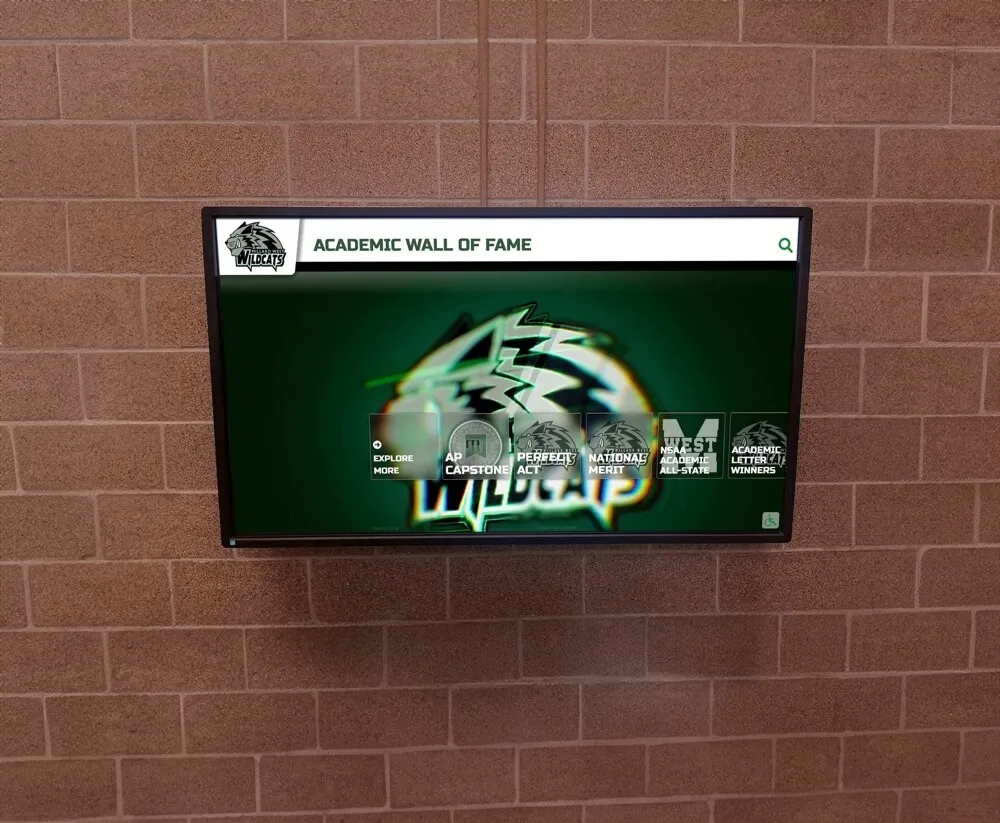
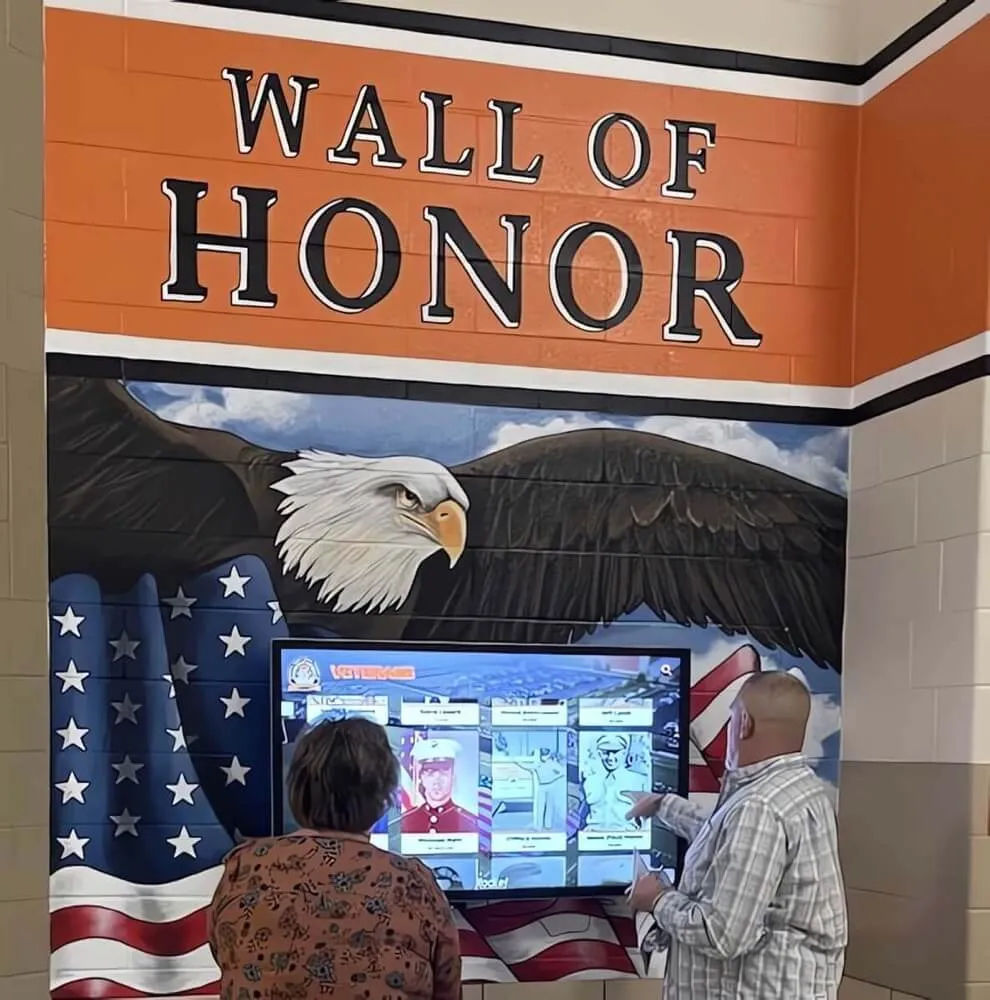
Touchscreen interfaces make donor exploration intuitive and engaging for all age groups
Beyond Giving Tuesday: Year-Round Engagement
While Giving Tuesday creates a concentrated campaign moment, the most successful institutions leverage digital donor recognition to maintain engagement throughout the entire year.
Featured Donor Spotlights
Automated content rotation ensures all donors receive featured visibility over time, not just major gift supporters. Monthly spotlight features highlighting donors’ motivations, personal connections to the institution, and stories behind their giving create compelling content for newsletters, social media, and website updates. These spotlights transform generic “thank you” communications into meaningful storytelling that inspires others while deepening featured donors’ institutional connections.
Explore effective approaches in alumni spotlight programs that can be adapted for donor recognition contexts.
Milestone and Anniversary Recognition
Digital platforms enable automated recognition of giving anniversaries, consecutive year milestones, and cumulative contribution thresholds. When the system automatically identifies that a donor has given for five consecutive years or has reached $10,000 in lifetime contributions, advancement teams can provide personalized recognition celebrating these milestones. This systematic approach ensures consistent stewardship without requiring manual tracking and intervention.
Community Building Around Shared Commitment
Recognition pages that display not just names but also class years, geographic locations, relationship to institution, and areas of interest enable donors to discover others who share their connections and passions. An alumnus supporting scholarship programs can find fellow scholarship supporters from their graduating class. Parents funding athletics can connect with other families passionate about sports programs. These shared-interest communities create belonging that transcends individual giving moments, building the sustained engagement that leads to long-term support.
Implementing Effective Donor Recognition Pages
Creating digital donor recognition that drives results requires strategic planning beyond simply installing touchscreens or launching web pages. The most effective implementations follow systematic approaches that align technology capabilities with institutional advancement goals.
Defining Recognition Strategy and Scope
Before selecting platforms or designing interfaces, institutions must clarify fundamental questions about recognition philosophy and scope.
Who Gets Recognized and How
Successful donor recognition pages establish clear, transparent criteria for inclusion while ensuring equitable visibility across giving levels. Key decisions include:
Minimum gift thresholds: Will all Giving Tuesday donors receive recognition regardless of amount, or do minimum thresholds apply? Many institutions find that recognizing all donors—even small gifts—creates inclusive communities while providing social proof through visible donor numbers.
Recognition categories: How will giving levels, recognition societies, and cumulative giving be displayed? Clear category structure helps donors understand where they fit within the community while providing aspirational levels for future giving growth.
Anonymous option: While most donors appreciate recognition, some prefer anonymity. Effective systems accommodate both preferences through opt-in/opt-out mechanisms that respect donor choices while still counting their participation in aggregate statistics.
Memorial and tribute gifts: Recognition approaches for gifts made in honor or memory of others require thoughtful structure that acknowledges both the donors making gifts and the individuals being honored.
Historical vs. Current Focus
Institutions must decide whether donor pages will exclusively showcase current campaign participants or include historical donors creating comprehensive donor community archives. Both approaches offer advantages:
Focusing exclusively on recent Giving Tuesday participants creates urgency and currency but may miss opportunities to demonstrate long-term community support. Including historical donors creates impressive community scale but requires significant digitization effort for past giving records.
Many institutions adopt phased approaches—launching with current campaign donors, then gradually expanding to include historical giving as resources permit. This incremental strategy delivers quick campaign value while building toward comprehensive donor archives over time.
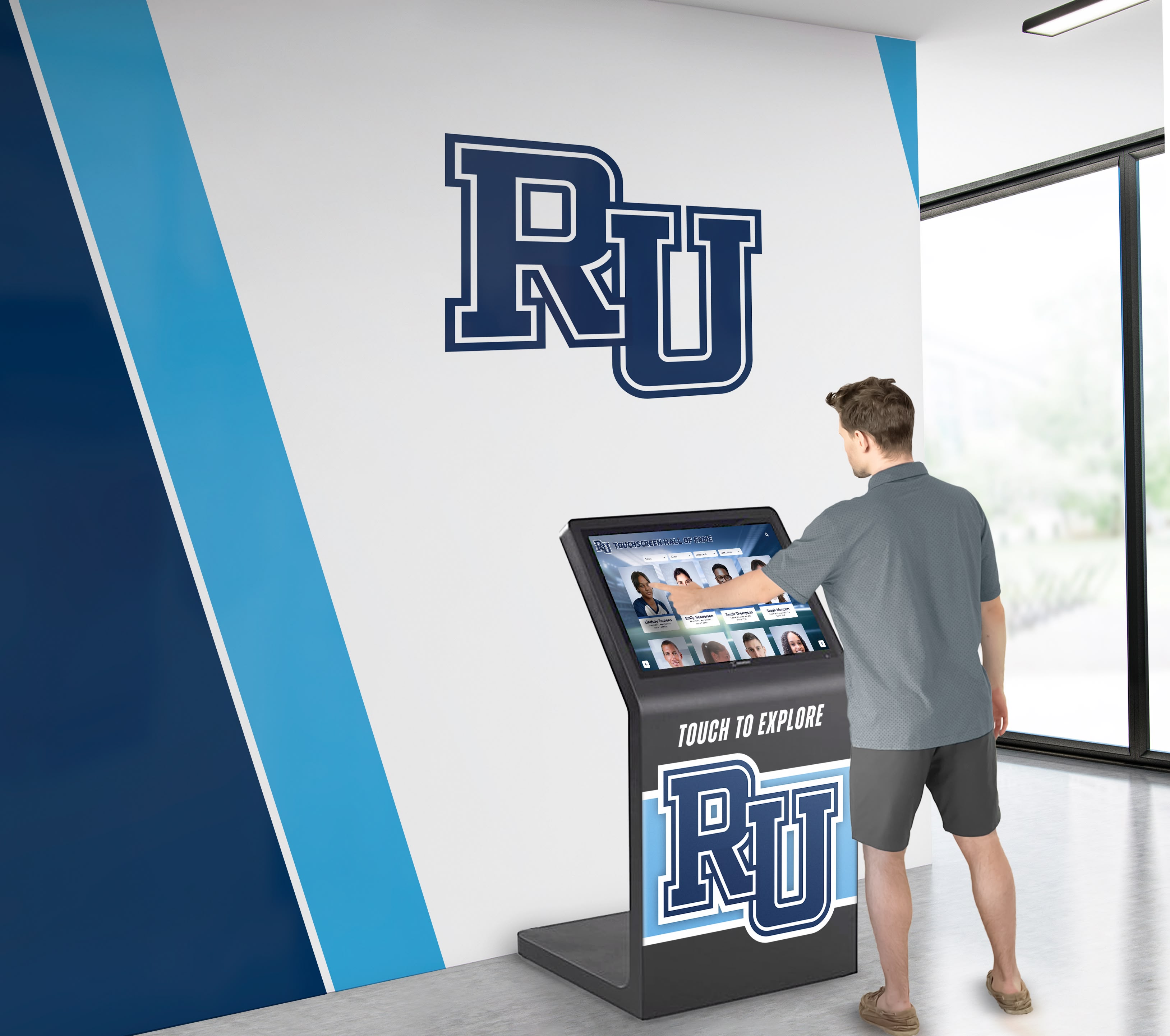
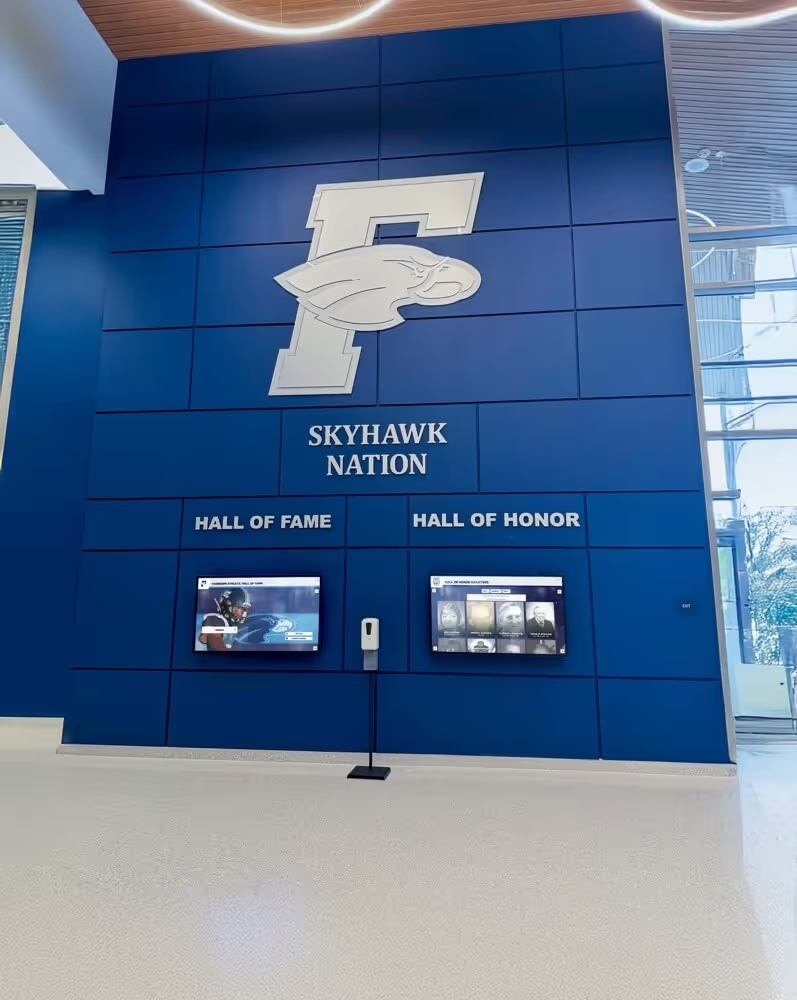
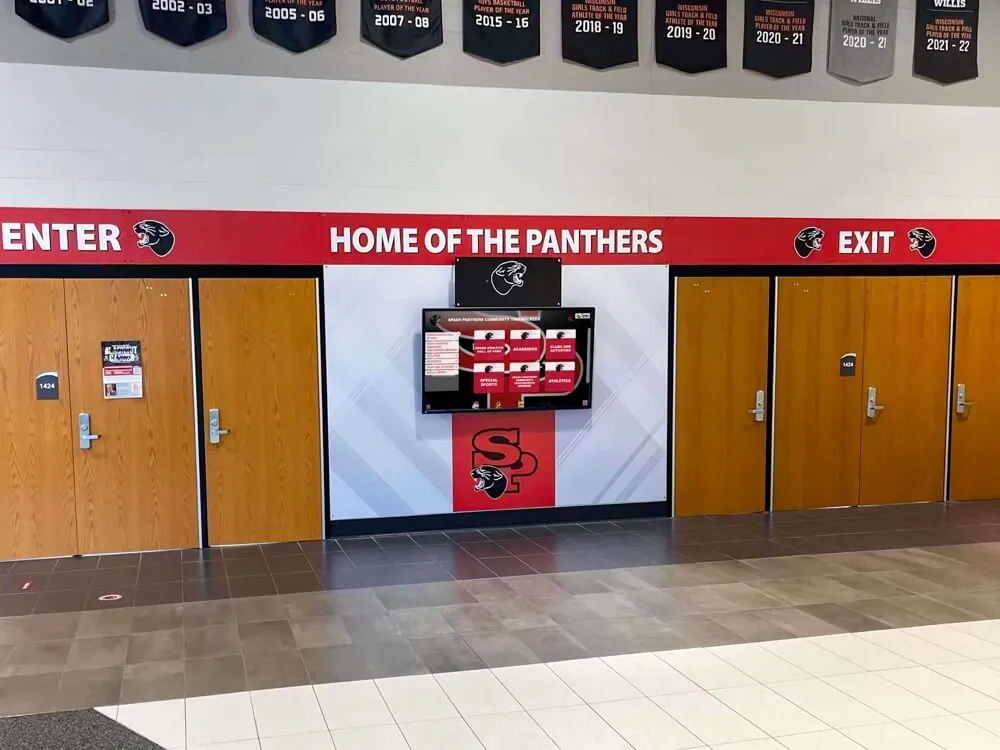
Strategic lobby placement ensures maximum visibility for campus visitors and prospective supporters
Selecting the Right Platform
Platform selection significantly impacts long-term satisfaction, operational efficiency, and donor engagement quality. Purpose-built donor recognition systems offer substantial advantages over generic digital signage or custom development approaches.
Purpose-Built vs. Generic Solutions
Generic digital signage platforms designed for corporate communications or retail advertising lack features essential for donor recognition: sophisticated searchability, individual profile pages, giving level categorization, automated content rotation ensuring equitable visibility, and web accessibility extending beyond physical displays.
Solutions like Rocket Alumni Solutions design specifically for recognition applications, providing capabilities generic platforms cannot match:
- Unlimited donor capacity: Accommodate thousands of donors without performance degradation or additional fees, eliminating artificial constraints on recognition scope
- Sophisticated search functionality: Enable visitors to search by name, year, location, giving society, or other attributes, facilitating personal discovery and connection
- Individual donor profiles: Support detailed biographical content, personal statements, photos, and giving motivations beyond simple name listings
- Responsive web accessibility: Ensure recognition extends beyond physical touchscreens through mobile-optimized web platforms accessible from anywhere
- ADA WCAG 2.1 AA compliance: Meet accessibility standards ensuring inclusive experiences for all community members including those using assistive technologies
Learn more about platform selection considerations in comprehensive interactive display guides.
Content Management Requirements
Non-technical advancement staff need intuitive content management systems enabling confident updates without IT dependencies. Evaluation should involve actual users testing workflows for adding donors, updating profiles, managing giving categories, and scheduling featured content.
Cloud-based management systems enable remote updates from any internet-connected device, eliminating requirements for on-campus access to physical hardware while supporting distributed advancement teams and flexible work arrangements.
Integration Capabilities
Seamless integration with existing advancement systems—CRM databases, online giving platforms, event management tools, and communication systems—prevents duplicative data entry while ensuring accuracy. API-level integrations enable automated donor recognition updates triggered by gift processing, eliminating manual transfer of donor information between systems.
Content Development Best Practices
Compelling donor recognition content balances appreciation with inspiration, celebrating individual generosity while motivating community participation.
Profile Depth and Personalization
While basic name and giving level recognition suffices for minimum acknowledgment, richer profiles create meaningfully differentiated experiences that donors value:
- Personal statements: Invite donors to share why they give, what the institution means to them, or what they hope their support accomplishes
- Connection to mission: Help donors articulate how their gifts align with institutional priorities they care about
- Family legacy information: Highlight multi-generational giving traditions that inspire similar family commitment from others
- Professional photographs: When donors agree, include portrait photos creating personal connections beyond text listings
Not every donor will provide extensive profile content, but offering opportunities for those who want greater visibility creates tiered engagement matching donor preferences and investment levels.
Giving Impact Storytelling
Beyond recognizing who gave, effective donor pages communicate what giving accomplishes. Impact storytelling might include:
- Student testimonials from scholarship recipients thanking supporters who made attendance possible
- Program updates showing how annual fund contributions enable specific initiatives
- Facilities improvements funded by capital campaigns with visual documentation of transformation
- Faculty support enabling research, professional development, or teaching excellence
This impact content transforms donor recognition from simple acknowledgment into compelling mission communication that reinforces giving decisions while inspiring others.
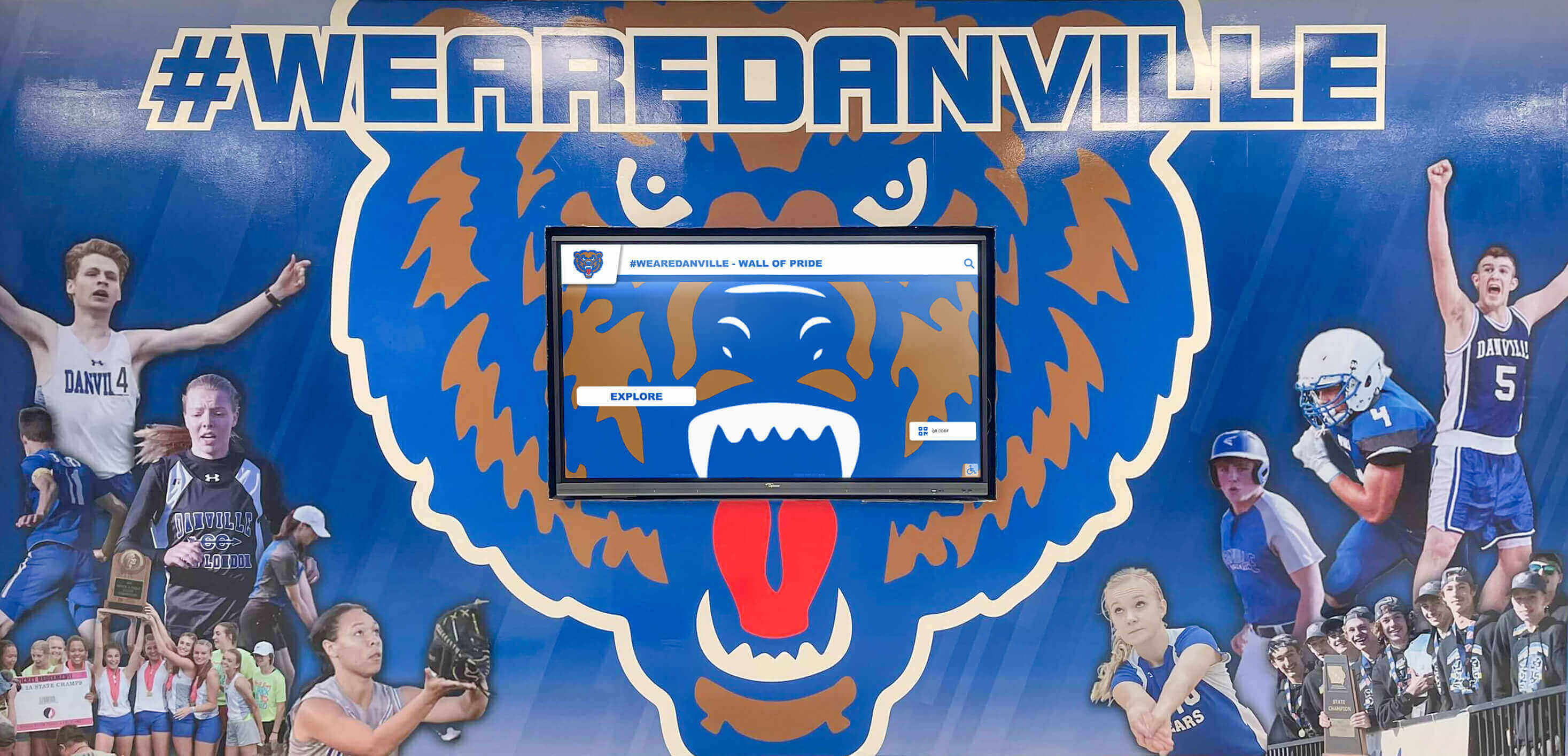
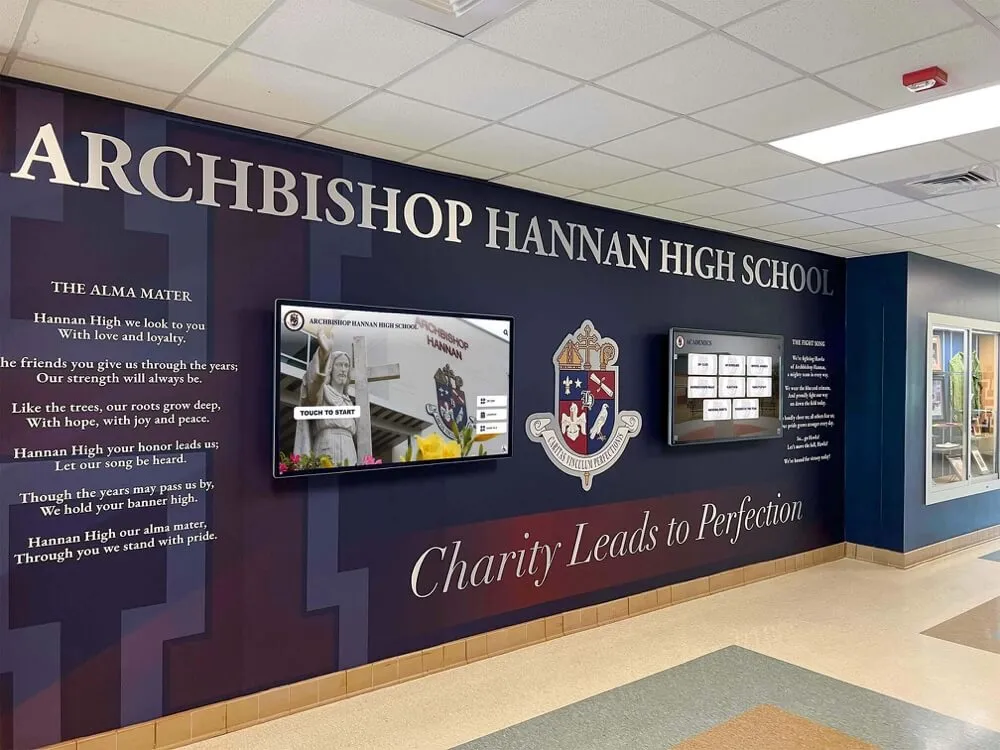
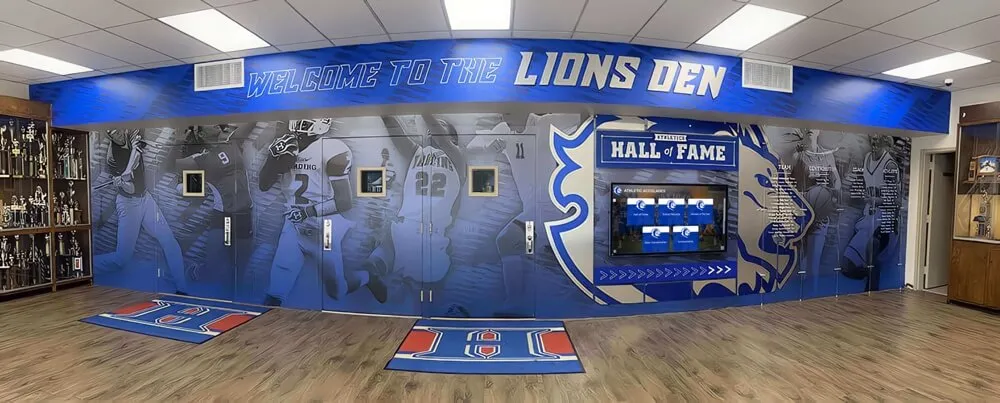
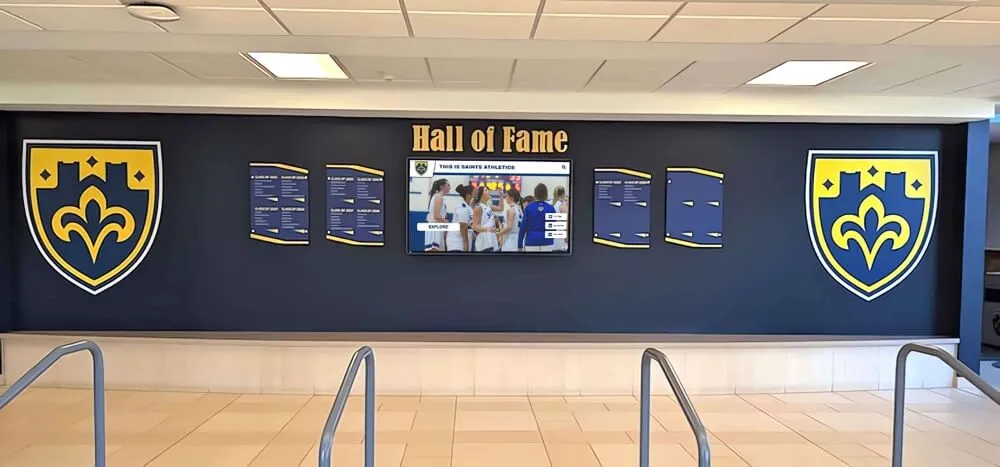
Branded environments integrate recognition displays with institutional identity and school pride
Physical Installation Considerations
For institutions implementing touchscreen donor recognition displays, strategic placement and professional installation significantly impact visibility and usage.
High-Traffic Location Selection
Install displays where they receive natural visibility from campus community members, visitors, prospective families, and donors—main lobby entrances, development office waiting areas, alumni centers, or high-traffic corridors connecting major facilities. Locations where people naturally linger—cafeteria entrances, student union spaces, athletic facility lobbies—encourage exploration rather than hurried glances.
Multiple Display Strategies
Institutions with diverse campuses may benefit from multiple recognition displays serving different audiences and purposes:
- Main administration building displays showcasing comprehensive donor communities to visiting families and official guests
- Athletic facility displays highlighting donors supporting sports programs in contexts where impact is most visible
- Student center displays ensuring current students see visible evidence of donor support making their education possible
- Alumni center displays creating focal points for reunion gatherings and donor cultivation events
Accessibility and Ergonomics
Ensure mounting heights, screen angles, approach distances, and interaction ergonomics accommodate diverse users including wheelchair accessibility. Interactive displays should position controls within reach ranges following ADA guidelines while providing alternatives for visitors who prefer not to touch shared surfaces.
Advanced Integration: Linking Recognition to Active Giving
The most sophisticated Giving Tuesday donor recognition implementations don’t just celebrate past giving—they actively drive new donations through strategic integration connecting recognition exploration with immediate giving opportunities.
Creating Seamless Giving Pathways
When visitors explore donor recognition pages and feel inspired by visible community support, capturing that motivational moment requires frictionless pathways from recognition to action.
Embedded Giving Links
Modern donor recognition platforms enable customizable calls-to-action integrated directly within recognition experiences. Strategic placement might include:
- “Join Our Community of Supporters” buttons prominently displayed on donor directory pages
- Giving level information paired with “Give at This Level” links enabling immediate matching of inspiration with action
- Featured donor story pages concluding with “Support What [Donor Name] Supports” calls-to-action connecting personal stories with specific giving opportunities
- Search results displaying donor communities with immediate options to “Add Your Name to This Group”
These contextual giving prompts prove far more effective than generic “donate” buttons because they connect recognition inspiration directly with participation opportunities.
Real-Time Campaign Integration
During active Giving Tuesday campaigns, donor recognition pages function as dynamic campaign hubs displaying real-time progress toward goals. Live counters showing current donor numbers, funds raised, and participation rates create urgency while demonstrating momentum. When prospective donors see “Join 847 supporters who have given today,” immediate social proof combines with scarcity mentality to drive action.
Rocket Alumni Solutions’ advanced integration capabilities enable these sophisticated connections between recognition and active fundraising through API-level coordination with major giving platforms and institutional advancement systems.
Post-Campaign Stewardship Integration
After Giving Tuesday concludes, recognition pages transition to stewardship and cultivation mode while maintaining readiness for year-round giving. Thank-you messages to current campaign participants appear alongside information about upcoming initiatives, planned giving opportunities, volunteer engagement, and other ways community members can support beyond immediate financial gifts.
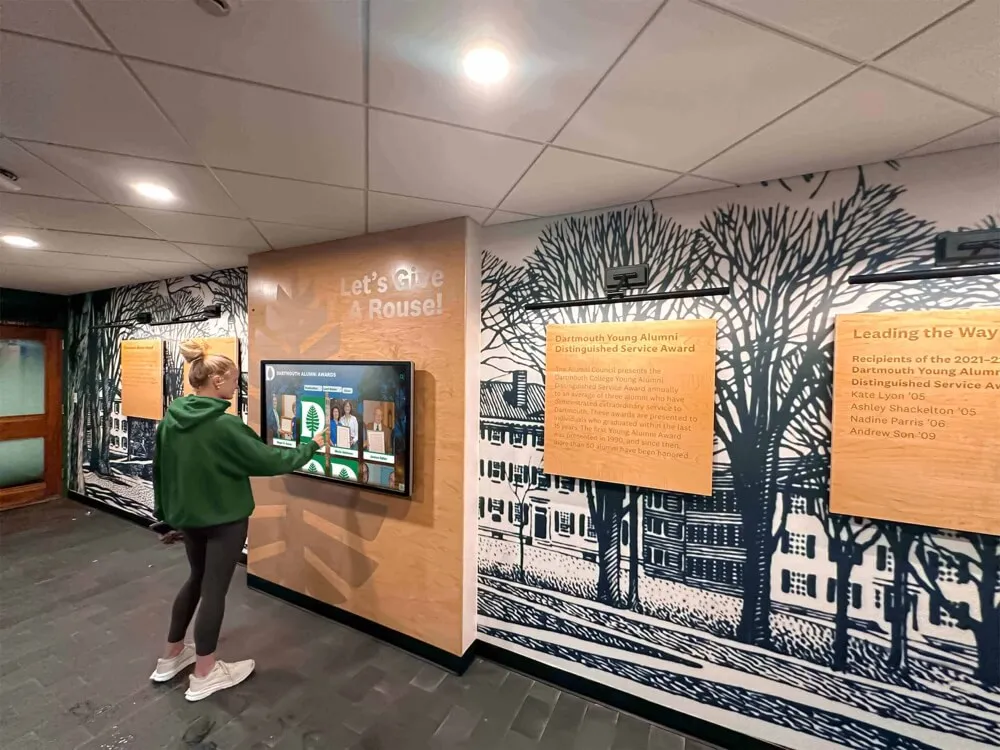
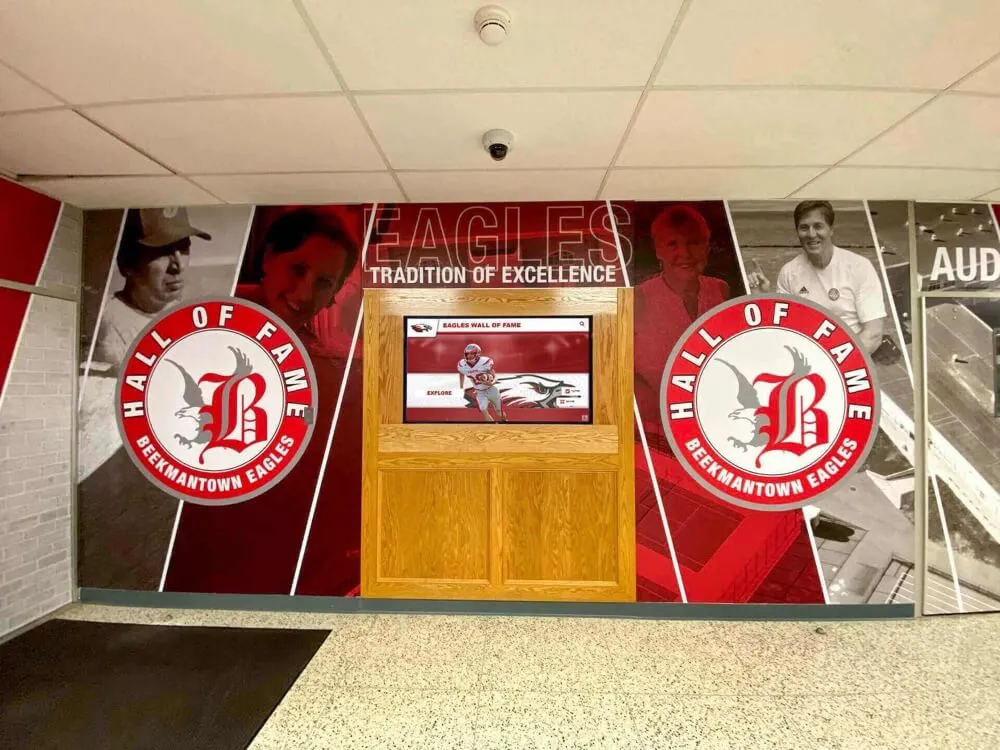
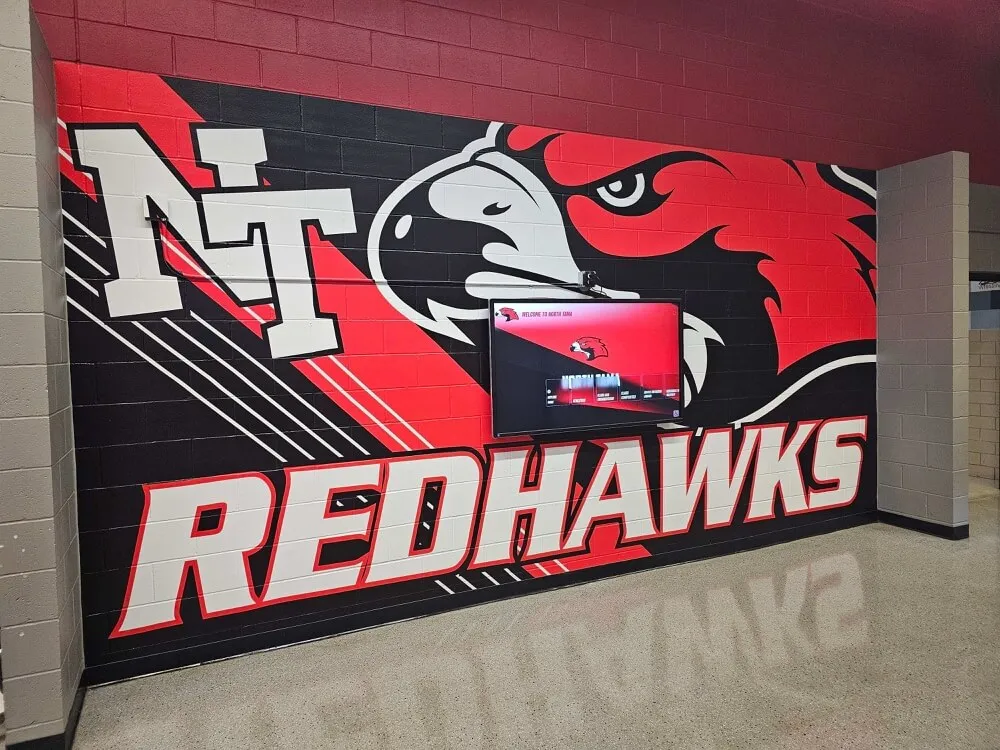
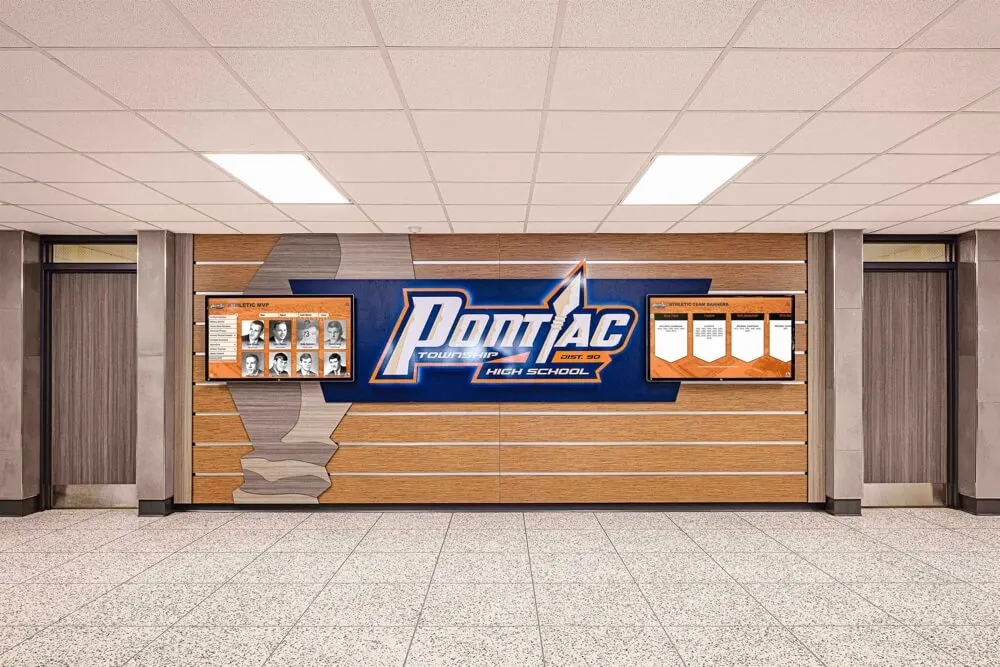
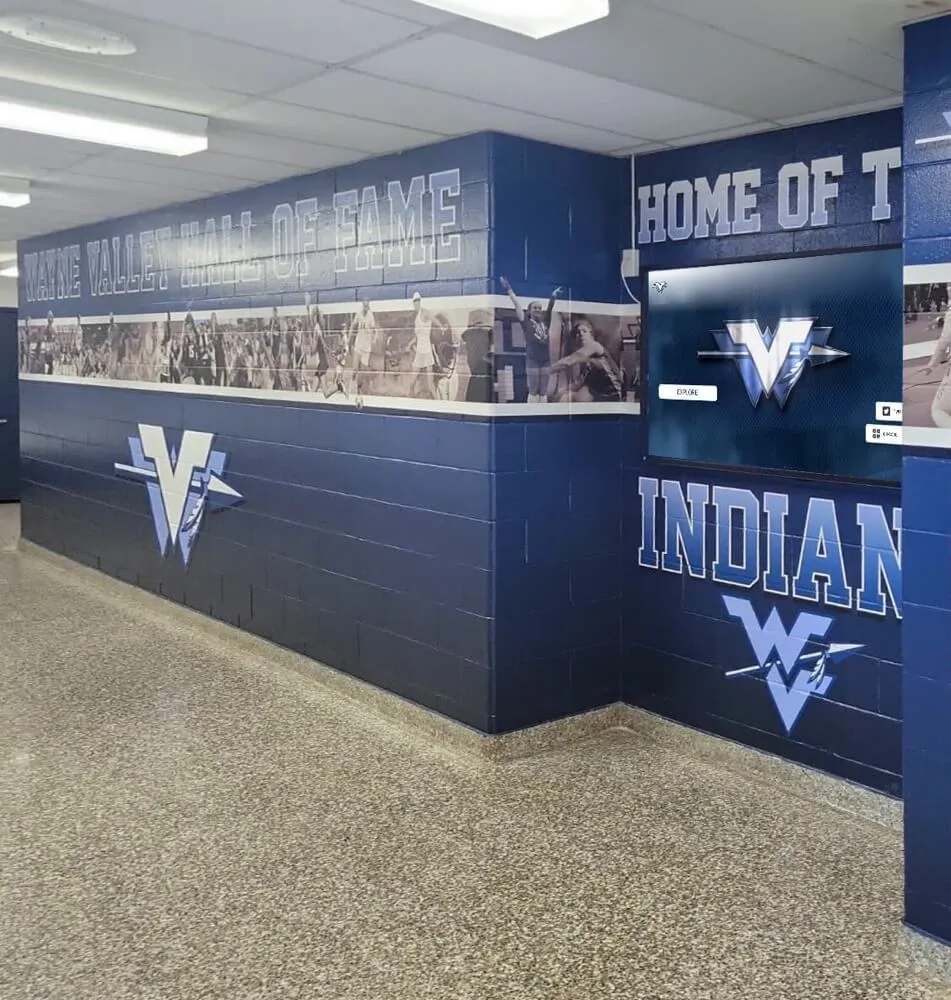
Integrated recognition displays combine physical campus art with digital interactivity for immersive experiences
Measuring Recognition Impact
Systematic assessment ensures donor recognition investments achieve intended goals while identifying optimization opportunities.
Engagement Analytics
Digital platforms provide data unavailable with traditional recognition approaches, enabling evidence-based evaluation:
Touchscreen Display Metrics
- Total interactions and unique users measuring overall engagement volume
- Session duration indicating content depth and visitor interest levels
- Return visitor frequency showing sustained engagement beyond initial curiosity
- Most-viewed donor profiles identifying community interest patterns
- Search terms revealing what visitors look for and how they explore recognition
Web Platform Analytics
- Website traffic volume to donor recognition pages
- Geographic distribution of visitors indicating reach beyond local community
- Referral sources showing how visitors discover recognition content
- Device usage patterns informing mobile optimization priorities
- Social sharing activity measuring content amplification beyond institutional communication
Advancement Outcome Tracking
Correlational analysis examining recognition implementation impact on key advancement metrics:
Donor Retention Improvements Track retention rates comparing pre and post-implementation periods. While multiple variables affect retention, consistent improvements following recognition launches provide directional evidence of impact. Organizations implementing comprehensive donor recognition systems commonly report measurable retention gains.
Giving Level Progression Monitor whether recognized donors demonstrate increased giving over time compared to unrecognized control groups. Recognition’s psychological impact should manifest through giving growth as donors feel greater institutional connection and community belonging.
First-Time Donor Acquisition Measure new donor acquisition rates during and following Giving Tuesday campaigns with prominent recognition components. If recognition drives giving decisions effectively, visible donor communities should correlate with increased participation from previously uninvolved community members.
Campaign Performance Trends Compare Giving Tuesday results year-over-year following recognition implementation. While external factors influence campaign success, recognition should contribute to positive performance trajectories through improved donor retention, increased average gifts, and expanded participation.
Qualitative Feedback
Stakeholder perspectives provide context and nuance beyond quantitative metrics alone.
Donor Testimonials Systematic feedback collection from recognized donors reveals reception and impact. Key questions explore:
- Recognition significance and personal meaning
- Visibility satisfaction and profile accuracy
- Motivational impact on continued engagement intentions
- Family and network reactions to recognition
- Suggestions for recognition enhancement
Prospect and Visitor Reactions Advancement officers conducting campus tours or donor cultivation meetings gather informal feedback about how donor recognition displays influence institutional perceptions. Documenting these observations creates qualitative evidence complementing formal assessment.
Staff Operational Assessment Regular evaluation of advancement team satisfaction ensures platforms serve operational needs effectively. Assessment topics include content management ease, technical support quality, platform reliability, and workflow efficiency compared to previous recognition approaches.

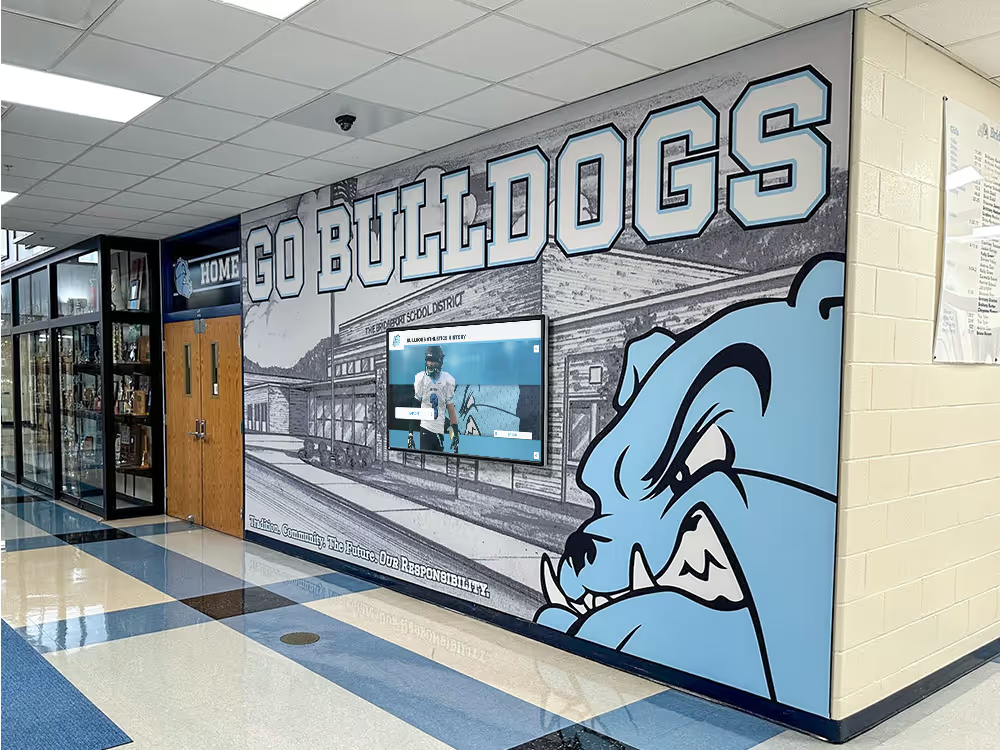
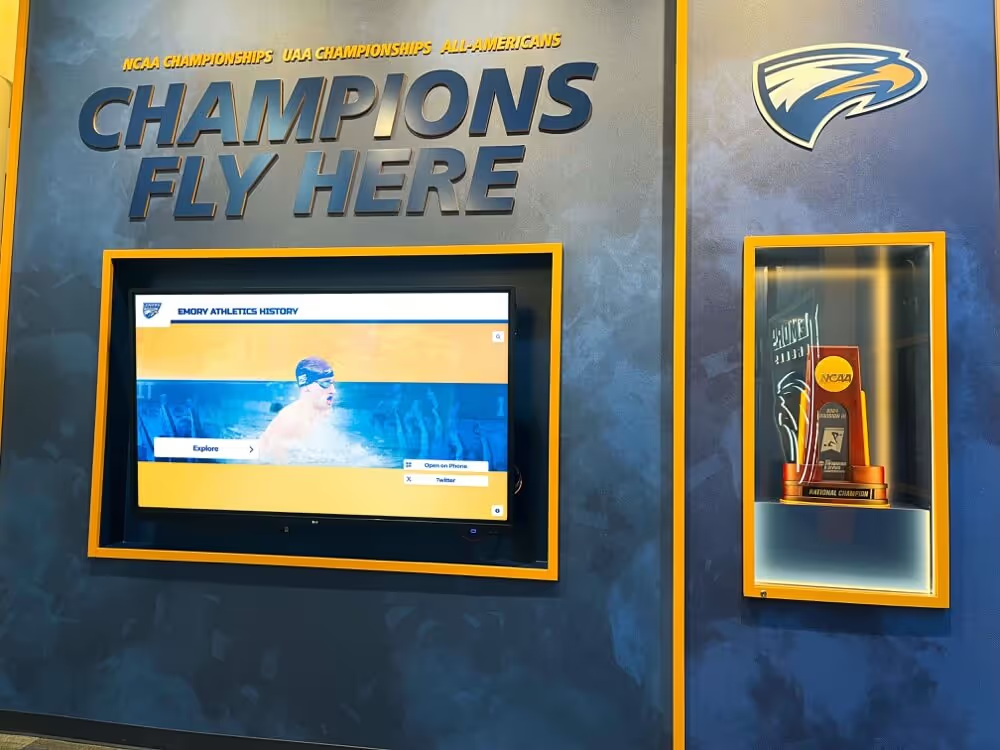
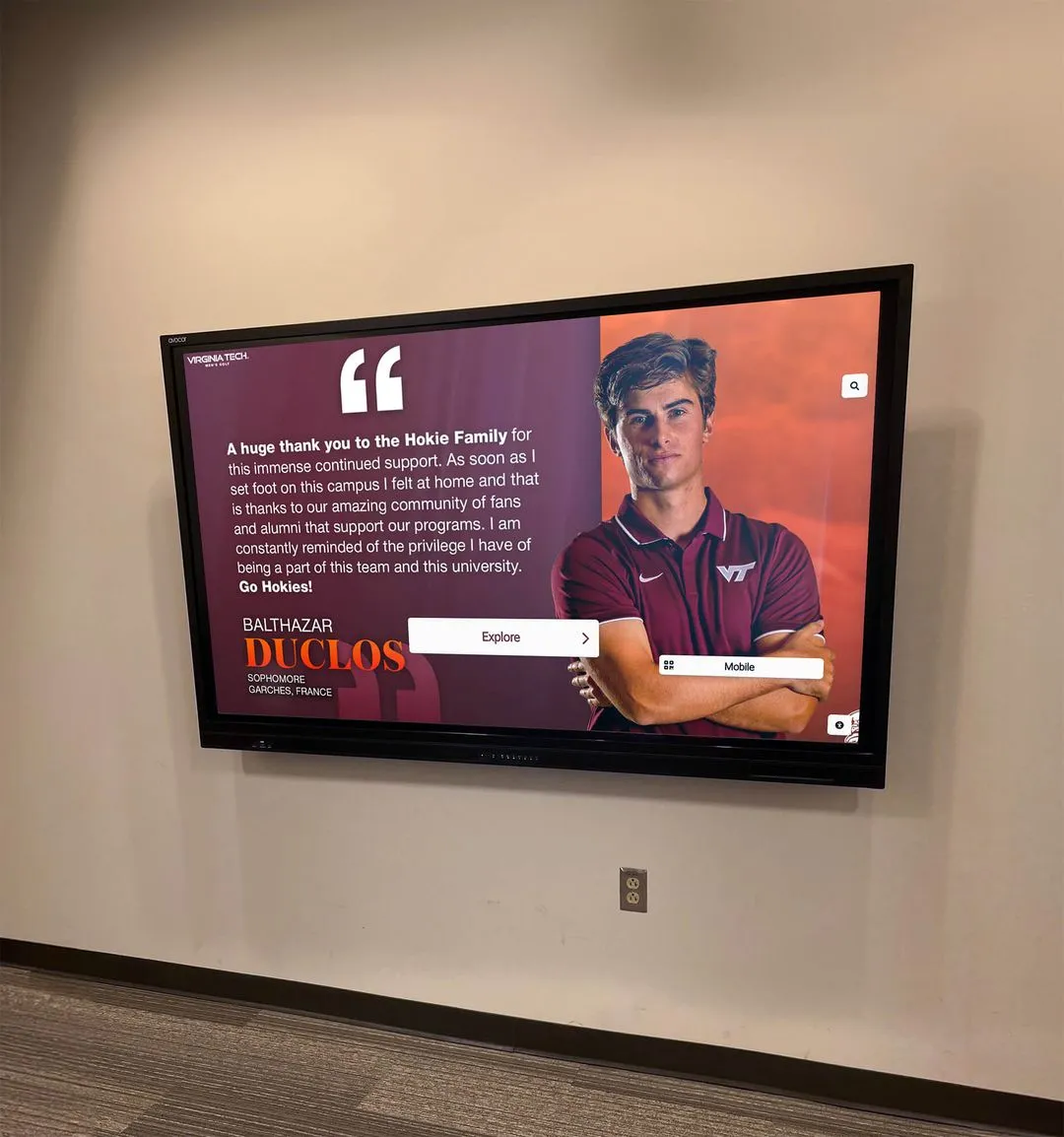
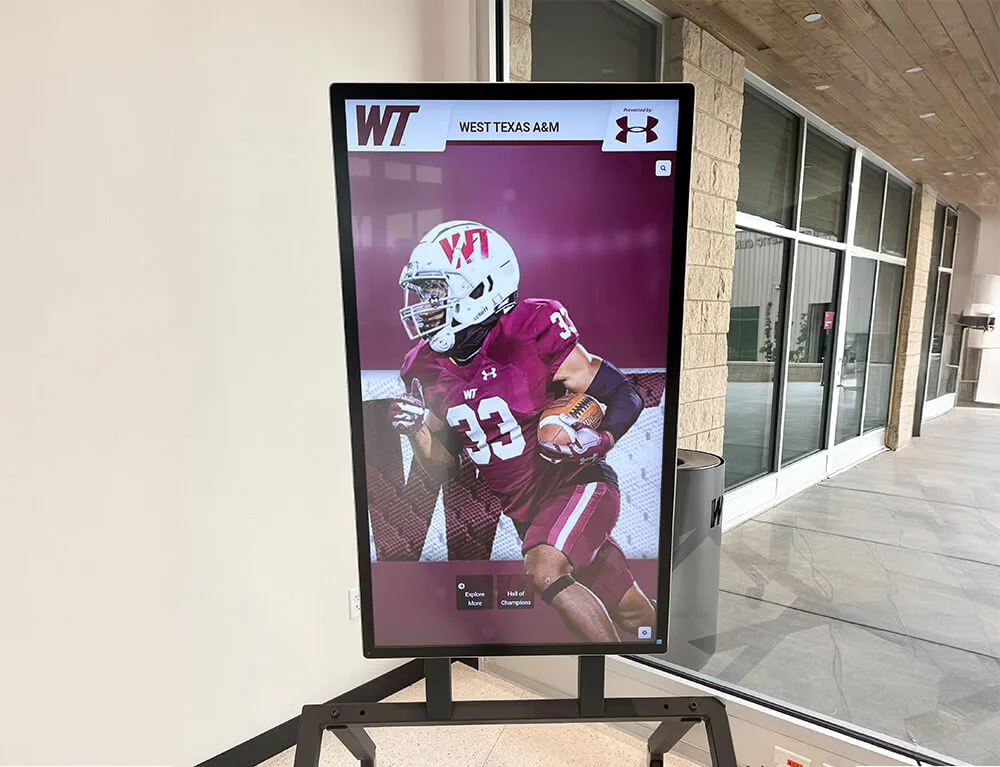
Athletic facilities showcase donor support in contexts where program impact is most visible to participants
Future Trends in Donor Recognition
Digital donor recognition continues evolving with emerging technologies and changing stakeholder expectations.
Enhanced Personalization
Advancing technologies enable increasingly personalized recognition experiences creating deeper engagement.
Intelligent Content Recommendations Systems recognizing individual visitors based on authenticated logins or interaction patterns can highlight personally relevant donors—classmates, teammates, geographic neighbors, or professional field connections. Alumni visiting campus might automatically see emphasis on donors from their graduating class. Parents might discover recognition of families with children in similar grades or activities.
Dynamic Display Adaptation Recognition displays adjusting content based on context—highlighting scholarship donors during admission events, emphasizing program-specific support during department functions, featuring athletic donors during sports competitions—maximize relevance while demonstrating sophisticated communication.
Expanded Integration Ecosystems
Recognition platforms increasingly integrate with broader advancement technology creating coordinated constituent experiences.
CRM and Database Synchronization Direct integration with constituent relationship management systems enables seamless data synchronization eliminating duplicate entry while ensuring recognition accuracy. Automated workflows trigger recognition updates when gifts process, minimizing delay between contributions and public acknowledgment.
Social Network Integration Deeper integration with social platforms enables recognized donors to share their participation through authentic personal networks with minimal friction. When institutions make recognition sharing effortless—one-click posting to LinkedIn, Facebook, or Instagram with pre-formatted messages—social amplification extends campaign reach exponentially beyond institutional communication channels.
Virtual Event Coordination As hybrid and virtual events become standard advancement practice, recognition platforms coordinate with event technology enabling real-time donor acknowledgment during livestreamed Giving Tuesday events, virtual galas, or online cultivation programs.
Sustainability and Social Responsibility Focus
Emerging donor recognition trends emphasize institutional values and impact beyond financial transactions.
Carbon-Neutral Recognition As sustainability becomes central to institutional identity, some organizations highlight the environmental benefits of digital recognition replacing physical plaques and static donor walls requiring manufacturing, shipping, and eventual disposal. Recognition pages might feature institutional sustainability commitments donors support through their gifts.
Impact Measurement Integration Advanced platforms incorporate direct connections between donor recognition and measurable program outcomes—scholarship recipients’ graduation rates, research publications enabled by donor support, facility usage statistics, or program participation growth. This impact transparency strengthens donor confidence while demonstrating accountability essential for continued support.
Transform Your Giving Tuesday Recognition Strategy
Discover how digital donor recognition pages create year-round engagement while driving action during campaigns. See how institutions centralize recognition, integrate with giving pages, and build vibrant donor communities that inspire sustained support.
Schedule Your DemoConclusion: From Campaign to Community
Giving Tuesday represents an extraordinary opportunity for schools, colleges, and organizations to mobilize community generosity around shared missions. Yet the true measure of campaign success extends far beyond funds raised on a single day. The most impactful Giving Tuesday strategies leverage campaign momentum to build lasting donor communities characterized by sustained engagement, deepening commitment, and visible institutional connection.
Digital donor recognition pages transform Giving Tuesday from a transactional fundraising moment into a community-building experience that creates what we call “digital warming”—the activation of cold digital spaces through continuously surfaced, personalized content that draws members deeper into institutional life. When donors can explore vibrant recognition communities showcasing hundreds or thousands of supporters, when they discover classmates and friends who have given, when they see their own names prominently displayed among valued community members, the relationship with the institution fundamentally changes.
This shift from “I gave once” to “I’m part of a community of supporters” represents the crucial psychological transition that drives retention, inspires giving level progression, and creates sustained engagement extending across years or decades. Digital recognition doesn’t just acknowledge past gifts—it actively shapes future giving decisions by making generosity visible, celebrated, and contagious.

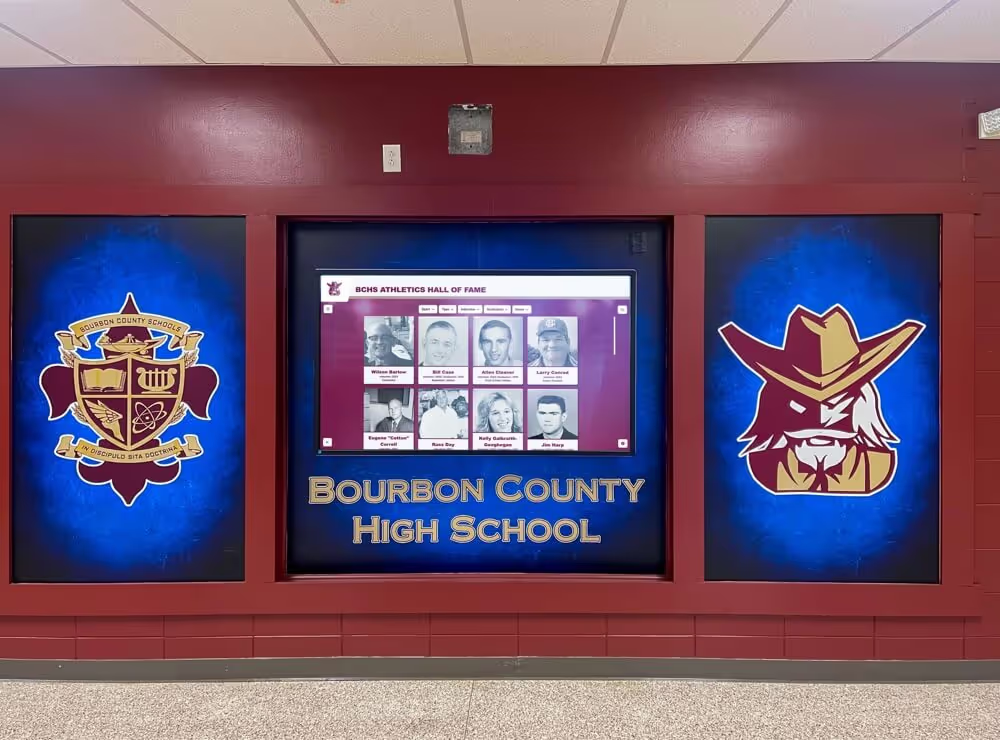
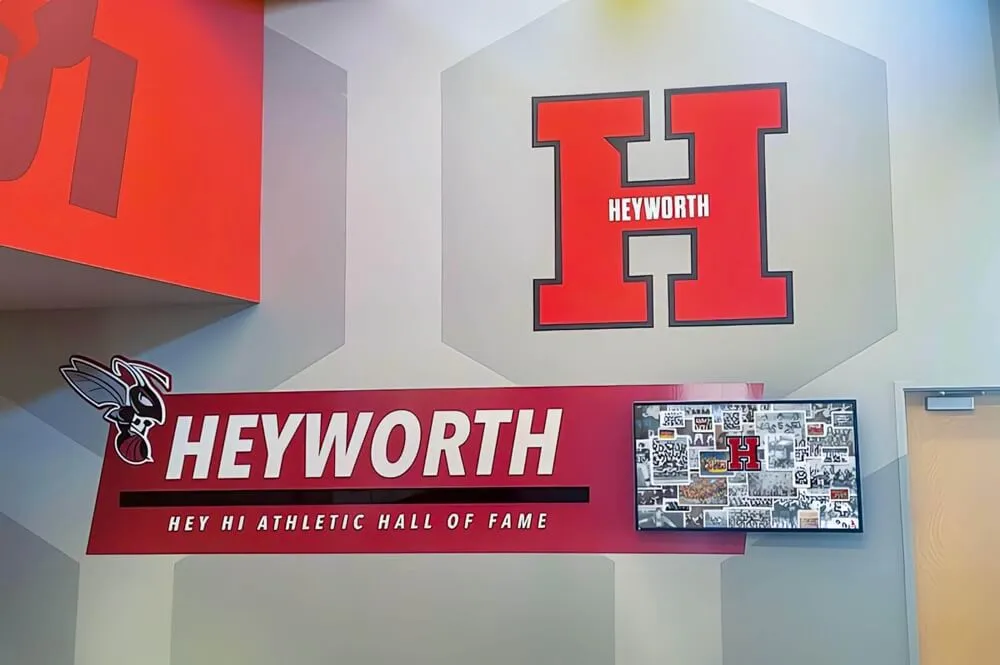
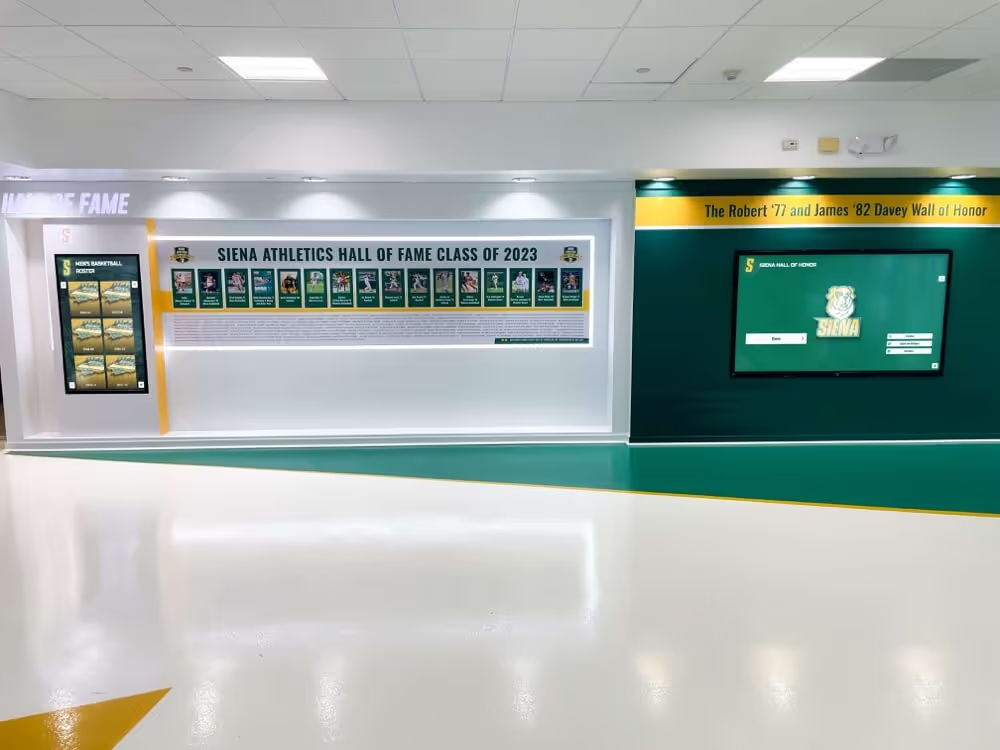
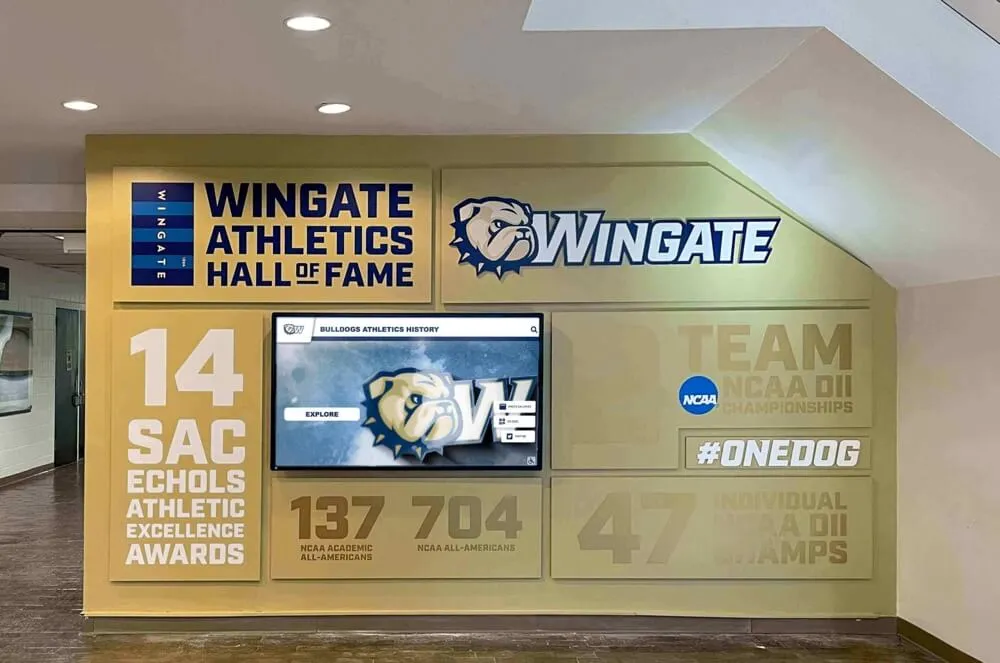
Professional recognition installations create institutional pride while building engaged communities
The strategic integration connecting recognition exploration with active giving opportunities—what several forward-thinking institutions accomplish through advanced integration tools linking donor pages directly to contribution platforms—represents the evolution of recognition from passive acknowledgment to active engagement driver. When visitors feel inspired by visible community support and can immediately join that community through prominently displayed giving links, the pathway from recognition to action becomes seamless.
Successful implementation requires systematic planning addressing recognition philosophy, platform selection, content development, physical installation, and ongoing management. Schools and organizations benefit from purpose-built recognition solutions like Rocket Alumni Solutions offering capabilities generic digital signage cannot match: unlimited donor capacity, sophisticated searchability, individual profile support, web accessibility, and comprehensive compliance with accessibility standards ensuring inclusive experiences for all community members.
Beyond Giving Tuesday, effective donor recognition pages function as year-round engagement platforms creating natural touchpoints for ongoing communication, featured donor storytelling, milestone celebration, and community building around shared commitment. This sustained recognition creates the repeated positive interactions that strengthen institutional bonds while maintaining top-of-mind awareness essential for future campaign success.
The future of donor recognition continues evolving with enhanced personalization through intelligent systems, expanded integration with comprehensive advancement technology ecosystems, and growing emphasis on impact transparency connecting contributions to measurable outcomes. Institutions implementing digital recognition today position themselves to adopt these advances, ensuring recognition systems remain current and engaging as technologies and expectations evolve.
Your Giving Tuesday campaign, generous donors, and institutional mission deserve recognition that honors significance while building the vibrant, engaged community where members feel valued and motivated to maintain lifelong connections. Digital recognition pages make this comprehensive acknowledgment achievable, transforming single-day fundraising events into year-round community engagement creating the digital warming effect essential for thriving educational and nonprofit communities.
Ready to transform your donor recognition strategy? Explore how digital donor walls create engagement or learn about comprehensive donor recognition approaches that celebrate community generosity while driving sustained support. Discover how interactive displays support fundraising goals through recognition that inspires action while building lasting relationships.
Disclaimer: This content was produced by Rocket Alumni Solutions to demonstrate how purpose-built recognition technology supports institutional advancement goals. Product capabilities and integration features mentioned reflect publicly available information as of December 2025 and may evolve over time.