Friday night football in Georgia represents more than athletic competition—it embodies community identity, generational pride, and traditions that define the state’s cultural landscape. When stadium lights illuminate across the Peach State each fall, they showcase some of the nation’s most storied high school football programs competing at extraordinary levels that regularly produce Division I athletes and NFL talent.
Georgia high school football rankings reflect this competitive excellence, with classification systems creating championship pathways for schools across seven divisions. From North Gwinnett’s suburban powerhouse program to Irwin County’s small-town dynasty, the state’s football landscape demonstrates that excellence emerges regardless of enrollment size or geographic location. Yet understanding these rankings—how classifications work, which programs dominate historically, and what separates elite teams from competitive programs—requires deeper exploration beyond weekly poll positions.
Beyond rankings themselves, Georgia’s football tradition raises compelling questions about legacy preservation: How do championship programs maintain excellence across coaching changes and graduating classes? What transforms single-season success into sustained dynasty-level performance? How should schools honor athletic achievement in ways that inspire current athletes while celebrating past champions?
This comprehensive guide explores Georgia high school football rankings, examining classification structures, legendary programs, championship traditions, and recognition strategies that transform temporary success into permanent program culture. Whether you’re a coach building competitive programs, an athletic director celebrating championships, or a community member passionate about Georgia football tradition, you’ll discover insights helping you understand what makes the state’s football landscape exceptional.

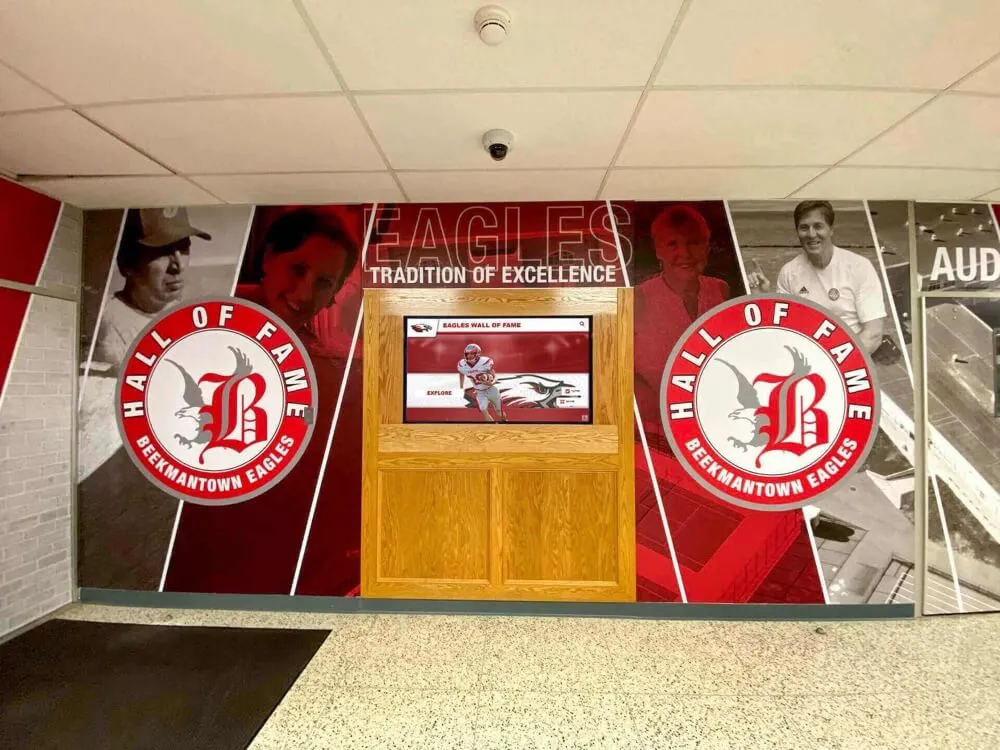
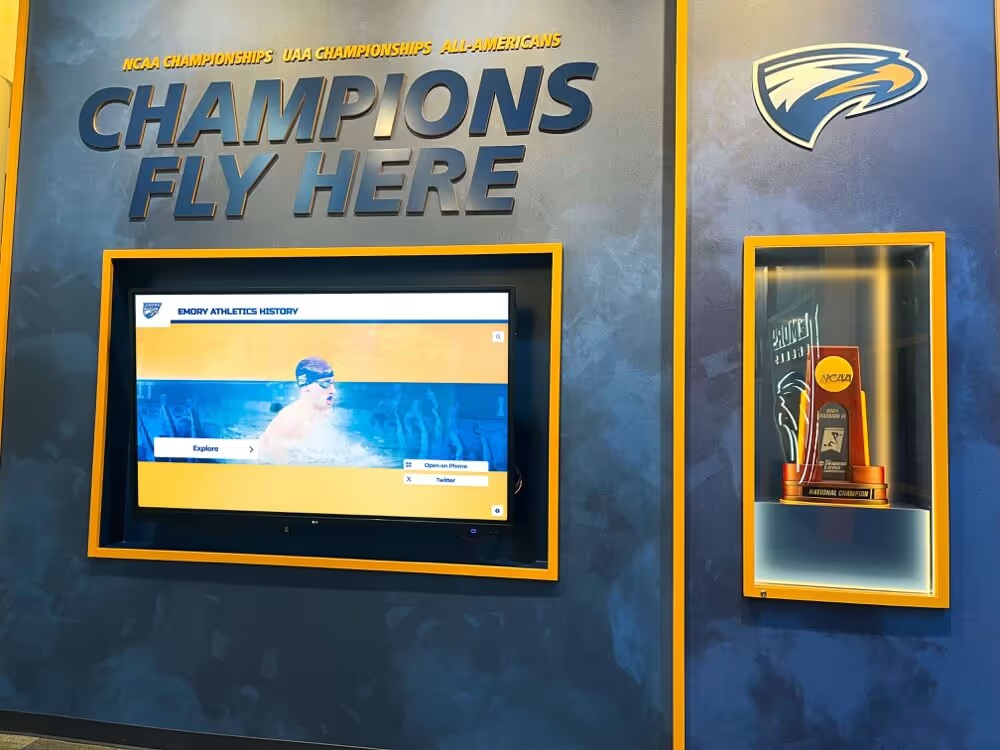
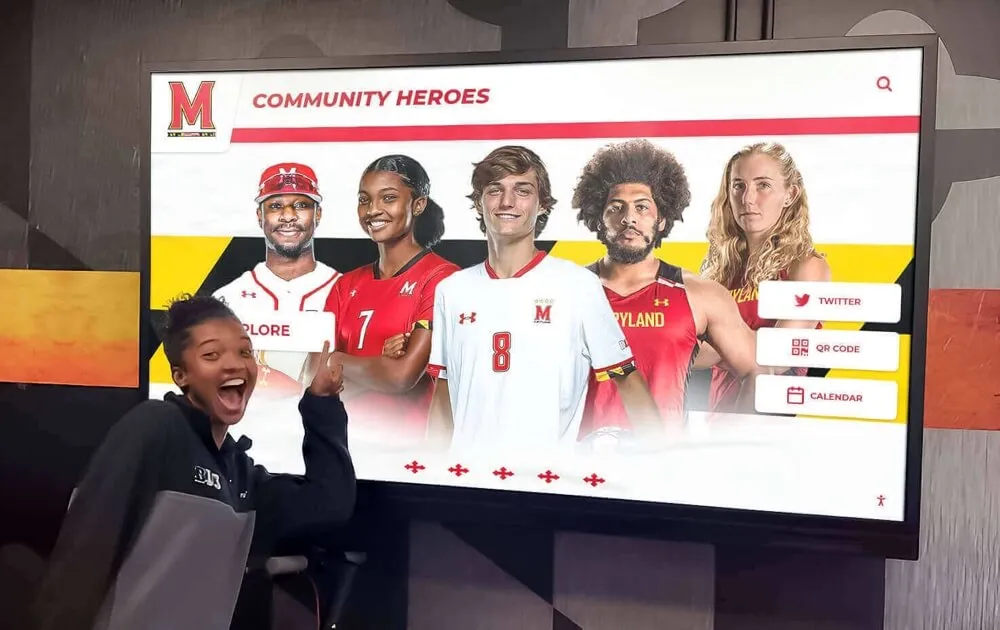
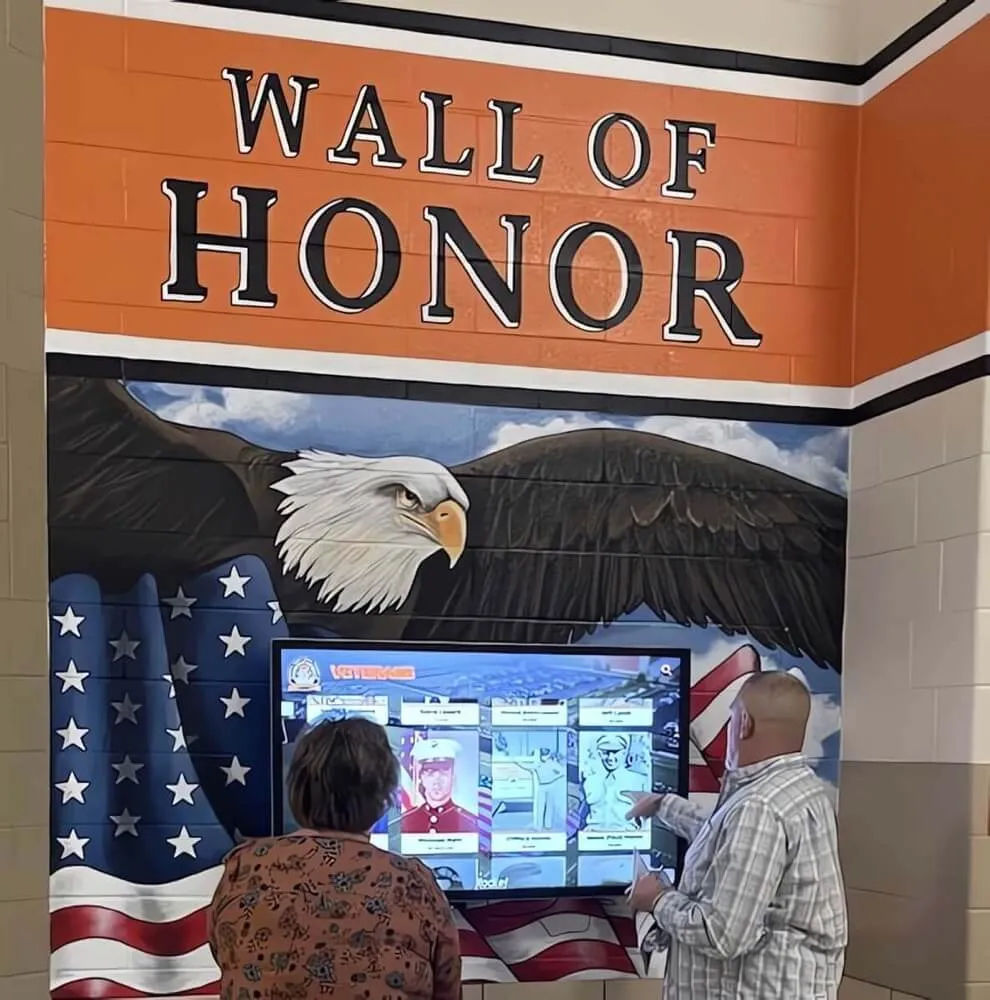
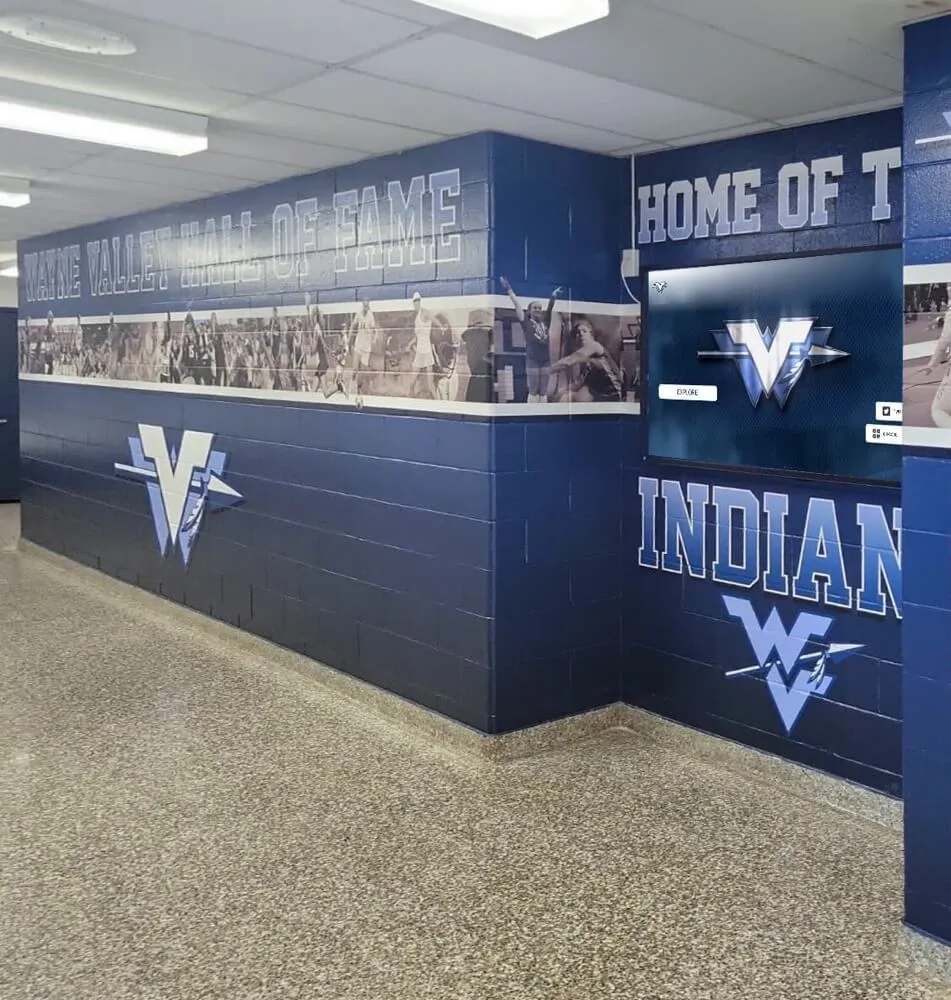
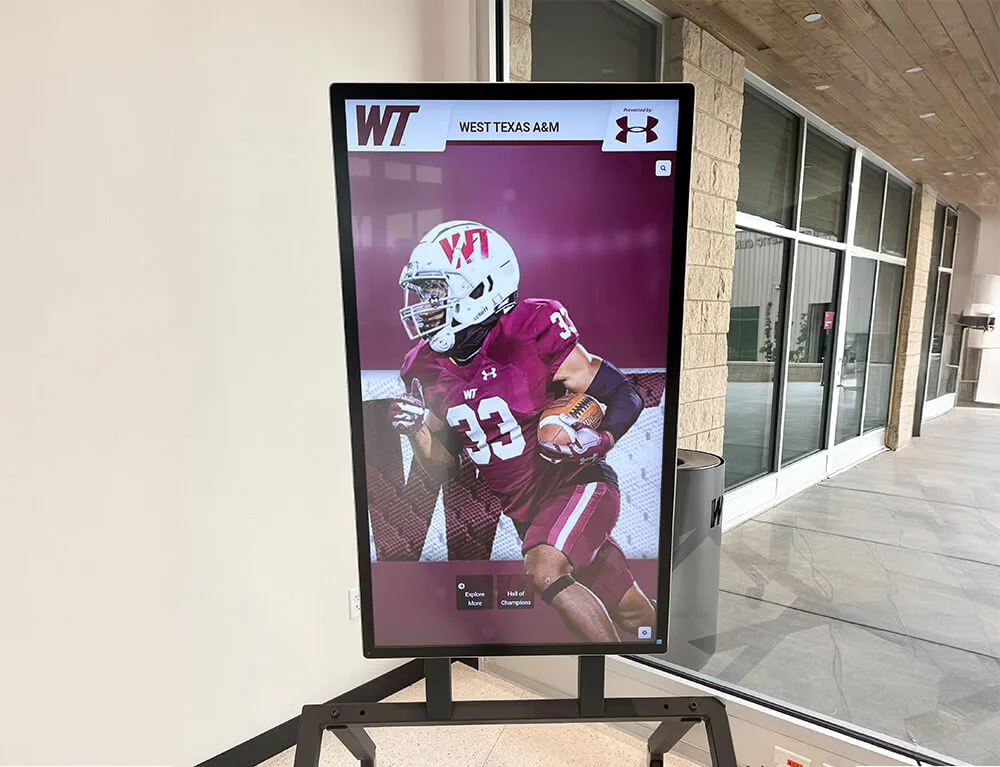
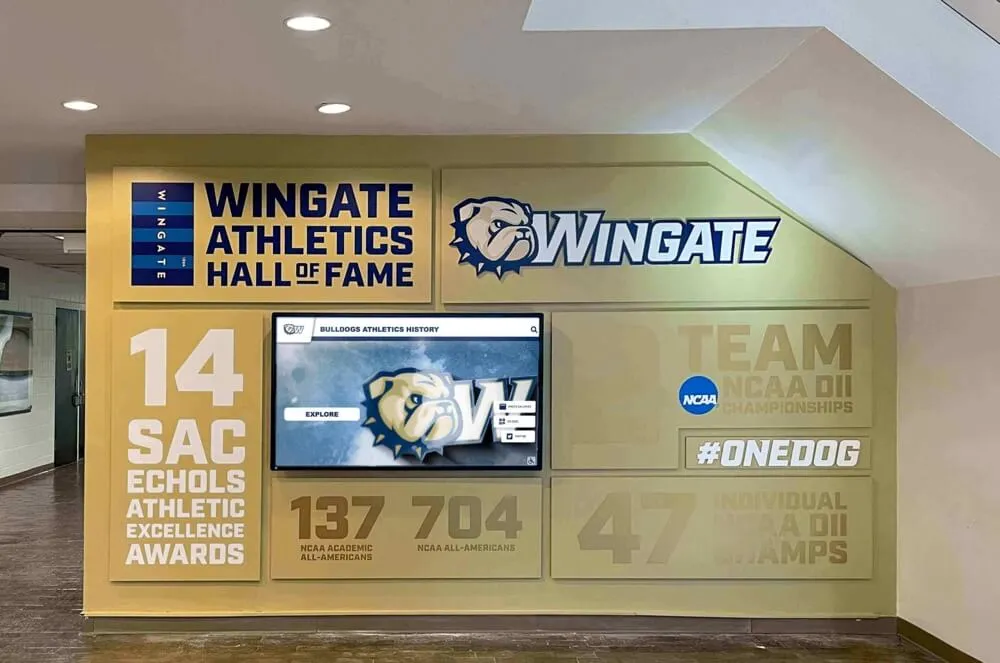
Georgia schools celebrate football traditions through comprehensive athletic displays showcasing championship excellence and program legacies
Understanding Georgia’s Football Classification System
Georgia’s current classification structure divides schools into seven classes based on enrollment, ensuring competitive balance while creating multiple championship opportunities statewide. The Georgia High School Association (GHSA) oversees this system, which evolved significantly from earlier formats to accommodate the state’s growing student population and diverse school sizes.
Seven-Class Structure and Enrollment-Based Divisions
The GHSA reclassifies schools every two years using enrollment figures from grades 9-12, creating seven competitive divisions that range from the state’s largest suburban programs to intimate rural schools.
Class 7A: Elite Suburban Powerhouses
Georgia’s largest classification features schools typically exceeding 2,100 students, including nationally-ranked programs like North Gwinnett, Colquitt County, Grayson, and Mill Creek. These elite programs operate with resources, facilities, and coaching staffs rivaling small college programs. Class 7A competition produces the state’s highest concentration of Division I recruits and features programs competing for national recognition alongside state championships.
North Gwinnett exemplifies 7A excellence, having won multiple state championships while consistently ranking among the nation’s top programs. Their success reflects comprehensive program development including youth football pipelines, strength and conditioning emphasis, and coaching continuity that builds sustainable excellence rather than relying solely on individual talent cycles.
Colquitt County represents another 7A dynasty, particularly dominant during the 2010s when they captured multiple championships under legendary coach Rush Propst. Their program demonstrates how rural communities can compete with suburban enrollment advantages through exceptional coaching, community commitment, and regional talent development.
Class 6A Through 3A: Competitive Middle Ground
Classes 6A through 3A create Georgia’s competitive middle tiers where traditional powerhouses coexist with emerging programs, and championship balance proves more unpredictable than 7A dominance patterns.
Class 6A schools (approximately 1,500-2,099 students) include established programs like Buford, Lee County, and Hughes. Buford particularly stands out, having dominated across multiple classifications as enrollment grew. Their program culture emphasizes championship expectations regardless of classification level, creating sustained excellence through coaching stability and comprehensive program infrastructure.
Class 5A features intense competition among programs like Warner Robins, Coffee, and Cartersville. Warner Robins built dynasty-level success in the 2010s, capturing multiple championships through exceptional coaching and player development. Their success demonstrates how mid-sized programs can achieve sustained excellence through culture-building rather than purely enrollment-based advantages.
Classes 4A and 3A showcase programs like Benedictine, Cedar Grove, and Pierce County. These schools often feature passionate community support where entire towns rally behind teams, creating home-field advantages and program cultures that transcend mere athletic competition into community identity.
Classes 2A, A Division I, and A Division II: Small School Excellence
Georgia’s smallest classifications demonstrate that enrollment size doesn’t determine championship potential. Class 2A programs like Fitzgerald and Heard County have built remarkable traditions, while Class A public school division features Irwin County—arguably Georgia’s most dominant small-school dynasty of the modern era.
Irwin County’s Class A public school dominance rivals any program statewide. This small South Georgia school (enrollment under 400) won seven state championships between 2004-2021, establishing unprecedented consistency at the small-school level. Their success reflects comprehensive community commitment where football represents central cultural identity rather than just extracurricular activity.
Class A private school division includes Atlanta area programs and faith-based schools competing separately from public institutions. This division recognizes competitive balance concerns while creating appropriate championship pathways for diverse school types.
The GHSA recalculates classifications biennially, creating fluidity that prevents artificial competitive advantages as schools experience enrollment changes. Programs may move up or down classifications based on growth or decline, occasionally creating adjustment challenges as competition levels shift.
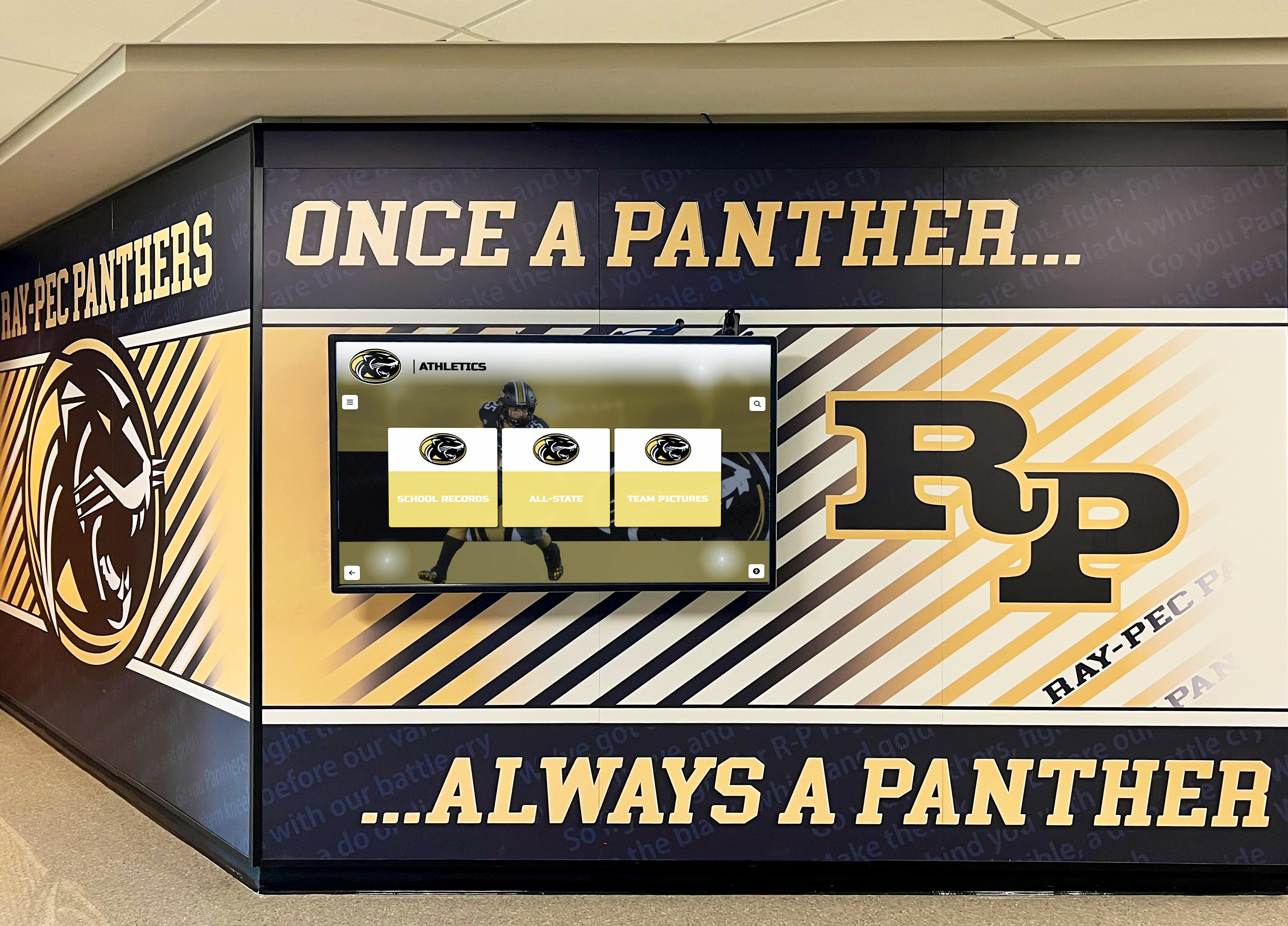
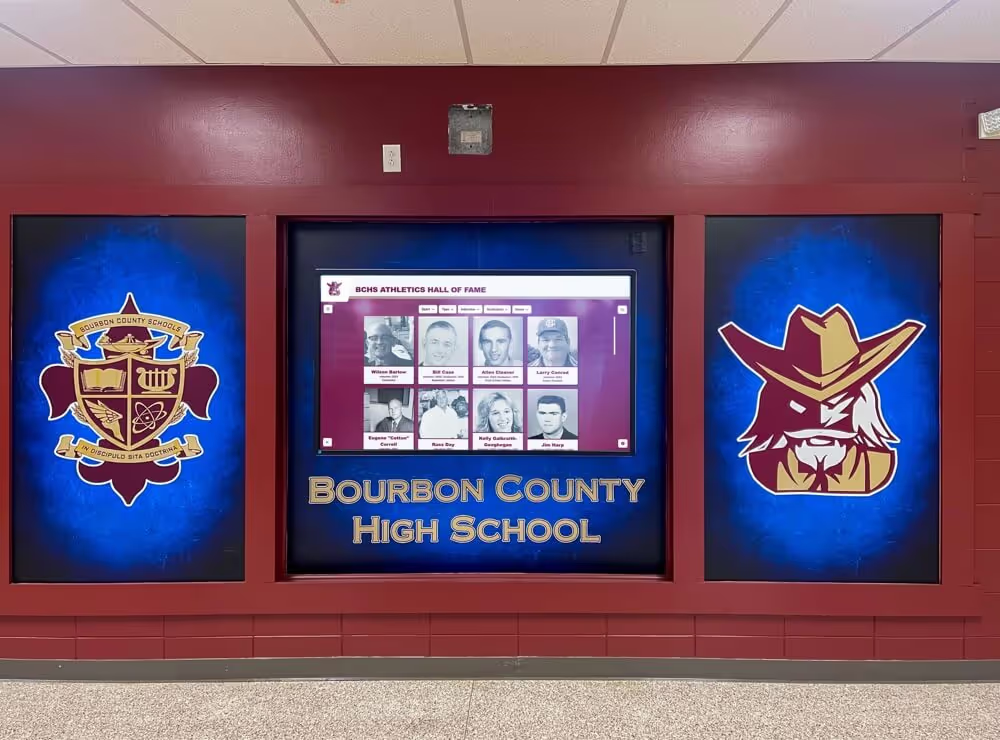
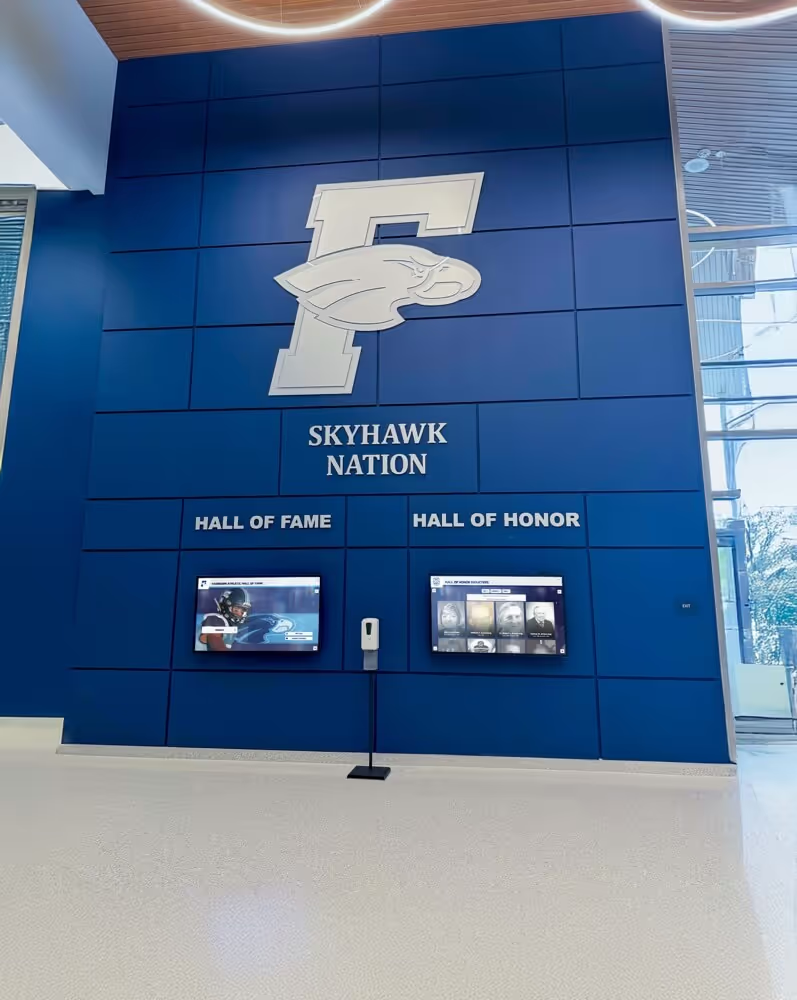
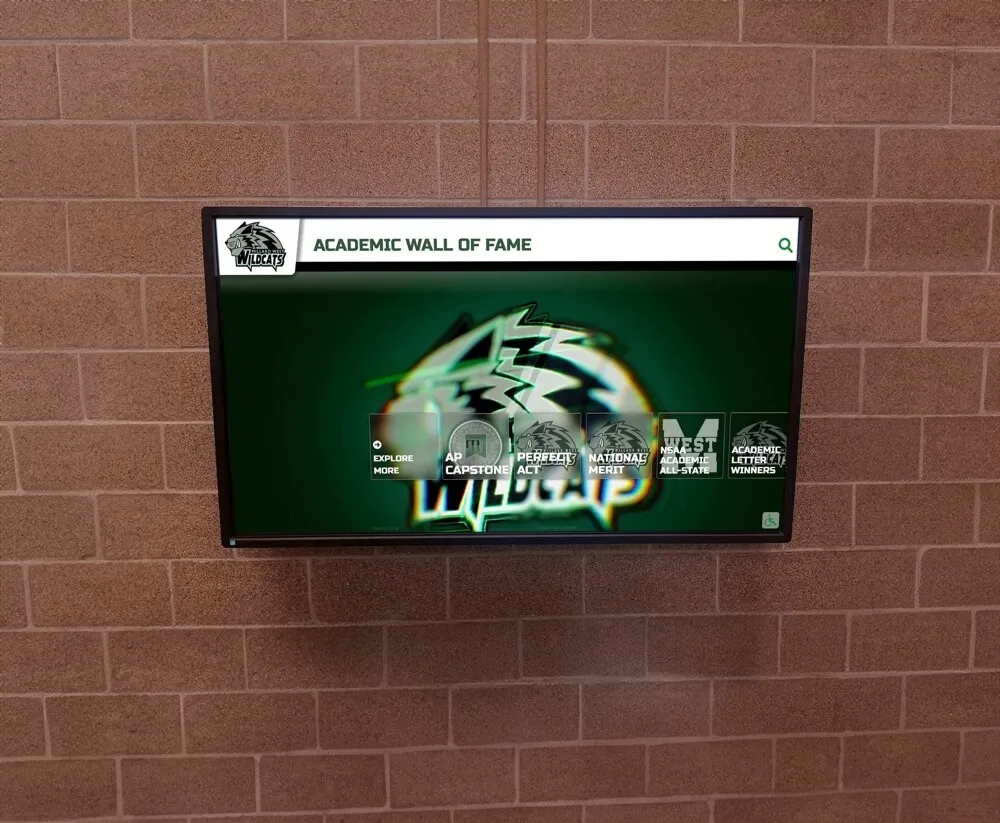
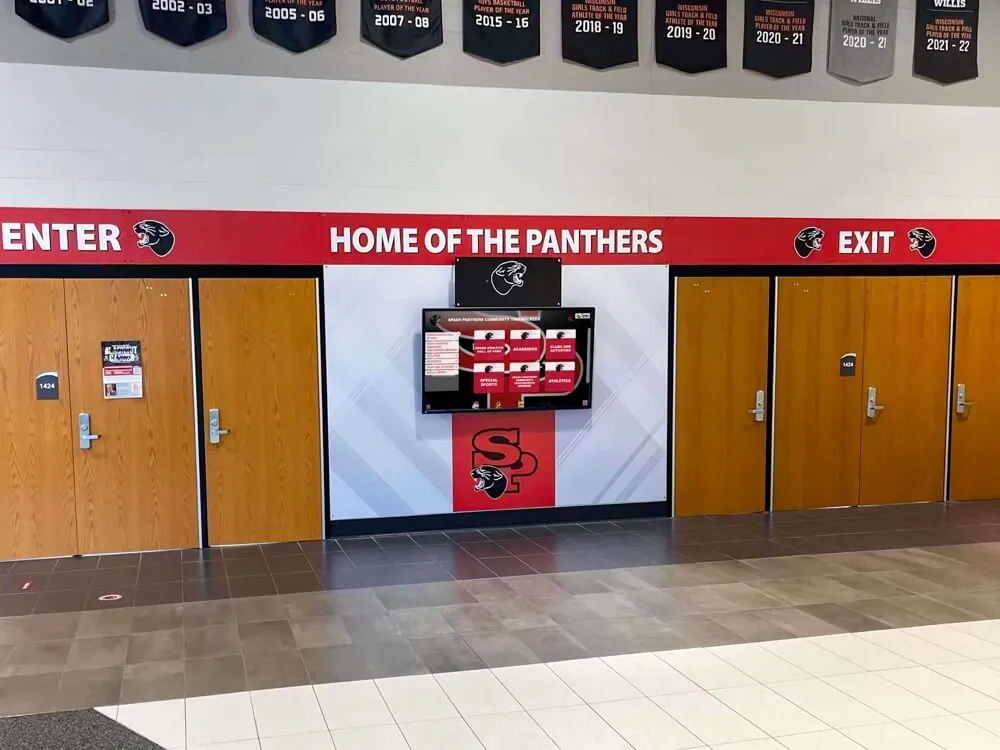
Modern [athletic recognition displays](https://halloffamewall.com/blog/high-school-athletic-touchscreen-tv-displays/?utm_source=organic&utm_medium=seo-auto&utm_content=digitalwarming&utm_campaign=georgia-high-school-football-rankings&utm_term=seo) celebrate championship traditions while documenting program excellence across classifications
Georgia’s Top Ranked Programs and Historical Dynasties
Certain Georgia programs achieved sustained excellence establishing themselves as perennial championship contenders whose success transcends individual seasons into multi-decade dynasties.
Class 7A Elite Programs
North Gwinnett: Suburban Powerhouse
North Gwinnett represents the gold standard for large-school Georgia football. Their program combines massive enrollment advantages with exceptional coaching, comprehensive facilities, and championship culture that expects excellence rather than hopes for it. Multiple state championships and consistent national rankings demonstrate their sustained elite status.
What separates North Gwinnett from other large programs? Their success stems from systematic program building including competitive youth leagues funneling players into high school systems, year-round strength and conditioning that develops physical advantages, and coaching stability that maintains consistent philosophy and culture regardless of personnel changes.
Schools seeking to emulate North Gwinnett’s success must recognize that resources alone don’t guarantee championships—program culture, coaching expertise, and community commitment prove equally essential. Championship programs understand that sustained excellence requires infrastructure extending beyond talented individual classes.
Colquitt County: Rural Giant
Colquitt County’s success challenges assumptions that metropolitan enrollment advantages determine championship potential. This South Georgia program built dynasty-level success through exceptional coaching, particularly during Rush Propst’s tenure when they captured multiple championships while competing against suburban mega-schools.
Their model demonstrates how rural programs with strong community support, talented coaching, and comprehensive player development can compete successfully against enrollment-based advantages. Colquitt County’s facilities, including their on-campus indoor practice facility, reflect community investment matching metropolitan programs.
Grayson and Mill Creek: Gwinnett County Powers
Gwinnett County produces multiple championship-caliber programs annually, with Grayson and Mill Creek representing consistent title contenders. These schools benefit from talented player populations, exceptional facilities, and championship expectations that permeate program culture.
Mid-Classification Dominant Programs
Buford: Multi-Classification Dynasty
Buford’s championship success across multiple classifications as enrollment grew represents unprecedented achievement in Georgia football. Whether competing in Class A, AA, or their current 6A classification, Buford maintains championship-level performance through coaching continuity and program culture prioritizing excellence regardless of opponent quality.
What makes Buford special? Their success transcends individual talent cycles through systematic development, coaching expertise, and championship expectations embedded in program DNA. Alumni connections, youth program integration, and community pride create self-reinforcing excellence cycles.
Warner Robins: Central Georgia Power
Warner Robins dominated Class 5A during the 2010s, capturing multiple championships through exceptional coaching and player development. Their success demonstrates how mid-sized programs can achieve dynasty-level performance through culture-building and coaching excellence.
Cartersville: Purple Hurricane Tradition
Cartersville built remarkable consistency in Class 4A, regularly competing for championships while producing Division I talent disproportionate to their enrollment size. Legendary coach Joey King established championship culture that subsequent coaches maintained, demonstrating importance of program foundation extending beyond individual coaching tenures.
Small School Football Excellence
Irwin County: Small School Dynasty
Irwin County’s Class A public school dominance rivals any program regardless of classification. Seven state championships between 2004-2021 established them as arguably Georgia’s most dominant small-school program of the modern era. This South Georgia community demonstrates that enrollment size creates no ceiling when commitment, coaching, and culture align properly.
What enables sustained small-school success? Irwin County benefits from comprehensive community support where football represents central cultural identity, multi-sport athlete development creating year-round training, and coaching continuity maintaining consistent program philosophy across graduating classes.
Fitzgerald: Purple Hurricane Pride
Fitzgerald established strong Class 2A tradition with multiple championships demonstrating South Georgia football excellence. Their program reflects community investment and coaching expertise that maximizes talent development regardless of enrollment limitations.
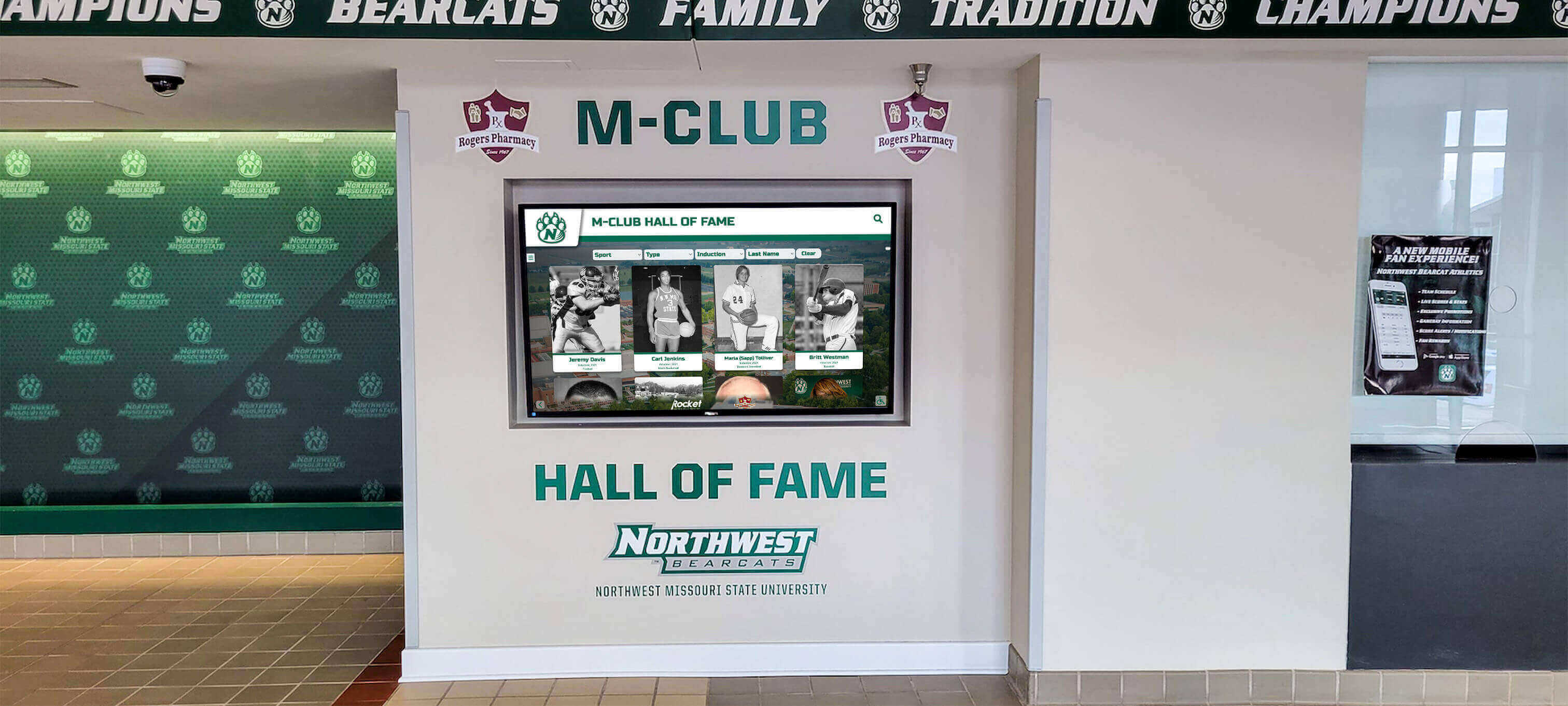
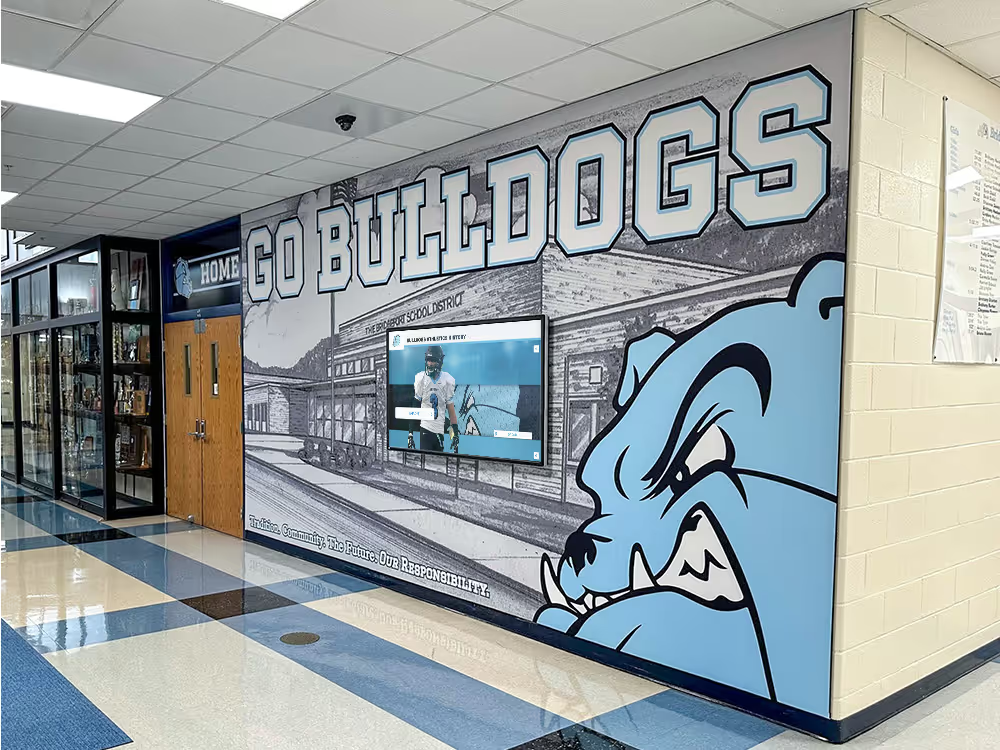
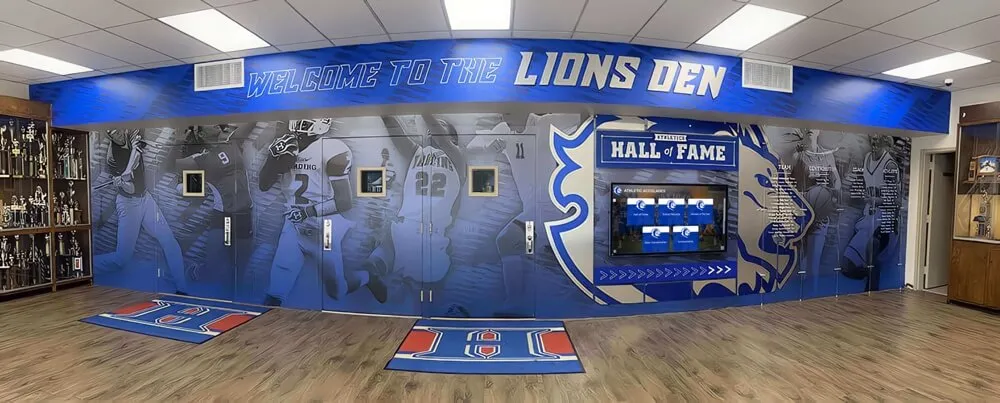
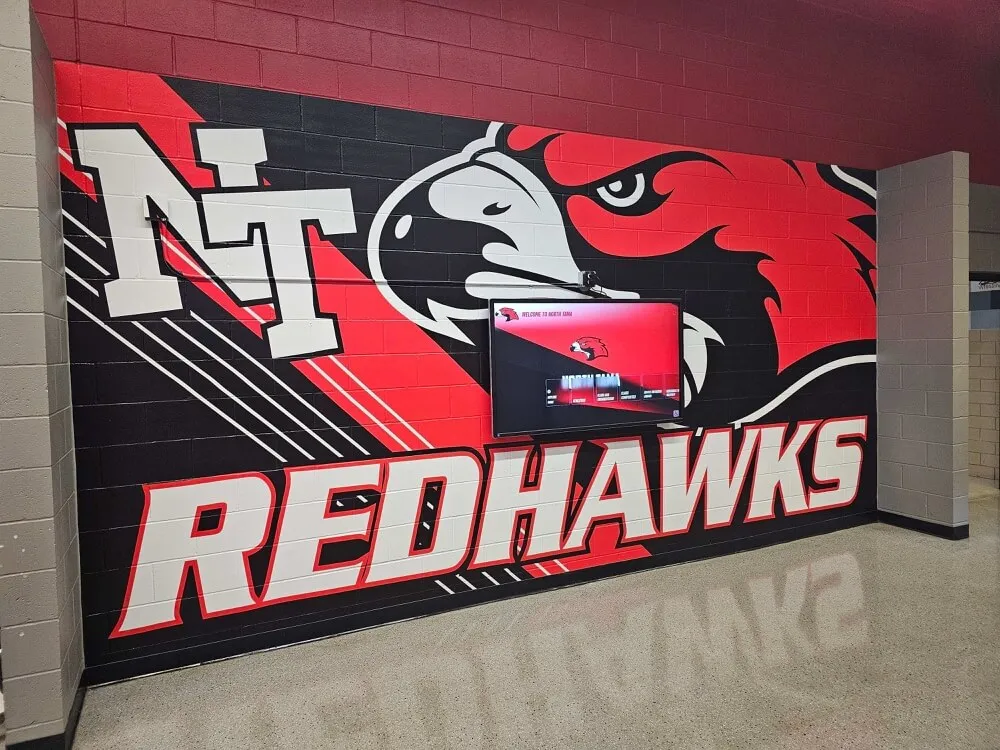
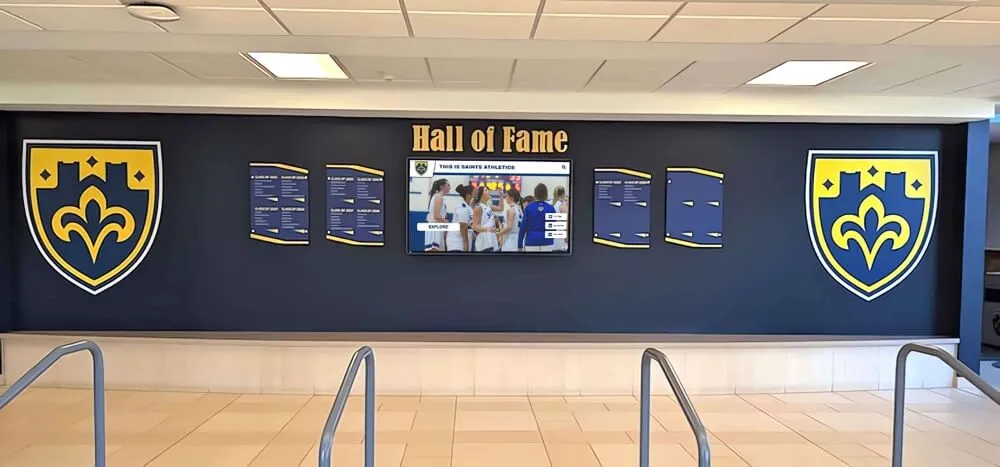
Championship programs utilize [comprehensive digital displays](https://touchwall.tv/blog/digital-hall-of-fame-complete-guide/?utm_source=organic&utm_medium=seo-auto&utm_content=digitalwarming&utm_campaign=georgia-high-school-football-rankings&utm_term=seo) documenting excellence and inspiring future athletes
Regional Football Traditions and Rivalries
Georgia’s geographic diversity creates distinct regional football cultures with unique characteristics, legendary rivalries, and traditions that define local identity.
Metro Atlanta: Talent-Rich Suburban Competition
Metropolitan Atlanta produces the state’s highest concentration of Division I recruits and features intense competition among programs like North Gwinnett, Mill Creek, Grayson, Archer, and numerous other championship contenders. Gwinnett County alone fields more competitive programs than many entire states.
This talent density creates exceptional regular season competition where teams face multiple nationally-ranked opponents annually. Friday nights in Gwinnett County showcase college-level atmospheres with state-of-the-art facilities, massive crowds, and recruiting attention rivaling college games.
Metro Atlanta rivalries feature geographic proximity and playoff implications. When Grayson faces Mill Creek, entire communities mobilize around games determining county supremacy and playoff positioning. These matchups attract college recruiters, media coverage, and community attention extending beyond typical regular season games.
South Georgia: Football as Cultural Identity
South Georgia represents Georgia football’s heartland where Friday night games define community identity more completely than metropolitan areas with diverse entertainment options. Towns like Valdosta, Thomasville, Moultrie, and Fitzgerald embrace football as central cultural touchstone rather than mere extracurricular activity.
Valdosta’s tradition represents South Georgia football at its most legendary. Though recent years saw competitive challenges, their historical dominance—including national championship claims and decades of excellence under legendary coaches—established them as Georgia’s most storied program. Their Bazemore-Hyder Stadium, known as “Death Valley,” seats over 11,000 and regularly fills for Friday night games.
South Georgia rivalries feature geographic proximity, historical competition, and community pride. When Valdosta faces Lowndes County, the “Winnersville Classic” determines regional supremacy with intensity rivaling major college rivalries. These games represent year-defining moments where entire communities measure annual success.
North Georgia Mountains: Small Town Excellence
North Georgia mountain communities produce competitive small-school programs where entire towns rally behind teams. Programs like Rabun County and Elbert County demonstrate that geographic isolation doesn’t prevent championship-level competition when communities commit completely to program support.
Mountain football features unique challenges including weather conditions, limited practice facilities, and small talent pools requiring multi-sport athletes. Yet these constraints create tight-knit programs where players develop exceptional toughness and team cohesion compensating for potential individual talent gaps.
Coastal Georgia: Unique Regional Identity
Coastal Georgia programs including Brunswick, Glynn Academy, and Bradwell Institute compete in environments where football competes with beach culture and tourist economies for community attention. Yet these schools maintain strong traditions demonstrating that championship excellence emerges across Georgia’s diverse geographic landscape.

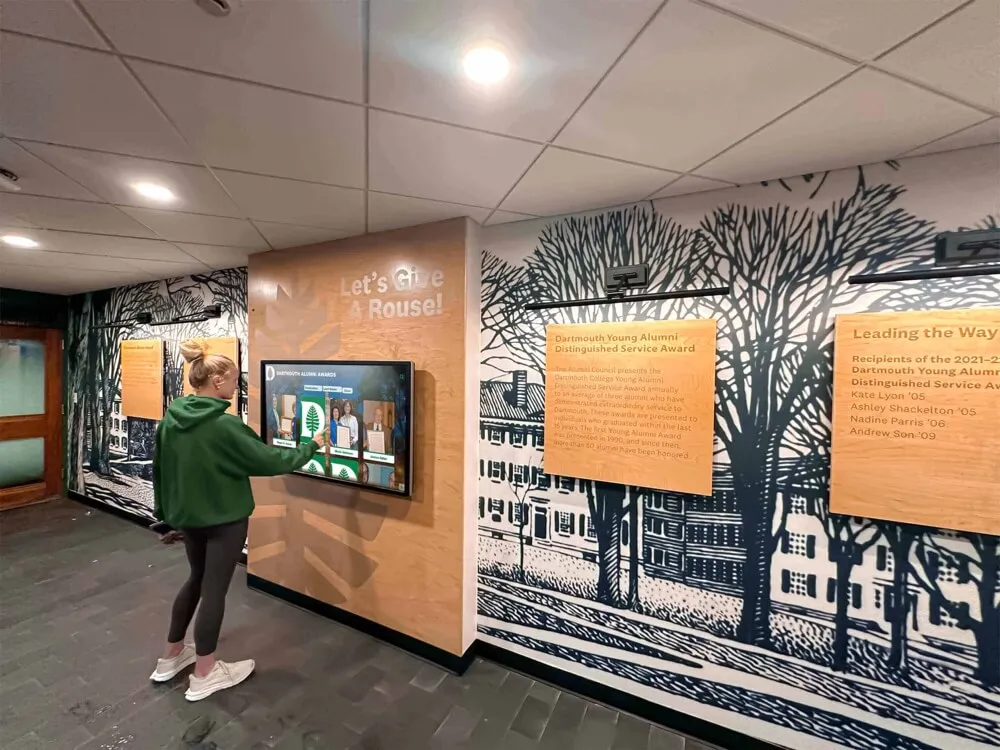
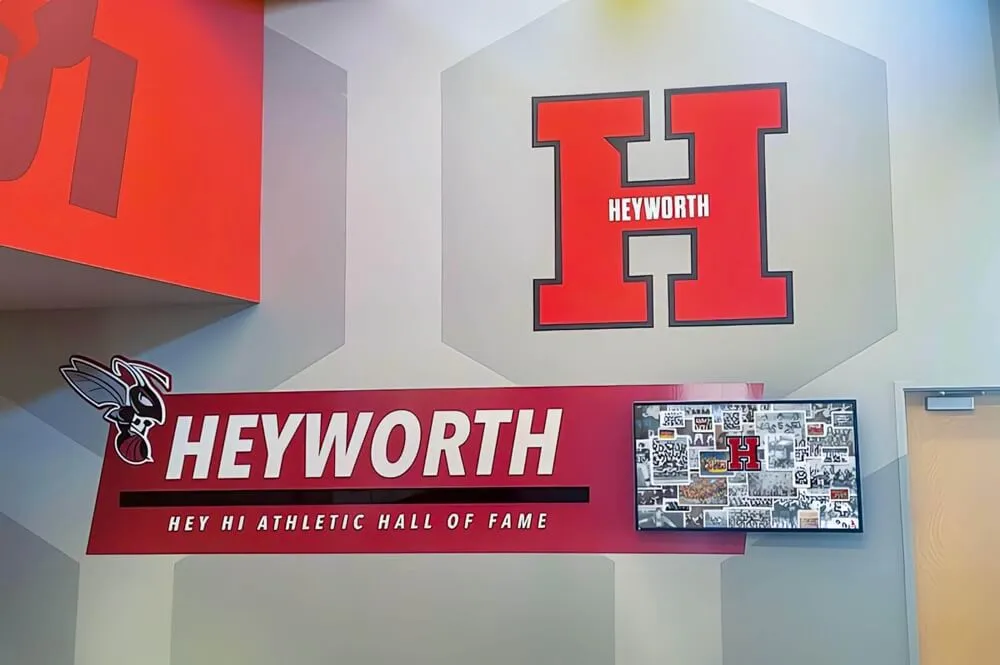
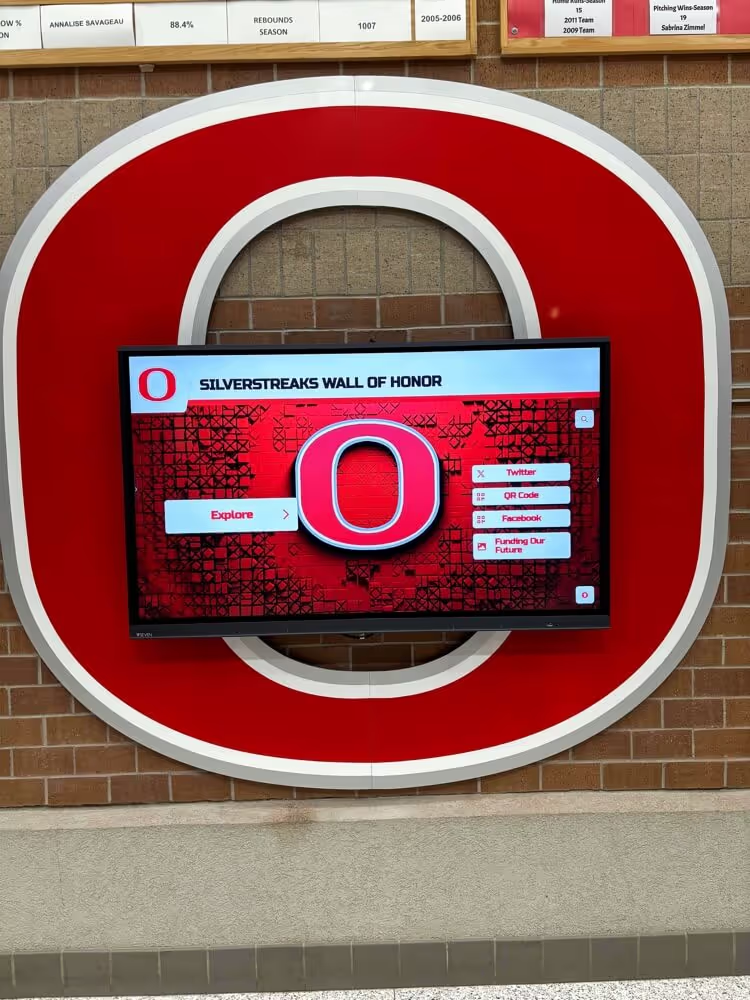
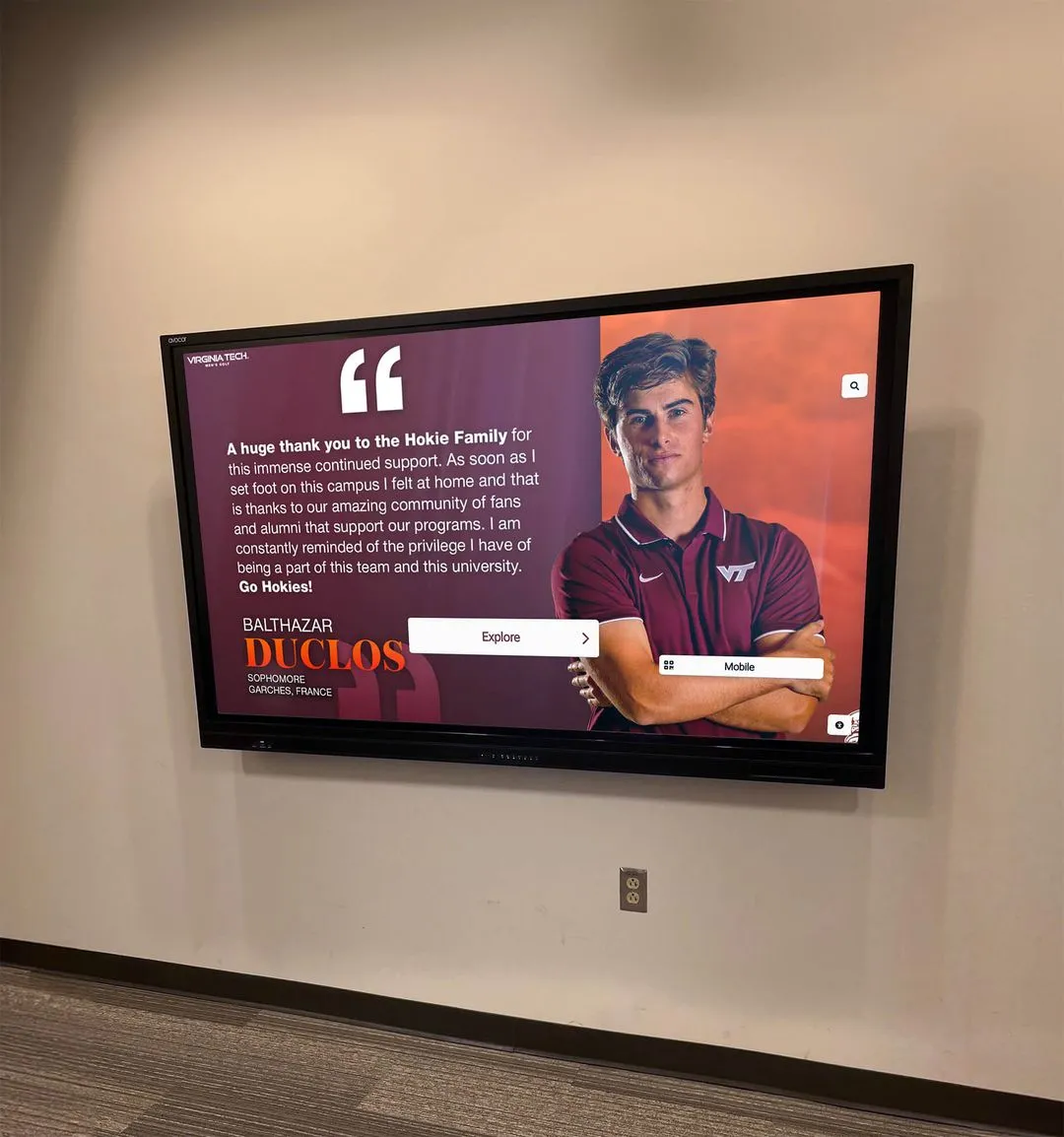
Interactive recognition enables exploration of [regional football traditions](https://digitalyearbook.org/blog/digital-hall-of-fame-ultimate-buying-guide-high-schools/?utm_source=organic&utm_medium=seo-auto&utm_content=digitalwarming&utm_campaign=georgia-high-school-football-rankings&utm_term=seo) and championship histories across classifications
Understanding Rankings and Rating Systems
Multiple ranking systems evaluate Georgia high school football programs, each employing different methodologies creating occasionally divergent assessments of team quality and championship potential.
GHSA Power Ratings and Playoff Selection
Unlike some states using committee selection or conference champions for playoff qualification, Georgia employs objective computer ratings calculating playoff positioning. The GHSA power rating system determines playoff seeding through formula-based calculations rewarding both wins and strength of schedule.
How Power Ratings Work
The power rating system assigns point values based on game results, opponent strength, and opponents’ opponents’ strength. Teams earn maximum points for wins against quality competition while minimizing credit for victories against weak opponents. This multi-layered approach prevents gaming systems through weak scheduling.
Division differences affect point calculations—Class 7A opponents generate higher point values than Class A opponents, incentivizing challenging non-region schedules while protecting programs from playoff elimination due to difficult region assignments.
Playoff Qualification and Seeding
The top four teams in each eight-team region automatically qualify for playoffs, with power ratings determining seeding and first-round matchups. Higher seeds receive home-field advantage through early rounds, creating tangible regular season rewards for strong finishes.
Power rating drama intensifies during final regular season weeks as teams monitor calculations, evaluate scenarios, and scoreboard-watch games affecting playoff positioning. Schools sitting at cutoff positions face elimination with losses or may secure spots through unexpected results elsewhere.
MaxPreps National and State Rankings
MaxPreps provides widely-followed national and state rankings using algorithm-based calculations incorporating game results, opponent strength, and margin of victory. Their rankings generate discussion particularly when Georgia programs achieve national recognition among elite programs nationwide.
Top Georgia programs regularly appear in MaxPreps national rankings, with Class 7A elite competing for top-25 national positioning. These rankings provide external validation demonstrating that Georgia’s best programs compete successfully against elite competition nationwide.
Atlanta Journal-Constitution Rankings
The Atlanta Journal-Constitution publishes weekly rankings covering all classifications, providing media perspective on team quality and championship potential. These rankings incorporate both statistical analysis and subjective assessment from experienced prep football writers familiar with program traditions and competitive nuances.
AJC rankings generate significant community discussion, particularly when teams receive recognition or perceived slight through ranking positions. Coaches and fans debate methodology, compare resumes, and anticipate ranking impacts on playoff seeding and championship positioning.
Regional Media Rankings
Regional newspapers and media outlets publish local rankings emphasizing particular geographic areas or classifications. These rankings provide additional perspective while highlighting programs that may not receive statewide recognition despite regional excellence.
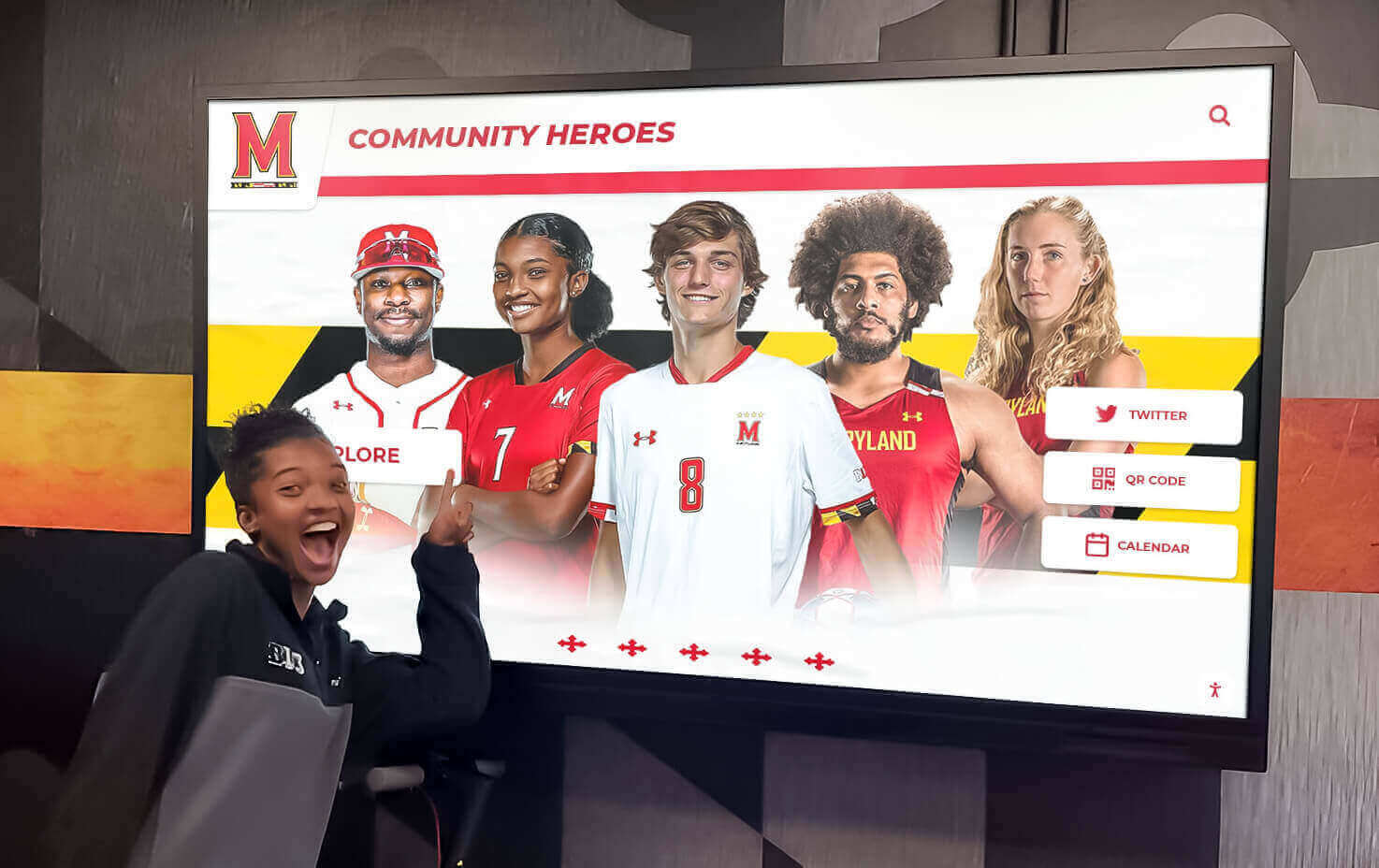
Digital platforms enable students to explore [comprehensive athletic achievements](https://digital-trophy-case.com/blog/best-hall-of-fame-tools-athletics-donors-arts-history/?utm_source=organic&utm_medium=seo-auto&utm_content=digitalwarming&utm_campaign=georgia-high-school-football-rankings&utm_term=seo) and understand program excellence
Championship Playoffs and Title Paths
Georgia’s playoff structure creates championship pathways requiring four consecutive victories against progressively stronger competition, with neutral-site finals at Mercedes-Benz Stadium providing spectacular conclusion to championship journeys.
First-Round Regional Matchups
Regional brackets seed eight qualifiers with higher seeds hosting first-round games. These initial matchups often feature dramatic contrasts—established powerhouses hosting surprise qualifiers, traditional rivals meeting earlier than region scheduling allowed, or potential upsets when lower seeds embrace underdog opportunities.
Single-elimination intensity transforms first-round games compared to regular season contests. Losses eliminate championship dreams immediately, creating pressure affecting athlete performance and coaching decisions. Home-field advantage proves particularly significant, with familiar surroundings and crowd support providing meaningful benefits.
Quarterfinals and Semifinal Rounds
Winners advance through quarterfinals and semifinals at higher-seeded venues. These contests separate genuine title contenders from first-round surprises, as talent depth, coaching sophistication, and championship experience increasingly determine outcomes.
By semifinal rounds, remaining teams represent elite programs with legitimate championship credentials. These matchups preview potential finals while generating significant community interest, media coverage, and recruiting attention. Semifinal victories validate complete programs demonstrating sustained excellence rather than single-season flukes.
State Championship Weekend at Mercedes-Benz Stadium
Georgia’s football championships conclude at Mercedes-Benz Stadium in Atlanta, where all seven classification finals occur over championship weekend. This world-class venue—home to the Atlanta Falcons and host to Super Bowls and College Football Playoff championships—creates incomparable settings for high school championship games.
Championship weekend represents pilgrimage for Georgia football communities. Small towns empty as populations travel to Atlanta supporting teams. Students who never attended games suddenly embrace school pride. Local businesses sponsor travel, and Atlanta becomes temporary home for communities united through football excellence.
Winners receive championship trophies, rings, and recognition at midfield while video boards display “State Champions” and public address announcers immortalize achievements. These moments—captured through photos, videos, and memories—define athletic careers while creating program legacies celebrated for generations.
Schools implementing comprehensive championship recognition systems ensure playoff achievements inspire future athletes long after trophy presentations conclude.
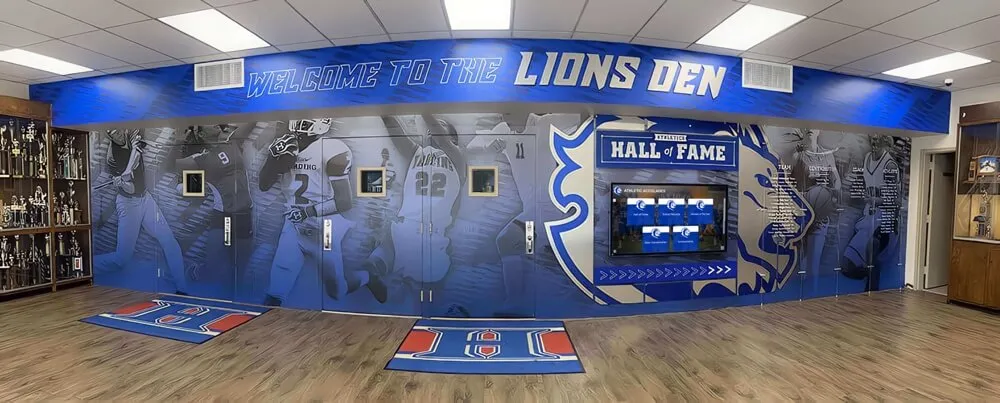
Championship recognition creates environments where [playoff excellence](https://digitalrecordboard.com/blog/state-championships-display-recognition-guide/?utm_source=organic&utm_medium=seo-auto&utm_content=digitalwarming&utm_campaign=georgia-high-school-football-rankings&utm_term=seo) becomes program expectation and cultural tradition
Player Development and College Recruiting Pipeline
Georgia produces exceptional Division I talent with more nationally-ranked recruits than most states. Understanding player development pipelines and recruiting dynamics provides insight into program success beyond win-loss records.
Georgia as National Recruiting Hotbed
Georgia consistently ranks among the nation’s top states for Division I football talent production. Metro Atlanta alone produces more Division I recruits annually than many entire states, while talented players emerge statewide across all classifications and geographic regions.
This talent concentration reflects multiple factors including strong youth football infrastructure, exceptional high school coaching, year-round training culture, and demographic growth bringing athletic families to the state. College recruiters maintain constant Georgia presence, with major programs staffing dedicated Georgia recruiting territories.
Top Programs as Talent Pipelines
Elite programs like North Gwinnett, Grayson, Mill Creek, and Buford regularly send multiple players to Division I programs annually. These schools function as talent pipelines where college-level athletes compete together, creating practice environments rivaling college preparation.
Smaller programs also produce Division I talent disproportionate to enrollment size. Schools like Cartersville, Warner Robins, and Benedictine demonstrate that championship culture and exceptional coaching maximize talent development regardless of classification.
Recruiting Rankings and National Signing Day
National Signing Day in February represents culmination of recruiting cycles when Georgia’s top talent announces college commitments. Top programs often feature multiple nationally-ranked recruits signing with SEC, ACC, and other Power Five programs.
Schools celebrating signing days appropriately recognize athlete achievements while promoting program success. Many schools host signing day ceremonies where athletes announce decisions surrounded by teammates, coaches, families, and community supporters. These celebrations validate athletes’ hard work while demonstrating program quality attracting college attention.
Implementing digital recognition documenting college placements creates recruiting tools showcasing program college preparation quality while inspiring current athletes pursuing similar opportunities.
The Impact of NIL on High School Recruiting
Name, Image, and Likeness (NIL) changes in college athletics increasingly affect high school recruiting dynamics. Top Georgia recruits now consider NIL opportunity potential when evaluating college programs, adding complexity to decisions traditionally focused primarily on playing time, coaching, and program prestige.
This shift creates new dynamics where high school programs must educate athletes about NIL implications, help families navigate recruiting complexity, and maintain focus on appropriate decision factors rather than purely financial considerations potentially misaligning with long-term athlete development.

Interactive displays enable exploration of [complete athlete profiles](https://digitalyearbook.org/blog/highlighting-famous-alumni-recognition-guide/?utm_source=organic&utm_medium=seo-auto&utm_content=digitalwarming&utm_campaign=georgia-high-school-football-rankings&utm_term=seo) documenting achievements and college placement success
Preserving and Celebrating Championship Traditions
Championship trophies and ranking success create recognition opportunities extending far beyond season conclusions when schools implement thoughtful preservation and celebration strategies.
Immediate Post-Season Recognition
Following successful seasons, particularly championship campaigns, schools should implement timely recognition celebrating achievement while momentum and emotion remain fresh.
Championship Celebration Events
Victory parades, community gatherings, and school assemblies provide immediate recognition opportunities where entire communities celebrate achievement together. Championship celebrations become generational memories—current students remember attending celebrations, parents recall participating decades earlier during their school’s championships, and communities create continuity connecting past and present excellence.
Award Banquets and End-of-Season Ceremonies
Football banquets provide appropriate venues for comprehensive recognition including individual awards, season reflection, senior honors, and championship celebration. Quality banquets balance entertainment with meaningful recognition, creating memorable experiences validating season-long commitment.
Long-Term Recognition and Legacy Building
Beyond immediate celebration, championship achievements deserve permanent recognition inspiring future athletes while preserving program history.
Traditional Physical Recognition Limitations
Championship banners, trophy displays, and facility plaques represent time-honored recognition approaches creating visible celebration in athletic spaces. However, traditional approaches face limitations—physical space constraints as championships accumulate, maintenance requirements as materials age, and limited storytelling capacity reducing championships to dates without context about teams, players, or championship journeys.
Modern Digital Recognition Excellence
Digital recognition systems address traditional limitations while creating engaging interactive experiences celebrating championships comprehensively. Solutions like Rocket Alumni Solutions enable:
- Unlimited recognition capacity documenting all championships, playoff runs, and ranked seasons without space constraints
- Comprehensive team profiles including rosters, statistics, season highlights, and championship journey documentation
- Individual athlete recognition ensuring every player receives personal acknowledgment for contributions
- Rankings history visualization preserving season-by-season rankings documenting program consistency
- Rich multimedia content incorporating photos, videos, newspaper clippings, and community celebration documentation
- Mobile and web accessibility extending recognition beyond campus to alumni, families, and community members globally
- Intuitive content management enabling athletic staff to maintain recognition without technical expertise
Schools implementing comprehensive digital recognition platforms report dramatically increased community engagement with athletic history as interactive exploration replaces passive viewing of static displays.
Championship History Archives
Systematic documentation creates comprehensive championship archives serving multiple purposes—athlete recruitment showcasing program excellence, alumni engagement connecting former players to current success, and institutional memory preserving achievements as coaches and administrators transition.
Quality archives include complete season records, playoff bracket progression, detailed statistics, player and coaching rosters, photos and videos documenting championship atmospheres, newspaper articles and media coverage, and post-season award recognition. This thorough documentation ensures achievements remain accessible and celebrated indefinitely rather than fading as seasons pass.
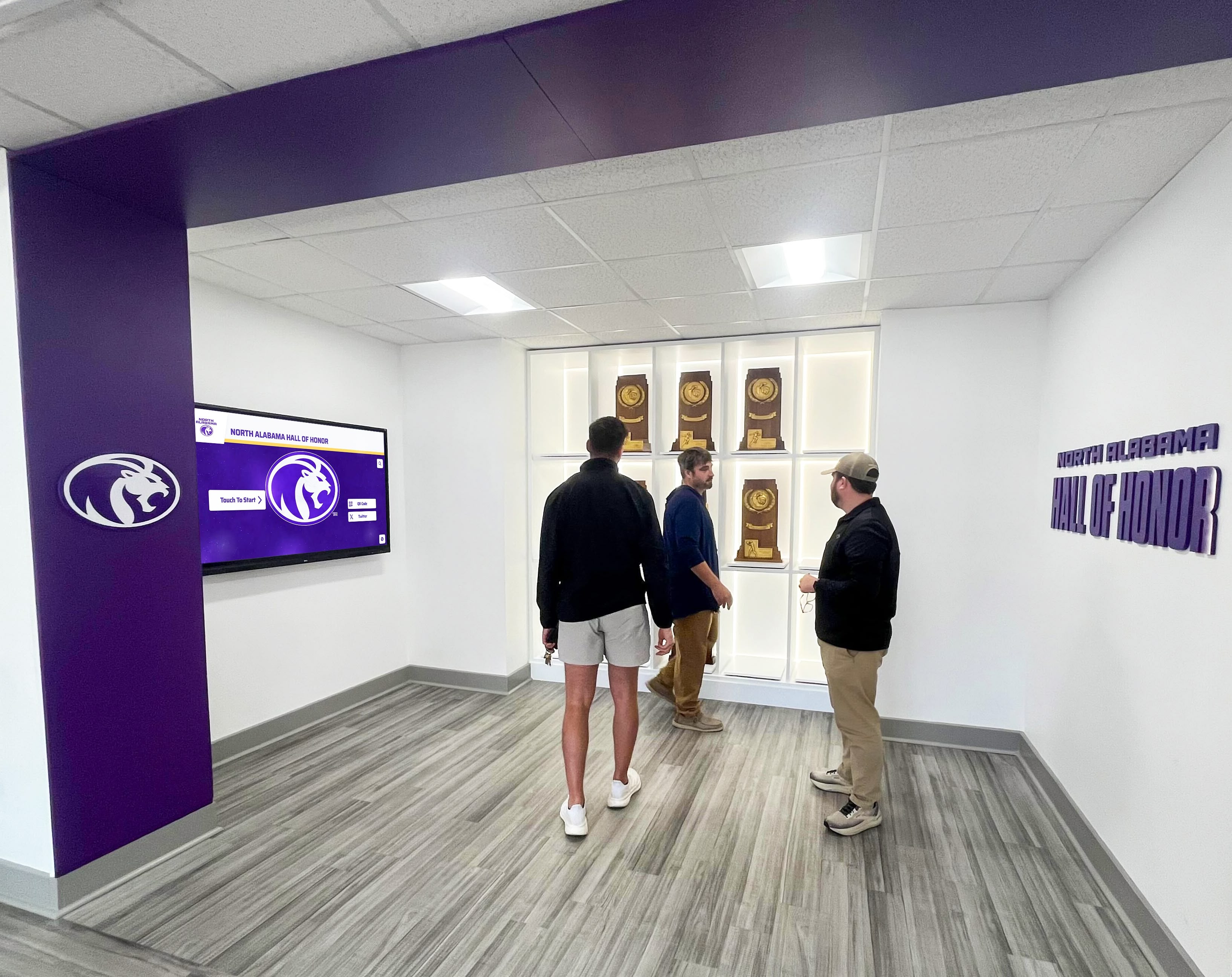
Comprehensive recognition creates community gathering points celebrating [football traditions](https://best-touchscreen.com/blog/high-school-end-of-year-awards-complete-guide/?utm_source=organic&utm_medium=seo-auto&utm_content=digitalwarming&utm_campaign=georgia-high-school-football-rankings&utm_term=seo) and championship excellence
Building Sustainable Championship Programs
Examining Georgia’s elite programs reveals common characteristics distinguishing sustained excellence from temporary success. Athletic directors and coaches seeking to build championship-caliber programs can learn from these consistent success factors.
Coaching Continuity and Program Culture
Championship programs maintain coaching stability creating consistent philosophy, culture, and expectations transcending individual players or graduating classes. When programs frequently change head coaches, they reset culture, rebuild relationships, and restart system implementation—processes preventing sustained excellence.
Programs like Buford demonstrate how coaching continuity enables long-term culture building where championship expectations become program DNA rather than annual goals requiring constant reinforcement. Alumni connections strengthen, youth programs integrate systematically, and community support deepens when familiar coaching staff provides continuity connecting past tradition to current performance.
Comprehensive Youth Football Integration
Elite programs don’t rely solely on inherent talent advantages—they systematically develop players through integrated youth programs funneling athletes into high school systems with appropriate skill foundations and program culture understanding.
North Gwinnett, Grayson, and similar suburban powerhouses benefit from competitive youth leagues introducing players to program philosophies, terminology, and expectations years before high school enrollment. This early integration creates developmental advantages where freshman classes arrive prepared to contribute immediately rather than requiring fundamental skill teaching.
Facility Investment and Community Support
Championship facilities reflect community commitment beyond words into financial investment demonstrating that football excellence represents institutional priority. While great coaching can overcome facility limitations, quality facilities provide competitive advantages through superior practice environments, athlete development resources, and recruiting impressions.
Georgia’s top programs feature state-of-the-art weight rooms, indoor practice facilities, modern locker rooms, and quality playing surfaces providing optimal preparation environments. These facilities result from community investment—booster support, school system commitment, and public funding demonstrating that championship success requires broad stakeholder support beyond coaching staff efforts alone.
Academic Support and Athlete Development
Sustainable programs recognize athletes as students first, providing academic support ensuring eligibility while preparing student-athletes for post-high school success. Programs emphasizing academics alongside athletics create comprehensive development environments producing successful adults rather than only football players.
Quality programs implement mandatory study halls, tutoring services, academic recognition, and college preparation guidance. This comprehensive approach attracts families valuing holistic development while creating program cultures emphasizing responsibility, accountability, and long-term success beyond Friday night performances.

Modern recognition platforms create engaging [program promotion tools](https://touchscreenwebsite.com/blog/exciting-hallway-displays-schools-guide/?utm_source=organic&utm_medium=seo-auto&utm_content=digitalwarming&utm_campaign=georgia-high-school-football-rankings&utm_term=seo) celebrating excellence while building program culture
Conclusion: Rankings, Tradition, and Lasting Legacy
Georgia high school football rankings represent more than weekly poll positions—they reflect program excellence, coaching quality, community commitment, and traditions defining the state’s cultural identity. From Class 7A suburban powers competing for national recognition to Class A dynasties demonstrating that small schools can achieve championship excellence, Georgia’s football landscape showcases athletic achievement at its highest high school level.
Understanding rankings requires appreciating classification systems creating competitive balance, power rating calculations determining playoff positioning, and regional traditions defining unique football cultures across Georgia’s diverse geography. Top programs like North Gwinnett, Colquitt County, Buford, and Irwin County demonstrate common success characteristics—coaching continuity, comprehensive player development, community support, and championship cultures expecting excellence rather than hoping for it.
Beyond competition itself, rankings success creates recognition opportunities extending across generations when schools implement thoughtful celebration and preservation strategies. Championship achievements deserve commemoration matching their significance—not merely trophy displays and championship banners, but comprehensive recognition documenting complete stories about teams, athletes, and championship journeys inspiring future generations.
The concept of digital warming describes what happens when cold trophy cases and dated championship banners transform into vibrant interactive experiences celebrating program excellence comprehensively. When students explore championship histories, discover athlete profiles, and understand program traditions through engaging digital platforms, these interactions create warmth strengthening program culture and motivating ongoing excellence extending across decades.
Modern digital recognition platforms like Rocket Alumni Solutions enable schools to celebrate rankings success, championship achievements, and program traditions through unlimited capacity systems accommodating complete historical documentation. Interactive features encourage exploration, mobile accessibility extends recognition globally, and intuitive management enables ongoing content updates maintaining relevance as new achievements accumulate.
Athletic directors and coaches understand that rankings recognition extends beyond honoring past achievement—it creates motivational tools inspiring current athletes, engagement touchpoints connecting alumni, recruitment advantages attracting talented families, and evidence of program quality benefiting entire school communities. Investment in comprehensive recognition pays dividends across multiple stakeholder groups while preserving institutional legacy deserving permanent celebration.
Your school’s football tradition—whether defined by multiple championships, consistent playoff appearances, or gradual program building toward competitive excellence—deserves recognition creating inspiration rather than forgotten history. Every ranked team represents dedication, sacrifice, and achievement worthy of celebration honoring contributions while preserving accomplishments for future generations discovering program traditions.
Ready to transform how your school celebrates football excellence and championship traditions? Explore comprehensive digital recognition solutions that document rankings success, engage athletic communities, and create the lasting celebration your achievements deserve—building the digital warming essential for programs committed to sustained excellence and meaningful legacy preservation.
Disclaimer: This content was produced by Rocket Alumni Solutions to demonstrate how purpose-built digital recognition technology supports athletic program promotion and community engagement. Program information reflects publicly available data as of January 2026 and may evolve over time.