Football homecoming stands as one of the most anticipated traditions in American high school culture. Each fall, schools across the nation transform their campuses into vibrant celebrations uniting students, alumni, families, and communities around a single Friday night under the lights. The homecoming game represents more than just another athletic contest—it’s the centerpiece of a week-long celebration featuring spirit competitions, parade floats, pep rallies, homecoming court ceremonies, and alumni reunions that create memories lasting far beyond the final whistle.
Yet planning a truly exceptional football homecoming game day celebration presents significant challenges for athletic directors, student council advisors, and school administrators. How do you coordinate the countless moving parts—from halftime ceremonies and alumni recognition to student spirit sections and community tailgates? What activities maximize participation across all grade levels while honoring school traditions? How do you create an atmosphere that feels electric and memorable without overwhelming your planning committee or exceeding your budget?
The most successful homecoming celebrations don’t happen by accident—they result from thoughtful planning that balances tradition with innovation, honors diverse stakeholders from freshmen to alumni, and creates an inclusive atmosphere where every community member feels welcomed and celebrated.
This comprehensive guide explores everything you need to plan an unforgettable football homecoming game day celebration at your school. You’ll discover strategic planning timelines, creative spirit week ideas, game day logistics, halftime ceremony best practices, alumni engagement strategies, student leadership opportunities, and modern recognition approaches that transform single-night events into lasting traditions celebrating your school’s unique community and heritage.

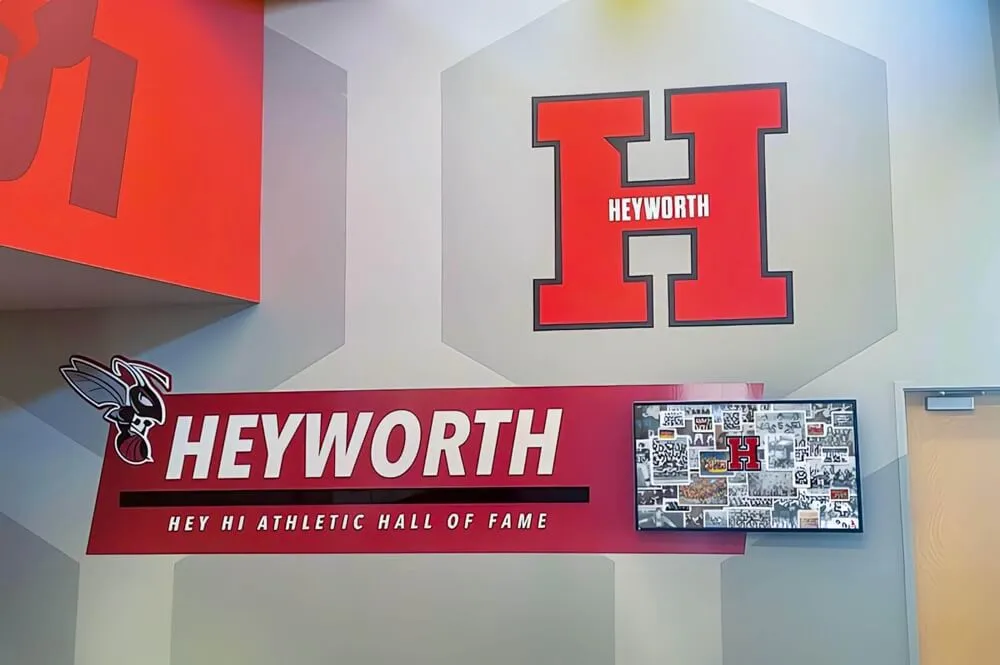
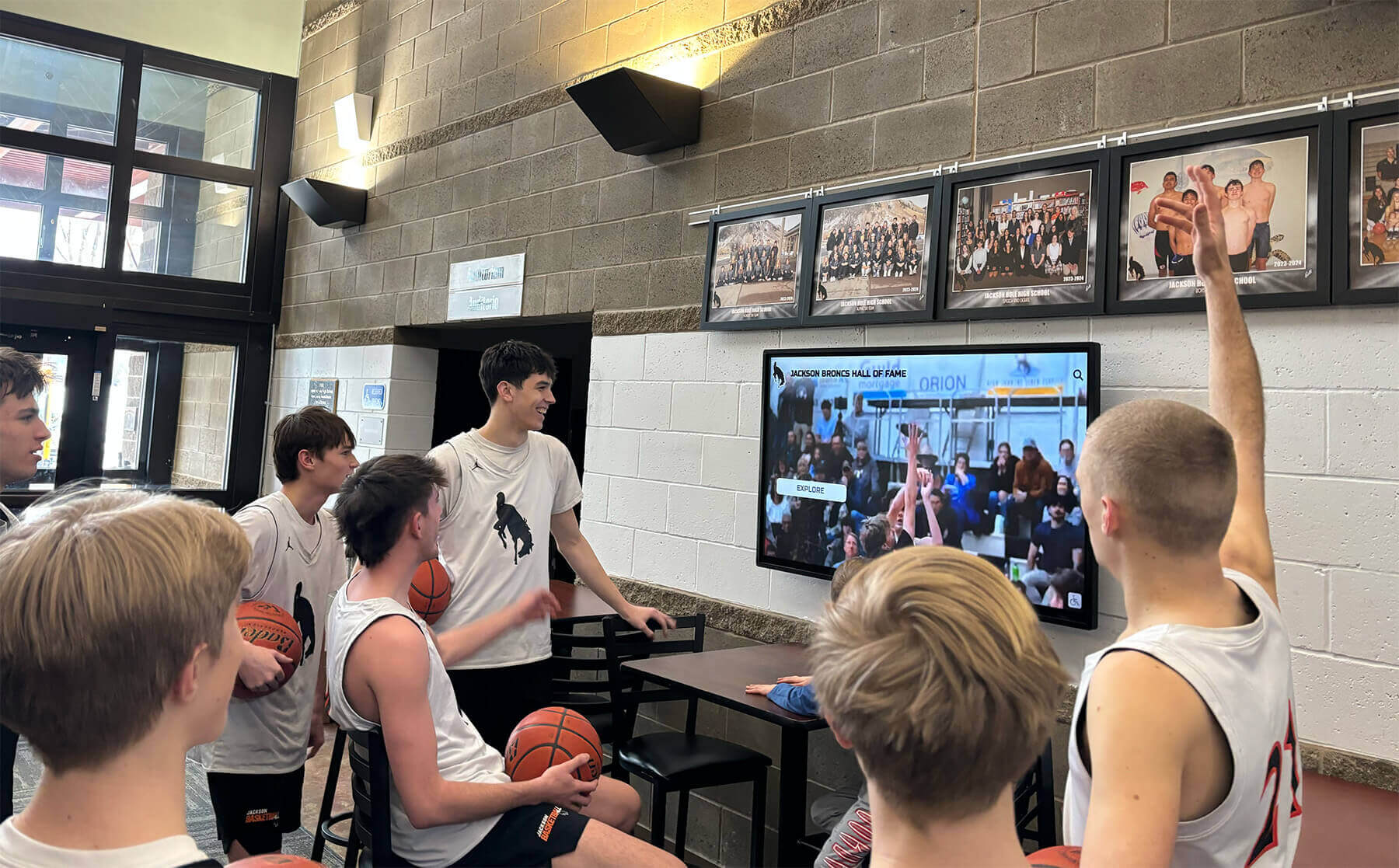
Homecoming celebrations unite school communities through shared traditions, spirit, and pride in collective identity
Understanding Football Homecoming’s Unique Significance
Before diving into specific planning elements, understanding what makes football homecoming distinct from other school events helps organizers create celebrations achieving maximum impact.
Why Football Homecoming Matters
Football homecoming carries unique cultural weight within American school traditions, serving multiple vital functions that extend far beyond a single athletic competition.
Welcoming Alumni Home
The name “homecoming” reflects the tradition’s original purpose: inviting former students to return to their alma mater, reconnect with classmates, revisit their school, and celebrate ongoing connections to the institution. While modern homecoming celebrations often focus primarily on current students, maintaining the alumni dimension creates intergenerational connections that strengthen school identity and build institutional pride spanning decades.
Schools that effectively engage alumni during homecoming create opportunities for former students to mentor current ones, share career experiences and life lessons, contribute to fundraising initiatives supporting current programs, and demonstrate that school connections extend far beyond graduation creating lifelong community membership.
Celebrating School Identity and Pride
Homecoming provides concentrated opportunities for developing collective identity that extends throughout the school year. When entire communities participate in common traditions—wearing school colors, decorating hallways by class, attending the game together, cheering as one—these shared experiences create collective memories binding individuals into cohesive communities.
The week-long build-up through spirit activities ensures homecoming isn’t just a single event but an immersive cultural experience that dominates school consciousness for an entire week, creating intensity of shared focus rarely achieved during normal school operations.
Building Traditions That Connect Generations
The most powerful aspect of homecoming lies in its annual repetition. When current students participate in the same traditions their parents and grandparents experienced—the same chants, the same parade route, the same halftime coronation ceremony—these continuities create powerful connections making school membership feel like participation in something larger than any single graduating class.
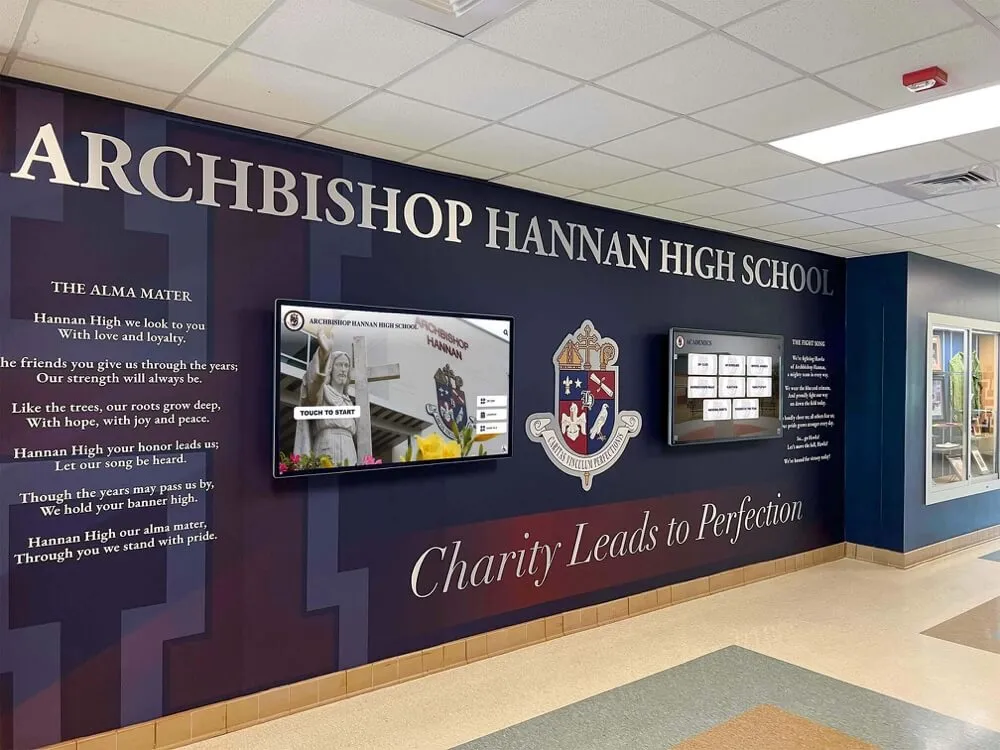
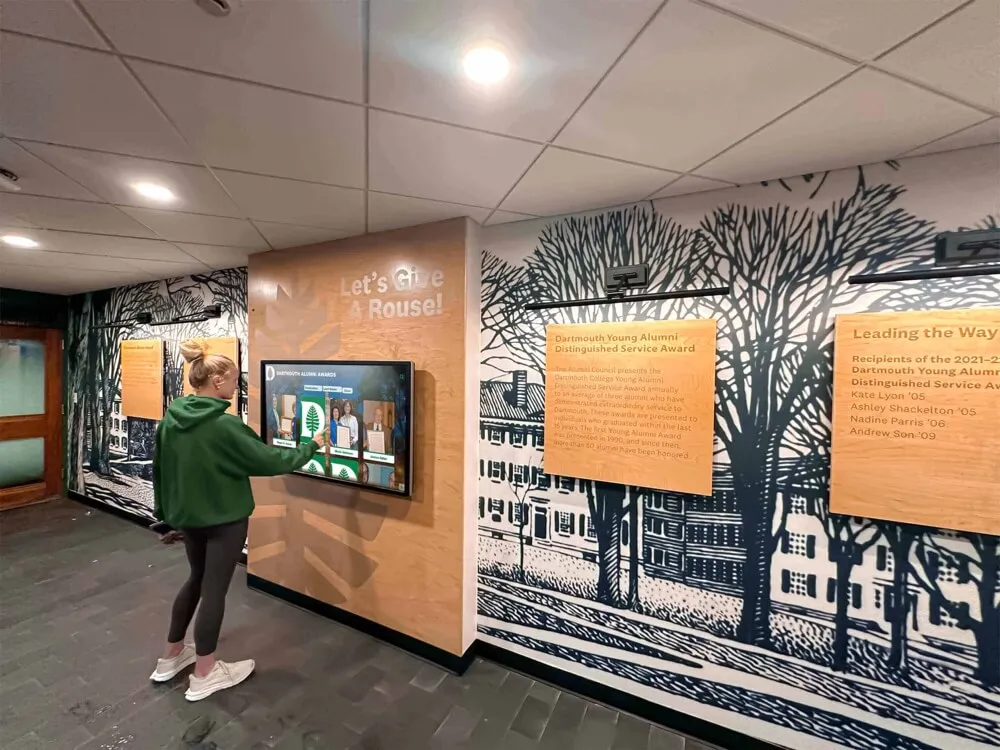
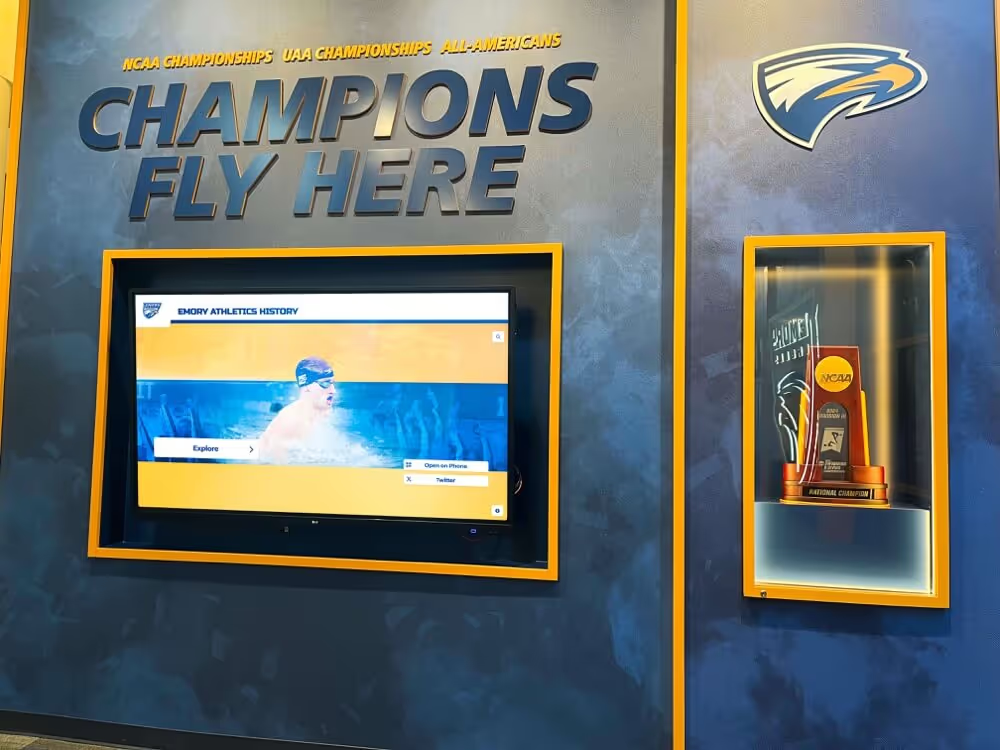
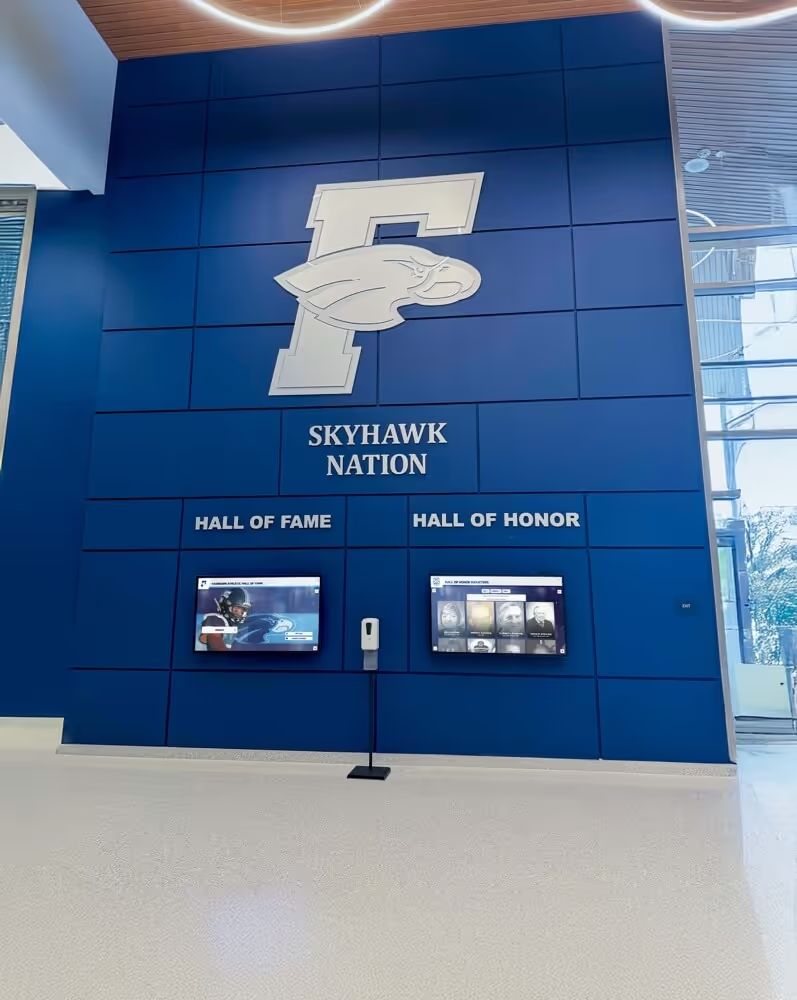
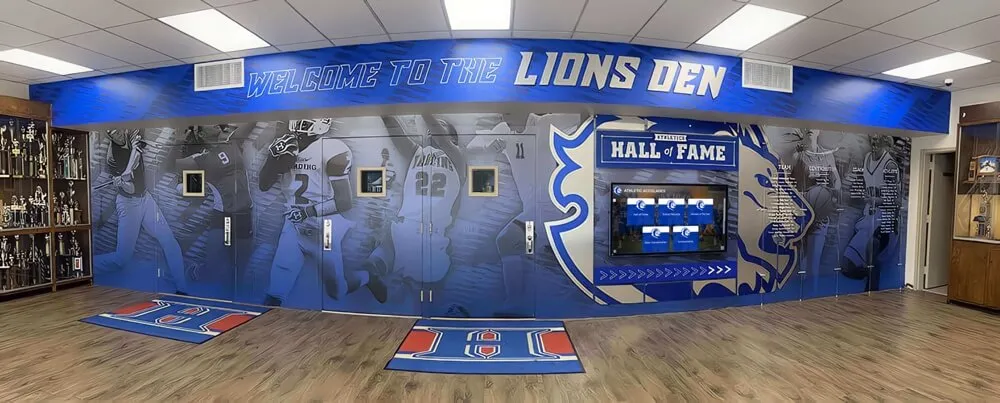
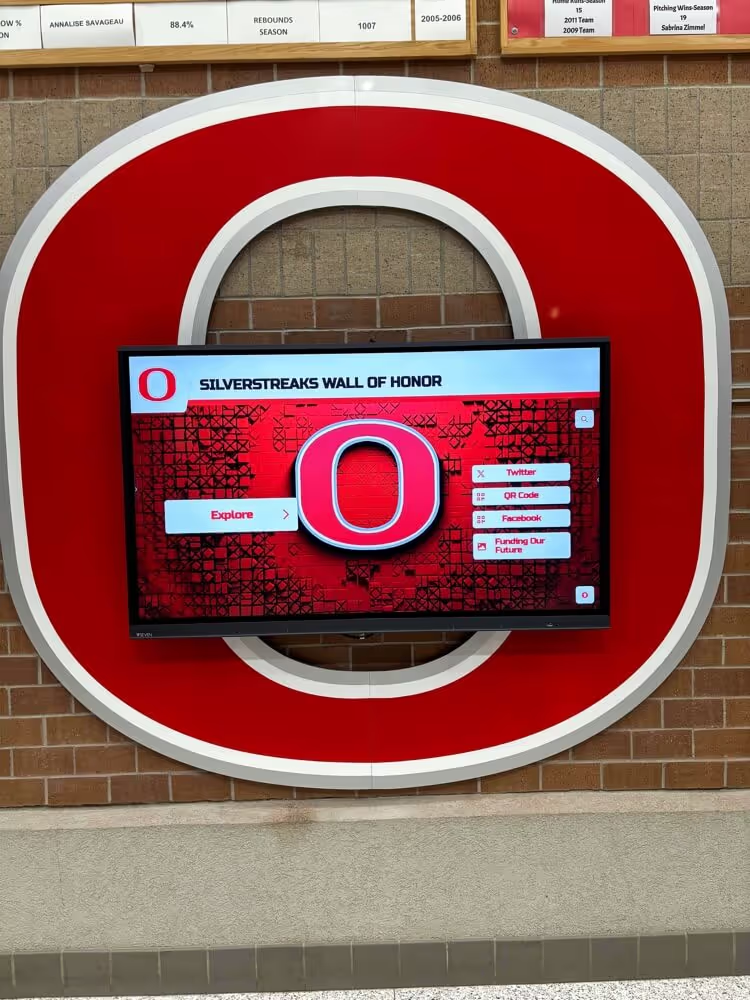
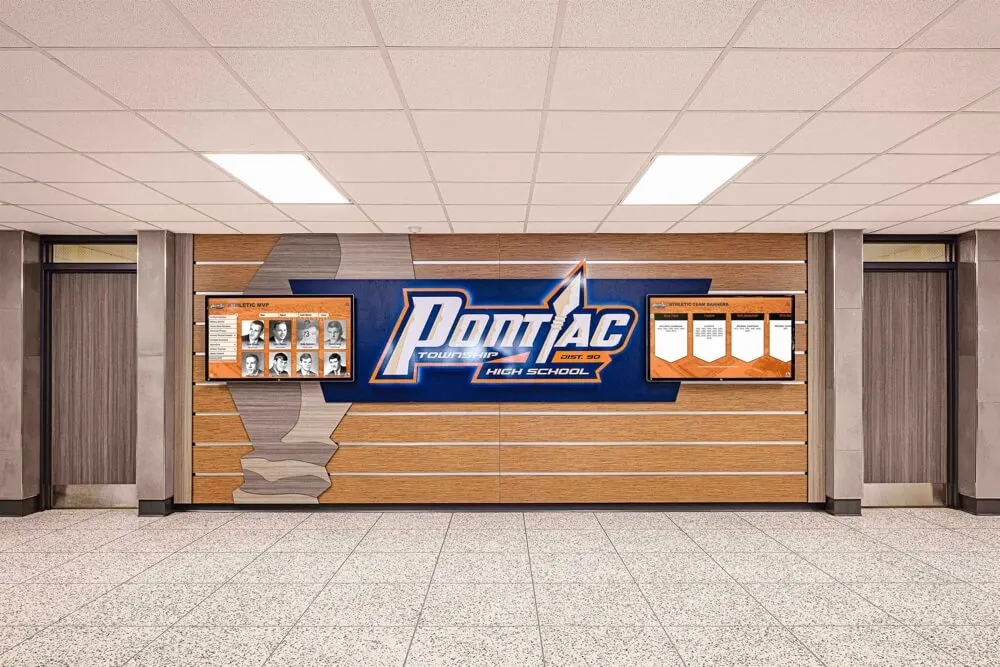
Schools that document and preserve homecoming traditions through digital recognition displays enable current students to explore decades of homecoming courts, championship teams, and celebrated moments connecting present to past in tangible, engaging ways.
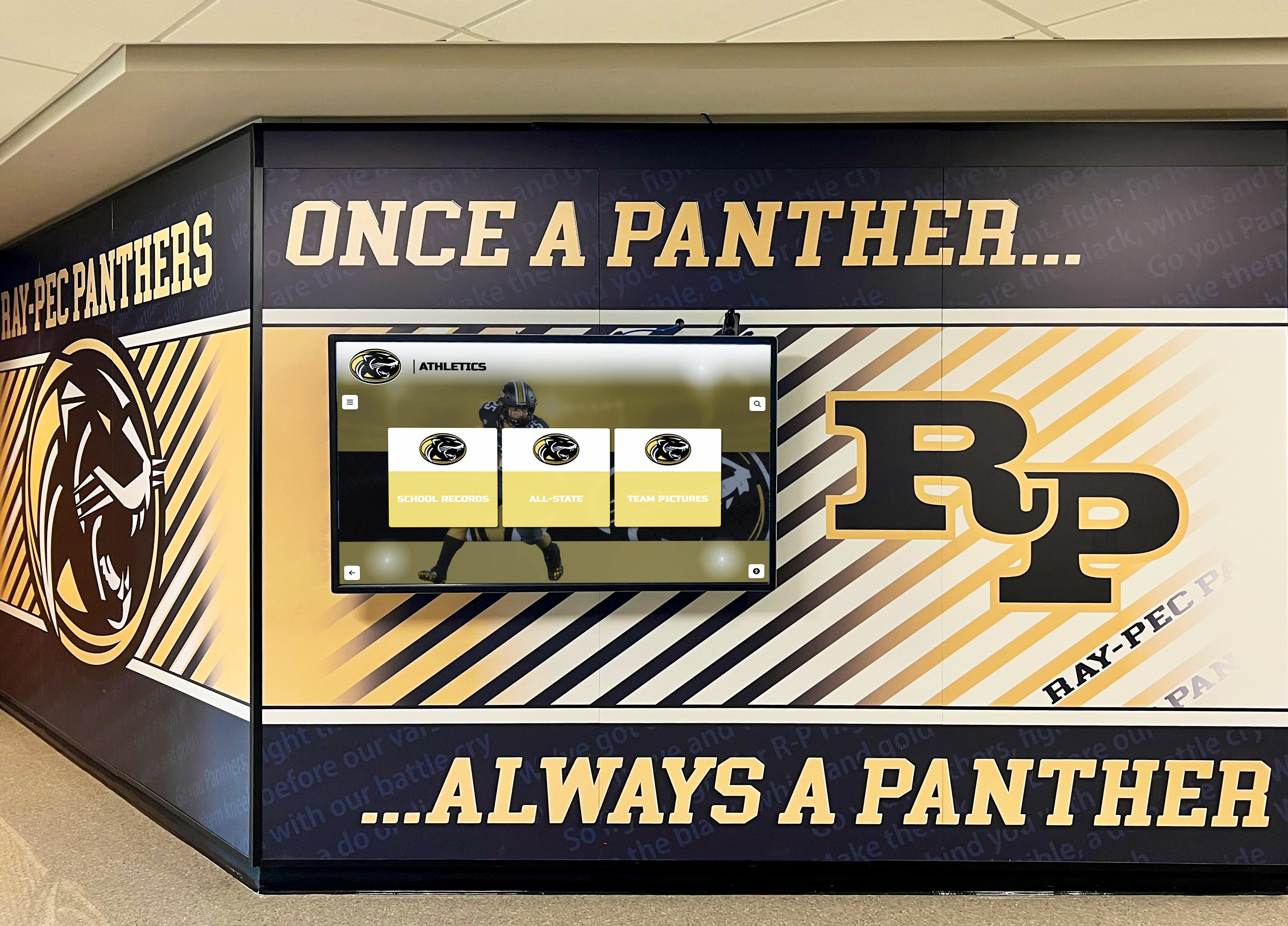
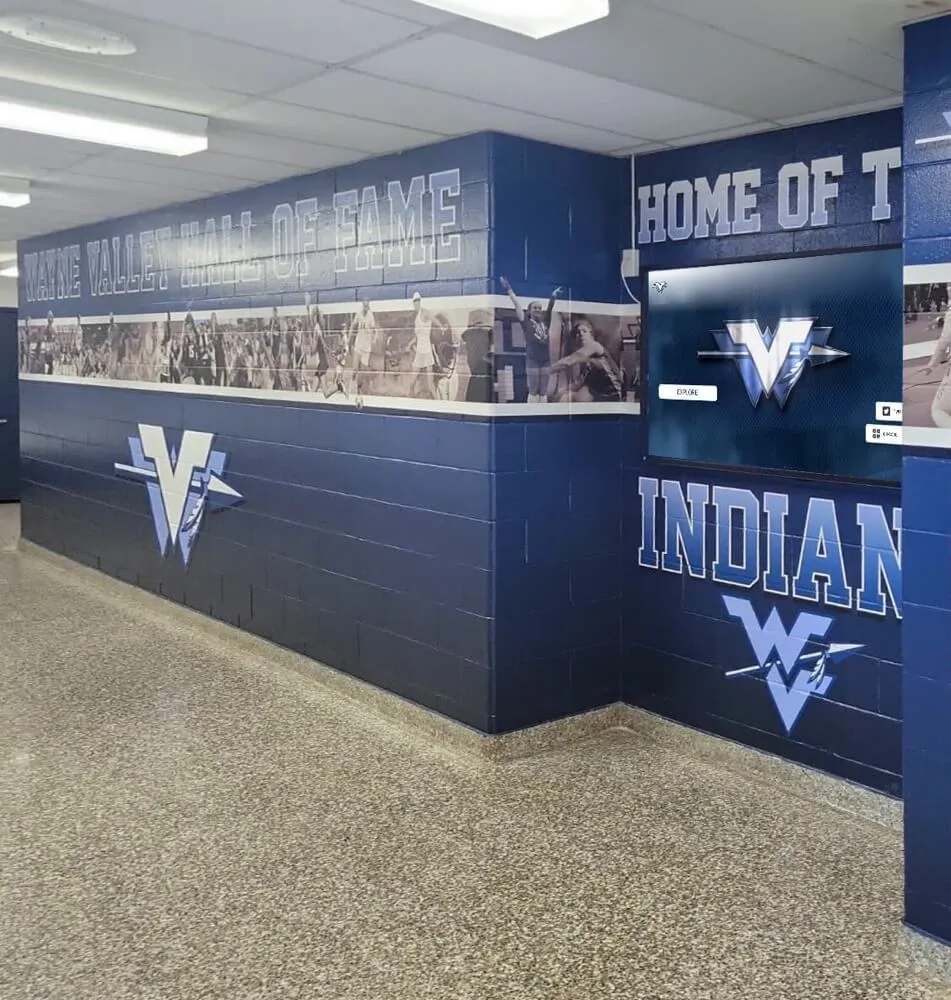
School environments transform during homecoming week with decorations and displays celebrating tradition and achievement
Football Homecoming Versus Other School Events
Understanding how homecoming differs from other major school celebrations helps planners create appropriately scaled events.
More Community-Focused Than Prom
While prom primarily serves students (especially juniors and seniors) as a formal dance experience, homecoming welcomes broader participation including all grade levels, alumni of all ages, families and younger siblings, and community members with no direct school connection. This inclusive approach requires different planning considerations around accessibility, pricing, and programming that accommodates diverse age groups and relationship levels to the school.
More Tradition-Centered Than Regular Games
A typical Friday night football game might draw dedicated sports fans, parents of players, and committed student supporters. Homecoming, by contrast, attracts attendees who may never otherwise attend athletic events—alumni returning specifically for the tradition, families wanting to participate in community celebration, and students drawn more by the social experience and halftime ceremonies than football itself.
This broader, more casual audience requires different approaches to creating welcoming atmospheres, providing context about traditions for newcomers, and balancing athletic competition focus with entertainment and ceremony elements appealing to non-sports enthusiasts.
More Multi-Day Than Single Events
Unlike most school events that occur on single days, homecoming typically spans an entire week with daily spirit activities building momentum toward the culminating game and dance weekend. This extended timeline creates planning complexity but also opportunities for sustained engagement, multiple participation entry points, and building anticipation that makes the game night celebration feel truly climactic rather than isolated.
Strategic Planning Timeline for Homecoming Success
Successful homecoming celebrations require months of advance planning with clear milestones preventing last-minute stress.
10-12 Weeks Before Game Day
Early planning establishes the foundation for everything that follows.
Form Core Planning Committee
Identify key stakeholders who’ll drive planning: student council representatives leading student-facing activities, athletic director coordinating game day logistics and opponent scheduling, alumni coordinator managing former student engagement and communication, faculty advisors providing institutional knowledge and adult supervision, and booster club leaders handling fundraising and volunteer coordination.
Clear role definition from the start prevents confusion and ensures all major responsibility areas have designated ownership and accountability.
Select Homecoming Date and Game Opponent
Coordinate with athletic director to identify an optimal Friday night in September or October. Consider weather patterns in your region (avoiding extreme heat or likely rain), conflicts with major community events or holidays, football schedule positioning against appropriate opponents, and traditional timing if your school consistently holds homecoming on specific weekends.
The opponent matters significantly—ideally select a competitive rival that will draw good crowds without risking embarrassing defeat during your celebration game. Coordinate with the opposing school months in advance to ensure their schedule aligns with your preferred date.
Establish Budget and Funding Sources
Develop comprehensive budget estimates covering all major expenses: spirit week activity supplies and materials, halftime ceremony elements (flowers, crowns, sashes), decorations for campus and stadium, printing costs for programs, posters, and tickets, alumni reception or tailgate costs, and contingency funds for unexpected needs.
Identify revenue sources including ticket sales, booster club allocations, local business sponsorships, school activity budgets, and fundraising campaigns specifically designated for homecoming.

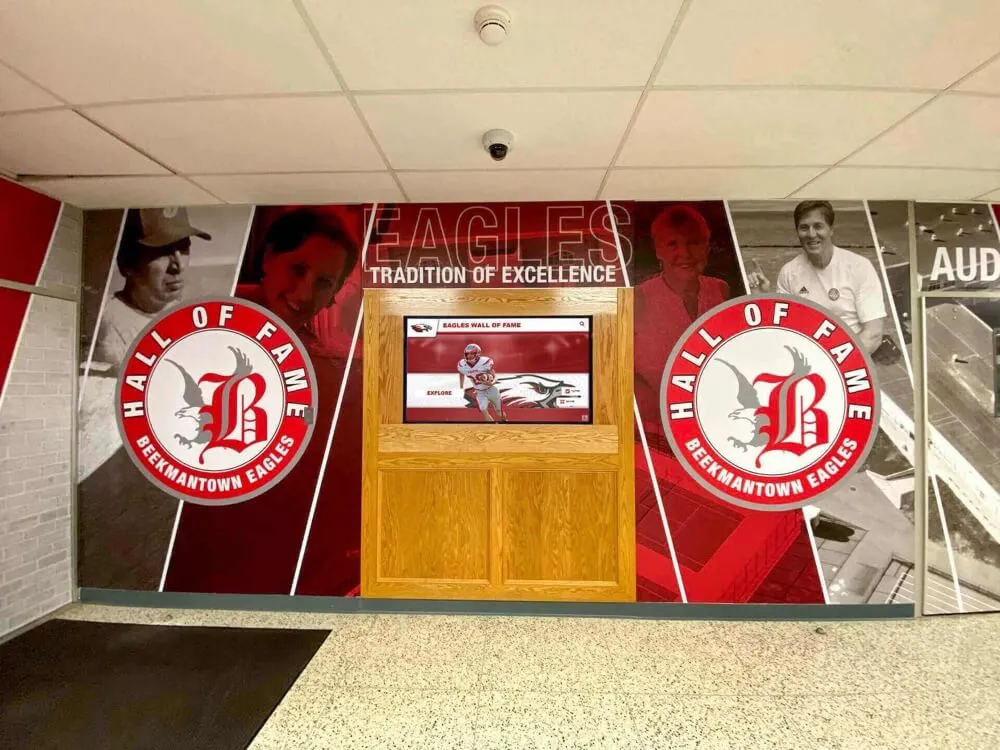
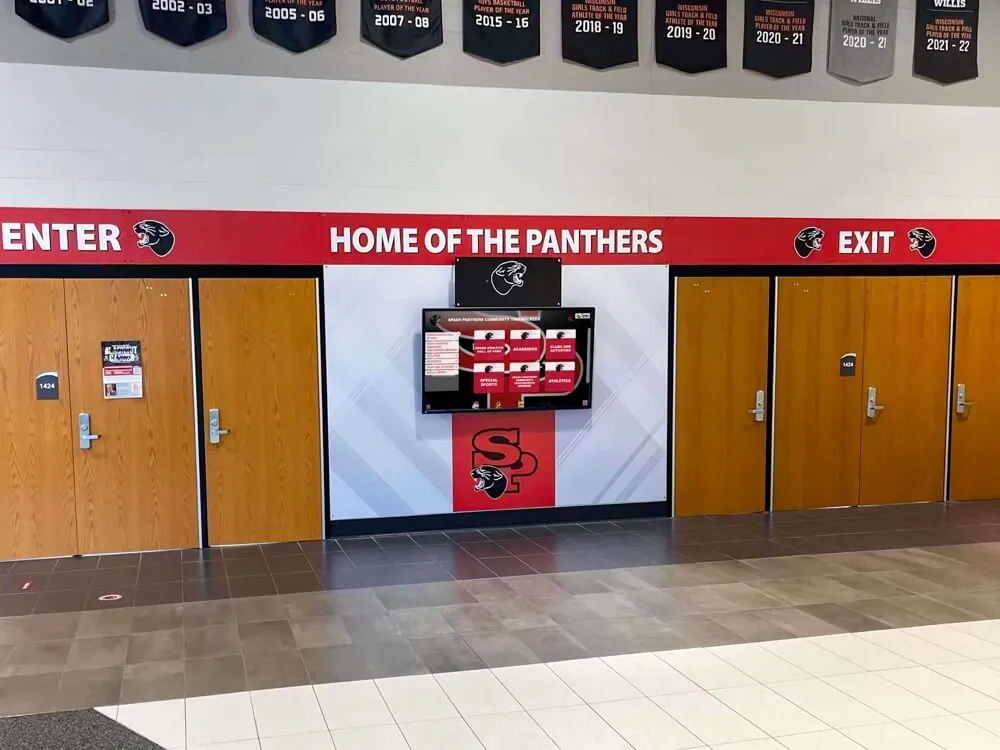
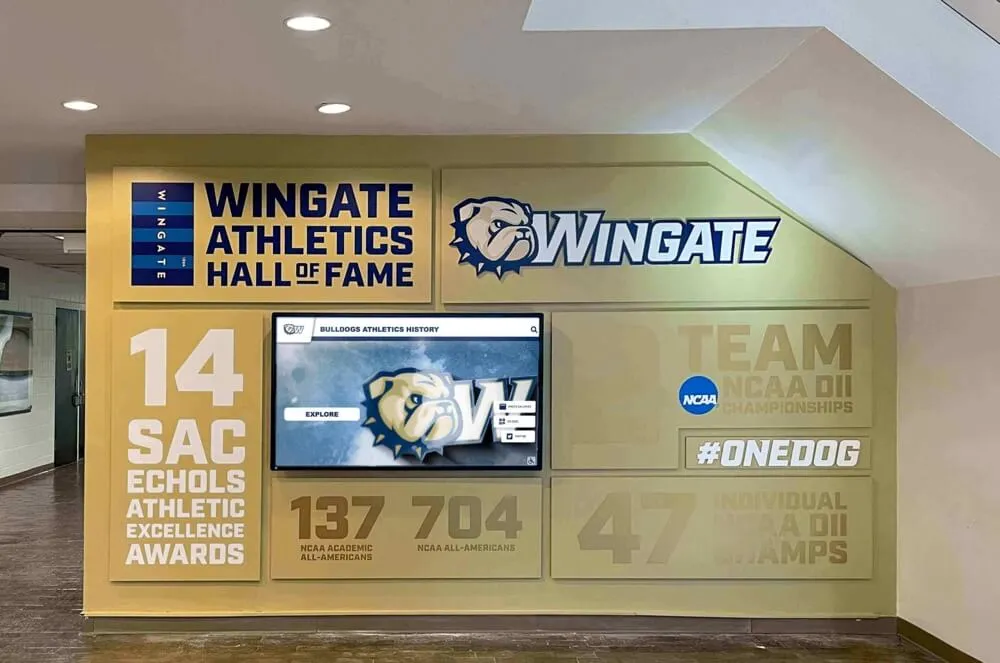
Schools celebrate homecoming alongside historical accomplishments, building institutional pride through comprehensive recognition
6-8 Weeks Before Game Day
Mid-range planning addresses major logistical elements and launches student-facing processes.
Launch Homecoming Court Nomination Process
Establish clear, inclusive nomination and selection procedures. Consider whether your school will use traditional king/queen designations or more inclusive approaches like homecoming ambassadors or royalty that don’t enforce gender binaries. Determine selection criteria—pure popularity vote, application process requiring essays or service documentation, or teacher/administrator selection based on character and involvement.
Set nomination deadlines, communicate processes clearly to all students, and establish voting timelines that build excitement while providing adequate time for all steps. Many schools now recognize homecoming court members through digital displays that preserve recognition permanently rather than limiting acknowledgment to single ceremony moments.
Finalize Spirit Week Themes and Activities
Student council should develop daily themes for the week leading to homecoming game, creating participation opportunities and building momentum. Popular themes include:
- Monday: Decade Day or Class Color Day
- Tuesday: Twin Day or Dynamic Duo Day
- Wednesday: College Colors Day or Career Day
- Thursday: Throwback Thursday or School Spirit Wear
- Friday: Full School Colors or Blackout/Whiteout
Plan competitions between classes including hallway decoration contests, participation percentage tracking, spirit challenges or games, and pep rally performances with final winners announced at the game.
Coordinate Alumni Outreach
Begin contacting former students through alumni association databases, social media platforms and school pages, targeted invitations to milestone reunion classes (10th, 25th, 50th anniversaries), and communication through local media and community networks.
Plan alumni-specific activities like pre-game tailgate or reception, designated seating section at the game, halftime recognition of milestone classes, and opportunities to tour renovated or new facilities.
3-4 Weeks Before Game Day
Final month preparation focuses on details and confirmations.
Confirm All Vendors and Logistics
Lock in all external dependencies: verify catering for any alumni events, confirm rental equipment (sound systems, lighting, ceremony elements), finalize printing orders for programs and promotional materials, coordinate with local police if needed for traffic or parade management, and secure photographers/videographers to document the celebration.
Prepare Halftime Ceremony Details
Plan exact ceremony sequence and timing: homecoming court introduction order and format, crowning ceremony logistics and participants, any special performances (band, dance team, cheer), recognition of alumni or special guests, and approximate timing to keep ceremony within 15-20 minute halftime window.
Order or create ceremony materials including crowns or tiaras, sashes identifying court members, flowers or bouquets for presentation, and signage or banners enhancing visual presentation.
Launch Promotion and Communication Campaign
Build excitement through multiple channels: poster campaign throughout school and community, daily announcements highlighting upcoming activities, social media content building anticipation, email communication to families and alumni, and local media outreach for community publicity.
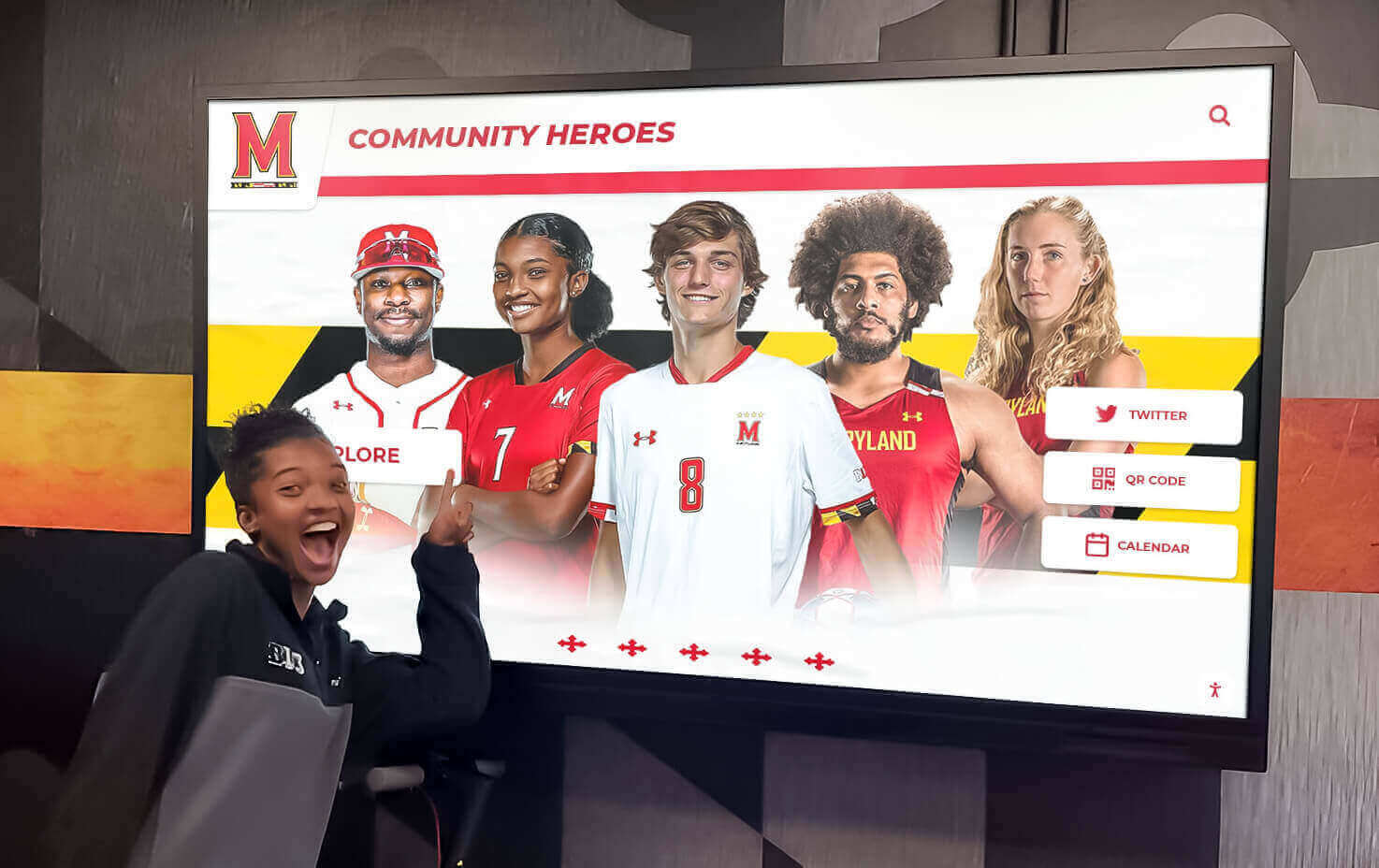
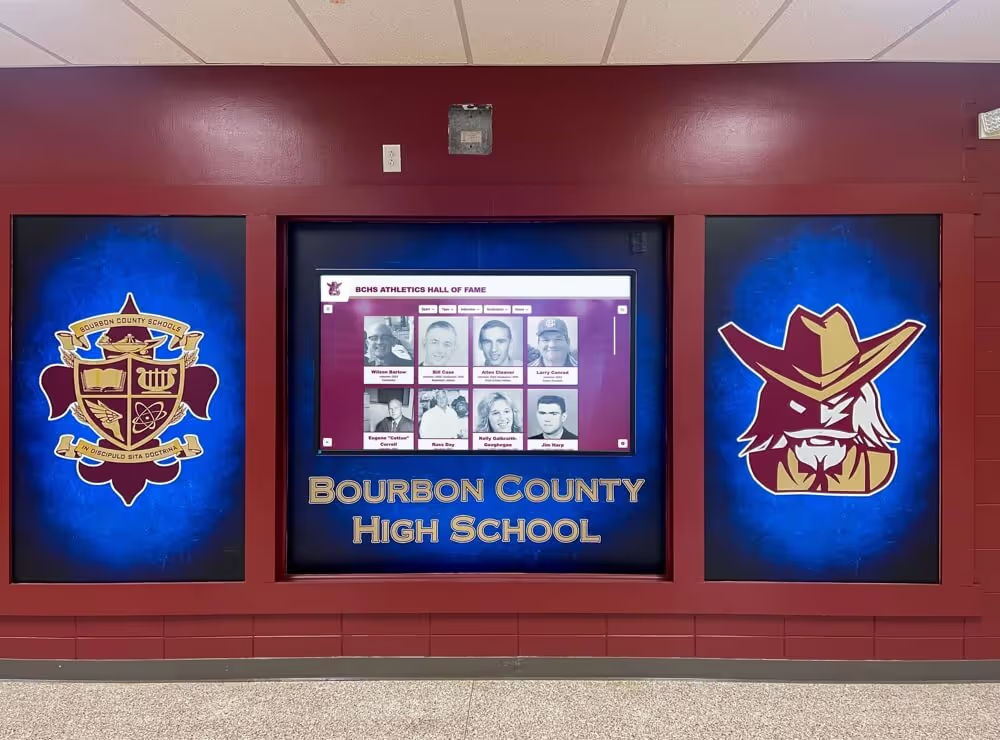
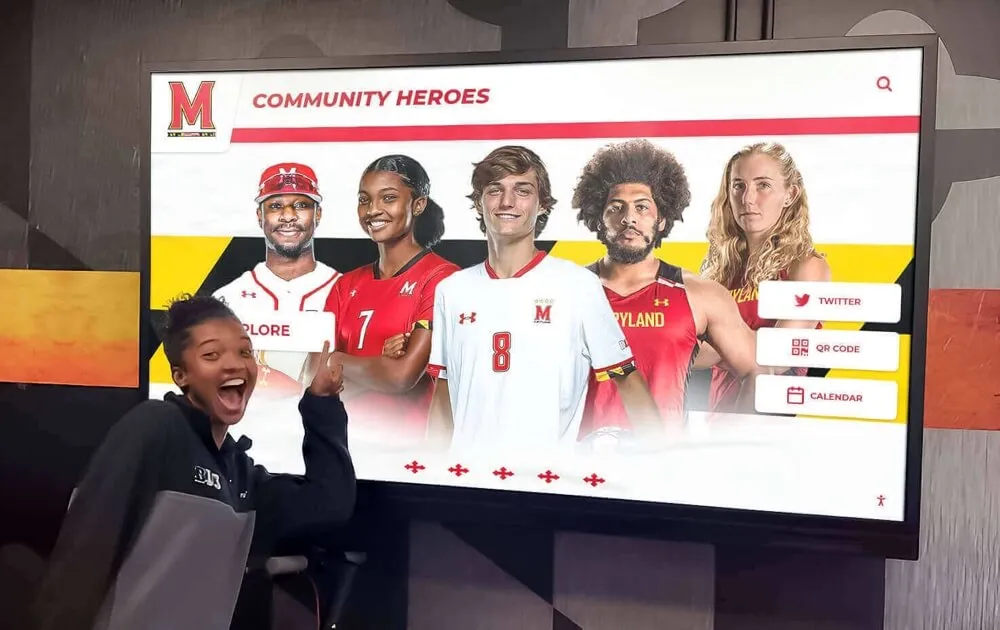
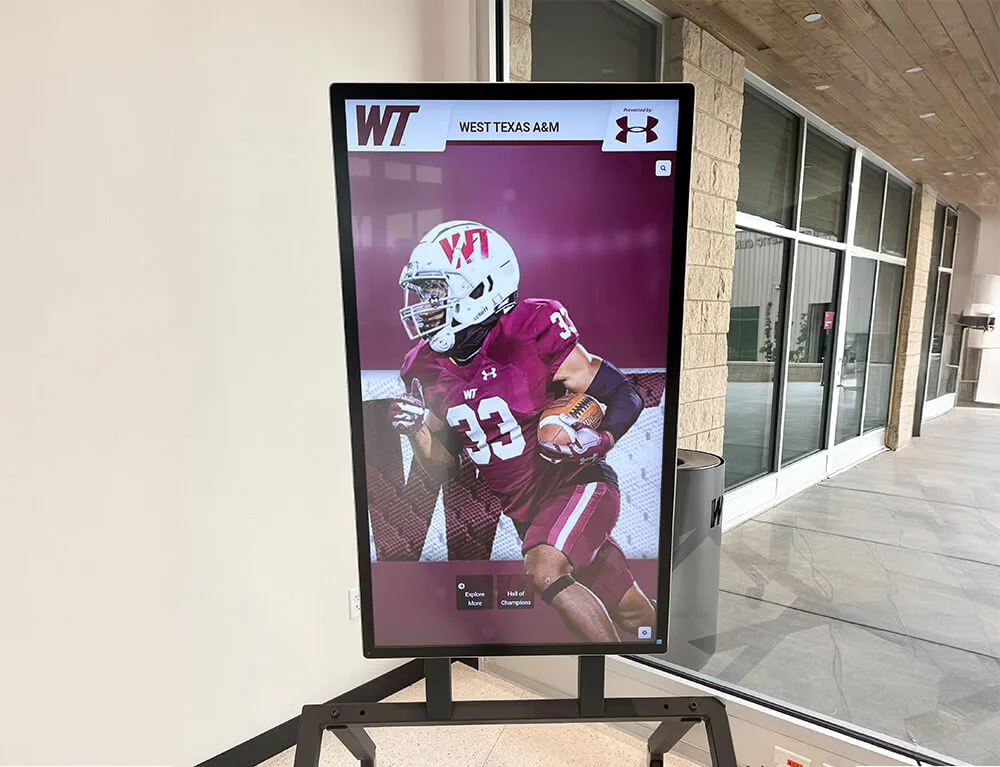
Interactive displays enable exploration of student achievements and school traditions throughout homecoming week
Week of Homecoming
Final preparations and daily spirit activities dominate the homecoming week.
Execute Daily Spirit Activities
Implement planned themes with visible participation tracking: judge hallway decorations with transparent rubrics, photograph class participation for social media, host lunchtime activities or challenges, maintain running tallies of class competition standings, and keep energy high with announcements and recognition.
Conduct Final Logistics Walkthrough
2-3 days before the game, perform comprehensive review: walk through ceremony logistics and timing, test all audiovisual equipment, confirm volunteer assignments and briefings, verify ticket sales and printing, review weather contingency plans, and conduct final communication with all stakeholders.
Prepare Day-Of Materials
Organize everything needed for smooth execution: court member materials (sashes, flowers, instructions), programs ready for distribution, decorations prepared for quick installation, volunteer check-in materials and instructions, emergency contact lists and contingency plans, and ceremony scripts or speaking notes.
Creating Electric Spirit Week Activities
The week leading to homecoming game builds momentum and creates participation opportunities for students who may not attend the game itself.
Daily Themed Dress-Up Days
Dress-up days provide low-barrier participation accessible to all students regardless of athletic interest or social group membership.
Making Themes Inclusive and Accessible
Choose themes that don’t require expensive purchases or specialized items: decade days using items from home closets or thrift stores, twin days requiring only coordination with friends, color days using items most students already own, and character days allowing creative interpretation without mandating specific costumes.
Avoid themes that might exclude students based on economic circumstances, cultural backgrounds, or body types. The goal is maximizing participation, not creating fashion competitions that make some students feel excluded or inadequate.
Tracking and Celebrating Participation
Create visible recognition for participation: photograph participants each day for social media, maintain class participation percentage leaderboards, recognize creative or enthusiastic participants through announcements, and award points toward class competitions creating friendly rivalry between grade levels.
Public recognition encourages participation by making involvement feel noticed and appreciated rather than taken for granted or ignored.
Lunchtime Activities and Competitions
Mid-day events keep energy high while accommodating students who can’t attend before or after school activities.
Quick Competition Formats
Design activities completing within lunch periods: relay races or team challenges, trivia competitions about school history or traditions, eating contests or minute-to-win-it style games, musical performances or talent showcases, and class tug-of-war or athletic competitions.
Keep activities high-energy and entertaining for spectator students not directly participating, creating communal viewing experiences that build shared excitement.
Class Versus Class Showdowns
Structure competitions to emphasize class unity and friendly rivalry: select representatives from each grade level, award points contributing to overall spirit week standings, incorporate cheering sections encouraging broader participation, and culminate competitions at pep rally with championship determinations.
Class-based structure creates belonging and identity within grade levels while channeling competitive energy into school-sanctioned positive outlets rather than negative behaviors.

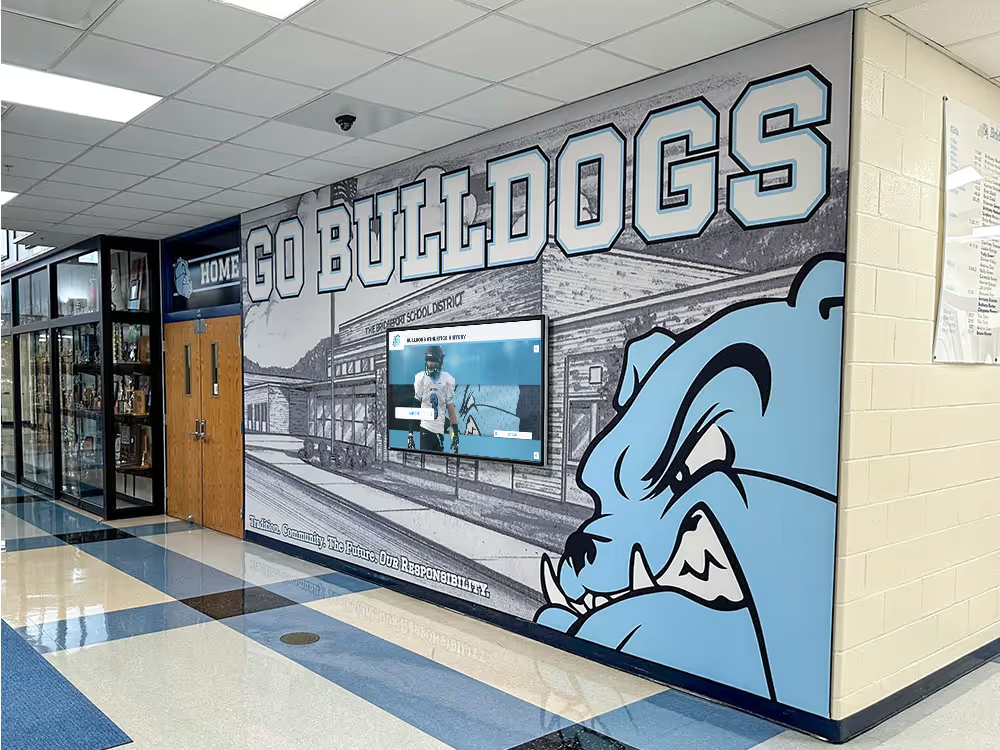
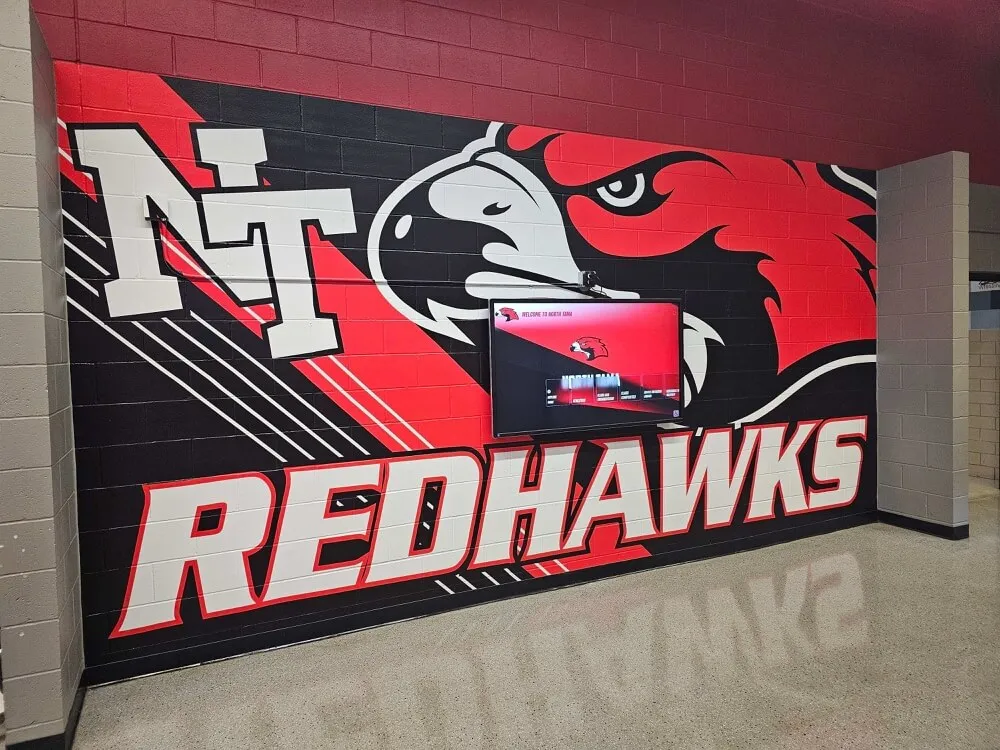
Schools create immersive homecoming environments through coordinated decorations, murals, and recognition displays
Pep Rallies That Energize
The culminating pep rally on homecoming day or the day before serves as the final spirit week event before game night.
Engaging Program Elements
Balance structure with energy and entertainment: team introductions for football and other fall sports, class competition winners announcements and trophy presentations, performances by cheer, dance, and band, student skits or comedy bits, games involving teachers or administrators, and motivational messages from coaches, principals, or student leaders.
Keep programming tight and high-energy—90 minutes maximum—to maintain engagement without losing momentum or attention.
Student Leadership Showcase
Feature student voices and leadership throughout: class representatives leading their sections in chants, student emcees managing transitions and maintaining energy, performances showcasing student artistic talent, and senior speeches or traditions passing leadership to younger classes.
Student-driven programming creates ownership and authenticity that adult-led assemblies can’t replicate, increasing buy-in and enthusiasm from peer audiences.
Game Day Logistics and Atmosphere
The homecoming game itself requires careful coordination creating memorable experiences for diverse audiences.
Pre-Game Tailgates and Alumni Reception
Creating welcoming pre-game activities sets positive tones and accommodates different community segments.
Alumni Tailgate or Reception
Designate space for returning graduates to gather: reserved parking areas for alumni, tent or indoor space with refreshments, name tags and reunion class identification, memorabilia displays or historical photo boards, and opportunities to tour facilities and see school changes.
Assign student ambassadors or alumni coordinators to welcome returnees, facilitate connections, and share information about current school programs and achievements. These touchpoints strengthen alumni relationships while creating mentoring opportunities between generations.
Family-Friendly Tailgate Zones
Create accessible pre-game gathering spaces: food trucks or concession areas with expanded options, activity areas for young children, music or entertainment creating festive atmosphere, and seating or gathering spaces encouraging socializing before entering stadium.
Family-friendly zones ensure homecoming welcomes entire families rather than only secondary students and adults, expanding community participation and creating inclusive celebrations.
Stadium Atmosphere and Student Spirit Sections
Transform the stadium environment to reflect homecoming’s special status.
Enhanced Visual Elements
Elevate standard game-day presentation: expanded banners and school spirit signage, homecoming-specific decorations in school colors, professional lighting if available, designated photo opportunity areas with branded backdrops, and program distribution including homecoming court profiles, season highlights, and alumni recognition.
Visual enhancement signals that this game differs from typical Friday nights, creating atmosphere that feels celebratory and special even before kickoff.
Organized Student Spirit Section
Maximize student energy through organization: designated student seating sections, student leadership coordinating chants and cheers, themed attire or accessories creating visual unity, and recognition during the game for exceptional spirit and participation.
Structured student sections create intimidating home-field advantage while channeling enthusiasm productively rather than allowing energy to dissipate or manifest in inappropriate behaviors.
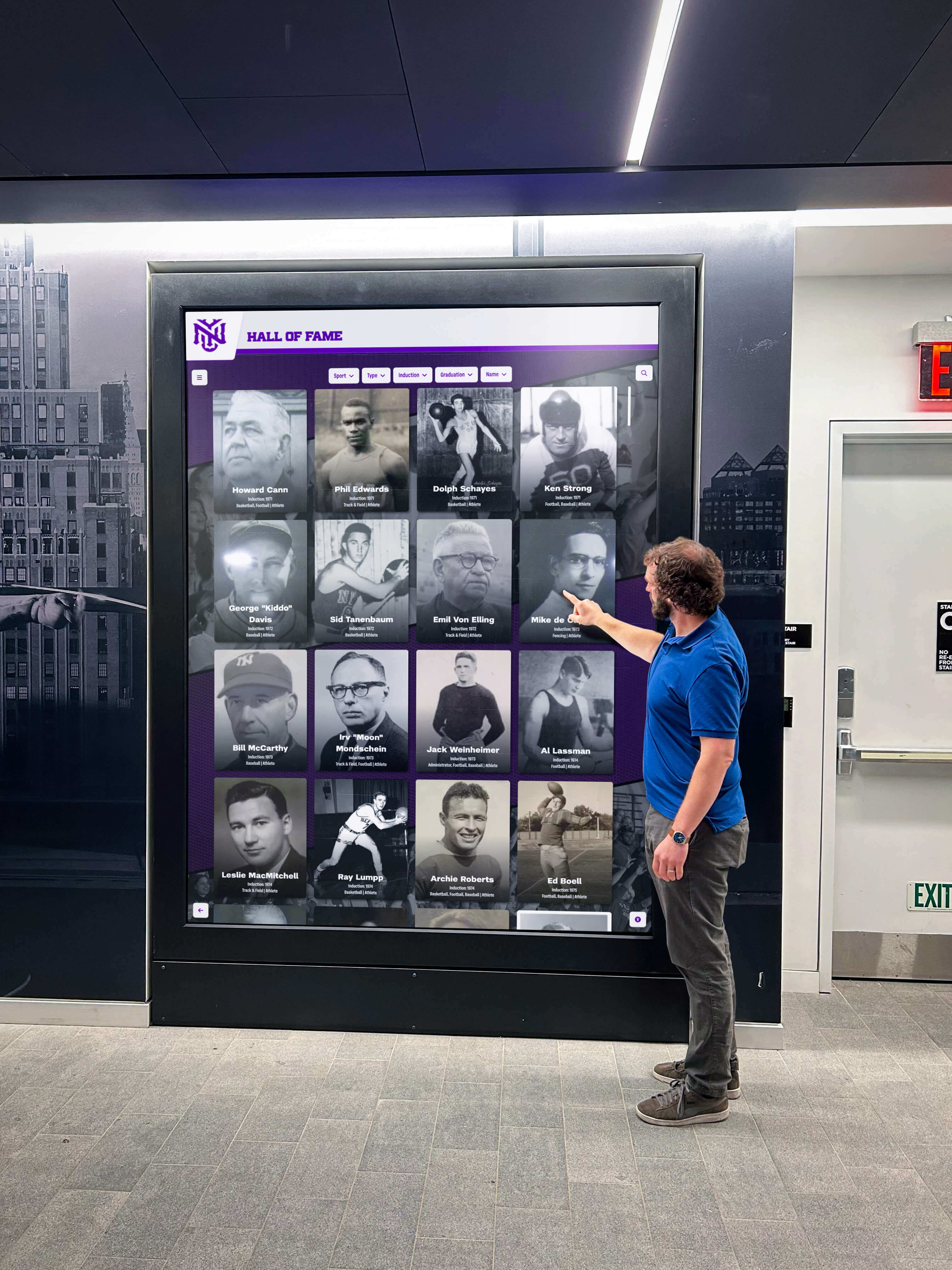
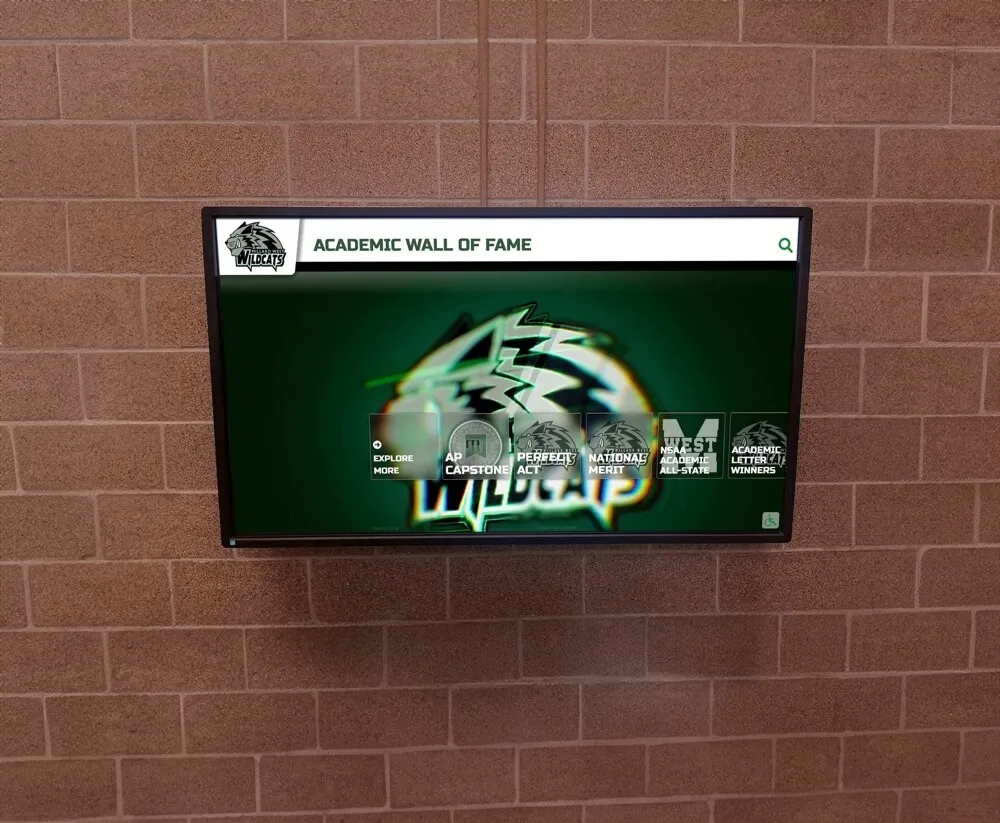
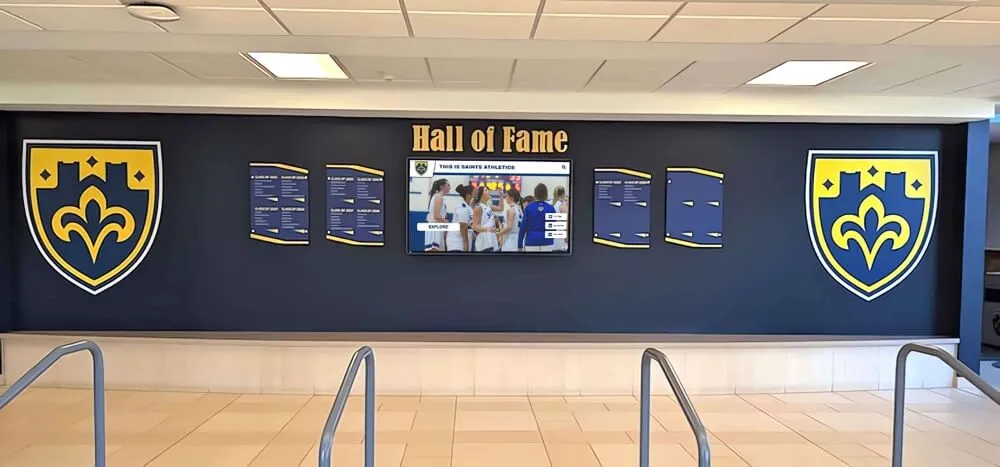
Modern recognition systems enable alumni and visitors to explore school history and connect with institutional heritage
Halftime Ceremony Best Practices
The halftime ceremony represents homecoming’s most visible and anticipated element, requiring careful planning and execution.
Ceremony Timing and Flow
Keep halftime ceremonies within standard 15-20 minute windows: quick team exit and setup (2-3 minutes), band performance or entertainment (5-7 minutes), homecoming court presentation and crowning (8-10 minutes), and field clearing for second half (2-3 minutes).
Rehearse timing during week before game ensuring all participants understand their roles, entrance/exit routes, and positioning preventing awkward delays or confusion during live ceremony.
Court Presentation Approaches
Create meaningful recognition while maintaining reasonable timing: introduce each court member individually with brief biography or accomplishments, escort by family members creating emotional moments, presentation by previous year’s royalty creating continuity, crowning ceremony with photo opportunities, and brief thank-you speeches from king and queen if desired.
Balance creating special moments for honorees with respecting audience attention spans and athletic schedule constraints requiring second half to begin reasonably promptly.
Inclusive Recognition Practices
Modern schools increasingly emphasize inclusivity in homecoming court recognition: gender-neutral titles like ambassadors or royalty, allowing students to self-nominate for categories aligned with identity, recognizing diverse excellence forms beyond popularity, and celebrating varied student populations ensuring representation across demographics.
Progressive approaches maintain ceremonial significance while ensuring all students feel homecoming court represents achievable recognition regardless of identity or background.
Engaging Alumni and Building Intergenerational Connections
Effective alumni engagement honors homecoming’s original purpose while building valuable institutional relationships.
Targeted Alumni Outreach
Strategic communication ensures former students know they’re welcome and encouraged to attend.
Tiered Communication Strategy
Prioritize outreach to most likely attendees: recent graduates (1-5 years) often eager to reconnect with teachers and younger friends, milestone reunion classes (10th, 25th, 50th) using homecoming as organized gathering point, local alumni who can attend easily, and distinguished alumni worthy of special recognition.
Personalized invitations to specific groups often yield better response than generic announcements to entire alumni populations, though broad communication through social media and alumni publications still provides value reaching alumni you might not otherwise contact.
Making Return Easy and Appealing
Reduce barriers to alumni attendance: clear information about timing, parking, and ticket costs, designated alumni seating sections or gathering areas, pre-game reception or tailgate providing structured socialization, facility tours showing school improvements and changes, and recognition during the game acknowledging returning classes or individuals.
When alumni know they’ll be welcomed and recognized rather than feeling like anonymous spectators, attendance increases significantly.
Alumni Recognition and Involvement
Beyond attending as spectators, incorporate alumni into homecoming programming.
Halftime Recognition
Acknowledge returning alumni during ceremonies: recognize milestone reunion classes standing for applause, introduce distinguished alumni worthy of special honor, invite former homecoming kings and queens to participate in current year crowning, and share brief updates on notable alumni achievements.
Public recognition validates alumni importance to school community while demonstrating to current students that school relationships extend beyond graduation creating lifelong connections.
Alumni Mentorship Touchpoints
Create structured interactions between alumni and current students: career panels or informal Q&A sessions, alumni speakers in classes during homecoming week, alumni spotlights on digital displays featuring current students can explore, and networking opportunities connecting students interested in specific careers with professionals in those fields.
These substantive interactions provide value beyond nostalgia, creating mentorship relationships that benefit current students while giving alumni meaningful ways to contribute to their alma mater.
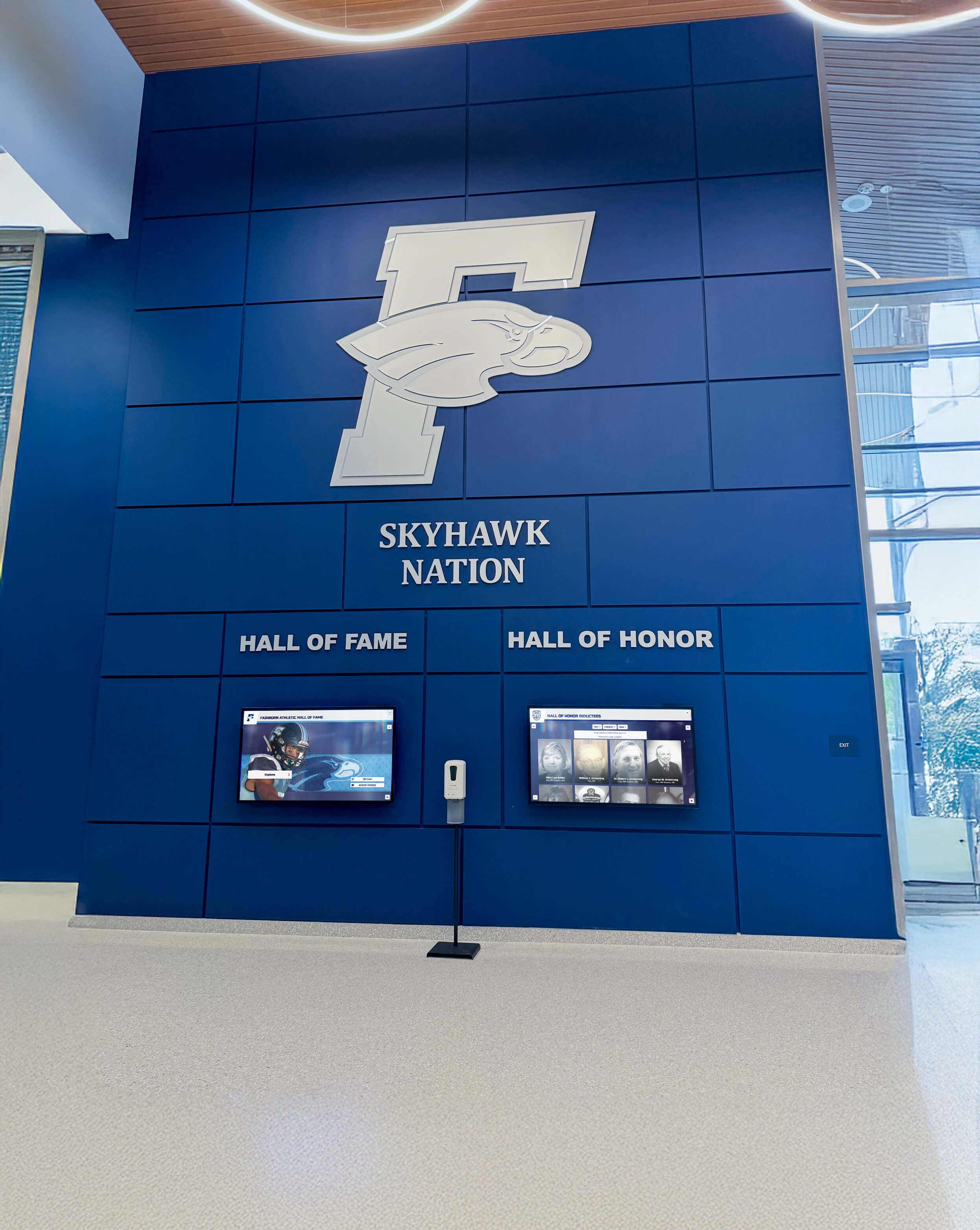
Professional recognition installations celebrate homecoming traditions alongside broader institutional achievements and school pride
Student Leadership and Ownership
The most successful homecoming celebrations feel student-driven rather than adult-imposed, requiring intentional leadership development.
Student Council and Committee Structure
Clear organizational structure enables student ownership while maintaining adult guidance.
Key Student Leadership Roles
Distribute responsibility across multiple students preventing burnout: overall homecoming chair coordinating all elements, spirit week coordinators managing daily themes and activities, court liaison facilitating nominations, voting, and ceremony logistics, decoration committee designing and implementing hallway and stadium aesthetics, promotion team managing social media and communication, and alumni relations students helping coordinate returnee engagement.
Defined roles with specific responsibilities create accountability while distributing workload manageable for students balancing academics and other activities.
Faculty Advisor Support
Adult advisors provide essential scaffolding without micromanaging: connect students with resources and institutional processes, provide budgetary oversight and financial management, ensure safety and appropriateness of planned activities, maintain institutional knowledge about traditions and logistics, and mentor student leaders through challenges and problem-solving.
Effective advisors balance supporting student vision with ensuring realistic implementation and regulatory compliance.
Developing Leadership Skills Through Homecoming Planning
Beyond creating successful events, homecoming planning develops valuable capabilities students carry into college and careers.
Real-World Project Management
Students navigate complex multi-stakeholder projects: coordinate across multiple committees and timeframes, manage budgets and resource allocation, communicate with vendors, administrators, and community partners, problem-solve when plans encounter obstacles, and execute under deadline pressure with public accountability.
These authentic experiences provide more valuable learning than classroom simulations because real stakes and consequences create genuine motivation and accountability.
Communication and Collaboration
Successful homecoming requires extensive coordination: building consensus across diverse student opinions and preferences, delegating effectively while maintaining quality standards, managing conflicts between committee members constructively, presenting ideas persuasively to administrators and stakeholders, and communicating clearly with broad audiences through multiple channels.
Students who effectively lead homecoming planning develop communication capabilities serving them throughout academic and professional lives.
Modern Technology and Recognition Systems
Contemporary homecoming celebrations increasingly incorporate digital elements that enhance engagement and preserve memories beyond single events.
Social Media Integration
Strategic social media use amplifies participation and extends celebration reach.
Building Anticipation Through Digital Content
Use platforms popular with your student body: countdown posts highlighting upcoming spirit activities, daily theme promotion with participation examples, behind-the-scenes content showing preparation and planning, student testimonials about homecoming traditions and excitement, and interactive content like polls, contests, or challenges.
Consistent content throughout homecoming week maintains energy while reaching students who might not engage with traditional announcements or posters.
Real-Time Documentation and Sharing
Capture homecoming moments as they happen: live posting from spirit activities and competitions, game updates and highlights throughout evening, ceremony photos and videos during halftime, recognition posts celebrating participants and winners, and creation of official hashtags aggregating student-generated content.
Real-time documentation creates FOMO (fear of missing out) encouraging participation while providing accessible memories families can revisit long after homecoming concludes.
Digital Recognition and Memory Preservation
Technology enables recognition extending far beyond single ceremony moments.
Permanent Homecoming Archives
Modern platforms allow schools to create comprehensive homecoming documentation: homecoming court members across decades with photos and accomplishments, game results and highlights from historic homecoming contests, photos documenting celebrations through the years, and searchable databases enabling alumni finding themselves in school history.
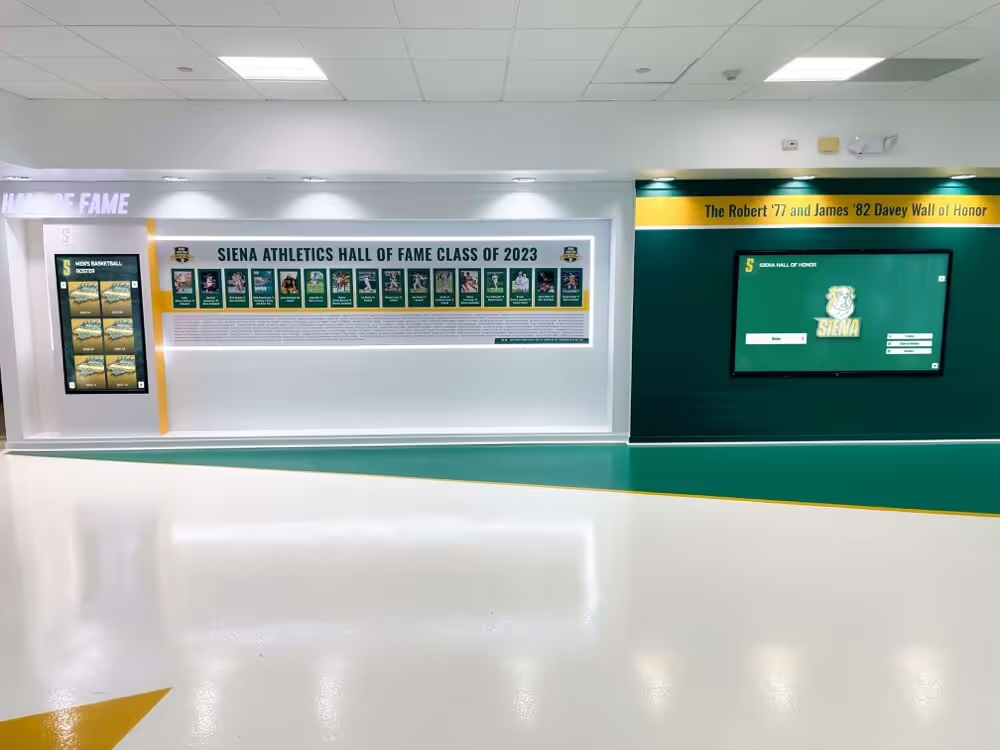
These digital archives overcome physical space limitations preventing comprehensive displays while creating engaging exploration experiences impossible with traditional static plaques. Solutions like Rocket Alumni Solutions digital displays enable schools to showcase unlimited recognition with rich multimedia content.
Interactive Exploration Experiences
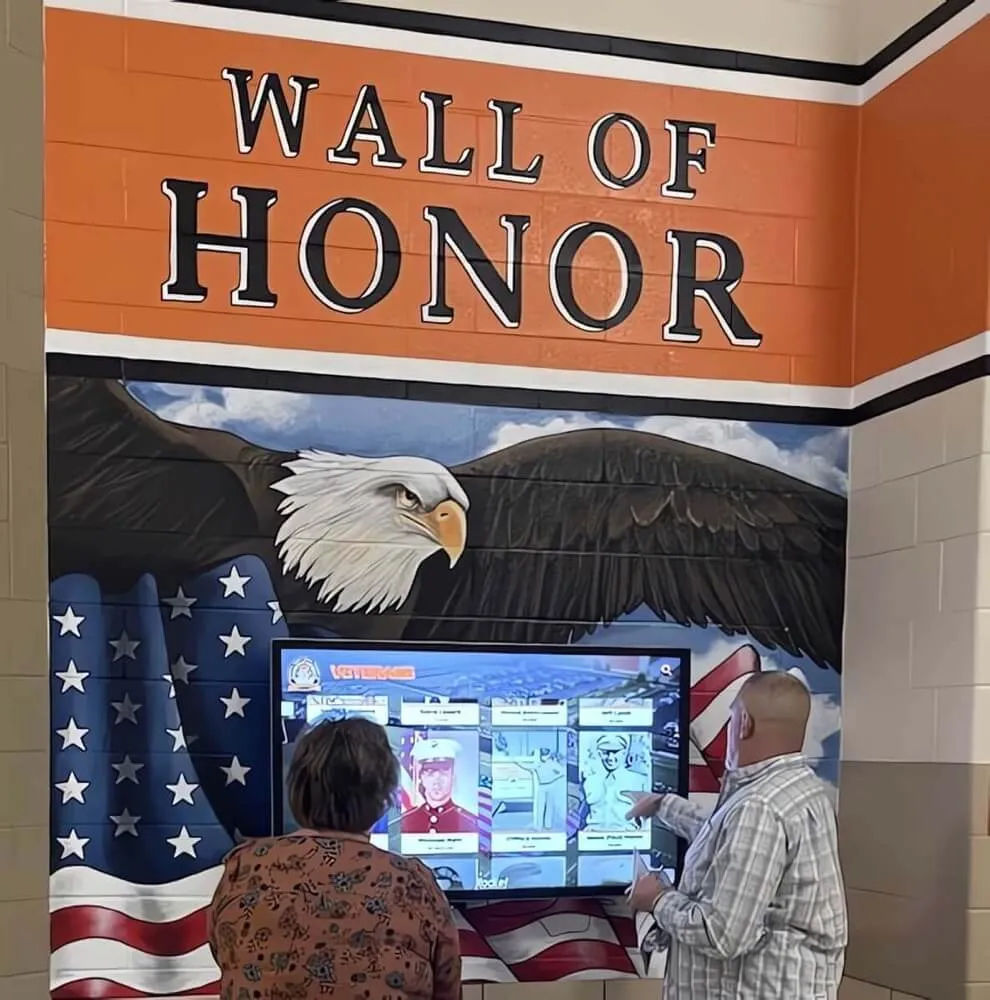
Digital platforms enable deeper engagement than static displays: touchscreen kiosks in lobbies where students and visitors explore homecoming history, mobile access allowing alumni revisiting memories from anywhere, filtering and search enabling people finding specific years or individuals, and multimedia content including photos, videos, and detailed profiles.
This rich documentation creates “warming” effects—transforming cold forgotten storage into vibrant accessible celebration connecting communities through personalized recognition and shared institutional memory.
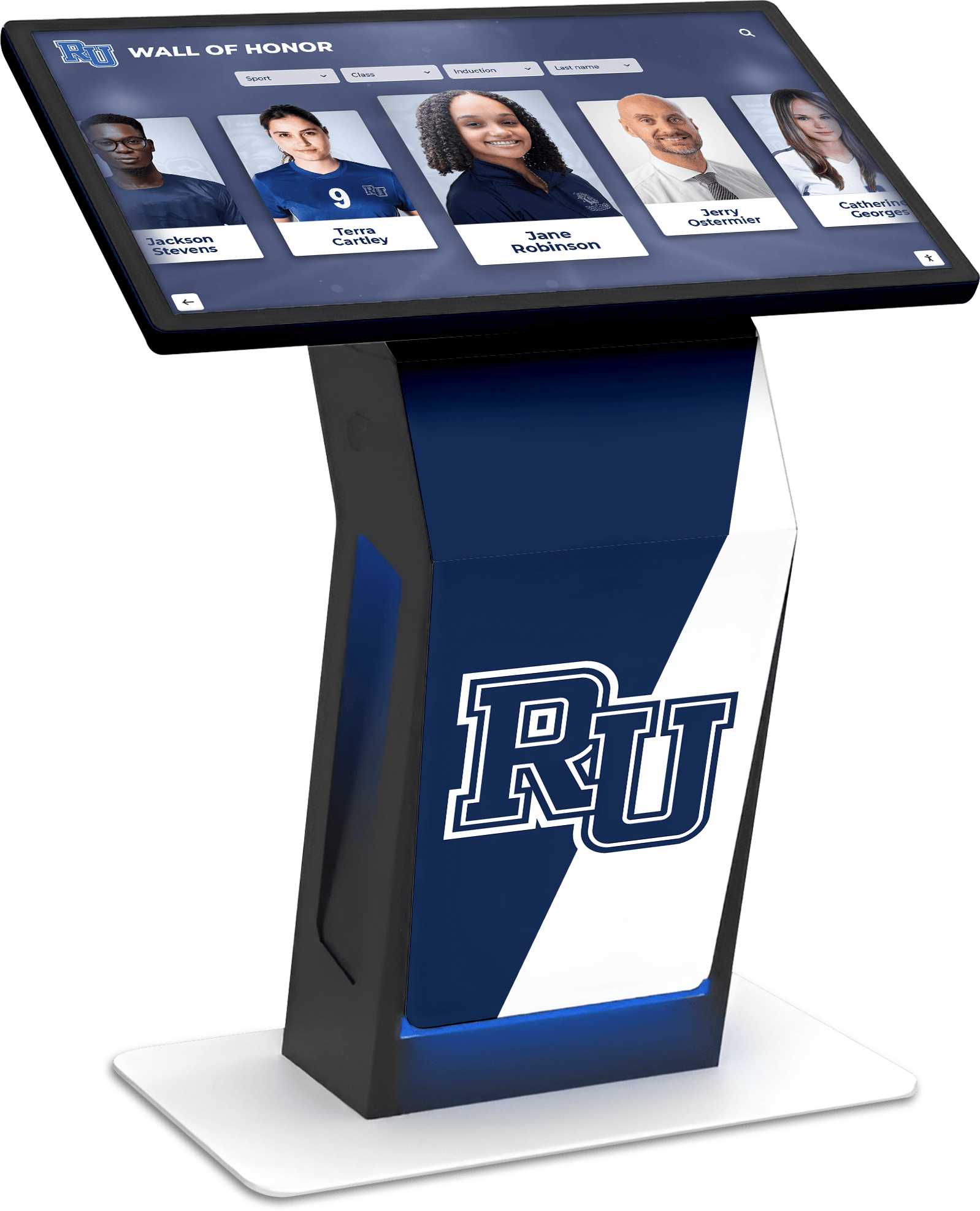
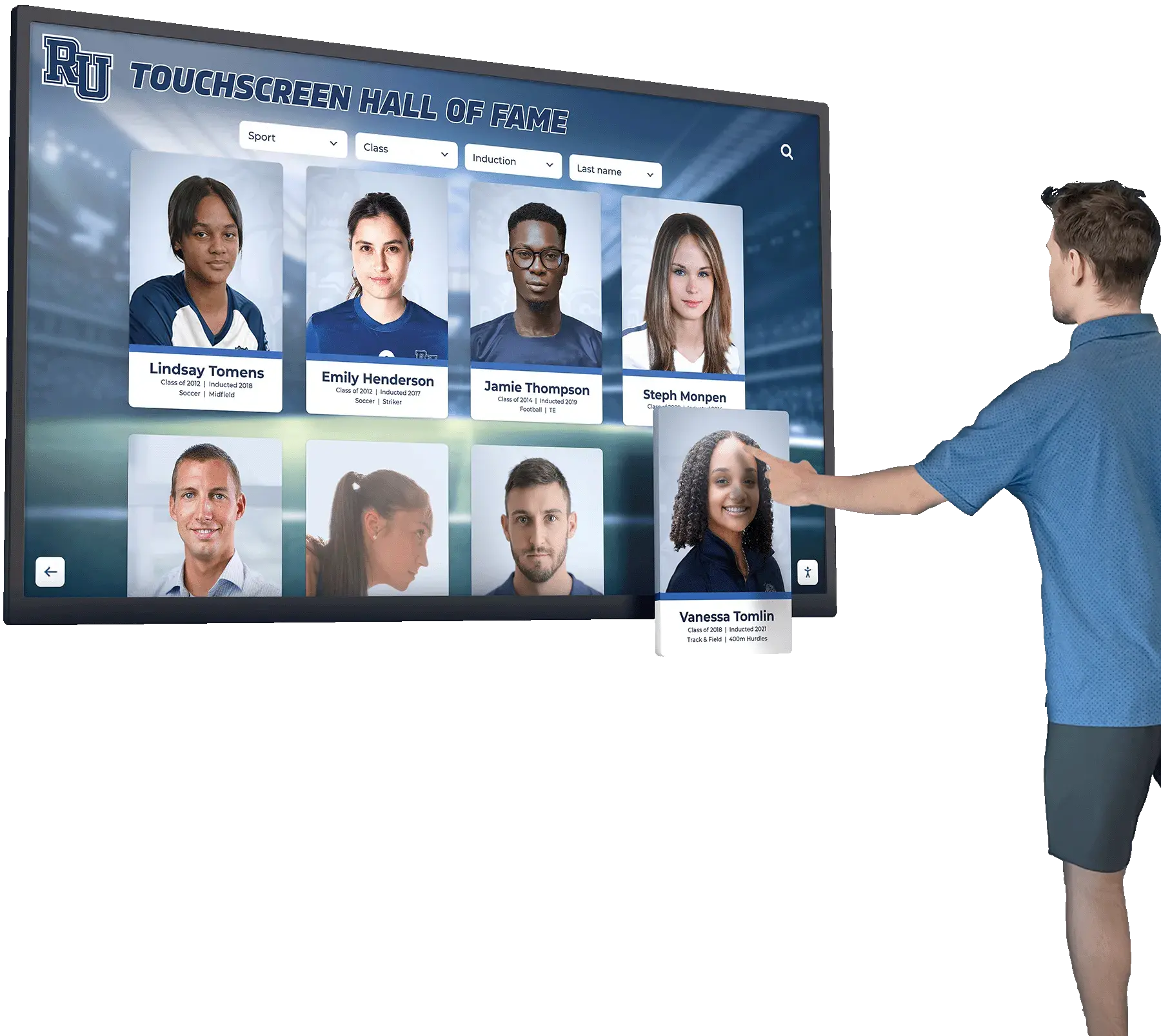
Professional digital recognition installations enable intuitive exploration of homecoming traditions and student achievements throughout facilities
Budget-Conscious Planning Strategies
Memorable homecoming celebrations don’t require extravagant budgets when schools prioritize creativity and community involvement.
Cost-Effective Decoration Approaches
Transform campus and stadium environments without expensive purchases.
Student-Created Decorations
Engage art classes, student council, and volunteers: painted banners and posters celebrating school spirit, classroom or hallway decorations by competing grade levels, recycled or repurposed materials transformed into creative displays, and DIY photo booth backdrops using affordable materials.
Student-made decorations often carry more meaning than professional purchases because personal creativity and effort demonstrate authentic celebration investment.
Borrowed and Reusable Materials
Reduce costs through strategic sourcing: borrow decorations from booster clubs or other school organizations, coordinate with local businesses for donated or loaned items in exchange for recognition, invest in quality reusable elements stored for annual use, and maintain decoration inventory across years building collection without annual purchases.
Digital Displays Instead of Physical Printing
Leverage existing screen technology: display schedules, court profiles, and information on school screens instead of printing programs, use social media for invitations rather than mailed cards, create digital slideshows rather than printed photo boards, and implement permanent digital recognition systems eliminating ongoing printing costs for recognizing homecoming court members and traditions.
Digital approaches reduce immediate expenses while providing superior long-term accessibility and engagement compared to printed materials that become outdated or discarded.
Community Partnership and Sponsorship
Strategic partnerships extend budgets while building community investment.
Local Business Sponsorships
Approach businesses supporting schools and youth: restaurants providing catered alumni reception at cost, printing companies donating programs or promotional materials, sporting goods stores contributing prizes for spirit competitions, and general businesses providing cash sponsorship in exchange for logo placement and recognition.
Create tiered sponsorship packages clearly articulating benefits: prominent recognition at game and in programs, social media acknowledgment throughout homecoming week, public thanks during halftime ceremony, and demonstration of community support for youth and education.
Volunteer Coordination
Leverage parent and community volunteers: setup and decoration installation assistance, game day coordination and logistics support, alumni reception or tailgate staffing, and photography or videography documentation.
When families understand volunteering directly supports their students’ experiences, participation often exceeds expectations while reducing costs that would otherwise require paid services.
Maximizing Existing Resources
Strategic use of what schools already possess eliminates unnecessary purchases.
Facility Utilization
Use school spaces creatively: transform cafeteria or commons for alumni reception, utilize stadium or athletic facility capabilities, leverage existing sound and lighting systems, and coordinate with custodial staff for efficient setup and breakdown.
Existing infrastructure often provides everything needed when approached creatively rather than assuming external rentals are necessary.
Cross-Program Collaboration
Coordinate with other school programs: band and choir providing entertainment, drama students managing ceremony logistics or emcee duties, photography classes documenting the event for portfolios, culinary programs preparing reception food, and technology students managing livestreaming or digital content.
These collaborations provide valuable real-world learning experiences for students while delivering professional-quality results without external costs.
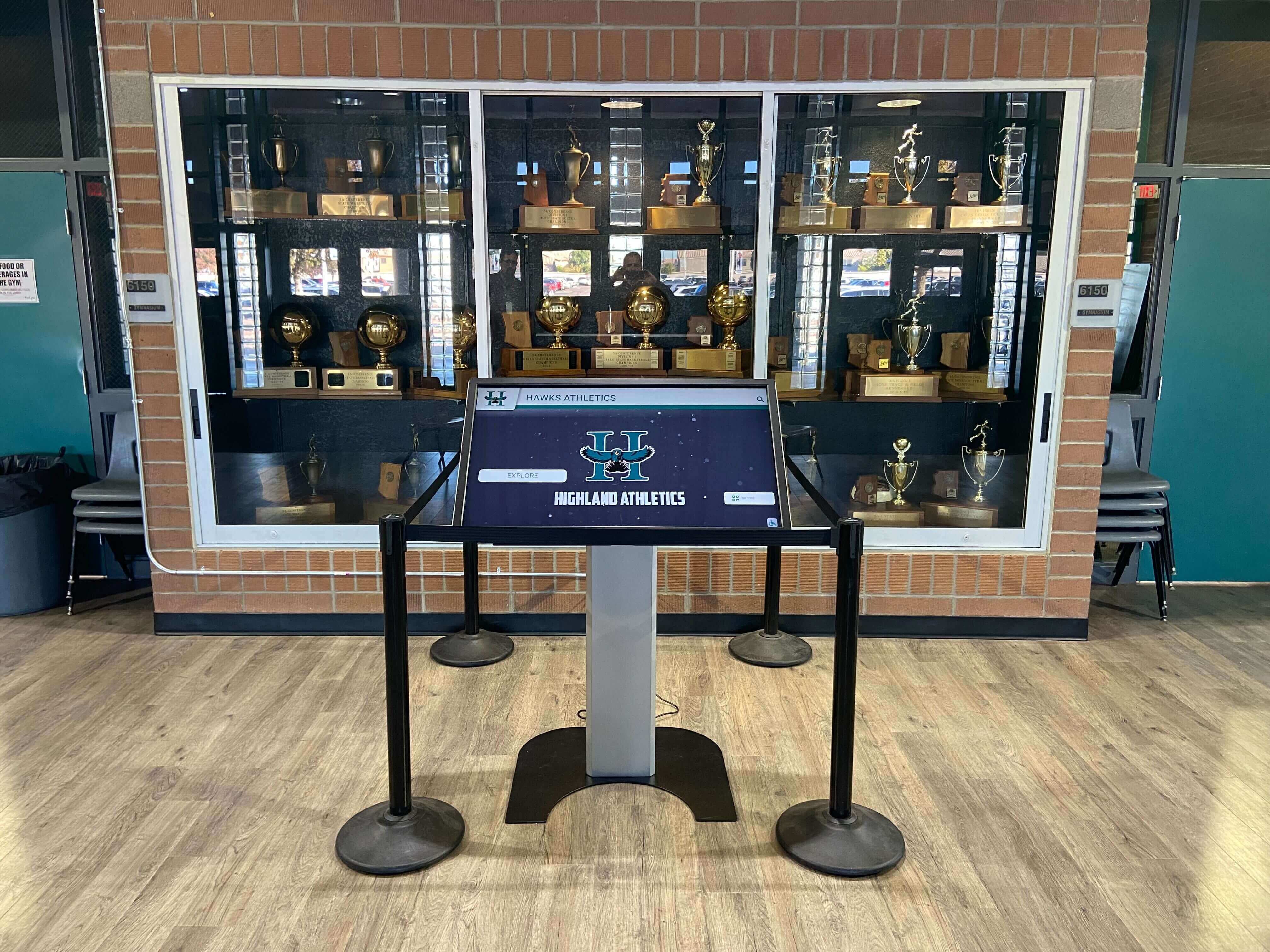
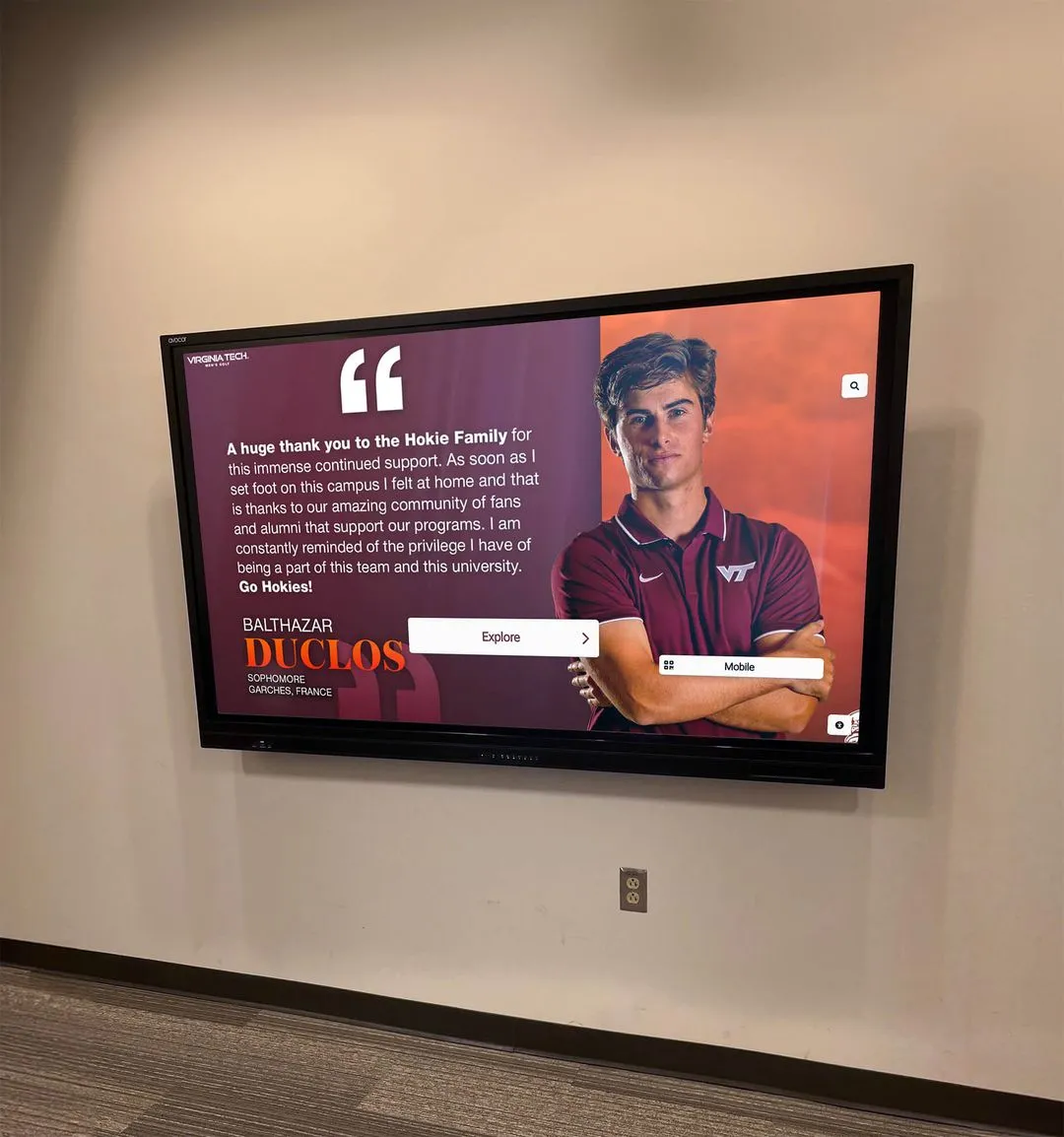
Modern recognition technology integrates with traditional displays creating engaging exploration of achievements and traditions
Safety and Supervision Considerations
Responsible homecoming planning incorporates comprehensive safety measures addressing contemporary concerns.
Event Security and Supervision
Large-scale public events require appropriate adult presence and safety protocols.
Adequate Supervision Ratios
Ensure sufficient adult supervision throughout celebration: faculty and staff monitoring spirit week activities, chaperones at pre-game and post-game gatherings, adequate security presence at game managing crowds and parking, designated adults responsible for student sections, and clear point people for emergency situations.
Visible adult presence prevents issues while providing support when challenges arise despite preventive measures.
Controlled Access and Monitoring
Implement appropriate security measures: ticket verification preventing unauthorized entry, restricted access to certain areas like locker rooms or equipment spaces, parking management preventing congestion and ensuring emergency vehicle access, and coordination with local police for large events if appropriate.
Security measures should be visible enough to deter problems without creating oppressive atmosphere that makes celebration feel overly controlled or unwelcoming.
Substance Abuse Prevention
Proactive approaches address alcohol and drug concerns realistically.
Education and Clear Expectations
Communicate standards and consequences clearly: discussions about responsible decision-making during homecoming week, explicit substance policies and enforcement procedures, education about risks and legal consequences, and emphasis on creating safe, fun celebration not requiring substances.
Clear communication ensures students understand expectations while demonstrating that school prioritizes their safety and wellbeing over punitive responses.
Alternative Transportation and Safe Options
Provide resources supporting good decisions: information about safe ride programs or parent pickup commitments, encouragement for students staying together in groups, adult contacts for students needing assistance without judgment, and emphasis that getting home safely matters more than avoiding consequences.
When students believe adults prioritize their safety over punishment, they’re more likely to make responsible decisions or seek help when situations become concerning.
Weather and Emergency Contingencies
Outdoor celebrations require backup plans for various scenarios.
Weather Contingency Planning
Prepare for likely weather challenges: rain or severe weather backup plans for outdoor ceremonies, lightning protocols if storms threaten during game, heat management strategies for early season homecomings, and communication plans for schedule changes or cancellations.
Established contingencies prevent last-minute panic while ensuring safety remains the priority even when disappointing schedule changes become necessary.
Medical and Emergency Response
Ensure appropriate emergency resources: trained medical personnel or athletic trainers on site, clear emergency response procedures and contact information, designated emergency vehicle access routes, established communication systems for coordinating responses, and evacuation plans if necessary for various scenarios.
Thorough emergency planning hopefully remains unused but provides critical safety foundation enabling quick effective responses if situations do arise.
Creating Lasting Homecoming Traditions
The most impactful homecoming celebrations become traditions students anticipate, remember, and eventually return to celebrate as alumni themselves.
Establishing Annual Rituals
Consistent elements across years create institutional memory and tradition.
Recurring Ceremony Elements
Maintain consistent traditions year after year: specific songs played during court processional, previous year’s royalty crowning new recipients, signature chants or cheers performed at specific moments, traditional halftime entertainment elements, and symbolic gestures with special meaning to your school community.
Repeated rituals create comfortable familiarity signaling homecoming’s significance while connecting current celebrations to decades of precedent and tradition.
Documentation and Preservation
Systematically preserve homecoming memories: photograph all court members annually in consistent format, document game results and highlights, collect programs and promotional materials, archive video of ceremonies and celebrations, and maintain databases recording participation and achievements.
Comprehensive documentation enables future students exploring school history while providing material for anniversary celebrations and historical displays. Many schools now use digital platforms for permanent recognition accessible to entire community.
Evolving While Honoring History
Successful traditions balance continuity with relevant innovation.
Incorporating Student Input
Allow each student council to add elements reflecting their class identity: new spirit week themes while maintaining core favorites, contemporary music and entertainment alongside traditional elements, updated technology and communication approaches, and responsive adaptations addressing current student interests and culture.
Student ownership ensures homecoming feels relevant and authentic rather than stale repetition of adult-mandated traditions students don’t value or understand.
Inclusive Evolution
Update traditions to reflect changing school composition and values: expand recognition beyond traditional popularity to celebrate diverse excellence, ensure activities welcome all students regardless of economic circumstances, adapt ceremonies to honor all gender identities inclusively, and celebrate diverse cultural backgrounds within school community.
Thoughtful evolution ensures homecoming remains meaningful across changing demographics and social consciousness rather than becoming outdated tradition serving diminishing portion of student body.
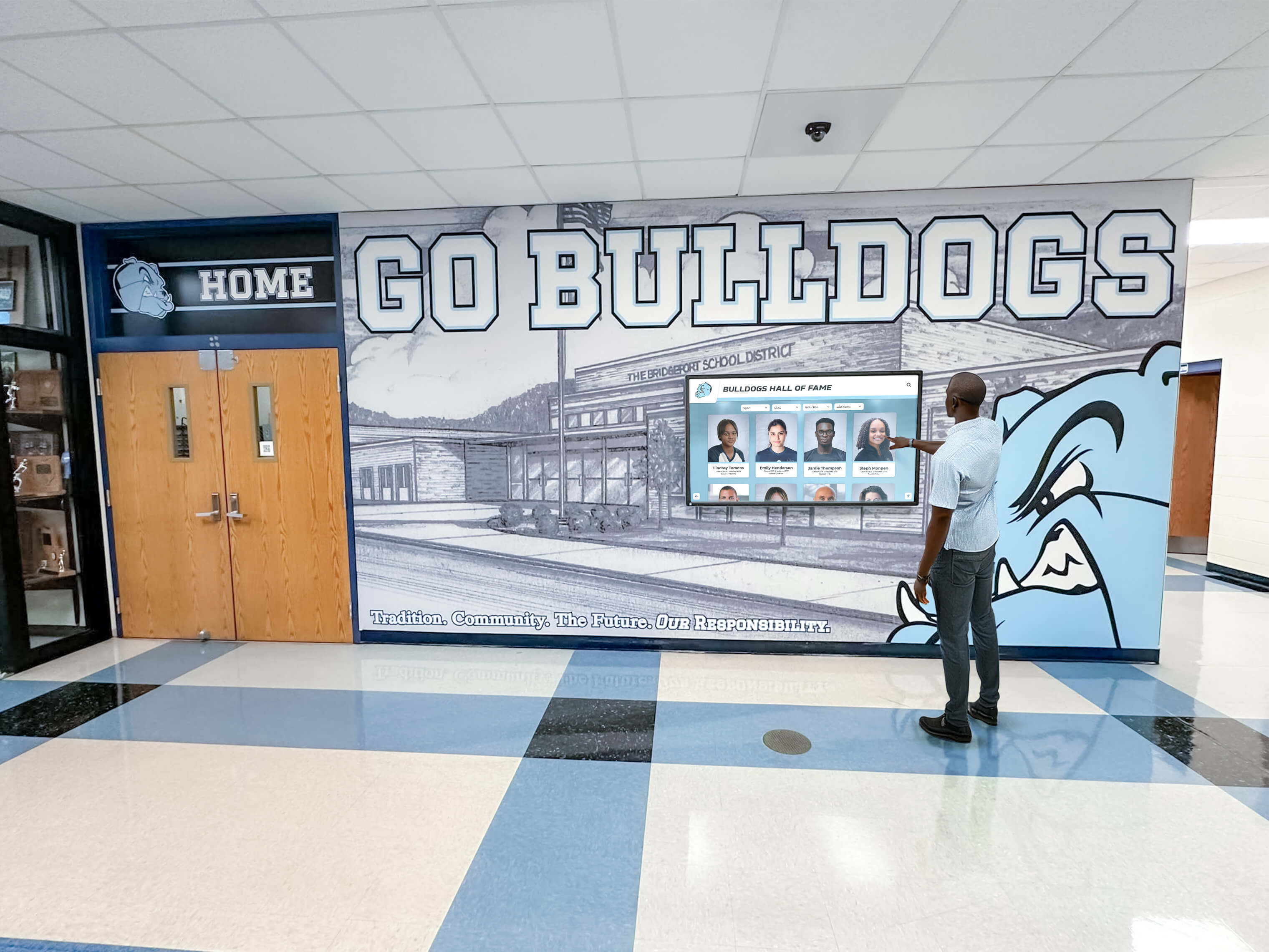
Touchscreen displays enable year-round exploration of homecoming traditions creating ongoing engagement beyond single celebration events
Conclusion: Building Community Through Celebration
Football homecoming represents far more than a single Friday night game—it embodies the power of shared tradition, collective celebration, and intergenerational connection that defines exceptional school communities. When thoughtfully planned and executed, homecoming creates experiences students remember throughout their lives while strengthening institutional bonds that persist long after graduation.
The strategies explored throughout this guide provide frameworks for creating homecoming celebrations that honor diverse stakeholders—from freshmen experiencing their first homecoming to alumni returning decades after graduation, from star athletes to students whose primary connection is school spirit rather than sports participation, from families new to the community to those with generations of history at your school.
Successful homecoming planning requires balancing multiple considerations: honoring tradition while remaining relevant to contemporary students, ensuring inclusivity while maintaining ceremonial significance, managing budgets thoughtfully while creating memorable experiences, and addressing safety concerns without diminishing joy and freedom that make celebrations feel authentic rather than oppressively controlled.
The week-long build-up through spirit activities ensures homecoming permeates school consciousness, creating shared experiences that bind diverse individuals into cohesive communities. The game night celebration brings together students, families, alumni, and community members in collective pride and support. The recognition of homecoming court members and athletic achievements honors individual excellence within collective contexts. The preservation of memories and traditions through modern digital recognition systems ensures current celebrations connect to institutional history while inspiring future students.
Modern approaches to homecoming leverage technology without losing traditional warmth—digital platforms preserve homecoming courts and championship teams permanently accessible to entire communities, social media amplifies participation and extends celebration reach beyond those physically present, and interactive displays enable alumni exploring their school history and reconnecting with institutional heritage during return visits.
For students experiencing homecoming, the celebration offers opportunities to develop school pride, create lasting friendships, explore leadership through planning participation, and feel genuine belonging within school communities. For alumni, homecoming provides meaningful opportunities to reconnect with alma mater, mentor current students, celebrate ongoing institutional connection, and revisit formative experiences and relationships. For schools, homecoming builds institutional pride, strengthens community bonds, creates fundraising and partnership opportunities, and demonstrates educational value extending beyond academics into comprehensive student development and lifelong relationships.
Your school’s homecoming traditions deserve thoughtful planning, meaningful celebration, and lasting preservation that honors participants while inspiring future generations. Whether you’re a student council member planning your first homecoming, a faculty advisor supporting student leadership, an athletic director coordinating logistics, or an administrator overseeing the celebration, understanding homecoming’s significance and implementing best practices ensures this beloved tradition continues creating meaningful experiences building school pride and community connection that extends far beyond a single Friday night under the lights.
Ready to enhance your school’s homecoming traditions with modern recognition systems that celebrate homecoming court members, preserve memories, and showcase achievements while building lasting school pride and community engagement? Explore how digital recognition platforms can transform your homecoming celebration while creating permanent traditions connecting generations through shared institutional pride and collective celebration.