



Walk into any high school or college football facility and you’ll see them—rows of helmets adorned with small stickers, each decal representing specific achievements, memorable plays, or embodied values. These football helmet award stickers have evolved from simple recognition tools into complex visual languages communicating team culture, celebrating individual excellence, and building competitive motivation that drives performance throughout seasons.
Football helmet stickers matter because they create immediate, visible recognition in a sport where individual contributions often disappear within team statistics. A linebacker making ten tackles gets acknowledged through decals visible to teammates, opponents, and fans every practice and game. A lineman delivering crucial blocks that enable touchdown runs receives tangible acknowledgment for contributions that rarely appear in stat sheets but determine games. This instant recognition strengthens team culture while motivating athletes toward excellence in every aspect of play.
Yet implementing meaningful helmet sticker programs requires thoughtful design. What achievements deserve recognition? How do you balance individual rewards with team-first mentality? How can programs honor tradition while adapting to modern expectations? Schools creating effective recognition systems understand that helmet stickers represent more than decorations—they’re visible manifestations of program values, tangible rewards for sacrifice and excellence, and cultural tools shaping athlete behavior and team identity.
This comprehensive guide explores football helmet award sticker traditions across different levels of play, explains the meanings behind various decal designs, provides frameworks for establishing recognition programs that reinforce team values, and examines how schools extend recognition beyond helmet stickers through comprehensive digital systems preserving athlete achievements long after playing careers end. Whether you’re a coach designing your first sticker program or an athletic director evaluating recognition traditions, you’ll discover strategies for leveraging these powerful symbols to build championship culture while honoring individual excellence appropriately.

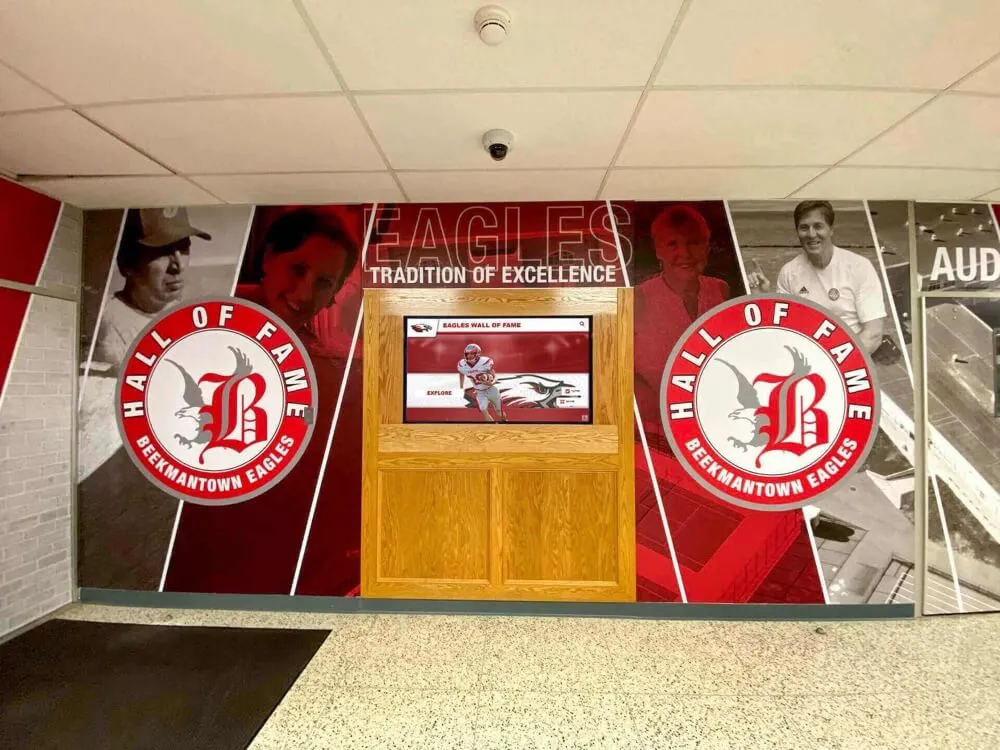
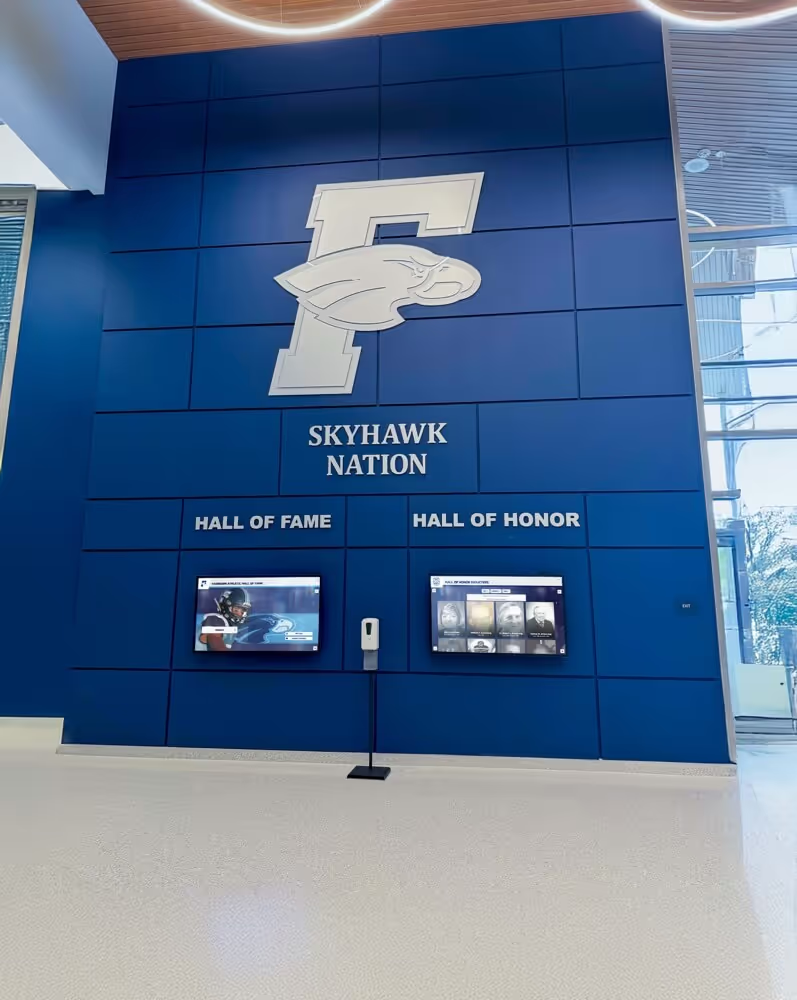
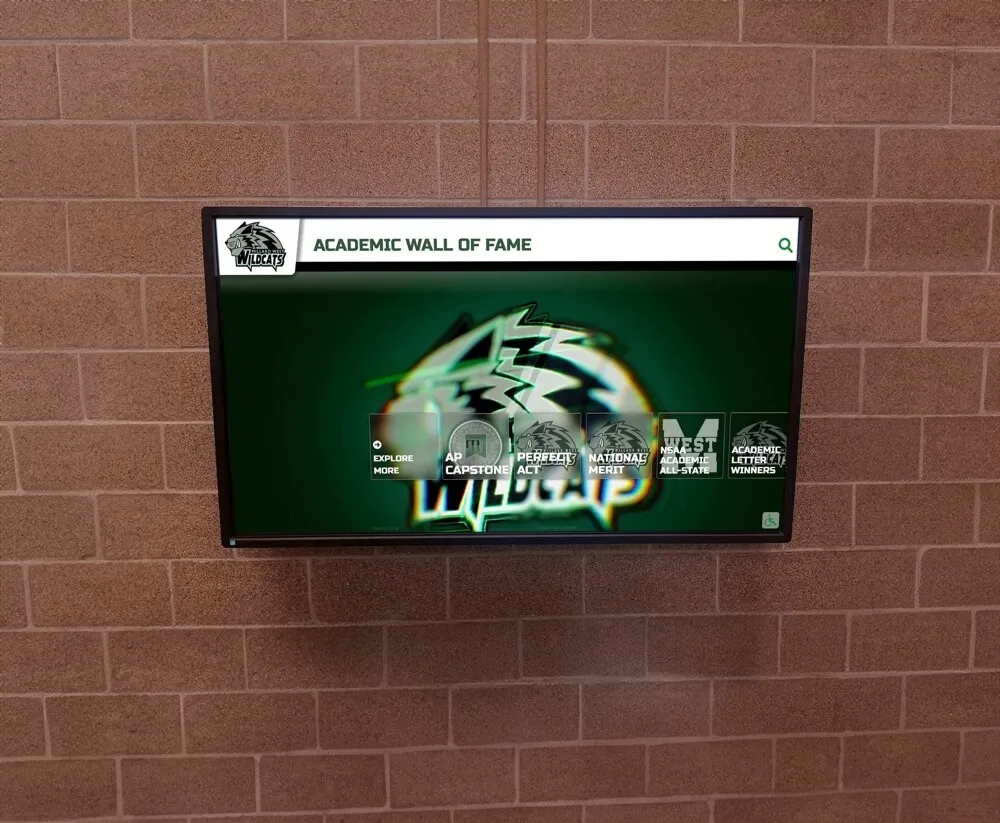
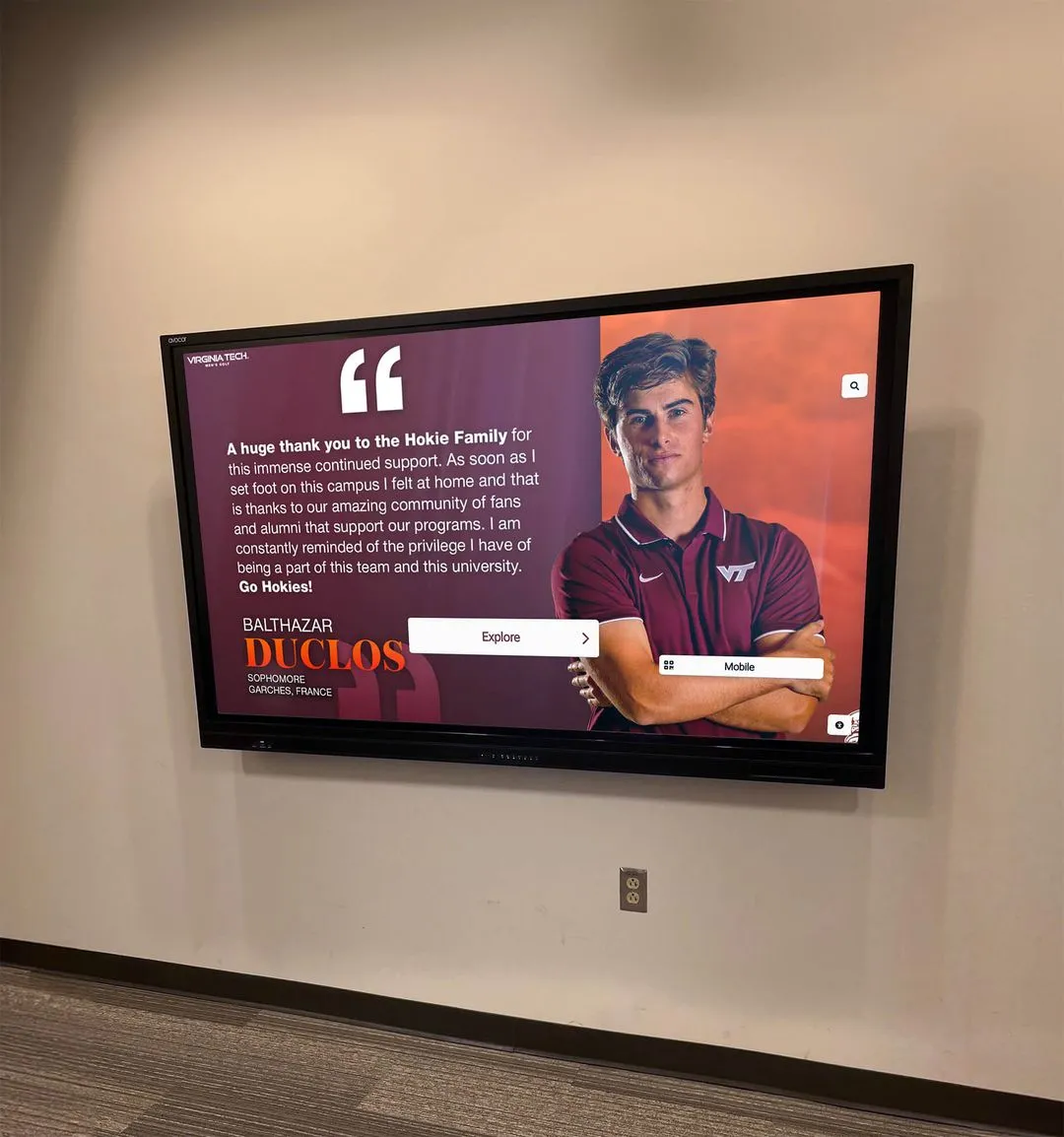
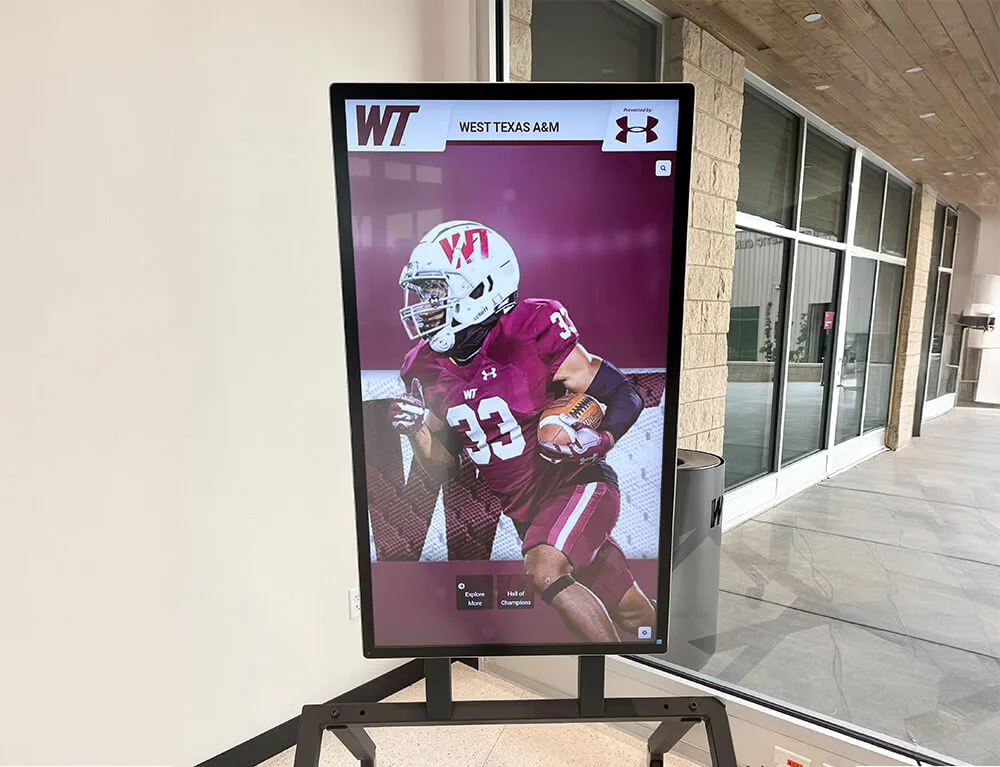
Modern recognition systems complement traditional helmet stickers by preserving complete achievement records accessible to entire school communities
The History and Origins of Football Helmet Award Stickers
Understanding where helmet sticker traditions originated helps schools design programs honoring tradition while meeting contemporary recognition needs.
Ohio State’s Buckeye Sticker Legacy
The most famous helmet sticker tradition belongs to Ohio State University, whose distinctive buckeye leaf decals have become synonymous with college football excellence since 1968. Coach Woody Hayes introduced the buckeye stickers as motivational tools rewarding “big plays” and exceptional performance, creating instant visual recognition distinguishing players who consistently delivered impact plays.
The buckeye leaf design connected naturally to Ohio State’s identity as the “Buckeyes,” transforming state tree symbolism into achievement markers. Players who arrived with bare helmets gradually accumulated decals throughout seasons, with heavily-adorned helmets signaling veteran status and consistent excellence. This visual progression created aspirational models for younger players while acknowledging sustained performance rather than single-game heroics.
Ohio State’s success with buckeye stickers influenced programs nationwide. The visibility of heavily-decorated helmets during nationally-televised games, combined with Ohio State’s competitive success, demonstrated how simple recognition systems could enhance team culture while building distinctive program identities. Coaches across all levels adapted the concept, creating unique sticker programs reflecting their institutions’ identities and competitive philosophies.
Evolution Across Different Competition Levels
Helmet sticker programs spread beyond elite college programs into high school and youth football, adapting to different competitive contexts and resource levels.
High School Adoption and Adaptation
High schools embraced helmet stickers as cost-effective recognition tools requiring minimal infrastructure compared to trophy programs or elaborate ceremonies. Small decals cost pennies per unit while delivering motivational impact comparable to far more expensive recognition approaches. This accessibility enabled programs with limited budgets to implement sophisticated recognition systems acknowledging diverse contributions across roster depths.
High school programs often created more elaborate sticker systems than college counterparts, recognizing that prep athletes face shorter careers requiring more frequent acknowledgment. Where college players compete for four or five years across dozens of games, high school athletes typically play three to four seasons with fewer total contests. More generous sticker award criteria ensured athletes experienced recognition regularly rather than finishing seasons with bare helmets.
Professional and Elite Program Approaches
Professional teams rarely use helmet stickers, given different organizational dynamics and recognition philosophies. NFL players receive financial compensation and extensive media coverage providing recognition beyond what decals offer. Some college programs have moved away from stickers, citing maintenance complexity, helmet appearance concerns, or shifts toward alternative recognition approaches.
Yet many elite programs maintain helmet sticker traditions precisely because they prove effective motivational tools transcending compensation levels. Even highly-paid college athletes competing for championships value visible peer recognition that stickers provide. Programs like Clemson, Florida State, Michigan, and dozens of others continue decades-long sticker traditions because they strengthen cultural identity while providing coaches simple tools for acknowledging positive contributions daily.
Schools implementing comprehensive athletic recognition programs understand that helmet stickers serve immediate recognition needs while digital systems preserve complete achievement records.
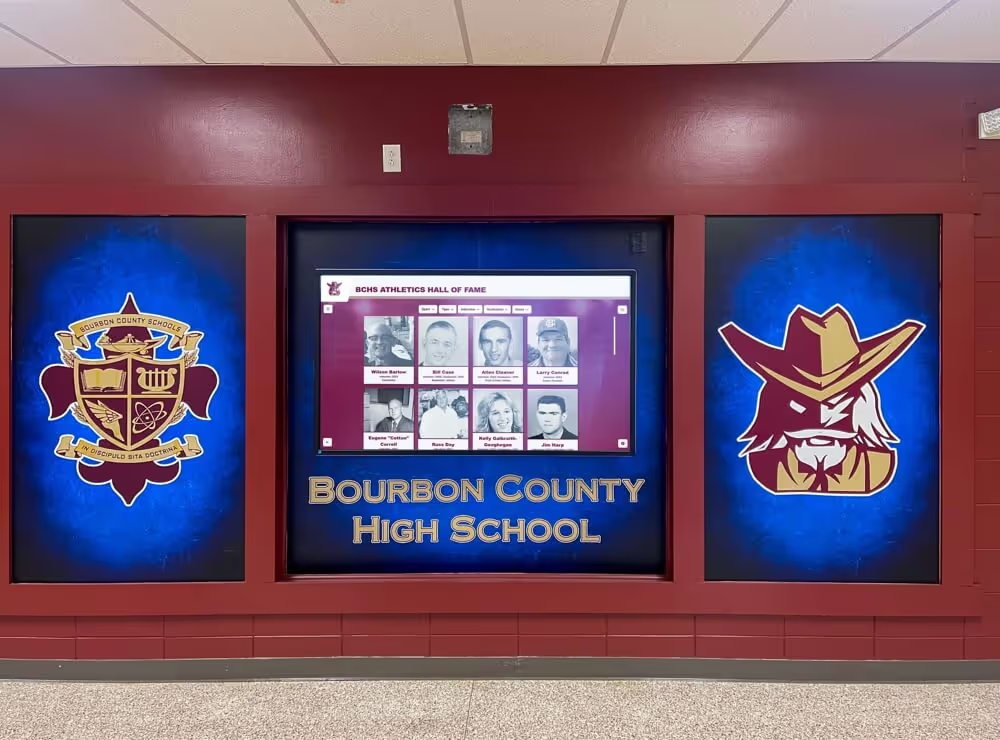
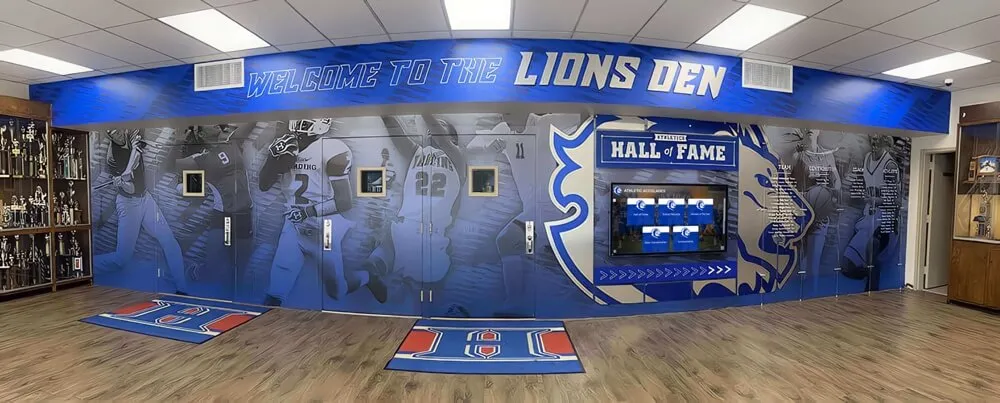
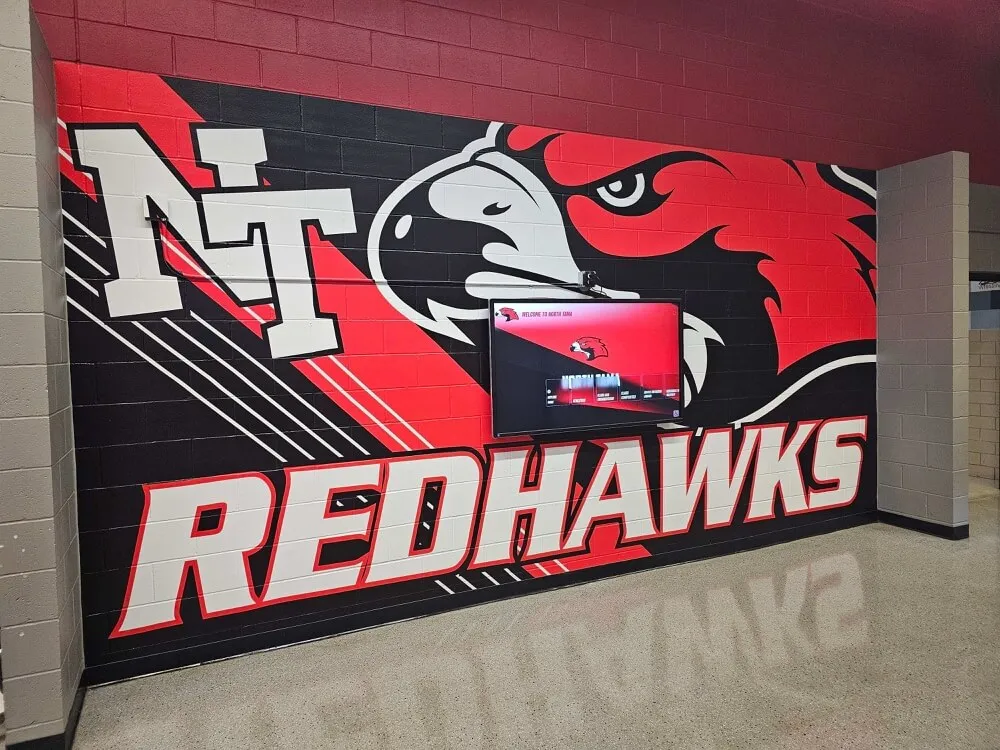
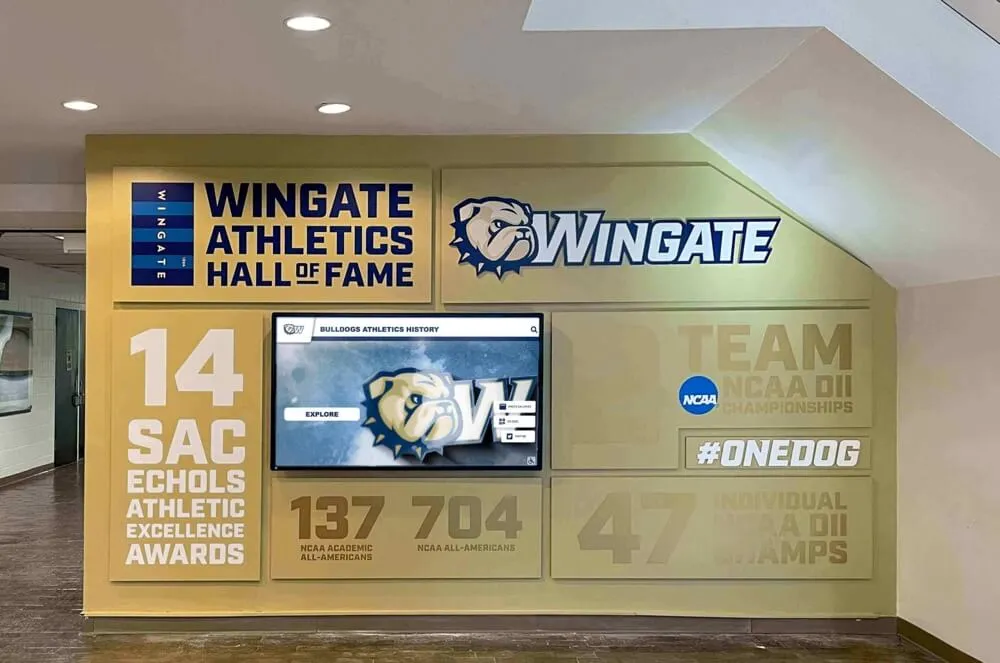
Schools integrate helmet sticker traditions into broader recognition environments celebrating complete football program histories
Understanding Different Helmet Sticker Meanings and Criteria
Effective helmet sticker programs require clear criteria ensuring athletes understand what behaviors and achievements earn recognition, preventing arbitrary distribution that undermines motivational value.
Performance-Based Achievement Stickers
Most programs base sticker awards primarily on measurable performance metrics demonstrating positive contributions to team success.
Offensive Criteria
Offensive players typically earn stickers through statistics reflecting productive plays:
- Rushing achievements: Yards gained thresholds (100+ yard games, explosive runs of 20+ yards), touchdowns scored, successful short-yardage conversions
- Passing accomplishments: Completion percentages, touchdown passes, yards thrown, zero-interception games, successful third-down conversions
- Receiving production: Receptions, receiving yards, touchdowns, crucial first-down catches, yards after catch
- Line play excellence: Pancake blocks, games with zero sacks allowed, dominant run blocking grades, assignment perfection
Offensive criteria should recognize diverse contributions beyond skill position statistics. Linemen who rarely touch the ball deserve sticker opportunities acknowledging their crucial roles. Many programs award offensive line stickers based on coach-evaluated performance grades, blocking technique execution, or game film review rather than limited public statistics.
Defensive Recognition Standards
Defensive achievements earning stickers typically include:
- Tackle production: Total tackles, tackles for loss, quarterback sacks, forced fumbles, fumble recoveries
- Coverage excellence: Pass deflections, interceptions, passes defensed, successful coverage assignments
- Dominance plays: Big hits, goal-line stands, fourth-down stops, momentum-changing plays
- Consistency metrics: Games with high tackle totals, zero missed assignments, perfect technique execution
Defensive criteria should emphasize impact beyond raw statistics. Linebacker who controls gaps perfectly without accumulating tackles deserves recognition as much as players piling up numbers. Film-based evaluation ensures all defensive contributors receive acknowledgment rather than reserving stickers exclusively for players making stats-sheet plays.
Special Teams Contributions
Special teams players often receive insufficient recognition despite determining game outcomes through field position and critical moments. Specific sticker criteria might include:
- Kickoff or punt coverage tackles inside opponent 20-yard line
- Successful field goals or extra points
- Punts with extended hang time or pinpoint placement
- Blocked kicks or special teams turnovers created
- Fearless play despite injury risk inherent in coverage units
Creating recognition programs that acknowledge special teams contributions builds depth while ensuring athletes understand every role matters equally.
Character and Culture Stickers
Performance metrics capture only one dimension of team success. Championship programs recognize character, leadership, and cultural contributions that create winning environments.
Academic Achievement Recognition
Many programs award stickers for academic excellence, reinforcing that student-athletes must succeed in classrooms alongside competition fields:
- Honor roll or dean’s list achievement
- Improved grades showing academic commitment
- Perfect attendance in classes
- Positive teacher feedback reports
- Academic award recognition at school level
Academic stickers communicate that programs value complete human development, not merely athletic performance. Coaches who distribute academic achievement stickers as prominently as performance awards signal genuine commitment to education rather than treating academics as eligibility requirements to endure.
Leadership and Citizenship Honors
Championship cultures require leaders who model program values consistently. Leadership stickers might recognize:
- Captains and leadership council members
- Players mentoring younger teammates
- Athletes organizing team activities or community service
- Positive locker room influence and culture building
- Representing programs excellently in public settings
Practice Excellence Awards
Games determine wins and losses, but practices build championship capabilities. Practice performance stickers recognize:
- Perfect practice attendance throughout seasons
- Consistent maximum effort during conditioning and drills
- Helping teammates improve through encouragement and example
- Maintaining positive attitude despite limited playing time
- Scout team excellence preparing starters for opponents
Practice stickers ensure all roster members can earn recognition regardless of playing time, preventing helmet sticker programs from becoming systems where only starters accumulate decals while reserves finish seasons with bare helmets.
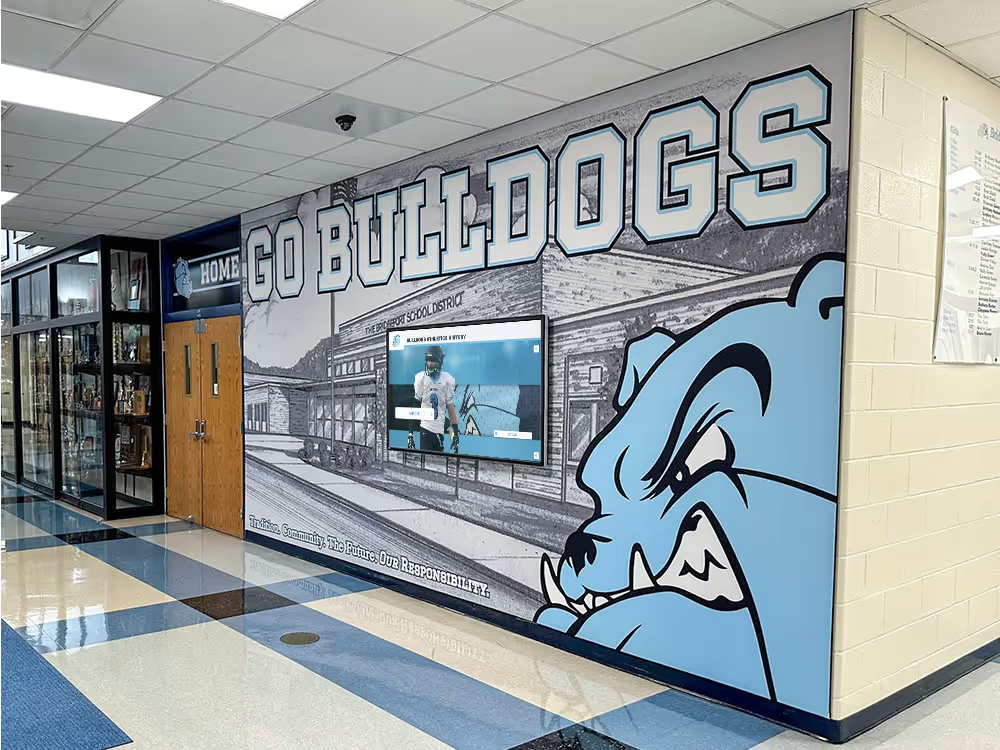
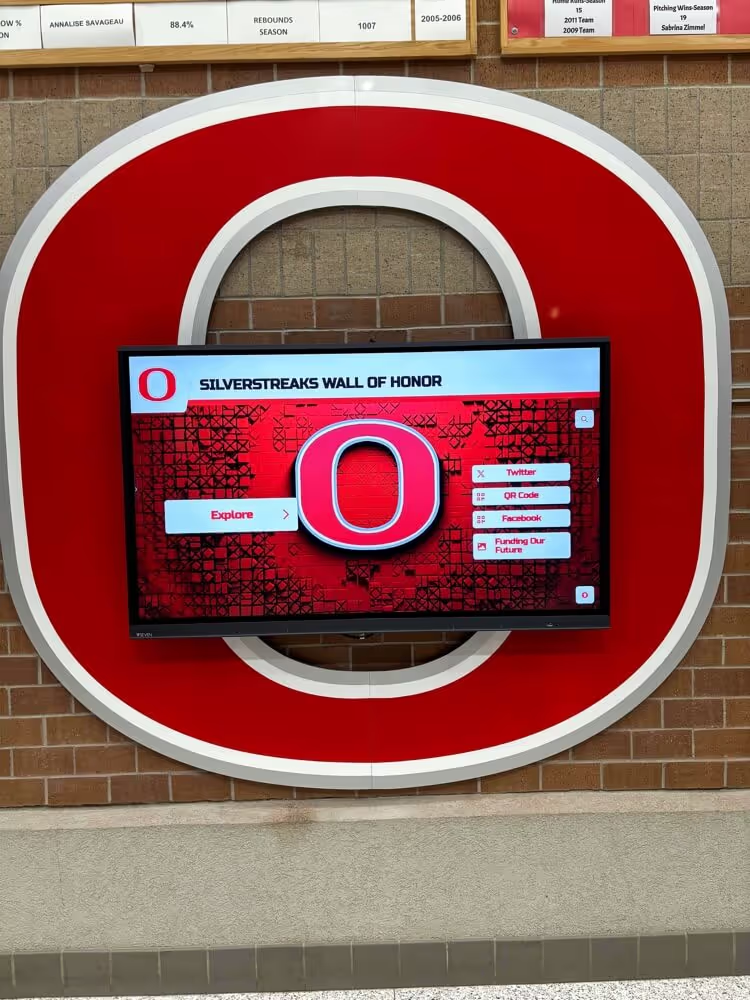
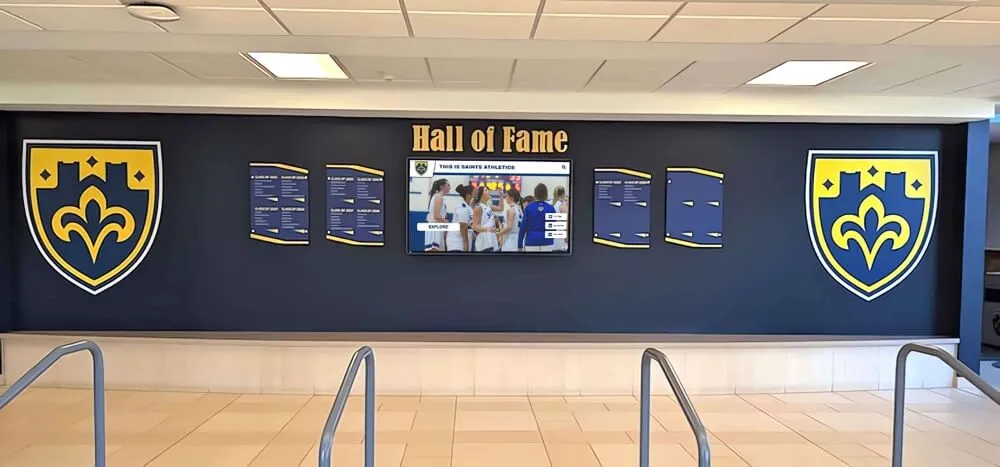
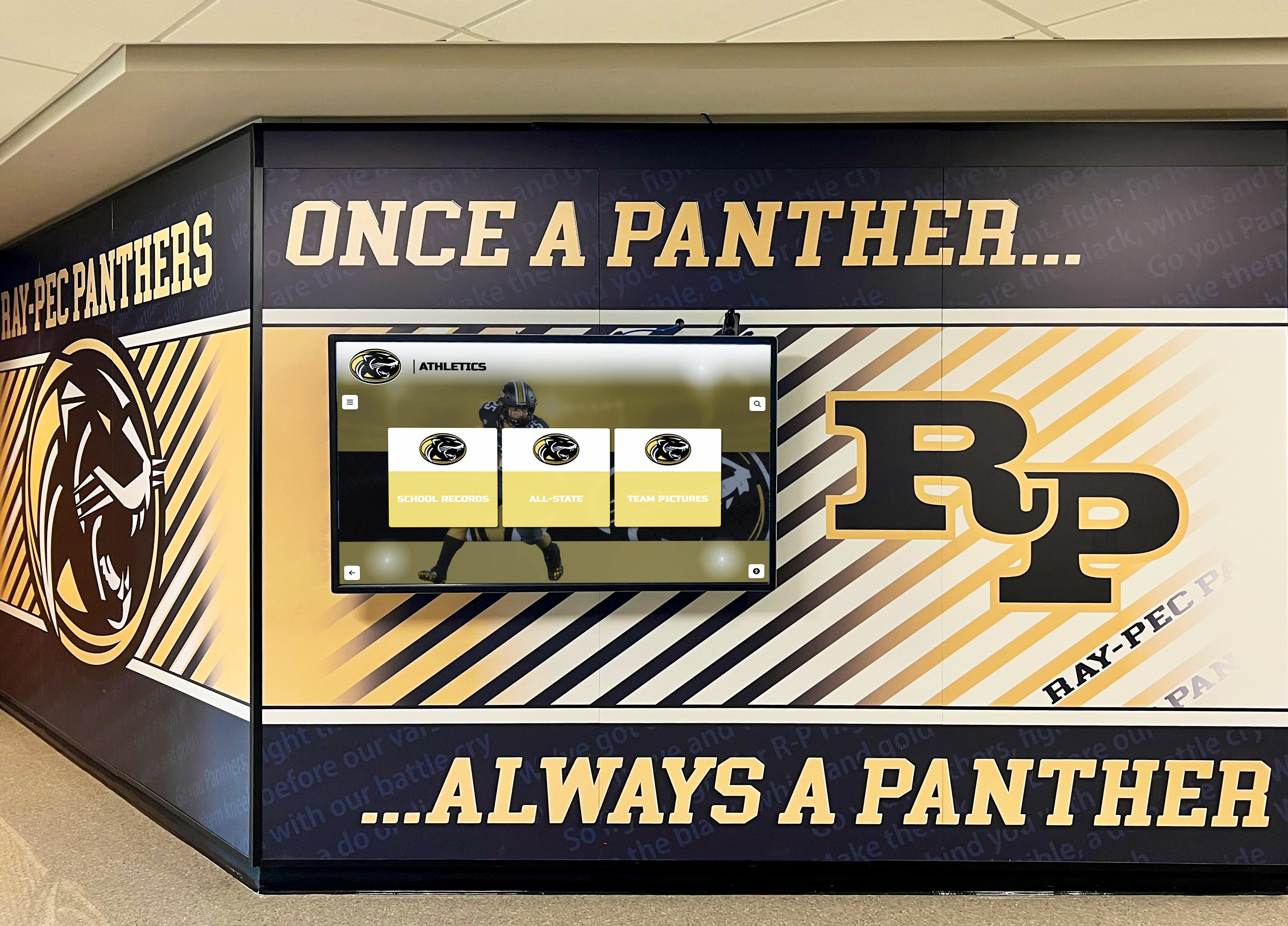
Trophy cases combining physical awards with interactive displays create comprehensive recognition celebrating team and individual achievements
Designing Effective Helmet Sticker Programs
Implementation details determine whether helmet sticker programs strengthen team culture or become meaningless decoration undermining intended recognition value.
Establishing Clear Award Criteria
Transparent criteria prevent confusion and perceived favoritism while ensuring athletes understand exactly what behaviors and achievements earn recognition.
Written Standards and Communication
Document specific sticker award criteria in writing, distributing guidelines to all players at season starts. Clear documentation prevents disputes about award decisions while helping athletes understand recognition opportunities available throughout seasons. Written standards also ensure consistency when assistant coaches or student managers help track statistics and achievements meriting stickers.
Effective criteria documents specify exact thresholds—“10+ tackles in single game” rather than “outstanding defensive performance”—eliminating subjective interpretation that breeds resentment. When subjective judgment is necessary, clearly identify who evaluates performance and which specific qualities merit recognition.
Balancing Individual and Team Recognition
Helmet sticker programs risk encouraging individual stat-chasing behavior contradicting team-first mentality essential for football success. Careful program design mitigates this tension:
- Award stickers for team victories alongside individual achievements, ensuring players value winning above personal statistics
- Recognize team statistical achievements (team rushing totals, points allowed, turnover margins) through special decals earned collectively
- Create sticker awards for selfless plays—receivers blocking downfield, linemen leading sweeps, defensive players sacrificing statistics to maintain gap integrity
- Establish position-specific criteria reflecting what success means for each role rather than universal standards favoring skill positions
Championship programs use helmet stickers to reinforce team values rather than individualism. When sticker criteria reward behaviors that contribute to team success rather than personal glory, recognition systems strengthen rather than undermine collective commitment.
Sticker Design and Placement Considerations
Visual design affects both aesthetic appeal and practical functionality of helmet sticker programs.
Selecting Meaningful Designs
Sticker designs should connect to program identity, school traditions, or community symbolism creating meaningful visual representation rather than generic shapes:
- School mascots, logos, or symbolic imagery (Ohio State buckeyes, Clemson paws, school crests)
- Local symbols or regional identity markers
- Program-specific icons representing team mottos or values
- Shape variations distinguishing achievement categories (stars for big plays, shields for defensive stops)
- Color coding enabling quick visual recognition of different award types
Distinctive designs create immediate recognition while building unique program identities distinguishing your team from opponents. Athletes take pride in accumulating recognizable symbols associated with their programs’ traditions and competitive excellence.
Placement Strategies and Visual Balance
Helmet sticker placement affects both appearance and practical considerations:
- Consistent placement locations (helmet sides, backs, fronts) creating organized appearance
- Size limitations preventing excessive decoration that obscures base helmet design
- Spacing guidelines maintaining visual appeal as sticker quantities increase
- Protection from removal during play—quality adhesive, appropriate placement avoiding high-contact areas
- Compliance with league regulations regarding helmet markings and modifications
Some programs place stickers randomly, allowing organic distribution reflecting individual achievement patterns. Others use systematic placement—rows progressing from helmet bottom upward, or specific zones designated for achievement categories. Either approach works if consistently applied.
Schools implementing digital athletic recognition systems find that physical helmet stickers serve immediate recognition needs while comprehensive digital profiles preserve complete achievement documentation.

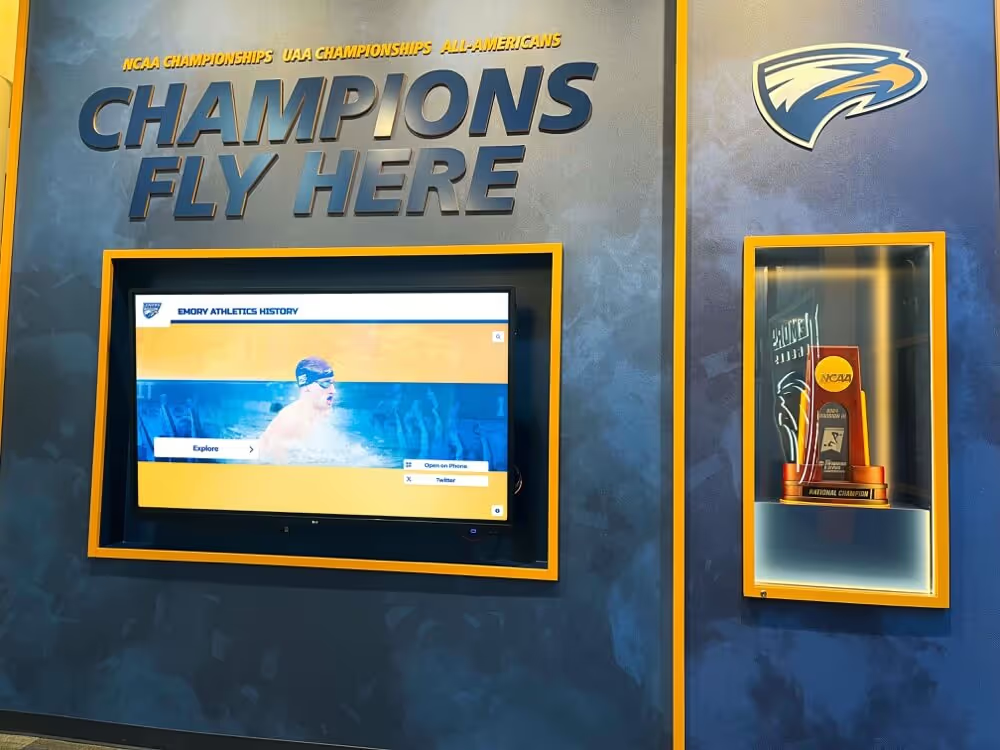
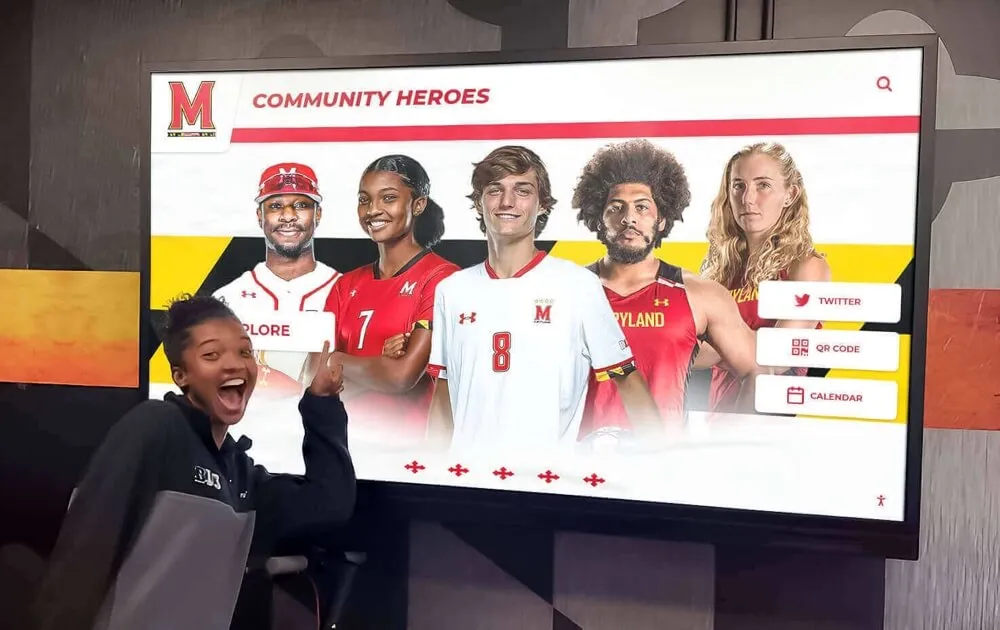
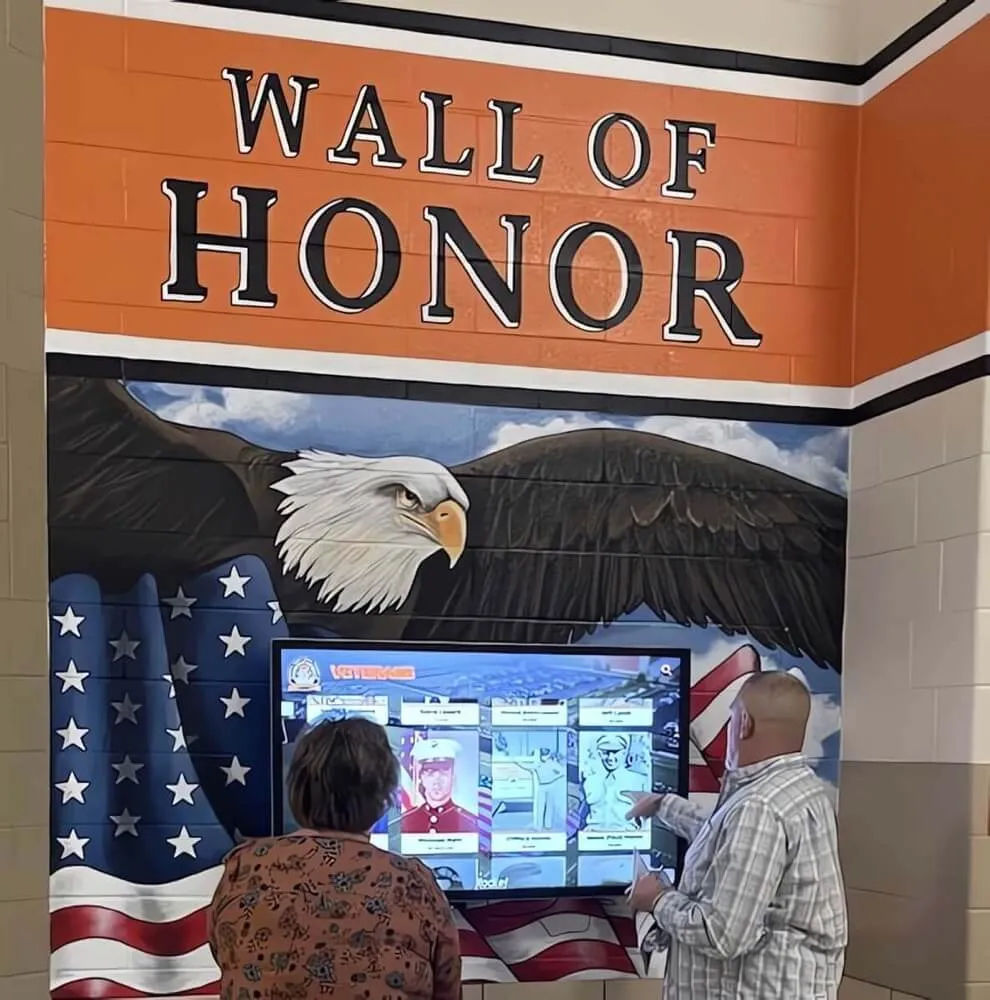
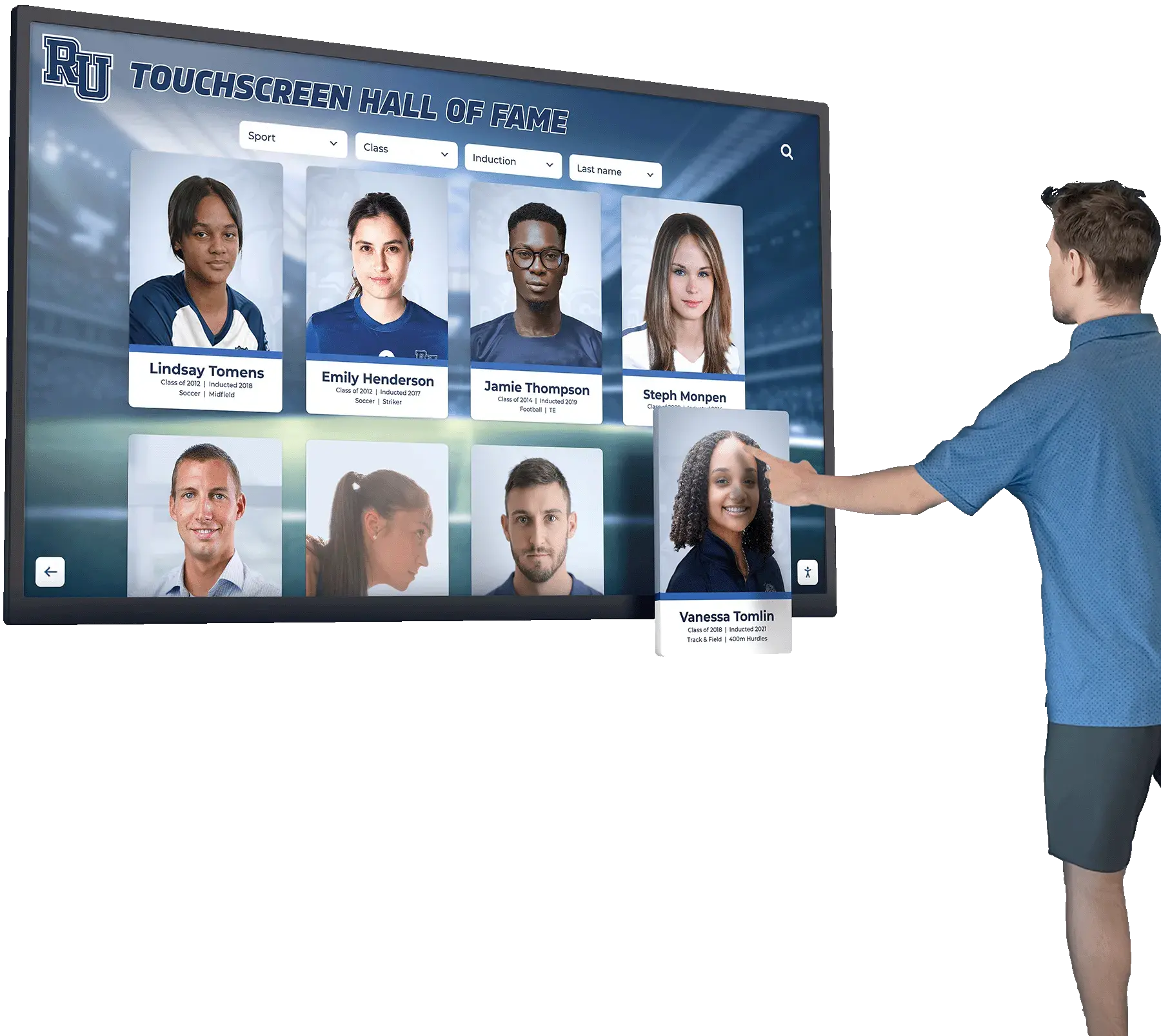
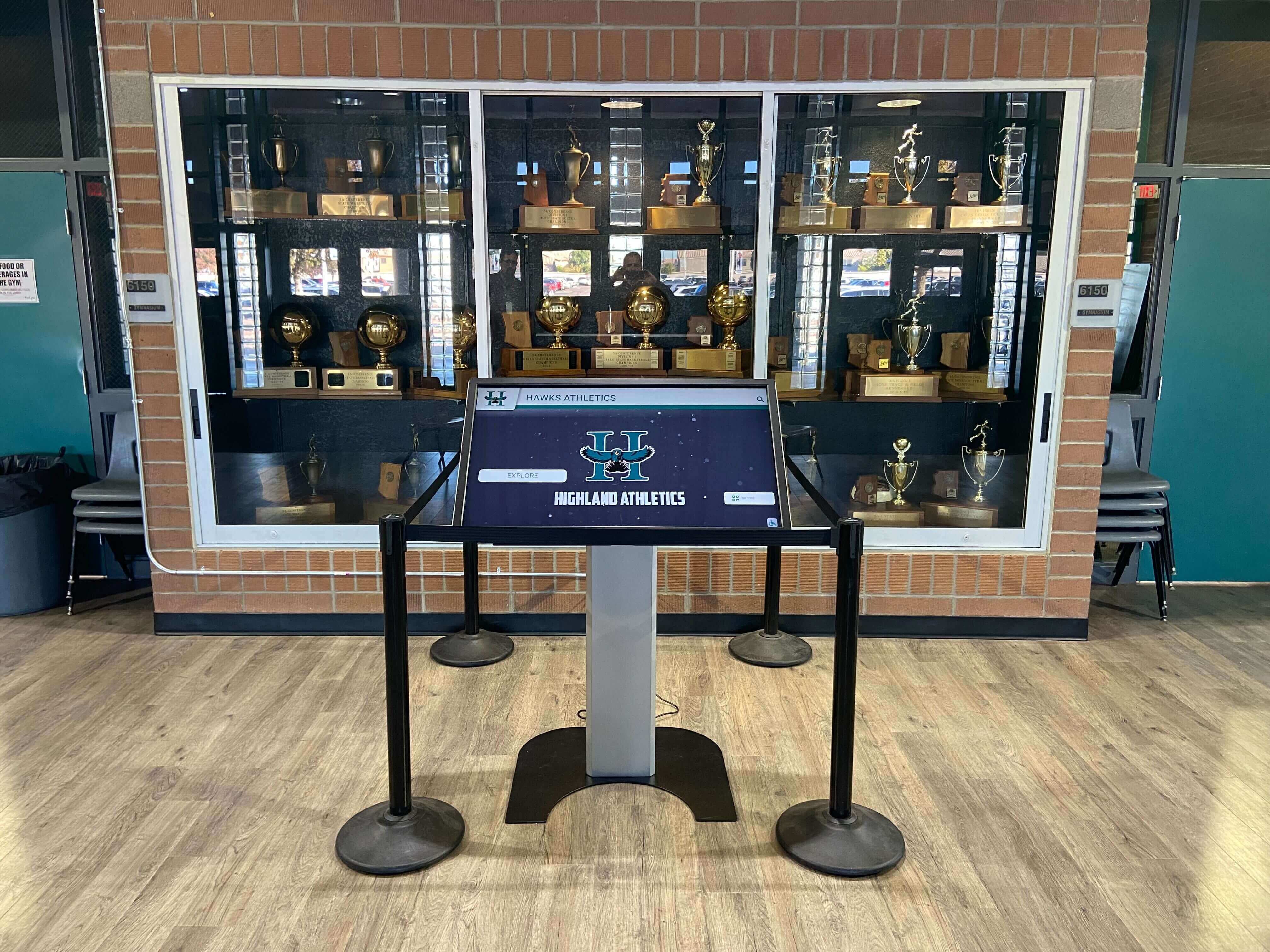
Interactive displays enable exploration of complete athletic achievement stories beyond what helmet stickers can communicate
Distribution Timing and Ceremony
How and when stickers get distributed affects their motivational impact and perceived value.
Game-Day Recognition
Many programs distribute helmet stickers immediately following games while performances remain fresh and emotional investment peaks. Post-game distribution allows coaches to acknowledge specific plays, praise effort, and reinforce connections between performance and recognition. Athletes see immediate rewards for excellent play, strengthening behavioral reinforcement.
Public distribution during team gatherings creates peer recognition moments where teammates applaud award recipients. This social acknowledgment amplifies individual stickers’ motivational value through communal celebration of excellence.
Weekly Practice Awards
Other programs distribute stickers during practice weeks, incorporating recognition into regular coaching routines. Monday film sessions provide natural opportunities—coaches reviewing game footage award stickers while highlighting specific plays earning recognition. This approach enables detailed explanation of why specific achievements merited awards, teaching younger players what excellence looks like while honoring recipients.
Practice distribution also allows coaches to award stickers for practice performance, leadership, or academic achievements alongside game performance, emphasizing that programs value comprehensive excellence rather than just Saturday afternoon heroics.
End-of-Season Recognition
Some achievements merit special recognition beyond standard weekly stickers. Season-ending awards might include:
- Championship stickers for playoff victories or conference titles earned collectively
- Season statistical achievement awards (1,000-yard rusher, 100-tackle defender)
- Senior legacy stickers honoring career contributions
- Team award winners (MVP, most improved, leadership awards)
- Perfect season attendance or academic excellence
Special stickers distinguished through unique designs or prominent placement communicate that certain achievements hold exceptional significance within program hierarchies.
Famous Helmet Sticker Programs and Their Traditions
Examining established programs provides inspiration and models for schools developing their own recognition traditions.
College Football’s Iconic Sticker Traditions
Several college programs have developed helmet sticker traditions synonymous with their program identities.
Ohio State Buckeyes
The buckeye leaf stickers remain college football’s most recognized decal program. Players earn buckeye stickers for “big plays”—touchdowns, interceptions, tackles for loss, and other impact moments—with criteria varying by position and coaching staff philosophy. Veteran players with dozens of accumulated buckeyes present instantly recognizable images communicating long careers of consistent excellence.
Ohio State’s buckeye tradition demonstrates how simple visual symbols become powerful cultural artifacts when maintained consistently across decades. Current players inherit traditions connecting them to legendary alumni who wore same iconic symbols, creating continuity transcending individual seasons and coaching staffs.
Clemson Tigers
Clemson awards distinctive orange paw print stickers for various achievements including game victories, big plays, and special accomplishments. The paw stickers complement Clemson’s tiger mascot identity while creating recognizable visual branding associated with the program’s success. Clemson also awards special purple paw stickers for exceptional achievements, creating hierarchy within their recognition system.
Florida State Seminoles
Florida State uses tomahawk decals reflecting their Seminole identity and Native American imagery. The tomahawk stickers appear on helmet sides, with players accumulating awards throughout seasons. FSU’s program demonstrates how cultural symbols, when used respectfully and meaningfully, create powerful identity markers enhancing team cohesion while honoring institutional traditions.
High School Programs Creating Local Traditions
High school programs nationwide have developed unique sticker traditions reflecting local identities and community values.
Regional Symbol Adoption
Many programs adopt stickers representing regional identity—Texas schools using lone stars, coastal programs using nautical symbols, agricultural communities using crop or livestock imagery. These local connections create pride while distinguishing programs through geography-specific symbolism that resonates with community supporters and athletes’ personal backgrounds.
Value-Based Recognition Systems
Some high schools design sticker programs around core values rather than performance metrics alone. Programs might award different colored stickers representing specific values—blue for academic excellence, red for leadership, gold for championship performance. This approach communicates that programs measure success through multiple dimensions, not exclusively competitive results.
Schools developing comprehensive recognition cultures understand that helmet stickers represent one recognition element within broader systems celebrating athletic and academic achievement.
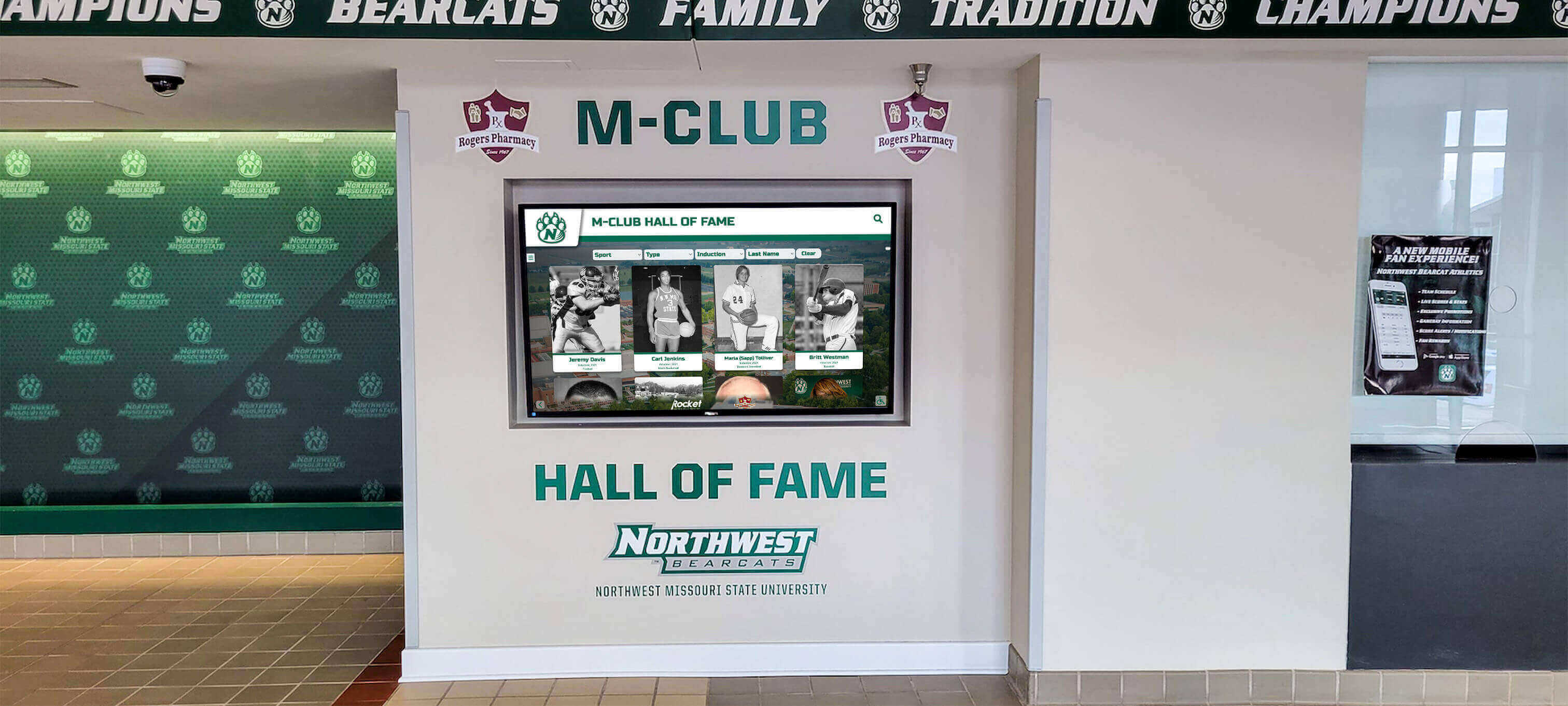
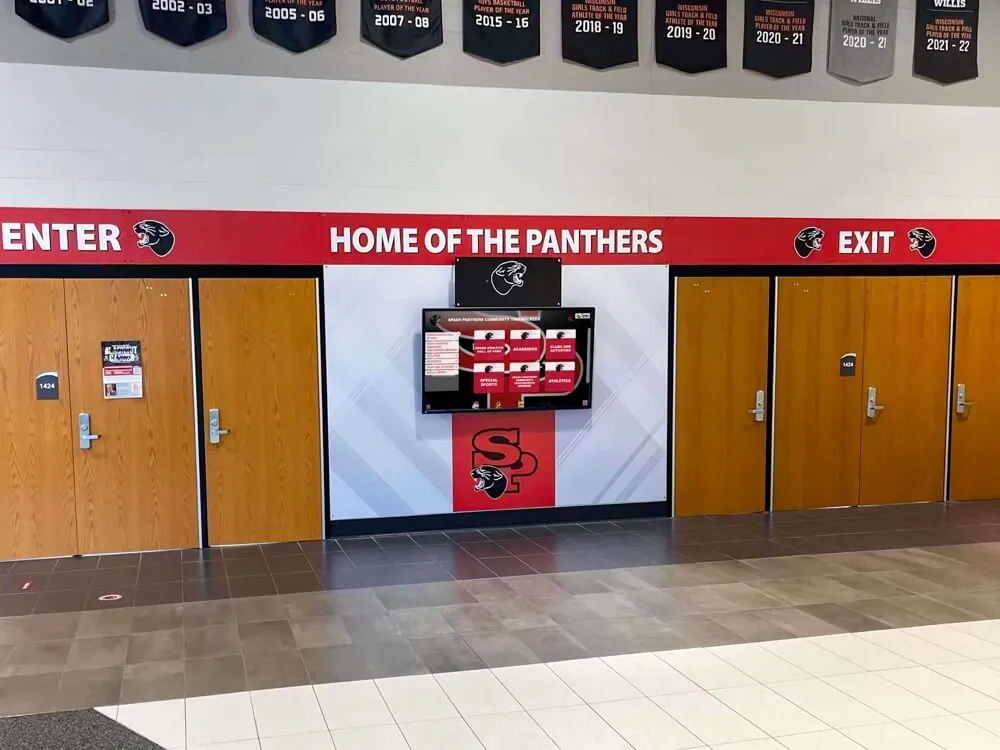
Permanent recognition installations honor complete athletic careers including helmet sticker achievements and career statistics
Beyond the Helmet: Preserving Recognition Digitally
Helmet stickers provide powerful immediate recognition, but their impact ends when players graduate and helmets return to equipment rooms. Modern programs extend recognition beyond temporary decals through comprehensive digital systems preserving complete achievement records.
Limitations of Physical Helmet Stickers
Traditional helmet sticker programs face inherent constraints limiting long-term recognition value:
Temporary Nature
Helmet stickers exist only during playing seasons. Once athletes graduate, decorated helmets either get reassigned to new players or stored in equipment rooms where only coaches occasionally see them. Alumni who earned extensive recognition through helmet stickers have no lasting record of achievements representing countless hours of dedication and sacrifice.
This temporary recognition feels increasingly inadequate when athletes understand that their high school or college achievements, regardless of magnitude, essentially vanish after final games. The linebacker who accumulated fifty helmet stickers across four seasons deserves achievement documentation extending beyond brief playing career.
Limited Context and Storytelling
Helmet stickers communicate achievement quantities—heavily-decorated helmets signal significant accomplishments—but convey no specific information about what stickers represent. Observers seeing helmet covered in decals understand the player performed well but learn nothing about specific achievements, memorable games, or individual accomplishments behind accumulated awards.
This absence of context limits stickers’ recognition value. The defensive back who earned ten stickers through ten crucial interceptions has identical helmet appearance to the linebacker who earned ten stickers through consistent tackling. Stickers acknowledge achievement without preserving the specific stories making individual careers meaningful and memorable.
Access Restricted to Campus Visitors
Helmet sticker recognition serves only audiences who regularly visit facilities—current teammates, coaches, and campus community members. Athletes’ families, extended relatives, future employers, and broader communities rarely see helmet recognition unless they attend practices or games regularly.
This limited visibility feels particularly frustrating for families who invested years supporting athletic careers through financial sacrifice, time commitment, and emotional support. Grandparents living across country, siblings stationed overseas, or community members who can’t attend Friday night games miss opportunities to celebrate achievements they helped enable through years of encouragement and support.
Digital Recognition Platforms Extending Sticker Programs
Modern recognition technology complements helmet sticker traditions by preserving complete achievement records accessible to entire communities regardless of time or location.
Comprehensive Achievement Documentation
Digital athletic recognition platforms like Rocket Alumni Solutions enable schools to document complete helmet sticker histories alongside broader athletic achievements:
- Total helmet stickers earned across careers with category breakdowns
- Specific games and achievements that earned each sticker
- Season-by-season progression showing growth and consistency
- Photos of decorated helmets at career peaks
- Written narratives explaining program-specific sticker meanings
- Video highlights of plays earning sticker recognition
- Teammate and coach testimonials about player contributions
This comprehensive documentation transforms temporary recognition into permanent achievement records accessible decades after graduation. The safety who earned thirty helmet stickers throughout his career can share complete recognition history with family, employers, and future generations rather than relying on fading memories of temporary decorations.
Accessible to Distributed Communities
Digital recognition platforms provide access beyond physical campus boundaries:
- Web-based access enabling family viewing regardless of geographic location
- Mobile applications allowing alumni to revisit achievement records from anywhere
- Social sharing capabilities enabling athletes to showcase recognition through personal networks
- QR codes linking physical displays to expanded digital content
- Search functionality allowing community members to explore program histories
This extended access multiplies recognition impact by reaching audiences impossible with physical helmet stickers alone. Grandparents living far from school can explore grandchildren’s complete athletic achievements including detailed helmet sticker records. Alumni relocated for college or careers maintain connections to high school athletic accomplishments through accessible digital records. Prospective families researching school athletic programs discover recognition traditions demonstrating program commitment to celebrating individual excellence.
Integration with Broader Recognition Systems
Most effective digital platforms integrate helmet sticker recognition within comprehensive athletic achievement systems celebrating:
- Career statistics and performance records
- Championship team memberships and playoff achievements
- Academic honors and student-athlete recognition
- Leadership positions and team awards
- Post-graduation athletic careers and accomplishments
- Current life updates maintaining alumni connections
Integrated approaches present complete athletic stories rather than isolated recognition elements, honoring athletes as complete individuals whose achievements extend beyond any single award or recognition symbol.
Schools implementing digital athletic recognition discover that technology complements rather than replaces traditional recognition like helmet stickers, preserving what matters while extending impact.
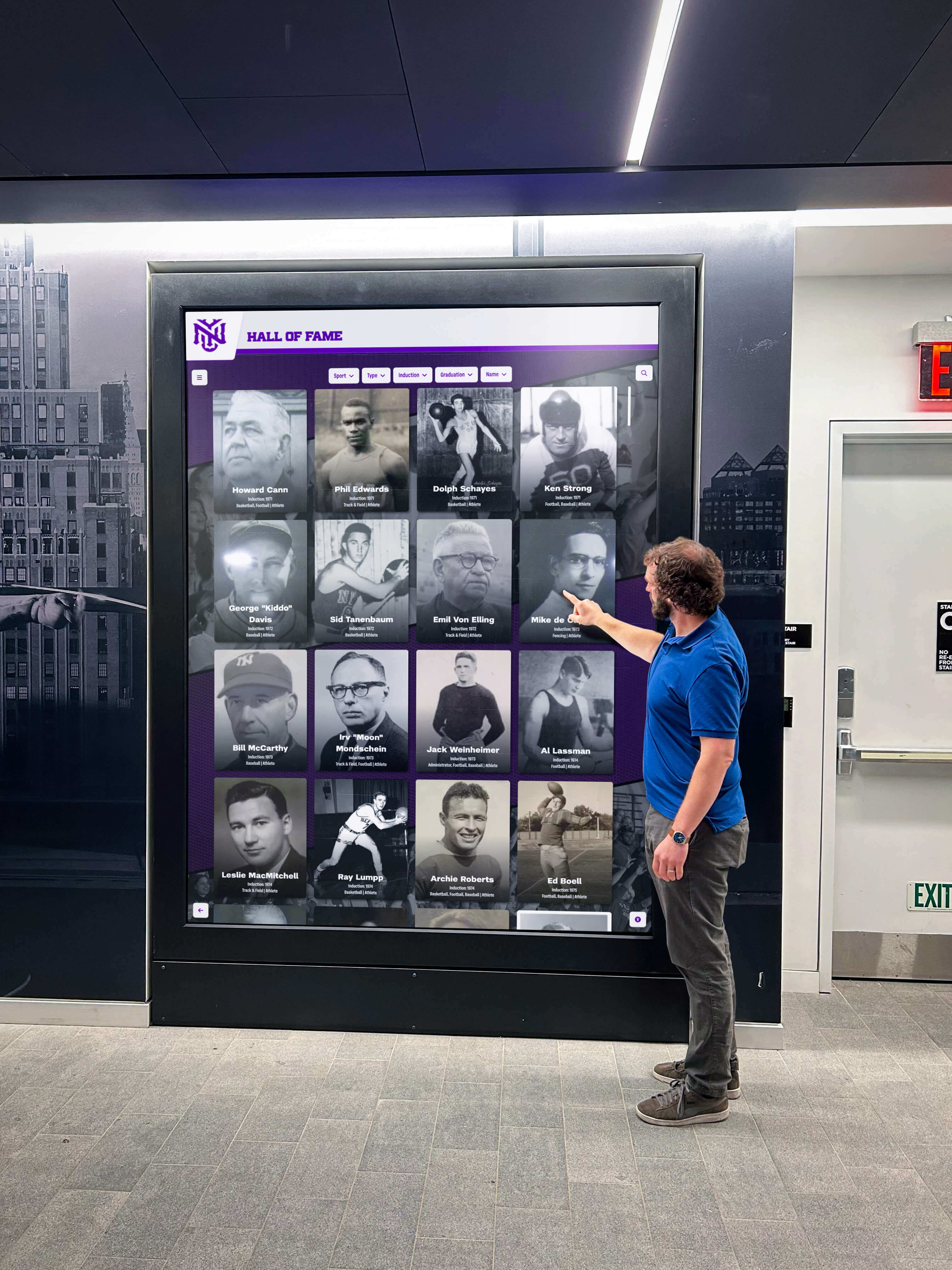
Interactive recognition installations create gathering spaces where communities explore athletic achievements including helmet sticker traditions
Creating Recognition Cultures Beyond Decals
Helmet stickers represent one recognition element within broader cultures celebrating athletic excellence across multiple dimensions.
Comprehensive Recognition Program Development
Championship programs implement layered recognition systems acknowledging diverse achievements:
Multi-Sport Athlete Recognition
Many football players compete in multiple sports, with helmet sticker programs acknowledging only football achievements. Comprehensive digital recognition celebrates complete athletic careers including:
- Recognition across all sports, not just primary athletic focus
- Connections between sports showing multi-sport athlete contributions
- Off-season training and development programs
- Leadership roles across multiple teams
Academic and Character Integration
Athletic recognition gains significance when integrated with academic and character celebration:
- Academic achievement honors including honor roll recognition and academic awards
- Community service participation and leadership
- Character awards and citizenship recognition
- Post-graduation academic success and career achievements
Integrated recognition communicates that programs develop complete individuals, not merely athletic performers, reflecting authentic commitment to student-athlete development.
Programs implementing student achievement tracking systems find that comprehensive approaches create stronger cultures than athletic-only recognition.
Balancing Individual and Team Recognition
Effective recognition cultures maintain balance between celebrating individual achievement and honoring team success.
Team Achievement Priority
Championship cultures prioritize team success above individual accolades. Recognition systems should emphasize:
- Team victories and championship achievements receiving highest prominence
- Special recognition for selfless contributions enabling team success
- Collective achievement stickers or awards earned by all team members
- Team statistical achievements (fewest points allowed, rushing titles) celebrated equally with individual records
Role-Specific Excellence Standards
Fair recognition acknowledges that different positions face different achievement opportunities. Offensive linemen rarely accumulate statistics enabling sticker awards based on universal criteria. Effective programs establish:
- Position-specific criteria reflecting what success means for each role
- Film-based evaluation enabling recognition for excellent technique and assignment execution
- Special teams acknowledgment ensuring all contributors can earn recognition
- Practice player awards honoring athletes who may not see extensive game action
Senior Legacy Recognition
Senior athletes deserve special recognition acknowledging complete careers rather than just single-season performance. Legacy recognition might include:
- Career achievement summaries documenting complete high school or college accomplishments
- Senior helmet sticker presentations honoring total career awards
- Special legacy decals or markings distinguishing senior players
- Permanent digital profiles preserving complete career documentation
Schools developing senior athlete recognition programs understand that comprehensive approaches honor complete careers rather than isolated achievements.
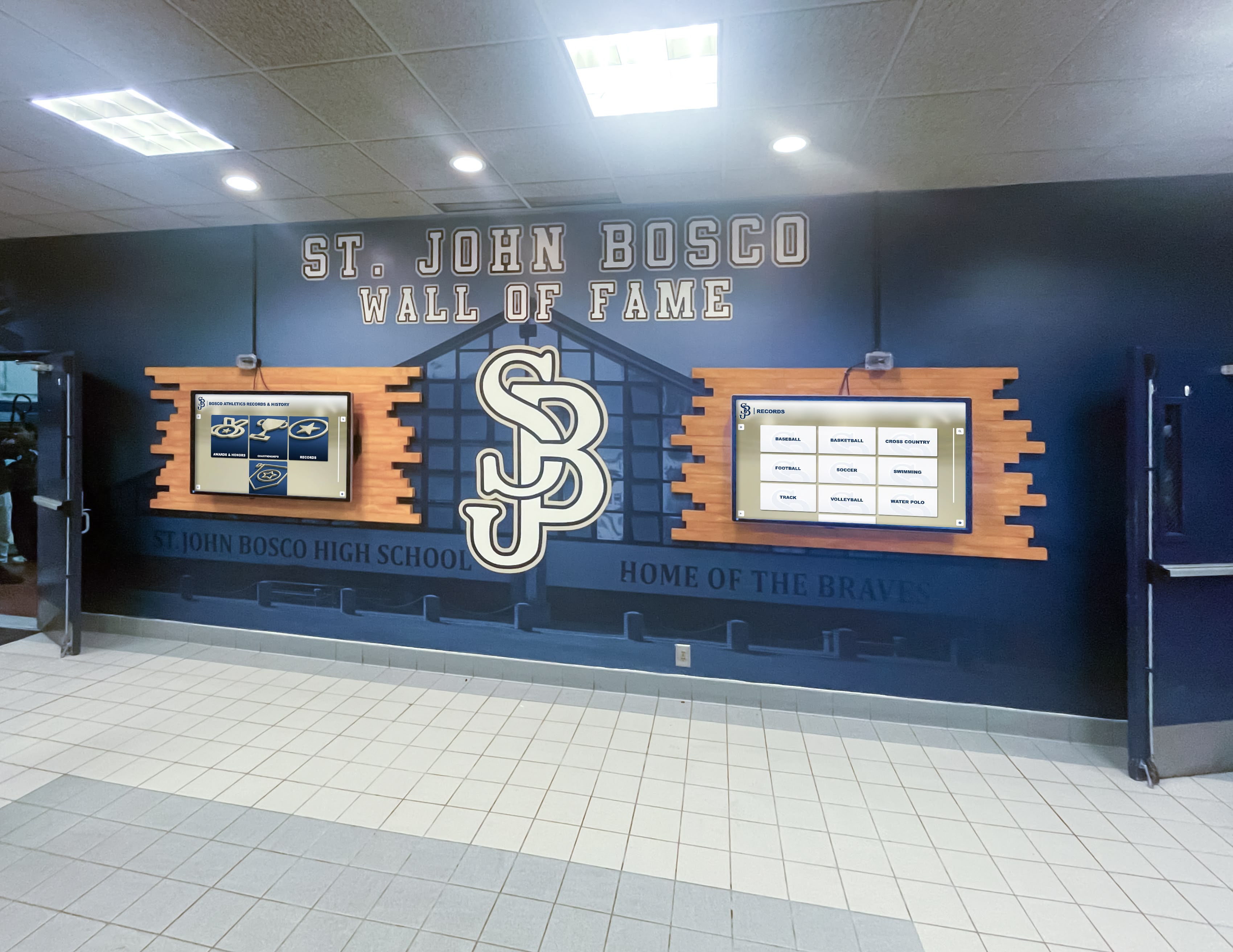
Multiple display installations create extensive capacity for recognizing helmet sticker achievements alongside complete athletic program histories
Practical Implementation Guide
Schools seeking to establish or enhance helmet sticker programs benefit from systematic implementation approaches ensuring recognition systems strengthen team culture effectively.
Starting a New Helmet Sticker Program
Programs without existing sticker traditions should consider foundational implementation steps:
Establishing Program Philosophy
Define clear program philosophy before determining specific criteria:
- What values do we want recognition to reinforce? (Team-first mentality, effort, academic excellence, character)
- How should recognition balance individual achievement and team success?
- What message do we want to send about what our program values?
- How can recognition systems support broader team culture goals?
Philosophy guides specific criteria development while ensuring recognition systems align with coaching priorities and institutional values.
Engaging Athletes in Program Design
Consider involving team leaders in program development, seeking input about:
- What achievements feel most meaningful to recognize?
- What criteria would feel fair across different positions and playing time levels?
- What sticker designs would players take pride in accumulating?
- How should programs handle distribution and announcement of awards?
Athlete input creates buy-in while surfacing perspectives coaches might miss. Programs designed with player input often achieve stronger engagement than purely coach-driven systems.
Pilot Testing and Refinement
Begin with simple criteria during initial seasons, gathering feedback about:
- Whether criteria feel fair and achievable across roster
- If sticker quantity feels appropriate (too few creates disappointment, too many diminishes meaning)
- How well recognition reinforces intended behaviors and values
- Whether distribution processes feel meaningful or perfunctory
Treat early seasons as testing periods, remaining open to criteria adjustments based on experience and feedback rather than treating initial standards as permanent policies.
Modernizing Existing Programs
Programs with established traditions seeking enhancement should balance respecting history while addressing contemporary needs:
Preserving Traditional Elements
Identify which traditional elements carry deep meaning worth preserving:
- Specific sticker designs connected to program identity
- Historical criteria that effectively reinforce program values
- Distribution traditions that create meaningful recognition moments
- Alumni connections to specific award types or recognition standards
Preserve meaningful traditions even while modernizing other program elements, maintaining continuity connecting current athletes with alumni predecessors.
Adding Contemporary Recognition Categories
Enhance traditional programs by adding recognition for:
- Academic achievement and student-athlete excellence
- Leadership development and mentorship
- Community service and character demonstration
- Social media positive representation and program promotion
- Off-season development and training commitment
Expanded criteria demonstrate that programs evolve while maintaining core traditions, acknowledging that contemporary athletes face expectations extending beyond what previous generations experienced.
Digital Enhancement Without Replacement
Implement digital recognition systems that complement rather than replace helmet sticker traditions:
- Document complete helmet sticker histories digitally while maintaining physical traditions
- Create digital archives showing decorated helmets from previous seasons and eras
- Use QR codes linking physical helmets to comprehensive achievement profiles
- Maintain traditional distribution ceremonies while adding digital accessibility
Complementary approaches honor tradition while extending recognition impact through modern technology, satisfying alumni who value historical practices alongside current athletes expecting digital accessibility.
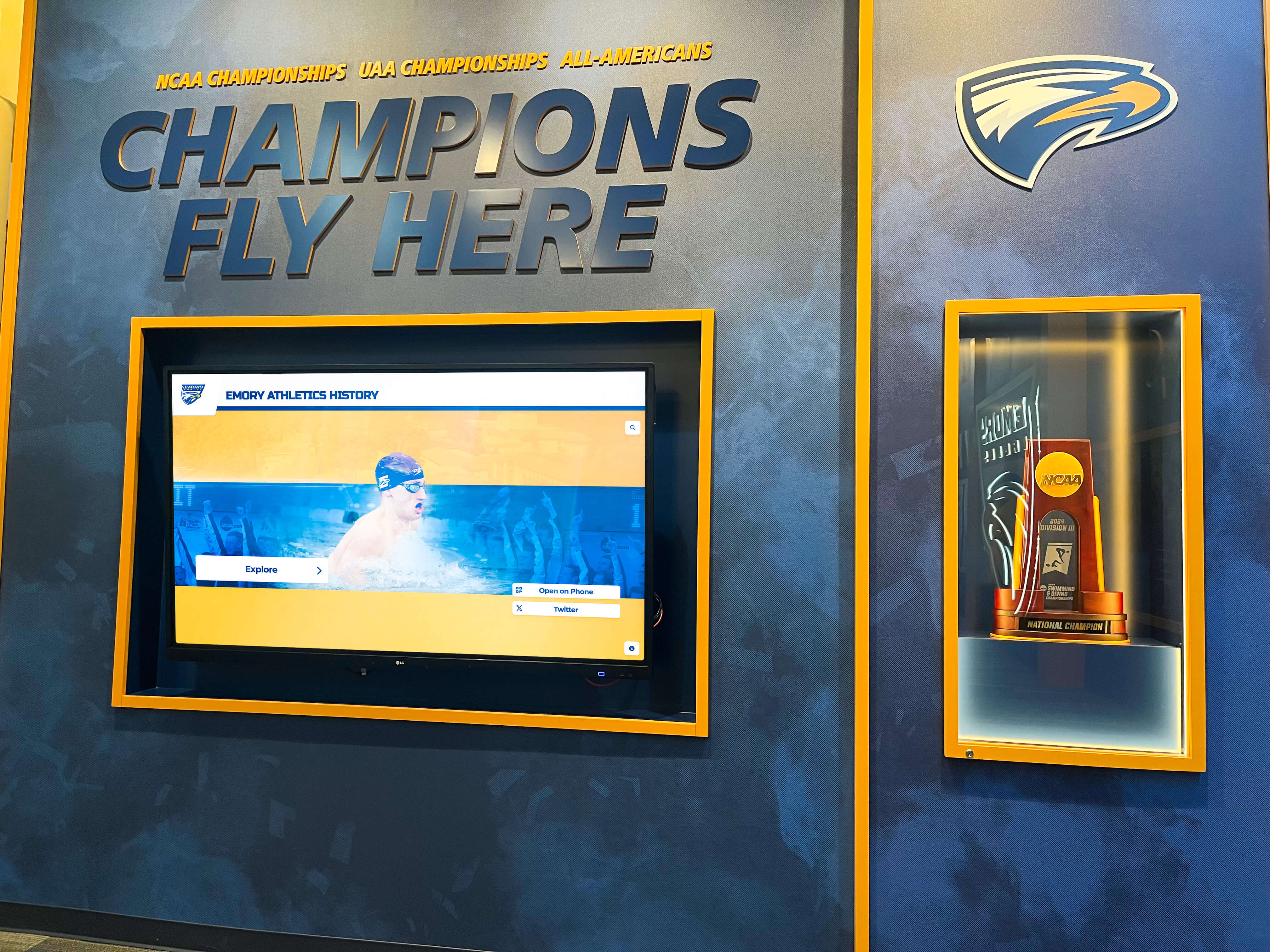
Championship recognition naturally integrates helmet sticker achievements within broader celebration of team success and individual excellence
Conclusion: Building Recognition Cultures Through Visible Achievement
Football helmet award stickers represent powerful recognition tools that, when thoughtfully implemented, strengthen team culture, motivate individual excellence, and create visible symbols of program values and competitive standards. These small decals carry significance far exceeding their physical size—they communicate that coaching staffs notice and appreciate players’ contributions, they create tangible rewards for dedication and sacrifice, and they build competitive environments where excellence receives immediate, visible acknowledgment from teammates, coaches, and communities.
Effective helmet sticker programs require careful design balancing individual recognition with team-first philosophy, establishing clear criteria preventing arbitrary distribution, creating award categories acknowledging diverse contributions across position groups and playing time levels, and maintaining consistent standards communicating that recognition reflects genuine achievement rather than participation trophies diminishing authentic accomplishment.
The most successful programs extend recognition beyond temporary helmet decorations through comprehensive digital systems preserving complete achievement records accessible throughout athletes’ lives. When helmet sticker awards get documented within broader athletic recognition platforms, immediate motivational value during playing careers gets supplemented by permanent achievement records athletes share with families, employers, and future generations. Digital preservation transforms temporary recognition into lasting institutional memory connecting current athletes with program excellence traditions while building engaged alumni communities maintaining lifelong bonds with high school or college athletic experiences.
Your football program’s recognition traditions communicate core values to athletes, families, and communities. Helmet stickers that celebrate big plays reinforce competitive excellence expectations. Awards acknowledging academic achievement demonstrate genuine commitment to student-athlete development. Recognition for leadership, character, and team-first behavior shapes culture prioritizing sustainable success over individual glory. Whether implementing first recognition programs or enhancing decades-old traditions, thoughtful helmet sticker systems strengthen team culture while providing motivational tools that coaches leverage daily.
Don’t let recognition stop when athletes graduate and helmets return to equipment rooms. Preserve helmet sticker achievements alongside complete athletic careers through digital platforms ensuring that dedication, sacrifice, and excellence receive acknowledgment extending beyond brief playing careers. Transform temporary recognition into permanent celebration honoring athletes appropriately while building traditions connecting generations through shared commitment to excellence in athletics, academics, and character.
Ready to create comprehensive recognition systems celebrating helmet sticker achievements alongside complete athletic accomplishments? Explore digital recognition solutions that preserve athletic excellence permanently while building the engaged communities where athletes, families, and supporters celebrate shared traditions across decades.