



Florida’s high school football landscape represents one of the nation’s most competitive athletic environments, where championship pursuits under Friday night lights create legends that resonate across generations. When December arrives and state championship games determine Florida’s best programs, they showcase extraordinary talent that regularly populates college rosters nationwide and eventually reaches professional football’s highest levels.
The Florida High School Athletic Association (FHSAA) orchestrates this comprehensive championship system featuring eight competitive classifications that give schools of all sizes legitimate pathways to state titles. From Class 8A giants like Miami powerhouses and Orlando suburban juggernauts competing with resources rivaling small colleges, to Class 1M rural programs demonstrating that enrollment size creates no championship ceiling when dedication and culture align properly. Yet navigating Florida’s classification structure—understanding divisional alignments, regional assignments, playoff qualification criteria, and championship paths—challenges even experienced coaches, athletic directors, and devoted fans following the Sunshine State’s football excellence.
Beyond game-day competition and championship trophies, Florida’s football tradition raises compelling questions about recognition and legacy: How do schools properly honor state championship achievements that define program excellence? What transforms single-season title success into permanent program culture inspiring future generations? How can athletic departments create lasting celebration from championship accomplishments that motivate decades of subsequent athletes while preserving historical achievements?
This comprehensive guide explores everything about Florida high school football championships—from divisional structure and classification processes to championship history, legendary programs, and recognition strategies that transform temporary championship excitement into permanent program tradition. Whether you’re a coach building championship-caliber teams, an athletic director managing title celebrations, or a community member passionate about Florida football tradition, you’ll discover insights helping you understand and maximize the state’s premier athletic competition.

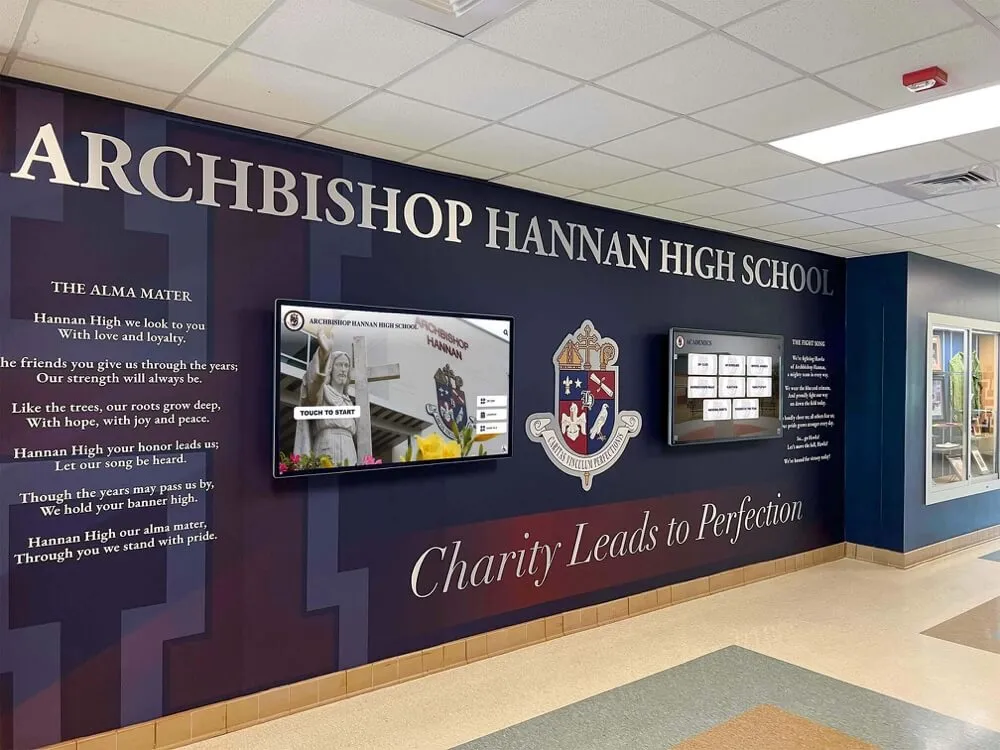
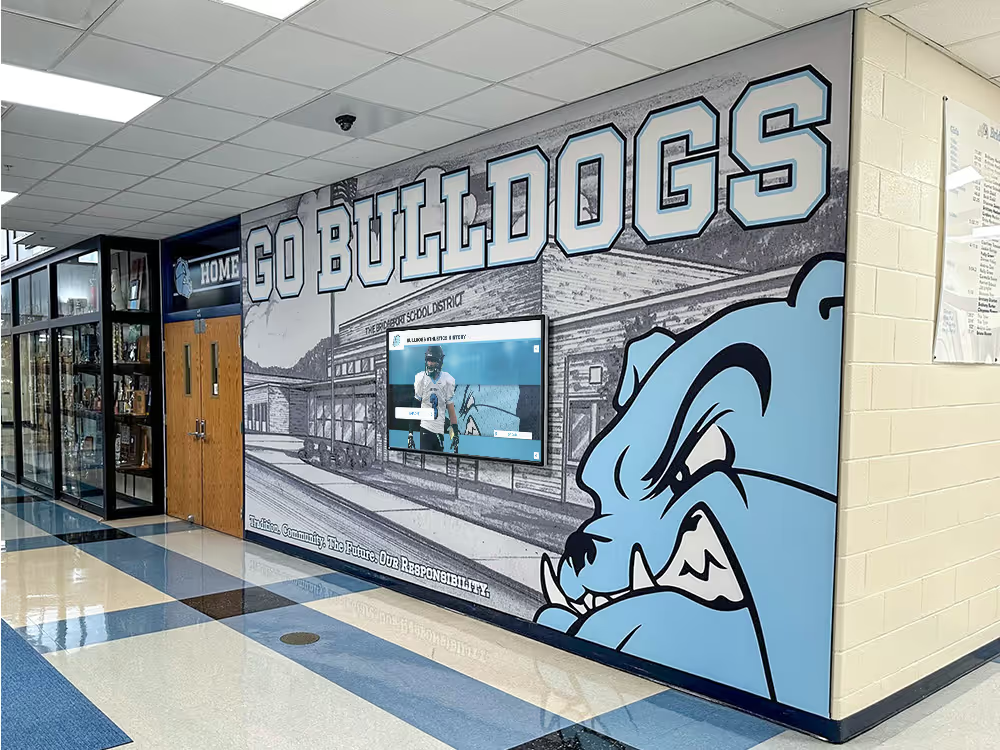
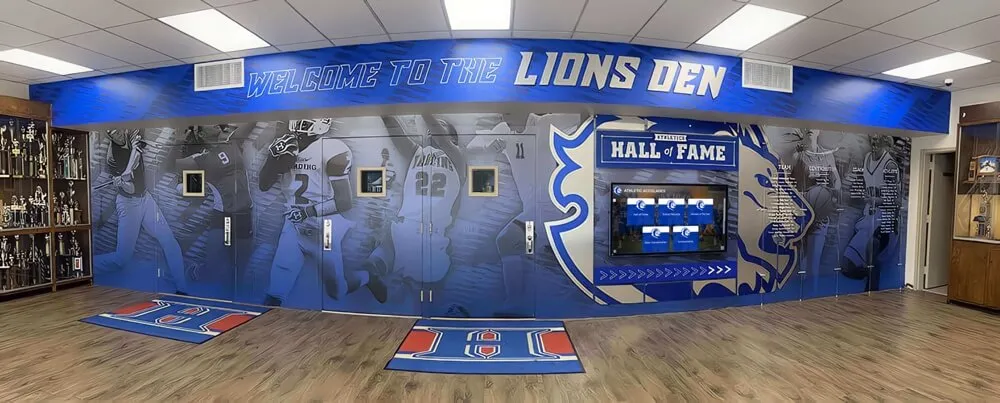
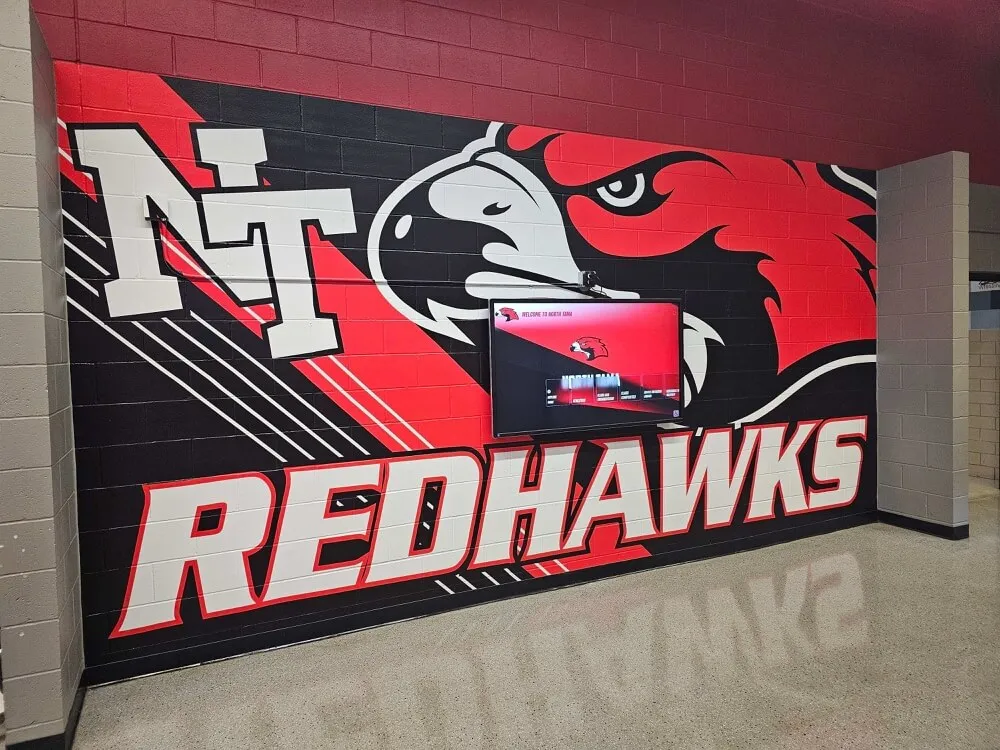
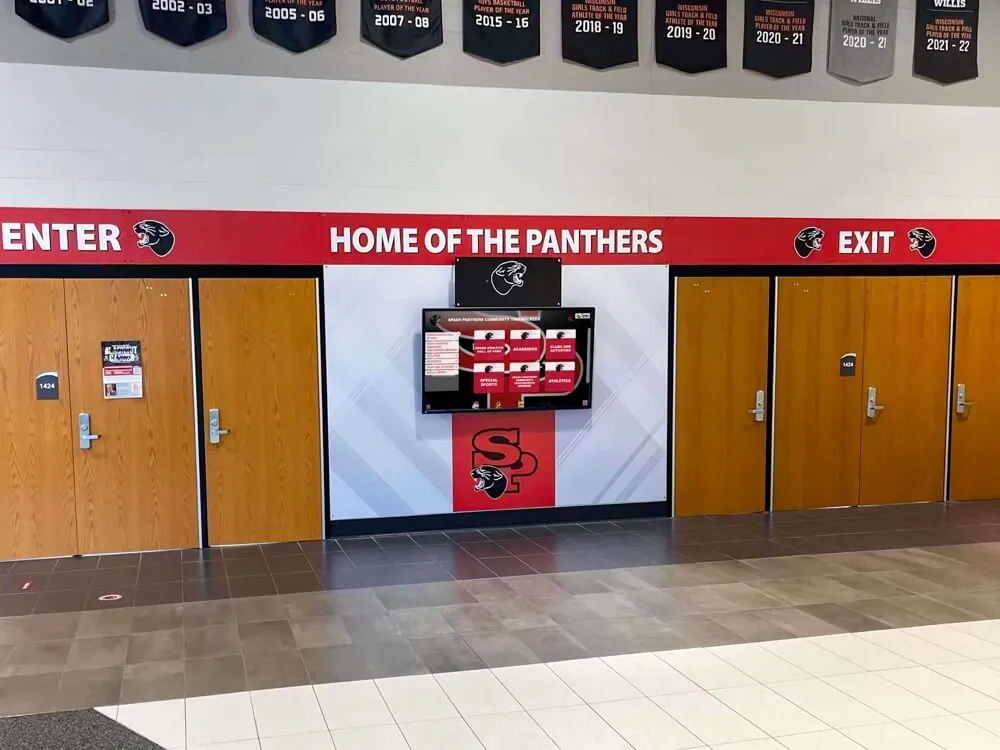
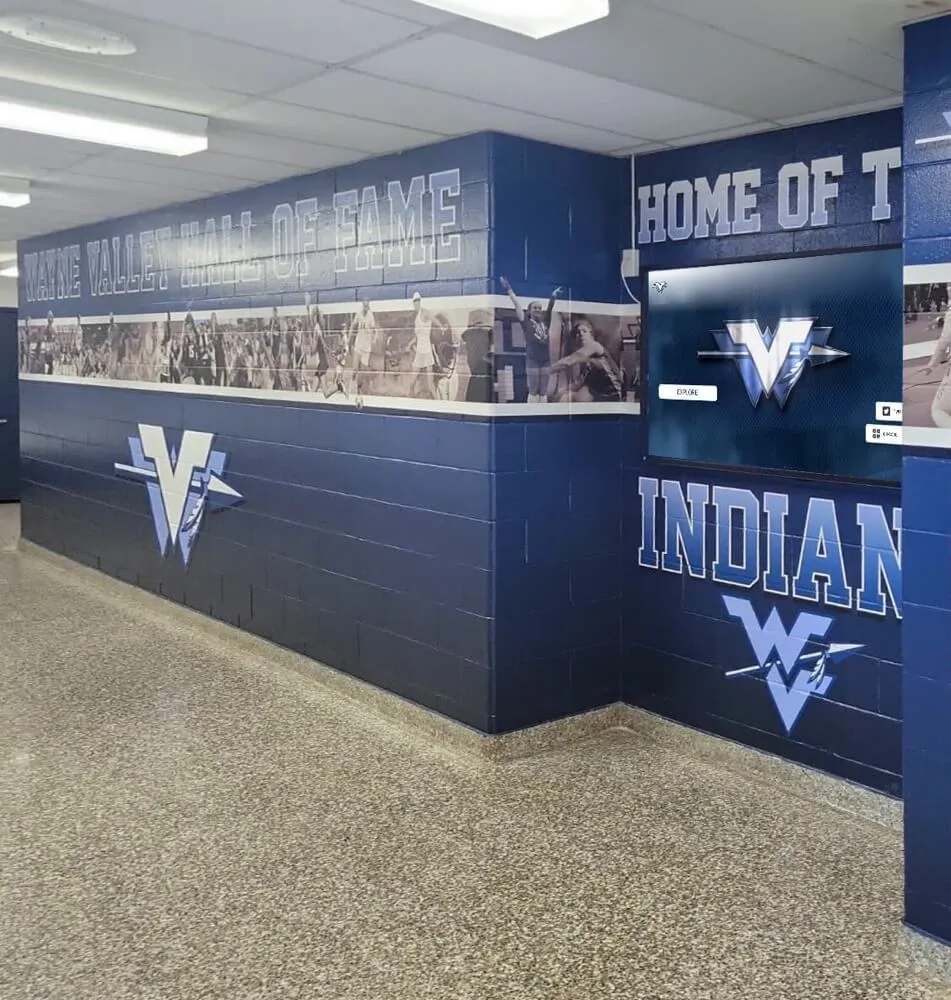
Florida schools celebrate championship traditions through comprehensive athletic displays showcasing state title achievements and program excellence
Understanding Florida’s Football Classification System
Florida’s current eight-classification structure evolved significantly since the FHSAA first organized state championships in 1963. Today’s system divides schools based on enrollment figures while creating separate classifications for public schools and select private institutions, ensuring competitive balance across the state’s diverse educational landscape.
Eight-Classification Structure and Enrollment-Based Divisions
The FHSAA categorizes schools into eight competitive classifications using enrollment numbers from grades 9-12, recalculated every two years. This reclassification prevents schools from remaining artificially classified as enrollments change, maintaining competitive balance while creating multiple championship opportunities statewide.
Class 8A: Elite Suburban and Metro Powers
Florida’s largest classification features schools typically exceeding 2,500 students, including legendary programs like Miami’s Columbus, Central, and Northwestern; Orlando’s Apopka; Tampa’s Plant; and South Florida suburban powerhouses. These elite programs operate with extensive coaching staffs, state-of-the-art facilities including indoor practice facilities and professional-grade weight rooms, and community support rivaling major college programs.
Class 8A competition produces Florida’s highest concentration of Division I recruits, with championship rosters regularly featuring 20-30 players receiving FBS scholarship offers. Programs like Columbus (Miami) and Apopka demonstrate sustained excellence through comprehensive player development systems, coaching continuity maintaining championship culture, and youth football pipelines systematically developing talent years before high school enrollment.
What separates elite 8A programs from other large schools? Championship culture expectations rather than mere hopes—where playoff qualification represents minimum acceptable performance and state title pursuits define successful seasons. Columbus’s multiple championships across decades demonstrate how program tradition transcends individual coaching tenures when excellence becomes embedded institutional identity rather than personality-dependent phenomenon.
Classes 7A and 6A: Large School Competition
Classes 7A (approximately 1,800-2,500 students) and 6A (1,350-1,799 students) create Florida’s large-school competitive middle ground where traditional powerhouses coexist with emerging programs building toward elite status.
Class 7A includes established programs like St. Thomas Aquinas (Fort Lauderdale), Venice, and numerous suburban Miami-Dade and Broward County schools. St. Thomas Aquinas particularly exemplifies 7A excellence, having captured multiple championships while producing dozens of NFL players including franchise quarterbacks and Pro Bowl selections demonstrating program’s elite talent development capacity.
Class 6A features intense competition among programs like Armwood (Seffner), Miami Central’s championship tradition, and emerging suburban programs throughout Central Florida’s growth corridors. These schools demonstrate that mid-large enrollment advantages combine with exceptional coaching and comprehensive program infrastructure enabling championship pursuits against Florida’s best programs.
Classes 5A Through 3A: Mid-Size School Excellence
Mid-size classifications showcase programs where passionate community support creates competitive advantages, entire regions rally behind teams, and championship cultures transcend pure enrollment-based talent pools.
Class 5A programs like Jesuit (Tampa), American Heritage (Plantation), and Cardinal Gibbons (Fort Lauderdale) built remarkable traditions demonstrating that schools in this enrollment range can compete successfully through exceptional coaching, comprehensive facilities, and program cultures expecting championship excellence regardless of opponent size advantages.
Classes 4A and 3A include programs like Cocoa’s legendary dynasty, Raines (Jacksonville) with multiple championships, and numerous programs throughout Florida demonstrating that smaller schools can achieve sustained excellence when coaching expertise, community commitment, and championship expectations align properly. Mid-size programs often feature particularly passionate fan bases where entire communities invest completely in football success.
Classes 2A, 1A, and 1M: Small School Championship Pathways
Florida’s smallest classifications demonstrate that enrollment size creates no championship ceiling when programs build comprehensive cultures prioritizing football excellence.
Class 2A programs like Trinity Christian (Jacksonville) and University Christian (Jacksonville) established strong traditions, while Class 1A features competitive balance among small public and private schools. Class 1M (Metro) represents unique Florida classification for smallest schools in metropolitan areas, creating appropriate competitive environments for intimate programs that might otherwise face overwhelming size disadvantages.
These smallest classifications produce particularly tight-knit programs where multi-sport athletes develop year-round, entire student bodies attend games, and championship pursuits unite communities completely through shared athletic excellence representing collective identity rather than just extracurricular activity.
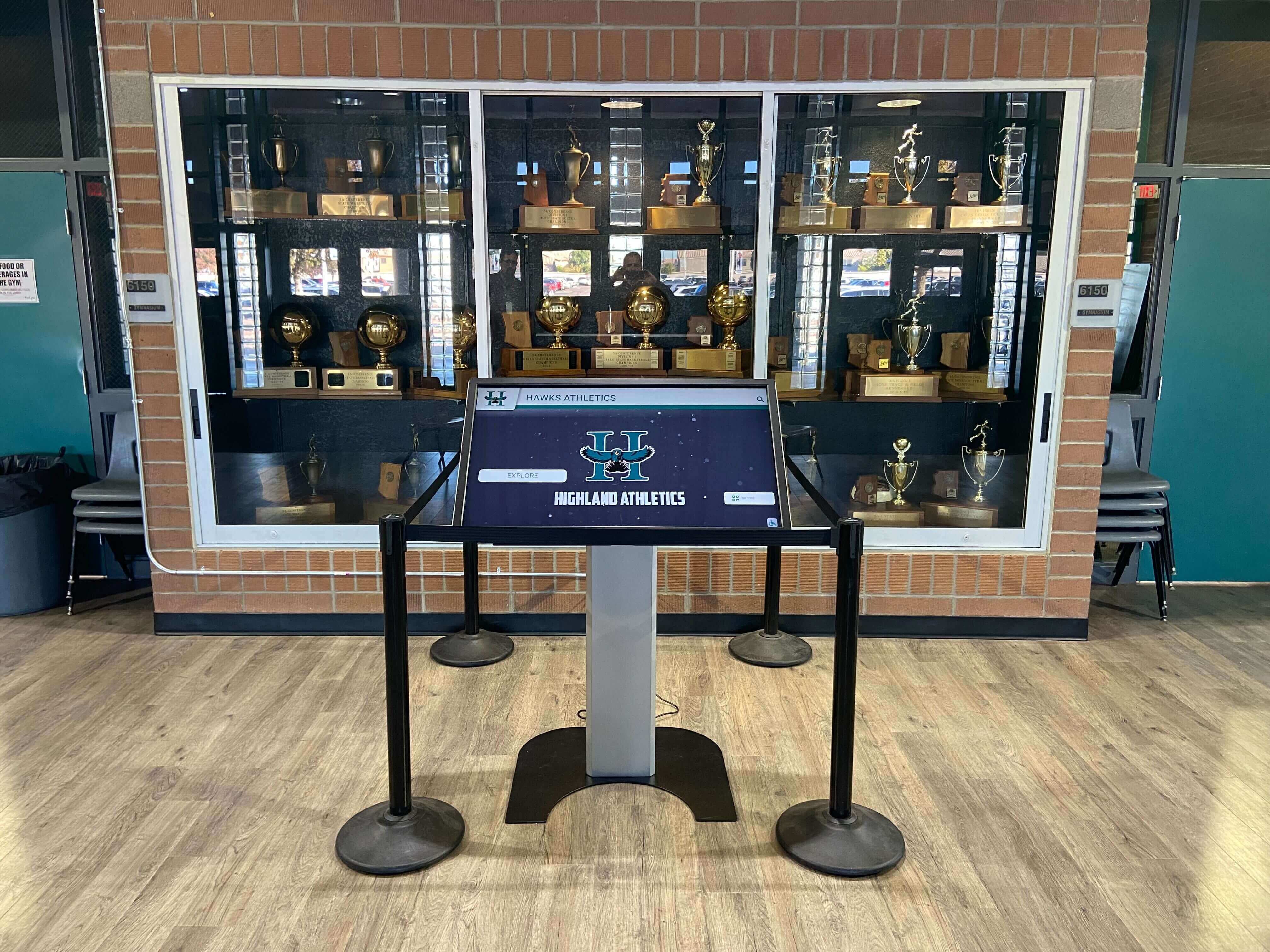
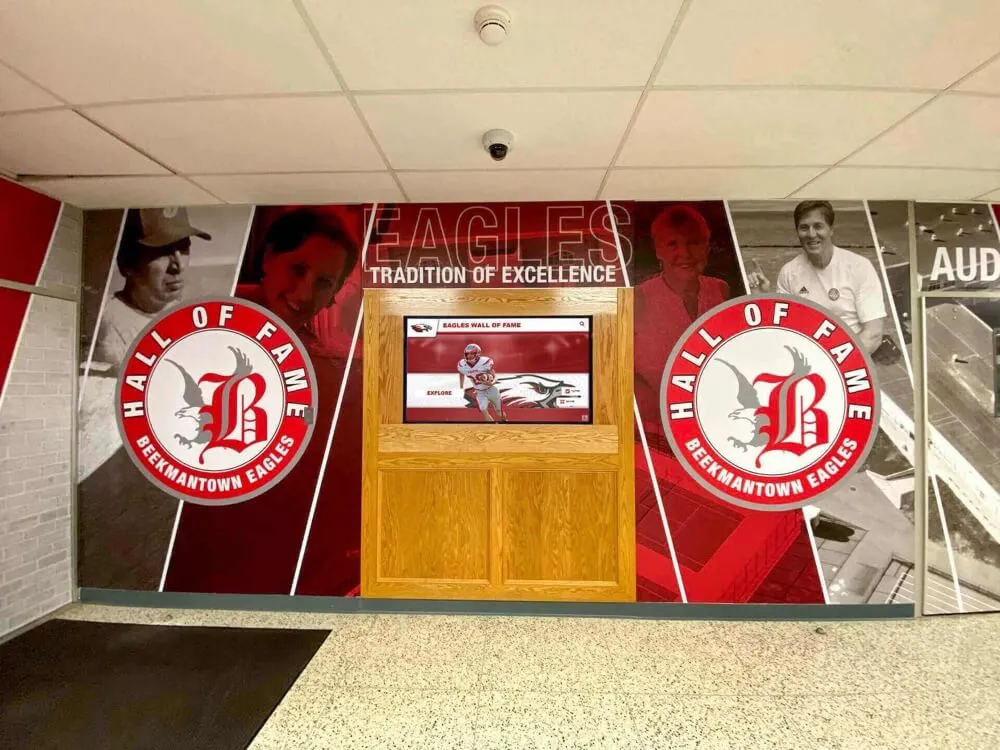
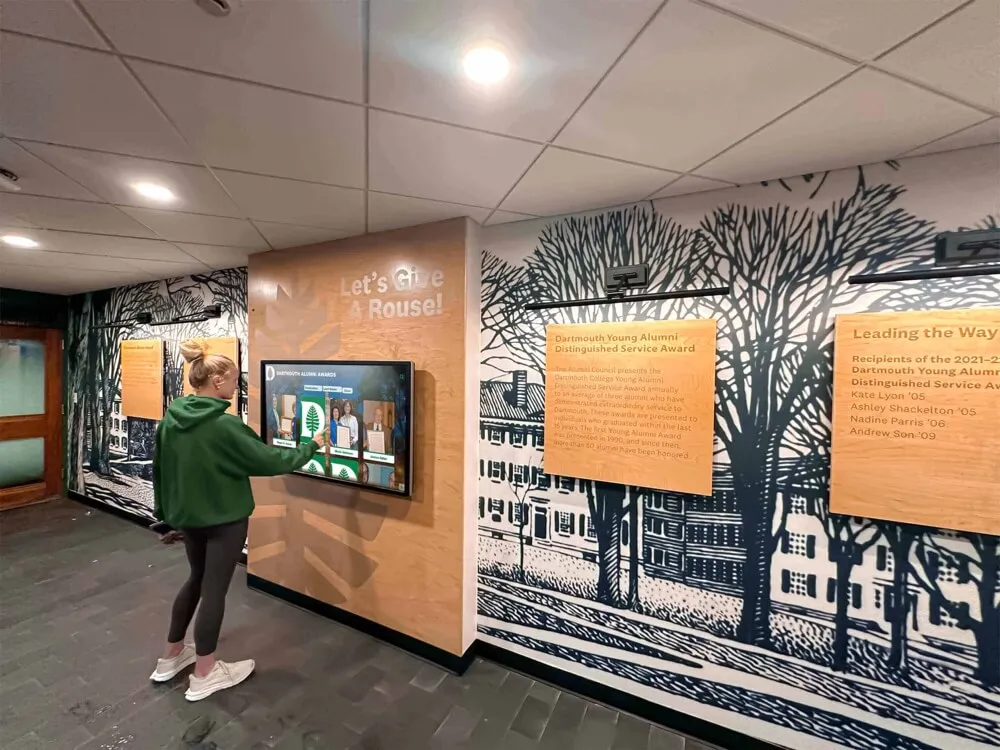
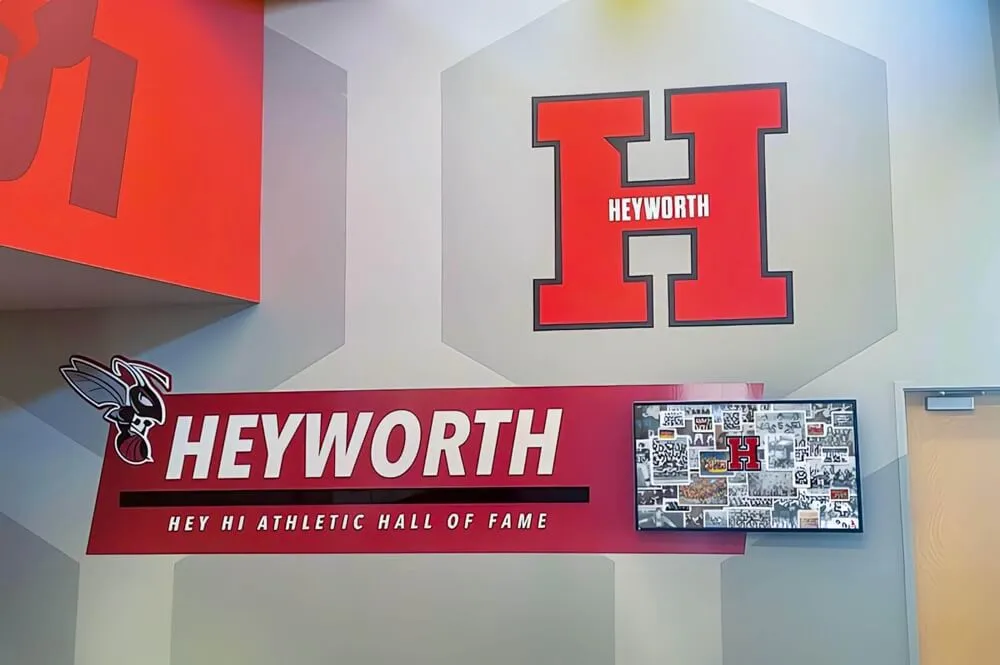
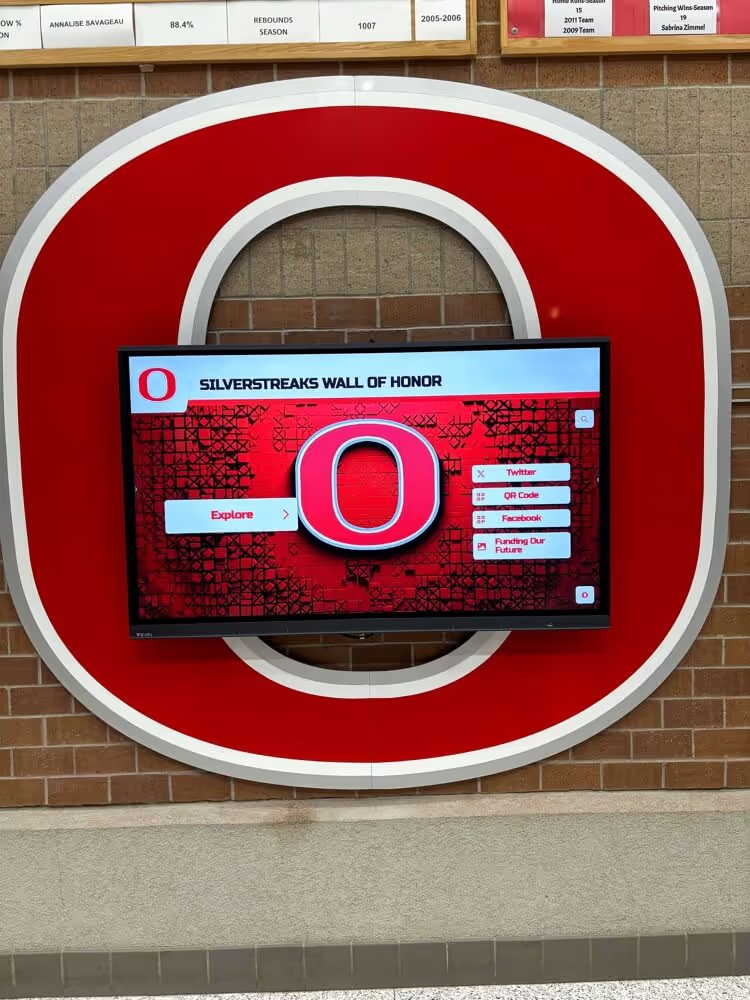
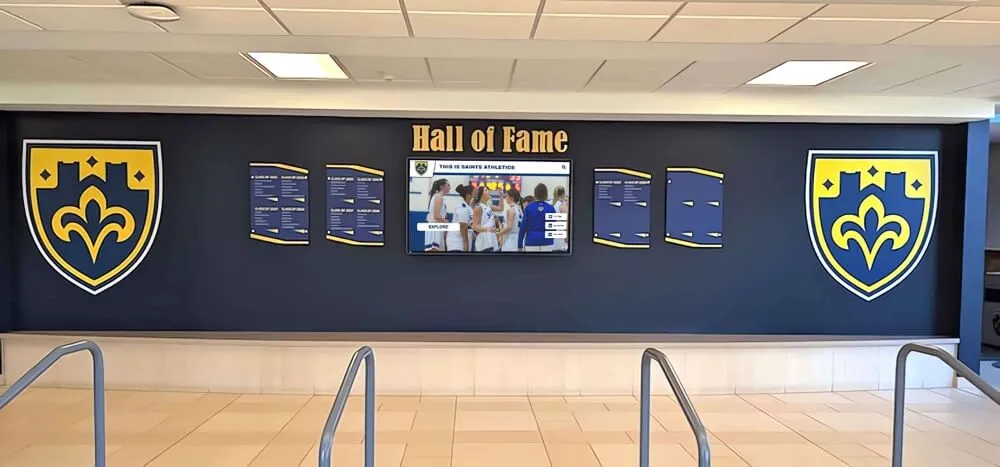
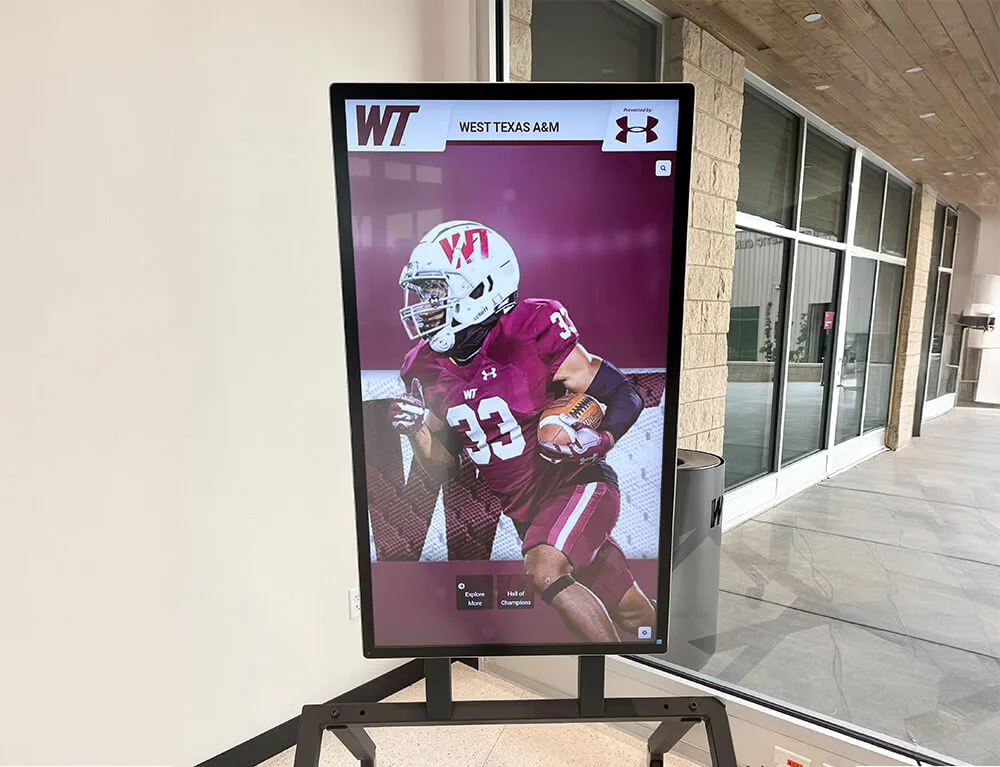
Modern [championship recognition technology](https://best-touchscreen.com/blog/high-school-football-playoff-awards-recognition-guide/?utm_source=organic&utm_medium=seo-auto&utm_content=digitalwarming&utm_campaign=florida-high-school-football-championship&utm_term=seo) enables comprehensive celebration of state title achievements and program traditions
Florida’s Playoff Structure and Championship Paths
Understanding Florida’s playoff progression helps communities appreciate the challenge inherent in championship runs requiring multiple consecutive victories against progressively elite opponents under single-elimination pressure.
Regional Qualification and Seeding
Florida divides each classification into four geographic regions—North, South, East, and West (configurations vary by classification)—creating regional playoff brackets that determine state semifinalist advancement. This regional structure reduces travel demands during early playoff rounds while creating local storylines capturing community attention and media coverage.
District Play and Regional Seeding
Most schools compete in district configurations during regular seasons, with district championships influencing but not solely determining playoff qualification. Florida uses comprehensive rating systems—including the Florida High School Athletic Association (FHSAA) power ratings—calculating playoff positioning through formula-based calculations rewarding wins, opponent strength, and opponents’ opponents’ strength.
This sophisticated approach prevents teams from gaming systems by scheduling weak opponents accumulating hollow victories. Programs scheduling challenging non-district opponents earn higher ratings than similar-record teams facing consistently weak competition, incentivizing quality scheduling while protecting schools from playoff elimination due to unavoidable difficult district assignments in talent-rich geographic areas.
Regional Bracket Progression
Regional brackets typically feature eight qualifiers competing through quarterfinals, semifinals, and regional finals determining four statewide semifinalists per classification. Higher seeds receive home-field advantage through regional semifinals, creating tangible regular season rewards for strong finishes securing advantageous playoff positioning.
First-round regional matchups often feature dramatic contrasts—established programs hosting surprise qualifiers from weak districts, traditional rivals meeting earlier than district scheduling allowed, or potential upsets when lower seeds embrace underdog opportunities traveling to highly-ranked opponents with nothing to lose. Single-elimination intensity transforms these games compared to regular season contests where losses create obstacles but not immediate elimination.
State Semifinals and Championship Weekend
Regional champions advance to state semifinals occurring at neutral sites across Florida, creating elite-four competitions featuring the state’s best programs competing for championship game berths.
Semifinal Intensity and Venue Selection
State semifinals occur at premier high school facilities or college stadiums providing championship atmospheres elevating competition beyond typical regular season settings. These venues—often including county showcase stadiums or small college facilities—create memorable experiences where athletes perform before larger crowds with comprehensive media coverage and recruiting attention demonstrating program quality to college scouts evaluating prospects.
Semifinal victories validate complete programs demonstrating sustained excellence necessary for championship runs. Teams advancing through semifinals prove ability to perform under intense pressure against quality opponents, separating pretenders from genuine championship contenders capable of sustained excellence through tournament progression against Florida’s elite competition.
Championship Weekend at Camping World Stadium
Florida’s football championships traditionally conclude at Orlando’s Camping World Stadium (formerly known as the Citrus Bowl), where multiple classification finals occur over championship weekend. This historic venue—hosting major college bowl games and professional events—creates incomparable settings for high school athletes completing championship journeys representing their schools, communities, and families.
Championship weekend represents pilgrimage for Florida football communities. Small towns from Panhandle regions and South Florida communities travel across the state supporting teams. Students who rarely attended regular season games suddenly embrace school pride. Local businesses sponsor travel, hotels fill with team supporters, and Orlando becomes temporary home for scattered communities united through football excellence and championship aspirations.
Winners receive championship trophies, medals, rings, and recognition at midfield while video boards display “State Champions” and public address announcers immortalize achievements. These moments—captured through photos, videos, and memories—define athletic careers while creating program legacies celebrated for generations. Schools implementing comprehensive championship recognition systems ensure title achievements inspire future athletes long after championship celebrations conclude.

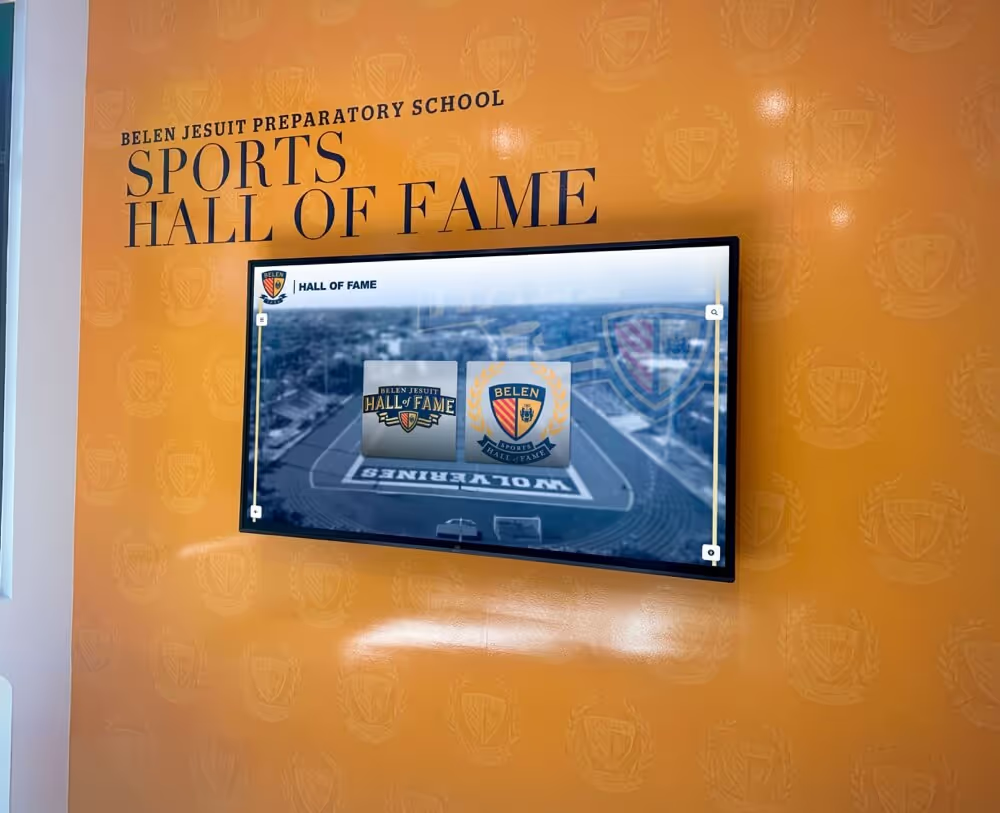
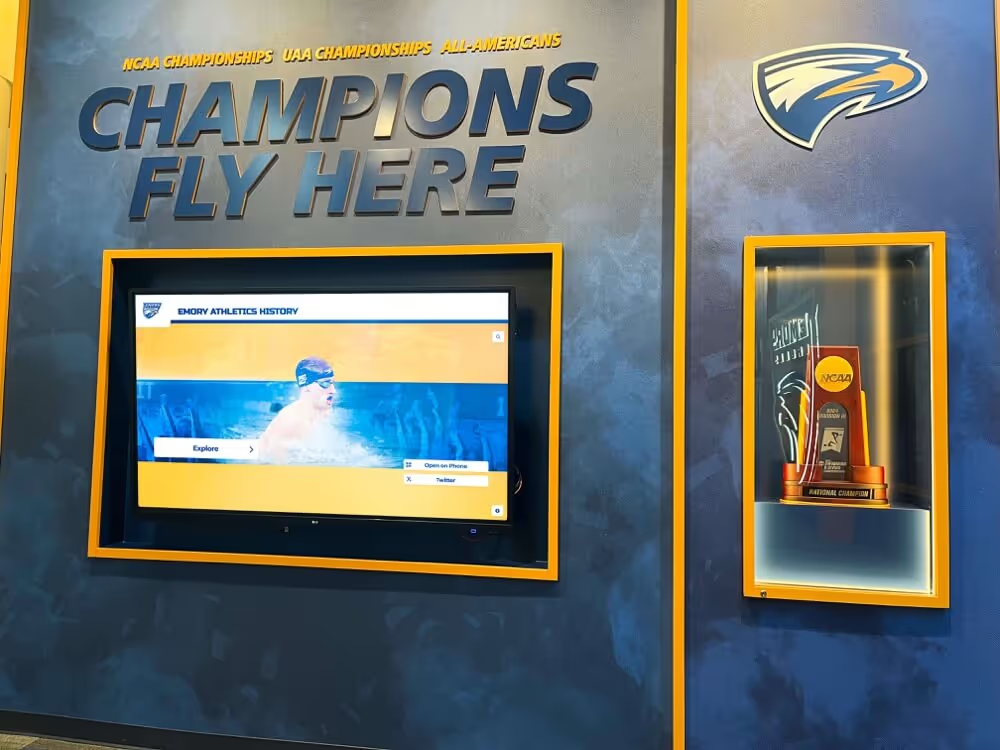
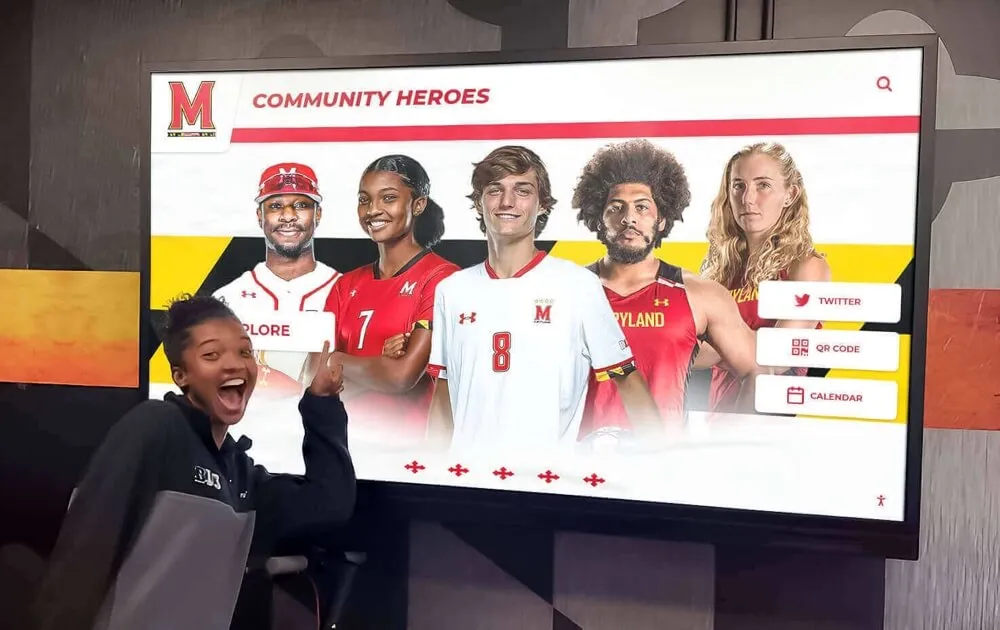
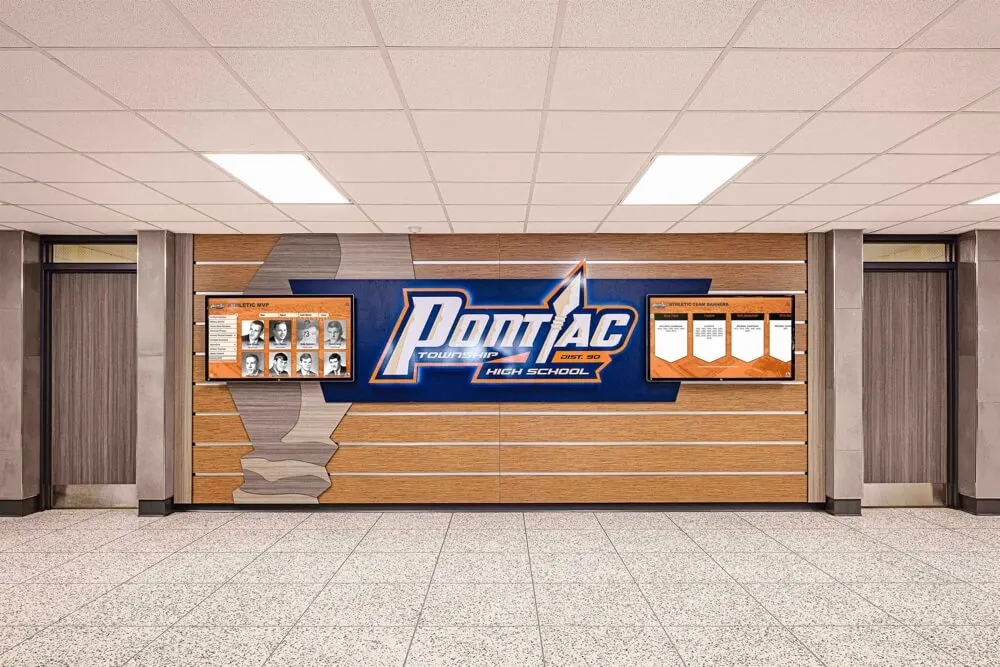
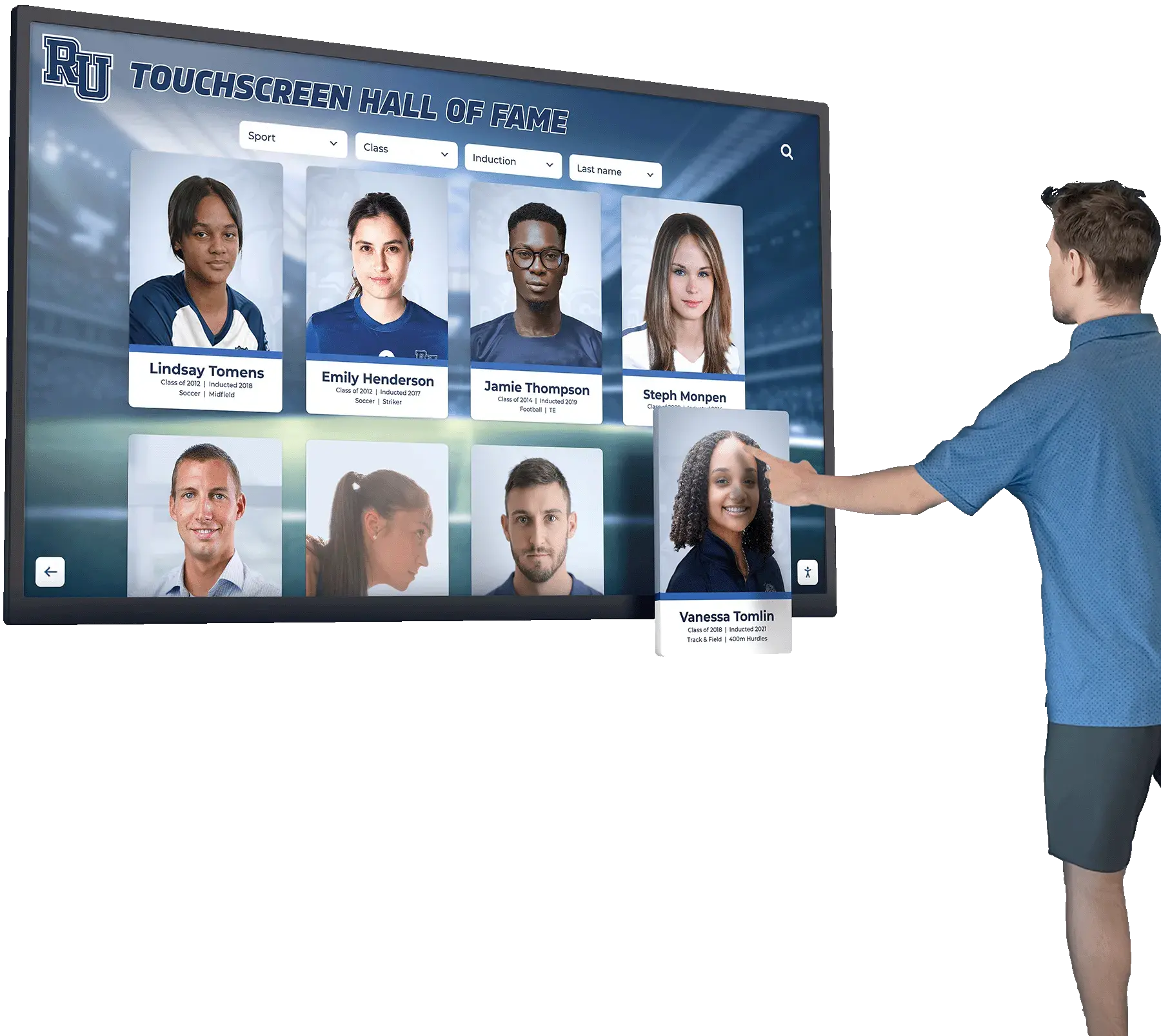
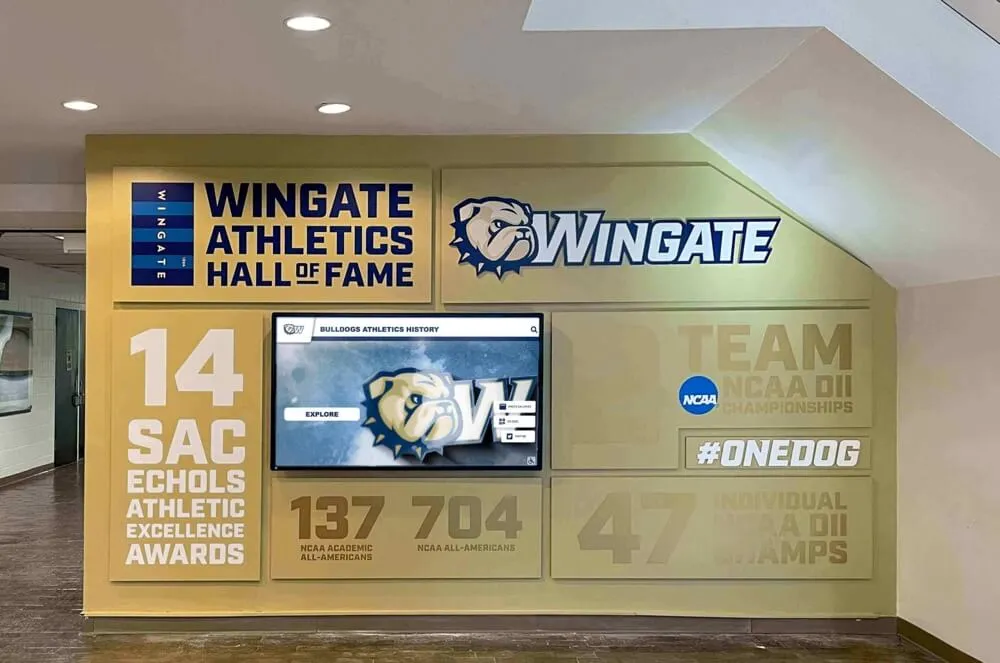
Interactive displays enable exploration of [championship achievements](https://digital-trophy-case.com/blog/pep-rally-game-ideas-for-high-school/?utm_source=organic&utm_medium=seo-auto&utm_content=digitalwarming&utm_campaign=florida-high-school-football-championship&utm_term=seo) with complete context about state title teams and individual contributors
Legendary Florida Football Programs and Championship Dynasties
Certain Florida programs achieved sustained championship success establishing themselves as perennial title contenders whose excellence transcends individual seasons into multi-decade dynasties recognized nationally as elite high school football programs.
South Florida Championship Powers
Miami Columbus: Urban Dynasty
Miami Columbus represents Florida football’s most storied program with multiple state championships spanning decades and NFL alumni including Pro Bowl players and Super Bowl champions. Their Columbus Drive campus produced championship teams through diverse eras—from 1960s dominance through modern championships demonstrating sustained excellence regardless of coaching changes, demographic shifts, or competitive landscape evolution.
What makes Columbus special? Championship expectations embedded in program DNA where playoff qualification represents minimum acceptable performance and state title pursuits define successful seasons. Alumni connections spanning generations create self-reinforcing excellence cycles where former players support current programs, establishing cultural continuity maintaining championship standards across decades.
St. Thomas Aquinas: Private School Powerhouse
St. Thomas Aquinas (Fort Lauderdale) built remarkable championship tradition producing dozens of NFL players while capturing multiple state titles. Their program demonstrates how private schools with broader recruiting reach can build dynasty-level success through comprehensive facilities, exceptional coaching continuity, and championship culture attracting elite talent seeking optimal college preparation environments.
St. Thomas Aquinas’s model includes year-round strength and conditioning programs rivaling college facilities, sophisticated offensive and defensive systems preparing athletes for college-level complexity, and recruiting networks extending across South Florida’s talent-rich landscape. Their sustained success validates approaches emphasizing comprehensive athlete development rather than relying solely on inherent talent advantages.
Central Florida Emerging Powers
Apopka: Suburban Giant
Apopka High School represents Central Florida’s championship excellence with multiple recent state titles demonstrating how suburban enrollment growth combined with exceptional coaching creates sustained competitive advantages. Their program benefits from Orlando area demographic expansion providing large talent pools while maintaining championship culture preventing complacency despite enrollment-based advantages.
Apopka’s success reflects systematic program building including competitive youth leagues funneling players into high school systems with appropriate skill foundations, year-round training culture where football represents 12-month commitment rather than seasonal activity, and coaching stability maintaining consistent philosophy across graduating classes preventing cultural resets when personnel changes occur.
Plant High School: Tampa Excellence
Plant High School (Tampa) established strong championship tradition demonstrating how large suburban programs in Florida’s growing metropolitan areas can achieve sustained excellence through comprehensive program infrastructure. Their success reflects community investment matching athletic ambition—facilities including professional-grade weight rooms and practice complexes, booster support funding championship-level resources, and coaching expertise attracting elite talent families seeking optimal competitive environments.
Small School Championship Traditions
Cocoa Tigers: Dynasty Excellence
Cocoa High School’s championship tradition represents Florida’s most dominant small-school program with multiple state titles demonstrating that enrollment size creates no ceiling when commitment, coaching, and culture align properly. This Brevard County program achieved sustained success producing NFL talent disproportionate to enrollment size while maintaining championship expectations across coaching transitions and demographic changes.
What enables Cocoa’s small-school dominance? Comprehensive community support where football represents central cultural identity rather than just extracurricular activity, multi-sport athlete development creating year-round conditioning and competitive mentality, coaching continuity maintaining consistent program philosophy, and championship expectations preventing satisfaction with mere playoff qualification when state title opportunities exist.
Trinity Christian and University Christian: Jacksonville Powers
Jacksonville area programs including Trinity Christian and University Christian established strong Class 2A traditions demonstrating how faith-based private schools can build championship cultures through values-based approaches emphasizing character development alongside athletic excellence. These programs attract families seeking comprehensive educational and athletic environments, creating talent concentrations enabling sustained championship pursuits.
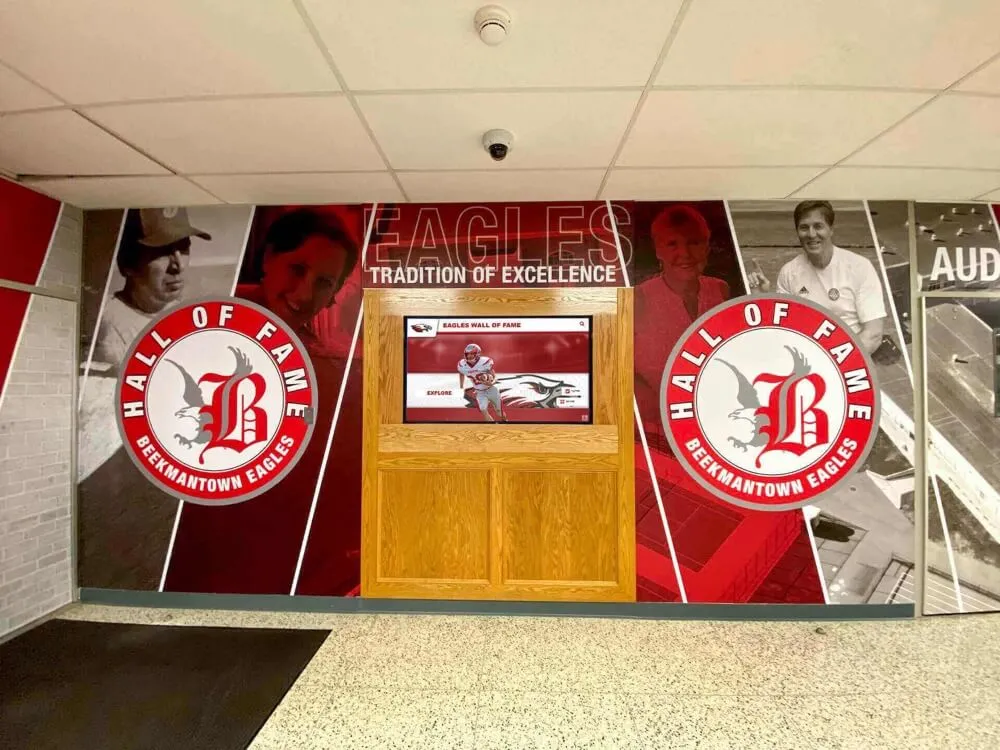
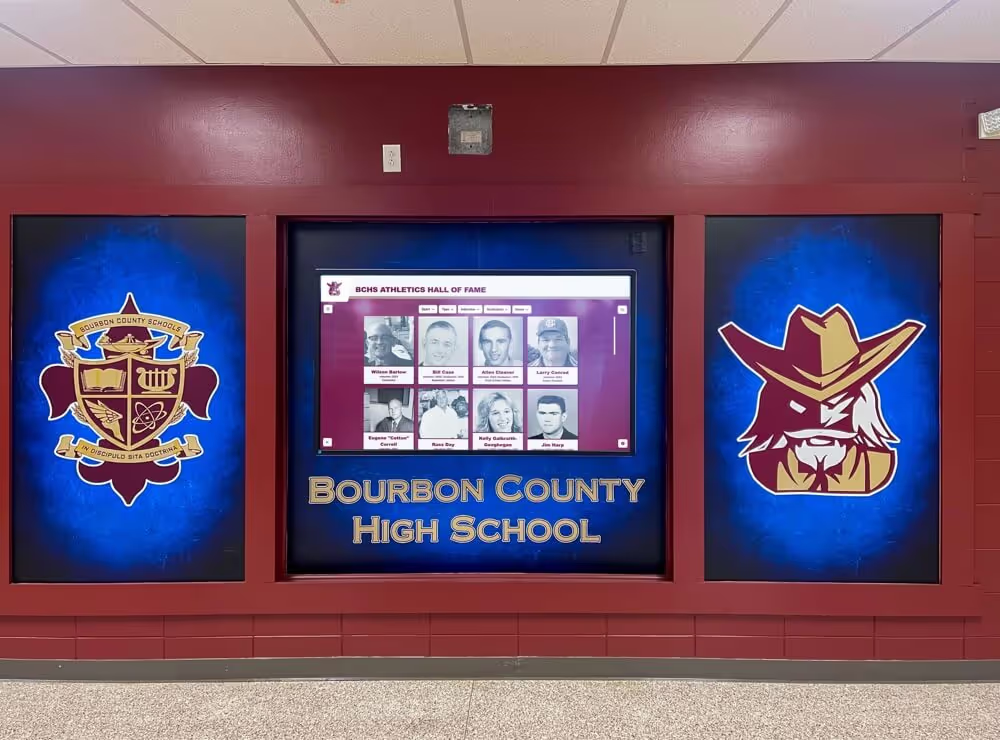
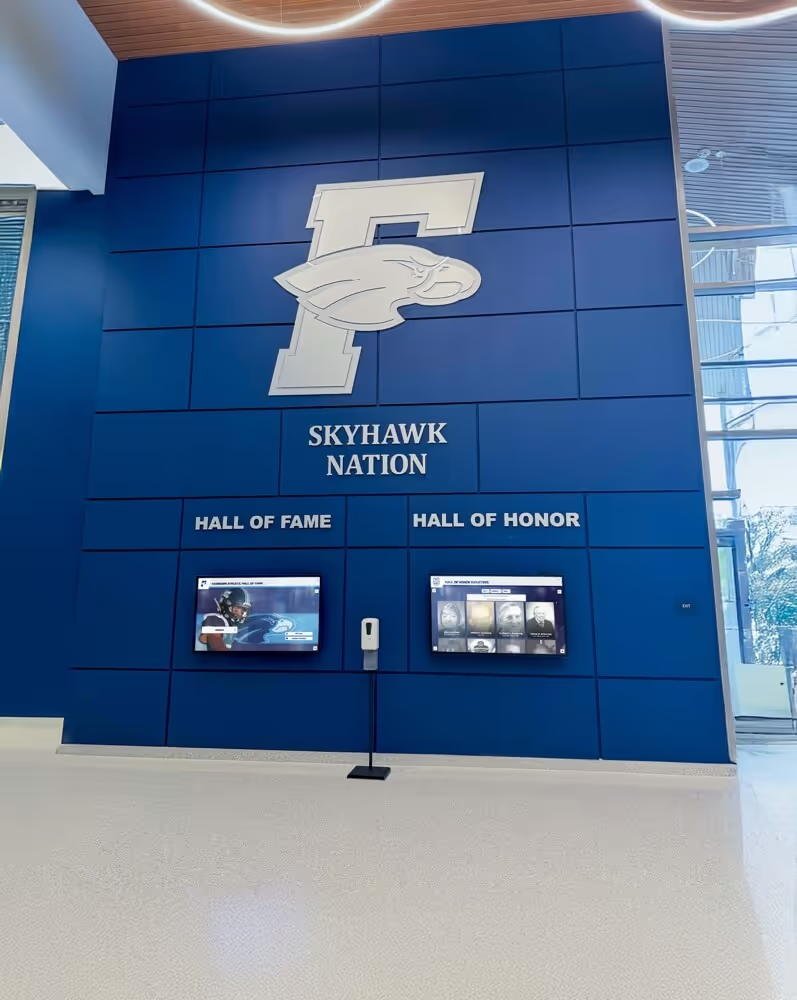
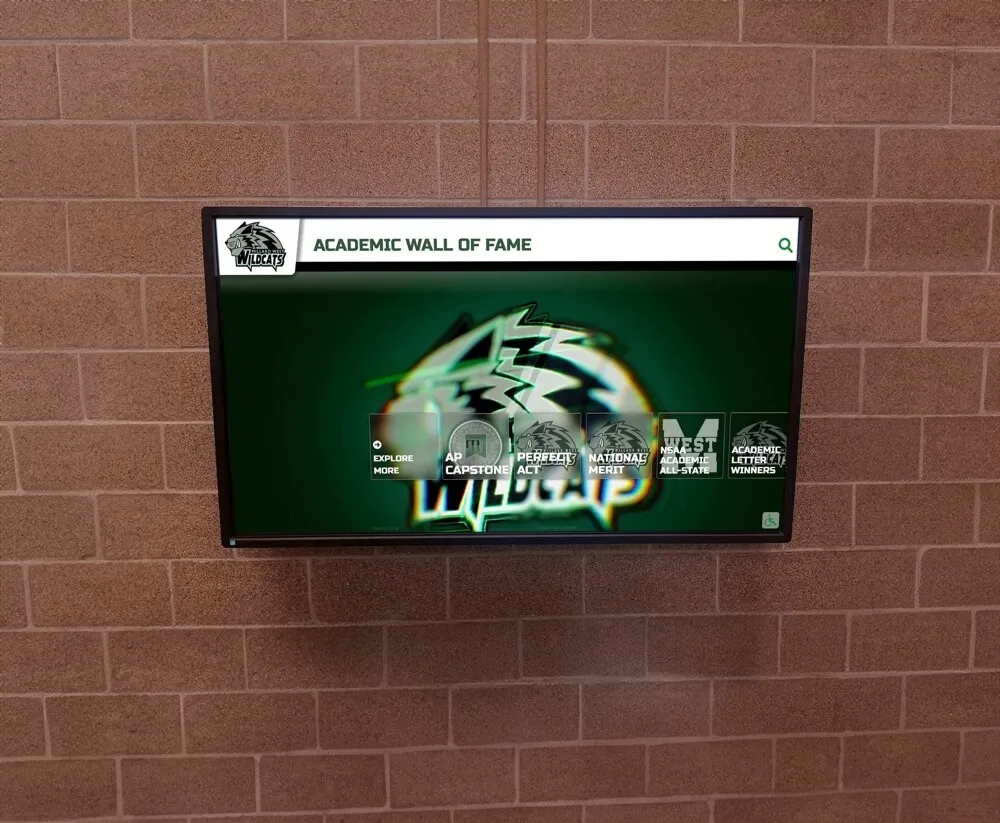
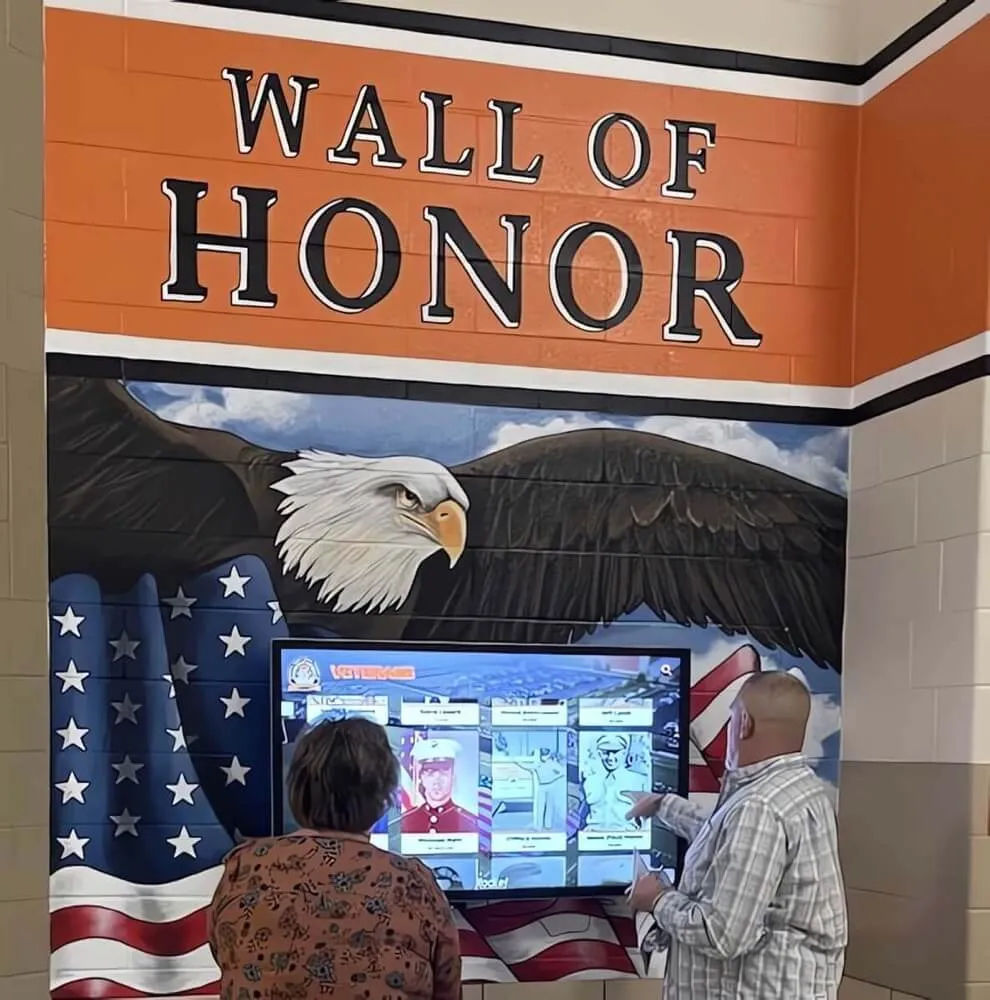
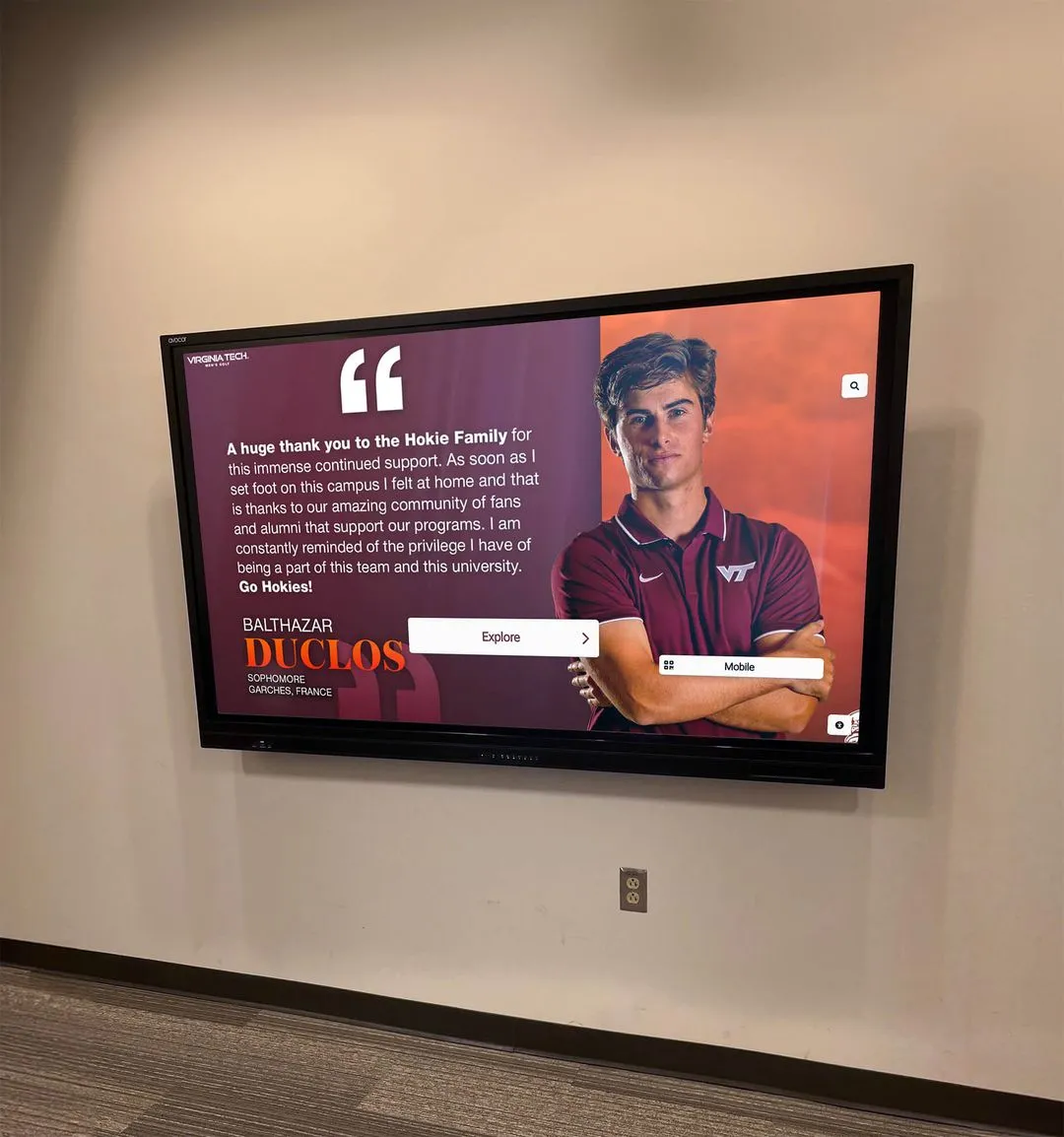
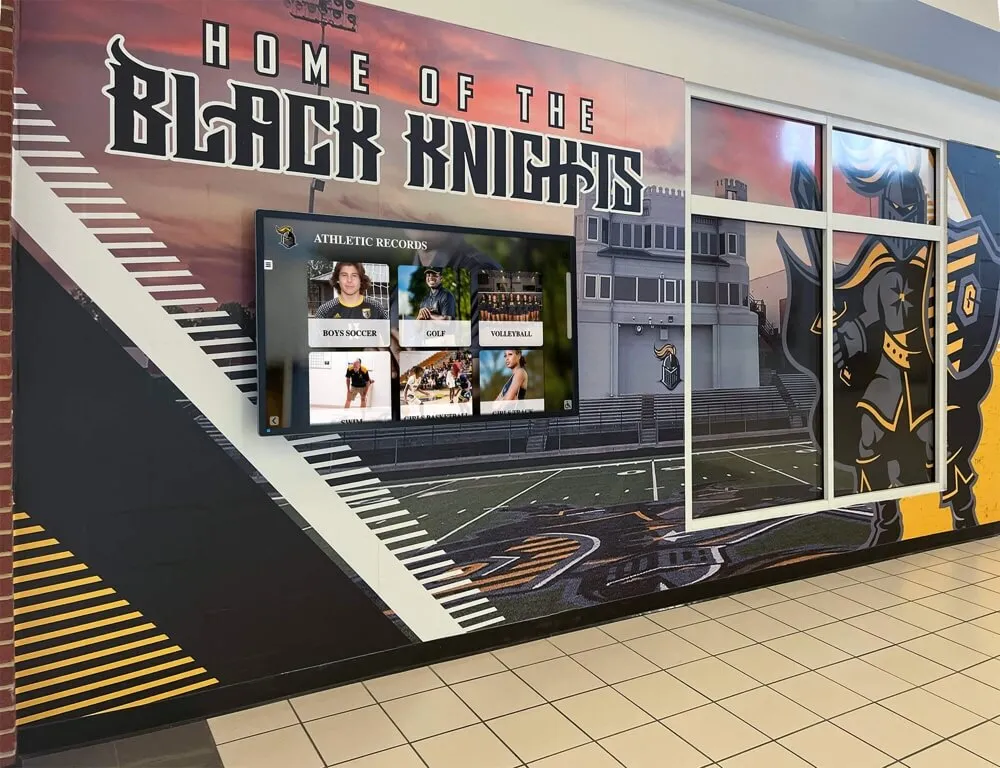
Comprehensive displays celebrate [state championship runs](https://toucharchives.org/blog/coach-appreciation-gift-ideas/?utm_source=organic&utm_medium=seo-auto&utm_content=digitalwarming&utm_campaign=florida-high-school-football-championship&utm_term=seo) creating year-round inspiration for athletes and strengthening program culture
Florida’s Unique Football Culture and Recruiting Landscape
Florida’s football environment differs from other states through year-round training culture, exceptional talent density, intense recruiting competition, and national profile elevating top programs beyond regional recognition into nationwide prominence.
Year-Round Football Culture
Unlike northern states where winter weather creates true off-seasons, Florida’s climate enables year-round training creating competitive advantages for programs emphasizing 12-month commitment. Successful Florida programs implement comprehensive off-season programs including spring practices revealing depth chart positioning, summer 7-on-7 competitions developing passing games and defensive coverage skills, year-round strength and conditioning building physical advantages, and specialized position coaching refining technical skills beyond typical practice limitations.
This year-round culture creates expectations that football represents primary athletic focus rather than seasonal activity sharing attention with other sports. Multi-sport participation—while still valued for athletic development and injury prevention—increasingly competes with specialized football training creating dilemmas for athletes balancing college scholarship pursuits against broader athletic experiences and social opportunities.
Intense Recruiting Competition and National Exposure
Florida produces more Division I football talent per capita than virtually any state, creating intense recruiting competition where college coaches maintain constant Florida presence evaluating prospects beginning freshman years. Top programs regularly feature 20-30 players receiving FBS scholarship offers, with elite prospects choosing among multiple Power Five options including in-state programs Florida, Florida State, and Miami alongside national powers recruiting Florida’s exceptional talent pools.
This recruiting intensity affects high school programs multiple ways. Championship success attracts additional talent as families seek optimal college preparation environments, media coverage increases as recruiting analysts follow elite prospects, and program resources expand as booster support follows championship success creating self-reinforcing excellence cycles where success breeds resources enabling sustained excellence.
Schools implementing comprehensive digital recognition documenting college placements create recruiting tools showcasing program quality while inspiring current athletes pursuing similar opportunities. Visible documentation of alumni success validates program college preparation claims while creating aspirational goals motivating younger players witnessing older teammates achieving scholarship dreams.
National Rankings and Profile
Top Florida programs regularly appear in national rankings published by MaxPreps, USA Today, and recruiting services, creating external validation demonstrating that Florida’s best teams compete successfully against elite programs nationwide. Programs like St. Thomas Aquinas, Columbus, and Apopka pursue national championship claims alongside state titles, scheduling non-conference games against out-of-state powers creating national exposure while testing programs against diverse competition.
This national profile creates unique pressure and opportunity—programs receive recruiting advantages from national exposure while facing expectations extending beyond state championships into national recognition pursuits. Championship success no longer satisfies when national rankings suggest limitations compared to elite programs elsewhere, creating perpetual improvement pressure driving resource investment and program development.
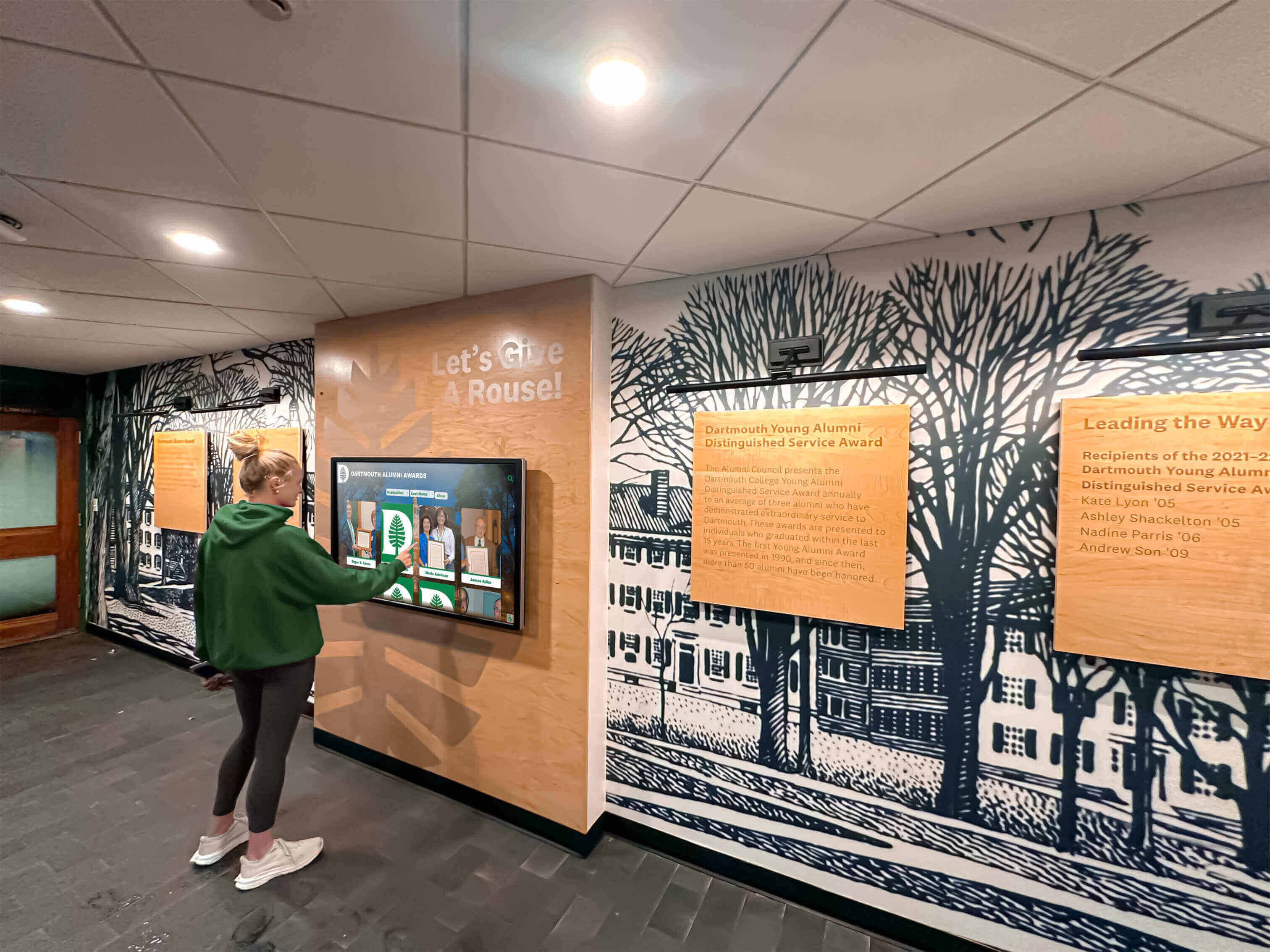
Digital recognition enables students to explore [complete championship histories](https://digitalyearbook.org/blog/national-college-signing-day-digital-showcase-guide/?utm_source=organic&utm_medium=seo-auto&utm_content=digitalwarming&utm_campaign=florida-high-school-football-championship&utm_term=seo) connecting them to program traditions and state title legacies
Preparing Teams for Florida Championship Competition
Successful championship runs require preparation extending beyond typical regular season approaches, as coaching staffs adapt strategies, mental preparation, and physical conditioning for single-elimination intensity against Florida’s elite competition.
Strategic Preparation and Advanced Scouting
Championship-level preparation differs fundamentally from regular season approaches in sophistication, detail intensity, and strategic complexity required competing against Florida’s best programs featuring elite talent and exceptional coaching.
Comprehensive Film Study and Tendency Analysis
Playoff opponents—particularly regional finals and state semifinal matchups—feature sophisticated coaching staffs implementing complex schemes requiring detailed analysis identifying tendencies, personnel packages, situational strategies, and adjustment patterns. Successful programs invest substantial time analyzing opponent film from multiple games, creating comprehensive scouting reports documenting formation preferences and play-calling tendencies, identifying key players requiring specific game-planning attention, and developing counter-strategies exploiting potential weaknesses or predictable patterns.
Modern technology enables analysis sophistication unavailable historically. Digital film platforms provide searchable databases enabling rapid tendency identification, statistical analysis tools quantifying opponent preferences and success rates, and collaborative platforms where coaching staffs share observations developing comprehensive strategic approaches. Programs leveraging these resources gain competitive advantages while ensuring preparation thoroughness matching championship stakes and opponent quality.
Situational Strategy and Game Management
Championship games frequently determine outcomes through situational execution rather than pure talent advantages. Successful programs emphasize red zone efficiency maximizing scoring opportunities, third-down conversion strategies maintaining offensive drives, two-minute offense execution capitalizing on limited opportunities, defensive adjustments responding to opponent tendencies, and special teams excellence where field position and critical plays often determine close championship outcomes.
Mental Preparation and Pressure Management
Championship pressure affects athletes differently than regular season competition, requiring deliberate mental preparation addressing increased stakes, elimination consequences, heightened expectations, and spotlight intensity accompanying championship pursuits.
Managing Championship Expectations
Unlike regular season games where losses create obstacles but not elimination, championship losses end seasons immediately while denying ultimate goals pursued since spring practices commenced months earlier. This finality creates unique pressure affecting athlete performance, decision-making quality, and composure under stress potentially undermining preparation if not addressed deliberately.
Successful coaches help athletes embrace pressure as privilege rather than burden, reframing championship opportunity as reward for regular season excellence rather than terrifying risk of season-ending failure. Championship games represent opportunity playing for achievements celebrated generations—memories lasting lifetimes rather than forgotten losses remembered briefly. Athletes embracing this perspective perform with confidence and freedom rather than tension and fear potentially undermining technical execution.
Veteran Leadership and Championship Experience
Programs with recent championship experience possess significant advantages through veteran leadership helping teammates navigate unfamiliar pressure. Athletes who previously competed in championship environments provide invaluable perspective helping younger teammates understand pressure management separates championship teams from talented squads lacking poise under postseason intensity.
Coaches deliberately leverage veteran experience through leadership meetings where experienced athletes share perspectives, practice intensity emphasizing championship-level focus and execution standards, and team culture development where championship expectations become normalized rather than foreign experiences creating excessive anxiety potentially undermining performance.
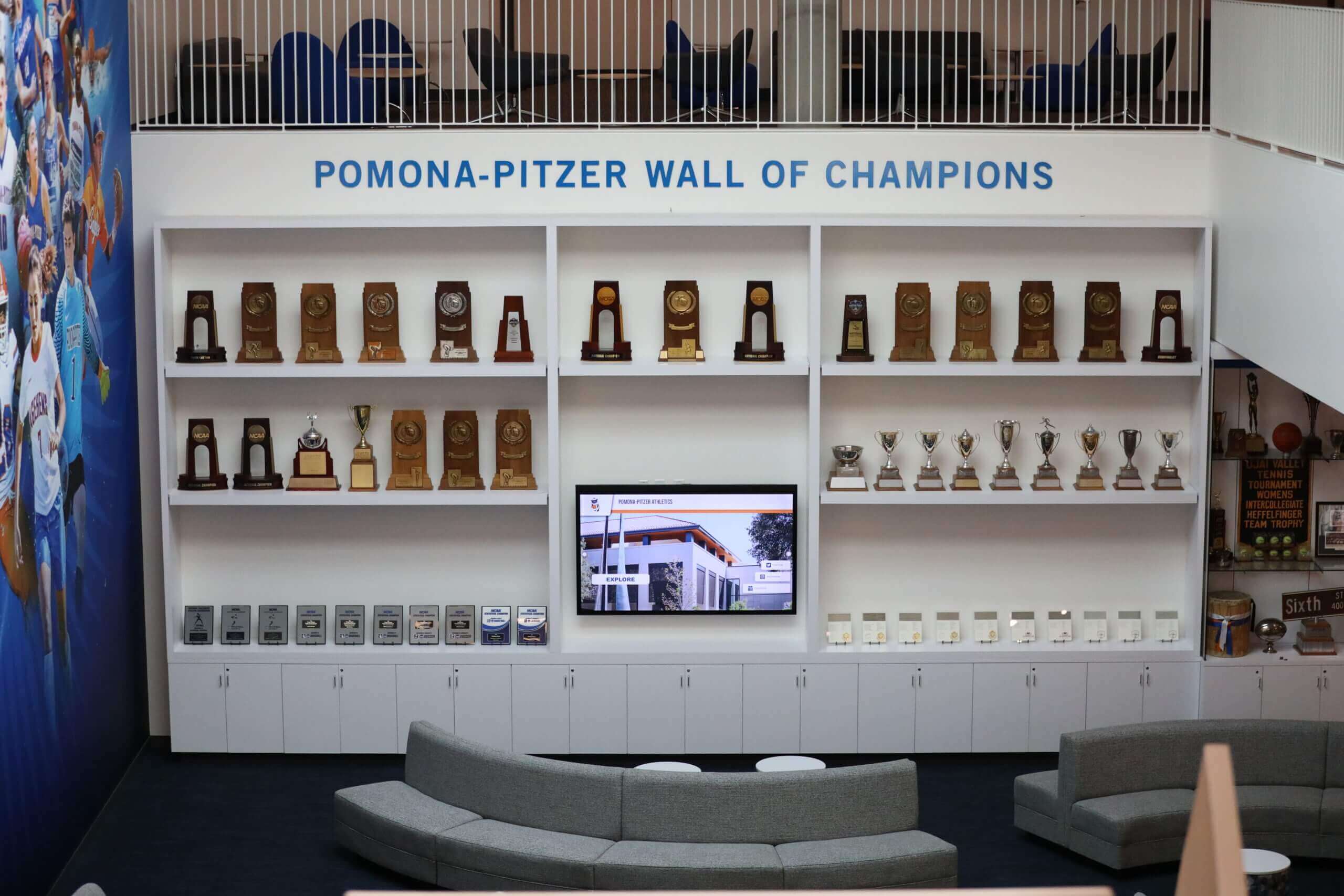
Athletic facilities featuring [championship recognition](https://best-touchscreen.com/blog/banquet-program-template-awards-ceremony-guide/?utm_source=organic&utm_medium=seo-auto&utm_content=digitalwarming&utm_campaign=florida-high-school-football-championship&utm_term=seo) create environments where state title excellence becomes program expectation and cultural norm
Celebrating and Preserving State Championship Achievements
State championship trophies create recognition opportunities extending far beyond season conclusions when schools implement thoughtful preservation and celebration strategies transforming temporary excitement into permanent program culture inspiring generations.
Immediate Post-Championship Recognition
Following state championship victories, schools should implement timely recognition celebrating achievement while momentum and emotion remain fresh, creating memorable experiences validating athlete dedication while demonstrating community pride in championship excellence.
Championship Celebration Events
Victory parades through communities, championship rallies at school facilities, and community gatherings provide immediate recognition opportunities where entire populations celebrate achievement together. These events become generational memories—current students remember attending championship celebrations, parents recall participating decades earlier during their school’s titles, and communities create continuity connecting past and present excellence through shared celebration traditions honoring championship accomplishment.
Championship celebrations validate athletes’ dedication while demonstrating community investment in athletic programs representing collective identity. Quality celebrations honor specific achievements while strengthening community bonds, creating social capital extending beyond individual seasons into long-term institutional pride and engagement supporting future championship pursuits.
Championship Banquets and Award Ceremonies
Football banquets following championship seasons provide appropriate venues for comprehensive recognition including individual achievement awards, season reflection and highlight presentation, senior honors acknowledging graduating class contributions, championship celebration and ring presentations, and recognition of coaching staff, support personnel, and community supporters enabling championship success through various contributions.
Quality championship banquets balance entertainment with meaningful recognition, creating memorable experiences validating season-long commitment while preserving championship memories through formal acknowledgment and celebration. Many programs consider championship banquets among season’s most important events—formal celebrations acknowledging extraordinary achievement deserving special commemoration beyond typical end-of-season gatherings.
Long-Term Recognition and Legacy Building
Beyond immediate post-championship celebration, state title achievements deserve permanent recognition inspiring future athletes while preserving program history in ways creating lasting motivation and institutional memory connecting generations through shared championship excellence.
Traditional Physical Recognition Approaches
Championship banners suspended in gymnasiums, trophy displays showcasing state championship hardware, facility plaques documenting title achievements, and championship team photos displayed in athletic areas represent time-honored recognition approaches creating visible celebration in school spaces. These traditional elements provide important symbolic value—physical manifestations of championship excellence visible daily to current athletes training in same facilities where champions prepared.
However, traditional approaches face significant limitations accumulating over time. Physical space constraints emerge as championships accumulate across decades—where do additional banners hang when gymnasium ceilings fill completely? Maintenance requirements increase as materials age, fade, and deteriorate requiring periodic replacement. Limited storytelling capacity reduces championships to dates and scores without context about teams, players, championship journeys, or memorable moments defining title runs. Accessibility restrictions limit recognition to campus visitors rather than extended communities including alumni worldwide, family members living elsewhere, and community supporters unable visiting campus regularly.
Modern Digital Recognition Platforms
Digital recognition systems address traditional limitations while creating engaging interactive experiences celebrating championship achievements comprehensively. Solutions like Rocket Alumni Solutions enable schools to overcome physical constraints while creating richer, more engaging championship celebration:
Unlimited Recognition Capacity: Document all championship seasons, playoff runs, and tournament achievements without space constraints limiting historical documentation. Every state title receives equal prominence regardless of when achieved—recent championships alongside historical titles from decades past creating comprehensive program history rather than selective recognition driven by space limitations.
Comprehensive Championship Profiles: Include complete team rosters recognizing every player’s contributions, detailed season statistics and records documenting excellence, championship journey documentation showing playoff progression, game-by-game results and memorable moments throughout title runs, coaching staff recognition honoring leadership enabling success, and multimedia content incorporating photos, videos, newspaper clippings, and celebration documentation preserving championship experiences comprehensively.
Individual Athlete Recognition: Ensure every championship team member receives personal acknowledgment for contributions rather than recognition focusing solely on star players. Complete roster documentation validates contributions from all athletes—starters and reserves, offensive and defensive players, special teams contributors and practice squad members whose daily work enabled championship success.
Interactive Championship Exploration: Enable visitors to explore championship histories through intuitive interfaces encouraging discovery rather than passive viewing. Users can search by year discovering specific championship teams, filter by classification viewing titles across different competitive levels, explore individual athlete profiles connecting with personal stories, and access multimedia content experiencing championship moments through photos and videos rather than merely reading about historical achievements.
Mobile and Web Accessibility: Extend championship recognition beyond campus to alumni living globally, family members unable visiting facilities regularly, community supporters following programs remotely, and prospective families evaluating program quality during recruitment. Web-based platforms create 24/7 accessibility from anywhere rather than requiring physical campus visits limiting audience reach to local populations alone.
Easy Content Management: Enable athletic staff to maintain championship recognition without technical expertise or ongoing vendor dependence. Intuitive content management systems allow straightforward updates adding new championships, incorporating additional multimedia content, and enhancing historical documentation as new materials become available ensuring recognition remains current and comprehensive.
Schools implementing comprehensive digital recognition platforms report dramatically increased community engagement with athletic history as interactive exploration replaces passive viewing of static displays. Current athletes discover connections to program traditions inspiring excellence pursuits, alumni maintain engagement reconnecting with championship memories and following current program success, and prospective families evaluate program quality through visible evidence of sustained championship excellence demonstrating institutional commitment to athletic achievement.
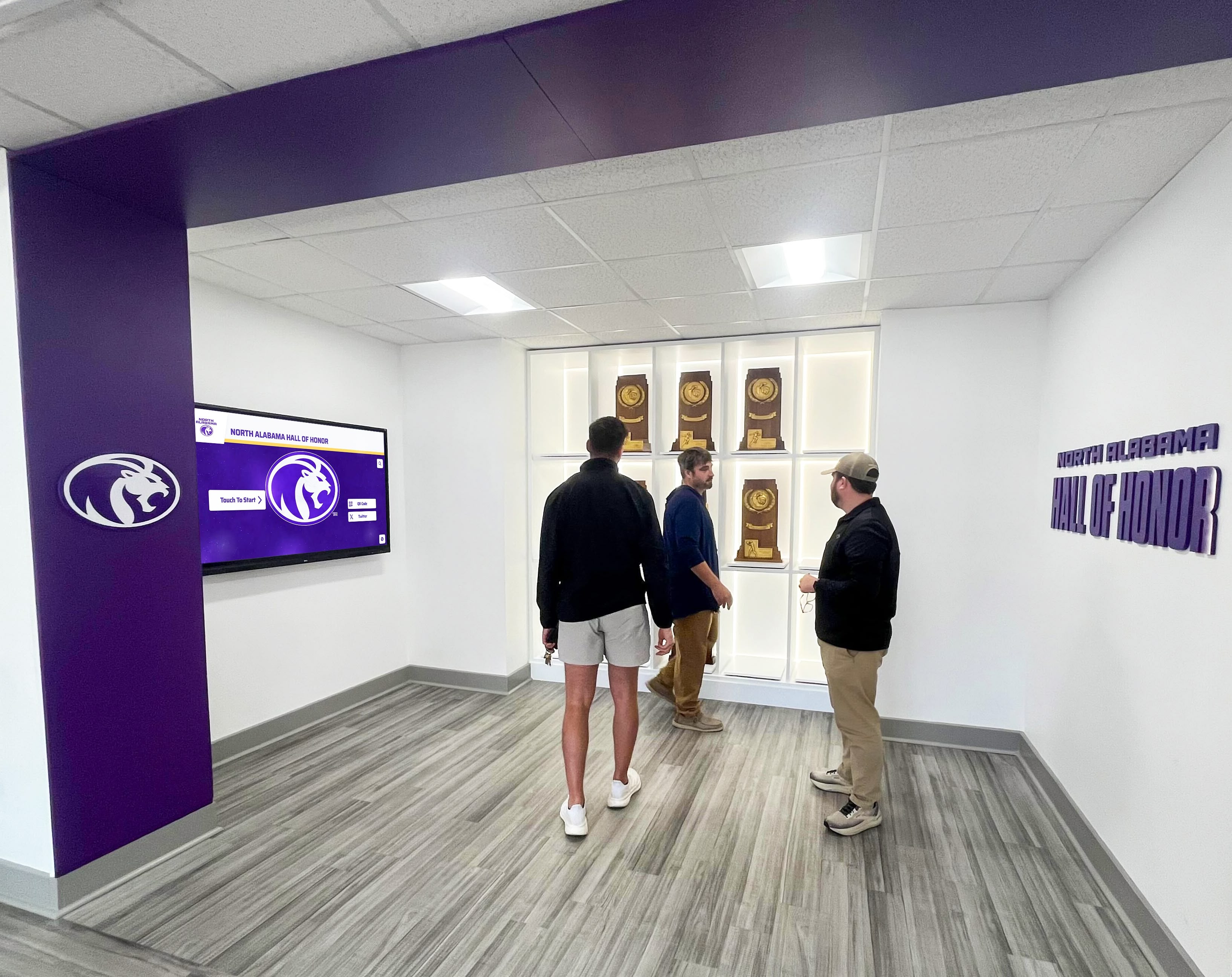
Comprehensive recognition creates community gathering points celebrating [state championship traditions](https://best-touchscreen.com/blog/high-school-end-of-year-awards-complete-guide/?utm_source=organic&utm_medium=seo-auto&utm_content=digitalwarming&utm_campaign=florida-high-school-football-championship&utm_term=seo) and program excellence across generations
Administrative Considerations for Championship Pursuits
Athletic directors and school administrators supporting championship pursuits face logistical, financial, and operational challenges requiring advance planning and systematic approaches ensuring programs receive appropriate support while managing limited resources effectively.
Championship Budget and Financial Planning
Championship runs generate substantial expenses requiring advance budgeting and fundraising ensuring financial constraints don’t limit title pursuits or create economic hardship for participating families and supporting communities.
Playoff and Championship Travel Costs
Deep playoff runs require increasing travel as teams advance through regional championships to state semifinals at distant neutral sites and championship weekend in Orlando. Transportation costs for team buses, charter services for longer distances, hotel accommodations for overnight stays, meal expenses for extended trips, and incidental costs accumulate rapidly particularly for programs traveling substantial distances across Florida’s large geography.
Successful athletic directors begin championship financial planning before seasons commence rather than scrambling when playoff success occurs unexpectedly. Strategies include establishing booster club fundraising specifically designated for playoff expenses creating reserves available when needed, negotiating travel vendor agreements providing favorable rates for championship-related services, budgeting conservatively accounting for maximum potential playoff advancement to state championship rather than hoping resources materialize only if deep runs occur, and communicating transparently with stakeholders about potential costs and fundraising needs building support infrastructure before expenses materialize.
Championship Ring and Recognition Costs
Championship rings represent traditional recognition athletes treasure lifelong—tangible symbols of achievement carried permanently rather than trophies remaining at school facilities. Quality championship rings cost hundreds of dollars per athlete, creating substantial expenses when equipping entire rosters including practice squad members and support personnel deserving recognition for contributions enabling championship success.
Beyond rings, schools face additional recognition costs including championship banners for gymnasium display, trophy case updates showcasing state championship hardware, championship gear for athletes and families, and celebration event costs for community gatherings and formal banquets. Comprehensive championship budgeting accounts for all recognition expenses ensuring programs can celebrate appropriately rather than financial constraints limiting recognition quality undermining achievement significance.
Managing Championship Attention and Expectations
Championship success creates attention and expectations requiring deliberate management preventing negative consequences potentially undermining program culture or future performance.
Media Relations and Publicity Management
State championship teams attract substantial media attention from local news outlets, state-level sports coverage, and recruiting media following elite prospects. Athletic directors must coordinate media access balancing publicity benefits against practice disruptions and athlete distractions potentially undermining preparation focus.
Successful programs establish clear media policies designating appropriate interview times, limiting practice disruptions, and protecting athlete privacy while maintaining positive media relationships supporting program promotion. Coaches and administrators should proactively communicate with media establishing expectations while facilitating reasonable access supporting coverage without compromising program operations.
Future Expectations and Pressure Management
Championship success creates elevated expectations from communities, administrators, and athletes themselves expecting sustained excellence potentially creating unsustainable pressure. Athletic directors and coaches must manage expectations communicating realistic perspectives about championship difficulty while maintaining competitive standards preventing complacency.
Championship teams frequently face “repeat pressure” expecting immediate title defenses despite inevitable personnel changes through graduation and natural competitive cycles. Programs navigating this pressure successfully emphasize process over outcomes, celebrate progress toward excellence rather than focusing exclusively on championship results, and maintain developmental perspectives recognizing that sustainable success requires multi-year building rather than expecting annual championships regardless of circumstances.
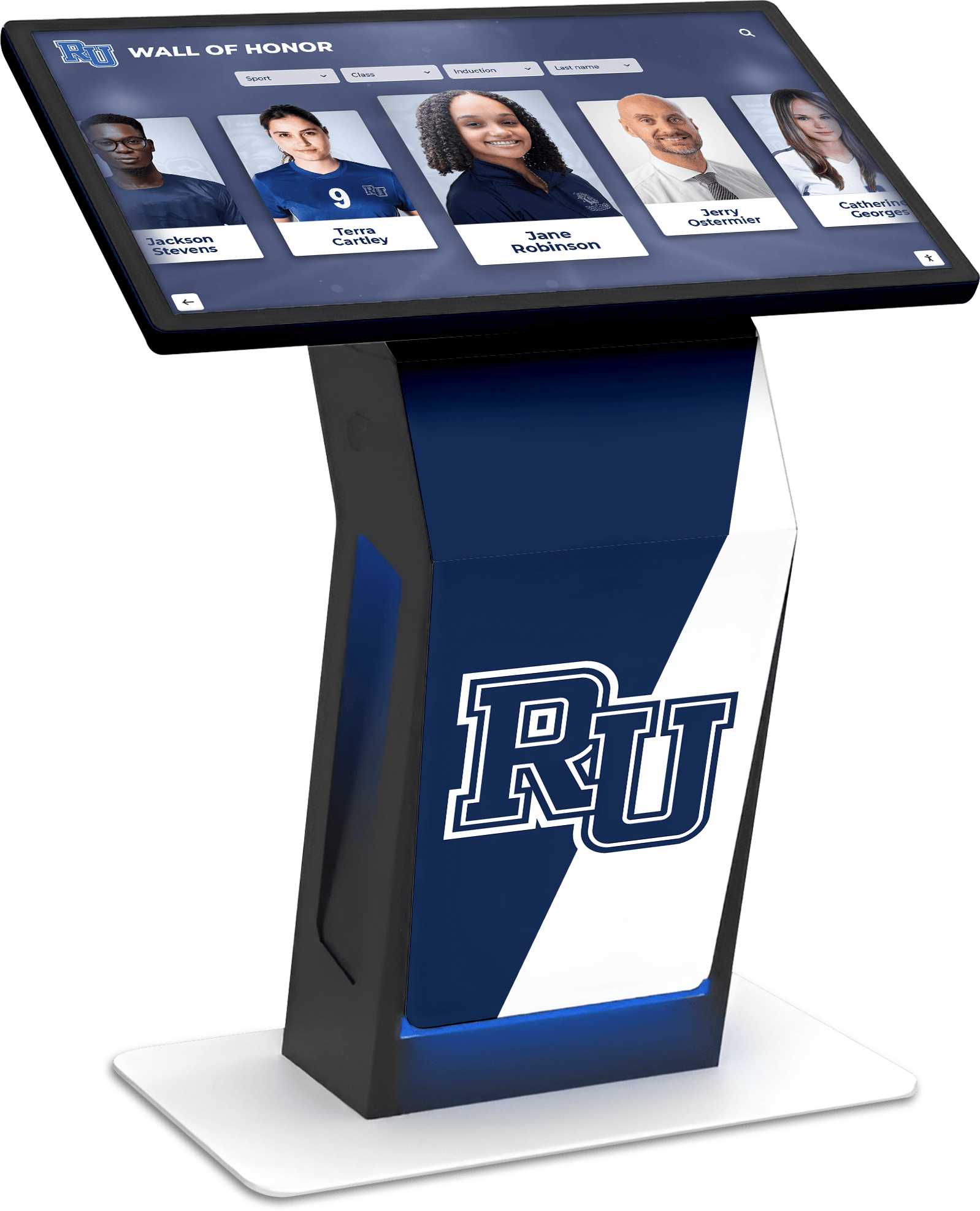
Professional recognition installations document [state championship achievements](https://toucharchives.org/blog/digital-class-composite-display-interactive-yearbook/?utm_source=organic&utm_medium=seo-auto&utm_content=digitalwarming&utm_campaign=florida-high-school-football-championship&utm_term=seo) supporting program promotion and athlete recruitment
Future of Florida High School Football Championships
Florida’s championship system continues evolving as the FHSAA addresses competitive balance concerns, adjusts classification structures, responds to changing athletics landscape, and leverages technology enhancing championship experiences and recognition.
Classification and Competitive Balance Evolution
Ongoing discussions address whether current classification systems optimally serve Florida’s diverse high school football landscape ensuring fair competition across public and private schools, large and small enrollments, and urban versus rural programs.
Private School Competitive Balance
Private schools with broader recruiting reach occasionally dominate classifications, raising questions about whether enrollment-only classification creates genuinely fair competition. Some advocate for competitive balance adjustments factoring program success history, recruiting geography, or other factors beyond pure enrollment numbers creating more nuanced classification approaches.
The FHSAA periodically evaluates competitive balance policies attempting to maintain level playing fields while respecting private schools’ legitimate participation rights and avoiding overly-complex classification systems potentially alienating stakeholders or creating unintended consequences. This balance proves challenging—any adjustment helping some programs potentially disadvantages others creating perpetual debates about optimal competitive structures.
Geographic and Demographic Shifts
Florida’s population continues shifting with explosive suburban growth, urban area changes, and rural population decline potentially requiring classification and regional realignment adjustments. The FHSAA monitors demographic trends adjusting classification boundaries and regional configurations when shifts warrant reconsideration ensuring competitive balance and appropriate geographic distribution preventing excessive travel or unbalanced regional strength.
Technology Integration in Championships
Technology increasingly influences how communities experience championship football and how schools preserve and celebrate state title achievements.
Live Streaming and Digital Access
Streaming services increasingly provide championship game access for families, alumni, and community members unable attending in person due to distance, cost, or capacity limitations. This digital access extends championship experiences beyond physical attendance while creating accessible archives preserving games for future viewing, historical documentation, and recruit highlight production.
Enhanced Digital Recognition Platforms
Schools increasingly implement comprehensive digital platforms seamlessly integrating championship documentation, celebration, and permanent recognition creating unified experiences where achievement documentation, community engagement, and historical preservation converge supporting multiple institutional objectives through single technology investments.
Modern platforms enable dynamic content updates maintaining relevance as new championships accumulate, interactive exploration encouraging community engagement rather than passive viewing, mobile accessibility extending recognition beyond campus facilities, and systematic organization ensuring championship history remains permanently preserved and accessible rather than gradually fading through neglect or institutional memory loss across personnel transitions.
Conclusion: Florida Championships as Program Cornerstones
Florida high school football championships represent more than athletic competition—they embody program excellence, coaching quality, community commitment, and traditions defining institutional identity across generations. From opening playoff rounds through regional championships to state semifinals and championship weekend at Camping World Stadium, title pursuits create defining moments for athletes, transformative experiences for students, and unifying pride for communities rallying behind teams pursuing championship glory against Florida’s elite competition.
Understanding Florida’s classification system, playoff structure, and championship paths enables deeper appreciation for achievement required reaching state title games. The eight-classification format ensures schools of all sizes access legitimate championship pathways, while regional structures balance travel considerations with competitive quality. Championship weekend provides worthy stage for Florida’s premier athletic accomplishments, creating memories lasting lifetimes for athletes, families, and communities united through shared excellence.
Beyond competition itself, championship runs create effects rippling throughout communities—increased school spirit strengthening institutional culture, enhanced alumni connections maintaining engagement across generations, elevated community pride in local institutions producing state-recognized excellence, and economic activity supporting local businesses while demonstrating athletic programs’ broader value extending beyond game outcomes into community impact.
Championship achievements deserve recognition matching their significance and creating lasting inspiration for future athletes while honoring past champions establishing program traditions. While trophy cases and championship banners provide traditional acknowledgment with important symbolic value, modern digital recognition platforms transform how schools celebrate championship success—creating unlimited capacity for comprehensive documentation beyond physical constraints, interactive exploration enabling personal discovery rather than passive viewing, accessible platforms extending recognition beyond campus to global audiences, and systematic organization ensuring championship history remains permanently preserved rather than gradually fading.
The concept of digital warming describes what happens when cold trophy cases and dated championship banners transform into vibrant interactive experiences celebrating program excellence comprehensively. When students explore championship histories discovering state title teams, learn about individual athlete contributions connecting with personal stories, and understand program traditions through engaging digital platforms, these interactions create warmth strengthening program culture and motivating ongoing excellence extending across decades. Solutions like Rocket Alumni Solutions demonstrate how technology elevates recognition from static commemoration into dynamic experiences warming athletic communities through personalized, engaging celebration of excellence connecting past traditions to current aspirations while inspiring future champions.
Athletic directors, coaches, and school administrators understand that championship recognition extends beyond honoring past achievement—it creates motivational tools inspiring current athletes through visible evidence of program excellence, engagement touchpoints connecting alumni to current programs through shared traditions, recruitment advantages attracting talented families evaluating schools and program quality, and evidence of institutional excellence benefiting entire school communities through enhanced reputation demonstrating commitment to comprehensive student development including athletic achievement.
Your school’s championship history—whether defined by multiple state titles establishing dynasty programs, memorable playoff runs creating legendary moments, or gradual program building toward sustained title contention—deserves celebration creating inspiration rather than forgotten history relegated to dusty storage rather than active program culture. Every championship team represents sacrifice, dedication, and achievement worthy of recognition honoring contributions while preserving accomplishments for future generations discovering program traditions and connecting with institutional legacy spanning decades.
Ready to transform how your school celebrates state championship achievements and football traditions? Explore comprehensive digital recognition solutions that document championship excellence, engage athletic communities, and create the lasting celebration your achievements deserve—building the digital warming essential for programs committed to sustained excellence and meaningful legacy preservation connecting past glory to future championship aspirations.
Disclaimer: This content was produced to demonstrate how purpose-built digital recognition technology supports athletic program promotion and community engagement. Program information reflects publicly available data as of January 2026 and may evolve over time.