Intent: demonstrate — field day is one of the clearest proof points that school spirit is a living, breathing force, not a slogan on a banner. When students sprint relay legs, cheer house teams, and collect victory ribbons, the energy in a gym or on a field is unmistakable. Yet most schools leave that energy on the grass the moment the last event wraps up. The photos sit in a shared drive. The winners get a pat on the back. By Monday morning, the moment is gone.
The best field day ideas don’t stop at the starting line. They build rituals and recognition systems that keep the spirit alive—in hallways, on digital screens, and in the collective memory of every student who participated. Whether you’re planning your first whole-school field day or refreshing a tradition that’s grown stale, the activities and recognition strategies in this guide give you practical tools to make competition meaningful, inclusion genuine, and memories permanent.
Field day sits in a category few school events can match. It is simultaneously academic-adjacent (teamwork, goal-setting, physical literacy) and purely joyful—a day where a student who struggles in class can lead their house to victory in a tug-of-war and feel the full weight of what it means to belong somewhere.

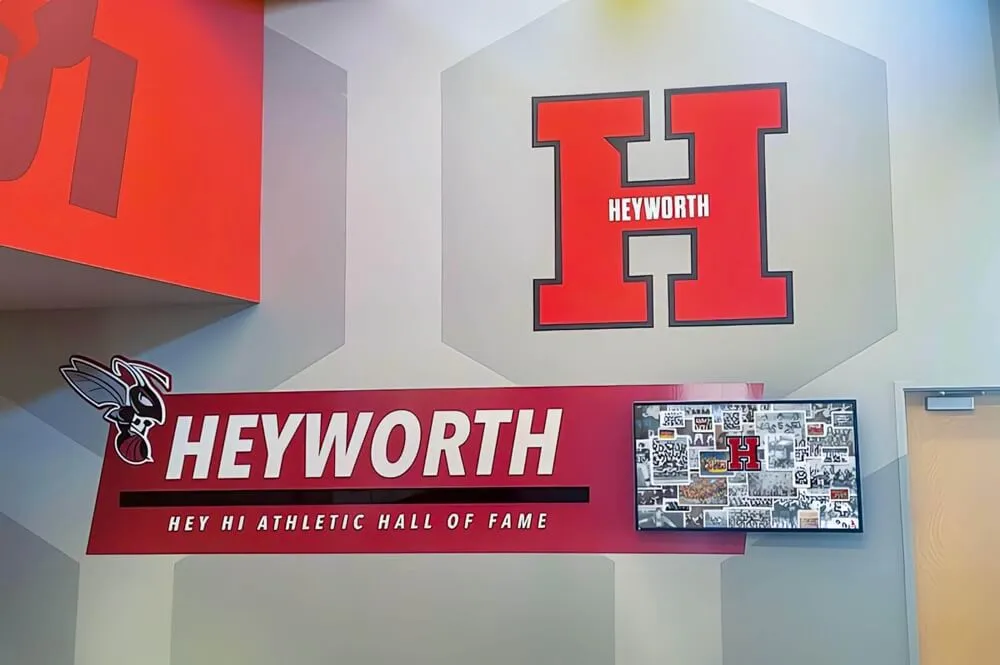
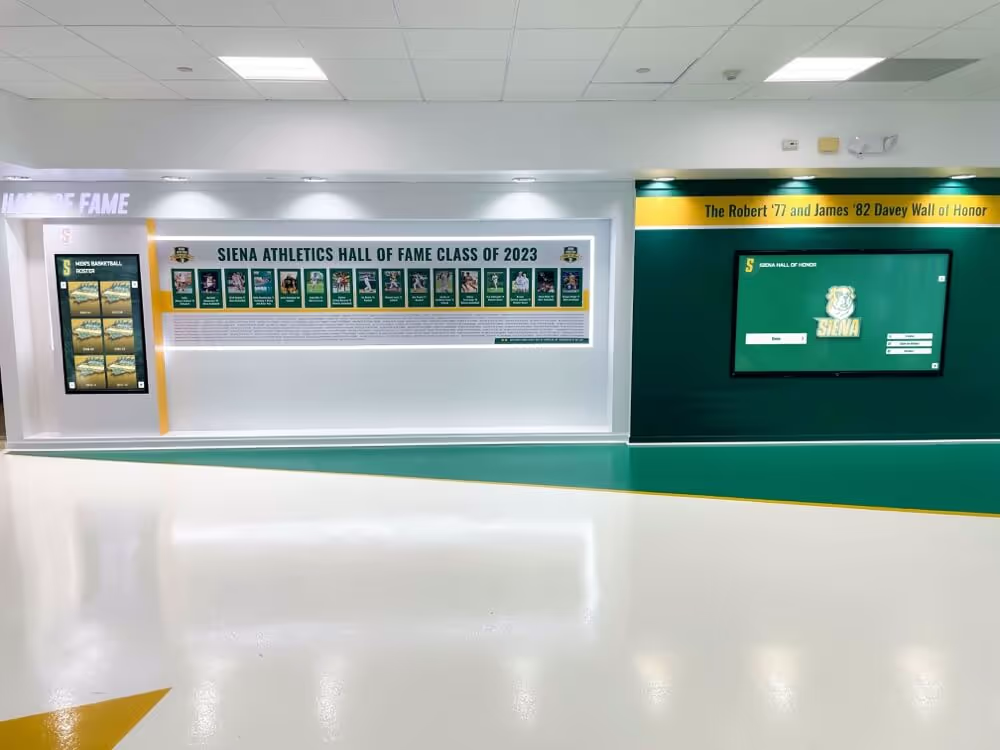
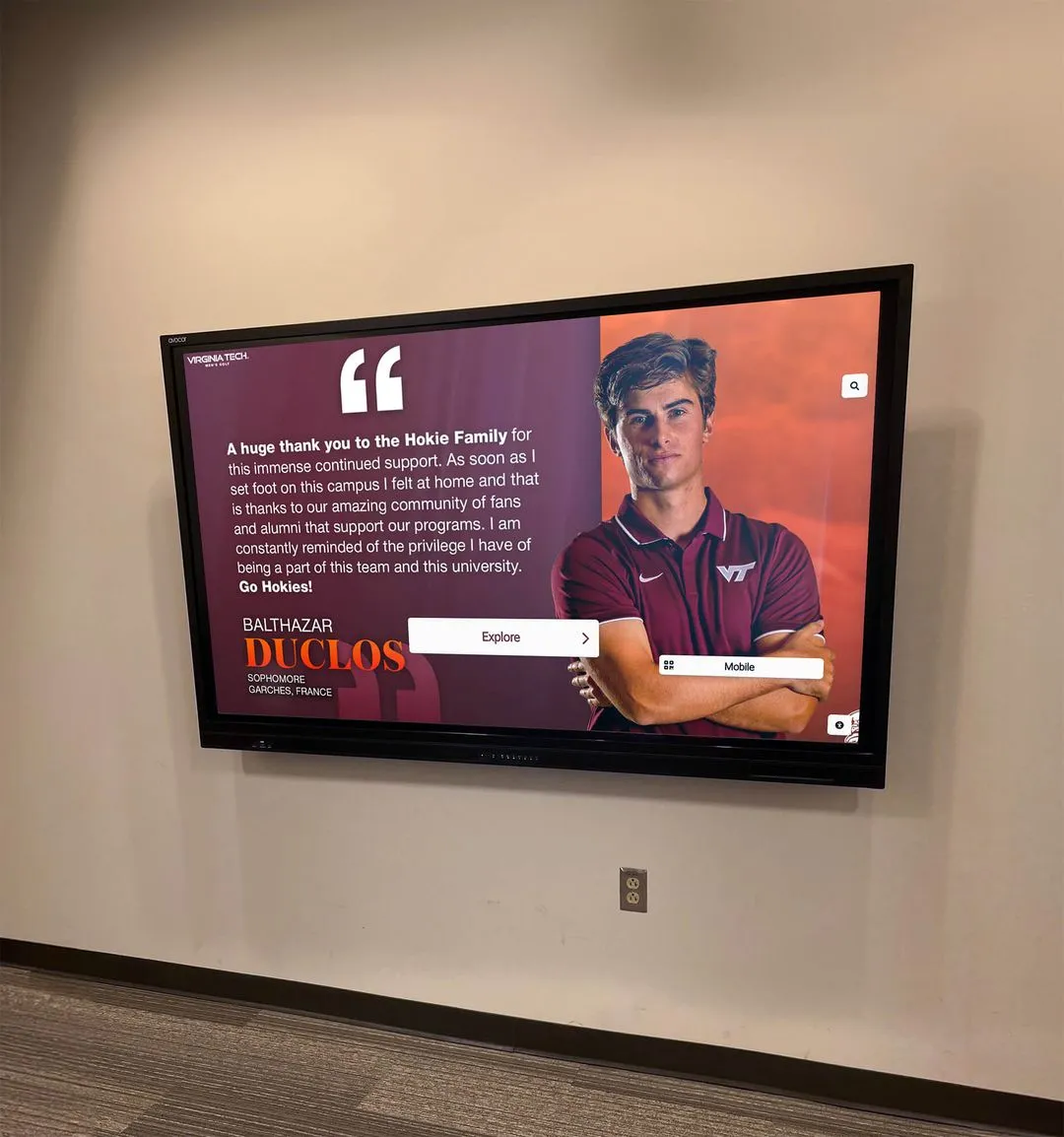
School lobbies that feature permanent recognition displays extend field day energy year-round, turning one-day events into lasting institutional pride
The Architecture of a Great Field Day
Before listing specific field day ideas, it helps to understand what separates a memorable field day from a forgettable one. Great field days share three structural elements: organized competition, visible spirit, and meaningful recognition. Strip any one of those out and the event flattens.
Organized competition means students know the stakes before they arrive. House systems, grade-level brackets, or color team formats give every event weight. A relay race between two random groups is just a relay race. A relay race that advances your house toward the championship banner is something students talk about for years.
Visible spirit means cheering sections, decorated team areas, student-painted signs, and costumes that signal belonging. When students can see and hear their community rooting for them, individual performance connects to collective identity—which is precisely the kind of digital warming that keeps school communities vibrant rather than passive.
Meaningful recognition means the people who competed, volunteered, organized, and won are publicly acknowledged and remembered. Not just with a handshake in the moment, but in displays, announcements, and digital systems that preserve field day history and surface it to students who weren’t even born when those champions competed.
Classic Field Day Ideas That Still Work
The classics persist because they work. Before adding complexity, build a strong foundation with time-tested field day activities suited to your grade band.
Elementary School Field Day Ideas
Young students need low-barrier entry and instant fun. These activities deliver both.
Obstacle Courses — Design a multi-station course with crawl tunnels, balance beams, hula hoop rings, and jump rope sections. Time each student or team and post results on a visible scoreboard updated throughout the day. Obstacle courses let every student participate regardless of athletic ability.
Sponge Relay — Teams race to transfer water from one bucket to another using oversized sponges, balancing sponges on their heads, or passing them down a human chain. High comedy, minimal equipment, maximum engagement.
Parachute Games — Parachute activities build collaboration and create visual spectacle. Mushroom lifts, popcorn bounce, and color call games can involve twenty students simultaneously with zero individual pressure.
Frozen T-Shirt Race — Freeze wet t-shirts overnight, then race to unfold and put them on first. Absurd, joyful, and instantly memorable—students will reference this event for years.
Bean Bag Toss and Bowling Challenges — Simple carnival-style skill games allow students to compete at their own pace and collect house points without the anxiety of head-to-head racing.
Middle School Field Day Ideas
Middle schoolers need a blend of genuine competition and social engagement.
Three-Legged Race Relay — Pairs tied together must coordinate movement across a course before tagging the next pair. Cooperation under pressure produces comedy and genuine athletic skill.
Capture the Flag — A classic for good reason. Separate teams, clear objectives, and continuous action keep middle schoolers genuinely invested. Use two colors of bandannas or colored pinnies to make team identification instant.
Human Foosball — Create a full-size foosball field with rope “bars” that players hold. Each row can only move side to side along their rope. Strategic, hilarious, and a favorite in schools that have tried it once.
Dodgeball Tournament — With proper safety rules and referee oversight, dodgeball remains enormously popular. Run a bracket format so every team plays multiple games and understands where they stand in the competition.
Tug-of-War Championship — The tug-of-war remains one of field day’s defining moments. Bracket it properly, keep weight classes if necessary, and make the final match a ceremonial event with the whole school watching.
High School Field Day Ideas
Older students need stakes, social complexity, and events that respect their athletic capability.
Spirit Olympics Format — Divide the school into Olympic-style teams or houses representing different colors or nations. Run a multi-event scoring system with points awarded for performance, spirit, sportsmanship, and creativity. Crown an overall champion at the end of the day.
Relay Race Series — Standard relay, baton-pass relay, dizzy bat relay, and backwards relay give students multiple chances to earn points while showcasing different physical abilities. Pair end-of-season athletic awards recognition with field day performance to connect one-day achievement to longer-term athletic identity.
Sand Volleyball Tournament — If your school has sand courts, volleyball creates immediate social clusters around team rosters. Students who don’t normally intersect socially find themselves competing together.
Kickball Classic — Nostalgic for older students who grew up playing kickball, and surprisingly competitive when run with a formal bracket. Include faculty vs. senior class exhibition matches for viral moment potential.
Giant Inflatables — Inflatable obstacle courses, sumo suits, and jousting platforms require rental investment but pay off in engagement and photo opportunities. These become the field day images that circulate on social media for days afterward.
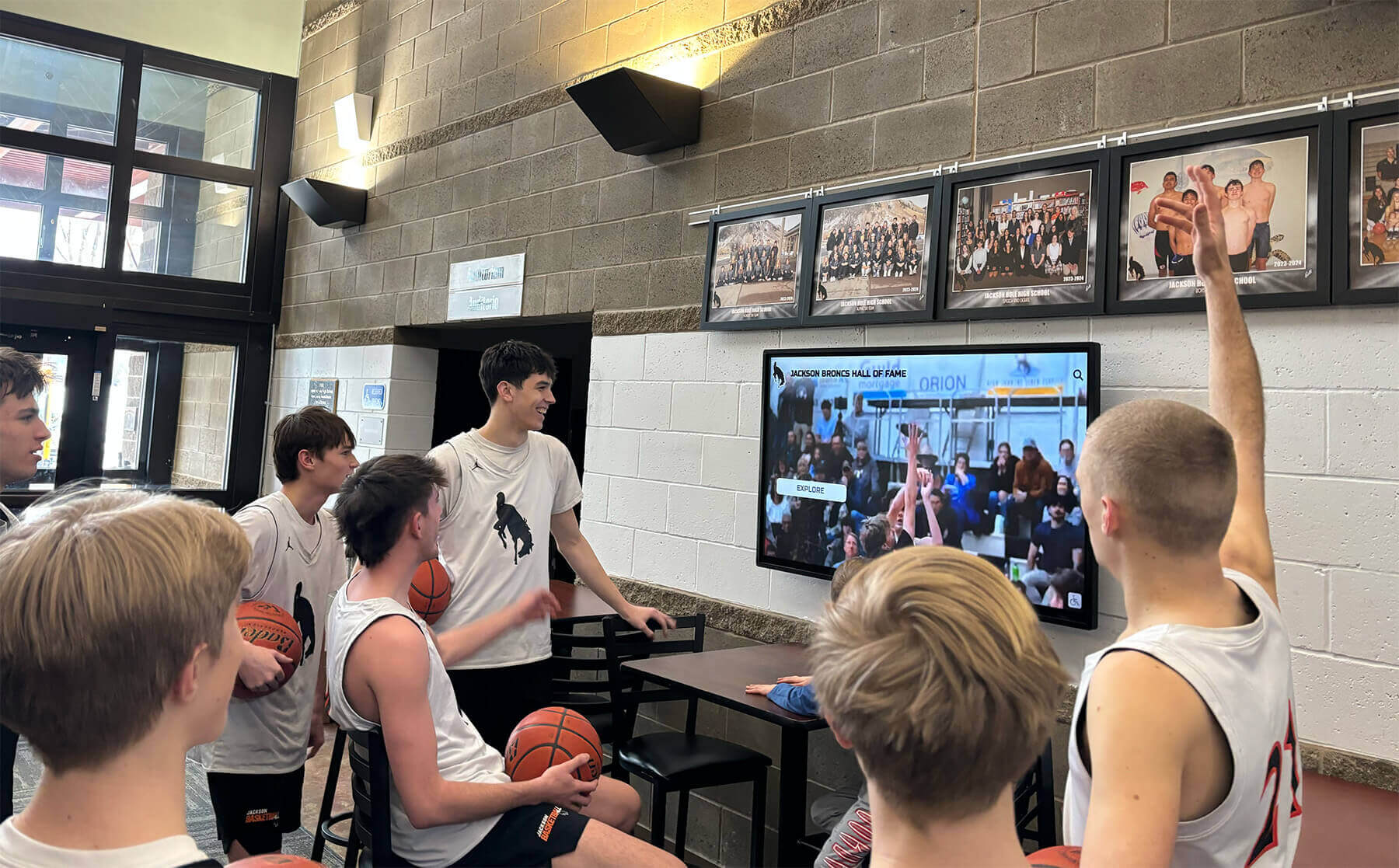
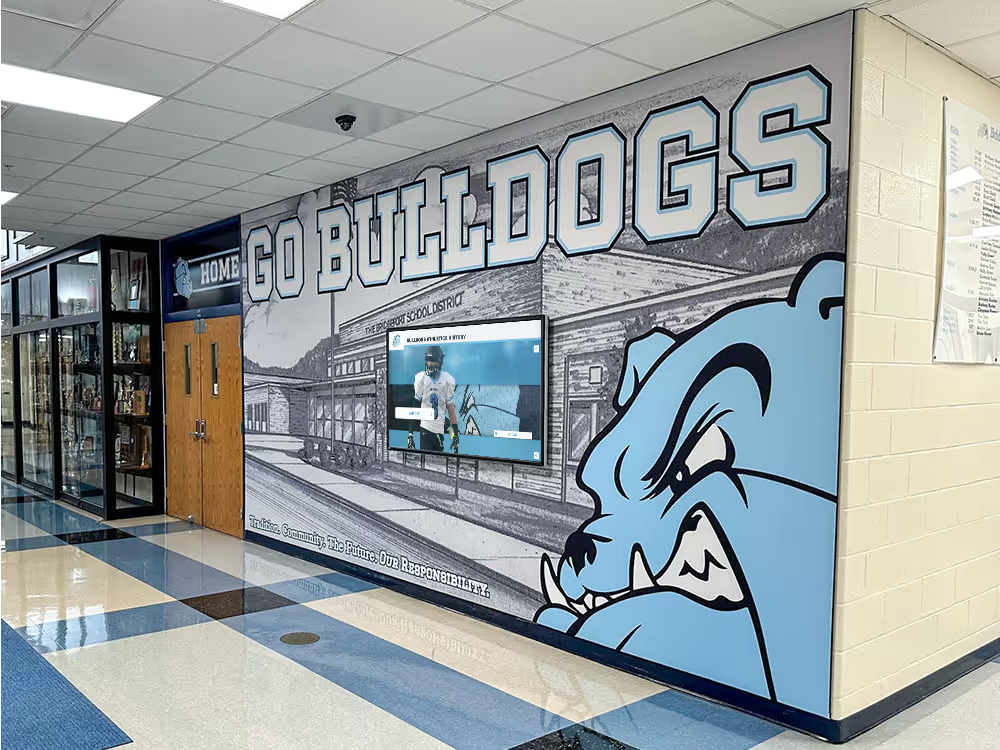
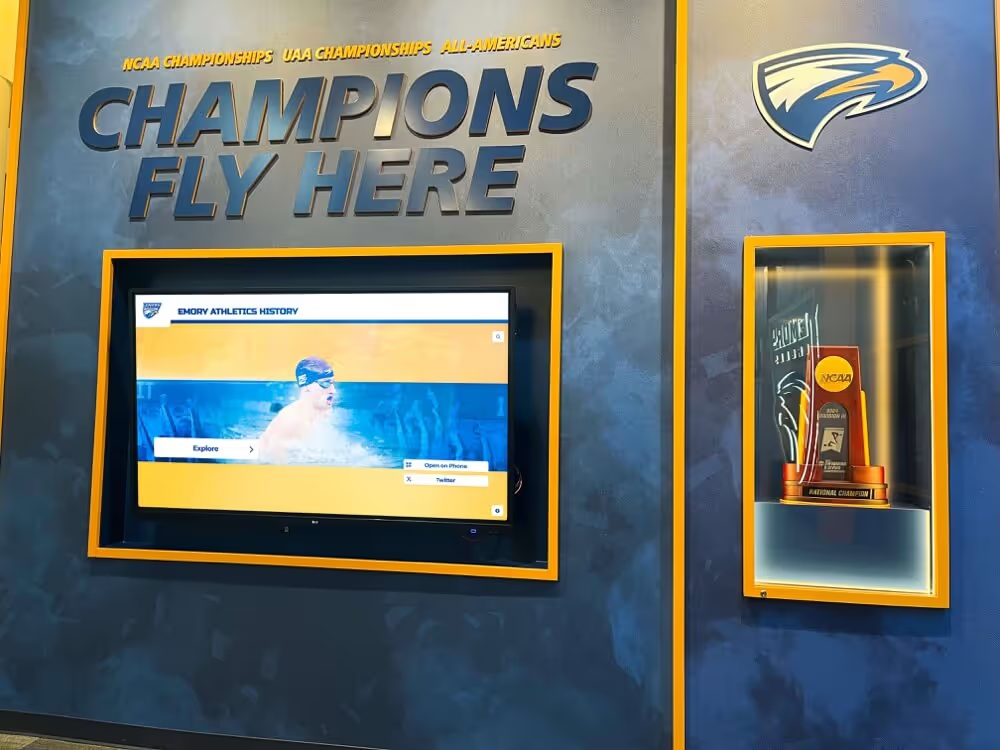
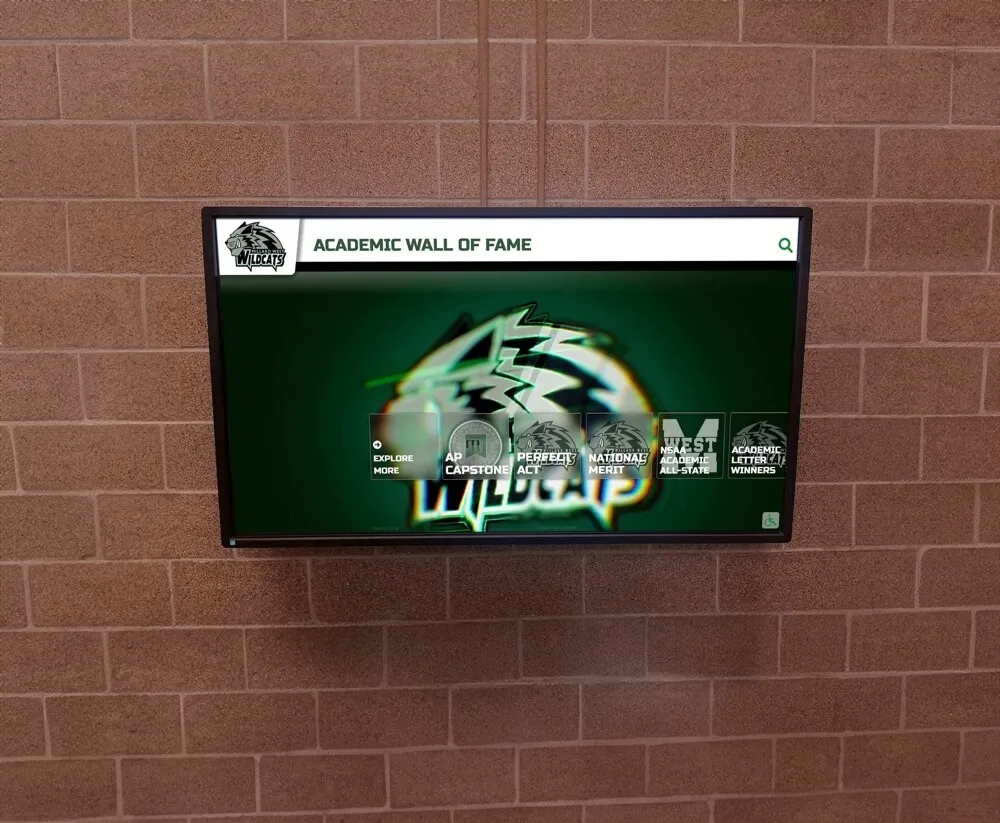
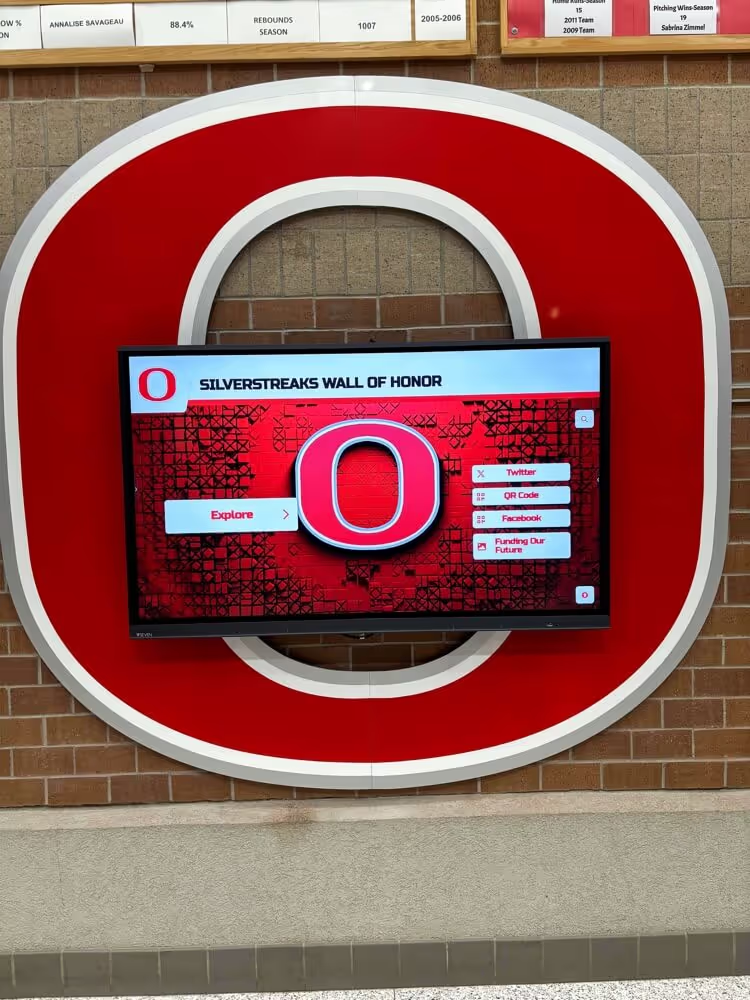
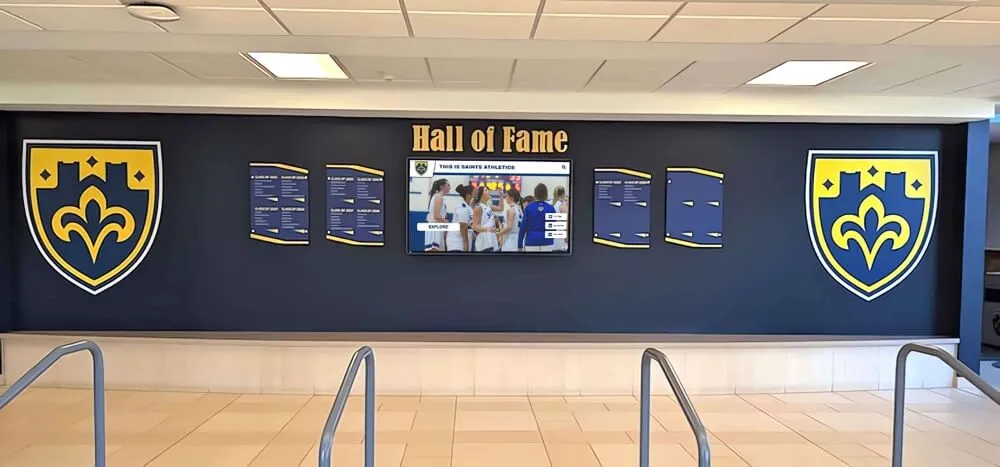
Digital displays near athletic spaces become natural gathering points where students relive field day highlights and reconnect with their school's competitive history
Spirit-Building Structures That Elevate Any Field Day
The right organizational frameworks transform individual events into something larger than the sum of their parts.
House Systems and Color Teams
House systems borrow from the boarding school tradition but work powerfully in any school setting. Assign every student to a persistent house at enrollment. Field day becomes one of multiple annual touchpoints—alongside house pep rallies, academic competitions, and service projects—that build house identity over years rather than days.
Color teams are a simpler alternative. Assign students to red, blue, gold, and green teams at the start of field day week. Require that everyone wear their team color. The visible cohort identity activates belonging immediately.
Either structure pairs naturally with back-to-school community events that introduce the house or team structure to incoming students before field day arrives.
Themed Field Days
Themes give students something to rally around before the event begins.
Olympics Theme — Assign countries or regions to each house. Dress in national colors, play country music between events, parade in with national flags during opening ceremonies. Add a torch relay from a neighboring classroom to the field for dramatic effect.
Decades Theme — Assign each grade level a decade. Students dress accordingly, music reflects the era, and spirit competitions involve trivia and cultural references from each decade. This works especially well for senior classes celebrating their final field day.
Color Wars — Pure color competition without thematic overlay. Simple, clean, and endlessly customizable. Color Wars traditions often span generations—alumni recall their team colors decades later.
Superhero Day — Students dress as heroes and compete in challenges named after powers: Speed (sprint), Strength (tug-of-war), Strategy (puzzle relay), and Agility (obstacle course). Works well with younger students who haven’t aged past the superhero enthusiasm window.
Student Leadership Integration
Involving students in running field day builds ownership and develops skills.
Student Event Coordinators — Assign student leaders to manage each event station. They handle timing, scoring, and equipment—giving them visible leadership roles that matter to their peers.
Spirit Squad Judges — Have a panel of student judges score team spirit displays, cheer volume, and creative costumes. Announce spirit scores periodically throughout the day to keep energy high during breaks between athletic events.
Volunteer Scorekeeping Teams — Student council members or honor society volunteers manage the live scoreboard and post updates after each event. Connecting digital service award recognition to field day service roles creates accountability and rewards participation in organizing, not just competing.
Creative Field Day Activity Ideas Beyond the Basics
Once your structure is solid, creative activities differentiate your field day from every previous year.
Water-Based Events
Water events create an energy shift that no dry activity can replicate—especially in late spring when schools typically run field day.
Water Balloon Toss — Progressive rounds where partners take one step back after each successful catch. The last pair to hold an intact balloon wins. Simple, high-stakes, and consistently crowd-pleasing.
Bucket Brigade — Teams form lines and pass water hand-to-hand in small cups, trying to fill a bucket at the end faster than competing teams. Chaos and teamwork in equal measure.
Slip-and-Slide Relay — A tarp, a hose, and some dish soap. Assign safety spotters at each end and you have one of the most photographed events of the year. The images from slip-and-slide relays consistently become the top post-event recognition display photographs.
Soaker Gun Stations — Set up shooting ranges where students try to knock over cups or score targets using water soakers. Individual skill event that doesn’t require head-to-head athletic competition.
Skill and Strategy Events
Not every field day participant excels in traditional athletic formats. Skill and strategy events broaden the definition of field day success.
Egg-and-Spoon Race — Balance a plastic egg on a spoon for a full-course run without dropping it. Low athletic threshold, high concentration requirement, surprisingly tense to watch.
Hula Hoop Pass — Teams form circles holding hands and must pass a hula hoop around the entire circle without breaking handholds. A test of coordination, communication, and patience that every ability level can contribute to.
Sack Race — Burlap sacks, a straight course, and competitive heats. A field day standard that never ages poorly.
Team Puzzle Relay — Each runner carries one puzzle piece back to the team’s table. The first team to assemble the complete puzzle wins. Combines athletic relay with collaborative problem-solving.
Scavenger Hunt Station — Station a team-based scavenger hunt that requires solving clues across the field. Works well as a cool-down activity or as an opener before the main athletic events.
Performance and Creative Events
Blend athletic competition with creative expression for a more inclusive field day experience.
School Spirit Cheer Competition — Teams prepare a 60-second cheer in the days before field day. A panel of judges scores based on volume, creativity, and execution. This event draws in students who would never compete in athletic events but thrive in performance contexts.
Costume Parade — Teams design and wear costumes that represent their house, color, or theme. Parade past a panel of judges who score creativity, coordination, and spirit. The winning costume designs often become the inspiration for gym mural ideas and lobby displays in the months following field day.
Chalk Art Challenge — Before the athletic events begin, give teams a 20-minute window to create chalk murals in their designated areas. These temporary artworks create a vibrant visual backdrop for field day photos and get photographed extensively before rain or maintenance removes them.
Team Flag Design — In the weeks before field day, classes design and create team flags that are displayed throughout the event and carried during opening ceremonies. The best designs can be digitized and featured in post-event displays.
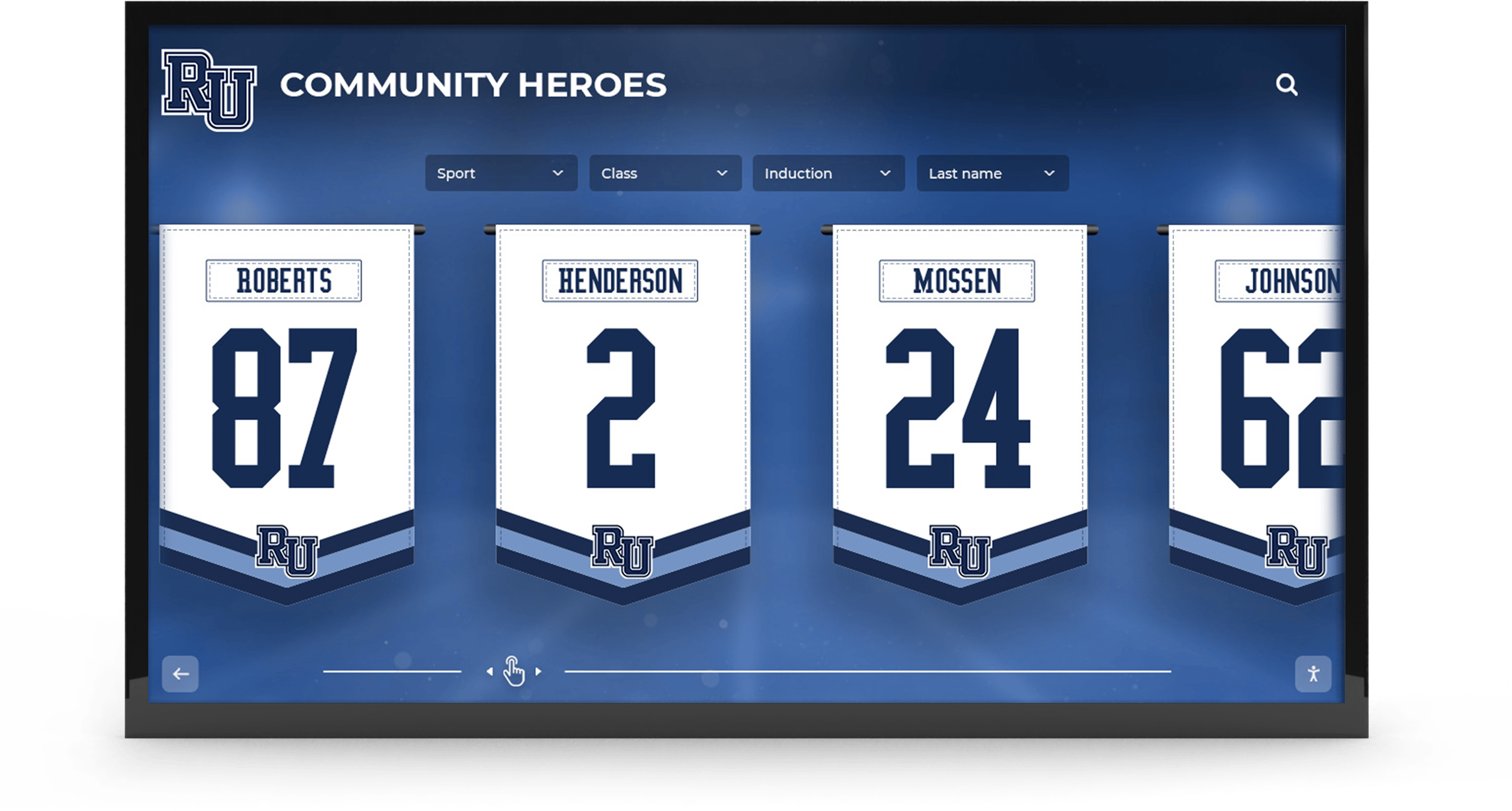
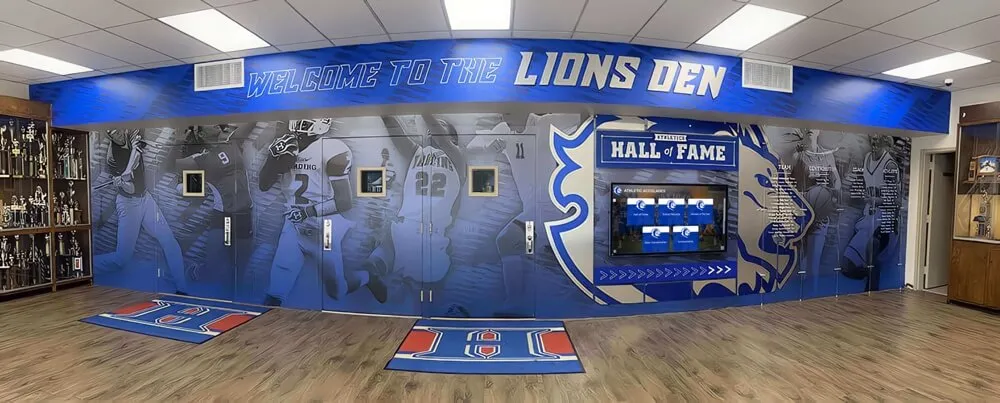
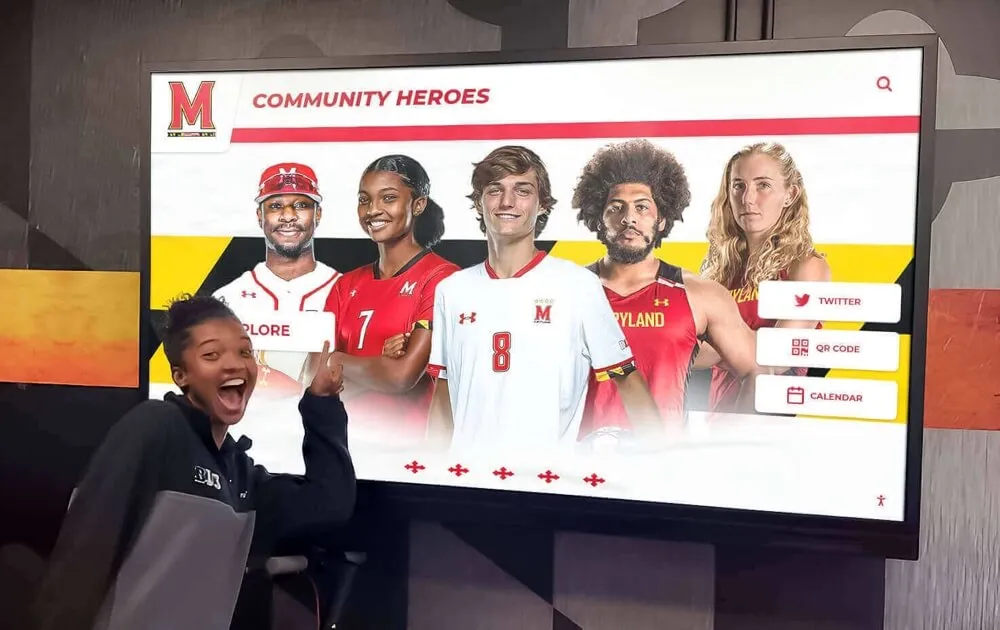
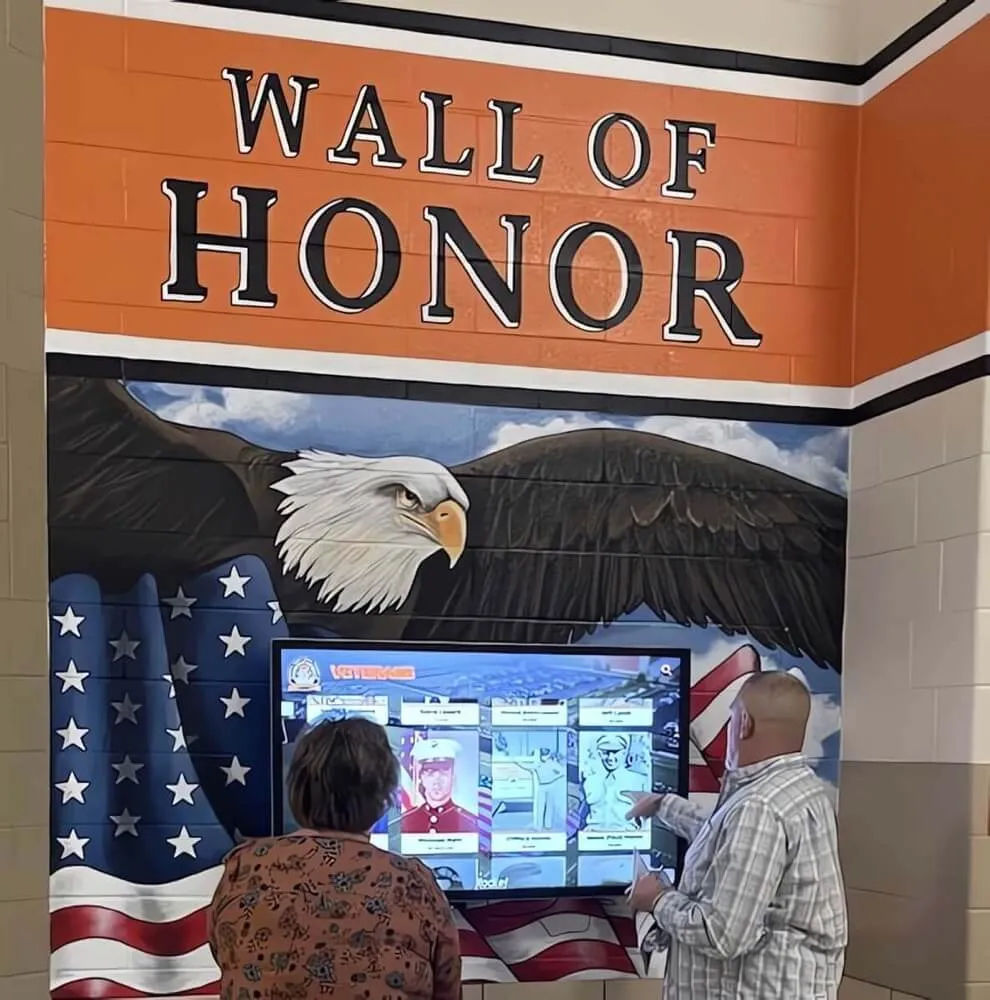
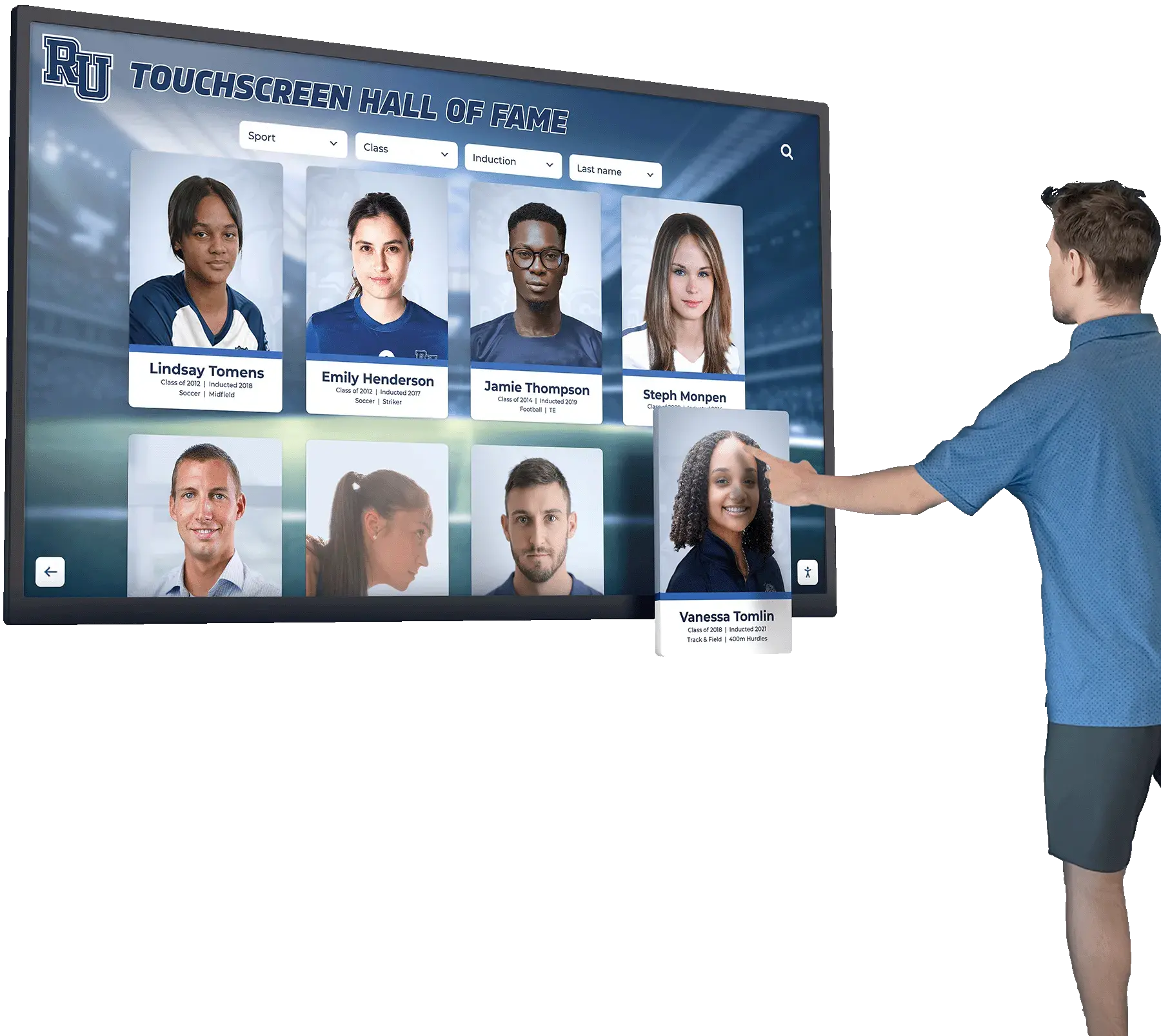
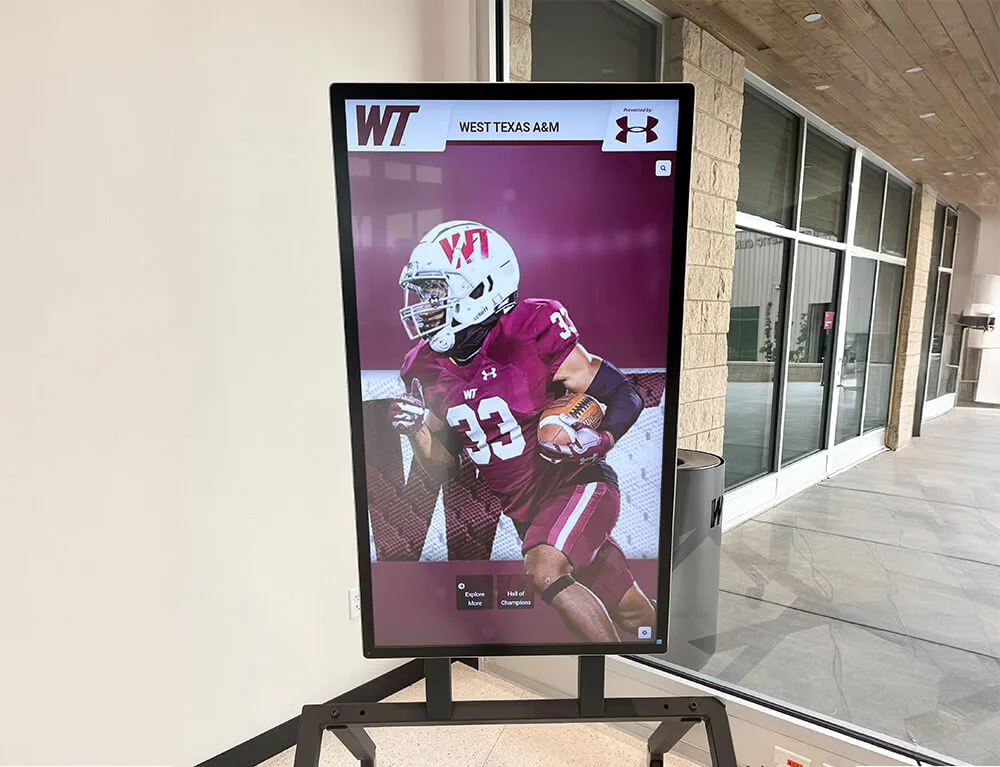
Community hero displays that feature student athletes and team champions create the kind of persistent recognition that field day moments deserve beyond the day itself
Field Day Recognition: Turning One Day Into Lasting Pride
The most common failure in field day planning is treating recognition as an afterthought. A brief trophy presentation at the end of the day, a note in the Friday newsletter, and the moment evaporates. Institutions that treat field day recognition as a year-round project see something different: students who connect field day memories to school pride for decades.
Day-Of Recognition
In-event recognition keeps energy high and signals that what students accomplish matters.
Live Leaderboards — Post updated standings after every completed event. Whether on a physical whiteboard or a digital screen in a visible location, a live leaderboard creates continuous investment. Students who trail check the scores obsessively because they know every event can change the outcome.
Medal and Ribbon Distribution — Physical ribbons and medals have staying power that certificates rarely match. Students pin them to backpacks, hang them in bedrooms, and surface them years later during school reunion conversations. Invest in quality ribbons and distribute them publicly, not quietly.
Public Address Announcements — A student or staff emcee who calls race results, announces event winners, and hypes up the crowd transforms field day from a series of activities into a produced experience. The voice of field day becomes part of the memory.
Sportsmanship Recognition — Reserve specific recognition for students who demonstrate exceptional sportsmanship, help competitors who fall, or lead their teams with character rather than just athletic ability. Sportsmanship awards often mean more long-term than performance awards because they recognize who a student is, not just what they can do.
Post-Event Digital Recognition
Field day photographs represent some of the most authentic content a school generates all year. Sweaty, joyful, mid-sprint, arms-around-teammates moments don’t come from posed portrait sessions—they come from field days, and they resonate with communities in ways that formal photography rarely does.
Photo Recap Displays — Within a week of field day, curate a photo recap display in the school lobby or main hallway. Printed banner displays with the event’s best photographs create immediate community engagement. Students slow down to find themselves, share the display on social media, and bring parents back to see it.
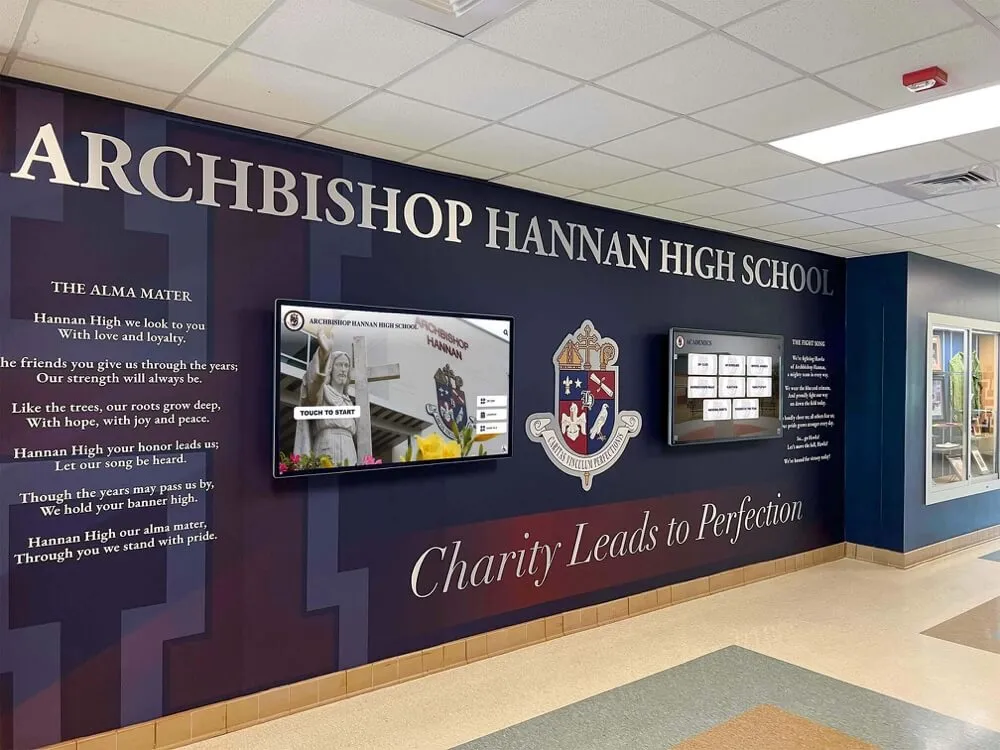
Digital Lobby Screens — Schools with interactive touchscreen displays in lobby areas can launch field day content within hours of the event. A rotating gallery of field day photographs, winner announcements, and house point totals keeps the event alive for visiting parents, prospective families, and the students themselves as they pass through common areas.
Winner Showcase — Feature field day champions in a dedicated display that stays visible for weeks rather than days. Include the event, the winner’s name and grade, their finishing time or score, and a photograph from the event. This treatment signals that field day achievement is genuinely honored within school culture, not just acknowledged briefly and forgotten.
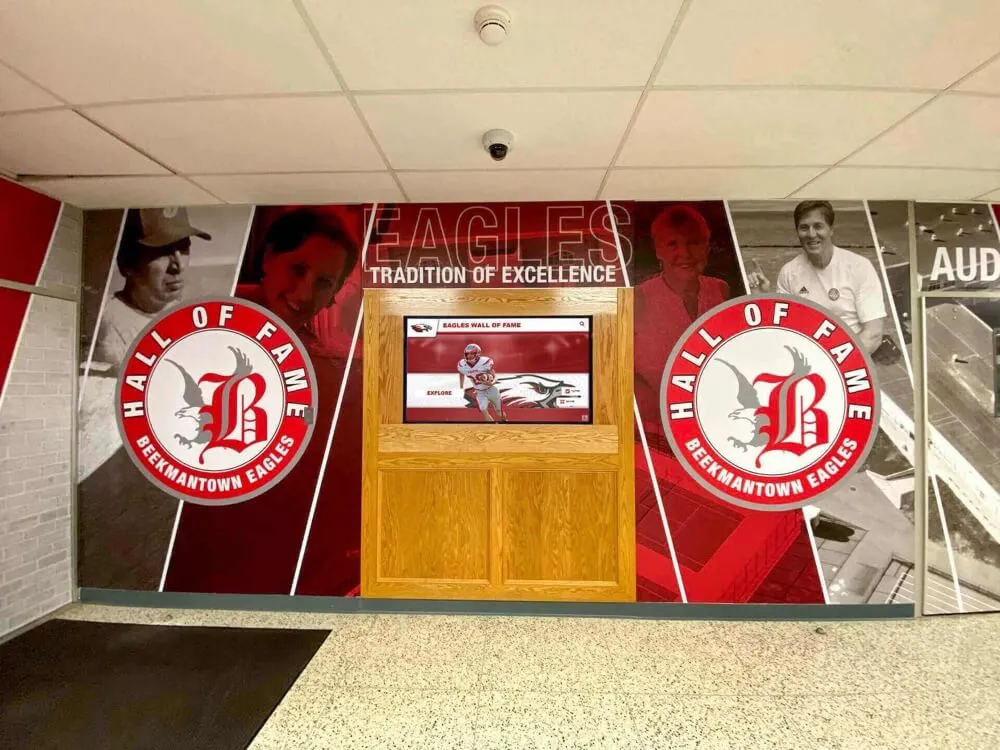
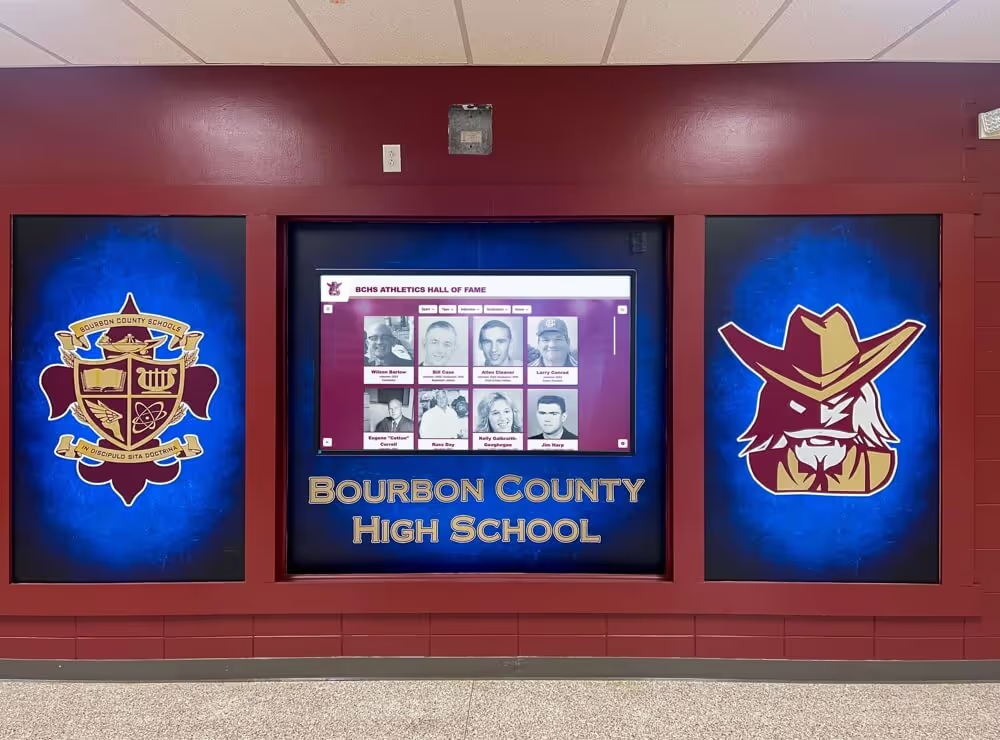
Hall of Fame Integration — For schools that run multi-year field day programs with records and traditions, integrating field day history into a broader school hall of fame creates generational continuity. When incoming sixth graders can see the field day records set by alumni who now return as graduates, the tradition gains weight and meaning that transcends any single year.
Year-Round Field Day Memory Systems
The warmest school communities don’t wait for events—they maintain ongoing recognition systems that keep field day alive between events.
Record Boards — If your field day includes timed or measured events like the 40-yard dash, standing long jump, or obstacle course, maintain ongoing records. Athletic record boards that display school records create aspiration for current students and honor past champions simultaneously. A student who holds a field day record has a piece of the school’s history attached to their name.
Annual Championship Banners — House championship banners or color team champion banners displayed in gymnasiums create visible proof that field day matters institutionally. When the 2019 championship banner hangs alongside the 2024 banner, students who were present for 2019 feel pride every time they see it. Students who weren’t there ask about the tradition—and begin anticipating their own championship moment.
Alumni Field Day Recognition — Schools with long field day histories can extend recognition backward by featuring all-time field day champions on alumni recognition walls. This works particularly well when paired with athletic team photo wall displays that preserve school athletic history in a format students and alumni encounter daily.
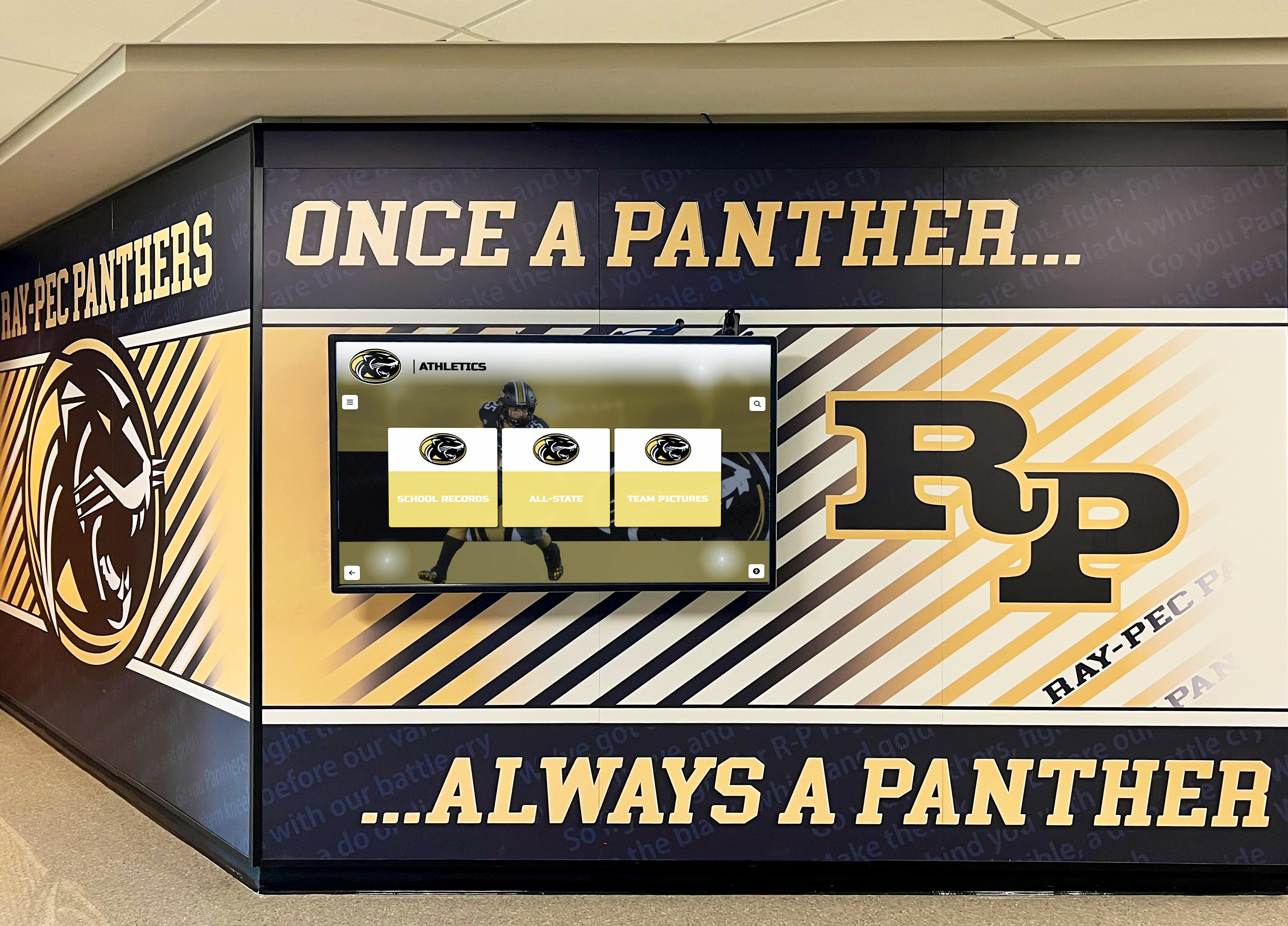
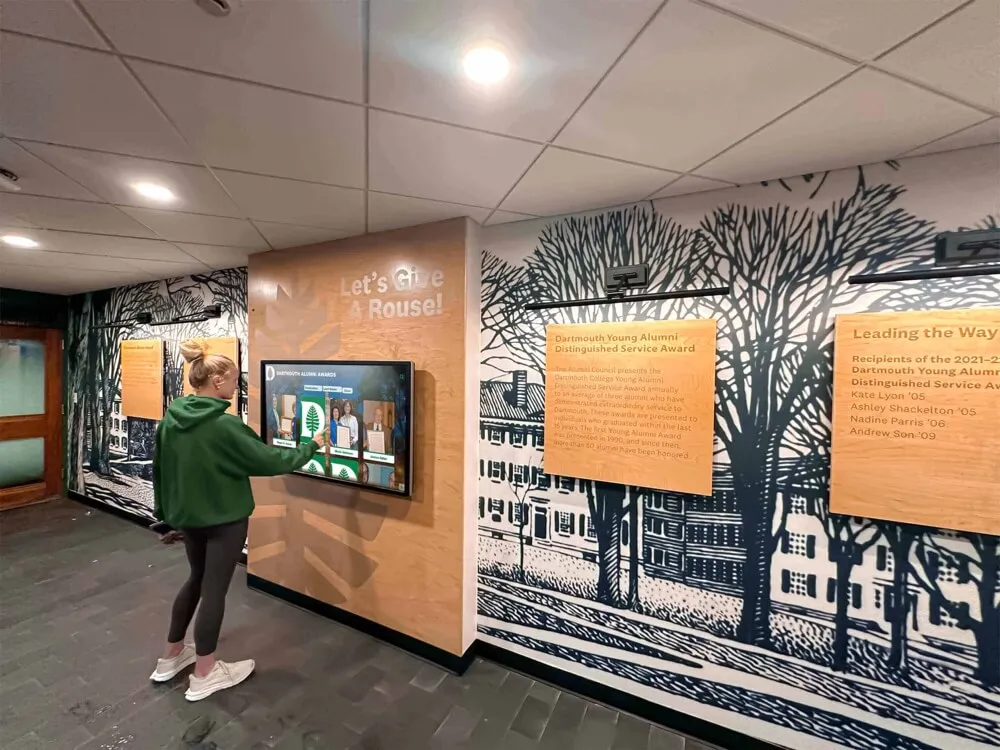
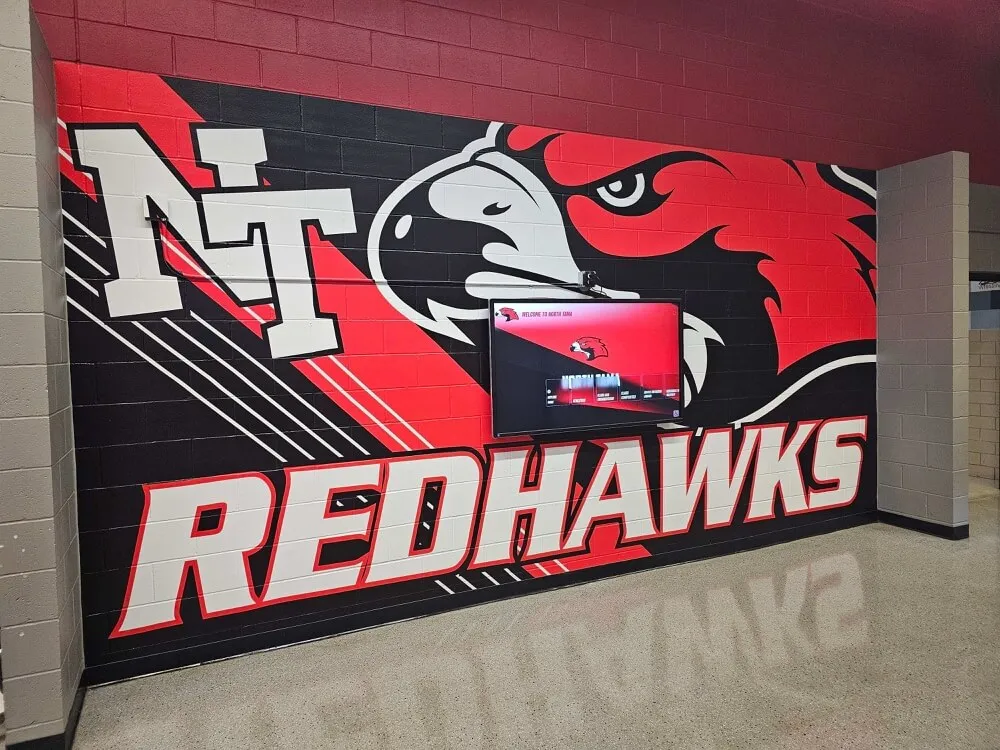
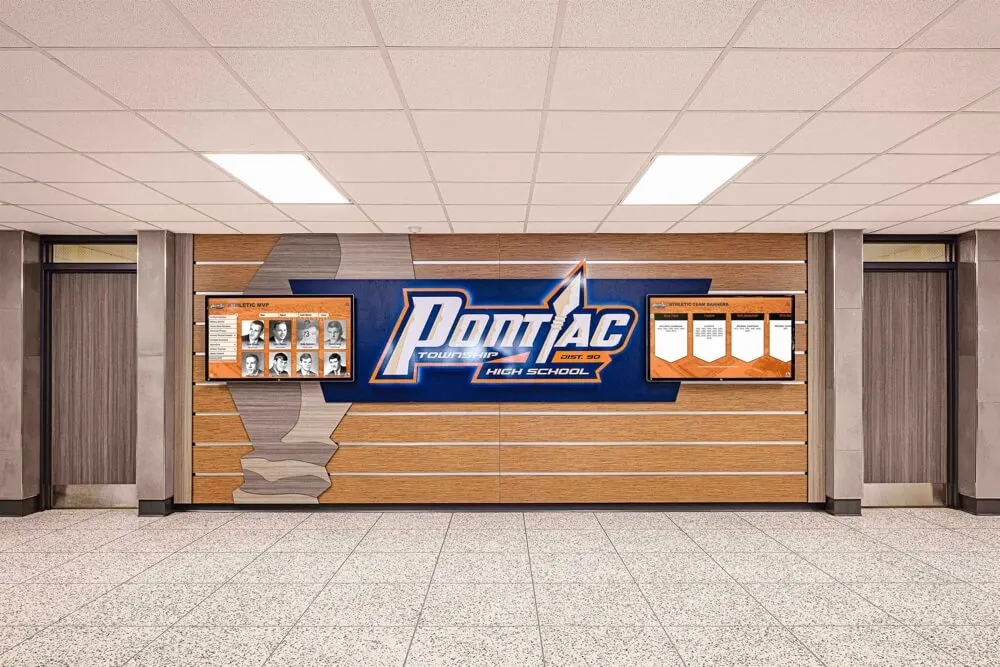
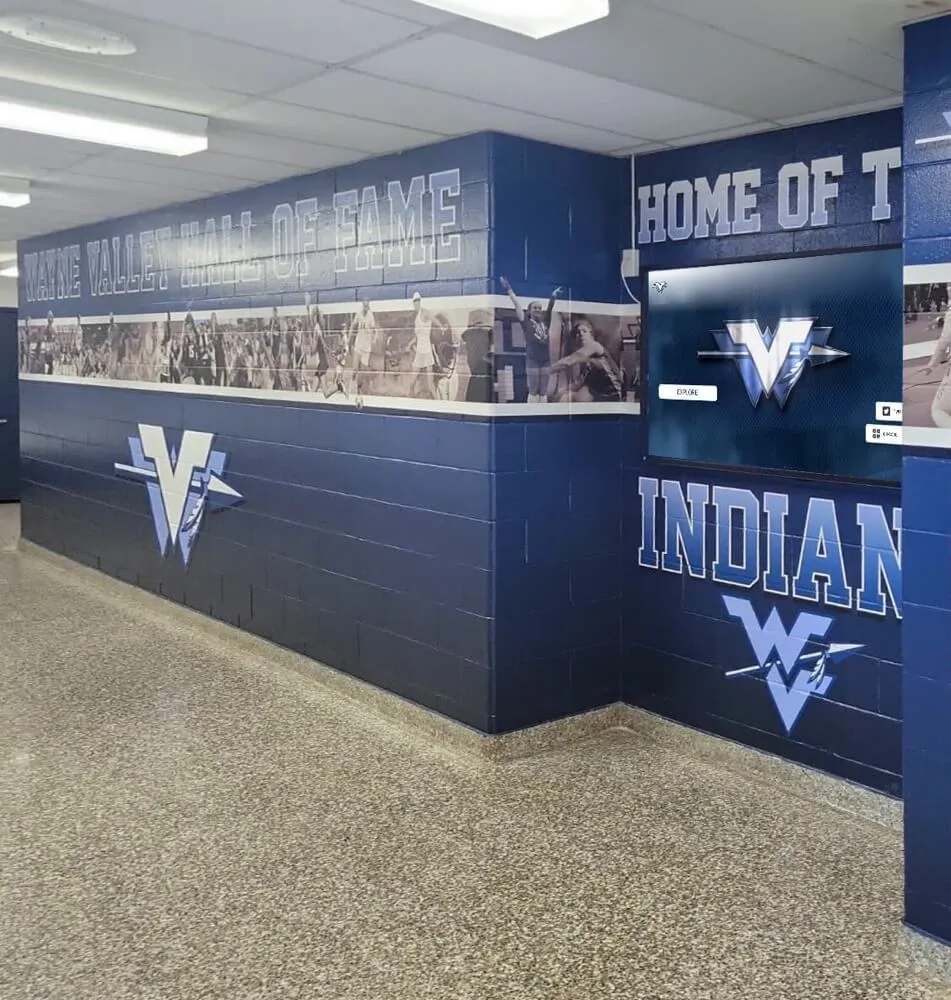
Hallway murals paired with digital screens allow schools to keep current field day results visible alongside the school's longer athletic and spirit history
Designing Field Day Recognition Displays
Whether you’re creating a temporary post-event display or a permanent recognition installation, a few design principles separate displays that get noticed from displays that get ignored.
Hierarchy and Readability
Recognition displays work when viewers can identify the most important information instantly. Use size and contrast to establish hierarchy: the event name or championship title should be the largest element, followed by the winner’s name, then supporting details. Avoid dense text blocks—field day recognition displays are read by students walking past in hallways, not by visitors sitting with time to read.
Photography First
Field day produces authentic photographic content that no professionally staged shoot can replicate. Lead every display with a strong photograph and let the visual tell the story before text elaborates. The photograph of a student crossing a finish line, arms raised, conveys the energy of field day instantly. A text block describing the event requires the viewer to reconstruct that energy from language alone.
Color and Branding Consistency
Use school colors and house colors intentionally. A field day display that echoes the visual language of your broader school signage feels institutional and permanent. A display that uses clip art and generic fonts communicates that the event was assembled quickly and isn’t really meant to last.
Placement Strategy
The best field day recognition displays appear where students and community members naturally slow down—near cafeteria entrances, along main hallway corridors, in lobby areas adjacent to front doors. Placement near the gymnasium creates context: anyone who walks into an athletic space can see the people who competed there and won. Foyer and entrance display design principles that work for general school recognition apply directly to field day: high-traffic, high-visibility placement ensures that recognition is actually seen rather than installed somewhere technically accessible but practically invisible.
Inclusion and Accessibility in Field Day Planning
Field day creates genuine inclusion challenges. Students with physical disabilities, anxiety disorders, or social difficulties can experience field day as a deeply excluding event if the program doesn’t deliberately address participation barriers.
Adaptive Event Design
Every field day activity can be adapted to create meaningful participation for students with different abilities.
Modified Courses — Design obstacle courses with accessible pathways that allow wheelchair users or students with mobility limitations to participate in the same event as their peers, along a modified route. This approach keeps groups unified rather than creating separate “adaptive” events that signal differentness.
Seated Skill Events — Precision throwing challenges, carnival-style target games, and strategy-based competitions reward skill and concentration rather than speed or strength. These events often reveal surprising athletic talent in students who are overlooked in traditional track-and-field formats.
Choice-Based Participation — Give students event menus rather than mandatory activity assignments. Students select events that align with their interests and abilities, building personalized field day experiences that maximize genuine engagement rather than coerced participation.
Volunteer and Support Roles
Some students thrive when given support roles rather than competitive roles.
Event Station Management — Students who prefer not to compete can manage timing, equipment, and scoring at event stations. These roles carry real responsibility and often lead to the warmest field day memories, precisely because support volunteers feel essential rather than pressured.
Photography and Media Teams — Student photographers and videographers who document field day develop skills, produce the content that fuels your recognition displays, and participate fully in the event without entering athletic competition.
Spirit Judges — Students who excel at observation and evaluation serve as spirit competition judges, scoring cheers, costumes, and team displays. This role requires social intelligence and communication skills that deserve recognition alongside athletic achievement.
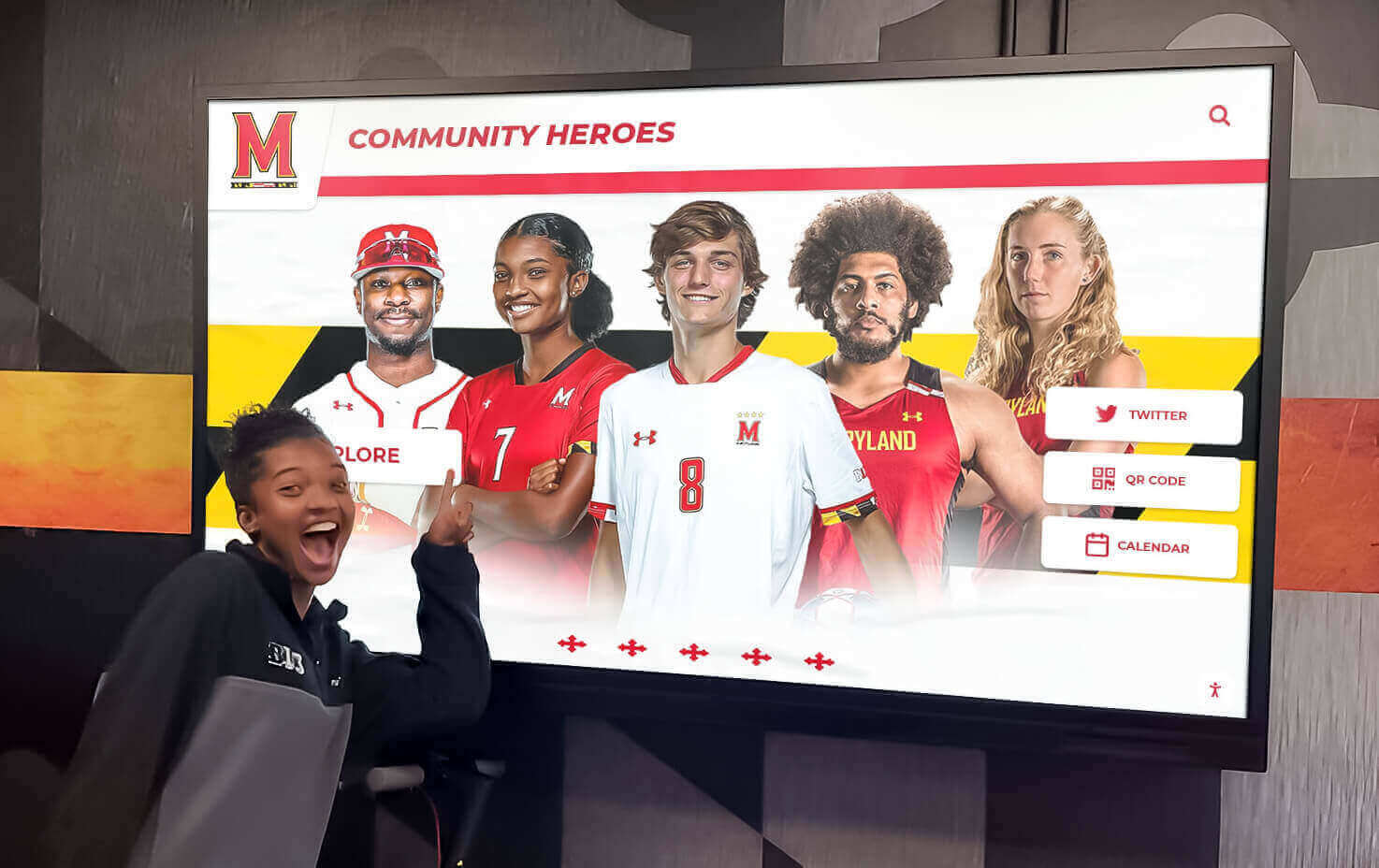
Community hero displays that include athletes, volunteers, and event organizers broaden field day recognition beyond competitive performance alone
Field Day Planning Checklist
Successful field day execution requires advance coordination across multiple teams.
Six Weeks Before Field Day
- Confirm event date, rain date, and venue with facilities
- Design house or color team system and communicate assignments to students
- Draft the event schedule including setup, opening ceremony, events, lunch break, awards ceremony, and dismissal
- Order supplies: ribbons, medals, first aid materials, sunscreen stations, water stations
- Recruit parent volunteers and assign roles
- Brief student leaders on their event responsibilities
Three Weeks Before Field Day
- Finalize event list and confirm equipment for each station
- Create team registration for any bracket-format events
- Design and order recognition display materials if using printed banners
- Establish scorekeeping system and assign scorekeepers
- Communicate logistics to families including start time, dress code, and sun protection requirements
One Week Before Field Day
- Conduct student leader orientation and rehearsal
- Test all equipment and identify backup options for anything likely to fail
- Confirm volunteer assignments and provide event day contact information
- Prepare the awards ceremony including trophy/medal inventory and speaker notes
- Set up post-event photography submission system for student media teams
Day Before Field Day
- Mark event courses, set up equipment, and test water stations
- Charge any electronic devices used for scorekeeping or displays
- Confirm weather forecast and activate rain plan if necessary
- Brief all staff and student leaders one final time
Post-Event Week
- Curate field day photographs and prepare recognition display
- Post event results and house championship announcement through school communication channels
- Deploy digital display updates featuring field day content
- Collect sportsmanship nominations from teachers and announce award recipients
- File records, update historical documentation, and debrief with planning team for next year’s improvements
Connecting Field Day to Long-Term School Spirit Infrastructure
The schools that do field day best aren’t treating it as an isolated annual event. They’re treating it as one component of a spirit infrastructure that includes athletic recognition walls, alumni displays, academic achievement boards, and digital engagement systems that collectively warm up the school environment year-round.
Field day generates some of the most authentic community content a school produces. Photographs from a tug-of-war final, a mid-air parachute lift, or a water balloon eruption capture the living pulse of a school community in a way that posed portraits never can. When those photographs flow into permanent displays—lobby screens, hallway galleries, digital hall of fame systems—the energy of field day becomes part of the school’s ongoing identity rather than a memory that fades by summer.
Schools investing in football banquet planning and recognition events understand this principle intuitively: the event itself is the starting point, not the destination. The destination is a community where members feel genuinely seen, valued, and proud to belong. Field day is one of the most powerful catalysts for that feeling—when the recognition systems exist to capture it.
High school fundraising events and field day can also operate in partnership: event sponsorships, branded t-shirt sales, and concession fundraisers generate revenue that funds better recognition displays, improved equipment, and expanded events in future years. Schools that treat field day as both a spirit event and a light fundraising opportunity often find that community investment in the program deepens when participants feel their contributions directly improve the experience.
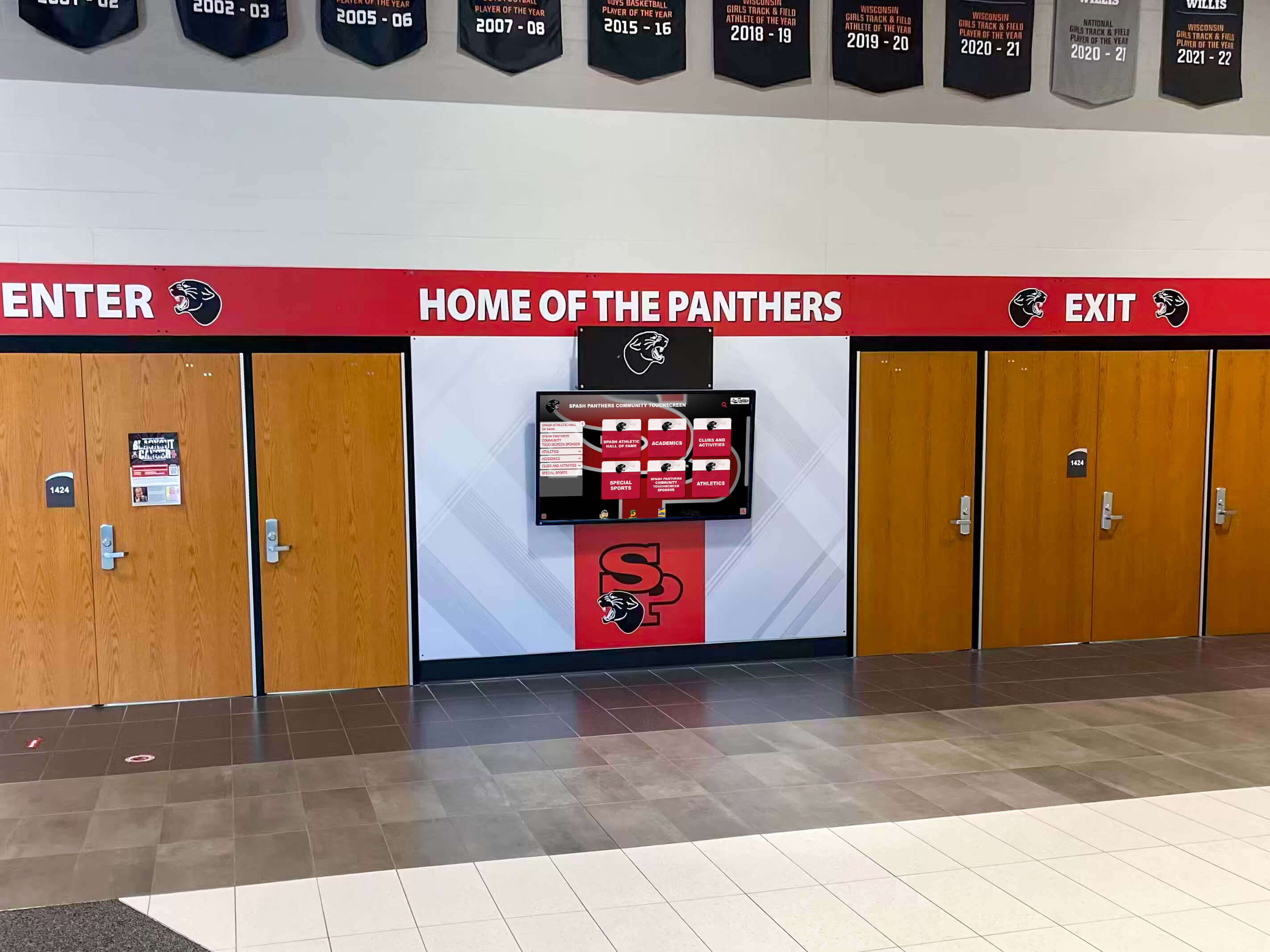
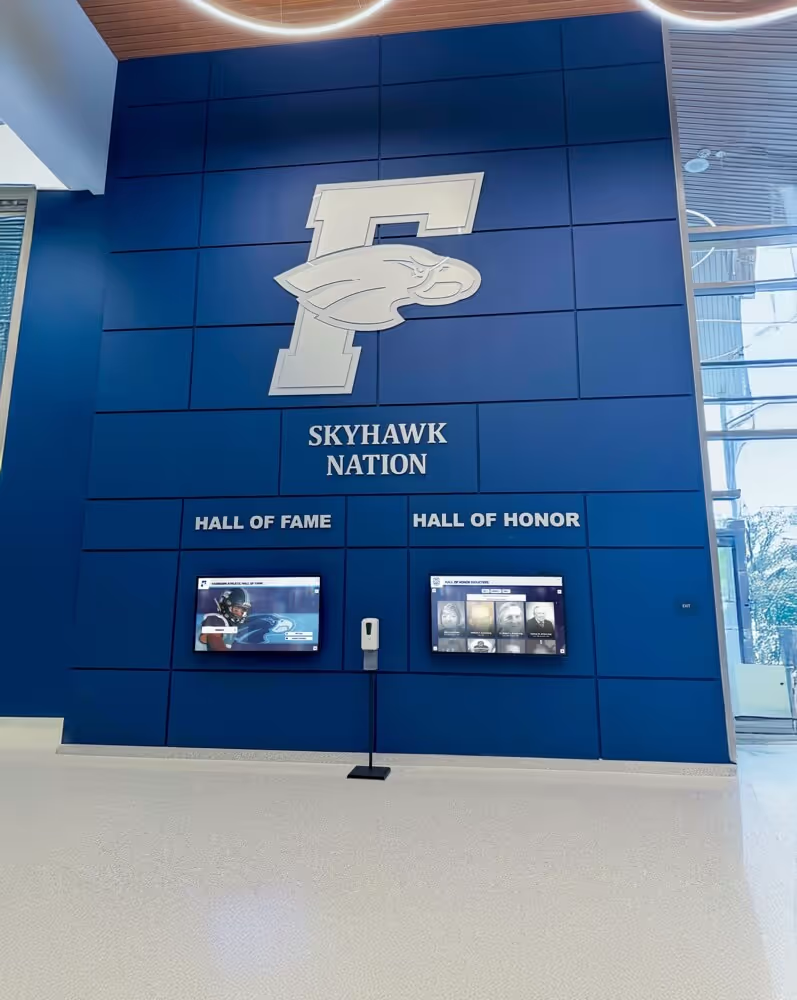
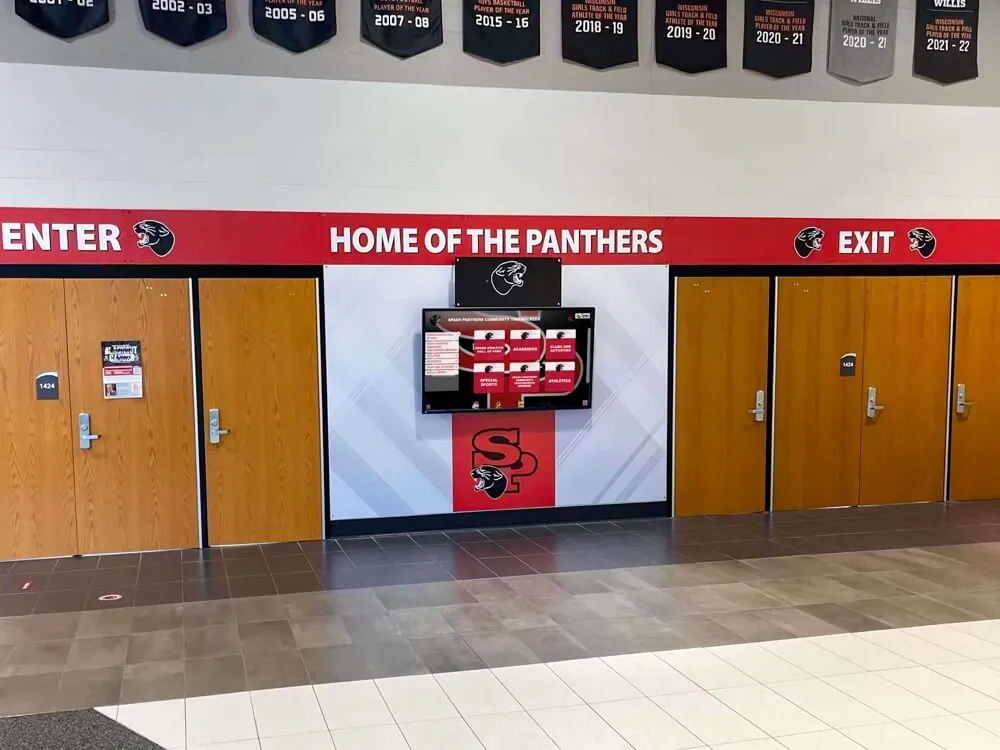
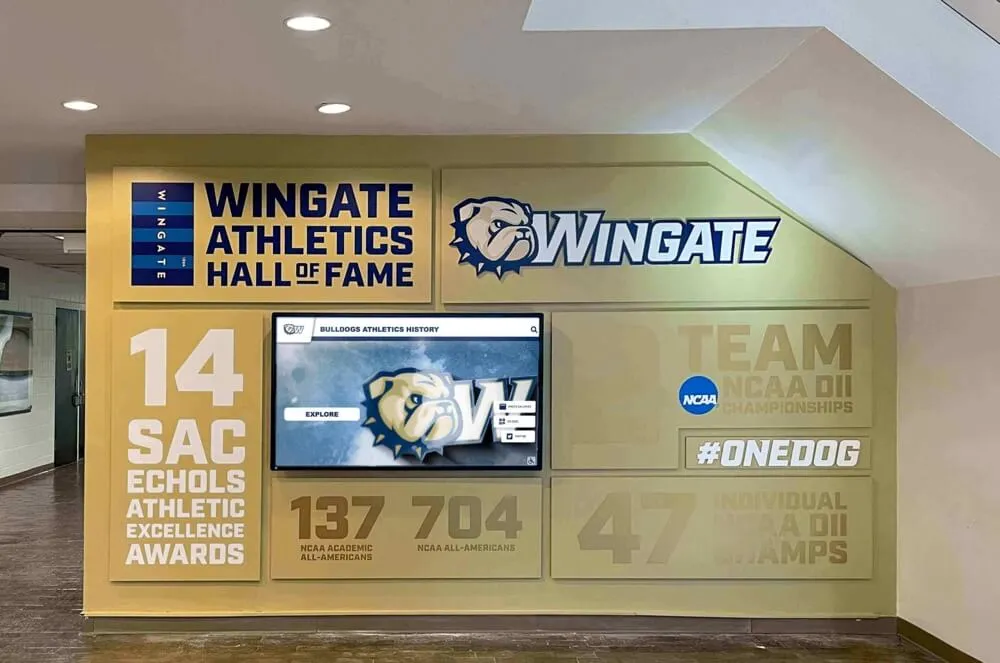
School entrances featuring digital recognition screens allow field day champion announcements to greet every visitor and student from the moment they arrive
Frequently Asked Questions About Field Day Ideas
How many events should a field day include?
Most successful field days run between eight and fourteen events, depending on school size and time available. Elementary programs with shorter blocks need more stations operating simultaneously so students aren’t waiting in long lines. High school programs with longer periods can run sequential bracket-format events with an engaged audience watching.
What is the best format for high school field day?
The house system or color team Olympics format consistently produces the highest engagement at the high school level because it creates meaningful stakes across an entire day rather than one-off competitive moments. When individual event points accumulate toward a championship, students stay invested through events where their team isn’t directly competing.
How do you make field day more inclusive?
Build event menus that offer both athletic and non-athletic participation options. Create meaningful volunteer and leadership roles that aren’t consolation prizes. Design at least two or three events that favor precision, strategy, or creativity over speed and strength. Public recognition of sportsmanship, volunteerism, and spirit alongside athletic performance signals that field day values community, not just competition.
Should field day be competitive or purely for fun?
Both extremes miss the point. Removing all competition removes the energy that makes field day memorable. Making competition the only metric excludes students who don’t excel athletically. The best field days have genuine stakes for those who want them and genuine belonging for those who don’t—achieved through layered recognition that values character and participation alongside performance.
How do you preserve field day memories long-term?
The most effective long-term memory systems combine photography curation with permanent display infrastructure. Annual champion banners, record boards for timed events, lobby photo displays updated after each field day, and digital recognition systems that archive field day history create institutional memory that lasts far beyond the event. When a graduating senior can see their field day records displayed alongside records set by alumni who graduated a decade earlier, the tradition carries genuine weight.
Field day is one of those rare school events that earns genuine anticipation—students counting down, teachers planning strategies, parents clearing their calendars to volunteer. That anticipation represents a powerful community asset. The field day ideas in this guide give you the tools to honor it: structured competition that creates stakes, inclusive activities that expand participation, and recognition systems that keep the energy alive long after the tug-of-war rope hits the ground.
The schools that get the most from field day treat the event as a catalyst for year-round community warmth. Every photograph from the relay race, every ribbon pinned to a backpack, every champion name added to a lobby display is a small act of institutional memory-making. Over years and decades, those small acts accumulate into something larger—a school where people feel they belong, where achievement is noticed, and where even a single spring afternoon on a grass field can matter enough to remember for a lifetime.
Ready to make field day recognition last all year?
Rocket Alumni Solutions builds interactive digital displays, lobby recognition walls, and school hall of fame systems that turn your school’s best moments into permanent community pride. From field day photo galleries to all-time record boards, our platforms are used by hundreds of schools to keep school spirit visible every day of the year.